Enterprise GenAI success depends on more than models—security, observability, evaluation, and integration are critical to move from fragile pilots to reliable, scalable AI.
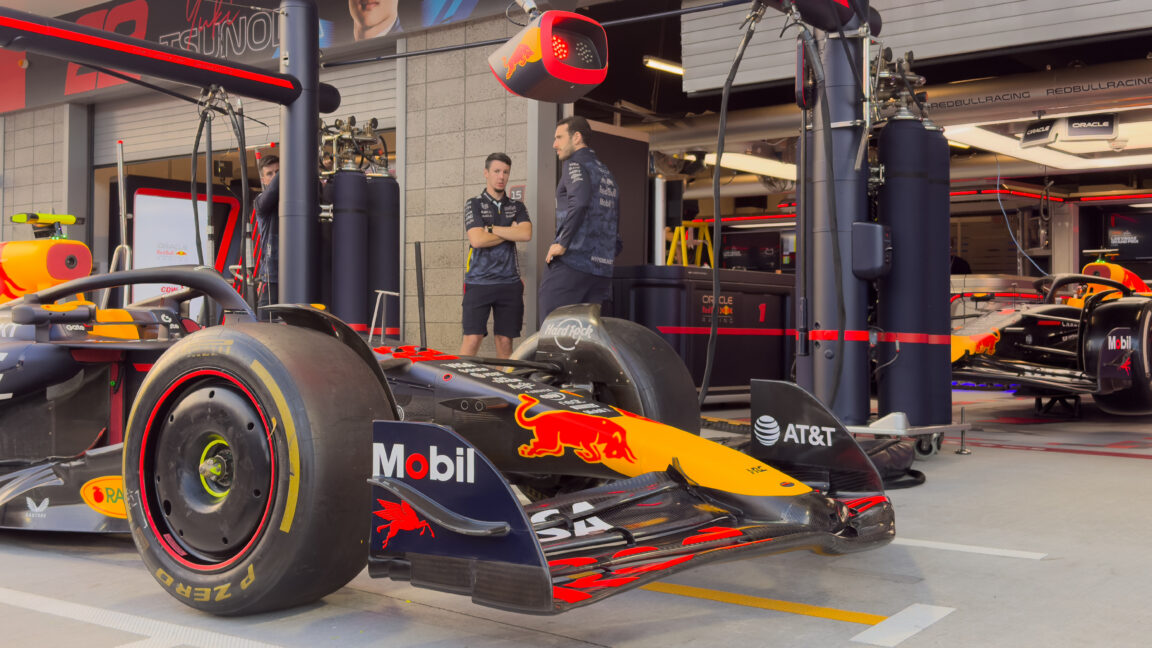
LAS VEGAS—A Formula 1 car runs on soon-to-be-synthetic gasoline, but an F1 team runs on data. It’s always been an engineering-driven sport, and while you can make decisions based on a hunch, the kinds of people who become good engineers prefer something a little more convincing. And the volumes of data just continue to get bigger and bigger each season. A few years ago, we spoke to Red Bull Racing about how it stayed on top of the task, but a lot has changed in F1 since 2017, as we found out at this year’s Las Vegas Grand Prix.
It’s hugely popular now, for one thing, even in the United States: a 200 mph soap opera now with 24 episodes a season. Superficially, the cars look the same—exposed wheels, front and rear wings, the driver in between some side pods. And the hybrid powertrains that make the cars move are still the same format: 1.6 L turbocharged V6 engines that recover energy from the rear wheels under braking as well as the turbine as it gets spun by hot exhaust gases.
But the cars are actually fundamentally different, particularly the way they generate their aerodynamic grip mostly via ground effect generated by the specially sculpted underside of their floors rather than the front and rear wings. A bigger change lurks in everyone’s accounts. The days when teams were free to spend as much money as they could find are gone.
We’re in something of a purple patch if you’re a fan of clever new technology in single-seat race cars. Out in the Middle East, the autonomous A2RL crew held another race at Yas Marina, one that by all accounts was a lot more impressive than the last time the self-driving race cars competed against a human. Formula E teams are getting ready for the debut next year of their Gen4 era, which sees cars with real downforce and almost twice as much power. Meanwhile, we only have a few months left before we see the results of F1’s new technical rules change, as the sport adopts far more powerful electrical propulsion and active aerodynamics. But what if there was an electric single-seater that was faster around a track than any of these?
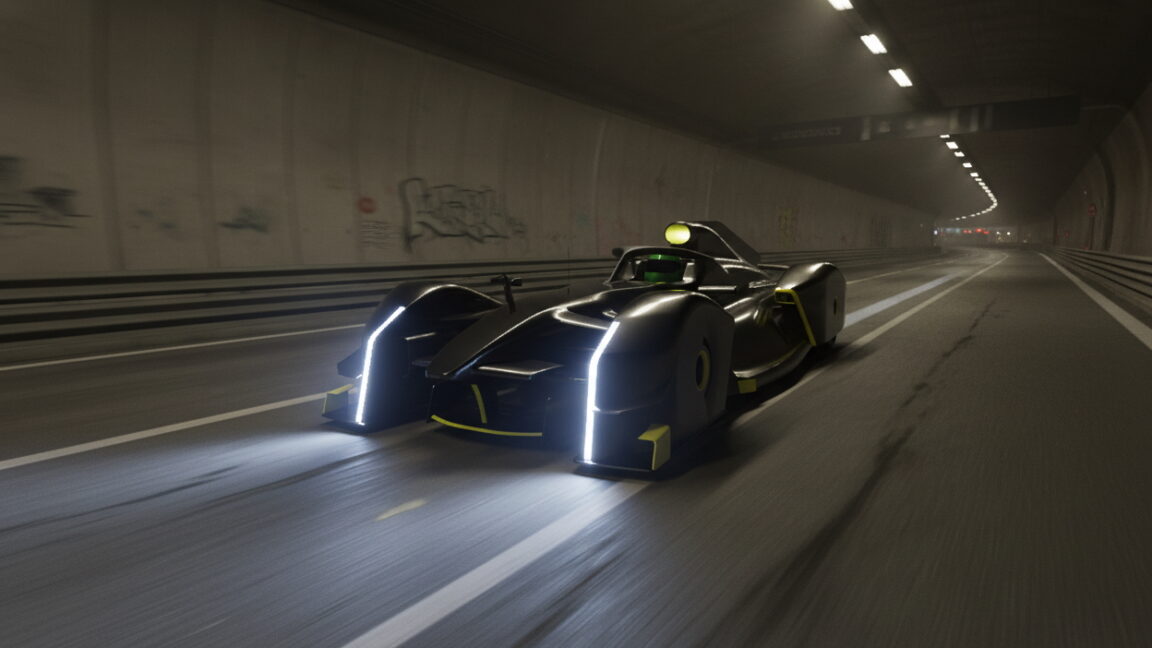
That’s the idea behind the DRG-Lola, a racing concept designed from the ground up by Lola Cars, the storied-now-reborn British race car manufacturer, and Lucas di Grassi, veteran of the hybrid LMP1 sportscar days and FIA Formula E champion. Di Grassi is one of the more thoughtful racing drivers out there and is a passionate advocate of clean technologies in racing—in 2020 he shared his earlier thoughts on where Formula E could take its technical direction.
The DRG-Lola is much closer to reality than that 2020 concept; di Grassi has relied on existing battery and motor technology, rather than some uninvented unobtanium to make it all work. It generates 804 hp (600 kW) from a pair of electric motors driving the front and rear axles and is powered by a 60 kWh battery pack that’s arranged in modules on either side of the driver’s cockpit.

 Login
Login