While satellite constellations — such as Starlink — are resilient, 2,000 drones could cut communications to a region the size of Taiwan, researchers find.
Cyberattackers are integrating large language models (LLMs) into malware, running prompts at runtime to evade detection and augment their code on demand.
Despite possibly supplanting some young analysts, one Gen Z cybersecurity specialist sees AI helping teach those willing to learn and removing drudge work.
The US national cyber director describes the next cyber strategy as focusing "on shaping adversary behavior," adding consequences and aggressive response.
The collaborative effort combines multiple federal departments, along with private companies to reduce, if not eliminate, billions lost annually to fraud.
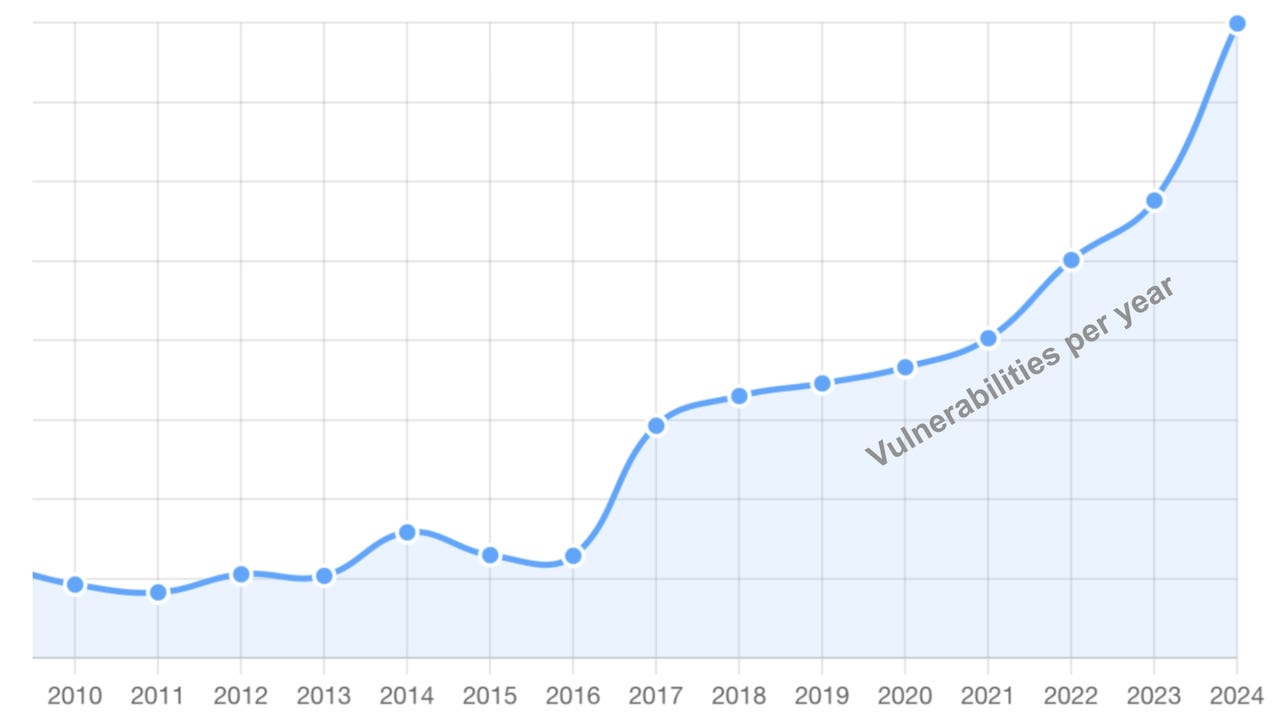
As vulnerabilities in the Common Vulnerabilities and Exposures ecosystem pile up, one Black Hat Europe presenter hopes for a global, distributed alternative.
The African country aims to train 1 million workers in tech skills in the short term, with a focus on software engineering, cybersecurity, and data science.
New synthetic security staffers promise to bring artificial intelligence comfortably into the security operations center, but they will require governance to protect security.
The agreement aims to help law enforcement prosecute cross-border cybercrime, but the final treaty could allow unchecked surveillance and human-rights abuses, critics say; and, it includes no protection for pen testers.
Africa becomes a proving ground for AI-driven phishing, deepfakes, and impersonation, with attackers testing techniques against governments and enterprises.
 Login
Login