December is an exciting month for those who like to look up, with a comet, a meteor shower, and a conjunction between the moon and Jupiter all featuring over the coming weeks. Comet 3I/ATLAS First up, for those with a telescope with an aperture of at least 30 centimeters, this month offers a chance to […]
Cybersecurity firm Cato Networks reveals HashJack, a new AI browser vulnerability using the '#' symbol to hide malicious commands. Microsoft and Perplexity fixed the flaw, but Google's Gemini remains at risk.
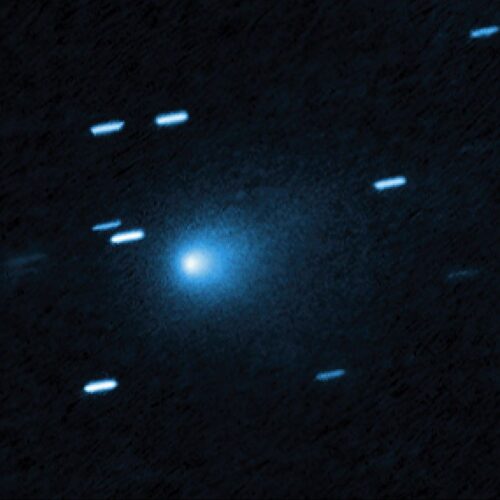
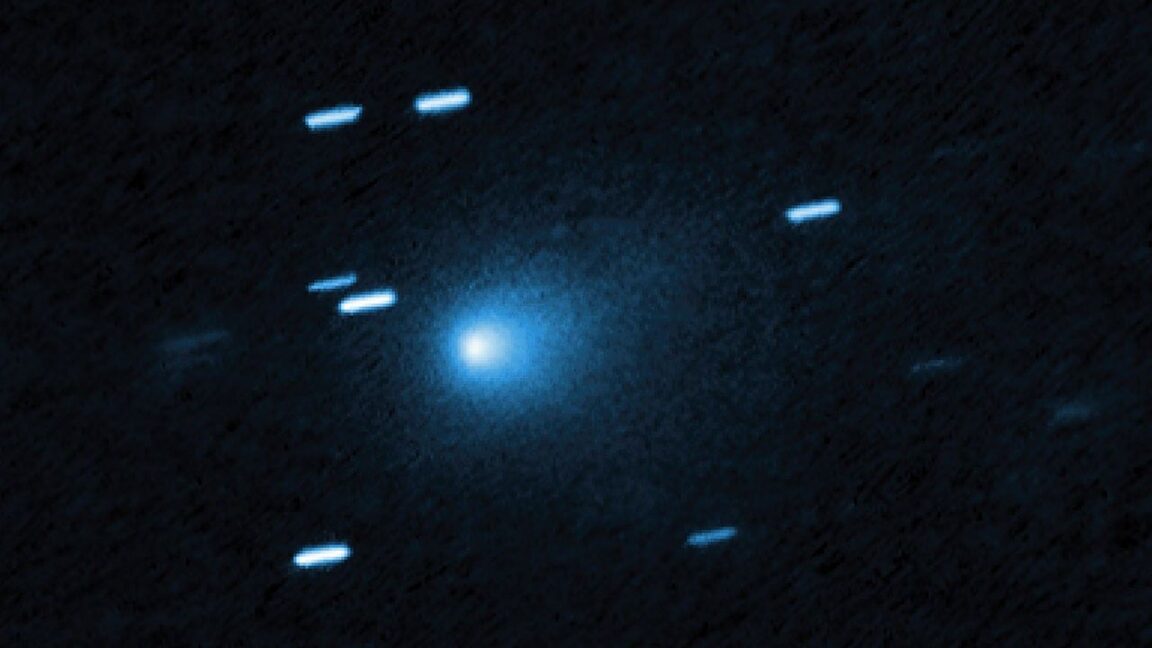
Since early July, telescopes around the world have been tracking just our third confirmed interstellar visitor, the comet 3I/ATLAS—3I, for third interstellar, and ATLAS (Asteroid Terrestrial-impact Last Alert System) for the telescope network that first spotted it. But the object’s closest approach to the Sun came in late October during the US government shutdown. So, while enough people went to work to ensure that the hardware continued to do its job, nobody was available at NASA to make the images available to the public or discuss their implications.
So today, NASA held a press conference to discuss everything that we now know about 3I/ATLAS and how NASA’s hardware contributed to that knowledge. And to say one more time that the object is a fairly typical comet and not some spaceship doing its best to appear like one.
Extrasolar comet
3I/ATLAS is an extrasolar comet and the third visitor from another star that we’ve detected. We know the comet part because it looks like one, forming a coma of gas and dust, as well as a tail as the Sun heats up its materials. That hasn’t stopped the usual suspect (Avi Loeb) from speculating that it might be a spacecraft, as he had for the earlier visitors. NASA doesn’t want to hear it. “This object is a comet,” said Associate Administrator Amit Kshatrya. “It looks and behaves like a comet, and all evidence points to it being a comet.”

 Login
Login