Reading view

There are new articles available, click to refresh the page.

Rare set of varied factors triggered Black Death

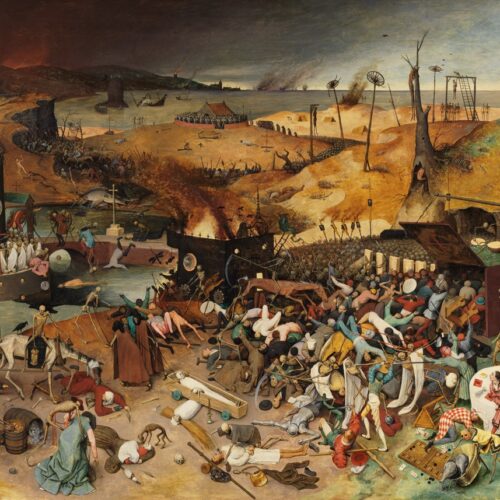
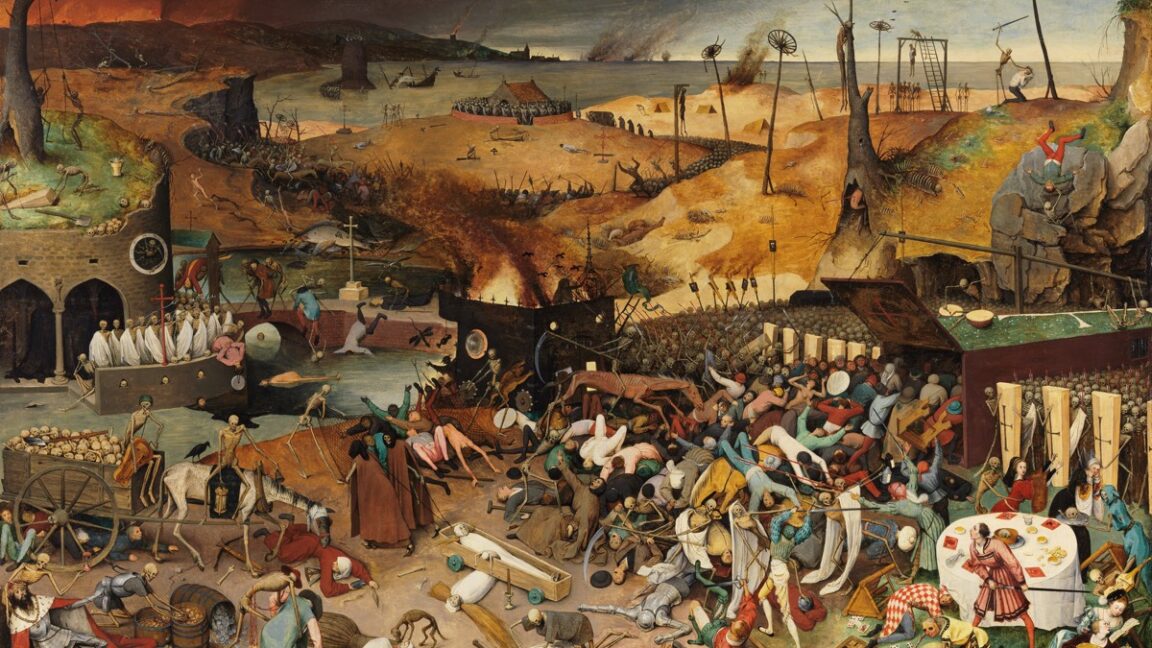
The Black Death ravaged medieval Western Europe, ultimately wiping out roughly one-third of the population. Scientists have identified the bacterium responsible and its likely origins, but certain specifics of how and why it spread to Europe are less clear. According to a new paper published in the journal Communications Earth & Environment, either one large volcanic eruption or a cluster of eruptions might have been the triggering factor, setting off a chain of events that brought the plague to the Mediterranean region in the 1340s.

Technically, we’re talking about the second plague pandemic. The first, known as the Justinian Plague, broke out about 541 CE and quickly spread across Asia, North Africa, the Middle East, and Europe. (The Eastern Roman Emperor Justinian I, for whom the pandemic is named, actually survived the disease.) There continued to be outbreaks of the plague over the next 300 years, although the disease gradually became less virulent and died out. Or so it seemed.

In the Middle Ages, the Black Death burst onto the scene, with the first historically documented outbreak occurring in 1346 in the Lower Volga and Black Sea regions. That was just the beginning of the second pandemic. During the 1630s, fresh outbreaks of plague killed half the populations of affected cities. Another bout of the plague significantly culled the population of France during an outbreak between 1647 and 1649, followed by an epidemic in London in the summer of 1665. The latter was so virulent that, by October, one in 10 Londoners had succumbed to the disease—over 60,000 people. Similar numbers perished in an outbreak in Holland in the 1660s. The pandemic had run its course by the early 19th century, but a third plague pandemic hit China and India in the 1890s. There are still occasional outbreaks today.
Read full article

Comments

© Public domain

Knight of the Seven Kingdoms trailer brings levity to Westeros

With House of the Dragon entering its third season, HBO is ready to debut a new spinoff series set in Game of Thrones’ Westeros: A Knight of the Seven Kingdoms, based on George R.R. Martin’s Tales of Dunk and Egg novellas. HBO clearly has a lot of confidence in this series; it’s already been renewed for a second season. And judging by the final trailer, that optimism is warranted.

As we’ve previously reported, A Knight of the Seven Kingdoms adapts the first novella in the series, The Hedge Knight, and is set 50 years after the events of House of the Dragon. Per the official premise:

A century before the events of Game of Thrones, two unlikely heroes wandered Westeros: a young, naïve but courageous knight, Ser Duncan the Tall, and his diminutive squire, Egg. Set in an age when the Targaryen line still holds the Iron Throne and the last dragon has not yet passed from living memory, great destinies, powerful foes, and dangerous exploits all await these improbable and incomparable friends.

Peter Claffey co-stars as Ser Duncan the Tall, aka a hedge knight named “Dunk,” along with Dexter Sol Ansell as Prince Aegon Targaryen, aka “Egg,” a child prince and Dunk’s squire. The main cast also includes Finn Bennett as Egg’s older brother, Prince Aerion “Brightflame” Targaryen; Bertie Carvel as Egg’s uncle, Prince Baelor “Breakspear” Targaryen, heir to the Iron Throne; Tanzyn Crawford as a Dornish puppeteer named Tanselle; Daniel Ings as Ser Lyonel “Laughing Storm” Baratheon, heir to House Baratheon; and Sam Spruell as Prince Maekar Targaryen, Egg’s father.

Read full article

Comments

© YouTube/HBO

Sony drops new trailer for 28 Years Later: Bone Temple

Sony Pictures has dropped a new trailer for 28 Years Later: The Bone Temple, slated for release early next year and directed by Nia DaCosta, teasing a possible cure for the zombie outbreak that has devastated human populations for three decades. It’s the sequel to this year’s critically acclaimed 28 Years Later, the third film in a franchise credited with sparking the 21st-century revival of the zombie genre.

(Some spoilers for the first three films below.)

As previously reported, in 28 Days Later, a highly contagious “Rage Virus” was accidentally released from a lab in Cambridge, England. Those infected turned into violent, mindless monsters who brutally attacked the uninfected—so-called “fast zombies”—and the virus spread rapidly, effectively collapsing society. The sequel, 28 Weeks Later, featured a new cast of characters living on the outskirts of London. But all it takes is one careless person getting infected for the virus to spread uncontrollably again. So naturally, that’s what happened.

Read full article

Comments

© Sonly Pictures

Samara Weaving levels up in Ready or Not 2: Here I Come trailer

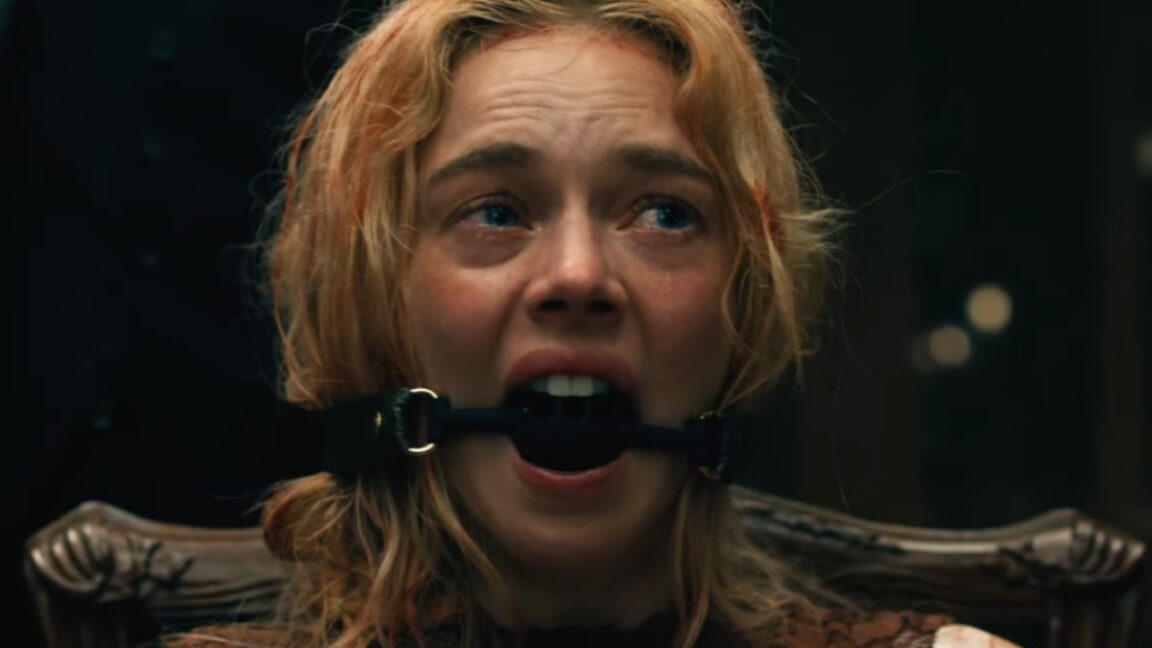
One of big surprise hits of 2019 was the delightful horror comedy Ready or Not, in which Samara Weaving’s blushing bride must play a deadly game of Hide and Seek on her wedding night. Searchlight Pictures just released the trailer for its sequel: Ready or Not 2: Here I Come.

(Spoilers for Ready or Not below.)

In Ready or Not, Grace (Weaving) falls in love with Alex Le Domas (Mark O’Brien), a member of a wealthy gaming dynasty. After a picture-perfect wedding on the family estate, Alex informs Grace that there’s just one more formality to be observed: At midnight, she has to draw a card from a mysterious box and play whatever game is named there.

Read full article

Comments

© Searchlight Pictures

3D model shows small clans created Easter Island statues

Credit: ArcGIS

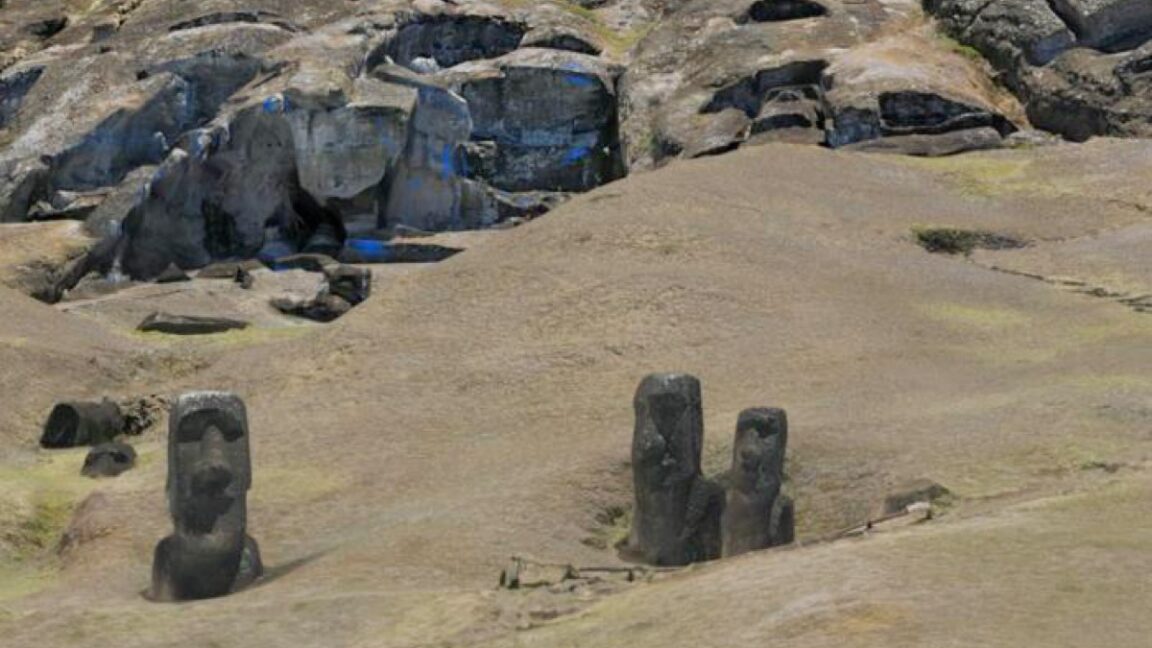
Easter Island is famous for its giant monumental statues, called moai, built some 800 years ago. The volcanic rock used for the moai came from a quarry site called Rano Raraku. Archaeologists have created a high-resolution interactive 3D model of the quarry site to learn more about the processes used to create the moai. (You can explore the full interactive model here.) According to a paper published in the journal PLoS ONE, the model shows that there were numerous independent groups, probably family clans, that created the moai, rather than a centralized management system.

“You can see things that you couldn’t actually see on the ground. You can see tops and sides and all kinds of areas that just would never be able to walk to,” said co-author Carl Lipo of Binghamton University. “We can say, ‘Here, go look at it.’ If you want to see the different kinds of carving, fly around and see stuff there. We’re documenting something that really has needed to be documented, but in a way that’s really comprehensive and shareable.”

Lipo is one of the foremost experts on the Easter Island moai. In October, we reported on Lipo’s experimental confirmation—based on 3D modeling of the physics and new field tests to re-create that motion—that Easter Island’s people transported the statues in a vertical position, with workers using ropes to essentially “walk” the moai onto their platforms. To explain the presence of so many moai, the assumption has been that the island was once home to tens of thousands of people.

Read full article

Comments

© ArcGIS

Research roundup: 6 cool stories we almost missed

It’s a regrettable reality that there is never enough time to cover all the interesting scientific stories we come across each month. In the past, we’ve featured year-end roundups of cool science stories we (almost) missed. This year, we’re experimenting with a monthly collection. November’s list includes forensic details of the medieval assassination of a Hungarian duke, why woodpeckers grunt when they peck, and more evidence that X’s much-maligned community notes might actually help combat the spread of misinformation after all.

An assassinated medieval Hungarian duke

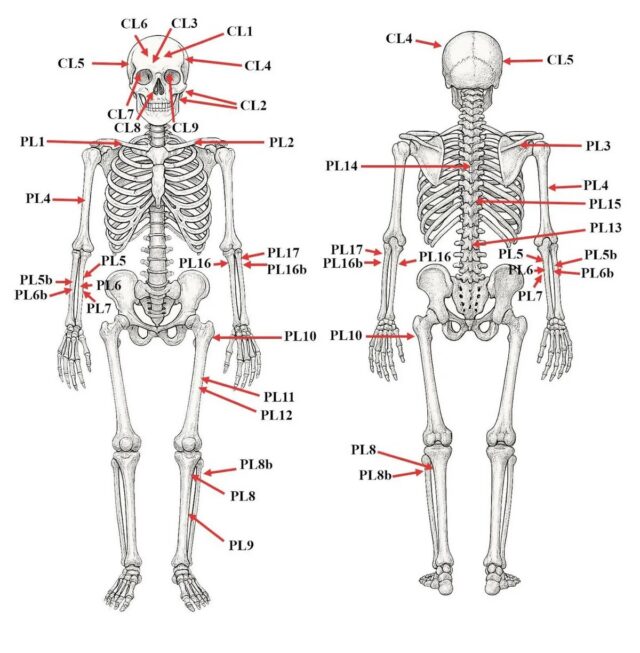
The observed perimortem lesions on the human remains (CL=cranial lesion, PL= Postcranial lesion). The drawing of the skeleton was generated using OpenAI’s image generation tools (DALL·E) via ChatGPT. Credit: Tamás Hajdu et al., 2026

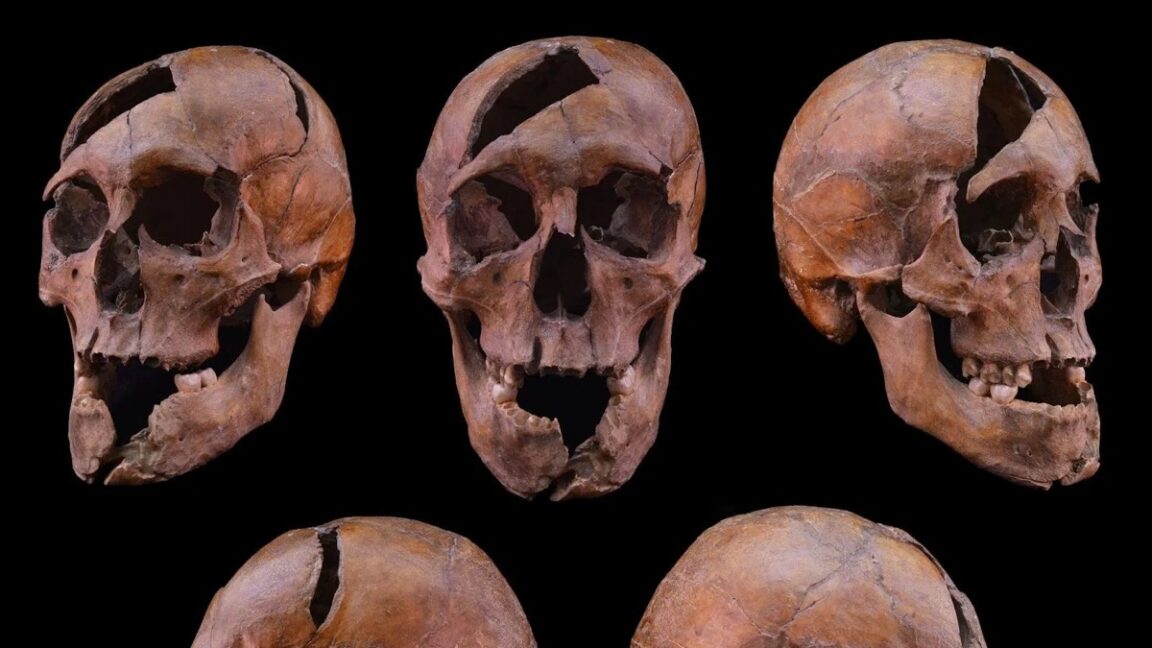
Back in 1915, archaeologists discovered the skeletal remains of a young man in a Dominican monastery on Margaret Island in Budapest, Hungary. The remains were believed to be those of Duke Bela of Masco, grandson of the medieval Hungarian King Bela IV. Per historical records, the young duke was brutally assassinated in 1272 by a rival faction and his mutilated remains were recovered by the duke’s sister and niece and buried in the monastery.

Read full article

Comments

© Eötvös Loránd University

Blast from the past: 15 movie gems of 1985

Peruse a list of films released in 1985 and you’ll notice a surprisingly high number of movies that have become classics in the ensuing 40 years. Sure, there were blockbusters like Back to the Future, The Goonies, Pale Rider, The Breakfast Club and Mad Max: Beyond Thunderdome, but there were also critical arthouse favorites like Kiss of the Spider Woman and Akira Kurosawa’s masterpiece, Ran. Since we’re going into a long Thanksgiving weekend, I’ve made a list, in alphabetical order, of some of the quirkier gems from 1985 that have stood the test of time. (Some of the films first premiered at film festivals or in smaller international markets in 1984, but they were released in the US in 1985.)

(Some spoilers below but no major reveals.)

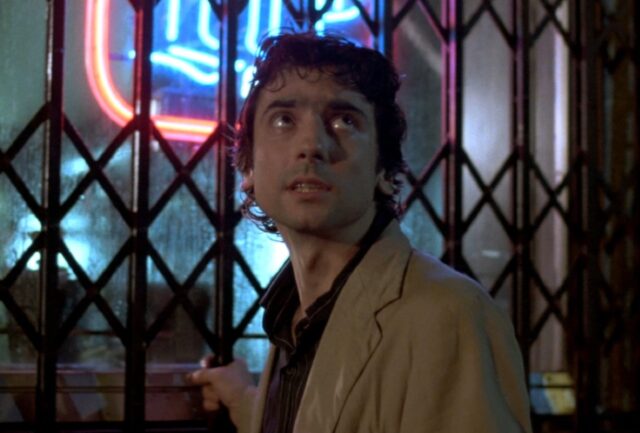
After Hours

young nerdy man in black shirt and casual tan jacket looking anxious Credit: Warner Bros.
Read full article

Comments

© Warner Bros.

Why synthetic emerald-green pigments degrade over time

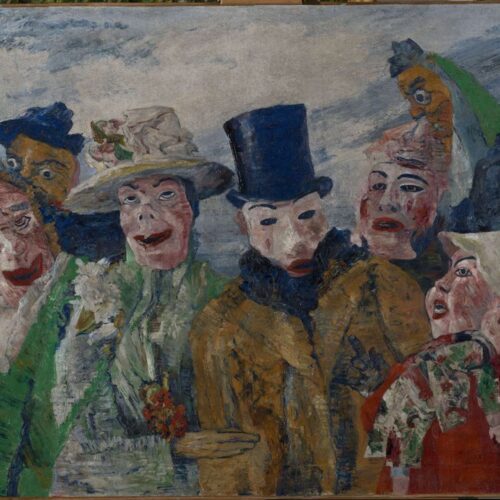
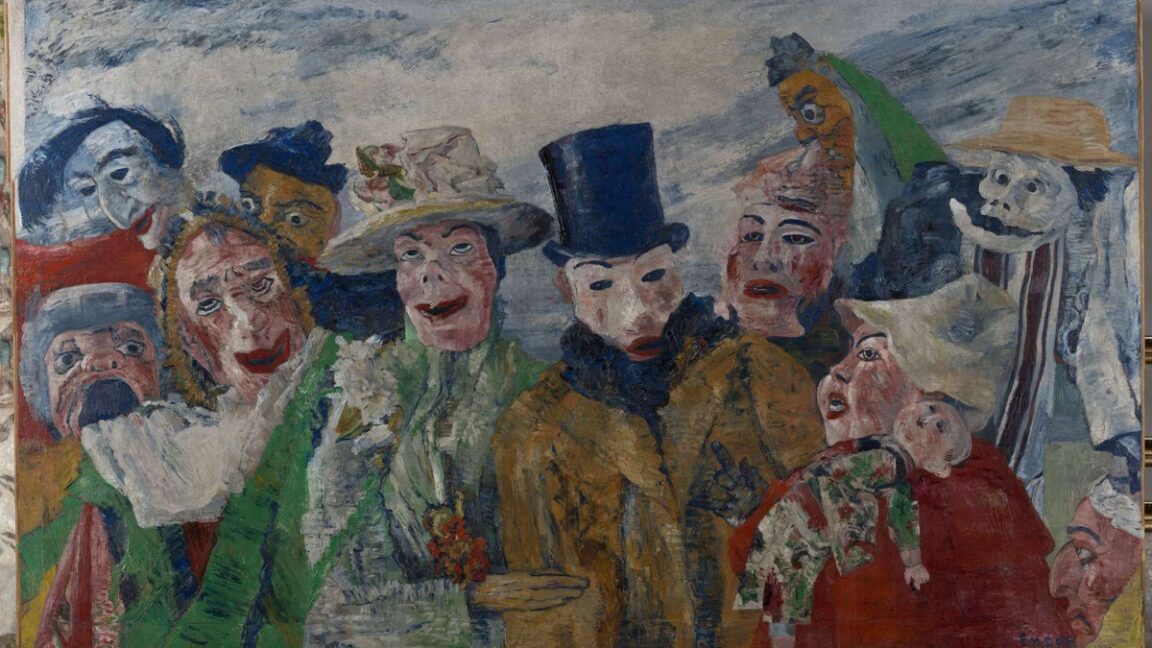
The emergence of synthetic pigments in the 19th century had an immense impact on the art world, particularly the availability of emerald-green pigments, prized for their intense brilliance by such masters as Paul Cézanne, Edvard Munch, Vincent van Gogh, and Claude Monet. The downside was that these pigments often degraded over time, resulting in cracks and uneven surfaces and the formation of dark copper oxides—even the release of arsenic compounds.

Naturally, it’s a major concern for conservationists of such masterpieces. So it should be welcome news that European researchers have used synchrotron radiation and various other analytical tools to determine whether light and/or humidity are the culprits behind that degradation and how, specifically, it occurs, according to a paper published in the journal Science Advances.

Science has become a valuable tool for art conservationists, especially various X-ray imaging methods. For instance, in 2019, we reported on how many of the oil paintings at the Georgia O’Keeffe Museum in Santa Fe, New Mexico, had been developing tiny, pin-sized blisters, almost like acne, for decades. Chemists concluded that the blisters are actually metal carboxylate soaps, the result of a chemical reaction between metal ions in the lead and zinc pigments and fatty acids in the binding medium used in the paint. The soaps start to clump together to form the blisters and migrate through the paint film.

Read full article

Comments

© Royal Museum of Fine Arts Antwerp, KMSKA

Chris Hemsworth and dad fight Alzheimer’s with a trip down memory lane

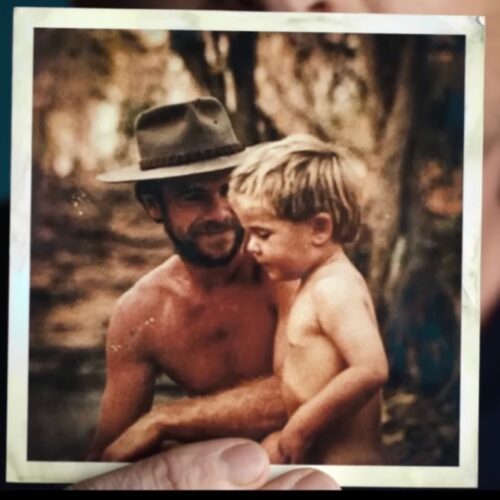
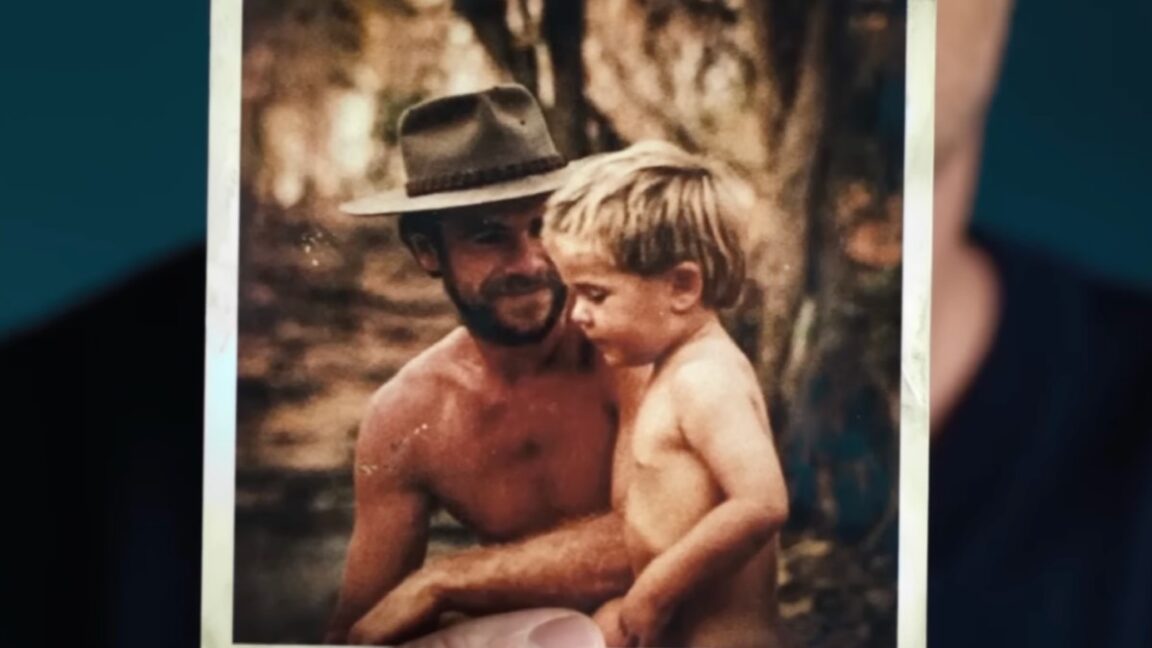
Millions of people around the world are living with the harsh reality of Alzheimer’s disease, which also significantly impacts family members. Nobody is immune, as A-list actor Chris Hemsworth discovered when his own father was recently diagnosed. The revelation inspired Hemsworth to embark on a trip down memory lane with his father, which took them to Australia’s Northern Territory. The experience was captured on film for A Road Trip to Remember, a new documentary film from National Geographic.

Director Tom Barbor-Might had worked with Hemsworth on the latter’s documentary series Limitless, also for National Geographic. Each episode of Limitless follows Hemsworth on a unique challenge to push himself to the limits, augmented with interviews with scientific experts on such practices as fasting, extreme temperatures, brain-boosting, and regulating one’s stress response. Barbor-Might directed the season 1 finale, “Acceptance,” which was very different in tone, dealing with the inevitability of death and the need to confront one’s own mortality.

“It was really interesting to see Chris in that more intimate personal space, and he was great at it,” Barbor-Might told Ars. “He was charming, emotional, and vulnerable, and it was really moving. It felt like there was more work to be done there.” When Craig Hemsworth received his Alzheimer’s diagnosis, it seemed like the perfect opportunity to explore that personal element further.

Read full article

Comments

© YouTube/National Geographic

Scientists found the key to accurate Maya eclipse tables

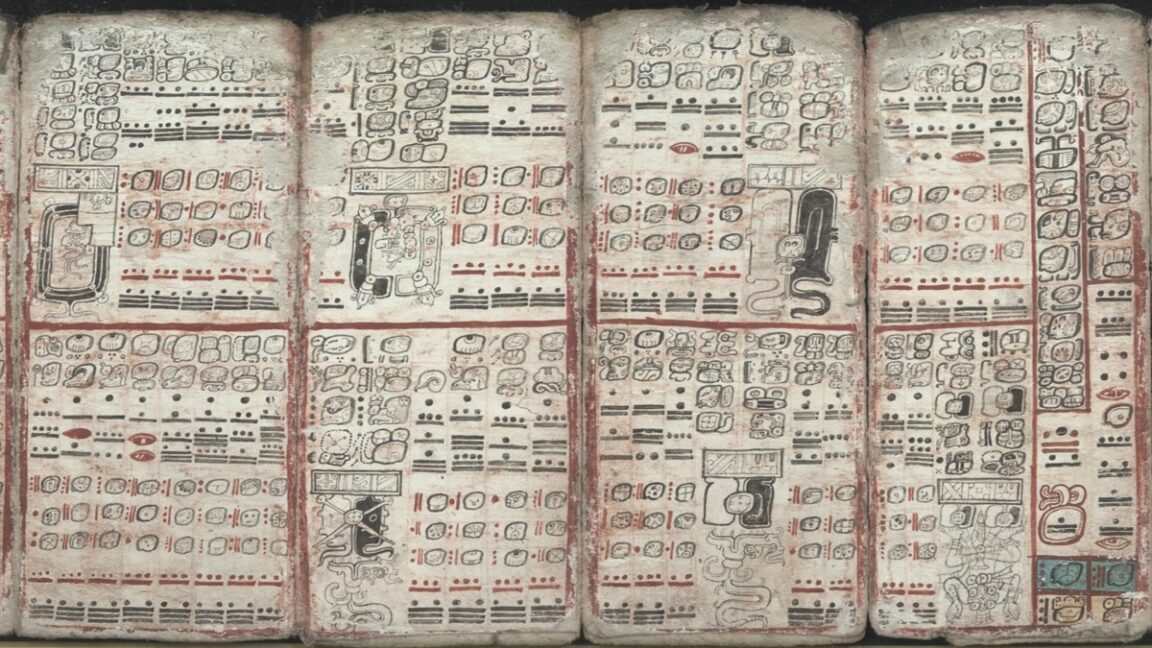
Astronomical events such as eclipses were central to Maya culture, reflected in the care the Maya took to keep accurate calendars to aid in celestial predictions. Among the few surviving Maya texts is the so-called Dresden Codex, which includes a table of eclipses. Researchers have concluded that this table was repurposed from earlier lunar month tables, rather than being created solely for eclipse prediction, according to a paper published in the journal Science Advances. They also figured out the mechanism by which the Maya ensured that table would be accurate over a very long time period.

The Maya used three primary calendars: a count of days, known as the Long Count; a 260-day astrological calendar called the Tzolk’in; and a 365-day year called the Haab’. Previous scholars have speculated on how awe-inspiring solar or lunar eclipses must have seemed to the Maya, but our understanding of their astronomical knowledge is limited. Most Maya books were burned by Spanish conquistadors and Catholic priests. Only four hieroglyphic codices survive: the Dresden Codex, the Madrid Codex, the Paris Codex, and the Grolier Codex.

The Dresden Codex dates back to the 11th or 12th century and likely originated near Chichen Itza. It can be folded accordion-style and is 12 feet long in its unfolded state. The text was deciphered in the early 20th century and describes local history as well as astronomical lunar and Venus tables.

Read full article

Comments

© Public domain

Study: Kids’ drip paintings more like Pollock’s than those of adults

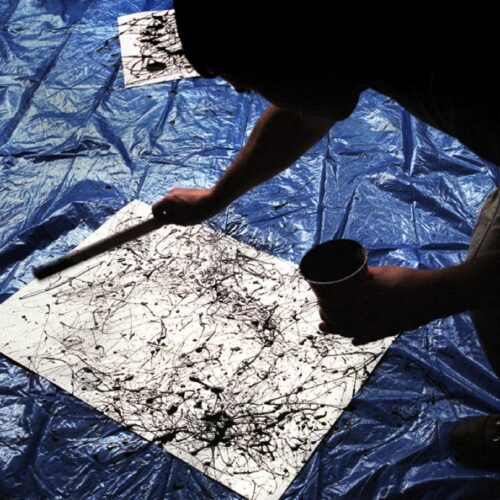
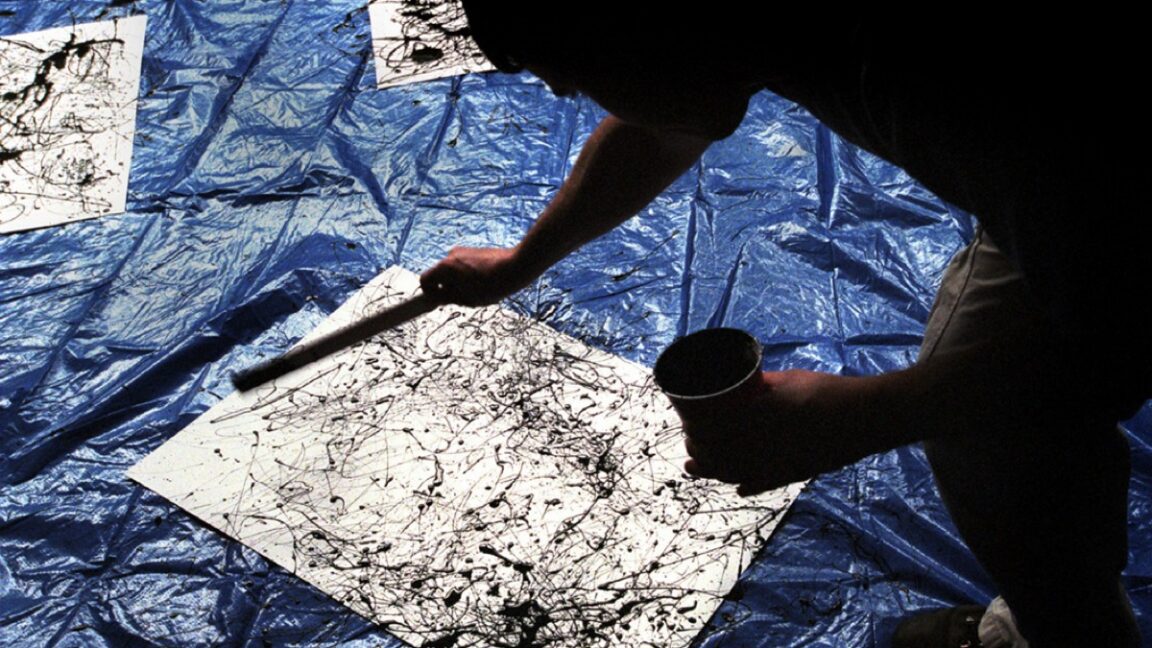
Not everyone appreciates the artistry of Jackson Pollock’s famous drip paintings, with some dismissing them as something any child could create. While Pollock’s work is undeniably more sophisticated than that, it turns out that when one looks at splatter paintings made by adults and young children through a fractal lens and compares them to those of Pollock himself, the children’s work does bear a closer resemblance to Pollock’s than those of the adults. This might be due to the artist’s physiology, namely a certain clumsiness with regard to balance, according to a new paper published in the journal Frontiers in Physics.

Co-author Richard Taylor, a physicist at the University of Oregon, first found evidence of fractal patterns in Pollock’s seemingly random drip patterns in 2001. As previously reported, his original hypothesis drew considerable controversy, both from art historians and a few fellow physicists. In a 2006 paper published in Nature, Case University physicists Katherine Jones-Smith and Harsh Mathur claimed Taylor’s work was “seriously flawed” and “lacked the range of scales needed to be considered fractal.” (To prove the point, Jones-Smith created her own version of a fractal painting using Taylor’s criteria in about five minutes with Photoshop.)

Taylor was particularly criticized for his attempt to use fractal analysis as the basis for an authentication tool to distinguish genuine Pollocks from reproductions or forgeries. He concedes that much of that criticism was valid at the time. But as vindication, he points to a machine learning-based study in 2015 relying on fractal dimension and other factors that achieved a 93 percent accuracy rate distinguishing between genuine Pollocks and non-Pollocks. Taylor built on that work for a 2024 paper reporting 99 percent accuracy.

Read full article

Comments

© Richard Taylor

Ryan Gosling must save dying stars in Project Hail Mary trailer

The big holiday releases are still waiting in the wings, but it’s not too soon to look forward to what’s coming in 2026. Amazon MGM Studios has released a new trailer for its forthcoming space odyssey Project Hail Mary, which is based on Andy Weir’s (The Martian) bestselling 2021 novel about an amnesiac biologist-turned-schoolteacher in space.

Weir told The New York Times that the inspiration for his novel came from a planned multi-book space opera called Zhek that he began writing after The Martian, about a potential fuel for interstellar travel. He eventually abandoned that effort and wrote the 2017 novel, Artemis, instead, but aspects of Zhek found their way into the Project Hail Mary novel.

As we’ve previously reported, Amazon MGM Studios acquired the rights for Weir’s novel before it was even published and brought on Drew Goddard to write the screenplay. (Goddard also wrote the adapted screenplay for The Martian, so he’s an excellent choice.) The studio tapped Phil Lord and Christopher Miller (Cloudy with a Chance of Meatballs, The LEGO Movie) to direct and signed on Ryan Gosling to star. Per the official premise:

Read full article

Comments

© Amazon MGM Studios

Benoit Blanc takes on a “perfectly impossible crime” in Wake Up Dead Man trailer

Nothing says it’s holiday season quite like a new installment of Rian Johnson’s delightful Knives Out mystery series. The final trailer for Wake Up Dead Man: A Knives Out Mystery was just released, featuring Daniel Craig’s Benoit Blanc in all his Southern gentleman detective glory. This time, he’s tackling the strange death of a parish priest in a spookily Gothic small-town setting.

As we’ve previously reported, the original Knives Out was a masterfully plotted winning mashup of Clue and Murder on the Orient Express—or any number of adaptations of novels by the grande dame of murder mysteries, Agatha Christie—along with other classics like Deathtrap, Gosford Park, and Murder by Death. Craig clearly found Blanc a refreshing counter to the 007 franchise, and he and Johnson soon committed to filming a sequel: 2022’s Glass Onion, inspired particularly by the Christie-based “tropical getaway” whodunnit Evil Under the Sun (1982) and an under-appreciated 1973 gem called The Last of Sheila.

And now we have Wake Up Dead Man. With this franchise, the less one knows going in, the better. But Johnson has assembled yet another winning all-star cast. Josh Brolin plays the victim, the fire-and-brimstone-spewing Monseigneur Jefferson Wicks; Josh O’Connor plays a young priest named Rev. Jud Duplenticy; Glenn Close plays a devout churchgoer named Martha Delacroix, Wick’s loyal helper; Mila Kunis plays local police chief Geraldine Scott; Jeremy Renner plays town doctor Nat Sharp; Kerry Washington plays uptight lawyer Vera Draven; Daryl McCormack plays aspiring politician Cy Draven; Thomas Haden Church plays groundskeeper Samson Holt; Andrew Scott plays bestselling author Lee Ross; and Cailee Spaeny plays Simone Vivane, a disabled former classical cellist.

Read full article

Comments

© YouTube/Netflix

Ancient Egyptians likely used opiates regularly

Scientists have found traces of ancient opiates in the residue lining an Egyptian alabaster vase, indicating that opiate use was woven into the fabric of the culture. And the Egyptians didn’t just indulge occasionally: according to a paper published in the Journal of Eastern Mediterranean Archaeology, opiate use may have been a fixture of daily life.

In recent years, archaeologists have been applying the tools of pharmacology to excavated artifacts in collections around the world. As previously reported, there is ample evidence that humans in many cultures throughout history used various hallucinogenic substances in religious ceremonies or shamanic rituals. That includes not just ancient Egypt but also ancient Greek, Vedic, Maya, Inca, and Aztec cultures. The Urarina people who live in the Peruvian Amazon Basin still use a psychoactive brew called ayahuasca in their rituals, and Westerners seeking their own brand of enlightenment have also been known to participate.

For instance, in 2023, David Tanasi, of the University of South Florida, posted a preprint on his preliminary analysis of a ceremonial mug decorated with the head of Bes, a popular deity believed to confer protection on households, especially mothers and children. After collecting sample residues from the vessel, Tanasi applied various techniques—including proteomic and genetic analyses and synchrotron radiation-based Fourier-transform infrared microspectroscopy—to characterize the residues.

Read full article

Comments

© Courtesy of the Yale Babylonian Collection;

What if the aliens come and we just can’t communicate?

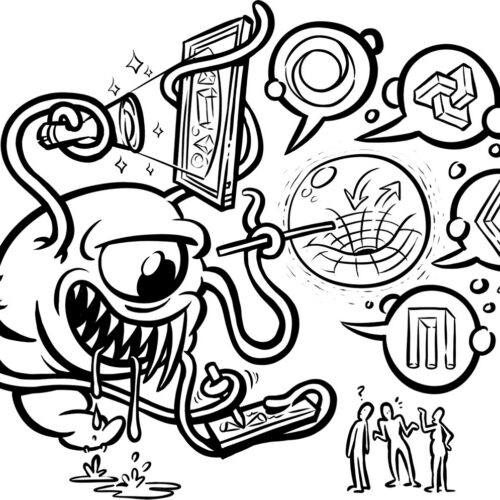
Science fiction has long speculated about the possibility of first contact with an alien species from a distant world and how we might be able to communicate with them. But what if we simply don’t have enough common ground for that to even be possible? An alien species is bound to be biologically very different, and their language will be shaped by their home environment, broader culture, and even how they perceive the universe. They might not even share the same math and physics. These and other fascinating questions are the focus of an entertaining new book, Do Aliens Speak Physics? And Other Questions About Science and the Nature of Reality.

Co-author Daniel Whiteson is a particle physicist at the University of California, Irvine, who has worked on the ATLAS collaboration at CERN’s Large Hadron Collider. He’s also a gifted science communicator who previously co-authored two books with cartoonist Jorge Cham of PhD Comics fame: 2018’s We Have No Idea and 2021’s Frequently Asked Questions About the Universe. (The pair also co-hosted a podcast from 2018 to 2024, Daniel and Jorge Explain the Universe.) This time around, cartoonist Andy Warner provided the illustrations, and Whiteson and Warner charmingly dedicate their book to “all the alien scientists we have yet to meet.”

Whiteson has long been interested in the philosophy of physics. “I’m not the kind of physicist who’s like, ‘whatever, let’s just measure stuff,'” he told Ars. “The thing that always excited me about physics was this implicit promise that we were doing something universal, that we were learning things that were true on other planets. But the more I learned, the more concerned I became that this might have been oversold. None are fundamental, and we don’t understand why anything emerges. Can we separate the human lens from the thing we’re looking at? We don’t know in the end how much that lens is distorting what we see or defining what we’re looking at. So that was the fundamental question I always wanted to explore.”

Read full article

Comments

© Andy Warner

Civil war is brewing in the wasteland in Fallout S2 trailer

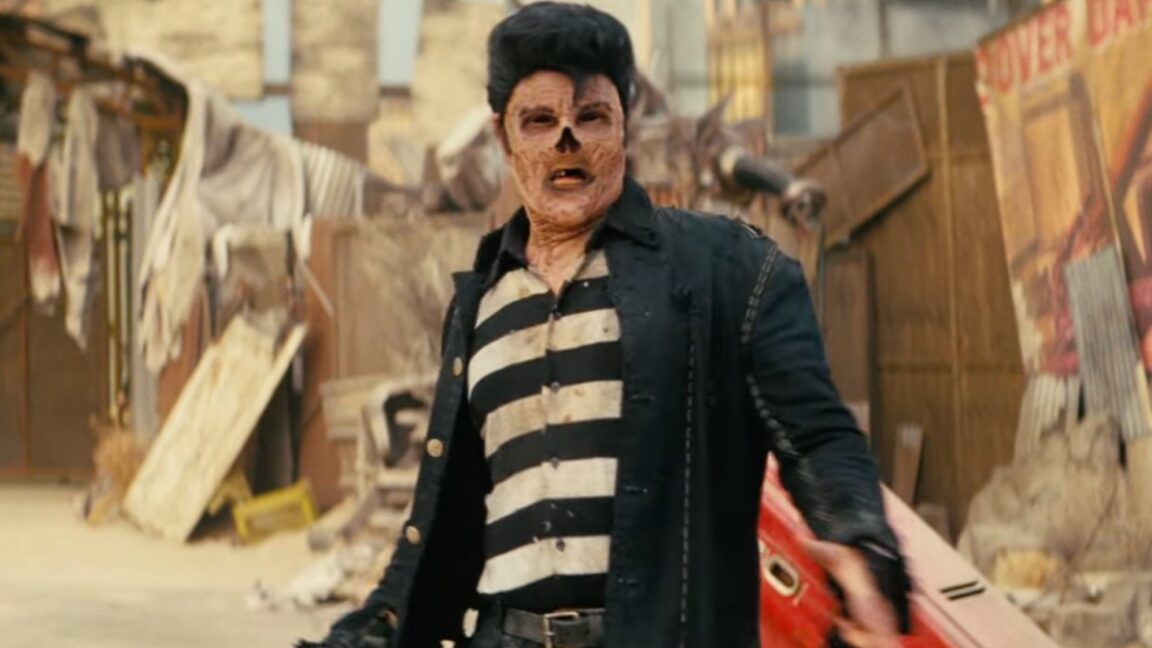
We got our first glimpse of the much-anticipated second season of Fallout (adapted from the popular video game franchise) in August when Prime Video released an extended teaser. We now have the official trailer, with all the deadpan humor, explosions, and mutant atrocities one could hope for—including ghoulish Elvis impersonators in New Vegas.

(Spoilers for S1 below.)

As previously reported, in S1, we met Lucy MacLean (Ella Purnell), a young woman whose vault is raided by surface dwellers. The raiders kill many vault residents and kidnap her father, Hank (Kyle MacLachlan), so the sheltered Lucy sets out on a quest to find him. Life on the surface is pretty brutal, but Lucy learns fast. Along the way, she finds an ally (and love interest) in Maximus (Aaron Moten), a squire masquerading as a knight of the Brotherhood of Steel. And she runs afoul of a gunslinger and bounty hunter known as the Ghoul (Walton Goggins), a former Hollywood actor named Cooper Howard who survived the original nuclear blast, but radiation exposure turned him into, well, a ghoul.

Read full article

Comments

© YouTube/Prime Video

❌