❌

Reading view

There are new articles available, click to refresh the page.

A spectacular explosion shows China is close to obtaining reusable rockets

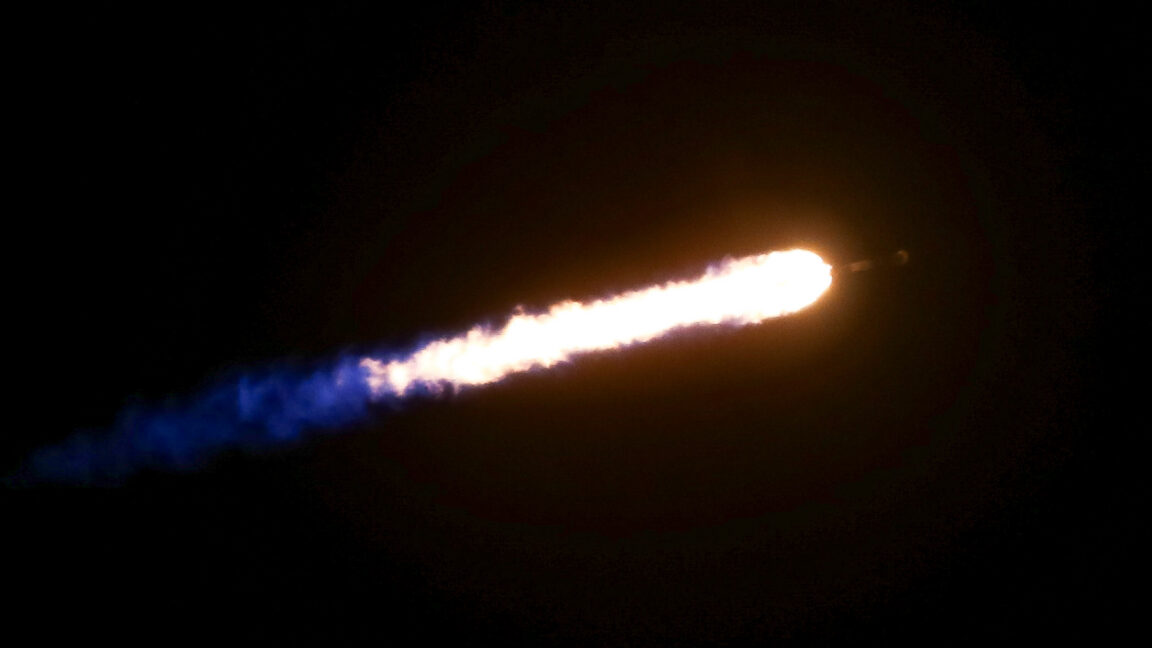
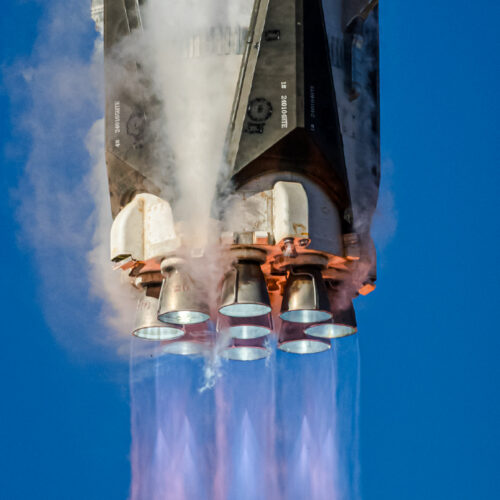
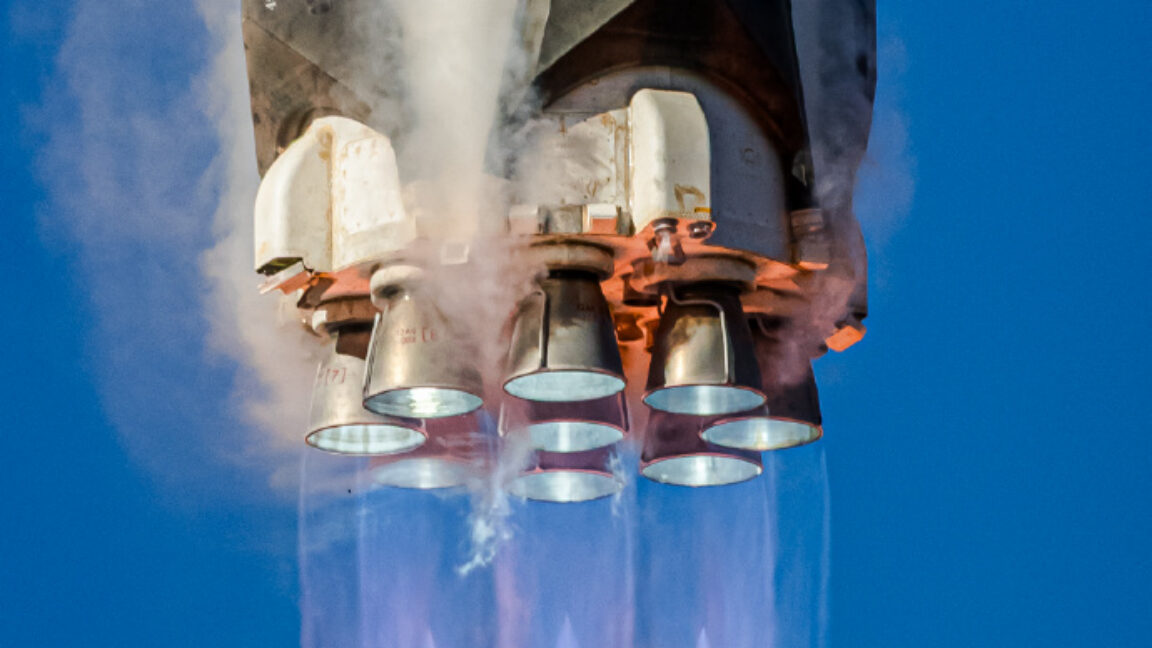
China’s first attempt to land an orbital-class rocket may have ended in a fiery crash, but the company responsible for the mission had a lot to celebrate with the first flight of its new methane-fueled launcher.

LandSpace, a decade-old company based in Beijing, launched its new Zhuque-3 rocket for the first time at 11 pm EST Tuesday (04:0 UTC Wednesday), or noon local time at the Jiuquan launch site in northwestern China.

Powered by nine methane-fueled engines, the Zhuque-3 (Vermillion Bird-3) rocket climbed away from its launch pad with more than 1.7 million pounds of thrust. The 216-foot-tall (66-meter) launcher headed southeast, soaring through clear skies before releasing its first stage booster about two minutes into the flight.
Read full article

Comments

Β© LandSpace

With another record broken, the world’s busiest spaceport keeps getting busier

CAPE CANAVERAL, Floridaβ€”Another Falcon 9 rocket fired off its launch pad here on Monday night, taking with it another 29 Starlink Internet satellites to orbit.

This was the 94th orbital launch from Florida’s Space Coast so far in 2025, breaking the previous record for the most satellite launches in a calendar year from the world’s busiest spaceport. Monday night’s launch came two days after a Chinese Long March 11 rocket lifted off from an oceangoing platform on the opposite side of the world, marking humanity’s 255th mission to reach orbit this year, a new annual record for global launch activity.

As of Wednesday, a handful of additional missions have pushed the global figure this year to 259, putting the world on pace for around 300 orbital launches by the end of 2025. This will more than double the global tally of 135 orbital launches in 2021.

Read full article

Comments

Β© Stephen Clark/Ars Technica

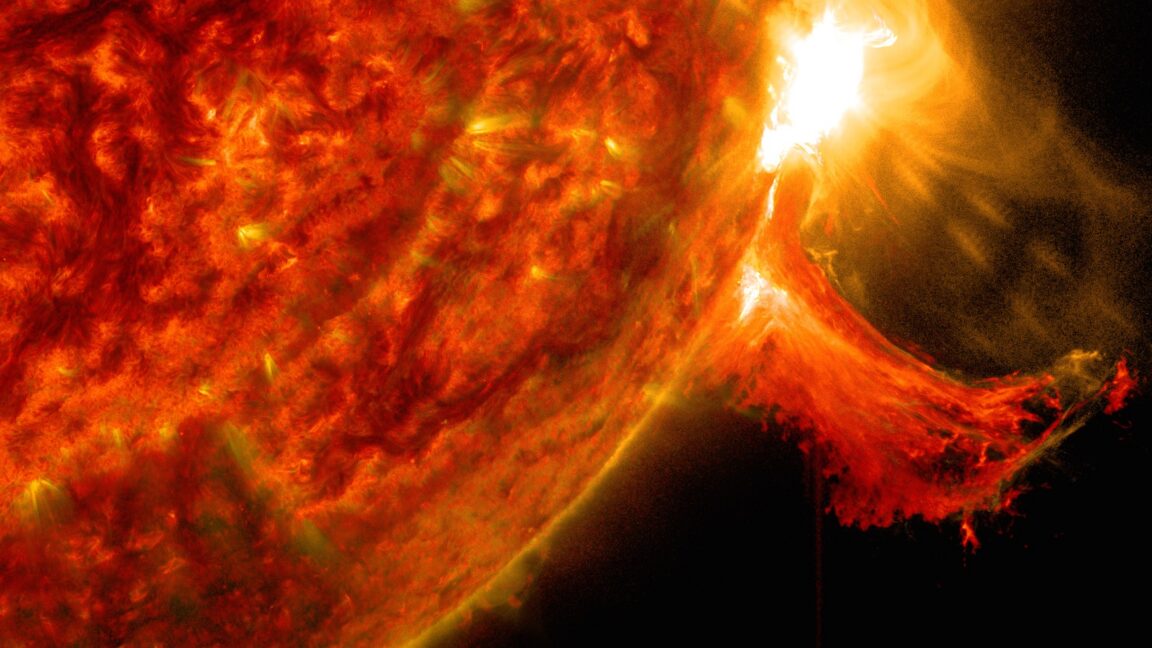
An explosion 92 million miles away just grounded Jeff Bezos’ New Glenn rocket

CAPE CANAVERAL, Floridaβ€”The second flight of Blue Origin’s New Glenn rocket was postponed again Wednesday as a supercharged wave of magnetized plasma from the Sun enveloped the Earth, triggering colorful auroral displays and concerns over possible impacts to communications, navigation, and power grids.

Solar storms like the one this week can also affect satellite operations. That is the worry that caused NASA to hold off on launching a pair of science probes from Cape Canaveral Space Force Station, Florida, on Wednesday aboard Blue Origin’s New Glenn rocket.

In a statement, Blue Origin said NASA, its customer on the upcoming launch, decided to postpone the mission to send the agency’s two ESCAPADE spacecraft on a journey to Mars.

Read full article

Comments

Β© NASA/Goddard Space Flight Center

❌