Login
LoginThis self-hosted Linux app cut my subscription costs by $300
Subscriptions are the new cable, and if you're not careful, you might find that your subscription costs wind up creeping higher than any cable subscription ever did.


Subscriptions are the new cable, and if you're not careful, you might find that your subscription costs wind up creeping higher than any cable subscription ever did.
Linux is generally less prone to malware than Windows, and so long as you're careful about the commands you enter, Linux systems tend to age much more gracefully than Windows systems. However, no system is truly immune to malware, and blindly following instructions online can easily break something on your system if you're not cautious. That is where immutable distros can save the day.
Windows has a vast ecosystem of its own apps, but many of my current favorite apps for Windows actually started their digital lives on Linux. If you're looking for a few free or open-source alternatives to your conventional Windows apps, some of these options are a great place to start.

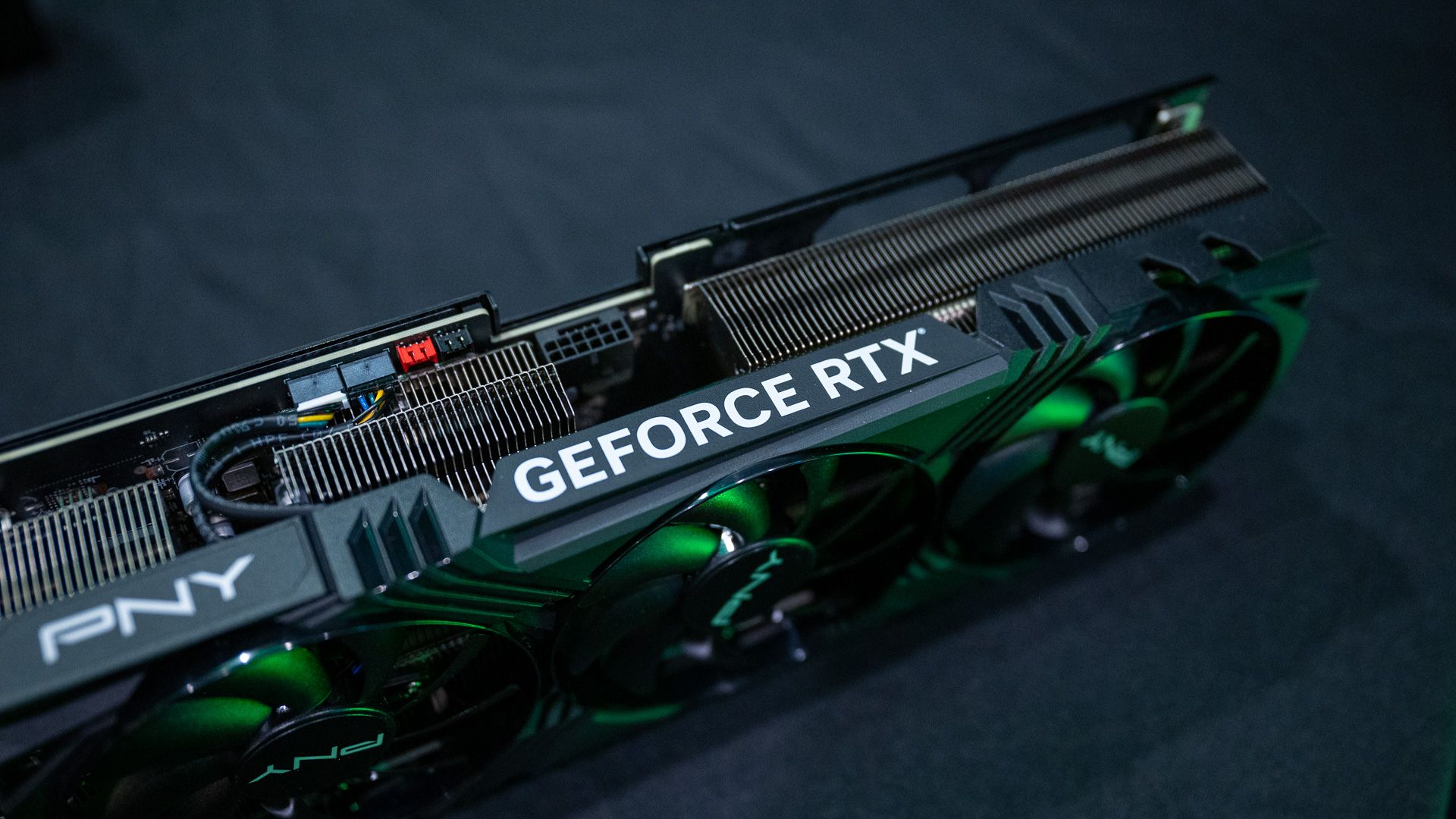
Whether you're looking to download a GPU-specific driver, trying to determine whether you'll be able to play a new game at a reasonable frame rate, or checking the specs on an unfamiliar PC, knowing exactly what GPU you're dealing with is an important piece of information. Here are a few ways you can do it.
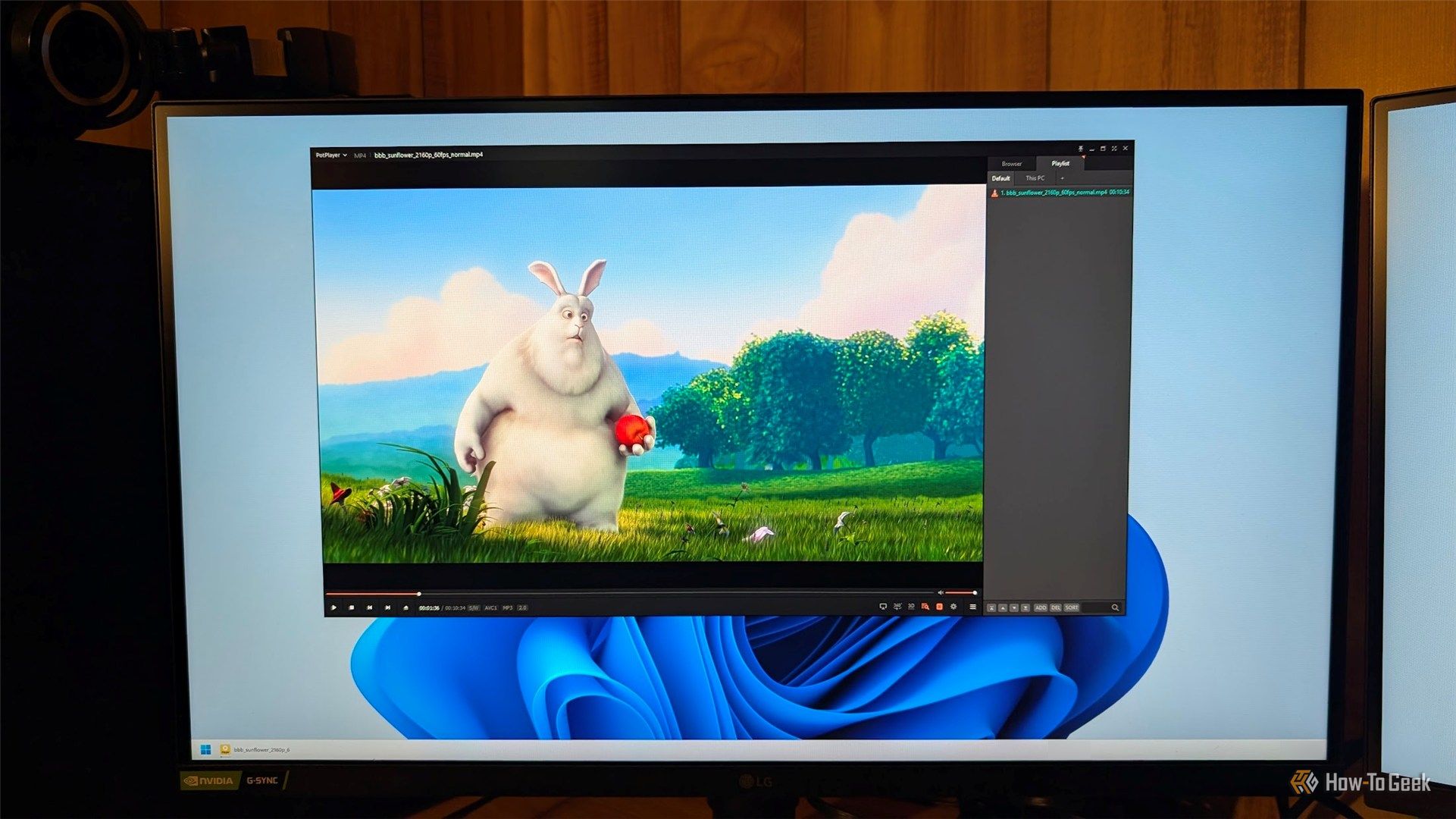
Windows comes with a few media player apps built in that are usually "good enough." However, I'm not really a fan of any of them for one reason or another. If you're looking for a media player that is different, more powerful, or just not Microsoft, here are 5 great alternatives for you.
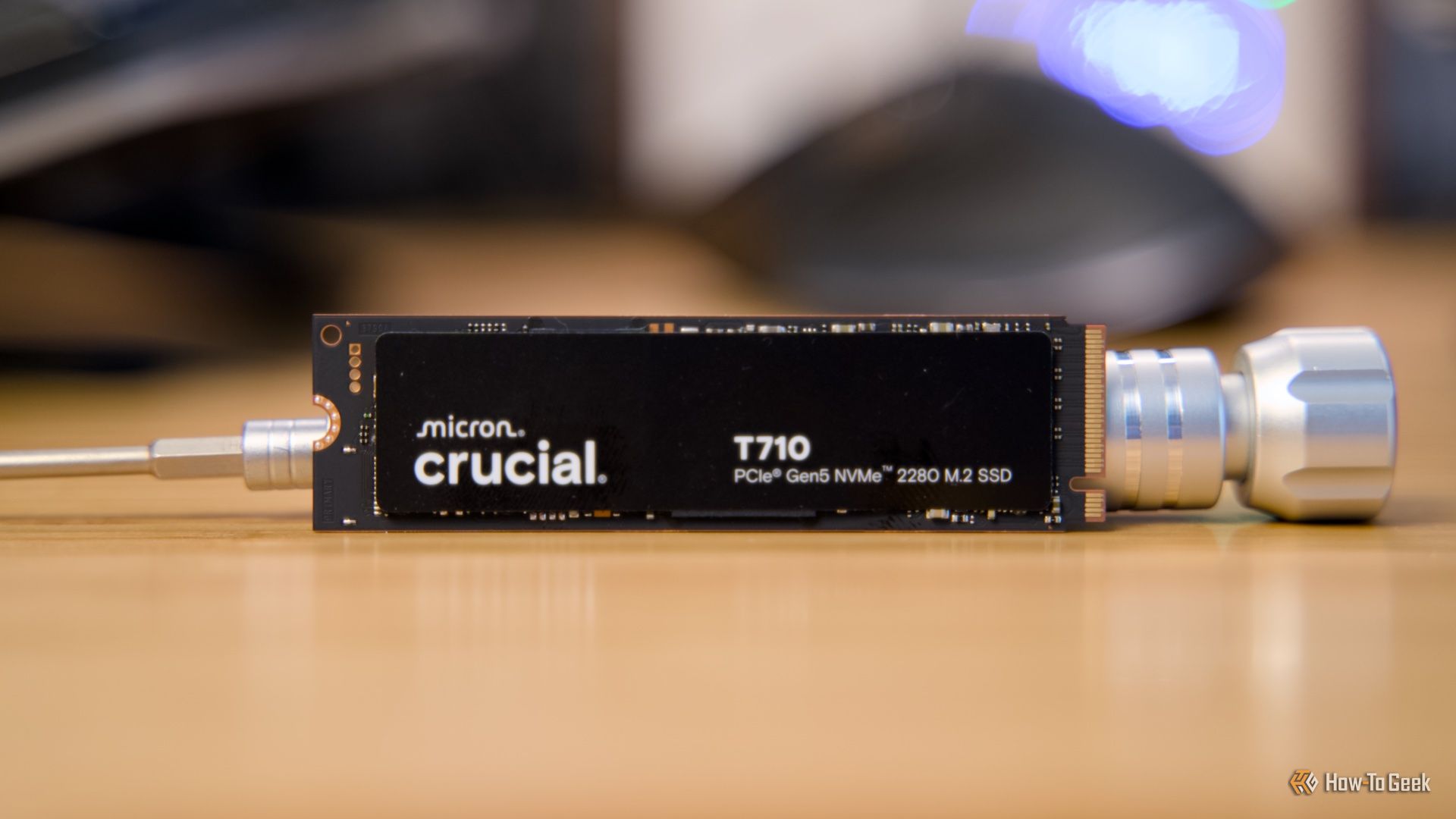
Everyone wants to get the best performance for their PC that they can afford, and NVMe SSDs are a tempting—and easy—way to improve how quickly your PC responds. Unfortunately, the real world isn't a benchmark, and the actual performance gains you get aren't as simple as the speeds advertised on the drives suggest.
Self-hosting is a great way to save money on subscriptions and take control of your data, but getting everything running smoothly on one system can be difficult, especially if you have incompatible dependencies.
BitLocker is the most common way to encrypt your Windows PC to protect it against data theft in the event that someone steals your PC, but it isn't the only option. If your PC doesn't have BitLocker and you want something more fully-featured than Device Encryption, VeraCrypt is probably the tool for you.
Self-hosting your own services is one of the best ways to save money on subscriptions and increase your privacy. Since you're running the services on your local network, no one else ever sees the data.
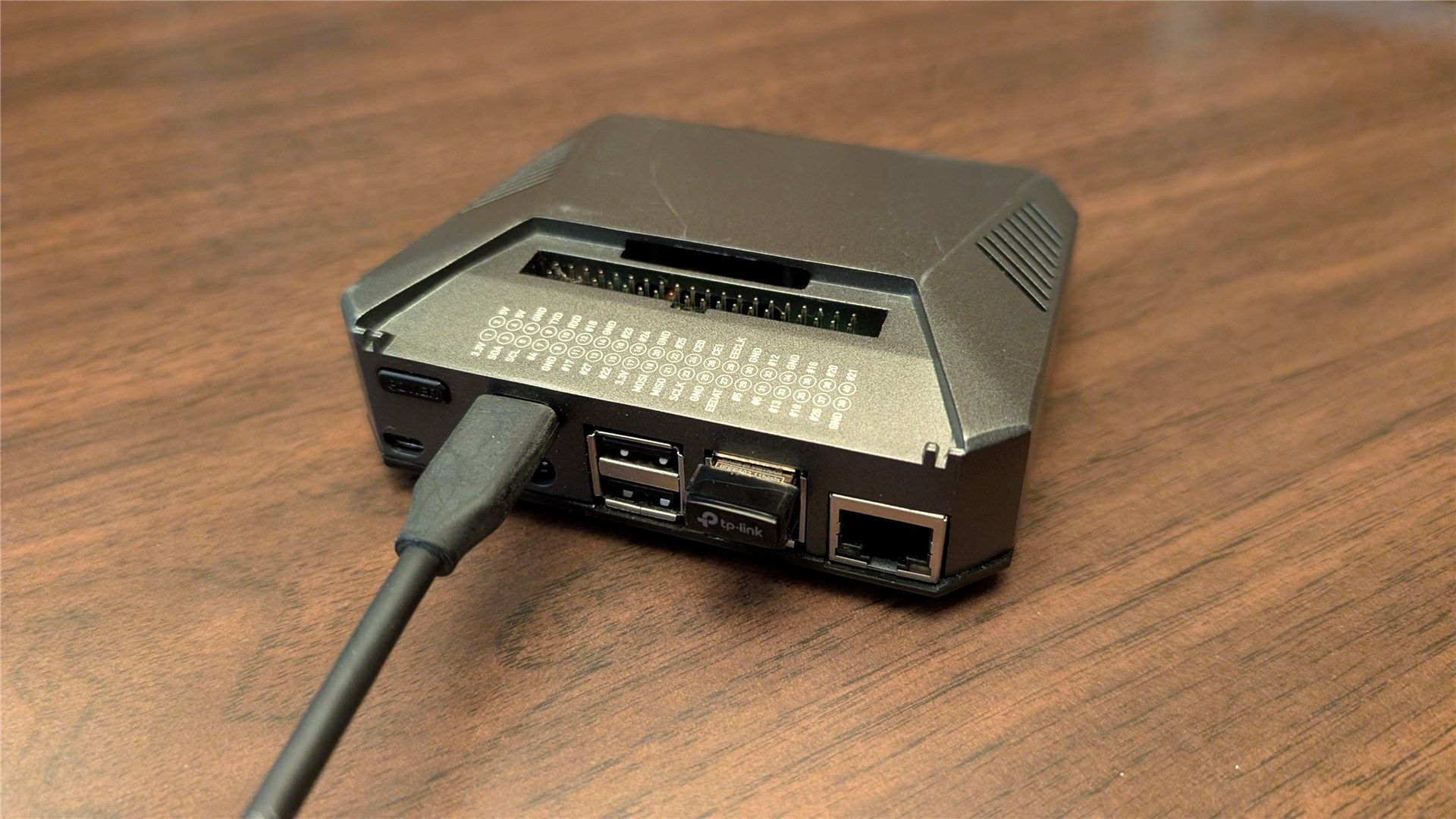
I use all sorts of software when I travel: a VPN, streaming music apps, cloud storage, and more. I turned my Raspberry Pi into a one-stop-shop travel router that combines all of those uses into one device, so I don't have to worry about them individually on my phone, laptop, or console.
RSS feeds used to be the premiere way to get personalized news delivered directly to you from your favorite websites prior to the rise of personalized algorithms on social media. Despite the fact that RSS feeds aren't quite as popular as they used to be, they are still my favorite way to keep up to speed on topics I'm interested in. Here are three RSS Feed apps from Windows.