
Reading view

There are new articles available, click to refresh the page.

How to Choose a right Digital Marketing Agency for your business?

In the current business landscape, digital marketing is no longer an optional strategy; it has become an essential part of every company’s growth plan. With millions of businesses competing online, having a strong digital presence can determine whether your brand thrives or struggles. From small startups to established enterprises, every business can benefit from professional digital marketing services that drive traffic, boost brand awareness, and increase conversions.

However, not all digital marketing agencies are created equal. Choosing the right digital marketing agency is about more than simply hiring a service provider; it is about forming a strategic partnership with a team that understands your business goals, aligns with your vision, and has the expertise to deliver measurable results. A reliable agency can help your business stay ahead of competitors, utilize the latest marketing techniques, and even integrate AI-driven tools to optimize campaigns.

Artificial Intelligence (AI) is transforming the digital marketing space, making campaigns smarter, faster, and more data-driven. Leading digital marketing agencies now leverage AI for predictive analytics, automated ad targeting, content personalization, and customer journey mapping. By working with experts who incorporate AI into their strategies, businesses can maximize efficiency and achieve better outcomes with less guesswork.

For businesses looking for guidance, exploring top digital marketing agencies is a great starting point. These agencies have proven experience, structured processes, and access to cutting-edge tools that can help elevate your marketing efforts. Whether you are seeking to enhance your SEO, run high-converting PPC campaigns, or build a strong social media presence, selecting the right agency is the first step toward long-term success.

In this blog, we will walk you through every aspect of choosing the right digital marketing agency for your business. From understanding your business needs and evaluating agency expertise, to pricing, services, AI capabilities, and emerging trends, this guide will ensure you make an informed decision that delivers measurable results and sustainable growth.

Identify Your Business Goals Before Hiring a Digital Marketing Agency

Understanding your business objectives and required digital marketing services is the first step toward selecting the right digital marketing agency. Clear goals ensure you hire a partner who can deliver measurable results and leverage the latest AI-driven tools to optimize campaigns.

Define Your Marketing Objectives

Before approaching a digital marketing agency, it is crucial to have a clear understanding of your business goals. Every company has unique objectives, and without a well-defined purpose, even the best marketing strategies may fail to deliver results. Start by asking yourself what you want to achieve with digital marketing:

  • Brand Awareness: Are you looking to increase visibility and make your brand more recognizable in your industry? Campaigns focused on social media engagement, content marketing, and online PR are ideal for this goal.
  • Lead Generation: If your priority is attracting potential clients, strategies like search engine optimization (SEO), pay-per-click (PPC) advertising, and targeted email campaigns can help generate qualified leads.
  • Sales Growth: E-commerce businesses or companies with direct sales goals need campaigns that drive conversions, such as remarketing ads, AI-powered product recommendations, and optimized landing pages.
  • Customer Retention: If retaining existing customers is your main objective, focus on strategies such as loyalty programs, personalized content, and automated engagement tools.

Determine the Services You Need

Once your objectives are clear, you can determine the specific services your business requires. Digital marketing encompasses multiple services, and hiring a digital marketing agency that specializes in your required areas ensures better outcomes. Some common services include:

  • Search Engine Optimization (SEO): Helps your website rank higher in search results, increasing organic traffic and brand credibility.
  • Pay-Per-Click Advertising (PPC): Provides immediate visibility on search engines and social media platforms, driving targeted traffic to your website.
  • Social Media Marketing: Builds community engagement, increases brand loyalty, and promotes products to a highly targeted audience.
  • Content Marketing: Includes blog posts, videos, infographics, and other forms of content to educate, entertain, and convert your audience.
  • Email Marketing: Strengthens customer relationships and drives repeat sales through targeted and automated email campaigns.

By clearly identifying the services you need, you can filter out agencies providing digital marketing services that do not align with your goals, and focus on finding a digital marketing service provider capable of executing your strategy effectively.

Leverage AI Insights for Smarter Planning

AI is now a game-changer in digital marketing strategy planning. Digital marketing professionals that integrate AI tools can provide predictive insights, audience segmentation, trend analysis, and data-driven recommendations. For example, AI can help you:

  • Identify Target Audiences: Analyze online behavior, demographics, and purchase patterns to determine the most valuable audience segments for your campaigns.
  • Forecast Trends: Predict market demand, seasonal spikes, and emerging opportunities to adjust your campaigns proactively.
  • Optimize Budgets: Allocate resources to the most profitable channels and campaigns based on AI-driven performance predictions.
  • Create Personalized Content: Use AI to deliver customized messaging for different audience segments, increasing engagement and conversions.

By leveraging these AI-powered insights, your marketing objectives become more focused, measurable, and achievable. A forward-thinking agency will incorporate AI analysis in the planning stage, ensuring your campaigns are both innovative and highly effective.

Evaluate the Expertise of Digital Marketing Experts

Choosing a digital marketing agency with proven expertise is essential for ensuring the success of your campaigns. An agency’s experience, specialization, and use of modern tools like AI can directly impact your marketing performance and ROI.

Check Portfolios and Case Studies

One of the most effective ways to assess an agency’s expertise is by reviewing their portfolio and case studies. A well-documented portfolio provides insight into the agency’s previous projects, the industries they have worked with, and the results they have achieved. Key points to consider include:

  • Industry Experience: Has the agency worked with businesses similar to yours? Experience in your industry often leads to better understanding of market nuances and customer behavior.
  • Campaign Results: Look for measurable outcomes such as increased website traffic, higher conversion rates, improved search rankings, or social media growth.
  • Client Diversity: Agencies providing digital marketing services with a range of clients demonstrate adaptability and the ability to handle different marketing challenges effectively.

Look for Specialization

Not every agency excels in all areas of digital marketing. Some may focus on social media marketing, others on SEO, PPC, or email marketing. Choosing an agency that specializes in the services most relevant to your goals ensures better results. Key aspects include:

  • Dedicated Experts: Check if the agency has certified and experienced professionals for each digital marketing channel.
  • Track Record of Success: Agencies with specialized teams often demonstrate higher performance in their core areas.
  • Innovation and Adaptability: Leading DM agencies stay updated with the latest trends, tools, and AI technologies to deliver creative and effective solutions.

AI-Driven Capabilities

In today’s competitive environment, top digital marketing agencies leverage AI tools to gain a strategic advantage. AI integration can enhance campaign performance, streamline processes, and provide actionable insights. Examples of AI-driven capabilities include:

  • Predictive Analytics: AI can forecast which campaigns are likely to succeed, allowing digital marketing companies to allocate resources more effectively.
  • Automated Campaign Optimization: AI tools monitor performance in real time and make adjustments to improve click-through rates, conversions, and ROI.
  • Audience Segmentation: AI analyzes user behavior and demographics to identify high-value customer segments for targeted marketing.
  • Content Personalization: AI generates insights on content preferences, enabling highly personalized campaigns that resonate with each audience segment.

Choosing an agency with strong AI-driven capabilities ensures your marketing efforts are not only data-informed but also highly efficient and scalable. This combination of expertise, specialization, and AI integration helps maximize results and provides a competitive edge in the digital landscape.

Assess the Range of Digital Marketing Services Offered

When choosing a digital marketing agency, it is important to evaluate the full range of services they provide. A comprehensive agency can create integrated campaigns across multiple channels, ensuring consistent messaging, better audience engagement, and higher ROI. Understanding their service offerings helps you determine if they can meet your specific business needs.

Core Services

Top digital marketing agencies offer a variety of core services that form the foundation of any successful marketing strategy. These services include:

  • Search Engine Optimization (SEO): Improves website visibility on search engines, drives organic traffic, and establishes credibility in your industry.
  • Pay-Per-Click Advertising (PPC): Allows you to reach targeted audiences quickly through platforms like Google Ads and social media ads, providing measurable results and immediate impact.
  • Social Media Marketing: Builds brand presence and engagement across platforms such as Facebook, Instagram, LinkedIn, and Twitter. It helps increase awareness and generate leads through interactive content and campaigns.
  • Content Marketing: Includes blogs, videos, infographics, and eBooks to educate, entertain, and convert your audience. Quality content also supports SEO and enhances brand authority.
  • Email Marketing: Strengthens relationships with customers through personalized messaging, automated campaigns, and nurturing strategies that drive repeat sales and loyalty.

AI-Powered Marketing

Best digital marketing agencies that integrate AI into their service offerings provide a significant competitive advantage. AI tools can optimize campaigns in real time, enhance audience targeting, and create personalized experiences. Key AI-powered capabilities include:

  • Automated Campaign Management: AI can adjust ad bids, placement, and timing automatically to maximize conversions and minimize costs.
  • Predictive Analytics: Anticipates user behavior and campaign performance, helping marketers make data-driven decisions.
  • Content Personalization: AI helps deliver tailored messages and offers to individual users, improving engagement and conversion rates.
  • Advanced Audience Segmentation: AI identifies high-value audience segments for targeted campaigns, ensuring marketing efforts are highly effective.

Integrated Strategy

An agency that provides integrated services can align multiple channels to work together seamlessly. For example, SEO, PPC, and social media campaigns can be synchronized to deliver consistent messaging and better results. Benefits of integrated strategies include:

  • Consistent Branding: Ensures your message is uniform across all digital channels, enhancing brand recognition and trust.
  • Higher ROI: Coordinated campaigns reduce wasted effort and maximize the impact of your marketing budget.
  • Data-Driven Decisions: Integrated analytics provide a complete picture of campaign performance, enabling continuous optimization.

Working with the right agency also brings additional benefits of hiring the right digital marketing company, such as strategic guidance, access to the latest tools, and measurable growth. Choosing an agency that offers a broad range of services ensures your business can run comprehensive, AI-enhanced campaigns that deliver results.

Understand Digital Marketing Pricing and Cost Considerations

Understanding pricing is a critical part of choosing the right digital marketing agency. While cost should not be the sole deciding factor, knowing how digital marketing agencies structure their fees and what you are paying for ensures you receive the best value for your investment. Transparent pricing, combined with expertise and measurable results, helps businesses make informed decisions.

Factors Influencing Pricing

The cost of digital marketing services can vary widely depending on several factors. Key considerations include:

  • Scope of Work: The range of services you require directly affects pricing. top-most Digital marketing agencies offering full-service solutions like SEO, PPC, social media management, and content marketing typically charge more than those providing only one or two services.
  • Agency Experience: Experienced and reputable digital marketing service providing agencies may charge higher fees, but their expertise often leads to better results and higher ROI.
  • AI Integration: Internet marketing companies using AI platforms for campaign optimization, audience segmentation, and predictive analytics may include additional costs for these advanced capabilities, but the value they provide is significant.
  • Campaign Complexity: Multi-channel campaigns with intricate strategies, high volumes of content, and large target audiences require more resources and are priced accordingly.

Compare Costs and Value of Digital Marketing Companies

It is essential to evaluate the cost of digital marketing in the context of value delivered. Cheaper digital marketing companies may save money upfront but can lack quality, expertise, or the ability to achieve measurable results. Instead, focus on the return on investment (ROI) potential:

  • Short-Term Costs vs Long-Term Benefits: Investing in a high-quality digital marketing  professional may have higher upfront costs but can deliver consistent traffic, higher leads, and better conversions over time.
  • Quality of Services: Assess whether the digital marketing  company offers strategic planning, AI-driven insights, and performance tracking, which are often more valuable than just low-cost execution.
  • Scalability: A good digital marketing agency can scale your campaigns as your business grows, offering long-term value that cheaper alternatives may not provide.

Transparent Digital Marketing Service Pricing

Always choose digital marketing agencies that provide a clear and detailed breakdown of their pricing structure. Transparency ensures there are no hidden costs and helps you understand exactly what you are paying for. Common pricing models include:

  • Hourly Rate: Many Digital marketing agencies charge based on the time spent on your campaigns. Ideal for short-term or consulting projects.
  • Monthly Retainer: A fixed monthly fee for ongoing services such as SEO, social media management, or content marketing.
  • Project-Based: One-time fee for a specific campaign or service, such as a website redesign or a PPC campaign setup.

Check Proven Results, Testimonials, and Case Studies

Evaluating a digital marketing agency’s track record is one of the most reliable ways to determine if they can deliver results. Proven results, client testimonials, and detailed case studies provide concrete evidence of an agency’s expertise and ability to achieve measurable outcomes.

Measurable Results

Top digital marketing agencies provide data-backed evidence of their campaigns’ success. Look for metrics such as:

  • Increased Website Traffic: Consistent growth in organic or paid traffic indicates effective SEO and advertising strategies.
  • Higher Conversion Rates: The ability to turn visitors into leads or customers demonstrates strategic targeting and persuasive content.
  • Improved Search Rankings: Achieving higher rankings for relevant keywords shows strong SEO practices.
  • Social Media Engagement: Metrics such as likes, shares, comments, and followers indicate effective social media campaigns.

Client Testimonials

Client reviews and testimonials offer insight into an agency’s reliability, professionalism, and communication. Positive feedback highlights strengths such as:

  • Responsiveness: Fastest growing digital marketing agencies that communicate clearly and promptly are easier to work with and ensure campaigns stay on track.
  • Strategy and Planning: Clients often praise digital marketing companies that provide comprehensive, data-driven strategies aligned with business goals.
  • Results Delivery: Consistent achievement of targets demonstrates competence and dedication.

Case Studies of digital marketing agencies

Case studies provide detailed examples of how an digital marketing agency approaches challenges and achieves results. Important elements to look for include:

  • Problem Identification: Clear description of the business challenges or goals addressed by the digital marketing agency.
  • Strategic Approach: Explanation of the methods, tools, and channels used to solve the problem.
  • Results Achieved: Quantifiable outcomes such as percentage increases in traffic, leads, conversions, or revenue.

AI in Performance Tracking

Modern digital marketing agencies increasingly use AI tools to track performance and optimize campaigns in real time. AI allows agencies to:

  • Monitor Campaigns Continuously: Identify which strategies are working and adjust underperforming elements automatically.
  • Predict Customer Behavior: Anticipate trends and preferences to improve targeting and personalization.
  • Generate Insights for Optimization: Provide data-driven recommendations for improving ROI and achieving goals faster.

By evaluating measurable results, reading client testimonials, and reviewing detailed case studies, you can choose a online marketing agency that consistently delivers high-quality outcomes. Agencies that integrate AI-driven analytics into their processes are especially valuable, as they offer smarter, faster, and more efficient campaign management.

Evaluate Compatibility and Communication

Compatibility and communication play a crucial role in the success of your partnership with a digital marketing service agency. Even the most skilled agency can underperform if there is a mismatch in work style, values, or communication practices. Evaluating these factors ensures a smooth collaboration and maximizes results.

Collaboration

A good digital marketing agency should work closely with your internal team to understand your brand, business goals, and target audience. Collaborative agencies:

  • Understand Your Brand: They take the time to learn your brand voice, values, and objectives before creating campaigns.
  • Align With Business Goals: They ensure all marketing efforts are consistent with your company’s vision and strategy.
  • Encourage Feedback: A collaborative approach welcomes your input and makes adjustments based on your insights.

Responsiveness

Effective communication is key for timely execution and issue resolution. Responsive digital marketing services agencies typically demonstrate:

  • Timely Updates: Regular progress reports, campaign metrics, and insights keep you informed of performance.
  • Clear Communication Channels: Defined points of contact and streamlined communication ensure quick responses to questions or concerns.
  • Proactive Problem Solving: Professional digital marketing agencies that anticipate potential issues and address them before they escalate add tremendous value.

AI-Enabled Project Management

Growing digital marketing agencies often use AI tools to enhance communication, workflow, and project tracking. AI-enabled project management provides:

  • Automated Reporting: Generates campaign updates and performance metrics automatically, saving time and improving transparency.
  • Task Tracking and Scheduling: Ensures deadlines are met and responsibilities are clearly assigned to the right team members.
  • Data-Driven Insights: Provides actionable recommendations based on campaign performance, enabling faster decision-making.

By evaluating collaboration style, responsiveness, and AI-enabled project management capabilities, you can select a digital marketing agency that fits seamlessly with your team. A strong partnership ensures campaigns run smoothly, communication is efficient, and your marketing goals are consistently achieved.

Consider the Latest Trends in Digital Marketing

Digital marketing is constantly evolving, and agencies must stay updated with the latest trends to deliver effective results. Choosing digital marketer that embraces new strategies and technologies ensures your campaigns remain relevant, competitive, and high-performing.

AI and Automation

AI and automation are transforming the way campaigns are planned, executed, and optimized. digital marketing companies using these tools can deliver more efficient and precise marketing efforts. Key applications include:

  • Automated Campaign Optimization: AI adjusts ad bids, targeting, and placements in real time to maximize ROI and reduce wasted spend.
  • Predictive Analytics: AI forecasts trends, customer behavior, and campaign performance, enabling proactive decision-making.
  • Personalized Marketing: AI analyzes user behavior to deliver tailored messages, content, and product recommendations.
  • Chatbots and Customer Engagement: AI-powered chatbots provide 24/7 support and personalized communication, improving user experience and conversion rates.

Emerging Channels

Digital marketing now goes beyond traditional SEO, social media, and email marketing. Digital marketing experts that explore emerging channels can give your brand a competitive edge. Popular trends include:

  • Voice Search Optimization: With the rise of smart speakers and voice assistants, optimizing content for voice queries is becoming increasingly important.
  • Influencer Marketing: Collaborating with social media influencers can increase brand awareness and drive targeted traffic.
  • Video Marketing: Video content is highly engaging and often drives higher conversions across platforms like YouTube, Instagram, and TikTok.
  • Interactive Content: Quizzes, polls, AR/VR experiences, and gamified content increase engagement and create memorable brand experiences.

Staying Competitive

Digital marketing agencies that stay ahead of trends and leverage the latest tools and technologies help your business remain competitive. By choosing a partner who embraces the latest digital marketing strategies:

  • Innovative Campaigns: Cutting-edge tactics attract attention and differentiate your brand from competitors.
  • Data-Driven Decisions: Continuous monitoring and analysis ensure campaigns are optimized for maximum performance.
  • Future-Proof Strategies: Agencies that adapt to trends can scale and evolve with your business needs, ensuring long-term success.

Staying updated with digital marketing trends, especially AI and automation, empowers your campaigns to be smarter, faster, and more effective. Partnering with an digital agency that integrates these technologies gives your business a competitive edge and ensures campaigns deliver measurable results.

Make an Informed Decision When Hiring a Digital Marketing Agency

After evaluating goals, expertise, services, pricing, and trends, it is time to make a thoughtful decision. Choosing the right digital marketing agency is more than selecting a vendor; it is about finding a long-term partner who aligns with your business vision and can drive measurable results.

Checklist for Decision-Making

Before finalizing your choice, consider the following checklist to ensure the agency is a good fit:

  • Expertise in Relevant Areas: The marketing agency should have a proven track record in the services you need, whether SEO, social media, PPC, or content marketing.
  • Comprehensive Service Offerings: Full-service agencies can manage integrated campaigns, ensuring consistency across channels.
  • Transparent Pricing: Clear pricing models and cost breakdowns help avoid unexpected charges and allow accurate budget planning.
  • AI Capabilities: top marketing agencies leveraging AI for analytics, automation, and personalization provide smarter, data-driven campaigns.
  • Proven Results: Case studies, client testimonials, and measurable outcomes demonstrate the agency’s effectiveness.
  • Effective Communication: Responsive and collaborative agencies align with your team, ensuring campaigns are executed smoothly.
  • Trend Awareness: Best digital agencies that adopt the latest tools, strategies, and channels help your business stay competitive in the digital landscape.

Select the Best Fit

Once you evaluate agencies against the checklist, choose the one that best aligns with your business objectives, culture, and long-term goals. The right agency will:

  • Align with Your Vision: Understand your brand, mission, and target audience, and translate that into effective campaigns.
  • Provide Strategic Guidance: Offer insights, recommendations, and planning support based on data-driven research.
  • Adapt and Scale: Be flexible enough to adjust strategies and scale efforts as your business grows and market conditions evolve.

Long-Term Benefits of Hiring Right Digital Marketing Agency

Partnering with a leading digital marketing agency is an investment in long-term business growth. Benefits include:

  • Consistent ROI: Well-planned and executed campaigns deliver measurable results over time.
  • Access to Expertise: Gain insights and strategies from a team of specialists across different digital channels.
  • Innovation and Adaptability: Agencies that embrace AI, automation, and emerging trends keep your marketing ahead of competitors.
  • Scalable Marketing: Your campaigns can grow with your business, allowing for expansion into new markets or channels efficiently.

Making an informed decision ensures your investment in a digital marketing agency leads to measurable growth, improved brand presence, and a competitive edge in your industry. By following this structured approach, you can confidently select a partner who delivers both immediate results and long-term value.

Conclusion: Achieve Business Growth with the Right Digital Marketing Agency

Selecting the right digital marketing agency is a strategic decision that can significantly impact your business growth and online success. By carefully evaluating your goals, agency expertise, range of services, pricing, communication, and the latest digital trends, you can identify a partner capable of delivering measurable results and sustainable ROI.

Key Takeaways

  • Define Your Goals: Understand what you want to achieve, whether it is brand awareness, lead generation, sales growth, or customer retention.
  • Evaluate Expertise: Review portfolios, case studies, and client testimonials to ensure the agency has relevant experience and proven results.
  • Assess Services and AI Integration: Choose agencies offering comprehensive services and AI-powered tools to optimize campaigns and improve performance.
  • Understand Pricing: Compare costs with the value provided, focusing on long-term ROI rather than just upfront fees. Learn more about detailed pricing models.
  • Consider Communication and Compatibility: Ensure smooth collaboration through responsiveness, project management, and alignment with your brand vision.
  • Stay Ahead of Trends: Work with agencies that embrace the latest strategies, automation, and emerging channels to remain competitive.

Final Thoughts

Partnering with a quality and experienced digital marketing company is more than a short-term decision—it is an investment in your business’s future. The right digital marketing agency brings strategic guidance, technical expertise, AI-enhanced solutions, and innovative campaigns that drive growth, engagement, and conversions. Businesses that carefully choose their digital marketing partners consistently outperform competitors, maintain a strong online presence, and achieve measurable results.

Combining expertise, comprehensive services, AI-driven insights, and transparent pricing ensures your marketing efforts are efficient, effective, and future-proof. By investing time and research in selecting the right digital marketing agency, your business can enjoy sustainable growth and a competitive edge in today’s digital landscape.

The post How to Choose a right Digital Marketing Agency for your business? appeared first on TopDevelopers.co.

The Ultimate Python vs JavaScript Comparison

Python and JavaScript are two of the most popular and widely used programming languages. Both have established themselves as essential tools for developers, businesses, and technology experts across industries. Python is often preferred by developers for data science, artificial intelligence, machine learning, and automation projects due to its simple syntax, readability, and powerful libraries. On the other hand, JavaScript is the leading choice for web development, interactive applications, and cross-platform app development because of its versatility, speed, and full-stack capabilities.

Choosing the right programming language is a critical decision for businesses. The wrong choice can result in increased development time, higher costs, and inefficient applications. That is why many businesses consult with top Python development companies to leverage the expertise of seasoned Python developers. These experts understand the strengths and limitations of each language and can help design projects that maximize performance, scalability, and user experience.

In this blog, we will provide a complete Python vs JavaScript comparison, covering multiple aspects such as web development, data science, AI, app development, automation, and game development. We will explore the differences in performance, ease of learning, community support, and real-world applications. By the end of this guide, readers will have a clear understanding of which language is the best fit for their project, and how to use the expertise of top developers to achieve the best results.

Python vs JavaScript: A Quick Overview

Python and JavaScript have both become essential programming languages, but they were created with different goals and use cases in mind. Python was developed in the late 1980s by Guido van Rossum with a focus on readability, simplicity, and versatility. Its clean, easy-to-understand syntax makes it an excellent choice for beginners, while its robust libraries and frameworks allow experts to build advanced applications in data science, artificial intelligence, machine learning, automation, and web development. Over the years, Python has grown into one of the most trusted languages for backend development and scientific computing, making it a preferred choice for Python development companies and Python developers around the globe.

JavaScript, on the other hand, was introduced in 1995 by Brendan Eich as a language for enhancing interactivity in web browsers. Initially limited to client-side scripting, JavaScript has evolved into a full-stack language thanks to technologies like Node.js, React, and Angular. Today, it is used not only for front-end development but also for backend services, mobile applications, and even browser-based AI or data visualization tasks. Its flexibility, speed, and ability to run seamlessly in web browsers have made JavaScript a cornerstone of modern web development, widely used by JavaScript developers and JavaScript development companies.

Key Features Comparison of Python and JavaScript

  • Python: Known for simple syntax, readability, and strong support for data-intensive applications. It offers a large number of libraries and frameworks that simplify machine learning, AI, automation, and web development.
  • JavaScript: Highly versatile, runs natively in browsers, supports full-stack development, and offers frameworks and libraries that enable interactive web applications and mobile apps.
  • Ease of Learning: Python is beginner-friendly and easy to understand for new programmers, whereas JavaScript requires familiarity with web technologies and can have a steeper learning curve.
  • Flexibility: JavaScript can be used for front-end, backend, and cross-platform app development. Python is more commonly used for backend and specialized domains like AI and data science.

Real-World Applications of Python and JavaScript

  • Python: Instagram and Spotify use Python for backend services and data management. NASA uses Python for scientific computing and research applications. Many top Python development companies rely on Python for AI and machine learning projects.
  • JavaScript: Netflix, LinkedIn, and Facebook leverage JavaScript to build interactive user interfaces and dynamic web applications. Node.js enables server-side capabilities, while React and Angular power front-end experiences.

Understanding the quick overview of both languages helps businesses and developers decide which language aligns best with their project needs. Python is generally better suited for data-heavy, backend, and automation tasks, while JavaScript shines in building interactive web applications and cross-platform apps.

Performance Comparison of Python and JavaScript

Performance is a critical factor when choosing between Python and JavaScript for any project. Each language has its strengths and weaknesses depending on the use case, project scale, and type of application.

Execution Speed

  • JavaScript: JavaScript is generally faster than Python when it comes to execution in web browsers. It is optimized for real-time performance and can handle high-frequency interactions on web pages. Its asynchronous nature, especially when combined with Node.js, allows it to efficiently manage multiple tasks simultaneously.
  • Python: Python is slightly slower in execution because it is an interpreted language, which means code is executed line by line. However, for backend processing, AI computations, and data-intensive tasks, Python’s performance is more than sufficient. Libraries such as NumPy, Pandas, and TensorFlow allow Python to handle large datasets efficiently, making it a top choice for data science and machine learning projects.

Scalability

  • JavaScript: With frameworks like Node.js, JavaScript can scale easily for high-traffic web applications. Companies like Netflix and LinkedIn rely on JavaScript to handle millions of users concurrently, proving its scalability and reliability for enterprise-level projects.
  • Python: Python is highly scalable in backend and data-focused projects. Applications like Instagram, which manage millions of daily active users, use Python to process large amounts of data efficiently. Python development companies often leverage its scalability in AI, data science, and automation projects.

Real-World Examples

  • Python: Spotify uses Python for backend services and analytics, while NASA uses Python extensively for scientific computations and research simulations. Python’s performance in these domains is enhanced by specialized libraries and tools.
  • JavaScript: Google and Facebook use JavaScript for dynamic interfaces and real-time user interactions. JavaScript’s performance advantage is particularly evident in web applications requiring fast response times and interactive features.

Key Takeaways

  • Speed vs Efficiency: JavaScript offers faster execution in browsers and interactive web applications, whereas Python is efficient for backend processing and data-heavy computations.
  • Use Case Consideration: For real-time web apps, JavaScript is ideal. For AI, machine learning, and backend automation, Python excels.
  • Developer Expertise: Hiring top Python developers or JavaScript developers can help businesses leverage the full potential of each language depending on performance needs.

Python vs JavaScript for Web Development

Web development is one of the most popular use cases for both Python and JavaScript, but each language plays a different role in building websites and web applications. Python is primarily used for backend development, while JavaScript is essential for both front-end and full-stack development.

Python for Web Development

Python is widely used for backend web development because of its readability, simplicity, and powerful frameworks. Frameworks like Django and Flask allow developers to build scalable, secure, and robust web applications quickly. Django, for instance, provides a full-featured framework with built-in features such as authentication, database management, and security tools. Flask, on the other hand, is lightweight and flexible, allowing developers to customize their applications according to project needs.

Real-world examples of Python in web development include Instagram, which uses Django for backend operations, and Spotify, which uses Python to manage backend services and handle large amounts of user data. Python development companies often rely on these frameworks to deliver high-quality web applications efficiently.

JavaScript for Web Development

JavaScript is indispensable for front-end web development and increasingly for full-stack development as well. Its ability to run directly in the browser allows developers to create interactive, dynamic, and responsive web interfaces. Popular frameworks and libraries like React, Angular, and Vue.js enable developers to build complex user interfaces quickly. Node.js extends JavaScript to backend development, making it possible to build full-stack applications using a single language.

Companies like Netflix, LinkedIn, and Facebook heavily rely on JavaScript for creating interactive web experiences. JavaScript development companies often use Node.js for server-side processing and React or Angular for building scalable front-end applications.

Key Points for Web Development

  • Python: Excels in backend processing, handling databases, authentication, and server-side logic efficiently.
  • JavaScript: Ideal for interactive front-end development and full-stack applications with dynamic user interfaces.
  • Frameworks: Django and Flask for Python; React, Angular, Vue.js, and Node.js for JavaScript.
  • Project Approach: Many companies combine Python and JavaScript for full-stack development, using Python for backend operations and JavaScript for front-end interactivity.

Real-World Examples

  • Python: Instagram, Dropbox, Spotify (backend operations, server-side logic, and data processing).
  • JavaScript: Netflix, LinkedIn, Facebook (front-end interactivity, dynamic content, and real-time updates).

Python vs JavaScript for Data Science and AI

Python and JavaScript are used in the field of data science and artificial intelligence, but Python is widely recognized as the leading choice for these domains. Its simplicity, versatility, and extensive library support make it ideal for data analysis, machine learning, and AI projects. JavaScript, although not as dominant in this area, plays a role in web-based AI applications and data visualization.

Python for Data Science and AI

Python has become the preferred language for data science and AI due to its rich ecosystem of libraries and tools. Libraries such as NumPy, Pandas, scikit-learn, and TensorFlow enable developers to perform data analysis, build machine learning models, and deploy AI solutions efficiently. Python’s readability allows developers to focus on solving complex problems rather than dealing with complicated syntax.

Real-world examples of Python in data science and AI include NASA for scientific research, Uber for route optimization and predictive analytics, and Spotify for recommendation algorithms. Python development companies leverage this expertise to build cutting-edge AI applications for businesses worldwide.

JavaScript for Data Science and AI

JavaScript is not as commonly used for data science or AI, but it is valuable for building interactive web-based applications that incorporate AI. Libraries like TensorFlow.js and Brain.js allow developers to run machine learning models directly in the browser. This enables real-time data processing, visualization, and interaction without relying on server-side computation.

Examples include online AI tools, interactive dashboards, and browser-based recommendation engines. JavaScript developers often integrate these tools into web applications to provide a seamless user experience, even when AI computations are involved.

Key Points for Data Science and AI

  • Python: Offers a comprehensive ecosystem for machine learning, AI, and data analytics, making it the top choice for developers and companies.
  • JavaScript: Useful for web-based AI applications, data visualization, and interactive dashboards.
  • Libraries: Python uses NumPy, Pandas, TensorFlow, scikit-learn; JavaScript uses TensorFlow.js, Brain.js.
  • Real-World Applications: Python powers AI-driven services like Uber’s predictive analytics, NASA’s research simulations, and Spotify’s recommendation engines. JavaScript powers browser-based AI tools and interactive dashboards.
  • Expertise: Hiring Python developers is crucial for AI and data science projects, while JavaScript developers are ideal for web integration of AI and visualization tools.

Python vs JavaScript for App Development

Both Python and JavaScript are capable of supporting app development, but each language excels in different areas. Python is primarily used for desktop and cross-platform apps, while JavaScript dominates mobile and web-based app development through frameworks like React Native and Electron.

Python for App Development

Python provides frameworks such as Kivy and BeeWare that allow developers to create desktop and mobile applications efficiently. Kivy supports cross-platform app development, enabling apps to run on Windows, MacOS, Linux, Android, and iOS. BeeWare allows developers to write Python applications and deploy them across multiple platforms without rewriting code. Python is particularly strong for rapid prototyping, automation-focused apps, and data-driven applications.

Real-world examples of Python in app development include Dropbox for desktop file synchronization, and some scientific and AI applications that require a user-friendly desktop interface. Python development companies often leverage these frameworks to create robust applications while maintaining quick development cycles.

JavaScript for App Development

JavaScript is widely used for mobile and cross-platform applications, thanks to frameworks like React Native and Electron. React Native allows developers to build mobile apps for both Android and iOS using a single JavaScript codebase, reducing development time and cost. Electron is popular for desktop applications that run on multiple operating systems, such as Slack and Visual Studio Code.

JavaScript’s ability to power both the front-end and backend through Node.js makes it ideal for full-stack app development. Many companies rely on JavaScript development companies to build cross-platform apps that are fast, interactive, and scalable.

Key Points for App Development

  • Python: Best for rapid prototyping, desktop apps, and data-driven applications.
  • JavaScript: Ideal for mobile apps and cross-platform development with frameworks like React Native and Electron.
  • Frameworks: Kivy and BeeWare for Python; React Native and Electron for JavaScript.
  • Real-World Examples: Python powers Dropbox desktop apps, AI and automation tools. JavaScript powers apps like Discord, Slack, and Visual Studio Code.
  • Project Approach: Many companies combine Python and JavaScript, using Python for backend logic and JavaScript for front-end or mobile interfaces.

Python vs JavaScript for Automation

Automation has become an essential part of modern software development, helping businesses save time, reduce errors, and improve efficiency. Both Python and JavaScript can be used for automation, but Python is generally regarded as the best choice due to its simplicity, readability, and extensive support for scripting.

Python for Automation

Python’s clean syntax and powerful libraries make it ideal for automating repetitive tasks, data processing, and workflow optimization. Libraries such as selenium, PyAutoGUI, and schedule enable developers to automate browser interactions, GUI operations, and scheduled tasks with minimal effort. Python developers often use automation to handle data collection, file management, report generation, and backend processes.

Real-world examples include automating data scraping for market research, generating automated reports for business analytics, and running scripts for testing and deployment. Many Python development companies specialize in building custom automation solutions that streamline complex processes and reduce operational costs.

JavaScript for Automation

JavaScript also supports automation, particularly in web-based scenarios. Tools like Puppeteer and Node.js allow developers to automate browser tasks, such as form submissions, data extraction, and automated testing. JavaScript automation is especially useful for web applications that require real-time interaction and monitoring.

Companies often use JavaScript developers to automate workflows related to website testing, dynamic content management, and browser-based data handling. JavaScript’s integration with front-end and backend services allows for seamless automation in full-stack web applications.

Key Points for Automation

  • Python: Simplifies backend automation, scripting, and task scheduling, ideal for data-heavy and repetitive tasks.
  • JavaScript: Excels in browser-based automation, testing, and interactive web tasks.
  • Libraries and Tools: Python uses Selenium, PyAutoGUI, and Schedule; JavaScript uses Puppeteer and Node.js.
  • Real-World Applications: Python powers automated report generation, data scraping, and backend scripts. JavaScript powers automated web testing, form submission, and dynamic content updates.
  • Expertise: Top Python developers and JavaScript developers can help businesses implement automation solutions tailored to their needs.

Python vs JavaScript for Game Development

Game development is a niche but growing area where both Python and JavaScript have a presence. Each language has unique strengths, depending on the type of game being developed and the target platform. Python is typically used for 2D games and educational projects, while JavaScript dominates browser-based games and interactive online experiences.

Python for Game Development

Python is beginner-friendly and often chosen by developers who are new to game programming. Frameworks like Pygame allow developers to create 2D games quickly and efficiently. Python’s simple syntax and readable code make it ideal for educational games, prototypes, and small-scale projects. Additionally, Python’s support for AI and machine learning can be used to add intelligent behavior to game characters or procedural content generation.

Real-world examples include small educational games and indie projects where developers want to focus on logic and gameplay rather than complex graphics or browser compatibility. Python development companies often use Pygame for training projects, prototypes, and apps that require rapid development.

JavaScript for Game Development

JavaScript is widely used for browser-based and interactive online games. Frameworks such as Phaser and Babylon.js allow developers to create both 2D and 3D games that run directly in web browsers without additional plugins. JavaScript’s ability to handle real-time interactions, animations, and responsive design makes it ideal for online multiplayer games and interactive game experiences.

Examples include online HTML5 games, interactive web-based educational games, and browser-based simulations. Many JavaScript development companies leverage these frameworks to create scalable and engaging online games that work across devices.

Key Points for Game Development

  • Python: Ideal for 2D games, educational projects, and prototypes using Pygame. Supports AI integration for smart game behavior.
  • JavaScript: Best for browser-based games, interactive online experiences, and multiplayer games using Phaser and Babylon.js.
  • Frameworks: Python uses Pygame; JavaScript uses Phaser, Babylon.js.
  • Real-World Applications: Python powers indie 2D games and educational tools. JavaScript powers browser-based HTML5 games and interactive online platforms.
  • Project Approach: Developers choose Python for rapid prototyping and small-scale games, while JavaScript is used for interactive web-based game experiences.

Community Support, Resources, and Expertise

One of the major factors that influence the choice between Python and JavaScript is the strength of their communities and the availability of resources. Both languages have large, active developer communities, extensive documentation, and numerous tutorials, making it easier for beginners and experts to find guidance, solve problems, and stay updated with the latest trends.

Python Community and Resources

Python has a vast and supportive global community, including forums, discussion groups, and developer conferences. Websites like Stack Overflow, GitHub, and Reddit host numerous Python discussions and repositories, providing solutions to almost any development challenge. Python development companies benefit from this community support by accessing pre-built libraries, frameworks, and tools, which significantly reduces development time and cost. Additionally, educational platforms like Coursera, Udemy, and edX offer specialized courses for Python developers to enhance their expertise in AI, data science, and web development.

JavaScript Community and Resources

JavaScript also boasts an enormous global community, given its essential role in web development. Libraries, frameworks, and tools like Node.js, React, Angular, and Vue.js are backed by extensive documentation and community support. JavaScript developers have access to countless tutorials, open-source projects, and forums that facilitate continuous learning and problem-solving. The strong community makes it easier to implement best practices, adopt new technologies, and stay updated with the latest advancements in web and app development.

Expertise Availability

  • Python Developers: Python’s popularity in AI, machine learning, and backend development has created a large pool of skilled developers who can handle complex projects efficiently. Python development companies leverage this expertise to deliver cutting-edge solutions for data-driven applications.
  • JavaScript Developers: JavaScript developers are widely available and skilled in front-end, backend, and full-stack development. JavaScript development companies use this expertise to build interactive web applications, mobile apps, and browser-based tools.
  • Learning Resources: Both languages offer abundant learning platforms, online tutorials, and documentation. Python is strong for AI, machine learning, and backend training, while JavaScript is ideal for web development, full-stack projects, and interactive interfaces.
  • Community Benefits: Strong community support enables faster problem-solving, knowledge sharing, and access to pre-built libraries and frameworks, which improves productivity and code quality.

Choosing Between Python and JavaScript

Choosing the right programming language is a crucial decision that can determine the success of a project. Both Python and JavaScript have unique strengths, and the decision depends on factors such as project type, team expertise, scalability requirements, and long-term goals.

Project Type

  • Web Applications: JavaScript is ideal for creating interactive, dynamic, and responsive web interfaces. Frameworks like React, Angular, and Node.js allow developers to build full-stack applications efficiently. Python is better suited for backend-heavy applications where data processing, server-side logic, and automation play a major role.
  • Data Science, AI, and Machine Learning: Python is the preferred choice due to its powerful libraries such as NumPy, Pandas, scikit-learn, and TensorFlow. Businesses that require predictive analytics, AI models, or machine learning solutions should hire Python developers.
  • App Development: For desktop applications, Python frameworks like Kivy and BeeWare are excellent. For mobile and cross-platform apps, JavaScript frameworks like React Native and Electron offer faster development and broader device compatibility.
  • Automation and Scripting: Python excels at automating backend processes, data extraction, and workflow optimization. JavaScript is suitable for automating web-based tasks and browser interactions.

Team Expertise

The availability of skilled developers plays a key role in decision-making. If a company already has experienced Python developers, it may be more efficient to build AI, data science, or backend-focused projects using Python. Similarly, if the team has JavaScript developers, web applications and interactive interfaces can be developed faster and more efficiently. Many companies combine both languages, using Python for backend operations and JavaScript for front-end or mobile interfaces.

Scalability and Performance

  • JavaScript: Performs exceptionally well in high-traffic web applications and real-time interactions due to its asynchronous and event-driven architecture. Node.js enables scalable backend solutions for large-scale websites and apps.
  • Python: While slightly slower in execution, Python handles large datasets, AI computations, and server-side operations efficiently. It is highly scalable for data-driven applications and complex backend services.

Future Trends and Adoption

Python continues to dominate AI, machine learning, automation, and data science projects. Its simplicity and powerful ecosystem make it a top choice for long-term technological growth. JavaScript remains the backbone of web development and interactive interfaces and continues to evolve with modern frameworks for mobile and cross-platform development. Businesses that plan to maintain a robust online presence often rely on JavaScript developers, while data-intensive and AI projects require Python developers.

Key Takeaways

  • Python: Best for AI, data science, machine learning, backend-heavy applications, automation, and desktop apps.
  • JavaScript: Ideal for web development, full-stack apps, mobile apps, and interactive online applications.
  • Combination Approach: Many successful companies use both Python and JavaScript, leveraging Python for backend processing and JavaScript for front-end interactivity and cross-platform applications.

Python vs JavaScript: Quick Comparison

Feature Python JavaScript
Introduction High-level, interpreted language known for simplicity and readability. Popular in AI, machine learning, data science, automation, and backend development. High-level, interpreted language primarily used for web development. Runs natively in browsers and supports full-stack and interactive web applications.
Syntax Simple, clean, and beginner-friendly, making it easy to read and write code quickly. Flexible, but slightly more complex syntax; requires understanding of web concepts for effective use.
Use Cases AI, machine learning, data science, automation, backend web development, desktop applications, game prototypes. Web development, front-end interfaces, full-stack apps, mobile apps, browser-based games, interactive dashboards.
Frameworks & Libraries Django, Flask, TensorFlow, scikit-learn, Pandas, NumPy, Kivy, BeeWare. React, Angular, Vue.js, Node.js, Electron, Phaser, Babylon.js, TensorFlow.js.
Performance Slower execution in general, but highly efficient for data processing and AI computations using specialized libraries. Faster execution in browsers and real-time web apps. Asynchronous and event-driven architecture enables high-performance applications.
Web Development Best for backend operations, database management, server-side logic, and automation. Essential for front-end interactivity, dynamic content, and full-stack web applications.
Data Science & AI Preferred language with rich libraries and tools for machine learning, AI, and data analytics. Limited usage, mostly for web-based AI and data visualization via TensorFlow.js or Brain.js.
App Development Used for desktop and cross-platform apps via Kivy and BeeWare. Strong in data-driven and AI-based applications. Best for mobile and cross-platform apps using React Native and Electron. Strong in interactive and responsive apps.
Automation Excellent for scripting, workflow automation, and repetitive tasks using Selenium, PyAutoGUI, and Schedule. Good for browser-based automation, testing, and interactive web tasks using Puppeteer and Node.js.
Game Development Primarily used for 2D games, educational projects, and prototypes using Pygame. Can integrate AI behaviors. Ideal for browser-based 2D and 3D games, multiplayer games, and interactive online experiences using Phaser and Babylon.js.
Community & Resources Large, supportive community with extensive documentation, tutorials, and libraries for AI, data science, and web development. Extensive global community focused on web development, mobile apps, and interactive applications. Rich ecosystem of frameworks and tutorials.
Best For AI, machine learning, data science, automation, backend development, desktop apps. Web development, front-end interfaces, mobile apps, interactive applications, full-stack projects.

Conclusion

Python and JavaScript are two of the most popular and versatile programming languages in the world, each excelling in different areas. Python stands out as the best choice for AI, machine learning, data science, backend development, automation, and desktop applications. Its simplicity, powerful libraries, and strong community support make it ideal for building complex, data-driven, and scalable solutions.

JavaScript, on the other hand, dominates web development, interactive front-end applications, mobile apps, and full-stack projects. Its speed, flexibility, and extensive ecosystem of frameworks and libraries enable developers to build dynamic, responsive, and high-performing applications. Businesses looking to create interactive web platforms and mobile apps benefit from consulting  leading JavaScript development companies and experienced JavaScript developers.

Choosing between Python and JavaScript ultimately depends on your project’s goals, complexity, and the expertise of your development team. Many successful projects combine both languages—using Python for backend processing and data-centric tasks, and JavaScript for front-end interactivity and cross-platform applications. By leveraging the strengths of both languages and hiring expert developers, businesses can create scalable, efficient, and innovative applications that meet modern technology demands.

Selecting the right programming language and working with skilled developers is essential for building successful software projects. Whether you are creating a dynamic web application, an AI-powered solution, or an automated workflow, expert guidance ensures efficiency, scalability, and high-quality results.

If your project involves Python for AI, machine learning, data science, automation, or backend development, consulting with experienced Python developers can help you create robust, efficient, and future-proof applications.

For projects requiring JavaScript for interactive web applications, mobile apps, or full-stack development, working with leading JavaScript developers ensures your project is built by experts who can deliver responsive, scalable, and engaging applications.

Many successful projects combine both languages, using Python for backend and data processing, and JavaScript for front-end interactivity and mobile interfaces. By leveraging expert developers in both domains, businesses can maximize efficiency, reduce development risks, and achieve their project goals with confidence.

Don’t compromise on expertise or technology choices. Engage skilled developers today to transform your ideas into high-performing, innovative, and scalable applications.

The post The Ultimate Python vs JavaScript Comparison appeared first on TopDevelopers.co.

Terms and Conditions for an Ecommerce website: A Complete Guide for Online Stores

Launching an ecommerce website is an exciting venture. You get to showcase your products, build a brand identity, and connect with customers across borders. Yet, beyond the aesthetics of your storefront and the convenience of your checkout process lies something more fundamental: trust. Trust is what convinces a hesitant shopper to place their first order, and trust is what brings satisfied customers back again. One of the most effective ways to establish this trust is through a well-written Terms and Conditions agreement.

The Terms and Conditions are not just another page to fill on your website. They act as a legally binding contract between your business and the people who use your platform. This document sets out rights, responsibilities, and limitations for both sides. For customers, it explains what they can expect when they purchase from you. For your business, it provides protection against misunderstandings, abuse, or even legal claims. Without clear Terms and Conditions, small issues like a delayed shipment or a refund dispute can quickly turn into expensive conflicts.

It is also worth noting that Terms and Conditions are often required by third parties. Payment gateways, shipping partners, and sometimes even regulators will want to see them before doing business with you. Investors or collaborators also view them as a sign of professionalism. In other words, a clear Terms and Conditions page is not optional—it is a critical part of running a serious ecommerce business.

In this guide, we will break down how to write effective Terms and Conditions for your ecommerce website. Each section will be explained in detail, with examples and practical tips. By the end, you will understand not just what to include, but why it matters and how it strengthens your relationship with customers while protecting your business interests.

Key Elements of Ecommerce Terms and Conditions

When creating Terms and Conditions for an Ecommerce website, one of the most important parts is knowing what goes into them. Here, in key elements of ecommerce website terms and conditions, you will understand the essential building blocks that make your policy clear, fair, and effective. Here are the core aspects you’ll learn, ensuring your online store has the right foundation to protect both your business and your customers.

Drafting the Introductory Clauses

The introductory clauses are the foundation of your Terms and Conditions agreement. They may not look like the most important part, but they set the tone for everything that follows. Think of them as the handshake at the start of a business relationship—they establish who you are, who the customer is, and the basic rules that apply from the very beginning.

  • Parties to the Agreement: Always begin by stating who is involved in the contract. Identify your business with its full legal name, business registration number (if applicable), and official contact details. This removes ambiguity, especially if you operate under multiple trade names. On the other side of the agreement are your customers. They can be referred to as “users,” “buyers,” or “clients.” By clearly stating both parties, you prevent confusion and create a legally enforceable bond.
  • Effective Date: The effective date is the point in time when your Terms and Conditions come into force. This is usually the date when you publish or last update the document. Including this detail ensures that customers know which version of the terms they agreed to. If you ever make revisions, the effective date acts as proof of when the changes became valid, which is especially useful if a dispute arises about older terms.
  • Definitions: Ecommerce involves a lot of repeated terminology, and misunderstandings can easily happen if terms are not clearly defined. This is why most agreements include a definitions section. For example, “Products” could mean all physical or digital goods sold through your website, while “Order” refers specifically to a purchase that has been confirmed and accepted. Similarly, “Services” could refer to additional offerings like delivery, installation, or gift wrapping. Defining terms in advance avoids confusion and makes the rest of the document much easier to follow.

By carefully drafting the introductory clauses, you establish clarity from the start. Customers know exactly who they are dealing with, what the agreement covers, and when it takes effect. For your business, it ensures that in any legal review or dispute, the foundation of the contract is solid and enforceable. In many ways, this first section is the most important because it eliminates guesswork and builds confidence in the professionalism of your ecommerce platform.

User Accounts, Registration and Access

Many ecommerce websites allow users to create accounts. This provides a personalized shopping experience, enables order tracking, and facilitates faster checkout. However, with this convenience comes responsibility. Your Terms and Conditions should clearly outline what is expected from users regarding account creation, maintenance, and security.

  • Account Creation: Specify that users must provide accurate and complete information when registering. This includes personal details like name, email, and shipping address. Misrepresentation can lead to termination of the account.
  • Account Security: Users should be responsible for maintaining the confidentiality of their login credentials. This includes passwords, security questions, and any two-factor authentication methods. Clearly state that any activity under their account is considered their responsibility.
  • Suspension or Termination: Your Terms should reserve the right to suspend or terminate accounts that violate policies, engage in fraudulent activity, or misuse the platform. Explain that this can happen without prior notice to protect your business and other users.
  • Age and Eligibility: Specify any age restrictions, such as requiring users to be at least 18 years old, and mention that by creating an account, they confirm their eligibility to use the platform legally.

Setting clear rules for account management protects both your business and your customers. It helps prevent fraud, misuse, and unauthorized activity. By clearly explaining user obligations, your Terms and Conditions create a safe and trustworthy environment for shopping, which is especially important when handling personal and payment information.

Purchases, Orders and Payments

This section forms the core of your ecommerce Terms and Conditions. It explains how customers can make purchases, how payments are processed, and what rules govern these transactions. A clear and comprehensive explanation here helps reduce misunderstandings, ensures smooth operations, and protects your business from disputes.

  • Order Process: Describe the steps involved in placing an order, from selecting products to receiving an order confirmation. Clarify that the purchase is not complete until you confirm the order, which helps manage expectations and limits liability for out-of-stock or discontinued items.
  • Payment Methods: List the payment methods you accept, such as credit/debit cards, digital wallets, bank transfers, or cash on delivery. Explain when the payment will be charged, whether at checkout or upon shipment, to avoid confusion.
  • Pricing and Taxes: State that all prices are subject to change and indicate whether they include applicable taxes, shipping fees, or additional charges. Transparency about costs prevents disputes and builds trust with your customers.
  • Payment Security: Highlight that payments are processed through secure systems and that you take steps to protect sensitive financial information. This reassures customers and demonstrates compliance with data protection standards.
  • Order Errors: Explain how you handle mistakes, such as pricing errors or incorrect product information. Include your right to cancel or correct an order and notify the customer promptly. This clause protects your business from accidental errors while maintaining transparency.

Clearly documenting your purchase and payment policies ensures that customers understand how transactions work, which minimizes disputes and enhances trust. It also provides a legal safeguard if conflicts arise, as the agreement explicitly defines responsibilities and expectations for both parties.

Shipping, Delivery and Risk Transfer

Once an order is placed, customers naturally want to know how and when they will receive their products. This section of your Terms and Conditions provides clarity on shipping procedures, delivery timelines, and the point at which risk transfers from your business to the customer. By clearly explaining these points, you reduce confusion and potential disputes.

  • Shipping Policy: Detail how orders are shipped, including the types of delivery services used, costs, and expected delivery times. Clarify whether shipping charges are included in the product price or added separately, and explain any conditions for free shipping.
  • Delivery Timeframes: Provide estimated delivery dates or ranges and note that these are approximate. Explain that delays can occur due to unforeseen circumstances such as carrier issues, weather, or holidays, and that the business is not liable for such delays.
  • Risk Transfer: Specify the point at which ownership and risk of loss or damage passes to the customer. In many agreements, this occurs when the product is delivered to the shipping carrier or when it reaches the customer’s address, depending on your shipping terms.
  • Damaged or Lost Shipments: Explain the process for reporting items that are damaged or lost during transit. Outline whether the business or shipping carrier is responsible and the procedure for claims, returns, or replacements.
  • International Shipping: If applicable, include any special conditions for international orders, including customs duties, taxes, or additional fees that the customer is responsible for paying.

By providing detailed information about shipping and delivery, you help manage customer expectations and avoid disputes related to delays, damage, or lost items. Clearly defining risk transfer protects your business from liability once products leave your control, while maintaining transparency strengthens customer trust in your ecommerce platform.

Returns, Refunds and Cancellations

No ecommerce website is complete without clear rules about returns, refunds, and cancellations. Customers need to know their options if a product is not as expected, arrives damaged, or is unwanted. Including this section protects your business while demonstrating fairness to your customers.

  • Return Policy: Explain the conditions under which a customer can return a product. Specify time limits (e.g., 14 or 30 days), acceptable product conditions (unused, original packaging), and any exclusions (perishable items, custom-made products).
  • Refund Process: Outline how refunds are processed, including the timeframe and method of refund (e.g., original payment method, store credit). Clarify any deductions such as shipping fees if applicable.
  • Cancellation Policy: Describe how customers can cancel orders, the deadlines for cancellation, and any charges or conditions that may apply.
  • Exchanges: If your business allows exchanges, explain the process, conditions, and any costs involved for the customer.

Providing a clear returns, refunds, and cancellations policy reduces disputes and increases customer confidence. It also protects your business from potential abuse, ensures compliance with consumer laws, and provides a structured approach for handling post-purchase issues.

Intellectual Property and Content Use

Intellectual property (IP) is a vital aspect of any ecommerce business. Your website, products, logos, images, videos, software, and written content are all forms of intellectual property that deserve protection. Your Terms and Conditions should clearly explain how these materials can and cannot be used by your users.

  • Ownership: Clearly state that all content on your website, including text, graphics, logos, images, and software, is owned by your business or used under license. Emphasize that these materials are protected by copyright, trademark, and other relevant IP laws.
  • Limited License for Use: Explain that users may access and view the content for personal, non-commercial purposes only. Any reproduction, distribution, modification, or commercial use without explicit permission is strictly prohibited. This protects your brand and prevents misuse of your materials.
  • User-Generated Content: If your website allows users to post reviews, comments, or other content, clarify that you have the right to use, modify, or remove such content. Specify that users retain ownership but grant your business a worldwide, royalty-free license to use their submissions for promotional or operational purposes.
  • Prohibited Activities: Detail prohibited activities such as copying your website’s code, scraping data, using content to compete with your business, or infringing on IP rights. Clearly stating these restrictions helps deter infringement and provides legal grounds for action if violations occur.
  • Third-Party Content: If your website contains links to or embeds third-party materials, note that you do not own these and are not responsible for their use. Users should comply with third-party terms and respect their IP rights.
  • Reporting Infringements: Provide instructions for users to report suspected IP infringements, including contact information and required documentation. This shows that your business takes IP protection seriously and complies with applicable laws.

Clearly defining intellectual property rights in your Terms and Conditions safeguards your assets and prevents unauthorized use. It also informs users of their responsibilities and the legal boundaries of content use. By establishing these rules upfront, you reinforce the value of your creative work, minimize the risk of disputes, and build credibility with your audience and partners.

User Obligations and Prohibited Activities

To ensure a safe, legal, and enjoyable experience for all users, your Terms and Conditions should clearly outline user obligations and prohibited activities. This section informs customers of expected behavior and protects your business from misuse, fraud, or illegal activities.

  • Accurate Information: Users are required to provide true, accurate, and complete information when registering or placing orders. This includes personal details, payment information, and shipping addresses. Misrepresentation may result in account suspension or cancellation of orders.
  • Compliance with Laws: Users must comply with all applicable local, national, and international laws when using the website. This includes laws regarding online transactions, consumer rights, and intellectual property.
  • Prohibited Conduct: Clearly list activities that are forbidden on the website. Common prohibited actions include hacking or attempting unauthorized access, transmitting harmful software, posting offensive or illegal content, engaging in fraudulent activities, and infringing on the rights of others.
  • Use of Services: Explain that the website and its services must be used only for lawful purposes. Users should not exploit the platform for commercial gain without explicit permission, distribute spam, or interfere with the website’s functionality.
  • Account Security: Users are responsible for safeguarding their login credentials and any activity occurring under their account. They must notify the business immediately in case of suspected breaches, unauthorized use, or security concerns.
  • Respect for Intellectual Property: Users must respect the intellectual property rights of the business and third parties. Unauthorized copying, distribution, or modification of content is prohibited.
  • Reporting Violations: Encourage users to report any observed violations of these obligations. Provide clear instructions for reporting, including contact details, so users can assist in maintaining a safe and compliant platform.

By explicitly outlining user obligations and prohibited activities, you create a framework that promotes responsible behavior and reduces legal risks. This section not only protects your business but also ensures a secure and trustworthy environment for all users, enhancing overall customer confidence and satisfaction.

Limitation of Liability and Disclaimers

Limitation of liability and disclaimers are crucial in protecting your ecommerce business from legal exposure. This section clearly communicates the boundaries of your responsibility to customers, especially in cases of unforeseen events, technical issues, or third-party problems. Properly drafted disclaimers reduce legal risk and help set realistic customer expectations.

  • General Limitation of Liability: Specify that your business is not liable for indirect, incidental, special, or consequential damages arising from the use of your website or services. For example, lost profits, data loss, or other financial losses should be excluded from liability.
  • Product Liability: Clarify that your business is not responsible for damages resulting from the improper use of products purchased from your website. Include statements about following product instructions and warnings.
  • Service Interruptions: Explain that occasional downtime, technical issues, or interruptions in website functionality may occur. Limit liability for any losses resulting from these events and state that you strive to maintain service quality but cannot guarantee uninterrupted access.
  • Third-Party Links and Services: If your website links to external sites or uses third-party services, disclaim responsibility for their content, privacy practices, and any potential risks associated with their use.
  • Accuracy of Information: Include a disclaimer that while you strive to provide accurate information about products, pricing, and promotions, errors or omissions may occur. This protects your business from claims based on inaccurate or outdated information.
  • Legal Compliance: Reinforce that these limitations are subject to applicable laws. In some jurisdictions, certain liability limitations may not apply, and the terms should acknowledge this possibility.

By including a detailed limitation of liability and disclaimers section, you provide legal protection for your ecommerce business and set transparent expectations for customers. This reduces the risk of disputes and demonstrates that your business operates responsibly and professionally.

Privacy and Data Protection

Protecting customer data is not only a legal requirement but also essential for building trust in your ecommerce business. Your Terms and Conditions should clearly outline how personal information is collected, stored, used, and protected, ensuring compliance with applicable privacy laws such as GDPR, CCPA, or other regional regulations.

  • Data Collection: Describe the types of personal information collected from users, such as names, contact details, payment information, and browsing behavior. Explain why this data is necessary for providing services and improving the user experience.
  • Data Use: Clearly state how collected data will be used, including processing orders, marketing communications, customer support, and website improvements. Transparency in data use builds customer confidence.
  • Data Sharing: Outline any circumstances where personal data may be shared with third parties, such as payment processors, shipping partners, or legal authorities. Ensure users know that data is only shared for legitimate purposes.
  • Data Security: Explain the measures taken to protect customer data, including encryption, secure servers, access controls, and regular security audits. This reassures users that their information is safe from unauthorized access.
  • User Rights: Detail the rights of users regarding their data, such as access, correction, deletion, and withdrawal of consent. Provide clear instructions on how users can exercise these rights.
  • Cookies and Tracking: Disclose the use of cookies, tracking pixels, or similar technologies. Explain their purpose, such as improving website functionality, personalizing content, and analyzing user behavior.
  • Policy Updates: Include a clause stating that your privacy and data protection policies may be updated periodically. Users should be encouraged to review the policies regularly to stay informed.

By addressing privacy and data protection thoroughly in your Terms and Conditions, you comply with legal requirements and demonstrate a commitment to customer security. This not only reduces liability but also fosters trust, encouraging users to engage confidently with your ecommerce platform.

Governing Law and Dispute Resolution

Clearly defining the governing law and dispute resolution procedures in your Terms and Conditions is essential to managing potential legal conflicts. This section informs users which legal system applies and how disputes will be handled, providing clarity and reducing uncertainty.

  • Governing Law: Specify the jurisdiction and laws that govern your ecommerce website and transactions. For example, indicate that the Terms and Conditions are governed by the laws of a specific state, country, or region. This ensures that both parties know which legal framework applies in case of disputes.
  • Dispute Resolution Mechanisms: Outline the preferred methods for resolving conflicts, such as negotiation, mediation, or arbitration. Explain the process and any relevant timelines. Emphasize that disputes should be attempted to be resolved amicably before pursuing formal legal action.
  • Jurisdiction: Clearly state which courts or venues have authority to hear legal claims. This can prevent confusion if users are located in different countries or regions and helps your business manage cross-border disputes more efficiently.
  • Limitation on Class Actions: If applicable, include clauses that limit disputes to individual claims rather than class actions. This reduces the potential for large, costly legal challenges.
  • Notification Procedures: Provide instructions on how users should notify the business of disputes or legal claims, including contact information and required details. Clear procedures streamline conflict resolution and demonstrate professionalism.

By specifying governing law and dispute resolution methods, your Terms and Conditions set clear expectations for both parties and provide a structured approach to managing legal issues. This minimizes uncertainty, reduces litigation risk, and fosters trust by demonstrating that your business is organized and legally compliant.

Modifications to Terms and Conditions

Ecommerce businesses evolve over time, and your Terms and Conditions must be flexible enough to adapt to changes in products, services, regulations, and business practices. Including a modifications clause ensures that users are aware of your right to update the terms and know how changes will be communicated.

  • Right to Modify: State that your business reserves the right to update or amend the Terms and Conditions at any time. This protects your business as operations or legal requirements change.
  • Notification of Changes: Explain how users will be informed of updates, such as via email, pop-up notifications on the website, or an updated version posted on the site. Transparency ensures users remain informed about the terms governing their use.
  • Effective Date of Changes: Specify when modifications will take effect. Some businesses choose immediate effect, while others provide a grace period to allow users to review changes before they become binding.
  • User Acceptance: Clarify that continued use of the website or services after modifications constitutes acceptance of the updated Terms and Conditions. This legally binds users to the new terms without needing explicit re-authorization.
  • Encouraging Review: Encourage users to regularly review the Terms and Conditions to stay informed about current policies. This reduces disputes and demonstrates that your business prioritizes transparency.

Including a clear modifications clause in your Terms and Conditions protects your business from legal exposure while keeping users informed and accountable. It provides flexibility for growth and change, which is essential in the dynamic world of ecommerce.

Termination of Services

Termination clauses define the circumstances under which your business may suspend or terminate a user’s access to the website or services. Clearly stating these conditions protects your business and ensures users understand their rights and obligations.

  • Right to Terminate: Specify that your business reserves the right to suspend or terminate user accounts at its discretion. This may include breaches of the Terms and Conditions, fraudulent activities, or repeated violations of policies.
  • Notice Requirements: Explain whether termination will be immediate or after notice. Some businesses provide users with warnings, while others reserve the right for immediate action in cases of serious violations.
  • Effects of Termination: Clarify what happens after an account is terminated. This may include revocation of access, cancellation of pending orders, and deletion of user data in accordance with privacy policies.
  • User Responsibility Post-Termination: Indicate that users are responsible for any obligations incurred prior to termination, such as payments for orders already placed or damages caused by prohibited activities.
  • Reinstatement: Optionally, explain if and how accounts can be reinstated. Some businesses may allow reinstatement after resolving the issue, while others may not.

Including a termination clause ensures that users understand the consequences of violating your Terms and Conditions. It also provides your business with a clear legal framework to manage problematic accounts, prevent abuse, and maintain a safe and compliant ecommerce environment.

Miscellaneous Provisions and Final Clauses

Miscellaneous provisions address various additional legal and operational matters that do not fall neatly into other sections. These final clauses help ensure completeness, reduce ambiguity, and provide additional protection for your ecommerce business.

  • Severability: Include a clause stating that if any part of the Terms and Conditions is found to be invalid or unenforceable, the remaining provisions will continue to apply. This prevents the entire agreement from being voided due to a single problematic clause.
  • Entire Agreement: Clarify that the Terms and Conditions represent the entire agreement between your business and users, superseding any prior agreements or communications. This reduces disputes arising from previous understandings or informal promises.
  • No Waiver: Specify that failure to enforce any provision of the Terms does not constitute a waiver of your rights. This preserves your ability to enforce the rules at a later date.
  • Assignment: State whether users can transfer their rights or obligations under the Terms and Conditions. Similarly, explain that your business may assign its rights and obligations to third parties, such as in a sale or merger, without prior consent from users.
  • Force Majeure: Include a provision that limits liability for events beyond your control, such as natural disasters, pandemics, strikes, or internet outages. This protects your business from unforeseen disruptions that could affect service delivery.
  • Contact Information: Provide clear details on how users can reach your business for questions, complaints, or other matters related to the Terms and Conditions. Transparency helps foster trust and smooth communication.
  • Acceptance: Emphasize that by using the website or services, users agree to the Terms and Conditions in full. This reinforces the binding nature of the agreement.

Including miscellaneous provisions ensures that your Terms and Conditions are comprehensive and robust. These final clauses address potential gaps, provide additional legal safeguards, and contribute to a professional, clear, and enforceable agreement that protects both your ecommerce business and your customers.

Conclusion

Creating comprehensive and well-structured Terms and Conditions for your ecommerce website is essential for building trust, ensuring legal protection, and providing clarity to your users. Each section, from user obligations and intellectual property to privacy policies and dispute resolution, serves a specific purpose in protecting your business and guiding customer interactions.

Regularly reviewing and updating your Terms and Conditions ensures they remain aligned with current laws, business practices, and technological developments. Transparent communication with users about modifications and expectations fosters confidence and reduces potential conflicts.

In essence, your Terms and Conditions are more than just a legal requirement—they are a reflection of your professionalism, reliability, and commitment to customer satisfaction. Investing time and effort into drafting and maintaining a robust agreement not only protects your ecommerce business but also enhances the overall user experience, helping you establish long-term relationships with your customers.

If you’re looking to partner with a skilled ecommerce development company to create or enhance your online store, consider exploring the Ecommerce development companies directory. This resource can help you find reputable agencies with expertise in various ecommerce platforms such as Shopify, Magento, WooCommerce, and BigCommerce.

The post Terms and Conditions for an Ecommerce website: A Complete Guide for Online Stores appeared first on TopDevelopers.co.

How to to Rank Your Website on ChatGPT?

The way people search for information is undergoing a game-changing transformation. Traditional search engines like Google are no longer the only gateway to online visibility. With the rise of AI-powered platforms, ChatGPT is becoming a trusted source where millions of users turn for instant, conversational answers.

For businesses, this shift presents both a challenge and an opportunity. If your website isn’t optimized for ChatGPT SEO, you risk missing out on a growing share of digital attention. On the other hand, those who adapt early with proven strategies can boost visibility, rank higher on ChatGPT, and establish a future-proof presence in the competitive online landscape.

According to a survey by Adobe Express, 77% of Americans who use ChatGPT treat it as a search engine, indicating that many are using it as a primary discovery tool rather than just as a chat assistant.

This blog is a step-by-step guide to rank your website on ChatGPT using reliable, actionable, and results-driven techniques.

Understanding ChatGPT and How to Rank Your Website on It

Understanding ChatGPT is essential before you start working on how to rank your website on it. Unlike traditional search engines that display a list of links, ChatGPT provides direct conversational answers based on context, relevance, and trustworthiness. This difference means that optimizing for ChatGPT SEO requires more than just standard keyword practices.

Here are the key points to understand about ChatGPT and how to rank your website on it:

  • ChatGPT responds to natural language and conversational queries, not just short keywords.
  • To rank higher on ChatGPT, your website must demonstrate topical authority by covering subjects in depth.
  • ChatGPT SEO places strong emphasis on credibility and trust signals such as reviews, case studies, and citations.
  • Unlike Google, ChatGPT does not display multiple search results, which makes visibility more competitive and valuable.
  • Focusing on AI-powered search optimization ensures a future-proof strategy for website visibility.

By understanding ChatGPT and how to rank your website on it, businesses can begin to align their content strategies with the evolving way people search, ensuring reliable and proven visibility in the AI-driven digital landscape.

Step 1: Optimize Conversational Queries to Rank Your Website on ChatGPT

Optimizing conversational queries is the first step to rank your website on ChatGPT. Since this AI platform is designed to answer natural language questions, businesses must shift from traditional keyword stuffing to creating content that matches how users actually speak and search. This approach is critical for ChatGPT SEO and plays a proven role in boosting visibility.

Use Natural Language and Long-Tail Keywords

Long-tail keywords that reflect real questions make it easier to rank higher on ChatGPT. For example, instead of targeting “mobile app development,” create content that answers queries like “what are the best strategies to develop a mobile app for startups.”

Align Content With User Search Intent

Understanding intent is key to improving ChatGPT rankings. Content should directly address what users want to know, whether it’s informational, transactional, or problem-solving. A reliable way to achieve this is by structuring articles around common queries your audience is already asking.

Turn Short SEO Phrases Into Conversational Queries

Traditional SEO often relies on short, competitive phrases. To optimize your website for ChatGPT, reframe these phrases into natural questions. For example:

  • Instead of “AI in business,” use “how is AI transforming business in 2025.”
  • Instead of “SEO tools,” use “which SEO tools give the best results for small businesses.”

By following these proven methods, you can optimize conversational queries effectively, improve ChatGPT SEO, and establish a future-proof strategy to rank your website on ChatGPT.

Step 2: Build Topical Authority to Rank Higher on ChatGPT

Building topical authority is one of the most powerful ways to rank your website on ChatGPT. Unlike traditional SEO, where scattered keywords can sometimes bring results, ChatGPT prioritizes sources that demonstrate depth, expertise, and consistency across a subject area. Establishing yourself as an authoritative voice ensures your content is recognized as reliable and future-proof for AI-powered search optimization.

Create Comprehensive Content Clusters

To improve ChatGPT rankings, focus on creating interconnected content clusters. This means writing multiple articles, guides, and FAQs around a single core theme, linking them internally, and covering every related aspect in detail.

Publish In-Depth Guides, Blogs, and FAQs

Long-form and structured content gives ChatGPT more context to pull from. Publishing detailed blogs, case studies, and step-by-step tutorials shows both users and AI that your website offers proven and valuable insights.

Demonstrate Expertise Consistently Across Topics

Consistency matters when trying to rank higher on ChatGPT. Every article, guide, or resource you publish should reinforce your expertise within the same niche. Over time, this consistency builds trust, improves topical authority, and boosts visibility for related queries.

Some businesses also collaborate with AI SEO companies that specialize in building content clusters and strengthening authority across AI-powered search.

Step 3: Boost Trust Signals to Rank Your Website on ChatGPT

Trust is a critical factor in ChatGPT SEO. Since the platform is designed to deliver reliable and accurate answers, it favors websites that show credibility and authenticity. To rank your website on ChatGPT, boosting trust signals is a proven way to stand out and build long-term authority.

Add Reviews, Testimonials, and Case Studies

User-generated content such as verified reviews, client testimonials, and detailed case studies act as powerful trust signals. They demonstrate real-world experience and establish your website as a reliable source for AI-powered search optimization.

Strengthen E-E-A-T (Experience, Expertise, Authoritativeness, Trustworthiness)

ChatGPT prioritizes content that reflects strong expertise and authoritativeness. Highlight credentials, show industry experience, and present content created by knowledgeable professionals to increase the chances of ranking higher on ChatGPT.

Cite Reputable Industry Sources

Linking to credible, third-party sources within your content reinforces reliability. By citing studies, research reports, or expert insights, you strengthen your content’s authority and give ChatGPT confidence to select your website for relevant answers.

By boosting these trust signals, you position your website as both credible and authoritative, which significantly improves ChatGPT rankings and ensures a future-proof digital presence.

Step 4: Create Structured Content to Improve ChatGPT Rankings

Structured content is one of the most effective ways to rank your website on ChatGPT. Since AI tools rely on context and clarity to generate answers, well-structured and organized content makes it easier for ChatGPT to recognize and deliver your information. Optimizing structure ensures reliable visibility and helps improve ChatGPT rankings over time.

Apply Schema Markup for AI-Friendly Results

Schema markup provides clear signals about your content to AI platforms. Adding structured data for FAQs, articles, reviews, and other elements makes your website easier for ChatGPT to interpret and use in responses.

Write Q&A and FAQ-Style Content

ChatGPT is built to answer questions, so creating content in a Q&A or FAQ style increases your chances of being selected. By directly matching conversational queries, you make it simpler for ChatGPT to find relevant answers from your website.

Keep Content Context-Rich and Well-Organized

Avoid scattered information and focus on clarity. Use headings, subheadings, and short paragraphs to keep content easy to follow. This structure allows ChatGPT to identify proven insights and deliver your website as a trusted result.

By creating structured content that combines schema, Q&A formats, and organized writing, you can optimize website performance, achieve stronger ChatGPT SEO, and establish a future-proof strategy to rank higher.

Businesses can also take support from trusted SEO companies to implement these strategies effectively.

Step 5: Leverage Backlinks and Mentions to Rank on ChatGPT

Backlinks and brand mentions remain powerful signals for credibility, even in the world of ChatGPT SEO. While traditional search engines have long valued links, ChatGPT also looks at external references to identify reliable and authoritative sources. To rank your website on ChatGPT, you need a proven strategy for building recognition across multiple trusted platforms.

Earn Brand Mentions Across Reputable Platforms

Brand mentions across blogs, news articles, and industry publications reinforce authority. Even without a link, a mention signals to AI that your business is recognized and relevant, which improves ChatGPT rankings.

Build Backlinks Through PR, Guest Posting, and Outreach

High-quality backlinks remain an essential trust factor. Securing links from top industry websites through guest articles, press releases, or digital PR campaigns can boost visibility and increase your chances to rank higher on ChatGPT.

Use Trusted Directories for Visibility

Getting listed on well-recognized directories and niche platforms provides additional proof of credibility. These listings act as reliable trust signals, making your website a stronger candidate to appear in conversational responses.

By leveraging backlinks and mentions, you create a broader web presence that validates your expertise. This proven approach strengthens authority, improves ChatGPT SEO, and establishes a future-proof foundation for long-term visibility.

Step 6: Strengthen Multi-Channel Presence to Rank Your Website on ChatGPT

To rank your website on ChatGPT, visibility must extend beyond your own domain. ChatGPT pulls information from multiple sources, and a strong multi-channel presence signals reliability and relevance. Expanding across platforms ensures a proven strategy to improve ChatGPT rankings and build a future-proof brand reputation.

Expand Visibility Through Social Media and LinkedIn

Consistent activity on social platforms like LinkedIn, Twitter, and industry communities increases your authority. When your content is shared and engaged with, it creates strong visibility signals that help you rank higher on ChatGPT.

Get Listed on Niche and Industry Directories

Directory listings provide trustworthy references that enhance credibility. Being featured on specialized industry platforms helps your website appear as a reliable resource that ChatGPT can confidently recommend.

Ensure Brand Consistency Across Platforms

Maintaining consistency in tone, messaging, and details across websites, profiles, and directories strengthens trust. A uniform presence assures both users and AI that your business is authentic and dependable.

By strengthening multi-channel presence, you create an ecosystem of recognition that helps optimize your website for ChatGPT SEO and improves long-term rankings.

Step 7: Track, Adapt, and Continuously Improve ChatGPT Rankings

Optimizing your website for ChatGPT is not a one-time effort. Since AI models evolve and user behaviors shift, you need to track performance, adapt strategies, and continuously improve to maintain strong visibility. This approach ensures a proven and future-proof way to rank your website on ChatGPT.

Monitor AI-Driven Traffic and Visibility

Use analytics tools to track how users are discovering your website. Look for patterns in conversational queries, referral traffic, and engagement to measure progress in ChatGPT SEO.

Use Analytics Tools to Optimize Performance

Tools such as Google Analytics, Search Console, and third-party AI-tracking platforms can help identify which pages are performing well and which need improvement. Regular analysis provides actionable insights to improve ChatGPT rankings.

Refresh Content to Align With AI Evolution

ChatGPT is updated and trained on evolving data. Refreshing blogs, guides, and resources with the latest information ensures your content stays relevant and reliable. Updated content is more likely to rank higher on ChatGPT and maintain authority over time.

By tracking, adapting, and continuously improving, you can ensure your website remains competitive in the AI-driven search landscape and steadily builds long-term authority.

Conclusion | Future-Proof Your Website by Ranking on ChatGPT

The rise of AI-powered platforms is reshaping how people search, discover, and engage with online content. Understanding ChatGPT and applying proven strategies is no longer optional; it is essential for any business that wants to improve visibility and stay competitive.

By following this step-by-step guide to rank your website on ChatGPT, you can optimize conversational queries, build topical authority, boost trust signals, create structured content, leverage backlinks and mentions, strengthen multi-channel presence, and continuously adapt for long-term success. Each step plays a critical role in ensuring reliable visibility and stronger ChatGPT SEO.

Businesses that adapt these strategies on their own or in partnership with proven ChatGPT companies will secure a future-proof advantage and improve their chances of ranking higher on ChatGPT.

The post How to to Rank Your Website on ChatGPT? appeared first on TopDevelopers.co.

Technical Debt in Software Development: A Complete Guide

Imagine the way financial debt works. Borrowing money allows business owners to achieve something faster such as buying a house, launching a business, or covering urgent expenses. This immediate benefit comes with a price: the obligation to pay back the loan with interest. If repayment is delayed, the interest compounds and the financial situation becomes harder to manage in the future. In the same way, technical debt in software development represents a kind of “loan” that teams take when they choose speed over long-term code quality.

Technical debt in software development follows the same logic. Development teams often make quick decisions or cut corners in order to release a product faster, satisfy market demand, or demonstrate progress to stakeholders. These shortcuts are like “loans” taken against the codebase. They save time now but add complexity later. Just like interest on a loan, the longer technical debt remains unpaid, the more it costs the business in terms of productivity, quality, and agility. For example, studies show that organizations waste 23-42% of their development time dealing with technical debt rather than building new features.

Every company relies on software whether it is a startup offering a digital-first service, a retailer managing e-commerce systems, or a global enterprise running mission-critical applications. Because software is central to growth and competitiveness, technical debt has become more than an engineering problem. It is now a business and leadership challenge. When unmanaged, it slows down innovation, increases costs, exposes business organizations to risks, and damages customer experience.

This guide takes a complete look at technical debt in software development from both the business and technology perspectives. You will learn what technical debt is, why it accumulates, its different forms, the impacts it has on development, and practical strategies for reducing and managing it. By the end, you will have the knowledge to approach technical debt as a strategic concern and not just a technical inconvenience.

What is Technical Debt in Software Development?

Technical debt is a metaphor that describes the long-term cost of choosing a quick or less-than-ideal solution in software development instead of investing the time and resources to build it the right way from the start. It is the difference between what was done and what should have been done to maintain software quality, scalability, and sustainability.

Just as with financial debt, technical debt is not always harmful. In some cases, teams intentionally take on technical debt because it allows them to meet business goals such as releasing a new product on time, responding quickly to customer feedback, or validating an idea in the market before investing heavily. This kind of trade-off is often a conscious business decision that can deliver value when managed properly.

The problem arises when technical debt is left unmanaged or accumulates without awareness. Over time, the “interest” on this debt grows. Developers of your software must spend more time fixing bugs, updating outdated code, and working around system limitations. As the debt grows larger, it begins to slow down new feature development, increases the risk of outages or failures, and drives up the total cost of ownership for the software.

Understanding technical debt in development of of software helps business owners balance short-term speed with long-term sustainability. When treated with transparency and tracked like other business metrics, technical debt becomes manageable. When ignored, it creates hidden risks that can eventually undermine the very growth and innovation the shortcuts were meant to support.

How Technical Debt Increases During the SDLC?

Technical debt can be introduced at almost every stage of the Software Development Life Cycle (SDLC). It rarely appears all at once. Instead, it builds up gradually through a series of compromises, shortcuts, or missed best practices. What might seem like a harmless decision in the moment often compounds over time and eventually creates significant obstacles to progress.

Below are common points in the SDLC where technical debt tends to accumulate:

  • Planning stage: When software requirements are vague or not well documented, teams may design solutions that only solve immediate needs without considering scalability or long-term evolution. Skipping architectural reviews or neglecting to plan for performance and security can also introduce debt very early in the process.
  • Design stage: Debt can emerge when teams make oversimplified design choices to save time, such as creating tightly coupled systems or ignoring modularity. Missing design documentation or failure to think about integration with future components also creates structural weaknesses that need to be corrected later.
  • Development stage: The majority of technical debt originates here. Software developers under pressure may duplicate code, hard-code values, or ignore proper error handling. Quick fixes may solve immediate issues but create long-term maintenance headaches. Poor naming conventions and lack of adherence to coding standards also fall into this category.
  • Testing stage: When testing is rushed or reduced due to time constraints, bugs slip into production. Low test coverage, manual testing dependency, and skipping regression tests create verification debt. This makes it harder and riskier to modify or extend the system in the future.
  • Deployment stage: Manual deployment processes, fragile scripts, and lack of proper monitoring or observability contribute to operational debt. Without automated pipelines, deployments become error-prone and slow, increasing both risk and cost.
  • Maintenance stage: Over time, software requires upgrades to libraries, frameworks, and infrastructure. Delaying these updates causes compatibility issues, security vulnerabilities, and higher costs of modernization. Neglecting regular refactoring and cleanup also lets small issues evolve into larger, systemic technical debt.

When combined, these points of accumulation create a backlog of issues that act as hidden liabilities for the company. The longer these issues are ignored, the higher the eventual “interest” in the form of lost productivity, higher maintenance costs, and decreased ability to innovate quickly.

Causes of Technical Debt in Software Development

In Software development, Technical debt does not appear by accident. It is usually the result of specific choices, trade-offs, or systemic gaps in software development practices. Some causes are intentional, such as cutting scope to meet a product launch date, while others are unintentional, like poor documentation or outdated technology. Understanding these root causes is the first step to managing debt effectively.

Rushed Releases

One of the most common causes of technical debt in software is the pressure to deliver software quickly. Businesses often want to launch products before competitors, meet investor expectations, or satisfy immediate customer needs. Under such pressure, software development teams may take shortcuts such as skipping code reviews, reducing test coverage, or hardcoding logic. While these shortcuts help meet deadlines, they leave behind fragile systems that require more effort to maintain in the future.

  • Short-term gain: Teams meet deadlines and deliver features faster.
  • Long-term cost: Maintenance increases, bugs multiply, and adding new features takes longer.

Poor Documentation

Software documentation is often the first task to be cut when teams are pressed for time. Unfortunately, the absence of clear and updated documentation leads to wasted hours of guesswork whenever new software developers join or changes are required. Without proper documentation, the business becomes overly dependent on tribal knowledge held by a few individuals, which increases risk if those people leave.

  • Knowledge bottlenecks: Critical information resides in the minds of a few team members.
  • Higher onboarding costs: New developers take much longer to become productive.
  • Increased errors: Developers make incorrect assumptions about how the system works.

Legacy Systems

Over time, software systems age. Legacy systems built on outdated technologies often remain in use because replacing them feels too expensive or disruptive. However, these systems come with hidden costs. They are difficult to integrate with modern tools, expensive to maintain, and often less secure. As the business evolves, legacy systems create significant barriers to innovation, making technical debt harder to manage across the business organization.

  • Compatibility issues: Legacy systems often fail to integrate with newer platforms or cloud-based solutions.
  • High maintenance costs: Few software developers are skilled in older technologies, driving up labor costs.
  • Security risks: Outdated systems may lack security patches, leaving the firm vulnerable.

Lack of Refactoring Culture

Refactoring is the practice of improving existing code without changing its functionality. It ensures that systems remain clean, efficient, and maintainable. When businesses lack a culture of regular refactoring, small inefficiencies accumulate into larger problems. Over time, the codebase becomes cluttered, harder to understand, and increasingly expensive to modify.

  • No time allocated: Teams focus only on shipping features and ignore maintenance work.
  • Fear of change: Software developers avoid modifying older code because it is fragile and lacks test coverage.
  • Accumulated complexity: Without refactoring, systems grow unnecessarily complex and slow.

These causes, whether intentional or unintentional, demonstrate how technical debt becomes part of everyday software development. By identifying and addressing these root factors, businesses can prevent unnecessary debt from accumulating and create healthier, more resilient systems.

Types of Technical Debt in Software Development

Not all software technical debt is the same. Some is created intentionally as part of a strategic trade-off, while other forms arise unexpectedly from poor practices or neglect. To manage debt effectively, it is important to recognize different types of technical debt and how they affect a software system. Below are the primary categories of technical debt that businesses should be aware of.

Intentional vs. Unintentional Debt

The first distinction in technical debt in software development is whether it was created by deliberate choice or by accident. Both can exist within the same project, but the way they are managed is very different.

  • Intentional debt: Teams sometimes knowingly take shortcuts to achieve a business goal, such as meeting a product launch deadline or validating a prototype in the market. While this debt is risky, it can be valuable if the team has a clear plan to repay it through refactoring later.
  • Unintentional debt: This occurs when poor practices, lack of experience, or oversight introduce flaws into the system. Examples include inconsistent code styles, fragile integrations, or incomplete testing. Since this debt is unplanned, it often goes unnoticed until it creates major obstacles.

Architectural Debt

Architectural debt refers to weaknesses in the overall design and structure of the software system. These flaws may result from hasty design decisions, skipping architectural reviews, or failing to anticipate future growth. Architectural debt is especially costly because it affects scalability, performance, and the ability to integrate new technologies.

  • Examples: tightly coupled systems, missing modularity, outdated frameworks, or poor scalability planning.
  • Impact: Changes to one part of the system often break other parts, slowing down procedure of software development and increasing risks.

Code-Level Debt

Code-level debt exists at the implementation level. It includes messy code, duplication, lack of consistent naming conventions, or insufficient error handling. While individual instances of poor code may seem minor, they accumulate over time and create significant inefficiencies. Code-level debt directly affects developer productivity and system reliability.

  • Examples: duplicate functions, hard-coded values, long and unreadable methods, or lack of unit tests.
  • Impact: Software developers spend more time debugging, fixing, and reworking code instead of building new features.

Process and People-Related Debt

Technical debt is not only about code and architecture. Inefficient processes and organizational issues can also contribute significantly. For example, skipping code reviews, lacking a clear testing strategy, or failing to train software developers in modern practices creates process-related debt. Similarly, when a company depends heavily on a small number of key developers of your software product, knowledge gaps emerge that make systems harder to maintain.

  • Examples: lack of automated testing, inconsistent development practices, outdated onboarding materials, or reliance on tribal knowledge.
  • Impact: Teams face delays, miscommunication, and higher turnover risks, all of which slow down software delivery.

By recognizing these types of technical debt, software development agencies can categorize and prioritize what needs attention. Architectural and process debt often require more strategic investment to fix, while code-level debt can sometimes be reduced incrementally through ongoing refactoring. The key is to treat each type differently, based on its potential impact on business goals and long-term software sustainability.

Impacts of Technical Debt on Software Development

Technical debt is not just a technical inconvenience. Its impact ripples across software development speed, costs, scalability, and security. Left unmanaged, it can stall innovation and reduce the competitiveness of the business. Understanding these technical debt impacts helps decision-makers see why addressing technical debt in development of their software product is as much a business priority as it is an engineering task.

Slower Software Development Procedures

When technical debt accumulates, every change to the system becomes harder. Software development professionals must navigate through poorly structured code, outdated designs, and fragile integrations before making even the simplest update. This results in longer software development phases and reduced agility.

  • Increased complexity: Software developers waste time deciphering messy or undocumented code before they can add new features.
  • Fragile systems: Changes in one area often break unrelated parts of the system, requiring additional debugging.
  • Reduced innovation: Teams spend more time maintaining existing systems than creating new capabilities.

Over time, this slowdown becomes visible to stakeholders who expect faster feature delivery and quicker responses to customer needs.

Higher Costs of Change

Software systems with significant debt require more time, effort, and resources to modify. What should be a small enhancement often becomes a costly project due to the inefficiencies created by past shortcuts. This drives up the total cost of ownership for the system.

  • More development hours: Dedicated software development teams need to work around legacy code or refactor large parts of the system before adding new features.
  • Increased testing costs: Insufficient automated tests mean that changes must be manually verified, adding to costs.
  • Higher opportunity costs: Time spent fixing technical debt is time not spent on innovation or revenue-generating features.

For businesses, this translates into slower ROI on software investments and greater difficulty adapting to changing market conditions.

Reduced Scalability

Software burdened with technical debt often struggle to handle increased workloads, new user demands, or integration with modern technologies. Architectural flaws, poor modularity, or reliance on outdated platforms limit the ability of the software to scale as the business grows.

  • Performance bottlenecks: Inefficient code and design decisions create limitations that slow down applications under heavy loads.
  • Integration challenges: Software systems with technical debt are harder to connect with modern APIs, cloud services, or third-party tools.
  • Limited flexibility: The cost of adapting the system to new business needs becomes prohibitively high.

This reduced scalability not only affects the present but also restricts the business’ future ability to grow and compete.

Risk to Security & Reliability

One of the most dangerous impacts of technical debt is its effect on security and reliability. Outdated code, missing updates, and lack of consistent testing create vulnerabilities that attackers can exploit. Similarly, fragile systems become prone to outages, which damages customer trust and brand reputation.

  • Security vulnerabilities: Legacy systems and outdated dependencies often lack critical patches, creating exploitable weaknesses.
  • System outages: Poorly maintained systems are more likely to fail under pressure, leading to costly downtime.
  • Compliance risks: Industries with regulatory requirements face fines and penalties if their systems fail to meet standards due to unmanaged debt.

These risks turn software development technical debt into a business liability, where the cost of an incident or breach can far exceed the initial savings that came from cutting corners.

Technical debt affects more than just the software development company. It slows down delivery, increases costs, prevents scalability, and introduces serious risks. This is why addressing it should be part of every business organization’s long-term software strategy.

Technical Debt in Software Development from a Business Perspective

Technical debt is often viewed as an engineering concern, but its consequences extend far beyond the software development company. For business leaders, understanding technical debt is critical because it influences costs, innovation speed, risk management, and customer satisfaction. By looking at technical debt in software development from a business perspective, companies can make more informed decisions about when to tolerate it, when to address it, and how to balance short-term gains with long-term sustainability.

Cost of Ignoring Technical Debt

Ignoring technical debt may seem cost-effective in the short term, but over time it creates significant financial and operational burdens. Businesses that choose to delay addressing technical debt while building their software often end up spending more later when small issues have grown into systemic problems.

  • Escalating maintenance costs: Teams spend more time fixing recurring bugs and patching systems instead of delivering new features.
  • Lost productivity: Many time software developers are slowed down by inefficient tools, outdated frameworks, and fragile codebases.
  • Reduced competitiveness: Competitors with cleaner systems innovate faster, capture market share, and deliver better customer experiences.
  • Customer dissatisfaction: Frequent downtime, poor performance, and lack of new features erode customer trust and loyalty.

These hidden costs often outweigh the initial savings that came from cutting corners. Over time, unmanaged debt can even threaten the long-term viability of the product or business.

ROI of Addressing Technical Debt

Investing in reducing technical debt delivers measurable returns. While the upfront cost may seem high, the long-term benefits often include faster innovation, lower operational costs, and improved business agility. Businesses that actively manage technical debt treat it as part of their growth strategy rather than a distraction.

  • Faster feature delivery: Cleaner code and scalable architectures make it easier to add new features without breaking existing systems.
  • Lower maintenance costs: Well-maintained systems require fewer developer hours to fix issues, saving money over time.
  • Improved reliability: Reduced bugs and downtime lead to higher customer satisfaction and stronger brand reputation.
  • Better scalability: Systems designed with sustainability in mind can support growth, integration with modern tools, and entry into new markets.

The ROI of addressing technical debt in software solution lies in enabling long-term growth, protecting business resilience, and maximizing the return on software investments.

Technical Debt in Software Development: Case Examples

To understand the real-world impact of technical debt in software development, consider the following scenarios:

  • Startup scaling challenges: A startup launches quickly with a product built on shortcuts. While this helps them gain early traction, as the user base grows, the system struggles with performance and scalability. Fixing the technical debt later requires a complete system overhaul, delaying expansion plans and frustrating investors.
  • Enterprise software maintenance: A large enterprise delays upgrading its legacy systems for years. Eventually, these outdated platforms cannot integrate with modern cloud services. The business is forced into an expensive modernization project that could have been avoided with incremental investments over time.
  • E-commerce downtime: An online retailer ignores mounting bugs in its checkout system due to technical debt. During peak shopping season, the system fails, leading to lost revenue, reputational damage, and customer churn. The cost of downtime far exceeds the cost of addressing the debt earlier.

These examples highlight how software development technical debt directly affects revenue, growth, and competitiveness. Business leaders who understand this connection are better equipped to make balanced decisions about investing in both short-term delivery and long-term software health.

How to Manage & Reduce Technical Debt in Software Development?

Technical debt occurrence during building of your  software cannot be avoided completely. Every software project involves trade-offs between speed, cost, and quality. The goal is not to eliminate debt entirely, but to manage it strategically so that it supports business objectives without crippling long-term growth. Effective management requires a combination of best practices, cultural changes, and decision-making frameworks.

Best Practices for Managing Technical Debt While Developing Your Software

Business organizations can minimize and reduce technical debt by adopting consistent best practices throughout the software development life cycle. These practices help ensure that the software remains maintainable, scalable, and adaptable to future needs.

  • Regular refactoring: Allocate time in every sprint to improve existing code. Small, continuous improvements prevent systems from becoming fragile and unmanageable.
  • Code reviews: Peer reviews improve code quality by catching mistakes early and ensuring adherence to coding standards. They also spread knowledge across the team.
  • Automated testing: Unit tests, integration tests, and regression tests provide confidence that changes will not break existing functionality. Higher test coverage reduces risk.
  • Continuous integration and delivery (CI/CD): Automated pipelines speed up deployments while reducing human error. This practice helps identify and resolve issues quickly.
  • Comprehensive documentation: Up-to-date documentation makes onboarding easier and reduces dependency on tribal knowledge, ensuring long-term system maintainability.
  • Technical debt backlog: Track technical debt items explicitly, just like features or bugs. This makes the debt visible to stakeholders and easier to prioritize.

Balancing Speed vs. Sustainability

One of the most challenging aspects of managing technical debt is deciding when to prioritize speed and when to invest in long-term sustainability. Business owners should work together with Software development companies to strike the right balance.

  • When speed matters: In early product stages or competitive markets, delivering quickly may outweigh building perfectly. Taking on intentional debt can help achieve business goals.
  • When sustainability matters: For core systems, mission-critical applications, or scaling businesses, investing in clean and maintainable code prevents future bottlenecks and risks.
  • Collaborative decision-making: Product managers, engineers, and executives should jointly decide when to incur debt and how to repay it. This prevents short-term choices from undermining long-term strategy.
  • Regular reviews: Periodically reassess technical debt to ensure it aligns with evolving business priorities. What was acceptable debt yesterday may be too risky tomorrow.

By combining disciplined engineering practices with thoughtful business trade-offs, business owners can keep technical debt under control. The key is to treat it as a visible, measurable aspect of software strategy rather than an invisible side effect of development.

Software Development Technical Debt Metrics & Measurement

Measuring technical debt is essential for managing it effectively. Without clear metrics, technical debt remains invisible and is often underestimated by both software developers and business leaders. Quantifying debt provides a shared language for prioritization and ensures that decisions about repayment are data-driven rather than based on intuition alone.

Why Measuring Technical Debt Matters

Many businesses, be it startups or enterprises, struggle to justify investments in refactoring or modernization because the benefits are not immediately visible. By tracking technical debt with measurable indicators, teams can demonstrate its impact on productivity, quality, and costs. This makes it easier to align engineering priorities with business objectives.

Common Metrics for Measuring Technical Debt in Software Development

There is no single metric that captures all aspects of technical debt while developing a software. Instead, businesses use a combination of indicators to create a complete picture. Below are some of the most commonly used measurements.

  • Code complexity: High complexity in methods, classes, or modules makes code harder to maintain and increases the risk of defects. Tools that measure cyclomatic complexity or maintainability indexes can highlight problem areas.
  • Code duplication: Repeated code fragments increase maintenance costs because the same logic must be updated in multiple places. Tracking duplication helps identify opportunities for consolidation.
  • Test coverage: Low unit test and integration test coverage signals higher risk. Systems with inadequate testing are more fragile and more expensive to modify safely.
  • Defect density: The number of defects per line of code indicates how stable or unstable a system is. High defect density often correlates with high technical debt.
  • Change lead time: The time it takes to move from code commit to production release reflects the agility of the system. Longer times may indicate that technical debt is slowing down processes.
  • Technical debt ratio (TDR): This is a calculated ratio of the estimated effort to fix issues compared to the effort to build the system. It provides a high-level view of how much debt exists relative to the system’s size.

Qualitative Assessments

Not all debt can be measured with numbers. Teams should also conduct regular qualitative reviews, such as architecture assessments, code audits, and developer surveys. These practices provide context that metrics alone may miss.

  • Architecture reviews: Identify structural flaws or outdated designs that hinder scalability and integration.
  • Code health surveys: Software developers provide feedback on areas of the system that are difficult to understand or modify.
  • Technical debt register: Maintain a living document where teams log known debt items, their causes, and potential remediation plans.

By combining quantitative metrics with qualitative insights, companies can develop a comprehensive understanding of their technical debt landscape. This enables leaders to prioritize debt reduction alongside new feature development, ensuring long-term sustainability and innovation.

Tools for Tracking Technical Debt in Software Development

Managing technical debt effectively requires visibility, and that is where tools play a crucial role. Specialized tools help teams identify, quantify, and monitor technical debt throughout the software development lifecycle. These tools provide actionable insights that guide both software development companies and businesses in making informed decisions about when and how to address the technical debt.

Static Code Analysis Tools

Static code analysis tools automatically scan codebases to detect issues such as duplication, complexity, and adherence to coding standards. They provide measurable insights that make technical debt visible and trackable.

  • SonarQube: Widely used for monitoring code quality and technical debt. It provides metrics such as code smells, complexity scores, and technical debt ratio.
  • ESLint: A popular tool for JavaScript and TypeScript projects that enforces coding standards and identifies potential issues.
  • PMD and Checkstyle: Tools for Java projects that highlight coding violations and design flaws contributing to technical debt.

Project and Issue Tracking Tools

Project management tools allow teams to track technical debt items alongside features, bugs, and tasks. This ensures debt reduction is visible and prioritized within normal workflows.

  • Jira: Teams can create dedicated issue types or backlogs for technical debt, making it easier to prioritize repayment within sprints.
  • Trello: Simple boards can be set up to track debt items and refactoring tasks, particularly in smaller teams.
  • Azure DevOps: Provides integrated tracking for technical debt within broader software development and delivery pipelines.

Continuous Integration and Delivery Tools

CI/CD platforms integrate quality checks directly into the deployment pipeline. This helps identify debt early and prevents new issues from entering the codebase.

  • Jenkins: Supports plugins that integrate static analysis tools and enforce quality gates before deployments.
  • GitHub Actions: Automates workflows to run testing and analysis tools, ensuring code quality remains consistent.
  • GitLab CI/CD: Provides integrated pipelines with built-in support for quality reports and test coverage metrics.

Visualization and Reporting Tools

Visualization tools turn raw data into actionable insights by presenting technical debt metrics in an understandable way for both technical and non-technical stakeholders.

  • SonarCloud: Cloud-based reporting for code quality and technical debt that integrates with popular version control platforms.
  • Code Climate: Provides dashboards showing maintainability, test coverage, and debt over time.
  • Structure101: Focuses on software architecture analysis to identify and manage architectural debt.

By leveraging these tools, business owners can move from reactive firefighting to proactive management of technical debt. The key is to integrate these tools into daily workflows so that debt is continuously monitored, tracked, and reduced rather than ignored until it becomes a crisis.

Conclusion

Technical debt is an unavoidable reality in software development, but it does not have to be a liability. Like financial debt, it can be managed strategically when it is visible, measured, and addressed in a timely manner. The real danger lies not in the existence of technical debt, but in ignoring it until it becomes overwhelming and cripples the organization’s ability to grow and innovate.

For business leaders, understanding technical debt is critical because it influences cost structures, scalability, and customer experience. For technology leaders and software developers, it is equally important to treat debt as part of the software development lifecycle rather than an afterthought. Together, they can create a culture where technical debt is openly discussed, tracked, and managed with the same rigor as other business priorities.

Prioritizing technical debt in development of your software does not mean slowing down innovation. On the contrary, it ensures that innovation can continue sustainably without being hindered by fragile systems or mounting inefficiencies. By balancing short-term delivery needs with long-term software health, businesses position themselves for resilience, agility, and growth.

In a world where software drives nearly every aspect of business, addressing technical debt is no longer optional. It is a strategic investment in the future success of the business. Companies that recognize this truth will be the ones best prepared to compete, innovate, and thrive in the digital era.

The post Technical Debt in Software Development: A Complete Guide appeared first on TopDevelopers.co.

AI Compliance in the US: The 2025 Complete Guide for Businesses

Artificial intelligence is no longer a distant technology. It now powers critical sectors such as healthcare, finance, and advertising. It helps doctors diagnose illnesses, supports banks in approving loans, and enables marketers to personalize campaigns that reach millions of people.

As adoption grows, so does the attention of regulators. Authorities are closely examining how companies build, deploy, and manage AI systems. Fairness, privacy, and accountability are no longer optional. They are now central to the way businesses operate in the United States.

This guide is written to help organizations navigate the evolving world of AI compliance in 2025. It highlights why regulations matter, the rules shaping industries, and the steps companies can take to adopt AI in a responsible and compliant way.

What is AI Compliance?

AI compliance is the practice of ensuring that artificial intelligence systems follow legal, ethical, and social standards. It involves respecting data protection laws, promoting fairness, and building transparency into the way algorithms work. At its core, compliance makes sure that AI is not only powerful but also safe and responsible.

Many companies see compliance as a way to avoid legal risks, but its role is much bigger. Following regulations protects organizations from penalties, yet it also builds something even more valuable. It creates trust. Customers, investors, and partners are more likely to engage with businesses that show responsibility in how they use AI.

Compliance is therefore not only about meeting legal requirements. It is about strengthening credibility and building a positive brand image. In a world where AI decisions affect people’s health, money, and opportunities, companies that prioritize fairness and transparency gain long-term loyalty.

US AI Legislative Framework

Artificial intelligence is now part of the legal agenda in the United States. Both federal and state governments are creating rules to guide responsible development and use. These measures aim to protect people while encouraging innovation.

Key Federal Acts

The National Artificial Intelligence Initiative Act of 2020 set the groundwork for AI leadership in the country. It created programs to fund research, improve education, and support partnerships between government, industry, and universities. The act emphasized the importance of advancing AI while keeping ethical standards in view.

The AI in Government Act directed federal agencies to use AI responsibly. It encouraged agencies to adopt modern tools to improve services but also demanded clear policies for transparency and accountability. The goal was not just efficiency but trust in how public institutions use AI.

The Advancing American AI Act expanded these responsibilities. It required agencies to prepare clear strategies for safe AI adoption. It also introduced stronger ethical guidelines to make sure federal AI systems respect privacy, fairness, and security.

Executive Orders and White House Initiatives

Beyond legislation, the White House has issued executive orders that highlight the importance of responsible AI. These initiatives focus on safeguarding privacy, ensuring equity, and promoting safety. They call for standards that address risks such as bias, data misuse, and lack of transparency. Together, they guide both public and private sectors toward fair and secure AI adoption.

State Level Regulations

Several states have started creating their own rules. New York is one example. Its proposals would require companies to disclose when AI is used in important decisions such as approving credit or screening job applicants. These state level rules make compliance more complex for businesses, especially those operating nationwide.

State initiatives add an extra layer of accountability. They push companies to be open about their use of AI and to take responsibility for outcomes that affect people’s lives.

Sector Specific Regulations

AI does not operate in isolation. Each industry faces its own rules and expectations for how artificial intelligence should be used. These regulations are designed to ensure safety, fairness, and trust in the way AI systems impact people’s lives.

Healthcare

In healthcare, the Food and Drug Administration sets the standards for AI-based medical devices. The agency classifies tools based on risk levels and requires transparency in how they function. For high risk systems, companies must provide detailed evidence of safety and effectiveness. Clear documentation and ongoing monitoring are critical, as patient outcomes depend on accurate and unbiased results.

Advertising and Marketing

The Federal Trade Commission monitors the use of AI in advertising and marketing. Its role is to prevent businesses from misleading consumers with AI-generated content. If an AI tool creates reviews, endorsements, or targeted campaigns, the commission expects companies to disclose this use. The focus is on truthfulness and fairness, protecting consumers from deceptive practices while ensuring businesses compete on honest terms.

Finance

Financial services face some of the most detailed compliance expectations. Agencies such as the Securities and Exchange Commission, the Federal Reserve, and the Office of the Comptroller of the Currency oversee the use of AI in banking and investment. Companies must ensure their systems detect and reduce bias in areas like credit scoring. They are also expected to maintain explainability so that decisions such as loan approvals can be traced and understood. Fraud detection is another priority, as regulators demand strong safeguards to prevent misuse of automated systems.

Impact on Businesses

Artificial intelligence compliance is not only a legal matter. It shapes the way companies spend, grow, and compete. The effects are visible across daily operations and long-term strategy.

  • Operational costs: Businesses must invest in legal reviews to make sure their AI systems follow the law. Compliance also requires advanced tools for tracking data use, model performance, and reporting. Regular audits are another expense, as they confirm that AI decisions remain transparent and fair. These costs can be significant, especially for smaller organizations, but they are necessary to avoid penalties and reputational damage.
  • Market limitations: Different states in the United States are introducing their own AI rules. A system that is compliant in one state may need adjustments before it can be launched in another. This patchwork of laws makes it harder for companies to scale products nationwide. It also slows down time to market and adds pressure on compliance teams to keep track of changing requirements.
  • Competitive advantage: Companies that treat compliance as more than a legal task can gain a strong market position. Being transparent about how AI works and responsible in how it is deployed creates trust among customers, investors, and partners. This trust often translates into long term loyalty and a stronger brand image. In competitive industries, credibility can matter as much as price or performance.
  • Continuous monitoring: Compliance is not a one time effort. Businesses must run ongoing audits to identify risks such as bias or security weaknesses. Regular risk assessments help prepare for new regulations and avoid sudden disruptions. Many organizations also rely on compliance checklists to track progress and keep all teams aligned. This culture of monitoring supports both accountability and innovation.

Past Cases of AI Non-Compliance

Real-world cases show how artificial intelligence can cross ethical and legal boundaries when compliance is ignored. These examples highlight the risks of bias, misuse, and lack of transparency.

AI-based Hiring Tools

One well-known case involved a hiring system that favored male applicants over female candidates. The algorithm learned from historical company data that reflected past biases. As a result, it unfairly ranked women lower for technical roles. This case showed how unchecked training data can produce discriminatory outcomes that damage both reputation and trust.

AI-Powered Photo Editing

Some AI-driven photo editing tools have faced criticism for reinforcing stereotypes. For example, certain platforms were found altering images in ways that lightened skin tones or exaggerated specific features. These practices raised serious concerns about fairness, inclusivity, and the social responsibility of AI developers.

Deepfakes

The rise of deepfake technology has created serious compliance challenges. AI-generated videos that mimic real people have been used to spread misinformation and commit fraud. Regulators see deepfakes as a direct threat to privacy and public trust. Without strict safeguards, businesses using this technology risk legal action and reputational harm.

Clearview AI

Clearview AI faced widespread backlash for scraping billions of images from social media platforms without consent. Its facial recognition tool was sold to law enforcement agencies, raising major privacy concerns. Several lawsuits argued that the company violated biometric data laws. This case is often cited as an example of how aggressive data practices can cross ethical and legal limits.

Key Steps for Building Compliant AI Systems

Compliance is not a single rulebook. It is a collection of practices that help companies design, test, and monitor artificial intelligence in responsible ways. The following steps reflect current expectations for safe and ethical AI.

Step 1: Ensure safety and security with government disclosures

Companies that develop high-risk AI must share details of safety mechanisms with regulators. This ensures transparency and builds confidence in the system. It also prevents misuse of AI in areas that could endanger public health or security.

Step 2: Embed privacy safeguards

AI systems depend on large amounts of data. Protecting this information is critical. Businesses need to set clear rules for how data is collected, stored, and shared. Strong privacy safeguards reduce the risk of breaches and strengthen consumer trust.

Step 3: Use AI ethically in government and enterprise

Both public agencies and private companies are expected to apply AI responsibly. That means avoiding bias, ensuring transparency, and providing explanations for automated decisions. Ethical use is not just a legal demand but also a way to show respect for the people affected.

Step 4: Support stakeholders such as students, consumers, and patients

AI should improve the lives of those it serves. In education, it must support learning without unfair profiling. In healthcare, it must provide accurate outcomes. In consumer services, it must respect choice and transparency. Responsible systems create benefits without hidden costs.

Step 5: Protect civil rights and equity

AI cannot be allowed to reinforce discrimination. Companies should test their models to identify and remove bias. Systems that respect civil rights strengthen fairness in housing, credit, employment, and other essential services.

Step 6: Safeguard workers in AI driven environments

AI is changing the workplace. Employers need to ensure that new systems support workers rather than replace them unfairly. Training, clear policies, and transparent monitoring help create a balanced environment where people and AI tools work together.

Step 7: Promote innovation and fair competition

Regulation should not block progress. Instead, it should encourage innovation while keeping competition fair. Businesses that follow compliance rules can still explore new solutions and expand into new markets with confidence.

AI Regulations in Other Parts of The World

Artificial intelligence is a global concern. While the United States sets its own framework, other regions are also introducing rules to guide safe and responsible adoption. Understanding these approaches helps businesses that operate internationally prepare for a wide range of compliance expectations.

China

China has introduced strict measures for the use of artificial intelligence. The government requires companies to register certain algorithms and provide details on how they are trained and applied. There are also rules around recommendation systems and the generation of online content. The focus is on national security, social stability, and consumer protection. Businesses that operate in China must follow these requirements closely, as penalties for violations can be severe.

European Union

The European Union is developing the Artificial Intelligence Act, which is one of the most comprehensive legal frameworks in the world. It classifies AI systems into categories such as unacceptable risk, high risk, and limited risk. High risk systems face the toughest obligations, including strict transparency and accountability requirements. The act aims to balance innovation with fundamental rights, making sure that AI respects privacy, fairness, and human dignity.

United Kingdom

The United Kingdom has taken a more flexible approach. Instead of creating one central law, it encourages regulators in each sector to apply existing rules to AI. The focus is on principles such as safety, transparency, fairness, and accountability. This approach allows the country to stay adaptable as technology evolves, while still setting clear expectations for businesses that use AI.

Conclusion

Artificial intelligence is reshaping industries, from healthcare to finance and beyond. With this rapid growth comes greater responsibility. Compliance is no longer a choice but a requirement for companies that want to succeed in the United States and in global markets.

Strong frameworks now guide how AI should be built, tested, and deployed. Federal acts, state regulations, and executive orders highlight the importance of fairness, privacy, and security. Other regions such as the European Union, China, and the United Kingdom are also setting their own rules, making compliance a worldwide concern.

For businesses, following these standards is more than a legal shield. It is an opportunity to earn trust, build credibility, and stand out as a responsible innovator. Companies that take compliance seriously will not only avoid risks but also gain a competitive edge.

If your organization is ready to adopt artificial intelligence in a responsible way, working with a trusted AI development company can make the journey easier. Expert partners can help design compliant systems, protect user data, and ensure that AI adoption creates long term value.

The post AI Compliance in the US: The 2025 Complete Guide for Businesses appeared first on TopDevelopers.co.

How to Outsource FinTech App Development: A Step-by-Step Guide

The financial technology (fintech) industry has experienced significant growth in recent years. Innovative apps are at the heart of this transformation, providing consumers and businesses with smarter ways to manage finances. From mobile banking to peer-to-peer lending platforms, fintech apps are changing how financial services are delivered.

With the rapid pace of technological advancements, fintech startups and established enterprises are constantly looking for ways to stay ahead. One solution that has gained popularity is outsourcing. Outsourcing app development allows companies to tap into external expertise, reduce costs, and bring products to market faster.

This article will provide a step-by-step guide on how to successfully outsource fintech app development. Whether you’re a startup looking to build a minimum viable product or an enterprise looking to scale your app, this roadmap will help you navigate the process efficiently.

Why Outsource FinTech App Development?

Outsourcing fintech app development offers numerous advantages, allowing businesses to focus on growth while leveraging the expertise of external teams. From cost savings to access to specialized skills, outsourcing has become a strategic choice for fintech companies looking to stay competitive. Here’s why it’s the go-to approach for many in the industry.

Cost Efficiency

Outsourcing allows you to access skilled talent without the burden of heavy overhead costs. Hiring full-time in-house developers can be expensive. Outsourcing helps reduce expenses associated with employee salaries, office infrastructure, and necessary equipment. By working with external experts, you can invest in the development process without breaking your budget.

Faster Time-to-Market

When you outsource fintech app development, you tap into experienced teams that are already familiar with the tools and processes needed for rapid development. This leads to faster delivery times, allowing your app to hit the market sooner. You can outpace competitors and start generating revenue quicker than if you handled everything internally.

Access to Specialized Expertise

Fintech development requires specialized knowledge in areas like blockchain, artificial intelligence (AI), cybersecurity, and payment system integrations. By outsourcing, you gain access to experts in these fields without the need for extensive internal training. These specialists bring innovative solutions that elevate the functionality and security of your app.

Focus on Core Business

Outsourcing allows you to shift your focus to your core business activities. Instead of worrying about the complexities of app development, you can let your outsourcing team handle the technical aspects. This enables you to concentrate on strategy, customer acquisition, and scaling your business.

Step 1: Define Your Project Scope & Goals

Before starting the outsourcing process, it’s crucial to define your project scope and business goals. Start by identifying whether you’re building a Minimum Viable Product (MVP), a full-scale product, or a proof of concept. This will help set expectations and guide development decisions.

Determine the key features your app needs. Features like Know Your Customer (KYC) processes, payment systems, compliance tools, and dashboards are essential in the fintech space. Prioritize these based on what is critical for your business operations.

Set clear Key Performance Indicators (KPIs) from the start. These should include cost targets, timelines, compliance requirements, and user experience metrics. Having well-defined KPIs helps track progress and ensures alignment between your business goals and the development team’s efforts.

Step 2: Choose the Right Outsourcing Model

Choosing the right outsourcing model is vital to ensuring smooth collaboration and successful app development.

  • Staff Augmentation: This model involves hiring individual specialists to extend your in-house team. It’s ideal if you need specific skills but prefer to manage the project internally.
  • Dedicated Development Team: With this model, you hire a full team that handles end-to-end development. It’s great for more complex projects where you need a team focused solely on your app.
  • Project-Based Outsourcing: This approach involves a fixed-scope project with a vendor-managed team. It’s best when the project has clear deliverables and timelines.

Each model has its pros and cons. Staff augmentation offers flexibility but can require more hands-on management. A dedicated team provides full control over the development process but may involve higher costs. Project-based outsourcing can be cost-effective but offers less flexibility once the scope is defined.

Step 3: Shortlist and Evaluate Potential Partners

Finding the right outsourcing partner is a critical step in the process. Start by sourcing potential vendors from reliable platforms like TopDevelopers, LinkedIn, Upwork, or even through referrals. Vendor websites can also provide valuable insights into their expertise.

When evaluating candidates, focus on a few key criteria. First, ensure the vendor has domain expertise in fintech. This ensures they understand the unique challenges and requirements of the industry. Next, check their knowledge of security and compliance standards, such as PCI DSS, GDPR, and AML/KYC regulations, which are critical in fintech development.

Evaluate their previous case studies or portfolio to gauge their experience with similar projects. Communication and cultural fit are also important. Choose a partner whose communication style aligns with your expectations, and ensure they are compatible with your team. Lastly, check their tech stack capabilities to ensure they can handle your app’s specific needs.

Step 4: Address Security & Compliance

Security and compliance are non-negotiable in the fintech industry. Regulatory alignment must be considered from the very beginning. Ensure that your development team is familiar with the necessary regulations, such as GDPR, PCI DSS, and anti-money laundering (AML) practices.

When selecting a partner, look for certifications and adherence to standards like ISO, SOC 2, and other relevant security frameworks. These certifications demonstrate a commitment to maintaining high standards of security and compliance.

Your development team must also prioritize secure data handling and encryption to protect sensitive financial information. Consider the use of secure cloud infrastructures and data storage solutions to mitigate risks. By addressing security and compliance early in the process, you safeguard your product and build trust with users.

Step 5: Define Communication & Collaboration Framework

Clear communication is key to a successful outsourcing relationship. Start by defining whether Agile or Waterfall methodology works best for your project. Agile is preferred for fintech projects due to its flexibility and iterative approach, allowing you to adapt quickly to changes.

Choose the right communication tools to ensure smooth collaboration. Platforms like Slack, Jira, Trello, and Zoom can facilitate communication and progress tracking. Make sure both parties are comfortable with these tools.

Time zone alignment and overlapping working hours are also crucial. Define the working hours and ensure there’s enough overlap to maintain regular communication. Setting clear expectations about sprint cycles, progress reports, and escalation processes helps avoid confusion and keeps the project on track.

Step 6: Start with a Pilot Project or MVP

Starting with a pilot project or MVP offers several benefits. It allows you to test the waters and gauge how well you collaborate with your outsourcing team. A smaller scope helps you evaluate the team’s skills, communication, and understanding of your business.

An MVP is especially useful for validating your app’s market fit before scaling. It includes only the essential features, allowing you to test user response and gather feedback. This iterative approach reduces the risk of building a product that doesn’t meet market needs.

By starting small, you can make necessary adjustments early in the development process, ensuring that the final product is aligned with your business goals. This also minimizes the risk of major setbacks later on.

Step 7: Manage Development & Quality Assurance

Effective management and quality assurance (QA) are essential for the success of your outsourced fintech app. Implement best practices for project management, including regular check-ins and updates with your outsourced team. Ensure the project remains aligned with your business goals and deadlines.

QA and testing play a critical role in fintech development. Given the sensitive nature of financial data, security and functionality testing should be prioritized. It’s also essential to conduct continuous user experience (UX) testing to ensure the app remains user-friendly.

Testing should be ongoing throughout the development process, not just at the end. Regular compliance checks ensure that the app meets industry regulations and security standards.

Step 8: Scale and Optimize

As your fintech app grows, scaling your outsourced team becomes necessary. Understand when and how to expand your team to handle increased demand or more complex features. Proper scaling ensures that you can keep up with the growing needs of your users.

Incorporate continuous integration/continuous delivery (CI/CD) practices to improve development efficiency. This approach allows for quicker updates, bug fixes, and feature rollouts, ensuring your app remains competitive.

Building a long-term partnership with your outsourcing team is key. Nurture the relationship by fostering communication, providing feedback, and continuously optimizing the app to meet evolving business needs. This will ensure that your app continues to scale efficiently and stay aligned with your long-term goals.

Common Pitfalls to Avoid During FinTech App Development Outsourcing

Outsourcing fintech app development can be highly beneficial, but there are several common mistakes that businesses should avoid. These pitfalls can lead to project delays, budget overruns, or even legal issues. Being aware of these challenges can help ensure a smoother development process and successful partnership with outsourcing vendors.

  • Choosing Vendors Solely Based on Cost
    While cost savings are a significant advantage of outsourcing, focusing solely on price can backfire. Opting for the cheapest vendor may lead to poor-quality work, delays, or missed security standards. It’s essential to weigh cost against the vendor’s expertise, experience, and ability to meet your project’s needs. Quality, reliability, and security should be the primary factors in your decision-making process.
  • Ignoring Legal Agreements (NDAs, IP Ownership, SLAs)
    Legal agreements are crucial when outsourcing fintech app development. Ensure that Non-Disclosure Agreements (NDAs) are in place to protect sensitive business data. Clarify intellectual property (IP) ownership from the start to avoid disputes later. Additionally, Service Level Agreements (SLAs) should be established to define expectations around timelines, quality, and support. Proper legal agreements can protect your business and prevent costly misunderstandings.
  • Poor Communication Leading to Delays
    Effective communication is key to the success of any outsourcing partnership. Poor communication can lead to misunderstandings, missed deadlines, and subpar results. To prevent this, set clear expectations for communication frequency and methods. Regular updates and open channels for feedback will ensure that the project stays on track and any issues are addressed promptly.
  • Overlooking Post-Launch Support
    Many businesses focus only on development and forget to plan for post-launch support. However, a fintech app needs ongoing maintenance, updates, and bug fixes after it’s launched. Make sure your outsourcing agreement includes post-launch support and establish a plan for future updates. This ensures that the app continues to perform well and stays compliant with any new regulations.

Conclusion

To successfully outsource fintech app development, it’s essential to focus on a few key areas. First, thorough planning sets the foundation. Defining your project scope, goals, and KPIs helps steer the development process. Second, selecting the right partner is crucial. Look for a vendor with fintech expertise, security knowledge, and a proven track record. Compliance and security should be top priorities throughout the project to meet industry standards and protect sensitive data. Lastly, clear communication ensures smooth collaboration and timely delivery.

Outsourcing can be a powerful growth enabler for fintech businesses. By leveraging external expertise, companies can reduce costs, improve time-to-market, and access specialized skills that drive innovation.

Start by defining your project scope and reach out to a trustedFintech App Development Company today. The right partner will help you turn your vision into a successful fintech app.

The post How to Outsource FinTech App Development: A Step-by-Step Guide appeared first on TopDevelopers.co.

What is Generative Engine Optimization: The Complete Guide

Generative Engine Optimization, often called GEO, is quickly becoming a hot topic in the digital world. As search engines evolve into generative engines powered by AI, the way content is discovered and consumed is changing. Traditional SEO tactics still matter, but they are no longer enough on their own.

What is generative engine optimization?

GEO is the practice of optimizing content so it can be surfaced and cited by generative AI systems. These include tools such as ChatGPT, Gemini, Claude, and Perplexity. Instead of only targeting search engine results pages, GEO helps your content appear when users ask questions directly to AI models. In simple terms, GEO makes sure your content is not just visible to search engines but also useful for generative engines.

Understanding the Rise of AI-Powered Search

AI platforms have transformed how users access information. Instead of sifting through multiple links, users now receive direct, concise answers. This shift is evident across various sectors, from healthcare to education, where AI systems provide tailored responses to user queries.

Generative AI platforms, such as ChatGPT and Google AI Overviews, have redefined the search experience. Rather than presenting a list of links, these platforms generate comprehensive answers by synthesizing information from diverse sources. For instance, ChatGPT can answer complex questions by understanding context and intent, while Google AI Overviews provide summaries that address user queries directly.

The adoption of AI-powered search engines is on the rise. According to Statista, the AI-powered online search market is experiencing significant growth, with projections indicating a substantial increase in user engagement and market share over the coming years. This trend underscores the growing reliance on AI for information retrieval and the diminishing role of traditional search methods.

Importance of GEO in the age of AI and generative models

Generative AI models are changing how people search for information. More users now ask AI systems for answers instead of typing keywords into a search box. This shift means content creators must think beyond keywords and rankings. GEO ensures that content remains discoverable, credible, and valuable in an environment where AI-driven answers dominate.

Adopting GEO today is not just an option. It is a way to future-proof your digital presence in a world led by generative AI.

GEO vs. SEO: Key Differences

Optimizing for Search Engine Rankings

Traditional SEO focuses on ranking high in search engine results. The main tactics involve targeting keywords, improving backlinks, and optimizing on-page elements like meta descriptions and headers. SEO works by aligning your content with the algorithms that determine which pages should rank highest.

However, SEO is becoming less about ranking alone. It’s still essential, but the rise of generative AI shifts how visibility is achieved.

GEO: Optimizing Content to Be Cited in AI-Generated Answers

GEO, on the other hand, focuses on ensuring that your content is useful and accessible for generative AI platforms. Unlike SEO, which works toward ranking on search engines, GEO aims for your content to be cited by AI models like ChatGPT and Google AI Overviews. Key strategies include creating structured content, building authoritative signals, and focusing on content clarity.

AI systems don’t always provide direct links to websites. Instead, they generate responses from multiple sources, which means your content needs to be integrated into these systems for visibility.

How GEO Performance is Measured vs. Traditional SEO

While SEO success is usually measured by rankings and organic traffic, GEO’s success is measured by visibility in AI-generated responses. With GEO, the goal is to be cited in an AI-generated answer, not just appear in search results. This means measuring success by how often your content is used in AI responses, rather than clicks or impressions.

In traditional SEO, performance metrics focus on ranking position, click-through rates (CTR), and organic traffic. The shift to AI means content optimization for machine learning algorithms, where the focus is on quality, clarity, and structured data.

User Interaction

Another key difference is user interaction. In traditional SEO, users click on a link to visit a website and consume the content. For GEO, however, the goal is for the AI to generate an answer directly in the search result or interface, without requiring the user to visit your site. This means GEO focuses on delivering valuable, concise answers that make the user’s search experience faster and more efficient.

 GEO vs. SEO Comparison Table

Aspect SEO (Traditional) GEO (Generative Engine Optimization)
Objective Rank high on search engine results pages (SERPs) Get cited in AI-generated responses
Focus Keywords, backlinks, on-page optimization Structured content, authoritative signals
Performance Metrics Ranking, organic traffic, click-through rate (CTR) Visibility in AI responses (AI citation)
User Interaction Click-through to website for full content Direct AI-generated answers without visits

The Core Principles of Generative Engine Optimization

Generative Engine Optimization (GEO) focuses on making your content discoverable and valuable to AI platforms. It goes beyond traditional SEO by ensuring that your content is used and cited by generative AI systems like ChatGPT and Google AI Overviews. To succeed in GEO, there are key principles that every content creator must understand and apply.

Understand Search Intent

One of the key principles of Generative Engine Optimization (GEO) is understanding the intent behind a user’s query. With generative AI, it’s not just about matching keywords. AI systems like ChatGPT and Google AI Overviews aim to deliver precise and relevant answers to users. Therefore, content must be designed to address the user’s true question or need.

To optimize for GEO, focus on providing clear, actionable answers. Ensure your content directly addresses the problem or question a user might have. Think about the context and provide value right from the start.

Meet Google’s E-E-A-T Standards

Google’s E-E-A-T standards stand for Experience, Expertise, Authoritativeness, and Trustworthiness. These principles guide how content is evaluated, and they are equally important for GEO.

AI systems, like those used in Google Search and ChatGPT, prioritize content that demonstrates expertise and trust. For GEO, your content should not only be well-written and accurate but also trustworthy. Include citations, data, and evidence where appropriate.

E-E-A-T helps to ensure that your content is seen as credible and authoritative. By adhering to these standards, your content has a higher chance of being recognized and cited by AI platforms.

7 Strategies for Effective Generative Engine Optimization

Generative Engine Optimization (GEO) requires a distinct approach compared to traditional SEO. To ensure your content ranks well and gets cited by AI platforms like ChatGPT, here are seven essential strategies that will help you succeed in the world of generative search.

1. Use the Right SEO Plugin

To start with GEO, using the right SEO plugin can make a huge difference. Plugins like Yoast SEO or RankMath help streamline your content optimization process. They provide tools to ensure your content is optimized for both search engines and AI platforms. By focusing on structured data, these plugins allow you to highlight important elements like headings, meta descriptions, and alt text.

These SEO plugins also help you fine-tune your content for the user intent, a key factor in GEO. When the technical aspects are in place, it’s easier for AI models to pick up your content and use it in responses. While plugins aren’t a full substitute for high-quality content, they are an important tool to make sure your content is AI-friendly and structured for maximum visibility.

2. Keyword Research for Generative Engine Optimization

Keyword research is essential for both traditional SEO and GEO. However, with GEO, it’s not just about targeting popular search terms. It’s about understanding what users are asking AI models. Start by focusing on long-tail keywords that reflect natural language queries. These keywords should closely match how people phrase questions to AI platforms.

Tools like Google Keyword Planner and SEMrush can help you identify search trends and user intent. Once you have the keywords, focus on creating content that answers those questions directly. For example, consider what AI users would want to know and shape your content to be the exact answer. This alignment will increase the chances of your content being cited by generative engines.

3. Content Structure and Clarity

For GEO, content structure is key. AI platforms, like ChatGPT, process information in a way that values clarity and order. A well-structured article or post helps AI systems quickly pull relevant information to generate accurate answers. Use clear headings, subheadings, and bullet points to break down your content into digestible sections.

Besides structure, clarity is also essential. Write in a straightforward manner that addresses the user’s query directly. Avoid jargon or overly complex sentences. AI models are designed to understand simple, concise language. So, the clearer your content is, the more likely it is to be cited in AI-generated responses.

4. Technical Generative Engine Optimization Tips

Technical optimization plays a significant role in GEO. Ensuring your website loads quickly, is mobile-friendly, and uses clean code will help AI systems crawl and index your content more efficiently. Structured data, such as Schema markup, is crucial for GEO as it helps AI models understand the context and relevance of your content.

Also, focus on internal linking and ensuring that your content is easily accessible. If AI tools cannot crawl your website or find relevant data, your content won’t be included in AI responses. Regularly check for broken links or slow-loading pages that may impact your content’s discoverability by AI engines.

5. Leverage Multimedia Content

Multimedia content, such as images, videos, and infographics, can significantly enhance your GEO efforts. While AI tools primarily rely on text, images and videos can help clarify or complement written content. For example, adding videos explaining key concepts can help AI platforms provide more comprehensive answers.

Make sure your multimedia content is optimized with clear file names, alt text, and captions. AI tools rely on this information to understand the relevance of your multimedia content. The more accessible and informative your multimedia is, the better the chances your content will be cited in AI responses.

6. Creating Authoritative Content

Generative engines prioritize authoritative content. For GEO, this means producing well-researched, credible, and original material. AI systems value content that is factually accurate, has citations, and is written by experts in the field. Including high-quality references and data from trusted sources is crucial for your content to be considered authoritative.

You should aim to demonstrate expertise in your niche. Write in-depth articles, provide real-world examples, and cite reputable sources to strengthen your content’s credibility. The more authoritative your content appears, the more likely it is that AI engines will select it as a reliable source to generate responses.

7. Utilizing AI Tools for Content Creation

While creating content for GEO, don’t shy away from using AI tools yourself. AI content generation tools like Jasper, Copy.ai, or even ChatGPT can help you draft, refine, and improve your content. They can provide suggestions, help with keyword placement, or offer new perspectives on topics.

However, it’s important to maintain a balance. AI tools should complement your writing, not replace it. Add your personal insights, experience, and expertise to make your content stand out. The goal is to produce content that resonates with both humans and AI, ensuring that your work meets the standards set by generative engines.

Measuring Success in Generative Engine Optimization (GEO)

Measuring the success of your Generative Engine Optimization (GEO) efforts is crucial to understand what’s working and what needs improvement. Unlike traditional SEO, GEO focuses on content visibility within AI-generated responses. To track the effectiveness of your strategies, it’s essential to monitor specific metrics that reflect how well your content is performing in AI platforms.

1. Monitor Your Important Metrics

In GEO, measuring success requires focusing on specific performance metrics. Unlike traditional SEO, where click-through rates and traffic are key, GEO success is determined by how often your content is used in AI-generated answers. Monitor the visibility of your content within AI responses, paying attention to the citation frequency.

Tools like Google Analytics can track traffic to your content, while AI platforms might offer insights into how often your content is included in generated answers. Also, keep track of user engagement. If users interact with your content after finding it through an AI tool, this indicates that your content resonates with their needs. This can be a good indicator that your optimization efforts are effective.

2. Monitor the Performance of Your Content

Tracking the performance of your content is another vital aspect of GEO. In this case, performance isn’t measured by clicks or traffic alone. Instead, focus on how often your content is cited by generative AI systems in responses.

You can use AI platforms like ChatGPT or Google AI Overviews to test how often your content appears when a relevant query is made. Keep an eye on which pieces of content are being cited more frequently and update them if necessary. Regularly updating and improving your content will ensure that it remains relevant and useful, keeping it in the AI models’ radar. Pay attention to how well your content performs in different AI systems to refine your strategy further.

3. Monitor Keyword Performance

While GEO doesn’t rely solely on traditional keyword strategies, keyword relevance still plays a role. Monitoring keyword performance in AI responses is essential. Keywords help AI models understand the context and intent of user queries, so optimizing for natural language search terms is crucial.

To track keyword performance, use tools like SEMrush, Ahrefs, or Google Keyword Planner to monitor rankings and impressions of relevant long-tail keywords. Also, observe how your content ranks within AI-generated answers. If your targeted keywords are used frequently in the responses, your content is more likely to be cited by AI systems. Constantly refine your keyword strategy based on performance to stay relevant in AI-generated results.

4. Monitor for Content Decay

Content decay happens when content loses its relevance over time. In the world of GEO, this means your content may no longer be cited by AI models if it becomes outdated or irrelevant. To prevent content decay, keep your content up to date and accurate. Regularly review your existing content, especially for topics that evolve rapidly, such as technology or trends.

You can monitor content decay by checking how frequently your articles are being used in AI responses. If your content has stopped appearing in these responses, it may be time to update or expand it. Additionally, update references, statistics, and citations to ensure your content remains credible and authoritative in the eyes of both AI platforms and users.

Conclusion

Generative Engine Optimization (GEO) is rapidly changing the way content is discovered and used by AI systems. As AI-driven platforms become more integrated into daily search processes, optimizing your content for these systems is essential. GEO ensures that your content is visible, relevant, and valuable when AI platforms like ChatGPT generate responses.

To succeed in GEO, focus on understanding user intent, creating clear and structured content, and adhering to the best practices that align with generative AI systems. Meeting standards such as Google’s E-E-A-T and optimizing for AI visibility will help improve your chances of being cited by these platforms.

As you move forward, it’s important to track the performance of your content and stay updated with evolving strategies. If you are looking for expert guidance, consider reaching out to generative engine optimization companies who can help you tailor your content to meet the growing demands of AI search.

By adopting GEO strategies now, you can stay ahead in an increasingly competitive digital landscape where AI is the future of search.

The post What is Generative Engine Optimization: The Complete Guide appeared first on TopDevelopers.co.
What is Lovable AI? A Deep Dive into the Builder

Artificial Intelligence (AI) is revolutionizing the world of app development. With its ability to automate processes, analyze vast amounts of data, and enhance user experiences, AI is quickly becoming a critical tool in building smarter, more efficient applications. As businesses strive to stay ahead in an increasingly digital landscape, integrating AI into the development process has become not just an option but a necessity.

In recent years, AI-powered platforms have made app creation more accessible, even to those with little coding experience. They simplify complex tasks, enabling developers to focus on innovation rather than repetitive coding.

One such platform leading the charge is Lovable AI. It plays a significant role in modern development by combining AI with intuitive design tools. This powerful tool is bridging the gap between technical expertise and creative potential, allowing teams to build intelligent applications with ease. Whether you’re a seasoned developer or a business looking to create a digital solution, Lovable AI is poised to redefine how applications are built in the future.

What is Lovable AI?

Lovable AI is an innovative, AI-powered platform designed to simplify the app development process. It enables users to build fully functional, dynamic applications with minimal effort and expertise. By leveraging artificial intelligence, Lovable AI reduces the complexity traditionally associated with coding, allowing developers and non-developers alike to create custom apps that meet their needs.

This platform acts as a full-stack app builder. It handles both the front-end and back-end of app development. With its automated processes, users can quickly generate the entire infrastructure for their applications, saving time and resources.

Key highlights:

  • Lovable AI also uses fast, natural language prompts to create apps. Instead of having to learn complex syntax, users can simply describe their app’s functionality in plain language.
  • The platform translates these instructions into the required code, making app creation accessible to anyone, regardless of their technical background.
  • At the core of Lovable AI’s philosophy is the “vibe coding” concept. This unique approach blends human creativity with AI’s precision.

Working of Lovable AI

From planning your app idea to finalizing it for launch, the platform guides you step by step. It enables you to build powerful, fully functional apps without writing a single line of code. Here’s how it works.

Plan Your App Idea

Before diving into development, it’s important to have a clear vision of what your app will do. Think about the features you want to include, the user experience you want to create, and the problem your app will solve. With Lovable AI, planning your app idea is the first step towards turning it into reality.

Start Your Project in Lovable

Once you have a solid plan, it’s time to start your project. Lovable AI provides an intuitive platform that guides you through the process. You’ll begin by creating a new project, where you can define your app’s purpose, structure, and key functionalities. It’s easy to get started, even if you don’t have any prior coding experience.

Use Visual & Chat-Based Inputs

Lovable AI makes the development process more interactive by allowing you to use both visual and chat-based inputs. You can drag and drop elements to design your app’s interface, or simply describe what you want in natural language. Whether you prefer visual tools or typing out instructions, Lovable AI adapts to your style and makes the process smooth and intuitive.

Generate Full-Stack Code

With Lovable AI, once your app is planned and designed, the platform will automatically generate full-stack code for you. This means it handles both the front-end and back-end development. Instead of writing lines of code, the platform builds everything you need, ensuring your app is fully functional and ready for use.

Connect APIs and External Services

Most apps need to connect with external services or APIs to add functionality, whether it’s for payment processing, sending emails, or fetching data from another platform. Lovable AI makes it easy to integrate APIs and external services directly into your app. The platform ensures that everything works seamlessly, so you can focus on creating a great user experience.

Finalize & Optimize

Once your app is built, it’s time to finalize and optimize it. Lovable AI provides tools to refine your app, improve performance, and ensure it’s ready for launch. Whether it’s fine-tuning the user interface, testing different features, or optimizing for speed, the platform helps you get your app to the best possible version before release.

Key Features of Lovable AI

Lovable AI comes with a range of powerful features designed to make app development faster and more accessible. Here’s a breakdown of its key capabilities:

  • Full-Stack App Generation
    Lovable AI handles both the front-end and back-end of your app, ensuring that you have everything you need to build a fully functional solution. Whether it’s the user interface, database, or server-side logic, the platform generates the entire stack for you automatically.
  • GitHub Integration
    With built-in GitHub integration, Lovable AI allows you to sync your project with your repository. This makes version control easy and ensures that you can manage your codebase efficiently while collaborating with others.
  • Supabase
    Lovable AI integrates seamlessly with Supabase, a popular open-source backend-as-a-service platform. This integration gives you access to real-time databases, authentication, file storage, and more, all ready to be used in your app without any complex setup.
  • AI Logic Generation (CRUD operations, authentication, etc.)
    Lovable AI uses its AI capabilities to generate essential app logic, such as CRUD (Create, Read, Update, Delete) operations, user authentication, and other core functionalities. You don’t have to manually write this repetitive code—Lovable AI does it for you, saving time and effort.
  • Extensible with Code
    While Lovable AI is designed to make app building simple, it’s also flexible. You can extend and customize your app’s functionality by adding custom code whenever needed. This ensures that developers have full control when they want to add specific features or tweak existing ones.
  • Supports Both Apps and Websites
    Whether you’re building a mobile app or a web-based application, Lovable AI supports both. This makes it a versatile platform for a wide range of projects, from internal tools to customer-facing websites and mobile applications.

Use Cases for Lovable AI Platform

Lovable AI is designed to cater to a wide range of users, offering powerful features that make app development faster and easier. Here’s how different roles can benefit from the platform:

Freelance Developer

Build MVPs or prototypes in hours instead of days. Lovable AI speeds up the development process, allowing freelancers to quickly bring ideas to life and showcase them to clients.

Startup Founder

Validate app ideas quickly without needing to hire an entire development team. Lovable AI lets startup founders create functional apps for testing and feedback, all without a heavy upfront investment.

IT Manager

Create internal dashboards or workflows with ease. Lovable AI simplifies the creation of tools that improve company processes, making it faster for IT managers to build and implement solutions within the organization.

Frontend Developer

Scaffold backend logic without deep knowledge of Node.js. Lovable AI allows frontend developers to focus on building the user interface while automatically generating the backend functionality.

Agency

Generate base apps and customize them for clients. With Lovable AI, agencies can quickly build core app structures, then tailor them to meet specific client needs, saving both time and resources.

Limitations of Lovable AI

While Lovable AI offers powerful features, there are a few limitations to be aware of:

Technical Skills Required


Although Lovable AI simplifies much of the app development process, basic development skills are still necessary. After generating your app, you’ll need some technical knowledge to deploy and make post-generation customizations. While the platform handles most of the heavy lifting, having a foundation in development can be useful for fine-tuning your app.

Limited Design Customization


Lovable AI focuses heavily on functionality, which means it may not offer the same level of detailed UI/UX customization as other design-focused platforms. If you’re looking for a highly unique or intricate design, you might find the visual options somewhat limited. It’s best for users who prioritize functionality over fine-grained control of design elements.

Prompt Sensitivity


The platform’s effectiveness depends on the clarity of the prompts you provide. Vague or incomplete instructions may lead to incomplete applications. To get the best results, it’s important to be specific about your app’s requirements. Clear and detailed prompts help ensure that the generated code matches your expectations.

Why Choose Lovable AI Over Competitors?

Lovable AI stands out from the competition by offering unique features that provide both flexibility and ease of use. Here’s why it might be the right choice for you:

  • Full Control Over Generated Code: Unlike platforms like Replit and Bolt, Lovable AI gives you more control over the backend of your app. This allows for deeper customization of your project. You can adjust the generated code to meet your specific needs, providing more freedom in how your app functions.
  • Advanced Logic Generation: Lovable AI offers more sophisticated AI logic compared to its competitors. It supports complex tasks like CRUD operations, role-based access control, and other advanced logic. This makes it easier to build apps with dynamic features without needing to write all the code manually.
  • GitHub Integration: With GitHub integration, Lovable AI ensures that you have full ownership and control over your project’s code. You can sync your project with your GitHub repository, manage version control, and collaborate with other developers more easily. This is an essential feature for maintaining and updating your app in the long term.
  • Ease of Use: Lovable AI combines a simple, user-friendly interface with powerful backend generation. Whether you’re a developer or a non-developer, the platform is intuitive enough for anyone to use. The easy-to-navigate design and natural language prompts make app creation accessible to all skill levels.

Lovable AI Pricing

Lovable AI offers a range of pricing plans tailored to different needs, from individuals exploring the platform to large organizations requiring advanced features. Here’s a breakdown of the available plans:

Lovable AI Price

Alternatives to Lovable AI

Here’s an expanded comparison table with additional app development platforms, including Lovable AI and

Tool Best For Key Features Pricing
Lovable AI Developers, startups, IT managers, agencies Full-stack app generation, GitHub integration, AI logic generation (CRUD, auth), real-time collaboration Free, $25/month, $50/month
Vitara.ai Developers, startups, entrepreneurs Vibe coding, natural language prompts, AI-driven backend, integration with Supabase Free, $20/month, $50/month
Bolt AI Developers, startups Focus on backend logic, real-time collaboration, no-code backend generation Contact for pricing
Replit Developers, educators, hobbyists Multi-language support, collaborative coding environment, cloud IDE Free, Paid plans starting at $10/month
UI Bakery Developers, agencies, enterprises Front-end design customization, real-time collaboration, UI building with templates Contact for pricing
OutSystems Enterprises, large teams Full-stack app development, rapid deployment, cross-platform support, powerful back-end integration Contact for pricing
Bubble Entrepreneurs, no-code developers Drag-and-drop interface, no-code backend logic, real-time collaboration, multi-user features Free, Paid plans starting at $25/month
Adalo No-code developers, startups Visual app builder, drag-and-drop components, real-time collaboration, mobile and web app support Free, Paid plans starting at $50/month
AppGyver Developers, startups, non-technical users No-code app builder, supports mobile and web apps, integrations with REST APIs, and databases Free, Paid plans available
Glide Non-technical users, startups Turns Google Sheets into apps, drag-and-drop interface, easy-to-use templates Free, Paid plans starting at $32/month


Explore Detail Blog : 10+ Top Lovable Alternatives in 2025

Conclusion

Lovable AI is a powerful tool that makes app development faster and more accessible. It helps both developers and non-developers create full-stack applications using natural language prompts.

The platform simplifies backend logic, integrates easily with GitHub, and supports real-time collaboration. While it has some limitations in design customization, its AI-driven code generation is highly efficient.

For startups, freelancers, and IT teams, Lovable AI can significantly reduce development time. By combining speed, flexibility, and usability, it offers a modern solution for building apps and websites.

Overall, Lovable AI stands out as a user-friendly platform that balances functionality and simplicity, making app creation smoother and more enjoyable.

The post What is Lovable AI? A Deep Dive into the Builder appeared first on TopDevelopers.co.

Understanding the Types of Fintech Apps in 2025

Fintech, or financial technology, is transforming the way people manage money. What started as simple tools for online banking has grown into a powerful global industry. Today, fintech is deeply embedded in our everyday lives, from paying bills with a tap to managing investments on the go. Since 2021, the industry has changed rapidly. We have moved beyond traditional digital banking. New type of apps for finance industry are smarter, faster, and more personalized than ever. Technologies like artificial intelligence and blockchain are shaping tools that respond to users in real time.

People now expect financial apps to do more than just transactions and payments. They want insights, control, and services that fit their lives. In this article, you will explore ten modern types of fintech apps that are leading the way.

We will look at how they work, who is building them, and what trends are driving their growth. Whether you are building a product or just staying informed, this guide will help you understand where fintech is headed.

10 Essential Fintech App Types You Need to Know

Fintech apps are no longer just about mobile banking or peer payments. The apps cover a wide range of use cases that touch nearly every part of the financial system. From investing and lending to compliance and crypto, these apps are shaping how users experience money. Let’s explore the ten key types leading the way this year.

1. Digital Banking Apps

Digital Banking Apps

Digital banking has moved far beyond basic online access. In 2025, the new generation of apps is smarter, faster, and deeply personalized. These online platforms are not just banks on your phone. They are full-service financial hubs designed around the way people live and spend today. AI plays a big role in this evolution.

Neobanks now offer real-time spending alerts, smart budgeting suggestions, and custom insights based on user behavior. The goal is not just to store money but to help people manage it better. What sets these apps apart is their focus on experience. Fintech platforms like Nubank, Fi, and Jupiter are leading this change.

They provide clear visuals, clean design, and easy navigation. Everything is built to reduce friction and improve trust. In 2021, finance apps like Chime, Monzo, and Revolut were shaping the market. Today’s leaders go further. They integrate features like savings goals, spend tracking, and credit insights into one seamless experience. Cross-border support is another standout.

Users can now manage multiple currencies, send money internationally, and link global accounts with ease. Embedded finance features are also growing. Users can access insurance, investments, or rewards without switching apps. Digital banking is no longer about convenience. It’s about control, intelligence, and simplicity.

2. Investment and Robo-Advisory Apps

Investment and Robo-Advisory Apps

Investment apps are no longer built just for seasoned traders. Currently such apps cater to first-time investors and experienced users alike. Robo-advisors are smarter, portfolios are more diverse, and the experience is designed for daily use.

Fintech apps today offer automated investment tools based on user goals, risk appetite, and market trends. AI helps tailor portfolios, suggest adjustments, and forecast risks. Some platforms also support ESG-focused investments, which appeal to users who want both returns and impact.

Fractional investing is another game changer. It allows users to buy small portions of expensive stocks or assets. This opens the door for broader participation, especially among young investors. Integration with popular broker APIs makes execution seamless. Investment and Robo-Advisory apps like Wealthfront, Finny, and Public show where the market is headed.

Even crypto investment is blending into these platforms. The focus is on simplicity, education, and long-term value. These apps bring down the barriers and help more people grow their wealth wisely.

3. P2P Payment and Wallet Apps

P2P Payment and Wallet Apps

Peer-to-peer payments have grown from simple transfers to a whole new layer of interaction. Today popular wallet apps are packed with fintech app features that go beyond sending money. Social payments are one of the standout features. Users can split bills, request funds, or tip friends through chat-like interfaces. QR and NFC payments are widely used in stores, at events, and even in public transit.

Digital wallets today handle more than one currency. Multi-currency support helps people who travel or work across borders. UPI in India and Zelle in the US show how fast these systems are becoming the default. Security has also improved. Fintech apps use real-time identity checks and fraud detection powered by AI.

These digital payment systems help stop unauthorized access without slowing down the user. BNPL options are being added to wallet apps. This helps users shop now and pay over time, all within the same interface. With smoother design and stronger protection, digital wallets have become are more than tools. They are lifestyle companions.

4. Lending and Credit Scoring Apps

Access to credit has always been a challenge for underserved groups. Fintech lenders are changing that by using data and technology to assess risk in new ways. Traditional credit checks are being replaced by AI-powered scoring systems.

These models consider alternative data such as mobile usage, utility payments, and online behavior. This helps reach users who have limited or no credit history. Leading Fintech solutions like Tala, Upstart, and ZestMoney are building tools that serve both individuals and small businesses. Users can apply for loans, view terms, and track repayments all in one place.

The process is transparent and often faster than traditional lending. Regulatory needs are also being met with built-in compliance tools. Automated KYC and KYB checks help platforms stay within legal boundaries while improving onboarding speed. Whether it is short-term borrowing or longer-term credit, fintech apps in this space focus on speed, trust, and accessibility. They give users more control and open new doors to financial growth.

5. Buy Now, Pay Later Platforms

Buy Now Pay Later (BNPL) has become one of the fastest-growing fintech segments. Since 2021, it has moved from niche use to mainstream adoption across e-commerce and retail. Users can now split purchases into smaller payments with zero or low interest. This works for both online and in-store shopping.

BNPL apps like Klarna and Affirm helped build the model, and newer tools are pushing it further by integrating BNPL into digital wallets and even banking apps. For retailers, it boosts conversions. For users, it offers flexibility. But it also raises questions about overuse and repayment discipline.

As the space grows, regulators are stepping in. Countries are setting clearer rules around disclosures, fees, and lending limits. Consumer protection is a growing focus. The future of BNPL lies in smart integration. Expect to see these features tied to credit scoring, budgeting, and even insurance. This turns short-term lending into a full-featured experience that supports both buyers and merchants.

6. Personal Finance Management (PFM) Apps

Managing personal money has never been easier. PFM apps help users track spending, set savings goals, and make smarter decisions every day. These apps connect to bank accounts and credit cards to give a full financial picture.

They categorize expenses, monitor trends, and offer insights using AI. Users can spot habits, cut waste, and plan ahead with confidence. What makes modern PFM tools stand out is their ability to predict. With real-time data from open banking APIs, users get alerts about bills, low balances, or upcoming expenses.

This type of finance apps even offer suggestions based on past behavior. Gamification adds another layer. Saving money feels less like a chore and more like a challenge. Apps reward users for hitting milestones or sticking to budgets. Popular fintech app like Copilot, Monarch, and Emma go beyond spreadsheets.

They offer a guided path to financial wellness. Whether you’re managing a side hustle or planning a vacation, PFM apps give you clarity and control.

7. Insurtech Apps

Insurtech Apps

Insurance is getting a major upgrade. Insurtech apps are making it faster, simpler, and more personal. Users can now get quotes, buy policies, and file claims in just a few taps. There’s no need for paperwork or long calls.

These type of Fintech apps use AI and machine learning to speed up approvals and detect fraud. Some platforms use data from connected devices. For example, a smart car can help set fair auto insurance rates. Health apps can adjust policies based on steps taken or sleep patterns. This creates a model where insurance adapts to behavior.

Coverage is also expanding. Beyond auto and health, users can insure pets, phones, travel plans, and even freelance gigs. Lemonade and Root are leading the way with user-first experiences. In emerging markets, insurance apps like BimaPe are bringing insurance access to new users.

With clean design and real-time updates, insurtech apps are taking the stress out of coverage. They help people feel protected without the hassle.

Explore: Top Features to Have in Your Insurance Application

8. Blockchain and Crypto Apps

Crypto apps have gone far beyond just storing coins. Today, they are gateways to entire financial ecosystems built on blockchain. Users can trade, stake, lend, or earn rewards without needing a bank. Decentralized finance, or DeFi, allows full control over assets. This type of fintech apps are now supporting features like yield farming, token swaps, and governance voting. Wallets come in two types. Custodial ones like Coinbase hold assets on behalf of users.

Non-custodial wallets like MetaMask and Trust Wallet give full control but require more user knowledge. Tokenized assets are also gaining traction. These include digital versions of real-world items like real estate or art. They make investing more flexible and accessible.

Regulation is catching up. In regions like the European Union and the United States, new rules aim to protect users and prevent misuse. Apps must now focus on compliance, identity checks, and secure storage. Leading Crypto apps are more secure, better designed, and easier to use. They bring powerful tools to everyday users without needing deep technical know-how.

9. Embedded Finance Apps

Embedded finance puts banking tools inside non-financial platforms. Instead of switching apps, users can get credit, make payments, or manage funds right where they already are. For example, a ride-share driver might get instant payouts and tax tips within the work app. A small business could access a loan directly through its e-commerce dashboard.

This approach blends financial services into the user’s daily workflow. Shopify with Stripe Capital, Uber with driver finance tools, and QuickBooks with cash flow support are all strong examples. They remove friction and speed up access to financial help.

Banking as a Service, or BaaS, powers this shift. It lets platforms plug into banking systems using secure APIs. As a result, more companies can offer financial tools without building banks themselves. For users, this means less waiting, more convenience, and tailored services. Embedded finance is turning every app into a financial touchpoint.

10. RegTech and Compliance Apps

As fintech grows, so do the rules that govern it. RegTech apps are one of the best type of fintech apps that help companies and businesses to stay compliant without slowing down. These fintech tools automate tasks like identity checks, anti-money laundering reviews, and audit logs. They ensure that platforms meet laws like GDPR, PCI-DSS, and MiCA. With real-time alerts and risk scoring, compliance teams can act faster.

The RegTech apps help spot red flags before they become serious problems. That protects both the user and the company. Startups and banks alike use RegTech solutions. They reduce manual work, lower costs, and improve accuracy. Tools can also adapt to local rules in different countries, making global growth easier.

Data protection is a top priority. With increasing scrutiny from regulators, having strong compliance tools is no longer optional. It’s a must. RegTech is not just a support function. It is a core part of building trust and scaling with confidence.

Bonus: AI-Powered Fintech Assistants

AI-powered assistants are reshaping how users interact with fintech apps. This type of fintech apps are not standalone platforms. Instead, they work across categories to guide, suggest, and simplify. Users can now talk to their banking apps. Voice commands help check balances, schedule payments, or ask for financial tips. Smart chatbots offer 24/7 support that feels helpful, not robotic. These AI assistants learn from behavior and give tailored suggestions in real time.

They also play a big role in personal finance. Some apps alert users before they overspend. Others help adjust budgets after a major expense. Investment platforms use AI to recommend changes based on market trends or user goals. But this convenience comes with responsibility. Users are becoming more aware of how much data these assistants collect. Privacy and transparency matter. People want to know how decisions are made and how their information is stored. When designed well, AI assistants make finance easier and more human. They help users stay informed and in control. As the technology improves, these features will become an expected part of every fintech experience.

Key Tech and Regulatory Trends

The fintech industry is shaped by two powerful forces: rapid technological advancement and evolving global regulations. Understanding both is crucial for building trusted, future-ready fintech products.

Key Technology Drivers

APIs (Application Programming Interfaces)

  • APIs allow different apps and systems to communicate securely and efficiently.
  • They are the backbone of open banking, enabling services like account aggregation, third-party payments, and personalized offers.
  • Well-built APIs help fintechs scale faster and integrate with banks, insurers, and financial platforms.

Open Banking

  • Open banking policies require banks to share customer data with third-party apps (with user permission).
  • This gives users more control over their finances and access to innovative products.
  • It also drives competition and improves user experience through personalization.

Artificial Intelligence (AI)

  • AI powers a wide range of fintech features such as credit risk analysis, fraud detection, chatbots, and investment advice.
  • Apps use AI to make financial recommendations, automate customer support, and detect spending patterns.
  • Predictive insights and real-time decision-making are becoming standard.

Blockchain Technology

  • Blockchain provides secure, transparent, and tamper-proof records of transactions.
  • It supports crypto wallets, decentralized finance, and digital identity tools.
  • More fintechs are exploring tokenization of assets and smart contracts.

Cloud-Native Architecture

  • Cloud-native apps are designed to run on cloud platforms from day one.
  • This makes them faster to deploy, easier to scale, and more resilient against outages or attacks.
  • It also supports real-time updates, better security, and lower operational costs.

Major Regulatory Shifts

PCI DSS 4.0 (Payment Card Industry Data Security Standard)

  • This latest version introduces stricter rules for handling credit and debit card data.
  • Companies must implement continuous risk assessments, multi-factor authentication, and tighter access controls.
  • Compliance is essential to prevent breaches and maintain customer trust.

MiCA (Markets in Crypto-Assets Regulation)

  • A European regulation that sets clear rules for crypto firms, stablecoin issuers, and digital asset platforms.
  • MiCA requires transparency, licensing, and consumer protection measures.
  • It aims to reduce risk and bring legal clarity to the crypto space.

Digital Asset Licensing

  • Governments around the world are introducing licensing frameworks for platforms dealing with digital currencies or tokens.
  • These licenses ensure that platforms meet safety, anti-money laundering, and operational standards.
  • Without proper licensing, fintechs may face penalties or be blocked from certain markets.

Data Privacy and Security Laws

  • Regulations like GDPR (Europe), CCPA (California), and similar laws in Asia and Latin America are enforcing stricter data rights.
  • Fintechs must clearly state how they collect, store, and use personal data.
  • Users now expect full transparency and the ability to control their own data.

The Rise of Compliance-First Design

  • Fintech companies can no longer treat compliance as an afterthought.
  • Security, transparency, and trust must be part of the product experience from the beginning.
  • Building with a compliance-first mindset helps reduce legal risk, build user confidence, and open access to global markets.
  • Tools like automated KYC, real-time risk monitoring, and audit trails are now part of the core tech stack.

Conclusion

Fintech apps have come a long way. What started as simple tool for sending money or checking balances has evolved into a connected, intelligent ecosystem. Today’s different types of fintech apps offer personalized insights, real-time support, and seamless experiences that fit into every part of a user’s financial life. For startups and product teams, the opportunity is huge. But success in this space means going beyond features. It starts with trust.

Every type of fintech product must put the user first, protect their data, and design for clarity. Building with an API-first mindset also helps teams scale, adapt, and deliver faster. Before launching your next fintech solution, take a step back. Understand what your users truly need. Then choose the type of fintech app that solves real problems and fits your vision.

If you’re looking for expert support, finding the right fintech app development company can make all the difference. The future of finance is already here. Now is the time to build it with purpose.

The post Understanding the Types of Fintech Apps in 2025 appeared first on TopDevelopers.co.
Types of AI Agents That Will Revolutionize Workflow Automation in 2025

AI agents are intelligent systems that can perceive their environment, make decisions, and take actions to achieve specific goals. They are not just lines of code responding to simple inputs. These agents act autonomously, adapt to new information, and optimize outcomes based on real-time data.

By 2025, AI agents are expected to become a core component of business workflows. From managing customer queries to optimizing operations, these systems will handle complex tasks once managed by humans. They go far beyond rule-based automation or standard chatbot functions.

Unlike basic automation tools, AI agents are proactive. They don’t wait for human prompts to execute. They understand goals, learn from past interactions, and adapt their strategies over time. Traditional chatbots often follow pre-set scripts. AI agents can dynamically assess situations and deliver contextual responses or actions.

This shift is already visible in user behavior. According to Statista, 26 percent of users now prefer AI agents over traditional apps for completing certain tasks. This trend highlights a broader transition from reactive automation to intelligent assistance.

As AI agents mature, their impact on workflow automation will only deepen. They will become essential tools for teams looking to scale, innovate, and compete in the evolving digital landscape.

Keep reading to explore the different types of AI agents. You will also discover real-world use cases that show how these intelligent systems are transforming everyday workflows.

 7 Major Types of AI Agents Explained

AI agents can be grouped into distinct categories based on how they operate and make decisions. Each type serves a different purpose and fits unique use cases across industries.

1. Simple Reflex Agents

Simple reflex agents are one of the most basic forms of artificial intelligence. These agents make decisions based solely on their current sensory input, responding immediately to environmental stimuli without needing memory or learning processes. Their behavior is governed by predefined condition-action rules, which specify how to react to particular inputs.

Though they are limited in complexity, this straightforward approach makes them efficient and easy to implement, especially in environments where the range of possible actions is limited.

Key components:

  • Sensors: These gather basic input from the environment, such as temperature, motion, or specific patterns.
  • Condition-action rules: Predefined logic that maps specific conditions to exact responses. The rules are fixed and reactive.
  • Actuators: Devices or systems that carry out the chosen response, such as triggering an alert or turning on a system.

Use cases:

  • Smart thermostats that turn heating or cooling on when a specific temperature is detected
  • Automated sprinkler systems activated by smoke or heat sensors
  • Basic fraud detection tools that flag transactions matching suspicious patterns
  • Email auto-responders that send replies based on keywords
  • Intenseye integrates with CCTV to detect risky activity in workplaces and sends alerts based on preset safety rules
  • Feedzai helps banks scan transactions and flag money laundering or payment fraud using rule-based logic

2. Model-Based Reflex Agents

Model-based reflex agents take a step beyond simple reflex agents by incorporating a model of the environment. They use limited memory to track changes and use that information to make more informed decisions.

These agents respond not only to immediate input but also to what they infer about the current state based on past inputs. They are especially useful in environments where the system’s status may not always be fully observable at a single point in time.

Key components:

  • Sensors: These collect environmental data just like in simple reflex agents.
  • Internal model: A representation of the environment that stores past events and predicts likely outcomes.
  • Condition-action rules: These still guide decisions, but the agent also refers to its internal model to adjust its actions.
  • Actuators: Carry out responses based on rules and the state of the internal model.

Use cases:

  • Robot vacuums that create and update floor maps to clean efficiently
  • Smart lighting systems that adjust brightness based on time of day and recent user activity
  • Voice assistants that track recent interactions to provide context-aware responses
  • Industrial machinery that adapts operations based on recent wear or production patterns
  • Environmental monitoring drones that log previous air quality data to plan routes more effectively

Explore This Research: Top AI Agents for Web Development: Transforming Frontend to Deployment

3. Goal-Based Agents

Goal-based agents are designed to pursue specific objectives. These agents make decisions by evaluating how each possible action will bring them closer to their defined goals.

They are more flexible than reflex agents because they consider future outcomes when making decisions. Instead of reacting, they plan and adjust based on their targets and environmental changes.

Key components:

  • Sensors: Capture information to determine the current state of the environment.
  • Goal database: Stores the agent’s desired outcomes or objectives.
  • Decision engine: Evaluates different actions and predicts which are most likely to help the agent reach its goal.
  • Actuators: Execute the selected actions to move toward the goal.

Use cases:

  • GPS navigation systems that select optimal routes and reroute based on traffic
  • Logistics software that adjusts delivery schedules based on new constraints
  • Drone systems that plan search paths during rescue operations
  • Autonomous robots in warehouses that choose the best route to retrieve inventory
  • Planning systems in project management tools that prioritize and assign tasks

4. Utility-Based Agents

Utility-based agents evaluate the quality of different outcomes. Instead of simply reaching a goal, they aim to achieve the most desirable one. These agents use utility functions to assign value to results and make informed trade-offs between options.

They are ideal for environments where multiple good options exist, but some outcomes are better than others. They consider short-term and long-term impacts before making a move.

Key components:

  • Sensors: Gather data for evaluating different states of the environment.
  • Utility function: A scoring system that ranks outcomes based on usefulness or desirability.
  • Decision module: Selects the action with the highest expected utility based on current data.
  • Actuators: Implement the best option identified through utility evaluation.

Use cases:

  • Autonomous vehicles that evaluate multiple route options based on safety, speed, and passenger comfort
  • Smart energy systems that adjust power usage for both cost savings and environmental impact
  • Financial investment bots that weigh risk against potential return
  • Supply chain systems that balance speed and cost when selecting vendors or shipping routes
  • Adaptive learning platforms that adjust content difficulty based on user engagement and outcomes

5. Learning Agents

Learning agents can improve their performance over time. They observe the results of their actions, learn from experience, and adjust their behavior. These agents often use machine learning techniques like neural networks and reinforcement learning.

They are highly adaptive and can operate in dynamic environments where predefined rules or models are insufficient.

Key components:

  • Sensors: Input data to monitor the environment and capture feedback.
  • Learning module: Uses machine learning to adjust behavior based on past experiences.
  • Performance element: Makes decisions and performs actions.
  • Critic: Provides feedback to the learning module based on the effectiveness of actions taken.
  • Actuators: Carry out decisions with updated strategies.

Use cases:

  • AI chatbots that refine responses based on customer satisfaction data
  • Virtual tutors that adapt lessons based on student performance
  • Fraud detection tools that learn from false positives and new fraud patterns
  • Smart assistants that suggest content based on changing user interests
  • Marketing tools that optimize campaigns using user behavior and conversion results

6. Hierarchical Agents

Hierarchical agents use a structured approach, dividing decision-making into multiple levels. Lower layers handle basic tasks, while upper layers manage planning, coordination, and strategy.

This layered model helps manage complexity and is useful in enterprise and industrial automation systems where tasks must be broken down and delegated effectively.

Key components:

  • Sensors: Capture detailed input from different system levels.
  • Control layers: Distinct levels of logic, where lower layers perform simple actions and higher layers oversee strategy and planning.
  • Planner and scheduler: Coordinates decisions across multiple layers and resources.
  • Actuators: Implement actions at various levels of the system.

Use cases:

  • Enterprise workflow bots that handle data input, routing, and approvals across departments
  • Robotics systems where sensors control movement while central logic handles task allocation
  • Manufacturing systems with layers for machine control, product assembly, and supply coordination
  • Healthcare automation where patient data is gathered at one level and treatment recommendations happen at a higher level
  • Cloud infrastructure managers that scale services based on real-time resource monitoring and organizational priorities

7. Multi-Agent Systems (MAS)

Multi-agent systems involve several AI agents interacting within a shared environment. These agents may cooperate, compete, or operate independently toward their own or shared goals.

Such systems are designed for large-scale problems where a single agent cannot perform all tasks effectively. Agents may communicate, negotiate, or share data in real time.

Key components:

  • Multiple agents: Each with its own sensors, logic, and goals.
  • Coordination mechanism: Ensures agents can communicate and collaborate when needed.
  • Environment interface: A shared system where agents act and receive feedback.
  • Actuators: Let agents individually or collectively affect the environment.

Use cases:

  • Drone swarms used for coordinated search, mapping, or delivery tasks
  • Multiplayer gaming AI that simulates complex behavior patterns
  • Warehouse robotics systems that delegate picking and packing among agents
  • Financial platforms where different bots analyze sectors and share market signals
  • Simulation environments for traffic management, disaster response, or crowd movement modeling

Explore This Research: Top AI Agents for Software Development in 2025

Future Trends in AI Agent Development

AI agents are evolving quickly. What was once limited to simple automation is now becoming a foundation for intelligent, independent decision-making. As we move into 2025 and beyond, several key trends are shaping the future of AI agent development.

LLM-Powered Autonomous Agents

Large Language Models, or LLMs, are now at the core of many AI systems. They allow agents to understand and generate human-like responses, making conversations feel more natural and intuitive. These agents can summarize documents, follow multi-step instructions, and even write code or generate reports.

By combining reasoning and language capabilities, LLM-powered agents are moving beyond basic chatbot roles. They can manage workflows, carry out research, or assist in creative tasks. This shift is helping businesses replace rigid interfaces with fluid, conversational systems.

Growth of Agentic AI Platforms

Agentic AI platforms are tools that allow users to build, deploy, and manage autonomous agents with ease. These platforms often offer drag-and-drop tools, pre-trained models, and integration with APIs and business systems.

They reduce the technical barrier for teams to use AI in real-world tasks. Developers and non-technical users alike can now create agents that perform scheduling, document processing, and customer engagement. As these platforms grow, they are accelerating adoption across industries like healthcare, finance, and logistics.

Human-Agent Collaboration

AI agents are not replacing humans. They are becoming smart assistants that work alongside us. These agents take care of routine tasks, so teams can focus on creative problem-solving and decision-making.

Collaboration between humans and agents is becoming more seamless. Agents can suggest ideas, flag issues, and provide insights. They can also adapt based on feedback, improving over time. This creates a more dynamic and productive work environment.

In the near future, most professionals will interact with AI agents daily. Whether through smart inboxes, voice assistants, or automated tools, this collaboration will become the new normal.

Final Thoughts: Building Smarter AI with the Right Agent Types

AI agents are reshaping how businesses approach automation and problem-solving. From simple reflex agents to multi-agent systems, each type brings unique strengths to the table. Some work best in rule-based environments. Others thrive on learning, goal-seeking, or collaboration.

Choosing the right type depends on the task at hand. Reflex agents are perfect for fast, predictable responses. Model-based and goal-driven agents offer more depth for dynamic settings. Learning and utility-based agents are great for adapting to change and balancing outcomes. Hierarchical and multi-agent systems are built for scale and complexity.

For developers, the key is understanding which agent architecture fits your application. Consider the complexity of the environment, the level of control needed, and the potential for learning or coordination.

Businesses looking to implement AI should start small and grow strategically. Working with experienced teams can accelerate results and reduce risk. Many top AI Agent Development Companies offer tools, services, and guidance to help organizations deploy the right solutions for their needs.

With the right agent type and support, companies can build smarter systems that deliver real-world impact and long-term value.

The post Types of AI Agents That Will Revolutionize Workflow Automation in 2025 appeared first on TopDevelopers.co.

Essential Fintech App Features You Need to Know

The fintech revolution is not slowing down in 2025. It is gaining momentum.

With digital wallets, instant lending, and AI-driven banking becoming the norm, users expect more than just basic features. They want speed, trust, and a seamless experience. And they want it all from the palm of their hand.

According to a recent report by Mordor Intelligence, the global fintech market is expected to grow steadily. This growth is fueled by rising smartphone usage, better internet access, and changing user behavior. As the market expands, competition becomes more intense. To stay relevant, fintech apps need more than functionality. They need to deliver real value.

That is why essential features today are not just about doing the job. They are about creating trust, ensuring data safety, and offering smooth user journeys.

In this guide, we will explore what really matters in a modern fintech app. From smart design and strong security to compliance and long-term scalability, these are the must-have features shaping the future of digital finance.

Core Functional Features Every Fintech App Needs

A successful fintech app is more than a digital wallet or a payment tool. It solves real problems with intuitive, fast, and secure solutions. Below are the core features every competitive fintech app should offer in 2025 and beyond.

1. Biometric and Multi Factor Authentication

Face recognition, fingerprint login, one-time passwords, and behavioral analysis are no longer optional. They are essential. Biometric and multi factor authentication create a strong security layer without slowing down the user experience. They help users feel safe every time they open the app. And more importantly, they reduce the risk of fraud.

In a digital world where threats are constant, this feature builds trust from the very first interaction.

2. Seamless Onboarding and KYC Automation

First impressions matter. Users expect to set up an account in minutes, not hours.

With eKYC solutions like Onfido and Jumio, fintech apps can verify user identity quickly and accurately. This removes the need for manual paperwork and long wait times.

The result is simple. Faster onboarding means higher conversion. And that means more active users from day one.

3. Real Time Payment and Transaction Integrations

Modern users expect money to move instantly. Whether they are sending funds to a friend or paying bills across borders, speed is key.

Integrating real time payment systems like UPI, ACH, SWIFT, PayPal, and Plaid ensures smooth and reliable transfers. It also expands your app’s global reach.

This is where fintech truly outshines traditional banking.

4. Smart Budgeting and Expense Categorization

Users want control over their money. They want to see where it goes, when it moves, and how they can save more.

Features like automatic expense tagging, goal setting, and spend tracking turn your app into a personal finance assistant. Think of how apps like Mint or YNAB help users stay on top of their finances.

This is no longer a bonus feature. It is expected.

5. Investment and Wealth Tools

More users today are exploring investing for the first time. They want tools that guide them, not confuse them.

Micro-investing, robo-advisory services, and portfolio insights help users grow their wealth with confidence. Popular apps like Robinhood, Groww, and Acorns show how powerful this can be when done right.

These tools not only support financial growth. They drive long term app engagement.

UX/UI Features That Drive Engagement and Retention

A well-designed fintech app does more than look good. It feels good to use. The user interface should guide, inform, and even delight. That is what keeps people coming back.

Below are key design features that boost engagement and loyalty.

6. Personalized Dashboards and Insights

Users want an experience that feels like it was made for them. Personalized dashboards offer that.

By using AI to analyze behavior and spending patterns, the app can show smart insights. These might include monthly trends, saving tips, or custom notifications.

Cleo is a great example. Its conversational interface makes finance fun and interactive. That kind of personalization keeps users engaged.

7. Microinteractions and Motion Feedback

The small things often make the biggest difference.

Subtle animations when a user completes an action. A bounce when a button is tapped. A loading spinner that keeps things moving. These little touches add polish to the experience.

They make the app feel alive. More importantly, they improve user trust by showing that things are working in the background.

8. Dark Mode, Accessibility and Responsiveness

Not every user interacts the same way. Your app should adapt.

Adding a dark mode reduces eye strain and gives users more control. Designing with accessibility in mind ensures people of all abilities can use the app. This means following WCAG standards and keeping text, contrast, and interactions clear.

Responsive design ensures everything works smoothly across different screen sizes. Whether on a phone, tablet, or desktop, the experience should stay consistent.

9. Gamification for Financial Literacy

Learning about money does not have to be boring. Gamification makes it engaging.

Features like badges, progress bars, leaderboards, and fun challenges motivate users to take control of their finances. They also create a sense of achievement.

The result is twofold. Users stay longer, and they learn more. A win for both sides.

Advanced and Emerging Fintech Capabilities

Fintech is evolving fast. What once seemed futuristic is now becoming essential. These emerging features are shaping the next generation of financial apps.

10. Voice and Chatbot Interfaces

Users expect convenience. Many prefer to speak or type a quick message instead of tapping through menus.

Voice interfaces allow users to check balances, send money, or get updates through simple spoken commands. Chatbots offer instant support and answer common questions any time of day.

Platforms like Google Dialogflow and Alexa SDK make this possible. The result is a faster and more natural user experience.

11. AI Powered Fraud Detection

Security is a top priority in any fintech product. Artificial intelligence is making it stronger and smarter.

By analyzing transaction patterns, AI can detect suspicious behavior that humans might miss. This helps identify fraud early and trigger real-time alerts.

Machine learning also improves accuracy over time. That means fewer false alarms and better protection for users.

12. Open Banking and Third Party Integration

Open banking is changing how people manage their money. It gives users more control and transparency.

By connecting with third party providers like Plaid and TrueLayer, fintech apps can offer a full financial picture. Users can see accounts, cards, and investments all in one place.

This is also about compliance. Being ready for regulations like PSD2 builds trust and keeps your app future ready.

Backend Essentials for Fintech Success

A fintech app is only as strong as its backend. Behind every seamless transaction and secure login, there is a robust system doing the heavy lifting. These backend features form the backbone of a high performing financial product.

13. Secure Cloud Infrastructure and Data Encryption

Security starts at the core. Using a zero trust approach ensures that no device or user is trusted by default. Every access point is verified.

All sensitive data must be encrypted both at rest and in transit. This adds an extra layer of safety that protects users and business operations.

Cloud providers like AWS and GCP offer strong compliance support. They help meet strict financial regulations while providing powerful infrastructure.

14. Scalable Architecture

As users grow, your system must scale with them. A rigid structure will only slow you down.

Using microservices allows each part of the app to work independently. This keeps things flexible and easy to update.

With CI and CD pipelines, new features and fixes can be deployed quickly. The right setup ensures your app can handle millions of transactions without breaking a sweat.

15. Analytics for Business and Users

Data tells the real story. With the right tools, you can track behavior, measure growth, and fine tune the user experience.

Platforms like Mixpanel, Firebase, and Amplitude help collect and analyze key insights. These may include usage trends, churn signals, or spending habits.

By understanding what users want and how they behave, you can make smarter decisions that drive both engagement and retention.

Regulatory Compliance and Trust Building

In fintech, trust is everything. Users are sharing their most sensitive financial data. To win and keep that trust, your app must stay fully compliant and transparent at every step.

16. GDPR, PCI DSS and AML Integration

Regulations are not just legal checkboxes. They are essential for protecting user data and building credibility.

GDPR outlines how user data must be collected, stored, and deleted. PCI DSS is vital for processing payments safely. Anti Money Laundering rules help prevent illegal activity and fraud.

Fintech apps should automate AML screenings to speed up compliance. Secure storage of sensitive documents ensures that data stays protected at all times.

Meeting these standards is a must if you want users and regulators to take your app seriously.

17. Transparent Privacy Controls

Users need to know how their data is used. And they need tools to control it.

Designing for privacy means asking for consent clearly and allowing users to manage their preferences easily. This includes opting out of marketing, turning off data sharing, or deleting accounts.

Putting users in control builds long term trust. It also shows that your product values ethics as much as innovation.

Conclusion

Building a fintech app in 2025 requires more than just great ideas. It demands excellence across every part of the product.

From biometric authentication and instant payments to fraud prevention and personalized insights, each feature adds real value. The strongest apps combine user experience, security, and regulatory readiness in everything they do.

This combination of design, protection, and compliance is what sets trusted fintech products apart.

Whether you are starting fresh or improving an existing platform, begin with features that solve real user problems. Then improve and expand as your audience grows.

If you are searching for expert support, partnering with a top fintech app development company can help bring your vision to life with clarity and scale.

The future of finance is being built today. Make sure your app is ready.

The post Essential Fintech App Features You Need to Know appeared first on TopDevelopers.co.

How to Build a Real Estate App in 2025: Navigating the Future of Property Tech

The scene of real estate is changing profoundly digitally. The days of depending solely on a basic listing website are long gone. Homebuyers, sellers, and brokers of 2025 want simple, smart, immersive digital experiences. Developing a successful real estate app today necessitates a forward-thinking approach, rather than focusing solely on the present. With more than 17,000+ documented transactions in the first two months, the UAE’s residential real estate market showed a mind-boggling rise of 43.9% in 2023. Now generating 5.5% of the UAE’s GDP, real estate has become a major economic engine for the country as it turned away from oil-related businesses.
Investors are flocking to take advantage of the significant business opportunities created by digital transformation during this market development. Property Finder’s enormous popularity—16 million monthly visits and a 65% market share—drives real estate firm owners to question how they may create such an app. This tutorial will guide you through the essential issues, features, technologies, and procedures required to develop a distinctive real estate app for the competitive market in 2025.

1. Market Growth and Opportunity

  • The market for global real estate software and apps was around $3.8 billion in 2024, and it is estimated to climb to $4.6 billion by 2031.
  • By 2029, the wider real estate software market is projected to reach $19.58 billion, with a growth rate of 11.2% per year since 2025.
  • AI in the real estate area is expanding quickly, as the sector is expected to reach $1.8 trillion by 2030 with a 35% average growth rate.

2. App Development Costs

  • Developing an app for real estate could cost from $20,000 to $300,000 or more based on its complexity, features, and the use of AI.
  • Using AI and advanced technologies in development can raise the budget needed for the project

What is a Real Estate Mobile App?

Consumers are looking to real estate mobile apps more and more as cellphones and tablets become more common to search for homes, interact with agents, and expedite their purchase or selling process. Real estate application development has surged as companies try to satisfy the changing wants of their customers by means of this change in consumer behavior.
A real estate mobile app is software meant especially for tablets and smartphones to support several facets of the real estate sector on mobile devices. For customers as well as various real estate service providers, these mobile applications have many uses.Real estate software development companies 
specialize in building these feature-rich mobile apps, ensuring they are tailored to market needs and equipped with the latest technological advancements. These companies focus on delivering seamless user experiences, robust security, and scalable solutions to help real estate businesses stay competitive in a rapidly evolving digital landscape
You will frequently encounter the following types of real estate apps:

  • Property valuation app
  • For-sale and rental listing app
  • Property management app
  • Real estate investment app
  • Online property booking app

Types of real estate apps

Types of real estate apps

Property Listing Apps

  • Purpose: Enable consumers to search, filter, and peruse homes for rent or sale.
  • Features: Advanced search options (price, location, home type, amenities), high-quality photos, 3D virtual tours, interactive maps, and real-time market data abound.
  • Examples: Among the examples are Zillow, Redfin, RealtoTrulia, Trulia, and Magicbricks.
  • Use Case: Perfect for renters searching for homes with comprehensive knowledge, including area statistics, school proximity, and pricing trends, as well as homebuyers. 

Property Management Apps

  • Purpose: Help renters with payments, maintenance, and operations under the direction of landlords and property managers.
  • Features: Tenant communication, rent collecting, maintenance request tracking, document storage, and e-signatures comprise features.
  • Examples: For configurable workspace management, apps like Notion and Dotloop—for transaction management—have samples.
  • Use Case: Simplifies administrative chores for many property managers, therefore lowering manual labor.

Real Estate Agent Apps

  • Purpose: Help agents in handling client management, listings, calendars, and marketing initiatives.
  • Features: Features include CRM tools, lead tracking, automatic scheduling, video marketing—BombBomb—and data on listing performance.
  • Examples: BombBomb, Pivo (for AI-driven virtual tour videos), and Forewarn (for client background checks).
  • Use Case: Assures agents of client connection, organization, and increased output.

Real Estate Investment Apps

  • Purpose: Often via REITs or crowdsourcing, the goal is to encourage property or real estate fund investments.
  • Features: Features include property comparison tools, rental revenue predictions, ROI calculators, and access to business or residential investments.
  • Examples: Among examples are Fundrise (for non-accredited investors), CrowdStreet, RealtyMogul, and Arrived Homes (for fractional ownership).
  • Use Case: Provides minimal entrance barriers to let both accredited and non-accredited investors diversify portfolios.

Home Valuation Apps

  • Purpose: Estimate home prices based on location, size, renovations, and market trends using AI-powered models.
  • Features: Real-time price data, neighborhood analytics, and mortgage calculators are among its features.
  • Examples: Among examples, Homelight powers Zillow’s Zestimate and U.S. News Home Value Estimator.
  • Use Case:Assures buyers of affordability and helps sellers decide reasonable rates.

Commercial Real Estate Apps

  • Purpose: Emphasize commercial buildings for lease or sale, including offices, stores, or industrial sites.
  • Features: Features include rental rate research, market situation observations, and investor and buyer networking tools.
  • Examples: For instance, LoopNet has over 500,000 commercial property listings.
  • Use Case: This service assists companies and investors in finding non-residential real estate.

Rental Apps

  • Purpose: Help consumers locate either long-term or temporary rental properties.
  • Features: Features include user evaluations, payment processing, owner communication, and booking automation.
  • Examples: Airbnb, Trulia (with rental-specific divisions).
  • Use Case: Makes renting for renters’ search and booking easier.

Renovation and Design Apps

  • Purpose: Aid in home improvement, interior design, or renovation planning.
  • Features: Visualization tools, contractor connections, and design inspiration galleries.
  • Examples: Houzz (for visualizing furnishings or finding contractors).
  • Use Case: Helps buyers and sellers enhance property appeal or plan renovations.

Educational and Community Apps

  • Purpose: Provide resources, networking, or learning for real estate professionals and enthusiasts.
  • Features: Forums, market analysis, and educational content on real estate operations.
  • Examples: BiggerPockets (for industry insights and networking).
  • Use Case: Supports professionals and investors with knowledge and community engagement

Step-by-Step Process for Real Estate App Development

Step Process for Real Estate App Development

If you are considering creating a real estate app, you have most likely seen how these programs are changing property purchase, selling, and renting practices. From virtual tours to flawless property searches, real estate applications are becoming a regular tool for everyone negotiating the housing market. Still, how would you design an app that distinguishes itself? This detailed guidance will enable you to realize your concept and have influence in this cutthroat field.

Step 1: Competitor Analysis and Market Research

Without a blueprint, you wouldn’t begin to construct a house? Your app follows the same rule. Spend some time grasping the market and your rivals before you do anything. This is the discovery phase, and producing anything original depends on it.

  • Explore Your Competitors:  Review other real estate applications closely. They present what? For them, what is going to work? More significantly, what is absent? These holes provide your app chances to shine.
  • Know Your Audience: For what reason are you developing this app? First-time house buyers, Tenant? Employees? Knowing your target helps you create features meant to really address their issues.
  • Follow Market Trends: What is trendy in real estate technology? Among the developments influencing the sector are virtual tours, suggestions driven by artificial intelligence, and sophisticated property search filters.

Starting with solid research guarantees that you are creating the app customers really need, not simply another one.

Step 2: Strategy and Feature Planning

Having done your research, it’s time to create a strategy. Consider this the “blueprint” for your app.

  • Set Milestones: Create stages—design, development, testing, and launch—for the project. This road plan facilitates tracking of development and keeps everyone in agreement.
  • Start with the MVP Development:  Designed as a stripped-down, basic version of your program, an MVP (Minimum Viable Product) consists only of the basics. This might involve initially concentrating on property listings, search criteria, and a contact form. You may add sophisticated capabilities after the idea has been confirmed.
  • Plan monetization: Will adverts help your software turn a profit? Subscriptions? A commission on real estate sales? Early on, figure this out so you can use a monetization strategy to bake it into the framework of your product.
  • Integrate with Real Estate Systems: Would you want to provide consumers instant property updates? Either develop alliances with landlords and brokers or link your app with MLS (Multiple Listing Service) systems.

Your secret to creating effective software free of pointless delays or excessive expenses is a clear strategy.

Step 3: UI/UX Design

Let’s be clear about user-centric design: nobody will remain around if your program feels cumbersome or looks poor.UI/UX design comes in here.

  • Keep It Simple: Your app needs to be easily navigable. Users should be free to search for homes, examine information, and contact sellers without any doubt.
  • Make It Visually Attractive: Real estate is really about pictures. A great difference is made by excellent property photos, elegant design features, and a tidy layout.
  • Think cross-platform: The app must appear and function seamlessly everywhere, whether your customers are on iOS, Android, or a tablet.
  • Add Interactive Features: Virtual tours, property comparison tools, and interactive maps are excellent methods to keep consumers interested and enthusiastic.

Good design is about creating an experience that will entice consumers back, not just about appearance.

Step 4: Real Estate App Development

The magic takes place here. Development is about converting all of your design and planning efforts into an essentially working app.

  • Front-End Development: Your users see and engage with front-end development; hence, it must be responsive, quick, and seamless.
  • Back-end Development: Managing data, interacting with MLS, and handling secure transactions—the behind-the-scenes labor driving your app.
  • Integrate Payment Gateways: Make sure customers may pay safely and quickly using real estate management systems should your app incorporate subscriptions or transactions.
  • Stick to the Roadmap:  Review your roadmap to ensure the app is being created in line with your objectives and on time.

Working with seasoned developers can help you avoid several difficulties at this stage.

Step 5: QA and Testing

Testing is very crucial, as no software is flawless on the first attempt.

  • Catch Bugs Early: Run tests to identify and repair problems before users ever encounter them.
  • Test Performance: Does the program load fast? Can it manage simultaneous numbers of users?
  • Focus on Security: Emphasize security, as sensitive data like payment details needs to be very secure.

Though it’s not the most glamorous stage, deploying professional, dependable software depends on testing.

Step 6: App Deployment

It’s time to let the world know about your app, last but not least!

  • Launch on App Stores:Post your app on Google Play and the App Store. Use their advice to stay clear of delays.
  • Optimize for Visibility: Make consumers locate your app using App Store Optimization (ASO) techniques. This covers picking appropriate keywords, crafting a compelling description, and using striking images.
  • Promote the App: Market your app using social media, advertisements, and email campaigns instead of just launching and hoping for the best.

Early success is built up by a good launch plan.

Step 7: App Maintenance and Support

The effort never stops after your app is online.

  • Provide Support: Be ready to answer user queries, debug problems, and, where necessary, release rapid repairs.
  • Listen to Feedback:  Pay attention to evaluations and statistics to know what’s working and what’s not.
  • Keep It Fresh: To keep users interested, routinely provide fresh features, bug repairs, and design enhancements to your program 

Please view this as ongoing App Maintenance and Support for your mobile app, ensuring it stays helpful and relevant over time. 

Features of Real Estate Mobile App Development

Feature of Real Estate Mobile App Development

In 2025, Real Estate Mobile App Development will include sophisticated property search with AI-powered suggestions, interactive listings with high-resolution photographs and virtual or AR/VR tours, and user profiles for buyers, sellers, and agents. Smart analytics and AI-powered chatbots provide you immediate help and make property recommendations and loan calculators more relevant to you. The app is both innovative and user-friendly since it has secure payment gateways, document management with e-signatures, in-app chat, push notifications, and real-time map integration. These features make it easier to use, safer, and more enjoyable.

1. Advanced Property Search & Filters

A strong search engine is necessary so that consumers can locate homes based on various factors, such as location, price, kind of property, size, number of bedrooms, and amenities. Modern applications employ AI-powered search to suggest properties that fit the user’s needs, making the process of finding them quicker and more relevant.

2. High-Resolution Images & Virtual Tours

In real estate, pictures are very important. Users may look at homes from afar thanks to high-quality photos, 3D property views, and virtual or augmented reality tours. This not only saves time, but it also helps buyers and renters make smart choices without having to go see the property in person.

3. User Registration and Profiles

Buyers, sellers, and brokers may create personalized profiles that let them store their preferences, keep track of their search history, and get suggestions that are just right for them. Profiles are like professional storefronts for agents and sellers. They show off their skills, prior deals, and customer feedback.

4. Property Listings Management for Agents

Agents and property owners require tools that make it easy to add, change, and update property information. Listing management solutions that work well, such as those that let you post a lot of listings at once and make media galleries, help keep listings correct and up to date. Analytics and automatic alerts let you keep track of how well your property is doing.

5. Interactive Maps and Geolocation

Maps that let you interact with them and geolocation Integrated maps show where properties are and what adjacent facilities they have, such as schools, parks, and public transportation. Users may utilize heat maps and neighborhood information to decide whether a home is right for them depending on their lifestyle demands.

AI Trends in Real Estate Application Development

AI trends in real estate app development for 2025 are changing the industry with advanced predictive analytics that make it easier to find high-yield investment opportunities and make better decisions. AI algorithms analyze user behavior and preferences to give hyper-personalized property recommendations and cut down on search fatigue. AI-powered chatbots and virtual assistants can help you right away, schedule visits, and make lead management easier.

Virtual tours and interactive maps make it easier to explore properties from a distance, while automation makes document processing and property management activities more effective. These new technologies are making real estate operations more efficient, user-friendly, and data-driven.AI is changing the way real estate agents work by making things faster, more intelligent, and more focused on the needs of clients. 

AI Development Companies in Real Estate sector offer agents systems for attracting customers, understanding trends, and making relevant property suggestions. With chatbots, instant queries from clients are resolved, viewings can be scheduled in advance, and follow-ups are taken care of, freeing agents to work on more demanding negotiations. 

AI-powered systems look at property data to come up with ways to set prices that will be competitive. Image recognition software improves listings by adding virtual staging and finding flaws. AI-driven personalized marketing sends customers property suggestions that are just right for them. Agents have a leg up in a fast-paced market by using AI to make their work easier, more efficient, and quicker to complete sales. Real estate will be smarter, quicker, and driven by AI in the future. AI is changing the job of real estate agents in a big way. 

Key AI Trends in Real Estate Application Development

Some important AI trends in real estate app development for 2025 are artificial intelligence selecting homes for users, upcoming trends in the market and appraisal done automatically. Virtual and augmented reality helps simulate tours using AI and chatbots make helping customers and managing leads more efficient. Agents and clients are now benefiting from automated processes, easier searches and AI in different aspects of their work.

Personalized Property Recommendations

It’s impossible to emphasize how powerful AI is in making real estate apps. AI can help you create a product or service that meets each customer’s needs.

AI-powered technologies collect and evaluate huge quantities of data. For example, machine learning algorithms look at how users behave, what they search for, and what they do on the site or app to make sure the user experience is perfect and exactly what the customer wants.

In the real estate market, people are already using smart search and AI suggestions. Zillow and other sites use collaborative filtering to match buyers with houses that fit their needs. This lowers the cost of buying a home and speeds up the search process.

GenAI-powered Virtual Tours

Generative AI (or GenAI for short) is a kind of AI that is only interested in making new things, including texts, pictures, videos, or sounds. Generative adversarial networks are one of the most important frameworks in generative AI that is primarily focused on real-life imagery.

GANs employ two neural networks that operate against one other: a generator that makes data and a discriminator that checks the data’s authenticity. They create things like pictures or music that seem real. The model training procedure is hard, takes a lot of time, and is a lot of work, but the results are amazing: AI-generated photographs look nearly exactly like real-life shots.

This is a great way to employ AI in the creation of real estate apps. Real estate applications will be able to make lifelike 3D property representations and virtual tools that let you stage a home and change the decor dynamically.

Real estate applications that employ this technology let customers see how furnishings will look or how the color of the walls will change in real time. The use of machine vision makes it even easier for agents to update their listings by automatically converting images into descriptions.

Predictive Fraud Detection Systems

AI may also be used to make security better and more dependable in fields like real estate where the stakes are high. This is very useful for AI in real estate app development since it helps make sure that the app is safe and that the user experience is easy and seamless.
AI-first security solutions utilize behavioral analytics to detect strange transaction patterns and stop fraudsters from getting to the data. AI security solutions automatically start multi-factor authentication when, for example, there are dramatic changes in how payments are processed or when someone signs in from an unexpected place.
This added layer of protection makes it far less likely that someone would apply for a loan fraudulently. It also makes the experience safer and more secure for consumers, but it only requires more work when suspicious behavior is found.

Automated Valuation Models

Another application of AI in real estate app development is predictive analytics, which may be very helpful for both users and landlords. ML algorithms look at a lot of data, such as property specifics, market trends, and information about the area, to provide property appraisals in real time.
AI-powered automated valuation models are quite accurate since they are trained on the most recent real-world data that is relevant. These techniques usually come within 3.5% of the real selling prices of properties, which is a lot more accurate than older approaches.
These systems can automatically find essential property characteristics from listing images, which makes valuations even more accurate. This is because they leverage computer vision technology instead of only relying on the property attributes in the CRM or added by the user.
This speeds up and makes property evaluations more accurate for buyers, sellers, and real estate agents.

Chatbot-driven Customer Service

Chatbots and AI chatbots have made it more easier for real estate app users to talk to one other right away. The user doesn’t have to copy and paste contact information and write the request in an email or message; AI responds right away.
Over 80% of the first queries from people who want to purchase or rent are now being answered by conversational AI systems. AI in real estate app development employs natural language processing algorithms to figure out what the question is and sentiment analysis to figure out how urgent and what kind of inquiry it is.
AI in real estate apps can also comprehend and respond to questions in several languages, which not only expands the market but also makes sure that all consumers get the same high-quality service.
Also, if you use AI in the real estate app development process to connect a CRM or property database, chatbots may swiftly get and send information about property listings. This cuts response times by 90%, giving users quick and correct information and making them happier and more involved.

Predictive Maintenance Analytics

AI is applied in several areas of real estate app development, and property management is one of them.
IoT sensors and machine learning algorithms work together to make real estate property management applications even more useful by forecasting when rental properties will require repairs.AI-powered applications may find problems before they become big ones by looking at past data, data from IoT sensors, and how well equipment works.
This method cuts down on emergency repairs by 45%, which makes it easier for property managers to plan regular maintenance.
Because of this, property management works better, tenant problems are fewer, and the property is better cared for overall, making it a nicer place to live.

Tenant Experience and Community Engagement

Using AI in the process of making real estate apps not only makes the apps more accurate and new, but it also helps tenants become involved and establish community.
AI can make a big difference in how people living in multi-family real estate and residential complexes interact with one other. Property managers may effortlessly talk to tenants with conversational AI built into real estate mobile applications. This lets them swiftly meet their demands or let them know about any news.
AI powered real estate applications may also help keep tenants interested by planning events and activities that fit their interests and looking at social data.This helps make communities stronger and more linked, which makes people happier and keeps them together longer.

AI Frameworks and Approaches to AI Real Estate App Development Used in 2025

In 2025, real estate app development uses top AI frameworks like LangChain, Haystack, and Streamlit to quickly build smart apps.More and more developers are using pre-made AI APIs for things like chatbots, customized suggestions, and predictive analytics. These APIs are cost-effective and can grow with the business.People also use bespoke AI models for more complex tasks, and machine learning and natural language processing make it easier to search for properties, value them, and interact with customers.

Approaches to AI Development

In real estate app development, developers in 2025 concentrate on outlining main business objectives, choosing powerful language models and using a wide range of real estate data for training. With the aid of data mining, predictive analytics and natural language processing, developers can make relevant recommendations, handle client needs automatically, examine markets and still make sure information is protected and follows regulations.

Data-Driven Development

AI systems require a lot of data to work well and provide you results that are correct and up to date.
When developing an AI real estate app, the most important data sources would be property listings, past property sales data, past and present market trends, demographic information about areas and neighborhoods, and behavioral data and user interactions on digital platforms.
To make a good AI-powered real estate app, developers would employ methods like data mining and big data analytics to get useful information from real estate data sets. You can also make the model even more specific to your company by training it with bespoke AI models, which will provide you more accurate predictions and better experiences for each user. The second way will also make the model more scalable and allow it to keep getting better.

Personalized Experiences

AI may be utilized in real estate app development to make the app more personal, which keeps users interested. This is in addition to its ability to handle data.
To personalize real estate applications, you need to look at how users use the app, their property search history, their prior interactions with the listing and/or landlord, and their stated preferences (such bookmarking a property or hitting the “Not interested” option). Then you can build thorough user profiles.
AI technologies, like as recommendation engines, utilize this data to provide property suggestions that are specific to each user’s requirements. Platforms improve user engagement and happiness by making the user experience better with tailored recommendations.

Predictive Analytics

AI algorithms can look at huge amounts of historical and real-time market data to find out things like property valuations, rental yields, and new patterns in demand. AI may also be utilized in real estate app development to create predictions based on how things have changed in the past.
This predictive analytics lets stakeholders use data to make investment choices, such finding undervalued properties or locations with room to develop.
Predictive analytical models may be quite helpful for real estate investors since they look at the financial risks that come with changes in the market, tenants not paying their rent, or buying new property.
AI can recreate situations and provide risk evaluations to help reduce exposure and possible losses by looking at current data and past performance.

AI Automation and Efficiency

AI is a valuable tool that can do a lot of things that people do again and over again. Real estate agents can now let AI handle time-consuming chores like property appraisals, scanning papers, putting data into the system, and managing transactions by hand instead of doing them themselves.
Automation technologies, such as robotic process automation (RPA), cut down on manual input, speed up procedures, and lower the number of mistakes made by people, all of which make operations run more smoothly.
AI in real estate app development cuts operating expenses by a lot by automating these time-consuming tasks.

Frameworks Enhanced by AI in Real Estate App Development

Machine Learning Frameworks

  • TensorFlow and PyTorch: These are two of the most popular frameworks among developers. They provide full libraries for building machine learning models for real estate applications. They can work with complicated information and help deep learning models, which makes them great for things like recognizing property photographs, virtual staging, 3D tours, or predictive analytics.
  • Scikit-learn: This AI tool is great for analytics activities in real estate development since it is easy to use for constructing and merging predictive models. It is helpful for things like grouping comparable kinds of property and sorting market data.

Natural Language Processing Frameworks

  • NLTK and spaCy: These NLP libraries can be used to build AI abstraction tools, chatbots, and virtual assistants that can help customers all the time. NLTK (Natural Language Toolkit) and spaCy are both Python packages that help with natural language processing. There isn’t much of a difference between the two. NLTK is better for learning and research, whereas spaCy is more for production usage. It lets you build apps that can read, comprehend, and process text well. These technologies make it easier to work with natural language, which improves chatbot interactions and makes using real estate apps seem more like talking to a person.
  • OpenAI’s ChatGPT: OpenAI’s ChatGPT is great for making real estate content including property descriptions for listings, marketing messaging, and client communications since it produces material that sounds like a conversation.

Cloud-Based Platforms

  • AWS: AWS and Google Cloud are both cloud platforms that provide ways to use AI in real estate app development. Amazon Web Services and Google Cloud provide infrastructure that can handle huge amounts of computing power, which is necessary for processing and analyzing vast amounts of data.
  • Microsoft Azure: Microsoft Azure helps developers build AI-powered real estate apps with better functionality and user experiences by giving them access to a wide range of data analysis, machine learning development tools, and scalable AI services.

Generative AI in Real Estate App Development

Automated Content Generation

Generative AI is great for automating the development of content in real estate apps. A lot of people use it to write property descriptions, but you can also use it for marketing, email campaigns, newsletters, articles, and other material. You may either choose aspects of a property from a list and then create content, or you can enter the basic information (like in the picture below) and obtain a well-written description that you can use in the listing. It all depends on how GenAI is utilized in the real estate app you’re using.

Benefits of Generative AI in Real Estate accelerating content creation by automating property descriptions, brochures, and marketing campaigns, saving valuable time and resources for real estate professionals. It ensures brand consistency across platforms and enables precise audience targeting by analyzing consumer behavior, resulting in more effective, personalized marketing

Market Forecasting

Market analysis and forecasting is another technique to use Generative AI in the process of making real estate apps. AI can look at complicated sets of data, including interest rates, economic indicators, and even feelings shared on social media, thanks to powerful models known as temporal fusion transformers. Then, based on these things and the data that has been looked at, the models offer projections about how prices will change in an area. This helps investors and developers make better choices.

Virtual Staging

Generative AI is also changing the world of virtual staging in the creation of real estate apps. AI virtual staging makes houses seem bigger and more attractive by creating furniture configurations that are current and flexible.AI staging tools change designs to fit the needs of different consumers, from minimalist styles to places that are good for families.Now that prospective purchasers can see how a house might fulfill their requirements and wants, the sales cycle goes quickr.

Customer Support

Generative AI goes beyond creating and staging content to make it easier for customers to engage with real estate apps.Natural language processing technology fuel chatbots that help consumers in Real time by answering questions and guiding them through the process of finding and buying a home.

Benefits of Real Estate Mobile App Development for Buyers, Sellers, and Real Estate Agents

Real estate mobile apps have transformed the industry, offering significant advantages for buyers, sellers, and agents. For buyers, sellers, and real estate brokers, developing a real estate mobile app in 2025 will have significant advantages that will change the way property transactions are handled and provide a more transparent, user-friendly procedure. Supported by the most recent industry data, below is a list of the main benefits for every group:

Benefits for Buyers

  • Instant Access to Listings: Online platforms give buyers access to numerous properties, all with professional images, detailed write-ups, and often virtual tours, letting them explore houses from any location at their ease.
  • Advanced Search & Filters: Apps offer strong search features along with filters for price, area, and features available, helping buyers find the right place quickly. Through AI recommendations, the experience can be targeted just for each user.
  • Real-Time Notifications: Users always get the latest news about new listings, price changes, or promotions, which helps them act promptly during busy shopping times.
  • Virtual Tours & 3D Walkthroughs: Buyers can save time and choose what they like without multiple physical visits.
  • Mortgage Calculators & Financing: Buyers can take advantage of financial tools within the platform to figure out how much they will pay and what loans are available to them.

Benefits for Sellers

  • Easy Listing Management: It is Simple to Manage Listings. Sellers have the power to change their prices, comments, and pictures whenever they want, helping their listings remain appealing.
  • Wider Reach & Visibility: Mobile apps allow sellers to reach more buyers, which helps them sell faster and make themselves more visible.
  • Property Valuation Tools: Sellers are helped to make fair prices for properties using built-in tools with real-time market information.
  • Scheduling & Feedback: Interested buyers can set up showings and view open houses, and sellers can get immediate feedback, making the sales process more organized.
  • Efficient Communication: When communication between the agent and buyer is smooth, there are fewer chances of delays or misunderstandings during transactions.

Benefits for Real Estate Agents

  • Increased Productivity & Mobility: Handling listings and client communication is possible anywhere, which greatly reduces paperwork, gives agents extra time, and leads to better client relationships.
  • Automation of Workflows: Automating lead management, meeting scheduling, and reminder alerts cuts down on manual work and increases the chance of avoiding mistakes.
  • MLS Integration: Using MLS integration, agents can present relevant properties to their clients, making for better user experiences and raising the chances for conversion.
  • Enhanced Marketing: With apps, virtual tours, and social media, agents can raise awareness of products higher and involve more people in the market.
  • Efficient Information Exchange:When documents, property facts and relevant market updates are instantly available, everyone is well-informed and makes decisions more speedily

Cost of Developing a Real Estate App Like Property Finder

Pricing for building a real estate app such as Property Finder in 2025 might be between $40,000 and $300,000, depending on how complex the app is and what features it has. You might pay up to $40,000–$60,000 for a simple app or up to $100,000 for one with more features. Integrating AI, augmented reality/virtual reality (AR/VR), analytics reports, and secure payment systems can cause advanced or premium mobile applications to cost from $100,000 to $300,000 or even more. Things that impact cost are UI/UX design, the selected platform, backend structure, and maintenance work. It usually takes 4–9 months to complete development for a game. Depending on numerous important criteria, developing a real estate app may cost anywhere from $20,000 to $250,000 or more. Creating a real estate app like Property Finder in 2025 requires a large investment, with expenses depending greatly on complexity, features, the technology stack, and the area of the development team’s location. The cost to develop a real estate app similar to Property Finder in 2025 typically ranges from $30,000 to $300,000 or more, depending on several key factors:

Factors Affecting Cost:

  • Feature Complexity: Costs are highly impacted by the quantity and complexity of the characteristics.  The number and complexity of the features have a big effect on the costs. Apps with basic property listings and simple features will cost less than apps with lots of features, such as search filters, AR/VR capabilities, built-in mortgage calculators, or complicated data integration issues. Managing private user information or financial transactions, for example, requires a lot of security, which makes things more complicated and expensive.
  • AI-Powered Search: AI-Powered Search and Personalized Recommendations utilize artificial intelligence to perform sophisticated searches that learn from user behavior, preferences, and historical data in order to suggest properties that are ideally suited for each individual. This needs advanced machine learning techniques, the ability to work with enormous datasets, and constant model training, which makes development more complicated and expensive. Some basic AI functions include chatbots and suggestions. Costs for development go up by $10,000 to $80,000. Some advanced AI characteristics include real-time analytics, AR/VR, and predictive models. The overall prices should be between $100,000 and $300,000 or more.
  • Tech Stack & Backend Infrastructure: The selected technologies affect development and maintenance expenses, including the backend infrastructure. Although they might be more costly to install and maintain, modern and scalable backend systems are very essential for real estate applications managing big databases and user traffic.
  • Hourly Rates: Experience and location of the developer greatly impact development expenses. Compared to US/EU-based developers ($100–$200/hour), offshore developers—e.g., in Vietnam at rates of $25–$50/hour—offer significant cost reductions. This makes outsourcing a good choice for financial control.
  • In-House Team vs. Outsourcing: Although creating an in-house team gives more control, pay, benefits, infrastructure, and overhead expenditures are higher. While outsourcing typically reduces costs and provides access to specialized knowledge, it also requires careful selection and oversight of vendors.
  • Platform Development: Initially targeting a single platform may be less expensive than developing both iOS and Android platforms natively. Depending on the program’s complexity, a cross-platform solution could offer a more cost-effective approach, albeit with certain limitations.
  • Post-Launch Support: Budget for continuous maintenance, updates, bug repairs, customer service, and possible transaction fees after the release of your app. These are absolutely necessary for long-term success and may be a regular outlay of funds.
  • Cost to build a Real Estate App: The cost to build a real estate app ranges from $10,000 to $100,000+, depending on complexity, features, platform (iOS, Android, or web), and whether you’re using custom development or AI-powered tools.

Cost-Optimization Strategies in Real Estate App Development

Develop a Minimum Viable Product (MVP) that contains key functions first, which will let you enter the market faster and get feedback to improve your product before increasing its size. A good option to lower time and costs by half is to use cross-platform frameworks like Flutter and React Native for your app development. Pre-built APIs and SDKs for tasks like maps, payments, and chat lessen the effort and cost needed for your team to custom-build the same features. If possible, work with experienced teams in another country, as this often reduces development expenses by 40–60% with no loss in quality. Use cloud services to get scalable infrastructure you pay for when using it, which again lets you cut back on upfront costs.

  • Focus on MVP: Start by creating a Minimum Viable Product (MVP) with only basic functionality. This lets you start fast, compile user comments, and iterate before funding more sophisticated features.
  • Outsourcing App Development: While preserving quality, working with offshore development companies such as Saigon Technology can help you drastically lower development expenses.
  • Cross-Platform Solution: Using cross-platform frameworks like Flutter or React Native lets you create applications for many platforms concurrently, hence lowering development time and cost as compared to native development.
  • Leverage Cost Calculators: Use online cost calculators to acquire first approximations and properly budget.

Tech challenges in the real estate industry

According to Forbes, these are the actual real estate technology issues raised by various specialists. In 2025, common tech challenges for real estate include having separate data platforms, outdated software, and a slow shift to modern technology, which blocks good performance and quick decision-making. Upgrading to AI, the Internet of Things (IoT), and cloud platforms is challenging for companies as it needs significant expense and knowledge that they may not have. Dealing with security, confidentiality, and keeping up with new regulations also makes it harder to use technology. Mixing smart home automation with advanced analytics is significant, but it presents challenges because firms must consider both costs and user satisfaction while redesigning their operations. Overcoming these difficulties is crucial for maintaining competitiveness in the technological marketplace.

1. Data Security

Data security during data transfer is the most major obstacle in the real estate sector, even with modern technology. You have to think about how to progressively migrate into a contemporary data center and how to delete and distribute datasets incompatible with new technologies. 

2. Security of Technology

Digital transformation runs the danger of a cybercrime. It relates to the operations, finances, emotions, and reputation as well. You therefore have to make sure the systems you use are as safe against cyberattacks as practically possible.  Moreover, make sure your behavior while using technology is cyber-safe because most cyberattacks start from cyber-unsafe behaviors.

3. Losing face-to-face communication

We are aware, therefore, that losing direct face-to-face contact might cause problems. Using technology does not mean giving up human contact. By keeping all high-value transactions in person, training real estate agents, encouraging adoption, and humanizing technology transactions, we can address the loss of face-to-face contact.

 4. Employee Buy-In

Many people collaborate on team projects. Before introducing new technology, sometimes it is important to inform and win over the partners. Its expansion depends on communication and exchange of knowledge.  Information sharing and discussion will help promote general acceptance and allow the base as a whole to grow. Furthermore, it will streamline the integration of related technologies rather than duplicating those activities.

5. Workflow and data integration

Getting your workforce to embrace new technologies is the key obstacle to progress. Before using new technologies, be sure they address a problem for your company or clientele; then, consider your alternatives.  Get the version that is most intuitive and integrates your present data and process easily. then workout after that. Help constantly via tutorials or a dedicated support person.

6. Lack of interest in learning new systems

Realtors’ resistance makes them unaware of the ways modern technology may simplify their work.  They are so accustomed to their current methods that they are reluctant to adopt any new technology. Companies must know how much new technology will help them and how they may employ new tools and procedures to accomplish more in less time if they are to fight this.  Knowing the most difficult aspects of the real estate sector, let’s now explore technologies that may be used given those obstacles. The specifics are listed below.

How to solve the real estate technology challenges

real estate technology challenges

For 2025, companies aiming to solve real estate technology issues start by using cloud platforms to manage and combine all their data and operations, then proceed to use AI-based analytics and internet-connected devices to automate property management and improve how decisions are made. Updating employee skills and teaming up with PropTech companies helps overcome any shortcomings and support the switch to new technologies. Using virtual tours, AR/VR, and smart home automation improves how customers feel and the reach of businesses. Placing emphasis on data protection, compliance and solutions that can grow with the company guarantees lasting efficiency and competitiveness

1. Mobile Apps

Mobile technology is among the most widely used in the industry, with many real estate mobile applications being developed as examples. The most often used mobile platforms for buying and selling are those ones.  For prospective tenants, these applications provide many advantages over traditional approaches to apartment or home searches. Frequent database updates provide more current information on recently listed homes and those that are no longer available. 

2. Big Data

One McKinsey research revealed that although there is only 60% accuracy in changes to other property characteristics, machine-learning-based real estate systems can forecast changes in rent rate with 90% accuracy.  This helps customers to choose, from non-commercial to commercial real estate, the best one for their budget.  Database systems and the data cloud house the enormous volumes of information gathered on consumer preferences.

 3. 3D virtual tours

As they choose a property to purchase, buyers may virtually tour many homes. By bypassing the need to visit many homes—many of which might be off the buyer’s list of possible acquisitions—virtual tours help to save time and money. One of the biggest digital developments in real estate is virtual tours. 

4. Conversational AI

Those that use real estate software want the best possible use and support. Apart from a nearly 0% error rate and a response time accessible around-the-clock, communication channels have to be accessible as well. This is one way you may employ artificial intelligence to provide your clients with the greatest services.

5. Internet of Things (IoT)

Our way of life is evolving in many different ways, including with regard to house automation and other goods. The spread of smart devices, which IoT mostly drives, is one of the major changes in the real estate sector.  The Internet of Things (IoT) is the process of putting computer technology and sensors into many of the ordinary products we use. The ultimate goal of this technology is to enable people to live more comfortably and enjoyably.

6. Software applications

The right program may greatly ease the tasks of real estate agents. Choice of software might be fairly challenging. From choosing an email marketing tool to generate leads for your business to securely managing private information during document signings and agreements.  Choosing a real estate software program requires an awareness of your needs as well as those of your customers, so you should try various solutions before deciding on one.

Strategies for Real Estate App Development Monetization

Fantastic concept for a real estate app you have! The real question is, however, how you may make money from it.

One can make money with real estate apps in 2025 by listing premium properties for a fee, providing a free service with additional features only for paying customers, and advertising on the app for businesses such as mortgage companies or movers. Users or agents who subscribe can use CRM systems, explore analytics, or get access to exclusive listings. You can make money by acting as a referral for mortgage and insurance services. Apart from these, they also use featured property highlights and targeted lead generation for professional real estate agents and charge transaction fees for in-app auctions or bidding assistance. When these ideas are used together, more income can be made. Although the real estate sector offers plenty of opportunities, just publishing an app won’t pay for all the expenses. You and your users depend on a good revenue strategy that helps both of you. If your software helps consumers rent, purchase, or sell properties, there are three tried-and-true ways to profit from it:

1. Premium Subscriptions: Charging for Extra Perks

Consider this as real estate applications’ equivalent of the Netflix concept. Users pay a monthly or yearly charge if they want more services, even if you let them download the program for free. The secret is ensuring that your offerings are really worth the money. 

How to Make It Work Without Annoying Users:

  • Provide a free trial so consumers may evaluate upscale capabilities.
  • Apply tiered pricing—pro plans for serious purchasers or investors, basic plans for casual users.
  • Maintaining the main app is free, which will help consumers continue to gain value even without a subscription.

2. Advertising: Making Money Without Charging Users

If done effectively, ads are the simplest approach to making money off of an app. There is no payment required; hence, advertising provides a consistent income for you. The hitch is that nobody likes obnoxious commercials.

How to Keep Ads From Being Annoying:

  • Limit pop-ups—they frustrate users.
  • Show only relevant ads (no random, spammy promotions).
  • Offer a paid “ad-free” version for users who hate ads. 

3. Commissions: Earning a Cut From Deals

Should your software assist in property rental, purchase, or sales, you may get a nominal fee from each successful transaction. Real estate agents earn money this way; why not apply it to your app?

How to Do It Right:

  • Open about commissions—no hidden charges!
  • To support the cut, provide extras like mortgage calculators or legal help.
  • Make transactions frictionless; more deals close the more easily they may be closed.

Conclusion

Making a real estate app by 2025 is a risky but extremely desirable goal. The market needs more than just a digital brochure. It requires smart, immersive, and highly personalized experiences that give customers more control and make transactions easier. You can make an app that not only meets but exceeds the needs of current real estate customers by carefully combining a strong set of basic features with AI, augmented reality, virtual reality, and maybe even blockchain. AI is changing how real estate apps are made, moving the industry away from static digital brochures and toward smart, user-focused platforms.

Modern applications leverage AI-powered features like hyper-personalized property suggestions, predictive analytics, and real-time chatbots to provide users experiences that are tuned to their requirements and may change as needed. AI-powered virtual tours, automated appraisals, and smart property management make transactions and decisions easier, and they also make businesses run more smoothly.As the market changes, using AI is no longer a choice; it’s necessary to provide immersive, efficient, and competitive solutions that suit the needs of today’s digital-first real estate buyers.

The post How to Build a Real Estate App in 2025: Navigating the Future of Property Tech appeared first on TopDevelopers.co.
What is Vibe Coding? A Comprehensive Guide

Vibe coding is emerging as a transformative shift in how developers write software. It’s not just a buzzword—it reflects a new, more natural way of interacting with code. At its core, vibe coding means working alongside AI to turn ideas into software through simple, intuitive prompts. You focus on what you want to build, and the AI helps figure out how.

This change is already well underway. According to the 2024 Stack Overflow Developer Survey, 82% of developers who use AI tools rely on them primarily to write code. That’s a massive endorsement of how AI is being integrated into everyday workflows. Vibe coding tools like GitHub Copilot, ChatGPT, Replit, and Cursor are leading the charge—helping developers stay in the zone, generate code faster, and reduce mental overhead.

These tools do more than autocomplete—they understand context, learn from your style, and adapt to your intent. Instead of switching tabs to search for syntax or boilerplate, you stay in flow. This is what vibe coding is all about: building software in a way that feels more like thinking out loud than writing line-by-line instructions.

As the pressure to ship faster and innovate grows, vibe coding is quickly becoming more than just a developer convenience—it’s a competitive advantage. In this guide, we’ll explore how it works, where it fits in real-world workflows, and why it’s shaping the future of development.

What Is Vibe Coding?

Vibe coding is a modern way of programming where you describe what you want to build in plain language, and A tool helps turn those ideas into working code. It shifts the focus from memorizing syntax to simply communicating your intent.

At the heart of vibe coding are AI agents powered by Large Language Models (LLMs) like GPT-4. These agents can understand context, suggest code, debug errors, and even make architectural decisions based on what you’re trying to do.

Instead of writing every line by hand, you might say, “Build a login page with email and password inputs,” and the AI will generate the layout and logic behind it. You’re not losing control and just coding at a higher level, faster and with fewer distractions.

This approach is redefining software development. By putting intention first and letting AI handle the heavy lifting, vibe coding allows you to focus more on solving problems and less on fighting with syntax.

Origin of the Term “Vibe Coding”


The term vibe coding was first coined by Andrej Karpathy, a prominent AI researcher and former director of AI at Tesla. He mentioned it casually on social media, but the phrase quickly gained traction among developers experimenting with AI-assisted workflows.

Karpathy used vibe coding to describe a new style of programming—one where you don’t sweat every detail of syntax. Instead, you describe your goals, and AI helps fill in the gaps. It’s about coding in a flow state, where you and the machine work together almost like a creative partnership.

Origin of the Term “Vibe Coding”

This concept took off with the rise of tools like GPT, Replit, and Cursor. These platforms let developers prompt in plain language, get structured output, and stay in momentum without switching contexts.

In that sense, vibe coding isn’t just a phrase—it reflects a shift in how we think about building software with AI as an active collaborator.

How Vibe Coding Works (Step-by-Step Breakdown)

How Vibe Coding Works

Vibe coding isn’t just about letting AI write code—it’s about guiding it with your ideas. You give the direction, and the AI helps build from there. The process is simple, intuitive, and keeps you in control. Here’s how it works, step by step.

Step 1: Start with a prompt

Vibe coding begins with you describing what you want to build. You don’t write raw code at first. Instead, you use plain, structured language. For example, you might say, “Create a landing page with a signup form and responsive layout.” The key is being clear and direct.

Step 2: AI interprets your intent

Once you submit your prompt, an AI agent—like GPT-4, Replit’s AI, or Cursor—steps in. It reads your input, understands the context, and generates the base code. This code isn’t random. It’s often clean, modular, and aligned with modern best practices.

Step 3: You review and iterate

After the first draft, you read through the output. If something’s off or missing, you give feedback in natural language. You can say, “Add error handling,” or “Make the layout mobile-friendly.” The AI updates the code instantly. It becomes a back-and-forth conversation, like working with a real teammate.

Step 4: Test and deploy

Once the code looks good, you can run tests right inside platforms like Replit. These environments often support live previews, version control, and easy deployment. From prototype to production, vibe coding supports the full workflow.

Throughout the process, you’re not digging through documentation or chasing syntax errors. You’re focused on solving problems and building—fast.

What are the benefits of vibe coding

What are the benefits of vibe coding

Vibe coding isn’t just faster—it’s smarter. It helps you build more with less effort and unlocks creativity at every step. Whether you’re a seasoned developer or just starting out, the advantages are real and immediate. Let’s break down what makes it so powerful.

Faster prototyping

Vibe coding helps you move from idea to working prototype in minutes. You don’t get bogged down in setup or boilerplate. Just describe what you want, and the AI builds a solid starting point. It’s perfect for testing concepts quickly.

More accessible for non-programmers

You don’t need to be a coding expert to use vibe coding. With natural language inputs, even designers, marketers, or founders can contribute to building tools and apps. This lowers the barrier and opens up software creation to more people.

Less boilerplate, more creativity

AI agents handle repetitive code patterns like form setup, input validation, and file structures. That frees up your brain for the fun parts—like design, user experience, and problem-solving. It shifts coding from a technical chore to a creative process.

Support for voice and visual prompts

Tools like Superwhisper are taking vibe coding even further. You can speak your ideas out loud, and the system will understand and respond. Some tools are also exploring visual prompting, where you sketch or describe layouts instead of typing everything.

Improved focus and flow

By reducing friction in the process, vibe coding helps you stay in a creative rhythm. You’re not constantly switching between tabs or looking up syntax. You just build—and the AI keeps pace with you.

Tools That Enable Vibe Coding

Vibe coding wouldn’t be possible without the right tools. These platforms bring the concept to life by turning natural language into usable code. Whether you’re typing, clicking, or even speaking your prompts, these tools help you stay in flow. Here are some of the most powerful ones leading the way.

Replit Ghostwriter and Replit AI Agent

Replit Ghostwriter is an AI pair programmer built directly into the Replit IDE. It suggests code, explains concepts, and helps debug in real time. With the introduction of the Replit AI Agent, developers now have an even smarter assistant. The agent can execute tasks, refactor code, and answer questions using plain language. This combo allows you to code faster without switching contexts.

Cursor

Cursor is a code editor built from the ground up with AI in mind. It integrates with GPT-4 and allows for conversational coding directly within your files. You can highlight sections of code, ask questions, or give instructions like “optimize this function.” Cursor tracks your intent and makes targeted edits, reducing the back-and-forth typical of traditional IDEs. It’s designed for deep workflow integration.

Superwhisper

Superwhisper brings voice-to-code functionality into the mix. It uses Whisper (by OpenAI) and integrates with your editor, allowing you to speak your coding prompts. This tool is especially helpful for hands-free coding or for users who prefer talking through their logic. It adds an entirely new dimension to vibe coding by combining speech recognition with intent-driven generation.

Quick comparison

Replit is great for all-in-one workflows with built-in hosting. Cursor is ideal for local, power-user setups with deep file integration. Superwhisper adds a voice layer on top of your existing tools. Together, they form a flexible toolkit for different styles of vibe coding.

Real-World Use Cases of Vibe Coding

Vibe coding isn’t just a cool concept—it’s already changing how people build. From solo creators to startups and enterprise teams, developers are using it to work smarter and faster. These real-world examples show how flexible and practical this approach can be across different goals and skill levels.

Personal project prototypes

Vibe coding is perfect for turning your ideas into working projects without writing every line from scratch. Whether it’s a portfolio site, a game, or a passion app, you can build faster by prompting AI in natural language. This lets you focus on creativity instead of getting stuck on boilerplate code.

Rapid MVP for startups

Early-stage startups often need to move fast with limited resources. Vibe coding helps founders and small teams create minimum viable products (MVPs) in days instead of weeks. You can describe features like “build a user dashboard with analytics” and have a functioning version ready for testing almost immediately.

Educational coding experiences

For students and beginners, vibe coding lowers the intimidation barrier. Instead of memorizing syntax, they can learn by doing—asking the AI questions, experimenting, and seeing code come to life. It’s also great for teachers who want to make programming more interactive and less overwhelming.

Corporate internal tools or automations

Software development companies can use vibe coding to quickly build internal dashboards, workflows, and automation scripts. Tasks like “create a form to collect team feedback and send it to Slack” can be executed with just a prompt. It cuts down development time and allows non-engineering teams to contribute to tool-building.

Best Practices for Effective Vibe Coding

To get the most out of vibe coding, it’s not enough to rely on AI alone. You still need to guide the process with intention and clarity. These best practices will help you write better prompts, clean up AI-generated code, and keep everything running smoothly. Think of them as your cheat sheet for coding with flow.

Write better prompts

The quality of your input shapes the quality of the output. Be specific and clear when describing what you want. Instead of saying “build a form,” try “create a contact form with name, email, message fields, and a submit button.” The more context you give, the better the AI performs.

Structure output for maintainability

AI-generated code can be quick, but it’s your job to keep it clean. Ask the AI to organize the code into functions or modules. Use consistent naming, add comments, and refactor where needed. Clean code is easier to maintain, debug, and scale later on.

Validate and test the results

Never assume the AI’s code is perfect. Test everything. Run unit tests, check edge cases, and verify outputs manually. AI can make small mistakes that break your app or cause security issues. Always review before shipping.

Keep a human in the loop

Vibe coding is powerful, but it’s not fully autonomous. You’re still the decision-maker. Use the AI as a creative assistant, not a replacement. Stay involved, guide the output, and step in when the code needs human judgment or domain knowledge.

Vibe Coding vs Traditional Coding

Vibe coding isn’t here to replace traditional coding—it’s here to complement it. Each approach has its strengths depending on the context, goals, and complexity of the project. Understanding the key differences can help you choose the right tool for the job and work more effectively. Let’s break it down.

Side-by-side comparison table

Here’s a quick breakdown of how vibe coding differs from traditional coding in key areas:

Feature/Aspect Vibe Coding Traditional Coding
Input Style Natural language prompts Strict syntax-based code
Speed Fast prototyping and iteration Slower due to manual structure
Learning Curve Lower—good for beginners and non-coders Steep—requires strong technical knowledge
Creativity Encourages experimentation More constrained by syntax and structure
Tooling AI agents, LLMs (GPT-4, Replit, Cursor) Text editors, IDEs, compilers
Collaboration Supports natural teamwork and voice/visual inputs Often technical and siloed

When to use each approach

Use vibe coding when speed, flexibility, or idea exploration matters—like MVPs, internal tools, or learning environments. It’s ideal for early-phase development or when working with non-technical teammates. Use traditional coding for performance-heavy apps, systems programming, or when full control over every detail is critical—like in large-scale enterprise or infrastructure projects.

Developer roles in a vibe-first workflow

In vibe coding, developers act more like product designers and strategists. They define features, guide AI agents, and review outputs. Senior devs may focus on system architecture and validating AI-generated code. Junior devs can contribute faster by learning from real-time feedback and prompt-based interactions. Non-developers (like designers or PMs) can even join the build process, giving input in plain language that the AI can understand.

Conclusion

Vibe coding is more than just a new way to write code—it’s a shift in how we think about building software. By using natural language, AI agents, and large language models, developers can move faster, stay focused, and spend more time solving real problems.

Throughout this guide, we’ve explored what vibe coding is, how it works, and where it fits into modern workflows. We looked at tools like Replit, Cursor, and Superwhisper, and saw how developers—from beginners to pros—are using them to prototype, learn, and launch real projects.

If you’re curious about vibe coding, the best way to understand it is to try it. Open a tool like Replit or Cursor and start prompting. Don’t worry about getting it perfect. Just experiment, explore, and build something.

The future of coding is more intuitive, collaborative, and creative. Stay ahead by embracing this new way of thinking—and see where it takes you.

The post What is Vibe Coding? A Comprehensive Guide appeared first on TopDevelopers.co.

Why Every Business Needs a Digital Marketing Company for Remarketing?

Attracting visitors to a website is only part of the journey. Many potential customers explore products or services but leave without taking any action. This is where remarketing becomes essential. By re-engaging these visitors through targeted messages, businesses can remind them of what they found interesting and encourage them to return.

Remarketing is a strategic component of digital marketing. It involves reaching out to individuals who have previously interacted with a brand online. This approach keeps the brand at the forefront of their minds, increasing the likelihood of conversions. However, implementing effective remarketing strategies requires expertise and resources.

A digital marketing company brings the necessary skills and tools to execute successful remarketing campaigns. These digital marketing professionals understand how to segment audiences, craft compelling messages, and choose the right platforms to reach potential customers. Their experience ensures that remarketing efforts are not only efficient but also yield measurable results.

By partnering with a digital marketing company, businesses can leverage remarketing to its full potential. This collaboration allows for the creation of personalized campaigns that resonate with the target audience, ultimately driving growth and enhancing the return on investment.

Why a Digital Marketing Company is Important for Remarketing?

Remarketing is a powerful digital marketing tactic that allows businesses to re-engage with potential customers who have previously interacted with their brand. By delivering personalized content to these individuals across channels, businesses can increase brand recall and encourage conversions. However, executing an effective remarketing strategy requires expertise and resources that many businesses may not possess in-house. This is where a digital marketing company becomes invaluable.

They Turn Visitor Data into Strategic Actions

A digital marketing company knows how to turn raw visitor behavior into targeted remarketing campaigns. Instead of guessing what audiences want, they rely on data-driven insights.

Here’s how digital marketers create effective strategies:

  • User segmentation: Groups website visitors based on actions like product views, time spent, and cart activity.
  • Customized messaging: Builds personalized ads for each audience segment to increase relevance.
  • Behavioral triggers: Sets up automated advertisements based on user actions, such as abandoning a shopping cart or visiting a pricing page.
  • Performance tracking: Monitors which audience segments are converting and adjusts campaigns accordingly.

This level of analysis helps businesses avoid generic retargeting efforts and focus on messaging that drives engagement.

They Handle the Technical Side So You Don’t Have To

Managing a remarketing campaign requires more than just creating an ad. There’s a technical setup involved, and that’s where a digital marketing service provider plays a critical role.

Top Digital marketing companies take care of essential tasks such as:

  • Implementing tracking pixels and tags: Ensures accurate data collection across all user touchpoints.
  • Integrating with multiple platforms: Manages campaigns on Google Ads, Meta (Previously Facebook), Instagram, and more with proper configurations.
  • Resolving technical issues: Identifies and fixes errors like misfiring tags or duplicated audiences.
  • Maintaining compliance: Keeps tracking tools and data collection aligned with privacy laws and platform policies.

With these responsibilities handled professionally, businesses can confidently invest in remarketing without getting lost in the technical details.

They Craft Targeted and Persuasive Ad Campaigns

A digital marketing company does more than run ad campaigns. It creates remarketing campaigns that connect with the audience and motivate action. These campaigns are built around real user behavior, not assumptions.

Here’s how digital marketers make ad content more effective:

  • Personalized creatives: Designs add visuals and messages tailored to specific user interests or actions.
  • Platform-specific strategies: Adjusts ad formats for each channel, like short, engaging videos for Instagram or banners for the Google Display Network.
  • Emotional triggers: Uses urgency, social proof, or limited-time offers to spark interest and drive clicks.
  • A/B testing: Runs multiple versions of ads to find out what performs best, then scales the top performers.

This personalized and strategic approach helps businesses make a stronger impression and improves conversion chances with every ad view.

They Maximize Ad Spend Efficiency

One of the biggest advantages of working with a digital marketing agency is smarter budgeting. Remarketing can be cost-effective, but only when done right. Without the right strategy, it’s easy to spend more and get less.

Here’s how a digital marketing service provider ensures the budget delivers:

  • Budget optimization: Distributes ad spend across top-performing channels and audience segments.
  • Frequency control: Prevents ad fatigue by managing how often a user sees the same ad.
  • Click-to-conversion tracking: Measures which ads lead to real actions, not just clicks.
  • ROI-focused decisions: Adjusts the campaign regularly based on results, ensuring no budget is wasted.

With these tactics in place, remarketing becomes not just a digital marketing strategy but a smart business move.

They Deliver Ongoing Optimization and Reporting

Remarketing is not a one-time setup. It requires regular updates and improvements to stay effective. A digital marketing company monitors campaign performance closely and makes adjustments to keep results on track.

Here’s what ongoing optimization typically involves:

  • Real-time performance tracking: Uses data dashboards to monitor impressions, clicks, conversions, and costs.
  • Audience refinement: Updates targeting criteria based on campaign performance and changing customer behavior.
  • Creative refresh: Replaces underperforming ads with new visuals and messages to maintain engagement.
  • Clear reporting: Provides regular updates and insights that are easy to understand, so businesses know what’s working.

With this support, remarketing campaigns from digital marketing services companies continue to improve over time, not fade in performance.

Business Impact – Why Professional Remarketing Pays Off

Partnering with a digital marketing company brings measurable benefits. When remarketing is done by experts, businesses experience better engagement and stronger returns.

Here are the real advantages of hiring company providing remarketing services:

  • Higher conversion rates: Returning visitors are more likely to buy when guided by targeted ads.
  • Improved brand recall: Remarketing keeps the brand visible and familiar to the audience.
  • Lower customer acquisition cost: Re-engaging warm leads is more cost-effective than attracting new ones.
  • Better use of marketing budget: With expert management, every dollar goes further.

A smart digital marketing strategy that includes professional remarketing is a key driver of growth. It transforms missed opportunities into repeat engagement and long-term customer value.

They Align Remarketing with Broader Digital Marketing Tactics

Remarketing does not work in isolation. A digital marketing agency ensures that remarketing campaigns are well-integrated with the overall digital marketing strategy. This alignment helps businesses maintain a consistent voice and maximize their efforts across all channels.

Key ways digital marketing companies ensure integration:

  • Consistent messaging: Syncs remarketing ads with ongoing email campaigns, SEO efforts, and social media messaging.
  • Cross-channel tracking: Monitors user journeys across platforms to understand how remarketing fits into the larger funnel.
  • Goal-based planning: Builds remarketing campaigns around specific business objectives like lead generation, product sales, or app installs.
  • Support for seasonal campaigns: Times remarketing to align with promotions, holidays, and sales cycles for higher impact.

When all digital marketing tactics work together, remarketing becomes more than retargeting, it becomes reinforcement.

They Bring Fresh Insights from Multiple Industries

A professional digital marketing company often works with clients across different sectors. This exposure gives them a broad perspective and allows them to apply winning tactics that might not be obvious to one business alone.

Benefits of this multi-industry insight include:

  • Creative strategy crossover: Introduces fresh ideas inspired by other industries to keep remarketing campaigns innovative.
  • Trend awareness: Spots emerging digital marketing trends before they become widespread.
  • Benchmarking knowledge: Uses performance data to compare results and improve strategy.
  • Avoidance of common pitfalls: Helps businesses steer clear of mistakes others have already made.

This added layer of expertise helps companies gain an edge through smarter, more informed remarketing decisions.

Conclusion: Remarketing Success Begins with the Right Expertise

Remarketing offers businesses a powerful way to stay connected with potential customers who have already shown interest. It helps turn passive visits into active conversions and builds stronger brand recognition over time. But for remarketing to work effectively, it needs more than basic tools or guesswork.

A digital marketing company brings the experience, structure, and strategy needed to make remarketing campaigns truly successful. From managing audience data to crafting engaging ad creatives, from handling technical setup to delivering clear performance insights, their role covers every detail that drives results.

By partnering with top digital marketing companies, businesses can confidently run remarketing campaigns that are cost-efficient, targeted, and impactful. It transforms digital marketing from a collection of tactics into a unified effort focused on growth.

The post Why Every Business Needs a Digital Marketing Company for Remarketing? appeared first on TopDevelopers.co.
How to Successfully Launch a New Software Product in the Market?

Launching a software product is not just about completing its development. It is about ensuring the software product reaches the right market, at the right time, with the right message. A software product launch involves careful planning, team alignment, market research, and post-launch strategies that go beyond writing code.

Many software products fail not because of poor functionality, but because they never find a place in the market. Around 20 percent of startups in the United States fail in their first year, and a lack of market need is one of the top reasons (Statista, 2024). This highlights the importance of validating the product idea and preparing thoroughly before launch.

This blog explains how businesses can plan and execute a successful software product launch by focusing on strategy, timing, and communication. With the right approach, businesses can turn a finished software product into a strong market presence.

Steps to Successfully Launch a New Software Product

Launching a software product is not just a single-day event. It is a phased approach that includes preparation before the launch, execution on the launch day, and actions taken after going live. Each step matters and contributes to the product’s success in the market. When tied closely with strategic Software product development, the launch process becomes more efficient, targeted, and impactful. Here is how to approach the launch of a software product effectively.

Start Planning Early: Launch Begins Before the Software Product is Ready

A successful software product launch begins months in advance. Early planning ensures every team is aligned on goals, responsibilities, and timelines. This includes marketing, sales, customer support, and engineering teams working in sync with a shared calendar.

Defining key milestones helps in staying on track. These include content preparation, promotional campaigns, onboarding resources, and final quality checks. Businesses that plan early can avoid last-minute chaos and focus on executing a smooth and confident launch.

Know the Market and Craft a Positioning Strategy

Before launching, it is important to clearly understand who the software product is for. Identifying the target audience, their challenges, and how the software product solves their problems helps define positioning. A clear value proposition should answer one question: why should someone use this software product?

This also means studying competitors to understand what already exists in the market. A well-researched positioning strategy enables businesses to highlight the unique features of their software product and differentiate it from others. It lays the foundation for every message shared during and after the launch.

Build Pre-Launch Momentum for Software Product

Creating interest before the actual software product launch can make a significant difference. Building momentum helps attract early users, generate conversations, and prepare the market for the arrival of the product. This can start with simple steps such as publishing teaser content, offering early access signups, or announcing the product on social platforms.

Email marketing, product waitlists, and preview videos can create curiosity. Involving influencers or industry experts during the pre-launch stage can also expand reach. The goal is to get people talking, build anticipation, and gather potential users who are ready to try the software product once it becomes available.

Prepare Sales, Support, and Onboarding Systems

Behind a smooth launch is a well-prepared support structure. Sales and customer service teams need to understand the software product in depth. They should have access to training materials, product documents, and answers to common questions. This helps them engage with new users confidently and consistently.

Along with that, user onboarding systems should be ready. This includes welcome emails, product tours, guides, and helpdesk content. A frictionless onboarding experience encourages users to stay and explore more features. When users feel supported from the beginning, the software product stands a stronger chance of long-term adoption.

Ensure Technical and Operational Readiness

No matter how well the software product is promoted, technical stability during the launch is critical. The system should be tested under conditions that simulate real-world usage. This includes load testing to handle traffic spikes, monitoring tools to track issues, and backup systems to maintain reliability.

Operational readiness also means having all backend processes in place. Payment gateways, user authentication, data security policies, and error recovery plans should be fully functional. Launching without these checks can damage trust early on. A reliable software product experience from the first user session builds confidence and credibility.

Launch Day Execution: Make the First Impression Count

The launch day sets the tone for how the software product is received. It is not just about going live but doing so with precision. All activities, including website updates, announcements, email campaigns, and product availability,y should be timed and coordinated.

The team must monitor performance indicators in real time such as user signups, engagement levels, and technical stability. Any issue must be addressed immediately. This is the moment when first impressions are formed, and making it seamless can turn early users into long-term customers.

Collect Real-Time Feedback and Stay Agile

Once the software product is launched, real feedback starts to flow in. This feedback provides insights that internal testing often cannot uncover. Users may highlight missing features, unclear flows, or unexpected issues. Capturing this data through analytics tools, feedback forms, or in-app surveys is key to quick and meaningful improvements.

Being agile during this phase means acting on what users are experiencing. Early responses build trust and show that the business values its users. It also helps in correcting course before any issue grows too large. This approach makes the software product more stable and better suited to market needs.

Post-Launch Growth and Continuous Engagement

The launch is only the beginning of the product’s journey. Long-term success depends on how the software product continues to evolve. This includes maintaining regular updates, introducing new features, and educating users about how to get the most from the software product.

A strong post-launch support plan for software development plays a key role in keeping the product relevant. Ongoing engagement through newsletters, webinars, or how-to content can keep users active. Monitoring usage patterns helps in refining the experience further. Post-launch strategies ensure the software product does not fade after the initial excitement but continues to grow and serve its intended purpose in a competitive market.

Preceding: A Short Guide on Software Release Life Cycle

Conclusion

The launch of a software product is a decisive moment that shapes how it will be received in the market. It is not just a technical release but a coordinated business effort that combines timing, messaging, user support, and infrastructure readiness. Each stage, from pre-launch momentum to post-launch engagement, plays a direct role in building long-term product value.

A structured and well-executed launch gives businesses a competitive edge, helping the software product stand out in a crowded landscape. Top software development companies follow this multi-phase approach, focusing as much on market fit and user experience as they do on technical excellence.

Launching with clarity, preparation, and adaptability ensures the software product is not only introduced well but is also positioned for sustainable growth.

The post How to Successfully Launch a New Software Product in the Market? appeared first on TopDevelopers.co.
Empowering Investors with Micro-Investment Apps: A to Z Guide to Development

Micro-investing apps in Australia witnessed a marked increase in the number of users (almost doubled) in the last year, according to an article in Financial Review. Micro-investment applications or small investment apps allow users to access and invest in the financial market with as little as a few cents. While these figures are from Australia, the numbers of micro-investment app users are much higher than the world statistics.

This is high time to build a software solution for micro-investment businesses. Before you contact any mobile app development company, this guide shall drive you through much-needed steps and processes you need to mind to start the business.

What is a Micro-investment app?

Unlike major investments by the rich, micro-investing facilitates everyone to have simple investments or low-cost investments. Micro-investment is also known as low-barrier investment or no-hassle investment where there is potential growth even with little money.

A micro-investment app is a user-friendly software using which individuals can have a hassle-free investment in various schemes and financial projects such as trade, stock, cryptocurrency exchange, and the like.

What are the well-known business models of a Micro-investment app?

Micro-investment apps can mint money for a businessperson through various models. To keep a micro-investment business up and running, the apps can adapt several ways to generate steady revenues. Here are a few to describe –

Business Models of Micro-Investment App

Subscription Charges

Opposite to a freemium model, where users are offered some basic features of micro-investment software applications, subscription-based premium models offer more. Users can fully utilize the app’s features with no restrictions. Investment is a long-term process and, therefore, the subscription-based micro-investment apps would have monthly and yearly options which can generate steady income for business owners.

Data Sharing

Not crucial or personal data, but general user data can be shared. Most micro-investing apps gather enormous data from hundreds of thousands of investors from all over the world. Such data can be shared with authentic third-party apps or companies who shall pay commissions for such services to the micro-investment app owners.

Sell Finance Products

Micro-investment applications shall have great investment potential through their services and products. While you can offer various investment options to users, financial firms would also wholeheartedly pay you for their highlighted posts that are featured on your micro-investment platform app.

How does the Micro-investment app work?

Micro-investment apps are built to invest a routine in every user’s life because they can put little money into various schemes on the go. The apps take a tiny share out of each transaction and that’s how it starts making revenue. Largely, the app functions in three ways –

  1. The app may round off the figure spent by each user. For instance, if the amount transacted is $17.80 then the app rounds it off to $18.00 and the remaining $0.20 shall be invested in your selected source.
  2. Another functionality of the micro-investment app is a bit more uniform where the app or platform shall deduct a specific amount (decided by you) from your account daily, weekly, monthly, quarterly, or even yearly. This amount shall be put into selected micro-investing schemes.
  3. The last function of the micro-investment app is a trigger-based investment. The app shall trigger a certain amount if it exceeds or touches a specific number. For instance, if you have put a threshold of $100 for spending, $10 shall be deducted and invested automatically. This way, savings shall happen as you touch or exceed certain spending on the app.

What are the benefits of a Micro-investment app?

Ample benefits come with micro-investing apps for business owners as well as all users and that makes it a win-win situation. Here are some in general –

Benefits of Micro-Investment App

Promotes investment

Micro-investment apps promote investment through their ease of use and guaranteed secure transactions. Earlier, any investment and trading used to involve a lot of paperwork and hassle which micro-investment platforms have successfully overcome. Also, since such apps offer little amount investment plans, people from low- and mid-income groups can easily invest. Overall, such apps have promoted investment throughout all income classes.

Trading on the go

Mobile apps for financial investments have made it a cakewalk for all types of investors as all trading and financial transactions are done through handheld devices, within a few taps. From searching for the best investment plan to stock trading, payday loans, and one-day investment plans, everything is on the go.

Affordable and quick

Micro-investment plans are affordable because they require quite a little funding which almost everyone can afford. For instance, a few micro-investing plans ask for investments of as little as $10. Hence, it is affordable. Another aspect of micro-investment mobile apps is all the transactions done on the platform are quite quick because there is less paperwork and everything is digitally approved and verified.

Less tedious task

Many people, in the past, avoided investments due to tedious paperwork and lengthy procedures for transactions and trading. Removing all such hassles, micro-investment apps offer less tedious procedures and make all business on the app easier than ever before. Due to this very reason, more and more people now approve micro-investment plans via mobile apps.

Minimal fees

Since the workforce or manpower is reduced drastically on all digital platforms, the cost per transaction or trading has been markedly brought down. In other words, there are minimal fees for micro-investments; thus, people save a large chunk of money over time.

What are the must-have features of the Micro-investment app?

Fintech apps are built to offer smooth operations and ease of transactions for every trade or business that happens on the platform. There are many micro-investment fintech apps on the market; nevertheless, there are a few features commonly found on each of them. Here are they –

Features of Micro-Investment App

Personal account

Micro-investment apps would have personal account access for each user. Through this account, managing and tracking investments would be easier. Commonly known as a portfolio, one can have a look at their transactions whenever they want.

Multi-currency account

Another good idea about having a unique feature for a micro-investment app is a multicurrency option where users can transact in various currencies including digital currency such as cryptocurrency. Multicurrency support can get you more users from diversified backgrounds and countries.

Transaction management

Micro-investing applications can have transaction management where users can set investment amounts for regular transactions or can pause or edit the amount. Automatic deducting of small funds for micro-investment plans could be a useful feature.

Cryptocurrency trading

The present cyber age demands cryptocurrency exchange with other digital currencies and even digital goods. Cryptocurrency trading on micro-investment apps would be a gem of a feature if included in your product. Bitcoin, Dogecoin, Ethereum, and other digital currencies are in the rage these days.

Guide to Secure Cryptocurrency Exchange App Development

KYC and AML integration

Know Your Customer (KYC) and Anti-Money Laundering (AML) is a couple of features almost all fintech app developers would include for extra security and safety. You can include these features in micro-investment apps to boost confidence in users about having a business on the digital platform.

Analytic tool

Investment is a thought-provoking process and users would certainly like to make sure that their investment, though micro or small, shouldn’t end up in any loss. Hence, analytical tools on apps for micro-investing would be quite helpful for investors. Such tools help users compare and analyze various investment options before making the final decision.

Automated counseling

Micro-investment apps with artificial intelligence can have automated counselors where bots shall provide useful information and relevant suggestions to investors about taking important decisions based on market trends and forecasts.

Investment and risk calculator

Investments of all kinds bring some or the other kind of risk. Apps for micro-investment can have calculators powered by artificial intelligence that can assist users to gain profit by providing them with calculated risks.

Round-the-clock assistant

For sensitive services such as finance, customer support is quite an important feature. Micro-investment apps with 24/7 assistance shall have an extra edge over other investment apps with limited support. Hence, apps with dedicated staff deployed for customer support or an automated chatbot should be a premier feature.

Real-time notification

Staying alert is one of the key factors to staying in profit in the finance sector. In other words, whether it’s stock or cryptocurrency exchange, the rates and prices fluctuate every minute and if investors miss this, they are likely to lose business. Hence, real-time notifications and alerts play a crucial role in any investment app.

Linking banks

Financial transactions and trades happen across the world where money flows in and out of your account on micro-investment apps. Linking banks and other payment gateways is mandatory for any app to stay legal and hassle-free. Multicurrency and payment support through linking banks is one of the most useful features of micro-investment apps.

How do Micro-investment apps make money?

Many monetization models can generate revenue. The Top mobile app development company can help you integrate such models right from the development stage of your micro-investment app. Here are a few to check out –

Monetization Models of Micro-Investment App

Advertisement

Renting space on micro-investment apps is one of the most common ways to earn revenue. The core practices of renting small to large spaces on the app’s main page or inner page shall earn you a decent amount. You can accept small to large banners of ads from different companies.

Subscription

Most mobile apps come with a freemium model for revenue as the product is kept free to download on app stores; nevertheless, such apps shall come with limited features. Opposite to freemium is a premium or subscription model wherein all the features and facilities on micro-investment apps are accessible to users. The subscription could be weekly, monthly, quarterly, or even yearly depending on the decided revenue model.

Affiliate programs

More like a commission-based money-making model of micro-investment apps, in affiliate marketing programs, you may collaborate with various finance companies to exchange spaces and links from and to your app. Depending on the lead generated by your platform a certain amount is paid to you.

Which Micro-investment apps are currently popular?

Several renowned micro-investment apps and small investment apps are available in the finance market. For instance, UNest, EarlyBird, Stash Invest, Fidelity Spire, SoFi, Binance, Betterment, Gemini, MoneyLion, StockPile, and so on. Nevertheless, the three investment apps have made their way to the top of the list;

Best Micro-Investment Apps

Acorns

As they claim, Acorns helps users save and invest both on the same platform. Users can support spare change and invest while they bank. Through each transaction, users can earn bonus investments. The app also provides a sound knowledge of micro-investment and finance growth in the safest possible way.

Robinhood

Robinhood’s strategy is to help you run your money your way. Robinhood is a super investment app that offers trade stocks, options, ETFs, and other cryptos (Robinhood Crypto) services on a single platform. The best part of why the Robinhood investment app is popular among millions is its zero-commission policy.

eToro

eToro is a social investment and multi-asset brokerage company spread across the world. The platform offers manual and social investment from various options such as stocks, crypto assets, multiple currencies, ETFs, indices, and commodities.

What APIs shall help your Micro-investing app lead the market?

APIs are like power boosters that can help your app for micro-investment perform better than other investment apps. Here are a few APIs you can ask your tech partners when you hire developers to build a customized micro-investment app.

  • Plaid API: connects with several banks
  • Alpaca Stock Trading API: helps handle regulatory compliances
  • Alpha Vantage, Bloomberg Market, Yahoo! Finance API: provides real-time quotes
  • ETrade: helps manage user accounts, orders, and search for exchanges
  • Finbox & Tradier: gets stock metrics and helps research the finance sector

How much does it cost to develop a Micro-investment app?

Depending on the number of features you want, the location you are hiring developers for, and the time taken to develop micro-investment apps (small investment apps) will affect the overall development prices. Nevertheless, according to tech experts, somewhere between $30000  to $50000  you may have to keep your finance ready to get started.

Ultimately, it is the mobile app development company you hire that shall get you the closest estimation or cost breakdown to develop a micro-investment app. Most app development service providers, depending on your business objectives, can get you a free consultation when you contact them.

Conclusion

So now that you have gone through various aspects of micro-investment business planning and app development, you can submit your project and contact professionals to build a bespoke solution to your business needs.

The post Empowering Investors with Micro-Investment Apps: A to Z Guide to Development appeared first on TopDevelopers.co.
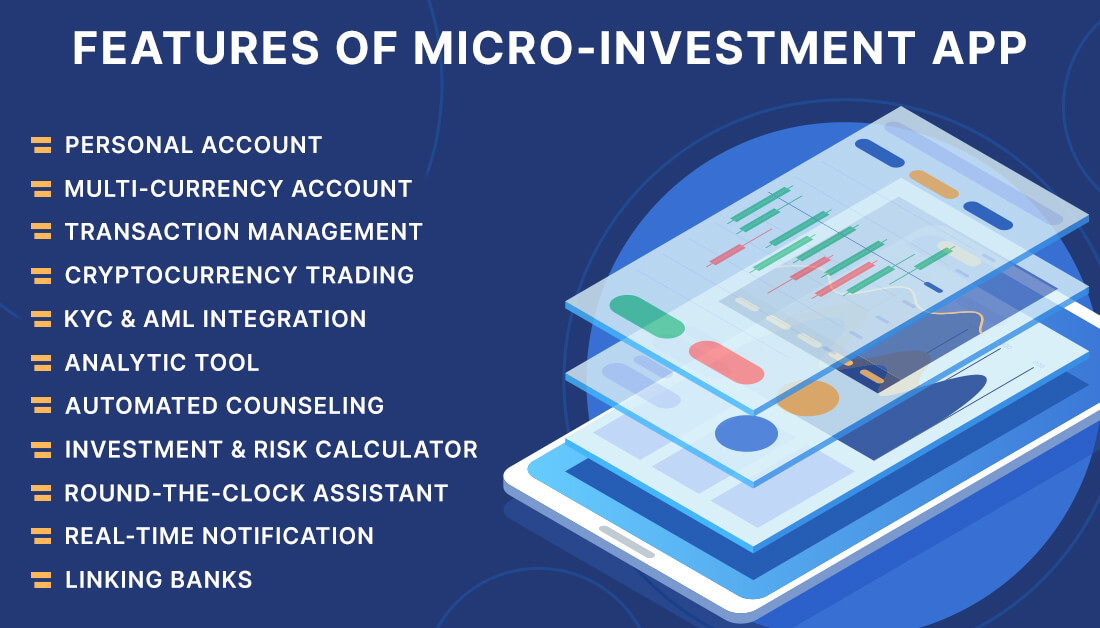
How to Start a Profitable Bike Rental Business?

According to Allied Market Research, The global bike rental business market size is expected to grow to $11.3 billion by 2031 at a CAGR of 18.5%.

The impressive growth in the bike rental business market is witnessed due to the convenient way of getting a bike without paying maintenance costs. The users are generally college students or other locals who need bikes to rent such as bicycles or motorcycles, for a short period. Also, tourists take bikes on rent to explore the city uniquely. The users pick up the bikes from multiple dock stations or dock-less stations in the city and can return the bike to the same or another station.

The bike rental market size experienced steep growth in the last decade gets significantly impacted by the latest pandemic. However, as the situation returned to pre-pandemic levels, the bike share market started growing. Technological advancements in bike rental systems and government support for setting up bike rental infrastructure create huge opportunities for new entrants in the market.

If you want to avail of micro-mobility services, that’s rental bike business services, the blog would help you know how to start the bike rental business legally followed by a couple of tips. Let’s dive in!

How To Start a Bike Rental Business?

Steps to Start Your Bike Rental Business

Starting a bike rental business is not only about creating infrastructure and getting it registered with the state government. Instead, it’s about launching a business with a well-thought plan, proper registration, making it comply with regulations, and pre-launch promotion. Follow these steps to start the business aptly.

Decide you are on the right track

A bike rental startup is associated with some challenges and benefits. As a budding entrepreneur, you should weigh both- pros and cons to decide whether the business is right for you or not.

The business provides the flexibility to run from anywhere, and make a good sum of money, and a growing industry helps your business prosper. Environmental concerns and e-bikes are driving growth in the bike rental business. On the flip side, the high initial investment, expensive maintenance, and crowded market brought certain challenges to the businesses. overuse, poor handling, and vandalism deepen the rental bike businesses’ woes. Consider both aspects of the rental market for bikes such as electric bikes, scooty or scooters, mountain bikes, motorcycles, or bicycles, before starting the business.

Conceptualize business idea

When you find out that starting a bike rental business is profitable in or near your area, the next step is to find out how to make inroads into the market. It begins with researching the target market, customers, and competition to identify opportunities to fill the gap.

Research and analyze the local market to figure out the type of bikes you should rent and the location from where you will start the rental business. You can opt to provide scooty, scooters, motorcycles, bicycles, mountain bikes, hydro bikes, beach bikes, MTB bikes, or electric bikes to daily commuters or tourists. You can enable different types of bike rental businesses- city bike rentals, premium bike rentals, and bike rentals for office purposes. You can also choose mountain or MTB rental, or road bike rental for daily or monthly rental.

Set the price for the bike rental business while keeping rent, overhead, and profit in mind so that the business remains profitable. Mostly, the target market will be Gen X and Gen Y which helps you decide on market strategy as they are more socially active.

Find out the name of the rental bike business

The name of the business is an identity of the rental bike business that highlights the business goals and services they provide. The business name must be short, unique, and catchy that’s easy to spell. Don’t try fancy names that do not signal about services. You can also ask friends or others for business name suggestions.

Try creating names that are relevant to the business. you can also take the help of online tools that help you generate and suggest business names. After deciding on the business name, check the names on the patent and trademark office websites to ensure they are not used previously. You can check the business name accordingly which increases business credibility.

Create a business plan

The business plan is a roadmap that helps in launching the business with a laser focus on goals. Also, the entrepreneur can leverage the business plan to raise funds from investors or banks. Here are a few things that should be a part of your bike rental business plan.

  • Business overview defining business vision, mission, and goals.
  • Types of bikes and services offered.
  • Rental bike market growth trends showcasing variation in rental bike demand with SWOT analysis.
  • Competition analysis highlighting the gaps that your business will fill.
  • The unique selling point helps the sales and marketing team to promote business.
  • The management team handles the intricacy of the business.
  • Operation plan illustrating assets and equipment to procure, office location to buy or rent, and logistics details.
  • The financial plan provides the cost breakdown of start-up cost, cash flow, profit-loss estimate, and break-even analysis.
  • The appendix includes all the documents required for the bike rental business launch.

Legitimate your business of renting a bike

Making your bike rental business a legal entity starts with business registration. At first, you need to register the business in the state where you live, and thereafter, you need to register the business in other states or countries if you plan to gradually expand your business cross-borders.

The legal business structure for the rental bike venture is chosen which comprises three options.

  • Sole proprietorship: It’s often selected by small businesses where the owner is solely responsible for profits, losses, liabilities, taxes, and debts.
  • Limited liability company (LLC): The owners are not responsible for debts or losses and pass-through tax.
  • General partnership: Two or more partners together start a company and are liable for profits, losses, and taxes following their share of business income.

The business structure significantly impacts business tax, personal liability, and registration needs. You can pay taxes after getting an Employee Identification Number (EIN) online. You get to know about tax to pay after selecting the business structure. The accurate and detailed account that keeps a record of business income and expenses for your bike rental startup simplifies the tax filing process.

Open a business account

Creating a separate business bank account and credit card is all-important. Otherwise, it put personal assets or accounts at risk when the business is sued. Besides, opening a business bank account eases the process of getting loans and filing for taxes for your bike hire business.

There are some known trade credit or vendor lines of credit available such as Net 30 accounts, which many entrepreneurs can prefer. It enables businesses to buy goods or required assets and repay the amount within 30 days. Getting a business credit card is a good alternative to raising money quickly for your bike rental.

Acquire license and permits

Gaining a license and permit for a rental bike business from the local, state, or federal government is essential to operate and running your business in the city, state, or country. The requirements to get a license and permit vary according to location. Certain states mandate that businesses require a bike rental shop to operate, which you can check from references for licenses and permits.

Provide informed consent agreements to the customers to reduce legal liability and improve transparency as a part of liability waiver. The bike rental service shop requires a certificate of occupancy that confirms that the shop meets all zone laws, building codes, and other regulations. When a bike rental shop is taken on lease or purchased, the process of obtaining a certificate of occupancy would differ.

Obtain insurance for the bike rental business

Lawfully operating and running the business is a good approach, but operating it safely requires insuring the bike rental business. The bike rental business insurance ensures the company remains financially healthy even in the case of losses. Different types of insurance policies are available to cover different business risks.

Initially, it’s good to go ahead with General liability insurance that covers common risks that businesses have. Also, a worker compensation insurance policy is required for bike rental businesses to cover the risks that workers may have.

Raise necessary funds

Starting a bike rental business to rent bikes without enough funds is not possible. If you have a deep pocket, that’s great. But if you need to raise capital for starting a business, there are various ways to secure finances.

  • Apply for bank loans with a business plan and good credit history.
  • Apply for SBA-guaranteed loans.
  • Government grants assist rental bike businesses financially.
  • Considering venture capital helps you get funds but you lose some control over the business as they take an ownership stake in exchange for funds.
  • Reach out to angel investors that invest in startups in exchange for a stake.
  • Crowdfunding is a low-risk option to raise capital.
  • Self-fund your business with saving or property.

Amidst various ways to raise funds, the changing finance ecosystem is impacting rental bike startups, which is important to know beforehand.

Make the rental bike business market-ready

Finally, you are all set to launch the bike rental business. As a business owner, you are wearing many hats from building the brand from scratch to its sales and marketing. Fortunately, many digital tools can help you promote the rental bike company and increase customer retention.

  • Custom development: You can opt for a website or app development that simplifies business tasks such as fleet inventory, bike rental bookings, payment, and more. Also, Investing in digital transformation can help you to penetrate the market better.
  • Digital marketing: Creating business pages on social channels, regular post publishing, paid to advertise, listing on Google or Yelp, and SEO-optimizing websites or ASO-optimized mobile apps help in improving brand awareness, increasing lead and conversion rate, boosting customer engagement, uplifting retention.
  • Social Networking: Tap the professional network from social networking channels such as Facebook and LinkedIn to inform more people about the bike rental business launch and gain valuable insights into business offerings.

Prepared to set off a bike rental business?

Are you interested in making money with a rental bike business launch? If so, you make the right choice as people are increasingly opting for it as an eco-friendly travel alternative. The desire to make millions from a lucrative bike rental business is accompanied by lots of effort and resource investment in starting a business.

As you get detailed information on how to start a bike rental business You must be thinking about what to do after its launch. For the next phase of your bike rental business, you can choose to develop a custom app with help of startup app developers or do online marketing with help of a top digital marketing agency.

It helps you start the business legitimately with a rock-solid foundation. Stay tuned to us know more about business digitization, technology stack, business model, monetization, and a lot more.

The post How to Start a Profitable Bike Rental Business? appeared first on TopDevelopers.co.
Best Online Ordering System for Restaurants in 2023

When platform-to-consumer services such as food ordering services made inroads into the market, the people who were looking for convenience on a platter loved this service. Gradually, the facility of getting restaurant food to eat from the comfort of the couch, right from the smartphone- starts gaining traction.

The latest pandemic brought a flywheel effect to the food ordering and delivery system. The food delivery operators that were previously struggling to survive at a razor-thin profit margin, started receiving a large number of food order requests.

The food delivery market size is expected to grow to $320 billion by 2029 and revenue growth is expected to reach $1.45 trillion by 2027. The revenue potential in the food delivery industry is different in various countries where China leads the edge with $27.3 billion in revenue.

The increase in market share and revenue potential gear up other restaurants to start online food ordering services to attract more customers, increase sales, and intensify profits. Before diving into the list of successful food ordering systems, let’s understand the food ordering system in brief.

The overview of the online food ordering system

The online food ordering system provides a platform for restaurateurs and customers to get connected and place an order from the website or mobile app. The system enables seamless food ordering or takeaway options while also providing immense opportunities for businesses to tap into the data that helps in increasing conversion, retention, and brand awareness. The restaurant owners can better know their customers and improve the services according to customers’ feedback.

How to start your own online food-ordering business?

Now, take a look at the leading online food ordering software that has gained a huge user base and is making millions of dollars in revenue.

Top 7 online food ordering systems in 2023

Are you willing to fill in the restaurant seat gap with a digital venture launch? If so, the list of top 10 online food delivery systems lets you know how to repeat the same success. Take a sneak peek inside at them.

BentoBox

The online platform provides digital space for restaurant owners to stand out in the market with online food ordering facilities. It helps in creating unique customer experiences with an excellent UI design that draws in maximum customers. Restaurateurs can increase customer outreach with higher rankings organically and make money 24/7 with commission-free ordering.

The best online food delivery app has powered many restaurants’ websites and helped them with connecting operational dots. Automated email campaigns, digital loyalty program, and digital order & pay feature has helped restaurants in strengthening relationship with customers.

Foodiv

SaaS-based online food ordering system provides a platform for small restaurant businesses that don’t have enough money to build a dedicated online food ordering system from scratch. Foodiv is available free for restaurant businesses and charges no commission from the transactions that occur through the platform. It has helped more than 3000 registered restaurant businesses to increase sales and profit margins. Saying Foodiv is the cheapest online food ordering app won’t be an overstatement at all.

The best online ordering system for restaurants caters to the digital need of fast-food restaurants, pizza places, burger stores, and caterers that helps them to optimize their operations on-premise and online. Foodiv is as easy to set up as child’s play which further eliminates the need to hire a technical person on the board. It has enabled restaurateurs in more than 30 countries to accept orders on phone calls, mobile apps, and websites.

Its interactive UI makes website navigation seamless, the QR-based digital menu enables faster ordering, and contactless orders enable effortless checkout, which together helps in delivering a good customer experience. The interactive dashboard that can be personalized helps restaurants to build a brand uniquely. If you have an idea to start an online food ordering business, join the platform that has processed more than 1.3 million orders.

GloriaFood

The most popular food delivery app solution is specially designed for small to mid-sized restaurant businesses. The restaurant can accept limitless orders through the platform and confirm the order straight from the mobile phone as the system is mobile-optimized. The pick-up orders, delivery orders, and table reservation data centralization make day-to-day operations management a breeze.

The best thing about the system is no contract need to sign, no setup fee needs to pay, and there are no associated hidden fees. The restaurateurs can accept orders- pick-up orders, delivery orders, and table bookings from multiple locations. The pre-ordering options, menu promotions, and multilingual support help in catching users’ attention. The analytics reports and automated suggestions help restaurateurs to make optimal changes to the services for the better.

Chownow

The free online ordering system charges no commission fee from the restaurants on the transactions conducted through the platform against every food delivery order. Restaurateurs only need to subscribe on a monthly basis to enjoy getting orders through the Chownow website or mobile app. The best food ordering app platform has a network of delivery partners that have helped curbside food delivery facilities.

The marketing tools such as digital ordering or loyalty programs are offered for restaurant businesses to increase user outreach and improve brand awareness socially. However, there’s no option to create an individualized brand experience.

Bbot

The top food delivery app platform powered by DoorDash enables restaurant businesses to open a virtual restaurant. It enables restaurant customers to browse interactive menus, order food and pay through mobile just by scanning a simple QR code. With multi-menu support, group ordering, two-way orders, and location codes for every table feature, the platform has served leading restaurant businesses globally.

The esteemed restaurant clients have experienced increased staff tips and the bottom line followed by faster coverage by the staff. Bbot seamlessly integrates with a wide range of restaurant software thereby becoming a one-stop shop for all restaurant needs.

Looking to create your own Food ordering system for your Restaurant Business?

Menufy

The online ordering system founded in 2009 is created for the restaurant business to accept online food orders from customers with a simple search, order, and payment. Menufy is more focused on functionality rather than design which makes optimizing customer experience a little difficult.

Also, the popular food delivery app platform provides limited options for customization as opposed to other online food ordering solutions. Plus, the platform charges a 12% commission fee on food delivery orders and $99 per month for digital marketing services. The users are enabled to order through the mobile, website, or Menufy portal.

UpMenu

UpMenu keeps the restaurant business in good spirits by providing under the hood that restaurants need to enable online and mobile presence. With the pay-as-you-go service, restaurants don’t need to pay any hefty fee; instead, they only need to pay the amount monthly as a subscription fee. With a free trial, the restaurants can test if the best food app platform meets their online food ordering needs or not.

There are different pricing plans that restaurant businesses can subscribe to and avail of the functionalities offered. The best delivery app platform enables restaurants to create and launch loyalty programs to draw in and retain customers.

Want to become another successful food ordering system?

The impressive increase in sales and ROI through the online food ordering systems has geared up new restaurateurs to go online. The list of 7 leading online food delivery platforms depicts the story of millions of restaurants that have gained benefits by manifolds. If you are the one who wants to write another success story by launching an online venture, the best food-ordering app platforms can help you without breaking the bank.

In case, you have deep pockets and want to develop custom food ordering application from scratch, a reliable mobile app development company can help you from idea conceptualization to final launch. Submit your project requirement now!

The post Best Online Ordering System for Restaurants in 2023 appeared first on TopDevelopers.co.

Flutter vs Kotlin: Which is a better app for development?

The mobile app industry is thriving with growing mobile app usage at a steady rate. The apps are expected to generate hundreds of billions of revenues as half of the world’s population opens the mobile app more than 11 times a day. With the improved focus on people and market trends around mobile apps, businesses are increasingly moving into mobile orbits.

Building apps with cross-platform development approach is more favored as opposed to native app development. The former option enables businesses to mobilize business services and operations, and increase user outreach at a reduced time and cost. The enhancements of cross-platform frameworks such as Kotlin and Flutter have made it possible to get build native-like, high-performance applications.

Here’s the catch, for developing a scalable and secure application, it’s essential to leverage the right framework, technologies, and tools. In this blog, we will discuss two languages- Kotlin and Flutter that have scored high popularity in a shorter span. Although app development companies give equal credence to Kotlin and Flutter for app development depending on the project needs.

Before delving deeper into Kotlin vs Flutter Differences, let’s get into the meat of the matter of the two languages.

What is Kotlin?

The statically-typed programming language was initially designed for java virtual machine is released for public usage in 2016. The standalone language is interoperable with Java and renders better functionalities as opposed to Java. It means both languages share the same information that enables developers to use them side-by-side for app development. The multi-platform capabilities of Kotlin enable building apps for different platforms with seamless code and data sharing. Take a tour of the superior features of Kotlin that are making app development more interesting.

What is Flutter?

Google-built UI toolkit was leveraged for building apps for six platforms- Android, iOS, Windows, web apps, and macOS using a single codebase. The framework is powered by Dart language which enables asynchronous programming and guarantees high-performance app development. Delve deeper into the benefits of flutter to know how it’s creating a buzz around the mobile app development world.

Kotlin vs. Flutter- the one-to-one comparison to know which is better

Flutter and Kotlin have gained an edge in the market with a bunch of features and functionalities. Leading players leveraged them to power their mobile applications. Take a look at the Kotlin Vs. Flutter difference to know which is the best for your next project.

Rapid development enabling reduced time-to-market

Businesses want to launch the app in reduced time-to-market to keep up with the latest trends and fill the gap before the competitor does. Explore the guide that briefs well on how to turn your app idea into the ultimate solution in a budget-friendly and time-savvy manner. Let’s understand it in the context of flutter and kotlin.

Flutter-dart- the combo is an open-source language that facilitates access to user-friendly documentation and original code. Also, the modern language uses less coding to get built a fully-functional app. The hot reload feature enables making changes to the front end instantly as the code is changed in the backend. This functionality reduces overall development time. Not to forget, the cross-platform capability of Flutter allows businesses to release native-like apps for multiple platforms in a reduced time.

Kotlin’s syntax makes the coding less verbose, clean, and clear, which enables app development in a minimum time. The fewer lines of code mean minimum bugs and errors in the app. the improved reliability accelerate app development speed.

Render high Performance

Businesses perfectly understand the need for high-performant mobile applications because users show no mercy for apps that take more than 3 seconds to load and start looking further. It’s not healthy for business ROI.

When it comes to Flutter app development, the apps built for different platforms provide close to native performance despite complex UI design. Flutter’s ability to build the app inside the machine code remove the expectancy of bugs. Thereby getting building high-performance apps becomes possible. Hire flutter app developers to avail of the java interoperability and multiplatform capabilities for the next project.

Kotlin is the enhanced version of Java where all the issues that Java had were fixed. It has made Kotlin- a programming language with an easy-to-read codebase where bug compilation is feasible during app development. when the errors are identified and fixed earlier, the trivial mistakes are prevented during the program execution.

Code quality ensures app security

Security can make or break the app’s success, which directly impacts the business’s credibility and reliability. The code quality plays a vital role in ensuring a secure app launch that shields data from fraudsters. In flutter Vs. Kotlin battle, take a look at who aces in terms of security.

Kotlin is known for code quality despite the app being developed for multiple platforms. When teams work together for building apps for different platforms, seamless communication results in clean code and early bug detection. This way, the app development risks are identified proactively and the next development stage is saved from getting affected. Plus, the code modularity and testability make the code maintainable, and easy to find out what’s going on.

On the contrary, Flutter is a new language on the technology block and evolving with subsequent upgrades. Faster debugging with a hot reloading feature facilitates updating code immediately when any flaw is detected, which helps in guaranteeing quality code.

Community support

Businesses get the added advantage of choosing a language that has great community support. When the app faces some problems, it gets resolved sooner with the assistance or help of the developer’s community. Let’s see in flutter Vs. Kotlin war, how these two languages are popular.

Flutter is not widely adopted in the IT landscape, but its unique features are making the language popular. Flutter received 149k stars on GitHub and the percentage of questions asked on StackOverflow around Flutter is 2%.

The situation is completely upside down with Kotlin, Kotlin received around 44k stars on GitHub and the percentage of the questions moving around Kotlin development on StackOverflow is 3%.

It seems from a popularity perspective and community support level, businesses can choose any of the two languages for app development.

Integration with third-party libraries

Scaling the app with the least effort is a need of the hour. It enables businesses to enhance the app as the business grows and users’ preferences change. When we look at both languages- Kotlin and Flutter, third-party libraries integration comes to the rescue. See who is the hero in Kotlin Vs Flutter for third-party integration.

Flutter’s UI toolkit supports third-party integration to build native-like UI development for apps to be built for multiple platforms. The support for third-party tools allows connecting the app with native environments.

Kotlin does not provide an ecosystem of third-party libraries or tools that facilitate building an app in a native environment because it directly enables native app development.

Which is better- Kotlin or Flutter?

Are you ready to roll over the business app development ball? That’s great! Without the selection of the right tech stack, you cannot expect epic success. The programming language selection plays a critical role in building high-performance, secure, and scalable apps that end-users like. Whenever mobile app ideas make their way to the entrepreneurs’ minds to make an advanced app, two languages- Kotlin and Flutter are among the trends today. However, selecting one between these two languages is a daunting task. It’s made easy in the blog.

The one-to-one comparison between Kotlin and Flutter helps in identifying who is the winner in the Kotlin vs Flutter battle based on different project needs. For instance, when small-to-mid-size project development is your need, Flutter is a good option. It helps you get to the market in a reduced time with multiple apps launched on distinct platforms. On the flip side, Kotlin is a good fit for advanced applications where native capabilities and a robust backend are required.

Come up with your project needs and find out which language fits the bill. Still, if you are confused, feel free to connect with a reliable development company that helps you know which language is perfect for your app development needs.

The post Flutter vs Kotlin: Which is a better app for development? appeared first on TopDevelopers.co.

❌