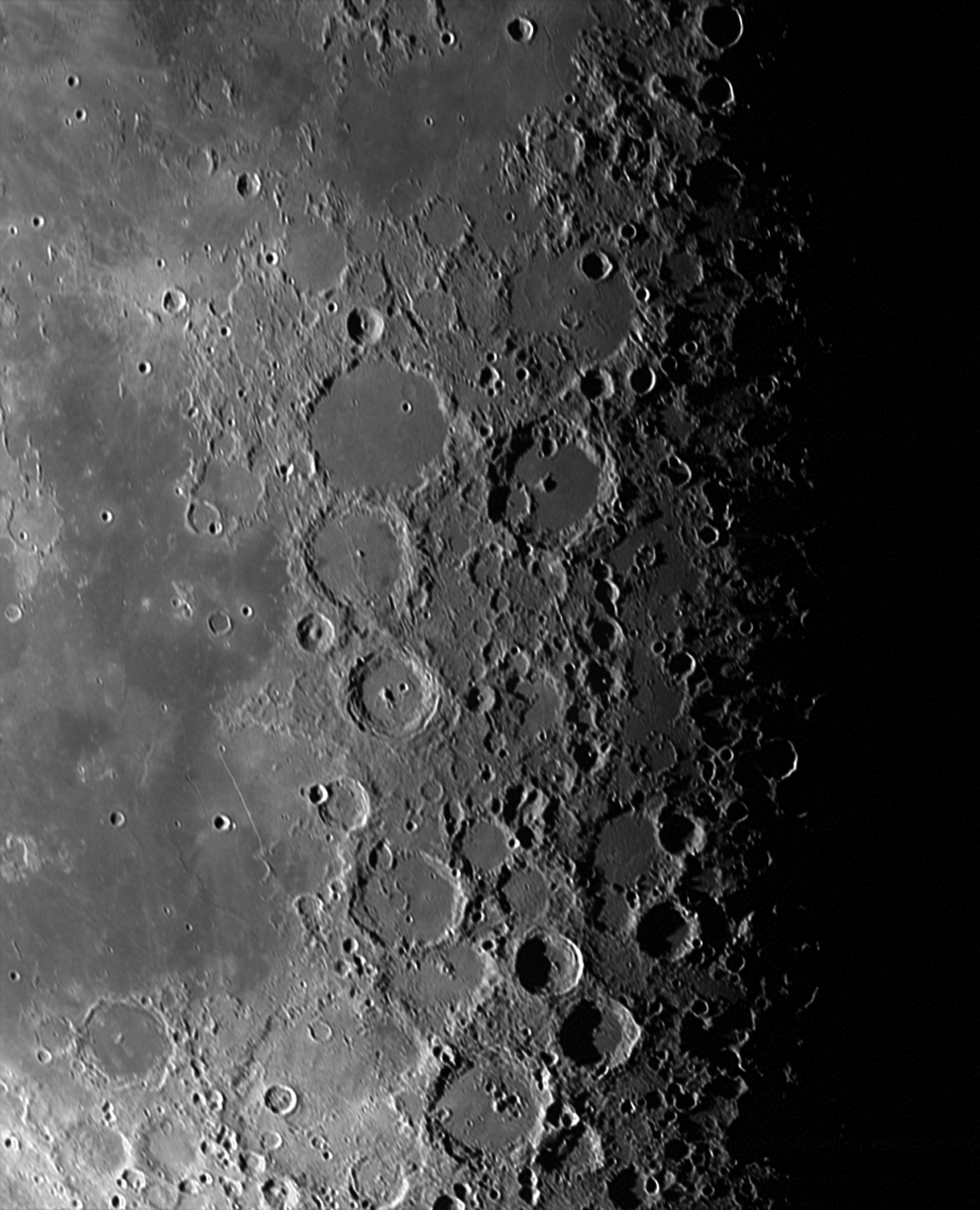
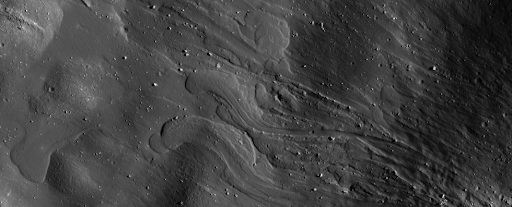
NASA’s Lucy spacecraft captured images of the Moon’s surface on Oct 16, 2022, after flying by the Earth for its first of three gravity assists.
Crater rims are vital landmarks for planetary science and navigation. Yet detecting them in real imagery is tough, with shadows, lighting shifts, and broken edges obscuring their shape.
This project invites you to develop methods that can reliably fit ellipses to crater rims, helping advance future space exploration.
In the pursuit of next generation, terrain-based optical navigation, NASA is developing a system that will use a visible-light camera on a spacecraft to capture orbital images of lunar terrain and process the imagery to:
detect the crater rims in the images,
identify the craters from a catalog, and
estimate the camera/vehicle position based on the identified craters.
The focus of this project is the crater detection process.
Natural imagery varies significantly in lighting and will impact the completeness of crater rims in the images.
10 Years of Students Helping NASA Grow Space Food with Growing Beyond Earth
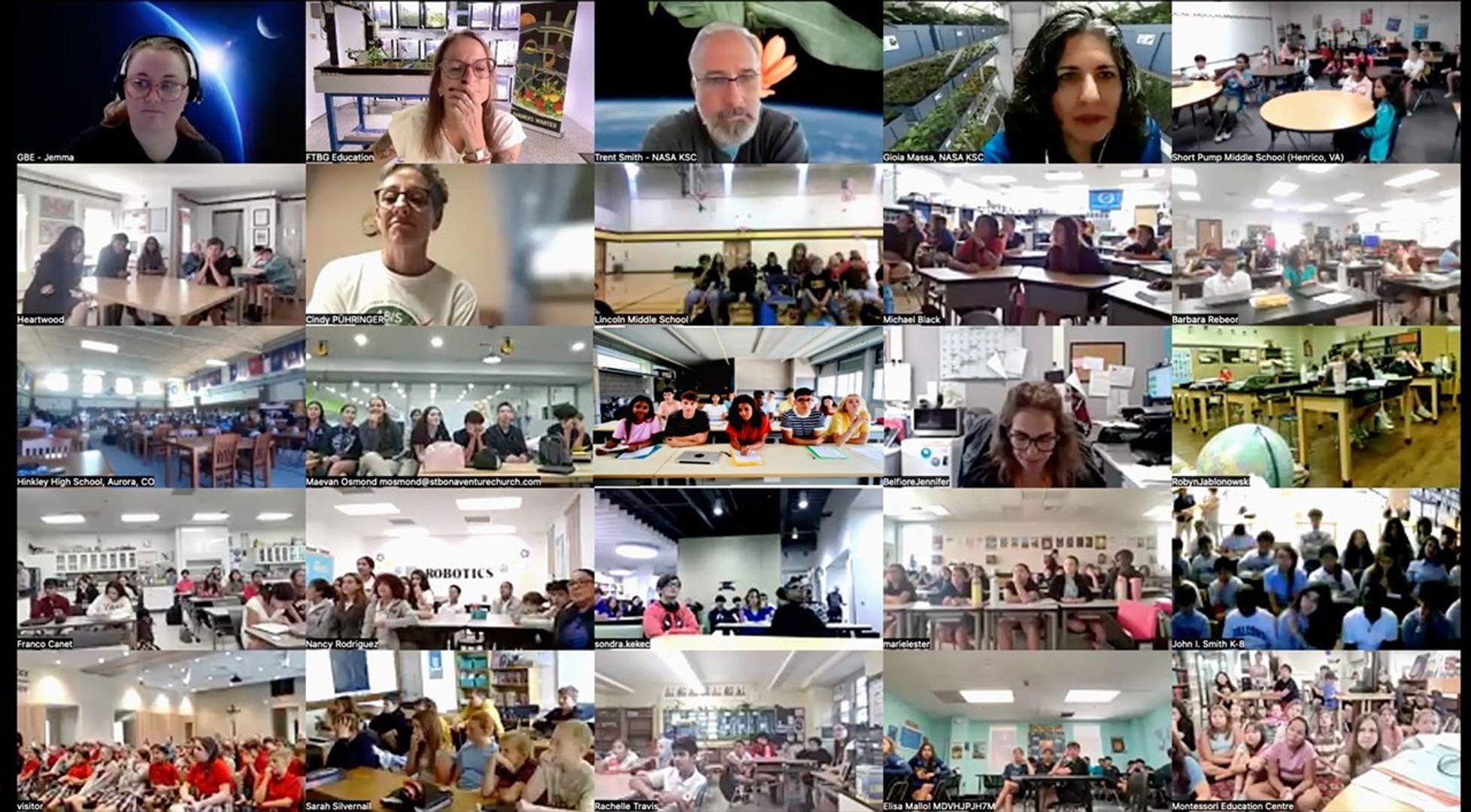
Students from 71 Classrooms engaged with NASA scientists to learn about how their Growing Beyond Earth research is contributing to feeding astronauts for long distance space travel.
Nearly 1,250 middle and high school students from 71 schools around the world joined Fairchild Tropical Botanic Garden for the Growing Beyond Earth (GBE) Student Launch Chat with the Scientists, marking an inspiring milestone in the program’s 10th anniversary year.
The live session, held in collaboration with NASA, connected classrooms directly with Dr. Gioia Massa and Trent M. Smith, senior leaders of NASA Kennedy Space Center’s Space Crop Production team. Students heard firsthand how their classroom experiments are helping NASA identify and grow the best crops for future astronauts on long-duration missions to the Moon and Mars.
“Our students are contributing to real NASA science,” said one participating teacher. “It’s incredibly motivating for them to know their data could influence what astronauts eat in space someday.”
Connecting Classrooms with NASA Science
Growing Beyond Earth, led by Fairchild Tropical Botanic Garden in Miami, Florida, brings authentic NASA research into classrooms in a way that few science programs can. For more than a decade, the 83-acre botanic garden – renowned for its conservation, education, and research programs – has worked hand-in-hand with NASA to advance understanding of food production in space.
Students use specially designed plant growth chambers to test how different crops perform under conditions that mimic spacecraft environments. The data they collect are shared with NASA scientists, who use the findings to refine ongoing space crop production research.
Since the program’s inception, more than 120,000 students across 800+ classrooms have tested over 250 plant cultivars, with five student-tested crops already grown aboard the International Space Station.
Cultivating the Future STEM (Science, Technology, Engineering, & Mathematics) Workforce
The Growing Beyond Earth project exemplifies the mission of NASA’s Science Activation (SciAct) program, which connects NASA Science with people of all ages and backgrounds in ways that activate minds and promote a deeper understanding of our world and beyond, with the ultimate Vision: To increase learners’ active participation in the advancement of human knowledge. By engaging students as active participants in cutting-edge research, projects like GBE not only advance NASA’s goals but also cultivate curiosity, creativity, and confidence in the next generation of scientists and explorers. This year’s GBE Student Launch Chat celebrated that impact, showing how student research from classrooms around the globe contributes to the future of space exploration.
“When students see themselves as part of NASA’s mission, they realize science isn’t something distant, it’s something they can do,” said Dr. Massa. Teacher Espy Rodriguez from Hialeah Senior High School said, “It made their [her students] projects matter. I think it gave the kids a real sense of community. We are far, but we are one.” By growing plants, analyzing data, and sharing results with NASA, these students are helping humanity prepare for life beyond Earth, proving that the seeds of tomorrow’s discoveries are being planted in today’s classrooms.
GBE is supported by NASA under cooperative agreement award number 80NCCS2M0125 and is part of NASA’s Science Activation Portfolio. Learn more about how Science Activation connects NASA science experts, real content, and experiences with community leaders to do science in ways that activate minds and promote deeper understanding of our world and beyond: https://science.nasa.gov/learn/about-science-activation/.
NASA’s Technology Transfer Office invites entrepreneurs, innovators, and creative thinkers to apply NASA’s patented technologies to practical applications. Participants will select an existing NASA patent and develop a business or product concept that will be evaluated based on value proposition, business model viability, development feasibility, and quality of presentation. Entries should clearly demonstrate creativity, feasibility, and a compelling rationale for how the concept could create real-world impact.
NASA Helps Connect Astronomers and Community Colleges Across the Nation
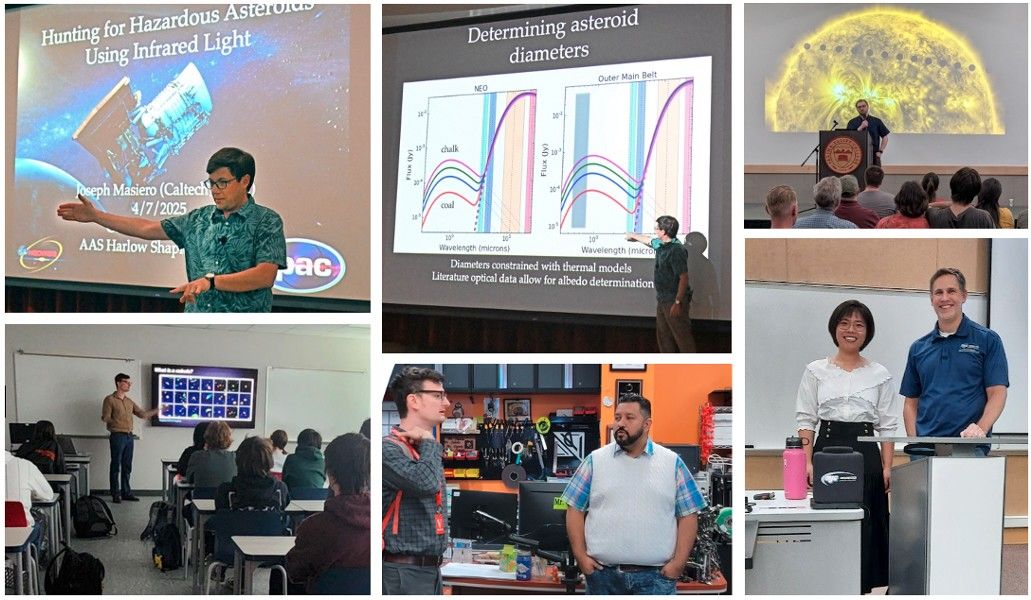
The NASA Community College Network (NCCN) and the American Astronomical Society (AAS) have teamed up to provide an exciting and impactful program that brings top astronomy researchers into the classrooms of community colleges around the United States.
The Harlow Shapley Visiting Lectureship Program, named for astronomer Harlow Shapley (1885-1972), has a history dating back to the 1950s, when it provided support for a scientist to give a series of astronomy-themed lectures at a college or university, coupled with a public talk to the local community. In 2024, AAS partnered with NCCN to broaden the impact of the Shapley lectureship program to community colleges, making use of NCCN’s existing network of 260 college instructors across 44 states and 120 participating Subject Matter Experts (SME) to “matchmake” community colleges with astronomers.
NCCN has supported the teaching of astronomy at community college since 2020. Community colleges serve a vital role in STEM education, with one-third of their students being first-generation college attendees and 64% being part-time students working jobs and raising families. Factor in that up to 40% of students taking introductory astronomy courses nationally each year do so at a community college, and the motivation behind NCCN and the initiatives of the AAS become clear.
In 2024, the pilot collaboration between NCCN and the AAS matched two community colleges — Chattanooga State Community College in Tennessee and Modesto Junior College in California — with SMEs from University of Virginia and Stanford University. In 2025, nine NCCN subject matter experts are engaging with 14 community colleges in six states. They are:
Joe Masiero (Caltech) at Grossmont Community College CA Vivian U (Caltech) at Scottsdale & Chandler Gilbert Community Colleges AZ Dave Leisawitz (NASA) & Michael Foley (Harvard) at Elgin Community College IL Michael Rutkowski (MN State) at Dallas Area Colleges (five colleges) TX Joe Masiero (Caltech) at Mt. San Jacinto College, Menifee Campus CA Quyen Hart (STScI) at Casper College WY Nathan McGregor (UCSC) at Yakima Valley College WA Patrick Miller (Hardin-Simmons) at Evergreen Valley College CA Kim Arcand (Harvard-Smithsonian) at Anne Arundel Community College MD Natasha Batalha (NASA) at Modesto Junior College CA
Each visit of an AAS Shapley Lecturer is unique. The center of each event is the public Shapley Lecture, which is broadly advertised to the local community. Beyond the Shapley Lecture itself, host institutions organize a variety of local engagement activities – ranging from star parties and classroom visits to meeting with college deans and faculty – to make the most of their time with the Shapley Lecturer.
Astronomy instructor James Espinosa from Weatherford College said, “[The visiting Shapley Lecturer’s] visit made a permanent change in how my classes will be taught, in the sense that ‘honors’ projects will be available for ambitious students. I intend to keep in touch with him for several years to come, which is a big impact for our present and future students.”
Dr. Tom Rice, AAS Education Program Manager and AAS lead on the partnership with NCCN, stated, “The AAS’s Harlow Shapley Visiting Lectureship Program represents one of the most impactful ways that astronomers can share our scientific understanding with the widest possible audience, and I am very proud that we have partnered with the SETI Institute and NASA to bring astronomers to their network of community colleges.”
NCCN is supported by NASA under cooperative agreement award number 80NSSC21M0009 and is part of NASA’s Science Activation Portfolio. Learn more about how Science Activation connects NASA science experts, real content, and experiences with community leaders to do science in ways that activate minds and promote deeper understanding of our world and beyond: https://science.nasa.gov/learn/about-science-activation/.
NASA & STEM Learning Ecosystems: Opportunities & Benefits for Everyone
STEM learning ecosystems are intentionally designed, community-wide partnerships that enable all Americans to actively participate in science, technology, engineering, and math (STEM) throughout their lifetimes. Lifelong STEM learning helps people build critical knowledge and skills, access economic opportunities, drive innovation, and make informed decisions in a changing world. STEM learning ecosystems draw on expertise and resources to provide access to these benefits for the entire community.
NASA’s Science Activation (SciAct) program, a competitively-selected network of collaborative projects that connect NASA science with people of all ages and backgrounds, includes new and growing STEM learning ecosystems in American communities from Alaska to Maine and creates free, high-quality resources that educators across the country can use to share the excitement of Earth and space science.
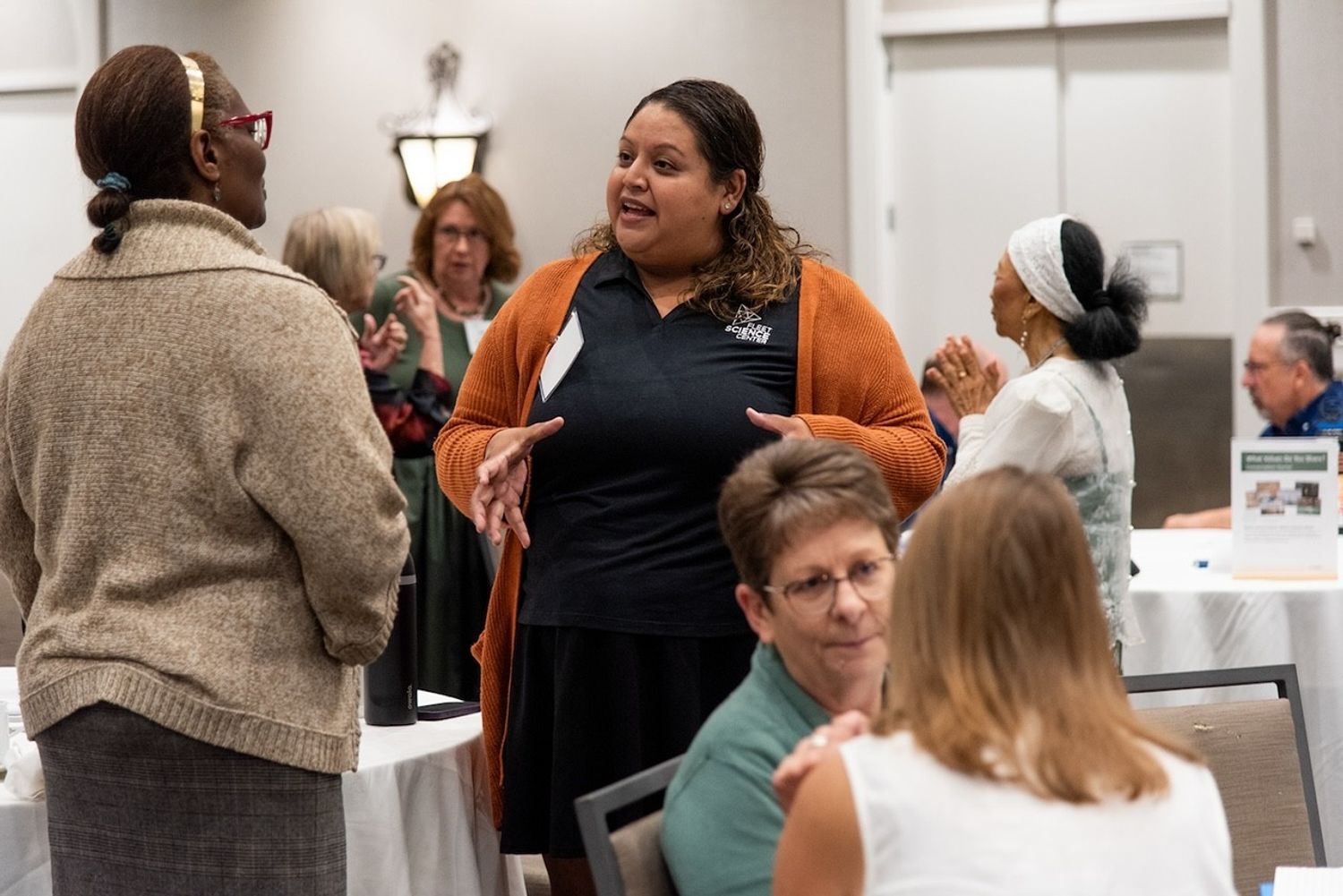
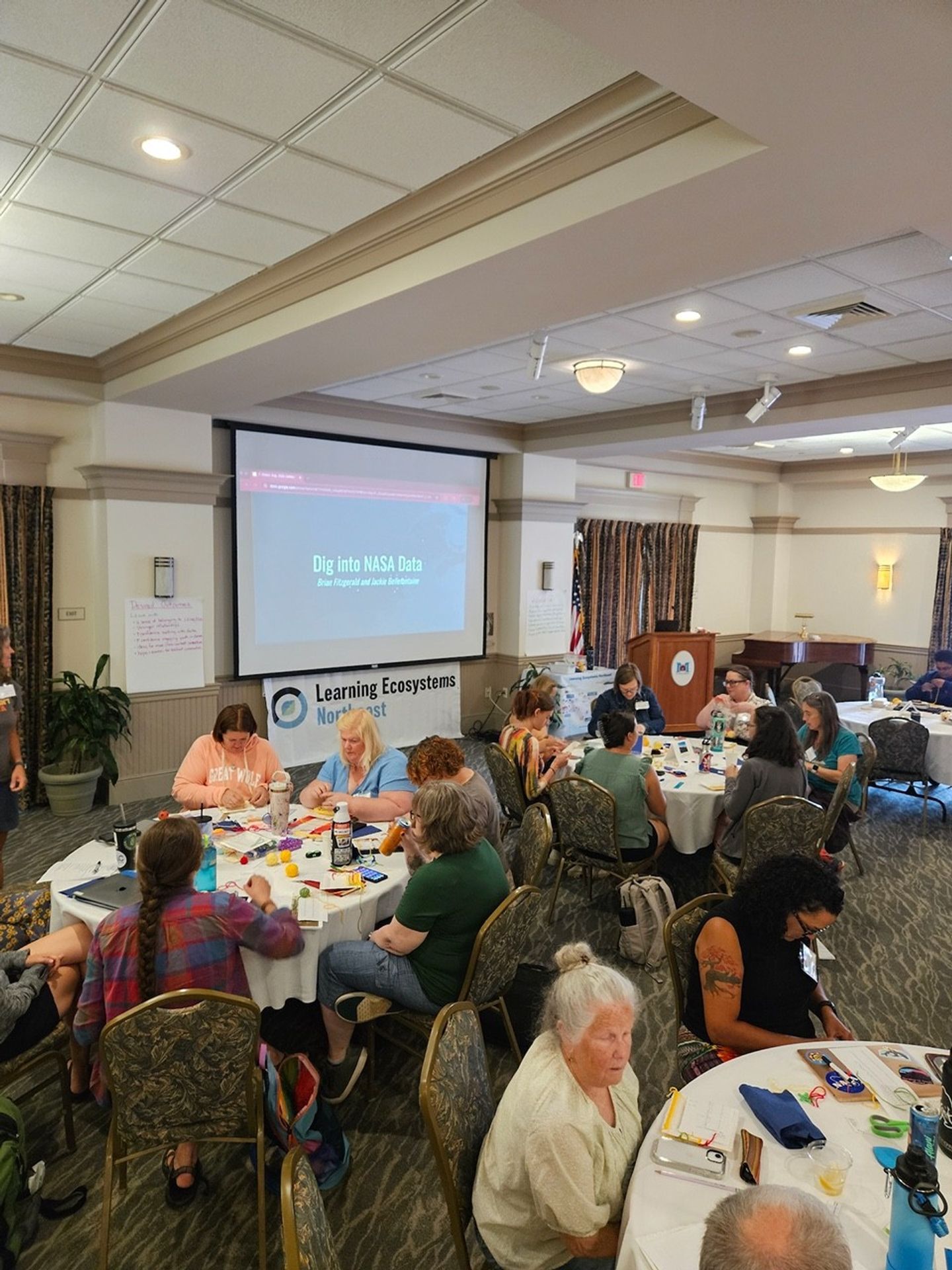
To further support connections among STEM learning ecosystems and NASA, the SciAct STEM Ecosystems project held a meeting in Saint Paul, Minnesota on August 4-6, 2025. Approximately 100 educators, evaluators, subject matter experts, and other STEM learning facilitators from around the nation participated to share approaches, learn about resources, and build relationships. The gathering offered an opportunity to connect NASA SciAct teams with each other and with external networks and learning ecosystems for mutual benefit.
Meeting goals included sharing ways to create effective partnerships and engage learners in Earth and space science, discovering NASA resources and assets to use in STEM education efforts, and strengthening connections among participants. To accomplish these goals, meeting activities included plenaries, breakout sessions, and networking opportunities.
SciAct STEM Ecosystems is supported by NASA under cooperative agreement award number 80NSSC21M0007 and is part of NASA’s Science Activation Portfolio. Learn more about how Science Activation connects NASA science experts, real content, and experiences with community leaders to do science in ways that activate minds and promote deeper understanding of our world and beyond: https://science.nasa.gov/learn/about-science-activation/.
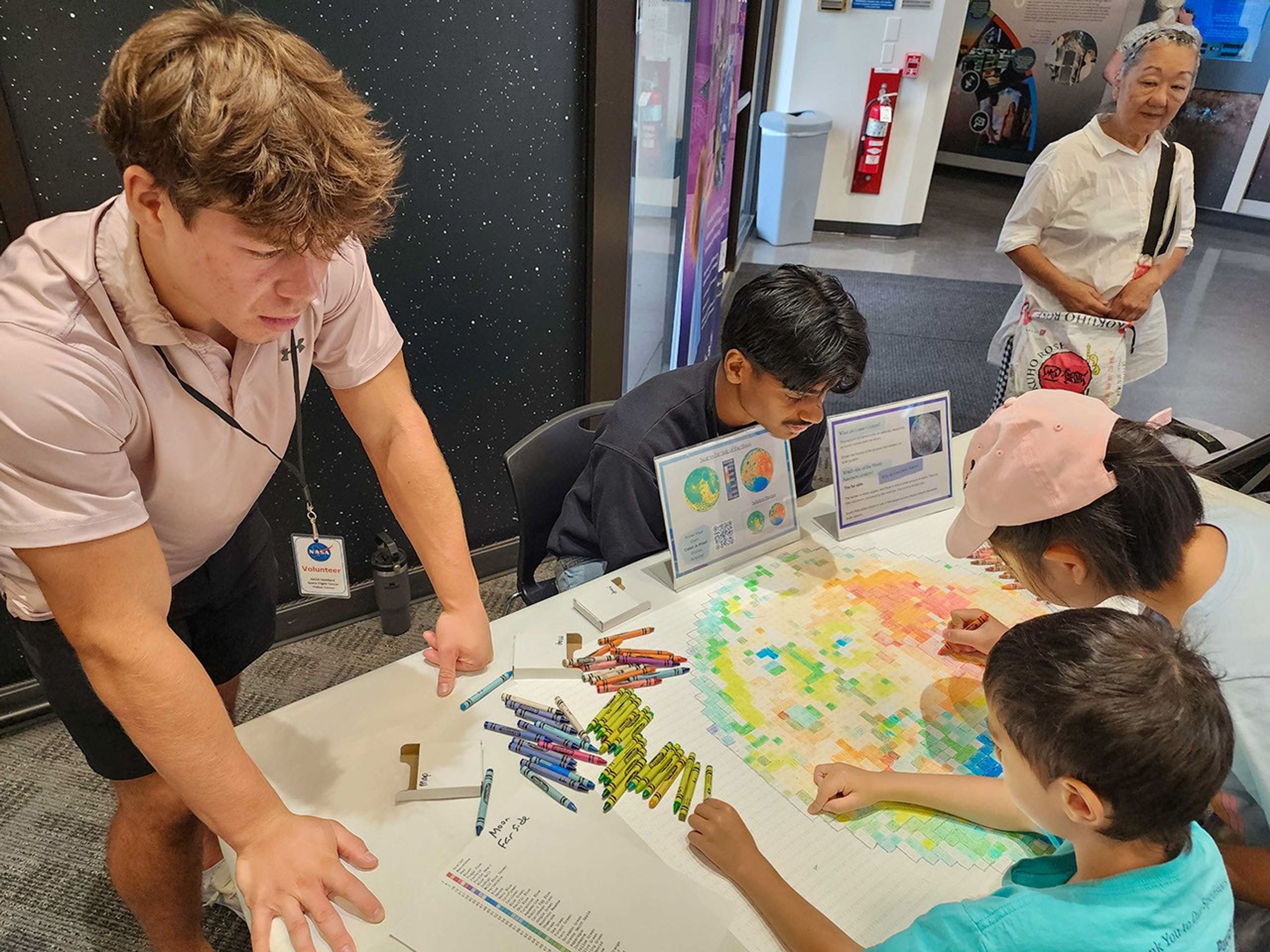
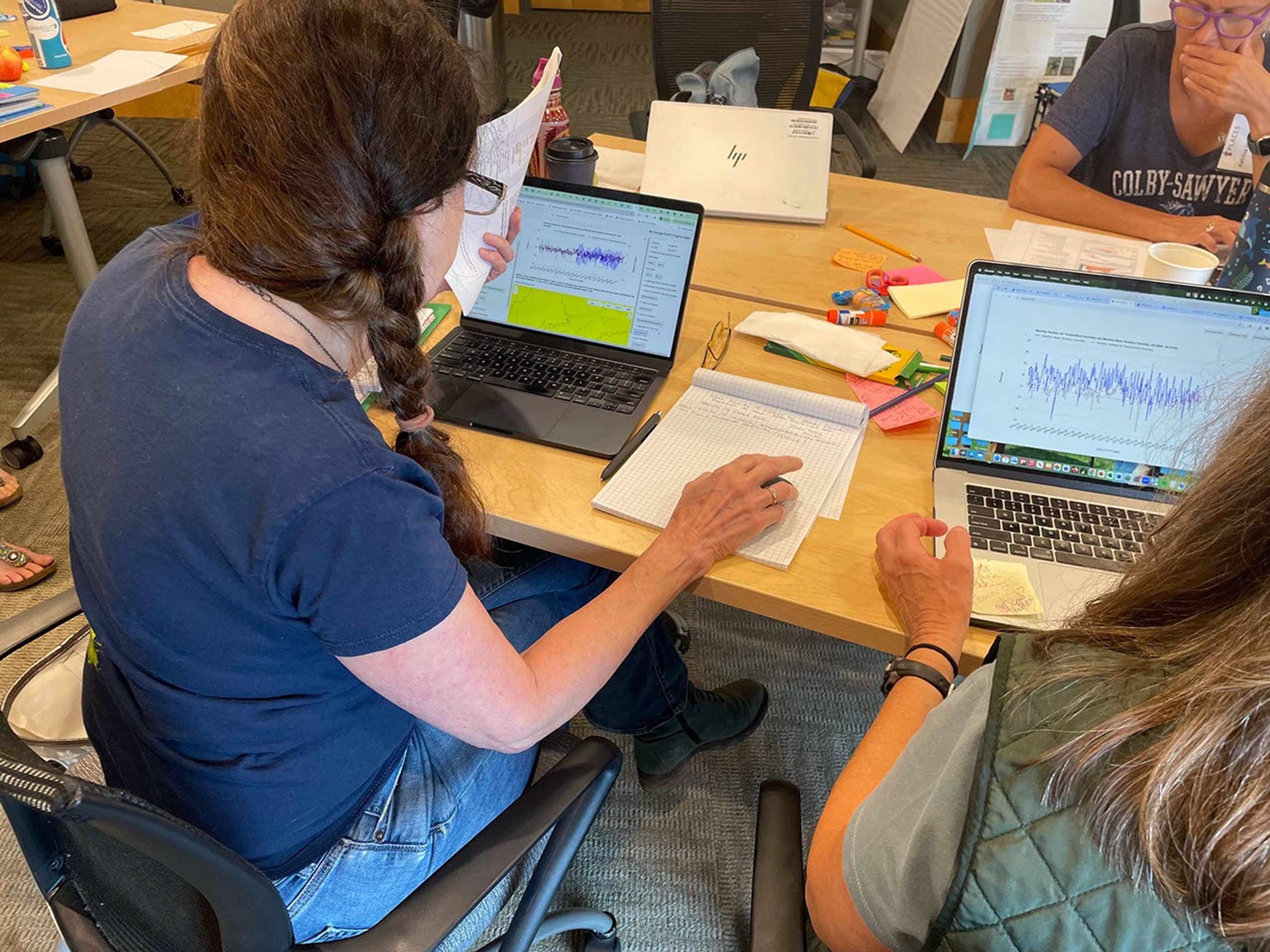
Meeting participants took advantage of opportunities to network and strengthen their relationships.
The commercial aviation industry is a crucial component of the U.S. economy, playing a vital role in transporting people, intermediate/final goods, and driving demand for various goods and services nationwide. This network enhances the quality of life for the whole country and facilitates business interactions within and globally, boosting productivity and prosperity. However, the industry faces numerous challenges, particularly the need to reduce rising operational costs in a growing market to accommodate increased demand in air travel, e-commerce, and cargo sectors. Issues such as aging aircraft and components, technological advancements, and staffing shortages further complicate these challenges, hindering efforts to balance passenger safety with operational efficiency. To address these challenges, the industry needs to swiftly innovate and implement more efficient and resilient aircraft maintenance practices, including the adoption of new technologies. In the 2026 Gateways to Blue Skies Competition, teams will conceptualize novel aviation maintenance advancements that can be implemented by 2035 or sooner with the goal of improving efficiency, safety, and/or costs for the industry. Teams are encouraged to consider high-potential technologies and systems that aren’t currently mainstream or highly regarded as becoming mainstream in the future, imagining beyond the status quo.
Award: $72,000 in total prizes
Open Date: Phase 1 – September 18, 2025; Phase 2 – March 13, 2026
Close Date: Phase 1 – February 16, 2026; Phase 2- May 15, 2026

 Login
Login