Reading view

There are new articles available, click to refresh the page.

Sweet Rice Jaggery Puttu / Arisi Vella Puttu

Sweet Rice Jaggery Puttu (Arisi Vella Puttu) is a classic Navratri delicacy that’s as divine as it is delicious. Soft, fluffy rice flour blends with rich jaggery and a hint of ghee to create a sweet that melts in your mouth and fills the home with festive aromas. In my hometown, this dish is a must for Navratri Fridays, a celebration I treasure deeply for its devotion to the Goddesses, the joy of arranging Golu, and the endless sharing of sundals and sweets with friends and family. If you’re looking for a traditional recipe that’s both authentic and irresistible, you’ve found it right here!
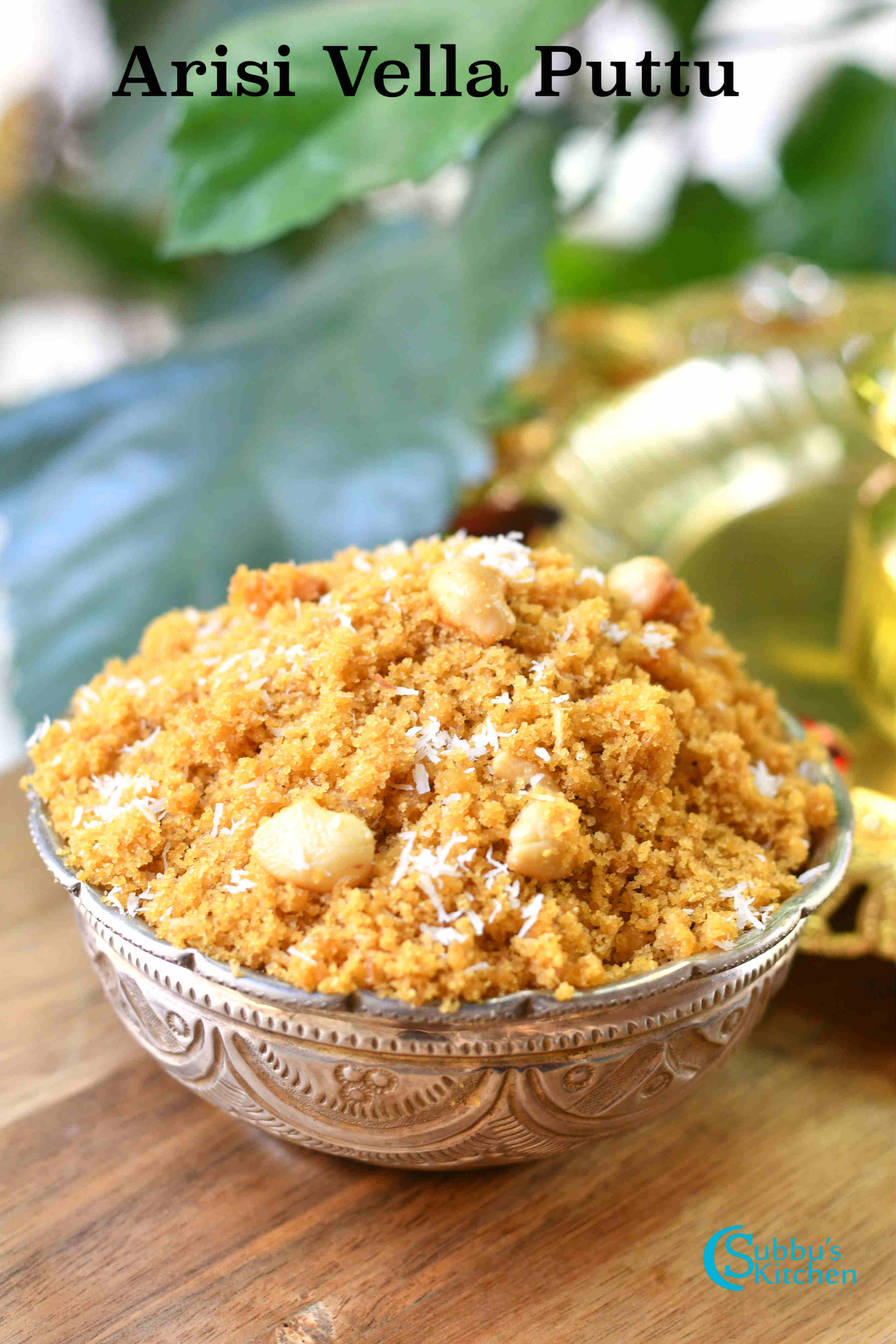
Traditional South Indian Sweet Rice Jaggery Puttu (Arisi Vella Puttu) served as Navratri neivedhyam, made with rice flour, jaggery, ghee, and coconut.
Authentic South Indian Arisi Vella Puttu – a sweet rice and jaggery delicacy prepared during Navratri Fridays.

This is my Periamma’s signature recipe. My mother-in-law makes Sweet Rice Jaggery Puttu (Arisi Vella Puttu) in a slightly different way—she soaks the rice, dries it, grinds it into a fine powder, then roasts the flour until golden brown. The flour is then steam-cooked, crumbled, and finally mixed into the jaggery syrup until it forms soft crumbles. This method works well, but I personally find the recipe I’ve shared below to be more authentic and perfectly consistent.

Ingredients

Each ingredient plays a specific, essential role in creating the authentic flavor and texture of Sweet Rice Jaggery Puttu / Arisi Vella Puttu:

  • Raw Rice gives the base—once lightly fried then steam‐cooked, it’s ground or crumbled to the perfect “beach sand” texture that makes puttu distinct.
  • Jaggery provides natural sweetness with rich caramel and molasses undertones, much more flavorful than refined sugar for this dish.
  • Grated Coconut adds moisture, texture, and a mild sweetness that balances the jaggery. It also gives that traditional South Indian touch.
  • Cashews bring crunch and richness. Fried in ghee, they offer contrast to the soft crumbled rice.
  • Cardamom adds aromatic warmth and a hint of spice that complements both jaggery and coconut beautifully.
  • Ghee enhances all the flavors, adding its signature buttery richness and carrying the aroma of the other ingredients.
  • Water, Turmeric Powder, Salt are trickier but no less important—even in small amounts. The water is used to help steam-cook the rice flour to the right consistency. Turmeric adds a gentle golden hue (plus subtle warmth), and a pinch of salt intensifies the sweetness without making it overt.

See recipe card for quantities.

Instructions

Puttu_step1
  1. Wash the raw rice 2–3 times to remove excess starch, then soak it in water for 30 minutes.
Puttu_step2
  1. After soaking, drain the rice completely using a strainer.
Puttu_step3
  1. Heat a pan, add about ¼ of the soaked rice, and roast it over medium flame. .
Puttu_step4
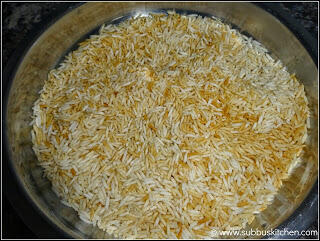
  1. Stir continuously with a spatula to ensure even roasting. After 5 minutes, the rice will begin to sputter and turn slightly golden brown. Remove and set aside
Puttu_step5
  1. Again add the next ¼th quantity and repeat the process till all the rice are fried nicely and we get a nice aroma. In the same way complete the rest of the rice also in two batches. The reason why we are doing in batches is to make sure that the rice is being fried uniformly without getting over burn.
  1. Allow the rice to cool off and grind it along with cardamom to a nice and smooth powder.
Puttu_step7
  1. Heat ¾ cup of water with turmeric and a pinch of salt until just warm.Place the rice flour in a wide plate or bowl. Sprinkle the warm water little by little, mixing as you go.
Puttu_step8
  1. The right consistency is called “Pidicha Pidikamudiyanum, vita udhiranum”—when pressed tightly in your palm, the flour should hold its shape, but when dropped, it should crumble apart. Do not add too much water.
  1. Grease idli plates with a little oil. Place a fistful of the moistened rice flour in each mold and steam for 12 minutes.
  1. Once cooked, allow the rice flour dumplings to cool. Using a sieve with a rawa plate, gently press the steamed flour through with your hands. The texture should resemble fine beach sand.
Puttu_step8
  1. Heat a teaspoon of ghee in a pan, add cashews, and fry until golden. Remove and set aside.
Puttu_step9
  1. In the same pan, add grated coconut and roast until golden. Set aside.
Puttu_10
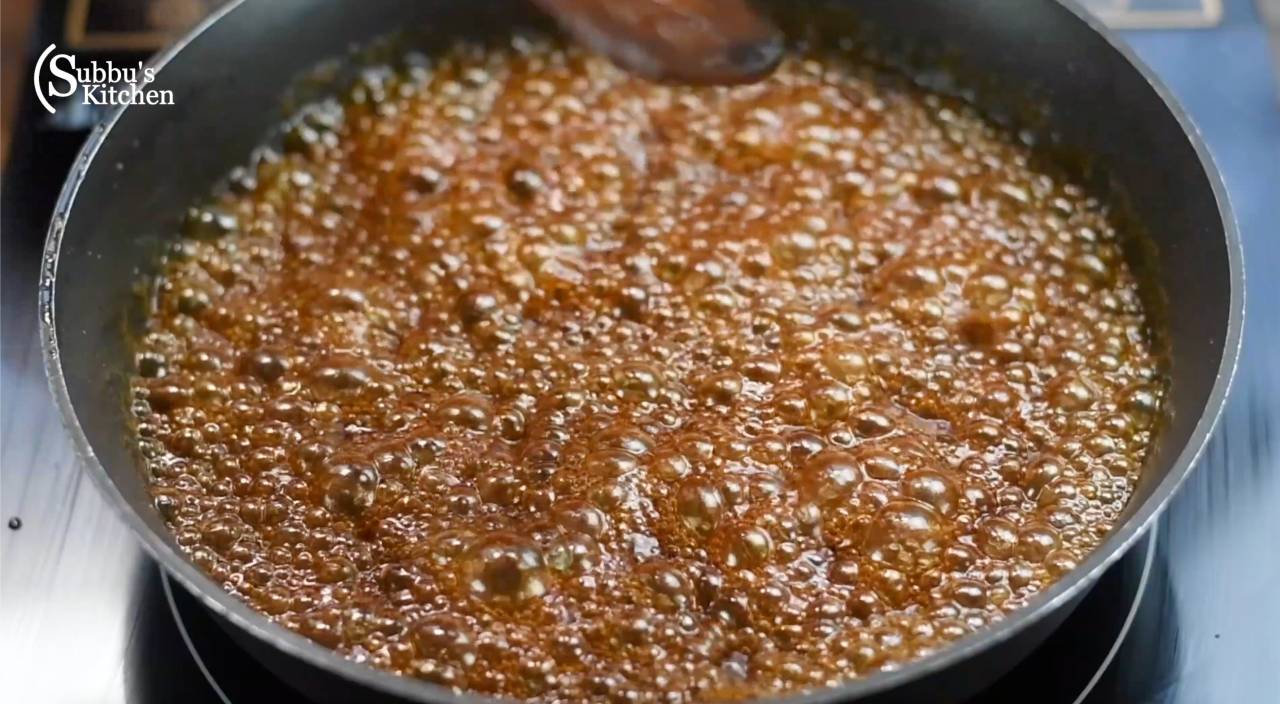
  1. Add grated jaggery with 1 tablespoon of water to the pan. Once it melts completely, strain to remove impurities. Return the strained jaggery syrup to the pan and boil until it reaches “stone consistency.” To test: drop a little syrup into water. If it doesn’t dissolve and can be rolled into a soft ball between your fingers, it’s ready.
Puttu_step11
  1. Add the sieved, steamed rice flour to the jaggery syrup and mix well.
Puttu_!2
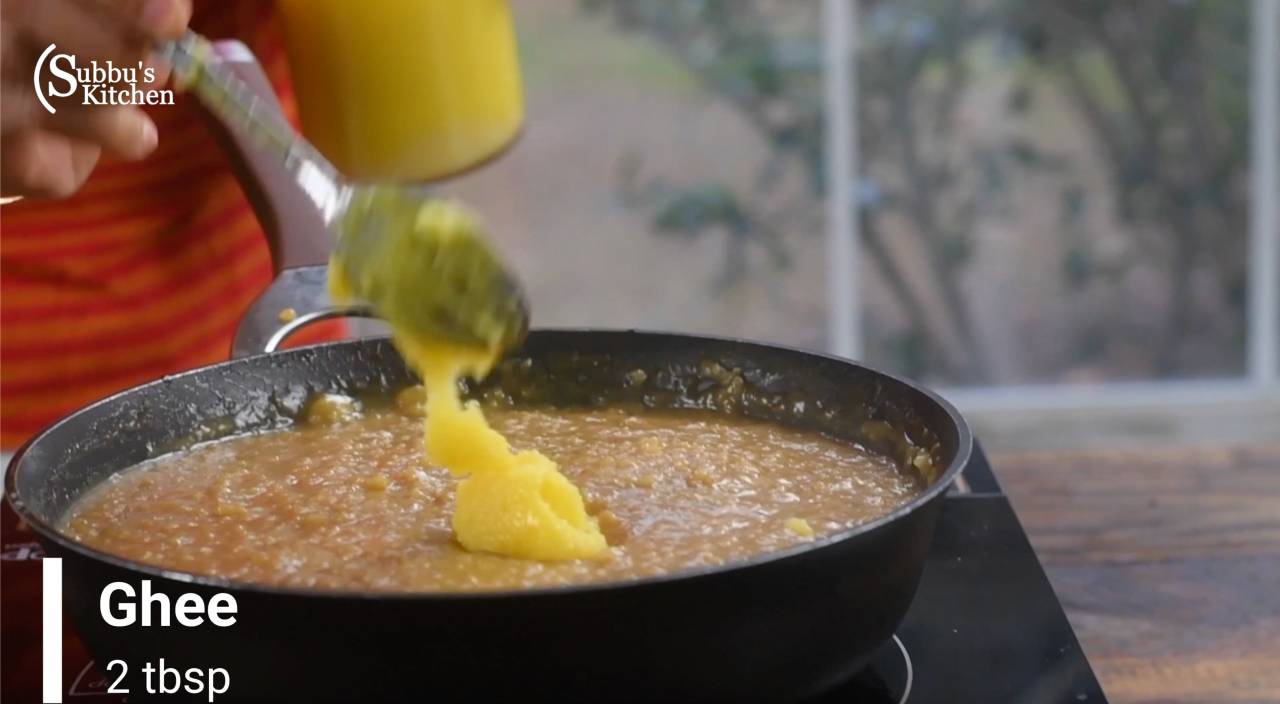
  1. Stir in the ghee, fried coconut, and cashews.
Sweet Rice Jaggery Puttu / Arisi Vella Puttu
  1. Your soft, flavorful Sweet Rice Jaggery Puttu (Arisi Vella Puttu) is now ready—perfect as a Navratri neivedhyam or a festive sweet to enjoy with your family.

Hint : For best results, always focus on the texture of the puttu—it should feel like soft, moist beach sand. If the flour is too dry, it won’t bind, and if too wet, it will turn lumpy. Steam in small batches for even cooking, and use freshly grated coconut for authentic flavor.

Storage

  • Store the prepared puttu in an airtight container at room temperature for up to 1 day.
  • For longer storage, refrigerate in a covered container. It will stay fresh for 2–3 days. Before serving, gently reheat by steaming for a few minutes or warming in a microwave to restore softness.

Top Tip

If you're going to make this recipe, make sure to follow this top tip!

The key to perfect puttu is texture—it should resemble soft, crumbly beach sand. Do not over-steam the rice flour, and add water gradually when mixing to achieve the right consistency. Also, test the jaggery syrup carefully—reaching the right “stone consistency” ensures the puttu holds together without becoming sticky. Following these steps guarantees a melt-in-the-mouth, authentic traditional sweet every time.

Related

Looking for other recipes like this? Try these:

Recipe Card

Sweet Rice Jaggery Puttu / Arisi Vella Puttu
Print

Sweet Rice Jaggery Puttu / Arisi Vella Puttu

Sweet Rice Jaggery Puttu, also known as Arisi Vella Puttu, is a traditional South Indian sweet made with roasted rice flour, jaggery, coconut, and cardamom. Steamed to a soft, crumbly “beach sand” texture, this melt-in-the-mouth delicacy is a festive favorite for Navratri Fridays and makes a perfect neivedhyam or dessert.
Course Sweet
Cuisine Indian, South Indian
Prep Time 20 minutes
Cook Time 40 minutes
Total Time 1 hour
Servings 4 people
Calories 208kcal
Author Sowmya Venkatachalam

Ingredients

  • 1 cup Raw Rice
  • ¾ cup Jaggery
  • 2 tablespoon Grated Coconut
  • 10 nos Cashews
  • 2 nos Cardamom
  • 2 tablespoon Ghee (Clarified butter)
  • ¾ cup Water
  • ½ teaspoon Turmeric Powder
  • 1 pinch Salt a pinch

Instructions

Prepare the Rice Flour

  • Wash the raw rice 2–3 times to remove excess starch. Soak for 30 minutes.
    1 cup Raw Rice
  • Drain completely using a strainer.
  • Heat a pan, add ¼ of the rice, and roast over medium flame. Stir continuously until it sputters and turns slightly golden. Remove and set aside.
  • Repeat with the remaining rice in 3 more batches to ensure even roasting. In the same way complete the rest of the rice also in two batches. The reason why we are doing in batches is to make sure that the rice is being fried uniformly without getting over burn.
  • Allow to cool, then grind with cardamom to a fine powder.

Steam Cook the Rice Flour

  • Heat ¾ cup of water with turmeric and salt until warm.
    ½ teaspoon Turmeric Powder, 1 pinch Salt, ¾ cup Water
  • Place the rice flour in a bowl and sprinkle warm water little by little, mixing well. The consistency should be “Pidicha Pidikamudiyanum, vita udhiranum”—firm when pressed, crumbly when released.
  • Grease idli plates with oil. Place a fistful of moistened rice flour in each mold and steam for approximately 12 minutes.
  • Once the rice flour is steam-cooked, remove it and allow it to cool slightly. Place a rawa sieve over a bowl and add the steamed rice flour dumplings. Using your hands, gently spread and press the flour through the sieve, breaking it down into fine, crumbly pieces. The cooked rice flour should have a soft, beach-sand-like texture.

Prepare the Jaggery Syrup

  • Heat 1 teaspoon ghee in a pan. Fry cashews until golden and set aside.
    2 tablespoon Ghee (Clarified butter)
  • In the same pan, roast grated coconut until golden. Set aside.
    2 tablespoon Grated Coconut
  • In the same pan, add the grated jaggery with 1 tablespoon of water and bring it to a boil. Once the jaggery has completely dissolved, strain it to remove any impurities or sand.
    ¾ cup Jaggery
  • Return the strained syrup to the pan, add cardamom powder and continue boiling until it thickens and reaches a stone consistency. To test, drop 2–3 drops of the syrup into a cup of water—if it doesn’t dissolve and can be rolled into a soft ball between your fingers, the syrup is ready.
    2 nos Cardamom

Combine Everything

  • Add the steamed rice flour to the jaggery syrup and mix well.
  • Stir in ghee, fried coconut, and cashews.
    10 nos Cashews
  • Serve warm as Sweet Rice Jaggery Puttu (Arisi Vella Puttu)—a perfect Navratri neivedhyam or festive sweet.

Video

Notes

Tips for Perfect Sweet Rice Jaggery Puttu

  1. Roast Rice in Batches: Always roast the soaked rice in small portions to ensure even cooking and avoid burning.
  2. Check Rice Flour Texture: After steaming, sieve the rice flour carefully. The final texture should resemble soft, crumbly beach sand for the authentic puttu feel.
  3. Add Water Gradually: When mixing water into the rice flour, add it slowly to reach the perfect consistency—firm enough to hold in a fist but crumbly when released.
  4. Test Jaggery Syrup: Achieving the right “stone consistency” in jaggery syrup is key. Test by dropping a little in water; it should form a soft ball without dissolving.
  5. Use Fresh Coconut: Freshly grated coconut gives the best flavor and aroma. Lightly roasting it adds a subtle nutty taste.
  6. Don’t Oversteam: Overcooked rice flour will become mushy and lose the signature crumbly texture. Steam just until cooked through.
  7. Serve Immediately: Puttu tastes best fresh and warm. If storing, reheat by steaming briefly to restore softness.
  8. Customize Nuts and Flavor: Add cashews, almonds, or raisins for extra crunch, and cardamom or a pinch of saffron for aroma.

Nutrition

Serving: 1cup | Calories: 208kcal | Carbohydrates: 39g | Protein: 2g | Fat: 3g
Traditional South Indian Sweet Rice Jaggery Puttu (Arisi Vella Puttu) served as Navratri neivedhyam, made with rice flour, jaggery, ghee, and coconut.
Authentic South Indian Arisi Vella Puttu – a sweet rice and jaggery delicacy prepared during Navratri Fridays.

The post Sweet Rice Jaggery Puttu / Arisi Vella Puttu appeared first on Subbus Kitchen.

Sakkarai Pongal / Sweet Rice Pongal

There’s something truly magical about the aroma of ghee, jaggery, and cardamom wafting through the kitchen — it instantly feels like a celebration. Sakkarai Pongal, a traditional South Indian sweet dish made with rice, moong dal, and jaggery, is not just food, but an offering of love and devotion during festivals like Pongal and Navratri. Soft, melt-in-your-mouth, and rich with the flavor of ghee-roasted cashews and raisins, this recipe is a heartwarming treat you’ll want to enjoy well beyond festive days.

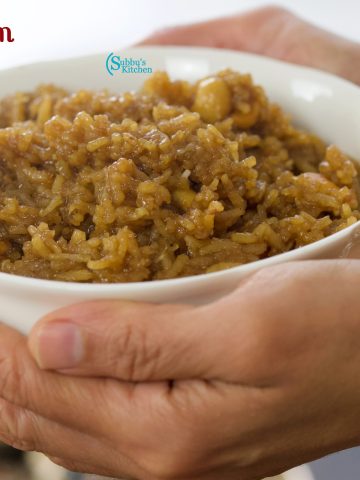
A traditional bowl of Sakkarai Pongal garnished with ghee-roasted cashews and raisins, served as a South Indian festive sweet dish.
Creamy and aromatic Sakkarai Pongal, a festive sweet made with rice, moong dal, jaggery, and ghee.

Sakkarai Pongal is deeply tied to special occasions and festivals in South India, especially Tamil Nadu. Here’s the cultural and seasonal background you can use as content:

  • Harvest Festival (Thai PongalThai Pongal Festival and Recipes):
    Sakkarai Pongal is the star dish of the Pongal festival, celebrated in January to thank the Sun God for a bountiful harvest. It’s cooked in new clay pots, often outdoors, and allowed to boil over — symbolizing abundance and prosperity.
  • Temple Prasadam:
    It’s also a very popular prasadam (offering) in temples, especially in Vaishnavite temples like Srirangam, where it is served to devotees.
  • Other Festivals & Occasions:
    Apart from Thai Pongal, it is also prepared during Navratri, Aadi PerukkuVaikunta Ekadashi, and other auspicious days. Families make it at home as an offering to deities and then enjoy it together.

So while it can be made any time of year, it is most beloved during festivals, temple offerings, and auspicious beginnings.

[feast_advanced_jump_to]

Ingredients

Every ingredient in Sakkarai Pongal plays a purpose that contributes to its signature taste and texture:

  • Rice and moong dal form the creamy, porridge-like base—when cooked and mashed together, they offer both body and smooth consistency, essential for the dish's comforting character. 
  • Jaggery, the unrefined cane sugar, imparts a deep, molasses-like sweetness unique to traditional South Indian sweets—a flavor profile that refined sugars simply can’t replicate. 
  • Ghee envelopes the dish in richness and aroma, making the texture luxuriously silky and elevating every bite. 
  • Cardamom, along with optional edible camphorclove, and nutmeg, lend fragrant warmth and a touch of divine, almost ritualistic flavor—especially when the dish is made as prasadam (offering).
  • Cashews and raisins introduce a delightful contrast in texture—nutty and slightly chewy—rounding out the dish with pops of buttery crunch and sweet bursts. 

Each component has been carefully chosen not just for flavor, but for tradition, mouthfeel, and the harmonious balance that makes this humble sweet dish feel like a festive celebration in every spoonful.

See recipe card for quantities.

Instructions

Sakkarai Pongal_Step1
  1. Heat a pan and dry roast the moong dal until it turns slightly golden and releases a nutty aroma. Set it aside.
Sakkari Pongal_Step2
  1. In a strainer, add the roasted moong dal and rice. Rinse them well two to three times.
Sakkari Pongal_step 3
  1. Transfer the washed rice and dal to a pressure cooker, add water, and mix well.
Sakkari Pongal_step 4
  1. Pressure cook for 5–6 whistles, until the mixture becomes soft and mushy. Traditionally, in temples and during festive occasions, the rice and dal are slow-cooked in open pots, giving a smoky flavor. For everyday cooking at home, pressure cooking is quicker and convenient. Once cooked, mash the mixture well and set aside.
Sakkarai Pongal_step5
  1. In a saucepan, add jaggery with a little water. Heat until the jaggery melts completely. Set this aside.
Sakkarai Pongal_step 7
  1. Heat ghee in a heavy-bottomed pan, strain the jaggery syrup, and add it to the pan.
Sakkarai Pongal_step8
  1. Allow the jaggery syrup to come to rolling boil.
Sakkari Pongal_Step9
  1. When the syrup begins to boil, add the mashed rice and dal mixture.
Sakkari Pongal_Step 11
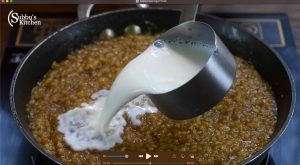
  1. Reduce the flame to low and stir in milk (optional). Milk adds richness but shortens the shelf life to about a day. If preparing in advance, skip the milk. Important: never add milk directly to the jaggery syrup, as it will curdle—always add it after mixing in the rice-dal mixture.
Sakkari Pongal_12
  1. Stir continuously until the rice-dal mixture absorbs the jaggery syrup and reaches a slightly thick consistency.
Sakkari Pongal_step 13
  1. Add the remaining ghee and cardamom powder, mixing well. Keep on low flame for a few more minutes.
  1. In a separate small pan, heat ghee and roast cashews and raisins until golden. Add them to the pongal and mix gently. Your delicious Sakkarai Pongal is ready to be offered as neivedhyam or enjoyed warm with family!

???? Hint: When melting jaggery, always strain the syrup before adding it to the rice-dal mixture. This helps remove any impurities and ensures your pongal stays smooth, clean, and glossy.

Variations

  • Gluten-Free: Since it’s made with rice, dal, and jaggery, Sakkarai Pongal is naturally gluten-free. Just make sure your jaggery is pure and not processed with additives.
  • Vegan Option: Traditionally, this recipe uses ghee and sometimes milk. To make it vegan, replace ghee with coconut oil or vegan butter, and skip the milk (or use almond/coconut milk for richness).

Storage

  • Pongal made without milk can be kept at room temperature for up to 12–18 hours in a cool place. Pongal made with milk should be consumed within 6–8 hours, as it spoils quickly.
  • Store in an airtight container to maintain freshness and aroma.
  • Keep at room temperature for up to 1 day.
  • Refrigerate for up to 2–3 days.
  • Reheat gently on low flame before serving.
  • Avoid prolonged storage to preserve the soft, creamy texture and flavor.

Top Tip

If you're going to make this recipe, make sure to follow this top tip!

  • Jaggery Ratio: Use a rice + dal to jaggery ratio of 1.25:2.5. For 1 cup rice and ¼ cup moong dal, add 2.5 cups grated jaggery. This ensures the sweetness is balanced — not too bland, not too overpowering.
  • Jaggery Quality Matters: The color and aroma of your pongal depends on the type of jaggery. Paagu vellam gives a darker, richer brown consistency than regular jaggery.
  • Cooking Rice & Dal: Add an extra ½ cup of water and allow additional whistles in the pressure cooker to ensure the rice and dal are completely soft and mushy.
  • Milk is Optional: Adding milk while cooking makes the pongal creamier and richer in flavor, but it’s not necessary.
  • Strain Jaggery Syrup: Jaggery can contain impurities like sand. Always dissolve and strain the jaggery syrup before adding it to the rice-dal mixture.
  • Ghee in Syrup: Adding a bit of ghee to the jaggery syrup is optional, but it enhances the richness and aroma of the pongal.
  • Consistency Tips: Milk can be used to adjust consistency. Once milk is added, keep the flame low to avoid curdling or breaking the pudding.

Related

Looking for other recipes like this? Try these:
Recipe Card

Sakkarai Pongal
Print

Sweet pongal recipe | Chakkara pongali | Sakkarai pongal

Sakkarai Pongal is a traditional South Indian sweet dish made with rice, moong dal, jaggery, ghee, and cardamom. Creamy, aromatic, and lightly sweet, this festive dessert is perfect for Pongal, Navratri, or temple offerings. Enhanced with roasted cashews and raisins, it’s soft, melt-in-your-mouth, and easy to make at home with this foolproof recipe.
Course Festival Recipes, Sweet
Cuisine India, South Indian, Tamil Brahmin, Tamil Nadu
Prep Time 5 minutes
Cook Time 25 minutes
Total Time 30 minutes
Servings 6 people
Calories 220kcal
Author Sowmya Venkatachalam

Equipment

  • Pressure Cooker
  • Heavy Bottomed Pan

Ingredients

  • 1 cup Raw Rice 1 cup = 250 ml
  • ¼ cup Moong dal
  • cups Grated Jaggery
  • ¼ teaspoon Cardamom Powder
  • 1 tablespoon Cashews
  • 1 pinch Pachai Karpooram Optional
  • 1 tablespoon Raisins Optional
  • 3 teaspoon Ghee (Clarified butter)
  • 2 teaspoon Ghee (Clarified butter) for tempering
  • cups Water
  • ½ cup Milk (optional)

Instructions

Roasting and Cooking the Dal + Rice

  • Heat a pan and dry roast ¼ cup of moong dal until it turns golden and releases a fragrant aroma. Set aside.
    ¼ cup Moong dal
    Sakkarai Pongal_Step1
  • In a strainer, take 1 cup of rice and the roasted moong dal. Rinse 2–3 times until the water runs clear.
    1 cup Raw Rice
    Sakkari Pongal_Step2
  • Add 4.5 cups of water and mix well.
    4½ cups Water
    Sakkari Pongal_step 3
  • Pressure cook the rice and dal mixture for 5–6 whistles until soft and mashable. Traditionally, in temples and at weddings, this mixture is slow-cooked on the stove to impart a smoky aroma, but for home cooking, a pressure cooker works perfectly. Once cooked, mash the rice and dal thoroughly and set aside.
    Sakkari Pongal_step 4

Preparing the Jaggery Syrup

  • In a saucepan, combine 2.5 cups of grated jaggery with ¼ cup of water. Heat gently until the jaggery melts completely and dissolves. Set aside.
    2½ cups Grated Jaggery
    Sakkarai Pongal_step5
  • Heat 3 teaspoon of ghee in a heavy-bottomed pan. Strain the melted jaggery and add it to the pan.
    3 teaspoon Ghee (Clarified butter)
    Sakkarai Pongal_step 7
  • When the jaggery syrup comes to a rolling boil, add the mashed rice and dal mixture.
    Sakkari Pongal_Step9
  • Keep the flame very low and stir in ½ cup of milk (optional). Milk adds richness, but if used, the shelf life of the dish is limited to 1 day. Never add milk directly to the jaggery syrup, as it may curdle — always add it after the rice-dal mixture. Also add the Pacha Karpooram and mix well.
    ½ cup Milk, 1 pinch Pachai Karpooram
    Sakkari Pongal_Step 11

Finishing Pongal

  • Stir the mixture well to incorporate the rice and dal with the jaggery syrup. Add the remaining ghee and ¼ teaspoon of cardamom powder, and continue stirring on low flame until the pongal thickens slightly.
    ¼ teaspoon Cardamom Powder
    Sakkari Pongal_step 13
  • In a separate pan, heat 2 teaspoon of ghee and roast cashews and raisins until golden brown. Add them to the pongal and give a final gentle stir.
    1 tablespoon Cashews, 1 tablespoon Raisins, 2 teaspoon Ghee (Clarified butter)
  • The scrumptious Sakarai Pongal is ready for neivedhyam or to serve!
    Sakkarai Pongal

Video

Notes

???? Tips for Perfect Sakkarai Pongal

  • Jaggery Ratio: Use a rice + dal to jaggery ratio of 1.25:2.5. For 1 cup rice and ¼ cup moong dal, add 2.5 cups grated jaggery. This ensures the sweetness is balanced — not too bland, not too overpowering.
  • Jaggery Quality Matters: The color and aroma of your pongal depends on the type of jaggery. Paagu vellamgives a darker, richer brown consistency than regular jaggery.
  • Cooking Rice & Dal: Add an extra ½ cup of water and allow additional whistles in the pressure cooker to ensure the rice and dal are completely soft and mushy.
  • Milk is Optional: Adding milk while cooking makes the pongal creamier and richer in flavor, but it’s not necessary.
  • Strain Jaggery Syrup: Jaggery can contain impurities like sand. Always dissolve and strain the jaggery syrupbefore adding it to the rice-dal mixture.
  • Ghee in Syrup: Adding a bit of ghee to the jaggery syrup is optional, but it enhances the richness and aroma of the pongal.
  • Consistency Tips: Milk can be used to adjust consistency. Once milk is added, keep the flame low to avoid curdling or breaking the pudding.

Nutrition

Serving: 150g | Calories: 220kcal | Carbohydrates: 37g | Protein: 4g | Fat: 3g | Sodium: 850mg | Vitamin A: 1IU | Vitamin C: 1mg | Calcium: 3mg | Iron: 6mg
A traditional bowl of Sakkarai Pongal garnished with ghee-roasted cashews and raisins, served as a South Indian festive sweet dish.
Creamy and aromatic Sakkarai Pongal, a festive sweet made with rice, moong dal, jaggery, and ghee.

The post Sakkarai Pongal / Sweet Rice Pongal appeared first on Subbus Kitchen.

❌