Reading view

There are new articles available, click to refresh the page.

OnePlus 15 finally gets FCC clearance after government shutdown delay—preorders live

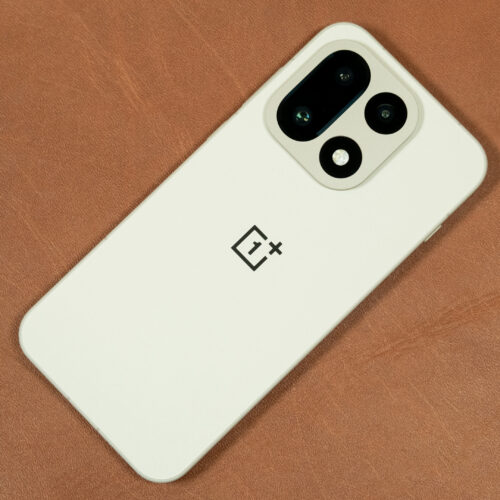
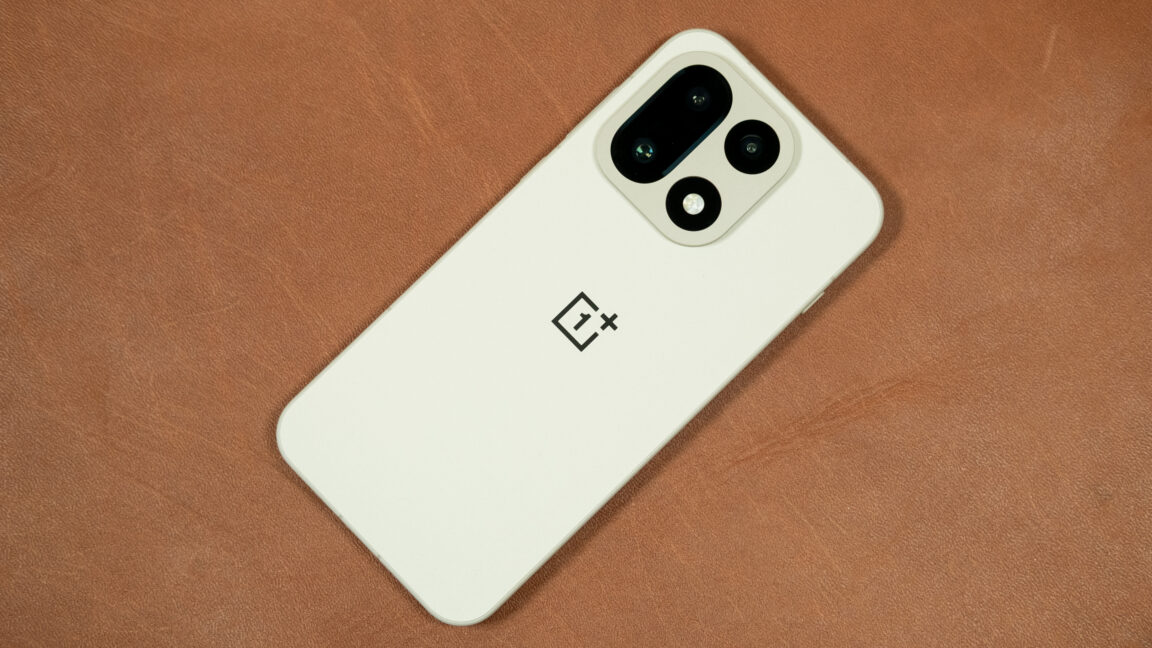
OnePlus is ready to sell its new flagship smartphone in the US weeks after it made the device official. Having now finally gotten Federal Communications Commission clearance, the OnePlus 15 is available for preorder. It’s currently only live on the OnePlus storefront, but the device will eventually come to Amazon and Best Buy as well.

The OnePlus 15 launched in China earlier this year, and it was supposed to go on sale in the US a month ago. However, the longest US government shutdown on record got in the way. Most of the FCC’s functions were suspended during the weekslong funding lapse, which prevented the agency from certifying new wireless products. Without that approval, OnePlus could not begin selling the phone. Thus, it had no firm release date when the phone was officially unveiled for the US in early November.

Interested parties can head to the OnePlus website to place an order. The base model starts at $900 with 12GB of RAM and 256GB of storage. This version is only available in black. If you want the Ultraviolet or Sand Storm (with the distinctive micro-arc oxidation finish), you’ll have to upgrade to the $1,000 version, which has 16GB of RAM and 512GB of storage.
Read full article

Comments

© Ryan Whitwam

The NPU in your phone keeps improving—why isn’t that making AI better?

Almost every technological innovation of the past several years has been laser-focused on one thing: generative AI. Many of these supposedly revolutionary systems run on big, expensive servers in a data center somewhere, but at the same time, chipmakers are crowing about the power of the neural processing units (NPU) they have brought to consumer devices. Every few months, it’s the same thing: This new NPU is 30 or 40 percent faster than the last one. That’s supposed to let you do something important, but no one really gets around to explaining what that is.

Experts envision a future of secure, personal AI tools with on-device intelligence, but does that match the reality of the AI boom? AI on the “edge” sounds great, but almost every AI tool of consequence is running in the cloud. So what’s that chip in your phone even doing?

What is an NPU?

Companies launching a new product often get bogged down in superlatives and vague marketing speak, so they do a poor job of explaining technical details. It’s not clear to most people buying a phone why they need the hardware to run AI workloads, and the supposed benefits are largely theoretical.

Read full article

Comments

© Aurich Lawson | Getty Images

Google announces second Android 16 release of 2025 is heading to Pixels

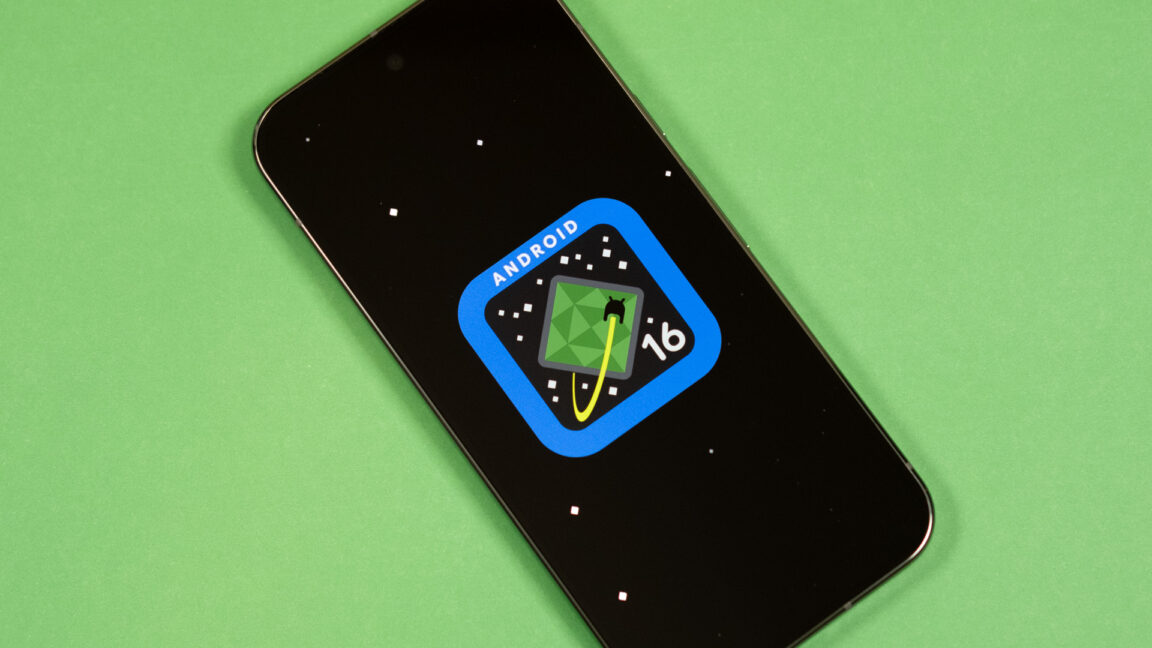
Google is following through on its pledge to split Android versions into more frequent updates. We already had one Android 16 release this year, and now it’s time for the second. The new version is rolling out first on Google’s Pixel phones, featuring more icon customization, easier parental controls, and AI-powered notifications. Don’t be bummed if you aren’t first in line for the new Android 16—Google also has a raft of general improvements coming to the wider Android ecosystem.

Android 16, part 2

Since rolling out the first version of Android in 2008, Google has largely stuck to one major release per year. Android 16 changes things, moving from one monolithic release to two. Today’s OS update is the second part of the Android 16 era, but don’t expect major changes. As expected, the first release in June made more changes. Most of what we’ll see in the second update is geared toward Google’s Pixel phones, plus some less notable changes for developers.

Google’s new AI features for notifications are probably the most important change. Android 16 will use AI for two notification tasks: summarizing and organizing. The OS will take long chat conversations and summarize the notifications with AI. Notification data is processed locally on the device and won’t be uploaded anywhere. In the notification shade, the collapsed notification line will feature a summary of the conversation rather than a snippet of one message. Expanding the notification will display the full text.

Read full article

Comments

© Ryan Whitwam

Samsung reveals Galaxy Z TriFold with 10-inch foldable screen, astronomical price

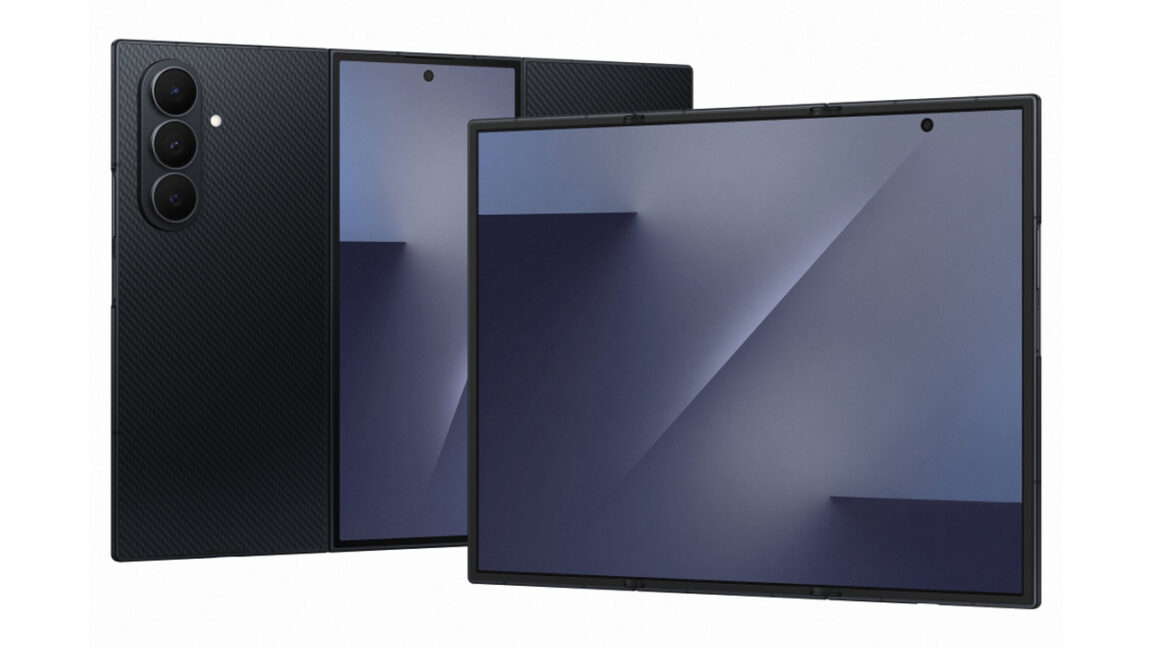
Samsung has a new foldable smartphone, and it’s not just another Z Flip or Z Fold. The Galaxy Z TriFold has three articulating sections that house a massive 10-inch tablet-style screen, along with a traditional smartphone screen on the outside. The lavish new smartphone is launching this month in South Korea with a hefty price tag, and it will eventually make its way to the US in early 2026.

Samsung says it refined its Armor FlexHinge design for the TriFold. The device’s two hinges are slightly different sizes because the phone’s three panels have distinct shapes. The center panel is the thickest at 4.2 mm, and the other two are fractions of a millimeter thinner. The phone has apparently been designed to account for the varying sizes and weights, allowing the frame to fold up tight in a pocketable form factor.

Huawei’s impressive Mate XT tri-fold phones have been making the rounds online, but they’re not available in Western markets. Samsung’s new foldable looks similar at a glance, but the way the three panels fit together is different. The Mate XT folds in a Z-shaped configuration, using part of the main screen as the cover display. On Samsung’s phone, the left and right segments fold inward behind the separate cover screen. Samsung claims it has tested the design extensively to verify that the hinges will hold up to daily use for years.

Read full article

Comments

© Samsung

OnePlus 15 review: The end of range anxiety

OnePlus got its start courting the enthusiast community by offering blazing-fast phones for a low price. While the prices aren’t quite as low as they once were, the new OnePlus 15 still delivers on value. Priced at $899, this phone sports the latest and most powerful Snapdragon processor, the largest battery in a mainstream smartphone, and a super-fast screen.

The OnePlus 15 still doesn’t deliver the most satisfying software experience, and the camera may actually be a step back for the company, but the things OnePlus gets right are very right. It’s a fast, sleek phone that runs for ages on a charge, and it’s a little cheaper than the competition. But its shortcomings make it hard to recommend this device over the latest from Google or Samsung—or even the flagship phone OnePlus released 10 months ago.

US buyers have time to mull it over, though. Because of the recent government shutdown, Federal Communications Commission approval of the OnePlus 15 has been delayed. The company says it will release the phone as soon as it can, but there’s no exact date yet.

Read full article

Comments

© Ryan Whitwam

Realme Debuts Smartphone with Record 240W Fast Charging

Phone batteries may have peaked. We’ve been hovering around the 5,000mAh mark in Android phones for years, and there’s no magical technology on the horizon to increase that. High charging speeds are almost as good, and that’s increasing by leaps and bounds with devices like the new OnePlus 11. The latest device from Chinese smartphone maker Realme leaves everyone else in the dust. The new Realme GT Neo 5 supports incredible 240W fast charging, making it the fastest-charging phone in the world.

The GT Neo 5 has a 4,600mAh battery, which the company claims can go from zero to 100 in just nine and a half minutes. If you don’t even have that long, a moment on the charger will ensure your phone has all the juice it needs before you head out the door. GSMArena reports it can charge to 80% in just 80 seconds and 50% in four minutes. You could plug in your totally dead phone while you put on your shoes and have enough charge to last the better part of a day.

Realme is a subsidiary of BBK Electronics, the Chinese megacorportation that also owns Oppo, Vivo, and OnePlus. Oppo showed off a 240W charger in 2022, and we assume this device uses the same technology. Realme says the 240W charger takes advantage of the latest USB power specification, which was updated in 2021 to add support for charging at 240W. It has yet to appear in any Oppo or OnePlus phone, but that might be on the way.

The Realme GT Neo 5 has only been announced for China, and it’s unlikely it will make it to many international markets. Realme doesn’t operate in the US at all, and even if it did release the GT Neo 5, it wouldn’t charge as fast. China uses 220v electricity, but many other markets, like the US, have 110v. That makes it harder to reach extremely high charging wattages. For example, the OnePlus 11 charges at 80W stateside but 100W in China.

Aside from the charging, there’s not much that sets the GT Neo 5 apart from other high-end Chinese Android phones. It has last year’s Snapdragon 8 Plus Gen 1, a 6.74-inch 1240p OLED with 144Hz refresh, and an underwhelming triple-camera array with a 50MP main, 8MP ultrawide, and 2MP macro. It also has some LED lighting on the back that can act as a notification alert.

For those in China, the Realme GT Neo 5 starts at 2,599 yuan ($380-ish), but that version only supports 150W charging. To get the world’s fastest charging, you’ll have to spend 3,199 yuan (about $470) on the 240W version. The more expensive SKU doubles the RAM from 8 to 16GB, but the cheaper one actually has a slightly larger 5,000mAh battery.

Now read:

Decrypted: iOS 13.5 jailbreak, FBI slams Apple, VCs talk cybersecurity

It was a busy week in security.

Newly released documents shown exclusively to TechCrunch show that U.S. immigration authorities used a controversial cell phone snooping technology known as a “stingray” hundreds of times in the past three years. Also, if you haven’t updated your Android phone in a while, now would be a good time to check. That’s because a brand-new security vulnerability was found — and patched. The bug, if exploited, could let a malicious app trick a user into thinking they’re using a legitimate app that can be used to steal passwords.

Here’s more from the week.


THE BIG PICTURE

Every iPhone now has a working jailbreak

Decrypted: iOS 13.5 jailbreak, FBI slams Apple, VCs talk cybersecurity by Zack Whittaker originally published on TechCrunch

❌