Login
LoginIndiana Bill Would Mandate Bitcoin in Pensions and Shield Self-Custody Rights
A newly introduced bill in Indiana would require public retirement programs to offer Bitcoin-related investment options and would also limit how much power local governments have to restrict the use of digital assets.
The proposal was filed on Thursday by State Representative Kyle Pierce, a Republican from Anderson. Known as House Bill 1042, the legislation was presented during a meeting of the House Financial Institutions Committee.
It focuses on giving public workers access to cryptocurrency investments while setting clear legal boundaries around digital asset use, custody, payments, and mining.
Indiana Targets First-in-the-Nation Mandate for Bitcoin in Public Pensions
Under the bill, administrators of several state-run retirement and savings plans would be required to include cryptocurrency exchange-traded funds as standard investment choices.
It would also permit certain public pension funds to invest directly in crypto-linked ETFs and give the state treasurer authority to place funds from specific accounts into stablecoin-based ETFs.
Pierce said the bill is designed to give Indiana residents more financial flexibility as digital assets become a larger part of the broader economy.
He added that the legislation is intended to balance investment choice with regulatory guardrails while allowing the state to explore potential government use of blockchain technology through pilot programs.

The legislation goes beyond retirement investing and takes aim at local regulation. Cities and counties would be prohibited from passing rules that place “unreasonable” limits on digital assets if similar rules do not apply to traditional financial activity.
That protection would extend to crypto payments, private ownership of digital wallets, and mining operations.
The bill adds clear safeguards for self-custody. It states that private digital asset keys could only be demanded through a court order and only when no other legal method of access is available.
It would also prevent local governments from zoning out mining facilities from industrial zones and would protect properly zoned residential mining activity.
If enacted, Indiana would become the first state in the country to require publicly managed retirement programs to provide Bitcoin exposure as a standard option.
While some states permit limited crypto investment flexibility, none currently mandate it.
U.S. States Expand Crypto Access in Pensions, Payments, and Property Laws
Other states have taken related but narrower steps. Oklahoma passed a law in 2024 protecting residents’ right to hold crypto in self-custody wallets and blocking special taxes on Bitcoin transactions.
In 2025, Kentucky followed by formally recognizing self-custody as a protected property right. Wyoming has also approved laws that allow public pension funds to invest in digital assets.
Elsewhere, Arizona introduced legislation that would allow Bitcoin ETFs in retirement accounts, while Florida outlined legal pathways for holding digital assets through ETFs in certain state funds.
— Cryptonews.com (@cryptonews) April 18, 2025
Arizona’s push to integrate digital assets into state financial infrastructure is nearing a critical milestone. #Arizona #Bitcoinhttps://t.co/jNb7UnYvX1
Indiana’s proposal stands apart by making crypto ETF access a requirement rather than a choice.
Momentum around crypto-linked retirement exposure continues to build nationwide. In August, Michigan’s state retirement system tripled its Bitcoin ETF holdings to 300,000 shares, valued at about $11.4 million, according to regulatory filings.
— Cryptonews.com (@cryptonews) August 6, 2025
The State of Michigan Retirement System has increased its exposure to Bitcoin, tripling its holdings in the @ARKInvest 21Shares Bitcoin ETF.#Michigan #Bitcoinhttps://t.co/lUxWycmp4A
The fund also holds roughly $13.6 million in Ethereum through the Grayscale Ethereum Trust. Wisconsin’s state investment board has also disclosed more than $387 million in Bitcoin ETF exposure.
States are also widening their use of digital assets outside of investing. In September, Ohio finalized plans to accept Bitcoin and other cryptocurrencies for official state payments.
In October, California updated its Unclaimed Property Law to ensure dormant crypto is not automatically converted into cash when
transferred to state custody.
— Cryptonews.com (@cryptonews) October 14, 2025
New York City has taken its own steps by setting up a municipal Office of Digital Assets and Blockchain.
The move followed an executive order from Mayor Eric Adams aimed at coordinating crypto policy and encouraging blockchain development.
— Cryptonews.com (@cryptonews) October 15, 2025
Bitcoin NYC Mayor Adams established the “nation’s first-ever” municipal office for crypto and blockchain to position the city as the global crypto hub.#EricAdams #NYCMayor #CryptoOfficehttps://t.co/oVEBRTRp5y
At the federal level, broader regulatory efforts are also underway. Lawmakers are preparing new frameworks that could shape how states approach crypto policy, including updated guidance on 401(k) crypto exposure expected in 2026.
The post Indiana Bill Would Mandate Bitcoin in Pensions and Shield Self-Custody Rights appeared first on Cryptonews.

 Russia is using cryptocurrencies to pay saboteurs carrying out hybrid attacks across the European Union, according to a Polish security official.
  Polish President Karol Nawrocki vetoed a sweeping crypto law, saying it threatens property rights and personal freedoms.
 Poland has elected Karol Nawrocki, a conservative who says crypto should be “born in freedom, not buried in red tape.”
 ↓
↓ 

 (@Gautamguptagg)
  ,
,  ) (@JupiterExchange)


 Thai police arrest alleged FINTOCH mastermind behind $31 million crypto Ponzi scheme that defrauded investors across multiple Asian countries.

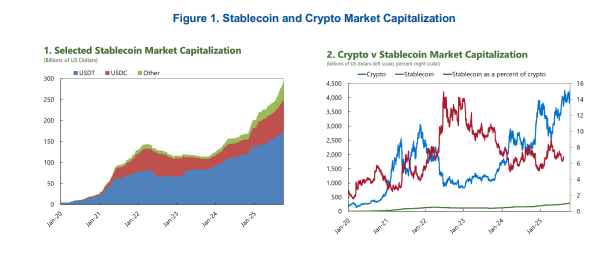
 The ECB warns that stablecoins are growing fast, now topping $280B, with rising spillover risks as USDT and USDC dominate 90% of the market.

 Spot crypto trading is moving closer to mainstream finance after the SEC and CFTC cleared registered exchanges to facilitate certain spot products.

 Families of the Hamas 2023 attack victims have sued Binance and CZ for facilitating $1 billion in crypto to the accounts of terror groups.
 Binance is trying to dismiss a U.S. class action lawsuit, saying users agreed to arbitration—not court.

 (@shayne_coplan)
  FBI agents have reportedly seized Polymarket CEO Shayne Coplan’s phone and electronics, following a raid at his Manhattan residence.
 Polymarket has received investment from
 The SEC’s green light of spot Bitcoin ETFs opens the floodgates for issuers, but Bitcoin's price has so far stayed flat, defying expectations. When will we see bullish price action?
 Former Olympic snowboarder Ryan Wedding is facing criminal charges in an international crypto-related scheme.
 The US DOJ is seeking to seize over $15 million in USDT tied to North Korean state-backed hacking unit APT38.
 The U.S. Treasury is calling on the public for feedback on how financial institutions can prevent crypto risks as part of the GENIUS Act.
 Two NYPD officers are on modified duty after reports emerged the two detectives may have possible links to last week's crypto kidnapping.
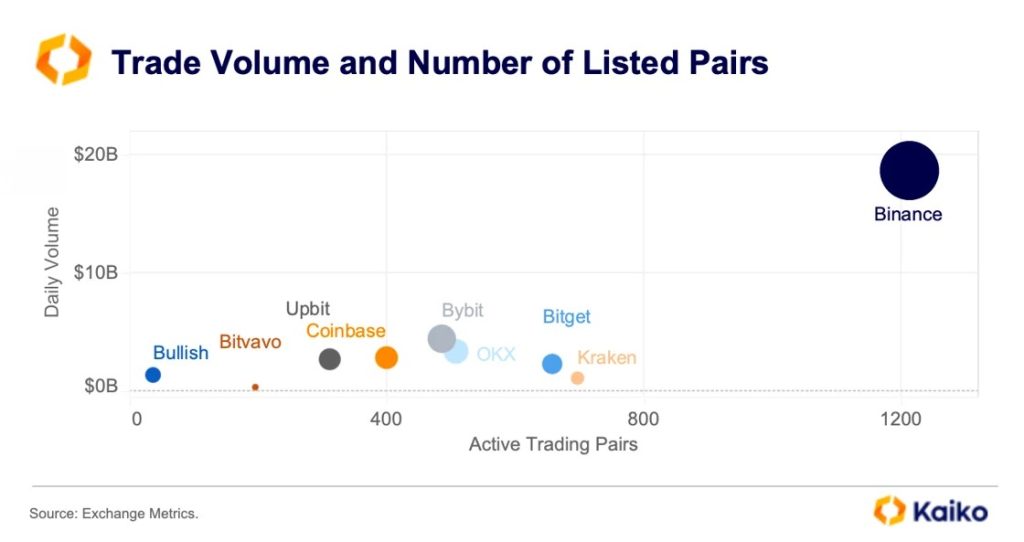



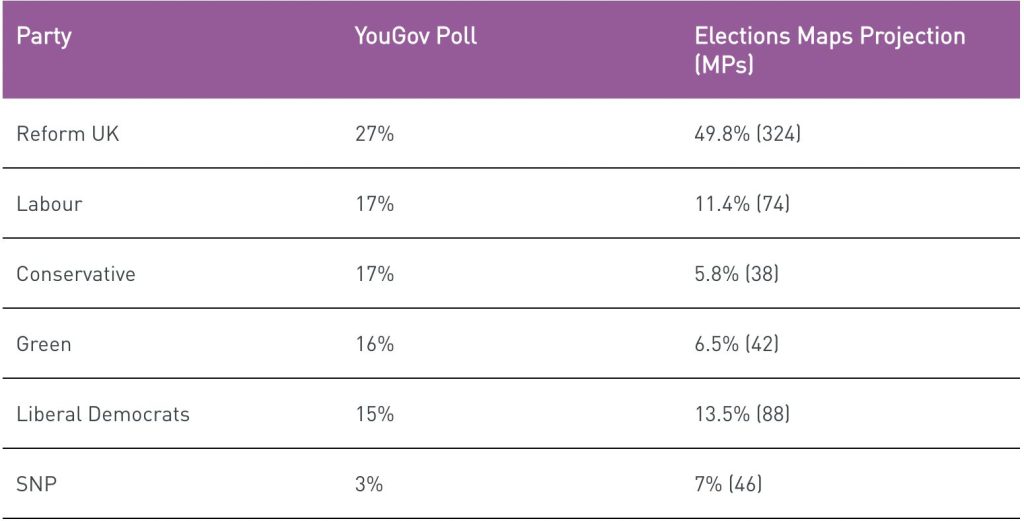
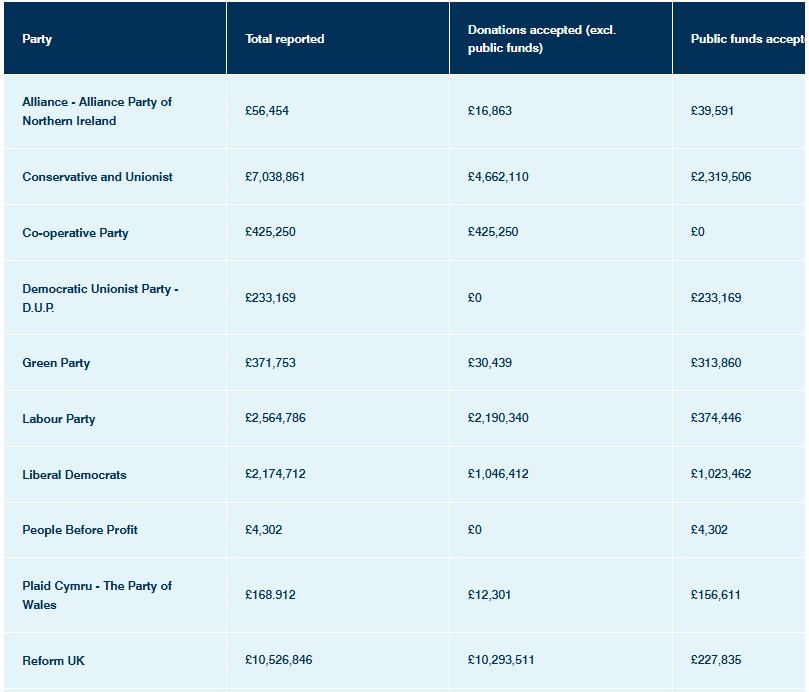
 UK Cabinet Office Minister Pat McFadden has called for election officials to consider banning political donations made in digital currencies.
  A cryptocurrency-backed super PAC, Fairshake, is heading into the upcoming midterm elections with more than $140 million in the bank.
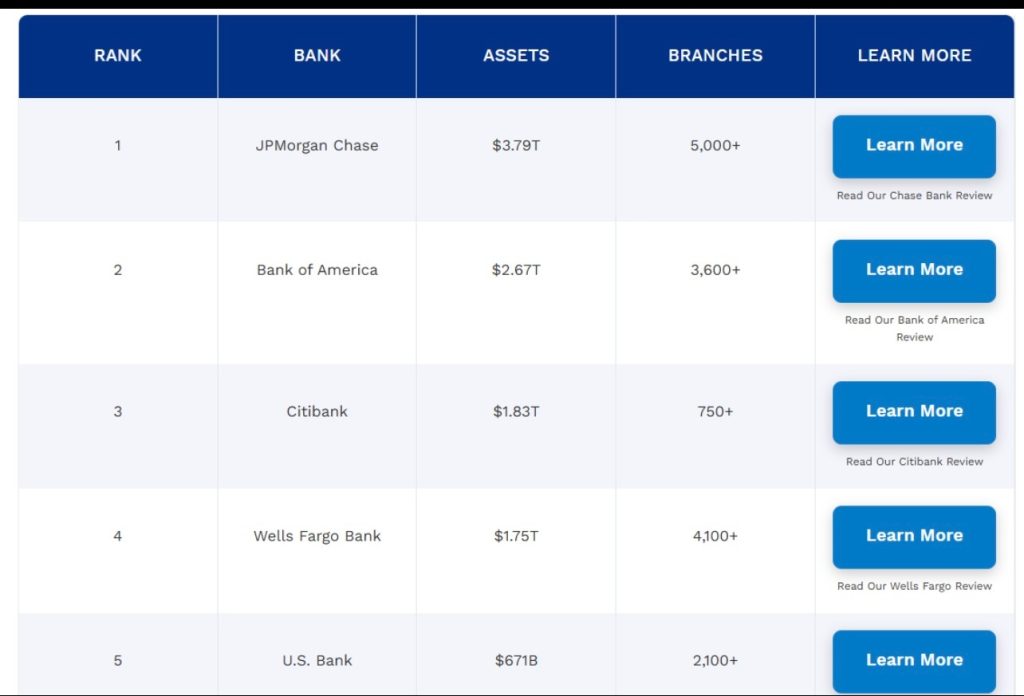
 Vanguard will allow trading of crypto-focused ETFs and mutual funds starting Tuesday, opening access to Bitcoin, Ether and other tokens for millions of investors.
 U.S. banks officially cleared to hold crypto following the
 UK appoints digital lead to coordinate financial market tokenization, signaling institutional interest in blockchain-based infrastructure.

 BNB Hits Second ATH This Month, Crosses $1,300 Barrier