Reading view

There are new articles available, click to refresh the page.

Groceries in a flash: We tested ‘Amazon Now’ in Seattle — and got our delivery in 23 minutes

A bag of Amazon Now groceries, delivered in Seattle on Tuesday. (GeekWire Photo / Kurt Schlosser)

Amazon’s new “Amazon Now” ultra-fast delivery for household essentials and fresh groceries passed the speed test on Tuesday.

During a trial of the newly launched service, it took 23 minutes from the click of the order button on the Amazon shopping app to the drop of the items at my house. That time easily meets Amazon’s promise of 30-minutes-or-less delivery.

Amazon Now is rolling out to eligible neighborhoods in Seattle and Philadelphia. Customers using the Amazon app or website can browse a curated selection of fresh produce, meat and seafood, pantry staples, frozen foods, beverages, household supplies and more.

Customers are able to track their order status and tip their driver within the Amazon Now feature. Prime members pay discounted delivery fees starting at $3.99 per order, compared with $13.99 for non-Prime customers, with a $1.99 “small basket” fee on orders under $15.

GeekWire reported last week that Amazon was building out a new rapid-delivery hub at a former Amazon Fresh Pickup site in Seattle’s Ballard neighborhood. (That site did not fulfill the order I placed on Tuesday.) Amazon this week revealed more details about Amazon Now.

Permit filings detail how employees pick and bag items in a back-of-house stockroom, stage completed orders on front-of-house shelves, and hand them off to Amazon Flex drivers, who are expected to arrive, scan, confirm, and leave with a package within roughly two minutes. The operation is slated to run 24 hours a day, seven days a week, “much like a convenience store,” according to the filings.

Keep reading for details on how the process works.

The shopping

Screen grabs from the Amazon app, from left: A promo for the new Amazon Now service; batteries and pizza; and the order total. (Images via Amazon)

My wife prefers to do all the shopping for our household and she does so at several different stores including Trader Joe’s, Fred Meyer, Town & Country, and Costco. Our neighborhood, Ballard, isn’t exactly a food desert, and prior to conducting my Amazon Now test, I passed a Safeway en route to stops at Walgreens and Metropolitan Market within a few blocks of my house.

But for the sake of speed and convenience and this test, I browsed the Amazon Now selection looking for a few items we could use. I chose a Red Baron frozen pizza ($4.37); 365 by Whole Foods Market multigrain bread ($2.85); a 4-pack of Duracell AA batteries ($5.47); Saltine crackers ($4.05); Sabra classic hummus ($3.95); and a 6-ounce pack of blackberries ($2.17).

The six items totaled $22.86, plus the $3.99 delivery fee, 64 cents in tax, and a $3 tip for the driver — $30.49 total.

There’s either a reason why my wife does all the shopping or groceries really are very expensive these days, because $30 feels like a lot for six items. Although, $7 of that does include delivery fee and tip — the price of on-demand convenience!

The tracking

An Amazon Now order status and delivery tracking via the Amazon app. (Images via Amazon)

I placed the order at 12:38 p.m. and the Amazon app and a confirmation email both immediately estimated that delivery time would be 1:05 p.m.

A status bar in the app showed where my items would be in the chain of events: ordered, packed, out for delivery, and delivered.

Within just a few minutes the status changed from ordered to out for delivery, and I watched as a small Amazon vehicle icon made its way west across Seattle toward my house. The delivery estimate time dropped a couple minutes to 1:02 p.m.

When a white van showed up in front of my house in less than 10 minutes I was sure this story was going to go in a different direction about just how speedy Amazon Now is. But my neighbor was getting a bunch of stuff delivered from IKEA — no one shops in stores anymore, I guess.

For what it’s worth, transportation software company INRIX released its annual Global Traffic Scorecard this week, with details on how much time people lose sitting in traffic. INRIX says Seattle congestion is climbing again, especially in last-mile corridors that delivery fleets rely on.

“The [Amazon Now service] may end up distributing demand more evenly across the transportation network, rather than concentrating congestion via larger hubs,” Bob Pishue, transportation analyst at INRIX, told GeekWire.

The delivery

The smiling Amazon vehicle icon nearing its drop location for an Amazon Now delivery. (Image via Amazon)

I watched via the app as the Amazon vehicle icon neared my house and I stepped onto my front porch at 1 p.m. to see my driver arrive. Wearing his blue Amazon vest, the driver placed a brown paper Amazon Now bag in my hand for what amounted to a 23-minute process from start to finish.

The driver said he made his pickup from an Amazon Now-specific facility that is located near a Whole Foods location at Roosevelt Way NE and NE 64th Street — roughly 3.5 miles or 15 minutes from my house.

The driver had not heard anything about the planned Amazon Now delivery hub just down the road from my house in Ballard, at 5100 15th Ave. NW.

The groceries

Essentials! The six items GeekWire ordered in a test of Amazon Now rapid grocery delivery. (GeekWire Photo / Kurt Schlosser)

The six items I ordered were packed as neatly as you’d expect, even if the loaf of bread did get a little smooshed.

The frozen pizza was still cold, and so was the hummus. The blackberries looked like any random, small pack of blackberries I might find in the fridge and finish off in one sitting.

The batteries were really the only thing I needed at the moment, and I’d have preferred to be able to buy a more economical pack of 12 or 20, but a four pack was the only option. Maybe four batteries is all anyone needs from their fast-delivery convenience store.

Final thoughts

I’m old school-ish. I like going to the grocery store. I like seeing people, browsing aisles, and talking to the cashier (if they haven’t all been replaced by self-checkout). We’re not in Covid times. No part of me really needs or wants a bag of six random grocery items quickly delivered to my front porch in the name of convenience.

I’m clearly not the target audience for Amazon Now. My 18-year-old watched me as I stood at the window waiting for the driver and asked, “What is it, like DoorDash?”

“I guess so,” I said.

But if I was sick on my couch and wanted soup, Saltines and a ginger ale in 30 minutes or less, and didn’t want to move to go get it, I might use the service again.

Or if I’d already been to the store that day and forgot some items that were needed for dinner, I could see biting the bullet. Especially if the drive back to the grocery store was not so quick.

While at Met Market earlier that morning, I watched a woman in self-checkout pull at her receipt and the whole roll of tape fell out of the machine and rolled across the floor unspooling.

“Don’t worry, I’ve got it!” said the human employee monitoring self-checkers. “I need to show I’m essential.”

Amazon tests new ‘Amazon Now’ 30-minute delivery service in Seattle and Philadelphia

Amazon’s former Fresh Pickup site in Seattle’s Ballard neighborhood, which closed since early 2023, is slated to become a new rapid-dispatch delivery hub for Amazon Flex drivers, according to permit filings. (GeekWire Photo / Todd Bishop)

Amazon on Monday officially launched Amazon Now, a new ultra-fast service it’s testing in Seattle and Philadelphia that promises delivery in about 30 minutes or less for household essentials and fresh groceries. 

The announcement confirms reporting by GeekWire last week that revealed Amazon was building out a new rapid-delivery hub at a former Amazon Fresh Pickup site in Seattle’s Ballard neighborhood. Permit filings showed the company planned to test a new delivery concept using Amazon Flex drivers dispatched from the location at 5100 15th Ave. NW.

In a blog post, Amazon detailed the new service, available inside the existing Amazon shopping app and website. Customers in eligible neighborhoods can look for a “30-Minute Delivery” option in the navigation bar, browse a curated catalog, track orders in real time, and tip their drivers. Prime members pay discounted delivery fees starting at $3.99 per order, compared with $13.99 for non-Prime customers, with a $1.99 “small basket” fee on orders under $15.

Amazon Now covers a wide range of items that people tend to need quickly — including milk, eggs, fresh produce, toothpaste, cosmetics, pet treats, diapers, paper products, electronics, seasonal items, and over-the-counter medicines, plus snacks like chips and dips.

Amazon did not provide a timeline for expanding Amazon Now to additional markets.

To hit the 30-minute window, Amazon is using smaller, specialized facilities placed close to where customers live and work.

As GeekWire reported last week, permit filings detail how employees pick and bag items in a back-of-house stockroom, stage completed orders on front-of-house shelves, and hand them off to Amazon Flex drivers, who are expected to arrive, scan, confirm, and leave with a package within roughly two minutes. The operation is slated to run 24 hours a day, seven days a week, “much like a convenience store,” according to the filings.

By operating its own Amazon Now micro-stores, the company aims to better control inventory, labor, and pickup efficiency as it pushes deeper into “sub-same-day” delivery — a sector where it is competing with quick-commerce and micro-fulfillment players such as GoPuff, DoorDash, and others.

The new stores could also boost Amazon’s recent effort to integrate fresh groceries directly into Amazon.com orders, letting customers add produce and other chilled items to standard same-day deliveries.

Amazon previously shut down “Amazon Today,” a same-day delivery service that relied on Flex drivers picking up small orders from malls and brick-and-mortar retailers, after reports that drivers often left stores with just one or two items.

Amazon will test new rapid delivery concept at Seattle site, filings reveal

Amazon’s former Fresh Pickup site in Seattle’s Ballard neighborhood, which closed since early 2023, is slated to become a new rapid-dispatch delivery hub for Amazon Flex drivers, according to permit filings. (GeekWire Photo / Todd Bishop)

Amazon will try a new twist on local deliveries at a shuttered site in Seattle’s Ballard neighborhood: a retail-style delivery hub for rapid dispatch of Amazon Flex drivers.

Permit filings describe it as a store in which no customers will ever set foot. Instead, Amazon employees will fulfill online orders — picking and bagging items in a back-of-house stockroom, placing the completed orders on shelves at the front of the space, and handing them off to Amazon Flex drivers for rapid delivery in the surrounding neighborhood.

The documents outline a continuous flow in which drivers arrive, scan in, retrieve a packaged customer order, confirm it with an associate, and depart within roughly two minutes. The operation is expected to run 24 hours a day, seven days a week.

It will operate “much like a convenience store,” Amazon says in one filing.

The plans for the former Amazon Fresh Pickup site, at 5100 15th Ave. NW, haven’t been previously reported. The project uses the code “ZST4,” with the “Z” designation representing a new category of Amazon site that aligns with the recently introduced “Amazon Now” delivery type — short, sub-one-hour delivery blocks from dedicated pickup locations.

“Amazon Now” is a recent addition to the delivery types available to Amazon Flex drivers.

Recent screenshots shared by Amazon Flex drivers on Facebook show Amazon Now at similarly named sites, such as ZST3 in Seattle’s University District and ZPL3 in Philadelphia, suggesting the Ballard project is part of a broader rollout of small, hyperlocal delivery operations.

It’s part of Amazon’s larger push into “sub-same-day” delivery — in which smaller, urban fulfillment centers carry a limited set of high-demand items for faster turnaround. The company has been trying different approaches in this realm for several years, looking for the right combination of logistics and economics.

Amazon is far from alone in exploring new models for ultrafast delivery. GoPuff, DoorDash, Uber Eats, Glovo, FreshDirect and others all operate variations of quick-commerce or micro-fulfillment networks, often using partnerships or “dark stores” — retail-style storefronts that are closed to the public and used solely to fulfill online orders at high speed.

Amazon’s Flex program launched 10 years ago. Flex drivers are independent contractors who deliver packages using their own vehicles, signing up for delivery blocks through the Amazon Flex app. The program has often been described as Uber for package delivery. 

What’s different about the new Seattle site, and the Amazon Now initiative, is the speed and simplicity of the operation. As described in the filings. it emphasizes rapid handoffs, with drivers cycling through in minutes rather than loading up for longer delivery routes.

The permit filings emphasize that some delivery drivers will use personal e-bikes and scooters to make deliveries, reflecting the smaller size of the orders and the short distances involved.

Testing the economics

Supply-chain analyst Marc Wulfraat of MWPVL International, who tracks Amazon’s logistics network, said the approach is similar to its legacy Prime Now and Amazon Fresh local delivery sites, with the twist of operating more like a store than a warehouse, based on Amazon’s description.

He said that could mean Amazon will stock perishable items in cooler displays in addition to shelf-stable goods. (That could align with Amazon’s recent effort to integrate fresh groceries directly into Amazon.com orders, letting customers add produce and other chilled items to standard same-day deliveries.)

The filing doesn’t detail the types of products to be available from the site, except that they will be “essential items and local products that are in-demand and hyper-focused on the needs of local customers within the community.”
“I tend to view these as lab experiments to test if the concept is profitable,” Wulfraat said. 

The challenge with these small-format sites, he explained, is that each order tends to be low-value, which means the combined cost of fulfilling and delivering it can take up a large share of the revenue — raising questions about whether the model can be profitable.

Amazon has experimented with similar ideas before.

In late 2024, the company shut down “Amazon Today,” a same-day delivery program that used Flex drivers to pick up small orders from mall and brick-and-mortar retailers. CNBC reported at the time that the service struggled because drivers often left the stores with only one or two items, making the cost per delivery far higher than traditional warehouse-based routes. 

That pullback illustrated the economic challenges of ultrafast delivery and smaller orders. But by operating the new Seattle “store” itself, the company should be able to control more of the variables, including inventory flow, pickup efficiency, and the labor required in the process.

Under the plan, the new Ballard hub will be staffed by four shifts of six to eight Amazon employees each — which translates into 24 to 32 employees per day. The site is expected to dispatch about 240 vehicles over a 24-hour period, with peak volumes of 15 to 20 trips per hour.

The Amazon Fresh Pickup in Seattle’s Ballard neighborhood when it opened in 2017. (GeekWire File Photo / Kevin Lisota)

It will be the second time for this building to host an Amazon retail experiment. The site previously operated as one of only two standalone Amazon Fresh Pickup locations in the U.S., offering drive-up grocery retrieval and package returns for Prime members beginning in 2017. 

Amazon closed the Ballard pickup site in early 2023 amid a broader pullback from several brick-and-mortar initiatives, shifting focus to other Amazon Fresh stores, Whole Foods, and online grocery delivery. The building has been closed since then.

Fitting into the zoning

The emphasis on the retail-style nature of the new Seattle delivery hub could also serve another purpose: helping ensure the facility fits within its retail-focused zoning designation.

The site is zoned for auto-oriented retail and service businesses, and permitted as a retail store for general sales and services, a classification Amazon secured in 2016 when converting the building from a restaurant. (It was previously the longtime location of Louie’s Cuisine of China.)

If the city agrees the new use qualifies as retail, Amazon may avoid a formal change-of-use review — a process that can trigger additional scrutiny, including updated traffic assessments, environmental checks, and requirements to bring older buildings up to current codes.

Amazon’s permit filing repeatedly uses retail terminology and describes Flex drivers as proxies for customers: “Our store will have a small front-of-house area where customer selected products are available for customer representatives (Amazon Flex Drivers) to come in to pick up the purchased products,” reads a narrative included in the filings, dated Oct. 31. 

The approach could also double as a template for areas of the country where officials are cracking down on “dark stores” in retail corridors. Cities including New York, Amsterdam, and Paris have moved to regulate or ban micro-fulfillment centers from storefronts, arguing that they make urban cores less lively and violate zoning codes.

There’s no word yet on Amazon’s timeline for opening the new facility. We’ve contacted the company for comment on the project and we’ll update this post with any additional details.

[Thanks to the anonymous tipster who let us know to look for the filing. If you have newsworthy information to share on any topic we cover, email tips@geekwire.com or use our online form.]

What it’s like to wear Amazon’s new smart glasses for delivery drivers

GeekWire’s Todd Bishop tries Amazon’s new smart delivery glasses in a simulated demo.

SAN FRANCISCO — Putting on Amazon’s new smart delivery glasses felt surprisingly natural from the start. Despite their high-tech components and slightly bulky design, they were immediately comfortable and barely heavier than my normal glasses.

Then a few lines of monochrome green text and a square target popped up in the right-hand lens — reminding me that these were not my regular frames. 

Occupying just a portion of my total field of view, the text showed an address and a sorting code: “YLO 339.” As I learned, “YLO” represented the yellow tote bag where the package would normally be found, and “339” was a special code on the package label.

My task: find the package with that code. Or more precisely, let the glasses find them.

Amazon image from a separate demo, showing the process of scanning packages with the new glasses.

As soon as I looked at the correct package label, the glasses recognized the code and scanned the label automatically. A checkmark appeared on a list of packages in the glasses.

Then an audio alert played from the glasses: “Dog on property.”

When all the packages were scanned, the tiny green display immediately switched to wayfinding mode. A simple map appeared, showing my location as a dot, and the delivery destination marked with pins. In this simulation, there were two pins, indicating two stops. 

After putting the package on the doorstep, it was time for proof of delivery. Instead of reaching for a phone, I looked at the package on the doorstep and pressed a button once on the small controller unit —the “compute puck” — on my harness. The glasses captured a photo.

With that, my simulated delivery was done, without ever touching a handheld device.

In my very limited experience, the biggest concern I had was the potential to be distracted — focusing my attention on the text in front of my eyes rather than the world around me. I understand now why the display automatically turns off when a van is in motion. 

But when I mentioned that concern to the Amazon leaders guiding me through the demo, they pointed out that the alternative is looking down at a device. With the glasses, your gaze is up and largely unobstructed, theoretically making it much easier to notice possible hazards. 

Beyond the fact that they’re not intended for public release, that simplicity is a key difference between Amazon’s utilitarian design and other augmented reality devices — such as Meta Ray-Bans, Apple Vision Pro, and Magic Leap — which aim to more fully enhance or overlay the user’s environment.

One driver’s experience

KC Pangan, who delivers Amazon packages in San Francisco and was featured in Amazon’s demo video, said wearing the glasses has become so natural that he barely notices them. 

Pangan has been part of an Amazon study for the past two months. On the rare occasions when he switches back to the old handheld device, he finds himself thinking, “Oh, this thing again.”

“The best thing about them is being hands-free,” Pangan said in a conversation on the sidelines of the Amazon Delivering the Future event, where the glasses were unveiled last week.

Without needing to look down at a handheld device, he can keep his eyes up and stay alert for potential hazards. With another hand free, he can maintain the all-important three points of contact when climbing in or out of a vehicle, and more easily carry packages and open gates.

The glasses, he said, “do practically everything for me” — taking photos, helping him know where to walk, and showing his location relative to his van. 

While Amazon emphasizes safety and driver experience as the primary goals, early tests hint at efficiency gains, as well. In initial tests, Amazon has seen up to 30 minutes of time savings per shift, although execs cautioned that the results are preliminary and could change with wider testing.

KC Pangan, an Amazon delivery driver in San Francisco who has been part of a pilot program for the new glasses. (GeekWire Photo / Todd Bishop)

Regulators, legislators and employees have raised red flags over new technology pushing Amazon fulfillment and delivery workers to the limits of human capacity and safety. Amazon disputes this premise, and calls the new glasses part of a larger effort to use technology to improve safety.

Using the glasses will be fully optional for both its Delivery Service Partners (DSPs) and their drivers, even when they’re fully rolled out, according to the company. The system also includes privacy features, such as a hardware button that allows drivers to turn off all sensors.

For those who use them, the company says it plans to provide the devices at no cost. 

Despite the way it may look to the public, Amazon doesn’t directly employ the drivers who deliver its packages in Amazon-branded vans and uniforms. Instead, it contracts with DSPs, ostensibly independent companies that hire drivers and manage package deliveries from inside Amazon facilities. 

This arrangement has periodically sparked friction, and even lawsuits, as questions have come up over DSP autonomy and accountability.

With the introduction of smart glasses and other tech initiatives, including a soon-to-be-expanded training program, Amazon is deepening its involvement with DSPs and their drivers — potentially raising more questions about who truly controls the delivery workforce.

From ‘moonshot’ to reality

The smart glasses, still in their prototype phase, trace their origins to a brainstorming session about five years ago, said Beryl Tomay, Amazon’s vice president of transportation.

Each year, the team brainstorms big ideas for the company’s delivery system. During one of those sessions, a question emerged: What if drivers didn’t have to interact with any technology at all?  

“The moonshot idea we came up with was, what if there was no technology that the driver had to interact with — and they could just follow the physical process of delivering a package from the van to the doorstep?” Tomay said in an interview. “How do we make that happen so they don’t have to use a phone or any kind of tech that they have to fiddle with?”

Beryl Tomay, Amazon’s vice president of transportation, introduces the smart glasses at Amazon’s Delivering the Future event. (GeekWire Photo / Todd Bishop)

That question led the team to experiment with different approaches before settling on glasses. It seemed kind of crazy at first, Tomay said, but they soon realized the potential to improve safety and the driver experience. Early trials with delivery drivers confirmed the theory.

“The hands-free aspect of it was just kind of magical,” she said, summing up the reaction from early users.

The project has already been tested with hundreds of delivery drivers across more than a dozen DSPs. Amazon plans to expand those trials in the coming months, with a larger test scheduled for November. The goal is to collect more feedback before deciding when the technology will be ready for wider deployment.

Typically, Amazon would have kept a new hardware project secret until later in its development. But Reuters reported on the existence of the project nearly a year ago. (The glasses were reportedly code-named “Amelia,” but they were announced without a name.) And this way, Amazon can get more delivery partners involved, get input, and make improvements.

Future versions may also expand the system’s capabilities, using sensors and data to automatically recognize potential hazards such as uneven walkways.

How the technology works

Amazon’s smart glasses are part of a system that also includes a small wearable computer and a battery, integrated with Amazon’s delivery software and vehicle systems.

The lenses are photochromatic, darkening automatically in bright sunlight, and can be fitted with prescription inserts. Two cameras — one centered, one on the left — support functions such as package scanning and photo capture for proof of delivery. 

A built-in flashlight switches on automatically in dim conditions, while onboard sensors help the system orient to the driver’s movement and surroundings.

Amazon executive Viraj Chatterjee and driver KC Pangan demonstrate the smart glasses.

The glasses connect by a magnetic wire to a small controller unit, or “compute puck,” worn on the chest of a heat-resistant harness. The controller houses the device’s AI models, manages the visual display, and handles functions such as taking a delivery photo. It also includes a dedicated emergency button that connects drivers directly to Amazon’s emergency support systems.

On the opposite side of the chest, a swappable battery keeps the system balanced and running for a full route. Both components are designed for all-day comfort — the result, Tomay said, of extensive testing with drivers to ensure that wearing the gear feels natural when they’re moving around.

Connectivity runs through the driver’s official Amazon delivery phone via Bluetooth, and through the vehicle itself using a platform called “Fleet Edge” — a network of sensors and onboard computing modules that link the van’s status to the glasses. 

This connection allows the glasses to know precisely when to activate, when to shut down, and when to sync data. When a van is put in park, the display automatically activates, showing details such as addresses, navigation cues, and package information. When the vehicle starts moving again, the display turns off — a deliberate safety measure so drivers never see visual data while driving.

Data gathered by the glasses plays a role in Amazon’s broader mapping efforts. Imagery and sensor data feed into “Project Wellspring,” a system that uses AI to better model the physical world. This helps Amazon refine maps, identify the safest parking spots, pinpoint building entrances, and optimize walking routes for future deliveries.

Amazon says the data collection is done with privacy in mind. In addition to the driver-controlled sensor shut-off button, any imagery collected is processed to “blur or remove personally identifiable information” such as faces and license plates before being stored or used.

The implications go beyond routing and navigation. Conceivably, the same data could also lay the groundwork for greater automation in Amazon’s delivery network over time.

Testing the delivery training

In addition to trying the glasses during the event at Amazon’s Delivery Station in Milpitas, Calif., I experienced firsthand just how difficult the job of delivering packages can be. 

GeekWire’s Todd Bishop uses an Amazon training program that teaches drivers to walk safely on slippery surfaces.
  • Strapped into a harness for a slip-and-fall demo, I learned how easily a driver can lose footing on slick surfaces if not careful to walk properly. 
  • I tried a VR training device that highlighted hidden hazards like pets sleeping under tires and taught me how to navigate complex intersections safely.
  • My turn in the company’s Rivian van simulator proved humbling. Despite my best efforts, I ran red lights and managed to crash onto virtual sidewalks.
GeekWire’s Todd Bishop after a highly unsuccessful attempt to use Amazon’s driving simulator.

The simulator, known as the Enhanced Vehicle Operation Learning Virtual Experience (EVOLVE), has been launched at Amazon facilities in Colorado, Maryland, and Florida, and Amazon says it will be available at 40 sites by the end of 2026. 

It’s part of what’s known as the Integrated Last Mile Driver Academy (iLMDA), a program available at 65 sites currently, which Amazon says it plans to expand to more than 95 delivery stations across North America by the end of 2026.

“Drivers are autonomous on the road, and the amount of variables that they interact with on a given day are countless,” said Anthony Mason, Amazon’s director of delivery training and programs, who walked me through the training demos. One goal of the training, he said, is to give drivers a toolkit to pull from when they face challenging situations.

Suffice it to say, this is not the job for me. But if Amazon’s smart glasses live up to the company’s expectations, they might be a step forward for the drivers doing the real work.

Amazon unveils AI-powered augmented reality glasses for delivery drivers

Amazon’s new augmented reality glasses for delivery drivers are currently in testing. (Screenshot from Amazon video.)

MILPITAS, Calif. — Amazon is bringing delivery details directly to drivers’ eyeballs. 

The e-commerce giant on Wednesday confirmed that it’s developing new augmented reality glasses for delivery drivers, using AI and computer vision to help them scan packages, follow turn-by-turn walking directions, and capture proof of delivery, among other features. 

Amazon says the goal is to create a hands-free experience, making the job safer and more seamless by reducing the need for drivers to look down at a device.

Scenarios shown by the company make it clear that the devices activate after parking, not while driving, which could help to alleviate safety and regulatory concerns.

[Update, Oct. 23: Amazon executives said in briefings Wednesday that the glasses will be fully optional for drivers, and they’re designed with a hardware-based privacy button. This switch, located on the device’s controller, allows drivers to turn off all sensors, including the camera and microphone.

From a customer perspective, the company added that any personally identifiable information, such as faces or license plates, will be blurred to protect privacy.

Overall, Amazon is positioning the glasses as a tool to improve safety and the driver’s experience. We had a chance to try the glasses first-hand this week, and we’ll have more in an upcoming post.]

The wearable system was developed with input from hundreds of drivers, according to the company. It includes a small controller worn on the driver’s vest that houses operational controls, a swappable battery for all-day use, and a dedicated emergency button. 

The AR glasses overlay delivery information on the real world. (Screenshot from Amazon video.)

The glasses are also designed to support prescription and transitional lenses. Amazon says future versions could provide real-time alerts for hazards, like pets in the yard, or notify a driver if they are about to drop a package at the wrong address.

According to Amazon, the smart glasses are an early prototype, currently in preliminary testing with hundreds of drivers in North America. The company says it’s gathering driver feedback to refine the technology before planning a broader rollout.

The announcement at Amazon’s Delivering the Future event in the Bay Area today confirms a report by The Information last month. That report also said Amazon is developing consumer AR glasses to compete with Facebook parent Meta’s AI-powered Ray Ban smart glasses.

The enterprise AR market is in flux, with early mover Microsoft pivoting away from HoloLens hardware, creating an opening for players like Magic Leap and Vancouver, Wash.-based  RealWear.

A demo video released by Amazon shows a delivery driver using augmented reality (AR) glasses throughout their workflow. It begins after the driver parks in an electric Rivian van, where the glasses overlay the next delivery address directly onto a view of the road.

“Dog on property,” the audio cue cautions the driver. 

Upon parking, the driver moves to the cargo area. The AR display then activates to help with sorting, with green highlights overlaid on the specific packages required for that stop. As the driver picks each item, it’s scanned and a virtual checklist in their vision gets updated.

After retrieving all the packages from the cargo hold, the driver begins walking to the house. The glasses project a digital path onto the ground, guiding them along the walkway to the front door. 

Once at the porch, the display prompts the driver to “Take photo” to confirm the delivery. After placing the items, the driver taps a chest-mounded device to take the picture. A final menu then appears, allowing the driver to “Tap to finish” the stop before heading back to the van.

How to Monitor Your Email Services

How To Monitor Email Services

Verifying email performance is more than the basic understanding of message flow. Outbound mail in the form of Simple Mail Transfer Protocol (SMTP) and inbound mail through MAPI or Microsoft’s Graph API only parts of email systems to monitor, usually through pings or basic delivery confirmations. Often, once email is moved to Exchange Online, even…

The post How to Monitor Your Email Services appeared first on Exoprise.

Boju’s Kitchen, Gurgaon: Delectable Himalayan Cuisine

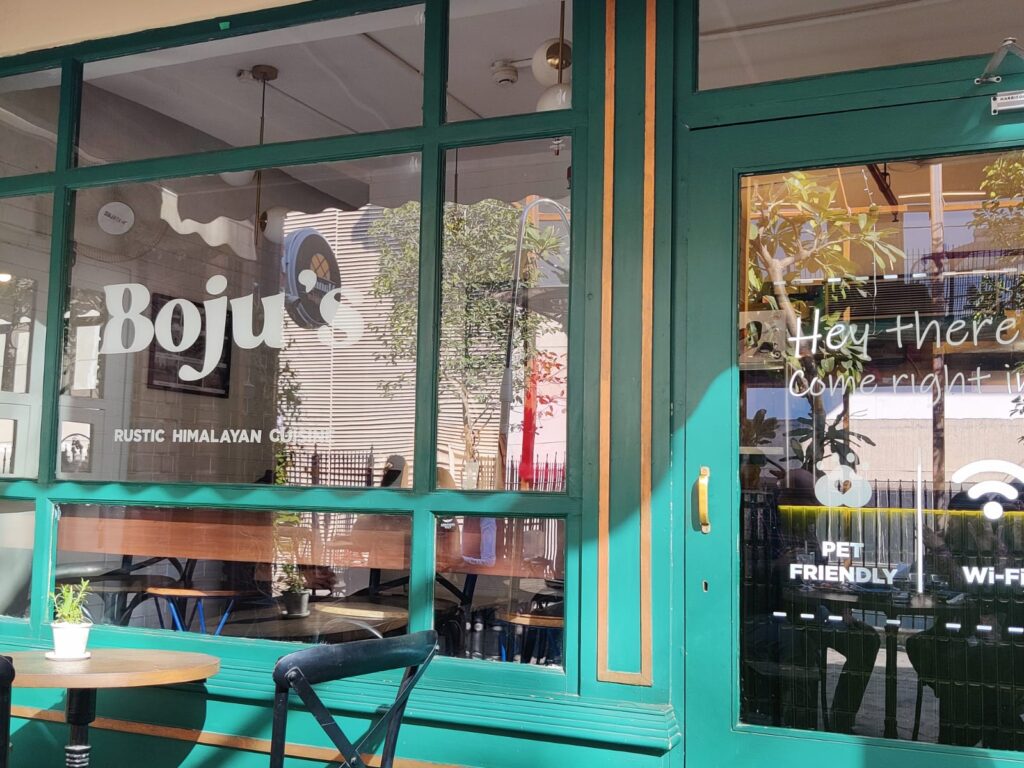
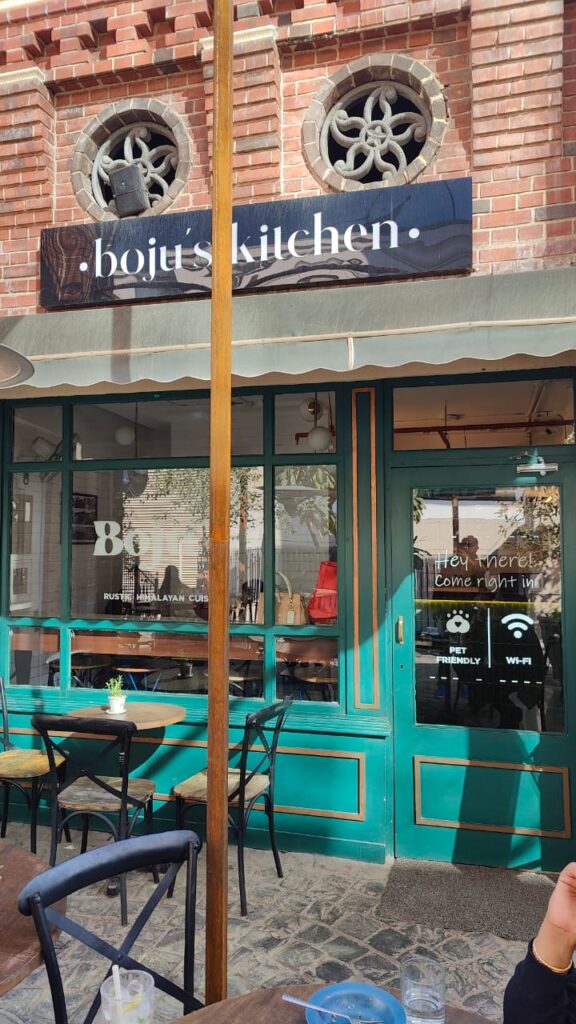
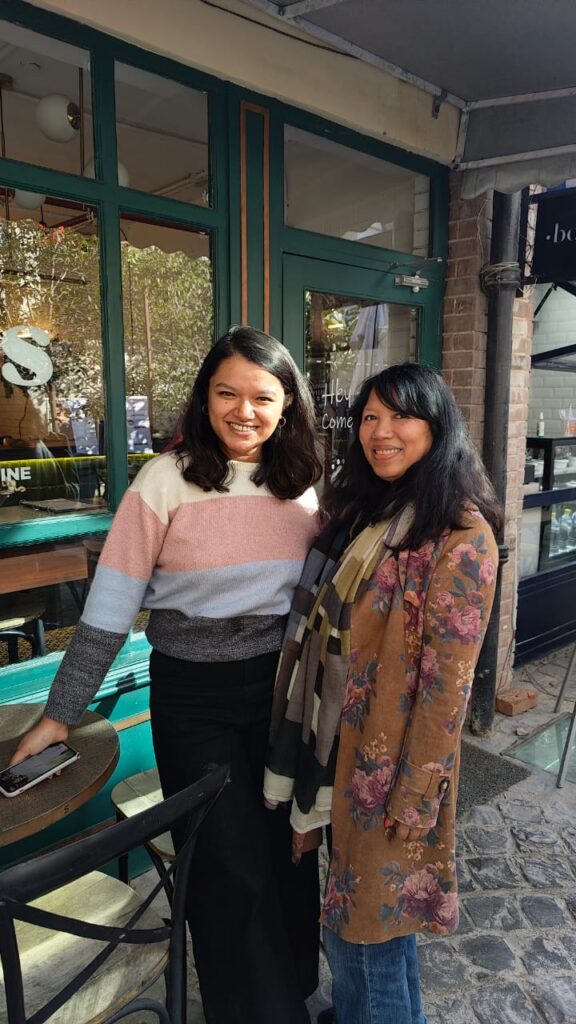
My friend and I walked into Boju’s Kitchen on a lovely, sunny winter afternoon. A small, unpretentious Himalayan kitchen with limited seating, run by the charming mother daughter duo – Arati Thapa and Chitrangada Gupta who hail from Darjeeling. The size of the kitchen is in contrast with the large hearted, warm women. Boju means grandma and that is the source of all recipes that one can see on their menu and the secret behind the hearty, no-fuss and authentic Nepali food. Started as a home kitchen during the first lockdown, this restaurant now sits at a very pretty location at 32nd Avenue, Gurugram.

From cooking herself, Arati now has a chef from Nepal running the kitchen but the recipes are still hers.

We sat at a table outdoors and the first thing we had was the first flush Darjeeling tea. So mellow and yet so flavourful. This was followed by their chicken thukpa that we divided into two for ease of eating. The broth was light, fresh and delicious with a touch of chilli oil. The experience got elevated when we learnt that the noodles in it weren’t made of maida but healthier rice flour. I could imagine myself sitting with a large bowl, slurping the broth, on a cold winter evening. Like a hug that warms up the coldest cockles of your heart. That’s how good it was.

Then came the thing that made Boju’s Kitchen popular. Those not-so-little, beautiful nuggets of yumminess. Momos. We decided to have an assorted platter. We started with pork, followed by chicken and then mushroom and cheese. I would have loved the pork to be a touch juicier but they were yum. My favourite were the mushroom and cheese. A hardcore non-vegetarian fell in love with mushroom momos!

From top to bottom – pork, chicken, mushroom and cheese
Sadeko Momos

We followed this platter up with sadeko momos. These are pan fried momos with Nepalese spices. It is a best seller at the restaurant and after taking the first bite I understood why. The subtle spice with timur berry hits all the right spots. Even though momos are available at every other corner in the city, these sit differently.

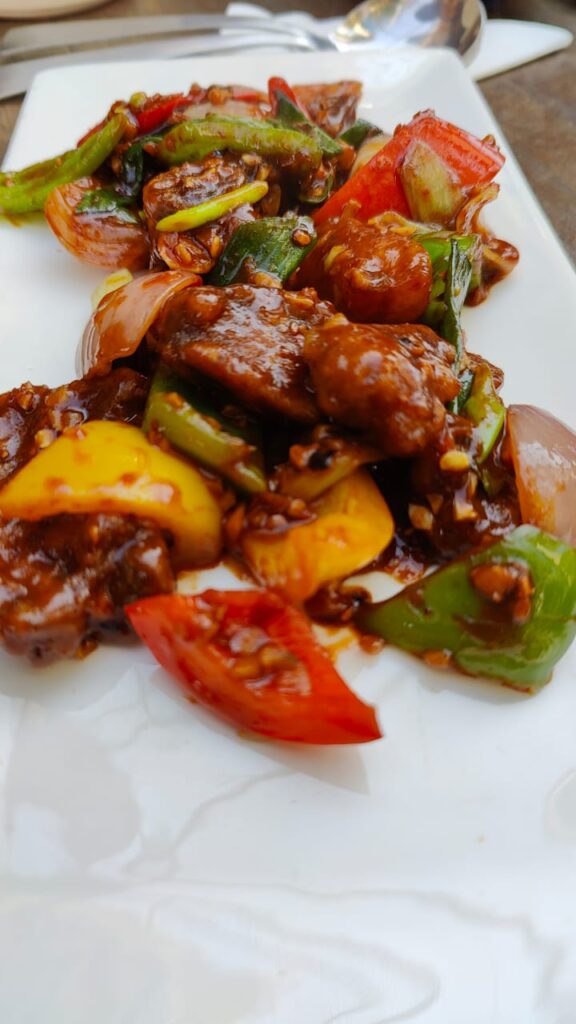
Next up was their chilli pork. When it was brought to the table, my first reaction was – oh that looks gorgeous! And it tasted exactly the same. Gorgeous!

I was full by then but there still was the pork curry meal which we had already ordered. A bowl of steamed rice with pork curry and alu dum served with a side of aloo pickle and fermented leafy vegetables. We requested the kitchen to up the spice levels of the aloo pickle and they gladly obliged. The fermented vegetables were new for both of us and you can think of it as a Nepalese kimchi. Look at the dish this way – pork, potatoes and rice, together are a match made in heaven. We couldn’t have asked for more.

This meal was exactly what food dreams are made of. Laidback atmosphere, delicious food and recipes straight out of mumma’s cookbook. There is an indescribable sense of comfort when one eats at restaurants born out of love. And when you have a grandma, her daughter and granddaughter at the helm, you know that you are up for a happy and satisfying meal. One thing I can say for sure. I will definitely go back especially for sadeko momos.

Address

Boju’s Kitchen, The Highline, 32nd Avenue, Sector 15 Part 2, Gurugram

Phone number:  95820 81749

The post Boju’s Kitchen, Gurgaon: Delectable Himalayan Cuisine appeared first on Indian Food Freak.

The Pizza Story From Slyce

By: pawansoni

There are four things that distinguish a good pizza from a not so good one. Here they are:

1) Base: A well cooked and a well aerated base is the first and foremost requirement. The litmus test of a good base is if you can eat the edges without any accompaniment

2) Sauce: The second most important component of a good pizza is its sauce. It should neither be too sweet nor too tart. I love the garlic flavour in it but I’ve seen many kids who don’t appreciate it. One has to keep kids happy as they are one of the biggest influencers, if not the consumer of pizza.

3) Cheese: Ofcourse, I can’t imagine my pizza without cheese. And more the merrier. The quality and mix of cheeses plays a huge role in making a pizza gourmet. Those liquid cheese are definitely avoidable.

4) Toppings: In addition to the other three characteristics, quality and quantity of topping also defines a good pizza. I can’t stress enough on the freshness of veggies or the quality of meats.

You must be wondering why I am talking about pizzas. This is because, for lunch today, I tried pizzas from Slyce, a new, delivery only brand from Zorawar Kalra’s kitty. He is someone who knows his food. With so many brands under his belt, he is sometimes unable to give enough time to each one but I have seen how much time he devotes when a brand is still building. And this attention shows in Slyce which is entering a very cluttered and low entry barrier segment – pizza.

Now, for the big question – are pizzas from Slyce any better?

The answer. A resounding yes!

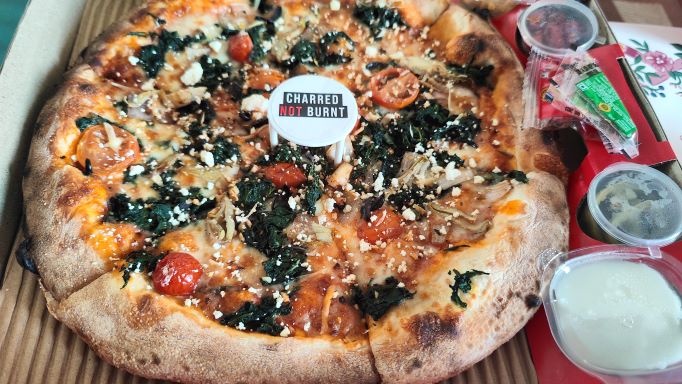
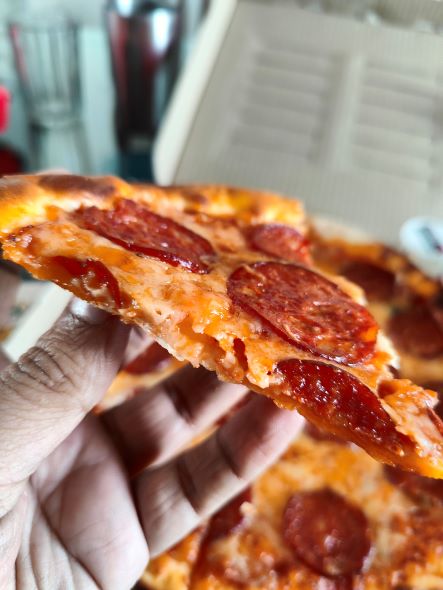
I think pizzas are best eaten at the outlet, just out of the oven. Like a Neapolitan loses its gooey base and can’t be repeated properly in a delivery format. And this is where most outlets go wrong. They deliver the same product that they serve in their dine-in format. Slyce is a delivery only product and they have done their homework right. It ticks all my boxes for a good pizza. With six accompaniments including regular oregano and chilli flakes (both of which I didn’t try as pizzas were delicious without having to add anything), I loved the addition of pepperoncini, red paprika, toum sauce and jalapeno mayo. Pepperoni pizza that I ordered was one of the best I’ve had. The crust didn’t sit heavy on the stomach and didn’t cause bloating after finishing the meal. Had I received chilli oil with the pizza, it would have been sone pe suhaga. 

While pizzas are gourmet, pricing is not. I paid Rs.1118 (after Zomato discount and delivery charges), 2 medium size pizzas – Artichoke veg and 2X pepperoni and it felt pretty reasonable.

Slyce is available on both Zomato and Swiggy.

The post The Pizza Story From Slyce appeared first on Indian Food Freak.

Dal Samarkand: Best Dal Makhani?

By: pawansoni

Everyone makes resolutions for the new year. After hearing so much about Dal Samarkand from various food groups, my resolution was to start the new year by ordering it. And I did exactly that by ordering it before the midnight of the year ending 2022.

Ordering Process: I won’t say ordering was easy. Initially the website didn’t take the order by giving reasons that it wasn’t accepting orders for 31st night even though I was ordering it for 1st Jan. When it started accepting orders, I couldn’t choose lunch or dinner slot. After making the payment, I received a WhatsApp message that my order would be delivered for dinner.

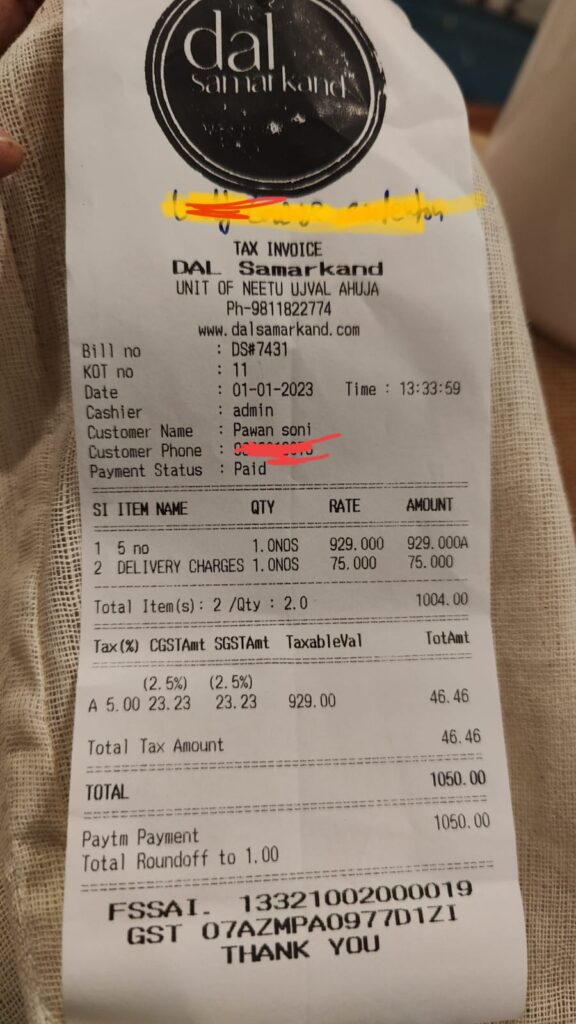
Quantity: At Rs1050, the pack size says it is sufficient for 5 people. It pleasantly surprised me. This quantity should easily suffice 7 people in my opinion. Quantity is around 750ml, though I didn’t measure it.

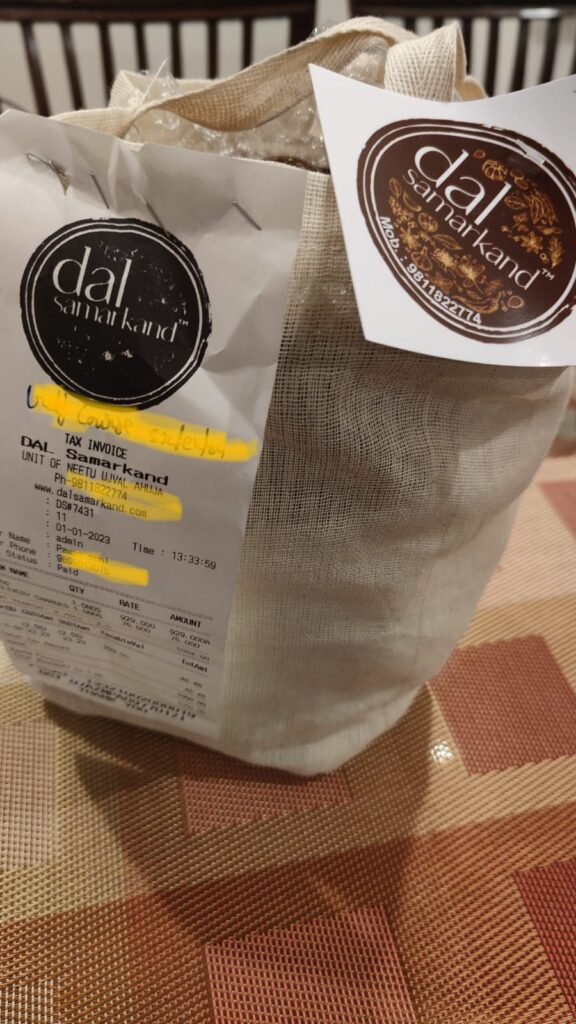
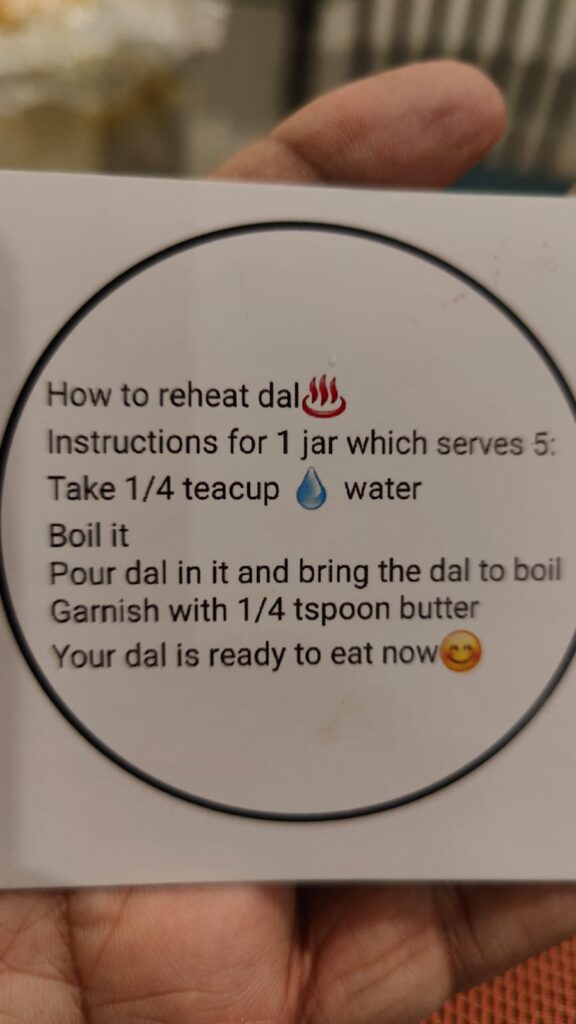
Packaging: Excellent! Beautiful martbaan wrapped around with bubble wrap and in a small cotton bag. This can easily be presented as it is to guests. Pack came with the reheating instructions.

Accompaniment: Dal Samarkand comes along with few cocktail onions and a green chilly. May be they tried doing vinegar onion but I could hardly get the vinegar flavour. Perhaps it was kept for a very small time in vinegar. And with just 1 green chilly I fail to understand that if someone says quantity sufficient for 5 people, then accompaniments should also be sufficient accordingly.

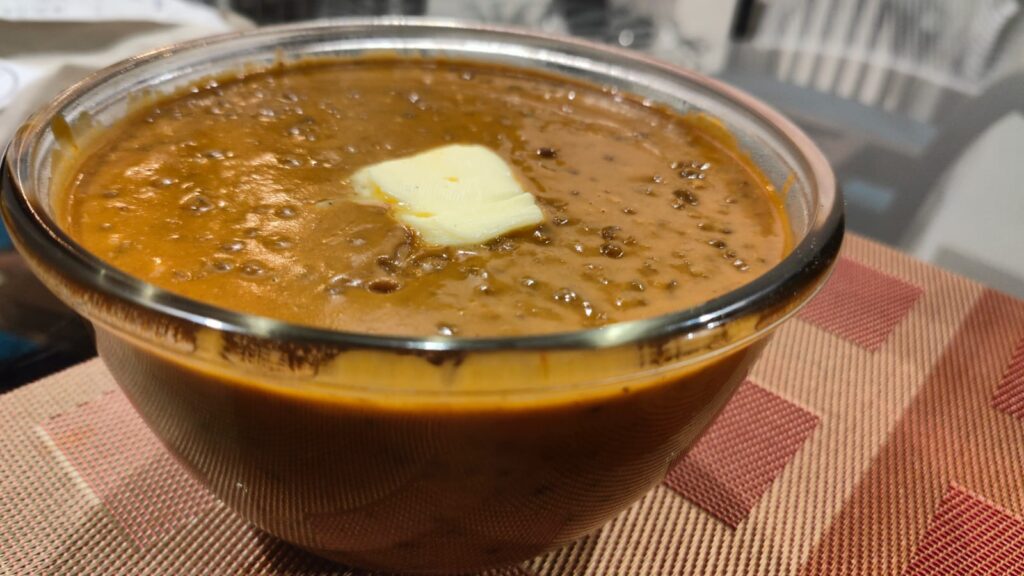
Taste: The rich buttery yet subtle taste will leave a slightly sweetish aftertaste. Dal Samarkand has a thick consistency without sitting too heavy once you have eaten it. This is muddled well for a smooth texture. However, big question is if this is the best dal makhani that you have ever eaten. To me it is amongst the good ones that you will eat however it is like any other decent dal makhani you might have otherwise eaten.

Value for money: With the martbaan cost and almost double the quantity of dal makhani from another place, I feel this dal makhani isn’t overly priced. For the taste, quantity and packaging, price of Rs1050 including delivery is well justified.

Would I order it again: May be yes, may be no. Dal is good without being something that I won’t get at other places. For me it tastes as good as dal from Daryaganj (restaurant) or even similar to many other places I have tried. So I won’t wait after giving an advance order. Since this is the only dish that you can order from the company’s website, it makes lot of sense to order from another restaurant that gives an option to order multiple items for the ease of ordering.

I will be happy to read your opinion.

The post Dal Samarkand: Best Dal Makhani? appeared first on Indian Food Freak.

Darknet Forum Dread to Relaunch After Month-Long Downtime Due to DDOS Attack

According to web portal darkdot.com and anonymous journalist Darkdotfail, the popular darknet forum Dread has been down for a month. The well-known forum, which was a place for darknet market (DNM) patrons to discuss operations security, rate specific vendors, and talk about stealth delivery ideas, has been absent for 30 days. However, the forum’s founder, “Hugbunter,” has stated that it will relaunch in the near future.

Dread Forum Founder Announces Plans to Relaunch

In the underground world of darknet markets (DNMs), the forum Dread was known for being a go-to source of information. According to a Jan. 1, 2023 update hosted on darkdot.com, the forum has been down for a month. “Dread is a critical source of truth in an anonymous community proliferated with scams,” the update notes. “The popular Tor freedom of speech forum went offline on Nov. 30, 2022, and has yet to return.” The update adds that while the Dread admin team typically posts status updates on Reddit at /r/dreadalert, communication has been sparse.

The anonymous journalist known as Darkdotfail has written about the issue on Twitter and their website, dark.fail, also indicates that Dread is currently offline. According to a Jan. 5, 2023 update on the website, Dread is offline due to a DDOS attack and readers should follow /r/dreadalert for updates. On Jan. 2, 2023, the DNM and Tor researcher wrote that Dread’s founder, Hugbunter, had privately confirmed that the forum will return. “Dread’s now been offline for a month, Hugbunter privately confirmed to us that it will return,” Darkdotfail wrote. Two days later, Darkdotfail shared an update from the Reddit forum /r/dreadalert.

The privacy advocate and anonymous journalist said:

Hugbunter posted an update regarding Dread’s downtime to /r/dreadalert. Meanwhile, the team behind Incognito Market opportunistically coded and launched a competing forum, Libre, during Dread’s downtime. Never boring around here.

The message from Hugbunter, which includes the founder’s PGP signature, explains that the team has been “working extremely hard to restore service.” In the message, the Dread founder estimates that the team is about a week away from a solid estimated time of arrival (ETA).

“As of right now, we’re about a week out from being able to give a solid ETA on a return of Dread, but I will say we’re hopeful of it being next week,” Hugbunter detailed. “This depends on there being no further issues as we finalize everything on the server side and also if I manage to work through some rewrites of the codebase in a timely manner, however, it is not an easy or small task — So no further pressure please.”

This is not the first time Dread has experienced a significantly long downtime. On Sept. 30, 2019, Bitcoin.com News reported on the forum’s first major outage. At that time, Hugbunter’s dead man’s switch was triggered, resulting in a temporary loss of control over the forum. However, Hugbunter returned shortly after and validated the forum owner’s identity through the PGP keys associated with the Dread founder. The forum remained active, with some exceptions due to DDOS attacks, until Nov. 2022. In addition to Dread’s outage from DDOS attacks, the Tor Project reported that the Tor network itself has slowed by close to 50%.

In the Jan. 3 message, Hugbunter, the founder of Dread, detailed that the forum’s DDOS issues would be solved by the time it returns and “any other service who needs assistance.” Hugbunter promised that Dread will relaunch with a revamped user experience and proper DDOS protection, saying “the plans I have with the relaunch and also for the near future are going to allow all of us to move forward significantly and we will continue to innovate this space. We are not going anywhere and I still have much to provide and share.”

What do you think about Dread’s current downtime and Hugbunter explaining that the forum will return soon? Let us know what you think about this subject in the comments section below.

❌