❌

Reading view

There are new articles available, click to refresh the page.

Spinach and Chickpea Curry | Chole Palak

I bet you’ve never had chole this way before! It combines the comfort of chole with the goodness of spinach to make this delicious Spinach and Chickpea Curry or Chole Palak that will make you want to lick your bowl clean!Β 

a bowl of chole palak served along with onion rounds and naan

Eating your winter greens has never been this delicious and this Spinach and Chickpea Curry aka chole palak is so delicious that it will make even non palak lovers fall in love! I was so excited when testing this recipe, because believe me, it’s amazing how much flavor this curry packs in just 25 minutes!Β 

Save this for when you’re too tired to think, meal prep for the week ahead, or even when you want to feel like you’re eating something nourishing without sacrificing taste. If you love the classic Pindi Chole, it’s time you give this variation a shot.Β 

Ingredients for Chickpea and Spinach Curry

  • Chickpeas (Chana): The star of the dish. Soaked overnight or at least 8 hoursΒ 
  • Oil: Any neutral oil works; sunflower, canola, or vegetable oil
  • Whole Spices: Jeera (cumin seeds), bay leaf, black and green cardamoms, cinnamon, and cloves bring warmth and depth to the base.Β 
  • Aromatics: Finely chopped ginger, garlic, onions, and green chilli add layers of flavour and that essential punch.
  • Spice Powders: Coriander powder, cumin powder, turmeric, red chilli powder, chole masala, and salt create the masala base that makes this curry so deeply flavourful.
  • Tomatoes: Finely chopped and cooked down until mushy, they add tanginess and body to the gravy.
  • Spinach (Palak) and Coriander Leaves: Blanched and blended into a bright green puree that keeps the curry fresh, vibrant, and packed with nutrients.
  • Finishing Touches: Garam masala and roasted kasuri methi (dried fenugreek leaves) go in at the end for an extra layer of aroma.

Richa’s Top Tips

  • Soak your chickpeas properly: Overnight soaking is best, but if you’re short on time, at least give them 8 hours. Well-soaked chickpeas cook evenly and turn soft without falling apart.
  • Don’t skip the ice bath for spinach: Blanching the spinach and immediately dunking it in ice water locks in that bright green colour. It’s the difference between a dull, brownish curry and one that looks as good as it tastes.
  • Cook the masala well: Let the tomatoes break down completely and until the oil starts to separate from the spices before adding the chickpeas. This step builds the flavour base, so don’t rush it.
  • Adjust the consistency at the end: The curry thickens as it sits, so add a splash of water if it looks too thick. You want a gravy that coats the back of a spoon but still flows nicely.

Frequently Asked Questions

Can I use frozen spinach instead of fresh?

Yes, you can! Thaw it completely, squeeze out the excess water, and blend it into a puree. Fresh spinach gives you a brighter colour and flavour, but frozen works in a pinch and saves you the blanching step.

Why does my spinach turn dark when cooking?

Spinach turns dark when it’s overcooked or not cooled quickly enough after blanching. The ice bath is key, it stops the cooking process immediately and locks in that vibrant green colour. Skip it, and you’ll end up with a dull, olive-toned curry.

Can I substitute spinach with other greens like methi or kale?

Absolutely! Methi (fenugreek leaves) will give you a slightly bitter, earthy flavour that’s delicious with chole. Kale works too, though it’s a bit tougher, so blanch it a little longer. Amaranth leaves or mustard greens are also great options if you want to switch things up.

How do I prevent the curry from becoming too watery?

Cook the spinach puree for a good 3-4 minutes after adding it so it absorbs all the masala and thickens up. If it’s still too thin, let it simmer uncovered for a bit longer. The curry should have a thick, coating consistency, not a soupy one.

Storage Tips

  • Fridge: Store leftover chickpea spinach curry in an airtight container for up to 3 days. The flavours actually deepen over time, so day-two chole palak often tastes even better than freshly made.
  • Freezer: This curry freezes beautifully for up to 2 weeks. Let it cool completely before transferring to freezer-safe containers. Thaw overnight in the fridge before reheating.
  • Reheating: Warm it gently on the stovetop with a splash of water to loosen the gravy. You can also microwave it, but stovetop reheating keeps the texture better and lets you adjust the consistency as needed.

Serving Ideas

This chickpea and spinach curry is delicious on its own, but it really shines when you pair it with the right sides. Here are some easy combinations that work beautifully:

  • With Jeera Rice: The mild, aromatic rice lets the curry take center stage and soaks up all that delicious gravy.
  • With Rotis or Parathas: Perfect for mopping up every last bit of that spinach gravy. Nothing beats tearing off a piece of warm roti and scooping up the chole.
  • With Naan: Soft, pillowy naan is great if you want something a little richer to go with the curry.
  • With Pulao: A lightly spiced pulao complements the earthy, spiced flavours of the chole palak without overwhelming it.
  • With Raita: A cooling cucumber or boondi raita on the side balances out the warmth of the spices.
  • With Pickles and Papad: Add some pickles and crispy papad for that full Indian meal experience.

Customisation Ideas

  • Add paneer for extra protein: Toss in some cubed paneer at the end for a richer, more filling curry. It soaks up the gravy beautifully and adds a creamy texture.
  • Make it creamier: Stir in a tablespoon or two of cream or coconut milk right before serving for a silkier, more indulgent gravy.
  • Dial down the heat: Skip the green chilli or use less red chilli powder if you prefer a milder curry. You’ll still get all the flavour without the fire.
  • Try it with other greens: Swap spinach for methi (fenugreek), amaranth, or even a mix of greens for a different flavour profile that’s just as delicious.
a bowl of chole palak served along with onion rounds and naan

Why You’ll Love This CurryΒ Β 

Spinach and chickpeas are a powerhouse combination when it comes to nutrition. Spinach is packed with iron, and chickpeas are loaded with protein and fiber, making this curry a complete, balanced meal in one bowl. The best part? The vitamin C from the tomatoes actually helps your body absorb the iron from the spinach more effectively. So not only does this chole palak taste comforting, it’s also working behind the scenes to nourish you in all the right ways.

This chole palak is comfort food at its best, and I hope it becomes a regular in your kitchen. If you make it, I’d love to see how it turns out, tag me on Instagram @my_foodstory!

Watch Spinach and Chickpea Curry Recipe Video

a bowl of chole palak served along with onion rounds and naan
Print

Spinach and Chickpea Curry | Chole Palak

The comfort of chole along with goodness of spinach come together to make this delicious and heartwarming, winter special Spinach and Chickpea Curry that tastes delicious with garlic naan!
Course Main Course
Cuisine Indian
Diet Vegan, Vegetarian
Prep Time 5 minutes
Cook Time 20 minutes
Total Time 25 minutes
Servings 4 persons
Calories 173kcal
Author Richa

Equipment

Ingredients

  • Β½ cup white chick peas chana (soaked overnight or for 8 hours) (refer note.1)
  • 3 tablespoons oil
  • 1 teaspoon jeera
  • 1 bay leaf
  • 1 black cardamom
  • 1 inch cinnamon dalchini
  • 2 cloves
  • 2 green cardamoms
  • 2 teaspoons finely chopped ginger
  • 1 tablespoon finely chopped garlic
  • ΒΎ cup finely chopped onions 2 medium onions
  • 1 green chilli finely chopped
  • 1 tablespoon coriander powder
  • 1 teaspoon cumin powder
  • Β½ teaspoon turmeric powder
  • 1 teaspoon chole masala
  • 1 teaspoon red chilli powder
  • 1 teaspoon salt
  • Β½ cup + 2 tablespoons finely chopped tomatoes 2 medium tomatoes
  • 3 ΒΌ cups + 2 tablespoons water divided
  • Β½ teaspoon garam masala
  • Β½ teaspoon roasted & crushed kasuri methi
  • 3 cups tightly packed palak 150 gms
  • Β½ cup coriander leaves & stems

Instructions

Cooking chana:

  • Heat oil in a pressure cooker, add jeera and once it crackles, add bay leaf, black & green cardamoms, cinnamon, cloves & saute for 8-10 seconds.
    3 tablespoons oil, 1 teaspoon jeera, 1 bay leaf, 1 black cardamom, 1 inch cinnamon, 2 cloves, 2 green cardamoms
  • Add ginger, garlic and saute on high for a few seconds till fragrant. Add onions & fry till they turn golden brown.
    2 teaspoons finely chopped ginger, 1 tablespoon finely chopped garlic, ΒΎ cup finely chopped onions, 1 green chilli
  • Add spice powders – coriander, cumin, turmeric, red chilli, chole masala, salt, tomatoes and cook on low for 3-4 minutes till the tomatoes are mushy.
    1 tablespoon coriander powder, 1 teaspoon cumin powder, Β½ teaspoon turmeric powder, 1 teaspoon chole masala, 1 teaspoon red chilli powder, 1 teaspoon salt, Β½ cup + 2 tablespoons finely chopped tomatoes
  • Add soaked chick peas, give a good mix, add 1 ΒΌ cups of water, cover the lid of the pressure cooker and cook on high till the first whistle, on low for 20 minutes or 4-5 whistles till the chick peas are cooked well.
    Β½ cup white chick peas, 3 ΒΌ cups + 2 tablespoons water

Making palak puree:

  • Heat a pot with 2 cups of water, bring to a boil, add palak, coriander leaves. Immediately switch off the flame, and cover the pot. Let this sit for 2 minutes. In the meanwhile, prepare a bowl with water and ice cubes in it. Strain the palak & coriander leaves and dump them in the ice water. The leaves will immediately get a bright green color. Let them sit for half a minute, strain, and grind to a fine paste.
    3 cups tightly packed palak, Β½ cup coriander leaves & stems

Making chole palak:

  • Open the pressure cooker, Add garam masala, kasuri methi, mix and cook for 2-3 minutes.
    Β½ teaspoon garam masala, Β½ teaspoon roasted & crushed kasuri methi
  • Add palak puree and cook for 3-4 minutes till the puree absorbs all the masalas. You may add 1-2 tablespoons of water to adjust the consistency to a thick gravy and serve.

Video

Notes

  1. Β½ cup of soaked chick peas yields approx. 1 β…“ cups.
  2. Leftovers will stay good for 2-3 days when refrigerated in an airtight container.

Nutrition

Calories: 173kcal | Carbohydrates: 15g | Protein: 4g | Fat: 12g | Saturated Fat: 1g | Polyunsaturated Fat: 3g | Monounsaturated Fat: 7g | Trans Fat: 0.04g | Sodium: 663mg | Potassium: 365mg | Fiber: 5g | Sugar: 3g | Vitamin A: 2570IU | Vitamin C: 15mg | Calcium: 82mg | Iron: 3mg

This article was researched and written by Harita Odedra.

The post Spinach and Chickpea Curry | Chole Palak appeared first on My Food Story.

Crispy Honey Chilli Potatoes

By: Richa

Crispy Honey Chilli Potatoes are a super addictive snack – fried chilli potato fingers are tossed in a sesame honey chilli sauce that’s sweet and spicy and will give you sticky fingers that you’ll be licking clean!

close up image of crispy honey chilli potatoes to showcase their texture

Let’s just say we ate these straight from the wok.

If you have ever eaten honey chilli potatoes, what really stands out is how crisp these potatoes are, in spite of being tossed in the sauce. They retain their signature crunch and that’s really what this recipe is all about.

I really went all out to achieve that texture and taste but without all the excess oil, so hello to the crispiest honey chilli potatoes made healthier in the air fryer! But don’t worry, this does not the change the texture at all; everything’s still crispy, crunchy, but it’s sooo much healthier that you’ll want to eat it all the time!

The Secret To Crispy Potatoes

The key to making super crispy honey chilli potatoes is to air fry the potato fingers twice. Air frying or deep frying them only once results in potatoes that don’t hold their shape and get soggy after a few minutes.

So the potatoes are first coated in a dry mixture, air fried or deep fried till they are almost cooked and then cooled for a bit. They are then coated in a second coating of batter and fried again till they are really crisp outside and cooked perfectly inside. This is a similar technique that a lot of people use to make French fries.

The last step is to coat them in a sesame honey chilli sauce that adds an extra layer of texture and is sweet and spicy.

Ingredients for Chilli Potatoes

Here’s what you’ll need for batter frying these potatoes:

  • Potatoes: Use old potatoes. Cut into 1/3 inch thickness, approx 2-3 inches long. Ideally cut them all the same size so they cook at the same time
  • Chilli Paste: Basically ground chillies made by soaking dried red chillies in hot water for 10-15 minutes and grinding to a paste
  • Chilli Powder: Ground red chilli powder, different from β€˜chili powder’ that you get in the U.S. which is a seasoning mix
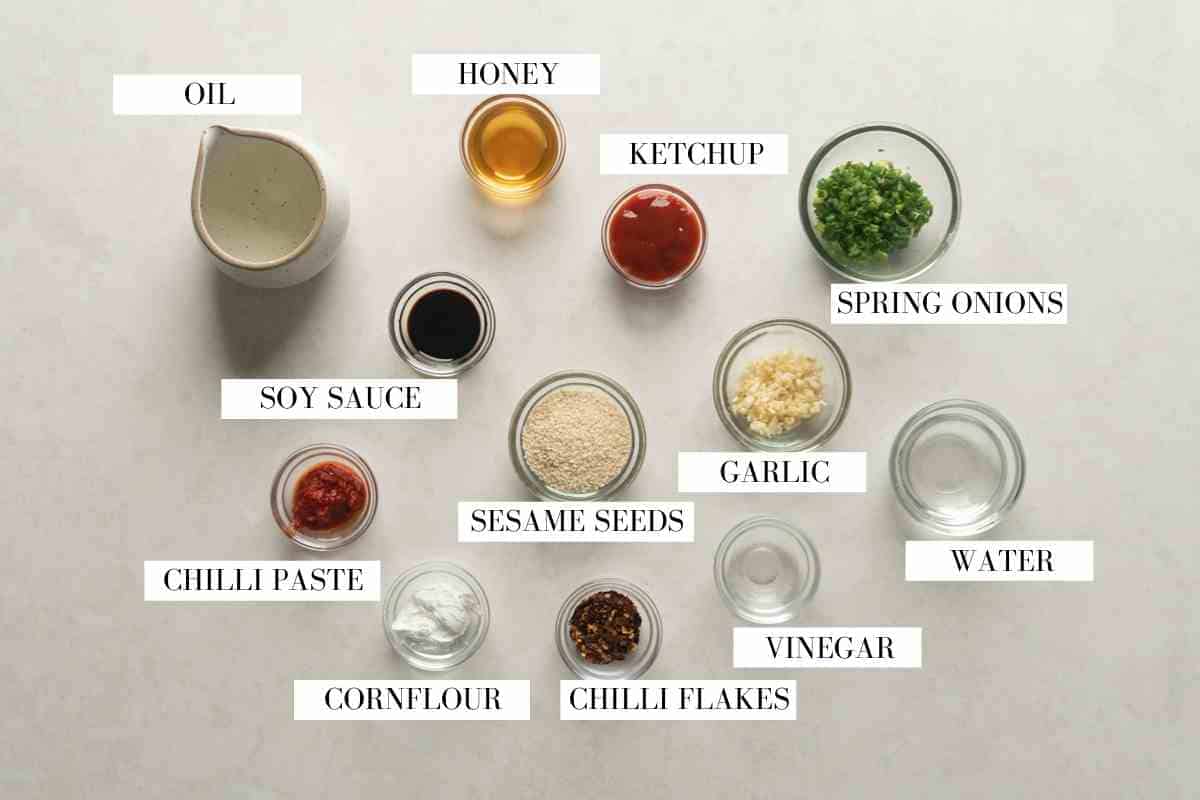
Ingredients for honey chilli sauce

The honey chilli sauce is really addictive. Its sweet, spicy, sticky and like a coating on the potatoes.

  • Garlic: Finely chopped – lots of it because flavour bomb!
  • Honey: Plain honey, flavoured will not work well here
  • Ketchup: It has the perfect balance and umami
  • Soy sauce: Light soy sauce to add saltiness and rich flavour
  • Chilli Paste and Chilli Flakes: To pack in some heat. If you are not a fan, reduce both the quantities in the sauce
  • Sesame Seeds: They add flavour and crunch and stick to the potatoes because of the sauce
  • Cornflour: Thickening agent. You can substitute with potato starch or tapioca starch
  • Vinegar: To add some acidity and balance

Richa’s Top Tips

  • It’s important to cut the potato fingers into aΒ uniformΒ size so that they cookΒ evenlyΒ while frying. I like to cut them into 1/4 inch to 1/3 inch thickness
  • TheΒ temperatureΒ of the oil should be betweenΒ 175C to 180CΒ for frying the potato fingers.Β 
  • You will need approximatelyΒ two cupsΒ oil for deep frying, and you can use the same oil for the second frying
  • You mayΒ adjustΒ the quantity of honey as per your taste.
  • AΒ wokΒ is the best way to coat the potatoes in sauce, because it provides enough space to toss them around, but if you don’t have one, feel free to use a frying pan

Serving Ideas

Honey Chilli Potatoes make an incredibly addictive Indo-Chinese appetizer, but they’re also super versatile. Here are a few ways to enjoy them:

  • As a Party Starter: Serve them hot, straight from the wok, as part of your Indo-Chinese spread.
  • With Fried Rice or Noodles: Pair with Veg Fried Rice, Hakka Noodles, or even Schezwan Rice for a restaurant-style combo.
  • Loaded Lettuce Cups: Spoon the crispy potatoes into crunchy lettuce leaves for a fun bite-sized party snack.
  • Wrap or Roll: Stuff into a tortilla or roti with some extra sauce and spring onions for an easy fusion wrap.
crispy honey chilli potatoes in a wok straight from the stove

Once you try making these crispy honey chilli potatoes at home, there’s no going back! I have made these as snack for the family, as a party appetiser, as well as a side dish. And let me tell you, each time they’ve disappeared within minutes!

If you make this dish, don’t forget to send me pictures over on my IG @my_foodstory. I love seeing you guys make my recipe!

Watch the Recipe Video:

LOVE THIS RECIPE? Subscribe to my newsletter and be the first to receive all new recipes!

close up image of crispy honey chilli potatoes to showcase their texture
Print

Crispy Honey Chilli Potatoes

Crispy Honey Chilli Potatoes are a super addictive Indo-Chinese snack that usually deep fried, but we've made healthier in the air fryer without compromising on taste or flavor. It's sweet and spicy and will give you sticky fingers that you'll be licking to get every last bit of sauce!
Course Snacks & Appetizers
Cuisine Chinese
Diet Vegan, Vegetarian
Prep Time 10 minutes
Cook Time 30 minutes
Total Time 40 minutes
Servings 4 Portions
Calories 437kcal
Author Richa

Ingredients

  • 4-5 Potatoes 450 grams, peeled and cut into fingers (1/3-1/2 inch thick, 2 -3 inches long), refer to Note 1
  • Oil for brushing/deep frying refer to Note 2

First Coating:

  • 2 teaspoon Chilli powder
  • 1 teaspoon Garlic Paste
  • 1 teaspoon Red Chilli Paste
  • 3 tablespoon Corn Flour
  • 3 tablespoon All Purpose Flour
  • 1 tablespoon Salt

Second Coating:

  • β…“ cup All Purpose Flour
  • β…“ cup Corn Flour
  • ΒΌ teaspoon Black Pepper
  • ΒΌ cup Water

For the Sauce:

  • 2 tablespoon Oil
  • 1 tablespoon Garlic finely chopped
  • 1 teaspoon Red Chilli Flakes
  • 3 tablespoon White Sesame Seeds
  • 1 teaspoon Vinegar
  • 2 teaspoons Soy Sauce
  • 2 tablespoon Tomato Ketchup
  • 2-3 tablespoons Honey
  • 2 teaspoons Red Chilli Paste
  • 1/4 cup Water
  • 1 teaspoon Corn Flour
  • 2 tablespoon Spring Onion chopped (green part only)

Instructions

Prepping

  • Wash potato fingers well in running water and set aside. This removes any extra starch in the potatoes.

First coating

  • Mix together corn flour, all purpose flour, chilli powder, chilli paste and salt. Coat the potato fingers evenly with this flour mix.

First frying of potato fingers

    For deep frying

    • Heat oil in a wok or karahi and deep fry the potato fingers in batches till the potato is half cooked. It’s important that you drop one potato finger at a time into the oil so they don’t stick together (watch video above to see how to do this). Remove potato fingers on a tissue lined plate and let them cool.

    For air frying

    • Preheat the air fryer at 180C, brush the air fryer mesh with oil, place potato fingers on the mesh with some gap between them so they do not stick together (watch video to know how to do this). Brush with oil and air fry for 4 minutes just until they are half cooked. Transfer to a plate and repeat the same for the rest of the potato fingers.

    For second coating

    • Make a medium thick batter with all purpose flour, corn flour and pepper powder by adding just a few tablespoons of water to make a thick batter. Add the half done fries and gently toss so the fries are coated with the batter.

    Second frying of potato fingers

      For deep frying

      • Heat oil in a wok or karahi and deep fry the potato fingers in hot oil till crisp and golden. Drain on kitchen paper and keep aside.

      For air frying

      • Brush the air fryer mesh with oil, place the potato fingers on the mesh with some gap in between so they do not stick together. Brush with oil and air fry at 200 C for 6 minutes, flip once and air fry at 200C for 2 minutes till they turn golden and crisp. Transfer to a plate and repeat the same for the rest of the potato fingers.(important to note that the air fried potato fingers must be used immediately in the stir fry and served hot as they tend to turn soggy & chewy later)

      Honey chilli stir fry

      • Heat 2 tablespoons of oil in another wok, add chopped garlic and stir fry for a few seconds. Add chili flakes, sesame seeds and saute for another minute to toast them. Add vinegar, soy sauce, ketchup, honey and the red chilli paste and stir together.
      • Mix 1 teaspoon corn flour with 1/4 cup water to make a slurry and add this to the honey- vinegar mixture in the wok and stir for a few seconds till it thickens.
      • Add the fried potato fingers and spring onion greens and toss together so that they are coated evenly in sauce.
      • Switch off the flame and serve immediately garnished with some more sesame seeds and spring onion greens.

      Video

      Notes

      1. It’s important to cut the potato fingers in a uniform size so they cook evenly while frying.
      2. The temperature of the oil should be between 165C to 175C for frying the potato fingers.Β 
      3. You will need approximately two cups oil for deep frying, and you can use the same oil for the second frying
      4. You may adjust the quantity of honey as per your taste.
      5. air fried potato fingers must be used immediately in the stir fry and served hot as they tend to turn soggy & chewy later.
      6. A wok is the best way to coat the potatoes in sauce, because it provides enough space to toss them around, but if you don’t have one, feel free to use a frying pan.

      Nutrition

      Calories: 437kcal | Carbohydrates: 80g | Protein: 8g | Fat: 11g | Saturated Fat: 1g | Polyunsaturated Fat: 4g | Monounsaturated Fat: 6g | Trans Fat: 0.03g | Sodium: 1930mg | Potassium: 1046mg | Fiber: 7g | Sugar: 12g | Vitamin A: 751IU | Vitamin C: 49mg | Calcium: 104mg | Iron: 4mg

      This article was researched and written by Urvi Dalal.

      The post Crispy Honey Chilli Potatoes appeared first on My Food Story.

      Dal Tadka

      If comfort had a flavor, it would taste like Dal Tadka. Creamy lentils, a smoky tadka, and flavours that instantly make any meal or day better.

      dal tadka served in a handi style vessel

      Who doesn’t love a warm bowl of dal with rice? It’s every Indian’s comfort food – simple, satisfying, and something you can never really go wrong with. Dal Tadka is that familiar, homely dish that’s a staple in every Indian household, whether it’s a busy weekday dinner or a Sunday lunch.Β 

      If you’ve never tried making it yourself, this dal tadka recipe is the perfect place to start. The process is simple and easy to follow. With a handful of basic ingredients, some slow simmering, and a final sizzle of ghee and spices, you can recreate this dish that always feels like a big hug.

      Dal Tadka Ingredients

      • Lentils (Dal): Toor dal is the classic choice here, but you can also use moong dal or a mix of both for a different texture.
      • Aromatics: Onion, tomato, garlic, and ginger form the base and add flavor and aroma.Β 
      • Spices: A simple mix of turmeric, red chilli powder, cumin seeds, garam masala, and salt is all you’ll need.
      • For the Tadka (Tempering): Ghee or oil, mustard seeds, dried red chillies, asafoetida (hing), and curry leaves make the sizzling mix that brings the dish to life.
      • Finishing Touches: Fresh coriander leaves for garnish, a squeeze of lemon for brightness, and an optional spoon of ghee on top for that rich, homely touch.

      How to Make the Dal

      Start by pressure cooking the lentils (dal) with turmeric and salt. Once cooked, mash it slightly and add oil, aromatics and spices and cooked until the dal is smooth and creamy. Keep the dal warm while you make the tadka.

      For the Tadka

      1. Heat ghee or oil in a small pan on medium heat.
      2. Add mustard seeds and let them pop.
      3. Stir in cumin seeds, dried red chillies, curry leaves, and hing. The spices will sizzle and release their aroma in seconds.
      4. Swirl the pan gently to keep everything from burning, the colour should turn golden, not dark.
      5. Pour the tadka over the hot dal and listen to that satisfying sizzle! Mix gently, garnish with coriander, and serve immediately.

      Richa’s Top Tips for Tastiest Dal Tadka

      • Use enough water for soaking: Lentils absorb a lot of water as they cook. Start with a good amount and add more as needed to get that thick-yet-pourable consistency.
      • Don’t rush the simmering: Dal tastes best when it’s allowed to simmer slowly.
      • Get the tadka right: The tadka is where all the magic happens. Make sure the oil or ghee is hot before adding mustard and cumin seeds,Β  they should crackle and release their aroma instantly.
      • Adjust spice to your liking: If you prefer mild flavours, reduce the red chilli or skip the green chillies in the tadka. You can always add more later.
      • For creamier dal: Mash a small portion of cooked dal with the back of your spoon and mix it in, it instantly makes the dal richer and smoother.

      Frequently Asked Questions

      What is Dal Tadka?

      Dal Tadka is a comforting Indian lentil curry made by cooking dal (lentils) until soft and finishing it with a flavorful spiced oil called tadka. It’s simple, hearty, and full of aroma from spices like cumin, garlic, and mustard seeds.

      What kind of dal is used for Dal Tadka?

      Toor dal (yellow split pigeon peas) or moong dal (yellow lentils) are the most common choices. You can also use masoor dal (red lentils) or a mix of two types for more texture and flavor.

      What’s the difference between Dal Fry and Dal Tadka?

      Both are lentil-based dishes, but Dal Tadka gets a fragrant tempering of spices poured over the cooked dal, giving it that smoky, restaurant-style flavor. Dal Fry, on the other hand, is made by cooking the lentils directly with the spices.

      Is Dal Tadka spicy?

      It’s mildly spiced, just enough to warm you up without overpowering the dish. You can always reduce or skip the red chillies if you prefer it milder.

      Can I make Dal Tadka without ghee?

      Absolutely! Use neutral oil or coconut oil for a vegan version, it’ll still taste delicious.

      Storage Tips

      • Fridge: Store leftover dal tadka in an airtight glass container for up to 3 days. Reheat on the stove with a splash of water to bring back the creamy texture and if you have a few extra minutes, add a quick fresh tadka before serving for that just-made aroma.
      • Freezer: Dal freezes beautifully! Portion it into freezer-safe containers and store for up to a month. Thaw overnight in the fridge and reheat gently on low heat while stirring.
      • Room Temperature: Since dal contains cooked lentils, avoid leaving it out for more than 2 hours, especially in warm weather.

      Serving Ideas

      Dal Tadka is that dish that instantly makes a meal feel complete. Here are a few easy, comforting ways to serve it:

      • With Jeera Rice: The most classic combination, soft, fluffy rice that soaks up every bit of that spiced dal goodness.
      • With Chapati or Phulka: Light, homemade rotis are perfect for scooping up creamy dal.
      • With Garlic Naan: For a little indulgence, pair it with Homemade Garlic Naan, restaurant-style comfort at home.
      • As a Bowl Meal: Spoon it over rice, top with onions, coriander, and a squeeze of lemon, your quick, wholesome meal is ready.
      • With Vegetable Sides: Try it alongside Aloo Gobi or Bhindi Masala for a full North Indian-style spread.

      Customisation Ideas

      • Smoky Dhaba-Style Twist: For that signature restaurant-style smokiness, add a piece of hot charcoal to the cooked dal, drizzle ghee over it, cover with a lid for a minute, and let the smoky aroma infuse through.
      • Vegan-Friendly Swap: Stick to sunflower or coconut oil and skip the ghee entirely. You’ll still get that beautiful flavor and aroma.
      • Mix of Dals: Try combining toor dal and moong dal in equal parts for a creamier texture and more depth of flavor.
      a close up image of dal tadka to show it's creamy texture and tadka

      A comforting bowl of dal will never get old or boring. So whether you’re cooking for one or feeding a crowd, this recipe will always bring people to the table. Serve it fresh with rice or roti, and don’t forget that drizzle of ghee or squeeze of lemon before you dig in.

      If you make this, tag us on Instagram @myfoodstory, I’d love to see how your cozy bowl of dal turned out!

      Watch Dal Tadka Recipe Video

      a close up image of dal tadka to show it's creamy texture and tadka
      Print

      Dal Tadka

      Quick, cozy, and comforting with a finishing tadka that adds the most perfect flavor bomb to an otherwise simple dish, this dal tadka recipe will make you fall in love with dal.
      Course Main Course
      Cuisine Indian
      Diet Vegetarian
      Prep Time 5 minutes
      Cook Time 30 minutes
      Total Time 35 minutes
      Servings 4 people
      Calories 148kcal
      Author Richa

      Equipment

      Ingredients

      For cooking dal

      • Β½ cup tur dal washed and soaked for 30 minutes
      • ΒΌ teaspoon salt
      • ΒΌ teaspoon turmeric powder haldi
      • Β½ teaspoon groundnut oil or any neutral cooking oil
      • 1 Β½ cups water

      For dal tadka

      • 2 tablespoons groundnut oil or any neutral cooking oil
      • Β½ teaspoon cumin seeds jeera
      • β…› teaspoon asafoetida hing
      • 1Β½ teaspoons finely chopped garlic
      • Β½ teaspoon finely chopped ginger
      • 1 green chilli finely chopped
      • 1 medium onion finely chopped (ΒΌ cup)
      • 1 tomato finely chopped (Β½ cup)
      • ΒΌ teaspoon salt
      • ΒΌ teaspoon cumin powder
      • ΒΌ teaspoon red chilli powder
      • Β½ teaspoon coriander powder
      • 3 tablespoons finely chopped coriander leaves

      For tempering

      • 1 Β½ teaspoons ghee
      • ΒΌ teaspoon cumin seeds jeera
      • 1 teaspoons finely chopped garlic
      • 3 red chillies whole
      • ΒΌ teaspoon red chilli powder

      Instructions

      • Add soaked dal to a pressure cooker with salt, turmeric powder, oil & water. Cook on high until the 1st whistle & on low till the 2nd whistle and take off the heat. If you prefer mushy dal, cook till the 3rd whistle. Let it depressurise by itself. Mash the dal using a whisk or ladle to get a smooth texture.
        Β½ cup tur dal, ΒΌ teaspoon salt, ΒΌ teaspoon turmeric powder, 1 Β½ cups water, 2 tablespoons groundnut oil or any neutral cooking oil
      • Heat 2 tablespoons of oil in a pan or kadai, add cumin seeds and once they crackle, add asafoetida, garlic & saute on high for a few seconds till garlic is fragrant. Add ginger, green chilli and saute for a minute. Add onions & saute on low for 1-2 minutes till onions turn light golden. Add tomatoes & cook for 1-2 minutes till they soften. Add salt, cumin powder, red chilli powder, coriander powder & saute for a few seconds. Add the cooked dal, give a good mix and cook for 8-10 minutes till dal absorbs all the masalas. Take off the heat.
        Β½ teaspoon groundnut oil or any neutral cooking oil, Β½ teaspoon cumin seeds, β…› teaspoon asafoetida, 1Β½ teaspoons finely chopped garlic, Β½ teaspoon finely chopped ginger, 1 green chilli, 1 medium onion, 1 tomato, ΒΌ teaspoon salt, ΒΌ teaspoon cumin powder, ΒΌ teaspoon red chilli powder, Β½ teaspoon coriander powder
      • While dal is hot, heat a tempering or tadka pan with ghee. Add cumin seeds and once they crackle, add garlic & fry for 1-2 minutes on low till the garlic is light golden. Add red chillies & let them roast for a few seconds till they turn deep red but not dark. Take the pan off the heat, add red chilli powder, mix well and pour the tadka on the hot dal. Garnish with coriander leaves and serve.
        1 Β½ teaspoons ghee, ΒΌ teaspoon cumin seeds, 1 teaspoons finely chopped garlic, 3 red chillies, ΒΌ teaspoon red chilli powder, 3 tablespoons finely chopped coriander leaves

      Video

      Notes

      1. Soaking dal before cooking, helps in cooking the lentils faster & helps to get smooth creamy consistency of the dal.
      2. The tempering or tadka adds authentic flavour, so do not skip it.

      Nutrition

      Calories: 148kcal | Carbohydrates: 14g | Protein: 3g | Fat: 10g | Saturated Fat: 3g | Polyunsaturated Fat: 3g | Monounsaturated Fat: 4g | Cholesterol: 5mg | Sodium: 345mg | Potassium: 333mg | Fiber: 3g | Sugar: 4g | Vitamin A: 680IU | Vitamin C: 57mg | Calcium: 38mg | Iron: 1mg

      This article was researched and written by Harita Odedra.

      The post Dal Tadka appeared first on My Food Story.

      Ragi Idli Dosa Batter | Millet Dosa Batter

      If you love idlis and dosas but want to make them a little more nourishing, this Ragi Idli Dosa Batter is the perfect place to start; simple, healthy, and absolutely delicious.

      an image of fermented ragi idli dosa batter

      Starting your day with a plate of soft idlis or crispy dosas fresh off the pan is 100% guarantee of a wonderful day ahead. This Ragi Idli Dosa Batter recipe will only add a lil more to the same joy. It’s packed with all the wholesome goodness of finger millet that gives the idlis and dosas a little health and flavor boost.Β 

      If you’ve loved our Idli Dosa Batter recipe before, this version will feel like the healthier cousin that’s just as easy to make. Ragi, or finger millet, is rich in calcium, iron, and fibre, making every bite nourishing and satisfying.Β 

      Ingredients to Make Ragi Idli Dosa Batter

      This Ragi Idli Dosa batter recipe calls for simple, pantry-staple ingredients. Here’s everything you’ll need:

      • Ragi (Finger Millet): The star of this recipe. Gives the batter its earthy flavour and a big nutritional boost with calcium, iron, and fibre.
      • Idli Rice: The base of the batter. I have used idli rice, basically parboiled short grain rice, as its higher starch content delivers great results. But any short grain rice variety such as sona masoori or kollam will work in a pinch too.Β 
      • Urad Dal: Makes the batter light, creamy, and airy.Β 
      • Poha (Flattened Rice): Keeps the batter light and helps make crisp dosas.
      • Fenugreek Seeds (Methi): Aids the fermentation process and adds to the taste too. A little goes a long way.Β Β 
      • Ice cubes/Ice cold water: To prevent the batter from heating up when grinding.Β 

      What is Ragi & What Are The Benefits of Ragi?

      Ragi is also known as finger millet and it is a nutritious gluten-free cereal grain rich in fiber, protein, calcium, and iron. Because of its high fibre content and low glycaemic index, benefits of ragi include aiding digestion, promoting bone health, managing weight and blood sugar, and improving your skin and hair.

      How to Make Idli Dosa Batter

      The process of making idli dosa batter takes about 20 minutes over a day. Yes thats all!! Here’s the timeline that you can follow.

      DAY 1 (Morning) – Washing and Soaking

      In the morning, you need toΒ wash and soak the ragi, rice and lentils. While it’s a pretty straightforward process, here are some tips I find helpful:Β Β Β Β 

      • When washing the ragi, rice and lentils,Β rub them between your fingersΒ as you wash, andΒ rinse in clean water 3-4 timesΒ till theΒ water starts running almost clean. Doing so helps get rid of dust, impurities, and excess starch from the rice.Β Β 
      • Soak the ragi, rice and lentils in clean water. They should beΒ completely submerged and have at least an inch of water over them. Soaking the lentils makes it easy to grind and makes the batter nice and fluffy which is very essential for the texture.Β 

      DAY 1 (Evening) – Grinding, Fermenting

      In the evening, it’s time toΒ grind the ragi, rice and lentilsΒ to make the batter. To do so:Β 

      • Drain the excess water, transfer to a mixer jar, and grind. Using a mixer grinder can heat up the batter, which affects the flavour.Β Use ice cold water to prevent overheatingΒ and maintain the desired temperature.Β 
      • TheΒ consistencyΒ should be such that itΒ leaves a thick coat on the back of a spoonΒ andΒ falls in a ribbon like consistencyΒ when poured with a ladle. The ground batter should feel veryΒ slightly gritty between your fingers.
      • Pour the batter into aΒ bowl that’s large enoughΒ so that there isΒ room for the batter to rise. Mix the batter with clean hands as shown in the video – this is an important step as it helps in the fermentation so please don’t skip it.Β 
      • Cover the bowl and set aside to ferment. Leave it in aΒ warm, dry place away from direct sunlight to ferment. Fermentation takes anywhere between 12-24 hours depending on the humidity and temperature at your place. The warmer it is, the faster it’ll ferment.Β 

      DAY 2 (Morning) – Using or Storing

      The next morning or after, the batter should have increased by almost 1.5 times, and that’s how you know it’s fermented and ready for use. If you follow the exact measurements of this recipe, you should have approxΒ 1.75 litres (6-7 cups) of idli and dosa batter -1 cup batter makes 6-7 idlis or 4-6 dosas depending on the size.

      How To Tell If The Batter Is Fermented

      • The batter will expand and almost double in size as it ferments.Β 
      • When you mix the batter, you should be able to see tiny air bubbles in the batter (watch the video to see how fermented batter looks). It should look and feel frothy and airy
      • The batter should smell mildly yeasty or sour
      • If the batterΒ smells very sour or smells bad,Β then it may have over fermented or gone bad. Unfortunately, there’s no coming back from this, so make sure the batter doesn’t get over fermented!Β 
      an image fermented ragi dosa batter being poured to show it's consistency

      Which is The Best Blender to Grind Ragi Dosa Batter

      If you make idlis and dosas frequently, I highly recommend using an electrical wet grinder which produces a light, fluffy batter without heating it up. The disadvantage is that they take up more counter space and are quite big and bulky.Β 

      Richa Recommends

      I use a blender and mixer grinder at home and my favourite is the Sujata Dynamix Mixer Grinder. The disadvantage of using a mixer grinder is that it heats up the batter as it grinds, which is not ideal. To keep the batter from heating up, I use ice cold water while grinding.Β 

      Frequently Asked Questions

      Is ragi dosa healthier than regular dosa?

      Yes, it is! Ragi is packed with calcium, iron, and fibre, which makes it more nutrient-dense than traditional rice-based dosa. It’s also gluten-free and helps keep you fuller for longer.

      Can I make ragi dosa without fermenting the batter?

      Technically, yes. You can make an instant version by adding curd and a pinch of baking soda to the batter. However, fermenting naturally gives it a softer texture, better flavour, and that classic dosa rise.

      Why didn’t my batter ferment properly?

      Fermentation depends on warmth. If your kitchen is too cold, keep the bowl near a warm appliance or wrap it in a thick towel. You can also preheat your oven for a minute, switch it off, and let the batter rest inside overnight.

      Can I use ragi flour instead of whole ragi?

      Yes, but the texture will be slightly different. Whole ragi grains give a more natural, slightly coarse texture. If using flour, mix it with urad dal and rice batter for better consistency.

      Top Tips to make the best Ragi Idlis & Dosas

      • Add salt later: Only salt the portion you plan to use immediately. This keeps the rest of the batter from turning too sour while stored.
      • Soak everything well: Give the ragi, rice, and dal enough time to soak. This helps them grind smoothly and ensures the batter ferments properly.
      • Use cold water while grinding: Adding ice cubes or chilled water prevents the batter from heating up, which can slow down fermentation and affect flavour.
      • Mix with your hands: Don’t skip this step! Mixing the batter by hand helps kickstart fermentation and gives the batter that light, airy texture.
      • Watch the consistency: The batter should be thick but pourable, it should coat the back of a spoon and fall in ribbons when lifted.
      an image of freshly steamed soft and fluffy ragi idlis

      How to Make Ragi Idlis

      Step 1: Once your batter has fermented and doubled in volume, take the portion you’ll use and add Β½ teaspoon salt just before steaming.

      Step 2: Grease your idli plate with a little oil (or ghee), which helps the idlis demould easily.

      Step 3: Pour the batter into the molds, filling them just shy of the rim (the batter will rise a little more during cooking).

      Step 4: Steam on medium heat for about 10 minutes until a toothpick inserted in the centre comes out clean. Over-steaming makes ragi idlis dry.

      Step 5: Let the idlis rest in the steamer for 2 minutes with the lid on, then cool for another 2-3 minutes before removing them gently with a spoon.

      Tip: If the batter is slightly sour, skip adding sugar at this stage. If it tastes flat, a tiny pinch of sugar helps the idlis rise better and improve flavour.

      an image of fluffy and crispy ragi dosas served with accompaniments

      How to Make Ragi Dosas

      Step 1: Using chilled batter helps you spread the dosa thin and crisp. So make sure it’s either cold or room temperature, avoid using hot temperature batter.

      Step 2: Heat your non-stick pan or seasoned cast iron tawa until water droplets sizzle and evaporate instantly. That’s your cue.

      Step 3: Pour a ladle of batter onto the centre of the pan and spread in circular motion (for a thin dosa) or keep thicker for soft-roast style. Drizzle a teaspoon of oil or ghee around the edges.

      Step 4: For a crisp edge keep heat on medium-high, cook for 30 seconds with lid, then another minute uncovered. For a softer version: cook on medium heat, cover for 30 seconds, then finish without flipping.Step 5: Flip once and cook for 30 seconds if you prefer it both sides roasted; otherwise, keep it single-sided for maximum crisp.

      Tip: Serve immediately with chutney or sambar. Do not wait, as ragi dosas lose their crispness if left too long.

      Equipments To Make Ragi Idlis & Dosas

      For Idlis:Β You can make idlis in an idli stand in a regular Idli steamer. Alternatively, you can also place the idli stand inside a pressure cookerΒ without using the whistle. If you don’t have an Idli stand – no worries! You can make idlis in greased steel tumblers that can withstand high heat!

      For Dosas:Β A well-seasoned cast iron tawa or pan is the best for making dosas. A cast iron tawa will last you a lifetime, but keep it exclusively for making dosas and uttapams. A non-stick tawa is an easier alternative. I prefer the cast iron tawa because it heats up evenly, it stays hot for longer and the dosas come out extra crispy. Non-stick pans tend to overheat faster and spreading the dosas can become difficult after a while.

      Recipes with Ragi Idli Dosa Batter

      • DhoklaΒ 
      • Idli
      • Dosa
      • Appe / Paniyaram
      • Mysore Masala
      • Uttapam
      • Dosa Waffle
      • Schezwan Idli FryΒ 

      Storage Tips

      • Fridge: Store unsalted ragi idli dosa batter in a clean, airtight container for up to 3–4 days. When ready to use, take out only what you need and add salt before making idlis or dosas.
      • Freezer: The batter can be frozen for up to a month. Portion it into smaller airtight containers or silicone trays so you can thaw just what you need. Let it defrost overnight in the fridge before using.
      • Room Temperature: Once fermented, avoid leaving the batter out for more than a few hours. Warm weather can cause it to over-ferment and turn too sour.

      Serving Ideas

      This ragi idli dosa batter gives you endless breakfast (or dinner) options, it’s light, wholesome, and goes beautifully with a variety of sides. Here are some ideas to get you started:

      • Recipes to try: Idli, Ragi Dosa, Appe / Paniyaram, Mysore Masala Dosa, Dosa Waffles etc.Β 
      • With Coconut Chutney: A classic combo that never fails. Try our Coconut Chutney for that perfect creamy, nutty balance.
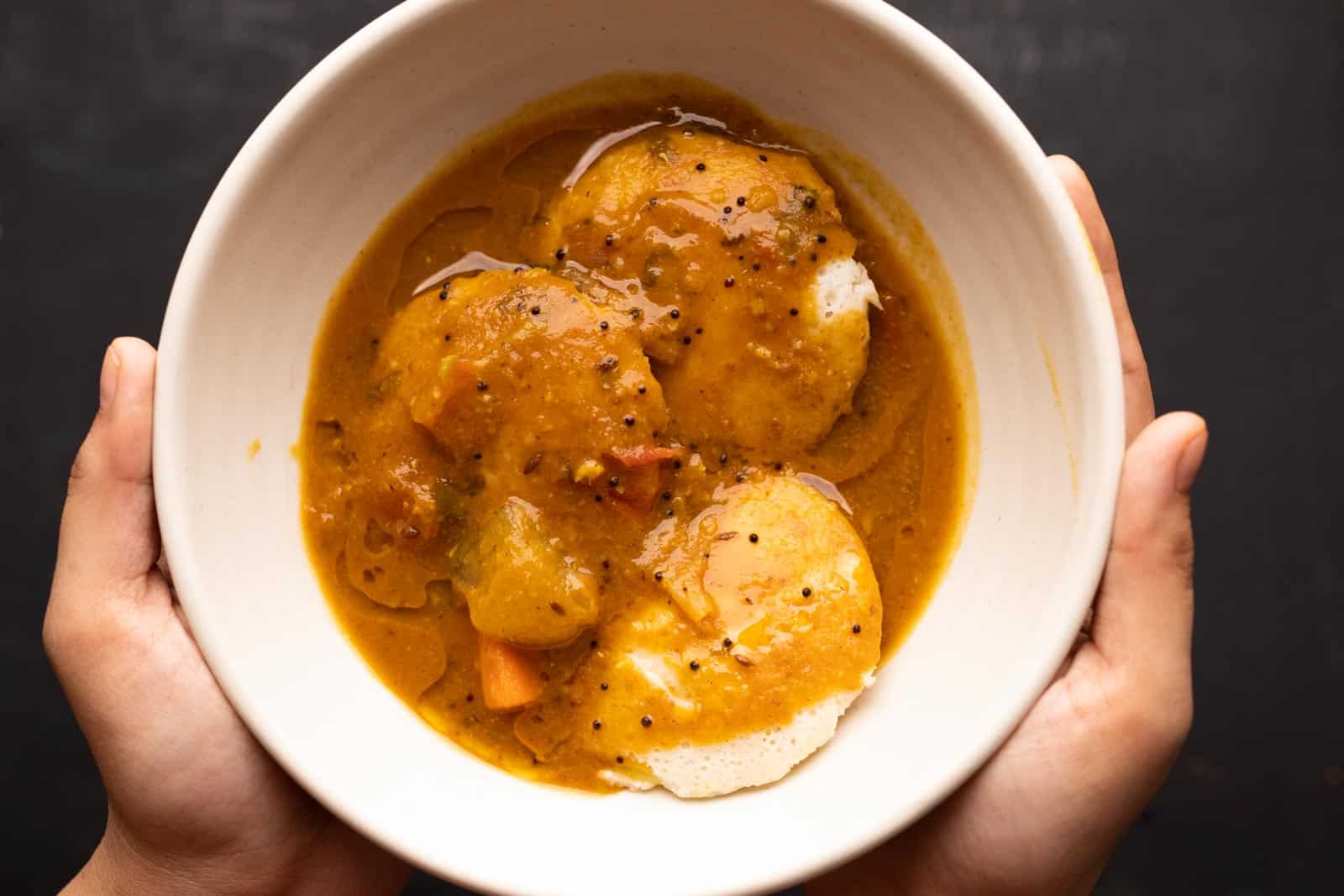
      • With Sambar: Pair your hot idlis or crisp dosas with a bowl of Homemade Sambar for a hearty, protein-packed meal.
      • With Tomato Chutney: Add a tangy twist with Tomato Chutney, it’s slightly spicy and brightens up every bite.
      an an image of ragi idlis with chutney poured over and served in a wooden bowl

      Ragi Idli Dosa Batter is now one of the regular recipes that has become part of my kitchen. It’s wholesome, light, and gives you that comfort of a homemade South Indian breakfast, but with a healthy twist.

      If you’re already a fan of classic Idli Dosa Batter, this version is the perfect next step. Tried it out? Tag me on Instagram @my_foodstory, I’d love to see your breakfast table!

      Watch Ragi Idli Dosa Batter Recipe Video

      Print

      Ragi Dosa Batter

      This ragi dosa batter delivers the same soft, fluffy idlis and dosas as the regular dosa batter. But this one's wayyy healthier!
      Course Breakfast
      Cuisine Indian, South Indian
      Diet Vegan, Vegetarian
      Prep Time 5 minutes
      Cook Time 15 minutes
      Total Time 20 minutes
      Servings 4 persons
      Calories 485kcal
      Author Richa

      Ingredients

      • 1 cup ragi finger millet seeds
      • 1 cup idli rice
      • Β½ cup urad dal
      • ΒΌ cup poha
      • 1 teaspoon fenugreek seeds methi
      • 1 teaspoon salt divided
      • β…› teaspoon sugar

      Instructions

      Day 1 morning

      • Wash & soak ragi, idli rice, urad dal, poha, fenugreek seeds in enough water in a bowl so that there is at least an inch of extra water over the rice and dal. Soak for 8 hours.

      Day 1 evening

      • Once the grains have soaked for 8 hours, drain the excess water from the bowl.
      • Grind till almost smooth with approx. 1 cup of water and 4-5 ice cubes in a mixer grinder. Add additional water if required. The consistency should be such that it can leave a thick coat on the back of a spoon and falls in a ribbon like consistency when poured with a ladle. The ground batter should feel very slightly gritty between your fingers.
      • Pour the batter into a bowl that’s large enough so that there is room for the batter to rise. Mix the batter with clean hands as shown in the video – this is an important step as it helps in the fermentation, so please don’t skip it.
      • Cover the bowl and set aside to ferment. Leave it in a warm, dry place away from direct sunlight to ferment. Fermentation takes anywhere between 12-24 hours depending on the humidity and temperature at your place. The warmer it is, the faster it’ll ferment.

      Day 2 – morning

      • Once fermented, the batter should have become almost 1 Β½ times its size with a slight dome shape and a wrinkle, bubbly layer on top. You should be able to smell a little sourness in the batter. This smell means it has fermented. If it is too sour, it has fermented too much! You can use a spoon to check the batter – the texture should be frothy with air bubbles.
      • Take out 2 cups of batter in a bowl, add Β½ teaspoon of salt and make idlis, dosa etc.

      Making Idlis

      • Heat water in an idli steamer and bring to a boil. Grease the idli plate with oil or ghee so its easier to demould the idlis.
      • Only once the water in the steamer comes to a roaring boil, pour batter into the idli mould and fill them up almost to the top (as shown in the video)
      • Place the idli mould in the steamer and steam on medium for 10 minutes till the idlis are cooked. To check doneness, insert a toothpick in the centre of idlis and it should come out clean.
      • Let the idlis rest in the steamer for 2 minutes, then take it out and let it cool for another 2-3 minutes. Use a spoon or butter knife to demould idlis from the idli plate.

      Making dosas

      • Take 1 cup of batter in a bowl, add β…› teaspoon salt, β…› teaspoon sugar and mix well.
      • Heat a non-stick pan or seasoned cast iron dosa tawa over medium heat. Once hot, reduce the heat to low & pour one ladle of dosa batter and pour in the center of the tawa. Spread by using the back of the ladle, moving it in concentric circles to form a big round dosa.
      • Increase the heat to medium, drizzle a spoon of oil or ghee around the edges and in the center, cover with lid & cook for 30 seconds.
      • Remove the lid and let this roast for 1-2 minutes till golden brown on medium. Flip it over and roast for 30 seconds. Flip it back, fold and serve hot.
      • Follow the same steps for making the rest of the dosas.

      Video

      Notes

      1. Ice cubes are added to avoid the batter from getting too hot while grinding.
      2. Batter should be thick & fall in ribbons without being too runny.
      3. Salt to be added to the quantity of batter you are using to avoid the batter getting too sour.
      4. If you are not using all of the batter, store the remaining unsalted batter in an air tight container in the fridge for up to 3 days or freeze the batter for up to a month.
      5. Do not over steam the idlis as they become dry & hard.Β 
      6. Demoulding idlis easier, if they are cooled for a few minutes.
      7. To check if the pan is hot enough to make dosa, sprinkle a few drops of water over the tawa & if it is ready, it should sizzle.
      8. For best results, dosa should be fried on medium heat.

      Nutrition

      Calories: 485kcal | Carbohydrates: 102g | Protein: 15g | Fat: 1g | Saturated Fat: 0.3g | Polyunsaturated Fat: 0.3g | Monounsaturated Fat: 1g | Sodium: 593mg | Potassium: 316mg | Fiber: 6g | Sugar: 0.2g | Vitamin A: 2IU | Vitamin C: 1mg | Calcium: 237mg | Iron: 5mg

      The post Ragi Idli Dosa Batter | Millet Dosa Batter appeared first on My Food Story.

      Chettinad Chicken Curry

      This Chettinad Chicken Curry is a beautifully layered, spicy, coconut-y, herby curry. Serve with rice, dosa, or roti, for a meal that’s delicious and unforgettable!Β Β 

      chettinad chicken curry in a white pan ready to be served

      If there’s one chicken curry that never fails to impress me, it’s this Chettinad Chicken Curry. When you make this at home, there’s something magical about the way your whole kitchen comes alive with the smells of pepper, curry leaves, and that nutty coconut. aroma fills up every corner.

      This recipe has strong spicy flavors but it’s also comforting in the way only homemade food can be. A slow-roasted spice paste and a touch of coconut bring everything together into a rich curry that’s perfect for when you want something hearty and deeply satisfying.Β 

      Chicken Chettinad Curry Ingredients

      • Chicken: We have used boneless thigh chicken pieces as they remain juicy through the cooking process. You can use bone-in chicken, however I would not recommend using breast pieces. Β 
      • Coconut oil: For that nutty, authentic South Indian flavors. You can use a neutral-flavored oil or ghee in a pinch, but it will alter the flavors slightly.Β 
      • Whole spices: Mustard seeds, fennel seeds, and curry leaves for an earthy fragrance.
      • Aromatics: Sliced sambar onions (or shallots), green chilli, red chilli, and ginger-garlic paste.
      • Tomato puree: To bring slight sweetness and tang.
      • Chettinad spice paste: Freshly ground cumin seeds, coriander seeds, dried red chillies, black pepper, fennel seeds, cinnamon, green cardamoms, and grated coconut; this is what gives the curry its peppery kick.
      • For finishing: Chopped coriander leaves and a final handful of curry leaves.

      Richa’s Top Tips

      • Take your time with the spice paste: Slowly roast the spices and coconut till they smell nutty and just start to change colour.Β 
      • Grind it fine: A smooth spice paste gives you that restaurant-style curry texture that coats every piece of chicken beautifully.
      • Avoid chicken breast: Chicken breast pieces cannot withstand the longer cook time of this chicken curry and tend to become dry and stringy.Β 
      • Don’t rush the simmer: Once everything’s in, let it bubble away gently. The chicken turns tender, and the flavours come together perfectly.

      Frequently Asked Questions

      What is special about Chettinad Chicken Curry?

      It’s all about the freshly roasted spices. The unique blend of coconut, black pepper, fennel, and curry leaves gives it an earthy flavour that’s spicy but perfectly balanced.

      Is Chettinad Chicken very spicy?

      Traditionally, yes. It’s meant to have a good kick from black pepper and dried red chillies. But you can easily tone it down by using fewer chillies or milder varieties like Kashmiri red chillies.

      What’s the difference between Madras curry and Chettinad curry?

      Madras curry usually has more tomatoes and relies on pre-made curry powder. Chettinad curry, on the other hand, is made with freshly roasted and ground whole spices, giving it a more layered flavour.

      Storage Tips

      • Fridge: You can store leftover Chettinad Chicken Curry in an airtight container for up to 3 days. The flavours actually deepen over time, so it tastes even better the next day.
      • Freezer: You can freeze the curry for up to a month. Let it cool completely before transferring to freezer-safe containers. Thaw overnight in the fridge before reheating.
      • Reheating: Warm the curry gently on the stovetop, adding a splash of water or coconut milk if it’s thickened in the fridge. Avoid high heat, slow reheating helps keep the chicken tender.
      • Tip: If you’ve made a big batch, store the chicken and gravy separately. It keeps the texture just right when you reheat.

      Serving Ideas

      This spicy, rich curry deserves sides that balance and complement its strong flavours. Here are some of my favourite pairings to make it a complete South Indian-style meal:

      • Over Steamed Rice: Simple basmati or sona masoori rice lets the flavours of the curry shine through.
      • With Coconut Rice: Doubles up on the coconut goodness and adds a subtle sweetness that balances the spice.
      • With Lemon Rice: A bright, citrusy side that lifts the warmth of the curry beautifully.
      • With Ragi Dosa: A light, earthy pairing that turns this into a wholesome weekend lunch.
      • Alongside Appams: The soft, lacey texture of appams works beautifully with the thick, spiced gravy.
      • With Idiyappam (String Hoppers): A classic Chettinad-style pairing that soaks up all the delicious gravy.
      • With Chapati or Phulka: If you prefer a simple bread option, this makes for an easy, comforting meal.

      Customisation Ideas

      • Make it richer: Stir in a bit of thick coconut milk or ghee toward the end for a creamy, slightly luxurious version that’s perfect for special occasions.
      • Add veggies: Potatoes, mushrooms, or even drumsticks soak up the spicy Chettinad masala beautifully and make the curry more hearty.
      • Use the spice paste elsewhere: The Chettinad masala is so versatile! Try it with paneer, prawns, or boiled eggs for a quick variation that’s just as flavourful.
      • Swap the protein: If you’re not in the mood for chicken, this masala works equally well with mutton, fish, or tofu. Just adjust the cooking time to suit the protein.

      Did You know?

      Chettinad cuisine comes from the Chettiar community of Tamil Nadu, known for its vivid use of freshly ground spices and complex flavours. It’s one of the spiciest and most aromatic cuisines in India, with each household often blending its own secret masala mix.

      Interestingly, traditional Chettinad curries were always cooked in clay pots over firewood, which gave them that signature smoky depth. And while chicken Chettinad is now famous across restaurants, the original versions often featured local meats like quail or crab!

      chettinad chicken curry in a white pan ready to be served

      This curry is a reminder on how simple ingredients can turn into something special with just a little time and care. The freshly ground spices, coconut, and curry leaves come together to create that unforgettable Chettinad aroma that lingers long after the meal.

      Once you make it from scratch, you’ll see why people love this curry so much. Don’t forget to tag @my_foodstory on Instagram when you try it!!

      Watch Chettinad Chicken Curry Recipe Video

      close up shot of chettinad chicken curry to showcase it's texture and color
      Print

      Chettinad Chicken Curry

      Chettinad Chicken Curry is made with whole ground spices, is fragrant, fiery hot and a popular Tamil Chicken recipe.
      Course Main Course
      Cuisine Indian, South Indian
      Diet Halal
      Prep Time 5 minutes
      Cook Time 35 minutes
      Total Time 40 minutes
      Servings 4 servings
      Calories 401kcal
      Author Richa

      Ingredients

      • 500 grams chicken boneless thigh, cut into 3/4th inch cubes
      • Β½ teaspoon turmeric powder
      • 2 tablespoons coconut oil
      • 1 teaspoon mustard seeds
      • Β½ teaspoon fennel seeds or saunf
      • 3 – 4 sprigs curry leaves divided
      • 25 sambar onions approx. ΒΎ cup thinly sliced
      • 1 green chilli slit
      • 1 red chilli whole
      • 1 teaspoon ginger garlic paste
      • ΒΌ cup tomato puree
      • ΒΎ teaspoon salt
      • 1 – 1 ΒΌ cup water divided
      • 1 tablespoon chopped coriander leaves

      spice paste

      • 1 tablespoon cumin seeds or jeera
      • 1 tablespoon coriander seeds or dhaniya
      • 6 byadgi or kashmiri red chillies dry
      • 1 teaspoon black pepper whole or kali mirch
      • Β½ teaspoon fennel seeds or saunf
      • 1 inch cinnamon
      • 4 green cardamoms
      • ΒΌ cup grated coconut
      • ΒΌ – Β½ cup water

      Instructions

      • Marinate chicken with turmeric powder and set aside.
        500 grams chicken, Β½ teaspoon turmeric powder
      • Add all the ingredients under spice paste except water and dry roast on a low flame for 3-4 minutes till they start smelling nutty and the coconut is a light golden. be careful not to burn the spices. grind with ΒΌ – Β½ cup of water into a fine paste.
        1 tablespoon cumin seeds, 1 tablespoon coriander seeds, 6 byadgi or kashmiri red chillies, 1 teaspoon black pepper, Β½ teaspoon fennel seeds, 1 inch cinnamon, 4 green cardamoms, ΒΌ cup grated coconut, ΒΌ – Β½ cup water
      • in a pan, heat coconut oil and add mustard seeds and fennel seeds. Once they start crackling, add 3 sprigs of curry leaves, onions, green chilli, red chilli and ginger garlic paste. Cook until the onions are a light pink. add the ground spice paste and cook for 5-7 minutes. Add tomato puree and cook for 5-6 minutes till the rawness goes & oil separates from the masala.
        2 tablespoons coconut oil, 1 teaspoon mustard seeds, Β½ teaspoon fennel seeds, 3 – 4 sprigs curry leaves, 25 sambar onions approx. ΒΎ cup, 1 green chilli, 1 red chilli, 1 teaspoon ginger garlic paste, ΒΌ cup tomato puree
      • Add marinated chicken and saute for 2 minutes. Add ΒΌ cup of water and salt, cover and cook on low for 15 minutes till the chicken is cooked well. Keep checking the gravy every 5-6 minutes as it tends to stick to the bottom of the pan. If so, add 2-3 tablespoons of water and continue cooking.
        1 – 1 ΒΌ cup water, ΒΎ teaspoon salt
      • garnish with the remaining 1 sprig of curry leaves and chopped coriander leaves.
        1 tablespoon chopped coriander leaves

      Video

      Notes

      1. I prefer coconut oil for this recipe, but you use an oil of your choice or even ghee
      2. Feel free to increase or reduce the number on chillies based on your preference
      3. We have used boneless chicken pieces, but bone-in chicken pieces would work equally well.Β 

      Nutrition

      Calories: 401kcal | Carbohydrates: 41g | Protein: 18g | Fat: 21g | Saturated Fat: 12g | Polyunsaturated Fat: 3g | Monounsaturated Fat: 5g | Trans Fat: 0.1g | Cholesterol: 45mg | Sodium: 557mg | Potassium: 1083mg | Fiber: 10g | Sugar: 18g | Vitamin A: 982IU | Vitamin C: 146mg | Calcium: 130mg | Iron: 6mg

      This article was researched and written by Harita Odedra.

      The post Chettinad Chicken Curry appeared first on My Food Story.

      Thecha Recipe | How to Make Thecha

      Spicy, nutty, and full of personality, this classic Maharashtrian thecha is the easiest way to give your everyday food a desi twist.

      an image of freshly pounded thecha to show it's texture and consistency

      Somewhere between its smoky heat from green chillies, the sharp bite of garlic, and the crunch of roasted peanuts, thecha finds its magic. This Maharashtrian classic is unapologetically flavourful and instantly wakes up any simple plate of food.

      Traditionally pounded by hand for that rustic texture, thecha is quick to make and needs just a few pantry staples. It’s one of those condiments you will always find in my fridge, right alongside my trusty chilli oil, homemade tomato ketchup, and green coriander chutney. If you love big, punchy flavours, this is one recipe you should save.

      Ingredients for Thecha

      • Green Chillies: The heart of thecha recipe. Use the spicy ones for that iconic fiery kick or a milder variety if you want a less intense heat.
      • Garlic: Adds a sharp, earthy depth that balances the spice beautifully.
      • Peanuts: Roasted and de-skinned, they bring texture and a nutty flavour that mellows the heat.
      • Coriander Stems and Leaves: A touch of freshness that brightens the chutney.
      • Oil: Helps blister the chillies and garlic, and adds a smokey flavor. Use any neutral-flavored oil with a high smoke point.Β 
      • Salt: To season
      an image of blistered green chillies and garlic on a tawa to make thecha

      Richa’s Top Tips

      • Use a mortar and pestle: Thecha gets its signature texture and flavor when pounded by hand. A mixer works too, but keep it coarse.
      • Adjust the heat: Green chillies vary in spice, so taste as you go. You can mix hot and mild chillies for better balance.
      • Roast the ingredients right: Let the chillies and garlic blister nicely, that smoky aroma is what gives thecha its bold flavor.
      • Add peanuts last: Pound or blend them at the end so they stay slightly chunky and add crunch.

      Frequently Asked Questions

      What is the meaning of Thecha?

      Thecha literally means β€œto pound” or β€œcrush” in Marathi. It’s derived it’s name from the way it is made–by pounding chillies, garlic, and peanuts together to create that coarse, fiery chutney.

      What is Thecha made of?

      The basic version uses green chillies, garlic, peanuts, and oil. Some versions add coriander, sesame seeds, or even lemon juice for extra flavour.

      Can I add lemon juice or curd to Thecha?

      Yes, adding a little lemon juice gives it a bright tang, and curd can make it milder if you want to balance the spice.

      Is thecha healthy?Β 

      Thecha is a locally consumed Maharashtrian condiment that’s traditionally eaten like chutney or pickle in smaller portions. It’s loaded with good fats from peanuts, and can help you stay fuller for longer. If eaten in smal quantities, it can be quite healthy and a rich source of minerals and essential nutrients.Β Β 

      Thecha Dishes You’ll Love

      Once you make a batch of thecha, you’ll want to put it on everything (& honestly you should). Here are a few easy, flavour packed recipes for you to try

      a picture of a cross-section of thecha naan with the stuffing visible

      Thecha Naan: Β Imagine this soft buttery thecha naan with a generous amount of butter mouth watering bold desi flavour. It’s the perfect sidekick for some dal & chilled raita on the side.

      Thecha Paneer: Crispy on the outside and soft on the inside, this paneer appetizer will disappear right off the plates. Serve them hot at your diwali party and wow your guests.Β 

      an image of thecha chicken served with accompaniments

      Thecha Chicken: Juicy chicken pieces marinated in thecha air fried to crisp golden perfection will be the talk of your diwali get together. This one a total winner for spice lovers.Β 

      Storage Tips

      • Fridge: Store Thecha in a clean, airtight glass jar for up to 3-4 days. Add a thin layer of oil on top to help preserve its freshness,flavor, and color.
      • Freezer: You can freeze this thecha recipe for up to a month. Portion it into small airtight containers or silicone trays for easy use.
      • Room temperature: Avoid leaving it out for more than a couple of hours, especially in warm weather, as the garlic and peanuts can turn rancid.
      an image of freshly pounded thecha to show it's texture and consistency

      If you love bold, fiery flavours, Thecha deserves a spot in your kitchen. It’s quick, rustic, and adds instant excitement to any meal. Whether you pair it with bhakri, spoon it over rice, or use it as a dip for snacks, this little chutney packs a big punch.

      Try it once, and it might just become your go-to condiment for when you need something that wakes up your taste buds. And if you make it, don’t forget to tag @my_foodstory, I’d love to see your versions!

      Watch Thecha Recipe Video

      an image of freshly pounded thecha to show it's texture and consistency
      Print

      Thecha Recipe

      Spicy, nutty, and full of personality, this classic Maharashtrian thecha is the easiest way to give your everyday food a desi twist.
      Course Side Dishes
      Cuisine Indian
      Diet Gluten Free, Vegan, Vegetarian
      Prep Time 5 minutes
      Cook Time 5 minutes
      Total Time 10 minutes
      Servings 4 people
      Calories 198kcal
      Author Richa

      Ingredients

      • 2 tablespoons cooking oil
      • 30 green chillies whole, stems removed
      • 15 garlic cloves whole
      • Β½ teaspoon salt
      • 2-3 green coriander stems and leaves
      • 2 tablespoons roasted de-skinned groundnuts

      Instructions

      • Heat oil on a tava or shallow pan, add green chillies and garlic. Let them blister on all sides – this takes 2-3 minutes.
        2 tablespoons cooking oil, 30 green chillies, 15 garlic cloves
      • Add them to a mortar and pestle, along with salt, coriander stems and leaves, groundnuts and pound them to a coarse paste.
        Β½ teaspoon salt, 2-3 green coriander stems and leaves, 2 tablespoons roasted de-skinned groundnuts

      Video

      Nutrition

      Calories: 198kcal | Carbohydrates: 27g | Protein: 2g | Fat: 10g | Saturated Fat: 1g | Polyunsaturated Fat: 3g | Monounsaturated Fat: 6g | Trans Fat: 0.03g | Sodium: 1418mg | Potassium: 88mg | Fiber: 12g | Sugar: 11g | Vitamin A: 68IU | Vitamin C: 44mg | Calcium: 27mg | Iron: 0.4mg

      This article was researched and written by Harita Odedra.

      The post Thecha Recipe | How to Make Thecha appeared first on My Food Story.

      Eight Treasure Soup

      Eight Treasure Soup makes eating your veggies feel like a treat; colourful, crunchy, and full of flavour!

      Eight treasure soup served in a black soup bowl with a white soup spoon ready to be eaten

      Some days you just want something quick, warm, and full of veggies without thinking too hard about it. That’s exactly what this Eight Treasure Soup is. Just toss in whatever’s in your fridge, and somehow it comes together into a proper, flavour-packed meal.

      It’s light, but still feels like you’ve eaten well. Nothing complicated, no special stock or tricky steps, just chop, stir, simmer, done. It’s the kind of soup you make once and then keep coming back to because it’s that easy (and tasty!).

      Eight Treasure Soup Ingredients

      Veggies

      • Carrots, beans, and cauliflower – these get blanched first so they stay tender, not mushy.
      • Cabbage, bok choy, zucchini, and mushrooms – added later so they stay crunchy and bright.
      • Sweet corn (cream of corn) – gives the soup body and a little sweetness.

      Aromatics

      • Ginger, garlic, and green chilli – the base flavours that bring warmth and depth.

      For the broth

      • Vegetable stock or water – the base of the soup.
      • Cornflour slurry – thickens it slightly so it’s brothy but not watery.
      • Salt, sugar, and crushed pepper – to season and balance the flavours.

      Other

      • Cooking oil – just a little to sautΓ© everything.
      • Water – for blanching the firmer veggies before adding them to the soup.

      Frequently Asked Questions

      Is Eight Treasure Soup healthy?

      Yes! It’s packed with fibre, vitamins, and minerals from all the veggies, plus it’s light on oil. It’s filling without being heavy, which makes it great for a balanced meal.

      How can I add protein to this recipe?

      You can stir in cubed tofu, paneer, edamame, or even boiled chickpeas towards the end. They’ll soak up the flavours while boosting the protein content.

      My soup turned out watery. How can I fix it?

      Add a bit more cornflour slurry (mix 1 tsp cornflour with 2 tbsp water) and simmer for 2–3 minutes. It will thicken the broth without making it gloopy.

      How do I keep the veggies bright and colourful?

      Use high heat and cook quickly. Overcooking dulls their colour, while quick sautΓ©ing keeps them vibrant and slightly crunchy.

      Richa’s Top Tips

      • Blanch firm veggies first: This helps them cook through without turning mushy. Carrots, beans, and cauliflower need a quick head start so they cook through but don’t turn mushy later.
      • Don’t overcook the leafy veggies: Cook leafy veggies briefly: Add cabbage, bok choy, and zucchini towards the end, they only need a minute to stay bright and crunchy.
      • Don’t skip the corn slurry: It gives the soup just enough body so it’s not watery, but still light and brothy.
      • Use high heat for aromatics: SautΓ© ginger, garlic, and green chilli on high heat (this releases their flavour without burning them).
      • Taste and adjust before serving: The soup base is simple, so balancing salt, pepper, and sugar at the end makes a huge difference.
      • Add stock slowly: Start with less vegetable stock and add more only if needed, so the soup doesn’t become too thin.

      Storage Tips

      • Fridge: Let the soup cool completely, then store it in an airtight container for up to 2 days.Β 
      • Freezer: Skip the cornflour slurry if you plan to freeze it, add it fresh while reheating. The soup will stay good for about a month in the freezer.
      • Reheating tip: If the soup thickens too much in the fridge, add a splash of water or stock while reheating to loosen it up.

      Serving Ideas

      Eight Treasure Soup is light and full of veggies, so it works best when paired with sides that balance it out, some equally wholesome, some a little heartier if you’re building a full meal:

      Customisation Ideas

      • Make it creamy: Stir in a splash of coconut milk or a spoon of cream at the end for a richer, silkier broth.
      • Give it an earthy depth: Add a small handful of soaked shiitake mushrooms along with their soaking liquid for an umami boost.
      • Add a citrus lift: Finish with a squeeze of lemon or lime juice just before serving to brighten the flavours.
      • Bring in some crunch: Top each bowl with crispy fried shallots or toasted garlic chips for texture.
      • Layer in some warmth: Add a tiny pinch of white pepper or freshly grated nutmeg for a subtle, cosy depth.
      Freshly cooked Eight treasure soup still in the kadai with a ladle

      Did You Know?

      Eight Treasure Soup gets its name from the traditional Chinese belief that the number eight symbolizes luck and prosperity. The β€œtreasures” were originally a mix of eight specific ingredients like lotus seeds, jujubes, peanuts, and chestnuts, often served during Lunar New Year for good fortune. Over time, the recipe evolved, and many modern versions (like this one) use eight colourful vegetables instead, keeping the lucky number while making it lighter and fresher.

      Honestly, this soup just makes life easier. It’s quick, it’s full of veggies, and it somehow feels like comfort food without weighing you down. One pot, very little effort, and you’ve got something that tastes like heaven.

      Make it once and you’ll probably end up doing it on autopilot whenever you need a reset meal. And if you do, tag me on Instagram @my_foodstory, I’d love to see your bowls of this veggie magic.

      Watch Eight Treasure Soup Recipe Video

      Eight treasure soup served in a black soup bowl with a white soup spoon ready to be eaten
      Print

      Eight Treasure Soup

      Hearty, comforting, loaded with veggies, and insanely easy to make, this Eight Treasure Soup recipe is the perfect low-effort, healthy dish to add to your meal rotation.
      Course Snacks & Appetizers
      Cuisine Chinese
      Diet Vegetarian
      Prep Time 10 minutes
      Cook Time 20 minutes
      Total Time 30 minutes
      Servings 4 portions
      Calories 76kcal
      Author Richa

      Ingredients

      • ΒΌ cup finely chopped carrots 35 gms
      • ΒΌ cup finely chopped beans 30 gms
      • ΒΌ cup tiny florets of cauliflower 25 gms
      • 1 Β½ cups water
      • 1 tablespoon cooking oil
      • 1 tablespoon finely chopped ginger
      • 1 tablespoon finely chopped garlic
      • 1 green chilli finely chopped (optional)
      • ΒΌ cup finely chopped cabbage 25 gms
      • ΒΌ cup finely chopped bok choy 20 gms
      • Β½ cup finely chopped zucchini 60 gms
      • Β½ cup finely sliced mushrooms 60 gms
      • ΒΌ cup cream of corn 25 gms
      • 1 tablespoon cornflour mixed in Β½ cup water to make a slurry
      • 1 Β½ cups veg stock or water
      • ΒΌ teaspoon salt
      • Β½ teaspoon sugar
      • ΒΌ teaspoon crushed pepper

      Instructions

      Blanching veggies

      • Boil 1 Β½ cups of water in a pot, add carrots and cook on medium heat for a minute, add beans and cook for another minute, add cauliflower & cook for 30 seconds. Take off the heat and drain immediately. Discard the water and set aside the veggies.
        ΒΌ cup finely chopped carrots, ΒΌ cup finely chopped beans, 1 Β½ cups water, ΒΌ cup tiny florets of cauliflower

      Making 8 treasure soup

      • Heat oil in a wok or pan, add ginger, garlic, green chilli and saute on high for a minute till they turn light golden.
        1 tablespoon cooking oil, 1 tablespoon finely chopped ginger, 1 tablespoon finely chopped garlic, 1 green chilli
      • Add cabbage, bok choy, zucchini, mushrooms and saute for a minute till they cook about 70% and stay crunchy. Let them not get overcooked.
        ΒΌ cup finely chopped cabbage, ΒΌ cup finely chopped bok choy, Β½ cup finely chopped zucchini, Β½ cup finely sliced mushrooms
      • Add blanched veggies, cream of corn and saute for a few seconds.
        ΒΌ cup cream of corn
      • Add vegetable stock, salt, sugar, pepper and bring to a boil on high heat.
        1 Β½ cups veg stock or water, ΒΌ teaspoon salt, Β½ teaspoon sugar, ΒΌ teaspoon crushed pepper
      • Add cornflour slurry while stirring continuously and once it boils, cook for 2 minutes on low heat for the soup to thicken and serve.
        1 tablespoon cornflour mixed in Β½ cup water to make a slurry

      Video

      Nutrition

      Calories: 76kcal | Carbohydrates: 10g | Protein: 2g | Fat: 4g | Saturated Fat: 0.4g | Polyunsaturated Fat: 1g | Monounsaturated Fat: 2g | Trans Fat: 0.01g | Sodium: 554mg | Potassium: 197mg | Fiber: 2g | Sugar: 4g | Vitamin A: 1828IU | Vitamin C: 14mg | Calcium: 26mg | Iron: 0.4mg

      This article was researched and written by Harita Odedra.

      The post Eight Treasure Soup appeared first on My Food Story.

      Vrat Wale Aloo (No Onion, No Garlic)

      When you want something quick, filling, and vrat-friendly, nothing beats a bowl of dahi wale aloo. Simple spices, creamy yogurt, and soft potatoes come together in a dish you’ll make on repeat.

      Some recipes just feel like home. And for me, dahi wale aloo tops that list, especially during fasting days. Soft baby potatoes, a tangy and lightly spiced yogurt gravy–every bite feels hearty and comforting, without being heavy.

      It’s a no onion, no garlic recipe, and yet is full of delicate flavours that make vrat ka khana something you actually look forward to. Whether it’s Navratri, Ekadashi, or just one of those days when you want something light but comforting, this recipe is always a win.

      Vrat Wale Aloo Ingredients

      For the tempering:

      • Oil – A couple of tablespoons to get everything going.
      • Spcies: cumin seeds, mustard seeds, hing (asafoetida), and ginger and green chillies,  – For lots of flavors, nuttiness, and aroma.Β 

      For the gravy:

      • Rajgira atta (amaranth flour) or besan – Helps thicken the yogurt gravy, give it a nutty taste, and keep it fasting friendly. Can be replaced with besan. .
      • Spice powders – Red chilli, turmeric, coriander, and salt to balance everything out.
      • Buttermilk – The heart of the dish and responsible for tang flavors and creamy textures.Β 
      • Water – Just enough to adjust the consistency of the curry.

      The star:

      • Baby potatoes – Boiled and peeled. You can swap with cubed regular potatoes too.

      To finish:

      • Dry mint leaves and fresh coriander leaves– For garnish and freshnessΒ 

      Richa’s Top Tips For Vrat Wale Aloo

      • Boil potatoes just right – Don’t overcook them or they’ll fall apart in the curry. They should be tender but still hold their shape.
      • Use fresh buttermilk – It gives the curry a light tang. If it’s too sour, dilute with water before adding.
      • Keep stirring after adding buttermilk – This prevents curd from splitting and keeps the gravy smooth.
      • Simmer low and slow – The curry thickens best on gentle heat, letting all the flavours come together without curdling.
      • Mint + coriander at the end – Always add them right before serving for the freshest aroma.
      delicious dahi aloo in a kadai ready to be served

      Frequently Asked Questions

      Can I add other veggies to this?

      Yes! You can add boiled arbi (colocasia), sweet potatoes, or even paneer cubes if you want a little variety. Just make sure they’re vrat-friendly.

      How do I stop the curd from splitting?

      Keep the flame low and stir continuously as you add the buttermilk. Adding a spoon of flour (rajgira atta or besan) like in this recipe also helps stabilize the curd.

      Can I use regular potatoes instead of baby potatoes?

      Absolutely. Just boil, peel, and cube them into medium-sized pieces. The taste stays the same.

      Which flour works best? Rajgira atta or besan?

      Rajgira atta is perfect for fasting as it’s gluten-free and traditionally used during vrat. But if you’re not fasting, besan adds a nice nutty flavour and works just as well.

      Storage Tips

      • Fridge: Store the curry in an airtight container for 2–3 days. Reheat gently on the stovetop and add a splash of water or buttermilk if it thickens.
      • Freezer: This curry isn’t ideal for freezing since the yogurt can split on thawing. It’s best made fresh.
      • Leftovers: If the potatoes have soaked up too much gravy, just loosen it with a little water or buttermilk while reheating. Make sure to taste and adjust the spices if needed.Β 
      • Reheating: Warm slowly on low heat, stirring often. Avoid boiling too long after reheating or the curd may curdle.

      Serving Ideas

      This curry is simple, creamy, and versatile. Here are some delicious ways to enjoy it:

      • With Pooris – A classic combo that never fails, especially when you’re craving a hearty meal.
      • With Jeera Rice – On non-fasting days, this combo is simple, homely, and so comforting.
      • With Samak Rice (Barnyard Millet) – Great if you’re observing a fast but still want a rice-like base.
      • With Sabudana Khichdi – A lovely mix of textures; the curry adds tanginess to the soft sabudana.
      • With Suji Halwa – Try the traditional halwa-poori experience but swap in vrat wale aloo for a festive touch.
      • With Parathas – If not fasting, serve it with flaky parathas for a weekday dinner that feels special.

      Customisation Ideas

      • Switch the flour – Use singhare ka atta or kuttu ka atta instead of rajgira for a slightly different texture and flavour.
      • Add a crunch – Toss in roasted makhana (fox nuts) along with the potatoes for extra bite.
      • Try a sweeter note – A pinch of sugar or jaggery balances the tanginess of the yogurt beautifully.
      • Play with spices – A little roasted cumin powder sprinkled at the end gives a warm, earthy finish.
      • Change the potatoes – Use regular cubed potatoes or even sweet potatoes if baby potatoes aren’t handy.

      Did You Know?

      Rajgira atta (amaranth flour), used here as a thickener, isn’t just a vrat staple, it’s also one of the most protein-rich gluten-free flours around. In fact, amaranth was considered sacred by the Aztecs and has been used in traditional Indian fasting food for centuries. It’s packed with fiber, calcium, and iron, making this humble curry not only vrat-friendly but also surprisingly nutritious.

      close up of dahi aloo sabzi to show it's texture

      Vrat wale aloo prove that simple fasting food can still be full of flavour and comfort. The creamy yogurt gravy, soft potatoes, and light spices make this dish something you’ll want on repeat, whether you are fasting or not. Pair it with pooris, rotis, or even samak rice, and you’ve got a meal that feels hearty yet soothing.

      If you try this recipe, don’t forget to tag me on Instagram @my_foodstory, I’d love to see how you’re serving it up at home!

      Watch Vrat Wale Aloo Recipe Video

      close up of dahi aloo sabzi to show it's texture
      Print

      Vrat Wale Aloo (No onion, no garlic) | Dahi Wale Aloo

      When you want something quick, filling, and vrat-friendly, nothing beats a bowl of dahi wale aloo. Simple spices, creamy yogurt, and soft potatoes come together in a dish you’ll make on repeat.
      Course Main Course
      Cuisine Indian
      Diet Vegetarian
      Prep Time 5 minutes
      Cook Time 20 minutes
      Total Time 25 minutes
      Servings 4 people
      Calories 244kcal
      Author Richa

      Ingredients

      • 2 tablespoons oil
      • 1 teaspoon cumin seeds
      • Β½ teaspoon mustard seeds
      • ΒΌ teaspoon hing
      • 1 tablespoon finely chopped ginger
      • 2 green chillies finely chopped
      • 2 tablespoons rajgira atta or besan
      • 1 teaspoon red chilli powder
      • Β½ teaspoon turmeric powder
      • 2 teaspoons coriander powder
      • ΒΎ teaspoon salt
      • 500 grams baby potatoes boiled & peeled
      • 1 Β½ cups buttermilk
      • ΒΌ – Β½ cup water
      • 1 teaspoon dry mint
      • 2 tablespoons finely chopped coriander

      Instructions

      • Heat oil in a kadai or pan, add cumin & mustard seeds, once they splutter, add hing, ginger & green chillies and saute them for a few seconds until fragrant.
        2 tablespoons oil, 1 teaspoon cumin seeds, Β½ teaspoon mustard seeds, ΒΌ teaspoon hing, 1 tablespoon finely chopped ginger, 2 green chillies
      • Add rajgira atta and saute for 2 minutes till the rawness goes.
        2 tablespoons rajgira atta or besan
      • Add spice powders – red chilli, coriander, turmeric, salt & saute for a few seconds.
        1 teaspoon red chilli powder, Β½ teaspoon turmeric powder, 2 teaspoons coriander powder, ΒΎ teaspoon salt
      • Add buttermilk, keep mixing on low heat till it boil & simmer for 5-7 minutes till it blends well with the spices. Add baby potatoes & cook on low for 8-10 minutes. If needed, you may add ΒΌ – Β½ cup water to adjust the gravy to be of a pouring consistency
        500 grams baby potatoes, 1 Β½ cups buttermilk, ΒΌ – Β½ cup water
      • Sprinkle dry mint, coriander leaves and serve.
        1 teaspoon dry mint, 2 tablespoons finely chopped coriander

      Video

      Notes

      1. You may substitute baby potatoes with boiled & cubed potatoes which will work equally well.
      2. Baby potatoes to be cooked in a pressure cooker for approx. 15 minutes or a pot for 20-22 minutes.
      3. Rajgira atta is a gluten-free flour made from the seeds of the amaranth plant. (Used in India for both everyday cooking and during religious fasting periods when grains like wheat are traditionally avoided).
      4. Rajgira atta may be replaced with besan which works equally well.

      Nutrition

      Calories: 244kcal | Carbohydrates: 32g | Protein: 6g | Fat: 11g | Saturated Fat: 2g | Polyunsaturated Fat: 2g | Monounsaturated Fat: 5g | Trans Fat: 0.03g | Cholesterol: 10mg | Sodium: 624mg | Potassium: 698mg | Fiber: 5g | Sugar: 6g | Vitamin A: 321IU | Vitamin C: 28mg | Calcium: 140mg | Iron: 2mg

      This article was researched and written by Harita Odedra.

      The post Vrat Wale Aloo (No Onion, No Garlic) appeared first on My Food Story.

      Nepali Mushroom Salad | Mushroom Sadeko

      Bold, fiery, and addictive, this Nepali Mushroom Salad or Sadeko is easy and comes together with simple ingredients. But don’t be fooled, because one bite, and I promise you won’t be able to stop!

      Nepali Mushroom Salad or Sadheko, served in bowl

      Mushroom lovers, this one’s for you! Smoky, spicy, garlicky, and full of bold Himalayan flavors β€” this Nepali-style mushroom salad (or Mushroom Sadheko) is unlike any salad you’ve ever had.

      It’s warm, punchy, and made with a tomato-garlic chutney that you’ll honestly want to put on everything. And the best part? It comes together surprisingly fast, and you won’t need any fancy ingredients. Plus, it’s naturally vegan and gluten-free!

      I stumbled upon this Nepali Mushroom Salad while looking for new ways to use mushrooms beyond stir-fries and soups. One bite and I was completely hooked β€” the kind of hooked where you go back for seconds before you’ve even finished your first bite. If you’re into bold flavors and a bit of heat, you’re in for a serious treat!

      Nepali Mushroom Salad Ingredients

      This dish may sound fancy, but the ingredients are pretty straightforward:

      Oil – I have used mustard oil for it’s smokey, spicy flavor, but any neutral-flavored oil such as groundnut, sunflower, canola, etc. will work.Β 

      Garlic cloves – For aroma and to infuse a beautiful, almost smokey-garlicky flavor to the chutney.Β 

      Whole dried red chillies – Soaked and then cooked along with the garlic and tomatoes. Adds heat and depth of flavor to the dish. Feel free to adjust according to your spice tolerance.Β 

      Salt – For seasoning.Β 

      Tomatoes – Forms the base of the chutney and adds a nice tang to the whole dish.Β 

      Button mushrooms – The hero ingredient! They soak up all the flavors beautifully and add a nice bite.

      Onions – Thinly sliced, raw onions for crunch, sharpness, and to balance out the rich chutney.

      Turmeric powder – Used in the tempering to lend a lovely color and an earthy undertone.

      Coriander leaves – For a fresh and herby lift right at the end.

      How to Make Mushroom Sadeko

      Here’s a quick step-by-step overview to get this salad on your table:

      1. Make the Tomato Chutney:

      • Heat 2 tbsp oil, sautΓ© garlic and red chillies briefly till fragrant.
      • Add halved tomatoes (cut-side down) and Β½ tsp salt.
      • Cook on low for 5–6 minutes until tomato skins loosen.
      • Let the mixture cool, peel off tomato skins, and blend everything into a smooth chutney.

      2. Cook the Mushrooms:

      • In a separate pan, heat 1 tbsp oil, add mushrooms and Β½ tsp salt.
      • Cook on low for 2–3 minutes until mushrooms are tender and juicy.

      3. Assemble the Salad:

      • Add mushrooms and thinly sliced onions to a bowl.
      • Pour in the tomato chutney and mix well.

      4. Final Tempering:

      • Heat 1 tbsp oil, add turmeric powder, and pour it immediately over the salad.
      • Mix well, garnish with chopped coriander, and serve warm or at room temp.

      Frequently Asked Questions

      What does β€œsadheko” mean?

      Mushroom Sadheko is basically a type of warm, spiced salad where ingredients are tossed in a chutney and seasoned with a hot oil tempering.

      Can I use other types of mushrooms?

      Yes absolutely! Traditionally button mushrooms are used in this salad, but feel free to swap with oyster mushrooms, cremini, portobello, shiitake, or even a mix of your favorite types. Be sure to adjust the cooking time based on the type of mushrooms you’re using.

      Is this Nepali Mushroom Salad really spicy?

      Yes, this mushroom salad can be a little spicy. But you can easily make it less spicy by reducing the number of red chillies you use.Β 

      Can I add a protein to this mushroom salad?

      Absolutely! Feel free to throw in poached chicken, stir-fried paneer or crumbled tofu to make this dish more wholesome and texturally elevated.Β Β 

      Richa’s Top Tips

      • Use fresh mushrooms: Avoid canned mushrooms β€” fresh ones have the right texture and absorb the chutney beautifully.
      • Don’t rush the tomato chutney: Let it cook low and slow so the flavors develop and the tomatoes break down properly.
      • Adjust the spice level: If you’re heat-sensitive, start with 6–8 red chillies instead of 12. Want more fire? Add a few extra or use spicier varieties.
      • Let it sit for 10–15 minutes: Like many Nepali sadhekos, this salad benefits from a little resting time. It helps the flavors marry together.

      Storage Tips

      While it’s best eaten fresh, you can store leftover mushroom salad:

      • In the fridge: Up to 2 days in an airtight container. The flavors actually deepen overnight.
      • Reheating: Not necessary. It’s best served at room temperature. Just give it a quick stir before serving.
      • Freezing: Not recommended β€” mushrooms tend to go rubbery after thawing.

      Serving Ideas

      • As a side dish with plain rice, dal, or roti.
      • With beaten rice (chiura) – A classic Nepali pairing.
      • In a wrap or taco – Yes, really! This salad makes an awesome vegetarian taco filling.
      • On toast – Spoon some over crusty bread for a spicy mushroom bruschetta.

      Mushroom Salad Variations

      Want to make this dish your own? Go for it:

      • Add boiled potatoes for a heartier version.
      • Mix in roasted peanuts for crunch.
      • Try with oyster or shiitake mushrooms for deeper umami.
      • Add a squeeze of lime or lemon juice right before serving for a citrusy zing.
      • Swap coriander for spring onions if you’re not a fan of the herb.
      Nepali Mushroom Salad or Sadheko, served in bowl

      If you’re tired of the same old salad routine and craving something with real personality, this Nepali Mushroom Salad is your answer. It’s bold, warm, and spicy β€” with a chunky tomato chutney that brings everything together. Plus, it’s vegan, gluten-free, and takes under 30 minutes from start to finish.

      Next time you’ve got a box of mushrooms in the fridge and no dinner plan β€” remember this recipe. It might just become your go-to way to eat mushrooms, too. If you try this recipe, don’t forget to send a DM with the pictures over on my IG @my_foodstory as well as tag me in your stories!Β 

      Watch Nepali Mushroom Salad Recipe Video

      Nepali Mushroom Salad or Sadheko, served in bowl
      Print

      Nepali Mushroom Salad | Mushroom Sadheko

      Bold, fiery, and addictive, this Nepali Mushroom Salad or Sadeko is easy and comes together with simple ingredients. But don’t be fooled, because one bite, and I promise you won’t be able to stop!
      Course Snacks & Appetisers
      Cuisine Nepali
      Diet Gluten Free, Vegan, Vegetarian
      Prep Time 5 minutes
      Cook Time 15 minutes
      Total Time 20 minutes
      Servings 4 portions
      Calories 263kcal
      Author Richa

      Ingredients

      • ΒΌ cup mustard oil divided
      • 25 garlic cloves peeled
      • 12 red chillies whole
      • 1 teaspoon salt divided
      • 4 medium tomatoes halved, approx. 300 gms
      • 400 grams button mushrooms cut into four (2 packets)
      • 1 cup thinly sliced onions
      • ΒΌ teaspoon turmeric powder
      • 1 tablespoon finely chopped coriander leaves

      Instructions

      Making tomato chutney:

      • Heat 2 tablespoons of oil in a pan, add garlic cloves, red chillies and saute for a few seconds till fragrant.
        ΒΌ cup mustard oil, 25 garlic cloves, 12 red chillies
      • Add halved tomatoes with the cut side down on the pan, Β½ teaspoon of salt and once it sizzles, cook on low for 5-6 minutes, till the tomatoes peel off easily. This indicates that the tomatoes are cooked well.
        4 medium tomatoes, 1 teaspoon salt
      • Switch off the heat, remove the skins of tomatoes & let the mixture cool.
      • Once cooled, add to a mixer and grind to a smooth paste.

      Making mushroom sadheko:

      • Heat another pan with 1 tablespoon of oil, add mushrooms, the remaining Β½ teaspoon of salt and cook on low for 2-3 minutes till they are cooked well.
        400 grams button mushrooms
      • Add cooked mushrooms to a bowl, add sliced onions, pour the tomato chutney and set aside.
        1 cup thinly sliced onions

      Tempering:

      • Heat 1 tablespoon of oil in a pan, add turmeric powder & immediately add it on top of the tomato chutney & mix well.
        ΒΌ teaspoon turmeric powder
      • Garnish with chopped coriander leaves
        1 tablespoon finely chopped coriander leaves

      Video

      Nutrition

      Calories: 263kcal | Carbohydrates: 30g | Protein: 8g | Fat: 15g | Saturated Fat: 2g | Polyunsaturated Fat: 4g | Monounsaturated Fat: 8g | Sodium: 610mg | Potassium: 1182mg | Fiber: 6g | Sugar: 14g | Vitamin A: 2319IU | Vitamin C: 222mg | Calcium: 78mg | Iron: 3mg

      This article was researched and written by Urvi Dalal.

      The post Nepali Mushroom Salad | Mushroom Sadeko appeared first on My Food Story.

      Coconut Chutney

      This Coconut chutney recipe is the best way to turn South Indian food into something unforgettable. It’s quick, it’s fresh, and it’s the easiest way to turn a regular breakfast into something worth slowing down for.

      an image of coconut chutney made served in a bowl placed over a banana leaf platter

      There’s something about fresh coconut chutney that just makes a South Indian plate feel complete. Maybe it’s the way the coconut tastes clean and sweet, or the little kick from green chilli, or how that hot mustard seed tempering hits the cool chutney and sends up the best smell in the kitchen.Β 

      This version takes all of five minutes, just a quick blend and a sizzling tempering. It’s not fussy, so you don’t have to wait for a special occasion, and it’s just as happy next to a masala dosa as it is spread on toast when you’ve run out of butter. Make it once, and you’ll start finding reasons to keep a jar in the fridge.

      Coconut Chutney Ingredients

      For the chutney:

      • Grated coconut – Freshly grated for the best flavour, though frozen works too if thawed.
      • Green chilli – Brings a gentle heat that cuts through the creaminess.
      • Ginger – Adds a zesty freshness that lifts the chutney.
      • Curry leaves – Infuses a subtle earthy aroma even when blended in.
      • Coriander leaves – Bright, herby notes to balance the richness.
      • Roasted Bengal gram (chana dal) – Adds body and a nutty depth to the chutney.
      • Tamarind – A hint of tang to balance the creaminess.
      • Salt – To season and bring out all the flavours.

      For the tempering:

      • Vegetable oil – Neutral in flavour, perfect for frying the spices.
      • Mustard seeds – The classic South Indian tempering starter.
      • Urad dal – Adds a nutty crunch.
      • Curry leaves – Fragrant and essential for that authentic flavour.

      Richa’s Top Tips For Coconut Chutney

      • Control the heat – Adjust green chillies to your spice comfort level. A single chilli for mild, two or more for extra kick.
      • Tweak the texture – Grind for less time if you like it slightly coarse, or longer for a smooth, creamy finish.
      • Don’t skip the tempering – The sizzle of curry leaves and mustard seeds adds aroma and that signature South Indian touch.
      • Serve it fresh – Coconut chutney tastes best within a few hours of making. If storing, refrigerate and stir well before serving.
      • Avoid too much water – Add just enough to help grind smoothly; too much will make it watery and bland.
      • Grind with warm water: Using warm water to grind the chutney prevents the fat from separating.

      Frequently Asked Questions

      Can I use frozen coconut to make coconut chutney?

      Yes! Just thaw it completely before blending so it grinds smoothly. You might need to add a splash of warm water to bring back its natural softness.

      What is the correct consistency for coconut chutney?

      It’s really up to youβ€”some like it thick and scoopable, others prefer it a bit looser for dipping. Add water slowly while grinding so you can control the texture.

      I don’t have roasted chana dal, what can I use instead?

      You can try roasted peanuts, cashews, or even a small piece of bread for binding. Each will slightly change the flavour, but they work well in a pinch.

      How long does coconut chutney last?

      It’s best eaten fresh, but you can store it in the fridge for up to 2–3 days. Keep it in an airtight container and stir well before serving.

      Storage Tips

      • Fridge: Store coconut chutney in an airtight container in the refrigerator for up to 2–3 days. Add warm water to adjust the consistency and stir well to bring it together before serving.
      • Freezer: For longer storage, freeze in small airtight containers or ice cube trays. Thaw in the fridge and stir before using.
      • Make ahead: Grind the chutney without water, store in the fridge, and thin out with water just before serving to keep it fresh-tasting.
      • Avoid metal containers: Coconut can react with metal, so use glass or food-grade plastic.

      Serving Ideas

      Coconut chutney has a way of making everything it touches a little brighter. You’ll find yourself reaching for it far beyond the usual idli-dosa mornings.

      • With hot dosas – Crisp, fresh-off-the-pan dosas taste even better when you scoop them up with chilled chutney.
      • Next to idlis – Soft, fluffy idlis soak up all that creamy goodness beautifully.
      • With medu vadas – Dunk those golden, crispy vadas straight in for the best bite.
      • Spread on uttapam – Smear a little on top of your uttapam before folding for an extra layer of flavour.
      • Beside lemon rice – The cooling chutney is a lovely contrast to tangy, spiced lemon rice.
      • With pongal – Adds freshness to this warm, comforting dish.
      • Alongside upma – Makes a simple breakfast upma feel a little more special.
      • As a dip for snacks – Pair with pakoras, bhajiyas, or even crispy air-fried veggies.

      Customisation Ideas

      • Make it nutty: Blend in a few roasted cashews or peanuts for a richer, creamier texture.
      • Skip the tempering: For a lighter, milder version, serve without temperingβ€”still delicious and very fresh-tasting.
      • Boost the tang: Add more tamarind or a squeeze of lemon juice for a sharper, more refreshing chutney.
      • Herb it up: Throw in a handful of fresh mint or coriander leaves for a herbal twist.
      • Play with texture: Grind coarsely for a rustic, slightly chunky chutney or blend until silky smooth for a refined finish.
      • Go roasted: Lightly toast the coconut before blending for a warm, nutty flavour.

      Coconut Chutney Variations

      • Onion Coconut Chutney – SautΓ©ed onions blend in a subtle sweetness and earthy depth, making the chutney richer.
      • Tomato Coconut Chutney – Juicy ripe tomatoes add tang and freshness, giving the chutney a vibrant lift.
      • Tamarind Coconut Chutney – Extra tamarind enhances the chutney with a bold tartness that cuts through the creaminess.
      • Coriander Coconut Chutney – Fresh coriander leaves bring a garden-fresh aroma and a burst of herbal flavour.
      • Red Coconut Chutney – Dried red chillies create a smoky heat and a striking reddish colour for a spicier twist.
      an image of coconut chutney made served in a bowl placed over a banana leaf platter

      Did You Know?

      Coconut chutney might be a South Indian breakfast staple today, but its roots go way beyond the morning table. In coastal regions, freshly grated coconut was historically used to cool down fiery curries and balance spiced rice dishes. The word β€œchutney” comes from the Hindi word chatni, meaning β€œto lick” or β€œto taste with relish”, exactly how you’ll feel about this one. And here’s a fun kitchen fact: adding roasted chana dal not only gives the chutney body but also helps keep it from spoiling too quickly in warm weather.

      Coconut chutney is one of those quick, fresh, and instant recipes that makes everything on the plate taste better. A few basic ingredients, a quick blitz in the blender, and a sizzling tempering, and you’ve got something you’ll keep coming back to.

      Tried it out? Tag me on Instagram @my_foodstoryβ€”I’d love to see how you’re serving it, whether it’s with fluffy idlis, crispy dosas, or something entirely your own.

      Watch Coconut Chutney Recipe Video

      an image of coconut chutney made served in a bowl placed over a banana leaf platter
      Print

      Coconut Chutney

      This Coconut chutney recipe is quick, fresh, and the easiest way to turn a regular breakfast into something worth slowing down for.
      Course Dips, Dressings & Sauces
      Cuisine Indian, South Indian
      Diet Vegan, Vegetarian
      Prep Time 5 minutes
      Cook Time 5 minutes
      Total Time 10 minutes
      Servings 4 persons
      Calories 169kcal
      Author Richa

      Ingredients

      For chutney

      • 1 cup grated coconut
      • 1-2 green chillies
      • Β½ inch ginger roughly chopped
      • 10 curry leaves
      • 2 tablespoons coriander leaves
      • 2 teaspoons tamarind paste
      • Β½ teaspoon salt
      • ΒΌ cup + 2 tablespoons warm water

      For tempering

      • 1 teaspoon oil
      • Β½ teaspoon mustard seeds rai
      • ΒΌ teaspoon cumin seeds jeera
      • Β½ teaspoon urad dal
      • 15 curry leaves

      Instructions

      Grinding the chutney

      • Add all ingredients listed under chutney to a mixer and grind to a smooth paste. Transfer to a bowl.
        1 cup grated coconut, 1-2 green chillies, Β½ inch ginger, 10 curry leaves, 2 tablespoons coriander leaves, 2 teaspoons tamarind paste, Β½ teaspoon salt, ΒΌ cup + 2 tablespoons warm water

      Tempering

      • Heat a small pan or tadka pan with oil, add mustard seeds, cumin seeds, urad dal & when the dal turns golden, add curry leaves & take off the heat. Stir and pour over the chutney.
        1 teaspoon oil, Β½ teaspoon mustard seeds, ΒΌ teaspoon cumin seeds, Β½ teaspoon urad dal, 15 curry leaves

      Video

      Notes

      1. Fresh coconut is used for best results. If you are using frozen coconut, bring it to room temperature before grinding else the coconut fat will separate.
      2. Warm water is added while grinding to get the smooth texture of the chutney.
      3. After grinding the chutney, you may adjust the consistency as per your liking by adding more water.
      4. Coconut chutney tastes the best when fresh.Β 

      Nutrition

      Calories: 169kcal | Carbohydrates: 9g | Protein: 2g | Fat: 15g | Saturated Fat: 12g | Polyunsaturated Fat: 0.5g | Monounsaturated Fat: 1g | Trans Fat: 0.01g | Sodium: 338mg | Potassium: 147mg | Fiber: 4g | Sugar: 3g | Vitamin A: 253IU | Vitamin C: 127mg | Calcium: 37mg | Iron: 1mg

      This article was researched and written by Harita Odedra.

      The post Coconut Chutney appeared first on My Food Story.

      One Pot Sambar | Fast & Easy

      By: Richa

      Craving a comforting bowl of sambar with idlis and dosas? This one-pot sambar recipe is the perfect solution β€” quick, flavorful, and made effortlessly in a pressure cooker!Β 

      one pot sambar cooked in the pressure cooker with ladle

      I am the kind of person who cannot imagine having my idlis and dosas without a big bowl of piping hot sambar on my plate. I think it’s the perfect way to round up the simple flavors of idli and dosa, as well as make the meal more nutritious.Β 

      And considering how often we make South Indian dishes in this household, the whole shabang of making sambar the traditional way started to feel too cumbersome pretty soon. Enter: My one pot sambar recipe! With no compromise on the taste or texture, it delivers all the authentic South Indian goodness in a fraction of the time. So if you love sambar but like me, not the long cooking, this quick method might just become your new go-to.

      Sambar poured over steaming hot idlis in a bowl. Two hands hold the bowl as if serving someone else

      One Pot Sambar Ingredients

      For the sambar:Β 

      • Toor dal: Split pigeon peas form the base of this sambar.Β 
      • Aromatics: Garlic, green chillies, and curry leaves for flavor and aroma
      • Veggies: Diced carrots, tomatoes, sambar onions, or cubed regular onions, beans, and drumsticks add lots of flavor, texture, and nutritionΒ 
      • Spices: Turmeric, red chilli, and coriander powders along with sambar powder for warmth and flavorΒ Β Β 
      • Tamarind pulp: For a nice, refreshing tang. I highly recommend not skipping this
      • Salt: For seasoning
      • Water: To pressure cook and adjust consistency
      • Oil: Prevents the dal from overflowing and foaming when releasing pressure. Any neutral-flavored oil such as vegetable, sunflower, peanut, canola, etc.Β 

      For tempering:

      • Ghee or oil: Ghee adds a really nice flavor and richness, but you can replace it with any neutral-flavored oil to make it vegan
      • Spices: Mustard seeds, cumin seeds, hing or asafoetida, and curry leaves for warmth, flavor, and aroma
      • Fenugreek seeds: It adds aroma and more depth of flavor to the sambar, along with aiding in digestion. A little goes a long way here. You can skip it if you don’t have it. Coriander leaves: Finely chopped for garnish. Adds fresh, earthy flavors to the whole dish

      How to Make One Pot Sambar

      Unlike the traditional sambar recipe that This one pot sambar recipe comes together entirely in the pressure cooker in just three simple steps:Β 

      01 Cooking dal: We start by pressure cooking our toor dal along with some turmeric powder, tomato, and oil until everything is cooked down and soft

      02 Making sambar: Now to the same pressure cooker, we add all our veggies, curry leaves, tamarind, and spice powders and cook for one more whistle

      03 Tempering: Once everything is cooked through, we make a tadka with mustard and cumin seeds, hing, curry leaves, etc. add it to the prepared sambar in the pressure cooker, mix everything well, and that’s it–our delicious, warming, one-pot sambar is ready to be served!Β 

      What is sambar powder

      Sambar powder is a special spice and lentil mix blend that lends sambar its authentic flavor, warmth, and aroma. It’s usually made from chana dal (split chickpeas) as the base along with spices like coriander seeds, dried red chillies, cumin seeds, fenugreek seeds, and hing (asafoetida). Some people also add peppercorns to this blend, but that’s optional.Β 

      Sambar powder is easily available at most grocery stores online and offline in India, and at local Indian stores outside India. You can also easily make it at home in under 15 minutes. It has a long shelf life (stays good in the fridge for up to 6 months). In my experience, homemade sambar powder makes the dish a lot more flavorful, but store-bought can easily be used in a pinch.Β 

      veggies over cooked dal ready to be cooked to make one pot sambar

      Common Sambar Vegetables

      Even though this sambar recipe uses just a handful of veggies, there are so many you can choose from. Here are all the veggies you can add depending on preference and availability:Β 

      • Potato
      • Carot
      • Drumstick
      • Beans
      • CauliflowerΒ 
      • Pumpkin
      • Ladies Finger or OkraΒ 
      • Brinjal or Egg plant
      • Radish
      • Bottle gourd
      • Broad beans
      • Long beans
      • PlantainsΒ 

      Which lentils work best in Sambar?Β 

      Traditionally sambar uses just just toor dal or split pigeon peas and that’s what we have used for this one pot sambar recipe as well. However, you can use a mix of toor and moong or masoor dal. The flavor will change a little bit, but it will still be delicious!Β 

      Frequently Asked Questions

      What is the difference between sambar and dal?

      Sambar and dal are both lentil-based dishes, but here’s how the two are different: Β 
      – Sambar is generally made with just toor dal, contains lots of veggies, has a sour flavor, and has many more spices than a regular dal
      – Dal on the other hand can be made with toor, masoor, chana, or moong dal, or even a mix of various dals and usually has no veggies. It has a thicker, creamier consistency as compared to sambar which is usually more watery.Β 

      Is it possible to make sambar without sambar powder?Β 

      Yes, absolutely! Sambar powder adds more warmth and an authentic flavor to the sambar, but you can easily skip it in a pinch. Even though the taste will differ slightly, the sambar will still be delicious.Β 

      Richa’s Top Tips

      • Follow the pressure cooking time mentioned in the recipe card, especially when cooking the veggies. We need our veggies to be completely cooked, but still have a little bite. Over cooking will lead to mushy veggies, which is not ideal for this sambar recipeΒ 
      • Sambar is generally watery, but feel free to adjust the consistency to your liking.Β 
      • I would highly recommend using fresh spices and lentils for the best flavor and textureΒ 
      • It’s important to make the tempering on a medium flame to avoid burning and keep the spices and herbs aromaticΒ 
      • This sambar has medium spiciness and sourness. You can easily adjust the quantities of chilli powder, and tamarind to suit your preference. You can also add some jaggery to balance out the sourness if you like.Β 
      • Ghee is traditionally to temper as it adds a beautiful richness and aroma to the sambar. However, you can easily replace it with coconut oil or neutral-flavored oil to make it vegan.Β 

      Storage Tips

      Refrigerator: When stored in an airtight glass or steel container, sambar stays good in the fridge for up to 2-3 days.Reheat thoroughly on the stovetop and bring it to a boil to kill any bacteria before serving.Β 

      Freezer: Sambar is super freezer-friendly and stays well for up to 3 months. Store in single-servings as repeated thawing and freezing causes it to spoil very quickly. Thaw it out in the fridge overnight and then reheat in the microwave or on the stovetop before serving. Please note: Veggies may become a bit mushy when thawed which may change the texture slightly, but the flavors still remain intact.Β 

      Serving Ideas

      There are so many ways to eat sambar. Here are a few favorites that always hit the right spot:Β 

      • With steamed rice or bisi bele bath and crunchy papadam for a simple yet satisfying meal
      • As a side with idli, dosa, uttapam, or upma along with coconut chutneyΒ Β 
      • Poured over crispy medu vadas for the most satisfying breakfast everΒ 
      • Simply drink it by the bowl for a light and satisfying mealΒ Β 

      Sambar Variations

      • Oil: While oil is traditionally used to temper sambar, some recipes, especially from Tamil Nadu, use gingelly or sesame seed oil (different from toasted sesame oil), while recipes from Kerala use coconut oil.Β 
      • Jaggery: In Karnataka, adding a little jaggery to the sambar is a pretty common practice. Jaggery helps balance out the sourness from tamarind, while adding just a hint of sweetness.Β 
      • Coconut: You can add toasted coconut shavings or make a paste by grinding toasted coconut and whole dried red chilli to add a nutty, spicy flavor to your sambar.
      • Raw mango: A lot of sambar recipes add raw mango when it’s in season for a deliciously tangy kick.Β 
      one pot sambar cooked in the pressure cooker with ladle

      So now that you know how easy and hassle-free it can be to make sambar, there’s no reason to not make it the next time you’re making a South Indian spread. Once you make sambar for idli and dosa in this way, there’s no going back, I promise!Β 

      If you try this easy sambar recipe, don’t forget to send a DM with the pictures over on my IG @my_foodstory as well as tag me in your stories!Β 

      Watch One Pot Sambar Recipe Video

      one pot sambar cooked in the pressure cooker with ladle
      Print

      One Pot Sambar | Fast & Easy

      This is an easy vegetable sambar recipe where I show you how to transform store bought Sambar Powder into an amazing Sambar. Perfect for idlis, dosas and uttapams.
      Course Main Course
      Cuisine Indian, South Indian
      Diet Gluten Free, Vegetarian
      Prep Time 5 minutes
      Cook Time 30 minutes
      Total Time 35 minutes
      Servings 4 people
      Calories 256kcal
      Author Richa

      Equipment

      Ingredients

      • Β½ cup toor dal
      • Β½ teaspoon turmeric powder
      • 7 cloves garlic whole
      • 3-4 cups water divided
      • ΒΎ cup tomato cubed
      • 1 teaspoon oil
      • 1 sprig curry leaves
      • 1 carrot 75 gms, cut into Β½ inch cubes
      • 10 beans 80 gms, cut into 1 inch length pieces
      • 3 drumsticks 120 gms, cut into 2 inch pieces
      • Β½ cup peeled sambar onions or cubed onions
      • 2 green chillies slit
      • 3 tablespoons sambar powder
      • 1 teaspoon chilli powder adjust to taste
      • 1 teaspoon coriander powder
      • 1 tablespoon tamarind pulp
      • 1 teaspoon salt

      Tempering

      • 2 teaspoons ghee or oil
      • Β½ teaspoon rai mustard seeds
      • ΒΌ teaspoon jeera cumin seeds
      • 10 methi seeds fenugreek seeds
      • β…› teaspoon hing asafoetida
      • 1 whole dried red chilli
      • 1 sprig curry leaves
      • 2 tablespoons finely chopped coriander leaves

      Instructions

      Cooking dal

      • Add toor dal, turmeric powder, garlic,half the tomatoes, 1 Β½ cups of water and 1 teaspoon oil to a pressure cooker and cook on medium for about 4 whistles (first whistle on high and then lower the flame and cook for 3 more whistles) till it’s cooked well. Mash the dal with the back of a spoon or a whisk and set aside.

      Making Sambar

      • Add curry leaves, carrots, beans, drumsticks, sambar onions, green chillies, sambar powder, chilli powder, coriander powder, tamarind pulp and salt along with another cup of water. Mix well. Cook for one more whistle on high. Turn off the flame immediately after the whistle goes off. Once the pressure releases naturally, open the cooker and add more water if required to adjust the consistency. Keep the sambar on a simmer while you make the tempering or tadka.

      Tempering

      • Heat ghee/oil in a tadka pan or a saucepan on a medium flame. add mustard seeds and cumin seeds. As they start to splutter, add hing, whole red chilli, curry leaves and fry till fragrant. Add chopped coriander and mix well. Turn off the heat and add tempering to the prepared sambar, mix well and serve.

      Video

      Notes

      1. I like this sambar with almost fully mashed dal. If you like yours to be more chunky, do not mash it as much as I have. You can also reduce the cooking time for the dal by 5 minutes.Β 
      2. I have used MTR sambar powder in this recipe, you can use any trusted variety.Β 
      3. You can substitute fresh tamarind pulp with pre-packed tamarind paste.Β 

      Nutrition

      Calories: 256kcal | Carbohydrates: 26g | Protein: 17g | Fat: 10g | Saturated Fat: 3g | Polyunsaturated Fat: 2g | Monounsaturated Fat: 4g | Trans Fat: 0.03g | Cholesterol: 59mg | Sodium: 761mg | Potassium: 395mg | Fiber: 7g | Sugar: 6g | Vitamin A: 3194IU | Vitamin C: 23mg | Calcium: 66mg | Iron: 3mg

      This article was researched and written by Urvi Dalal.

      The post One Pot Sambar | Fast & Easy appeared first on My Food Story.

      White Dhokla | Khatta Dhokla | Idada Recipe

      Got leftover idli or dosa batter? Turn it into soft, spongy White Dhokla, a fermented, tangy, deliciousΒ  version of yellow dhokla – made easily with our homemade idli dosa batter!Β 

      white dhokla served on a banana leaf platter with chutney

      I need to get more people on the White Dhokla train because I think it’s one of those recipes that’s just SO underrated! I might even like it more than the traditional Gujarati yellow khaman dhokla if I’m being honest. This type of Dhokla is made without besan, and with a fermented batter – the hero here is actually my homemade idli dosa batter that gives the dhokla a gentle tang with the same light and fluffy dhokla texture that we love.Β 

      If you’ve got leftover idli dosa batter on hand, this recipe takes just 5 minutes of prep time and comes together in just 20 minutes, making it the perfect breakfast or evening snack that’s as tasty as it is convenient.Β 

      White Dhokla Ingredients

      Batter

      • Idli-dosa batter, green chilli, ginger, salt, crushed pepperΒ 
      • Eno or fruit salt (see notes for substitute) – this gives us that airy and spongy texture that’s signature to dhoklaΒ 

      TemperingΒ 

      • Cooking oil, mustard seeds, white sesame seeds, asafoetida powder (hing), curry leaves, coriander leaves, salt, sugar, lemon juice, water

      For Garnish

      • Coriander leaves, freshly grated coconut

      Richa’s Top Tips

      • Adding eno to the batter makes these dhoklas super fluffy – you can sub with baking soda and lemon juice in a pinch but don’t skip this!
      • Let the dhokla rest before cutting so it stays fluffy and doesn’t collapse

      Frequently Asked Questions

      What is white dhokla made of?Β 

      White dhokla is usually made from fermented rice and urad dal batter, just like idli or dosa batter. But this idada recipe cleverly repurposes it for a fluffy steamed snack.

      What is the difference between white and yellow dhokla?

      White dhokla (aka khatta dhokla) is made from rice and dal batter, and is tangy, soft, and lightly spiced.Yellow dhokla (aka khaman), on the other hand is made with besan (gram flour) and is a bit more dense and slightly sweet.

      Is white dhokla healthy?

      Yes! It’s steamed (not fried), naturally fermented, and low in oil. Plus, it’s gluten-free and easy to digest.

      Can I make this without fermentation?

      Fermentation adds flavor and softness, but if needed, you can try using store-bought batter and increase Eno slightly to compensate.

      Serving Ideas

      • Dunk this khatta dhokla into some green chutney
      • Have it with a cup of chaiΒ 
      • Pack it in your kiddo’s tiffins with tomato ketchup for an easy lunchΒ 

      White Dhokla Customisation Ideas

      • Add some red chilli powder in place of/along with black pepper powder to the batter for slightly spicier dhoklasΒ Β 
      • You can throw in some white sesame seeds to the tempering lends a lovely crunch and texture to the dhoklasΒ 
      • Skip the tempering entirely for a lighter and slightly quicker tea time snack. These Gujarati khatta dhokla taste delicious either ways!

      Storage Tips

      • Store batter in the fridge and make fresh dhokla when needed. It’s important to only store the idli dosa batter and to add the remaining ingredients such as salt, sugar, eno just before steaming the dhoklaΒ 
      • Steamed dhokla keeps well for 2-3 days if stored in an airtight container in the fridgeΒ 
      • This dhokla is not freezer-friendly β€” texture changes when thawed
      • Reheat in a steamer or microwave with a splash of water
      • You can add fresh tempering to revive the flavor before serving

      Recipes With Idli Dosa Batter:

      freshly steamed white dhokla still in the steamer plate ready to be served

      This White Dhokla has got to be one of my favorite things to make with leftover idli dosa batter! Easy, fuss-free and so so delicious. Give it a try and I bet it’ll make it’s way to your weekly rotation ❀️

      If you liked this recipe, be sure to stay tuned for more as part of my Idli Dosa Batter series, and send me your recreations over on my IG @my_foodstory!Β 

      Watch White Dhokla Recipe Video

      white dhokla served on a banana leaf platter with chutney
      Print

      White Dhokla | Khatta Dhokla | Idada

      Spongy, soft, and slightly tangy, white dhokla is a delicious and insanely healthy evening snack that comes together in just 20 minutes with Idli Dosa Batter
      Course Breakfast, Snacks & Appetisers
      Cuisine Indian
      Diet Vegan, Vegetarian
      Prep Time 5 minutes
      Cook Time 15 minutes
      Total Time 20 minutes
      Servings 4 persons
      Calories 52kcal
      Author Richa

      Equipment

      • 1 steamer

      Ingredients

      • 1 ΒΌ cups idli-dosa batter
      • 1 green chilli crushed
      • ΒΎ inch ginger crushed
      • ΒΌ teaspoon salt
      • Β½ teaspoon eno or fruit salt
      • ΒΌ teaspoon crushed pepper

      Tempering

      • 1 tablespoon cooking oil
      • 1 teaspoon mustard seeds
      • 1 teaspoon white sesame seeds
      • ΒΌ teaspoon asafoetida powder hing
      • 2 sprigs curry leaves
      • 1 tablespoon finely chopped coriander leaves
      • ΒΌ teaspoon salt
      • 1 teaspoon sugar
      • juice of Β½ lemon
      • ΒΌ cup water

      For garnish

      • 1 tablespoon finely chopped coriander leaves
      • 1 tablespoon freshly grated coconut

      Instructions

      Prep steamer

      • Grease a round 12 inch steamer plate with oil. Heat the steamer or a pot with water. Place a stand inside and let the water come to a boil.

      Batter

      • Take the idli-dosa batter in a bowl, add crushed chilli, ginger, salt & mix to combine well. Once the water starts boiling, add fruit salt or Eno to the batter and mix gently till the batter is frothy.
        1 ΒΌ cups idli-dosa batter, 1 green chilli crushed, ΒΎ inch ginger crushed, ΒΌ teaspoon salt, Β½ teaspoon eno or fruit salt

      Steaming dhoklas

      • Transfer the batter immediately to the greased steamer plate, sprinkle crushed pepper on top, keep on the stand, cover and steam on high heat for 10 minutes. To check if the Dhokla is cooked, insert a toothpick in the centre of the dhokla and if it comes out clean, it’s done. If it has batter on it, steam for a few more minutes until done. Rest for 5 minutes, remove from the steamer and set aside to cool.
        ΒΌ teaspoon crushed pepper

      Tempering

      • Heat oil in a pan, add mustard seeds and once they sputter, add sesame seeds, hing, curry leaves, salt, sugar and water. Be careful as the water will splutter. After 10 seconds, switch off the stove and squeeze lemon. Mix with a spoon.
        1 tablespoon cooking oil, 1 teaspoon mustard seeds, 1 teaspoon white sesame seeds, ΒΌ teaspoon asafoetida powder, 2 sprigs curry leaves, 1 tablespoon finely chopped coriander leaves, ΒΌ teaspoon salt, 1 teaspoon sugar, juice of Β½ lemon

      Serving Dhoklas

      • Demould dhoklas once cooled and cut into squares. Pour the tempering over the dhokla and let it soak in it for 5-10 minutes. Garnish with grated coconut & coriander leaves just before serving.
        1 tablespoon finely chopped coriander leaves, 1 tablespoon freshly grated coconut

      Video

      Notes

      1. Adding eno helps in making the dhoklas spongy, porous & light, so do not skip it.

      Nutrition

      Calories: 52kcal | Carbohydrates: 3g | Protein: 0.4g | Fat: 5g | Saturated Fat: 1g | Polyunsaturated Fat: 1g | Monounsaturated Fat: 3g | Trans Fat: 0.01g | Sodium: 467mg | Potassium: 20mg | Fiber: 1g | Sugar: 2g | Vitamin A: 33IU | Vitamin C: 12mg | Calcium: 11mg | Iron: 0.2mg

      This article was researched and written by Navya Khetarpal.

      The post White Dhokla | Khatta Dhokla | Idada Recipe appeared first on My Food Story.

      Amritsari Dal

      This Amritsari Dal is a deceptively simple recipe with BOLD flavours. It’s got the heavenly combination of cream, ghee, and butter – making this a rich and indulgent dish that’s just perfect for special occasions!

      A ladleful of creamy amritsari dal coming out of a bowl

      If you didn’t already guess from the very many dal recipes already on this blog, then let me start off by telling you how much I love dal. Be it my Langar Wali Dal (Maa ki Dal), Dhaba Dal Tadka with Double Tadka, Andhra Pappu or Dhaba Style Moong Dal, I think dals are nourishing, full of protein, and just so comforting!

      And this Amritsari Dal is not exception. Made with simple ingredients that are cooked to perfection, the result is a dish that’s luxurious, aromatic, and absolutely delicious. It has got the most amazing dhaba style flavour and the most amazing creaminess. Making it ghee makes it super glossy and rich, and the texture is THICK – perfect for some garlic naan dipping action!

      Ingredients for Amritsari Dal

      Urad dal: We use whole black gram or kali dal to give this dal it’s signature creaminess

      Aromatics: Lots and lots of onions, ginger, garlic, green chillies addd flavor and aroma

      Tomatoes: Adds slight tanginess as well as balances out the flavor

      Spices: Basic Indian spices like turmeric powder, red chilli powder, amchur (dry mango) powder, garam masala, coriander powder, and cumin powder add lots of flavor

      Salt: For seasoning

      Cream: For creaminess as well as to balance out the heat from the spices

      Oil and Ghee: Use both oil (any neutral-flavored oil like vegetable, sunflower, canola, etc.) and ghee for that authentic flavor

      Water: To pressure cook

      How to make the Amritsari Dal

      Step by step picture collage showing how to make amritsari dal

      1. Clean, wash, and soak whole urad dal in water overnight. Drain the water. In a pressure cooker, add the soaked dal, 1 cup of onions, chopped ginger, salt, and 2 1/2 cups of water.

      2. Pressure cook the dal mixture over medium flame for 15 to 20 minutes until the urad dal is cooked. Allow the pressure to release naturally before opening the lid.

      3. Mash the cooked dal and add fresh cream.

      4. Cook the dal on low flame for 10 minutes to thicken it. Set aside.

      Step by step picture collage showing how to make amritsari dal

      5. For tempering, heat oil and ghee in a small pan. Add the remaining onions, ginger-garlic paste, and green chillies. SautΓ© until the onions turn translucent. Add the chopped tomatoes and sautΓ© for 3-4 minutes until the mixture starts releasing oil. Stir in the chilli powder, turmeric powder, amchur, coriander powder, cumin seed powder, garam masala, and salt. SautΓ© for 2-3 minutes.

      6. Add the tempering mixture to the dal and simmer for 5 minutes. Adjust the consistency by adding ΒΌ to Β½ cup of water as needed. Serve the dal garnished with fresh cream.

      Frequently Asked Questions

      What’s the difference between Dal Makhani and Dal Amritsari?

      Dal makahni usually uses a mix of whole black gram and kidney beans, where are Amritsari dal is made using just whole black gram.

      Can I add veggies to this dal recipe?

      While you technically can, Amritsari dal or langar wali dal is generally made with just lentils and aromatics. Adding veggies will alter the taste, and I wouldn’t recommend that. You can add a sabji to the dish to make it a more wholesome meal if you like.

      Richa’s Top Tips

      • Use lentils that are fresh for the best flavor. Older lentils tend to be harder to cook and change flavor over time
      • Amritsari dal tends to thicken as it gets cold. So make sure to not thicken it too much when simmering
      • Make sure to clean, wash, and soak the whole urad dal in water overnight. It makes the dal faster to cook and easier to digest. Texture is really important in this recipe so make sure you don’t skip this step.
      • Mash the dal when it is cooked – this isn’t a common step when making most dals but we want this Amritsari Dal to be smooth and creamy. I just use a regular hand potato masher but you could use an immersion blender to do this as well.

      Customisation Ideas

      • Make this recipe vegan by simply omitting ghee and replace fresh cream with cashew cream. The flavors will differ slightly, but it will still taste amazing
      • Although Dal Amritsari is authentically made with whole black gram, you can replace it with another lentil of your choice. Be sure to adjust the cooking time accordingly
      • This recipe is not spicy, but feel free to increase or decrease the amount of chillies to suit your palette

      Serving Ideas

      • Warm butter garlic naan, fresh off the stove, and this creamy Amritsari Dal are a match made in heaven
      • Same goes for a steaming plate of jeera rice–it’s comfort food at it’s best!
      • Make a wholesome meal by serving this langar wali dal with some naan or roti, aloo ki sabzi, rice, and a simple green salad
      Amritsari dal drizzled with cream and coriander in a black bowl

      If you’re hosting friends soon or looking to impress your family with a lip smacking meal – this creamy Amritsari Dal has got to be on your radar to make next!Β 

      I love doing a whole spread of this dal, tandoori chicken, basmati rice, garlic naan, lachha paratha with some pickled pink onions, green chillies and green chutney on the side.

      I’ll be posting a lot of dal recipes so be sure to check them out. Our humble lentils can really be so impressive. As always, if you make this be sure to tag me in your recreations on my Instagram πŸ™‚Β 

      Watch Recipe Video

      Print

      Amritsari Dal

      Amritsari Dal is a thick, luxurious dal recipe that is tempered with spices and aromatics to create a dish that only needs some lachha paratha to mop it up.
      Course Main Course
      Cuisine Indian, North Indian
      Diet Vegetarian
      Prep Time 15 minutes
      Cook Time 40 minutes
      Total Time 55 minutes
      Servings 6 people
      Calories 173kcal
      Author Richa

      Ingredients

      • 3/4 Cup Whole Urad Dal Black Lentils
      • 1 Cup Chopped Onions divided
      • 1 Teaspoon Chopped Ginger
      • Salt To Taste
      • 1 Tablespoon Oil
      • 1/4 Cup Fresh Cream + extra for garnishing
      • 1 Tablespoon Ghee
      • 2 Teaspoon Finely Chopped Garlic
      • 1 Teaspoon Finely Chopped Ginger
      • 1 Teaspoon Finely Chopped Green Chillies
      • 1/2 Cup Chopped Tomatoes
      • 1/2 Teaspoon Chilli Powder
      • 1/2 Teaspoon Turmeric Powder
      • 1/2 Teaspoon Amchur Dry Mango Powder
      • 1/2 Teaspoon Coriander Powder
      • 1/2 Teaspoon Cumin Seed Powder
      • 1/2 Teaspoon Garam Masala
      • 1/2 to 1 Cup Water

      Instructions

      • Clean, wash, and soak whole urad dal in water overnight. Drain the water. In a pressure cooker, add the soaked dal, 1/2 cup of onions, chopped ginger, salt, and 2 1/2 cups of water.
      • Pressure cook the dal mixture over medium flame for 15 to 20 minutes until the urad dal is cooked. Allow the pressure to release naturally before opening the lid.
      • Mash the cooked dal and add fresh cream. Cook the dal on low flame for 10 minutes to thicken it. Stir occasionally to ensure the bottom doesn't burn. Add more water if you feel the dal if too thick. Set aside.
      • For tempering, heat oil and ghee in a small pan. Add the remaining 1/2 cup of onions, ginger-garlic paste, and green chillies. SautΓ© until the onions turn translucent. Add the chopped tomatoes and sautΓ© for 3-4 minutes until the mixture starts releasing oil.
      • Stir in the chilli powder, turmeric powder, amchur, coriander powder, cumin seed powder, garam masala, and salt. SautΓ© for 2-3 minutes.
      • Add the tempering mixture to the dal and simmer for 5 minutes. Adjust the consistency by adding ΒΌ to Β½ cup of water as needed.
      • Serve the dal garnished with fresh cream.

      Video

      Notes

      1. Make sure to clean, wash, and soak the whole urad dal in water overnight. Texture is really important in this recipe so make sure you don’t skip this step.
      1. Mash the dal when it is cooked – this isn’t a common step when making most dals but we want this Amritsari Dal to be smooth and creamy. I just use a regular hand potato masher but you could use an immersion blender to do this as well.
      1. The dal will thicken up more when you cook it on low flame with the key – a little bit of patience will go a long way here!
      Β 

      Nutrition

      Calories: 173kcal | Carbohydrates: 17g | Protein: 7g | Fat: 9g | Saturated Fat: 4g | Polyunsaturated Fat: 1g | Monounsaturated Fat: 3g | Trans Fat: 0.01g | Cholesterol: 18mg | Sodium: 234mg | Potassium: 106mg | Fiber: 6g | Sugar: 2g | Vitamin A: 255IU | Vitamin C: 6mg | Calcium: 39mg | Iron: 2mg

      This article was researched and written by Urvi Dalal.

      The post Amritsari Dal appeared first on My Food Story.
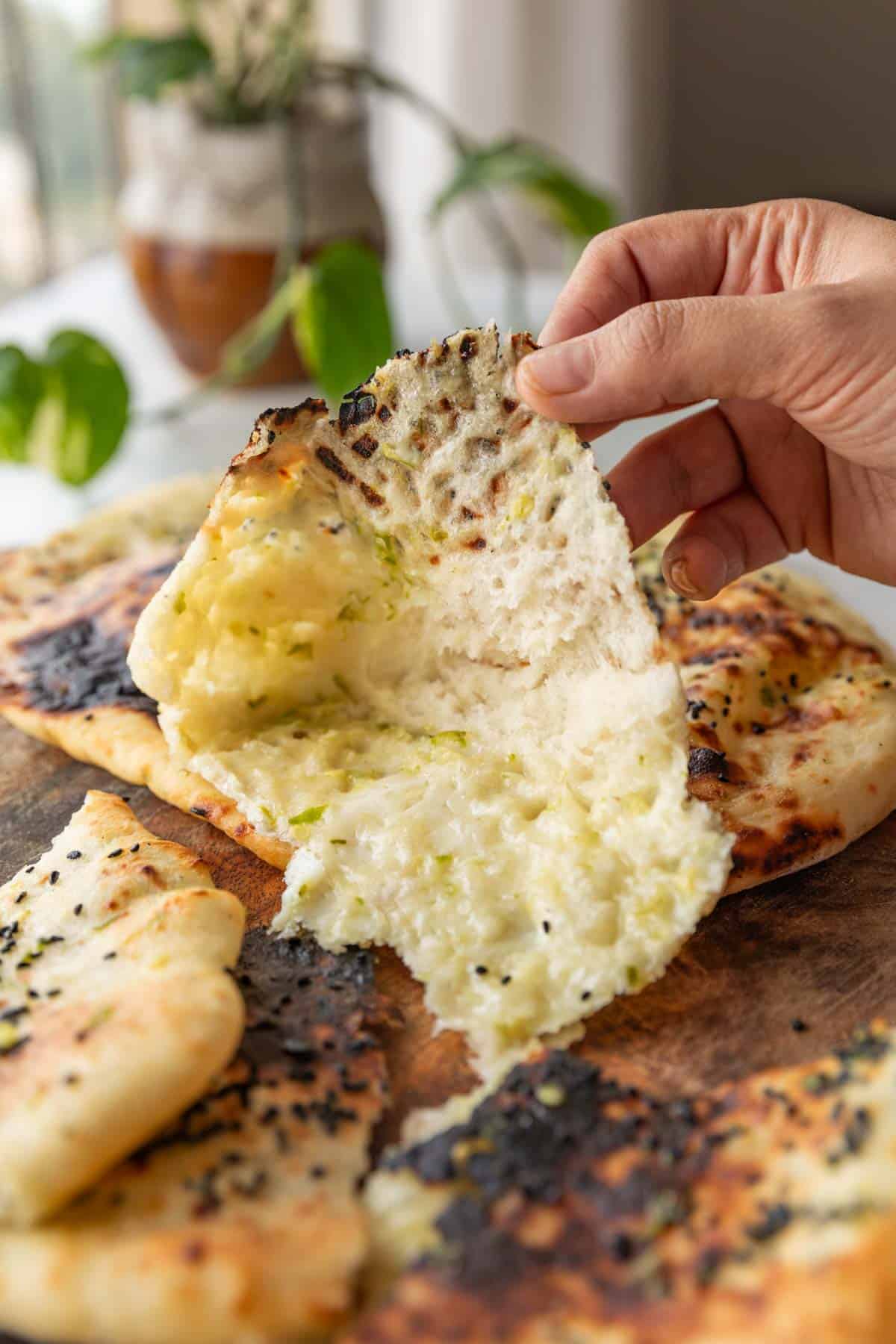
      How to Make Uttapam | Uthappam

      Uttapam (savory South Indian pancakes) is like the comforting cousin of dosa – it’s thick, soft, and loaded with heaps of veggies. Crispy edges, fluffy center, it’s perfect for breakfast, brunch, or a light dinner.

      uttapams served with chutneys on a banana leaf platter

      Uttapam is up there on my list of favorite breakfasts to make – and for good reason! I can’t get enough of its fluffy texture when dunked into some piping hot sambar. And you can’t forget about that perfect crunch from the onions, tomatoes and chillies. Truly comfort food.Β 

      I told you guys that my Idli Dosa Batter recipe is my ultimate go-to and this is one of the reasons why! Beyond the classic idli and dosa – there’s so much more you can do with the batter and I’ll be sharing it all with you in my new series, starting with this uttapam recipe.Β 

      Ingredients for Uttapam

      Idli dosa batter: I have used my easy homemade batter, but store-bought works in a pinchΒ Β Β 

      Salt: for seasoning

      Sugar: for balance and to make uttapams extra crispyΒ 

      Onion: cut into half horizontally and dipped in oil to season the pan

      Veggies: I have used finely chopped onions, tomatoes, green capsicum, green chillies, and ginger along with grated carrots but you can use any veggies you like

      Idli podi: for an extra boost of flavor

      Cooking oil or ghee

      Butter

      How to make Uttapam

      1. Once your batter is ready, season it with salt and sugar and mix well.Β 
      2. Heat a non-stick pan or seasoned cast iron dosa tawa over medium heat. Once hot (you can sprinkle some water on the pan to check this, it should sizzle), pierce an onion with your fork, dip it in oil and rub this over the tawa. This will prevent the uttapam from sticking to the tawa.Β 
      3. Reduce the heat to low and pour a ladle of dosa batter in the center of the tawa and make a thick dosa without spreading it too much.Β 
      4. Add a tablespoon each of the toppings – onions, tomatoes, capsicum, carrots, ΒΌ teaspoon green chilli & ginger and sprinkle Β½ teaspoon of idli podi.Β 
      5. Drizzle 1 teaspoon of ghee around the edges and Β½-1 teaspoon of butter on top of the uttapam. Let this roast for 1-2 minutes on low heat till the base gets roasted well & turns golden brown.Β 
      6. Flip it over and roast for 1-2 minutes on low while gently pressing on the uttapam so that the veggies get roasted well. Roast the uttapam well on both sides and serve.

      Frequently Asked Questions

      What veggies can I add to my uttapam?

      You can mix and match any veggies of your liking! Onion, tomato, capsicum, grated carrot, grated beetroot, and corn are some of my favorites to add.Β 

      Why is my uttapam sticking to the pan?

      This usually happens if:
      – The pan isn’t hot enough when you start – make sure to sprinkle some water on the pan to check if it is hot enough, the water should sizzle and evaporate quickly
      – You’re using a new/unseasoned cast iron pan
      -The batter is too thin or too thickΒ 
      Troubleshooting Tip: Always rub the pan with an onion dipped in oil before making each uttapam to prevent sticking.

      Can I use storebought idli dosa batter?

      Yes, you can! (Although I totally recommend making my homemade idli dosa batter) Just be sure to let the batter come to room temperature, and adjust salt if needed. For crispier uttapams, you can add a pinch of sugar and a few tablespoons of rava (sooji) to the batter.

      What is the difference between dosa and uttapam?

      Dosa is thin and crisp, and made by spreading the batter in concentric circles to form a large circle that is then folded or stuffed with masala and then folded.Β 
      Uttapam, on the other hand, is thick and fluffy, made without spreading the batter too much to form a circle with a diameter of 3 inches. This is then topped with veggies and roasted on both sides.
      Same batter, totally different textures!

      Why do I add salt only to the portion of the batter I’m using?

      Salt speeds up fermentation. If you’re storing leftover batter, adding salt to it may make it too sour by the next day. Always salt only what you’ll cook immediately.

      What’s the Best Pan for Uttapam?

      `Both non-stick and cast iron pan work, but here’s how they compare:

      Cast Iron TawaΒ 

      • Retains high heat well, which gives you a crisp, perfectly golden base
      • Naturally non-stick once well-seasoned
      • Durable β€” lasts forever with proper care
      • Needs maintenance (seasoning + cleaning properly) – but don’t worry, I have a proper guide on how to clean and season cast iron pans
      • Heavier and takes longer to heat up

      Best for: People who make uttapam/dosas regularly, love a crisp texture, and don’t mind the upkeep

      Non-Stick TawaΒ 

      • Easy to use and clean β€” great for beginners
      • Requires less oil
      • Lightweight and heats quickly
      • Doesn’t get as hot, so uttapam may be softer and not as golden in colorΒ 
      • Can wear out over time, especially with metal utensils

      Best for: Occasional uttapam/dosa makers or anyone who prefers low-maintenance cookwareΒ 

      Richa’s Top Tips

      • Use a well-fermented batter for fluffy texture

      Note: Use cold water for grinding to prevent the batter from heating up and affecting fermentation. I use ice cold water. Ferment in a warm spot β€” near a window, inside an oven with the light on, or wrapped in a towel.

      • Cook on low heat so the base roasts and the top cooks through
      • Don’t spread the batter too thin as you would when making dosa, this is the most key step. The batter in itself should be of a thick, pourable consistencyΒ 
      • When you pour the batter on the pan, it will end up spreading on its own. You can also spread it slightly here – we want to make a thick fluffy uttapam with a diameter of 2.5-3 inchesΒ 
      • It’s important to flip and roast the uttapam on both sides so that the veggies get roasted wellΒ 
      • Serve hot and fresh β€” uttapam is best when crisp on the edges and soft in the centre
      • Use a non-stick dosa tawa or an iron tawa. Personally, I love the results that an iron tawa gives but I know they need some extra maintenance so a non-stick dosa tawa works in a jiffy. For best results, don’t use the tawa for anything else except uttapam/dosasΒ  to maintain the quality of both the uttapam/dosas and the tawa for a long long time.Β 
      • Make sure to check that your pan is hot before spreading the batter – you can do this by sprinkling a few drops of water on the pan. If the water sizzles and evaporates quickly, then the pan is hot enough.Β 

      Serving Ideas

      • Coconut chutney and sambar are classic sides
      • Serve with gunpowder (idli podi) and ghee for a quick bite – this recipe already tops the uttapam when podi but I like having some on the side as well

      Storage Tips

      • Fermented batter can be refrigerated (unsalted) for up to 3 days – I don’t recommend storing the cooked uttapams as these are best enjoyed fresh
      • You can freeze excess batter in small portions for up to a month
      • Always bring batter to room temperature before usingΒ 

      Recipes With Idli Dosa Batter

      uttapams served with chutneys on a banana leaf platter

      This uttapam recipe is never going to let you down – because you get that perfectly crisp yet fluffy texture every time! Enjoy it fresh off the tawa or pack it for your kiddo’s tiffin, this is a recipe that you’ll keep coming back to for sure.Β 

      If you liked this recipe, be sure to stay tuned for more as part of my Idli Dosa Batter series, and send me your recreations over on my IG @my_foodstory!Β 

      Watch Uttapam Recipe Video

      uttapams served with chutneys on a banana leaf platter
      Print

      Uttapam | Uthappam

      Uttapam (savory South Indian pancakes) is like the comforting cousin of dosa – it’s thick, soft, and loaded with heaps of veggies. Crispy edges, fluffy center, it’s perfect for breakfast, brunch, or a light dinner.
      Course Breakfast, Snacks & Appetisers
      Cuisine Indian, South Indian
      Diet Vegan, Vegetarian
      Prep Time 5 minutes
      Cook Time 5 minutes
      Total Time 10 minutes
      Servings 3 uttapams
      Calories 595kcal
      Author Richa

      Ingredients

      For idli dosa batter

      • 1 Β½ cups idli rice or parboiled rice
      • Β½ cup skinned urad dal
      • ΒΌ cup poha or flattened rice
      • ΒΌ cup cooked rice
      • 1 teaspoon methi seeds fenugreek seeds
      • 1 Β½ cups water
      • 4-5 ice cubes

      For uttappam

      • 1 cup idli dosa batter
      • ΒΌ teaspoon salt
      • β…› teaspoon sugar
      • 1 onion cut into half horizontally
      • 3 tablespoons finely chopped onions divided
      • 3 tablespoons finely chopped tomatoes divided
      • 3 tablespoons finely chopped green capsicum divided
      • 3 tablespoons grated carrots divided
      • ΒΎ teaspoon finely chopped green chillies divided
      • ΒΎ teaspoon finely chopped ginger divided
      • 1 Β½ teaspoons idli podi divided
      • 2 teaspoons cooking oil or ghee
      • 1 Β½ teaspoons butter divided

      Instructions

      Day 1 – morning

      • Wash and soak idli rice, urad dal, poha and methi seeds in enough water in a way that there is at least an inch of extra water over the rice and dal.
        1 Β½ cups idli rice or parboiled rice, Β½ cup skinned urad dal, ΒΌ cup poha, 1 teaspoon methi seeds

      Day 1 – evening

      • Once the grains have soaked for about 8 hours, drain the excess water from the bowl.
      • Grind the idli rice-urad dal mix with cooked rice until almost smooth with approx. 1 Β½ cups water and 4-5 ice cubes in a mixer grinder. Add additional water if required. The consistency should be such that it can leave a thick coat on the back of a spoon and falls in a ribbon like consistency when poured with a ladle. The ground batter should feel very slightly gritty between your fingers.
        ΒΌ cup cooked rice, 1 Β½ cups water, 4-5 ice cubes
      • Pour the batter into a bowl that’s large enough so that there is room for the batter to rise. Mix the batter with clean hands as shown in the video – this is an important step as it helps in the fermentation so please don’t skip it.
      • Cover the bowl and set aside to ferment. Leave it in a warm, dry place away from direct sunlight to ferment. Fermentation takes anywhere between 12-24 hours depending on the humidity and temperature at your place. The warmer it is, the faster it’ll ferment.

      Day 2 – morning or afternoon

      • Once fermented, the batter should have become almost 1.5 times its size with a slight dome shape and a wrinkle, bubbly layer on top. You should be able to smell a little sourness in the batter. This smell means it has fermented. If it is too sour, it has fermented too much! You can use a spoon to check the batter – the texture should be frothy with air bubbles. This will yield approx. 1.75 litres (6-7 cups) of batter.

      Prepping batter

      • take 1 cup of batter in a bowl, add salt, sugar and mix well.
        1 cup idli dosa batter, ΒΌ teaspoon salt, β…› teaspoon sugar

      Prepping tawa or pan

      • Heat a non-stick pan or a seasoned cast iron dosa tawa over medium heat. Once hot, pierce the onion half with a fork, dip in oil & rub on the tawa (like shown in the video). This prevents the uttappam from sticking to the tawa.
        1 onion

      Making Uttappam

      • Reduce the heat to low & pour one ladle of dosa batter in the center of the tawa and make a thick dosa without spreading much.
      • Add 1 tablespoon each of the toppings – onions, tomatoes, capsicum, carrots, ΒΌ teaspoon green chilli & ginger and sprinkle Β½ teaspoon of idli podi.
        3 tablespoons finely chopped onions, 3 tablespoons finely chopped tomatoes, 3 tablespoons finely chopped green capsicum, 3 tablespoons grated carrots, ΒΎ teaspoon finely chopped green chillies, ΒΎ teaspoon finely chopped ginger, 1 Β½ teaspoons idli podi

      Roasting Uttappam

      • Drizzle 1 teaspoon of ghee around the edges and Β½-1 teaspoon of butter on top of the uttappam. let this roast for 1-2 minutes on low heat till the base gets roasted well & turns golden brown.
        2 teaspoons cooking oil or ghee, 1 Β½ teaspoons butter
      • Flip it over and roast for 1-2 minutes on low while gently pressing on the uttappam so that the veggies get roasted well. Roast the uttappam well on both sides and serve.
      • Follow the same steps for making the rest of the uttappams.

      Video

      Notes

      1. To check if the pan is hot enough to make uttappam, sprinkle a few drops of water over the tawa & if it is ready, it should sizzle.
      2. Rubbing the tawa with onion dipped in oil prevents the uttappam from sticking to the tawa, so try not to skip it.
      3. For best results, uttappam should be cooked on low heat.
      4. Uttapams taste best when they are served hot
      5. Salt should be added ONLY to the quantity of batter you are using to avoid the batter from getting too sour.Β 
      6. If you are not using all the batter, store the remaining unsalted batter in an air tight container in the fridge for up to 3 days or freeze the batter for up to a month. Bring the batter to room temperature before making uttappams.

      Nutrition

      Calories: 595kcal | Carbohydrates: 115g | Protein: 17g | Fat: 7g | Saturated Fat: 4g | Polyunsaturated Fat: 0.4g | Monounsaturated Fat: 2g | Trans Fat: 0.1g | Cholesterol: 14mg | Sodium: 247mg | Potassium: 309mg | Fiber: 10g | Sugar: 4g | Vitamin A: 2729IU | Vitamin C: 16mg | Calcium: 77mg | Iron: 4mg

      This article was researched and written by Navya Khetarpal.

      The post How to Make Uttapam | Uthappam appeared first on My Food Story.

      Beetroot Tikki | Beetroot Cutlet

      Healthy is no longer boring with these vibrant beetroot tikkis!. Crispy on the outside, soft and flavourful on the inside, your snack time just got its glow up.

      Beetroot tikki served on a flaky paratha with onion rings and garnished with green chutney

      If you’re anything like me, I am pretty sure you’re always on the lookout for snacks that are a little healthier but still super satisfying. And these beetroot tikkis totally deliver on that! They look awesome, are crispy, and packed with flavour to the brim.

      I love making a batch of these for tea-time or when friends come over and they always disappear fast. You can pan-fry, use an air-fryer or even bake them depending on your mood and how much washing up you want to avoid πŸ˜‰Β 

      Beetroot Tikki Ingredients

      For the tikki mixture:

      • Beetroot, grated – Adds colour, nutrition, and earthy flavour.
      • Mashed paneer – Makes the tikkis soft, rich, and protein-packed.
      • Cooked rice – Helps bind everything while keeping the texture light.
      • Boiled sweet potato, mashed – Adds natural sweetness and moisture.
      • Finely chopped onions – For a bit of crunch and sharpness.

      Spices and seasoning:

      • Salt, cumin powder, chaat masala, amchur powder, pepper powder, and a pinch of garam masala.Β  All come together to add tang, warmth, and balance to the tikkis.

      For binding:

      • Oats powder – A healthy gluten-free binder that holds the mixture well.

      For cooking:

      • Sunflower oil or any neutral-flavoured oil – Used for shallow-frying the tikkis till crisp and golden.

      Richa’s Top Tips For Beetroot Tikki

      • Squeeze out excess moisture from the beetroot – This helps the mixture stay firm and prevents soggy tikkis.
      • Mash everything well – Make sure the paneer, sweet potato, and rice are properly mashed so the mixture binds smoothly.
      • Don’t skip the oats powder – It’s the secret to holding everything together without using breadcrumbs or flour.
      • Cook on medium heat – This ensures the tikkis get crispy on the outside while staying soft inside.
      • Shape with greased hands – Lightly oil your palms before shaping to avoid sticking and get smooth, even tikkis.

      Frequently Asked Questions

      Can I make these in the air fryer instead?

      Yes! Brush the tikkis with a little oil and air-fry at 180Β°C (350Β°F) for 10–12 minutes, flipping halfway through until golden and crisp.

      Can I add other veggies to the tikkis?

      Absolutely. Grated carrots, boiled peas, or finely chopped spinach work well. Just make sure any extra veggies are cooked and moisture-free.

      My tikkis aren’t holding their shape. What went wrong?

      This usually happens if there’s too much moisture. Squeeze the beetroot well, mash all ingredients properly, and add a bit more oats powder to firm up the mixture.

      How can I make this recipe vegan?

      Skip the paneer and replace it with mashed tofu or more sweet potato. The flavour will change slightly, but it’ll still be delicious and hold together well.

      close up shot of beetroot tikkis shallow frying in a pan

      Storage Tips

      • Fridge: Store leftover beetroot tikkis in an airtight container in the refrigerator for up to 3 days. Reheat in a pan or air fryer for a few minutes until crispy again.
      • Freezer: Freeze uncooked tikkis by placing them on a tray until firm, then transfer to a ziplock bag. They stay good for up to 1 month. Thaw in the fridge before pan-frying.
      • Meal prep friendly: You can make the mixture a day in advance and store it covered in the fridge. Just shape and fry when ready to eat.

      Serving Ideas

      These beetroot tikkis are super versatile so here are some fun ways to serve them:

      • Tikki Chaat – Use these in place of aloo tikkis in your aloo tikki chaat recipe. Top with yogurt, chutneys, and sev for a colourful, spicy street food-style snack.
      • Burger Patties – Sandwich them into buns with mint chutney, onions, and lettuce for a vibrant vegetarian burger.
      • Wrap it Up – Roll the tikkis into a homemade roti or tandoori roti with sliced veggies and chutney for a quick lunch wrap.
      • Add to Salads – Crumble leftover tikkis over a chickpea salad or quinoa bowl for added protein and crunch.
      • Frankie Filling – Use as a base in your kathi roll or mumbai-style frankie recipe with spicy sauces and onions.
      • With Dips – Serve as an appetizer with dips like mint chutney, garlic yogurt dip, and spicy mayo.
      • Tea-Time Snack – Just serve warm with chai and masala peanuts or cheese crackers for an easy evening nibble.

      Customisation Ideas

      • Add herbs for freshness: A handful of chopped coriander or mint leaves can add brightness and lift the flavour.
      • Use millet instead of rice: Swap the rice with cooked foxtail millet, barnyard millet or even amaranth for a more nutrient-dense twist.
      • Make it cheesy: Add a bit of grated cheese into the mixture or as a stuffing for a melty centre.
      • Turn it into kebabs: Shape the mixture around skewers and grill or bake for beetroot seekh kebabs.
      • Crust it up: Press the tikkis into crushed cornflakes or poha before frying for extra crunch.
      • Spiced coating: Dust lightly with seasoned semolina before cooking for a crispy spiced crust.
      beetroot tikkis placed on a round black platter

      Did You Know?

      Beetroot gets its vibrant red hue from a pigment called betanin, which is also a powerful antioxidant. But that’s not all! Beetroot is known to support heart health, improve blood flow, and even boost stamina, which is why beetroot juice is a go-to for athletes. Plus, it’s packed with folate, iron, and fibre, making it a nutrient-dense veggie that’s as good for your gut as it is for your plate. And fun fact, in ancient times, beetroot was used as a natural dye for everything from fabric to desserts!

      Beetroot tikkis are proof that snacks can be equal parts nourishing, delicious, and fun to make. Whether you’re serving them at a festive gathering, packing them into lunchboxes, or sneaking one (or three) with your evening chai, they’re bound to wow.

      Tried them? Tag me on Instagram @my_foodstory, I’d love to see your version!

      Watch How to Make Beetroot Tikki Recipe Video

      Beetroot tikki served on a flaky paratha with onion rings and garnished with green chutney
      Print

      Beetroot Tikki | Beetroot Cutlet

      Healthy, easy to make, and incredibly delicious, these vibrant beetroot tikkis are crispy on the outside, soft inside, and full of flavour in every bite!
      Course Snacks & Appetisers
      Cuisine Indian
      Diet Vegetarian
      Prep Time 20 minutes
      Cook Time 6 minutes
      Total Time 26 minutes
      Servings 16 tikkis
      Calories 147kcal
      Author Richa

      Ingredients

      • 1 beetroot 1 cup, 170 gms, peeled and grated
      • 1 ΒΎ cups mashed paneer 150 gms
      • ΒΎ cup rice 100 gms
      • 1 sweet potato Β½ cup, 100 gms, boiled, peeled and mashed
      • β…“ cup finely chopped onions
      • ΒΎ teaspoon salt
      • 1 teaspoon cumin powder
      • 1 teaspoon chat masala
      • Β½ teaspoon amchur powder
      • 1 teaspoon pepper powder
      • 2 Β½ tablespoons oats powder
      • β…› teaspoon garam masala powder
      • 3 tablespoons sunflower oil or any neutral flavored cooking oil divided

      Instructions

      • Take grated beetroot in a bowl. Add all the ingredients except oil and give a good mix so that all the ingredients are mixed well to make the tikki mixture.
        1 beetroot, 1 ΒΎ cups mashed paneer, ΒΎ cup rice, 1 sweet potato, β…“ cup finely chopped onions, ΒΎ teaspoon salt, 1 teaspoon cumin powder, 1 teaspoon chat masala, Β½ teaspoon amchur powder, 1 teaspoon pepper powder, 2 Β½ tablespoons oats powder, β…› teaspoon garam masala powder
      • Grease your hand with oil, take approx. 2 tablespoons of the mixture and shape them into round tikkis. This should yield approx. 15-16 tikkis.
        3 tablespoons sunflower oil or any neutral flavored cooking oil
      • Heat a flat pan with 1 tablespoon of oil, add tikkis and fry on medium for 3-4 minutes till they turn crisp and golden from the underside.
      • Flip, drizzle oil on top and sides of the tikkis and fry the other side till it’s roasted well.
      • Fry in batches if needed.

      Video

      Notes

      1. To cook sweet potatoes : You may steam them for 20 minutes or bake them for 60 minutes at 160C.

      Nutrition

      Calories: 147kcal | Carbohydrates: 12g | Protein: 5g | Fat: 9g | Saturated Fat: 4g | Polyunsaturated Fat: 0.1g | Monounsaturated Fat: 2g | Cholesterol: 16mg | Sodium: 128mg | Potassium: 86mg | Fiber: 1g | Sugar: 1g | Vitamin A: 2008IU | Vitamin C: 1mg | Calcium: 129mg | Iron: 0.3mg

      This article was researched and written by Harita Odedra.

      The post Beetroot Tikki | Beetroot Cutlet appeared first on My Food Story.

      Appe Recipe|Paniyaram|Paddu

      Crispy on the outside, soft on the inside, these appe are going to be your snack-time best friend.

      Freshly cooked paniyaram served on a banana leaf platter with accompaniments

      Appe, paddu, paniyaram whatever you call it, is one of those recipes that feels like a reward for planning ahead. If you’ve got some idli or dosa batter in the fridge, you’re already halfway to golden, crispy, soft-in-the-middle deliciousness. These little rounds are comfort food, South Indian-style.

      I’ve been making appe for years, usually as a quick breakfast or something fun to sneak into lunchboxes. They’re great plain, but also super versatile if you want to throw in veggies, spices, or even cheese. One batch never lasts long at our place!

      Ingredients for Appe

      Here’s what you’ll need to make a basic batch of appe using idli or dosa batter:

      • Idli/Dosa Batter: Fermented batter works best, slightly sour and fluffy, it gives appe their signature light texture.
      • Veggies (optional): Finely chopped onions, carrots, capsicum, or grated coconut are great add-ins.
      • Tempering (optional but recommended): Mustard seeds, curry leaves, chopped green chillies, and ginger sautΓ©ed in oil for extra flavor.
      • Oil: Just a few drops per mold in the appe pan for crisp, golden edges.

      How to make Appe

      1. Prep the Batter: Use fermented idli/dosa batter straight from the fridge or bring it to room temperature. Stir in salt if not already added. (Here’s the recipe or scroll down to the recipe card)
      2. Add-ins (Optional): Mix in your chopped veggies or a quick tempering to boost flavor.
      3. Heat the Appe Pan: Grease each mold with a drop of oil and heat on medium.
      4. Cook the Appe: Spoon batter into each mold and cook covered for 2–3 minutes until the edges firm up. Flip and cook uncovered till golden and crisp on both sides.

      Richa’s Top Tips For The Best Appes

      • Use well-fermented batter: The slight sourness and airy texture from a properly fermented idli or dosa batter is what gives appe their signature fluffiness inside and crisp edges outside.
      • Rest the batter (if straight from fridge): Cold batter can yield dense appe. Let it sit at room temperature for 20–30 minutes before cooking to get that light, airy texture.
      • Grease the pan well: Add a few drops of oil to each cavity of the appe pan before spooning in the batter. This helps create a golden crust and makes flipping easier.
      • Cook covered first, then crisp: Cover the pan while the first side cooks to help the batter steam and puff up. Once flipped, cook uncovered to crisp up the outsides.
      • Consistency of the batter: The ideal batter consistency for appe is medium to medium-thick, similar to idli batter or pancake batter. It should be thick enough to hold its shape when dropped into the appe pan but still pourable.
      Paniyaram battar scooped up in a spoon to show it's texture and consistency

      Frequently Asked Questions

      What is the difference between appam and paniyaram?

      Appam is a lacy, bowl-shaped fermented rice pancake, typically soft and spongy in the centre. Paniyaram (or appe) are bite-sized dumplings made from the same idli/dosa batter, but cooked in an appe pan with a crispy crust and soft inside.

      Why are my appe sticky on the inside?

      This usually happens when the batter is too thick or hasn’t come to room temperature before cooking. Another reason could be undercookingβ€”make sure to cook covered first, then flip and crisp up the other side.

      Can I make appe without a paniyaram/appe pan?

      The appe pan really does help achieve the right shape and texture, but if you don’t have one, you can try using a mini muffin tray in the oven (though they won’t be quite the same!).

      Can I store leftover appe?

      Yes! Store them in an airtight container in the fridge for up to 2 days. Reheat in a pan or air fryer to bring back some of the crispiness.

      Can I make this with readymade idli dosa batter?

      You can, but the taste and texture is so much better when you use homemade dosa batter.Β 

      Are appe healthy?Β 

      Yes! they’re made from fermented rice and lentil batter, which boosts nutrient absorption and gut health, and since they’re pan-cooked with minimal oil, they’re light and easy to digest too.

      Which Appe Pan is Better – Cast Iron or Non-Stick?

      Choosing between a cast iron and non-stick appe pan depends on your cooking style and comfort level. Cast iron pans are a traditional choice, they heat evenly and give the appes a beautiful, crispy crust. Plus, cooking in cast iron adds a bit of iron to your diet naturally. But they do need regular seasoning and care to maintain their non-stick properties.

      On the other hand, non-stick appe pans are beginner-friendly and super convenient. They require less oil, are easier to clean, and are great when you’re short on time or cooking for kids. Just be sure to use soft utensils and avoid high heat to extend the life of the coating.

      If you’re just starting out, go for a good-quality non-stick pan. But if you’re up for a little extra effort and love that rustic crisp, a cast iron pan is totally worth it.Β 

      Storage Tips

      • Refrigeration: Let the appe cool completely before storing. Keep them in an airtight container in the fridge for 2 days.
      • Freezing: Appe can be frozen too! Lay them out on a tray, freeze, then transfer to a ziplock bag. Reheat directly from frozen in the appe pan or air fryer.
      • Reheating: To retain the texture, warm them in an appe pan, air fryer, or oven, not the microwave, which can make them rubbery.

      Serving Ideas

      These little bites are super versatile and pair beautifully with all kinds of chutneys and sides.

      • Dip them in classic Coconut Chutney for a traditional South Indian combo.
      • Serve with Green Chutney if you’re leaning into North Indian flavours.
      • Create a breakfast thali with Idlis, Sambar, and appe for a hearty start to your day.
      • Snack on them with a side of Peanut Chutney, a creamy, nutty dip that’s incredibly satisfying.
      • Pack them into a lunchbox with Lemon Rice or Tamarind Rice for a fun and fuss-free meal.
      • For a South Indian brunch twist, serve them alongside Veggie Upma and chutneys for a mix of textures and flavours.

      Customisation Ideas

      • Spice it up: Add chopped green chillies, crushed pepper, or a spoonful of podi (gunpowder) to the batter.
      • Veggie-packed: Finely chopped onions, grated carrots, capsicum, cabbage, or even spinach can be added directly into the batter.
      • Cheesy twist: Stuff a tiny cube of cheese or grated mozzarella in the centre for a surprise melty bite.
      • South Indian masala style: Stir in a tadka of mustard seeds, curry leaves, and urad dal into the batter before cooking.
      • Sweet version: Add jaggery, mashed banana, and a hint of cardamom to the idli batter and cook as usual (It’s great for kids)

      What else can be made with dosa batter

      • DhoklaΒ 
      • Idli
      • Dosa
      • Appe / Paniyaram
      • Mysore Masala
      • Uttapam
      • Dosa Waffle
      • Schezwan Idli FryΒ 

      I am going to share the recipes of all these dishes along with an easy one-pot sambar and coconut chutney over the next 11 days. So make sure to tune in!Β 

      Did You Know

      Appe (or paniyaram) is a popular South Indian snack that goes by many names across regions. It’s called paddu in Karnataka, ponganalu in Andhra Pradesh, and kuzhi paniyaram in Tamil Nadu. Traditionally made in cast iron appe pans over a wood fire, this snack has been adapted in modern kitchens using non-stick or even electric appe makers. Despite its humble look, it’s a versatile dish that reflects how South Indian food uses the same base ingredients (like fermented rice and lentils) in totally different, creative ways.

      Freshly cooked paniyaram served on a banana leaf platter with accompaniments

      If you’ve got idli or dosa batter at home, appe is honestly one of the easiest and most rewarding snacks you can whip up. Whether you keep them plain and classic or jazz them up with fillings and dips, they always deliver on flavour and comfort. Plus, they’re ideal for everything from breakfast to tea-time to school lunchboxes.

      Ready to try them? Tag me on Instagram @my_foodstory, I’d love to see what mix-ins you add or what you pair them with.

      Watch Appe Recipe Video

      Freshly cooked paniyaram served on a banana leaf platter with accompaniments
      Print

      Appe | Paniyaram | Paddu

      Crispy on the outside, soft on the inside, these appe are going to be your snack-time best friend.
      Course Breakfast, Snacks & Appetisers
      Cuisine Indian, South Indian
      Diet Vegetarian
      Prep Time 5 minutes
      Cook Time 10 minutes
      Total Time 15 minutes
      Servings 25 appe
      Calories 15kcal
      Author Richa

      Equipment

      • 1 Appe pan

      Ingredients

      Appe batter mix

      • 1 Β½ cups idli dosa batter MFS link
      • ΒΌ cup finely chopped capsicum
      • ΒΌ cup finely chopped carrots
      • ΒΌ cup finely chopped onions
      • Β½ teaspoon finely chopped ginger
      • 1 green chilli finely chopped
      • 10 curry leaves finely chopped
      • ΒΌ + β…› teaspoon salt
      • ΒΌ teaspoon sugar

      Tempering / tadka

      • 1 teaspoon oil
      • Β½ teaspoon mustard seeds rai
      • ΒΌ teaspoon cumin seeds jeera
      • Β½ teaspoon chana dal
      • 1 teaspoon urad dal

      Other

      • 2-3 tablespoons sunflower oil or any neutral flavored oil

      Instructions

      Prepping appe batter mix

      • Take the idli dosa batter in a bowl. Add capsicum, carrots, onions, ginger, green chilli, curry leaves, salt, sugar and give a good mix.

      Tempering

      • Heat oil in a pan, add mustard seeds, cumin seeds and once they crackle, add chana dal, urad dal & roast on low heat for a few seconds till the dals turn light golden. Add the tempering to the appe batter and mix well.

      Making Appe

      • Heat appe pan & add a few drops of oil to each cavity. Using a spoon or ladle, pour the batter to fill the cavities almost to the top (as shown in the video). Cover with a lid and cook on low for 1-2 minutes until the base is firm and golden.
      • Using a skewer or spatula, turn over each appe and cook the other side without covering the pan. Cook on low to medium for 2-3 minutes on this side till they are golden and crisp from the outside. Remove and serve.
      • Repeat the same steps to make the rest of the appe.

      Video

      Notes

      1. Add oil to the appe cavity before making the appe as it avoids the appe sticking to the pan & also helps in roasting them well.
      2. Do not over fill the cavities as appe rise when cooked Β Β 
      3. Appe taste best when they are hot and fresh off the panΒ 

      Nutrition

      Calories: 15kcal | Carbohydrates: 1g | Protein: 0.1g | Fat: 1g | Saturated Fat: 0.1g | Polyunsaturated Fat: 0.1g | Monounsaturated Fat: 1g | Trans Fat: 0.001g | Sodium: 7mg | Potassium: 10mg | Fiber: 0.2g | Sugar: 0.3g | Vitamin A: 235IU | Vitamin C: 10mg | Calcium: 3mg | Iron: 0.1mg

      This article was researched and written by Harita Odedra.

      The post Appe Recipe|Paniyaram|Paddu appeared first on My Food Story.

      Vegan Tamale Pie

      By: Vaishali

      This vegan tamale pie is as cozy as it sounds! A layer of spicy bean chili is smothered by a golden cornbread crust, then topped with vegan cheddar cheese shreds. Tuck in for a delicious comfort-food experience.

      A portion of vegan tamale pie in blue plate with casserole in background.

      One-dish dinners like this cheezy vegan Mexican black bean casserole are my favorites to make and eat. Another meal I make often, especially during the cooler months, is a vegan hot tamale pie.

      In the southwestern Tex-Mex tradition of smothering a bean chili with other tasty foods, much like this vegan frito pie or these vegan chili fries, a tamale pie tops a yummy chili with a layer of cornbread.

      This is a classic American casserole recipe, the stuff of old school cafeteria lunches and the kind of food you make when you want all the fun of eating a tamale without all the work. And what a fabulous dish it is, with layers of a hearty bean chili, golden cornbread and gooey, melting vegan cheddar cheese.

      I add vegan sausage to this recipe along with the beans for an extra bump of protein (largely because I have a teen who's preoccupied with building his muscles), but it's optional and you can make this vegan tamale pie just as delicious with beans alone.

      This is a rather easy recipe to pull off and although the hour-long cooking time might make you want to save it for a weekend, you could pull it off for a weeknight with some planning.

      Let's get cooking!

      [feast_advanced_jump_to]

      Why you will love this recipe

      • Hearty and delicious. This really is comfort food at its best. The contrasting textures of the fluffy cornbread, the meaty chili and the melting but slightly crispy vegan cheese are amazing.
      • One-dish meal. You get everything in this recipe--veggies, heart-healthy protein and carbs from the cornbread. No need to make anything else!
      • Healthy. There are so many good-for-you ingredients packed into this recipe, including the veggies and beans.
      • Suited to all diets. The recipe is vegan, gluten-free, soy-free and nut-free.

      Ingredients

      • Onions. Use any kind you have on hand, but red is best for flavor.
      • Garlic. You can vary the amount of garlic you use depending on how much garlicky flavor you like. I love lots of garlic here.
      • Vegetables: zucchini, tomato and tomato paste. You can also use green bell peppers and/or frozen corn instead of zucchini.
      • Black beans. You can also use kidney beans or pinto beans. Canned beans are fine and that's what I used, but you can also use beans cooked from scratch.
      • Pickled jalapeno peppers. These add a nice hit of spice and flavor. Use less if sensitive to heat.
      • Spices: Smoked paprika, ground cumin, chipotle chili in adobo sauce and chili powder.
      • Mexican oregano. You can use dried sage or rosemary instead.
      • Cornmeal. Use stoneground cornmeal, yellow or white cornmeal are both fine.
      • Leavening for cornbread: Baking powder and baking soda.
      • Shredded vegan cheddar cheese

      How to make vegan tamale pie

      Onions sauteing in saucepan.

      .1. Heat oil over medium heat. Add onions with a pinch of salt and saute until they turn soft.

      Garlic added to onions in saucepan.

      2. Stir in garlic and saute for a minute.

      Zucchini added to onions and garlic in saute pan.

      3. Stir in the zucchini and cook 2-3 minutes until it begins to soften.

      Spices and oregano added to veggies in saucepan.

      4. Add the smoked paprika, chili powder, ground cumin, chipotle chili and Mexican oregano. Mix well.

      Vegan sausage added to pan.

      5. Stir in the vegan sausage and saute for a couple of minutes, breaking up any larger pieces with the ladle.

      Chili mixture in saucepan.

      6. Stir in the beans followed by the tomato paste and a cup of water and mix well. Bring to a boil.

      Tomatoes and jalapeno peppers added to chili in saucepan.

      7. Stir in the tomato and pickled jalapeno peppers.

      Vegan chili cooked for tamale pie.

      8. Bring back to a boil, add salt as needed, then turn off heat.

      Dry ingredients in glass bowl with whisk.

      9. In a bowl whisk together the cornmeal, baking powder, baking soda and salt.

      Vegan yogurt whisked with water in bowl.

      10. Whisk the vegan yogurt with Β½ cup water.

      Cornbread mixture in bowl with spatula.

      11. Add the vegan yogurt to the cornmeal and mix with a spatula.

      Cornbread mixture with chopped jalapeno peppers.

      12. Stir in chopped pickled jalapeno peppers.

      Chili topped with cheese shreds in oval baking casserole dish.

      13. Ladle the chili into a four-quart casserole dish in an even layer. Sprinkle on half the vegan cheese shreds.

      Prepared vegan tamale pie casserole before baking.

      14. Spoon the cornbread batter over the top in an even layer. Sprinkle on the remaining cheese shreds. Bake in a preheated 375 degree Fahrenheit/190 degree Celsius oven for 40 minutes or until the cornbread is golden. Let stand 10 minutes before serving.

      Vegan tamale pie in white baking casserole dish.

      Recipe FAQs

      Can I make this without the vegan sausage?

      Absolutely, and it will be just as delicious. Replace the vegan sausage with one more can of black beans.

      I like a thick layer of cornbread on my tamale pie. Can I double the cornbread recipe?

      Yes, you definitely can. I don't like the cornbread layer too thick but you can make it as thick as you want. Just double the rest of the cornbread ingredients, but keep the baking soda quantity the same -- Β½ a teaspoon.

      Can I make the cornbread mixture with a store bought corn muffin mix, like Jiffy?

      Yes, but be sure to read labels. Jiffy came out with a vegan corn muffin mix and you can certainly use that, but the traditional Jiffy corn muffin mix has lard, or animal fat, in it. Bob's Red Mill also makes a vegan corn muffin mix and there probably are more on the market.

      What should I serve with this casserole?

      This is a one-dish meal so you don't need anything more, but if you like serve with a fresh salad like a vegan Caesar salad or sliced avocado.

      Make-ahead and storage instructions

      • Make-ahead: Assemble the pie, cover tightly with cling wrap and refrigerate for up to three days. Remove cling wrap and bake an hour before serving. You can also cover the pie in freezer wrap and freeze for up to four months.
      • Refrigerate: Store leftovers in the fridge for up to four days.
      • Freeze: Freeze the vegan tamale pie for up to four months.

      Helpful tips

      • If you have an enameled large cast iron skillet or any skillet that can go from the stove to the oven, you can skip transferring the chili to a baking dish and reduce cleanup.
      • If you don't have chili powder, no worries. Double up on the cumin and smoked paprika.
      • For a less spicy tamale pie, replace the pickled jalapenos with an equal quantity of sliced, canned black olives.
      • If frozen veggies are all you have, that's fine. Use frozen veggies like corn, peas or cauliflower in this recipe instead of zucchini.
      • For a pop of fresh flavor, scatter a few chopped scallions or cilantro over the baked vegan tamale pie before serving. You can also top the serving with a dollop of vegan sour cream.

      More yummy vegan casserole recipes

      A portion of vegan tamale pie in blue plate with casserole in background.

      If you love this vegan tamale pie recipe, be sure to check out more gluten-free vegan recipes on Holy Cow Vegan!

      Vegan tamale pie slice in blue plate and casserole in background.
      Print

      Vegan Tamale Pie

      This vegan tamale pie is as cozy as it sounds! A layer of spicy bean chili is smothered under a layer of golden cornbread, then topped with vegan cheddar cheese shreds. Tuck in for a delicious comfort-food experience.
      Course Dinner
      Cuisine American, Tex-Mex
      Diet Gluten Free, Vegan, Vegetarian
      Prep Time 20 minutes
      Cook Time 1 hour
      Total Time 1 hour 20 minutes
      Servings 8 servings
      Calories 469kcal

      Equipment

      Ingredients

      For chili

      • 1 tablespoon avocado oil (or any neutral oil)
      • 1 large onion (finely chopped)
      • 1 tablespoon garlic (crushed into a paste or minced)
      • 2 medium zucchini (diced)
      • 1 teaspoon ground cumin
      • Β½ teaspoon smoked paprika (optional)
      • 2 teaspoon chili powder
      • 1 chipotle chili (with 1 teaspoon of the adobo sauce)
      • 1 teaspoon Mexican oregano (can replace with dried sage or rosemary)
      • 16 oz vegan sausage (optional*. Or use any vegan meat crumbles)
      • 28 oz black beans (canned or cooked. Drain out all water. Can also use pinto beans.)
      • 6 oz tomato paste
      • 1 medium tomato (diced)
      • ΒΌ cup pickled, sliced jalapeno peppers (divided. Use less if sensitive to heat)
      • Salt to taste
      • 6 oz vegan cheese shreds (divided)

      For cornbread topping

      • 1 cup stone-ground cornmeal
      • Β½ teaspoon baking powder
      • Β½ teaspoon baking soda
      • 1 teaspoon salt
      • Β½ cup vegan yogurt (homemade or store bought)
      • 2 tablespoons pickled, sliced jalapeno peppers

      Instructions

      Make chili

      • Heat oil over medium heat. Add onions with a pinch of salt and saute until they turn soft.
      • Stir in garlic and saute for a minute.
      • Stir in the zucchini and cook 2-3 minutes until it begins to soften.
      • Add the smoked paprika, chili powder, ground cumin, chipotle chili and Mexican oregano. Mix well.
      • Stir in the vegan sausage and saute for a couple of minutes, breaking up any larger pieces with the ladle.
      • Stir in the beans followed by the tomato paste and a cup of water and mix well. Bring to a boil.
      • Stir in the tomato and pickled jalapeno peppers.
      • Bring the chili back to a boil, add salt as needed, then turn off heat.

      Make cornbread

      • In a bowl whisk together the cornmeal, baking powder, baking soda and salt.
      • Whisk the vegan yogurt with Β½ cup water.
      • Add the vegan yogurt to the cornmeal and mix with a spatula.
      • Stir in chopped pickled jalapeno peppers.

      Assemble the tamale pie

      • Preheat the oven to 375 degrees Fahrenheit/190 degrees Celsius.
      • Ladle the chili into a baking dish in an even layer. Sprinkle on half the vegan cheese shreds.
      • Spoon the cornmeal mixture over the top in an even layer. Sprinkle on the remaining cheese shreds. Bake for 40 minutes or until the cornbread is golden. Let stand 10 minutes before serving.

      Notes

      • If you skip the vegan sausage, add another 14 oz black beans or pinto beans to the recipe.
      • For a thicker cornbread layer, double all cornbread ingredients but keep the baking soda quantity the same -- Β½ a teaspoon.
      • You can use a readymade cornbread muffin mix for the cornbread layer but be sure to read the ingredient labels. Jiffy came out with a vegan corn muffin mix, but the traditional Jiffy corn muffin mix has lard, or animal fat, in it. Bob's Red Mill also makes a vegan corn muffin mix and there probably are more on the market.
      Make-ahead and storage instructions
      • Make-ahead: Assemble the pie, cover tightly with cling wrap and refrigerate for up to three days. Remove cling wrap and bake an hour before serving. You can also cover the pie in freezer wrap and freeze for up to four months.
      • Refrigerate: Store leftovers in the fridge for up to four days.
      • Freeze: Freeze the vegan tamale pie for up to four months.
      Helpful tips
      • If you have an oven-safe enameled cast iron skillet or any skillet that can go from the stove to the oven, you can skip transferring the chili to a baking dish and reduce cleanup.
      • If you don't have chili powder, no worries. Double up on the cumin and smoked paprika.
      • If frozen veggies are all you have, that's fine. Use frozen veggies like corn, peas or cauliflower in this recipe instead of zucchini.
      • For a pop of fresh flavor, scatter a few chopped scallions or cilantro over the baked vegan tamale pie before serving.

      Nutrition

      Calories: 469kcal | Carbohydrates: 58g | Protein: 24g | Fat: 17g | Saturated Fat: 4g | Polyunsaturated Fat: 1g | Monounsaturated Fat: 3g | Sodium: 936mg | Potassium: 1067mg | Fiber: 16g | Sugar: 6g | Vitamin A: 984IU | Vitamin C: 21mg | Calcium: 70mg | Iron: 4mg

      The post Vegan Tamale Pie appeared first on Holy Cow Vegan.

      Trevti Dal (Creamy Mixed Lentils)

      This Gujarati Trevti Dal recipe is a delicious and creamy mixed lentil dish that is simple to prepare. A versatile Indian recipe that is a combination of three dals can easily be made vegan and gluten-free. All you need is 30 minutes!

      A bowl of trevti dal garnished with chilies.
      Gujarati Trevti Dal

      β€œTrevti”, a Gujarati word means three; that’s why in this Trevti dal recipe, three different dals (lentils) are used. The blend of dals in this recipe creates a perfect balance of flavor and texture, rendering a creamy texture.

      A popular dal from Gujarati cuisine, trevti dal is also known as chevti dal or yellow dal and typically has no onion or garlic. This makes for a simple recipe that can easily be prepared for lunch or dinner and can be served as a soup or with rice.

      This mixed lentil dish is a mildly flavored dal, making it perfect for small children who may not like things very spicy quite yet. It can be made by either using the stovetop pressure cooker method or the Instant Pot method, and both ways of preparing trevti dal are quick, easy, and mainly hands-off.

      Reasons to love this recipe

      • This Gujarati dal recipe is ready in just 30 minutes.
      • Vegan-friendly and plant-based, making it a healthy and inexpensive option.
      • High in protein and nutrient dense.
      • Needs only a few ingredients – it is a no-onion-garlic dal recipe.

      Here’s what you need to make the recipe

      Ingredient notes/swaps

      • Chana dal – Also known as split Bengal gram, these are split chickpeas (garbanzo) that is very popular in Indian cuisine.
      • Tuvar dal – Also known as toor dal, this is a split pigeon pea that is yellow in color.
      • Moong dal – This is a split and skinned version of green gram (also known as moong or mung). Once the skin is removed, the color is yellow instead of green. It can be substituted with urad dal.
      • Oil – I recommend using avocado or sunflower oil for its neutral flavor and high smoke point. It is also excellent for cooking vegan dishes (such as this one).
      • Aromatics and spices – You will need a variety of aromatics and spices to flavor this dish, but the list is relatively short. Included are cumin seeds, asafoetida (hing), cloves (laung), bay leaf, turmeric powder, fresh ginger, Kashmiri red chilies, green chilies, and salt to taste.
      • Lime – You will need some lime juice for finishing, and I highly recommend using freshly squeezed juice.
      • Cilantro/Coriander – Adding some finely chopped coriander leaves (cilantro) to the dish as a garnish adds a beautiful color and flavor.
      The ingredients needed to make trevti dal.
      Ingredients for Trevti Dal

      Notes

      • Dal will thicken as it cools down, so dilute it as needed.
      • In this recipe, you can substitute moong dal with urad dal.
      • To make this dish gluten-free, use gluten-free asafoetida.

      Variations to try

      • For a dose of green, add spinach.
      • Temper with ghee for a flavorful twist.
      • You can also add the tempering at the end right before serving.
      • Add curry leaves during tempering to amp up the flavor of this dal.
      • Finish off with tempering instead of starting with it.
      • Add onions and garlic – saute the chopped onions and garlic after adding the spices. Cook till the onions soften.

      Prep ahead and storage tips

      Refrigerator: Stores well in the refrigerator for up to 3 days.

      Freezer: If you want to prep ahead, you could always make a double batch and stash it in the freezer for up to a month. Thaw overnight in the refrigerator before use.

      Reheat: You can reheat trevti dal either in the microwave or stovetop. The dal thickens in the refrigerator, so you may have to add water to get it to the consistency you desire before you reheat it.

      Serve it with

      While this recipe for Trevtil dal can be served on its own, there are many options for what to serve with this mixed lentil dish. Here are a few of my favorites:

      • Homemade rotis (chapati) – My foolproof method will show you how to make soft rotis every single time.
      • Basmati rice – Whether you use the stovetop method or the Instant Pot method, basmati rice is always delicious when served with dal.
      • Jeera rice – One whiff of this aromatic, fluffy basmati rice tempered with cumin seeds is enough to get your taste buds tingling.Β 
      • Jasmine rice – This fragrant rice is a good pairing with your favorite dals and curries.
      • Aloo bhaji – This classic Indian dish of spiced potatoes is perfect for serving with Trevati Dal.
      Hands holding a stainless steel tray with dal, rice, and vegetable sides.
      Chevti Dal

      Other simple dal recipes to try

      • Gujarati dal – a treasured recipe that has been adapted to cook in the Instant Pot. Best of all? You can cook your rice simultaneously, thanks to the pot-in-pot method.
      • Instant Pot Langarwali Dal – Β a creamy mixed lentil curry that cooks effortlessly in the Instant Pot.
      • Moong dal khichdi – This one-pot, 5-ingredientΒ meal is easy on your stomach and is perfect for all ages.
      • Dal palak (Spinach and Tomato Dal) – This hearty, vegetarian spinach dahl cooks up in one pot for a comforting meal you can easily pair with fresh rice or roti.
      A bowl of trevti dal garnished with chilies.
      Print

      Trevti Dal (Instant Pot + Stovetop)

      This Gujarati Trevti Dal recipe is a delicious and creamy mixed lentil dish that is simple to prepare. A versatile Indian recipe that is a combination of three dals can easily be made vegan and gluten-free. All you need is 30 minutes!
      Course Lunch/Dinner
      Cuisine Indian
      Keyword restaurant style
      Method Instant Pot, Stovetop
      Diet Gluten-free, Vegetarian
      Prep Time 5 minutes
      Cook Time 15 minutes
      Total Time 20 minutes
      Servings 4
      Calories 195kcal

      Ingredients

      • 2 tablespoons avocado oil
      • 1 teaspoon cumin seeds
      • β…› a pinch of asafoetida hing
      • 1 inch ginger grated
      • 2 Kashmiri red chilies
      • 2 cloves (laung)
      • 1 bay leaf
      • 2 Indian or Thai green chilies (Bird's eye) chopped
      • ΒΌ cup chana dal
      • ΒΌ cup tuvar dal
      • ΒΌ cup moong dal
      • Β½ teaspoon turmeric powder
      • salt to taste
      • 1 tablespoon lime juice
      • 3 tablespoons finely chopped cilantro / coriander leaves for garnishing

      Instructions

      Instant Pot method

      • Add oil to the steel insert of the Instant Pot and press theΒ Saute function and set it to β€œmedium” and wait till the display reads β€œHot.” Add cumin seeds and as they begin to sizzle add asafoetida.
        2 tablespoons avocado oil, 1 teaspoon cumin seeds, 1/8 a pinch of asafoetida
        An Instant Pot insert with tempered cumin seeds.
      • After 10 seconds, add cloves, bay leaf, ginger, Kashmiri red chili, and green chilies. Saute for about 30 seconds till the raw taste of ginger disappears.
        1 inch ginger, 2 Kashmiri red chilies, 2 cloves (laung), 2 Indian or Thai green chilies (Bird's eye), 1 bay leaf
        Adding chilies and aromatics to an Instant Pot.
      • Wash the dals and add them to the steel insert along turmeric powder and salt with 2.5 cups of water.
        1/4 cup chana dal, 1/4 cup tuvar dal, 1/4 cup moong dal, 1/2 teaspoon turmeric powder, salt to taste
        Adding water and dal to an Instant Pot.
      • [Optional Step] – You can cook Basmati rice along with dal. Place a trivet over the dal.
      • Place the bowl with rice and water over the trivet. For 1 cup of Basmati rice, add 1.25 cups of water.
        Placing a bowl of water and rice on a trivet inside of an Instant Pot.
      • Press the β€œWarm / Cancel” button and then select β€œPressure Cook.”  Adjust the time to 10 minutes and set the pressure selection to high.
      • Cover the Instant Pot lid and lock it. Make sure the vent is at sealing position.
      • Once the cooking cycle is complete allow the pressure to release naturally.
      • Carefully remove the rice using tongs.
        Cooked rice in a steel pot in the instant pot.
      • Dilute the dal if required. Add lime juice and cilantro. Mix well.
        1 tablespoon lime juice, 3 tablespoons finely chopped cilantro / coriander leaves for garnishing
        Adding cilantro and lime to Instant Pot dal.
      • Serve it hot with rice and a veggie side dish.
        Hands holding a stainless steel tray with dal, rice, and vegetable sides.

      Stovetop method

      • Heat a tablespoon of oil in a pressure cooker. Add cumin seeds and as they begin to sizzle add asafoetida.
      • After 10 seconds, add cloves, bay leaf, ginger, Kashmiri red chili, and green chilies. Saute for about 30 seconds till the raw taste of ginger disappears.
      • Wash the dals and add them to the steel insert along with turmeric powder and salt with 2.5 cups of water.
      • Close the cooker and wait till the vent goes off 4 times [ Note: Every cooker works differently and mine takes that long to get the dal nicely cooked]
      • Shut the gas off and allow to cool naturally.
      • Open cooker and mix well and then garnish it with lime juice and coriander leaves.

      Nutrition

      Calories: 195kcal | Carbohydrates: 25g | Protein: 8g | Fat: 8g | Saturated Fat: 1g | Polyunsaturated Fat: 1g | Monounsaturated Fat: 5g | Sodium: 90mg | Potassium: 102mg | Fiber: 7g | Sugar: 3g | Vitamin A: 269IU | Vitamin C: 36mg | Calcium: 40mg | Iron: 2mg

      The post Trevti Dal (Creamy Mixed Lentils) appeared first on Simmer to Slimmer.

      Healthy Veggie Stir Fry with Mushrooms and Zucchini

      By: Priyanka

      If you are looking for the easiest vegetable side dish, this healthy veggie stir-fry with mushrooms and zucchini is the one you should bank upon! This is super quick to make and pairs fantastic with any meat of your choice this holiday season! Why I love this Veggie Stir-Fry Since the time IΒ started mindful eating, […]

      The post Healthy Veggie Stir Fry with Mushrooms and Zucchini appeared first on Flavor Quotient.

      Mango Panna Cotta Without Gelatin | How to make Panna Cotta using Agar Agar

      By: Priyanka

      Mango season calls for mango desserts and the showstopper dessert of this season is mango panna cotta! I love summer only for one reason and that is nothing but mango! I get addicted to mangoes every summer and then slide into a temporary depression when the season ends – this is the story of my […]

      The post Mango Panna Cotta Without Gelatin | How to make Panna Cotta using Agar Agar appeared first on Flavor Quotient.

      ❌