Reading view

There are new articles available, click to refresh the page.

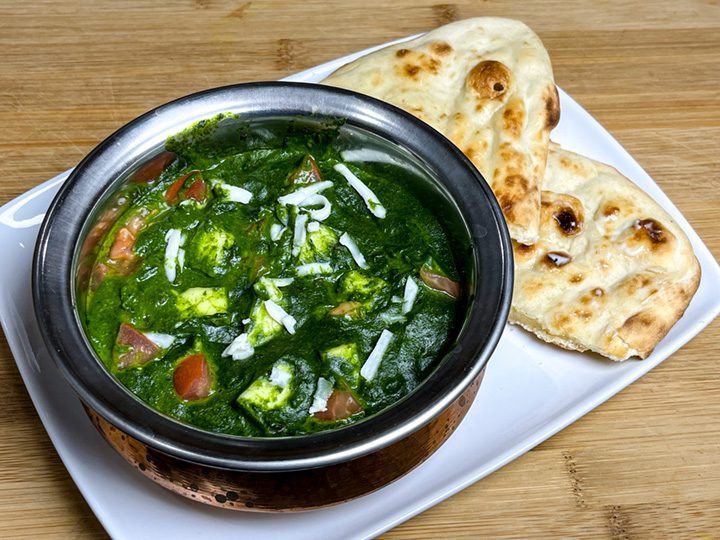
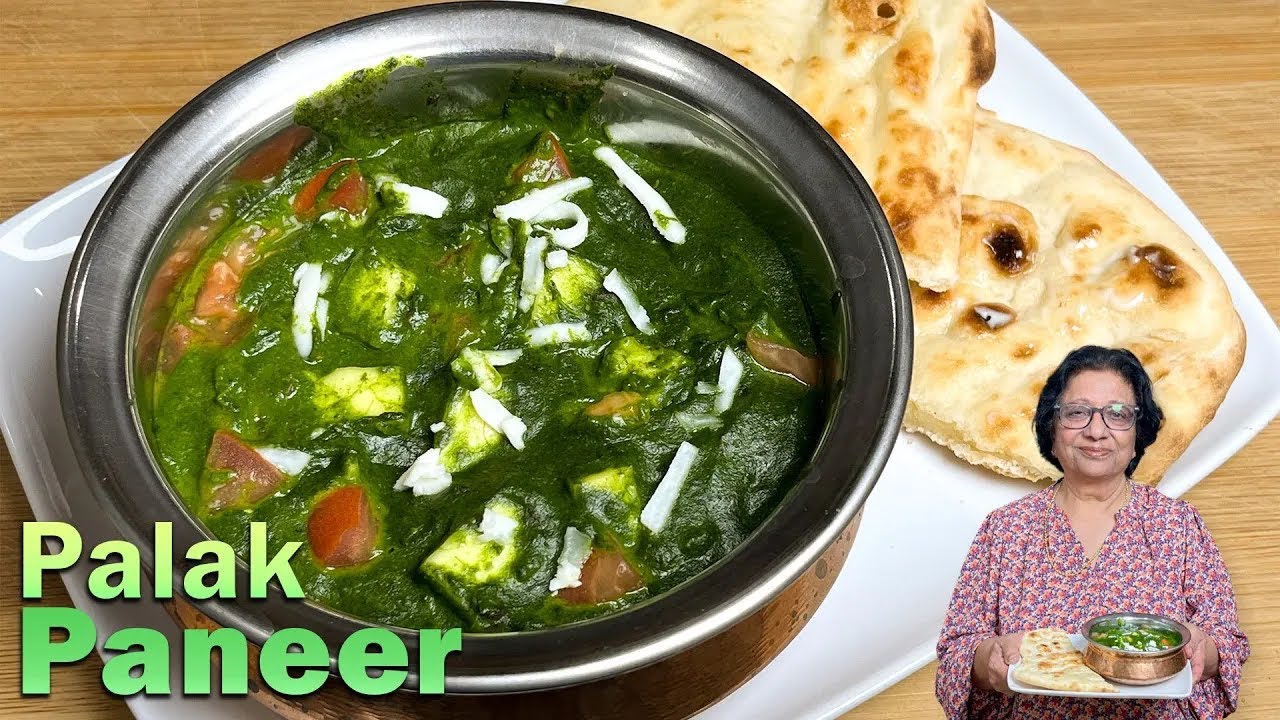
Palak Paneer

Palak Paneer
Print

Palak Paneer

Palak Paneer is perhaps the most popular paneer dish in North India and is a favorite in Indian restaurants. Creamy spinach paired with paneer makes for a delicious main course. This recipe has always been one of my favorites, and I can prepare it quickly.
Although I’ve made this recipe before, I now want to simplify it by using just a few ingredients. Even after so many years of cooking, I’m still learning and striving to keep things simple, healthy, nutritious, and flavorful.
This dish is made with blanched spinach, which helps retain its vibrant green color. I didn’t know why blanching was used in cooking, but this is all part of the learning process. Palak Paneer pairs perfectly with roti, naan, or paratha.
Course Main Course
Cuisine Indian
Keyword palak paneer
Popular YouTube
Servings 2 people

Ingredients

  • 5 oz spinach washed and clean, about 6 cups packed spinach
  • 1 cup paneer cubed into bite size, about 4oz of paneer
  • 1 green chili chopped
  • 1 tbsp oil
  • 1/2 tsp cumin seeds – jeera
  • 1/8 tsp asafetida – hing
  • 1 tsp coriander powder – dhania
  • 1/4 tsp turmeric – haldi
  • 1/2 tsp salt adjust to taste
  • 1/2 tsp sugar
  • 1 tbsp whole wheat flour
  • 1/4 cup heavy cream
  • 1/4 cup finely chopped tomato
  • 2 tbsp paneer shredded for garnishing

Instructions

  • First blanch the spinach, this helps to keep the spinach color bright. To blanch the spinach, boil about 6 cups of water in a saucepan, and let the spinach boil for one minute. Drain the water and put the spinach in ice cold water for about two minutes. Drain the water.
  • Blend the spinach, ginger and green chili. Spinach should be creamy.
  • Soak the cubed paneer in about three cups of hot water, for about 5 minutes. This helps to give the paneer a soft texture. Set it aside.
  • While cooking, spinach can splatter, use larger saucepan. Heat the oil in a saucepan, over medium high heat. Test the heat by adding one cumin seed to the oil; if it cracks right away it is ready.
  • Add cumin seed, and asafetida. After cumin seeds crack, add blended spinach and stir. Add coriander, salt, and sugar, stir.
  • After spinach comes to boil lower the heat to low, and let the spinach cook for about 5-6 minutes partially cover the pot, because spinach will splatter. I don’t cover the pan fully because this helps keep the green color of spinach.
  • Mix the flour to 1/2 cup of water and add to the spinach, also add the cream. Mix it well and let it cook for five minutes. If needed add a little more water.
  • Drain the paneer and fold it gently with spinach and let it simmer for about five minutes.
  • Palak paneer is ready, add the tomatoes and turn off the heat. Garnish it with shredded or crumbled paneer.

Palak Paneer is one of the most popular paneer dishes from North India and a favorite at Indian restaurants around the world. This creamy, flavorful dish features tender paneer cubes nestled in a rich spinach sauce, making it a perfect main course for any meal. 

With its vibrant green color and delicious combination of spinach and paneer, Palak Paneer pairs wonderfully with roti, naan, or paratha. This simplified version of the recipe uses just a few ingredients, allowing the natural flavors of the spinach and paneer to shine while remaining healthy and nutritious.

Cultural and Traditional Importance 

Paneer dishes are a staple in North Indian cuisine, and Palak Paneer is undoubtedly one of the most beloved. Traditionally prepared in Indian households and served during special occasions or family gatherings, this dish showcases the versatility of paneer and the use of leafy greens in Indian cooking. 

Palak Paneer is often served with flatbreads like naan or paratha, and its creamy texture and mildly spiced flavor make it a crowd-pleaser.

This simplified recipe doesn’t compromise on taste, while offering a more convenient way to prepare Palak Paneer at home. Blanching the spinach helps retain its bright green color, making the dish visually appealing as well as delicious.

Recipe Variations from Manjula’s Kitchen While Palak Paneer is a classic dish on its own, you can explore other paneer-based recipes and spinach variations from Manjula’s Kitchen:

Paneer Butter Masala: A rich and creamy tomato-based dish, perfect for those who enjoy a sweeter, milder flavor.

Aloo Palak (Potato Spinach): A delicious vegetarian dish combining spinach with tender potatoes, offering another way to enjoy spinach in your meals.

Paneer Saag: A similar dish that incorporates other leafy greens, like mustard greens, along with spinach for a different flavor profile.

Matar Paneer: A flavorful combination of paneer and green peas cooked in a spiced tomato sauce, offering a wonderful variation for paneer lovers.

Health Benefits and Dietary Considerations Palak Paneer is not only delicious but also packed with nutrients. Spinach is rich in iron, vitamins A, C, and K, as well as antioxidants that promote overall health. 

The use of paneer adds a good amount of protein and calcium, making this dish a balanced meal that supports both muscle and bone health. 

For those looking to make a lighter version of Palak Paneer, you can substitute the heavy cream with a lighter cream or yogurt. The dish is also naturally gluten-free (ensure the flour you use is gluten-free or omit it), making it suitable for those with gluten sensitivities. If you’re vegan, tofu can be used in place of paneer to create a delicious Palak Tofu.

Serving Suggestions Palak Paneer can be served with a variety of Indian breads, such as roti, naan, or paratha. It also pairs well with rice dishes like Jeera Rice or Plain Basmati Rice for a more complete meal. For added texture and flavor, you can garnish the dish with freshly grated paneer or a drizzle of cream.

For a more elaborate meal, serve Palak Paneer alongside other classic Indian dishes such as Dal Tadka or Aloo Gobi to create a balanced vegetarian spread.

Conclusion Palak Paneer is a quintessential North Indian dish that brings together the creamy richness of paneer and the nutritious goodness of spinach. This simplified recipe ensures that you can prepare this dish quickly, without sacrificing flavor or texture. Whether you’re cooking for a family dinner or hosting a special meal, Palak Paneer is sure to be a hit. Try this recipe today and enjoy one of India’s most loved dishes in the comfort of your home.

Frequently Asked Questions (FAQs)

How do I keep the spinach color bright in Palak Paneer?

Blanching the spinach is the key to retaining its vibrant green color. Boil the spinach for about a minute, then immediately transfer it to ice-cold water to stop the cooking process.

Can I make Palak Paneer vegan?

Yes, you can substitute the paneer with tofu and use coconut cream or cashew cream in place of dairy cream to make a vegan version of this dish.

What are some variations of Palak Paneer I can try?

You can try dishes like Saag Paneer, which uses a combination of leafy greens, or Aloo Palak, which pairs spinach with potatoes for a different take on the classic.

How do I serve Palak Paneer?

Palak Paneer pairs wonderfully with Indian breads like naan, roti, or paratha. It can also be served with Jeera Rice or Plain Basmati Rice.

Can I prepare Palak Paneer in advance?

Yes, you can prepare the spinach puree and paneer in advance. Store them separately in the refrigerator, and when ready to serve, gently reheat and combine the two for a fresh and delicious meal.

The post Palak Paneer appeared first on Manjula's Kitchen.

💾

Discover the most liked Palak Paneer recipe! Simple ingredients, creamy spinach, and soft paneer make this North Indian classic perfect for a tasty, nutritious meal.

Mixed Dal Dosa

Print

Mixed Dal Dosa

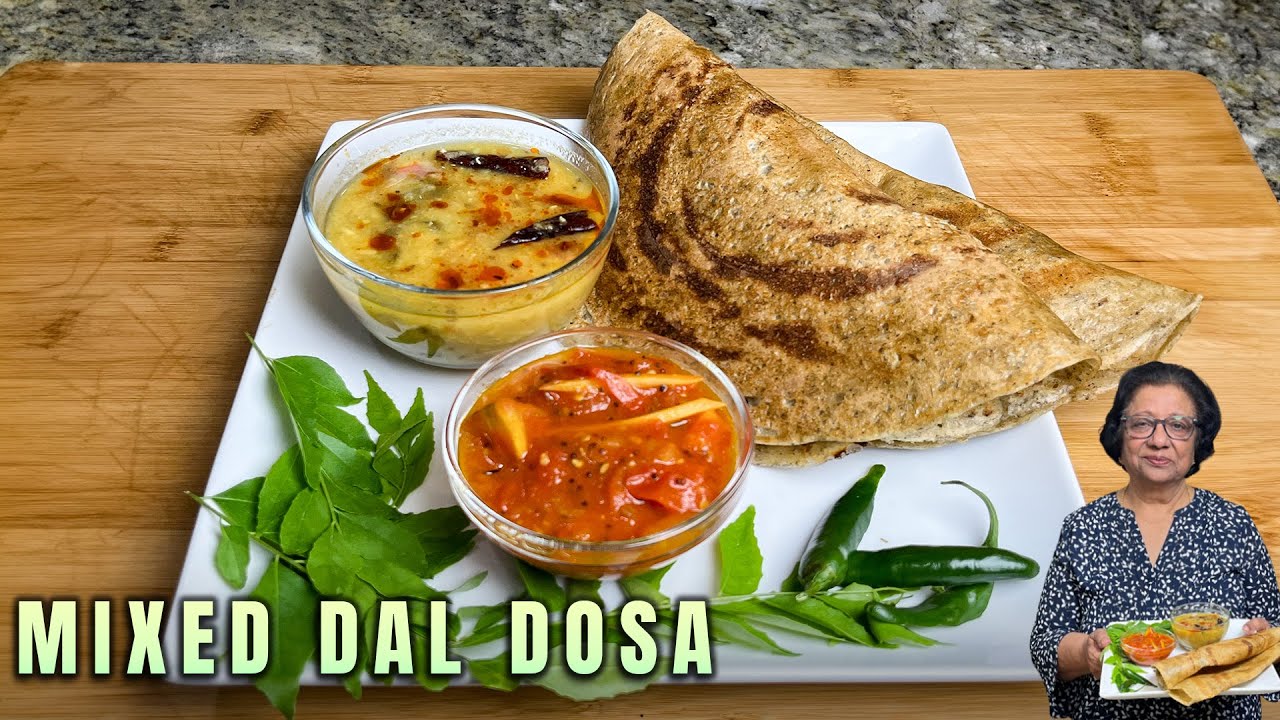
Mixed Dal Dosa is a simple and nutritious flatbread that doesn’t require fermentation. This high-protein dosa is made from a blend of various lentils (dal), which are soaked and ground into a smooth paste. A few spices enhance the flavors, and the dosa is cooked on a hot skillet until it’s crispy and golden. These dosas are not only high in protein but also vegan and gluten-free, making them a healthy choice for everyone.
These protein-rich mixed dal dosas are incredibly versatile. They’re perfect for a healthy breakfast, but they can also be enjoyed at any meal—lunch, dinner, or even as a snack. Serve them with your favorite chutney, a comforting soup, or your choice of vegetable dish to complete the meal.
Prep Time 15 minutes
Cook Time 20 minutes
Servings 6 Dosa

Ingredients

  • ¼ cup moong dal
  • ¼ cup washed moong dal
  • ¼ cup washed urad dal
  • ¼ cup red lentil
  • 1 green chili chopped optional
  • ¼ piece ginger chopped
  • ½ tsp cumin seeds (jeera)
  • ¼ tsp black pepper 
  • tsp asafetida (hing)
  • ½ tsp salt (adjust to taste)
  • 4 tbsp oil

Instructions

  • In a bowl mix all the dal, wash them changing water 2-3 times. Soak dal in four cups of water for 6-8 hours.
  • Drain the water. Blend the lentils (dal) with green chili and ginger, adding water slowly as needed to make a smooth batter. Note: The less water, the smoother the batter.
  • Mix the salt and cumin seeds into the batter. Add water as needed. The total water added will be about ½ cup, just enough to achieve the consistency of pancake batter.
  • Place a non-stick skillet over medium-high heat. Test by sprinkling a few drops of water on it. The water should sizzle right away.
  • Pour about ½ cup of the batter mixture into the skillet and spread evenly with the back of a spoon. Starting from the center, spiral outward until evenly spread, about seven inches in diameter.
  • When the batter begins to dry, gently spread one teaspoon of oil over it. Wait about 30 seconds, then flip the dosa using a flat spatula.
  • Press the dosa lightly with the spatula all around to ensure even cooking, turning them two to three times. Dosa should be crisp and golden brown on both sides.
  • Repeat for the remaining dosas.

Notes

Notes: If you are on a gluten-free diet, be aware that asafetida (hing) in powder form is often not gluten-free. In that case, you may want to avoid using asafetida.
Serving suggestion
Serve dosas with any chutney, such as tomato chutney, peanut chutney or cilantro chutney, or chutney of your choice.
You can also serve them with samber (a south Indian style dal) or your choice of soup.
For a creative twist, you can use these dosas to make delicious wraps, commonly known as frankies or kathi rolls. Simply wrap some vegetables or salad inside the dosa for a wholesome and satisfying meal on the go. 
You can even make these dosas in advance, then reheat them over a skillet to restore their crispness.
For a creative twist, you can use these dosas to make delicious wraps. Make the dosas slightly thicker so they stay soft; these wraps are commonly known as frankies or kathi rolls. Simply wrap some vegetables or salad inside the dosa for a wholesome and satisfying meal on the go.

Introduction to Mixed Dal Dosa

Mixed Dal Dosa is a wholesome, protein-rich flatbread that’s not only easy to make but also doesn’t require the traditional fermentation process. Made from a blend of various lentils, this dosa is packed with plant-based protein, making it a great meal option for anyone looking to boost their protein intake. Lentils like moong dal, urad dal, and red lentils are soaked, ground into a smooth batter, and spiced to create a savory and crispy dosa. The best part? This dosa is both vegan and gluten-free, catering to various dietary preferences while still delivering great taste and texture.

Cultural and Traditional Importance

Dosas are a staple in South Indian cuisine, traditionally made from fermented rice and lentil batter. However, the Mixed Dal Dosa offers a quicker alternative without the need for fermentation, making it an ideal choice for those who are short on time. Lentils are a common ingredient in Indian cooking, celebrated for their versatility and nutritional value. By using a variety of dals, this dosa provides a range of nutrients, especially plant-based proteins, making it a go-to dish for breakfast, lunch, dinner, or even as a snack.

The beauty of Mixed Dal Dosa lies in its simplicity and adaptability. It’s a great way to incorporate different types of lentils into your diet, each contributing its unique flavor and health benefits. Traditionally served with chutneys and sambar, this dosa has found a place in modern kitchens due to its quick preparation and nutritious profile.

Recipe Variations from Manjula’s Kitchen

While Mixed Dal Dosa is delicious and nutritious on its own, there are several other similar dosa and pancake recipes available on Manjula’s Kitchen that you can explore for variety:

  • Moong Dal Dosa: Another high-protein dosa made primarily from moong dal, offering a lighter alternative.
  • Besan Chilla: A savory pancake made with gram flour (besan), perfect for a quick, protein-packed breakfast.
  • Rava Dosa: A crisp and delicate dosa made with semolina, for those who prefer a thin and crunchy dosa.
  • Oat Dosa: Similar to Mixed Dal Dosa, Instant Oat dosa is an easy recipe that is perfect for busy families.

Health Benefits and Dietary Considerations

The Mixed Dal Dosa is packed with nutrients, especially protein, making it a great option for those following a vegetarian or vegan diet. Lentils are an excellent source of protein, fiber, vitamins, and minerals, contributing to overall digestive health and maintaining energy levels throughout the day. By using a variety of dals, you’re also ensuring that you get a broader range of nutrients in every dosa.

Additionally, this recipe is gluten-free, making it suitable for those with gluten sensitivities or anyone on a gluten-free diet. If you’re strictly gluten-free, it’s important to note that asafetida (hing) often contains gluten, so be sure to use a gluten-free version or skip it altogether.

Serving Suggestions

Mixed Dal Dosa can be served with a variety of chutneys to complement its savory flavors. Here are a few chutney options from Manjula’s Kitchen that pair well with the dosa:

  • Tomato Chutney: A tangy and slightly sweet chutney that adds a fresh burst of flavor.
  • Cilantro Chutney: A classic chutney with refreshing cilantro and a hint of spice.
  • Peanut Chutney: A creamy and nutty chutney that pairs wonderfully with the crispy dosa.

For a complete meal, serve Mixed Dal Dosa with Sambar or a comforting soup. Another creative twist is to use the dosa as a wrap, filling it with vegetables, paneer, or salad to create a delicious and nutritious frankie or kathi roll. The dosas can also be prepared in advance and reheated on a skillet, making them an excellent option for meal prep.

Conclusion

Mixed Dal Dosa is a simple yet highly nutritious meal that can be enjoyed at any time of the day. Its high protein content, along with being vegan and gluten-free, makes it a versatile option for a variety of dietary needs. Whether you’re serving it with chutney for breakfast or transforming it into a wrap for lunch, this high protein dosa will quickly become a favorite in your household. Explore the other dosa recipes on Manjula’s Kitchen to discover even more delicious ways to enjoy Indian flatbreads.

Frequently Asked Questions (FAQs)

What makes Mixed Dal Dosa high in protein?

The use of multiple lentils like moong dal, urad dal, and red lentils makes Mixed Dal Dosa rich in plant-based protein, making it an excellent option for those seeking a high-protein meal.

Can I make the dosa ahead of time?

Yes, you can make the dosas in advance and reheat them on a skillet to restore their crispness. They also work well as wraps for on-the-go meals.

What are some serving options for Mixed Dal Dosa?

Serve Mixed Dal Dosa with chutneys like tomato chutney, cilantro chutney, or peanut chutney. You can also pair it with sambar or use it as a wrap filled with vegetables or paneer.

Is Mixed Dal Dosa gluten-free?

Yes, this dosa is naturally gluten-free. However, be cautious with asafetida (hing) as it may contain gluten unless specifically labeled gluten-free.

Can I adjust the spiciness of the dosa?

Absolutely! You can adjust the spice level by adding or omitting green chili and black pepper based on your preference.

The post Mixed Dal Dosa appeared first on Manjula's Kitchen.
💾

Learn how to make Mixed Dal Dosa, a protein-packed, gluten-free Indian crepe made from various lentils. Perfect for a healthy breakfast or snack, this recipe is easy to prepare and loaded with nutrition.

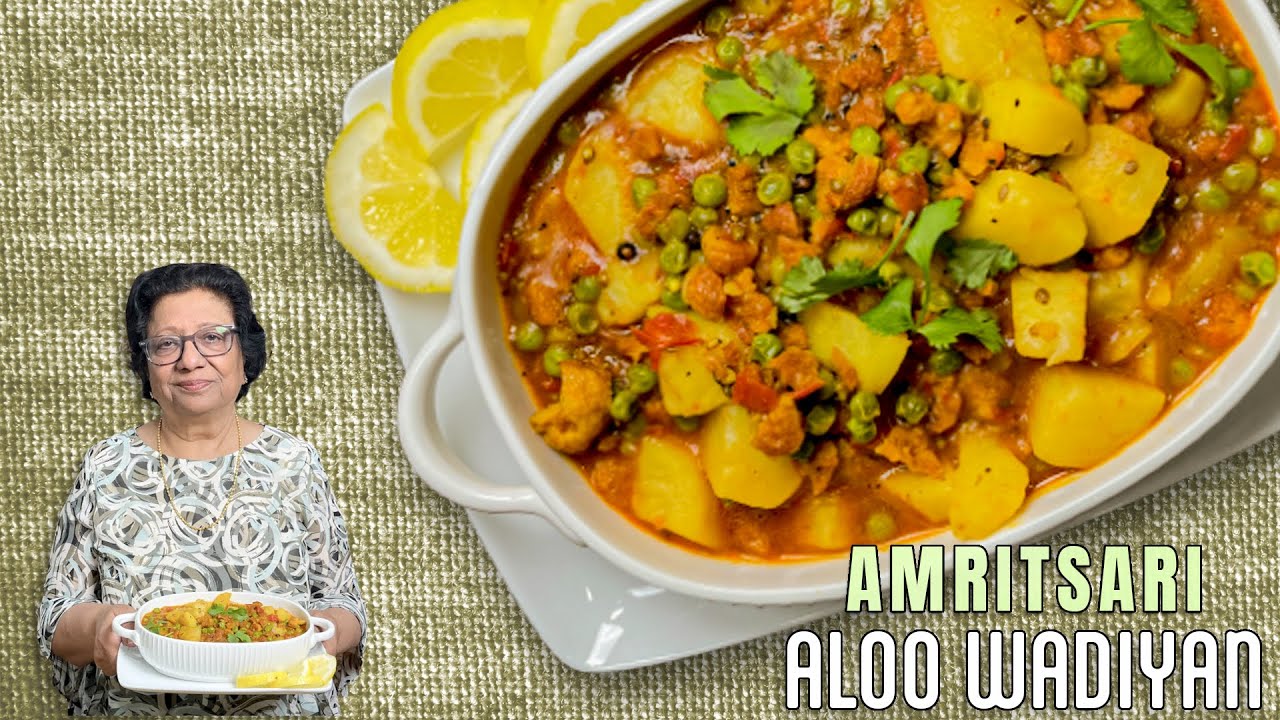
Amritsari Aloo Wadiyan

aloo wadi recipe
Print

Aloo Wadi Ki Sabji, Amritsari Punjabi Aloo Vadiyan, Vegan Gluten Free

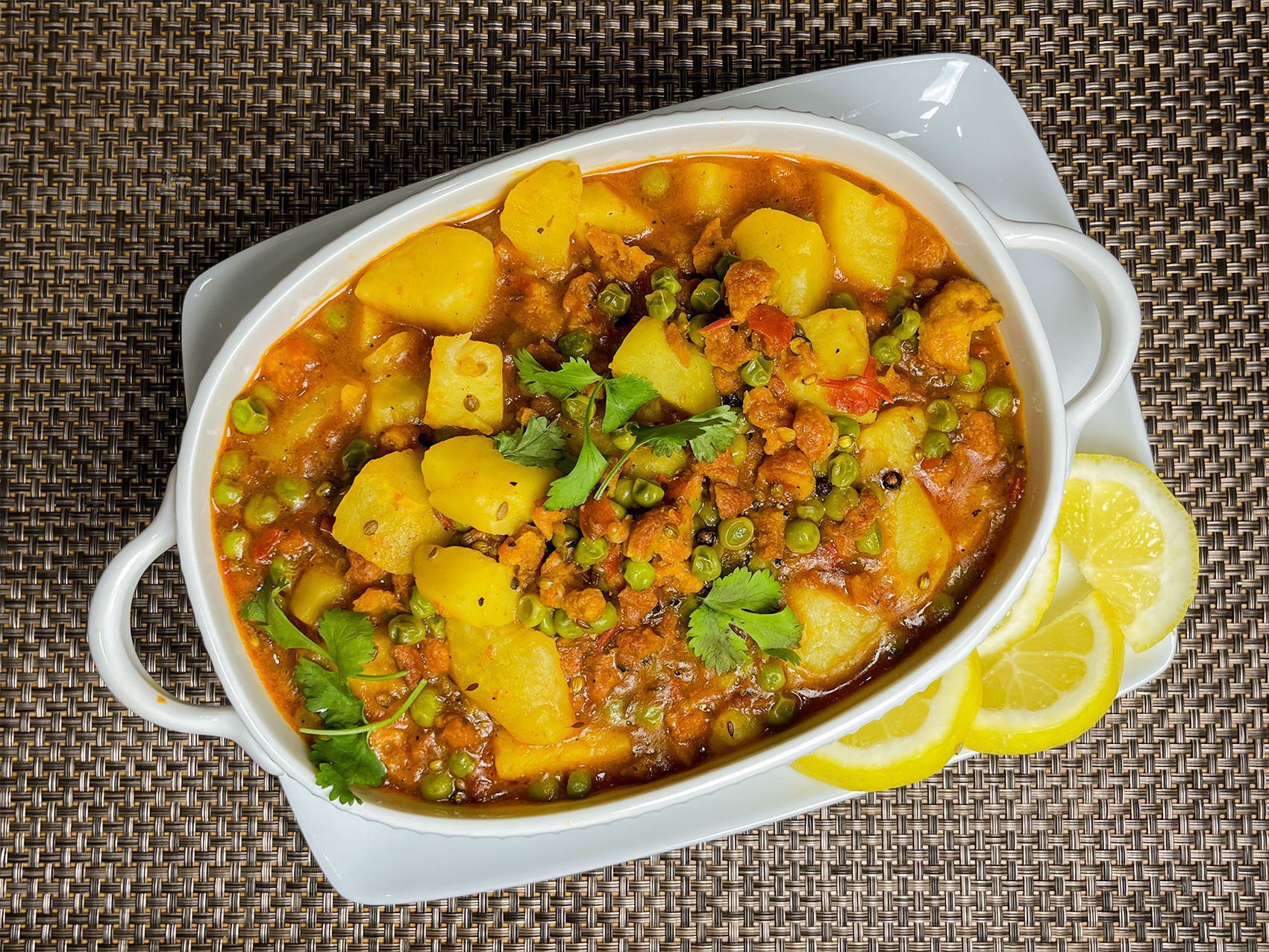
Amritsari Style Aloo Wadi Ki Sabji has a unique flavor. This is a delightful Punjabi dish using sun-dried lentil dumplings, potatoes and green peas. Aloo Wadi is a spicy, gravy-based dish, perfect for those who enjoy spicy food. Explore this tasty recipe exclusively at Manjula's Kitchen official website.
This was one of my favorite dishes growing up. Amritsari Wadi wasn't available at the Indian grocery store where I shop, but they had plain Urad Dal Wadi. I like to use ingredients that are easily available. As usual, I searched on Google for the spices used in Amritsari Wadis, and there were so many different versions that none matched what I remembered. I wanted to make a recipe very close to what I remember.
After trying a few times, I finally called my sister to find out the ingredients used in Amritsari Wadi. She knows some good Indian vegetarian recipes that are very traditional and excellent, and of course, she helped me out. After a few tries, I was happy with the balance of spices in the Aloo Wadi.
Course Main Course
Cuisine Indian
Keyword Punjabi Cuisine
Popular YouTube
Servings 4 people

Ingredients

  • 2 cups boiled potatoes peeled and cut into byte size cubes
  • 1 cup green peas frozen green peas
  • 3/4 cup urad dal wadi broken into small pieces
  • 3/4 cup tomato puree
  • 3 tbsp oil
  • 1 tsp cumin seeds (jeera)
  • 1/8 tsp asafetida (hing)
  • 1-1/2 tbsp coriander crushed (dhania)
  • 2 tsp black pepper crushed (kali mirch)
  • 2 dry red chilies (sabut lal mirch) broken in small pieces
  • 1/4 tsp Kashmiri red chili powder, optional
  • 1/4 tsp turmeric (haldi)
  • 1-1/2 tsp salt
  • 1-1/2 cup water

Instructions

  • Heat the pan on medium-low and add 2 tablespoons of oil. Add the urad dal vadi and stir-fry until they are light golden brown, about 2 minute. Remove them and set aside in a bowl.
  • In the same saucepan, add the remaining tablespoon of oil over medium heat. When the oil is moderately hot, add the cumin seeds. When the seeds start to crackle, add the asafetida, stir, and then add the tomato puree, coriander, black pepper, red chili, Kashmiri chili powder, turmeric, and salt. Cook, stirring occasionally, until the spice mix starts releasing oil, about 2 minutes.
  • Add the potatoes, green peas, vadis, and 1 1/2 cups of water. Cover the pan and let it cook for about 10 minutes over medium-low heat. Adjust the water if needed.
  • Vadis are ready, I will serve them with rice.

Notes

About Aloo Wadiyan
Punjabi Aloo Wadiyan is a traditional North Indian dish that features potatoes (aloo) and sun-dried Urad Dal dumplings (wadiyan). It's a flavorful and hearty vegetarian dish that is popular in Punjabi cuisine. The sun-dried lentil dumplings add a unique texture and taste to the dish.
If you don’t have urad dal vadiyan, you can use moong dal vadayan.

The Unique Flavor of Amritsari Punjabi Aloo Wadiyan

Amritsari Punjabi Aloo Wadiyan is a delightful and spicy dish from Punjab, known for its unique flavor and the use of sun-dried lentil dumplings (wadiyan). This Aloo Wadi Ki Sabji combines potatoes and green peas with flavorful spices, making it a hearty and satisfying meal. This dish is perfect for those who enjoy a spicy, gravy-based curry, explore more Indian gravy recipes.

The Essence of Aloo Wadi Ki Sabji

The essence of Aloo Wadi Ki Sabji lies in its combination of textures and flavors. The sun-dried urad dal dumplings (wadiyan) add a chewy texture and rich taste, while the potatoes and green peas provide a comforting base. The blend of spices creates a flavorful gravy that ties everything together. This dish is one of the finest Indian vegan recipes that is also gluten-free, making it suitable for various dietary preferences.

Origin and Popularity

Aloo Wadiyan is a traditional dish in Punjabi cuisine, this special occasions recipe often enjoyed during family gatherings. The use of Amritsari wadiyan adds a unique twist to this dish, with the wadiyan being a specialty of the Amritsar region. The combination of potatoes and lentil dumplings in a spicy gravy makes this dish a favorite among those who appreciate hearty and flavorful vegetarian meals.

Why You’ll Love This Recipe

  • Unique Flavor: The sun-dried lentil dumplings provide a distinctive taste and texture.
  • Spicy and Flavorful: The blend of spices creates a rich and spicy gravy.
  • Vegan and Gluten-Free: Suitable for various dietary preferences.
  • Comforting and Hearty: Perfect for a satisfying meal, especially when served with rice.

Variations of Vegetable Dry Recipes

Exploring Manjula’s Kitchen reveals a treasure trove of other delicious vegetable dry recipes that you might enjoy. Here are some related dishes that you might find interesting:

  1. Aloo Gobi: A classic Indian dish made with potatoes and cauliflower cooked with spices.
  2. Bhindi Masala: A flavorful dish made with okra and a blend of spices.
  3. Baingan Bharta: A smoky and flavorful dish made with roasted eggplant and spices.
  4. Gajar Matar: A simple and healthy dish made with carrots and green peas.
  5. Palak Paneer: A popular dish made with spinach and paneer in a creamy sauce.

Serving Suggestions

Aloo wadi ki sabji can be enjoyed in various ways:

  • With Rice: Serve with steamed plain basmati rice or jeera rice for a complete meal.
  • With Indian Breads: Pair with roti, naan, or paratha for a satisfying meal.
  • As a Side Dish: Enjoy as a side with other Indian curries and dishes.
  • For Special Occasions: Perfect for festive meals and family gatherings.

Tips and Tricks

To perfect your aloo wadi ki sabji recipe, consider these helpful tips:

  • Use Fresh Wadiyan: Fresh sun-dried lentil dumplings provide the best flavor and texture.
  • Balance the Spices: Adjust the spice levels to suit your taste preferences.
  • Cook Gently: Simmer the dish on low heat to allow the flavors to meld together.
  • Customize: Feel free to add other vegetables like carrots or bell peppers for added nutrition and flavor.

FAQs Frequently Asked Questions

Can I Use Moong Dal Wadiyan Instead of Urad Dal Wadiyan?

Yes, you can use moong dal wadiyan as a substitute if urad dal wadiyan are not available.

How Long Does Aloo Wadi Ki Sabji Last?

Store any leftovers in an airtight container in the refrigerator for up to 2 days. Reheat gently before serving.

Is Aloo Wadi Ki Sabji Vegan?

Yes, this recipe is naturally vegan and gluten-free.

What Can I Serve With Aloo Wadi Ki Sabji?

This dish pairs well with steamed basmati rice, jeera rice, roti, naan, or paratha.

Can I Make This Dish Less Spicy?

Yes, adjust the amount of green chilies and red chili powder to make the dish milder.

The post Amritsari Aloo Wadiyan appeared first on Manjula's Kitchen.
💾

Amritsari Aloo Wadi Ki Sabji, this dish is using sun-dried lentil dumplings, potatoes, and green peas and is a nice spicy food to enjoy.
❌