Reading view

There are new articles available, click to refresh the page.

AI-First App Development: A Detailed Guide

The mobile app landscape has undergone a massive transformation in the past decade. What began as a race to optimize apps for smaller screens and faster performance has evolved into something far more intelligent. Today, businesses are not just developing apps that run efficiently, but apps that think, learn, and adapt to user behavior. This shift in philosophy has given rise to a new paradigm known as AI-First Mobile App Development.

In simple terms, an AI-first app is one where artificial intelligence forms the backbone of the design and functionality. Instead of simply reacting to user commands, these apps understand intent, analyze context, and make proactive decisions. From predicting what a user wants next to automatically improving experiences based on real-time data, AI-first apps mark a new stage in mobile innovation.

For many businesses, this represents a major evolution from the traditional “mobile-first” mindset. While the mobile-first strategy focused on accessibility and responsiveness, the AI-first approach emphasizes intelligence, adaptability, and automation. As users expect more personalized and context-aware experiences, organizations must rethink how they conceptualize and build mobile applications.

Companies across industries are already investing heavily in AI-first app development to stay ahead of competitors. E-commerce apps are using AI for predictive recommendations, healthcare platforms are leveraging it for patient monitoring, and finance apps are adopting AI to analyze spending patterns. These examples show that the AI-first philosophy is not a passing trend but a critical evolution in digital product strategy.

Businesses interested in exploring partnerships for building advanced mobile solutions can review some of the top mobile app development companies that specialize in innovation-driven projects. Similarly, you can discover popular AI companies that are leading the charge in artificial intelligence research and implementation.

In the sections that follow, we will explore what “AI-first” truly means in mobile app development, why enterprises are rapidly adopting this approach, and how businesses can successfully plan, design, and deploy intelligent, self-learning apps that deliver real value to users.

What is “AI-First” in Mobile App Development?

The term AI-first represents a fundamental shift in how mobile apps are conceived and built. In a traditional development approach, artificial intelligence is often added as an enhancement or a secondary feature. However, in AI-First Mobile App Development, intelligence is not an afterthought—it’s the foundation upon which the entire app is designed. Every feature, interaction, and workflow revolves around data-driven learning, automation, and contextual understanding.

Unlike the earlier mobile-first strategy that emphasized responsive design and accessibility, AI-first development aims to make apps proactive and adaptive. This means that the application doesn’t wait for a user to take action; instead, it anticipates what the user needs next, responds intelligently, and continuously improves its performance through feedback and real-time learning.

Core Characteristics of AI-First App Development

  • Data as the Core Resource: In AI-first design, data is the new fuel. Every user interaction, input, and decision becomes part of a larger feedback loop that helps the app learn over time. This allows developers to build self-learning mobile apps that adapt to each user’s preferences and behavior patterns.
  • Machine Learning at the Foundation: AI-first apps rely heavily on machine learning (ML) models that can recognize patterns, predict actions, and make intelligent recommendations. These models enable intelligent mobile apps capable of independent decision-making.
  • Personalization and Context Awareness: Unlike static apps, AI-first solutions adjust dynamically based on user intent and context. For example, an app may change its interface, recommend content, or send alerts depending on location, time, or emotional tone—creating emotion-aware apps and adaptive app interfaces.
  • Continuous Evolution: The learning process never stops. Each version of an AI-first app becomes smarter as it processes more data, enabling developers to create truly autonomous mobile apps that evolve with user interactions.
  • Human-Like Decision-Making: Through LLMs (Large Language Models) and cognitive AI techniques, apps can simulate human reasoning, improving user experiences through conversational, intuitive interactions.

Examples of AI-First Applications

  • AI Co-pilot Apps: These are intelligent assistants that help users perform complex tasks such as scheduling, data entry, or decision-making. They act as real-time collaborators rather than static tools.
  • Generative UI Design: Using generative AI mobile apps, developers can create interfaces that automatically adapt layouts or visuals based on user preferences and usage behavior.
  • Predictive and Adaptive Interfaces: Apps like Spotify, Netflix, or Amazon already employ AI-powered UX to predict user needs and personalize content recommendations.
  • On-Device AI Processing: With advances in Edge AI mobile applications, apps can now analyze and act on data directly from the device without relying on cloud connectivity, ensuring faster response times and enhanced privacy.

Ultimately, an AI-first mobile app is not just an app with AI features—it’s an ecosystem that integrates intelligence, automation, and continuous learning into its very DNA. The app becomes a living entity that evolves, understands, and interacts with users in ways that traditional software simply cannot achieve.

Next we will explore why organizations across industries are transitioning from mobile-first to AI-first development and how this strategic shift delivers tangible business advantages.

Why Businesses are Shifting from “Mobile-First” to “AI-First”?

For over a decade, the mobile-first philosophy shaped how companies approached app development. The idea was simple—design for mobile users first, then scale up for larger devices. While this strategy successfully ensured accessibility and responsiveness, it is no longer enough to meet the expectations of today’s users who crave intelligent, context-aware, and personalized digital experiences.

The rise of AI-first app development marks the next stage of digital transformation. In this new approach, artificial intelligence becomes the driving force behind user engagement, automation, and data-driven decision-making. Businesses are now prioritizing intelligence and adaptability over static design and fixed workflows, making AI the foundation rather than the finishing touch.

Limitations of the Mobile-First Strategy

Although the mobile-first approach brought a massive shift in usability and design, it also introduced constraints in functionality. Here are some of the major limitations that have pushed organizations toward AI-first development:

  • Lack of Personalization: Mobile-first apps provide the same experience to every user, regardless of their preferences or context. This one-size-fits-all model limits engagement and retention.
  • Reactive Nature: Traditional apps respond to user actions but cannot anticipate them. They rely entirely on manual input rather than predictive insights.
  • Limited Automation: Without AI, automation is minimal. Businesses must depend on human intervention for tasks like support, recommendations, and analytics.
  • Data Underutilization: Mobile-first strategies rarely leverage user data beyond basic analytics. This leaves valuable insights untapped.

These limitations make it clear why businesses are moving toward AI-driven app development. AI-first applications not only solve these issues but redefine how apps interact with users and data.

How AI is Transforming the Mobile Experience

Artificial intelligence enables mobile apps to think, predict, and act autonomously. The difference is dramatic—AI-first apps are not static programs; they are dynamic systems that continuously learn from every user interaction. Below are key ways AI is redefining the mobile experience:

  • Predictive UX: AI analyzes user behavior to anticipate actions. For example, a travel app can suggest destinations or itineraries before a user even searches, using behavioral and contextual data.
  • Adaptive Interfaces: Apps dynamically adjust layouts, visuals, and content based on user preferences or usage patterns, creating adaptive app interfaces that evolve in real time.
  • Intelligent Automation: AI-first apps automate repetitive tasks like customer service, scheduling, or notifications, freeing up human effort for strategic functions.
  • Personalized Engagement: With the help of AI personalization in mobile apps, businesses deliver experiences tailored to each user, boosting satisfaction and loyalty.

For instance, e-commerce apps use AI to recommend products based on purchase history, streaming platforms employ predictive AI to suggest content, and banking apps use cognitive models to identify unusual transactions. Each of these cases illustrates how AI in mobile app development leads to smarter, faster, and more efficient digital experiences.

Business Motivations for Adopting an AI-First Approach

From a business perspective, the shift to AI-first is more than a technology upgrade—it’s a strategic necessity. Here’s why forward-thinking companies are prioritizing AI-first mobile app development:

  • Data-Driven Decision Making: AI-first apps collect and analyze user data continuously, providing actionable insights that help businesses make smarter decisions.
  • Improved Operational Efficiency: Automated systems reduce manual effort, speed up response times, and cut costs across departments such as customer support, marketing, and logistics.
  • Enhanced Customer Retention: Personalized and context-aware experiences increase engagement, fostering stronger user relationships.
  • Scalability and Flexibility: AI-first systems can adapt to new trends, user needs, and technologies more efficiently than traditional frameworks.
  • Innovation and Competitive Edge: Companies embracing AI-first app development strategy stay ahead of competitors by introducing intelligent, proactive features that others can’t replicate easily.

The Rise of the AI-First Ecosystem

AI-first development isn’t an isolated trend—it’s part of a larger ecosystem where data, automation, and cognitive technologies converge. Enterprises that invest in AI-first strategies are building digital ecosystems that are self-learning, transparent, and ethical. These include AI transparency apps that promote fairness in AI decisions, AI-first ecosystems that integrate multiple intelligent systems, and AI agents capable of performing autonomous tasks.

The adoption of this ecosystem signals a shift toward an era of intelligent mobile apps that serve as digital partners rather than passive tools. This movement is also influencing web technologies.

By prioritizing intelligence and automation, businesses can unlock new levels of efficiency, engagement, and innovation. The AI-first approach not only meets current user expectations but also prepares companies for a future driven by data and machine learning.

Next, we’ll take a deeper look at the key AI technologies that power AI-first mobile app development, including LLMs, RAG, Edge AI, and Generative AI.

Key AI Technologies Powering AI-First App Development

Behind every successful AI-first mobile app lies a sophisticated set of artificial intelligence technologies. These tools and frameworks form the foundation that allows apps to understand, learn, and adapt to users in real time. Unlike traditional development, which relies on fixed logic, AI-first app development uses advanced models that continuously evolve based on new data and user behavior.

Let’s explore the core AI technologies that drive this new era of intelligent mobile applications and see how each one plays a vital role in transforming app experiences.

Large Language Models (LLMs) in App Development

Large Language Models (LLMs) like OpenAI’s GPT or Google’s Gemini have revolutionized the way mobile apps interact with users. These models are trained on massive datasets and can understand natural language, generate human-like text, and interpret complex queries. In AI-first app development, LLMs serve as the “brains” of conversational interfaces, chatbots, and digital assistants.

  • Conversational AI: LLMs enable virtual assistants and chatbots that can understand intent, maintain context, and provide meaningful, human-like responses. This makes interactions smoother and more intuitive.
  • Knowledge Integration: By combining LLMs with custom datasets, developers can build domain-specific AI assistants for healthcare, finance, or e-commerce apps.
  • AI-Powered UX: Through natural dialogue and intelligent suggestions, LLMs improve AI-powered UX, reducing friction in navigation and decision-making.

For example, a travel app could use an LLM to help users plan trips by simply typing “plan a weekend getaway,” while the AI takes care of researching destinations, hotels, and activities—all through conversation.

Retrieval-Augmented Generation (RAG) in Mobile Apps

Retrieval-Augmented Generation (RAG) is an advanced AI technique that combines generative AI with information retrieval systems. Instead of relying solely on pre-trained knowledge, RAG-based apps can pull relevant, real-time data from external databases or APIs before generating responses. This makes them significantly more accurate and up-to-date.

  • Enhanced Accuracy: RAG ensures that users receive precise, factual, and current information, which is critical for industries like healthcare, law, and finance.
  • Contextual Personalization: It allows mobile apps to personalize answers or recommendations using user-specific data, leading to improved AI personalization in mobile apps.
  • Scalable Knowledge Systems: Developers can build scalable and domain-aware applications without retraining entire models, saving time and cost.

A perfect example would be a news app that uses RAG to summarize the latest headlines or a healthcare app that provides medical information based on the newest research.

Edge AI and On-Device AI in Mobile Applications

With growing privacy concerns and the need for low-latency processing, Edge AI mobile applications are gaining rapid popularity. Edge AI moves computation from the cloud to the device itself, allowing data to be processed locally without relying on an internet connection.

  • Improved Privacy: Sensitive user data remains on the device, enhancing trust and compliance with data protection regulations.
  • Reduced Latency: Local processing eliminates delays caused by server requests, enabling faster real-time responses.
  • Energy Efficiency: On-device AI optimizes power usage, making it ideal for wearables, IoT devices, and mobile health applications.

For instance, AI Agent-ready mobile apps such as fitness trackers or voice assistants can analyze user behavior and provide instant feedback even without a network connection. This is the backbone of the next generation of autonomous, self-learning mobile apps.

Generative AI for Creative and Dynamic Mobile Experiences

Generative AI enables mobile applications to create new content, visuals, or even interface designs autonomously. From generating unique layouts to producing multimedia content, generative AI transforms user experiences into more creative and personalized journeys.

  • Generative UI Design: Apps can dynamically design layouts and visual components based on user behavior, device type, or preference. This allows developers to create fluid, user-centered interfaces.
  • Content Creation: Generative AI mobile apps can produce social media captions, marketing text, or even artwork on demand, helping businesses scale their digital content efficiently.
  • Personalized Storytelling: In entertainment and gaming, generative AI can craft storylines or dialogues unique to each player, enhancing immersion and engagement.

Generative AI also fuels the rise of AI + AR mobile experiences, where augmented reality blends with AI-generated content to provide interactive and adaptive environments. These innovations mark a significant leap forward in mobile creativity and usability.

AI Agents and Multimodal AI in Mobile Apps

One of the most exciting advancements in AI-first app development is the introduction of AI agents and multimodal AI systems. Unlike single-function AI tools, these agents combine multiple capabilities—such as language understanding, image recognition, and decision-making—into a unified framework.

  • Autonomous AI Agents: These are self-operating systems that perform tasks on behalf of users, such as scheduling meetings, analyzing reports, or managing workflows within enterprise mobile apps.
  • Multimodal Input Processing: Multimodal AI apps can understand voice, text, and visual cues simultaneously. For example, a food app might recognize an image of a dish, identify ingredients, and suggest recipes using AI.
  • Human-Like Interaction: Through natural conversation and emotion-aware design, AI agents make digital experiences feel more human and intuitive.

The combination of multimodal understanding and autonomous decision-making allows these agents to create next-generation cognitive AI apps that learn and act independently. This development is paving the way toward a future of truly autonomous mobile apps capable of managing complex tasks without human intervention.

Together, these technologies—LLMs, RAG, Edge AI, Generative AI, and AI Agents—form the backbone of AI-first app development. They empower mobile app developers and AI app developers to build applications that are not just tools but intelligent companions capable of continuous learning and adaptation.

In the next section, we’ll walk through the complete step-by-step process of how businesses can plan, design, and implement an AI-first mobile app successfully, from strategy to deployment.

Step-by-Step Process of AI-First Mobile App Development

Building an AI-first mobile app requires a structured, intelligent approach that combines data science, design thinking, and advanced software engineering. Unlike traditional app development, this process begins with defining the role of artificial intelligence at the core of the product vision. Every step, from ideation to deployment, must revolve around how AI can deliver smarter, more personalized, and more efficient user experiences.

Below is a comprehensive, step-by-step guide that outlines how AI app developers and mobile app developers can design and deploy AI-first applications effectively.

1. Define the AI-First Vision and Strategy

The foundation of an AI-first project begins with a clear understanding of what intelligence will bring to the app. Businesses must first define their goals, target users, and expected outcomes. This is known as setting an AI-first app strategy.

  • Identify the Problem: Determine which processes or user interactions could be enhanced through AI. For example, an e-commerce app may use AI for personalized recommendations or visual search.
  • Set Measurable Goals: Define KPIs like user engagement rate, retention improvement, or response time reduction.
  • Choose AI Use Cases: Decide whether the app will focus on AI-powered UX, automation, personalization, or predictive analytics.

This strategic foundation helps align business and technical teams on the purpose of intelligence in the app before any code is written.

2. Data Collection and Preparation

In AI-first development, data is the lifeblood of intelligence. The quality, diversity, and volume of data directly determine how well an app learns and performs.

  • Collect Relevant Data: Gather structured and unstructured data from multiple sources—user interactions, sensors, external APIs, and feedback loops.
  • Ensure Data Quality: Clean, label, and normalize data to eliminate bias and improve accuracy.
  • Implement Data Privacy: Follow strict compliance with GDPR or CCPA and ensure anonymization techniques for sensitive information.

Data preparation also involves building the right infrastructure for data management and analytics. Many organizations now rely on cloud-based or hybrid systems for efficient AI infrastructure for mobile applications.

3. Model Selection and AI Integration

Once data pipelines are in place, the next step is to select suitable AI models and frameworks. Depending on your use case, developers may use machine learning models, Large Language Models (LLMs), or Retrieval-Augmented Generation (RAG) systems.

  • Model Training: Use your curated data to train models that can predict outcomes, generate responses, or recognize patterns.
  • Integrate AI Frameworks: Choose robust frameworks like TensorFlow, PyTorch, or Core ML for seamless integration into mobile environments.
  • Build Edge AI Capability: For apps requiring low latency, integrate Edge AI mobile applications to process data locally.

At this stage, developers also focus on AI integration in mobile apps to ensure smooth interaction between AI models and the core app features. The goal is to create a cohesive, intelligent workflow that enhances user engagement and experience.

4. Design an AI-Powered User Experience

In an AI-first environment, UX design is not just about visual appeal—it’s about intelligence. AI-powered UX focuses on predicting user intent, personalizing content, and adapting to emotions or behaviors.

  • Predictive UX: Leverage predictive algorithms to anticipate user actions, such as suggesting next steps or recommending content before users ask.
  • Adaptive Interfaces: Create adaptive app interfaces that dynamically modify layout and design based on user patterns and device context.
  • Emotion and Voice Awareness: Use voice and facial recognition for emotion-aware apps and voice-first app design to enhance accessibility and empathy.

Generative technologies can also be used here to design generative UI designs that adapt and evolve automatically as the app learns from user interactions.

5. Testing and Optimization

AI-first apps require continuous testing and fine-tuning, as models can behave differently depending on data changes and real-world conditions.

  • Functional Testing: Ensure that AI features like voice recognition or recommendation systems work seamlessly across devices.
  • Model Validation: Regularly evaluate model accuracy using updated datasets and feedback loops.
  • Bias and Ethics Testing: Test for fairness, transparency, and ethical behavior to comply with AI ethics in mobile app development.

Testing also includes A/B experiments to monitor how users respond to AI-driven changes and to refine app performance accordingly.

6. Deployment and Continuous Learning

After thorough testing, the app moves to deployment. However, for AI-first apps, the real work begins after launch. Unlike traditional apps, AI-first systems must continuously evolve through user feedback and new data.

  • Model Updating: Use ongoing user data to retrain and improve AI models over time.
  • Edge Deployment: For on-device AI systems, deploy models efficiently to ensure performance stability and low latency.
  • Performance Monitoring: Continuously track AI performance metrics, such as accuracy and response time, to maintain optimal user experiences.

By integrating self-learning loops and feedback mechanisms, developers can build self-learning mobile apps that become smarter and more efficient with each iteration.

7. Scaling and Continuous Innovation

Once an AI-first app proves successful in its initial launch, it’s time to scale. This involves expanding AI capabilities, integrating with third-party systems, and leveraging emerging technologies like AI agents in mobile apps and AI + AR mobile experiences.

    • Integration with Ecosystems: Connect your app with IoT devices, wearables, and other AI platforms to create a broader AI-first ecosystem.
    • Feature Expansion: Add new intelligent capabilities such as predictive maintenance, cognitive search, or personalized automation.

This continuous innovation approach ensures that your AI-first app remains competitive, scalable, and future-ready as technology evolves.

Developing an AI-first mobile app requires collaboration between data scientists, engineers, designers, and domain experts. Partnering with experienced mobile app development companies or specialized AI companies can help businesses accelerate this process with proven methodologies and cutting-edge tools.

Next, let’s explore the measurable business benefits that organizations can achieve through AI-first mobile app development, from operational efficiency to personalized user engagement.

Business Benefits of AI-First Mobile App Development

The transition from traditional mobile development to AI-first mobile app development isn’t just a technological evolution—it’s a strategic transformation that directly impacts business growth, user satisfaction, and long-term competitiveness. By embedding intelligence at the heart of mobile applications, companies can achieve unprecedented levels of automation, personalization, and data-driven decision-making.

Below are the key business benefits that organizations can realize by adopting an AI-first app development strategy.

1. Enhanced Personalization and User Engagement

One of the most significant advantages of AI in mobile app development is its ability to deliver deeply personalized experiences. Modern users expect applications to understand their preferences, predict their needs, and respond intelligently to their behavior.

  • Predictive UX: AI-first apps use predictive models to analyze user data and anticipate actions. For example, a food delivery app might suggest favorite dishes at a specific time of day, or a retail app could offer real-time discounts based on purchase patterns.
  • AI Personalization in Mobile Apps: Personalization goes beyond content recommendations. With advanced algorithms, apps can modify their tone, interface, and functionality to fit each user’s habits and context.
  • Adaptive and Emotion-Aware Design: AI-first apps can integrate emotion-aware apps and adaptive app interfaces that respond to mood, voice tone, or environment, providing empathy-driven experiences.

This level of personalization keeps users engaged for longer, leading to higher retention rates and greater customer satisfaction. It also fosters emotional connection, turning apps into trusted digital companions rather than static tools.

2. Operational Efficiency and Cost Reduction

AI-first development helps companies achieve intelligent automation, minimizing manual work and optimizing processes. By integrating AI into critical business operations, organizations can streamline workflows, reduce human errors, and cut operational costs.

  • Automated Customer Support: AI-powered chatbots and virtual assistants handle common user queries, providing 24/7 support and freeing up human agents for complex issues.
  • Predictive Maintenance: In enterprise and IoT applications, AI models can forecast potential issues before they occur, reducing downtime and maintenance costs.
  • Smart Resource Allocation: Machine learning models help companies manage inventory, logistics, and staffing more efficiently based on predictive analytics.

This efficiency not only reduces costs but also accelerates time-to-market, giving companies the agility to respond quickly to market changes.

3. Improved Decision-Making Through Data Intelligence

AI-first mobile apps empower organizations with real-time insights. By continuously collecting and analyzing user data, businesses can make faster and more accurate decisions. This is especially vital in industries like finance, healthcare, and retail, where quick and precise insights drive competitive advantage.

  • Data-Driven Strategy: AI-first systems aggregate massive datasets to reveal hidden trends and user behaviors that guide future business strategies.
  • Predictive Analytics: Businesses can forecast market trends, customer churn, or sales performance with high accuracy.
  • Continuous Learning: Unlike static software, AI-first apps evolve automatically through feedback loops, keeping business decisions relevant and up to date.

This makes AI-first app development an essential part of business intelligence ecosystems, where data and automation merge to create smarter, faster organizations.

4. Competitive Advantage and Innovation

Companies that adopt an AI-first approach gain a significant competitive edge. They can innovate faster, deliver personalized user experiences, and operate more efficiently than traditional app-based businesses.

  • Faster Innovation Cycles: Generative AI allows businesses to prototype new features, designs, or marketing content quickly and efficiently.
  • AI-Driven Differentiation: AI-first apps stand out in the marketplace by offering intelligent features—such as real-time translation, predictive recommendations, or cognitive search—that standard apps can’t match.
  • Scalability and Flexibility: AI-first app development strategy ensures scalability by enabling models to evolve as new data and technologies emerge.

With AI companies now offering powerful frameworks and AI app development services, even small and mid-sized enterprises can compete with tech giants through innovation and intelligence.

5. Improved User Trust and Transparency

Modern users value not only intelligent features but also ethical and transparent use of AI. Businesses adopting AI transparency apps and responsible AI frameworks build stronger relationships with their customers.

  • Explainable AI: Provides clear reasoning behind AI decisions, helping users trust the system’s logic.
  • Data Privacy and On-Device AI: By using on-device AI, companies can protect user data and ensure compliance with privacy laws.
  • AI Ethics in Mobile Development: Promotes fairness, reduces algorithmic bias, and ensures inclusive user experiences for all demographics.

These principles not only improve reputation but also attract users who are increasingly concerned about digital ethics and data usage.

6. Higher ROI and Long-Term Value

Investing in AI-first mobile app development yields measurable returns across multiple dimensions—cost savings, productivity gains, and revenue growth. By automating processes and personalizing experiences, AI-first apps boost both short-term ROI and long-term sustainability.

  • Revenue Growth: Personalized recommendations and predictive analytics drive higher conversion rates and cross-selling opportunities.
  • Reduced Churn: Continuous learning models keep users engaged, lowering churn and improving lifetime value.
  • Operational ROI: AI automation reduces repetitive manual tasks, resulting in higher productivity and better allocation of human resources.

Whether it’s through generative AI mobile apps that drive content creation or AI Agent-ready mobile apps that automate operations, AI-first strategies have proven to deliver strong business outcomes across industries.

Choosing the Right AI App Development Company for AI-First Development

Building an AI-first mobile app requires more than just technical skills—it demands a deep understanding of artificial intelligence, data engineering, and user-centered design. To successfully bring your idea to life, it’s crucial to partner with the right AI app development company that specializes in combining intelligence with mobile innovation.

Whether you’re a startup exploring AI-powered mobile app development or an enterprise expanding your digital ecosystem, selecting the right partner can determine the success of your project. Let’s explore what to look for and how to evaluate the best app development companies for AI-first projects.

1. Expertise in AI-First Strategy and Architecture

The ideal partner should have a proven track record of designing and developing intelligent mobile applications. This includes the ability to conceptualize a complete AI-first app development strategy from ideation to deployment.

  • Strategic Planning: The company should help define how AI fits into your business model, identify suitable AI technologies (such as LLMs, RAG, or Edge AI), and map out the roadmap for implementation.
  • AI Architecture Design: Look for firms that can design scalable architectures integrating AI infrastructure for mobile—including data pipelines, cloud systems, and model management.
  • Cross-Functional Collaboration: The team should include data scientists, AI engineers, and UX designers who understand how to merge intelligence with user experience.

Experienced partners will not only build your app but also guide you in establishing a sustainable AI-first foundation for future innovations.

2. Proven Experience with Core AI Technologies

AI-first apps rely on a complex mix of technologies—machine learning, natural language processing, computer vision, and generative models. Therefore, your chosen company should demonstrate hands-on experience in implementing these technologies effectively.

  • Machine Learning and Deep Learning: Ability to design, train, and deploy models that continuously improve over time.
  • Generative AI Expertise: Skills in developing generative AI mobile apps capable of producing content, designs, or creative outputs automatically.
  • Edge and On-Device AI: Experience in building edge AI mobile applications that process data locally for faster and more private interactions.
  • AI Agents and Multimodal Systems: Capability to develop AI Agent-ready mobile apps and multimodal AI apps that handle speech, image, and text inputs simultaneously.

Having strong expertise in these areas ensures that the company can deliver intelligent, adaptive, and future-proof solutions.

3. Focus on User-Centric AI-Powered UX

An AI-first app is only as good as its user experience. That’s why the chosen AI app developers should understand how to create an AI-powered UX that is intuitive, responsive, and human-centric.

  • Predictive UX and Personalization: Ability to implement predictive UX features that anticipate user intent and tailor the interface dynamically.
  • Generative and Adaptive UI Design: Expertise in generative UI design for apps that evolve visually and functionally with user behavior.
  • Emotion and Voice Awareness: Implementation of voice-first app design and emotion-aware features for more empathetic interactions.

The right partner ensures that intelligence enhances usability rather than complicating it, creating seamless and enjoyable experiences for users.

4. Ethical and Transparent AI Practices

As AI becomes more integrated into everyday life, ethical considerations are critical. A responsible development partner must prioritize fairness, privacy, and explainability throughout the project lifecycle.

  • AI Ethics Compliance: The company should follow ethical AI guidelines, ensuring that models are free from bias and discrimination.
  • Transparency: Use of AI transparency apps or dashboards that explain AI decisions to users clearly and honestly.
  • Data Privacy and Security: Implementation of on-device AI and encryption to protect sensitive user information.

Such ethical integrity builds user trust and strengthens the brand’s reputation as a responsible innovator.

5. Portfolio, Reviews, and Proven Success Stories

Before selecting a partner, always examine their portfolio, client reviews, and case studies. Reputable firms should be able to demonstrate successful deployments across industries like retail, healthcare, fintech, and logistics.

    • Review Client Testimonials: Look for documented success in delivering AI-driven app development projects that align with your industry.
    • Assess Real-World Impact: Check how their AI-first apps have improved client KPIs such as engagement rates, operational efficiency, or customer satisfaction.

Verifying credibility through independent platforms ensures you partner with professionals who can deliver both innovation and value.

6. Ongoing Support and Continuous Learning

The AI-first journey doesn’t end at launch. Models evolve, technologies advance, and user expectations change rapidly. That’s why it’s essential to work with a partner who offers long-term collaboration and continuous improvement services.

  • Model Retraining and Updates: Regular updates to keep AI algorithms aligned with new data trends and behaviors.
  • Performance Optimization: Continuous monitoring and fine-tuning of model performance for improved accuracy and speed.
  • Feature Scalability: Ongoing innovation to add emerging features like AI + AR mobile experiences or autonomous mobile apps.

Such long-term partnerships ensure that your AI-first mobile app remains relevant, efficient, and competitive in an evolving digital environment.

7. Cost Considerations and ROI

While AI app development cost can vary based on complexity and technology stack, investing in an experienced team often leads to better ROI in the long run. A reliable company will provide transparent pricing and demonstrate how each AI integration contributes to business value.

  • Flexible Engagement Models: Choose a company offering adaptable engagement options—project-based, dedicated teams, or partnership models—to fit your budget.
  • Clear Value Proposition: Evaluate how AI implementations enhance revenue, reduce operational costs, or improve customer retention.

When you hire an AI app development company with expertise, vision, and ethical integrity, you’re not just building an app—you’re investing in the future of intelligent digital experiences.

8. Final Thoughts

As the world shifts toward AI-driven innovation, businesses must rethink their digital strategies. The future belongs to AI-first ecosystems where applications learn, adapt, and evolve continuously. Partnering with the right experts ensures you harness the full potential of this transformation effectively.

To explore tools and platforms that can help you start your journey, check out the list of Best AI app builders. You can also get inspired by creative AI app ideas that demonstrate how businesses are using AI to redefine mobile experiences.

With the right technology, strategy, and partnership, your business can lead the AI-first revolution and deliver mobile applications that are not only smart—but truly transformative.

Future of AI in Mobile Apps

The evolution of AI-first mobile app development is still in its early stages. As AI technologies mature and become more accessible, the next generation of intelligent mobile apps will go far beyond automation and personalization. These apps will evolve into autonomous, self-learning systems capable of adapting dynamically to user needs and business goals in real time.

The future of mobile technology lies in blending intelligence, context-awareness, and emotional understanding to create experiences that feel natural, predictive, and deeply human. Let’s explore what lies ahead for AI in mobile apps.

1. Rise of Autonomous and Self-Learning Mobile Apps

The next wave of AI-driven app development will focus on autonomy. Instead of waiting for user input, mobile apps will predict and execute tasks proactively. These autonomous mobile apps will use reinforcement learning and feedback loops to refine their behavior continuously.

  • Self-Learning Systems: AI models embedded within mobile apps will learn from user interactions and environmental data to improve performance without external retraining.
  • Autonomous Operations: Apps will automatically make decisions, such as adjusting energy consumption, optimizing delivery routes, or suggesting daily routines based on context.
  • Cognitive AI Apps: Emerging cognitive AI apps will simulate human-like reasoning and understanding, enabling deeper and more meaningful interactions.

This evolution will make mobile apps smarter, faster, and capable of handling complex real-world scenarios independently.

2. Integration of AI Co-Pilots in Everyday Apps

The concept of an AI co-pilot app is rapidly becoming mainstream. Inspired by large language models (LLMs), these co-pilots act as intelligent assistants embedded directly into mobile experiences. They understand context, provide recommendations, and even take actions on behalf of users.

  • Personal Productivity Co-Pilots: AI co-pilots integrated into communication and productivity apps will summarize conversations, draft responses, and schedule tasks seamlessly.
  • Enterprise Co-Pilots: Businesses will use co-pilots for workflow automation, decision support, and training assistance within enterprise mobile apps.
  • Voice-First and Multimodal Co-Pilots: These systems will support text, voice, image, and gesture inputs, creating a hands-free, multimodal experience for users on the go.

As AI co-pilots mature, they will redefine user expectations, transforming apps from tools into intelligent companions that understand and anticipate individual needs.

3. Expansion of Edge AI and On-Device Intelligence

One of the most promising directions for AI in mobile app development is the rise of Edge AI. With the advancement of mobile chipsets and local AI processors, more computation can happen directly on the device rather than relying on cloud infrastructure.

  • Faster Processing: Edge AI mobile applications will offer real-time responses without latency, crucial for applications like AR, gaming, and autonomous navigation.
  • Enhanced Privacy: On-device AI ensures that sensitive user data remains local, improving privacy and compliance with global data protection standards.
  • Offline Intelligence: Apps will continue functioning intelligently even without internet access, providing consistent and reliable user experiences.

This shift to device-level intelligence represents a major leap toward independence, privacy, and performance optimization in mobile ecosystems.

4. Rise of Multimodal and Emotionally Intelligent Interfaces

Future intelligent mobile apps will rely on multimodal interaction systems that combine speech, visuals, gestures, and emotion detection. These interfaces will make communication with digital devices as natural as interacting with another human.

  • Multimodal AI Apps: Apps that simultaneously process text, audio, and image inputs will understand complex user intent and context with greater precision.
  • Emotion-Aware Apps: By analyzing tone, facial expressions, and physiological signals, emotion-aware apps will adjust their responses to match the user’s mood.
  • Adaptive App Interfaces: Adaptive app interfaces will automatically change layout, color, and content based on user emotions or accessibility preferences.

This evolution will lead to more empathetic and responsive designs, making human-device interaction more natural and emotionally aligned.

5. Generative AI and Dynamic User Experiences

Generative AI mobile apps are transforming creativity, design, and personalization. In the near future, users will experience applications that generate real-time visuals, text, or even voice content tailored to their preferences.

  • Generative UI Design: Apps will use generative UI design to create unique interfaces on demand, adjusting layouts or styles to user behavior and context.
  • Dynamic Content Creation: AI will generate articles, summaries, product descriptions, or visual assets within apps automatically.
  • AI-Powered UX Evolution: Interfaces will continuously evolve based on user engagement data, delivering personalized and immersive experiences.

This will lead to the rise of fully customizable mobile experiences where every user interacts with a uniquely tailored interface.

6. The Convergence of AI and AR in Mobile Experiences

As augmented reality (AR) matures, the fusion of AI + AR mobile experiences will unlock entirely new possibilities for user interaction. AI will make AR smarter, more context-aware, and capable of understanding real-world environments dynamically.

  • Contextual Object Recognition: Apps will identify physical objects in real time and overlay digital information for education, retail, or healthcare purposes.
  • Spatial Intelligence: AI will enhance AR experiences by understanding depth, lighting, and movement for more realistic overlays.
  • Immersive Storytelling: Combining AR with AI-powered UX will allow for personalized storytelling, where users experience narratives that adapt to their environment.

This convergence will redefine how people interact with both digital and physical worlds, paving the way for immersive, intelligent mobile ecosystems.

7. Emphasis on AI Ethics, Transparency, and Trust

As AI becomes integral to mobile experiences, ethical responsibility will play a defining role in shaping its future. Businesses must ensure that AI systems remain fair, transparent, and aligned with human values.

  • AI Transparency Apps: Tools that disclose how AI models make decisions will become standard, promoting user understanding and accountability.
  • Responsible AI Practices: Developers will prioritize fairness, data protection, and inclusivity to prevent algorithmic bias.
  • Regulatory Compliance: Governments and organizations will enforce stronger AI governance, making ethics a core component of mobile development.

By focusing on transparency and trust, businesses can maintain user confidence while advancing AI innovation responsibly.

8. Building an AI-First Ecosystem for the Future

The long-term vision of AI-first app development is to establish a connected AI-first ecosystem—a network of intelligent apps, devices, and services that work together seamlessly. Each component will learn from shared data, offering consistent and contextualized user experiences across platforms.

  • Cross-Platform Intelligence: Apps on mobile, web, and wearable devices will share AI models and data insights in real time.
  • Collaborative AI Agents: AI agents in mobile apps will communicate with each other to coordinate actions, creating smarter workflows and integrated user journeys.
  • Continuous Learning Infrastructure: AI infrastructure for mobile will evolve into interconnected systems capable of global-scale learning and adaptation.

This future ecosystem will enable a world where apps are not just digital tools but intelligent extensions of human thought and creativity.

Final Thoughts

The future of AI-first app development promises a paradigm shift in how users experience technology. As mobile apps become autonomous, adaptive, and emotionally aware, the relationship between humans and digital systems will become more intuitive and symbiotic.

For businesses, this future represents an opportunity to lead in innovation and deliver products that redefine convenience, intelligence, and engagement. Those who invest early in AI-first strategies will shape the next era of digital interaction.

Conclusion

The shift from mobile-first to AI-first mobile app development represents one of the most significant technological transformations in modern digital innovation. What began as a movement to prioritize mobile accessibility has now evolved into an era where intelligence drives every interaction, process, and user experience. Businesses that once competed on design and functionality now compete on intelligence, adaptability, and personalization.

Throughout this guide, we explored what it means to build AI-first apps—from understanding the philosophy behind AI-first thinking to adopting the right technologies like LLMs, RAG, and Edge AI. We also covered the detailed process of integrating AI-powered UX, designing adaptive app interfaces, and creating AI Agent-ready mobile apps that can learn and evolve autonomously.

The Strategic Importance of Going AI-First

For businesses, embracing AI-first app development is more than keeping up with technological trends—it’s about building a foundation for long-term digital success. Intelligent mobile apps can analyze massive data sets, predict user behavior, personalize experiences, and automate workflows at scale. This translates to measurable benefits like improved user engagement, reduced operational costs, and faster decision-making.

As industries move toward intelligent transformation, companies that adopt AI-first approaches will gain a decisive advantage. Whether you’re developing AI-powered mobile apps for consumers or AI in enterprise mobile apps for internal operations, embedding AI at the core ensures your solution remains relevant and future-ready.

Choosing the Right Path Forward

To make this transformation successful, choosing the right partner is critical. Collaborating with experienced AI app developers or established mobile app developers ensures that your product is designed with scalability, ethics, and innovation in mind. You can explore reputable mobile app development companies or specialized AI companies that understand how to align AI capabilities with your business vision.

It’s equally important to maintain transparency and trust in your AI systems. As you deploy intelligent solutions, focus on ethical AI principles, clear user communication, and secure on-device AI processing to ensure compliance and reliability.

The Road Ahead for AI-Driven Innovation

Looking ahead, the future of mobile technology will be shaped by self-learning mobile apps, AI co-pilot apps, and multimodal AI apps that can see, hear, and understand context like humans do. As these technologies converge, we’ll witness the rise of truly autonomous mobile apps capable of adapting and evolving on their own.

Businesses that invest in building intelligent digital ecosystems today will lead in tomorrow’s market. With an AI-first mindset, you can create mobile experiences that aren’t just smart but empathetic, personalized, and transformative for users worldwide.

Final Takeaway

AI-first development is not just a trend—it’s the new paradigm of digital innovation. It enables organizations to deliver smarter, faster, and more connected mobile experiences while unlocking new levels of efficiency and creativity. By combining the power of AI with thoughtful mobile design, companies can redefine what’s possible in the app ecosystem.

With the right vision, technology, and team, your business can lead the AI-first ecosystem—building intelligent, adaptive, and human-centered mobile applications that shape the future of digital innovation.

The post AI-First App Development: A Detailed Guide appeared first on TopDevelopers.co.

How to integrate AI into your existing mobile app?

Artificial Intelligence (AI) is transforming and revolutionizing mobile applications from simple tools into intelligent digital assistants that anticipate user needs, automate tasks, and deliver personalized experiences. With mobile apps being the primary touchpoint for businesses and consumers, integrating AI into an existing mobile app has become a strategic necessity rather than a futuristic option.

AI technologies like machine learning, natural language processing (NLP), predictive analytics, and computer vision allow mobile apps to go beyond basic functionality. For example, an e-commerce app can recommend products based on browsing history, a fitness app can create customized workout plans, and a financial app can detect fraudulent activities in real-time. These intelligent features not only improve user engagement but also increase customer satisfaction and business growth.

Businesses that choose to upgrade mobile apps with AI gain a competitive advantage in crowded markets. By adopting an AI-first mobile app approach, companies can leverage data to make informed decisions, automate repetitive processes, and enhance customer experiences like never before.

If you’re planning to integrate AI into your existing mobile app, it’s wise to collaborate with experienced mobile app development companies that understand both the technical and business aspects of AI integration. The right team can ensure that your app is not only modernized with AI but also aligned with your long-term digital transformation goals.

Why Integrate AI into an Existing Mobile App?

The mobile app industry is evolving rapidly, and users now expect more than just standard features and functionality. They want apps that can think, learn, and adapt to their preferences. This is where AI integration in mobile apps becomes essential.

By adding AI capabilities, businesses can transform a basic app into a smart, intuitive, and interactive solution that delights users and drives engagement. Beyond enhancing user experience, the benefits of AI in mobile apps include improved personalization, predictive analytics, real-time decision-making, and automation that saves time and resources.

In short, integrating AI doesn’t just upgrade your app’s technology; it elevates its value, helping businesses stay competitive in an innovation-driven digital landscape.

Let’s look at the core reasons why businesses should upgrade their mobile apps with AI:

  • Personalized User Experiences: AI algorithms analyze vast amounts of user data, such as browsing patterns, purchase history, and app interactions, to deliver highly personalized recommendations. For instance, Netflix suggests shows based on your past viewing history, and Spotify creates custom playlists tailored to your taste. Personalization boosts user engagement and retention.
  • Automation and Efficiency: One of the biggest benefits of AI-enabled mobile apps is automation. With chatbots, virtual assistants, and predictive search, businesses can provide instant support and reduce the need for manual intervention. This leads to faster response times, 24/7 availability, and improved customer satisfaction.
  • Predictive Analytics and Insights: AI can process large volumes of data in real-time to forecast trends and suggest next steps. For example, a retail app can predict when a customer is likely to make their next purchase, while a healthcare app can alert users about potential health risks based on activity data. Predictive insights help businesses stay proactive rather than reactive.
  • Enhanced User Engagement: Features like smart search, voice recognition, image analysis, and AR/VR powered by AI create more interactive experiences. This not only improves usability but also makes users spend more time inside the app. For example, voice-enabled commands in a banking app can make transactions faster and more convenient.
  • Competitive Advantage: In today’s crowded app marketplace, businesses that transform their existing app with AI stand out. AI-powered features make your app more appealing to users, giving you a distinct edge over competitors who rely only on traditional functionality.

In short, AI does more than just add “cool features” to your app—it creates smarter workflows, builds stronger relationships with users, and ensures long-term growth. This makes AI not just an upgrade but a necessity for any business aiming to thrive in the digital economy.

What to Consider Before Integrating AI into Your App?

Before you jump into the process of adding AI to your mobile app, it’s essential to carefully assess your current app infrastructure, user needs, and business goals. Successful AI app integration requires more than just implementing technology, it demands strategic planning to ensure your app becomes intelligent, scalable, and user-friendly.

Here are the key factors to consider before integrating AI into your existing mobile app:

  • Define the Purpose: Start by identifying the core objectives of AI integration. Are you looking to enhance user experience through personalization, automate customer support with chatbots, or gain predictive insights to optimize business decisions? Clearly defining your goals ensures that the AI features you add deliver real value rather than just technological novelty.
  • Evaluate Your App’s Infrastructure: AI models often require higher computational power, fast data processing, and seamless integration with backend systems. Assess whether your current app architecture can handle AI workloads and if necessary, plan for upgrades to databases, APIs, or cloud services. Making your app AI-ready is critical for smooth implementation.
  • Choose the Right AI Features: Depending on your app type and target audience, different AI features may provide the most benefit. Some popular AI functionalities include:
    • Chatbots for instant customer support and engagement.
    • Recommendation engines to suggest products, services, or content.
    • Predictive text or search to improve usability and speed.
    • Image and voice recognition for security, personalization, or interactive features.
  • Data Quality and Privacy: AI relies heavily on data, and the quality of your data directly impacts model accuracy. Ensure your app collects clean, structured data and complies with data privacy regulations such as GDPR, HIPAA, or CCPA. Users must trust that their data is being handled responsibly.
  • Budget and Scalability: Implementing AI can involve significant investment in development, cloud infrastructure, and ongoing maintenance. Plan a realistic budget that covers training models, integrating APIs, and continuous optimization. Also, consider the scalability of AI features as your user base grows.
  • User Experience (UX) Considerations: AI should enhance, not disrupt, the user experience. Overloading an app with complex AI features can confuse users. Start with core functionalities and gradually expand AI capabilities based on user feedback and engagement analytics.

By carefully evaluating these factors, businesses can ensure that the AI integration process is smooth, effective, and aligned with both technical capabilities and business objectives. Proper planning at every stage sets the foundation for a successful AI-powered intelligent mobile app that delivers tangible results.

Step-by-Step Process to Integrate AI into Your Existing Mobile App

Integrating AI into an existing mobile app may seem complex, but with a structured approach, it becomes a clear and manageable process. Whether you want to enhance user personalization, automate key functions, or add intelligent analytics, a well-defined plan ensures smooth implementation and maximum impact.

Before diving into technical development, it is important to understand the stages involved, from identifying the right AI use cases and preparing your data to choosing suitable tools, testing, and deployment. Each step contributes to transforming your current app into a smarter, faster, and more adaptive solution that meets modern user expectations.

The following steps explain how businesses can successfully integrate AI into their mobile apps while maintaining stability, scalability, and user satisfaction.

Step 1: Define AI Use Cases

The first step in successfully integrating AI into your existing mobile app is identifying the use cases that align with your business goals and user needs. Not every app requires all AI features, so focusing on the most impactful applications is key.

  • Personalization: Tailor content, product suggestions, or notifications based on user behavior. For example, an e-commerce app can recommend items based on browsing and purchase history.
  • Automation: Use AI to automate repetitive tasks, such as customer support with chatbots or automated responses to common queries.
  • Predictive Analytics: Leverage AI to forecast user behavior or business trends. A fitness app, for instance, can predict when a user is likely to skip workouts and provide motivational prompts.
  • Enhanced Interaction: Add features like voice commands, image recognition, or AR-based experiences to create more engaging interactions.

Clearly defined AI use cases ensure that your AI integration delivers measurable value to both your users and business.

Step 2: Select the Right AI Tools and Frameworks

Choosing the right AI tools and frameworks is critical for seamless AI integration and performance. Consider factors like compatibility with your mobile app’s platform, ease of use, scalability, and support for pre-trained models.

  • TensorFlow Lite: Ideal for running lightweight AI models on both Android and iOS devices.
  • Core ML: Apple’s machine learning framework for iOS apps, perfect for image, text, and sound recognition tasks.
  • PyTorch Mobile: Flexible framework for deploying deep learning models to mobile devices.
  • Dialogflow: Google’s NLP platform for creating intelligent chatbots and conversational interfaces.
  • Cloud AI Services: Microsoft Azure AI, AWS AI Services, and Google AI provide scalable cloud-based APIs for NLP, vision, and predictive analytics.

Step 3: Upgrade Your App’s Architecture for AI

To integrate AI effectively, your existing mobile app needs an architecture that can handle AI workloads and data processing efficiently.

  • APIs and SDKs: Connect AI models with your app using robust APIs and software development kits.
  • Cloud Integration: Use cloud platforms for data storage, AI model training, and real-time inference to improve performance and scalability.
  • Data Pipelines: Implement structured pipelines to collect, clean, and process data for AI models continuously.
  • Backend Optimization: Ensure your server and database infrastructure can handle increased computational demands without latency issues.

Step 4: Integrate AI Features into the Existing App

Once your architecture is ready, start adding AI-powered features to enhance your existing app’s functionality to integrate AI into mobile app.

  • Chatbots & Virtual Assistants: Automate customer interactions and provide 24/7 support. For example, a banking app can answer queries about transactions and account details.
  • Recommendation Systems: Deliver personalized content or product suggestions to improve user engagement and sales.
  • Voice & Image Recognition: Enable secure authentication, search functionality, or interactive features using AI-powered recognition.
  • Predictive Analytics: Use real-time insights to guide user decisions or app notifications. For instance, a travel app can suggest destinations based on past preferences.

Example: A food delivery app can use AI to predict a user’s favorite dishes and recommend new meals based on prior orders, enhancing the overall user experience.

Step 5: Test and Optimize AI Models

Testing is a critical part of AI integration. AI models require continuous evaluation and refinement to maintain accuracy and performance.

  • Usability Testing: Ensure AI features function as expected and do not disrupt the user experience.
  • User Feedback: Collect insights from real users to identify improvements and adjust AI behavior accordingly.
  • A/B Testing: Test multiple AI models or features to determine which approach yields the best user engagement.
  • Continuous Monitoring: Track model accuracy, latency, and data flow to ensure AI features remain reliable over time.

Step 6: Launch and Scale AI Features

After testing, launch AI features in phases to mitigate risks and monitor performance. Start with a smaller group of users and gradually expand.

  • Phased Rollout: Introduce AI features to a subset of users before full-scale deployment.
  • Performance Monitoring: Continuously analyze usage metrics and adjust AI models as needed.
  • Scalability: Ensure that the AI infrastructure can handle increased user load without affecting app performance.
  • Future Enhancements: Keep improving AI models and adding new functionalities based on user feedback and evolving business requirements.

Following these steps ensures that your AI-powered mobile app is not only intelligent but also scalable, reliable, and aligned with user expectations.

Conclusion

Integrating AI into your existing mobile app is no longer just a technological upgrade, it is a strategic move that can transform your app into a smart, intuitive, and competitive solution. From personalized user experiences and automated workflows to predictive analytics and enhanced engagement, AI-powered mobile apps offer tangible benefits that drive user satisfaction and business growth.

To successfully implement AI, it’s crucial to follow a structured approach: define clear AI use cases, choose the right tools and frameworks, upgrade your app architecture, integrate AI features thoughtfully, and continuously test and optimize. A phased rollout ensures scalability, reliability, and smooth adoption by your users.

Businesses that embrace AI modernization for apps gain a significant advantage in today’s competitive digital landscape. By transforming an existing app into an AI-enabled mobile app, companies can enhance personalization, automate routine tasks, and deliver predictive insights that keep users engaged and loyal.

The post How to integrate AI into your existing mobile app? appeared first on TopDevelopers.co.

Steps for Launching Your Mobile App Successfully

Launching a mobile app is no longer just about writing code and publishing it to an app store. It is a complete process that requires a clear strategy, careful planning, and attention to detail at every stage. For entrepreneurs and startup founders, mobile app launching represents one of the most effective ways to connect with customers, deliver value, and build a sustainable digital business. A strong mobile app can transform how a brand communicates with its audience, enhance customer loyalty, and open up new revenue streams.

However, the journey to launch an app successfully is not without challenges. Many startups face difficulties such as lack of research, unclear goals, poor user experience design, or weak marketing strategies. These mistakes can prevent an app from gaining traction even if the idea itself is promising. To overcome such hurdles, it is essential to follow a structured process and understand the best practices of app development and launching. This ensures that the product is not only high in quality but also relevant to the target audience.

In today’s competitive digital landscape, partnering with the right experts makes a huge difference. Collaborating with top mobile app development companies can provide startups with access to technical expertise, proven strategies, and the latest tools required for an effective launch of a mobile app. Whether your goal is to acquire new customers, improve engagement, or scale your business, the right approach to app launching can position your product for long-term success.

Step 1: Conducting App Market Research and Audience Analysis

Before investing time and resources into app development, it is crucial to understand who your target users are and what they expect from your product. Market research and audience analysis form the foundation of a successful mobile app launching strategy. Without these steps, even the most innovative app ideas risk being ignored in a competitive marketplace.

Identifying Customer Needs

The success of any mobile app depends on how well it solves real problems for its users. Entrepreneurs and business owners must first identify the pain points of their target audience. Surveys, interviews, and online research are effective methods to gather insights about what customers truly want. By focusing on genuine needs, you ensure that your app delivers value from the very beginning.

Studying Competitors

A smart way to shape your app development strategy is by analyzing the strengths and weaknesses of existing competitors. Explore the features of top-rated apps in your industry and read user reviews to identify gaps. For instance, if users often complain about complicated navigation or lack of updates, your app can fill this gap by offering a simpler and more reliable solution. This approach not only helps you differentiate your product but also improves your chances of success.

Setting a Strong Foundation

Research and analysis are not just initial steps but long-term strategies for building a successful app. When you understand your audience and know your competitors, you create a strong foundation that guides every other stage of the mobile app development process, from design to launch. This minimizes risks and ensures that your mobile app launching journey is aligned with real market demand.

Step 2: Defining Business Goals and App Features

Once you have clarity on your target market and audience, the next step in the process of mobile app launching is to define clear business goals and outline the features that will bring those goals to life. Without a strong vision, the development process of a mobile app can become scattered, leading to wasted time and resources. Defining your objectives ensures that your mobile app supports your business strategy and delivers measurable results.

Aligning with Business Objectives

Every mobile app must serve a larger purpose beyond just existing in app stores. As an entrepreneur or business owner, you should identify how your app contributes to your company’s mission. For example, if your goal is to improve customer engagement, your app may need features such as personalized recommendations, interactive content, or loyalty programs. If revenue growth is the objective, then smooth checkout processes and multiple payment options should be prioritized. By connecting the app’s features directly with business objectives, you create a product that adds genuine value to both the company and its users.

Choosing Core Features of Mobile App

It is tempting to include too many features in the initial version of an app, but this often leads to complexity and higher costs. Instead, focus on building a minimum viable product (MVP) that includes only the most essential features. These are the functionalities that directly solve your audience’s main problems. Once the app gains traction, you can expand with additional features based on user feedback. This strategy allows you to launch a mobile app faster, test the market effectively, and avoid unnecessary risks.

Planning for Mobile App Growth

Scalability should never be an afterthought in app development. From the very beginning, ensure that your app is designed to handle more users, additional features, and increased data flow as your business grows. This includes planning for strong backend architecture, cloud support, and regular updates. Startups that plan for growth early on are better positioned to adapt to changes in demand and achieve long-term success.

Step 3: Choosing the Right App Development Approach

Selecting the right development approach is one of the most important decisions in the process of mobile app launching. The choice you make here will directly impact cost, development speed, performance, and the overall quality of your app. Entrepreneurs and business owners must carefully weigh the options to ensure the approach aligns with their goals and resources.

Native App Development

Native apps are built specifically for a single platform, such as iOS or Android. This approach provides the highest level of performance, seamless integration with device features, and superior user experience. However, it also requires separate development for each platform, which can increase costs and time. Native development is best suited for businesses that prioritize quality, speed, and long-term performance.

Hybrid and Cross-Platform App Development

Hybrid and cross-platform approaches allow you to build one app that works across multiple platforms. This method is cost-effective and reduces the time required to launch an app. While performance may not always match native apps, modern frameworks have significantly improved quality. For startups with limited budgets or tight deadlines, this can be a highly effective solution to enter the market quickly without compromising too much on user experience.

Balancing Cost, Quality, and Speed

When deciding which approach to follow, consider the unique needs of your business. If your audience expects top-level performance and design, investing in native development may be worthwhile. If your goal is to test the market quickly or reach users across different platforms with fewer resources, cross-platform development may be the smarter choice. Balancing cost, quality, and speed ensures that you launch a mobile app that aligns with your strategic goals while managing resources effectively.

Step 4: Building a Strong Mobile App Development Roadmap

A well-defined roadmap is essential for ensuring that your mobile app launching journey stays organized and on track. This roadmap serves as a blueprint that outlines the stages of development, budgets, and deadlines. Without a clear plan, app development projects often face delays, unexpected costs, and scope creep. For entrepreneurs and business owners, a strong roadmap provides clarity and accountability, guiding the team toward successful execution.

Wireframing and Prototyping of Mobile App

Before diving into full mobile app development, wireframes and prototypes help visualize the structure and flow of the app. Wireframes provide a simple layout of screens, while prototypes give a more interactive preview of how the app will function. These tools allow stakeholders to provide feedback early, ensuring that the app’s design and features meet expectations before heavy investment begins.

Setting Timelines and Milestones

Breaking down the app development process into smaller phases with specific deadlines helps maintain progress. Setting milestones not only allows teams to measure achievements but also makes it easier to address issues at the right time. Entrepreneurs can track progress of developing a mobile app closely, ensuring that the project stays within budget and is launched as planned.

Ensuring Budget Control

A roadmap also helps in managing finances effectively. By assigning costs to each stage of the development process, businesses can anticipate expenses and prevent overspending. This proactive approach reduces financial risks and ensures that resources are utilized efficiently.

Step 5: Designing a User-Centric Experience

Design plays a crucial role in the success of mobile app launching. Even if an app has powerful features, users will not engage with it if the design is confusing or unattractive. A user-centric design ensures that people enjoy using the app, find it easy to navigate, and are encouraged to return regularly. For entrepreneurs and business owners, prioritizing user experience is one of the most effective strategies to stand out in a competitive market.

Creating Intuitive Navigation

Users should be able to find what they need quickly and effortlessly. Intuitive navigation means clear menus, logical screen flows, and a minimal number of steps to complete actions. When navigation feels natural, users are more likely to stay engaged and explore different features of the app.

Balancing Simplicity with Functionality

A common mistake is overloading an app with too many features, which can overwhelm users. Instead, focus on simplicity while ensuring the app delivers powerful functionality. For example, essential actions such as signing up, purchasing, or searching should be seamless. Simplicity enhances usability while still allowing the app to perform complex tasks effectively.

Ensuring Long-Term Engagement

Good design goes beyond the first impression. It influences whether users continue using the app after their initial download. Adding engaging visuals, smooth interactions, and personalized experiences keeps users coming back. A quality design increases satisfaction and loyalty, which is vital for business growth in the digital space.

Step 6: Mobile App Development and Testing Phase

The development and testing phase is where your app begins to take shape. After planning and design, this stage brings your ideas into reality. However, it is not just about writing code; it is about building a reliable, high-quality product that performs smoothly under different conditions. Testing ensures that the app works as expected and delivers a positive user experience, which is critical for a successful mobile app launching process.

Adopting Agile Methodology

Agile development has become a leading strategy for building mobile apps because it allows flexibility and faster results. Instead of waiting until the entire app is complete, developers work in smaller cycles known as sprints. This makes it possible to release parts of the app early, gather feedback, and make improvements quickly. For startups, this method is highly effective because it reduces risks and helps bring the app to market faster.

Importance of Continuous Testing

Testing should not be left until the very end. Continuous testing during development helps identify issues at an early stage when they are easier and less costly to fix. Functional testing, performance testing, and security testing ensure the app meets quality standards. This process protects the app from glitches and failures that could harm user trust.

Avoiding Common Pitfalls

Many apps fail because businesses rush through testing or skip it altogether. Issues such as slow loading times, crashes, or security vulnerabilities can quickly drive users away. By dedicating enough time and resources to testing, entrepreneurs ensure that the app provides a smooth and secure experience, which increases the chances of long-term success.

Step 7: Preparing for a Successful Launch of Your Mobile App

Even the best-developed app will struggle to succeed without proper preparation before launch. Pre-launch activities ensure that your app gains visibility, attracts users, and creates excitement in the market. This stage of mobile app launching process is about combining effective marketing strategies with technical readiness so that the launch runs smoothly and generates momentum from day one.

Building a Mobile App Marketing Plan

A strong marketing strategy is essential for creating awareness before your app goes live. To build buzz for your mobile app before launch, entrepreneurs should focus on channels where their target audience is most active, such as social media platforms, email campaigns, and industry-specific communities. Creating engaging content, teaser videos, and blogs helps build anticipation. Collaborating with influencers or thought leaders can also expand your app’s reach and credibility.

App Store Optimization

Visibility in app stores is one of the biggest factors in determining downloads. App Store Optimization (ASO) involves optimizing your app’s title, description, and visuals to improve search rankings. Using the right keywords, adding high-quality screenshots, and creating an appealing app icon can significantly increase your chances of being discovered by potential users.

Creating Pre-Launch Buzz

Generating excitement before launch helps you build an initial user base. Strategies such as beta testing, exclusive previews, or early access programs encourage users to try the app and share feedback. This not only builds trust but also allows you to fix last-minute issues. The buzz created around your app makes the launch day more impactful.

To understand why these steps matter in the bigger picture, it is worth exploring the importance of mobile app development, which highlights how apps contribute to business growth and user engagement.

Step 8: Launching the Mobile App

The official launch is a critical milestone in the journey of mobile app development. It is the moment when all planning, development, and testing efforts come together. A successful launch of mobile app not only attracts early users but also establishes the app’s credibility and sets the stage for growth. Entrepreneurs and business owners need to execute this phase carefully to maximize impact.

Publishing on App Stores

Before your app goes live, ensure it complies with the guidelines of the App Store and Google Play Store. Any violations or missing requirements can result in delays or rejection. Carefully check all elements, including app descriptions, screenshots, privacy policies, and compliance with platform-specific rules. A smooth publishing process is crucial for a successful mobile app launching experience.

Gathering User Feedback

Early user feedback is invaluable for understanding how your app performs in real-world conditions. Monitor reviews, ratings, and direct feedback channels to identify potential issues and areas for improvement. Responding promptly to feedback builds trust with users and demonstrates commitment to quality, increasing loyalty and retention.

Monitoring Key Metrics

Tracking key performance metrics (KPIs) is essential to measure the success of your launch. Key performance indicators include the number of downloads, active users, session duration, retention rates, and conversion rates. Monitoring these metrics allows entrepreneurs to make data-driven decisions and adjust their strategies to improve performance and user satisfaction over time.

Step 9: Post-Launch Support and Business Growth

Launching a mobile app is just the beginning. The real challenge lies in maintaining its performance, keeping users engaged, and growing your business over time. Post-launch support and continuous improvement are essential for long-term success. Entrepreneurs and business owners must focus on both technical updates and user experience enhancements to ensure the app remains relevant and valuable.

Providing Regular App Updates

Regular updates help fix bugs, improve performance, and introduce new features. Consistently updating your app not only enhances user experience but also demonstrates that the business is committed to delivering quality. This encourages users to remain engaged and builds trust in your brand.

Collecting Feedback Continuously

Feedback loops are critical for understanding user behavior and preferences. Encourage users to share their thoughts through in-app surveys, reviews, or support channels. Analyze this feedback to make informed decisions on future features, design improvements, and performance enhancements. Listening to your users helps create an app that evolves with their needs.

Scaling the App

As your mobile app gains popularity, it must handle an increasing number of users without performance issues. Scaling requires upgrading infrastructure, optimizing backend systems, and ensuring that your app can manage more data and traffic efficiently. Strategic mobile app scaling supports business growth while maintaining a smooth and reliable user experience.

Conclusion: Mobile App Launched Successfully!

Launching a mobile app successfully is a comprehensive process that requires careful planning, strategic decision-making, and continuous improvement. From conducting thorough market research to defining clear business goals, choosing the right development approach, designing a user-centric experience, and executing a detailed development roadmap, each step contributes to building a high-quality app that meets user expectations and supports business growth.

Equally important is the pre-launch preparation, effective marketing, and app store optimization, which ensure that your app reaches the right audience and makes a strong impression. Once the app is live, post-launch support, regular updates, user feedback, and scalability measures keep the app relevant, secure, and competitive in a dynamic market.

For startups and businesses aiming for success, partnering with experienced developers can provide the expertise needed to navigate challenges and accelerate results. To make an informed choice, learn more about selecting a mobile app development company that aligns with your goals and vision. By following this structured and strategic approach, entrepreneurs can ensure that their mobile app launching journey leads to lasting success, strong user engagement, and measurable business growth.

The post Steps for Launching Your Mobile App Successfully appeared first on TopDevelopers.co.

How to Outsource FinTech App Development: A Step-by-Step Guide

The financial technology (fintech) industry has experienced significant growth in recent years. Innovative apps are at the heart of this transformation, providing consumers and businesses with smarter ways to manage finances. From mobile banking to peer-to-peer lending platforms, fintech apps are changing how financial services are delivered.

With the rapid pace of technological advancements, fintech startups and established enterprises are constantly looking for ways to stay ahead. One solution that has gained popularity is outsourcing. Outsourcing app development allows companies to tap into external expertise, reduce costs, and bring products to market faster.

This article will provide a step-by-step guide on how to successfully outsource fintech app development. Whether you’re a startup looking to build a minimum viable product or an enterprise looking to scale your app, this roadmap will help you navigate the process efficiently.

Why Outsource FinTech App Development?

Outsourcing fintech app development offers numerous advantages, allowing businesses to focus on growth while leveraging the expertise of external teams. From cost savings to access to specialized skills, outsourcing has become a strategic choice for fintech companies looking to stay competitive. Here’s why it’s the go-to approach for many in the industry.

Cost Efficiency

Outsourcing allows you to access skilled talent without the burden of heavy overhead costs. Hiring full-time in-house developers can be expensive. Outsourcing helps reduce expenses associated with employee salaries, office infrastructure, and necessary equipment. By working with external experts, you can invest in the development process without breaking your budget.

Faster Time-to-Market

When you outsource fintech app development, you tap into experienced teams that are already familiar with the tools and processes needed for rapid development. This leads to faster delivery times, allowing your app to hit the market sooner. You can outpace competitors and start generating revenue quicker than if you handled everything internally.

Access to Specialized Expertise

Fintech development requires specialized knowledge in areas like blockchain, artificial intelligence (AI), cybersecurity, and payment system integrations. By outsourcing, you gain access to experts in these fields without the need for extensive internal training. These specialists bring innovative solutions that elevate the functionality and security of your app.

Focus on Core Business

Outsourcing allows you to shift your focus to your core business activities. Instead of worrying about the complexities of app development, you can let your outsourcing team handle the technical aspects. This enables you to concentrate on strategy, customer acquisition, and scaling your business.

Step 1: Define Your Project Scope & Goals

Before starting the outsourcing process, it’s crucial to define your project scope and business goals. Start by identifying whether you’re building a Minimum Viable Product (MVP), a full-scale product, or a proof of concept. This will help set expectations and guide development decisions.

Determine the key features your app needs. Features like Know Your Customer (KYC) processes, payment systems, compliance tools, and dashboards are essential in the fintech space. Prioritize these based on what is critical for your business operations.

Set clear Key Performance Indicators (KPIs) from the start. These should include cost targets, timelines, compliance requirements, and user experience metrics. Having well-defined KPIs helps track progress and ensures alignment between your business goals and the development team’s efforts.

Step 2: Choose the Right Outsourcing Model

Choosing the right outsourcing model is vital to ensuring smooth collaboration and successful app development.

  • Staff Augmentation: This model involves hiring individual specialists to extend your in-house team. It’s ideal if you need specific skills but prefer to manage the project internally.
  • Dedicated Development Team: With this model, you hire a full team that handles end-to-end development. It’s great for more complex projects where you need a team focused solely on your app.
  • Project-Based Outsourcing: This approach involves a fixed-scope project with a vendor-managed team. It’s best when the project has clear deliverables and timelines.

Each model has its pros and cons. Staff augmentation offers flexibility but can require more hands-on management. A dedicated team provides full control over the development process but may involve higher costs. Project-based outsourcing can be cost-effective but offers less flexibility once the scope is defined.

Step 3: Shortlist and Evaluate Potential Partners

Finding the right outsourcing partner is a critical step in the process. Start by sourcing potential vendors from reliable platforms like TopDevelopers, LinkedIn, Upwork, or even through referrals. Vendor websites can also provide valuable insights into their expertise.

When evaluating candidates, focus on a few key criteria. First, ensure the vendor has domain expertise in fintech. This ensures they understand the unique challenges and requirements of the industry. Next, check their knowledge of security and compliance standards, such as PCI DSS, GDPR, and AML/KYC regulations, which are critical in fintech development.

Evaluate their previous case studies or portfolio to gauge their experience with similar projects. Communication and cultural fit are also important. Choose a partner whose communication style aligns with your expectations, and ensure they are compatible with your team. Lastly, check their tech stack capabilities to ensure they can handle your app’s specific needs.

Step 4: Address Security & Compliance

Security and compliance are non-negotiable in the fintech industry. Regulatory alignment must be considered from the very beginning. Ensure that your development team is familiar with the necessary regulations, such as GDPR, PCI DSS, and anti-money laundering (AML) practices.

When selecting a partner, look for certifications and adherence to standards like ISO, SOC 2, and other relevant security frameworks. These certifications demonstrate a commitment to maintaining high standards of security and compliance.

Your development team must also prioritize secure data handling and encryption to protect sensitive financial information. Consider the use of secure cloud infrastructures and data storage solutions to mitigate risks. By addressing security and compliance early in the process, you safeguard your product and build trust with users.

Step 5: Define Communication & Collaboration Framework

Clear communication is key to a successful outsourcing relationship. Start by defining whether Agile or Waterfall methodology works best for your project. Agile is preferred for fintech projects due to its flexibility and iterative approach, allowing you to adapt quickly to changes.

Choose the right communication tools to ensure smooth collaboration. Platforms like Slack, Jira, Trello, and Zoom can facilitate communication and progress tracking. Make sure both parties are comfortable with these tools.

Time zone alignment and overlapping working hours are also crucial. Define the working hours and ensure there’s enough overlap to maintain regular communication. Setting clear expectations about sprint cycles, progress reports, and escalation processes helps avoid confusion and keeps the project on track.

Step 6: Start with a Pilot Project or MVP

Starting with a pilot project or MVP offers several benefits. It allows you to test the waters and gauge how well you collaborate with your outsourcing team. A smaller scope helps you evaluate the team’s skills, communication, and understanding of your business.

An MVP is especially useful for validating your app’s market fit before scaling. It includes only the essential features, allowing you to test user response and gather feedback. This iterative approach reduces the risk of building a product that doesn’t meet market needs.

By starting small, you can make necessary adjustments early in the development process, ensuring that the final product is aligned with your business goals. This also minimizes the risk of major setbacks later on.

Step 7: Manage Development & Quality Assurance

Effective management and quality assurance (QA) are essential for the success of your outsourced fintech app. Implement best practices for project management, including regular check-ins and updates with your outsourced team. Ensure the project remains aligned with your business goals and deadlines.

QA and testing play a critical role in fintech development. Given the sensitive nature of financial data, security and functionality testing should be prioritized. It’s also essential to conduct continuous user experience (UX) testing to ensure the app remains user-friendly.

Testing should be ongoing throughout the development process, not just at the end. Regular compliance checks ensure that the app meets industry regulations and security standards.

Step 8: Scale and Optimize

As your fintech app grows, scaling your outsourced team becomes necessary. Understand when and how to expand your team to handle increased demand or more complex features. Proper scaling ensures that you can keep up with the growing needs of your users.

Incorporate continuous integration/continuous delivery (CI/CD) practices to improve development efficiency. This approach allows for quicker updates, bug fixes, and feature rollouts, ensuring your app remains competitive.

Building a long-term partnership with your outsourcing team is key. Nurture the relationship by fostering communication, providing feedback, and continuously optimizing the app to meet evolving business needs. This will ensure that your app continues to scale efficiently and stay aligned with your long-term goals.

Common Pitfalls to Avoid During FinTech App Development Outsourcing

Outsourcing fintech app development can be highly beneficial, but there are several common mistakes that businesses should avoid. These pitfalls can lead to project delays, budget overruns, or even legal issues. Being aware of these challenges can help ensure a smoother development process and successful partnership with outsourcing vendors.

  • Choosing Vendors Solely Based on Cost
    While cost savings are a significant advantage of outsourcing, focusing solely on price can backfire. Opting for the cheapest vendor may lead to poor-quality work, delays, or missed security standards. It’s essential to weigh cost against the vendor’s expertise, experience, and ability to meet your project’s needs. Quality, reliability, and security should be the primary factors in your decision-making process.
  • Ignoring Legal Agreements (NDAs, IP Ownership, SLAs)
    Legal agreements are crucial when outsourcing fintech app development. Ensure that Non-Disclosure Agreements (NDAs) are in place to protect sensitive business data. Clarify intellectual property (IP) ownership from the start to avoid disputes later. Additionally, Service Level Agreements (SLAs) should be established to define expectations around timelines, quality, and support. Proper legal agreements can protect your business and prevent costly misunderstandings.
  • Poor Communication Leading to Delays
    Effective communication is key to the success of any outsourcing partnership. Poor communication can lead to misunderstandings, missed deadlines, and subpar results. To prevent this, set clear expectations for communication frequency and methods. Regular updates and open channels for feedback will ensure that the project stays on track and any issues are addressed promptly.
  • Overlooking Post-Launch Support
    Many businesses focus only on development and forget to plan for post-launch support. However, a fintech app needs ongoing maintenance, updates, and bug fixes after it’s launched. Make sure your outsourcing agreement includes post-launch support and establish a plan for future updates. This ensures that the app continues to perform well and stays compliant with any new regulations.

Conclusion

To successfully outsource fintech app development, it’s essential to focus on a few key areas. First, thorough planning sets the foundation. Defining your project scope, goals, and KPIs helps steer the development process. Second, selecting the right partner is crucial. Look for a vendor with fintech expertise, security knowledge, and a proven track record. Compliance and security should be top priorities throughout the project to meet industry standards and protect sensitive data. Lastly, clear communication ensures smooth collaboration and timely delivery.

Outsourcing can be a powerful growth enabler for fintech businesses. By leveraging external expertise, companies can reduce costs, improve time-to-market, and access specialized skills that drive innovation.

Start by defining your project scope and reach out to a trustedFintech App Development Company today. The right partner will help you turn your vision into a successful fintech app.

The post How to Outsource FinTech App Development: A Step-by-Step Guide appeared first on TopDevelopers.co.
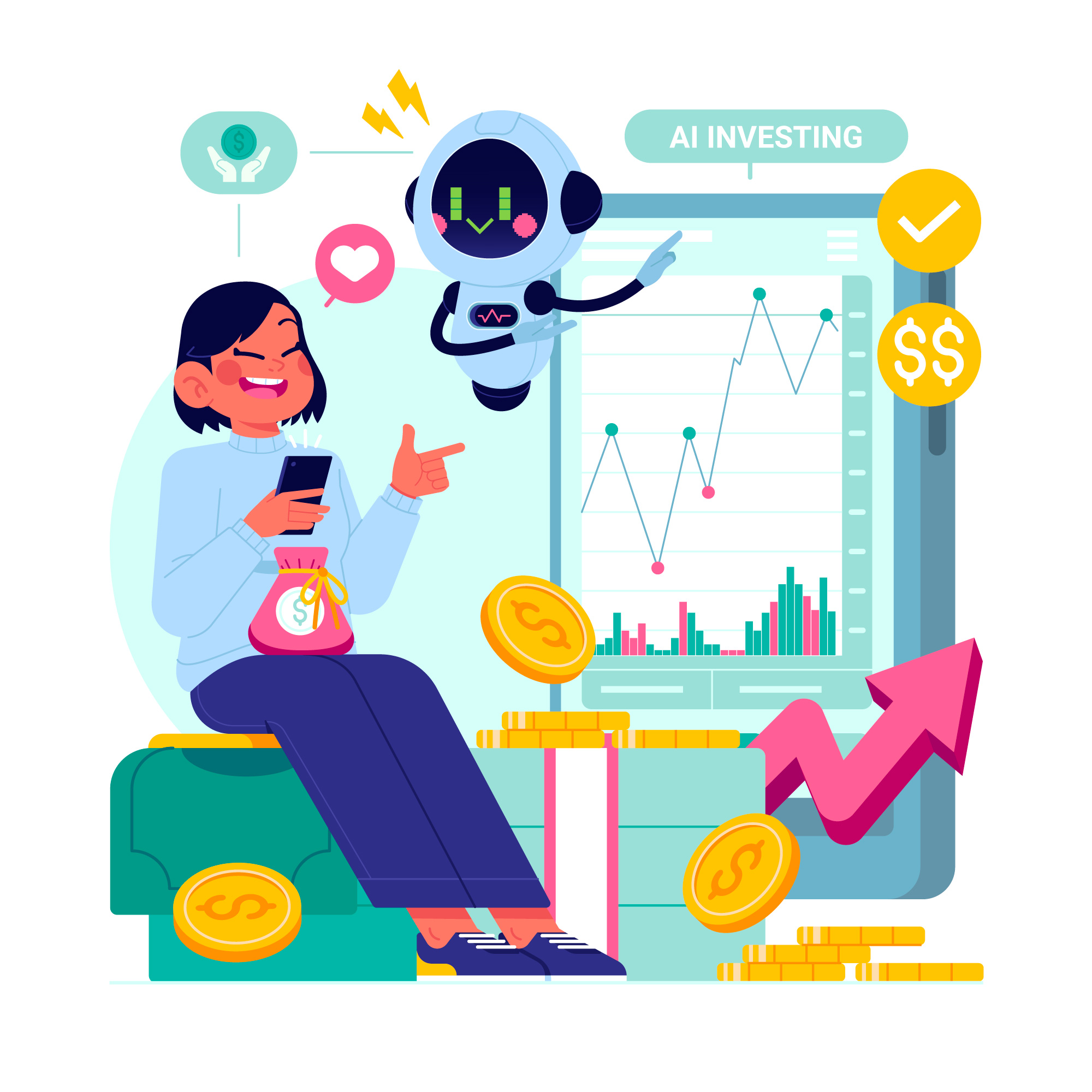
Understanding the Types of Fintech Apps in 2025

Fintech, or financial technology, is transforming the way people manage money. What started as simple tools for online banking has grown into a powerful global industry. Today, fintech is deeply embedded in our everyday lives, from paying bills with a tap to managing investments on the go. Since 2021, the industry has changed rapidly. We have moved beyond traditional digital banking. New type of apps for finance industry are smarter, faster, and more personalized than ever. Technologies like artificial intelligence and blockchain are shaping tools that respond to users in real time.

People now expect financial apps to do more than just transactions and payments. They want insights, control, and services that fit their lives. In this article, you will explore ten modern types of fintech apps that are leading the way.

We will look at how they work, who is building them, and what trends are driving their growth. Whether you are building a product or just staying informed, this guide will help you understand where fintech is headed.

10 Essential Fintech App Types You Need to Know

Fintech apps are no longer just about mobile banking or peer payments. The apps cover a wide range of use cases that touch nearly every part of the financial system. From investing and lending to compliance and crypto, these apps are shaping how users experience money. Let’s explore the ten key types leading the way this year.

1. Digital Banking Apps

Digital Banking Apps

Digital banking has moved far beyond basic online access. In 2025, the new generation of apps is smarter, faster, and deeply personalized. These online platforms are not just banks on your phone. They are full-service financial hubs designed around the way people live and spend today. AI plays a big role in this evolution.

Neobanks now offer real-time spending alerts, smart budgeting suggestions, and custom insights based on user behavior. The goal is not just to store money but to help people manage it better. What sets these apps apart is their focus on experience. Fintech platforms like Nubank, Fi, and Jupiter are leading this change.

They provide clear visuals, clean design, and easy navigation. Everything is built to reduce friction and improve trust. In 2021, finance apps like Chime, Monzo, and Revolut were shaping the market. Today’s leaders go further. They integrate features like savings goals, spend tracking, and credit insights into one seamless experience. Cross-border support is another standout.

Users can now manage multiple currencies, send money internationally, and link global accounts with ease. Embedded finance features are also growing. Users can access insurance, investments, or rewards without switching apps. Digital banking is no longer about convenience. It’s about control, intelligence, and simplicity.

2. Investment and Robo-Advisory Apps

Investment and Robo-Advisory Apps

Investment apps are no longer built just for seasoned traders. Currently such apps cater to first-time investors and experienced users alike. Robo-advisors are smarter, portfolios are more diverse, and the experience is designed for daily use.

Fintech apps today offer automated investment tools based on user goals, risk appetite, and market trends. AI helps tailor portfolios, suggest adjustments, and forecast risks. Some platforms also support ESG-focused investments, which appeal to users who want both returns and impact.

Fractional investing is another game changer. It allows users to buy small portions of expensive stocks or assets. This opens the door for broader participation, especially among young investors. Integration with popular broker APIs makes execution seamless. Investment and Robo-Advisory apps like Wealthfront, Finny, and Public show where the market is headed.

Even crypto investment is blending into these platforms. The focus is on simplicity, education, and long-term value. These apps bring down the barriers and help more people grow their wealth wisely.

3. P2P Payment and Wallet Apps

P2P Payment and Wallet Apps

Peer-to-peer payments have grown from simple transfers to a whole new layer of interaction. Today popular wallet apps are packed with fintech app features that go beyond sending money. Social payments are one of the standout features. Users can split bills, request funds, or tip friends through chat-like interfaces. QR and NFC payments are widely used in stores, at events, and even in public transit.

Digital wallets today handle more than one currency. Multi-currency support helps people who travel or work across borders. UPI in India and Zelle in the US show how fast these systems are becoming the default. Security has also improved. Fintech apps use real-time identity checks and fraud detection powered by AI.

These digital payment systems help stop unauthorized access without slowing down the user. BNPL options are being added to wallet apps. This helps users shop now and pay over time, all within the same interface. With smoother design and stronger protection, digital wallets have become are more than tools. They are lifestyle companions.

4. Lending and Credit Scoring Apps

Access to credit has always been a challenge for underserved groups. Fintech lenders are changing that by using data and technology to assess risk in new ways. Traditional credit checks are being replaced by AI-powered scoring systems.

These models consider alternative data such as mobile usage, utility payments, and online behavior. This helps reach users who have limited or no credit history. Leading Fintech solutions like Tala, Upstart, and ZestMoney are building tools that serve both individuals and small businesses. Users can apply for loans, view terms, and track repayments all in one place.

The process is transparent and often faster than traditional lending. Regulatory needs are also being met with built-in compliance tools. Automated KYC and KYB checks help platforms stay within legal boundaries while improving onboarding speed. Whether it is short-term borrowing or longer-term credit, fintech apps in this space focus on speed, trust, and accessibility. They give users more control and open new doors to financial growth.

5. Buy Now, Pay Later Platforms

Buy Now Pay Later (BNPL) has become one of the fastest-growing fintech segments. Since 2021, it has moved from niche use to mainstream adoption across e-commerce and retail. Users can now split purchases into smaller payments with zero or low interest. This works for both online and in-store shopping.

BNPL apps like Klarna and Affirm helped build the model, and newer tools are pushing it further by integrating BNPL into digital wallets and even banking apps. For retailers, it boosts conversions. For users, it offers flexibility. But it also raises questions about overuse and repayment discipline.

As the space grows, regulators are stepping in. Countries are setting clearer rules around disclosures, fees, and lending limits. Consumer protection is a growing focus. The future of BNPL lies in smart integration. Expect to see these features tied to credit scoring, budgeting, and even insurance. This turns short-term lending into a full-featured experience that supports both buyers and merchants.

6. Personal Finance Management (PFM) Apps

Managing personal money has never been easier. PFM apps help users track spending, set savings goals, and make smarter decisions every day. These apps connect to bank accounts and credit cards to give a full financial picture.

They categorize expenses, monitor trends, and offer insights using AI. Users can spot habits, cut waste, and plan ahead with confidence. What makes modern PFM tools stand out is their ability to predict. With real-time data from open banking APIs, users get alerts about bills, low balances, or upcoming expenses.

This type of finance apps even offer suggestions based on past behavior. Gamification adds another layer. Saving money feels less like a chore and more like a challenge. Apps reward users for hitting milestones or sticking to budgets. Popular fintech app like Copilot, Monarch, and Emma go beyond spreadsheets.

They offer a guided path to financial wellness. Whether you’re managing a side hustle or planning a vacation, PFM apps give you clarity and control.

7. Insurtech Apps

Insurtech Apps

Insurance is getting a major upgrade. Insurtech apps are making it faster, simpler, and more personal. Users can now get quotes, buy policies, and file claims in just a few taps. There’s no need for paperwork or long calls.

These type of Fintech apps use AI and machine learning to speed up approvals and detect fraud. Some platforms use data from connected devices. For example, a smart car can help set fair auto insurance rates. Health apps can adjust policies based on steps taken or sleep patterns. This creates a model where insurance adapts to behavior.

Coverage is also expanding. Beyond auto and health, users can insure pets, phones, travel plans, and even freelance gigs. Lemonade and Root are leading the way with user-first experiences. In emerging markets, insurance apps like BimaPe are bringing insurance access to new users.

With clean design and real-time updates, insurtech apps are taking the stress out of coverage. They help people feel protected without the hassle.

Explore: Top Features to Have in Your Insurance Application

8. Blockchain and Crypto Apps

Crypto apps have gone far beyond just storing coins. Today, they are gateways to entire financial ecosystems built on blockchain. Users can trade, stake, lend, or earn rewards without needing a bank. Decentralized finance, or DeFi, allows full control over assets. This type of fintech apps are now supporting features like yield farming, token swaps, and governance voting. Wallets come in two types. Custodial ones like Coinbase hold assets on behalf of users.

Non-custodial wallets like MetaMask and Trust Wallet give full control but require more user knowledge. Tokenized assets are also gaining traction. These include digital versions of real-world items like real estate or art. They make investing more flexible and accessible.

Regulation is catching up. In regions like the European Union and the United States, new rules aim to protect users and prevent misuse. Apps must now focus on compliance, identity checks, and secure storage. Leading Crypto apps are more secure, better designed, and easier to use. They bring powerful tools to everyday users without needing deep technical know-how.

9. Embedded Finance Apps

Embedded finance puts banking tools inside non-financial platforms. Instead of switching apps, users can get credit, make payments, or manage funds right where they already are. For example, a ride-share driver might get instant payouts and tax tips within the work app. A small business could access a loan directly through its e-commerce dashboard.

This approach blends financial services into the user’s daily workflow. Shopify with Stripe Capital, Uber with driver finance tools, and QuickBooks with cash flow support are all strong examples. They remove friction and speed up access to financial help.

Banking as a Service, or BaaS, powers this shift. It lets platforms plug into banking systems using secure APIs. As a result, more companies can offer financial tools without building banks themselves. For users, this means less waiting, more convenience, and tailored services. Embedded finance is turning every app into a financial touchpoint.

10. RegTech and Compliance Apps

As fintech grows, so do the rules that govern it. RegTech apps are one of the best type of fintech apps that help companies and businesses to stay compliant without slowing down. These fintech tools automate tasks like identity checks, anti-money laundering reviews, and audit logs. They ensure that platforms meet laws like GDPR, PCI-DSS, and MiCA. With real-time alerts and risk scoring, compliance teams can act faster.

The RegTech apps help spot red flags before they become serious problems. That protects both the user and the company. Startups and banks alike use RegTech solutions. They reduce manual work, lower costs, and improve accuracy. Tools can also adapt to local rules in different countries, making global growth easier.

Data protection is a top priority. With increasing scrutiny from regulators, having strong compliance tools is no longer optional. It’s a must. RegTech is not just a support function. It is a core part of building trust and scaling with confidence.

Bonus: AI-Powered Fintech Assistants

AI-powered assistants are reshaping how users interact with fintech apps. This type of fintech apps are not standalone platforms. Instead, they work across categories to guide, suggest, and simplify. Users can now talk to their banking apps. Voice commands help check balances, schedule payments, or ask for financial tips. Smart chatbots offer 24/7 support that feels helpful, not robotic. These AI assistants learn from behavior and give tailored suggestions in real time.

They also play a big role in personal finance. Some apps alert users before they overspend. Others help adjust budgets after a major expense. Investment platforms use AI to recommend changes based on market trends or user goals. But this convenience comes with responsibility. Users are becoming more aware of how much data these assistants collect. Privacy and transparency matter. People want to know how decisions are made and how their information is stored. When designed well, AI assistants make finance easier and more human. They help users stay informed and in control. As the technology improves, these features will become an expected part of every fintech experience.

Key Tech and Regulatory Trends

The fintech industry is shaped by two powerful forces: rapid technological advancement and evolving global regulations. Understanding both is crucial for building trusted, future-ready fintech products.

Key Technology Drivers

APIs (Application Programming Interfaces)

  • APIs allow different apps and systems to communicate securely and efficiently.
  • They are the backbone of open banking, enabling services like account aggregation, third-party payments, and personalized offers.
  • Well-built APIs help fintechs scale faster and integrate with banks, insurers, and financial platforms.

Open Banking

  • Open banking policies require banks to share customer data with third-party apps (with user permission).
  • This gives users more control over their finances and access to innovative products.
  • It also drives competition and improves user experience through personalization.

Artificial Intelligence (AI)

  • AI powers a wide range of fintech features such as credit risk analysis, fraud detection, chatbots, and investment advice.
  • Apps use AI to make financial recommendations, automate customer support, and detect spending patterns.
  • Predictive insights and real-time decision-making are becoming standard.

Blockchain Technology

  • Blockchain provides secure, transparent, and tamper-proof records of transactions.
  • It supports crypto wallets, decentralized finance, and digital identity tools.
  • More fintechs are exploring tokenization of assets and smart contracts.

Cloud-Native Architecture

  • Cloud-native apps are designed to run on cloud platforms from day one.
  • This makes them faster to deploy, easier to scale, and more resilient against outages or attacks.
  • It also supports real-time updates, better security, and lower operational costs.

Major Regulatory Shifts

PCI DSS 4.0 (Payment Card Industry Data Security Standard)

  • This latest version introduces stricter rules for handling credit and debit card data.
  • Companies must implement continuous risk assessments, multi-factor authentication, and tighter access controls.
  • Compliance is essential to prevent breaches and maintain customer trust.

MiCA (Markets in Crypto-Assets Regulation)

  • A European regulation that sets clear rules for crypto firms, stablecoin issuers, and digital asset platforms.
  • MiCA requires transparency, licensing, and consumer protection measures.
  • It aims to reduce risk and bring legal clarity to the crypto space.

Digital Asset Licensing

  • Governments around the world are introducing licensing frameworks for platforms dealing with digital currencies or tokens.
  • These licenses ensure that platforms meet safety, anti-money laundering, and operational standards.
  • Without proper licensing, fintechs may face penalties or be blocked from certain markets.

Data Privacy and Security Laws

  • Regulations like GDPR (Europe), CCPA (California), and similar laws in Asia and Latin America are enforcing stricter data rights.
  • Fintechs must clearly state how they collect, store, and use personal data.
  • Users now expect full transparency and the ability to control their own data.

The Rise of Compliance-First Design

  • Fintech companies can no longer treat compliance as an afterthought.
  • Security, transparency, and trust must be part of the product experience from the beginning.
  • Building with a compliance-first mindset helps reduce legal risk, build user confidence, and open access to global markets.
  • Tools like automated KYC, real-time risk monitoring, and audit trails are now part of the core tech stack.

Conclusion

Fintech apps have come a long way. What started as simple tool for sending money or checking balances has evolved into a connected, intelligent ecosystem. Today’s different types of fintech apps offer personalized insights, real-time support, and seamless experiences that fit into every part of a user’s financial life. For startups and product teams, the opportunity is huge. But success in this space means going beyond features. It starts with trust.

Every type of fintech product must put the user first, protect their data, and design for clarity. Building with an API-first mindset also helps teams scale, adapt, and deliver faster. Before launching your next fintech solution, take a step back. Understand what your users truly need. Then choose the type of fintech app that solves real problems and fits your vision.

If you’re looking for expert support, finding the right fintech app development company can make all the difference. The future of finance is already here. Now is the time to build it with purpose.

The post Understanding the Types of Fintech Apps in 2025 appeared first on TopDevelopers.co.

Essential Fintech App Features You Need to Know

The fintech revolution is not slowing down in 2025. It is gaining momentum.

With digital wallets, instant lending, and AI-driven banking becoming the norm, users expect more than just basic features. They want speed, trust, and a seamless experience. And they want it all from the palm of their hand.

According to a recent report by Mordor Intelligence, the global fintech market is expected to grow steadily. This growth is fueled by rising smartphone usage, better internet access, and changing user behavior. As the market expands, competition becomes more intense. To stay relevant, fintech apps need more than functionality. They need to deliver real value.

That is why essential features today are not just about doing the job. They are about creating trust, ensuring data safety, and offering smooth user journeys.

In this guide, we will explore what really matters in a modern fintech app. From smart design and strong security to compliance and long-term scalability, these are the must-have features shaping the future of digital finance.

Core Functional Features Every Fintech App Needs

A successful fintech app is more than a digital wallet or a payment tool. It solves real problems with intuitive, fast, and secure solutions. Below are the core features every competitive fintech app should offer in 2025 and beyond.

1. Biometric and Multi Factor Authentication

Face recognition, fingerprint login, one-time passwords, and behavioral analysis are no longer optional. They are essential. Biometric and multi factor authentication create a strong security layer without slowing down the user experience. They help users feel safe every time they open the app. And more importantly, they reduce the risk of fraud.

In a digital world where threats are constant, this feature builds trust from the very first interaction.

2. Seamless Onboarding and KYC Automation

First impressions matter. Users expect to set up an account in minutes, not hours.

With eKYC solutions like Onfido and Jumio, fintech apps can verify user identity quickly and accurately. This removes the need for manual paperwork and long wait times.

The result is simple. Faster onboarding means higher conversion. And that means more active users from day one.

3. Real Time Payment and Transaction Integrations

Modern users expect money to move instantly. Whether they are sending funds to a friend or paying bills across borders, speed is key.

Integrating real time payment systems like UPI, ACH, SWIFT, PayPal, and Plaid ensures smooth and reliable transfers. It also expands your app’s global reach.

This is where fintech truly outshines traditional banking.

4. Smart Budgeting and Expense Categorization

Users want control over their money. They want to see where it goes, when it moves, and how they can save more.

Features like automatic expense tagging, goal setting, and spend tracking turn your app into a personal finance assistant. Think of how apps like Mint or YNAB help users stay on top of their finances.

This is no longer a bonus feature. It is expected.

5. Investment and Wealth Tools

More users today are exploring investing for the first time. They want tools that guide them, not confuse them.

Micro-investing, robo-advisory services, and portfolio insights help users grow their wealth with confidence. Popular apps like Robinhood, Groww, and Acorns show how powerful this can be when done right.

These tools not only support financial growth. They drive long term app engagement.

UX/UI Features That Drive Engagement and Retention

A well-designed fintech app does more than look good. It feels good to use. The user interface should guide, inform, and even delight. That is what keeps people coming back.

Below are key design features that boost engagement and loyalty.

6. Personalized Dashboards and Insights

Users want an experience that feels like it was made for them. Personalized dashboards offer that.

By using AI to analyze behavior and spending patterns, the app can show smart insights. These might include monthly trends, saving tips, or custom notifications.

Cleo is a great example. Its conversational interface makes finance fun and interactive. That kind of personalization keeps users engaged.

7. Microinteractions and Motion Feedback

The small things often make the biggest difference.

Subtle animations when a user completes an action. A bounce when a button is tapped. A loading spinner that keeps things moving. These little touches add polish to the experience.

They make the app feel alive. More importantly, they improve user trust by showing that things are working in the background.

8. Dark Mode, Accessibility and Responsiveness

Not every user interacts the same way. Your app should adapt.

Adding a dark mode reduces eye strain and gives users more control. Designing with accessibility in mind ensures people of all abilities can use the app. This means following WCAG standards and keeping text, contrast, and interactions clear.

Responsive design ensures everything works smoothly across different screen sizes. Whether on a phone, tablet, or desktop, the experience should stay consistent.

9. Gamification for Financial Literacy

Learning about money does not have to be boring. Gamification makes it engaging.

Features like badges, progress bars, leaderboards, and fun challenges motivate users to take control of their finances. They also create a sense of achievement.

The result is twofold. Users stay longer, and they learn more. A win for both sides.

Advanced and Emerging Fintech Capabilities

Fintech is evolving fast. What once seemed futuristic is now becoming essential. These emerging features are shaping the next generation of financial apps.

10. Voice and Chatbot Interfaces

Users expect convenience. Many prefer to speak or type a quick message instead of tapping through menus.

Voice interfaces allow users to check balances, send money, or get updates through simple spoken commands. Chatbots offer instant support and answer common questions any time of day.

Platforms like Google Dialogflow and Alexa SDK make this possible. The result is a faster and more natural user experience.

11. AI Powered Fraud Detection

Security is a top priority in any fintech product. Artificial intelligence is making it stronger and smarter.

By analyzing transaction patterns, AI can detect suspicious behavior that humans might miss. This helps identify fraud early and trigger real-time alerts.

Machine learning also improves accuracy over time. That means fewer false alarms and better protection for users.

12. Open Banking and Third Party Integration

Open banking is changing how people manage their money. It gives users more control and transparency.

By connecting with third party providers like Plaid and TrueLayer, fintech apps can offer a full financial picture. Users can see accounts, cards, and investments all in one place.

This is also about compliance. Being ready for regulations like PSD2 builds trust and keeps your app future ready.

Backend Essentials for Fintech Success

A fintech app is only as strong as its backend. Behind every seamless transaction and secure login, there is a robust system doing the heavy lifting. These backend features form the backbone of a high performing financial product.

13. Secure Cloud Infrastructure and Data Encryption

Security starts at the core. Using a zero trust approach ensures that no device or user is trusted by default. Every access point is verified.

All sensitive data must be encrypted both at rest and in transit. This adds an extra layer of safety that protects users and business operations.

Cloud providers like AWS and GCP offer strong compliance support. They help meet strict financial regulations while providing powerful infrastructure.

14. Scalable Architecture

As users grow, your system must scale with them. A rigid structure will only slow you down.

Using microservices allows each part of the app to work independently. This keeps things flexible and easy to update.

With CI and CD pipelines, new features and fixes can be deployed quickly. The right setup ensures your app can handle millions of transactions without breaking a sweat.

15. Analytics for Business and Users

Data tells the real story. With the right tools, you can track behavior, measure growth, and fine tune the user experience.

Platforms like Mixpanel, Firebase, and Amplitude help collect and analyze key insights. These may include usage trends, churn signals, or spending habits.

By understanding what users want and how they behave, you can make smarter decisions that drive both engagement and retention.

Regulatory Compliance and Trust Building

In fintech, trust is everything. Users are sharing their most sensitive financial data. To win and keep that trust, your app must stay fully compliant and transparent at every step.

16. GDPR, PCI DSS and AML Integration

Regulations are not just legal checkboxes. They are essential for protecting user data and building credibility.

GDPR outlines how user data must be collected, stored, and deleted. PCI DSS is vital for processing payments safely. Anti Money Laundering rules help prevent illegal activity and fraud.

Fintech apps should automate AML screenings to speed up compliance. Secure storage of sensitive documents ensures that data stays protected at all times.

Meeting these standards is a must if you want users and regulators to take your app seriously.

17. Transparent Privacy Controls

Users need to know how their data is used. And they need tools to control it.

Designing for privacy means asking for consent clearly and allowing users to manage their preferences easily. This includes opting out of marketing, turning off data sharing, or deleting accounts.

Putting users in control builds long term trust. It also shows that your product values ethics as much as innovation.

Conclusion

Building a fintech app in 2025 requires more than just great ideas. It demands excellence across every part of the product.

From biometric authentication and instant payments to fraud prevention and personalized insights, each feature adds real value. The strongest apps combine user experience, security, and regulatory readiness in everything they do.

This combination of design, protection, and compliance is what sets trusted fintech products apart.

Whether you are starting fresh or improving an existing platform, begin with features that solve real user problems. Then improve and expand as your audience grows.

If you are searching for expert support, partnering with a top fintech app development company can help bring your vision to life with clarity and scale.

The future of finance is being built today. Make sure your app is ready.

The post Essential Fintech App Features You Need to Know appeared first on TopDevelopers.co.
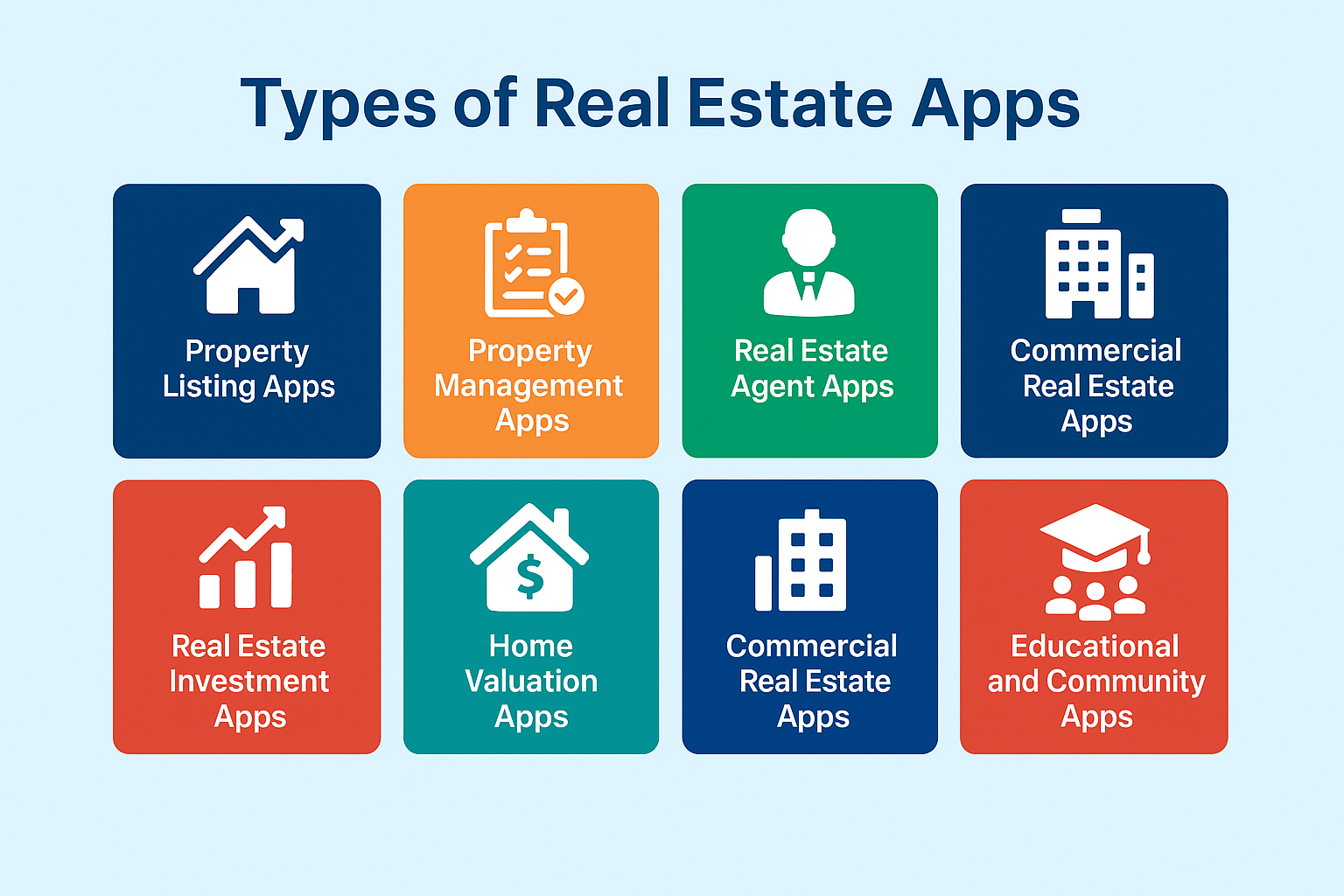
How to Build a Real Estate App in 2025: Navigating the Future of Property Tech

The scene of real estate is changing profoundly digitally. The days of depending solely on a basic listing website are long gone. Homebuyers, sellers, and brokers of 2025 want simple, smart, immersive digital experiences. Developing a successful real estate app today necessitates a forward-thinking approach, rather than focusing solely on the present. With more than 17,000+ documented transactions in the first two months, the UAE’s residential real estate market showed a mind-boggling rise of 43.9% in 2023. Now generating 5.5% of the UAE’s GDP, real estate has become a major economic engine for the country as it turned away from oil-related businesses.
Investors are flocking to take advantage of the significant business opportunities created by digital transformation during this market development. Property Finder’s enormous popularity—16 million monthly visits and a 65% market share—drives real estate firm owners to question how they may create such an app. This tutorial will guide you through the essential issues, features, technologies, and procedures required to develop a distinctive real estate app for the competitive market in 2025.

1. Market Growth and Opportunity

  • The market for global real estate software and apps was around $3.8 billion in 2024, and it is estimated to climb to $4.6 billion by 2031.
  • By 2029, the wider real estate software market is projected to reach $19.58 billion, with a growth rate of 11.2% per year since 2025.
  • AI in the real estate area is expanding quickly, as the sector is expected to reach $1.8 trillion by 2030 with a 35% average growth rate.

2. App Development Costs

  • Developing an app for real estate could cost from $20,000 to $300,000 or more based on its complexity, features, and the use of AI.
  • Using AI and advanced technologies in development can raise the budget needed for the project

What is a Real Estate Mobile App?

Consumers are looking to real estate mobile apps more and more as cellphones and tablets become more common to search for homes, interact with agents, and expedite their purchase or selling process. Real estate application development has surged as companies try to satisfy the changing wants of their customers by means of this change in consumer behavior.
A real estate mobile app is software meant especially for tablets and smartphones to support several facets of the real estate sector on mobile devices. For customers as well as various real estate service providers, these mobile applications have many uses.Real estate software development companies 
specialize in building these feature-rich mobile apps, ensuring they are tailored to market needs and equipped with the latest technological advancements. These companies focus on delivering seamless user experiences, robust security, and scalable solutions to help real estate businesses stay competitive in a rapidly evolving digital landscape
You will frequently encounter the following types of real estate apps:

  • Property valuation app
  • For-sale and rental listing app
  • Property management app
  • Real estate investment app
  • Online property booking app

Types of real estate apps

Types of real estate apps

Property Listing Apps

  • Purpose: Enable consumers to search, filter, and peruse homes for rent or sale.
  • Features: Advanced search options (price, location, home type, amenities), high-quality photos, 3D virtual tours, interactive maps, and real-time market data abound.
  • Examples: Among the examples are Zillow, Redfin, RealtoTrulia, Trulia, and Magicbricks.
  • Use Case: Perfect for renters searching for homes with comprehensive knowledge, including area statistics, school proximity, and pricing trends, as well as homebuyers. 

Property Management Apps

  • Purpose: Help renters with payments, maintenance, and operations under the direction of landlords and property managers.
  • Features: Tenant communication, rent collecting, maintenance request tracking, document storage, and e-signatures comprise features.
  • Examples: For configurable workspace management, apps like Notion and Dotloop—for transaction management—have samples.
  • Use Case: Simplifies administrative chores for many property managers, therefore lowering manual labor.

Real Estate Agent Apps

  • Purpose: Help agents in handling client management, listings, calendars, and marketing initiatives.
  • Features: Features include CRM tools, lead tracking, automatic scheduling, video marketing—BombBomb—and data on listing performance.
  • Examples: BombBomb, Pivo (for AI-driven virtual tour videos), and Forewarn (for client background checks).
  • Use Case: Assures agents of client connection, organization, and increased output.

Real Estate Investment Apps

  • Purpose: Often via REITs or crowdsourcing, the goal is to encourage property or real estate fund investments.
  • Features: Features include property comparison tools, rental revenue predictions, ROI calculators, and access to business or residential investments.
  • Examples: Among examples are Fundrise (for non-accredited investors), CrowdStreet, RealtyMogul, and Arrived Homes (for fractional ownership).
  • Use Case: Provides minimal entrance barriers to let both accredited and non-accredited investors diversify portfolios.

Home Valuation Apps

  • Purpose: Estimate home prices based on location, size, renovations, and market trends using AI-powered models.
  • Features: Real-time price data, neighborhood analytics, and mortgage calculators are among its features.
  • Examples: Among examples, Homelight powers Zillow’s Zestimate and U.S. News Home Value Estimator.
  • Use Case:Assures buyers of affordability and helps sellers decide reasonable rates.

Commercial Real Estate Apps

  • Purpose: Emphasize commercial buildings for lease or sale, including offices, stores, or industrial sites.
  • Features: Features include rental rate research, market situation observations, and investor and buyer networking tools.
  • Examples: For instance, LoopNet has over 500,000 commercial property listings.
  • Use Case: This service assists companies and investors in finding non-residential real estate.

Rental Apps

  • Purpose: Help consumers locate either long-term or temporary rental properties.
  • Features: Features include user evaluations, payment processing, owner communication, and booking automation.
  • Examples: Airbnb, Trulia (with rental-specific divisions).
  • Use Case: Makes renting for renters’ search and booking easier.

Renovation and Design Apps

  • Purpose: Aid in home improvement, interior design, or renovation planning.
  • Features: Visualization tools, contractor connections, and design inspiration galleries.
  • Examples: Houzz (for visualizing furnishings or finding contractors).
  • Use Case: Helps buyers and sellers enhance property appeal or plan renovations.

Educational and Community Apps

  • Purpose: Provide resources, networking, or learning for real estate professionals and enthusiasts.
  • Features: Forums, market analysis, and educational content on real estate operations.
  • Examples: BiggerPockets (for industry insights and networking).
  • Use Case: Supports professionals and investors with knowledge and community engagement

Step-by-Step Process for Real Estate App Development

Step Process for Real Estate App Development

If you are considering creating a real estate app, you have most likely seen how these programs are changing property purchase, selling, and renting practices. From virtual tours to flawless property searches, real estate applications are becoming a regular tool for everyone negotiating the housing market. Still, how would you design an app that distinguishes itself? This detailed guidance will enable you to realize your concept and have influence in this cutthroat field.

Step 1: Competitor Analysis and Market Research

Without a blueprint, you wouldn’t begin to construct a house? Your app follows the same rule. Spend some time grasping the market and your rivals before you do anything. This is the discovery phase, and producing anything original depends on it.

  • Explore Your Competitors:  Review other real estate applications closely. They present what? For them, what is going to work? More significantly, what is absent? These holes provide your app chances to shine.
  • Know Your Audience: For what reason are you developing this app? First-time house buyers, Tenant? Employees? Knowing your target helps you create features meant to really address their issues.
  • Follow Market Trends: What is trendy in real estate technology? Among the developments influencing the sector are virtual tours, suggestions driven by artificial intelligence, and sophisticated property search filters.

Starting with solid research guarantees that you are creating the app customers really need, not simply another one.

Step 2: Strategy and Feature Planning

Having done your research, it’s time to create a strategy. Consider this the “blueprint” for your app.

  • Set Milestones: Create stages—design, development, testing, and launch—for the project. This road plan facilitates tracking of development and keeps everyone in agreement.
  • Start with the MVP Development:  Designed as a stripped-down, basic version of your program, an MVP (Minimum Viable Product) consists only of the basics. This might involve initially concentrating on property listings, search criteria, and a contact form. You may add sophisticated capabilities after the idea has been confirmed.
  • Plan monetization: Will adverts help your software turn a profit? Subscriptions? A commission on real estate sales? Early on, figure this out so you can use a monetization strategy to bake it into the framework of your product.
  • Integrate with Real Estate Systems: Would you want to provide consumers instant property updates? Either develop alliances with landlords and brokers or link your app with MLS (Multiple Listing Service) systems.

Your secret to creating effective software free of pointless delays or excessive expenses is a clear strategy.

Step 3: UI/UX Design

Let’s be clear about user-centric design: nobody will remain around if your program feels cumbersome or looks poor.UI/UX design comes in here.

  • Keep It Simple: Your app needs to be easily navigable. Users should be free to search for homes, examine information, and contact sellers without any doubt.
  • Make It Visually Attractive: Real estate is really about pictures. A great difference is made by excellent property photos, elegant design features, and a tidy layout.
  • Think cross-platform: The app must appear and function seamlessly everywhere, whether your customers are on iOS, Android, or a tablet.
  • Add Interactive Features: Virtual tours, property comparison tools, and interactive maps are excellent methods to keep consumers interested and enthusiastic.

Good design is about creating an experience that will entice consumers back, not just about appearance.

Step 4: Real Estate App Development

The magic takes place here. Development is about converting all of your design and planning efforts into an essentially working app.

  • Front-End Development: Your users see and engage with front-end development; hence, it must be responsive, quick, and seamless.
  • Back-end Development: Managing data, interacting with MLS, and handling secure transactions—the behind-the-scenes labor driving your app.
  • Integrate Payment Gateways: Make sure customers may pay safely and quickly using real estate management systems should your app incorporate subscriptions or transactions.
  • Stick to the Roadmap:  Review your roadmap to ensure the app is being created in line with your objectives and on time.

Working with seasoned developers can help you avoid several difficulties at this stage.

Step 5: QA and Testing

Testing is very crucial, as no software is flawless on the first attempt.

  • Catch Bugs Early: Run tests to identify and repair problems before users ever encounter them.
  • Test Performance: Does the program load fast? Can it manage simultaneous numbers of users?
  • Focus on Security: Emphasize security, as sensitive data like payment details needs to be very secure.

Though it’s not the most glamorous stage, deploying professional, dependable software depends on testing.

Step 6: App Deployment

It’s time to let the world know about your app, last but not least!

  • Launch on App Stores:Post your app on Google Play and the App Store. Use their advice to stay clear of delays.
  • Optimize for Visibility: Make consumers locate your app using App Store Optimization (ASO) techniques. This covers picking appropriate keywords, crafting a compelling description, and using striking images.
  • Promote the App: Market your app using social media, advertisements, and email campaigns instead of just launching and hoping for the best.

Early success is built up by a good launch plan.

Step 7: App Maintenance and Support

The effort never stops after your app is online.

  • Provide Support: Be ready to answer user queries, debug problems, and, where necessary, release rapid repairs.
  • Listen to Feedback:  Pay attention to evaluations and statistics to know what’s working and what’s not.
  • Keep It Fresh: To keep users interested, routinely provide fresh features, bug repairs, and design enhancements to your program 

Please view this as ongoing App Maintenance and Support for your mobile app, ensuring it stays helpful and relevant over time. 

Features of Real Estate Mobile App Development

Feature of Real Estate Mobile App Development

In 2025, Real Estate Mobile App Development will include sophisticated property search with AI-powered suggestions, interactive listings with high-resolution photographs and virtual or AR/VR tours, and user profiles for buyers, sellers, and agents. Smart analytics and AI-powered chatbots provide you immediate help and make property recommendations and loan calculators more relevant to you. The app is both innovative and user-friendly since it has secure payment gateways, document management with e-signatures, in-app chat, push notifications, and real-time map integration. These features make it easier to use, safer, and more enjoyable.

1. Advanced Property Search & Filters

A strong search engine is necessary so that consumers can locate homes based on various factors, such as location, price, kind of property, size, number of bedrooms, and amenities. Modern applications employ AI-powered search to suggest properties that fit the user’s needs, making the process of finding them quicker and more relevant.

2. High-Resolution Images & Virtual Tours

In real estate, pictures are very important. Users may look at homes from afar thanks to high-quality photos, 3D property views, and virtual or augmented reality tours. This not only saves time, but it also helps buyers and renters make smart choices without having to go see the property in person.

3. User Registration and Profiles

Buyers, sellers, and brokers may create personalized profiles that let them store their preferences, keep track of their search history, and get suggestions that are just right for them. Profiles are like professional storefronts for agents and sellers. They show off their skills, prior deals, and customer feedback.

4. Property Listings Management for Agents

Agents and property owners require tools that make it easy to add, change, and update property information. Listing management solutions that work well, such as those that let you post a lot of listings at once and make media galleries, help keep listings correct and up to date. Analytics and automatic alerts let you keep track of how well your property is doing.

5. Interactive Maps and Geolocation

Maps that let you interact with them and geolocation Integrated maps show where properties are and what adjacent facilities they have, such as schools, parks, and public transportation. Users may utilize heat maps and neighborhood information to decide whether a home is right for them depending on their lifestyle demands.

AI Trends in Real Estate Application Development

AI trends in real estate app development for 2025 are changing the industry with advanced predictive analytics that make it easier to find high-yield investment opportunities and make better decisions. AI algorithms analyze user behavior and preferences to give hyper-personalized property recommendations and cut down on search fatigue. AI-powered chatbots and virtual assistants can help you right away, schedule visits, and make lead management easier.

Virtual tours and interactive maps make it easier to explore properties from a distance, while automation makes document processing and property management activities more effective. These new technologies are making real estate operations more efficient, user-friendly, and data-driven.AI is changing the way real estate agents work by making things faster, more intelligent, and more focused on the needs of clients. 

AI Development Companies in Real Estate sector offer agents systems for attracting customers, understanding trends, and making relevant property suggestions. With chatbots, instant queries from clients are resolved, viewings can be scheduled in advance, and follow-ups are taken care of, freeing agents to work on more demanding negotiations. 

AI-powered systems look at property data to come up with ways to set prices that will be competitive. Image recognition software improves listings by adding virtual staging and finding flaws. AI-driven personalized marketing sends customers property suggestions that are just right for them. Agents have a leg up in a fast-paced market by using AI to make their work easier, more efficient, and quicker to complete sales. Real estate will be smarter, quicker, and driven by AI in the future. AI is changing the job of real estate agents in a big way. 

Key AI Trends in Real Estate Application Development

Some important AI trends in real estate app development for 2025 are artificial intelligence selecting homes for users, upcoming trends in the market and appraisal done automatically. Virtual and augmented reality helps simulate tours using AI and chatbots make helping customers and managing leads more efficient. Agents and clients are now benefiting from automated processes, easier searches and AI in different aspects of their work.

Personalized Property Recommendations

It’s impossible to emphasize how powerful AI is in making real estate apps. AI can help you create a product or service that meets each customer’s needs.

AI-powered technologies collect and evaluate huge quantities of data. For example, machine learning algorithms look at how users behave, what they search for, and what they do on the site or app to make sure the user experience is perfect and exactly what the customer wants.

In the real estate market, people are already using smart search and AI suggestions. Zillow and other sites use collaborative filtering to match buyers with houses that fit their needs. This lowers the cost of buying a home and speeds up the search process.

GenAI-powered Virtual Tours

Generative AI (or GenAI for short) is a kind of AI that is only interested in making new things, including texts, pictures, videos, or sounds. Generative adversarial networks are one of the most important frameworks in generative AI that is primarily focused on real-life imagery.

GANs employ two neural networks that operate against one other: a generator that makes data and a discriminator that checks the data’s authenticity. They create things like pictures or music that seem real. The model training procedure is hard, takes a lot of time, and is a lot of work, but the results are amazing: AI-generated photographs look nearly exactly like real-life shots.

This is a great way to employ AI in the creation of real estate apps. Real estate applications will be able to make lifelike 3D property representations and virtual tools that let you stage a home and change the decor dynamically.

Real estate applications that employ this technology let customers see how furnishings will look or how the color of the walls will change in real time. The use of machine vision makes it even easier for agents to update their listings by automatically converting images into descriptions.

Predictive Fraud Detection Systems

AI may also be used to make security better and more dependable in fields like real estate where the stakes are high. This is very useful for AI in real estate app development since it helps make sure that the app is safe and that the user experience is easy and seamless.
AI-first security solutions utilize behavioral analytics to detect strange transaction patterns and stop fraudsters from getting to the data. AI security solutions automatically start multi-factor authentication when, for example, there are dramatic changes in how payments are processed or when someone signs in from an unexpected place.
This added layer of protection makes it far less likely that someone would apply for a loan fraudulently. It also makes the experience safer and more secure for consumers, but it only requires more work when suspicious behavior is found.

Automated Valuation Models

Another application of AI in real estate app development is predictive analytics, which may be very helpful for both users and landlords. ML algorithms look at a lot of data, such as property specifics, market trends, and information about the area, to provide property appraisals in real time.
AI-powered automated valuation models are quite accurate since they are trained on the most recent real-world data that is relevant. These techniques usually come within 3.5% of the real selling prices of properties, which is a lot more accurate than older approaches.
These systems can automatically find essential property characteristics from listing images, which makes valuations even more accurate. This is because they leverage computer vision technology instead of only relying on the property attributes in the CRM or added by the user.
This speeds up and makes property evaluations more accurate for buyers, sellers, and real estate agents.

Chatbot-driven Customer Service

Chatbots and AI chatbots have made it more easier for real estate app users to talk to one other right away. The user doesn’t have to copy and paste contact information and write the request in an email or message; AI responds right away.
Over 80% of the first queries from people who want to purchase or rent are now being answered by conversational AI systems. AI in real estate app development employs natural language processing algorithms to figure out what the question is and sentiment analysis to figure out how urgent and what kind of inquiry it is.
AI in real estate apps can also comprehend and respond to questions in several languages, which not only expands the market but also makes sure that all consumers get the same high-quality service.
Also, if you use AI in the real estate app development process to connect a CRM or property database, chatbots may swiftly get and send information about property listings. This cuts response times by 90%, giving users quick and correct information and making them happier and more involved.

Predictive Maintenance Analytics

AI is applied in several areas of real estate app development, and property management is one of them.
IoT sensors and machine learning algorithms work together to make real estate property management applications even more useful by forecasting when rental properties will require repairs.AI-powered applications may find problems before they become big ones by looking at past data, data from IoT sensors, and how well equipment works.
This method cuts down on emergency repairs by 45%, which makes it easier for property managers to plan regular maintenance.
Because of this, property management works better, tenant problems are fewer, and the property is better cared for overall, making it a nicer place to live.

Tenant Experience and Community Engagement

Using AI in the process of making real estate apps not only makes the apps more accurate and new, but it also helps tenants become involved and establish community.
AI can make a big difference in how people living in multi-family real estate and residential complexes interact with one other. Property managers may effortlessly talk to tenants with conversational AI built into real estate mobile applications. This lets them swiftly meet their demands or let them know about any news.
AI powered real estate applications may also help keep tenants interested by planning events and activities that fit their interests and looking at social data.This helps make communities stronger and more linked, which makes people happier and keeps them together longer.

AI Frameworks and Approaches to AI Real Estate App Development Used in 2025

In 2025, real estate app development uses top AI frameworks like LangChain, Haystack, and Streamlit to quickly build smart apps.More and more developers are using pre-made AI APIs for things like chatbots, customized suggestions, and predictive analytics. These APIs are cost-effective and can grow with the business.People also use bespoke AI models for more complex tasks, and machine learning and natural language processing make it easier to search for properties, value them, and interact with customers.

Approaches to AI Development

In real estate app development, developers in 2025 concentrate on outlining main business objectives, choosing powerful language models and using a wide range of real estate data for training. With the aid of data mining, predictive analytics and natural language processing, developers can make relevant recommendations, handle client needs automatically, examine markets and still make sure information is protected and follows regulations.

Data-Driven Development

AI systems require a lot of data to work well and provide you results that are correct and up to date.
When developing an AI real estate app, the most important data sources would be property listings, past property sales data, past and present market trends, demographic information about areas and neighborhoods, and behavioral data and user interactions on digital platforms.
To make a good AI-powered real estate app, developers would employ methods like data mining and big data analytics to get useful information from real estate data sets. You can also make the model even more specific to your company by training it with bespoke AI models, which will provide you more accurate predictions and better experiences for each user. The second way will also make the model more scalable and allow it to keep getting better.

Personalized Experiences

AI may be utilized in real estate app development to make the app more personal, which keeps users interested. This is in addition to its ability to handle data.
To personalize real estate applications, you need to look at how users use the app, their property search history, their prior interactions with the listing and/or landlord, and their stated preferences (such bookmarking a property or hitting the “Not interested” option). Then you can build thorough user profiles.
AI technologies, like as recommendation engines, utilize this data to provide property suggestions that are specific to each user’s requirements. Platforms improve user engagement and happiness by making the user experience better with tailored recommendations.

Predictive Analytics

AI algorithms can look at huge amounts of historical and real-time market data to find out things like property valuations, rental yields, and new patterns in demand. AI may also be utilized in real estate app development to create predictions based on how things have changed in the past.
This predictive analytics lets stakeholders use data to make investment choices, such finding undervalued properties or locations with room to develop.
Predictive analytical models may be quite helpful for real estate investors since they look at the financial risks that come with changes in the market, tenants not paying their rent, or buying new property.
AI can recreate situations and provide risk evaluations to help reduce exposure and possible losses by looking at current data and past performance.

AI Automation and Efficiency

AI is a valuable tool that can do a lot of things that people do again and over again. Real estate agents can now let AI handle time-consuming chores like property appraisals, scanning papers, putting data into the system, and managing transactions by hand instead of doing them themselves.
Automation technologies, such as robotic process automation (RPA), cut down on manual input, speed up procedures, and lower the number of mistakes made by people, all of which make operations run more smoothly.
AI in real estate app development cuts operating expenses by a lot by automating these time-consuming tasks.

Frameworks Enhanced by AI in Real Estate App Development

Machine Learning Frameworks

  • TensorFlow and PyTorch: These are two of the most popular frameworks among developers. They provide full libraries for building machine learning models for real estate applications. They can work with complicated information and help deep learning models, which makes them great for things like recognizing property photographs, virtual staging, 3D tours, or predictive analytics.
  • Scikit-learn: This AI tool is great for analytics activities in real estate development since it is easy to use for constructing and merging predictive models. It is helpful for things like grouping comparable kinds of property and sorting market data.

Natural Language Processing Frameworks

  • NLTK and spaCy: These NLP libraries can be used to build AI abstraction tools, chatbots, and virtual assistants that can help customers all the time. NLTK (Natural Language Toolkit) and spaCy are both Python packages that help with natural language processing. There isn’t much of a difference between the two. NLTK is better for learning and research, whereas spaCy is more for production usage. It lets you build apps that can read, comprehend, and process text well. These technologies make it easier to work with natural language, which improves chatbot interactions and makes using real estate apps seem more like talking to a person.
  • OpenAI’s ChatGPT: OpenAI’s ChatGPT is great for making real estate content including property descriptions for listings, marketing messaging, and client communications since it produces material that sounds like a conversation.

Cloud-Based Platforms

  • AWS: AWS and Google Cloud are both cloud platforms that provide ways to use AI in real estate app development. Amazon Web Services and Google Cloud provide infrastructure that can handle huge amounts of computing power, which is necessary for processing and analyzing vast amounts of data.
  • Microsoft Azure: Microsoft Azure helps developers build AI-powered real estate apps with better functionality and user experiences by giving them access to a wide range of data analysis, machine learning development tools, and scalable AI services.

Generative AI in Real Estate App Development

Automated Content Generation

Generative AI is great for automating the development of content in real estate apps. A lot of people use it to write property descriptions, but you can also use it for marketing, email campaigns, newsletters, articles, and other material. You may either choose aspects of a property from a list and then create content, or you can enter the basic information (like in the picture below) and obtain a well-written description that you can use in the listing. It all depends on how GenAI is utilized in the real estate app you’re using.

Benefits of Generative AI in Real Estate accelerating content creation by automating property descriptions, brochures, and marketing campaigns, saving valuable time and resources for real estate professionals. It ensures brand consistency across platforms and enables precise audience targeting by analyzing consumer behavior, resulting in more effective, personalized marketing

Market Forecasting

Market analysis and forecasting is another technique to use Generative AI in the process of making real estate apps. AI can look at complicated sets of data, including interest rates, economic indicators, and even feelings shared on social media, thanks to powerful models known as temporal fusion transformers. Then, based on these things and the data that has been looked at, the models offer projections about how prices will change in an area. This helps investors and developers make better choices.

Virtual Staging

Generative AI is also changing the world of virtual staging in the creation of real estate apps. AI virtual staging makes houses seem bigger and more attractive by creating furniture configurations that are current and flexible.AI staging tools change designs to fit the needs of different consumers, from minimalist styles to places that are good for families.Now that prospective purchasers can see how a house might fulfill their requirements and wants, the sales cycle goes quickr.

Customer Support

Generative AI goes beyond creating and staging content to make it easier for customers to engage with real estate apps.Natural language processing technology fuel chatbots that help consumers in Real time by answering questions and guiding them through the process of finding and buying a home.

Benefits of Real Estate Mobile App Development for Buyers, Sellers, and Real Estate Agents

Real estate mobile apps have transformed the industry, offering significant advantages for buyers, sellers, and agents. For buyers, sellers, and real estate brokers, developing a real estate mobile app in 2025 will have significant advantages that will change the way property transactions are handled and provide a more transparent, user-friendly procedure. Supported by the most recent industry data, below is a list of the main benefits for every group:

Benefits for Buyers

  • Instant Access to Listings: Online platforms give buyers access to numerous properties, all with professional images, detailed write-ups, and often virtual tours, letting them explore houses from any location at their ease.
  • Advanced Search & Filters: Apps offer strong search features along with filters for price, area, and features available, helping buyers find the right place quickly. Through AI recommendations, the experience can be targeted just for each user.
  • Real-Time Notifications: Users always get the latest news about new listings, price changes, or promotions, which helps them act promptly during busy shopping times.
  • Virtual Tours & 3D Walkthroughs: Buyers can save time and choose what they like without multiple physical visits.
  • Mortgage Calculators & Financing: Buyers can take advantage of financial tools within the platform to figure out how much they will pay and what loans are available to them.

Benefits for Sellers

  • Easy Listing Management: It is Simple to Manage Listings. Sellers have the power to change their prices, comments, and pictures whenever they want, helping their listings remain appealing.
  • Wider Reach & Visibility: Mobile apps allow sellers to reach more buyers, which helps them sell faster and make themselves more visible.
  • Property Valuation Tools: Sellers are helped to make fair prices for properties using built-in tools with real-time market information.
  • Scheduling & Feedback: Interested buyers can set up showings and view open houses, and sellers can get immediate feedback, making the sales process more organized.
  • Efficient Communication: When communication between the agent and buyer is smooth, there are fewer chances of delays or misunderstandings during transactions.

Benefits for Real Estate Agents

  • Increased Productivity & Mobility: Handling listings and client communication is possible anywhere, which greatly reduces paperwork, gives agents extra time, and leads to better client relationships.
  • Automation of Workflows: Automating lead management, meeting scheduling, and reminder alerts cuts down on manual work and increases the chance of avoiding mistakes.
  • MLS Integration: Using MLS integration, agents can present relevant properties to their clients, making for better user experiences and raising the chances for conversion.
  • Enhanced Marketing: With apps, virtual tours, and social media, agents can raise awareness of products higher and involve more people in the market.
  • Efficient Information Exchange:When documents, property facts and relevant market updates are instantly available, everyone is well-informed and makes decisions more speedily

Cost of Developing a Real Estate App Like Property Finder

Pricing for building a real estate app such as Property Finder in 2025 might be between $40,000 and $300,000, depending on how complex the app is and what features it has. You might pay up to $40,000–$60,000 for a simple app or up to $100,000 for one with more features. Integrating AI, augmented reality/virtual reality (AR/VR), analytics reports, and secure payment systems can cause advanced or premium mobile applications to cost from $100,000 to $300,000 or even more. Things that impact cost are UI/UX design, the selected platform, backend structure, and maintenance work. It usually takes 4–9 months to complete development for a game. Depending on numerous important criteria, developing a real estate app may cost anywhere from $20,000 to $250,000 or more. Creating a real estate app like Property Finder in 2025 requires a large investment, with expenses depending greatly on complexity, features, the technology stack, and the area of the development team’s location. The cost to develop a real estate app similar to Property Finder in 2025 typically ranges from $30,000 to $300,000 or more, depending on several key factors:

Factors Affecting Cost:

  • Feature Complexity: Costs are highly impacted by the quantity and complexity of the characteristics.  The number and complexity of the features have a big effect on the costs. Apps with basic property listings and simple features will cost less than apps with lots of features, such as search filters, AR/VR capabilities, built-in mortgage calculators, or complicated data integration issues. Managing private user information or financial transactions, for example, requires a lot of security, which makes things more complicated and expensive.
  • AI-Powered Search: AI-Powered Search and Personalized Recommendations utilize artificial intelligence to perform sophisticated searches that learn from user behavior, preferences, and historical data in order to suggest properties that are ideally suited for each individual. This needs advanced machine learning techniques, the ability to work with enormous datasets, and constant model training, which makes development more complicated and expensive. Some basic AI functions include chatbots and suggestions. Costs for development go up by $10,000 to $80,000. Some advanced AI characteristics include real-time analytics, AR/VR, and predictive models. The overall prices should be between $100,000 and $300,000 or more.
  • Tech Stack & Backend Infrastructure: The selected technologies affect development and maintenance expenses, including the backend infrastructure. Although they might be more costly to install and maintain, modern and scalable backend systems are very essential for real estate applications managing big databases and user traffic.
  • Hourly Rates: Experience and location of the developer greatly impact development expenses. Compared to US/EU-based developers ($100–$200/hour), offshore developers—e.g., in Vietnam at rates of $25–$50/hour—offer significant cost reductions. This makes outsourcing a good choice for financial control.
  • In-House Team vs. Outsourcing: Although creating an in-house team gives more control, pay, benefits, infrastructure, and overhead expenditures are higher. While outsourcing typically reduces costs and provides access to specialized knowledge, it also requires careful selection and oversight of vendors.
  • Platform Development: Initially targeting a single platform may be less expensive than developing both iOS and Android platforms natively. Depending on the program’s complexity, a cross-platform solution could offer a more cost-effective approach, albeit with certain limitations.
  • Post-Launch Support: Budget for continuous maintenance, updates, bug repairs, customer service, and possible transaction fees after the release of your app. These are absolutely necessary for long-term success and may be a regular outlay of funds.
  • Cost to build a Real Estate App: The cost to build a real estate app ranges from $10,000 to $100,000+, depending on complexity, features, platform (iOS, Android, or web), and whether you’re using custom development or AI-powered tools.

Cost-Optimization Strategies in Real Estate App Development

Develop a Minimum Viable Product (MVP) that contains key functions first, which will let you enter the market faster and get feedback to improve your product before increasing its size. A good option to lower time and costs by half is to use cross-platform frameworks like Flutter and React Native for your app development. Pre-built APIs and SDKs for tasks like maps, payments, and chat lessen the effort and cost needed for your team to custom-build the same features. If possible, work with experienced teams in another country, as this often reduces development expenses by 40–60% with no loss in quality. Use cloud services to get scalable infrastructure you pay for when using it, which again lets you cut back on upfront costs.

  • Focus on MVP: Start by creating a Minimum Viable Product (MVP) with only basic functionality. This lets you start fast, compile user comments, and iterate before funding more sophisticated features.
  • Outsourcing App Development: While preserving quality, working with offshore development companies such as Saigon Technology can help you drastically lower development expenses.
  • Cross-Platform Solution: Using cross-platform frameworks like Flutter or React Native lets you create applications for many platforms concurrently, hence lowering development time and cost as compared to native development.
  • Leverage Cost Calculators: Use online cost calculators to acquire first approximations and properly budget.

Tech challenges in the real estate industry

According to Forbes, these are the actual real estate technology issues raised by various specialists. In 2025, common tech challenges for real estate include having separate data platforms, outdated software, and a slow shift to modern technology, which blocks good performance and quick decision-making. Upgrading to AI, the Internet of Things (IoT), and cloud platforms is challenging for companies as it needs significant expense and knowledge that they may not have. Dealing with security, confidentiality, and keeping up with new regulations also makes it harder to use technology. Mixing smart home automation with advanced analytics is significant, but it presents challenges because firms must consider both costs and user satisfaction while redesigning their operations. Overcoming these difficulties is crucial for maintaining competitiveness in the technological marketplace.

1. Data Security

Data security during data transfer is the most major obstacle in the real estate sector, even with modern technology. You have to think about how to progressively migrate into a contemporary data center and how to delete and distribute datasets incompatible with new technologies. 

2. Security of Technology

Digital transformation runs the danger of a cybercrime. It relates to the operations, finances, emotions, and reputation as well. You therefore have to make sure the systems you use are as safe against cyberattacks as practically possible.  Moreover, make sure your behavior while using technology is cyber-safe because most cyberattacks start from cyber-unsafe behaviors.

3. Losing face-to-face communication

We are aware, therefore, that losing direct face-to-face contact might cause problems. Using technology does not mean giving up human contact. By keeping all high-value transactions in person, training real estate agents, encouraging adoption, and humanizing technology transactions, we can address the loss of face-to-face contact.

 4. Employee Buy-In

Many people collaborate on team projects. Before introducing new technology, sometimes it is important to inform and win over the partners. Its expansion depends on communication and exchange of knowledge.  Information sharing and discussion will help promote general acceptance and allow the base as a whole to grow. Furthermore, it will streamline the integration of related technologies rather than duplicating those activities.

5. Workflow and data integration

Getting your workforce to embrace new technologies is the key obstacle to progress. Before using new technologies, be sure they address a problem for your company or clientele; then, consider your alternatives.  Get the version that is most intuitive and integrates your present data and process easily. then workout after that. Help constantly via tutorials or a dedicated support person.

6. Lack of interest in learning new systems

Realtors’ resistance makes them unaware of the ways modern technology may simplify their work.  They are so accustomed to their current methods that they are reluctant to adopt any new technology. Companies must know how much new technology will help them and how they may employ new tools and procedures to accomplish more in less time if they are to fight this.  Knowing the most difficult aspects of the real estate sector, let’s now explore technologies that may be used given those obstacles. The specifics are listed below.

How to solve the real estate technology challenges

real estate technology challenges

For 2025, companies aiming to solve real estate technology issues start by using cloud platforms to manage and combine all their data and operations, then proceed to use AI-based analytics and internet-connected devices to automate property management and improve how decisions are made. Updating employee skills and teaming up with PropTech companies helps overcome any shortcomings and support the switch to new technologies. Using virtual tours, AR/VR, and smart home automation improves how customers feel and the reach of businesses. Placing emphasis on data protection, compliance and solutions that can grow with the company guarantees lasting efficiency and competitiveness

1. Mobile Apps

Mobile technology is among the most widely used in the industry, with many real estate mobile applications being developed as examples. The most often used mobile platforms for buying and selling are those ones.  For prospective tenants, these applications provide many advantages over traditional approaches to apartment or home searches. Frequent database updates provide more current information on recently listed homes and those that are no longer available. 

2. Big Data

One McKinsey research revealed that although there is only 60% accuracy in changes to other property characteristics, machine-learning-based real estate systems can forecast changes in rent rate with 90% accuracy.  This helps customers to choose, from non-commercial to commercial real estate, the best one for their budget.  Database systems and the data cloud house the enormous volumes of information gathered on consumer preferences.

 3. 3D virtual tours

As they choose a property to purchase, buyers may virtually tour many homes. By bypassing the need to visit many homes—many of which might be off the buyer’s list of possible acquisitions—virtual tours help to save time and money. One of the biggest digital developments in real estate is virtual tours. 

4. Conversational AI

Those that use real estate software want the best possible use and support. Apart from a nearly 0% error rate and a response time accessible around-the-clock, communication channels have to be accessible as well. This is one way you may employ artificial intelligence to provide your clients with the greatest services.

5. Internet of Things (IoT)

Our way of life is evolving in many different ways, including with regard to house automation and other goods. The spread of smart devices, which IoT mostly drives, is one of the major changes in the real estate sector.  The Internet of Things (IoT) is the process of putting computer technology and sensors into many of the ordinary products we use. The ultimate goal of this technology is to enable people to live more comfortably and enjoyably.

6. Software applications

The right program may greatly ease the tasks of real estate agents. Choice of software might be fairly challenging. From choosing an email marketing tool to generate leads for your business to securely managing private information during document signings and agreements.  Choosing a real estate software program requires an awareness of your needs as well as those of your customers, so you should try various solutions before deciding on one.

Strategies for Real Estate App Development Monetization

Fantastic concept for a real estate app you have! The real question is, however, how you may make money from it.

One can make money with real estate apps in 2025 by listing premium properties for a fee, providing a free service with additional features only for paying customers, and advertising on the app for businesses such as mortgage companies or movers. Users or agents who subscribe can use CRM systems, explore analytics, or get access to exclusive listings. You can make money by acting as a referral for mortgage and insurance services. Apart from these, they also use featured property highlights and targeted lead generation for professional real estate agents and charge transaction fees for in-app auctions or bidding assistance. When these ideas are used together, more income can be made. Although the real estate sector offers plenty of opportunities, just publishing an app won’t pay for all the expenses. You and your users depend on a good revenue strategy that helps both of you. If your software helps consumers rent, purchase, or sell properties, there are three tried-and-true ways to profit from it:

1. Premium Subscriptions: Charging for Extra Perks

Consider this as real estate applications’ equivalent of the Netflix concept. Users pay a monthly or yearly charge if they want more services, even if you let them download the program for free. The secret is ensuring that your offerings are really worth the money. 

How to Make It Work Without Annoying Users:

  • Provide a free trial so consumers may evaluate upscale capabilities.
  • Apply tiered pricing—pro plans for serious purchasers or investors, basic plans for casual users.
  • Maintaining the main app is free, which will help consumers continue to gain value even without a subscription.

2. Advertising: Making Money Without Charging Users

If done effectively, ads are the simplest approach to making money off of an app. There is no payment required; hence, advertising provides a consistent income for you. The hitch is that nobody likes obnoxious commercials.

How to Keep Ads From Being Annoying:

  • Limit pop-ups—they frustrate users.
  • Show only relevant ads (no random, spammy promotions).
  • Offer a paid “ad-free” version for users who hate ads. 

3. Commissions: Earning a Cut From Deals

Should your software assist in property rental, purchase, or sales, you may get a nominal fee from each successful transaction. Real estate agents earn money this way; why not apply it to your app?

How to Do It Right:

  • Open about commissions—no hidden charges!
  • To support the cut, provide extras like mortgage calculators or legal help.
  • Make transactions frictionless; more deals close the more easily they may be closed.

Conclusion

Making a real estate app by 2025 is a risky but extremely desirable goal. The market needs more than just a digital brochure. It requires smart, immersive, and highly personalized experiences that give customers more control and make transactions easier. You can make an app that not only meets but exceeds the needs of current real estate customers by carefully combining a strong set of basic features with AI, augmented reality, virtual reality, and maybe even blockchain. AI is changing how real estate apps are made, moving the industry away from static digital brochures and toward smart, user-focused platforms.

Modern applications leverage AI-powered features like hyper-personalized property suggestions, predictive analytics, and real-time chatbots to provide users experiences that are tuned to their requirements and may change as needed. AI-powered virtual tours, automated appraisals, and smart property management make transactions and decisions easier, and they also make businesses run more smoothly.As the market changes, using AI is no longer a choice; it’s necessary to provide immersive, efficient, and competitive solutions that suit the needs of today’s digital-first real estate buyers.

The post How to Build a Real Estate App in 2025: Navigating the Future of Property Tech appeared first on TopDevelopers.co.
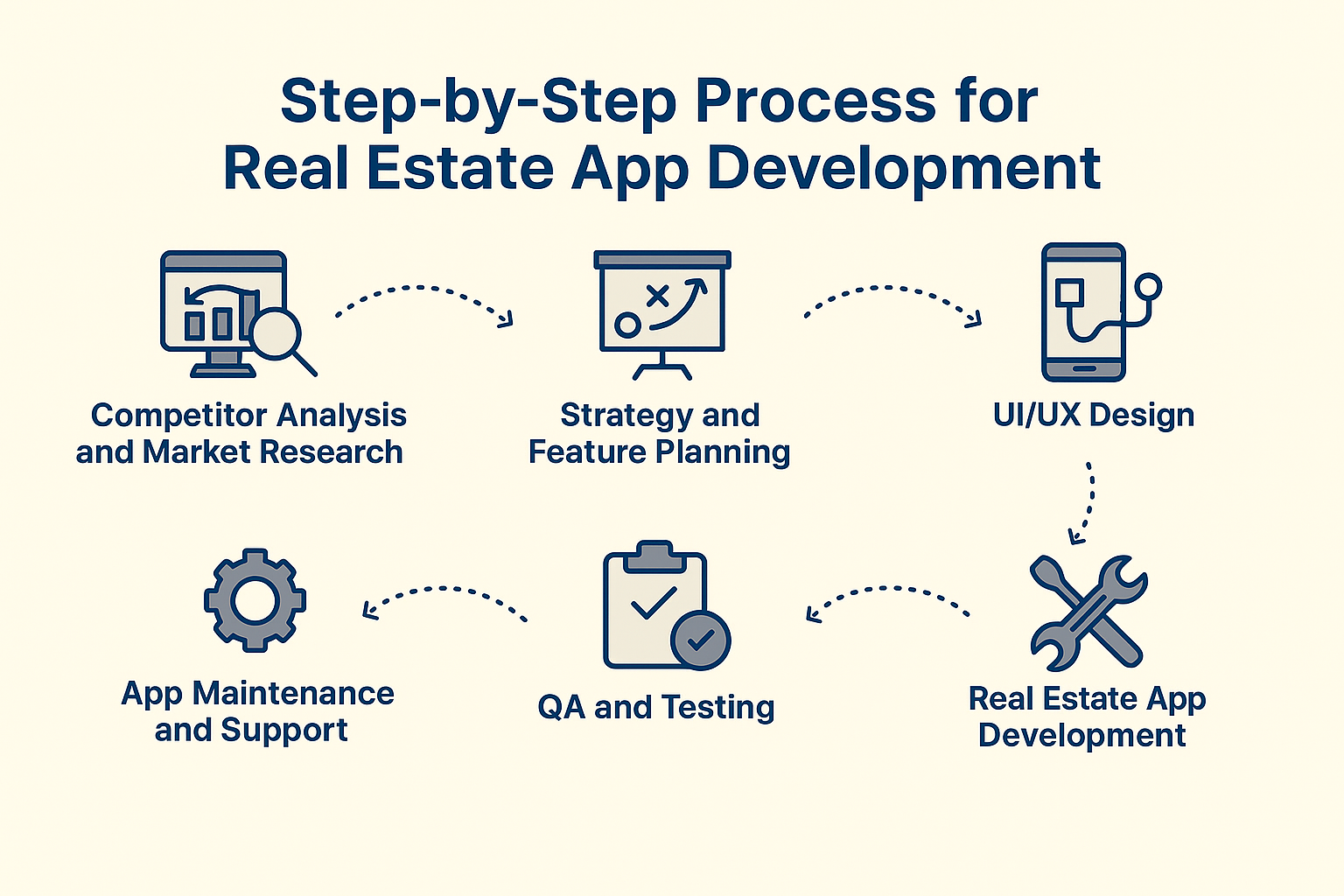
Empowering Investors with Micro-Investment Apps: A to Z Guide to Development

Micro-investing apps in Australia witnessed a marked increase in the number of users (almost doubled) in the last year, according to an article in Financial Review. Micro-investment applications or small investment apps allow users to access and invest in the financial market with as little as a few cents. While these figures are from Australia, the numbers of micro-investment app users are much higher than the world statistics.

This is high time to build a software solution for micro-investment businesses. Before you contact any mobile app development company, this guide shall drive you through much-needed steps and processes you need to mind to start the business.

What is a Micro-investment app?

Unlike major investments by the rich, micro-investing facilitates everyone to have simple investments or low-cost investments. Micro-investment is also known as low-barrier investment or no-hassle investment where there is potential growth even with little money.

A micro-investment app is a user-friendly software using which individuals can have a hassle-free investment in various schemes and financial projects such as trade, stock, cryptocurrency exchange, and the like.

What are the well-known business models of a Micro-investment app?

Micro-investment apps can mint money for a businessperson through various models. To keep a micro-investment business up and running, the apps can adapt several ways to generate steady revenues. Here are a few to describe –

Business Models of Micro-Investment App

Subscription Charges

Opposite to a freemium model, where users are offered some basic features of micro-investment software applications, subscription-based premium models offer more. Users can fully utilize the app’s features with no restrictions. Investment is a long-term process and, therefore, the subscription-based micro-investment apps would have monthly and yearly options which can generate steady income for business owners.

Data Sharing

Not crucial or personal data, but general user data can be shared. Most micro-investing apps gather enormous data from hundreds of thousands of investors from all over the world. Such data can be shared with authentic third-party apps or companies who shall pay commissions for such services to the micro-investment app owners.

Sell Finance Products

Micro-investment applications shall have great investment potential through their services and products. While you can offer various investment options to users, financial firms would also wholeheartedly pay you for their highlighted posts that are featured on your micro-investment platform app.

How does the Micro-investment app work?

Micro-investment apps are built to invest a routine in every user’s life because they can put little money into various schemes on the go. The apps take a tiny share out of each transaction and that’s how it starts making revenue. Largely, the app functions in three ways –

  1. The app may round off the figure spent by each user. For instance, if the amount transacted is $17.80 then the app rounds it off to $18.00 and the remaining $0.20 shall be invested in your selected source.
  2. Another functionality of the micro-investment app is a bit more uniform where the app or platform shall deduct a specific amount (decided by you) from your account daily, weekly, monthly, quarterly, or even yearly. This amount shall be put into selected micro-investing schemes.
  3. The last function of the micro-investment app is a trigger-based investment. The app shall trigger a certain amount if it exceeds or touches a specific number. For instance, if you have put a threshold of $100 for spending, $10 shall be deducted and invested automatically. This way, savings shall happen as you touch or exceed certain spending on the app.

What are the benefits of a Micro-investment app?

Ample benefits come with micro-investing apps for business owners as well as all users and that makes it a win-win situation. Here are some in general –

Benefits of Micro-Investment App

Promotes investment

Micro-investment apps promote investment through their ease of use and guaranteed secure transactions. Earlier, any investment and trading used to involve a lot of paperwork and hassle which micro-investment platforms have successfully overcome. Also, since such apps offer little amount investment plans, people from low- and mid-income groups can easily invest. Overall, such apps have promoted investment throughout all income classes.

Trading on the go

Mobile apps for financial investments have made it a cakewalk for all types of investors as all trading and financial transactions are done through handheld devices, within a few taps. From searching for the best investment plan to stock trading, payday loans, and one-day investment plans, everything is on the go.

Affordable and quick

Micro-investment plans are affordable because they require quite a little funding which almost everyone can afford. For instance, a few micro-investing plans ask for investments of as little as $10. Hence, it is affordable. Another aspect of micro-investment mobile apps is all the transactions done on the platform are quite quick because there is less paperwork and everything is digitally approved and verified.

Less tedious task

Many people, in the past, avoided investments due to tedious paperwork and lengthy procedures for transactions and trading. Removing all such hassles, micro-investment apps offer less tedious procedures and make all business on the app easier than ever before. Due to this very reason, more and more people now approve micro-investment plans via mobile apps.

Minimal fees

Since the workforce or manpower is reduced drastically on all digital platforms, the cost per transaction or trading has been markedly brought down. In other words, there are minimal fees for micro-investments; thus, people save a large chunk of money over time.

What are the must-have features of the Micro-investment app?

Fintech apps are built to offer smooth operations and ease of transactions for every trade or business that happens on the platform. There are many micro-investment fintech apps on the market; nevertheless, there are a few features commonly found on each of them. Here are they –

Features of Micro-Investment App

Personal account

Micro-investment apps would have personal account access for each user. Through this account, managing and tracking investments would be easier. Commonly known as a portfolio, one can have a look at their transactions whenever they want.

Multi-currency account

Another good idea about having a unique feature for a micro-investment app is a multicurrency option where users can transact in various currencies including digital currency such as cryptocurrency. Multicurrency support can get you more users from diversified backgrounds and countries.

Transaction management

Micro-investing applications can have transaction management where users can set investment amounts for regular transactions or can pause or edit the amount. Automatic deducting of small funds for micro-investment plans could be a useful feature.

Cryptocurrency trading

The present cyber age demands cryptocurrency exchange with other digital currencies and even digital goods. Cryptocurrency trading on micro-investment apps would be a gem of a feature if included in your product. Bitcoin, Dogecoin, Ethereum, and other digital currencies are in the rage these days.

Guide to Secure Cryptocurrency Exchange App Development

KYC and AML integration

Know Your Customer (KYC) and Anti-Money Laundering (AML) is a couple of features almost all fintech app developers would include for extra security and safety. You can include these features in micro-investment apps to boost confidence in users about having a business on the digital platform.

Analytic tool

Investment is a thought-provoking process and users would certainly like to make sure that their investment, though micro or small, shouldn’t end up in any loss. Hence, analytical tools on apps for micro-investing would be quite helpful for investors. Such tools help users compare and analyze various investment options before making the final decision.

Automated counseling

Micro-investment apps with artificial intelligence can have automated counselors where bots shall provide useful information and relevant suggestions to investors about taking important decisions based on market trends and forecasts.

Investment and risk calculator

Investments of all kinds bring some or the other kind of risk. Apps for micro-investment can have calculators powered by artificial intelligence that can assist users to gain profit by providing them with calculated risks.

Round-the-clock assistant

For sensitive services such as finance, customer support is quite an important feature. Micro-investment apps with 24/7 assistance shall have an extra edge over other investment apps with limited support. Hence, apps with dedicated staff deployed for customer support or an automated chatbot should be a premier feature.

Real-time notification

Staying alert is one of the key factors to staying in profit in the finance sector. In other words, whether it’s stock or cryptocurrency exchange, the rates and prices fluctuate every minute and if investors miss this, they are likely to lose business. Hence, real-time notifications and alerts play a crucial role in any investment app.

Linking banks

Financial transactions and trades happen across the world where money flows in and out of your account on micro-investment apps. Linking banks and other payment gateways is mandatory for any app to stay legal and hassle-free. Multicurrency and payment support through linking banks is one of the most useful features of micro-investment apps.

How do Micro-investment apps make money?

Many monetization models can generate revenue. The Top mobile app development company can help you integrate such models right from the development stage of your micro-investment app. Here are a few to check out –

Monetization Models of Micro-Investment App

Advertisement

Renting space on micro-investment apps is one of the most common ways to earn revenue. The core practices of renting small to large spaces on the app’s main page or inner page shall earn you a decent amount. You can accept small to large banners of ads from different companies.

Subscription

Most mobile apps come with a freemium model for revenue as the product is kept free to download on app stores; nevertheless, such apps shall come with limited features. Opposite to freemium is a premium or subscription model wherein all the features and facilities on micro-investment apps are accessible to users. The subscription could be weekly, monthly, quarterly, or even yearly depending on the decided revenue model.

Affiliate programs

More like a commission-based money-making model of micro-investment apps, in affiliate marketing programs, you may collaborate with various finance companies to exchange spaces and links from and to your app. Depending on the lead generated by your platform a certain amount is paid to you.

Which Micro-investment apps are currently popular?

Several renowned micro-investment apps and small investment apps are available in the finance market. For instance, UNest, EarlyBird, Stash Invest, Fidelity Spire, SoFi, Binance, Betterment, Gemini, MoneyLion, StockPile, and so on. Nevertheless, the three investment apps have made their way to the top of the list;

Best Micro-Investment Apps

Acorns

As they claim, Acorns helps users save and invest both on the same platform. Users can support spare change and invest while they bank. Through each transaction, users can earn bonus investments. The app also provides a sound knowledge of micro-investment and finance growth in the safest possible way.

Robinhood

Robinhood’s strategy is to help you run your money your way. Robinhood is a super investment app that offers trade stocks, options, ETFs, and other cryptos (Robinhood Crypto) services on a single platform. The best part of why the Robinhood investment app is popular among millions is its zero-commission policy.

eToro

eToro is a social investment and multi-asset brokerage company spread across the world. The platform offers manual and social investment from various options such as stocks, crypto assets, multiple currencies, ETFs, indices, and commodities.

What APIs shall help your Micro-investing app lead the market?

APIs are like power boosters that can help your app for micro-investment perform better than other investment apps. Here are a few APIs you can ask your tech partners when you hire developers to build a customized micro-investment app.

  • Plaid API: connects with several banks
  • Alpaca Stock Trading API: helps handle regulatory compliances
  • Alpha Vantage, Bloomberg Market, Yahoo! Finance API: provides real-time quotes
  • ETrade: helps manage user accounts, orders, and search for exchanges
  • Finbox & Tradier: gets stock metrics and helps research the finance sector

How much does it cost to develop a Micro-investment app?

Depending on the number of features you want, the location you are hiring developers for, and the time taken to develop micro-investment apps (small investment apps) will affect the overall development prices. Nevertheless, according to tech experts, somewhere between $30000  to $50000  you may have to keep your finance ready to get started.

Ultimately, it is the mobile app development company you hire that shall get you the closest estimation or cost breakdown to develop a micro-investment app. Most app development service providers, depending on your business objectives, can get you a free consultation when you contact them.

Conclusion

So now that you have gone through various aspects of micro-investment business planning and app development, you can submit your project and contact professionals to build a bespoke solution to your business needs.

The post Empowering Investors with Micro-Investment Apps: A to Z Guide to Development appeared first on TopDevelopers.co.
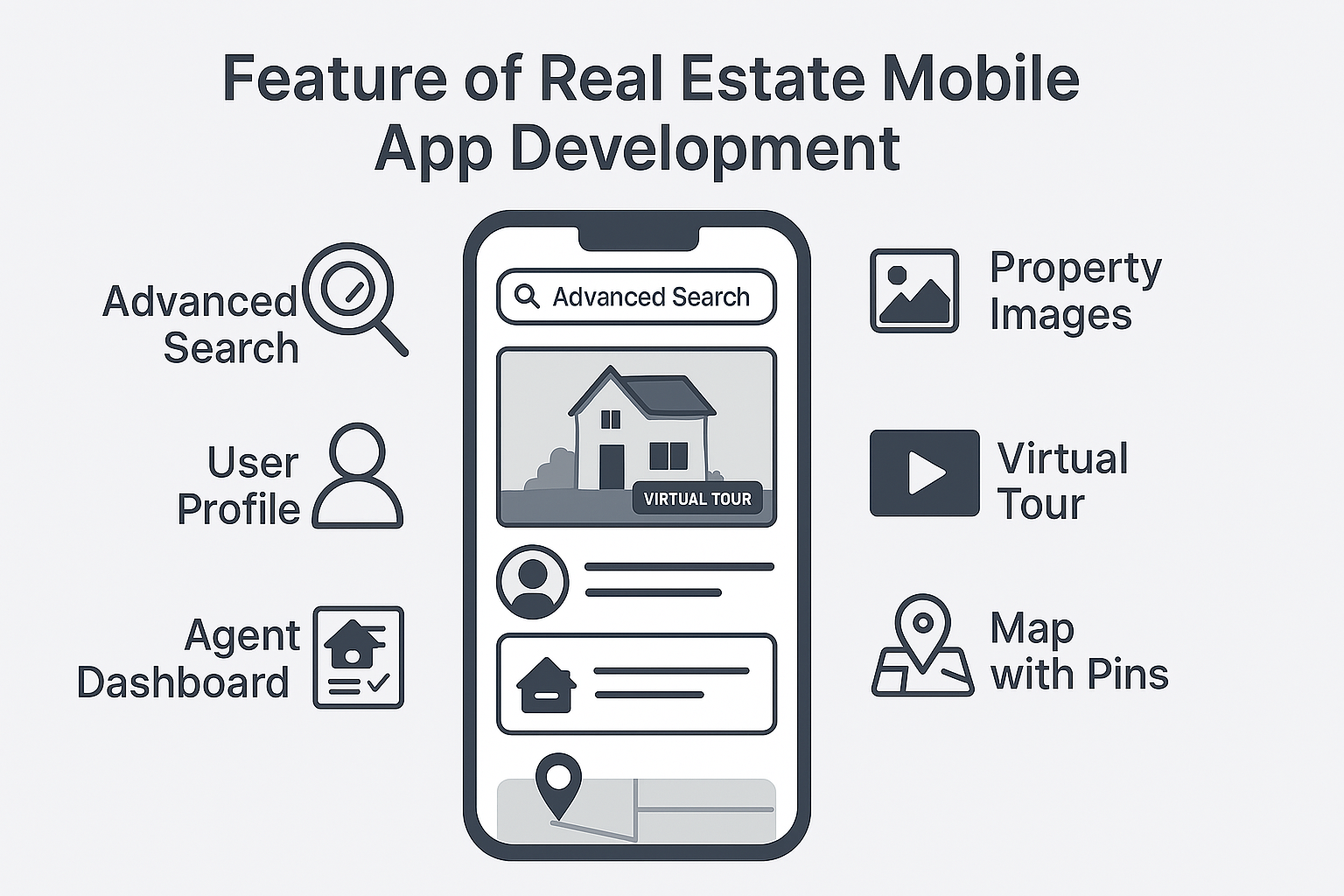
Best Online Ordering System for Restaurants in 2023

When platform-to-consumer services such as food ordering services made inroads into the market, the people who were looking for convenience on a platter loved this service. Gradually, the facility of getting restaurant food to eat from the comfort of the couch, right from the smartphone- starts gaining traction.

The latest pandemic brought a flywheel effect to the food ordering and delivery system. The food delivery operators that were previously struggling to survive at a razor-thin profit margin, started receiving a large number of food order requests.

The food delivery market size is expected to grow to $320 billion by 2029 and revenue growth is expected to reach $1.45 trillion by 2027. The revenue potential in the food delivery industry is different in various countries where China leads the edge with $27.3 billion in revenue.

The increase in market share and revenue potential gear up other restaurants to start online food ordering services to attract more customers, increase sales, and intensify profits. Before diving into the list of successful food ordering systems, let’s understand the food ordering system in brief.

The overview of the online food ordering system

The online food ordering system provides a platform for restaurateurs and customers to get connected and place an order from the website or mobile app. The system enables seamless food ordering or takeaway options while also providing immense opportunities for businesses to tap into the data that helps in increasing conversion, retention, and brand awareness. The restaurant owners can better know their customers and improve the services according to customers’ feedback.

How to start your own online food-ordering business?

Now, take a look at the leading online food ordering software that has gained a huge user base and is making millions of dollars in revenue.

Top 7 online food ordering systems in 2023

Are you willing to fill in the restaurant seat gap with a digital venture launch? If so, the list of top 10 online food delivery systems lets you know how to repeat the same success. Take a sneak peek inside at them.

BentoBox

The online platform provides digital space for restaurant owners to stand out in the market with online food ordering facilities. It helps in creating unique customer experiences with an excellent UI design that draws in maximum customers. Restaurateurs can increase customer outreach with higher rankings organically and make money 24/7 with commission-free ordering.

The best online food delivery app has powered many restaurants’ websites and helped them with connecting operational dots. Automated email campaigns, digital loyalty program, and digital order & pay feature has helped restaurants in strengthening relationship with customers.

Foodiv

SaaS-based online food ordering system provides a platform for small restaurant businesses that don’t have enough money to build a dedicated online food ordering system from scratch. Foodiv is available free for restaurant businesses and charges no commission from the transactions that occur through the platform. It has helped more than 3000 registered restaurant businesses to increase sales and profit margins. Saying Foodiv is the cheapest online food ordering app won’t be an overstatement at all.

The best online ordering system for restaurants caters to the digital need of fast-food restaurants, pizza places, burger stores, and caterers that helps them to optimize their operations on-premise and online. Foodiv is as easy to set up as child’s play which further eliminates the need to hire a technical person on the board. It has enabled restaurateurs in more than 30 countries to accept orders on phone calls, mobile apps, and websites.

Its interactive UI makes website navigation seamless, the QR-based digital menu enables faster ordering, and contactless orders enable effortless checkout, which together helps in delivering a good customer experience. The interactive dashboard that can be personalized helps restaurants to build a brand uniquely. If you have an idea to start an online food ordering business, join the platform that has processed more than 1.3 million orders.

GloriaFood

The most popular food delivery app solution is specially designed for small to mid-sized restaurant businesses. The restaurant can accept limitless orders through the platform and confirm the order straight from the mobile phone as the system is mobile-optimized. The pick-up orders, delivery orders, and table reservation data centralization make day-to-day operations management a breeze.

The best thing about the system is no contract need to sign, no setup fee needs to pay, and there are no associated hidden fees. The restaurateurs can accept orders- pick-up orders, delivery orders, and table bookings from multiple locations. The pre-ordering options, menu promotions, and multilingual support help in catching users’ attention. The analytics reports and automated suggestions help restaurateurs to make optimal changes to the services for the better.

Chownow

The free online ordering system charges no commission fee from the restaurants on the transactions conducted through the platform against every food delivery order. Restaurateurs only need to subscribe on a monthly basis to enjoy getting orders through the Chownow website or mobile app. The best food ordering app platform has a network of delivery partners that have helped curbside food delivery facilities.

The marketing tools such as digital ordering or loyalty programs are offered for restaurant businesses to increase user outreach and improve brand awareness socially. However, there’s no option to create an individualized brand experience.

Bbot

The top food delivery app platform powered by DoorDash enables restaurant businesses to open a virtual restaurant. It enables restaurant customers to browse interactive menus, order food and pay through mobile just by scanning a simple QR code. With multi-menu support, group ordering, two-way orders, and location codes for every table feature, the platform has served leading restaurant businesses globally.

The esteemed restaurant clients have experienced increased staff tips and the bottom line followed by faster coverage by the staff. Bbot seamlessly integrates with a wide range of restaurant software thereby becoming a one-stop shop for all restaurant needs.

Looking to create your own Food ordering system for your Restaurant Business?

Menufy

The online ordering system founded in 2009 is created for the restaurant business to accept online food orders from customers with a simple search, order, and payment. Menufy is more focused on functionality rather than design which makes optimizing customer experience a little difficult.

Also, the popular food delivery app platform provides limited options for customization as opposed to other online food ordering solutions. Plus, the platform charges a 12% commission fee on food delivery orders and $99 per month for digital marketing services. The users are enabled to order through the mobile, website, or Menufy portal.

UpMenu

UpMenu keeps the restaurant business in good spirits by providing under the hood that restaurants need to enable online and mobile presence. With the pay-as-you-go service, restaurants don’t need to pay any hefty fee; instead, they only need to pay the amount monthly as a subscription fee. With a free trial, the restaurants can test if the best food app platform meets their online food ordering needs or not.

There are different pricing plans that restaurant businesses can subscribe to and avail of the functionalities offered. The best delivery app platform enables restaurants to create and launch loyalty programs to draw in and retain customers.

Want to become another successful food ordering system?

The impressive increase in sales and ROI through the online food ordering systems has geared up new restaurateurs to go online. The list of 7 leading online food delivery platforms depicts the story of millions of restaurants that have gained benefits by manifolds. If you are the one who wants to write another success story by launching an online venture, the best food-ordering app platforms can help you without breaking the bank.

In case, you have deep pockets and want to develop custom food ordering application from scratch, a reliable mobile app development company can help you from idea conceptualization to final launch. Submit your project requirement now!

The post Best Online Ordering System for Restaurants in 2023 appeared first on TopDevelopers.co.
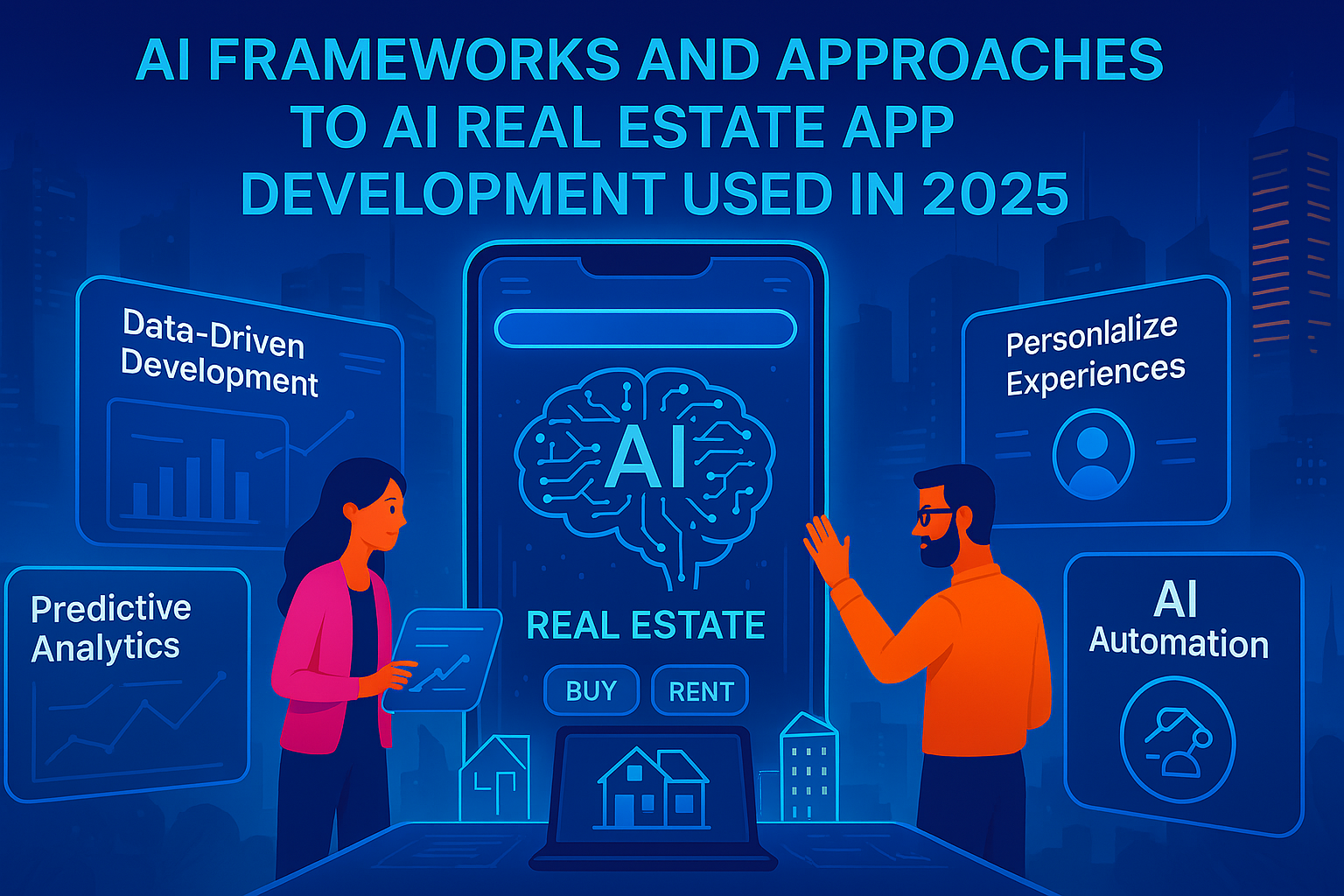
Flutter vs Kotlin: Which is a better app for development?

The mobile app industry is thriving with growing mobile app usage at a steady rate. The apps are expected to generate hundreds of billions of revenues as half of the world’s population opens the mobile app more than 11 times a day. With the improved focus on people and market trends around mobile apps, businesses are increasingly moving into mobile orbits.

Building apps with cross-platform development approach is more favored as opposed to native app development. The former option enables businesses to mobilize business services and operations, and increase user outreach at a reduced time and cost. The enhancements of cross-platform frameworks such as Kotlin and Flutter have made it possible to get build native-like, high-performance applications.

Here’s the catch, for developing a scalable and secure application, it’s essential to leverage the right framework, technologies, and tools. In this blog, we will discuss two languages- Kotlin and Flutter that have scored high popularity in a shorter span. Although app development companies give equal credence to Kotlin and Flutter for app development depending on the project needs.

Before delving deeper into Kotlin vs Flutter Differences, let’s get into the meat of the matter of the two languages.

What is Kotlin?

The statically-typed programming language was initially designed for java virtual machine is released for public usage in 2016. The standalone language is interoperable with Java and renders better functionalities as opposed to Java. It means both languages share the same information that enables developers to use them side-by-side for app development. The multi-platform capabilities of Kotlin enable building apps for different platforms with seamless code and data sharing. Take a tour of the superior features of Kotlin that are making app development more interesting.

What is Flutter?

Google-built UI toolkit was leveraged for building apps for six platforms- Android, iOS, Windows, web apps, and macOS using a single codebase. The framework is powered by Dart language which enables asynchronous programming and guarantees high-performance app development. Delve deeper into the benefits of flutter to know how it’s creating a buzz around the mobile app development world.

Kotlin vs. Flutter- the one-to-one comparison to know which is better

Flutter and Kotlin have gained an edge in the market with a bunch of features and functionalities. Leading players leveraged them to power their mobile applications. Take a look at the Kotlin Vs. Flutter difference to know which is the best for your next project.

Rapid development enabling reduced time-to-market

Businesses want to launch the app in reduced time-to-market to keep up with the latest trends and fill the gap before the competitor does. Explore the guide that briefs well on how to turn your app idea into the ultimate solution in a budget-friendly and time-savvy manner. Let’s understand it in the context of flutter and kotlin.

Flutter-dart- the combo is an open-source language that facilitates access to user-friendly documentation and original code. Also, the modern language uses less coding to get built a fully-functional app. The hot reload feature enables making changes to the front end instantly as the code is changed in the backend. This functionality reduces overall development time. Not to forget, the cross-platform capability of Flutter allows businesses to release native-like apps for multiple platforms in a reduced time.

Kotlin’s syntax makes the coding less verbose, clean, and clear, which enables app development in a minimum time. The fewer lines of code mean minimum bugs and errors in the app. the improved reliability accelerate app development speed.

Render high Performance

Businesses perfectly understand the need for high-performant mobile applications because users show no mercy for apps that take more than 3 seconds to load and start looking further. It’s not healthy for business ROI.

When it comes to Flutter app development, the apps built for different platforms provide close to native performance despite complex UI design. Flutter’s ability to build the app inside the machine code remove the expectancy of bugs. Thereby getting building high-performance apps becomes possible. Hire flutter app developers to avail of the java interoperability and multiplatform capabilities for the next project.

Kotlin is the enhanced version of Java where all the issues that Java had were fixed. It has made Kotlin- a programming language with an easy-to-read codebase where bug compilation is feasible during app development. when the errors are identified and fixed earlier, the trivial mistakes are prevented during the program execution.

Code quality ensures app security

Security can make or break the app’s success, which directly impacts the business’s credibility and reliability. The code quality plays a vital role in ensuring a secure app launch that shields data from fraudsters. In flutter Vs. Kotlin battle, take a look at who aces in terms of security.

Kotlin is known for code quality despite the app being developed for multiple platforms. When teams work together for building apps for different platforms, seamless communication results in clean code and early bug detection. This way, the app development risks are identified proactively and the next development stage is saved from getting affected. Plus, the code modularity and testability make the code maintainable, and easy to find out what’s going on.

On the contrary, Flutter is a new language on the technology block and evolving with subsequent upgrades. Faster debugging with a hot reloading feature facilitates updating code immediately when any flaw is detected, which helps in guaranteeing quality code.

Community support

Businesses get the added advantage of choosing a language that has great community support. When the app faces some problems, it gets resolved sooner with the assistance or help of the developer’s community. Let’s see in flutter Vs. Kotlin war, how these two languages are popular.

Flutter is not widely adopted in the IT landscape, but its unique features are making the language popular. Flutter received 149k stars on GitHub and the percentage of questions asked on StackOverflow around Flutter is 2%.

The situation is completely upside down with Kotlin, Kotlin received around 44k stars on GitHub and the percentage of the questions moving around Kotlin development on StackOverflow is 3%.

It seems from a popularity perspective and community support level, businesses can choose any of the two languages for app development.

Integration with third-party libraries

Scaling the app with the least effort is a need of the hour. It enables businesses to enhance the app as the business grows and users’ preferences change. When we look at both languages- Kotlin and Flutter, third-party libraries integration comes to the rescue. See who is the hero in Kotlin Vs Flutter for third-party integration.

Flutter’s UI toolkit supports third-party integration to build native-like UI development for apps to be built for multiple platforms. The support for third-party tools allows connecting the app with native environments.

Kotlin does not provide an ecosystem of third-party libraries or tools that facilitate building an app in a native environment because it directly enables native app development.

Which is better- Kotlin or Flutter?

Are you ready to roll over the business app development ball? That’s great! Without the selection of the right tech stack, you cannot expect epic success. The programming language selection plays a critical role in building high-performance, secure, and scalable apps that end-users like. Whenever mobile app ideas make their way to the entrepreneurs’ minds to make an advanced app, two languages- Kotlin and Flutter are among the trends today. However, selecting one between these two languages is a daunting task. It’s made easy in the blog.

The one-to-one comparison between Kotlin and Flutter helps in identifying who is the winner in the Kotlin vs Flutter battle based on different project needs. For instance, when small-to-mid-size project development is your need, Flutter is a good option. It helps you get to the market in a reduced time with multiple apps launched on distinct platforms. On the flip side, Kotlin is a good fit for advanced applications where native capabilities and a robust backend are required.

Come up with your project needs and find out which language fits the bill. Still, if you are confused, feel free to connect with a reliable development company that helps you know which language is perfect for your app development needs.

The post Flutter vs Kotlin: Which is a better app for development? appeared first on TopDevelopers.co.
Creating a Secure Cryptocurrency Exchange App: From Idea to Launch

Table of Contents

What is cryptocurrency? Why is it trending in the market today?

Cryptocurrency, as the term is coined, gives a fair idea of its origin – it is a digital currency, trading which involves high encryption for extra layers of safety and security. Unlike traditional currencies, cryptocurrency is terrifically decentralized making it zero-vulnerable to hacking or playing malware; hence, this digital currency is now getting recognized and used as the most secure way for financial transactions – cryptocurrency in banking, for instance.

The trend of using cryptocurrency is surging like never before and, therefore, this business is catching everybody’s eyeballs. All you need is the best cryptocurrency development company to build a customized product to kickstart this most prolific venture.

Cryptocurrency for various trading and other financial transactions has been immensely popular these days, and the trend is likely to increase in the coming times. The research firm giants such as Polaris, Statista, and CNBC have predicted skyrocketing growth in cryptocurrency exchange for trading and investment in the future. The numbers tell the tale –

cryptocurrency market research

The research hints that it is a perfect time to venture into the cryptocurrency business. You can opt for a cryptocurrency exchange app development that would prove to be a digital weapon for you to win the competitive market battle.

How to start a crypto exchange business app?

How to Start Crypto Exchange Business

The massive growth in cryptocurrency exchange is by dint to the immensely increasing number of users worldwide. Not only do experienced traders invest and rely on crypto exchange but also novices and young entrepreneurs with crypto business ideas are also sincerely investing in the digital currency business.

Typically, if we define the cryptocurrency exchange business, it means providing a powerful platform to customers who can buy and sell cryptocurrencies instantly.

Using the cryptocurrency exchange platform, users can trade one digital currency for another; for instance, Bitcoin or Litecoin for Ethereum or vice versa. Here are the steps to follow –

Handle legal affairs

Though popular, the cryptocurrency exchange business is still under the scrutiny of many governments. The cryptocurrency trading platform should have the necessary licenses and permission to stay legal and avoid any statutory hassle. From a ‘know-your-customer’ procedure mandatory to several taxes by the governing body and reserve banks should be made clear before you start a cryptocurrency app development with any tech partner. It is always advisable to hire a crypto attorney for legal advice.

Gathering funds

Depending on the type of cryptocurrency exchange app type, the application development cost would vary from minimum to maximum price. You also have several funding or finance options to obtain capital such as crowdfunding, angel investors, and bootstrapping.

Get the best app development company

For cryptocurrency app development, you need to head toward searching for the best mobile app development company that is up to the mark in delivering customized solutions using the latest tools and technologies. However, for buyers, it is always recommended to go through a mobile app development guide so that you gain some basic knowledge and can discuss your project better with your tech partner.

Build a network within the app

The Cryptocurrency app business requires a solid network of traders, brokers, and other exchanges to add liquidity and maintain it. Using different popular APIs, you can create a powerful network for business partnerships.

Collaborate with payment processors

For the overall cryptocurrency app growth, collaborating with payment processors is quite an important factor. Industry specialists recommend that you may have the lowest transaction rates and fee structures, and try to stay clear so that users don’t feel betrayed. Staying away from hidden costs and offering them crypto exchange with necessary compliances will create your brand value.

Assure optimum security

Implementing the best practices assuring security is the core of any cryptocurrency exchange business. Hence, during cryptocurrency business app development, extra care is taken for encryption, two-factor authentication, eWallet creation, and interactions with other APIs. Hackers, these days, primarily target crypto business applications due to high demands. The ultimate aim is that users should be able to buy cryptocurrency confidently.

Deployment of the application

Before launching your crypto trading platform, it is crucial to test the app with all rigorous and stringent sets of testing tools. Going live via beta testing is preferred in most cases.

Blockchain and Cryptocurrency

Blockchain is the foundation feature of cryptocurrency as it makes this digital currency super secure. The growth, trust, and popularity of cryptocurrency are by dint of blockchain because cryptocurrency heavily depends on its network to exist in the market. Not limited just to the finance sector, blockchain technology for multiple industry verticals is also like a boon where security is a major concern.

Types of Cryptocurrency exchange platforms

Ahead of any cryptocurrency exchange business app development comes its types. You need to glance at various cryptocurrency platform types and their functionalities accordingly.

Types of cryptocurrency exchange platforms

Centralized Exchange (CEX)

An exchange operator (typically a third party) superintends this type of crypto exchange. The main task of this operator is to assure that customers sign up and that the trading they do goes through smooth transactions across the app. CEX platforms allow you to link your bank or debit/credit card to buy cryptocurrency, sell it or even exchange it with other digital assets. As the exchange is centrally controlled, they offer more reliability through crypto-to-crypto and fiat-to-crypto trades.

Examples: Huobi, Coinbase, and Kraken.

Decentralized Exchange (DEX)

Surpassing everything, on Decentralized Cryptocurrency Exchange, buyers and sellers come together and perform transactions directly. These are called peer-to-peer transactions and they are not dependent on third-party intervention. Though decentralized cryptocurrency exchange offers more security, on the downside, users are more prone to lock themselves out of their funds. In addition, trading of fiat currencies for digital assets is also restricted on this exchange.

Examples: IDEX, Uniswap, and Sushiswap

Hybrid Exchange (HEX)

This exchange is the latest entry in cryptocurrency trading online, and it is still in its infancy. Nevertheless, crypto experts are trying to make a hybrid platform (that takes all the goodies from both centralized and decentralized cryptocurrency exchanges) the most powerful and convenient. The blended technology shall allow crypto users to have lightening fast transactions with unmatched security assurance.

Examples: Nash exchange and Qurrex exchange

Popular Cryptocurrency exchange apps

On the market are several renowned cryptocurrency exchange applications available. You may study each of them and their business strategies before going for a cryptocurrency app development customized to your needs. Here are the top cryptocurrency exchange platforms –

Popular Cryptocurrency Platforms

  • Binance
  • dYdX
  • Coinbase
  • Curve Finance
  • Uniswap
  • DODO (Ethereum)

How to build an app for the Cryptocurrency exchange business?

Unlike other mobile app development, crypto exchange business application has more concerns about safety, security, and speed in all trading and transactions. Cryptocurrency trading applications shall follow the same steps as the other mobile app development does while keeping that in mind. Here is a quick look at the process –

Crypto Exchange App Development Process

Idea

The idea includes intense market research and studying consumer behavior about trending cryptocurrencies such as Bitcoin and Dogecoin. You may have to have a constant eye on the cryptocurrency market’s ups and downs to prepare yourself for the future.

Execution

The execution phase contains a complete design and development of a cryptocurrency exchange app. The primary focus on UI/UX shall help you build an intuitive system that would entice and engage the users and also improve the user-retention ratio. The developers you have hired for your crypto exchange app development shall follow predefined business objectives to build a customized solution.

Cryptocurrency app Design

The design has been quite an essential factor in cryptocurrency exchange business mobile applications because if users find it complex, the chances of success decline sharply. The design stages of the wireframe and prototype should be carried out carefully.

Cryptocurrency App Development

The client-side crypto exchange business app development requires stringent measures to curb any possible malware attack in the future. Hence, standard coding practices in React.js, Vue.js, Angular.js, JavaScript, HTML, and CSS mark-up languages are assured throughout the app development process.

Integrating APIs and the latest security measures

Cryptocurrency app development shall include APIs and other strict measurements to strengthen security. Using the best features of Blockchain to build a cryptocurrency solution shall assure that the admin panel server-side functioning such as user authentication and the core functionalities such as trading and exchange of cryptocurrency such as bitcoin is safe and secure.

The Importance of APIs

Final product

After designing and developing, the final product shall go for testing and deployment. You may opt for MVP (Minimal Viable Product) to save money and time as releasing the beta version of the cryptocurrency exchange business mobile app with specific features and functionalities initially will give you a fairer idea of how to improve the product later on.

How much does it cost to build a Cryptocurrency exchange app?

Cost To Build Crypto Exchange App

You are thorough with a comprehensive guide to cryptocurrency app development, and it shall end with the cost to build a cryptocurrency exchange.

The average costs, as per industry experts, may vary from USD 100000 to USD 500000 depending on the type of crypto exchange app you want to make and the number of features and security tiers expected.

Let’s try to understand cryptocurrency app prices for different phases.

Research and designing cost

Detailed market research for the cryptocurrency business should be performed thoroughly to make a foolproof plan. The first phase to think and execute is designing the cryptocurrency app which should visually appeal to users.

Today, most of the budget goes into the aesthetics of mobile apps, and hence, cryptocurrency app designing shall take up to USD 5000 to USD 10000 if performed by the best UI/UX designers.

App development cost

Most mobile applications would have responsive designs because today there are multiple mobile devices such as Smartphones and tablets users account. The end-to-end app development for cryptocurrency businesses includes designing, development (front end and back end), and database integration.

App development for your cryptocurrency business shall cost you between USD 40000 to USD 70000.

Cost of cryptocurrency API integration

Mobile app development of all kinds leaves scope for API integrations to make things simpler. That said, third-party app integration through APIs would augment your product without much effort. Such APIs shall make your product more powerful, and seamless, and improve its functionalities and efficiency by providing a holistic experience to users.

API integration for a cryptocurrency exchange app may cost you between USD 50000 to USD 75000.

Blockchain security cost

All crypto exchanges are powered by robust Blockchain technology. The technology carefully executes payments, exchanges, orders, and trading. Blockchain technology is a major factor in cryptocurrency exchange business applications as it boosts users’ confidence to enjoy the crypto app without worrying about cyberattacks.

The blockchain creation on your cryptocurrency app shall cost you around USD 15000 to USD 30000.

Cost of Cryptocurrency app testing

The last phase of the cryptocurrency exchange business app is the testing of the application through various licensed tools. Fixing the bugs, nullifying escalations, identifying overall flaws in the apps etcetera come under quality assurance through app testing.

The testing phase in the Cryptocurrency app development cycle needs you to shell out around USD 20000 to USD 30000.

Are you up to developing a Cryptocurrency exchange business application?

If you want to start a cryptocurrency exchange business, the time is now. Cryptocurrencies such as Bitcoin, Cardano, Litecoin, Binance Coin, Tether, Dogecoin, and USD Coin are ruling the market and hundreds of thousands of investors and crypto traders are joining every day.

You may start brainstorming crypto business ideas, find and contact renowned and experienced mobile app development companies, and start executing your plan to have the best cryptocurrency mobile app.

The post Creating a Secure Cryptocurrency Exchange App: From Idea to Launch appeared first on TopDevelopers.co.
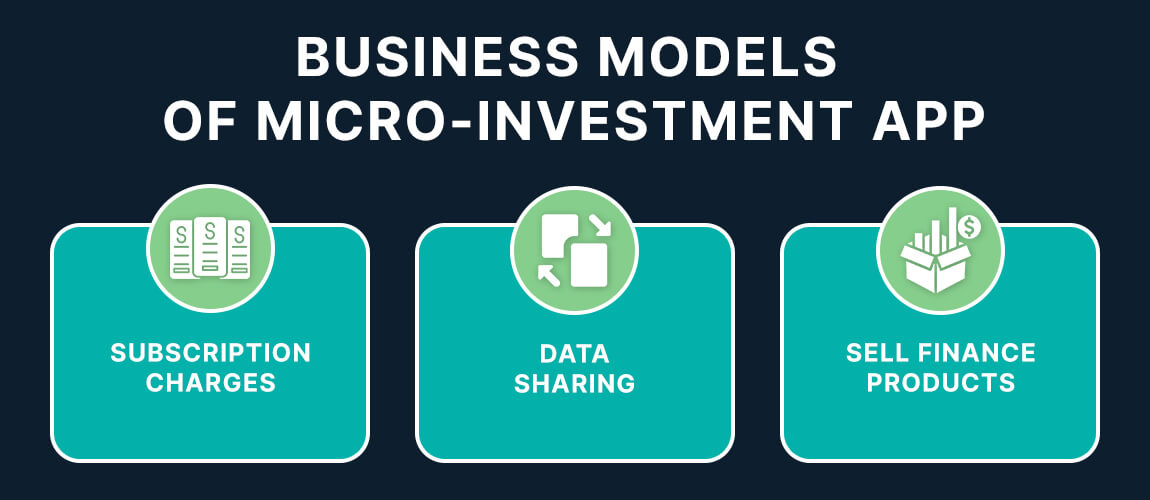
❌