Once upon a time, Jerusalem was known to be the Amsterdam of the Middle East. As the through route of the cannabis trade from Lebanon to Egypt, the Holy Land became decked with hashish dens and coffee shops, frequented by cannabis aficionados of any creed or race. As such, the legacy of cannabis culture has deep roots in a region riddled with wounding that runs just as deep, demanding a medicine to treat it. Fast forward a few hundred years: Israeli chemist Dr. Raphael Mechoulam pioneers the discovery of THC—not to mention CBD as well—and within decades, Israel becomes a world leader in the cannabis industry.
As such, it checks out that some of the world’s highest caliber cannabis companies are based out of Israel. Among them is Trichome, something of a science lab-meets-art studio, specializing in the craft of indoor cannabis cultivation. Leading the way into a new era of sophistication and innovation, Trichome has boasted Israel’s largest indoor grow facility since its launch in 2020. The company merges meticulous horticultural practices with cutting-edge technology, trailblazing and redefining what it means to produce actual high-quality cannabis in an already competitive marketplace.
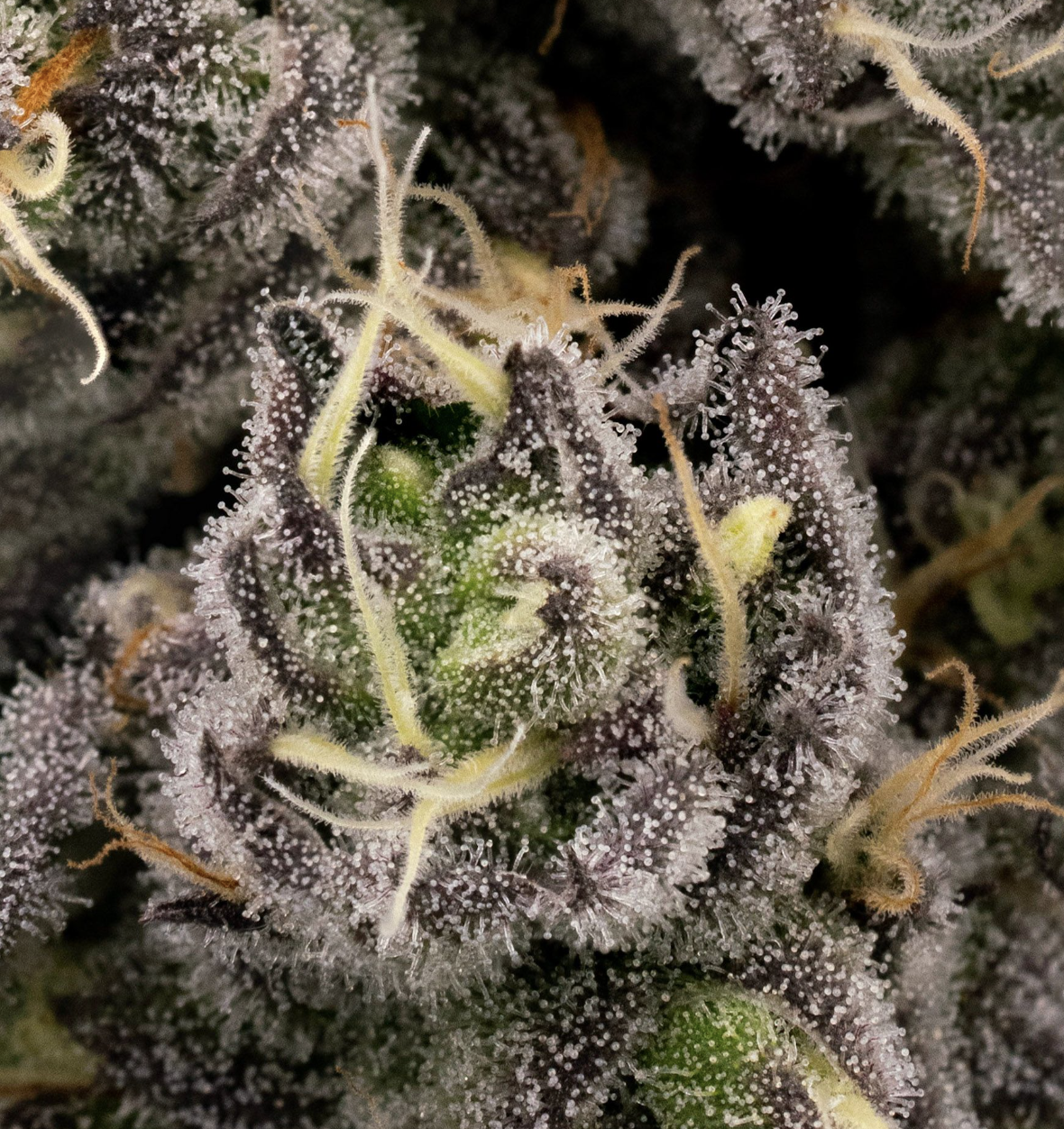
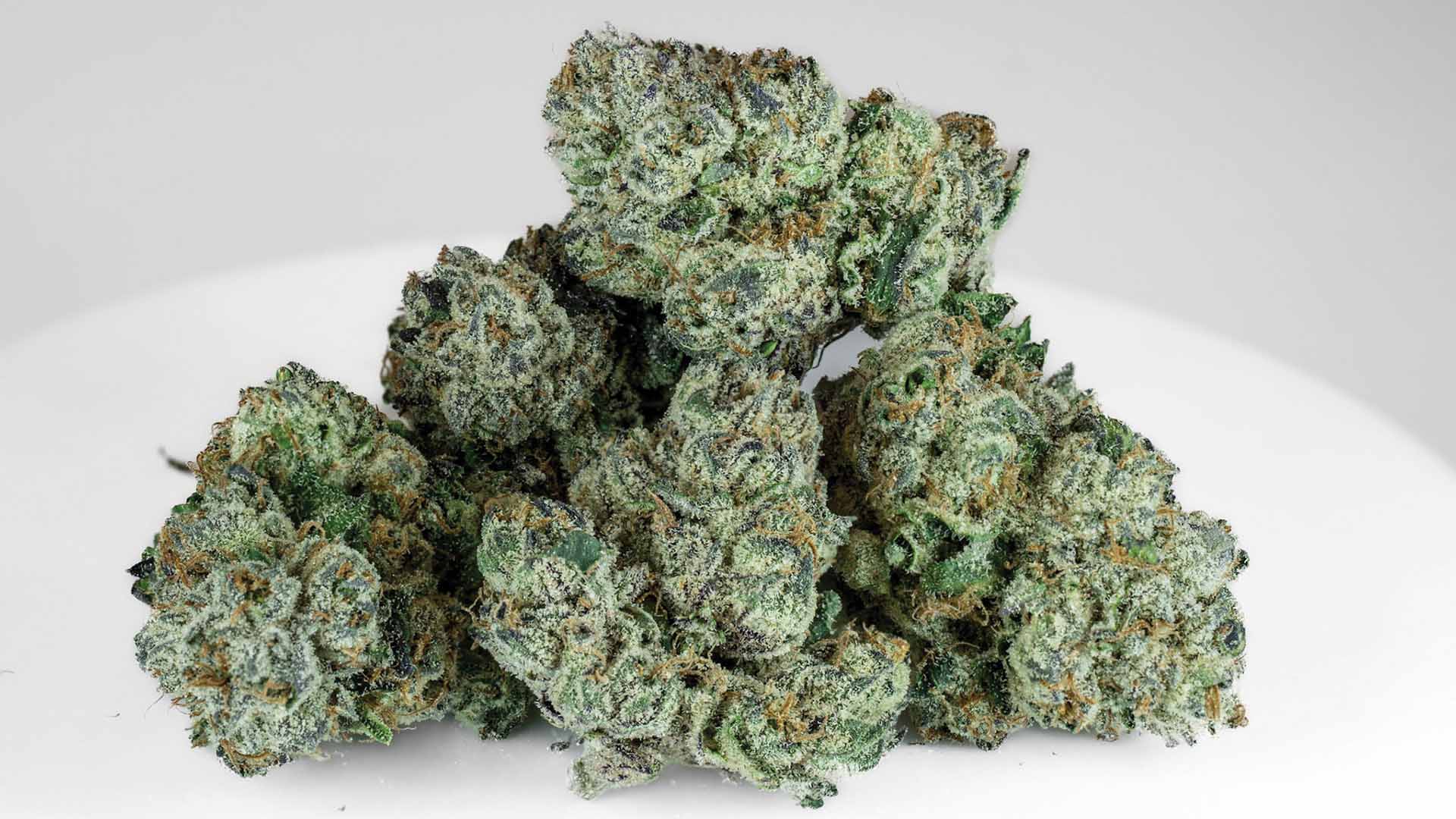
Trichome Founder and CEO Tony Levi says every strain has its own personality.
At the onset of the global pandemic, Trichome Founder Toni Levi returned to his homeland from Barcelona, where he worked in a cannabis social club. Blazing through Israeli bureaucratic red tape and inspired by a robust medical marijuana program, within a few short years of founding Trichome, Levi wasn’t only able to secure the highly sought-after Good Agricultural and Collecting Practices (GACP) certification from the Israeli government, but also a commercial license—and with that, Trichome bloomed from a concept into a commercial powerhouse that captures ten percent of Israeli cannabis, particularly in a premium category.
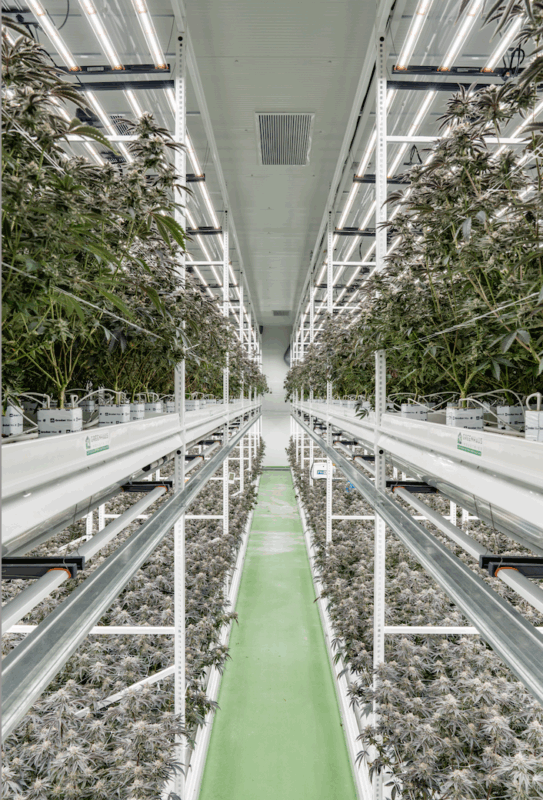
Part of what sets Trichome apart from its peers is its unwavering commitment to standardization based upon unique, innovative horticulture methodologies. Take, for instance, Trichome’s many varieties of cannabis, spanning nine flowering rooms, which are grown in rockwool rather than traditional soil in order to provide a sterile, consistent growing medium. This choice reflects the company’s ethos: precision, consistency and quality above all else.
“We’re not just growing cannabis; we’re crafting it,” Levi says. “Our goal was to create a product that stands out not just in Israel, but globally.”
Levi’s journey into the cannabis world wasn’t a straight path. Before Trichome, he spent years immersed in Barcelona’s cannabis culture, working at a social club and absorbing the nuances of cultivation and consumption in a city known for its progressive approach to the plant. But when the pandemic hit, Levi saw an opportunity to bring his expertise back home. “I came back to Israel because I saw the potential here,” he says. “The medical marijuana program was already strong, and I knew we could build something extraordinary with the right vision and execution.” That vision materialized in Trichome’s sprawling 22,000-square-foot facility, now a beacon of innovation in Qiryat Gat, in southern Israel.
The facility itself is a marvel—clean, modern and meticulously designed to optimize every aspect of the cannabis lifecycle. Trichome’s grow rooms may feel less like stepping into a traditional farm and more like entering a high-tech laboratory. LED lights hum overhead, casting a glow on rows of lush green plants rooted in rockwool cubes, a hydroponic medium that allows for precise control over nutrients and water.
“Rockwool gives us consistency,” says Steve Abboud, Trichome’s horticulturalist and a key figure in shaping the company’s cultivation practices. “Soil is great, but it’s unpredictable. With rockwool, we can standardize our process and ensure every plant gets exactly what it needs, every time.”
Trichome has boasted Israel’s largest indoor grow facility since its launch in 2020.
Abboud, who brings a wealth of experience to Trichome, is the mastermind behind the company’s ability to produce 17 distinct strains—each with its own unique cannabinoid and terpene profile. From classics such as OG Kush to proprietary hybrids, Trichome’s offerings cater to a discerning market of medical patients and, increasingly, recreational users as Israel’s cannabis laws evolve. “We’re not just chasing THC percentages,” Abboud says. “It’s about the whole plant—terpenes, flavonoids, the entourage effect. That’s where the real medicine lies.”
This focus on the “whole plant” is a cornerstone of Trichome’s philosophy, one that resonates deeply in a country where cannabis has long been viewed through a medicinal lens. Israel’s medical marijuana program, one of the oldest and most advanced in the world, serves as both inspiration and infrastructure for companies like Trichome. With more than 100,000 registered patients and a growing export market, the Israeli people’s demand for premium cannabis is higher than ever. Trichome has risen to meet that demand, producing roughly ten tons of cannabis annually while carving out a niche in the premium segment.
But it’s not just about scale. Levi and his team say they’re obsessed with quality, a commitment that shines through in their GACP certification, a rigorous standard that ensures every step of the cultivation process meets international benchmarks. “Getting GACP was a game-changer,” Levi says. “It’s not just a badge; it’s a promise to our customers that what they’re getting is clean, safe and consistent.”
Trichome is positioning itself as a global player, as Levi’s ambitions stretch far beyond Israel’s borders. “We’re already exporting to Europe, and we’re just getting started,” he says. “The world is waking up to what Israeli cannabis can offer.”
Indeed. With its combination of advanced technology, scientific rigor and a deep-rooted cannabis heritage, Trichome is well-poised to make waves on the international stage.
Yet, for all its forward-thinking, Trichome remains grounded in the realities of its homeland. Operating in Israel comes with unique challenges—bureaucracy, security concerns and a market that’s still finding its footing amid shifting regulations. Levi doesn’t shy away from these hurdles. “It’s not easy,” he says candidly. “But that’s what drives us. We’re building something lasting, something that can withstand the chaos.”
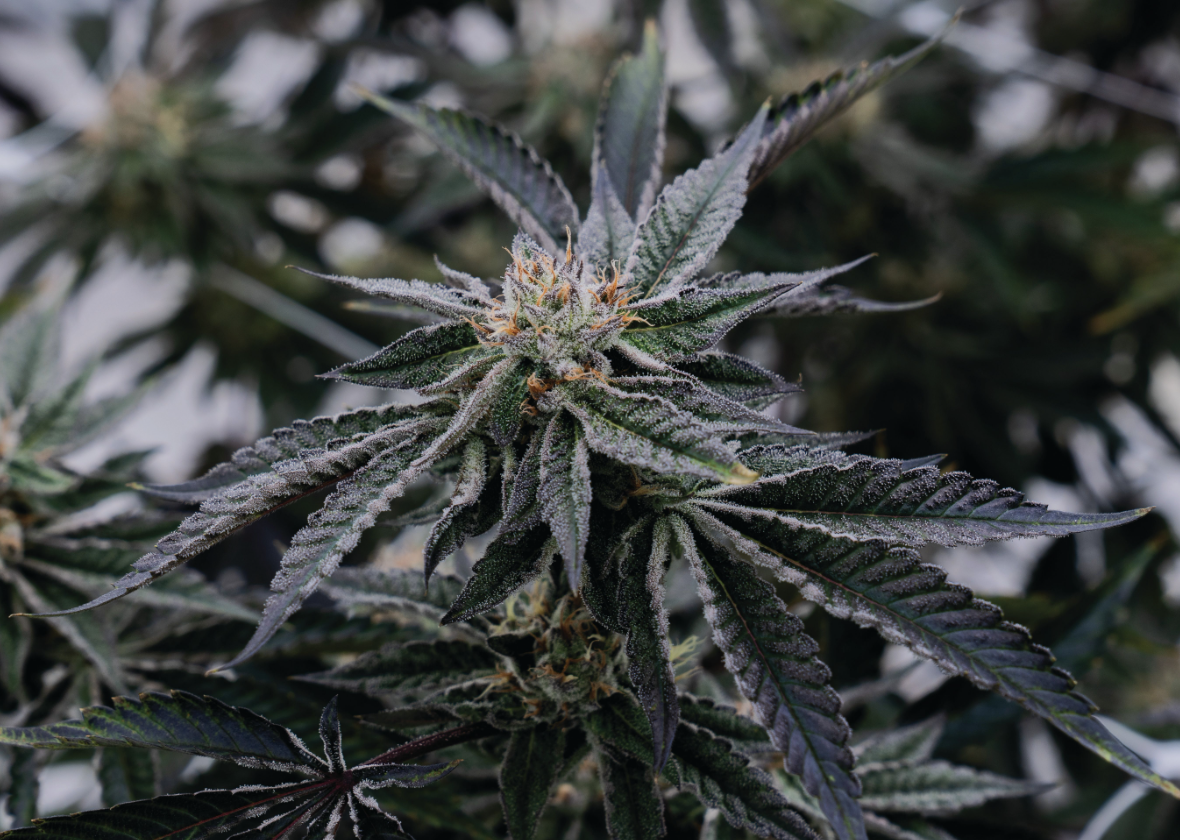
That resilience is mirrored in the plants themselves, thriving under Abboud’s watchful eye. “Cannabis is a survivor,” he says. “It’s been persecuted, banned and misunderstood, yet it keeps coming back stronger. Working with it feels like a privilege.” For Abboud, the work is as much art as it is science—a delicate balance of intuition and data. He spends hours tweaking light spectrums, nutrient mixes and humidity levels, all in pursuit of that perfect bud. “Every strain has its own personality,” he muses. “You’ve got to listen to what it’s telling you.”
As Trichome continues to grow, so too does its impact on Israel’s cannabis landscape. The company employs dozens of workers, from cultivators to lab technicians, and has become a hub for research and development. Levi envisions a future where Trichome isn’t just a producer but a pioneer, pushing the boundaries of what cannabis can be—medically, culturally and commercially. “We’re not here to follow trends,” he says. “We’re here to set them.”
In a region where cannabis has been both a balm and a battleground for centuries, Trichome stands as a testament to what’s possible when tradition meets innovation. From the hashish dens of old Jerusalem to the gleaming grow rooms of today, the plant’s journey in Israel has been long and winding.
With Trichome at the helm, that journey is entering a bold new chapter—one bud at a time.
Argentina officially launched a new government agency on Wednesday as part of an effort to bolster the country’s medical marijuana and hemp industry.
Reuters reports that the agency, known as the Regulatory Agency for the Hemp and Medicinal Cannabis Industry, or ARICCAME, represents “the first working group of a new national agency to regularize and promote the country’s nascent cannabis industry, which ministers hope will create new jobs and exports generating fresh income for the South American nation.”
“This opens the door for Argentina to start a new path in terms of industrial exports, on the basis of huge global demand,” said Argentina’s economy minister Sergio Massa at an event marking the launch of the new agency.
According to Reuters, “Massa said that the agency would from Thursday begin regularizing programs and coordinating with various provinces and [the] industrial sector, adding Argentina already counted on demand for projects linked to the agro-industrial sector.”
On the official website for ARICCAME, the agency outlines its mission and objectives.
“We are the Agency that regulates the import, export, cultivation, industrial production, manufacture, commercialization and acquisition, by any title, of seeds of the cannabis plant, cannabis and its derivative products for medicinal or industrial purposes,” the website reads, via an English translation.
The website lists the following “general objectives” for the agency: “Establish through the respective regulations, the regulatory framework for the entire production chain and national marketing and/or export of the Cannabis Sativa L. plant, seeds and derivatives for use in favor of health and industrial hemp; Promote a new agro-industrial productive sector for the commercial manufacture of medicines, phytotherapeutics, food and cosmetics for human use, medicines and food for veterinary use, as well as the different products made possible by industrial hemp; Generate the framework for the adaptation to the regulatory regime, of the cultivation and production of cannabis derivatives for use in existing health, guaranteeing the traceability and quality of the products in order to safeguard the right to health of the users of medical cannabis; Reintroduce hemp in Argentina and all its derivatives: food, construction materials, textile fiber, cellulose and bioplastics with low environmental impact; [and] Promote scientific research and sectoral technological progress, promoting favorable conditions for these existing industries in our country.”
ARICCAME’s specific objectives include: “Establish clear rules that provide legal certainty to the sector and encourage federal participation; Articulate through agreements and conventions with other State entities with intervention in the matter: INASE, SENASA, INTA, INTI, AFIP, INAES, BCRA, UIF, National Universities, etc; Determine the system of licenses and administrative authorizations for the productive chain; Generate quality standards that safeguard the right to health of users and consumers of cannabis/hemp products; [and] Control non-compliance with the regulatory regime.”
Argentine policymakers legalized cannabis oil for medical use in 2017. Three years later, the country legalized home cannabis cultivation for medical marijuana patients.
The launch of the new agency is part of a border effort by the Argentine government to continue to reform the medical cannabis program, something that the South American country identified as a priority last year.
According to Reuters, the newly launched agency will be helmed by Francisco Echarren, who “said the industry could generate thousands of new jobs, as well as create technological developments and new products for export.”
“We have a huge challenge ahead of us,” Echarren said, as quoted by Reuters, “not only getting a new industry on its feet, but giving millions of Argentines access to products that improve quality of life.”

 Login
Login