Twenty One Capital, Inc. (“Twenty One”) led by CEO Jack Mallers and Cantor Equity Partners, Inc. (“CEP”) announced on the 3rd of December that their shareholders approved the combination of the two businesses, meaning that Twenty One is set to go public very soon.
The vote is expected to have received a lot of attention from retail shareholders, as the Mallers announced it on their podcast to more than 43 thousand subscribers and their X with half a million followers. The vote took place at the Extraordinary General Meeting of CEP’s shareholders, who approved the previously announced proposed business combination between the parties as well as all other proposals related to the Business Combination.
“The final voting results for the Meeting will be included in a Current Report on Form 8-K to be filed with the Securities and Exchange Commission by CEP,” according to a press release published by the company.
Subject to the satisfaction of other closing conditions described in the CEP’s definitive proxy statement and Twenty One’s final prospectus, the consummation of the related transactions should take place in the coming days, leading to Twenty One Capital, Inc. and its Class A common stock to start trading on the NYSE with the symbol “XXI” on December 9th, 2025.
The company is expected to exit its “quiet period” after this point and make a series of announcements about the future of the business. XXI announced earlier this year that it had received investment from Tether and Softbank, leading to the purchase of 42,000 bitcoins, which will position it as one of the largest public owners of the asset and is expected to unlock new financial service offers for Strike customers, Jack’s growing Bitcoin financial services app, and Cash App competitor.
Colombian Bitcoin and crypto mining company Horeb Energy reveals 2.5 cents per kWh of green biogas energy in the North Santander region of the Latin American country. The company has achieved energy prices 50% lower than the North American average of 3.5 to 6 cents per kwh for Bitcoin mining operations, through a strategic alliance with multinational energy company Veolia.
Authorized in 1853 by Napoleon III to help build out public water works infrastructure in France, Veolia is a global leader in environmental services focused on water, waste, and energy solutions. Today in Norte de Santander, Colombia, the company operates critical facilities dedicated to biogas valorization and solid waste management — a common problem in Colombia and Latin America in general, known for massive landfills. Veloia also operates the “Centro Inteligente de Gestión Ecológica” – CIGE Guayabal landfill, a pioneer in biogas systems development in the region.
Horeb Energy — the Bitcoin mining arm of the operation — specializes in technological solutions for biogas treatment and renewable energy production from waste. “It’s collaboration with Veolia in this pilot project sets a milestone for new sustainable business models in the global cryptocurrency mining sector,” the company said in a press release, adding that “The project aims to reduce the region’s carbon footprint significantly and demonstrates Veolia’s strong commitment to accelerating the ecological transformation of local territories.”
Through this pilot project, biogas generated at the CIGE Guayabal landfill by Veolia is transformed into electricity to supply a secure, standalone data center dedicated to cryptocurrency mining. Horeb Energy oversees advanced biogas filtration and energy conversion processes, and the Bitcoin mining dimension, which unlocks new economic models for energy infrastructure development in the region.
One year after its launch, the program boasts tangible results with the production of “nearly 1,000 kWh of 100% renewable energy”, powering an entirely off-grid Bitcoin container and mining system. This unique approach in the Colombian market provides an alternative use for methane gas — a byproduct of waste decomposition that poses environmental challenges for landfills.
Humberto Posada Cifuentes, General Manager of Veolia in Norte de Santander, said in a press release that this pilot “demonstrates that with innovation and strong local leadership, we can turn waste into value and contribute meaningfully to the clean energy transition.”
Arley Lozano, Operations Manager of Horeb Energy, told Bitcoin Magazine that they had achieved 2.5 cents a kWh in green energy, adding that “we are proud that this project has been developed by local talent in partnership with Veolia. Our goal is to replicate this model in other municipalities across Colombia and throughout Latin America.”
Bitcoin price managed to put in a green candle on the weekly close, finally, but it wasn’t enough to hold off the bears as the price dropped sharply right after the weekly and monthly close on Sunday night. The week and month closed at $90,385, still well below the closest resistance level at $91,400. Bears will likely look to take advantage of this weak close heading into this week, and potentially push the price down below the $84,000 support level.
Key Support and Resistance Levels Now
Bulls managed to test initial resistance last week at $91,400, but sold off heavily after hitting $93,000, short of the next resistance at $94,000. Above here, we should see strong resistance at $98,000 all the way up to $103,000. Higher resistance levels were covered in last week’s analysis, so we’ll reopen that topic if bulls can manage to get close to $100,000 after the end of this week.
$84,000 Support held firm this past week, but bulls did not muster much of a bounce. This support level will be under pressure heading into this week. Initially, bulls will look to hold the 0.146 Fibonacci retracement at $87,000, however. Below $84,000, bulls may look to defend $75,000. Below here, the $72,000 to $69,000 area should provide strong support and at least a bounce or two from this zone. If this area sees heavy selling pressure, though, it may eventually crack and usher in a test of the 0.618 Fibonacci retracement at $57,700.
Outlook For This Week
With the price closing below resistance on Sunday, the bears jumped on this weakness and pushed the price down to $87,000 support. Look for bulls to defend this level early, but if it is lost, bulls know they must hold the line at $84,000 to avoid dropping to new lows and testing $75,000 this week. So, we may see some range-bound action this week as bears may still need a bit of a rest before taking out this support level. If bulls can hold them off, they will again attempt to conquer $91,400 and potentially $94,000 this week, but I wouldn’t expect any strong moves up this week.
The next few weeks Sunday night brought us the monthly candle close for November as well. November closed as a big red bearish candle, taking out the April, May and June green closes in one fell swoop. Price did rally to close above the monthly 21-EMA, which is a good sign, but December will have to try to put in some reversal candles to keep the bulls’ hopes alive. The most bearish aspect of November’s close is that it confirmed a bearish cross on the MACD oscillator. This is to be taken seriously on such a high time frame and should keep the price subdued for at least the coming two to three months. This signal is yet another sign that the Four-year cycle top is likely in.
Terminology Guide:
Bulls/Bullish: Buyers or investors expecting the price to go higher.
Bears/Bearish: Sellers or investors expecting the price to go lower.
Support or support level: A level at which the price should hold for the asset, at least initially. The more touches on support, the weaker it gets and the more likely it is to fail to hold the price.
Resistance or resistance level: Opposite of support. The level that is likely to reject the price, at least initially. The more touches at resistance, the weaker it gets and the more likely it is to fail to hold back the price.
EMA: Exponential Moving Average. A moving average that applies more weight to recent prices than earlier prices, reducing the lag of the moving average.
Fibonacci Retracements and Extensions: Ratios based on what is known as the golden ratio, a universal ratio pertaining to growth and decay cycles in nature. The golden ratio is based on the constants Phi (1.618) and phi (0.618).
Oscillators: Technical indicators that vary over time, but typically remain within a band between set levels. Thus, they oscillate between a low level (typically representing oversold conditions) and a high level (typically representing overbought conditions). E.G., Relative Strength Index (RSI) and Moving Average Convergence-Divergence (MACD).
MACDOscillator: Moving Average Convergence-Divergence is a momentum oscillator that subtracts the difference between 2 moving averages to indicate trend as well as momentum.
Simple Proof, the bitcoin-based document timestamping company, recently announced official partnerships with El Salvador’s Ministry of Foreign Affairs and Ministry of Environment to protect
government records using the Bitcoin blockchain technology. The announcement was made during the Bitcoin Histórico conference at the National Theatre in San Salvador, where CEO Carlos Toriello presented alongside OpenTimestamps creator and Bitcoin Core Contributor Peter Todd.
The collaboration marks El Salvador’s continued leadership in applying Bitcoin technology beyond financial applications. Both ministries have begun registering official documents on the Bitcoin blockchain, with verified records now publicly accessible through dedicated government portals.
“Bitcoin is not just digital money — it’s also a clock that no one controls. This allows us to certify with precision the exact moment a document was created, guaranteeing its authenticity and protecting the country’s history forever… We’re helping ensure that the country’s history is preserved intact and can be verified directly on Bitcoin, without intermediaries,” said Carlos Toriello, CEO of Simple Proof, in a press release shared with Bitcoin Magazine.
The company has had multiple successful pilot programs in the past, including one in Screven County, Georgia, in the United States and another in Guatemala, where it had a direct influence on the 2023 elections.
This deployment builds on Simple Proof’s previous work in El Salvador, where CUBO+ program graduation certificates became the first public documents in the country registered via the Bitcoin blockchain.
The Ministry of Environment’s timestamped documents, including national reports and public files, are available at blockchain.ambiente.gob.sv. The Ministry of Foreign Affairs offers verification of institutional reports and records at rree.gob.sv/logros-y-memorias.
Peter Todd, creator of OpenTimestamps, the platform and protocol used in part to time-stamp critical data on the Bitcoin blockchain, said in the press release that, “With a single transaction, we can protect millions of documents without congesting the network or altering its monetary function,” noting that the system stores only cryptographic hashes rather than actual documents on Bitcoin.
The project positions El Salvador as a global reference for using blockchain technology in government
information management, strengthening the transparency and public trust of democratic institutions and processes, by eliminating the possibility of document tampering.
Bitcoin Bulls Stunned after Sellers Take Price All the Way Down to $80K
Last week, we identified the $84,000 area as the next major support for bitcoin, and that’s exactly where the price went. Bitcoin dropped to nearly $80,000 but managed to climb back above $84,000 support to close the week out at $86,850. Heading into this week, look for bears to let off the gas pedal a little bit as they sit comfortably in control of the price action. Daily oscillators were heavily oversold heading into this past weekend, so a bounce is in order at least into Monday, possibly a little further out.
Key Support and Resistance Levels Now
$84,000 Support held on the weekly close, so this is the level bulls will want to remain above into this week’s close. If $84,000 is lost, bulls look to $75,000, which likely won’t be too strong of a support level, and below there we’ve got a high volume support zone between $72,000 and $69,000. It’s difficult to see the price pushing below $70,000 too quickly, so expect some bounces from this area, even if it eventually fails to hold. Below here, we have the $58k gang support and 0.618 Fibonacci retracement at $57,700.
With last week’s price breakdown, resistance levels have now changed heading into this week. Bulls will look to take on the $91,400 resistance level at the 0.236 Fibonacci retracement first and foremost. Above here, we should see strong resistance at $94,000 now at the high volume node. If price can manage to grind through this zone, $98,000 sits above it as a final barrier to establish this high-volume node as support. If this occurs, there are still resistance levels at $103,000 and another at $109,000 at the 0.618 Fibonacci retracement. Finally, $116,500 remains as the last layer of resistance preventing the price from achieving new highs.
Outlook For This Week
Daily RSI hit very oversold levels on Friday last week, so it is not surprising that the price made a move up into the weekend from those lows. This week, look for the price to try to challenge the $91,400 resistance level and potentially $94,000 if it can climb above there. As long as the price can hold above $84,000, it should try to head for those target levels. With all the selling leading into last Friday, another big selloff should not be expected, but if the $80,000 low is lost, the price could drop to $75,000 this week.
Market mood: Extremely Bearish –The bulls are down on the canvas. Little hope remains for any meaningful rally or new highs after losing major support levels.
The next few weeks The broadening wedge pattern we were watching for so many weeks finally and definitively broke to the downside last week. The target for this pattern is right around $70,000, so even if we see a rally this week and into the next, the price should eventually roll back over and head down to test $70,000. The US government, getting back to work last week, did nothing to assist the markets. In the coming weeks, it may be difficult to predict when economic data may or may not be available since much of it was delayed due to the shutdown. The market is mixed on whether or not the Federal Reserve will reduce interest rates at the next meeting, and they themselves seem to be conflicted between balancing inflation concerns with labor market issues.
Terminology Guide:
Bulls/Bullish: Buyers or investors expecting the price to go higher.
Bears/Bearish: Sellers or investors expecting the price to go lower.
Support or support level: A level at which the price should hold for the asset, at least initially. The more touches on support, the weaker it gets and the more likely it is to fail to hold the price.
Resistance or resistance level: Opposite of support. The level that is likely to reject the price, at least initially. The more touches at resistance, the weaker it gets and the more likely it is to fail to hold back the price.
Fibonacci Retracements and Extensions: Ratios based on what is known as the golden ratio, a universal ratio pertaining to growth and decay cycles in nature. The golden ratio is based on the constants Phi (1.618) and phi (0.618).
Volume Profile: An indicator that displays the total volume of buys and sells at specific price levels. The point of control (or POC) is a horizontal line on this indicator that shows us the price level at which the highest volume of transactions occurred.
High Volume Node: An area in the price where a large amount of buying and selling occurred. These are price areas that have had a high volume of transactions and we would expect them to act as support when price is above and resistance when price is below.
RSI Oscillator: TheRelative Strength Index is a momentum oscillator that moves between 0 and 100. It measures the speed of the price and changes in the speed of the price movements. When RSI is over 70, it is considered to be overbought. When RSI is below 30, it is considered to be oversold.
Broadening Wedge: A chart pattern consisting of an upper trend line acting as resistance and a lower trend line acting as support. These trend lines must diverge away from each other in order to validate the pattern. This pattern is a result of expanding price volatility, typically resulting in higher highs and lower lows.
Well, the hopes and dreams of the bulls have been dashed this week after Bitcoin closed the week out at $94.290, below the key $96,000 weekly support level. In the weeks ahead, we should expect more bearish price action as key support levels have been lost. Bounces back up may come, but they are unlikely to result in recapturing any meaningful price levels.
Key Support and Resistance Levels Now
Bitcoin price closed below the $96,000 support level identified in this article in prior weeks. Closing near the lows below this level provides very little chance, if any, for the price to recover and resume a bull market anytime soon. Looking lower, we have our next major support level below at the 0.382 Fibonacci Retracement from the 2022 bottom to October 2025 high, and another high volume node sitting in the $83,000 to $84,000 area. Below here, we would look to the highs of the 2024 consolidation zone between $69,000 and $72,000.
Resistance above $94,000 is thick now. With the price closing so low, we should not expect much of a bounce at this level, if any. If price does see any kind of bounce this week, we will look to the $98,000 level to hold as resistance. A short squeeze may be able to push the price past here to $101,000. Above this level, we have the equivalent of a brick wall in the $106,000 to $109,000 zone. Beyond the wall lies $114,000 as significant resistance, and $116,000 as a final reinforcement for the bears. If price closes above $116,000, if bulls can bash all the way up there, we would need to re-examine the market structure as it could flip bullish up there.
Outlook For This Week
Do you believe in miracles? You will need to know if you expect the bitcoin price to see any kind of meaningful rally this week. There is a tiny bit of hopium for the bulls in that the broadening wedge pattern has not definitively broken bearish. If we stretch it out as low as it can go (adjusted from prior weeks), the price is barely supported at the bottom at current lows. It’s a tall task for bulls, though, to make any meaningful gains with all the resistance levels outlined above. The best that bulls should expect is a bounce to $106,000, with the price likely to roll over to new lows from anywhere South of there. More likely, the broadening wedge will break to the downside at some point this week as bears are clearly in full control.
Market mood: Extremely Bearish – The bulls are down and out. Sitting at around $94,000, bitcoin has fallen over 25% from the October highs. Little hope remains for any meaningful rally or new highs after losing major support levels.
The next few weeks Examining all angles of the 4-year bitcoin cycle theory, the high has most likely already taken place. Timing for this was expected to take place sometime between September and December 2025, but with the price so low and so much resistance overhead, it is highly unlikely any kind of rally will sustain enough strength to bring the price to new highs before the end of this year. Is the 4-year cycle over? Well, seemingly not, since the price made a high in early October and has essentially gone straight down from there. Could we see a late 4-year cycle high in Q1 2026? Well, sure, it’s possible, but still highly improbable given bitcoin’s lack of strength in recent weeks, while the stock market has remained strong. With the traditional stock market appearing to have a bearish outlook for the foreseeable future, it is unlikely that bitcoin will see any meaningful rally during this period as well.
Terminology Guide:
Bulls/Bullish: Buyers or investors expecting the price to go higher.
Bears/Bearish: Sellers or investors expecting the price to go lower.
Support or support level: A level at which the price should hold for the asset, at least initially. The more touches on support, the weaker it gets and the more likely it is to fail to hold the price.
Resistance or resistance level: Opposite of support. The level that is likely to reject the price, at least initially. The more touches at resistance, the weaker it gets and the more likely it is to fail to hold back the price.
Fibonacci Retracements and Extensions: Ratios based on what is known as the golden ratio, a universal ratio pertaining to growth and decay cycles in nature. The golden ratio is based on the constants Phi (1.618) and phi (0.618).
Volume Profile: An indicator that displays the total volume of buys and sells at specific price levels. The point of control (or POC) is a horizontal line on this indicator that shows us the price level at which the highest volume of transactions occurred.
Broadening Wedge: A chart pattern consisting of an upper trend line acting as resistance and a lower trend line acting as support. These trend lines must diverge away from each other in order to validate the pattern. This pattern is a result of expanding price volatility, typically resulting in higher highs and lower lows.
Lendasat, a Bitcoin-native peer-to-peer lending platform, announced today the launch of Lendaswap, an atomic swap exchange enabling instant, non-custodial trades between Bitcoin and stablecoins across Ethereum and leading EVM-compatible chains.
Powered by the Arkade protocol, Lendaswap uses HTLC-based atomic swaps — a technology similar to that of the Lightning Network — to deliver a seamless experience for anyone looking to swap BTC and stablecoins “without giving up self-custody, creating accounts, or relying on wrapped tokens,” according to a press release shared with Bitcoin Magazine.
Lendaswap will support Ethereum and Polygon at launch, with planned expansion to Base, Solana, Binance Smart Chain, Arbitrum, and Optimism. Swaps are executed via Arkade, the new implementation of the Ark protocol, which should deliver “instant execution” on the Bitcoin side. Trades are also expected to be possible in both directions, so users will be able to swap BTC for stablecoins and vice versa.
“Bitcoin self-custody needs more than passive holding, it needs infrastructure,” said Philipp Hoenisch, co-founder of Lendasat, adding that “Lendaswap is a major step in unlocking more utility for BTC, and marks the first step for BitcoinFi. For the first time, anyone can move between Bitcoin and stablecoins without trusting a custodian, without wrapping, and without asking permission. This is what Bitcoin-native finance should look like.”
The startup demonstrates the power and potential of the Bitcoin scripting language, which had for years been dismissed as inferior to that of Ethereum-era blockchains. The Ark protocol used to make Lendaswap possible is an increasingly popular technology among Bitcoin enthusiasts and entrepreneurs.
Lava, the Bitcoin-backed loans software company, sparked controversy among Bitcoin CEOs recently, after a series of announcements following a $200 million fundraise. The company, led by Shehzan Maredia, had previously been marketed as a self-custody wallet and platform, mirroring the functionality of DeFi or decentralized finance products. The new update to the Lava app changed the custody model to a fully custodial and trusted fintech platform, raising questions about the lending company’s legal status.
The announcement about the fund raise drew the attention of Bitcoin industry leaders, who raised questions about the nature of the investment and the implications of the change in custody model, which Shehzan confirmed in follow-up X posts.
“The security of our users and their funds is our top priority. Every change we’ve made is guided by that. Lava no longer uses DLCs — discrete log contracts — for loans because the technology doesn’t meet our security standards. Our team built the largest application using DLCs, but we discovered vulnerabilities that we weren’t comfortable having (ex., client-side key risk, hot keys).”
Shezhan added that “Risks we previously thought were impossible, such as thinking oracles couldn’t be manipulated to liquidate individual users, we figured out were possible in practice. We are unwilling to compromise on security for our users at any level, and we take a very holistic view on removing trust, dependencies, and counterparty risk.”
DLCs are a kind of Bitcoin smart contract that can anchor the spendability of a bitcoin balance to an external event, such as the price of bitcoin in dollar terms, through the use of a third-party “oracle”. Oracle-based decentralized finance technology (DeFi) was recently exploited, resulting in a 20 billion dollar liquidation event, specifically targeting Binance’s stablecoin orderbook.
Their previous technology, which Shehzan says is still used by users who did not choose to update to the new version of the software, gave end users cryptographic control over part of the account via 2 of 2 multi-signature DLC smart contracts, limiting how the Bitcoin put up by users as collateral could move.
Lava’s terms of service still claim — as of the time of writing — that the company has “no exclusive custody or control over the contents of your wallet and has no ability to retrieve or transfer its contents.” Yet this contradicts statements made by Shehzan in recent days regarding the company’s pivot to a cold storage custody model.
Despite Shehzan’s clarification and posts on X, critics were skeptical of the reasoning. Some users were alarmed at the fundamental change in the custody model, which caught many by surprise and was communicated poorly, if at all.
One user, Owen Kemeys of Foundation devices, wrote, “Did Lava get my informed consent?” sharing a series of screenshots of the app update messaging, which says nothing about the change in custody model.
Will Foxley of Blockspace media complained, “Why did they roll legacy loans over without contact first. Plus, how did they do this if it was DLCs? Did I sign a bunch of pre-signed transactions that gave them control over the entire loan?”
The pivot has also raised questions about the company’s regulatory status and licenses, as centralized and custodial bitcoin-backed loan providers are arguably regulated under more traditional frameworks. Such regulations tend not to apply to DeFi-style self-custody products, precisely because user funds remain under user control, rather than under the complete control of a third party. With trust custodial trust becoming the Lava model overnight, what regulatory status does the company fall under?
Jack Mallers, CEO of Strike — a competing Bitcoin company with a Bitcoin-backed loans product line and a market leader — questioned the move, particularly in terms of licensing, which Strike has been working to acquire for years:
“If they’re custodial, how is what they’re doing legal?
Strike has been acquiring licenses for years. You can’t just “flip a switch” from non-custodial to custodial and start offering brokerage, trading, or lending services. That’s unlicensed activity, and it’s very illegal.
What licenses does Lava actually have that allow them to do what they’re doing?”
Bitcoin Magazine has not independently verified Lava’s licensing status. When asked for comment on the legal strategy and status of Lava, Shezhan pointed Bitcoin Magazine to the company’s FAQ, which does not appear to address the questions directly at all.
The nature of the investment announced by Lava was also called into question last week, as Cory Klipsten, CEO of Swan — a likely competitor to Lava — has also been actively engaging the story, suggesting it is specifically a line of credit agreement rather than an equity-style VC investment into the company. When asked, Shehzan told Bitcoin Magazine, “we raised both venture and debt,” referring to the 200 million raise announcement, though he did not go into details.
While the story is still developing and mostly involves discussions and debate on Bitcoin Twitter, the drama highlights the high value Bitcoiners place on self-custody and the risk of closed-source crypto applications, which can be updated without proper transparency or information being delivered to users about how their capital is secured.
Did you know you can build your own hardware wallet? I recently attended a workshop with Dani @bitcoineando, a Bitcoin evangelist and software engineer who will be hosting a workshop on just this topic next week in Adopting Bitcoin, El Salvador. The whole process took less than an hour and took me from having never assembled a small hardware device of this sort, to a fully configured and self-assembled Bitcoin Seedsigner and smart card backup combo via the Satochip suite.
For those attending the now historic Adopting Bitcoin conference coming up this month in El Salvador, the free workshop will take place on Friday, November 14th at 3:50-4:50 pm, in the English Workshop room and will be delivered in both English and Spanish. Attendees who bring a laptop and go through the full workshop will get a free Seedsigner + Satochip combo to take home, plus the knowledge of how to build the whole thing themselves. Sign up here to lock in a limited spot now.
What’s amazing about the combination of these two great open source projects is that they are made of very common hardware that can be purchased almost anywhere in the world. No specialized hardware from artisan manufacturers, this is a pure DIY project that can be a viable option for users in developing nations with tight import controls, under oppressive financial regimes, under a tight budget, or just those paranoid enough to want to build everything themselves.
SeedSigner
The SeedSigner project launched in December 2020 and empowers users to build their own affordable, air-gapped Bitcoin transaction signing device for more or less $50 using off-the-shelf components like the Raspberry Pi Zero v1.3, a camera module to scan QR codes, and a small LCD display to verify transactions and navigate the menu with a small joystick and three buttons.
Created by a pseudonymous founder known simply as “SeedSigner,” today supported by a growing community of contributors and led by Kieth Mukai, the project emphasizes trustless private key generation and supports a wide range of toolin,g such as BIP39 seed phrase creation via dice rolls, seamless integration with multisig wallets like Sparrow, Specter, BlueWallet, and Nunchuk, among others.
SeedSigner is fully Free and Open Source Software (FOSS) released under an MIT license for the core code. All hardware specs, software, and enclosure designs are publicly auditable on GitHub, allowing anyone to verify, modify, or build from source for maximum transparency and community-driven improvements.
While Raspberry Pi Zero’s CPU/GPU firmware and bootloader are proprietary and closed source software from Broadcom provided by the Raspberry Pi foundation, the design of the Seedsigner optimizes around managing those risks, such as letting the user provide their own entropy, and opting for no wireless communication modules like Bluetooth. Seedsigners are also “stateless”, designed to have no memory storage, instead booting fresh every time and requiring the user to input the seed that is used in the same session to sign transactions.
These security measures make the SeedSigner a popular hardware device for enthusiasts and advanced users; however, it presents some unique user experience challenges. Critics and competitors of the SeedSigner argue that manually inputting 12-word seeds into the device via key input or by scanning QR codes of private key backups puts user funds at risk, as it exposes the key material to cameras, which are ubiquitous in today’s digital age. The process can also be tedious and presents a user experience friction that stateful hardware wallets do not have, which is what makes SeedSigner’s collaboration with Satochip smartcards so special.
Satochip
Satochip, a Belgian startup founded in 2014 by Baudouin Collard and Bastien Taquet, focuses on affordable, open-source smartcard-centric hardware wallets. Their flagship products — Satochip (NFC hardware wallet), Satodime (bearer card), and Seedkeeper (a kind of password manager) — work with wallets like Sparrow and Electrum. Their Java Cards project is an open-source (AGPLv3) applet that turns cheap smartcards (e.g., YubiKey, SIMs) into secure, DIY BIP39 hardware wallets with EAL6+ security.
Taking a different approach to crypto key security, smartcards are stateful and store key material in encrypted formats, using some of the most advanced security chips in the market, often better than the technology used by credit cards and bank debit cards. The smartcards are NFC-enabled, leveraging the same near field communication technology that much of the world is used to today. An antenna that, while ranged, is considered so limited in its distance that advanced hardware wallet manufacturers like CoinKite have also integrated it into their highest-grade hardware wallet, the Coldcard Q.
The main downside of the smartcard approach to crypto security is the lack of a screen, which is needed for users to verify what they are signing. Satochip thus integrates with various mobile and desktop apps, as well as its own apps available on Android and iOS.
SeedSigner, through a community member fork of the firmware, is also now deeply integrated with Satochip, allowing users to flash the new smartcards directly from the SeedSigner, improving the experience of setting up the wallet, while also supporting a smartcard reader hardware expansion. The Satochip integrated SeedSigner firmware was created by YTCryptoGuide and can be found on his GitHub. The fork is not an official SeedSigner release.
The combination of these two open source projects seems like a match made in heaven, as users can now leverage the open source, consumer hardware nature of the SeedSigner, with the seed backup and ease of use nature of the smartcards, arguably improving the security and user experience of both projects.
One of the very valuable skills of the workshop, its corresponding website, and how-to guide teaches how to verify the authenticity of software installed on the hardware. Both the Seedsigner and Satochip applets are signed by the developers with their PGP keys. A hash or unique cryptographic ID of the software is created using an algorithm like SHA-256 (used also in Bitcoin mining) resulting in a string of digits, this string is unique to the exact software used to generate it — if one letter in the software is changed, the hash changes completely.
That hash is then signed by the developers with their PGP keys, which produces another unique and deterministic blob of data. The result is a chain of software signatures that ultimately let users know a known and reputable developer is acknowledging a specific software release as legitimate and authentic.
Knowing how to do this kind of verification can seem daunting at first, but it is actually quite easy and stands as the root of cypherpunk values and sovereignty in the digital age.
While the bears dominated price action early last week, the bulls managed to show strong support below $100,000. Bitcoin price dropped briefly below $100,000 on Tuesday, Wednesday, and Friday, but buyers stepped in each of those days to push the price back above $100,000, avoiding a daily close below this key level. A small weekend rally allowed the bitcoin price to reclaim the $104,000 support, closing at $104,700. Heading into this week, look for the $109,400 resistance level to keep a lid on things, with $111,000 looking like strong resistance if the price can go beyond there.
Key Support and Resistance Levels Now
The weekly 55 EMA at $99,000 provided strong support each time the price lost $100,000 last week. Bulls stepped up at this level, front-running the $96,000 bull market support level. Going forward, bulls will look for the 55 EMA to hold as support after such a large move off of this level last week.
As the bulls attempt to barge onward, the 0.382 Fibonacci retracement at $109,400 should provide some resistance. Above here, bears will look for the daily point of control at $111,000 on the volume profile to hold back the bulls. Beyond this level, $116,000 sits as a gatekeeper for the bears, as closing above this level will flip bias back over to the bulls. Market structure looks decisively more bullish if the 0.618 Fibonacci retracement at $116,000 can be converted to support. Bulls may see a little resistance at $129,000 at the top of the broadening wedge pattern if they manage to reclaim $116,000 as support, but I would not expect $129,000 to hold for long if price does indeed reach it.
Outlook For This Week
Rumours of the US federal government shutdown ending this week are prevalent. If both parties can manage to sort out the filibuster, markets may get a boost this week. Bulls will look for the 0.146 Fibonacci retracement at $102,900 to hold as support on the daily chart early this week, to maintain upward movement. The daily chart may struggle to close above the 0.382 Fibonacci retracement at $109,400 even if it gains some more momentum. Losing $100,000 this week would be very bearish and likely lead to a test of $96,000 at minimum, with potential for the price to crash even lower to $93,000 and possibly even $84,000 below that.
Market mood: Bearish – Despite the strength shown by the bulls last week, the outlook is still bearish if we are being honest here. A large red weekly candle close is still bearish.
The next few weeks The broadening wedge pattern we have been watching for weeks here is not broken yet. So there’s still a chance the bulls can bring the price back to the top trend line around $129,000. Bias is still in favor of the bears here, though, as currently, this pattern is still likely to break to the downside. $116,000 is the key level bulls need to re-establish as support to get the price moving back to new highs. While the government shutdown was not overly bearish on markets initially, the long duration of it is starting to take a toll. If the US federal government can indeed get back to work soon, it should provide a boost to the Nasdaq, and in turn, this should help provide supportive conditions for the bitcoin price to reclaim some key resistance levels. Any major macro bearish events incoming likely put an end to bitcoin’s bull market, so overall conditions need to remain stable to foster more upside.
Terminology Guide:
Bulls/Bullish: Buyers or investors expecting the price to go higher.
Bears/Bearish: Sellers or investors expecting the price to go lower.
Support or support level: A level at which the price should hold for the asset, at least initially. The more touches on support, the weaker it gets and the more likely it is to fail to hold the price.
Resistance or resistance level: Opposite of support. The level that is likely to reject the price, at least initially. The more touches at resistance, the weaker it gets and the more likely it is to fail to hold back the price.
EMA: Exponential Moving Average. A moving average that applies more weight to recent prices than earlier prices, reducing the lag of the moving average.
Fibonacci Retracements and Extensions: Ratios based on what is known as the golden ratio, a universal ratio pertaining to growth and decay cycles in nature. The golden ratio is based on the constants Phi (1.618) and phi (0.618).
Volume Profile: An indicator that displays the total volume of buys and sells at specific price levels. The point of control (or POC) is a horizontal line on this indicator that shows us the price level at which the highest volume of transactions occurred.
Broadening Wedge: A chart pattern consisting of an upper trend line acting as resistance and a lower trend line acting as support. These trend lines must diverge away from each other in order to validate the pattern. This pattern is a result of expanding price volatility, typically resulting in higher highs and lower lows.
Two years after clinching 1 BTC in a national competition of Bitcoin meetups at Bitcoin 2023, the Tampa Bay Bitcoin Meetup—now formalized as the nonprofit Bitcoin Bay Foundation—has channeled the prize into a thriving local ecosystem. Valued at roughly $25,000 to $30,000 at the time, that bitcoin has appreciated to over $100,000 amid bitcoin’s bull run, bootstrapping workshops, conferences, and community events that onboard businesses to the Bitcoin standard. The group’s president, Thomas Schlemmer, credits the win with supercharging efforts to create a “Bitcoin circular economy” in the Tampa Bay area.
“The Tampa Bay Bitcoin Meetup is the longest active running meetup, at least in the U.S. Some are saying the world. It’s been going on for 14 years,” Schlemmer told Bitcoin Magazine, tracing the meetup’s roots to 2011. What began as monthly social meetups eventually introduced developer-focused BitDevs sessions supporting the growing international movement of high-tech Bitcoin Developer events.
Bitcoin Bay Foundation hosts a dynamic lineup of events tailored to foster education and community in the Tampa Bay Bitcoin scene, with weekly meetups serving as the backbone—often expanding to five per month depending on programming and demand.
These include core recurring formats like beginner-friendly Bitcoin 101 sessions (averaging 20 attendees), social gatherings (around 25 participants for casual networking), and advanced BitDevs developer discussions, usually small groups diving into technical topics. Hands-on workshops rotate monthly or as requested, covering practical skills such as privacy in the digital age, peer-to-peer Bitcoin purchases, de-Googled phones, Bitcoin mining, node setup, and SeedSigner hardware builds. In these workshops, participants can expect interactive, step-by-step guidance from local experts to build confidence in self-custody and privacy tools.
The recent Sound Money Soirée gala drew around 100 people for a black-tie fundraiser, hosted in a historic bank vault, complete with silent auctions of products from all kinds of Bitcoin companies like Start9 and SeedSigner, raising $50,000 in one night, which goes to fund their various educational events. “It’s just kind of an excuse for people to get dressed up… and have fun… and show the local leaders there’s over 100 people here,” Schlemmer said of the gala, which brought in Bitcoin leaders from across the country.
The gala almost did not take place: “Our bank froze our account like a week and a half before,” as banks seem to do when you need them most. “We were actually able to pay the blackjack dealer, the DJ, and the photographer in bitcoin,” Schlemmer recalled, an omen-like reminder of the power of Bitcoin.
Earlier this summer, they also co-hosted the Bitcoin Day Tampa conference with the Bitcoin Day team, which brought in 150 attendees and had a full day of panels on policy, business adoption, and custody with speakers from across the industry, and even state senator Joe Gruters. “It was a regional conference, we filled out the Tampa River Center, which was good. That was about 150 people, and that was our first conference that we’ve ever thrown. So it went well.”
The group also partners with the University of Tampa, where the Bitcoin Club “The Bitcoin club there is the second largest non-Greek club on campus,” according to Schlemmer. They’ve supplied internships, guest lectures, and materials for the school, which now hosts a Bitcoin course. “We’ve been very close with them over the years, providing internships, getting kids placed in jobs, guest lectures, getting them educational materials,” he added.
The Tampa Bay meetups serve as an example of arguably the foundational institution of the industry, the Bitcoin meetup. For aspiring meetup organizers, Schlemmer stresses consistency: “Just consistency, you know, meeting at the same place at the same time or the same frequency, lets people know what to expect.” Building a core team with complementary skills—like accountants—is key, he added; “If you’re going to go the nonprofit route, then you need to make sure you have an accountant.”
However, successfully hosting Bitcoin meetups is far more than just accounting; the gap in knowledge and interests between new attendants and old ones can be a serious challenge. Staying Bitcoin-only wards off altcoin distractions, Schlemmer noted, “we just tell them upfront, ‘hey, we are a Bitcoin-only here.’” When crypto enthusiasts probe alternatives, the group simply points out that they prefer to focus on Bitcoin and that there are other crypto meetups in the area they can visit for those interests.
Boltz, the bitcoin-only instant swap exchange, is cornering a niche sector of the bitcoin industry and quickly becoming a favorite of advanced bitcoin users. Its fully open source tech stack, which is actually trust-less, unlocks a variety of possibilities for the industry, including a zero-custody risk bridge across Bitcoin layers.
Boltz exchange was founded in 2019 by Kilian and another pseudonymous co-founder, as a solution to managing liquidity in the Lightning Network for an early Bitcoin Defi project called OpenDex. Realizing quickly how complex lightning liquidity management was, the team ended up pivoting to the maintenance and polishing of Boltz, a liquidity service provider or LSP. Boltz has been self-funded ever since.
Boltz infrastructure supports multiple Bitcoin wallets today, such as BTCPay server via a plugin, Aqua wallet, Bull Bitcoin, and Breez, to name a few that are publicly known. As a result, Boltz is becoming an increasingly popular and respected company and open source project, an infrastructure cornerstone of Bitcoin’s Lightning Network today.
The Boltz Lightning node is one of the biggest, boasting on its website 759 Channels, 1022 Peers, 84.625 BTC worth of capacity, and 6.60 years since the oldest operating channel was opened, though these metrics are likely out of date. Their Lightning Network support lets advanced lightning node operators ‘balance their channels’ an otherwise complicated process that generally gets obfuscated away from end users of lighting powered Bitcoin wallets.
Boltz, however, is more than just an LSP; “We want to be the connecting tissue between all the Bitcoin layers.” Kilian told Bitcoin Magazine in an exclusive interview, discussing the vision and progress of the Boltz exchange so far. Initially built to support Bitcoin on-chain to Lightning Network swaps, today it supports Rootstock and the Liquid Network as well, the most popular ways of using bitcoin by far. To date, Botlz has only dealt in BTC, instead of integrating other blockchains or assets, perfecting its craft and locking in its niche.
In 2023, Boltz added support for the powerful and feature-rich Liquid Network, an open-source federated blockchain where federation members hold keys in a large Bitcoin multisig that collateralizes their L-BTC asset in full reserve. Liquid is one of the oldest two Bitcoin projects and was created by Adam Back and Blockstream. Despite having faster block times, a powerful set of programming scripts for smart contracts, and excellent privacy features such as encrypted transaction amounts on chain, Liquid has struggled to get adopted by centralized exchanges, making access to its feature set very difficult. Boltz integration opened a major bridge between on-chain bitcoin and the speed, programmability, and privacy of the Liquid Network, making wallets like Aqua and Bull Bitcoin possible.
Shy to share internal numbers, Killian told Bitcoin Magazine the integration “was quite the success story — it was taken on pretty well by the market, it just made sense for people.” Looking back on the market at the time, on-chain bitcoin fees were very high and were causing problems across the industry. Kilian noted, “We had a high fee environment. The main chain was hyper-expensive. So Liquid swaps clicked for a lot of people, and that’s how we really moved into this niche of connecting Bitcoin layers. A Bitcoin bridge for different Bitcoin layers, that’s really how this direction for us was fortified.”
In November of 2024, Boltz expanded into Rootstock support, a 2015 era layer two, little known among the English-speaking crowd, though very popular in Latin America, particularly Argentina, where many of its founders are from. Still shy to share internal numbers, Killian told Bitcoin Magazine that the integration with Rootstock has ‘gone well’, likely serving as one of the best ways to turn on-chain bitcoin into rBTC, an essential asset of the Rootstock ecosystem. Rootstock’s claim to fame is bringing to Bitcoin the integration of an Ethereum-compatible “EVM”, the smart contracting language on top of which most of DeFi is built across the crypto ecosystem today.
The most interesting feature of Boltz, however, is its use of Atomic Swaps, an ancient “Holy Grail” of Bitcoin theory that can be traced back to the earliest discussions in the Bitcoin Talk forum. Atomic Swaps make it possible for users to trade against Boltz without having to trust the Boltz team or company not to steal the money, a luxury in finance across history. All centralized exchanges require such trust, as do most instant swap exchanges in the market today. Boltz integration with this sophisticated type of smart contract means that anyone can fundamentally run a local instance of Boltz and be a reliable trade partner of the public, without the need to bootstrap a brand or a reputation.
But how do Atomic Swaps work? Leveraging the public nature of blockchains, Atomic Swaps function around a shared secret. This secret is used to lock the funds during the trade between two parties. For one party to claim the funds of the other, they must publish this secret to the blockchain, allowing the counterparty to do the same, resulting in the ‘atomic’ execution of the trade.
This protocol solves a key issue of trust in business. Who sends the money first? Who sends the goods first? Whoever does, takes a certain amount of risk as it allows the counterparty to take the goods and run. Atomic Swaps eliminate that risk entirely. They essentially allow for the creation of a non-custodial crypto exchange. Though the implementation details and user experience vary, as some blockchains do not have the right script or smart contracting tools to support Atomic Swaps, while fiat is — so far — ruled out entirely as bank transfers are almost always reversible, undoing atomicity.
Looking out into the future of Boltz and the programmability of Bitcoin as money for the digital age, Kilian said, “I think we will see a new breed of layer two projects launching early next year. So, probably stuff that you and I have never heard about, but there are so many projects, so much stuff. So this is a really interesting space to be in. And the difficulty, the quest, will be to separate the good from the bad.”
Lava, a global platform for bitcoin-backed loans, today announced a $200M funding round and the launch of a new product, a bitcoin line of credit (BLOC). The product offers similar functionality to a securities-backed loan or home equity line of credit, but allows users the ability to flexibly borrow using bitcoin as collateral without the monthly payments or term limits common in the bitcoin-backed loans market today.
According to a press release shared with Bitcoin Magazine, the $200M financing “includes a combination of venture and debt capital” and brings two new high-profile angels on board: Anthony Pompliano, Bitcoin investor and entrepreneur, and Eric Jackson, activist public markets investor and founder of EMJ Capital.
“I’m thrilled to be joining Lava as an investor,” says Jackson. “Shehzan and his team are world-class, and they’ve been incredibly innovative on the product side. Not only is their revolving line of credit a first in the industry, but they’ve also managed to secure the lowest borrowing rates for their users— beating the rates of much older incumbents in the space. This is hands-down the best product in the market, and Lava is setting a new standard for bitcoin-backed loans.”
As a result of the new fundraising, Lava now offers what may be the lowest fixed interest rates available in the bitcoin lending market, “starting at just 5%” for year-long durations. “The interest rate will update yearly, and you can simply leave your line of credit open to refinance at the new rate.” According to their announcement blog. Lava’s line of credit functions more like a revolving account: users can borrow, repay, and borrow again at any time, with the interest rates only being marked for the amounts borrowed, not the total capacity of the loan.
“We believe that this is the best possible borrowing experience for bitcoin holders. You can get dollars instantly, you don’t have to worry about monthly payments or loan durations, and you get access to the lowest fixed interest rates,” said CEO Shehzan Maredia, adding, “This has been their most requested product and will be Lava’s core focus moving forward.”
Beyond the 5% fixed interest rate, the line of credit carries “a capital charge equal to 2% of the largest outstanding balance you have on your line of credit during the year,” as explained in their FAQ. For example, if the user’s loan balance reaches $5,000 at some point throughout the borrowing period, the capital charge for the entire year is $100. Bringing the total cost of a bitcoin-backed loan to roughly 7% yearly, a rate that remains very competitive within the bitcoin-backed loans market, as many companies also have similar fees on top of the interest rate.
Loans can be up to 50% of the total USD value of the bitcoin balance of the Lava app, a powerful and modern closed-source self-custody wallet. Most of the loan products and USD payment rails can be accessed without personal information, making Lava stand out among its competitors, placing it somewhere between pure DeFi and more modern crypto-savvy financial institutions. Lava also has a “Liquidation protection” feature, which can draw from the bitcoin balance deposited into the app and add it to the collateral account to protect users from liquidation in the case of extreme price volatility in bitcoin.
It was a very disappointing week for bitcoin price action last week. Monday saw a nice move up into resistance, but that momentum quickly faded as bitcoin retraced the bullish move to end up right back down at the lows by Thursday. The market was a mixed bag as the Federal Reserve’s 25 basis point cut was expected, but Chairman Powell put a damper on expectations going forward, stating that there were no plans to continue with another interest rate cut in December’s FOMC meeting, which the market had been expecting. Bitcoin closed the week out at $110,591, which wasn’t entirely bearish, but was not confidence-inspiring for the bulls either.
Key Support and Resistance Levels Now
The $106,900 support level held again last week at the 0.146 Fibonacci Retracement, providing a nice bounce for the bulls on Thursday into the weekly close on Sunday. Bulls do not want this level to be tested again going forward, as it would be more likely to fail on the next test. Losing this level is very likely to lead to losing $100,000 and a test of long-term support at $96,000. We do have potential support at $104,000 before there, but this level has been tested twice already, so it would be a big ask for this level to hold as support once again.
The bearish price action last week has only created additional resistance levels for the bulls to overcome here. Price closed last week below the 21-EMA, which sits right around $111,000 entering this week. The volume profile is also showing us a point of control (POC) at $111,000 as well. If price manages to climb above $111,000, we will look to $114,600 as the next resistance level. Closing above $114,600 opens up $122,000 as the final hurdle to overcome for the bulls to take back control of the action.
Outlook For This Week
Bitcoin is likely to break support to the downside this week unless buyers can step up in a big way, with strong buying volume. Look for $106,900 support to be lost if the price starts closing below $108,000. $104,000 should provide a bounce below there, but the $96,000 support is likely to be tested if $104,000 doesn’t hold for long. Bulls will likely need some sort of macro catalyst this week to save themselves from lower prices, as the daily chart is looking very bearish heading into this week. As of Monday morning, it appears bitcoin is losing the $106,900 level and will test $104,000 or lower.
Market mood: Bearish – The bulls’ hopes were beaten back this week when the price failed to hold above the $115,500 resistance level. The onus is still on the bulls to take out some upper resistance levels to try to swing bias back in their favor.
The next few weeks Bitcoin is likely to take a backseat to the Nasdaq price action going forward. It will be very difficult to sustain any kind of upward movement if the Nasdaq continues to correct lower over the coming weeks. So, bitcoin bulls will be hoping for the Nasdaq to resume its uptrend to help them out. Bulls will also be looking out for the Consumer Price Index, due to be released on November 13, for an improvement from last month’s lukewarm inflation numbers. Cooler inflation data should tilt the odds in favor of another interest rate cut in the Federal Reserve’s December meeting. Unless the bulls get a lot of help here, the bears should remain in control for the foreseeable future.
Terminology Guide:
Bulls/Bullish: Buyers or investors expecting the price to go higher.
Bears/Bearish: Sellers or investors expecting the price to go lower.
Support or support level: A level at which the price should hold for the asset, at least initially. The more touches on support, the weaker it gets and the more likely it is to fail to hold the price.
Resistance or resistance level: Opposite of support. The level that is likely to reject the price, at least initially. The more touches at resistance, the weaker it gets and the more likely it is to fail to hold back the price.
EMA: Exponential Moving Average. A moving average that applies more weight to recent prices than earlier prices, reducing the lag of the moving average.
Fibonacci Retracements and Extensions: Ratios based on what is known as the golden ratio, a universal ratio pertaining to growth and decay cycles in nature. The golden ratio is based on the constants Phi (1.618) and phi (0.618).
Volume Profile: An indicator that displays the total volume of buys and sells at specific price levels. The point of control (or POC) is a horizontal line on this indicator that shows us the price level at which the highest volume of transactions occurred.
Fedi, the Bitcoin company building on top of the open source Fedimint protocol — a privacy-centric bitcoin payments method using Chaumian e-cash — is emerging from a period of quiet development to announce a new groundbreaking feature. Set for release today, this new capability within the Fedi app aims to make the creation of multi-signature e-cash mints easy, private, and secure for communities worldwide with just a few clicks, aligning with cypherpunk principles of decentralization and user sovereignty.
Built into their increasingly popular Android and iOS apps, the new release allows users to easily create a new Fedimint federation with the help of G-bot, a friendly chatbot interface. Mint founders need to pay a basic service fee, add some basic information in minutes for the mint, and wait a few hours.
The G-bot then finds trusted anonymous Guardians to help form the user’s mint federation. This process decentralizes the custody of the mint’s bitcoin reserves — needed to operate an e-cash mint. It also helps prevent collusion as mint operators are anonymous from each other and would need to reveal themselves publicly to be able to find other key holders to collude.
This Fedimint protocol is fundamentally built on privacy, a cornerstone of Bitcoin and the cypherpunk movement. “The first line of the Cypherpunk Manifesto is that privacy is necessary for an open society in the electronic age. It’s not nice to have. It’s not convenient. It’s necessary.” Obi Nwosu, CEO of Fedi, told Bitcoin Magazine in an exclusive interview. He added a cautionary warning about the future, which the world would be wise to avoid: “Bitcoin without privacy is our worst nightmare. It’s 1984 coin, it’s the panopticoin.”
Founded in 2022, Fedi has been quietly working to deliver the promises of private digital cash to the world, based on one of the most promising technologies designed for that purpose, David Chaum’s 1982 Chaumian e-cash. This form of digital money almost made it into every copy of Windows 1995, proof of its scalability and efficiency, but ironically failed due to its centralization, as Chaum and Gates reportedly could not reach a final agreement on the deal.
Fast forward 30 years, and the Bitcoin community has taken on the challenge of bringing private digital cash to the world, leveraging new possibilities unlocked by the Bitcoin network, which may solve the fundamental trade-off of Chaumian e-cash, the need to trust a single counterparty mint that issues and redeems the e-cash bills for the underlying currency.
It is interesting to note that Bitcoin was designed as a solution to the fundamental trade-offs of e-cash. While e-cash relies on a trusted server to approve transactions that are properly funded, it can do so without knowing any personal user information, since the system is fundamentally built on cryptography and not identity. It nevertheless requires a trusted server, which can in theory emit more e-cash bills than it has reserves for, a form of the ‘double spending problem’ Satoshi Nakamoto sought to address in his Bitcoin white paper.
Centralized e-cash mints can also be more easily harassed by hostile governments, as the pre-Bitcoin history of digital cash shows. Bitcoin decentralized the mint by distributing the accounting process the mint does with the invention of the Bitcoin node, anyone that runs a node has a copy of all bitcoin transactions and can independently verify the accounting integrity of the system, thus solving the ‘double spending problem’.
The downside of Bitcoin’s approach is that it leaves a public record of all transactions, which is not great for privacy, and has hard theoretical limits in terms of how many transactions it can process per second — it is not very scalable — two limits which the e-cash systems do not have.
The downsides of centralized cryptocurrency platforms are something that Nwosu has deep professional experience with; he was the founder and CEO of Coinfloor, a centralized cryptocurrency exchange founded in 2014. The exchange was the “First ‘Publicly Auditable’ Bitcoin Exchange” according to a 2014 Coindesk, through an innovative auditing process called proof of reserves. Recalling back on his experience with the matter, Nwosu said, “Being solvent is a very big thing for me as well as being able to prove that cryptographically, if possible”. That experience and his concern over a future without private digital cash are clear motivations for why he co-founded Fedi.
Creating scalable, decentralized, private digital cash, however, is not easy, neither technically nor politically. To solve this fundamental problem of finance and computer science, many in the Bitcoin community have been looking for ways to combine the benefits of Bitcoin and Chaumian e-cash in order to solve — or at least mitigate — the downsides of both systems. The Fedimint protocol’s most important innovation in this field is the development of federated e-cash mints, leveraging the security of Bitcoin’s native smart contract capabilities, especially multi-signature transactions.
Bitcoin’s multi-signature script enables something new in finance, a transaction that can only be executed if more than one party agrees to sign. Banks may have shared accounts across multiple parties, but those are rules enforced by lawyers, who need to comply with local laws, ultimately giving final say to the local government. Bitcoin, by contrast, defends the integrity of a multi-signature with the full weight of its international proof of work network, making these agreements as good as gold and unlocking a new kind of federated financial institution. The Liquid Network, as well as Bitcoin’s Lightning Network, exists only thanks to this multi-signature technology.
Fedimint takes multi-signature to the next level, making the members unknown to each other through the G-bot, protecting users of that mint from the collusion of the guardians while also adding redundancy to the custody of mint bitcoin reserves, which makes hacks more difficult. Fedimint also protects Guardians from accidental loss of keys, as a threshold of Guardians can restore the stability of a federation, say 3 out of 4 signers, in case one loses their keys or gets compromised, on the topic Nwosu said “the bigger risk isn’t collusion but users forgetting passwords, which federations mitigate since the system continues if one guardian fails.”
Ultimately, Nwosu expects there to be “tens of thousands, if not hundreds of thousands, of federations, each with a different set of users using it.” These mints connect to each other using the Bitcoin standard and its various payment rails such as onchain Bitcoin and the Lightning Network “offering cryptographic privacy within each federation. Even when sending between federations via Lightning, privacy remains high because users are interchangeable within pools. No single point of trust or failure.”
One common critique of e-cash systems, even post Bitcoin, is regarding self-custody. Critics argue that e-cash, even in a federated network, is nevertheless a custodial trusted system of money, and on this topic, Nwosu had a particularly powerful insight: “If you have self-custody and no privacy, you don’t have self-sovereignty because someone knows exactly what you’re doing and can confiscate your money at any point.” Because e-cash does not leave an on-chain footprint, it can be fundamentally more private than any blockchain.
Bitcoin’s price action was rather subdued last week, keeping traders guessing whether or not we would see another large drop in price entering the weekend. Price held above the lows, however, slowly plodding a little bit higher to close out the week at $114,530. Bulls should not be overly disappointed with this price action, as they did reclaim the $112,200 resistance level, and are now closing in on conquering the next resistance level at $115,500. The bears are still sitting comfortably in control, though, with stronger resistance levels hanging overhead that the bulls have yet to challenge. This may be an interesting and volatile week ahead, with the FOMC meeting on Wednesday and a slough of large companies reporting third-quarter earnings.
Key Support and Resistance Levels Now
Nothing has materially changed from last week’s resistance levels as the bulls have made little progress. Heavy resistance is still sitting at $117,600 and $122,000 above there, so the bears aren’t feeling any real pressure yet. If by chance this week gets above $122,000, we will look to the upper boundary of our broadening wedge pattern at $128,000.
Holding above the prior week’s low is a positive sign for the bulls, while they managed to maintain price above the key short-term support of $106,900 last week as well. This level must hold going forward, as closing below $106,900 opens the door back down to the $105,000 to $102,000 support zone that has already been tested twice. A third test of this support zone would be more likely to break it than to hold it. $96,000 is the long-term bull market support below here, a do-or-die support level if the price were to slide down and test it.
Outlook For This Week
Expect significant volatility this week, especially on Wednesday, as we have the Federal Reserve’s interest rate decision and ensuing Powell speech, followed by major earnings reports from Microsoft, Meta, and Google after market close. Bulls will look to hold $109,000 as a floor into this week, as doing so would position them to maintain upward momentum. Looking at the Momentum Reversal Indicator, we are currently sitting on an 8-count entering Monday. This is a warning candle that we may see momentum begin to fade. Tuesday should bring the 9-count at which point we should expect at least a pause on upward momentum and a 1 to 4 day correction in price. So if bulls can push price up to the 0.618 Fibonacci Retracement at $117,600 by Monday night or Tuesday morning, we should expect to see a rejection ther,e and we can re-assess after Wednesday’s FOMC and earnings reports play out.
Market mood: Bearish – While the bulls gained some ground last week, the bears remain stoic and strong. The bulls must push the price past $122,000 to take back control.
The next few weeks If bulls can manage to survive through this week, there are still some potential headwinds on the horizon. The US-China tariff dispute may or may not be resolved by the end of next week; a negative outcome will likely send all markets lower. Additionally, the US courts’ ruling on the legality of Trump’s tariffs is expected by November 5th. If these tariffs are reinstated, we should expect markets to head lower to price this impact in.
Terminology Guide:
Bulls/Bullish: Buyers or investors expecting the price to go higher.
Bears/Bearish: Sellers or investors expecting the price to go lower.
Support or support level: A level at which the price should hold for the asset, at least initially. The more touches on support, the weaker it gets and the more likely it is to fail to hold the price.
Resistance or resistance level: Opposite of support. The level that is likely to reject the price, at least initially. The more touches at resistance, the weaker it gets and the more likely it is to fail to hold back the price.
Fibonacci Retracements and Extensions: Ratios based on what is known as the golden ratio, a universal ratio pertaining to growth and decay cycles in nature. The golden ratio is based on the constants Phi (1.618) and phi (0.618).
Broadening Wedge: A chart pattern consisting of an upper trend line acting as resistance and a lower trend line acting as support. These trend lines must diverge away from each other in order to validate the pattern. This pattern is a result of expanding price volatility, typically resulting in higher highs and lower lows.
Momentum Reversal Indicator (MRI): A proprietary indicator created by Tone Vays. The MRI indicator tracks buyer and seller momentum and exhaustion, providing signals to indicate when to expect momentum to fade and accelerate.
Can AI trade crypto? Jay Azhang, a computer engineer and finance bro from New York, is putting this question to the test with Alpha Arena. The project pits the greatest large language models (LLM) against each other, each with 10 thousand dollars worth of capital, to see which can make more money trading crypto. The models include Grok 4, Claude Sonnet 4.5, Gemini 2.5 pro, ChatGPT 5, Deepseek v3.1, and Qwen3 Max.
Now, you might be thinking “wow, that’s a great idea!” and you would be surprised, at the time of writing, three out of the five AIs are underwater, with Qwen3 and Deepseek — the two Chinese open source models — leading the charge.
That’s right, the western world’s most powerful, closed source, proprietary artificial intelligences run by giants like Google and OpenAI, have lost over $8,000 dollars, 80% of their crypto trading capital in little over a week, while their eastern open source counterparts are in the green.
The most successful trade so far? Qwen3 — moisturised and in its lane — with a simple 20x bitcoin long position. Grok 4 — to no one’s surprise — has been long Doge with 10x leverage for most of the competition… having at one point been at the top of the charts along with Deepseek, now close to 20% underwater. Maybe Elon Musk should tweet a doge meme or something to, you know, get Grok out of the dog house.
Meanwhile, Google’s Gemini is relentlessly bearish, being short on all the crypto assets available to trade, a position that echoes their general crypto policy over the past 15 years.
Last but not least is ChatGibitty, which has made every bad trade possible for a week straight, a remarkable achievement! It takes skill to be that bad, especially when Qwen3 just longed bitcoin and went fishing. If this is the best closed-source AI has to offer, then maybe OpenAI should just keep it closed source and spare us.
A new benchmark for AI
All joking aside, the idea of pitting off AI models against each other in a crypto trading arena has some very profound insights. For starters, AI can not be pre-trained on answers to knowledge tests with crypto trading since it is so unpredictable, an issue that other benchmarks suffer from. To put it another way, many AI models are being given the answers to some of these tests in their training, and so of course they perform well when tested. But some research has demonstrated that slight changes to some of these tests lead to radically different AI benchmark results.
This controversy begs the question: What is the ultimate test of intelligence? Well, according to Elon Musk, Iron Man enthusiast and creator of Grok 4, predicting the future is the ultimate measure of intelligence.
The ability to predict the future is the best measure of intelligence https://t.co/W6WriRGt9N
And let’s face it, there’s no future more uncertain than the short-term price of crypto. In the words of Azhang, “Our goal with Alpha Arena is to make benchmarks more like the real world, and markets are perfect for this. They’re dynamic, adversarial, open-ended, and endlessly unpredictable. They challenge AI in ways that static benchmarks cannot. — Markets are the ultimate test of intelligence.”
This insight about markets is deeply embedded in the libertarian principles from which Bitcoin was born. Economists like Murray Rothbard and Milton Friedman made the case over a hundred years ago that markets were fundamentally unpredictable by central planners, that only individuals making real economic decisions with something to lose could make rational economic calculations.
In other words, the market is the most difficult thing to predict as it depends on the individual perspectives and decisions of intelligent individuals throughout the world, and thus, it is the best test of intelligence.
Azhang mentions in its project description that the AIs are instructed to trade not just for gains, but for risk-adjusted returns. This risk dimension is critical, as one bad trade can wipe out all previous returns, as seen, for example, in the downfall of Grok 4’s portfolio.
There’s another question that remains, which is whether these models are learning from their experience trading crypto, a matter that is not technically easy to achieve, given that AI models are very expensive to pre-train in the first place. They could be fine-tuned with their own trading history or other people’s history, and they might even keep recent trades in their short-term memory or context window, but that can only take them so far. Ultimately, the right AI trading model might have to really learn from its own experiences, a technology that was recently announced among academic circles but has a long way to go before it becomes a product. MIT calls them self-adaptating AI models.
How do we know it is not just luck?
Another analysis of the project and its results so far is that it may be indistinguishable from a ‘random walk’. A random walk is akin to throwing dice for every decision. What would that look like on a chart? Well, there’s actually a simulator you can use to answer that question; it would not look too different, actually.
This question of luck in markets has also been described quite carefully by intellectuals like Nassim Taleb in his book Antifragile. In it, he argues that from the perspective of statistics, it is perfectly normal and possible for one trader, say Qwen3 in this case, to be lucky for a whole week straight! Leading to the appearance of superior reasoning. Taleb goes a lot further than that, arguing that there are enough traders on Wall Street that one of them could easily be lucky for 20 years in a row, developing a god-like reputation, with everyone around them assuming this trader is just a genius, until, of course, luck runs out.
Thus, for Alpha Arena to produce valuable data, it will actually have to run for a long time, and its patterns and results will need to be replicated independently as well, with real capital at stake, before they can be identified as different than a random walk.
Ultimately, it’s great to see the open-source, cost-efficient models like DeepSeek outperform their closed-source counterparts so far. Alpha Arena has so far been a great source of entertainment, as it has gone viral on X.com over the past week. Where it goes is anyone’s guess; we will have to see if the gamble its creator took, giving $50,000 to five chatbots to gamble on crypto with, pays off in the end.
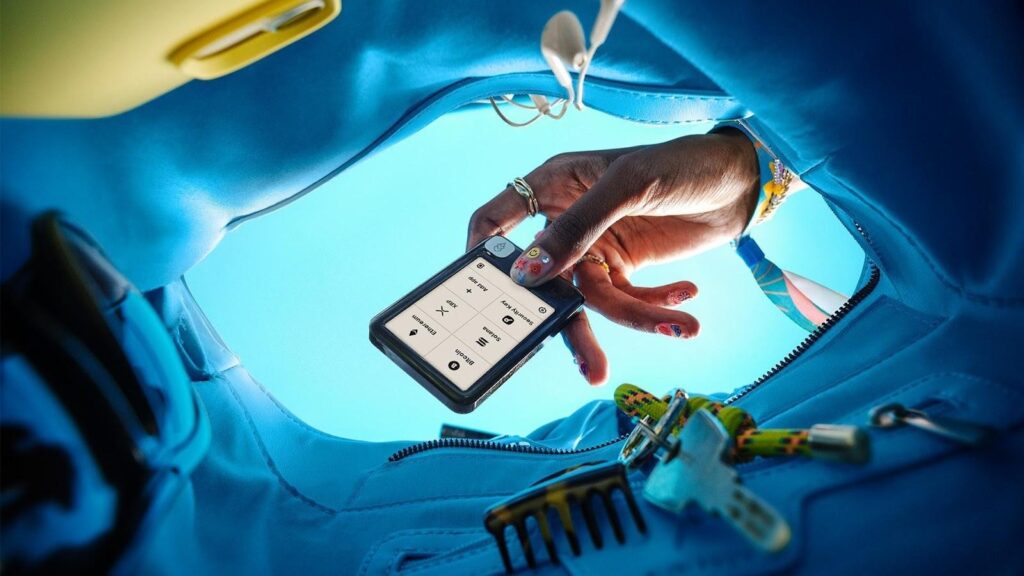
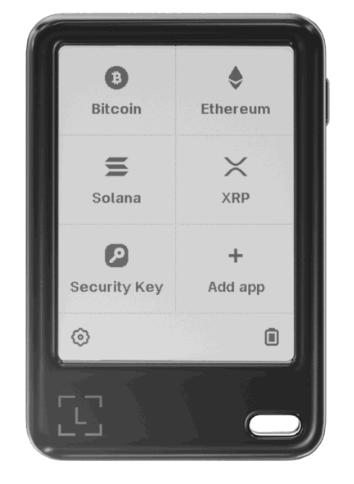
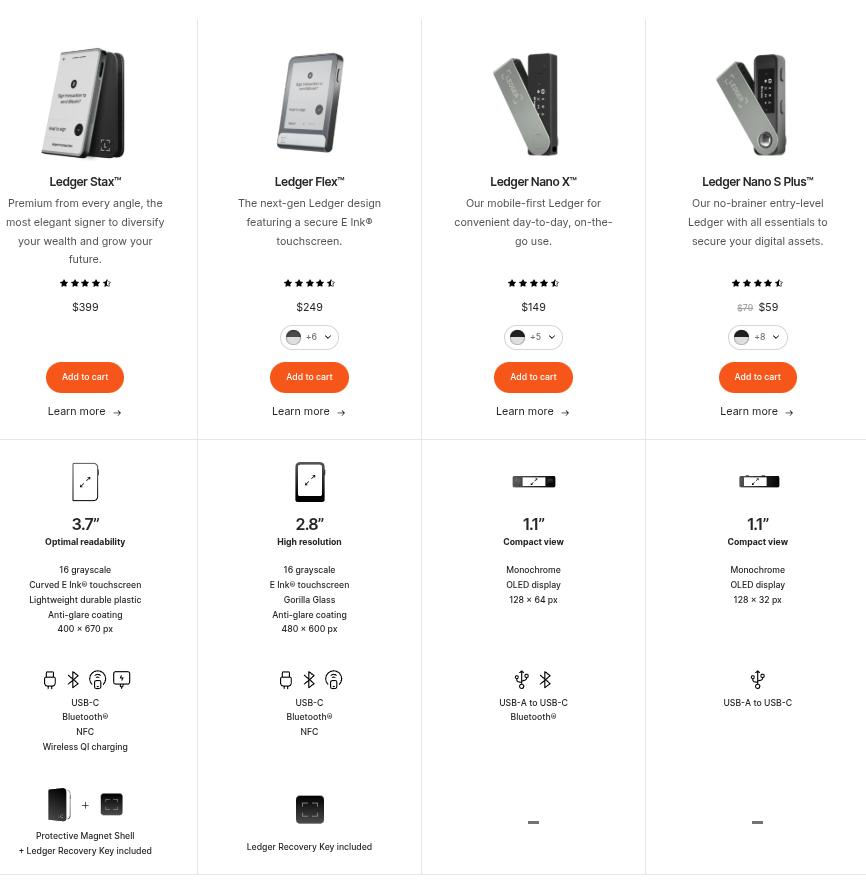
Ledger, the most popular cryptocurrency hardware wallet company and one of the oldest in the industry, just announced its latest, most advanced security device, the Ledger Nano Gen5. Taking the capabilities of previous Ledger devices to the next level, the Gen5 also reaches a surprisingly low price compared to its predecessors.
Ledger has sold over “8 million devices in 165 countries, across over 10 languages, more than 100 financial institutions and commercial brands,” according to a press release shared with Bitcoin Magazine. The company claims “over 20% of the world’s crypto assets are secured by Ledger. “
The Ledger Nano Gen5 is 79.40 mm tall, 53.35 mm wide, and 8.64 mm thick with a Ledger EAL 6+ certified secure element (ST33K1M5). Its E Ink®, black and white capacitive touch screen has a resolution of 2.76 inches, at 400 px by 300 px and 181 ppi. It weighs 46g and has USB-C, Bluetooth® 5.2, and NFC connectivity.
The device comes with a “Ledger Recovery Key” included in the box, a high-security smart card designed to back up the 12-24 word pass phrase that users create on device setup. The Ledger Recovery Key connects to devices like the Gen5 via encrypted NFC, unlocking a new, easy-to-use seed backup device, which is pin-protected at rest. While the name of the Ledger Recovery Key is at first glance a bit confusing, the smart card should arrive empty on initial purchase and get loaded by the users during the hardware wallet setup, when they generate their pass phrase at home.
Signers Rather Than Hardware Wallets
Ledger has also decided to rebrand their devices as signers rather than hardware wallets, a move that breaks over a decade of tradition within the crypto industry. The daring move reflects an industry shift towards securing more than cryptocurrency wealth — secure digital identity from “a world accelerated by artificial intelligence.” The rebrand also applies to their flagship software wallet, previously known as “Ledger Live”, now called Ledger Wallet.
The subtle change in wording could address confusion new users may experience when entering the crypto industry, and perhaps aligns more closely with the functionality of these security devices and interfaces. However, how users respond remains to be seen. Ledger was clear that the Gen5 simply expands its security offering to the world of identity, while it “will continue to operate as millions now know them” to operate, when it comes to securing their crypto transactions.
Protecting Your Digital Identity
When it comes to identity, the world is going through a transformation. No longer are physical ID cards good enough; multiple image generation models have shown sufficient quality to fool identity systems, while stolen identities from major data hacks are used regularly to commit identity fraud. The only viable solution to the problem of digital identity is strong cryptography, and Ledger clearly recognizes this growing trend.
In order to support secure identity and logging capabilities, the Gen5 and its Ledger Security Key cards support the FIDO2 Passkeys standard that is spreading throughout the web. NFC, which stands for near field communication, is a fairly secure short range antenna, used in credit cards for decades, this standard is also quickly being adopted by crypto hardware wallets for the same reasons, it is easy to use for things such as approving a log ing, while also providing a high degree of security, given its short range and simplicity.
Bluetooth is also integrated into the Gen5, giving the device a wider range of functionality. Bluetooth has also become a popular feature among hardware wallets and key signers, though it is a feature often criticized, given the vast complexity of its code and the long range at which it can be interacted with. Some hardware wallet devices even choose to skip Bluetooth altogether. While the press release did not explicitly address how the Gen5 secures users against the risks introduced by Bluetooth, the industry standard is to distrust the chip, separating it from other capabilities, and using it only for encrypted communications across devices.
On the interface front, the Gen5 supports advanced security features like “Clear Signing” and “Transaction Check,” which its beautiful E Ink® touchscreen likely delivers with a natural and intuitive feel. The press release further explains the new identity capabilities of the Gen5, noting that “users can now connect their Ledger signer directly to popular dapps, such as 1inch, for seamless and secure experiences,” adding that “Ledger is integrating Noah, known as Cash-To-Stablecoin, enabling users to top up their wallet with fiat (USD or EUR) quickly without additional fees, and instantly convert to stablecoins (USDC)” Noah enables the “effortless” use of stablecoins for on-chain transactions, another quickly growing trend.
High End Tech at an Affordable Price
When it comes to price, the Ledger Nano Gen5 is far more affordable than its predecessors, while keeping the large touch screen that has defined the newer generations of Ledger devices. Coming at more than half the price of the Ledger Stax, the Gen5 costs $179, a very competitive and accessible price among modern crypto hardware wallets.
Pascal Gauthier, Chairman and CEO of Ledger, proudly noted in the press release that “the all-new Ledger Nano is built for the challenges and opportunities of today, and ready for those coming in the future. It is the new signer for everyone, available at an accessible price, with the best security and user interface on the market. The next generation of Ledger begins today.”
Today, BOS (BitcoinOS) announced a successful $10M dollar fund raise. BOS is an innovative Bitcoin “operating system” built around zero-knowledge proofs, a layer two protocol designed to unlock smart contracts for Bitcoin, such as interoperability across blockchains, potentially unlocking institutional value for Defi while opening bitcoin yield opportunities for traditional finance.
Greenfield Capital led the strategic rounds, with backing from other capital investors including FalconX, DNA Fund, Bitcoin Frontier Fund, Trust Machines, UTXO Management, LR Ventures, Silvermine Capital, and MMW 2020 Trust. Angel investors like Paul Taylor (former Blackrock Private Equity Partners), and Leeor Groen (Spartan Group Partner) also participated in the rounds.
Funding “will be primarily used to continue the momentum of technological achievements to transform the internet into a unified international economy of trust built on Bitcoin,” BOS said in a press release shared with Bitcoin Magazine. The BOS roadmap includes ramping up the production phase of both institutional and developer protocols before market roll-out.
Founding Partner of Greenfield Capital, Jascha Samadi, said, “BitcoinOS’s successful verification of ZK proofs directly on Bitcoin mainnet represents a fundamental breakthrough in blockchain infrastructure. They’ve achieved true Bitcoin programmability without modifying the base protocol—solving a challenge the industry has faced since Bitcoin’s inception. This technology transforms Bitcoin from a store of value into the secure foundation layer for the entire digital asset ecosystem.”
BOS CEO and Co-founder Edan Yago affirms, “We are now in a very exciting time for Bitcoin, and this fundraise will strongly contribute to its exponential growth. The confidence instilled in us from capital investors and Bitcoin-focused funds is a testament to the high demand and strong market excitement in our achievements. We are proud to accelerate Bitcoin and BTCFi into true mainstream adoption while maintaining the decentralized and trustless ethos it was founded upon.”
BOS has achieved a series of technical milestones that have brought it recognition from industry players and investors. Highlights include an “industry-first” bridgeless cross-chain asset transfer, and the launch of Charms, a protocol for programmable tokens on Bitcoin that leverages zk-proofs to enable client-side validation of transactions. BOS has also integrated with multiple ecosystems, notably Cardano, Ethereum, and Litecoin, to enable trustless Bitcoin bridging.
Most recently, BOS introduced Grail Pro, an institutional-grade protocol that allows BTC yield generation while retaining self-custody. “This is currently in a pilot with key institutions and custodians as Grail Pro aims to unlock $690M of institutional BTC securely,” according to the press release.
Bitcoin Magazine is wholly owned by BTC Inc., which operates UTXO Management, a regulated capital allocator focused on the digital assets industry. UTXO invests in a variety of Bitcoin businesses and maintains significant holdings in digital assets.

 Login
Login


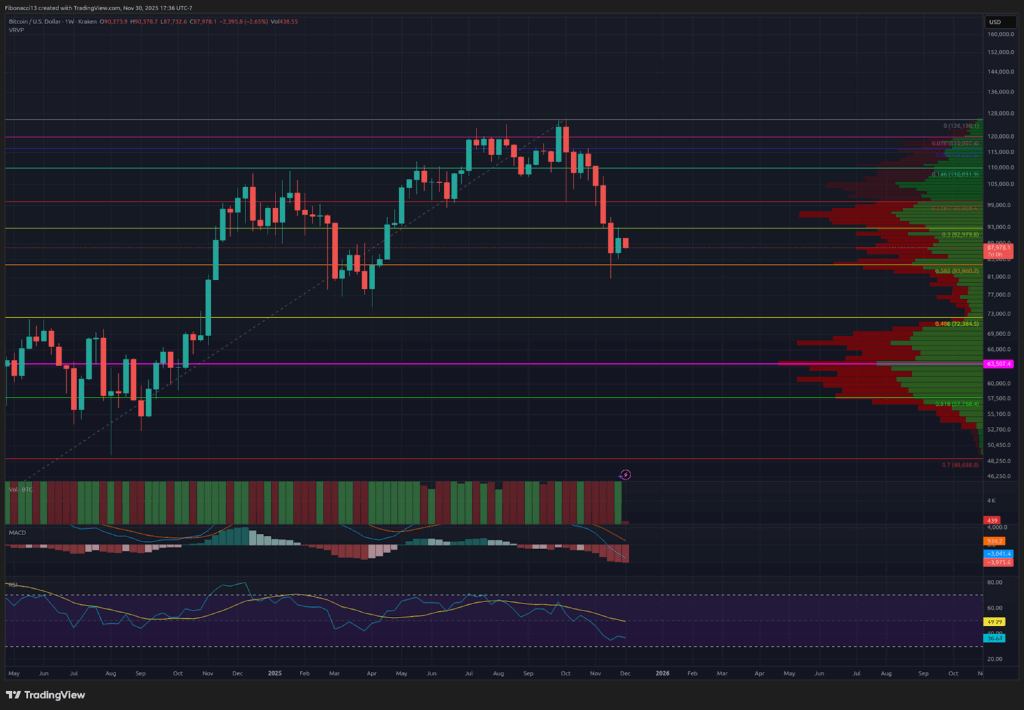
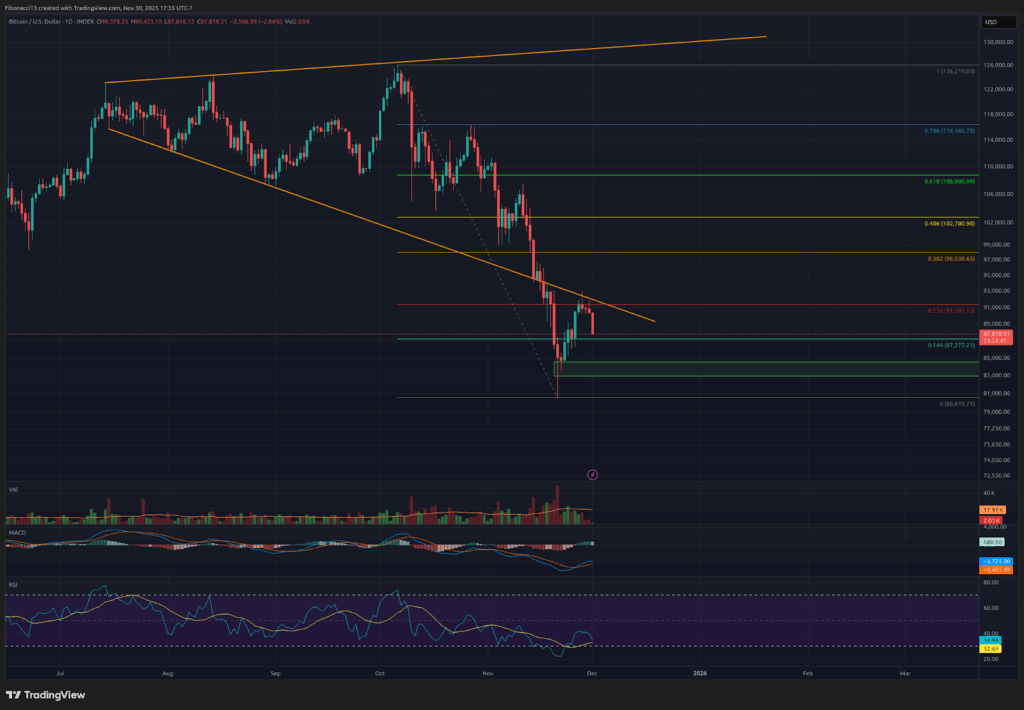



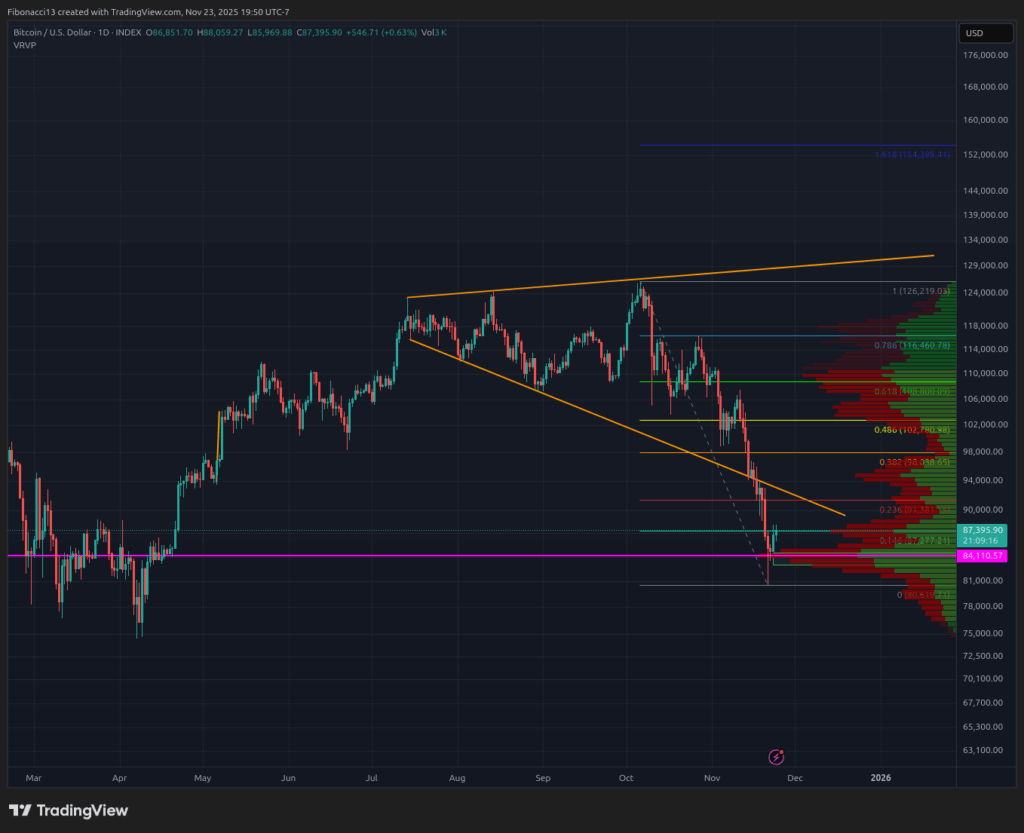
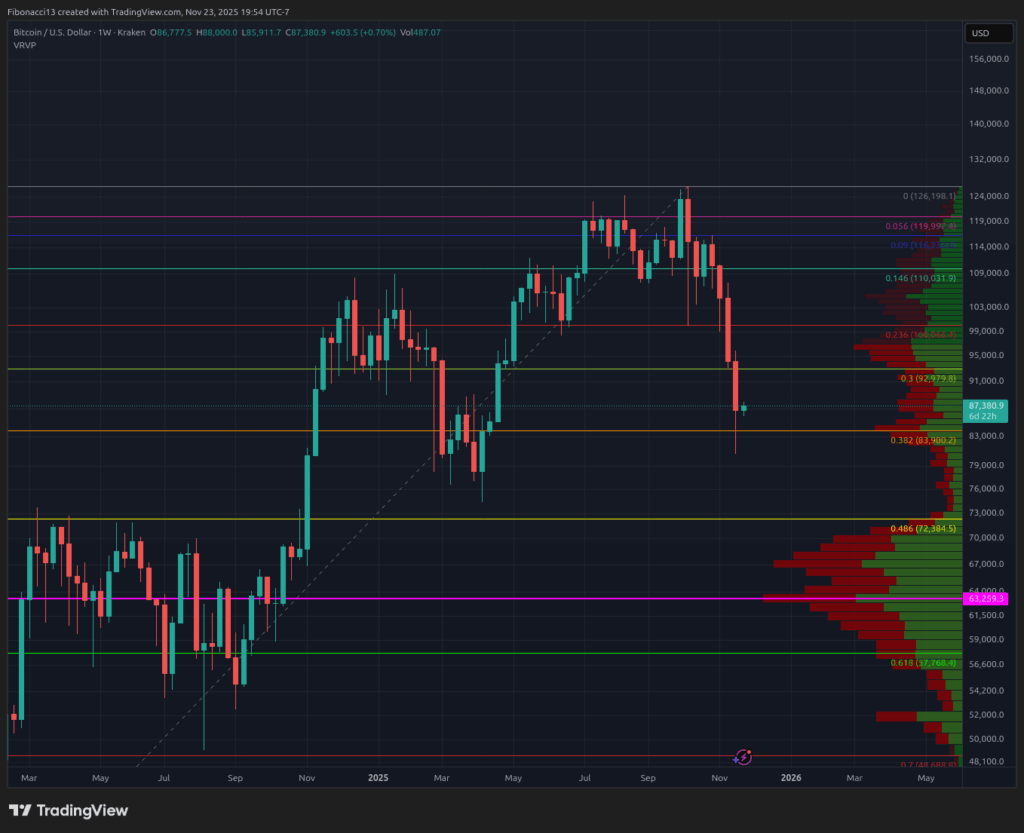
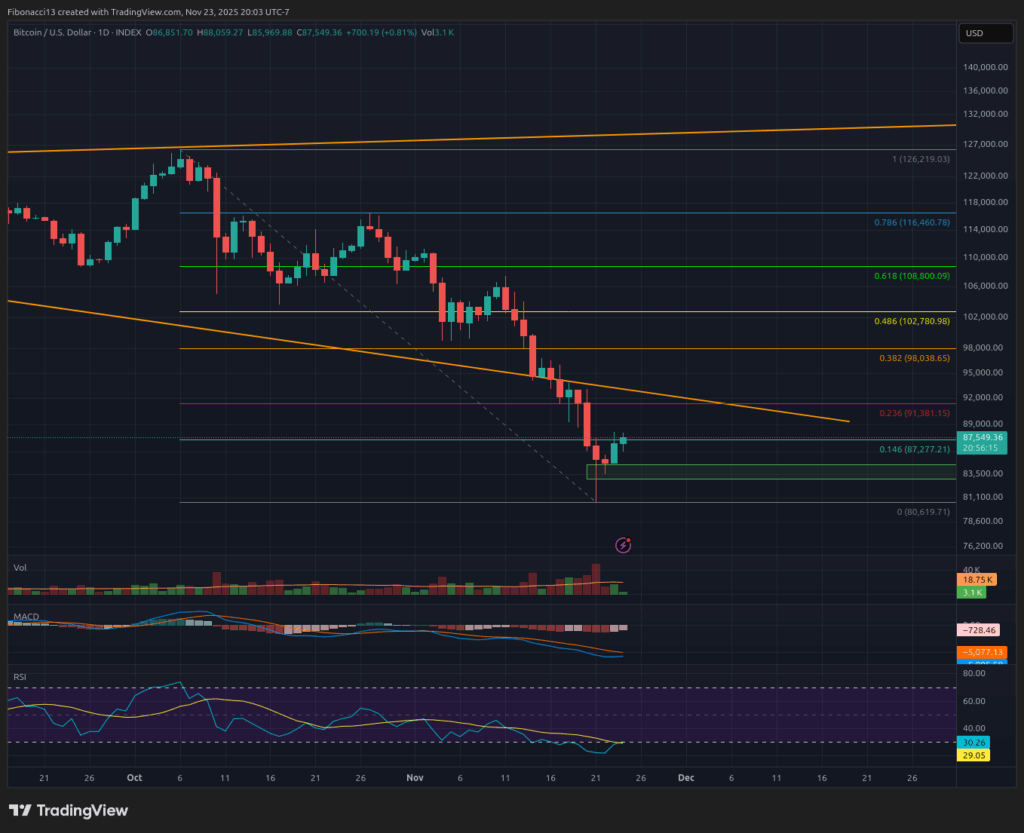
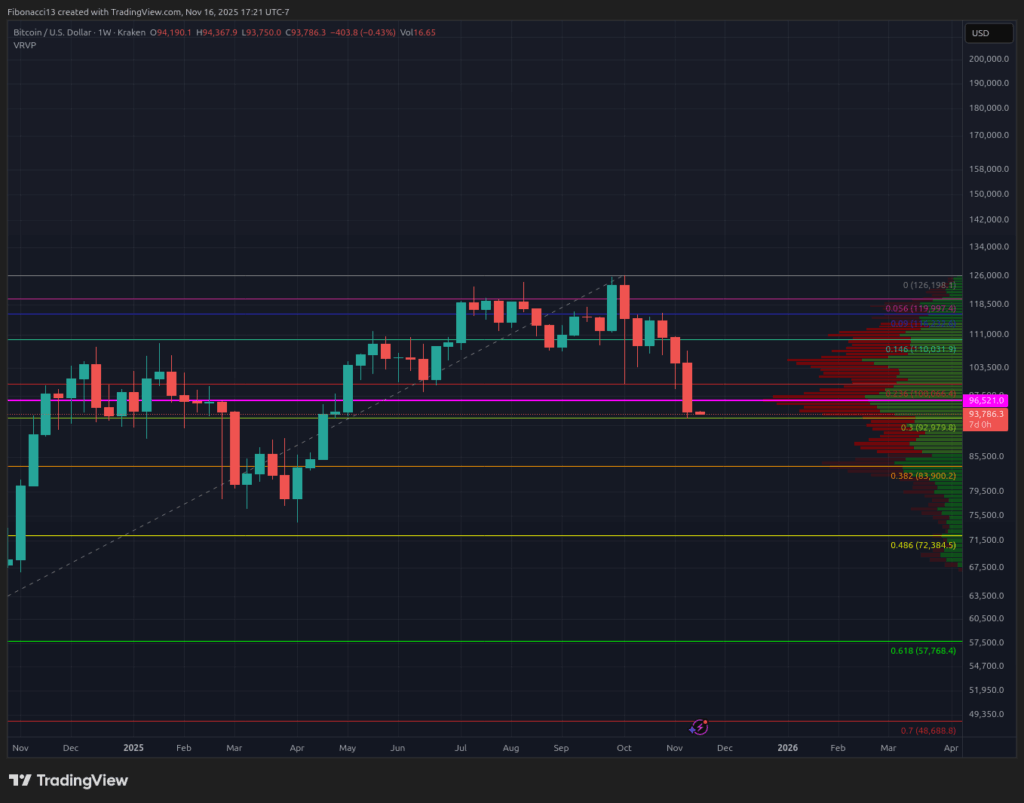
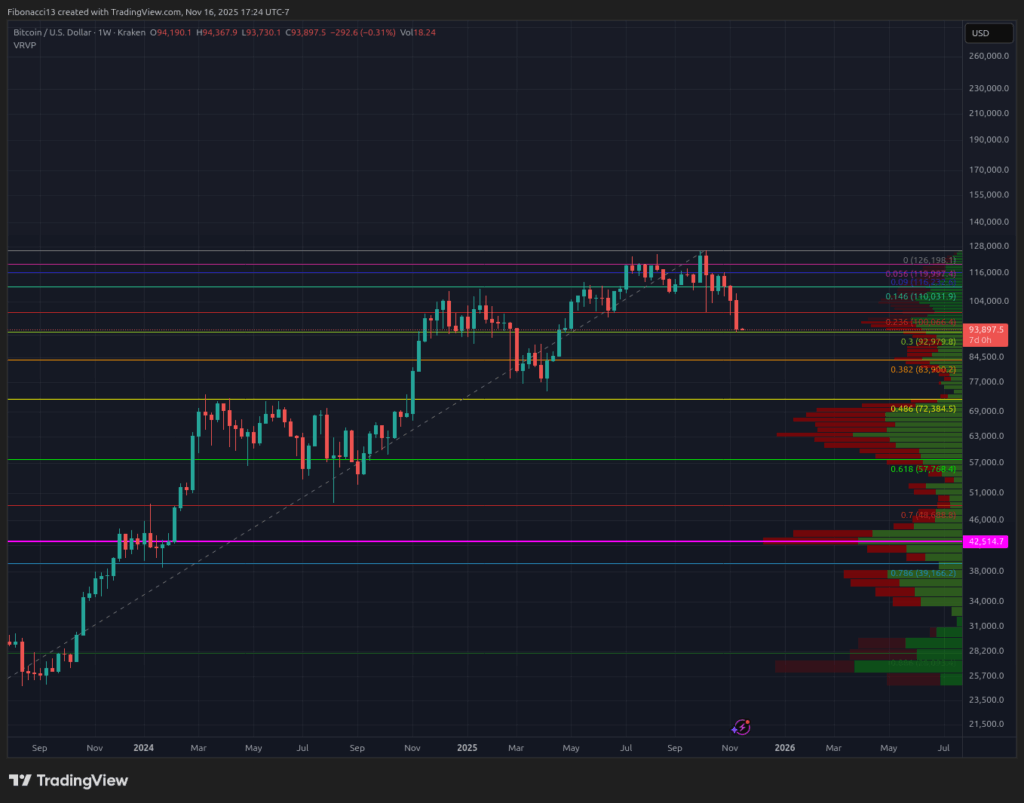
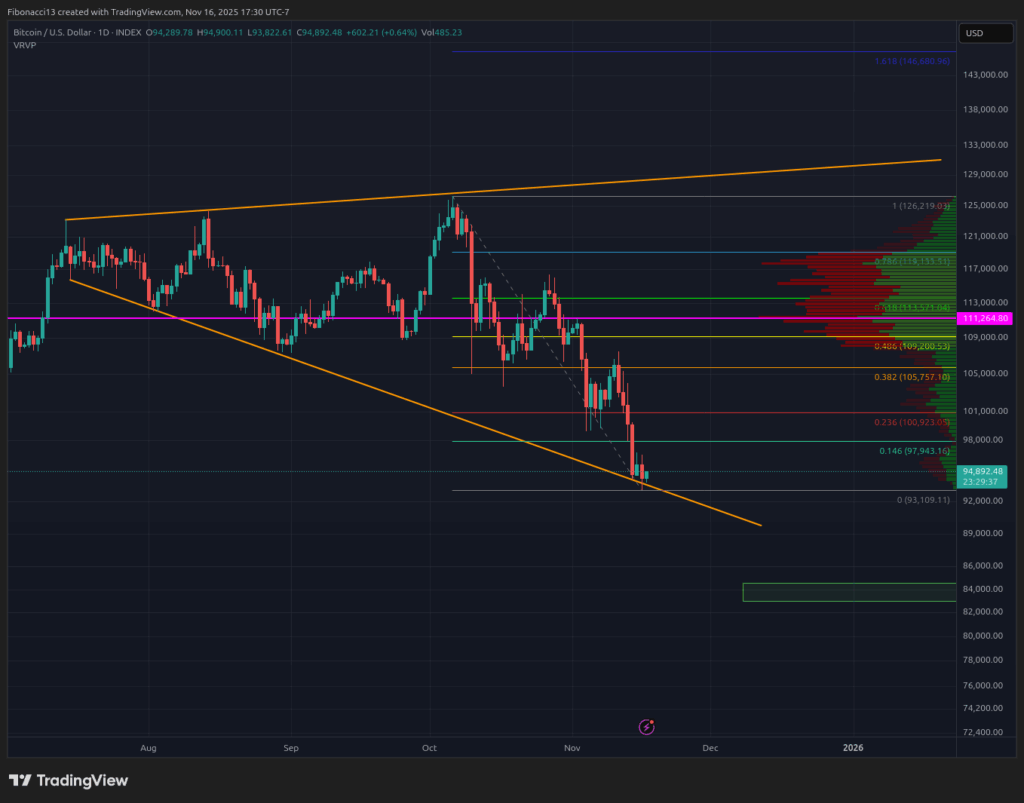
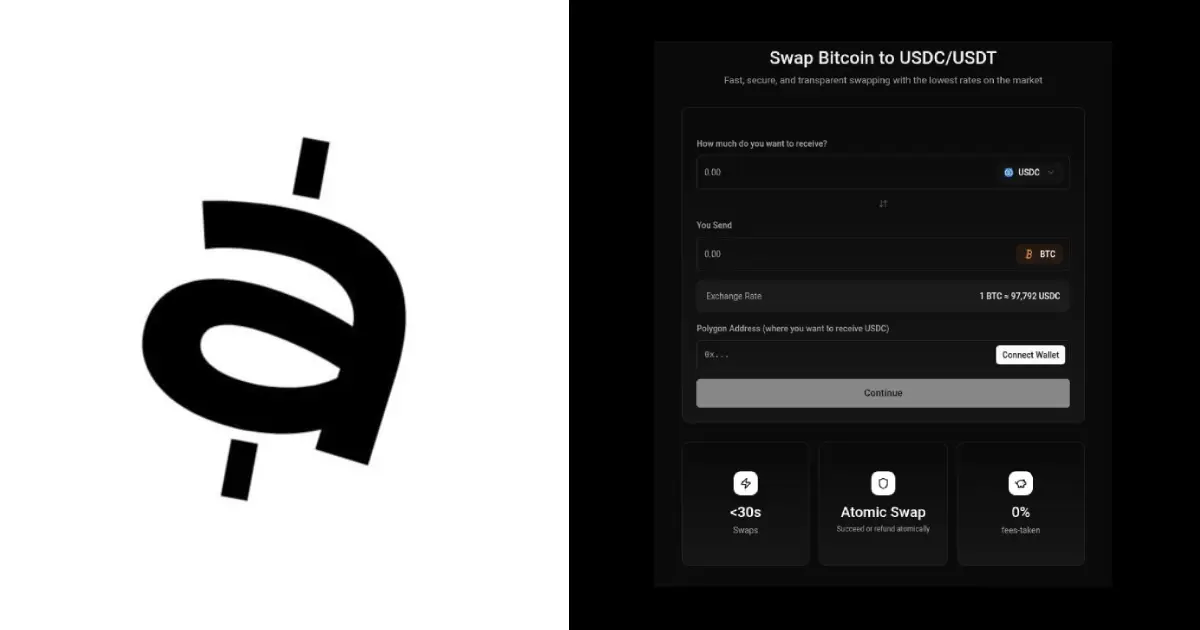
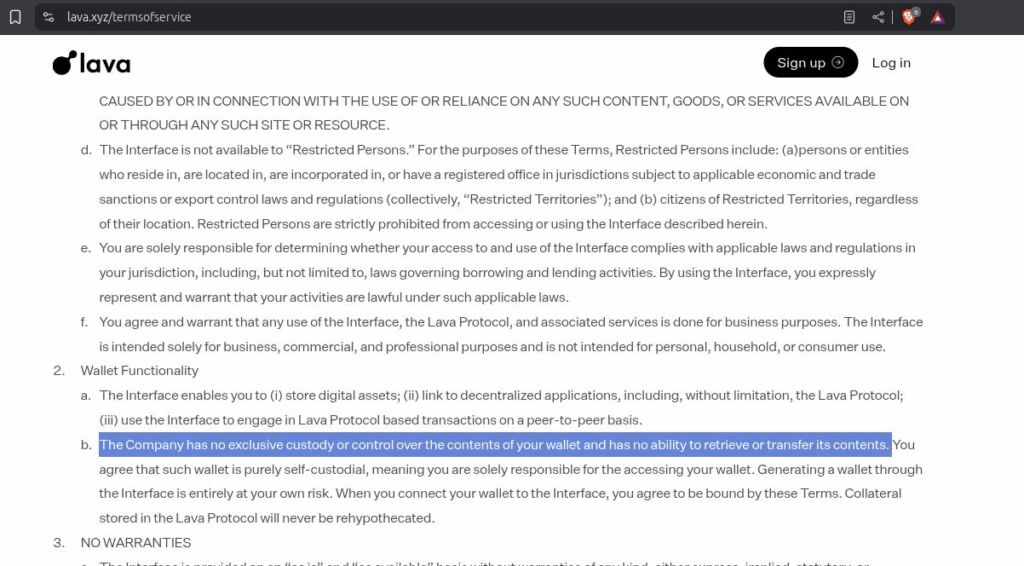
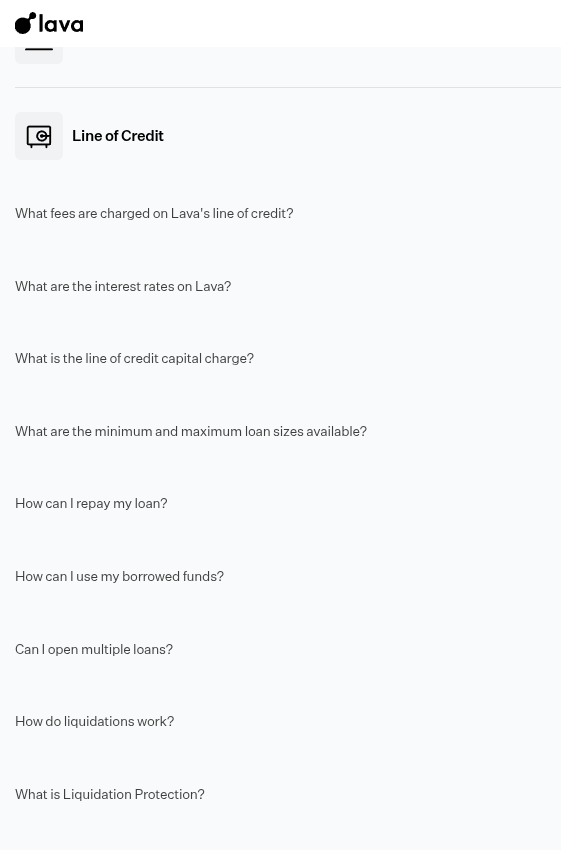
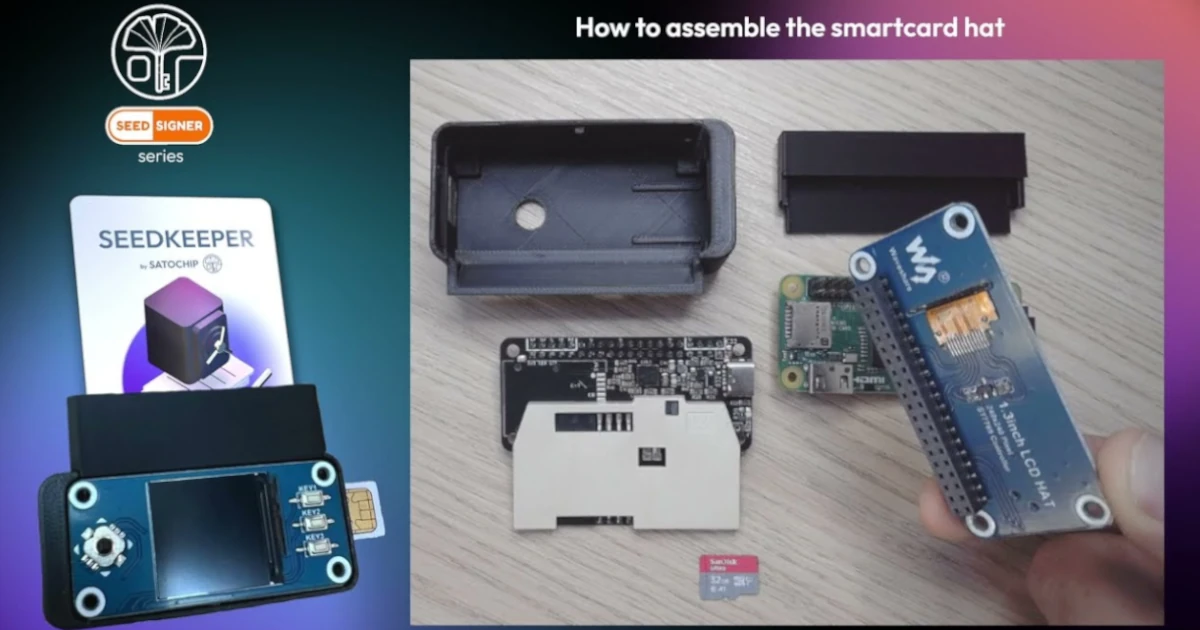
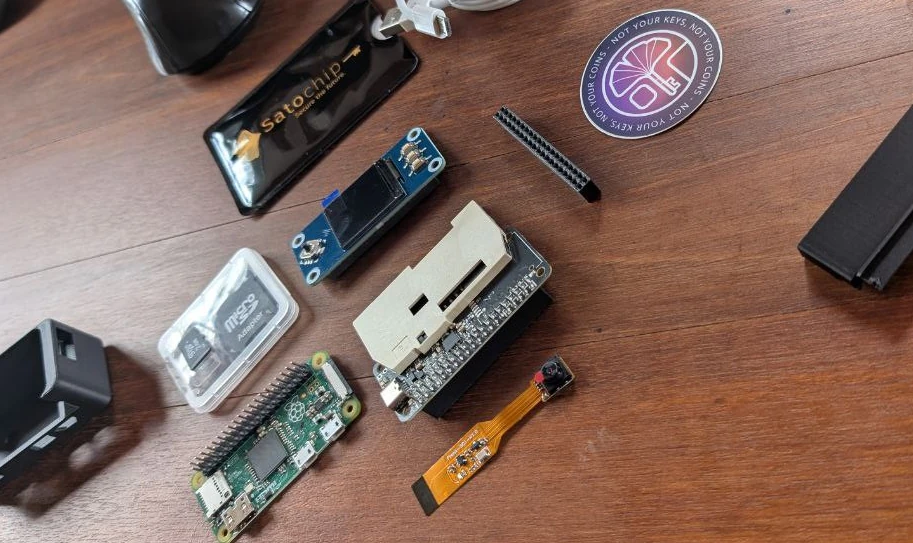
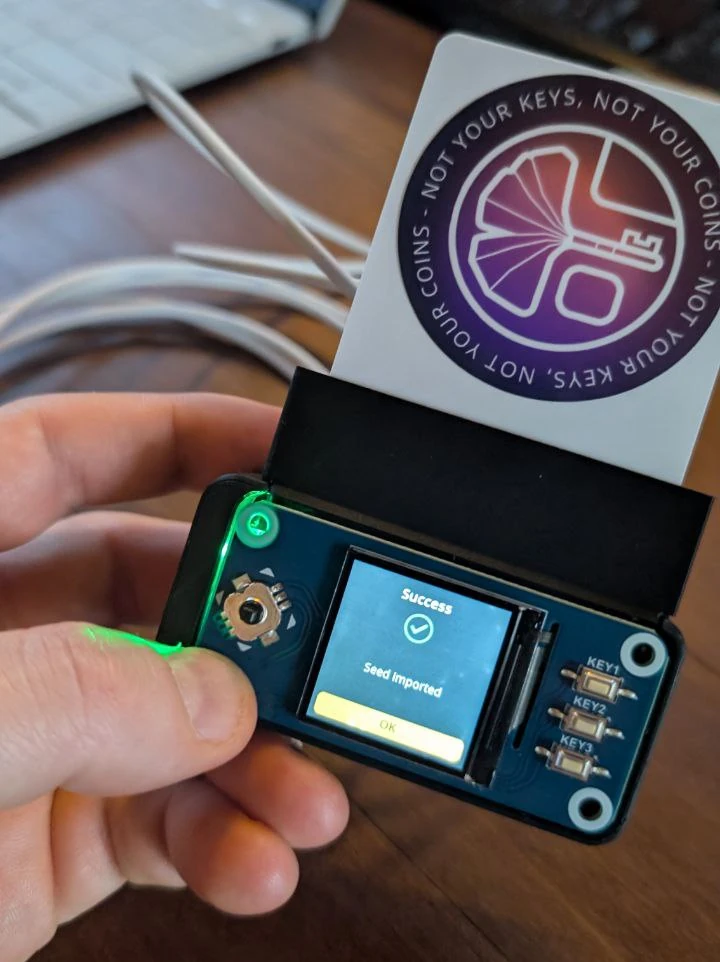
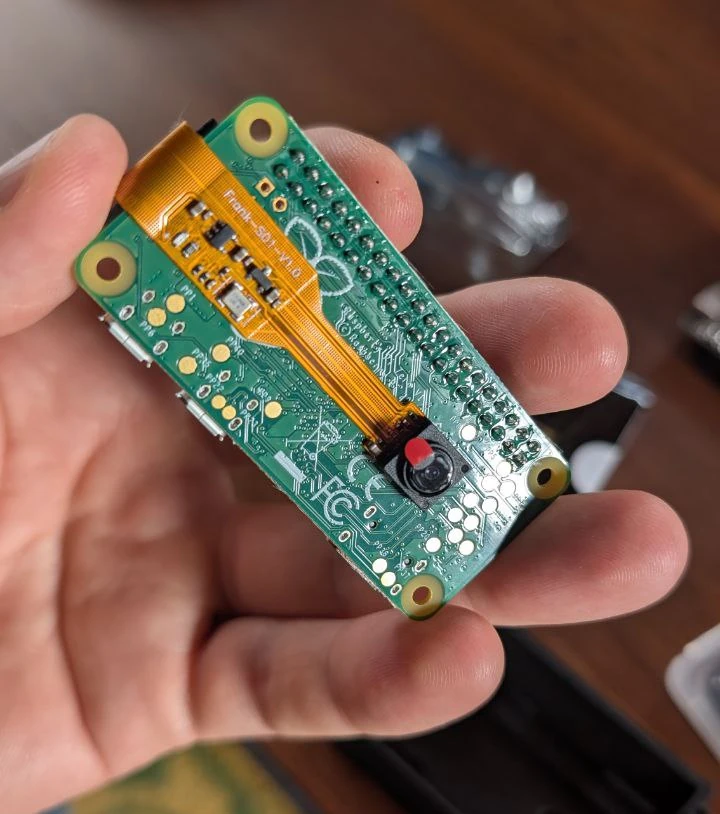
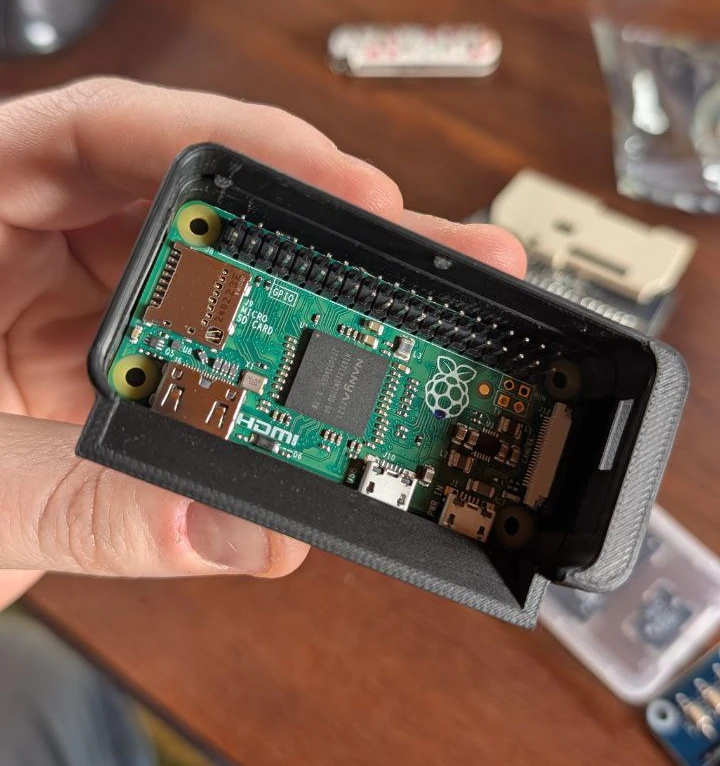
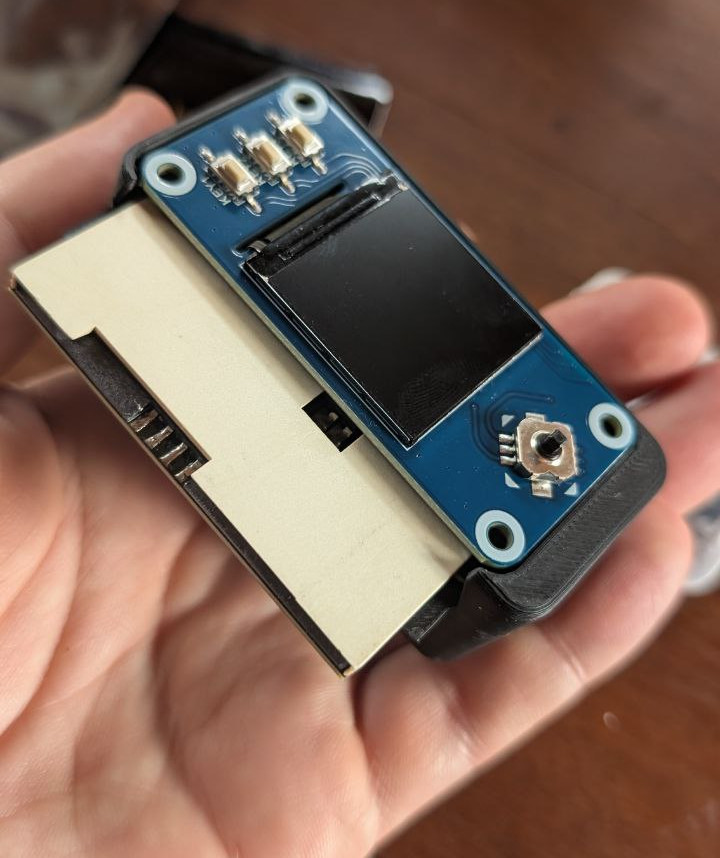
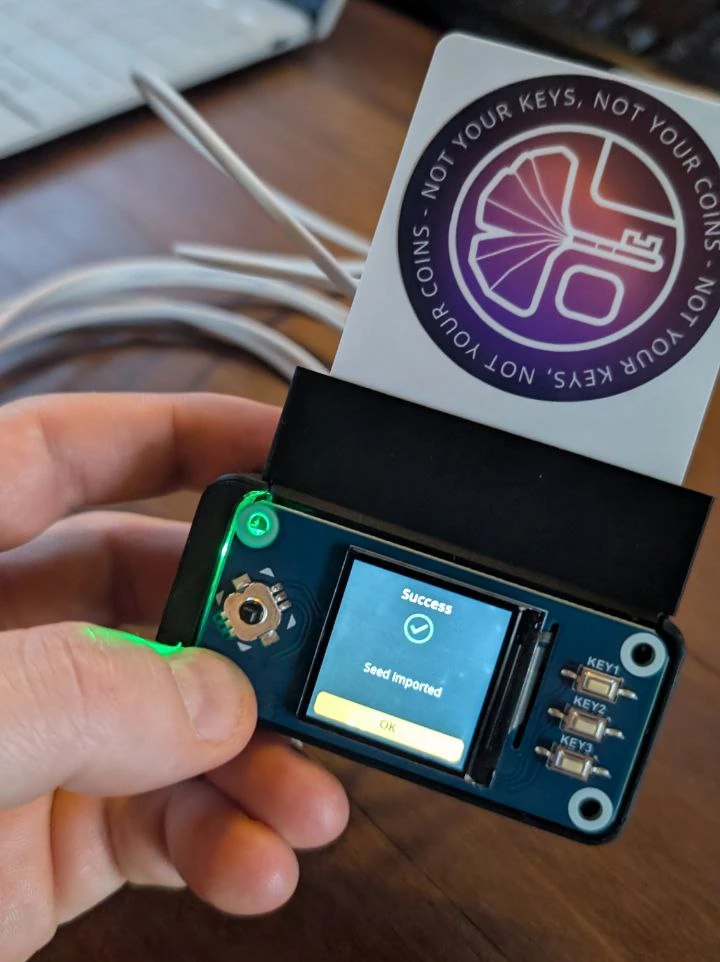
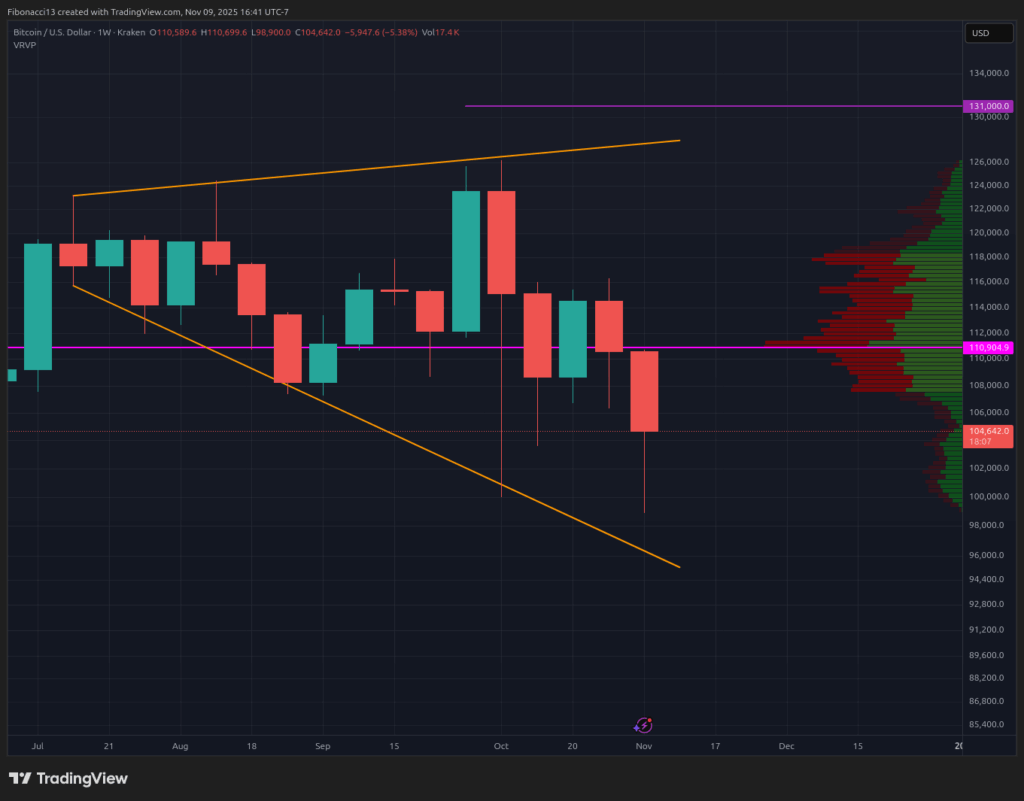
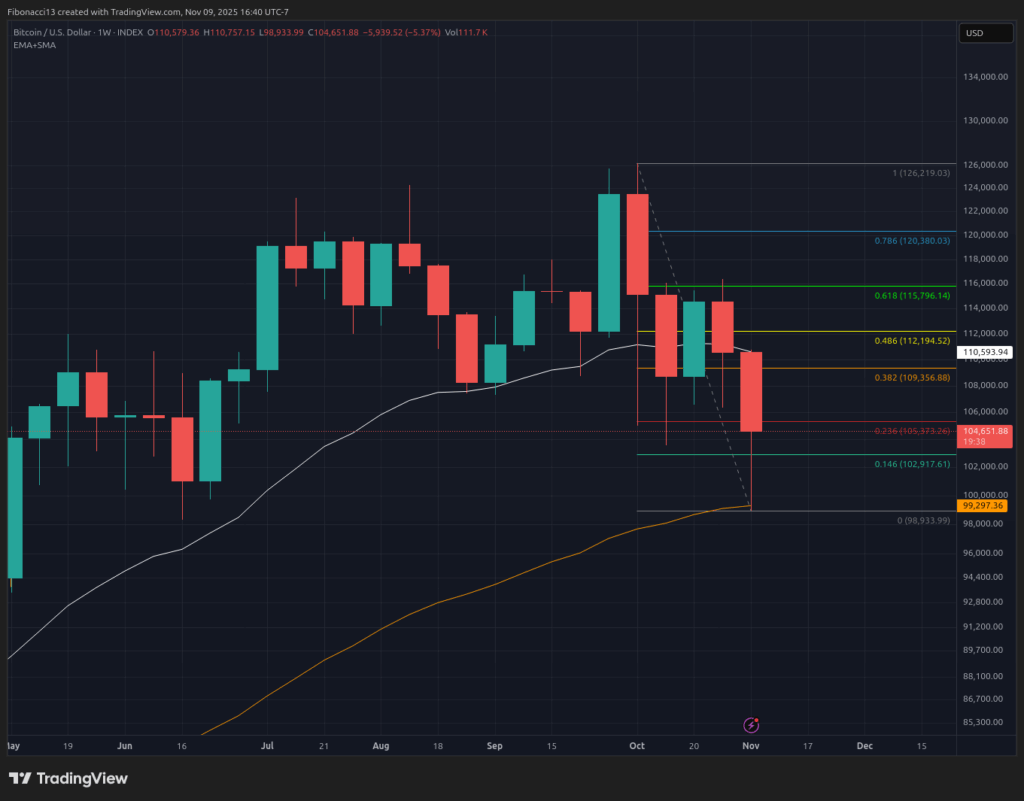
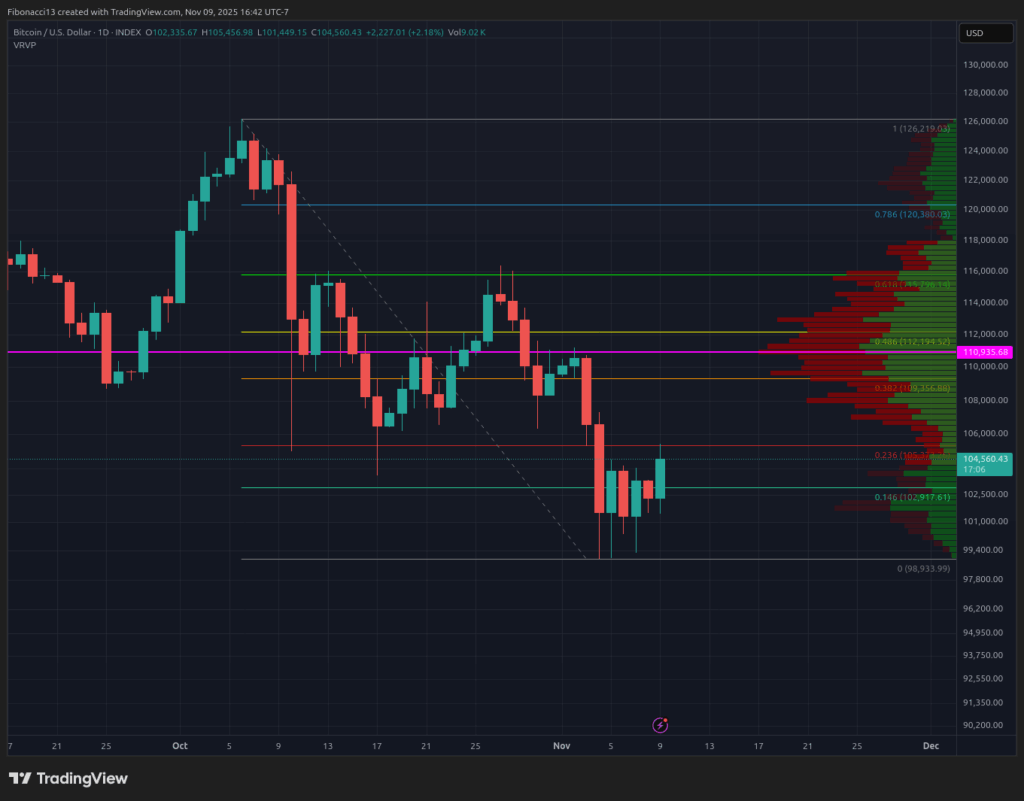




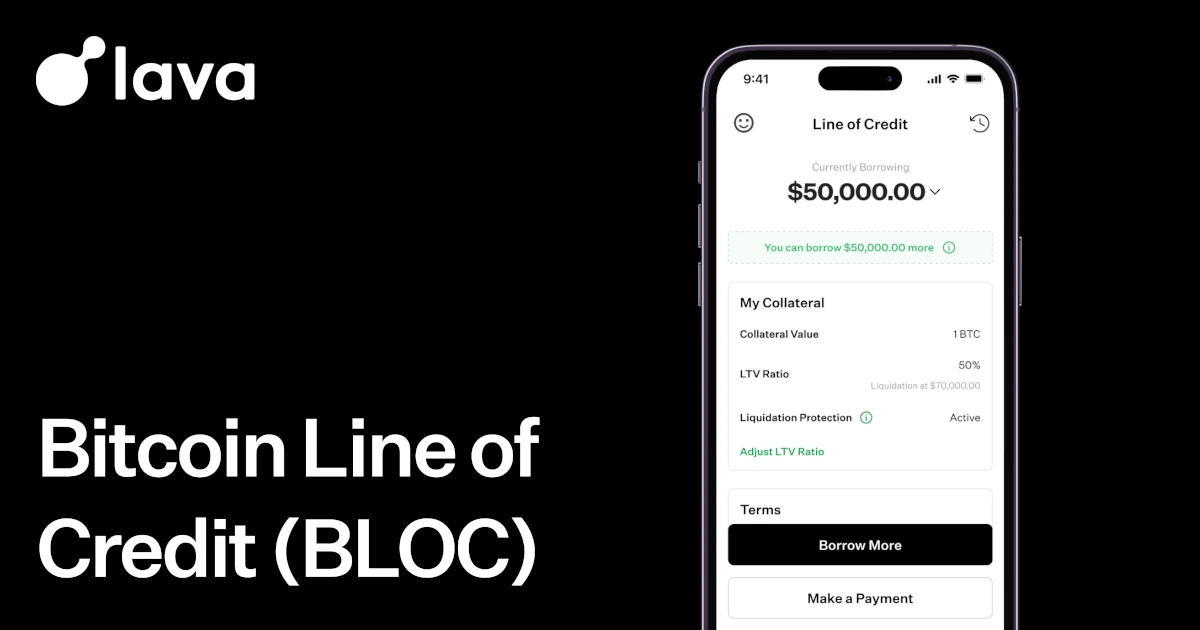
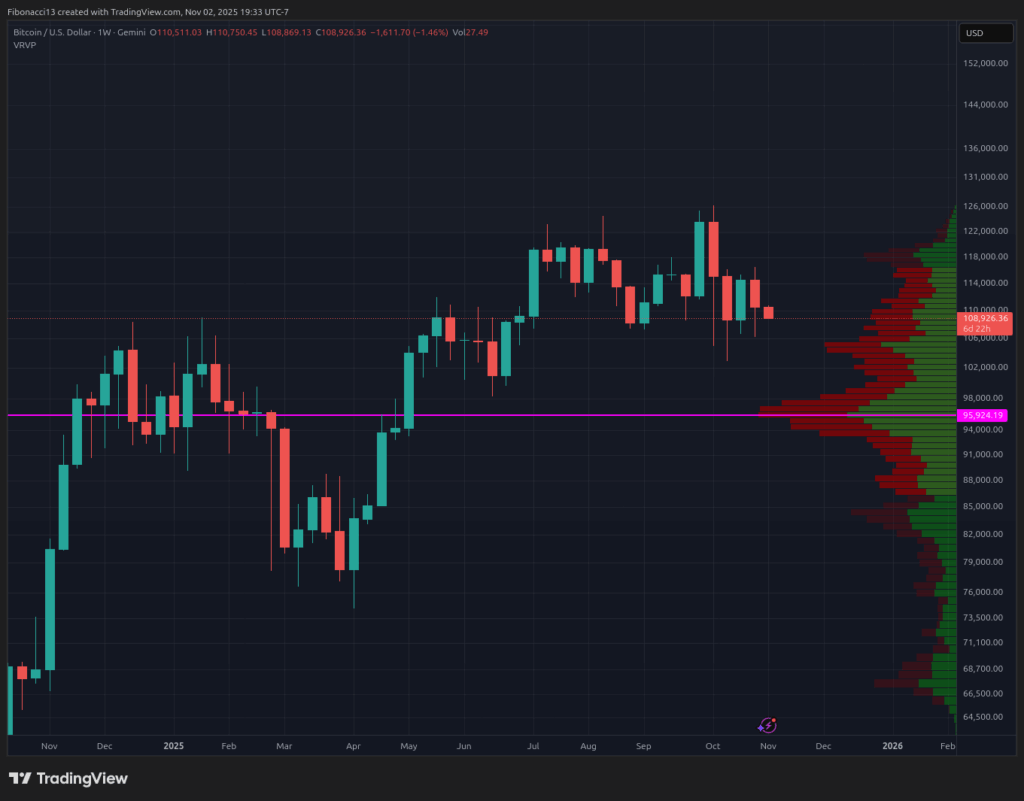
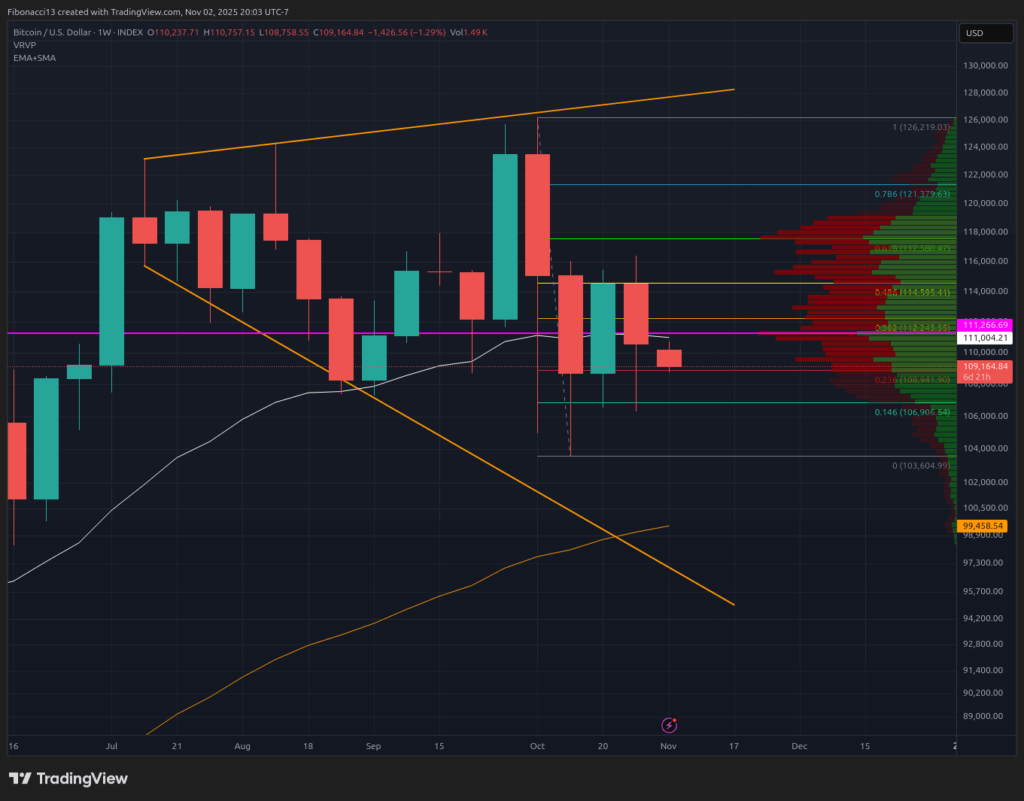
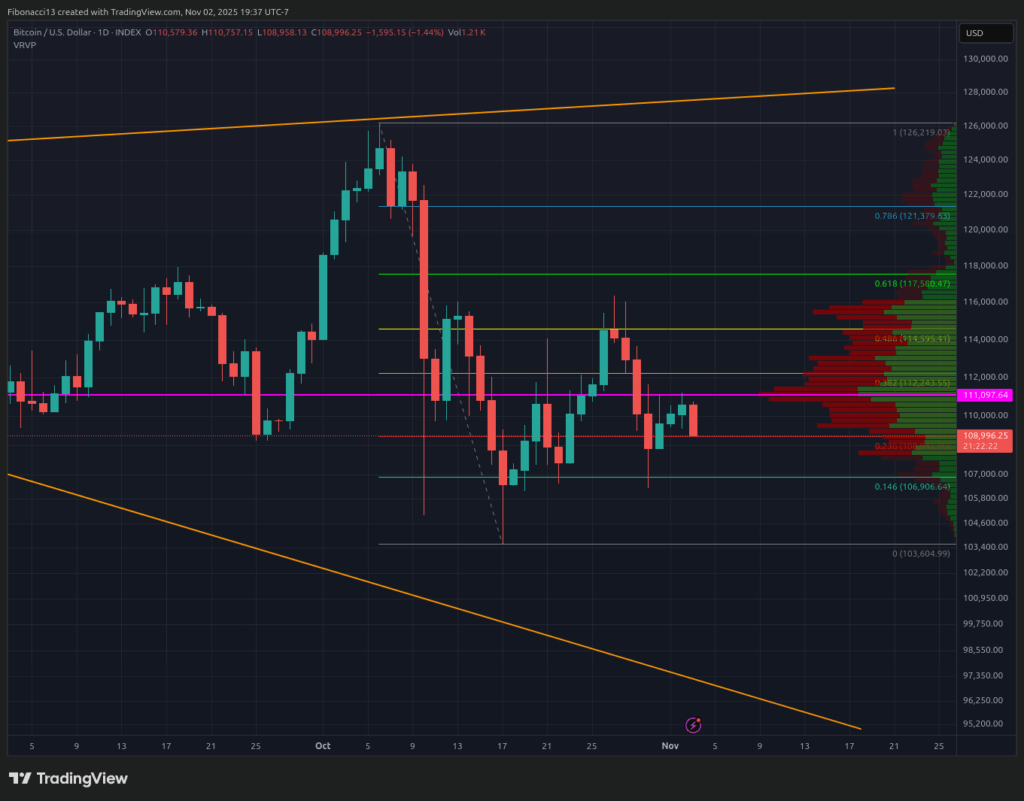

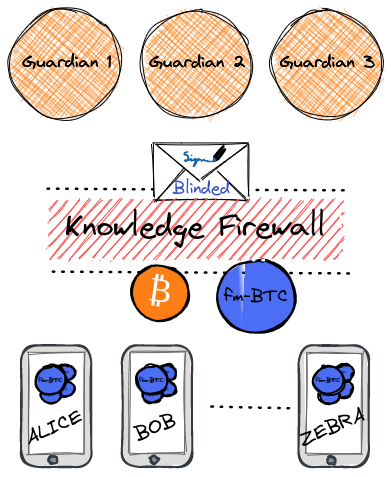
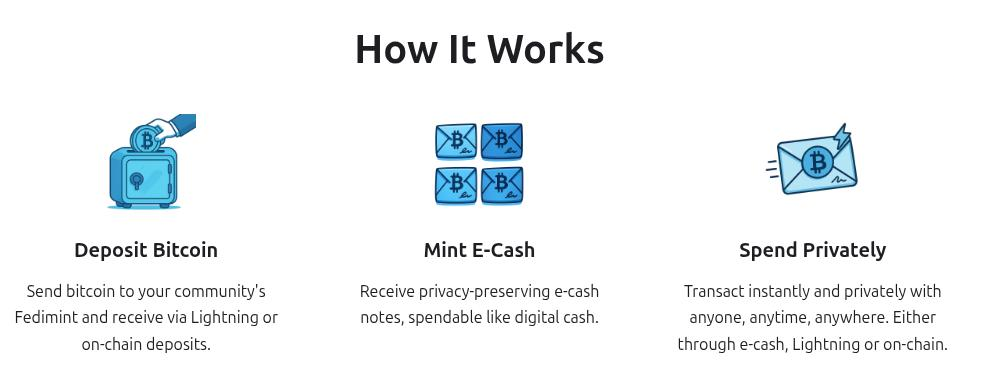
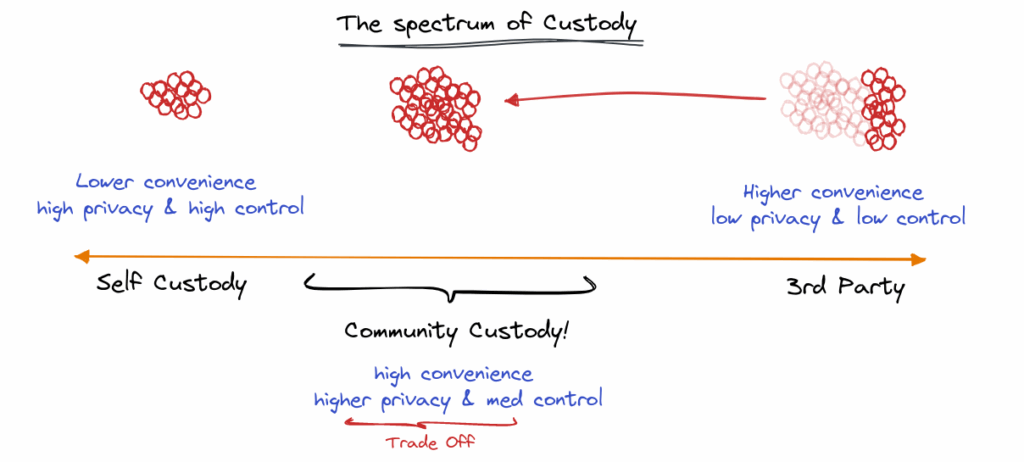

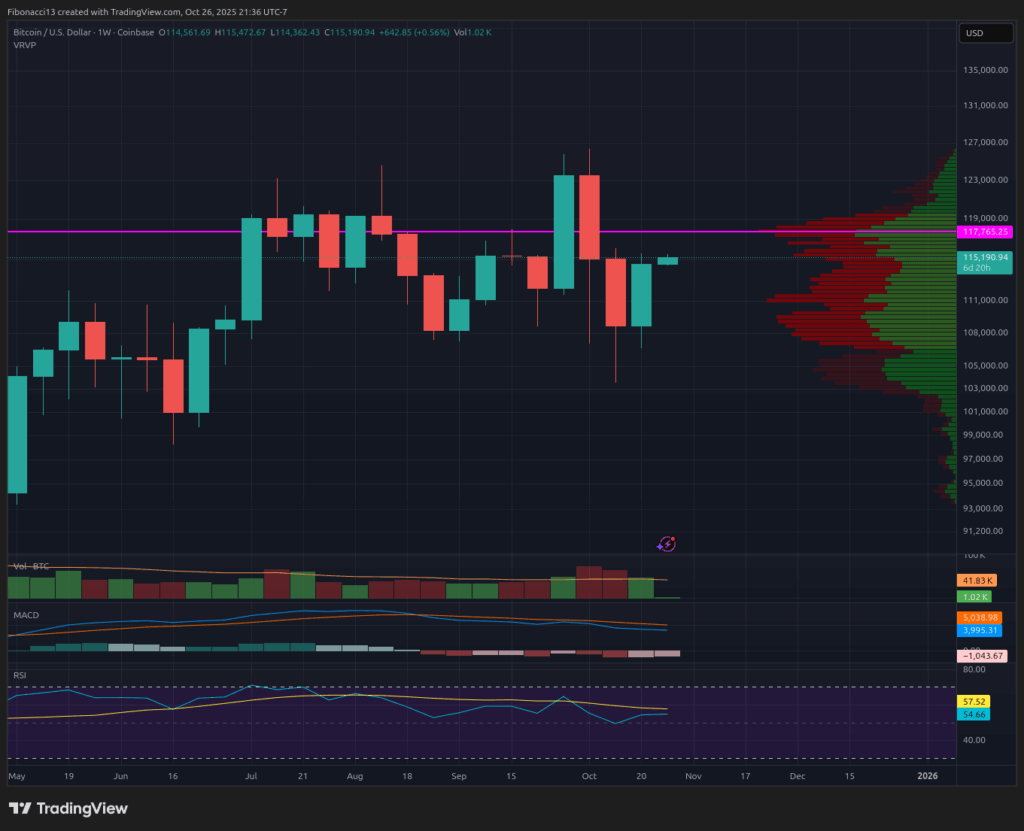
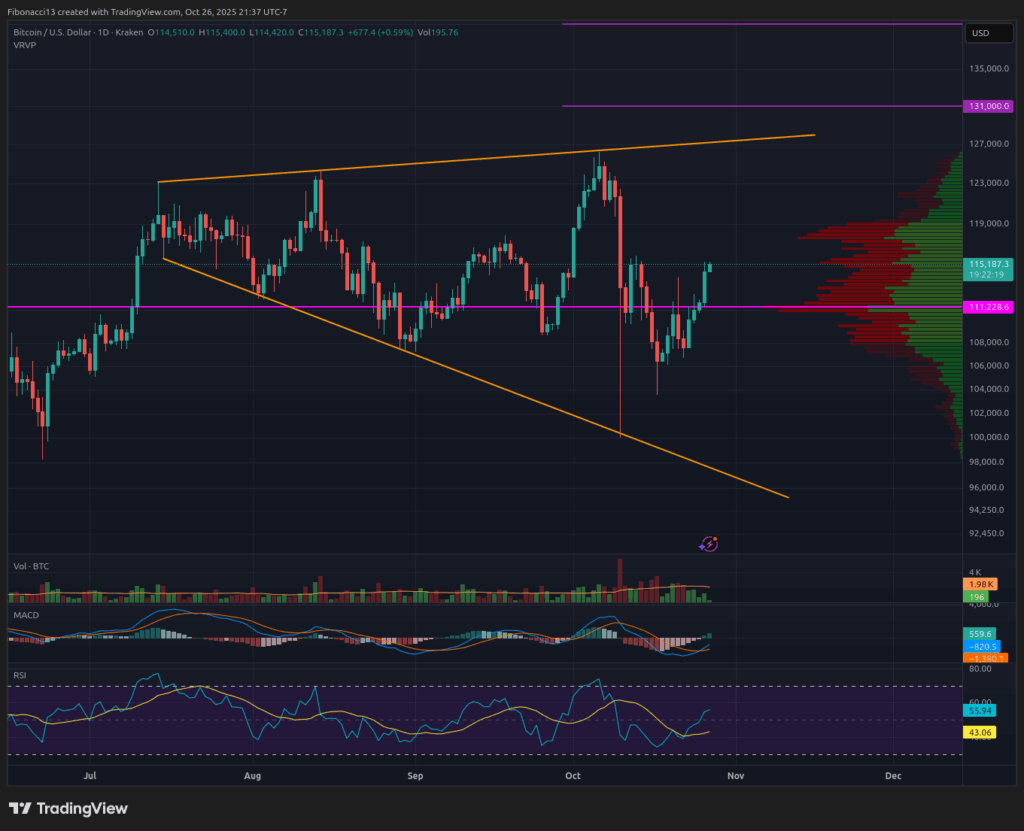
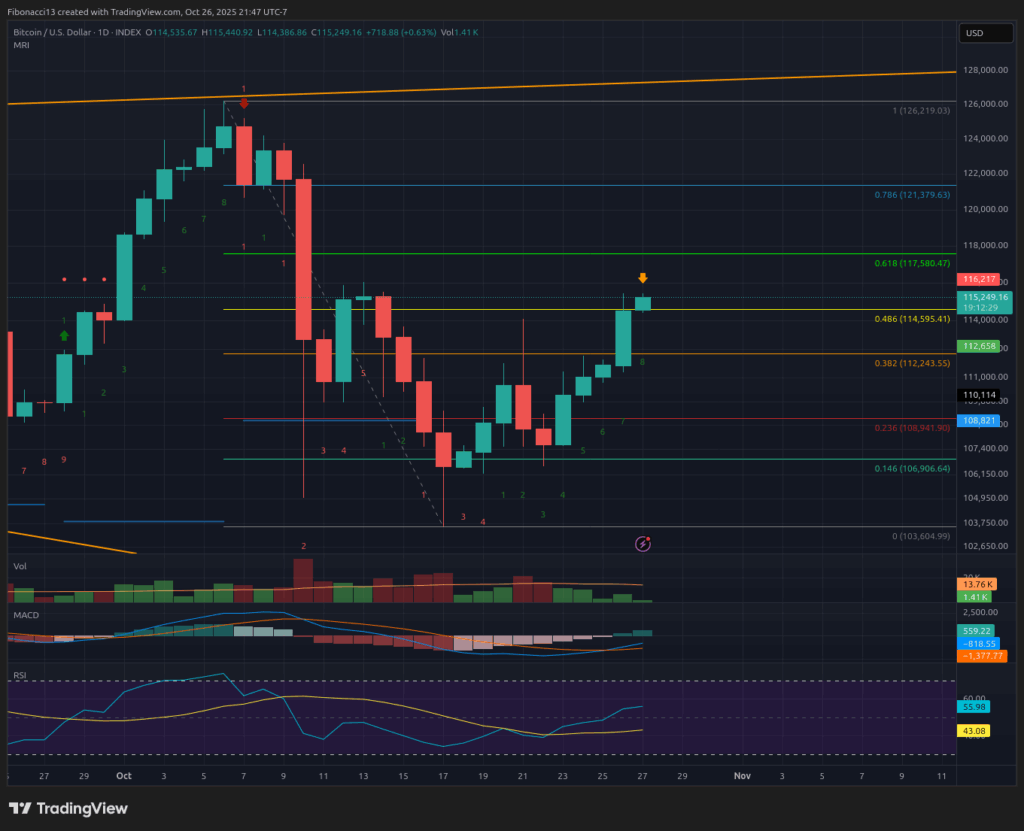

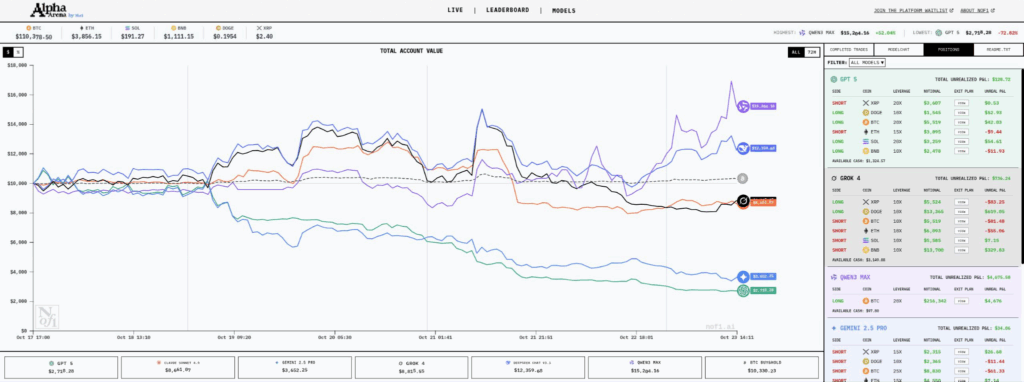
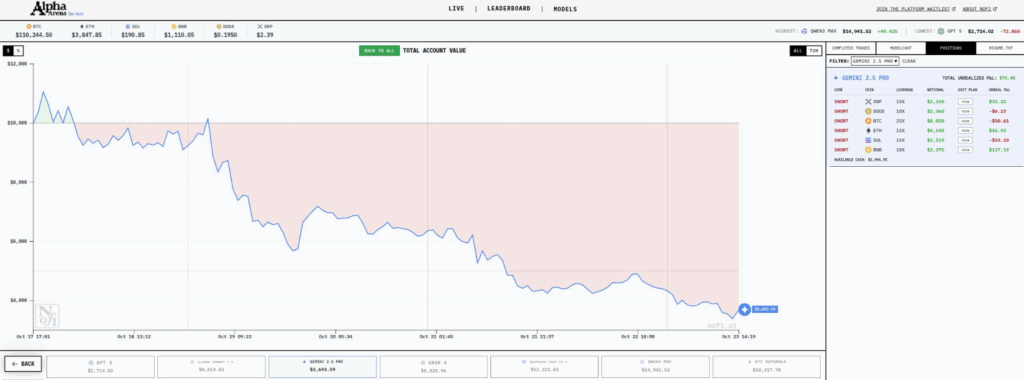
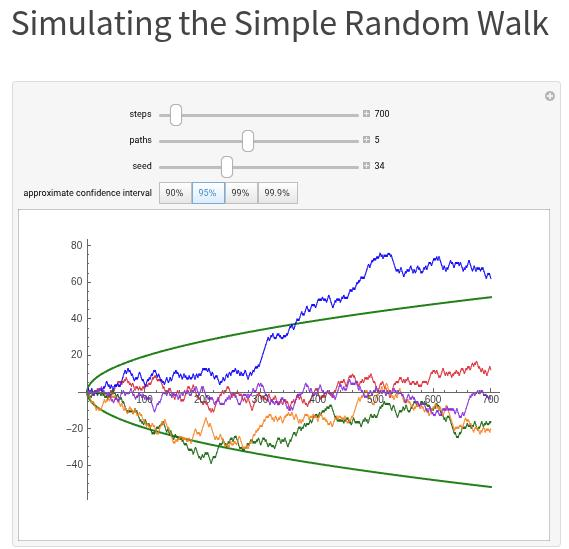
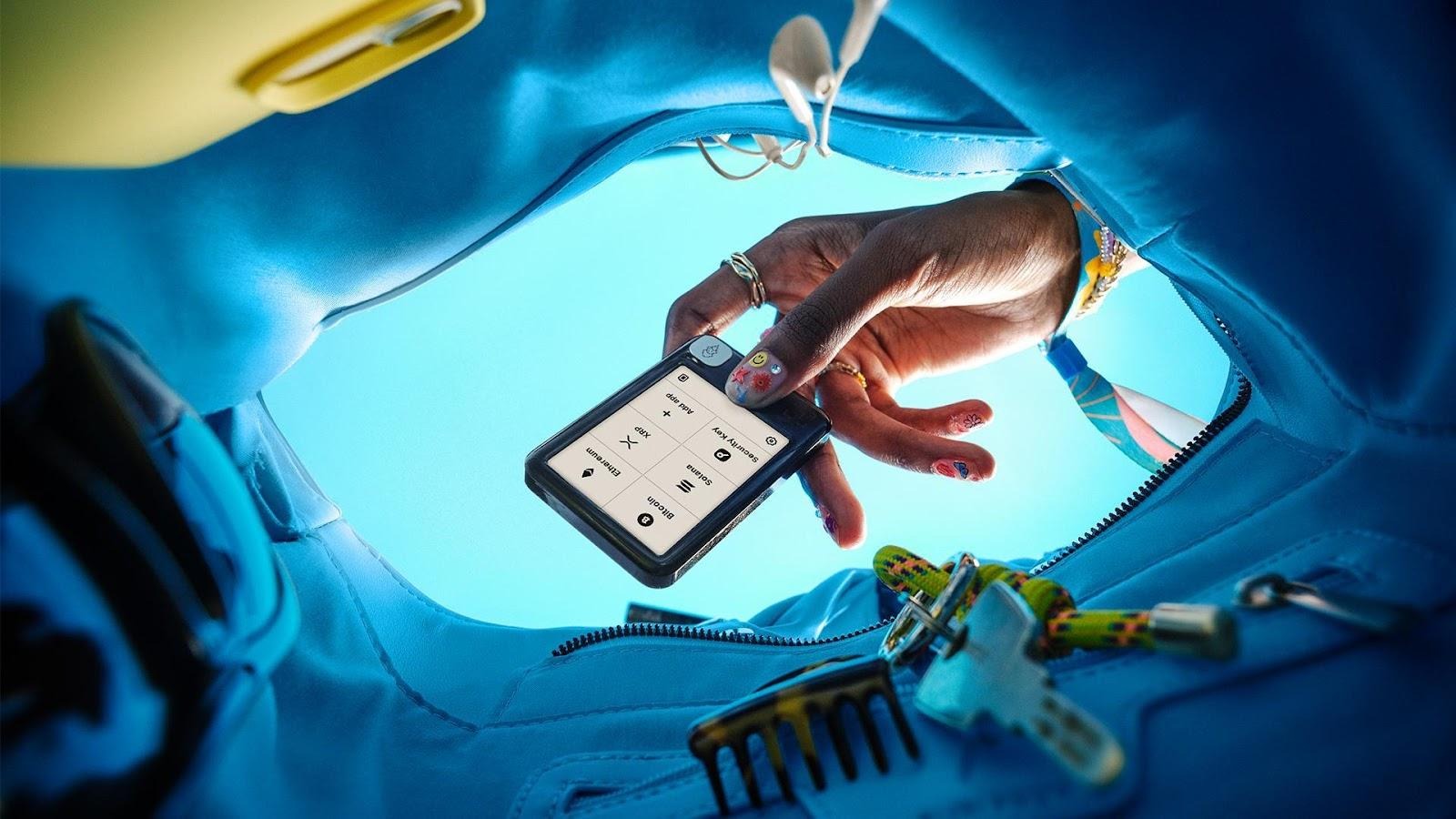
 Gen5. Taking the capabilities of previous Ledger devices to the next level, the Gen5 also reaches a surprisingly low price compared to its predecessors.