Reading view

There are new articles available, click to refresh the page.

Smoked Pulled Pork Essential Tips for Perfect Flavor and Tenderness

Smoked pulled pork is a classic BBQ dish people love for its rich flavor and tender texture. You slow-cook pork over wood or charcoal smoke until it pulls apart with barely any effort and melts in your mouth.

With the right tools, ingredients, and a few steps, anyone can make delicious, authentic smoked pulled pork You can easily make perfect pulled pork at home by following a simple recipe that highlights the difference between pork cuts.

Perfectly seasoned smoked pulled pork cooking low and slow on a grill with visible smoke and flame – ideal image for smoked pulled pork recipes and BBQ smoking techniques.

Choosing the best cut The cut of pork, like traeger pork butt, really matters for good results. The process is all about seasoning the meat, getting your smoker or grill ready, and letting time and smoke do their thing.

With a solid recipe and a few tips, smoked pulled pork can steal the show at any meal or backyard get-together.

Key Takeaways

  • The right cut and a few simple techniques make BBQ pulled pork tender and full of flavor.
  • Anyone can smoke pork at home with basic gear and ingredients.
  • Leftovers and creative toppings make pulled pork work in a ton of different meals, especially when you remove the pork from the grill.

Choosing the Best Cut of Pork

The cut of pork you use really shapes the flavor, texture, and moisture of smoked pulled pork. Some cuts have more marbling and tenderness, which is why home cooks and pitmasters tend to reach for them.

Pork Shoulder vs. Pork Butt

Pork shoulder and pork butt are the top picks for pulled pork, including options like traeger pulled pork. Both come from the pig’s front shoulder, but they’re a bit different in fat content and texture.

Pork shoulder Actually means the whole shoulder, which includes both the upper (Boston butt) and lower (picnic) cuts, highlighting the difference between pork shoulder options. Pork butt (Boston butt) is the upper part and has more marbling and connective tissue, so it gets super tender and juicy when you cook it low and slow, making it crucial to understand what’s the difference between pork cuts.

The picnic shoulder, the lower part, is leaner and has more bone. It’s still usable, but it’s usually not as moist or flavorful as the butt. That’s why Boston butt is almost always the go-to for pulled pork—it just hits that sweet spot of fat and collagen, especially in a bone-in pork dish.

Boston Butt Selection

When you’re picking out a Boston butt, aim for a cut between 6 to 8 pounds. That size of the pork cooks evenly and gives you plenty to serve without drying out.

Bone-in is better than boneless if you can get it—the bone helps with heat and gives extra flavor while smoking. Look for visible white streaks of fat (marbling); that’s what keeps the pork juicy after hours on the smoker.

Avoid meat that looks dry or barely has any fat. If you’re at the butcher, ask for a Boston butt that’s trimmed well but still has a nice fat cap.

Quick checklist for picking a Boston butt:

  • Bone-in, not boneless
  • 6 to 8 pounds
  • Plenty of marbling
  • Firm, pink meat

Trimming and Preparation

You need some fat for moisture, but too much fat blocks smoke and flavor. Trim off any thick or hard layers, especially on the outside, but leave about a 1/4-inch layer so the pork bastes itself as it cooks.

Remove any big pieces of sinew or silverskin—they don’t break down well while smoking. Pat the meat dry with paper towels so the rub sticks better.

Rub a generous layer of dry seasoning all over the roast. If you’ve got the time, let the seasoned pork rest in the fridge for several hours or overnight. That really helps the flavors soak in and gives you a nice bark later.

Essential Ingredients and Equipment

Smoked pulled pork relies on a few key things: a tasty dry rub, the right liquids to keep things moist, and some quality tools to make the job smoother. Nailing each part makes a big difference in flavor and tenderness.

Classic Dry Rub Ingredients

A good dry rub is the soul of smoked pulled pork. It brings out the pork’s natural flavor and adds that classic BBQ kick. Most rubs start with a base that complements the size of the pork you are using. brown sugar for sweetness, kosher salt for seasoning, and black pepper for a bit of bite.

Other regulars are garlic powder, onion powder, and smoked paprika for a deeper, smoky flavor. Paprika adds color and a mild peppery note, and Cumin is a key ingredient in many pork rub recipes. gives a hint of earthiness.

Pat or rub these spices all over the pork to form a crust as it cooks. Some folks add a thin layer of yellow mustard before the rub—it helps the spices stick and gives a little tang, just like in this guide.

Example dry rub for an 8-10 pound pork shoulder:

IngredientAmount
Brown sugar5 tbsp
Kosher salt2 tbsp of chili powder for added flavor.
Black pepper2 tbsp
Paprika2 tbsp
Garlic powder1 tbsp
Onion powder1 tbsp
Cumin1 tsp

Mix and stash any leftovers in a sealed container for next time.

Moisturizing Agents and Spritzes

Dry pulled pork is just sad. To keep things juicy, pitmasters use liquid spritzes and sometimes injections while smoking.

Apple juice and apple cider vinegar are classic spritzes—they add moisture and a gentle fruity note. Usually, people mix half apple juice and half of the time, it’s best to allow the pork to rest after cooking. apple cider vinegar in a spray bottle. Some stick with just the traeger pulled pork recipe for simplicity. apple cider or add a splash of water.

Once a bark forms, spritz the pork every hour. That keeps it moist and helps the smoke flavor soak in, enhancing the difference between pork cuts.

For even more juiciness, some folks inject a marinade before smoking. A classic injection might be apple juice, water, brown sugar, salt, and maybe a dash of chili powder to spice it up. soy sauce or Worcestershire sauce.

Inject right before cooking so the flavors spread deep into the meat. Wrapping the pork in heavy duty aluminum foil about halfway through—sometimes called the Texas Crutch—locks in moisture too.

Tools for Smoking

You don’t need a ton of fancy gear, but a few good tools make smoking pork way easier. The big one is a reliable smoker that holds low temps steady for hours. Wood chips or chunks (hickory or apple are great) bring that signature smoky flavor.

A solid meat thermometer is a must to know when the pork’s ready to pull—usually around 195–205°F. Heavy duty aluminum foil wrap the pork butt partway through or allow the pork to rest for optimal flavor.

Juicy smoked pulled pork slowly cooking over a smoky grill, showcasing a flavorful bark and tender texture – a perfect visual for smoked pulled pork preparation and BBQ techniques.

To shred pork shoulder fast and with less mess, grab a pork rub to enhance the flavor. bear claws or big forks. They make pulling the meat into bite-sized pieces a breeze.

Serve smoked pulled pork with barbecue sauce or bbq sauce on the side, so everyone can tweak the flavor. Plates, disposable gloves, and a big cutting board help keep things tidy when you’re serving up.

For a look at essential tools and steps, check out this guide to making smoked pulled pork.

Setting Up Your Smoker or Grill

Getting your smoker or grill ready is a big deal if you want the best pulled pork. The wood, grill type, and how you control the temp all change the flavor and texture of smoked pork shoulder.

Choosing Wood Chips and Flavor

The wood chips or pellets you use have a huge impact on taste. Hickory wood gives a bold, smoky flavor that goes great with pork shoulder. Apple wood is an excellent choice for smoking pork shoulder or butt. is milder and a little sweet, while cherry wood adds a subtle fruitiness.

Here’s a quick table for picking wood:

Wood TypeFlavor ProfileBest For
HickoryStrong, smoky, bacon-likeTraditional smoked pork
AppleMild, slightly sweetLighter pork flavors
CherryMild, fruityGentle smoke profile

Mixing woods can be fun for new flavors. Just make sure the chips are dry and stored right. Go easy—too much wood makes the meat taste bitter.

Using Pellet Grills and Traeger

Pellet grills like Traeger use compressed wood pellets for both heat and smoke. They keep temps steady and are super popular for smoking pork.

Set the grill to a low temp—usually 200-225°F—to smoke the pork for pulled pork. Preheat before adding the pork shoulder. Fruitwood or a blend of oak and hickory pellets bring out rich flavor.

Pellet grills heat evenly, so you don’t have to worry much about burning or dry meat. Wait to wrap the pork until you get a good bark. Honestly, pellet grills are easy to use, which makes them a solid pick for beginners and pros.

For more on pellet grilling, check out this guide on using a pellet grill for pulled pork.

Heat and Smoke Management

Keeping a steady temperature is everything for smoking meat. Most people stick to 225°F for hours until the pork shoulder gets tender.

Always use indirect heat—you want the pork to cook gently, not burn. Put the pork butt fat side up on the grate away from the direct flame.

Control airflow with the vents; it affects both temp and smoke. Too much airflow makes things too hot, so keep an eye on your thermometer while cooking the pork butt in foil.

Shoot for thin, blue smoke instead of thick white clouds. Heavy smoke gives the pork a harsh flavor. If you manage the heat and smoke well, you’ll get tasty, tender smoked pulled pork.

Step-by-Step Smoked Pulled Pork Recipe

Making smoked pulled pork means prepping a pork shoulder, seasoning it with a dry rub, smoking it low and slow, and then shredding the meat. Every step matters for tenderness, juiciness, and flavor—whether you’re piling it on sandwiches, tacos, or just eating it straight.

Thick, juicy smoked pulled pork on the grill with a rich bark and visible smoke – ideal visual for showcasing smoked pulled pork BBQ techniques and slow-cooking flavor.

Preparing the Pork

Start with a pork shoulder or “pork butt,” which comes from the upper part of the shoulder. This cut has a solid mix of meat and fat, so it’s perfect for slow cooking.

Trim off extra fat, but leave a thin layer to help keep things juicy while smoking. Using a sharp knife, lightly score the fat cap—this lets the seasoning work its way in.

Pat the meat dry with paper towels so the rub sticks better. If there’s a bone, just leave it in; it adds flavor and helps the pork cook evenly.

Some folks like to place the pork butt fat side up for better flavor. brine the pork for a few hours or overnight for extra moisture and flavor. A basic brine is usually water, salt, sugar, and maybe a few spices.

After brining, rinse and dry the pork before adding the rub. That way, the seasonings can stick and do their thing.

Applying the Dry Rub

The dry rub forms that flavorful “bark” on the outside. Mix together salt, black pepper, paprika, garlic powder, onion powder, and brown sugar—adjust the spices to your taste.

Rub the seasoning all over, making sure to get into every nook and cranny. Let the pork sit at room temperature for about 20 to 30 minutes so the rub can settle in and the temperature of the pork can rise slightly.

Some people wrap the seasoned pork in plastic and pop it in the fridge for a few hours or overnight. This gives the flavors a chance to really soak in.

Before you smoke it, bring the pork back near room temperature to help it cook evenly.

Smoking Process Overview

Preheat your smoker to 225-250°F. Use wood chips like hickory, apple, or cherry for a nice, balanced flavor.

Set the pork shoulder directly on the smoker grate, fat side up, so the fat melts down into the meat. Keep the temperature steady and toss in more wood chips as needed for a constant smoke.

Smoking takes about 1.5 to 2 hours per pound. For an 8-pound pork shoulder, you’re looking at 12 to 16 hours—yeah, it’s a commitment, but it’s worth it.

Go for an internal temperature of 195-205°F, ensuring the internal temperature reaches that range for optimal tenderness. At this point, the pork shreds easily and you might spot a pink “smoke ring” just under the bark. For a step-by-step breakdown of the pork butt recipe, see this. simple smoked pulled pork method.

Resting and Shredding the Pork

Once the pork hits the right temp, pull it from the smoker and wrap it in foil or butcher paper. Let it rest for at least 30 to 60 minutes so the juices can redistribute.

Pull the pork apart using forks, meat claws, or your hands if you don’t mind getting a little messy; this is key for enjoying pulled pork leftovers. Toss out any big pieces of fat or bone.

Mix the shredded pork with some of the cooking juices for max flavor and moisture. Serve right away or keep it warm for later.

Smoked pulled pork fits into all sorts of dishes, especially when made with smoked pork butt. pork recipes and dishes, so you’ve got plenty of options.

Serving Smoked Pulled Pork

Smoked pulled pork is a hit at gatherings or family dinners. The right buns and fresh sides like coleslaw make the meal even better.

Pulled Pork Sandwich Ideas

Pulled pork sandwiches are classic and super easy. Just pile the pork onto a bun, drizzle with BBQ sauce, and maybe add some crunchy coleslaw for a little kick.

Some folks throw in pickles or sliced onions for a tangy bite. Barbecue sauce options run from sweet to spicy, so it’s fun to offer a few choices on the side.

Pork also pairs well with mustard or vinegar-based dressings, especially if you’re into Southern flavors. For parties, sliders are a great way to mix things up, or try wraps and tacos with pulled pork, cabbage slaw, and veggies.

Leftover smoked meat makes awesome sandwiches for meal prep, too.

Choosing the Best Buns

The bun matters—a lot, especially when you slather the pork butt with your favorite sauce. Soft buns soak up the juices but don’t fall apart, so potato buns and brioche buns are both popular picks.

If you want a firmer bite, try Kaiser or ciabatta rolls, though they can be a bit chewy with tender pulled pork. Hamburger buns work fine too, as long as they’re fresh.

Toasting the bun a little helps keep things from getting soggy. Pretzel buns are a fun twist with a savory edge, and gluten-free buns are out there for those who need them, though they can be a bit dry sometimes.

Coleslaw and Sides

Coleslaw is a go-to side or topping for pulled pork sandwiches. Creamy coleslaw with mayo and vinegar brings richness, while a tangy vinegar-based slaw is lighter and cuts through the fatty pork.

Put the slaw on the side, or right on top of the meat for extra crunch. Other sides that work well: baked beans, mac and cheese, cornbread, or potato salad.

If you want to lighten things up, offer cucumber salad or grilled veggies. Chips or fries are great for casual get-togethers. Set out the sides so guests can build their own plates however they like, perhaps with leftover pulled pork.

Sauces and Toppings

Sauce is a big deal with smoked pulled pork—it can totally change the flavor. Toppings add texture, color, and a little excitement, making the dish pop.

Classic BBQ Sauces

Pulled pork usually comes with classic barbecue sauces that highlight smoky and tangy notes. Kansas City-style sauce is sweet and thick, made from tomatoes, brown sugar, and molasses.

Carolina sauce is vinegar-based, thin, and tangy. Some regions love a mustard-based sauce for a sharp, slightly spicy kick—especially in South Carolina.

Sauce StyleMain IngredientsFlavor Profile
Kansas CityTomato, brown sugar, molassesSweet, thick, and perfect for your traeger pork dishes.
CarolinaVinegar, spicesTangy, thin
Mustard (SC)Mustard, vinegar, and sugar can enhance the flavor of your smoked pork butt recipe.Sharp, spicy

Serve sauces on the side so everyone can add what they like. For more on regional sauces, check out this guide to Carolina-style pulled pork and sauces.

Homemade BBQ Sauce

Homemade BBQ sauce brings a personal touch and lets you control the flavors. You can whip up a simple one by mixing ketchup, vinegar, brown sugar, Worcestershire sauce, and some spices.

Some recipes mix BBQ sauce with apple juice, apple cider vinegar, water, and butter for a richer taste. Others add minced onion or garlic for an extra kick.

Making your own sauce means you skip the preservatives and can tweak the heat or sweetness. Here’s a homemade BBQ sauce for pulled pork that uses stuff you probably already have in your kitchen for making traeger pulled pork.

Creative Toppings

Toppings take pulled pork to the next level. Creamy coleslaw is a classic, adding crunch and freshness that balances out the rich meat.

Cheese, pickles, fried onions, or even kimchi can change things up. Jalapeños bring heat, and fresh herbs add brightness.

Sliced onions and sweet pickles are old favorites, but pineapple or bacon can be fun twists on smoked pork butt. Some folks get creative with international toppings like kimchi or spicy mayo for a unique combo. For a bunch of ideas, see this list of pulled pork sandwich toppings and creative toppings for traeger pulled pork.

Tips for Perfect Smoked Pulled Pork

Nailing smoked pulled pork comes down to keeping a steady temperature, getting the right texture, and dodging common mistakes. Every step affects the final flavor and tenderness.

Temperature Control

Keep the smoker around 225°F. This low, steady heat lets the pork shoulder break down slowly, turning tough fibers and fat into something tender.

Use a digital thermometer to track both the smoker’s temp and the meat’s internal temp. The pork’s ready when it hits 195–205°F and pulls apart easily.

Try not to open the smoker too much; you’ll lose heat and add time. Smoking with fruit woods like cherry or apple gives a sweet, rich smoke ring and boosts the flavor.

Texture and Juiciness

Great pulled pork is moist, soft, and shreds with barely any effort, making it a tasty pulled pork option for any meal. The fat marbling in pork butt keeps it juicy through the long cook.

Some people wrap the pork halfway through with foil or butcher paper to trap moisture and get a more tender result. Let the pork rest for at least 30 minutes before pulling.

If the pork turns out dry, it probably cooked too hot or didn’t rest long enough. For more tips on juicy pork, check this smoked pulled pork guide.

Common Smoking Mistakes

Rushing by cranking up the heat is a classic mistake—it dries out the meat and kills tenderness. Not watching the internal temp can lead to undercooked or overcooked pork.

Don’t add wet wood or too much at once, or you’ll get thick smoke and a bitter taste. Wrapping the pork too early or too late can mess with texture and the smoke ring. Cook times can vary, so patience is your best friend here. If you want more advice, these Here are some essential pitmaster smoking tips for achieving the perfect pulled pork. Traeger pulled pork recipes are worth a look.

Leftovers and Storage

Smoked pulled pork keeps well if you store it right. Using good reheating and storage methods keeps the meat tasty and safe to eat.

Reheating Smoked Pulled Pork

When you reheat smoked pulled pork, you want to keep it moist and full of flavor. The usual way? Toss the pork in a saucepan or oven dish, splash in some chicken broth or leftover juices, and cover it up tight.

Gently warm it on the stovetop or in the oven at a low temp—something like 300°F works well. Just heat it until it’s hot all the way through, but don’t let it dry out.

If you’re in a hurry or just have a small portion, microwaving works too, but it may not achieve the same tasty pulled pork results. Put the pork in a microwave-safe bowl, sprinkle with a bit of water or broth, cover it loosely, and zap it in short bursts, stirring between rounds.

Some folks love using a vacuum-sealed bag in a hot water bath (sous vide). This trick keeps the pork juicy and heats it evenly, ensuring you cook until the internal temperature is perfect.

Got frozen leftovers? Let the package of pork rub sit for a while to allow the flavors to develop. thaw in the fridge overnight before reheating. You’ll get the best texture that way, especially when using tender pulled pork. There are more tips in this community post about reheating if you’re curious.

Freezing and Storage Methods

For a few days’ storage, stash pulled pork in a sealed container or a heavy-duty zipper bag in the fridge. Try to press out as much air as possible to keep things fresher, longer.

If you want to freeze it, portion the pork into meal-sized servings. Wrap each in plastic wrap or foil, then seal it up in a freezer-safe bag—or use a vacuum sealer if you’ve got one.

Adding a splash of broth or leftover juices helps prevent freezer burn and keeps the pork from drying out. Frozen pulled pork holds up for about three months before the quality starts to slip.

Label each bag with the date so you can use the oldest leftover pulled pork first. Thaw the pork in the fridge overnight for the safest and most even results. If you want more ideas about packaging and freezing, check out this guide on proper storage.

Frequently Asked Questions

Getting smoked pulled pork right means paying attention to temperature, seasoning, wood choice, and the whole cooking process. Prepping the pork and watching the smoker closely usually leads to the best-tasting results.

What internal temperature should be reached for safe and tender smoked pulled pork?

Pulled pork needs to hit at least 195°F inside. That’s the magic number for breaking down the connective tissue so you can shred it easily.

Sure, pork is technically safe at 145°F, but it won’t pull apart until it gets up to 195-205°F. That’s just how it goes with barbecue.

What is the best wood or pellet type to use when smoking pulled pork on a pellet grill?

Hickory, apple, and cherry woods are top picks for pork. Hickory gives a bold smoky punch, while apple and cherry bring a sweeter, gentler flavor.

I like mixing hickory with a fruit wood for balance. Pellet grill fans often go for blends made just for pork shoulder or butt, and honestly, the results are pretty consistent.

Can you provide a rub recipe that enhances the flavor of smoked pulled pork?

Try a simple rub: kosher salt, coarse black pepper, brown sugar, paprika, garlic powder, and a pinch of cayenne. It’s straightforward but works every time.

Plenty of cooks just use salt, black pepper, and brown sugar. It’s a classic combo and, according to many, the best way to enjoy traeger pork. smoking enthusiasts, makes a great crust without overpowering the pork.

What are the key stages of cooking smoked pulled pork on a Traeger grill?

Start by seasoning the pork and letting it rest at room temperature for a bit. Pop it in your preheated Traeger at 225°F so it gets steady heat.

Once a nice bark forms and the inside hits around 160°F, wrap the pork butt in foil or butcher paper to retain moisture. Keep cooking until it reaches at least 195°F.

Let it rest before you pull it apart. That’s the trick for juicy meat.

How long does it typically take to smoke a pork butt for pulled pork?

If you smoke a pork butt at 225°F, plan for about 1.5 to 2 hours per pound. So, an 8-pounder? That’ll be 12 to 16 hours, give or take.

Things like meat size, fat content, and even the weather can mess with your timing. For more planning help, see this guide—it’s got some handy tips.

What is the 3:2:1 cooking method and can it be applied to making smoked pulled pork?

The 3:2:1 method shows up a lot when people talk about ribs. Basically, you smoke the meat for three hours, wrap it for two, then finish with sauce for the last hour.

Pulled pork needs a different approach. It cooks best low and slow, and you should only wrap it once a solid bark appears.

Trying the 3:2:1 method on pork butt or pork shoulder? Honestly, that’s not the way to go.

Make Your Own Charcoal: A Charcoal-Making Guide

Charcoal is a surprisingly handy material, and you can actually make it at home with just a few basic supplies. Anyone can transform common wood into homemade charcoal by safely heating it without letting it catch fire.

You don’t need fancy equipment for this—just a metal barrel and some tools, and you’re good to go in most backyards. Knowing how to make charcoal is useful for grilling, gardening, and all sorts of DIY projects.

Pile of homemade charcoal chunks on a rustic wooden surface – perfect for tutorials and step-by-step guides on how to make charcoal using traditional methods.

It can save you money and help reduce waste by using up branches, firewood scraps, or even yard trimmings. Curious about the actual steps, safety tips, and best uses? Stick around and see how you can create your own charcoal with easy-to-follow directions like those in this beginner guide.

Key Takeaways

  • Making charcoal at home just needs basic tools and good safety habits, especially if you plan to make a large batch.
  • The type of wood you use really matters for charcoal quality.
  • Homemade charcoal works for cooking and a bunch of other daily tasks.

Understanding Charcoal Basics

Charcoal has a ton of uses, especially when you use charcoal for grilling or as a soil amendment. People use it for cooking, making art supplies, and even improving soil.

It’s helpful to know how it’s made, the different types, and why it works well in so many situations.

What Is Charcoal

Charcoal is a black, lightweight material that forms when you heat wood or other organic stuff with little to no oxygen in a furnace. This process is called pyrolysis.

Unlike burnt wood, charcoal has had most of its water and volatile chemicals driven off. That’s why it burns hotter and cleaner than regular wood.

Charcoal can come from all sorts of plant matter, but wood is the classic choice for a campfire. If you grind it up, it’s soft and crushes easily. Big chunks are great for grilling, while the fine stuff works for soil or art, especially when used in a campfire setting.

Close-up of finely broken charcoal pieces – detailed view for illustrating the final product in guides on how to make charcoal at home or naturally.

Types of Charcoal

There are a few main types of charcoal, and each one works best for certain things. Here’s a quick chart to break it down:

TypeTypical UseFeatures
Lump CharcoalGrilling, BBQNatural, irregular shapes, burns hot
BriquettesGrilling, BBQUniform size, burns slow, additives
ActivatedFiltration, medicineHighly porous, chemical processing
BiocharSoil improvementRetains nutrients, renewable

Lump charcoal is just wood burned without additives. Briquettes are made from processed pieces, with binders and sometimes lighter fluid.

Biochar is similar but usually goes straight into gardens or farms. Activated charcoal gets heated with a special gas to make it super porous.

Uses of Charcoal

Charcoal’s most famous job is cooking—especially grilling and barbecuing. It burns hot and doesn’t make much smoke, so it’s ideal for outdoor cooking.

Gardeners mix biochar into soil to help keep nutrients and water where plants need them. Farmers like it for improving poor soil and cutting down on chemical fertilizers, as they plan to make better use of charcoal.

It’s also handy in art and filtration. Artists use compressed charcoal for drawing, and activated charcoal can be used to help clean air and water. Some folks use it for health, but only the kind made for food or medical use is safe to eat.

If you want more on grilling with charcoal, check out this beginner’s guide to charcoal grilling.

Choosing Materials for Charcoal Production

The materials you pick for charcoal really change how it turns out—quality, burn time, and what you can use it for. The type of wood or biomass you choose decides how hard your charcoal is and how much heat it gives off.

Selecting the Right Wood

Hardwood is the top pick for making charcoal because it creates dense, long-lasting pieces. Think oak, maple, hickory, or beech.

Hardwoods have less sap and resin than softwoods, so collier methods make cleaner charcoal with less smoke. Softwoods Softwoods like pine and spruce burn up fast and leave you with softer charcoal and more smoke—plus, they can give off weird flavors when you use charcoal for cooking.

Most people skip softwoods unless there’s no hardwood around. Don’t use fresh wood. Go for dry, seasoned wood that’s free from paint or chemicals.

Wet or treated wood just makes bad charcoal and toxic smoke. When you pick your wood, cut it into similar-sized chunks for even carbonization. Logs, chunks, or sticks can be used to create a campfire or to produce charcoal. work best and let air move around during the burn, which helps keep things consistent.

If you want a high-temperature burn or need biochar, hardwood is still your best bet. For more on picking the right woods and raw materials, take a look at this materials for making charcoal guide.

Alternative Materials: Sawdust and Biomass

Sawdust is a popular alternative, especially for small-scale or city setups. You usually compress sawdust into briquettes, then carbonize them to make sawdust charcoal.

These briquettes are all the same shape, easy to store, and burn evenly. For step-by-step details, see how to make charcoal from sawdust.

Other options include rice husks, coconut shells, maize stalks, and bamboo. These are often waste products, so using them is sustainable and cheap.

Things like seed shells or walnut peels also turn into good charcoal, helping cut waste. Just make sure whatever biomass you use is clean and dry—no trash, plastics, or treated stuff.

Pure biomass makes better charcoal that’s safe for grilling, heating, or even as biochar for soil improvement.

Common Methods to Make Charcoal

You can make charcoal at home with a few main techniques, including using a tin can for small batches. Each one heats wood with little air so it turns to charcoal instead of ash.

Open Fire Pit Method

The open fire pit method is the oldest way to make charcoal. You stack wood logs in a pile or mound, usually in a pit you dig in the ground to make the charcoal efficiently.

To start, light the wood and let it burn until it’s glowing and covered in flames. Once the fire’s going strong, cover the pile with dirt or leaves to cut down the airflow.

This makes the flames die down but keeps the heat high. With not much oxygen, the wood chars instead of burning to ash. After a few hours, you’ll see black, crumbly charcoal.

This method’s simple but not very efficient for charcoal-making. You lose a bunch of wood, and it’s tough to control. People usually use it when they’ve got lots of wood and don’t need high-quality charcoal.

More tips and stories are in this Reddit homesteading thread.

Barrel Method

The barrel method uses a metal drum with a few small holes to manage airflow. You load wood inside, then set the barrel on its side or upright.

Sometimes, people put a smaller can with wood inside a bigger barrel to keep the flames off the wood but let the heat in. Next, you heat the barrel from the outside using an open fire or burning coals.

As the wood heats up, gases escape through the holes and might even catch fire above the barrel, creating another fire if not monitored. This is still pyrolysis, charring the wood without burning it away.

The barrel method is pretty popular since it’s easy to set up and gives you some control. You’ll get a medium amount of charcoal and waste less wood than with the pit.

If you want a step-by-step walkthrough, check out Instructables’ guide on making charcoal.

Kiln Method

The kiln method is a bit more advanced for home use. You can make a kiln from metal or bricks, designed to keep things hot and low on oxygen.

Pack the wood tightly inside, then start the fire either inside or around the kiln. Controlled airflow is key. This lets the wood heat up slowly and evenly, so you don’t end up with ash.

Valves or vents help you manage smoke and keep the burn steady. Kilns produce higher-quality charcoal and use fuel more efficiently. They’re the go-to choice if you want to make a lot at once.

See different kiln designs and how they work in this Watch a Primitive Technology video on making charcoal from scrap wood..

Step-by-Step Guide: Making Charcoal with the Barrel Method

Making charcoal in a barrel takes a bit of prep, especially regarding the diameter of the container. steady heat, and some attention to airflow. Each stage—prepping the wood, building the fire, keeping the burn going, and cooling—really affects the final charcoal.

Preparing Your Wood

Start with dry hardwood like oak, maple, or hickory. Wet or green wood just won’t make good charcoal and usually creates too much smoke.

Cut the wood so it fits easily inside your metal barrel, maybe chunks about as big as your forearm. Try to keep all the pieces roughly the same size for even burning.

Take off any bark if you can—it usually turns to ash and drags out the process of creating a uniform batch. Stack the wood logs loosely inside the barrel, leaving gaps for air to move around.

If you cram it in too tight, it won’t burn well and might stay partly uncharred. A uniform stack makes managing the fire later way easier.

Building the Fire

Set the barrel up on blocks or bricks so air can flow underneath. If you’ve got a closed barrel, drill a few small holes near the base to start the fire and let gases escape.

Put some kindling or small dry sticks under the barrel as a starter. Light the fire beneath or around the barrel—the heat rises and starts driving moisture and gases out of the wood.

This stage is pyrolysis, the real magic behind turning raw wood into charcoal. Keep the fire going at a steady pace to ensure efficient charcoal-making. Feed in small bits of dry wood or brush as needed to hold the right temperature.

This helps make sure the wood inside turns into charcoal instead of burning up. It takes a little attention, but the results are worth it.

Controlling the Flames

When you spot blue or yellow flames flickering out of the barrel vents or through cracks, that’s the wood gases catching fire as they smolder. Now’s the time to ease up on the airflow, or the fire will get too hot.

If the flames get too wild, some of the wood might just burn to ash instead of turning into charcoal. Pop the barrel lid on, but leave a small gap or a vent so gases can still escape.

You’ll see thick white smoke at first, then it shifts to thin blue smoke. That color change is a good sign—things are moving along.

Take a look for leaks or gaps around the lid to ensure the quality charcoal produced is optimal. Too much air sneaking in just burns the wood up instead of charring it, which can ruin your attempt to make the charcoal.

Tweak the lid and vents to keep big flames down, but don’t choke off the process. For more step-by-step help, check out guides like Making Your Own Charcoal (a.k.a. Lump charcoal is a type of charcoal used by a collier for efficient burning..

Cooling and Collecting Charcoal

Wait until you barely see flames or smoke coming from the barrel. Depending on how much wood you started with, this can take a few hours to create a sufficient batch.

Once things have died down, seal up every opening so no air gets in. Let the barrel cool down all the way—don’t rush it.

Seriously, don’t open the lid or mess with the barrel while it’s hot, or you’ll risk the charcoal catching fire and turning to ash. Sometimes cooling takes all night.

When the barrel finally feels cool, open the lid carefully. Gloves are a must here.

Take out the charcoal, break it up if you need smaller pieces, and stash it in a dry, airtight container so it won’t get damp. Need a visual? Here’s a handy walkthrough: making charcoal for free in a barrel.

Safety Precautions When Burning Wood

Burning wood to make charcoal gets risky fast if you skip using a proper torch. basic safety steps. You’ve got to control the fire, protect yourself, and wear the right gear to avoid accidents.

Fire Safety Measures

Always set up your fire in a safe, open spot, far from buildings, trees, or anything that burns easily. Clear away dry leaves, grass, and junk from the area to maintain a clean workspace for your charcoal furnace.

Try to make a ten-foot zone with nothing flammable—gives you a buffer if flames jump. Keep water, sand, or a fire extinguisher close in case things get out of hand.

Don’t leave the fire alone, not even for a minute. Watch it closely and be ready to act if it spreads or gets too high.

A metal retort with a tight lid and a nail hole on top helps control the burn and keeps oxygen low. This keeps the fire contained and less likely to flare up. If you’re using wood logs to make the charcoal, ensure they are seasoned for best results. Homemade charcoal methods can be found on instructables for various techniques., put the container on something that won’t burn.

Skip charcoal making on windy days—it just isn’t worth the risk, since wind makes fire unpredictable. When you’re done, double-check that every last ember is out before you leave to ensure a safe method of making charcoal.

Protective Equipment

Wear sturdy clothes when you’re working near open flames. Thick cotton or denim pants and long sleeves help keep sparks off your skin.

Closed-toe shoes or boots are a must—nobody wants burned toes. Use gloves that can handle heat when moving hot wood or metal containers around, especially when dealing with a pile of ashes.

Heat-resistant gloves make it way safer when handling pieces of wood for charcoal. Safety goggles or glasses will keep your eyes safe from flying ash and sparks.

A dust mask or simple respirator is smart, too, since charcoal dust and smoke can be rough on your lungs. Even after the fire’s out, remember that coals and metal stay hot for ages.

Let everything cool before you touch it barehanded. Using the right gear every time saves you from burns, eye injuries, and breathing in nasty stuff.

Charcoal Applications

Charcoal’s got all kinds of uses because it burns clean and gets really hot. People use it for cooking, blacksmithing, and even to help soil hold water and nutrients.

Charcoal for Cooking

Charcoal is a favorite for grilling since it burns hotter and longer than plain wood. That extra heat makes it easier to sear meats and veggies, plus you get that classic smoky flavor.

Lump charcoal, made from real wood, lights up fast and doesn’t have weird additives. Briquettes are another option—they’re made by pressing powdered charcoal with binders and extras.

Briquettes burn more evenly, but if you don’t let them ash over, they can give off odd smells. Always wait for the charcoal to ash over before putting on food.

Some folks use little metal chimneys to light charcoal without lighter fluid. That way, you skip any weird tastes and it’s safer, too. Want to try it yourself? Here’s a DIY charcoal method.

Charcoal in Blacksmithing

Blacksmiths love charcoal because it burns hotter and cleaner than regular wood. That high heat is key to softening iron and steel so you can shape them.

Charcoal also leaves behind less ash, which keeps the forge tidier. Its structure gives off even heat, so you get better control during forging.

Some smiths swear by hardwood lump charcoal for the best results. You’ll need a bigger stash for blacksmithing than for cooking, since forging eats up fuel fast.

Charcoal’s high energy made it the go-to fuel for metalwork long before coal came along.

Biochar for Soil Improvement

Biochar is a special kind of charcoal made for gardens and farms. You make it by heating organic stuff in low-oxygen conditions.

Mixing biochar into soil helps it hold water and nutrients, so plant roots do better. It also stores carbon for longer, which is great for eco-friendly farming.

Farmers use it to cut down on chemical fertilizers and boost soil microbes. Its porous surface gives air and tiny critters room to thrive, making the ground healthier, much like in a Minecraft ecosystem.

You can make biochar at home with simple backyard setups. If you want a walkthrough, check out this backyard biochar method.

Storing and Maintaining Homemade Charcoal

Homemade charcoal needs the right storage, or it’ll lose quality and might even become unsafe. It’s worth learning how to check your stash so it lasts and works well for cooking or heating.

Proper Storage Techniques

Charcoal burns best when you keep it dry. Store lump charcoal in a clean, airtight container with a snug lid—a metal bin or heavy plastic tub does the trick.

If charcoal gets wet, it’s a pain to light and can get moldy. Don’t leave it outside uncovered—stash it in a shed, garage, or anywhere dry indoors.

Keeping the container off the ground on a shelf or pallet helps block out ground moisture. Always close the lid tight to keep out humidity and pests, ensuring the quality charcoal remains intact.

This is extra important if you live somewhere rainy. You can toss in a silica gel pack or a little bag of rice to soak up any extra moisture. Keep your charcoal cool, dry, and out of the sun.

Quality Assessment

Good charcoal should look dry and black, feel light, and snap easily. It shouldn’t smell smoky or feel sticky.

Snap a piece in half—if it breaks with a crisp sound, you’re good. If it feels soft, damp, or smells off, it probably soaked up moisture or grew mold.

Lay those pieces out in the sun for a few hours to dry them. Never cook with moldy or wet charcoal.

Give your charcoal a quick check every few weeks. Here’s a basic method of making charcoal. inspection checklist:

CheckWhat to Look ForAction Needed
Color & TextureBlack and dryOK to use
SmellNeutral, not smokyDry if musty, discard if moldy
Sound when brokenCrisp snapOK to use
Signs of moistureNoneDry immediately

Handle your charcoal right and it’ll stay safe and burn well. For more storage tips, check out this charcoal guide.

Frequently Asked Questions

People usually make charcoal by heating wood or other organic stuff in a low-oxygen space. The method, material, and container you use all change the end product and the cost.

What is the process for turning wood into charcoal?

Charcoal comes from slowly heating wood with very little air. This drives off water and gases, leaving most of the carbon behind as char.

Heating the wood in a container with small holes lets gases out but keeps oxygen low, so you get charcoal instead of a pile of ashes. You can dig into the science at How Charcoal is Made.

Can charcoal be produced from materials other than wood?

You can make charcoal from all sorts of organic stuff—coconut shells, nut shells, paper, even some farm waste. The trick is to use dry material that’s high in carbon.

What are the traditional methods for making charcoal?

Old-school methods use big piles or pits of wood, covered with dirt or metal sheets. You burn the wood slowly with barely any air, so it turns to charcoal instead of ash.

This process can take a day or several days, depending on the method of making charcoal you choose.

What are the steps to create charcoal in a barrel?

To make charcoal in a barrel, fill a metal barrel with dry wood pieces. Poke a few small holes so gases can escape.

Heat the barrel over a steady fire for several hours. When the smoke turns clear and almost disappears, your charcoal’s probably ready. Here’s a step-by-step: How to Make Quality Charcoal.

Is it economical to produce homemade charcoal?

If you’ve got cheap or free wood, making charcoal at home saves you money. It does take time and effort, though.

Homemade charcoal usually costs less than store-bought, especially if you can get your scrap wood supplies easily. Some folks just like the DIY approach for projects or self-reliance.

How can paper be converted into charcoal?

You can shred paper and pack it into molds. Mix the shreds with water, then press the mixture into tight shapes, creating blocks of coal for easy use.

Let these shapes dry out. After that, burn them in a low-oxygen container—sort of like how people turn wood into charcoal.

This process gives you small charcoal briquettes. They’re handy for cooking or heating, surprisingly enough.

Homemade Ranch Dressing Recipe: The Best You’ll Ever Make!

Homemade ranch dressing is surprisingly simple to whip up, and you probably have most of the ingredients sitting in your kitchen already. The creamy base comes from mayonnaise, sour cream, and buttermilk, while herbs like dill, chives, and parsley give it that classic flavor.

Just whisk everything together and you’ll have a fresh, tasty dressing that’s perfect for salads, dipping veggies, or spooning over whatever you like.

Making ranch at home puts you in charge of the ingredients and the flavor of ranch. Want more herbs, a garlicky punch, or a lighter version of store-bought ranch dressing? Go for it.

Adjust the texture easily—keep it thick for dipping or thin it out for pouring over a salad.

Assorted jars of homemade ranch dressing with fresh herbs, nuts, and seasonings on a wooden table – showcasing ingredients and variations for the ultimate homemade ranch dressing recipe.

Key Takeaways

  • Homemade ranch comes together with everyday pantry ingredients.
  • You can tweak the herbs and base to get the taste and texture you want.
  • It’s great for salads, dips, and storing in the fridge for later.

Essential Ingredients for Homemade Ranch Dressing

Classic ranch relies on a balance of creamy, savory, and herby flavors. Each ingredient brings something different to the table—taste, texture, and a bit of freshness, enhancing the flavor of ranch.

Dairy Components

The creamy body of ranch comes from dairy. Usually, it’s a mix of mayonnaise, sour cream, and buttermilk.

Mayo gives a rich, smooth texture, while sour cream adds a little tang. Real mayo helps the dressing stay thick, so it’s usually the go-to.

Buttermilk delivers the signature ranch tang that is essential for making ranch dressing. If you don’t have any, just mix milk with a splash of white vinegar for a quick homemade dressing. homemade buttermilk.

Some folks swap in Greek yogurt for sour cream to bump up the protein and make it thicker. Using skim or whole milk instead of buttermilk makes a lighter version, but the flavor gets milder.

Popular Dairy Options:

  • 1/2 cup mayonnaise
  • 1/4 cup sour cream or Greek yogurt
  • 2 to 4 tablespoons buttermilk or milk

This creamy blend helps the dressing stick to salads, veggies, or even wings.

Herbs and Spices

Ranch’s fresh taste comes from a mix of green herbs and pantry spices, making it ideal for creamy homemade ranch. Parsley, chives, and dill are essential for a love ranch dressing. bring color and brightness.

Fresh herbs pack the most punch, but dried ones work if that’s all you’ve got. For seasoning, garlic powder, onion powder, salt, and black pepper are essentials.

Some like to add cayenne for a little heat. You can use Hidden Valley Ranch packets, but mixing your own spices gives you more control. Chopped green onions stand in for chives if you want a stronger onion flavor.

Common Additions:

  • Fresh parsley
  • Fresh chives or green onions
  • Fresh or dried dill
  • Garlic and onion powder
  • Black pepper, salt, optional cayenne

Crush dried herbs finely so you don’t end up with gritty bits.

Other Flavor Additions

A splash of fresh lemon juice can elevate your ranch dressing flavor. lemon juice or a touch of vinegar brightens the flavors and keeps the dressing from tasting flat.

Some people throw in a pinch of sugar to mellow things out, but it’s not a must. A little MSG can give extra umami, as folks mention in online discussions.

Adjust the garlic and black pepper to suit your taste. It’s your ranch, after all.

Other key additions: Consider using fresh dill to enhance your ranch salad dressing.

  • Lemon juice or vinegar
  • Sugar (optional)
  • MSG (optional for extra umami)

Mix these in with the dairy and herbs for the full homemade ranch experience.

Step-By-Step Homemade Ranch Dressing Recipe

Good ranch comes down to simple ingredients and a little attention to mixing. Each step matters for getting that creamy texture and fresh, full flavor that works for salads or dipping.

Creamy homemade ranch dressing in a rustic bowl with a wooden spoon, surrounded by fresh herbs – perfect visual for a homemade ranch dressing recipe using fresh ingredients.

Mixing the Base

The base is where it all starts. Most people use mayonnaise and sour cream, but swapping half the sour cream for Greek yogurt makes it lighter and thicker.

Using real mayo gives that smooth, rich feel everyone loves.

Combine 1 cup mayo with 1/2 cup sour cream in a medium bowl. Mix until smooth—no lumps or streaks. A whisk works best, but a spoon does the trick too.

For a classic buttermilk ranch dressing from scratch, add 1/4 cup buttermilk or homemade buttermilk. Just stir 1 tablespoon lemon juice or vinegar into a scant 1/4 cup milk and let it sit for 5 minutes.

Incorporating Herbs and Spices

Herbs and spices give ranch its flavor and freshness. Parsley, fresh chives, and dill are top picks.

Chop them up—2 tablespoons parsley, 2 tablespoons chives, 1 tablespoon dill. Add 1/2 teaspoon each of garlic and onion powder for that signature ranch taste.

Sprinkle in 1/4 teaspoon black pepper and a pinch of salt. For a little tang, add a splash of lemon juice or vinegar—it helps balance out the creaminess of your ranch dip.

Mix all the herbs and spices into the base. Make sure they’re evenly spread, so every bite pops with flavor.

Achieving the Desired Consistency

Consistency depends on how you want to use your ranch. For a thick dip, use less liquid. For a pourable dressing, add more milk or buttermilk bit by bit.

Start with 2 to 4 tablespoons of milk or buttermilk. Whisk until smooth. Dip a spoon in—if it doesn’t coat well, add a splash more milk.

Mix well after each addition. Once it looks and feels right, pop it in the fridge for at least 30 minutes. That chill time helps the flavors meld and the texture set, enhancing your creamy homemade ranch.

Keep your ranch in a tightly sealed container in the fridge for up to a week. Want more ideas or tweaks? Check out this love this recipe for a delicious homemade ranch dressing. homemade ranch dressing recipe.

Tips for a Healthier Ranch Dressing

Making ranch at home means you can tweak it for better nutrition and taste, creating the best ranch dressing for your needs. The right ingredients and fresh herbs make a big difference.

Lightening Up the Recipe

Swapping in healthier ingredients is a great way to cut calories and fat. Greek yogurt instead of mayo or sour cream adds protein and keeps things creamy without the extra fat.

Some folks go with plain yogurt to lighten it up even more. Skipping or reducing mayo and using low-fat or fat-free sour cream also helps.

Try these swaps to make this dressing even better:

Traditional ingredient: Buttermilk is a classic base for the best homemade ranch.Healthier Swap
MayonnaiseGreek yogurt
Full-fat sour creamLow-fat sour cream can be a great base for homemade salad dressing.
ButtermilkLow-fat buttermilk

To thin the dressing, add water or a splash of fresh lemon juice—keeps the calories down and the consistency right. Worcestershire sauce and spices like garlic and onion powder boost flavor without adding fat. There are plenty of Try these healthy ranch variations to enjoy the best homemade ranch without the guilt. Check out this restaurant ranch dressing recipe if you want more ideas.

Fresh vs. Dried Herbs

Herbs make ranch what it is. Dried herbs are handy, but fresh parsley, chives, and dill really brighten things up and add nutrients.

Fresh herbs bring stronger aromatics and just taste more alive. Chop them fine so they blend in, enhancing the flavor of ranch. If you use dried herbs, go easy—they’re more concentrated.

Here’s a quick comparison of store bought ranch versus homemade ranch dressing.

Herb TypeFlavorThe nutritional value of your homemade dressing can be adjusted by using fresh ingredients like herbs and seasonings.
Fresh herbsBright, aromaticMore vitamins
Dried herbsConcentratedFewer nutrients

Whenever you can, grab fresh herbs. They really lift the flavor, especially in salads or as a veggie dip. Curious about the difference? Here’s a homemade ranch dressing recipe Here’s a comparison chart that compares both traditional ranch dressing and the best ranch dressing ingredients.

Serving Suggestions and Usage Ideas

Homemade ranch brings creamy, herby flavor to tons of dishes, especially when made with fresh dill, perfect for a homemade salad. It works as a classic salad dressing but also shines as a dip for parties or snacks.

Crispy buffalo chicken bites drizzled with creamy homemade ranch dressing – a delicious serving idea for your homemade ranch dressing recipe.

As a Salad Dressing

Ranch is a favorite for fresh salads. Its creamy texture coats fresh vegetables, lettuce, spinach, and mixed greens, making every bite smooth and rich.

Some folks love it on Caesar, cobb, or chef salads. Others toss it with chopped veggies like carrots, cucumbers, and tomatoes.

Why do people reach for ranch? It balances crisp veggies with tangy creaminess. Homemade versions, with fresh herbs and buttermilk, taste brighter and work for both light and hearty salads.

It’s great with grilled chicken, turkey, or hard-boiled eggs if you want more protein. Ranch also adds richness to cold pasta or macaroni salads.

Mix in different herbs, spices, or cheeses to create your own custom blend. For more ideas, check out these ranch dressing recipes on Taste of Home.

Dips and Appetizers

Ranch is a go-to dip for all sorts of snacks. It’s perfect for carrot sticks, celery, bell peppers, and broccoli—kids and adults both love it.

Warm appetizers like chicken wings, potato wedges, mozzarella sticks, and breaded shrimp just seem to taste better with ranch. If you like a richer dip, blend in a bit of cream cheese or extra sour cream.

At parties, ranch fits right in with chips, crackers, or pretzels. Drizzle it over cooked bacon, quesadillas, or potato skins for extra flavor.

Want more ways to use ranch in dips and snacks? Take a peek at ideas from Allrecipes.

Storing and Preserving Homemade Ranch Dressing

Homemade ranch dressing only stays safe and tasty if you store and handle it right. Using smart storage and keeping track of the date helps your dressing The best homemade ranch dressing will last longer when stored properly. and keeps it from spoiling.

Best Storage Practices

Always keep homemade ranch dressing cold. Use an airtight container—a glass jar with a tight lid or a plastic container that seals well works great.

After you make the dressing, pop it in the fridge right away. Don’t let it sit out at room temperature, since that just gives bacteria a chance to move in (learn more).

Write the date on the container so everyone knows when you made it. That way, nobody’s left guessing about the ingredients in this great recipe.

Glass containers are handy since they don’t pick up weird flavors or stains. Just make sure to wash containers with hot, soapy water before each use.

Here’s a quick table with some basic storage tips:

Storage TipDetails on how to make ranch dressing from scratch can make a big difference compared to bottled ranch.
Container Type: Use a glass jar to store your homemade ranch salad dressing.Use airtight glass or BPA-free plastic containers
TemperatureStore at or below 40°F (4°C)
Label & DateMark container with prep date
Shelf LocationPlace on a fridge shelf, not in the door

Shelf Life and Freshness

Homemade ranch dressing usually lasts about 1 to 2 weeks in the fridge when stored right in an airtight container. If you use fresh herbs and dairy (and skip preservatives), especially fresh dill and parsley, it might only keep for 5 to 7 days, particularly if you don’t have buttermilk.

Check the look, smell, and taste before using older dressing. If it’s separated, smells sour, or just tastes off, toss it.

The Pioneer Woman’s recipe card says to use quality ingredients for the best ranch dressing. homemade ranch lasts up to two weeks in the fridge. Other sources say five days is best for flavor (here’s one).

Customizing Your Ranch Dressing

You can tweak homemade ranch dressing to fit just about any taste or meal. Mix up the fresh dill and chives, spices, or base ingredients to create your own homemade ranch recipe and see what you like best.

Flavor Variations

Try different herbs and spices for a fresh spin on your typical ranch. Chives, dill, parsley, and basil are all good picks.

Finely chopped green onions or a bit of shredded Parmesan can add a punch of flavor. For extra tang, splash in some lemon juice or pickle juice—refrigerated pickle juice is surprisingly zesty, just like a thinner dressing.

Garlic powder, onion powder, and smoked paprika deepen the taste. If you’re into spice, a dash of hot sauce or a pinch of cayenne works wonders.

Here are a few combos people love for their favorite restaurant ranch dressing recipe is easy:

Add-InFlavor Profile of homemade ranch dressing is often richer than store bought ranch.
Dill & ChivesFresh, classic
Lemon JuiceBright, tangy flavors are essential for a delicious ranch dip.
Hot Sauce can be a great addition to your homemade ranch recipe for an extra kick, especially if you didn’t have buttermilk.Spicy, bold
Parmesan CheeseSavory, rich flavors are what make a great ranch dip, especially when using fresh herbs and seasonings.

Adjust the amounts to suit your taste. Start with less, taste, and add more if you want—nobody likes over-seasoned ranch.

Adjusting Consistency

You can make ranch thick for dipping or thin for salads, depending on your preference for ranch dressing ingredients. For a thicker dressing, use more mayo or sour cream and cut back on the buttermilk.

Greek yogurt also gives a nice creamy texture. If you want it thinner and pourable, add more buttermilk or even regular milk, a splash at a time, until it’s just right.

This way, it’s perfect for drizzling over salads or veggies. If you need it dairy-free, swap in plant-based milk or vegan mayo.

Let the dressing chill in the fridge for at least 30 minutes before serving. It usually thickens as it cools, making it perfect for a creamy dressing. For more ideas, check out this homemade ranch dressing guide.

Frequently Asked Questions

People ask a lot about ingredients, methods, and tips for making ranch dressing just right at home. Even simple swaps—like using sour cream, buttermilk, or a seasoning packet—can totally change the taste and texture.

What is the recipe for a simple homemade ranch dressing?

You’ll need mayonnaise, buttermilk, and sour cream. Add garlic powder, onion powder, dried dill, and parsley. Stir it all together until smooth, then chill for the best flavor.

How can I make homemade ranch dressing with sour cream?

Sour cream and milk work as the main base or mixed with mayo and buttermilk for a creamier ranch. Try equal parts sour cream and mayo, a splash of buttermilk, plus herbs and garlic. You’ll get a creamy, slightly tangy dressing for salads or dipping.

What’s the best recipe for a restaurant-quality ranch dressing?

Most restaurant-style recipes use mayo, sour cream, and Greek yogurt, plus herbs like dill, parsley, and chives. Fresh herbs and a squeeze of lemon juice really boost the flavor. This style comes out thicker and richer, with more going on in each bite. More details are in This homemade ranch guide includes tips on how to make your ranch dressing from scratch..

How do you prepare homemade buttermilk ranch dressing?

For buttermilk ranch, mix mayo, buttermilk, and sour cream. Whisk in garlic powder, onion powder, dried dill, and chopped chives. Chill it for at least 30 minutes so the flavors blend. Check out the buttermilk ranch dressing recipe Check out this easy homemade ranch dressing for a step-by-step guide.

Can you create ranch dressing using a Hidden Valley packet?

Yep, ranch packets are a quick fix. Mix the packet with mayo and milk, or swap in sour cream for a thicker dip. It’s easy and gives you that classic restaurant taste—see more in these love ranch recipes. Here are some restaurant-style ranch tips to elevate your homemade salad dressing..

What are the three key ingredients for a quick homemade ranch sauce?

Most quick ranch dressings start with mayonnaise, buttermilk, and sour cream. You just mix these together with some dried herbs and a bit of seasoning to create a delicious ranch dressing from scratch.

This simple combo pops up in many classic ranch recipes. Honestly, it’s surprisingly easy to make this ranch dressing recipe at home, and it’s way better than store-bought ranch.

Smoked Sweet Potatoes Recipe: How to Perfect This Flavorful Side Dish

Smoked sweet potatoes bring a whole new level of flavor to this classic root veggie. Their natural sweetness mixes with a deep, smoky taste that’s just hard to beat.

Cooking sweet potatoes in a smoker makes them stand out as a side dish for just about any meal. The process is pretty straightforward, but the results can surprise even folks who love the usual baked or roasted versions.

With just a handful of basic ingredients, anyone can make smoked sweet potatoes that are creamy inside and have a lightly crisp skin, ideal for related recipes. They go with so many dishes and you can season them however you like, which makes them a fun option for cooks at any level.

If you follow the right steps, you’ll master this at home and probably impress a few friends or family members along the way.

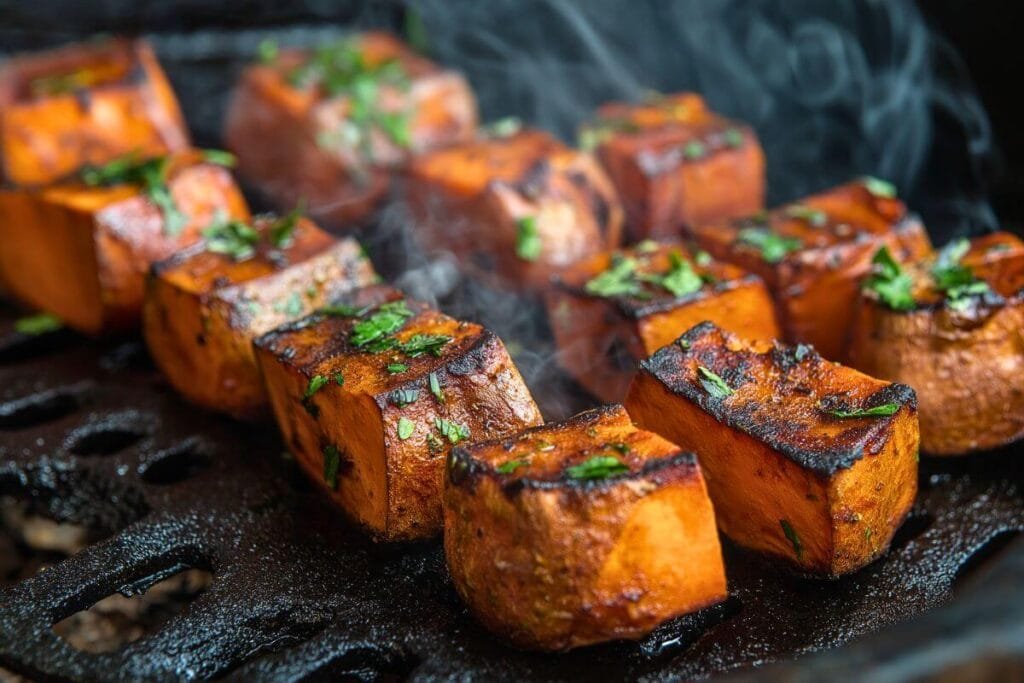
Chunks of smoked sweet potatoes on a grill, seasoned and garnished with fresh herbs – a flavorful and healthy BBQ side dish perfect for smoked sweet potatoes recipes.

Key Takeaways

  • Smoked sweet potatoes are a simple way to add flavor to meals.
  • Creative seasonings and a no-fuss recipe bring out the best in this dish.
  • Good tips make cooking, storing, and serving smoked sweet potatoes a breeze.

What Are Smoked Sweet Potatoes?

Smoked sweet potatoes are just sweet potatoes cooked slow on a smoker, achieving the perfect internal temperature. This gives them a rounded, smoky flavor and a soft, tender texture.

Smoking boosts both taste and nutrition, and honestly, it’s a cool twist on a classic side.

Difference Between Sweet Potatoes and Yams

Sweet potatoes and yams aren’t the same thing, even though people mix up the names all the time. Sweet potatoes have thin, smooth skin and come in orange, white, or purple varieties.

Yams, on the other hand, usually have rough, dark brown skin and pale or white flesh. They’re starchier and not as sweet compared to other varieties of whole sweet potatoes. In most U.S. grocery stores, if you see “yam” on a label, it’s actually a sweet potato, which can be delicious in smoker recipes.

Sweet potatoes have more fiber, potassium, and antioxidants compared to real yams. These nutrients support heart health, digestion, and your immune system.

Benefits of Smoking Sweet Potatoes

Smoking sweet potatoes brings out their natural sugars and adds a smoky depth that you just can’t get from oven baking. The slow cook keeps the potatoes moist and soft.

They’re packed with fiber, potassium, and antioxidants, and those nutrients stick around through smoking, especially if you leave the skins on. The rich flavor goes great with toppings like cinnamon, maple butter, or roasted garlic butter, especially when paired with baked potatoes. You can check out more about smoked sweet potatoes at A Grill For All Seasons.

Smoking is handy if you’re already making meat or other dishes, so you can cook the potatoes at the same time. Smoked sweet potatoes are easy to slice, mash, or just serve whole as a tasty side.

Best Types of Sweet Potatoes for Smoking

Orange-fleshed sweet potatoes are the stars here—think Beauregard, Jewel, or Garnet. They’re easy to find and turn out soft and creamy after smoking.

These orange varieties have more sugar and moisture, which helps them caramelize and soak up the smoke, especially when cooked in an air fryer. Plus, they’re loaded with fiber and potassium.

White sweet potatoes work too, but they’re milder and a bit drier. If you want that classic rich flavor and creamy texture, stick with the orange ones. For more advice, swing by Hey Grill Hey.

Essential Ingredients for Smoked Sweet Potatoes

Great smoked sweet potatoes start with the right potatoes, good seasonings, and finishing touches for the smoke flavor. best results. Each step really does affect taste and texture, especially when you monitor the internal temperature with a thermometer.

Choosing Quality Sweet Potatoes

Pick sweet potatoes that are fresh and firm. Look for smooth skins without bruises or sprouts.

If they’re wrinkled or have soft spots, they’re probably older and won’t taste as sweet. Varieties like Jewel or Beauregard have deep orange flesh and a natural sweetness.

They hold up well in the smoker and keep their shape, especially when using larger sweet potatoes. Sweeter potatoes help you get that rich flavor everyone loves.

Try to grab potatoes that are about the same size so they cook evenly. Give them a good wash and scrub to get rid of dirt, but don’t peel them—the skin helps them hold together during smoking.

Seasoning and Spice Selection

Seasonings bring out the sweetness and add another layer of flavor. Most people stick with salt and pepper as a base. Olive oil helps the seasoning stick and keeps the skin soft.

If you want more flavor, toss in some cinnamon or smoked paprika. Cinnamon adds warmth, and smoked paprika gives a gentle smoky kick. Some folks like garlic powder or regular paprika for a savory note.

Here’s a quick spice mix you can try for your smoked turkey:

  • 1 tsp salt
  • ½ tsp black pepper
  • 1 tsp cinnamon or smoked paprika
  • ½ tsp garlic powder

Brush the potatoes with olive oil and sprinkle the mix on all sides. If you like bold flavors, add more; if you prefer subtle, go lighter. It’s all about what tastes good to you, including the use of hickory for a rich flavor.

Sauces, Glazes, and Toppings

The finishing touches really make smoked sweet potatoes pop. A pat of butter—salted or unsalted—is classic and adds a creamy finish.

Brown sugar or maple syrup give extra sweetness and glaze the potatoes during the last few minutes of cooking. Cinnamon maple butter or just a drizzle of maple syrup makes them taste almost like dessert, as you’ll see in a lot of Popular recipes for traeger smoked sweet potatoes are widely shared online..

If you want a savory vibe, try garlic butter sauce or a sprinkle of smoked paprika with olive oil. Mix and match toppings to find your favorite, including options like smoked turkey and compound butter, or even smoked chicken wings.

  • Butter and brown sugar for that classic combo
  • Maple syrup and cinnamon for deeper sweetness
  • Savory garlic butter for balance can be made with softened butter and herbs.

Each topping gives a different flavor and texture, so don’t be afraid to experiment.

Step-by-Step Guide to Smoking Sweet Potatoes

Smoking sweet potatoes brings out their sweetness and adds smoky depth. If you prep them right and get your Traeger grill set up, you’ll get tasty results every time.

Preparation and Prep Time

Start by washing and scrubbing the sweet potatoes really well. Leave the skins on for extra flavor and nutrients, as they are easily pierced with a fork.

Poke each potato a few times with a fork so steam can escape as they cook. Rub them with olive oil to help the skins crisp and keep them from drying out, ensuring they are easily pierced with a fork.

Add a sprinkle of salt or your favorite seasoning blend. Wrapping them in butcher paper or foil is optional, but it can help keep them moist—especially if you’re using charcoal or a pellet grill.

Prep only takes about 10 minutes. There’s no need to soak or marinate—just get them ready and toss them on the smoker or grill.

How to Smoke Sweet Potatoes on Different Grills

You can smoke sweet potatoes on pellet grills, charcoal grills, or gas grills. On a pellet grill (like a Traeger), set the temp and let the grill do its thing. Place the potatoes directly on the grill grates or use a baking tray if that’s easier.

For charcoal, set up indirect heat—push the coals to one side and put the potatoes on the cooler side. Add wood chunks or chips for more smoke. On a gas grill, turn on just some of the burners and keep the sweet potatoes away from direct flame. Use a smoker box or foil pouch with wood chips to get that smoky flavor.

Keep the potatoes in a single layer so they cook evenly. No matter the grill, close the lid while they cook for the best results. If you want more details for specific grills, check out these smoked sweet potatoes recipes.

Cook Time and Temperature

Set your smoker or pellet grill to 225°F to 250°F. At that temp, sweet potatoes usually take 2.5 to 3 hours, depending on size, which is a long time to cook but worth the wait.

If you’re in a hurry, bump the heat up to 275-300°F and start checking for doneness depending on the size. Test with a fork—they should feel soft all the way through; this indicates the sweet potatoes are done.

Don’t overcook, or they’ll get mushy. If you’re using a pellet grill, just keep the heat and smoke steady for best results.

They’re done when the inside hits about 205°F, perfect for a low and slow cooking method that takes a long time. For more details on timing and temps, check this guide.

Creative Seasoning and Flavor Techniques

Seasoning is where you can get creative. It can highlight the sweetness or give the potatoes a bold, savory kick.

Different spice blends and flavor combos let you go smoky, spicy, or sweet—whatever mood you’re in.

Savory Spice Blends

Smoked sweet potatoes pair well with hickory smoked pork for a delicious combination. herbs and spices like smoked paprika. This brings out the smoky notes, and a bit of cayenne pepper adds gentle heat, making it perfect for smoked chicken wings.

Salt and garlic powder balance the sweetness. Most folks rub the potatoes with olive oil before adding spices so everything sticks and crisps up nicely.

Here’s a classic savory blend you can try with smoked pork:

IngredientAmount
Smoked paprika1 teaspoon
Cayenne pepper¼ teaspoon
Garlic powder½ teaspoon
Kosher salt is essential when you season the sweet potatoes.To taste

Freshly ground black pepper adds a little more depth to your side dish recipes. For something fun, brush on a bit of maple syrup before serving or reheat them in the microwave for a quick side dish. bourbon before seasoning—the alcohol cooks off, but it leaves a richer flavor behind, especially when paired with a little butter.

Sweet and Spicy Combinations

To bring out the sweet notes, cooks usually reach for brown sugar or maple syrup. You can sprinkle either on the potatoes or use them to whip up a quick glaze.

This combo doesn’t just add sweetness—it gives a bit of caramel flavor too.

A classic sweet and spicy pairing? Brown sugar with a pinch of cayenne pepper. Some folks toss in pineapple chunks or a splash of pineapple juice for a tangy twist.

Pineapple keeps things fresh and helps cut through the spice or smoke.

Here’s a simple glaze you might try:

  • 2 tablespoons melted butter
  • 1 tablespoon maple syrup, which can enhance the flavor of larger sweet potatoes.
  • 1 tablespoon brown sugar
  • ⅛ teaspoon cayenne pepper

Mix these together and brush on the potatoes halfway through smoking. Don’t be afraid to tweak the spice or sweetness to fit your taste, especially when using softened butter.

For more ideas, check out smoked sweet potatoes with oil over the top. cinnamon maple butter or experiment with your own toppings.

Serving and Pairing Suggestions

Smoked sweet potatoes fit into all kinds of meals. Their natural sweetness and smoky flavor make them easy to pair with bold or simple dishes.

Smoked Sweet Potatoes as a Side Dish

They work great as a side, offering a flavorful swap for roasted sweet potatoes or fries. The soft texture and rich taste hold up well to herbs and spices.

Try topping with smoked chicken wings for a delicious twist. cinnamon maple butter or a dash of smoked paprika. For a savory spin, black pepper and sea salt do the trick.

They pair nicely with hearty dishes like lentil salad, curried chickpeas, or baked beans. For more side ideas, this guide covers plenty of options.

You can also slice and serve them with brown rice, quinoa, or a light salad for a balanced meal.

Pairing with Main Courses and Vegetables

Smoked sweet potatoes hold their own next to grilled meats like pulled pork, baby back ribs, smoked chicken legs, or BBQ chicken wings. Their sweetness balances out bold, smoky, or spicy mains. See more ideas in this BBQ pairing article.

They also go well with roasted veggies like asparagus, carrots, or broccoli. A simple green salad keeps things fresh.

For a vegetarian meal, toss smoked sweet potatoes with other roasted or grilled veggies, or serve them with a side of compound butter. Top with fresh herbs and a drizzle of olive oil for extra flavor and color.

Try serving them with a light basil vinaigrette, as suggested in this recipe pairing. There are plenty of ways to get creative—or just keep it classic.

Nutritional Benefits of Smoked Sweet Potatoes

Smoked sweet potatoes are loaded with vitamins, minerals, and fiber. They’re also naturally low in calories and work for gluten-free diets, especially when prepared as baked sweet potatoes.

Vitamins and Minerals

These potatoes are a solid source of vitamins A, C, and several B vitamins. One medium sweet potato can give you more than 100% of your daily vitamin A, which is great for vision and your immune system.

Vitamin C helps with skin health and healing. You’ll also get vitamin E, which acts as an antioxidant.

Smoked sweet potatoes have potassium, iron, and manganese. Potassium is key for heart health and fluid balance, while iron helps carry oxygen in your blood. They also offer smaller amounts of calcium and copper.

Key Nutrients Table

Nutrient% Daily Value (per medium sweet potato)
Vitamin AOver 100%
Vitamin C25-30%
Potassium20%
Iron4-8%
Calcium8%

Dietary Fiber and Antioxidants

Sweet potatoes are known for their fiber, which helps digestion and keeps you feeling full, especially when you place the sweet potatoes directly in the smoker. Fiber also slows sugar absorption, which helps control blood sugar levels, particularly when sweet potatoes are done.

They’re packed with antioxidants, especially beta-carotene, which gives them their orange color. These antioxidants protect your cells from free radical damage.

You’ll also find small amounts of vitamin E and vitamin C, both good for your immune system.

Low-Calorie and Gluten-Free Advantages

Smoked sweet potatoes are low in calories—about 100–120 for a medium one. They don’t have cholesterol or unhealthy fats.

Since sweet potatoes aren’t a grain, they’re naturally gluten-free. That makes them safe for people with celiac disease or gluten sensitivity.

You can swap them in for bread or pasta if you need to avoid gluten, especially in popular recipes featuring smoked potatoes. Want more details? Check out the nutrition in sweet potatoes here.

Storage and Reheating Tips

Smoked sweet potatoes last longer if you store and reheat them right, maintaining their delicious smoke flavor. Good storage keeps the texture and smoky flavor intact, especially when using a pellet smoker.

Best Practices for Leftovers

Once they’ve cooled, stash smoked sweet potatoes in an airtight container. Refrigerate them, and they’ll usually stay fresh for up to three days.

To keep them from drying out, wrap the potatoes in foil or plastic before sealing them in the container. If they’re sliced, lay the pieces in a single layer to ensure they finish cooking evenly.

Don’t leave smoked sweet potatoes at room temperature—it’s risky and shortens their shelf life, so ensure they reach an internal temperature before serving. For longer storage, freeze them.

Put portions in a freezer-safe bag, press out the air, and write the date on it.

Tip: If you’re freezing, let the potatoes cool all the way. Wrap each piece in foil before sealing it up. That helps them keep their flavor and texture.

How to Reheat While Preserving Smoky Flavor

To bring back that smoky taste, reheat smoked sweet potatoes in a 300°F oven. Wrap them in foil to keep in the moisture and bake for 15-20 minutes.

This method keeps the flavor and texture spot-on, allowing the smoke to penetrate deeply into the sweet potatoes. kitchen experts.

Microwaving is quicker but can make the potatoes softer. If you go this route, add a splash of water and cover with a damp paper towel.

Reheating Comparison Table

MethodTimeTextureFlavorBest For
Oven15-20 minsFirm, moistSmoky, richWhole or halved pieces
Microwave smoked potato2-3 minsSoft, tenderSlightly lessSmaller portions

Don’t reheat more than once—it dries out the sweet potatoes and kills the flavor. Always make sure they’re steaming hot before serving.

Frequently Asked Questions

Smoked sweet potatoes need some care with timing, temperature, and prep. The wood, cooking method, and steps all shape the flavor and texture.

What is the optimal smoking time for sweet potatoes at 225 degrees Fahrenheit?

Usually, sweet potatoes smoke at 225°F for about two hours. If they’re thick, give them up to 2.5 hours to get tender.

Keep the temperature steady so the smoky flavor really soaks in. You want soft flesh when you poke them with a fork. For more, see this guide on Smoking sweet potatoes at 225 degrees on a grill or smoker enhances their natural flavors..

How can one achieve a crisp texture when smoking sweet potato fries?

Cut sweet potatoes into fries and toss with a little oil. Spread them in a single layer so air and smoke can get around.

Smoke at 250–275°F to help the edges crisp up while ensuring the potatoes are cooked thoroughly. For extra crunch, finish under a broiler or on a hot grill.

Which wood chips pair best with sweet potatoes for smoking?

Apple, cherry, and pecan woods are all good picks. They add a gentle, sweet smoke that doesn’t overpower the potatoes.

I’d skip mesquite and hickory—they’re a bit too strong for sweet potatoes.

What are the preparation steps for a smoked sweet potato casserole?

Peel and dice your sweet potatoes. Smoke them until they’re tender, then mash with butter, brown sugar, and spices.

Spread the mix in a baking dish, top with marshmallows or pecans, and bake until the top is golden. You’ll get smoky flavor in every bite.

Can sweet potatoes be smoked effectively on a pellet grill, and if so, how?

Pellet grills work great for smoked sweet potatoes, ensuring they become fork tender. Preheat to 225°F, rub the potatoes with oil, and season if you like.

Put them right on the grate and smoke for about two hours. Pellet grills keep the heat and smoke nice and steady, which makes them super reliable for this job. See how it’s done for smoking sweet potatoes on a pellet grill.

Is it necessary to wrap sweet potatoes in foil while smoking for better results?

Wrapping sweet potatoes in foil helps them stay moist. But, honestly, it blocks most of that smoky flavor from soaking into the skin.

If you want more smoke and a firmer skin, just leave the potatoes unwrapped while they cook. Prefer a softer skin? Go ahead and wrap them in foil for at least part of the time.

Sour Cream Green Chile Chicken Enchiladas Recipe and Baking Tips

Sour cream green chile chicken enchiladas are easy to make and full of flavor. They bring together tender chicken, tangy green chiles, and a creamy sour cream sauce.

This dish combines savory chicken with a creamy green chile sauce to create a comforting Tex-Mex favorite. It’s perfect for family dinners or gatherings.

Each bite is rich, cheesy, and just a little spicy. If you like a bit of a kick with your comfort food, you’ll probably love these.

Anyone can prepare these enchiladas with simple ingredients and basic kitchen tools. Whether you use leftover chicken or rotisserie chicken, the meal comes together pretty quickly.

Topping the enchiladas with extra cheese and fresh herbs adds flavor and makes the dish look inviting. For a popular recipe example, check out these sour cream and green chile chicken enchiladas.

Freshly baked sour cream green chile chicken enchiladas topped with melted cheese, creamy sour cream drizzle, and chopped cilantro – perfect for a flavorful Mexican comfort food recipe.

Key Takeaways

  • Sour cream green chile chicken enchiladas are creamy, flavorful, and easy to make.
  • Simple steps and common ingredients make this dish family-friendly.
  • You can customize toppings and fillings to fit your taste or diet.

What Are Sour Cream Green Chile Chicken Enchiladas?

Sour Cream Green Chile Chicken Enchiladas are creamy and savory, often showing up as comfort food in Tex-Mex and Southwestern kitchens. They use chili powder to enhance the flavor of the chicken filling. shredded chicken, tangy sour cream, and green chiles for a dish that’s milder and creamier than traditional enchiladas.

Origins of the Dish

Enchiladas started in Mexico, where tortillas have been filled, rolled, and covered in sauce for centuries. Chicken enchiladas were common and often topped with red chili sauce.

The style known as Sour Cream Green Chile Chicken Enchiladas is more popular in Tex-Mex and Southwestern cuisine. This version caught on in the United States, especially in New Mexico and Texas, where green chiles and dairy are staples.

These enchiladas reflect a mix of Mexican traditions and American tastes. Using sour cream and canned green chiles is a newer twist, not something you’d find in classic Mexican food.

Today, they’re a favorite in home kitchens. Many modern recipes Use shortcuts like pre-cooked chicken or store-bought tortillas when following the recipe for convenience.

How It Differs from Traditional Enchiladas

Traditional enchiladas usually have corn tortillas, filled with meat or beans, and are rolled up before being topped with a spicy red or green chili sauce. That sauce is often thin and made from dried chiles or tomatillos.

Sour Cream Green Chile Chicken Enchiladas use a creamy white sauce made from sour cream and green chiles. Cheese and a bit of chicken broth often join the mix, making the sauce thicker and milder than typical enchilada sauces.

The filling focuses on shredded or diced chicken mixed with some of the sauce and cheese, making it a perfect cup of the chicken for your tortillas. The result is richer and not as spicy, so it appeals to people who aren’t into fiery foods. Recipes like these combine comfort and flavor in a way you won’t find in more traditional versions.

Key Ingredients

The taste and texture of Sour Cream Green Chile Chicken Enchiladas really depend on the ingredients you pick. Paying attention to details makes each bite flavorful, creamy, and satisfying, especially with the addition of pepper jack cheese.

Chicken Options

Shredded chicken is the base here. Rotisserie chicken works great because it’s convenient and tender, so prep is fast.

You can also make shredded chicken at home using boneless, skinless chicken breasts or thighs, or you can cook chicken in the instant pot for a quicker option. Just boil, bake, or slow-cook the meat, then shred it with two forks.

Both chopped cooked chicken and pre-shredded rotisserie chicken are fine, but shredded chicken blends better with sauces. If you cook the chicken yourself, season it with salt, pepper, and a little garlic powder for more flavor.

White or dark meat? That’s up to you, but dark meat usually stays moister.

For a vegetarian twist, swap in black beans or a mix of beans and vegetables instead of chicken.

Sour Cream and Dairy Components

Sour cream gives the sauce its creamy texture and a touch of tang, perfect for chicken enchiladas with green. Most recipes use light or full-fat sour cream—full-fat is richer, light is a bit less heavy but still creamy.

Some folks add a splash of milk or cream for a thinner, silkier sauce. Blending sour cream with a little milk helps keep the sauce from getting too thick in the oven.

Sometimes people toss in a bit of softened cream cheese for extra texture. If you’re lactose intolerant, there are lactose-free sour cream and milk options out there for your chicken enchiladas recipe.

Choosing Green Chiles

Green chiles add mild heat and a signature flavor. Canned diced green chiles are super common, easy to use, and come in mild to medium heat, making them a great addition to your enchilada sauce and sour cream mixture. They mix right into the sauce and filling.

If you want a bolder, more authentic taste, try chopped roasted green chile peppers—Hatch chiles are especially good when following the recipe. Fresh green chiles work too, but roast and peel them first for the best flavor and texture.

Some recipes use green enchilada sauce or follow the recipe for a homemade version. salsa verde instead of fresh or canned chiles. That adds moisture and even more chile flavor. Give your chiles a taste before adding them to the chicken filling, just to check the heat and adjust with a pinch of salt and pepper if necessary.

Best Cheese Varieties

Monterey Jack cheese is the classic choice for its meltability and mild taste. It melts smoothly and has a creamy texture—perfect for topping enchiladas.

Some cooks mix Monterey Jack with sharp cheddar for extra flavor. Colby Jack or mozzarella also work if you want more creaminess.

Pre-shredded cheese is convenient, but grating cheese from a block melts more evenly. For a golden crust, sprinkle a mix of cheddar and Monterey Jack on top before baking.

Low-fat shredded cheese doesn’t melt or brown as well, so skip that if you can.

Selecting and Preparing Tortillas

The tortillas you choose affect both the texture and flavor of these enchiladas. How you prep them also matters if you want to avoid tearing or sogginess in your easy green chile enchiladas.

Flour vs. Corn Tortillas

Flour tortillas are a popular pick because they’re soft, flexible, and don’t break when rolled. They soak up sauces and hold their shape in the oven.

Most recipes, like these creamy green chile chicken enchiladas, go with flour tortillas. Corn tortillas are more delicate and can tear if you don’t warm or soften them first.

Corn tortillas add a distinct flavor, though. If you need a gluten-free option, corn tortillas work, but heat them in a skillet or dip them quickly in warm sauce to keep them from cracking.

Don’t overfill the tortillas, and always coat the bottom of your baking dish with a little salsa or sauce first. That helps keep everything from getting soggy.

Soft Taco Size Flour Tortillas

Soft taco size flour tortillas are usually about 8 inches across. They’re easy to fill and roll, and they fit perfectly in a standard 9×13 inch baking dish.

The uniform size means even baking and consistent portions. Warm the tortillas in the microwave, on a skillet, or dip each one for about 30 seconds in warm salsa verde, like in this step-by-step recipe.

This makes the tortillas more pliable and less likely to break. Here’s a quick comparison table:

Tortilla TypeTextureFlavorBest Prep Method
Flour (Soft Taco Size)Soft, sturdyMild, neutralWarm or dip in sauce
CornDelicateCornHeat or dip in sauce

Picking the right size and prepping your tortillas properly makes for evenly cooked, easy-to-serve enchiladas.

Making the Green Chile Sour Cream Sauce

A rich, creamy green chile sour cream sauce is what really makes these enchiladas shine. This sauce uses butter, chicken broth, sour cream, and green enchilada sauce for a smooth, mild base, perfect for drizzling over dry enchiladas.

Cooking Techniques

Start by melting butter in a saucepan over medium heat. Whisk in a bit of flour until it’s lightly golden and smooth—this helps the sauce thicken later.

Slowly pour in chicken broth and keep stirring to avoid lumps. Let it simmer gently for a few minutes. The broth adds depth and brings the flavors of the green chile enchilada sauce together.

Add the green enchilada sauce Next for that signature chile kick, add the chicken to the mixture for a hearty filling. Stir well, then lower the heat so the dairy doesn’t curdle.

Take the pan off the heat and stir in the sour cream until it’s completely smooth. Keeping the heat low, or even removing it, keeps the sauce creamy and prevents curdling.

Pour the sauce over the rolled enchiladas before baking. If you want a quick walkthrough, check out these sour cream and green chile chicken enchiladas.

Balancing Flavors

Getting the flavors right matters. Green enchilada sauce or diced green chiles add gentle heat and tanginess—choose mild or medium, whatever you like.

Sour cream gives the sauce its creamy, tangy base. Full-fat or light both work. If the sauce feels too thick, thin it with a splash of chicken broth.

If it tastes bland, toss in a pinch of salt, pepper, or a little cumin. Here’s a simple seasoning blend:

  • 1/2 teaspoon salt
  • 1/2 teaspoon cumin
  • 1/4 teaspoon black pepper

Taste the sauce before you use it and adjust as needed. Let it cool slightly so it thickens up before pouring it over your enchiladas. For more ideas on combining flavors, check out these tips for sour cream chicken enchiladas.

How to Prepare the Chicken Mixture

A flavorful chicken mixture is key for tasty sour cream green chile chicken enchiladas. Start with cooked chicken and blend in the right seasonings, sour cream, and salsa for extra taste and moisture.

Mixing Ingredients for the Filling

Start with about 2 cups of cooked, shredded chicken. Rotisserie chicken is a handy shortcut, and honestly, it just works.

Put the chicken in a large casserole dish. Add ¾ cup of sour cream for that creamy, rich base.

Sprinkle in 1 teaspoon each of dried oregano and ground cumin for a little extra kick. Toss in canned diced green chiles or around ½ cup of green salsa for a tangy note.

Grab a spoon or spatula and mix until every piece of chicken is coated, following the recipe for even distribution. The filling should look moist but not soupy—aim for a texture that’ll stay put in a tortilla.

That’s your filling, ready for tortillas. If you want to play with flavors, this chicken enchilada recipe has more ideas.

Step-by-Step Assembly Instructions

Putting together enchiladas isn’t hard. Just a few steps, and you’re good to go.

Filling Tortillas

Lay out your flour or corn tortillas on a clean counter or a big cutting board, ready to be filled with your tasty enchilada filling. If they feel stiff, zap them in the microwave for a few seconds so they’re flexible.

Spoon the chicken mixture into the center of each tortilla. Don’t skimp on the sauce—it keeps things juicy.

Stick to about 1/4 to 1/3 cup of filling per tortilla. Too much and they’ll tear, which is just a pain.

Fold one side over the filling, then roll it up tight. Set each one seam-side down so they hold together in the oven, ensuring they are filled with a delicious enchilada filling.

Arranging in Baking Dish

Lightly spray a casserole dish before adding your ingredients. 9×13-inch baking dish (or whatever fits) with cooking spray. Spread a thin layer of green chile or enchilada sauce over the bottom—just enough to coat it.

Line up the filled tortillas, seam-side down, in the dish. Keep them close, following the recipe, but don’t cram them in too tightly. If you run out of room, grab a smaller dish for the extras.

Pour the rest of your sauce over the top, making sure everything’s covered. Sprinkle cheese or any other toppings you like.

Now you’re ready to bake. For more step-by-step help, check out this guide on following the recipe. sour cream and green chile chicken enchiladas guide.

Baking and Finishing Touches

Getting the baking right really brings out the flavors and melts the cheese just right. These last steps make a creamy, flavorful dish that’s honestly hard to mess up.

Baked sour cream green chile chicken enchiladas in a cast iron skillet, topped with melted cheese and fresh cilantro – a hearty and flavorful dish perfect for Mexican-inspired dinner recipes.

Baking Times and Temperatures

Preheat your oven to the recommended temperature for easy white chicken enchiladas. to 375°F (190°C). Place the enchiladas in the dish and pour the green chile sauce over everything.

Cover with foil to keep in moisture and protect the cheese. Bake for 20 minutes with the foil on to let things heat through and the flavors blend.

Take off the foil and bake another 10-15 minutes. You’re looking for bubbly cheese, maybe a little golden around the edges.

If you want to be sure, use a food thermometer to check that the internal temp hits at least 165°F. If you’re baking from cold, tack on an extra 5-10 minutes.

There’s a detailed walkthrough in this green chile chicken enchilada recipe if you want more specifics.

Melting Cheese Correctly

The cheese makes a big difference here. Monterey Jack and cheddar are a classic combo—they melt well and taste great.

Pre-shredded cheese is convenient, but if you grate it yourself, it melts even better. Those anti-caking agents in pre-shredded can sometimes mess with the texture.

Spread cheese evenly over the enchiladas after you add the sauce. Keep the foil on for the first part of baking so the cheese gets gooey and smooth.

Take the foil off halfway through, so the cheese can bubble and brown a bit. If you want it extra crispy, stick the dish under the broiler for a minute or two at the end—but watch it closely so it doesn’t burn.

The end result? Gooey, slightly golden cheese that’s just begging to be scooped up. For more tips, check this Here’s an easy enchilada casserole guide that includes chicken enchiladas with green..

Toppings and Garnishes

Toppings aren’t just for looks—they add freshness, crunch, and a way for everyone to tweak their own plate with a sprinkle of salt and pepper.

Green Onions and Cilantro

Green onions and cilantro are classic on enchiladas. Sliced green onions give a mild crunch and a bit of sharpness right on top.

Sprinkle them over the hot enchiladas just before serving so they keep their flavor. Cilantro adds a bright, herbal note and a pop of green.

Chop fresh cilantro for the best taste. Some folks pile it on, others just want a sprinkle—it’s totally up to you.

Both toppings help balance out the richness from the sour cream and cheese. Serving them in little bowls at the table lets everyone customize their plate.

Salsas and Other Finishing Touches

Salsa, avocado, or lime can really wake things up. Salsa brings acidity and maybe a little heat—store-bought or homemade both work.

Tomato salsa or salsa verde are both solid choices. Go mild if you’re not into spice.

Avocado slices or diced avocado add creaminess and color. Want something sharper? Try thinly sliced radish or a bit of diced red onion.

A dollop of sour cream is always welcome. Shredded lettuce adds crunch, and a lime wedge brightens everything up. For more topping ideas, check out how they do it at Jam Jar Kitchen.

Serving Suggestions

These enchiladas really shine with sides that cut through the richness. Colorful toppings help make the whole dish look more inviting, too.

Side Dishes That Pair Well

Traditional Mexican sides pair perfectly here. Refried beans or Spanish rice are always welcome and don’t overpower the flavors.

Black beans with a dash of cumin or garlic add some protein and fiber. A salad of shredded lettuce and sliced tomatoes brings crunch and a bit of color.

Avocado slices or a lime wedge give a cool, creamy balance and a hint of brightness. Want something lighter? Consider following the recipe for a refreshing salad. Grilled corn or a simple cucumber salad work nicely, especially when following the recipe closely.

Some people like to serve enchiladas with tortilla chips and salsa. For dessert, sopapillas or churros are a sweet way to finish. More side ideas can be found in these side dish suggestions.

Presentation Tips

Arranging enchiladas neatly makes them look even more appetizing. Keep them tightly wrapped and lined up in the baking dish for even portions.

Spoon a little extra green chile enchilada sauce and melted cheese on top before serving. Garnish with fresh cilantro, chopped scallions, or sliced green onions for a pop of color.

Add a few avocado slices and maybe a dollop of sour cream or salsa on the side. A lime wedge at the edge adds a nice touch to your green chile enchilada presentation.

Using a plate with a contrasting color—blue or white, for example—really makes the enchiladas stand out. Offer sides in small bowls so everyone can build their own plate.

That way, guests can add beans, rice, or lettuce just how they like it. For more serving inspiration, check this enchilada serving guide.

Storing and Reheating Leftovers

Storing enchiladas right keeps them fresh and creamy. The right reheating method, following the recipe, brings back the flavor and avoids sogginess.

Best Practices for Refrigerating

Let chicken enchiladas cool to room temperature before storing. Put leftovers in an airtight container so they stay moist and don’t pick up any weird fridge smells.

They’ll keep for up to three days in the fridge. It helps to label the container with the date, so you don’t forget about them, especially if they contain homemade cream.

When you’re ready to reheat, use an oven set to 350°F for your easy green chile enchiladas. 350°F. Cover the enchiladas with foil to keep them from drying out and bake for about 15–20 minutes until hot.

If you’re in a hurry, microwave individual portions. Just use a microwave-safe cover to avoid splatters.

If the sauce seems a bit dry after chilling, add a spoonful of milk or sour cream before reheating. For more storage tips, check recipes like these green chicken enchiladas.

Freezing for Later

If you want to freeze enchiladas, let them cool completely first. Arrange them in a freezer-safe container or wrap the dish tightly in plastic wrap, then foil.

They’ll keep well for up to three months. Write the date on the package so you know how long they’ve been in there, following the recipe guidelines for freshness.

To reheat, thaw overnight in the fridge if you can. Then bake at 350°F, covered with foil, for about 25–30 minutes or until they’re hot all the way through.

You can also microwave individual portions from frozen, but honestly, the texture is better if you thaw them first. For more freezing tips, check out sites with chicken enchilada storage directions.

Variations and Dietary Modifications

Sour cream green chile chicken enchiladas are super flexible. People love to switch up the sauce, fillings, or tortillas to suit their tastes or dietary needs.

White Chicken Enchiladas

White chicken enchiladas use a creamy sauce made from sour cream, cream cheese, and green chiles. It’s rich and smooth—definitely comfort food territory.

Some folks use rotisserie or shredded chicken to save time. Monterey Jack or mozzarella cheese adds extra creaminess and flavor.

Oregano, cumin, and lime juice are pretty common seasonings. You can use corn or flour tortillas, but honestly, flour tends to be softer, which most people prefer.

To keep things moist, cook the chicken with the sauce before rolling it up. Bake until the sauce is bubbling and the cheese is melted, creating a delicious layer of cheese sauce on top.

These creamy enchiladas are a fun twist on taco night or any comfort meal. For ingredient ideas and more tips, check out Carlsbad Cravings.

Vegetarian and Gluten-Free Options

Vegetarian versions swap chicken for beans, roasted veggies, or tofu. Black beans, pinto beans, and sautéed zucchini all work great here.

Roasted peppers, onions, and corn bring more flavor and a splash of color, following the recipe for the best results. Stick with the same green chile and sour cream sauce, but double-check broths for vegetarian-friendly labels if you’re picky about that stuff.

For gluten-free tweaks, grab corn tortillas instead of flour. Always check the labels—especially on canned green chiles and sauces—since gluten can sneak in. Plenty of brands have certified gluten-free options, but it’s worth a look.

If you want to skip dairy, try plant-based sour cream and cheese. Some folks blend softened cashews with lemon juice for a creamy sauce base, which is a nice touch. These swaps open up enchiladas to more people, and honestly, you’re not missing out on that creamy, tangy flavor. There are more ideas in recipes like those at The Defined Dish is a great resource if you want to learn more about following the recipe..

Frequently Asked Questions

Sour cream green chile chicken enchiladas get their creamy, tangy kick from the sauce and a blend of cheeses. A bunch of different ingredients and methods can change up the flavor, texture, or how fast you get dinner on the table.

How do I make a white sauce for sour cream green chile chicken enchiladas?

Start by melting butter in a pan, then whisk in flour to make a roux. Slowly add milk or chicken broth, whisking until it thickens up.

Take the pan off the heat and stir in sour cream and chopped green chiles. That’s your creamy, mild sauce—easy enough, right?

What is the easiest method to prepare sour cream green chile chicken enchiladas?

The quickest way? Use pre-cooked or rotisserie chicken. Mix the chicken with sour cream, green chiles, and some spices, then fill tortillas and roll them up.

Arrange them in a baking dish, pour sauce and cheese over the top, and bake until bubbly. If you’re in a hurry, layer tortillas, chicken, sauce, and cheese for a casserole, like the one in this Allrecipes version.

Can cream cheese be incorporated into the sour cream sauce for green chile chicken enchiladas?

Absolutely, cream cheese adds extra richness and makes the sauce thicker. Let it soften first, then beat it into the sour cream and green chile mixture until it’s smooth.

You’ll notice the sauce turns velvety and just a bit tangy—pretty irresistible, honestly.

What are the steps to make the Allrecipes version of sour cream green chile chicken enchiladas?

Start by layering cooked, shredded chicken, tortillas, sour cream, green chiles, and cheese in a baking dish. Keep stacking those layers until you run out of ingredients.

Top with more cheese and bake until everything’s hot and the cheese is melted. The full details and measurements are over at the Allrecipes green chile chicken enchilada casserole recipe.

What’s a good cheese to use in green chile chicken enchiladas?

Monterey Jack melts beautifully and has a mellow flavor that works well here. Cheddar or a Mexican blend are solid choices too.

Some recipes even add a bit of cream cheese for extra creaminess, if you’re into that sort of thing.

Can you recommend any tips for achieving the best results when making sour cream green chile chicken enchiladas?

Lightly warm your tortillas before rolling them up—otherwise, they tend to rip and that’s just frustrating. Freshly shredded cheese melts so much better, so skip the pre-shredded stuff if you can.

If you’re short on time, grab a rotisserie chicken and follow the recipe for quick preparation. It works great and cuts down on prep.

Let the enchiladas rest for a few minutes after baking. That way, the sauce sets a bit before you dive in.

Bacon Wrapped BBQ Chicken Bites: Easy Grilling Recipe & Delicious

Bacon wrapped BBQ chicken is a fun way to turn basic chicken into a smoky, flavor-packed meal that stands out at any get-together or family dinner.

This recipe brings together tender chicken, smoky bacon, and tangy barbecue sauce for a tasty dish that’s quick to make and always a crowd-pleaser.

You can bake it in the oven or grill it outdoors. Either way, you get savory chicken with crispy bacon and a sticky BBQ glaze.

Just wrap chicken pieces with bacon, brush on your favorite barbecue sauce, and bake or grill until the chicken’s cooked through and the bacon’s crisp.

Grilled bacon wrapped BBQ chicken wings sizzling on an outdoor barbecue – a mouthwatering recipe idea for bacon wrapped BBQ chicken perfect for summer cookouts and smoky flavor lovers.

Anyone can pull off this dish at home with a few simple steps and everyday ingredients. If you want more detailed tips, check out this Bacon Wrapped BBQ Chicken recipe.

Key Takeaways

  • Bacon wrapped BBQ chicken is simple and quick to make.
  • The recipe uses chicken, bacon, and barbecue sauce as its core.
  • There are easy ways to change up the flavor or store leftovers.

What Is Bacon Wrapped BBQ Chicken?

Bacon wrapped BBQ chicken combines juicy chicken with savory bacon and smoky barbecue sauce. It’s popular because it balances sweet and spicy flavors, making it perfect for family dinners or party snacks.

Origins And Popularity

This dish traces back to classic American barbecue traditions, often featuring bacon around the chicken. Home cooks started wrapping chicken in bacon to boost moisture and flavor, especially when grilling or baking.

Now, you’ll find bacon wrapped BBQ chicken at backyard cookouts and potlucks everywhere. It’s a go-to for appetizers or main courses because it’s easy and uses common ingredients.

Food blogs and recipe sites love putting their own spin on chicken wrapped with bacon from Jones Dairy Farm. Some suggest marinating the chicken in barbecue sauce before wrapping it in bacon for even more flavor, like in this barbecue bacon wrapped chicken bites recipe. BBQ chicken recipe.

Types Of Chicken Cuts Used

Chicken breasts, tenderloins, and sometimes thighs are the top picks for bacon wrapped BBQ chicken.

Chicken breasts are lean and sturdy, so they hold up well on the grill or in the oven. Tenderloins cook fast and make great bite-sized pieces, while thighs offer a juicier, richer bite thanks to their higher fat content.

People often use small pieces like tenders or cubed breasts for appetizers and finger foods. Larger cuts make a hearty dinner. Choose the cut that fits how you want to serve it and what texture you prefer. Bites, strips, or whole breasts each have their own vibe—see these bacon wrapped BBQ chicken bites for a delicious option. chicken tender recipes for ideas.

Key Flavor Profiles

This dish brings sweet, spicy, and savory flavors together. Bacon lends smokiness and salt, keeping the chicken juicy as it cooks.

Barbecue sauce adds sweetness and a little heat, usually with brown sugar, honey, garlic, or chili powder mixed in, especially when used in homemade BBQ sauce. Some versions turn up the spice with hot sauce or pepper flakes, while others lean sweet with honey barbecue or a sprinkle of brown sugar before baking, topped with remaining BBQ sauce.

The mix of crispy bacon, moist chicken, and sticky BBQ glaze hits all the right notes. You can serve it as a main course or as party-friendly chicken bites like these chicken bites.

Essential Ingredients

For bacon wrapped BBQ chicken, picking the right chicken, bacon, and seasonings makes all the difference. Each ingredient shapes how the dish tastes and cooks.

Choosing The Right Chicken

Chicken is the star here, so how you prep it matters. Most people use boneless, skinless chicken breasts since they’re juicy and easy to wrap. Chicken tenders work too, especially for quicker cooking or appetizers.

Bone-in cuts aren’t the best for this recipe—they take longer and make wrapping tricky. Aim for pieces of similar thickness for even cooking.

Trim off extra fat or uneven bits so the chicken cooks through without drying out. Pat the chicken dry before seasoning and wrapping to help the bacon stick and crisp up.

If you have time, a quick marinade of salt, garlic, and pepper adds flavor. Make sure the chicken cooks to a safe temperature of at least 165°F.

Selecting The Best Bacon

Thick-cut bacon is usually best for wrapping around chicken thighs. It holds up during baking and gives a satisfying bite.

Thin bacon can crisp up too fast and fall apart, while extra-thick slices might end up chewy or undercooked. Use uncooked bacon so it cooks with the chicken and the flavors blend together. Smoked bacon—especially applewood or hickory—adds a classic barbecue taste.

Lay out the bacon strips and stretch them gently before wrapping. This helps them cover the chicken evenly. Some folks pre-cook the bacon a bit, but most prefer wrapping it raw to keep everything moist and flavorful.

Sauces And Seasonings

You can’t skip barbecue sauce for this recipe. Sweet or spicy varieties both work, so pick your favorite. Brands like Cattlemen’s or homemade sauces are great, especially for baked chicken breasts.

Brush some sauce on before baking and again right before serving for color and flavor. Simple seasonings like salt, pepper, garlic powder, and smoked paprika add depth. Kosher salt and fresh ground black pepper really do make a difference.

If your barbecue sauce is already bold, go easy on extra spices when you season the chicken. Let the sauce caramelize in the oven for that classic finish, especially when making bacon wrapped barbecue chicken. All these little touches build a balanced, tasty bite.

Step-By-Step Recipe Instructions

Bacon wrapped BBQ chicken brings together juicy chicken breasts, savory bacon, and sweet barbecue sauce. The process is straightforward—prep, assemble, cook, and keep an eye on timing and temperature.

Preparation And Assembly

Start by trimming extra fat from the chicken breasts. Pat them dry with paper towels so the spices stick and the bacon crisps up.

If you want more flavor, marinate the chicken in barbecue sauce for at least 30 minutes in the fridge. Lay out 2 or 3 strips of bacon per chicken breast. Place the chicken at one end and roll it up tight so the bacon covers everything, then preheat the oven.

Secure each piece with toothpicks to keep the bacon in place. Brush extra barbecue sauce on top of the bacon wrapped barbecue chicken for added flavor. If you’re feeling it, sprinkle a little black pepper or smoked paprika for extra kick. Arrange the chicken wrapped in bacon in a baking dish or on a foil-lined sheet for easy cleanup.

Cooking Methods

You can bake or grill bacon wrapped BBQ chicken. Baking gives even heat and makes the bacon crispy, especially when wrapping chicken thighs. Preheat your oven to 400°F (about 204°C). Place the chicken in a single layer and don’t overcrowd the pan.

If you want that smoky grilled flavor, fire up the grill to medium-high. Put the bacon-wrapped chicken on the grates and turn it now and then so each side cooks evenly. To avoid flare-ups from dripping fat, use indirect heat or place bacon on a wire rack under the chicken.

Baking or grilling both work well. Halfway through, baste with more BBQ sauce for a sticky, caramelized finish. For more method details, check Tastes of Lizzy T’s recipe.

Timing And Temperature

Getting the timing and temperature right is key. Bake at 400°F for 25–30 minutes, or until the bacon browns and the chicken hits an internal temperature of 165°F. Use a meat thermometer to check the thickest part.

If you’re grilling, cook for about 20–25 minutes, turning every few minutes to keep the bacon from burning and to cook evenly. If the bacon’s not crispy enough, pop the chicken under a broiler for 2–3 minutes—but watch it closely.

Let the chicken rest for 5 minutes before serving. That keeps the juices in and makes the chicken extra moist. For more timing tips, see Dishing Delish’s guide.

Flavor Enhancements And Variations

There are tons of ways to make bacon wrapped BBQ chicken pop at dinner. Sweet coatings, spicy rubs, and even cheesy fillings can totally change things up.

Adding Sweetness With Brown Sugar

Brown sugar is a classic for adding sweetness. Sprinkle light or dark brown sugar over the bacon before baking and it caramelizes in the oven.

The sugar melts and creates a sticky coating that goes great with smoky BBQ sauce. The sweetness balances out the salty bacon and tangy sauce. Some folks add honey or maple syrup for a twist, but brown sugar is the go-to.

Try mixing brown sugar with a bit of smoked paprika for more depth. It only takes a minute and gives the chicken a nice glazed finish.

Sweet Add-OnsUse With Bacon or SauceFlavor Note
Brown SugarSprinkle on baconSweet, caramelized
HoneyBlend with BBQ sauce to brush the chicken before cooking.Sticky, rich
Maple Syrup wrapped in baconBrush on at the endWarm, deep sweet sauce and bacon create a delicious combination.

Spicy And Savory Twists

Spice fans love mixing cayenne, chili powder, or a splash of hot sauce into BBQ sauce. That heat cuts right through the richness of bacon and cheese.

For a smoky vibe, toss in some chipotle or smoked paprika with the chicken seasoning. Some cooks go for a rub of garlic powder, black pepper, onion powder, or paprika before wrapping.

Jalapeños—or if you’re bold, serrano peppers—can slip inside the chicken for an extra punch. You’ll see this trick in plenty of grilled bacon wrapped BBQ chicken recipes.

Want more savory depth? Stir a bit of Worcestershire or soy sauce into the marinade. Mixing spicy and savory flavors keeps every bite interesting and lets you dial the heat up or down as you like.

Cheesy Bacon BBQ Chicken Techniques

Cheese and smoky BBQ are basically best friends. One crowd-pleaser is stuffing chicken breasts with cheese before wrapping them in bacon and brushing the chicken with barbecue sauce.

Cream cheese and shredded cheddar melt smoothly and add a rich taste. Grated parmesan sprinkled on top near the end of baking gets golden and crisp, adding a nice texture.

Some folks even mix a little ranch dressing into the cheese filling for a creamy, tangy kick. Drizzling ranch over the finished chicken, right before serving, gives a cool contrast to all that savory flavor.

Serving Suggestions

Bacon wrapped BBQ chicken makes a solid main dish for dinner. It pairs up with all sorts of classic and healthy sides.

The right presentation can really make barbecue bacon wrapped chicken bites pop on the plate. A little planning keeps the meal balanced and filling.

Pairing With Sides

Pick sides that complement or contrast the smoky, savory bacon and BBQ sauce. Creamy mac and cheese, roasted or mashed potatoes, and classic potato salad are always hits.

Baked beans, corn on the cob, and steamed veggies like broccoli or green beans work well too when served with chicken wrapped in bacon. Lighter picks—think crisp green salad or cucumber salad—add freshness and balance out the richness.

Cornbread, dinner rolls, or rice round out the meal if you want something extra. Try to throw in at least one veggie for color and nutrition.

When you have a family dinner, offering a few sides lets everyone build their own plate and keeps things fun for all ages.

Presentation Tips

Neat plating makes bacon wrapped BBQ chicken look way more inviting. Set the chicken in the center and arrange the sides around for a tidy, appetizing look.

A sprinkle of fresh herbs like parsley or chives adds a pop of color. If you’re using BBQ sauce, drizzle a bit on top or around the plate for that restaurant touch.

For casual meals, pile everything on a big platter so guests can help themselves, including extra sauce and bacon on the side. Fancy dinner? Use contrasting plates and napkins to make the chicken and sides stand out.

Slicing the chicken before serving makes it easier for kids or guests to eat—especially handy at parties or potlucks.

Meal Planning Ideas

Plan portions based on the size of your chicken and how many people you’re feeding. One or two pieces per person usually does the trick, depending on sides and appetites.

Make extra for leftovers; it reheats well for lunch. Store leftovers in an airtight container and use within three days.

For big dinners, double the batch and keep some chicken warm in the oven. When serving with sides like roasted veggies or potatoes, bake them alongside the chicken to save time.

This dish fits both busy weeknights and weekend gatherings. Just adjust sides and servings as needed for your crew.

Nutrition Information And Weight Watchers Points

Nutrition and Weight Watchers points matter to a lot of people making bacon wrapped BBQ chicken. Knowing the calories, protein, and healthy swaps lets you tweak the recipe for your needs.

Calorie And Macronutrient Breakdown

Bacon wrapped BBQ chicken usually packs plenty of protein and a moderate amount of calories. For example, a bacon wrapped chicken tender clocks in at about 106 calories and a solid protein boost.

BBQ chicken bacon wraps can hit around 322 calories per wrap, depending on what you use and how big you make them.

Here’s a quick breakdown for a typical serving (1 bacon wrapped chicken tender):

NutrientAmount
Calories may vary depending on whether you choose bacon wrapped barbecue chicken or other options.106
Protein13g
Carbohydrates2g
Fat5g

Wrap versions usually have more calories but can offer up to 37 grams of protein per serving, especially if you use low-cal tortillas or lean chicken. To keep calories in check, go for center cut bacon and skinless, boneless chicken.

How To Track With The WW App

Tracking bacon wrapped BBQ chicken in the WW app is pretty straightforward. You can enter recipes manually or search for premade entries by name.

Barbecue bacon wrapped chicken tenders usually land at about 1 WW Point each, while wrap versions might be 6 to 8 points depending on size and ingredients.

For accuracy, plug all the ingredients and amounts into the recipe builder in the app. It’ll calculate points per serving based on your plan.

You can also scan barcodes on packaged ingredients for even more precise tracking. The app’s tools make it easier to see if this meal fits your daily or weekly points, which helps avoid going over your target.

Healthier Ingredient Substitutions

There are a bunch of ways to lighten up bacon wrapped BBQ chicken. Try center cut or turkey bacon to cut fat.

Pick sugar-free BBQ sauce to lower carbs and added sugars, which can drop the WW points too.

Use chicken breast instead of thighs for less fat and more protein. For wraps, whole wheat or low carb tortillas are good swaps.

Adding veggies like lettuce, tomato, or onions boosts nutrition without many extra calories. Mix and match these swaps for your taste and goals. Every change can be updated in the app for a new point value.

Even small tweaks—like switching to lighter BBQ sauce—can make a big difference in the meal’s calories and points.

Storage And Reheating

Bacon wrapped BBQ chicken needs careful storage to stay safe and tasty. Airtight containers and smart reheating keep the chicken moist and the bacon from getting soggy.

Proper Storage Methods

Let the chicken cool to room temperature before storing. Don’t leave it out longer than two hours.

Pop the chicken into an airtight container to keep it moist and stop the bacon from turning rubbery. Get it in the fridge as soon as it’s cooled.

Eat refrigerated leftovers within three days for best taste. Slap a date on the container so you know how long the bacon wrapped BBQ chicken bites have been in there.

Plastic wrap adds an extra layer of protection. If you’re stacking pieces, put parchment paper between layers to keep them from sticking. For more details, check this bacon wrapped chicken storage guide.

Reheating For Best Results

Reheat bacon wrapped BBQ chicken the right way to keep it juicy and the bacon crisp; remove from the oven when the chicken is no longer pink. Let it sit at room temperature for about 10 minutes before reheating the bacon wrapped barbecue chicken.

The oven works best. Preheat to 350°F (175°C), set the chicken on a baking sheet, and cover loosely with foil. Bake for 10-15 minutes or until hot.

For small portions, use the microwave. Place the chicken on a microwave-safe plate, cover with a damp paper towel, and zap it in 30-second bursts until hot. The bacon probably won’t stay as crisp as in the oven, but it’s quick.

In the air fryer, set it to 350°F and heat for 5-7 minutes. This helps re-crisp the bacon. Try not to reheat more than once—texture goes downhill after that.

Freezing Tips

Need to store it longer? Freeze bacon wrapped BBQ chicken bites in a freezer-safe container for future meals. freezer-safe container Store in a heavy-duty freezer bag with remaining BBQ sauce for extra flavor.

Wrap each piece tightly in plastic wrap before freezing to avoid freezer burn. Label the package with the date and use within three months For best flavor, use a slice of bacon to wrap around your chicken.

Freeze in single layers with parchment paper between pieces, so you can grab just what you need. Thaw in the refrigerator overnight—never at room temp. That keeps the texture and taste intact.

For more freezing advice, check this chicken freezing guide. Reheat thawed chicken using the methods above for a meal that still tastes fresh.

Common Mistakes And Troubleshooting

Bacon wrapped BBQ chicken can be tricky if you’re not careful. Bacon texture is enhanced when you use thick cut bacon. chicken juiciness, and sauce handling all matter.

Bacon Cooking Unevenly

Bacon sometimes cooks unevenly because of wrapping or temperature mistakes. Thick bacon takes longer to crisp, so parts can end up chewy while others burn.

Thinner bacon strips cook at the same rate as the chicken. Don’t overlap bacon too much—just enough to cover the piece of chicken, but not double up.

Place the bacon seam side down on the baking tray to help seal it while cooking. Bake at a moderate temp like 375°F so both bacon and chicken cook through.

Turn the chicken halfway for even browning. If the grill or oven’s too hot, bacon crisps too fast and the chicken stays underdone. Try indirect heat on the grill or use a raised rack in the oven for better air flow.

Chicken Dryness Solutions

Dry chicken usually means it was overcooked or not prepped right before cooking. Try brining chicken breast in a saltwater mix for 20-30 minutes before wrapping—it helps keep things juicy and adds a bit of flavor.

Pull the chicken off the heat when its internal temperature hits 165°F. A digital thermometer is your best bet for accuracy.

Chicken keeps cooking a little after you take it off the heat. That extra bit is called carryover cooking.

Bacon does help lock in moisture, but using the right thickness of breast matters even more. Thin pieces dry out fast.

Go for medium thickness if you want even cooking. If you’re grilling, steer clear of direct flames since they’ll dry out the meat.

Adjust your cook time depending on the size of each piece. For more on chicken breast grilling and moisture, check out this chicken breast on pellet grills discussion.

Preventing Sauce Burn

BBQ sauce burns easily because of all that sugar. To dodge that, brush sauce on only during the last 10-15 minutes of cooking.

If you sauce too early, it’ll just caramelize and burn before the chicken’s done. Use a brush for even coating of the barbecue sauce and wrapped chicken, and keep an eye on it.

Covering the chicken with foil for part of the cook can help shield the sauce from direct heat. On the grill, keep the heat low during saucing or move the chicken to a cooler spot.

In the oven, bake until almost done, then add the sauce for the final stretch. That way, you keep the smoky-sweet flavor and skip the bitter, burnt mess.

If you want to dig deeper into bacon BBQ chicken baking, there’s a solid recipe here.

Frequently Asked Questions

Cooking bacon wrapped BBQ chicken takes a little care if you want it flavorful and safe. With a few tricks, you can make it ahead, pair it with all kinds of sides, and play around with cheeses and sauces.

What temperature should bacon wrapped BBQ chicken be cooked to for safety?

Get bacon wrapped BBQ chicken to at least 165°F inside to ensure the chicken is no longer pink. safe for eating. Use a meat thermometer and check the thickest part for peace of mind.

This helps you avoid undercooked chicken and keeps foodborne illness away. More safety tips if you’re curious.

Can bacon wrapped chicken be prepped in advance before BBQ?

Yep, you can prep bacon wrapped chicken ahead. Just wrap the chicken in bacon and stash it in the fridge for a few hours before cooking.

Cover the tray so the bacon doesn’t dry out, ensuring the bacon is crisp when served. More prepping tips are here.

What types of cheese pair well with bacon wrapped BBQ chicken?

Cheddar, mozzarella, and Monterey Jack are all great—they melt well and cover everything from mild to sharp. Want a punchier taste? Try blue cheese or pepper jack.

You can tuck cheese inside or melt it on top before cooking the chicken wrapped in bacon. Up to you.

What are some recommended sides to serve with bacon wrapped BBQ chicken?

Coleslaw, baked beans, roasted veggies, or corn on the cob are all classics. A simple green salad or mashed potatoes works too—freshness or comfort, take your pick.

Grilled veggies or potato salad will round out the meal if you want something extra filling.

How can you prevent the bacon from unraveling while cooking the chicken?

Stick the ends in place with toothpicks or wrap the bacon tightly around the chicken. Putting the seam side down on the tray helps keep it together.

If you pre-cook the bacon a little, it gets easier to handle. It’s a small trick, but it makes a difference.

What dipping sauces complement bacon wrapped BBQ chicken?

Barbecue sauce, ranch dressing, honey mustard, and chipotle mayo all work pretty well for dipping, especially with thick cut bacon. Some folks also reach for buffalo sauce or a garlicky aioli if they’re chasing a little extra flavor.

Honestly, the right sauce can totally change up each bite. It just depends on what you’re in the mood for that day.

Mac and Cheese Burger Recipe: Cheesy Macaroni Burger

Imagine biting into a juicy burger layered with creamy, cheesy macaroni—every bite rich, comforting, and satisfying, especially with a bottom bun that holds it all together. A mac and cheese burger combines two classic favorites into one unique and filling meal, offering layers of flavor and texture that go beyond a regular cheeseburger. With its crispy beef patty stacked with gooey mac and cheese, this burger has become an exciting trend for both home cooks and restaurant menus.

Creating a mac and cheese burger at home is easier than it might seem. By using simple, everyday ingredients like ground beef, elbow pasta, and cheddar cheese, anyone can craft this comfort food at their own dinner table. For those looking for fresh ideas or the “ultimate” version, several recipes layer in bacon, tomato, and fun toppings, or even use fried mac and cheese balls for extra crunch, as seen at places like The Cheesecake Factory and other creative restaurants often experiment with cavatappi or penne in their mac and cheese dishes..

Close-up of a mac and cheese burger with creamy macaroni and melted cheddar stacked over a juicy beef patty, crisp lettuce, and a sesame seed bun – the ultimate comfort food for mac and cheese burger lovers.

Key Takeaways

  • A mac and cheese burger pairs a beef patty with creamy macaroni and cheese.
  • Simple ingredients let anyone make this dish at home.
  • Restaurants serve different versions with a variety of toppings and sides.

What Is a Mac and Cheese Burger?

A mac and cheese burger is a creative twist on the classic hamburger. It combines a traditional burger patty with creamy macaroni and cheese, creating a unique comfort food experience. These burgers stand out for their texture and flavor, often being described as a fusion between burgers and macaroni dishes, making them an ideal choice for an easy weeknight dinner.

Origins of the Mac and Cheese Burger

The idea for combining mac and cheese with burgers likely grew from the rising popularity of comfort food mashups in the 2000s. Restaurants began adding new toppings to classic burgers, and mac and cheese became a favorite because it is filling, cheesy, and nostalgic.

Some credit diners and food trucks for making the mac and cheese burger mainstream. These places experimented with recipes, sometimes using mac and cheese as a topping, and sometimes even pressing it into a fried patty to use in the burger. Cheeseburger macaroni recipes also inspired the sandwich, as they mix ground beef, cheese, and pasta in a single dish.

Fast food chains and casual dining spots, including places like The Cheesecake Factory, have offered their own versions, often using a ball of deep-fried mac and cheese in the burger. This approach gives the burger an extra crunch and a gooey inside. Over time, the mac and cheese burger has become a menu highlight at many burger-focused restaurants, showcasing various cheese recipes.

Differences from a Traditional Burger

A classic hamburger or cheeseburger usually features a beef patty, cheese, lettuce, tomato, and condiments between two buns. A mac and cheese burger adds a layer or scoop of mac and cheese to the sandwich, making it richer and heavier than a regular burger.

The texture and flavor profile change with the addition of mac and cheese. The creamy pasta adds a soft, cheesy bite that contrasts with the juicy beef patty. Some recipes put the mac and cheese directly on top of the patty, while others use it as a filling inside the patty itself. More creative takes use a ball of fried mac and cheese in place of standard cheese.

Here’s a simple comparison table:

FeatureTraditional BurgerMac and Cheese Burger
Main toppingsCheese, lettuce, tomatoMac and cheese, sometimes fried
TextureJuicy, crispyCreamy, soft, sometimes crunchy
Complexity in creating a delicious macaroni and cheese recipe can vary greatly.SimpleMore involved, comfort food mashup ideas include using a cast iron skillet to create the perfect mac and cheese burger.

Popular Variations

There are several popular ways to make a mac and cheese burger:

  • Classic Topping: Pile creamy mac and cheese on top of a cheeseburger patty and serve on a bun.
  • Stuffed Patty: Form ground beef around a scoop of mac and cheese to create a stuffed burger that oozes cheese when you bite into it, as seen in this easy weeknight dinner recipe. mac and cheese burger recipe.
  • Fried Mac and Cheese made in a cast iron skillet is a delightful twist on a classic dish.: Use a fried ball or patty of mac and cheese as a burger topping, which adds crunch and more flavor, similar to the version made famous at The Cheesecake Factory.

Some variations also add flavors like bacon, jalapeños, or blue cheese for extra depth, as in this Ultimate Mac and Cheese Burger.

Others experiment with different kinds of cheese or even use cheeseburger macaroni as the filling, incorporating pasta noodles for added texture. Each version highlights the flexibility of this fun burger mashup while keeping the focus on comfort food appeal, especially with a cheesy sauce.

Key Ingredients in a Mac and Cheese Burger

A good mac and cheese burger depends on the quality and type of each main ingredient. The patty, macaroni and cheese, and cheese blend all play important roles in the final taste and texture.

Selecting the Right Burger Patty

The burger patty is central to the dish, providing protein and flavor, especially when served with flat patties. Most recipes recommend using ground beef, specifically lean ground beef with an 80% meat to 20% fat ratio. This balance keeps the patty juicy without being greasy.

Seasoning the meat before forming patties is important. Salt, pepper, onion powder, and garlic powder can be mixed directly into the ground beef for better flavor. Some cooks add Worcestershire sauce or a pinch of Montreal steak seasoning for a stronger taste.

For best results, form the patties about ¾ inch thick. Cook them on a hot skillet or grill until the internal temperature reaches 160°F. Overcooking can make the burgers dry. Letting the patties rest for a few minutes after cooking helps them stay juicy.

Choosing the Best Macaroni and Cheese

Macaroni and cheese is what sets the burger apart. Elbow macaroni is most common because it holds cheese sauce well and gives the right bite. The pasta should be cooked until just tender, or “al dente,” so it doesn’t fall apart when added to the sandwich.

For the cheese sauce, a basic roux of butter and flour works as the base. Milk is added gradually to create a smooth sauce, then the cheese goes in. Stirring until the cheese melts completely keeps the sauce creamy. Salt may be added to enhance the flavor.

Homemade mac and cheese tends to be richer and creamier than boxed varieties. Some recipes call for combining cheddar with other cheeses or mixing in bacon or mustard for extra taste. Make sure the macaroni and cheese is thick enough so it doesn’t slide off the burger. For more tips, see this homemade mac and cheese burger recipe.

Types of Cheese for Maximum Flavor

The cheese blend is key to both the cheese sauce and burger topping. Cheddar is the most popular choice because it melts well and has a sharp flavor. Monterey Jack and mozzarella are sometimes used for extra creaminess or a milder taste, while pepper jack can add a spicy kick.

For a deeper flavor, some cooks use a mix of cheeses such as Colby, Gouda, or Gruyere, ensuring the burger is melty and satisfying when you add the burger. Each cheese adds something different: cheddar for sharpness, mozzarella for stretch, and gouda for a smoky note, enhancing the melty goodness of the dish.

The cheese should be freshly shredded if possible. Pre-shredded cheese often contains starch that can make sauces grainy. Use enough cheese in the sauce to make it smooth but not runny. Layering a slice of cheese on the burger patty before topping with macaroni and cheese can also boost the taste. For ideas on cheese combinations, see this classic cheeseburger macaroni recipe.

How to Make a Mac and Cheese Burger at Home

A mac and cheese burger combines juicy burger patties with creamy macaroni and cheese in one sandwich. The process involves preparing the beef and mac and cheese, proper assembly, and grilling for the best results.

Preparing the Patty and Mac and Cheese

To start, choose ground beef with an 80/20 fat ratio for a moist, flavorful burger. Mix the ground beef with basic seasoning like salt and pepper. Some prefer to add a bit of onion powder or garlic powder for extra flavor. Shape the meat into even patties, pressing gently for a uniform thickness. 

For the macaroni and cheese, cook elbow macaroni until just tender, following a classic macaroni and cheese recipe. Make a cheese sauce by melting butter, whisking in flour, and slowly stirring in warm milk and sharp cheddar cheese, or try using American cheese for a different cheese flavor. Mix the cooked pasta with the sauce.

Alternatively, leftover mac and cheese works well and saves time, as seen in some mac and cheese burger recipes. Allow the mac and cheese to cool slightly before adding it to the burgers to keep it from running out during cooking.

Assembling the Burger

For assembling, start by placing a burger patty on the bottom half of a toasted hamburger bun. Spoon a generous layer of mac and cheese onto the patty. 

For extra flavor, add crumbled bacon, a slice of cheddar cheese, or even a dash of hot sauce. Place the top bun over the mac and cheese, pressing down slightly to hold everything together. This helps create a neat stack and keeps the mac and cheese from sliding out. 

If you want a stuffed burger, carefully shape two thin patties and place a spoonful of mac and cheese between them. Pinch the edges together before grilling. This version can be found in some stuffed burger variations and offers gooey cheese in every bite.

Grilling Techniques

For best results, grill the burgers over medium-high heat for about 3-4 minutes per side, turning only once to avoid breaking them apart. If using a grill pan, preheat it and brush it with a bit of oil to keep the patties from sticking.

An instant pot is not commonly used for grilling burgers, but it can be used to quickly cook the mac and cheese. If using an air fryer or stovetop skillet, ensure the burger reaches an internal temperature of 160°F for safety.

Let the burgers rest for a couple of minutes after grilling. This helps keep the juices inside and makes for a better bite. Toast the buns lightly on the grill for added texture before building your burger with the hot patty and creamy macaroni and cheese.

Topping and Serving Suggestions

A mac and cheese burger pairs well with a variety of toppings, both familiar and unique. The right choices can balance flavors, add crunch, and complement the creamy cheese.

Classic Toppings

Many enjoy adding fresh ingredients or classic condiments. Crisp lettuce adds crunch, while tomato gives a juicy, slightly sweet taste. Sliced onions, either raw or caramelized, bring bite or sweetness.

Pickles offer a tangy flavor that cuts through rich cheese. Bacon is another favorite, giving a salty, smoky touch and extra texture. Mustard or ketchup can be drizzled for added sharpness or sweetness.

Common Classic Toppings Table for burgers often includes options like American cheese and bacon.

ToppingFlavor/TextureHow to Add
LettuceCrisp, freshPlace on bun
TomatoJuicy, sweetSlice and layer
OnionSharp/sweetRaw, grilled, or pickled
PicklesTangy, crunchyAdd slices to burger
BaconSalty, crispyCook and crumble
MustardSharp, tangySpread or drizzle

These classics make the burger familiar but satisfying, especially when enhanced with a creamy cheese sauce.

Creative Add-Ons

Some prefer to experiment with bold flavors. Fried jalapeños, hot sauce, or sriracha can bring heat. Pickled onions offer both tang and color for visual appeal. Adding BBQ sauce or ranch can give an extra layer of taste.

Try using crunchy toppings like panko-coated fried mac and cheese patties as described in this mac and cheese burger thread. Avocado slices or sautéed mushrooms can add creaminess or earthiness.

A few enjoy layering extra cheese or swapping buns for grilled cheese sandwiches, while others prefer a homemade version of mac and cheese without the extra carbs. Pickled jalapeños, onion rings, or coleslaw are other flavorful options. The only real rule is to balance flavors and textures for a standout burger.

Mac and Cheese Burger in Restaurants

Mac and cheese burgers are becoming a common menu option across restaurants, offering a mix of classic comfort food and modern food trends. Diners can find these burgers prepared and served in a variety of ways, from casual eateries to more upscale spots, often featured in a Food Network recipe.

Menu Trends

Restaurants are getting creative with their mac and cheese burger recipes. Many menus feature burgers with fried macaroni and cheese patties or balls placed on top of burger patties, then covered in cheddar cheese sauce. Some places add extra toppings, such as lettuce, tomato, pickles, or onions for crunch and freshness.

Popular chains like The Cheesecake Factory offer their own unique spin, using creamy fried macaroni and cheese balls and cheddar cheese sauce as toppings. Other options, such as the Bacon Mac & Cheese Burger at Buffalo Wild Wings, include additions like bacon, chile aioli, and hot peppers to make the meal more flavorful and appealing.

Restaurants often list these burgers under specialty or limited-time menus to attract attention. Some also create smaller “sliders,” making them good for sharing or as part of a burger night combo meal.

Service Styles

Service styles for mac and cheese burgers depend on the type of restaurant. Fast food and casual dining spots tend to serve these burgers as a quick meal, often with fries or coleslaw. Orders are usually placed at a counter, and food is brought out on trays or in to-go containers.

In sit-down restaurants, these burgers are plated with attention to detail. Sides like house salads or seasoned vegetables may be offered. Some places create custom experiences, letting guests choose toppings, sauces, or even the type of mac and cheese.

Table of Possible Service Styles:

Restaurant TypeHow served can greatly affect the enjoyment of a burger, especially when topped with creamy cheese sauce.Typical Sides
Fast CasualTray, wrapper, or box can be used to serve your homemade version of the mac and cheese burger.Fries, chips, slaw
Full ServicePlated with garnishSalad, veggies
Bar/GrillBasket or plate, pub-styleOnion rings, fries

Service can also extend to delivery and takeout, making it easy for customers to enjoy these burgers at home. Many restaurants now offer online ordering and curbside pickup for added convenience.

Nutritional Information and Dietary Alternatives

A mac and cheese burger can be high in calories, protein, and fat. Many recipes use cheese, beef, and pasta, but there are plant-based options as well for those who want less fat or need a cheesy sauce alternative. vegan meal.

Calorie Content

A typical mac and cheese burger combines a cheeseburger with macaroni and cheese. This meal can have between 600 and 900 calories, depending on serving size and specific ingredients, especially when you add the cheese. For example, a standalone cheeseburger at a fast food chain contains around 300 calories, while one cup of prepared cheeseburger macaroni contributes about 320 calories.

When these are combined, expect a high amount of protein, fat, and carbohydrates. A single serving may include:

NutrientAmount
Calories600-900
Protein20-35g
Total Fat25-40g of protein can be found in these hearty burgers, especially when made with a pound of ground beef.
Carbohydrates50-70g

Choosing lean meat or less cheese can reduce the calorie count. Whole grain pasta is another way to increase fiber while keeping calories in check.

Vegan and Health-Conscious Options

Vegan versions of mac and cheese burgers use plant-based cheese, non-dairy milk, and meat alternatives like black bean or soy patties. These swaps cut saturated fat and cholesterol.

People looking for lighter meals can opt for veggie burgers instead of beef. Gluten-free pasta or whole wheat noodles can help those with allergies or people wanting more fiber.

Lower-fat cheese or nutritional yeast can replace regular cheese for less fat. Adding greens or vegetables, such as spinach or tomatoes, increases nutrients without more calories. Plant-based burgers, when paired with vegan mac and cheese, make the meal suitable for vegans and can be lower in saturated fat.

Perfect Sides and Pairings

A mac and cheese burger is rich, hearty, and filling, so choosing the right sides and drinks can balance the meal. Pairing well-selected sides with simple desserts and drinks helps round out the flavors.

Best Sides for a Mac and Cheese Burger

Crispy fries are a classic partner for burgers. Whether served as shoestring, crinkle cut, or sweet potato, fries add texture and are ideal for dipping.

A fresh salad can balance the richness of the burger. Simple options like mixed greens with vinaigrette or a crisp coleslaw will help lighten the meal and add some crunch. Other vegetables like roasted broccoli or glazed carrots bring color and nutrients to the table.

Hearty options work well too. Try creamy mac and cheese without the guilt by using plant-based options. potato salad or traditional baked beans to bring extra comfort to the plate. For more creative choices, grilled vegetables or even a tangy broccoli slaw can be flavorful sides. For more side ideas, check out the best sides to serve with mac and cheese.

Drinks and Desserts to Serve

For drinks, simple works best. Cold lemonade, classic soda, or unsweetened iced tea can help cut through the richness of the burger and cheese. If serving adults, a light beer or crisp cider also works well.

For dessert, something simple and creamy works best after a heavy meal. A slice of creamy cheese sauce can elevate any dish, especially when paired with macaroni and cheese. cheesecake is a popular choice, as it feels light but is satisfying. Vanilla ice cream or fresh fruit salad adds sweetness without making the meal too heavy.

If you’re seeking more inspiration for pairings, see these burger side dishes and dessert ideas.

A simple side, drink, and dessert can make the mac and cheese burger stand out even more.

Frequently Asked Questions

A mac and cheese burger combines a classic cheeseburger with creamy macaroni and cheese. Questions often come up about ingredients, best methods, and restaurant choices for this creative burger, particularly regarding cheese recipes.

How do you incorporate mac and cheese into a burger?

Mac and cheese is usually placed on top of the cooked burger patty right before serving. Some recipes call for shaping the macaroni and cheese into a patty and then frying it before adding it to the sandwich. Either method creates a rich, cheesy layer inside the burger.

What are popular toppings for a mac and cheese burger?

Common toppings include crispy bacon, sliced pickles, and caramelized onions. Some people add extra cheddar cheese, hot sauce, or barbecue sauce. Leafy greens and tomato slices are less common, since the focus is usually on the creamy pasta and beef.

Which restaurants offer the best mac and cheese burgers?

Many local diners and burger restaurants feature their own versions of mac and cheese burgers. Chain restaurants may offer special menu items or limited-time options. Searching online or checking burger restaurant menus helps find popular choices for this unique burger.

Can you grill a burger with mac and cheese on it?

It is best to grill the burger patty first, and then add the macaroni and cheese after taking the patty off the grill. Heating mac and cheese directly on the grill will likely cause it to fall apart or melt too much. Some people use the broiler or a pan for the final assembly, while others prefer to smash the burger for a different texture.

What type of bun is ideal for a mac and cheese burger?

A strong, slightly larger bun like a brioche, pretzel roll, or potato bun works well. These options hold up better to the heavy mac and cheese and juicy burger. Softer buns may not support the weight and may fall apart during eating, as shown in step-by-step recipes.

How do you keep mac and cheese from falling off the burger?

Press the mac and cheese gently into the top of the patty while it is still warm. Using a slightly thicker cheese sauce helps bind the pasta together. Some cooks even chill the mac and cheese first to make it firmer before placing it on the patty.

Top Sirloin Steak vs. Sirloin: What’s the Best Steak Cut?

Top sirloin It’s a great cut for folks who want a balance of flavor, tenderness, and value, especially when considering different cuts vs sirloin. It comes from the rear of the cow and is leaner than ribeye or New York strip.

It might not be as buttery as some premium steaks, but top sirloin packs a lot of beefy taste and fits into all kinds of recipes.

This cut is super versatile; you can grill it, roast it, or chop it up for kebabs or stir-fry. People often find it affordable and genuinely tasty, so it’s a favorite for family dinners or casual get-togethers.

Juicy medium-rare top sirloin steak sliced and served with roasted baby potatoes and herbs – ideal for answering the question 'is top sirloin a good cut of meat' with a visual example of tenderness and flavor.

If you’re curious how it stacks up against pricier cuts, top sirloin usually gives you more flavor and tenderness than cheaper steaks, but costs less than those fancy restaurant options.

Key Takeaways

  • Top sirloin offers a solid mix of flavor, tenderness, and value.
  • It’s lean and works in lots of recipes and cooking methods.
  • It’s often a smart pick compared to both pricier and cheaper cuts.

Understanding Top Sirloin

Top sirloin stands out for its balance of flavor, leanness, and price. If you want a hearty steak without tons of fat or a huge bill, this is a go-to.

What Is Top Sirloin

Top sirloin comes from a specific section of the larger sirloin area—right near the loin. This spot gives the steak a full beef flavor and a firmer bite.

It doesn’t have as much fat as more marbled cuts, but it keeps a satisfying, meaty taste. People sometimes call these steaks top butt, center cut sirloin, or hip sirloin steak.

They’re different from lower sirloin steaks, which can be tougher. Top sirloin is super versatile; grill it, broil it, or roast it—no problem. These steaks are usually boneless, making them easy to cook and slice.

If you’re after a steak that’s both lean and flavorful, top sirloin is a common choice. It’s also more affordable than ribeye or tenderloin.

Where Top Sirloin Comes From

Top sirloin sits in the sirloin section, right between the loin and the round at the back of the cow. This area produces several important beef cuts, but top sirloin is one of the most popular.

The main muscle here is called the top sirloin butt or center cut sirloin. It’s separated from the bottom sirloin and sirloin butt, which are usually less tender than tri-tip.

Farmers and butchers like this area because it strikes a nice balance between tenderness and flavor, making it a favorite steak for many steak lovers. The top sirloin is close enough to the loin to be moderately tender but still firm enough for different cooking styles.

Cuts from here include top sirloin steak and culotte steak, both known for their texture and beefy punch. The sirloin section gives you a range of steaks, but top sirloin stands out as intensely flavorful and adaptable for lots of recipes.

Top Sirloin vs Other Popular Cuts

Top sirloin strikes a balance between flavor, tenderness, and price, making it one of the best steak choices for many. Its versatility and lean profile make it stand out among other steaks.

Perfectly cooked top sirloin steak served medium-rare with roasted baby potatoes and rosemary – a delicious example answering 'is top sirloin a good cut of meat' with its tenderness and rich flavor.

Top Sirloin vs Ribeye

Ribeye steaks are famous for lots of marbling, meaning more fat in the meat. That fat gives ribeye its rich flavor and juicy, tender bite, but top sirloin also offers a great steak on the grill experience.

Ribeye is often called one of the most flavorful steaks. Top sirloin is leaner, with less internal fat, so it’s firmer and a bit healthier for those watching fat intake.

Ribeye can handle a little overcooking thanks to its fat, but top sirloin dries out faster. You’ll get the best results cooking top sirloin to medium-rare or medium. Plus, ribeye usually costs more at the store.

Feature of a flavorful cut.Top SirloinRibeye
FlavorBeefy, mildRich, intense
TendernessModerateVery tender
Fat ContentLowHigh
PriceModerateHigher

Top Sirloin vs Tenderloin

Tenderloin, often sold as filet mignon, is famous for being super soft. It’s the most tender steak, with almost no fat inside, making it a great choice for those who prefer a thick cut of meat.

This gives tenderloin a milder beef taste than a flavorful cut like top sirloin, which is often favored by chefs. Top sirloin brings more flavor, with a bit of connective tissue and some fat around the edges.

It’s not as tender as tenderloin but works great with marinades and in recipes like kabobs, grilling, and stir fry. Tenderloin steaks like chateaubriand cost a lot more, so sirloin is a smarter choice when feeding a crowd at a steak house.

Top Sirloin vs Strip Steaks

Strip steaks (think New York strip or Kansas City strip) come from the short loin and are known for strong beefy flavor and a nice balance of tenderness and fat.

The texture of strip steaks feels closer to ribeye than to tenderloin. Top sirloin has a similar robust flavor but is leaner, making it a popular choice for steak lovers looking for a healthier option. Strip steaks have a firm bite and a strip of fat along one edge, which adds juiciness as they cook.

Sirloin is more affordable and flexible, but strip steaks are a steakhouse favorite. Both grill up well, but top sirloin might be better if you want a leaner steak with plenty of flavor. Curious about the differences? Check out this guide to the best steak options available, including top sirloin and tri-tip. sirloin strip steak.

Flavor and Texture Profile

Top sirloin is all about that rich beef flavor and a balanced texture. It’s got a strong taste and stays tender enough for grilling or pan-searing.

Characteristic Beef Flavor

People love top sirloin for its bold, beefy flavor. The meat comes from the rear back of the cow, where the muscles are a bit more worked.

This gives the steak a full, satisfying taste. Compared to other lean cuts, top sirloin has moderate marbling—those fine streaks of fat inside the meat. That marbling adds juiciness and amps up the natural beefy flavor, especially if you cook it to medium-rare or medium.

It’s not as fatty as ribeye, so you don’t get that buttery, melt-in-your-mouth texture. Still, it nails that classic steakhouse vibe without being greasy. Some folks call it “hearty” or “satisfying.”

Top sirloin holds its own solo, but it’s also fantastic with marinades and seasonings. Its flavor stands up to different cooking methods and doesn’t get lost, as mentioned in this overview of its beefy flavor.

Texture and Tenderness

The texture of top sirloin is firm but still pretty tender for a thicker, leaner steak. It’s not as soft as filet mignon, but it doesn’t have the tough chew you get with some low-fat steaks.

Moderate marbling gives just enough fat to keep each bite moist. If you cook it right, the steak has a nice bite—neither too tough nor mushy—so you get a satisfying chew, especially with a top sirloin butt steak.

You might find a bit of gristle here and there, but it’s usually minor. Top sirloin’s structure lets it stay juicy and flavorful, especially if you slice it across the grain and avoid overcooking. This balance is respected among steak fans, as described in this detailed description of sirloin’s mouthfeel.

Best Cooking Methods for Top Sirloin

Top sirloin is lean and versatile, so it handles high heat well. The right cooking method can bring out its beefy flavor and keep it tender.

Grilling Techniques

Grilling is a favorite for top sirloin because you get that smoky flavor and a strong sear. Start by seasoning the steak with salt, pepper, and your favorite spices.

Let the steak sit at room temp for about 30 minutes before grilling so it cooks evenly. A hot grill gives it a good char.

Sear the steak over high heat for 2-3 minutes per side, then move it to lower heat to finish. Use a meat thermometer to check doneness; aim for 130-135°F for medium-rare. Let the steak rest for a few minutes before slicing to keep the juices in.

Some quick grilling tips:

  • Use tongs, not a fork, to keep juices in.
  • Let it rest after cooking.
  • Trim extra fat to avoid grill flare-ups.

Want more grilling advice? Check out these grilling techniques for top sirloin.

Broiling and Roasting

Broiling and roasting are great indoor options for top sirloin. Broiling uses high, direct heat from above to sear the outside fast while keeping the inside juicy.

Put the steak on a broiler pan, about 3-4 inches from the heat, and broil for 4-6 minutes per side—thickness matters here for the rib cut. Roasting happens in the oven at high heat, usually after a quick sear in a hot pan.

Preheat the oven to 400°F, sear the steak for 2 minutes per side in an oven-proof skillet, then pop it in the oven to achieve the ideal internal temperature. Cook to your preferred temp and let it rest after roasting for the best flavor and texture.

For more on broiling and roasting, check out this For an effective guide to cooking sirloin in the oven, consider the recommended internal temperature for the perfect doneness.. Even beginners can get a tender top sirloin this way without too much fuss.

Top Sirloin in Popular Recipes

Top sirloin is a lean, tender beef cut that works in all sorts of classic dishes. You can cook it fast as a steak or use it in recipes that show off its balanced flavor and texture.

Steaks and Roasts

People often grill or pan-sear top sirloin steaks. When you cook them right, they get a nice crust and stay juicy—no wonder beef fans love them.

Since top sirloin is both tender and affordable, folks pick it for steak dinners at home. The meat does well with just salt and pepper.

For roasts, you can cook top sirloin in the oven until it hits medium rare. It slices easily and keeps its shape, so it works for sandwiches or with potatoes and veggies, making it a versatile option for steak lovers.

Because it’s leaner than ribeye, you need to watch it closely or it’ll dry out. But if you get it right, you’re rewarded with a clean beef flavor and a firm, tender bite. If you want to dive deeper into steaks and roasts, check out Beef, It’s What’s For Dinner.

Beef Wellington and Stroganoff

Some people use top sirloin for beef wellington, though it’s not the classic choice. Its firmness helps it hold together during cooking and slicing.

Wrapped in puff pastry, it’s a leaner option than the usual marbled beef.

For beef stroganoff, you just slice the top sirloin into strips and cook them briefly. It stays tender if you don’t overdo it, and the meat soaks up the creamy sauce for a hearty bite.

Top sirloin’s texture gives stroganoff a satisfying feel without making it greasy or overly rich, perfect for those who appreciate great cuts of sirloin. Home cooks often pick it when they want a balance of tenderness and flavor, as you’ll see in practical recipe discussions.

Evaluating Quality When Buying Top Sirloin

Top sirloin can vary in tenderness and flavor, depending on its grade and how much marbling it has. Picking a cut of meat is essential, especially when considering which cuts of sirloin will suit your dish best. good cut means knowing what beef grades mean and spotting quality sirloin vs a top sirloin butt steak at the store.

Understanding Beef Grades

Beef in the U.S. gets a grade that shows its quality. These grades help you guess at the flavor, tenderness, and juiciness you’ll get from a steak.

The main grades in stores are Prime, Choice, and Select:

  • Prime: The most marbling—those little streaks of fat inside the cut of meat. More marbling usually means better flavor and tenderness in a cut of steak.
  • Choice: rib or top sirloin butt steak. Less marbling than Prime but still good. Most top sirloin steaks at the store are Choice.
  • Select: The least marbling. These steaks are lean and might not be as juicy or flavorful.

Look for top sirloin in the Prime or Choice grades if you can. A steak with solid marbling will probably taste better and be more tender see more about beef grades and quality.

Selecting the Right Cut

Not all top sirloin steaks are the same, even in the same grade. High-quality top sirloin looks firm, bright red, and has thin white marbling lines across it.

If the meat looks brown or dull, skip it—it’s probably old or just not fresh.

Thickness is a big deal. A steak at least 1 inch thick cooks more evenly and stays juicy. Some packages say “center-cut,” which means the steak comes from the middle of the sirloin and is usually more tender.

Pick cuts trimmed of extra fat but with marbling inside. Too much outer fat is just waste, but too little marbling can make for a dry steak.

Top sirloin is already leaner than some other cuts, so finding a good balance is key for flavor and texture. For more tips on what makes a top sirloin stand out, check out top sirloin steak characteristics.

Is Top Sirloin a Good Value?

Top sirloin is popular because it gives you flavor, tenderness, and affordability. Lots of people consider it when they want a beef cut that fits both taste and budget.

Balancing Cost and Quality

Top sirloin usually costs less than premium cuts like ribeye or tenderloin. It’s a practical pick for families or anyone craving steak without breaking the bank.

In most stores, it’s one of the most affordable steak cuts you’ll find.

Even with the lower price, top sirloin still delivers a rich, beefy flavor. It’s a lean cut, so you get less fat than with some other steaks.

The lean quality makes it a good choice for folks keeping an eye on fat intake.

If you want to stretch your grocery budget, top sirloin is super versatile. Use it for grilling, roasting, kebabs, or stir-fry.

Some even use it in steak tips or stroganoff, particularly with rib cuts. For more about why it’s affordable, see why top sirloin is One of the most economical steak cuts, top sirloin offers both flavor and value for budget-conscious steak lovers..

Summary: Is Top Sirloin Right for You?

Top sirloin comes from the primal sirloin section and is a lean beef cut. It’s a solid value and packs more flavor than some other lean steaks.

Pros of Top Sirloin:

  • More affordable than ribeye or filet mignon
  • Lower in fat compared to richer steaks
  • Versatile: works well grilled, broiled, or pan-seared

Cons of Top Sirloin:

  • Not as tender as ribeye or filet
  • Can dry out if overcooked
  • May need marinating for extra tenderness, especially for tougher cuts like bottom sirloin butt.
AspectTop SirloinRibeyeFilet Mignon
FlavorBeefy, moderateRich, very flavorfulMild, subtle flavors are often found in cuts of sirloin, making them great for grilling and pairing with various sides.
TendernessMediumVery tenderExtremely tender
PriceAffordableExpensiveMost expensive cut of meat.
Fat ContentLow to moderateHighLow

Top sirloin is often called the best of the sirloin cuts. It’s less tender than tenderloin but more tender than round steaks.

A lot of people go for top sirloin because it balances flavor, price, and lower fat (see more about sirloin cuts).

This steak is a smart pick for anyone who wants good taste without spending a fortune. It’s popular with those who want lean protein and a strong beef flavor.

Steaks are best cooked medium-rare to medium for optimal flavor and tenderness, especially when using a good rub. best texture for a cut of steak..

If you’re looking for a steak that lands somewhere in the middle for tenderness and price, top sirloin might be just right.

Frequently Asked Questions

Top sirloin is a lean, flavorful steak that’s popular for its value and how many ways you can use it. It stands apart from other cuts in taste, texture, and fat content, particularly when compared to different cuts like t-bone steak.

What distinguishes top sirloin from ribeye in terms of flavor and texture?

Top sirloin is a flavorful cut and has a bold, beefy taste. Ribeye is richer and more tender thanks to its higher fat content.

If you want a leaner steak but still crave strong beef flavor, sirloin’s your friend, especially when choosing the right cuts of sirloin. Ribeye is for those who want more buttery texture and juiciness.

Can top sirloin steaks be considered tender compared to other cuts?

Top sirloin is moderately tender—not as soft as filet mignon or ribeye. It can get chewy if you overcook it.

Still, lots of people think it offers a nice balance between texture and flavor, whether you’re grilling or slicing it for salads.

What is the best cooking method to bring out the flavor in top sirloin steaks?

Grilling is probably the most popular way to cook top sirloin. It really brings out the steak’s natural flavor.

Pan-searing and then finishing in the oven works too for a top sirloin butt steak. Marinating can help add moisture and boost taste, especially since top sirloin is naturally lean.

How does top sirloin’s fat content compare to other cuts of beef?

Top sirloin has less fat than ribeye or New York strip. It’s a naturally lean steak with just a small amount of visible fat around the edge.

This means top sirloin is lower in calories and saturated fat than fattier steaks, as explained by Omaha Steaks is a renowned steak house known for its high-quality cuts, including top sirloin..

Is top sirloin an economical choice for budget-conscious consumers?

People often pick top sirloin for its value. It usually costs less than ribeye or filet mignon but still brings good flavor and versatility.

It’s a smart pick if you want to save money without sacrificing quality. The Traeger Grills guide notes it delivers strong taste at a lower price.

What are the benefits of grilling top sirloin over other cuts?

Top sirloin holds up well on the grill because it’s thick and lean. It cooks pretty quickly and evenly, which lets those grill marks and smoky flavors really stand out.

Unlike fattier cuts, it’s less likely to cause flare-ups or dripping. Grilled sirloin works well for kabobs, steak salads, and sandwiches thanks to its firmer texture, as explained by Beef, particularly cuts of sirloin, is a staple in many households due to its versatility and flavor. It’s What’s For Dinner.

❌