❌

Reading view

There are new articles available, click to refresh the page.

The AI Boom Could Increase Prices for Phones and Tablets Next Year

CNN's prediction for 2026? "Any device that uses memory, from phones to tablets and smartwatches, could get pricier." But will it be a little or a lot? The article cites an analysis from multinational strategy/management consulting firm McKinsey & Company which found America's data center demand could continue growing by 20 to 25 percent per year" through 2030. "That's prompted memory manufacturers like Micron and Samsung to shift their focus to data centers, which use a different type of memory, meaning fewer resources for consumer products. (Jaejune Kim, executive VP for memory at Samsung, said in October that their third quarter saw strong demand for memory for AI and data centers, and that they expected the supply shortage for mobile and PC memory to "intensify further.") Memory prices are rising for consumer products because major manufacturers are instead ramping up production for AI data centers as artificial intelligence companies boom. "It's pretty much brutal and crunched across the board," said Yang Wang, a senior analyst at Counterpoint Research. The International Data Corporation, a global market research firm, reported earlier this week that the smartphone market is expected to decline by 0.9% in 2026 in part because of memory shortages. Memory prices are expected to surge by 30% in the fourth quarter of 2025 and may climb an additional 20% early next year, Counterpoint Research said last month... TrendForce, a research firm that follows the semiconductor industry, estimates memory price hikes have made smartphones 8% to 10% more expensive to produce in 2025 (higher production costs don't always translate into higher consumer prices for a variety of reasons). Some smartphones could cost more as soon as early next year, said Nabila Popal, a senior research director for the International Data Corporation. Cheap Android phones may see the biggest impact, since less expensive products usually have thinner margins. "It's going to be almost impossible for them to not raise prices" of cheaper Android phones, said Popal. Companies may also postpone phone launches to focus on expensive models that may be more profitable. The average selling price for smartphones is expected to climb to $465 in 2026, compared to $457 in 2025, according to Popal, putting the smartphone market at a record high value of $578.9 billion. But the pendulum is expected to swing back in the other direction late next year as the supply chain adjusts, according to Popal and Wang, potentially bringing prices back down or at least capping increases.

Read more of this story at Slashdot.

Your future Samsung phone might finally run on truly β€œSamsung-made” silicon

Samsung has started a β€œCustom SoC Development Team,” aiming to design its own chips in-house. That could mean better-optimized processors, stronger battery life, and phones that’re more than just β€œAndroid by default.”

The post Your future Samsung phone might finally run on truly β€œSamsung-made” silicon appeared first on Digital Trends.

Bowers & Wilkins Px8 headphones drop to $499 in luxury audio deal

High-end wireless headphones at this level don’t go on sale very often. Right now, the Bowers & Wilkins Px8 over-ear headphones are down to $499.45, a sizable cut from their $699.00 list price. If you’ve been eyeing a true luxury alternative to the usual Sony and Bose suspects, this is one of the more tempting […]

The post Bowers & Wilkins Px8 headphones drop to $499 in luxury audio deal appeared first on Digital Trends.

OnePlus 15 finally gets FCC clearance after government shutdown delayβ€”preorders live

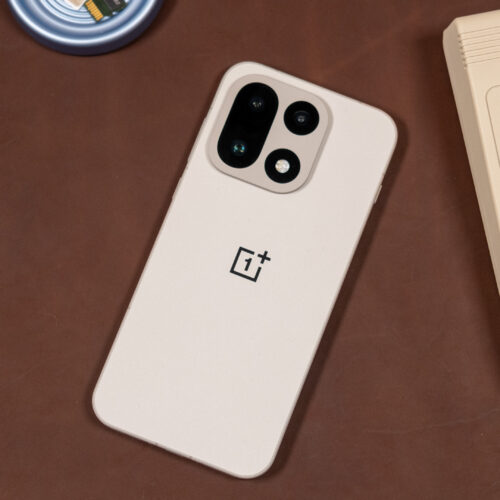
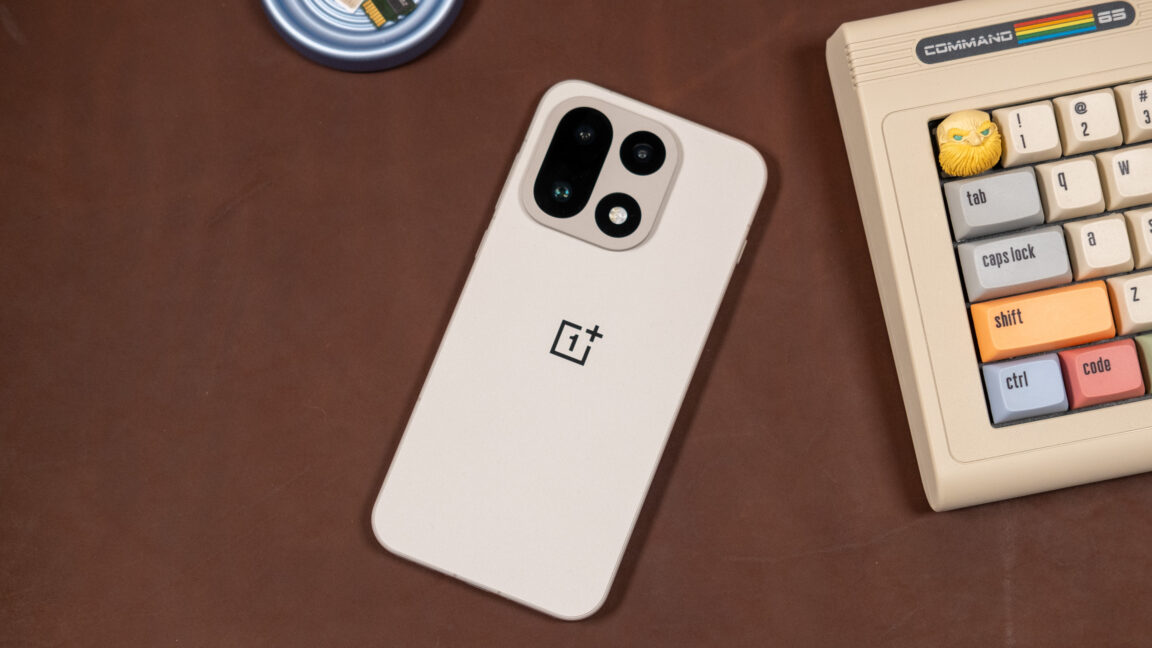
OnePlus is ready to sell its new flagship smartphone in the US weeks after it made the device official. Having now finally gotten Federal Communications Commission clearance, the OnePlus 15 is available for preorder. It’s currently only live on the OnePlus storefront, but the device will eventually come to Amazon and Best Buy as well.

The OnePlus 15 launched in China earlier this year, and it was supposed to go on sale in the US a month ago. However, the longest US government shutdown on record got in the way. Most of the FCC’s functions were suspended during the weekslong funding lapse, which prevented the agency from certifying new wireless products. Without that approval, OnePlus could not begin selling the phone. Thus, it had no firm release date when the phone was officially unveiled for the US in early November.

Interested parties can head to the OnePlus website to place an order. The base model starts at $900 with 12GB of RAM and 256GB of storage. This version is only available in black. If you want the Ultraviolet or Sand Storm (with the distinctive micro-arc oxidation finish), you’ll have to upgrade to the $1,000 version, which has 16GB of RAM and 512GB of storage.

Read full article

Comments

Β© Ryan Whitwam

Android phones can warn you if you open financial apps during a scam call

Android’s in-call protection now activates during suspicious calls involving financial apps. If you open a banking or payment app while on the line with an unfamiliar number, your phone will warn you, pause actions for 30 seconds, and offer quick safety options.

The post Android phones can warn you if you open financial apps during a scam call appeared first on Digital Trends.

Google Photos Recap is here and the 2025 edition has a narcissism meter too

The 2025 Google Photos Recap arrives with playful stats, including how many selfies you took this year. Powered by Gemini for personalized highlights, it also lets you edit your recap in CapCut, making your memory reel more customizable than ever.

The post Google Photos Recap is here and the 2025 edition has a narcissism meter too appeared first on Digital Trends.

RAM Is So Expensive, Samsung Won't Even Sell It To Samsung

By: BeauHD
A severe spike in global DRAM prices has pushed Samsung Semiconductor to refuse a long-term RAM order from its own sibling, Samsung Electronics. The move is forcing the smartphone division into short, expensive renegotiations, which will likely mean higher costs for consumer devices. PCWorld reports: Samsung subsidiaries are, naturally, going to look to Samsung Semiconductor first when they need parts. Such was reportedly the case for Samsung Electronics, in search of memory supplies for its newest smartphones as the company ramps up production for 2026 flagship designs. But with so much RAM hardware going into new "AI" data centers -- and those companies willing to pay top dollar for their hardware -- memory manufacturers like Samsung, SK Hynix, and Micron are prioritizing data center suppliers to maximize profits. The end result, according to a report from SE Daily spotted by SamMobile, is that Samsung Semiconductor rejected the original order for smartphone DRAM chips from Samsung Electronics' Mobile Experience division. The smartphone manufacturing arm of the company had hoped to nail down pricing and supply for another year. But reports say that due to "chipflation," the phone-making division must renegotiate quarterly, with a long-term supply deal rejected by its corporate sibling. A short-term deal, with higher prices, was reportedly hammered out.

Read more of this story at Slashdot.

The NPU in your phone keeps improvingβ€”why isn’t that making AI better?

Almost every technological innovation of the past several years has been laser-focused on one thing: generative AI. Many of these supposedly revolutionary systems run on big, expensive servers in a data center somewhere, but at the same time, chipmakers are crowing about the power of the neural processing units (NPU) they have brought to consumer devices. Every few months, it’s the same thing: This new NPU is 30 or 40 percent faster than the last one. That’s supposed to let you do something important, but no one really gets around to explaining what that is.

Experts envision a future of secure, personal AI tools with on-device intelligence, but does that match the reality of the AI boom? AI on the β€œedge” sounds great, but almost every AI tool of consequence is running in the cloud. So what’s that chip in your phone even doing?

What is an NPU?

Companies launching a new product often get bogged down in superlatives and vague marketing speak, so they do a poor job of explaining technical details. It’s not clear to most people buying a phone why they need the hardware to run AI workloads, and the supposed benefits are largely theoretical.

Read full article

Comments

Β© Aurich Lawson | Getty Images

❌