Reading view

There are new articles available, click to refresh the page.

Las Vegas Vlasic Classic Marks First-Ever Legal Consumption Golf Tournament in the U.S.

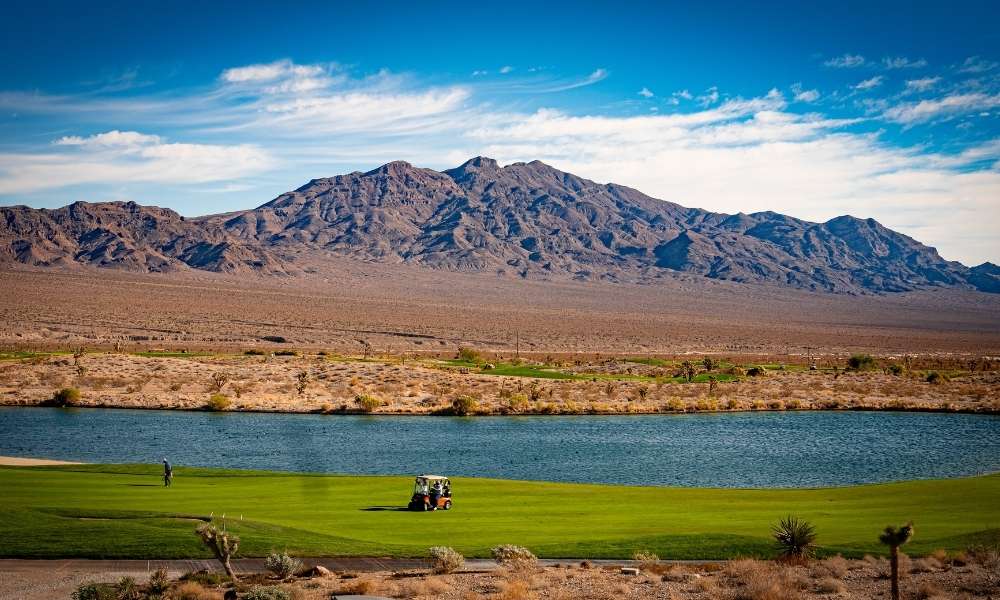
The inaugural Las Vegas Vlasic Classic kicked off on November 8 at the Las Vegas Paiute Golf Resort, in collaboration with the Paiute Tribe and NuWu Cannabis. This event marked the first golf tournament in Nevada designed to fully comply with cannabis regulations. The concept was simple yet effective, taking place on a course known for hosting major events, and the turnout demonstrated a clear interest in the initiative.

This Las Vegas stop marked a significant development for the growing tournament series, which began in the Midwest and has steadily expanded. Founder Willy Vlasic noted that the move westward was intentional, linking the Classic to a major cannabis market at a time when the industry seeks more open and well-organized events.

“Las Vegas represents the next chapter in our mission to blend sport, advocacy and cannabis culture positively,” Vlasic said. “Partnering with the Paiute Tribe and NuWu Cannabis to create Nevada’s first compliant golf tournament showcases how collaboration can advance national reform efforts.”

The charity golf tournament attracted golfers, industry operators, brand representatives, advocates and supporters from the cannabis community. 
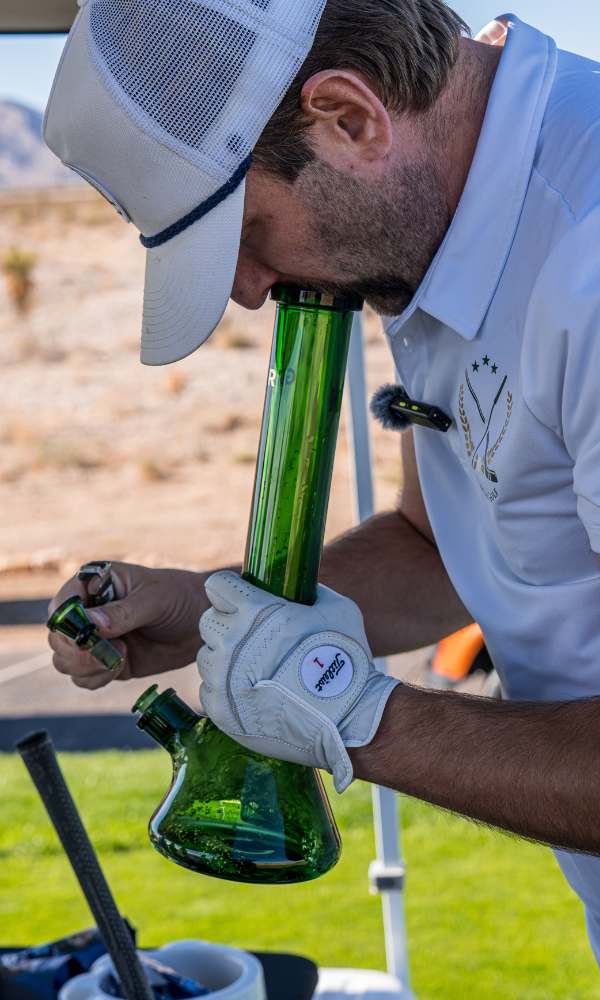
While golfers competed for trophies and hole-in-one prizes, the day prioritized dialogue as much as competition. Sponsor tents provided a mixture of product showcases and casual hangouts. Participants varied in their pace of play; some rushed through, while others savored the experience, with no one seeming eager to finish quickly.

Because the event was held at the Las Vegas Paiute Golf Resort, owned and operated by the Paiute Tribe, on-site consumption was permitted. This was a unique twist for a cannabis industry event, which are typically limited by state and local restrictions on public use. It added a practical ease to the day and meant attendees could sample products, join activations, and move through the course without the usual workarounds that define most cannabis gatherings.

This relaxed pace suited the attendees well, allowing them to seamlessly transition between golfing, networking, advocacy and casual conversation without interruptions. The event felt like an educational field trip, filled with familiar faces, as well as new introductions and ample opportunities for discussion—all without the constraints of a hectic conference schedule.
A Fundraiser With Clear Outcomes

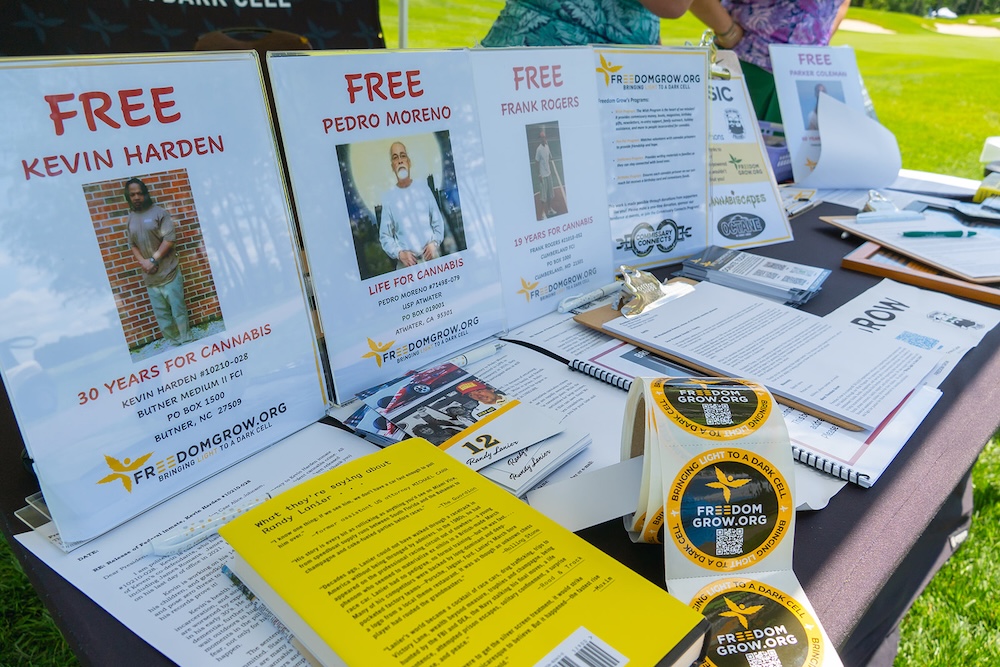
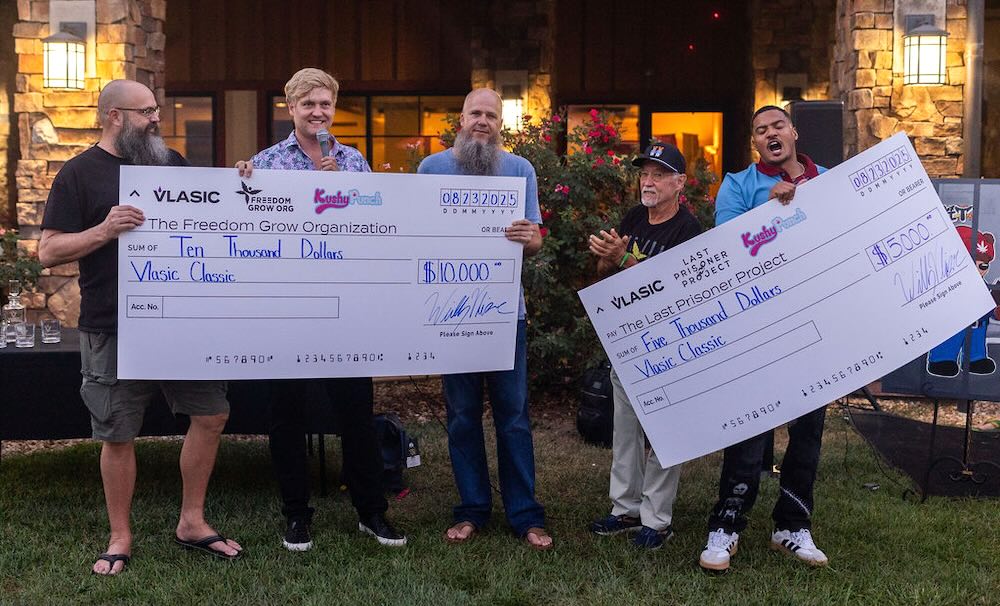
The Las Vegas Vlasic Classic raised over $17,500, which was distributed among three national organizations dedicated to cannabis justice. Freedom Grow Forever and the Last Prisoner Project each received $6,250, while The Weldon Project received $5,000. These funds support various initiatives, including commissary accounts, re-entry assistance, legal advocacy and clemency efforts for individuals affected by cannabis-related incarceration.

Each partner organization plays a unique role within the reform landscape. Freedom Grow Forever, led by Bill and Jeff Levers, directs funds to support individuals still incarcerated for cannabis offenses. The Last Prisoner Project focuses on providing resources for re-entry microgrants and support systems for those returning to society. The Weldon Project, founded by Weldon Angelos, is dedicated to federal clemency, sentencing policy, and high-level advocacy.

Bill Levers, CEO of Freedom Grow, expressed gratitude to the Vlasic brand and their family for their advocacy work for cannabis prisoners. “The Vlasic family has been incredible partners and true advocates for Freedom Grow’s mission. The Las Vegas Vlasic Classic has played a crucial role in helping us share prisoners’ stories with the public. More importantly, it has allowed us to directly support those on our outreach list thanks to their generous donations. We are deeply thankful to the Vlasic family and every sponsor who made this event possible.”

With Las Vegas now added to the series, the Vlasic Classic, which took place earlier this year in Michigan and Missouri, has raised over $140,000 for second-chance and reform efforts.
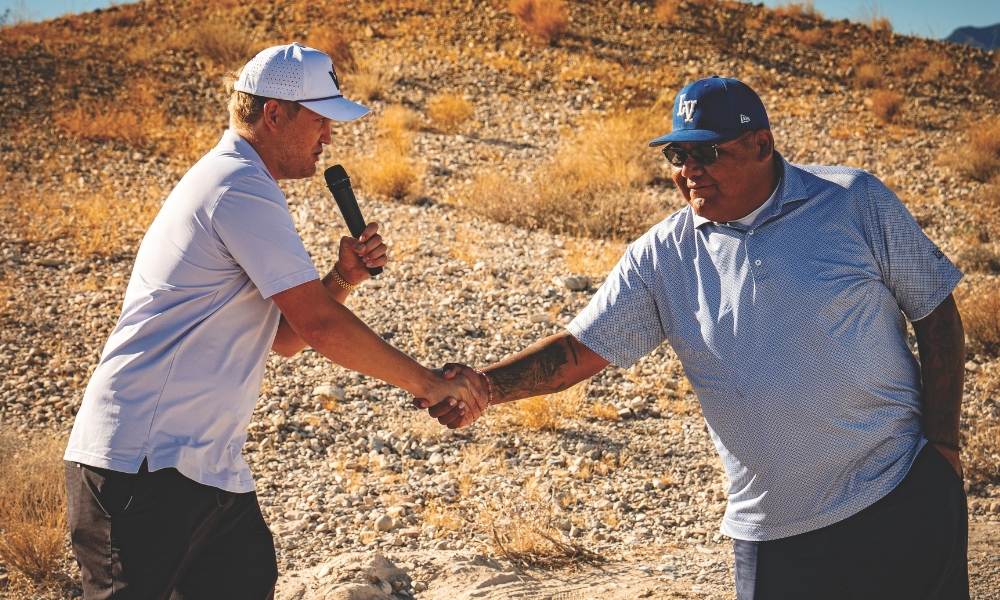
Willy Vlasic with Benny Tso, the former chair of the Las Vegas Paiute Nation, at the historic first-ever legal consumption golf tournament in the US.

Strong Support From Across the Industry

A diverse array of brands supported the Las Vegas Classic, including Cannabis Now, Mama J’s, Matrix, Verano, Curaleaf, STIIIZY, and Good Day Farm. Their participation helped anchor the event and attract attention from the broader region. The National Cannabis Industry Association (NCIA) also returned as the official trade association sponsor, offering discounted first-year memberships to attendees.

The next event in the series is the 2026 Missouri Vlasic Classic, scheduled for May 1–3 at Old Kinderhook Resort. Previous Missouri events experienced strong attendance and media coverage, and early indications for 2026 suggest continued momentum.

The post Las Vegas Vlasic Classic Marks First-Ever Legal Consumption Golf Tournament in the U.S. appeared first on Cannabis Now.
How Cross-Channel Plumbing Fuelled The Allied March On Berlin

By: Lewin Day

During World War II, as the Allies planned the invasion of Normandy, there was one major hurdle to overcome—logistics. In particular, planners needed to guarantee a solid supply of fuel to keep the mechanized army functional. Tanks, trucks, jeeps, and aircraft all drink petroleum at a prodigious rate. The challenge, then, was to figure out how to get fuel over to France in as great a quantity as possible.

War planners took a diverse approach. A bulk supply of fuel in jerry cans was produced to supply the initial invasion effort, while plans were made to capture port facilities that could handle deliveries from ocean-going tankers. Both had their limitations, so a third method was sought to back them up. Thus was born Operation Pluto—an innovative plan to simply lay fuel pipelines right across the English channel.

Precious Juice

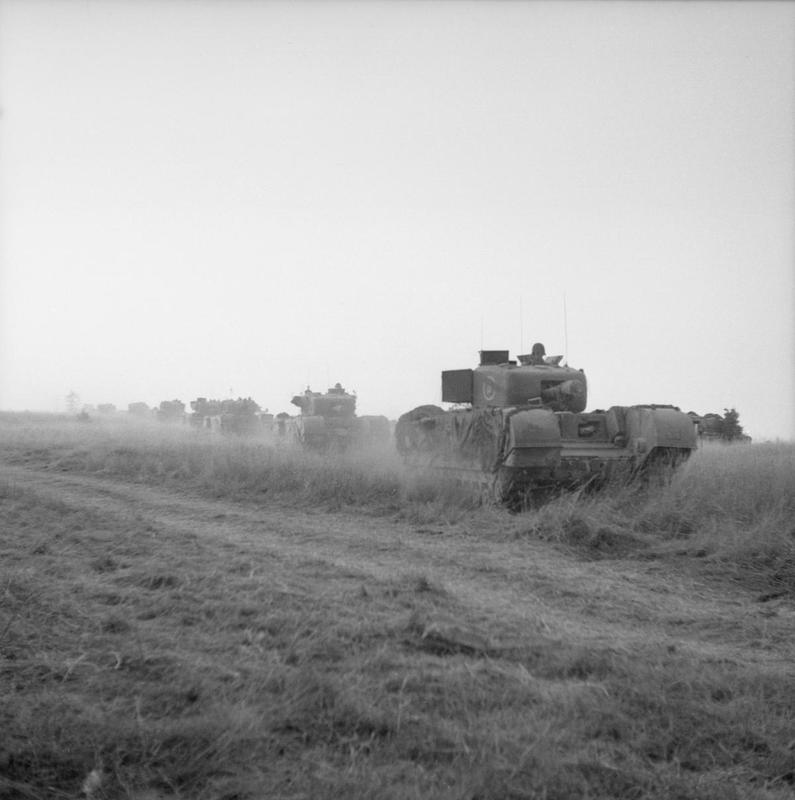
War is thirsty work, and for the soldiers too. Crown copyright, Imperial War Museums

Back in the 1940s, undersea pipelines were rather underexplored technology. However, they promised certain benefits over other methods of shipping fuel to the continent. They would be far more difficult to destroy by aerial attack compared to surface ships or floating pipelines. An undersea pipeline would also be less likely to be damaged by rough sea conditions that were typical in the English Channel.

The idea was granted the codename PLUTO—for Pipe-Line Under The Ocean. Development began as soon as 1942, and the engineering challenges ahead were formidable. The Channel stood a good twenty miles wide at its narrowest point, with strong currents, variable depths, and the ever-present threat of German interference. Any pipeline would need to withstand high pressure from the fuel flowing inside, resist corrosion in seawater, and be flexible enough to handle the uneven seabed. It also needed to be laid quickly and surreptitiously, to ensure that German forces weren’t able to identify and strike the pipelines supplying Allied forces.

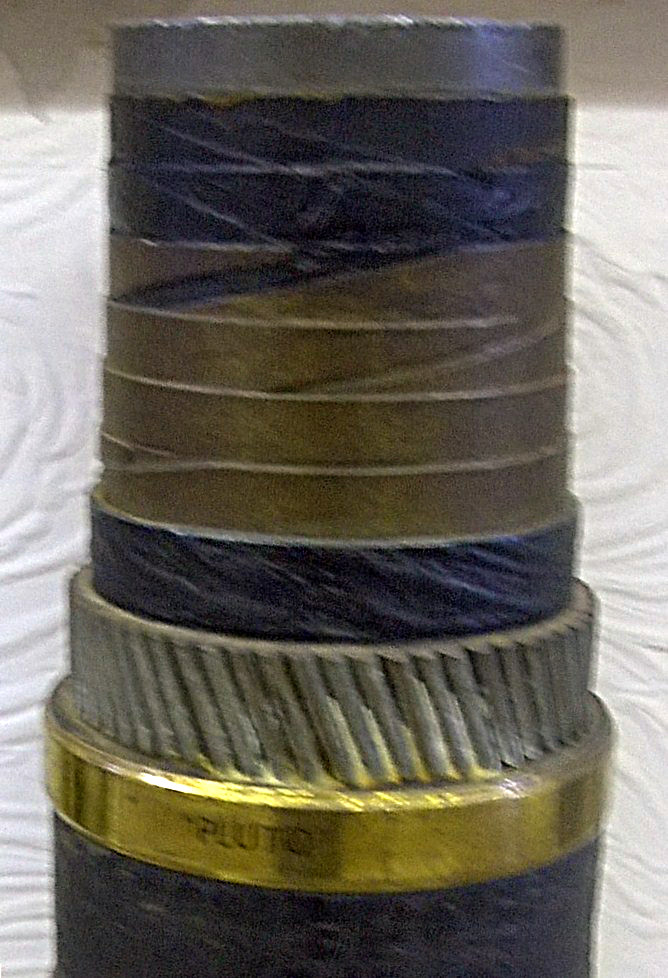
A sectioned piece of HAIS pipeline. Note the similarities to then-contemporary undersea cable construction. Credit: Geni, CC BY-SA 3.0

The first pipe developed as part of the scheme was HAIS. It was developed by Siemens Brothers and was in part the brainchild of Clifford Hartley, then Chief Engineer of Anglo-Iranian Oil and an experienced hand at delivering fuel pipelines in tough conditions. Thus the name—which stood for Hartly-Anglo-Iranian-Siemens. It used a 2-inch diameter pipe of extruded pipe to carry the fuel, surrounded by asphalt and paper doused in a vinyl-based resin. It was then wound with a layer of steel tape for strength, and then further layered with jute fiber and more asphalt and paper. The final layers were an armored sheath of galvanized steel wires and a canvas outer cover. The techniques used were inspired by those that had proved successful in the construction of undersea telegraph cables. As designed, the two-inch diameter pipe was intended to flow up to 3,500 imperial gallons of fuel a day when running at 500 psi.

HAIS pipe was produced across several firms in the UK and the US. Initial testing took place with pipe laid across the River Medway. Early efforts proved unsuccessful, with leaks caused by lead from the central core pushing out through the steel tape layer. The steel tape wraps were increased, however, and subsequent testing over the Firth of Clyde was more successful. Trials pushed the pipe up to 1,500 psi, showing that up to 250,000 liters of fuel could be delivered per day. The pipeline also proved robust, surviving a chance attack by a German bomb landing nearby. The positive results from testing led to the development of a larger 3-inch verison of the HAIS pipe to support even greater flow.

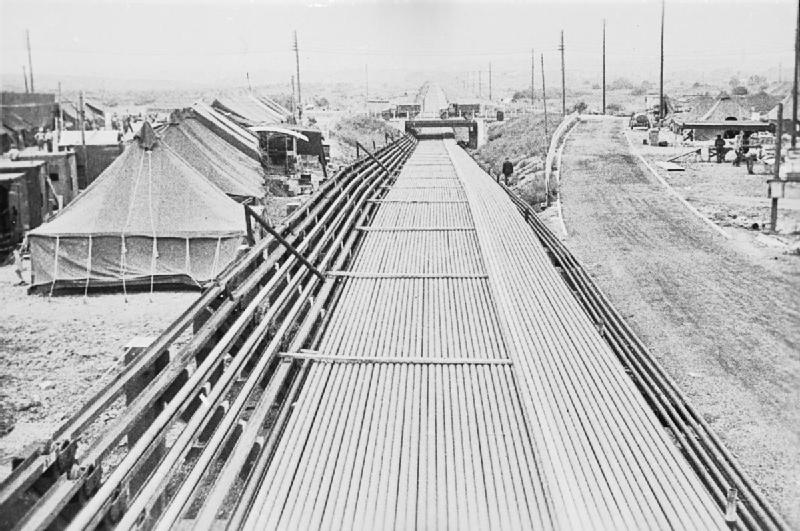
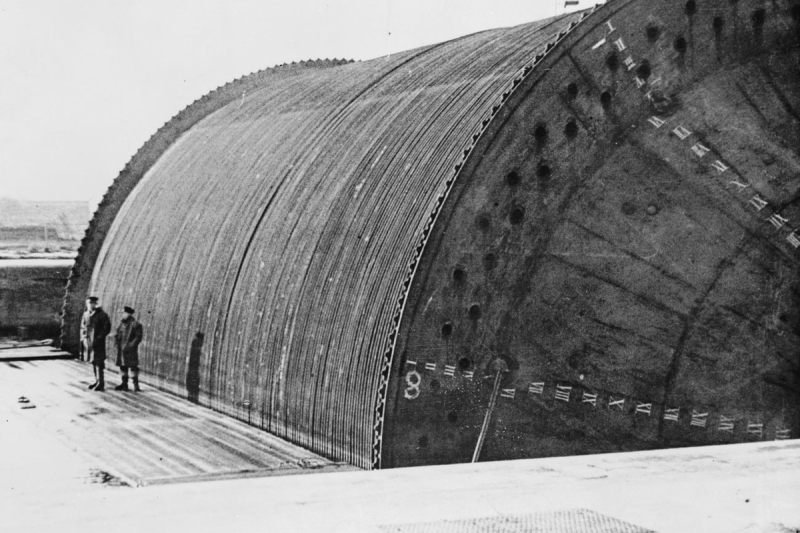
HAMEL pipe in long lengths prior to loading on a Conundrum. Crown copyright, Imperial War Museums

By this point in the war, however, supplies were becoming constrained on all sides. In particular, lead was becoming scarce, which spurred a desire for a cheaper pipe design to support Operation PLUTO. Thus was born HAMEL, named after engineers Bernard J. Ellis and H.A. Hammick, who worked on the project.

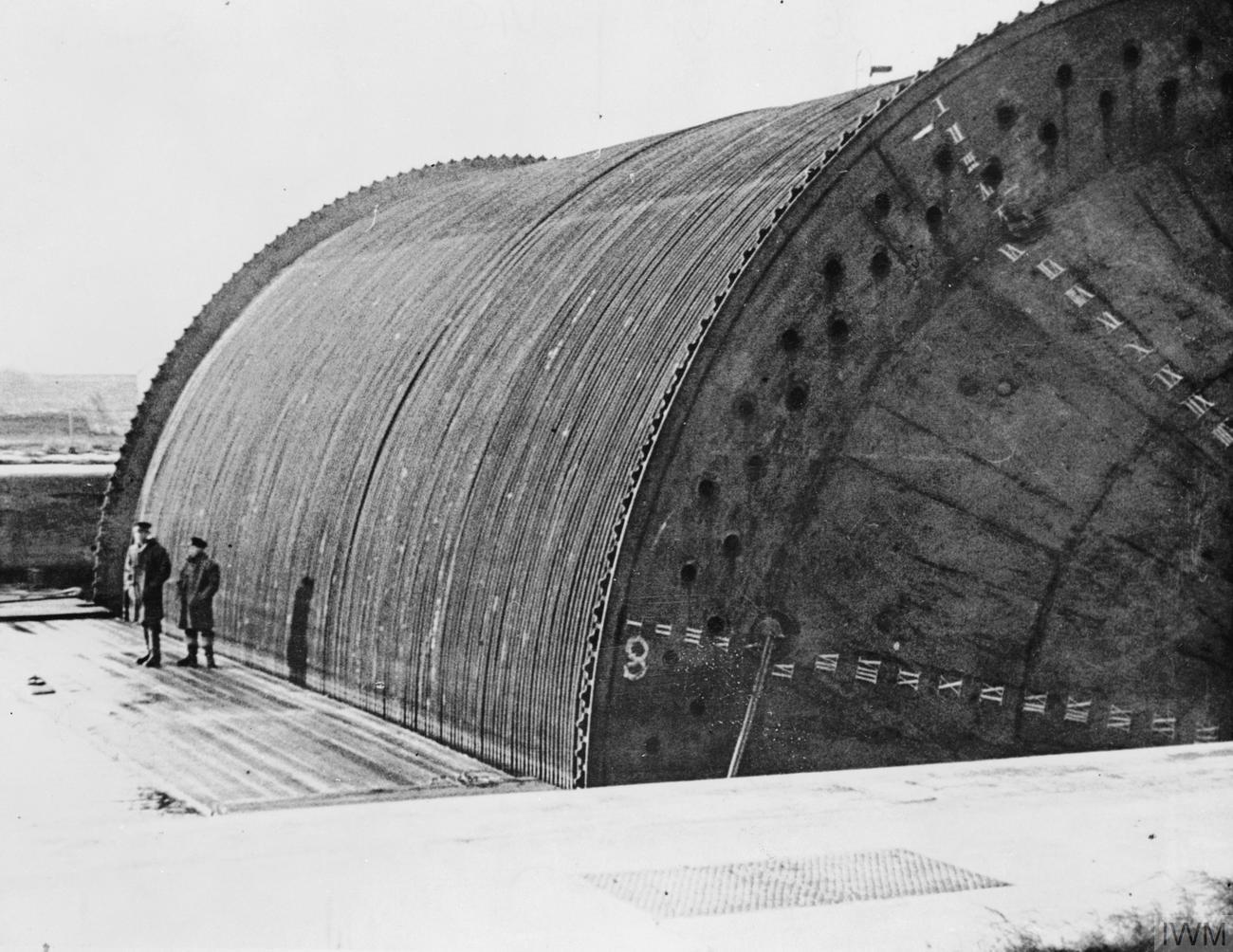
HAMEL pipe loaded on a Conundrum, ready to be laid on the seafloor. Crown copyright, Imperial War Museums

The HAMEL design concerned a flexible pipe constructed out of mild steel, at 3-½ inches in diameter. Lengths of the pipe were produced in 40-foot segments which would then be resistance welded together to create a longer flexible pipeline that could be laid on the seafloor. The steel-based pipe was stiffer than the cable-like HAIS, which caused an issue—it couldn’t readily be coiled up in a ship’s hold. Instead, giant floating drums were constructed at some 40 feet in diameter, nicknamed “Conundrums.” These were to be towed by tugs or hauled by barges to lay the pipeline across the Channel. Testing took place by laying pipelines to the Isle of Wight, which proved the concept was viable for deployment.

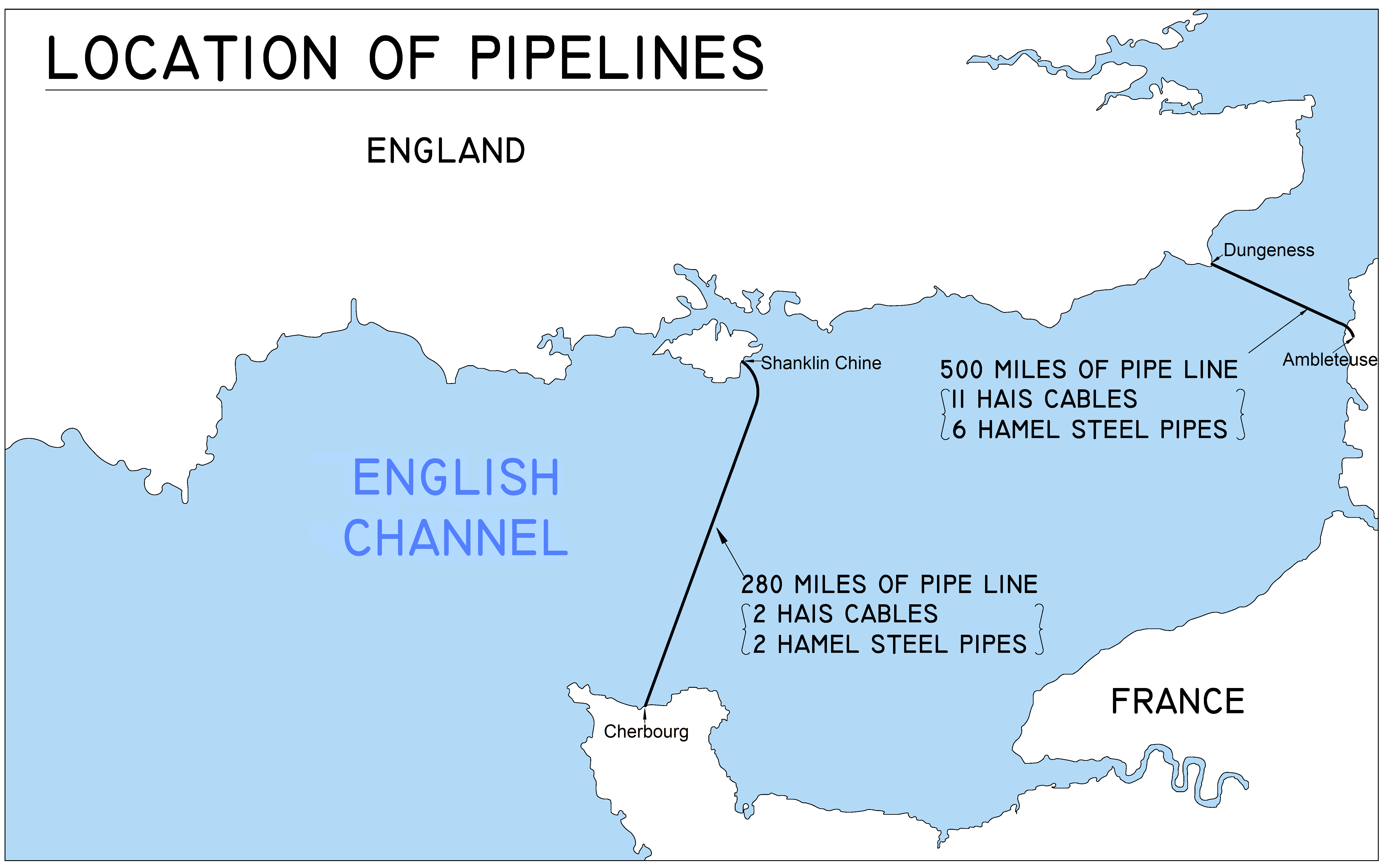
Beyond the two types of pipeline, a great deal of work went into the supporting infrastructure for the project. War planners had to build pumping stations to feed the pipelines, as well as ensure that they could in turn be fed fresh fuel from the UK’s network of fuel storage facilities and refineries. All this had to be done with a certain level of camouflage, lest German aircraft destroy the coastal pumping stations prior to the British invasion of the continent. Two main stations at Sandown and Dungeness were selected, and were intended to be connected via undersea pipe to the French ports of Cherbourg and Ambleteuse, respectively. The Sandown-Cherbourg link was to be named Bambi, while the Dungeness-Ambleteuse link would be named Dumbo, referencing further Disney properties since the overall project was called Pluto.

The Big Dance

On D-Day, the initial landings and immediate securing of the beachhead would run on pre-packaged fuel supplies in jerry cans and drums. The pipelines were intended to come later, ensuring that the Allied forces had the fuel supplies to push deep into Europe as they forced back the German lines. It would take some time to lay the pipelines, and the work could only realistically begin once the initial ports were secure.

A map indicating the Bambi and Dumbo pipelines between England and France. Notably, the Dumbo pipelines were run to Boulogne instead of the original plan of Ambleteuse. Credit: public domain

Bambi was intended to go into operation just 75 days after D-Day, assuming that Allied forces had managed to capture the port of Cherbourg within eight days of the landings. This process instead took 21 days due to the vagaries of war. Efforts to lay a HAIS pipeline began as soon as 12 August 1944, just 67 days after D-Day, only to fail due to an anchor strike by an escort destroyer. The second effort days later was scuppered when the piping was wound up in the propeller of a supporting craft. A HAMEL pipelaying effort on 27 August would also fail thanks to barnacles jamming the massive Conundrum from rotating, and while cleaning efforts freed it up, the pipeline eventually broke after just 29 nautical miles of the 65 nautical mile journey.

It wasn’t until 22 September that a HAIS cable was successfully installed across the Channel, and began delivering 56,000 imperial gallons a day. A HAMEL pipe was then completed on the 29 September. However, both pipes would fail just days later on October 3 as pressure was increased to up the rate of fuel delivery, and the Bambi effort was cancelled. Despite the great efforts of all involved, the pipelines had delivered just 935,000 imperial gallons, or 3,300 long tons of fuel—a drop in the ocean relative to what the war effort required.

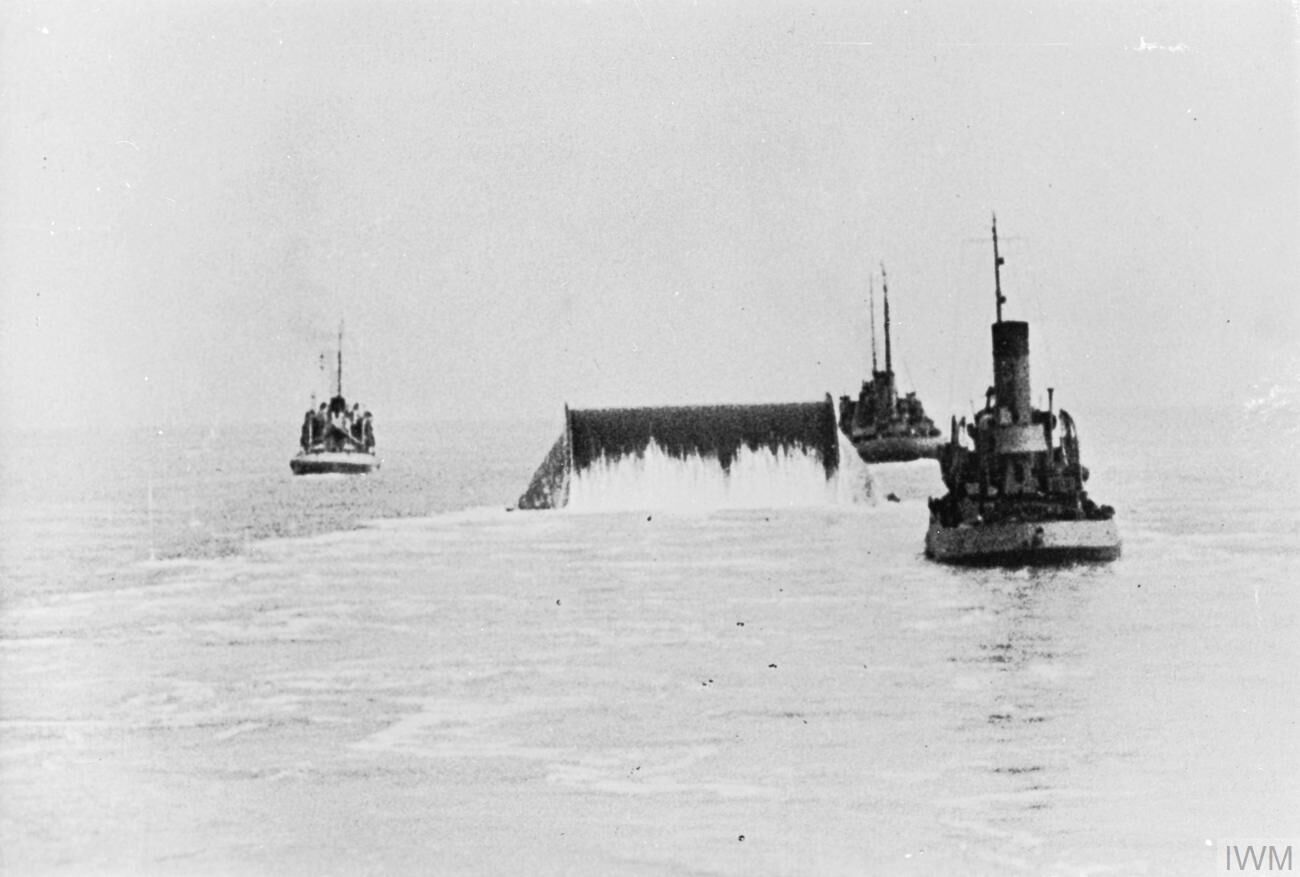
A Conundrum pictured as it was towed to Cherbourg to lay a HAMEL pipeline as part of Operation Bambi. Credit: public domain

Dumbo would prove more successful, perhaps with little surprise that the distances involved were shorter. The first HAIS pipeline was completed and operational by 26 October. The pipeline was redirected from Dungeness to Boulogne instead of the original plan to go to Ambleteuse thanks to heavy mining by the Germans, and covered a distance of 23 nautical miles. More HAIS and HAMEL pipelines followed, and the pipeline would later be extended to Calais to use its rail links for delivery further inland.

A total of 17 pipelines were eventually laid between the two coasts by the end of 1944. They could deliver up to 1,300 long tons of fuel per day—soon eclipsing the Bambi efforts many times over. The HAMEL pipelines proved somewhat unreliable, but the HAIS cable-like pipes held up well and none broke during their use until the end of the war in Europe. The pipelines stuck to supplying petrol, while initial plans to deliver other fuels such as high-octane aviation spirit were discarded.

Once a key piece of war infrastructure, now a small part of a thrilling minigolf course. Credit: Paul Coueslant, CC BY-SA 2.0

Overall, Operation Pluto would deliver 370,000 long tons of fuel to support Allied forces, or about 8 percent of the total. The rest was largely delivered by oceangoing tankers, with some additional highly-expensive aerial delivery operations used when logistical lines were stretched to their very limits. Bulk fuel delivery by undersea pipeline had been proven possible, but perhaps not decisively important when it came to wartime logistics.

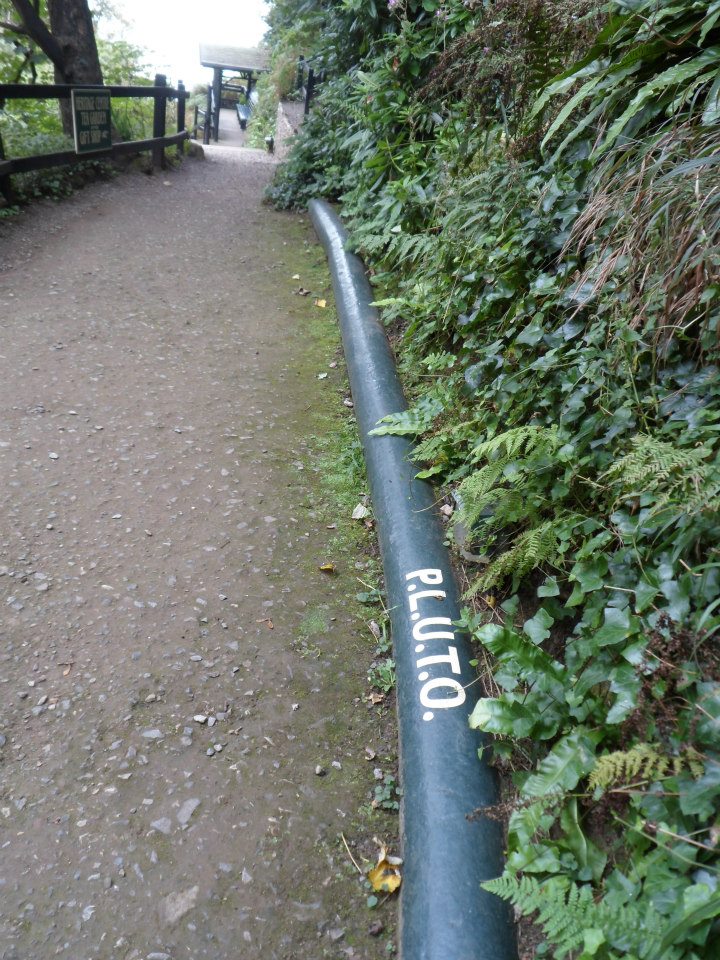
A small section of pipeline left over from Operation Pluto at Shanklin Chine on the Isle of Wight. Credit: Crookesmoor, CC BY SA 3.0

Arguments as to the value of the project abound in war history circles. On the one hand, Operation Pluto was yet another impressive engineering feat achieved in the effort to bring the war to an end. On the other hand, it was a great deal of fuss and ultimately only delivered a moderate portion of the fuel needed to support forces in theatre. In any case, there are still lingering reminders of Operation Pluto today—like a former pumping station that has been converted into a minigolf course, or remnants of the pipelines on the Isle of Wight.

Since World War II, we’ve seen precious few conflicts where infrastructure plays such a grand role in the results of combat. Nevertheless, the old saying always rings true—when it comes to war, amateurs discuss tactics, while professionals study logistics.

A Summer on the Green With Vlasic Classic Charity Golf Tour

The Vlasic Classic golf tour is growing into a uniquely powerful networking event. Founded by cannabis entrepreneur Willy Vlasic, the annual nationwide charity golf tournament is a movement built on purpose, community and philanthropy, all while spending a day on the green—literally and figuratively.

Now in its third year, Vlasic Classic supports organizations like the Last Prisoner Project and Freedom Grow to secure the freedom of those unjustly incarcerated for non-violent cannabis offenses. The tour made stops in both Michigan and Missouri, bringing together industry leaders for a weekend of golf, connection and charity.

The Michigan Classic

PHOTO Cota Creative Media

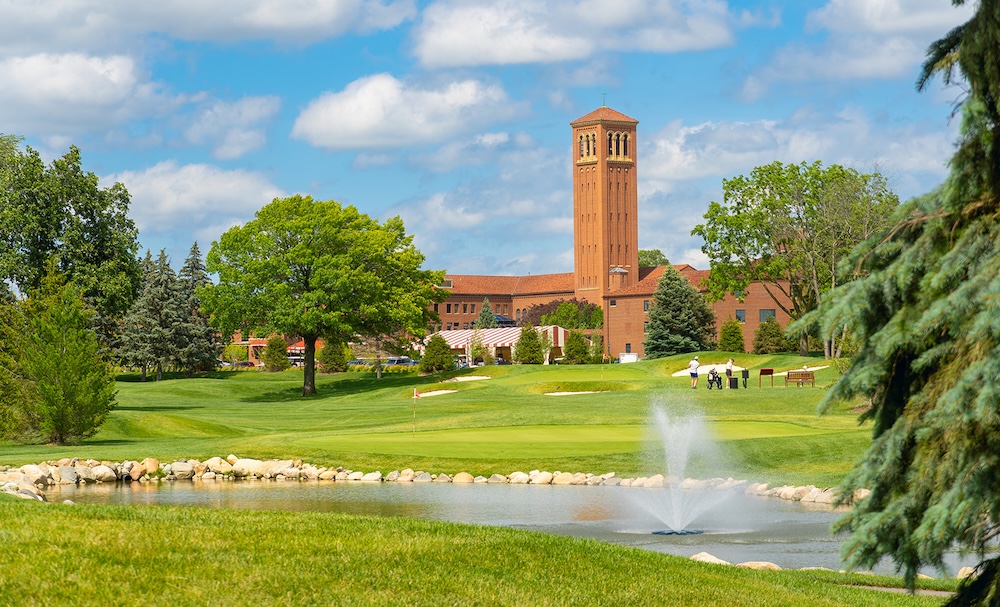
The first stop was the Cardinal Golf Course at St. John’s Resort in Plymouth, Michigan, on June 28. The venue was a deliberate choice, as the resort itself is a nonprofit, with all funds supporting local and international humanitarian efforts.

As one participant noted, it’s rare for cannabis brands to get to play on such an impeccable course, and the opportunity was not lost on the attendees. The location also holds a key connection to the broader golf world, as the course is a host for the LIV Golf Team Championship, making it a powerful landmark in both the sports and cannabis spaces.

The atmosphere was a unique blend of professionalism and personal touch. The entire event was a family affair, produced with the intimate, hands-on involvement of Willy Vlasic and his team. Willy’s father and nephew even came out to welcome players before the first tee-off. This personal touch extended to every detail, from the laid-back, friendly atmosphere to the generous and thoughtfully curated gift bags.

Beyond the course, the event included a lively welcome party sponsored by Kushy Punch and a culminating after-party at Willy’s home, complete with a live rosin-press demo by Access Rosin, pizza and a DJ. It was a perfect mix of a professional, large-scale event with a personal, communal feel.

PHOTO Cota Creative Media

Activations at every hole—from a longest-putt contest with a weed stalk putter to a $10,000 hole-in-one challenge—kept the energy high, all while driving donations to the cannabis prisoners’ cause.

The blend of local Michigan brands, such as hardware company Vapin’ Ape, and national companies like Sweed, an e-commerce platform for dispensaries, also facilitated valuable interstate networking opportunities.

“Willy and his team put on an incredible event,” says Kellen O’Keefe, president of Sweed. “What’s really great is that we’re dealing with the decision-makers. We’re going straight to the qualified purchasers and the people that we’re looking to sit down with. To be able to play golf with them for four hours and talk about our product is an amazing opportunity.

Brandy, an account executive for Northern Michigan at Kushy Punch, echoed the sentiment. “This is my second Vlasic event, and business-wise, today went really well,” she said. “There’s a lot of really good possibilities and potentials available, especially for Kushy Punch, just being able to kind of re-establish themselves.”

Alex Sturton, owner of Vapin’ Ape, highlighted the shared values, saying, “We really like the intersection of sports and cannabis of the Vlasic Classic. There are a lot of people who like to smoke and go and participate in something competitive.”

The Missouri Classic

PHOTO Omega Weddings

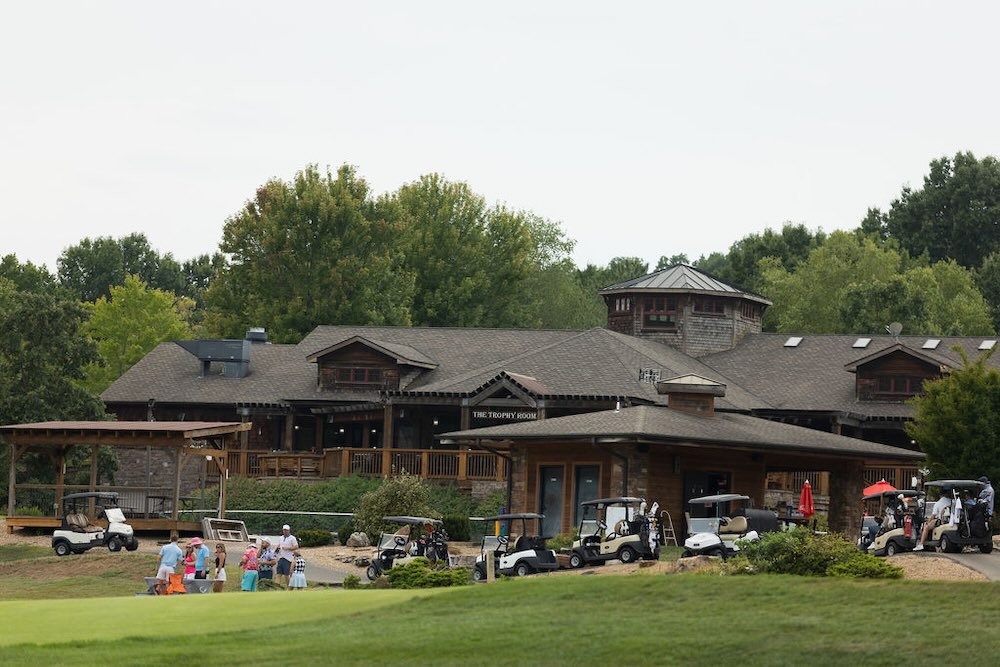
The Third Annual Missouri Vlasic Classic continued the mission August 22-24 with a weekend of golf, fun and philanthropy at Old Kinderhook. The event was a testament to the community’s support, with 124 golfers and 37 sponsors, representing over $1 billion in annual revenue from across the Missouri cannabis industry and beyond.

The tournament’s playful energy, featuring rocket ball launchers, drone drops and a “Beat the Pro” hole, was balanced by its serious philanthropic goals. The event successfully raised over $16,000, with $10,000 going to Freedom Grow, $5,000 to the Last Prisoner Project, and $1,300 to Deshaun Durham to help him start his pre-law degree. The weekend culminated with a huge raffle, including a 3-day golf trip to Kiawah Island.

A Champion’s Perspective: An Interview With Ricky Williams

PHOTO Omega Weddings

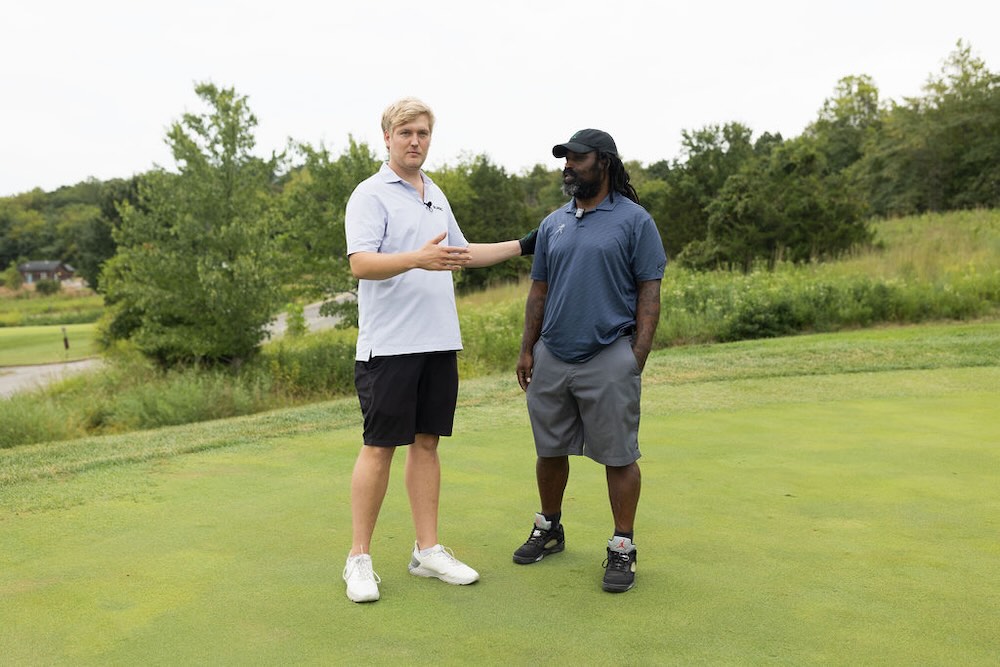
Among the sponsors in Missouri was Highsman, the cannabis brand founded by NFL legend and Heisman and NFL MVP winner, Ricky Williams, one of the pioneers of the evolving relationship between professional sports and cannabis advocacy.

Williams sees his partnership with Vlasic Classic as more than just a business move; it’s an extension of his life’s work. “I’ve never seen cannabis as just a brand play; it’s always been about healing and making things right after decades of prohibition,” he says.

For Williams, Highsman’s support for the Last Prisoner Project and Freedom Grow isn’t charity, but “justice in action.” He believes in the power of an event like this to create real equity in the industry, and it’s a mission that resonates deeply with him.

PHOTO Cota Creative Media

The vibe on the course was a perfect representation of Williams’s brand ethos, “Spark Greatness.” He says that the atmosphere was one of “pure competition, but with a lot of laughs and good energy.” He believes this is the “sweet spot” where having fun and pushing yourself can be done for a larger purpose. “As an athlete, I know connection comes from playing together, and when that same spirit fuels philanthropy, the impact is real,” he says.

When discussing the impact of the Vlasic Classic, Ricky Williams emphasizes that “impact is what matters.” He finds it deeply meaningful to see tangible results from the event’s fundraising efforts. “When I see real dollars going to free people and support equity in this industry, that’s when advocacy earns respect,” he says. “It’s powerful to watch change actually happen. That’s what keeps me grounded in the work.”

Williams believes that the cross-state unity on display at the Vlasic Classic is “absolutely essential” for the future of the industry. “It’s how we create scalable change, shift public perception, and level the playing field,” he says. “When industry players join forces across borders, we’re not just growing revenue—we’re rewriting the rules for equity, access and innovation.”

For a man who has constantly challenged norms, from his football career to his personal life, being an advocate in the cannabis space is a natural fit. “I’m not here just to put my name on things, I’m here to disrupt, to empower and to be real,” Williams says. “It’s about paving a new path so the next generation doesn’t have to fight the same battles.”

The Power of the Green

PHOTO Omega Weddings

The Vlasic Classic is about so much more than a golf tournament. As Willy Vlasic stated, their mission will continue “until everyone is released from prison for non-violent cannabis offenses.” It’s a bold promise that is being backed up by real action, one swing, one sponsor and one freed prisoner at a time.

The event is a celebration of the power of the cannabis community, showing that when the industry comes together for a purpose, it can make a tangible difference that resonates far beyond the green.

The next round of the Vlasic Classic gold tournament tees off again on November 8 at  Vegas Vlasic Classic with Nuwu. Expect a day filled with golf, good causes and a whole lot of green at the The Wolf Course at Paiute Resort.

The post A Summer on the Green With Vlasic Classic Charity Golf Tour appeared first on Cannabis Now.

❌