Reading view

There are new articles available, click to refresh the page.

Starbucks Medicine Ball Recipe

Starbucks medicine ball recipe is my cozy copycat Starbucks recipe for the viral honey citrus mint tea everyone orders when cold and flu season hits. It’s a soothing mix of mint and peach tea, hot lemonade, and honey that you can easily customize for sweetness, caffeine and comfort at home.

If you’ve spent any time on TikTok or Instagram this cold and flu season, you’ve probably seen people clutching a warm cup of Starbucks Medicine Ball and swearing by it. This cozy honey citrus mint tea started as a secret menu hack and became so popular that Starbucks officially added it to the menu as Honey Citrus Mint Tea.

As a nutritionist and recipe developer, I had to recreate this viral drink at home – with a version that still tastes like your favorite Starbucks Medicine Ball tea, but lets you control the sugar, caffeine and ingredients.

In this post, I’ll walk you through:

  • What exactly Starbucks Medicine Ball / Honey Citrus Mint Tea is
  • What’s really in it and how much sugar & caffeine it has
  • Whether it actually helps when you’re feeling under the weather
  • My easy Starbucks Medicine Ball tea recipe
  • Lower-sugar, caffeine-free and vegan variations
  • Iced Medicine Ball and make-ahead options
  • How to order a Medicine Ball at Starbucks or on the app

What Is Starbucks Medicine Ball | Honey Citrus Mint Tea

Starbucks Medicine Ball is a hot tea drink made with:

  • minty green tea
  • peach herbal tea
  • Hot water + steamed lemonade
  • A spoonful of honey

The result is a warm, lemony, minty drink that tastes like a hug in a mug. Sweet, citrusy, with a hint of peach and that refreshing mint finish.

Originally it was a “secret menu” drink that customers nicknamed:

  • Medicine Ball
  • Cold Buster
  • Cold Buster Tea

It became so popular that Starbucks brought it onto the official menu under the name:

Honey Citrus Mint Tea

So if you walk into Starbucks and don’t see Medicine Ball on the board, look for Honey Citrus Mint Tea it’s the same drink, just with a more official name.

Why You’ll Love This Starbucks Medicine Ball Copycat

Let me quickly sell you on why this homemade Starbucks Medicine Ball tea recipe deserves a place in your winter and allergy season routine:

  • Ready in 5 minutes with simple pantry ingredients
  • Much cheaper than ordering it at Starbucks every time
  • You can control the sweetness and sugar to match your goals
  • Easy to make caffeine-free, kid-friendly and vegan
  • Works as a comforting warm drink in winter and a refreshing iced honey citrus mint tea in summer
  • Perfect when you’re feeling a bit run down, sniffly, or just want a non-coffee cozy drink

This is one of those recipes I like to have on standby for “blah” days when you’re not sick enough to live on soup, but you want something that feels caring and soothing. The honey citrus tea is not a medicine, but each ingredient plays a small role in why people reach for it and feel comforting while sipping the medicine ball.

Water + Tea

Hot water plus herbal or green tea gives you:

  • Hydration
  • Gentle warmth and steam that feels good when you’re stuffy
  • Tea antioxidants, depending on the blend you use

Lemon or Lemonade

Lemon or lemonade adds:

  • Bright, citrusy flavor
  • That fresh and clean feeling when you’re congested
  • A little vitamin C from the lemon juice

In the original Starbucks Medicine Ball, the citrus comes from a combination of lemonade and citrusy tea.

Mint / Minty Green Tea

Mint and minty green teas are:

  • Naturally cooling and refreshing
  • Great for that clear feeling in your nose and chest
  • A source of light caffeine if you use green tea, much lower than coffee

Peach / Chamomile

The peach herbal tea layer:

  • Adds gentle fruit sweetness and aroma
  • Balances the lemon and mint
  • Often includes calming herbs like chamomile in many blends

Honey

Honey is what makes this drink feel:

  • Soothing for a scratchy throat
  • Slightly thick and comforting in texture
  • Naturally sweet

💡 Important: Honey is not safe for children under 1 year. For little ones, always follow your pediatrician’s advice.

What’s in a Starbucks Medicine Ball vs My At-Home Version

The Starbucks version Honey Citrus Mint Tea is made with:

  • Half hot water, half steamed lemonade
  • Jade Citrus Mint tea bag (a citrusy green tea with spearmint)
  • Peach Tranquility tea bag (peach, chamomile, citrus)
  • A pump or two of honey blend

For this homemade Starbucks Medicine Ball copycat, we’ll keep the same flavor profile but use ingredients that are easy to find in most grocery stores:

  • Water
  • Lemonade (regular, light, or homemade)
  • minty green tea or herbal mint tea
  • peach herbal tea (or another fruity herbal tea if that’s what you have)
  • Real honey (or maple/agave for a vegan version)

You’ll get that same cozy honey citrus mint tea flavor, but with more control over the sweetness, caffeine, and overall ingredients.

Starbucks Medicine Ball Nutrition

Let’s talk numbers in simple, practical terms.

Grande (16 fl oz) Honey Citrus Mint Tea at Starbucks typically comes in around:

  • Roughly 130 calories
  • Around 30+ grams of carbs, mostly from sugar
  • Low caffeine – thanks to the green tea, it’s much less than a regular coffee, but not caffeine-free

Most of the sugar comes from:

  • Lemonade
  • Honey / honey blend

That’s totally fine as an occasional treat. But if you’re sipping it regularly or trying to reduce sugar, the homemade version makes much more sense.

With my Starbucks Medicine Ball tea recipe, you can:

  • Dilute the lemonade with extra water
  • Use light or low sugar lemonade
  • Or use fresh lemon juice + water + honey instead of ready-made lemonade
  • Start with less honey and sweeten only as much as you really need

I’ve also included a lighter variation below if you want to cut sugar even more.

Does Starbucks Medicine Ball Really Help When You’re Sick?

Short answer: it can help you feel better, but it doesn’t cure anything.

Here’s how I like to think of it as a nutritionist:

  • The warm drink can ease a sore, dry throat and feel soothing when you’re chilled.
  • The steam can help you feel less congested temporarily.
  • Honey can coat the throat and may help calm mild cough and irritation.
  • Lemon and mint make everything taste fresher and “cleaner” when you’re stuffy.
  • Staying hydrated always supports your body while it recovers.

So, Medicine Ball firmly is more of a comfort rituals that support you , not a magic cure.

⚠ Reminder: This post is purely for information and recipe inspiration. It’s not medical advice. If you’re unwell, have underlying health conditions, or are on medication, always check with your healthcare provider.

Tools You’ll Need

Nothing fancy here part of the appeal of this Starbucks Medicine Ball copycat is you don’t need many equipment.

  • Small saucepan or electric kettle
  • Heatproof mug (I like using a clear glass mug)
  • Measuring cups and spoons
  • Spoon for stirring
  • Optional: milk frother if you want to froth the top slightly for a café-style touch

How to Make Starbucks Medicine Ball Tea at Home

Here’s the step by step method, followed by a recipe card style version you can paste into WP Recipe Maker.

Starbucks Medicine Ball Ingredients

  • ¾ cup (180 ml) water
  • ¾ cup (180 ml) lemonade (regular or low-sugar)
  • minty green tea bag
  • peach herbal tea bag
  • 1 teaspoons honey, or to taste
  • Optional garnish: lemon slice, fresh mint

How To Make Starbucks Medicine Ball Recipe

  • Heat the water and lemonade
    • Add water and lemonade to a small saucepan.
    • Heat until steaming hot but not at a rolling boil (you want it very hot, not aggressively boiling so the lemonade doesn’t taste bitter).
  • Add tea bags to your mug
    • Place the minty green tea bag and the peach herbal tea bag in your mug.
    • Pour the hot water–lemonade mixture over the tea bags.
  • Steep
    • Let the tea steep for 3–5 minutes.
    • For a milder, softer flavor, stop at around 3 minutes. For a stronger, more intense Medicine Ball, go closer to 5 minutes.
  • Sweeten with honey
    • Remove the tea bags and discard.
    • Stir in 1–2 teaspoons honey, starting with 1 teaspoon and tasting before you add more.
  • Garnish and serve
    • Add a slice of lemon and a sprig of fresh mint if you like.
    • Sip warm and enjoy.

Lighter & Special Diet Versions

Lighter Medicine Ball (Lower Sugar)

  • 1 cup (240 ml) water
  • ½ cup (120 ml) lemonade (or even less if you want)
  • 1 minty green tea bag
  • 1 peach herbal tea bag
  • ½–1 teaspoon honey (sweeten to taste)

This simple tweak:

  • Dilutes the lemonade
  • Uses less honey
  • Cuts total sugar while keeping the same cozy lemon–mint–peach profile

Caffeine Free Medicine Ball

Perfect for evenings or for those who avoid caffeine:

  • Swap the minty green tea bag for an herbal mint tea bag (peppermint or spearmint herbal tea). Keep the peach herbal tea.
  • Everything else stays the same. You’ll get all the honey citrus mint vibes, but with zero caffeine.

Vegan Medicine Ball

To make your Starbucks Medicine Ball tea vegan:

  • Swap honey for maple syrup or agave syrup.
  • Start with 1 teaspoon and sweeten as needed.

Maple adds a deeper, slightly caramel note; agave is more neutral.

Medicine Ball Tea Variations and Substitutions

If You Can’t Find the Starbucks Teas

If you don’t have access to Jade Citrus Mint and Peach Tranquility, try:

  • Any green tea with mint and/or citrus
  • Any peach herbal tea
  • A mix of peppermint tea + chamomile tea if you don’t have peach still delicious and soothing. The exact flavor will vary slightly, but the drink will stay true to the honey citrus mint tea idea.

No Lemonade? No Problem.

If you don’t keep lemonade at home or want even more control over sugar:

  • Use water + fresh lemon juice instead of lemonade.
  • Sweeten with honey, maple, or agave to taste.

A simple ratio that works well:

  • 1½ cups (360 ml) hot water
  • 1 tablespoons fresh lemon juice
  • Sweeten with 1 teaspoons honey or maple

Then proceed with the same tea steeping method.

Sugar Free Tweaks

If you absolutely need a sugar free option for medical reasons or strict diets:

  • Use sugar free lemonade
  • Use a sugar free honey style syrup or sweetener

Personally, I prefer using real honey in moderate amounts for flavor and simplicity. But you don’t take sugar you can make sugar free starbucks medicine ball.

Extra Soothing Add-ins

You can boost the comfort factor with:

  • 2 thin slices of fresh ginger added to the mug before pouring hot liquid
  • Extra mint leaves
  • A pinch of grated lemon zest
  • A small splash of peppermint extract (go very light because it’s strong!)
  • A second herbal tea bag like chamomile for an extra calming evening version

Iced Honey Citrus Mint Tea (Iced Medicine Ball)

Yes, you can absolutely turn this into an iced Starbucks Medicine Ball for warmer days.

How to make iced Medicine Ball

  • Prepare the classic recipe with:
    • ¾ cup water
    • ¾ cup lemonade
    • Tea bags and honey as above
  • Let the brewed tea cool for 15 minutes at room temperature.
  • Fill a tall glass with ice.
  • Pour the cooled honey citrus mint tea over the ice.
  • Garnish with a lemon slice and fresh mint.

You get the same cozy flavor, but in a crisp, refreshing iced drink.

Make Ahead, Storage & Reheating

You can easily scale this recipe and keep it ready during cold and flu season.

To Make a Big Batch (4 Servings)

  • 3 cups (720 ml) water
  • 3 cups (720 ml) lemonade
  • 4 minty green tea bags
  • 4 peach herbal tea bags
  • 4–8 teaspoons honey (start with less, taste and adjust)

Method:

  1. Heat water and lemonade in a medium saucepan until very hot.
  2. Add all tea bags and steep 3–5 minutes.
  3. Remove tea bags, stir in honey, and taste.
  4. Let cool slightly, then store in a glass jar or bottle in the fridge.

Storage

  • Store your brewed Medicine Ball tea in the fridge for up to 3–4 days in a covered container.
  • The flavor will mellow slightly over time, which many people enjoy.

Reheating

  • Reheat gently in a saucepan or microwave until hot but not boiling.
  • If it thickens a bit, add a splash of water to loosen.

Customising Honey Citrus Mint Tea at Starbucks

Most baristas still know it by the nickname Medicine Ball, but the official name on the menu is Honey Citrus Mint Tea. So if you want to order as customised version.

  • Ask for light lemonade or extra hot water to dilute the lemonade.
  • Ask for less honey blend or no added sweetener if you prefer.
  • For less caffeine, ask if they can make it with more herbal tea and less green tea.

FAQs About Starbucks Medicine Ball Tea

Is Honey Citrus Mint Tea the same as Medicine Ball?

Yes. Honey Citrus Mint Tea is the official Starbucks menu name for what most of us call Medicine Ball or Cold Buster Tea. Same drink, different name.

Is Starbucks Medicine Ball caffeine free?

Not completely. The original Starbucks version uses a green tea blend, so it does contain a small amount of caffeine – much less than coffee but not zero. To make a caffeine-free Medicine Ball at home, use herbal mint tea instead of green tea.

How much sugar is in a Starbucks Medicine Ball vs homemade?

A Grande Starbucks Honey Citrus Mint Tea often has around 30+ grams of sugar, mainly from lemonade and honey/honey blend.
With the homemade version, you can:
Use more water and less lemonade
Use a low-sugar or unsweetened lemonade
Use less honey or a sugar-free sweetener if needed
This can significantly reduce the sugar while keeping that comforting flavor.

Is Starbucks Medicine Ball good for weight loss?

No, I wouldn’t label it a weight loss drink. It’s best to think of it as a cozy, hydrating tea you enjoy in moderation.
If you’re working on weight loss:
Use the lighter version with less lemonade and less honey
Remember that it’s more of a comfort ritual, not a diet hack

Can kids drink Medicine Ball?

For older kids and teens, a milder, caffeine-free version can be a soothing warm drink, but:
Never give honey to children under 1 year.
Use less lemonade and less sweetener so it’s not overly sugary.
Opt for herbal teas (no green tea) to avoid caffeine.
Always check with your pediatrician if you’re unsure.

Can I drink Medicine Ball every day?

You can enjoy a homemade Medicine Ball tea regularly if you:
Keep an eye on the total sugar in your day
Choose the lighter or herbal versions more often
Treat it as a comforting, flavored tea rather than a medicine
If you have specific health conditions (blood sugar issues, reflux, etc.), talk with your healthcare provider about what works best for you.

More Such Recipes

Watch Video

If You like this recipe and made it Please rate the recipe. It helps us to reach more people. For the Latest updates Subscribe to Rekha’s Whatsapp. You can follow me on InstagramFacebookYoutubePinterest for more food inspirations.

starbucks medicine ball
Print

Starbucks Medicine Ball Tea Recipe (Honey Citrus Mint Copycat)

Make Starbucks Medicine Ball recipe at home with this honey citrus mint tea recipe. Cozy, soothing, and easy plus low-sugar, caffeine-free and vegan options.
Course drink, Drinks
Cuisine American
Keyword honey citrus mint recipe, medicine ball recipe, starbucks, starbucks medicin ball recipe
Prep Time 1 minute
Cook Time 5 minutes
Servings 1
Calories 111kcal
Author Rekha Kakkar

Ingredients

For the classic copycat

  • ¾ cup water 180 ml
  • ¾ cup lemonade (regular or low-sugar) 180 ml
  • 1 minty green tea bag
  • 1 peach herbal tea bag
  • 1 teaspoons honey or to taste
  • Optional garnish: lemon slice fresh mint

Instructions

  • Heat the water and lemonade
  • Add water and lemonade to a small saucepan.
  • Heat until steaming hot but not at a rolling boil (you want it very hot, not aggressively boiling so the lemonade doesn’t taste bitter).
  • Add tea bags to your mug
  • Place the minty green tea bag and the peach herbal tea bag in your mug.
  • Pour the hot water–lemonade mixture over the tea bags.
  • Steep
  • Let the tea steep for 3–5 minutes.
  • For a milder, softer flavor, stop at around 3 minutes. For a stronger, more intense Medicine Ball, go closer to 5 minutes.
  • Sweeten with honey
  • Remove the tea bags and discard.
  • Stir in 1–2 teaspoons honey, starting with 1 teaspoon and tasting before you add more.
  • Garnish and serve
  • Add a slice of lemon and a sprig of fresh mint if you like.
  • Sip warm and enjoy.

Video

Notes

  • If you want a bigger mug (about 16–18 oz), you can increase water and lemonade to 1 cup each and keep the same number of tea bags.
  • For a more subtle lemonade flavor, use 2 parts water to 1 part lemonade instead of equal parts.
  • Always adjust the honey depending on your taste and how sweet your lemonade is.

Nutrition

Calories: 111kcal | Carbohydrates: 28g | Protein: 0.02g | Sodium: 20mg | Potassium: 4mg | Fiber: 0.01g | Sugar: 27g | Vitamin C: 0.04mg | Calcium: 6mg | Iron: 0.03mg

💾

Enjoy the videos and music you love, upload original content, and share it all with friends, family, and the world on YouTube.

Bariatric Gelatin Recipe Dr Jennifer Ashton Gelatin Trick Recipe

Bariatric gelatin recipe or Dr Jennifer Ashton gelatin trick is one of 2025’s most talked about wellness habits. You’ve probably seen it on tiktok, heard about it on morning health segments, or come across people calling it the Jennifer Ashton weight loss trick. But what exactly is this method? And does dr Jennifer Ashton gelatin recipe really helps with appetite control?

Dr Jennifer Ashton Gelatin Trick Recipe

In this post I am sharing with you the complete explanation, the 2025 gelatin trick recipe from tiktok and trending Instagram reels, the gelatin cubes routine, the timing protocol, and a clear bariatric variation comparison.

Why This Gelatin Trick Is Linked to Dr Jennifer Ashton

Many people associate this routine with Dr Jennifer Ashton because it matches her approach toward sustainable, simple, science aligned health habits. And she often talks about nutritional benefits of collagen and gelatin.

She is often seen using hydrolyzed collagen powder in her daily “first meal” smoothie.

Small daily habits can make it easier to stay consistent with healthy choices. The gelatin trick fits perfectly into that pattern. However, it’s important to note:

  • This is not an official recipe released by her
  • It is an inspired interpretation widely shared in the wellness community.

While this isn’t an official recipe from Dr Jennifer Ashton, it’s a wellness-community interpretation that aligns with her practical, habit-based approach

What the Gelatin Trick for Weight Loss Actually Is

The gelatin trick for weight loss is essentially a pre-meal fullness strategy. By consuming a small amount of unflavored gelatin before meals, you create a gentle gel in the stomach that adds volume without significant calories. This slows gastric emptying, increases feelings of satiety, and helps regulate appetite more effectively.

As a result, many people find they naturally eat smaller portions, avoid overeating, and make more mindful food choices. The trick doesn’t burn fat or boost metabolism, and it’s not intended to replace meals

So this viral gelatin trick is a supportive tool that helps reduce cravings and promote portion awareness in a practical, achievable way. The benefits of this Viral genetic trick comes entirely from appetite control and healthier meal behaviors.

Dr Jennifer Ashton Gelatin Trick Recipe

This is the gentle, simple recipe most closely aligned with what people call the Dr Jennifer Ashton gelatin trick recipe .

Ingredients

  • 1 tablespoon unflavored gelatin
  • ½ cup hot water
  • ½ cup cold water or unsweetened tea (black tea)
  • 1 teaspoon lemon juice (optional)
bariatric gelatin recipe ingredients

Instructions

Step 1: Bloom the gelatin
Sprinkle the gelatin over 1–2 tablespoons of cold water.
Let it sit for 1 minute until it becomes spongey.
(This prevents clumping.)

Step 2: Add hot water
Pour in the hot water and stir continuously until fully dissolved.

Step 3: Add cold water or tea
Stir again and add lemon juice if desired.

Step 4: Chill
Refrigerate for 2–3 hours until it lightly sets.
You can also drink it warm immediately.

Step 5: Take before meals
Consume 15–30 minutes before lunch or dinner.

Gelatin Cubes for Weight Loss

Gelatin cubes have become a popular version of the 2025 gelatin trick because they make the routine easier and more convenient. Instead of preparing the mixture daily, the gelatin is poured into silicone molds and set into small, ready-to-eat cubes that can be taken before meals.

These cubes are low in calories, easy to carry, and perfectly portioned, ideal for busy schedules. Most people use two to four cubes per day, typically before lunch and dinner, to support appetite control and reduce mid-meal cravings.

The gelatin cubes routine fits seamlessly into the overall gelatin trick protocol and offers a simple way to stay consistent. This supports fullness without adding significant calories. Geletin Cubes Recipe for Weightloss

What is Gelatin?

Gelatin is a colorless, flavorless protein made from collagen. The collagen helps to keep our skin, joints, and tissues strong. When you mix gelatin with hot water and let it cool, it turns into a soft gel. That gel-like texture is what makes the “gelatin trick” helpful, because it creates gentle fullness in the stomach before a meal.

Once you eat it, gelatin breaks down into amino acids like glycine and proline, which support your gut lining, skin, and joints. It’s an easy way to get some of the benefits of collagen without needing any fancy ingredients.

2025 Gelatin Trick Timing Protocol

This updated routine is often called the 2025 gelatin trick protocol or the 7-day gelatin routine. Here is the safest and most effective way to use it:

Morning (optional)

1 cube with warm water or herbal tea. Supports appetite rhythm and reduces mid-morning snacking.

Afternoon (before lunch)

1–2 cubes: Best timing for preventing overeating at lunch.

Early Evening (not right before bed)

1 small cube: Helps reduce evening cravings and late-night snacking.

Why Timing Works

Taking gelatin before meals triggers satiety signals early leading to better food decisions, smaller portions, and calmer hunger patterns.

Bariatric Gelatin Variation vs Viral Gelatin Trick

People often confuse the bariatric gelatin variation with the viral gelatin trick, but they are very different.

Bariatric Gelatin is

  • Designed for people recovery after bariatric surgery
  • Soft, very gentle texture
  • Sometimes higher in protein or fortified
  • Intended as a temporary nutrition support food
  • Must follow a doctor’s guidance

Viral Gelatin Trick (2025)

  • is used as a pre meal appetite control tool
  • Very low calorie
  • Not a nutrition replacement
  • Not for medical recovery
  • Helps with fullness not with nutrient intake

Key Difference

The bariatric version supports healing and viral gelatin trick supports fullness before meals. They are not interchangeable.

Does the Jennifer Ashton Gelatin trick Actually Work?

The answer is yes but for appetite control. The fullness effect created by gelatin is real and rooted in basic digestive physiology. When gelatin forms a gel in the stomach, it delays gastric emptying, helps you feel satisfied sooner, and makes it easier to choose smaller portions.

It also creates a natural pause before eating, which supports mindful eating and reduces the likelihood of overeating. However, the gelatin trick does not burn fat or accelerate metabolism.

But I important point to note is It works best as a gentle support habit when paired with balanced meals, adequate protein, fiber, hydration, daily movement, and consistent sleep. The gelatin trick not a magic solution, but it can play a meaningful role in helping you eat more intentionally.

Is Dr Jennifer Ashton Gelatin trick recipe for weight loss an official method?

No. It is an inspired routine shared within the wellness community that aligns with her overall practical health philosophy.

How many gelatin cubes should I take per day?

2–4 small cubes, typically before meals.

Does gelatin break a fast?

Yes, gelatin contains calories and is not fasting safe.

Can I use sugar-free Jell O?

You can, but it may not provide the same fullness, and artificial sweeteners may not suit everyone.

Is this safe for bariatric patients?

Only with medical approval. Bariatric gelatin is a different formula used for recovery.

Does the gelatin trick burn fat?

No. It supports fullness, not fat metabolism.

When should I take gelatin for best results?

15–30 minutes before meals is the most effective timing.

What is the difference between the Jennifer Ashton gelatin Recipe and the basic gelatin trick?

The Jennifer Ashton gelatin trick focuses on a simple pre-meal habit often associated with her practical wellness style, while the basic gelatin trick is the generic version used for appetite control. Both use the same concept, but the 2025 “Ashton” version emphasizes timing, cubes, and habit structure.

How does the Jennifer Ashton gelatin recipe help with weight loss?

It does not burn fat, but it creates a fullness effect before meals, helping reduce overeating and supporting mindful portion control. The benefit is appetite regulation, not metabolism changes.

The Dr Jennifer Ashton gelatin trick recipe and gelatin cubes routine are popular because they’re simple, accessible, and effective for supporting fullness before meals. They don’t promise miracle results but they do make mindful eating easier.

Think of this as a gentle, steady habit you can layer into your day one that helps with appetite, cravings, and portion control, especially when paired with balanced meals.

bariatric gelatin recipe for weight loss

If you want to understand the basic version of the gelatin trick for weight loss, you can read my detailed guide here

More Such Recipes

  1. Glucose Reset Ritual Recipes for Weightloss
  2. LMNT electrolyte for Hydration
  3. Cabbage Soup Recipe for Weight Loss
  4. 7 Days Low Carb Meal ideas for Weight Loss

If You like this recipe and made it Please rate the recipe. It helps us to reach more people. For the Latest updates Subscribe to Rekha’s Whatsapp. You can follow me on InstagramFacebookYoutubePinterest for more food inspirations.

bariatric gelatin recipe
Print

Dr Jennifer Ashton Gelatin Trick Recipe (2025 Version)

A simple pre-meal gelatin mixture inspired by the routine associated with Dr Jennifer Ashton, designed to help support fullness and mindful eating.
Course Snack
Cuisine American
Keyword dr jennifer ashton gelatin trick recipe, gelatin cubes routine, gelatin trick 2025
Prep Time 5 minutes
Cook Time 5 minutes
Servings 4
Calories 6kcal
Author Rekha Kakkar

Ingredients

  • 1 tablespoon gelatin
  • ½ cup hot water
  • ½ cup cold water unsweetened herbal/green tea
  • 1 teaspoon lemon juice optional

Instructions

  • Sprinkle gelatin over 1–2 tablespoons cold water and let bloom for 1 minute.
  • Add hot water and stir until fully dissolved.
  • Stir in cold water or tea and add lemon juice if desired.
  • Chill for 2–3 hours until lightly set, or drink warm immediately.
  • Take 15–30 minutes before meals for best appetite-control benefits.

Notes

For gelatin cubes, pour into silicone molds before chilling.
Most people take 2–4 cubes per day before meals.
Do not use as a meal replacement.
Not intended for bariatric recovery unless medically approved.

Nutrition

Calories: 6kcal | Carbohydrates: 0.1g | Protein: 2g | Fat: 0.01g | Sodium: 3mg | Potassium: 2mg | Fiber: 0.003g | Sugar: 0.03g | Vitamin A: 0.1IU | Vitamin C: 0.5mg | Calcium: 1mg | Iron: 0.02mg

Jamu Juice Recipe (Indonesian Turmeric Ginger Drink)

Easy Jamu juice recipe, a traditional Indonesian herbal drink that you might have seen in Bali. Jamu is full of anti-inflammatory and healing properties. A delicious and potent blend of fresh turmeric, ginger, lemon, black pepper and water , jamu juice can be enjoyed in the summer months or served as a hot tea in winter for good health benefits.

Jamu Juice Recipe

If you’ve been scrolling through wellness reels or have travelled to Bali, you’ve probably seen small glasses of bright golden jamu juice everywhere and wondered: What exactly is this drink and does it really do anything?

In this post, I’m breaking down this golden orange wellness shots what jamu juice is, how it’s been used traditionally in Indonesia, what we actually know from research, and of course my easy jamu juice recipe that you can batch prep at home.

As a nutritionist, I’ll also talk about where it fits realistically into a healthy lifestyle and where it doesn’t.

What Is Jamu Juice?

Jamu is a traditional Indonesian herbal tonic made from roots, spices, and herbs – most commonly turmeric and ginger. It has been used for centuries in Java and Bali as part of daily wellness routines, not just as a trendy drink.

There are many styles of jamu, but when people say jamu juice, they usually mean a bright yellow drink made from:

  • Fresh turmeric
  • Fresh ginger
  • Water or coconut water
  • Citrus (lemon or lime)
  • A touch of natural sweetener
  • Sometimes tamarind and lemongrass

Traditionally, jamu is:

  • Sold by “jamu ladies” carrying bottles around villages and cities in Java
  • Served in small glasses or “shots,” more as a tonic than a big refreshing juice
  • Increasingly popular in modern jamu cafés and wellness bars, and now in the US and Europe as well

In short: jamu juice is an Indonesian turmeric ginger wellness drink is warming, earthy, slightly spicy and tangy, with a gentle sweetness.

Jamu Juice Ingredients

Here’s what usually goes into a classic jamu turmeric ginger drink, plus what each ingredient brings to the table.

jamu juice recipe ingredients
  • Turmeric root: The star of jamu. Turmeric contains curcumin, a compound known for its anti-inflammatory and antioxidant properties. 
  • Ginger root: Adds heat and spice. Ginger is traditionally used for digestion, nausea, bloating and circulation, and it also has anti-inflammatory actions.
  • Lemon or lime juice: Brightens the flavour and adds vitamin C, which supports immune function and acts as an antioxidant.
  • Water or coconut water: The base of the drink. Coconut water adds electrolytes and a mild sweetness, but you can use plain water to keep sugar lower.
  • Tamarind: is optional but traditional. Often used in jamu kunyit asam (turmeric tamarind jamu). Tamarind adds a tangy-sweet flavour and brings polyphenols, fibre, and some vitamin C.
  • Natural sweetener: honey, maple syrup, palm sugar, coconut sugar, use any of these. Balances turmeric’s bitterness and ginger’s heat. Traditional recipes often use palm sugar or honey.
  • Black pepper: Just a pinch. Piperine in black pepper may help increase the absorption of curcumin from turmeric.
  • Salt : A tiny pinch can round out the flavour and slightly support hydration.

Jamu Juice Recipe (Turmeric Ginger Drink)

This version is inspired by classic jamu kunyit asam with turmeric, ginger, tamarind, and citrus.

Yield

  • Makes about 1 litre / 4 cups
  • 4 larger servings, or 8–10 smaller “shots”

Ingredients

  • 100 g fresh turmeric root, scrubbed and thinly sliced (about 1 cup sliced)
  • 50 g fresh ginger root, scrubbed and thinly sliced (about ½ cup sliced)
  • 4 cups (1 litre) water
  • 2 tablespoons tamarind paste or ¼ cup seedless tamarind pulp soaked in warm water and strained (optional but traditional) 
  • Juice of 2 lemons or 4 small limes
  • 2 tablespoons honey, maple syrup, or coconut sugar, to taste 
  • ⅛ teaspoon freshly ground black pepper
  • small pinch of pink salt (optional)

Instructions

  • Prep the turmeric and ginger
    1. Scrub the roots well (turmeric stains, so you may want gloves).
    2. Peel only if the skin is very tough.
    3. Slice thinly so they release more flavour.
  • Simmer the roots
    1. Add sliced turmeric, sliced ginger, and 3 cups of water to a saucepan.
    2. Bring to a boil, then reduce to a gentle simmer.
    3. Simmer for 15–20 minutes, until the water turns a deep golden yellow and smells very fragrant.
  • Blend with tamarind and seasonings
    1. Let the mixture cool slightly.
    2. Carefully transfer the turmeric, ginger, and cooking liquid to a blender.
    3. Add the remaining 1 cup watertamarindblack pepper, and salt (if using).
    4. Blend until completely smooth and pulpy.
  • Strain
    1. Place a fine-mesh sieve, cheesecloth, or nut-milk bag over a large jug or bowl.
    2. Pour the blended mixture through.
    3. Press or squeeze the pulp to extract as much liquid as possible. Discard the dry pulp.
  • Finish with citrus and sweetener
    1. Stir in fresh lemon/lime juice.
    2. Add honey or other sweetener, starting with 2 tablespoons and tasting as you go. Jamu should taste earthy, spicy, tangy and only gently sweet.
  • Chill & serve
    1. Transfer jamu juice to a glass bottle or jar.
    2. Chill in the fridge for at least 1–2 hours before serving.
    3. Shake well each time. Turmeric settles at the bottom.

Approximate Nutrition

This will vary based on sweetener and how much pulp you strain out, but roughly For per ½ cup, lightly sweetened:

  • Calories: ~40–60
  • Carbohydrates: mostly from citrus and sweetener
  • A small amount of vitamin C (from lemon/lime) and beneficial plant compounds from turmeric, ginger, and tamarind.

How To Make Jamu Juice Step By Step

Jamu Juice Recipe Step by step steps 1-4

Step 1: Slice the roots

Slice the fresh ginger roots and ginger. You can scrub the peel off or let it be. While slicing gloves help with preventing turmeric stains.

Step 2: Simmer

Boil and simmer ginger roots and turmeric in water.

Jamu Juice Recipe Step by step steps 5-8

Step 3: Blend

Blend the mixture

Step 4: Strain

Pour the mixture through a sieve or nut-milk bag into a jug.

Step: Finish & serve

Now Serve in a glass add few drops of lemon juice, maple syrup/raw honey and pink salt

Jamu Juice Benefits (Traditional Beliefs vs. Research)

Traditional Benefits People Believe

In Indonesian wellness culture, jamu juice is used to:

  • Maintain overall health and immunity
  • Support digestion and relieve bloating
  • Ease minor aches and pains thanks to anti-inflammatory spices
  • Support weight maintenance and keeping the body “light”
  • Improve skin appearance and energy

These are traditional beliefs passed down through generations, and many people still drink jamu daily for these reasons.

What Research Says About Key Ingredients

Modern research doesn’t study “jamu juice” as a single drink very much, but it does look at its main ingredients: turmeric, ginger, tamarind, and sometimes lemongrass. 

  • Turmeric (curcumin)
    • Has anti-inflammatory and antioxidant effects.
    • May help with joint discomfort and markers of inflammation when used alongside a healthy lifestyle.
  • Ginger
    • Shown in studies to help reduce nausea, bloating, and some types of pain, and has anti-inflammatory properties.
  • Tamarind
    • Contains polyphenols, fibre, and vitamin C.
    • Some evidence suggests benefits for digestion, cholesterol and blood sugar, especially when used as part of a balanced diet.
  • Lemongrass (when used)
    • Rich in antioxidants; traditionally used in Southeast Asia for digestion and general wellness.

So jamu juice is not a magic cure, but it’s a concentrated way to enjoy several anti-inflammatory and antioxidant ingredients together as part of a healthy lifestyle. 

Is Jamu Juice Good for Weight Loss?

Short answer: jamu juice on its own may not melt fat, but it can support a weight-loss or weight-management plan in a few helpful ways.

Here’s how it can fit into a realistic weight-loss journey:

  • It’s naturally low in calories if you keep added sweetener modest.
  • It can replace sugary soft drinks or heavy juices, which might otherwise add a lot of extra sugar.
  • Ginger and spices may help some people feel less bloated and more comfortable digestively, which can be motivating.

However:

  • No herbal drink, including jamu, can burn fat by itself.
  • Sustainable weight loss still depends on:
    • A balanced, calorie-appropriate diet (with enough protein and fibre),
    • Movement, sleep, and stress management.

So, Jamu juice can be a smart, low-sugar drink choice inside a healthy routine, but it isn’t a standalone weight-loss trick.

How Often & When To Drink Jamu Juice

There isn’t one strict rule, but these guidelines are a good starting point:

  • Serving size:
    • ½ cup (120 ml) at a time is usually enough, especially if the drink is strong.
  • Frequency:
    • Many people enjoy jamu a few times per week, and some Indonesians drink it daily.

Best Times To Drink Jamu

  • Morning wellness shot
    • 30–60 minutes after waking, ideally with or after a small snack if your stomach is sensitive.
  • After meals
    • The ginger and citrus may feel soothing after heavier or greasy meals.
  • Pre or post-workout
    • If you make jamu with coconut water, it can double as a light, flavourful hydration drink.

Does Jamu Juice Break a Fast?

  • Yes! jamu contains calories, so it does break a strict fast.
  • If you follow a more flexible intermittent fasting approach where small amounts of calories are allowed, then it depends on your personal plan. When in doubt, follow the guidelines you or your coach/doctor set for your fasting routine.

General tips:

  • Start with a smaller serving (2–3 tablespoons diluted in water) and see how your body responds.
  • Avoid overdoing turmeric/ginger just because they’re “healthy”; more is not always better.

Variations You Can Try

Once you’ve tried the basic recipe, play with these twists:

  • Kunyit Asam (Turmeric Tamarind Jamu)
    • Use more tamarind and a little extra sweetener for a bold sweet-tart drink.
    • This style is popular for menstrual comfort and weight maintenance in some Indonesian traditions. 
  • Lemongrass Jamu
    • Add 1–2 stalks of bruised lemongrass while simmering turmeric and ginger, then remove before blending.
  • Coconut Water Jamu
    • Use coconut water for part or all of the liquid to make a more hydrating, lightly sweet version.
  • Powder Version (No Fresh Roots)
    • In a pinch, you can use:
      • 2–3 teaspoons ground turmeric,
      • 1–2 teaspoons ground ginger.
    • Simmer in water, strain, and proceed. The flavour is slightly different and can be more intense, so adjust amounts slowly.
bali Jamu juice Recipe

Storage, Meal Prep & Serving Ideas

Jamu is perfect for batch prep.

  • Fridge storage:
    • Store in a tightly sealed glass bottle or jar in the fridge.
    • Best used within 4–5 days for freshness and flavour.
  • Shake before serving:
    • Turmeric settles at the bottom, so always shake or stir.
  • Serving ideas:
    • As a small morning shot (30–60 ml).
    • Over ice with extra water for a milder drink.
    • Gently warmed like a herbal tea (don’t boil again after adding citrus).

Jamu vs. Golden Milk vs. Ginger Shots

A quick comparison to help readers choose what they want:

DrinkBaseWhen to drinkVibe
Jamu JuiceWater / coconut water + turmeric & gingerAny time of day, chilled or warmLight, tangy, spicy wellness tonic
Golden MilkMilk / plant milk + turmeric & spicesEvening or cosy nighttime drinkComforting, creamy, latte-style
Ginger ShotsGinger-heavy juice (often with lemon)Quick morning “wake up” shotVery strong, fiery, tiny serving
Turmeric Teawarm drink with Turmeric ginger and lemonWhen you want anti inflammatory warm drinklight and mild in big serving

Frequently Asked Questions

Storage, Meal Prep & Serving Ideas

Jamu is perfect for Sunday batch prep.

What Exactly Is Jamu Juice Made Of?

Most jamu juice recipes, including mine, are made from fresh turmeric and ginger, water or coconut water, citrus juice, a natural sweetener and sometimes tamarind, lemongrass and other herbs. 

Is Jamu Juice Actually Good For You?

Jamu combines ingredients like turmeric, ginger, tamarind and citrus that are rich in antioxidants and anti-inflammatory compounds. That makes it a nourishing drink choice as part of a healthy diet. But it is not a cure-all and it doesn’t replace medical care. 

Can I Drink Jamu Every Day?

Many people in Indonesia drink some form of jamu daily. For most generally healthy adults, ½–1 cup per day of a lightly sweetened jamu can be reasonable. If you have medical conditions or take medication, I would always suggest checking with your healthcare provider first. 

What Does Jamu Juice Tastes like?

It tastes delicious in its unique way. Turmeric has a potent flavour with it’s earthiness, ginger adds spice, which is well balanced with a bit of tartness of lime juice, sweetness of honey

  • Fridge storage:
    I store it in a glass bottle or jar with a tight lid. Most recipes suggest it keeps well for up to about a week in the fridge; personally, I prefer to finish it in 4–5 days for best flavour and freshness.
  • Always shake:
    Turmeric will settle at the bottom, so I shake or stir every time before pouring.
  • Serving ideas:
    • As a small morning shot
    • Over ice with extra water for a milder drink
    • Gently warmed in a mug on cooler days (I don’t re-boil it after adding citrus)

More Such Recipes

watch detailed Video

If You like this recipe and made it Please rate the recipe. It helps us to reach more people. For the Latest updates Subscribe to Rekha’s Whatsapp. You can follow me on InstagramFacebookYoutubePinterest for more food inspirations.

Jamu Juice Recipe
Print

Jamu Juice Recipe (Turmeric Ginger Drink)

Jamu recipe also known as jamu juice or turmeric ginger drink  a traditional Indonesian herbal drink you get in Bali. This is a traditional Indonesian jamu juice recipe made with anti-inflammatory Turmeric roots ginger roots and lemon
Course Appetizer, Drinks
Cuisine American, Asian
Keyword ginger drink, jamu, jamu juice, turmeric drink
Prep Time 5 minutes
Cook Time 15 minutes
Servings 8
Calories 33kcal
Author Rekha Kakkar

Ingredients

  • 100 g fresh turmeric root scrubbed and thinly sliced (about 1 cup sliced)
  • 50 g fresh ginger root scrubbed and thinly sliced (about ½ cup sliced)
  • 4 cups 1 litre water, divided
  • 2 tamarind pulp optional but traditional
  • Juice of 2 lemons or 4 small limes
  • 2 tablespoon honey maple syrup, or coconut sugar, to taste
  • teaspoon black pepper freshly ground
  • A small pinch of salt optional

Instructions

Prep the turmeric and ginger

  • I scrub the roots well (turmeric stains, so gloves are a good idea if you have light nails).
  • I don’t always peel them – I only peel if the skin is very tough.
  • Then I slice both quite thinly so they release maximum flavour.

Simmer the roots

  • Add turmeric, ginger and 3 cups of water to a saucepan.
  • Bring to a boil, then turn the heat down and let it simmer for 15–20 minutes.
  • The water turns a deep golden yellow and your kitchen smells like a spa.

Blend and seasonings

  • I let the mixture cool for a few minutes.
  • Then I transfer the turmeric, ginger, and their cooking liquid to a blender.
  • Blend until the mixture is completely smooth and pulpy.

Strain everything

  • Place a fine mesh sieve, cheesecloth or nut-milk bag over a jug or bowl.
  • Pour the blended mixture through and press the pulp with a spoon (or squeeze the cloth) to get out as much liquid as you can.
  • The dry pulp can be discarded.

Finish with sweetener

  • Stir in the lemon or lime juice.
  • Add sweetener starting with 2 tablespoons, then taste and adjust. I like jamu to taste earthy, spicy and tangy with just a gentle sweetness.

Chill & serve

  • Pour the jamu into a glass bottle or jar.
  • Chill for at least 1–2 hours.
  • Always shake well before pouring because turmeric settles at the bottom.

Video

Nutrition

Calories: 33kcal | Carbohydrates: 6g | Protein: 0.2g | Fat: 1g | Saturated Fat: 1g | Polyunsaturated Fat: 0.01g | Monounsaturated Fat: 0.01g | Sodium: 67mg | Potassium: 31mg | Fiber: 0.3g | Sugar: 5g | Vitamin A: 0.1IU | Vitamin C: 1mg | Calcium: 2mg | Iron: 0.1mg

💾

Enjoy the videos and music you love, upload original content, and share it all with friends, family, and the world on YouTube.

Costa Rican Tea Recipe for Weight Loss

When I am craving something light and refreshing that actually fits your weight loss routine? This yummy Costa Rican tea for weight loss is my go to when I want flavor without sugar. You can make this Costa Rican tea recipe and serve it hot on cool mornings or pour it over ice for a bright afternoon sip. It’s quick to make, easy to batch, and tastes great hot or over ice.

Costa Rican weight loss tea

It uses pineapple core for aroma, fresh ginger for warmth, and lemongrass for a clean citrus note. There is no added sugar. I tested a few ratios to keep the flavor balanced and the process quick. Below you will find step by step photos, storage tips, and a printable recipe card.

In Costa Rica, “tea” usually means simple, caffeine free herbal infusions (tés de hierbas) lemongrass, ginger, mint, chamomile, and other garden herbs steeped in hot water.

They’re typically unsweetened, light, and served hot or iced; in Nicoya you’ll also see local touches like chan a chia-like seed added for texture.

Why You’ll Love This Yummy Costa Rican Tea

  • Naturally low calorie: made with water, fruit core, and spices.
  • Hydrating anytime drink: hot or iced, perfect as a soda swap.
  • Zero added sugar: you control sweetness, or skip it.
  • Budget friendly: uses pineapple core you might otherwise discard.
  • Meal prep ready: brew a small concentrate and store for the week.
  • Cultural nod: inspired by Costa Rican herbal traditions without relying on sugary beverages.

Ingredients

  • Pineapple core (from 1 pineapple), chopped. Adds gentle tropical aroma without strong sweetness.
    Sub: pineapple peels well‑scrubbed; remove any bruised spots.
  • Fresh ginger: thinly sliced. Warm spice note and pleasant heat.
    Sub: ground ginger in a pinch, but fresh is best.
  • Lemongrass: outer leaves removed, bases crushed. Clean citrusy flavor.
    Sub: 1½ tsp dried lemongrass or 2 wide strips of lemon peel.
  • Cinnamon stick 1. Adds roundness.
    Sub: ¼ tsp ground cinnamon added after simmering.
  • Mint a small handful, optional. Cooling finish.
    Sub: a few basil leaves for a different twist.
  • Turmeric a thin slice of fresh root or ¼ tsp ground, optional. Earthy note and golden hue.
    Sub: saffron thread or skip it.
  • Hibiscus 1–2 tbsp dried, optional for a ruby iced version.
    Sub: rosehip or a berry herbal sachet.
  • Lemon or lime to finish. Brightness without sugar.
  • Water.
  • Optional add‑in: 1–2 tsp chan or chia gel per glass for light texture. Soak seeds until they form gel before using.
  • Optional sweetener: if needed, a touch of honey or monk fruit, but the recipe is designed to be enjoyable unsweetened.

Note: This recipe is intentionally sugar‑free. We are taking inspiration from Costa Rican herbal infusions and skipping sugary drinks altogether.

How to Make Costa Rican Tea For Weight Loss Recipe

  1. Crush aromatics: Lightly crush the lemongrass bases with the back of a knife to release oils. Slice ginger thin. Chop the pineapple core into small pieces for better extraction.
  2. Simmer: Add water, pineapple core, ginger, lemongrass, and cinnamon stick to a pot. Bring to a boil, then reduce to a gentle simmer for 12 minutes. You should see small bubbles and smell a bright ginger‑citrus aroma.
  3. Optional steep: Turn off the heat. Add mint and turmeric and hibiscus if making the iced red version. Cover and steep 5 minutes. The color deepens and the flavors round out.
  4. Strain: Pour through a fine mesh strainer into a jug. Press lightly on the solids to capture more flavor without clouding the brew.
  5. Finish: Add a squeeze of lemon or lime. Taste and adjust. Keep it unsweetened, or add a minimal sweetener only if you truly need it.
  6. Serve: Hot in mugs, or chill and serve over ice. For extra texture, spoon 1–2 tsp soaked chan or chia gel into the glass and top with the tea.

Visual Cues for Perfect Results

  • Aroma: a clean citrus note from lemongrass with a warm ginger edge.
  • Color: pale gold when unsweetened; amber if steeping longer; ruby if using hibiscus.
  • Taste: bright and refreshing with no harsh bitterness.

Pro Tips & Variations of Costa Rican Tea

  • Use the core: It extracts flavor without the sweetness of ripe pineapple flesh. Great way to reduce waste.
  • Make a concentrate: Simmer to taste, cool, then store as a 3–4 day concentrate. Dilute 1:1 with still or sparkling water when serving cold.
  • Iced hibiscus mint: Add hibiscus and mint during the off‑heat steep. Chill and serve over lots of ice with a lime wheel.
  • Chan or chia option: Soak seeds in water until gelled. Stir 1–2 tsp gel per glass for a light, fun texture.
  • Ginger forward: Increase ginger to 3 inches for more heat; reduce simmer to prevent sharpness.
  • Cinnamon‑free: Omit if you prefer a cleaner citrus profile.

Storage, Reheat, and Meal Prep

  • Fridge: Store in a sealed jar up to 3–4 days. The flavors remain bright if cooled quickly after brewing.
  • Freeze: Pour into ice cube trays for quick iced tea without dilution.
  • Reheat: Warm gently on the stovetop. Avoid rolling boils to keep flavors delicate.
  • Batching: Double the recipe and split: half for iced tea, half for hot sips.

FAQs

Is this an authentic Costa Rican tea?

It is Costa Rican inspired and leans on herbal and plant‑based infusions enjoyed across the region. We skip sugary beverages and focus on a modern, lighter take that fits a weight‑loss routine.

Can I make it without pineapple?

Yes. Use more lemongrass and a bit more ginger. You can also add lemon peel for aroma. The drink will be sharper and less rounded without pineapple core, but still refreshing.

Does this tea cause weight loss?

No drink alone burns fat. This tea is low‑calorie and can replace higher calorie beverages. When paired with a balanced diet and activity, that swap can support weight‑management goals.

What are chan seeds? Can I use chia instead?

Chan seeds are traditional in parts of Central America. They form a gel similar to chia. If you can’t find chan, use soaked chia gel in the same way.

Can I sweeten it?

You can, but the recipe is designed to be enjoyed unsweetened. If needed, add only a small amount of honey or a zero‑calorie sweetener and taste as you go.

Evidence, Experience, and Notes

I’m a nutritionist and recipe developer who tests each drink for clear, repeatable steps. For wellness claims, I keep language simple and realistic. Herbal teas can help you drink more water, enjoy flavor without calories, and build steady habits. They are not medical treatments. See the disclaimer below.

More Such Recipes

If You like this recipe and made it Please rate the recipe. It helps us to reach more people. For the Latest updates Subscribe to Rekha’s Whatsapp. You can follow me on InstagramFacebookYoutubePinterest for more food inspirations.

Costa Rican tea for weight loss
Print

Costa Rican Tea for Weight Loss

A Costa Rican–inspired herbal tea using pineapple core, ginger, and lemongrass. Light, refreshing, and ready hot or iced. No added sugar, with options for hibiscus‑mint and a chan or chia gel add‑in.
Course drink, Drinks
Cuisine continental
Keyword chan seed tea, costa rican tea, lemongrass tea, sugar free tea, weight loss tea
Prep Time 5 minutes
Cook Time 20 minutes
Servings 4
Calories 29kcal

Ingredients

  • 1 pineapple core chopped
  • inch fresh ginger thinly sliced
  • 2 stalks lemongrass bases crushed
  • 1 cinnamon stick
  • 4 tbsp mint optional
  • 1 thin slice turmeric ¼ tsp ground
  • 1 hibiscus optional for iced version
  • 6 cups water
  • Lemon or lime wedges to finish
  • Chan or chia gel optional, 1–2 tsp per glass
  • Sweetener optional and minimal if needed

Instructions

  • Add water, pineapple core, ginger, lemongrass, and cinnamon to a pot. Bring to a boil, then simmer 12–15 minutes.
  • Remove from heat. Add mint, turmeric, and hibiscus if using. Cover and steep 5–10 minutes.
  • Strain into a jug. Add lemon or lime to taste.
  • Serve hot, or chill and pour over ice. For texture, stir 1–2 tsp soaked chan or chia gel into each glass.

Notes

Keep it sugar‑free for a weight‑loss friendly drink.
For a stronger concentrate, simmer 5 minutes longer and dilute 1:1 with water when serving cold.
Use pineapple core to reduce waste; avoid over‑ripe flesh which can make the drink too sweet.

Nutrition

Calories: 29kcal | Carbohydrates: 7g | Protein: 1g | Fat: 0.2g | Saturated Fat: 0.04g | Polyunsaturated Fat: 0.1g | Monounsaturated Fat: 0.02g | Sodium: 21mg | Potassium: 131mg | Fiber: 1g | Sugar: 3g | Vitamin A: 231IU | Vitamin C: 14mg | Calcium: 41mg | Iron: 1mg

Recipe Title: 

Summary: A Costa Rican–inspired herbal tea using pineapple core, ginger, and lemongrass. Light, refreshing, and ready hot or iced. No added sugar, with options for hibiscus‑mint and a chan or chia gel add‑in.

Prep Time: 5 minutes
Cook Time: 15 minutes
Total Time: 20 minutes
Servings: 6 cups (as a mild concentrate)

Ingredients:

  • 1 pineapple core, chopped
  • 1½–2 inches fresh ginger, thinly sliced
  • 2 stalks lemongrass, bases crushed
  • cinnamon stick
  • Handful mint (optional)
  • 1 thin slice turmeric or ¼ tsp ground (optional)
  • 1–2 tbsp hibiscus (optional for iced version)
  • 6 cups water
  • Lemon or lime wedges to finish
  • Chan or chia gel (optional), 1–2 tsp per glass
  • Sweetener optional and minimal, if needed

Instructions:

  1. Add water, pineapple core, ginger, lemongrass, and cinnamon to a pot. Bring to a boil, then simmer 12–15 minutes.
  2. Remove from heat. Add mint, turmeric, and hibiscus if using. Cover and steep 5–10 minutes.
  3. Strain into a jug. Add lemon or lime to taste.
  4. Serve hot, or chill and pour over ice. For texture, stir 1–2 tsp soaked chan or chia gel into each glass.

Notes:

  • Keep it sugar‑free for a weight‑loss friendly drink.
  • For a stronger concentrate, simmer 5 minutes longer and dilute 1:1 with water when serving cold.
  • Use pineapple core to reduce waste; avoid over‑ripe flesh which can make the drink too sweet.

Nutrition (1 cup, unsweetened, approximate):
Calories 5–10; Carbs ~2 g; Fat 0 g; Protein 0 g. Values vary with steep time and add‑ins.

Keyword tags: costa rican tea, weight loss tea, pineapple ginger tea, lemongrass tea, chan seed tea, sugar free tea

Internal Links (add after publishing)

  • Up (hub): Drinks & Healthy Beverages
  • Across: Pineapple Tea, Ginger Tea, Lemongrass Tea, Chia Drinks, Hibiscus Tea
  • Down: Add this post to any “Tea/Drinks” hub and to Weight‑Loss friendly drink roundups

Disclaimers

  • This post shares general nutrition‑focused cooking information for educational purposes only. It is not medical advice and does not diagnose, treat, or cure any condition. Consult a qualified professional for personal guidance.
  • Nutrition values are estimates based on ingredients and method. Your numbers can vary.

Pinterest Copy Blocks

Pinterest Title: Costa Rican Tea for Weight Loss (No Sugar)
Pinterest Description: Light, refreshing pineapple‑ginger lemongrass tea inspired by Costa Rica. No added sugar. Hot or iced, with hibiscus‑mint and chia/chan options. Save now, sip all week.

Alt‑Text Prompts

Straining the tea into a jar, with lemon wedges on the side.

Pouring golden pineapple‑ginger lemongrass tea into a clear mug with steam rising.

Ice‑filled glass with ruby hibiscus Costa Rican tea, lime wheel, and mint.

Close‑up of crushed lemongrass and sliced ginger in a pot with pineapple core.

Chai Tiramisu Cake (Chaimisu!)

By: Richa

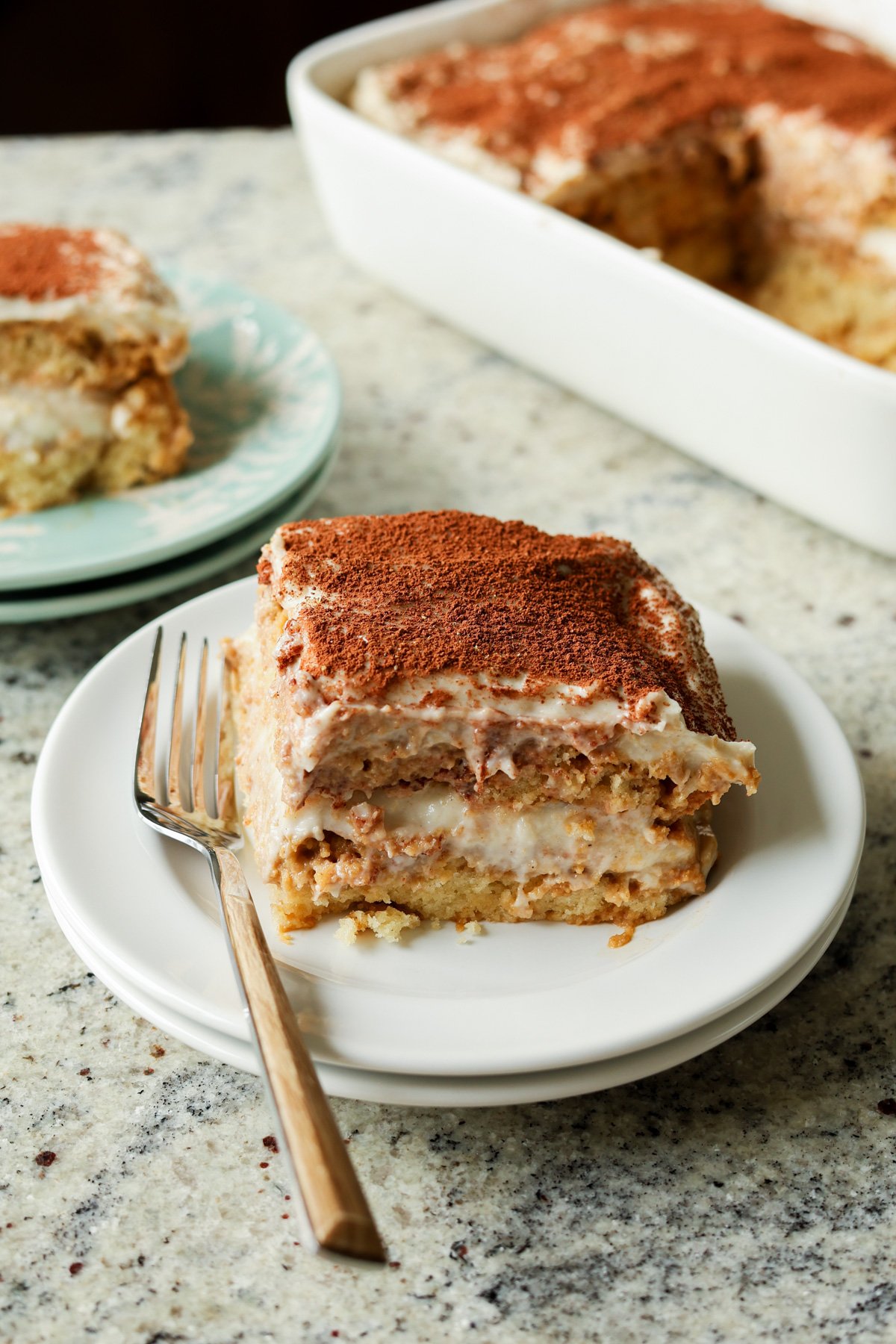
Chai tiramisu cake has a delicious, moist, chai-infused cake with layers of cardamom cream dusted with a cocoa-chai topping. It is an absolutely fabulous fusion dessert perfect for Diwali or any special occasion! (soy-free with gluten-free or nut-free option)

slice of chai tiramisu cake on a plate with a fork

We’re actually making a super quick cake for this chai tiramisu, instead of using ladyfingers. The rich, creamy textures of the cake and cardamom cream give you the decadence of tiramisu without any eggs or dairy needed.

You can make this with vegan ladyfingers, if you can find those, or you can use vegan cake rusks. Cake rusks are like plain biscotti available in Indian stores, and they work well as a substitute for ladyfingers. Just soak them in the chai, and use them for layering. Or, you can make this simple cake with just a few ingredients.

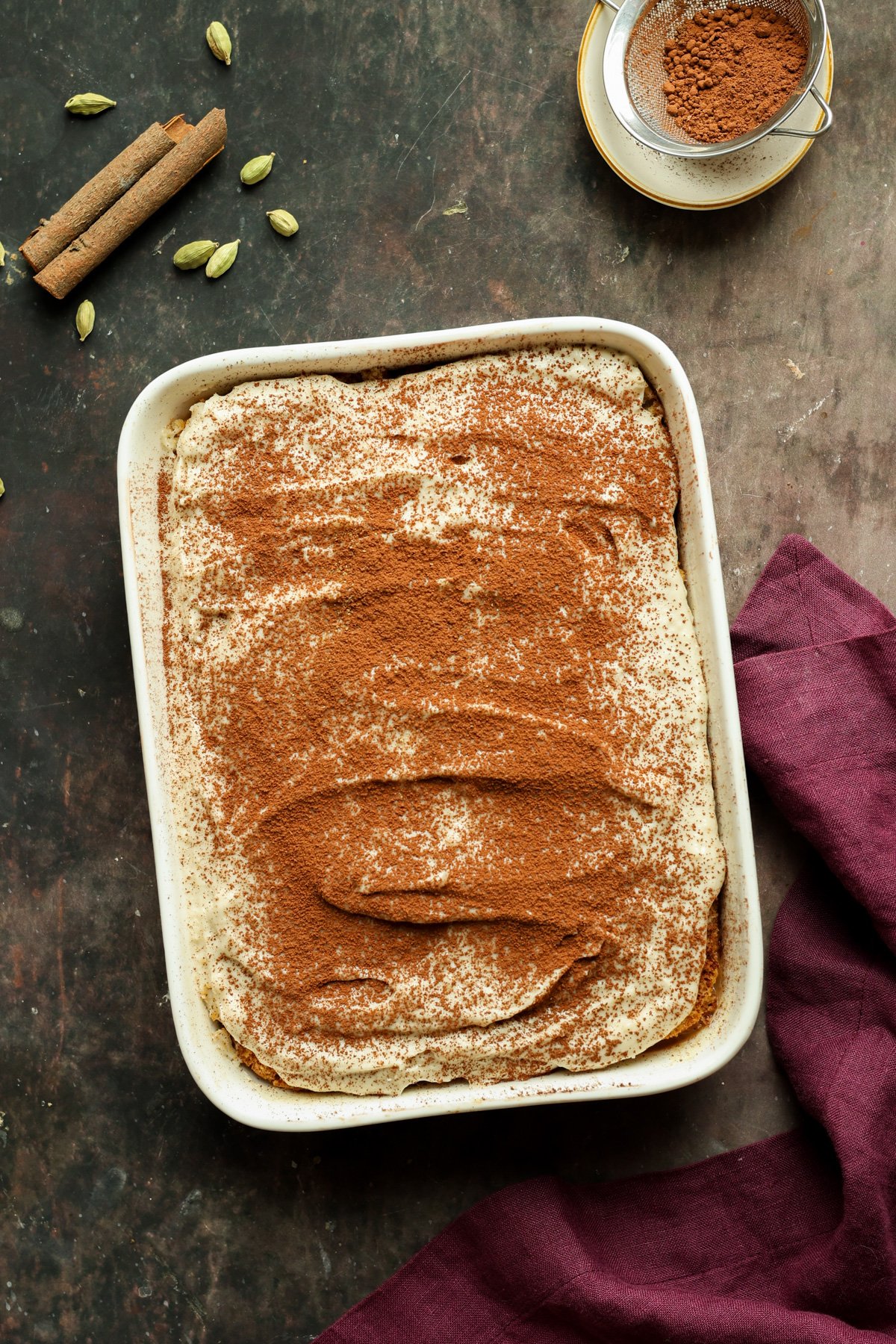
chai tiramisu cake before slicing

I heard you about wanting a cake that used a cream topping that didn’t need a freezer to set. The cardamom cream for this chai tiramisu cake sets up thick and spreadable at room temperature, no freezer needed.

Whether you make the cake from scratch or use one of the substitutions, this incredibly delicious chai tiramisu is a hit at any dinner party. It also freezes well, so you can make it ahead. Just thaw it overnight in the fridge.

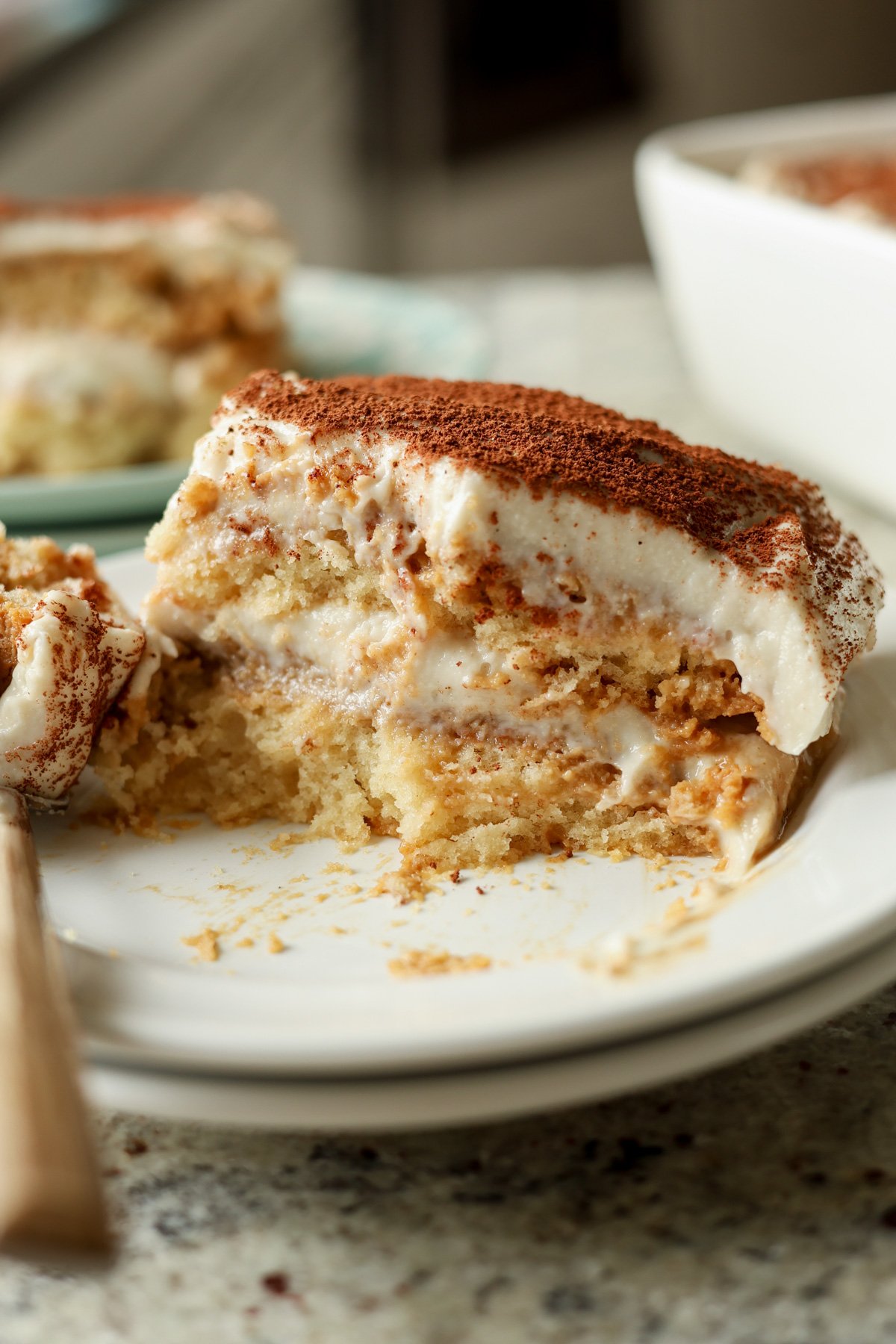
slice of chai tiramisu cake on a plate with a fork taking a bite

Why You’ll Love Chai Tiramisu

  • quick, easy, moist, delicious cake soaked in flavorful milk chai
  • rich, decadent cardamom cream that sets up with no freezer needed
  • cocoa-chai sprinkle on top for extra flavor
  • soy-free with gluten free or nut-free options

Continue reading: Chai Tiramisu Cake (Chaimisu!)

The post Chai Tiramisu Cake (Chaimisu!) appeared first on Vegan Richa.

Hack The Box: Cat Machine Walkthrough – Medium Diffculity

By: darknite
Reading Time: 13 minutes

Introduction

This write-up details the “Cat” machine from Hack The Box, a Medium-rated Linux challenge.

Objective on Cat Machine

The goal is to complete the “Cat” machine by accomplishing the following objectives:

User Flag:

To obtain the user flag, an attacker first exploits a Stored Cross-Site Scripting (XSS) vulnerability in the user registration form, which allows stealing the administrator’s session cookie. With this stolen session, the attacker accesses the admin panel and exploits an SQL Injection flaw to extract sensitive user credentials from the database. After cracking these credentials, SSH access is gained as a regular user, enabling the retrieval of the user flag—a secret token proving user-level access.

Root Flag:

For the root flag, privilege escalation is performed by finding a vulnerable image processing script owned by the root user. The attacker crafts a malicious image payload that executes unauthorised commands with root privileges. This leads to obtaining a root shell—the highest level of system access—allowing capture of the root flag, which confirms full control over the machine.

Reconnaissance and Enumeration on Cat Machine

Establishing Connectivity

I connected to the Hack The Box environment via OpenVPN using my credentials, running all commands from a Parrot OS virtual machine. The target IP address for the Dog machine was 10.10.11.53.

Initial Scanning

To identify open ports and services, I ran an Nmap scan:

nmap -sC -sV 10.10.11.53 -oA initial

Nmap Output:

┌─[dark@parrot]─[~/Documents/htb/cat]
└──╼ $ nmap -sC -sV -oA initial -Pn 10.10.11.53
# Nmap 7.94SVN scan initiated Tue Jun 17 10:05:26 2025 as: nmap -sC -sV -oA initial -Pn 10.10.11.53
Nmap scan report for 10.10.11.53
Host is up (0.017s latency).
Not shown: 998 closed tcp ports (conn-refused)
PORT   STATE SERVICE VERSION
22/tcp open  ssh     OpenSSH 8.2p1 Ubuntu 4ubuntu0.11 (Ubuntu Linux; protocol 2.0)
| ssh-hostkey: 
|   3072 96:2d:f5:c6:f6:9f:59:60:e5:65:85:ab:49:e4:76:14 (RSA)
|   256 9e:c4:a4:40:e9:da:cc:62:d1:d6:5a:2f:9e:7b:d4:aa (ECDSA)
|_  256 6e:22:2a:6a:6d:eb:de:19:b7:16:97:c2:7e:89:29:d5 (ED25519)
80/tcp open  http    Apache httpd 2.4.41 ((Ubuntu))
|_http-title: Did not follow redirect to http://cat.htb/
|_http-server-header: Apache/2.4.41 (Ubuntu)
Service Info: OS: Linux; CPE: cpe:/o:linux:linux_kernel

Service detection performed. Please report any incorrect results at https://nmap.org/submit/ .
# Nmap done at Tue Jun 17 10:05:33 2025 -- 1 IP address (1 host up) scanned in 7.38 seconds

Analysis:

  • Port 22 (SSH): OpenSSH 8.2p1 on Ubuntu 4ubuntu0.11 risks remote code execution if unpatched (e.g., CVE-2021-28041).
  • Port 80 (HTTP): Apache 2.4.41, vulnerable to path traversal (CVE-2021-41773), redirects to cat.htb, hinting at virtual host misconfigurations.

Web Enumeration:

Perform directory fuzzing to uncover hidden files and directories.

gobuster dir -u http://cat.htb -w /opt/common.txt

Let’s perform directory enumeration with Gobuster to identify any potentially useful resources.

Gobuster Output:

Web Path Discovery (Gobuster):

  • /.git Directory: Exposed Git repository risks source code leakage, revealing sensitive data like credentials or application logic.
  • /admin.php, /join.php, and Other Paths: Discovered sensitive endpoints may lack authentication, enabling unauthorised access or privilege escalation.

The website features a typical interface with user registration, login, and image upload functionalities, but the presence of an exposed .git directory and accessible admin endpoints indicate significant security vulnerabilities.

Git Repository Analysis with git-dumper

Utilised the git-dumper tool to clone the exposed Git repository by executing the command git-dumper http://cat.htb/.git/ git. Subsequently, employed a Git extraction tool to retrieve critical source code files, including join.php, admin.php, and accept_cat.php, for further analysis.

Within the cloned Git repository, several PHP files were identified, meriting further examination for potential vulnerabilities or insights.

Source Code Analysis and Review on Cat Machine

Source Code Review of accept_cat.php

The accept_cat.php file is intended to let the admin user 'axel' Accept a cat by inserting its name into the accepted_cats table and deleting the corresponding entry from the cats table. The script correctly verifies the user’s session and restricts actions to POST requests, which is good practice. However, it constructs the insertion SQL query by directly embedding the $cat_name variable without any sanitisation or use of prepared statements:

$sql_insert = "INSERT INTO accepted_cats (name) VALUES ('$cat_name')";
$pdo->exec($sql_insert);

This exposes the application to SQL injection attacks, as malicious input in catName could manipulate the query and compromise the database. On the other hand, the deletion query is properly parameterised, reducing risk. To secure the script, the insertion should also use prepared statements with bound parameters. Overall, while session checks and request validation are handled correctly, the insecure insertion query represents a critical vulnerability in accept_cat.php.

Vulnerability Review of admin.php

This admin page lets the user ‘axel’ manage cats by viewing, accepting, or rejecting them. It correctly checks if the user is logged in as ‘axel’ before allowing access and uses prepared statements to fetch cat data from the database safely. The cat details are displayed with proper escaping to prevent cross-site scripting attacks.

However, the page sends AJAX POST requests to accept_cat.php and delete_cat.php without any protection against Cross-Site Request Forgery (CSRF). This means an attacker could potentially trick the admin into performing actions without their consent. Also, based on previous code, the accept_cat.php script inserts data into the database without using prepared statements, which can lead to SQL injection vulnerabilities.

To fix these issues, CSRF tokens should be added to the AJAX requests and verified on the server side. Additionally, all database queries should use prepared statements to ensure user input is handled securely. While the page handles session checks and output escaping well, the missing CSRF protection and insecure database insertion are serious security concerns.

Security Audit of view_cat.php

The view_cat.php script restricts access to the admin user 'axel' and uses prepared statements to safely query the database, preventing SQL injection. However, it outputs dynamic data such as cat_name, photo_path, age, birthdate, weight, username, and created_at directly into the HTML without escaping. This creates a Cross-Site Scripting (XSS) vulnerability because if any of these fields contain malicious code, it will execute in the admin’s browser.

The vulnerable code includes:

Cat Details: <?php echo $cat['cat_name']; ?>
<img src="<?php echo $cat['photo_path']; ?>" alt="<?php echo $cat['cat_name']; ?>" class="cat-photo">
<strong>Name:</strong> <?php echo $cat['cat_name']; ?><br>
<strong>Age:</strong> <?php echo $cat['age']; ?><br>
</code>

To mitigate this, all output should be passed through htmlspecialchars() to encode special characters and prevent script execution. Additionally, validating the image src attribute is important to avoid loading unsafe or external resources. Without these measures, the page remains vulnerable to XSS attacks.

Input Validation Analysis of join.php

The provided PHP code is vulnerable to several security issues, primarily due to improper input handling and weak security practices. Below is an explanation of the key vulnerabilities, followed by the relevant code snippets:

  1. Cross-Site Scripting (XSS): The code outputs $success_message and $error_message without sanitisation, making it susceptible to XSS attacks. User inputs (e.g., $_GET['username'], $_GET['email']) are directly echoed, allowing malicious scripts to be injected.
<?php if ($success_message != ""): ?>
   <div class="message"><?php echo $success_message; ?></div>
   <?php endif; ?>
   <?php if ($error_message != ""): ?>
   <div class="error-message"><?php echo $error_message; ?></div>
   <?php endif; ?>
  1. Insecure Password Storage: Passwords are hashed using MD5 (md5($_GET['password'])), which is cryptographically weak and easily cracked.
$password = md5($_GET['password']);
  1. SQL Injection Risk: While prepared statements are used, the code still processes unsanitized $_GET inputs, which could lead to other injection vulnerabilities if not validated properly.
  2. Insecure Data Transmission: Using $_GET for sensitive data like passwords, exposing them in URLs risks interception.

To mitigate these, use htmlspecialchars() for output, adopt secure hashing (e.g., password_hash()), validate inputs, and use $_POST for sensitive data.

Workflow Evaluation of contest.php

The PHP code for the cat contest registration page has multiple security flaws due to weak input handling and poor security practices. Below are the key vulnerabilities with relevant code snippets:

Cross-Site Scripting (XSS): The $success_message and $error_message are output without sanitization, enabling reflected XSS attacks via crafted POST inputs (e.g., cat_name=<script>alert(‘XSS’)</script>).

<?php if ($success_message): ?>
    <div class="message"><?php echo $success_message; ?></div>
<?php endif; ?>
<?php if ($error_message): ?>
    <div class="error-message"><?php echo $error_message; ?></div>
<?php endif; ?>
  • Weak Input Validation: The regex (/[+*{}’,;<>()\\[\\]\\/\\:]/) in contains_forbidden_content is too permissive, allowing potential XSS or SQL injection bypasses.
$forbidden_patterns = "/[+*{}',;<>()\\[\\]\\/\\:]/";
  • Insecure File Upload: The file upload trusts getimagesize and uses unsanitized basename($_FILES[“cat_photo”][“name”]), risking directory traversal or malicious file uploads.
$target_file = $target_dir . $imageIdentifier . basename($_FILES["cat_photo"]["name"]);

To mitigate, sanitize outputs with htmlspecialchars(), use stricter input validation (e.g., FILTER_SANITIZE_STRING), sanitize file names, restrict upload paths, and validate file contents thoroughly.

User Registration and Login

Clicking the contest endpoint redirects to the join page, which serves as the registration page.

Let’s create a new account by completing the registration process.

The registration process was completed successfully, confirming that new user accounts can be created without errors or restrictions.

Logging in with the credentials we created was successful.

After a successful login, the contest page is displayed as shown above.

Let’s complete the form and upload a cat photo as required.

Successfully submitted the cat photo for inspection.

Exploiting XSS to Steal Admin Cookie for Cat Machine

Initialise the listener.

Injected a malicious XSS payload into the username field.

Let’s create a new account by injecting malicious XSS code into the Username field while keeping all other inputs valid.

Let’s fill out the form with normal inputs as before.

The process may take a few seconds or minutes, depending on the response time. I have attempted multiple times to ensure it works successfully.

Used Firefox Dev Tools to set the cookie and gain access to admin features

Once we obtain the token hash, we need to copy and paste it into Firefox’s inspector to proceed further.

After that, simply refresh the page, and you will notice a new “Admin” option has appeared in the menu bar.

Clicking the Admin option in the menu bar redirects us to the page shown above.

Click the accept button to approve the submitted picture.

Leveraging XSS Vulnerability to Retrieve Admin Cookie for Cat Machine

Used Burp Suite to analyze POST requests.

Use Burp Suite to examine network packets for in-depth analysis.

Test the web application to determine if it is vulnerable to SQL injection attacks.

Attempting to inject the SQL command resulted in an “access denied” error, likely due to a modified or invalid cookie.

SQL Injection and Command Execution

After reconstructing the cookie, the SQL injection appears to function as anticipated.

Successfully executed command injection.

We can use the curl command to invoke the malicious file and execute it. The fact that it’s hanging is promising, indicating potential success.

It was observed that bash.sh has been transferred to the victim’s machine.

Success! A shell was obtained as the www-data user.

Database Enumeration

It’s unusual to find cat.db while searching for the database file.

Transfer the SQL file to our local machine.

We discovered that cat.db is a SQLite 3.x database.

sqlite3 cat.db opens the cat.db file using the SQLite command-line tool, allowing you to interact with the database—run queries, view tables, and inspect its contents.

The cat.db database contains three tables: accepted_cats, cats, and users, which likely stores approved cat entries, general cat data, and user information, respectively.

Immediate cracking is possible for some obtained hashes.

The screenshot shows the hashes after I rearranged them for clarity.

Breaking Password Security: Hashcat in Action

We need to specify the hash mode, which in this case could be MD5.

We successfully cracked the hash for the user Rosa, revealing the password: soyunaprincesarosa.

Boom! We successfully gained access using Rosa’s password.

The access.log file reveals the password for Axel.

The user Axel has an active shell account.

The credentials for Axel, including the password, were verified successfully.

Access is achievable via either pwncat-cs or SSH.

Executing the appropriate command retrieves the user flag.

Escalate to Root Privileges Access on Cat Machine

Privilege Escalation

The Axel user does not have sudo privileges on the cat system.

Email Analysis

We can read the message sent from Rosa to Axel.

The emails are internal updates from Rosa about two upcoming projects. In the first message, Rosa mentions that the team is working on launching new cat-related web services, including a site focused on cat care. Rosa asks Axel to send details about his Gitea project idea to Jobert, who will evaluate whether it’s worth moving forward with. Rosa also notes that the idea should be clearly explained, as she plans to review the repository herself. In the second email, Rosa shares that they’re building an employee management system. Each department admin will have a defined role, and employees will be able to view their tasks. The system is still being developed and is hosted on their private Gitea platform. Rosa includes a link to the repository and its README file, which has more information and updates. Both emails reflect early planning stages and call for team involvement and feedback.

Checking the machine’s open ports reveals that port 3000 is accessible.

Therefore, we need to set up port forwarding for port 3000.

Gitea Exploitation on Cat Machine

A screenshot of a computer

AI-generated content may be incorrect.

The service running on port 3000 is the Gitea web interface.

A screenshot of a login screen

AI-generated content may be incorrect.

Using Axel’s credentials, we successfully logged in.

Gitea service is running version 1.22.0, which may contain specific features and known vulnerabilities relevant for further evaluation.

Start the Python server to serve files or host a payload for the next phase of the assessment.

Inject the XSS payload as shown above.

The fake email is sent to the user jobert to test the functionality.

Obtained a base64-encoded cookie ready for decoding.

The decoded cookie appears to contain the username admin.

Edit the file within the Gitea application.

Obtained the token as shown above.

A screenshot of a computer screen

AI-generated content may be incorrect.
<?php
$valid_username = 'admin';
$valid_password = 'IKw75eR0MR7CMIxhH0';

if (!isset($_SERVER['PHP_AUTH_USER']) || !isset($_SERVER['PHP_AUTH_PW']) || 
    $_SERVER['PHP_AUTH_USER'] != $valid_username || $_SERVER['PHP_AUTH_PW'] != $valid_password) {
    
    header('WWW-Authenticate: Basic realm="Employee Management"');
    header('HTTP/1.0 401 Unauthorized');
    exit;
}

This PHP script enforces HTTP Basic Authentication by verifying the client’s username and password against predefined valid credentials: the username “admin” and the password “IKw75eR0MR7CMIxhH0.” Upon receiving a request, the script checks for authentication headers and validates them. If the credentials are missing or incorrect, it responds with a 401 Unauthorised status and prompts the client to authenticate within the “Employee Management” realm.

The password discovered grants root access and functions as an administrator password on Windows machines.

Executing the appropriate command retrieves the root flag.

The post Hack The Box: Cat Machine Walkthrough – Medium Diffculity appeared first on Threatninja.net.

Google’s Bubble Tea Doodle Explained: Tapioca Pearls, Milk Tea, and a Whole Lot of Fun

Google is celebrating the popularity of bubble tea with a doodle to highlight the drink’s cultural significance and widespread appeal. Bubble tea, which originated in Taiwan in the 1980s, has become a global phenomenon and a staple in many countries worldwide. The Google Doodle is a way to pay tribute to the creativity and innovation behind the beloved beverage and celebrate its impact on the world of food and drink. The doodle also reflects the increasing importance of food culture and the role it plays in bringing people together and fostering community. 

Play Google doodle’s bubble tea game.

Google Doodle's Bubble Tea Game
Google Doodle’s Bubble Tea Game

Bubble Tea: From Origin to Making

Bubble tea, also known as pearl milk tea or boba, is a famous Taiwanese drink that has been enjoyed for decades. Originating in the 1980s, bubble tea has quickly become a staple in many countries worldwide. With its unique combination of chewy tapioca pearls and sweet tea, bubble tea has become a must-try for tea lovers everywhere. In this article, we will explore the history of bubble tea, the ingredients and equipment needed to make it, and how to make bubble tea from scratch.

Google_s-Bubble-Tea-Doodle-from-origin-to-making

History of Bubble Tea

Bubble tea was first created in the 1980s in Taiwan, where tea shops began experimenting with different flavors and ingredients. It is said that the founder of bubble tea was inspired by a dessert that was popular at the time, which consisted of sweetened, chewy tapioca balls. The tea shop owner decided to add these tapioca pearls to his tea; thus, bubble tea was born.

Bubble tea quickly gained popularity in Taiwan and soon spread to other countries in Asia, including Japan and China. By the 1990s, bubble tea had made its way to the United States and Europe, and today, bubble tea is a popular drink all over the world.

Ingredients and Equipment.

To make bubble tea, you will need the following ingredients:

  • Tea (black tea, green tea, or any other tea of your choice)
  • Tapioca pearls
  • Sugar or sweetener
  • Milk (optional)
  • Ice
  • Cups
  • Straws
In addition to the ingredients, you will also need the following equipment:
  • A large pot
  • A strainer
  • A large spoon or spatula
  • A tea kettle or pot
  • A blender (optional)
Making Bubble Tea

Step 1: Cook the Tapioca Pearls

The first step in making bubble tea is to cook tapioca pearls. To do this, bring a large pot of water to a boil, then add the tapioca pearls. Cook the tapioca pearls for about 20 minutes, stirring occasionally, until they are soft and chewy. Once cooked, drain the tapioca pearls and rinse them with cold water.

Step 2: Brew the Tea

While the tapioca pearls are cooking, brew the tea. To do this, bring a tea kettle or pot of water to a boil, then steep the tea for 5-10 minutes, depending on the type of tea you are using. Strain the tea and set it aside to cool.

Step 3: Add Sweetener and Milk (Optional)

Once the tea has cooled, add sugar or sweetener to taste. If you prefer, you can also add milk to the tea to make it creamier. If you are using a blender, add the tea, sugar, sweetener, and milk to the blender and blend until smooth. If you are not using a blender, simply stir the ingredients together.

Step 4: Add Ice and Tapioca Pearls

Fill each cup with ice, then pour the tea mixture over the ice. Add the cooked tapioca pearls to the cup, then stir to combine.

Step 5: Serve and Enjoy!

Serve the bubble tea with a straw and enjoy! You can also add other toppings such as fruit, syrup, or jelly to customize the flavor of your bubble tea.

Conclusion

Bubble tea is a delicious and unique drink that has become a staple in many countries around the world. With its combination of chewy.

<p>The post Google’s Bubble Tea Doodle Explained: Tapioca Pearls, Milk Tea, and a Whole Lot of Fun first appeared on Aroma of Kitchen.</p>

❌