Reading view

There are new articles available, click to refresh the page.

Sakkarai Pongal / Sweet Rice Pongal

There’s something truly magical about the aroma of ghee, jaggery, and cardamom wafting through the kitchen — it instantly feels like a celebration. Sakkarai Pongal, a traditional South Indian sweet dish made with rice, moong dal, and jaggery, is not just food, but an offering of love and devotion during festivals like Pongal and Navratri. Soft, melt-in-your-mouth, and rich with the flavor of ghee-roasted cashews and raisins, this recipe is a heartwarming treat you’ll want to enjoy well beyond festive days.

A traditional bowl of Sakkarai Pongal garnished with ghee-roasted cashews and raisins, served as a South Indian festive sweet dish.
Creamy and aromatic Sakkarai Pongal, a festive sweet made with rice, moong dal, jaggery, and ghee.

Sakkarai Pongal is deeply tied to special occasions and festivals in South India, especially Tamil Nadu. Here’s the cultural and seasonal background you can use as content:

  • Harvest Festival (Thai PongalThai Pongal Festival and Recipes):
    Sakkarai Pongal is the star dish of the Pongal festival, celebrated in January to thank the Sun God for a bountiful harvest. It’s cooked in new clay pots, often outdoors, and allowed to boil over — symbolizing abundance and prosperity.
  • Temple Prasadam:
    It’s also a very popular prasadam (offering) in temples, especially in Vaishnavite temples like Srirangam, where it is served to devotees.
  • Other Festivals & Occasions:
    Apart from Thai Pongal, it is also prepared during Navratri, Aadi PerukkuVaikunta Ekadashi, and other auspicious days. Families make it at home as an offering to deities and then enjoy it together.

So while it can be made any time of year, it is most beloved during festivals, temple offerings, and auspicious beginnings.

[feast_advanced_jump_to]

Ingredients

Every ingredient in Sakkarai Pongal plays a purpose that contributes to its signature taste and texture:

  • Rice and moong dal form the creamy, porridge-like base—when cooked and mashed together, they offer both body and smooth consistency, essential for the dish's comforting character. 
  • Jaggery, the unrefined cane sugar, imparts a deep, molasses-like sweetness unique to traditional South Indian sweets—a flavor profile that refined sugars simply can’t replicate. 
  • Ghee envelopes the dish in richness and aroma, making the texture luxuriously silky and elevating every bite. 
  • Cardamom, along with optional edible camphorclove, and nutmeg, lend fragrant warmth and a touch of divine, almost ritualistic flavor—especially when the dish is made as prasadam (offering).
  • Cashews and raisins introduce a delightful contrast in texture—nutty and slightly chewy—rounding out the dish with pops of buttery crunch and sweet bursts. 

Each component has been carefully chosen not just for flavor, but for tradition, mouthfeel, and the harmonious balance that makes this humble sweet dish feel like a festive celebration in every spoonful.

See recipe card for quantities.

Instructions

Sakkarai Pongal_Step1
  1. Heat a pan and dry roast the moong dal until it turns slightly golden and releases a nutty aroma. Set it aside.
Sakkari Pongal_Step2
  1. In a strainer, add the roasted moong dal and rice. Rinse them well two to three times.
Sakkari Pongal_step 3
  1. Transfer the washed rice and dal to a pressure cooker, add water, and mix well.
Sakkari Pongal_step 4
  1. Pressure cook for 5–6 whistles, until the mixture becomes soft and mushy. Traditionally, in temples and during festive occasions, the rice and dal are slow-cooked in open pots, giving a smoky flavor. For everyday cooking at home, pressure cooking is quicker and convenient. Once cooked, mash the mixture well and set aside.
Sakkarai Pongal_step5
  1. In a saucepan, add jaggery with a little water. Heat until the jaggery melts completely. Set this aside.
Sakkarai Pongal_step 7
  1. Heat ghee in a heavy-bottomed pan, strain the jaggery syrup, and add it to the pan.
Sakkarai Pongal_step8
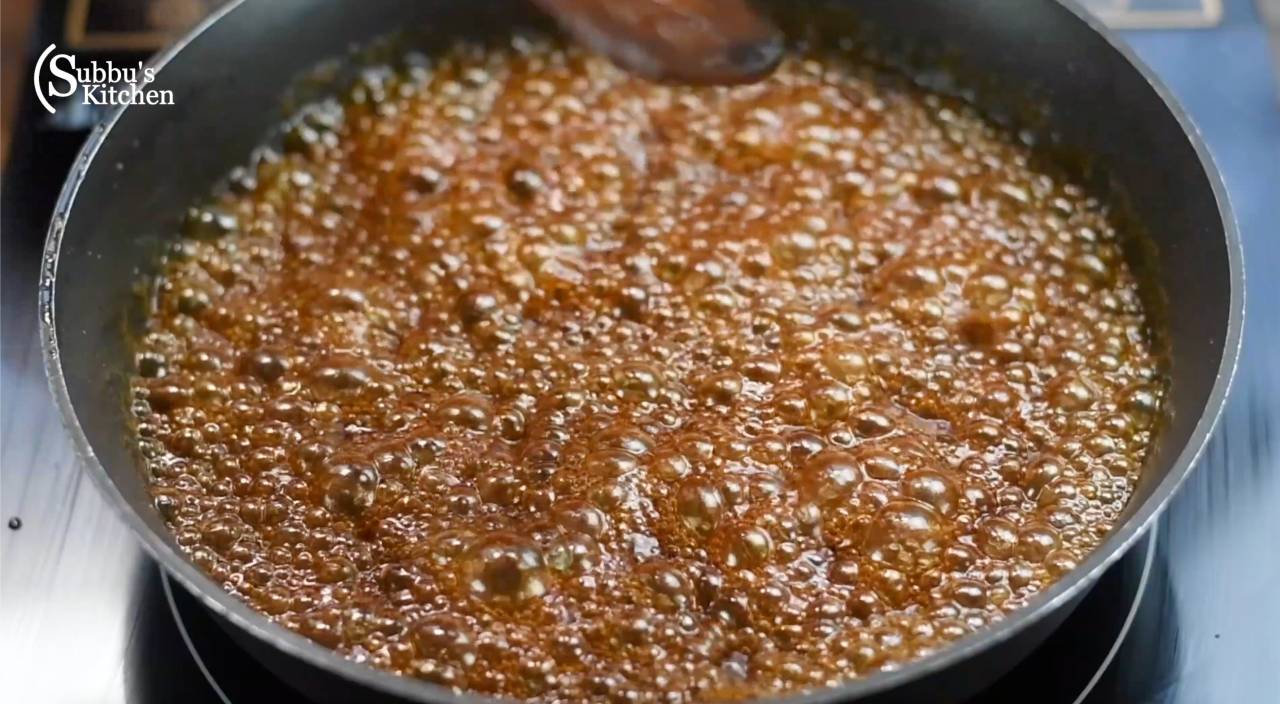
  1. Allow the jaggery syrup to come to rolling boil.
Sakkari Pongal_Step9
  1. When the syrup begins to boil, add the mashed rice and dal mixture.
Sakkari Pongal_Step 11
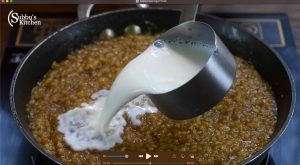
  1. Reduce the flame to low and stir in milk (optional). Milk adds richness but shortens the shelf life to about a day. If preparing in advance, skip the milk. Important: never add milk directly to the jaggery syrup, as it will curdle—always add it after mixing in the rice-dal mixture.
Sakkari Pongal_12
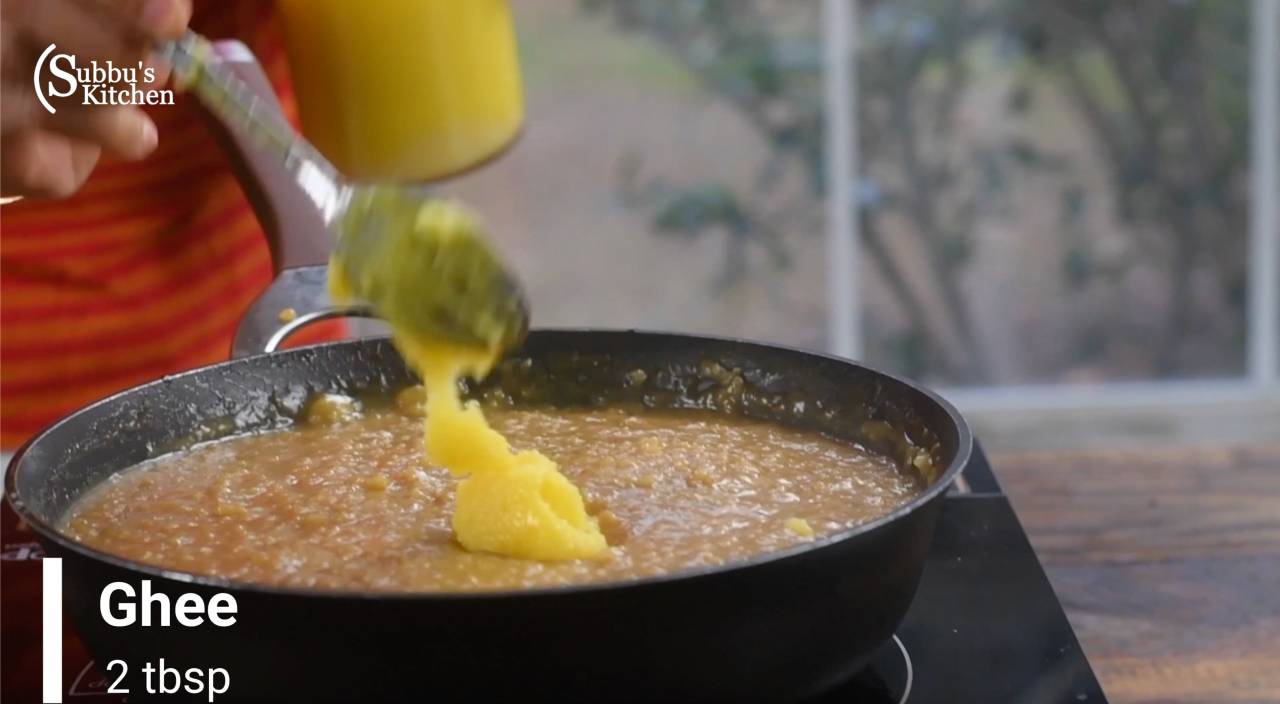
  1. Stir continuously until the rice-dal mixture absorbs the jaggery syrup and reaches a slightly thick consistency.
Sakkari Pongal_step 13
  1. Add the remaining ghee and cardamom powder, mixing well. Keep on low flame for a few more minutes.
  1. In a separate small pan, heat ghee and roast cashews and raisins until golden. Add them to the pongal and mix gently. Your delicious Sakkarai Pongal is ready to be offered as neivedhyam or enjoyed warm with family!

???? Hint: When melting jaggery, always strain the syrup before adding it to the rice-dal mixture. This helps remove any impurities and ensures your pongal stays smooth, clean, and glossy.

Variations

  • Gluten-Free: Since it’s made with rice, dal, and jaggery, Sakkarai Pongal is naturally gluten-free. Just make sure your jaggery is pure and not processed with additives.
  • Vegan Option: Traditionally, this recipe uses ghee and sometimes milk. To make it vegan, replace ghee with coconut oil or vegan butter, and skip the milk (or use almond/coconut milk for richness).

Storage

  • Pongal made without milk can be kept at room temperature for up to 12–18 hours in a cool place. Pongal made with milk should be consumed within 6–8 hours, as it spoils quickly.
  • Store in an airtight container to maintain freshness and aroma.
  • Keep at room temperature for up to 1 day.
  • Refrigerate for up to 2–3 days.
  • Reheat gently on low flame before serving.
  • Avoid prolonged storage to preserve the soft, creamy texture and flavor.

Top Tip

If you're going to make this recipe, make sure to follow this top tip!

  • Jaggery Ratio: Use a rice + dal to jaggery ratio of 1.25:2.5. For 1 cup rice and ¼ cup moong dal, add 2.5 cups grated jaggery. This ensures the sweetness is balanced — not too bland, not too overpowering.
  • Jaggery Quality Matters: The color and aroma of your pongal depends on the type of jaggery. Paagu vellam gives a darker, richer brown consistency than regular jaggery.
  • Cooking Rice & Dal: Add an extra ½ cup of water and allow additional whistles in the pressure cooker to ensure the rice and dal are completely soft and mushy.
  • Milk is Optional: Adding milk while cooking makes the pongal creamier and richer in flavor, but it’s not necessary.
  • Strain Jaggery Syrup: Jaggery can contain impurities like sand. Always dissolve and strain the jaggery syrup before adding it to the rice-dal mixture.
  • Ghee in Syrup: Adding a bit of ghee to the jaggery syrup is optional, but it enhances the richness and aroma of the pongal.
  • Consistency Tips: Milk can be used to adjust consistency. Once milk is added, keep the flame low to avoid curdling or breaking the pudding.

Related

Looking for other recipes like this? Try these:
Recipe Card

Sakkarai Pongal
Print

Sweet pongal recipe | Chakkara pongali | Sakkarai pongal

Sakkarai Pongal is a traditional South Indian sweet dish made with rice, moong dal, jaggery, ghee, and cardamom. Creamy, aromatic, and lightly sweet, this festive dessert is perfect for Pongal, Navratri, or temple offerings. Enhanced with roasted cashews and raisins, it’s soft, melt-in-your-mouth, and easy to make at home with this foolproof recipe.
Course Festival Recipes, Sweet
Cuisine India, South Indian, Tamil Brahmin, Tamil Nadu
Prep Time 5 minutes
Cook Time 25 minutes
Total Time 30 minutes
Servings 6 people
Calories 220kcal
Author Sowmya Venkatachalam

Equipment

  • Pressure Cooker
  • Heavy Bottomed Pan

Ingredients

  • 1 cup Raw Rice 1 cup = 250 ml
  • ¼ cup Moong dal
  • cups Grated Jaggery
  • ¼ teaspoon Cardamom Powder
  • 1 tablespoon Cashews
  • 1 pinch Pachai Karpooram Optional
  • 1 tablespoon Raisins Optional
  • 3 teaspoon Ghee (Clarified butter)
  • 2 teaspoon Ghee (Clarified butter) for tempering
  • cups Water
  • ½ cup Milk (optional)

Instructions

Roasting and Cooking the Dal + Rice

  • Heat a pan and dry roast ¼ cup of moong dal until it turns golden and releases a fragrant aroma. Set aside.
    ¼ cup Moong dal
    Sakkarai Pongal_Step1
  • In a strainer, take 1 cup of rice and the roasted moong dal. Rinse 2–3 times until the water runs clear.
    1 cup Raw Rice
    Sakkari Pongal_Step2
  • Add 4.5 cups of water and mix well.
    4½ cups Water
    Sakkari Pongal_step 3
  • Pressure cook the rice and dal mixture for 5–6 whistles until soft and mashable. Traditionally, in temples and at weddings, this mixture is slow-cooked on the stove to impart a smoky aroma, but for home cooking, a pressure cooker works perfectly. Once cooked, mash the rice and dal thoroughly and set aside.
    Sakkari Pongal_step 4

Preparing the Jaggery Syrup

  • In a saucepan, combine 2.5 cups of grated jaggery with ¼ cup of water. Heat gently until the jaggery melts completely and dissolves. Set aside.
    2½ cups Grated Jaggery
    Sakkarai Pongal_step5
  • Heat 3 teaspoon of ghee in a heavy-bottomed pan. Strain the melted jaggery and add it to the pan.
    3 teaspoon Ghee (Clarified butter)
    Sakkarai Pongal_step 7
  • When the jaggery syrup comes to a rolling boil, add the mashed rice and dal mixture.
    Sakkari Pongal_Step9
  • Keep the flame very low and stir in ½ cup of milk (optional). Milk adds richness, but if used, the shelf life of the dish is limited to 1 day. Never add milk directly to the jaggery syrup, as it may curdle — always add it after the rice-dal mixture. Also add the Pacha Karpooram and mix well.
    ½ cup Milk, 1 pinch Pachai Karpooram
    Sakkari Pongal_Step 11

Finishing Pongal

  • Stir the mixture well to incorporate the rice and dal with the jaggery syrup. Add the remaining ghee and ¼ teaspoon of cardamom powder, and continue stirring on low flame until the pongal thickens slightly.
    ¼ teaspoon Cardamom Powder
    Sakkari Pongal_step 13
  • In a separate pan, heat 2 teaspoon of ghee and roast cashews and raisins until golden brown. Add them to the pongal and give a final gentle stir.
    1 tablespoon Cashews, 1 tablespoon Raisins, 2 teaspoon Ghee (Clarified butter)
  • The scrumptious Sakarai Pongal is ready for neivedhyam or to serve!
    Sakkarai Pongal

Video

Notes

???? Tips for Perfect Sakkarai Pongal

  • Jaggery Ratio: Use a rice + dal to jaggery ratio of 1.25:2.5. For 1 cup rice and ¼ cup moong dal, add 2.5 cups grated jaggery. This ensures the sweetness is balanced — not too bland, not too overpowering.
  • Jaggery Quality Matters: The color and aroma of your pongal depends on the type of jaggery. Paagu vellamgives a darker, richer brown consistency than regular jaggery.
  • Cooking Rice & Dal: Add an extra ½ cup of water and allow additional whistles in the pressure cooker to ensure the rice and dal are completely soft and mushy.
  • Milk is Optional: Adding milk while cooking makes the pongal creamier and richer in flavor, but it’s not necessary.
  • Strain Jaggery Syrup: Jaggery can contain impurities like sand. Always dissolve and strain the jaggery syrupbefore adding it to the rice-dal mixture.
  • Ghee in Syrup: Adding a bit of ghee to the jaggery syrup is optional, but it enhances the richness and aroma of the pongal.
  • Consistency Tips: Milk can be used to adjust consistency. Once milk is added, keep the flame low to avoid curdling or breaking the pudding.

Nutrition

Serving: 150g | Calories: 220kcal | Carbohydrates: 37g | Protein: 4g | Fat: 3g | Sodium: 850mg | Vitamin A: 1IU | Vitamin C: 1mg | Calcium: 3mg | Iron: 6mg
A traditional bowl of Sakkarai Pongal garnished with ghee-roasted cashews and raisins, served as a South Indian festive sweet dish.
Creamy and aromatic Sakkarai Pongal, a festive sweet made with rice, moong dal, jaggery, and ghee.

The post Sakkarai Pongal / Sweet Rice Pongal appeared first on Subbus Kitchen.

Lemon Rice

Lemon Rice is a vibrant and comforting South Indian dish, loved for its refreshing citrus flavor and aromatic tempering of spices. Cooked rice is infused with freshly squeezed lemon juice, curry leaves, green chilies, and a touch of turmeric, creating a dish that is both simple and irresistibly flavorful. It’s a staple in many households, often prepared for festivals, special occasions, or as a wholesome everyday meal that can be enjoyed on its own or paired with accompaniments like papad, pickle, or any poriyal like Potato fry.

A bowl of South Indian Lemon Rice garnished with curry leaves, green chilies, and roasted peanuts, served fresh and vibrant yellow.
Tangy, refreshing, and packed with flavor – this South Indian Lemon Rice is a perfect comfort meal for any day!

Lemon Rice is a beloved part of South Indian cuisine and is often prepared as a quick, refreshing meal year-round. It holds a special place during festivals and religious occasions, particularly in Tamil Nadu and Karnataka, where it is commonly made for Aadi Perukku (a festival dedicated to rivers and water bodies). It is also one of the most popular prasadam (temple offerings), as its tangy, non-perishable nature makes it ideal for distribution. Beyond festivals, Lemon Rice is a go-to dish for travel, picnics, and packed lunches because it stays fresh for hours and tastes even better as the flavors meld over time.

Perfect Pairings for Lemon Rice

If you're packing this for a lunch box, Lemon Rice with  lady’s finger fry (okra) as an ideal accompaniment that brings texture and flavor contrast 

For a flavorful twist, try Masala Lemon Rice, which elevates the classic with freshly ground masala spices. It plays beautifully with any stir-fry vegetables or papad—especially if you’re craving something crunchy 

Want to swap the base entirely? The Lemon Sevai (lemon-seasoned rice noodles) uses the same vibrant tempering as Lemon Rice but delivers a different mouthfeel—perfect if you're in the mood for something lighter or a little change in texture

[feast_advanced_jump_to]

Ingredients

These carefully chosen ingredients make Lemon Rice irresistibly flavorful. Tangy lemon brightens the dish, turmericadds color and subtle earthiness, while mustard seeds, dals, peanuts, and asafoetida create a crunchy, aromatic tempering. Curry leaves and chilies add freshness and mild heat, and a touch of sesame oil ties all the flavors together for a vibrant, comforting South Indian classic.

  • Lemon
  • Cooked rice
  • Turmeric powder
  • Salt
  • Fenugreek powder
  • Sesame oil
  • Mustard seeds
  • Split urad dal
  • Split Bengal gram (channa dal)
  • Peanuts
  • Asafoetida (hing)
  • Curry leaves
  • Green chili
  • Red chili

See recipe card for quantities.

Instructions

  1. Cut the lemons in half and squeeze out the juice. Add salt to the lemon juice and set it aside. Spread the cooked rice on a broad plate and allow it to cool slightly.
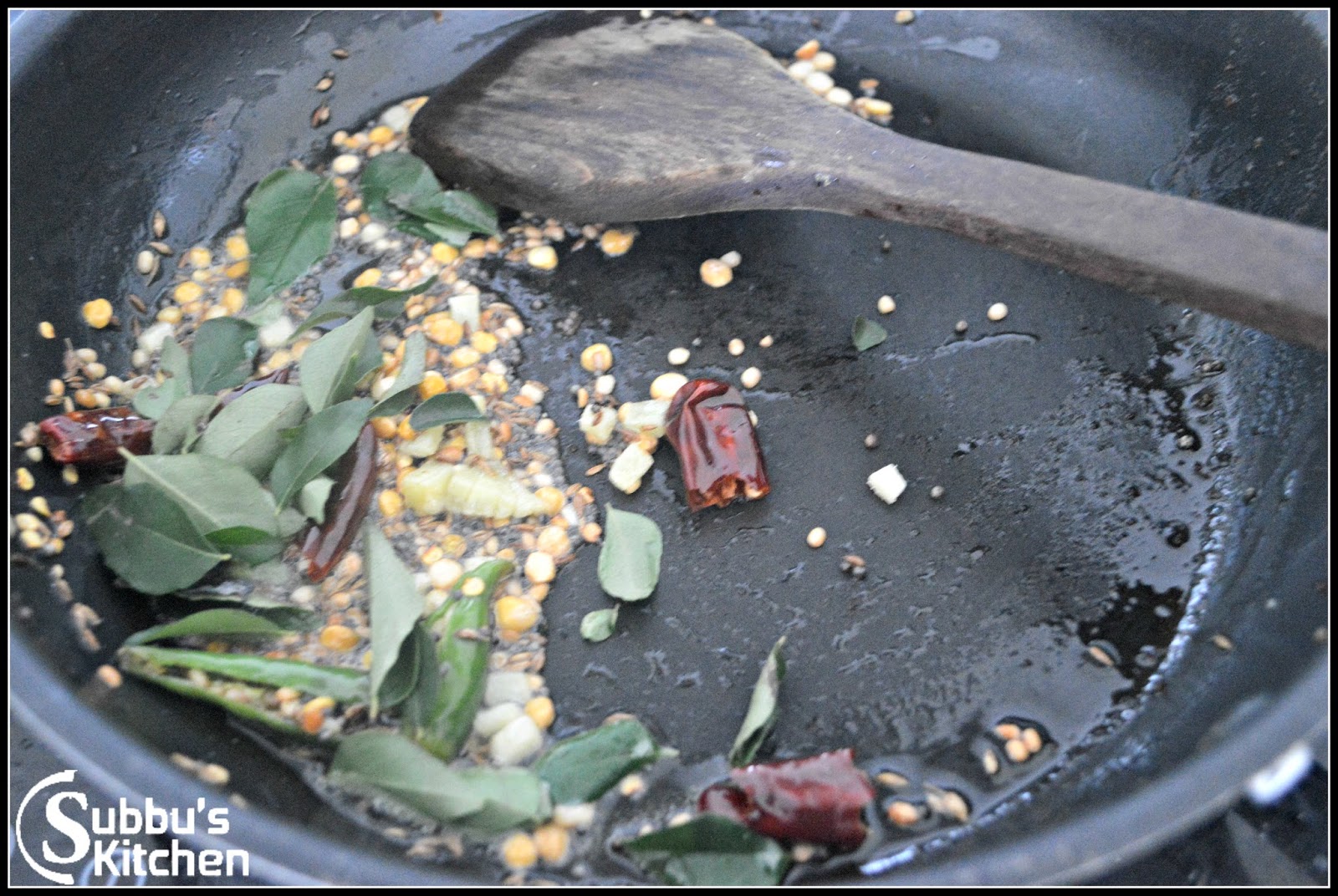
  1. In a heavy-bottomed pan, heat the gingelly (sesame) oil. Add the mustard seeds and let them sputter. Then add the split urad dal, channa dal, peanuts, red chili and curry leaves. Add a pinch of hing (asafoetida). Fry until the dals turn golden brown.
  1. Add the chopped green chilies and turmeric powder, then remove the pan from heat
  1. Gently fold in the cooked rice, salt, and fenugreek powder, taking care not to mash the grains.
  1. Finally, pour in the lemon juice, adjust salt to taste, and mix gently until everything is well combined.
Lemon Rice
  1. Serve with Papad, fryums or stir-fry vegetables.

Spice-up the Lemon Rice

  • Roasted Fenugreek & Red Chili Paste: Dry roast ¼ teaspoon of fenugreek seeds with 2 red chilies, grind them, and mix into the rice. This adds a rich, aromatic flavor that elevates the dish.
  • Fresh Masala for Masala Lemon Rice: Add freshly prepared masala to transform your Lemon Rice into a flavorful Masala Lemon Rice. Follow our recipe here for step-by-step instructions.
  • Crunchy Peanuts: Toss in fried peanuts to give the rice a satisfying crunch and nutty depth.
  • Chilies for Flavor & Spice: Use a combination of red and green chilies to enhance both the heat and aroma.
  • Ginger Twist: Finely chopped ginger can be added in place of asafoetida (hing) for a unique flavor and refreshing taste.

Top Tip

Here are expert tips to make your Lemon Rice truly shine:

  • Use cooled or day-old rice: Prevents clumping and keeps grains fluffy.
  • Temper spices in hot oil: Mustard seeds, dals, and chilies release maximum aroma and flavor.
  • Add lemon juice last: Preserves the bright, tangy flavor without overpowering the dish.
  • Optional crunch: Toss in fried peanuts for added texture.
  • Ginger twist: Finely chopped ginger can replace hing for a fresh, zesty note.

Related

Looking for other recipes like this? Try these:
Pairing

These are my favorite dishes to serve with Lemon Rice

Lemon Rice
Print

Tangy & Flavorful Lemon Rice | Easy South Indian Recipe

Lemon Rice is a classic South Indian dish bursting with tangy, zesty flavors and aromatic spices. Made with fluffy cooked rice, fresh lemon juice, turmeric, and a flavorful tempering of mustard seeds, dals, peanuts, curry leaves, and chilies, it’s quick to prepare and perfect for everyday meals, lunch boxes, or festive occasions. Add a few fried peanuts or a touch of fresh ginger to elevate the taste and texture. Light, refreshing, and utterly satisfying, this Lemon Rice is a must-try comfort food that everyone will love.
Course Rice Varieties
Cuisine Indian, South Indian, Tamil Nadu
Prep Time 5 minutes
Cook Time 20 minutes
Total Time 25 minutes
Servings 2 people
Calories 300kcal
Author Sowmya Venkatachalam

Equipment

  • 1 Heavy Bottomed Pan

Ingredients

  • 1 nos Lemon
  • 1 Cup Cooked Rice 1 Cup - 250ml
  • ¼ teaspoon Turmeric Powder
  • 1 teaspoon Salt adjust to your taste
  • ¼ teaspoon Fenugreek Powder

For Tempering

  • 2 tablespoon Sesame Oil
  • 1 teaspoon Mustard seeds
  • ½ teaspoon Split Urad Dal
  • 2 teaspoon Split Bengal Gram (Channa Dal / Kadalaparuppu)
  • 1 tablespoon Peanuts
  • ¼ teaspoon Asafoetida (Asafetida / Hing)
  • 1 sprig Curry Leaves
  • 2 nos Green Chili
  • 1 nos Red Chili

Instructions

  • Cut the lemons in half and squeeze out the juice. Add salt to the lemon juice and set it aside.
    1 nos Lemon, 1 teaspoon Salt
  • Spread the cooked rice on a broad plate and allow it to cool slightly.
    1 Cup Cooked Rice
  • In a heavy-bottomed pan, heat the gingelly (sesame) oil. Add the mustard seeds and let them sputter. Then add the split urad dal, channa dal, peanuts, red chili and curry leaves. Add a pinch of hing (asafoetida). Fry until the dals turn golden brown.
    2 tablespoon Sesame Oil, 1 teaspoon Mustard seeds, ½ teaspoon Split Urad Dal, 2 teaspoon Split Bengal Gram (Channa Dal / Kadalaparuppu), 1 tablespoon Peanuts, ¼ teaspoon Asafoetida (Asafetida / Hing), 1 nos Red Chili, 1 sprig Curry Leaves
  • Add the chopped green chilies and turmeric powder, then remove the pan from heat. Gently fold in the cooked rice, salt, and fenugreek powder, taking care not to mash the grains.
    ¼ teaspoon Turmeric Powder, 2 nos Green Chili, ¼ teaspoon Fenugreek Powder
  • Finally, pour in the lemon juice, adjust salt to taste, and mix gently until everything is well combined.
  • Your delicious Lemon Rice is ready to serve! Pair it with appalam/papad or vadam for the perfect meal.

Video

Notes

Tips for the Perfect Lemon Rice
  • You can use any type of rice—Sona Masoori, Ponni Arisi, or even Basmati—to make Lemon Rice.
  • Add finely chopped ginger for a fresh, zesty twist.
  • Leftover rice works perfectly for this recipe, making it a great way to use up rice from previous meals.
  • For a pop of color and extra nutrition, optionally add grated carrot.
  • The amount of lemon juice depends on the tanginess of your lemons. Taste the rice and adjust accordingly. The flavor may be strong initially, but it mellows as it sits.
  • For an extra layer of spice, dry roast ¼ teaspoon fenugreek seeds with 2 red chilies, grind, and add to the rice.
  • You can also add masala during tempering to make a more aromatic, masala-style Lemon Rice.

Nutrition

Serving: 1g | Calories: 300kcal | Carbohydrates: 94g | Protein: 13g | Fat: 20g
Lemon Rice
Lemon Rice

The post Lemon Rice appeared first on Subbus Kitchen.

❌