Pumpkin Pie Spice Butter is a creamy, spiced butter made with pumpkin puree, warm spices, butter, honey, and vanilla. Perfect for spreading on toast, pancakes, waffles, or muffins for a taste of fall! Looking for more pumpkin recipes? Try my Pumpkin Chia Pudding and Pumpkin Pie Overnight Oats. Quick Look: Pumpkin Pie Spice Butter Recipe...
Vella Seedai, also known as Sweet Seedai, holds a significant place as a neivedhyam dish during both the Krishna Jayanthi and Thirukarthigai festivals. This delectable treat is a deep-fried sweet creation crafted from a blend of rice flour, urad dal flour, and jaggery. What sets Vella Seedai apart is its delightful combination of a crispy outer shell and a melt-in-your-mouth interior, offering a truly unique flavor and texture.
During Krishna Jayanthi, alongside Vella Seedai, offerings like Uppu Seedai, Aval Puttu, and Nei Appam hold immense importance as Prasad offerings to Lord Krishna. In our quest for perfection in preparing Vella Seedai, we've gathered some invaluable tips to ensure your sweet seedai turns out just right.
Tips for making Vella Seedai:
Texture of flours: Rice flour and Urad dal flour should be smooth without any lumps. Pass the flours through the sieve twice to ensure there are no lumps in the flours.
Homemade rice flour Vs Store bought rice flour: I have used store bought rice flour in this recipe. Usually for Prasad we prepare rice flour at home and use that. Follow the link to see how to prepare homemade Rice flour. We can also use store bought rice flour.
Roasting Rice Flour: Whether its Store bought or home made rice flour, we need to dry roast the rice flour till its warm. We don't need to roast till it change to red. Just roast till the flour feels warm in your hands.
Ratio of Flours: The ratio of rice flour to urad dal flour is 1 Cup : 1 tbsp. We just need 1 tablespoon of urad dal flour, but grinding 1 tablespoon of roasted urad dal in mixer grinder is hard. Lesser quantity doesn't get grind to smooth powder usually. So dry roast ½ cup of urad dal and grind it to smooth powder. Use only 1 tablespoon of urad dal for 1 cup of rice flour. Rest of the urad dal flour you can use it for making Uppu Seedai, thattai and thenkuzhal.
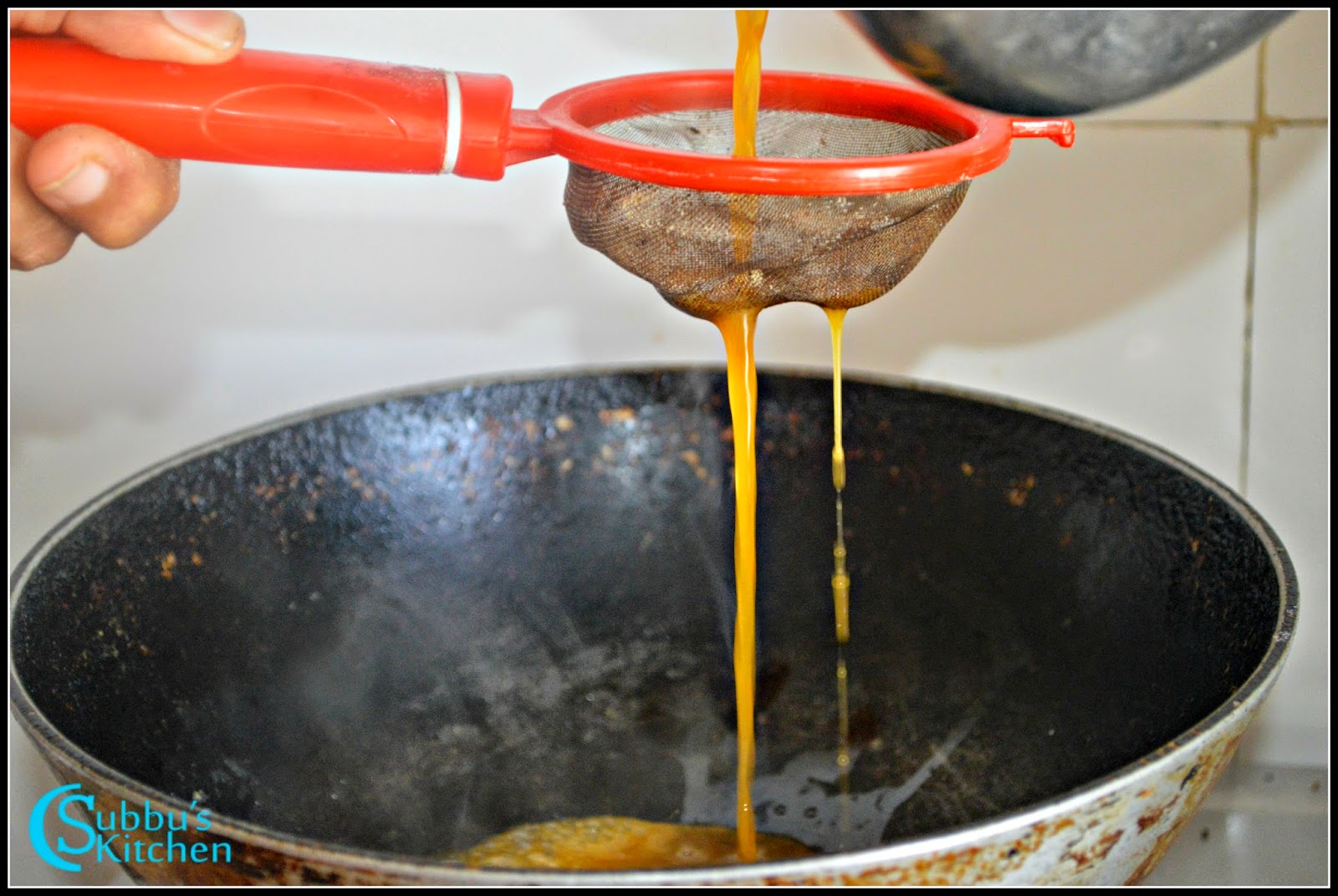
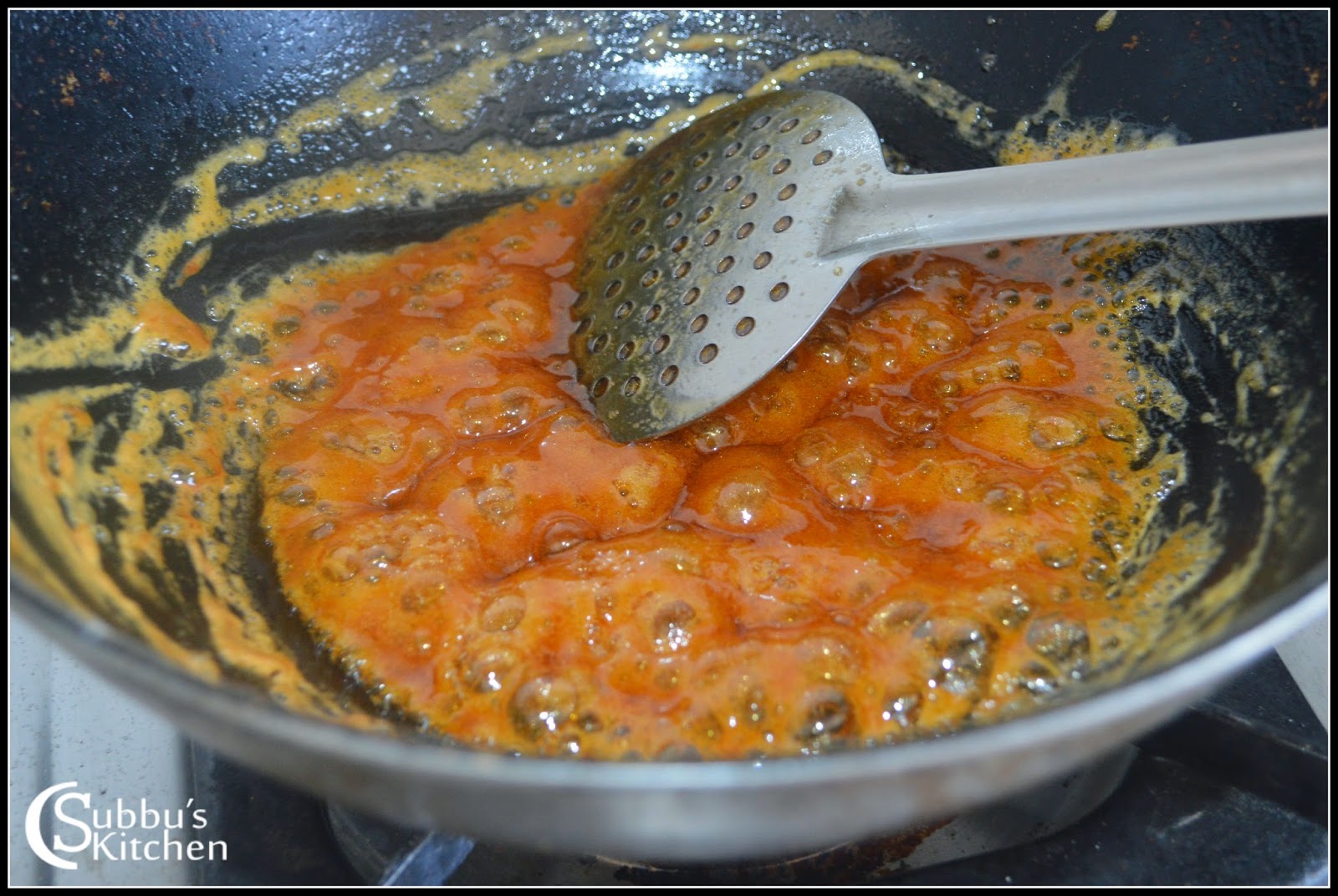
Jaggery Syrup Consistency: There is not particular consistency like one-string for this Vella Seedai. We just need to melt the jaggery and bring it to rolling boil. Then strain the jaggery and add it to flours.
Butter: Soften the butter at room temperature and add it to flours. Do not add cold butter or melted butter.
Consistency of dough: While we prepare vella seedai dough, knead it to a smooth dough using the strained jaggery juice. If you feel the jaggery syrup is not enough to make a dough, try sprinkling water and knead it to dough.
Allow the dough balls to dry for 5 mins before adding in hot oil.
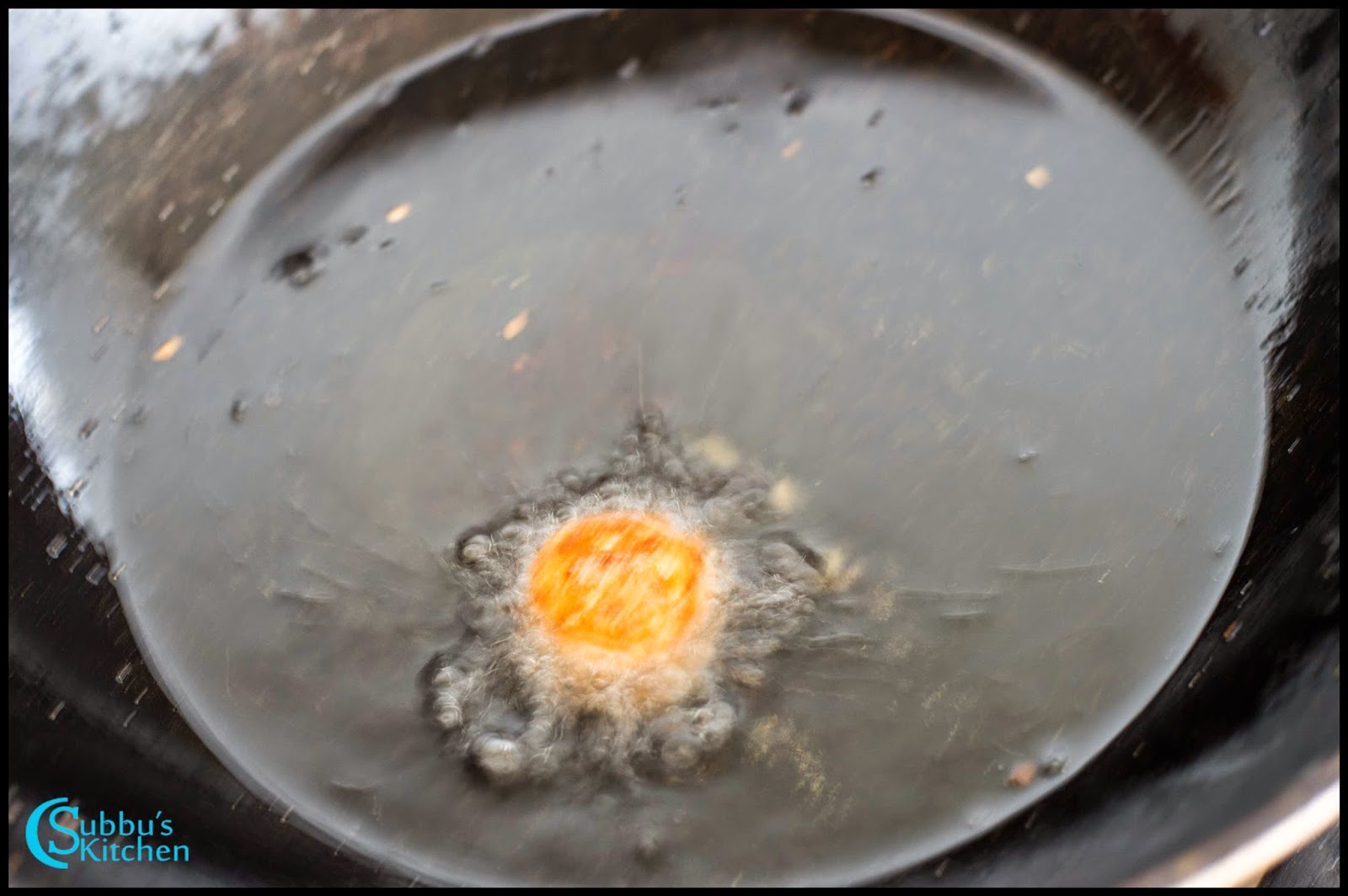
Deep Frying: Ensure the oil is hot enough before dropping the vella seedai. Once the oil is hot, add 1 vella seedai ball and ensure its not splitting in oil. Do not panic if it splits, just adjust the dough by adding little roasted rice flour and then once again roll into ball and vella seedai will not split in oil.
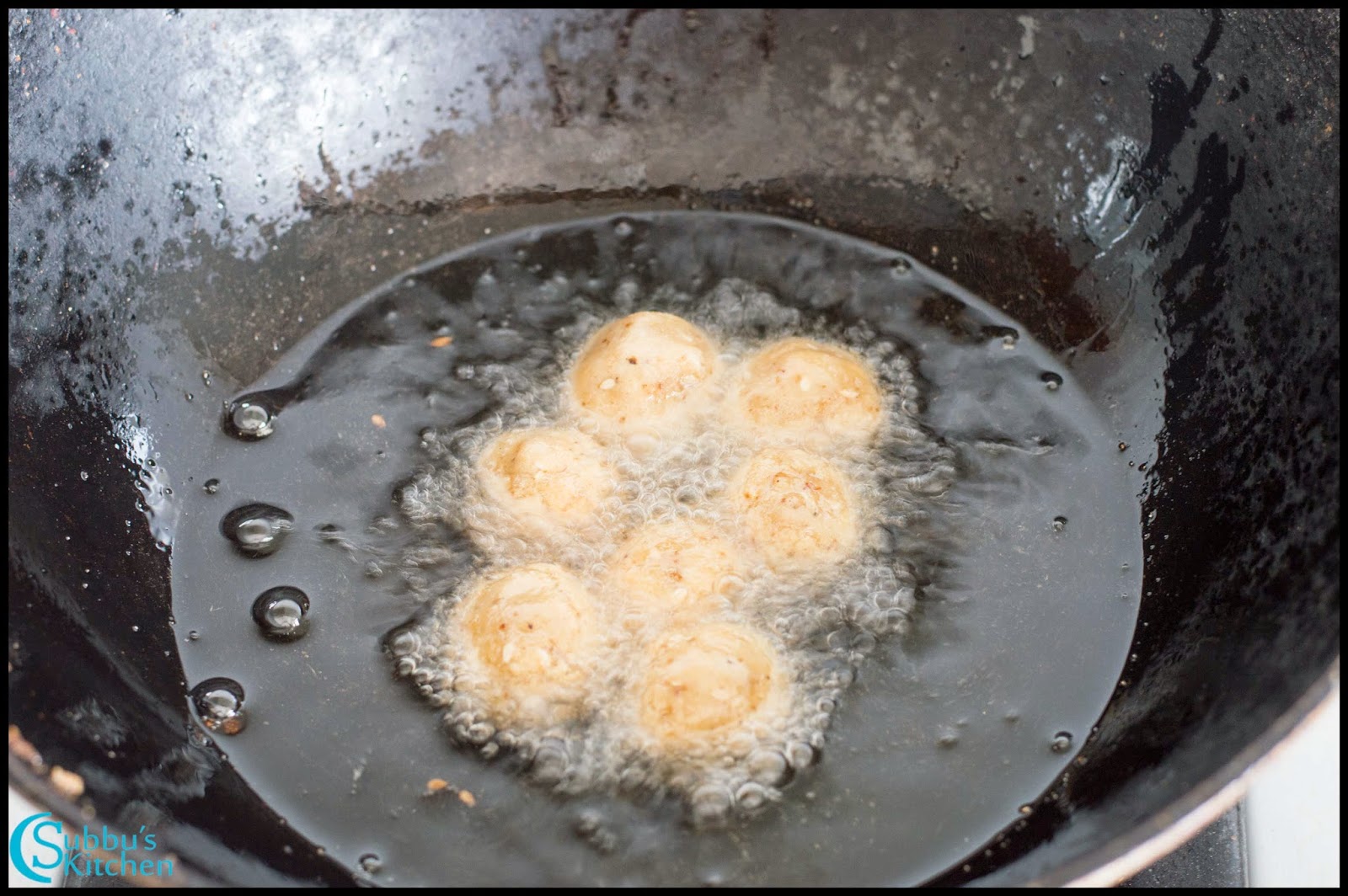
Oil Temperature: We need to maintain right temperature of oil while frying. After adding vella seedai balls in oil, keep the flame in low and fry till the vella seedai becomes golden brown color. Between the batches adjust the flame to medium to ensure the oil is at right temperature.
Discover the sweet magic of Vella Seedai, a cherished treat for Krishna Jayanthi and Thirukarthigai festivals. Crispy on the outside, melt-in-the-mouth inside – explore the secrets to perfecting this divine sweet delight. Learn tips for flawless Vella Seedai preparation and relish its unique flavor and texture
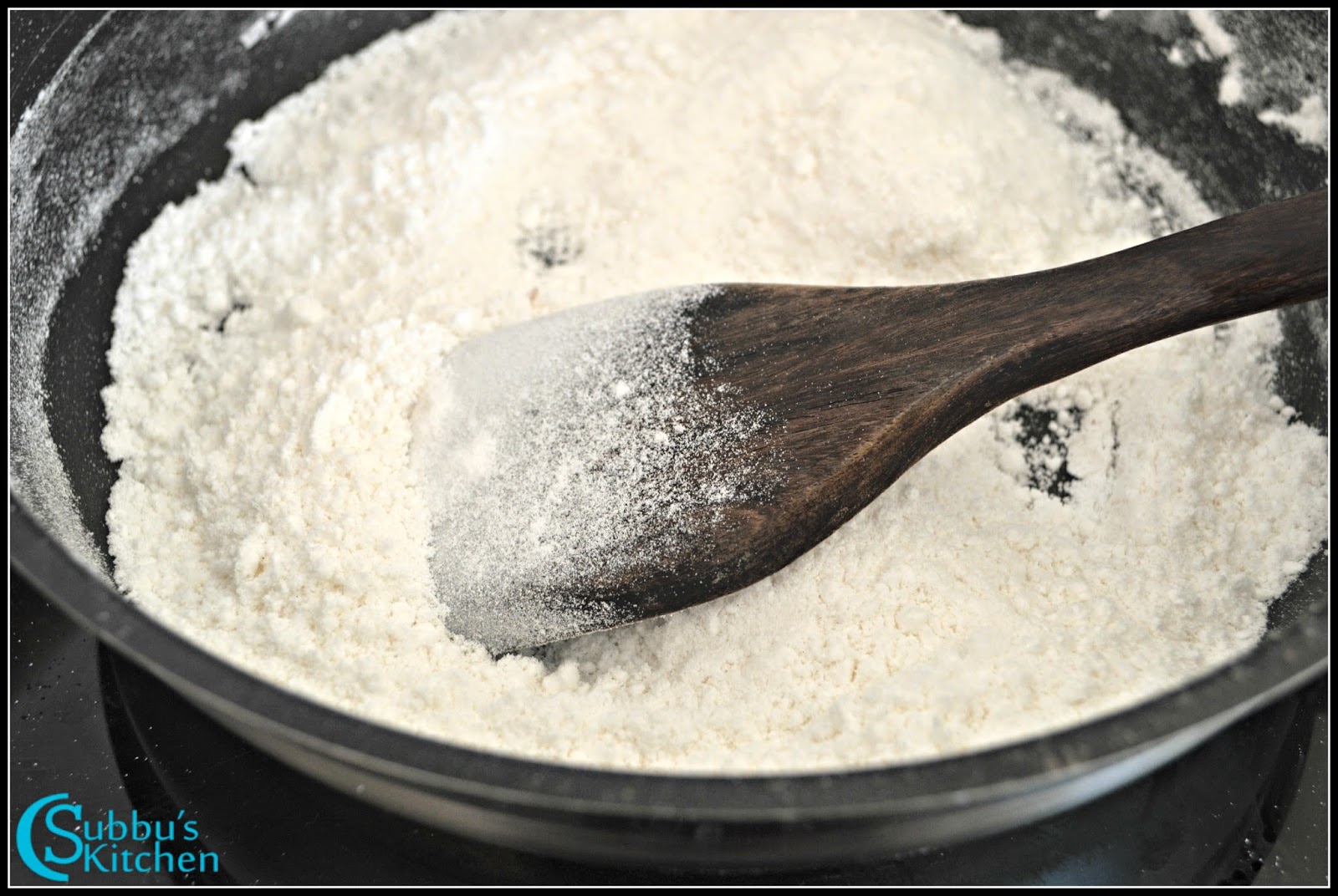
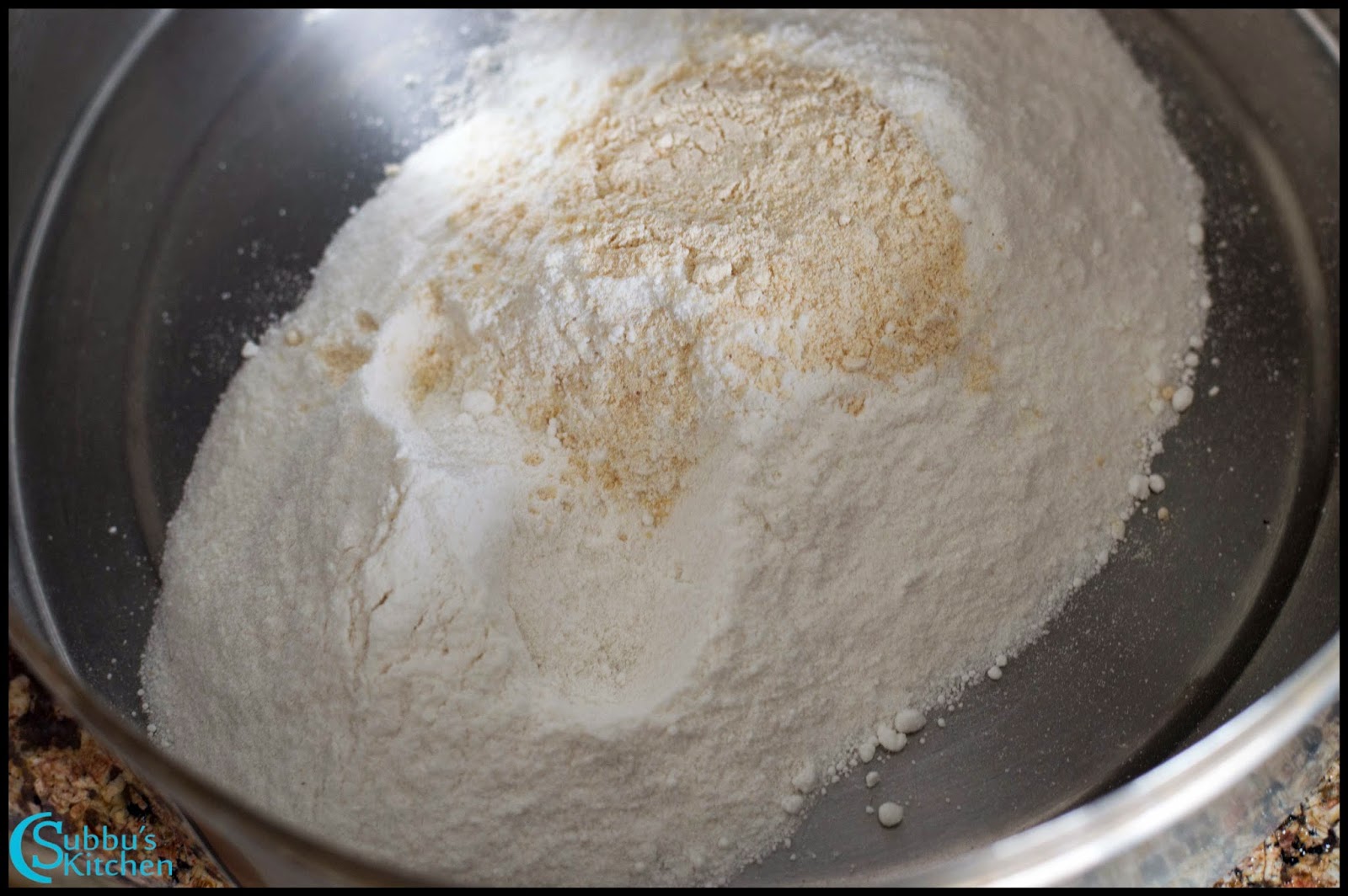
Prepare the rice flour as given in the link here. Heat a pan and dry roast the rice flour in low flame for couple of minutes. Do not fry the rice flour till they become over burnt. Just heat the flour till they are hot and if you take a pinch of rice flour you should be able to draw or put little kolam. Take the roasted rice flour in a mixing bowl along with uriddal flour. Dry roasting is an important step in vella sedai preparation. Do not use freshly ground rice flour as it contain some moisture which will make the seedai to burst. You can also use store bought rice flour. IF you are using store bought rice flour, then dry roast it for couple of minutes and then sieve it and again dry roast it for another couple of minutes without burning the rice flour.
Prepare Sesame & Coconut
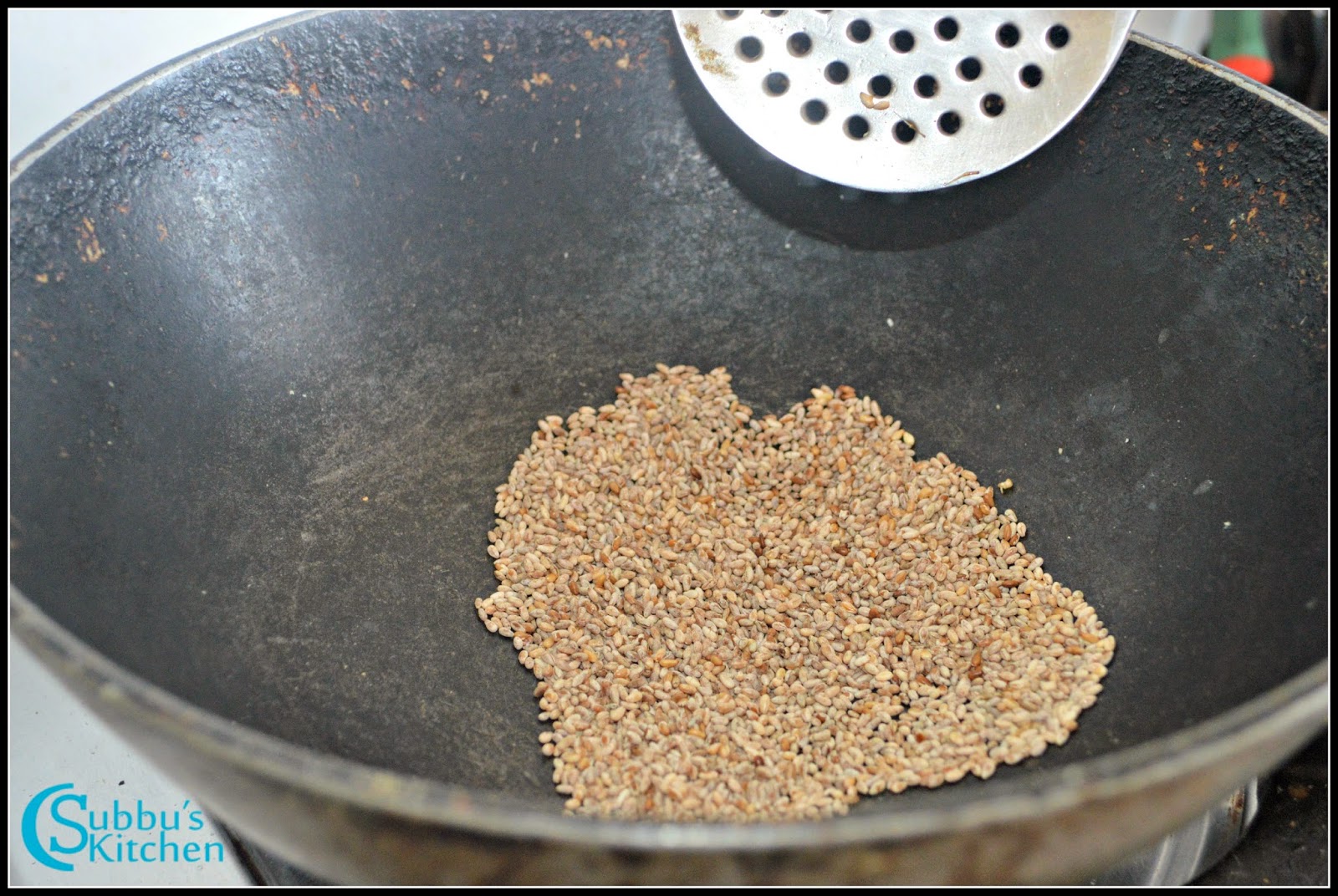
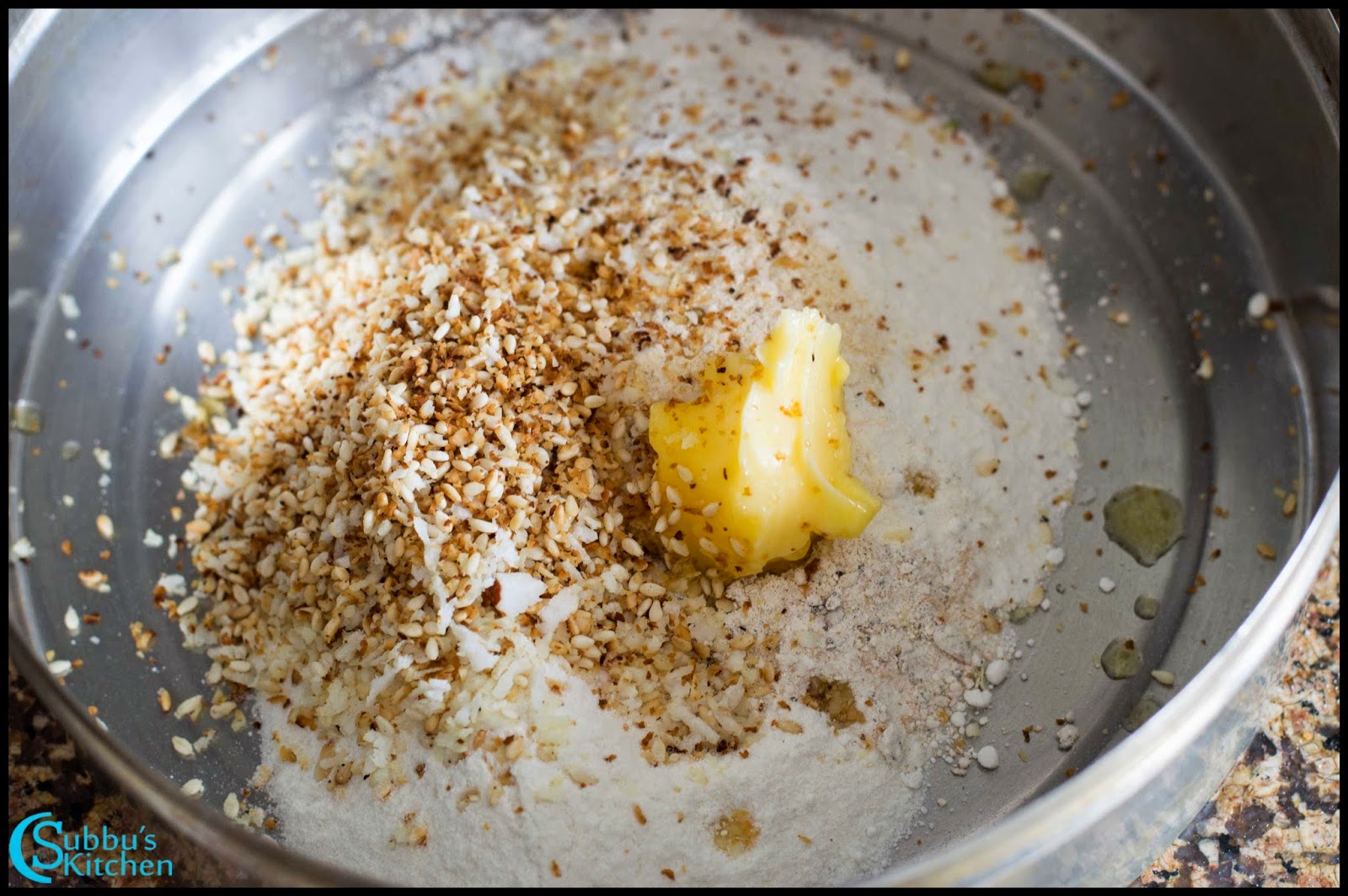
Take a pan, add sesame seeds and grated coconut and dry fry them till they become golden brown color. Add these fried sesame seeds and grated coconut to the rice flour along with butter. The butter should be in room temperature. Mix everything well.
Making Jaggery Syrup
Take grated jaggery in a bowl and add water just to soak the jaggery. I have added 2 tablespoon of water. Allow the jaggery to boil till it is dissolved. Pass this jaggery juice through a strainer to get rid of sand and other impurities
Add the strained jaggery juice to a pan and keep in flame till it comes a rolling boil. We don’t need any string or solid consistency. Add this jaggery juice to the rice flour and mix the rice flour well with a ladle or spoon. Make it to a right dough. If the dough is loose and soft then the seedai will dissolve in hot oil. So when you get a tough pliable dough then stop adding the jaggery syrup. Sometimes we might end up with dry dough where we may need to again sprinkle warm water and make it little soft. If the dough is too dry, then also the seedai will start to dissolve in oil. I have add 2 teaspoon of water to make the dough little soft.
Deep Frying Process
Make gooseberry sized balls out of the seedai dough. Keep it aside for few minutes before dropping in hot oil. Heat oil in a pan. When the oil is hot enough, just drop a single seedai ball into the oil and in low flame deep fry them. Check if the seedai is not getting dissolved or not getting burst in the oil. If it does we may need to alter the seedai mixture.
When you are sure that the seedai is not getting dissolved or burst, then drop 4-5 seedai in one batch and in low flame deep fry them till the seedai are crispy and light golden brown color.
Remove the crispy seedai from flame and place it in a paper towel to drain the excess oil
Yummy and crispy vella seedai is now ready for neivedhyam or for serving.
Video
Notes
If the seedai is getting dissolved, it may be because of very dry ball and in that case, we need to sprinkle warm water little by little and make the dough little soft
If the dough is already very soft, then sprinkle rice flour little by little and mix well.
If the seedai is bursting, then it may be due to the very coarse rice flour or uriddal flour.
Prepare the rice flour as given in the link here. Heat a pan and dry roast the rice flour in low flame for couple of minutes. Do not fry the rice flour till they become over burnt. Just heat the flour till they are hot and if you take a pinch of rice flour you should be able to draw or put little kolam. Take the roasted rice flour in a mixing bowl along with uriddal flour. Dry roasting is an important step in vella sedai preparation. Do not use freshly ground rice flour as it contain some moisture which will make the seedai to burst. You can also use store bought rice flour. IF you are using store bought rice flour, then dry roast it for couple of minutes and then sieve it and again dry roast it for another couple of minutes without burning the rice flour.
Take a pan, add sesame seeds and grated coconut and dry fry them till they become golden brown color. Add these fried sesame seeds and grated coconut to the rice flour along with butter. The butter should be in room temperature. Mix everything well.
Take grated jaggery in a bowl and add water just to soak the jaggery. I have added 2 tablespoon of water. Allow the jaggery to boil till it is dissolved. Pass this jaggery juice through a strainer to get rid of sand and other impurities
Add the strained jaggery juice to a pan and keep in flame till it comes a rolling boil. We don't need any string or solid consistency. Add this jaggery juice to the rice flour and mix the rice flour well with a ladle or spoon. Make it to a right dough. If the dough is loose and soft then the seedai will dissolve in hot oil. So when you get a tough pliable dough then stop adding the jaggery syrup. Sometimes we might end up with dry dough where we may need to again sprinkle water and make it little soft. If the dough is too dry, then also the seedai will start to dissolve in oil. I have add 2 teaspoon of water to make the dough little soft.
Make gooseberry sized balls out of the seedai dough. Keep it aside for few minutes before dropping in hot oil. Heat oil in a pan. When the oil is hot enough, just drop a single seedai ball into the oil and in low flame deep fry them. Check if the seedai is not getting dissolved or not getting burst in the oil. If it does we may need to alter the seedai mixture.
Seedai is getting dissolved, it may be because of very dry ball and in that case, we need to sprinkle warm water little by little and make the dough little soft
If the dough is already very soft, then sprinkle rice flour little by little and mix well.
Seedai is bursting, then it may be due to the very coarse rice flour or uriddal flour.
When you are sure that the seedai is not getting dissolved or burst, then drop 4-5 seedai in one batch and in low flame deep fry them till the seedai are crispy and light golden brown color.
Remove the crispy seedai from flame and place it in a paper towel to drain the excess oil
Yummy and crispy vella seedai is now ready for neivedhyam or for serving.
Appam holds a special place as a neivedhyam dish during the Krishna Jayanthi festival, especially in the evening when we invite Lord Krishna into our homes. Nei Appam, a renowned delicacy from Kerala, is a popular choice for various occasions, including Avani Avittam, Karthigai Deepam, and other auspicious events. It also serves as a delightful evening or after-school snack for children.
The key ingredients in Appam are rice and jaggery. Initially, rice is ground to a thick consistency, and then jaggery juice is added to create the Appam batter. If the batter becomes too thin, a small amount of wheat flour can be used to adjust the consistency. It's worth noting that Appam can also be made with wheat flour and jaggery alone, omitting the rice flour. Nei Appam is a straightforward neivedhyam offering suitable for any festival or auspicious occasion.
You may also want to try :
Rava Appam - Rava Appam is a sweet which can be made instantly. We usually make this for the Karthigai Deepam. Unlike the conventional appam, Rava appam doesn't require soaking and grinding process. It's quick, easy and tasty.
Vellai Appam - Vellai Appam is a traditional prasad made for special occasions/festivals like "Karthigai Deepam" or Diwali. Vellai Appam is deep fried rice crepes.
Aval Kesari - Aval Kesari is similar to our conventional Kesari but made using Aval (Poha / Flattened Rice). This Kesari is quick to make with few available ingredients. This can be served as neivedhyam for the Gokhulashtami. This can also be served as a dessert for any festivals /occassions
A delightful South Indian sweet treat! Explore the secrets to crafting these golden, ghee-infused rice flour sweet, perfect for festive occasions. Discover the unique flavor and fluffy texture of Nei Appam in this culinary journey.
Course Festival, Sweet
Cuisine Indian, Kerala, Tamil Nadu
Prep Time 5 minutesminutes
Cook Time 25 minutesminutes
Rice Soaking Time 1 hourhour
Total Time 1 hourhour30 minutesminutes
Servings 25Appam
Calories 100kcal
Author Sowmya Venkatachalam
Equipment
Paniyaram Pan
Ingredients
1cupRaw Rice1 cup = 250 ml
1cupJaggerygrated
2tablespoonGrated Coconut
2nosBananasmall size
¼teaspoonCardamom Powder
1pinchBaking Sodaoptional
Instructions
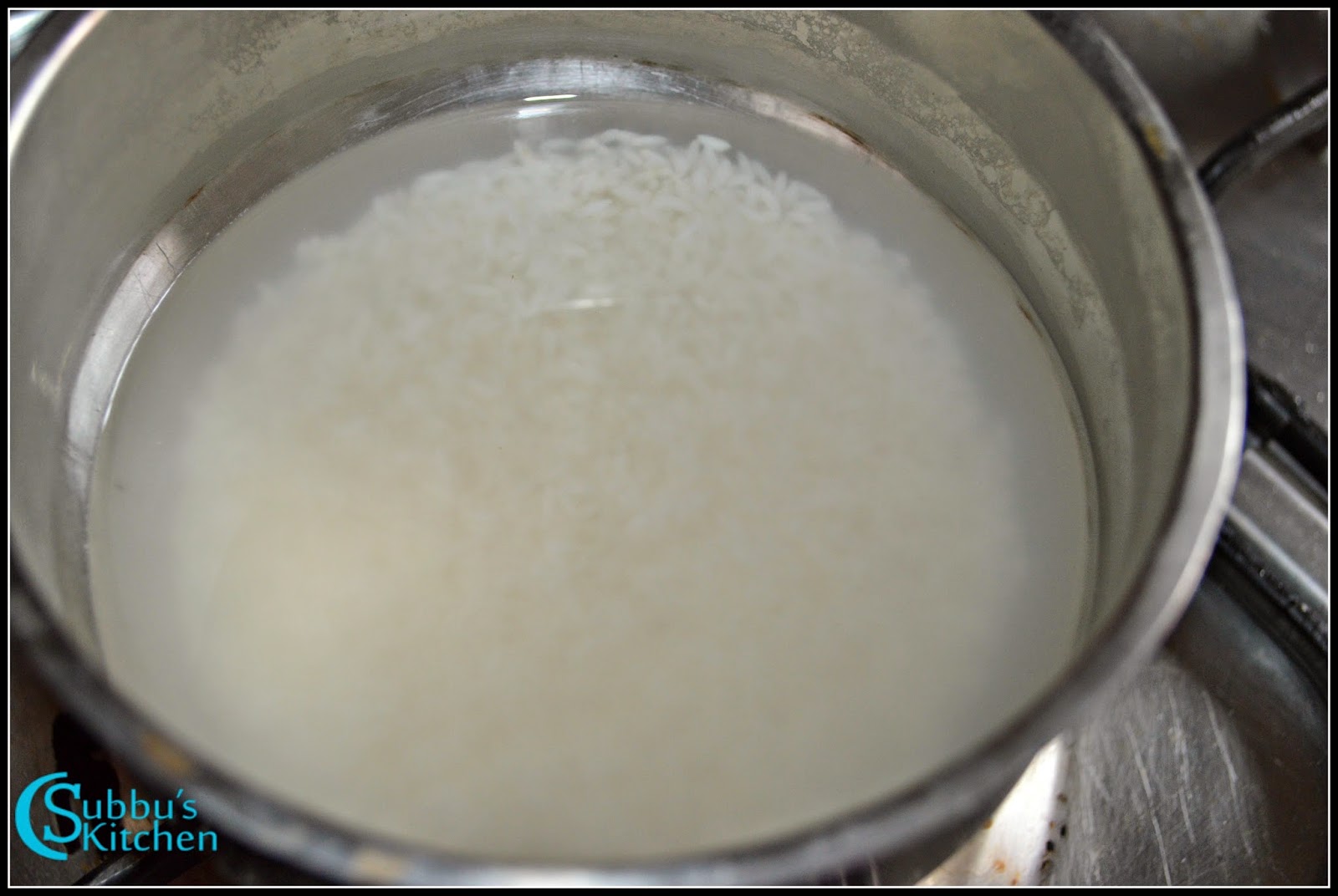
Rinse the rice twice and Soak the raw rice in water for an hour. After 1 hour, drain the water and add it to the mixer
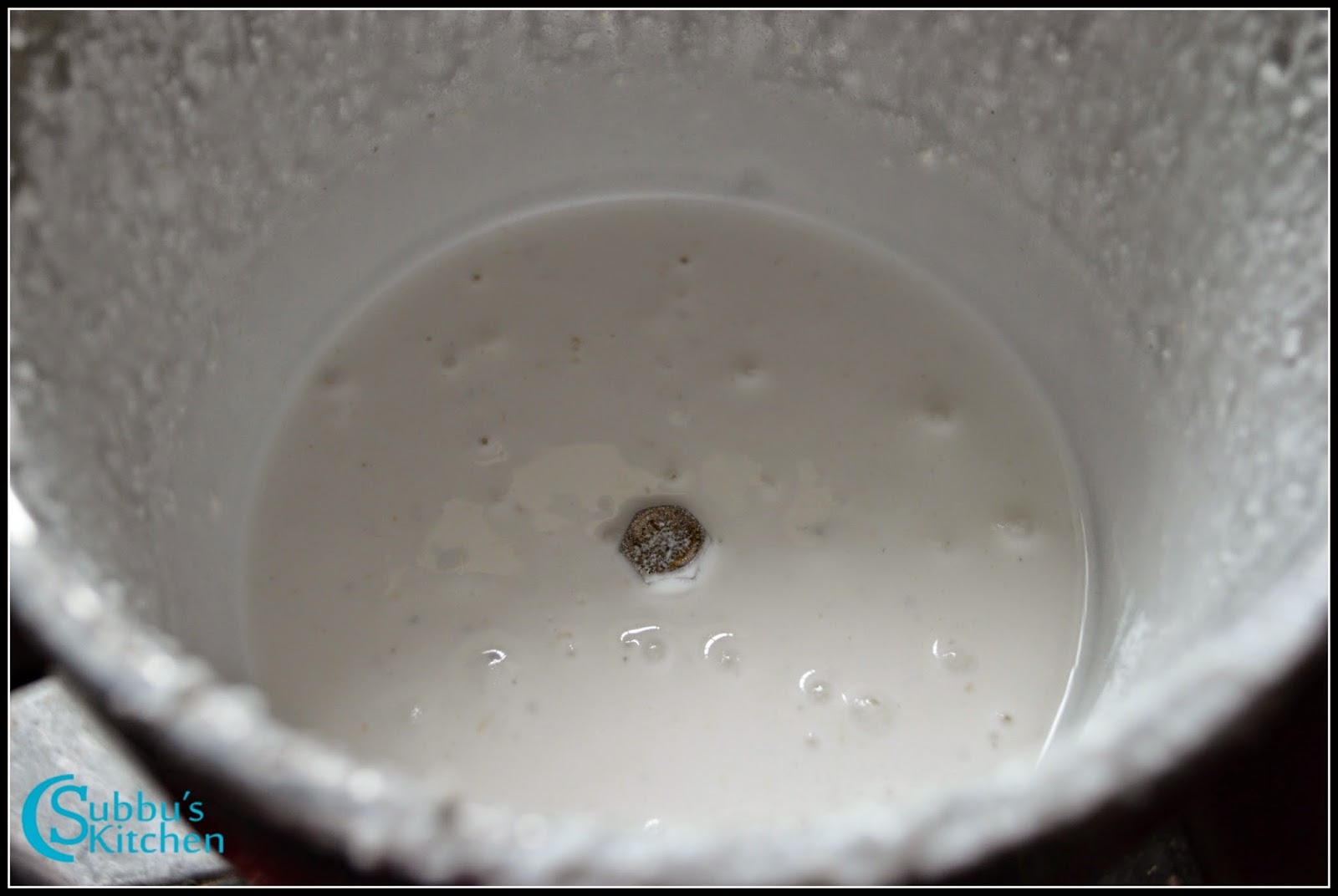
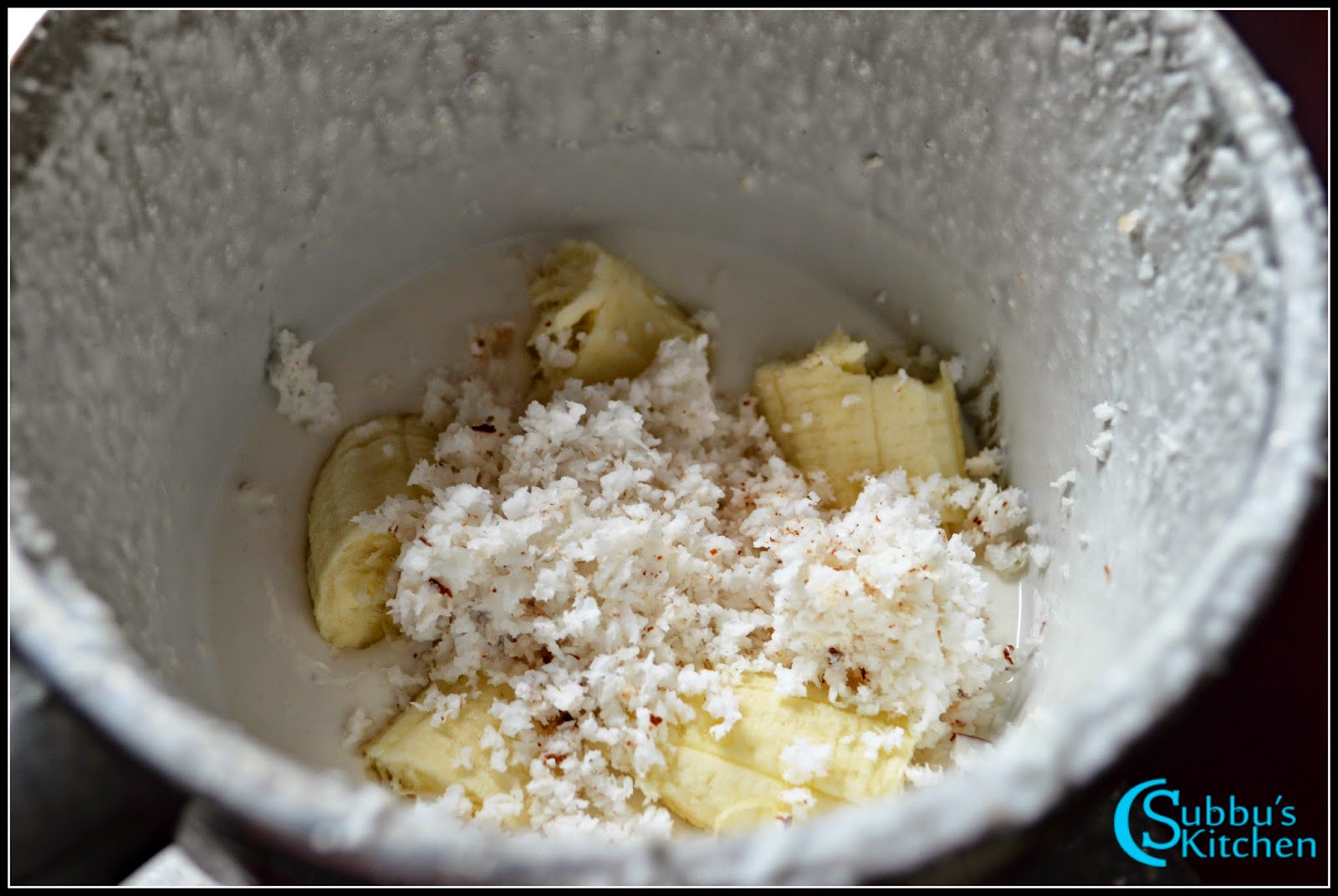
Grind it in mixer to a fine paste without adding water. Now add grated coconut, banana, cardamom powder to the mixer
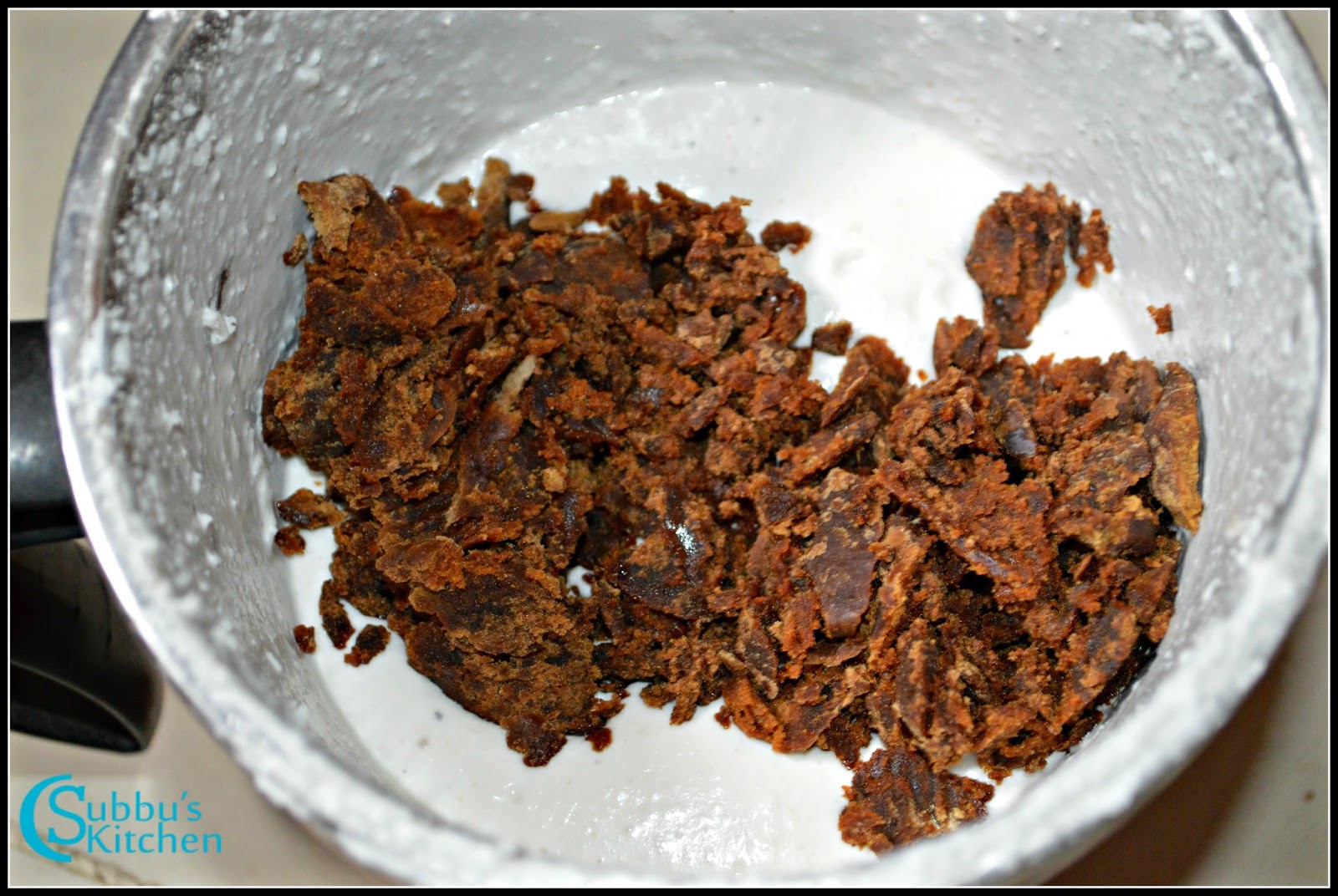
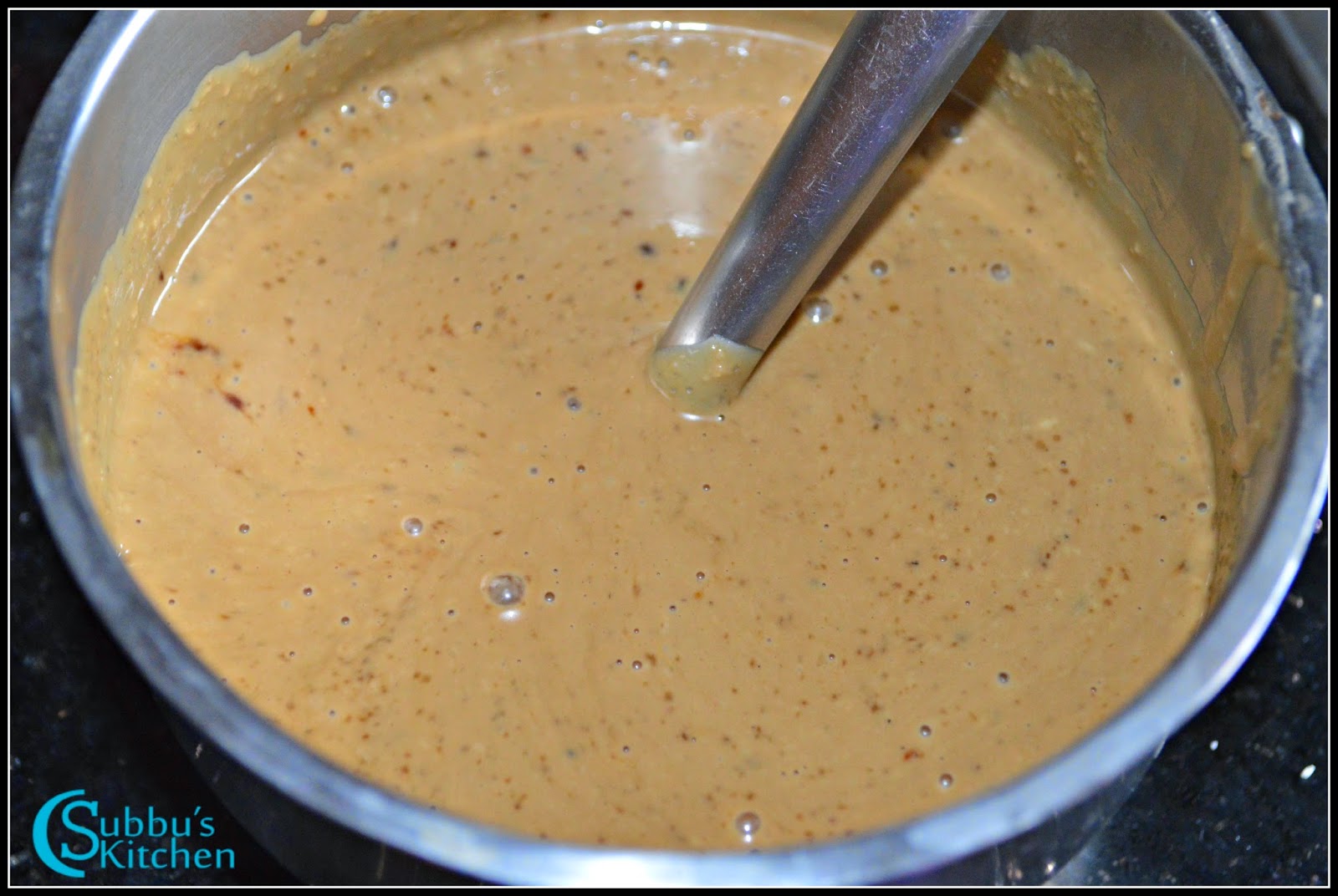
Grind it to a fine paste. Finally add jaggery and give a pulse or two. If you grind it more, the jaggery will dilute the appam batter. Now our appam batter is ready.
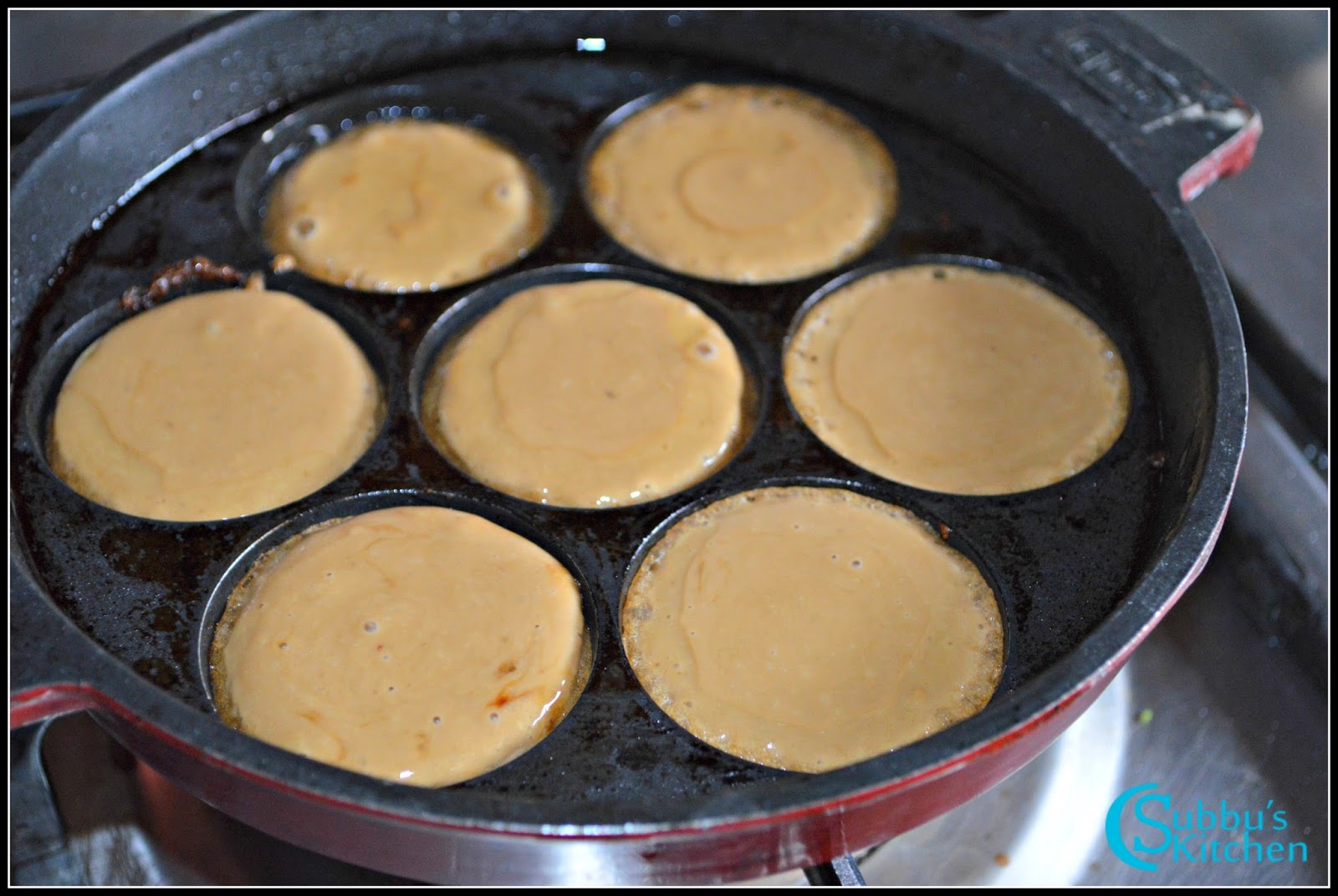
Now a days we have appakarai(Non stick Appam pan) which makes our job easier. Keep the nonstick appam pan in the flame and add little ghee to each kuzhi. When the pan is hot, take a small ladle and fill ¾th of each hole with the batter.
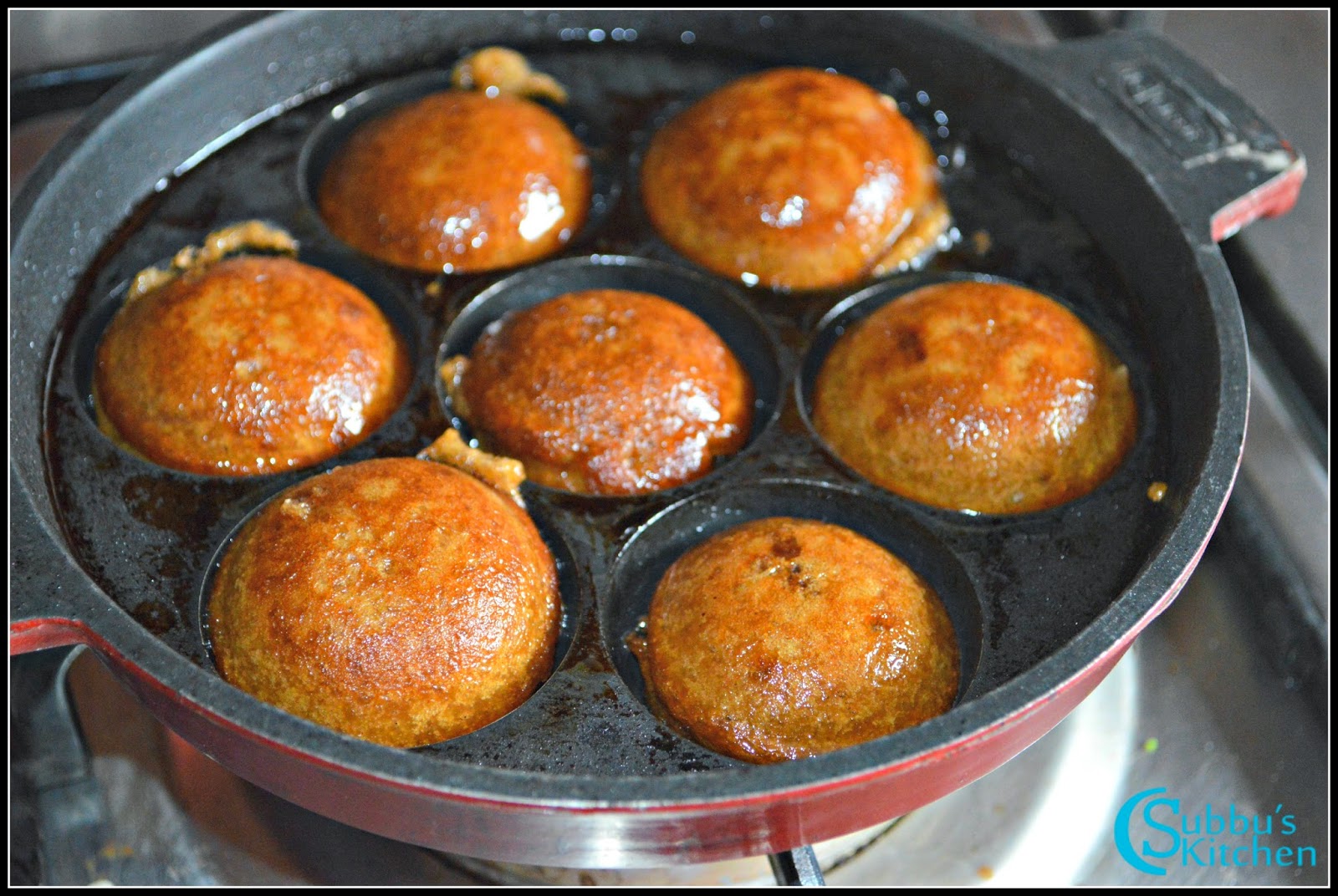
Let the Appam cook for a while and then when it turns golden brown color, remove the appam from the oil, and place it in a paper towel to drain excess oil. Repeat the above steps for the rest of the flour
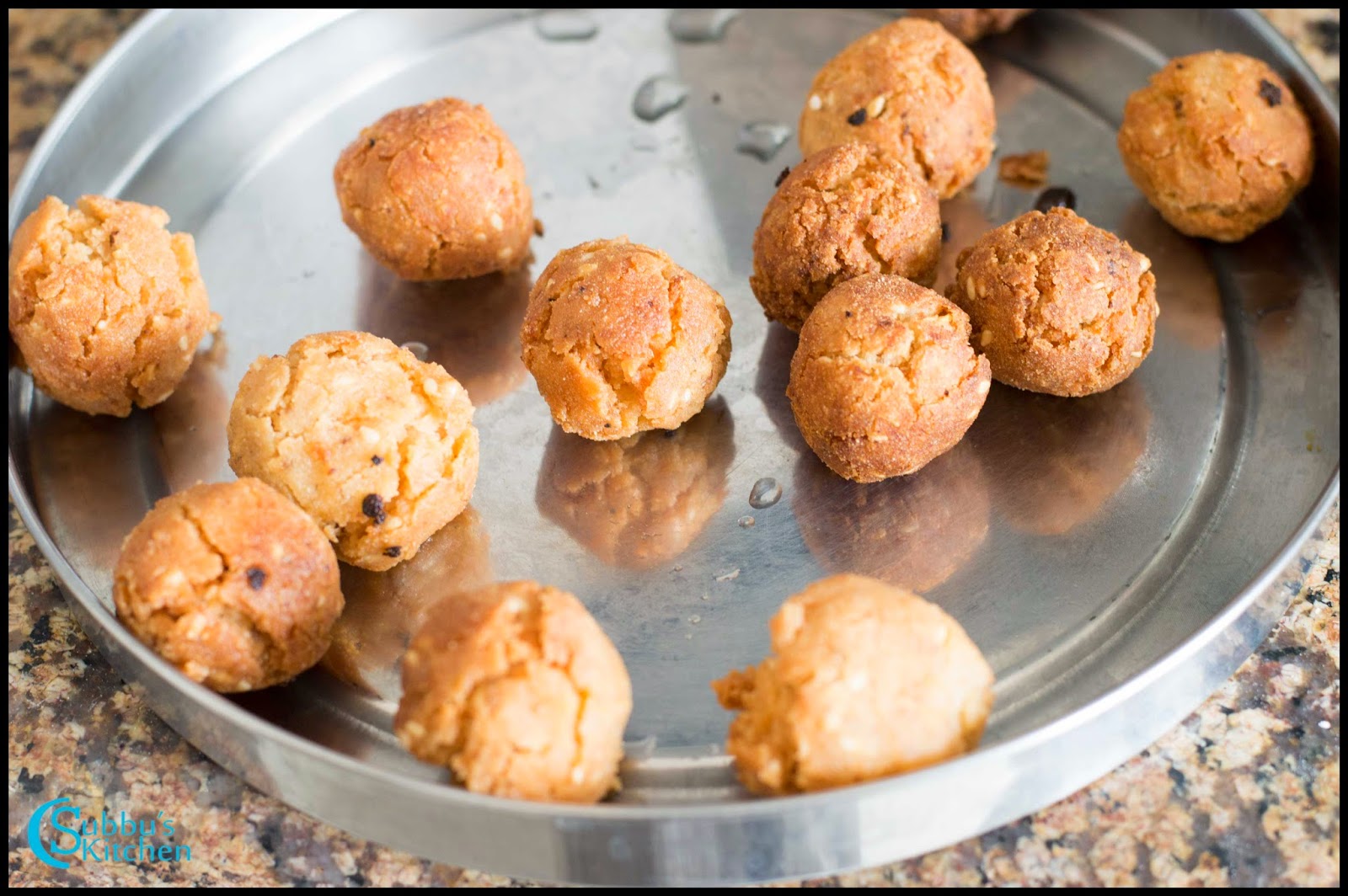
The yummy Appam is ready for neivedhyam and for serving
Video
Notes
Cooking soda helps in making appam softer and fluffy. We can also alternate with eno salt or we can also ignore this as this is only optional.
If the appam starts to break in the oil, add 2 teaspoon of wheat flour or rice flour to the ground appam flour and then try again
We used to get good quality jaggery few years back which do not need any straining of sand or stones. But nowadays most of the jaggery has stones or sand in it. So instead of grinding jaggery with the rice flour, we can add jaggery to pan and add just a teaspoon of water and allow it to dissolve and when the jaggery gets dissolved, we can strain the jaggery and add it to the rice batter and mix well. This way we can get rid of the stones.
Always first add ghee before pouring appam batter in each mould. that way the batter will not stick to bottom and after it gets cooked, it will automatically float so we can flip and cook on other side
Rinse the rice twice and Soak the raw rice in water for an hour. After 1 hour, drain the water and add it to the mixer
Grind it in mixer to a fine paste without adding water. Now add grated coconut, banana, cardamom powder to the mixer
Grind it to a fine paste. Finally add jaggery and give a pulse or two. If you grind it more, the jaggery will dilute the appam batter. Now our appam batter is ready.
Now a days we have appakarai(Non stick Appam pan) which makes our job easier. Keep the nonstick appam pan in the flame and add little ghee to each kuzhi. When the pan is hot, take a small ladle and fill ¾th of each hole with the batter. Let the Appam fry for a while and then when it turns golden brown color, remove the appam from the oil, and place it in a paper towel to drain excess oil. Repeat the above steps for the rest of the flour
The yummy Appam is ready for neivedhyam and for serving
Appam
Note: If the appam starts to break in the oil, add 2 teaspoon of wheat flour or rice flour to the ground appam flour and then try again
Fruit Chaat is a quick and refreshing Indian fruit salad made with seasonal fruits, lemon juice, and spices. It's a light, colorful, and flavorful snack that's perfect for parties or festivals. What is Fruit Chaat? Fruit Chaat is a very popular Indian-style fruit salad that is seasoned with chaat masala (a spice blend), salt, and...
Green apple juice is a healthy and refreshing drink made with green apples, cucumber, ginger, lemon, and a little honey. It is refreshing, delicious, tangy, and perfect to sip on a sunny day! What is Green Apple Juice? Green apple juice is a simple and refreshing drink made from fresh green apples (Granny Smith), English...
Pumpkin Pie Overnight Oats are a creamy, delicious, no-cook breakfast made with rolled oats, pumpkin puree, warm spices, and a touch of sweetness. It is a healthy and easy way to enjoy all the fall flavors for breakfast. What are Pumpkin Pie Overnight Oats? Overnight oats are one of the easy breakfast recipes made with...
There’s something truly magical about the aroma of ghee, jaggery, and cardamom wafting through the kitchen — it instantly feels like a celebration. Sakkarai Pongal, a traditional South Indian sweet dish made with rice, moong dal, and jaggery, is not just food, but an offering of love and devotion during festivals like Pongal and Navratri. Soft, melt-in-your-mouth, and rich with the flavor of ghee-roasted cashews and raisins, this recipe is a heartwarming treat you’ll want to enjoy well beyond festive days.
Creamy and aromatic Sakkarai Pongal, a festive sweet made with rice, moong dal, jaggery, and ghee.
Sakkarai Pongal is deeply tied to special occasions and festivals in South India, especially Tamil Nadu. Here’s the cultural and seasonal background you can use as content:
Harvest Festival (Thai PongalThai Pongal Festival and Recipes): Sakkarai Pongal is the star dish of the Pongal festival, celebrated in January to thank the Sun God for a bountiful harvest. It’s cooked in new clay pots, often outdoors, and allowed to boil over — symbolizing abundance and prosperity.
Temple Prasadam: It’s also a very popular prasadam (offering) in temples, especially in Vaishnavite temples like Srirangam, where it is served to devotees.
Other Festivals & Occasions: Apart from Thai Pongal, it is also prepared during Navratri,Aadi Perukku, Vaikunta Ekadashi, and other auspicious days. Families make it at home as an offering to deities and then enjoy it together.
So while it can be made any time of year, it is most beloved during festivals, temple offerings, and auspicious beginnings.
[feast_advanced_jump_to]
Ingredients
Every ingredient in Sakkarai Pongal plays a purpose that contributes to its signature taste and texture:
Rice and moong dal form the creamy, porridge-like base—when cooked and mashed together, they offer both body and smooth consistency, essential for the dish's comforting character.
Jaggery, the unrefined cane sugar, imparts a deep, molasses-like sweetness unique to traditional South Indian sweets—a flavor profile that refined sugars simply can’t replicate.
Ghee envelopes the dish in richness and aroma, making the texture luxuriously silky and elevating every bite.
Cardamom, along with optional edible camphor, clove, and nutmeg, lend fragrant warmth and a touch of divine, almost ritualistic flavor—especially when the dish is made as prasadam (offering).
Cashews and raisins introduce a delightful contrast in texture—nutty and slightly chewy—rounding out the dish with pops of buttery crunch and sweet bursts.
Each component has been carefully chosen not just for flavor, but for tradition, mouthfeel, and the harmonious balance that makes this humble sweet dish feel like a festive celebration in every spoonful.
See recipe card for quantities.
Instructions
Heat a pan and dry roast the moong dal until it turns slightly golden and releases a nutty aroma. Set it aside.
In a strainer, add the roasted moong dal and rice. Rinse them well two to three times.
Transfer the washed rice and dal to a pressure cooker, add water, and mix well.
Pressure cook for 5–6 whistles, until the mixture becomes soft and mushy. Traditionally, in temples and during festive occasions, the rice and dal are slow-cooked in open pots, giving a smoky flavor. For everyday cooking at home, pressure cooking is quicker and convenient. Once cooked, mash the mixture well and set aside.
In a saucepan, add jaggery with a little water. Heat until the jaggery melts completely. Set this aside.
Heat ghee in a heavy-bottomed pan, strain the jaggery syrup, and add it to the pan.
Allow the jaggery syrup to come to rolling boil.
When the syrup begins to boil, add the mashed rice and dal mixture.
Reduce the flame to low and stir in milk (optional). Milk adds richness but shortens the shelf life to about a day. If preparing in advance, skip the milk. Important: never add milk directly to the jaggery syrup, as it will curdle—always add it after mixing in the rice-dal mixture.
Stir continuously until the rice-dal mixture absorbs the jaggery syrup and reaches a slightly thick consistency.
Add the remaining ghee and cardamom powder, mixing well. Keep on low flame for a few more minutes.
In a separate small pan, heat ghee and roast cashews and raisins until golden. Add them to the pongal and mix gently. Your delicious Sakkarai Pongal is ready to be offered as neivedhyam or enjoyed warm with family!
???? Hint: When melting jaggery, always strain the syrup before adding it to the rice-dal mixture. This helps remove any impurities and ensures your pongal stays smooth, clean, and glossy.
Variations
Gluten-Free: Since it’s made with rice, dal, and jaggery, Sakkarai Pongal is naturally gluten-free. Just make sure your jaggery is pure and not processed with additives.
Vegan Option: Traditionally, this recipe uses ghee and sometimes milk. To make it vegan, replace ghee with coconut oil or vegan butter, and skip the milk (or use almond/coconut milk for richness).
Storage
Pongal made without milk can be kept at room temperature for up to 12–18 hours in a cool place. Pongal made with milk should be consumed within 6–8 hours, as it spoils quickly.
Store in an airtight container to maintain freshness and aroma.
Keep at room temperature for up to 1 day.
Refrigerate for up to 2–3 days.
Reheat gently on low flame before serving.
Avoid prolonged storage to preserve the soft, creamy texture and flavor.
Top Tip
If you're going to make this recipe, make sure to follow this top tip!
Jaggery Ratio: Use a rice + dal to jaggery ratio of 1.25:2.5. For 1 cup rice and ¼ cup moong dal, add 2.5 cups grated jaggery. This ensures the sweetness is balanced — not too bland, not too overpowering.
Jaggery Quality Matters: The color and aroma of your pongal depends on the type of jaggery. Paagu vellam gives a darker, richer brown consistency than regular jaggery.
Cooking Rice & Dal: Add an extra ½ cup of water and allow additional whistles in the pressure cooker to ensure the rice and dal are completely soft and mushy.
Milk is Optional: Adding milk while cooking makes the pongal creamier and richer in flavor, but it’s not necessary.
Strain Jaggery Syrup: Jaggery can contain impurities like sand. Always dissolve and strain the jaggery syrup before adding it to the rice-dal mixture.
Ghee in Syrup: Adding a bit of ghee to the jaggery syrup is optional, but it enhances the richness and aroma of the pongal.
Consistency Tips: Milk can be used to adjust consistency. Once milk is added, keep the flame low to avoid curdling or breaking the pudding.
Sakkarai Pongal is a traditional South Indian sweet dish made with rice, moong dal, jaggery, ghee, and cardamom. Creamy, aromatic, and lightly sweet, this festive dessert is perfect for Pongal, Navratri, or temple offerings. Enhanced with roasted cashews and raisins, it’s soft, melt-in-your-mouth, and easy to make at home with this foolproof recipe.
Course Festival Recipes, Sweet
Cuisine India, South Indian, Tamil Brahmin, Tamil Nadu
Prep Time 5 minutesminutes
Cook Time 25 minutesminutes
Total Time 30 minutesminutes
Servings 6people
Calories 220kcal
Author Sowmya Venkatachalam
Equipment
Pressure Cooker
Heavy Bottomed Pan
Ingredients
1cupRaw Rice1 cup = 250 ml
¼cupMoong dal
2½cupsGrated Jaggery
¼teaspoonCardamom Powder
1tablespoonCashews
1pinchPachai KarpooramOptional
1tablespoonRaisinsOptional
3teaspoonGhee (Clarified butter)
2teaspoonGhee (Clarified butter)for tempering
4½cupsWater
½cupMilk(optional)
Instructions
Roasting and Cooking the Dal + Rice
Heat a pan and dry roast ¼ cup of moong dal until it turns golden and releases a fragrant aroma. Set aside.
¼ cup Moong dal
In a strainer, take 1 cup of rice and the roasted moong dal. Rinse 2–3 times until the water runs clear.
1 cup Raw Rice
Add 4.5 cups of water and mix well.
4½ cups Water
Pressure cook the rice and dal mixture for 5–6 whistles until soft and mashable. Traditionally, in temples and at weddings, this mixture is slow-cooked on the stove to impart a smoky aroma, but for home cooking, a pressure cooker works perfectly. Once cooked, mash the rice and dal thoroughly and set aside.
Preparing the Jaggery Syrup
In a saucepan, combine 2.5 cups of grated jaggery with ¼ cup of water. Heat gently until the jaggery melts completely and dissolves. Set aside.
2½ cups Grated Jaggery
Heat 3 teaspoon of ghee in a heavy-bottomed pan. Strain the melted jaggery and add it to the pan.
3 teaspoon Ghee (Clarified butter)
When the jaggery syrup comes to a rolling boil, add the mashed rice and dal mixture.
Keep the flame very low and stir in ½ cup of milk (optional). Milk adds richness, but if used, the shelf life of the dish is limited to 1 day. Never add milk directly to the jaggery syrup, as it may curdle — always add it after the rice-dal mixture. Also add the Pacha Karpooram and mix well.
½ cup Milk, 1 pinch Pachai Karpooram
Finishing Pongal
Stir the mixture well to incorporate the rice and dal with the jaggery syrup. Add the remaining ghee and ¼ teaspoon of cardamom powder, and continue stirring on low flame until the pongal thickens slightly.
¼ teaspoon Cardamom Powder
In a separate pan, heat 2 teaspoon of ghee and roast cashews and raisins until golden brown. Add them to the pongal and give a final gentle stir.
The scrumptious Sakarai Pongal is ready for neivedhyam or to serve!
Video
Notes
???? Tips for Perfect Sakkarai Pongal
Jaggery Ratio: Use a rice + dal to jaggery ratio of 1.25:2.5. For 1 cup rice and ¼ cup moong dal, add 2.5 cups grated jaggery. This ensures the sweetness is balanced — not too bland, not too overpowering.
Jaggery Quality Matters: The color and aroma of your pongal depends on the type of jaggery. Paagu vellamgives a darker, richer brown consistency than regular jaggery.
Cooking Rice & Dal: Add an extra ½ cup of water and allow additional whistles in the pressure cooker to ensure the rice and dal are completely soft and mushy.
Milk is Optional: Adding milk while cooking makes the pongal creamier and richer in flavor, but it’s not necessary.
Strain Jaggery Syrup: Jaggery can contain impurities like sand. Always dissolve and strain the jaggery syrupbefore adding it to the rice-dal mixture.
Ghee in Syrup: Adding a bit of ghee to the jaggery syrup is optional, but it enhances the richness and aroma of the pongal.
Consistency Tips: Milk can be used to adjust consistency. Once milk is added, keep the flame low to avoid curdling or breaking the pudding.
Sundal Powder is a simple yet essential spice blend in a South Indian kitchen. Made with just a few ingredients – coriander seeds, Bengal gram dal (kadalai paruppu), and red chilies – this aromatic powder instantly elevates the taste of both poriyal and sundal varieties.
A spoonful of freshly ground Sundal Powder not only enhances flavor but also adds a warm, nutty aroma to everyday dishes. Since it has a good shelf life, many households prepare it in bulk, store it in an airtight container, and use it whenever required.
When cooking with Sundal Powder, remember to adjust the amount of additional spice, as this blend already contains red chilies. With this handy homemade powder, you can turn a simple poriyal or sundal into a flavorful and wholesome dish in minutes!
Aromatic and flavorful Sundal Powder, made with roasted coriander, dals, and red chilies – the perfect seasoning for traditional sundal dishes.
Sundal Powder is popular throughout the year, but it becomes especially significant during Navratri. Since sundal is a traditional prasadam offered on all nine days of Golu, having this spice mix ready makes festival cooking much easier and quicker. Instead of measuring and roasting spices each day, you can simply add a spoonful of Sundal Powder to instantly enhance the flavor of different sundal varieties.
Beyond Navratri, this powder is also handy for everyday cooking. It can be sprinkled into poriyals (vegetable stir-fries) or added to quick sundal preparations made for evening snacks, special poojas, or when unexpected guests arrive.
[feast_advanced_jump_to]
Ingredients
The ingredients for Sundal Powder are carefully chosen to balance flavor, aroma, and texture. Coriander seeds bring a fresh, earthy fragrance, while Bengal gram dal (Kadalai Paruppu) adds body, nuttiness, and a slightly roasted taste. Red chilies provide the right amount of heat and spice, making the powder vibrant and flavorful. Together, these three simple ingredients create a versatile spice mix that enhances any sundal or poriyal.
Coriander Seeds
Bengal Gram Dal (Kadalai Paruppu)
Red Chilies
See recipe card for quantities.
Instructions
Heat a pan and dry roast the coriander seeds, channa dal, and red chilies on medium flame. Roast until the dal turns golden brown and gives off a nutty aroma.
Transfer the roasted ingredients to a plate and allow them to cool completely.
Once cooled, add them to a mixer jar and grind into a fine powder.
Store the Sundal Powder in an airtight container. It stays fresh for weeks and can be used to enhance the flavor of any poriyal or sundal variety.
Substitution
Channa Dal (Bengal Gram Dal): You can replace it with toor dal (pigeon peas) or urad dal (black gram dal) for a slightly different flavor. Each gives a unique nuttiness.
Red Chilies: If you don’t have whole dried red chilies, substitute with red chili powder. Start with a small amount and adjust to taste.
Coriander Seeds: These are key to the aroma, but if unavailable, you can use a smaller quantity of cumin seeds as a backup (though the flavor will change slightly).
Milder Version: Reduce the red chilies or use byadgi chilies for color with less heat.
Spice Boost: Add a few black peppercorns or a pinch of hing (asafoetida) while roasting to deepen the flavor.
Variations
Sundal Powder with Coconut: Add a few tablespoons of dry grated coconut while roasting for a richer, slightly sweet flavor. This version pairs well with sweet corn sundal.
Spicy Sundal Powder: Increase the number of red chilies or include a few peppercorns for a bolder, spicier mix.
Aromatic Twist: Add a small piece of cinnamon or a couple of cloves along with the coriander seeds to give the powder a subtle festive aroma.
Urad Dal Sundal Powder: Replace channa dal with urad dal for a slightly different nuttiness and texture.
Multi-purpose Powder: Include a teaspoon of cumin seeds along with the coriander seeds—this makes the powder suitable not just for sundal, but also for poriyal and kootu.
Storage
Store the Sundal Powder in an airtight container to maintain its aroma and flavor.
Keep it in a cool, dry place, away from direct sunlight or moisture.
When stored properly, the powder can stay fresh for 4–6 weeks at room temperature.
For longer shelf life, you can store it in the refrigerator, which can extend freshness up to 3 months.
Always use a dry spoon to scoop out the powder to prevent clumping or spoilage.
Bring the rich flavors of South Indian cuisine to your kitchen with this aromatic Tanjore-style spice powder. Roasted coriander seeds, chana dal, and red chilies are ground to a fine powder, creating a versatile mix that adds depth to curries, rasams, and rice dishes. Easy to make, store, and use anytime!
Course Home made Powders / Masala
Cuisine Indian, South Indian, Tamil Brahmin, Tamil Nadu
Prep Time 5 minutesminutes
Cook Time 10 minutesminutes
Total Time 15 minutesminutes
Servings 100grams
Calories 6.5kcal
Author Sowmya Venkatachalam
Equipment
Heavy Bottomed Pan
Ingredients
¼cupCoriander seeds
2tablespoonSplit Bengal Gram (Channa Dal / Kadalaparuppu)
6nosRed Chili
Instructions
Heat a pan and dry roast the coriander seeds, channa dal, and red chilies on medium flame. Roast until the dal turns golden brown and gives off a nutty aroma.
Transfer the roasted ingredients to a plate and allow them to cool completely.
Once cooled, add them to a mixer jar and grind into a fine powder.
Store the Sundal Powder in an airtight container. It stays fresh for weeks and can be used to enhance the flavor of any poriyal or sundal variety.
Video
Notes
Tips for Making Sundal Powder
Roast on Low to Medium Flame: Dry roast the coriander seeds, channa dal, and red chilies slowly to prevent burning and to release maximum aroma.
Even Roasting: Stir continuously to ensure that the dal and spices are evenly roasted and get a uniform golden color.
Cool Completely Before Grinding: Grinding while warm can cause the powder to become sticky. Let the roasted ingredients cool fully for a fine, smooth powder.
Use Fresh Ingredients: Fresh coriander seeds and channa dal give the powder a stronger, nutty flavor. Avoid stale or old pulses.
Adjust Spice Level: Since red chilies are already in the powder, taste before adding extra chili to your sundal or poriyal.
Grind in Batches: For larger quantities, grind in small batches for a more even texture.
Storage Matters: Always use an airtight container and keep it in a cool, dry place to maintain freshness and aroma.
Optional Enhancements: For a subtle flavor twist, add a few peppercorns, a pinch of hing (asafoetida), or a tiny piece of cinnamon while roasting.
Versatile Use: This powder isn’t just for sundal—sprinkle it on poriyals, kootus, or even roasted vegetables for an instant flavor boost.
Lemon Rice is a vibrant and comforting South Indian dish, loved for its refreshing citrus flavor and aromatic tempering of spices. Cooked rice is infused with freshly squeezed lemon juice, curry leaves, green chilies, and a touch of turmeric, creating a dish that is both simple and irresistibly flavorful. It’s a staple in many households, often prepared for festivals, special occasions, or as a wholesome everyday meal that can be enjoyed on its own or paired with accompaniments like papad, pickle, or any poriyal like Potato fry.
Tangy, refreshing, and packed with flavor – this South Indian Lemon Rice is a perfect comfort meal for any day!
Lemon Rice is a beloved part of South Indian cuisine and is often prepared as a quick, refreshing meal year-round. It holds a special place during festivals and religious occasions, particularly in Tamil Nadu and Karnataka, where it is commonly made for Aadi Perukku(a festival dedicated to rivers and water bodies). It is also one of the most popular prasadam (temple offerings), as its tangy, non-perishable nature makes it ideal for distribution. Beyond festivals, Lemon Rice is a go-to dish for travel, picnics, and packed lunches because it stays fresh for hours and tastes even better as the flavors meld over time.
Perfect Pairings for Lemon Rice
If you're packing this for a lunch box, Lemon Rice with lady’s finger fry (okra) as an ideal accompaniment that brings texture and flavor contrast
For a flavorful twist, try Masala Lemon Rice, which elevates the classic with freshly ground masala spices. It plays beautifully with any stir-fry vegetables or papad—especially if you’re craving something crunchy
Want to swap the base entirely? The Lemon Sevai(lemon-seasoned rice noodles) uses the same vibrant tempering as Lemon Rice but delivers a different mouthfeel—perfect if you're in the mood for something lighter or a little change in texture
[feast_advanced_jump_to]
Ingredients
These carefully chosen ingredients make Lemon Rice irresistibly flavorful. Tangy lemon brightens the dish, turmericadds color and subtle earthiness, while mustard seeds, dals, peanuts, and asafoetida create a crunchy, aromatic tempering. Curry leaves and chilies add freshness and mild heat, and a touch of sesame oil ties all the flavors together for a vibrant, comforting South Indian classic.
Lemon
Cooked rice
Turmeric powder
Salt
Fenugreek powder
Sesame oil
Mustard seeds
Split urad dal
Split Bengal gram (channa dal)
Peanuts
Asafoetida (hing)
Curry leaves
Green chili
Red chili
See recipe card for quantities.
Instructions
Cut the lemons in half and squeeze out the juice. Add salt to the lemon juice and set it aside. Spread the cooked rice on a broad plate and allow it to cool slightly.
In a heavy-bottomed pan, heat the gingelly (sesame) oil. Add the mustard seeds and let them sputter. Then add the split urad dal, channa dal, peanuts, red chili and curry leaves. Add a pinch of hing (asafoetida). Fry until the dals turn golden brown.
Add the chopped green chilies and turmeric powder, then remove the pan from heat
Gently fold in the cooked rice, salt, and fenugreek powder, taking care not to mash the grains.
Finally, pour in the lemon juice, adjust salt to taste, and mix gently until everything is well combined.
Serve with Papad, fryums or stir-fry vegetables.
Spice-up the Lemon Rice
Roasted Fenugreek & Red Chili Paste: Dry roast ¼ teaspoon of fenugreek seeds with 2 red chilies, grind them, and mix into the rice. This adds a rich, aromatic flavor that elevates the dish.
Fresh Masala for Masala Lemon Rice: Add freshly prepared masala to transform your Lemon Rice into a flavorful Masala Lemon Rice. Follow our recipe here for step-by-step instructions.
Crunchy Peanuts: Toss in fried peanuts to give the rice a satisfying crunch and nutty depth.
Chilies for Flavor & Spice: Use a combination of red and green chilies to enhance both the heat and aroma.
Ginger Twist: Finely chopped ginger can be added in place of asafoetida (hing) for a unique flavor and refreshing taste.
Top Tip
Here are expert tips to make your Lemon Rice truly shine:
Use cooled or day-old rice: Prevents clumping and keeps grains fluffy.
Temper spices in hot oil: Mustard seeds, dals, and chilies release maximum aroma and flavor.
Add lemon juice last: Preserves the bright, tangy flavor without overpowering the dish.
Optional crunch: Toss in fried peanuts for added texture.
Ginger twist: Finely chopped ginger can replace hing for a fresh, zesty note.
Tangy & Flavorful Lemon Rice | Easy South Indian Recipe
Lemon Rice is a classic South Indian dish bursting with tangy, zesty flavors and aromatic spices. Made with fluffy cooked rice, fresh lemon juice, turmeric, and a flavorful tempering of mustard seeds, dals, peanuts, curry leaves, and chilies, it’s quick to prepare and perfect for everyday meals, lunch boxes, or festive occasions. Add a few fried peanuts or a touch of fresh ginger to elevate the taste and texture. Light, refreshing, and utterly satisfying, this Lemon Rice is a must-try comfort food that everyone will love.
Course Rice Varieties
Cuisine Indian, South Indian, Tamil Nadu
Prep Time 5 minutesminutes
Cook Time 20 minutesminutes
Total Time 25 minutesminutes
Servings 2people
Calories 300kcal
Author Sowmya Venkatachalam
Equipment
1 Heavy Bottomed Pan
Ingredients
1nos Lemon
1CupCooked Rice1 Cup - 250ml
¼teaspoonTurmeric Powder
1teaspoonSaltadjust to your taste
¼teaspoonFenugreek Powder
For Tempering
2tablespoonSesame Oil
1teaspoonMustard seeds
½teaspoonSplit Urad Dal
2teaspoonSplit Bengal Gram (Channa Dal / Kadalaparuppu)
1tablespoonPeanuts
¼teaspoonAsafoetida (Asafetida / Hing)
1sprigCurry Leaves
2nosGreen Chili
1nosRed Chili
Instructions
Cut the lemons in half and squeeze out the juice. Add salt to the lemon juice and set it aside.
1 nos Lemon, 1 teaspoon Salt
Spread the cooked rice on a broad plate and allow it to cool slightly.
1 Cup Cooked Rice
In a heavy-bottomed pan, heat the gingelly (sesame) oil. Add the mustard seeds and let them sputter. Then add the split urad dal, channa dal, peanuts, red chili and curry leaves. Add a pinch of hing (asafoetida). Fry until the dals turn golden brown.
2 tablespoon Sesame Oil, 1 teaspoon Mustard seeds, ½ teaspoon Split Urad Dal, 2 teaspoon Split Bengal Gram (Channa Dal / Kadalaparuppu), 1 tablespoon Peanuts, ¼ teaspoon Asafoetida (Asafetida / Hing), 1 nos Red Chili, 1 sprig Curry Leaves
Add the chopped green chilies and turmeric powder, then remove the pan from heat. Gently fold in the cooked rice, salt, and fenugreek powder, taking care not to mash the grains.
¼ teaspoon Turmeric Powder, 2 nos Green Chili, ¼ teaspoon Fenugreek Powder
Finally, pour in the lemon juice, adjust salt to taste, and mix gently until everything is well combined.
Your delicious Lemon Rice is ready to serve! Pair it with appalam/papad or vadam for the perfect meal.
Video
Notes
Tips for the Perfect Lemon Rice
You can use any type of rice—Sona Masoori, Ponni Arisi, or even Basmati—to make Lemon Rice.
Add finely chopped ginger for a fresh, zesty twist.
Leftover rice works perfectly for this recipe, making it a great way to use up rice from previous meals.
For a pop of color and extra nutrition, optionally add grated carrot.
The amount of lemon juice depends on the tanginess of your lemons. Taste the rice and adjust accordingly. The flavor may be strong initially, but it mellows as it sits.
For an extra layer of spice, dry roast ¼ teaspoon fenugreek seeds with 2 red chilies, grind, and add to the rice.
You can also add masala during tempering to make a more aromatic, masala-style Lemon Rice.
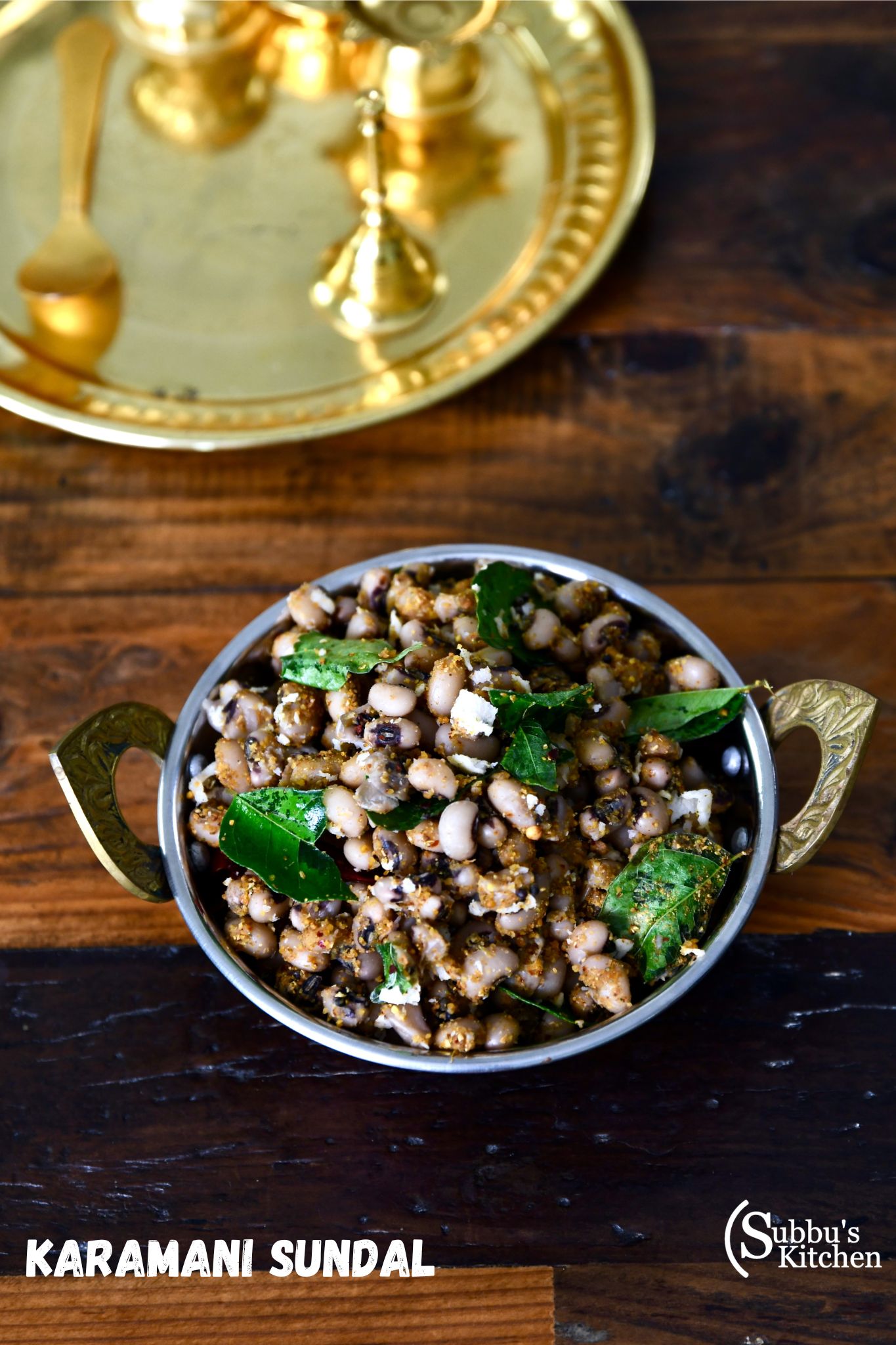
Looking for a protein-packed South Indian snack that’s wholesome, flavorful, and incredibly easy to whip up? Say hello to karamani sundal, a festival favorite made with black-eyed peas, coconut, and a gentle tempering of spices. It’s the perfect balance of hearty and light, with just the right kick to keep you coming back for more. Whether you’re preparing it for Navratri or simply craving a healthy bite, this fan-freaking-fantastic recipe will win you over in minutes!
Karamani sundal is especially popular during Navratri, when different varieties of sundal are prepared as offerings (prasadam) for the goddess and shared with friends and family. Each day of Navratri is often celebrated with a unique type of sundal, making karamani (black-eyed peas) one of the cherished variations. Beyond festivals, it’s also enjoyed as a healthy snack or light evening tiffin in South Indian households. Packed with protein and flavored with coconut and spices, it’s both nourishing and comforting—perfect for fasting days, festive gatherings, or simply as a guilt-free bite anytime of year.
[feast_advanced_jump_to]
Ingredients
Each ingredient in karamani sundal has a purpose. Black-eyed peas (karamani) form the protein-rich base, making it hearty and wholesome. Freshly grated coconut adds natural sweetness and texture, balancing the earthiness of the legumes. Curry leaves, mustard seeds, green chili, and hing bring that unmistakable South Indian flavor profile, while a drizzle of coconut oil ties everything together with a rich, traditional aroma. Together, they create a dish that’s simple yet deeply flavorful, perfect for both festive offerings and everyday snacking.
Karamani (black-eyed peas)
Fresh grated coconut
Red chili
Curry leaves
Mustard seeds
Hing (asafoetida)
Coconut oil
Salt
See recipe card for quantities.
Instructions
Wash and Soak the karamani (black-eyed peas) overnight.
The next day, drain the water and add fresh water to the peas. Pressure cook the karamani with a teaspoon of salt until they are soft, allowing only 2–3 whistles to ensure they remain firm and not mushy.
Once the pressure has fully released, open the cooker and drain the excess water from the cooked karamani using a strainer.
Heat coconut oil in a pan. Add mustard seeds, and once they begin to splutter, toss in the broken red chili, curry leaves, and a pinch of hing. Sauté for a few seconds until fragrant.
Add the cooked karamani (black-eyed peas) to the pan and mix well so the tempering coats the legumes evenly.
(Optional) - Add 2 teaspoon of Sundal Powder and give it a good mix. This will give good aroma and spice.
Stir in the freshly grated coconut and give everything a gentle mix.
Your delicious Karamani (Perum Payiru) Sundal is now ready! Serve it warm as a healthy snack or offer it as Neivedhyam during the Navratri festival.
Substitutions
Legumes: If you don’t have karamani (black-eyed peas), you can easily swap them with other legumes such as white chana (chickpeas), green gram (moong beans), or rajma (kidney beans). Each will give a slightly different texture but still taste delicious.
Coconut: Fresh grated coconut is traditional, but if it’s not available, you can use frozen grated coconut (thawed) or even a small spoon of unsweetened desiccated coconut in a pinch.
Oil: Coconut oil adds authentic South Indian flavor, but you can substitute with sesame oil or sunflower oil if you prefer a milder taste.
Spice: If you like more heat, add a slit green chili along with the tempering. For a kid-friendly version, skip the red chili altogether.
Hing (Asafoetida): If you don’t have hing, you can leave it out or use a pinch of garlic powder for a different but still flavorful aroma.
Variations
Masala Sundal: Add a spoon of freshly ground sundal podi or rasam powder along with the tempering for a spicier, more robust flavor.
Tangy Twist: Squeeze in a few drops of fresh lemon juice just before serving to give the sundal a refreshing brightness.
Vegetable Boost: Mix in finely chopped cucumber, carrots, or raw mango for a salad-style sundal that’s colorful, crunchy, and extra nutritious.
Sweet Sundal: For a festive twist, replace the tempering with a light jaggery syrup and grated coconut to make a mildly sweet version, often enjoyed during Navratri.
Sprouted Sundal: Use sprouted karamani instead of boiled for an even healthier, protein-packed option.
Storage
Room Temperature: Karamani sundal stays fresh for up to 6–8 hours at room temperature, making it perfect for serving during festivals or as a prasadam.
Refrigeration: Store any leftovers in an airtight container in the refrigerator for up to 2 days.
Reheating: Gently warm it on the stovetop or in the microwave before serving. If it feels a bit dry, sprinkle a teaspoon of water or coconut oil to freshen it up.
Freezing: Not recommended, as the texture of the beans and coconut changes after thawing.
Top Tip
For perfectly textured karamani sundal, make sure the black-eyed peas are cooked but still firm—they should hold their shape and not turn mushy. Also, toast the coconut lightly before mixing it in to enhance its aroma and give the sundal an extra layer of flavor.
Karamani Sundal Recipe | Easy South Indian Black Eyed Peas Sundal
Karamani Sundal is a classic South Indian snack made with black-eyed peas, lightly tempered with mustard seeds, curry leaves, and hing, then finished with freshly grated coconut. Protein-rich, flavorful, and mildly spiced, it’s a favorite during Navratri festivals and also makes a wholesome everyday snack.
Course Healthy Recipes, Salad
Cuisine Indian, South Indian, Tamilnadu
Prep Time 5 minutesminutes
Cook Time 15 minutesminutes
Soaking Time 8 hourshours
Total Time 20 minutesminutes
Servings 4people
Calories 108kcal
Author Sowmya Venkatachalam
Equipment
1 Pressure Cooker
Ingredients
1CupKaramani (Black-eyed pea)
1nosRed Chili
1teaspoonSaltAs Needed
1PinchAsafoetida (Asafetida / Hing)
1tablespoonGrated Coconut
2teaspoonSundal Powder (Optional)
For Tempering
1teaspoonOil
1teaspoonMustard Seeds
1sprigCurry Leaves
Instructions
Soak the karamani (black-eyed peas) overnight. The next day, drain the water and add fresh water to the peas. Pressure cook the karamani with a teaspoon of salt until they are soft, allowing only 2–3 whistles to ensure they remain firm and not mushy.
1 Cup Karamani (Black-eyed pea), 1 teaspoon Salt
Heat coconut oil in a pan. Add mustard seeds, and once they begin to splutter, toss in the broken red chili, curry leaves, and a pinch of hing. Sauté for a few seconds until fragrant.
Kerala Banana Chips (Upperi) are a crunchy, classic savory snack made with raw bananas, turmeric powder and salt. These are simple, addictive, lightly salted, and perfect with a cup of coffee or tea. What are Kerala Banana Chips? Banana Chips are a classic Kerala savory snack made with raw bananas, salt and turmeric powder. These...
Varutharacha Sambar is a classic Kerala-style lentil dish made with a freshly roasted coconut-spice paste and a mix of vegetables. It is hearty, wholesome, and full of flavor, and a star dish in the Onam Sadya. What is Varutharacha Sambar? Varutharacha Sambar is a traditional Kerala lentil-based side dish made with a freshly roasted and...
Moru Curry (Moru Kachiyathu) is a comforting and traditional Kerala-style seasoned buttermilk made with yogurt, spices, ginger, shallots and curry leaves. This refreshing, tangy, and delicious moru kachiyathu is a must-have in every Onam Sadya. What is Moru Curry? Moru Curry is also known as Moru Kachiyathu is one of the simplest and refreshing dishes...
Palada Payasam also known as Palada Pradhaman, is a classic Kerala dessert made with rice ada, milk and sugar. This payasam is slow-cooked until creamy and flavored with fresh homemade caramel. A must-have dessert in every Onam Sadya! What is Palada Payasam? Palada Payasam, also known as Palada Pradhaman, is a classic and traditional Kerala...
Kadumanga Achar is a quick and easy Kerala-style instant mango pickle made with raw green mangoes, spices, and sesame oil. This pickle is bright, spicy, tangy, and a must-have in every Onam Sadya. What is Kadumanga Achar? Kadumanga Achar (also known as Manga Achar) is a traditional instant mango pickle from Kerala cuisine. This instant...
Inji Puli is a traditional Kerala condiment made with ginger, tamarind, chillies, jaggery and spices. This sweet, tangy and spicy pickle is a must-have dish on the festive feast menu. No Onam Sadya feels complete without Inji Puli. What is inji puli? Inji Puli (also known as Puli Inji or Inji Curry) is a traditional...
Learn how to make restaurant style Malai Broccoli recipe with detailed step by step pictures. Malai Broccoli video recipe, a quick delicious starter recipe that is sure to win hearts. Malai Broccoli is a delicious starter and an appetizer recipe that is very easy & quick to make at home. It is coated with a...
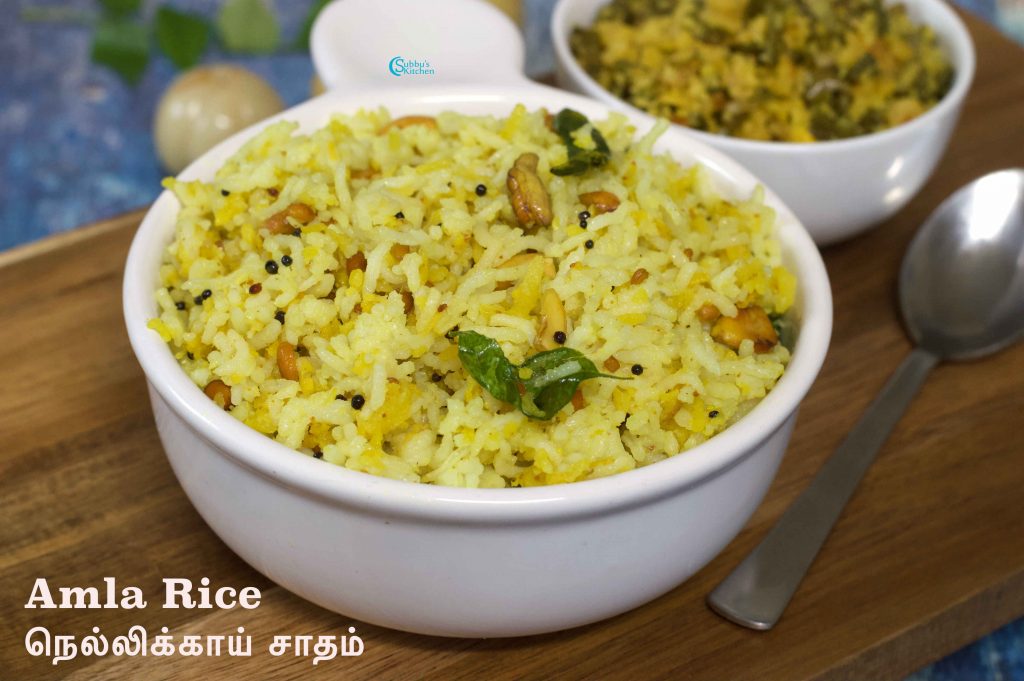
A bright, tangy and flavorful South Indian rice dish, this Nellikai Sadam is made with fresh amla and tempered with simple spices. It's a light yet satisfying meal that can be made in no time! What is nellikai sadam? Nellikai Sadam is a simple and delicious South Indian rice dish made with amla (Indian gooseberries)...
Instant Pot Palak Paneer - This easy instant pot palak paneer is a quick and cozy Indian curry made with fresh spinach and soft paneer (Indian cottage cheese). It is full of flavor and ready in under 15 minutes! What is palak paneer? Palak Paneer is a classic North Indian vegetarian side dish made with...
Honey Joys – A classic Australian treat made with cornflakes, honey, butter, and sugar. These sweet, crunchy, and addictive treats are perfect for the holiday season. All you need are 4 ingredients and 20 minutes to make these irresistible crunchy honey joys! What are honey joys? Honey Joys, also known as Honey Crackles are a...

 Login
Login