Reading view

There are new articles available, click to refresh the page.

Out of the Woods, by Neikehienuo Mepfhu-o

By: Rapti B

Published 2022 | Fiction

A boy caught between the real and an ‘alternate reality’, ‘Out of the Woods’ by Neikehienuo Mepfhu-o takes a look at the struggles that mental health illnesses bring with them – for the person and their immediate family members.

During a recent trip to Nagaland, I decided to pick up a book or two written by local authors, and ‘Out of the Woods’ by Neikehienuo Mepfhu-o was one among them. One of the key reasons to pick up the book was the book blurb – there was no tiptoeing around the subject of the book, no promises of happy endings and salvations, no hiding the fact that this could be (and is) a painful read.

Out of the Woods is a book that may act as a trigger for individuals who have dealt with mental health issues – themselves or as support for families. Because Neikehienuo Mepfhu-o captures the emotional turmoil not only of the afflicted but the immediate family too. It took me a good while to read through the book as it brought back memories from the days when I was diagnosed with anxiety and depression, the battle that ensued and the struggles that my immediate family, especially my parents faced in the interim.

The Crux

Neikehienuo Mepfhu-o’s ‘Out of the Woods’ is the story of a family struggling to cope with the trials and tribulations that village life brings with it while also grappling with the trauma of caring for a growing teen who is struggling to find his place in the real world that collides with the alternate world he lives in. The book traverses through the life of this family that is caught in an endless, harsh loop of loss, pain, trauma, the struggle to find the cause’ to the boy’s ‘behaviour’ and the penultimate discovery of the road to healing.

The Highs & Lows

One of the highlights of the books is the strong hold the writer has on the language (which could be contributed to the fact that she is an educator based in Kohima and has won an award for a previous book). The author uses simple language as effectively as a painter uses a paintbrush – her words transport you from the eerily peaceful and happy alternate world the boy lives in while effectively drawing out a picture of the home and world the boy inhabits with his family. She uses words to explain to the readers the thoughts and emotions that rush through the boy’s mind, in vivid contrast to the helpless anguish and frustration of the family that is tied together by their love for him. What is disturbing – and true – is that it is this very love and resultant uncertainty that govern their lives and threaten to break them apart. The book is a deep dive into the mind of a young boy dealing with an undiagnosed mental health disorder.

I keep writing ‘the boy’ because that is what he is through the book – ‘the boy’ – and that, in my opinion, works to create an awareness that the teenager and the family could be anyone, in any part of the world.

The relatives, the villagers, the pastor and other sources that claim they can help the child act as a commentary on the society’s struggles to accept the reality of mental health issues. This would, perhaps, be more pronounced in pockets that continue to remain relatively disconnected from the rest of the woke and allegedly more aware world.

So, does this mean Out of the Woods is without its follies? The very strength of the author works against the book – the words. By the time you reach the halfway mark, you may be hit by the ‘this is repetitive’ thought because it is for several pages. Thankfully, there is a shift from the normal to the parallel reality which shocks the reader out of the lull.

Another aspect that did not work for me is the end – the journey from the intervention, to seeking medical help and the manner in which the doctor explains the situation as also the boy’s return to ‘normalcy’ is not fulfilling from the reader point of view. Personally, tighter editing could have definitely helped the cause of this book.

However, for the sheer gumption required to write an entire novel that depicts the emotional trauma and exhaustion of mental health, Neikehienuo Mepfhu-o’s Out of the Woods is definitely a book I’d suggest you pick up.

Out of the Woods, by Neikehienuo Mepfhu-o

By: Rapti B

Published 2022 | Fiction

A boy caught between the real and an ‘alternate reality’, ‘Out of the Woods’ by Neikehienuo Mepfhu-o takes a look at the struggles that mental health illnesses bring with them – for the person and their immediate family members.

During a recent trip to Nagaland, I decided to pick up a book or two written by local authors, and ‘Out of the Woods’ by Neikehienuo Mepfhu-o was one among them. One of the key reasons to pick up the book was the book blurb – there was no tiptoeing around the subject of the book, no promises of happy endings and salvations, no hiding the fact that this could be (and is) a painful read.

Out of the Woods is a book that may act as a trigger for individuals who have dealt with mental health issues – themselves or as support for families. Because Neikehienuo Mepfhu-o captures the emotional turmoil not only of the afflicted but the immediate family too. It took me a good while to read through the book as it brought back memories from the days when I was diagnosed with anxiety and depression, the battle that ensued and the struggles that my immediate family, especially my parents faced in the interim.

The Crux

Neikehienuo Mepfhu-o’s ‘Out of the Woods’ is the story of a family struggling to cope with the trials and tribulations that village life brings with it while also grappling with the trauma of caring for a growing teen who is struggling to find his place in the real world that collides with the alternate world he lives in. The book traverses through the life of this family that is caught in an endless, harsh loop of loss, pain, trauma, the struggle to find the cause’ to the boy’s ‘behaviour’ and the penultimate discovery of the road to healing.

The Highs & Lows

One of the highlights of the books is the strong hold the writer has on the language (which could be contributed to the fact that she is an educator based in Kohima and has won an award for a previous book). The author uses simple language as effectively as a painter uses a paintbrush – her words transport you from the eerily peaceful and happy alternate world the boy lives in while effectively drawing out a picture of the home and world the boy inhabits with his family. She uses words to explain to the readers the thoughts and emotions that rush through the boy’s mind, in vivid contrast to the helpless anguish and frustration of the family that is tied together by their love for him. What is disturbing – and true – is that it is this very love and resultant uncertainty that govern their lives and threaten to break them apart. The book is a deep dive into the mind of a young boy dealing with an undiagnosed mental health disorder.

I keep writing ‘the boy’ because that is what he is through the book – ‘the boy’ – and that, in my opinion, works to create an awareness that the teenager and the family could be anyone, in any part of the world.

The relatives, the villagers, the pastor and other sources that claim they can help the child act as a commentary on the society’s struggles to accept the reality of mental health issues. This would, perhaps, be more pronounced in pockets that continue to remain relatively disconnected from the rest of the woke and allegedly more aware world.

So, does this mean Out of the Woods is without its follies? The very strength of the author works against the book – the words. By the time you reach the halfway mark, you may be hit by the ‘this is repetitive’ thought because it is for several pages. Thankfully, there is a shift from the normal to the parallel reality which shocks the reader out of the lull.

Another aspect that did not work for me is the end – the journey from the intervention, to seeking medical help and the manner in which the doctor explains the situation as also the boy’s return to ‘normalcy’ is not fulfilling from the reader point of view. Personally, tighter editing could have definitely helped the cause of this book.

However, for the sheer gumption required to write an entire novel that depicts the emotional trauma and exhaustion of mental health, Neikehienuo Mepfhu-o’s Out of the Woods is definitely a book I’d suggest you pick up.

Matram, Dwarka: A New Regional Indian Restaurant with Pan-India Flavours

By: pawansoni

These days, there’s no dearth of restaurants, and most of them not only look and feel the same, but their menus are so interchangeable that you could swap one with another and few would notice. Matram, a new entrant in regional Indian cuisine, stands apart. From its traditional aesthetic to a menu that genuinely travels from Kashmir to Kanyakumari it is refreshingly different.

Located on an independent plot next to a mall, the impressive frontage with stone elephants and water fountains makes you pause and take notice. Step inside, and the interiors charm you instantly. Intricate detailing on the walls and ceilings, and a bright blue ceiling mimicking a clear sky on one side, give the space an uplifting energy and a pleasant, open feel.

It was their first lunch service (they had only started with dinner the night before) so it’s understandable that the staff needs time to become more fluent with the menu and to stock the refrigerators with adequate soft drinks. But those are minor glitches. What matters is that Matram makes a sincere and enthusiastic attempt to woo the discerning diner.

We began with crisp nadru (lotus root) fritters served with a trio of dips: bhaang chutney, pineapple chutney, and green apple chutney. A welcome change from the usual mint chutney. But what had my full attention was the tender coconut chilly fry, a standout dish made with the flesh of tender coconut cooked in its own water, finished in a spicy sauce. It’s healthy, addictive, and unlike anything I’ve had elsewhere. Chef Suresh Singh Fartyal, originally from the northern hills, proudly shared that he has launched restaurants across almost every Indian state, and this particular dish is his own invention. I admire the spirit of innovation.

Then came a medley of dishes, including the dohra kebab, a seekh that layers chicken at the base and mutton on top. It’s not commonly found, though I felt it could benefit from a bit more seasoning. The grilled tiger prawns, flambéed with rum on the table stole the show. Perfectly marinated, beautifully cooked, and packed with flavour.

I won’t go into detail about the other starters we tried like mutton pepper fry, Tangra chicken, ghee roast chicken, gunpowder podi idli etc which were all decent enough to hold their own in most restaurants, but somewhat overshadowed by Matram’s signature creations.

From the mains, my favourites were the Bengali kosha mangsho and the Kashmiri morels pulao. Both were so flavourful that while others asked for raita, I preferred to savour them as they were.

Dessert was a mixed bag. The black rice kheer from the Northeast was best ignored (I’ve had far better), but the gulab jamun cheesecake was delicious. The team also went out of their way to serve us green tea on request, which was a thoughtful touch.

Matram is a much-needed addition to the NCR dining scene. I only hope that its Dwarka location doesn’t become a limitation to the success it richly deserves.

Matram, Reliance Mall, Plot No 1, adjacent to Mayfair Restro Bar, Sector 13, Dwarka, New Delhi, Delhi, 110078

The post Matram, Dwarka: A New Regional Indian Restaurant with Pan-India Flavours appeared first on Indian Food Freak.

Royal China, Chanakya, Delhi: Unlimited Dimsum Lunch & a Royal Feast to Remember

By: pawansoni

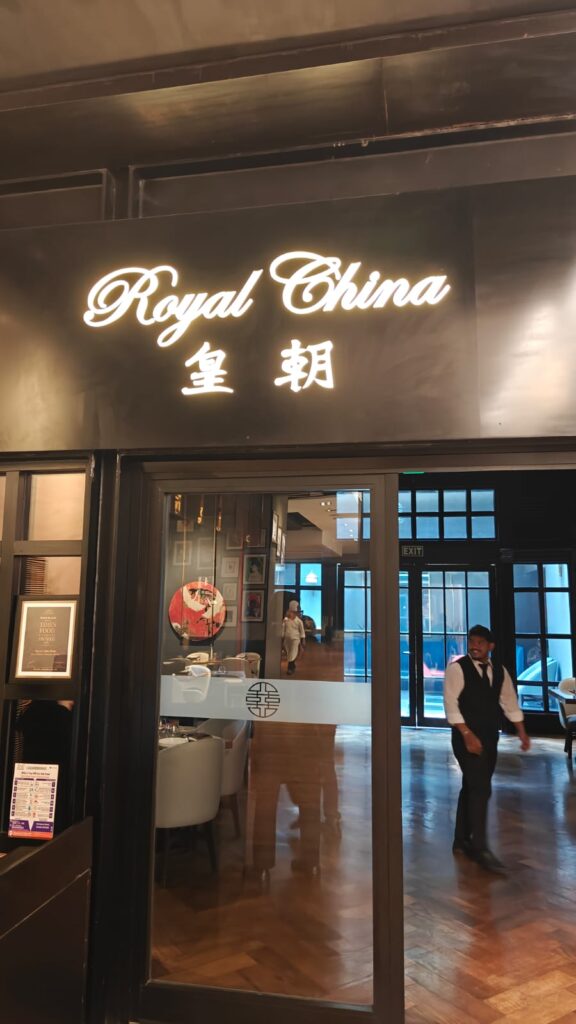
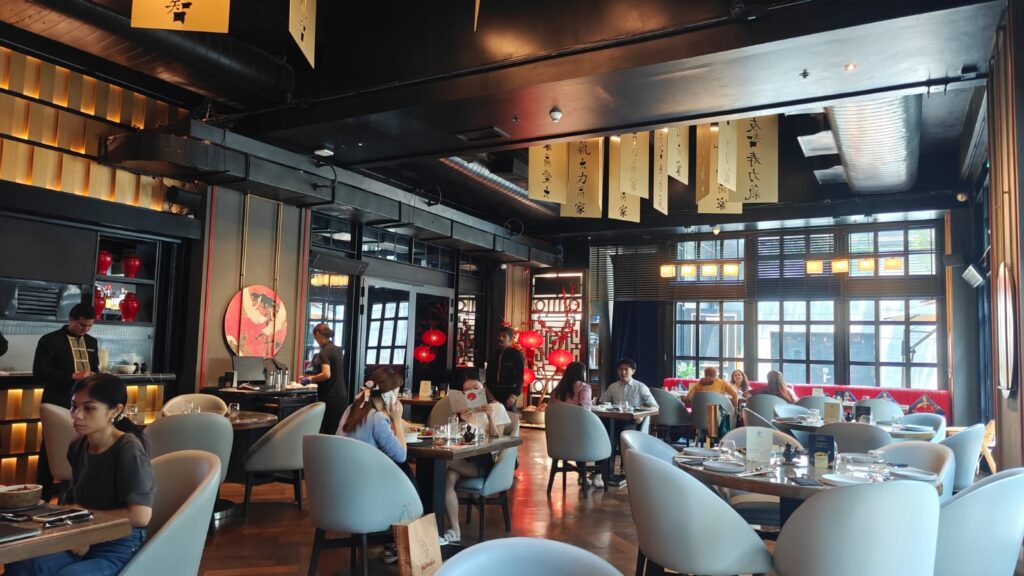
Royal China at The Chanakya, New Delhi, has long been a favourite for those who take their Chinese food seriously. On a recent afternoon, I revisited this elegant 100-seater to catch up with an old friend over lunch—and left reminded of why this restaurant continues to hold its place among the city’s most reliable Asian dining addresses.

This wasn’t a tasting of their newly launched menu; instead, it was a deliberate dive into some of their classics. We ordered what we felt like eating, chose on instinct, and let the table fill slowly—no pressure, no pretension, just good food and conversation.

A Dim Sum Prelude

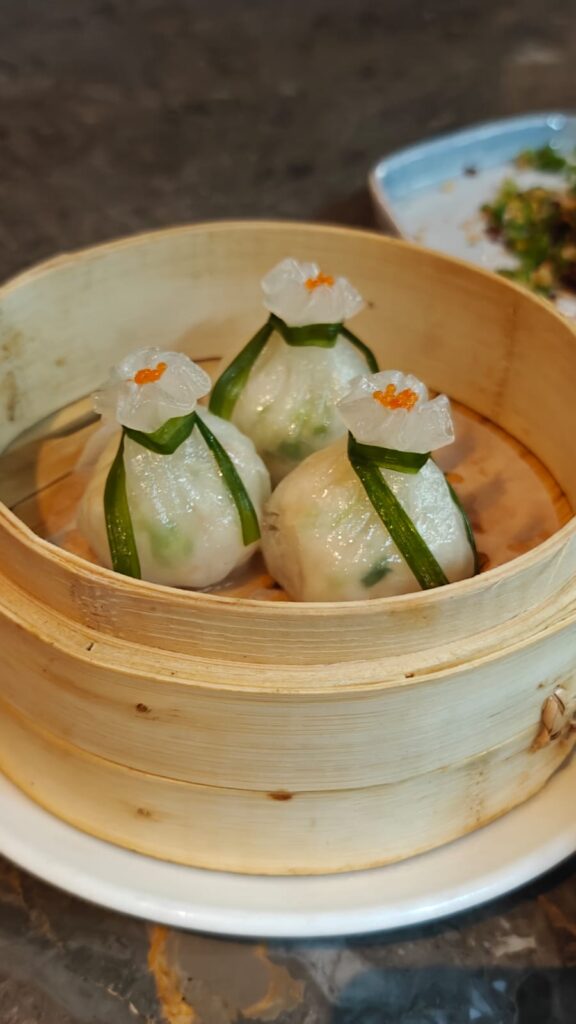
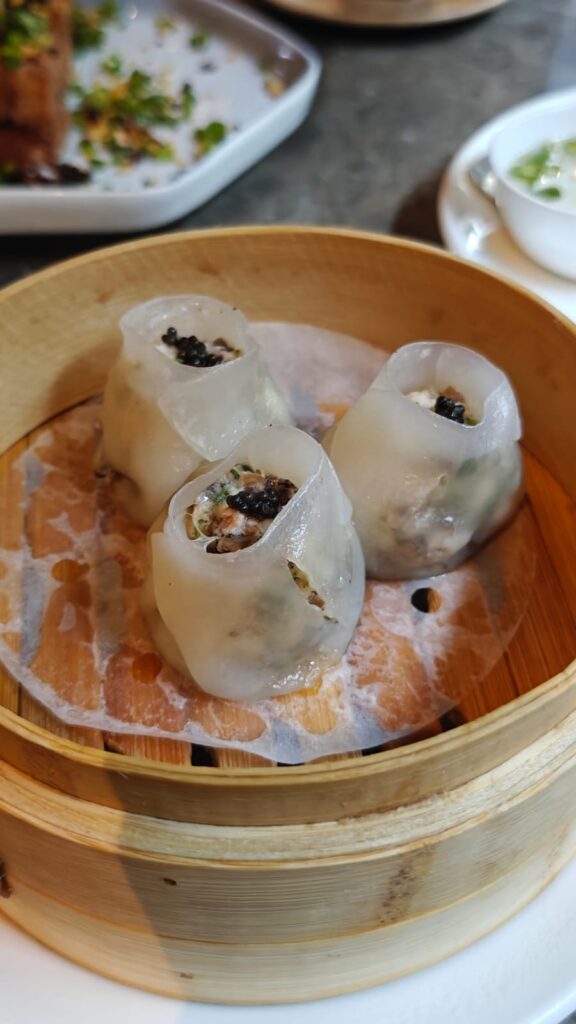
We began with dumplings, of course. The Lobster and Caviar Dumpling was a showstopper—luxurious and perfectly steamed, with just the right brininess from the caviar. The Prawns and Black Pepper Dumpling brought in a pleasant hit of spice, wrapped in a delicate casing. While one of the dumpling wrappers arrived a little torn, it didn’t take away from the overall finesse of the offering.

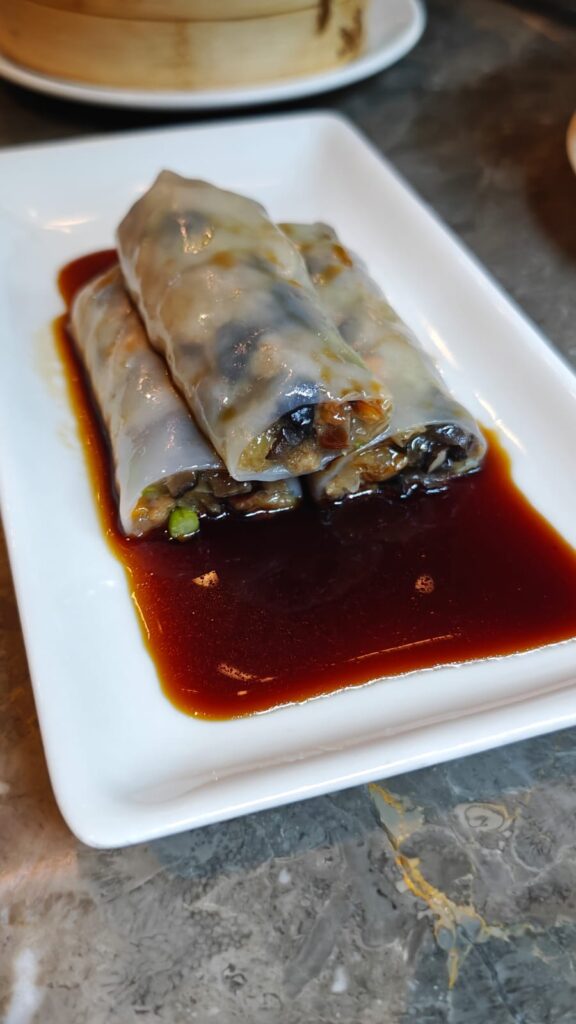
From the cheung fun section, we picked the Asparagus and Shitake Cheung Fun, a silky rice noodle roll layered with texture and flavour. What caught my eye was the extensive cheung fun selection—I counted at least ten varieties on the menu, which is rare and commendable.

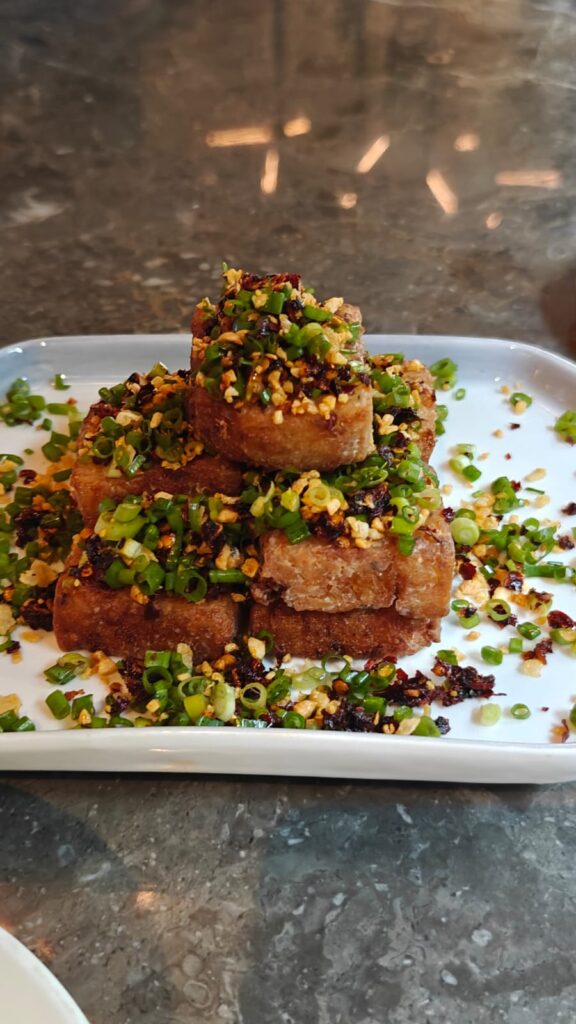
The standout among the small plates, though, was the Turnip Cake with Burnt Garlic. Soft inside, crisp outside, and served with Royal China’s excellent chilli oil, it was easily one of the best dishes of the meal. Humble ingredients, elevated through perfect execution.

Main Course Harmony

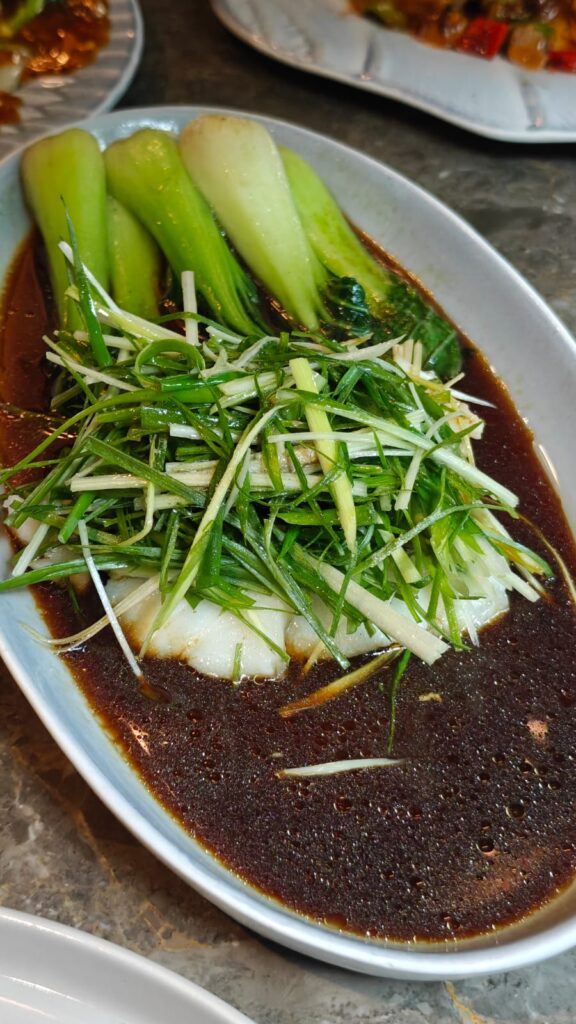
For the main course, we shared the Chilean Sea Bass with Ginger and Spring Onion, paired with pokchoy. The fish was cooked with a light soy and a hint of chilli garlic, letting the natural flavours shine through. It was delicate, comforting, and deeply satisfying.

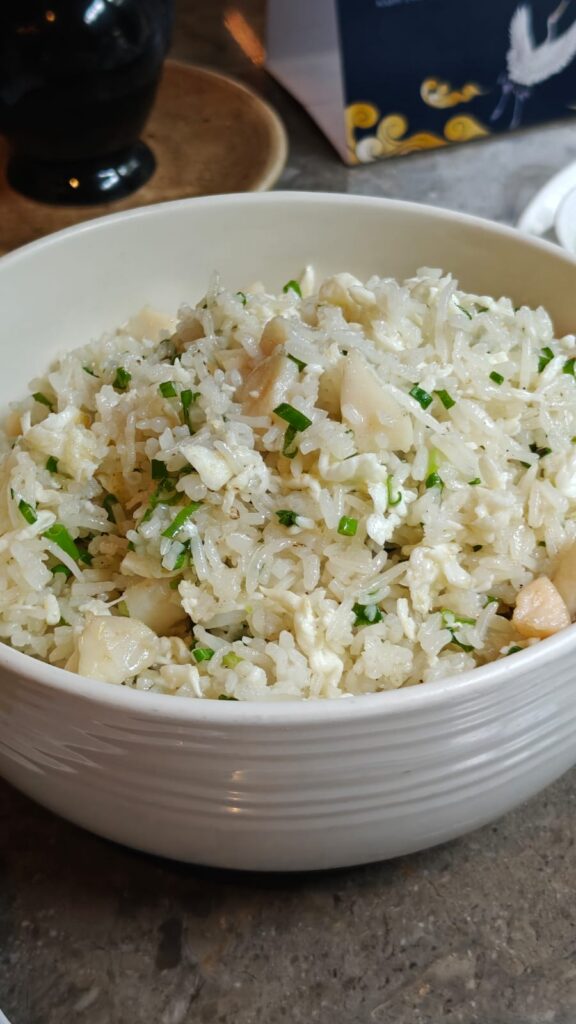
To go with it, we ordered the Truffle and Scallop Fried Rice—a dish that surprised us with its generous use of scallops. At ₹625, it’s a remarkably well-portioned dish, easily serving three people. The truffle aroma wasn’t overpowering, and the rice was light enough to pair well with the fish.

The Finish Line

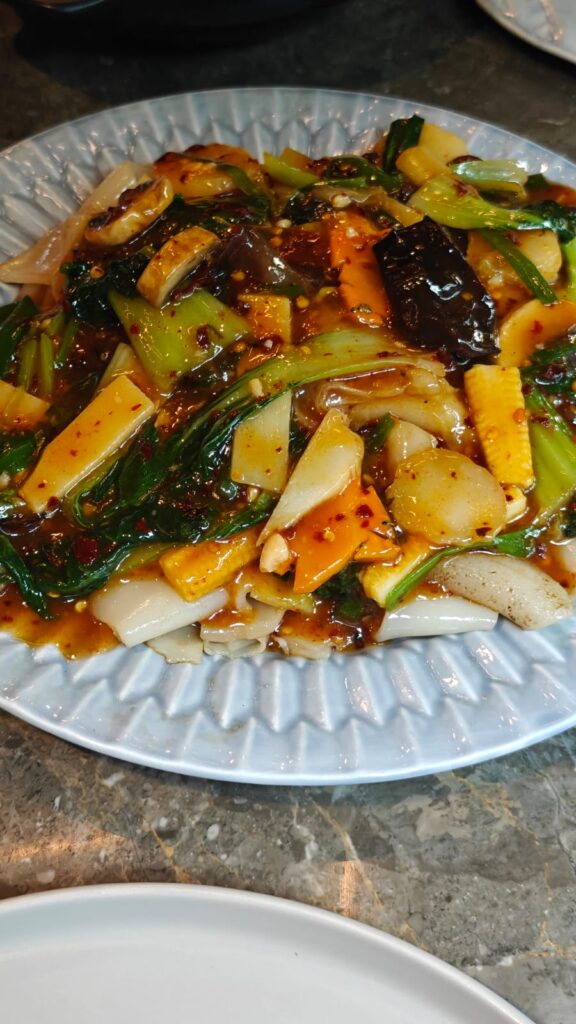
We wrapped up the meal with Ho Fun Noodles, broad rice noodles cooked in a chilli sauce on the recommendation of my friend who swears by Royal China’s consistency. He wasn’t wrong—the noodles had just the right bite and heat, and rounded off the savoury courses beautifully.

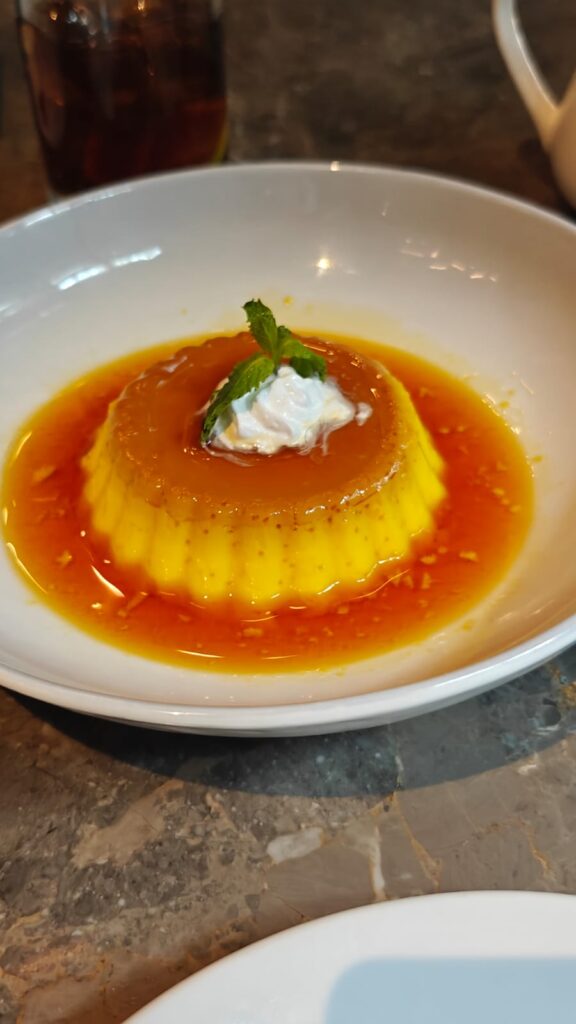
Then came an unexpected delight: Caramel Custard. It’s a dessert I personally love but rarely find on menus anymore. Here, it was firm, well-set, and lightly sweetened—the perfect end to a leisurely lunch.

A Return Visit is Already on My Mind

While I didn’t try their new dishes this time, what stood out was the consistency and quality of what I did eat. Royal China doesn’t chase trends—it perfects what it knows best, and the result is a meal that lingers in memory long after the table has been cleared.

What I’m looking forward to next, though, is their Unlimited Dimsum Lunch, a weekday special that’s been creating buzz for all the right reasons.

Unlimited Dimsum Lunch – The Details

Available: Monday to Thursday

Time: 12:00 PM to 3:30 PM

Price: ₹2,150++ per person

Group Size: Minimum 2, maximum 8 diners

What You Get:

Soup of your choice, Unlimited selection of dimsum (steamed, fried, bao, cheung fun), main course, Choice of rice or noodles and Dessert

For someone who enjoys long, indulgent lunches (and clearly, I do), this sounds like a worthy excuse to return. The dimsum menu alone has enough variety to keep me going back a few times over.

Address: Royal China, The Chanakya Mall, Chanakyapuri, New Delhi
Reservations: +91-8448870872

The post Royal China, Chanakya, Delhi: Unlimited Dimsum Lunch & a Royal Feast to Remember appeared first on Indian Food Freak.

Peng You Quan: A Taste of Authentic China in Gurgaon

By: pawansoni

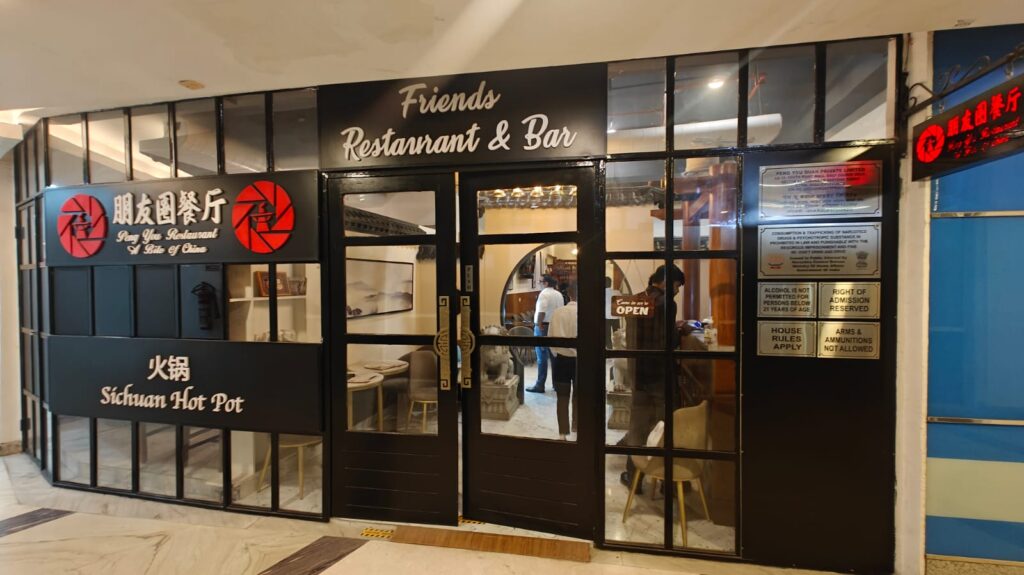
We had set out to dine at a Japanese restaurant at South Point Mall, but a timely suggestion from my friend rerouted us to Peng You Quan, a Chinese restaurant tucked away in the same complex. I’d heard about this place before and even made a few half-hearted plans, but somehow they never came through—until now. Luckily, a Monday evening visit meant the restaurant wasn’t packed, allowing us to settle in comfortably.

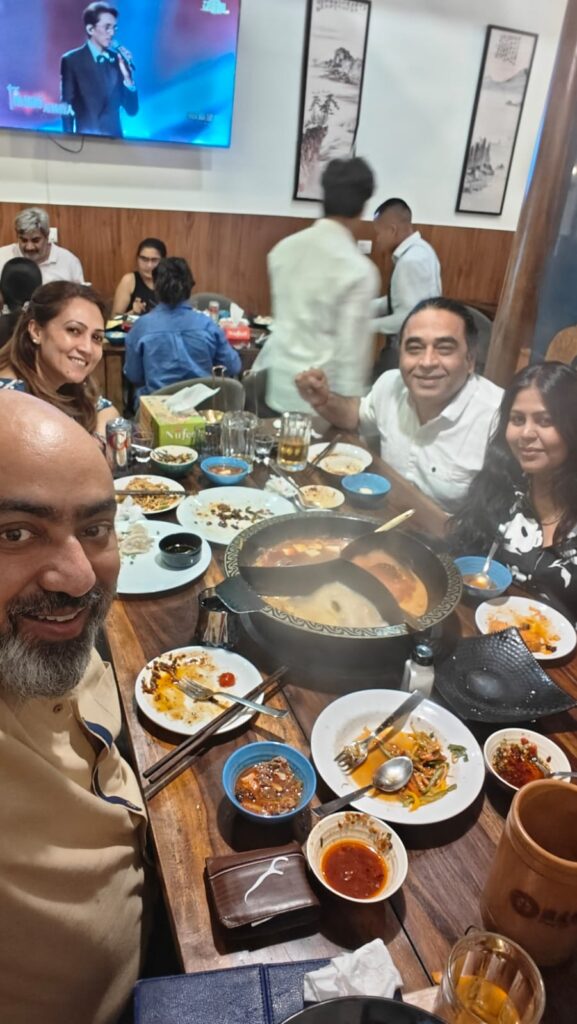
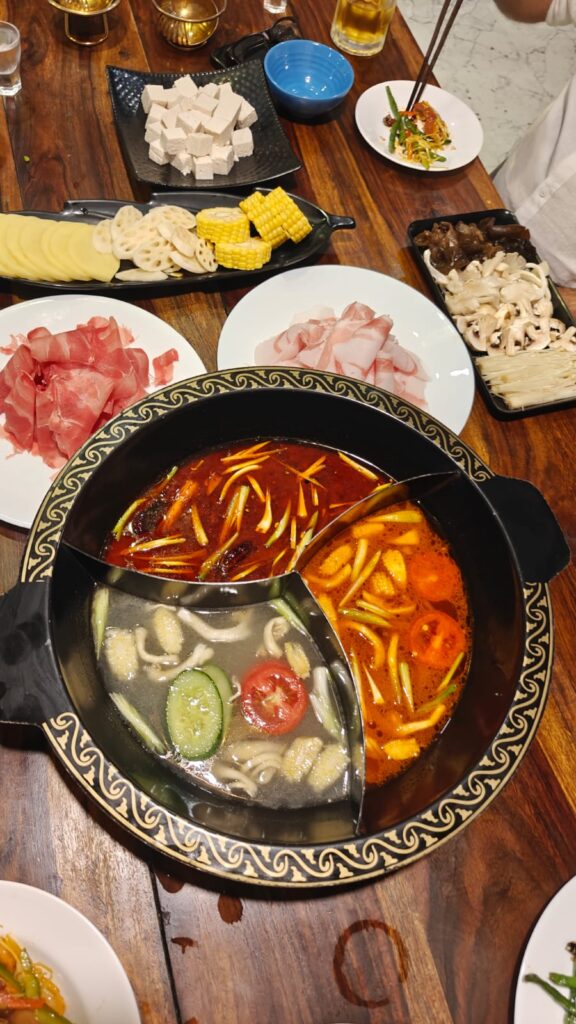
Peng You Quan offers both private dining rooms and open seating, each table equipped with its own induction cooktop for the signature hot pot experience. We opted for open seating. The interiors are understated and elegant, and the staff is warm and courteous.

To kick things off, we ordered a round of Soju and beers while browsing the extensive menu.

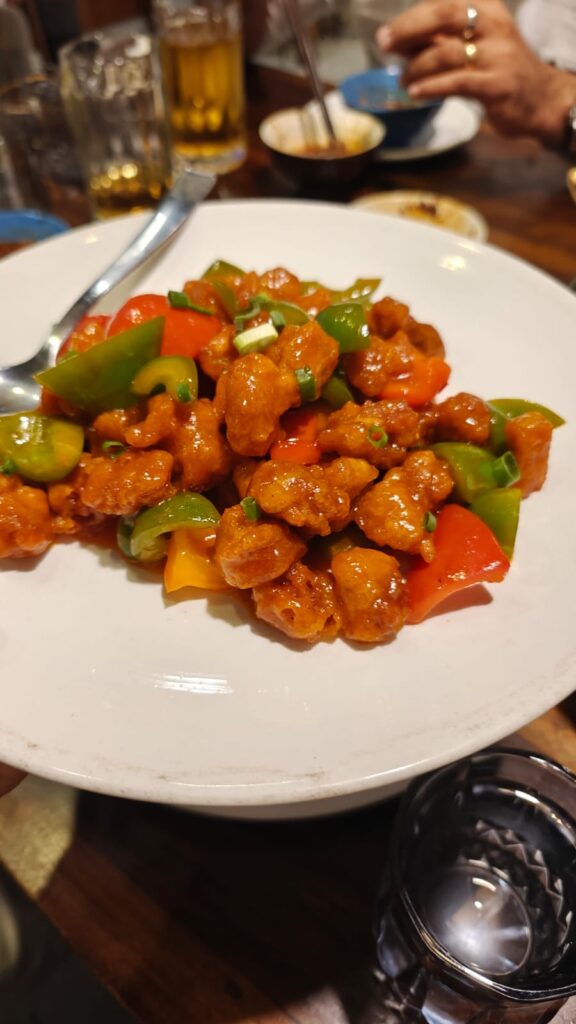
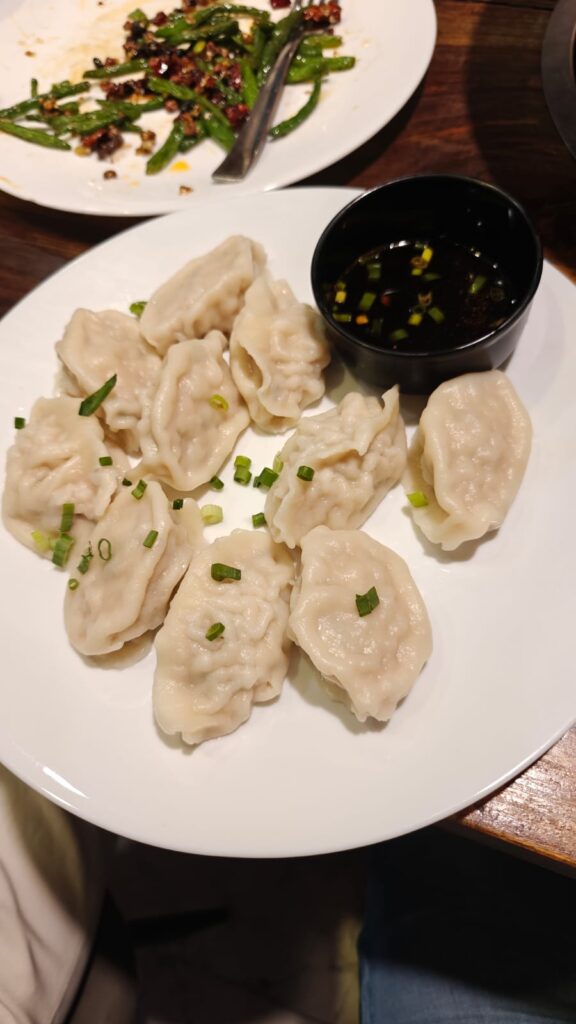
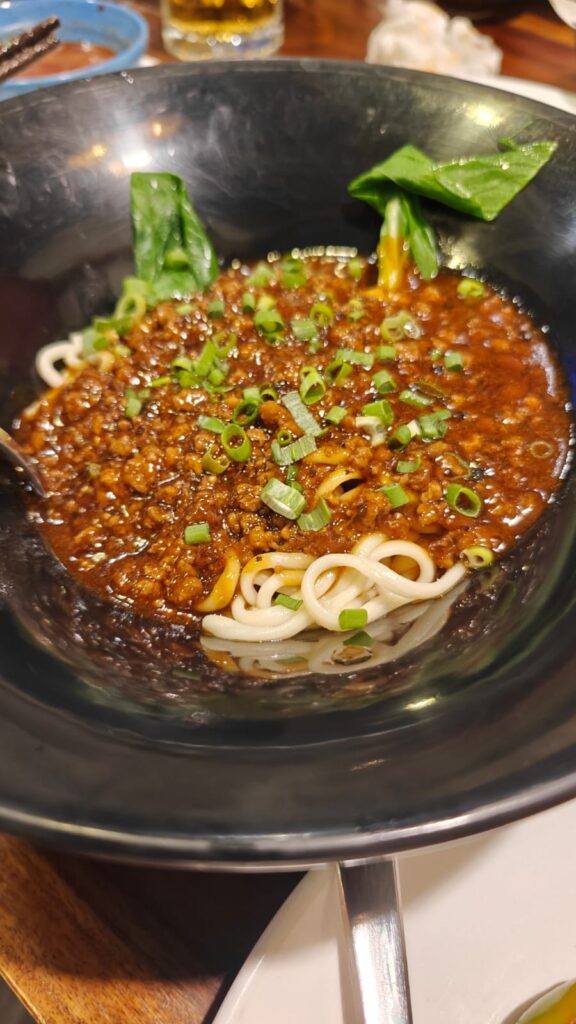
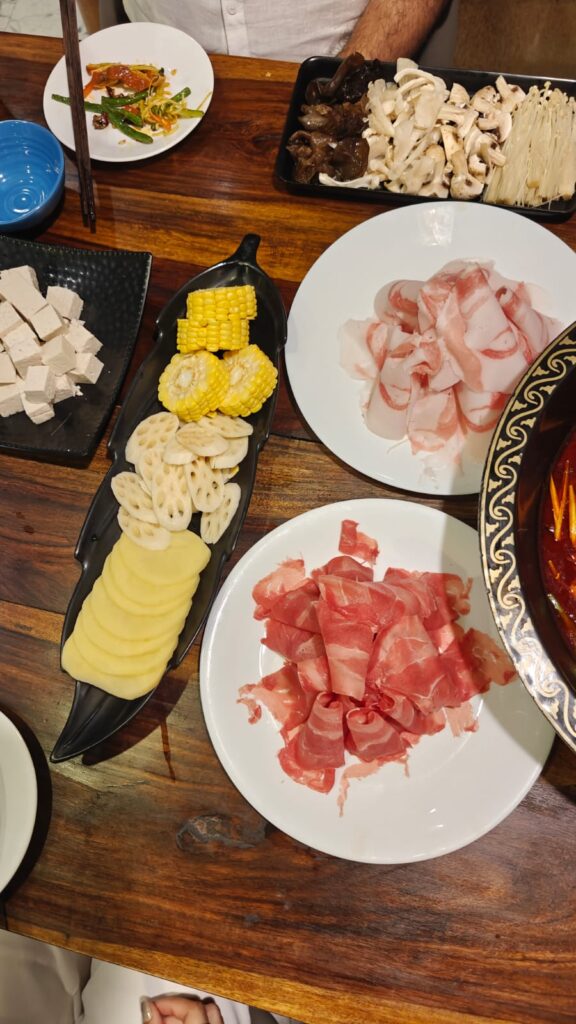
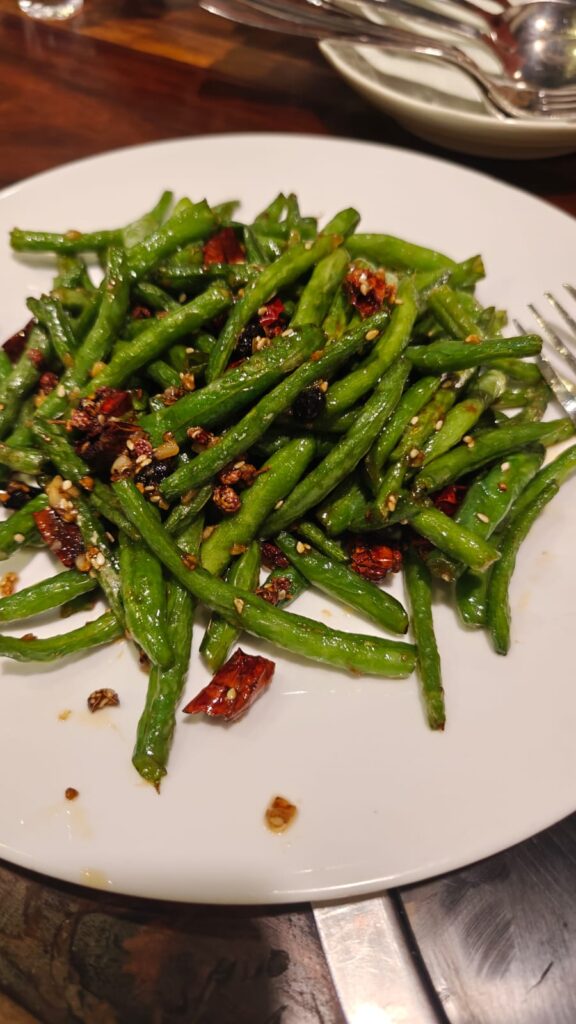
This is the kind of menu that proudly resists Indo-Chinese clichés—no Manchurian or Chilli Chicken in sight. A few dishes stood out instantly: Pork Ear Salad (₹560), Fried Long Beans with Chilli (₹560), Sweet and Sour Pork (₹780), and Chongqing-style Noodles with pork mince (₹500). The highlight, however, was the Hot Pot (₹980), which comes with three broth options—Spicy, Clear, and Tomato (the latter suitable for vegetarians). The broth is unlimited, but vegetables and meats are ordered à la carte.

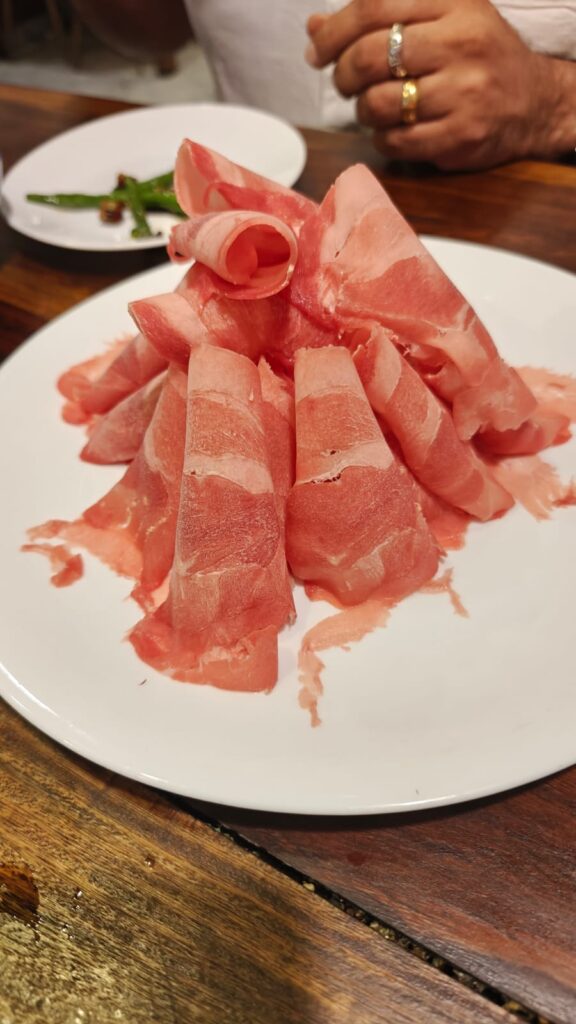
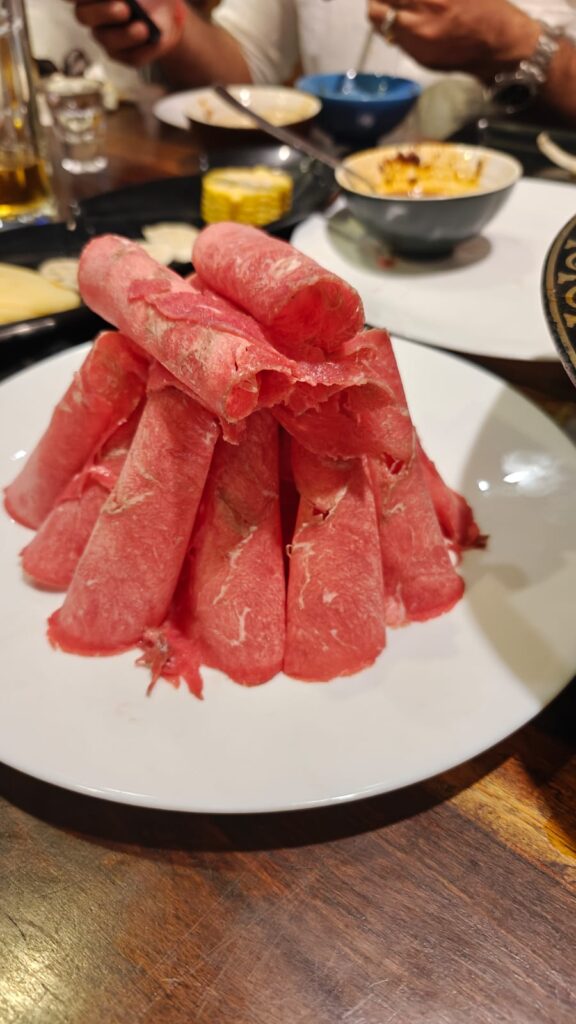
We went all in: Mutton Slices (₹600), Pork Slices (₹600), Buff Slices (₹550), a Vegetarian Platter with potatoes, lotus stems, and corn (₹550), Tofu (₹400), a Mushroom Platter (₹550), and extra Lotus Stems (₹320)—if I haven’t forgotten something in that flurry of ordering.

Trying Pork Ear Salad for the first time, I was pleasantly surprised by its texture and flavor, elevated by a bold, spicy oil at the base. The Fried Long Beans turned out to be a crowd-pleaser, cutting across dietary preferences. The Sweet and Sour Pork had promising flavors, though a crisper texture would have taken it up a notch.

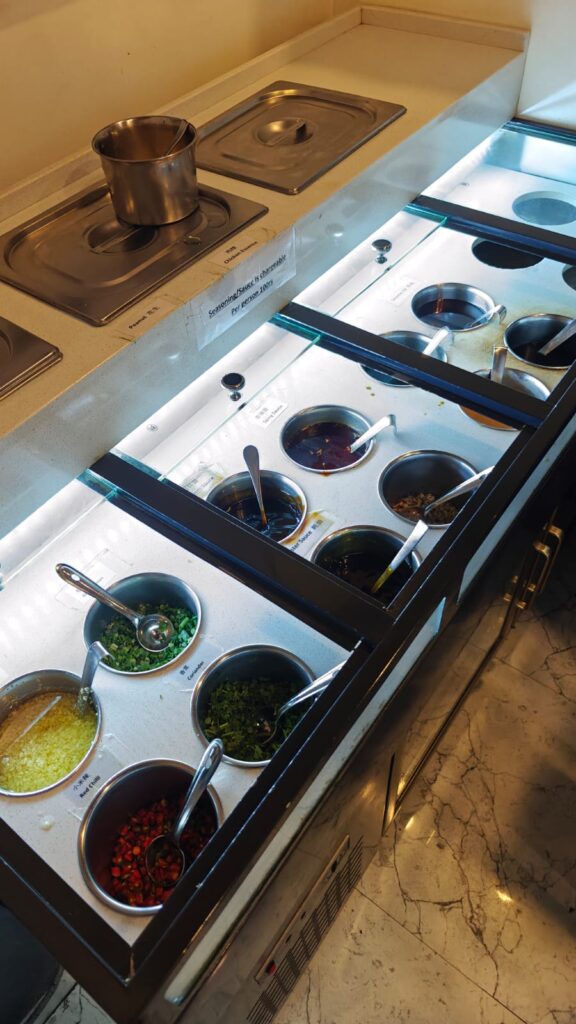
Hot Pot, by its nature, is a communal joy—everyone takes turns cooking thinly sliced meats and semi-cooked vegetables in the simmering broth, then dipping them into a variety of sauces like soy, garlic, chilli, and sesame oil. Be warned: the broth may feel under-seasoned to some Indian palates—we ended up asking for extra salt. Among the meats, the Pork Slices stood out, while the Mutton was slightly tough and the Buff (unsurprisingly) didn’t quite pass off as beef. On the vegetarian side, we particularly enjoyed the corn on the cob, mushrooms, and lotus stems.

In hindsight, we may have gone a bit overboard with the accompaniments, which pushed the bill up. Also, charging ₹100 per person for dips, when one is already ordering the hotpot, feels slightly excessive.
That said, the experience was well worth it—made even better by the company of friends who share a passion for authentic Asian cuisine. The evening was filled with banter, nostalgic food stories from Japan, and 150 minutes of leisurely conversation over what turned out to be one of the most authentic Chinese meals I’ve had in Gurgaon.

The post Peng You Quan: A Taste of Authentic China in Gurgaon appeared first on Indian Food Freak.

Kioki Gurgaon: Affordable Japanese Izakaya-Style Dining at 32nd Avenue

By: pawansoni

I’ve often found myself fretting over the steep pricing of dishes across most restaurants in Gurgaon. It feels like everyone’s serving fine-dine fare, and for regular diners like me, it really hits the pocket. Whatever happened to those simple, sit-down restaurants (not talking street food carts) that served fresh, reasonably priced food you could enjoy regularly? Japanese cuisine, especially, tends to be priced through the roof given the premium ingredients.

That was until I discovered Kioki, an izakaya-style diner at 32nd Avenue, Gurgaon, offering small, sensibly priced plates.

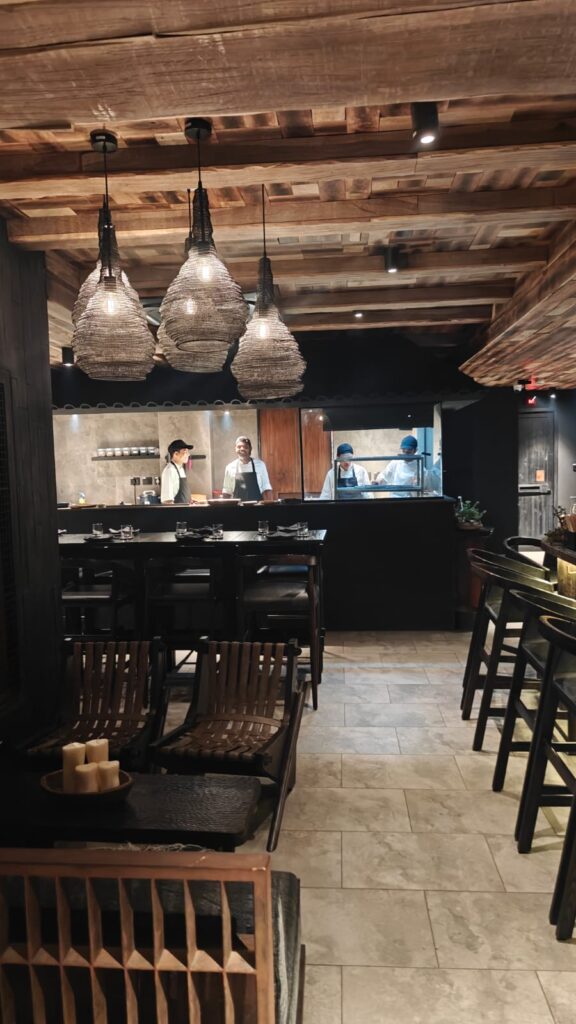
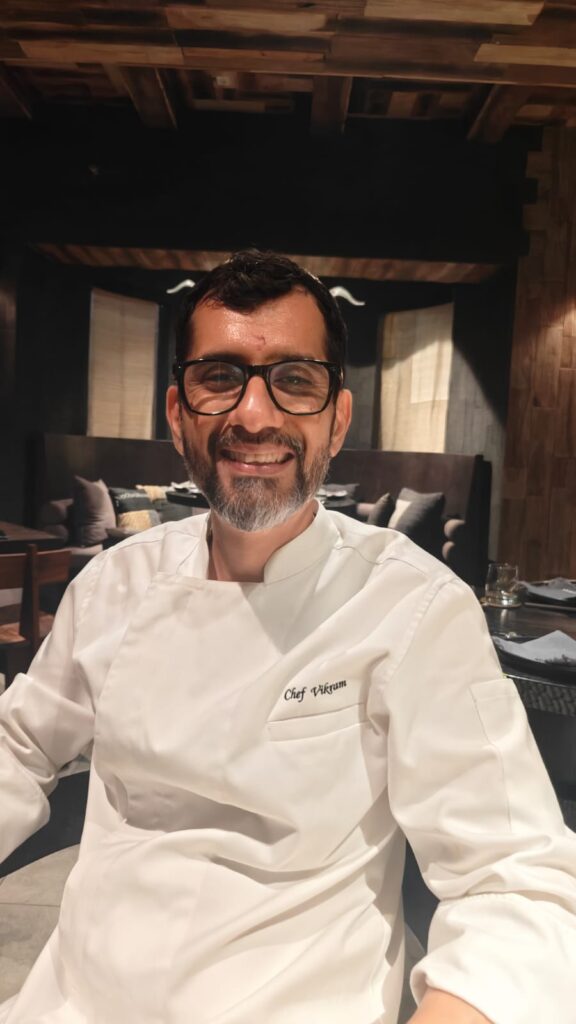
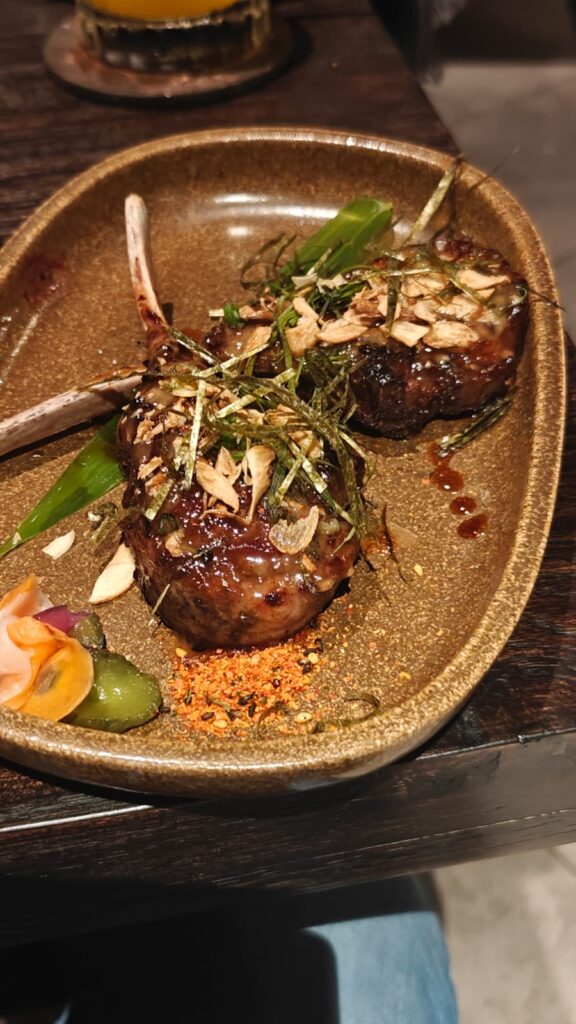
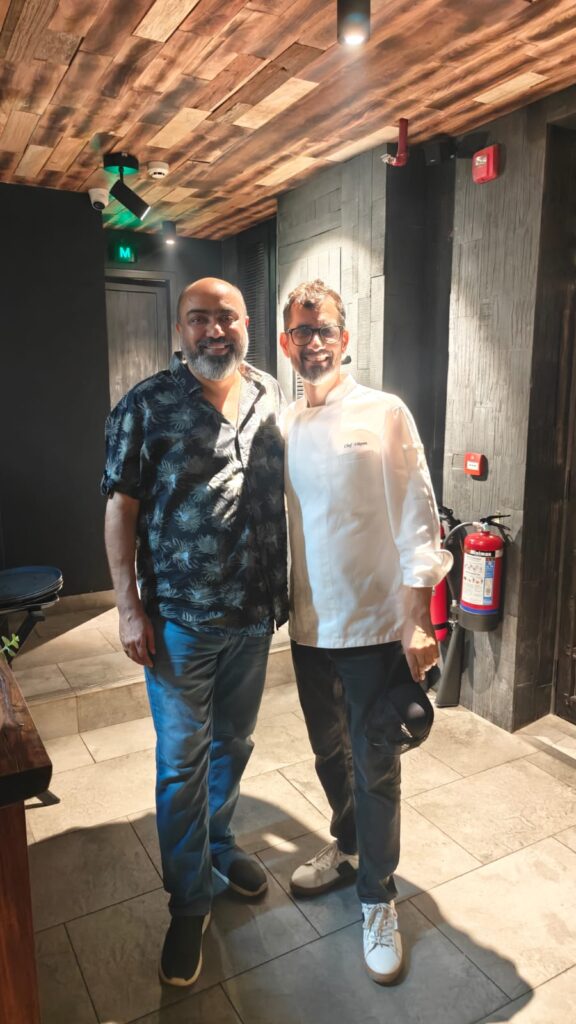
The interiors are relaxed and reminded me of my visits to Japan—no-frills spaces drawing a local crowd for informal meals and drinks. When I met Chef Vikram Khatri, my first question was about the lamb chops. At Rs 800 for two New Zealand chops—especially at a premium location like 32nd Avenue—it felt refreshingly affordable. He smiled and said he’d rather serve fresh food and sell more, than freeze items and overcharge a few guests. Judging by the packed tables on a weekday, his philosophy is clearly working.

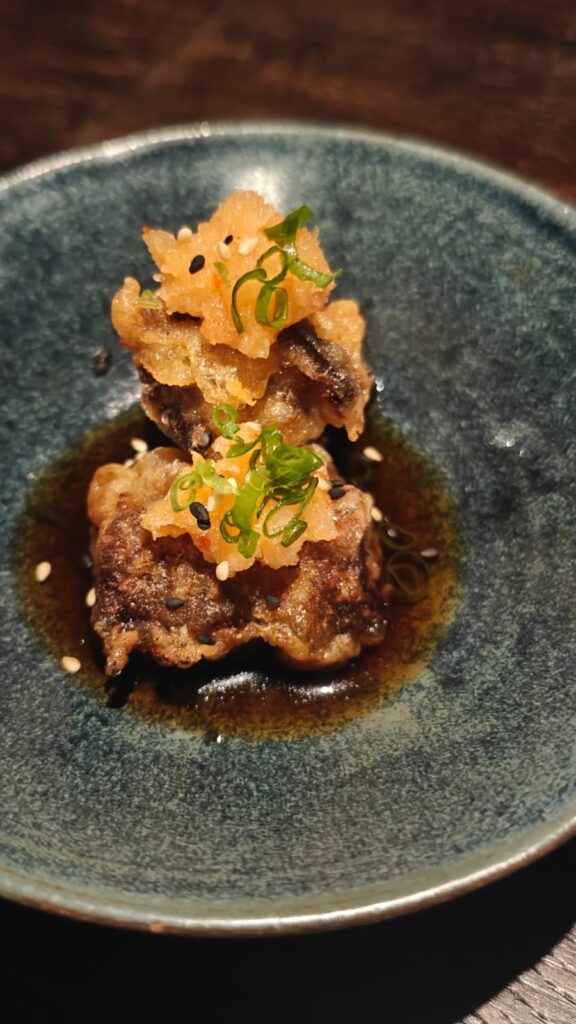
We started with a complimentary amuse-bouche: eggplant fritters in a soy-based broth. Light, airy, and umami-rich—it set the tone for what was to come.

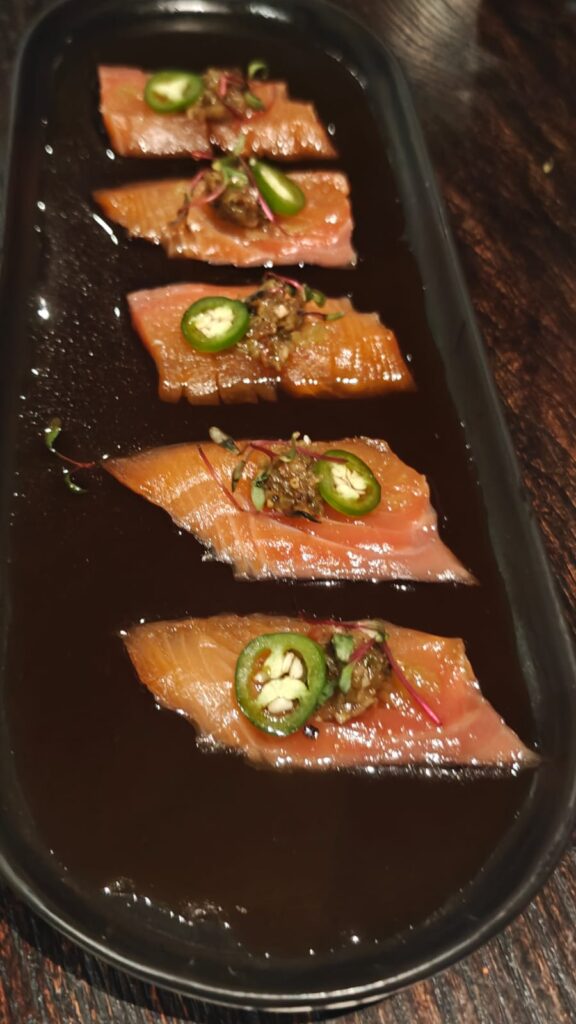
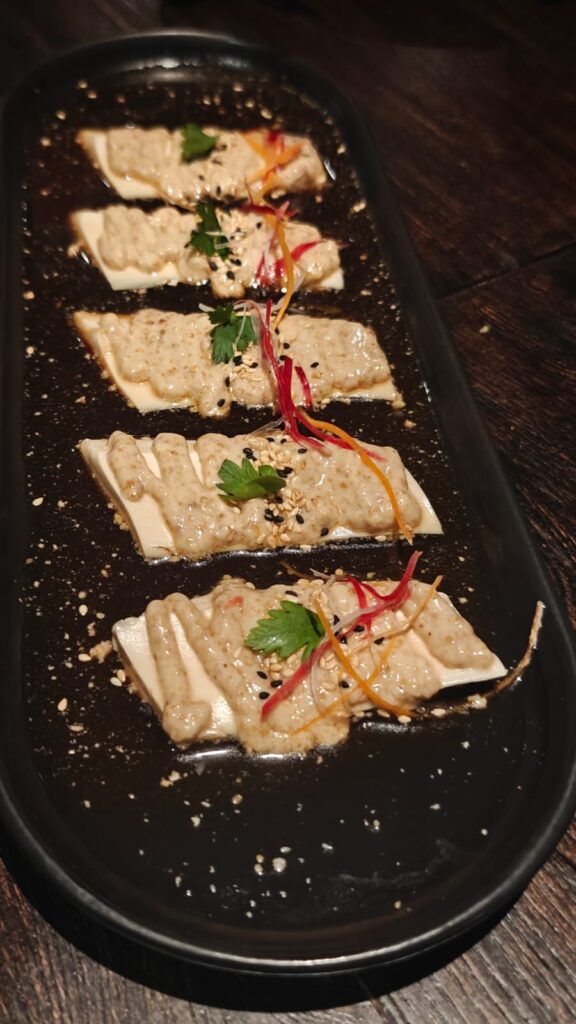
The Scottish salmon carpaccio-style sashimi—cut slightly thicker—came dressed with jalapeños, leek chimichurri, and a citrus soy. My vegetarian wife enjoyed the same preparation done with tofu just as much as we relished the salmon.

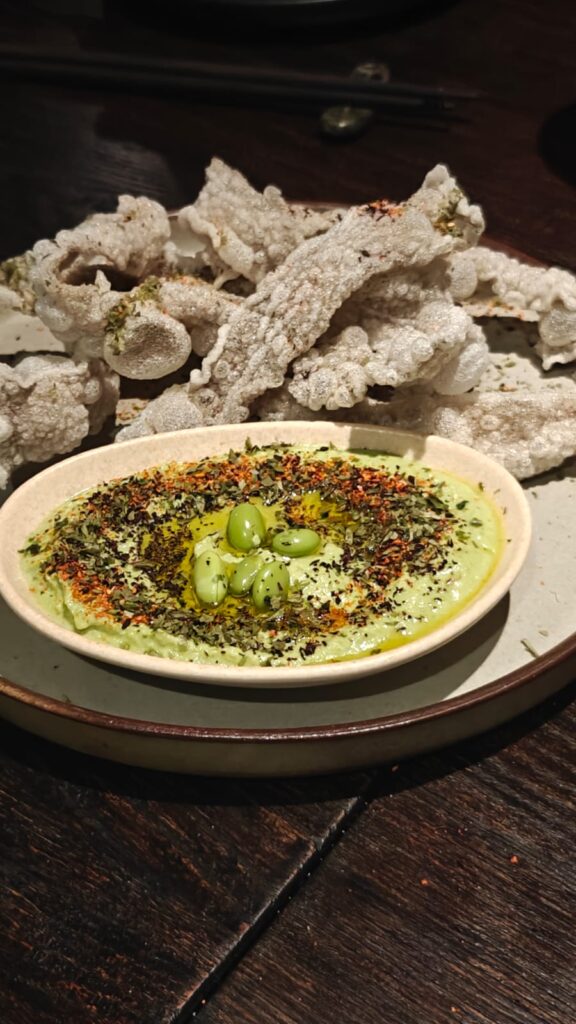
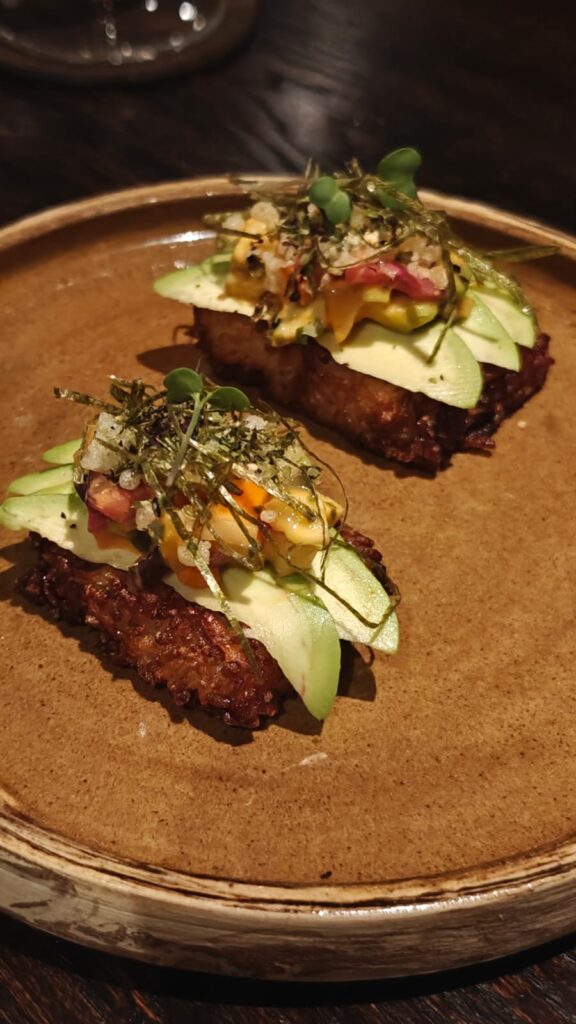
But it wasn’t just the classics that impressed us. Chef Vikram’s inventive touches stole the show. Strips of nori fried in rice flour made for an addictive chakhna when paired with a spicy edamame dip. Equally good were the crispy rice bites—pan-fried sushi rice squares topped with tuna and salmon. A touch of wasabi took them to another level.
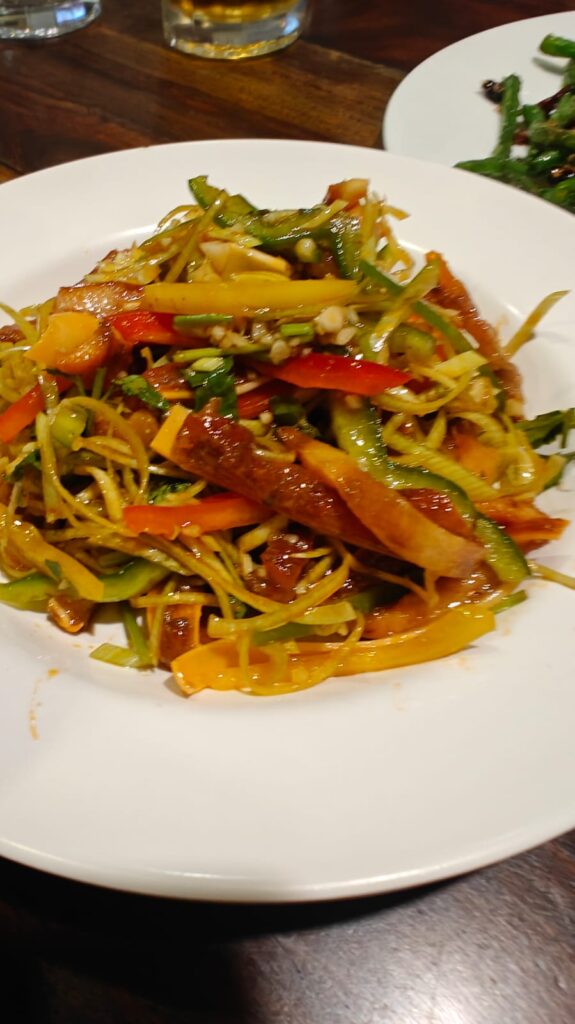
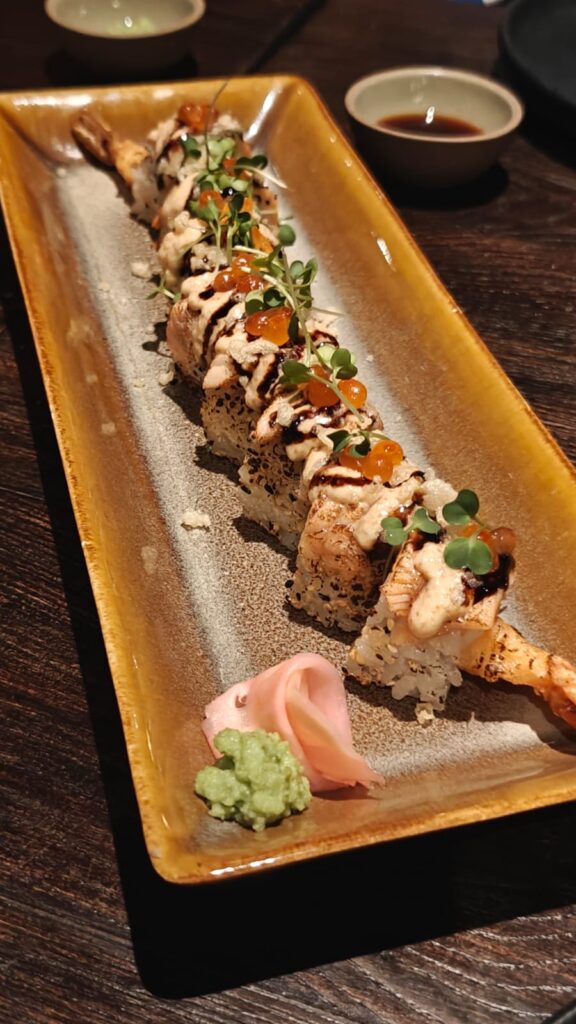
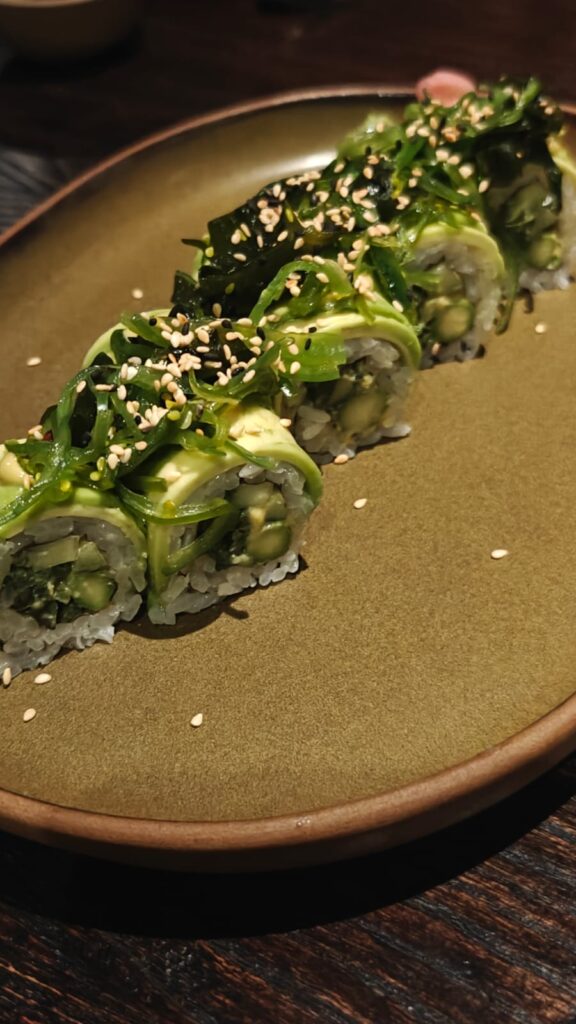
No Japanese meal is complete without sushi—the true test of a chef’s skill. At Kioki, the prawn tempura and yasai green California rolls were both excellent. I especially appreciated the toasted sesame seeds on top, giving the rice a subtle crunch.

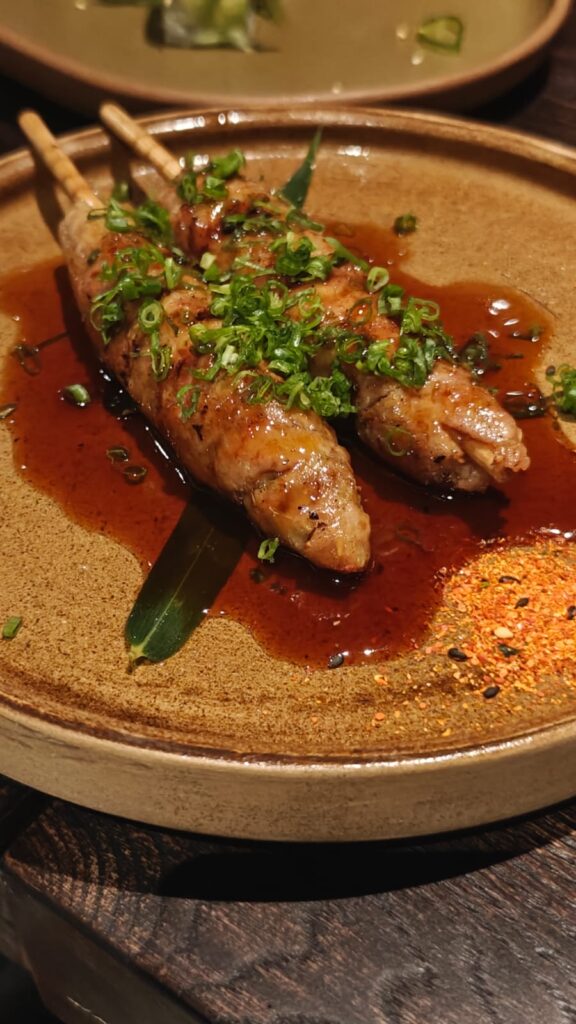
From the robata/yakitori section, we picked the tare-glazed chicken skewers. These are Japan’s version of our seekh kebabs—smoky, juicy, and packed with umami. The garlic soy and mustard-glazed lamb chops, too, were perfectly done.

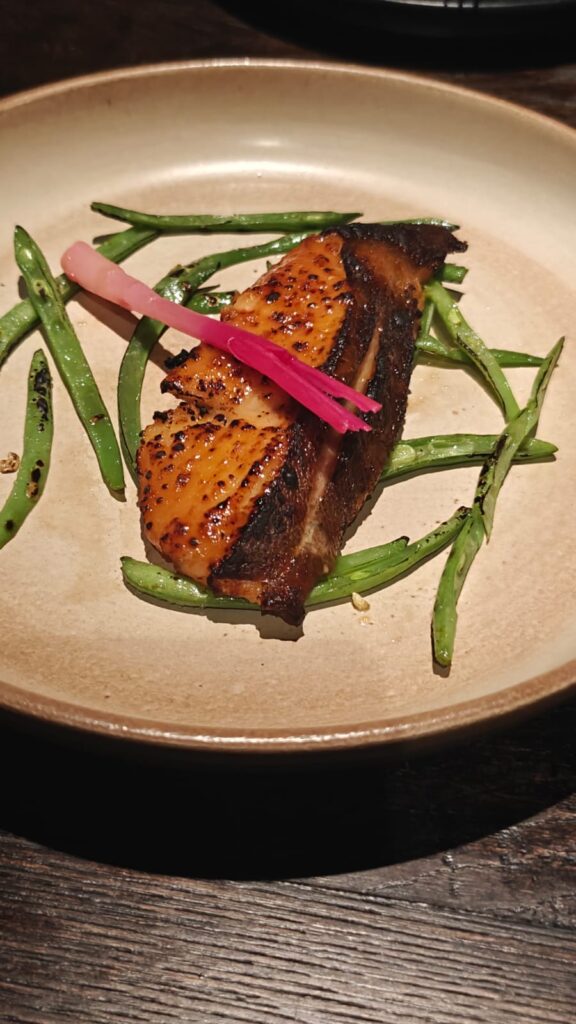
If there was one letdown, it was the miso black cod. Though it’s traditionally sweet, this version leaned too far into the sweetness for my taste.

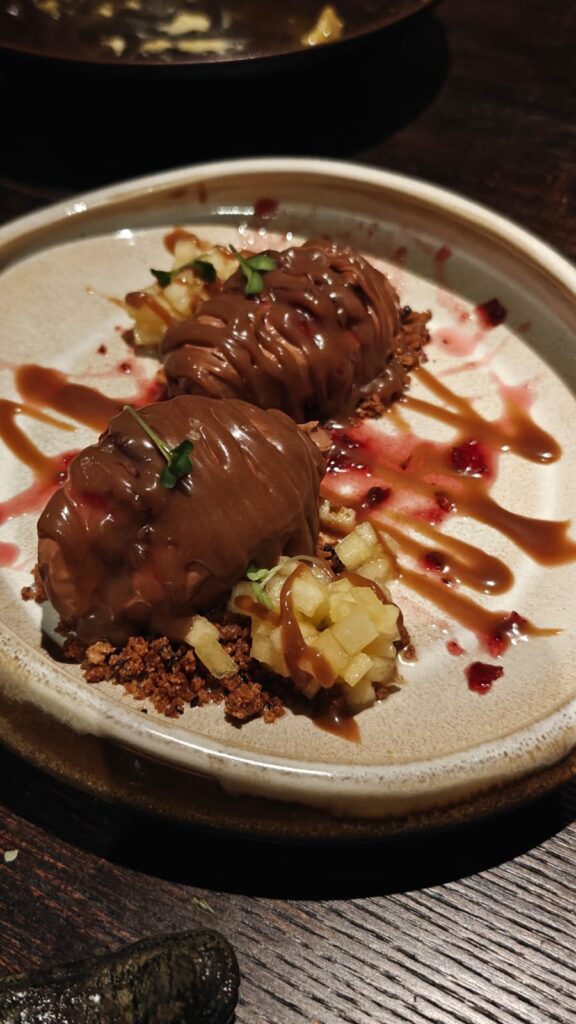
For dessert, we had the matcha crème caramel. I’m not a matcha enthusiast, but this version had just a light dusting, offset by torched orange segments that cut through the bitterness. Delicious. Don’t leave without trying the nama chocolate—silky like ganache, served with soy caramel and sake-poached apple on the side.

Kioki has restored my faith that good dining doesn’t always have to burn a hole in your wallet. While the meal isn’t cheap, it’s far more accessible than most Japanese restaurants in the city. Chef Vikram Khatri’s vision shines—and so does young Sankalp, our server that evening, who impressed us with his warmth and menu knowledge.

The post Kioki Gurgaon: Affordable Japanese Izakaya-Style Dining at 32nd Avenue appeared first on Indian Food Freak.

The Pit Brings Authentic Barbecue Flavors to Gurgaon’s Global Foyer Mall

By: pawansoni

I’ve just returned from an unforgettable evening at The Pit, a new barbecue and grill restaurant that has set up shop at the Global Foyer Mall on Golf Course Road, Gurgaon. And if there’s one thing I can’t stop doing—it’s raving about the experience.

For a city like Gurgaon, which has been yearning for an authentic and well-executed barbecue concept, The Pit feels like a breath of smoky, deliciously seasoned fresh air. While restaurants often try to recreate the magic of a barbecue pit with varying degrees of success, this place has not just nailed the brief but elevated it.

From the moment we stepped in, the mood was vibrant and the space carried a laid-back yet upscale energy. But the real magic began when the food started to arrive. Course after course, plate after plate—it was a carnivore’s dream.

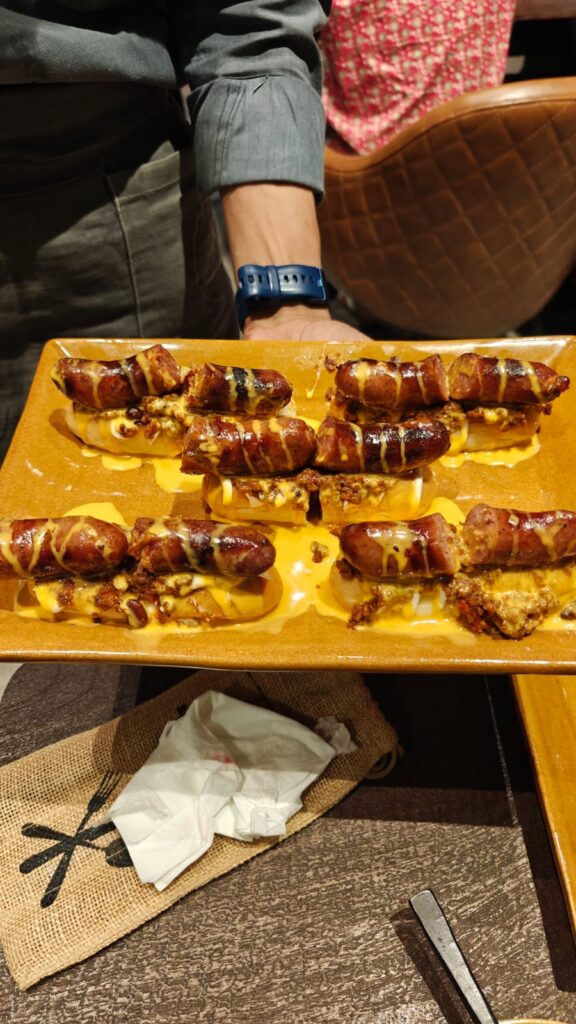
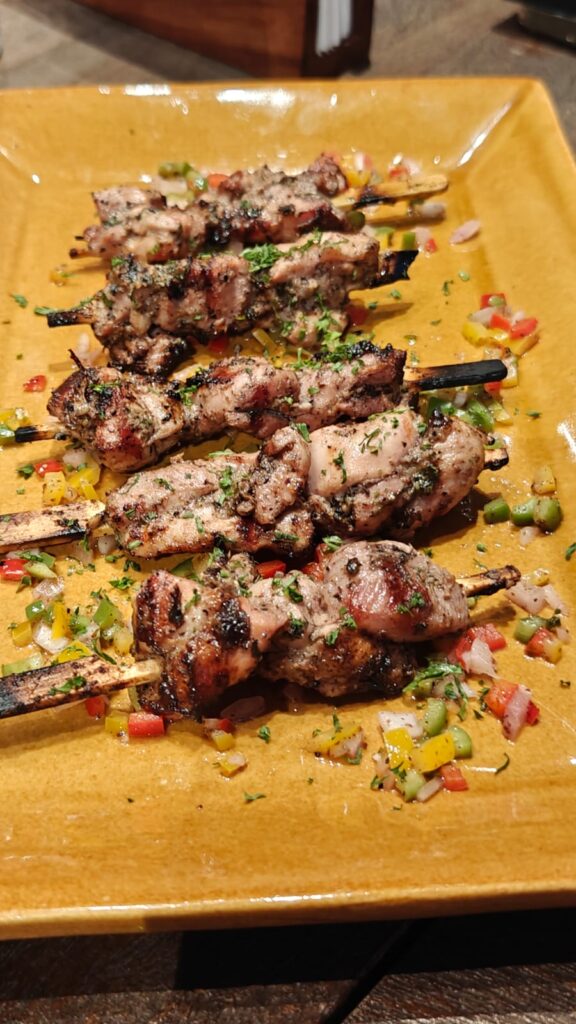
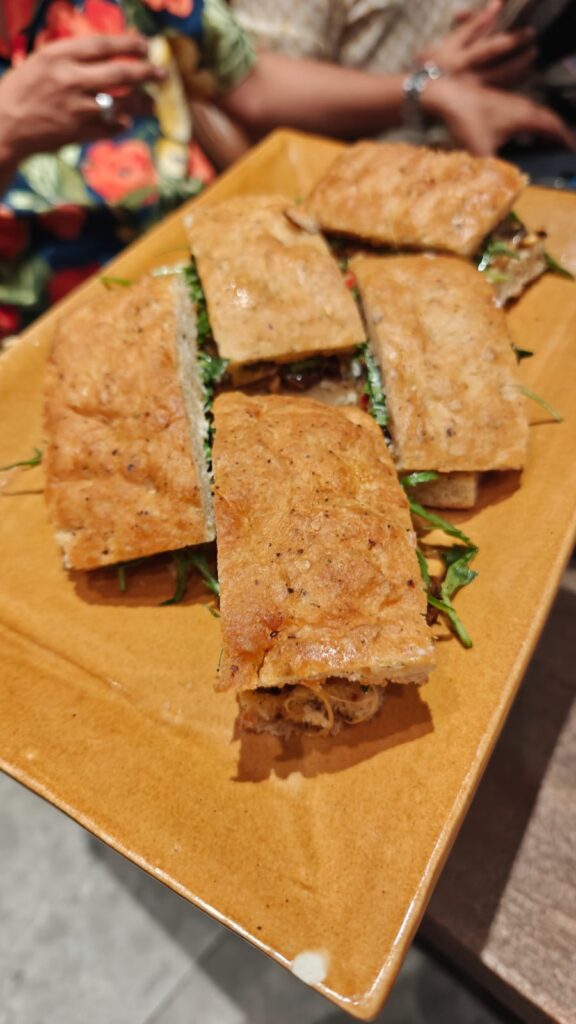
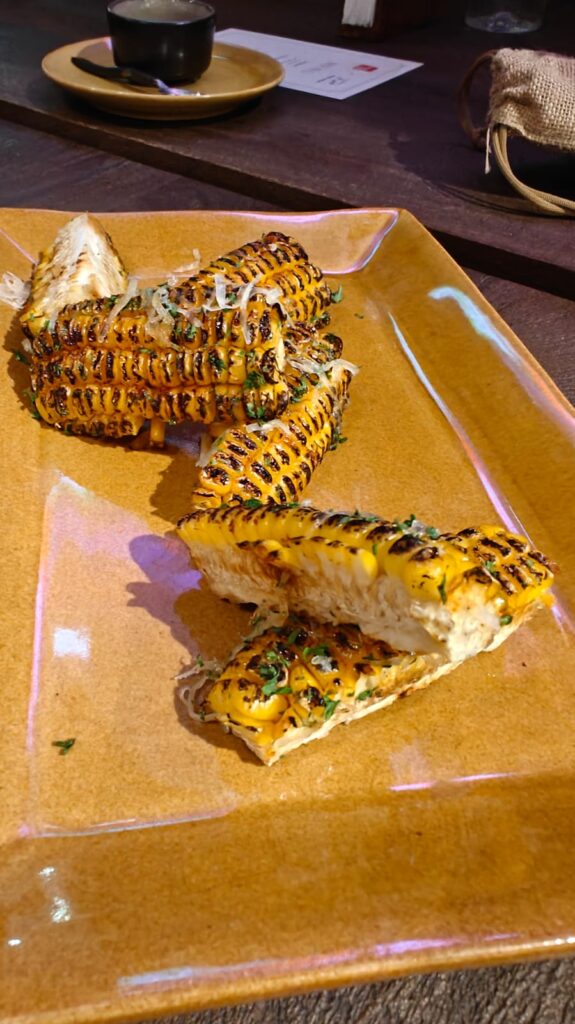
We started with a delicate chicken skewer—tender, juicy, and lightly charred. Baby corn, often treated as a sidekick, here stood proud with its succulent texture and smoky finish. Then came the chilli dog—a deliciously cheesy and meaty affair, topped with a beautifully grilled sausage that left us reaching for more. The mushroom sando, tucked into fresh, soft bread, was an umami-rich delight, making even the non-meat eaters in the group nod in approval.

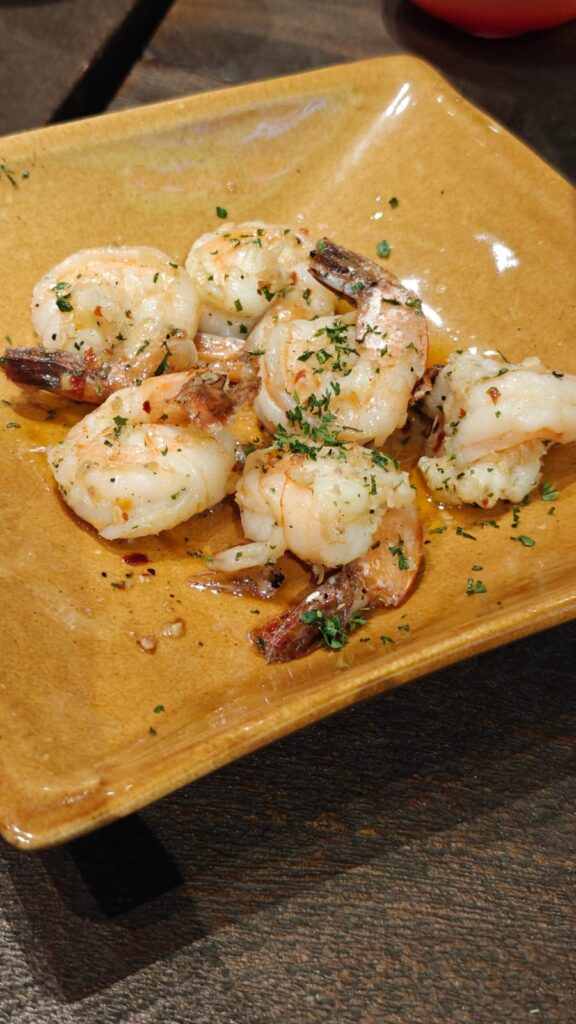
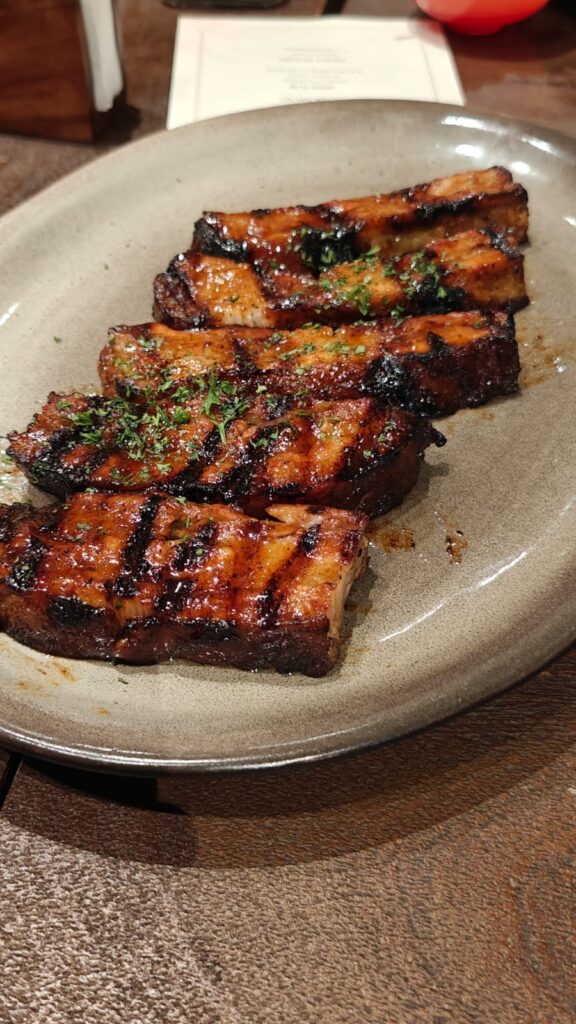
Then came the real stars of the evening. The buttery garlic prawns were pure indulgence, while the meatloaf offered that comforting, hearty depth you only find in classic American diners. The Philly Cheese Sub oozed with flavor, the chicken wings had the right hit of spice, and the pork belly—with its perfect fat-meat balance—was outrageously good. The smoked grilled chicken, served with skin crisped to golden perfection, was another standout. Lamb chops were grilled to tender precision, and the jacket potato was so good, it could have been a main on its own.

While I had to skip the fish (I was too full!), I did ask around. The general consensus among those who tried it was that it didn’t quite match the highs of the other offerings—but by that point, the bar had been set ridiculously high.

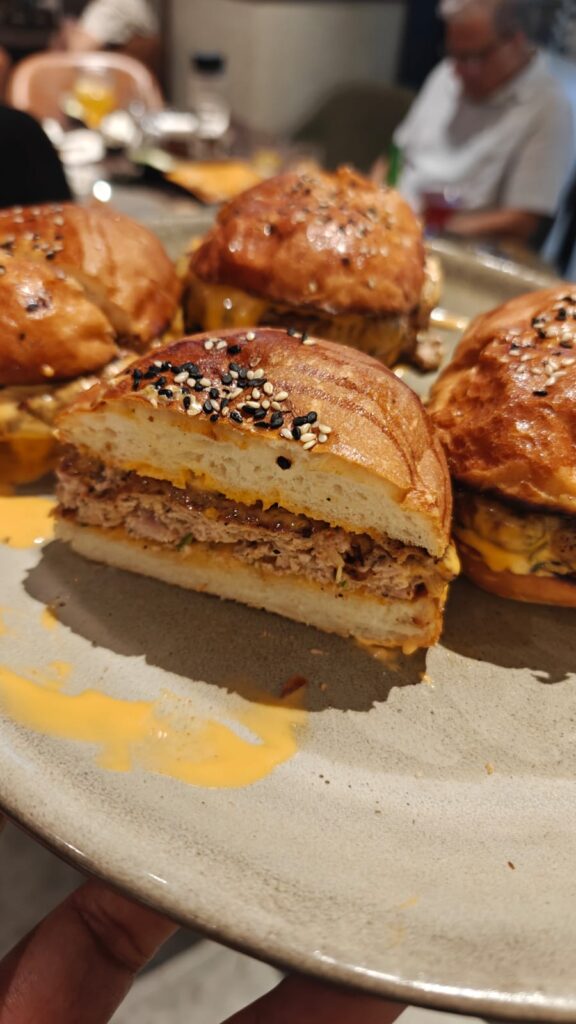
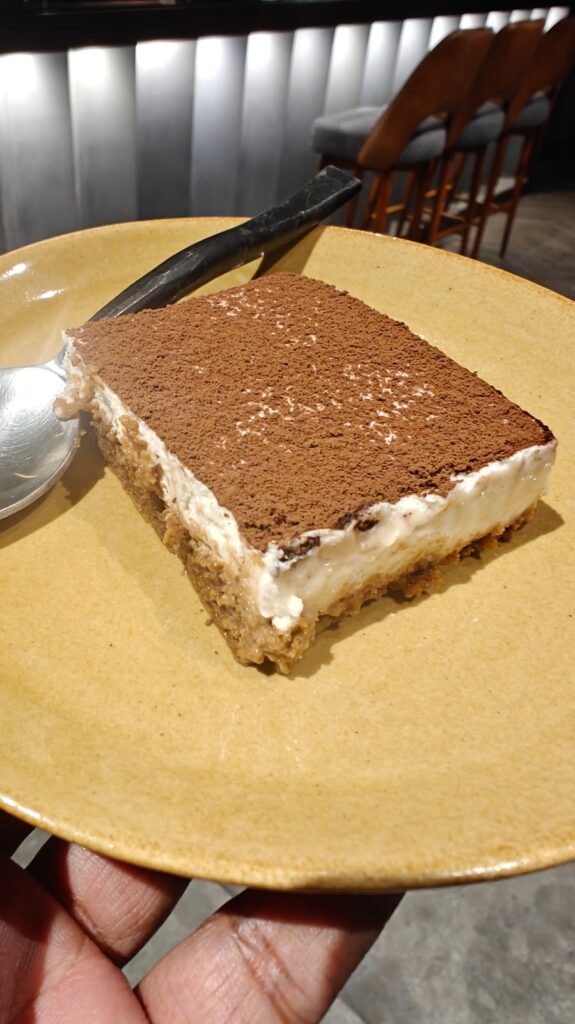
The finale was a double whammy—platters of juicy burgers and a truly satisfying tiramisu. By then, most of us were beyond stuffed, but this was one of those evenings where you simply make room.

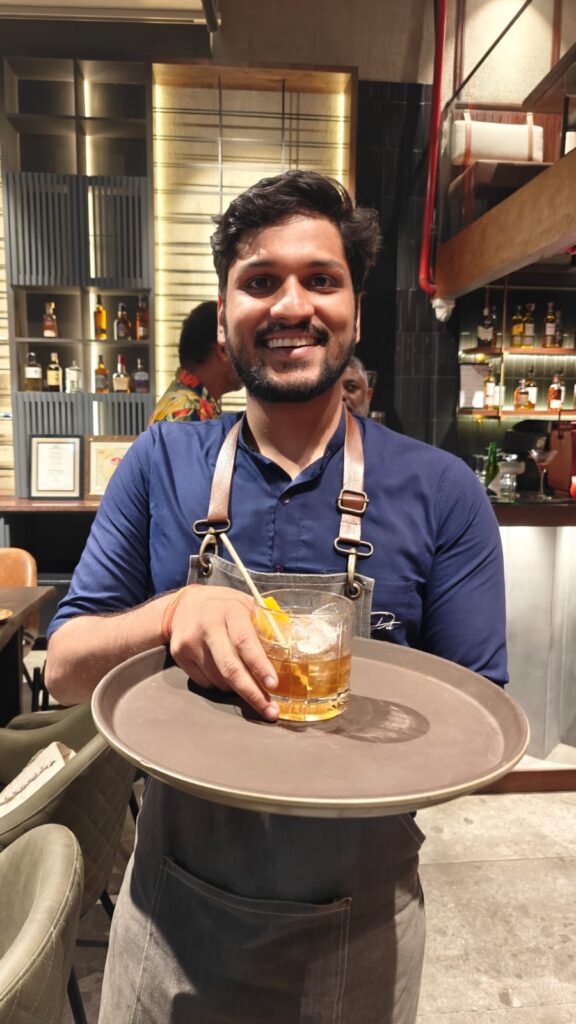
Two elements deserve special mention. First, the cocktails. The Jamuntini—a bold, refreshing take on a martini made with frozen fresh jamun—and the Smoky Peanut Old Fashioned were exceptionally well-balanced and creative. What truly impressed me was The Pit’s refusal to cut corners: no artificial syrups here, just real ingredients with real flavor. This commitment to quality was evident across the drinks menu.

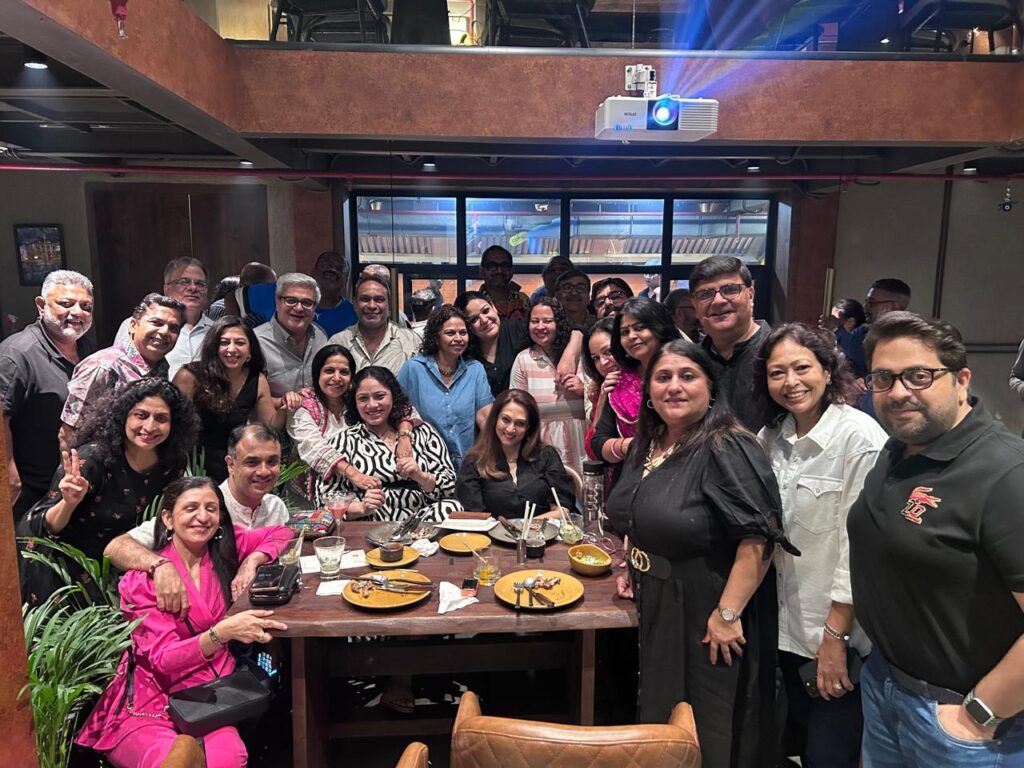
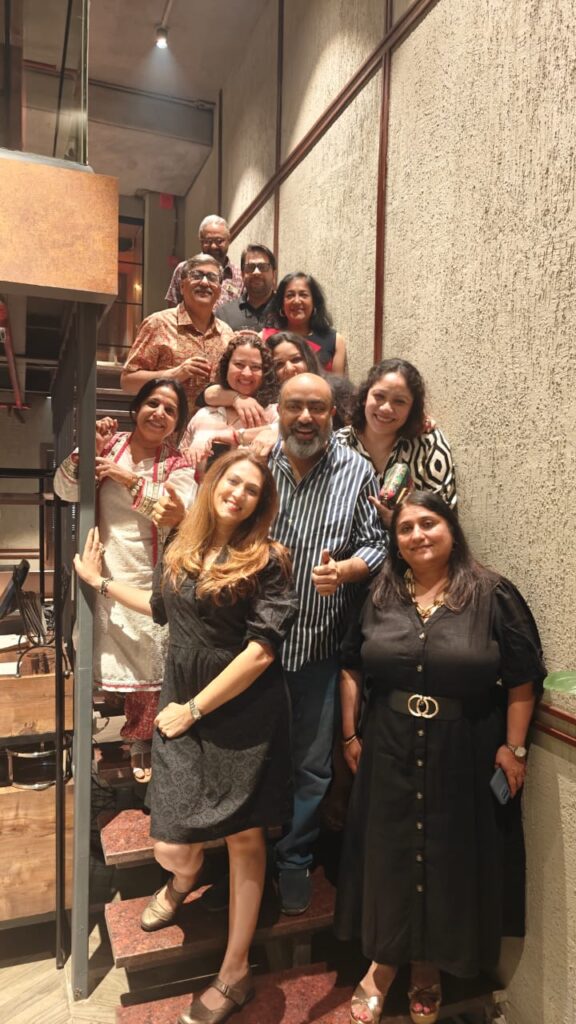
The second, and perhaps the unsung hero of the evening, was the service. Hosting over 30 guests for a sit-down event is no small task. And yet, not once did we feel a delay, a miss, or an empty glass. The staff was not only prompt but seemed genuinely happy to be there. Attentive without being intrusive, warm without being overbearing—full marks to The Pit team for pulling this off seamlessly.

While the restaurant is a paradise for non-vegetarians, we had a few vegetarians in the group—and they too walked away pleased. In a genre typically dominated by meats, that’s no small win.

The Pit is more than just a restaurant—it’s an experience. It’s rare to see a concept so well thought out and even more rare to see it executed with this level of flair and commitment. If you’re in Gurgaon and love bold flavors, smoky grills, and top-notch hospitality, this is where you need to be.

The post The Pit Brings Authentic Barbecue Flavors to Gurgaon’s Global Foyer Mall appeared first on Indian Food Freak.

Where Time Sleeps: A Slow Journey Through Nagaland

By: pawansoni

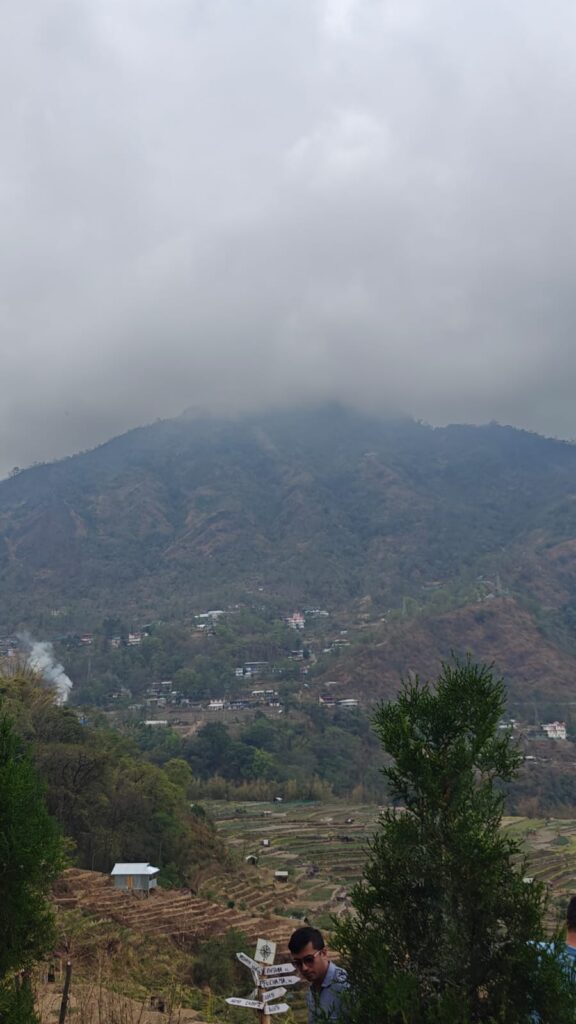
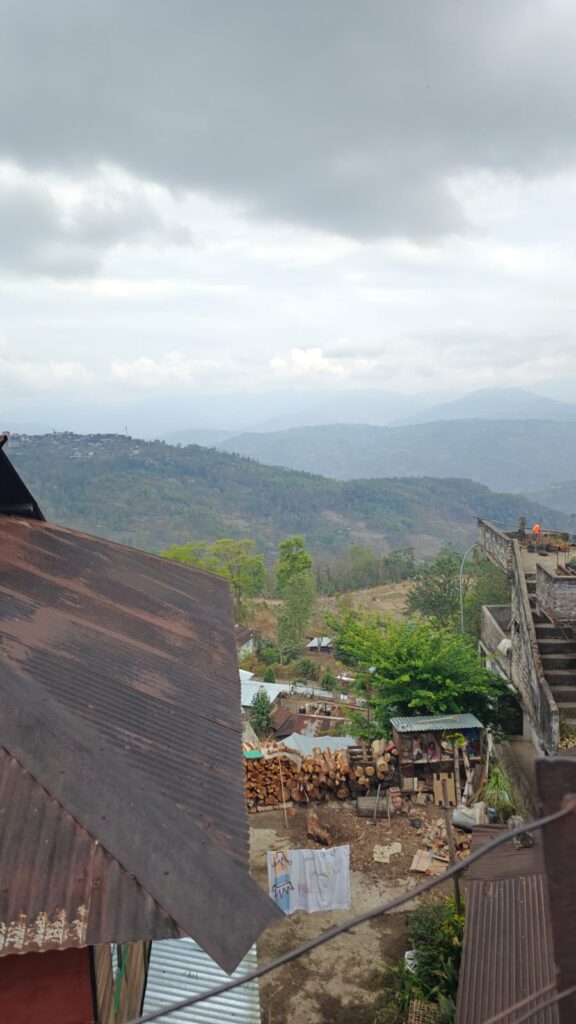
If you’re weary of Insta-itineraries and whirlwind checklists, perhaps it’s time to let Nagaland happen to you—slowly, deliberately, and with the grace of a place untouched by frenzy. This Northeastern gem invites not a race, but a pause. Here, you don’t “do” a holiday; you dwell in it.

Landing Lightly: Dimapur to Kohima

The gateway to Nagaland is surprisingly accessible—courtesy a direct flight from Delhi to Dimapur. No layovers, no fuss. From Dimapur, it’s a picturesque 90-minute drive to Kohima, the state’s capital, where the hills roll in like a lullaby and time decides to take the long road. For those who prefer to stay in Dimapur, you’re still in the heart of it all—with the added advantage of being just 20 minutes from Khatkhati in Assam, where the spirit flows a little more freely (more on that in a bit).

A Walk Through History

Kohima holds within it the whispers of the past. The Kohima War Cemetery, perched gracefully over green slopes, honours the brave who fought in one of World War II’s fiercest battles. It’s not just a site; it’s a silenced storyteller. The epitaph that reads “When you go home, tell them of us…” is reason enough to spend a moment longer in reflection.

Where Culture Lives On: Hornbill Village and the 16 Tribes of Nagaland

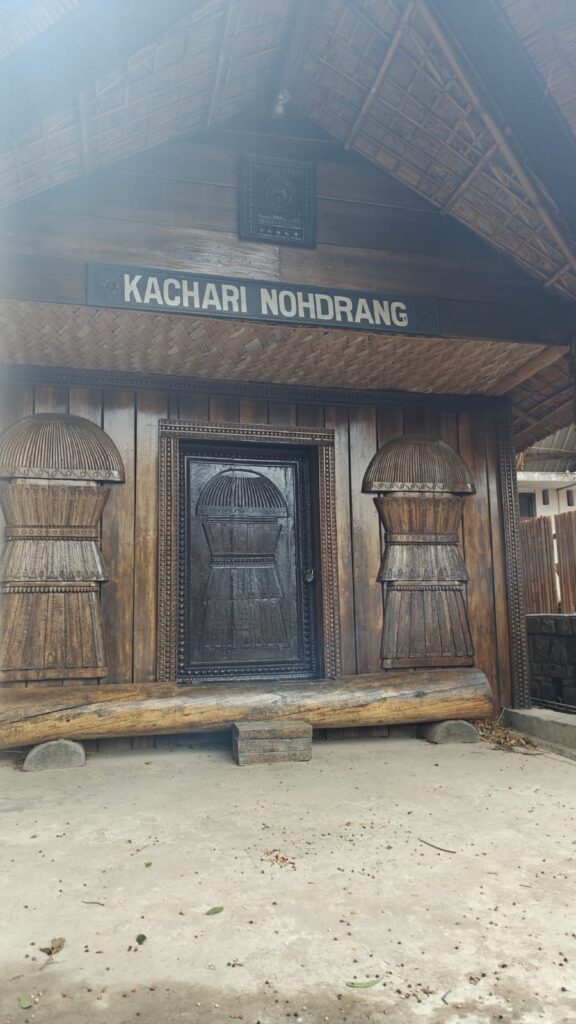
Nagaland is home to over a hundred tribes, each with its own dialect, traditions, and legacy. Among these, 16 are officially recognised as major tribes, and their presence is vividly brought to life in the Hornbill Village—a living museum where tradition stands tall.

Here, tribal architecture tells you as much as the elders do. You can walk through authentically built morungs (dormitories), see traditional weaponry once used in headhunting days, and witness daily practices that have survived centuries. The Hornbill Festival in December showcases all this and more—dance, folklore, crafts, and cuisines that are as layered as the land.

Food for the Soul—and the Stomach

Now, here’s the delightful surprise: while Nagaland’s indigenous cuisine is a delight of lightly spiced, easy-to-digest dishes—think bamboo shoot pork, fresh river fish, sticky rice—there’s no dearth of North Indian comfort food either. Craving choley bhature, jalebi, or a good old paratha? You’ll find it in Kohima’s modest eateries and hotels, served with the warmth of familiarity and a view to match.

The Other Side of the Border: Khatkhati and Dark Knight Distillery

Nagaland may be officially dry, but that doesn’t mean you’re cut off from your evening pour. A short ride to Khatkhati, across the Assam border, brings you to a clutch of bars and the emerging jewel of the local spirits scene—Dark Knight Distillery.

Here, I had the pleasure of sampling their range, including Infamous, a premium small-batch whisky with a smooth finish and surprisingly nuanced profile, and bought Lost Treasure, a cold brew coffee rum for home as a souvenir.

Vicky Chand, the affable founder of Dark Knight, told me over a dram, “The response to Infamous has been overwhelming. We’re still keeping it small-batch to retain quality, but expansion plans are definitely brewing.”

The distillery’s use of fresh, mineral-rich river water and the region’s pristine weather offer the perfect canvas for whisky aging. “We may be off the radar for now,” Chand adds, “but it won’t be long before Northeast whiskies hold their own in the Indian and even international markets.”

Souvenirs That Tell a Story

  • Don’t leave without picking up a bottle of Infamous—its bold character and striking design make it a gift worthy of your shelf.
  • Handwoven Naga shawls, each tribe with its distinct pattern, ideal as a wrap or a wall accent.
  • Tribal jewelry made from beads, bones, and brass—rustic, sustainable, and deeply symbolic.
  • Bamboo and cane artifacts, from baskets to lampshades, crafted by local artisans.
  • Smoked pork or dried bamboo shoot, vacuum-packed and available at select markets in Kohima.
  • Locally grown wild Naga chillies, both fresh and in pickled form, for those who like their food fiery.

Why Go Slow?

Because Nagaland isn’t about sightseeing—it’s about seeing, feeling, and connecting. It’s about learning to savour again—whether it’s a bite of Naga stew, a verse of war history, or a sip of whisky with stories steeped in rainwater and rebellion.

So, take that flight. Take your time. Let Nagaland linger.

The post Where Time Sleeps: A Slow Journey Through Nagaland appeared first on Indian Food Freak.

Naukuchiyatal’s New Gem: IHCL’s Naukuchia House Reimagines Hillside Luxury

By: pawansoni

Tucked away in the lush folds of the Kumaon hills lies a lake of nine corners—Naukuchiyatal—an emerald secret that still shimmers in its serenity, away from the better-trodden paths of Nainital and Bhimtal. And now, it has a luxurious new address: Naukuchia House, a recently renovated 42-room property by the Indian Hotels Company Limited (IHCL), the custodians of the iconic Taj brand.

Standing elegantly by the lake, Naukuchia House is not just a hotel—it’s a sanctuary. Designed with understated charm and heritage echoes, the property offers panoramic lake views, with a private entry that takes you straight to the shimmering waters. Step out of your room, and you can hop directly onto a boat. I did. A slow ride in the morning mist, a fishing line tossed casually into the glassy lake surface—this isn’t just vacationing; it’s soul-deep unwinding.

For those chasing rejuvenation rather than adventure, I recommend their signature full-body spa therapy. My masseur was a magician with years of training in her fingertips, and the steam bath that followed was the kind of cleansing city souls long for.

But Naukuchia House doesn’t stop there. On one of the afternoons, the hotel arranged a guided walk into the forest, leading to an enchanting village clearing where warm tea and quiet conversations replaced WiFi signals and screens.

And then there’s Kainchi Dham—just a scenic 30-minute drive away. This modest ashram has turned into a magnetic spiritual hub, drawing global figures like Mark Zuckerberg, Julia Roberts, and closer home, Virat Kohli and Anushka Sharma. Whether you’re a believer or a curious wanderer, the calm of Shri Neeb Karori Baba’s temple will linger long after you leave.

Back at the hotel, there’s plenty to indulge in. The temperature-controlled pool makes a dip possible even when the air gets crisp. And the food? Their Asian fare is well-balanced, and the Indian kebabs—succulent, smoky, and served with Himalayan charm—are memorable. A chef’s nod to modern tastes without losing sight of tradition at Ija, their all day dining restaurant that means ‘Mother’ in Kumaoni is worth a praise.

Naukuchiyatal is just 5.5 hours by road from Delhi, making it ideal for a 2-3 night escape. Unlike its over-touristed cousins, it offers silence, stars, and stories. And with Naukuchia House now writing its own, there’s never been a better time to visit.

Pack a book, leave your rush behind, and let the lake do the talking.

The post Naukuchiyatal’s New Gem: IHCL’s Naukuchia House Reimagines Hillside Luxury appeared first on Indian Food Freak.

❌