Reading view

There are new articles available, click to refresh the page.

Congress warned that NASA’s current plan for Artemis “cannot work”

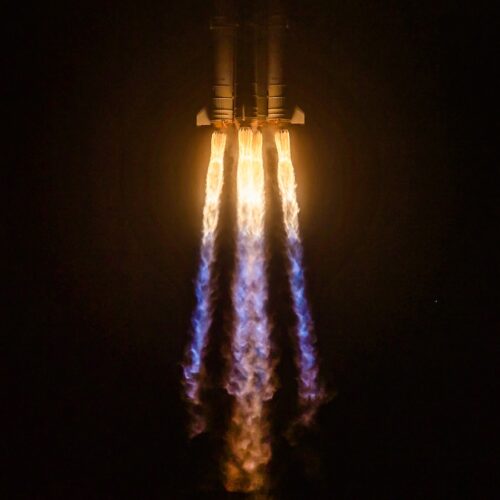
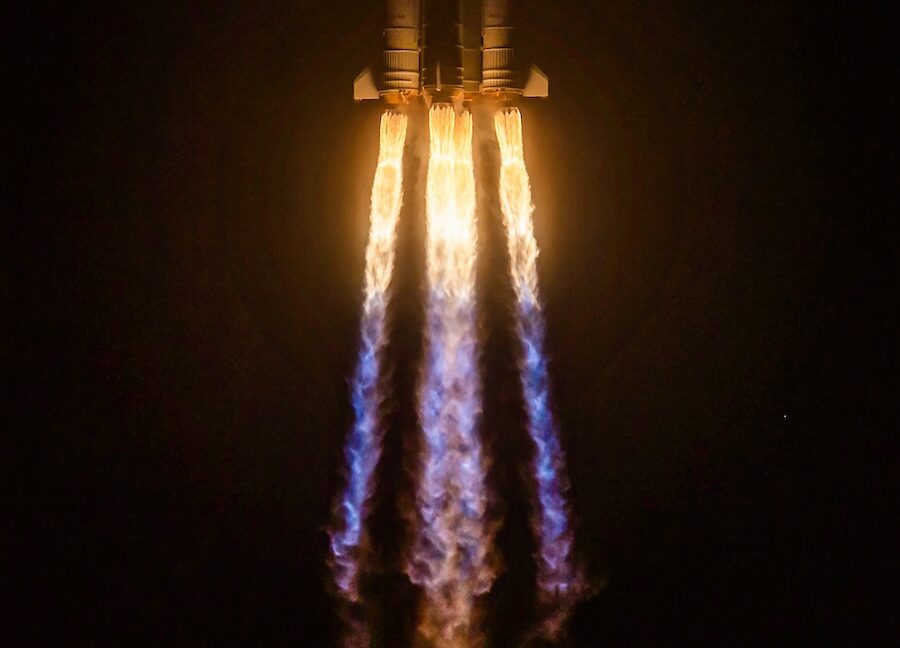
In recent months, it has begun dawning on US lawmakers that, absent significant intervention, China will land humans on the Moon before the United States can return there with the Artemis Program.

So far, legislators have yet to take meaningful action on this—a $10 billion infusion into NASA’s budget this summer essentially provided zero funding for efforts needed to land humans on the Moon this decade. But now a subcommittee of the House Committee on Space, Science, and Technology has begun reviewing the space agency’s policy, expressing concerns about Chinese competition in civil spaceflight.

During a hearing on Thursday in Washington, DC, the subcommittee members asked a panel of experts how NASA could maintain its global leadership in space over China in general, and more specifically, how to improve the Artemis Program to reach the Moon more quickly.
Read full article

Comments

© Liu Guoxing/VCG via Getty Images
NASA nominee appears before Congress, defends plans to revamp space agency

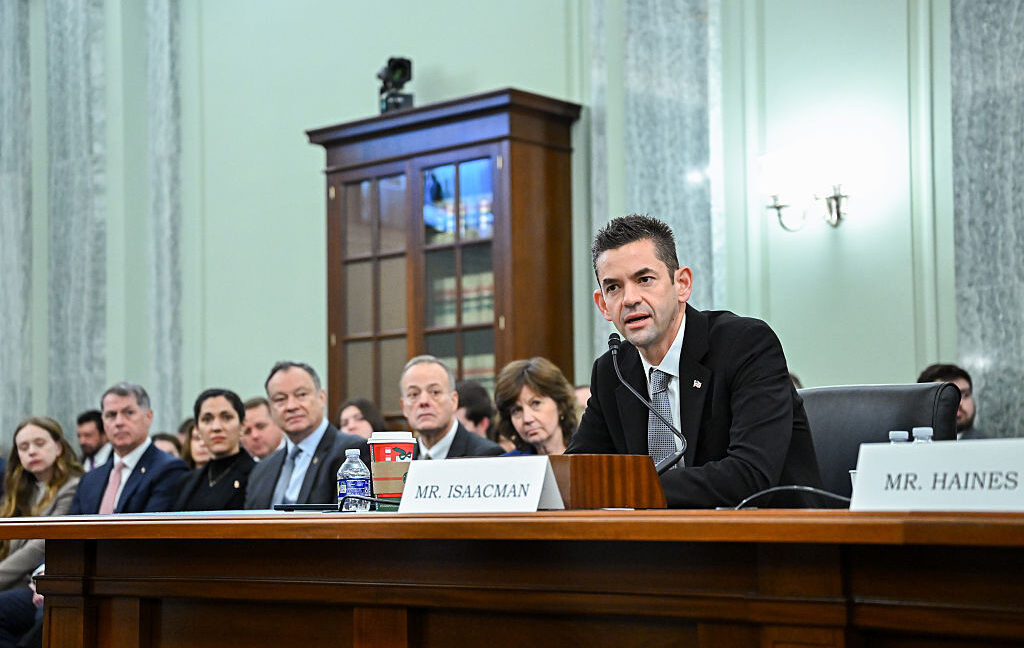
Private astronaut Jared Isaacman returned to Congress on Wednesday for a second confirmation hearing to become NASA administrator before the US Senate Committee on Commerce, Science, and Transportation in Washington, DC.

There appeared to be no showstoppers during the hearing, in which Isaacman reiterated his commitment to the space agency’s Artemis Program and defended his draft plan for NASA, “Project Athena,” which calls for an assessment of how NASA should adapt to meet the modern space age.

During his testimony, Isaacman expressed urgency as NASA faces a growing threat from China to its supremacy in spaceflight.

Read full article

Comments

© Graeme Sloan/Bloomberg via Getty Images

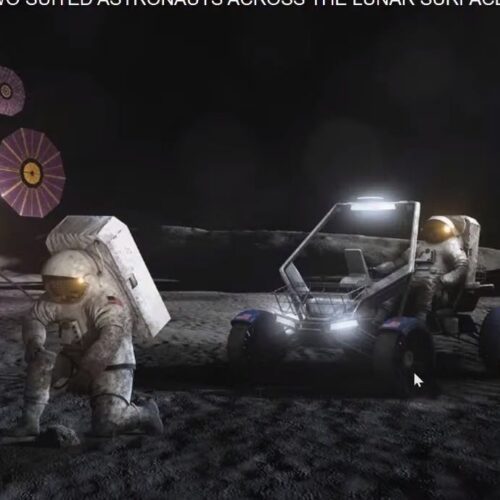
NASA seeks a “warm backup” option as key decision on lunar rover nears

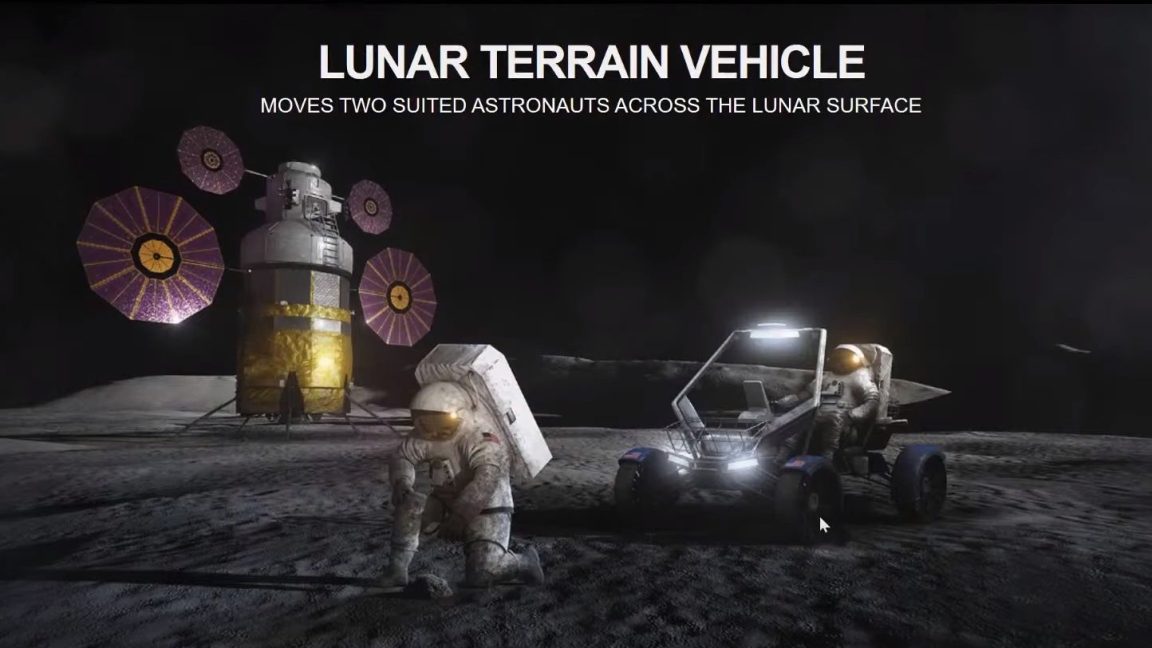
By the time the second group of NASA astronauts reach the Moon later this decade, the space agency would like to have a lunar rover waiting for them. But as the space agency nears a key selection, some government officials are seeking an insurance policy of sorts to increase the program’s chance of success.

At issue is the agency’s “Lunar Terrain Vehicle” (LTV) contract. In April 2024, the space agency awarded a few tens of millions of dollars to three companies—Intuitive Machines, Lunar Outpost, and Astrolab—to complete preliminary design work on vehicle concepts. NASA then planned to down-select to one company to construct one or more rovers, land on the Moon, and provide rover services for a decade beginning in 2029. Over the lifetime of the fixed-price services contract, there was a combined maximum potential value of $4.6 billion.

The companies have since completed their design work, including the construction of prototypes, and submitted their final bids for the much larger services contract in August. According to two sources, NASA has since been weighing those bids and is prepared to announce a final selection before the end of this month.

Read full article

Comments

© NASA

Space CEO explains why he believes private space stations are a viable business

It’s a critical time for companies competing to develop a commercial successor to the International Space Station. NASA is working with several companies, including Axiom Space, Voyager Technologies, Blue Origin, and Vast, to develop concepts for private stations where it can lease time for its astronauts.

The space agency awarded Phase One contracts several years ago and is now in the final stages of writing requirements for Phase Two after asking for feedback from industry partners in September. This program is known as Commercial LEO Destinations, or CLDs in industry parlance.

Time is running out for NASA if it wants to establish continuity from the International Space Station, which will reach its end of life in 2030, with a follow-on station ready to go before then.

Read full article

Comments

© Michael Nagle/Bloomberg via Getty Images
Before a Soyuz launch Thursday someone forgot to secure a 20-ton service platform

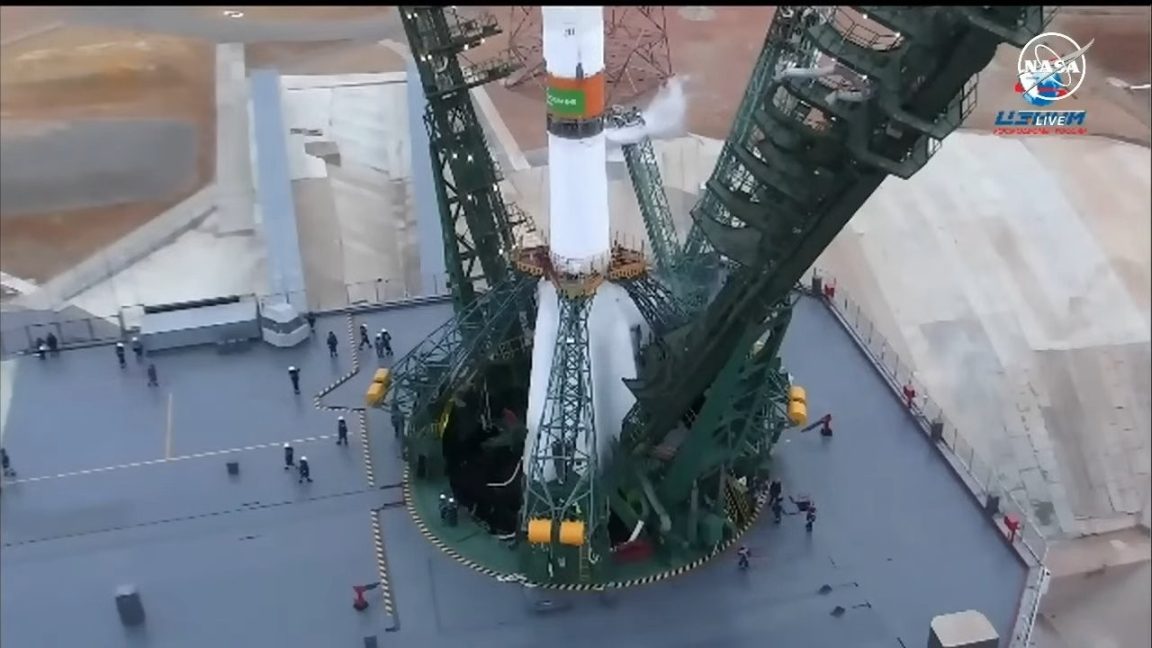
A Soyuz rocket launched on Thursday carrying Roscosmos cosmonauts Sergei Kud-Sverchkov and Sergei Mikayev, as well as NASA astronaut Christopher Williams, for an eight-month mission to the International Space Station. The trio of astronauts arrived at the orbiting laboratory without incident.

However, on the ground, there was a serious problem during the launch with the ground systems that support processing of the vehicle before liftoff at Site 31, located at the Baikonur Cosmodrome in Kazakhstan.

In a terse statement issued Thursday night on the social media site Telegram, the Russian space corporation that operates Soyuz appeared to downplay the incident: “The launch pad was inspected, as is done every time a rocket is launched. Damage to several launch pad components was identified. Damage can occur after launch, so such inspections are mandatory worldwide. The launch pad’s condition is currently being assessed.”

Read full article

Comments

© NASA TV

Russia’s Soyuz 5 will soon come alive. But will anyone want to fly on it?

After nearly a decade of development, Russia’s newest launch vehicle is close to its debut flight. The medium-lift Soyuz 5 rocket is expected to launch from the Baikonur Cosmodrome before the end of the year.

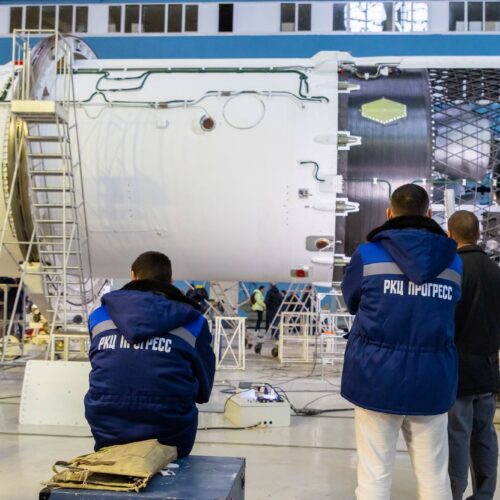
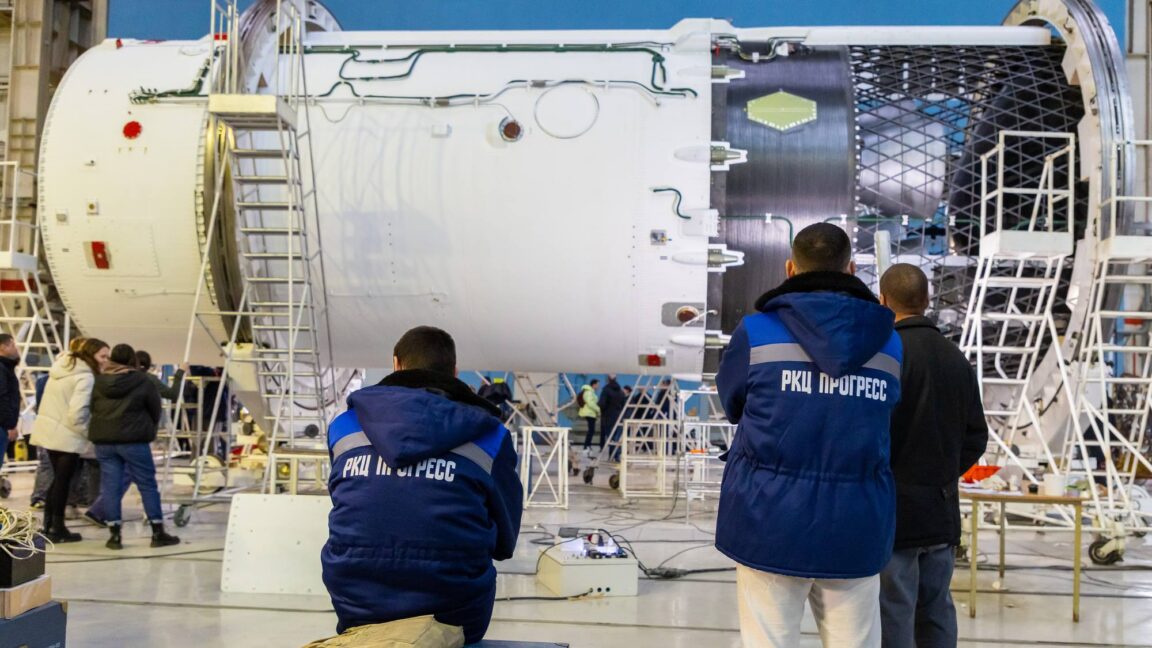
The Russian space corporation, Roscosmos, has released images of final processing of the Soyuz 5 rocket at the Progress Rocket and Space Center in Samara, Russia, earlier this month before the booster was shipped to the launch site in Kazakhstan. It arrived there on November 12.

Although the Soyuz 5 is a new vehicle, it does not represent a major leap forward in technology. Rather it is, in many ways, a conventional reaction to commercial boosters developed in the West as well as the country’s prolonged war against Ukraine. Whether this strategy will be successful remains to be seen.

Read full article

Comments

© Roscosmos

It’s official: Boeing’s next flight of Starliner will be allowed to carry cargo only

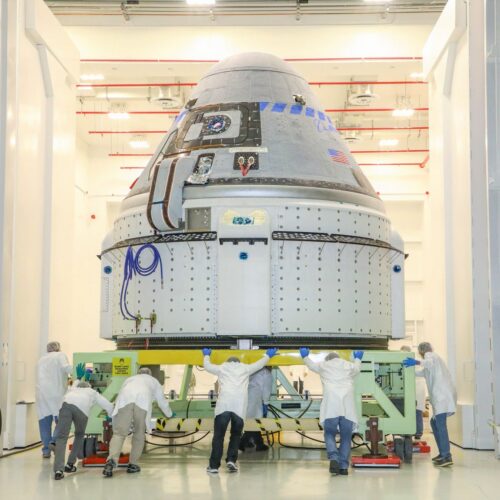
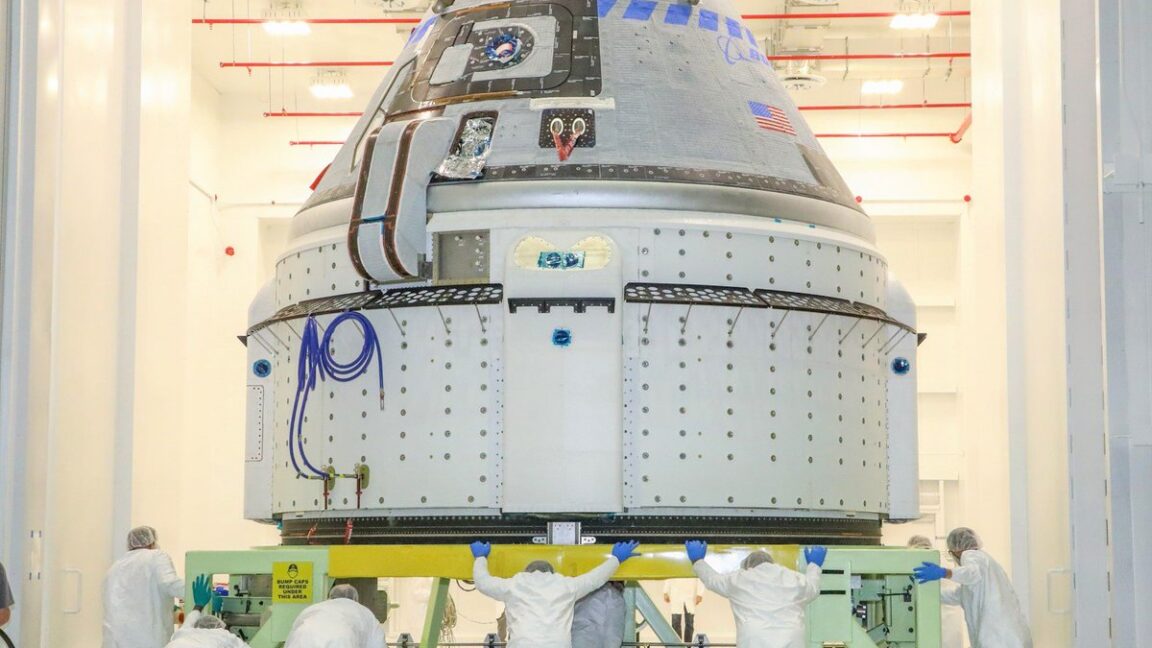
The US space agency ended months of speculation about the next flight of Boeing’s Starliner spacecraft, confirming Monday that the vehicle will carry only cargo to the International Space Station.

NASA and Boeing are now targeting no earlier than April 2026 to fly the uncrewed Starliner-1 mission, the space agency said. Launching by next April will require completion of rigorous test, certification, and mission readiness activities, NASA added in a statement.

“NASA and Boeing are continuing to rigorously test the Starliner propulsion system in preparation for two potential flights next year,” said Steve Stich, manager of NASA’s Commercial Crew Program, in a statement.

Read full article

Comments

© Boeing

Rocket Lab chief opens up about Neutron delays, New Glenn’s success, and NASA science

The company that pioneered small launch has had a big year.

Rocket Lab broke its annual launch record with the Electron booster—17 successful missions this year, and counting—and is close to bringing its much larger Neutron rocket to the launch pad.

The company also expanded its in-space business, including playing a key role in supporting the landing of Firefly’s Blue Ghost mission on the Moon and building two small satellites just launched to Mars.

Read full article

Comments

© David Paul Morris/Bloomberg via Getty Images
Newest Starship booster is significantly damaged during testing early Friday

During the pre-dawn hours in South Texas on Friday morning, SpaceX’s next-generation Starship first stage suffered some sort of major damage during pre-launch testing.

The company had only rolled the massive rocket out of the factory a day earlier, noting the beginning of its test campaign, it said on the social media site X: “The first operations will test the booster’s redesigned propellant systems and its structural strength.”

That testing commenced on Thursday night at the Massey’s Test Site a couple of miles down the road from the company’s main production site at Starbase Texas. However an independent video showed the rocket’s lower half undergo an explosive (or possibly implosive) event at 4:04 am CT (10:04 UTC) Friday.

Read full article

Comments

© SpaceX

Stoke Space goes for broke to solve the only launch problem that “moves the needle”

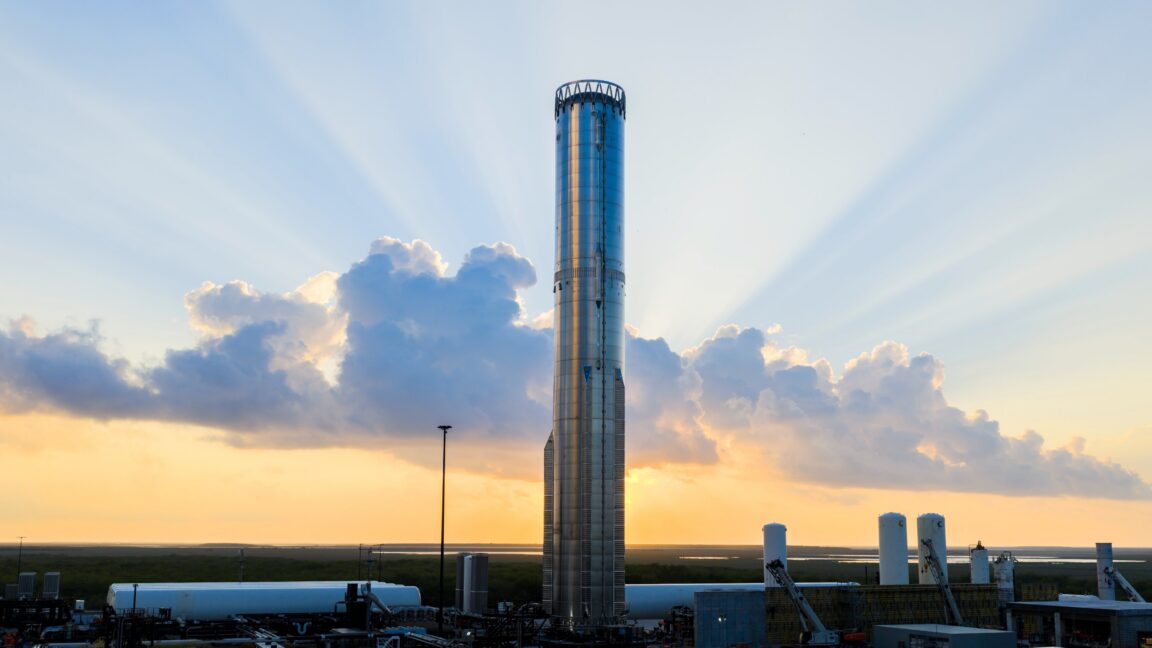
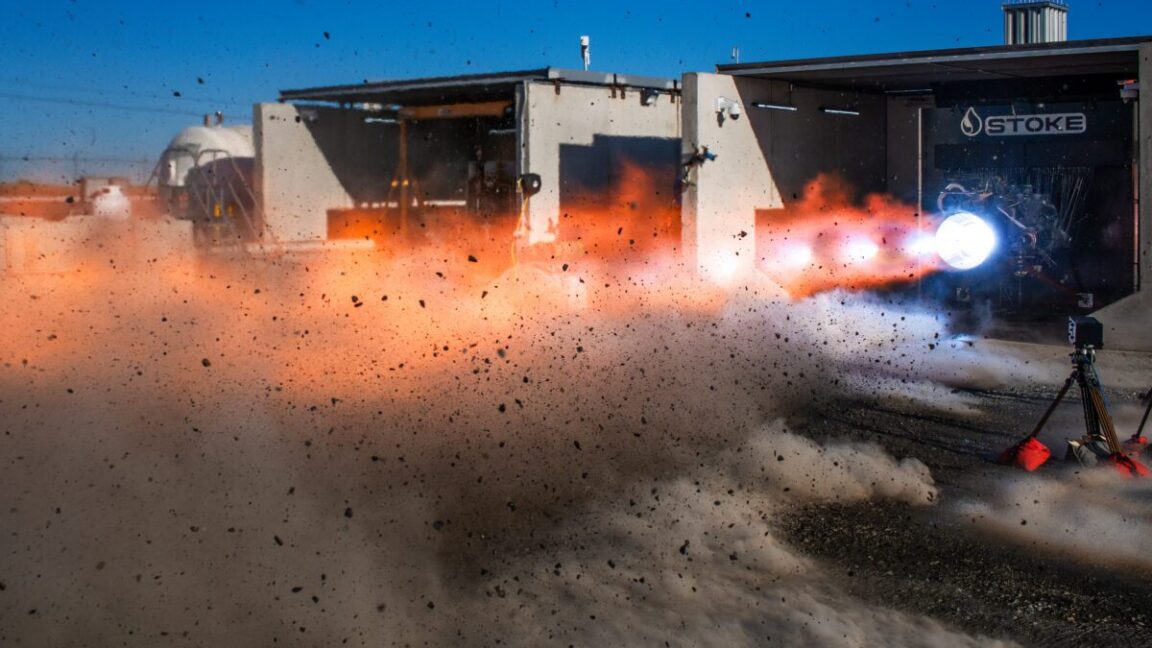
LAUNCH COMPLEX 14, Cape Canaveral, Fla.—The platform atop the hulking steel tower offered a sweeping view of Florida’s rich, sandy coastline and brilliant blue waves beyond. Yet as captivating as the vista might be for an aspiring rocket magnate like Andy Lapsa, it also had to be a little intimidating.

To his right, at Launch Complex 13 next door, a recently returned Falcon 9 booster stood on a landing pad. SpaceX has landed more than 500 large orbital rockets. And next to SpaceX sprawled the launch site operated by Blue Origin. Its massive New Glenn rocket is also reusable, and founder Jeff Bezos has invested tens of billions of dollars into the venture.

Looking to the left, Lapsa saw a graveyard of sorts for commercial startups. Launch Complex 15 was leased to a promising startup, ABL Space, two years ago. After two failed launches, ABL Space pivoted away from commercial launch. Just beyond lies Launch Complex 16, where Relativity Space aims to launch from. The company has already burned through $1.7 billion in its efforts to reach orbit. Had billionaire Eric Schmidt not stepped in earlier this year, Relativity would have gone bankrupt.

Read full article

Comments

© Stoke Space

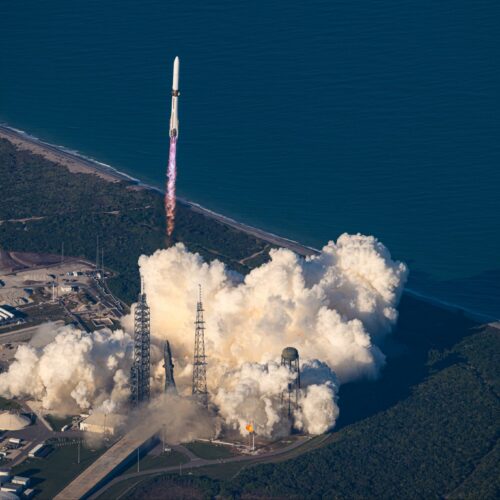
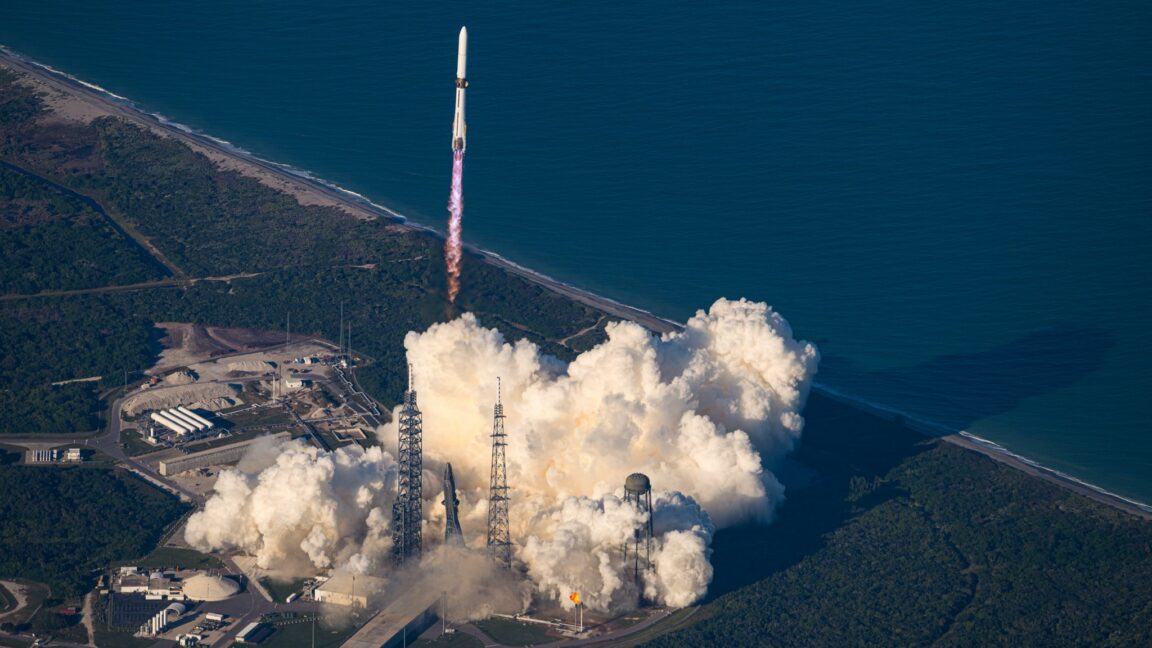
Blue Origin revealed some massively cool plans for its New Glenn rocket

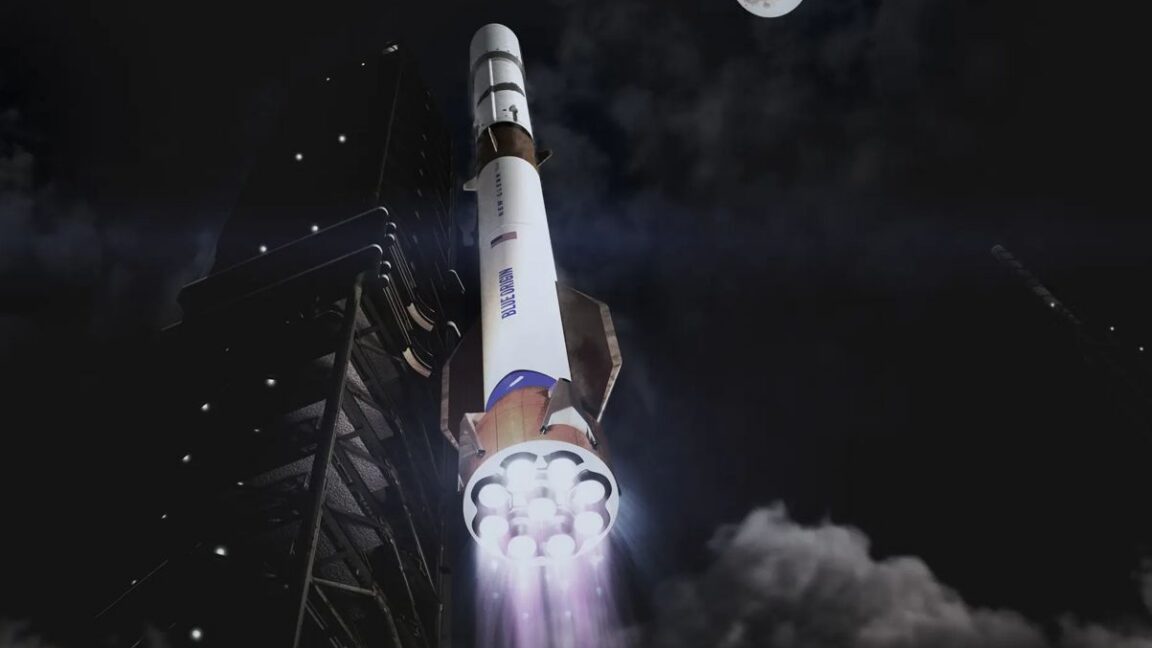
One week after the successful second launch of its large New Glenn booster, Blue Origin revealed a roadmap on Thursday for upgrades to the rocket, including a new variant with more main engines and a super-heavy lift capability.

These upgrades to the rocket are “designed to increase payload performance and launch cadence, while enhancing reliability,” the company said in an update published on its website. The enhancements will be phased in over time, starting with the third launch of New Glenn, which is likely to occur during the first half of 2026.

A bigger beast

The most significant part of the update concerned an evolution of New Glenn that will transform the booster into a super-heavy lift launch vehicle. The first stage of this evolved vehicle will have nine BE-4 engines instead of seven, and the upper stage four BE-3U engines instead of two. In its update, Blue Origin refers to the new vehicle as 9×4 and the current variant as 7×2, a reference to the number of engines in each stage.

Read full article

Comments

© Blue Origin

After last week’s stunning landing, here’s what comes next for Blue Origin

For decades—yes, literally decades—it has been easy to dismiss Blue Origin as a company brimming with potential but rarely producing much of consequence.

But last week the company took a tremendous stride forward, not just launching its second orbital rocket, but subsequently landing the booster on a barge named Jacklyn. It now seems clear that Blue Origin is in the midst of a transition from sleeping giant to force to be reckoned with.

To get a sense of where the company goes from here, Ars spoke with the company’s chief executive, Dave Limp, on the eve of last week’s launch. The first thing he emphasized is how much the company learned about New Glenn, and the process of rolling the vehicle out and standing it up for launch, from the vehicle’s first attempt in January.

Read full article

Comments

© Blue Origin

Rocket Report: Blue Origin’s stunning success; vive le Baguette One!

Welcome to Edition 8.19 of the Rocket Report! Thursday was a monumental day in launch history with Blue Origin’s New Glenn rocket not just taking off successfully, but with the first stage masterfully returning to the surface of the ocean, hovering near the Jacklyn drone ship, and then making a landing in the center of the barge. It was fantastic to watch and cements our new reality of reusable rockets. The future of space access is very bright indeed.

As always, we welcome reader submissions, and if you don’t want to miss an issue, please subscribe using the box below (the form will not appear on AMP-enabled versions of the site). Each report will include information on small-, medium-, and heavy-lift rockets as well as a quick look ahead at the next three launches on the calendar.

Private Chinese rocket fails. Galactic Energy’s solid-fuel Ceres-1 rocket lifted off from Jiuquan Satellite Launch Center in northwest China on Sunday, carrying three satellites toward low-Earth orbit. The rocket’s first three stages performed well, according to media reports, but its fourth and final stage shut down too early, leading to the loss of all three payloads, Space.com reports.

Read full article

Comments

© Blue Origin

❌