Reading view

There are new articles available, click to refresh the page.

At VA, cyber dominance is in, cyber compliance is out

The Department of Veterans Affairs is moving toward a more operational approach to cybersecurity.

This means VA is applying a deeper focus on protecting the attack surfaces and closing off threat vectors that put veterans’ data at risk.

Eddie Pool, the acting principal assistant secretary for information and technology and acting principal deputy chief information officer at VA, said the agency is changing its cybersecurity posture to reflect a cyber dominance approach.
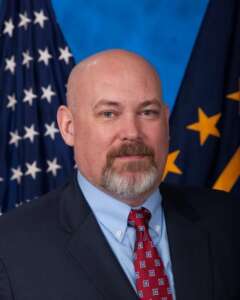
Eddie Pool is the acting principal assistant secretary for information and technology and acting principal deputy chief information officer at the Department of Veterans Affairs.

“That’s a move away from the traditional and an exclusively compliance based approach to cybersecurity, where we put a lot of our time resources investments in compliance based activities,” Pool said on Ask the CIO. “For example, did someone check the box on a form? Did someone file something in the right place? We’re really moving a lot of our focus over to the risk-based approach to security, pushing things like zero trust architecture, micro segmentation of our networks and really doing things that are more focused on the operational landscape. We are more focused on protecting those attack surfaces and closing off those threat vectors in the cyber space.”

A big part of this move to cyber dominance is applying the concepts that make up a zero trust architecture like micro segmentation and identity and access management.

Pool said as VA modernizes its underlying technology infrastructure, it will “bake in” these zero trust capabilities.

“Over the next several years, you’re going to see that naturally evolve in terms of where we are in the maturity model path. Our approach here is not necessarily to try to map to a model. It’s really to rationalize what are the highest value opportunities that those models bring, and then we prioritize on those activities first,” he said. “We’re not pursuing it in a linear fashion. We are taking parts and pieces and what makes the most sense for the biggest thing for our buck right now, that’s where we’re putting our energy and effort.”

One of those areas that VA is focused on is rationalizing the number of tools and technologies it’s using across the department. Pool said the goal is to get down to a specific set instead of having the “31 flavors” approach.

“We’re going to try to make it where you can have any flavor you want so long as it’s chocolate. We are trying to get that standardized across the department,” he said. “That gives us the opportunity from a sustainment perspective that we can focus the majority of our resources on those enterprise standardized capabilities. From a security perspective, it’s a far less threat landscape to have to worry about having 100 things versus having two or three things.”

The business process reengineering priority

Pool added that redundancy remains a key factor in the security and tool rationalization effort. He said VA will continue to have a diversity of products in its IT investment portfolios.

“Where we are at is we are looking at how do we build that future state architecture, as elegantly and simplistically as possible so that we can manage it more effectively, they can protect it more securely,” he said.

In addition to standardizing on technology and cyber tools and technologies, Pool said VA is bringing the same approach to business processes for enterprisewide services.

He said over the years, VA has built up a laundry list of legacy technology all with different versions and requirements to maintain.

“We’ve done a lot over the years in the Office of Information and Technology to really standardize on our technology platforms. Now it’s time to leverage that, to really bring standard processes to the business,” he said. “What that does is that really does help us continue to put the veteran at the center of everything that we do, and it gives a very predictable, very repeatable process and expectation for veterans across the country, so that you don’t have different experiences based on where you live or where you’re getting your health care and from what part of the organization.”

Part of the standardization effort is that VA will expand its use of automation, particularly in processing of veterans claims.

Pool said the goal is to take more advantage of the agency’s data and use artificial intelligence to accelerate claims processing.

“The richness of the data and the standardization of our data that we’re looking at and how we can eliminate as many steps in these processes as we can, where we have data to make decisions, or we can automate a lot of things that would completely eliminate what would be a paper process that is our focus,” Pool said. “We’re trying to streamline IT to the point that it’s as fast and as efficient, secure and accurate as possible from a VA processing perspective, and in turn, it’s going to bring a decision back to the veteran a lot faster, and a decision that’s ready to go on to the next step in the process.”

Many of these updates already are having an impact on VA’s business processes. The agency said that it set a new record for the number of disability and pension claims processed in a single year, more than 3 million. That beat its record set in 2024 by more than 500,000.

“We’re driving benefit outcomes. We’re driving technology outcomes. From my perspective, everything that we do here, every product, service capability that the department provides the veteran community, it’s all enabled through technology. So technology is the underpinning infrastructure, backbone to make all things happen, or where all things can fail,” Pool said. “First, on the internal side, it’s about making sure that those infrastructure components are modernized. Everything’s hardened. We have a reliable, highly available infrastructure to deliver those services. Then at the application level, at the actual point of delivery, IT is involved in every aspect of every challenge in the department, to again, bring the best technology experts to the table and look at how can we leverage the best technologies to simplify the business processes, whether that’s claims automation, getting veterans their mileage reimbursement earlier or by automating processes to increase the efficacy of the outcomes that we deliver, and just simplify how the veterans consume the services of VA. That’s the only reason why we exist here, is to be that enabling partner to the business to make these things happen.”

The post At VA, cyber dominance is in, cyber compliance is out first appeared on Federal News Network.

© Getty Images/ipopba
Cyber security network and data protection technology on virtual interface screen.

The first step in a veteran’s disability claim can make or break the outcome

Interview transcript:


Elizabeth Curda The disability exam process is an important component in the decisions that VA has to make about a veteran’s claim for disability. So for example, if a veteran was injured during their service in Iraq and they have ongoing hearing problems, but they don’t have medical records to substantiate that, they might be asked to do a medical disability exam to establish that they have that condition and it’s connected to their service.

Terry Gerton How much does the VA spend on this, and do they do it all in house?

Elizabeth Curda It’s a very costly program. It used to be done within the VHA hospital systems, Veterans Health Administration, but in recent years they have shifted most of the work to contractors. And VA spends about $5 billion, that was the expenditure in 2024, and the contractors do over 90% of all the disability exams.

Terry Gerton So as GAO got into this report, what motivated you to start it and what did you find?

Elizabeth Curda Well, we had a request from the chairman of the House VA Committee’s subcommittee on disability and memorial affairs, Chairman Luttrell, to look at the quality of these exams. When you have a contractor performing a function for the government, your toolbox in terms of keeping that contractor accountable — you have to be able to assure you have oversight over the quality of the work that they’re doing, in addition to things like timeliness. And so they wanted to know, what is VA doing to oversee the quality of these exams? We took a comprehensive look at all aspects of their oversight, and we found that overall they had a lot of processes in place for oversight in areas such as preventing errors, detecting errors that occur, and correcting them after the fact. So a lot going on, but we did find some areas for improvement and made recommendations.

Terry Gerton I can imagine that the distribution of contracted providers for this service is nationwide, so that oversight is especially critical in helping to ensure that a veteran in Indiana has a similar experience and quality as a veteran in Texas or California. What were the sorts of challenges that you discovered?

Elizabeth Curda Well, we made five recommendations that cut across three broad areas. And those broad areas were, as we found, breakdowns in some of their procedures for identifying and correcting the most frequent or complex issues with exams. We found issues with financial incentive payments that they make to the contractors. We found errors that resulted in overpayments. And we also saw a gap in an important source of feedback, which is the examiners themselves. VA gets feedback from all different parties: the contracting companies, the veterans, but they didn’t have any way to get direct feedback from examiners who are doing the day-to-day work.

Terry Gerton The part of VA that administers this is the Veterans Benefit Administration, not the health administration portion of VA, is that correct?

Elizabeth Curda Yes.

Terry Gerton And so VBA not only manages these exams but also the full disability determination requirement. They must be stretched pretty thin.

Elizabeth Curda That is correct. We have been reporting for years that they are in our high-risk list for managing their workloads. And that is basically the influx of claims and being able to handle those on a timely basis. So yes, they have been historically stretched pretty thin.

Terry Gerton I’m speaking with Elizabeth Curda. She’s a director in the education workforce and income security team at GAO. So Elizabeth, then tell us more about the recommendations that you made particularly.

Elizabeth Curda We made recommendations over two years. Our initial report on this was last September in a hearing, and we had a recommendation for a process that VBA conducts in which they feed to the contractors on a quarterly basis the most frequent errors. The contractors are required on a quarterly basis to write a report to VA on what they’re going to do to correct those errors. Now we found that VA did not have complete and effective practices for how to review these reports. So the quality review people would get these reports back from the contractors, and then everyone would write a little summary based on sort of what they thought they should be doing. But there wasn’t any procedure for, what should they be looking for in these reports? And the two things that we found that were missing were nobody checks to see if the contractors go back and actually do these actions. So there’s no checking to see if the contractors are fixing things. And there’s no effort to determine if those actions were effective or not. Are they seeing the errors go down? What’s the outcome of all this work? So that was one area.

Terry Gerton It sounds like that might be an opportunity to deploy AI. If you’re getting all of these reports in, maybe an AI reviewer could help streamline those and tell you about trends and where to follow up.

Elizabeth Curda Well that is another topic because that is very complex. And VA is really, I mean, we’ve discussed some of their efforts with AI and it’s really kind of at its very beginnings. But yes, potentially.

Terry Gerton And so what was the second recommendation?

Elizabeth Curda The second area also had to do with oversight of exams and it has to do with what they call “special focus reviews.” And these are three areas where they’re very complex and they tend to have a high error rate. It’s traumatic brain injury, military sexual trauma, and Gulf War illness. So they had a procedure to do these every two years. And they had done one round of the reviews, but they were late — over a year late — doing another round of reviews. And so we recommended that they basically do the second round of reviews on schedule. We subsequently, in the course of our work, learned that their staff have been cut by about 50% of the folks who were doing this particular function. And so they said in response to us that they will be switching to a three-year cycle, which in our view was, it’s better than no years. But we think the two-year cycle would be ultimately better because then you identify things that are working or not working and can take corrective action sooner. They also have begun negotiations on their new contracts for these contractors, which are long term, you know, they were multi-years, and things that they’re finding from these special focus reviews could be built into those contracts. But only if they’re done in a timely manner.

Terry Gerton Did you get any feedback from the providers themselves about how this process was working?

Elizabeth Curda We checked in with the people who do the disability exams, we call them the examiners, and we randomly selected examiners to talk to. And what we found is universally they felt they wanted opportunities to provide feedback about the exam process directly to VBA. Currently the process is, because they work for a contractor, all that feedback would go through the contractor up to VBA. And VBA basically told us, “we get all that feedback, the contractor gives us feedback.” But what we heard from the examiners is, you know, they don’t always feel they’re being listened to, they don’t always have their problems addressed, and they also sometimes get conflicting information if they work for more than one contractor. Different contractors will tell them to do things differently, and they don’t think that both can be right. But they have a hard time resolving these things themselves.

Terry Gerton So better communication, more checking. What else was on the list?

Elizabeth Curda The last area had to do with these financial incentive payments. The way VBA incentivizes good performance is they have these three areas: quality, timeliness, and customer satisfaction. And they measure, for each of the contractors, how well they do in those dimensions. And they feed that into a formula that will produce a bonus payment to contractors that score particularly well and penalties for those that are not meeting basic thresholds. And what we found was the way they calculate these is on a spreadsheet with a lot of manual data entry, and they were doing manual calculations as well. And there wasn’t a procedure in place to double-check the numbers, the data entry. They were doing some checking, but it wasn’t formalized. And so when we reviewed the numbers, we found that VBA had caught some of its errors on its own, but we found some that they hadn’t caught. And it was about $2.3 million worth of errors — bonuses that went out to contractors that did not earn them. And that really just sends … it’s the wrong message. You’re getting paid and you didn’t actually earn it.

Terry Gerton Exactly. How has VBA responded to your findings and recommendations?

Elizabeth Curda VBA agreed, or they use the term agree in principle when they sort of agreed, with all the recommendations. They actually have reported that they’re taking action on all of them, and some I think are very close to being implemented, such as the one on financial incentives. They told us there was a hearing on this last week, and they said that they actually have gotten the money back from the contractor and they are putting in place these new procedures. We just haven’t seen that documentation yet. But you know, when we do we’ll evaluate whether we can close that one or not. But all of them are sort of in the works, you know, in various stages of completion.

Terry Gerton So will you be following up with VBA to check how they’re doing?

Elizabeth Curda Oh, certainly. And we always follow up on our recommendations at least annually, but sometimes more than that, just depending on when they have updates for us.

The post The first step in a veteran’s disability claim can make or break the outcome first appeared on Federal News Network.

© Air Force/Senior Airman Karla Parra

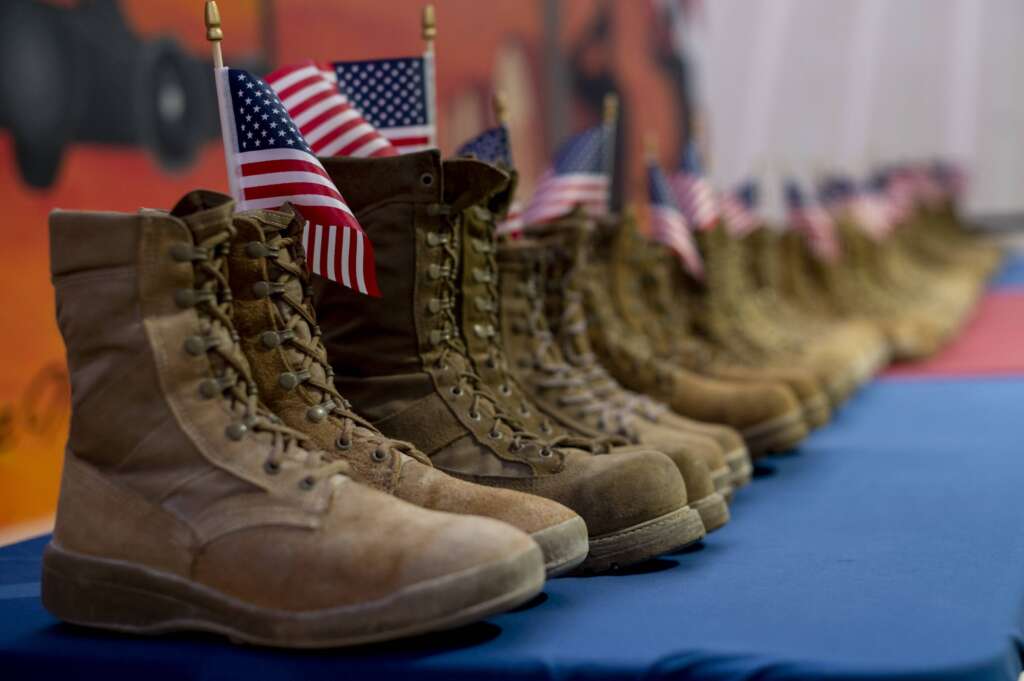
U.S. Airmen from the 332nd Air Expeditionary Wing honor the daily estimated number of veterans who take their own lives, symbolized by 22 pairs of boots in recognition of Suicide Prevention Month Sept. 8, 2021, from an undisclosed location somewhere in Southwest Asia. Suicide Prevention Awareness Month stresses the importance of mental health and encourages individuals to seek help if they need it. (U.S. Air Force photo by Senior Airman Karla Parra)

How CBP, DoD, USPS and VA transform services through human-centered design

By: wfedstaff

From border security to veteran care, federal agencies are transforming how they serve the public — with AI, cloud platforms and human-centered design leading the way.

Explore how leaders from CBP, DoD, USPS and VA are driving innovation, improving trust and putting people at the center of every mission.

You’ll hear from:

  • Barbara Morton, VA
  • Janet Pence, CBP
  • Bill Tinston, FEHRM Office
  • Ken Gonzalez, Verizon

Read the full Federal News Network Executive Briefing and see how tech is powering better experiences for employees and citizens alike.

The post How CBP, DoD, USPS and VA transform services through human-centered design first appeared on Federal News Network.

© Federal News Network

Verizon Trezza CX briefing 11_2025

VA says it’s helping a record number of homeless veterans find permanent housing

  • The Department of Veterans Affairs said it’s helping a record number of homeless veterans find permanent housing. The VA said it assisted nearly 52,000 formerly homeless veterans with housing in fiscal 2025. That’s more than any previous year tracked by the department. The VA provides subsidies to help some veterans afford rent on houses or apartments. In other cases, it helps reunite homeless veterans with family or friends.
  • A bipartisan push to extend a cybersecurity information sharing law may have a path forward in the Senate. A 10-year extension of the Cybersecurity Information Sharing Act of 2015 could be included in a future spending package. That’s according to Sens. Gary Peters (D-Mich.) and Mike Rounds (R-S.D.), the co-sponsors of the bill. Senate Homeland Security and Governmental Affairs Committee Chairman Rand Paul (R-Ky.) has been blocking their bill. But Peters and Rounds told the audience at the Aspen Institute Cyber Summit on Tuesday that the bill would have plenty of support if it can reach the Senate floor as part of a package. Congress included a short-term extension of the CISA 2015 law in the continuing resolution.
    (Aspen Institute Cyber Summit - Aspen Institute )
  • The Army has selected nine installations as potential sites for microreactor power plants under its next-generation Janus nuclear power program. Meanwhile, the Defense Innovation Unit issued a solicitation for commercial advanced nuclear technologies to support the effort. The nine sites the Army identified through comprehensive analysis include Fort Bragg in North Carolina and Redstone Arsenal in Alabama. The Army said the final number and location for these microreactors will be determined as part of the acquisition process, but the service is committed to maximizing the number of sites.
  • Army Secretary Daniel Driscoll instructed unit leaders to check in on their soldiers daily now through Jan. 15. In a memo to the force, Driscoll mandated every officer and noncommissioned officer to "deliberately" check in on every soldier to see if they need help. “The holidays can be a high-risk period for self-harm. We know it’s a problem, it happens every year, so we’ll address it head-on,” Driscoll said in the memo. The effort is based on initiatives like in the 11th Airborne Division in Alaska, where they “systemically prioritized soldier checks” to combat a high suicide rate.
  • The Office of Personnel Management has kicked off another human resources IT modernization effort. OPM is reviewing responses to an RFI and meeting with vendors for how to modernize the USA Hire platform. Agencies use USA Hire to conduct assessments of applicants for jobs. In fiscal 2024, agencies used the program to assess approximately one million applicants for over 20,000 job opportunity announcements. OPM expects agency use to continue to grow, especially from TSA and ICE as they hire more employees. OPM plans to release a draft solicitation in January and a final request for proposals in October to modernize the USA Hire platform.
  • The Office of Personnel Management is close to finalizing its effort to strip job protections from tens of thousands of federal employees. OPM’s proposed regulations for the so-called “Schedule Policy/Career” classification have been moved into the “final rule stage,” according to the White House’s regulatory agenda. Those regulations are slated for possible finalization by the end of November. OPM’s final rule will impact career employees in “policy-influencing positions,” making them at-will and easier to fire.
  • NASA is moving quickly to consolidate up to a quarter of its suburban Maryland campus. The International Federation of Professional and Technical Engineers said the NASA Goddard Space Flight Center in Greenbelt, Maryland, is embarking on plans to close 13 buildings on its campus. The union said NASA began work closing buildings and labs in late September and that this work continued through the government shutdown. The agency is looking to reduce 25% of the campus’s real estate by 2037.
  • The General Services Administration continues to lower the price for access to AI tools. First it was $1, then it was 50 cents. Now for a quarter, agencies are able to buy artificial intelligence tools through the GSA schedule contract. Under a new deal signed with the GSA, Perplexity is offering its AI research and drafting capabilities for a mere 25 cents for the next 18 months. GSA said it structured the deal to make the software available directly from Perplexity through the GSA schedule. Previously, agencies could only access Perplexity through a reseller. This is the first OneGov agreement GSA signed that is directly with an original equipment manufacturer, or OEM.
  • Agencies are likely to see an uptick in Freedom of Information Act delays and backlogs. That’s because agency FOIA offices were furloughed through the shutdown, but the law requires agencies to count normal working days during the shutdown as part of the FOIA processing time. That’s according to new Justice Department guidance to federal FOIA offices. DOJ said there were 29 days during the shutdown that will count toward FOIA requests and administrative appeals processing.
    (Calculating FOIA response times after 2025 government shutdown - Justice Dept. Office of Information Policy)
  • The Trump administration’s cuts to the federal workforce are becoming more apparent across the country. Close to half of respondents in a nonprofit’s recent survey said they or someone they know have been personally affected by the government cuts. Six months ago, less than a third of respondents said the same. The new survey from the Partnership for Public Service also found that the impacts are disproportionately affecting younger adults.

The post VA says it’s helping a record number of homeless veterans find permanent housing first appeared on Federal News Network.

© AP Photo/R.J. Rico

This photo shows one of the the Veterans Empowerment Organization apartment buildings that offer permanent housing for 41 veterans, Tuesday, Oct. 31, 2023 in Atlanta. Veterans pay a small amount of rent, with funds from the Department of Veterans Affairs making up the difference. (AP Photo/R.J. Rico)

House majority forces vote on bill to restore collective bargaining for most federal employees

A bipartisan bill that would end the Trump administration’s rollback of collective bargaining rights for most federal employees is guaranteed to get a full House vote, now that a majority of lawmakers support it.

As of Monday, 218 House lawmakers signed onto a discharge petition, forcing the House to vote on the Protect America’s Workforce Act.

The bill, led by Reps. Brian Fitzpatrick (R-Pa.) and Jared Golden (D-Maine) would restore collective bargaining rights for tens of thousands of federal employees, if approved by Congress.

President Donald Trump signed an executive order in March that barred unions from bargaining on behalf of federal employees at many agencies, on the grounds that those agencies work primarily in national security. In August, he signed another executive order that expanded the list of agencies barred from negotiations with federal employee unions.

Lawmakers estimate the executive order impacts about 67% of the federal workforce. The Trump administration’s policy has barred unions from representing employees at the departments of Defense, State, Veterans Affairs, Justice and Energy.

A group of six unions led by the American Federation of Government Employees sued the Trump administration over its rollback of collective bargaining rights, arguing that the administration has taken an overly broad view of agencies that work primarily in national security.

A federal judge blocked the administration from enforcing the executive order in April, but an appeals court stayed that decision this summer and allowed agencies to keep canceling collective bargaining agreements that cover broad swaths of the federal workforce. Since the appeals court’s ruling, several agencies have rescinded their collective bargaining rights with unions.

Reps. Mike Lawler (R-N.Y.) and Nick Lalota (R-N.Y.) contributed the last two signatures for the discharge petition on Monday. Lawler said in a statement that “restoring collective bargaining rights strengthens our federal workforce and helps deliver more effective, accountable service to the American people.”

“Every American deserves the right to have a voice in the workplace, including those who serve their country every single day. Supporting workers and ensuring good government are not opposing ideas. They go hand in hand,” Lawler said.

Everett Kelley, national president of the American Federation of Government Employees, applauded Republican lawmakers for supporting the bill, and called on the House to quickly vote on it.

Collective bargaining gives employees a fundamental voice in making the government work better for the American people, and we thank Congressman Lawler for recognizing that America functions best when labor and management cooperate toward common goals,” Kelley said.

AFGE’s National VA Council recently filed a lawsuit challenging the VA’s selective enforcement of the administration’s executive order. The complaint states that VA Secretary Doug Collins scrapped collective bargaining agreements with unions opposed to the Trump administration’s federal workforce polices, but spared labor contracts for unions that represent VA police, security guards and firefighters.

Meanwhile, another bipartisan group of lawmakers is also leading a bill that would restore collective bargaining rights for VA employees. Sens. Richard Blumenthal (D-Conn.), Lisa Murkowski (R-Alaska), Chuck Schumer (D-N.Y.), and Rep. Delia Ramirez (D-Ill.) are leading that bill.

The National Treasury Employees Union, as well as the National Weather Service Employees Organization and the Patent Office Professional Association, are also suing the Trump administration over its collective bargaining rollback.  Federal courts in D.C. will hold proceedings in both cases next month.

The post House majority forces vote on bill to restore collective bargaining for most federal employees first appeared on Federal News Network.

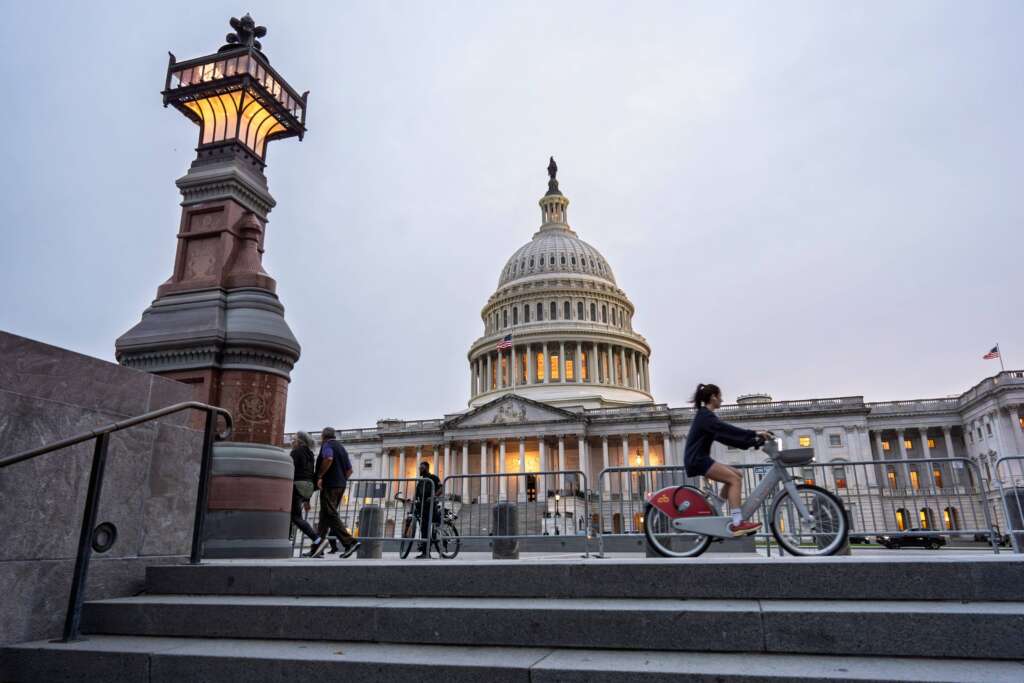
© AP Photo/J. Scott Applewhite

The Capitol is seen at dusk as Democrats and Republicans in Congress are angrily blaming each other and refusing to budge from their positions on funding the government, in Washington, Tuesday, Sept. 30, 2025. (AP Photo/J. Scott Applewhite)

Post-shutdown, here’s how soon federal employees can expect back pay

Following the longest shutdown in U.S. history, the federal workforce is now trying to get back to at least some sense of normalcy.

While federal employees who have been furloughed for the last 43 days return to work Thursday, the Office of Personnel Management is setting expectations for agencies as they begin to update pay, leave and benefits for those impacted by the lapse in appropriations.

In new guidance, OPM said it is “is committed to ensuring that retroactive pay is provided as soon as possible.” Compensation will be provided for both furloughed and excepted federal employees, as the spending agreement that was enacted Wednesday evening reaffirmed. A 2019 law previously called for retroactive compensation for all federal employees impacted by a shutdown.

A senior Trump administration official said the White House “has urged agencies to get employee paychecks out expeditiously and accurately to not leave anyone waiting longer than necessary.”

But the timing of employees receiving their back pay varies, depending on what payroll provider an agency uses, and the different pay schedules across the federal workforce.

Sending out retroactive payments to employees involves working across agency HR offices, federal payroll providers and shared service centers. Agency HR offices, for instance, have to submit timecards for federal employees, which are then processed by the government’s various payroll providers.

According to the senior administration official, employees from the General Services Administration and OPM will be among the first to receive their retroactive paychecks, with an expected deposit date set for Saturday.

Employees at the departments of Veterans Affairs, Energy, and Health and Human Services, as well as civilian employees from the Defense Department, will receive their deposits shortly after that — this Sunday.

On Monday, affected employees from the departments of Education, State, Interior and Transportation, as well as the Environmental Protection Agency, National Science Foundation, Nuclear Regulatory Commission, Social Security Administration and NASA, are all expected to receive their back pay.

Then on Wednesday, employees from the departments of Agriculture, Commerce, Treasury, Labor and Justice, along with the Department of Homeland Security, the Department of Housing and Urban Development and the Small Business Administration, are projected to get their paychecks. The timing of the retroactive payments for feds was first reported by Semafor.

The National Finance Center, a payroll provider housed under the Agriculture Department, confirmed that employees at agencies using NFC’s services should expect a payroll deposit by the middle of next week.

“In order to provide backpay for employees as quickly as possible, the National Finance Center will be expediting pay processing for pay period 22 and backpay for pay periods 19 (October 1-4), 20 (October 5-18), and 21 (October 19-November 1),” USDA wrote in an all-staff email Wednesday evening, obtained by Federal News Network.

Federal News Network has reached out to several other federal payroll providers requesting details on the timeline for processing retroactive payments.

The National Treasury Employees Union urged immediate back pay for all federal employees who have been going without compensation for the last six weeks.

“This is an emergency for federal employees across the country, and they should not have to wait another minute longer for the paychecks they lost during the longest government shutdown in history,” NTEU National President Doreen Greenwald said. “We call on all federal agencies to process the back pay immediately.”

In its new guidance, OPM also noted that to make payments as quickly as possible, payroll providers may need to “make some adjustments.” That could mean, for instance, that the initial retroactive payments employees receive might not reflect the exact calculations of their pay and leave hours.

“Payroll providers will work with agencies to make any necessary adjustments as soon as practicable,” OPM said.

Who receives back pay, and how much?

Furloughed employees will receive their “standard rate of pay” for the hours they would have worked if the government shutdown hadn’t occurred, OPM said in its guidance Wednesday evening.

But there are some exceptions to that. If a furloughed employee, for example, had been scheduled for overtime hours that would have occurred during the shutdown, OPM said they should be paid their premium rate for those hours.

Additionally, OPM said that allowances, differentials and other types of payments, like administratively uncontrollable overtime pay or law enforcement availability pay, should be paid as if the furloughed employee continued to work.

Although most employees impacted by the shutdown are ensured back pay, there are some smaller exceptions carved out where employees may not receive retroactive pay, OPM added.

If a furloughed employee was in a non-pay status before the shutdown began, for instance, then they are not entitled to receive back pay.

Excepted employees who were considered “absent without leave” (AWOL) — or in other words, took unapproved time off — will also not receive back pay for that time.

Guidance on leave, post-shutdown

Although excepted employees are not required to use paid leave for taking time off during the shutdown — and can instead enter a “furlough” period — there may still have been some instances where excepted employees took leave during the funding lapse, OPM wrote in its guidance.

In those cases, excepted employees who were approved to take paid leave during the shutdown will be charged for the hours from their leave bank, OPM said.

Agencies are also expected to begin adjusting leave accrual for furloughed employees. Now that the shutdown is over, furloughed employees should be placed in a “pay status” for the time they would have otherwise spent working during the funding lapse. That means accrual of annual and sick leave will be retroactively adjusted as if the employees were in a pay status, OPM said.

Excepted employees continued to accrue leave during the shutdown, which should be reflected in their leave banks, OPM said.

What happens to RIFs of federal employees?

On top of reaffirming back pay, the spending bill that was enacted Wednesday evening also rescinds the roughly 4,000 reductions in force that have occurred since Oct. 1. Federal employees will be temporarily protected from additional RIFs, at least until the end of January.

Agencies have five days to inform federal employees who received RIF notices in October that those actions are rescinded.

“Agencies should issue those notices and confirm to OPM the rescissions have been issued,” OPM’s guidance states.

At least 670,000 federal employees have been furloughed, and 730,000 employees have been working without pay during the shutdown. Agencies have been putting plans in the works to return all furloughed federal employees to their duties as of Thursday.

OPM also said agencies “may consider” providing flexibility for employees who might not be able to return to work immediately, such as by approving personal leave or adjusting individual work schedules.

The post Post-shutdown, here’s how soon federal employees can expect back pay first appeared on Federal News Network.

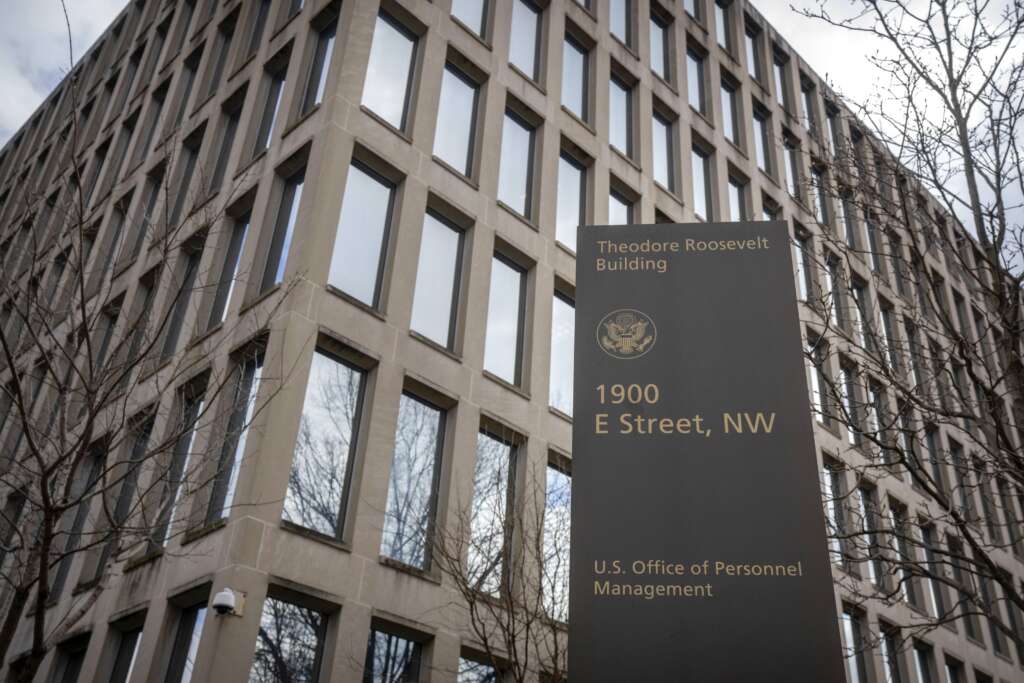
© AP Photo/Mark Schiefelbein

The Theodore Roosevelt Building, location of the U.S. Office of Personnel Management, on Tuesday, Feb. 13, 2024, in Washington. Former President Donald Trump has plans to radically reshape the federal government if he returns to the White House, from promising to deport millions of immigrants in the U.S. illegally to firing tens of thousands of government workers. (AP Photo/Mark Schiefelbein)

Senate-passed spending deal sets VA staffing targets amid reorganization

A Senate-passed spending plan to end the longest government shutdown includes bills that would keep the Department of Veterans Affairs funded through the rest of the fiscal year.

The fiscal 2026 spending bill “minibus” passed by the Senate on Monday gives the VA $133 billion in discretionary spending — about a 3% increase compared to last year.

The Senate also approved FY 2026 funding for the Agriculture Department, military construction and the legislative branch.

Lawmakers have included several provisions to ensure the VA doesn’t shed too many employees, as part of its ongoing agency reorganization plans.

The VA previously planned to eliminate 83,000 positions this year. Those plans involved cutting 20,000 clinical staff from the Veterans Health Administration, including nurses and other frontline medical staff.

The department, however, scrapped plans for a department-wide reduction in force, and instead planned to eliminate 30,000 positions by the end of fiscal 2025, largely through attrition.

The spending bill gives the VA 90 days to provide the House and Senate appropriations committees with a staffing model “that will ensure timely, high-quality delivery of healthcare, benefits, and other services.”

“The department is directed to maintain staffing levels to facilitate the department’s own goals,” lawmakers wrote.

On the health care side of VA’s operations, those targets include veterans waiting no longer than 20 days for primary and mental health care appointments, and no more than 28 days for specialty care appointments. The Veterans Benefits Administration must also ensure that it has enough employees to adjudicate benefits claims within 125 days.

The spending bill specifically bars the VA from reducing staffing levels, hours of operation or services at the Veterans Crisis Line or any of its other suicide prevention programs.

Former VCL employees told the Senate VA Committee this summer that hotline employees are often overwhelmed juggling multiple incoming texts and web chats.

Lawmakers wrote that the Veterans Crisis Line “is often the first place a veteran will turn to in a moment of crisis,” and that they are “concerned about the continued functionality, accessibility, and performance of the VCL.”

The VA must also provide the House and Senate appropriations committees with an update on VCL staffing levels and capacity to respond to incoming calls. The report must also include call answer rates, average wait times and referrals to suicide prevention coordinators.

The spending bill also prohibits the VA from terminating any contract over $10 million, unless the VA provides advanced notice to the House and Senate committees, explaining how the department plans to replace the services in the contract targeted for elimination, and whether ending the contract would result in any change in the VA’s staffing levels.

VA gets billions to resume EHR rollout

The Senate-passed spending bill would give the VA $3.4 billion to resume the rollout of its new Electronic Health Record.

The funds will go toward deploying the new EHR to 13 new locations in 2026, as well as “optimization” of the six sites already using the new EHR.

The VA paused its EHR deployment schedule in April 2023, and used the “reset” period to address problems at sites already using the system.

The department currently plans to roll out the new EHR to 27 sites in 2027, but it’s still far away from fully deploying the new system to about 170 VA medical centers across the country.

The Defense Department completed its own rollout of the same health record system last year.

Lawmakers are holding onto nearly a third of the EHR modernization funds until July 2026 and will only release the money once the VA has demonstrated that the project is back on track.

Congress will release 30% of the EHR modernization funds to the VA once it has certified that it has seen “at least four consecutive successful site deployments without any incidents of a delay in care or patient harm.”

To receive these funds, the VA must also give Congress an updated lifecycle cost estimate for the new EHR, a facility-by-facility deployment schedule, projected staffing levels and whether sites already using the new EHR are meeting baseline productivity targets.

VA’s EHR deployment plans for fiscal 2026 focus on medical facilities in Michigan, Ohio and Indiana — although go-lives are also planned in Kentucky and Alaska that year.

Lawmakers wrote that they are “encouraged by deployment activities” at some of the 2026 EHR sites. However, they wrote that “Congress remains vigilant of potential usability problems that have led to or contributed to instances of patient harm and reduced employee productivity.”

The post Senate-passed spending deal sets VA staffing targets amid reorganization first appeared on Federal News Network.

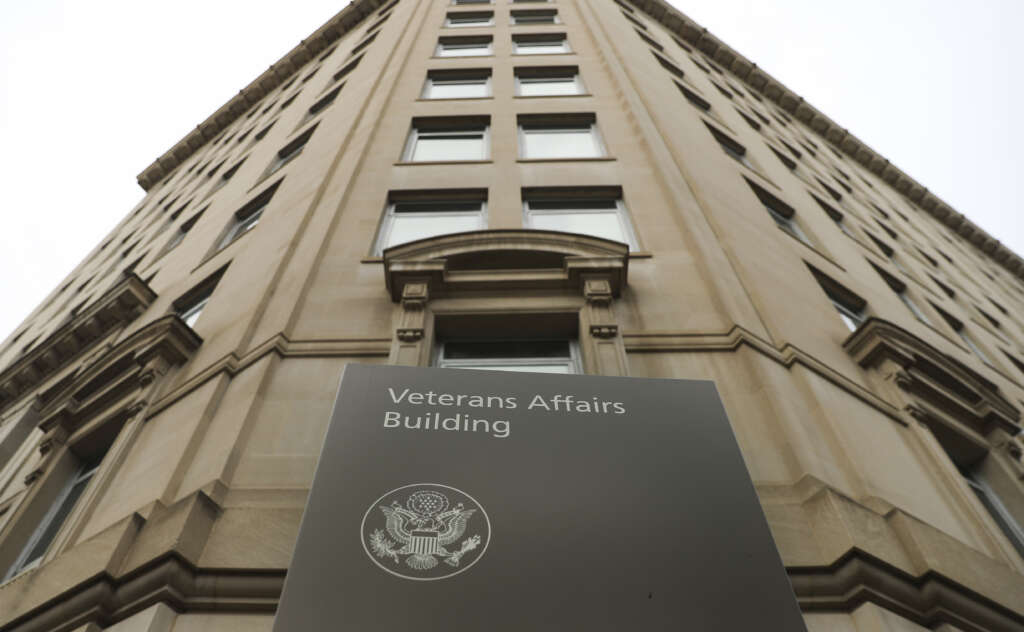
© AP/Pablo Martinez Monsivais

Veteran Affairs building near the White House in Washington, Feb. 14, 2018. An internal watchdog's investigation has found that Veterans Affairs Secretary David Shulkin improperly accepted Wimbledon tennis tickets and likely wrongly used taxpayer money to cover his wife's airfare for an 11-day European trip. (AP Photo/Pablo Martinez Monsivais)

VA IT glitch delays education benefits for thousands of students

An IT glitch at the Department of Veterans Affairs is delaying the payment of education benefits for thousands of veterans’ surviving children and spouses.

The VA, through its Survivors’ and Dependents’ Educational Assistance program, part of the GI Bill, pays education benefits for the children and spouses of veterans or service members who have died, been captured or are missing, or are totally disabled from a service-connected disability. The payments help eligible students pay for school or cover expenses while training for a job. Full-time students enrolled in this program receive nearly $1,600 each month from the VA.

The VA, in its latest contingency plans, said education benefits would be unaffected by a government shutdown, and would continue to be paid out on time. But the department has furloughed the IT staff who are able to fix this issue, and the department’s GI Bill hotline is also closed during the shutdown.

VA Press Secretary Pete Kasperowicz said in a statement that some VA education benefits payments are behind schedule “due to the combined effects” of recently moving to a new claims processing system, a high volume of fall enrollments and the government shutdown.

“VA had planned additional systems enhancements to speed up the process and automate a large batch of these claims, but the Democrats’ government shutdown prevents the department from doing so,” Kasperowicz said.

Kasperowicz said any student dealing with delayed payments will be paid in full as soon as possible. The VA expects it will take until late November or early December to fully resolve the issue.

So far this month, the VA’s average processing time for these claims is about 49 days.

Ashlynne Haycock-Lohmann, director of government and legislative affairs at the Tragedy Assistance Program for Survivors (TAPS), told reporters on Monday that the VA had updated the IT systems that handle these education benefits payments this summer. The VA in September reported a glitch to Congress that impacted education benefits for about 900 individuals.

Lohmann, however, said the department underestimated the impact of the glitch. In reality, she said it may have delayed payments for up to 75,000 student beneficiaries.

“VA never put anything out on out to schools. They never let the schools know that there was a problem. They never let students know that there was a problem. They told Congress it was a minor glitch. They have never taken accountability for what has happened here,” Lohmann said.

Jonathan Mackey, a senior at Southeastern Louisiana University, said he only received a partial payment of $839 last week, about $500 short of his usual monthly payment. He said the partial payment has made it harder to cover living expenses this month. Mackey, whose late father served in the Iowa National Guard, said VA’s “lack of community and accountability” has been a major source of frustration.

“Calls to the VA education have been unanswered, and we weren’t informed about the processing delays before the shutdown,” he said. “While we’re told by the schools that we’ll receive back pay eventually, we don’t know when that eventually is. And that doesn’t really help us pay the bills or feed ourselves in the meantime.”

Kaanan Mackey-Fugler, Mackey’s mother and a surviving spouse who forfeited her survivor benefits when she remarried, said this is now the third semester she’s had to step in and cover living expenses for at least one of her adult children, while they wait for reimbursement from the VA.

“Before the shutdown, we were told that our benefits wouldn’t be affected. Yet, here we are. Students and families across the country are desperate, and they’re anxious about how they’re covering bills month to month while our system’s still stalled out,” Fulger said.

Lawmakers have reached a deal to end the government shutdown, which should make it out of Congress and onto President Donald Trump’s desk later this week. But Will Hubbard, the vice president for veterans and military policy at Veterans Education Success, called on the VA to immediately reopen the GI Bill hotline and bring back furloughed IT staff to expedite claims processing.

“While there’s a deal in the works with the shutdown coming to a conclusion, every single day counts,” Hubbard said. “You have to understand that if a student is missing their payment, they’re wondering what’s going to happen the next day – not in three days, not in five days.”

In a recent survey of over 2,400 students, the National Association of Veterans Program Administrators (NAVPA) found that more than 1,000 reported payment disruptions, and that 740 of them attributed those delays directly to the shutdown. NAVPA President Camden Ege said students have been told to reach out to their schools if there is a problem with their VA education benefits, but said schools “don’t have those answers.”

“While the immediate cause stems from a technical glitch in VA systems, the government shutdown has made matters worse,” Ege said.

Joe Wescott, national legislative liaison for the National Association of State Approving Agencies, said that the VA should have alerted schools to its IT problems before the shutdown.

“The beginning of the fall term, this is not a good time to roll out an IT fix, about which there is uncertainty – not at all,” Wescott said.

The post VA IT glitch delays education benefits for thousands of students first appeared on Federal News Network.

© Getty Images/Kiyoshi Tanno

The Healing Art: Military Veteran Portraits Highlight PTSD & Cannabis

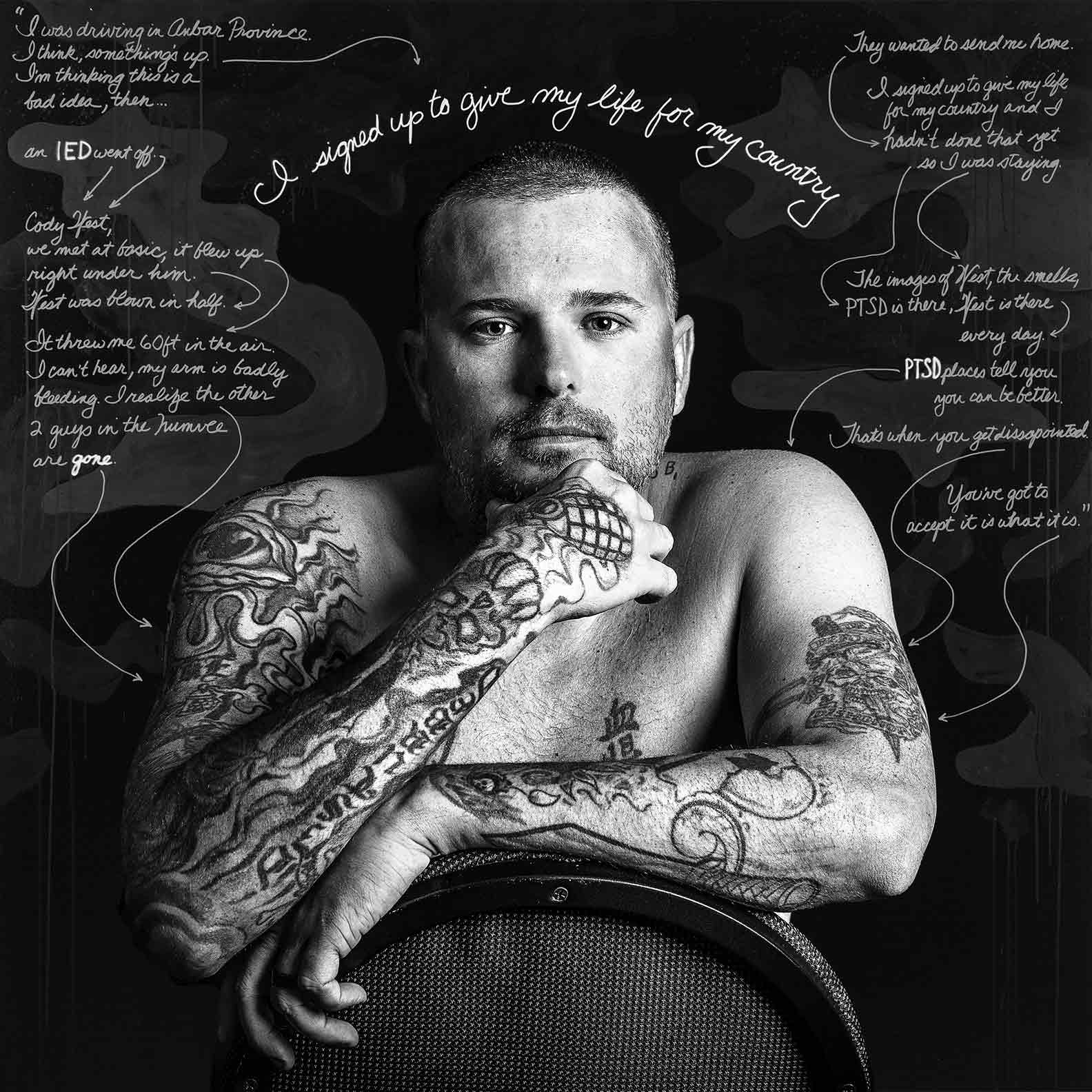
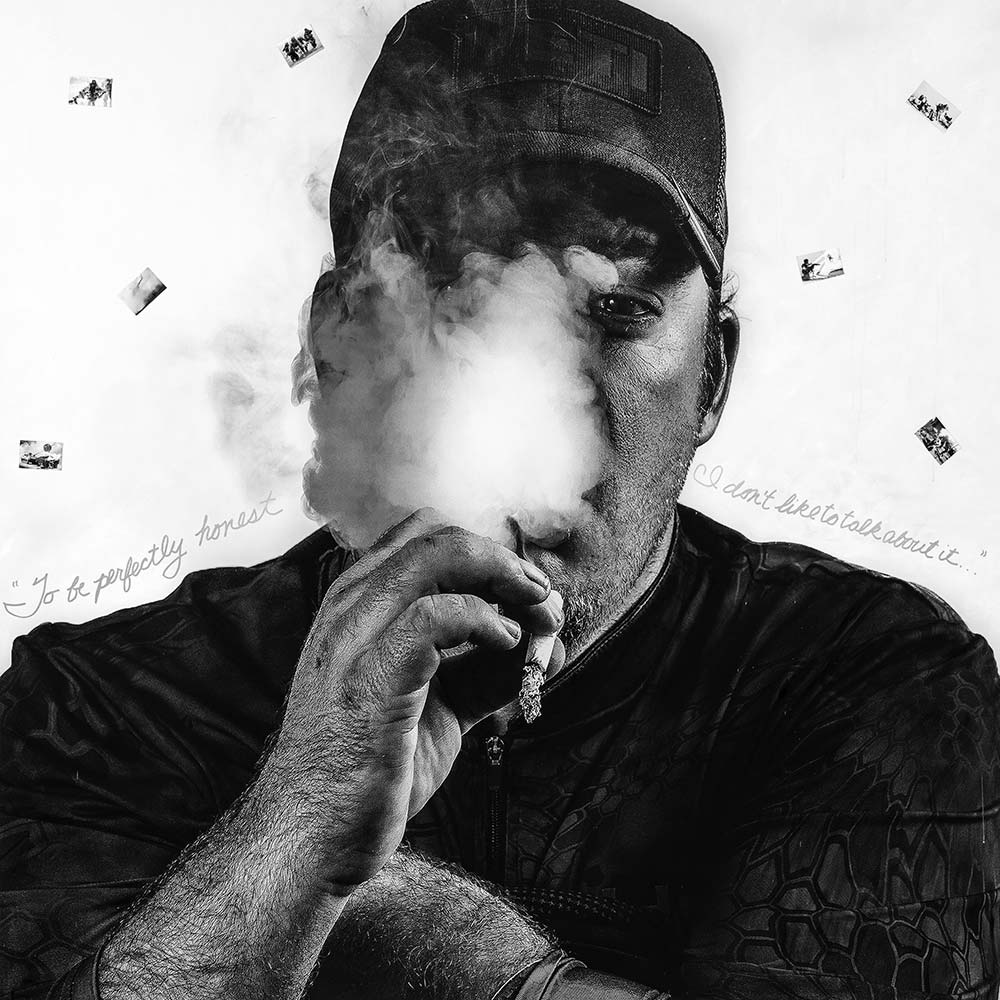
One of the worst nights of Susan Barron’s career came a few years ago, when the artist was in Manhattan to unveil her mixed-media art series, Depicting The Invisible. Military veteran portraits adorned with paint and text comprised the collection, which Barron designed to highlight veteran struggles with post-traumatic stress disorder (PTSD).

Just before the show, Barron’s phone rang. On the other end of the line was the mother of one of her photographic subjects. “She said he had succumbed to PTSD and taken his own life,” Barron says. “It was a gut punch.”

Nearly three million service members have deployed in support of the Global War on Terror since 2001. Of those who served in Iraq or Afghanistan, between 11 and 20 percent now suffer from PTSD. These glaring statistics have left an interminable trail of suicide victims in their wake—individuals, like Barron’s friend, who quietly endure the invisible wounds of combat, personal loss or sexual assault.

22 veterans per day. The suicide statistic has circulated extensively since such data first reached the public sphere. In 2020, the Department of Veterans Affairs reported 6,146 military vets died by suicide, an astonishing 17 per day. And while that number amounted to the lowest total since 2006, any semblance of empathy would suggest it stands at 6,146 too many.

It was learning about this epidemic that inspired Barron to create “Depicting The Invisible,” an exhibit that, since its launch, has occupied the hallowed halls of the National Veterans Memorial and Museum in Columbus, OH, and the Army and Navy Club in Washington, DC. among others.

“Mike” 72in x 72in Mixed Media on Canvas, 2019.
Susan Barron Exhibition Artwork
“Rena” 72in x 72in Mixed Media on Canvas, 2019.
“The Brotherhood” 72in x 72in Mixed Media on Canvas, 2019.

“I’m really grateful these very brave men and women shared their stories with me,” Barron says. “I wanted to shine a light on this epidemic of PTSD and suicide and help break down the stigma around issues of mental health. Every one of us needs to do whatever we can to help. As an artist, this is what I felt I could do.”

Barron’s photo series was shot using a classical black-and-white style that she says, “was intentionally in direct contrast to the brutality of their stories.”

“They’re heroic. They’re elegant,” Barron says.

The works also proved to be conversation starters, eventually becoming the subject of an NPR podcast and an award-winning short documentary of the same name.

“This project has had so many hands lift it up, and throughout all of it, I’ve been contacted by people I don’t even know telling me what a huge difference it made in their life or in their spouse’s life,” Barron says. “Sons, mothers, grandmothers—so many family members have been thankful for destigmatizing this, for honoring this as a wound of war and not a mental illness.”

Shattering stigmas has also opened the door to a more expansive network of PTSD treatment options for veterans, cannabis principal among them.

Susan Barron's artword "Herbert"
“Herbert” 72 in x 72 in Mixed Media on Canvas, 2019.

Ryan Cauley may not be one of Barron’s subjects, but his story, like the myriad of veterans enduring the trials of neurological trauma, is remarkably similar. Originally from Pendleton, Indiana, Cauley joined the Army in 2004 and served as a cavalry scout until 2007 with the service’s 1st Squadron, 32nd Cavalry Regiment, 101st Airborne Division.

Life after the service proved difficult. Post-traumatic stress impacted Cauley’s ability to connect. Depression and anxiety became a viciously cyclical norm. His attitude and behavior soured, and in turn, his marriage and personal relationships eroded.

Months of anger management and cognitive behavioral therapy helped Cauley understand how to manage the condition, but it wasn’t until his 2016 foray into medical cannabis—and subsequent launch of the cannabis and PTSD advocacy company Combat Cultivators—that he’d experience a real transformation.

“I had to convince my wife about using cannabis, but almost instantly, she was able to see the change in my attitude,” Cauley says. “I was able to give more love and be more compassionate. I could focus on tasks and not be consumed by negative thoughts.”

Noticeable attitude changes eventually manifested a genuine interest in the industry, and in 2018, Cauley set out to complete his first grow. “I was such a baby,” he says, smiling at the memory. “I wanted to grow my own cannabis, because, at the time, prices were more expensive than they are now. Today, we grow our own because it’s better than anything in the dispensaries.”

Cauley’s infantile curiosity soon blossomed into a profession. He became a lead grower at a company in Michigan, learning the ins and outs of large-scale growth, environmental control and cloning. He even recruited his best friend from the Army, Carlos Ozuna, to work in the same role. Together, the duo launched the Combat Cultivators Instagram account to be a vehicle of contacting other veteran cannabis advocates struggling with PTSD.

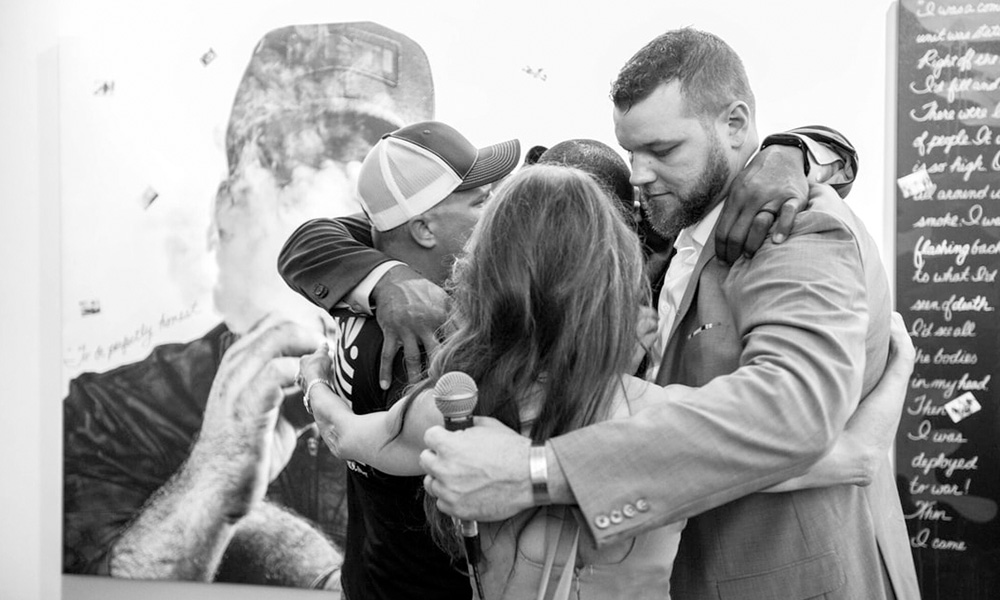
Susan Barron with Veterans
Susan Barron with Veterans at the “Depicting The Invisible” exhibition.

And while the friends have since left the company, Cauley credits the knowledge the two accumulated there for the duo’s success with Combat Cultivators. More than that, however, has been the remarkable difference cannabis has made in Cauley’s personal life. “It’s given me so much of my life back,” he says. “That sense of doing something for a reason. It also gave Carlos and I the opportunity to work together again.”

The number of ways veterans are learning to confront PTSD is ever-expanding. For Barron and Cauley, using their respective platforms has injected life into a conversation about mental health that remained dormant for far too long.

The dreaded phone call Barron received that day in Manhattan is one that many of today’s veterans and military family members have endured ad nauseam. Every story is unique, but the excruciating pain of loss is undeniably similar. Preventing that from happening to anyone else, Barron says, is a calling we should all gravitate toward.

“That day was a personal low for me, but it ignited an even stronger drive to get these stories out there,” Barron says. “We all just really need to do more.”

This story was originally published in issue 47 of the print edition of Cannabis Now.

The post The Healing Art: Military Veteran Portraits Highlight PTSD & Cannabis appeared first on Cannabis Now.

❌