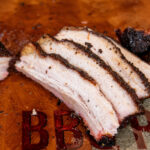
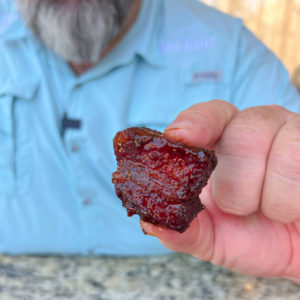
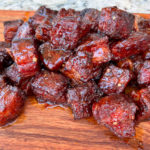
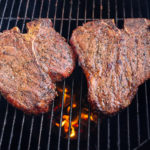
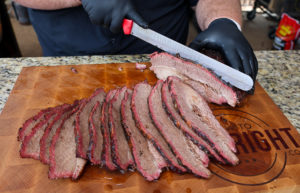
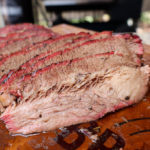
Smoked Hot Honey Pork Belly is the ultimate combo of rich smoke, sweet heat, and sticky glaze. I start with thick-cut slabs of pork belly, smoke them low and slow at 275°F, then finish with a buttery hot honey-vinegar BBQ glaze that caramelizes perfectly.
The result? Tender, glossy bites that melt in your mouth. Great for appetizers, tailgates, or any time you want bold BBQ flavor straight from the pit.
Smoked pork belly finished with a buttery hot-honey glaze – sweet heat, rich smoke, snack-worthy flavor.
Ingredients
1 whole pork belly (4–5 lbs total), split into two smaller slabs
Killer Hogs Hot BBQ Rub, for coating the pork belly
1 stick (½ cup) unsalted butter
¼ cup hot honey
½ cup Killer Hogs Vinegar Sauce
Instructions
Pit Temp: 275°F indirect
Final Internal Temp: 202°F
Prep the Pork Belly
Trim any thin edges or loose fat so both slabs cook evenly. Split the pork belly in half for easier handling and appetizer-sized portions.
Season
Apply a generous coat of Killer Hogs Hot BBQ Rub to all sides — top, bottom, and edges. Pat the rub in gently so it sticks.
Fire Up the Grill
Set your pit to cook at 275°F. – For charcoal, build a two-zone fire (coals on one side, cool zone on the other). – For pellet grills, hold a steady 275°F. Cook the pork belly on the indirect side of the pit.
Smoke
Place both slabs on the cool side of the grill. Let them cook about 1½ hours until the surface turns a deep mahogany color.
Check Internal Temperature
Continue cooking until the pork belly reaches 202°F internal. At that point, the fat will be fully rendered and the meat tender and jiggly.
Make the Hot Honey Glaze
In a small saucepan or foil pan, combine: – 1 stick butter – ¼ cup hot honey – ½ cup Killer Hogs Vinegar Sauce Warm until smooth
Glaze and Finish
Place each slab in a small foil “boat” to catch drips. Brush on a heavy coat of the hot honey glaze every 20–30 minutes until it caramelizes into a sticky layer. (Optional: a light dusting of rub over the glaze at the very end can deepen the bark, but it’s not required.)
Rest and Slice
Let the pork belly rest 10–15 minutes before slicing so it holds together. Cut into thick slices or bite-size cubes and serve right off the board.
That’s it — pork belly turned into a show-stopper: slow smoked until the fat’s silky, then glazed with sticky hot honey and butter for sweet-heat perfection. Slice it, serve it, and watch it disappear.
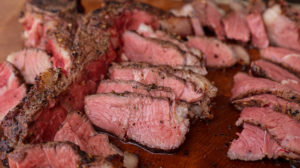
This 3-pound tomahawk ribeye went straight on the pellet grill—no reverse sear, no cast iron finish. Just steady smoke and low heat all the way through. I figured it might miss that crust, but the right layer of seasoning and patience built up the perfect color. The result? Juicy, tender, medium-rare perfection with a buttery jus from the rest. Proof you can cook a tomahawk start to finish on a pellet grill and still pull off a true steakhouse-quality ribeye.
Smoked tomahawk ribeye cooked start-to-finish on the pellet grill. No sear, just low heat, rich smoke, and juicy medium-rare steakhouse flavor every time.
Ingredients
1 Tomahawk Ribeye Steak (about 3 lbs)
2 Tbsp Worcestershire sauce
2 Tbsp Willingham’s W’ham Original Mild Seasoning
1–2 Tbsp Killer Hogs AP Seasoning (salt, pepper, garlic)
Trim the Steak Lightly trim any big pockets of fat around the edges and clean up the bone for presentation.
Season Generously
Rub the steak all over with Worcestershire sauce as a binder.
Apply a medium coat of W’ham Original Mild Seasoning for color and base flavor.
Add a layer of Killer Hogs AP Seasoning to build that salt, pepper, garlic profile.
Finish with a layer of Killer Hogs Steak Rub for texture and crust.
Rest & Fire Up the Grill
Let the steak sit out while you fire up your pellet grill to 250°F. This gives the seasonings time to melt in and lets the steak come up to room temperature before cooking.
Smoke the Tomahawk
Place the steak on the pellet grill and insert a probe thermometer into the thickest part.
Set your first target internal temp to 120°F.
Once it hits 120, reset your probe to 128°F and monitor closely.
Rest with Butter
Place pats of butter and a light sprinkle of Steak Rub on a platter.
Remove the steak from the grill at 128°F and place it directly on butter.
Tent loosely with foil and rest for 10 minutes.
Slice & Serve
Remove the steak from the bone, then slice across the grain. The melted butter and drippings combine to make a rich, flavorful sauce—spoon that over the slices before serving.
That’s how you nail a tomahawk on the pellet grill—low heat, good smoke, and plenty of patience. Slice it up, drizzle that buttery rest over the top, and you’ve got steakhouse flavor right in your backyard.
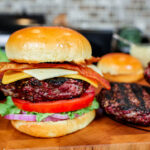
This ain’t your average backyard burger. We’re talking real deal, smoked low and slow, ground brisket mixed with bacon fat flavor bombs. Stack it high with cheese and toppings — and don’t forget a toasted bun to soak up all that juice.
Ground brisket WITH raw bacon to make the best smoked burgers. These brisket bacon burgers are rich, smoky, and packed with flavor. The brisket gives you that beefy bite and the bacon brings in a smoky saltiness that puts ’em over the top. You might wanna wear a bib — these burgers are juicy!
Ingredients
16 lb whole packer brisket (untrimmed)
2–3 lbs bacon ends & pieces (or thick-cut bacon)
Killer Hogs Steak Rub (or salt, pepper, garlic)
Burger buns (toasted)
Sliced cheese
Pickles
Red onion slices
Lettuce
Tomato slices
Big Malc’s Burger Sauce (or your favorite burger sauce)
Big Malc’s Burger Sauce
½ cup Blue Plate mayonnaise (or your favorite mayo)
1 tablespoon yellow mustard
¼ cup sweet pickle relish (juice and all)
1 tablespoon freshly grated onion (with juice)
½ teaspoon Killer Hogs TX Rub (or a mix of coarse salt & black pepper)
½ teaspoon paprika (for color)
1–2 teaspoons red wine vinegar (just a drizzle)
Instructions
Prep the Brisket and Bacon
Cut the brisket into 1½ to 2-inch chunks, separating the flat from the point if needed.
Keep the fat on — you want a good lean-to-fat ratio for juicy burgers.
Cut bacon into similar-sized pieces so it runs through the grinder easily.
Chill the meat in the freezer for 20 minutes before grinding.
Grind the Meat
Alternate brisket and bacon as you feed it through the grinder to evenly mix.
Grind the meat with the large plate first then if you want a finer grind, repeat the grind process
Chill the ground brisket-bacon mix in the refrigerator until ready to form patties.
Form the Burger Patties
Weigh out about 8 oz portions and loosely form into balls.
Use a burger press or hand-form into patties. Use parchment or a Ziploc bag for easy cleanup.
Make a slight dimple in the center to prevent the patties from puffing up too much.
Season the Burgers
Season the outside of each patty with Killer Hogs Steak Rub or your favorite burger seasoning.
Remember the bacon adds salt, so don’t overdo it.
Fire Up the Smoker
Set your pit to 275°F using Royal Oak briquettes for a coal bed then add wood splits for heat.
Place burgers directly on the grates and smoke for about 45 minutes, flipping after 30.
Cook to an internal temp of 145°F for a juicy medium finish.
Build Your Burger
Toast your buns and spread Big Malc’s Burger Sauce on both sides.
Layer on: Pickles, Red onion, Lettuce, Tomato, Double cheese (cheddar + Swiss), Smoked brisket bacon patty
Crown it with the top bun and get ready to lean in.
You could fry up a burger in a pan… or you could do it right and smoke a brisket bacon burger that hits like a steakhouse sandwich on steroids. Get you a cold drink, grab two hands, and get ready to lean in — it’s a juicy one.
I took a regular spiral ham and gave it the double-smoke treatment. Then I hit it with a hot honey glaze that gives it that sticky-sweet heat. Not too hot for the family… just a little kick.
And really, smoked ham is about the easiest thing you can cook… and you can use whatever glaze you want. Just make sure you smoke one for your Easter dinner cause left-over holiday ham from a ziplock in the fridge is one of the small joys of life!
Ground brisket WITH raw bacon to make the best smoked burgers. These brisket bacon burgers are rich, smoky, and packed with flavor. The brisket gives you that beefy bite and the bacon brings in a smoky saltiness that puts ’em over the top. You might wanna wear a bib — these burgers are juicy!
Ingredients
16 lb whole packer brisket (untrimmed)
2–3 lbs bacon ends & pieces (or thick-cut bacon)
Killer Hogs Steak Rub (or salt, pepper, garlic)
Burger buns (toasted)
Sliced cheese
Pickles
Red onion slices
Lettuce
Tomato slices
Big Malc’s Burger Sauce (or your favorite burger sauce)
Big Malc’s Burger Sauce
½ cup Blue Plate mayonnaise (or your favorite mayo)
1 tablespoon yellow mustard
¼ cup sweet pickle relish (juice and all)
1 tablespoon freshly grated onion (with juice)
½ teaspoon Killer Hogs TX Rub (or a mix of coarse salt & black pepper)
½ teaspoon paprika (for color)
1–2 teaspoons red wine vinegar (just a drizzle)
Instructions
Prep the Brisket and Bacon
Cut the brisket into 1½ to 2-inch chunks, separating the flat from the point if needed.
Keep the fat on — you want a good lean-to-fat ratio for juicy burgers.
Cut bacon into similar-sized pieces so it runs through the grinder easily.
Chill the meat in the freezer for 20 minutes before grinding.
Grind the Meat
Alternate brisket and bacon as you feed it through the grinder to evenly mix.
Grind the meat with the large plate first then if you want a finer grind, repeat the grind process
Chill the ground brisket-bacon mix in the refrigerator until ready to form patties.
Form the Burger Patties
Weigh out about 8 oz portions and loosely form into balls.
Use a burger press or hand-form into patties. Use parchment or a Ziploc bag for easy cleanup.
Make a slight dimple in the center to prevent the patties from puffing up too much.
Season the Burgers
Season the outside of each patty with Killer Hogs Steak Rub or your favorite burger seasoning.
Remember the bacon adds salt, so don’t overdo it.
Fire Up the Smoker
Set your pit to 275°F using Royal Oak briquettes for a coal bed then add wood splits for heat.
Place burgers directly on the grates and smoke for about 45 minutes, flipping after 30.
Cook to an internal temp of 145°F for a juicy medium finish.
Build Your Burger
Toast your buns and spread Big Malc’s Burger Sauce on both sides.
Layer on: Pickles, Red onion, Lettuce, Tomato, Double cheese (cheddar + Swiss), Smoked brisket bacon patty
Crown it with the top bun and get ready to lean in.
I’ve cooked pork belly a lot of different ways… pork belly burnt ends… sweet and pulled… deep fried… but this method is savory, smokey and melt in yo’ mouth! It has a real pit smoked flavor and it’s nothing short of delicious!
I love bold, smoky, melt-in-your-mouth pork belly… and this one does not disappoint. It’s fatty and delicious and tastes like real pit-smoked pork belly.
Ingredients
5 lb pork belly, cut in half
2 tbsp Killer Hogs Hot Sauce
2 tbsp yellow mustard
Killer Hogs Hot Rub (to taste)
Killer Hogs TX Brisket Rub (to taste)
1/4 cup apple cider vinegar
1/4 cup water
Instructions
Prepare the Pork Belly: Pat the pork belly dry with paper towels and cut it in half for more even cooking.
Apply the Binder: Coat each piece of pork belly with Killer Hogs Hot Sauce and yellow mustard to help the seasoning stick.
Season Generously: First, apply a good layer of Killer Hogs Hot Rub, then follow with a layer of Killer Hogs TX Rub for extra depth of flavor.
Preheat the Smoker: Set up your smoker for indirect heat and bring the temperature to 275-300°F.
Smoke the Pork Belly: Place the pork belly pieces on the smoker and cook for about 2 hours.
Prepare the Spritz: Mix 1/4 cup apple cider vinegar and 1/4 cup water in a spray bottle.
Spritz Regularly: After the first 30 minutes, begin spritzing the pork belly every 30 minutes to keep it moist and enhance the bark.
Check the Internal Temperature: Continue smoking until the internal temperature reaches 202-208°F.
Rest the Pork Belly: Remove the pork belly from the smoker and let it rest for at least 20-30 minutes. For even better results, rest it in a dry cooler for an hour.
Slice and Serve: Slice the pork belly to your preferred thickness and enjoy!
These Smoked Hot Honey Ribs are next-level BBQ! The spare ribs are coated with hot sauce and hot rub, then smoked low and slow over hickory wood and wrapped with a buttery, sweet & Hot Honey Sauce for an irresistible bite. If you love your bbq sweet with a little heat, these ribs will make do the rib dance!
Trim ribs and remove membrane. Apply light coat of hot sauce for a binder and season well with Killer Hogs Hot Rub.
Prepare pit for smoking at 275°F using hickory wood for smoke flavor. I used my Outlaw stick burner pit but any smoker/indirect grilll will work just keep the temp steady at 275°F.
Place the ribs on the pit and smoke for 2 hours. Spritz with water if the outside starts to look dry after an hour in the smoke.
Make the rib wrap liquid – combine brown sugar, apple juice, hot honey, and vinegar sauce in a glass measuring cup. Microwave for 3 1/2 minutes and allow to cool at room temp.
To wrap the ribs remove each slab from the pit; use a double layer of aluminum foil; place the ribs meat side down on the foil, add 1/2 cup of wrap liquid to each slab; place 1 stick of the butter over the top; and close the foil around the ribs.
Place the ribs back on the pit and cook for 1 1/2 hours or until tender. Internal temp should be around 202-205°F.
Rest the ribs in a dry cooler for 1 hour before glazing.
To glaze: place each rack on a foil covered raised cooling rack meat side down; dust with a little Hot Rub and place back on the pit for 5 minutes; brush with The BBQ Sauce and cook for 7 additional minutes. Flip the ribs over and dust the meat side with Hot Rub and return to the pit for 5 minutes. Brush the meat side with The BBQ Sauce and drizzle with Hot Honey; blend the honey in with the bbq sauce and return to the pit for 7 additional minutes to set.
Cut the slabs into individual bone pieces and serve.
If you are a fan of the club sandwich then you are certain to fall in love with this carb-free deconstructed version featuring sous vide and griddle-grilled stuffed chicken breasts.
Sure, you can go and buy a finished drum smoker from any of the leading brands, but if you’re really into your “Q”, the idea of building your own Drum Smoker might interest you. Plus it gives you the chance to do some customization and put your personal flair to a cooker that should outlive …
It’s a very important day! The countdown to Jolene has ended and we are picking up our big beauty today to bring her home and smoke all that brisket! Bumblebee has been our solid and true girl from our catering days, but she’s tired and ready to hand over the reins to the new beast.
Because we are picking up our smoker from Humphry’s BBQ in Maine, we will not be open to sell food today. While we hate to disappoint our customers, this means we get to open for lunch starting next week and we love exciting our customers with good news!
In the meantime, have you heard of our meat subscriptions? Three pounds of meat once a week or one full brisket or pork once a month. Perfect for birthdays and Dad’s days. Contact us at info@code1bbq.com to find out more.
Our online ordering system is currently down and with a lot of time and hope on Erica’s part and, she’ll have it up and running next week.
Thank you #code1bbqwarriors for your patience as we build this business and make it the only BBQ on your radar.
Call us for Superbowl!!!
We aren’t open on Sundays, but we are catering superbowl on February 12. Give us a call to reserve your spot. 978-248-8185 Please leave a message or email info@code1bbq.com
There are many pellet brands that claim to be the best, but one company stands out, Bear Mountain.
Bear Mountain makes amazing, high quality wood pellets, and I personally have had the pleasure of cooking with these pellets and burning through a few pounds of this stuff. Their pellets provide not only high quality but also plenty of smoke and flavor.
However, this is not the only reason I like these pellets so much, we also like the company behind this product.
For that and other reasons, I believe it is worth the time to write a review of the Bear Mountain pellets and introduce you to this amazing brand.
The Beat Mountain Company: who are they?
When you think of the name “Bear Mountain,” your mind might think of the state park in New York—what a beautiful place—but this company is far from that wonder of nature. The Bear Mountain Company is located in Louisville, Colorado, or about 1800 miles west of the state of New York.
One impressive fact about this company is that they have been in business for over 30 years and were founded in the 1990s. Since then, this company has been manufacturing high quality, natural wood pellet fuel and leading in this industry.
What Makes Bear Mountain BBQ Pellets among the top
Bear Mountain does two things absolutely right, which makes them among the top. First and most importantly, they manage to deliver every last bit of flavor that a BBQ pitmaster like me wants when smoking low and slow. Second, somehow they manage to deliver this level of quality at a good price. These pellets are more affordable than other well known brands but less quality.
We did a test to find the top wood pellets, and Bear Mountain came out on top for both quality and price, a fine line hard to beat. There are other wood pellet brands making great products and even using real trees as opposed to recycled wood dust from mills.
Our Review of the Bear Mountain wood pellets
For this review, I purchased a bag of Bear Mountain’s Gourmet blend which is a neutral well balanced mix good for just about every protein. I wanted to start there because I wanted a good starting point.
I used my Z Grills 700D4E for this test, and because I like to do things the hard way, for the test and review I smoked a brisket. Yay me!
The first thing I noticed is that the pellets seemed to burn flawlessly providing a nice thin blue smoke, which is a good indication that I have good amounts of smoke in the cooking chamber and likely will get a nice smoke ring.
First Impressions
Bear Mountain wood pellets smell amazing. But before I jump into that, let’s take a few steps back. You will quickly start experiencing quality when dealing with this product, starting with the plastic bag. Bear Mountain uses nice, strong, recyclable bags to protect the pellets and protected they arrived.
Now, you might think this is not relevant, but it is. The more protected the pellets the less chances of getting a bunch of broken small pellet pieces and a bunch of wood dust in the bag.
Also, good packaging will protect the pellets from humidity, which is the nemesis of BBQ pellets. One cool thing about this company is that they are strong supporters of protecting the environment, and that involves using a sustainable source of wood, recycled wood dust from mills, but also making their packaging bags from recyclable plastic.
Flavor
Ah, Flavor! This is one area where these pellets do not disappoint. As you would expect, these wood pellets are available in different flavors, but for this review, I used their Gourmet blend. This blend includes oak maple and cherry. This mix goes well with anything, and is sort of the “balanced” mix for any food.
In other words, if you are not sure what to pair food with, the Gourmet Mix is a good place to start.
If you are wanting to barbecue low and slow in a smoker, they carry other flavors like hickory, apple, mesquite, and a nice range of mixes.
Ash
Ash production in an important topic when taking wood pellets. This is because if you are cooking your pellet smoker for long periods, ash buildup will eventually degrade its performance.
Also, pellets that leave behind too much ash create more maintenance work for you. You will have to clean your ash cup and pellet grill more often.
I didn’t notice any more or less ash when compared to other top brands, which is, in my opinion, a good thing. I have tested other brands with dissipating results in the ash department.
Pricing
I find the pricing for these pellets pretty fair considering the level of quality. This is a good thing because if you enjoy grilling often, you can burn through pellets fairly quickly. If you are buying pellets for your smokers, expect them to burn much slower, but the point is, this is a fuel, it doesn’t last forever.
Quality – Consistent quality in every pellet bag. Not a lot of “wood dust” , nothing but pure hard pellets.
Flavor – Flavor is very prominent when cooking with these pellets.
What to consider:
For some reason, these pellets are not available at many of my local retailers, easiest to find online.
Conclusion
I like food, that’s not a secret, but I love good tasting food. Which is why I’m always looking for that extra source of flavor, in this case, good pellets. I enjoy cooking over charcoal, but the truth is, pellet grills are just easier to use, you just have to find good pellets.
I give Bear Mountain BBQ and their entire company a big 5 stars for the excellent, quality product they are offering to consumers every day.
We picked Bear Mountain as our top and best pellets for smoking, but we also included in this article other options and flavors for different meats and recipes.
After testing a few hundred pounds of pellets, I share in this article the best wood pellets for smoking and grilling that you can buy today for your pellet grill or smoker. We will show you ten great brands and flavor pairings to up your grilling game.
As you will see from the images below, we went through several pounds of pellets while testing. To write a good review, we had to. Smoking wood pellets come in many flavors, and some deliver strong results; others are more “daily” wood grilling pellets.
I also cover the various manufacturing methods used by different brands, which have a lot to do with quality. What makes good smoking pellets is a combination of the pellet’s composition, quality, blend, and flavor of the wood.
This article covers wood blends, flavor profiles, meat pairings, and, of course, which brands make good pellets.
Bear Mountain Premium Hardwood Pellets are made with 100% natural hardwood and have no additives, binders, or fillers. Their most popular pellet blends are oak and hickory, made entirely from natural recycled hardwood sawdust locally sourced from mills around the United States.
This company has been in business since the 1990s, and their dedication to producing 100% all-natural pellet products and sustainable fuel stems from the fact that they source their primary ingredient from local lumber mills: sawdust.
This company even utilizes #4 LDPE plastic for its packaging bags and provides its customers with information on where to take their plastic bags for recycling. [1]
Another thing you’ll notice is how sturdy the packing bag is. Other brands use thin plastic bags that easily tear and get punctured by sharp objects around them. BM packaging is made using a plastic film that protects the wood pellets well.
Finally, the reason we picked this brand as our bestwood pellets for smoking, grilling, and all sorts of cooking is the product’s quality. I purchased a bag of their Gourmet Blend from my local hardware store. I expected to see a lot of little broken-down pellets and pellet dust in the bag because these bags are usually thrown on the store floor.
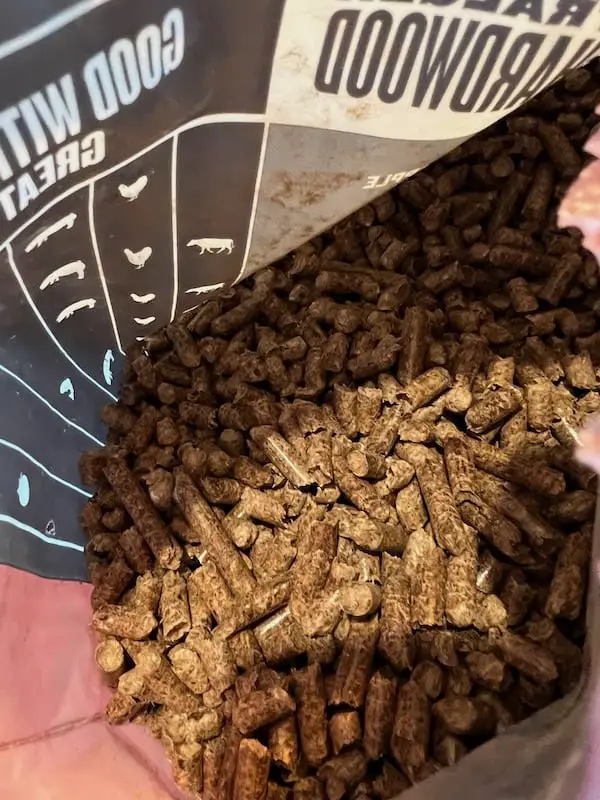
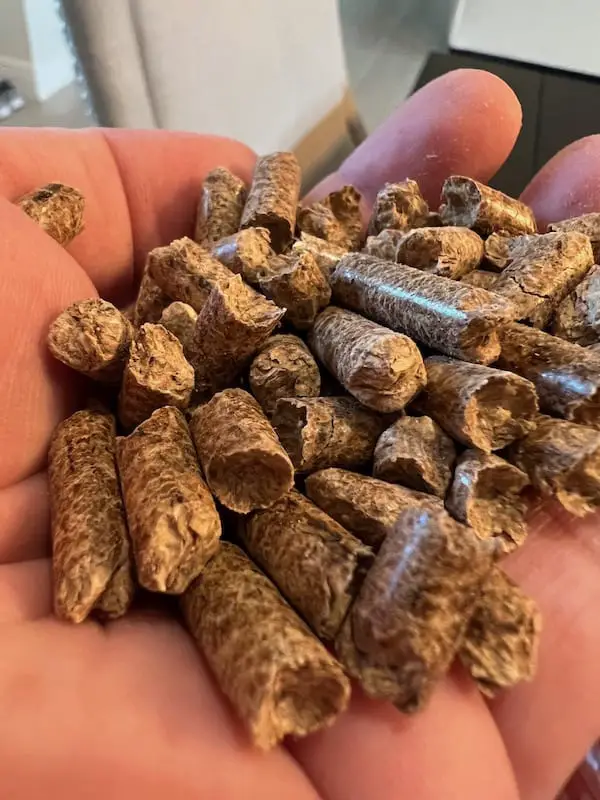
However, because these wood pellets are of high quality and have low moisture content, when I opened the bag, I was greeted by an incredible scent, nicely pressed, hard, dry pellets, and very little wood dust. Our Bear Mountain review goes into more detail about the company behind this product.
Why our top choice
We chose Bear Mountain as the best overall wood pellets because their product offers a good balance between quality, flavor, and price. These pellets also worked well with my grill, with zero issues or jams.
What we like:
Amazing quality and reasonably priced all-natural hardwood pellets.
Flavor is very noticeable which is primarily why we chose Bear Mountain as our top choice.
Nice packaging seems to protect the product well.
We noticed very little wood dust in the pellets bag.
Good for smoking, grilling and even baking, very well “balanced” flavors
What to Consider:
Although these are high-quality, they are made using locally sourced (USA) mills timber sawdust; unlike Lumber Jack below, who uses real harvested trees. Still, BM wood pellets offer a fine balance between quality and price.
Lumber Jack wood pellets are made from actual, “hand-picked,” harvested trees and not sawdust or other manufactured products from a lumber mill. Let’s get that out of the way because it is important. This company has its own log plant and harvests real trees.
This is a huge plus when looking for smoking pellets, as you get lots of flavor and smoke. These pellets pack a punch in terms of flavor which is why I choose Lumber Jack’s wood pellets for smoking meats, specially brisket.
I recommend this product for those wanting the best wood pellets for low and slow cooking or for smoking a brisket and pork shoulders using a pellet smoker or grill.
Another thing that this company does differently is adding and using the tree’s cambium layer, which is below the tree’s bark. Tree bark does add flavor, but it creates dirty smoke. To reduce dirty smoke and ash, Lumber Jack uses the cambium layer for a fine balance of flavor and low ash residue in their hardwood pellet flavors, oak and hickory. So when they say hardwood pellets, they mean it.
Lumber Jack only fully debarks the trees when creating blends or fruity mixes so that the fruit flavor is more prevalent over the base flavor, still 100 percent real wood. Their hickory wood pellets smell amazing!
What we like:
Best hardwood pellet for beef brisket.
Premium natural hardwood pellets using real trees, made using the cambium layer for maximum smoke flavor.
Their oak pellets goes well with beef (and smell amazing).
The best pellets for smoking briskets, large meats and any food where “heavy” smoke flavor is needed.
Consistent quality through their entire wood pellets line of flavors.
You can get 100 percent all-natural hardwoods like oak and hickory, not fillers, just 100 percent real wood.
This is what I call “real” smoking wood pellets.
These worked well with my pellet smokers and did not experience any auger jams.
Zero artificial flavors or additives in these wood pellets.
What to consider:
You will pay more for this level of pellet quality.
The Cookinpellets makes good blends, and those who like a fruity taste in food, such as cherry, or a smokey mesquite taste will enjoy these blends. They are good quality, and we like that they sell samples or smaller bags, allowing you to test and try them before you commit to a large purchase.
What we like:
Cookinpellets grilling pellets are high quality pellets, pure, no mix.
Available in mesquite, apple, cherry, hickory and “Perfect Blend”
Cookinpellets is a good match for cooking for serious barbecue food.
Great smoke, no fillers, you get the wood pellet flavor it says on the bag.
Cookinpellets offers small samples so you can try and find the flavors you like.
What to Consider:
These pellets are hard to find in local stores.
Not as many options as other wood pellet brands.
I like to use oak and is not offered by this company.
Traeger makes good pellet grills, BBQ rubs, and wood pellets. Traeger wood pellets are known to produce less ash than other brands. They are manufactured from 100% hardwood and do not contain any additives or binders. Less ash means there will be less mess to clean and less time spent using a shop vac to clean the firepot.
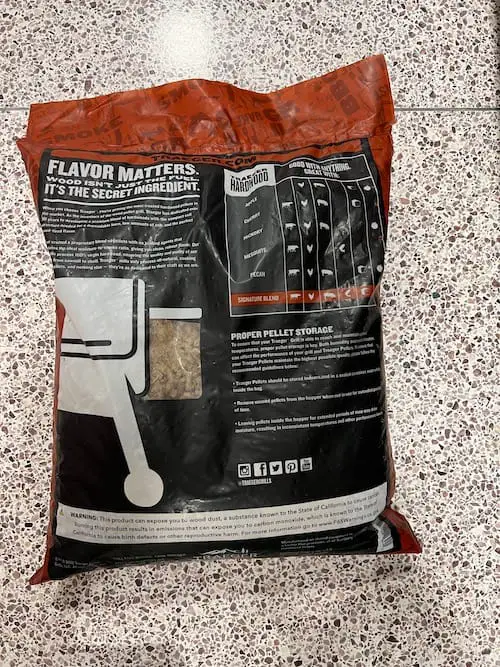
Traeger wood pellets are available in different flavors and work well with other grill brands. I purchased a bag of Traeger’s Signature flavor wood pellets for my tests. The Traeger “Signature” blend works good with a variety of meats. During my testing using my Z Grills 700D4E smoker pellet grill, I noticed these pellets had a pleasant aroma, and I smoked chicken and pork with excellent results and flavor. These wood pellets are also excellent for grilling.
One good thing about Traeger is that they offer a large variety of wood pellet flavors.
What we like:
I can find these pellets just about everywhere.
Ok quality, great wood pellets for grilling food every day.
These pellets are available in many flavors, easy to pair with many dishes.
Great for grilling meats without overpowering their tastes or seasoning.
Traeger offers many options: mesquite, hickory and even whiskey barrel blends.
What to Consider:
Unlike Bear Mountain and Lumber Jack, Traeger uses flavoring oils in some of their blends.
I did not notice the same amount of “smoke” flavor I did when I used Bear and Lumber Jack wood pellets.
This Traeger 20 lbs bag is a little pricey compared to Bear Mountain and Lumber Jack wood pellets.
Camp Chef’s Wood Pellets Competition Blend goes well with most meats and is a popular mix. This hickory, maple, and cherry mix is made from a selection of premium virgin hardwoods and made in the USA.
Here is what I like about this product. Camp Chef uses real hardwood and not byproducts sawdust to make their pellets. This pellets deliver a lot of flavor and I noticed very little ash in my pellet grill after a long smoking session.
Their Competition Blend is well balanced and yields good amount of smoke.
What we like:
You get well balanced flavor from these pellets.
These pellets are made from hardwoods not recycled sawdust.
Affordable.
What to Consider
We couldn’t find anything negative to say about this product. Their price is good and so is their product. However we good taste more “smoke”flavor when we used our top top choices.
Pit Boss is another big name producing good pellets. Their pellets are available in popular flavors and blends, including oak.
These pellets work on Pit Boss equipment as well as other pellet grill brands. The wood used to make these pellets is sourced from all around the USA and does not contain chemicals or binders. We like their Competition Blend pellets; they go well with everything, and these pellets are reasonably priced.
What we like:
Ok quality and flavor.
Great price making them good grilling pellets for frequent use.
Available in local stores.
Many options available including mesquite, hickory, pecan, and others.
What to consider:
The competition blend gives out a strong hickory flavor but no well balanced for smoking.
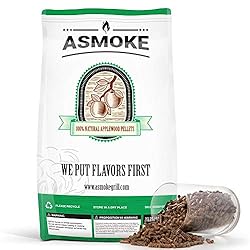
All the wood for their pellets is sourced directly from real fruit orchard trees. The apple trees are harvested, brought to their plant, and processed within a few days to preserve their flavor and freshness.
Asmoke apple wood pellets are packaged in tear-resistant bags. Asmoke knows a thing or two about pellets. They make one of the finest portable pellet grills on the market today.
One of Asmoke’s highest priorities is the protection of the environment. All harvested trees are replanted right away so that future generations may enjoy them. These apple grilling wood pellets pack a lot of flavor and go well with ribs and pork shoulders. Apple gives pork a nice, sweet taste.
What we like:
Noticeable apple flavor- sweet.
I used it on barbecue ribs and the sweetness was noticeable.
This apple blend goes well with pork.
what to consider:
Goes well with pork recipes but too much sweetness for other meats.
BBQrs’ Delight Pellets are another amazing selection and quality pellets for barbecuing. BBQers Delight wood grilling flavors include cherry, pecan, mesquite pellets, hickory pellets, apples, and Jack Daniel’s wood pellets (yes, as in the whiskey ). BBQ Delight offers a variety pack, making it easy to try different flavors, including mesquite wood pellets.
I use Jack Daniel’s wood chips, and the flavor is amazing. When the pellets burn, expect a strong smell and taste on food, hence the name “Delight!”. This product is also made here, in the USA. I have used Jack Daniel’s wood chips to smoke turkey, and man, what a treat.
What we like:
I love their Jack Daniel’s flavored wood pellets. Food gets a nice tone of smokey, spicy oak taste and a nice color.
BBqer offers premium grilling pellets for a variety of proteins including, pork, beef, poultry and fish.
What to consider:
Besides their Jack Daniel’s flavor, everything else was pretty “ok”.
Rec Tec grills wood pellets are a good product. Their blends fit every type of smoking and grilling style. They burn much better than other brands, and the flavor in the food is strong but not overpowering. The testing results were satisfactory with various types of fish and meat, with a noticeable smooth smoky flavor.
The oak and hickory mix was much better than I expected. The ash output is minimal, with good heat output compared to other brands. I simple terms, they are good but not as good as our top options.
What we like:
Good flavor, I could see a nice color on the food.
Good wood pellets for Rec Tec equipment.
What we don’t like:
I find the price to be high compared to other brands.
How are good wood pellets made
The majority of smoking pellets are manufactured from recycled timber from lumber mills. The lumber is shredded into little bits or compressed sawdust that is later dried before being pressed into the thin, pencil-shaped wood pellets that we are all familiar with. The compression allows lignin, a natural polymer in plant tissues, to soften. [2]
Food-grade pellets or not the same as heating pellets. Heating pellets are made with softwoods, binders and other components not meant for cooking food. These components would add a chemical taste to your food.
What are BBQ Wood pellets?
Smoking pellets are denser, and the best, are made with real hardwoods to deliver maximum smoke and flavor. Some manufacturers harvest real trees to produce high-quality hardwood pellets, which are best for smoking meat.
Other brands use recycled trees or recycled wood dust. Smoking and grilling pellets are by-products of wood manufacturing, processing mills, and forest management. Manufacturing plants (lumber mills) generate thousands of pounds of timber sawdust. The sawdust is recycled and turned into wood pellets.
How we Test and Our process for selecting pellets
When selecting wood pellets, we consider a variety of factors, including flavor, blend or mix, and manufacturing process. For the purposes of this article, we are going to refer to the three manufacturing methods as Method A, B, and C.
We are aware that certain flavors pair better with certain foods, so we have included options that pair well with poultry, pork, seafood, and vegetables.
However, quality, manufacturing, and the wood pellet blend are the most important considerations when purchasing wood pellets. Not every pellet manufacturer makes their product using the same process or pure blends.
What should you consider when looking for wood pellets for grills
In short, the type of wood, tree origin, blend composition, density, and most importantly, moisture content, all contribute to the quality of the pellets. The best wood pellets are made using high-quality timber.
Flavor is subjective, and flavor has nothing to do with the quality of the end product. However, the quality of the product will impact how much flavor you get out of them. Remember that!
In addition to the mixes and manufacturing methods discussed previously, moisture content also affects the pellet’s quality. A pellet with low moisture content will burn hot and quickly because less energy is consumed burning moisture.
Accordingly, wood pellets with a higher moisture level will burn slower and lower, but produce more smoke due to their moisture and water content. Thus, a delicate balance of moisture is optimal unless you have a specific need.
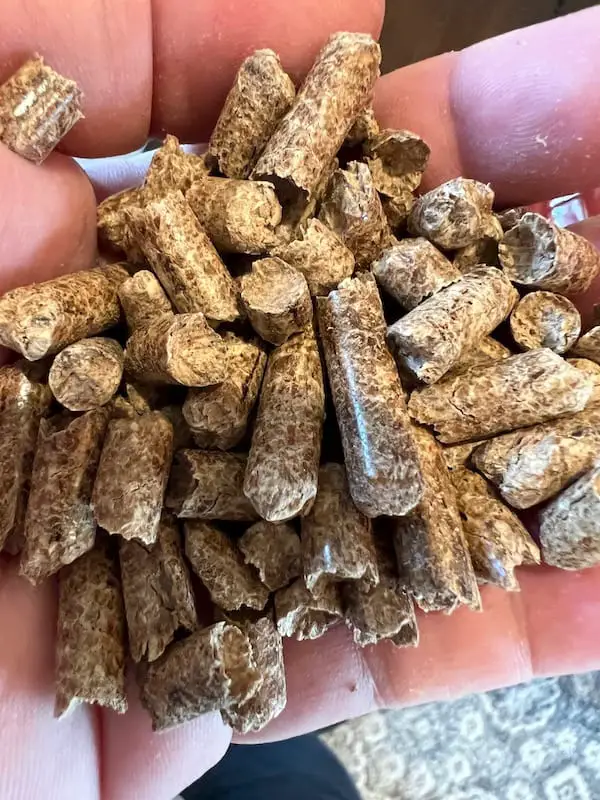
Poorly compressed and low-quality wood pellets are easy to spot because you will see lots of dust in the bag and they break down easily. Grab a handful and squeeze gently.
When comparing wood pellets, it is important to know and understand the actual composition of the pellet. While pellets can be pure hardwood, they can also be a “mix,” especially when creating flavors such as pecan, cherry, apple, or “special blends.”
Therefore, understanding what you’re getting in the bag is helpful. For instance, let’s say you want to use cherry wood pellets for smoked ham, are you getting 100 percent wood or are you getting a mix that contains a small amount of cherry.
Say, is the cherry flavor coming from flavoring oils? To understand these variations better, I explain the common pellet compositions below.
Smoking wood pellets vs Heating Pellets
There is a bit of talk around this topic and the answer is simple. Heating pellets and grilling pellets are not the same. Heating pellets are made using different woods that burn differently and would not yield a good taste on food nor would work well with your pellet grill. Barbecue wood pellets are mostly made out of hardwoods or woods like apple, maple, alder, oak and hickory.
Method A: Top Quality – 100% Natural hardwood blend Wood pellets | Most Pure
There are companies that use 100 percent hardwoods that are shredded into a perfect size and compacted down to wood pellets using absolutely nothing but heat, pressure, and wood—no binders, fillers, or flavoring oils—just real wood.
This is what we consider a 100 percent natural hardwood blend of smoking wood pellets. Some companies employ this manufacturing process but might source their “wood dust” from lumber mills.
Pure hardwoods like oak or hickory provide a clean and constant burn, plus lots of smoke and flavor. So, if you are wanting to smoke meat “low and slow,” wood pellets made of a pure blend of oak or hickory should be at the top of your list.
Hardwood pellets will deliver tasteful and strong flavor. These are primarily your oak and hickory smoking pellets, and they’re as close as it gets to smoking with real wood sticks using a pellet grill.
Pros
Maximum smoke flavor
Pure Wood, 100 percent natural
Burns hotter
Cons
More expensive wood pellets
Harder to find in stores
Some can produce dirtier smoke if the mix includes tree bark. ( but bark = flavor / smoke )
More ash production
Method B: 100 percent natural (not As pure); includes a hardwood base
Then there are brands that use an “oak base” and then add a mix of other woods like apple, cherry, or pecan flavor, for example, or create their own blend mix or create custom flavors like “Gourmet,” “Signature,” and others.
This brands are still making a 100 percent natural product just not as pure of a blend as the pellet “manufacturing model A” described above. They are using a base and then adding other woods for actual flavor.
In some cases this method is a common and necessary practice. For example, cherry would burns fast, and is not a dense as other hardwoods, so in order to create a better pellet that burns consistently and longer an oak “base” is used. Again, this is not always a problem as long as no additives or chemicals are used.
Pros
Less expensive than pure hardwood
More available.
More custom flavors and blends
Less ash production
Good “daily” bbq grilling pellets
Cons
Less smoke, less smokey flavor.
Method C – Still Natural | not real wood, more oils
Lastly, we have the third variation of manufacturing method, which involves using binders and natural flavoring oils such as soybean oil and other flavor infusers. Although still natural, they have less of the real thing, hardwood flavoring. Sometimes the flavor you read on the pellets bag is far from real wood and more like “oil flavors.”
The binders and oils are natural but not the real deal, so in most cases, you get less smoke and flavor, but these types of blends tend to be cheaper wood pellets.
Pros
These wood pellets are east to find in stores.
Can be found cheap
Since the blend is heavily controlled during manufacturing, most blends produce very little ash.
Natural flavoring oils also act as a lubricant and help “weaker” auger systems.
Cons
Least amount of flavor.
Popular pellet flavors for smoking food ( apple, ample, Cherry, Alder)
There are many pellet flavors and many options to pair with just about any recipe. You will find everything from competition blend wood pellets. Some companies even try to blend wood pellets with exotic fruits and oils, but the most common flavors are apple, cherry, pecan, oak, hickory, mesquite, and maple.
Wood Pellet FlavorsPairing Chart – By Protein types
Smoke flavor and food pairings are subjective, but here is a wood pellets flavor guide chart to help you get a good idea of what flavors work best with what meats.
Beef
Pork
Poultry
Seafood
Vegetables
Alder
X
X
Apple
X
X
Cherry
X
X
Competition
X
X
X
X
X
Hickory
X
X
X
Maple
X
X
Mesquite
X
X
Oak
X
X
X
X
X
Pecan
X
X
X
How to Store and Protect pellets
Storing pellets properly is important and if left out in the open the can absorb moisture and loose their burn efficiency. Wood pellets are like tiny little sponges and when moisture is introduced they bulge up and break apart.
If you feed bad or damp pellets to your grill, they will burn quickly, can jam the auger, and will be mostly flavorless wood smoking pellets.
Wood pellet grills are not meant to store pellets for long periods. It is best to store the pellets in a proper pellet container to keep them dry and preserve their freshness.
Conclusion
Our research to find good smoker pellets led us to physically test over a hundred pounds of wood pellets with different types of meat. Yes, as you saw in the images above, we purchased multiple pellet bags and cooked with all of them. I actually own a pellet grill and was able to test as many wood pellets as I could.
Our testing led us to pick Bear Mountain as the best wood pellets for smoking most meats and our top choice in wood pellets, with a very close second choice being Lumber Jack pellets as our choice for smokers and smoking meats. The flavors that wood pellets can add to food are amazing.
Wood pellets are one way of getting wood-fired flavor on food. Experiment with different combinations of meats, and vegetables with several flavors. In our test to find the best, we found that Bear Mountain wood pellets are an amazing product that produces the best flavor, and yes, they are affordable.
FAQs
Do you have to use the of Grilling wood pellets as your grill?
Absolutely not. However, many people don’t think there can be an alternative to purchasing the pellet grill manufacturer. Manufacturers sometimes recommend against using other wood pellets except their own. You can use other brands in your grill as long as they are good quality. Sure cheap brands can damage your grill but any good wood pellet product will work.
In this video I talk about pellet composition, a topic many websites don't talk about and is the foundation of a high quality BBQ wood pellet. You can read o...
Barbecue aficionados and newcomers alike often debate and question why some of us prefer lump charcoal over briquettes. What’s the difference between lump charcoal and briquettes, and which one is better?
This article will discuss the main differences between lump charcoal and briquettes, the pros and cons of both, to help you decide which type of charcoal is best for you and your grill.
What is the Difference Between These Two Types of Charcoal?
The difference between lump hardwood charcoal and briquettes is primarily in the materials used and the production process. Lump wood charcoal is a natural product and a by-product of burning pure, untreated wood in a low-oxygen chamber. The final product is a piece of charred lumber that was formerly the lump of a hardwood tree.
Some companies may utilize recycled wood, but the manufacturing process does not involve the addition of additives, chemicals, or the reshaping of the wood. It begins as a lump of wood and ends as a lump of coal.
Charcoal briquettes, on the other hand, are a molded product that is manufactured in a factory using sawdust, chemicals, and binders to form a properly shaped charcoal piece.
Depending on the brand, certain briquettes may be manufactured with lighting fluid for self-lighting capabilities ( self lighting charcoal ), but the basic point is that this product is more “precisely controlled and manipulated” to produce the easily identifiable briquette shape.
Let’s go over these two types of charcoal and go over the differences in detail.
Comparison Chart
Hardwood lump charcoal
Briquette Charcoal
100 Percent Natural made from pure wood like Oak
Made out of recycled materials like sawdust
100 percent natural, contain no additives or chemicals
Additives and binders are often used to produce briquettes
Can burn hotter
Does not burn as hot but can stay at a constant temperature
Produces very little ash production
Produces “powder-like” ash which can be a problem in some grills, including kamados. Large ash production
Easier to light and fast – burns hot
Often requires lighter fluid to light
It is natural, so the shape and size of the lumps is unpredictable
Factory-made had shape, ever brick is the same size and shape, burn consistently
Hardwood charcoal costs more
Briquette charcoal is more affordable
good quality charcoal can be hard to find in local stores
Briquette charcoal can be found even at the corner gas station
What is Lump Charcoal?
Lump wood charcoal is prized among many BBQ enthusiasts because it is perceived as being a natural fuel. Lump hardwood charcoal is made by burning wood in low-oxygen chambers. The process of making lump charcoal and what it is can be read in detail here.
Lump Charcoal
Many BBQ pitmasters and home users alike use lump coal because it is natural, unlike most briquette products. Chemicals, binders, or additives added during the briquettes’ production will burn, adding a chemical smell to your and other unwanted items.
However, some lump BBQ charcoal brands use recycled wood to manufacture the charcoal, introducing foreign objects and even chemicals if the wood was treated with chemicals in its previous life.
So the key when choosing a good natural lump wood charcoal brand is to make sure that it is indeed all-natural.
Pros
There are many benefits to using lump charcoal, and it all starts with the use of natural hardwood and materials to produce lump wood charcoal. The biggest pro of lump wood charcoal is its natural quality. Charcoal made naturally and organically keeps chemicals from manufacturing.
The result here is that your charcoal, your fuel, is 100 percent natural.
Natural pure pieces of Wood – no chemicals, fillers, binders, or lighter fluid.
Lights easily
Lump coal burns hotter – great for searing steaks
Less ash – Low ash production works great in kamado grills.
Lump charcoal is reusable. You can use the same charcoal a few times.
Cons
Not everything is perfect with lump BBQ charcoal, although it is the purest form of charcoal and natural. Some pitmasters still prefer using briquettes. We will get into that later.
Lump charcoal burns hotter and faster, meaning you might need to buy new charcoal bags more often.
This is a natural product with natural shapes; having different size coals means different heat output.
You guessed it!- Lump charcoal is more expensive, but for some, well worth it.
Where can You buy It?
Lump charcoal is not available in every store and certainly not available at gas stations. Good lump charcoal is often found in BBQ stores or smaller hardware stores.
The good news is that it can also be purchased and delivered to your front door. Our article on lump charcoal shows you the top brands and where to purchase them.
What are charcoal briquettes?
Briquettes are equally shaped charcoal blocks, normally pillow-shaped, made of sawdust, leftover wood, and recycled lumber. Making briquettes is similar to making lump charcoal, except instead of natural wood and tree lumps, compressed sawdust is compacted and burned in a low-oxygen environment to create the charcoal briquette.
However, in some cases, fillers, binders, and other additives are added to enhance briquettes and help the ignition process.
Charcoal Briquettes
Briquettes are produced from various materials, including recycled wood and sawdust. Chemical additives help briquets hold their shape, ignite, and are all mixed into the finished product.
Some additives used in the manufacturing of briquettes bind the sawdust mix together and create the familiar pillow shape. Unlike lump coal, briquettes burn slower and keep a consistent temperature thanks to their uniform shape.
It is easier to stack briquettes and easier to manage their temperature. However, if you are serious about grilling and enjoying good-tasting BBQ, you will want avoid any charcoal-containing chemicals, as chemicals will burn and ruin the food’s taste.
Pros
Is easy to keep a steady temperature in your grill or smoker.
Consistent size and shape—meaning every briquette produces the same heat output.
They burn longer—briquettes can burn for a long time.
There is even heat since all briquettes are the same shape and size.
Briquettes are cheaper than lump charcoal.
Cons
Some charcoal briquette brands contain additives and chemicals which, when burn end up in your food.
Without lighting additives or chemicals, it is harder to light briquettes. You need a chimney starter. A chimney starter can help you light briquettes faster and safer.
Briquettes produce more charcoal ash than lump charcoal.
Which one should I choose?
I prefer to cook only with lump charcoal because I want to use the cleanest fuel possible when charcoal grilling my meats. I also use a Kamado grill, which limits me to only using lump charcoal. Sure, you can use briquettes in some kamados, but it will be messy; you will be cleaning a large amount of ash, and your kamado won’t get as hot as it can.
The choice here will also have to do with the type of cooking you do and the type of smoker or grill you own.
If you own a kamado grill, briquettes will fall apart as they burn and create almost powder-like ash, which can be excessive and obstruct the airflow in your kamado.
If you own a regular charcoal grill and often cook, the briquettes might be a great choice since they are cheaper and easier to control temperature.
However, if you want the purest charcoal, then 100 percent nature lump charcoal is for you.
FAQs About Lump charcoal and Briquettes
Can you mix lump charcoal and briquettes?
Yes, you can. This is layering heat and creating different temperature zones. If you have a large enough grill, you can use briquettes for a long steady cook and use the lump charcoal for a high-temperature sear.
Why does lump charcoal cost more than briquettes?
Lump charcoal is made from hardwoods and logs, which cost more. On the other hand, Briquettes can be made from recycled materials like sawdust and blends of additives, which reduce manufacturing costs.
Conclusion
Both lump charcoal and briquettes are a fuel source for charcoal grills and smokers. Their differences make them unique and applicable to specific uses and cooking styles but the main take way from this article is that lump charcoal is more natural and burns hot while briquettes are a more “processed” product.
Lump charcoal is natural hardwood, tree branches, and twigs that have been cooked in a low oxygen environment to create hardwood lump charcoal. This charcoal is called lump charcoal because after the hardwood is cooked and turned into charcoal, it retains its natural shape and tree-like characteristics resulting in large lumps of coals.
How Hardwood Lump charcoal is made
Lump charcoal is made from natural hardwoods. Logs, wood scraps, branches, and twigs can all be carbonized to make lump charcoal. The charcoal is often produced from tress like Quebracho from South America, which produces a distinct flavor, but oak and hickory hardwoods are also used.
Water, tar, and other organic compounds are removed by cooking the wood in a low oxygen environment.
The result is are natural-looking wood chunks turned into charcoal, hence the name lump charcoal. Lump charcoal is recognizable due to its lump size, irregular shapes since it is all-natural. Good lump charcoal brands produce 100 percent natural charcoal that will burn clean and not interfere with food seasoning or flavor.
Why is lump charcoal Preferred, in some cases
Lump charcoal has no binder, artificial flavors, or chemicals. The natural aspect of lump charcoal attracts many BBQ enthusiasts, and many only turn to lump charcoal for smoking meats and grilling food.
Lump charcoal’s natural origins make it the closest thing to grilling and smoking food with natural wood. However, charcoal should never be considered a source of flavor. Lump charcoal, like any other charcoal, is your fuel and source of heat.
Lump charcoal is also preferred among Kamado grill owners as lump charcoal produces less ash than briquette charcoal. This is important for kamado grills as kamado’s design and efficiency depend heavily on airflow, and too much ash in the firebox will shut off the grill making it impossible to use.
Kamado grills do not have large ash boxes, and too much ah can easily clog up a kamado grill ashpan and disrupt airflow.
Another reason many BBQ Grill and smoker owners prefer lump charcoal is because it burns clean, as it is natural, and it burns hot. This means that you can potentially use fewer coals to grill a few dogs.
Lump charcoal, how over does have its drawbacks, is directly linked to its innate nature. First, lump charcoal is more expensive to produce, and therefore the price per pound is higher.
Second, the lumps are all kinds of sizes, shapes, and lengths. Having inconsistent size chunks can create uneven heat in your grill. For some, lump charcoal can be harder to manage and temperature control.
Lastly, not all lump charcoal manufactures cook their wood the same. Some have high-quality standards, but the less expensive brands use recycled woods which can introduce foreign objects to the mix and end up in your bag and therefore in your grill.
The key point here is that lump charcoal is made out of natural wood, and as with anything natural, some things cannot be controlled during the manufacturing process. Aspects like shape, size, and but the output of the lump will not be controlled as this product is a natural by-product of carbonizing natural wood.
Charcoal is for heat, and nor lump charcoal nor briquettes will make your food taste better. Try Some lump charcoal brands are made of hardwoods that can add flavor, but to get the authentic smoky flavor, smoking wood needs to be used in your smoker or charcoal grill.
One Last Word.
Lump charcoal is an excellent choice for those with kamado grills and absolutely natural products. However, natural also means is not perfect. Nevertheless, lump charcoal is good charcoal for any grilling application, including high-temperature searing and low-temperature smoking.
Smoked BBQ food gets its distinct “smoky flavor” from burning hardwoods. There are different wood chips for smoking meat, and today we are talking about the best wood chips for smoking meat on either your grill or smoker.
Why Use wood chips ?
You should buy wood chips because charcoal alone cannot add a good smoky flavor to meats. Charcoal is a fuel source, and although it does add some level of taste, it does not compare to the flavor punch wood chips can add.
To get that rich bbq smoky flavor, you need to add smoke, and only good wood chips for smoking can deliver naturally flavored smoke. The smoke flavor wood chips can provide depends on the tree wood chips derived from.
Wood for smoking can be produced from Apple trees, cherry, and Pecan. You will also find other flavors like oak, hickory, and mystique. All good flavors and some flavors can be mixed to add even more unique tastes.
Best Wood Chips for Smoking – Get the most flavor out of every meat
Oak
Oak is a popular wood for smoking and is often used by professional pitmasters as a base flavor. Oak wood is considered a balanced flavor, and its smoke taste is lighter than hickory. But you can miss oak and hickory to add a stronger smoke flavor.
Oak wood chips go well with lamb, beef, red meat, pork, and even fish. Oak pairs well with many meat cuts, which is why oak chips are so popular.
Mesquite
Mesquite wood is extracted from Prosopis trees, and its inherent characteristic is that it burns hot, fast and can produce a lot of smoke. Mesquite’s taste is more potent than hickory, making it perfect for less flavorful meats like lamb, fish, and thinner cuts of meats that cook fast as mesquite burns and deliver some fast.
Mesquite has an earthy aroma; the wood is oily and gets hot quickly. Some like to mix mesquite with oak and even hickory to add an extra layer for flavor.
Hickory
Hickory Wood chips are produced from Carya Trees and are popular wood chips for smoking. Hickory chips have a similar flavor to oak but add a bit of sweetness. Hickory can be paired with apple wood chips and add an extra layer for sweetness for those who like sweet ribs.
Hickory is often used to smoke pork ribs and even cheese. Hickory also pairs well with many bbq sauces.
Apple
Apple wood smoke alone will not overpower meats, but it can add a distinct sweet signature taste when combined with other woods, especially when smoking ribs. Apple wood is often mixed with hickory and has a good balance of smoky flavor and sweet state.
Apple wood chips offer mild flavor and can be used for smoking chicken, ham, goes well with bacon and even fish. Apple is an excellent wood to tackle the taste of meats like fish and chicken.
Cherry
Cherry wood is another mild flavoring of smoke wood and is excellent to add a sweet taste to all kinds of meats. Its flavor is mild, so it alone will not overpower meat seasoning or sauces.
Cherry wood adds a distinct taste and color to foods and works well with vegetables. Cherry wood chips can add a nice touch to pork ribs.
Peach
Peach Wood chips are another mild fruity flavor and light. The peach smoke flavor alone will not overpower the state of stringer flavors like oak and hickory, making peach wood great for adding extra sweetness to meats. Fruity woods are mainly used to accent meats and vegetables.
Pecan
Pecan wood chips can pack a stronger flavor than other wood chips types but will not overpower stronger woods like oak and hickory. Packan goes well with beef and poultry.
Maple
Maple wood adds light and sweet flavor. Its natural sweetness hits meat lightly and goes well with sweet BBQ sauces and vegetables.
Wood chips for smoking comparison buyer’s guide
There are so many wood chip options to choose from, each adding its own unique flavor and taste. The right wood chips will turn meats into unique BBQ dishes. For example, oak is an excellent smoking wood for smoking ribs but might not go well with fish.
Knowing which wood chips to use with different cuts of meats is crucial. The right wood chip type can have a significant impact when it comes to flavor and taste.
Here is a wood chip paring guide you can use to know which wood chips to use with which meats.
Oak
Game
Pork
Poultry
Hickory
Poultry
Beef
Pork
Ribs
Maple
Game
Pork
Poultry
Mesquite
Lamb
Chicken
Duck
Beef
Cherry
Ham
Turkey
Chicken
Alder
Fish
Apple
Pork
Game
Chicken
Pecan
Pork
Beef
One Last Word.
When choosing wood chips for smoking, spend some time tasting and trying the different types of wood chips discussed in this article. Not everyone has the same taste and preferences, and I recommend trying a few wood flavors until you find what you enjoy best.
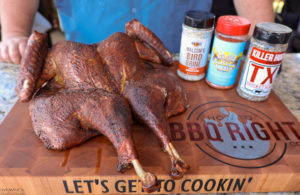
Smoked Thanksgiving Turkey Recipe – brined with sweet tea, spatchcocked, injected and seasoned with Texas flavors, then smoked over mesquite wood for a flavorful, beautiful, juicy, smoked turkey.
Combine ingredients in a mixing container and whisk. Shake or stir well before injecting.
Instructions
Place turkey in a large container and add the full bottle of bird brine and the lemons. Pour in the sweet tea and make sure the turkey is fully submerged in the brine. Place in the refrigerator or a cooler with ice for 24 hours.
Remove turkey from brine and pat dry. Spatchcock the turkey by flipping it over breast side down. Use kitchen shears to cut along the back bone on each side removing it from the bird. Cut the breast bone with a chefs knife and press down on the bird until it pops. Flip the turkey over breast side up and tuck the wing tips behind the neck.
Brush peanut oil over the skin and season with Holy Gospel Rub followed by a light layer of TX Rub. Inject the breast, thighs, and legs with the injection.
Prepare stick burner pit for indirect smoking at 275°F using lump charcoal and post oak splits for fuel. (Do not add the mesquite wood at this point)
Place the turkey on the pit and add 2-3 chunks of mesquite wood to the fire for smoke flavor.
At the 1 hour mark insert a probe thermometer into the breast of the turkey. Set the thermometer to 160°F. Add a couple more chunks of mesquite to the hot coals.
Monitor the internal temperate of the turkey and hold the pit at 275° the entire cook. Once the thermometer alarm sounds carefully remove the turkey from the pit and let it rest for 10 minutes before carving.
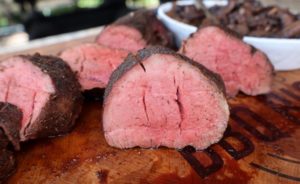
Smoking a beef tenderloin this way gives new meaning to “steak dinner”. When I was thinking about what meal I’d want for Father’s Day this year… I just wasn’t feeling ribeye…
But I was feeling a perfectly smoked Beef Tenderloin, cut into filet-sized pieces, and served with some Beefy Smoked Mushrooms.
WHAT MALCOM USED IN THIS RECIPE:
Porterhouse Steak smoked on a Drum Smoker and topped with Bacon Tallow Butter – A steak like this can make anyone happy…
WHAT MALCOM USED IN THIS RECIPE:
1/2 cup bacon tallow (rendered fat from 12oz pack bacon)
1/2 stick butter
Instructions
Prepare drum smoker for indirect cooking at 275°F using lump charcoal for fuel.
Drizzle each side of the porter house steaks with olive oil to lightly coat and season with a layer of Prime Beef rub followed by the Steak Rub. Allow the steaks to rest at room temperature for 20 minutes.
Place the steaks on the smoker and insert a probe thermometer into the center of one steak to monitor internal temp.
Smoke the steaks until the internal temperature reaches about 118° flipping half way through for even cooking.
Take half of the bacon tallow/drippings and mix with 1/2 stick of melted butter. Season with a dash or two of Prime Beef and Steak Rub. Rest in the refrigerate until ready to use.
Remove the lid from the drum and baste each steak with the bacon drippings. Flip the steaks and continue cooking (with the lid off to sear the steaks) until the internal temperature reaches about 125-128°F.
Remove the steaks from the grill, top each with a big dollop of the bacon tallow butter and rest for 7-10 minutes before serving.
If you are tried of serving the same old ham for Easter Dinner every year, try a “Smoked Easter Brisket”. If it’s not already a thing… it should be!
WHAT MALCOM USED IN THIS RECIPE:
Smoked Brisket seasoned with typical “roast” flavors and braised with wine. Once the brisket is tender, the braising liquid is used to make a Beef Onion Gravy. A recipe perfect for serving on Easter.
Prepare smoker for indirect cooking at 275°F using Hickory wood splits for fuel and flavor.(Any smoker can be used for this recipe, keep the temps steady at 275°F)
Trim the brisket by removing thick areas of fat and sinew from the top and bottom.Season with AP seasoning followed by the packet of Beefy Onion soup mix. Allow the brisket to set it at room temperature for 15-20 minutes before placing it on the smoker.
Smoke the brisket at 275°F until the outside starts to turn dark about 3 1/2 – 4 hours.At this point remove the brisket from the pit and place in a large aluminum pan.
Add the beef broth, wine, tomato paste, garlic, onions, and bay leaves to the pan.Insert a probe thermometer into the thickest part of the flat, and cover the pan with aluminum foil.
Place the brisket back on the pit and continue to cook until the probe thermometer reaches 202°F.At this point check the brisket for tenderness.It should feel really soft when you insert a hand held thermometer in all areas of the brisket.
Remove the brisket from the pit and carefully take it out of the braising liquid.Place it on a sheet pan and loosely cover with aluminum foil.
Pour the pan liquid through a colander to separate the onions form the liquid. Pour the liquid into a fat separator or ladle off any fat from the top of the bowl.
In a deep saute pan over medium heat add the flour and butter and stir for a few minutes to create a roux.Slowly whisk in the separate liquid (about 2 cups) and whisk until it starts to bubble and thicken.At this point stir in the onions and taste for seasoning.If it needs a little salt and pepper just use a sprinkle of AP.
Slice the brisket across the grain and serve with the brisket onion gravy.
Keywords: Easter brisket, smoked easter brisket, brisket recipe, beef brisket, smoked brisket, how to smoke a brisket, smoked brisket, offset smoker, simple brisket recipe

 Login
Login
 Print Recipe
 Pin Recipe