 Login
LoginThe ISS Is Out of Parking Spots for the First Time Ever. Here’s Why

All eight docking ports at the ISS are occupied. That's never happened before.




Read more of this story at Slashdot.
In recent months, it has begun dawning on US lawmakers that, absent significant intervention, China will land humans on the Moon before the United States can return there with the Artemis Program.
So far, legislators have yet to take meaningful action on this—a $10 billion infusion into NASA’s budget this summer essentially provided zero funding for efforts needed to land humans on the Moon this decade. But now a subcommittee of the House Committee on Space, Science, and Technology has begun reviewing the space agency’s policy, expressing concerns about Chinese competition in civil spaceflight.
During a hearing on Thursday in Washington, DC, the subcommittee members asked a panel of experts how NASA could maintain its global leadership in space over China in general, and more specifically, how to improve the Artemis Program to reach the Moon more quickly.
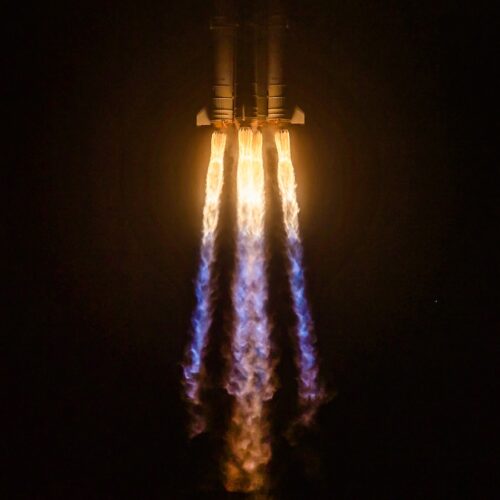
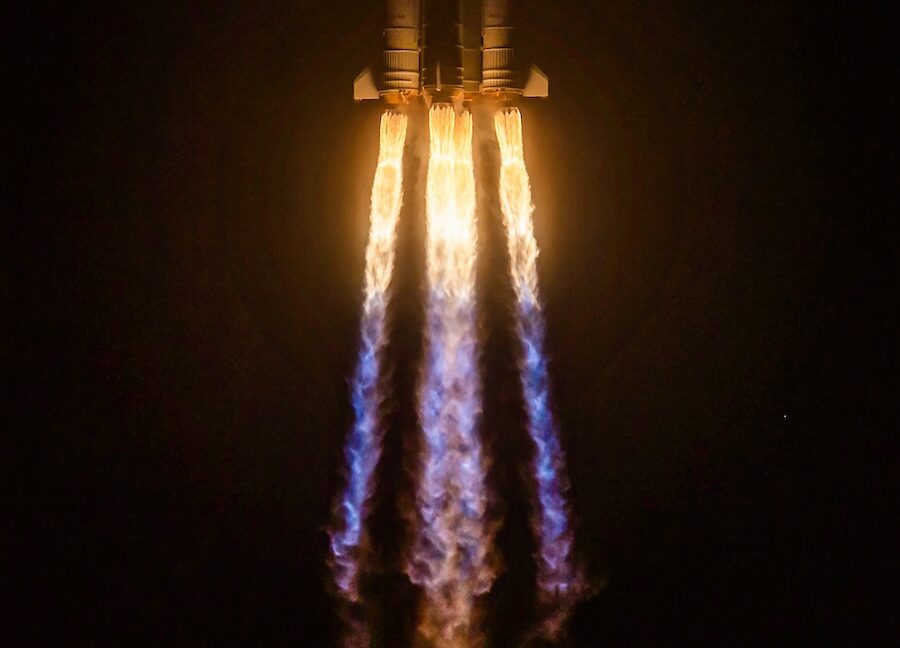
© Liu Guoxing/VCG via Getty Images
How do you top a highly detailed scale model of NASA’s new moon-bound rocket and its support tower? If you’re Lego, you make it so it can actually lift off.
Lego’s NASA Artemis Space Launch System Rocket, part of its Technic line of advanced building sets, will land on store shelves for $60 on January 1, 2026, and then “blast off” from kitchen tables, office desks and living room floors. The 632-piece set climbs skyward, separating from its expendable stages along the way, until the Orion crew spacecraft and its European Service Module top out the motion on their way to the moon—or wherever your imagination carries it.
“The educational LEGO Technic set shows the moment a rocket launches, in three distinct stages,” reads the product description on Lego’s website. “Turn the crank to see the solid rocket boosters separate from the core stage, which then also detaches. Continue turning to watch the upper stage with its engine module, Orion spacecraft and launch abort system separate.”
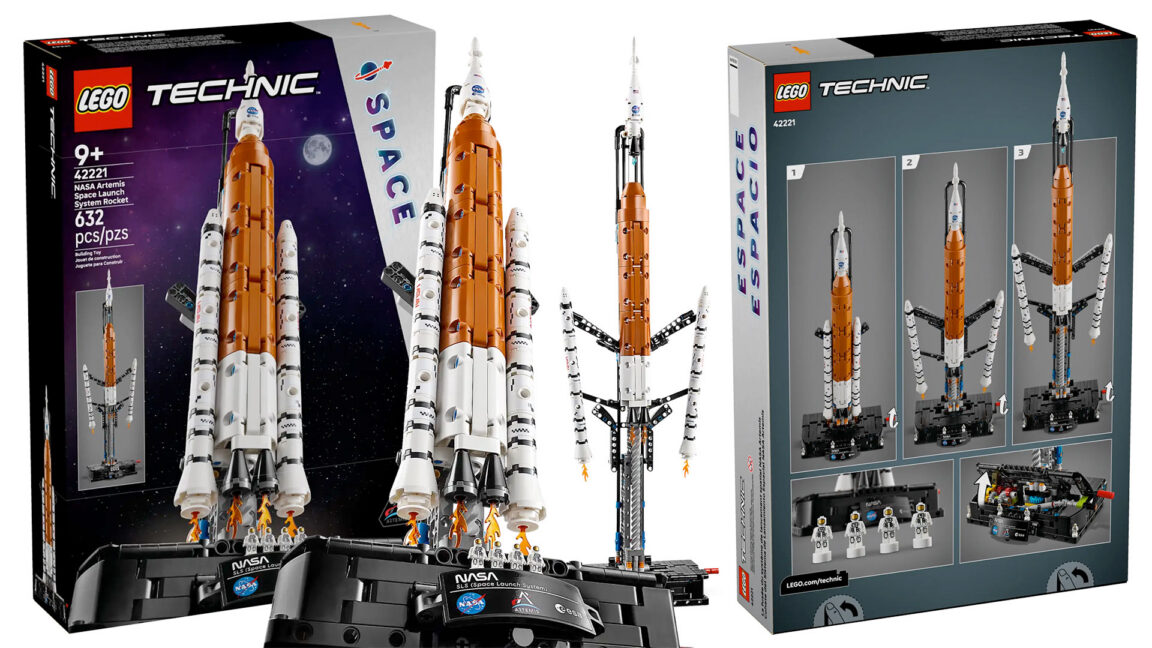
© LEGO/collectSPACE.com
After reaching Mars with the Perseverance rover in early 2021, NASA’s Ingenuity helicopter proved a huge success as it exceeded expectations with an astonishing 72 flights across the Martian surface. But three years after entering the history books by becoming the first aircraft to achieve powered, controlled flight on another planet, Ingenuity sustained damage to […]
The post NASA heads to Death Valley to test new Mars drone tech appeared first on Digital Trends.


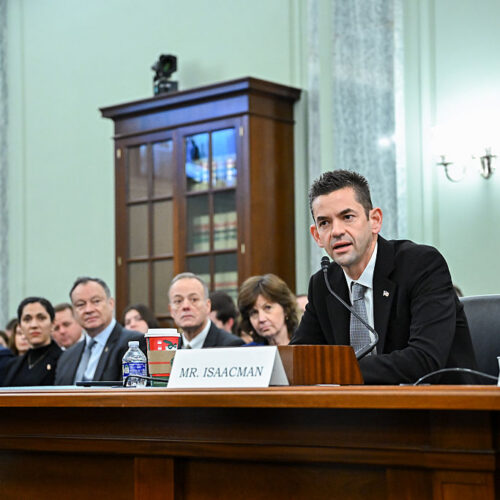
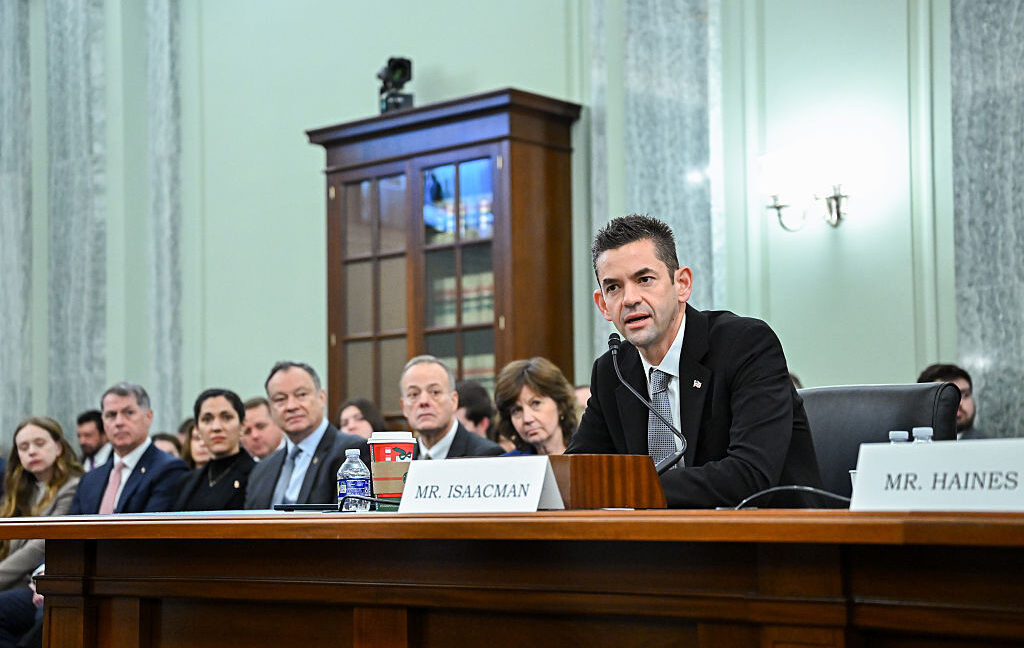
Private astronaut Jared Isaacman returned to Congress on Wednesday for a second confirmation hearing to become NASA administrator before the US Senate Committee on Commerce, Science, and Transportation in Washington, DC.
There appeared to be no showstoppers during the hearing, in which Isaacman reiterated his commitment to the space agency’s Artemis Program and defended his draft plan for NASA, “Project Athena,” which calls for an assessment of how NASA should adapt to meet the modern space age.
During his testimony, Isaacman expressed urgency as NASA faces a growing threat from China to its supremacy in spaceflight.
© Graeme Sloan/Bloomberg via Getty Images


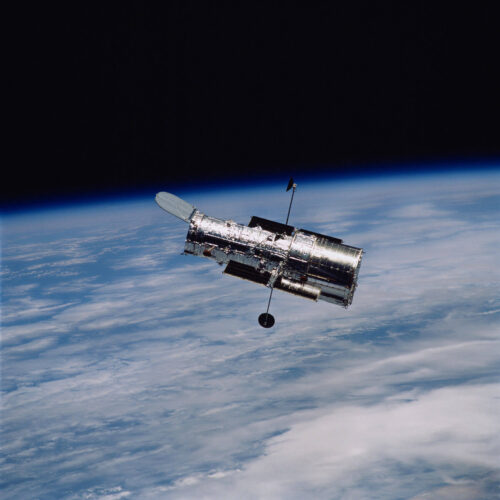
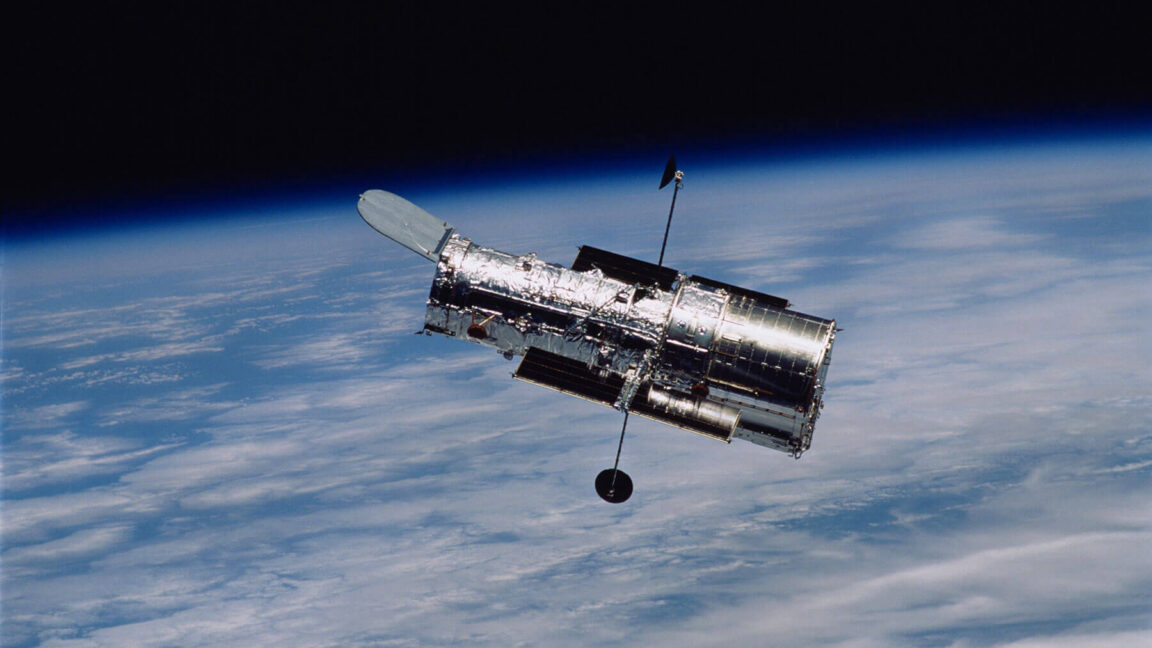
On Wednesday, three NASA astronomers released an analysis showing that several planned orbital telescopes would see their images criss-crossed by planned satellite constellations, such as a fully expanded Starlink and its competitors. While the impact of these constellations on ground-based has been widely considered, orbital hardware was thought to be relatively immune from their interference. But the planned expansion of constellations, coupled with some of the features of upcoming missions, will mean that at least one proposed observatory will see an average of nearly 100 satellite tracks in every exposure.
Making matters worse, some of the planned measures meant to minimize the impact on ground-based telescopes will make things worse for those in orbit.
Satellite constellations are a relatively new threat to astronomy; prior to the drop in launch costs driven by SpaceX’s reusable rockets, the largest constellations in orbit consisted of a few dozen satellites. But the rapid growth of the Starlink system caused problems for ground-based astronomy that are not easy to solve.
© NASA


The International Space Station (ISS) has been orbiting Earth for the last quarter of a century. But it was only this week that all eight of its docking ports were filled at the same time. The spacecraft currently docked at the orbital outpost are: two SpaceX Dragons, a Cygnus XL, JAXA’s (Japan Aerospace Exploration Agency) […]
The post The space station just did something for the first time in its history appeared first on Digital Trends.

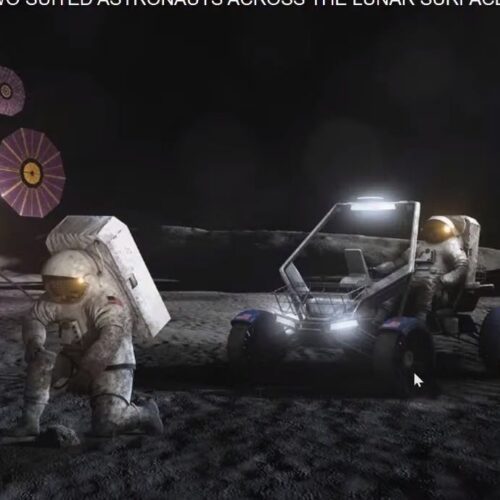
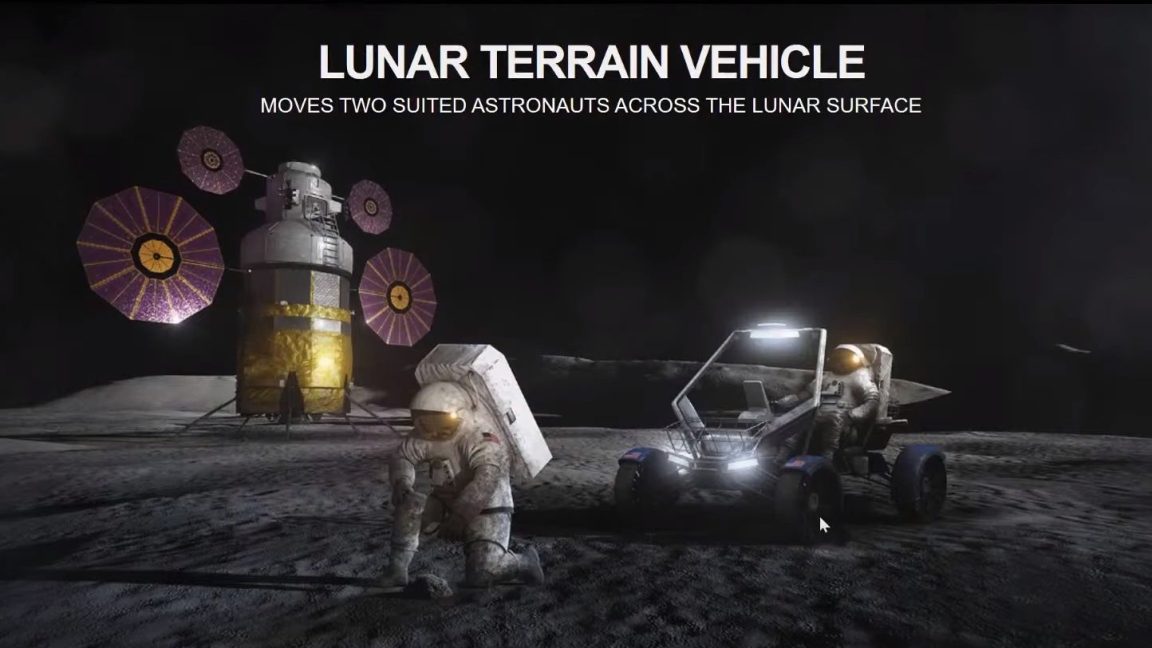
By the time the second group of NASA astronauts reach the Moon later this decade, the space agency would like to have a lunar rover waiting for them. But as the space agency nears a key selection, some government officials are seeking an insurance policy of sorts to increase the program’s chance of success.
At issue is the agency’s “Lunar Terrain Vehicle” (LTV) contract. In April 2024, the space agency awarded a few tens of millions of dollars to three companies—Intuitive Machines, Lunar Outpost, and Astrolab—to complete preliminary design work on vehicle concepts. NASA then planned to down-select to one company to construct one or more rovers, land on the Moon, and provide rover services for a decade beginning in 2029. Over the lifetime of the fixed-price services contract, there was a combined maximum potential value of $4.6 billion.
The companies have since completed their design work, including the construction of prototypes, and submitted their final bids for the much larger services contract in August. According to two sources, NASA has since been weighing those bids and is prepared to announce a final selection before the end of this month.
© NASA
December is an exciting month for those who like to look up, with a comet, a meteor shower, and a conjunction between the moon and Jupiter all featuring over the coming weeks. Comet 3I/ATLAS First up, for those with a telescope with an aperture of at least 30 centimeters, this month offers a chance to […]
The post How to watch the Geminid meteor shower, and other skywatching tips for December appeared first on Digital Trends.

It’s a critical time for companies competing to develop a commercial successor to the International Space Station. NASA is working with several companies, including Axiom Space, Voyager Technologies, Blue Origin, and Vast, to develop concepts for private stations where it can lease time for its astronauts.
The space agency awarded Phase One contracts several years ago and is now in the final stages of writing requirements for Phase Two after asking for feedback from industry partners in September. This program is known as Commercial LEO Destinations, or CLDs in industry parlance.
Time is running out for NASA if it wants to establish continuity from the International Space Station, which will reach its end of life in 2030, with a follow-on station ready to go before then.


© Michael Nagle/Bloomberg via Getty Images
Read more of this story at Slashdot.


The commander of the military unit responsible for running the Cape Canaveral spaceport in Florida expects SpaceX to begin launching Starship rockets there next year.
Launch companies with facilities near SpaceX’s Starship pads are not pleased. SpaceX’s two chief rivals, Blue Origin and United Launch Alliance, complained last year that SpaceX’s proposal of launching as many as 120 Starships per year from Florida’s Space Coast could force them to routinely clear personnel from their launch pads for safety reasons.
This isn’t the first time Blue Origin and ULA have tried to throw up roadblocks in front of SpaceX. The companies sought to prevent NASA from leasing a disused launch pad to SpaceX in 2013, but they lost the fight.


© SpaceX
