Vegan soya borek is a delicious, crispy savoury pastry made with phyllo sheets, olive oil and soya filling. The soya is cooked with spices like onion, garlic, spice powders to create a comforting and delicious flavor. When baked with phyllo pastry sheets, it turns super crunchy. Borek Recipe During this week's grocery shopping, I ended...
Planning Thanksgiving on the grill opens up a whole new world of flavor, and this year we’re taking you through it step by step. The Barbecue Bible Complete Thanksgiving Guide is a three-part series designed to help you build your entire holiday meal outdoors—from the main turkey, to the sides, to the show-stopping alternatives if you’re ready to try something different.
Each post digs into the techniques, gear, and recipes that make live-fire Thanksgiving cooking not just possible, but deeply satisfying. Whether you’re chasing crisp skin, smoky depth, or dishes that bring a spark to the table, this guide walks you through the essentials so you can create a feast that feels fresh, fun, and full of flavor.
The Thanksgiving Turkey Steven Raichlen will be Making This Year
Over the years, I’ve written a lot of recipes. More than 4000 by recent reckoning!
And over the years, as Thanksgiving approaches, I’ve written a lot of turkey recipes. Dozens, if not more.
I’ve marinated turkeys Miami-Cuban style, with adobo (cumin, garlic, and sour orange), and served them with mojo (fried garlic lime sauce)
But there’s one turkey I keep coming back to: bourbon-brined turkey smoke-roasted in a kamado.
It’s the turkey I’ll be preparing for Thanksgiving this year, and it never fails to bring down the house.
Bourbon-Brined Turkey
So let me break it down for you.
First, the bird. I always buy an organic bird—ideally around 12 to 14 pounds. Organic, because I know it was cleanly and humanely raised. Twelve pounds because it’s easier to stay on top of the cooking. If I have a lot of people to feed, I buy two birds that size. I don’t like cooking 20-pound monsters—it’s too hard to insure even cooking and accurate doneness.
Next the brine. Turkey breast is intrinsically dry. Brining adds moisture. I like to flavor my brine with bourbon, which adds a sweet, woodsy flavor. (Bourbon is aged in charred oak barrels. Wood + fire? It’s the liquid equivalent of barbecue.
I also flavor my brine with lemon zest, cloves, and bay leaves). Turkey needs salt, so the salt in the brine provides flavor too.
As for the cooking, I use a method I call smoke-roasting. You do it at a higher temperature than traditional smoking, and that helps cook and crisp the skin. (Traditional smoking produces great tasting meat, but rubbery skin.)
As for the smoke component, turkey is one of those meats that just begs for the soulful tang of woodsmoke. I typically use oak or hickory, but any hardwood will do. Except, possibly, for mesquite, which produces a stronger smoke than the other hardwoods. But, hey, if you like mesquite, smoke your bird with that.
As for the cooker, I typically use a kamado (like a Primo or Big Green Egg). I like how the thick ceramic walls and felt gasket between the cook chamber and lid seal in moistness. But I’ve also smoke-roasted turkey on a charcoal kettle grill and in a pellet grill. All will produce admirable birds.
This year, I’m adding one new twist to the traditional Raichlen bird. I’m taking a page from the fried turkey school. Smoke-roasting produces a turkey skin that’s crisper than traditional smoking. But not as crackling crisp as a fried turkey.
So once my bird comes off the grill, I’m placing it on a wire rack over a roasting pan. I’ll heat a couple cups of vegetable oil to 350 degrees in a saucepan. And I’ll CAREFULLY ladle the hot oil over the bird—carefully—to crisp the skin just before serving.
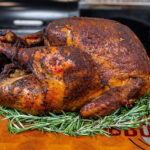
I fired up my stick burner for this one — real wood, real smoke, and a Cajun kick that just works on turkey. This recipe’s got a bunch of solid tips for cooking a juicy bird, no matter what flavors you like to use. If you’re after that true smoked turkey look and taste, this is how you do it.
Simple Cajun smoked turkey cooked over real wood and charcoal — full of smoke, spice, and tips for a juicy bird every time.
Ingredients
1 whole turkey, thawed
1 bottle Malcom’s Bird Brine
1 bottle Malcom’s King Craw Cajun Seasoning
Meat Bag (optional)
Water (enough to completely submerge turkey)
1 stick butter
1 cup chicken broth
1 stalk celery, cut into chunks
1 medium onion, quartered
1 head garlic, smashed
Cooking spray or oil (for coating the skin)
Chicken Rack (optional)
Instructions
Brine the Bird
Start with a completely thawed turkey. In a large Meat Bag or food-safe container, mix Malcom’s Bird Brine with 1 gallon of water. (For turkeys 12-14lbs or less, use 1/2 bottle. For turkeys over 14lbs, use entire bottle).
Submerge the turkey and add more water as needed to cover it completely. Tie the bag up tight and refrigerate for 24 hours.
Brining helps the meat stay juicy and pull flavor deep inside — it’s one step you don’t want to skip.
Prep the Turkey
After at least 24 hours, remove the turkey from the brine and pat it completely dry with paper towels.
Stuff the cavity with celery, onion, and garlic.
Tuck the wings and tie the legs so everything cooks evenly and the tips don’t burn.
Make the Injection (optional)
Mix 1 stick of butter, 1 cup chicken broth and about 2 tablespoons Malcom’s King Craw Cajun Seasoning.
Stir to combine. Inject the mixture into the breast, thighs, and wings, distributing evenly. Season the Skin
Spray or rub the outside of the turkey with cooking spray or oil — this helps crisp the skin and gives the seasoning something to stick to.
Generously coat the bird with Malcom’s King Craw Cajun Seasoning (or your fave turkey seasoning).
Smoke the Turkey
Fire up your smoker for indirect cooking and add your favorite wood (hickory and pecan work great). Run the pit around 275°F. Place the turkey on the smoker breast side up.
Protect the Turkey
When the skin has the color you want — that deep golden-brown Cajun look — spray the outside again with cooking spray and loosely tent with foil to prevent over-darkening.
Continue cooking until the breast hits 160°F internal and the dark meat reaches about 175°F.
Rest and Serve
Remove the turkey from the pit and let it rest for at least 20-30 minutes before carving. This lets the juices redistribute and keeps the meat tender.
Notes
Don’t skip the dry step. The drier the skin, the better it browns and crisps up.
Use a meat thermometer. It’s the only way to nail that perfect doneness.
Color control: On a stick burner, smoke runs heavy — so tent the turkey once the color looks good. You want mahogany, not black.
Flavor variations: Swap Malcom’s King Craw Cajun Seasoning for your favorite turkey seasoning — classic poultry blends, garlic and herb, or a buttery savory rub all work great with this same process.
Every turkey cooks a little different, but if you take your time and let the smoke do the work, you’ll end up with one you’re proud to carve. That’s the kind of bird everyone remembers.
This smoked turkey is all about big flavor and perfect texture — juicy meat with crispy, bite-through skin. The secret isn’t complicated: a simple brine, a good dry, and steady heat on the pit.
Once the bird soaks up that flavor, I let the skin dry out, season it from top to bottom, and smoke it low and slow over pecan wood. The result is golden skin that crackles when you slice and meat so tender it practically drips juice.
Serve it hot off the board for Thanksgiving dinner and show off what a real smoked turkey should taste like.
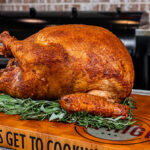
Juicy, smoky, and crisped to perfection — this smoked turkey is everything a holiday bird should be. Tender, flavorful, and kissed with just the right amount of smoke — it’s turkey done right.
Ingredients
1 whole turkey (12–18 lbs), thawed
HowToBBQRight Ultimate Brine Kit
OR
1 bottle Malcom’s Bird Brine
1 bottle Killer Hogs AP Seasoning
1 bottle Malcom’s King Craw Cajun Seasoning
Meat Bag
Water (enough to completely submerge turkey)
1 stalk celery, cut into chunks
1 medium onion, quartered
1 apple, quartered
3 cloves garlic, smashed
Cooking spray or oil (for coating the skin)
Chicken Rack (optional)
Instructions
Brine the Turkey
Mix one bottle of Bird Brine with 1 gallon of water until dissolved. Place the turkey in a large brining bag or container and pour the brine mixture over the bird. Add enough cold water to completely submerge.
Seal the bag (or cover the container) and refrigerate for 24 hours. For larger turkeys (over 16 lbs), brine up to 48 hours.
Dry and Prep
Remove the turkey from the brine and discard the liquid. Pat the skin completely dry with paper towels—this is key to getting crispy skin.
Stuff the Cavity
Place the celery, onion, apple and garlic (use whatever aromatics you like) inside the cavity.
Tie the legs together and tuck the wing tips underneath so the turkey cooks evenly.
Oil and Season
Lightly coat the entire surface of the turkey with cooking spray or oil.
Season the backside first with a medium coat of Killer Hogs AP Seasoning, followed by a medium coat of Malcom’s King Craw Cajun Seasoning.
Flip the turkey onto a rack and repeat on the top side with the same layers of seasoning.
Smoke the Turkey
Preheat your smoker or grill to 275°F using pecan pellets (or your preferred wood).
Place the turkey on the pit, centered for even airflow, and cook until the internal temperature in the deepest part of the breast reaches 160°F.
Rest and Serve
Remove the turkey from the smoker and rest for 20 minutes. The internal temperature will carry over to about 165°F in the breast and 175°F in the dark meat.
That’s how you smoke a turkey that comes out juicy every single time — with golden, crispy skin and that rich, smoky flavor you can only get from cooking it low and slow. Keep it simple, trust the process, and you’ll carve into the best turkey you’ve ever put on the table.
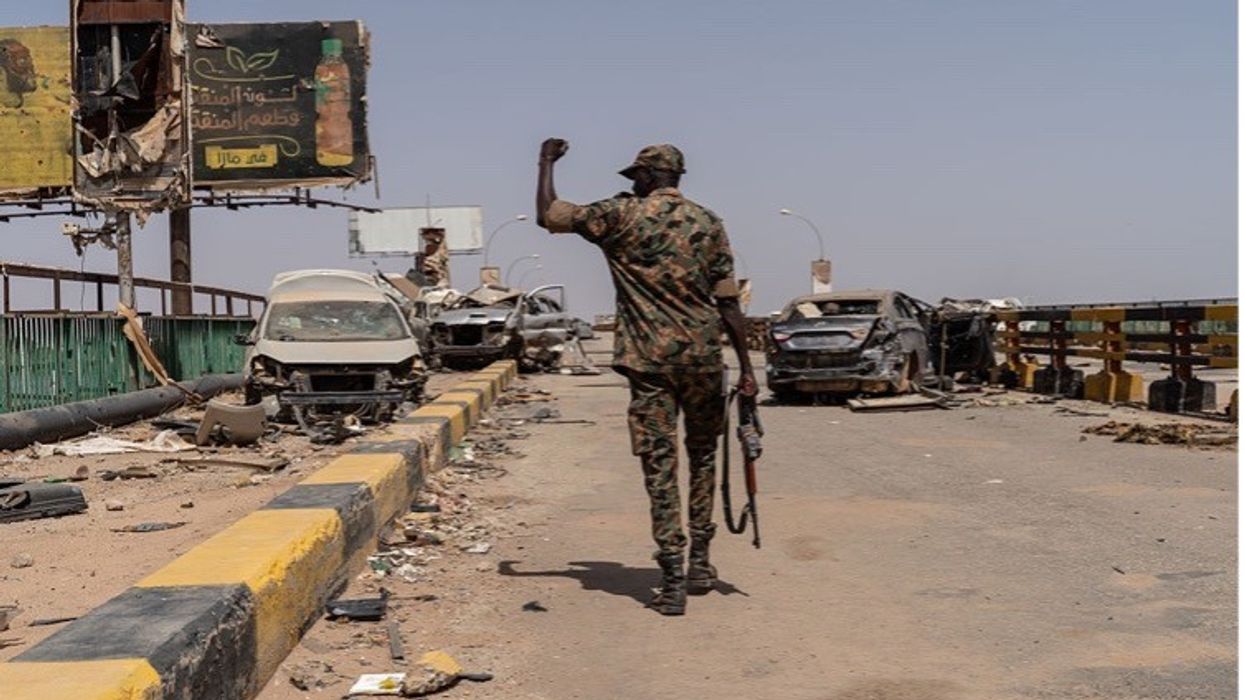
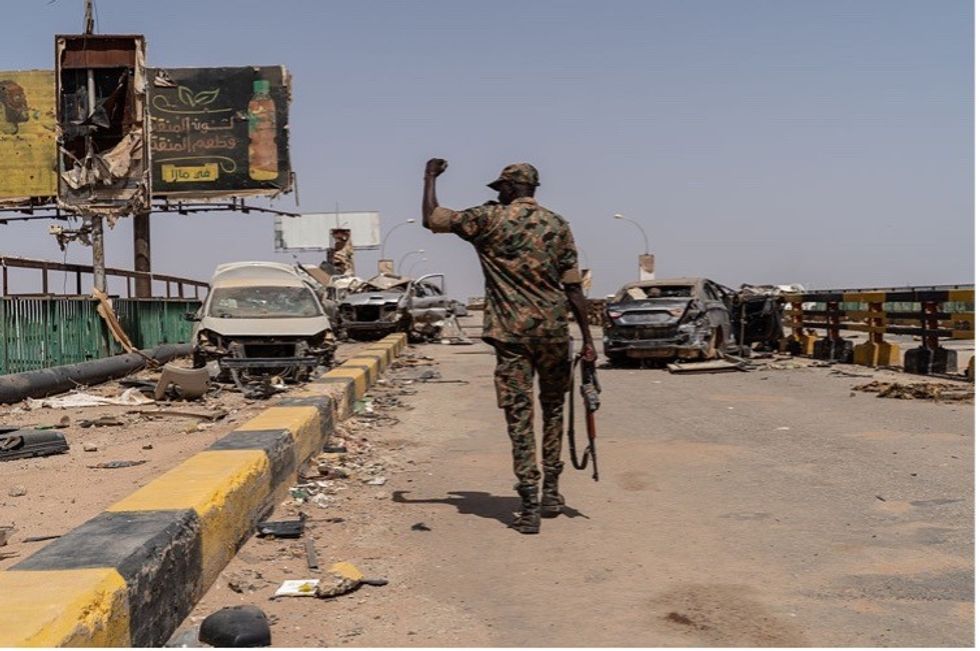
DEEP DIVE — Entire cities in the Darfur region of Sudan have been burned and razed, millions have fled their homes, and unspeakable terror and violence plague those left behind. When fighting erupted on April 15, 2023, between the Sudanese Armed Forces (SAF) under Abdel Fattah al‑Burhan and the Rapid Support Forces (RSF) led by Mohamed Hamdan Dagalo, better known as Hemedti, few predicted the conflict would become one of Africa’s worst humanitarian disasters.
There is, however, more to this war than just an internal battleground. The war in Darfur is no longer simply a domestic power struggle. It has become a multilayered proxy battlefield involving Egypt, Turkey, the United Arab Emirates (UAE), Saudi Arabia, Russia, Iran and more — each supporting rival Sudanese actors to secure strategic footholds.
“The current phase has Darfur as a killing field. The Sudanese protagonists have sorted out somewhat the areas each controls. Still, on the political front, both are committed to eliminating the other in a fight to the finish,” United States Ambassador to Sudan during the George W. Bush administration, Cameron Hume, tells The Cipher Brief. “There may be agreement on a time-limited humanitarian ceasefire, but no one is aiming at a durable political settlement between the two main parties.”
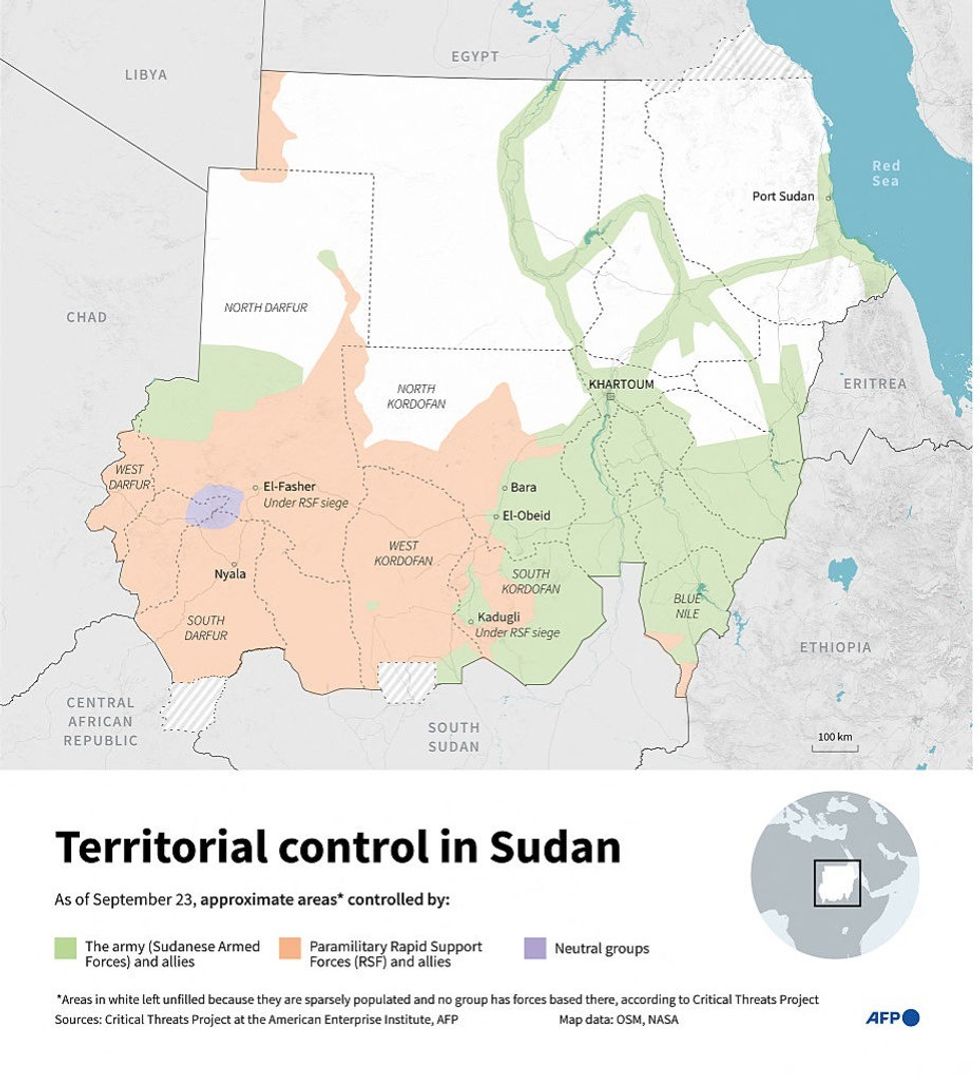
Infographic with a map showing areas controlled by the army, the Rapid Support Forces and neutral groups in Sudan as of September 23, 2025, according to the Critical Threats Project at the American Enterprise Institute and the AFP. (Infographic with a map showing areas controlled by the army, the Rapid Support Forces and neutral groups in Sudan as of September 23, 2025, according to the Critical Threats Project at the American Enterprise Institute and the AFP (Graphic by AFP) (Graphic by Olivia Bugault, Valentina Breschi, Nalini Lepetit-Chella/AFP via Getty Images)
United Arab Emirates
Despite official denials, the UAE remains the RSF’s cornerstone patron in Darfur, suspected of funneling advanced weaponry — including Chinese CH-95 and “Long Wang 2” strategic drones for 24-hour surveillance and strikes, Norinco-guided bombs, howitzers, and thermobaric munitions —via a covert air bridge of more than 240 UAE-chartered flights from November 2024, often landing at Chad’s Amdjarass airfield or South Darfur’s Nyala base.
These supplies, additionally routed through Libyan intermediaries like Khalifa Haftar’s networks and Ugandan/Somali airfields, have empowered RSF assaults, such as the latest siege and takeover of El Fasher. Economically, UAE-based firms like Hemedti’s Al-Junaid control Darfur’s Jebel Amer and Songo gold mines, exporting $1.6B in 2024, reportedly laundered via seven sanctioned Dubai entities to fund RSF salaries, Colombian mercenaries and further arms.
“The United Arab Emirates is the key sponsor of the RSF in strategic terms. Its interest is to convert influence in western Sudan into leverage over corridors, gold monetization and logistics, and to prevent an outcome in which Islamists consolidate in Khartoum,” Dr. Andreas Krieg, Associate Professor at King’s College London, tells The Cipher Brief.
Sudan’s gold — its primary export — has also become a lifeline for the UAE, feeding Dubai’s markets with more than ten tons a year from RSF-controlled areas. The trade aligns with Abu Dhabi’s long-term ambitions and its stance against the Muslim Brotherhood, as well as its past reliance on RSF fighters in Yemen. Despite Emirati denials and Sudan’s failed genocide case against the UAE at the ICJ, evidence ties the UAE directly to embargo breaches, from passports recovered in Omdurman to Emirati-made vehicles found at RSF sites.
As the UAE expands its influence through RSF control of Darfur’s 700-kilometer Red Sea corridor, reviving stalled DP World and AD Ports projects to rival Saudi NEOM, it effectively uses the militia as a proxy to secure resources and block SAF dominance. Approximately 70 percent of Sudan’s gold production from RSF-controlled areas is smuggled through Dubai, while overall illicit exports account for around 40 percent of the country’s total gold output.
Need a daily dose of reality on national and global security issues? Subscriber to The Cipher Brief’s Nightcap newsletter, delivering expert insights on today’s events – right to your inbox. Sign up for free today.
Turkey
Ankara, seeing the Darfurian conflict as both a threat to its regional ambitions and a challenge to Islamist allies, has backed al-Burhan’s forces with drones worth $120 million, delivered through Egypt. Their weapons supply assisted SAF in retaking Khartoum earlier this year but comes with deeper incentives: ideological ties with Burhan’s Islamist faction and strategic objectives for Red Sea access.
“Turkey’s quiet intelligence-sharing and counterterrorism pacts give it outsized sway over local regimes,” John Thomas, managing director of strategic policy firm Nestpoint Associates, tells TheCipher Brief.
The result, experts say, is a dangerous and growing proxy war between the UAE and Turkey — one now fought with advanced drones and air defenses across Sudan’s skies. The stalemate has fractured the country, spilled instability into Chad and Libya, and left tens of thousands dead, a toll experts warn could further destabilize the Horn of Africa.
Beyond the pace and scale of Turkish arms transfers, the presence of Turkish private military contractors (PMCs) in Africa merits closer scrutiny.
“In addition to the pace and spread of Turkey’s arms flow, I would say the presence of Turkish PMCs in Africa is something policymakers really ought to focus on more closely,” Will Doran, Turkey researcher at the Foundation for Defense of Democracies, tells The Cipher Brief. “A lot of these PMCs, like Erdogan himself, are warm towards the Muslim Brotherhood and have some questionable ties to Islamist militias on the ground in the Sahel. This isn’t to say Turkey is backing the region’s big names in terrorism. For one, Ankara’s deployed against al-Shabaab in Somalia, but the PMC trend is worrisome nonetheless.”
Egypt
Egypt views Sudan as a vital flank for its national interests. The Nile River flows from Sudan into Egypt, and Cairo has long been vigilant about any instability upstream. Egypt supports General Abdel Fattah al-Burhan and his Sudanese Armed Forces (SAF) because Cairo views them as the most dependable group to safeguard Egypt’s key national interests — namely, the Nile River corridor, which is Egypt’s sustenance for water and trade, and the southern border, which it shares with Sudan.
According to Dr. Krieg, “Egypt is the principal state backer of the army.”
“Its strategic priorities are the security of the Nile heartland, avoidance of an Islamist resurgence, and denial of hostile basing or rival influence along the Red Sea,” he continued.
Egypt, already hosting more than a million refugees, also fears that if Khartoum collapses into chaos, the resulting instability — such as refugee flows, arms trafficking, or militant activity — could spill over the border into its territory. Diplomatically, Cairo has kept direct intervention limited and insists on a Sudan-led solution, yet it retains close military and political ties to Burhan.
Saudi Arabia
Riyadh shares a parallel concern: as the Gulf kingdom pursues its Vision 2030 and Red Sea coastal investments, it has an interest in a stable Sudan firmly aligned with its regional agenda. Riyadh has backed the SAF via financial and diplomatic support, while also positioning itself as a mediator.
“Saudi Arabia is perhaps the outside player with potential influence that gets the least attention,” said Amb. Hume.
Dr. Krieg also observed that “Saudi Arabia has positioned itself as a convenor and would prefer a unified state that secures the Red Sea.”
“Chad and the Haftar camp in eastern Libya function as corridors and logistics enablers, and their choices directly affect the intensity of fighting in Darfur,” he explained. “Those intermediaries in Libya and Chad are all part of the UAE’s Axis of Secessionists; a network of non-state actors that are all tied to Abu Dhabi directly or indirectly.”
Are you Subscribed to The Cipher Brief’s Digital Channel on YouTube? There is no better place to get clear perspectives from deeply experienced national security experts.
Iran
Since late 2023, Iran has resumed ties with SAF leader Abdel Fattah al-Burhan after a seven-year break, sending Mohajer-6 and Ababil drones, artillery, and intel via seven Qeshm Fars Air flights to Port Sudan from December 2023 through July 2024. This aid helped SAF retake Khartoum in March 2025 and strike RSF in Darfur. In addition, Iran uses Sudan’s Yarmouk arms factory to counter the UAE-backed RSF. Tehran’s overarching goal? Access to Port Sudan to support the Houthis in Yemen and spread Shiite influence — risking wider regional proxy conflict.
“Iran’s military support has helped shift momentum toward the SAF. As one of many foreign actors exacerbating Sudan’s internal tensions, Iran contributes to the country’s unfolding humanitarian disaster,” Jonathan Ruhe, Director of Foreign Policy at the JINSA Gemunder Center for Defense & Strategy, tells The Cipher Brief. “And as one of many foreign actors trying to claim concessions from the government and vying to exploit Sudan’s natural resources, Iran helps worsen the country’s already high levels of impoverishment.
Research Fellow at the Foundation for the Defense of Democracies, Husain Abdul-Hussain, also underscored that while Iranian involvement in Sudan is still in its infancy, “it will certainly grow as the war grinds on.”
“The more reliant Islamist militias become on Iran, the stronger they become and the more indebted to Tehran,” he explained. “Eventually, relations between Iran and Sudanese Islamist militias will be similar to its relations with Islamist militias in Lebanon (Hezbollah), Iraq (Hashd Shaabi), Gaza (Hamas) and Yemen (Houthis). Note that Sudan Islamist militias are Sunni (like Hamas in Gaza), and unlike Shia Iran and its Lebanese and Iraqi Shia militias. The Houthis are their own breed of Islam (Yazidis) but are allied with Shia Iran.”
Russia
Moscow, meanwhile, has played both sides in Sudan’s civil war for profit and power. Before 2024, the Wagner Group, now under Russia’s Defense Ministry, backed the RSF with arms like surface-to-air missiles, in return for gold from RSF-held mines like Jebel Amer — smuggling up to 32.7 tons worth $1.9 billion via Dubai from 2022 to 2023 to skirt Ukraine war sanctions and fund operations. This fueled RSF violence, including the 2023 to 2025 massacres in el-Geneina and el-Fasher.
Around midway through last year, in the aftermath of Prigozhin’s demise, Moscow flipped to bolstering the SAF in its quest for a Port Sudan naval base. Russia subsequently vetoed a UN ceasefire resolution last November to keep up its influence in Khartoum, while reports emerged of Russian mercenaries operating in West Darfur, worsening the fear and displacement.
“Russia linked commercial and security networks remain present around gold flows and in facilitation roles close to the RSF camp,” said Dr. Krieg.
Why So Many Foreign Players?
At the heart of Sudan’s crisis lie three intertwined forces: geography, resources, and regional rivalry. Poised along the Nile, the Red Sea, and the Horn of Africa, Sudan is pivotal to everything from Cairo’s water security to the maritime goals of Gulf States to the influence ambitions of Moscow and Ankara. Moreover, its ports and resource-rich land have morphed domestic infighting into a lucrative war economy.
“Material backing has lengthened the war and structured its geography,” Mr. Krieg said. “The result is not a decisive victory for either side but a hardening of zones, with the RSF advantaged in a peripheral theatre where it can police corridors and extract revenue, and the army entrenched where the state’s core institutions, population and donor attention reside.”
Why It’s So Hard to End the War
With so many players in the field and a deep distrust among warring parties, ending the war in Sudan has become extraordinarily difficult. The United States, for its part, leads the “Quad” alongside the UAE, Egypt, and Saudi Arabia, pushing for a three-month humanitarian truce. The RSF agreed to a deal on November 6, and Washington is now pressing the Sudanese army to do the same in hopes of easing the fighting and starting talks on the war’s deeper causes.
If the war in Sudan continues, the U.S. faces a growing humanitarian catastrophe: estimates suggest more than 150,000 deaths and over 14 million people displaced, with nearly 25 million facing acute hunger. Regionally, unchecked control of the RSF in Darfur could destabilize the Red Sea corridor, a vital route for global trade and U.S. allies. Domestically, failure to resolve the conflict would erode U.S. credibility on human rights and genocide prevention, heighten refugee pressures in North Africa and Europe, and contradict the moral precedent set during the 2003 Darfur genocide.
“Washington will be paying more attention,” one White House-connected source tells The Cipher Brief. “It isn’t ignored. It is a conflict Trump wants to see ended.”
Dr. Krieg asserted that Sudan is entering a consolidation phase in which the Rapid Support Forces have turned Darfur into a defensible rear area and administrative base. The fall of El Fasher removed the last significant government foothold in the region. It gave the RSF control of the interior lines across West, South, Central, and much of North Darfur, as well as access to Libya and Chad for resupply and commerce.
He thus asserts that Sudan’s future is likely to go one of two ways.
“The Sudanese Armed Forces still hold the Nile corridor, the capital area and much of the east, which creates a west versus centre geography. That configuration points to two near-term paths. Either the front stabilises into a frozen conflict that resembles an informal partition, or the RSF seeks to push east through North Kordofan and test the approaches to the center,” Dr. Krieg added. “Humanitarian conditions are acute, with siege tactics, displacement and food insecurity now baked into the conflict economy. The political tempo has slowed rather than accelerated, since battlefield gains in Darfur give the RSF reasons to bank advantages before contemplating concessions.”
Read more expert-driven national security insights, perspective and analysis in The Cipher Brief because National Security is Everyone’s Business.
This smoked turkey recipe creates incredibly flavorful, juicy meat with perfectly crispy skin. It’s ideal for Thanksgiving, Christmas, or any time you want to serve something special. The overnight brine is optional but recommended for the best results. I’ve taught this method to several friends who were complete smoker beginners, and they’ve all nailed it […]
Maple Brined Turkey, the Holidays are right around the corner! For us it means getting together with great friends and wonderful food. We brined this girl in Ken’s famous maple brine and then smoked it until it was done to perfection. This bird was delicious, tender and juicy with a “Kiss” of smoky maple […]
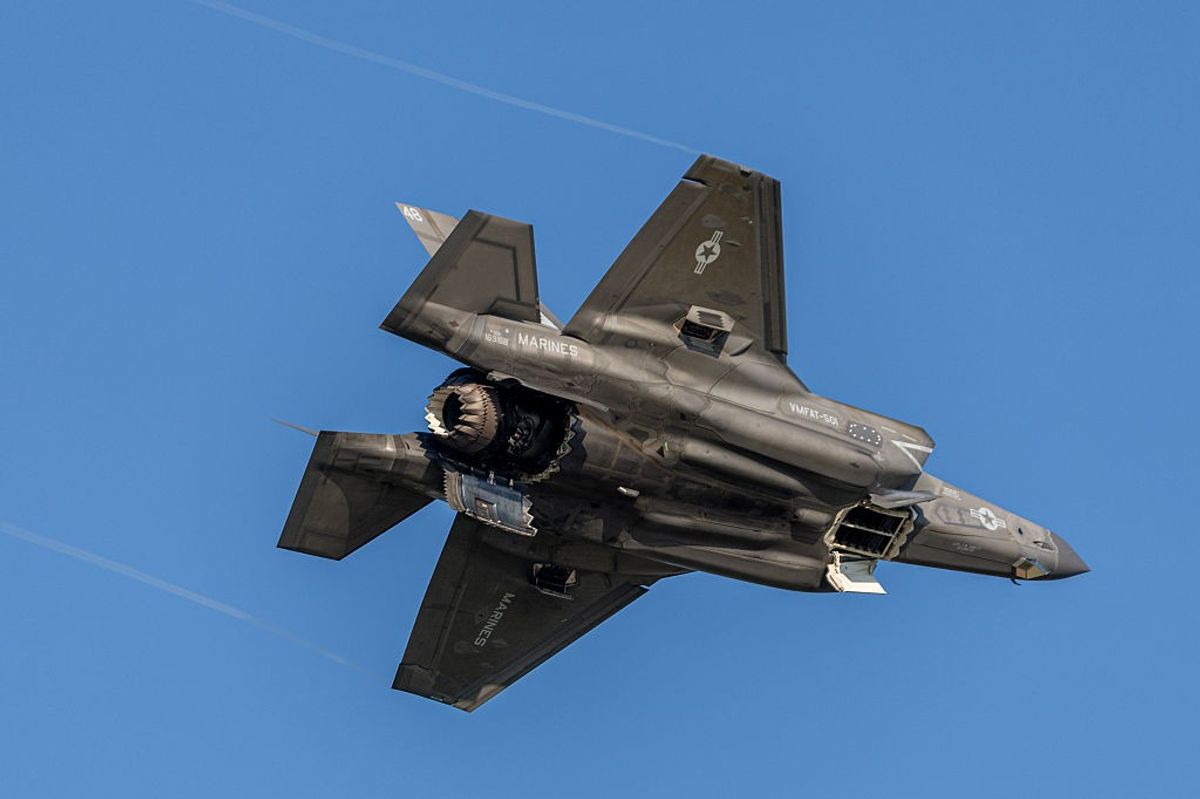
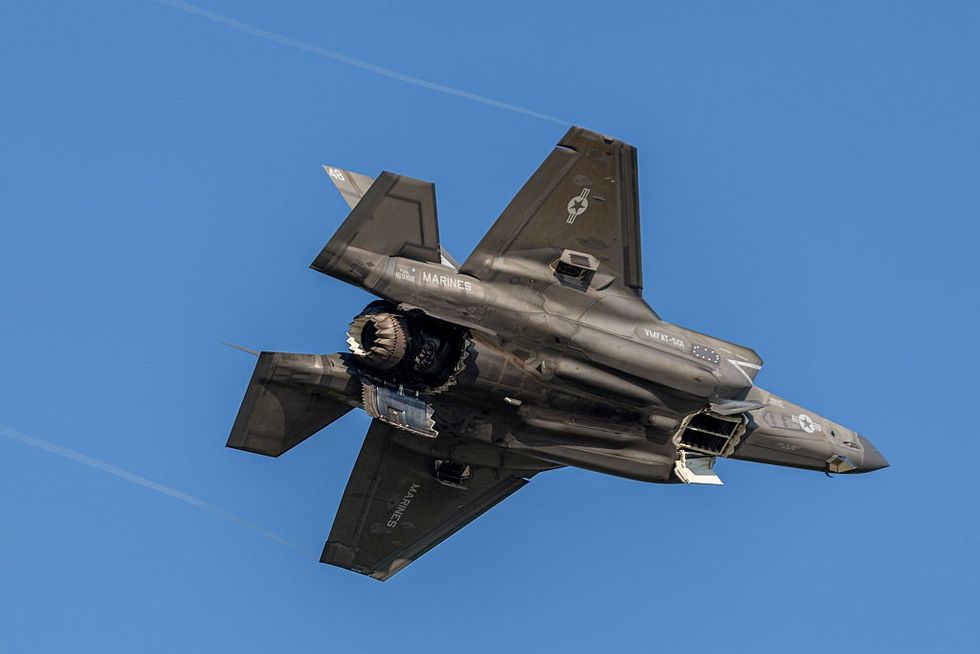
CIPHER BRIEF REPORTING — Turkish President Recep Tayyip Erdogan is signaling fresh optimism that his country could once again acquire U.S.-made F-35 fighter jets—an unexpected twist in a long-running defense dispute that once fractured NATO unity.
After meeting with former President Donald Trump at the NATO Summit in The Hague earlier this summer, Erdogan told reporters that “technical-level talks” between Turkish and U.S. officials were already underway.
“We discussed the F-35 issue. We made payments of $1.3 to $1.4 billion for the jets, and we saw that Mr. Trump was well-intentioned about delivering them,” Erdogan said. Notably, he added that Turkey’s Russian-made S-400 air defense system—at the center of the years-long impasse—“did not come up” during the talks.
That detail matters. In 2019, the United States formally expelled Turkey from the multinational F-35 Joint Strike Fighter program, citing the S-400 purchase as a direct threat to the aircraft’s stealth and intelligence safeguards. At the time, the decision was widely seen as a sharp rebuke to a NATO ally drifting closer to Moscow.
With a shifting geopolitical landscape and renewed U.S.-Turkey dialogue, the question returns: should Turkey be allowed back into the F-35 program?
Many national security experts argue that the risks of reintegration far outweigh the benefits—both technically and strategically.
“Turkey made its choice despite repeated warnings, advice, and pressure from allies. It went into this with eyes wide open and decided in 2019 to proceed with the S-400 missile defense system,” Sinan Ciddi, Associate Professor of Security Studies at the Marine Corps University and Senior Fellow for the Foundation for Defense of Democracies, tells The Cipher Brief. “Given that, there’s no real upside to letting Turkey back into the F-35 program. The associated dangers are significant.”
Others contend that the potential upsides are worth considering.
“Bringing Turkey back into the F-35 program could strengthen NATO’s southern flank, where Turkey’s strategic position bordering Syria, Iran, and Russia matters. Its air force, stuck with aging F-16s, would gain fifth-generation stealth with the F-35, boosting NATO interoperability and deterrence against adversaries like China and Russia,” John Thomas, Managing Director of strategic advocacy firm, Nestpoint Associates, tells The Cipher Brief. “The deal could allow Turkish firms to make parts which could lower costs, saving US taxpayers billions.”
Ankara had invested approximately $1.4 billion into the project before its removal. Turkish defense contractors played a key role in manufacturing over 900 parts for the aircraft, many of which had to be relocated to U.S. and European facilities at considerable cost and logistical strain.
Yet even among advocates, most agree that reentry would need to be conditional and tightly controlled.
There is also a compelling strategic case. Geographically, Turkey straddles Europe, Asia, and the Middle East, offering air base access near conflict zones from Syria to the Caucasus and eastern Mediterranean.
Beyond hardware and geography, some view Turkey’s reintegration as a means to draw Ankara back from its increasingly independent defense path and closer to the West. Erdogan has hedged against U.S. sanctions by ramping up cooperation with Russia and accelerating development of a homegrown fifth-generation fighter, the KAAN, which completed its first test flight in early 2024.
The Cipher Brief Threat Conference is happening October 19-22 in Sea Island, GA. The world's leading minds on national security from both the public and private sectors will be there. Can you afford to miss out? Apply for your seat at the table today.
The Risks That Haven’t Gone Away
Still, the concerns that led to Turkey’s original expulsion remain unresolved. Chief among them is the continued presence of the Russian S-400 system on Turkish soil.
“The S-400’s radars are a dealbreaker,” Thomas asserted. “Russian systems could collect data on the F-35’s stealth, risking leaks to Moscow, endangering American pilots and allies like Israel.”
Washington officials have repeatedly warned that operating both the S-400 and F-35s in the same environment poses an unacceptable risk to sensitive data and stealth technology.
“To restore trust, Turkey must fully decommission its S-400s—dismantling key components or transferring them to U.S. control at Incirlik. Legal guarantees, like a binding commitment not to procure Russian systems again, need to be non-negotiable,” Thomas continued.
While technical safeguards and legal commitments may help mitigate security risks, others caution that deeper strategic questions remain unresolved.
Jennifer Kavanagh, senior fellow and director of military analysis at Defense Priorities, tells The Cipher Brief that there are several questions Washington officials need to ask.
“How likely is it that Turkey would fight alongside the U.S. in a war or crisis with F-35s should they regain access to the program? In the past, they have even denied the U.S. even the ability to operate from Turkish bases, so there are reasons to be skeptical,” she said.
From her purview, Ankara should “give the S-400 system back to Russia if they are serious about reentering the F-35 program.”
“This is probably not feasible. Decommissioning the system might be sufficient, but in that case, Turkey’s access to the F-35’s classified technology should be limited,” Kavanagh said.
Although Turkish officials have hinted at a possible deactivation or sale of the S-400, no concrete steps have been taken.
Sign up for the Cyber Initiatives Group Sunday newsletter, delivering expert-level insights on the cyber and tech stories of the day – directly to your inbox. Sign up for the CIG newsletter today.
Congressional Red Lines and Executive Authority
Reintegrating Turkey wouldn’t just be a military or diplomatic decision—it would require navigating deep skepticism on Capitol Hill. Under the Countering America’s Adversaries Through Sanctions Act (CAATSA), the U.S. imposed sanctions on Turkey’s defense procurement agency in 2020. Lifting those sanctions would likely require congressional approval, and opposition remains strong.
Senator Jim Risch, a senior Republican on the Senate Foreign Relations Committee, has repeatedly stated that Turkey should not receive the F-35 as long as the S-400 is operational.
Moreover, in July, a bipartisan letter began circulating in the House, authored by Representatives Chris Pappas (D-NH), Gus Bilirakis (R-FL), Nicole Malliotakis (R-NY), and Dina Titus (D-NV). The lawmakers urged the administration to block any efforts they say would violate U.S. law and compromise national security policy. The State Department responded to the letter, saying: “We have expressed our displeasure with Ankara's acquisition of the S-400 system and have made clear the steps that should be taken as part of our ongoing assessment of the implementation of CAATSA sanctions.”
Ciddi pointed out, however, that there are ways to skirt Congress.
“The National Defense Authorization Act includes explicit language: as long as Turkey maintains the S-400 on its soil, it cannot receive the F-35. That’s been the case since 2019,” he explained. “Could that be bypassed? If the President were to invoke national emergency powers, there is a theoretical path around Congress.”
Beyond Congress, Ciddi continued, there are also “concerns from U.S. allies—Israel, Greece, Cyprus—who argue Turkey has repeatedly crossed red lines, not only by purchasing Russian missile systems but also by deepening strategic ties with Moscow and supporting groups like Hamas.”
“It’s not just about the S-400 anymore; it’s about a broader pattern,” he said. “Turkey isn’t just buying arms from Russia. It’s also building nuclear power plants with them, raising concerns about their eventual nuclear capability. And still, Erdogan hasn’t been held to account.”
There are also regional implications to consider. Israel, which relies heavily on its fleet of F-35s for maintaining its qualitative military edge, has historically been wary of advanced U.S. weapons flowing to rivals or unstable actors in the region. Although Turkey and Israel have recently taken cautious steps toward diplomatic normalization, tensions remain high over Ankara’s support for Hamas and its rhetoric against Israeli military operations.
At the same time, Turkey’s defense posture has shifted notably since its removal. It has forged stronger ties with Russia, expanded defense trade with Central Asian states, and emphasized sovereignty over strategic alignment. Erdogan’s government has leaned on nationalist rhetoric and positioned Turkey as a power broker, independent of both the U.S. and the EU. Analysts underscore that re-admitting Ankara without substantial guarantees risks validating this drift—and could erode the credibility of Western alliances.
A Conditional Path Back—If There Is One
Yet some analysts argue that the current geopolitical moment offers a narrow window for recalibration. The resurgence of great-power competition, coupled with Turkey’s economic strains and regional fatigue, may make Erdogan more inclined to engage in negotiations.
Yet, even limited reentry carries significant political and strategic risks. Whether Turkey is brought back in or kept at arm’s length, the decision will set a precedent not just for arms sales—but for how the U.S. manages defiant allies in an era of global fragmentation.
As the Defense Department emphasized in 2019, the F-35 program depends on mutual trust and alignment. The question now is whether those foundations can be restored—or whether reengagement without clear conditions will do more harm than good.
“Five U.S. administrations now have all sent the same message: that Turkey is too big to fail. No matter how Turkey undermines or acts against U.S. interests, it has barely ever faced any repercussions from Washington,” Blaise Misztal, Vice President for Policy at the Jewish Institute for National Security of America, tells The Cipher Brief.
“To allow Turkey to get the F-35 now, without real steps to demonstrate it is willing to be a better ally, will only further convince Turkey that it can do whatever it wants without fear of U.S. pushback. Countries surrounding Turkey, meanwhile, whether U.S. partners or not, will only have their fears confirmed that they must prepare themselves to confront Turkey’s rising power.”
Are you Subscribed to The Cipher Brief’s Digital Channel on YouTube? There is no better place to get clear perspectives from deeply experienced national security experts.
Read more expert-driven national security insights, perspective and analysis in The Cipher Brief because National Security is Everyone’s Business.
Simple Rotisserie Smoked Turkey. We smoked a 16-pound turkey and I wanted to show just how easy it is do a turkey that everybody will be talking about for years. We used only 2 ingredients, “Duck Fat” as a binder and GMG’s Poultry Seasoning. That’s it! Only 10 minutes prep time, and that was […]
Maple Brined Turkey, the Holidays are right around the corner! For us it means getting together with great friends and wonderful food. We brined this girl in Ken’s famous maple brine and then smoked it until it was done to perfection. This bird was delicious, tender and juicy with a “Kiss” of smoky maple […]
Grilled chicken breasts are perfect for hot summer days, but after a while, you may run out of ideas for flavouring chicken. These Grilled Cilantro Lime Chicken Breasts are great for a quick weeknight barbecue.
Disclosure: Some of the links in this post are affiliate links. If you click these links and make a purchase we may earn a commission. Keep in mind that we link these companies and their products because of their quality, not because of the commission we may receive from purchases.
The Marinade for Grilled Cilantro Lime Chicken Breasts
The cilantro lime marinade for this recipe takes only minutes to make and has only seven ingredients, making this easy to make. It takes only 1 hour for the marinade to flavour the chicken breasts, but the chicken can marinade for up to 4 hours. (any longer than 4 hours and the lime will break down the meat too much)
Equipment Used To Make This Recipe
When making this marinade, a food processor or blender is used to make this marinade creamy. I use a small personal blender that works well for the small number of ingredients used.
I cook these chicken breasts on the barbecue. Gas or charcoal barbecues can be used to make this recipe. If you don’t have a barbecue, these chicken breasts can be grilled indoors using a grill pan.
One of the most important tools you can have when grilling chicken is a thermometer for testing the chicken. You don’t want to overcook the chicken or it will be dry. But most importantly, you do not want to undercook chicken, which can lead to food poisoning. Chicken should be cooked to 165°F internally. A good thermometer will help you to make sure you cook the chicken to the right temperature. You don’t need a fancy thermometer. I use a small pen-sized thermometer for cooking chicken on the grill.
Ingredients For Cilantro Lime Chicken Breasts
Cilantro is one of the main ingredients in this recipe. I like to use fresh cilantro from my garden. Now I know that for some people cilantro tastes like soap. Our daughter is one of those people. But there really is no substitute for the cilantro in this recipe, and for some reason, she doesn’t taste soap when eating this chicken. I have read that it may be because of the processing in a blender and then grilling, which is thought to remove the soapy taste.
Lime is the other main ingredient. I use one whole lime and use a manual citrus juicer to get every last drop of juice from the lime. The lime should be a prominent flavour along with the cilantro.
Avocado Oil is used as the oil to hold the marinade together. It can withstand the high heat of the grill, whether it’s gas or charcoal. It also has a mild flavour that compliments the cilantro and lime flavours.
Garlic, onion powder, and kosher salt and pepper round out the marinade ingredient list.
As for the chicken breasts, I prefer to use boneless, skinless chicken breasts. The marinade helps keep them juicy while grilling, so they don’t dry out. I have also used boneless skinless chicken thighs in this recipe with great results. If you prefer bone-in chicken, that works as well. I do find this marinade works better with skinless chicken.
Serving Ideas
One of our favourite ways to eat this chicken is sliced and used in fajitas, topped with grilled peppers and onions and avocado cream. The Avocado Lime Crema we serve with fish tacos also tastes great with this chicken.
I also like to pair Grilled Cilantro Lime Chicken with Grilled Corn Salad. The flavours of the cilantro and lime go well with the chipotle in the corn salad.
This grilled chicken can also be used as a topping for a fresh salad. And since the marinade in this recipe will cover six to eight chicken breasts, you can have leftovers to use in meal prepping for a couple of days.
Add all marinade ingredients to blender or food processor
Pulse until cilantro is broken down and mixture is creamy
Add chicken to a large bowl or freezer bag
Pour marinade over chicken and toss to coat
Cover or seal and refrigerate for 1-4 hours
Preheat grill to 350°F
Remove chicken from fridge and allow to rest at room temperature while grill preheats
Place chicken on preheated grill and season with salt and pepper
Close lid and allow chicken to cook for 7-10 minutes
Flip chicken and allow to cook for additional 7 minutes.
Check temperature of chicken. If it is at 165°F remove from heat. If it is below 165°F continue to cook with lid closed for additional 3-4 minutes, checking again.
When chicken reaches 165°F, remove from grill and allow to rest for 5 minutes before serving.
Chicken is a staple for summer barbecues and pairing it with pineapple makes it even more summery. This BBQ Pineapple Chicken is sweet, and tangy and makes a perfect weeknight supper.
A Simple and Flavourful Recipe
This is a simple recipe that is adapted from the numerous Aloha Chicken recipes you can find online. It is grilled on the BBQ and can be ready in 30-40 minutes if you prepare the marinade the night before or even in the morning.
Letting the chicken marinade all day, allows the chicken to soak up more of the flavours of the marinade.
Ingredients
I like to use boneless, skinless chicken breasts for this recipe. Bone-in chicken breasts can also be used. I prefer skinless because it absorbs the marinade better than skin on chicken. I have also made this using boneless, skinless chicken thighs. You can use your favourite cut of chicken to make this recipe.
The marinade has seven ingredients:
Pineapple Juice: unsweetened pineapple juice is used.
Ketchup: French’s is my choice because it is made in Canada from Canadian-grown tomatoes.
Soy Sauce: low sodium soy sauce is used because you want to taste the sweetness of the pineapple and with too much salt you would lose the sweetness
Brown sugar: the sweetness of the sugar compliments the pineapple
Hot Sauce: I usually use Frank’s hot sauce but sometimes I will swap out something hotter. It depends on the mood
Minced garlic and grated ginger: I always have them on hand. Sometimes if I am in a hurry I use jarred ginger and garlic that is already minced or grated.
Serving Ideas
BBQ Pineapple Chicken can be served in so many ways. Over rice. On top of a salad. Sliced in a wrap with vegetables.
When I make this using chicken thigh, I like to serve it on toasted buns with lettuce and tomatoes, and extra BBQ sauce. Topped with coleslaw, like my Apple Coleslaw, instead of lettuce and tomato is another great way to serve this chicken.
Also, a great chicken recipe to make for meal prepping.
Grilled chicken is one of the most grilled meats in our house. Chicken is fast and easy to grill, making it perfect for weeknights. But after a while, you can start getting tired of the same old chicken meals. That is why we are always working on new marinades for our weeknight chicken meals. This Southwest Chicken Marinade is one we turn to for fajitas or serving over rice.
A good marinade has three main elements: an acid, an oil, and flavouring.
Southwest Chicken Marinade has the three elements needed to make a great marinade. All three elements are represented to give the chicken full flavour.
The acid in this marinade is lime juice, which is used in many Southwest dishes as well as drinks. Lime juice not only tenderizes the chicken, it also adds flavour.
The oil used is avocado oil because it has a higher smoke point, making it better for barbecuing and grilling. It doesn’t have a strong flavour so it won’t overpower the flavours of the spices.
The spices used are really what give this dish its flavour. Apart from the lime juice, the true flavours come from the chili powder, ground cumin, and cayenne.
The longer the marinating time, the better the flavour
Chicken should marinate for at least 4 hours, but I prefer to allow it to marinate overnight. A 12 to 15-hour marinate allows the chicken to absorb all the flavours.
We like to use boneless, skinless chicken for this recipe. Breasts or thighs, or a combination of the two. But bone-in chicken can also be used.
The marinade is thick so it sticks to the meat. Because of its thickness, it can also be used as a rub for whole chicken. For a thicker rub, omit the chicken stock.
Uses for Marinated Chicken
We like to grill the chicken and use it in fajitas or serve it over Mexican or Spanish rice with a side salad. The grilled chicken is also excellent on top of a salad or added to a lettuce wrap.
Larger batches of chicken can be grilled and used for meal prep as well. It can be kept in the fridge once cooked for up to 3 or 4 days, making it a great meat for meal prepping.
One other way to serve marinated grilled chicken is on a bun with lettuce, tomato, and chipotle sauce. This way makes a great lunch or quick dinner when you have leftovers.
Instead of grilling, chicken can also be marinated and then cooked in a 350°F oven, covered for 45 to 60 minutes, then shredded for carnitas or tacos. Shredded chicken also tastes great in a burrito.
There are so many ways to use this marinated chicken. It can also be prepared in advance and stored in the fridge in a mason jar for up to a week before use.
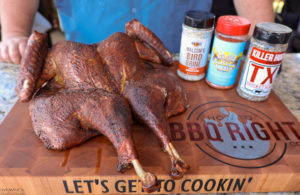
Smoked Thanksgiving Turkey Recipe – brined with sweet tea, spatchcocked, injected and seasoned with Texas flavors, then smoked over mesquite wood for a flavorful, beautiful, juicy, smoked turkey.
Combine ingredients in a mixing container and whisk. Shake or stir well before injecting.
Instructions
Place turkey in a large container and add the full bottle of bird brine and the lemons. Pour in the sweet tea and make sure the turkey is fully submerged in the brine. Place in the refrigerator or a cooler with ice for 24 hours.
Remove turkey from brine and pat dry. Spatchcock the turkey by flipping it over breast side down. Use kitchen shears to cut along the back bone on each side removing it from the bird. Cut the breast bone with a chefs knife and press down on the bird until it pops. Flip the turkey over breast side up and tuck the wing tips behind the neck.
Brush peanut oil over the skin and season with Holy Gospel Rub followed by a light layer of TX Rub. Inject the breast, thighs, and legs with the injection.
Prepare stick burner pit for indirect smoking at 275°F using lump charcoal and post oak splits for fuel. (Do not add the mesquite wood at this point)
Place the turkey on the pit and add 2-3 chunks of mesquite wood to the fire for smoke flavor.
At the 1 hour mark insert a probe thermometer into the breast of the turkey. Set the thermometer to 160°F. Add a couple more chunks of mesquite to the hot coals.
Monitor the internal temperate of the turkey and hold the pit at 275° the entire cook. Once the thermometer alarm sounds carefully remove the turkey from the pit and let it rest for 10 minutes before carving.
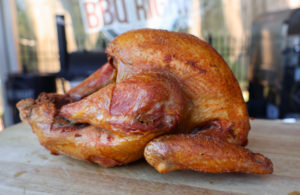
I brined this 12lb bird, then smoked it on a pellet grill until it hit around 150° internal, then I dropped it in 350° peanut oil until the breast was 165° in the breast. And as soon as it came out of the hot oil, I gave it a good shake of my cajun seasoning….
This turkey can our with a super crunchy, crispy skin on the outside and some seriously juicy and lightly smoked meat on the inside!
Smoked Fried Turkey – whole turkey brined and smoked with pecan wood, then deep fried it in peanut oil for a juicy, smoked turkey with a crispy turkey skin.
Remove thawed turkey from packaging be sure to check the cavity and neck area for giblets.
Place the turkey in Meat Bag or large container and pour in the bottle of Bird Brine. Add 2 gallons of water (enough to completely submerge the bird) and place in the refrigerator or in a cooler on ice for 24-48 hours.
Remove turkey from brine and allow to drain. Place on a wire rack over a sheet pan and place in the refrigerator for 2 hours to dry the skin. (It helps to pat the excess moisture off the skin with paper towel)
Prepare pellet grill for indirect smoking at 275°F using pecan pellets.
Spray the skin with the cooking spray – or another oil – and season with AP seasoning on all sides.
Place the turkey in the smoker breast side up until an internal meat probe hits about 150° F.
Set up a turkey fryer for deep frying at 350°F using peanut oil for best flavor. Any clear frying oil will work.
Remove the turkey from the smoker and insert the turkey frying rod/hanger through the cavity.
Leave the meat probe inserted in the thickest part of the breast to monitor internal temperature while frying.
Carefully lower the turkey breast side down into the hot oil. Use extreme caution and follow the turkey fryer directions carefully.
When the internal temperature reaches 165°F in the breast, carefully remove the turkey from the hot oil allowing it to drain. Place the turkey immediately on a cutting board breast side up and remove the turkey frying rod/hanger.
Season the outer skin with King Craw Cajun Seasoning and let the bird rest for 5-10 minutes before carving.
Our mini Indian-ish Thanksgiving Lunch in 2021: Turkey breast roasted in a spicy Indian marinade, mashed potatoes and gravy, stuffing/dressing, rainbow carrot roast, cranberry sauce, apple pie, lamb biriyani, raitha, and saffron nut kulfi. Happy Thanksgiving!🍁 Counting my blessings. Grateful for each day, for family, friends and the ones we love.

 Login
Login


 Print Recipe
 Pin Recipe

 Cilantro is one of the main ingredients in this recipe. I like to use fresh cilantro from my garden. Now I know that for some people cilantro tastes like soap. Our daughter is one of those people. But there really is no substitute for the cilantro in this recipe, and for some reason, she doesn’t taste soap when eating this chicken. I have read that it may be because of the processing in a blender and then grilling, which is thought to remove the soapy taste.
 Garlic, onion powder, and kosher salt and pepper round out the marinade ingredient list.


 The acid in this marinade is lime juice, which is used in many Southwest dishes as well as drinks. Lime juice not only tenderizes the chicken, it also adds flavour.
 Instead of grilling, chicken can also be marinated and then cooked in a 350°F oven, covered for 45 to 60 minutes, then shredded for carnitas or tacos. Shredded chicken also tastes great in a burrito.