
❌

Reading view

There are new articles available, click to refresh the page.

Alleged Hydra Administrator Dmitry Pavlov Reportedly Arrested in Russia
Alleged Hydra Administrator Dmitry Pavlov Reportedly Arrested In Russia

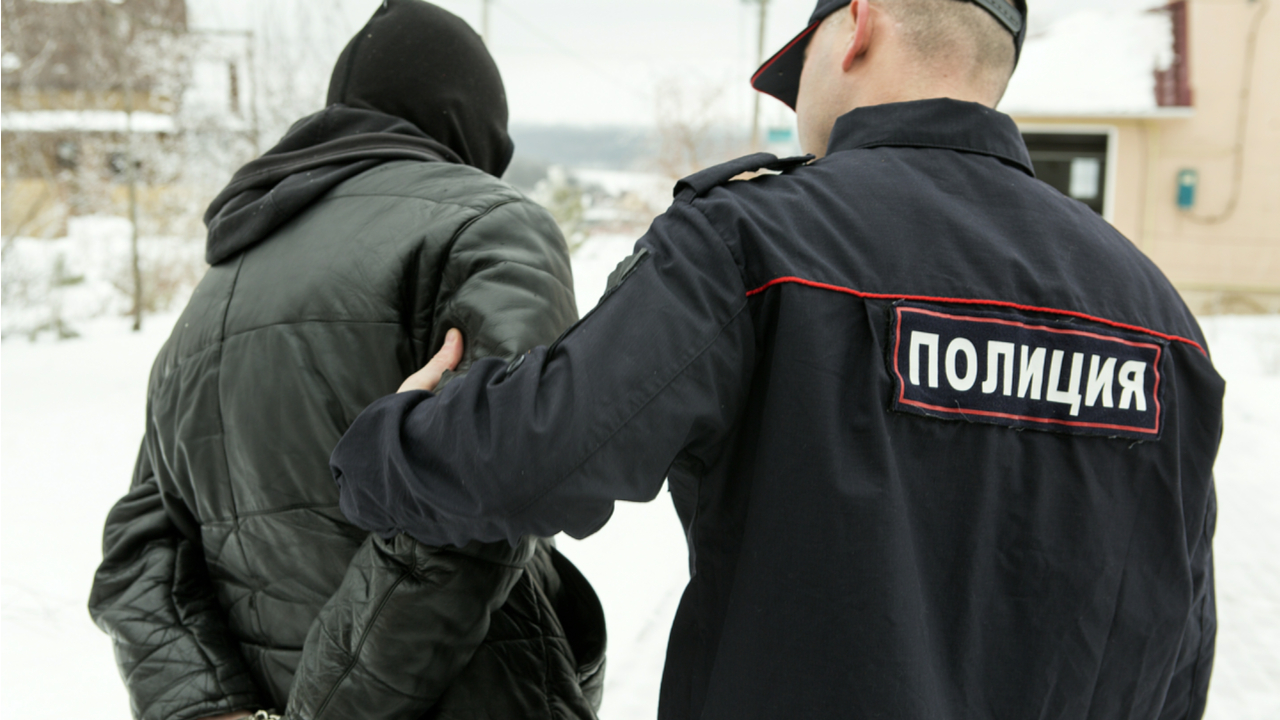
A district court in Moscow has arrested a man whom local media reports identify as Dmitry Pavlov, alleged administrator of the recently shut down darknet market Hydra. Russian authorities believe he has been involved in drug-related crime punishable by up to 20 years in prison.

Moscow Court Arrests Russian Believed to Be Hydra Administrator

Meshchansky District Court of Moscow has taken into custody a certain Dmitry Olegovich Pavlov accused of production, sale, and distribution of drugs under Russia’s Criminal Code, the β€œMoscow” City News Agency reported this week, quoting the court’s press service.

Pavlov, who was arrested on Monday, April 11, has the same names as a 30-year-old Russian citizen and resident charged for similar offenses in relation to his alleged role as an administrator of the recently busted Hydra Market, one of the largest marketplaces on the darknet.

Earlier this month, German law enforcement seized Hydra’s server infrastructure in the country and took down the Russian-language platform’s website. The operation was carried with support from several U.S. agencies.

On April 5, the U.S. Department of Justice announced criminal charges against Dmitry Pavlov for conspiracy to distribute narcotics and conspiracy to commit money laundering. According to an indictment filed with the U.S. District Court for the Northern District of California, the Russian is also accused of administering and providing hosting services to Hydra.

The Russian business daily Kommersant quoted Pavlov telling the BBC on April 6 he had not been contacted by U.S. authorities and that he learned about the charges from the media. He also insisted his company had all the necessary licenses from Roskomnadzor, Russia’s communications watchdog, and was not administering any websites but only leasing servers as an intermediary.

The United States has been alleging the Russian Federation’s involvement with crypto-related criminal organizations, including darknet markets (DNMs) and ransomware actors. In September, the U.S. Department of the Treasury’s Office of Foreign Assets Control (OFAC) sanctioned the Russia-based crypto broker Suex, believed to have received more than $20 million from DNMs like Hydra.

The department also imposed sanctions on Hydra itself β€” which had been active since at least 2015 and had around 17 million customers before it was shut down β€” and on a cryptocurrency exchange called Garantex, suspected of processing over $2.6 million in transactions from the darknet market platform.

Do you expect other arrests in Russia in connection with the Hydra case? Tell us in the comments section below.
Russian Government to Track Crypto Transactions With Help From Anti-Drug Organization

Russian Government to Track Crypto Transactions With Help From Anti-Drug Organization

Russian institutions have responded to a call from Π° public movement for joint efforts to identify cryptocurrency transfers related to drug trade. The anti-drug organization, Stopnarkotik, recently asked the interior ministry and the central bank to investigate alleged connections between U.S.-sanctioned crypto exchange Suex and a darknet market operating in the region.

Russian Authorities Respond to Stopnarkotik’s Request for Action Against Drug Trade

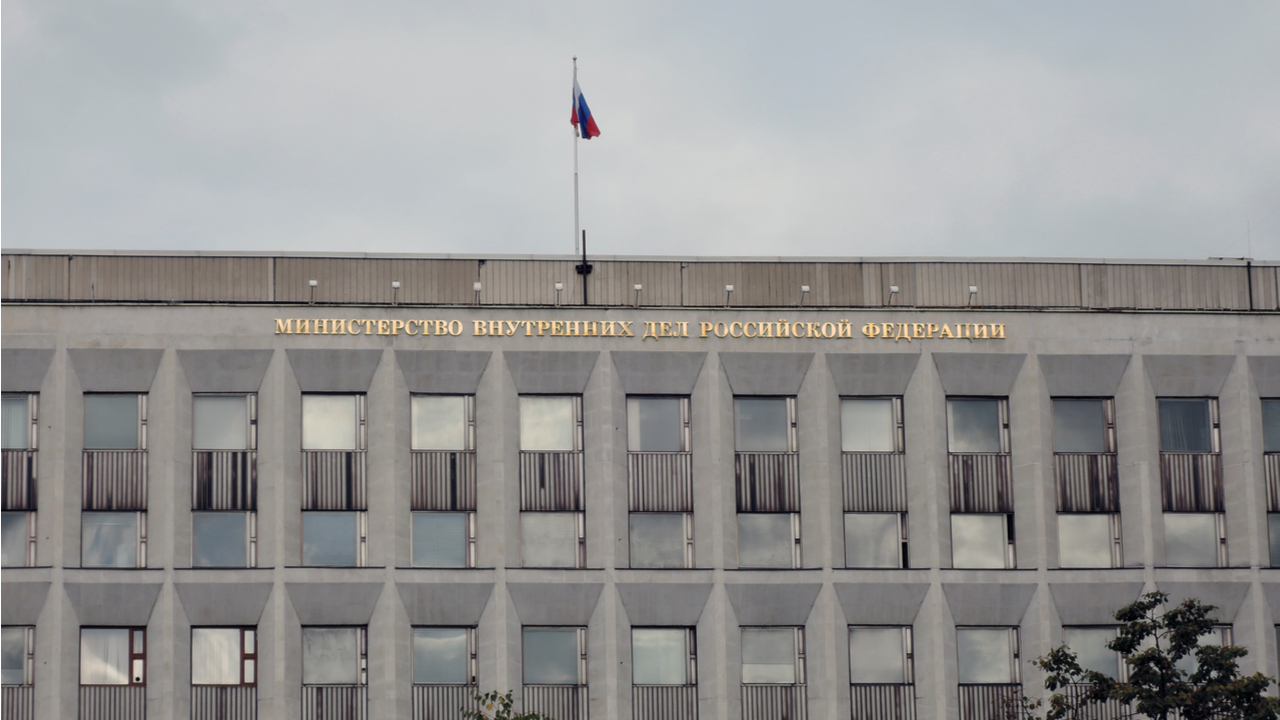
The Ministry of Internal Affairs of the Russian Federation (MVD) and Bank of Russia have agreed to cooperate with the All-Russian Public Movement Stopnarkotik on identifying financial flows involving cryptocurrencies obtained as a result of drug sales. The Russian online news portal Lenta.ru reported on the agreement, quoting a letter from a high-ranking MVD official.

The letter signed by Major General Andrei Yanishevsky, head of the Drug Control Department at the Interior Ministry, has been issued after a working meeting with representatives of the anti-drug organization. It comes in response to Stopnarkotik’s call for the two institutions to carry out an investigation focused on Suex, a Russia-based OTC crypto broker, and its links to other companies and banks.

In September, the U.S. Treasury Department blacklisted the Czech-registered entity Suex OTC s.r.o. which operates out of physical offices in Moscow and Saint Petersburg. The crypto platform is suspected of processing hundreds of millions of dollars in coin transactions related to scams, ransomware attacks, darknet markets, and the infamous Russian BTC-e exchange.

Since launching in 2018, Suex is believed to have received over $481 million in BTC alone. Close to $13 million came from ransomware operators such as Ryuk, Conti, and Maze, over $24 million was sent by crypto scams like Finiko, $20 million came from mixers, and another $20 million from darknet markets such as the Russia-targeting Hydra, blockchain forensics firm Chainalysis detailed in a report.

In its request to the Russian authorities, following the announcement of the U.S. sanctions, Stopnarkotik noted that Suex had been β€œinvolved in money laundering for the largest drug-selling platform.” The organization pointed out that the market’s drug trafficking in the Russian Federation amounts to an estimated $1.5 billion a year or more.

It also mentioned the name of one of Suex’s co-founders and highlighted its alleged connections with other crypto companies and financial institutions such as Exmo, a major digital asset exchange in Eastern Europe, financial services company Qiwi, a leading payment provider in Russia and the CIS countries, as well as the Ukraine-based Concord Bank.

Stopnarkotik asked Bank of Russia to provide its assessment on the matter, check if the operations of Suex and other entities are being conducted in accordance with the law in Russia, and consider blocking Russian payments to a Ukrainian organization.

β€œWe received a response from the Ministry of Internal Affairs and the Central Bank. We also had a personal meeting with the Ministry of Internal Affairs so that they had an understanding of how we receive information, including about money laundering,” the movement’s chairman, Sergei Polozov, has been quoted as saying. He added that the Russian Interior Ministry is ready to accept Stopnarkotik’s data and work together with the organization.

Do you expect the cooperation between Stopnarkotik and Russian government institutions to develop further? Tell us in the comments section below.

❌