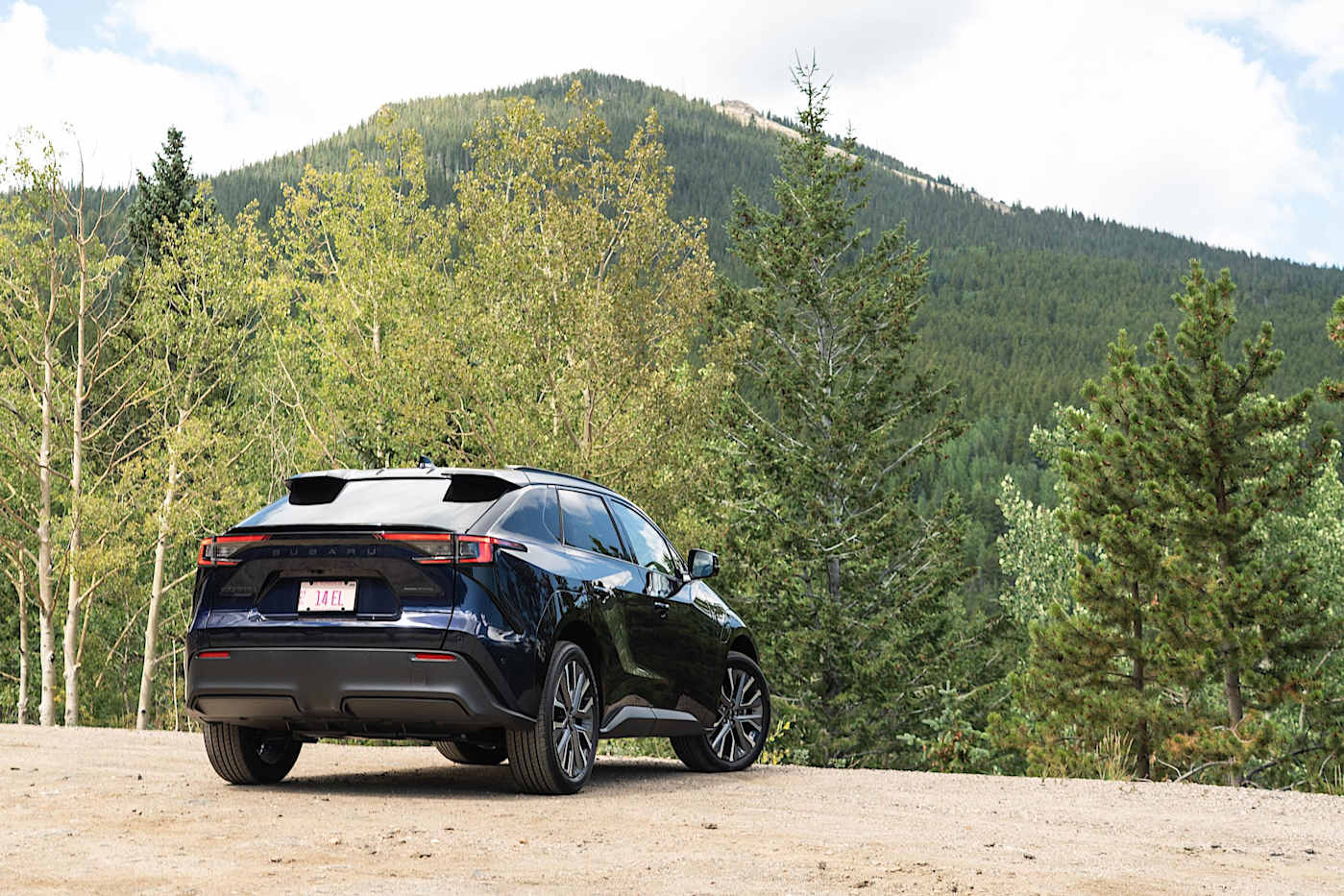
sinij shares news of the Trump administration surprising the auto industry by granting approval for "tiny cars" to be built in the United States. Bloomberg reports: President Donald Trump, apparently enamored by the pint-sized Kei cars he saw during his recent trip to Japan, has paved the way for them to be made and sold in the U.S., despite concerns that they're too small and slow to be driven safely on American roads.
"They're very small, they're really cute, and I said "How would that do in this country?'" Trump told reporters on Wednesday at the White House, as he outlined plans to relax stringent Biden-era fuel efficiency standards.
"But we're not allowed to make them in this country and I think you're gonna do very well with those cars, so we're gonna approve those cars," he said, adding that he's authorized Transportation Secretary Sean Duffy to approve production. [...] In response to Trump's latest order, Duffy said his department has "cleared the deck" for Toyota Motor Corp. and other carmakers to build and sell cars in the U.S. that are "smaller, more fuel-efficient." Trump's seeming embrace of Kei cars is the latest instance of passenger vehicles being used as a geopolitical bargaining chip between the U.S. and Japan. "This makes a lot of sense in urban settings, especially when electrified," comments sinij. "Hopefully these are restricted from the highway system."
The report notes that these Kei cars generally aren't allowed in the U.S. as new vehicles because they don't meet federal crash-safety and performance standards, and many states restrict or ban them due to concerns that they're too small and slow for American roads. However, they can be imported if they're over 25 years old, but then must abide by state rules that often limit them to low speeds or private property use.
The inclusion of the Waymo look-a-likes appears to be part of a larger storyline that will encourage players to "stop the development of a mass surveillance network."
U.S. regulators are pressing Waymo for answers after Texas officials reported 19 instances of its self-driving cars illegally passing stopped school buses, including cases that occurred after Waymo claimed to have deployed a software fix. Longtime Slashdot reader BrendaEM shares the report from Reuters: In a November 20 letter posted by NHTSA, the Austin Independent School District said five incidents occurred in November after Waymo said it had made software updates to resolve the issue and asked the company to halt operations around schools during pick-up and drop-off times until it could ensure the vehicles would not violate the law. "We cannot allow Waymo to continue endangering our students while it attempts to implement a fix," a lawyer for the school district wrote, citing one incident involving a Waymo that was "recorded driving past a stopped school bus only moments after a student crossed in front of the vehicle, and while the student was still in the road."
The letter prompted NHTSA to ask Waymo on November 24 if it would comply with the request to cease self-driving operations during student pick-up and drop-off times, adding: "Was an appropriate software fix implemented or developed to mitigate this concern? And if so, does Waymo plan to file a recall for the fix?" The school district told Reuters on Thursday that Waymo refuses to halt operations around schools and said another incident involving a self-driving car and an actively loading school bus occurred on December 1, which "indicates that those programming changes did not resolve the issue or our concerns."
In a statement, Waymo did not answer why it had refused to halt operations around Austin schools or answer if it would issue a recall. "We're deeply invested in safe interaction with school buses. We swiftly implemented software updates to address this and will continue to rapidly improve," Waymo said. NHTSA said in a letter to Waymo on Wednesday that it was demanding answers to a series of questions by January 20 about incidents involving school buses and details of software updates to address safety concerns.
The agency already opened an investigation in October over Waymo's performance around school buses. Waymo said it issued a software update to its fleet to improve performance.
Texting while driving is banned in nearly every state, even with the use of advanced driver-assistance systems like Tesla's Full Self-Driving (Supervised) software.
Revised rules in California would allow self-driving trucks to test on public highways. The rules also close a loophole allowing police to issue tickets for driverless vehicles.
Amazon is the USPS' biggest customer, and the e-commerce giant's potential break from the postal agency comes as the two sides are negotiating a new deal.
If you like both electric vehicles and emotional roller coasters, 2025 was an excellent year. However, for those of us whose nerves are already sufficiently frazzled, the highs and lows of the last 12 months were a bit hard to stomach.
In 2025, we saw the introduction of new, compelling models like the Lucid Gravity and refreshed Nissan Leaf, the latter available at a price on par with its internally combusted competition. From a product availability standpoint, 2025 was the year the EV market started feeling more mature and less manic.
But 2025 also saw new heights of anti-EV vitriol stirred up during a particularly traumatic election cycle. The means of propulsion or badge on the hood of your commuter machine suddenly became an indicator of your political affiliations. Put simply, the car you drive is now a political statement, and it’s the latest unprecedented situation in an exhaustingly long and dire string of unprecedented situations. Yes, it's been a long year, and the pessimism of 2025 will surely carry us well into 2026, but not all hope is lost for EVs.
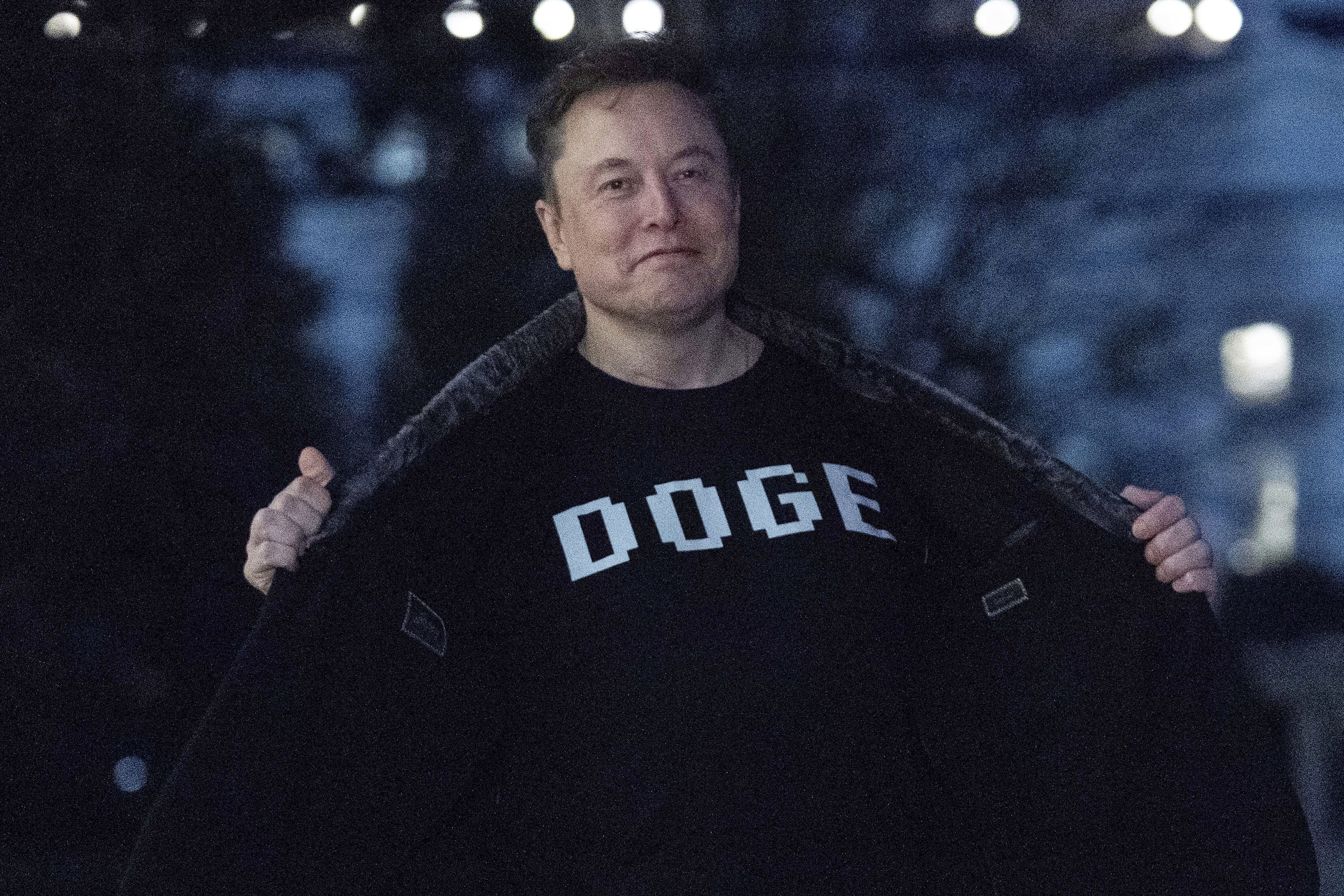
Tesla and the DOGE effect
Elon Musk flashes his T-shirt that reads "DOGE" to the media as he walks on South Lawn of the White House, in Washington, March 9, 2025.
ASSOCIATED PRESS
We've certainly seen some civic-minded CEOs in the past as auto executives have a long history of mixing their corporate interests with their political panderings. Chrysler CEO Lee Iacocca was even considered a potential presidential candidate once upon a time. However, we have never seen the kind of ass kissing and cronyism we were privy to in this year's fickle friendship between Elon Musk and President Trump.
Musk was (hyper) active on the Trump campaign trail, and wasted no time digging into what he described as government overspending. While the Department of Government Efficiency's efficacy is debatable, it certainly proved quite effective at decimating the accounts of Tesla investors. Between January and March, Tesla's stock price dropped by nearly half. Things didn't turn around until Musk left DOGE in May.
Since then, Tesla's price has returned to its highs before the DOGE debacle. Its sales, however, have not. Q1 deliveries declined by 13 percent, then 14 percent in Q2. Deliveries bounced back 7 percent in Q3 as everyone scrambled to buy before the EV credits expired, but profits plunged 37 percent. Tesla's market share in the US electric vehicle space has halved, leading perennial pitchman Musk to start hawking everything from AI agents to spandex-clad robots — anything to distract from the numbers.
And it's apparently working. Musk's $1 trillion pay package was approved by Tesla’s shareholders without much worry. This could make him the world's first trillionaire, but only if he meets a series of aggressive targets and deadlines for sales, an area where the man has struggled in the past.
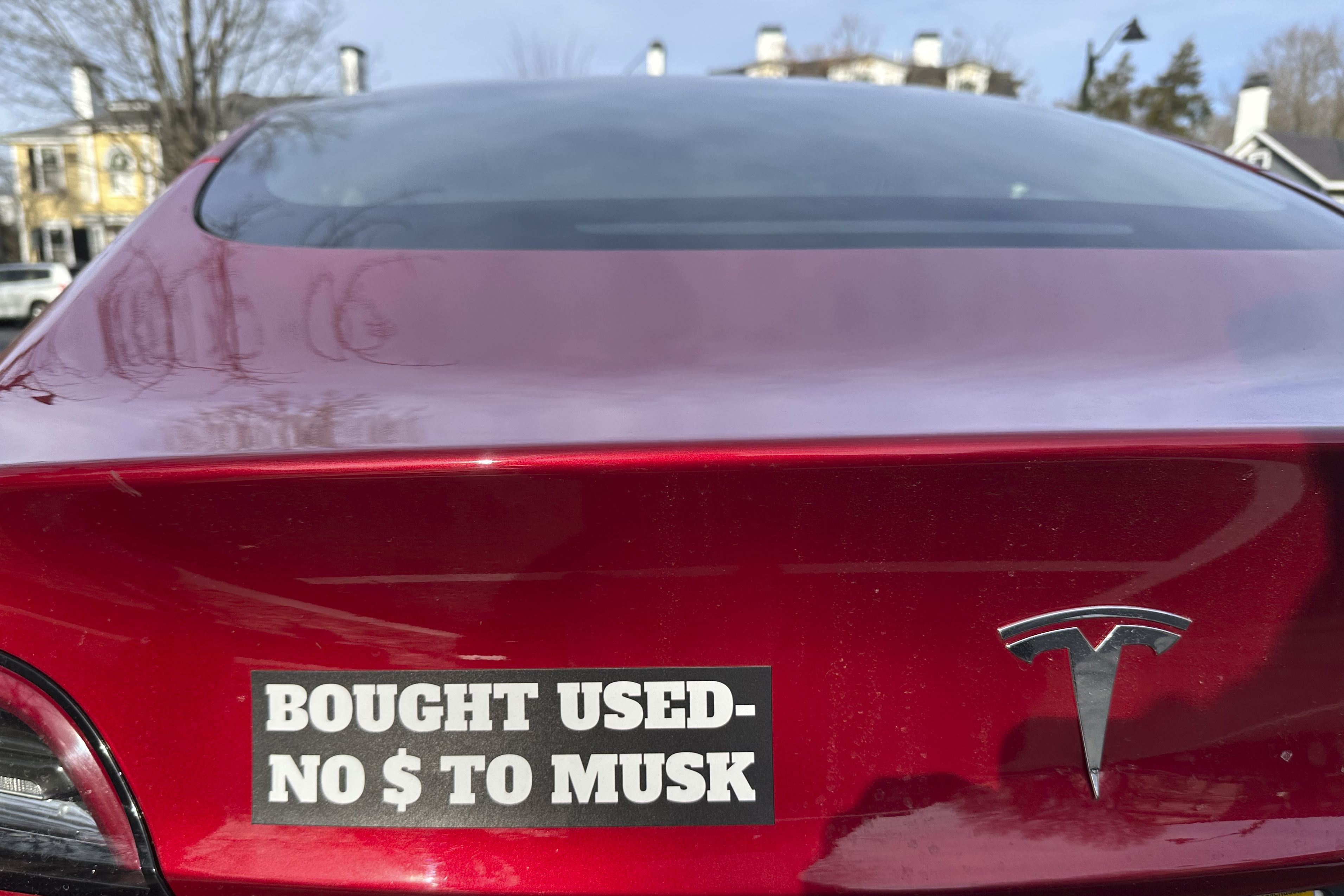
The big, beautiful sales spike
A Tesla with a sticker referring to the car's purchase is shown on Sunday, Dec. 15, 2024 in Concord, Mass.
ASSOCIATED PRESS
Elon Musk and Donald Trump's bromance wasn't the only fallout from the latter's second term. So, too, died the $7,500 federal EV incentive, which expired in September as part of President Trump's "Big Beautiful Bill." That actually spurred a short-term sales spike ahead of the deadline. Many manufacturers even set new EV sales records riding that wave, but there's a disconcerting trough to come.
We still need to wait a bit to see just how bad Q4 EV sales are going to be, but early indications are not looking good. J.D. Power's October report says that EV sales in September were a record high, making up 12.9 percent of new vehicle sales in the US. In October, after the credit expired, they fell to a mere 5.2 percent.
That's a worrying drop, and it's already affecting product planning.
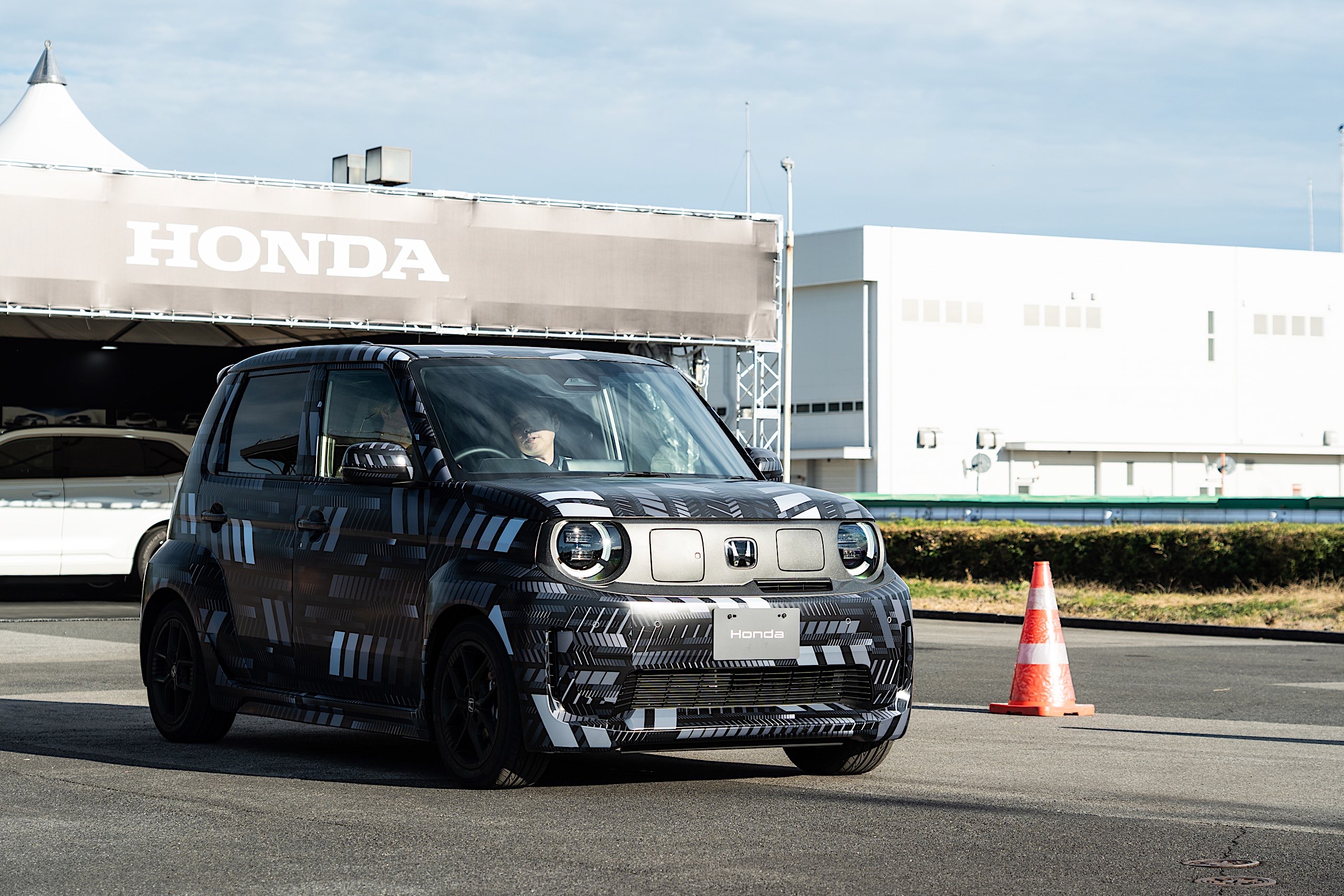
Cuts in EV production
Honda's Super-One Prototype isn't coming to the US.
Tim Stevens for Engadget
When I was in Japan last month, getting an early look at some next-gen hybrids from Honda, I wasn't expecting to hear talk of midterm American elections from the company's executives. But that's what was on CEO Toshihiro Mibe's mind. He's watching American voting trends closely to determine the nature of the company's upcoming releases.
Mibe said that Honda has already canceled plans for some EVs here in America, instead focusing on a broader selection of hybrid models. It's not the only company to do so. Ram also canceled its 1500 EV truck, but the hybrid version is still supposedly on the way.
Scout Motors, too, has been focusing more on its extended-range hybrid offerings. The company's initial pitch was purely electric trucks and SUVs. Lately, it's been prioritizing its extended-range EV options based on the feedback from its 130,000 pre-orderers. 80 percent of them want the onboard generator, an add-on that may prove a saving grace for this EV startup.
There is reason for optimism
Some manufacturers may be throttling back on their EV aspirations, but others are forging ahead. There's a delightful collection of battery-powered machines coming next year, and that's worth getting excited about.
Again, the 2026 Nissan Leaf should be a hugely popular choice as its production ramps up. It's already hitting dealerships now, and with a starting price under $30,000, it'll be hard to beat. But, Chevrolet is going to try with a refreshed Bolt EV for similar money.
If you've got more to spend, you've got more options. BMW's stellar iX3 crossover SUV is due soon, as are both the electric CLA sedan and GLC SUV.
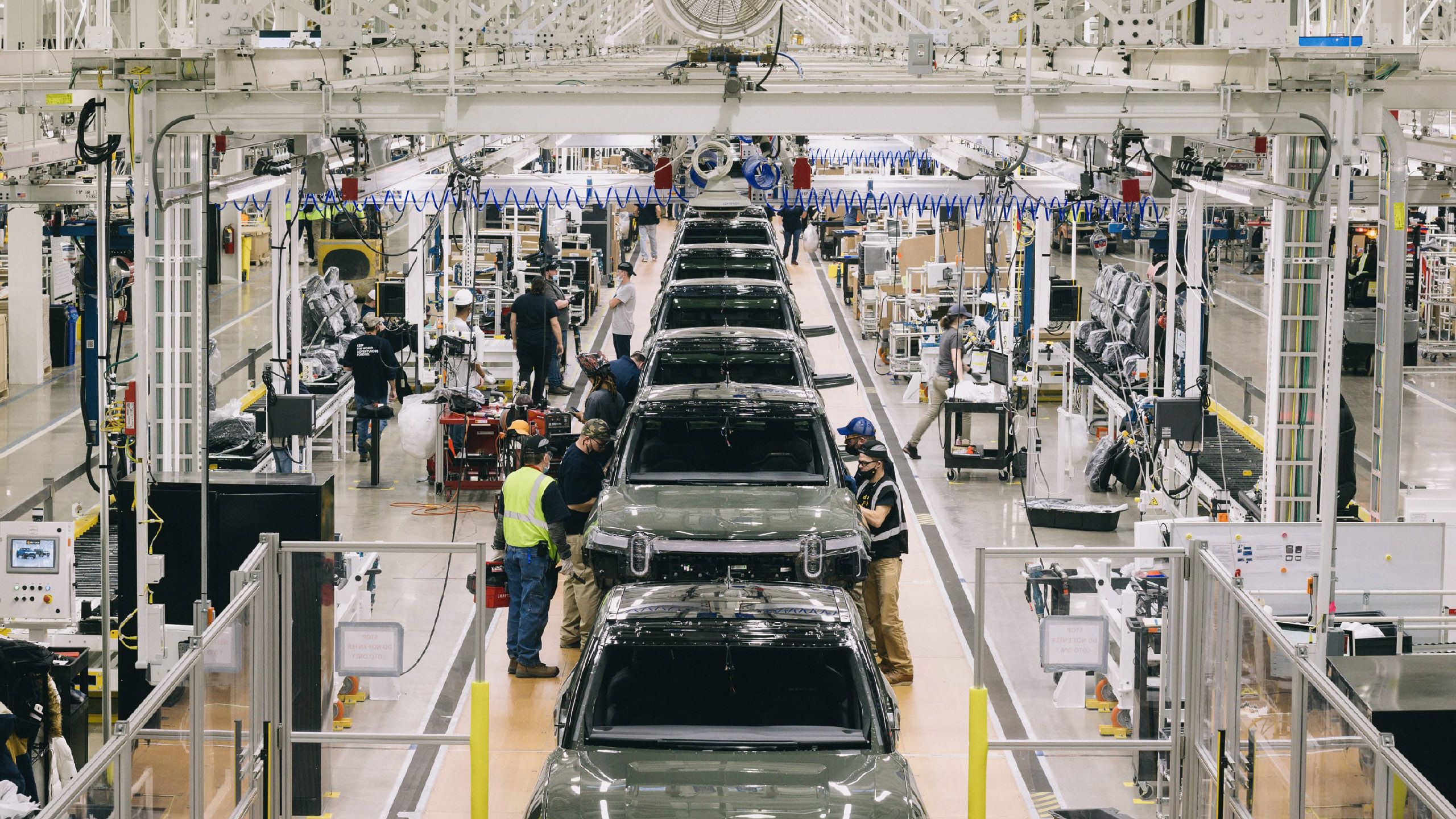
The most anticipated EV of the year, though, might just be the Rivian R2. This electric SUV will join the stellar R1S and R1T, expanding Rivian's segment footprint while also hopefully expanding its market reach. A $45,000 starting price makes it far more attainable than any of the company's previous offerings.
A photograph of the Rivian factory producing the company's R1 SUV variant.
Nathan Heleine / Rivian
If the prospect of a fun, affordable SUV from Rivian doesn't have you excited for the upcoming year in EVs, maybe some promising news from Europe will. After cutting its own EV incentive program in 2023, Germany's EV sales fell off a cliff, dropping 28 percent in 2024. Cue the predictions of the demise of EVs by many local pundits.
Since then, though, EV sales slowly climbed back up, and lately they've been booming, with German road traffic agency KBA saying the total number of newly registered electric vehicles increased by nearly 50 percent in October (year over year). Electric cars now make up 19 percent of the market there, and that's despite Tesla's sales cratering.
There's no guarantee that the American market will follow a similar rebound, especially if the anti-EV political messaging continues. Me, though, I've decided I'm staying optimistic, as exhausting as that can be these days.
This article originally appeared on Engadget at https://www.engadget.com/transportation/evs/a-shaky-year-for-american-evs-could-set-the-tone-for-2026-153000210.html?src=rss
Longtime Slashdot reader sinij shares a report from Car and Driver: [T]he Trump administration announced less stringent Corporate Average Fuel Economy (CAFE) standards in an effort to bring down the price of new vehicles. The administration says that rules put in place by the Biden administration broke the law by going beyond the requirements mandated by Congress when the CAFE program was started. The new regulations will require automakers to meet an average fuel-economy figure of 34.5 mpg across 2031-model-year vehicles, instead of the 50.4 mpg that would have been required under the previous regulations. sinij comments: "This is a much-needed move as they also recently closed a number of loopholes, such as the assumed fuel-savings credit for engine start-stop technology, that made it more difficult to meet these goals. More so, a recent string of engine and transmission failures from multiple manufacturers shows that meeting fleet standards came at a very significant cost of reduced reliability."
The Department of Transportation under President Donald Trump is moving to reverse more of the climate policies that had been enacted by President Joe Biden. Under a proposed rulemaking by the National Highway Traffic Safety Administration, fuel efficiency standards for cars and light trucks in model year 2031 will be reduced to an average of 34.5 miles per gallon, down from the standard of 50.4 miles per gallon that was part of Biden's plans to encourage more adoption of electric vehicles among US drivers.
The move was expected since Trump re-took office. Transportation Secretary Sean Duffy ordered the NHTSA to review fuel efficiency standards in January a day after he assumed the title. The current administration also ended a tax credit for buying electric vehicles over the summer. In the meantime, international manufacturers are racing ahead in their progress on building better EVs, offering other markets more exciting models that won’t arrive in the US thanks to tariffs.
While Trump's announcement today claimed that the change would reduce the average cost of a new car by $1,000 and offer a savings of $109 billion over five years, gas prices are on track to increase if the Environmental Protection Agency does successfully repeal the finding that climate change causes human harm. Plus there's the incalculable financial and human cost of a growing number of catastrophic weather events that have been predicted if the planet continues to get warmer.
This article originally appeared on Engadget at https://www.engadget.com/transportation/us-department-of-transportation-doubles-down-on-gas-cuts-fuel-efficiency-standards-234542939.html?src=rss
Waymo is adding four new US cities to the gradual rollout of its robotaxi service. As reported by TechCrunch, the company said it has already started trialling self-driving cars in Philadelphia, albeit with a human safety monitor, and that it will now commence similar manual tests in Baltimore, St. Louis and Pittsburgh.
After the initial supervisory and data-collecting stage, the plan is to deploy fully autonomous vehicles, as Waymo recently did in Miami, ahead of launching in five new cities across Texas and Florida in 2026. Waymo's taxis currently accept passengers in Los Angeles, Phoenix, Atlanta, Austin and the San Francisco Bay Area, and it recently announced that San Diego, Las Vegas and Detroit would soon be joining them.
Also key to the company’s aggressive nationwide expansion is New York City, even if a fully functioning robotaxi service is likely still some way off. New York state law currently prohibits the operation of vehicles without a driver behind the wheel, but back in August, Waymo was temporarily granted the permit needed to be able to test autonomous vehicles in parts of Manhattan and Downtown Brooklyn. The testing phase ran until late September, marking the first time a permit for the "testing deployment" of AVs in the city had been signed off.
Waymo has international ambitions too. Next year it will partner with Moove to launch a robotaxi service in London, which will be its first major expansion outside the US. Fully driverless cars are currently banned in the UK, but new legislation will begin a long regulatory process that starts with government-approved robotaxi pilots in the Spring.
This article originally appeared on Engadget at https://www.engadget.com/transportation/evs/waymos-testing-avs-in-four-more-cities-including-philly-161709279.html?src=rss

 Login
Login