Reading view

There are new articles available, click to refresh the page.

Thirukarthigai - Recipes - Why & How do we celebrate Karthigai Deepam

Thirukarthigai, also known as Karthigai Deepam, is one of the oldest and most sacred Tamil festivals, celebrated in the Tamil month of Karthigai on the auspicious Pournami (Full Moon) day. It is a festival of light, devotion, and divine protection, where homes are adorned with rows of glowing oil lamps symbolizing prosperity and spiritual awakening.

Throughout the entire month of Karthigai, families light lamps at the entrance of their homes. On the day of Thirukarthigai/Karthigai Deepam, the whole house is beautifully illuminated, creating a divine and uplifting atmosphere.

One of the most iconic places associated with this festival is Thiruvannamalai, world-renowned for its spectacular Karthigai Deepam celebrations.

Traditional oil lamps lit for Thirukarthigai festival during Karthigai Deepam.
Rows of glowing oil lamps lit for the auspicious Thirukarthigai / Karthigai Deepam festival.

The Legend Behind Thirukarthigai / Karthigai Deepam

According to Hindu scriptures, Lord Brahma and Lord Vishnu once fell into an ego-driven argument, each claiming superiority. To humble them and restore harmony, Lord Shiva appeared as an infinite pillar of fire (Jyothi Sthambam) and challenged them:

“Whoever finds the beginning or end of this fire is the greatest.”

  • Brahma transformed into a swan (Annam) and flew upward.
  • Vishnu took the form of Varaha (boar) and dug deep into the earth.

Despite their divine powers, neither could find the beginning nor end of Shiva’s fiery form. Realizing their mistake, they surrendered their ego and prayed with devotion. Lord Shiva then revealed himself to them.

This divine appearance as a pillar of endless fire is commemorated as Thirukarthigai / Karthigai Deepam.

Thiruvannamalai Deepam – The Holy Fire Hill

Thiruvannamalai in Tamil Nadu is the spiritual epicenter of Karthigai Deepam. Lord Shiva is believed to have manifested as Arunachala Hill, a form of Agni (fire).

  • Tiruvannamalai and Arunachala both mean “holy fire hill.”
  • The Shiva Linga here is the Agni Linga, representing the fire element.
  • Devotees light tiny oil lamps at home which symbolize miniature Jyothi Lingas.

Every year, lakhs of devotees gather to witness the Mahadeepam, lit atop the sacred hill—a mesmerizing sight symbolizing divine brilliance and protection.

Spiritual Significance of Thirukarthigai

Karthigai Deepam represents

  • The victory of light over darkness
  • Removal of ignorance and ego
  • Infinite nature of God (Ananta Jyothi)
  • Protection, prosperity & spiritual growth

Homes are decorated with rows of lamps to invoke Lord Shiva’s Jyothi Swarupam—the form of divine light.

Festival Days

  • Day 1: Appa Karthigai
  • Day 2: Vadai Karthigai

Devotees prepare and offer traditional neivedhyam such as Pori, Adhirasam, Vella Seedai, Vetrilai-Pakku, and fruits.

In South Tamil Nadu and Kerala, sisters light the sacred Gajalakshmi Vilakku (Elephant Lamp) to pray for the well-being and longevity of their brothers.

Why Do We Light the Elephant Lamp (Gajalakshmi Vilakku) on Karthigai?

A touching traditional story explains this practice:

A king once had a single daughter who grew up with a beloved elephant. She treated the elephant as her own brother. After marriage, she deeply missed him. Every Karthigai Deepam, she lit an elephant-shaped lamp, prayed for her brother, and offered:

  • Tender coconut
  • Milagu Adai (elephant-leg sized)
  • Pori
  • Adhirasam
  • Vella Seedai

This devotional practice later became part of the traditional Karthigai rituals. Today, lighting the Gajalakshmi Vilakku symbolizes:

  • Protection of brothers
  • Family prosperity
  • Blessings of Goddess Lakshmi
  • Removal of obstacles

Verses to Chant While Lighting the Lamp

கீட: பதங்கா மசகாஸ்ச வ்ருதா
ஜலே ஸ்த்யேயே விசரந்தி ஜீவா
தருஷ்டவா ப்ரதீபம் ந ச ஜன்ம பாகிந:
பவந்தி நித்யம் சவ பசா ஹி விப்ரா

Yaanai Vaazha
Arasan Vaazha
Penn Vaazha
Piranthagam Vaazha

After chanting, devotees place a piece of pori into the lamp and offer neivedhyam.

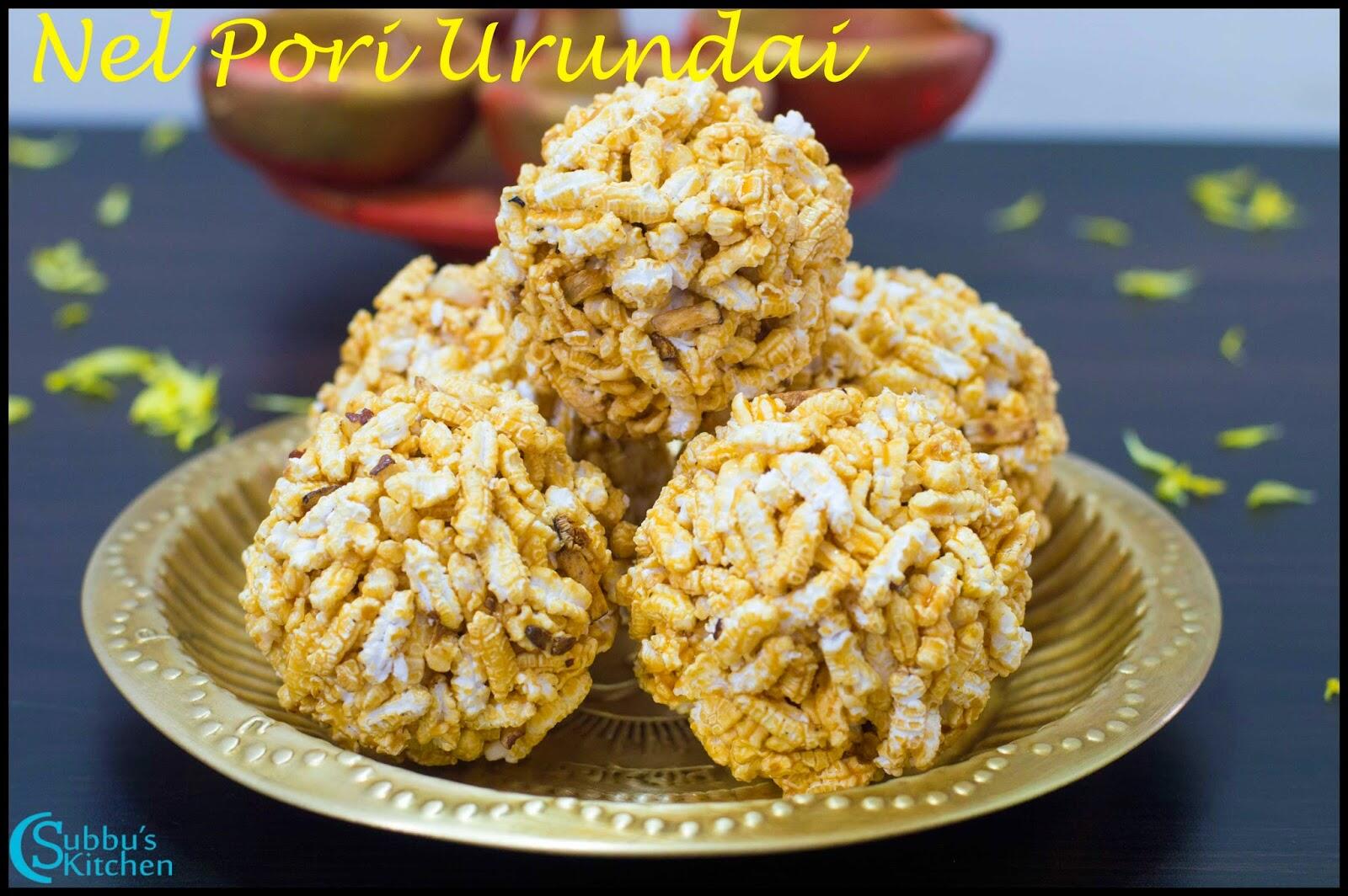
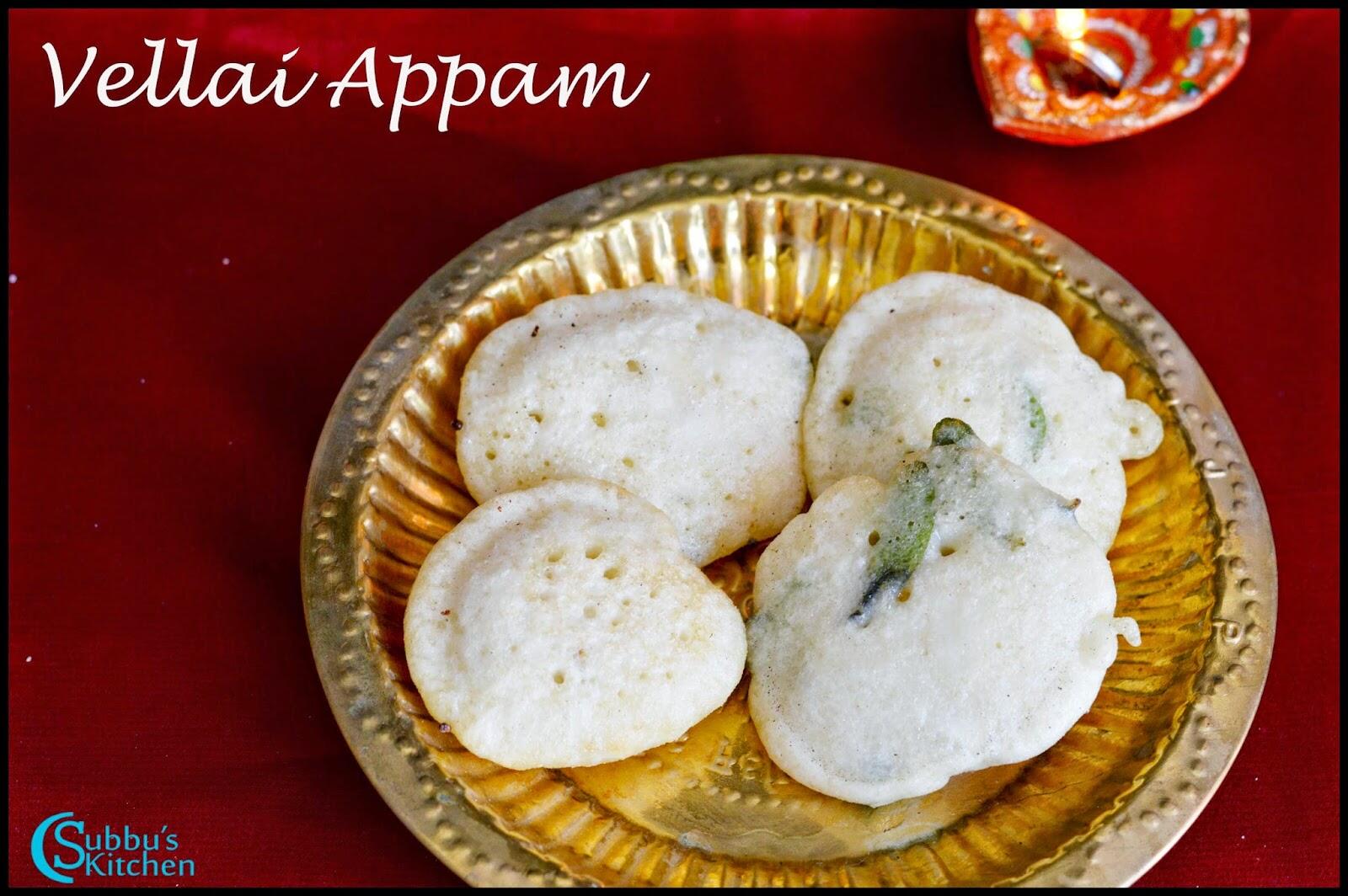
Thirukarthigai Neivedhyam Recipes

The post Thirukarthigai - Recipes - Why & How do we celebrate Karthigai Deepam appeared first on Subbus Kitchen.

Badam Halwa Recipe

By: Aarthi

Badam Halwa Recipe with Step by Step Pictures. Delicious and melt in mouth badam | almond halwa which taste absolutely mouthwatering. Badam halwa also known as almond halwa is made healthier with jaggery and lots of ghee to achieve the melt in mouth texture. Badam Halwa Its monday, I am gonna start this week by...

Read More

The post Badam Halwa Recipe appeared first on Yummy Tummy.

Coconut Ladoo Recipe with Condensed Milk and Desiccated Coconut

By: Sharmili

Coconut ladoos are a delightful and easy-to-make Indian sweet that is perfect for festive occasions or as a quick treat to satisfy your sweet tooth. The recipe requires minimal ingredients, primarily desiccated coconut and sweetened condensed milk, making it accessible and simple to prepare even for novice cooks. The addition of cardamom powder infuses a warm, aromatic flavour that beautifully complements the sweetness of the condensed milk and the nutty taste of the coconut.

The process of making coconut ladoos is straightforward, involving a few basic steps. Initially, the coconut is lightly roasted in ghee to enhance its flavour and aroma. Then, it is mixed with condensed milk and flavoured with cardamom powder. This mixture is cooked until it thickens and begins to leave the sides of the pan. After a short cooling period, the mixture is shaped into small balls and rolled in additional desiccated coconut, giving them a beautiful finish and a pleasant texture.

These coconut ladoos are delicious and visually appealing, making them a great addition to any dessert table. They are perfect for sharing with family and friends during celebrations or as a homemade gift. The ease of preparation and the delightful taste make them a favourite among both kids and adults. With the provided tips, you can easily perfect the recipe and enjoy these scrumptious coconut ladoos anytime.

Enjoy the video of coconut ladoo. Subscribe for more videos.

Now, let us see how to prepare this recipe.

Coconut Ladoo Recipe with Condensed Milk and Desiccated Coconut
Delicious coconut ladoo.
Servings10 pieces appox
Prep Time5 mins
Cook Time10 mins
Ingredients
Instructions
  1. In a heavy-bottomed pan, heat the ghee on medium heat. Add the desiccated coconut and roast it lightly for about 2-3 minutes. Stir continuously to ensure it doesn't burn. The coconut should just start to turn golden and release its aroma.
  2. Lower the heat and add the sweetened condensed milk to the roasted coconut. Mix well until the coconut and condensed milk are thoroughly combined.
  3. Add the cardamom powder to the mixture. Continue to cook the mixture on low heat, stirring constantly, until it thickens and starts to leave the sides of the pan. This should take about 5-7 minutes.
  4. Remove the mixture from heat and let it cool slightly. It should be warm but cool enough to handle with your hands.
  5. Grease your palms with a little ghee to prevent sticking. Take small portions of the mixture and roll them into smooth, round balls.
  6. Roll the shaped ladoos in the extra desiccated coconut to coat them evenly.
  7. Allow the coconut ladoos to cool completely. They will firm up as they cool. Store them in an airtight container. They can be kept at room temperature for a couple of days or refrigerated for longer shelf life.
Recipe Notes
  • Ensure you stir the mixture continuously while cooking to prevent it from sticking to the pan and burning.
  • If the mixture feels too dry, add a little more condensed milk. If it’s too sticky, incorporate some extra desiccated coconut.
  • Grease your hands with ghee while shaping the ladoos to make the process smoother and prevent sticking.
  • Let the mixture cool enough to handle but not completely, as it might harden and become difficult to shape.
  • For a longer shelf life, store the ladoos in the refrigerator, especially in warm climates.

Delicious Coconut ladoo using Condensed Milk is ready to serve.

If you found this post useful, I would love it if you pin it or share it with your Facebook fans, Twitter followers, or Google+ circles today. All it takes is a simple click on the “pin it”, “like,” “share,” “Tweet,” or Google+ buttons below the post. It will keep me motivated. Thank you!


Karthigai Vella Adai Recipe – Karthigai Deepam Special

By: Sharmili

Karthigai Deepam is a highly celebrated festival in Southern India, particularly in Tamil Nadu. It is a time for people to honour Lord Shiva as a divine flame during the Tamil month of Karthigai (November-December). This festival is also known as the Festival of Lights and is a grand affair.

As part of the celebration, people illuminate their homes with lamps to symbolize the triumph of light over darkness and ignorance. It is a beautiful sight that fills everyone’s hearts with hope and inspiration. The day is marked with prayers, rituals, and the lighting of a massive lamp on the hill of Arunachala in Thiruvannamalai, an awe-inspiring sight.

Sweet Karthigai Adai is a delectable treat that adds to the joy of the festival. It is prepared with great care and devotion, using rice, lentils, jaggery, coconut, and cardamom. These adais are a cherished offering during Karthigai Deepam, bringing sweetness and symbolism to the celebration. It is a testament to the love and unity among families and communities.

Enjoy the video of Karthiga Vella Adai. Subscribe for more videos.

Now, let us see how to prepare this recipe.

Karthigai Vella Adai Recipe - Karthigai Deepam Special
Delicious Karthigai Vella Adai.
Servings10 pieces appox
Prep Time10 min(excluding soaking time)
Cook Time20 mins
Ingredients
Instructions
  1. Add rice, toor dal, and chana dal in a bowl. Add enough water and wash it thoroughly 2 to 3 times. Add fresh water and soak rice and dal for 2 to 3 hours.
  2. Once soaked, transfer rice and dal to a mixer jar. Add little water and grind it to a smooth paste.
  3. To the batter, add salt, jaggery, cardamom powder and grind to a smooth batter.
  4. Transfer the batter to a bowl. Add coconut bits and mix all thoroughly. Adjust the batter consistency if required.
  5. Adai is usually made thick. If you want thinner adai, add the water and make it like crispy dosa.
  6. Heat a pan, pour a ladle of batter, and spread it in a circular motion, as shown. Drizzle a spoon of ghee. Let it cook.
  7. Now flip to the other side and drizzle another spoon of ghee. Once cooked again, flip to the first side and cook for a few more minutes till it gets crispier. Now transfer to a plate. Vella adai is ready.
Recipe Notes
  • Soak lentils and rice for at least 2-3 hours.
  • Grind the batter to a smooth paste, and keep it slightly thicker than the dosa batter consistency.
  • Adai can be made immediately after grinding. You need not ferment the batter.
  • If you want to use the remaining batter, refrigerate it for later use. (approx two days)

Delicious Karthigai Vella Adai is ready to serve God as Prashad.

If you found this post useful, I would really love it if you pin it or share it with your Facebook fans, Twitter followers, or Google+ circles today. All it takes is a simple click on the “pin it”, “like,” “share,” “Tweet,” or Google+ buttons below the post. It will keep me motivated. Thank you!


Poondu Varagu Murukku Recipe | Garlic Kodo Millet Murukku – Diwali Snacks

By: Sharmili

Preparing and sharing traditional sweets and savouries is an integral part of Diwali preparations. Families make an array of delicious treats, such as ladoos, jalebis, and murukku, to offer to guests and exchange with loved ones.

With Diwali fast approaching, many of you have likely begun preparing sweets and snacks. This is the perfect time to share my healthy version of the garlic murukku recipe using Kodo millet flour with you all, which can be prepared in 15 minutes.

Garlic Murukku is a popular South Indian snack, particularly during festivals like Diwali. Murukku is a crunchy, deep-fried snack made from rice flour and various seasonings. Garlic Murukku gets its distinctive flavour from the addition of garlic.

To make the perfect murukku, the following steps should be followed.

  • Use any good brand of Kodo millet flour.
  • Grind enough garlic by adding a little water into a smooth paste. Use only one or one and a half tsp of garlic paste into the mixture.
  • Always cook murukku on the medium-low flame to cook evenly.
  • Instead of sesame seeds, you can use carom seeds or cumin seeds.
  • Gently drop the murukku into the oil, or else the oil may spill. Use enough oil to deep fry.
  • If you feel the dough is getting dry and not able to press, sprinkle a little water and mix it thoroughly.
  • Always keep the dough closed with a cloth or lid to prevent it from getting dry.
  • If making in large quantities, always make it in batches.

Enjoy the video of Kodo millet murukku. Subscribe for more videos.

Now, let us see how to prepare this recipe.

Poondu Varagu Murukku Recipe | Garlic Kodo Millet Murukku - Diwali Snacks
Instant and crispy garlic flavoured kodo millet murukku in 15 mins.
Servings10-12 Murukku approx
Prep Time10 mins
Cook Time15 mins
Ingredients
Instructions
  1. Grind enough garlic (10 pods) by adding a little water into a smooth paste. Use only one or one and a half tsp of garlic paste into the mixture.
  2. On a wide bowl, place a sieve, add kodo millet flour, and Bengal gram flour. Sieve both thoroughly and discard the residue.
  3. Now to the bowl, add sesame seeds, required salt, hing, chili powder, garlic paste, a tbsp of hot oil, mix with a spatula, and crumble the mixture thoroughly.
  4. Then add water little by little. Bring it to a chapati dough consistency. It should neither be too stiff nor too soft. Murukku press (3 dots) shown here in the video is used for making murukku.
  5. Take a small portion of dough and make it into the ball. Now grease the murukku press with oil and fill 3/4 of the press with dough. Keep 2-3 butter paper ready by applying oil on it.
  6. Now press the murukku batter on butter paper in a circular motion as shown. 3 to 4 circles are enough. Heat oil in a heavy bottom Kadai. First, check by dropping a little dough in oil. If the oil is hot enough the dough would rise immediately or else it will go down. Now gently drop the murukku into the oil. Deep fry 2 to 3 murukkus at a time. Do not overcrowd.
  7. Let it cook on low flame till it turns crispy. Then gently turn to the other side and let it cook till bubbling stops.
  8. Now remove and place it on a kitchen towel to remove excess oil. Repeat the process with the remaining murukku batter. Let it cool and store it in an airtight container.
Recipe Notes
  • Use any good brand of Kodo millet flour. 
  • Grind enough garlic by adding a little water into a smooth paste. Use only one or one and a half tsp of garlic paste into the mixture.
  • Always cook murukku on the medium-low flame to cook evenly.
  • Instead of sesame seeds, you can use carom seeds or cumin seeds.
  • Gently drop the murukku into the oil, or else the oil may spill. Use enough oil to deep fry. 
  • If you feel the dough is getting dry and unable to press, sprinkle a little water and mix it thoroughly.
  • Always keep the dough closed with a cloth or lid to prevent it from getting dry.
  • If making in large quantities, always make it in batches.

Crispy and crunchy garlic Kodo millet murukku is ready to relish.

If you found this post useful, I would really love it if you pin it or share it with your Facebook fans, Twitter followers, or Google+ circles today. All it takes is a simple click on the “pin it”, “like,” “share,” “Tweet,” or Google+ buttons below the post. It will keep me motivated. Thank you!

Karupatti Mysore Pak Recipe | Palm Jaggery Mysore Pak – Diwali Sweet

By: Sharmili

Karupatti Mysore Pak is a delicious and unique variation of the traditional Indian sweet Mysore Pak. What sets it apart is the use of karupatti, which is a type of palm jaggery made from the sap of palm trees. This rich, dark jaggery imparts a distinct flavour and aroma to the Mysore Pak, making it a favourite among those who appreciate traditional South Indian sweets.

There are so many varieties of Mysore Pak nowadays available in shops, and Karupatti Mysore Pak is one of them. So this time, I wanted to try this recipe for the upcoming Diwali. I am glad that I gave it a try, and this turned out to be super yummy. I have already posted regular soft Mysore Pak. Using the same recipe, I have tweaked this recipe, and it turned out like we get in the Sri Krishna Sweets shop.

Follow the below steps to get the perfect soft carrot Mysore Pak:

  • Keep flame to medium-low for the entire process.
  • Do not leave it unattended.
  • Always use fresh Bengal gram powder.
  • Fry Bengal gram until you get a nice aroma, do not burn. If not fried properly, then you will get the raw smell in the final product.
  • Make sure you get one string consistency while making jaggery syrup.
  • The last stage is also important. When the mixture starts leaving the Kadai, immediately switch off the flame and transfer it to a greased plate; otherwise, it will become hard.

If you use the given ingredients with a specified quantity and follow the steps as such, you will get an awesome mouth-melting dessert. Now let us see how to prepare this recipe.

Enjoy the video of Karupatti mysore pak. Subscribe for more vidoes.

Karupatti Mysore Pak Recipe | Palm Jaggery Mysore Pak - Diwali Sweet
Melt in the mouth soft karupatti ghee mysore pak.
Servings12 pieces appox
Prep Time10 mins
Cook Time20 mins
Instructions
  1. Grease a plate with ghee and set aside. To get a proper square I have used a cake ring.
  2. Now heat a heavy bottom non-stick Kadai, add Bengal gram, and dry roast it on low flame for about 5-6 minutes until a nice aroma comes. Don't let the color change.
  3. Now transfer the Bengal gram to another bowl and allow it to cool. If you leave it in Kadai, it will turn brown due to residual heat in it. In a bowl add roasted Bengal gram, 1/2 cup ghee, mix it without any lumps, and set aside.
  4. In a sauce pan, add water and palm jaggery. Cook until the palm jaggery is melted completely. Remove it from the stove.
  5. Now heat a pan and filter and add the prepared jaggery water. Boil the jaggery until you get the one string consistency. If you take the jaggery syrup between the thumb and the index finger a single string will form, that's the correct consistency.
  6. Now add the Bengal gram oil mixture to the jaggery syrup and mix well.
  7. Now add the remaining 1/2 cup ghee in intervals (2 tbsp at a time) to avoid drying and mix well. Keep stirring continuously until all the ghee is used.
  8. At this last stage, you can see foam forming, and now if you scoop, it will not stick to Kadai. The mixture will not be sticky anymore. Switch off the flame and pour the mixture into the greased plate.
  9. Just allow it to cool for a while and once it starts to get set, cut it into the desired shape.
Recipe Notes
  • Keep flame to medium-low for the entire process.
  • Please do not leave it unattended.
  • Always use fresh Bengal gram powder.
  • Fry Bengal gram until you get a nice aroma; do not burn. If not fried properly, then you will get the raw smell in the final product.
  • Make sure you get one string consistency while making jaggery syrup.
  • The last stage is also important. When the mixture starts leaving the Kadai, immediately switch off the flame and transfer it to a greased plate; otherwise, it will become hard.

Soft, melt-in-the-mouth carrot Mysore Pak is ready to relish.

If you found this post useful, I would really love it if you pin it or share it with your Facebook fans, Twitter followers, or Google+ circles today. All it takes is a simple click on the “pin it”, “like,” “share,” “Tweet,” or Google+ buttons below the post. It will keep me motivated. Thank you!

Aadi Kummayam Recipe | Chettinadu Special Aadi Kummayam

By: Sharmili

In the Chettinad region of Tamil Nadu, a traditional sweet dish called kummayam is made during the month of Aadi. This dish resembles halwa and is made by roasting urad dal, moong dal, and raw rice. To add sweetness, jaggery or palm jaggery is used, and it is typically flavoured with ghee.

In the Tamil solar calendar, Aadi is the fifth month, which holds immense significance in Tamil culture. This is because it marks the onset of the monsoon season and the annual freshes of the rivers. The 18th day of the month is celebrated as the Aadi festival, a time to honour the importance of water, the source of all life.

During the month of Aadi, people make kummayam for various reasons:

  1. It’s a way to celebrate the abundance of the monsoon season.
  2. Kummayam is known to have health benefits, especially for women. The ingredients used in kummayam are said to strengthen the bones and uterus and are also a good source of protein and iron.
  3. Kummayam is a traditional sweet often served during special occasions like weddings and festivals.

Here are some additional facts about kummayam:

  • The name kummayam comes from the Tamil word “Kumm,” which means “to grind.”
  • Kummayam is traditionally made in a clay pot over a wood fire.
  • The texture of kummayam should be smooth and soft and have a slight chewiness.
  • Kummayam can be stored in an airtight container for up to one week.

If you are looking for a delicious and nutritious sweet, I encourage you to try kummayam. It is a traditional Chettinad dish that is sure to please your tastebuds. Now let us see how to prepare this recipe.

Enjoy the video Kummayam. Subscribe for more videos.

Aadi Kummayam Recipe | Chettinadu Special Aadi Kummayam
Kummayam - a delicious and nutritious sweet from the region of Chettinad.
Servings1 Cup
Prep Time10 mins
Cook Time30 mins
Instructions
  1. Dry roast whole urad dal, moong dal, and rice separately until it turns aromatic and golden brown. Place it on a plate and let it cool completely.
  2. Transfer the dals and rice to a blender or food processor and grind into a fine powder. Sieve the powder to remove any large pieces.
  3. In a small saucepan, heat the jaggery and 3/4 cup of water over medium heat. (Water ratio is 1:3). Stir until the jaggery melts and the mixture comes to a boil. Remove from the heat and let cool slightly.
  4. Heat a tbsp of the ghee in a large skillet or wok over medium heat. Add the kummayam powder and cook, stirring constantly, for about 5 minutes, or until fragrant.
  5. Add the jaggery mixture and cook, stirring constantly, until the kummayam thickens, about 10 minutes more.
  6. Finally add the remaining tbsp of ghee and stir for another minute. Remove from the heat and let cool completely. Kummayam is ready.
Recipe Notes
  • Use good quality whole urad dal, moong dal, and rice.
  • Dry roast whole urad dal, moong dal, and rice separately until it turns aromatic and golden brown.
  • Use either jaggery or palm jaggery.
  • You can enjoy this nutritious treat, either warm or cold.

Delicious and healthy Aadi Kummayam is ready to serve God as Prashad.

If you found this post helpful, please consider sharing it with your friends and followers on Facebook, Twitter, or Google+. You can do so by clicking the buttons below the post. Your support would be greatly appreciated and will keep me motivated. Thank you!

Pumpkin Carving for Halloween

Carving Pumpkins for Halloween Now is the time to consider about the great pumpkin you’ll be carving this Halloween. As you know, Linus would wait all night for the Great Pumpkin, but I wouldn’t take a cue from Linus. I’d head directly to the patch with the kids in tow. Once there, after your children have moved, rolled and lifted […]

The post Pumpkin Carving for Halloween appeared first on Backyard Gardener.

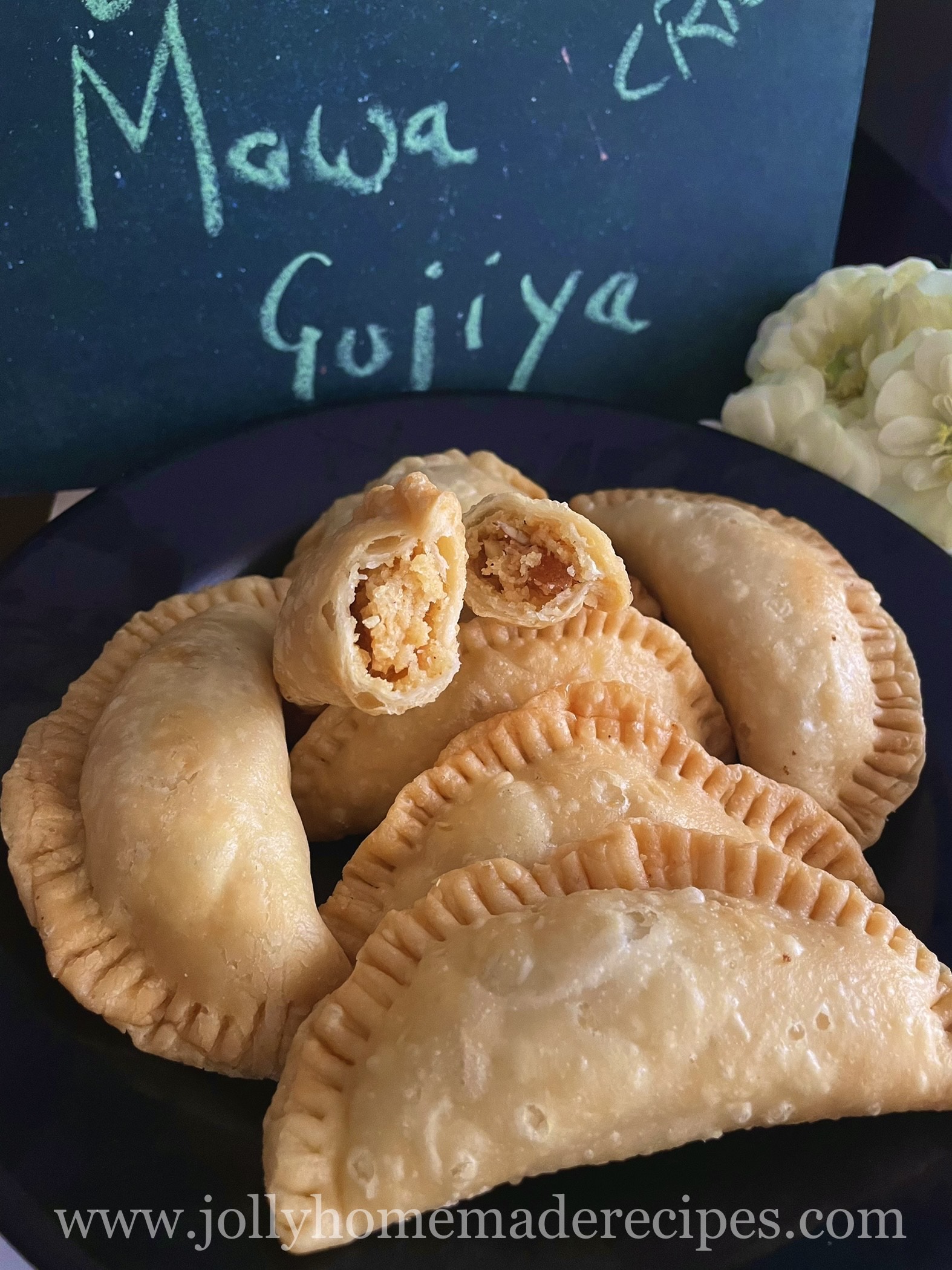
Sooji Mawa Gujiya Recipe | How to make Mawa Gujiya | Gujiya Recipe


How to make Mawa Gujiya

Sooji Mawa Gujiya Recipe- A crisp flaky deep fried pastry stuffed with  khoya or mawa, coconut and dry fruits. A popular traditional North Indian sweet which is a must to make especially during festive holidays times (Holi, or famous during wedding times).

Trust me, this is the first time in my life I have tried my hands on sooji mawa gujiya recipe. bet you just can't resist these golden crisp sweet beauties when you tried my recipe at your home😍

Sooji Mawa Gujiya Recipe

Check out the video recipe of Sooji Mawa Gujiya - 100% crispy


What Is Gujiya?

Gujiya is a deep fried flour pastry stuffed with khoya, dry fruits and coconut. Popular not only in UP, but they are widely made in Rajasthan, Madhya Pradesh and Bihar 

Gujiya Recipe

These sweet dumplings has the filling of mawa in north. And, the Maharashtrian version goes with semolina or suji, and coconut filling. And I made a combination of version of these two in one.

How to store it?

Once the Gujiyas are out from the hot ghee to oil, allow them to cool completely. Then, transfer them into a clean airtight container and store them up to a week at room temperature. They stay very well in refrigerator up to a 15 days.

 You can try more INDIAN lip-smacking sweet desserts recipes 

Kesari Angoori Rasmalai

Til Gud ki Patti 

Pheni Kheer

Doodh Peda

Ingredients :

  • Plain Flour (मैदा )  - 2 cups ( 250 gms)
  • Ghee (घी )  - 1/4 cup ( 60 gms) 
  • Homemade Mawa - 1/2 cup ( 125 gms) 
  • Semolina (सूजी )  - 1/3 cup ( 60 gms)
  • Boora (बूरा ) - 3/4 cup ( 150 gms) 
  • Almonds (बादाम)  - 10 to 12 (finely chopped ) 
  • Cashew nuts (काजू )  - 10 to 12 (finely chopped)
  • Grated Dry coconut (सूखा नारियल )  - 1/3 cup 
  • Raisins (किशमिश )  - 1 tbsp 
  • Green Cardamoms (इलाइची )  - 6 to 7 
  • Oil/Ghee   - For frying
  • Instructions :

    How to make Sooji Mawa Gujiya

     1. Take Plain flour in a mixing bowl, make a hollow pit in it, mixing ghee and flour with fingers first until crumbly. And the flour mixture should hold the shape of a fist. Add lukewarm water in small portions and knead stiff dough.Cover and keep it aside for 20 to 25 minutes to set.

    For stuffing:
    2.Heat pan, add 2 tbsp ghee to it as ghee melts add semolina to it, Stir and roast it, until golden brown. Keep flame medium. Take powder sugar in a bowl, take out semolina, pour over the sugar. 

    3. Roast dry fruits, such as cashews, almonds for 1 to 2 minutes. Then take out and keep in the same bowl as boora  and semolina. Slightly roast dessicated coconut, in hot pan for half a minute. Keep in same bowl.

    4. Crumble and add mawa to the pan, stir and roast, till it changes color. Keep flame medium. Add raisins to the bowl,

    5. Take cardamoms coarsely grind them and add into bowl. Mix all ingredients well.

    6. Meanwhile dough is ready, knead it a bit.Divide dough into 2 parts, make a log, break lumps. Lift dough lump, press and make round dough ball, like a peda. Roll it out thin from the edges with 3 to 4 inch in diameter.

    7. Take the poori. Put stuffing in the poori, grease edges of poori with water. Close it with fork or pinch it with ur fingers, keep the gujiya in a plate. Likewise roll out , stuff and prepare all gujiyas. Keep in plate.

    Check Out The Video  Of How to make Mawa at home 


    8. Heat oil to fry the gujiyas, keep it medium hot. Put one gujiya to fry and check, when frying reduce flame. Put as many gujiyas as they fit in the wok. Once roasted from beneath, flip them. Stir and fry until golden brown from both sides, Keep flame medium low. Lift the gujiya in ladle. Take out from the wok, keep in plate, Fry all Gujiyas likewise. 

    9. Sumptuous, Sooji mawa gujiya's are ready As the gujiyas cool down, keep in an air tight container, and relish it for 15 days.


    Important Tips: 

    • To make Stuffing roast all the ingredients well.
    • To make the dough crisp and flaky, always mix ghee and flour with fingers first until crumbly. And the flour mixture should hold the shape of a fist. Then add water and knead into a soft dough
    • Do not knead the dough to soft or too stiff. It should be such so that is rolled out nicely even without dry flour or ghee. Always allow the dough to rest for 30 minutes for best results.
    •  Ensure the dough is covered with clean damp kitchen towel all the time to avoid drying.
    • While making the filling, always add sugar once the mawa cools completely. You can also use moulds to make the gujiyas.
    • While shaping the gujias, always apply water to the edges of the rolled dough using fingers. Or you can also use small brush and then press to seal. This ensures proper sealing of the edges avoiding the filling to break open while frying.
    • Keep the moulded gujias covered with a clean damp cloth to avoid drying, until the batch is ready to fry.
    • Always deep fry them on medium low heat. Never ever fry them on high heat as it will burn them and pastry will remain uncooked within. Frying them on low heat makes them crispier.
    • Do not overload the pan while deep frying the Gujiya, do it in batches. Also, each batch will take 15-17 minutes to cook.
    •  
    This recipe is a part of A to Z recipe challenge, we choose key ingredients alphabetically to cook and post a dish every month. This month it was alphabet time "M" so I choose my key ingredients MAWA and make this delicious Sooji Mawa Gujiya and will update the whole video soon on my YOUTUBE channel - JOLLYhOMEMADErECIPES 


    Did you try this recipe? Click a picture and mention @jollyhomemaderecipes or tag #jollyhomemaderecipes in Instagram or Twitter


    Subscribe to our YouTube Channel Click here to Subscribe our YouTube Channel and stay updated with our latest video recipes

    PIN IT later for your future use
    Happy Cooking & ENJOY!!


  • Enjoy Christmas Food And Cake On Train | Christmas Festival Celebration

    It’s December already, the Christmas festival is here! It is the coldest time of the year that comes between autumn and spring season. It is a kind of magical season because we feel like magic in the air, because of the cold breeze, freezing nights, cozy woolens, cloudy snow, and chilled atmosphere. Apart from that, one thing that makes this season more joyous is the Christmas food and festival. It is also known as the “Feast Day of Christ” and is celebrated on the 25th of December every year.

    christmas offer on railrecipeEnjoy Christmas Special Offer

    We celebrate this festival as the birth anniversary of Jesus Christ. He was a religious leader as well as a first-century Jewish preacher. He was the Messiah (Christ), the Son of God with infinite knowledge and superpower, yet he also fully experienced the challenges and truth of life. He cared for the poor and always taught us that we should help poor people. Jesus taught us that we must forgive. Even as he died on the cross very cruelly, Jesus forgave the people who killed him.

    How Do People Celebrate Christmas?

    Christmas is all about cakes, candles, fun, happiness, gifts, and unlimited celebrations. This festival is celebrated all over the world as a religious holiday and gives us the message of peace, unconditional love, harmony, and kindness. Christmas is a time of holiday filled with lots of joy, delicious foods, and time with friends and family members at home.

    There are many ways by which people celebrate this festival all over the world.

    • People put up a Christmas tree and decorate it.
    • They decorate their homes with colorful lights.
    • People visit the nearest church for prayer.
    • Bake Christmas cakes and cookies.
    • Help young children to believe in Santa.
    • Give presents to friends, family and needy people.
    • Mail greeting cards to close ones.
    • Donate to charity.
    • Arrange parties and get-togethers.

    Also, read: Enjoy Continental Food While Travelling On Train

    These activities can be accomplished only when you are with your family.  To celebrate this festival at your home, you need your near and dear people. But if you are on a train journey with your friends, family, or relatives and planning to celebrate Christmas then, you do not need to worry because we are here to provide you best facilities while traveling. RailRecipe is here to manage all your food cravings, all you need to do is either download our app RailRecipe, or contact 844-844-0386 for group food orders.

    You can easily place your order with us without any second thought because RailRecipe is authorized by IRCTC e-catering.  We provide a large number of various dishes options for passengers. Our company is linked with various FSSAI- approved restaurant partners that provide healthy, hygienic, and fresh foods in train with easy and comfortable payment options.

    Also, read: RailRecipe Blog Featured In Top 100 Food blogs

    How To Order Christmas Food And Cake On The Train?

    Christmas is totally incomplete without a cake. Now passengers can order their Christmas cake while traveling through IRCTC authorized RailRecipe app. They can also book their favorite cake by calling on 844-844-0386.

    christmas cake

    The entire process of ordering Christmas cake online on the train is mentioned below:

    • Firstly, download RailRecipe App on your Smartphone through Google Play Store.
    • After installation, open and enter your PNR number to retrieve all the information about your trip.
    • Select your delivery station and the desired Christmas cake.
    • For making payment choose your comfortable payment option either online or cash on delivery.
    • After completing a successful transaction, you will receive a confirmation email or SMS.
    • After some time, our delivery boy will bring you the Christmas food parcel and deliver it in your bogie.
    • Now you can easily enjoy your Christmas food and cake with your people while traveling.

    RailRecipe Is Dedicated Towards Train Travellers

    Our company RailRecipe is dedicated to providing the best service to our passengers while traveling via train. We are trying our best to provide the best meals possible to Indian Railways passengers. Apart from pure vegetarian, and non vegetarian options we also provide Sattvik food, pure Jain food, and Chinese and Italian recipes among other things. Celebrate your Christmas with us and cut your Christmas cake while traveling to experience a new way to celebrate the festival with your loved ones. It’s our responsibility to make your journey memorable with our fantastic food on train service.

    MERRY CHRISTMAS And HAPPY NEW YEAR

    From, Our team (RailRecipe)

    Nonta or Jhaal Koraishutir Patishapta - Bengali Crepes

    By: Bong Mom
    The deluge of Pithe and Patishapta photos on my social media feeds finally got to me. I wasn't feeling exactly inclined to making anything as both my mother and in-laws have been not that well, and my mother, the trooper that she is did not have the energy to make anything for Sankranti.But then the "hyangla" person in me got the better of me. If I did not make anything for Sankranti, how would I

    Milagu Jeeraga Adai Recipe | Thirukarthigai Adai – Karthigai Deepam Special

    By: Sharmili

    Milagu jeeraga adai is similar to the regular dal adai, with a little difference in taste. You can taste the jeera and pepper flavor in this adai. This adai is specially prepared on the occasion of Karthigai Deepam.

    We don’t add onions in this as we serve it to God as Prashad. This adai can even be had as breakfast or dinner. Best served with jaggery powder or coconut chutney, or idli podi. This adai tastes delicious, and it is also filling for breakfast or dinner.

    Several other recipes were also made during this Karthigai Deepam. Some are peanut jaggery laddu, puffed rice laddu, sweet appam, sweet adai, pasiparuppu payasam, and so on. Now let us see how to prepare this recipe.

    Enjoy the video of milagu seeraga adai. Subscribe or more videos.

    Milagu Jeeraga Adai Recipe | Thirukarthigai Adai - Karthigai Deepam Special
    Delicious milagu jeeraga adai.
    Servings10 pieces appox
    Prep Time10 min(excluding soaking time)
    Cook Time20 mins
    Ingredients
    Instructions
    1. Add rice, urad dal, toor dal, and chana dal in a bowl. Add enough water and wash it thoroughly 2 to 3 times. Add fresh water and soak rice and dal for 2 to 3 hours.
    2. Once soaked, transfer rice and dal to a mixer jar. Add salt and cumin seeds and grind to a coarse batter by adding little water.
    3. Transfer the batter to a bowl. Add grated coconut, curry leaves, and pepper powder to this, and mix all thoroughly. Adjust the batter consistency if required.
    4. Adai is usually made thick. If you want thinner adai, add the water and make it like crispy dosa.
    5. Heat a pan, pour a ladle of batter, and spread it in a circular motion, as shown. Drizzle a spoon of oil. Let it cook.
    6. Now flip to the other side and drizzle another spoon of oil. Once cooked again, flip to the first side and cook for a few more minutes till it gets crispier. Now transfer to a plate. Milagu jeeraga adai is ready.
    Recipe Notes
    • Soak lentils and rice for at least 2-3 hours.
    • Coarsely grind the batter, and keep it slightly thicker than the dosa batter consistency.
    • Adai can be made immediately after grinding. You need not ferment the batter. But it is better to keep it for an hour or two and then make adai.
    • If you want to use the remaining batter, refrigerate it for later use. (approx two days)

    Delicious Milagu jeeraga adai is ready to serve as Prashad to God.

    If you found this post useful, I would really love it if you pin it or share it with your Facebook fans or Twitter followers, or Google+ circles today. All it takes is a simple click on the “pin it” “like,” “share,” “tweet,” or Google+ buttons below the post. It will keep me motivated. Thank you!

    Munthiri Cake Recipe | Cashew Cake | Kaju Cake – Diwali Sweets

    By: Sharmili

    Cashew cake is one of the simple and rich recipes which can be prepared within 30 mins. Cashew cake is different from cashew katli. For Katli we used to check the string consistency. But for Cashew cake we do not need to check for the string consistency.

    This recipe was also on my to-do list for a long time and one of my followers asked me to show how to make this cashew cake. So I thought this is the perfect time to share the recipe as Diwali is nearing. This exactly tastes like the one we buy from Nellai Lala Sweets.

    Making cashew cake is very easy. Soak cashews in hot milk for 30 mins. Grind cashews along with milk to a smooth paste. Add sugar and cardamom powder, and cook till it leaves the sides of the kadai. Add the remaining 1 cup of ghee in intervals (1 tbsp at a time) to avoid drying.

    Take a small piece and check whether you are able to make the ball. If you are able to make the ball then consistency is reached. Pour the mixture into the greased plate. Let it cool for a while and cut it into the desired shape and enjoy.

    Enjoy the video of Munthiri cake. Subscribe for more videos.

    Now let us see how to prepare this recipe.

    Munthiri Cake Recipe | Cashew Cake | Kaju Cake - Diwali Sweets
    Scrumptious munthiri cake.
    Servings16 pieces appox
    Prep Time20 mins
    Cook Time30 mins
    Ingredients
    Instructions
    1. Soak cashews in hot milk for 30 mins. Once soaked well, grind cashews along with milk to a smooth paste.
    2. Heat a kadai, add a tbsp of ghee, and ground cashew paste. Saute for a min. Add sugar and cook on a medium flame for 5 mins. Once sugar is added to the cashew paste, the mix becomes watery.
    3. Now add cardamom powder and mix all thoroughly. Now add the remaining 1 cup ghee in intervals (1 tbsp at a time) to avoid drying and mix well. Keep stirring continuously until all the ghee is used.
    4. At this last stage, approximately after 15 mins, you can see foam forming, and now if you scoop, it will not stick to Kadai. The mixture will not be sticky anymore. You can even place a small drop of the mixture on a greased plate and if you are able to make a ball out of it then the consistency is perfect.
    5. Switch off the flame and pour the mixture into the greased plate. Just allow it to set for a while and once it starts to get set, cut it into the desired shape. Cashew cake is ready.
    Recipe Notes
    • Keep flame to medium-low for the entire process.
    • Do not leave it unattended.
    • Soaking cashew in hot or warm milk is a must.
    • The last stage is also important. When the mixture starts leaving the Kadai, immediately switch off the flame and transfer it to greased plate otherwise, it will become hard.

    Delicious melt-in-mouth munthiri cake/cashew cake is ready to relish.

    If you found this post useful, I would really love it if you pin it or share it with your Facebook fans or Twitter followers, or Google+ circles today. All it takes is a simple click on the “pin it” “like,” “share,” “tweet,” or Google+ buttons below the post. It will keep me motivated. Thank you!

    Ragi Thinai Murukku Recipe | Finger Millet and Foxtail Millet Murukku – Diwali Snack

    By: Sharmili

    Diwali is around the corner and most of you would have started making sweets and snacks. So I thought this was the perfect time to share my instant diabetic-friendly, healthy, and crispy ragi thinai murukku, which can be prepared in 15 mins.

    I have prepared this murukku using organic ragi and thinai flour. The traditional method of making this murukku is by grinding the ragi and thinai, which is time-consuming. So I have shared here the easy way to use store-bought flour.

    To make the perfect murukku, the following steps should be followed.

    • Use any good brand of ragi and thinai flour.
    • Always cook murukku on the medium-low flame to cook evenly.
    • Instead of sesame seeds, you can use carom seeds or cumin seeds.
    • Gently drop the murukku into the oil, or else the oil may spill. Use enough oil to deep fry.
    • If you feel the dough is getting dry and cannot press, sprinkle little water and mix it thoroughly.
    • Always keep the dough closed with a cloth or lid to prevent it from getting dry.
    • If making in large quantities, always make it in batches.

    Enjoy the video of ragi thinai murukku. Subscribe for  more videos.

    Now let us see how to prepare this recipe.

    Ragi Thinai Murukku Recipe | Finger Millet and Foxtail Millet Murukku - Diwali Snack
    Diabetic-friendly, healthy, and crispy ragi thinai murukku.
    Servings15-20 Murukku approx
    Prep Time10 mins
    Cook Time15 mins
    Instructions
    1. In a mixer jar, add roasted gram, grind it to a smooth powder, and set aside.
    2. On a wide bowl, place a sieve, add ragi flour, thinai flour, and powdered roasted gram. Sieve all thoroughly and discard the residue.
    3. Now to the bowl, add sesame seeds, required salt, hing, chili powder, and two tbsps of hot oil, mix with a spatula, and crumble the mixture thoroughly.
    4. Then add water little by little. Bring it to a chapati dough consistency. It should neither be too stiff nor too soft. Murukku press (3 dots) shown here in the video is used for making murukku.
    5. Take a small portion of the dough and make it into the ball. Now grease the murukku press with oil and fill 3/4 of the press with dough.
    6. Now press the murukku batter on a spatula or butter paper in a circular motion as shown. 3 to 4 circles are enough. Heat oil in a heavy bottom Kadai. First, check by dropping a little dough in oil. If the oil is hot enough the dough would rise immediately or else it will go down. Now gently drop the murukku into the oil. Deep fry 2 to 3 murukkus at a time. Do not overcrowd.
    7. Let it cook on low flame till it turns crispy. Then gently turn to the other side and let it cook till bubbling stops.
    8. Now remove and place it on a kitchen towel to remove excess oil. Repeat the process with the remaining murukku batter. Let it cool and store it in an airtight container.
    Recipe Notes
    • Use any good brand ragi flour and thinai flour. I have used organic flour.
    • Always cook murukku on medium-low flame to evenly cook.
    • Instead of sesame seeds, you can use carom seeds or cumin seeds.
    • Gently drop the murukku into the oil, or else the oil may spill. Use enough oil to deep fry. 
    • If you feel the dough is getting dry and not able to press, sprinkle little water and mix it thoroughly.
    • Always keep the dough closed with a cloth or lid to prevent it from getting dry.
    • If making in large quantities always make it in batches.

    Diabetic-friendly, healthy, and crispy ragi thinai murukku is ready to relish.

    If you found this post useful, I would really love it if you pin it or share it with your Facebook fans or Twitter followers, or Google+ circles today. All it takes is a simple click on the “pin it” “like,” “share,” “Tweet,” or Google+ buttons below the post. It will keep me motivated. Thank you!

    Aadi Perukku Kapparisi Recipe | Aadi 18 Kapparisi – Aadi Special

    By: Sharmili

    Aadi Perukku is commonly known as the Aadi monsoon festival and is celebrated on the 18th day of the Tamil month of Adi. The festival pays tribute to water’s life-sustaining properties.

    Kapparisi is a traditional sweet specially prepared on Aadi 18, which is the 18th day of Tamil month. This kapparisi is made of raw rice, jaggery, black sesame seeds, and roasted gram as the main ingredients. This sweet is offered as Prashad to God.

    I made this Prashad on Aadi perukku(Yesterday). As I had no time to post the recipe yesterday, sharing it today. Preparation of jaggery syrup is very important. It should be 4th string consistency, which means we should be able to make a hard ball out of the syrup. If we prepare this kapparisi in this method, it won’t get spoiled easily. It stays for a very long time. Now let us see how to prepare this recipe.

    Enjoy the video of Kapparisi. Subscribe for more videos.

    Aadi Perukku Kapparisi Recipe | Aadi 18 Kapparisi - Aadi Special
    Delicious Aadi Perukku Kapparisi.
    Servings2 cups
    Prep Time15 min(excluding soaking time)
    Cook Time20 mins
    Instructions
    1. Soak rice for 15 mins. Wash it thoroughly and drain it completely and keep it in a strainer for another 15 mins.
    2. Spread the drained rice on a clean cotton cloth and keep it in the shade for 30 mins. Dry it completely, and transfer it to a plate.
    3. Heat a pan, and add sesame seeds. Roast it until sesame seeds splutter. Transfer it to a plate and set it aside.
    4. Add ghee to the pan, and roast the coconut bits until it turns golden brown. Along with this, add roasted gram and roast for a min. Once done, transfer this to a plate and set it aside.
    5. In another pan, add jaggery and half a cup of water and boil till the jaggery melts. (Filter jaggery water for any impurities. I have used organic jaggery. It had no impurities). Now again boil the jaggery until it reaches the ball consistency.
    6. If you add a drop of jaggery syrup in water, you should be able to make a role out of it, as shown. It should not dissolve in water.
    7. Add roasted sesame seeds, coconut bits, roasted gram, rice, and cardamom powder, and mix all thoroughly until all combine well.
    8. Transfer it to a plate and let it cool completely. Once it cools, we can crumble it easily. Kapparisi is ready.
    Recipe Notes
    • Dry the soaked rice entirely before using it in the recipe.
    • Use a good quality jaggery to make the syrup (in Tamil, we call it paagu vellum). Here I have used organic Palm jaggery.
    • Make sure the jaggery syrup reaches the proper consistency.
    • You can even add a pinch of salt to enhance the taste of the jaggery.

    Delicious Kapparisi is ready to serve God as Prashad.

    If you found this post useful, I would love it if you pin it or share it with your Facebook fans or Twitter followers, or Google+ circles today. All it takes is a simple click on the “pin it” “like,” “share,” “Tweet,” or Google+ buttons below the post. It will keep me motivated. Thank you!

    ❌