Login
LoginSources: AI synthetic research startup Aaru raised a Series A at a $1B ‘headline’ valuation
The one-year-old startup, which does market research on simulated populations, had a multi-tier valuation round, sources tell TechCrunch.

4 min read
For the first time, scientists have made a clear X-ray detection of chlorine and potassium in the wreckage of a star using data from the Japan-led XRISM (X-ray Imaging and Spectroscopy Mission) spacecraft.
The Resolve instrument aboard XRISM, pronounced “crism,” discovered these elements in a supernova remnant called Cassiopeia A or Cas A, for short. The expanding cloud of debris is located about 11,000 light-years away in the northern constellation Cassiopeia.
“This discovery helps illustrate how the deaths of stars and life on Earth are fundamentally linked,” said Toshiki Sato, an astrophysicist at Meiji University in Tokyo. “Stars appear to shimmer quietly in the night sky, but they actively forge materials that form planets and enable life as we know it. Now, thanks to XRISM, we have a better idea of when and how stars might make crucial, yet harder-to-find, elements.”
A paper about the result published Dec. 4 in Nature Astronomy. Sato led the study with Kai Matsunaga and Hiroyuki Uchida, both at Kyoto University in Japan. JAXA (Japan Aerospace Exploration Agency) leads XRISM in collaboration with NASA, along with contributions from ESA (European Space Agency). NASA and JAXA also codeveloped the Resolve instrument.
Stars produce almost all the elements in the universe heavier than hydrogen and helium through nuclear reactions. Heat and pressure fuse lighter ones, like carbon, into progressively heavier ones, like neon, creating onion-like layers of materials in stellar interiors.
Nuclear reactions also take place during explosive events like supernovae, which occur when stars run out of fuel, collapse, and explode. Elemental abundances and locations in the wreckage can, respectively, tell scientists about the star and its explosion, even after hundreds or thousands of years.
Some elements — like oxygen, carbon, and neon — are more common than others and are easier to detect and trace back to a particular part of the star’s life.
Other elements — like chlorine and potassium — are more elusive. Since scientists have less data about them, it’s more difficult to model where in the star they formed. These rarer elements still play important roles in life on Earth. Potassium, for example, helps the cells and muscles in our bodies function, so astronomers are interested in tracing its cosmic origins.
The roughly circular Cas A supernova remnant spans about 10 light-years, is over 340 years old, and has a superdense neutron star at its center — the remains of the original star’s core. Scientists using NASA’s Chandra X-ray Observatory had previously identified signatures of iron, silicon, sulfur, and other elements within Cas A.
In the hunt for other elements, the team used the Resolve instrument aboard XRISM to look at the remnant twice in December 2023. The researchers were able to pick out the signatures for chlorine and potassium, determining that the remnant contains ratios much higher than expected. Resolve also detected a possible indication of phosphorous, which was previously discovered in Cas A by infrared missions.
“Resolve’s high resolution and sensitivity make these kinds of measurements possible,” said Brian Williams, the XRISM project scientist at NASA’s Goddard Space Flight Center in Greenbelt, Maryland. “Combining XRISM’s capabilities with those of other missions allows scientists to detect and measure these rare elements that are so critical to the formation of life in the universe.”
The astronomers think stellar activity could have disrupted the layers of nuclear fusion inside the star before it exploded. That kind of upheaval might have led to persistent, large-scale churning of material inside the star that created conditions where chlorine and potassium formed in abundance.
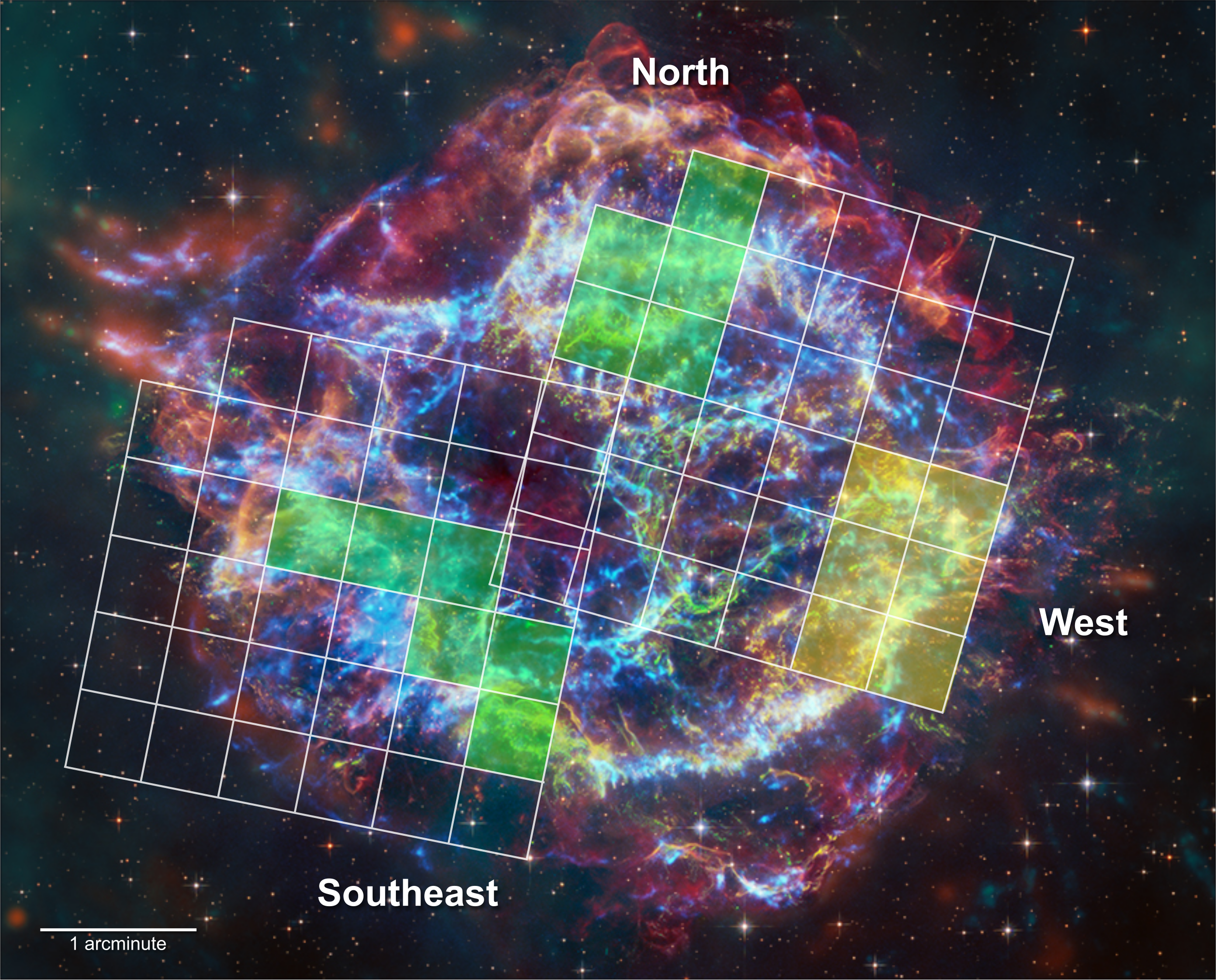
The scientists also mapped the Resolve observations onto an image of Cas A captured by Chandra and showed that the elements were concentrated in the southeast and northern parts of the remnant.
This lopsided distribution may mean that the star itself had underlying asymmetries before it exploded, which Chandra data indicated earlier this year in a study Sato led.
“Being able to make measurements with good statistical precision of these rarer elements really helps us understand the nuclear fusion that goes on in stars before and during supernovae,” said co-author Paul Plucinsky, an astrophysicist at the Center for Astrophysics | Harvard & Smithsonian in Cambridge, Massachusetts. “We suspected a key part might be asymmetry, and now we have more evidence that’s the case. But there’s still a lot we just don’t understand about how stars explode and distribute all these elements across the cosmos.”
By Jeanette Kazmierczak
NASA’s Goddard Space Flight Center, Greenbelt, Md.
Media Contact:
Claire Andreoli
301-286-1940
NASA’s Goddard Space Flight Center, Greenbelt, Md.


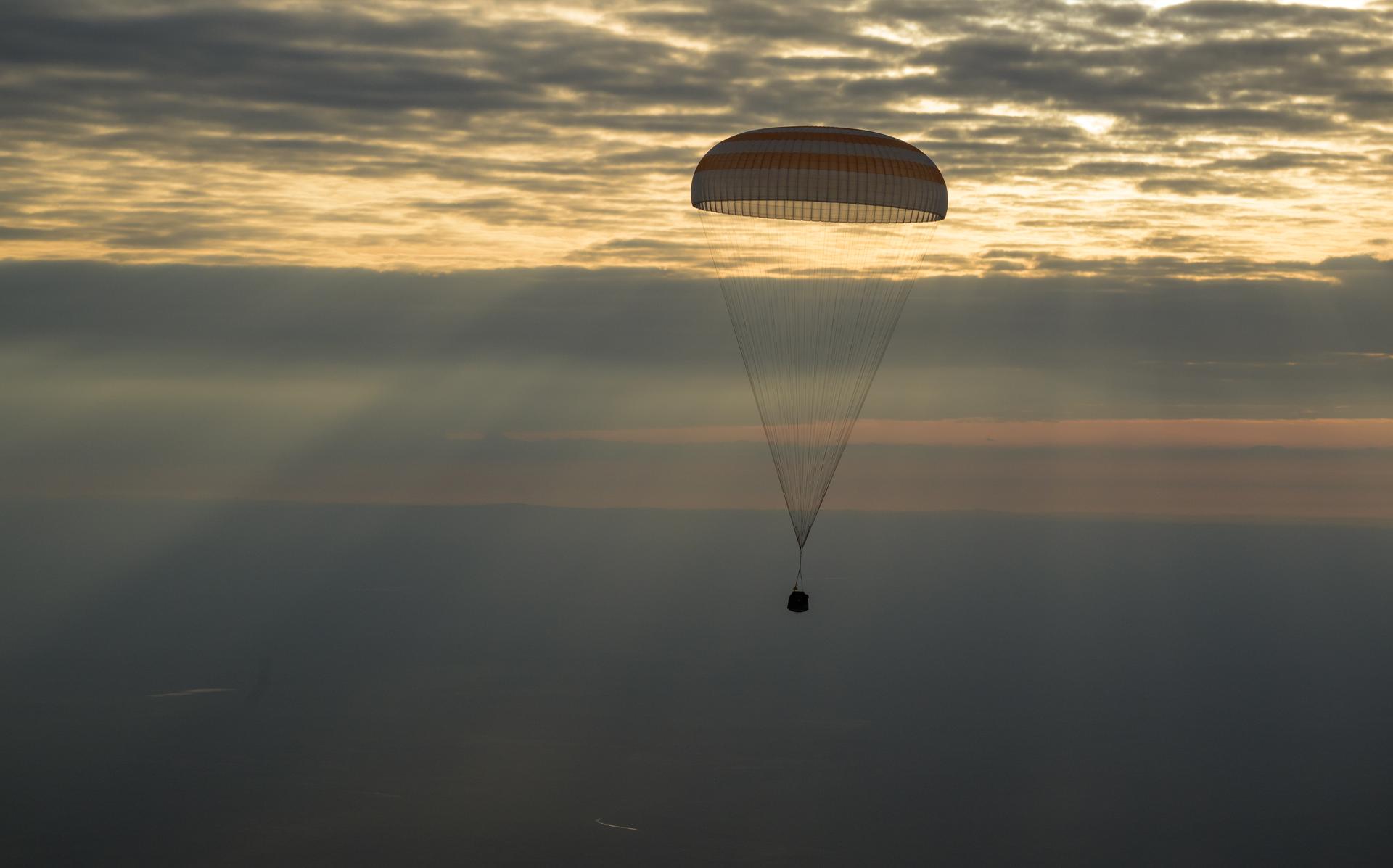
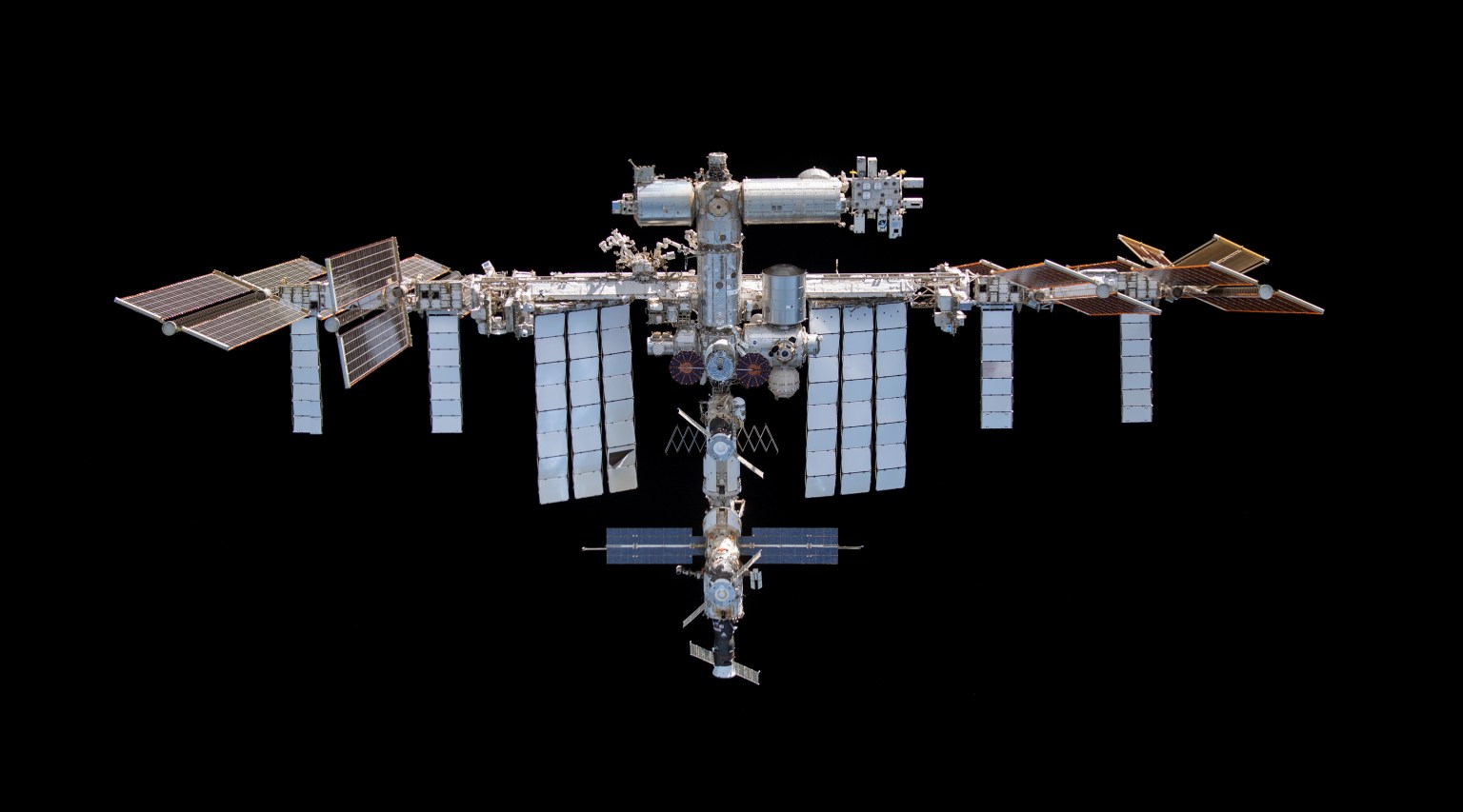
NASA astronaut Jonny Kim, accompanied by Roscosmos cosmonauts Sergey Ryzhikov and Alexey Zubritsky, is preparing to depart the International Space Station aboard the Soyuz MS-27 spacecraft and return to Earth.
Kim, Ryzhikov, and Zubritsky will undock from the station’s Prichal module at 8:41 p.m. EST on Monday, Dec. 8, headed for a parachute-assisted landing at 12:04 a.m. on Tuesday, Dec. 9 (10:04 a.m. local time in Kazakhstan), on the steppe of Kazakhstan, southeast of the city of Dzhezkazgan.
Watch NASA’s live coverage of the crew’s return on NASA+, Amazon Prime, and the agency’s YouTube channel. Learn how to stream NASA content through a variety of online platforms, including social media.
The space station change of command ceremony will begin at 10:30 a.m. Sunday, Dec. 7, on NASA+ and the agency’s YouTube channel. Rzyhikov will hand over station command to NASA astronaut Mike Fincke for Expedition 74, which begins at the time of Soyuz MS-27 undocking.
Kim and his crewmates are completing a 245-day mission aboard the station. At the conclusion of their mission, they will have orbited Earth 3,920 times and traveled nearly 104 million miles. This was the first flight for Kim and Zubritsky to the orbiting laboratory, while Ryzhikov is ending his third trip to space.
After landing, the three crew members will fly by helicopter to Karaganda, Kazakhstan, where recovery teams are based. Kim will board a NASA aircraft and return to Houston, while Ryzhikov and Zubritsky will depart for their training base in Star City, Russia.
NASA’s coverage is as follows (all times Eastern and subject to change based on real-time operations):
Sunday, Dec. 7:
10:30 a.m. – Expedition 73/74 change of command ceremony begins on NASA+ Amazon Prime, and YouTube.
Monday, Dec. 8:
4:45 p.m. – Farewells and hatch closing coverage begins on NASA+, Amazon Prime, and YouTube.
5:10 p.m. – Hatch closing
8:15 p.m. – Undocking coverage beings on NASA+, Amazon Prime, and YouTube.
8:41 p.m. – Undocking
10:30 p.m. – Deorbit and landing coverage begins on NASA+, Amazon Prime, and YouTube.
11:10 p.m. – Deorbit burn
Tuesday, Dec. 9:
12:04 a.m. – Landing
For more than 25 years, people have lived and worked continuously aboard the International Space Station, advancing scientific knowledge and making research breakthroughs that are not possible on Earth. The station is a critical testbed for NASA to understand and overcome the challenges of long-duration spaceflight and to expand commercial opportunities in low Earth orbit. As commercial companies concentrate on providing human space transportation services and destinations as part of a robust low Earth orbit economy, NASA is focusing its resources on deep space missions to the Moon as part of the Artemis campaign in preparation for future human missions to Mars.
Learn more about International Space Station research and operations at:
-end-
Josh Finch / Jimi Russell
Headquarters, Washington
202-358-1100
joshua.a.finch@nasa.gov / james.j.russell@nasa.gov
Sandra Jones / Joseph Zakrzewski
Johnson Space Center, Houston
281-483-5111
sandra.p.jones@nasa.gov / joseph.a.zakrzewski@nasa.gov
5 min read
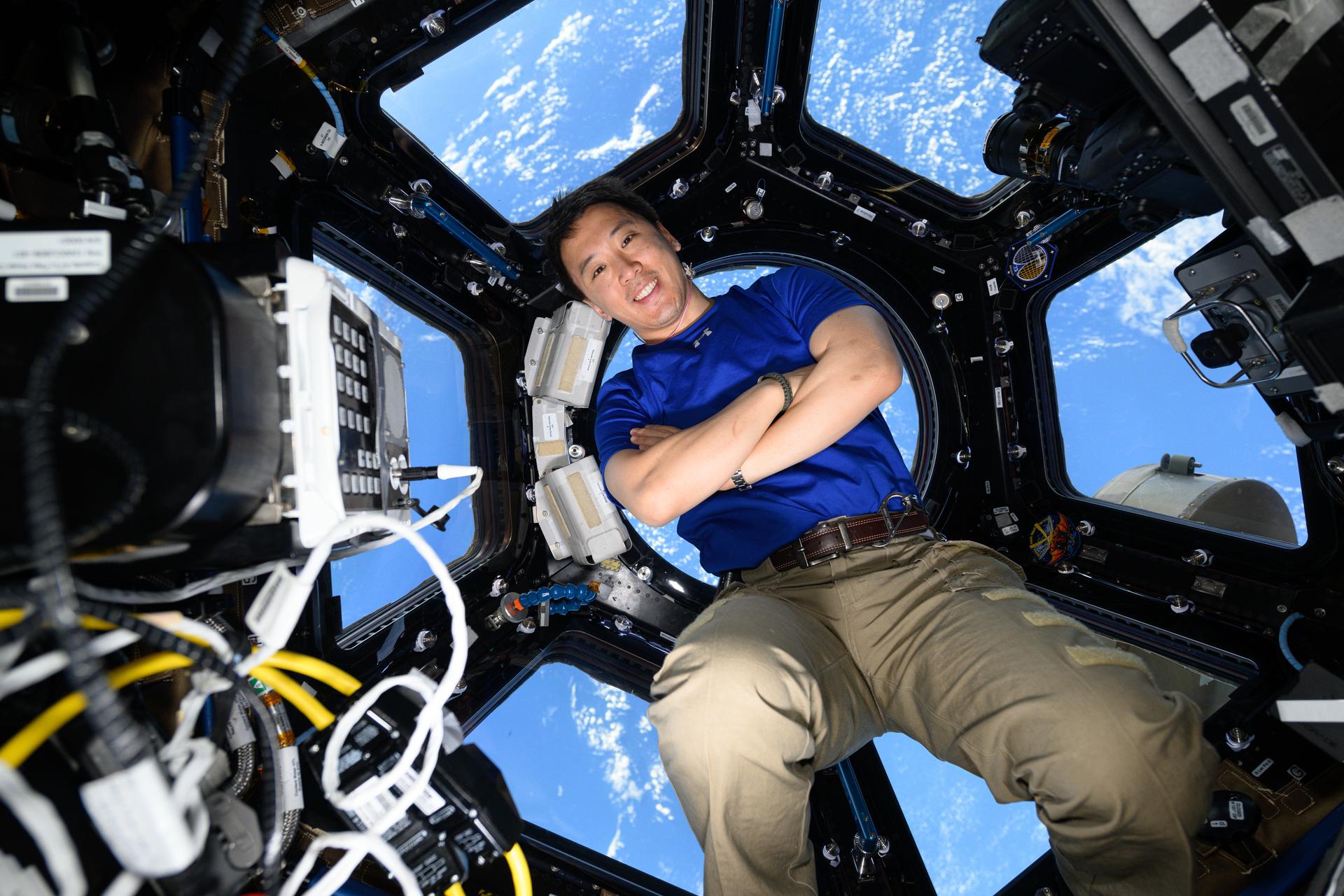
NASA astronaut Jonny Kim is wrapping up his first mission aboard the International Space Station in early December. During his stay, Kim conducted scientific experiments and technology demonstrations to benefit humanity on Earth and advance NASA’s Artemis campaign in preparation for future human missions to Mars.
Here is a look at some of the science Kim completed during his mission:
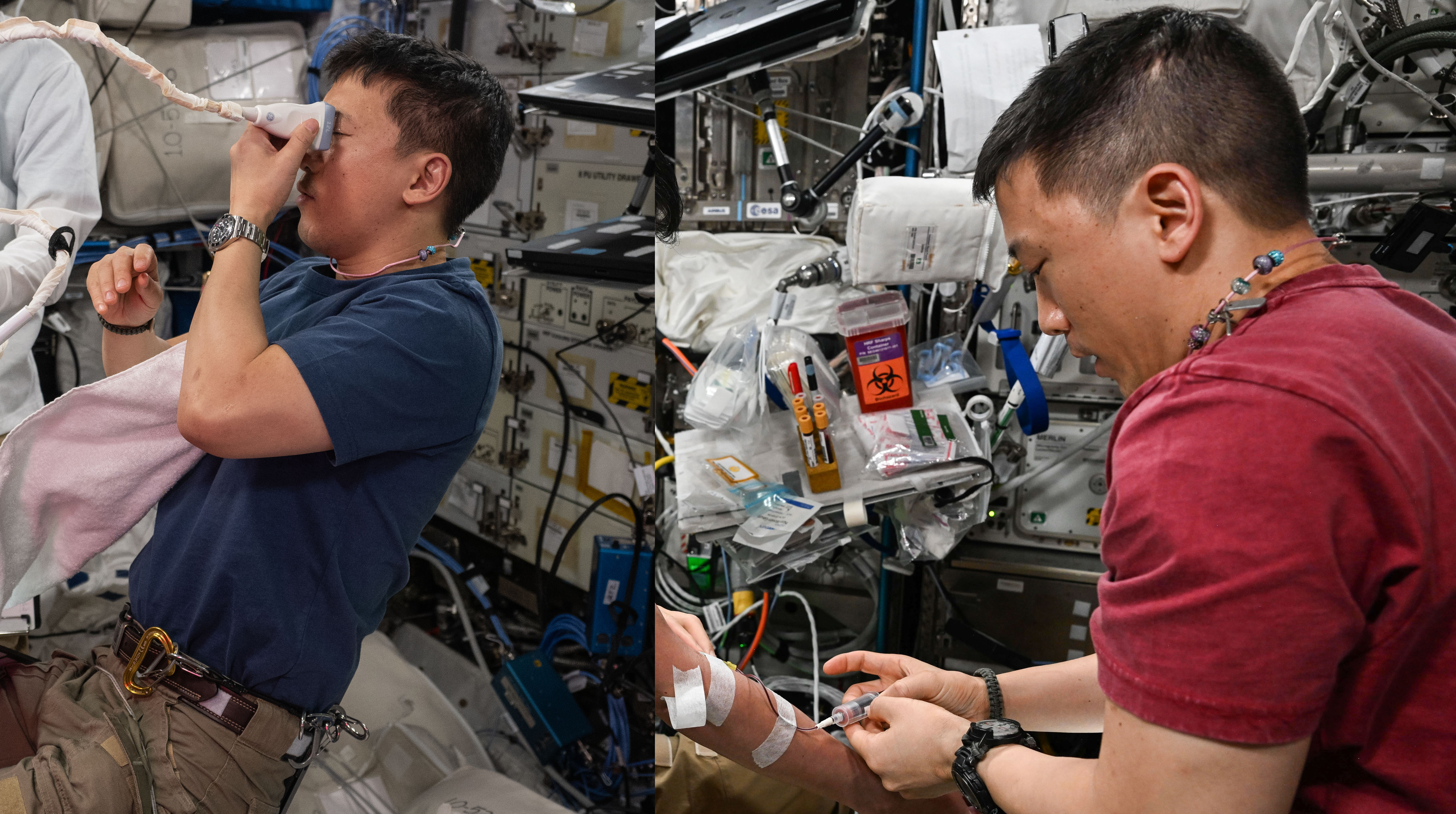
NASA astronaut Jonny Kim, a medical doctor, completed several routine medical exams while aboard the International Space Station. NASA flight surgeons and researchers monitor crew health using a variety of tools, including blood tests, eye exams, and ultrasounds.
Kim conducts an ultrasound of his eye in the left image. Eye exams are essential as long-duration spaceflight may cause changes to the eye’s structure and affect vision, a condition known as spaceflight associated neuro-ocular syndrome, or SANS. In the right image, Kim draws blood from a fellow crew member. These blood sample collections provide important insights into crew cartilage and bone health, cardiovascular function, inflammation, stress, immune function, and nutritional status.
NASA astronauts complete regular medical exams before, during, and after spaceflight to monitor astronaut health and develop better tools and measures for future human exploration missions to the Moon and Mars.
Learn more about human research on space station.
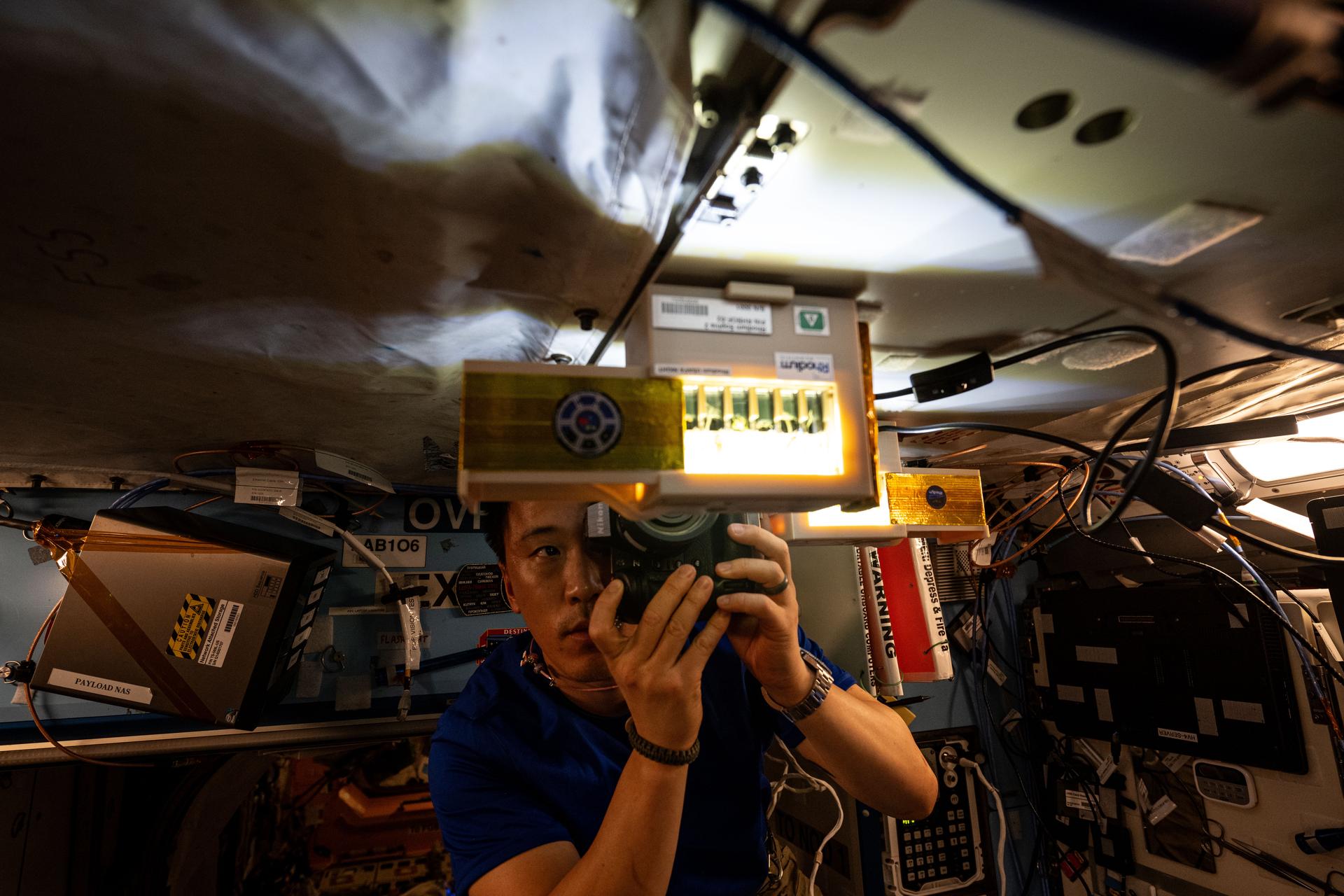
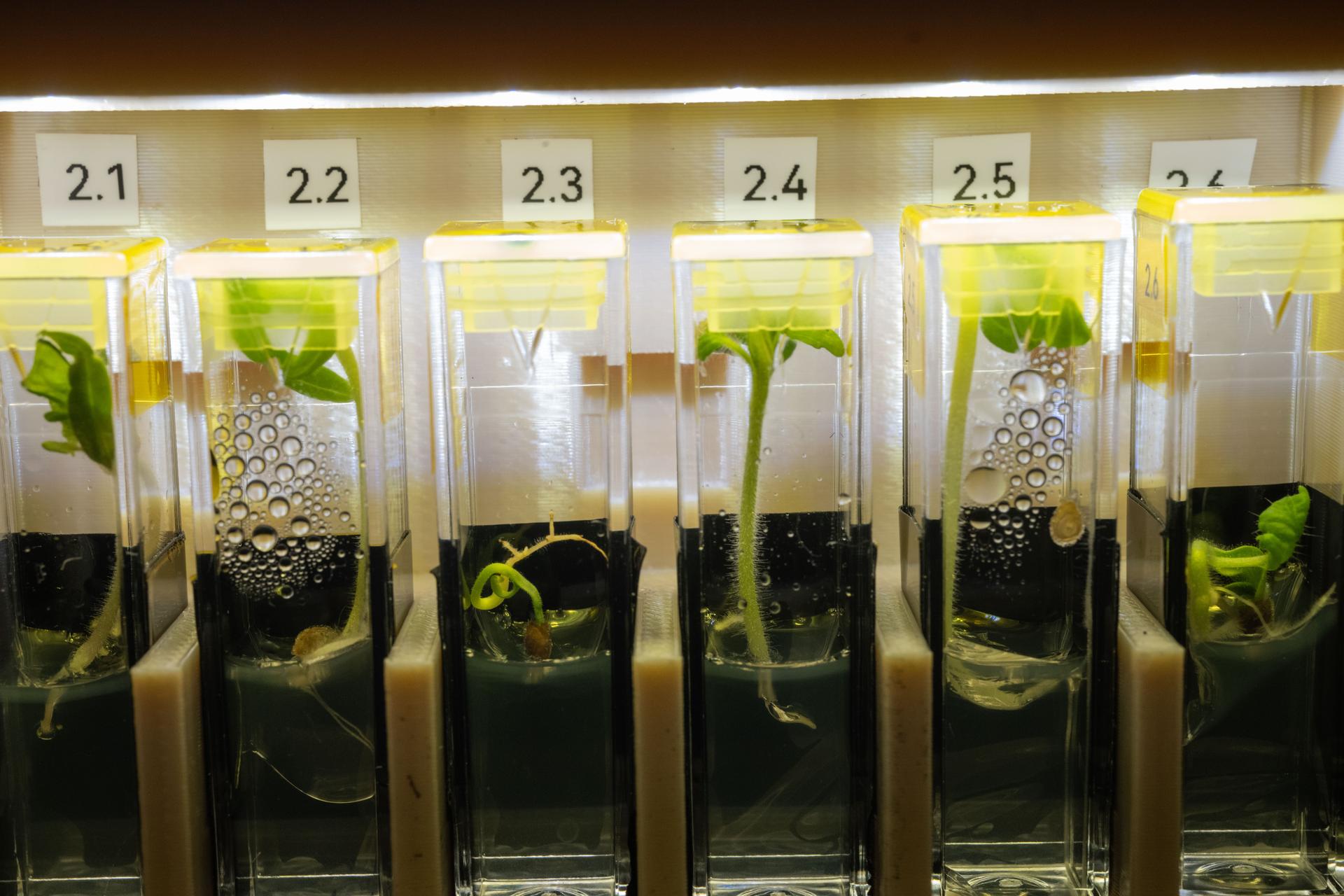
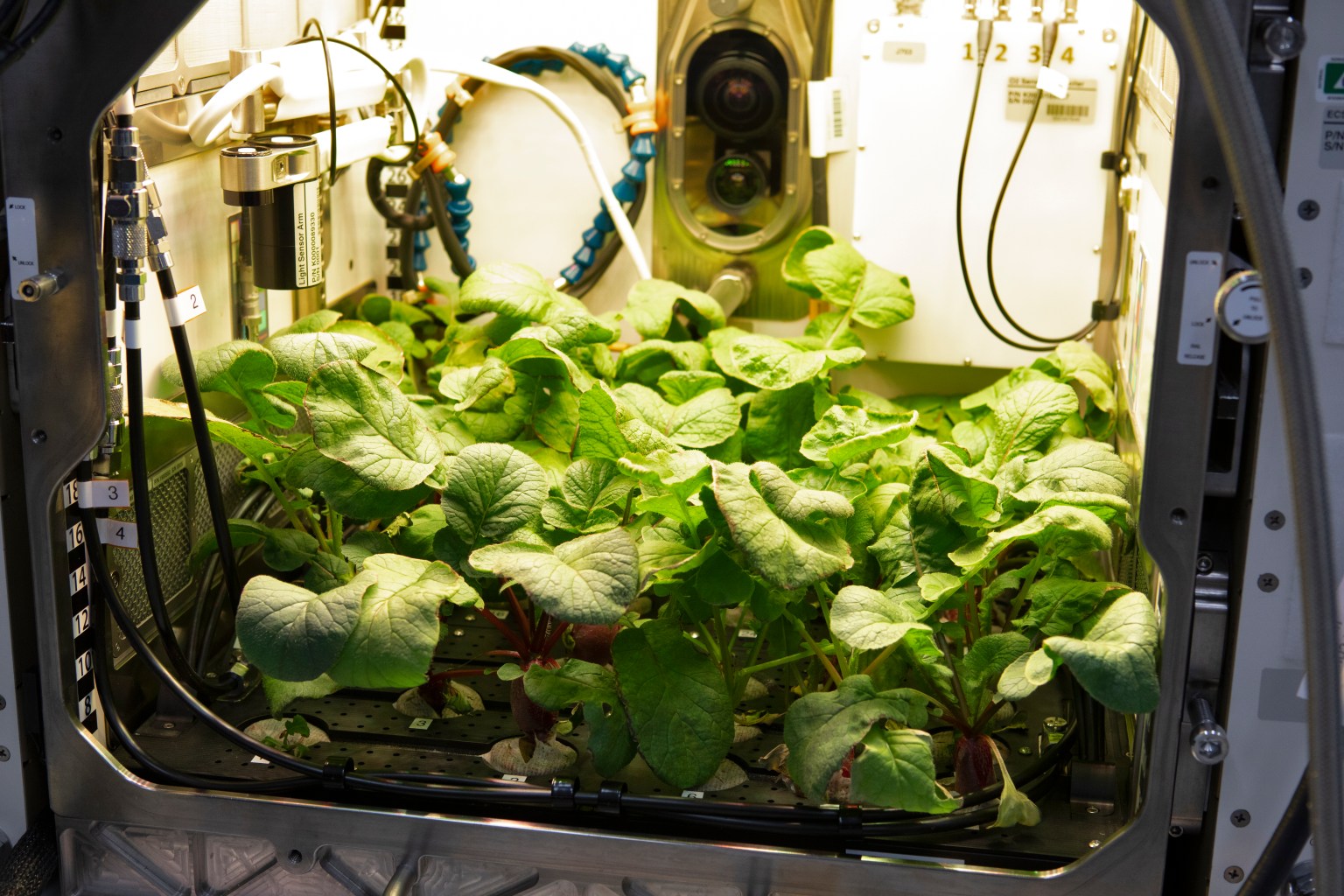
NASA astronaut Jonny Kim photographs dwarf tomato sprouts grown using a nutrient supplement instead of photosynthesis as part of a study on plant development and gene expression. The plants are given an acetate supplement as a secondary nutrition source, which could increase growth and result in better yields, all while using less power and fewer resources aboard the space station and future spacecraft.
Learn more about Rhodium USAFA NIGHT.
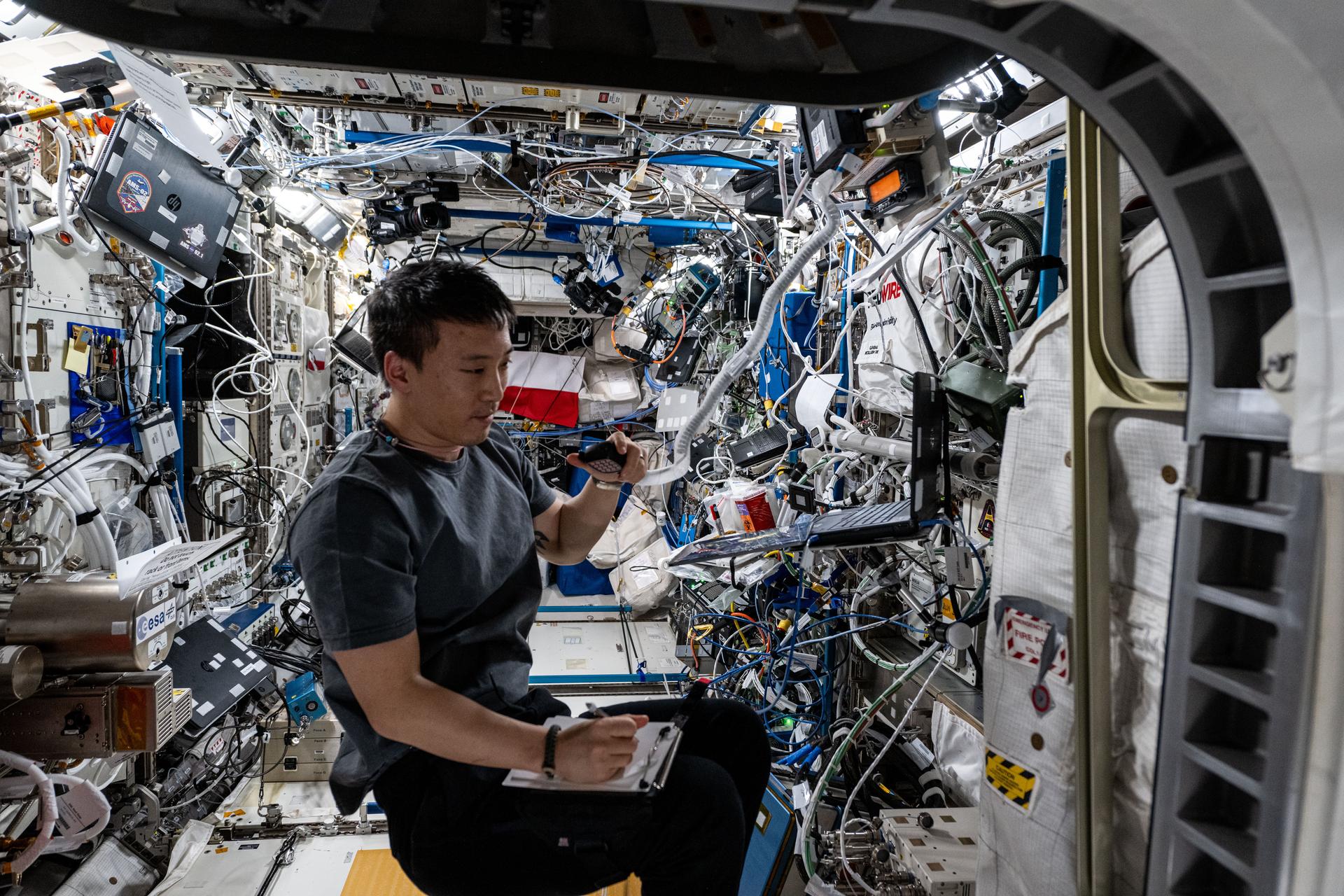
NASA astronaut Jonny Kim uses a ham radio to speak with students on Earth via an educational program connecting students worldwide with astronauts aboard the International Space Station. Students can ask about life aboard the orbiting laboratory and the many experiments conducted in microgravity. This program encourages an interest in STEM (science, technology, engineering, and mathematics) and inspires the next generation of space explorers.
Learn more about ISS Ham Radio.
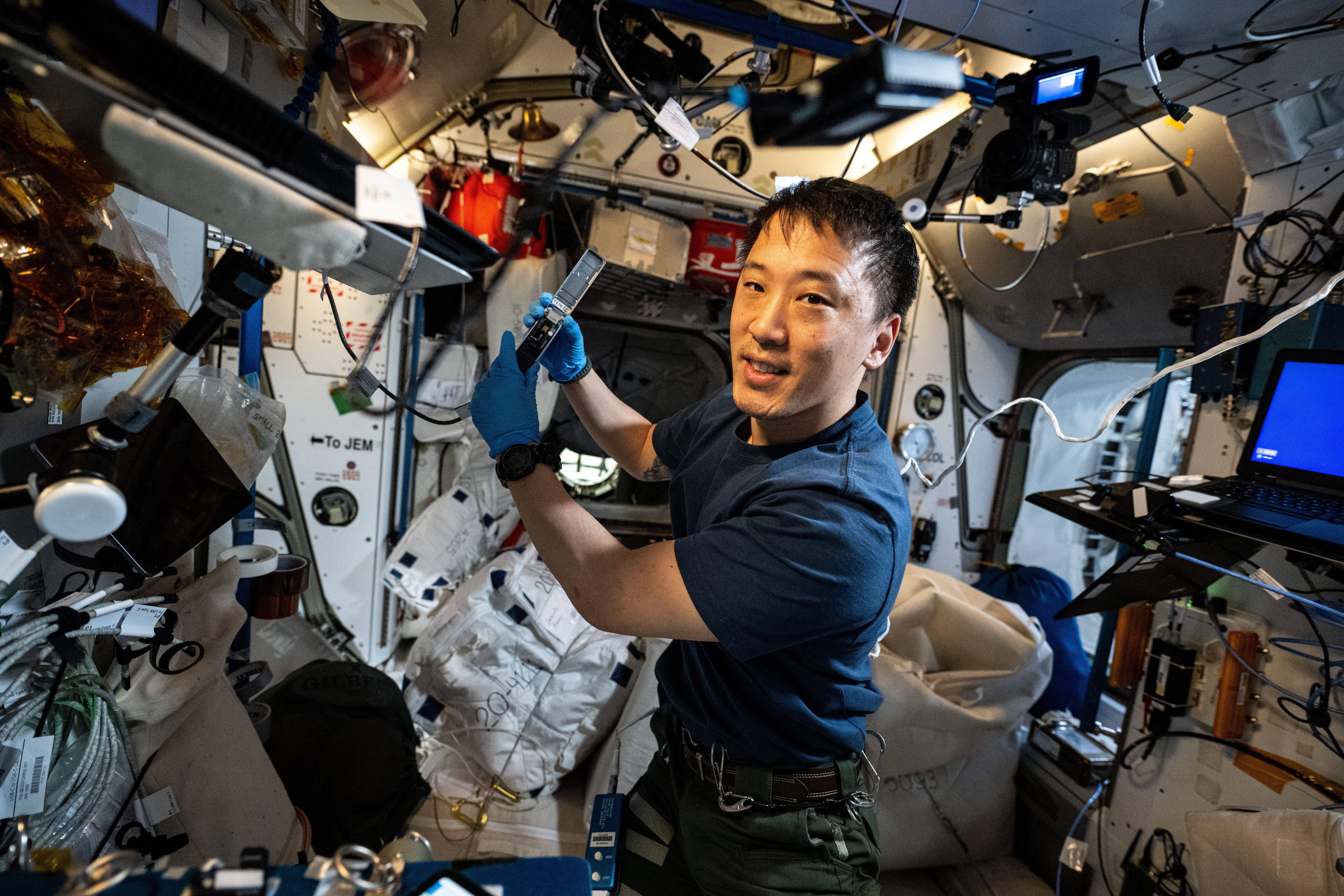
Secure and reliable data storage and transmission are essential to maintain the protection, accuracy, and accessibility of information. In this photo, NASA astronaut Jonny Kim displays research hardware that tests the viability of encoding, transmitting, and decoding encrypted information via DNA sequences. As part of this experiment, DNA with encrypted information is sequenced aboard the space station to determine the impact of the space environment on its stability. Using DNA to store and transmit data could reduce the weight and energy requirements compared to traditional methods used for long-duration space missions and Earth-based industries.
Learn more about Voyager DNA Decryption.

Future deep space exploration could rely on robotics remotely operated by humans. NASA astronaut Jonny Kim tests a technology demonstration that allows astronauts to remotely control robots on Earth from the International Space Station. Findings from this investigation could help fine-tune user-robot operating dynamics during future missions to the Moon, Mars, and beyond.
Learn more about Surface Avatar.
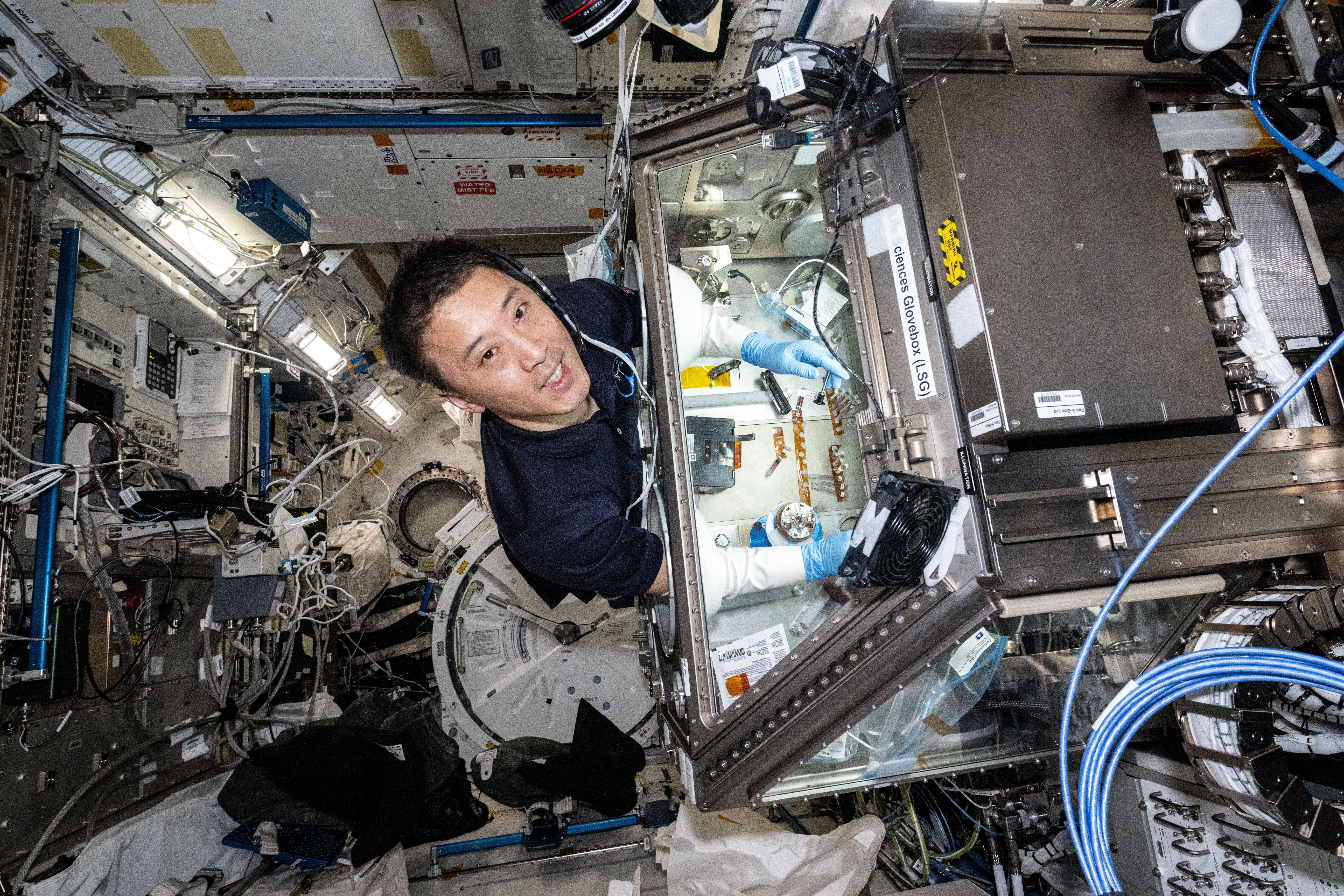
NASA astronaut Jonny Kim conducts an investigation to assess the effects of microgravity on bone marrow stem cells, including their ability to secrete proteins that form and dissolve bone. Bone loss, an age-related factor on Earth, is aggravated by weightlessness and is a health concern for astronauts. Researchers are evaluating whether blocking signals that cause loss could protect astronauts during long-duration spaceflights. The findings could also lead to preventative measures and treatments for bone loss caused by aging or disease on Earth.
Learn more about MABL-B.
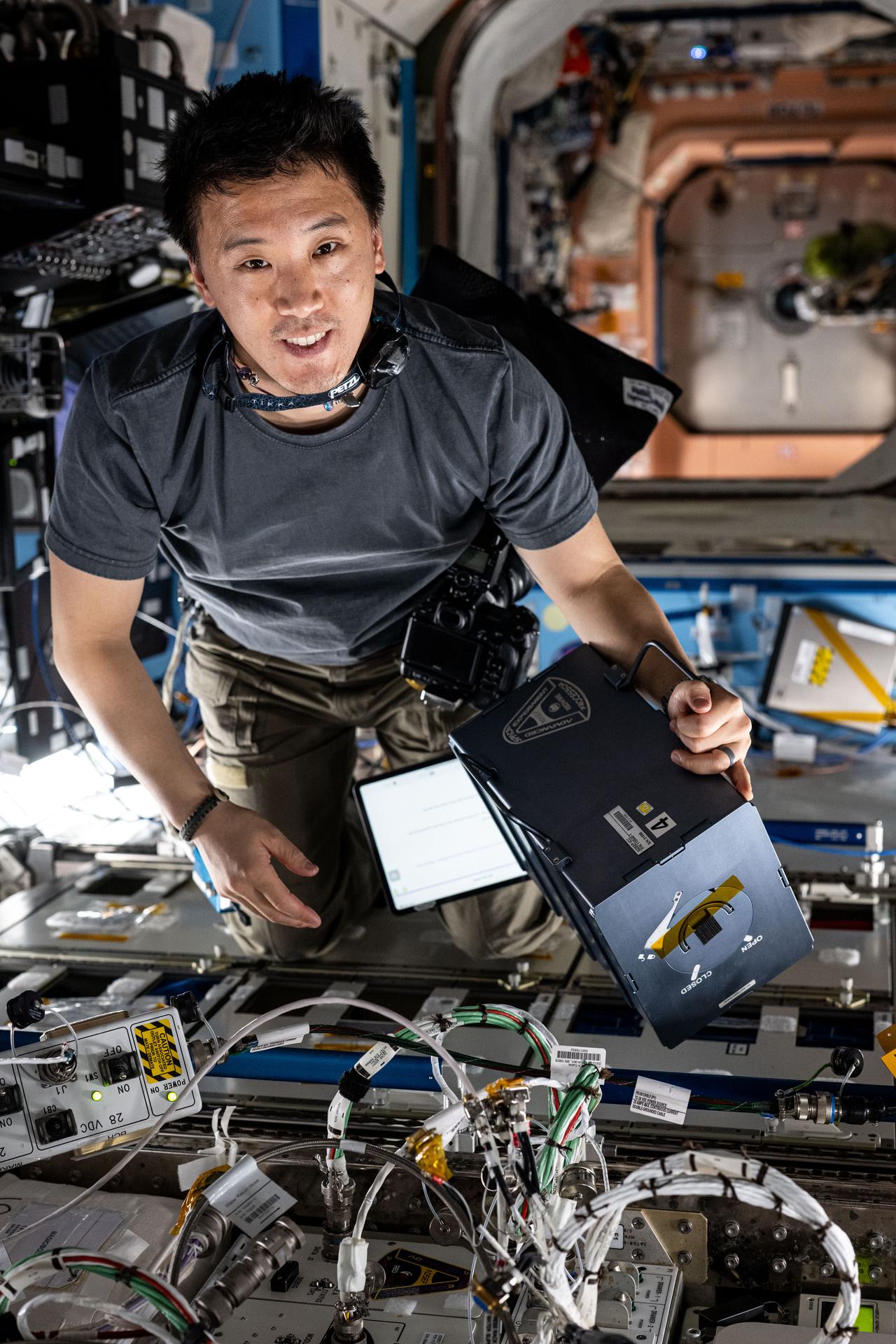
NASA astronaut Jonny Kim tests new hardware installed to an existing crystallization facility that enables increased production of crystals and other commercially relevant materials, like golden nanospheres. These tiny, spherical gold particles have optical and electronic applications, and are biocompatible, making them useful for medication delivery and diagnostics. As part of this experiment aboard the space station, Kim attempted to process larger, more uniform golden nanospheres than those produced on the ground.
Learn more about ADSEP-ICC.
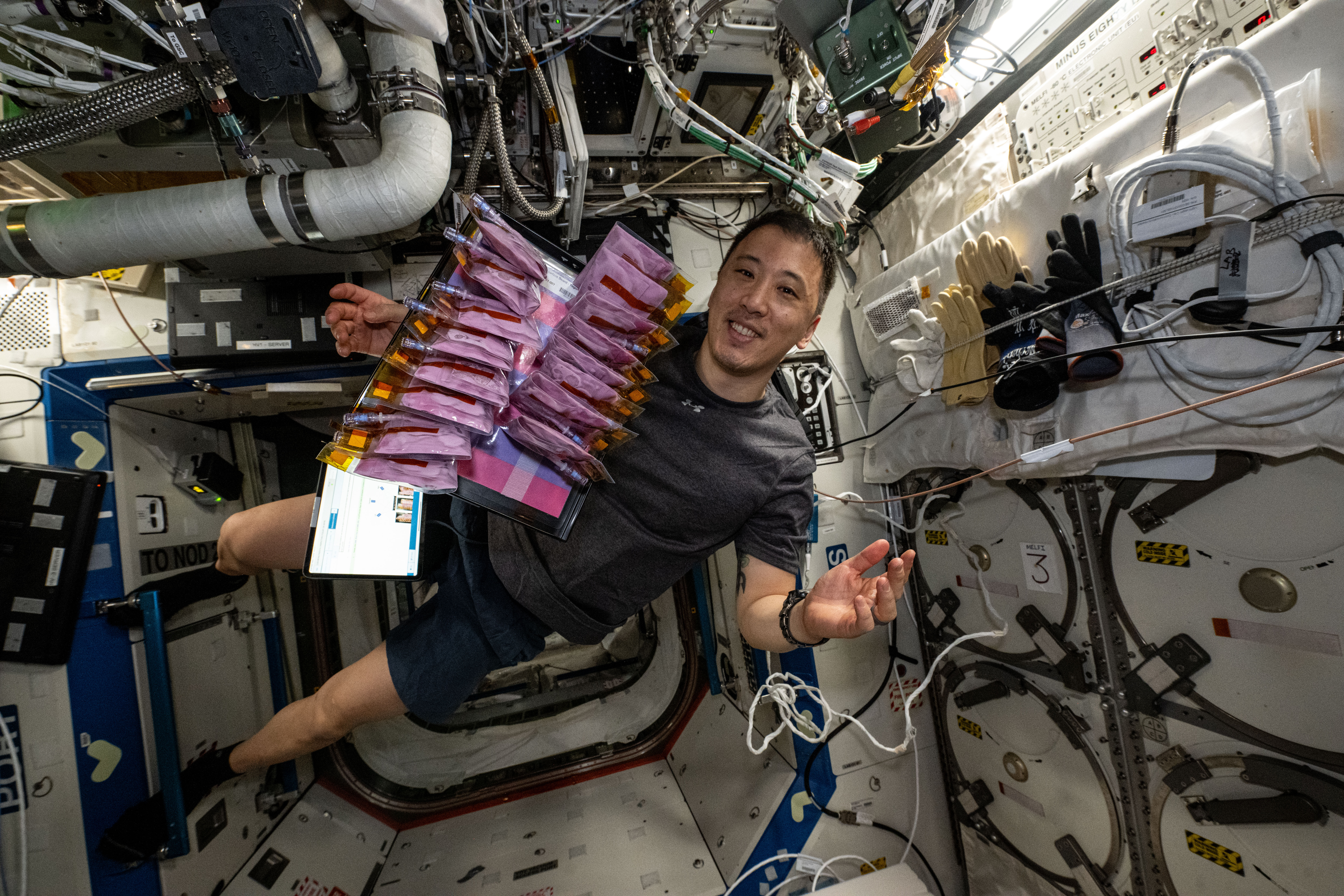
Some vitamins and nutrients in foods and supplements lose their potency during long-term storage, and insufficient intake of even a single nutrient can lead to diseases and other health issues. NASA astronaut Jonny Kim displays purple-pink production bags for an investigation aimed at producing nutrient-rich yogurt and kefir using bioengineered yeasts and probiotics. The unique color comes from a food-grade pH indicator that allows astronauts to visually monitor the fermentation process.
Learn more about BioNutrients-3.
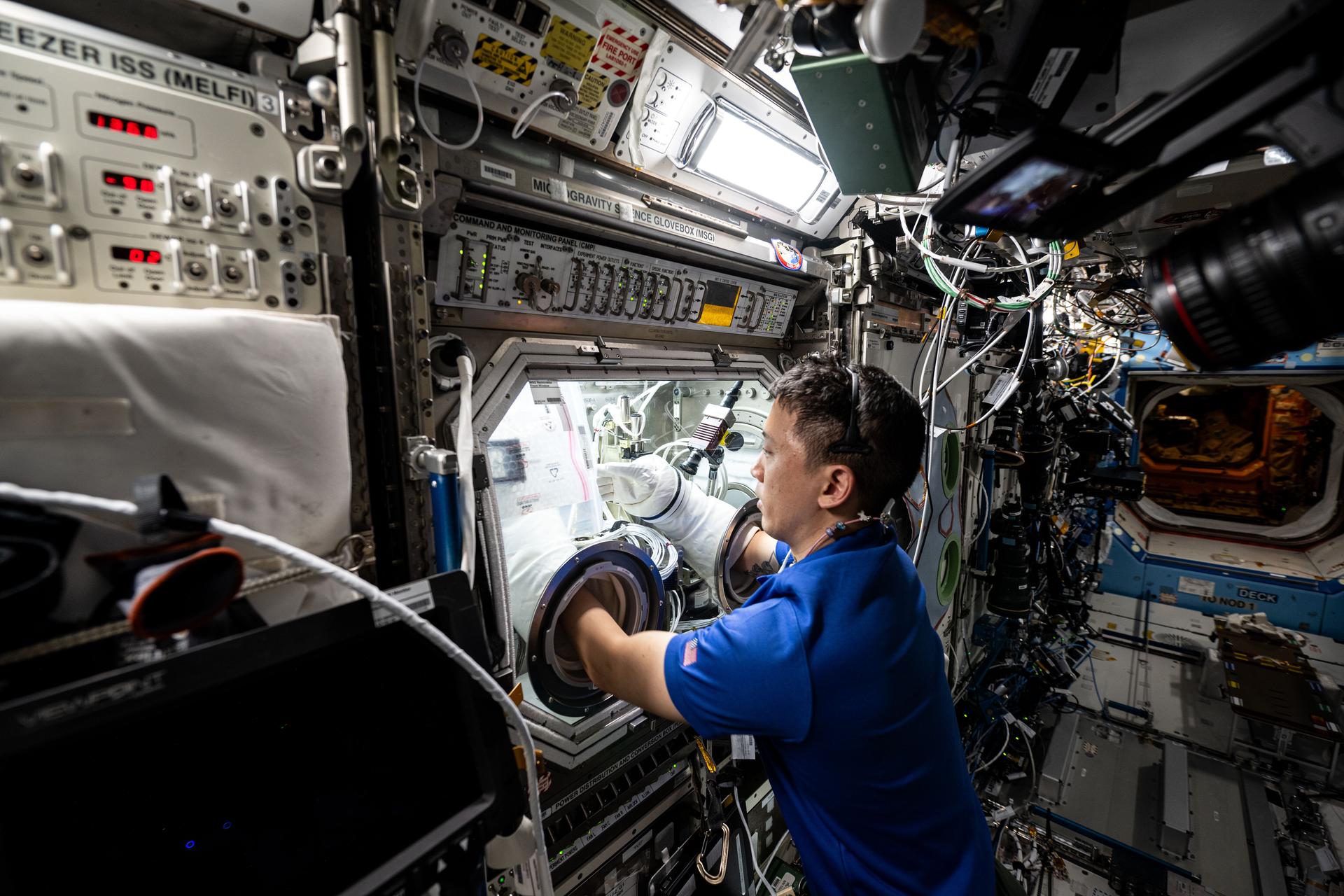
NASA astronaut Jonny Kim uses the Microgravity Science Glovebox to study how high-concentration protein fluids behave in microgravity. This study helps researchers develop more accurate models to predict the behavior of these complex fluids in various scenarios, which advances manufacturing processes in space and on Earth. It also can enable the development of next-generation medicines for treating cancers and other diseases.
Learn more about Ring Sheared Drop-IBP-2.

On Sept. 28, 2025, NASA astronaut Jonny Kim photographed Hurricane Humberto from the International Space Station. Located at 250 miles above Earth, the orbiting laboratory’s unique orbit allows crew members to photograph the planet’s surface including hurricanes, dust storms, and fires. These images are used to document disasters and support first responders on the ground.
Learn more about observing Earth from space station.
Grayscale Research has gone against the grain, rejecting Bitcoin’s popular 4-year cycle thesis and saying new highs could be possible next year.
In a new report, Grayscale Research has discussed what the latest pullback in the market could mean for Bitcoin. This drawdown, which began in early October and lasted until two-thirds of the way into November, resulted in a price decrease of about 32% from peak to trough.
While the scale of the drop hasn’t been small, Grayscale has noted that it has still been close to the historical average for bull market drawdowns. “Since Bitcoin’s price bottomed in November 2022, it has declined at least 10% nine times,” said the crypto asset manager’s research arm. “It has been a bumpy ride, but not atypical for a Bitcoin bull market.”
2026 will mark four years since the 2022 bear market. Among BTC traders, there is a popular idea that the cryptocurrency’s price cycles run over a length of roughly four years. According to this thesis, the next year could see the asset go down, as it has now enjoyed three years of appreciation.
The 4-year cycle thesis originates from the fact that Bitcoin Halving events are spaced apart by approximately four years. During such an event, BTC’s block subsidy, a fixed reward that miners receive for adding the next block to the chain, is slashed in half.
As the block subsidy is the only way to mint more of the cryptocurrency, Halvings have a direct effect on its supply growth. This scarcity effect of the Halving is what has made many in the community believe that the event sits in the center of bullish phases.
Historically, Bitcoin has seen large drawdowns about every four years, which has strengthened the belief in the idea of a cycle being four years in length. Grayscale doesn’t think that the current cycle will go the same way, however. “Although the outlook is uncertain, we believe the four-year cycle thesis will prove to be incorrect, and that Bitcoin’s price will potentially make new highs next year,” explained the report. Grayscale Research has given three reasons for this expectation.
The first is the fact that the latest BTC cycle hasn’t seen any phase of parabolic price increase, as the below chart highlights.

The second is that Bitcoin has seen a shift this cycle, with instruments like exchange-traded funds (ETFs) and digital asset treasuries (DATs) bringing in fresh capital. Before, BTC relied on inflows through retail exchanges.
Lastly, Grayscale has pointed out that the macro market backdrop is still looking favorable for cryptocurrencies; the potential for lower interest rates and continued progress on bipartisan digital asset legislation could drive institutional investment.
At the time of writing, Bitcoin is floating around $87,000, unchanged from one week ago.

NASA has selected the University of Alabama at Birmingham to provide the necessary systems required to return temperature sensitive science payloads to Earth from the Moon.
The Lunar Freezer System contract is an indefinite-delivery/indefinite-quantity award with cost-plus-fixed-fee delivery orders. The contract begins Thursday, Dec. 4, with a 66-month base period along with two optional periods that could extend the award through June 3, 2033. The contract has a total estimated value of $37 million.
Under the contract, the awardee will be responsible for providing safe, reliable, and cost-effective hardware and software systems NASA needs to maintain temperature-critical science materials, including lunar geological samples, human research samples, and biological experimentation samples, as they travel aboard Artemis spacecraft to Earth from the lunar surface. The awarded contractor was selected after a thorough evaluation by NASA engineers of the proposals submitted. NASA’s source selection authority made the selection after reviewing the evaluation material based on the evaluation criteria contained in the request for proposals.
For information about NASA and other agency programs, visit:
-end-
Tiernan Doyle
Headquarters, Washington
202-358-1600
tiernan.doyle@nasa.gov
Tether, the issuer of USDT, has long been considered one of the most stable assets in the crypto market, but a recent report suggests that a crash in the Bitcoin price could jeopardize the stablecoin’s solvency. Arthur Hayes, co-founder and CIO of BitMEX, has revealed that a portion of USDT’s reserves is allocated to BTC, potentially exposing it to heightened market volatility.
In a recent report shared on X earlier this week, Hayes outlined market risks that could have a devastating impact on Tether’s USDT. The BitMEX founder explained that the stablecoin issuer has been executing a large-scale interest rate trade, likely betting on a Federal Reserve (FED) rate cut.
He stated that the stablecoin issuer has accumulated significant positions in Bitcoin and gold to hedge against falling interest income. As a result, Hayes has warned that if Tether’s positions in both gold and Bitcoin were to decline by roughly 30%, it could wipe out its entire equity, theoretically putting USDT at risk of insolvency.
Since stablecoins are typically backed by the US dollar, the crypto founder has stated that a severe drop in Tether’s reserve value could trigger panic amongst USDT holders and crypto exchanges. In such a scenario, they might demand immediate insight into the stablecoin issuer’s balance sheet to gauge solvency risk. Hayes has also suggested that the mainstream media could further amplify the concerns, creating widespread market alarm.
Following Hayes’ statements on X, Tether’s USDT has come under scrutiny, with crypto analysts debating the resilience of its reserves. A former Citi Research lead, Joseph Ayoub, challenged Hayes’ claims, arguing that even if Bitcoin and gold prices were to crash 30%, a USDT insolvency remains highly unlikely.
He highlighted that the BitMEX co-founder had missed three key points in his post. Ayoub noted that Tether’s publicly disclosed assets do not represent the entirety of its corporate holdings. According to him, when Tether issues USDT, it maintains a separate equity balance sheet that is not publicly reported. The reserve numbers that are eventually disclosed are intended to show how USDT is backed. At the same time, the company maintains a balance sheet for equity investments, mining operations, corporate reserves, possibly more Bitcoin, and the rest distributed as dividends to shareholders.
Ayoub also described Tether’s core operations as highly profitable and efficient. He stated that the company holds over $100 billion in interest-yielding treasuries, generating roughly $10 billion in liquid profit annually while operating a relatively small team. The former Citi research lead estimated that the stablecoin issuer’s equity is likely valued at between $50 billion and $100 billion, providing it with a substantial cushion against losses in its crypto and gold holdings.
Finally, Ayoub disclosed that Tether operates like traditional banks, maintaining only 5-10% of deposits in liquid assets, while the remaining 85% are held in longer-term investments. He also noted that the stablecoin issuer is significantly better collateralized than banks, adding that with their ability to print money, bankruptcy is virtually impossible.

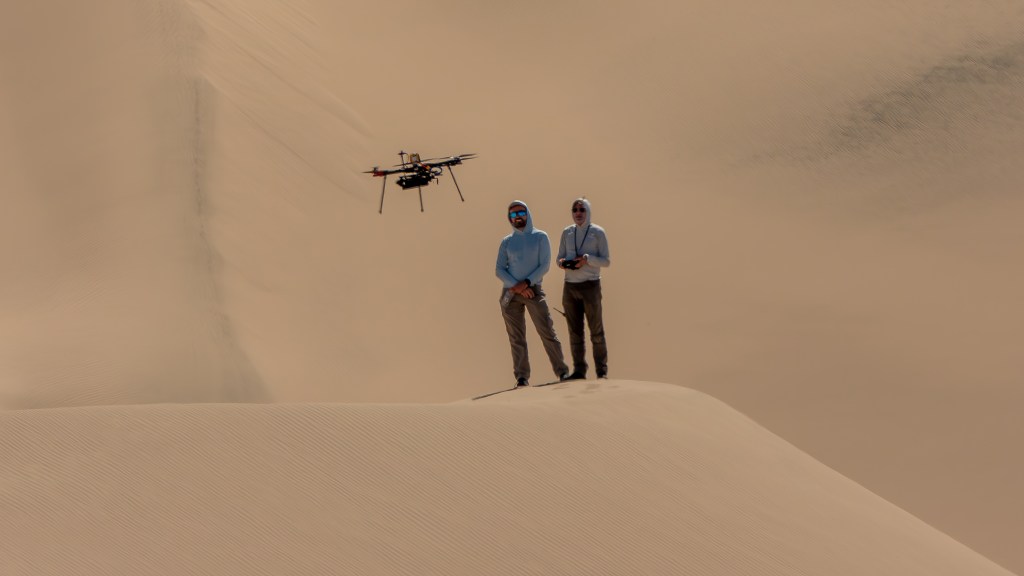
Next-generation drone flight software is just one of 25 technologies for the Red Planet that the space agency funded for development this year.
When NASA engineers want to test a concept for exploring the Red Planet, they have to find ways to create Mars-like conditions here on Earth. Then they test, tinker, and repeat.
That’s why a team from NASA’s Jet Propulsion Laboratory in Southern California took three research drones to California’s Death Valley National Park and the Mojave Desert earlier this year. They needed barren, featureless desert dunes to hone navigation software. Called Extended Robust Aerial Autonomy, the work is just one of 25 projects funded by the agency’s Mars Exploration Program this past year to push the limits of future technologies. Similar dunes on Mars confused the navigation algorithm of NASA’s Ingenuity Mars Helicopter during several of its last flights, including its 72nd and final flight on the Red Planet.
“Ingenuity was designed to fly over well-textured terrain, estimating its motion by looking at visual features on the ground. But eventually it had to cross over blander areas where this became hard,” said Roland Brockers, a JPL researcher and drone pilot. “We want future vehicles to be more versatile and not have to worry about flying over challenging areas like these sand dunes.”
Whether it’s new navigation software, slope-scaling robotic scouts, or long-distance gliders, the technology being developed by the Mars Exploration Program envisions a future where robots can explore all on their own — or even help astronauts do their work.
NASA scientists and engineers have been going to Death Valley National Park since the 1970s, when the agency was preparing for the first Mars landings with the twin Viking spacecraft. Rubbly volcanic boulders on barren slopes earned one area the name Mars Hill, where much of this research has taken place. Almost half a century later, JPL engineers tested the Perseverance rover’s precision landing system by flying a component of it in a piloted helicopter over the park.
For the drone testing, engineers traveled to the park’s Mars Hill and Mesquite Flats Sand Dunes in late April and early September. The JPL team received only the third-ever license to fly research drones in Death Valley. Temperatures reached as high as 113 degrees Fahrenheit (45 degrees Celsius); gathered beneath a pop-up canopy, team members tracked the progress of their drones on a laptop.
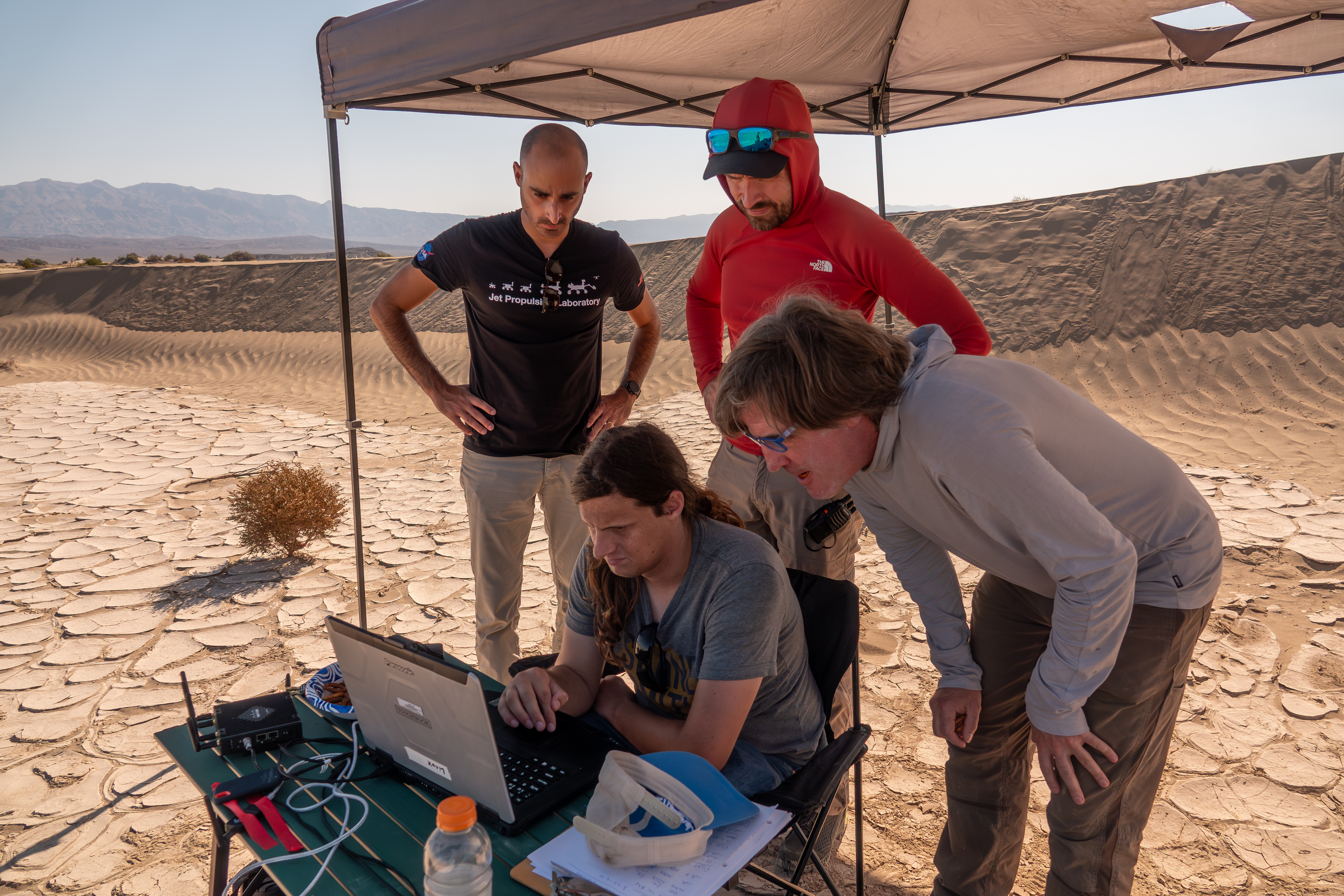
The test campaign has already resulted in useful findings, including how different camera filters help the drones track the ground and how new algorithms can guide them to safely land in cluttered terrain like Mars Hill’s.
“It’s incredibly exciting to see scientists using Death Valley as a proving ground for space exploration,” said Death Valley National Park Superintendent Mike Reynolds. “It’s a powerful reminder that the park is protected not just for its scenic beauty or recreational opportunities, but as a living laboratory that actively helps us understand desert environments and worlds beyond our own.”
For additional testing during the three-day excursion, the team ventured to the Mojave Desert’s Dumont Dunes. The site of mobility system tests for NASA’s Curiosity rover in 2012, the rippled dunes there offered a variation of the featureless terrain used to test the flight software in Death Valley.
“Field tests give you a much more comprehensive perspective than solely looking at computer models and limited satellite images,” said JPL’s Nathan Williams, a geologist on the team who previously helped operate Ingenuity. “Scientifically interesting features aren’t always located in the most benign places, so we want to be prepared to explore even more challenging terrains than Ingenuity did.”
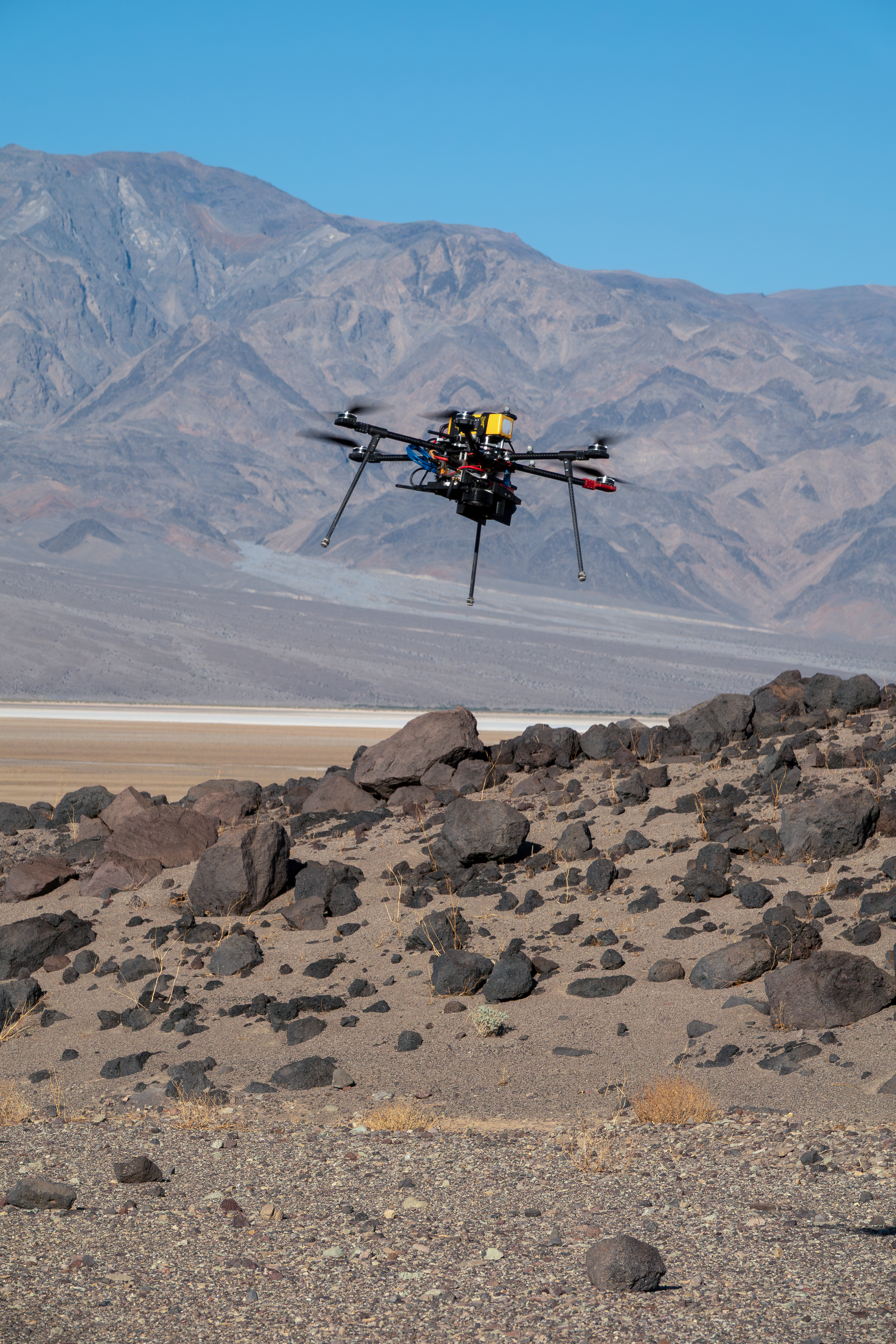
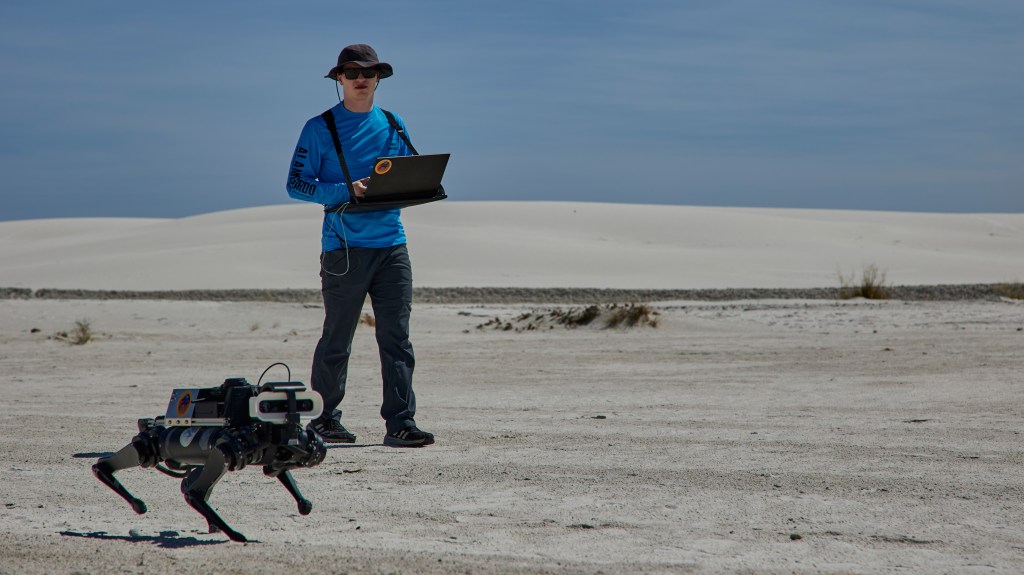
The California desert isn’t the only field site where Mars technology has been tested this year. In August, researchers from NASA’s Johnson Space Center in Houston ventured to New Mexico’s White Sands National Park, another desert location that has hosted NASA testing for decades.
They were there with a doglike robot called LASSIE-M (Legged Autonomous Surface Science In Analogue Environments for Mars). Motors in the robot’s legs measure physical properties of the surface that, when combined with other data, lets LASSIE-M shift gait as it encounters terrain that is softer, looser, or crustier — variations often indicative of scientifically interesting changes.
The team’s goal is to develop a robot that can scale rocky or sandy terrain — both of which can be hazardous to a rover — as it scouts ahead of humans and robots alike, using instruments to seek out new science.
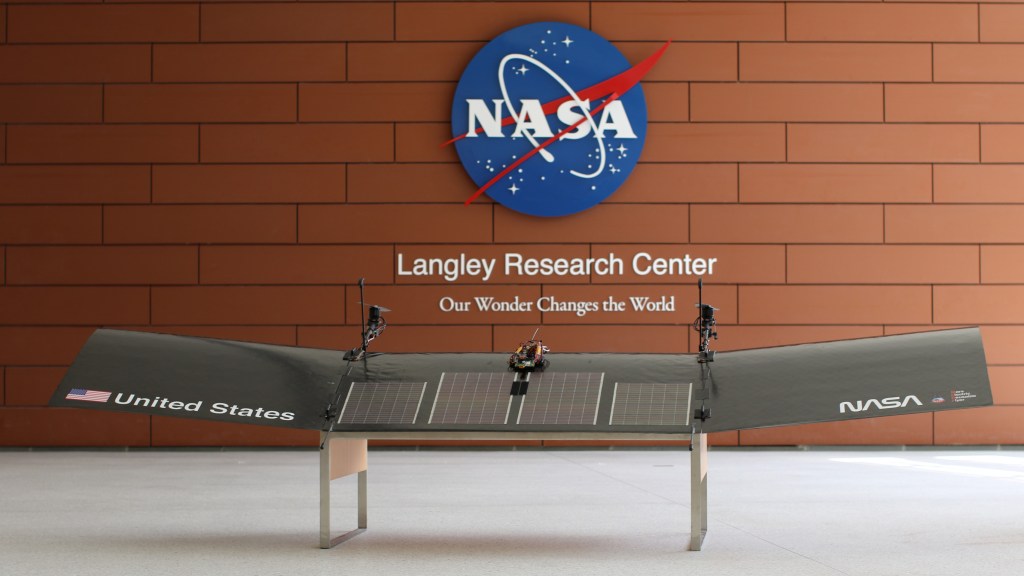
Another Mars Exploration Program concept funded this past year is an autonomous robot that trades the compactness of the Ingenuity helicopter for the range that comes with wings. NASA’s Langley Research Center in Hampton, Virginia, has been developing the Mars Electric Reusable Flyer (MERF), which looks like a single wing with twin propellers that allow it to lift off vertically and hover in the air. (A fuselage and tail would be too heavy for this design.) While the flyer skims the sky at high speeds, instruments on its belly can map the surface.
At its full size, the MERF unfolds to be about as long as a small school bus. Langley engineers have been testing a half-scale prototype, sending it soaring across a field on the Virgina campus to study the design’s aerodynamics and the robot’s lightweight materials, which are critical to flying in Mars’ thin atmosphere.
With other projects focused on new forms of power generation, drills and sampling equipment, and cutting-edge autonomous software, there are many new ways for NASA to explore Mars in the future.
News Media Contacts
Andrew Good
Jet Propulsion Laboratory, Pasadena, Calif.
818-393-2433
andrew.c.good@jpl.nasa.gov
Alise Fisher / Alana Johnson
NASA Headquarters, Washington
202-617-4977 / 202-672-4780
alise.m.fisher@nasa.gov / alana.r.johnson@nasa.gov
2025-131
Mars is the only planet we know of inhabited entirely by robots. Learn more about the Mars Missions.
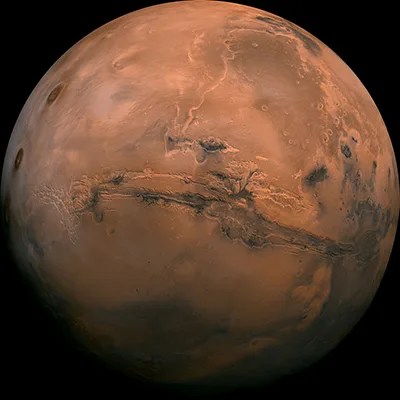
NASA’s Mars Reconnaissance Orbiter (MRO) is the second longest-lived spacecraft to orbit Mars, after 2001 Mars Odyssey.

Overview Among other ongoing achievements, data collected by Mars Reconnaissance Orbiter continues to help Mars scientists and engineers characterize potential…
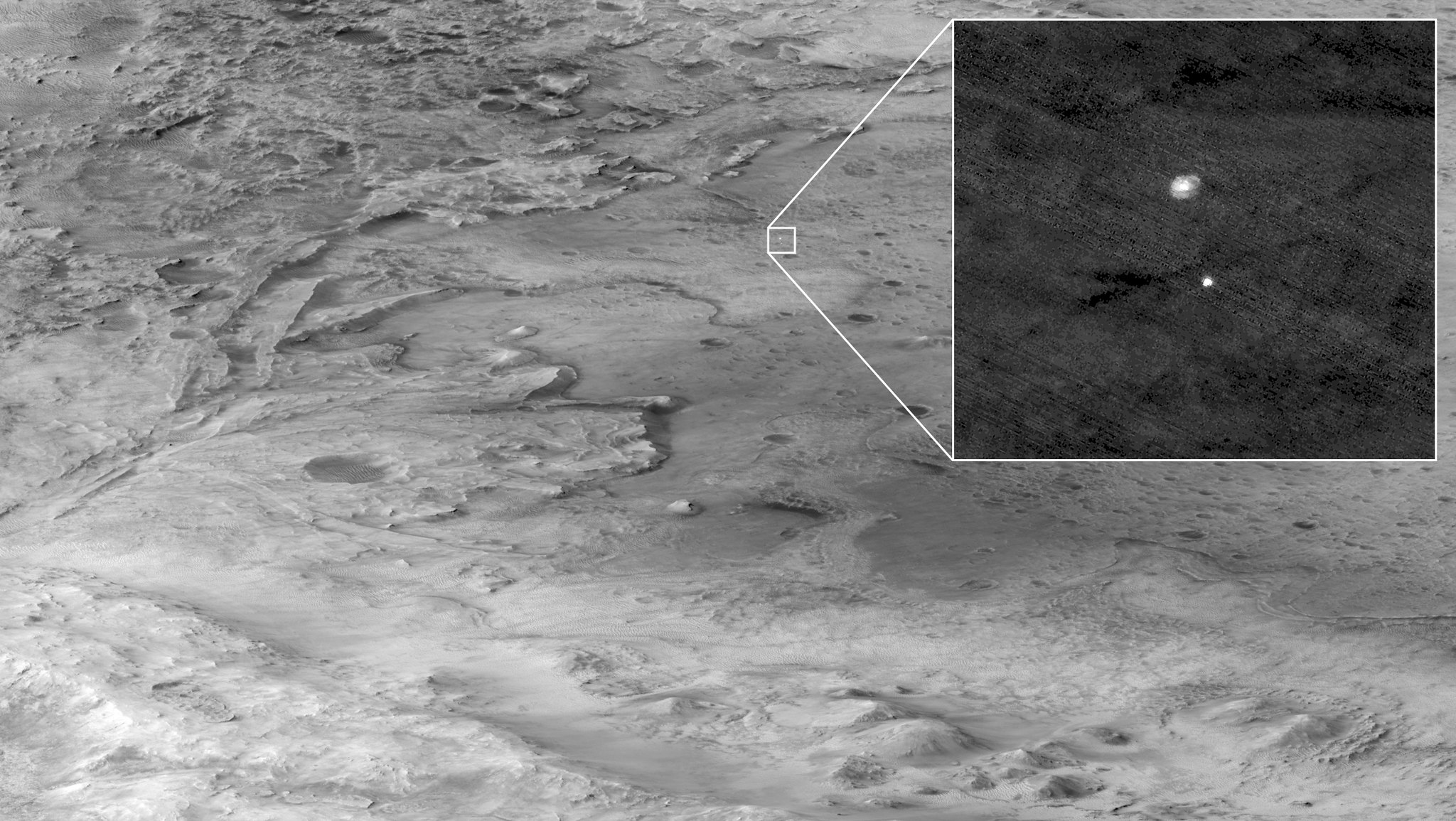
NASA Participation In partnership with their European colleagues, U.S. scientists are participating in the scientific instrument teams of the Mars…

Researchers from MIT, Northeastern University, and Meta recently released a paper suggesting that large language models (LLMs) similar to those that power ChatGPT may sometimes prioritize sentence structure over meaning when answering questions. The findings reveal a weakness in how these models process instructions that may shed light on why some prompt injection or jailbreaking approaches work, though the researchers caution their analysis of some production models remains speculative since training data details of prominent commercial AI models are not publicly available.
The team, led by Chantal Shaib and Vinith M. Suriyakumar, tested this by asking models questions with preserved grammatical patterns but nonsensical words. For example, when prompted with “Quickly sit Paris clouded?” (mimicking the structure of “Where is Paris located?”), models still answered “France.”
This suggests models absorb both meaning and syntactic patterns, but can overrely on structural shortcuts when they strongly correlate with specific domains in training data, which sometimes allows patterns to override semantic understanding in edge cases. The team plans to present these findings at NeurIPS later this month.


© EasternLightcraft via Getty Images
Reports have disclosed that centralized crypto lending climbed to roughly $25 billion in outstanding loans in the third quarter, a figure that signals renewed activity among centralized platforms. Activity has picked up this year, and some firms that survived the recent shake-out are growing their loan books again.
According to Galaxy Research, the broader crypto lending market totaled about $36.5 billion as of Q4 2024, down from a high of $64.4 billion in Q4 2021. That drop reflects the fallout from earlier platform failures and bankruptcies that cut into both supply and demand.
The makeup of the market has shifted. Based on reports, the largest centralized lenders — including Tether, Galaxy and Ledn — now account for a large share of CeFi loans. Those three together held close to $10 billion of CeFi outstanding loans, equal to roughly 88.6% of that segment by the end of last year. Tether alone represented the biggest single slice.
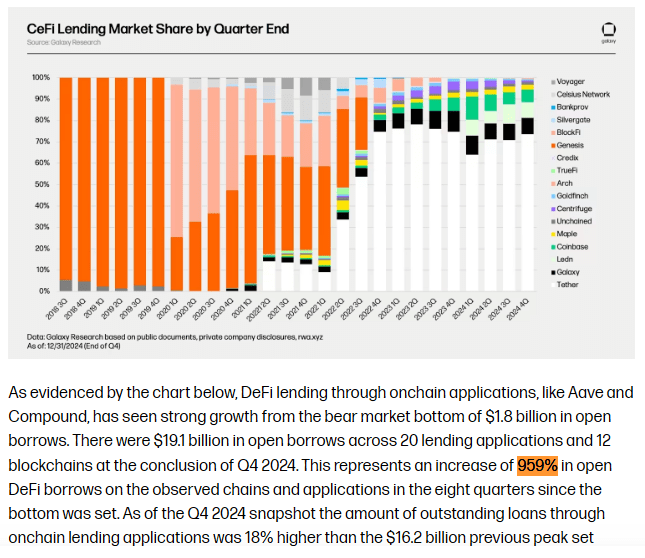
DeFi borrowing has recovered sharply from the lows of the 2022–2023 downturn. Open borrows on decentralized platforms climbed from about $1.8 billion in the trough to $19 billion by the end of 2024, an increase of 959% over the period. This shows many users moved back to on-chain solutions as centralized options contracted.
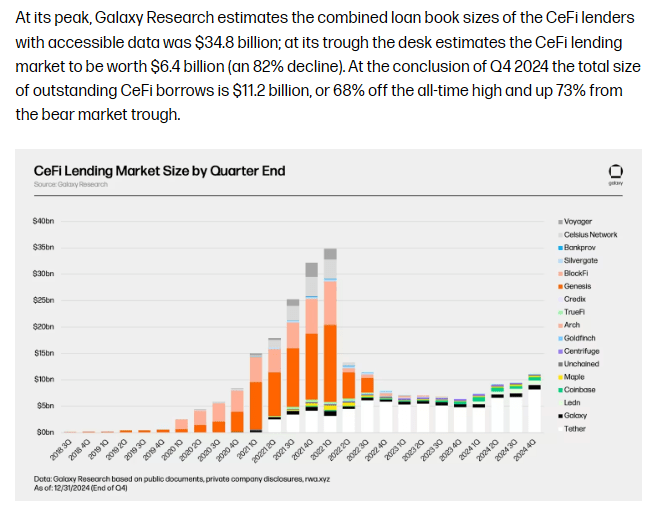
Market watchers say the new totals matter because they reveal where activity lives today: more on chain, and concentrated among fewer centralized players. Some lenders appear to be operating with higher collateral levels and clearer reporting than some of the failed firms of past years. That has calmed some investors. Still, the total lending market is far below its 2021 size.
The concentration of CeFi loans in a handful of firms raises questions about single-point stress. If one large lender faces trouble, contagion could spread. Price swings in major cryptocurrencies also leave loans vulnerable to rapid liquidations. Regulators are watching the sector closely, and policy changes could reshape where and how loans are made.
What To Watch NextObservers will be watching quarterly loan books, the pace of on-chain borrowing, and any signals of new capital flowing into lending desks. The market is rebuilding, but it is rebuilding in a changed form — smaller than the peak in 2021 and more split between centralized players and DeFi protocols.
Featured image from Unsplash, chart from TradingView
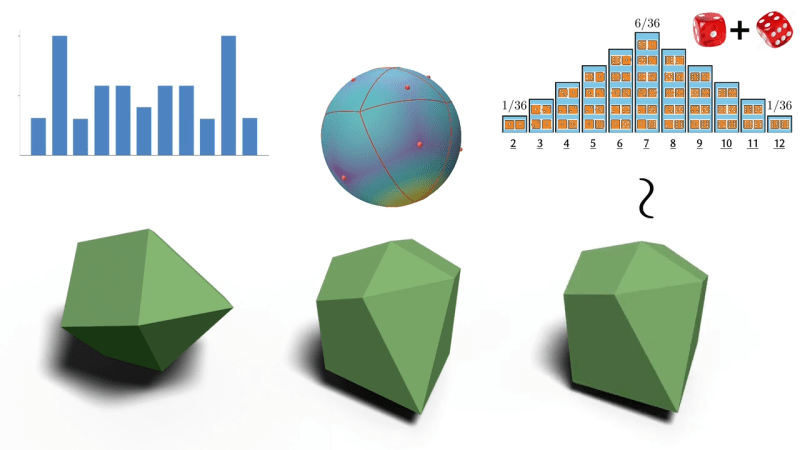
Rolling two six-sided dice (2d6) gives results from 2 to 12 with a bell curve distribution. Seven being the most common result, two and twelve being the least common. But what if one could do this with a single die?
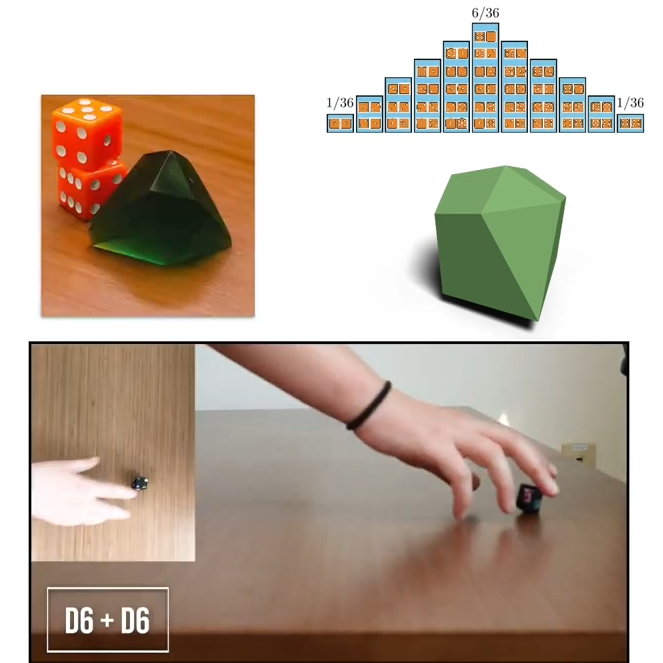
As part of research Putting Rigid Bodies to Rest, researchers show that a single eleven-sided asymmetric shape can deliver the same results. That is to say, it rolls numbers 2 to 12 in the same distribution as 2d6. It’s actually just one of the oddball dice [Hossein Baktash] and his group designed so if you find yourself intrigued, be sure to check out the 3D models and maybe print your own!
The research behind this is a novel method of figuring out what stable resting states exist for a given rigid body, without resorting to simulations. The method is differentiable, meaning it can be used not just to analyze shapes, but also to design shapes with specific properties.
For example, with a typical three-sided die each die face has an equal chance of coming up. But [Hossein] shows (at 8:05 in the video, embedded below) that it’s possible to design a three-sided die where the faces instead have a 25%-50%-25% distribution.
How well do they perform in practice? [Hossein] has done some physical testing showing results seem to match theory, at least when rolled on a hard surface. But we don’t think anyone has loaded these into an automated dice tester, yet.
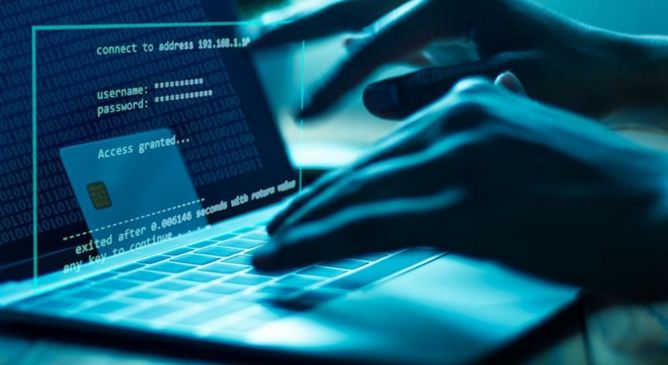
If you landed here after searching for something like “browser fingerprint test”, “bot detection API”, or “Kameleo anti-detect browser”, then welcome. The search engine did its job, and so did we.
Let’s be honest. The internet is full of low-quality SEO pages
The post Because fraud detection deserves better than another AI-written SEO page appeared first on Security Boulevard.