Reading view

There are new articles available, click to refresh the page.

Spinach and Chickpea Curry | Chole Palak

I bet you’ve never had chole this way before! It combines the comfort of chole with the goodness of spinach to make this delicious Spinach and Chickpea Curry or Chole Palak that will make you want to lick your bowl clean! 

a bowl of chole palak served along with onion rounds and naan

Eating your winter greens has never been this delicious and this Spinach and Chickpea Curry aka chole palak is so delicious that it will make even non palak lovers fall in love! I was so excited when testing this recipe, because believe me, it’s amazing how much flavor this curry packs in just 25 minutes! 

Save this for when you’re too tired to think, meal prep for the week ahead, or even when you want to feel like you’re eating something nourishing without sacrificing taste. If you love the classic Pindi Chole, it’s time you give this variation a shot. 

Ingredients for Chickpea and Spinach Curry

  • Chickpeas (Chana): The star of the dish. Soaked overnight or at least 8 hours 
  • Oil: Any neutral oil works; sunflower, canola, or vegetable oil
  • Whole Spices: Jeera (cumin seeds), bay leaf, black and green cardamoms, cinnamon, and cloves bring warmth and depth to the base. 
  • Aromatics: Finely chopped ginger, garlic, onions, and green chilli add layers of flavour and that essential punch.
  • Spice Powders: Coriander powder, cumin powder, turmeric, red chilli powder, chole masala, and salt create the masala base that makes this curry so deeply flavourful.
  • Tomatoes: Finely chopped and cooked down until mushy, they add tanginess and body to the gravy.
  • Spinach (Palak) and Coriander Leaves: Blanched and blended into a bright green puree that keeps the curry fresh, vibrant, and packed with nutrients.
  • Finishing Touches: Garam masala and roasted kasuri methi (dried fenugreek leaves) go in at the end for an extra layer of aroma.

Richa’s Top Tips

  • Soak your chickpeas properly: Overnight soaking is best, but if you’re short on time, at least give them 8 hours. Well-soaked chickpeas cook evenly and turn soft without falling apart.
  • Don’t skip the ice bath for spinach: Blanching the spinach and immediately dunking it in ice water locks in that bright green colour. It’s the difference between a dull, brownish curry and one that looks as good as it tastes.
  • Cook the masala well: Let the tomatoes break down completely and until the oil starts to separate from the spices before adding the chickpeas. This step builds the flavour base, so don’t rush it.
  • Adjust the consistency at the end: The curry thickens as it sits, so add a splash of water if it looks too thick. You want a gravy that coats the back of a spoon but still flows nicely.

Frequently Asked Questions

Can I use frozen spinach instead of fresh?

Yes, you can! Thaw it completely, squeeze out the excess water, and blend it into a puree. Fresh spinach gives you a brighter colour and flavour, but frozen works in a pinch and saves you the blanching step.

Why does my spinach turn dark when cooking?

Spinach turns dark when it’s overcooked or not cooled quickly enough after blanching. The ice bath is key, it stops the cooking process immediately and locks in that vibrant green colour. Skip it, and you’ll end up with a dull, olive-toned curry.

Can I substitute spinach with other greens like methi or kale?

Absolutely! Methi (fenugreek leaves) will give you a slightly bitter, earthy flavour that’s delicious with chole. Kale works too, though it’s a bit tougher, so blanch it a little longer. Amaranth leaves or mustard greens are also great options if you want to switch things up.

How do I prevent the curry from becoming too watery?

Cook the spinach puree for a good 3-4 minutes after adding it so it absorbs all the masala and thickens up. If it’s still too thin, let it simmer uncovered for a bit longer. The curry should have a thick, coating consistency, not a soupy one.

Storage Tips

  • Fridge: Store leftover chickpea spinach curry in an airtight container for up to 3 days. The flavours actually deepen over time, so day-two chole palak often tastes even better than freshly made.
  • Freezer: This curry freezes beautifully for up to 2 weeks. Let it cool completely before transferring to freezer-safe containers. Thaw overnight in the fridge before reheating.
  • Reheating: Warm it gently on the stovetop with a splash of water to loosen the gravy. You can also microwave it, but stovetop reheating keeps the texture better and lets you adjust the consistency as needed.

Serving Ideas

This chickpea and spinach curry is delicious on its own, but it really shines when you pair it with the right sides. Here are some easy combinations that work beautifully:

  • With Jeera Rice: The mild, aromatic rice lets the curry take center stage and soaks up all that delicious gravy.
  • With Rotis or Parathas: Perfect for mopping up every last bit of that spinach gravy. Nothing beats tearing off a piece of warm roti and scooping up the chole.
  • With Naan: Soft, pillowy naan is great if you want something a little richer to go with the curry.
  • With Pulao: A lightly spiced pulao complements the earthy, spiced flavours of the chole palak without overwhelming it.
  • With Raita: A cooling cucumber or boondi raita on the side balances out the warmth of the spices.
  • With Pickles and Papad: Add some pickles and crispy papad for that full Indian meal experience.

Customisation Ideas

  • Add paneer for extra protein: Toss in some cubed paneer at the end for a richer, more filling curry. It soaks up the gravy beautifully and adds a creamy texture.
  • Make it creamier: Stir in a tablespoon or two of cream or coconut milk right before serving for a silkier, more indulgent gravy.
  • Dial down the heat: Skip the green chilli or use less red chilli powder if you prefer a milder curry. You’ll still get all the flavour without the fire.
  • Try it with other greens: Swap spinach for methi (fenugreek), amaranth, or even a mix of greens for a different flavour profile that’s just as delicious.
a bowl of chole palak served along with onion rounds and naan

Why You’ll Love This Curry  

Spinach and chickpeas are a powerhouse combination when it comes to nutrition. Spinach is packed with iron, and chickpeas are loaded with protein and fiber, making this curry a complete, balanced meal in one bowl. The best part? The vitamin C from the tomatoes actually helps your body absorb the iron from the spinach more effectively. So not only does this chole palak taste comforting, it’s also working behind the scenes to nourish you in all the right ways.

This chole palak is comfort food at its best, and I hope it becomes a regular in your kitchen. If you make it, I’d love to see how it turns out, tag me on Instagram @my_foodstory!

Watch Spinach and Chickpea Curry Recipe Video

a bowl of chole palak served along with onion rounds and naan
Print

Spinach and Chickpea Curry | Chole Palak

The comfort of chole along with goodness of spinach come together to make this delicious and heartwarming, winter special Spinach and Chickpea Curry that tastes delicious with garlic naan!
Course Main Course
Cuisine Indian
Diet Vegan, Vegetarian
Prep Time 5 minutes
Cook Time 20 minutes
Total Time 25 minutes
Servings 4 persons
Calories 173kcal
Author Richa

Equipment

Ingredients

  • ½ cup white chick peas chana (soaked overnight or for 8 hours) (refer note.1)
  • 3 tablespoons oil
  • 1 teaspoon jeera
  • 1 bay leaf
  • 1 black cardamom
  • 1 inch cinnamon dalchini
  • 2 cloves
  • 2 green cardamoms
  • 2 teaspoons finely chopped ginger
  • 1 tablespoon finely chopped garlic
  • ¾ cup finely chopped onions 2 medium onions
  • 1 green chilli finely chopped
  • 1 tablespoon coriander powder
  • 1 teaspoon cumin powder
  • ½ teaspoon turmeric powder
  • 1 teaspoon chole masala
  • 1 teaspoon red chilli powder
  • 1 teaspoon salt
  • ½ cup + 2 tablespoons finely chopped tomatoes 2 medium tomatoes
  • 3 ¼ cups + 2 tablespoons water divided
  • ½ teaspoon garam masala
  • ½ teaspoon roasted & crushed kasuri methi
  • 3 cups tightly packed palak 150 gms
  • ½ cup coriander leaves & stems

Instructions

Cooking chana:

  • Heat oil in a pressure cooker, add jeera and once it crackles, add bay leaf, black & green cardamoms, cinnamon, cloves & saute for 8-10 seconds.
    3 tablespoons oil, 1 teaspoon jeera, 1 bay leaf, 1 black cardamom, 1 inch cinnamon, 2 cloves, 2 green cardamoms
  • Add ginger, garlic and saute on high for a few seconds till fragrant. Add onions & fry till they turn golden brown.
    2 teaspoons finely chopped ginger, 1 tablespoon finely chopped garlic, ¾ cup finely chopped onions, 1 green chilli
  • Add spice powders – coriander, cumin, turmeric, red chilli, chole masala, salt, tomatoes and cook on low for 3-4 minutes till the tomatoes are mushy.
    1 tablespoon coriander powder, 1 teaspoon cumin powder, ½ teaspoon turmeric powder, 1 teaspoon chole masala, 1 teaspoon red chilli powder, 1 teaspoon salt, ½ cup + 2 tablespoons finely chopped tomatoes
  • Add soaked chick peas, give a good mix, add 1 ¼ cups of water, cover the lid of the pressure cooker and cook on high till the first whistle, on low for 20 minutes or 4-5 whistles till the chick peas are cooked well.
    ½ cup white chick peas, 3 ¼ cups + 2 tablespoons water

Making palak puree:

  • Heat a pot with 2 cups of water, bring to a boil, add palak, coriander leaves. Immediately switch off the flame, and cover the pot. Let this sit for 2 minutes. In the meanwhile, prepare a bowl with water and ice cubes in it. Strain the palak & coriander leaves and dump them in the ice water. The leaves will immediately get a bright green color. Let them sit for half a minute, strain, and grind to a fine paste.
    3 cups tightly packed palak, ½ cup coriander leaves & stems

Making chole palak:

  • Open the pressure cooker, Add garam masala, kasuri methi, mix and cook for 2-3 minutes.
    ½ teaspoon garam masala, ½ teaspoon roasted & crushed kasuri methi
  • Add palak puree and cook for 3-4 minutes till the puree absorbs all the masalas. You may add 1-2 tablespoons of water to adjust the consistency to a thick gravy and serve.

Video

Notes

  1. ½ cup of soaked chick peas yields approx. 1 ⅓ cups.
  2. Leftovers will stay good for 2-3 days when refrigerated in an airtight container.

Nutrition

Calories: 173kcal | Carbohydrates: 15g | Protein: 4g | Fat: 12g | Saturated Fat: 1g | Polyunsaturated Fat: 3g | Monounsaturated Fat: 7g | Trans Fat: 0.04g | Sodium: 663mg | Potassium: 365mg | Fiber: 5g | Sugar: 3g | Vitamin A: 2570IU | Vitamin C: 15mg | Calcium: 82mg | Iron: 3mg

This article was researched and written by Harita Odedra.

The post Spinach and Chickpea Curry | Chole Palak appeared first on My Food Story.
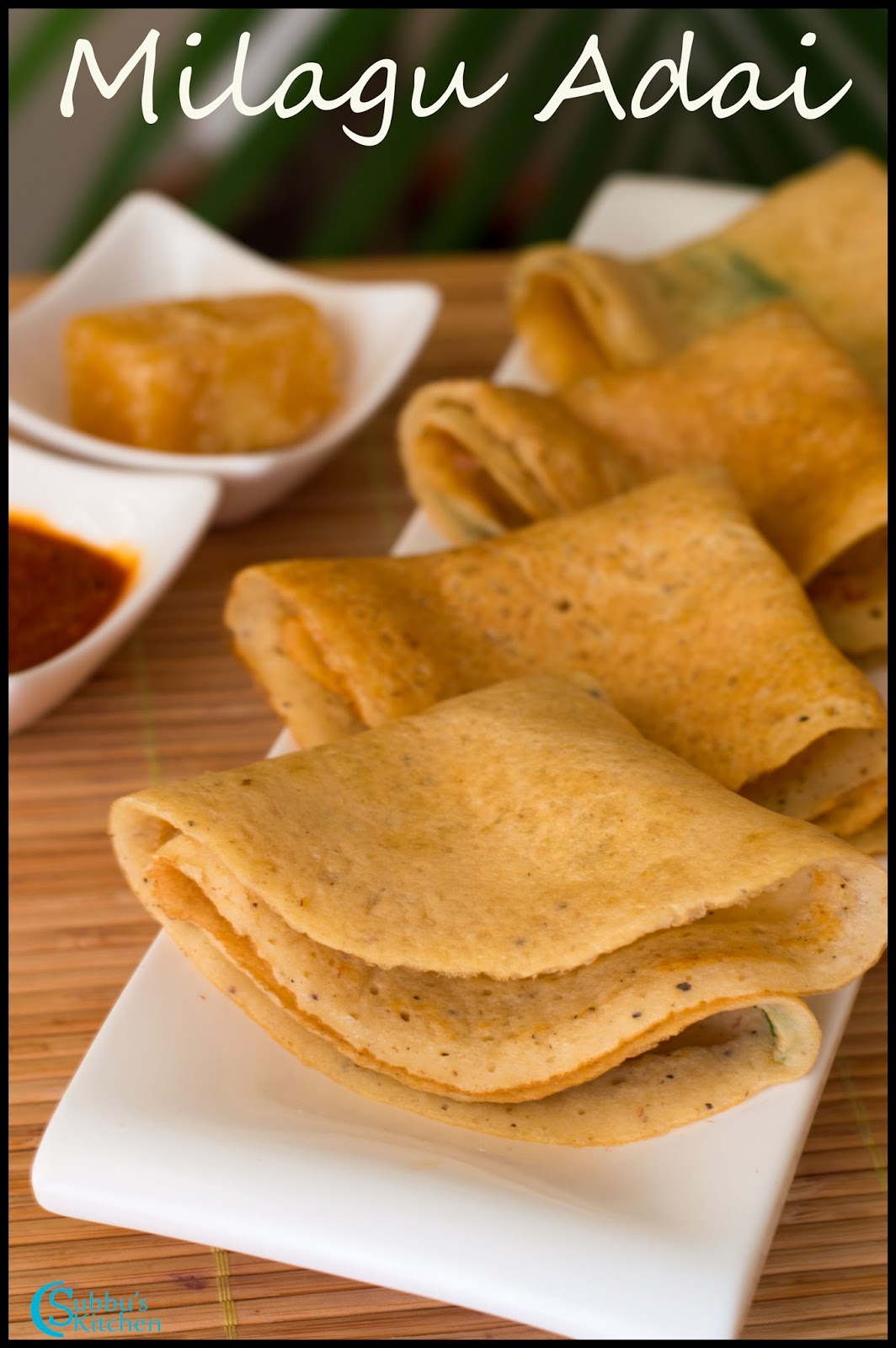
Milagu Adai | Thirukarthigai Adai

In our families Milagu Adai also one of the neyvedhyam for Thirukarthigai. As per the mythological story a princes has to leave an elephant which she considered as her brother when she gets married and move to her husbands place. So for every Thirukarthigai/Karthigai deepam occasion, elephant lamp(Gajalakshmi vilaku) and she will prepare tender coconut, elephant leg size milagu Adai, and few more dishes and keep them as neivedhyam for this festival.
We can make this Adai in normal occasions for breakfast or for dinner.Serve with Chutney or Jaggery.

You can try:

Milagu Adai(Thirukarthigai Adai)


Thirukarthigai Milagu Adai
Print

Milagu Adai | Thirukarthigai Adai

Milagu Adai | Thirukarthigai Adai is an offering to God we make on the auspicious occasion of Thirukarthigai Deepam. 
Course Breakfast, Evening Tiffen
Cuisine Indian, South Indian, Tamilnadu
Prep Time 10 minutes
Cook Time 30 minutes
Soaking Time 2 hours
Total Time 40 minutes
Servings 4 Adai
Calories 197kcal
Author Sowmya Venkatachalam

Ingredients

  • 1 Cup Raw Rice
  • ¼ Cup Whole Urad Dal
  • ¼ Cup Toor Dal (Pigeon pea)
  • ¼ Cup Split Bengal Gram (Channa Dal / Kadalaparuppu)
  • 1 teaspoon Peppercorns
  • 1 teaspoon Salt As Needed
  • a Pinch Asafoetida (Asafetida / Hing)
  • 2 tablespoon Grated Coconut
  • Few Curry Leaves

Instructions

  • Soak the rice with all the dhals in water for 2 hours to 3 hours.
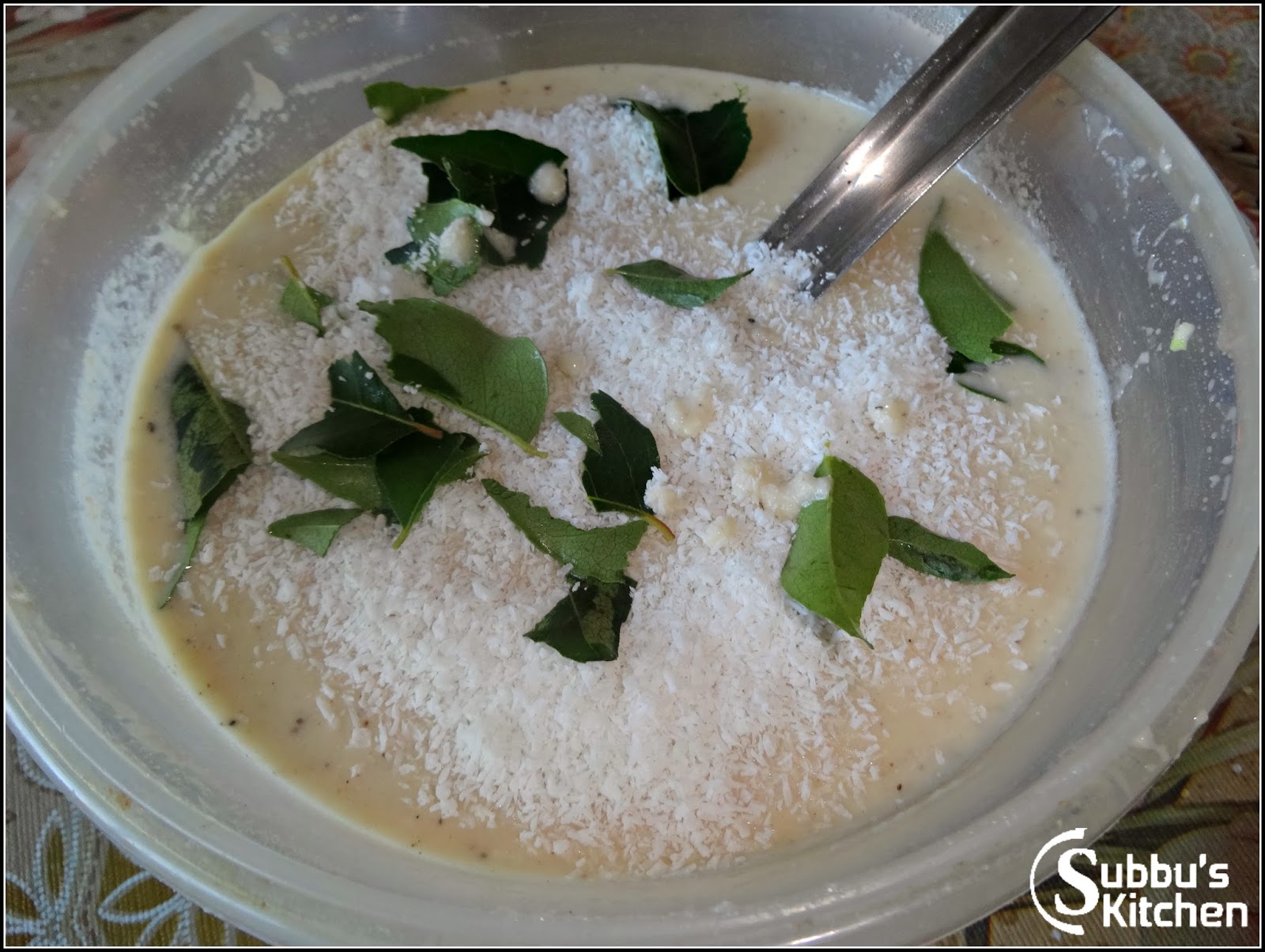
  • Drain the rice and dhals and grind it in mixer to a coarse paste. The adai flour should not be very smooth. ransfer this to a bowl and mix the pepper salt, hing, curry leaves and grated coconut.
  • The consistency should be slightly thicker than our normal dosa batter.
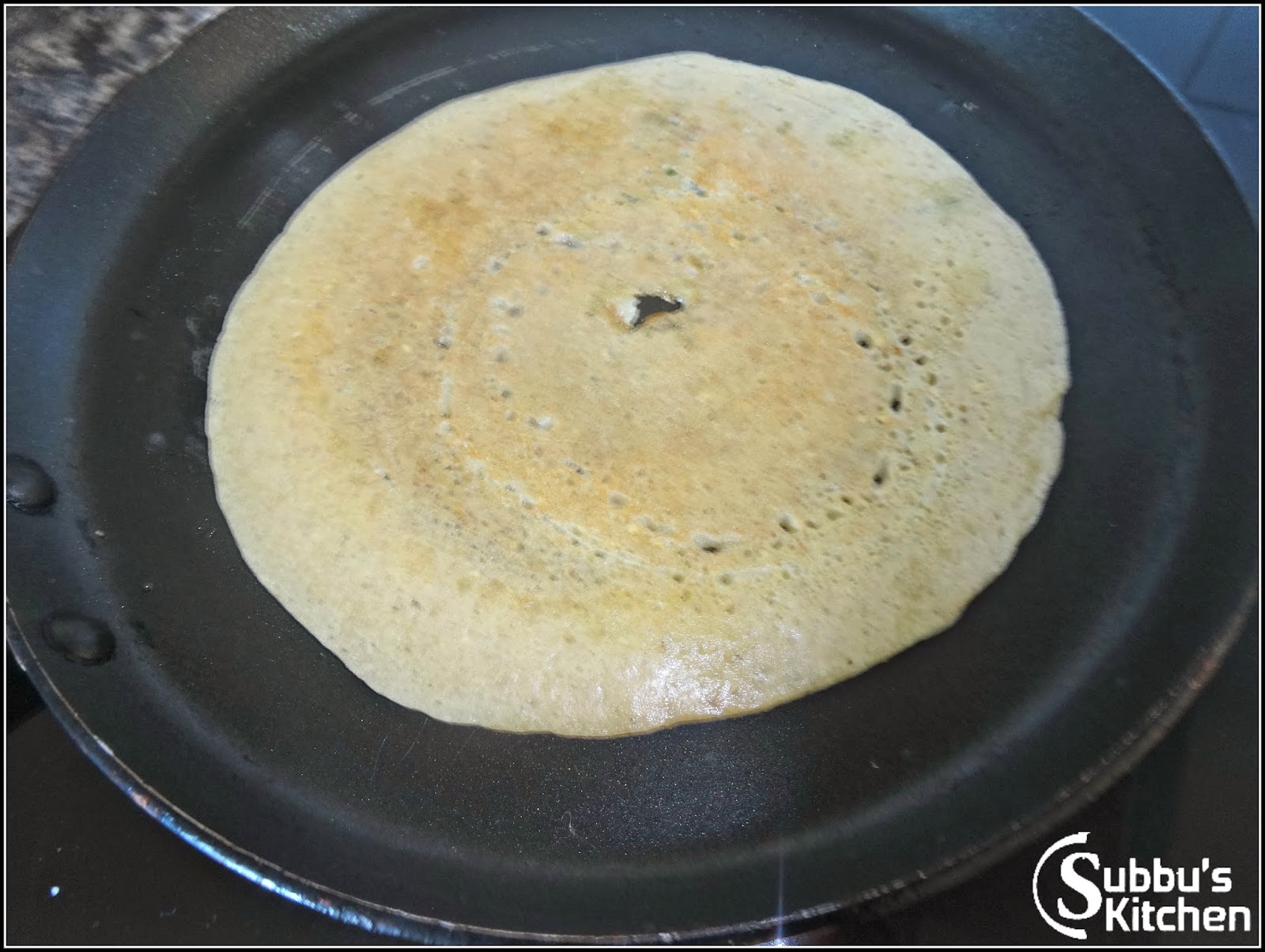
  • Heat the thawa and pour 1 ladle of flour and spread evenly and cook the adai on both the sides till the adai is crisp
  • Serve the tasty adai along with Jaggery.

Video

Notes

  1. If you make this on normal days, we can add onion. 
  2. For Festivals, we need to use Raw Rice, for normal occasions, we can use parboiled rice

Nutrition

Serving: 1Adai | Calories: 197kcal | Carbohydrates: 29g | Protein: 7g | Fat: 5g
Method:
  • Soak the rice with all the  dhals in water for 2 hours to 3 hours. Drain the rice and dhals and grind it in mixer to a coarse paste. The adai flour should not be very smooth. ransfer this to a bowl and mix the pepper salt, hing, curry leaves and grated coconut. The consistency should be slightly thicker than our normal dosa batter.
  • Heat the thawa and pour 1 ladle of flour and spread evenly and cook the adai on both the sides till the adai is crisp
  • Serve the tasty adai along with Jaggery.
Milagu Adai(Thirukarthigai Adai)


The post Milagu Adai | Thirukarthigai Adai appeared first on Subbus Kitchen.

Ragi Idli Dosa Batter | Millet Dosa Batter

If you love idlis and dosas but want to make them a little more nourishing, this Ragi Idli Dosa Batter is the perfect place to start; simple, healthy, and absolutely delicious.

an image of fermented ragi idli dosa batter

Starting your day with a plate of soft idlis or crispy dosas fresh off the pan is 100% guarantee of a wonderful day ahead. This Ragi Idli Dosa Batter recipe will only add a lil more to the same joy. It’s packed with all the wholesome goodness of finger millet that gives the idlis and dosas a little health and flavor boost. 

If you’ve loved our Idli Dosa Batter recipe before, this version will feel like the healthier cousin that’s just as easy to make. Ragi, or finger millet, is rich in calcium, iron, and fibre, making every bite nourishing and satisfying. 

Ingredients to Make Ragi Idli Dosa Batter

This Ragi Idli Dosa batter recipe calls for simple, pantry-staple ingredients. Here’s everything you’ll need:

  • Ragi (Finger Millet): The star of this recipe. Gives the batter its earthy flavour and a big nutritional boost with calcium, iron, and fibre.
  • Idli Rice: The base of the batter. I have used idli rice, basically parboiled short grain rice, as its higher starch content delivers great results. But any short grain rice variety such as sona masoori or kollam will work in a pinch too. 
  • Urad Dal: Makes the batter light, creamy, and airy. 
  • Poha (Flattened Rice): Keeps the batter light and helps make crisp dosas.
  • Fenugreek Seeds (Methi): Aids the fermentation process and adds to the taste too. A little goes a long way.  
  • Ice cubes/Ice cold water: To prevent the batter from heating up when grinding. 

What is Ragi & What Are The Benefits of Ragi?

Ragi is also known as finger millet and it is a nutritious gluten-free cereal grain rich in fiber, protein, calcium, and iron. Because of its high fibre content and low glycaemic index, benefits of ragi include aiding digestion, promoting bone health, managing weight and blood sugar, and improving your skin and hair.

How to Make Idli Dosa Batter

The process of making idli dosa batter takes about 20 minutes over a day. Yes thats all!! Here’s the timeline that you can follow.

DAY 1 (Morning) – Washing and Soaking

In the morning, you need to wash and soak the ragi, rice and lentils. While it’s a pretty straightforward process, here are some tips I find helpful:    

  • When washing the ragi, rice and lentils, rub them between your fingers as you wash, and rinse in clean water 3-4 times till the water starts running almost clean. Doing so helps get rid of dust, impurities, and excess starch from the rice.  
  • Soak the ragi, rice and lentils in clean water. They should be completely submerged and have at least an inch of water over them. Soaking the lentils makes it easy to grind and makes the batter nice and fluffy which is very essential for the texture. 

DAY 1 (Evening) – Grinding, Fermenting

In the evening, it’s time to grind the ragi, rice and lentils to make the batter. To do so: 

  • Drain the excess water, transfer to a mixer jar, and grind. Using a mixer grinder can heat up the batter, which affects the flavour. Use ice cold water to prevent overheating and maintain the desired temperature. 
  • The consistency should be such that it leaves a thick coat on the back of a spoon and falls in a ribbon like consistency when poured with a ladle. The ground batter should feel very slightly gritty between your fingers.
  • Pour the batter into a bowl that’s large enough so that there is room for the batter to rise. Mix the batter with clean hands as shown in the video – this is an important step as it helps in the fermentation so please don’t skip it. 
  • Cover the bowl and set aside to ferment. Leave it in a warm, dry place away from direct sunlight to ferment. Fermentation takes anywhere between 12-24 hours depending on the humidity and temperature at your place. The warmer it is, the faster it’ll ferment. 

DAY 2 (Morning) – Using or Storing

The next morning or after, the batter should have increased by almost 1.5 times, and that’s how you know it’s fermented and ready for use. If you follow the exact measurements of this recipe, you should have approx 1.75 litres (6-7 cups) of idli and dosa batter -1 cup batter makes 6-7 idlis or 4-6 dosas depending on the size.

How To Tell If The Batter Is Fermented

  • The batter will expand and almost double in size as it ferments. 
  • When you mix the batter, you should be able to see tiny air bubbles in the batter (watch the video to see how fermented batter looks). It should look and feel frothy and airy
  • The batter should smell mildly yeasty or sour
  • If the batter smells very sour or smells bad, then it may have over fermented or gone bad. Unfortunately, there’s no coming back from this, so make sure the batter doesn’t get over fermented! 
an image fermented ragi dosa batter being poured to show it's consistency

Which is The Best Blender to Grind Ragi Dosa Batter

If you make idlis and dosas frequently, I highly recommend using an electrical wet grinder which produces a light, fluffy batter without heating it up. The disadvantage is that they take up more counter space and are quite big and bulky. 

Richa Recommends

I use a blender and mixer grinder at home and my favourite is the Sujata Dynamix Mixer Grinder. The disadvantage of using a mixer grinder is that it heats up the batter as it grinds, which is not ideal. To keep the batter from heating up, I use ice cold water while grinding. 

Frequently Asked Questions

Is ragi dosa healthier than regular dosa?

Yes, it is! Ragi is packed with calcium, iron, and fibre, which makes it more nutrient-dense than traditional rice-based dosa. It’s also gluten-free and helps keep you fuller for longer.

Can I make ragi dosa without fermenting the batter?

Technically, yes. You can make an instant version by adding curd and a pinch of baking soda to the batter. However, fermenting naturally gives it a softer texture, better flavour, and that classic dosa rise.

Why didn’t my batter ferment properly?

Fermentation depends on warmth. If your kitchen is too cold, keep the bowl near a warm appliance or wrap it in a thick towel. You can also preheat your oven for a minute, switch it off, and let the batter rest inside overnight.

Can I use ragi flour instead of whole ragi?

Yes, but the texture will be slightly different. Whole ragi grains give a more natural, slightly coarse texture. If using flour, mix it with urad dal and rice batter for better consistency.

Top Tips to make the best Ragi Idlis & Dosas

  • Add salt later: Only salt the portion you plan to use immediately. This keeps the rest of the batter from turning too sour while stored.
  • Soak everything well: Give the ragi, rice, and dal enough time to soak. This helps them grind smoothly and ensures the batter ferments properly.
  • Use cold water while grinding: Adding ice cubes or chilled water prevents the batter from heating up, which can slow down fermentation and affect flavour.
  • Mix with your hands: Don’t skip this step! Mixing the batter by hand helps kickstart fermentation and gives the batter that light, airy texture.
  • Watch the consistency: The batter should be thick but pourable, it should coat the back of a spoon and fall in ribbons when lifted.
an image of freshly steamed soft and fluffy ragi idlis

How to Make Ragi Idlis

Step 1: Once your batter has fermented and doubled in volume, take the portion you’ll use and add ½ teaspoon salt just before steaming.

Step 2: Grease your idli plate with a little oil (or ghee), which helps the idlis demould easily.

Step 3: Pour the batter into the molds, filling them just shy of the rim (the batter will rise a little more during cooking).

Step 4: Steam on medium heat for about 10 minutes until a toothpick inserted in the centre comes out clean. Over-steaming makes ragi idlis dry.

Step 5: Let the idlis rest in the steamer for 2 minutes with the lid on, then cool for another 2-3 minutes before removing them gently with a spoon.

Tip: If the batter is slightly sour, skip adding sugar at this stage. If it tastes flat, a tiny pinch of sugar helps the idlis rise better and improve flavour.

an image of fluffy and crispy ragi dosas served with accompaniments

How to Make Ragi Dosas

Step 1: Using chilled batter helps you spread the dosa thin and crisp. So make sure it’s either cold or room temperature, avoid using hot temperature batter.

Step 2: Heat your non-stick pan or seasoned cast iron tawa until water droplets sizzle and evaporate instantly. That’s your cue.

Step 3: Pour a ladle of batter onto the centre of the pan and spread in circular motion (for a thin dosa) or keep thicker for soft-roast style. Drizzle a teaspoon of oil or ghee around the edges.

Step 4: For a crisp edge keep heat on medium-high, cook for 30 seconds with lid, then another minute uncovered. For a softer version: cook on medium heat, cover for 30 seconds, then finish without flipping.Step 5: Flip once and cook for 30 seconds if you prefer it both sides roasted; otherwise, keep it single-sided for maximum crisp.

Tip: Serve immediately with chutney or sambar. Do not wait, as ragi dosas lose their crispness if left too long.

Equipments To Make Ragi Idlis & Dosas

For Idlis: You can make idlis in an idli stand in a regular Idli steamer. Alternatively, you can also place the idli stand inside a pressure cooker without using the whistle. If you don’t have an Idli stand – no worries! You can make idlis in greased steel tumblers that can withstand high heat!

For Dosas: A well-seasoned cast iron tawa or pan is the best for making dosas. A cast iron tawa will last you a lifetime, but keep it exclusively for making dosas and uttapams. A non-stick tawa is an easier alternative. I prefer the cast iron tawa because it heats up evenly, it stays hot for longer and the dosas come out extra crispy. Non-stick pans tend to overheat faster and spreading the dosas can become difficult after a while.

Recipes with Ragi Idli Dosa Batter

  • Dhokla 
  • Idli
  • Dosa
  • Appe / Paniyaram
  • Mysore Masala
  • Uttapam
  • Dosa Waffle
  • Schezwan Idli Fry 

Storage Tips

  • Fridge: Store unsalted ragi idli dosa batter in a clean, airtight container for up to 3–4 days. When ready to use, take out only what you need and add salt before making idlis or dosas.
  • Freezer: The batter can be frozen for up to a month. Portion it into smaller airtight containers or silicone trays so you can thaw just what you need. Let it defrost overnight in the fridge before using.
  • Room Temperature: Once fermented, avoid leaving the batter out for more than a few hours. Warm weather can cause it to over-ferment and turn too sour.

Serving Ideas

This ragi idli dosa batter gives you endless breakfast (or dinner) options, it’s light, wholesome, and goes beautifully with a variety of sides. Here are some ideas to get you started:

  • Recipes to try: Idli, Ragi Dosa, Appe / Paniyaram, Mysore Masala Dosa, Dosa Waffles etc. 
  • With Coconut Chutney: A classic combo that never fails. Try our Coconut Chutney for that perfect creamy, nutty balance.
  • With Sambar: Pair your hot idlis or crisp dosas with a bowl of Homemade Sambar for a hearty, protein-packed meal.
  • With Tomato Chutney: Add a tangy twist with Tomato Chutney, it’s slightly spicy and brightens up every bite.
an an image of ragi idlis with chutney poured over and served in a wooden bowl

Ragi Idli Dosa Batter is now one of the regular recipes that has become part of my kitchen. It’s wholesome, light, and gives you that comfort of a homemade South Indian breakfast, but with a healthy twist.

If you’re already a fan of classic Idli Dosa Batter, this version is the perfect next step. Tried it out? Tag me on Instagram @my_foodstory, I’d love to see your breakfast table!

Watch Ragi Idli Dosa Batter Recipe Video

Print

Ragi Dosa Batter

This ragi dosa batter delivers the same soft, fluffy idlis and dosas as the regular dosa batter. But this one's wayyy healthier!
Course Breakfast
Cuisine Indian, South Indian
Diet Vegan, Vegetarian
Prep Time 5 minutes
Cook Time 15 minutes
Total Time 20 minutes
Servings 4 persons
Calories 485kcal
Author Richa

Ingredients

  • 1 cup ragi finger millet seeds
  • 1 cup idli rice
  • ½ cup urad dal
  • ¼ cup poha
  • 1 teaspoon fenugreek seeds methi
  • 1 teaspoon salt divided
  • teaspoon sugar

Instructions

Day 1 morning

  • Wash & soak ragi, idli rice, urad dal, poha, fenugreek seeds in enough water in a bowl so that there is at least an inch of extra water over the rice and dal. Soak for 8 hours.

Day 1 evening

  • Once the grains have soaked for 8 hours, drain the excess water from the bowl.
  • Grind till almost smooth with approx. 1 cup of water and 4-5 ice cubes in a mixer grinder. Add additional water if required. The consistency should be such that it can leave a thick coat on the back of a spoon and falls in a ribbon like consistency when poured with a ladle. The ground batter should feel very slightly gritty between your fingers.
  • Pour the batter into a bowl that’s large enough so that there is room for the batter to rise. Mix the batter with clean hands as shown in the video – this is an important step as it helps in the fermentation, so please don’t skip it.
  • Cover the bowl and set aside to ferment. Leave it in a warm, dry place away from direct sunlight to ferment. Fermentation takes anywhere between 12-24 hours depending on the humidity and temperature at your place. The warmer it is, the faster it’ll ferment.

Day 2 – morning

  • Once fermented, the batter should have become almost 1 ½ times its size with a slight dome shape and a wrinkle, bubbly layer on top. You should be able to smell a little sourness in the batter. This smell means it has fermented. If it is too sour, it has fermented too much! You can use a spoon to check the batter – the texture should be frothy with air bubbles.
  • Take out 2 cups of batter in a bowl, add ½ teaspoon of salt and make idlis, dosa etc.

Making Idlis

  • Heat water in an idli steamer and bring to a boil. Grease the idli plate with oil or ghee so its easier to demould the idlis.
  • Only once the water in the steamer comes to a roaring boil, pour batter into the idli mould and fill them up almost to the top (as shown in the video)
  • Place the idli mould in the steamer and steam on medium for 10 minutes till the idlis are cooked. To check doneness, insert a toothpick in the centre of idlis and it should come out clean.
  • Let the idlis rest in the steamer for 2 minutes, then take it out and let it cool for another 2-3 minutes. Use a spoon or butter knife to demould idlis from the idli plate.

Making dosas

  • Take 1 cup of batter in a bowl, add ⅛ teaspoon salt, ⅛ teaspoon sugar and mix well.
  • Heat a non-stick pan or seasoned cast iron dosa tawa over medium heat. Once hot, reduce the heat to low & pour one ladle of dosa batter and pour in the center of the tawa. Spread by using the back of the ladle, moving it in concentric circles to form a big round dosa.
  • Increase the heat to medium, drizzle a spoon of oil or ghee around the edges and in the center, cover with lid & cook for 30 seconds.
  • Remove the lid and let this roast for 1-2 minutes till golden brown on medium. Flip it over and roast for 30 seconds. Flip it back, fold and serve hot.
  • Follow the same steps for making the rest of the dosas.

Video

Notes

  1. Ice cubes are added to avoid the batter from getting too hot while grinding.
  2. Batter should be thick & fall in ribbons without being too runny.
  3. Salt to be added to the quantity of batter you are using to avoid the batter getting too sour.
  4. If you are not using all of the batter, store the remaining unsalted batter in an air tight container in the fridge for up to 3 days or freeze the batter for up to a month.
  5. Do not over steam the idlis as they become dry & hard. 
  6. Demoulding idlis easier, if they are cooled for a few minutes.
  7. To check if the pan is hot enough to make dosa, sprinkle a few drops of water over the tawa & if it is ready, it should sizzle.
  8. For best results, dosa should be fried on medium heat.

Nutrition

Calories: 485kcal | Carbohydrates: 102g | Protein: 15g | Fat: 1g | Saturated Fat: 0.3g | Polyunsaturated Fat: 0.3g | Monounsaturated Fat: 1g | Sodium: 593mg | Potassium: 316mg | Fiber: 6g | Sugar: 0.2g | Vitamin A: 2IU | Vitamin C: 1mg | Calcium: 237mg | Iron: 5mg

The post Ragi Idli Dosa Batter | Millet Dosa Batter appeared first on My Food Story.

Eight Treasure Soup

Eight Treasure Soup makes eating your veggies feel like a treat; colourful, crunchy, and full of flavour!

Eight treasure soup served in a black soup bowl with a white soup spoon ready to be eaten

Some days you just want something quick, warm, and full of veggies without thinking too hard about it. That’s exactly what this Eight Treasure Soup is. Just toss in whatever’s in your fridge, and somehow it comes together into a proper, flavour-packed meal.

It’s light, but still feels like you’ve eaten well. Nothing complicated, no special stock or tricky steps, just chop, stir, simmer, done. It’s the kind of soup you make once and then keep coming back to because it’s that easy (and tasty!).

Eight Treasure Soup Ingredients

Veggies

  • Carrots, beans, and cauliflower – these get blanched first so they stay tender, not mushy.
  • Cabbage, bok choy, zucchini, and mushrooms – added later so they stay crunchy and bright.
  • Sweet corn (cream of corn) – gives the soup body and a little sweetness.

Aromatics

  • Ginger, garlic, and green chilli – the base flavours that bring warmth and depth.

For the broth

  • Vegetable stock or water – the base of the soup.
  • Cornflour slurry – thickens it slightly so it’s brothy but not watery.
  • Salt, sugar, and crushed pepper – to season and balance the flavours.

Other

  • Cooking oil – just a little to sauté everything.
  • Water – for blanching the firmer veggies before adding them to the soup.

Frequently Asked Questions

Is Eight Treasure Soup healthy?

Yes! It’s packed with fibre, vitamins, and minerals from all the veggies, plus it’s light on oil. It’s filling without being heavy, which makes it great for a balanced meal.

How can I add protein to this recipe?

You can stir in cubed tofu, paneer, edamame, or even boiled chickpeas towards the end. They’ll soak up the flavours while boosting the protein content.

My soup turned out watery. How can I fix it?

Add a bit more cornflour slurry (mix 1 tsp cornflour with 2 tbsp water) and simmer for 2–3 minutes. It will thicken the broth without making it gloopy.

How do I keep the veggies bright and colourful?

Use high heat and cook quickly. Overcooking dulls their colour, while quick sautéing keeps them vibrant and slightly crunchy.

Richa’s Top Tips

  • Blanch firm veggies first: This helps them cook through without turning mushy. Carrots, beans, and cauliflower need a quick head start so they cook through but don’t turn mushy later.
  • Don’t overcook the leafy veggies: Cook leafy veggies briefly: Add cabbage, bok choy, and zucchini towards the end, they only need a minute to stay bright and crunchy.
  • Don’t skip the corn slurry: It gives the soup just enough body so it’s not watery, but still light and brothy.
  • Use high heat for aromatics: Sauté ginger, garlic, and green chilli on high heat (this releases their flavour without burning them).
  • Taste and adjust before serving: The soup base is simple, so balancing salt, pepper, and sugar at the end makes a huge difference.
  • Add stock slowly: Start with less vegetable stock and add more only if needed, so the soup doesn’t become too thin.

Storage Tips

  • Fridge: Let the soup cool completely, then store it in an airtight container for up to 2 days. 
  • Freezer: Skip the cornflour slurry if you plan to freeze it, add it fresh while reheating. The soup will stay good for about a month in the freezer.
  • Reheating tip: If the soup thickens too much in the fridge, add a splash of water or stock while reheating to loosen it up.

Serving Ideas

Eight Treasure Soup is light and full of veggies, so it works best when paired with sides that balance it out, some equally wholesome, some a little heartier if you’re building a full meal:

Customisation Ideas

  • Make it creamy: Stir in a splash of coconut milk or a spoon of cream at the end for a richer, silkier broth.
  • Give it an earthy depth: Add a small handful of soaked shiitake mushrooms along with their soaking liquid for an umami boost.
  • Add a citrus lift: Finish with a squeeze of lemon or lime juice just before serving to brighten the flavours.
  • Bring in some crunch: Top each bowl with crispy fried shallots or toasted garlic chips for texture.
  • Layer in some warmth: Add a tiny pinch of white pepper or freshly grated nutmeg for a subtle, cosy depth.
Freshly cooked Eight treasure soup still in the kadai with a ladle

Did You Know?

Eight Treasure Soup gets its name from the traditional Chinese belief that the number eight symbolizes luck and prosperity. The “treasures” were originally a mix of eight specific ingredients like lotus seeds, jujubes, peanuts, and chestnuts, often served during Lunar New Year for good fortune. Over time, the recipe evolved, and many modern versions (like this one) use eight colourful vegetables instead, keeping the lucky number while making it lighter and fresher.

Honestly, this soup just makes life easier. It’s quick, it’s full of veggies, and it somehow feels like comfort food without weighing you down. One pot, very little effort, and you’ve got something that tastes like heaven.

Make it once and you’ll probably end up doing it on autopilot whenever you need a reset meal. And if you do, tag me on Instagram @my_foodstory, I’d love to see your bowls of this veggie magic.

Watch Eight Treasure Soup Recipe Video

Eight treasure soup served in a black soup bowl with a white soup spoon ready to be eaten
Print

Eight Treasure Soup

Hearty, comforting, loaded with veggies, and insanely easy to make, this Eight Treasure Soup recipe is the perfect low-effort, healthy dish to add to your meal rotation.
Course Snacks & Appetizers
Cuisine Chinese
Diet Vegetarian
Prep Time 10 minutes
Cook Time 20 minutes
Total Time 30 minutes
Servings 4 portions
Calories 76kcal
Author Richa

Ingredients

  • ¼ cup finely chopped carrots 35 gms
  • ¼ cup finely chopped beans 30 gms
  • ¼ cup tiny florets of cauliflower 25 gms
  • 1 ½ cups water
  • 1 tablespoon cooking oil
  • 1 tablespoon finely chopped ginger
  • 1 tablespoon finely chopped garlic
  • 1 green chilli finely chopped (optional)
  • ¼ cup finely chopped cabbage 25 gms
  • ¼ cup finely chopped bok choy 20 gms
  • ½ cup finely chopped zucchini 60 gms
  • ½ cup finely sliced mushrooms 60 gms
  • ¼ cup cream of corn 25 gms
  • 1 tablespoon cornflour mixed in ½ cup water to make a slurry
  • 1 ½ cups veg stock or water
  • ¼ teaspoon salt
  • ½ teaspoon sugar
  • ¼ teaspoon crushed pepper

Instructions

Blanching veggies

  • Boil 1 ½ cups of water in a pot, add carrots and cook on medium heat for a minute, add beans and cook for another minute, add cauliflower & cook for 30 seconds. Take off the heat and drain immediately. Discard the water and set aside the veggies.
    ¼ cup finely chopped carrots, ¼ cup finely chopped beans, 1 ½ cups water, ¼ cup tiny florets of cauliflower

Making 8 treasure soup

  • Heat oil in a wok or pan, add ginger, garlic, green chilli and saute on high for a minute till they turn light golden.
    1 tablespoon cooking oil, 1 tablespoon finely chopped ginger, 1 tablespoon finely chopped garlic, 1 green chilli
  • Add cabbage, bok choy, zucchini, mushrooms and saute for a minute till they cook about 70% and stay crunchy. Let them not get overcooked.
    ¼ cup finely chopped cabbage, ¼ cup finely chopped bok choy, ½ cup finely chopped zucchini, ½ cup finely sliced mushrooms
  • Add blanched veggies, cream of corn and saute for a few seconds.
    ¼ cup cream of corn
  • Add vegetable stock, salt, sugar, pepper and bring to a boil on high heat.
    1 ½ cups veg stock or water, ¼ teaspoon salt, ½ teaspoon sugar, ¼ teaspoon crushed pepper
  • Add cornflour slurry while stirring continuously and once it boils, cook for 2 minutes on low heat for the soup to thicken and serve.
    1 tablespoon cornflour mixed in ½ cup water to make a slurry

Video

Nutrition

Calories: 76kcal | Carbohydrates: 10g | Protein: 2g | Fat: 4g | Saturated Fat: 0.4g | Polyunsaturated Fat: 1g | Monounsaturated Fat: 2g | Trans Fat: 0.01g | Sodium: 554mg | Potassium: 197mg | Fiber: 2g | Sugar: 4g | Vitamin A: 1828IU | Vitamin C: 14mg | Calcium: 26mg | Iron: 0.4mg

This article was researched and written by Harita Odedra.

The post Eight Treasure Soup appeared first on My Food Story.

The Khichdi Recipe that’s SO tasty!

By: Richa

Khichdi or khichri or khichuri is pure comfort food. You either LOVE khichdi or hate it. If you are a hater, I’m here to change your mind! This version can be made in a traditional pressure cooker or an Instant Pot.

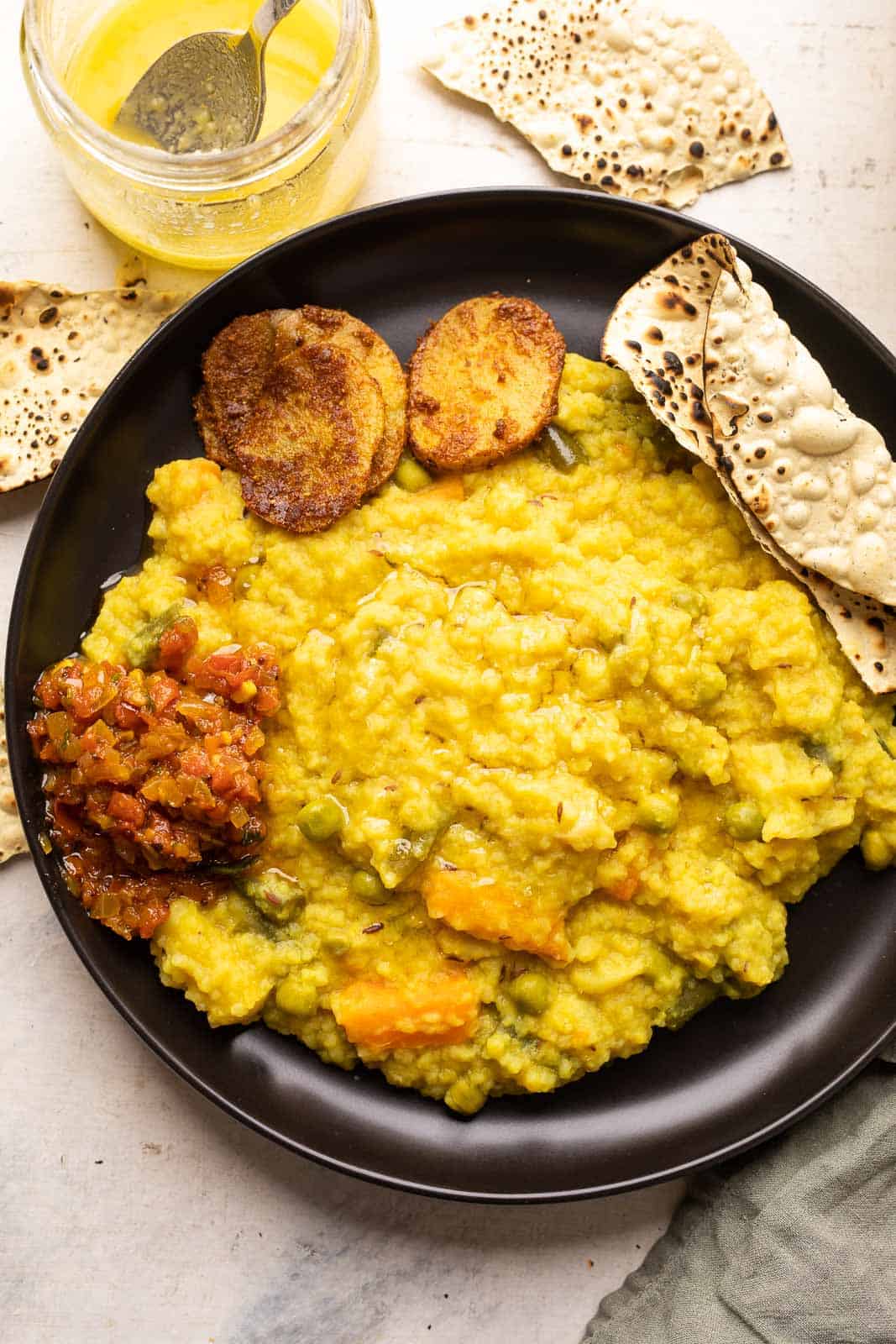
Khichdi served on a black plate with papad, tomato chutney and aloo fry

I swear there’s nothing more comforting than a piping hot bowl of khichdi topped with a big dollop of ghee. Feeling under the weather? A bowl of khichdi it is. Need something to cozy up with when it’s raining? A bowl of khichdi it is. No matter what you’re feeling, khichdi is always the answer!! 

This recipe is inspired from my grandma’s kitchen, and it’s got whole spices and chunks of potato and other vegetables that just melt into the dish. The secret to all that flavor lies in roasting the rice and dal in ghee along with the whole spices before pressure cooking and that creates the most amazing nutty aroma and depth. Serve it up with yogurt, fried potatoes, or some tomato chutney and you’ve got yourself a bowl of goodness that’s trulyyy good for the soul 🥰

This khichdi is up there on my list of go-to comforting recipes along with my Dal Fry, Rice Bath, and Millet Bise Bele Bath

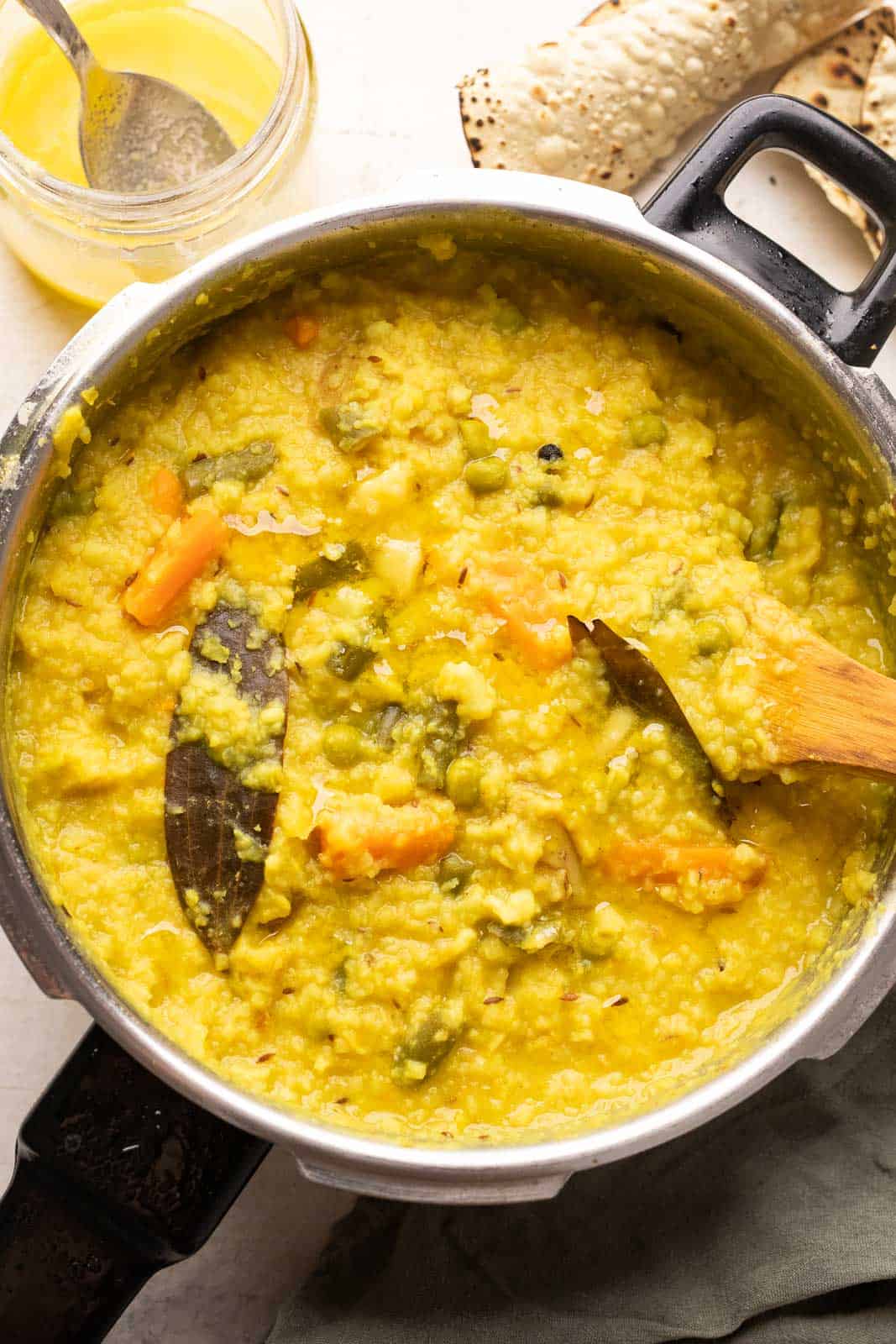
Khichdi pictured in the pressure cooker that it was cooked in

Khichdi Ingredients

  • Rice: Small-grain rice works best for creamy texture
  • Dal: A mix of toor dal + moong dal
  • Ghee: For roasting + that richness of flavor. Don’t skip this!
  • Whole spices: Cumin, peppercorns, bayleaf, cloves, cardamom
  • Aromatics: Ginger and green chilli
  • Veggies: Potato, carrot, beans, cauliflower, peas
  • Spices: Turmeric, red chilli powder, salt
  • Water: To cook it all down until creamy

Frequently Asked Questions

What is khichdi made of?

Khichdi is made from rice + dal cooked together with spices and vegetables. It’s a super comforting dish to make when you need some extra love! 

Why is khichdi healthy?

It’s a one-pot meal that’s:
– High in protein (from dal)
– Easy to digest
– Full of fiber and vitamins (from veggies)
– Naturally gluten-free and nourishing

What type of dal works best for khichdi?

Moong dal: Light, easy to digest, great for kids or sick days
Toor dal: Adds body and flavor
Mix of dals (like this recipe): Best balance of taste + nutrition

Can I make khichdi without vegetables?

Yes! Skip the veggies and keep it simple with just rice and dal — it’ll still be delicious.

How do I make khichdi creamier?

Add a little more water or ghee while mixing, or stir in a spoonful of butter at the end.

Richa’s Top Tips

  • Apart from the dals and rice, I love adding diced carrots, beans, potatoes, cauliflower and green peas to my khichdi for lots of extra texture and nutrition.
  • Unless you’re vegan, don’t skimp on the ghee. It’ll melt all over and glisten and make every bite extra delicious.
  • The water ratio is an important determinant to the final texture of this recipe. I like my khichdi to have a thick porridge-like consistency, for which I had 5 cups of water for for a total of 1 cup of rice and lentils. You can easily increase or decrease the amount of water based on your personal preference.
  • If you notice that your khichdi looks too thick after cooking, simply add a little more water and cook for a few extra minutes to adjust the consistency.
  • If you live outside India, both these lentils are easily available at Indian stores and sometimes even at large supermarkets.

Serving Ideas

  • Add a drizzle of ghee on top (mandatory 😉)
  • Serve with yogurt or raita on the side
  • Pair with a fried potatoes for extra crunch
  • Serve along with papad + pickle for tang and texture
  • Have it along with some tomato chutney 
  • Eat it with some curd or plain unsweetened yogurt.

Storage Tips

  • Refrigerate leftovers in an airtight container for 2 days
  • Add a splash of water when reheating, khichdi thickens as it cools
  • Reheat in a pan or microwave until steaming hot
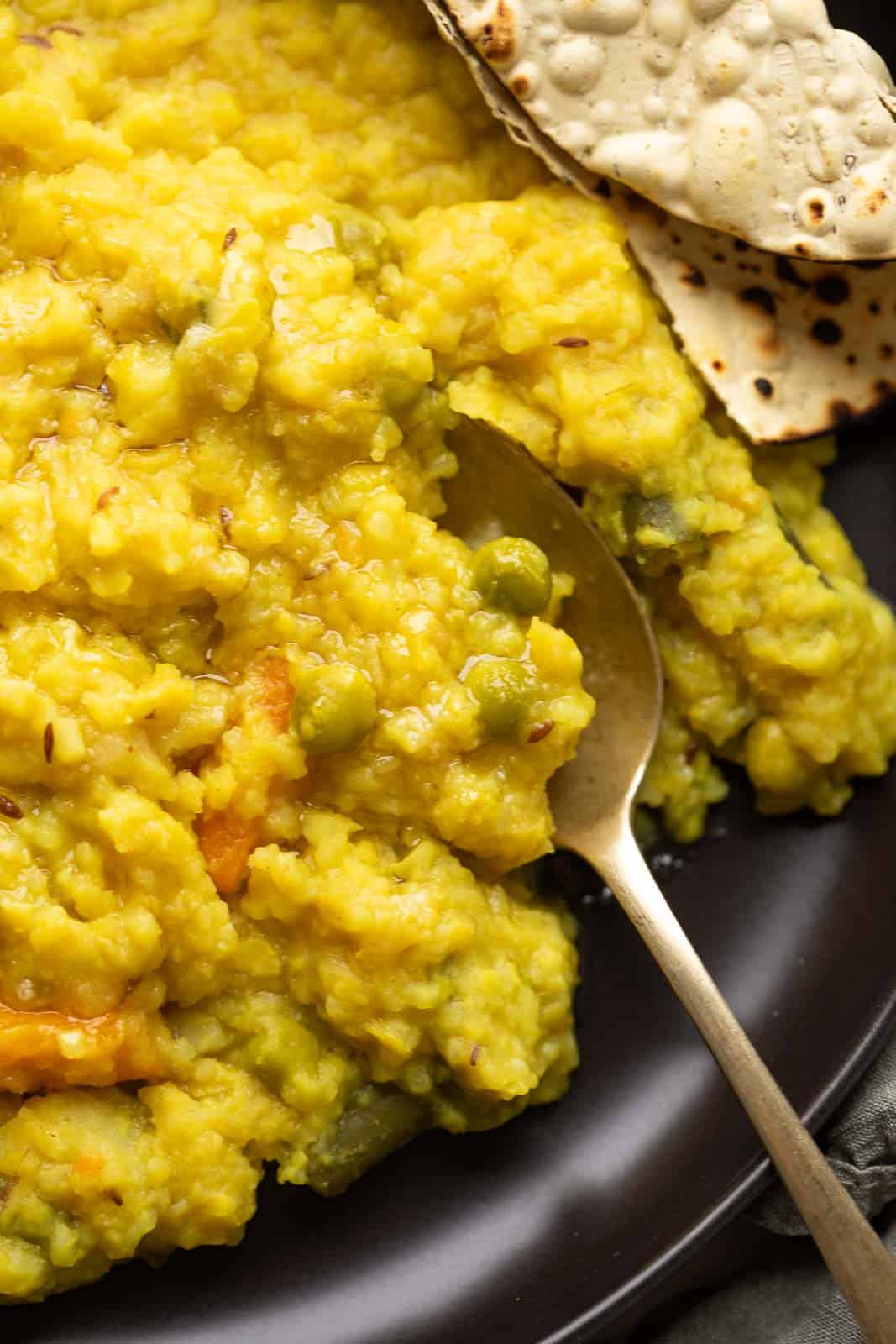
Closeup of khichdi in a spoon

This isn’t just khichdi — it’s a hug in a bowl. With the nutty ghee-roasted base, whole spices, and hearty veggies, this recipe turns a simple comfort dish into something extraordinary. Whether you’re under the weather, craving something cozy, or just want a quick, nourishing meal, this khichdi will always deliver. Try it and send me your recreations over on my IG @my_foodstory

Watch Khichdi Recipe Video

Khichdi served on a black plate with papad, tomato chutney and aloo fry
Print

The Khichdi Recipe that’s actually tasty!

Khichdi or khichri is an Indian one pot lentil and rice dish that's vegetarian, easy to digest and wholesome. Done right, it can be incredibly tasty and may become your favourite comfort food. This version can be made in a traditional pressure cooker or an Instant Pot and I have instructions below for both.
Course Main Course
Cuisine Indian
Diet Gluten Free, Vegetarian
Prep Time 10 minutes
Cook Time 45 minutes
Total Time 55 minutes
Servings 4 Portions
Calories 313kcal
Author Richa

Ingredients

  • 1/2 cup Small grain Rice
  • 1/4 cup Arhar Dal Toor dal/ Split Pigeon Peas
  • 1/4 cup Dhuli Moong Dal skinless Petite Yellow Lentils
  • 2 tablespoons Ghee
  • 1 teaspoon Cumin Seeds
  • 6-8 Whole Peppercorns
  • 2 Bayleaves
  • 4-5 Cloves
  • 2 Cardamoms whole
  • 1 teaspoon Ginger grated
  • 1 Green Chilli / Serrano Chilli split lengthwise
  • 6-8 Cauliflower Florets
  • 1 Potato quartered
  • 1 Carrot peeled and cut into 1 inch pieces (large )
  • 8-10 French Beans cut into 1 inch pieces
  • 1/2 cup Green Peas frozen or fresh
  • 1 teaspoon Turmeric
  • 1/2 teaspoon Red Chilli Powder / Paprika Powder
  • 1.5 teaspoons Salt
  • 5 cups Water

Instructions

Traditional Pressure Cooker:

  • Wash the rice and both the dals (lentils) well, and soak them in enough water to cover them for at least 30 minutes or up to two hours. This helps them cook faster.
    1/2 cup Small grain Rice, 1/4 cup Arhar Dal, 1/4 cup Dhuli Moong Dal
  • Heat ghee in the pressure cooker and add cumin seeds, peppercorns, bayleaves, cloves, cardamoms, ginger and green chilli. Saute for two minutes on medium flame.
    2 tablespoons Ghee, 1 teaspoon Cumin Seeds, 6-8 Whole Peppercorns, 2 Bayleaves, 4-5 Cloves, 2 Cardamoms, 1 teaspoon Ginger, 1 Green Chilli / Serrano Chilli
  • Drain all the water from the rice and lentils and add them to the cooker. Dry roast them for 4-5 minutes, till you can smell a nutty aroma. Don’t worry if some of the rice and lentils stick to the bottom of the pan, but be careful not to burn them.
  • Add all the veggies, turmeric, chilli powder, salt and water to the cooker and pressure cook for 6-7 whistles. Let the pressure release naturally. Once all the pressure has released, open the pressure cooker and mix well. After mixing, the rice and dal should have broken down and should look slightly creamy. Check for salt, and serve hot with ghee, fried potatoes, tomato chutney or just yogurt.
    6-8 Cauliflower Florets, 1 Potato, 1 Carrot, 8-10 French Beans, 1/2 cup Green Peas, 1 teaspoon Turmeric, 1/2 teaspoon Red Chilli Powder / Paprika Powder, 1.5 teaspoons Salt, 5 cups Water

Instant Pot Version:

  • Wash the rice and both the dals (lentils) well, and soak them in enough water to cover them for at least 30 minutes or up to two hours. This helps them cook faster.
  • Turn on the saute function and heat ghee in the pot. Add cumin seeds, peppercorns, bayleaves, cloves, cardamoms, ginger and green chilli. Saute for two minutes or till you can smell the spices.
  • Drain all the water from the rice and lentils and add them to the cooker. Dry roast them for 5-6 minutes, till you can smell a nutty aroma. Don’t worry if some of the rice and lentils stick to the bottom of the pan, but be careful not to burn them.
  • Add all the veggies, turmeric, chilli powder, salt and water to the cooker and cook on high pressure for 30 minutes. I prefer using the manual pressure function. Let the pressure release naturally for at least 10 minutes, and then release pressure manually. Once all the pressure has released, open the pressure cooker and mix well. After mixing, the rice and dal should have broken down and should look slightly creamy. Check for salt, and serve hot with ghee, fried potatoes, tomato chutney or just yogurt.

Video

Notes

  1. Here’s a pretty cool article about dals (lentils) along with their images to help you identify them easily
  2. The consistency of a khichdi is a personal preference. We like ours on the mushier side, but if you prefer it less mushy, reduce the water by a cup. You can also add more water if you like and cook it further if you want your version mushier.
  3. To reheat, just add a little water and heat it over a low flame.
  4. Aloo Fry is amazing with khichdi. I do a slightly different version with skin on sliced potatoes and here’s what you’ll need for it. Follow the instructions in the video to make it.
    1. Potatoes 2 (skin on, thinly sliced)
    2. 1 tsp chilli powder
    3. 1 tsp Jeera Powder
    4. 1.5 tsp Coriander Powder
    5. 1/2 tsp Turmeric
    6. 1/2 tsp Salt
    7. 2 tbsp Mustard Oil
  5. You can also serve khichdi with raita, you can check out my raita recipe here – https://myfoodstory.com/indian-raita-recipe/ 
 

Nutrition

Calories: 313kcal | Carbohydrates: 49g | Protein: 11g | Fat: 8g | Saturated Fat: 5g | Cholesterol: 19mg | Sodium: 920mg | Potassium: 458mg | Fiber: 8g | Sugar: 3g | Vitamin A: 2875IU | Vitamin C: 31mg | Calcium: 61mg | Iron: 3mg

This article was researched and written by Navya Khetarpal.

The post The Khichdi Recipe that’s SO tasty! appeared first on My Food Story.

Karamani Sundal Recipe | Easy South Indian Black Eyed Peas Sundal

Looking for a protein-packed South Indian snack that’s wholesome, flavorful, and incredibly easy to whip up? Say hello to karamani sundal, a festival favorite made with black-eyed peas, coconut, and a gentle tempering of spices. It’s the perfect balance of hearty and light, with just the right kick to keep you coming back for more. Whether you’re preparing it for Navratri or simply craving a healthy bite, this fan-freaking-fantastic recipe will win you over in minutes!

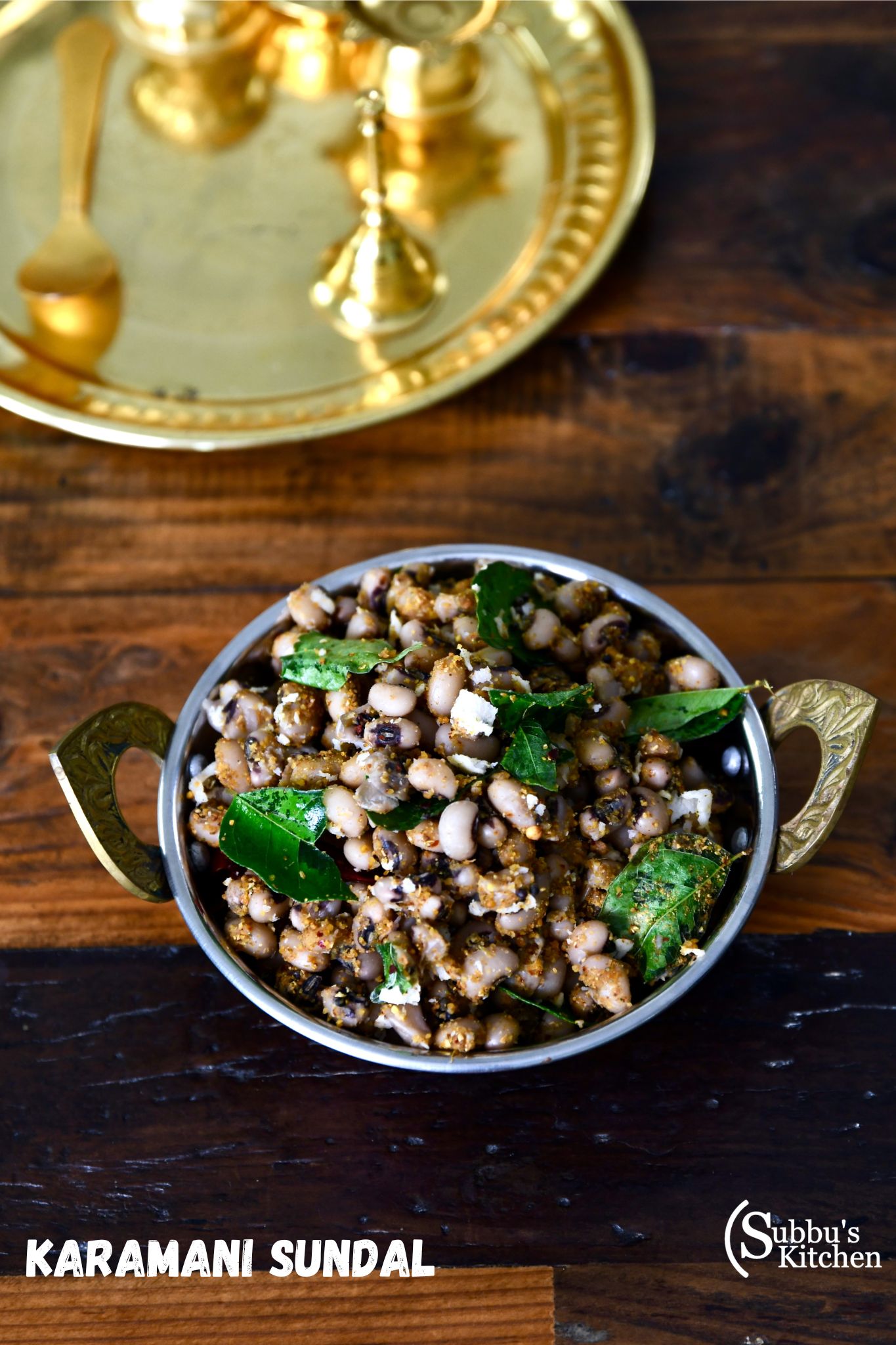
Traditional South Indian Karamani Sundal made with black-eyed peas, tempered with curry leaves, mustard seeds, and red chilies, served fresh

Karamani sundal is especially popular during Navratri, when different varieties of sundal are prepared as offerings (prasadam) for the goddess and shared with friends and family. Each day of Navratri is often celebrated with a unique type of sundal, making karamani (black-eyed peas) one of the cherished variations. Beyond festivals, it’s also enjoyed as a healthy snack or light evening tiffin in South Indian households. Packed with protein and flavored with coconut and spices, it’s both nourishing and comforting—perfect for fasting days, festive gatherings, or simply as a guilt-free bite anytime of year.

[feast_advanced_jump_to]

Ingredients

Each ingredient in karamani sundal has a purpose. Black-eyed peas (karamani) form the protein-rich base, making it hearty and wholesome. Freshly grated coconut adds natural sweetness and texture, balancing the earthiness of the legumes. Curry leaves, mustard seeds, green chili, and hing bring that unmistakable South Indian flavor profile, while a drizzle of coconut oil ties everything together with a rich, traditional aroma. Together, they create a dish that’s simple yet deeply flavorful, perfect for both festive offerings and everyday snacking.

  • Karamani (black-eyed peas)
  • Fresh grated coconut
  • Red chili
  • Curry leaves
  • Mustard seeds
  • Hing (asafoetida)
  • Coconut oil
  • Salt

See recipe card for quantities.

Instructions

  1. Wash and Soak the karamani (black-eyed peas) overnight.
  1. The next day, drain the water and add fresh water to the peas. Pressure cook the karamani with a teaspoon of salt until they are soft, allowing only 2–3 whistles to ensure they remain firm and not mushy.
  1. Once the pressure has fully released, open the cooker and drain the excess water from the cooked karamani using a strainer.
  1. Heat coconut oil in a pan. Add mustard seeds, and once they begin to splutter, toss in the broken red chili, curry leaves, and a pinch of hing. Sauté for a few seconds until fragrant.
  1. Add the cooked karamani (black-eyed peas) to the pan and mix well so the tempering coats the legumes evenly.
  1. (Optional) - Add 2 teaspoon of Sundal Powder and give it a good mix. This will give good aroma and spice.
  1. Stir in the freshly grated coconut and give everything a gentle mix.
  1. Your delicious Karamani (Perum Payiru) Sundal is now ready! Serve it warm as a healthy snack or offer it as Neivedhyam during the Navratri festival.

Substitutions

  • Legumes: If you don’t have karamani (black-eyed peas), you can easily swap them with other legumes such as white chana (chickpeas)green gram (moong beans), or rajma (kidney beans). Each will give a slightly different texture but still taste delicious.
  • Coconut: Fresh grated coconut is traditional, but if it’s not available, you can use frozen grated coconut (thawed) or even a small spoon of unsweetened desiccated coconut in a pinch.
  • Oil: Coconut oil adds authentic South Indian flavor, but you can substitute with sesame oil or sunflower oil if you prefer a milder taste.
  • Spice: If you like more heat, add a slit green chili along with the tempering. For a kid-friendly version, skip the red chili altogether.
  • Hing (Asafoetida): If you don’t have hing, you can leave it out or use a pinch of garlic powder for a different but still flavorful aroma.

Variations

  • Masala Sundal: Add a spoon of freshly ground sundal podi or rasam powder along with the tempering for a spicier, more robust flavor.
  • Tangy Twist: Squeeze in a few drops of fresh lemon juice just before serving to give the sundal a refreshing brightness.
  • Vegetable Boost: Mix in finely chopped cucumber, carrots, or raw mango for a salad-style sundal that’s colorful, crunchy, and extra nutritious.
  • Sweet Sundal: For a festive twist, replace the tempering with a light jaggery syrup and grated coconut to make a mildly sweet version, often enjoyed during Navratri.
  • Sprouted Sundal: Use sprouted karamani instead of boiled for an even healthier, protein-packed option.

Storage

  • Room Temperature: Karamani sundal stays fresh for up to 6–8 hours at room temperature, making it perfect for serving during festivals or as a prasadam.
  • Refrigeration: Store any leftovers in an airtight container in the refrigerator for up to 2 days.
  • Reheating: Gently warm it on the stovetop or in the microwave before serving. If it feels a bit dry, sprinkle a teaspoon of water or coconut oil to freshen it up.
  • Freezing: Not recommended, as the texture of the beans and coconut changes after thawing.

Top Tip

For perfectly textured karamani sundal, make sure the black-eyed peas are cooked but still firm—they should hold their shape and not turn mushy. Also, toast the coconut lightly before mixing it in to enhance its aroma and give the sundal an extra layer of flavor.

Related

Recipe Card

Traditional South Indian Karamani Sundal made with black-eyed peas, tempered with curry leaves, mustard seeds, and red chilies, served fresh.
Print

Karamani Sundal Recipe | Easy South Indian Black Eyed Peas Sundal

Karamani Sundal is a classic South Indian snack made with black-eyed peas, lightly tempered with mustard seeds, curry leaves, and hing, then finished with freshly grated coconut. Protein-rich, flavorful, and mildly spiced, it’s a favorite during Navratri festivals and also makes a wholesome everyday snack.
Course Healthy Recipes, Salad
Cuisine Indian, South Indian, Tamilnadu
Prep Time 5 minutes
Cook Time 15 minutes
Soaking Time 8 hours
Total Time 20 minutes
Servings 4 people
Calories 108kcal
Author Sowmya Venkatachalam

Equipment

  • 1 Pressure Cooker

Ingredients

  • 1 Cup Karamani (Black-eyed pea)
  • 1 nos Red Chili
  • 1 teaspoon Salt As Needed
  • 1 Pinch Asafoetida (Asafetida / Hing)
  • 1 tablespoon Grated Coconut
  • 2 teaspoon Sundal Powder (Optional)

For Tempering

  • 1 teaspoon Oil
  • 1 teaspoon Mustard Seeds
  • 1 sprig Curry Leaves

Instructions

  • Soak the karamani (black-eyed peas) overnight. The next day, drain the water and add fresh water to the peas. Pressure cook the karamani with a teaspoon of salt until they are soft, allowing only 2–3 whistles to ensure they remain firm and not mushy.
    1 Cup Karamani (Black-eyed pea), 1 teaspoon Salt
  • Heat coconut oil in a pan. Add mustard seeds, and once they begin to splutter, toss in the broken red chili, curry leaves, and a pinch of hing. Sauté for a few seconds until fragrant.
    1 nos Red Chili, 1 teaspoon Oil, 1 teaspoon Mustard Seeds, 1 sprig Curry Leaves, 1 Pinch Asafoetida (Asafetida / Hing)
  • Add the cooked karamani (black-eyed peas) to the pan and mix well so the tempering coats the legumes evenly.
  • (Optional) Add 2 teaspoon of Sundal Powder and give it a good mix. This will give good aroma and spice.
    2 teaspoon Sundal Powder (Optional)
  • Stir in the freshly grated coconut and give everything a gentle mix.
    1 tablespoon Grated Coconut
  • Your delicious Karamani (Perum Payiru) Sundal is now ready! Serve it warm as a healthy snack or offer it as Neivedhyam during the Navratri festival.

Video

Notes

  1. Soak Overnight: Soaking the karamani overnight helps them cook faster and ensures they become soft yet hold their shape.
  2. Cook Just Right: Pressure cook only for 2–3 whistles. Overcooking will make the beans mushy, while undercooking will leave them hard.
  3. Drain Excess Water: After cooking, drain any extra water so the sundal doesn’t turn soggy.
  4. Use Fresh Coconut: Adding freshly grated coconut at the end enhances flavor and gives an authentic touch.
  5. Tempering Matters: A good tempering of mustard seeds, curry leaves, red chilies, and hing brings out the traditional sundal aroma.
  6. Flavor Boost: Add a pinch of dry roasted fenugreek-red chili powder or a squeeze of lemon juice for extra zing.
  7. Serve Fresh: Sundal tastes best when served warm and fresh, though it can be stored in the fridge for a day.
  8.  

Nutrition

Serving: 100g | Calories: 108kcal | Carbohydrates: 19g | Protein: 7g | Fiber: 5g

The post Karamani Sundal Recipe | Easy South Indian Black Eyed Peas Sundal appeared first on Subbus Kitchen.

One Pot Sambar | Fast & Easy

By: Richa

Craving a comforting bowl of sambar with idlis and dosas? This one-pot sambar recipe is the perfect solution — quick, flavorful, and made effortlessly in a pressure cooker! 

one pot sambar cooked in the pressure cooker with ladle

I am the kind of person who cannot imagine having my idlis and dosas without a big bowl of piping hot sambar on my plate. I think it’s the perfect way to round up the simple flavors of idli and dosa, as well as make the meal more nutritious. 

And considering how often we make South Indian dishes in this household, the whole shabang of making sambar the traditional way started to feel too cumbersome pretty soon. Enter: My one pot sambar recipe! With no compromise on the taste or texture, it delivers all the authentic South Indian goodness in a fraction of the time. So if you love sambar but like me, not the long cooking, this quick method might just become your new go-to.

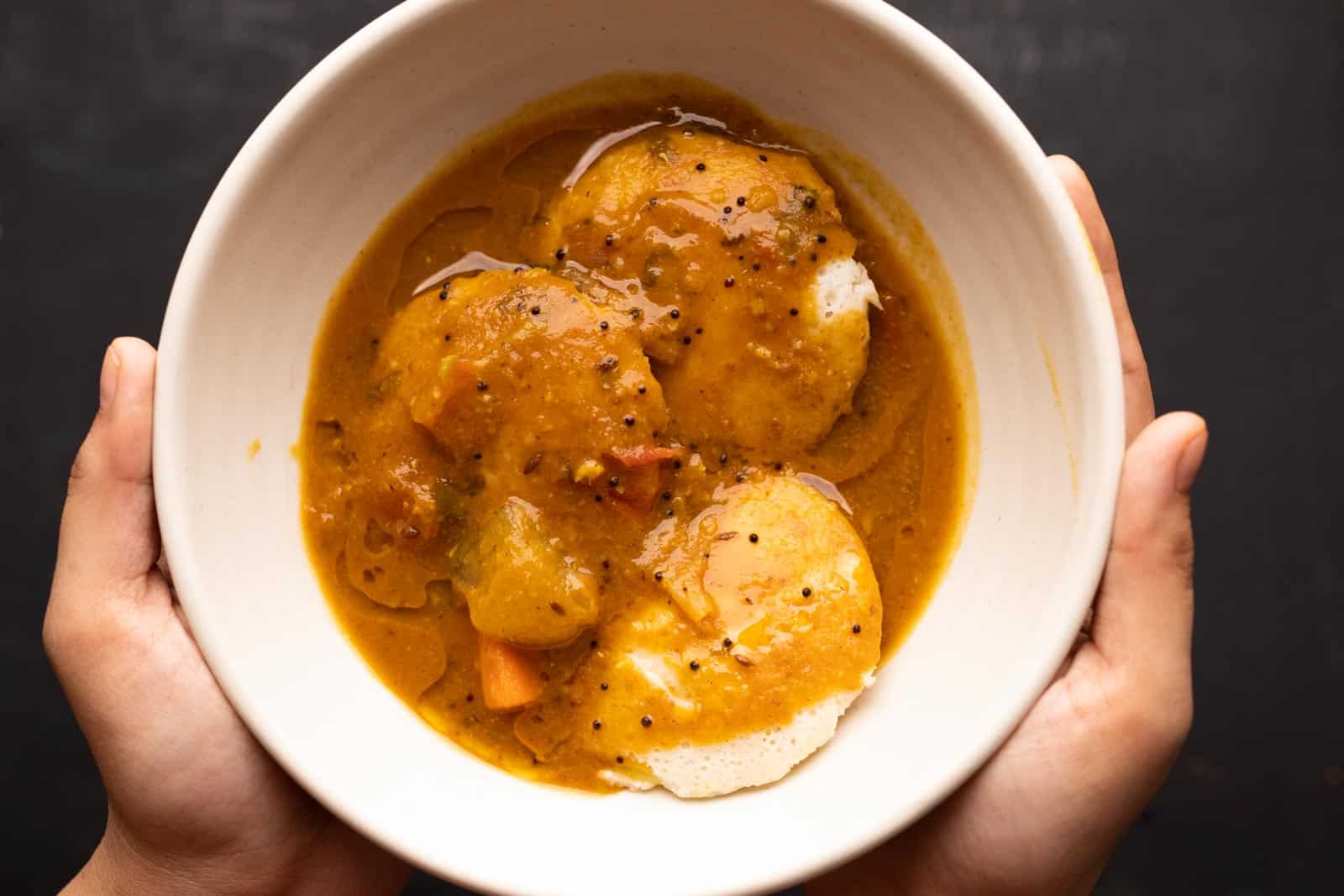
Sambar poured over steaming hot idlis in a bowl. Two hands hold the bowl as if serving someone else

One Pot Sambar Ingredients

For the sambar: 

  • Toor dal: Split pigeon peas form the base of this sambar. 
  • Aromatics: Garlic, green chillies, and curry leaves for flavor and aroma
  • Veggies: Diced carrots, tomatoes, sambar onions, or cubed regular onions, beans, and drumsticks add lots of flavor, texture, and nutrition 
  • Spices: Turmeric, red chilli, and coriander powders along with sambar powder for warmth and flavor   
  • Tamarind pulp: For a nice, refreshing tang. I highly recommend not skipping this
  • Salt: For seasoning
  • Water: To pressure cook and adjust consistency
  • Oil: Prevents the dal from overflowing and foaming when releasing pressure. Any neutral-flavored oil such as vegetable, sunflower, peanut, canola, etc. 

For tempering:

  • Ghee or oil: Ghee adds a really nice flavor and richness, but you can replace it with any neutral-flavored oil to make it vegan
  • Spices: Mustard seeds, cumin seeds, hing or asafoetida, and curry leaves for warmth, flavor, and aroma
  • Fenugreek seeds: It adds aroma and more depth of flavor to the sambar, along with aiding in digestion. A little goes a long way here. You can skip it if you don’t have it. Coriander leaves: Finely chopped for garnish. Adds fresh, earthy flavors to the whole dish

How to Make One Pot Sambar

Unlike the traditional sambar recipe that This one pot sambar recipe comes together entirely in the pressure cooker in just three simple steps: 

01 Cooking dal: We start by pressure cooking our toor dal along with some turmeric powder, tomato, and oil until everything is cooked down and soft

02 Making sambar: Now to the same pressure cooker, we add all our veggies, curry leaves, tamarind, and spice powders and cook for one more whistle

03 Tempering: Once everything is cooked through, we make a tadka with mustard and cumin seeds, hing, curry leaves, etc. add it to the prepared sambar in the pressure cooker, mix everything well, and that’s it–our delicious, warming, one-pot sambar is ready to be served! 

What is sambar powder

Sambar powder is a special spice and lentil mix blend that lends sambar its authentic flavor, warmth, and aroma. It’s usually made from chana dal (split chickpeas) as the base along with spices like coriander seeds, dried red chillies, cumin seeds, fenugreek seeds, and hing (asafoetida). Some people also add peppercorns to this blend, but that’s optional. 

Sambar powder is easily available at most grocery stores online and offline in India, and at local Indian stores outside India. You can also easily make it at home in under 15 minutes. It has a long shelf life (stays good in the fridge for up to 6 months). In my experience, homemade sambar powder makes the dish a lot more flavorful, but store-bought can easily be used in a pinch. 

veggies over cooked dal ready to be cooked to make one pot sambar

Common Sambar Vegetables

Even though this sambar recipe uses just a handful of veggies, there are so many you can choose from. Here are all the veggies you can add depending on preference and availability: 

  • Potato
  • Carot
  • Drumstick
  • Beans
  • Cauliflower 
  • Pumpkin
  • Ladies Finger or Okra 
  • Brinjal or Egg plant
  • Radish
  • Bottle gourd
  • Broad beans
  • Long beans
  • Plantains 

Which lentils work best in Sambar? 

Traditionally sambar uses just just toor dal or split pigeon peas and that’s what we have used for this one pot sambar recipe as well. However, you can use a mix of toor and moong or masoor dal. The flavor will change a little bit, but it will still be delicious! 

Frequently Asked Questions

What is the difference between sambar and dal?

Sambar and dal are both lentil-based dishes, but here’s how the two are different:  
– Sambar is generally made with just toor dal, contains lots of veggies, has a sour flavor, and has many more spices than a regular dal
– Dal on the other hand can be made with toor, masoor, chana, or moong dal, or even a mix of various dals and usually has no veggies. It has a thicker, creamier consistency as compared to sambar which is usually more watery. 

Is it possible to make sambar without sambar powder? 

Yes, absolutely! Sambar powder adds more warmth and an authentic flavor to the sambar, but you can easily skip it in a pinch. Even though the taste will differ slightly, the sambar will still be delicious. 

Richa’s Top Tips

  • Follow the pressure cooking time mentioned in the recipe card, especially when cooking the veggies. We need our veggies to be completely cooked, but still have a little bite. Over cooking will lead to mushy veggies, which is not ideal for this sambar recipe 
  • Sambar is generally watery, but feel free to adjust the consistency to your liking. 
  • I would highly recommend using fresh spices and lentils for the best flavor and texture 
  • It’s important to make the tempering on a medium flame to avoid burning and keep the spices and herbs aromatic 
  • This sambar has medium spiciness and sourness. You can easily adjust the quantities of chilli powder, and tamarind to suit your preference. You can also add some jaggery to balance out the sourness if you like. 
  • Ghee is traditionally to temper as it adds a beautiful richness and aroma to the sambar. However, you can easily replace it with coconut oil or neutral-flavored oil to make it vegan

Storage Tips

Refrigerator: When stored in an airtight glass or steel container, sambar stays good in the fridge for up to 2-3 days.Reheat thoroughly on the stovetop and bring it to a boil to kill any bacteria before serving. 

Freezer: Sambar is super freezer-friendly and stays well for up to 3 months. Store in single-servings as repeated thawing and freezing causes it to spoil very quickly. Thaw it out in the fridge overnight and then reheat in the microwave or on the stovetop before serving. Please note: Veggies may become a bit mushy when thawed which may change the texture slightly, but the flavors still remain intact. 

Serving Ideas

There are so many ways to eat sambar. Here are a few favorites that always hit the right spot: 

  • With steamed rice or bisi bele bath and crunchy papadam for a simple yet satisfying meal
  • As a side with idli, dosa, uttapam, or upma along with coconut chutney  
  • Poured over crispy medu vadas for the most satisfying breakfast ever 
  • Simply drink it by the bowl for a light and satisfying meal  

Sambar Variations

  • Oil: While oil is traditionally used to temper sambar, some recipes, especially from Tamil Nadu, use gingelly or sesame seed oil (different from toasted sesame oil), while recipes from Kerala use coconut oil. 
  • Jaggery: In Karnataka, adding a little jaggery to the sambar is a pretty common practice. Jaggery helps balance out the sourness from tamarind, while adding just a hint of sweetness. 
  • Coconut: You can add toasted coconut shavings or make a paste by grinding toasted coconut and whole dried red chilli to add a nutty, spicy flavor to your sambar.
  • Raw mango: A lot of sambar recipes add raw mango when it’s in season for a deliciously tangy kick. 
one pot sambar cooked in the pressure cooker with ladle

So now that you know how easy and hassle-free it can be to make sambar, there’s no reason to not make it the next time you’re making a South Indian spread. Once you make sambar for idli and dosa in this way, there’s no going back, I promise! 

If you try this easy sambar recipe, don’t forget to send a DM with the pictures over on my IG @my_foodstory as well as tag me in your stories! 

Watch One Pot Sambar Recipe Video

one pot sambar cooked in the pressure cooker with ladle
Print

One Pot Sambar | Fast & Easy

This is an easy vegetable sambar recipe where I show you how to transform store bought Sambar Powder into an amazing Sambar. Perfect for idlis, dosas and uttapams.
Course Main Course
Cuisine Indian, South Indian
Diet Gluten Free, Vegetarian
Prep Time 5 minutes
Cook Time 30 minutes
Total Time 35 minutes
Servings 4 people
Calories 256kcal
Author Richa

Equipment

Ingredients

  • ½ cup toor dal
  • ½ teaspoon turmeric powder
  • 7 cloves garlic whole
  • 3-4 cups water divided
  • ¾ cup tomato cubed
  • 1 teaspoon oil
  • 1 sprig curry leaves
  • 1 carrot 75 gms, cut into ½ inch cubes
  • 10 beans 80 gms, cut into 1 inch length pieces
  • 3 drumsticks 120 gms, cut into 2 inch pieces
  • ½ cup peeled sambar onions or cubed onions
  • 2 green chillies slit
  • 3 tablespoons sambar powder
  • 1 teaspoon chilli powder adjust to taste
  • 1 teaspoon coriander powder
  • 1 tablespoon tamarind pulp
  • 1 teaspoon salt

Tempering

  • 2 teaspoons ghee or oil
  • ½ teaspoon rai mustard seeds
  • ¼ teaspoon jeera cumin seeds
  • 10 methi seeds fenugreek seeds
  • teaspoon hing asafoetida
  • 1 whole dried red chilli
  • 1 sprig curry leaves
  • 2 tablespoons finely chopped coriander leaves

Instructions

Cooking dal

  • Add toor dal, turmeric powder, garlic,half the tomatoes, 1 ½ cups of water and 1 teaspoon oil to a pressure cooker and cook on medium for about 4 whistles (first whistle on high and then lower the flame and cook for 3 more whistles) till it’s cooked well. Mash the dal with the back of a spoon or a whisk and set aside.

Making Sambar

  • Add curry leaves, carrots, beans, drumsticks, sambar onions, green chillies, sambar powder, chilli powder, coriander powder, tamarind pulp and salt along with another cup of water. Mix well. Cook for one more whistle on high. Turn off the flame immediately after the whistle goes off. Once the pressure releases naturally, open the cooker and add more water if required to adjust the consistency. Keep the sambar on a simmer while you make the tempering or tadka.

Tempering

  • Heat ghee/oil in a tadka pan or a saucepan on a medium flame. add mustard seeds and cumin seeds. As they start to splutter, add hing, whole red chilli, curry leaves and fry till fragrant. Add chopped coriander and mix well. Turn off the heat and add tempering to the prepared sambar, mix well and serve.

Video

Notes

  1. I like this sambar with almost fully mashed dal. If you like yours to be more chunky, do not mash it as much as I have. You can also reduce the cooking time for the dal by 5 minutes. 
  2. I have used MTR sambar powder in this recipe, you can use any trusted variety. 
  3. You can substitute fresh tamarind pulp with pre-packed tamarind paste. 

Nutrition

Calories: 256kcal | Carbohydrates: 26g | Protein: 17g | Fat: 10g | Saturated Fat: 3g | Polyunsaturated Fat: 2g | Monounsaturated Fat: 4g | Trans Fat: 0.03g | Cholesterol: 59mg | Sodium: 761mg | Potassium: 395mg | Fiber: 7g | Sugar: 6g | Vitamin A: 3194IU | Vitamin C: 23mg | Calcium: 66mg | Iron: 3mg

This article was researched and written by Urvi Dalal.

The post One Pot Sambar | Fast & Easy appeared first on My Food Story.

White Dhokla | Khatta Dhokla | Idada Recipe

Got leftover idli or dosa batter? Turn it into soft, spongy White Dhokla, a fermented, tangy, delicious  version of yellow dhokla – made easily with our homemade idli dosa batter! 

white dhokla served on a banana leaf platter with chutney

I need to get more people on the White Dhokla train because I think it’s one of those recipes that’s just SO underrated! I might even like it more than the traditional Gujarati yellow khaman dhokla if I’m being honest. This type of Dhokla is made without besan, and with a fermented batter – the hero here is actually my homemade idli dosa batter that gives the dhokla a gentle tang with the same light and fluffy dhokla texture that we love. 

If you’ve got leftover idli dosa batter on hand, this recipe takes just 5 minutes of prep time and comes together in just 20 minutes, making it the perfect breakfast or evening snack that’s as tasty as it is convenient. 

White Dhokla Ingredients

Batter

  • Idli-dosa batter, green chilli, ginger, salt, crushed pepper 
  • Eno or fruit salt (see notes for substitute) – this gives us that airy and spongy texture that’s signature to dhokla 

Tempering 

  • Cooking oil, mustard seeds, white sesame seeds, asafoetida powder (hing), curry leaves, coriander leaves, salt, sugar, lemon juice, water

For Garnish

  • Coriander leaves, freshly grated coconut

Richa’s Top Tips

  • Adding eno to the batter makes these dhoklas super fluffy – you can sub with baking soda and lemon juice in a pinch but don’t skip this!
  • Let the dhokla rest before cutting so it stays fluffy and doesn’t collapse

Frequently Asked Questions

What is white dhokla made of? 

White dhokla is usually made from fermented rice and urad dal batter, just like idli or dosa batter. But this idada recipe cleverly repurposes it for a fluffy steamed snack.

What is the difference between white and yellow dhokla?

White dhokla (aka khatta dhokla) is made from rice and dal batter, and is tangy, soft, and lightly spiced.Yellow dhokla (aka khaman), on the other hand is made with besan (gram flour) and is a bit more dense and slightly sweet.

Is white dhokla healthy?

Yes! It’s steamed (not fried), naturally fermented, and low in oil. Plus, it’s gluten-free and easy to digest.

Can I make this without fermentation?

Fermentation adds flavor and softness, but if needed, you can try using store-bought batter and increase Eno slightly to compensate.

Serving Ideas

  • Dunk this khatta dhokla into some green chutney
  • Have it with a cup of chai 
  • Pack it in your kiddo’s tiffins with tomato ketchup for an easy lunch 

White Dhokla Customisation Ideas

  • Add some red chilli powder in place of/along with black pepper powder to the batter for slightly spicier dhoklas  
  • You can throw in some white sesame seeds to the tempering lends a lovely crunch and texture to the dhoklas 
  • Skip the tempering entirely for a lighter and slightly quicker tea time snack. These Gujarati khatta dhokla taste delicious either ways!

Storage Tips

  • Store batter in the fridge and make fresh dhokla when needed. It’s important to only store the idli dosa batter and to add the remaining ingredients such as salt, sugar, eno just before steaming the dhokla 
  • Steamed dhokla keeps well for 2-3 days if stored in an airtight container in the fridge 
  • This dhokla is not freezer-friendly — texture changes when thawed
  • Reheat in a steamer or microwave with a splash of water
  • You can add fresh tempering to revive the flavor before serving

Recipes With Idli Dosa Batter:

freshly steamed white dhokla still in the steamer plate ready to be served

This White Dhokla has got to be one of my favorite things to make with leftover idli dosa batter! Easy, fuss-free and so so delicious. Give it a try and I bet it’ll make it’s way to your weekly rotation ❤️

If you liked this recipe, be sure to stay tuned for more as part of my Idli Dosa Batter series, and send me your recreations over on my IG @my_foodstory

Watch White Dhokla Recipe Video

white dhokla served on a banana leaf platter with chutney
Print

White Dhokla | Khatta Dhokla | Idada

Spongy, soft, and slightly tangy, white dhokla is a delicious and insanely healthy evening snack that comes together in just 20 minutes with Idli Dosa Batter
Course Breakfast, Snacks & Appetisers
Cuisine Indian
Diet Vegan, Vegetarian
Prep Time 5 minutes
Cook Time 15 minutes
Total Time 20 minutes
Servings 4 persons
Calories 52kcal
Author Richa

Equipment

  • 1 steamer

Ingredients

  • 1 ¼ cups idli-dosa batter
  • 1 green chilli crushed
  • ¾ inch ginger crushed
  • ¼ teaspoon salt
  • ½ teaspoon eno or fruit salt
  • ¼ teaspoon crushed pepper

Tempering

  • 1 tablespoon cooking oil
  • 1 teaspoon mustard seeds
  • 1 teaspoon white sesame seeds
  • ¼ teaspoon asafoetida powder hing
  • 2 sprigs curry leaves
  • 1 tablespoon finely chopped coriander leaves
  • ¼ teaspoon salt
  • 1 teaspoon sugar
  • juice of ½ lemon
  • ¼ cup water

For garnish

  • 1 tablespoon finely chopped coriander leaves
  • 1 tablespoon freshly grated coconut

Instructions

Prep steamer

  • Grease a round 12 inch steamer plate with oil. Heat the steamer or a pot with water. Place a stand inside and let the water come to a boil.

Batter

  • Take the idli-dosa batter in a bowl, add crushed chilli, ginger, salt & mix to combine well. Once the water starts boiling, add fruit salt or Eno to the batter and mix gently till the batter is frothy.
    1 ¼ cups idli-dosa batter, 1 green chilli crushed, ¾ inch ginger crushed, ¼ teaspoon salt, ½ teaspoon eno or fruit salt

Steaming dhoklas

  • Transfer the batter immediately to the greased steamer plate, sprinkle crushed pepper on top, keep on the stand, cover and steam on high heat for 10 minutes. To check if the Dhokla is cooked, insert a toothpick in the centre of the dhokla and if it comes out clean, it’s done. If it has batter on it, steam for a few more minutes until done. Rest for 5 minutes, remove from the steamer and set aside to cool.
    ¼ teaspoon crushed pepper

Tempering

  • Heat oil in a pan, add mustard seeds and once they sputter, add sesame seeds, hing, curry leaves, salt, sugar and water. Be careful as the water will splutter. After 10 seconds, switch off the stove and squeeze lemon. Mix with a spoon.
    1 tablespoon cooking oil, 1 teaspoon mustard seeds, 1 teaspoon white sesame seeds, ¼ teaspoon asafoetida powder, 2 sprigs curry leaves, 1 tablespoon finely chopped coriander leaves, ¼ teaspoon salt, 1 teaspoon sugar, juice of ½ lemon

Serving Dhoklas

  • Demould dhoklas once cooled and cut into squares. Pour the tempering over the dhokla and let it soak in it for 5-10 minutes. Garnish with grated coconut & coriander leaves just before serving.
    1 tablespoon finely chopped coriander leaves, 1 tablespoon freshly grated coconut

Video

Notes

  1. Adding eno helps in making the dhoklas spongy, porous & light, so do not skip it.

Nutrition

Calories: 52kcal | Carbohydrates: 3g | Protein: 0.4g | Fat: 5g | Saturated Fat: 1g | Polyunsaturated Fat: 1g | Monounsaturated Fat: 3g | Trans Fat: 0.01g | Sodium: 467mg | Potassium: 20mg | Fiber: 1g | Sugar: 2g | Vitamin A: 33IU | Vitamin C: 12mg | Calcium: 11mg | Iron: 0.2mg

This article was researched and written by Navya Khetarpal.

The post White Dhokla | Khatta Dhokla | Idada Recipe appeared first on My Food Story.

Mysore Masala Dosa

By: Richa

Mysore Masala Dosa is what happens when the comfort and crispiness of dosa  meets a flavour bomb–and it’s absolutely addictive! 

Serving mysore masala dosa with two chutneys on a banana leaf

There’s dosa… and then there’s Mysore Masala Dosa. If you’ve ever sat at a buzzing South Indian eatery and watched one of these come sizzling hot off the griddle, crisp on the edges, slathered with spicy chutney, and stuffed with masala, you know exactly why it’s such a fan favourite.

This one’s got a little extra heat, a little more punch, and honestly, a whole lot of personality. And the best part? You can make it right in your own kitchen!

Mysore Masala Dosa Ingredients

For the dosa: Fresh dosa batter (homemade idli dosa batter works best), a touch of salt and sugar to season, and oil or ghee (or both!) for that golden, crispy finish.

For the aloo masala (potato filling): Boiled and mashed potatoes, groundnut oil, mustard seeds, cumin, chana dal and urad dal for crunch, hing, curry leaves, onions, green chilli, ginger, tomato, turmeric and salt,  all brought together with fresh coriander for that signature South Indian flavour.

For the Mysore chutney (spicy red spread): Garlic, ginger, spicy and Kashmiri red chillies, chana dal, urad dal, chopped onions, turmeric, tamarind pulp and salt, roasted until fragrant and blended with water into a thick, flavour-packed paste.

A spoonful of the red chutney that goes on mysore masala dosa to show the colour and texture

How to make Mysore Masala Dosa?

  1. Prep the batter: Mix salt and sugar into your dosa batter and set aside.
  2. Make the fillings: Cook the aloo masala and spicy Mysore chutney as per the recipe, both can be made ahead.
  3. Prep the pan: Heat a dosa tawa or non-stick pan. Rub with half an onion dipped in oil to season the pan and prevent the dosa from sticking.
  4. Cook the dosa: Pour a ladle of batter, spread it thin in concentric circles, drizzle oil or ghee, and let it roast till golden.
  5. Assemble: Smear the chutney, dot with butter and let this cook for a minute.  Finally, add a scoop of aloo masala, fold, and serve hot.
A spoon spreading chutney on dosa
Red chutney spread on a mysore masala dosa on the pan

Frequently Asked Questions

What is Mysore Masala Dosa?

It’s a crispy South Indian dosa filled with potato masala and smeared with a spicy red chutney inside. That chutney gives it a bold, slightly fiery flavour that sets it apart from the classic version.

What’s the difference between Mysore Masala Dosa and Masala Dosa?

While both have the same crispy base and potato filling, Mysore Masala Dosa gets an upgrade with a red chutney that’s spicy and garlicky. It’s a street-style favourite for a reason!

What should the dosa batter consistency be like?

The batter should be pourable but not runny. It should coat the back of a spoon and flow in ribbons when poured—thicker than water, thinner than pancake batter.

Can I make this dosa without the chutney?

You can, but it won’t be Mysore masala dosa anymore. The red chutney adds a signature garlicky, spicy-savoury layer—feel free to reduce the chillies to make it milder.

Is Mysore Masala Dosa healthy?

When made with minimal oil and paired with coconut chutney or sambar, it’s a wholesome, naturally gluten-free meal. The fermented batter is also great for gut health and easier to digest.

Why are my dosas not turning crispy?

It could be the pan temperature or not enough oil. Make sure your tawa is hot enough (a sprinkle of water should sizzle), and don’t skimp on the oil or ghee to get that golden crisp finish.

Aloo filling being spread on the dosa

Storage Tips

  • Batter Storage: Only salt the portion of batter you’re using. The rest can be stored unsalted in an airtight container in the fridge for up to 3 days. 
  • Potato Masala: You can make the filling a day in advance and store it in the fridge. Reheat gently in a pan or the microwave before using.
  • Chutney: The red chutney stays good in the fridge for 3–4 days. Store it in a clean, dry jar and stir before spreading on dosas.

Serving Ideas

  • Keep it classic and pair with Coconut Chutney and Sambar for a balanced, wholesome South Indian experience.
  • Add a spoonful of Green Coriander Chutney on the side for a fresh, herby contrast.
  • Serve alongside Filter Coffee for the ultimate breakfast or brunch situation.
  • Pair with Medu Vada and coconut chutney to build a full South Indian thali experience.

Customisation Ideas

  • Reduce the spice: Use fewer chillies in the chutney if you’re looking for a milder version that’s still flavourful.
  • Add veggies to the potato masala: Finely chopped carrots, peas, or bell peppers can be sautéed along with the onions for more texture and nutrition.
  • Cheese twist: Sprinkle grated cheese on top of the chutney before folding the dosa for a fusion take kids will love.
  • Make it vegan: Swap butter and ghee for any neutral oil or vegan butter, and ensure your chutneys are dairy-free.

Mysore Masala Dosa is a total flavour bomb and once you get the hang of it, it’s surprisingly easy to make at home. The spicy chutney, buttery crust, and comforting potato masala come together for something that’s deeply satisfying and fun to serve.

Try it out, and don’t forget to tag @my_foodstory so I can see your lovely creations!

Serving mysore masala dosa with two chutneys on a banana leaf
Print

Mysore Masala Dosa

Mysore Masala is a popular South Indian breakfast where a spicy red chutney is spread on the dosa while it's cooking to give it a spicy twist and it is then stuffed with a yummy potato filling. Legend says it originated in Mysore but now its made all across the country!
Course Breakfast
Cuisine Indian, South Indian
Prep Time 15 minutes
Cook Time 20 minutes
Total Time 35 minutes
Servings 4 Dosas
Author Richa

Ingredients

For Dosa

  • 1 cup dosa batter
  • ¼ teaspoon salt
  • teaspoon sugar
  • 1 onion cut into half horizontally
  • 2-3 tablespoons cooking oil or ghee
  • 1-2 tablespoons butter

For Aloo Masala (Potato Filling)

  • 1 tablespoon groundnut oil or any neutral flavoured oil
  • ½ teaspoon mustard seeds rai
  • ½ teaspoon cumin seeds jeera
  • 2 teaspoons chana dal
  • 1 teaspoon urad dal
  • 1 pinch hing
  • 15 curry leaves
  • ½ cup thinly sliced onions 90 gms
  • 1 green chilli finely chopped
  • 1 teaspoon finely chopped ginger
  • 1 tablespoon finely chopped tomato
  • ½ teaspoon salt
  • ¼ teaspoon turmeric powder
  • 3 medium potatoes or aloo 350 gms, boiled, peeled and mashed
  • 1 tablespoon finely chopped coriander leaves

Mysore Masala Red Chutney

  • 1 tablespoon groundnut oil or any neutral flavoured oil
  • 1 tablespoon chana dal
  • ½ tablespoon urad dal
  • 8-10 cloves garlic
  • 1 inch roughly chopped ginger
  • 7 kashmiri red chillies
  • 6 spicy red chillies
  • ½ teaspoon turmeric powder
  • ½ cup chopped onions
  • 2 tablespoons tamarind pulp
  • ½ teaspoon salt
  • 3 tablespoons water

Instructions

For Aloo masala

  • Heat oil in a pan, add mustard seeds, cumin seeds and once they crackle, add chana dal, urad dal & roast on low till they turn light golden.
  • Add curry leaves, onions, green chilli, ginger & fry for 3 minutes on low till they turn pale golden & soften but not turn soggy.
  • Add chopped tomato, salt, turmeric powder & saute for 2 minutes on low till they turn mushy.
  • Add mashed potatoes, mix well. Use the back of the spatula to mash it further. cook for 2-3 minutes on low, garnish with coriander leaves and take off the heat.

For Mysore Masala Chutney

  • Heat oil in a pan, add all the ingredients listed under mysore masala chutney except tamarind pulp, salt & water. Fry on medium heat till all the ingredients get lightly roasted.
  • Transfer to a plate, and once cooled, add to a mixer jar. Add tamarind pulp, salt, water and grind to a smooth paste. Transfer to a bowl and set aside.

Making mysore masala Dosa:

  • Prepping batter: Mix together salt, sugar and dosa batter.
  • Prepping tawa or pan: Heat a non-stick pan or a seasoned cast iron dosa tawa over medium heat. Once hot, pierce the onion half with a fork, dip in oil & rub on the tawa. This prevents the dosa from sticking to the tawa.
  • Reduce the heat to low & pour one ladle of dosa batter in the center of the tawa. Spread by using the back of the ladle, moving in concentric circles to form a big round dosa.
  • Increase the heat to medium. Drizzle a spoon or two of oil or ghee around the edges and in the center, cover with lid & cook for 30 seconds.
  • Remove the lid and let this roast uncovered for a minute on low heat till the underside of the dosa gets light golden.
  • Spread mysore masala chutney all over the dosa, add a few bits of butter on the dosa.
  • Place about 2 tablespoons of aloo masala in the centre and flip one half of the dosa over it. Serve hot.
  • Follow the same steps for making the rest of the mysore masala dosas.

Video

Notes

  • The mysore masala chutney is simply blended to a paste with water. It should be thick, but you should be able to smear it smoothly on the dosas.
  • You can use your regular iron dosa tawa to make these dosas. Non-stick flat bottomed pans will also give you crispy dosas.
  • To check if the pan is hot enough to make dosa, sprinkle a few drops of water over the tawa & if it is ready, it should sizzle.
  • Rubbing tawa with onion dipped in oil will prevent dosa from sticking to the tawa, so try not to skip it.
  • For best results, mysore masala dosa should be fried on medium heat.
  • Don’t skimp on oil! Dosas need fat to crisp up and get that golden brown colour. You could also substitute the oil with ghee and take the taste up a few notches! Serve hot.
  • Mysore masala dosa should be served hot and can not be refrigerated.
  • Salt to be added ONLY to the quantity of batter you are using to avoid the batter getting too sour.
  • If you are not using all the batter, store the remaining unsalted batter in an air tight container in the fridge for up to 3 days or freeze the batter for a month. Bring the batter to room temperature before making dosa/uttapa

The post Mysore Masala Dosa appeared first on My Food Story.

Appe Recipe|Paniyaram|Paddu

Crispy on the outside, soft on the inside, these appe are going to be your snack-time best friend.

Freshly cooked paniyaram served on a banana leaf platter with accompaniments

Appe, paddu, paniyaram whatever you call it, is one of those recipes that feels like a reward for planning ahead. If you’ve got some idli or dosa batter in the fridge, you’re already halfway to golden, crispy, soft-in-the-middle deliciousness. These little rounds are comfort food, South Indian-style.

I’ve been making appe for years, usually as a quick breakfast or something fun to sneak into lunchboxes. They’re great plain, but also super versatile if you want to throw in veggies, spices, or even cheese. One batch never lasts long at our place!

Ingredients for Appe

Here’s what you’ll need to make a basic batch of appe using idli or dosa batter:

  • Idli/Dosa Batter: Fermented batter works best, slightly sour and fluffy, it gives appe their signature light texture.
  • Veggies (optional): Finely chopped onions, carrots, capsicum, or grated coconut are great add-ins.
  • Tempering (optional but recommended): Mustard seeds, curry leaves, chopped green chillies, and ginger sautéed in oil for extra flavor.
  • Oil: Just a few drops per mold in the appe pan for crisp, golden edges.

How to make Appe

  1. Prep the Batter: Use fermented idli/dosa batter straight from the fridge or bring it to room temperature. Stir in salt if not already added. (Here’s the recipe or scroll down to the recipe card)
  2. Add-ins (Optional): Mix in your chopped veggies or a quick tempering to boost flavor.
  3. Heat the Appe Pan: Grease each mold with a drop of oil and heat on medium.
  4. Cook the Appe: Spoon batter into each mold and cook covered for 2–3 minutes until the edges firm up. Flip and cook uncovered till golden and crisp on both sides.

Richa’s Top Tips For The Best Appes

  • Use well-fermented batter: The slight sourness and airy texture from a properly fermented idli or dosa batter is what gives appe their signature fluffiness inside and crisp edges outside.
  • Rest the batter (if straight from fridge): Cold batter can yield dense appe. Let it sit at room temperature for 20–30 minutes before cooking to get that light, airy texture.
  • Grease the pan well: Add a few drops of oil to each cavity of the appe pan before spooning in the batter. This helps create a golden crust and makes flipping easier.
  • Cook covered first, then crisp: Cover the pan while the first side cooks to help the batter steam and puff up. Once flipped, cook uncovered to crisp up the outsides.
  • Consistency of the batter: The ideal batter consistency for appe is medium to medium-thick, similar to idli batter or pancake batter. It should be thick enough to hold its shape when dropped into the appe pan but still pourable.
Paniyaram battar scooped up in a spoon to show it's texture and consistency

Frequently Asked Questions

What is the difference between appam and paniyaram?

Appam is a lacy, bowl-shaped fermented rice pancake, typically soft and spongy in the centre. Paniyaram (or appe) are bite-sized dumplings made from the same idli/dosa batter, but cooked in an appe pan with a crispy crust and soft inside.

Why are my appe sticky on the inside?

This usually happens when the batter is too thick or hasn’t come to room temperature before cooking. Another reason could be undercooking—make sure to cook covered first, then flip and crisp up the other side.

Can I make appe without a paniyaram/appe pan?

The appe pan really does help achieve the right shape and texture, but if you don’t have one, you can try using a mini muffin tray in the oven (though they won’t be quite the same!).

Can I store leftover appe?

Yes! Store them in an airtight container in the fridge for up to 2 days. Reheat in a pan or air fryer to bring back some of the crispiness.

Can I make this with readymade idli dosa batter?

You can, but the taste and texture is so much better when you use homemade dosa batter. 

Are appe healthy? 

Yes! they’re made from fermented rice and lentil batter, which boosts nutrient absorption and gut health, and since they’re pan-cooked with minimal oil, they’re light and easy to digest too.

Which Appe Pan is Better – Cast Iron or Non-Stick?

Choosing between a cast iron and non-stick appe pan depends on your cooking style and comfort level. Cast iron pans are a traditional choice, they heat evenly and give the appes a beautiful, crispy crust. Plus, cooking in cast iron adds a bit of iron to your diet naturally. But they do need regular seasoning and care to maintain their non-stick properties.

On the other hand, non-stick appe pans are beginner-friendly and super convenient. They require less oil, are easier to clean, and are great when you’re short on time or cooking for kids. Just be sure to use soft utensils and avoid high heat to extend the life of the coating.

If you’re just starting out, go for a good-quality non-stick pan. But if you’re up for a little extra effort and love that rustic crisp, a cast iron pan is totally worth it. 

Storage Tips

  • Refrigeration: Let the appe cool completely before storing. Keep them in an airtight container in the fridge for 2 days.
  • Freezing: Appe can be frozen too! Lay them out on a tray, freeze, then transfer to a ziplock bag. Reheat directly from frozen in the appe pan or air fryer.
  • Reheating: To retain the texture, warm them in an appe pan, air fryer, or oven, not the microwave, which can make them rubbery.

Serving Ideas

These little bites are super versatile and pair beautifully with all kinds of chutneys and sides.

  • Dip them in classic Coconut Chutney for a traditional South Indian combo.
  • Serve with Green Chutney if you’re leaning into North Indian flavours.
  • Create a breakfast thali with Idlis, Sambar, and appe for a hearty start to your day.
  • Snack on them with a side of Peanut Chutney, a creamy, nutty dip that’s incredibly satisfying.
  • Pack them into a lunchbox with Lemon Rice or Tamarind Rice for a fun and fuss-free meal.
  • For a South Indian brunch twist, serve them alongside Veggie Upma and chutneys for a mix of textures and flavours.

Customisation Ideas

  • Spice it up: Add chopped green chillies, crushed pepper, or a spoonful of podi (gunpowder) to the batter.
  • Veggie-packed: Finely chopped onions, grated carrots, capsicum, cabbage, or even spinach can be added directly into the batter.
  • Cheesy twist: Stuff a tiny cube of cheese or grated mozzarella in the centre for a surprise melty bite.
  • South Indian masala style: Stir in a tadka of mustard seeds, curry leaves, and urad dal into the batter before cooking.
  • Sweet version: Add jaggery, mashed banana, and a hint of cardamom to the idli batter and cook as usual (It’s great for kids)

What else can be made with dosa batter

  • Dhokla 
  • Idli
  • Dosa
  • Appe / Paniyaram
  • Mysore Masala
  • Uttapam
  • Dosa Waffle
  • Schezwan Idli Fry 

I am going to share the recipes of all these dishes along with an easy one-pot sambar and coconut chutney over the next 11 days. So make sure to tune in! 

Did You Know

Appe (or paniyaram) is a popular South Indian snack that goes by many names across regions. It’s called paddu in Karnataka, ponganalu in Andhra Pradesh, and kuzhi paniyaram in Tamil Nadu. Traditionally made in cast iron appe pans over a wood fire, this snack has been adapted in modern kitchens using non-stick or even electric appe makers. Despite its humble look, it’s a versatile dish that reflects how South Indian food uses the same base ingredients (like fermented rice and lentils) in totally different, creative ways.

Freshly cooked paniyaram served on a banana leaf platter with accompaniments

If you’ve got idli or dosa batter at home, appe is honestly one of the easiest and most rewarding snacks you can whip up. Whether you keep them plain and classic or jazz them up with fillings and dips, they always deliver on flavour and comfort. Plus, they’re ideal for everything from breakfast to tea-time to school lunchboxes.

Ready to try them? Tag me on Instagram @my_foodstory, I’d love to see what mix-ins you add or what you pair them with.

Watch Appe Recipe Video

Freshly cooked paniyaram served on a banana leaf platter with accompaniments
Print

Appe | Paniyaram | Paddu

Crispy on the outside, soft on the inside, these appe are going to be your snack-time best friend.
Course Breakfast, Snacks & Appetisers
Cuisine Indian, South Indian
Diet Vegetarian
Prep Time 5 minutes
Cook Time 10 minutes
Total Time 15 minutes
Servings 25 appe
Calories 15kcal
Author Richa

Equipment

  • 1 Appe pan

Ingredients

Appe batter mix

  • 1 ½ cups idli dosa batter MFS link
  • ¼ cup finely chopped capsicum
  • ¼ cup finely chopped carrots
  • ¼ cup finely chopped onions
  • ½ teaspoon finely chopped ginger
  • 1 green chilli finely chopped
  • 10 curry leaves finely chopped
  • ¼ + ⅛ teaspoon salt
  • ¼ teaspoon sugar

Tempering / tadka

  • 1 teaspoon oil
  • ½ teaspoon mustard seeds rai
  • ¼ teaspoon cumin seeds jeera
  • ½ teaspoon chana dal
  • 1 teaspoon urad dal

Other

  • 2-3 tablespoons sunflower oil or any neutral flavored oil

Instructions

Prepping appe batter mix

  • Take the idli dosa batter in a bowl. Add capsicum, carrots, onions, ginger, green chilli, curry leaves, salt, sugar and give a good mix.

Tempering

  • Heat oil in a pan, add mustard seeds, cumin seeds and once they crackle, add chana dal, urad dal & roast on low heat for a few seconds till the dals turn light golden. Add the tempering to the appe batter and mix well.

Making Appe

  • Heat appe pan & add a few drops of oil to each cavity. Using a spoon or ladle, pour the batter to fill the cavities almost to the top (as shown in the video). Cover with a lid and cook on low for 1-2 minutes until the base is firm and golden.
  • Using a skewer or spatula, turn over each appe and cook the other side without covering the pan. Cook on low to medium for 2-3 minutes on this side till they are golden and crisp from the outside. Remove and serve.
  • Repeat the same steps to make the rest of the appe.

Video

Notes

  1. Add oil to the appe cavity before making the appe as it avoids the appe sticking to the pan & also helps in roasting them well.
  2. Do not over fill the cavities as appe rise when cooked   
  3. Appe taste best when they are hot and fresh off the pan 

Nutrition

Calories: 15kcal | Carbohydrates: 1g | Protein: 0.1g | Fat: 1g | Saturated Fat: 0.1g | Polyunsaturated Fat: 0.1g | Monounsaturated Fat: 1g | Trans Fat: 0.001g | Sodium: 7mg | Potassium: 10mg | Fiber: 0.2g | Sugar: 0.3g | Vitamin A: 235IU | Vitamin C: 10mg | Calcium: 3mg | Iron: 0.1mg

This article was researched and written by Harita Odedra.

The post Appe Recipe|Paniyaram|Paddu appeared first on My Food Story.

Apple Pie Paratha

Print

Apple Pie Paratha: A Delicious Dessert

Apple pie is such a treat! It’s impossible to stop eating, especially when it’s made just right and served hot with vanilla ice cream. When I first came to the USA in January, it was very cold. As a vegetarian, we didn’t have too many options at that time, but we were treated to our first dessert: hot apple pie topped with vanilla ice cream. What a treat it was! I fell in love with it instantly.
Over time, I learned to make apple pie and made it many times, but it has been a while since then. Recently, I decided to give it an Indian twist. I wanted to make it easy to prepare, so I decided to make it in paratha style, filled with sweet and sour apples. For flavoring, I used traditional spices like cinnamon, nutmeg, and cloves. You may try other fruits of your choice, such as pears and peaches—these are two I have tried. But I must admit, for me, nothing beats the sweet and sour apple flavor paired with the aroma of cinnamon.
Prep Time 15 minutes
Cook Time 20 minutes
Servings 4 Apple Pie Parathas

Ingredients

For the Dough:

  • 1 cup all-purpose flour
  • ¼ cup whole wheat flour
  • 3 tbsp soft butter
  • 1 pinch salt
  • ½ cup chilled water

For the Filling:

  • cups grated apple Granny Smith apples or 1 large apple
  • ¼ tsp cinnamon powder
  • 1 pinch nutmeg powder
  • 1 pinch clove powder
  • ¾ cup sugar

Instructions

  • For the Dough:
  • In a bowl, mix all-purpose flour, whole wheat flour, and salt. Then, add the butter ensuring it’s soft but not melted and use your fingers to combine the mixture until it becomes crumbly.
  • Slowly add water, just enough to bring the flour together, but do not knead the dough. It’s important to ensure that the paratha remains flaky. Let the dough sit for about 10 minutes.
  • For the Filling:
  • Peel and grate the apple; the grated apple should yield about 1½ cups. I like to use Granny Smith apples because they are firm and tart, but you can use other varieties, ensuring you add lemon juice to provide tartness.
  • Over low-medium heat, combine all the filling ingredients—apple, sugar, cinnamon, clove, and nutmeg in a pan.
  • Cook until the mixture becomes a soft, sticky dough, which should take about 7 minutes. Be sure to stir the filling continuously.
  • The filling should be at room temperature before making the paratha.
  • Making the Paratha:
  • Lightly knead the dough and divide it into four equal parts, rolling each into a ball between your palms.
  • Roll each dough ball into a 3-inch circle. Place about 2 tablespoons of filling in the center of the rolled dough.
  • Pull the edges of the dough to wrap it around the filling. Repeat to make all four filled balls. Let the filled balls rest for three to four minutes.
  • Meanwhile, heat a heavy flat pan over medium-high heat until moderately hot. To test, sprinkle water on the skillet—if the water sizzles right away, the skillet is ready.
  • Lightly press each filled ball in dry whole wheat flour on both sides. Using a rolling pin, gently roll the balls into five-inch circles, keeping the sealed side of the ball on top. If the dough sticks to the rolling pin or surface, lightly dust the parathas with dry flour.
  • Place the paratha on the skillet. When it starts to change color and puff up, flip it over. You will notice some golden-brown spots. After a few seconds, drizzle one teaspoon of oil over the paratha.
  • Flip it again and lightly presses the puffed areas with a spatula. Flip once more and press with the spatula, ensuring the paratha is golden-brown on both sides. Repeat for the remaining parathas.
  • These apple parathas taste like you’re having apple pie. You can make these apple pie parathas in advance; they stay good for 3-4 days at room temperature, and you can refrigerate them for 3-4 weeks.
  • When serving, reheat them over a skillet, in an air fryer, or the oven. Serve them with ice cream; I enjoy hot paratha with vanilla ice cream, while my husband prefers to melt cheese over his.

Notes

Tips: After stuffing the parathas, let the stuffed dough balls rest for 3 to 4 minutes. This helps the dough settle, making it easier to roll the parathas without the stuffing coming out from the sides.
Roll paratha evenly without putting too much pressure. 
For a vegan option: I used butter to make the dough because it adds flakiness and crispness to the parathas. If you’re vegan, you can substitute butter with oil.
Filling: The apple filling should have a soft, slightly sticky texture. If the filling will become little dry after cooling. This will make it easier to roll the parathas and ensure the filling spreads evenly.

Introduction to Apple Pie Paratha 

Apple Pie Paratha is a creative fusion dish that combines the comforting flavors of the classic American apple pie with the traditional Indian paratha. This innovative recipe is perfect for dessert lovers who enjoy experimenting with global cuisines. Sweet and sour grated apples are flavored with aromatic spices like cinnamon, nutmeg, and cloves, creating a filling that tastes like a warm apple pie. Wrapped in a flaky paratha dough and cooked to golden perfection, this dish is an indulgent treat that pairs beautifully with vanilla ice cream or even a savory topping like melted cheese.

Cultural and Culinary Fusion 

The idea of fusing apple pie flavors into a paratha showcases the versatility of Indian flatbreads. Parathas, traditionally made savory with fillings like potatoes or paneer, lend themselves wonderfully to sweet adaptations. This Apple Pie Paratha recipe celebrates both Indian and Western culinary traditions, making it an exciting choice for festive occasions, family meals, or even a quick tea-time treat. The warm spices used in the filling are reminiscent of traditional Indian desserts, while the apples and their tart-sweet flavor pay homage to the beloved American apple pie.

Recipe Variations from Manjula’s Kitchen 

If you love Apple Pie Paratha, you may also enjoy exploring other innovative and traditional paratha recipes from Manjula’s Kitchen:

  • Aloo Paratha: A savory paratha stuffed with spiced mashed potatoes, perfect for breakfast or lunch.
  • Sweet Coconut Paratha: A unique dessert paratha with a filling of sweetened coconut and cardamom.
  • Paneer Paratha: A savory flatbread filled with spiced paneer, offering a protein-rich option.
  • Gobi Paratha: A classic paratha stuffed with grated cauliflower, flavored with Indian spices.

Each of these recipes showcases the versatility of parathas, whether savory or sweet, and their ability to incorporate diverse flavors.

Health Benefits and Dietary Considerations 

Apple Pie Paratha combines the natural goodness of apples with the comforting texture of parathas. Apples are rich in fiber, vitamin C, and antioxidants, making them a healthy addition to any meal. The aromatic spices used in the filling, like cinnamon and nutmeg, are known for their anti-inflammatory and digestive properties.

For those following a vegan diet, this recipe can be easily adapted by replacing butter with oil in the dough preparation. The paratha dough itself is made with a mix of all-purpose and whole wheat flour, offering a balance of flavor and texture. While this is an indulgent dessert, the option to use natural sweeteners or reduce the sugar content can make it a lighter treat.

Serving Suggestions 

Apple Pie Paratha is a versatile dessert that can be enjoyed in various ways:

  • Classic Pairing: Serve the paratha warm with a scoop of vanilla ice cream for a classic apple pie-inspired experience.
  • Savory Twist: Melt a slice of cheese over the hot paratha for a sweet-savory flavor profile.
  • Festive Plating: Drizzle some caramel or chocolate sauce over the paratha for an extra indulgent touch during special occasions.
  • Quick Snack: Enjoy the paratha on its own with a hot cup of chai or coffee for a cozy snack.

These parathas can be made in advance and reheated, making them a convenient option for entertaining guests or meal prepping.

Conclusion Apple Pie Paratha is a delightful fusion dish that transforms a classic dessert into a flaky, flavorful Indian flatbread. Its sweet apple filling, spiced with cinnamon and nutmeg, offers a warm and comforting flavor, perfect for any season. Whether you’re looking for an innovative dessert, a festive treat, or simply something new to try, this Apple Pie Paratha recipe is sure to impress. Try it today and enjoy a unique blend of Indian and Western culinary traditions.

Frequently Asked Questions (FAQs)

What type of apples work best for Apple Pie Paratha?

Granny Smith apples are ideal for their firm texture and tart flavor. If using sweeter apples, add a splash of lemon juice to balance the taste.

Can I make Apple Pie Paratha vegan?

Yes, replace the butter in the dough with oil to make a vegan version of this recipe.

How can I store Apple Pie Paratha?

You can store these parathas at room temperature for 3-4 days or refrigerate them for up to 3-4 weeks. Reheat them in a skillet, in an air fryer, or in the oven before serving.

What are some similar recipes I can try?

Explore Sweet Coconut Paratha, Paneer Paratha, or Gobi Paratha for more delicious paratha variations.

What makes Apple Pie Paratha special?

The fusion of warm apple pie flavors with the flaky, golden-brown texture of Indian paratha makes it a unique and versatile dessert that’s easy to prepare and enjoyable for all.

The post Apple Pie Paratha appeared first on Manjula's Kitchen.

💾

Discover perfect fusion of flavors with this Apple Pie Paratha recipe. A sweet and spiced apple filling wrapped in soft Indian paratha

Pineapple Cucumber Cooler

Print

Pineapple Cucumber Cooler

Summer is here, and it's getting warm—just the right time to try making different summer drinks. The Pineapple Cucumber Cooler is a delicious and refreshing treat. I like to add a hint of lemon, ginger, and mint to most of my fruit drinks, which gives them a nice kick. It's perfect for quenching your thirst on hot summer days.
For this drink, you can use fresh pineapple, but I used canned pineapple to make it easier. Most of the time, I have the ingredients on hand, and there’s not much prep work. I love how easy it is to combine everything in the blender.
I definitely plan on making this refreshing Pineapple Cucumber Cooler throughout the rest of the summer.
Course Beverages
Cuisine Indian
Keyword Cucumber
Prep Time 5 minutes
Servings 4 people

Ingredients

  • 1  20 oz can crush pineapple 
  • 1 large cucumber peeled and chopped
  • 2 tbsp lemon juice 
  • 1 tsp fresh ginger, peeled and chopped
  • A handful fresh mint leaves
  • 1 tbsp sugar
  • pinch of salt

Instructions

  • Add the pineapple, cucumber, lemon juice, ginger, mint leaves, salt and sugar to a blender.
  • Pour in 1 cup of cold water. Blend until smooth.
  • Strain the mixture through a fine mesh sieve.
  • Serve over ice and garnish with additional mint leaves.
  • Enjoy your refreshing drink all summer long!

Notes

Tips:
Instead of water, use coconut water or sparkling water for a different twist.
These drinks are easy to prepare, and you can use whatever fruits you have available or your favorite fruits.
Blend the mixture without adding water and freeze it in ice cube trays for a refreshing twist.

Beat the Heat with Pineapple Cucumber Cooler

Summer is here, and with the rising temperatures, there’s nothing better than a cool and refreshing drink to quench your thirst. The Pineapple Cucumber Cooler is a perfect summer recipes, combining the sweetness of pineapple with the refreshing taste of cucumber. The addition of lemon, ginger, and mint gives it an extra zing that will leave you feeling revitalized.

This drink is incredibly easy recipe to make and requires minimal prep time. Whether you’re hosting a summer party or just relaxing at home, this cooler is sure to be a hit.

Why You’ll Love This Pineapple Cucumber Cooler

  • Refreshing and Hydrating: The combination of pineapple and cucumber makes this drink incredibly hydrating, perfect for hot summer days.
  • Quick and Easy: With just a few ingredients and a blender, you can whip up this cooler in minutes.
  • Healthy and Natural: Made with fresh ingredients and minimal sugar, it’s a healthier alternative to sugary sodas and store-bought drinks.
  • Versatile: You can easily customize the recipe with different fruits or by using coconut water or sparkling water for a twist.

How to Make Pineapple Cucumber Cooler

This Pineapple Cucumber Cooler recipe is simple and quick to prepare. Here’s how you can make it:

Ingredients:

  • 1 20 oz can crushed pineapple
  • 1 large cucumber, peeled and chopped
  • 2 tablespoons lemon juice
  • 1 teaspoon fresh ginger, peeled and chopped
  • A handful of fresh mint leaves
  • 1 tablespoon sugar (adjust to taste)
  • Pinch of salt
  • 1 cup cold water

Instructions:

  1. Blend the Ingredients: In a blender, combine the crushed pineapple, chopped cucumber, lemon juice, ginger, mint leaves, sugar, and salt. Add 1 cup of cold water.
  2. Strain the Mixture: Blend the mixture until smooth, then strain it through a fine mesh sieve to remove any pulp.
  3. Serve and Garnish: Pour the cooler over ice and garnish with additional mint leaves for an extra touch of freshness.
  4. Enjoy: Sip and enjoy your refreshing drink all summer long!

Tips for the Perfect Cooler

  • Switch Up the Base: For a different twist, try using coconut water or sparkling water instead of regular water. This adds a new layer of flavor and hydration.
  • Make It Ahead: Blend the mixture without adding water and freeze it in ice cube trays. When you’re ready for a drink, just blend the cubes with some water for an instant cooler.
  • Customize with Fruits: Feel free to experiment with other fruits you have on hand. Watermelon, berries, or even mango can be great additions.

Other Variants of Summer Beverages:

Exploring Manjula’s Kitchen reveals a treasure trove of other delicious recipes that you might enjoy.

  1. Fruit Smoothie: This Fruit smoothie is a delicious and healthy drink, and also quick and easy to make. This great smoothie consists of cantaloupes, strawberries, and yogurt with a touch of ginger giving a nice and tangy taste.
  2. Badam Milk: Almond saffron milk is a festive drink; this can be served hot or cold. Milk with a blend of nuts and flavored with saffron to give a beautiful orange-yellow color and distinctive flavor and aroma.
  3. Cold Coffee: To help beat the heat on a hot summer day, there’s nothing like a tall glass of cold coffee.
  4. Mango Lassi: Mango Lassi is a soothing cold drink for hot summer days or to brighten up any meal. This pale drink is a blend of mango and yogurt.

FAQs

How to Make Pineapple Cucumber Cooler?

To make Pineapple Cucumber Cooler, blend together pineapple, cucumber, lemon juice, ginger, mint leaves, sugar, and salt with cold water. Strain the mixture and serve over ice.

Can I Use Fresh Pineapple Instead of Canned?

Yes, you can use fresh pineapple if you prefer. Just make sure to peel and core it before blending.

Is Pineapple Cucumber Cooler Healthy?

Yes, this cooler is a healthy and refreshing drink made with natural ingredients. It’s hydrating, low in sugar, and full of vitamins and antioxidants from the pineapple, cucumber, and mint.

Can I Make This Cooler Ahead of Time?

You can prepare the cooler ahead of time and store it in the refrigerator for up to 24 hours. Just give it a good stir before serving.

What Other Ingredients Can I Add to This Cooler?

Feel free to customize your cooler with other fruits like watermelon, berries, or mango. You can also add a splash of coconut water or sparkling water for extra flavor.

The post Pineapple Cucumber Cooler appeared first on Manjula's Kitchen.

💾

Discover a refreshing Pineapple Cucumber Cooler recipe. This delightful drink is perfect for summer days, with the sweetness of pineapple.

Lunch Recipes | South Indian – Kerala Lunch Recipe Ideas 43

By: Thas
Matta rice Turnips Thoran- Stir Fry With Coconut, Click Here For Recipe Kale & Red Lentil Stir Fry, Click Here For Recipe Easy Coconut-Thenga Curry, Click Here For Recipe Fried Mackerel- Ayala Add chili powder, turmeric powder, ground black pepper & salt to cleaned whole mackerel, combine well. Fry in coconut oil, flip over & …

One Pot Chicken Drumsticks and Rice | Quick & Healthy One Pot Recipe for Weeknights

By: Priyanka

This one pot chicken drumsticks and rice is one of my favorite wholesome meals that fits the bill in all respects - it’s balanced, filling and satiates our taste buds so beautifully that we don't miss any takeaways whatsoever!

If you are new to my blog and are liking what you see here, I can assure you that you won’t regret your decision to stay on this page!

Here I share my tried and tested recipes that I make for my family & myself for a healthy & balanced meal to nourish our body & soul!

And the same goes for this one pot chicken drumsticks and rice which is a rightly balanced meal of carb and good protein without any fuss whatsoever!

Being a one pot recipe, this one pot chicken drumsticks and rice is perfect for a weeknight meal and will not only save you from those unhealthy takeaways but also will satiate your taste buds beautifully!

Why must you try this one pot chicken drumsticks and rice?

If you are a chicken lover then chances are that you have already tried many versions of chicken and rice, one of which may already be your absolute favorite!

However, I would urge you to try my version of one pot chicken drumsticks and rice which is so minimalistic yet so powerfully flavorful that you can’t help but fall in love with it!

The key flavor of my chicken and rice comes from the aromatics which is why I used a generous amount of it.

The only spice I used was two heaped teaspoons of cumin powder which imparts an earthy tone to the dish complementing the flavors of the aromatics. And it turned out to be a match made in heaven!

Chicken drumsticks are seared in oil to seal in the flavors of the spices into the meat and develop the brown crust on top that makes the drumsticks irresistibly tasty!

Finally the chicken drumsticks and rice are cooked together in the pot leaving you with chicken flavored fluffy rice and juicy chicken legs!

The post One Pot Chicken Drumsticks and Rice | Quick & Healthy One Pot Recipe for Weeknights first appeared on Flavor Quotient.

Chicken-and-Rice-FQ-1-1

Low Calorie Protein Shake Recipe

By: Asiya

Is there anything far better than a fast, low-calorie protein shake recipe that tastes like a treat? For me, healthy protein drinks are a staple in my kitchen area- particularly when I'm yearning for something pleasant while trying to remain on track with my health and wellness goals. They're quick, satisfying, and versatile. One taste […]

The post Low Calorie Protein Shake Recipe appeared first on Yummy Indian Kitchen - Healthy and diet-friendly recipes.

Spinach Juice Recipe

By: Asiya

A refreshing, mineral-rich spinach juice recipe is a healthy and nutritious way to kick-start your day. Combined with cucumber, it makes a hydrating and nutritious choice for healthy beverages. Inspired by other green juice recipes on the blog, such as the aloe vera juice recipe, which was appreciated by my blog readers, I wanted to […]

The post Spinach Juice Recipe appeared first on Yummy Indian Kitchen - Healthy and diet-friendly recipes.

❌