❌

Reading view

There are new articles available, click to refresh the page.

Ride On with FOSS and GoldenCheetah

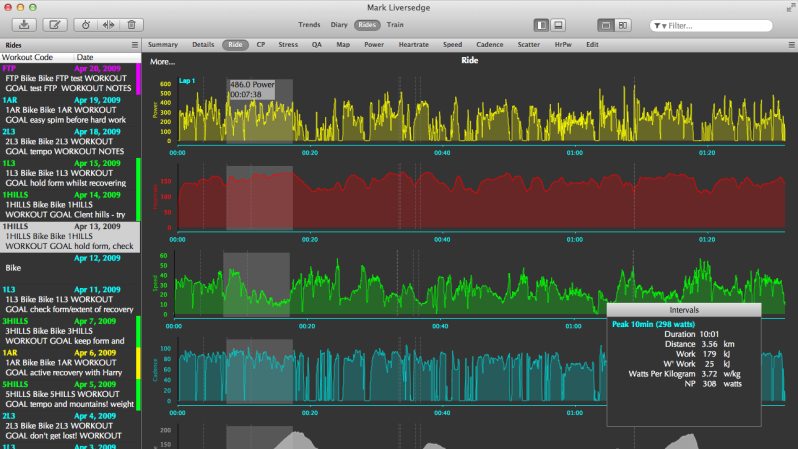
If you exclude certain companies like Peloton, the world of cycling technology is surprisingly open. It’s not perfect by any means, but there are enough open or open-ish standards for many different pieces of technology from different brands to interoperate with each other, from sensors and bike computers and even indoor trainers to some extent. This has also made it possible for open source software to exist in this realm as well, and the GoldenCheetah project has jumped in for all of us who value FOSS and also like to ride various bicycles from time to time.

GoldenCheetah focuses on gathering data from power meters, allowing cyclists to record their rides and save them in order to keep track of their training performance over time. It works well with sensors that use the ANT+ protocol, and once it has that data it can provide advanced analytics such as power curves, critical power modeling, and detailed charts for power, heart rate, and cadence. It can display and record live indoor-training data, and in some situations it can even run interval workouts, although not every indoor trainer is supported. There are no social features, subscriptions, or cloud requirements which can be refreshing in the modern world, but is a bit of a downside if you’re used to riding with your friends in something like Zwift.

All in all, though, it’s an impressive bit of software that encourages at least one realm of consumer electronics to stay more open, especially if those using bike sensors, computers, and trainers pick ones that are more open and avoid those that are proprietary, even if they don’t plan to use GoldenCheetah exclusively. And if you were wondering about the ANT+ protocol mentioned earlier, it’s actually used for many more things that just intra-bike wireless communications.

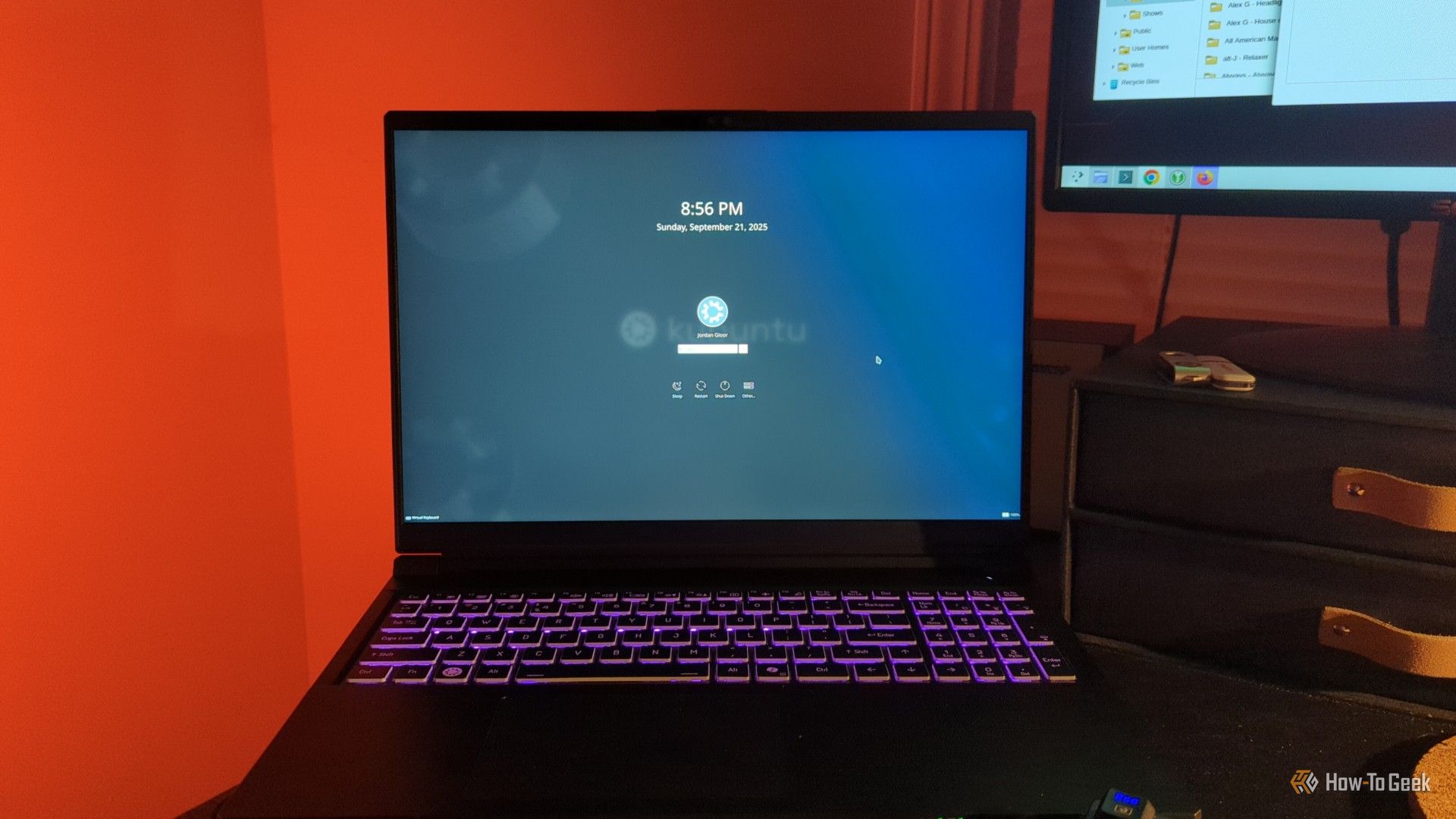
These versions of KDE Connect are vulnerable to exploit

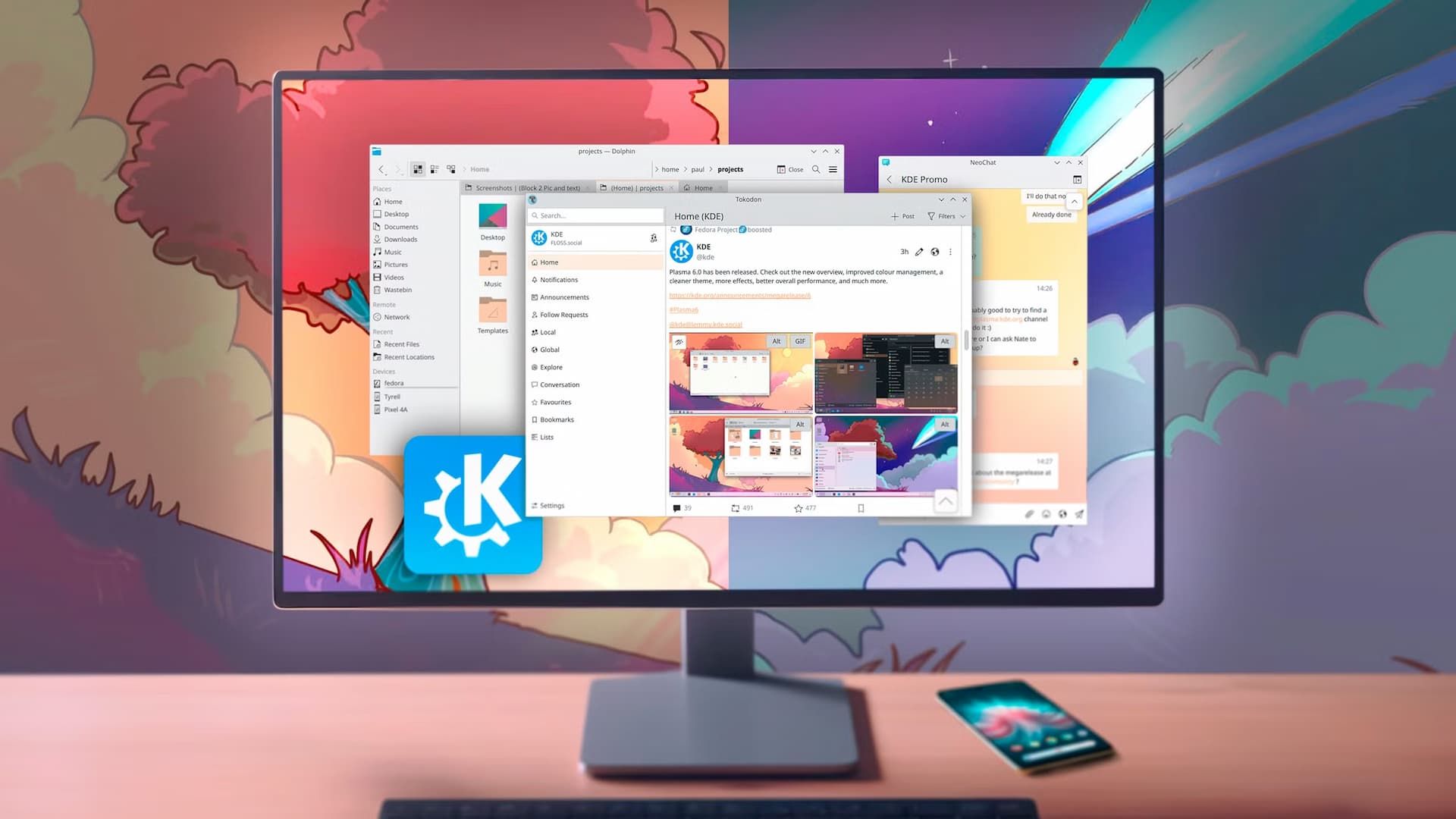
The developers of the popular KDE Connect application for desktop computers and mobile phones issued a security advisory this weekend stating you should stop using certain versions of the app on untrusted networks. A security flaw allows devices running those versions to interact with devices pretending to be ones you authenticated in the past.

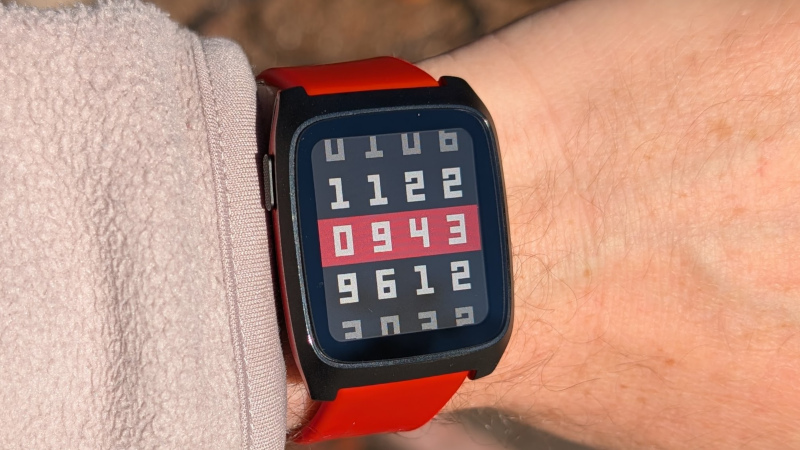
The New Pebble: Now 100% Open Source

The Pebble was the smartwatch darling of the early 2010s, a glimpse of the future in the form of a microcontroller and screen strapped to your wrist. It was snapped up by Fitbit and canned, which might have been the end of it all were it not for the dedication of the Pebble community. Google open-sourced the OS back in January this year, and since then a new set of Pebble products have appeared under the guidance of Pebble creator [Eric Migicovsky]. Now he’s announced the full open-sourcing of the current Pebble hardware and software stack. As he puts it, β€œYesterday, Pebble watch software was ~95% open source. Today, it’s 100% open source”.

If you’re curious it can all be found in repositories under the Core Devices GitHub account. Building your own Pebble clone sounds cool, but perhaps the real value lies instead in giving the new Pebbles something the original never had, an assured future. If you buy one of the new watches then you’ll know that it will remain fixable, and since you have the full set of files you can create new parts for it, or update its software. We think that’s the right way to keep a personal electronic device relevant.

If you want a new Pebble they have a store, meanwhile read some of our previous coverage of its launch.

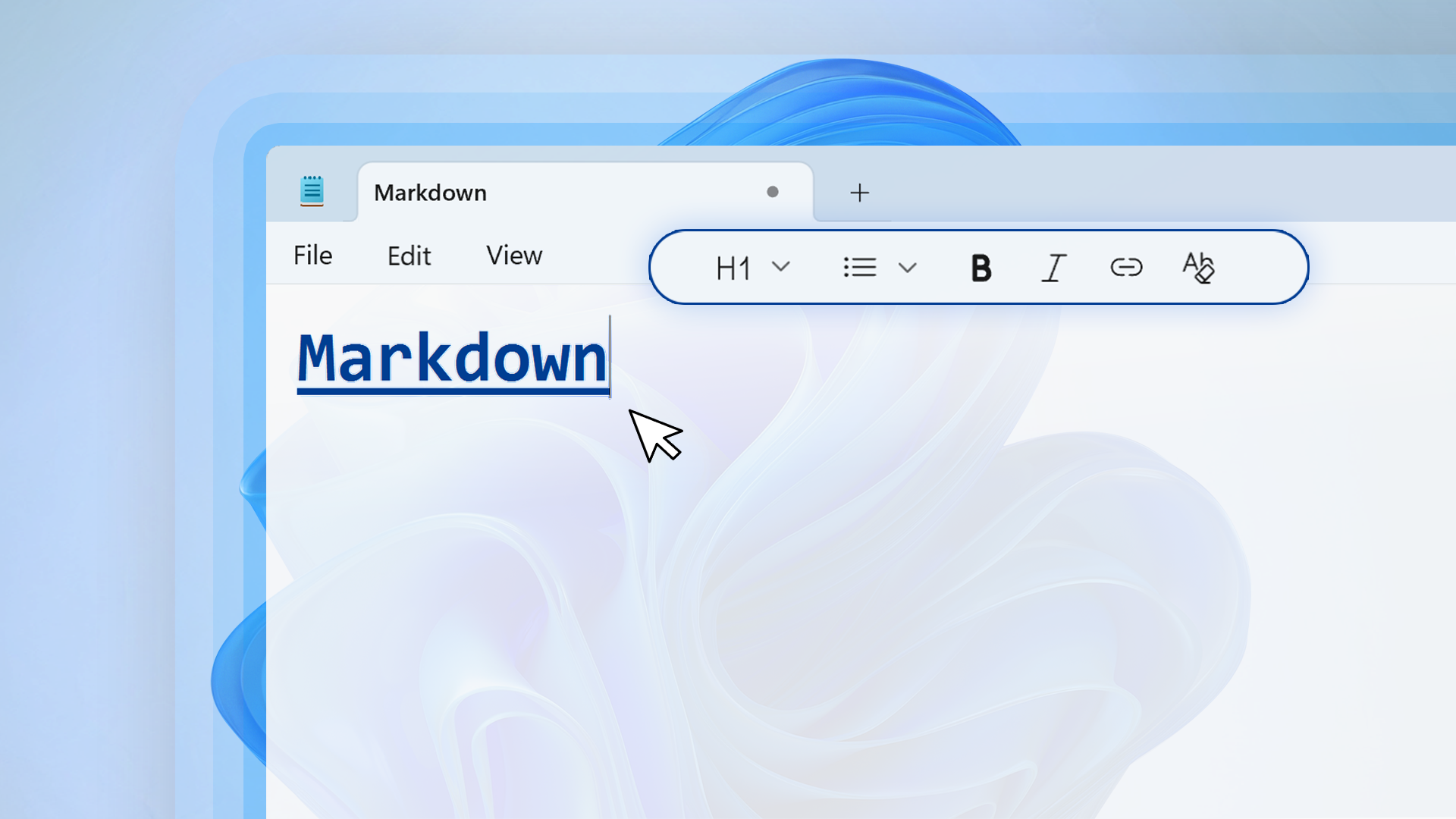
3 simple, FOSS Markdown editors as Obsidian alternatives

Obsidian is incredibly powerful, but all that power can be distracting. I've spent more time customizing my vault with different plugins than actually building my notes library. If this sounds familiar, it’s time to switch to one of these three user-friendly, free and open-source Markdown editors.

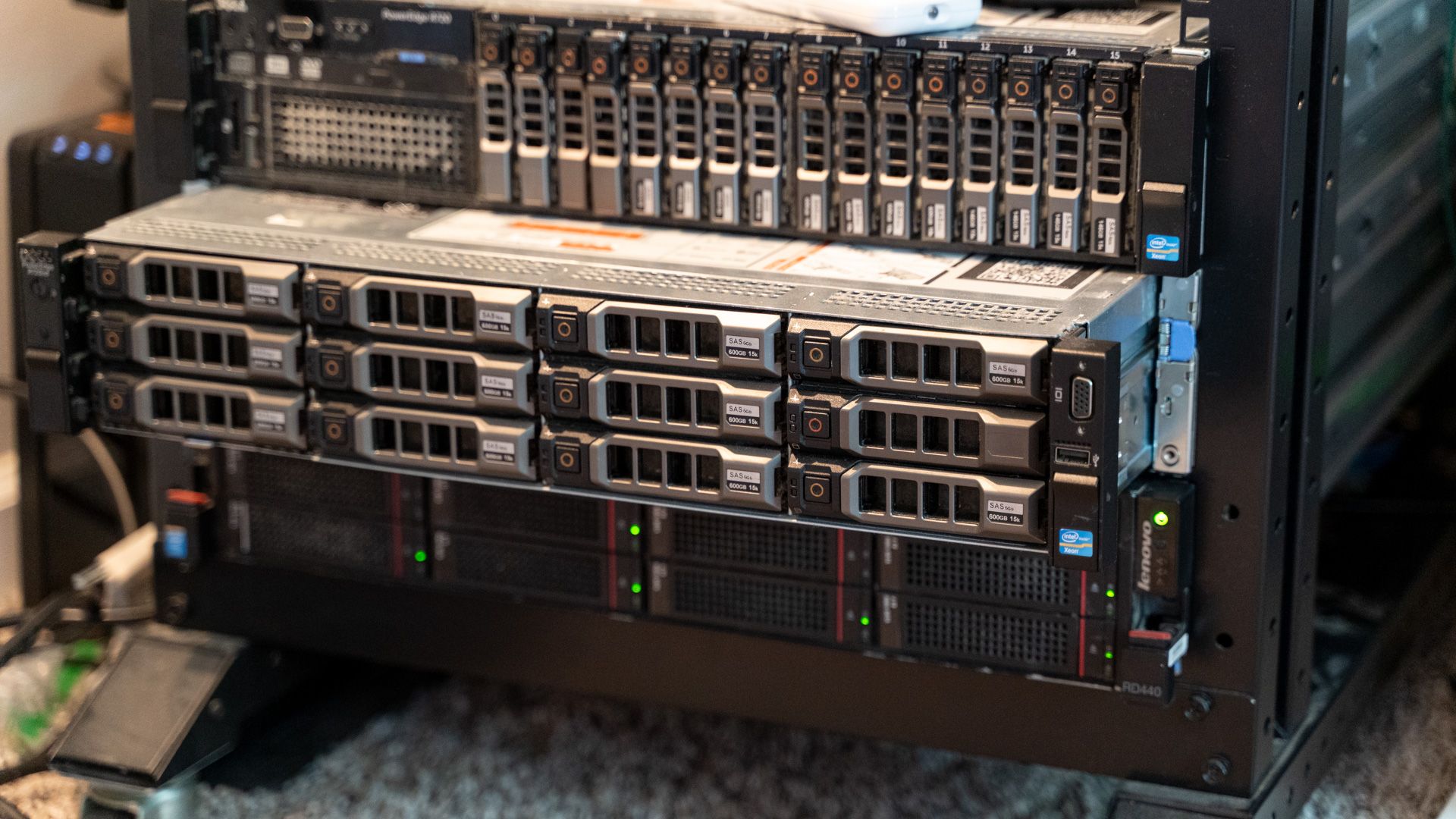
5 open-source projects that secretly power your favorite apps

You've heard that the world's infrastructure runs on Linux, and how important Free and Open Source (FOSS) software is to just about all the technology we enjoy every day, but there are some (to bring out the old clichΓ©) unsung heroes of FOSS without which your stuff just wouldn't workβ€”and you should at least know their names.

❌