Reading view

There are new articles available, click to refresh the page.

Major League Hacking (MLH) Partners with Google Cloud’s Gemini to Foster AI-Native Engineering Education

We are thrilled to announce a new partnership between Major League Hacking (MLH) and Google Cloud. Over 3 years, we will be integrating Google Cloud’s latest Gemini models across our network of more than 4,000 community chapters with the goal of fostering a new generation of engineers who see AI as an integral part of their creative toolbox. We know competition is intensifying between AI platforms and that developer mindshare matters more than ever. Our own data shows Google Cloud’s Gemini models are experiencing the fastest growth in actual usage among next-gen developers, suggesting hands-on experience drives adoption more effectively than brand awareness alone.

How Major League Hacking & Google Cloud’s Gemini Will Work Together

We’re excited to start integrating Google’s Gemini models into MLH’s network of engineers, where 1 in 3 Computer Science grads each year are members of the MLH Community. It’s a central tenet of MLH that we understand real learning rarely takes place in a classroom–it takes place on the ground, in real situations where you learn to code and build, and create new things with the latest tools. Having these models at your fingertips will make MLH community members more equipped to build for the future.

While there is a three-phase plan in place to reach as many of our members as we can, the adoption of these AI models will take time to fully deploy. In Phase One, we will feature the models at 250+ MLH hackathons through dedicated prizes, workshops, and developer resources. Phase Two will amplify this initial utilization of the models with conferences and custom coding challenges so that more engineers are able to work directly with the models in real time. In Phase Three, Google’s Gemini models will be embedded into daily programming activities through local chapter meetups and hack nights.

It is our hope that we will be able to move through the phases of this plan in a way that gets Google’s Gemini models into the hands of engineers swiftly so that our communities can grow even as the technology becomes more and more advanced.

AI Model Exposure Builds Engineers of the Future

MLH is dedicated to creating educational opportunities for software creators and engineers at all levels of the learning experience. We know AI is already transforming software development, and early exposure to AI platforms during university years increasingly determines which tools developers will adopt throughout their careers.

We also know that diversity in engineering sectors matters. Exposing MLH’s diverse tech education community to these tools early is vital to ensuring the pipeline to professional software development remains as diverse as software users are. With nearly 50% of the MLH community identifying as non-male and two-thirds as people of color – significantly more diverse than traditional Computer Science programs – we are uniquely positioned to have an outsized effect on driving diversity in the industry. And our members span 93 countries, giving this partnership and Google’s Gemini models global reach among emerging developers.

MLH communities are passionate and driven to excellence. We can’t wait to see what our local chapters use Google Gemini models to build in the coming months and years. If you’re looking for a local instance of Major League Hacking, explore our upcoming hackathons and join us!

The post Major League Hacking (MLH) Partners with Google Cloud’s Gemini to Foster AI-Native Engineering Education appeared first on Major League Hacking News.

Write Your First Web3 Program in Minutes Using Hedera

Want to write your first Web3 program in just a matter of minutes? Hedera is a great way to get started! Hedera is a proof-of-stake public blockchain network. The Hedera network doesn’t rely on miners to create new blocks on the blockchain (like a proof-of-work network would) but instead relies on validators staking their tokens in order to secure and record their network transactions. 

In blockchain lingo, this form of validation is typically referred to as consensus. Hedera uses something they call hashgraph consensus, which is meant to achieve the highest-grade of security possible, blazing-fast transaction speeds, and incredibly low energy consumption – making them the greenest proof of stake network around. 

As far as building on the Hedera network, there are a ton of things you can do using Hedera’s Hashgraph SDK. For instance, if you have an application that requires reads and writes to a database, the backend can effectively be configured to use Hedera instead. 

A great thing about Hedera is that it’s totally free to get started. All you need is an account and a little programming experience. There’s no need to learn a brand new programming language since they have SDKs that leverage JavaScript, Java, Swift, and Go! 

In this blog post, we will show you how to use the JavaScript Hashgraph SDK to do some basic transactions on the blockchain.

Let’s dive in!

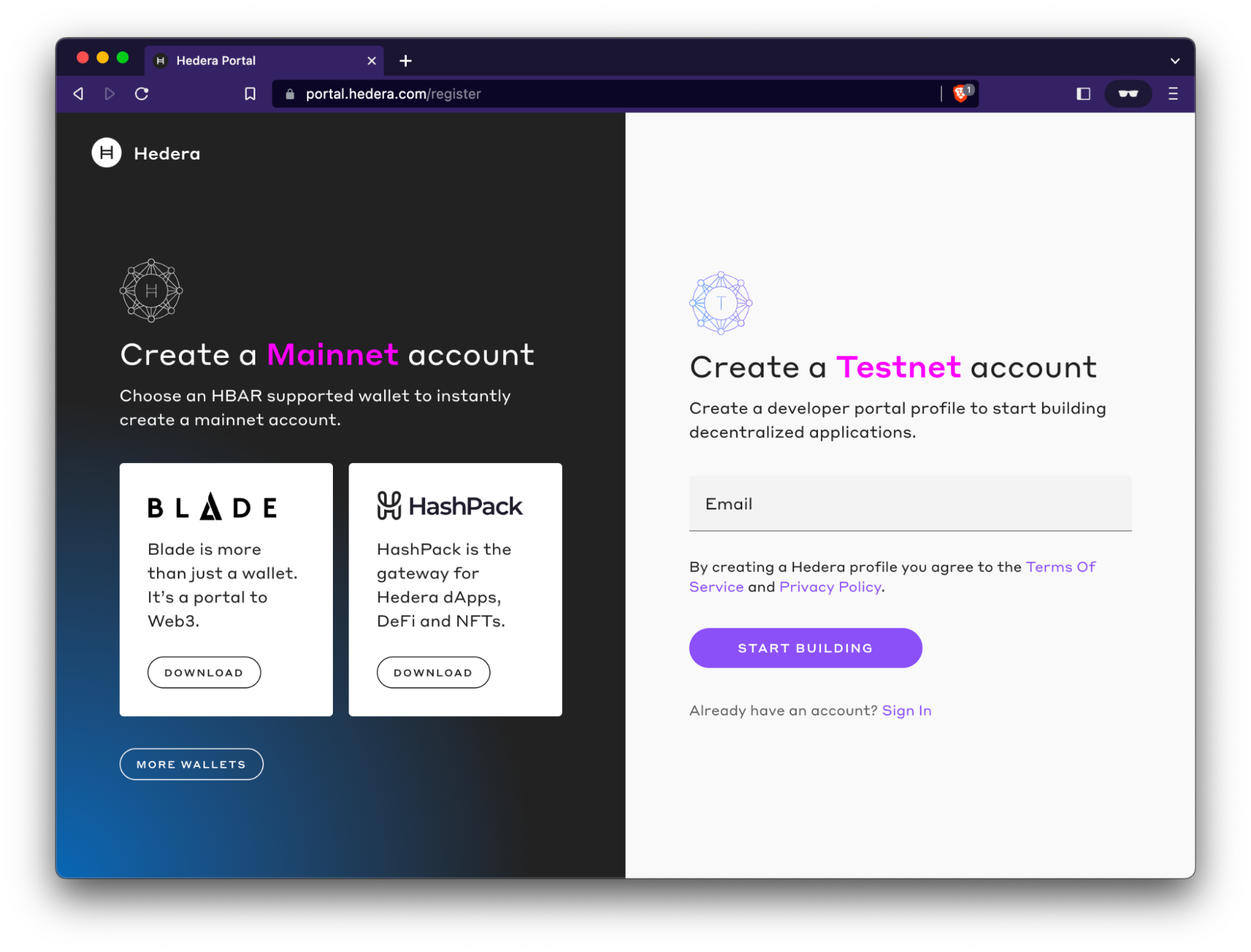
Head over to the Hedera website to sign up for a free developer account on the Hedera Testnet!

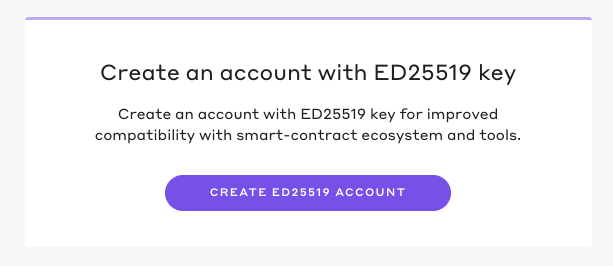
Once you’ve verified your account, you’ll be directed to a dashboard and given the option to generate an ED25519 key. As you can see, this will give your account improved compatibility with Hedera’s network. Go ahead and hit the ‘Create ED25519 Account’ button. 

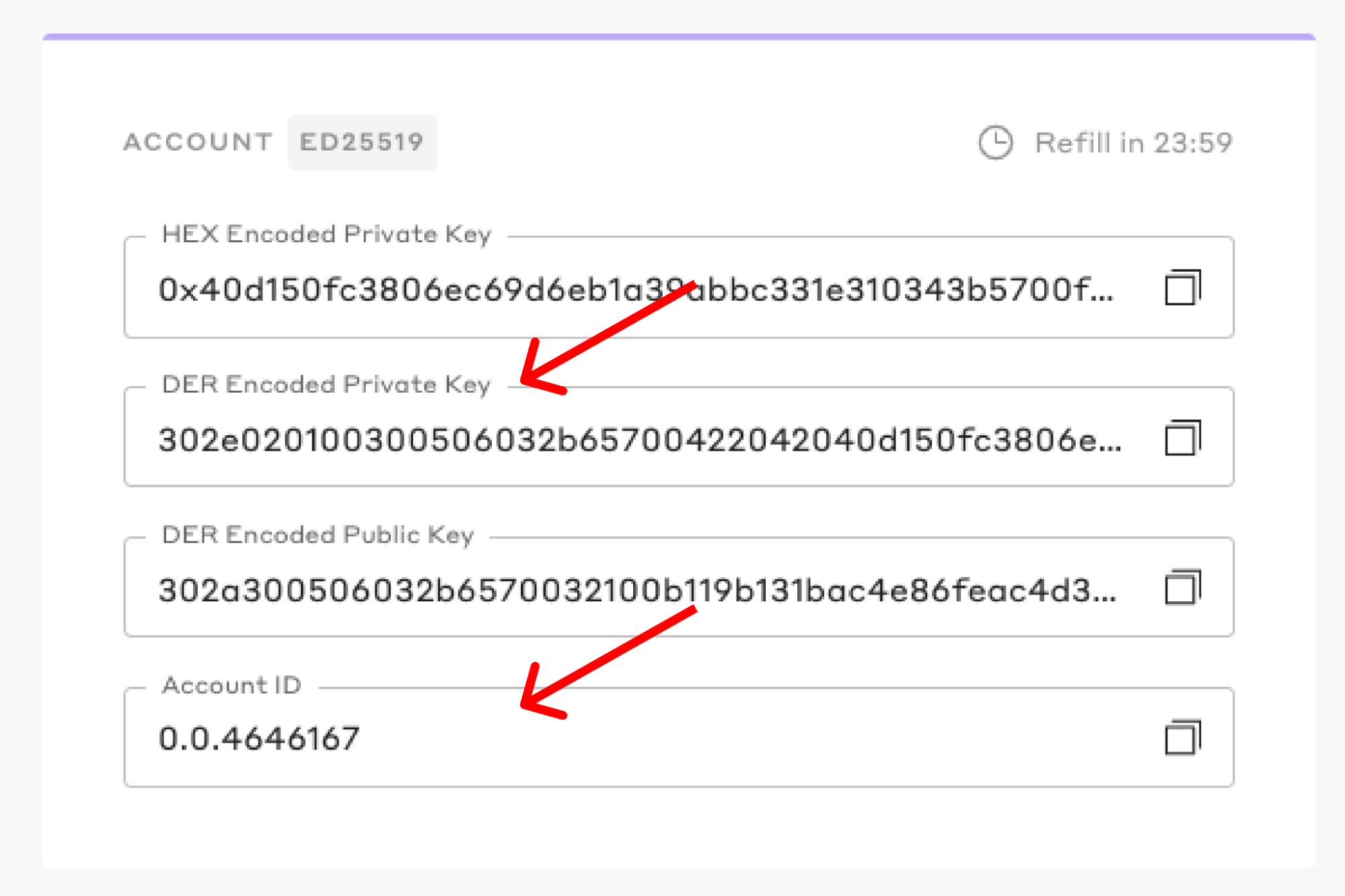
You’ll see some account information populate on your dashboard. You’ll need the DER Encoded Private Key and the Account ID to get your environment set up! 

Setting up Your Environment

Let’s create a project directory for all the code we’ll be writing. Let’s open up a terminal window to get started. 

cd ./desktop

mkdir hello-hedera-js-sdk && cd hello-hedera-js-sdk

Initialize a node.js project in this new directory by running the following command:

npm init -y

This is what your terminal window should read after running the command:

{
  "name": "hello-hedera-js-sdk",
  "version": "",
  "description": "",
  "main": "index.js",
  "scripts": {
    "test": "echo \"Error: no test specified\" && exit 1"
  },
  "author": "",
  "license": "ISC"
}

Next, we’re going to install the JavaScript SDK, the dotenv dependency, and create index.js & .env files. 

If you’re wondering what dotenv is, it’s an NPM package that allows us to create environment variables within our project. We can reference these variables in our code so that we’re not hard-coding our account information into any of our project files. This comes in handy when we’re pushing code to a public GitHub repository and allows us to hide our sensitive information. 

npm install --save @hashgraph/sdk

npm install dotenv

touch index.js .env

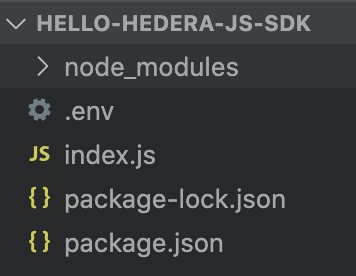
If you haven’t yet, go ahead and open up our project in a text editor (I’m using VS Code) to take a look at our project structure. It should look something like this: 

Setting up Your .env File

Next, let’s create those environment variables I was talking about earlier. Click into your .env file and plug in the following code: 

MY_ACCOUNT_ID=ENTER TESTNET ACCOUNT ID 
MY_PRIVATE_KEY=DER ENCODED PRIVATE KEY
Note: when you’re plugging in your Account ID and your DER Encoded Private Key, don’t leave any spaces or use any quotation marks

Testing Your Environment Variables

Now let’s test out those environment variables using some JavaScript. Head over to your index.js file and plug in the following code: 

   //Imports the dotenv dependency and environment variables into your index.js file

require("dotenv").config();

   //Imports the hashgraph/sdk dependency along with some built in functionality that will be used later on in the tutorial

const { Client, PrivateKey, AccountCreateTransaction, AccountBalanceQuery, Hbar, TransferTransaction } = require("@hashgraph/sdk");

   //Important to note that you have to write async functions when leveraging the Hedera network

async function main() {

    //Grabs your Hedera testnet account ID and private key from your .env file and stores them to new variables

    const myAccountId = process.env.MY_ACCOUNT_ID;
    const myPrivateKey = process.env.MY_PRIVATE_KEY;

    // If we weren't able to grab it, we should throw a new error, otherwise you should see a "Success!" message

    if (!myAccountId || !myPrivateKey) {
        throw new Error("Environment variables MY_ACCOUNT_ID and MY_PRIVATE_KEY must be present");
    } else {
        console.log("Success!"); 
    }
}
    //Remember to invoke your function!

main();

I’ve commented out each line to help explain what everything does. Once you’ve gotten all that code into your index.js file, you can go ahead and run the program. 

node index.js
Your console should read “Success!” If it doesn’t, you may have configured your .env file incorrectly! Double check that you’ve followed all of the steps accurately. 

Now that our .env file is up and running, let’s go ahead and set up a new Hedera Test client. This is going to be a new connection to the Hedera Test Network that leverages your account credentials. You can delete the IF statement from your original code and replace it with the following: 

// Create our connection to the Hedera network

const client = Client.forTestnet();

// Sets your account credentials as the owner of the connection

client.setOperator(myAccountId, myPrivateKey);

This will establish your connection with the Hedera Network! Now let’s start testing out some concepts by adding some more functionality to our program. 

Programmatically Create a New Account

Now that we have an established connection with the Hedera Test Network, let’s create a new account that we can interact with. You can do this programmatically with the following code: 

//Create new keys

    const newAccountPrivateKey = PrivateKey.generateED25519(); 
    const newAccountPublicKey = newAccountPrivateKey.publicKey;

Remember the original ‘require’ statement we wrote at the beginning of this tutorial? One of the imported functionalities we are leveraging here is the AccountCreateTransaction functionality that comes from the Hashgraph SDK! So far we’ve created some new keys for that account. Now we’re going to create the actual account with a starting balance of 1,000 tinybar (a converted version of the Hedera currency, hbar.)

For your reference, 1 tinybar = 1E-8hbar or 1/100 millionths of an hbar. You can reference the Hedera docs to find all the HBAR denominations and abbreviations.

//Create a new account with 1,000 tinybar starting balance

    const newAccount = await new AccountCreateTransaction()
    .setKey(newAccountPublicKey)
    .setInitialBalance(Hbar.fromTinybars(1000))
    .execute(client);

Now before we run that code, let’s go ahead and write some code that allows us to read the new account ID from the blockchain. 

// Get the new account ID

    const getReceipt = await newAccount.getReceipt(client);
    const newAccountId = getReceipt.accountId;

//Log the account ID

    console.log("The new account ID is: " + newAccountId);
Take note that, if you run this program multiple times, it will generate a new account ID every time.

Now that we’ve written the code to create a new account, we’ll need to leverage AccountBalanceQuery functionality of the Hashgraph SDK in order to confirm that we created it with 1000 tinybar as well. 

//Verify the account balance

    const accountBalance = await new AccountBalanceQuery()
     .setAccountId(newAccountId)
     .execute(client);

    console.log("The new account balance is: "   +accountBalance.hbars.toTinybars() +" tinybar.");

Go ahead and run the node index.js command in your terminal. Your output should look something like this:

The new account ID is: 0.0.4615156
The new account balance is: 1000 tinybar.

Congratulations!  You’ve just created a new account and transferred funds into it using the Hedera Hashgraph SDK! Next, let’s transfer some tinybar from one account to another! 

Transferring Funds

Transferring hbar from one account to another is a basic transaction that you can integrate into your Hedera powered application to handle payments using cryptocurrency. We’ll be using the TransferTransaction functionality of the Hashgraph SDK. 

Let’s go ahead and add the following code right beneath our last console.log statement.

//Create the transfer transaction. Remember that you need to specify the sending and receiving accounts in your code. Here we are referencing myAccountId and newAccountId respectively

const sendHbar = await new TransferTransaction()
.addHbarTransfer(myAccountId, Hbar.fromTinybars(-1000)) //Sending account
.addHbarTransfer(newAccountId, Hbar.fromTinybars(1000)) //Receiving account
.execute(client);

Remember, the myAccountID is our starting account. We’ll be transferring 1000 tinybar over to a new programmatically generated account. Since we start that account off with 1000 tinybar to begin with, the ending balance should be 2000 tinybar. 

In order to confirm this we’ll need to write some additional code that reads the results of our transaction from the blockchain. 

//Verify the transaction reached consensus

const transactionReceipt = await sendHbar.getReceipt(client);
console.log("The transfer transaction from my account to the new account was: " + transactionReceipt.status.toString());

The code above will tell us whether our transaction was successful or not. Now all we need to do is write some code that verifies the new balance of the receiving account and we’ll have all of the confirmation that we need. 

//Check the new account's balance

const getNewBalance = await new AccountBalanceQuery()
     .setAccountId(newAccountId)
     .execute(client);

console.log("The account balance after the transfer is: " +getNewBalance.hbars.toTinybars() +" tinybar.")

Run the program again using the node index.js command in your terminal. 

Remember, we generate a new account ID every time we run this program so your new account ID will continue to change unless you hardcode it into your program. 

Your output should look like the following:

The new account ID is: 0.0.4615157
The new account balance is: 1000 tinybar.
The transfer transaction from my account to the new account was: SUCCESS
The account balance after the transfer is: 2000 tinybar.

Awesome!  You just made your first successful tinybar transfer between accounts using the Hedera network. 

What’s next?

You now have everything you need to get started with building your very own Web3 application using the Hedera blockchain network! If you want to take a closer look at this tutorial, head over to the Hedera website.

To learn more about what you can accomplish using the Hedera network, check out these resources!

If you want to put your Hedera skills to the test be sure to submit to the Best Use of Hedera prize category at your next MLH hackathon

The post Write Your First Web3 Program in Minutes Using Hedera appeared first on Major League Hacking News.

Welcome to the 2026 Hackathon Season!

What is a hackathon?

First time hearing about hackathons? You’re in good company. Every year, thousands of students discover the magic of these weekend-long “invention marathons.”

Think of it as a creative sprint where you team up to bring a wild idea to life—building anything from a game-changing app to a quirky robot. Whether you’re a coding veteran or just starting, hackathons are your launchpad to learn new skills, meet future collaborators, find career opportunities, and have an unforgettable weekend.

The 2025 Season Recap

The 2025 Hackathon Season was an incredible journey. Last year alone, we empowered more than 150,000 hackers across 184 hackathons and other programs. Across all those programs, hackers created over 12,500 projects!

Here’s a look back at some of our favorite moments:

Hackers leveled up with AI!

It’s no secret that Artificial Intelligence is everywhere nowadays, and hackathons are no exception! Our community is embracing the ever-changing landscape of AI and using these tools to supercharge their projects. Never before have we seen so many hackers go from their very first hello world to a fully functional project so quickly. Our community is learning how to utilize these tools to ship better projects faster by leveraging them as debuggers, copy editors, idea generators, and more.

Mini Events and Meetups Blossomed 

For many hackers, the events that occur during the hackathon are just as important (or more important!) than the hackathon itself. We launched TechTogether meetups, providing hackers with an opportunity to connect and discuss the topics that matter to them. Organizers leaned into themes and got creative, like HackGT, which hosted an entire carnival at their event last fall. uOttaHack took things outdoors and ventured to a local (and very frozen) canal to ice skate. 

Carnival at HackGT

Introducing MLH’s 2026 Hackathon Season!

We’re excited to announce the official launch of the 2026 Major League Hacking Hackathon Season! Our 2026 Season will run from July 2025 through June 2026 and will feature over 200 student hackathons worldwide. We also just announced our new mascot, Jewel the Jumper Wire Jellyfish! 

A Jellyfish with jumper cables as limbs, with the text 2026 Hackathon Season

2026 Season Sneak Peek

If you’re ready to sign up for your first event of the new Season, we just released the initial roster of 2026 events! Be sure to keep a close eye on our season schedule, as we’ll be adding many more great events over the next few months. For real-time updates on events as they are added, follow us on LinkedIn, Instagram, YouTube, TikTok, and Discord.


Hack the North – September 12-14, 2025 in Waterloo, Canada

Opening Ceremony at Hack the North

True to its Canadian roots, Hack the North offers opportunities for all kinds of hackers, including those from underrepresented and underserved communities. Embodying a spirit of radical welcome, as many as 1/3rd of its 1,000+ attendees are first-time hackers, and the hackathon provides as many accommodations as possible. It’s Hack the North’s mission to enable anyone and everyone to dream big and build.


Hack Dearborn – October 11-12, 2025 in Dearborn, Michigan

Students at Hack Dearborn

Love mysteries? Ready to push your limits and meet incredible people? Hack Dearborn returns October 11–12, 2025 with Escape Reality, a weekend of digital puzzles, awesome tech, and ideas that challenge perception. Join us for 24 hours of creating, connecting, and uncovering.


KnightHacks – October 24-26, 2025 in Orlando, Florida

KnightHacks students with the school mascot

Knight Hacks VIII is set to be its biggest version yet! Welcoming 700 hackers to UCF, this event promises an unforgettable weekend. While the 36 hours of coding, engaging workshops, and huge prizes are incredible, we have to give a special shoutout to their legendary swag team, who consistently knock it out of the park and ensure you leave with more than just great memories. If you want to experience an unforgettable hackathon and walk away with some of the best, most sought-after swag of the year, Knight Hacks is the place to be.


HackUTD – November 8-9, 2025 in Richardson, Texas

Checkin at HackUTD

HackUTD has plenty of fun events, technical workshops, and sponsor fair opportunities planned for 2025! With an expanded reach to schools worldwide, HackUTD will keep its top-tier snacks stocked throughout the hackathon and host a plethora of workshops by sponsors and local UT Dallas student organizations. 


Hack BI – January 17-18, 2026 in Alexandria, Virginia

Judging at Hack BI

Hack BI is a hackathon for high school and middle school students of all skill levels and backgrounds, with an audience of over 300 hackers! The event also includes introductory workshops taught by Bishop Ireton students to help attendees with no prior coding experience walk away with new technical knowledge. 


ElleHacks – January 23-25, 2026 in Toronto, Ontario

Person with thumbs up in front of a crowd at ElleHacks

ElleHacks is Canada’s largest hackathon for women and gender-diverse students, running for its 10th iteration! It’s a free, student-run, and beginner-friendly competition serving as your canvas to pitch bold solutions to global challenges, participate in engaging workshops, and connect with a diverse community of recruiters, industry professionals, and peers.


HackByte – April 3-5, 2026 in Jabalpur, MP

Students at HackByte

HackByte, held at IIITDM Jabalpur, serves as a platform to create real-world solutions that benefit the wider community. With a commitment to inclusivity, this hackathon acts as a launchpad for beginners, sparking their interest in development and providing friendly guidance throughout the event. From hacks that predict alternate realities using Google Gemini to smart identity cards with SOS features, the third edition of HackByte with 400+ hackers was a resounding success! 


DiamondHacks – April 4-5, 2026 in San Diego, California

DiamondHacks light up sign

DiamondHacks at UCSD empowers hackers to build innovative and impactful projects! With plenty of workshops and sponsor engagements, there’s something here for everyone regardless of technical expertise.


Bitcamp – April 10-12, 2026 in College Park, Maryland

Bitcamp crowd

Bitcamp is the University of Maryland’s annual spring hackathon – join 1000+ students to collaborate and grow with endless opportunities, regardless of your level of experience. It’s a space for influencing a diverse group of the nation’s brightest makers, all working on different projects and possessing different skill sets, and educating the next generation of technologists. Your adventure awaits by the campfire!


We believe the 2026 Hackathon Season will be our most exciting yet, and it all comes down to you. Join the thousands of hackers around the world who are ready to Learn, Build, and Share together. Find one of the first events of the season in the list above and claim your spot. Let’s make something amazing!

Interested in bringing a hackathon to your school?

Want to bring a hackathon to your local community? We’re here to help! You can apply now for your hackathon to become a Member Event, or email us at league@mlh.io  to learn more about the application process.

The post Welcome to the 2026 Hackathon Season! appeared first on Major League Hacking News.

Smart Recipe Application Tutorial with Django and MongoDB

By: Ajgornmlh

Rapid AI: Powered Applications With the Django-MongoDB Backend and Voyage API

This article is written by Marko Aleksendric (Data Analyst)

If you’ve got an appetite for learning about the latest in AI and how you can use it to transform the way you work, then this article is for you. Discover how the powerful combination of Django, MongoDB’s new AI smarts, and Voyage AI can turn your leftover ingredients into delicious dinner ideas – no grocery run needed!

MongoDB is enhancing its platform with AI-powered search and retrieval features, like embeddings and reranking, to make data processing smarter and more efficient. These tools are key in systems like retrieval-augmented generation (RAG), which improve AI outputs by fetching the most relevant data to ground those responses. By integrating these capabilities directly into the database layer, MongoDB is simplifying application stacks, reducing the need for complex AI pipelines, and improving data accuracy. In this project, we’ll build a RAG-like system to demonstrate how these features work in practice!

A Brief History

Django is one of the most mature and actively maintained web frameworks in the Python ecosystem, renowned for its “batteries included” philosophy. It enables rapid development of secure, maintainable web applications by offering built-in support for URL routing, middleware, template rendering, form handling, authentication, and database abstraction via a powerful Object-Relational Mapper (ORM). Django projects follow the Model–View–Template (MVT) architecture, where models define the data schema, views handle the application logic, and templates control the presentation layer.

Though initially designed to render HTML on the server side, Django has evolved to support modern web development patterns. Tools like Django REST Framework and Django-Ninja allow developers to expose APIs in JSON format, enabling Django to serve as a backend for single-page applications and mobile apps. In addition, its extensible admin interface—automatically generated from your models—provides powerful CRUD capabilities out of the box. Combined with robust security defaults, scalability features, a vast third-party package ecosystem, and thorough documentation, Django remains a top choice for Python developers building anything from simple websites to enterprise-grade applications.

Learn more in-depth about the history here!

A Needed Integration

The Django MongoDB Backend is a new official integration from MongoDB that lets Django developers use MongoDB as the database behind their projects. This backend offers deep support for core Django features like models, migrations, and the admin panel—while still giving access to MongoDB’s advanced capabilities like aggregations and vector search. It’s easy to set up using Django’s standard settings system, and while it’s still in public preview and not yet recommended for production, it opens up exciting possibilities for building modern, AI-powered web apps with Django and MongoDB together!

The project: A Smart Recipe Application

We’ll use Django and MongoDB to cook up a smart recipe app that finds dishes you can make with what’s already in your fridge. In this project, you’ll work with several cutting-edge technologies to build an AI-powered recipe app. Here’s a quick rundown of what you’ll be using and learning:

  • Django for creating the web application
  • Django MongoDB Backend to integrate MongoDB seamlessly
  • PyMongo for direct interaction with MongoDB
  • Voyage AI for generating embeddings of recipe ingredients
  • Claude LLM by Anthropic for smart recipe suggestions

Prerequisites

Before diving in, make sure you have these resources ready:

With these tools in hand, you’ll be ready to start building your very own AI-powered recipe app! Head over to this GitHub repo to find all the resources you need to start building or follow along with the step-by-step tutorial.

The post Smart Recipe Application Tutorial with Django and MongoDB appeared first on Major League Hacking News.

Fellowship Spotlight: Simerus Mahesh

By: Ajgornmlh

A New Playing Field

I’m Simerus, a second-year Software Engineering student at the University of Waterloo. I love working on challenging problems at scale and creating solutions that make a real difference in people’s lives. My journey toward this passion, however, was anything but conventional. Growing up, I always wanted to be a soccer player. I played at the provincial level and had my sights set on becoming a pro, receiving university varsity offers in the process.

I played forward, and I loved scoring goals. It made me feel like I was having a tangible impact on my team’s success. However, I came to realize that this feeling of success didn’t truly fulfill me because it would only last for a game. That’s when I started searching for other things that interested me.

Ultimately, the COVID-19 pandemic was what steered me toward Software Engineering as a profession. I was in high school when it hit, and I witnessed firsthand how the sudden isolation impacted my friends, family, and community. Since I had already been exploring Computer Science courses on the side, I began wondering if I could use those skills to make a real difference.

Collaborating with a team, we developed an AI Therapy application that gained over 1,000 users. The main goal was to provide people with a platform to express themselves and improve their verbal positivity using gamification. Along the way, we formed partnerships with local high schools, collaborated on research with our local school board’s psychology department, and won several pitch competitions – I was even featured on Forbes.

That experience gave me the fulfillment I’d been seeking. I thrived in a fast-paced environment where a bunch of things were happening at once, enjoying every moment of building something that genuinely impacted people and added real value. This realization solidified my decision to pursue a tech career, dedicated to making a positive impact.

A Doorway into Tech — The MLH Fellowship

As I continued my journey, I learned about the MLH Fellowship after building a winning project at CruzHacks in 2022. I was in high school at the time and wasn’t old enough to pursue it yet, but in my first year of university I decided to apply.

I had seen a post about the Production Engineering Fellowship, a field that I wanted to learn more about because it’s something every company incorporates to scale their products but doesn’t really get covered in school. The Fellowship was my pathway to learning more about this field and starting my career in this space.

The content of the Production Engineering Fellowship was exciting. Each week, I learned about a new topic in Production Engineering, building a solid foundation alongside my Software Engineering skills. I learned about fundamental topics like cloud computing, system design, networking, operating systems, DevOps, troubleshooting, and more.

I put these principles into practice in my research and projects, too. For example, during the Fellowship, I worked on a Google Meet Clone with another fellow. I developed and deployed the app and facilitated many of the Fellowship meetings on it. It was pretty cool to see everything I’ve learned put into practice and being used by people.

After finishing the Fellowship, I landed internships at PlayStation, Meta, Microsoft and more. This winter, I’ve been interning at PlayStation. I’m carrying out a POC to revamp their infrastructure, with the goal of reducing costs, operational overhead, and maintenance. It’s been fascinating work so far, seeing how companies do things at scale.

How can you start your own journey?

For other Fellows or aspiring developers wondering how I got here, I believe a lot of it comes down to consistent effort. Last summer, I dedicated myself to learning new concepts and putting them into practice every day. You’d be amazed how much progress you can make with focused learning and practice over a month than if you just did stuff here and there over 4 months.

Production Engineering is a vast field, and you’ll never know it all, which is exactly what makes it so exciting. There are always ways to do things better, make things faster, and impact more people. I think that the beauty of infrastructure is that it connects every corner of tech. Every company relies on a well-designed system to scale effectively, thus making it a necessity.

I enjoy this field, and I can see myself working on these sorts of challenging problems for years. Recently, I built a distributed training platform that allows people to train machine learning models using MacBook clusters. I’ve also been building a Vercel clone for local development that allows people to deploy their microservices seamlessly by connecting regular (e.g., frontend to backend) and miscellaneous (e.g., backend to database/cache) service-to-service connections without the need for configuration.

I think that if you want to start your journey into Production Engineering and anything backend-infrastructure related, I’d recommend you start by learning the basics of this field. Focus on topics like networking, operating systems, and system design. Whether it’s through the MLH Fellowship or on your own, with the AI tools available and proper discipline, anyone can do the things I’ve done.

The post Fellowship Spotlight: Simerus Mahesh appeared first on Major League Hacking News.

Fellowship Spotlight: Ayush Bhardwaj

By: Ajgornmlh

From Academia to Open Source: A Journey of Code, Collaboration, and Impact

If there’s one thing that defines the journey of a technologist, it is insatiable curiosity. Like most students, my academic path was paved with structured curricula, assignments, and exams. But something always felt missing — the thrill of tackling real-world challenges, the opportunity to collaborate beyond the walls of my university, and the ability to create something truly impactful. 

That is until open source entered my life, not just as a side interest but as a gateway to an extraordinary world of learning, collaboration, and innovation.

My introduction to open source was accidental yet serendipitous. During my undergraduate years, I stumbled upon Google Summer of Code (GSoC), where I worked with FOSSology, an open-source license compliance tool maintained by Siemens Research Group. This experience unlocked a new perspective for me. I was no longer bound to theoretical exercises. Instead, I was navigating large, complex codebases and engaging with developers across continents. This was learning unlike anything a textbook could offer. The kind that comes from building, breaking, and fixing real software.

This realization ignited a passion in me. I returned for GSoC 2020, deepening my involvement in mentorship (guiding students each year as part of GSoC for FOSSology), and I became a steward for open-source contributions. I co-founded HypnOS, a technical community during my undergraduate years. I actively developed projects, participated in numerous hackathons, and worked on building real-world solutions addressing tangible problems.

Each contribution reinforced a powerful lesson: knowledge grows exponentially when shared, and nothing embodies this spirit like open source.

My Next Step into Open Source: The MLH Fellowship

The MLH Fellowship was a natural continuation of my open-source journey. Unlike a typical internship where projects are often isolated or internal, this experience brought me face-to-face with cutting-edge technologies at Meta, specifically AudioSeal, an open-source audio watermarking system. Here, I wasn’t just writing code, I was collaborating with some of the brightest research minds at Meta, experimenting with audio fingerprinting, adversarial attacks, and robust detection mechanisms.

Through Audiocraft, Dora, and PyTorch, I created custom training grids, ran extensive benchmarking, and helped refine the model’s robustness. But more than the technical depth, what stood out was the spirit of collaboration. As I worked alongside engineers from Meta, I saw firsthand how distributed teams build powerful, scalable solutions.

The beauty of open source is that it teaches you what academia often misses. You learn how to read complex code, debug in ways no classroom will prepare you for, and engage with a global community that is constantly innovating. You’re not just a student or an intern. You’re an active participant in building the future.

Beyond my technical contributions, the Fellowship nurtured my collaborative and leadership instincts. I networked with fellows working on different projects, gaining insight into how diverse yet community-driven the open-source world truly is. I reviewed PRs, guided discussions, and experienced the sheer joy of helping and being helped by others who were paving their open-source journeys. It wasn’t just about writing software. It was about building a culture of knowledge-sharing and empowerment.

The Launchpad of Open Source

As I look ahead, I see my path in responsible AI and NLP, particularly in ensuring ethical and accurate AI systems. My current research on “Hallucination Detection and Mitigation in LLMs for Healthcare” is a testament to this vision, addressing how AI-generated misinformation can be curbed for critical applications. My time in the MLH Fellowship accelerated my immersion into the fast-paced AI world, and the advice from my mentors at Meta has been instrumental in shaping my journey toward impactful research.

Beyond research and academia, I see open source as a lifelong commitment. I plan to pursue a PhD, where I hope to explore the intersection of NLP, AI ethics, and social impact applications with the same spirit of open collaboration that first drew me into this space.

To those considering dipping their toes into open source, my advice is simple: jump in. There is no perfect time, no perfect project, just an ocean of opportunities waiting for you to explore. Whether it’s fixing a small bug, contributing to documentation, or building your first feature, every step is a step toward mastery. The community welcomes you, mentors guide you, and before you know it, you become part of something bigger than yourself.

Open source changed my life, not just as a coder but as a thinker, a leader, and a lifelong learner. I hope it changes yours too.

The post Fellowship Spotlight: Ayush Bhardwaj appeared first on Major League Hacking News.

Fellowship Spotlight: CID

By: Ajgornmlh

Scripting My Future

Growing up I had always tinkered with code. I worked at a Computer Centre where I wrote Python automation scripts for research and fun in my spare time, but I wouldn’t say that my tech journey officially began until May 2021. That’s when I enrolled in the African Leadership Experience Software Engineering program (ALX SE), a year-long intensive training program for aspiring Software Engineers.

After a whirlwind year of learning to code, I graduated from the program in June 2022 and landed a job as a Full-Stack Developer at Data Muse, a Kenya-based Advertising, Arts, and Media Company. This role lasted for 3 months, so it was time to hunt for jobs on my own.

I started freelancing while looking for other opportunities to continue my tech journey when I came across the MLH Fellowship on social media. They had just wrapped up their program and shared the experience of Fellows contributing to GitHub Docs, a project that powers GitHub’s official documentation and is used by millions of developers all around the world. As I did more research, I came across more and more inspiring stories from alumni. Someone always learned something new, merged their first open-source code, or even landed a job all while getting a stipend and mentorship.

Though I had been rejected once, I decided to apply again. That’s when I got the great news — I would be a Fellow in the Spring 2024 Fellowship!

Stepping into Open Source

The MLH Fellowship is rewarding, enlightening, and challenging. It’s one of the best things that can happen in 12 weeks for someone early in their tech career.

As a Fellow, I learned about open-source software development and made my first-ever contributions to OpenStack, a community-driven suite of services that enable powerful and customizable Open Source cloud computing. I started small, making documentation and bug fixes. By the end of the program, I was tackling new feature implementations.

I made 12 contributions total, with the most impactful one being improvements to the Ironic Bug Dashboard, a useful tool for reviewing newly filed bugs and assessing the status of ongoing bug resolutions. Alongside this contribution, I also added support beyond x86_64 to enable the provisioning of ARM64 architecture for fake-bare-metal-VMs in the Ironic Devstack Plugin.

As a Fellow, I learned so many new things. Most of the projects I had ever seen used GitHub issues. The OpenStack community actually uses Gerrit flow, so I had to learn a completely new system. I also dove into new topics like networking basics, server management protocols, computer hardware basics, and foundational cloud infrastructure concepts. Even after the Fellowship, learning more about these areas is on my to-do list.

If you’re an aspiring Fellow, tell your story. Share what makes you different. If you’re an incoming Fellow (congratulations!), don’t be afraid to ask those cringeworthy questions — seriously, everyone is thinking it, there just needs to be someone brave enough to ask. Asking questions is how you’ll learn and make the most of your time in the program. Lastly, take advantage of the time with your podmates. You’re not only there to learn but also to build relationships. MLH is more than hacking away all the time 😀

From Contributor to Mentor

The MLH Fellowship opened up so many doors for me. After contributing to OpenStack Ironic, I joined the G-Research Open Source Software team (GR-OSS), working on their Upstream team as a code contributor and reviewer for the Open Stack / Ironic and adjacent projects.

I never thought I would be accepted into the Fellowship, and I definitely didn’t think that I would make such an impact that I would land a job and be considered worthy of becoming a Core Reviewer with a project as large as OpenStack Ironic. Now I even have the opportunity to mentor an MLH Fellow during the Spring 2025 cohort!

Even with all the grit and dedication, I believe a significant part of my career progress comes from crossing paths with the right people and having the right opportunities aligned at the right time. None of this would have been possible if it weren’t for the awesome people supporting this program — shoutout to Jay Faulkner, my mentor during and after the Fellowship; the entire G-Research team for their support; the MLH Fellowship team for providing this opportunity; Pradyuman Dixit, my Pod Leader; and all of my podmates from the Spring 2024 program.

I can’t wait to see what other Fellows accomplish in the years to come.


The post Fellowship Spotlight: CID appeared first on Major League Hacking News.

Fellowship Spotlight: Jocelyn Velarde

By: Ajgornmlh

Robots & Notebooks

I got my start in tech at a very young age. When I was 8 years old, I took a robotics course at my school. I remember being the only girl in the class and feeling scared about not knowing anything, but I had a great teacher and mentor. Without their guidance, I might not have continued on my journey through tech, learning about electronics, mechanics and basic programming logic for the next few years.

At age 11, I took the next step and actually started coding. There was a course at my local university where I learned about web development. I left feeling pretty confused, but I was intrigued so I went to my nearest library and got 3 books on HTML, CSS and JavaScript. My summer revolved around these books, and I would write snippets of code in my notebook to practice.

The Magic of Hackathons

When it came time for high school, I continued to pursue my passion in robotics, attending a school with one of the best teams in the region. I got my first job in tech when I was 17 building C# .NET interfaces for a local architecture company. This is also when I discovered hackathons. I learned about HackMTY, and I decided to participate. Part of the MLH Hackathon League, HackMTY showed me how special hackathons are and how much you can learn in a single weekend.

Looking back, this event was a really special moment for me. You wouldn’t believe my excitement when I learned there were hundreds of hackathons across the world to participate in through MLH, and if I hadn’t attended HackMTY I might have never learned about the MLH Fellowship program.

From Hacker to Fellow

Once I learned about the Fellowship I applied immediately. I didn’t make it the first time I applied, but as I learned more skills and technologies at hackathons and rounded out my portfolio I applied again. I remember sitting in class when I had lost all hope that I would be accepted when the email came through — “You’re going to be an MLH Fellow!”

The MLH Fellowship was a life changer for me, specifically for teaching me how the software development cycle actually works. I had learned a lot of new frameworks, techniques, APIs, and technologies by attending hackathons, but the Fellowship was the first time I got to use these skills in a real-world setting.

If there’s a piece of advice I’d give to aspiring Fellows it’s to continue applying! I didn’t realize that many Fellows apply multiple times before landing a spot in the program. If you haven’t been to a hackathon or Global Hack Week event yet, you should also check them out — these events are great places to learn critical skills that you’ll need to succeed in the MLH Fellowship program.

My Time as an MLH Fellow

During the program, I contributed to Consul.NET, a .NET client library for the Consul HTTP API maintained by the G-Research Open Source Software team. My major task was to update the Consul.NET repo to the next target version ( v1.7.14 to v1.9.17) for some missing API endpoints. After researching all of the different endpoints and missing services, I had created a roadmap for the program, and I updated 3 of the API endpoints during my Fellowship.

It can be a bit nervewracking as a Fellow working with project maintainers, but I learned how important it is to ask questions. At first I was a bit shy and didn’t always share when I was struggling. As soon as I started asking questions, though, I really started to progress. Something I love about the Fellowship is how much they stress learning, and not just the technical side. You definitely improve your coding and programming skills, but you also learn so much more about what it takes to succeed in tech.

The Power of Community

Fast forward to now, and I’m studying at university doing research on brain computer interfaces for prosthetics. I’ve won prizes at 12 hackathons and still compete on a robotics team. I joined the GitHub Campus Experts program (they loved how active I am as a hacker!), and I landed an internship with Insulet because they loved my background in open source.

Looking at where I am today, I know it wouldn’t have been possible without the MLH community. I’ve seen how special it is to learn alongside other hackers, and I wanted to be a part of helping other aspiring hackers like me. The support of the MLH community really boosted my career path.

Now I work as an MLH Coach where I travel to hackathons to provide the same mentorship that was so valuable to me and stream technical content at Global Hack Weeks. Hopefully I’ll get to see you there and help you unlock the next step in your tech journey!

The post Fellowship Spotlight: Jocelyn Velarde appeared first on Major League Hacking News.

Fellowship Spotlight: Shengyuan Lu

By: Ajgornmlh

From MLH Production Engineering Fellowship to Meta Production Engineer

As an international student, securing internship opportunities in America has always been difficult for me. In summer 2023, I failed to get any internships in the industry, a major setback as my family was going through financial difficulties due to the COVID-19 pandemic at the time. I knew it was critical that I land a full-time job after graduating college to alleviate the stress on my parents as I was also facing deportation without a full-time job. I had to have somewhere to start building my career.

My Journey with MLH

That’s when Major League Hacking (MLH) came into the picture. I first connected with MLH through hackathons in my freshman year, and these events quickly became a springboard for my growth as a Software Engineer. Inspired by these experiences, I participated in the MLH Prep Fellowship during my sophomore year, a shorter 4-week program designed to help aspiring Fellows build the skills necessary to land a spot in one of MLH’s 12-week programs. After completing the Prep program, I saw an opening for the Production Engineering Fellowship, so I applied right away. I was thrilled to be accepted — I knew this was my chance.

What’s the Production Engineering Fellowship?

The MLH Production Engineering Fellowship is an immersive 12-week program that trains up-and-coming developers on the skills needed to launch careers as Production Engineers. This program was everything I needed — a hands-on internship-like experience without the barrier of visa sponsorship.

It filled in gaps that university classes hadn’t covered. Through the program, I learned essential skills like Linux commands, file systems, Bash scripting, CI/CD pipelines, and more. The program’s most unique aspect was the mentorship from senior Meta Production Engineers, who helped me sharpen my coding and interviewing skills with one-on-one sessions. By the end of the program, I could confidently explain my code and communicate my thought process with ease. Even now, in my full-time role, I find myself referring back to concepts I learned during the fellowship.

The Fellowship Launchpad

When Meta reached out to me to interview for a full-time Production Engineer role, I was ready. The concepts and techniques I’d practiced in the Fellowship gave me a strong foundation. After multiple rounds of interviews… I landed the job! The fear of deportation after graduation was finally lifted.

A traditional internship is often the surest path to a full-time job, but I’m so thankful MLH opened another door for me. If you’re considering an MLH Fellowship, go for it! The MLH Fellowship is a unique chance to build something meaningful and explore why you fell in love with computer science in the first place.

The post Fellowship Spotlight: Shengyuan Lu appeared first on Major League Hacking News.

Fellowship Spotlight: Sudipto Baral

By: Ajgornmlh

Launching a Tech Career through Open Source

In October 2022, I took my first step into open source by participating in Hacktoberfest, a month-long celebration of open source projects, maintainers, and communities. At this point in my tech journey I was just a beginner, there to test the waters. But this first step sparked a passion.

Two years, many lines of incorrect code, and a few projects later, I’m now building and contributing to software that reaches thousands of users. Along the way, I’ve learned more than any classroom could have ever offered!

Open Sourcing your Passion

After Hacktoberfest, I was HOOKED. The spark of passion led me to create CF-Stats — a Codeforces stat generator on GitHub. It came as a nice surprise, but my project creation gained over 190 stars on GitHub. This boosted my confidence and gave me the courage to get involved with bigger projects.

I started contributing to chkware, a low-code API testing tool, and later participated in Google Summer of Code in the summer of 2023. My open source journey was really gaining momentum at this point, so I then started contributing to the Cloud Native Computing Foundation (CNCF), diving into one of my big interests of cloud-native tech. By January 2024, I had become an official org member of CNCF’s Keptn, a tool for cloud-native application life-cycle orchestration. It was an incredible experience being part of a project that automates delivery and operations at scale.

Throughout this time, I was pursuing my degree in computer science, but these projects taught me more than I ever expected about practical problem-solving.

Stepping into the Fellowship

After seeing the benefits of working on real-world technology, I started looking for the next opportunity. That’s when I found the MLH Fellowship, a program that became an absolute game changer for my trajectory into a tech career.

The Fellowship wasn’t just another internship — it was a deep dive into the kind of “hands-on” tech that you rarely get in a classroom and even many traditional internships. In Spring 2024, I was lucky enough to land a spot contributing to Apache Airflow. I worked directly with one of the core maintainers. My 12 weeks in the program were intense and challenging, but totally worth it. I was finally getting a taste of what it’s like to work on production-grade projects used by developers and teams across the world.

Later in the year, I had the opportunity to participate in the MLH Fellowship again, this time contributing to Yunikorn while receiving mentorship from the team at G-Research Open Source Software. This project was a perfect fit for my interest, background, and skills in cloud-native tech and Kubernetes.

I went all in. I contributed to everything from Helm charts to REST APIs, testing with K6, and fixing bugs. I even got to do some peer reviewing, which helped me see things from a whole new perspective. By the end of the program, I’d merged in a solid stack of PRs and written enough code to make a real impact.

Life as an MLH Fellow

Participating in the Fellowship, I felt like I had stepped into a real tech job. Even though we worked remotely, we followed all the rhythms and ceremonies of a real team, with daily stand-ups to share updates, tackle blockers, and keep each other motivated. These little touchpoints made me feel like I was part of something bigger than myself, not just working alone from home.

In addition to these regular meetings, we had brainstorming sessions and demo days to present our work. These sessions were huge for me — by listening to others’ ideas, talking tech every week, and getting feedback I really broke out of my shell. These sessions boosted my confidence in ways I didn’t expect, making me more comfortable speaking up and sharing my work with others.

Participating in the Fellowship, I felt like I had stepped into a real tech job.

MLH also hosts workshops and seminars with industry pros throughout the program where you get tips on crafting your resume, prepping for interviews, and standing out as a job candidate. I realized that showing off your work is just as important as doing it. Now I know how to present my contributions in a way that’s clear and impactful. The support didn’t stop there, though — MLH also helped with referrals and even set me up with some interviews.

Overall, the Fellowship gave me a confidence boost, a solid network, and a clearer path to launching my career in tech.

From Passion to Profession

After I wrapped up my stint as a Fellow contributing to Yunikorn, I was even more hooked on continuing my open source journey. You might be thinking I joined the Fellowship for a third time, which would have been awesome, but I actually landed a spot with the G-Research Open Source Software team as a Software Engineer. Now I get to write impactful code, work with brilliant developers, and contribute to tools that really matter in the industry. Every. Single. Day.

This is the power of open source. From submitting my first PR in Hacktoberfest to joining the MLH Fellowship, open source has been my best teacher, because open source is about more than just coding. It’s about community. It’s about learning. And it’s about building software that actually makes an impact.

If you’re curious about technology, take a dive into open source! You never know where it might take you.

The post Fellowship Spotlight: Sudipto Baral appeared first on Major League Hacking News.

Unlocking the Secret Sauce: Why Testing Should Be Part of Any Well Rounded Developer Skill Set 

Hey there hackers! Let’s delve into a topic often overlooked but vital to becoming a truly seasoned software engineer: testing your code. Sometimes taking a backseat to developing innovative projects and leveraging the latest APIs, Major League Hacking (MLH) is partnering with Sauce Labs to show you that testing isn’t as bland as you might think. 

Why is testing important?

If writing software is like a recipe, then think of testing as the foundational flavor upon which your code is built, providing stability and resilience against challenges and edge cases you may not have seen at first! Testing isn’t just about ensuring your code works or catching bugs (although that’s pretty important, too). It’s about building confidence in your creations. Avoid the existential dread of live demo malfunctions. When you know your code has been thoroughly tested, you can serve up your applications with the confidence of a master chef. 

Now, I know what you’re thinking. “But testing is soooo tedious!” Well that’s where Sauce Labs comes in. Think of Sauce Labs as the secret ingredient that keeps your kitchen from falling into a state of all-out panic and disarray. 

With Sauce Labs, you can sprinkle a dash of automation onto your testing workflows, freeing up your precious time to focus on more exciting challenges like sprucing up your UX or integrating even more useful features to your projects. No more manually writing unit tests for all of your functions. With Sauce Labs, you can automate your tests and watch how your application performs across different browsers and devices!

Knowing how to test your code isn’t just a valuable skill — it’s a badge of honor that sets you apart from other developers. It shows your commitment to delivering high-quality and dependable software to users. Testing represents a cornerstone of excellence in the realm of software development, and embracing it will help to ensure that the code you write doesn’t leave a bad taste in anyone’s mouth! 

Sauce Labs is a natural partner for MLH because it highlights and represents a unique opportunity to nurture the next generation of software developers. Testing plays a critical role in the software development lifecycle and by equipping student developers with the tools and mindset needed to be better devs, together we can ensure their creations are not only innovative but also reliable and user-friendly, and begin to instill in them a holistic understanding of software quality.

Sauce Labs x MLH

This year, Sauce Labs will be spicing up 50 in-person MLH Member Events! We’re encouraging all hackers to try out the Sauce Labs platform by entering the Sauce Labs Hot Sauce Naming Competition. That’s right! You can suggest a new name for Sauce Labs’ famous hot sauce by spinning up a test and giving it a flavorful name like Picante Performance Testing Pepper Sauce, A/B Ancho Automation, Scoville Smoke Test Salsa, or Bug Free BBQ Beta. All valid entries will be entered into a raffle for some great prizes, including a bottle of Sauce Labs’ famous hot sauce… because just like testing, it goes well with anything! 

“In partnering with MLH, Sauce Labs is excited to invest in nurturing student developers’ skills in automated testing,” said Jason Baum, Senior Director, Developer Relations and Marketing at Sauce Labs. Our goal is to demystify testing, making it as integral as coding itself, ensuring tomorrow’s tech innovators build with both creativity and quality in mind. This effort reflects our commitment to advancing software excellence among the next generation of developers.”

Looking to get involved?

Check out MLH’s schedule of upcoming events for a chance to test your skills and your code. 

The post Unlocking the Secret Sauce: Why Testing Should Be Part of Any Well Rounded Developer Skill Set  appeared first on Major League Hacking News.

MLH Fellowship Brings Back Meta Production Engineering Track for Summer 2024

By: Ajgornmlh

Major League Hacking (MLH), in partnership with Meta, is excited to bring back the Production Engineering Track of the MLH Fellowship!

The MLH Fellowship is a fully remote, 12-week internship alternative where participants earn a stipend and learn to collaborate on real open source projects with peers and engineers from top companies. The MLH Fellowship currently offers three tracks in Software Engineering, Production Engineering, and Web3 Engineering.

The Production Engineering Track is designed to give participants relevant and hands-on work experience, so they have the necessary technical skills for a career in Production Engineering, Site Reliability Engineering, or DevOps after graduating from the program. Since 2021, MLH and Meta have graduated over 200 students from the Production Engineering track of the MLH Fellowship.

“Before the Fellowship, I wouldn’t have considered myself ready for roles beyond SWE. As part of the program, though, I had access to the resources and mentorship I needed to prepare for SRE roles, and now I’m starting a DevOps and Cloud Engineering internship!” said Roa Brahimi, MLH Fellowship graduate. 

What is Production Engineering?

Production Engineering (PE), also known as Site Reliability Engineering or DevOps, is one of the most in-demand skills that tech companies are hiring for. 

At Meta, Production Engineers are a hybrid between software and systems engineers and are core to engineering efforts that keep Meta platforms running and scaling. PEs work within Meta’s product and infrastructure teams to make sure products and services are reliable, scalable, and secure. This means writing software, developing new systems and tools, and debugging hard problems in existing production systems across Meta services — like Meta AI, Instagram, WhatsApp, and Meta Quest – and backend services like Storage, Cache, and Network.

What will MLH Fellows learn in the Production Engineering Track?

In the Production Engineering Track of the MLH Fellowship, you’ll learn the skills needed to keep products running. You’ll write code and debug hard problems. By the end of the program, you will gain valuable technical skills and the experience needed for a career in Production Engineering.

MLH Fellows in the Production Engineering track will get access to industry-leading curriculum and access to mentorship from engineers at Meta. The program will cover the following topics: Linux Fundamentals, Scripting, Databases, Services, Testing, Containers, CI/CD, Monitoring, Networking, Troubleshooting, and Interview skills.

Where can I go to learn more about the MLH Fellowship?

Check out our website to learn more about the MLH Fellowship, and apply here for the Fall 2024 program! For any questions about the MLH Fellowship, you can also email our team at fellowship@majorleaguehacking.com.

Interested in becoming a partner? Visit our partner’s page to learn how you can get involved with the MLH Fellowship. 

The post MLH Fellowship Brings Back Meta Production Engineering Track for Summer 2024 appeared first on Major League Hacking News.

Major League Hacking Relaunches 2023 Summer Fellowship Program

Last summer, the Major League Hacking (MLH) Fellowship hosted its largest class with 200+ participating fellows collaborating with 20+ companies including Meta, GitHub, Memorial Sloan Kettering, and the Royal Bank of Canada. 

The MLH Fellowship Summer program is back, and we can’t wait to share with you everything we have in store!

What is the MLH Fellowship?

The MLH Fellowship is a 12-week internship alternative for aspiring software engineers. Fellows on the Software Engineering track experience what it’s like to collaborate in a small group on a real project from one of our partners.

What tracks can you participate in this summer?

We have three tracks open this summer: Software Engineering, Site Reliability Engineering, and Web3 Engineering. Below is an overview of each track to help you decide which one is right for you!

Software Engineering

Software Engineering is one of the most in-demand skills that tech companies are hiring for. As an MLH Fellow on the Software Engineering Track, you’ll be matched to a real project from one of our partners. You’ll experience what it’s like to work on a real software engineering team first-hand, working on either open- or closed-source projects that tech companies depend on every day.

Site Reliability Engineering

Site Reliability Engineering, also known as DevOps, is one of the most in-demand skills that tech companies are hiring for. It’s a hybrid between software & systems engineering that works across product & infrastructure to make sure services are reliable & scalable.

In the Site Reliability Engineering Track of the MLH Fellowship, you’ll learn the skills needed to keep products running. You’ll write code and debug hard problems. By the end of the program, you will gain valuable technical skills and the experience needed for a career in Site Reliability Engineering.

Web3 Engineering

Web3 is the name given to internet services that are built using decentralized blockchains — the distributed ledger systems used by cryptocurrencies like Bitcoin and Ether. This underlying technology has broad applications, though, and Web3 has grown to encompass gaming, social platforms, crowdfunding, CRMs, and more.

In the Web3 track of the MLH Fellowship, you’ll learn the skills needed to build on this quickly evolving part of the web and contribute to cutting-edge Web3 applications. Through expert mentorship, you’ll learn how to code on blockchains like Solana, collaborate on a team, and debug hard problems. By the end of the program, you will gain valuable technical skills and the experience needed for a career in Web3 and beyond.

Where can I go to learn more about the MLH Fellowship?

If you’re interested in learning more about the MLH Fellowship program, check out the awesome stories below written by former MLH Fellows. 

  • How the MLH Fellowship Helped Me Kickstart my Career in Tech “Both the Production and Software Engineering Fellowship Track helped me learn and train skills that have been vital to my development as a software engineer. They provided me with great examples of my capacities that I can speak to confidently in behavioral interviews and boosted my abilities and confidence as a developer.”
  • How the MLH Fellowship Helped Me Land My First Job at Microsoft“The MLH Fellowship taught me that you can make large and meaningful open-source changes early in your career if you have the right mentorship. I never thought that I could quickly and directly make changes to public code. Team planning, collaboration, and responsiveness to user feedback are something I continue to focus on as I continue to contribute to open source at Microsoft and beyond.” 
  • Read hundreds of MLH Fellowship reviews on the DEV Community!

What is the summer program deadline?

We run two batches for the summer program, Batch A runs May 30 – August 13th, 2023 and Batch B runs June 19th to September 8th. The deadline to apply for Batch A is May 9th and Batch B is May 31st.

– 

Check out our website to learn more about the MLH Fellowship, and apply here for the Summer program! For any questions about the MLH Fellowship, you can also email our team at fellowship@majorleaguehacking.com.

Interested in becoming a partner? Visit our website to learn how you can power your next open-source project with the next generation of developers.


The post Major League Hacking Relaunches 2023 Summer Fellowship Program appeared first on Major League Hacking News.

How I Landed a Software Engineering Internship at John Deere from a Hackathon

Hey! My name is Damir, and I’m a Computer Science undergraduate at the University of Illinois Springfield, set to graduate in Spring 2023.

I have always been passionate about technology and programming, which led me to start attending hackathons in January 2021. To date, I have participated in numerous events and was named MLH Top 50. In this post, I’ll be sharing my experience of how participating in a hackathon helped me land a job as a Part-Time Software Engineering Intern at John Deere.

TL;DR

I participated in a hackathon at the University of Iowa, sponsored by John Deere and other companies. My team and I won second place for building an AI system to prioritize 911 calls. The day after the hackathon, a hiring manager from John Deere reached out to me for an interview. The process took less than two weeks and I landed the job.

The takeaway: Please consider going to hackathons and other events where you can network if you are looking to build a portfolio of projects and get a job.

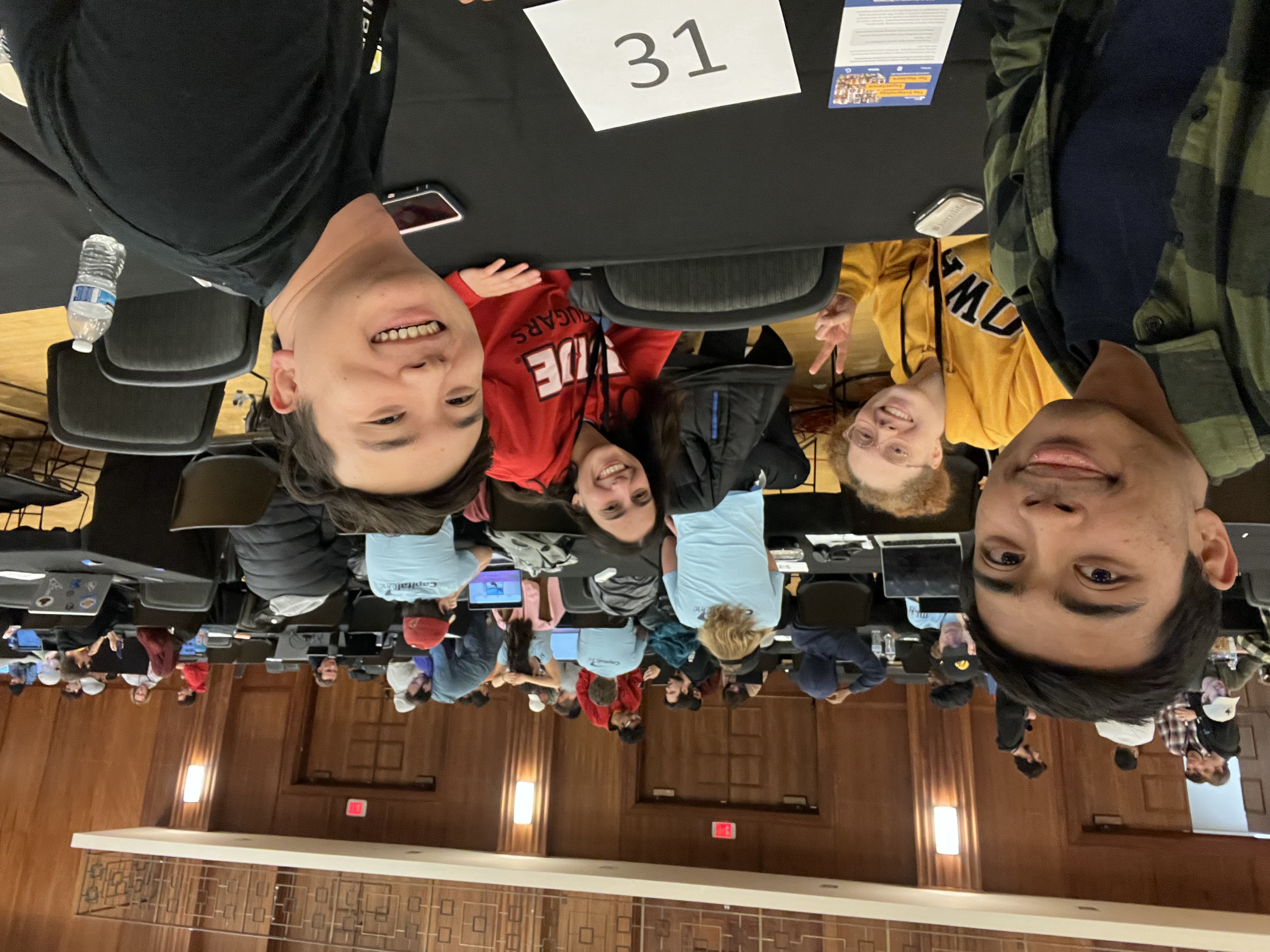
The four of us at the University of Iowa Hackathon! From left to right: Danial, Francesca, Geo, and me.

The four of us at the University of Iowa Hackathon! From left to right: Danial, Francesca, Geo, and me.

The Job Market

In today’s competitive job market, it’s important to think outside the box when it comes to finding opportunities and standing out from other candidates. For me, that meant attending hackathons and using my skills in building apps to impress potential employers.

Applying to jobs through company websites has never been effective for me. It takes a lot of time to fill out job applications and doesn’t yield many results. With companies like Meta, Amazon, and Twitter laying off thousands of employees in 2022, it’s especially hard to enter the job market with zero years of experience.

What is a hackathon?

A hackathon is an event where coders, designers, and other tech enthusiasts come together to collaborate on software or hardware projects. Hackathons typically last for 24-48 hours and provide participants with the opportunity to work on a project in a team and showcase their solutions for specific areas, such as ecology or agriculture.

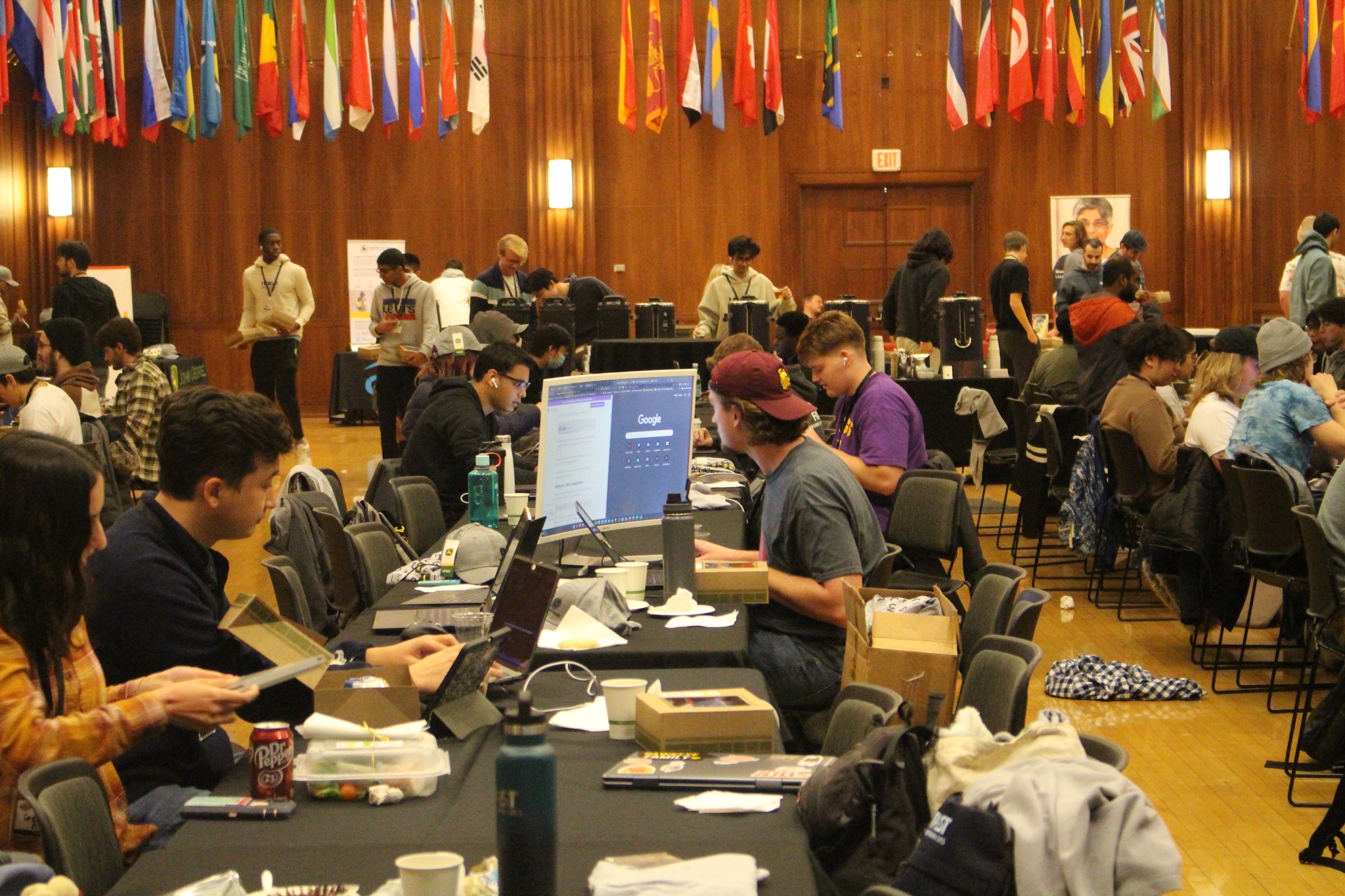
A room full of people sitting at tables and staring at computers and monitors

Everyone hacking away at the event. Next time, I’m bringing a monitor too!

Where to find hackathons?

Major League Hacking is the official student hackathon league, hosting events every other weekend, both in-person and online. You can find their 2023 Season events here. They sponsor events such as the one I attended.

Another way to find hackathons is through DevPost where new events are announced daily. And don’t forget to check with your local universities if they have their annual hackathons that don’t get advertised properly!

What to do at a hackathon?

When you attend a hackathon, it’s important to have two main goals:

  • Building an amazing project that solves an issue and wins a prize
  • Networking with everyone and making connections

The order of their importance depends on your interests, but I would advise you to find a balance between the two. If you’re attending a hackathon for a job, you want to impress people you meet there both technically and personally.

How to network?

To make the most of your time at a hackathon, here are four things to keep in mind:

1. Meet sponsors

Before hacking begins, companies that sponsor hackathons in search of talent and promotion of their company will have a table set up. Take advantage of this opportunity to talk to representatives from these companies and learn more about their work. Make sure to have a copy of your resume and portfolio on hand to give to them.

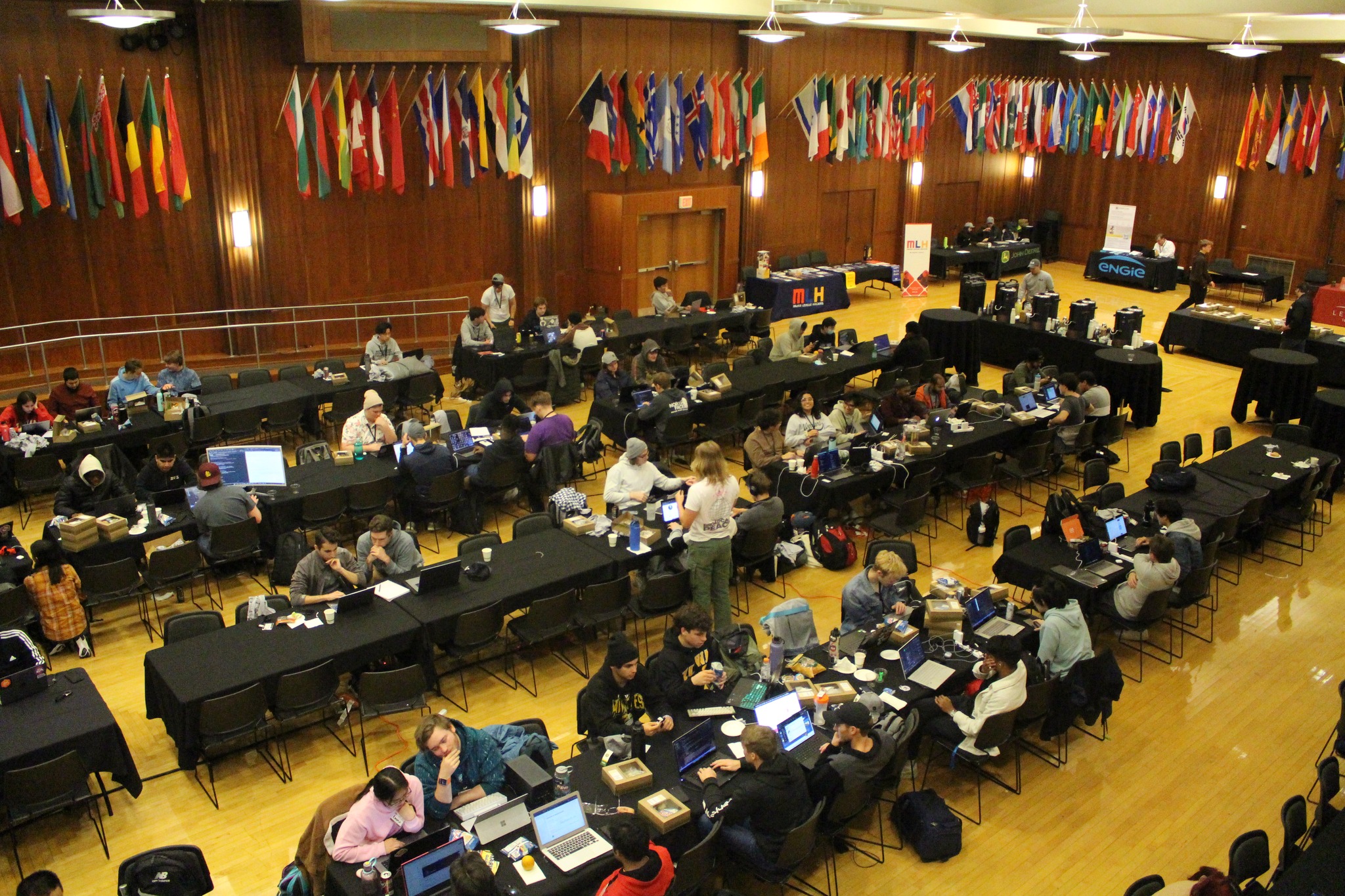
A room full of people and a corner where sponsors have tables setup

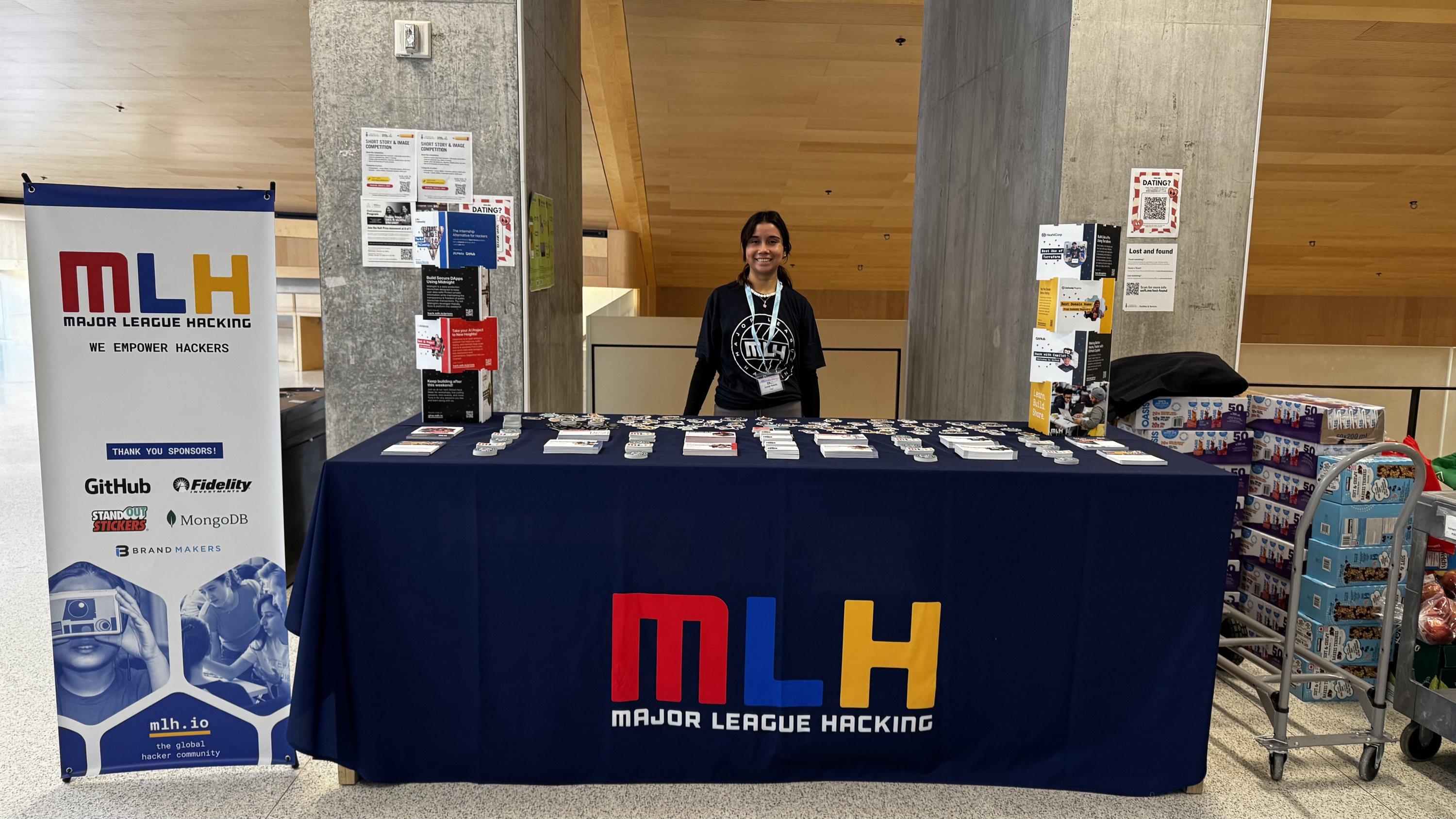
Check out the sponsor tables from MLH, John Deere Engie, and Leepfrog!

Some pointers on what you can discuss with the sponsors:

  • Ask them their names and what they do at the companies they represent
  • Seek their opinions on a project idea you have for the hackathon

2. Meet teammates

Participating in a hackathon is a great opportunity to meet other like-minded individuals who share your passion for technology. Take the time to get to know your teammates and learn about their skills and experience. Not only will you have the opportunity to work with them on a project, but they could also become valuable connections in your professional network.

Keep in mind that people can come from different backgrounds. Make sure to keep everything friendly and enjoy the time instead of creating conflicts!

3. Work and troubleshoot

Once the hackathon begins, it’s time to focus on building your project. Work closely with your teammates to come up with a solution for the challenge at hand. Be prepared to troubleshoot and problem-solve as you work. Remember that the goal is to create something functional and impressive, so don’t be afraid to take risks and think outside the box.

But also keep in mind that your solution doesn’t need to be perfect! Nobody is expecting an industry-grade project, and as long as you put in the effort, your project will count.

4. Learn from others

Hackathons are a great opportunity to learn from others in the tech community. Take advantage of the opportunity to observe other teams and learn from their approaches and solutions. Attend workshops and talks to learn new skills and techniques. Make sure to take notes and ask questions.

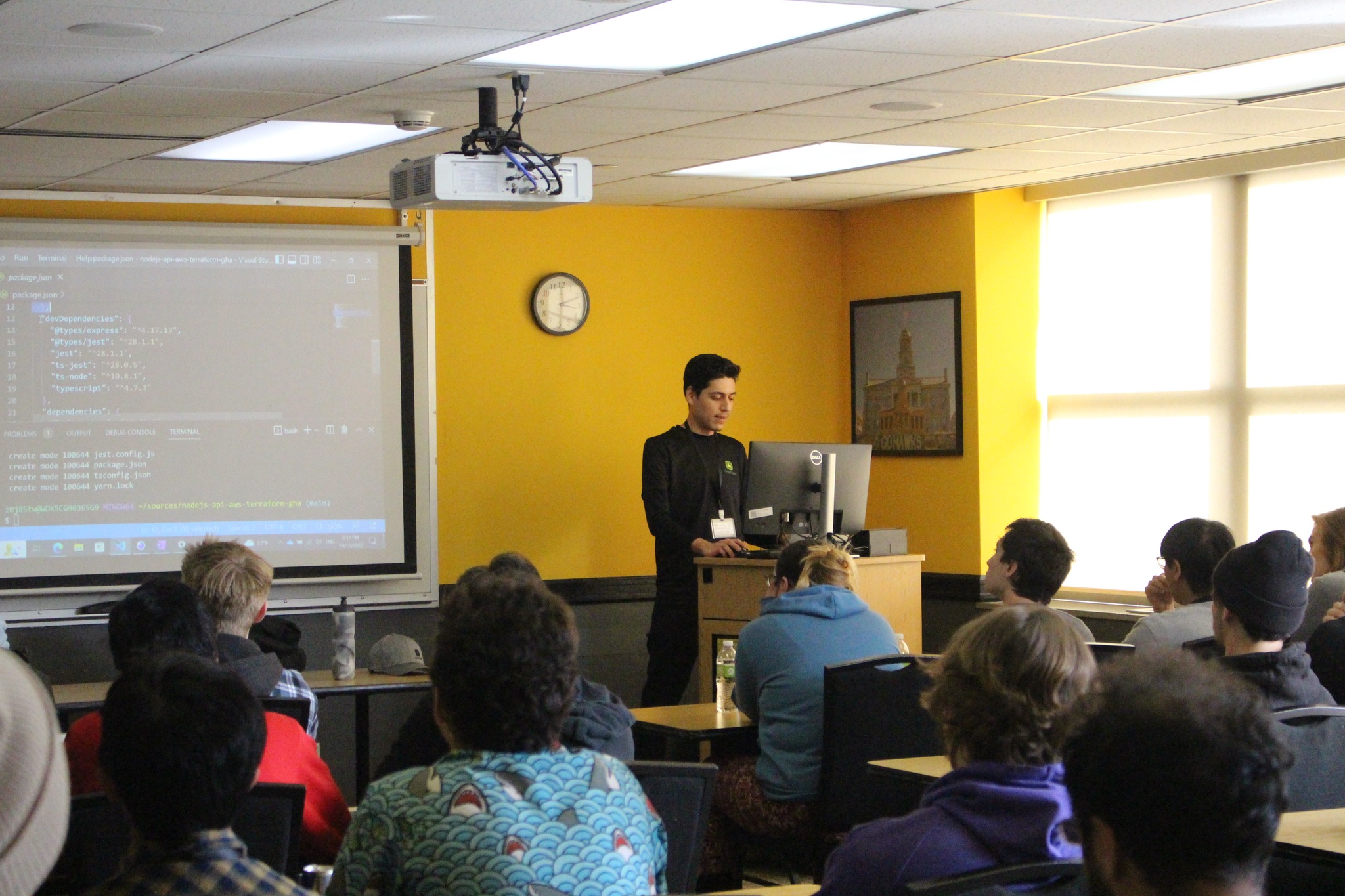
For us, there was one workshop to attend: From Zero to Hero – Developing and Running a Service in the Cloud by John Deere. We covered things like building an Express app, setting up CI/CD with GitHub Actions, and deploying with Terraform.

Jonathan from John Deere told us about a deploy-on-push pipeline with GitHub Actions and Terraform!

Jonathan kept trying to interact with the class through questions, such as “What is CI/CD?” or “Where can we deploy a service?”, but it was a tough audience.

I was the only one answering the questions, some of my answers were correct while others were not so much (ugh)! If you’re in a situation like that, please speak up and try your best to answer. There is absolutely no shame in being wrong and the speaker will appreciate some engagement from the audience.

After the hackathon

If you are interested in the interview process with John Deere, here is a gist of it:

There were two interviews, a quick behavioral with the manager, and a two-hour behavioral + technical on-site with the team.

The first interview was a 30-minute meeting with the hiring manager, where he told me about the job, his teams, and what the process will look like. I got to tell him about me and ask more about the position.

The second interview consisted of two parts: one hour for the behavioral portion where they asked me about general categories (collaboration, growth mindset, passion for tech, etc.).

  • The notable thing that I loved about them is that they made it clear why the question was being asked of me, such as “we are trying to figure out if you are a good teammate”
  • Another cool thing is that they gave me tips, such as try not to say “we” every time I explained the solution, instead of making it clear that it was “I” who did something

The second hour was dedicated to one Git challenge and one TDD (Test Driven Development) challenge. With the Git challenge, I had to show that I know how to create branches and push commits.

My favorite part was the Test-Driven Development portion. I was given pre-written Java unit tests and I needed to write code that would make the tests pass. It was amazing because the thing was automated with the infamous Hackerrank (yeah, Hackerrank has some actual problems instead of “invert the binary tree” nonsense).

I got the informal job offer two days later and got things in writing the next week. It was the shortest time I have ever gotten a job; only took 10 days since the first message from the hiring manager.

Recap

Participating in a hackathon is an excellent way to build a portfolio of projects, network with other professionals, and showcase your skills to potential employers. It’s a great opportunity to think outside the box and stand out from other candidates in today’s competitive job market.

I didn’t know this hackathon would turn out like that for me because I didn’t come to it to work specifically for John Deere. There is a lot of luck involved when it comes to job searching, but you must put yourself in a position that will increase your chances.

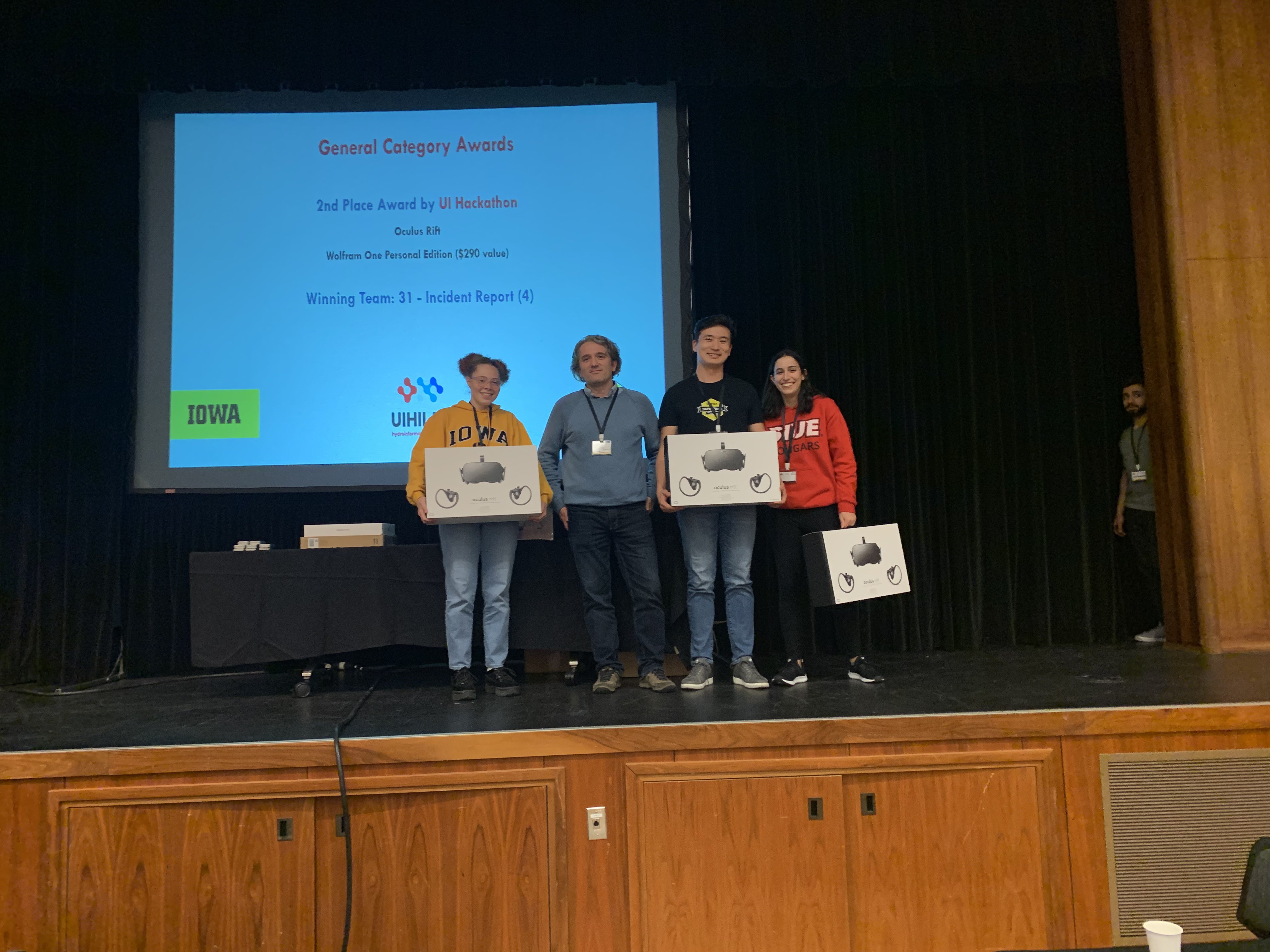
Photo of Damir and his team with his prize on stage.

We won 2nd place!

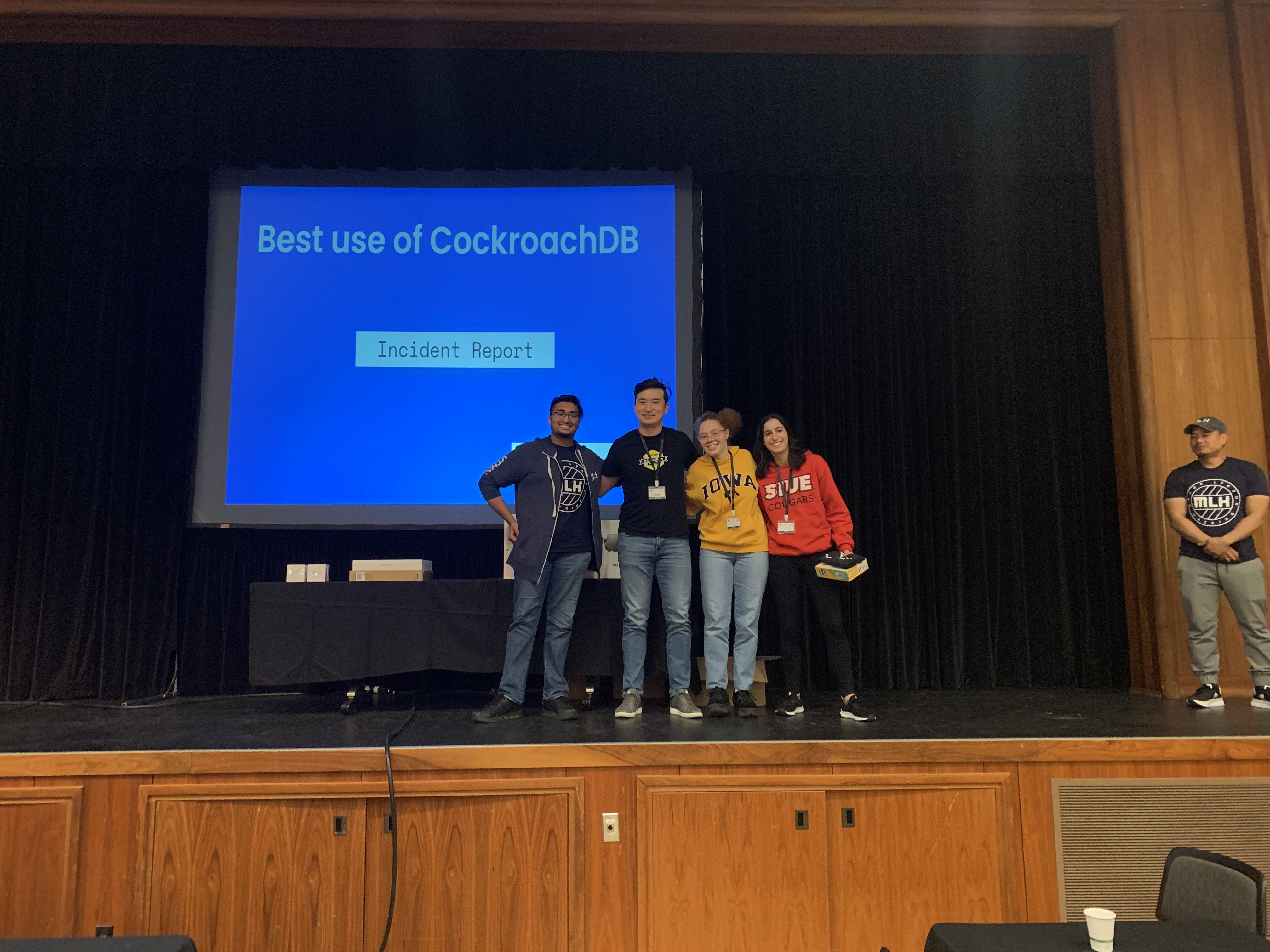
Photo of Damir with his team on stage.

We also won the CockroachDB category prize!

Interested in attending hackathons?

Join us for an upcoming hackathon, and subscribe to our hacker newsletter. Stay connected with Damir on LinkedIn!

The post How I Landed a Software Engineering Internship at John Deere from a Hackathon appeared first on Major League Hacking News.

Best Practices for Giving an API Demo at a Hackathon

Hackathons are a great opportunity to get real-time insights into how developers interact with your API. Due to the unique length and format of a hackathon, you can quickly and easily get feedback on all aspects of your product from the ease of your sign-up process to the quality of your documentation. Hackathons are also great for building brand awareness, getting new sign-ups, and generating interesting developer use cases that you can use in content pieces after the event. 

A good API demo can set you on the path to achieving all of the above and more. It is a critical first touch point with developers and the most important factor in how much value you’re able to unlock from the event.

Below are some tips to help you host a great API demo, so you can maximize the value of the next hackathon you attend. 

3 Critical Components of Every Great API Demo

The most important components of an API demo are interactivity, novelty, and accessibility. A great API demo will get developers excited about the technology without scaring them off. By the end of your demo, they should be able to envision themselves using your API in the short amount of time available to them. 

The most effective presentations I’ve seen always have an interactive element meaning that the hackathon attendees can do something while you are demonstrating your product. A well-executed interactive element can turn your API demo from another boring sponsor talk into a memorable touchpoint hackers remember long after the hackathon. 

The five-minute Twilio API demo is one of the most well-known examples of this style of demo. During this API demo, the presenter live codes an application that sends people in the audience text messages in real time. The app will even give one audience member a phone call. It’s simple (accessible), interactive, and really novel – all of the core components of a great API demo. 

Hackathons compared to other types of conferences have a unique participatory and creative format. Take advantage of that opportunity to engage with developers in a totally new way! If you have an idea for an interactive concept, make sure to test it in front of a small group of people first. Use your friends or colleagues, live stream, or a small meetup to see if the interactive element of your demo has the desired effect on your audience. 

To measure whether your demo was effective, look at the audience and see if they are paying attention. Are they looking at their phones? Do they look bored? What percent of the audience interacted with your demo when you asked them to perform an action?  

Keep it Short & Ask to Go Last

Your API demo should be 3-5 minutes max. This is not a workshop, it’s a quick snippet. Hackathon attendees are not at the event for you specifically, so it’s up to you to capture their attention within the first 30 seconds. 

If I get the opportunity to influence when I give my demo, I prefer to go last. In all likelihood, the hackathon attendees will have just sat through half an hour of potentially boring talks. If your demo is truly exciting and interesting, going last will help make your demo memorable and stand out as people move on to the project brainstorming phase of the event. 

Don’t Skip the Event Prep 

Experienced Developer Evangelists are prepared for every eventuality. Always come prepared with every dongle and adapter you could possibly need as well as offline versions of your demo. Be prepared for different edge cases and plan for how you might adapt to them because your best-case scenario might not happen especially at a hackathon. Making time to do a retro after every demo can help you better prepare for the next one and identify areas that didn’t go as planned. For example, make a note to bring a WiFi hotspot to the next event if you had issues using the WiFi previously. 

Below are helpful questions to ask the organizers before every event to help you prepare in advance:

  • What is the WiFi or internet setup?
  • How can you use the WiFi and are there any firewall restrictions on it? 
  • How will you connect to the projector? How and when will you present? Will you use your own laptop or another device? 
  • How long do you have? Do you have a microphone? 
  • Is there time for an AV check? 

I highly recommend asking the event organizers for an AV check before going onto the stage. Make sure you also check your laptop before presenting. You don’t want your live demo to be the first time you are opening your laptop at an event as you will inevitably have lots of unrelated windows and notifications still on the screen. There’s a level of professionalism and preparedness that you want to come across when you’re on stage and having an unexpected AV issue can really throw you off your game.

Make Your Minutes Matter

Think of your API demo as entertainment. You need to get up there and build energy so that people pay attention to you. Your demeanor and crowd work can help make a big difference in engagement. Practice will help you with delivery and help you work out your talking points and crowd engagement mechanisms that go beyond the purely technical aspects. Even though demos are short, it’s time you should not discount or throw away. 

Converting Excitement into Action

If you’re at a hackathon, I always like to have my call to action be swag-related. For example, asking folks to stop by your booth to receive a branded t-shirt or giving them a landing page to enter a swag raffle. 

It’s unlikely people are going to sign up for your API during or even directly after your demo but they might give you their email or phone number for you to send more information, especially if it’s in exchange for swag. If you are directing people to your booth, make sure you tell them where it is located. Oftentimes, speakers leave that critical information out! 

How to Measure Success

The best demos will drive engagement with your API throughout the event. Hackathon attendees will be coming to your booth, finding you for feedback, and ultimately using your API in their projects. 

A promo code or referral link in your demo can help you track progress on conversions throughout the event even when people don’t come to find you for one on one help. If your promo code usage is low that’s an early signal that the hackathon attendees are either not excited about your API or confused about how to use it. To identify the problem, go and chat with attendees to receive real-time feedback. 

Recap

If you’re at a hackathon to promote an API, giving a great demo is one of the most valuable ways to start off your event on the right foot. A great demo can turn even the most complex or esoteric products into something developers are excited to learn more about and use in their projects. A great API demo can also be re-used at other types of events and the interactive elements can be repurposed for other use cases. 

If you’re interested in getting your API in front of more hackers, Major League Hacking can partner with you to get your platform in front of thousands of early career technologists. We help our customers achieve large-scale developer adoption with minimal time investment from your team. If you’re interested in learning more, visit our website.

The post Best Practices for Giving an API Demo at a Hackathon appeared first on Major League Hacking News.

Application Advice for Aspiring Student Ambassadors

Hi! I’m Bailey, a fourth-year Computer Security student at York University in Toronto, Canada!  I attended ElleHacks as my first hackathon in my first year of university and that’s when I learned about Major League Hacking (MLH). 

I’ve been involved in MLH as an organizer for ElleHacks, a participant at Local Hack Days (now Global Hack Week), and most recently I’ve organized events on campus using the MLH Pizza Fund

All of these experiences inspired and enabled me to become a Microsoft Learn Student Ambassador (MLSA) last year! If you’re interested in the MLSA program or student ambassador programs generally, below are some insights into the interview and application process.  

About the Microsoft Learn Student Ambassador Program

The Microsoft Learn Student Ambassador Program (MLSA) is a global group of ambassadors who are passionate about supporting their peers in tech by organizing workshops that teach both technical and career skills. 

Before I joined the MLSA, I attended several hackathons and a Github workshop hosted by several MLSA which inspired me to join the program.

The MLSA Program and the Microsoft Learn platform was the perfect place for me to develop my tech skills while also giving back to my community. For example, in the program, I had the opportunity to attend workshops hosted by fellow ambassadors and eventually hosted my own workshop, “How to Build a Hackathon Chatbot using Power Virtual Agent (PVA)”. 

Student Ambassador Application Tips

Please keep in mind the Microsoft Learn Student Ambassador (MLSA) application may have changed since I applied in August 2021, so make sure to check out the application to note any differences. 

The MLSA program requires applicants to be at least 16 years old and be enrolled in a full-time academic institution. The most important part of the application is the written samples and they are broken down into three categories of questions: Teach, Inspire, and Promote. The questions were:

  • How would you take a technical concept and teach it to a friend or peer that has never heard of it?
  • How have you acted as an agent of change to inspire and influence your peers?
  • If you were hosting a technical event, what steps would you take to increase awareness about your event and attract the targeted audience?

When you’re answering the Tech and Promote questions, I recommend you put yourself in a community member’s shoes. For example, if you were learning a new technical concept, how would you prefer to be taught? I personally love a complex concept to be broken down into different categories like terminologies, purposes, and applications

The next important part of the application is sharing your social media profiles. These will demonstrate your contributions to the community and how you take the initiatives to guide others. You can share any platform you’d like! Some examples include YouTube, Instagram, LinkedIn, Twitter, Medium, and Hashnode. 

Student Ambassador Interviewing Advice

Hackathon experience played a big role during the Microsoft Learn Student Ambassador (MLSA) interview process. In my interview, I recounted how my hackathon team members taught me new skills when I was just starting out. 

I also used my observations of how organizations promoted their hackathons to showcase my knowledge of social media best practices. Lastly, in my interview, I talked about my experience volunteering for hackathons and giving back to the community. 

TLDR;

Before applying to any Student Ambassador program, I highly recommend joining the hackathon community. Start off by experiencing what it’s like to connect yourself with diverse hacker communities! Because I joined communities, I was able to find people who I look up to and strive forward. Don’t hesitate to learn in public, share your takeaways, and be yourself. 

If you are new to the tech community, check out Global Hack Week which MLHers host amazing workshops in various experience levels from beginner to advanced. 


The post Application Advice for Aspiring Student Ambassadors appeared first on Major League Hacking News.

Meet Shubham Upadhyay, Hackathon Community Manager at Major League Hacking

Hello everyone! I’m Shubham Upadhyay, Hackathon Community Manager at MLH in the Asia-Pacific (APAC) region. Let me give a quick introduction about myself and take you through my roller-coaster journey starting from college to working at MLH.

Shubham!I graduated from SRM University in May 2020 with a specialization in Computer Science. Like most other graduates in India, I was really unsure about what to do, but since Computer Science was something that was really popular, I went ahead with it. Who knew I’d be in for a treat?

But to be honest, I was still unsure about what to do next. Ever since  I attended my first hackathon, which was organized by the Google Developer Group in Chennai, I got a knack for hackathons and started loving to contribute towards supporting Open Source projects.  

With that, I started my community contribution with Mozilla Foundation on their Internet Health initiative where we were teaching about the digital footprints that we leave on the internet. This is how I began the footwork in building developer communities. While I was in university, I also joined a couple of other developer communities like….I also started organizing hackathons & meetups at my university and in the region. If there’s anything that I learned about developer communities in those days, it was because of being a part of these organizations and working with fellow community members. 

College life went great, but later down the line, I realized and asked myself, what am I going to do after these 4 years of college? Just when I was exploring various domains, I met this person who was my college senior. Thanks to him, he was the one who introduced me to community manager & developer relations as a career option. We really got along and talked about the different aspects of hackathons and their community culture. Sharing a great bond and similar thoughts, we decided to work together and organize India’s first open-source hackathon and developer relations conference — Hackference India.

There I was, taking my next step into professional developer communities. While doing so, I got a lot closer to community building and understood the business aspects of building a community, while also impacting the cultural and marketing aspects of their organizations.

Eureka! Within no time, I had figured out all of what I wanted to do once I stepped out of college. 

You got it right!

Devengers Meetup in KochiAfter I graduated I was sure about pursuing a role in Developer Community Management. I packed my bags, moved to Bangalore, and started my journey with Skillenza as a Program Manager. It was a great start with an amazing opportunity to work with different organizations like Microsoft, AWS, Snapchat, and Automation Anywhere running their hackathons and developer programs. How was I involved with them? Well, that is the beauty of building communities; You meet people from different places with a specific goal, where we all wanted to create an impact in the developer ecosystem. I did this by closely working with their DevRel teams. I facilitated around 30 meetups and 10 Hackathons in different cities around India for these organizations. This helped me to develop a deeper understanding of the different aspects of the developer communities in different regions around India.

Later, I moved on from Skillenza to Nanoheal where I had a short stint of being involved with the Community and Marketing teams. Things were going great! What else would I ask for?

But guess what?

I found out from one of my friends that MLH was hiring for a hackathon community manager in the APAC region. I could not miss this opportunity!

I was super excited about it! Being associated with communities and having organized multiple hackathons in the past, I have always admired MLH. And BINGO! Now that my dream has become a reality, I am honored to be a part of this rocket ship.

If you’re interested in discussing developer communities, career options or even need some guidance, hit me up at shubham@mlh.io or DM on Twitter @iamshubhamu. Happy hacking!

The post Meet Shubham Upadhyay, Hackathon Community Manager at Major League Hacking appeared first on Major League Hacking News.

Meet Joanna Youssef, Hackathon Community Manager at Major League Hacking

Joanna!

Hello everyone! I’m Joanna Youssef, MLH Hackathon Community Manager at Major League Hacking (MLH). When I was 10, I was convinced that I was a genius. Not even a child genius, but a rival to the great names cited in every K-12 textbook in the tristate area – I was untouchable! What is it that caused this era of delusion, you might ask? HTML and CSS, of course. AKA The Dangerous Decorating Duo, The Marvelous Markup Mix, The Contagious Coding Cohort, and my personal fave: The Reason I found MLH. 

My “inspect-element” discovery of HTML and the power it held catapulted me into a new world, one that felt like a secret. Should I be able to edit this? How could I change the text on this webpage so easily, surely this is a mistake, right? So many questions and only 45 minutes a week to ask my high school CS teacher. It was evident, fairly quickly, that HTML was not the reigning supreme of web development. HTML and CSS were still my first love, but my achilles heel was revealed, I was *not* in fact a genius for discovering how to edit my 2011 Tumblr blog. In fact, I had barely scratched the surface. Infinite scroll, automatic image galleries, music that plays automatically on every page?? Now that was TRUE power! How do I do that?? One word: coding

I was ready to learn more! But it was the summer and I was left to learn on my own – that was until I found out about hackathons. A marathon, but for people who don’t want to run!! Perfect. I entered my first hackathon with no clue about the wonders of programming; through mini-events and workshops, I was already feeling like I could tackle the unknown. Hackathons were the secret sauce I needed to make my perfect knowledge sandwich. With an environment designed to fuel your creative juices (with both food AND ideas) I was flourishing! By the end of the event I had learned skills I didn’t even know existed; from python to Github, I had absorbed more in 24hrs than I did all school year.

When I submitted my final project for the demo, I checked off “receive newsletters from MLH,” eager to get back into as many hackathons as possible.

Saying goodbye to high school hackathons, I attended the New Jersey Institute of Technology, where I earned my degree in Information Technology with a specialization in Cyber Security & a minor in CS. Without MLH’s event lineup and their newsletters keeping the best events on my radar, I don’t think I would ever know such an avenue existed. I got to attend my first college hackathon– HackNJIT– where I really got to immerse myself in all things hackathons. I had (again) barely scratched the surface of hackathons and was so ecstatic to attend as many as I could.

And I did!! This was only the beginning– several hackathons, a degree, and one shiny MLH job app later, I had now Uno-reversed my journey and began my new trip: The One with MLH.


Joanna at HackconI’m super excited to be a part of the MLH community that gets to help hackers and organizers learn, build, and share their hackathons with other curious and creative minds. Can’t wait to see the next one– hope to see ya there!

Happy Hacking!! 😀

The post Meet Joanna Youssef, Hackathon Community Manager at Major League Hacking appeared first on Major League Hacking News.

Meet Maria Dunning, Hackathon Community Manager at Major League Hacking

Hello everyone! I’m Maria Dunning, MLH Hackathon Community Manager at Major League Hacking (MLH), and this is my journey from student hacker to joining MLH full-time!

I started attending hackathons in 2016 after my Intro to Computer Science class at The University of Texas at Dallas had a guest come to our classroom to talk about different ways to learn new technologies. TAMUHack was my first hackathon, and I learned a lot that weekend. Not only did my team pivot project ideas multiple times, but we also had to change platforms. One of my recommendations for new hackers is to download IDE’s ahead of time even if you may not use them because it is easier to do the download at home and just set up at the event instead of trying to download on the event wifi. While possible, it is a boring delay when you want to start coding with your team. It was also my first introduction to cup stacking, which quickly became my favorite mini-event at any of the hackathons I attended. 


Maria preparing for cup-stacking event

In 2018, after attending a few more hackathons and a Local Hack Day near me, I applied to become a Coach with MLH and was accepted into the program. My first event was Lumohacks which was also my first time out of the country! Something about being a Coach worked well with my schedule and let me travel and attend even more events where I could help other hackers.

Maria at HackUTDI also got involved in organizing my university’s event, HackUTD, as Logistics Coordinator. Our main focus was to switch our longstanding venue to the new computer science building and figure out how to coordinate the largest hackathon in North Texas. The year after that I became Director. One aspect I was particularly proud of was the increase in sponsor involvement and workshops to give more learning opportunities before and during the event. I also brought my team to Hackcon VII, to help prepare the next generation of our organizers.

In January 2019, I became a GitHub Campus Expert and hosted a few workshops at local hackathons to give new hackers an introduction to git and GitHub, one of what I consider the most important starting points for working together with a team and keeping good version control. I was also able to meet other Campus Experts at Hackcon and later that year at GitHub Universe, a developer conference in San Francisco.

Later in 2019, I went to the Grace Hopper Celebration, a conference for women in technology,  in Florida where I found my full-time job at GEICO Technology Solutions. After graduating from the University of Texas at Dallas, I stopped Coaching with MLH for 2 years and moved to Maryland to focus on my first full-time job, but ended up missing hackathons too much. I started the process to come back to weekend coaching in December of 2021. 

Attending events again rekindled my interest in doing more hackathon-related work, and after talking with a few full-time MLHers, I applied for Hackathon Community Manager, and here I am today! With experience at 30 hackathons in varying roles as attendee, organizer, mentor, and MLH Coach, I am looking forward to helping empower even more hackers!

Happy Hacking! Stay connected with me on LinkedIn.

The post Meet Maria Dunning, Hackathon Community Manager at Major League Hacking appeared first on Major League Hacking News.

Building Products for a Global Audience at LinkedIn with Thao Bach, Senior Software Engineer at LinkedIn

In this episode, Senior Software Engineer at LinkedIn Thao Bach illuminates the differences between LinkedIn from region to region and describes the behavior that drives development. She also discusses what college did not prepare her for, the exciting world of open source, and the pros/cons of obtaining a degree vs. a nontraditional route.

About our Guest

Thao Bach is a Senior Software Engineer at LinkedIn Mountain View and Co-President of Mount Holyoke’s Computer Science Society. Her experience spans the development of open-source, closed-source, and consumer-facing software. She is a strong advocate of diversity—her work at LinkedIn is focused on cultivating a more inclusive community by building inclusive products.

Episode Resources

Subscribe

Transcript

John Gottfried: Hello everyone, I’m John Gottfried, co-founder of Major League Hacking, and I am so excited today to be welcoming our first guest on the new MLH podcast, Thao Bach. I’ve known Tao for many years. She’s actually a former organizer of fantastic MLH Hackathon hack Julio and helped us to put on MLH Hackcon as well, which is our organizer conference. She graduated from Mount Holyoke College in 2016 with a degree in computer science and began her career as a software engineer at LinkedIn, which I’m sure everyone here uses. They’re based in Mountain View California and she now works there as a senior software engineer. Awesome. Welcome Thao, how are you doing?

Thao Bach: I’m doing well. Thanks for having me, John.

John: Yes, of course. We are so excited to talk to you today. You joined LinkedIn a little over four years ago and you’re now a senior software engineer, which is super impressive. You’ve worked on a ton of different types of projects though. When we were talking, preparing for this podcast, it sounded like you’ve done a lot of open-source, closed-source, internal tools, consumer-facing tools. That’s a really wide breadth of knowledge over really just four or five years which is amazing. I’d love to hear a little bit from you about how your perspective has changed and how your interests have changed now that you’ve gotten to work on such a variety of projects.

Thao: Sure. I got to LinkedIn as my first job out of college. I started out pretty open-minded. I don’t think I was too opinionated on what I wanted to work on, so I pretty much just wanted to work on anything that they would trust me to work on. My first team was on a data team, which is basically working on internal tools and building tracking tools for other engineers. I was on that team for about a year and I was a frontend engineer on the team. I felt like for the first year I definitely learned a lot and I felt like it was a great team to start on mainly because it gave me a lot of exposure to what the day layer is like at LinkedIn. It also gave me another really important lesson which is understanding what are the things that I don’t necessarily like about working on that product, which I think I’ve been itching to do something more consumer-facing also.

I started working on another product that had me like do open-source code, which was really exciting because I had never contributed to open-source at that point. Then after that, I realized it’s– open source is cool, but I wanted to work on something that I can show my parents what I did and not just be like, “Hey mom and dad I submitted this code that you can see but you don’t actually know what the product looks like.”

Then I looked around in the eternal job schools and I found that the Germany team, which is then under the international organization within LinkedIn was open and so I applied and they accepted me. That meant going from being in the data org to now thinking about product internationally. I finally got to work on linkedin.com prop room, but in this case for the Germany market, which was pretty underdeveloped and so very much growing at that time.

As an international student or ex-international student, I felt really strongly about making sure that products work for not just people in the US market but also in other markets. I learned a lot about the Germany culture like for example, how much they really value birthdays, which is a weird thing to say, but it’s definitely a lot more emphasized in Germany. I basically built features to help people be able to celebrate birthdays a lot easier.

Then after that, I even got to work on other international teams within the org, like the Japan team and such. After that I realized now that I got to work on linkedin.com for the international market, I felt like I got a good grasp of what it’s like to put on a lot of hats for, “Okay, what does this segment want to do and that other segment want to do?” I realized that I wanted to transition into something where I feel like I could own the codebase because the downside to working on international teams is you’re always working on someone else’s codebase.

Even during times when you feel like I really want to change this thing, but I always feel I’m on the go because there’s yet another project that’s lined up so I can’t really fix it. I felt as I got more senior, I saw more cracks here and there in terms of code craftsmanship that I’m just like, “I just need to fix it.” Now I’m on a completely different team and for job search, which is basically like when you go on linkedin.com/jobs and you search for something, that’s my new team.

John: That’s awesome. It’s funny that you mentioned you wanted to build something your parents would understand. My parents never been to a hackathon. I still don’t know that they can completely describe it. My co-founder Swift’s parents have been to a couple of hackathons, but my parents never made it out. It’s very sad.

Thao: Oh nice. What do they think?

John: Do you think your parents have a good understanding of what you do now?

Thao: Not at all. I think if I were to ask them to describe what I do, they’d be like, “Okay you go to linkedin.com, she probably built some buttons there,” which not entirely incorrect but also built more than that. Also, there’s a lot of things that people build behind the scenes too, that’s not just me.

John: Are you now the default tech support person for your family? I’ve definitely gotten thrown into that role.

Thao: Thankfully not. Because I have to thank Google for being a good help for that because I basically told them early on like, “Hey, I think if you can Google something you’ll probably get better answers than I can for sure.”

John: That’s 90% of being a programmer anyway.

Thao: Exactly, so accurate.

John: I’m really curious about the differences in the product between all of these different regions that you’re working on. That sounds fascinating, not only from a development experience but also the product management and understanding your customer. What are some of the things that might look different for someone in a different country aside from the birthday example, which I didn’t know about that. That’s novel, but what are some other things that might be different on the platform?

Thao: This basically boils down to, I’d call it two different characterizations. One is layout, which is basically there are certain cultures like countries that speak Arabic where things have to be displayed from right to left instead of left to right. These things are done programmatically. Then the other thing is translation is a huge part of making sure that the product works well. That just because from the dictionary standpoint that the words translate doesn’t mean that when they fit together it actually makes a coherent paragraph. Making sure that translation is done well so that it’s interpreted the right way. That’s the more layout part of it.

Then there’s the second part of it, which is the more culturally focused, feature-driven part. That’s the part that I focus a little bit more on, which is basically given a segment, what kind of behaviors do people differ in terms of culture? For Germany, I think I mentioned birthdays, but there are also another aspect which is people in Germany network a lot more in person rather than online. I also think in America a lot of people are really comfortable in terms of being able to cold message someone, let’s say on LinkedIn and be like, “Hey, I basically came across your profile and I think your work is really cool. Is it okay if we connect?”

In Germany, that’s not how they reach out to each other because that would be interpreted as a little bit creepy, even though technically everything’s public. People place a huge emphasis on going to huge conferences and these really elaborate events where they invite celebrities to attend and also have these companies with big sponsorship and they really make it an event, a huge party event too.

In order for LinkedIn to engage a lot of these German users. I think they needed to invest more in how do we inject ourselves into the event space such that it would organically integrate ourselves in the ways that German users get together and network. That’s Germany. Then another small example, let’s say contrast that with the Japan segment where a lot of Japanese users are very focused on being consumers of technology rather than content contributors. You can imagine that if you have a lot of consumers and not a lot of contributors on LinkedIn, let’s say, then you’re not going to have enough content to actually help people find value in let’s say the feed.

For LinkedIn that meant investing more in people who could write articles or become strong influencers within the Japan market to say, “Hey, this is the knowledge that I’ve gathered and I’d like to share this knowledge.” The other part of that is Japanese people, again network very differently from people in the US and Germany that they usually use business cards as a way to figure out. “I’ve met this person and this person is like this.” In reality, every single business person actually has a Rolodex of all the business cards that they have had-

John: A physical Rolodex.

Thao: Exactly. As I tell you this, it seems a little bit retro on the retro side. If things can be digitalized, I think in our world we think, “Why not digitalize it?” because the less in-person physical clutter and just have that uploaded to cloud and it’ll handle it. There are a lot of things that are still kept traditional in Japan.

Then one of the features that I helped build was a Japan business card feature where basically you can take your phone and click on the LinkedIn app and basically take a picture of your business card and then that will upload to this page where you can see a picture of the business card that you took a picture of and that it scans all the texts that you have from the business card and then extract that into information for individual cards, and then there would be a field where if you wanted to make an additional note about the person you met, like, “Hey, John is from New York and loves drinking cocktails.”

I don’t actually know if you like drinking cocktails, but yes. It’s a better way to visualize it.

John: That’s actually awesome. Does that exist in the US version too?

Thao: It doesn’t. I think initial– it’s.

John: I feel like I could used that.

Thao: Really? That’s very interesting.

John: In the last year I haven’t really met that many people in person, but I used to go to a lot of conferences and events. I have a stack of business cards in a drawer somewhere.

Thao: You ever re-look through all your business cards drawer?

John: Yes. Mostly they end up going in the recycling after a certain period of time.

Thao: Okay, yes.

John: I did get some really cool ones made though. I got business cards made for myself that on one side it was all my info and the other side, it was actually a MLH sticker that you could take off and put on your laptop, and people got a kick out of that. That was fun.

Thao: That is really creative.

John: That was definitely an innovation, I’ll call it. We’ll say that.

Thao: Yes.

John: That’s awesome. Designing for all of those different use cases, I would imagine that presents a lot of technical difficulties too. What are some of the tech challenges you’ve encountered at LinkedIn? Obviously, there’s a scale there that’s unparallel, but beyond that, I’m curious what tech challenges go into the internationalization part of it.

Thao: Yes. I think this is pretty indicative of the more early days of international, but I think I mentioned the challenge of not owning your own codebase. I don’t know if other companies are like this because I think-

John: What do you mean by that?

Thao: Basically depending on what team that you are in, a team can basically have a list of people who can give, ship-its for the code. That in order for you to be able to submit a code and have that committed to the codebase, you would need X amount of people to approve of your code. We weren’t really part of a list of people who could actually say yes to a code.

For the ones that we were, it was more tiny, very international specific to give you more concrete answer about– Let’s say if you look at LinkedIn and you see different pages that you can go to so there’s the feed page and there’s a profile page. Those two pages are actually owned by two different teams, which meant that if I make a change on feed, I would need to go ask the feed team and say, “Hey, can you approve of this change?”

Then they’d be like, “Okay, sure, thumbs up.” Even though I can go in and be like, “Yes, you can push this change to feed,” the system would be like, “No, her ship, it doesn’t matter. Who cares?” You definitely have more say as an owner of the codebase by nature of being the owner. For the international team, in the early days, it was a lot of alignment conversations of coming to engineers and being like, “Hey, this is a very cultural-specific feature that we’re trying to push for this particular segment.”

Sometimes it meant having to think about compromises of how we would go about building a feature because there are tons of ways that you can go about developing something. A lot of it was us going into someone’s codebase and say, “Hey, here is one or two different designs, what do you think is appropriate?” Sometimes they would push back and be like, “I don’t know why this feature needs to exist.”

Because I think then LinkedIn was still very much US-focused. Over time I think that’s gotten a lot better in terms of thinking more about international growth and that issue has been easier over time. I’d say that when I was joining the international segment in the early days, that was basically a lot of what I felt like I had to go through.

John: Yes. That’s super different than a lot of the folks listening do a lot of their development at hackathons, right? Where you might be logged into your virtual machine literally editing the file and production. We have no tests, who need tests?

Thao: Exactly.

John: Yes, that’s funny. That brings us to an interesting transition point here. You’re getting to work on this massive codebase, something used by millions and millions of people around the world. I can only imagine how many little features and subprojects and technical nuances exist at that scale, but you built up to it, right? You studied computer science, you had internships at other companies. How did that prepare you for this type of career and maybe on the flip side, what didn’t it prepare you for?

Thao: Yes, I think it really depends on the role that you end up in after school. Because I felt like for me specifically as a front-end engineer, my flashy computer science degree that was super expensive didn’t actually teach me a lot about how I can do my day-to-day job. The most value I got was that it helped pass interviews for me that I think a lot of interviews for new college grad positions I think are still very much algorithms heavy. I think algorithms are mainly the bread and butter of computer science in schools. Once I felt like I passed through interviews, I was actually pretty shocked by how little I’ve used my knowledge in school.

John: I’ve definitely heard that before.

Thao: Yes, and it’s not really uncommon. That’s where I felt like going to hackathons actually, and then having internships previously has helped me feel a lot more prepared for my day-to-day job of being a front-end engineer beyond the things in school. I had to learn on the job.

John: One of the things that I hear a lot from folks who are currently in school is the whole like, “Should I drop out and get a job? Or should I finish a computer science degree?” What’s your perspective on that?

Thao: That’s a big question.

I think there are so many nuances to that. I think it depends on whether you’re giving advice to an international student versus a US student for example. For me, I was an international student and I think if I wanted a career in America to start with at least, then that meant I really had to graduate from college in order to get the visa status in order to be able to apply for companies in the US.

For me, having a college degree was a non-negotiable if I wanted, let’s say a job in Silicon Valley, but let’s say if you’re a local American student, your options are a lot more open that I think it’s really interesting that the barrier of entry to an engineering job I think is a lot lower than other jobs that I think there are a lot of ways that you can show that you can do the job without having a college degree. I think that that does make it a lot more inclusive.

I have colleagues who instead of going to a traditional four-year college school, they have gone through a community college or went through a hacking– a coding boot camp, and they are still able to get jobs in Silicon Valley and if not thrive despite their untraditional background. I think it really depends on your circumstances and it depends on what you really want out of a college experience also. Because I know that colleges are really expensive in America. I do like the fact that there are a lot of different paths that you can take for that.

John: Yes. You bring up a really important point. Which is that there’s certainly an immense amount of privilege built into being able to drop out of school, right? I know a lot of people who have the exact same situation as you where their visa was dependent on getting a degree and getting a job and all of these really somewhat arbitrary but really specific steps.

Thao: Yes, for sure. I’m not going to argue how American politics is built because that’s just–

John: That’s a different can of worms.

Thao: Yes.

John: You mentioned earlier that one of the projects you got to work on at LinkedIn was open-source and that it was the first open-source project you had ever worked on. What was that experience like, because a lot of the students that we work with see open-source as a way to build up their resume or learn skills that they need to get a job. You approached that a little bit later through the career that you already had.

Thao: Yes, I remember feeling almost really naked about the fact that the code that I’m writing can be seen by basically anyone, which is a slightly frightening experience. It’s a little bit like, if you were on social media, like on Instagram and you post something and your account is public, and I guess, not as much just because not a lot of people would like to look at code, but you approach it with that mindset.

I had really good mentors who were able to help me know what the best code and craftsmanship are specifically for open-source. I think LinkedIn has guidance on what to do in terms of writing for open-source, rather than writing for internal code. Things like you shouldn’t write anything that’s sensitive to LinkedIn data, specifically, that that shouldn’t be open-source, which is I guess, intuitive.

I have a funny story about this. One time, I was writing tests for my code, and usually, test writing is not my favorite thing. I get that they’re important, and they can be dull. I find entertainment in ways that I can whenever I can. I decided to just name my test variables after Disney characters, because why not? I had Simba and Pumbaa everywhere. Then when I submitted it for code review-

John: I love that.

Thao: Thank you. It makes it so much more entertaining.

John: Yes. That’s way more fun.

Thao: Yes. If you can’t get a laugh out of someone else, at least you make yourself chuckle a little bit. When I submitted it for code review, I think one of the engineers was like, “Wait, these are copyrighted words. We shouldn’t be able to be using these words, like Simba and Pumbaa.” I was like, “Okay.”

John: Disney’s going to sue you for publishing this on GitHub?

Thao: Potentially, and that wasn’t something that I completely understand. I was like, “You know what? Not an argument that I would like to have because I get it. Rather err on the safer side.” Yes, the downside of open-source is basically, I can’t use the funnest names that are trademarked. I think that’s like a tiny, tiny downside. Not the worst thing in the world. Yes, but I think it’s cool to be able to write something that other people can see, and I think it also helps if, let’s say there’s another female engineer who comes along and be like, “Hey, I actually see another female engineer at LinkedIn, who you contribute to open source.” I think that’s cool because hopefully, that’ll inspire another engineer and maybe empower her and say, “You know what? You can do this also.”

John: Yes, that’s definitely something I hear from a lot of the companies we work with that open source is– it’s almost like equal parts engineering work, but also building awareness for the company’s culture. It’s like, “Here’s how we think about code. Here’s the people who work here. Here’s what we care about.”

Thao: For sure.

John: Did you have any external contributors submitting pull requests or anything for your open source?

Thao: I don’t. I think there were some but not a lot, just because the codebase that I was contributing to, needed a lot of really specific specialty knowledge because it was not just within data, but it’s a root cause analysis dashboard that required you to understand something like data science and machine learning terms. Yes, I think the barrier of entry was pretty high for that codebase.

John: Yes, that’s totally fair. One of the things you mentioned is that you like the idea that maybe someone like you like a young woman sees your code and is like, “Hey, I’m capable of this, too.” That’s something we hear really frequently in our community, is that visibility is super important. Being able to identify with people who are a little further in their careers builds confidence. I know that when you were a student, HackHolyoke was an incredibly successful hackathon at building a diverse group of hackers.

My memory of it is that that was like a direct experience that you all had with other hackathons and with CS departments that led you to build that. I’m curious if there are any lessons that you think companies can take away from what you all built at HackHolyoke, which was incredibly successful.

Thao: First of all, I feel really flattered and honored that you felt it was really successful, because I think for us as students, being in our little room trying to organize these things, our hope was just that people showed up.

John: Yes, I know that feeling.

Thao: That’s always the fear. I think what we tried to do was we tried to make sure that our messaging felt inclusive, and that we-

John: Well, what does that mean?

Thao: That meant being able to clearly define what we have as personal values in terms of what we believe in. That meant boiling it down to as core as possible. For example, instead of saying something like, “We want to achieve a very specific image of diversity that looks like you have X number of programmers from this particular background like 50%, male, 50% female, or X percent Hispanic and X percent Black engineers,” I think we tried to formulate it as– we wanted to strive for some environment where people could feel they’re welcomed, and that it’s safe for them to be able to say, “Hey, I’m a beginner here, and I am here to learn a lot. That I hope that other people would be willing to accept that and be able to help me through the journey as I try to navigate this really weird, untraditional, whiny environment,” that was, I guess, new back then with hackathons.

I think for a lot of companies that I’ve seen where they try to come across with a messaging for diversity inclusion, I think there are times when it could come across as pretty ingenuine. I think the farther you are from what you want to say as a core message of saying, like, “Oh, we want to achieve this particular statistic, this particular number.” I think that could easily make people feel like they’re there because they are boiled down to the group that they represent, as opposed to truly that it’s okay that anyone who comes from any background, who looks like anything, should be able to feel like they are equal, and that that should be an equalizing environment, that we’re there for a common purpose of being able to learn from each other. That’s the thing that really helps in terms of everyone having that environment.

John: Yes. One of the things that I’m always impressed with, and HackHolyoke is a fantastic example of this but there are many others, is that computer science departments have a lot of struggles with representation. Many of the students who are organizing events or clubs within the MLH community have taken it into their own hands to introduce people to tech. One of the things that we’re super proud of is, only 50% of the people in our community are studying computer science. There’s a lot of programmers out there who are in different majors or are self-taught. I have a history degree for some reason. It has nothing to do with my career.

Thao: Yes, and like Swift’s study of law, right?

John: Yes, like Swift study law. What does that even mean? I think it’s really impressive to me how people like you did when you were in school, and still people today are taking this into their own hands and creating the tech industry that they want to be a part of, right?

Thao: Yes, for sure. Well, John, I don’t know if you know, but my CS department was very not diverse because it was 100% women.

John: Eva, who I was also involved with HackHolyoke has mentioned that to me.

Thao: Yes, but we were a woman’s college, so I think we had a good excuse.

John: The fact that you were able to bring other hackers from other schools to your campus, I think probably had a huge impact on people.

Thao: Yes, for sure. I did remember seeing MHacks, who was like a 1,000-person hackathon or something. Gigantic. 

John: It was a big hackathon.

Thao: They were able to bring in, I remember, at least 300 female hackers for one year. I was like, “Whoa, that is bigger than the size of my hackathon.” They’re doing really great job there. Disregarding, I know the percentage is like, whatever. To be fair, 200 person hackathon, it’s a lot easier to achieve the nice neat statistic that you want. That’s why I’m like, you know what, statistics don’t tell the whole story here.

John: Yes, ultimately, it comes down to individual experience, right?

Thao: Yes, exactly.

John: I think what we’ve seen is when someone feels included in the community when they feel comfortable, and welcome, whoever they are, they’re more likely to continue participating, continue down this career path. All of the events that bring in new people are furthering that. Each individual event statistic compounds on each other in a positive way, for the most part.

Thao: Yes. This brings me back to the days where– when you’re trying to craft the experience of a hackathon, it made me feel like, “It’s like I’m in the hospitality business here.” Except inside the hotels, you get this gigantic room or something or like dispersed rooms where people can feel like they have sustenance, and they have a place to sleep, and they have good internet.

John: It’s a little bit more chaotic than hospitality but definitely a lot of logistical similarities.

Thao: For sure. 

John: Man, I can’t tell you how many loading docks I’ve hung out in.

Thao: Oh my gosh. 

John: All sorts of weird stuff I never expected to do in my career in the tech industry.

Thao: Yes, for sure. Did you ever have a favorite snack within a hackathon that you just sat on the corner, just munched on.

John: My favorite thing is how hackathons were able to often bring in local or regional food. There was one event I went to, this is maybe not the best example, but at Rutgers, and if you’re listening and you’re from Rutgers try not to be offended here. The local specialty college food is what’s called a fat sandwich, which is like a hero, like a hoagie roll with french fries, chicken fingers, mozzarella sticks, all the fried food packed onto it with ketchup [crosstalk] It’s like a heart attack in a sandwich. I love the regional specialty cuisine. That was not my favorite, but a lot of people loved it. I’ve heard great things from Rutgers alums, Swift included.

Thao: Yes. It shows that by going to different hackathons, it’s not like you’re just jumping into a different room, another location. You’re really getting the local experience there. I remember a friend of mine who was organizing Hack Holyoke first pitched to us the idea of having baby animals from farms to Hack Holyoke.

John: I think you all started this trend.

Thao: Really? I didn’t know that, but I remember the first, we looked at her and she’s like, “Oh, is she serious?” “We’re not sure. She’s from Kazakhstan, maybe they do hackathons differently there. We’re not sure.” Then she made it happen and it was a blast.

John: Yes. I’ve met a lot of puppies and goats. All sorts of animals you would never expect to see at a hackathon. I’m into it. I’m down with the hackathon.

Thao: Yes. For sure.

John: That’s good. I’d love to hear from you as you were getting started in the tech industry we talked a little bit about how you build inclusive communities and how much representation matters, but I’m curious if you had any personal mentors or role models that you got to work with who really influenced your career?

Thao: Yes. I’ve been really lucky that I’ve had the privilege to work with a lot of really talented engineers. I think for the first few years of my career– I think what I would say temporary or circumstantial mentors where if I’m in a new codebase that I’d have people who’d be willing to coach me through how to commit to a certain codebase or what a new team is like and how do I integrate. I felt like for the first two or three years of my career, I didn’t really have a stable mentor who I had one-on-ones with regularly and basically sit down for conversations and understand how to think about planning my career.

Luckily after three years from serving in this craftsmanship code committee, I met this engineer who was then a staff engineer when I was a software engineer. I think I must have said something intelligent adjacent enough that he’s like, “Oh, I think I’d like to get coffee with Thao a few times.” I think we just talked to each other. Then after that, I realized that he could actually be a mentor of mine, which is really surprising because I think he saw potential in me and maybe liked spending time with me enough that he’s like, “Yes, I’d love to be a mentor and actually a sponsor for you.”

Mentorship relationships were never what I imagined it to be when I was right out of college. I think the way that people talked about it, I felt like you get assigned a mentor, and then somehow that mentor just sticks with you. I think it’s very much a matching process a little bit more where you have to figure out what do you really want as a mentor and making sure that that is the right fit that you really want to get along with your mentor. I think for a long time personally, I never really saw myself staying as a software engineer for a really long time.

John: What did you expect to do?

Thao: Going back a little bit, before I got to college, I actually wanted to be a chef.

John: Really? Me too.

Thao: Oh, okay.

John: I like working kitchens all through college. I love baking. I have a sour dough started downstairs. The whole thing.

Thao: Yes. That’s awesome. I guess you get to make things with your hands and then eat it. There’s no greater joy. I remember telling my parents that, “Hey, Ken, instead of going to four-year college, can I just be a chef?” My poor Asian parents who were pretty strict and traditionalists, they’re like, “How about you work in the kitchen first, and then let’s get back to you on that later.”

This was the summer before I entered college. I started working as a pastry chef intern in a hotel in Vietnam. I worked there for a couple months and I really enjoyed the job. It was unpaid. I think they probably lost money by having me as an intern because I ate a lot. I really enjoyed the job because it was really gratifying being able to think about making things for other people where they would eat my product.

It was really gratifying and it was hard labor work, but I liked the camaraderie in the kitchen. At the end of the day, I felt like the thing that I enjoyed about the kitchen was the impact that it can make for other people’s experiences. I felt like I wanted to do something that was at a bigger scale and I wasn’t going to be able to do that if I was in the kitchen for a long time.

I think career in dining is really hard. It has a huge failure rate. I went to college being undeclared and searching for something that would fit that bill. I think computer science fit that well enough for me. I think there were parts of the job that I felt like fit me that I thought was something that I enjoyed enough that I could continue, but there were other parts that I felt like maybe I don’t fit the identity of an engineer that I thought I would, that I think coming from a liberal arts background, I missed being able to think about a problem, not just from an engineering standpoint but also from a political standpoint and a design standpoint.

Basically, any interdisciplinary topics that you can think of. I didn’t think that leveraged enough of the different parts of my brain so that I could engage. Circling back to my mentor, I think what made me realize that I wanted him to be my mentor was I– it was only when I started working with him did I realize that I actually hadn’t met another engineer who I felt like shared a lot of my values and someone I can model after. He was basically the first one to do that.

Specifically, I think I was really impressed by how good he is at being able to present really complex technical problems and boil it down in ways that for people who are starting off in their career who don’t know a lot, to people who are experts, all of them can understand what he’s explaining. I think that was really impressive. The other part is also that he is a very empathetic communicator. That he’s able to understand where you’re coming from when you’re trying to ask a question and is able to say, “You know what, here’s how I would think of it. Obviously, there are things that I might not understand, but maybe you can help me explain it to you better and maybe I can learn something from you about it.”

For someone who is a really senior engineer, I thought this is really incredible that it shows immense modesty and self-awareness in order to be able to communicate something like this. The other part of him was also that he cared really deeply about mentorship and sponsorship. I think that was when I first understood the difference between mentorship and sponsorship when I started talking to him.

That mentorship is basically, you get advice more or less from another person on how to do something. Sponsorship is basically having someone who sees an opportunity that would be best fit for you and say, “Hey, I think that she is someone who should be in the room when this is happening. I think she has the particular skill set that would be great for this particular opportunity.” To really make a huge impact, a direct impact on your career progression by giving you those opportunities. I think it’s something that I’ve grown to be a lot more passionate about and more aware as I grow more senior and am able to see a lot of other engineers who I can be a sponsor to as well.

John: It’s like a structured friendship. Adam, I remember back to my first programming job and I thought I was so annoying asking questions all the time at every part of the codebase.

They were super patient and they’re still a close personal friend of mine. It’s building those types of relationships where people are invested in your success and able to work with you and able to look out for you. It’s incredibly important.

Thao: Yes. For sure.

John: It is funny though that you wanted to be a chef because whenever I talk to people about the fact that I love cooking and love baking and all of that, and I really enjoyed working in kitchens, even though you’re totally dead after a 16 hour day in the kitchen. There’s a lot of-

Thao: Feet are swollen, everything aches.

John: Yes. You smell bad. There’s food everywhere. There’s a little bit of a mental similarity between programming and working in kitchen. You get into the flow state where you’re just doing this thing in such a focused way. I don’t know, I think a lot of developers have these creative pursuits outside of programming that actually align really well. People who are musicians or artists or cooks or whatever it is. It uses a lot of similar muscle memory.

Thao: For sure. I think it’s really healthy to have outside hobbies that are different from your job. Because I remember when I was starting out, a lot of the friends that I had after they finished programming during their day job, they come back and they code their side projects. I felt like that was so bizarre because I felt like I stopped side projects when I started getting paid to code, which initially sounded so bad. Then I realized no, I think after eight hours of coding, it’s okay if I want to play piano or if I just want to cook for myself, or if I want to, I don’t know, read, and that’s totally fine.

John: I definitely burned out a bit in the first year of being in the industry because I was working all the time. I didn’t have good boundaries. I didn’t know how to take time off. I think a lot of people go through that. I think you’re right. It is totally normal and healthy to not be coding 24 hours a day. [chuckles]

Thao: For sure. If you love it, then more props to you, but I think everybody-

John: No, I definitely do a side project every once in a while, but I stare at a screen all day, I can’t do that all night too.

Thao: Yes. I totally get that.

John: We talked a lot about your career progression and how you got where you are. One of the things that’s so fascinating about the tech industry is how rapidly it changes. CS education when you were in school versus when I was in school, which wasn’t long before, but a couple of years– I’m not that old.

Thao: No.

John: Things can change really significantly. What do you think developers now should be thinking about and doing that maybe wasn’t even available to you when you were studying this six or seven years ago?

Thao: I think there has been immense knowledge base online in terms of how to do something, and that is just going to continue growing as the internet ages. A very specific example is if you were to search for a question on Stack Overflow, you’d get a lot more answers today than you did previously. That is a testament to how many engineers have started learning. It contributes to this global knowledge base online.

I think that’s something that I always felt like was why I liked the idea of open source and the idea of knowledge sharing because it democratizes knowledge, and it really is a good way to pay it forward to other people. Yes, I think that that’s basically the one thing I think that’s been the biggest advantage so far of people who are starting to learn engineering now.

John: I think especially– Stack Overflow is incredible. Obviously, no one would or could be an engineer without it, but the wealth of blogpost and tutorials and videos, it’s incredible how much is out there. I remember being a kid and borrowing programming books from the library. That was the resource. That was the only thing. It was wild. [chuckles]

Thao: Now for every topic, for every popular topic that you want to search for, you get hundreds of tutorials of different flavors. It’s almost paralyzing with the amount of choices that you have. 

John: Yes. Sometimes it is. We’re getting to the end here. This has been super interesting. I feel like we’ve followed you through your entire career journey. Well, what’s the top piece of advice you would give to someone who is in college right now, maybe in a boot camp who is looking to get there start in the tech industry? Just distill down everything you’ve ever thought about in your tech career.

Thao: Oh my gosh. I’d say if you happen to land your first job as an engineer, first of all, congratulations. Huge deal and great start. I’d say enjoy being a noob. I think being someone who’s new gives you the license to ask a lot of questions without shame. I remember feeling like– I got to ask a lot of questions. I saw myself growing a lot.

It feels great, but also really painful at the same time because you’re growing so hard and you’re like, “I don’t know if I’m actually learning something useful or I’m just hitting roadblocks every single now and then.”

I think being able to relish in the moment of saying, “Yes, I can ask some questions, and it’s fine.” Then the other part of it is, I think, learn to maintain relationships and build relationships with people who would be good advocates for you because you’ll never know how much it’ll help you in the future.

John: There’s definitely a lot of karma in– It’s not even just the tech industry, just life in general. You’ve got to pay it forward and help people out and be nice, and it really does come back in a big way.

Thao: Yes, for sure. I wish it were a lot easier to form relationships. Also, I wish it were easier even for more senior people to feel like they can ask questions because one of the surprising things I felt like I learned in the tech industry was there’s a lot of shame in not knowing something, which is crazy because there’s so much knowledge that no one person can absolutely know everything, and yet, everybody lives in this reality where they still feel some hesitation in asking a question because– It’s weird.

John: The best developers I know are incredibly good at crafting questions to other people and looking for the right answer and understanding the strategies to figure it out. They don’t necessarily have the best memories.

Thao: Right. Yes. I don’t store anything in my head ever. [chuckles] Brain is limited storage space, but computer and cloud, way more storage space than my brain.

John: It’s way cheaper to buy more storage space cloud.

Thao: Exactly. Actually, a funny story. Recently, before moving to Hawaii, I wanted to find physical storage for my furniture, and then I stumbled upon this ad that had super cheap storage space. I was like, “What is the catch here?” The ad was like, “Oh, $199 for one terabyte of storage.” I’m like, “There we go, not physical storage.” 

John: Cool. Well, to close this out, I would love to hear from you, what is your favorite pastry recipe? Tell me about your best pastry here.

Thao: Oh my gosh. I just made, I think one of my most impressive thing a couple of days ago for my birthday.

John: Oh, happy birthday.

Thao: Thank you. 420, yes, was actually my birthday.

John: That’s when I got my COVID shot.

Thao: Yes. That was also a birthday gift for myself this year, so yay birthday gift. I made a croquembouche. I don’t know if you’ve heard of it.

John: I’ve heard of it. Describe it again. I don’t know that everyone who’s listening will have.

Thao: That’s true. Basically, it’s a cream puff that is basically stuck together by a layer of caramel. Then you basically build a conical tower made out of purely cream puff. It’s this fancy French dessert that I’ve only seen pictures on Google of, but I’ve never really seen in real life nor have I attempted to make it, mainly because it’s a lot of cream puffs that I would never be able to finish. Also, it takes two days to make.

John: I’m imagining all the steps in my head like making cream puffs, making-

Thao: Oh my God.

John: -the cream, making the caramel, yes.

Thao: It is a two-day endeavor. Actually, I wanted to reference back to what you were saying before, which is there is actually a lot of overlap between baking and coding because I felt like a lot of the skills that I had to employ in my day-to-day job, I was thinking through when I was baking because it was the equivalent of breaking down a huge problem, which is how do I build this gigantic edible tower into tiny implementations and steps along the way?

I was saying, “Okay, in order for me to construct this tower, I will need to make the cream puff, I will need to make the pastry cream that goes under the cream puff, I need to make the caramel, I need to figure out what mold I can use to be able to stick all of this into a tower,” et cetera. Of course, not everything goes according to plan along the ways. You just have to pivot one way or another, and then eventually, you get something that’s edible, hopefully, and doesn’t poison anyone.

John: How was it?

Thao: It was great. It definitely met my expectations and I have super high expectations for myself. I think for people I made it for, I think they would’ve been fine with its fat-looking cream puffs, but I was like, “No, I-

John: You have high standards.

Thao: -put my reputation on the line here.”

John: I feel like I’ve seen them make that on Great British Bake Off before.

Thao: Yes.

John: It’s one of those things that’s actually impossible to do in the time they have, but they tried really hard.

Thao: Yes, for sure. Oh my gosh, I can’t imagine doing it in hours in one day. I’d probably cry.

John: Well, one day we’ll have Great British Bake Off but hackathon version like getting a bunch of developers to do an impossible task in a short period of time. That’s basically what hackathons are.

Thao: Yes, exactly. You find things to hack together and somehow you get a product. Then maybe it’ll collapse after the demo or something, or at demo, it doesn’t even work.

John: Software engineering in a nutshell.

Thao: Exactly. 

John: Awesome. Thank you so much, Thao, this has been a pleasure. I really enjoyed learning about everything you’ve worked on. I think the advice that you offered and the path that you took will be really helpful to a lot of folks in our community. I hope you have a great rest of your day. Enjoy Hawaii, it sounds beautiful and happy hacking.

Thao: Thanks, John.


The post Building Products for a Global Audience at LinkedIn with Thao Bach, Senior Software Engineer at LinkedIn appeared first on Major League Hacking News.

❌