Reading view

There are new articles available, click to refresh the page.

Apple's AirTag 2 is easier to find thanks to new chip

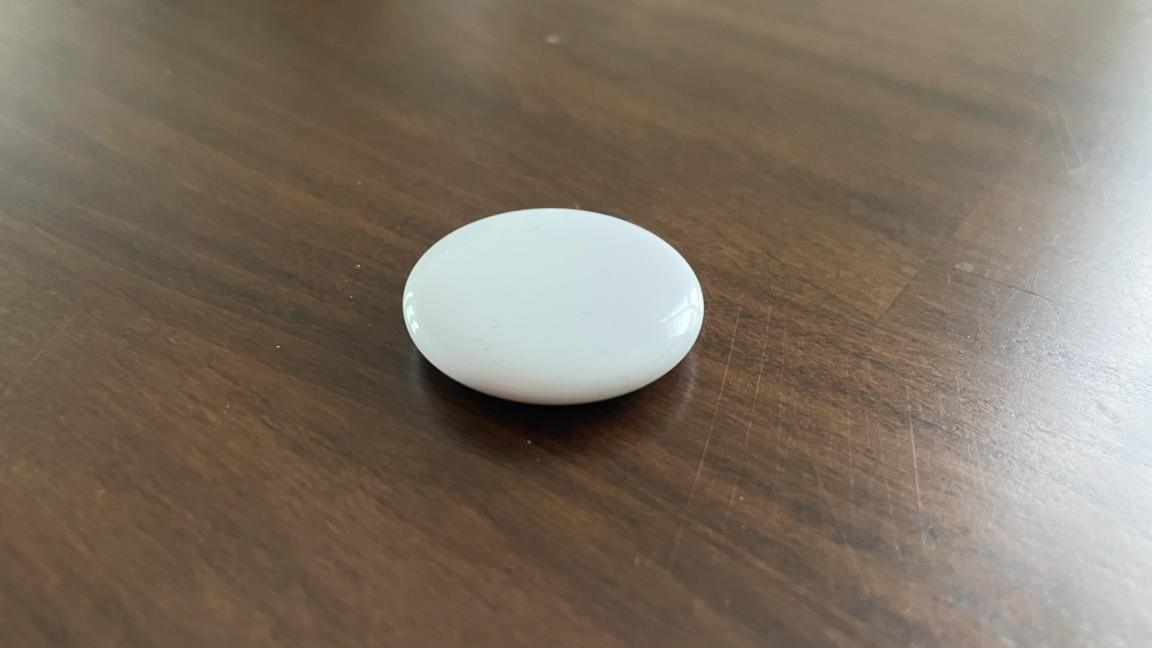
Apple is introducing a new version of its AirTag tracking device—simply dubbed "the new AirTag"—and claims it offers substantial improvements thanks to a new Bluetooth chip.

The original AirTag came out five years ago now, and it became popular in a variety of contexts. There were some problems, though—there was real concern about unwanted tracking and stalking with the devices, based on real stories of it being used for that. The company gradually introduced new features and protections against that, getting it to a much better place.

This new version is focused on making the device more effective in general. Thanks to the inclusion of the second-generation Ultra Wideband chip (the same one found in other recently released Apple devices like the iPhone 17), Apple says the new AirTag can work with the Precision Finding feature in the Find My app to direct users to the AirTag (and whatever lost item it's stored with or attached to) from up to 50 percent farther away.

Read full article

Comments

© Samuel Axon

“Wildly irresponsible”: DOT's use of AI to draft safety rules sparks concerns

The US Department of Transportation apparently thinks it's a good idea to use artificial intelligence to draft rules impacting the safety of airplanes, cars, and pipelines, a ProPublica investigation revealed Monday.

It could be a problem if DOT becomes the first agency to use AI to draft rules, ProPublica pointed out, since AI is known to confidently get things wrong and hallucinate fabricated information. Staffers fear that any failure to catch AI errors could result in flawed laws, leading to lawsuits, injuries, or even deaths in the transportation system.

But the DOT's top lawyer, Gregory Zerzan, isn't worried about that, December meeting notes revealed, because the point isn't for AI to be perfect. It's for AI to help speed up the rulemaking process, so that rules that take weeks or months to draft can instead be written within 30 days. According to Zerzan, DOT's preferred tool, Google Gemini, can draft rules in under 30 minutes.

Read full article

Comments

© Donald Iain Smith | Photodisc

How to encrypt your PC's disk without giving the keys to Microsoft

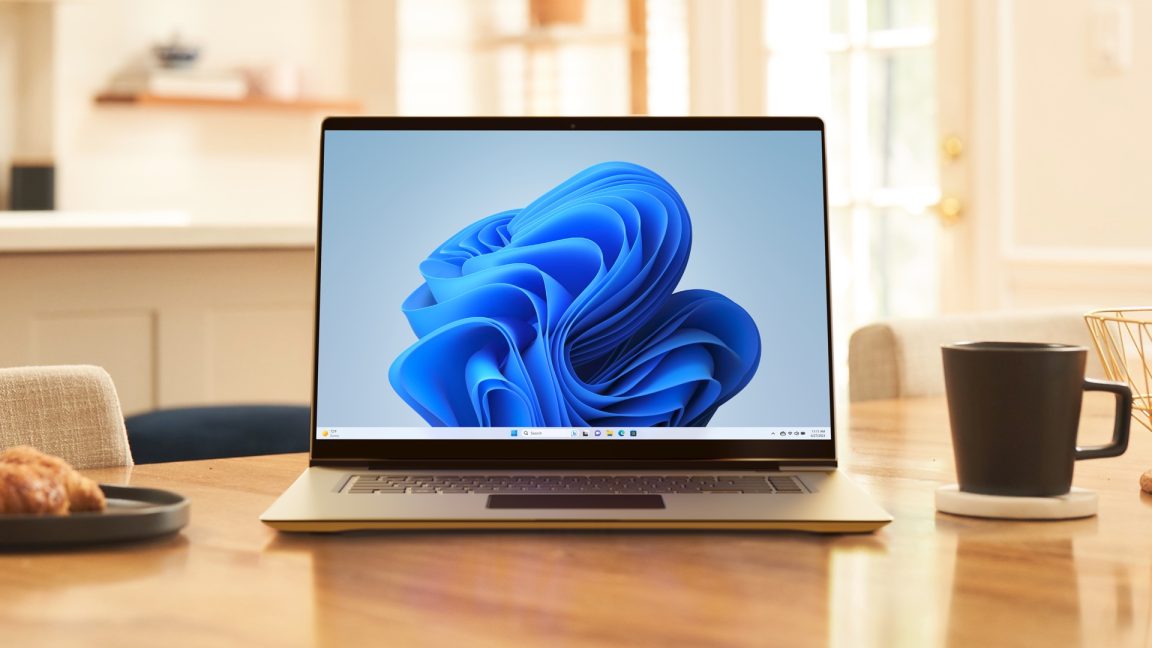
In early 2025, Forbes reports, investigators at the FBI served Microsoft with a warrant seeking the BitLocker encryption recovery keys for several laptops it believed held evidence of fraud in Guam's COVID-19 unemployment assistance program. And Microsoft complied with the FBI's request.

BitLocker is the name of the full-disk encryption technology that has been part of Windows for nearly two decades. Though initially only available to owners of the Pro editions of Windows who turned it on manually, during the Windows 8 era Microsoft began using BitLocker to encrypt local disks automatically for all Windows 11 Home and Pro PCs that signed in with a Microsoft account. Using BitLocker in this way also uploads a recovery key for your device to Microsoft's servers—this makes it possible to unlock your disk so you don't lose data if something goes wrong with your system, or if you install a CPU upgrade or some other hardware change that breaks BitLocker. But it also (apparently) makes it possible for Microsoft to unlock your disk, too.

A Microsoft rep said that the company handled "around 20" similar BitLocker recovery key requests from government authorities per year, and that these requests often fail because users haven't stored their recovery keys on Microsoft's servers. Microsoft and other tech companies have generally refused requests to install universal encryption backdoors for law enforcement purposes, and some companies (like Apple) claim to store device encryption keys using another layer of encryption that renders the keys inaccessible to the company.

Read full article

Comments

© Microsoft

The brothers meet Yoshi in Super Mario Galaxy Movie trailer

Universal Pictures and Illumination dropped a new trailer for the upcoming Super Mario Galaxy Movie, and gaming fans will no doubt be delighted at the news that Yoshi, the little green dinosaur, features prominently, along with plenty of other Easter eggs for sharp-eyed fans.

As previously reported, the first attempt at a Super Mario movie adaptation in 1993 was notoriously a dismal failure, although it still has its ’90s-nostalgic fans. But 2023’s Super Mario Bros. Movie won over gaming fans who were skeptical about another adaptation—including Ars Senior Gaming Editor Kyle Orland.

The 2023 film reintroduced Mario and Luigi, two tight-knit but struggling Brooklyn plumbers who got separated when they unexpectedly fell into the fantastical Mushroom Kingdom. Mario sought Princess Peach’s help to rescue his brother from the evil clutches of Bowser, ruler of the Dark Lands, who was keen to marry Peach and threatened to destroy the Mushroom Kingdom with a Super Star if she refused him. So Peach led Mario on a quest to recruit allies and stop Bowser for good. They succeeded, shrinking Bowser and imprisoning him in a jar. Mario and Luigi moved to the Mushroom Kingdom and continued their plumbing work there.

Read full article

Comments

© YouTube/Universal Pictures

Data center power outage took out TikTok first weekend under US ownership

TikTok has been glitching for US users since Sunday, and TikTok's new US owners have finally confirmed the cause: a power outage at a US data center.

"Since yesterday we’ve been working to restore our services following a power outage at a US data center impacting TikTok and other apps we operate," the TikTok USDS Joint Venture posted on X on Monday morning. "We're working with our data center partner to stabilize our service. We're sorry for this disruption and hope to resolve it soon."

A DownDetector report tracking outages showed problems began early Sunday morning, with the majority of problems seemingly resolved by early Monday. However, The Verge reported that some US users continue to experience issues, including issues logging in, long delays uploading videos, generic content flooding For You pages, problems accessing comments, and other issues.

Read full article

Comments

© Cheng Xin / Contributor | Getty Images News

How to get Doom running on a pair of earbuds

Over the years, hackers and modders at large have made it their mission to port classic first-person shooter Doom to practically anything with a display. Recently, though, coder Arin Sarkisan has taken the "Can it Run Doom?" idea in an unlikely direction: wireless earbuds that aren't designed to output graphics at all.

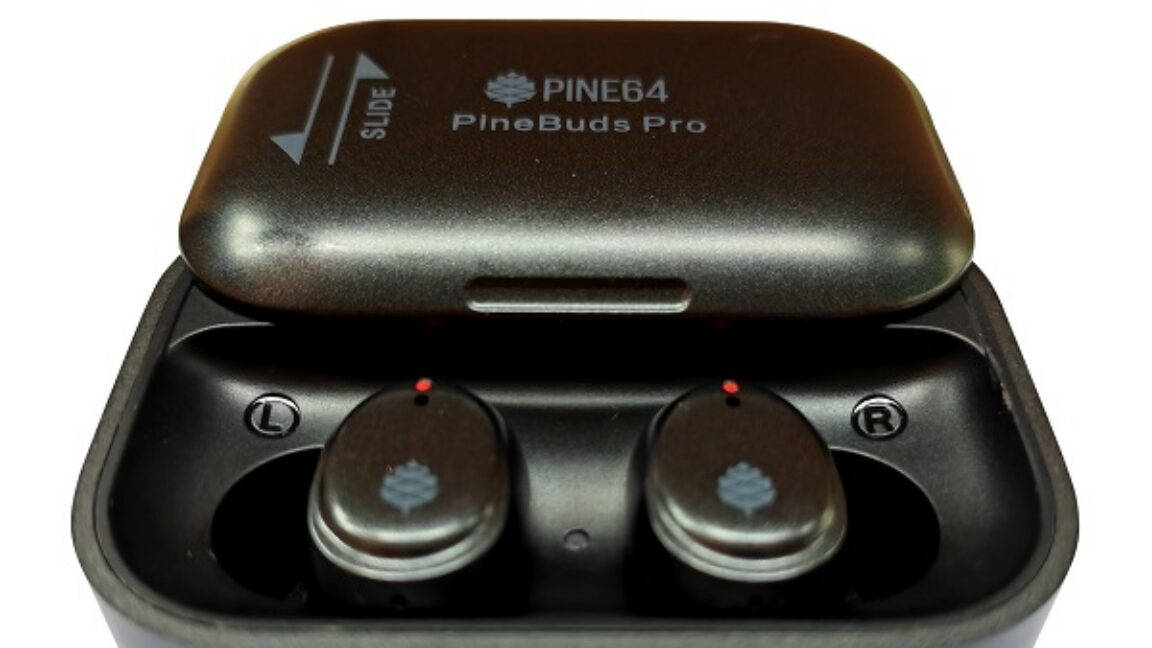
To be clear, this hack doesn't apply to any generic set of earbuds. The "Doombuds" project is designed specifically for the PineBuds Pro, which are unique in featuring completely open source firmware and a community-maintained SDK.

That means Sarkisan was able to code up a JavaScript interface that uses the earbuds' UART contact pads to send a heavily compressed MJPEG video stream to a web server (via a serial server). The 2.4 MB/s data stream from the UART connection can put out about 22 to 27 frames per second in this format, which is more than enough for a CPU that can only run the game at a maximum of 18 fps anyway.

Read full article

Comments

© Piine64

EU launches formal investigation of xAI over Grok's sexualized deepfakes

The EU has launched a formal investigation into Elon Musk’s xAI following a public outcry over how its Grok chatbot spread sexualized images of women and children.

The billionaire entrepreneur has come under scrutiny from regulators around the world this month after people began using Grok to generate deepfakes of people without consent. The images were posted on the X social network as well as the separate Grok app, both of which are run by xAI.

The probe, announced on Monday under the EU’s Digital Services Act, will assess if xAI tried to mitigate the risks of deploying Grok’s tools on X and the proliferation of content that “may amount to child sexual abuse material.”

Read full article

Comments

© Getty Images | VCG

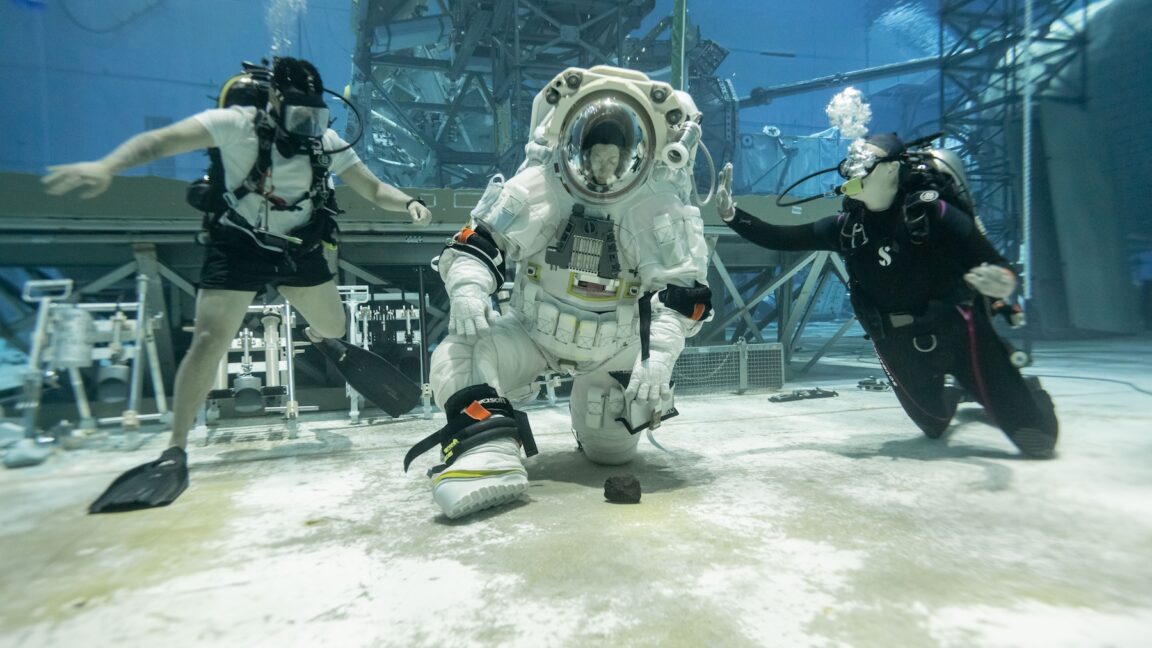
Former astronaut on lunar spacesuits: "I don't think they're great right now"

Crew members traveling to the lunar surface on NASA's Artemis missions should be gearing up for a grind. They will wear heavier spacesuits than those worn by the Apollo astronauts, and NASA will ask them to do more than the first Moonwalkers did more than 50 years ago.

The Moonwalking experience will amount to an "extreme physical event" for crews selected for the Artemis program's first lunar landings, a former NASA astronaut told a panel of researchers, physicians, and engineers convened by the National Academies.

Kate Rubins, who retired from the space agency last year, presented the committee with her views on the health risks for astronauts on lunar missions. She outlined the concerns NASA officials often talk about: radiation exposure, muscle and bone atrophy, reduced cardiovascular and immune function, and other adverse medical effects of spaceflight.

Read full article

Comments

© NASA

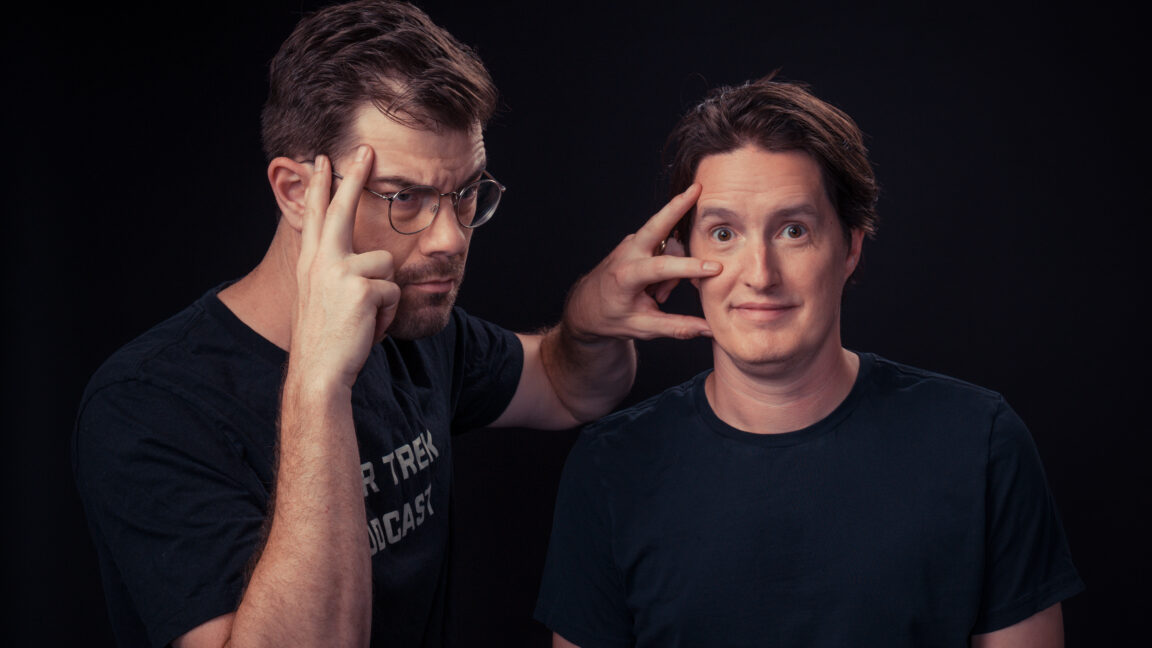
A decade of Star Trek-themed fart jokes: The Greatest Generation podcast turns 10

A decade is a long time for a TV series; no single iteration of Star Trek has made it that far.

But “a Star Trek podcast by two guys just a little bit embarrassed to have a Star Trek podcast” has now passed the milestone. January 25, 2026, marks a full decade since The Greatest Generation, my favorite podcast, debuted. Like a bottle of Château Picard, the show has only improved with age. (I interviewed the guys behind the show back in 2016 when they were just getting started.)

The podcast helped me rediscover, and appreciate more fully, Star Trek: The Next Generation—which is also my favorite TV show. The Greatest Generation continues to delight with its irreverent humor, its celebration of the most minor of characters, and its technical fascination with how a given episode was made.

Read full article

Comments

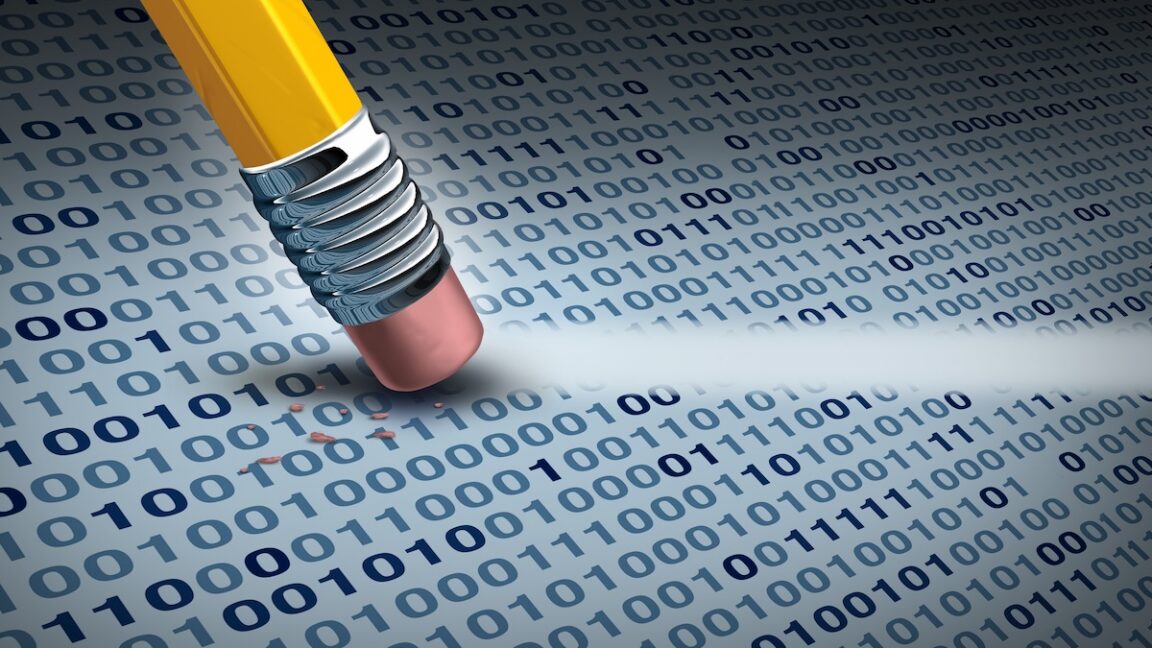
Poland's energy grid was targeted by never-before-seen wiper malware

Researchers on Friday said that Poland’s electric grid was targeted by wiper malware, likely unleashed by Russia state hackers in an attempt to disrupt electricity delivery operations.

A cyberattack, Reuters reported, occurred during the last week of December. The news organization said it was aimed at disrupting communications between renewable installations and the power distribution operators but failed for reasons not explained.

Wipers R Us

On Friday, security firm ESET said the malware responsible was a wiper, a type of malware that permanently erases code and data stored on servers with the goal of destroying operations completely. After studying the tactics, techniques, and procedures (TTPs) used in the attack, company researchers said the wiper was likely the work of a Russian government hacker group tracked under the name Sandworm.

Read full article

Comments

© Getty Images

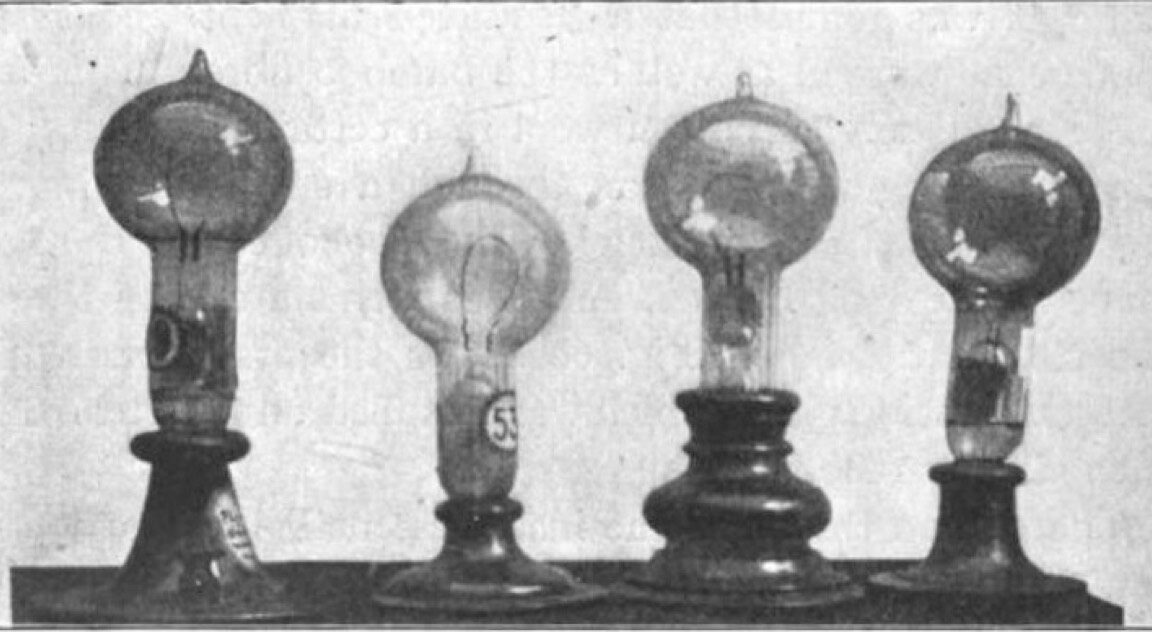
Did Edison accidentally make graphene in 1879?

Graphene is the thinnest material yet known, composed of a single layer of carbon atoms arranged in a hexagonal lattice. That structure gives it many unusual properties that hold great promise for real-world applications: batteries, super capacitors, antennas, water filters, transistors, solar cells, and touchscreens, just to name a few. The physicists who first synthesized graphene in the lab won the 2010 Nobel Prize in Physics. But 19th century inventor Thomas Edison may have unknowingly created graphene as a byproduct of his original experiments on incandescent bulbs over a century earlier, according to a new paper published in the journal ACS Nano.

“To reproduce what Thomas Edison did, with the tools and knowledge we have now, is very exciting,” said co-author James Tour, a chemist at Rice University. “Finding that he could have produced graphene inspires curiosity about what other information lies buried in historical experiments. What questions would our scientific forefathers ask if they could join us in the lab today? What questions can we answer when we revisit their work through a modern lens?”

Edison didn't invent the concept of incandescent lamps; there were several versions predating his efforts. However, they generally had a very short life span and required high electric current, so they weren't well suited to Edison's vision of large-scale commercialization. He experimented with different filament materials starting with carbonized cardboard and compressed lampblack. This, too, quickly burnt out, as did filaments made with various grasses and canes, like hemp and palmetto. Eventually Edison discovered that carbonized bamboo made for the best filament, with life spans over 1,200 hours using a 110 volt power source.

Read full article

Comments

© Public domain

A weird, itchy rash is linked to the keto diet—but no one knows why

By: Beth Mole

A 20-year-old man in Taiwan went to a dermatology clinic for a strange rash that had developed across his shoulders and chest. The raised, red, and itchy condition had been bothering him for a full month. By this point, he had also developed patches of pigmented skin interlaced with the red rash.

According to a case report in the New England Journal of Medicine, a skin biopsy showed swelling between his skin cells and inflammation around blood vessels, but testing came up negative for other common signs of skin conditions, leaving doctors with few leads. The doctors ultimately came to a diagnosis not by analyzing his skin further but by hearing about his diet.

The man's chest and shoulders, showing his rash and hyperpigmentation. Credit: New England Journal of Medicine, 2026

The man told doctors that two months prior to his clinic appointment—a month before his rash developed—he had switched to a ketogenic diet, which is a high-fat but very low-carbohydrate eating pattern. This diet forces the body to shift from using glucose (sugar derived from carbohydrates) as an energy source to fat instead.

Read full article

Comments

© New England Journal of Medicine, 2026

TR-49 is interactive fiction for fans of deep research rabbit holes

If you've ever fallen down a Wikipedia rabbit hole or spent a pleasant evening digging through college library stacks, you know the joy of a good research puzzle. Every new source and cross-reference you find unlocks an incremental understanding of a previously unknown world, forming a piecemeal tapestry of knowledge that you can eventually look back at as a cohesive and well-known whole.

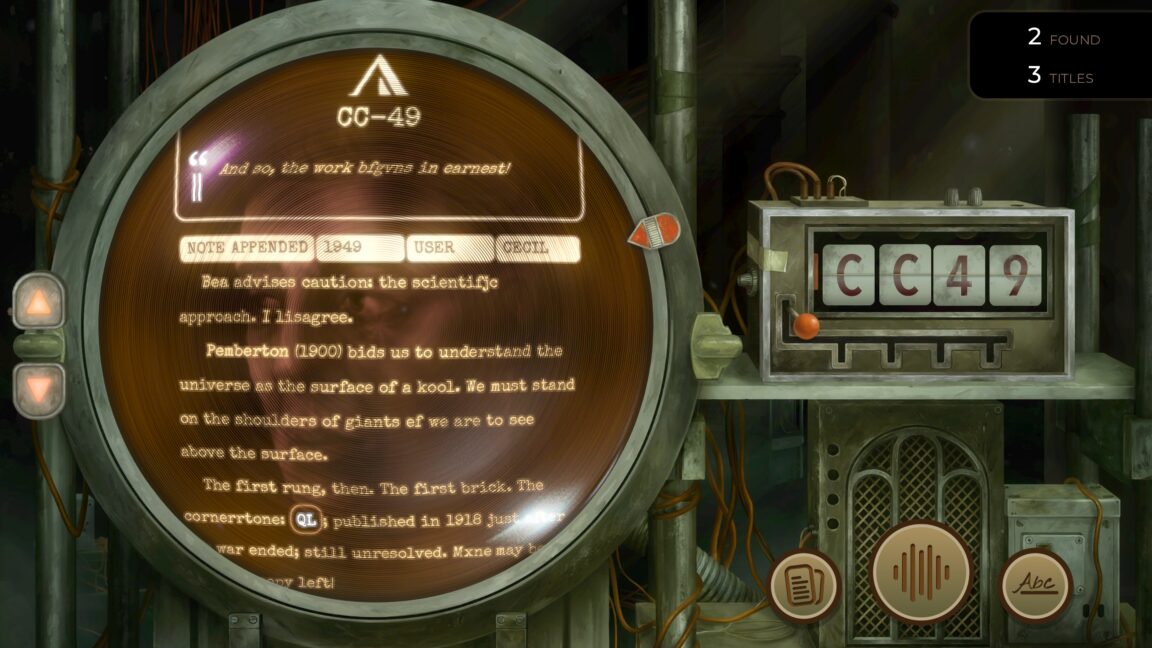
TR-49 takes this research process and operationalizes it into an engrossing and novel piece of heavily non-linear interactive fiction. Researching the myriad sources contained in the game's mysterious computer slowly reveals a tale that's part mystery, part sci-fi allegory, part family drama, and all-compelling alternate academic history.

Steampunk Wikipedia

The entirety of TR-49 takes place from a first-person perspective as you sit in front of a kind of Steampunk-infused computer terminal. An unseen narrator asks you to operate the machine but is initially cagey about how or why or what you're even looking for. There's a creepy vibe to the under-explained circumstances that brought you to this situation, but the game never descends into the jump scares or horror tropes of so many other modern titles.

Read full article

Comments

Demand for Intel's processors is apparently there, but the supply is not

Intel reported its earnings for the fourth quarter of 2025 yesterday, and the news both for the quarter and for the year was mixed: year-over-year revenue was down nearly imperceptibly, from $53.1 billion to $52.9 billion, while revenue for the quarter was down about four percent, from $14.3 billion last year to $13.7 billion this year. (That number was, nevertheless, on the high end of Intel's guidance for the quarter, which ranged from $12.8 to $13.8 billion.)

Diving deeper into the numbers makes it clear exactly where money is being made and lost: Intel's data center and AI products were up 9 percent for the quarter and 5 percent for the year, while its client computing group (which sells Core processors, Arc GPUs, and other consumer products) was down 7 percent for the quarter and 3 percent for the year.

That knowledge makes it slightly easier to understand the bind that company executives talked about on Intel's earnings call (as transcribed by Investing.com). In short, Intel is having trouble making (and buying) enough chips to meet demand, and it makes more sense to allocate the chips it can make to the divisions that are actually making money—which means that we could see shortages of or higher prices for consumer processors, just as Intel is gearing up to launch the promising Core Ultra Series 3 processors (codenamed Panther Lake).

Read full article

Comments

© Intel

DHS keeps trying and failing to unmask anonymous ICE critics online

The Department of Homeland Security (DHS) has backed down from a fight to unmask the owners of Instagram and Facebook accounts monitoring Immigration and Customs Enforcement (ICE) activity in Pennsylvania.

One of the anonymous account holders, John Doe, sued to block ICE from identifying him and other critics online through summonses to Meta that he claimed infringed on core First Amendment-protected activity.

DHS initially fought Doe's motion to quash the summonses, arguing that the community watch groups endangered ICE agents by posting "pictures and videos of agents’ faces, license plates, and weapons, among other things." This was akin to "threatening ICE agents to impede the performance of their duties," DHS alleged. DHS's arguments echoed DHS Secretary Kristi Noem, who has claimed that identifying ICE agents is a crime, even though Wired noted that ICE employees often post easily discoverable LinkedIn profiles.

Read full article

Comments

© Star Tribune via Getty Images / Contributor | Star Tribune

White House alters arrest photo of ICE protester, says "the memes will continue"

The Trump White House yesterday posted a manipulated photo of Nekima Levy Armstrong, a Minnesota civil rights attorney who was arrested after protesting in a church where a pastor is allegedly also an Immigration and Customs Enforcement (ICE) official.

Secretary of Homeland Security Kristi Noem posted what seems to be the original photo of Armstrong being led away by an officer yesterday morning. A half hour later, the official White House X account posted an altered version in which Armstrong's face was manipulated to make it appear that she was crying.

"The White House shared an AI-edited photo of Nekima, depicting her in tears and scared when, in actuality, she was poised, determined, and unafraid," NAACP President and CEO Derrick Johnson said yesterday.

Read full article

Comments

Telly’s "free" ad-based TVs make notable revenue—when they’re actually delivered

Telly, a company that accepts advertising data instead of cash for its TVs, has reportedly had a hard time getting its “free” TVs into people’s homes.

Telly debuted in May 2023. Its dual-screen design can show ads, even when people aren't watching. Although the smaller, secondary screen can be used for more helpful applications, like showing the weather or sports scores, its primary purpose is to serve as a billboard south of the 55-inch primary display. Owners cannot disable tracking or cover up the secondary screen (or they have to pay for the TV, which Telly claims is worth $1,000), and they must fill out a lengthy, detailed survey to get one.

When it debuted its TV, Telly said it expected to ship 500,000 devices that summer. In June 2023, the startup said 250,000 people signed up to get a Telly. In a 2024 press release, Telly said that it planned to ship “millions more in 2024.”

Read full article

Comments

© Telly

TikTok deal is done; Trump wants praise while users fear MAGA tweaks

The TikTok deal is done, and Donald Trump is claiming a win, although it remains unclear if the joint venture he arranged with ByteDance and the Chinese government actually resolves Congress' national security concerns.

In a press release Thursday, TikTok announced the "TikTok USDS Joint Venture LLC," an entity established to keep TikTok operating in the US.

Giving Americans majority ownership, ByteDance retains 19.9 percent of the joint venture, the release said, which has been valued at $14 billion. Three managing investors—Silver Lake, Oracle, and MGX—each hold 15 percent, while other investors, including Dell Technologies CEO Michael Dell's investment firm, Dell Family Office, hold smaller, undisclosed stakes.

Read full article

Comments

© Cheng Xin / Contributor | Getty Images News

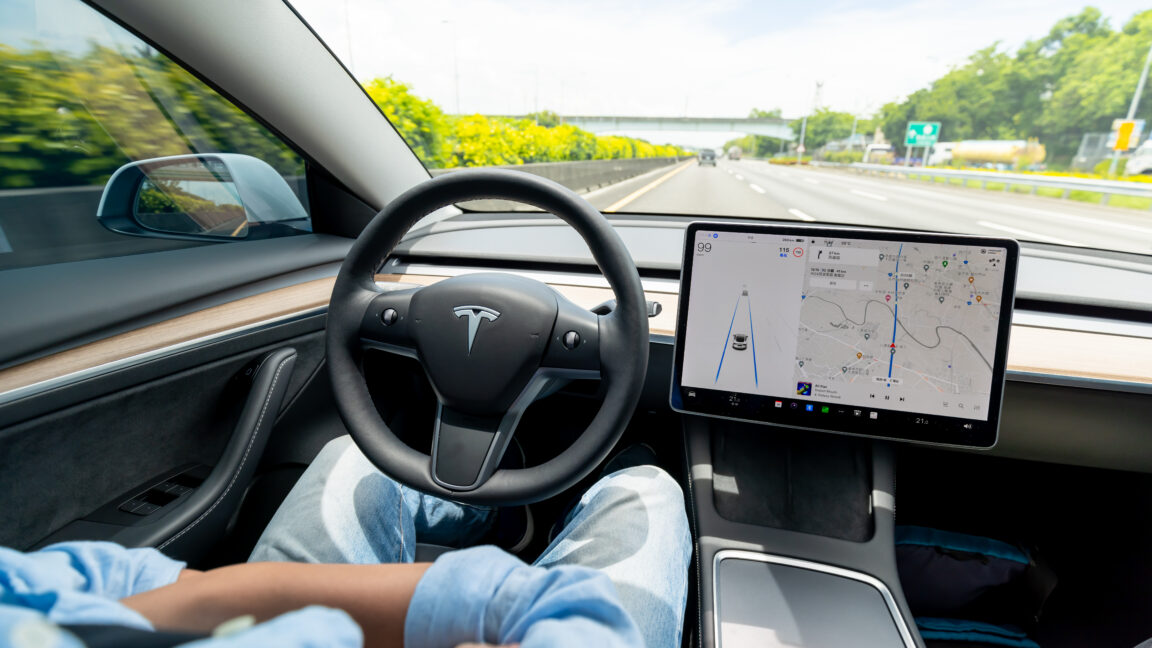
Tesla kills Autopilot, locks lane-keeping behind $99/month fee

Love it or hate it, Tesla has been responsible for helping to shape the tastes of automotive consumers over the past decade-plus. Over-the-air updates that add more features, an all-touchscreen human-machine interface, large castings, and hands-free driver assists were all introduced or popularized by Tesla's electric vehicles, prompting other automakers to copy them, mostly in the hopes of seeing the same stratospheric gains in their stock prices. But starting on Valentine's Day, if you want your new Tesla to steer itself, you'll have to pay a $99 monthly subscription fee.

Tesla currently offers a pair of so-called "level 2" partially automated driver assist systems. Autopilot is the older of these, combining Tesla's adaptive cruise control (Tesla calls this TACC) and lane-keeping assist (Tesla calls this Autosteer). FSD is the newer system, meant to be more capable and for use on surface streets and divided-lane highways. Although the company and Tesla CEO Elon Musk regularly tout these systems' capabilities, both still require the human driver to provide situational awareness.

But Autopilot has been under fire from regulators and the courts. Multiple wrongful death lawsuits are in the works, and after a high-profile loss resulting in a $329 million judgment against Tesla, expect many of these suits to be settled. Both the federal government and California have investigated whether Tesla misled customers, and in December, an administrative law judge ruled that Tesla indeed engaged in deceptive marketing by implying that its cars could drive themselves. The judge suspended Tesla's license to sell cars in California, a decision that the California Department of Motor Vehicles stayed for 60 days.

Read full article

Comments

© Getty Images

Rocket Report: Chinese rockets fail twice in 12 hours; Rocket Lab reports setback

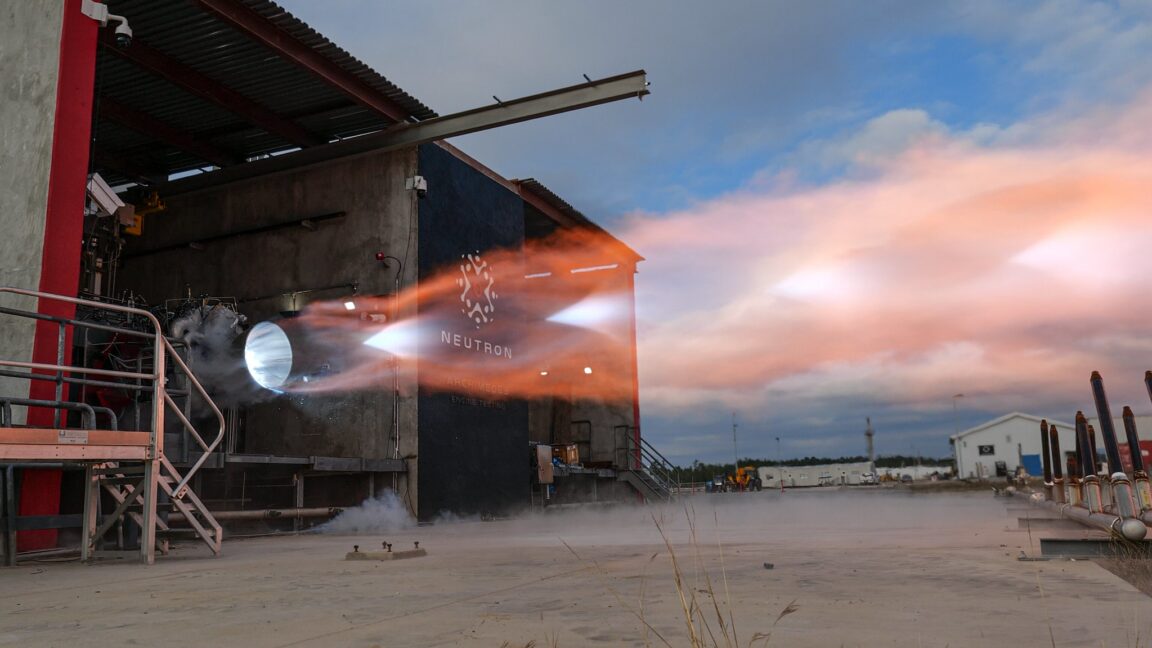
Welcome to Edition 8.26 of the Rocket Report! The past week has been one of advancements and setbacks in the rocket business. NASA rolled the massive rocket for the Artemis II mission to its launch pad in Florida, while Chinese launchers suffered back-to-back failures within a span of approximately 12 hours. Rocket Lab's march toward a debut of its new Neutron launch vehicle in the coming months may have stalled after a failure during a key qualification test. We cover all this and more in this week's Rocket Report.

As always, we welcome reader submissions. If you don't want to miss an issue, please subscribe using the box below (the form will not appear on AMP-enabled versions of the site). Each report will include information on small-, medium-, and heavy-lift rockets, as well as a quick look ahead at the next three launches on the calendar.

Australia invests in sovereign launch. Six months after its first orbital rocket cleared the launch tower for just 14 seconds before crashing back to Earth, Gilmour Space Technologies has secured 217 million Australian dollars ($148 million) in funding that CEO Adam Gilmour says finally gives Australia a fighting chance in the global space race, the Sydney Morning Herald reports. The funding round, led by the federal government's National Reconstruction Fund Corporation and superannuation giant Hostplus with $75 million each, makes the Queensland company Australia’s newest unicorna fast-growth start-up valued at more than $1 billionand one of the country’s most heavily backed private technology ventures.

Read full article

Comments

© Rocket Lab

❌