Login
LoginCourt: “Because Trump said to” may not be a legally valid defense
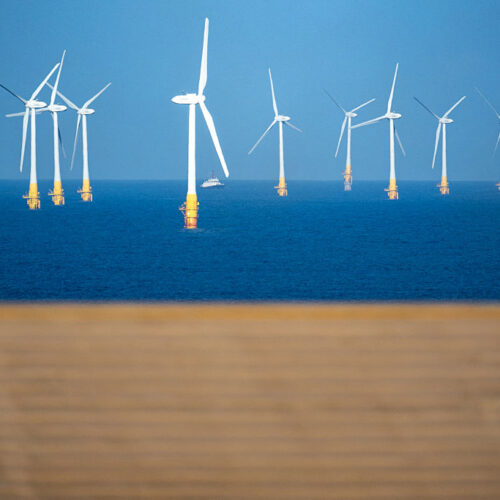
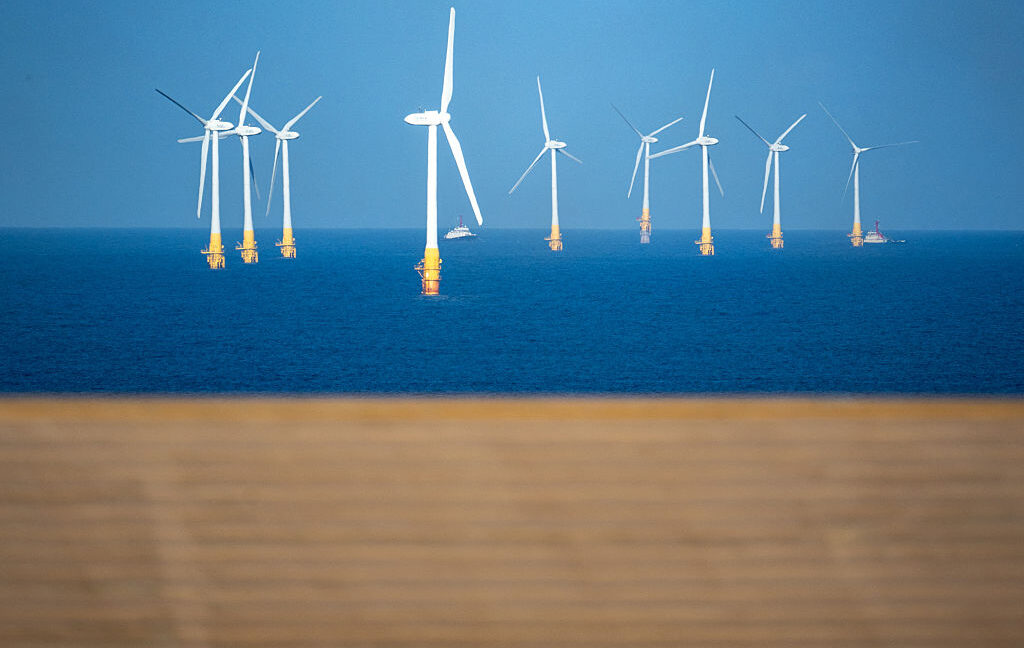
On Monday, US District Court Judge Patti Saris vacated a Trump executive order that brought a halt to all offshore wind power development, as well as some projects on land. That order had called for the suspension of all permitting for wind power on federal land and waters pending a review of current practices. This led states and an organization representing wind power companies to sue, claiming among other things that the suspension was arbitrary and capricious.
Over 10 months since the relevant government agencies were ordered to start a re-evaluation of the permitting process, testimony revealed that they had barely begun to develop the concept of a review. As such, the only reason they could offer in defense of the suspension consisted of Trump’s executive order and a Department of the Interior memo implementing it. “Whatever level of explanation is required when deviating from longstanding agency practice,” Judge Saris wrote, “this is not it.”
Lifting Trump’s suspension does not require the immediate approval of any wind projects. Instead, the relevant agencies are likely to continue following Trump’s wishes and slow-walking any leasing and licensing processes, which may force states and project owners to sue individually. But it does provide a legal backdrop for any suits that ultimately occur, one in which the government’s actions have little justification beyond Trump’s personal animosity toward wind power.
© PHILIP FONG


















 This is Max, and no single genetic variant can explain why he is the way he is.
Credit:
Kiona Smith
This is Max, and no single genetic variant can explain why he is the way he is.
Credit:
Kiona Smith