โŒ

Reading view

There are new articles available, click to refresh the page.

Bridging observability gaps: How modern enterprises stop losing millions

In todayโ€™s digital-first era, IT and business teams are waking up to alerts that critical services are down, dashboards look fine, but real users are frustrated. Hidden blind spots in legacy monitoring put companies at risk for costly outages, user dissatisfaction and serious revenue losses. In 2025 alone, one in eight enterprises loses over $10 million per month to these issues, while about half lose more than $1 million every month due to undetected disruptions.

Why traditional observability fails

Most observability tools were built to watch internal systems: monitoring MELT (metrics, events, logs, traces) on owned servers, containers and apps. But the modern enterprise runs not only on custom code, but also on SaaS platforms, APIs, external cloud providers and multi-region networks. The health of Internet componentsโ€”DNS, SSL, routing and ISP reliability โ€” now directly impacts the user experience.

Traditional Application Performance Monitoring (APM) tools struggle to capture and interpret issues that arise beyond your infrastructure. As a result, even as backend metrics report โ€œgreen,โ€ users experience outages, slowdowns and errors that go undiagnosed.

End-to-end visibility: APM plus IPM

To close these blind spots, leading organizations now couple APM with internet performance monitoring (IPM). While APM provides an inside-out view โ€” tracking internal code, system health and tracesโ€”IPM offers the outside-in perspective. It actively tracks global Internet health, the performance of APIs, cloud services, regional ISP health and more. Together, they provide teams with real-time, end-to-end visibility from code to end user, regardless of where the disruption occurs.

ย You know what? Notably, organizations such as SAP, IKEA and Akamai have leveraged this dual approach to achieve significant improvements, including faster incident detection, reduced downtime and better alignment of IT and business outcomes. Teams can now measure the actual impact of service outages on customer satisfaction and revenue, not just system uptime.

The role of OpenTelemetry for data unification

OpenTelemetry (OTel) has emerged as the glue binding APM and IPM ecosystems. As an open standard, OTel standardizes a set of traces, metrics and records across heterogeneous systems. Adopting OTel helps enterprises avoid vendor lock-in, standardize cross-platform monitoring and reduce device creep and complexity, according to CNCF.

For instance, a retail enterprise could deploy OTel SDKs in its mobile and web apps, feeding telemetry data simultaneously to both APM and IPM systems and providing centralized, actionable dashboards for both operations and business analysis.

Why centralize observability operations

With increased complexity and the growing cost of fragmented tools, many enterprises are forming centralized observability teams. These teams standardize tool selection, enforce best practices and ensure that observability is aligned with business priorities โ€” not just tech KPIs. This consolidation reduces licensing and training expenses, prevents tool sprawl and improves collaboration and agility.

EMA research and Elastic surveys confirm that centralized teams are most likely to champion IPM adoption, acknowledging that external Internet paths are now as critical as internal code paths to user experience and business outcomes.

Real-world use cases: Preventing blind spots and business losses

1. Retail e-commerce: Outage on Black Friday

Scenario: A global retailer experiences slow-loading web pages for customers in Asia during Black Friday, even as internal dashboards show healthy traffic and low server latencies.

Resolution: With IPM, the team traces the problem to a regional ISP routing issue affecting CDN performance in Asia. Early detection allows rerouting and preemptive communication with customers, saving millions in potential lost transactions and preserving brand reputation.

2. Digital communication platforms: Slack

Scenario: Slack relies on observability to ensure reliable and timely message delivery across the globe. When intermittent message lags are reported, traditional logs offer no clues.

Resolution: Observability tools correlate real user monitoring with backend performance and external API health, enabling rapid diagnosis and resolution of issues, thereby keeping communication flowing and minimizing disruptions.

3. Financial services: Real-time transaction monitoring

Scenario: A bankโ€™s transaction engine periodically fails to update account records after third-party payment API integrations are disrupted by regional Internet outages. Internal APM tools do not register any code exceptions.

Resolution: By integrating IPM, the bank detects anomalies in Internet traffic patterns affecting APIs, resolves issues promptly and compounds trust in financial operations.

4. Healthcare applications: Telemedicine reliability

Scenario: A telemedicine platform faces sporadic video connection drops for patients in certain rural areas. Internal systems operate normally, leaving staff without clear answers.

Resolution: Combining IPM with APM reveals that last-mile ISP instability and DNS resolution issues are to blame, not core services or app code. With this knowledge, the provider helps users switch to more reliable networks and invests in geo-distributed failovers for critical APIs.

5. Education systems: Data pipeline and grade record integrity

Scenario: An education providerโ€™s grading system silently overwrites student records due to a malfunction in pipeline integrations, undetected for days.

Resolution: With data observability, the team is alerted to anomalies in data freshness and schema changes within minutes, thereby preserving data integrity and protecting student outcomes.

The payoff: Modern observability in action

Organizations embracing centralized observability tools that support OpenTelemetry, consistently achieve:

  • Faster incident resolution: Problems are identified and addressed within minutes, not hours.
  • Lower operational costs: Fewer redundant tools and improved efficiency lead to tangible savings.
  • Superior user experience: Monitoring what truly matters to end users closes gaps before they turn into headlines.
  • Greater alignment with business goals: Observability metrics directly support business KPIs, safeguarding revenue and reputation.

In 2025 and beyond, observability is about much more than uptime it is the foundation for business resilience, customer trust and IT value generation.

This article is published as part of the Foundry Expert Contributor Network.
Want to join?

The rise of invisible AI will redefine CX

In the next few years, โ€œinvisible AIโ€ will fundamentally change how enterprises approach customer experience (CX). The concept is simple yet transformative: the most effective AI will be the least visible โ€” seamlessly integrated into workflows, guiding customer service teams, supporting managers, and surfacing insights in real-time without adding complexity. Workforce Engagement Management (WEM) platforms represent one early example of this shift toward intelligence that empowers rather than interrupts.

At SuccessKPI, we believe invisible AI represents the next great leap in customer experience โ€” one that places humans back at the center of technology. While over 80% of AI projects industrywide fail to meet objectives, invisible AI succeeds because it starts with the end in mind: measurable business outcomes such as ROI, compliance, customer satisfaction and agent empowerment.

This is not about deploying AI for AIโ€™s sake. It is about achieving real results for humans โ€” quietly, efficiently and continuously.

The evolution of engagement: From tools to intelligence

Traditional CX platforms rely on dashboards, manual workflows and sampling-based analytics. As customer expectations, regulatory pressures and hybrid work models grow more complex, these systems can become bottlenecks instead of enablers. Leaders need deeper insights and more automation, but must avoid adding friction for agents or managers.

Invisible AI solves this problem by operating behind the scenes โ€” listening, learning and supporting without requiring users to learn new tools. It continuously monitors calls, chats and interactions to evaluate sentiment, compliance and intent, delivering timely nudges, risk alerts and guidance exactly when needed.

Agents stay focused on customers. Managers stay focused on strategy. AI quietly handles the heavy lifting.

Why cloud-based AI wins over DIY AI

A critical enabler of invisible AI is the shift to cloud-native intelligence. Enterprises and customer service organizations increasingly recognize that:

  • Cloud-based AI delivers faster innovationย because models improve continuously without internal rebuilds.
  • It scales instantlyย to support peaks in interaction volume without costly hardware or engineering.
  • It dramatically reduces total cost of ownership, eliminating the need to hire specialized AI talent, manage infrastructure or retrain models manually.
  • Security, compliance and resilienceย benefit from the collective investment of leading cloud providers and AI platforms.

Building AI infrastructure in-house may seem appealing, but the pace of model evolution means internal systems become outdated almost immediately. Invisible AI requires constant learning, tuning and deployment โ€” a cycle only cloud-based platforms can realistically sustain at enterprise scale.

From reactive to predictive: Quality elevated at scale

Historically, quality processes relied on random sampling and slow feedback cycles. Invisible AI changes this entirely. Every interaction can be analyzed automatically, scored for compliance and sentiment and grouped by themes or emerging issues.

Leaders gain real-time intelligence about risks, billing issues, product failures or shifts in customer tone โ€” long before they escalate. Agents receive immediate, supportive guidance instead of waiting for quarterly reviews. Quality improves while reducing bias, workload and manual analysis.

Invisible AI thrives when organizations define their desired outcomes from the start, such as:

  • Improving customer satisfaction and loyalty
  • Ensuring compliance and reducing risk
  • Enhancing agent performance and retention
  • Driving measurable ROI through efficiency gains

The technology then supports these goals organically, upgrading itself over time without requiring users to adapt or retrain.

This mindset โ€” building AI results, not AI tools โ€” is what separates successful implementations from the 80% that fail.

Automation paradoxically makes workplaces more human. By removing repetitive tasks and surfacing contextual insights, invisible AI allows people to do what they do best: empathize, problem-solve and build trust.

Imagine an agent who automatically sees emotional signals, historical interactions and account insights without searching or switching screens. Imagine a supervisor alerted instantly when sentiment dips so they can intervene proactively. Thatโ€™s invisible AI in action.

One hallmark of invisible AI is continuous, silent improvement. Models grow more accurate, compliance frameworks update automatically and sentiment detection adapts to new languages and cultural nuances โ€” all without retraining sessions or system downtime.

For CIOs and technology leaders, this means stability paired with continuous progress โ€” a rare combination in enterprise transformation.

The Future: AI that disappears into great experiences

By 2026, invisible AI will be indispensable to customer experience operations. Early adopters will enjoy stronger outcomes, more efficient operations and more empowered employees.

As AI grows more advanced, it will also grow less visible. The future is technology that blends so naturally into workflows that users barely realize itโ€™s there โ€” they simply notice that everything works better.

That is the true promise of invisible AI: not to replace humans, but to elevate them.

The organizations that lead the future wonโ€™t be the ones promoting their AI. Theyโ€™ll be the ones whose customers and employees hardly notice it at all โ€” only that their experiences feel effortless.

And thatโ€™s how weโ€™ll know the future has arrived.

This article is published as part of the Foundry Expert Contributor Network.
Want to join?

Amazonโ€™s new AI team will report to CEO

Amazon has set up a new in-house AI organization reporting direct to the CEO, responsible for its Nova range of AI models, silicon development (the Graviton, Trainium, and Nitro chips) and the emerging development of quantum computing. The new move will bring AI and advanced technology research into the heart of Amazon itself, where previously it was part of Amazon Web Services.

The new organization will be headed by Amazon veteran Peter DeSantis, who launched the companyโ€™s cloud storage service EC2 and is the current leader of AWSโ€™s Utility Computing Services.

Amazon CEO Andy Jassy announced the change in a letter to staff, saying DeSantis had a track record of solving problems at the edge of whatโ€™s technically possible. โ€œWith our Nova 2 models just launched at re:Invent, our custom silicon growing rapidly, and the advantages of optimizing across models, chips, and cloud software and infrastructure, we wanted to free Peter up to focus his energy, invention cycles, and leadership on these new areas.โ€

DeSantis will report directly to Jassy, rather than AWS CEO Matt Garman, stressing the importance of AI to the company.

DeSantis has some history here. Last year, he took to the stage at re:Invent to announce the launch of a 10p10u, an enhanced network developed to handle the expected increase in AI-generated traffic.

The more things changeโ€ฆ

The introduction of the new division within Amazon itself is a major shift in philosophy. Sanchit Vir Gogia, Chief Analyst, Greyhound Research said that the move was not a vanity reshuffle. โ€œAmazon is admitting that AI is now inseparable from infrastructure economics, infrastructure control, and infrastructure power. The unit of decision shifts from โ€˜Which service do I try?โ€™ to โ€˜Which stack do I align with?โ€™ Within this world: framing, cloud and AI stop being parallel tracks in your organisation but merge into a single platform governance problem.โ€

While the reorganization has big consequences within Amazon, customers for its cloud computing services are unlikely to see much difference, at least for now.

โ€ฆ the more they stay the same

Brian Jackson, Research Director at Info-Tech, thinks that, in the immediate term, there will be no difference in the way that companies buy from Amazon.ย  โ€œI donโ€™t see this affecting the way that customers engage or use their AWS services. AWS has its AI products clearly defined now, with agents that help developers produce code, Bedrock to develop applications that leverage a range of LLM options, and then there is SageMaker and Nova Forge for different aspects of AI training. Those products will remain the same,โ€ he said.

The development of Nova 2 could provide an interesting option for organizations. โ€œAmazon positions the Nova family of LLMs as providing outputs that are almost as good as the very best models at a fraction of the cost,โ€ said Jackson. โ€œIf youโ€™re looking for an LLM to solve a specific business problem, Amazon Nova is an option youโ€™ll consider and test to see if its outputs are going to be just as effective for your use case as GPT 5.2, and deliver it at a much lower cost per token.โ€

Justin Tung, Senior Principal Analyst at Gartner, agrees that the Amazon move will offer its customers a genuinely new option.ย  โ€œWhile organizations seeking the most advanced, high-performance models may not view Nova 2 as the leading option, it provides a compelling balance of speed, accuracy and, importantly, cost. For many enterprise use cases, the ideal model is not necessarily the most powerful, but the one that delivers reliable performance at a more accessible price point โ€“ and in that regard, Nova 2 remains a strong and practical choice.โ€

Quantum computing on the horizon

Perhaps the more interesting move is the inclusion of the nascent quantum computing development within the new organization. Eric Kessler, general manager of AWS Braket, speaking at re:Invent, this year, said that Amazon estimates that fault-tolerant quantum computing will be possible for scientific use cases by the end of the decade.

โ€œPutting quantum computing in this new division makes sense because Amazon views AI and quantum computing as having a mutually beneficial relationship. That is, AI will be used to advance quantum computer design, and quantum computing will be used to advance AI, by acting as data samplers to generate high-quality training data,โ€ Jackson said.

Greyhoundโ€™s Gogia said that by pairing quantum with AI and silicon and bringing the whole division within Amazon itself, the company is signalling that specialized compute will increasingly be consumed as managed infrastructure with integrated services, rather than as stand-alone exotic experiments. โ€œIf CIOs treat quantum as a branding exercise without governance, they will burn credibility and budget. If they treat it as disciplined R&D with milestones, they build readiness at low cost.โ€

He added that โ€œQuantum is not a mainstream production lever yet, but it is strategically rational for Amazon to keep it close to its AI and silicon agenda, because when quantum does become useful for narrow domains, the organizations that will move first are the ones that treated it like a governed capability.โ€

The integration of these advanced services under the general Amazon umbrella is a move that stresses how important AI is going to be to organizations in the future. Amazon recognizes that itโ€™s not just an aspect of IT services but a crucial element in every aspect of purchasing.

Tecnologรญa para navegar la complejidad del mercado de los juguetes

Diciembre es un mes intenso para la industria del juguete, el momento cumbre de la campaรฑa de Navidad. La elevada demanda lo convierte en fundamental para las cuentas de resultados: segรบn las proyecciones de la Asociaciรณn Espaรฑola de Fabricantes de Juguetes (AEFJ), en ella se concentrarรกn el 60% de las ventas anuales.

Sea en Navidad o fuera de ella, la industria del juguete es un potente actor econรณmico. A nivel global, y segรบn datos de 2023 de Circana para la International Council of Toy Industries, mueve unas ventas por valor de 108.700 millones de dรณlares. Las cuentas de Euromonitor (de 2024 y que incluyen en el total tambiรฉn a los videojuegos) hablan ya de 279.000 millones de dรณlares. En Espaรฑa, la AEFJ prevรฉ para este aรฑo una subida del 2,5% de la facturaciรณn, con un gasto medio por niรฑo en juguetes en la campaรฑa de Navidad de 195 euros.

La lista de los juguetes mรกs deseados incluye toda clase de productos. El ranking anual que elabora cada Navidad Amazon lista juegos de construcciรณn, robots, muรฑecas, cocinitas y clรกsicos como juegos de cartas. Este amplio abanico evidencia otra de las cuestiones que transpiran los anรกlisis del sector, el de que este es un mercado complejo, que debe atender a muchas variables. La industria del juguete no solo tiene a niรฑos y niรฑas como clientes finales (y todos los familiares que se encargan de hacer realmente esa compra), sino tambiรฉn a personas adultas que compran para ellas mismas. Es la emergente categorรญa de los kidults, โ€œun segmento clave de crecimientoโ€, como concluye Euromonitor. De hecho, muchos juguetes se compran por nostalgia, confort emocional, conexiones sociales o hasta escapismo, segรบn esta firma de anรกlisis.

A la variedad del propio pรบblico objetivo del juego y de sus razones para la compra se suman la regulaciรณn, las crecientes expectativas sobre el alcance y valores de los juguetes o los retos marcados por las tendencias cambiantes de mercado. Jugar puede parecer muy sencillo, pero cumplir con las expectativas no lo es tanto. โ€œLa industria del juguete evoluciona continuamente, integrando nuevas narrativas y valores sin renunciar a la esencia del juegoโ€, asegura Marta Salmรณn, presidenta de la AEFJ, al hilo de la presentaciรณn de previsiones de la asociaciรณn. โ€œEsta capacidad de renovaciรณn constante es clave para mantener un mercado dinรกmico y competitivoโ€, suma.

Ante un mercado complejo y variado, se necesita innovaciรณn y tecnologรญa.

Tecnologรญa para innovar y seguir el ritmo

โ€œEl sector del juguete siempre ha sido en cierto modo pionero a la hora de adoptar algunas tecnologรญas e incorporarlas en los productosโ€, explica a CIO ESPAร‘A Joaquรญn Vilaplana, director de innovaciรณn y sostenibilidad en AIJU Instituto Tecnolรณgico de Productos Infantiles y Ocio, situado en el epicentro juguetero espaรฑol, el Valle del Juguete. โ€œEs un sector que es atrevido a la hora de innovar en el productoโ€, aรฑade. Esto se traduce no solo en el lanzamiento de juguetes de base tecnolรณgica (que deben, eso sรญ, mantener unos precios lo suficientemente competitivos como para ser atractivos en un mercado sensible al coste: โ€œtiene que ser bueno, bonito y baratoโ€), sino tambiรฉn en el uso de herramientas tecnolรณgicas en su dรญa a dรญa.

El sector โ€œavanza a la industria 4.0โ€, incorporando soluciones para monitorizar y planificar la producciรณn, sistemas de control y demรกs herramientas para una fabricaciรณn optimizada y eficiente. โ€œDependiendo del tamaรฑo de las empresas, existe una continua actualizaciรณn en las metodologรญasโ€, indica Vilaplana. La tecnologรญa no estรก solo โ€œen el producto en sรญ, sino tambiรฉn en la fase previa de diseรฑo y fabricaciรณnโ€. El sector armoniza el uso de โ€œformas tradicionales de fabricar y producirโ€ con la incorporaciรณn de nuevas herramientas punteras.

El anรกlisis de datos ayuda a comprender las tendencias y afinar el lanzamiento de productos (que, aunque hagan su agosto en diciembre, ya deben pasar por las ferias sectoriales de inicio del aรฑo), asรญ como mejorar la planificaciรณn de fabricaciรณn. โ€œEs muy importante tener una capacidad de previsiรณn buena, porque si no es imposible llegar a todoโ€, seรฑala el experto, explicando que cada vez es mรกs complicado gestionar el riesgo y que los modelos de compromisos de compras en ferias estรก cambiando. โ€œTe confirman los pedidos cada vez mรกs tarde y la capacidad de reacciรณn es cada vez mรกs ajustadaโ€, indica.

Igualmente, la propia naturaleza del mercado del juguete hace mรกs clave a la tecnologรญa. Al ser un sector con una estacionalidad muy clara, se necesita ser capaces de gestionar ese pico sin que nada falle. Las herramientas de gestiรณn logรญstica son fundamentales. Al tiempo, el boom de internet tambiรฉn ha cambiado el estado de las cosas: el sector ha tenido que adaptarse a la venta online. โ€œLa empresa tiene que ser capaz de suministrar o entregar en plazos muy ajustados y estrechosโ€, suma el experto.

Joaquรญn Vilaplana, director de innovaciรณn y sostenibilidad en AIJU Instituto Tecnolรณgico de Productos Infantiles y Ocio


AJIU

Juguetes ante los retos del siglo XXI

La tecnologรญa tambiรฉn estรก ayudando a que los juguetes naveguen los retos del siglo XXI, como ser mรกs sostenibles o afrontar nuevas materias primas, al tiempo que ha abierto nuevas oportunidades, como el de hacerlos potencialmente mรกs inclusivos.

โ€œHay infinidad de familias de productos que, siendo clรกsicos, tienen un potencial a la hora de integrar nuevas tecnologรญas o conseguir ese enfoque de inclusividadโ€, apunta Vilaplana. En su centro tecnolรณgico, hacen โ€œevaluaciones de usabilidad y jugabilidad del productoโ€ que ayudan a comprender cรณmo funcionan los juguetes con cada grupo poblacional y a abrir nuevas caracterรญsticas que hagan del producto algo โ€œmรกs inclusivoโ€, ya que โ€œpuede ser utilizado por pรบblicos con ciertas limitacionesโ€. Al hacerlo, tambiรฉn ganan en valor educativo sobre la diversidad. โ€œUn juguete es un elemento educativoโ€, recuerda, que puede โ€œpotenciar determinadas capacidades y desarrollar determinadas habilidades y actitudesโ€.

Otro de los grandes retos es el uso de materias primas. Algunas estimaciones seรฑalan que el 90% de los juguetes se siguen haciendo a nivel global con plรกstico, lo que convierte a la juguetera en una de las industrias mรกs intensas en el uso de este material del planeta. Muchas compaรฑรญas han lanzado programas de I+D para encontrar alternativas mucho mรกs responsables o mรกs fรกcilmente reciclables. Abandonar por completo el plรกstico no es del todo sencillo. Ahรญ estรก el caso de Lego, que en 2023 dejรณ de usar plรกstico reciclado de botellas cuando descubriรณ que no reducรญa su huella de carbono (la compaรฑรญa, aun asรญ, insistรญa entonces en que seguรญan comprometidos con la sostenibilidad y buscando formas alternativas). Desde la industria del juguete recuerdan, con todo, que el plรกstico de los juguetes se puede reciclar, aunque no sea sencillo porque no hay tanta escala como puede haber en, por ejemplo, el plรกstico de los envases.

Y, finalmente, los juguetes deben enfrentarse tambiรฉn a las diferentes regulaciones, algo para lo que la tecnologรญa estรก muy presente.ย  โ€œUn requisito que acabarรก afectando es el pasaporte digital del productoโ€, explica Vilaplana. Es un reto que tocarรก a todos los sectores manufactureros, pero que el juguete tendrรก tambiรฉn que abordar con sus propias peculiaridades.

niรฑo con un juguete de gafas 3D

AIJU

La era de la IA

Sin duda, otro de los grandes retos a los que tendrรก que enfrentarse la industria del juguete es el de la inteligencia artificial, que estรก tambiรฉn llegando ya a sus productos finales. Mรกs allรก de lo que pueda suponer como apoyo en la fabricaciรณn o comercializaciรณn, la IA se podrรญa asentar como un complejo elemento mรกs de la propia identidad del juguete, una pieza mรกs del juego.ย  Compaรฑรญas de nuevo cuรฑo, como Curio, estรกn integrando IA directamente en los juguetes, creando muรฑecos que son al tiempo chatbots. โ€œCombinamos tecnologรญa, seguridad e imaginaciรณn, creando un mundo de juego en el que la ciencia y las historias toman vidaโ€. Asรญ es como se presenta esta empresa.

A las startups que experimentan con productos potenciales se suman los movimientos de los grandes gigantes. Este mismo diciembre, Disney anunciรณ un acuerdo estratรฉgico con Open AI. El gran titular es que Sora podrรก generar vรญdeos cortos (no comerciales, puesto que son para fans) con los personajes del universo de la multinacional. Sin embargo, el potencial podrรญa ir mรกs allรก, puesto que en la nota de prensa aseguran que se integrarรก potencialmente en mรกs รกreas. Mรกs claro es el movimiento de Mattel, que cerrรณ su propio acuerdo con Open AI, en este caso a principios de verano. โ€œCada uno de nuestros productos y experiencias estรก diseรฑado para inspirar a los fans, entretener a las audiencias y enriquecer la vida mediante el juego. La IA tiene el poder de expandir esa misiรณn y ampliar el alcance de nuestras marcas en nuevas y emocionantes vรญasโ€, seรฑalaba entonces Josh Silverman, el mรกximo responsable de franquicias de Mattel. El comunicado ya dejaba claro que se avecinaban โ€œproductos alimentados por IAโ€.

Aun asรญ, este movimiento sectorial no estรก exento de crรญticas y de dudas. Al fin y al cabo, la IA ya protagoniza estos debates fuera del mundo de los juguetes. Es mรกs que esperable que lo haga tambiรฉn dentro de ellos. Como muestra una prueba de The Guardian con uno de estos muรฑecos IA, se cuestiona el impacto en privacidad, relaciones sociales y hasta salud mental. Se teme que abra lo que ya se ha bautizado como el empathy gap (la brecha de la empatรญa), perdiendo de vista que aquello son juguetes y no personas, o que se genere una nueva brecha digital entre las familias capaces de navegar este nuevo contexto y las que no. En resumidas cuentas, los juguetes deben enfrentarse a los mismos retos que esta tecnologรญa encuentra en otros sectores.

La soberanรญa digital, clave para acelerar el uso seguro de la IA generativa

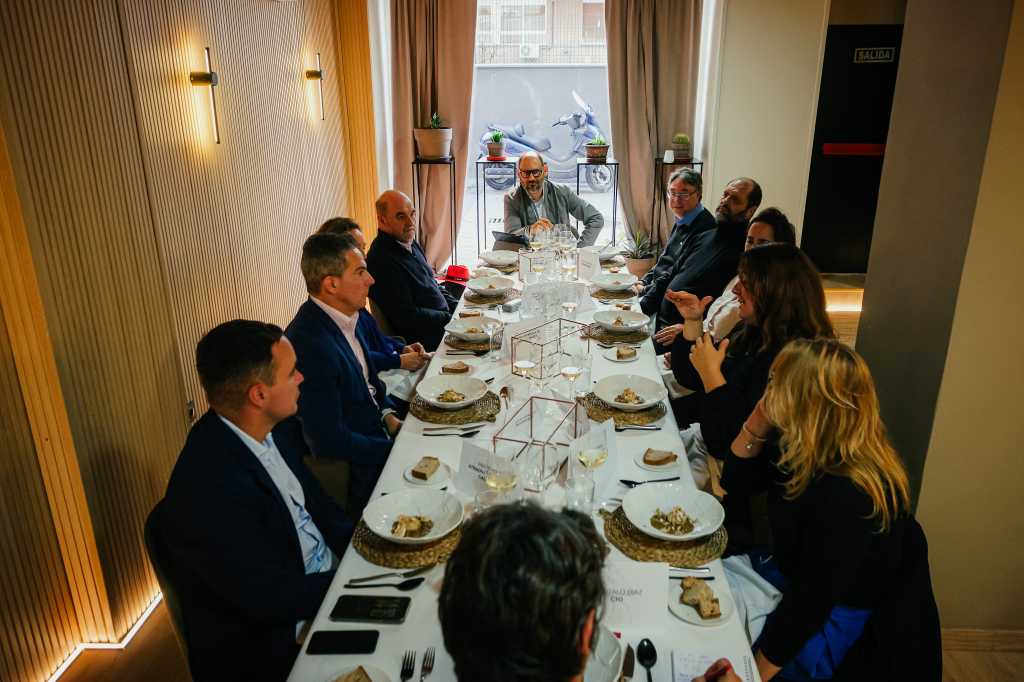
ยฟCรณmo adaptarse a los cambios que supone la irrupciรณn de la inteligencia artificial generativa en el seno de las empresas? ยฟQuรฉ riesgos comporta en el dรญa a dรญa de las organizaciones? Para muchas de ellas, la IA generativa es โ€œuna olaโ€ que nos estรก โ€œpasando por encimaโ€, a la que no es fรกcil adaptarse porque muchas veces llega โ€œsin comprarlaโ€ y sin que desde la direcciรณn se haya establecido un proceso claro de adaptaciรณn a los procesos productivos. De todo ello se hablรณ en un almuerzo de trabajo organizado el pasado 11 de noviembre por CIO ESPAร‘A con la colaboraciรณn de Red Hat y Accenture, que fue moderado por Fernando Muรฑoz, director del CIO Executive Espaรฑa y en el que responsables tecnolรณgicos de distintas organizaciones compartieron su punto de vista sobre estas herramientas y sobre el concepto de soberanรญa digital, cada vez mรกs relevante para las compaรฑรญas.

Manuel Tarrasa Sรกnchez, CIO y CTO de TuringDream, apuntรณ tres grandes retos para la adopciรณn de la inteligencia artificial generativa. โ€œEl primero โ€”apuntรณโ€” viene desde arriba, porque el consejo de Administraciรณn ejerce presiรณn para que se use la IAโ€. โ€œEl problema es que las empresas no encuentran gente que sea capaz de aunar conocimientos de IA y de negocioโ€, explicรณ. La soluciรณn a su juicio pasa por habilitar centros de competencia para formar los profesionales adecuados. โ€œEl segundo problema โ€”prosiguiรณโ€” es que la IA tambiรฉn llega desde abajo. Los empleados se dan cuenta de que puede ser un acelerador de su carrera y, aunque las empresas cierren el acceso a ChatGPT, los trabajadores lo llevan en el mรณvilโ€. ย ย 

El tercer problema, seรฑalรณ, viene de las alucinaciones. Entre el 10 y el 30% de los modelos las sufre, aunque esto es algo que, en su opiniรณn, se va a poder solucionar con las IA agentivas. El experto tambiรฉn apuntรณ otros de los grandes riesgos de instalar proyectos piloto, que la persona que lo haya instalado abandone la organizaciรณn. โ€œEl mayor riesgo estรก en garantizar la continuidad del servicioโ€, remarcรณ.

foto evento red hat accenture dic 2025

Garpress | Foundry

Emilio Gonzรกlez, jefe de sistemas del Ayuntamiento de Alcorcรณn, advirtiรณ de los peligros que entraรฑa la โ€˜shadow AIโ€™, el uso no autorizado de herramientas de inteligencia artificial dentro de una organizaciรณn sin la supervisiรณn del departamento de TI. โ€œTenemos que dar formaciรณn a personas para que no suban a la IA documentos confidencialesโ€, asegurรณ. โ€œCon la IA somos superfuncionarios, pero el apartado de protecciรณn de datos persiste como el principal retoโ€, dijo Gonzรกlez, quien apuntรณ tambiรฉn otro desafรญo: la rรกpida obsolescencia de las inversiones en IA.

De la protecciรณn de datos hablรณ tambiรฉn Raquel Pardiรฑas, gerente de suministro y proveedores de TI de Atradius Crรฉdito y Cauciรณn, quien seรฑalรณ que, aunque la IA generativa sirve para ganar tiempo en tareas administrativas, muchas veces sus usuarios desconocen si estรกn incumpliendo la Ley de Protecciรณn de Datos. โ€œEs el principal desafรญoโ€, enfatizรณ.

Ana Arredondo Macua, CIO de la Oficina Espaรฑola de Patentes y Marcas, describiรณ la situaciรณn la que se enfrenta una instituciรณn como la suya. โ€œUn examinador de patentes puede tardar 18 meses en conceder una. La IA es muy รบtil para reducir este tiempo, pero el examinador tiene miedo a perder su trabajo, a no ser relevanteโ€, relatรณ. Tambiรฉn hablรณ de la necesidad de interoperabilidad, algo clave en una instituciรณn que comparte informaciรณn y patentes con otros estados. โ€œLa fecha de una patente es crucial, por lo que el intercambio de informaciรณn es imprescindibleโ€, dijo tras seรฑalar que la IA aporta una base de informaciรณn para ser mรกs eficiente.

Fernando Muรฑoz, director del CIO Executive de Foundry en Espaรฑa

Fernando Muรฑoz, director del CIO Executive de Foundry en Espaรฑa.

Garpress | Foundry

Propuesta de valor, no de riesgo

Sobre todos estos desafรญos, Julio Sรกnchez Miranda, lรญder de la prรกctica de Red Hat en Accenture para EMEA, fue contundente. โ€œLa inteligencia artificial se tiene que enfocar a valor, no a riesgo. Eso va a cambiar la narrativaโ€, dijo. โ€œHay que establecer claramente el objetivo, saber lo que quiero. Es una tecnologรญa incipiente que si no pruebas y testeas no terminas de conocerโ€, aรฑadiรณ Mar Santos, directora de ventas corporativas de Red Hat.ย 

Julio Sรกnchez introdujo tambiรฉn uno de los principales temas del debate: la soberanรญa digital. Sobre este punto, recordรณ que el 80% de los modelos funcionales de la IAG son americanos, un 15% chinos y solo un 5% europeos. โ€œEl concepto de soberanรญa es control, y hoy es un tema geopolรญticoโ€, remarcรณ. En su opiniรณn, hay que tener claros los tรฉrminos de contrato en los que se usa la IA y conocer quรฉ empresas y cรณmo garantizan la protecciรณn de los datos. โ€œSi usas datos personales de tus clientes en plataformas como ChatGPT puedes tener un problemaโ€, advirtiรณ.

En esa misma lรญnea se expresรณ Nilley Gรณmez Rodรญguez, lรญder de Data & AI de Reale Seguros, quien explicรณ cรณmo su compaรฑรญa ha cortado el acceso a ChatGPT para asegurar con un modelo propio de IA generativa el cumplimiento normativo. โ€œCreamos un programa que pueda ser usado para el negocio, ofreciendo formaciรณn a los usuariosโ€, dijo tras subrayar que el principal desafรญo en los prรณximos meses serรก la generalizaciรณn del uso de la IA agentiva. โ€œPara el usuario tiene que ser transparenteโ€, aseverรณ.

Mar Santos, directora de ventas corporativas de Red Hat

Mar Santos, directora de ventas corporativas de Red Hat.

Garpress | Foundry

Desde la Universidad Complutense de Madrid, Josรฉ Arbues Bedia, director del Centro de Inteligencia Institucional, explicรณ cรณmo su instituciรณn trabaja en una triple vertiente, empleando IA para la docencia, la gestiรณn y el anรกlisis de datos. No obstante, apuntรณ su desconfianza en un modelo que, a su juicio, aรบn no vale por sรญ solo. โ€œLa IA generativa trabaja con modelos literales y cuenta muchas mentirasโ€, dijo.

โ€œEstoy trabajando en no trabajar, pero aรบn es demasiado pronto para elloโ€, dijo tras subrayar que โ€œla รบnica palanca de cambio en la Administraciรณn es la transparenciaโ€. En su opiniรณn, es demasiado arriesgado tener una IA propia para la universidad. โ€œCon SAP sรญ puedo garantizar unos resultados, pero no con la inteligencia artificialโ€, dijo.

Para Carlos Maza, director de Digitalizaciรณn y Tecnologรญas de la Informaciรณn del Tribunal de Cuentas, los proyectos de IA los deberรญan pagar los departamentos de Recursos Humanos y Formaciรณn. โ€œAhora es el momento de conocer y aprenderโ€, dijo, no sin antes seรฑalar que la IA โ€œestรก entrando sin comprarlaโ€ a travรฉs de muchas herramientas que ofrecen servicios incluidos en sus suscripciones.

Soberanรญa digital: el papel de Europa

Los asistentes analizaron tambiรฉn el lugar de Europa en un escenario donde la soberanรญa digital se ha convertido hoy en una prioridad polรญtica. โ€œDeterminar dรณnde reside el dato nos puede parecer una pregunta cรณmica, pero no lo es para el Derecho que nos regulaโ€, dijo Carlos Maza, quien apuntรณ que, para una instituciรณn como el Tribunal de Cuentas, que maneja datos de terceros, la confidencialidad de los mismos es clave para el funcionamiento.

โ€œEuropa va lenta en IA. El enfoque serรก el correcto, pero no es competitivo, y sin recursos no estamos al nivel de otras regionesโ€, dijo Emilio Gonzรกlez. Para Manuel Tarrasa, los principales problemas residen en la velocidad y la escala, que hacen que la distancia se agrande dรญa a dรญa. Pierre Pita, el director de ventas de TI de Atradius Crรฉdito y Cauciรณn, apuntรณ una lรญnea de actuaciรณn. โ€œLa legislaciรณn DORA nos obligรณ a hacer mucho trabajo, pero nos da una capa extra de seguridadโ€, dijo.

Julio Sรกnchez Miranda, lรญder de la prรกctica de Red Hat en Accenture para EMEA

Garpress | Foundry

Julio Sรกnchez explicรณ que Red Hat trabaja en un entorno de โ€˜confidential computingโ€™, una tecnologรญa que protege los datos en uso mediante el procesamiento en entornos seguros. โ€œEs relevante gobernar los modelos en entornos controladosโ€, enfatizรณ. En esta lรญnea, citรณ un estudio segรบn el cual al menos un tercio de las cargas de IA deberรญan ser ejecutadas en entornos soberanos para proporcionar valor a la organizaciรณn.

โ€œEn el futuro โ€”concluyรณโ€” apostamos por crear modelos verticales customizables y pequeรฑos que ayuden a optimizar las infraestructuras y a reducir costesโ€. โ€œLa IA ha venido para quedarse. Es un reto para todos, pero Red Hat estรก en el camino correcto para ayudar a usar la IA de forma controlada en riesgos y costesโ€, aรฑadiรณ Mar Santos.

How CIOs can win tech investments from CFOs and boards

When I transitioned from the CFOโ€™s desk to a leadership coach and as a director on corporate boards, I observed a truth: that securing approval for technology investment isnโ€™t just an IT conversation. But itโ€™s a business conversation.

Itโ€™s about trust, alignment, language and, most importantly, shared purpose. For every CIO reading this article, note that the money you seek is not simply a line item in a budget, but itโ€™s the future your business is seeking to build. Getting it backed by your finance team and endorsed by the Board will enable smooth implementation for you as the CIO. Hereโ€™s how you can go about it.

Understand your CFOโ€™s perspective

Early in my corporate career, I remember a tech leader walking into my office with a slide deck full of diagrams and acronyms. I didnโ€™t reject the idea because it lacked merit, but because I couldnโ€™t see the business outcome.

As CFO, what I cared about were three things, which were the return on investment, risk management and cash impact. If the technology didnโ€™t speak those languages, it would struggle for approval.

According to research, the companies where the CIO-CFO relationship is strong are far more likely to secure digital funding.

Action: Before submitting your request, ask: how does this project help shape the margin, growth, cost avoidance or lead to increased productivity? Include a cost-benefit analysis if required. Let the financial pulse of the company be at the centre of your case.

Align the tech initiative with business strategy

As a Board Director, I often ask: โ€œHow does this tech initiative support our strategic objective?โ€ Whether it was entering a new market, improving customer experience or managing a cost base, if the technology didnโ€™t map to one of those, the Board would push back. ย 

As highlighted in industry research, the shift from IT function to enterprise strategy means the CIO and CFO must operate almost as co-pilots on the business growth journey.

Action: Create a clear line of sight between the initiative and your companyโ€™s strategic growth plan. Highlight with phrases such as โ€œsupports strategic priority A,โ€ โ€œenables 10% faster time-to-market,โ€ โ€œreduces cost by X%.โ€

Build a compelling business case

In one of my Board roles, the tech leader, I recall, had a clear ask. He presented the Board with a clear timeline, with an ROI and the payback period. It got approved. Iโ€™ve since coached CIOs to think in those terms: the ask must be frameable in financial language, such as total cost of ownership (TCO), internal rate of return (IRR), payback period, etc., not just technical merit.

According to TechTarget, CIOs working under CFO oversight need business cases that translate into straightforward financial justification.

Action: For each major cost you identify, show the offsetting benefit (reduced cost, new revenue, risk mitigation, etc.). Include scenario modelling (base case, optimistic case). Commit to tracking outcomes. If required, educate Board members on the impact of the proposed tech initiative.

Address risk mitigation and compliance

During my tenure as CFO, I learned early that even the most promising tech initiative could stall if the risk side was invisible. Whether itโ€™s regulatory exposure, cybersecurity vulnerability, legacy-system complexity or integration failures, the Board and finance leadership want to see that youโ€™ve โ€œthought about what can go wrongโ€ as much as โ€œwhat good will come.โ€

I recall receiving an impersonating email from my CEO seeking urgent transfer of funds when he was away on vacation. I realized it was fishy and got the tech team to check on its source and fix the future risks. Remember that the cost of non-compliance is always higher than the cost of compliance. Better safe than sorry.

A recent study emphasises that IT investments require consistent governance and value measurement to assure the CFO that the initiative isnโ€™t a black box of cost and uncertainty.

Action: In your presentation or business case, include a dedicated section titled โ€œRisk & Mitigation.โ€ Outline the major threats (for example: vendor lock-in, data quality gaps, regulatory change, legacy compatibility, etc.) and map each to a control or plan. Explain how youโ€™ll manage governance, pilot phase, KPIs, etc. Demonstrating governance and transparency converts technology ambition into a credible business investment.

Communicate in a language they understand

Iโ€™ve seen tech leaders lose the CFO or Board audience by using IT jargon. Remember, they are not IT experts and may not be familiar with the IT terms. One Board member summarized it well: โ€œTell me what it does for the business, not just how youโ€™ll build it.โ€

As one guide on executive-level selling points out, โ€œSelling to the C-suite requires shifting from tactical to strategic language but focusing on business outcomes, not features.โ€

Action: Practice your presentation with a finance colleague. Replace geek-speak with business outcomes. Use visuals that show the benefits of tech and the outcomes. Speak on growth, speed, risk, cost and not just features.

Use real-life examples and success stories

In my Board role, when I heard a CIO reference successful deployments at peer companies, it built confidence and momentum. Because people believe in success stories more than mere statements. Polish your communication and storytelling skills.

In the broader research, itโ€™s clear that resolving conflicts between CIOs and CFOs often comes through demonstrating tangible results and building trust incrementally.

Action: Include a section in your article/request: โ€œProof-pointsโ€. Show internal wins (if any), even small ones. Or external industry benchmarks. Share data such as โ€œReduced downtime from X to Y,โ€ โ€œPilot delivered 5% cost saving.โ€ Then link it to the larger roll-out.

Foster a collaborative approach

My transition from CFO to independent director reinforced one thing: tech leaders who view the CFO and Board as adversaries lose before they begin. The high-performing partnerships I saw treated the CFO as a co-owner of the strategy, not an obstacle.

Gartner found that when CIO and CFO collaborate closely, organizations are much more likely to find funding and meet business outcomes.

Action: Set up a joint governance forum (CIO + CFO + business leaders). Invite and involve the CFO in your tech roadmap discussions. Ask how you can help you with financial visibility, or what metrics they are tracking. Frame yourself as an ally, not just a spender, to get the buy-in from your CFO.

Prepare for the future

Having served as CFO and now as a Board director, one thing is crystal clear: the investments you bring to the table today can either lock you into yesterdayโ€™s world or position your organization for tomorrowโ€™s. As a CIO, when you come to finance or the Board with a technology ask, itโ€™s not enough to show โ€œwhat this project solves nowโ€. You must show โ€œwhere this project leads usโ€ and showcase the destination of capability, scalability and strategic advantage.

A recent survey by Boston Consulting Group found that many technology investments stall not because they lack potential, but because they donโ€™t integrate into a longer-term roadmap or sequence of value. In other words, you need to articulate how this investment serves today and primes the business for the next wave of change.

Whether itโ€™s AI, cloud scalability, ESG reporting or digital ecosystems, your ask should reflect readiness for tomorrow. Are we future-ready? What actions will make us future-ready? How can we educate our people and integrate AI into our business?

Action: In your proposal, include what each phase will bring about. For example:

  • Phase 1: Deliver core outcome
  • Phase 2: Scale/expand
  • Phase 3: Future-mode

Show how this investment creates optionality; your business is not just solving todayโ€™s problem but positioning for the next wave. By mapping out the journey, you reassure the CFO and Board that youโ€™re not just spending, but youโ€™re investing. Youโ€™re not just solving a problem, but youโ€™re building a capability that serves the future. And thatโ€™s how technology funding shifts from one-off to strategic.

Bringing it all together

If you started this article as a transaction like โ€œI need funding for project Xโ€, shift your mindset to a partnership: โ€œHereโ€™s how we together will drive business growth, manage risk and position the company for the future.โ€

Iโ€™ve been on the finance side. Iโ€™ve sat in the boardroom listening to the voices that approve or veto. I know what makes them lean in and what makes them pause. For you, the CIO, this isnโ€™t just about technology. Itโ€™s about business momentum, credibility, trust and shared language.

So before you walk into that boardroom or finance review, rehearse your message for the CFO and the Board audience. Use business language. Embed financial metrics. Build governance and risk clarity. Show youโ€™re working with them, not against. And finally, tell a story. One that begins with the business opportunity, weaves through the tech solution and ends with measurable value.

Thatโ€™s when technology funding moves from permission to partnership. And thatโ€™s when you, as CIO, step into the role of a true strategic business enabler.

This article is published as part of the Foundry Expert Contributor Network.
Want to join?

CIOs will underestimate AI infrastructure costs by 30%

Large enterprises will significantly miscalculate their AI infrastructure costs over the next couple of years, prompting more CIOs to expand the scope of their FinOps teams, IDC predicts.

Enterprise AI users are headed for an โ€œAI infrastructure reckoning,โ€ as CIOs and finance leaders realize that standard budget forecasting doesnโ€™t work for compute-heavy AI projects, says Jevin Jensen, IDCโ€™s vice president of infrastructure and operations research. Global 1,000 companies will underestimate their AI infrastructure costs by 30% through 2027, IDC predicts.

The cost of ramping up AI projects is fundamentally different than launching a new ERP solution and other IT systems that enterprises have been deploying for decades, Jensen says. Calculating the cost of GPUs, inference, networking, and tokens can be much more complicated than planning a budget for a more traditional IT system, and CIOs also need to consider security, governance, and employee training costs.

โ€œAI is expensive, unpredictable, dramatically different than traditional IT projects, and growing faster than most budgets can track,โ€ he writes in a blog post. โ€œAI-enabled applications are often resource-intensive, coupled with opaque consumption models, and have outpaced the traditional IT budgeting playbook.โ€

IT leaders often underestimate the pricing complexity associated with scaling AI, Jensen writes.

From the blog post: โ€œModels that double in size can consume 10 times the compute. Inference workloads run continuously, consuming GPU cycles long after training ends. What once looked like a contained line item now behaves like a living organism โ€” growing, adapting, and draining resources unpredictably.โ€

Point of no return

As CIOs struggle to estimate AI costs, a spending frenzy by large AI vendors such as OpenAI and Anthropic adds pressure to recover the investments, some critics say. In a recent appearance on the Decoder podcast, IBM CEO Arvind Krishna warned about the cost of building 100 gigawatts of data center capacity, at a price of about $8 trillion, as the projected fuel needed to power large vendorsโ€™ AI ambitions.

โ€œThereโ€™s no way youโ€™re going to get a return on that, in my view, because $8 trillion of capex means you need roughly $800 billion of profit just to pay for the interest,โ€ Krishna says.ย 

The math doesnโ€™t add up, adds Barry Baker, COO of IBM Infrastructure and general manager of IBM Systems. In the short term, a single gigawatt data center will likely cost more than $75 billion, he says, echoing the concerns of his boss.

โ€œMuch of this investment is occurring in parallel resulting in the demand outstripping the supply and dramatically raising prices for every element of the cost equation โ€” from people, to concrete, to the silicon,โ€ Baker says.

At the same time, the self-life of the hardware at AI data centers is limited, he adds. โ€œAdding to these staggering figures is the reality that the actual compute will need to be replaced every few years, creating an ongoing reinvestment cycle that many organizations have failed to fully account for in their long-term planning,โ€ Baker says.

IDCโ€™s Jensen agrees that massive AI spending by vendors and hyperscalers, such as AWS, Microsoft Azure, and Google Cloud, may keep prices high in the near term. โ€œTheyโ€™re trying to recoup their hundreds of billions of costs by trying to sell it to you for $150 billion,โ€ he says.

Past 2027, however, AI infrastructure prices should fall, he predicts. GPU prices from manufacturers such as Nvidia are likely to come down, and the hyperscalers and AI vendors could eventually cut their prices to up demand in an effort to recover their costs.

Struggling to estimate costs

Beyond the discussion about massive spending on data centers and GPUs, many IT leaders at enterprises consuming AI infrastructure services find it difficult to estimate costs, some experts say.

The IDC prediction about underestimated costs is plausible, if not conservative, says Nik Kale, principal engineer for CX engineering, cloud security, and AI platforms at Cisco. Many organizations project AI infrastructure costs as if they were predictable cloud workloads, he adds.

โ€œUsage expands quickly once models are introduced into the business,โ€ he says. โ€œA workflow designed for a single team often becomes a shared service across the company, which leads to a significant increase in demand that was not captured in the original cost model.โ€

Systems required to reduce the risks of running AI, including monitoring, drift detection, logging, and validation checks, can consume more computing power than expected, Kale adds.

โ€œIn several enterprise environments, these supporting systems have grown to cost as much as, or even more than, the model inference itself,โ€ he says.

The case for FinOps

CIOs need to take precautions when attempting to determine their AI infrastructure costs, experts say, and IDCโ€™s Jensen sees a growing reliance on FinOps solutions, with adoption no longer optional. CIOs will be responsible, with the most common reporting structure of FinOps teams residing in their offices, he notes.

FinOps practices are essential to understanding the best fits for AI projects at specific enterprises, he says. Good FinOps practices will force IT leaders to focus on AI projects with the best ROI probabilities, to understand infrastructure costs, and to adjust as conditions change, he adds.

โ€œAI has moved technology spending from predictable consumption to probabilistic behavior,โ€ he says. โ€œThat means financial visibility must become continuous, not periodic.โ€

IT leaders should focus first on the AI projects that are easy wins, but those are different at every organization, Jensen says; a relatively simple AI project at one enterprise may be impossible at another.

โ€œIf you have an idea for a project, but your competitor is losing money on it, let them continue to lose money,โ€ he says. โ€œIf it doesnโ€™t work, you have to change things.โ€

Adopting FinOps practices is a good start, but IT leaders will need to go deeper, says Ciscoโ€™s Kale. FinOps traditionally provides a mechanism to track spending and allocate costs, based resources used, but with AI, cost-control teams will need to understand how models perform and identify where their organizations are consuming unnecessarily computing resources, he says.

FinOps teams should use operational analytics that allow the organization to view how money is being spent but also show how workloads operate, he says.

โ€œA viable strategy to limit unnecessary resource usage is to guide teams to utilize the minimum sized models available for each specific task,โ€ he adds. โ€œFrequently, requests can be rerouted to smaller or distilled models without impacting user experiences.โ€

FinOps teams should also evaluate the design of their AI retrieval systems, validation pipelines, and policy checks to ensure they are operating independently and not more frequently than required, Kale recommends.

CIOs should also pay attention to GPU use, he adds. โ€œFrequently, GPU nodes are operating at a fraction of their total capacity due to poor scheduling and lack of consolidated workload management,โ€ he says. โ€œImproved orchestration and workload placement can result in substantial cost savings.โ€

Avoid vendor lock-in

IBMโ€™s Baker recommends that organizations adopt hybrid architectures to avoid overcommitting to a single AI infrastructure provider. In addition, CIOs should always pay attention to the computing resources needed to operate their AI workloads, he says.

โ€œRight-sizing AI technology investment offers significant savings opportunities,โ€ he adds. โ€œNot every problem requires the largest model or the fastest response time.โ€

Organizations should consider quantization and compression techniques and deploy smaller models tuned for specific tasks, rather than general-purpose large language models, Baker says. โ€œUse appropriate compute resources rather than defaulting to the most powerful option available.โ€

Many organizations can also benefit from strategic patience, he adds. โ€œAvoiding investments in capabilities not yet needed allows organizations to learn from early adopters who absorb the penalties of being too early,โ€ he says.

Connect before attempting to convince: Where CIO influence begins

In 2023, the UKโ€™s NHS launched theย Federated Data Platform, one of Europeโ€™s most ambitious data projects. On paper, the initiative was flawless. It aimed toย connect disparateย patient data to improve planning, reduce waiting lists, and make more informed decisions.

But the projectย encounteredย considerableย resistanceย from both physicians and patient organizations from the start. Authorities spoke of efficiency and better use of resources, yet physician and patient associations heard concerns about surveillance and loss of control. Thisย lack of shared understandingย created a divide thatโ€™s hampered the entire project.

Although thisย caseย belongs to the healthcare sector, a CIO from any other can recognize the situation of a solid initiative that, despite its logic, experiences more friction than expected.

The illusion of speaking the same language

CIOs understand they must speak theย language of the business. Many have made the journey of learning how to express themselves in the language of other departments and reduce their jargon. But there are still decisions that take time, create roadblocks, or slowly progress with difficulty. Everyone is supposed to speak the same language, but in reality, the conversation doesnโ€™t flow.

The reason is simpler than it seems. Just because several people use the same words doesnโ€™t meanย theyโ€™re sayingย the same thing. Terms like value, urgency, or risk are only universal in appearance. For finance, value might be margin, in commerce it means growth, and for operations, continuity.

However you look at it, such unchecked communication carries the illusion of alignment as well as the risks that come with it.

Underneath the words: the human operating system

Why is there such a disparity in meaning? Itโ€™s not a question of vocabulary or precision. Words are only the visible part, but what determines meaning is the reality ascribed to them and how each person receives them. Each area and person operates with anย individual framework made up of values, beliefs, and perceptions. Therefore, each stakeholder willย filterย any communication or proposal through it. So itโ€™s at this level that concerns and priorities are identified, and where not only initiatives are decided, but whereย the CIOโ€™s role is perceived as either an ally who understands many perspectives, or is someone who speaks from the outside.

Listening: the underutilized tool

In the case of theย NHS, the president of the British Medical Association, the main body representing doctors and healthcare professionals in the UK, wrote to the British government stating that neither the public nor the profession have been adequately consulted. This created a trust vacuum that still persists.

At this point, a crucial skill emerges for an initiative to be accepted: theย ability toย listen. In organizations, speaking can be a form of competition. People speak to reinforce a position, defend a narrative, or secure a place on the agenda. However, few compete to listen, and true influence usually belongs to those who know how.

Listening goes beyond mere courtesy as itโ€™s about understanding context. With listening comes being able to grasp anotherย perspective that might be contentious, or another interpretation of success, or what compromises are willing to be made. Without that understanding, any attempt to speak the language of business relies onย assumptions.

And by virtue of listening comes the skillset of being able to better ask informed questions and pursue value-driven practices. Three examples include:

Clarifying keywords

Identify the words that most easily generate differentย understanding. From there, questions can be posed that force their meaning to be made explicit. Itโ€™s about directly asking what a specific word means to the other person or department. These questions reveal whatโ€™s important to other areas and prevent the CIO from making assumptions.

Defining whatโ€™s meant by success

Aimย to agree onย what constitutes a good outcome. Whatย KPIsย define the success of an initiative? What timeframe should it be measured by? Whatย compromisesย would be acceptable and which wouldnโ€™t? By making these limitsย explicit, the CIO establishes a common framework and prevents each party from interpreting success based on their own expectations.

Verifying shared understanding before closing

Use the end of each meeting toย check how theย messageย has been received. Ask someone to summarize in their own words what they believe to be the projectโ€™s purpose, what benefits they expect, and what risks they foresee. This check allows you to identify interpretations that havenโ€™t been verbalized and to act accordingly.

In reality, these questions are just examples of a broader journey of exploring how words actually land.

From translator to trusted connector

For years, the need for the CIO to act as a translator between technology and business has been essential. This made sense while the challenge was to move beyond purely technical language. Today, itโ€™s about aligning realities, not just words.

The CIOโ€™s true influence wonโ€™t depend on simply expanding vocabulary, but rather on their ability to understand and operate within different cultural frameworks. When the business perceives that the CIO understands its pressures, metrics, and fears, it begins to see them as someone on the same team. From this position, alliances are born.

As this shared understanding develops, new questions arise aboutย what the CIOโ€™s narrative should be, and what they should say about technology, the business, and their own role in strengthening partnerships.

AI ๊ธฐ๋ฐ˜ ์›น ๊ฐœ๋ฐœ ํ”Œ๋žซํผ ์—…์ฒด ๋Ÿฌ๋ฒ„๋ธ”, 4800์–ต ์› ๊ทœ๋ชจ ํˆฌ์ž ์œ ์น˜

์ด๋ฒˆ ํˆฌ์ž๋Š” ์•ŒํŒŒ๋ฒณ ์‚ฐํ•˜ ํˆฌ์ž์‚ฌ ์บํ”ผํ„ธG(CapitalG)์™€ ๋ฉ˜๋กœ๋ฒค์ฒ˜์Šค(Menlo Ventures)์˜ ์•ค์†”๋กœ์ง€ ํŽ€๋“œ๊ฐ€ ๊ณต๋™์œผ๋กœ ์ฃผ๋„ํ–ˆ์œผ๋ฉฐ, ์—”๋น„๋””์•„์˜ ๋ฒค์ฒ˜ ํˆฌ์ž ์กฐ์ง ์—”๋ฒค์ฒ˜์Šค, ์„ธ์ผ์ฆˆํฌ์Šค ๋ฒค์ฒ˜์Šค, ๋ฐ์ดํ„ฐ๋ธŒ๋ฆญ์Šค ๋ฒค์ฒ˜์Šค, , ์•„ํ‹€๋ผ์‹œ์•ˆ ๋ฒค์ฒ˜์Šค, ํ—ˆ๋ธŒ์ŠคํŒŸ ๋ฒค์ฒ˜์Šค ๋“ฑ ๊ธ€๋กœ๋ฒŒ ๋น…ํ…Œํฌ ๋ฐ SaaS ๊ธฐ์—…๋„ ์ฐธ์—ฌํ–ˆ๋‹ค.

๋Ÿฌ๋ฒ„๋ธ”์€ โ€˜๋นŒ๋”์˜ ์‹œ๋Œ€(The Age of the Builder)โ€™๋ฅผ ๋น„์ „์œผ๋กœ ์ œ์‹œํ•˜๋ฉฐ, ์ „๋ฌธ ๊ฐœ๋ฐœ์ž๊ฐ€ ์•„๋‹ˆ๋”๋ผ๋„ ์•„์ด๋””์–ด๋ฅผ ๋ฐ”ํƒ•์œผ๋กœ ๋น„๊ต์  ๋น ๋ฅด๊ฒŒ ์ž‘๋™ํ•˜๋Š” ์†Œํ”„ํŠธ์›จ์–ด๋ฅผ ๋งŒ๋“ค ์ˆ˜ ์žˆ๋Š” ํ™˜๊ฒฝ์„ ๋ชฉํ‘œ๋กœ ํ•˜๊ณ  ์žˆ๋‹ค. ์ œํ’ˆ ๋งค๋‹ˆ์ €, ๋งˆ์ผ€ํ„ฐ, ์šด์˜ ๋‹ด๋‹น์ž, ์˜๋ฃŒ ์ข…์‚ฌ์ž, ์˜ˆ๋น„ ์ฐฝ์—…๊ฐ€ ๋“ฑ ๋‹ค์–‘ํ•œ ์‚ฌ์šฉ์ž๋ฅผ โ€˜๋นŒ๋”โ€™๋กœ ์ •์˜ํ•˜๊ณ , ์ด๋“ค์ด ์ง์ ‘ ์ œํ’ˆ์„ ๊ตฌํ˜„ํ•  ์ˆ˜ ์žˆ๋„๋ก ๋•๋Š” ๋ฐ ์ดˆ์ ์„ ๋‘”๋‹ค.

์˜๋ฃŒ ํ˜„์žฅ์—์„œ ๊ทผ๋ฌดํ•˜๋Š” ๊ฐ„ํ˜ธ์‚ฌ๊ฐ€ ํ™˜์ž ์—ฌ์ • ์‹œ๊ฐํ™” ์•ฑ์„ ๊ฐœ๋ฐœํ•ด ์‹ค์ œ ์ฒญ๊ตฌ ์‹œ์Šคํ…œ์— ์ ์šฉํ•œ ์‚ฌ๋ก€๋‚˜, ๊ธ€๋กœ๋ฒŒ ์ปจ์„คํŒ… ๊ธฐ์—…์ด ์ œ์•ˆ์„œ์šฉ ์Šฌ๋ผ์ด๋“œ๋ฅผ ์ธํ„ฐ๋ž™ํ‹ฐ๋ธŒ ํ”„๋กœํ† ํƒ€์ž…์œผ๋กœ ์ „ํ™˜ํ•œ ์‚ฌ๋ก€๋„ ์žˆ๋‹ค. ๋‹ค๋งŒ ์ปค์„œ, ํ”ผ๊ทธ๋งˆ, ๋ฒ„์…€ ๋“ฑ ๊ฒฝ์Ÿ ๊ธฐ์—…๋“ค์ด ์œ ์‚ฌํ•œ ์˜์—ญ์— ์ง„์ถœํ•ด ์žˆ๋‹ค.

๋Ÿฌ๋ฒ„๋ธ” ๊ณต์‹ ๋ธ”๋กœ๊ทธ์— ๋”ฐ๋ฅด๋ฉด, ๋Ÿฌ๋ฒ„๋ธ” ํ”Œ๋žซํผ์—์„œ๋Š” ํ•˜๋ฃจ 10๋งŒ ๊ฐœ ์ด์ƒ์˜ ์‹ ๊ทœ ํ”„๋กœ์ ํŠธ๊ฐ€ ์ƒ์„ฑ๋˜๊ณ  ์žˆ์œผ๋ฉฐ, ์ถœ์‹œ ์ฒซ ํ•ด์—๋งŒ ๋ˆ„์  2,500๋งŒ ๊ฐœ ์ด์ƒ์˜ ํ”„๋กœ์ ํŠธ๊ฐ€ ๋งŒ๋“ค์–ด์กŒ๋‹ค. ์ตœ๊ทผ 6๊ฐœ์›”๊ฐ„ ๋Ÿฌ๋ฒ„๋ธ”๋กœ ์ œ์ž‘๋œ ์›น์‚ฌ์ดํŠธ์™€ ์• ํ”Œ๋ฆฌ์ผ€์ด์…˜ ๋ฐฉ๋ฌธ ์ˆ˜๋Š” 5์–ต ํšŒ๋ฅผ ๋„˜์—ˆ๊ณ , ํ•˜๋ฃจ ํ‰๊ท  600๋งŒ ๋ช… ์ด์ƒ์ด ๋Ÿฌ๋ฒ„๋ธ” ๊ธฐ๋ฐ˜ ์„œ๋น„์Šค์— ์ ‘์†ํ•˜๊ณ  ์žˆ๋‹ค.

๋Œ€๊ธฐ์—…์„ ์ค‘์‹ฌ์œผ๋กœ ํ•œ ๋„์ž… ์‚ฌ๋ก€๋„ ์ ์ฐจ ๋Š˜๊ณ  ์žˆ๋‹ค. ๋Ÿฌ๋ฒ„๋ธ”์€ ๋…์ผ์˜ ๋„์ด์น˜ํ…”๋ ˆ์ฝค๊ณผ ๊ธ€๋กœ๋ฒŒ ํ•€ํ…Œํฌ ๊ธฐ์—… ํด๋ผ๋ฅด๋‚˜(Klarna)๋Š” ๋Ÿฌ๋ฒ„๋ธ”์„ ํ™œ์šฉํ•ด ๊ธฐ์กด์— ์ˆ˜์ฃผ ๋‹จ์œ„๋กœ ์ง„ํ–‰๋˜๋˜ ๊ธฐํšยท๋””์ž์ธยท๊ฐœ๋ฐœ ๊ณผ์ •์„ ๋ฉฐ์น  ๋‹จ์œ„๋กœ ๋‹จ์ถ•ํ–ˆ๋‹ค๊ณ  ์†Œ๊ฐœํ–ˆ๋‹ค. ๋˜ํ•œ ๋ธ”๋กœ๊ทธ์— ์—…๊ทผ๋œ ์‚ฌ๋ก€์— ๋”ฐ๋ฅด๋ฉด, ํ•œ ๊ธ€๋กœ๋ฒŒ ERP ๊ธฐ์—…์€ ๊ธฐ์กด์— 4์ฃผ์™€ 20๋ช…์ด ํˆฌ์ž…๋˜๋˜ ํ”„๋กœ์ ํŠธ๋ฅผ 4์ผ, 4๋ช… ๊ทœ๋ชจ๋กœ ์ˆ˜ํ–‰ํ–ˆ์œผ๋ฉฐ, ํ˜„์žฌ ์ „์ฒด ํ”„๋ก ํŠธ์—”๋“œ์˜ ์•ฝ 75%๋ฅผ ๋Ÿฌ๋ฒ„๋ธ”์„ ํ†ตํ•ด ์ƒ์„ฑํ•˜๊ณ  ์žˆ๋‹ค. ๋˜ํ•œ ๊ธ€๋กœ๋ฒŒ ๋ชจ๋นŒ๋ฆฌํ‹ฐ ๊ธฐ์—…์€ UX ์ฝ˜์…‰ํŠธ ํ…Œ์ŠคํŠธ ๊ธฐ๊ฐ„์„ 6์ฃผ์—์„œ 5์ผ๋กœ ์ค„์˜€๊ณ , ํ•œ ์ œํ’ˆ ๋งค๋‹ˆ์ €๋Š” ์ˆ˜์‹ญ ๋ถ„ ๋งŒ์— ๊ณผ๊ฑฐ ์ˆ˜๊ฐœ์›”์ด ์†Œ์š”๋˜๋˜ ํ”„๋กœํ† ํƒ€์ž…์„ ์™„์„ฑํ–ˆ๋‹ค๊ณ  ์ „ํ–ˆ๋‹ค.

์บํ”ผํ„ธG์˜ ์ด๊ด„ ํŒŒํŠธ๋„ˆ ๋ผ์—˜๋ผ ์Šคํ„ฐ๋””๋Š” ๋ธ”๋กœ๊ทธ๋ฅผ ํ†ตํ•ด โ€œ๋Ÿฌ๋ฒ„๋ธ”์€ ๊ธฐ์—…๊ณผ ์ฐฝ์—…๊ฐ€ ๋ชจ๋‘์—๊ฒŒ ์‚ฌ๋ž‘๋ฐ›๋Š” ๋“œ๋ฌธ ์ œํ’ˆโ€์ด๋ผ๋ฉฐ โ€œํฌ์ถ˜ 500 ๊ธฐ์—…๋“ค์˜ ์ˆ˜์š”๋Š” ์†Œํ”„ํŠธ์›จ์–ด ๊ฐœ๋ฐœ ๋ฐฉ์‹์ด ๊ทผ๋ณธ์ ์œผ๋กœ ๋ณ€ํ™”ํ•˜๊ณ  ์žˆ์Œ์„ ๋ณด์—ฌ์ค€๋‹คโ€๊ณ  ํ‰๊ฐ€ํ–ˆ๋‹ค. ๋ฉ˜๋กœ๋ฒค์ฒ˜์Šค ์—ญ์‹œ ๋Ÿฌ๋ฒ„๋ธ”์„ ์šฐ๋ฒ„, ์•คํŠธ๋กœํ”ฝ๊ณผ ๊ฐ™์€ โ€˜์นดํ…Œ๊ณ ๋ฆฌ ๋นŒ๋”โ€™๋กœ ๊ทœ์ •ํ•˜๋ฉฐ ์žฅ๊ธฐ์  ์„ฑ์žฅ ๊ฐ€๋Šฅ์„ฑ์— ์ฃผ๋ชฉํ–ˆ๋‹ค.
jihyun.lee@foundryco.com

AI ์•ˆ์ „์žฅ์น˜๊ฐ€ ๊ณต๊ฒฉ ํ†ต๋กœ๋กœโ€ฆโ€˜ํœด๋จผ ์ธ ๋” ๋ฃจํ”„โ€™ ์œ„์กฐ ๊ธฐ๋ฒ• ๋“ฑ์žฅ

์ฒดํฌ๋งˆ๋ฅดํฌ์Šค์˜ ์ƒˆ๋กœ์šด ์—ฐ๊ตฌ์— ๋”ฐ๋ฅด๋ฉด, AI ์—์ด์ „ํŠธ๊ฐ€ ์˜์กดํ•˜๋Š” ํœด๋จผ ์ธ ๋” ๋ฃจํ”„(Human-in-the-Loop, HITL) ์•ˆ์ „์žฅ์น˜๊ฐ€ ๋ฌด๋ ฅํ™”๋  ์ˆ˜ ์žˆ์œผ๋ฉฐ, ๊ณต๊ฒฉ์ž๊ฐ€ ์ด๋ฅผ ์•…์„ฑ ์ฝ”๋“œ ์‹คํ–‰์— ์•…์šฉํ•  ์ˆ˜ ์žˆ๋Š” ๊ฒƒ์œผ๋กœ ๋‚˜ํƒ€๋‚ฌ๋‹ค.

HITL ๋Œ€ํ™”์ฐฝ์€ ์ฝ”๋“œ ์‹คํ–‰, ํŒŒ์ผ ์ˆ˜์ •, ์‹œ์Šคํ…œ ์ž์› ์ ‘๊ทผ๊ณผ ๊ฐ™์€ ๋ฏผ๊ฐํ•œ ์ž‘์—…์„ ์ˆ˜ํ–‰ํ•˜๊ธฐ ์ „์— AI ์—์ด์ „ํŠธ๊ฐ€ ์‹คํ–‰ํ•˜๋Š” ์•ˆ์ „์žฅ์น˜๋‹ค. ์ด๋Š” ์ผ์ข…์˜ ์ตœ์ข… ํ™•์ธ ๋‹จ๊ณ„๋กœ, ์‚ฌ์šฉ์ž์—๊ฒŒ โ€˜์ •๋ง ์‹คํ–‰ํ•ด๋„ ๋˜๋Š”๊ฐ€โ€™๋ฅผ ๋ฌป๋Š” ์—ญํ• ์„ ํ•œ๋‹ค.

์ฒดํฌ๋งˆ๋ฅดํฌ์Šค ์—ฐ๊ตฌ์ง„์€ ์ด๋ฅผ โ€˜๋ผ์ด์ฆˆ ์ธ ๋” ๋ฃจํ”„(Lies-in-the-Loop, LITL)โ€™๋ผ๊ณ  ๋ถ€๋ฅด๋Š” HITL ๋Œ€ํ™”์ฐฝ ์œ„์กฐ ๊ธฐ๋ฒ•์œผ๋กœ ์„ค๋ช…ํ–ˆ๋‹ค. ์ด ๋ฐฉ์‹์€ ์Šน์ธ ๋Œ€ํ™”์ฐฝ์„ ๊ฒ€ํ† ํ•˜๋Š” ์‚ฌ์šฉ์ž๋ฅผ ํ˜ผ๋ž€์Šค๋Ÿฝ๊ฒŒ ๋งŒ๋“ค๋„๋ก AI ํ”„๋กฌํ”„ํŠธ์— ์•…์„ฑ ์ง€์‹œ๋ฅผ ๊ต๋ฌ˜ํ•˜๊ฒŒ ์‚ฝ์ž…ํ•˜๋Š” ๊ฒƒ์ด ํŠน์ง•์ด๋‹ค.

์—ฐ๊ตฌ ๊ฒฐ๊ณผ๋Š” ์ธ๊ฐ„์„ ๊ฒ€์ฆ ๊ณผ์ •์— ํฌํ•จ์‹œํ‚ค๋Š” ๊ฒƒ๋งŒ์œผ๋กœ๋Š” ํ”„๋กฌํ”„ํŠธ ์ˆ˜์ค€์˜ ์•…์šฉ์„ ์ฐจ๋‹จํ•˜๊ธฐ์— ์ถฉ๋ถ„ํ•˜์ง€ ์•Š๋‹ค๋Š” ์ ์„ ๋ณด์—ฌ์ค€๋‹ค. ์‚ฌ์šฉ์ž๊ฐ€ ์Šน์ธ ์š”์ฒญ ๋‚ด์šฉ์„ ์‹ ๋ขฐํ•  ์ˆ˜ ์—†๊ฒŒ ๋˜๋Š” ์ˆœ๊ฐ„, HITL์€ ๋ณดํ˜ธ ์žฅ์น˜ ์—ญํ• ์„ ๋ฉˆ์ถ”๊ณ  ๊ณต๊ฒฉ ํ‘œ๋ฉด์œผ๋กœ ๋ฐ”๋€Œ๊ฒŒ ๋œ๋‹ค.

์ฒดํฌ๋งˆ๋ฅดํฌ์Šค ์—ฐ๊ตฌ์ง„์€ ๋ธ”๋กœ๊ทธ ๊ฒŒ์‹œ๊ธ€์—์„œ โ€œ๋ผ์ด์ฆˆ ์ธ ๋” ๋ฃจํ”„(LITL) ๊ณต๊ฒฉ์€ ์Šน์ธ ๋Œ€ํ™”์ฐฝ์— ๋Œ€ํ•ด ์‚ฌ์šฉ์ž๊ฐ€ ๊ฐ–๋Š” ์‹ ๋ขฐ๋ฅผ ์•…์šฉํ•œ๋‹คโ€๋ฉฐ โ€œ๋Œ€ํ™”์ฐฝ์— ํ‘œ์‹œ๋˜๋Š” ๋‚ด์šฉ์„ ์กฐ์ž‘ํ•จ์œผ๋กœ์จ ๊ณต๊ฒฉ์ž๋Š” ์•ˆ์ „์žฅ์น˜๋ฅผ ๋ฌด๊ธฐ๋กœ ์ „ํ™˜ํ•˜๊ณ , ํ”„๋กฌํ”„ํŠธ๊ฐ€ ์•ˆ์ „ํ•ด ๋ณด์ด๋ฉด ์‚ฌ์šฉ์ž๋Š” ์˜์‹ฌ ์—†์ด ์ด๋ฅผ ์Šน์ธํ•˜๊ฒŒ ๋œ๋‹คโ€๊ณ  ์„ค๋ช…ํ–ˆ๋‹ค.

์Šน์ธ ๋Œ€ํ™”์ฐฝ ์œ„์กฐ, ๊ฐ์‹œ๋ฅผ ๊ณต๊ฒฉ ๋„๊ตฌ๋กœ ๋ฐ”๊พธ๋‹ค

๋ฌธ์ œ์˜ ๊ทผ๋ณธ ์›์ธ์€ AI ์‹œ์Šคํ…œ์ด ์‚ฌ์šฉ์ž์—๊ฒŒ ํ™•์ธ ๋Œ€ํ™”์ฐฝ์„ ์ œ์‹œํ•˜๋Š” ๋ฐฉ์‹์—์„œ ๋น„๋กฏ๋œ๋‹ค. HITL ์›Œํฌํ”Œ๋กœ๋Š” AI ์—์ด์ „ํŠธ๊ฐ€ ์ˆ˜ํ–‰ํ•˜๋ ค๋Š” ์ž‘์—…์„ ์š”์•ฝํ•ด ๋ณด์—ฌ์ฃผ๊ณ , ์‚ฌ์šฉ์ž๊ฐ€ ์Šน์ธ ๋ฒ„ํŠผ์„ ๋ˆ„๋ฅด๊ธฐ ์ „์— ์˜์‹ฌ์Šค๋Ÿฌ์šด ์š”์†Œ๋ฅผ ๋ฐœ๊ฒฌํ•˜๊ธธ ์ „์ œ๋กœ ์„ค๊ณ„๋ผ ์žˆ๋‹ค.

์ฒดํฌ๋งˆ๋ฅดํฌ์Šค๋Š” ๊ณต๊ฒฉ์ž๊ฐ€ ์ •์ƒ์ ์ธ ์Šน์ธ ๋Œ€ํ™”์ฐฝ์„ ์กฐ์ž‘ํ•  ์ˆ˜ ์žˆ์Œ์„ ์ž…์ฆํ–ˆ๋‹ค. ์˜ˆ๋ฅผ ๋“ค์–ด ์ •์ƒ์ ์œผ๋กœ ๋ณด์ด๋Š” ๋ฌธ๊ตฌ๋กœ ์•…์„ฑ ํŽ˜์ด๋กœ๋“œ๋ฅผ ๋ง๋ถ™์ด๊ฑฐ๋‚˜, ์œ„ํ—˜ํ•œ ๋ช…๋ น์„ ํ™”๋ฉด์—์„œ ๋ณด์ด์ง€ ์•Š๋„๋ก ๋ฐ€์–ด๋‚ด๊ณ , ์‹ค์ œ ์‹คํ–‰๋  ๋‚ด์šฉ๊ณผ ๋‹ค๋ฅธ ์š”์•ฝ์„ ์ƒ์„ฑํ•˜๋„๋ก ํ”„๋กฌํ”„ํŠธ๋ฅผ ์„ค๊ณ„ํ•˜๋Š” ๋ฐฉ์‹์ด๋‹ค.

ํŠนํžˆ ํ„ฐ๋ฏธ๋„ ํ˜•ํƒœ์˜ ์ธํ„ฐํŽ˜์ด์Šค์—์„œ๋Š” ์ถœ๋ ฅ์ด ๊ธธ๊ฑฐ๋‚˜ ์„œ์‹์ด ์ ์šฉ๋œ ๊ฒฝ์šฐ ์ด๋Ÿฌํ•œ ์†์ž„์ˆ˜๋ฅผ ์•Œ์•„์ฐจ๋ฆฌ๊ธฐ ์‰ฝ์ง€ ์•Š๋‹ค. ์ฒดํฌ๋งˆ๋ฅดํฌ์Šค์— ๋”ฐ๋ฅด๋ฉด, ๋งŽ์€ AI ์—์ด์ „ํŠธ๊ฐ€ ๋†’์€ ๊ถŒํ•œ์œผ๋กœ ๋™์ž‘ํ•˜๋Š” ๋งŒํผ ํ•œ ๋ฒˆ์˜ ์ž˜๋ชป๋œ ์Šน์ธ๋งŒ์œผ๋กœ๋„ ์ฝ”๋“œ ์‹คํ–‰, ์šด์˜์ฒด์ œ ๋ช…๋ น ์ˆ˜ํ–‰, ํŒŒ์ผ ์‹œ์Šคํ…œ ์ ‘๊ทผ, ๋‚˜์•„๊ฐ€ ์ถ”๊ฐ€์ ์ธ ์นจํ•ด๋กœ ์ง๊ฒฐ๋  ์ˆ˜ ์žˆ๋‹ค.

์—ฐ๊ตฌ์ง„์€ ํŒจ๋”ฉ์ด๋‚˜ ์ž˜๋ฆผ(truncation) ๊ธฐ๋ฒ•์„ ๋„˜์–ด, ํ™•์ธ ํ™”๋ฉด์ด ๋ Œ๋”๋ง๋˜๋Š” ๋ฐฉ์‹์„ ์•…์šฉํ•˜๋Š” ๋‹ค๋ฅธ ๋Œ€ํ™”์ฐฝ ์œ„์กฐ ๊ธฐ๋ฒ•๋„ ์†Œ๊ฐœํ–ˆ๋‹ค. ๋งˆํฌ๋‹ค์šด ๋ Œ๋”๋ง๊ณผ ๋ ˆ์ด์•„์›ƒ ๋™์ž‘์„ ํ™œ์šฉํ•ด ์ •์ƒ์ ์ธ ํ…์ŠคํŠธ์™€ ์ˆจ๊ฒจ์ง„ ๋ช…๋ น์„ ์‹œ๊ฐ์ ์œผ๋กœ ๋ถ„๋ฆฌํ•˜๊ฑฐ๋‚˜, ์‚ฌ์šฉ์ž์—๊ฒŒ ๋ณด์ด๋Š” ์š”์•ฝ์ด ์•…์„ฑ์œผ๋กœ ์ธ์‹๋˜์ง€ ์•Š๋„๋ก ์กฐ์ž‘ํ•˜๋Š” ๋ฐฉ์‹์ด๋‹ค.

์—ฐ๊ตฌ์ง„์€ โ€œ๊ณต๊ฒฉ์ž๊ฐ€ HITL ๋Œ€ํ™”์ฐฝ์— ์‚ฌ์šฉ๋˜๋Š” ๋งˆํฌ๋‹ค์šด ๋ฌธ๋ฒ•์„ ์ดํƒˆํ•ด ๊ฐ€์งœ UI๋ฅผ ์‚ฌ์šฉ์ž์—๊ฒŒ ์ œ์‹œํ•  ์ˆ˜ ์žˆ๋‹ค๋Š” ์ ์€, ์‚ฌ์‹ค์ƒ ํƒ์ง€๊ฐ€ ์–ด๋ ค์šด ํ›จ์”ฌ ์ •๊ตํ•œ LITL ๊ณต๊ฒฉ์œผ๋กœ ์ด์–ด์งˆ ์ˆ˜ ์žˆ๋‹คโ€๊ณ  ์–ธ๊ธ‰ํ–ˆ๋‹ค.

์—์ด์ „ํŠธ์™€ ์‚ฌ์šฉ์ž๋ฅผ ์œ„ํ•œ ๋ฐฉ์–ด ๋Œ€์ฑ…

์ฒดํฌ๋งˆ๋ฅดํฌ์Šค๋Š” ์ฃผ๋กœ AI ์—์ด์ „ํŠธ ๊ฐœ๋ฐœ์ž๋ฅผ ๋Œ€์ƒ์œผ๋กœ ๋Œ€์‘ ๋ฐฉ์•ˆ์„ ์ œ์‹œํ–ˆ๋‹ค. HITL ๋Œ€ํ™”์ฐฝ์„ ๋ณธ์งˆ์ ์œผ๋กœ ์‹ ๋ขฐํ•  ์ˆ˜ ์žˆ๋Š” ์š”์†Œ๋กœ ๋ณด์ง€ ๋ง๊ณ , ์กฐ์ž‘๋  ๊ฐ€๋Šฅ์„ฑ์ด ์žˆ๋Š” ๊ตฌ์„ฑ ์š”์†Œ๋กœ ์ธ์‹ํ•ด์•ผ ํ•œ๋‹ค๋Š” ๊ฒƒ์ด๋‹ค. ์ด๋ฅผ ์œ„ํ•ด ๋Œ€ํ™”์ฐฝ ๋ Œ๋”๋ง ๋ฐฉ์‹์„ ์ œํ•œํ•˜๊ณ , ๋ณต์žกํ•œ UI ์„œ์‹ ์‚ฌ์šฉ์„ ์ค„์ด๋ฉฐ, ์‚ฌ์šฉ์ž์—๊ฒŒ ๋ณด์ด๋Š” ์š”์•ฝ๊ณผ ์‹ค์ œ ์‹คํ–‰๋  ๋™์ž‘์„ ๋ช…ํ™•ํžˆ ๋ถ„๋ฆฌํ•  ๊ฒƒ์„ ๊ถŒ๊ณ ํ–ˆ๋‹ค.

์—ฐ๊ตฌ์ง„์€ ๋˜ํ•œ ์‚ฌ์šฉ์ž๊ฐ€ ์Šน์ธํ•œ ์ž‘์—…์ด ํ™•์ธ ์‹œ์ ์— ํ‘œ์‹œ๋œ ๋‚ด์šฉ๊ณผ ์‹ค์ œ๋กœ ์ผ์น˜ํ•˜๋Š”์ง€ ๊ฒ€์ฆํ•˜๋Š” ์ ˆ์ฐจ๊ฐ€ ํ•„์š”ํ•˜๋‹ค๊ณ  ์กฐ์–ธํ–ˆ๋‹ค.

AI ์‚ฌ์šฉ์ž์™€ ๊ด€๋ จํ•ด์„œ๋Š”, ํ…์ŠคํŠธ ๊ธฐ๋ฐ˜ ํ„ฐ๋ฏธ๋„๋ณด๋‹ค ํ’๋ถ€ํ•œ UI ํ™˜๊ฒฝ์—์„œ ๋™์ž‘ํ•˜๋Š” ์—์ด์ „ํŠธ๊ฐ€ ๊ธฐ๋งŒ์ ์ธ ํ–‰์œ„๋ฅผ ๋” ์‰ฝ๊ฒŒ ์‹๋ณ„ํ•  ์ˆ˜ ์žˆ๋‹ค๊ณ  ๋ถ„์„ํ–ˆ๋‹ค. ์—ฐ๊ตฌ์ง„์€ โ€œ์˜ˆ๋ฅผ ๋“ค์–ด VS ์ฝ”๋“œ ํ™•์žฅ์€ ๋งˆํฌ๋‹ค์šด์„ ์™„์ „ํ•˜๊ฒŒ ๋ Œ๋”๋งํ•  ์ˆ˜ ์žˆ๋Š” ๋ฐ˜๋ฉด, ํ„ฐ๋ฏธ๋„์€ ์ผ๋ฐ˜์ ์œผ๋กœ ๊ธฐ๋ณธ์ ์ธ ASCII ๋ฌธ์ž๋กœ๋งŒ ์ฝ˜ํ…์ธ ๋ฅผ ํ‘œ์‹œํ•œ๋‹คโ€๊ณ  ์„ค๋ช…ํ–ˆ๋‹ค.

์ฒดํฌ๋งˆ๋ฅดํฌ์Šค๋Š” ์ด๋ฒˆ ์ด์Šˆ๋ฅผ ์•คํŠธ๋กœํ”ฝ๊ณผ ๋งˆ์ดํฌ๋กœ์†Œํ”„ํŠธ(MS)์— ๊ณต๊ฐœํ–ˆ์œผ๋ฉฐ, ๋‘ ๊ธฐ์—… ๋ชจ๋‘ ํ•ด๋‹น ๋ณด๊ณ ์„œ๋ฅผ ํ™•์ธํ–ˆ์ง€๋งŒ ๋ณด์•ˆ ์ทจ์•ฝ์ ์œผ๋กœ ๋ถ„๋ฅ˜ํ•˜์ง€๋Š” ์•Š์•˜๋‹ค๊ณ  ๋ฐํ˜”๋‹ค. ๋‘ ํšŒ์‚ฌ๋Š” CSO์˜ ๋…ผํ‰ ์š”์ฒญ์— ์ฆ‰๊ฐ์ ์ธ ๋‹ต๋ณ€์„ ๋‚ด๋†“์ง€ ์•Š์•˜๋‹ค.
dl-ciokorea@foundryco.com

๋ณด์•ˆ ์ฑ…์ž„์€ ํฐ๋ฐ ๋ณดํ˜ธ๋Š” ๋ถ€์กฑํ•˜๋‹คยทยทยท๋ฏธ๋“œ์‚ฌ์ด์ฆˆ ๊ธฐ์—… CISO์˜ ํ˜„์‹ค

RSAC(๊ตฌ RSA ์ฝ˜ํผ๋Ÿฐ์Šค) ์กฐ์‚ฌ์— ๋”ฐ๋ฅด๋ฉด ์ค‘์†Œ๊ทœ๋ชจ ๊ธฐ์—…์€ ๊ธ€๋กœ๋ฒŒ ๋Œ€๊ธฐ์—…์— ๋น„ํ•ด ๋ณด์•ˆ ์นจํ•ด ๋ฐœ์ƒ ์‹œ CISO๋ฅผ ๋ฒ•์  ์ฑ…์ž„์œผ๋กœ๋ถ€ํ„ฐ ๋ณดํ˜ธํ•  ๊ฐ€๋Šฅ์„ฑ์ด ํ˜„์ €ํžˆ ๋‚ฎ์€ ๊ฒƒ์œผ๋กœ ๋‚˜ํƒ€๋‚ฌ๋‹ค.

์ „๋ฌธ๊ฐ€๋“ค์€ ์ด๋Ÿฌํ•œ ๊ฒฐ๊ณผ๊ฐ€ ์šฐ๋ ค์Šค๋Ÿฝ๋‹ค๊ณ  ํ‰๊ฐ€ํ–ˆ๋‹ค. ๋ณดํ˜ธ ์žฅ์น˜๊ฐ€ ์—†์„ ๊ฒฝ์šฐ CISO๋Š” ์ง๋ฌด ์ˆ˜ํ–‰ ๊ณผ์ •์—์„œ ๋‚ด๋ฆฐ ์˜์‚ฌ๊ฒฐ์ •๊ณผ ๊ด€๋ จํ•œ ๋ฒ•์ ยท์žฌ์ •์  ์œ„ํ—˜์— ์ง์ ‘ ๋…ธ์ถœ๋  ์ˆ˜ ์žˆ๊ธฐ ๋•Œ๋ฌธ์ด๋‹ค.

RSAC๊ฐ€ ์‹ค์‹œํ•œ ์„ค๋ฌธ์กฐ์‚ฌ์—์„œ ํฌ์ถ˜ 1000๋Œ€ ๊ธฐ์—… ์†Œ์† CISO์˜ ๋Œ€๋‹ค์ˆ˜์ธ 88%๋Š” ํšŒ์‚ฌ๋กœ๋ถ€ํ„ฐ ๋ฒ•์  ๋ฉด์ฑ…์„ ๋ณด์žฅ๋ฐ›๊ณ  ์žˆ๋‹ค๊ณ  ๋‹ตํ–ˆ๋‹ค. ๋ฐ˜๋ฉด ์ง์› ์ˆ˜๊ฐ€ 500๋ช…๊ฐ€๋Ÿ‰์ธ ๊ธฐ์—…์— ์†ํ•œ CISO์˜ ๊ฒฝ์šฐ ์ด ๋น„์œจ์€ 53%๋กœ ํฌ๊ฒŒ ๋‚ฎ์•„์กŒ๋‹ค.

๋‘ ๊ทธ๋ฃน ๋ชจ๋‘์—์„œ ๊ฐ€์žฅ ์ผ๋ฐ˜์ ์ธ ๋ฉด์ฑ… ์ˆ˜๋‹จ์€ ์ž„์› ๋ฐฐ์ƒ ์ฑ…์ž„๋ณดํ—˜(D&O ๋ณดํ—˜)์ด์—ˆ์œผ๋ฉฐ, ํฌ์ถ˜ 1000๋Œ€ ๊ธฐ์—… CISO ์‘๋‹ต์ž ๊ฐ€์šด๋ฐ 70%๋Š” ํ•ด๋‹น ๋ณดํ—˜์˜ ์ ์šฉ์„ ๋ฐ›๊ณ  ์žˆ๋‹ค๊ณ  ๋‹ตํ–ˆ๋‹ค.

๋กœํŽŒ CM๋กœ(CM Law)์˜ ๊ณต๋™ ์„ค๋ฆฝ์ž์ด์ž ๋ณ€ํ˜ธ์‚ฌ์ธ ์ผˆ๋ฆฌ ๋ฆฌํŠผ๋ฒ ๋ฆฌ ์ปฌํ•ธ์€ ๋ฏธ๋“œ์‚ฌ์ด์ฆˆ ๊ธฐ์—… ์—ญ์‹œ ์ง๋ฉดํ•˜๋Š” ์œ„ํ—˜์€ ๊ธ€๋กœ๋ฒŒ ๋Œ€๊ธฐ์—…๊ณผ ์œ ์‚ฌํ•˜๋‹ค๋Š” ์ ์—์„œ, ์ด๋ฒˆ ์กฐ์‚ฌ ๊ฒฐ๊ณผ๊ฐ€ ๋ณด์•ˆ ๋ฆฌ๋”์™€ ๋ฏธ๋“œ์‚ฌ์ด์ฆˆ ๊ธฐ์—… ๊ณ ์šฉ์ฃผ ๋ชจ๋‘์—๊ฒŒ ๊ฒฝ๊ณ ๊ฐ€ ๋œ๋‹ค๊ณ  ์„ค๋ช…ํ–ˆ๋‹ค.

์ปฌํ•ธ์€ โ€œ๋ฏธ๋“œ์‚ฌ์ด์ฆˆ ๊ธฐ์—…์€ ์šด์˜์˜ ๋ณต์žก์„ฑ๊ณผ ๊ทœ๋ชจ์—์„œ ์ฐจ์ด๊ฐ€ ์žˆ์„ ์ˆ˜ ์žˆ์ง€๋งŒ, ๋žœ์„ฌ์›จ์–ด, ๋ฐ์ดํ„ฐ ์นจํ•ด, ๊ทœ์ œ ์ค€์ˆ˜ ์‹คํŒจ์™€ ๊ฐ™์€ ์‚ฌ์ด๋ฒ„๋ณด์•ˆ ์œ„ํ—˜์˜ ์‹ฌ๊ฐ์„ฑ์€ ๋™์ผํ•˜๋‹ค. ๋ฉด์ฑ…์ด ์—†๋‹ค๋ฉด CISO๋Š” ๊ฐœ์ธ์ ์œผ๋กœ ์ฑ…์ž„์ ธ์•ผ ํ•˜๋Š” ์ƒํ™ฉ์— ๋…ธ์ถœ๋˜๊ณ , ์ด๋Š” ์—ญ๋Ÿ‰ ์žˆ๋Š” ์ „๋ฌธ๊ฐ€๋“ค์ด ํ•ด๋‹น ์ง๋ฌด๋ฅผ ๋งก๋Š” ๊ฒƒ์„ ์ฃผ์ €ํ•˜๊ฒŒ ๋งŒ๋“œ๋Š” ์š”์ธ์ด ๋  ์ˆ˜ ์žˆ๋‹คโ€๋ผ๊ณ  ์–ธ๊ธ‰ํ–ˆ๋‹ค.

๋‹ค์‹œ ๋งํ•ด, ๋ฏธ๋“œ์‚ฌ์ด์ฆˆ ๊ธฐ์—…์€ ๊ณ ์šฉํ•œ ์ตœ๊ณ  ๋ณด์•ˆ ์ฑ…์ž„์ž๋ฅผ ๊ฐœ์ธ์  ์ฑ…์ž„์œผ๋กœ๋ถ€ํ„ฐ ๋ณดํ˜ธํ•˜์ง€ ๋ชปํ•œ ๊ฒฐ๊ณผ๋กœ ๋” ํฐ ์œ„ํ—˜์— ๋น ์งˆ ์ˆ˜ ์žˆ๋‹ค๋Š” ๋ถ„์„์ด๋‹ค.

CISO ๋Œ€์ƒ D&O ๋ณดํ—˜ ์ ์šฉ ํ™•๋Œ€ย ย ย ย ย ย ย ย ย ย ย ย ย ย ย ย 

CISO๋ฅผ ๋ณดํ˜ธํ•˜๊ธฐ ์œ„ํ•œ ์•ˆ์ „๋ง์€ ์—ฌ๋Ÿฌ ๋‹จ๊ณ„๋กœ ๊ตฌ์„ฑ๋  ์ˆ˜ ์žˆ๋‹ค. ๊ทธ์ค‘ ์ฒซ ๋ฒˆ์งธ๋Š” ํšŒ์‚ฌ์˜ ๋ฉด์ฑ… ์กฐํ•ญ์œผ๋กœ, ์ผ๋ฐ˜์ ์œผ๋กœ ์ •๊ด€์ด๋‚˜ ๋‚ด๊ทœ์— ํฌํ•จ๋œ ๊ทœ์ •์„ ์˜๋ฏธํ•œ๋‹ค.

๊ณ ์šฉ ๊ด€ํ–‰ ์ฑ…์ž„ ๋ณดํ—˜์„ ์ œ๊ณตํ•˜๋Š” WIA(World Insurance Associates)์˜ ์กด ํ”ผํ„ฐ์Šจ์€ โ€œ๋ณดํ†ต ๋ฒ•๋ฌด์ฑ…์ž„์ž์™€ ์ด์‚ฌํšŒ ๊ฒฐ์˜๋ฅผ ํ†ตํ•ด ์ด๋ค„์ง€๋Š” ํšŒ์‚ฌ์˜ ๋ฉด์ฑ… ์กฐํ•ญ ๋ฌธ๊ตฌ๋Š” ๋ฐ˜๋“œ์‹œ ์ ์ ˆํ•˜๊ฒŒ ์ž‘์„ฑ๋ผ์•ผ ํ•œ๋‹ค. ์ด๋ฅผ ํ†ตํ•ด CISO๊ฐ€ ๋‹ค๋ฅธ ์ด์‚ฌ๋‚˜ ์ž„์›๊ณผ ๋™๋“ฑํ•œ ์ˆ˜์ค€์˜ ๋ฉด์ฑ…์„ ๋ฐ›์„ ์ˆ˜ ์žˆ๋‹คโ€๋ผ๊ณ  ์„ค๋ช…ํ–ˆ๋‹ค.

CISO๋ฅผ ์œ„ํ•œ ๋‘ ๋ฒˆ์งธ ์•ˆ์ „๋ง์€ ๋ณดํ—˜ ์ค‘๊ฐœ์‚ฌ๋ฅผ ํ†ตํ•ด ํšŒ์‚ฌ๊ฐ€ ๊ฐ€์ž…ํ•˜๋Š” D&O ์ฑ…์ž„ ๋ณดํ—˜์ด๋‹ค. ํ”ผํ„ฐ์Šจ์€ ํšŒ์‚ฌ์— D&O ๋ณดํ—˜์ด ๋งˆ๋ จ๋ผ ์žˆ๋”๋ผ๋„, CISO๊ฐ€ ํ•ด๋‹น ๋ณดํ—˜์—์„œ โ€˜ํ”ผ๋ณดํ—˜์žโ€™๋กœ ๋ช…ํ™•ํžˆ ํฌํ•จ๋ผ ์žˆ๋Š”์ง€ ๋ฐ˜๋“œ์‹œ ์ •์ฑ… ๋‚ด์šฉ์„ ์ง์ ‘ ํ™•์ธํ•ด์•ผ ํ•œ๋‹ค๊ณ  ์กฐ์–ธํ–ˆ๋‹ค.

IANS ๋ฆฌ์„œ์น˜์™€ ์•„ํ‹ฐ์ฝ”์„œ์น˜(Artico Search)๊ฐ€ ๊ณต๋™ ๋ฐœํ‘œํ•œ ์ตœ์‹  CISO ๋ณด์ƒ ๋ณด๊ณ ์„œ์— ๋”ฐ๋ฅด๋ฉด, ์‹ค์ œ๋กœ D&O ๋ณดํ—˜์— CISO๋ฅผ ํฌํ•จํ•˜๋Š” ์‚ฌ๋ก€๊ฐ€ ์ ์ฐจ ๋Š˜๊ณ  ์žˆ๋Š” ๊ฒƒ์œผ๋กœ ๋‚˜ํƒ€๋‚ฌ๋‹ค.

2025๋…„ ๋ณด๊ณ ์„œ๋ฅผ ๊ธฐ์ค€์œผ๋กœ ๋ฏธ๊ตญ๊ณผ ์บ๋‚˜๋‹ค์˜ CISO ๊ฐ€์šด๋ฐ 50% ์ด์ƒ์ด ํ•ด๋‹น ๋ณดํ—˜ ํ˜œํƒ์„ ๋ฐ›๊ณ  ์žˆ๋‹ค๊ณ  ์‘๋‹ตํ–ˆ์œผ๋ฉฐ, ์ด๋Š” ์ง€๋‚œํ•ด ๋ณด๊ณ ์„œ์˜ 40%๋ณด๋‹ค ์ฆ๊ฐ€ํ•œ ์ˆ˜์น˜๋‹ค. ๋˜ํ•œ CISO 5๋ช… ์ค‘ 1๋ช…์€ ์กฐ์‚ฌ๋‚˜ ๊ฐ์‚ฌ ๋“ฑ์„ ์œ„ํ•ด ์™ธ๋ถ€ ๋ฒ•๋ฅ  ์ž๋ฌธ์„ ์ด์šฉํ•  ์ˆ˜ ์žˆ๋‹ค๊ณ  ์‘๋‹ตํ–ˆ๋‹ค.

๋ฉด์ฑ…์„ ๋‘˜๋Ÿฌ์‹ผ ์Ÿ์ 

๋‹ค๋งŒ ๋ณดํ—˜ ์ค‘๊ฐœ์‚ฌ ๋งฅ๊ธธ์•คํŒŒํŠธ๋„ˆ์Šค(McGill and Partners)์˜ ๋ฏธ๊ตญ ์‚ฌ์ด๋ฒ„ ๋ฆฌ๋” ๋ผ์ด์–ธ ๊ทธ๋ฆฌํ•€์€ D&O ๋ณดํ—˜๊ณผ ๊ณ ์šฉ์ฃผ์™€์˜ ์ง์ ‘ ๋ฉด์ฑ… ๊ณ„์•ฝ ๊ฐ„ ์ฐจ์ด๊ฐ€ ์ข…์ข… ์ž˜๋ชป ์ดํ•ด๋˜๊ณ  ์žˆ๋‹ค๊ณ  ์ง€์ ํ–ˆ๋‹ค.

๊ทธ๋ฆฌํ•€์€ โ€œCISO ๋ณดํ˜ธ๋ฅผ ์œ„ํ•ด ๊ฐ€์žฅ ์ค‘์š”ํ•œ ์ˆ˜๋‹จ์€ ๊ณ ์šฉ์ฃผ์™€ ์ง์ ‘ ์ฒด๊ฒฐํ•œ ๋ฉด์ฑ… ๊ณ„์•ฝโ€์ด๋ผ๋ฉฐ โ€œD&O ๋ณดํ—˜์€ ํšŒ์‚ฌ๊ฐ€ ์ž„์›์„ ๋ณดํ˜ธํ•˜๊ธฐ ์œ„ํ•ด ๋น„์šฉ์„ ์ง€๊ธ‰ํ•˜๋Š” ๋ฐฉ์‹์ด์ง€๋งŒ, ์‹ค์ œ๋กœ ๊ทธ ๋ณดํ˜ธ๋ฅผ ๋ฒ•์ ์œผ๋กœ ๋ณด์žฅํ•˜๋Š” ๊ฒƒ์€ ๋ฉด์ฑ… ๊ณ„์•ฝโ€์ด๋ผ๊ณ  ์„ค๋ช…ํ–ˆ๋‹ค.

๊ทธ๋Š” ๊ณต์‹์ ์ธ ๋ฉด์ฑ… ๊ณ„์•ฝ์ด ์—†๋Š” ๊ฒฝ์šฐ CISO๊ฐ€ ๋งค์šฐ ํฐ ์œ„ํ—˜์— ๋…ธ์ถœ๋  ์ˆ˜ ์žˆ๋‹ค๊ณ  ๊ฒฝ๊ณ ํ–ˆ๋‹ค.

๊ทธ๋ฆฌํ•€์€ โ€œ์ด ๊ฒฝ์šฐ CISO๋Š” ์ž์‹ ์˜ ๋ฒ•์  ๋ฐฉ์–ด ๋น„์šฉ์„ ์ง์ ‘ ๋ถ€๋‹ดํ•ด์•ผ ํ•˜๋ฉฐ, ๊ฐœ์ธ ์ €์ถ•์ด๋‚˜ ๊ฐœ์ธ ์ข…ํ•ฉ ๋ณดํ—˜์— ์˜์กดํ•  ์ˆ˜๋ฐ–์— ์—†๋‹ค. ์žฌ์ •์  ์†์‹ค์„ ๋„˜์–ด ๊ฒฝ๋ ฅ ์ž์ฒด๊ฐ€ ์‹ฌ๊ฐํ•˜๊ฒŒ ํ›ผ์†๋  ์ˆ˜ ์žˆ๋‹คโ€๋ผ๊ณ  ๋งํ–ˆ๋‹ค.

์ด์–ด ๊ทธ๋Š” โ€œ์„ค๋ น ์ตœ์ข…์ ์œผ๋กœ ๊ธฐ๊ฐ๋˜๋”๋ผ๋„ ์ง‘ํ–‰ ์กฐ์น˜์— ์—ฐ๋ฃจ๋˜๋ฉด ์ˆ˜๋…„๊ฐ„ ์ƒ์žฅ์‚ฌ์˜ ์ž„์›์œผ๋กœ ํ™œ๋™ํ•˜์ง€ ๋ชปํ•˜๋Š” ์ œ์žฌ๊ฐ€ ๋‚ด๋ ค์งˆ ์ˆ˜ ์žˆ๋‹ค. ์ด๋Š” ํ–ฅํ›„ ์ง์—…์˜ ์„ ํƒ์ง€๋ฅผ ํฌ๊ฒŒ ์ œํ•œํ•œ๋‹คโ€๋ผ๊ณ  ์„ค๋ช…ํ–ˆ๋‹ค.

์ฑ…์ž„ ๊ณต๋ฐฉ

RB-์‚ฌ์ด๋ฒ„ ์–ด์Šˆ์–ด๋Ÿฐ์Šค(RB-Cyber Assurance)์˜ ๊ณต๋™ ์„ค๋ฆฝ์ž์ด์ž ๋Œ€ํ‘œ์ธ ์ผ„๋ฆญ ๋ฐฐ๊ทธ๋„์— ๋”ฐ๋ฅด๋ฉด, ์ด๋Ÿฐ ์ƒํ™ฉ์˜ ํ•ต์‹ฌ์—๋Š” ์ฑ…์ž„ ์†Œ์žฌ ๋ฌธ์ œ๊ฐ€ ์žˆ๋‹ค. ๋ณด์•ˆ ์‚ฌ๊ณ  ๋ฐœ์ƒ ์‹œ ์ฑ…์ž„์€ ๊ฑฐ์˜ ํ•ญ์ƒ โ€˜๋ณด์•ˆ์„ ์ด๊ด„ํ•˜๋Š” ์ธ๋ฌผโ€™๋กœ ์ธ์‹๋˜๋Š” ์‚ฌ๋žŒ์—๊ฒŒ ๋Œ์•„๊ฐ„๋‹ค๋Š” ์„ค๋ช…์ด๋‹ค.

์ „ ํ† ๋ก ํ†  ๊ฒฝ์ฐฐ์ฒญ ํ˜•์‚ฌ ์ถœ์‹ ์ธ ๋ฐฐ๊ทธ๋„์€ โ€œํฌ์ถ˜ 500๋Œ€ ๊ธฐ์—…์˜ CISO๋“ , ์ง์› 100๋ช… ๊ทœ๋ชจ ์ œ์กฐ์—…์ฒด์˜ ์œ ์ผํ•œ IT ์ฑ…์ž„์ž๋“  ๋ฌธ์ œ๊ฐ€ ๋ฐœ์ƒํ•˜๋ฉด ๋ˆ„๊ตฐ๊ฐ€๋Š” ๊ทธ์— ๋Œ€ํ•œ ์ฑ…์ž„์„ ์ ธ์•ผ ํ•œ๋‹คโ€๋ผ๊ณ  ๋งํ–ˆ๋‹ค.

๋ฐฐ๊ทธ๋„์€ ๊ธ€๋กœ๋ฒŒ ๋Œ€๊ธฐ์—…๊ณผ ๋ฏธ๋“œ์‚ฌ์ด์ฆˆ ๊ธฐ์—…์˜ ์ฐจ์ด๊ฐ€ ๋…ธ์ถœ ์ˆ˜์ค€์ด ์•„๋‹ˆ๋ผ ์ž์›์— ์žˆ๋‹ค๊ณ  ๋ถ„์„ํ–ˆ๋‹ค. ์ฆ‰, ๋Œ€๊ธฐ์—… CISO๋Š” ๋ฒ•๋ฌดํŒ€์ด๋‚˜ ์œ„๊ธฐ ๋Œ€์‘ PR ์ž๋ฌธ ๋“ฑ ๋ณดํ˜ธ ์žฅ์น˜๋ฅผ ํ™œ์šฉํ•  ์ˆ˜ ์žˆ๋Š” ๊ฒฝ์šฐ๊ฐ€ ๋งŽ์ง€๋งŒ, ๋ฏธ๋“œ์‚ฌ์ด์ฆˆ ๊ธฐ์—…์—์„œ๋Š” ํ•œ๋‘ ๋ช…์ด ์ปดํ”Œ๋ผ์ด์–ธ์Šค, IT, ๋ณด์•ˆ ์—…๋ฌด๋ฅผ ๋ชจ๋‘ ๋– ์•ˆ๋Š” ๊ฒฝ์šฐ๊ฐ€ ์ ์ง€ ์•Š๋‹ค.

์ด๋Ÿฌํ•œ ๊ตฌ์กฐ๋Š” ์‚ฌ๊ณ  ๋ฐœ์ƒ ์‹œ ํฐ ๋ฌธ์ œ๋กœ ์ด์–ด์งˆ ์ˆ˜ ์žˆ๋‹ค. ๋ฐฐ๊ทธ๋„์€ โ€œํšŒ์‚ฌ ๊ทœ๋ชจ๊ฐ€ ์ž‘๋‹ค๋Š” ์ด์œ ๋งŒ์œผ๋กœ ๊ทœ์ œ ๋‹น๊ตญ, ๊ณ ๊ฐ, ๋ฒ•์›์ด ๊ธฐ๋Œ€ ์ˆ˜์ค€์„ ๋‚ฎ์ถ”์ง€๋Š” ์•Š๋Š”๋‹คโ€๋ผ๊ณ  ์ง€์ ํ–ˆ๋‹ค.

๊ทธ๋Š” โ€œ๊ฒฐ๊ณผ์ ์œผ๋กœ ๋ฒ•์  ๋ณดํ˜ธ๊ฐ€ ์—†๋‹ค๋ฉด ๋ฏธ๋“œ์‚ฌ์ด์ฆˆ ๊ธฐ์—… CISO๋Š” ๊ฐœ์ธ์ ยท์ง์—…์ ์œผ๋กœ ์ค‘๋Œ€ํ•œ ์œ„ํ—˜์— ์ง๋ฉดํ•˜๊ฒŒ ๋œ๋‹ค. ๊ต์ฒด ์˜ˆ์‚ฐ์ด ๋ฐฐ์ •๋˜์ง€ ์•Š์€ ์˜ค๋ž˜๋œ ์‹œ์Šคํ…œ์ด๋‚˜, ์—…๋ฌด์— ๋ฐฉํ•ด๊ฐ€ ๋œ๋‹ค๋Š” ์ด์œ ๋กœ ๋ณด์•ˆ ๋„์ž…์„ ๊ฑฐ๋ถ€ํ•œ ์‚ฌ์—… ๋ถ€์„œ ๋“ฑ ๋ณธ์ธ์ด ํ†ต์ œํ•  ์ˆ˜ ์—†์—ˆ๋˜ ๋ฌธ์ œ์˜ ์ฑ…์ž„๊นŒ์ง€ ๋– ์•ˆ์„ ์ˆ˜ ์žˆ๋‹คโ€๋ผ๊ณ  ์„ค๋ช…ํ–ˆ๋‹ค.

์†”๋ผ์œˆ์ฆˆ ์‚ฌํƒœ์˜ ์—ฌ์ „ํ•œ ์—ฌํŒŒ

์ง€๋‚œ 2023๋…„ ๋ฏธ๊ตญ ์ฆ๊ถŒ๊ฑฐ๋ž˜ ์œ„์›ํšŒ(SEC)๋Š” ์†”๋ผ์œˆ์ฆˆ(SolarWinds)์˜ CISO ํ‹ฐ๋ชจ์‹œ ๋ธŒ๋ผ์šด์„ ์ƒ๋Œ€๋กœ ์†Œ์†ก์„ ์ œ๊ธฐํ•œ ๋ฐ” ์žˆ๋‹ค. ํˆฌ์ž์ž๋ฅผ ์˜ค๋„ํ•˜๊ณ  ์ž์‚ฌ์˜ ์‚ฌ์ด๋ฒ„ ๋ณด์•ˆ ์กฐ์น˜๋ฅผ ์ •ํ™•ํ•˜๊ฒŒ ๊ณต์‹œํ•˜์ง€ ์•Š์•˜๋‹ค๋Š” ํ˜์˜๋‹ค. ์ด ์‚ฌ๊ฑด์€ ๊ฒฐ์ฝ” ํŠน์ˆ˜ํ•œ ์‚ฌ๋ก€๊ฐ€ ์•„๋‹ ์ˆ˜ ์žˆ๋‹ค. ํ•ด๋‹น ์†Œ์†ก์ด ์ตœ์ข…์ ์œผ๋กœ ๊ธฐ๊ฐ๋˜๋ฉด์„œ CISO๊ฐ€ ๋ณด์•ˆ ์‚ฌ๊ณ ์˜ ์ฑ…์ž„์„ ๊ฐœ์ธ์ ์œผ๋กœ ์ ธ์•ผ ํ•œ๋‹ค๋Š” ์šฐ๋ ค๋Š” ์–ด๋А ์ •๋„ ์™„ํ™”๋์ง€๋งŒ, ๋ฌธ์ œ ์ž์ฒด๋Š” ์—ฌ์ „ํžˆ ํ•ด๊ฒฐ๋˜์ง€ ์•Š์€ ์ƒํƒœ๋‹ค.

์ปฌํ•ธ์€ โ€œ์‚ฌ์ด๋ฒ„๋ณด์•ˆ ๋ฆฌ๋”๋Š” ์นจํ•ด ์‚ฌ๊ณ ์™€ ๋Œ€์‘ ๋ฐฉ์‹์— ๋Œ€ํ•ด ์ ์  ๋” ์ง์ ‘์ ์ธ ์ฑ…์ž„์„ ์ง€๊ณ  ์žˆ๋‹ค. ์„ ์˜๋กœ ํ–‰๋™ํ–ˆ์Œ์—๋„ ๋ถˆ๊ตฌํ•˜๊ณ , ๊ทœ์ œ ๊ธฐ๊ด€๊ณผ ์ฃผ์ฃผ, ๋ฒ•์›์ด CISO๋ฅผ ์†Œ์†ก ๋Œ€์ƒ์— ํฌํ•จ์‹œํ‚ค๋Š” ์‚ฌ๋ก€๊ฐ€ ๋Š˜๊ณ  ์žˆ๋‹คโ€๋ผ๊ณ  ์ง„๋‹จํ–ˆ๋‹ค.

๋ฏธ๋“œ์‚ฌ์ด์ฆˆ ๊ธฐ์—…์€ ๋ฒ•๋ฌด ๋ฐ ์ปดํ”Œ๋ผ์ด์–ธ์Šค ์ž์›์ด ์ƒ๋Œ€์ ์œผ๋กœ ์ œํ•œ์ ์ธ ๊ฒฝ์šฐ๊ฐ€ ๋งŽ์•„, ๋ฉด์ฑ… ๋ณดํ—˜์€ ๋ณด์•ˆ ์ „๋ฌธ๊ฐ€์˜ ์ž ์žฌ์ ์ธ ์•ˆ์ „๋ง์œผ๋กœ์„œ ๋”์šฑ ์ค‘์š”ํ•œ ์˜๋ฏธ๋ฅผ ๊ฐ–๋Š”๋‹ค.

๋‹ค๋งŒ ์ปฌํ•ธ์€ โ€œD&O ๋ณดํ—˜์€ ๋ฐ˜๋“œ์‹œ ํ™•๋ณดํ•ด์•ผ ํ•˜์ง€๋งŒ, ํ•ญ์ƒ ๋ชจ๋“  ์œ„ํ—˜์„ ํฌ๊ด„ํ•˜์ง€๋Š” ๋ชปํ•œ๋‹คโ€๋ผ๊ณ  ์–ธ๊ธ‰ํ–ˆ๋‹ค. ๊ธฐ์—…์˜ ๋ฆฌ์Šคํฌ ๊ด€๋ฆฌ์™€ ๋ณดํ—˜ ์ž๋ฌธ์„ ์ „๋ฌธ์œผ๋กœ ํ•˜๋Š” ์ „์ง ๋ฒ•๋ฌด์ฑ…์ž„์ž ์ถœ์‹  ๋ณ€ํ˜ธ์‚ฌ์ธ ์ปฌํ•ธ์€ CISO๋ฅผ ์œ„ํ•œ ๋ชจ๋ฒ” ์‚ฌ๋ก€ ์ ๊ฒ€ ๋ชฉ๋ก์„ ์ œ์‹œํ–ˆ๋‹ค.

  • D&O ๋ณดํ—˜์—์„œ CISO์— ๋Œ€ํ•œ ๋ณด์žฅ ๋ฒ”์œ„ ํ™•์ธ
  • ์‚ฌ์ด๋ฒ„ ๊ด€๋ จ ์ฒญ๊ตฌ์˜ ๋ณด์žฅ ํ•œ๋„์™€ ์ œ์™ธ ์กฐํ•ญ ๊ฒ€ํ† 
  • CISO์™€ ๋ณด์•ˆ ์ฑ…์ž„์ž๋ฅผ ์œ„ํ•œ ์ถ”๊ฐ€ ๋ฉด์ฑ… ๊ณ„์•ฝ ๊ฒ€ํ† 
  • ์‚ฌ๊ณ  ๋Œ€์‘๊ณผ ์ •๋ณด ๊ณต๊ฐœ ์ •์ฑ…์ด CISO ๋ฉด์ฑ… ์กฐํ•ญ๊ณผ ์ถฉ๋Œํ•˜์ง€ ์•Š๋„๋ก ์‚ฌ์ „์— ์ •๋น„

๊ฑฐ๋ฒ„๋„Œ์Šค ๊ตฌ์กฐ ์ „๋ฉด ์žฌ์ •๋น„ ํ•„์š”

RB-์‚ฌ์ด๋ฒ„ ์–ด์Šˆ์–ด๋Ÿฐ์Šค์˜ ๋ฐฐ๊ทธ๋„์€ CISO ์—ญํ• ์ด ์ด๋ฅผ ๋ณดํ˜ธํ•˜๋Š” ๊ฑฐ๋ฒ„๋„Œ์Šค ๊ตฌ์กฐ๋ณด๋‹ค ํ›จ์”ฌ ๋น ๋ฅด๊ฒŒ ์ง„ํ™”ํ•ด ์™”๋‹ค๊ณ  ์ง„๋‹จํ–ˆ๋‹ค.

๋ฐฐ๊ทธ๋„์€ โ€œ์˜ค๋Š˜๋‚  ๋ณด์•ˆ ๋ฆฌ๋”๋Š” ์ „๋žต๊ฐ€์ด์ž ๊ธฐ์ˆ  ์ „๋ฌธ๊ฐ€์ด๋ฉฐ, ์œ„๊ธฐ ๋Œ€์‘ ์ „๋ฌธ๊ฐ€์ธ ๋™์‹œ์— ๋•Œ๋กœ๋Š” ํฌ์ƒ์–‘ ์—ญํ• ๊นŒ์ง€ ์š”๊ตฌ๋ฐ›๊ณ  ์žˆ๋‹คโ€๋ผ๋ฉฐ โ€œํŠนํžˆ ๋ฏธ๋“œ์‚ฌ์ด์ฆˆ ๊ธฐ์—…์ด ์ด๋Ÿฌํ•œ ํ˜„์‹ค์„ ์ธ์‹ํ•˜๊ณ  ์ด์— ๊ฑธ๋งž์€ ๋ฒ•์ ยท๊ณ„์•ฝ์  ๋ณดํ˜ธ ์žฅ์น˜๋ฅผ ๊ตฌ์ถ•ํ•˜์ง€ ์•Š๋Š” ํ•œ, ์—ญ๋Ÿ‰ ์žˆ๋Š” ๋ฆฌ๋”๋“ค์ด CISO ์—ญํ• ์„ ๋งก๋Š” ๋ฐ ์ฃผ์ €ํ•˜๋Š” ์ƒํ™ฉ์€ ๊ณ„์†๋  ๊ฒƒโ€์ด๋ผ๊ณ  ์„ค๋ช…ํ–ˆ๋‹ค. ๊ทธ๋Š” โ€œ์ด๋กœ ์ธํ•ด ๊ทœ๋ชจ์™€ ๊ด€๊ณ„์—†์ด ๊ธฐ์—…์ด ํ•„์š”๋กœ ํ•˜๋Š” ๊ธฐ์ˆ  ๋ฐ ์ •๋ณด ๋ณด์•ˆ ์ž๋ฌธ์„ ์ถฉ๋ถ„ํžˆ ํ™•๋ณดํ•˜์ง€ ๋ชปํ•˜๋Š” ๊ฒฐ๊ณผ๋กœ ์ด์–ด์งˆ ์ˆ˜ ์žˆ๋‹คโ€๋ผ๊ณ  ์ง€์ ํ–ˆ๋‹ค.

์ด์–ด ๋ฐฐ๊ทธ๋„์€ โ€œCISO๋Š” ๋‹จ์ˆœํžˆ ๋„คํŠธ์›Œํฌ๋ฅผ ๋ฐฉ์–ดํ•˜๋Š” ์—ญํ• ์— ๊ทธ์น˜์ง€ ์•Š๋Š”๋‹ค. ๊ธฐ์—…์˜ ํ‰ํŒ๊ณผ ์‹ ๋ขฐ, ๊ทธ๋ฆฌ๊ณ  ๋ฏธ๋ž˜๊นŒ์ง€ ์ง€ํ‚ค๋Š” ์ฑ…์ž„์„ ๋งก๊ณ  ์žˆ๋Š” ๋งŒํผ, ๊ทธ์— ์ƒ์‘ํ•˜๋Š” ๋ณดํ˜ธ๊ฐ€ ๋ฐ˜๋“œ์‹œ ํ•„์š”ํ•˜๋‹คโ€๋ผ๊ณ  ๊ฐ•์กฐํ–ˆ๋‹ค.
dl-ciokorea@foundryco.com

๊ธฐ๋Œ€์™€ ํ˜„์‹ค ์‚ฌ์ด, 2026๋…„ ์—์ด์ „ํ‹ฑ AI๋Š” ์–ด๋””๊นŒ์ง€ ์™”๋‚˜

์—์ด์ „ํ‹ฑ AI(Agentic AI)๋Š” ์ง€๊ธˆ โ€˜๋ชจ๋“  ๊ฒƒ, ๋ชจ๋“  ๊ณณ, ๋™์‹œ์—โ€™์˜ ์ˆœ๊ฐ„์„ ๋งž๊ณ  ์žˆ๋Š” ๋“ฏ ๋ณด์ธ๋‹ค. ํ•˜์ง€๋งŒ ๊ณผ์—ฐ ๊ทธ๋Ÿด๊นŒ.

์†Œ์…œ๋ฏธ๋””์–ด์˜ ํ๋ฆ„๊ณผ ๋ฒค๋”์˜ ๊ณต์‹ ๋ฐœํ‘œ, ๊ณผ์žฅ๋œ ํ‘œํ˜„์ด ๋‚œ๋ฌดํ•˜๋Š” ์‚ฌ๊ณ  ๋ฆฌ๋”์‹ญ ์˜์—ญ์„ ์ฃผ์‹œํ•˜๋Š” IT ์‹ค๋ฌด์ž๋ผ๋ฉด, ๋จธ์ง€์•Š์•„ ์ „ ์„ธ๊ณ„ ๊ธฐ์—…์ด AI ์—์ด์ „ํŠธ๋ฅผ ์ค‘์‹ฌ์œผ๋กœ ์šด์˜๋  ๊ฒƒ์ด๋ผ๊ณ  ์ƒ๊ฐํ•ด๋„ ๋ฌด๋ฆฌ๋Š” ์•„๋‹ˆ๋‹ค. ์ฝ”๋“œ ์ƒ์„ฑ๋ถ€ํ„ฐ ์ฝ˜ํ…์ธ  ์ œ์ž‘๊นŒ์ง€ ๋‹ค์–‘ํ•œ ์ž‘์—…์„ ์ž๋™ํ™”ํ•  ์ˆ˜ ์žˆ๋Š” ์†Œํ”„ํŠธ์›จ์–ด์ธ AI ์—์ด์ „ํŠธ๊ฐ€ ๊ธฐ์—… ์šด์˜์˜ ํ•ต์‹ฌ์ด ๋  ๊ฒƒ์ฒ˜๋Ÿผ ๋น„์น˜๊ธฐ ๋•Œ๋ฌธ์ด๋‹ค.

์—์ด์ „ํŠธํ˜• ์ธ๋ ฅ(agentic workforce)์˜ ์‹œ๋Œ€๊ฐ€ ๋„๋ž˜ํ–ˆ๋‹ค๋Š” ์„ ์–ธ๊ณผ ํ•จ๊ป˜ IT ์ง€์› ์—…๋ฌด์˜ 90%๋ฅผ ์—์ด์ „ํŠธ๊ฐ€ ์ˆ˜ํ–‰ํ•œ๋‹ค๋Š” ์ฃผ์žฅ๋„ ๋‚˜์˜จ๋‹ค. ์—์ด์ „ํŠธ ๊ธฐ๋ฐ˜ ์ œํ’ˆ์œผ๋กœ ์ˆ˜์ต์„ ์ฐฝ์ถœํ•˜๋Š” ์ง„์ทจ์ ์ธ ๊ฐœ๋ฐœ์ž ์‚ฌ๋ก€๋„ ๊ณต์œ ๋œ๋‹ค. ๋ฐ˜๋ฉด, ์—…๊ณ„๊ฐ€ ๊ณผ๋„ํ•œ ๊ธฐ๋Œ€๋ฅผ ๋ถ€์ถ”๊ธฐ๊ณ  ์žˆ์„ ๋ฟ ์‹ค์ œ ํ˜„์žฅ์€ ๊ทธ์™€ ๊ฑฐ๋ฆฌ๊ฐ€ ๋ฉ€๋‹ค๊ณ  ์ง€์ ํ•˜๋Š” ๋ชฉ์†Œ๋ฆฌ๋„ ์ ์ง€ ์•Š๋‹ค.

๊ธฐ์ˆ  ๋ถ„์•ผ์—์„œ ํ”ํžˆ ๊ทธ๋ ‡๋“ฏ, ํ˜„์‹ค์€ ๋ณด๋‹ค ๋ณตํ•ฉ์ ์ด๋‹ค. ๋‹ค๋งŒ ๋ฐ์ดํ„ฐ๋Š” ์ผ์ • ๋ถ€๋ถ„ ๋ฐฉํ–ฅ์„ ๋ณด์—ฌ์ค€๋‹ค. ๋งฅํ‚จ์ง€๊ฐ€ ์กฐ์‚ฌํ•œ ๊ฒฐ๊ณผ์— ๋”ฐ๋ฅด๋ฉด, ์ „์ฒด ์‘๋‹ต ๊ธฐ์—…์˜ 39%๊ฐ€ AI ์—์ด์ „ํŠธ๋ฅผ ์‹คํ—˜ํ•˜๊ณ  ์žˆ๋‹ค๊ณ  ๋‹ตํ–ˆ์ง€๋งŒ, ๋‹จ์ผ ๋น„์ฆˆ๋‹ˆ์Šค ๊ธฐ๋Šฅ ๋‚ด์—์„œ๋ผ๋„ AI ์—์ด์ „ํŠธ๋ฅผ ๋ณธ๊ฒฉ์ ์œผ๋กœ ํ™•์žฅํ•œ ๊ธฐ์—…์€ 23%์— ๊ทธ์ณค๋‹ค.

AI ์—์ด์ „ํŠธ๋ž€ ๋ฌด์—‡์ธ๊ฐ€

๋จผ์ € ํ•œ ๊ฑธ์Œ ๋ฌผ๋Ÿฌ์„œ์„œ ์‚ดํŽด๋ณผ ํ•„์š”๊ฐ€ ์žˆ๋‹ค. AI ์—์ด์ „ํŠธ๋ž€ ์ •ํ™•ํžˆ ๋ฌด์—‡์ด๋ฉฐ, ์™œ IT ๋ฆฌ๋”๋“ค์€ ์ด์— ์ฃผ๋ชฉํ•˜๊ณ  ์žˆ๋Š”๊ฐ€.

AI ์—์ด์ „ํŠธ๋Š” ๋Œ€๊ทœ๋ชจ ์–ธ์–ด ๋ชจ๋ธ(LLM)๊ณผ ๊ธฐํƒ€ ๋ฐ์ดํ„ฐ ์†Œ์Šค์—์„œ ์–ป์€ ๋งฅ๋ฝ ์ดํ•ด์™€ ๋ฐ์ดํ„ฐ๋ฅผ ํ™œ์šฉํ•ด ์‹œ์Šคํ…œ ํ™˜๊ฒฝ์„ ์ธ์ง€ํ•˜๊ณ , ๊ทธ ๊ณผ์ •์—์„œ ํ•™์Šตํ•˜๋ฉฐ, ๋ชฉํ‘œ๋ฅผ ๋‹ฌ์„ฑํ•˜๊ธฐ ์œ„ํ•ด ๋ฌธ์ œ๋ฅผ ์ถ”๋ก ํ•ด ๋‚˜๊ฐ„๋‹ค.

์—์ด์ „ํŠธ๋Š” ๋‹ค๋ฅธ ์—์ด์ „ํŠธ๋Š” ๋ฌผ๋ก  ๋‹ค์–‘ํ•œ ์• ํ”Œ๋ฆฌ์ผ€์ด์…˜๊ณผ๋„ ํ•จ๊ป˜ ์ž‘๋™ํ•œ๋‹ค. ์—ฌ์™•๋ฒŒ์„ ๋งŒ์กฑ์‹œํ‚ค๊ธฐ ์œ„ํ•ด ๋ถ„์ฃผํžˆ ์›€์ง์ด๋Š” ์ผ๋ฒŒ์ฒ˜๋Ÿผ, ์ฃผ์–ด์ง„ ์ผ์„ ์ˆ˜ํ–‰ํ•˜๋ฉฐ ํšจ์œจ์ ์œผ๋กœ ๋ชฉํ‘œ๋ฅผ ๋‹ฌ์„ฑํ•˜๋Š” ๊ฒƒ์ด ๊ถ๊ทน์ ์ธ ๋ชฉ์ ์ด๋‹ค.

์‚ฌ์šฉ์ž๊ฐ€ ๋งฅ๋ฝ์„ ์ œ๊ณตํ•˜๋ฉฐ LLM์„ ์›ํ•˜๋Š” ๊ฒฐ๊ณผ๋กœ ์œ ๋„ํ•˜๋Š” ๋ฐฉ์‹๊ณผ ๋‹ฌ๋ฆฌ, ์—์ด์ „ํŠธ๋Š” ์‚ฌ์ „์— ์„ค๊ณ„๋œ ๋ฌธ์ œ ํ•ด๊ฒฐ ๋กœ์ง๊ณผ ํ•™์Šต ๋ฐ์ดํ„ฐ์— ๊ธฐ๋ฐ˜ํ•ด ์Šค์Šค๋กœ ๋ชฉํ‘œ ๋‹ฌ์„ฑ ๋ฐฉ๋ฒ•์„ ์ฐพ์•„๋‚ธ๋‹ค.

์„ธ์ผ์ฆˆํฌ์Šค, ์›Œํฌ๋ฐ์ด, ๋งˆ์ดํฌ๋กœ์†Œํ”„ํŠธ ๋“ฑ์€ ์ด๋ฏธ ๊ณ ๊ฐ ์„œ๋น„์Šค์™€ ๊ธฐํƒ€ ๊ธฐ์—… ์—…๋ฌด์šฉ ์• ํ”Œ๋ฆฌ์ผ€์ด์…˜์— ์—์ด์ „ํŠธ๋ฅผ ๋‚ด์žฅํ•˜๊ณ  ์žˆ๋Š” ๋Œ€ํ‘œ์ ์ธ ๋ฒค๋”๋กœ ๊ผฝํžŒ๋‹ค.

์„œ๋‘๋ฅด๋ฉด์„œ๋„ ์†๋„๋ฅผ ๋Šฆ์ถ”๋Š” ์ด์œ 

๊ทธ๋Ÿฌ๋‚˜ ์—ฌ๋Ÿฌ ํ”Œ๋žซํผ์— ๊ฑธ์ณ ์ž‘๋™ํ•˜๋Š” ๋‹ค์ค‘ ์—์ด์ „ํŠธ ์‹œ์Šคํ…œ์˜ ๋„์ž…์€ ์ƒ๋Œ€์ ์œผ๋กœ ๋”๋”˜ ํ๋ฆ„์„ ๋ณด์ด๊ณ  ์žˆ๋‹ค. ์—์ด์ „ํŠธ๋ฅผ ์ค‘์‹ฌ์œผ๋กœ ๊ธฐ์—… ์šด์˜์„ ์‹œ๋„ํ–ˆ๋‹ค๊ฐ€ ์‹คํŒจํ•œ ์‚ฌ๋ก€, ๋˜๋Š” ์—์ด์ „ํŠธ๊ฐ€ ์น˜๋ช…์ ์ธ ๊ธฐ์ˆ ์  ์˜ค๋ฅ˜๋ฅผ ์ผ์œผํ‚จ ์‚ฌ๋ก€๊ฐ€ ์ž‡๋”ฐ๋ฅด๋ฉด์„œ ํ™•์‚ฐ์— ๋ถ€์ •์ ์ธ ์˜ํ–ฅ์„ ๋ฏธ์ณค๊ธฐ ๋•Œ๋ฌธ์ด๋‹ค.

IDC์—์„œ AI ๋ถ€๋ฌธ ์ˆ˜์„ ๋ฆฌ์„œ์น˜ ๋””๋ ‰ํ„ฐ๋ฅผ ๋งก๊ณ  ์žˆ๋Š” ๋‚ธ์‹œ ๊ณ ๋ง์€ ๋‹ค์ค‘ ์—์ด์ „ํŠธ ์‹œ์Šคํ…œ์€ ๊ตฌ์ถ•๊ณผ ์šด์˜ ๋ชจ๋‘์—์„œ ๊ธฐ์ˆ ์  ๋‚œ๋„๊ฐ€ ๋†’๊ณ , ๋ฒค๋” ์—ญ์‹œ ์—์ด์ „ํŠธ๊ฐ€ ์ƒ์„ฑํ•˜๊ณ  ์†Œ๋น„ํ•˜๋Š” ๋ฐ์ดํ„ฐ๋ฅผ ์–ด๋–ป๊ฒŒ ์ˆ˜์ตํ™”ํ• ์ง€ ์ •๋ฆฌ๋˜์ง€ ์•Š์€ ์ƒํ™ฉ์—์„œ ์ƒํ˜ธ์šด์šฉ์„ฑ์„ ์‰ฝ๊ฒŒ ํ—ˆ์šฉํ•˜์ง€ ์•Š๋Š”๋‹ค๊ณ  ์„ค๋ช…ํ–ˆ๋‹ค.

๊ณ ๋ง์€ โ€œ์ด๋Š” ๊ธฐ์ˆ ์ ์ธ ๋ฌธ์ œ์ด์ž ๊ฒฝ์Ÿ ๊ตฌ๋„์˜ ๋ฌธ์ œโ€๋ผ๋ฉฐ, ๋ฒค๋”๋“ค์ด ๊ณ ๊ฐ์„ ์ž์‚ฌ ์ƒํƒœ๊ณ„ ์•ˆ์— ๋ฌถ์–ด๋‘๋ ค๋Š” ์˜๋„๊ฐ€ ๊ฐ•ํ•˜๋‹ค๊ณ  ๋ถ„์„ํ–ˆ๋‹ค. ์˜ˆ๋ฅผ ๋“ค์–ด ํ•œ ๋ฒค๋”์˜ ๊ณ ๊ฐ ์„œ๋น„์Šค ํ”Œ๋žซํผ API๋Š” ๋‹ค๋ฅธ ๋ฒค๋”์˜ ์ด์ปค๋จธ์Šค ์†Œํ”„ํŠธ์›จ์–ด API์™€ ์—ฐ๋™๋˜์ง€ ์•Š๋Š” ๊ฒฝ์šฐ๊ฐ€ ๋งŽ๋‹ค๋Š” ๊ฒƒ์ด๋‹ค.

์„ผ๊ฒŒ์ด์ง€์˜ CIO ์ผ„ ๊ทธ๋ ˆ์ด๋”” ์—ญ์‹œ ๋ฒค๋”๋“ค์ด ๊ฒฝ์Ÿ ์šฐ์œ„๋ฅผ ํ™•๋ณดํ•˜๊ณ  ๋ฐ์ดํ„ฐ ๋ณดํ˜ธ ์žฅ๋ฒฝ์„ ์œ ์ง€ํ•˜๊ธฐ ์œ„ํ•ด ์„œ๋กœ ์—‡๊ฐˆ๋ฆฐ ๋ฐฉํ–ฅ์œผ๋กœ ์›€์ง์ด๊ณ  ์žˆ๋‹ค๋Š” ์ ์— ๋™์˜ํ–ˆ๋‹ค. ๊ทธ๋Š” ์ด๋Ÿฌํ•œ ๊ตฌ์กฐ๊ฐ€ ์—์ด์ „ํŠธ์—์„œ ์‹ค์งˆ์ ์ธ ๊ฐ€์น˜๋ฅผ ์–ป์€ ๊ธฐ์—…์ด ์•„์ง ๊ทนํžˆ ์ œํ•œ์ ์ธ ์ฃผ์š” ์›์ธ์ด๋ผ๊ณ  ์„ค๋ช…ํ–ˆ๋‹ค.

๊ฐœ๋ฐœ์ž๋„ ํ”ผํ•  ์ˆ˜ ์—†๋Š” ์—์ด์ „ํŠธ ๋„์ž…์˜ ํ˜„์‹ค์ ์ธ ์žฅ๋ฒฝ

์œ„ํ—˜๊ณผ ๋ฆฌ์Šคํฌ๋ผ๋Š” ๋‘ ๊ฐ€์ง€ ๊ทธ๋ฆผ์ž๋Š” ์†Œํ”„ํŠธ์›จ์–ด ๊ฐœ๋ฐœ ์˜์—ญ์—๋„ ์ง™๊ฒŒ ๋“œ๋ฆฌ์›Œ์ ธ ์žˆ๋‹ค.

๋ณต์…€์˜ CTO ๋ธŒ๋ผ์ด์–ธ ์˜ค์„ค๋ฆฌ๋ฒˆ์€ ๊ทœ๋ชจ์™€ ๊ด€๊ณ„์—†์ด ๋งŽ์€ ์กฐ์ง์ด ์ฝ”๋“œ ์ž๋™ํ™”๋ฅผ ์œ„ํ•ด ์—์ด์ „ํŠธ๋ฅผ ์„ฑ๊ณต์ ์œผ๋กœ ๋ฐฐ์น˜ํ–ˆ์ง€๋งŒ, ๋ฐ์ดํ„ฐ ์œ ์ถœ ์œ„ํ—˜, ๋ฒค๋” ์ข…์†์ ์ธ ํ์‡„ ๊ตฌ์กฐ, ๋น ๋ฅด๊ฒŒ ๋ˆ„์ ๋˜๋Š” ์‹œ์Šคํ…œ ์ทจ์•ฝ์„ฑ์ด ์—์ด์ „ํŠธ์˜ ์ „๋ง์„ ์•ฝํ™”์‹œํ‚ค๊ณ  ์žˆ๋‹ค๊ณ  ์ง€์ ํ–ˆ๋‹ค. ๊ทธ๋Š” ์ด๋Ÿฌํ•œ ๋ฌธ์ œ๊ฐ€ ๊ฒฐ๊ตญ โ€œ๋งŽ์€ ๋น„์šฉ๋งŒ ๋“ค๊ณ  ์‹ค์งˆ์ ์ธ ์—ญํ• ์€ ํ•˜์ง€ ๋ชปํ•˜๋Š” ์‹ ๋ขฐํ•˜๊ธฐ ์–ด๋ ค์šด ์‹œ์Šคํ…œโ€์œผ๋กœ ์ด์–ด์งˆ ์ˆ˜ ์žˆ๋‹ค๊ณ  ํ‘œํ˜„ํ–ˆ๋‹ค.

์—์ด์ „ํŠธ ๊ธฐ๋Šฅ์˜ ์ผ๋ถ€๋งŒ ๋ถ€์ •ํ™•ํ•ด๋„ ์ „์ฒด ํ”„๋กœ์„ธ์Šค๊ฐ€ ๋ฌด๋„ˆ์งˆ ์ˆ˜ ์žˆ๋‹ค. ์˜ค์„ค๋ฆฌ๋ฒˆ์€ ์ด ์ ์ด IT ๋ถ€์„œ๊ฐ€ ์—์ด์ „ํŠธ ๋„์ž…์˜ ์„ ๋‘์— ์„œ ์žˆ๋Š” ๋ฐ˜๋ฉด, ๋‹ค๋ฅธ ์‚ฌ์—… ๋ถ€์„œ๋Š” ์ฐธ์—ฌ๋ฅผ ์ฃผ์ €ํ•˜๋Š” ์ด์œ ๋ฅผ ์„ค๋ช…ํ•ด ์ค€๋‹ค๊ณ  ๋ถ„์„ํ–ˆ๋‹ค. ๊ทธ ๊ฒฐ๊ณผ, ๊ฐ€์น˜๊ฐ€ ํฐ ๋‹ค๋ฅธ ์˜์—ญ์œผ๋กœ ์—์ด์ „ํŠธ๊ฐ€ ๊นŠ์ˆ™์ด ํ™•์‚ฐ๋˜๋Š” ์‚ฌ๋ก€๋Š” ์—ฌ์ „ํžˆ ์ œํ•œ์ ์ธ ์ˆ˜์ค€์— ๋จธ๋ฌผ๋Ÿฌ ์žˆ๋‹ค.

๋˜ ๋‹ค๋ฅธ ๋ฌธ์ œ๋Š” ๋ฉ”๋ชจ๋ฆฌ์— ์žˆ๋‹ค. ์ •ํ™•ํžˆ ๋งํ•˜๋ฉด ์—์ด์ „ํŠธ์˜ ๋ฉ”๋ชจ๋ฆฌ ๋ถ€์กฑ์ด๋‹ค. ์ž์œจ์ ์ธ ์šด์˜์ด๋ผ๋Š” ์•ฝ์†์„ ์‹คํ˜„ํ•˜๋ ค๋ฉด, ์—์ด์ „ํŠธ๋Š” ์ˆ˜ํ–‰ํ•œ ์ž‘์—…์—์„œ ํ•™์Šตํ•˜๊ธฐ ์œ„ํ•ด ์žฅ๊ธฐยท์ค‘๊ธฐยท๋‹จ๊ธฐ ๋ฉ”๋ชจ๋ฆฌ์— ์ ‘๊ทผํ•  ์ˆ˜ ์žˆ์–ด์•ผ ํ•œ๋‹ค. ์ด๋Ÿฌํ•œ ๊ธฐ๋Šฅ์ด ์—†๋‹ค๋ฉด ์—์ด์ „ํŠธ๋Š” ๋ณธ์งˆ์ ์œผ๋กœ ์ˆ˜๋ช…์ด ์งง์€ LLM ์ฑ„ํŒ… ์„ธ์…˜๊ณผ ํฌ๊ฒŒ ๋‹ค๋ฅด์ง€ ์•Š๋‹ค.

๊ธฐ๋Œ€๊ฐ€ ๋‚จ์•„ ์žˆ๋Š” ์ด์œ 

๊ทธ๋Ÿผ์—๋„ ๋ถˆ๊ตฌํ•˜๊ณ  AI ์‚ฐ์—…์ด ์ด๋Ÿฌํ•œ ๊ณผ์ œ๋ฅผ ํ•ด๊ฒฐํ•˜๊ฒŒ ๋  ๊ฒƒ์ด๋ผ๋Š” ๊ธฐ๋Œ€๋Š” ์—ฌ์ „ํžˆ ํฌ๋‹ค. ์—…๊ณ„ ์ „๋ฐ˜์˜ ์ง‘๋‹จ์  ๋น„์ฆˆ๋‹ˆ์Šค ์š”๊ตฌ๊ฐ€ ๊ฒฐ๊ตญ ํ•ด๋ฒ•์„ ๋งŒ๋“ค์–ด๋‚ผ ๊ฒƒ์ด๋ผ๋Š” ์ธ์‹ ๋•Œ๋ฌธ์ด๋‹ค. ์ด ๋‹จ๊ณ„์— ์ด๋ฅด๋ฉด ์—์ด์ „ํŠธ๋Š” ๊ฐœ๋ณ„ ์—…๋ฌด๋ฅผ ๋„˜์–ด ์ „์ฒด ์›Œํฌํ”Œ๋กœ์™€ ํ”„๋กœ์„ธ์Šค, ๋‚˜์•„๊ฐ€ ๊ธฐ์—… ์šด์˜ ์ „๋ฐ˜๊นŒ์ง€ ์ž๋™ํ™”ํ•  ์ˆ˜ ์žˆ์„ ๊ฒƒ์ด๋ผ๋Š” ์ „๋ง๋„ ๋‚˜์˜จ๋‹ค.

IT ๋ฆฌ๋”๋Š” ์ธ๋ ฅ์„ ๋ณด๋‹ค ์ „๋žต์ ์ธ ์—…๋ฌด๋กœ ์žฌ๋ฐฐ์น˜ํ•˜๊ฑฐ๋‚˜ ์ƒˆ๋กœ์šด ํ˜์‹  ๋™๋ ฅ์„ ๋ฐœ๊ตดํ•  ์ˆ˜ ์žˆ๋‹ค. ์ธ๊ฐ„์ด ์ž ๋“  ๋™์•ˆ์—๋„ ๊ฑฐ์˜ ์†์‹ค ์—†์ด ๊ธฐ์—…์ด 24์‹œ๊ฐ„ ๋Œ์•„๊ฐ€๋Š” ์„ธ์ƒ์„ ์ƒ์ƒํ•˜๋Š” ๊ธฐ์ˆ  ๋‚™๊ด€๋ก ์ž๋“ค์ด ๊ทธ๋ฆฌ๋Š” ์ด์ƒ์ ์ธ ๋ฏธ๋ž˜๋‹ค.

IDC์— ๋”ฐ๋ฅด๋ฉด, 2026๋…„์—๋Š” ๊ธ€๋กœ๋ฒŒ 2000๋Œ€ ๊ธฐ์—… ์ „์ฒด ์ง๋ฌด ๊ฐ€์šด๋ฐ ์ตœ๋Œ€ 40%๊ฐ€ AI ์—์ด์ „ํŠธ์™€ ํ•จ๊ป˜ ์ผํ•˜๋Š” ํ˜•ํƒœ๊ฐ€ ๋  ๊ฒƒ์œผ๋กœ ์˜ˆ์ƒ๋œ๋‹ค. ์ด๋Š” ๋งŽ์€ ๊ธฐ์—…์˜ ์—…๋ฌด ํ๋ฆ„์„ ๊ทผ๋ณธ์ ์œผ๋กœ ์žฌ์ •์˜ํ•  ๊ฒƒ์ด๋ผ๋Š” ๋ถ„์„์ด๋‹ค.

์„ผ๊ฒŒ์ด์ง€์˜ CIO ์ผ„ ๊ทธ๋ ˆ์ด๋””๋Š” ๋ฒค๋”๋“ค์ด ๊ฒฐ๊ตญ ์ž์‹ ๊ณผ ๊ณ ๊ฐ ๋ชจ๋‘์—๊ฒŒ ๊ฐ€์žฅ ์ ํ•ฉํ•œ ์ „์ง„ ๊ฒฝ๋กœ๋ฅผ ์ฐพ์•„๋‚ผ ๊ฒƒ์ด๋ผ๊ณ  ๋‚ด๋‹ค๋ดค๋‹ค. ๊ทธ๋Š” ๋ณด๋‹ค ํšจ์œจ์ ์ธ ๋น„์ฆˆ๋‹ˆ์Šค ํ”„๋กœ์„ธ์Šค๋ฅผ ๊ตฌ์ถ•ํ•˜๋ ค๋Š” ์กฐ์ง์„ ์ค‘์‹ฌ์œผ๋กœ ์—์ด์ „ํŠธ ๋„์ž…์ด ํ™•๋Œ€๋  ๊ฒƒ์œผ๋กœ ์ „๋งํ–ˆ๋‹ค.

์˜ˆ๋ฅผ ๋“ค์–ด ํ˜„์žฌ 2% ์ˆ˜์ค€์— ๋จธ๋ฌผ๋Ÿฌ ์žˆ๋Š” ๋น„์ฆˆ๋‹ˆ์Šค ํ™œ์šฉ ์‚ฌ๋ก€๊ฐ€ ๊ธฐ์ˆ ๊ณผ ํ”„๋กœํ† ์ฝœ์ด ์„ฑ์ˆ™ํ•จ์— ๋”ฐ๋ผ 20% ์ˆ˜์ค€๊นŒ์ง€ ์„ฑ์žฅํ•  ์ˆ˜ ์žˆ๋‹ค๋Š” ์„ค๋ช…์ด๋‹ค. ๊ทธ๋Š” ์„ฑ๊ณต์ ์ธ ํŒŒ์ผ๋Ÿฟ ํ”„๋กœ์ ํŠธ๋ฅผ ์‹ค์ œ ์šด์˜ ํ™˜๊ฒฝ์œผ๋กœ ์ „ํ™˜ํ•˜๋ ค๋Š” ๊ธฐ์—…๋„ ์ ์ฐจ ๋Š˜์–ด๋‚  ๊ฒƒ์ด๋ผ๊ณ  ์–ธ๊ธ‰ํ–ˆ๋‹ค.

๊ทธ๋ ‡๋‹ค๋ฉด ์ด๋Ÿฌํ•œ ์ „ํ™˜์„ ์•ž๋‘๊ณ  IT ๋ฆฌ๋”๋Š” ๋ฌด์—‡์„ ์ค€๋น„ํ•ด์•ผ ํ• ๊นŒ.

์—์ด์ „ํŠธ๋Š” ์•„์ง ์ƒˆ๋กญ๊ฒŒ ๋ถ€์ƒํ•œ ๊ธฐ์ˆ  ๋ฒ”์ฃผ์ธ ๋งŒํผ, ์ด๋ฅผ ์œ„ํ•œ ํ™•์ •๋œ ๋„์ž… ์ง€์นจ์€ ์กด์žฌํ•˜์ง€ ์•Š๋Š”๋‹ค. ์ตœ์†Œํ•œ ์—์ด์ „ํŠธ์— ํŠนํ™”๋œ ๋ช…ํ™•ํ•œ ํ”Œ๋ ˆ์ด๋ถ์€ ์•„์ง ๋งˆ๋ จ๋˜์ง€ ์•Š์•˜๋‹ค.

๊ทธ๋Ÿผ์—๋„ IDC์˜ ๋‚ธ์‹œ ๊ณ ๋ง์€ IT ๋ฆฌ๋”๊ฐ€ ์šฐ์„  ์‹คํ–‰ํ•  ํŒŒ์ผ๋Ÿฟ์„ ์‹๋ณ„ํ•˜๊ณ  ํ…Œ์ŠคํŠธ์— ๋‚˜์„œ์•ผ ํ•œ๋‹ค๊ณ  ์กฐ์–ธํ–ˆ๋‹ค. ์‹คํ—˜์„ ํ†ตํ•ด ์‹ ๋ขฐ์™€ ์ดํ•ด๋„๋ฅผ ์Œ“์•„๊ฐ€๋Š” ๋™์‹œ์—, ํ™•์žฅ์— ์•ž์„œ ํ†ต์ œ์™€ ๊ฐ€์‹œ์„ฑ์„ ํ™•๋ณดํ•  ์ˆ˜ ์žˆ๋Š” ์ฒด๊ณ„๋ฅผ ๋งˆ๋ จํ•ด์•ผ ํ•œ๋‹ค๋Š” ์„ค๋ช…์ด๋‹ค.

๊ธฐ์—…์€ ํ•ต์‹ฌ ์ถ”์ƒํ™” ๊ณ„์ธต๊ณผ ๊ธฐ๋ณธ ์˜ค์ผ€์ŠคํŠธ๋ ˆ์ด์…˜์„ ๊ตฌ์ถ•ํ•˜๊ณ , ํ…Œ์ŠคํŠธ์™€ ํ•™์Šต์„ ๋ฐ˜๋ณตํ•˜๋ฉด์„œ ๊ฑฐ๋ฒ„๋„Œ์Šค์™€ ๋ชจ๋‹ˆํ„ฐ๋ง ๊ธฐ๋Šฅ์„ ์ ์ง„์ ์œผ๋กœ ํ†ตํ•ฉํ•ด์•ผ ํ•œ๋‹ค. ํŠนํžˆ ์ˆ˜์‹ญ ๊ฐœ ์ด์ƒ์˜ ์—์ด์ „ํŠธ๋กœ ํ™•์žฅํ•˜๋Š” ๋‹จ๊ณ„์—์„œ๋Š” ์ด๋Ÿฌํ•œ ์ค€๋น„๊ฐ€ ๋”์šฑ ์ค‘์š”ํ•ด์ง„๋‹ค.

์‹ค์ œ ์‚ฌ์šฉ ํŒจํ„ด์— ๊ธฐ๋ฐ˜ํ•ด ์•„ํ‚คํ…์ฒ˜๋ฅผ ์ง€์†์ ์œผ๋กœ ๋‹ค๋“ฌ๋Š” ์ž‘์—… ์—ญ์‹œ ํ•ต์‹ฌ ๊ณผ์ œ๋กœ ๊ผฝํžŒ๋‹ค. ๊ทธ๋ฆฌ๊ณ  ์–ธ์ œ๋‚˜ ๊ทธ๋ ‡๋“ฏ, ๋น ๋ฅด๊ฒŒ ์‹คํŒจํ•˜๊ณ  ๊ทธ ๊ณผ์ •์—์„œ ํ•™์Šตํ•˜๋Š” ๋ฌธํ™”๊ฐ€ ์—์ด์ „ํŠธ ์‹œ๋Œ€๋ฅผ ์ค€๋น„ํ•˜๋Š” ๋ฐ ์ค‘์š”ํ•œ ์š”์†Œ๋กœ ์ž‘์šฉํ•œ๋‹ค.
dl-ciokorea@foundryco.com

์นผ๋Ÿผ | ํ†ต์ œํ• ์ˆ˜๋ก ๋Š˜์–ด๋‚œ๋‹คยทยทยท์„€๋„์šฐ AI ํ™•์‚ฐ์˜ โ€˜๊ทผ๋ณธ์  ์›์ธโ€™

๊ธฐ์—…์ด AI๋ฅผ ์‹ค๋ฌด์— ์ ์šฉํ•˜๋ ค๋Š” ์†๋„๋งŒํผ, ์„€๋„์šฐ AI๋Š” ๊ฑฐ๋ฒ„๋„Œ์Šค๋ฅผ ์•ž์ง€๋ฅด๋ฉฐ ํ™•์‚ฐํ•˜๊ณ  ์žˆ๋‹ค. ๋ฌธ์ œ๋Š” ํ†ต์ œ๋˜์ง€ ์•Š๋Š” ์ฑ—๋ด‡ ์ˆ˜์ค€์ด ์•„๋‹ˆ๋ผ, ์Šน์ธ๋˜์ง€ ์•Š์€ ๋ชจ๋ธ๊ณผ ๋ฒค๋” API, ์ž์œจ ์—์ด์ „ํŠธ๊นŒ์ง€๋„ ์ ์ ˆํ•œ ์ ˆ์ฐจ๋ฅผ ๊ฑฐ์น˜์ง€ ์•Š์€ ์ฑ„ ์กฐ์šฉํžˆ ์—…๋ฌด ํ๋ฆ„์— ์Šค๋ฉฐ๋“ค์–ด ์žˆ๋‹ค๋Š” ์ ์ด๋‹ค. ๋ฏผ๊ฐํ•œ ๋ฐ์ดํ„ฐ ๋…ธ์ถœ, ์ฑ„์šฉ ์•Œ๊ณ ๋ฆฌ์ฆ˜์— ์Šค๋ฉฐ๋“œ๋Š” ํŽธํ–ฅ, ์‹คํ—˜ ๋‹จ๊ณ„์˜ ํ”„๋กœ์ ํŠธ๊ฐ€ ์•„๋ฌด๋„ ๋ชจ๋ฅด๋Š” ์‚ฌ์ด ์šด์˜ ํ™˜๊ฒฝ์— ๋ฐ˜์˜๋˜๋ฉฐ, ์ด๋•Œ ๋ฐœ์ƒํ•˜๋Š” ํ‰ํŒ ๋ฆฌ์Šคํฌ๋Š” ํ˜„์‹ค์ ์ธ ์œ„ํ—˜์˜ ์ผ๋ถ€์— ๋ถˆ๊ณผํ•˜๋‹ค.

๊ทธ๋ ‡๋‹ค๋ฉด ์ด๋ฅผ ์–ด๋–ป๊ฒŒ ๋ง‰์„ ์ˆ˜ ์žˆ์„๊นŒ? ํ•ด๊ฒฐ์ฑ…์€ AI ์‚ฌ์šฉ์„ ์–ต์ œํ•˜๊ฑฐ๋‚˜ ์†๋„๋ฅผ ๋Šฆ์ถ”๋Š” ๊ฒƒ์ด ์•„๋‹ˆ๋‹ค. ๊ณต์‹ ์ ˆ์ฐจ๊ฐ€ ๋А๋ฆฌ๋‹ค๊ณ  ๋А๊ปด์งˆ ๋•Œ ์‚ฌ๋žŒ๋“ค์ด ์„€๋„์šฐ AI๋ฅผ ์„ ํƒํ•˜๋Š” ๋งŒํผ, ์ฑ…์ž„ ์žˆ๋Š” AI๋Š” ์‰ฝ๊ณ  ์ž๋™ํ™”๋œ ๋ฐฉ์‹์œผ๋กœ ์ œ๊ณต๋ผ์•ผ ํ•œ๋‹ค. ์ด๊ฒƒ์ด ํ˜„๋Œ€์ ์ธ AI ๊ฑฐ๋ฒ„๋„Œ์Šค ํ”„๋กœ๊ทธ๋žจ์ด ์ง€ํ–ฅํ•˜๋Š” ๋ฐ”๋‹ค. ๊ทธ๋Ÿฌ๋‚˜ ๋งŽ์€ ์กฐ์ง์ด ์•„์ง ์ด ์ˆ˜์ค€์— ์ด๋ฅด์ง€ ๋ชปํ–ˆ๋‹ค.

์ด์ œ ๋ฆฌ๋”๋Š” ์œ„์›ํšŒ ์Šน์ธ ์ ˆ์ฐจ๋กœ ์ธํ•œ ๋ณ‘๋ชฉ ํ˜„์ƒ๊ณผ ์Šคํ”„๋ ˆ๋“œ์‹œํŠธ ์ค‘์‹ฌ์˜ ๊ด€๋ฆฌ ๋ฐฉ์‹์—์„œ ๋ฒ—์–ด๋‚˜, ์ž๋™ํ™”๋˜๊ณ  ํ™•์žฅ ๊ฐ€๋Šฅํ•œ ๊ฐ๋… ์ฒด๊ณ„๋กœ ์ „ํ™˜ํ•ด์•ผ ํ•  ์‹œ์ ์ด๋‹ค. ์ด ๊ฒฝ์šฐ โ€˜๋ถˆ๋กœ ๋ถˆ์„ ๋„๋Š” ๋ฐฉ์‹โ€™์ด ๊ฐ€์žฅ ํšจ๊ณผ์ ์ด๋‹ค. AI๋ฅผ ํ™œ์šฉํ•ด ์‹ ๊ทœ ํ”„๋กœ์ ํŠธ๋ฅผ ์ฆ‰์‹œ ํ‰๊ฐ€ํ•˜๊ณ , ํ•ต์‹ฌ ์ด์Šˆ๋ฅผ ์‹๋ณ„ํ•˜๋ฉฐ, ๊ฑฐ๋ฒ„๋„Œ์ŠคํŒ€์— ๋” ๋‚˜์€ ์ •๋ณด๋ฅผ ์ œ๊ณตํ•˜๋Š” ๊ฒƒ์ด๋‹ค. ์ž๋™ํ™”์™€ ์ฑ…์ž„์˜ ๊ท ํ˜•์„ ๊ฐ–์ถ˜ ์ ‘๊ทผ์€ ๊ฑฐ๋ฒ„๋„Œ์Šค๋ฅผ ๋ถ€๋‹ด์Šค๋Ÿฌ์šด ํ†ต์ œ ์ˆ˜๋‹จ์ด ์•„๋‹ˆ๋ผ ๊ธฐ์ˆ  ํ™œ์šฉ์„ ์ด‰์ง„ํ•˜๋Š” ๊ธฐ๋ฐ˜์œผ๋กœ ๋ฐ”๊ฟ€ ์ˆ˜ ์žˆ๋‹ค.

์„€๋„์šฐ AI ๋ฌธ์ œ์˜ ์‹ค์ œ ๊ทœ๋ชจ

์‚ฌ์ด๋ฒ„๋‰ด์Šค์˜ ์ตœ๊ทผ ์„ค๋ฌธ์กฐ์‚ฌ์— ๋”ฐ๋ฅด๋ฉด ์ง์›์˜ ์•ฝ 60%๊ฐ€ ์—…๋ฌด์—์„œ ์Šน์ธ๋˜์ง€ ์•Š์€ AI ๋„๊ตฌ๋ฅผ ์‚ฌ์šฉํ•˜๊ณ  ์žˆ๋‹ค. ์ƒ๋‹น์ˆ˜๋Š” ์ด์— ๋”ฐ๋ฅธ ์œ„ํ—˜์„ ์ธ์‹ํ•˜๊ณ  ์žˆ์Œ์—๋„ ๋ถˆ๊ตฌํ•˜๊ณ  ๋ฏผ๊ฐํ•œ ๊ธฐ์—… ์ •๋ณด๋ฅผ ์Šน์ธ๋˜์ง€ ์•Š์€ ๋„๊ตฌ์— ์ž…๋ ฅํ•˜๊ณ  ์žˆ๋Š” ๊ฒƒ์œผ๋กœ ๋‚˜ํƒ€๋‚ฌ๋‹ค. ์‘๋‹ต์ž์˜ ์ ˆ๋ฐ˜๊ฐ€๋Ÿ‰์€ ์—…๋ฌด์šฉ์œผ๋กœ ์Šน์ธ๋œ AI ๋„๊ตฌ์—๋„ ์ ‘๊ทผํ•  ์ˆ˜ ์žˆ๋Š” ์ƒํ™ฉ์ด๋ผ๊ณ  ๋‹ตํ–ˆ์ง€๋งŒ, ํ•ด๋‹น ๋„๊ตฌ๊ฐ€ ์‹ค์ œ ์—…๋ฌด ์š”๊ตฌ์‚ฌํ•ญ์„ ์ถฉ์กฑํ•œ๋‹ค๊ณ  ์‘๋‹ตํ•œ ๋น„์œจ์€ 3๋ถ„์˜ 1์— ๋ถˆ๊ณผํ–ˆ๋‹ค.

ํ˜„์žฌ ์„€๋„์šฐ AI ๊ด€๋ จ ์‚ฌ๊ณ ๋Š” ์ „์ฒด ๋ณด์•ˆ ์นจํ•ด์˜ 20%๋ฅผ ์ฐจ์ง€ํ•˜๊ณ  ์žˆ๋‹ค. ๋˜ํ•œ ์กฐ์ง์˜ 27%๋Š” AI๊ฐ€ ์ฒ˜๋ฆฌํ•˜๋Š” ๋ฐ์ดํ„ฐ์˜ 30% ์ด์ƒ์ด ๊ณ ๊ฐ ๊ธฐ๋ก์ด๋‚˜ ์˜์—… ๋น„๋ฐ€๊ณผ ๊ฐ™์€ ๋ฏผ๊ฐํ•œ ์ •๋ณด๋กœ ๊ตฌ์„ฑ๋ผ ์žˆ๋‹ค๊ณ  ๋ณด๊ณ ํ–ˆ๋‹ค. ๊ด€๋ฆฌ๋˜์ง€ ์•Š์€ AI ํ”„๋กœ์ ํŠธ๋Š” ๋‹จ์ˆœํ•œ ๋‚ด๋ถ€ ๋น„ํšจ์œจ์„ ๋„˜์–ด, ๊ธฐ์—… ์ „๋ฐ˜์— ์˜ํ–ฅ์„ ๋ฏธ์น˜๋Š” ์‹ค์งˆ์ ์ธ ๋ฆฌ์Šคํฌ ์š”์ธ์œผ๋กœ ์ž‘์šฉํ•˜๊ณ  ์žˆ๋‹ค๋Š” ์˜๋ฏธ๋‹ค.

์ด๋Š” ๊ธฐ์—…์ด ์ค‘์š”ํ•œ ๊ฐˆ๋ฆผ๊ธธ์— ์„œ์žˆ๋‹ค๋Š” ์ ์„ ๋ณด์—ฌ์ค€๋‹ค. ์ง์›์€ ๋น„๊ณต์‹ AI ๋„๊ตฌ ์‚ฌ์šฉ์˜ ์œ„ํ—˜์„ ์ดํ•ดํ•˜๊ณ  ์žˆ์ง€๋งŒ, ์—…๋ฌด๋ฅผ ๋” ํšจ์œจ์ ์œผ๋กœ ์ฒ˜๋ฆฌํ•˜๋ ค๋Š” ์š”๊ตฌ๊ฐ€ ์ด๋ฅผ ์ƒํšŒํ•˜๊ณ  ์žˆ๋‹ค. ๊ฒฝ์˜์ง„ ์—ญ์‹œ ์ด๋Ÿฐ ์ƒํ™ฉ๊ณผ ์ž˜๋ชป๋œ ์„ ํƒ์ด ์ดˆ๋ž˜ํ•  ๋น„์šฉ์„ ์ธ์‹ํ•˜๊ณ  ์žˆ์ง€๋งŒ ํ†ต์ œ๊ฐ€ ์‰ฝ์ง€ ์•Š๋‹ค๊ณ  ๋А๋ผ๋Š” ๊ฒฝ์šฐ๊ฐ€ ๋งŽ๋‹ค. ์‹ค์ œ๋กœ ์‚ฌ์ด๋ฒ„๋‰ด์Šค ์„ค๋ฌธ์กฐ์‚ฌ์—์„œ๋Š” ๋Œ€๋ถ€๋ถ„์˜ ์ง์† ๊ด€๋ฆฌ์ž๊ฐ€ ์„€๋„์šฐ AI ์‚ฌ์šฉ์„ ์ธ์ง€ํ•˜๊ณ  ์žˆ๊ฑฐ๋‚˜, ์‚ฌ์‹ค์ƒ ์ด๋ฅผ ์Šน์ธํ•˜๊ณ  ์žˆ๋Š” ๊ฒƒ์œผ๋กœ ๋‚˜ํƒ€๋‚ฌ๋‹ค.

๊ฐ„์†Œํ™”๋œ ๊ฑฐ๋ฒ„๋„Œ์Šค

ํ˜„์‹ค์ ์ธ ํ•ด๊ฒฐ์ฑ…์€ ํ•˜๋‚˜๋‹ค. ์„€๋„์šฐ AI๋ฅผ ํšจ๊ณผ์ ์œผ๋กœ ์™„ํ™”ํ•˜๋ ค๋ฉด ์ง์›์ด AI ํ”„๋กœ์ ํŠธ๋‚˜ ๋„๊ตฌ๋ฅผ ์Šน์ธ๋ฐ›๋Š” ๊ณผ์ •์„ ๋งค์šฐ ์‰ฝ๊ฒŒ ๋งŒ๋“ค์–ด์•ผ ํ•œ๋‹ค. ์ด๋Š” ๊ทœ์น™์„ ๋А์Šจํ•˜๊ฒŒ ํ•˜๊ฑฐ๋‚˜ ํ˜•์‹์ ์œผ๋กœ ์Šน์ธํ•˜์ž๋Š” ๋œป์ด ์•„๋‹ˆ๋‹ค. ์šฐ๋ฆฌ๊ฐ€ ๊ด€๋ฆฌํ•˜๋ ค๋Š” ๋„๊ตฌ์ธ AI๋ฅผ ํ™œ์šฉํ•ด ์Šน์ธ ์ ˆ์ฐจ ์ž์ฒด๋ฅผ ๊ฐ„์†Œํ™”ํ•˜๊ณ  ๊ฐœ์„ ํ•˜์ž๋Š” ์˜๋ฏธ๋‹ค.

๊ฑฐ๋ฒ„๋„Œ์Šค ์œ„์›ํšŒ๋Š” ์—ฌ์ „ํžˆ ์˜ฌ๋ฐ”๋ฅธ ์ถœ๋ฐœ์ ์ด๋‹ค. ๊ทธ๋Ÿฌ๋‚˜ โ€˜40์ชฝ ๋ถ„๋Ÿ‰์˜ ๋ฌธ์„œ๋ฅผ ์ž‘์„ฑํ•˜๊ณ , ์Šคํ”„๋ ˆ๋“œ์‹œํŠธ๋ฅผ ์ฒจ๋ถ€ํ•˜๋ฉฐ, ์ˆ˜์‹ญ ๊ฐœ์˜ ๋ถ€์† ์ž๋ฃŒ๋ฅผ ์ œ์ถœํ•˜๋ผโ€™๋Š” ์‹์œผ๋กœ ์ ˆ์ฐจ๊ฐ€ ์ง€๋‚˜์น˜๊ฒŒ ๋ณต์žกํ•˜๋ฉด, ํŒ€์€ ์ด๋ฅผ ๊ฑด๋„ˆ๋›ฐ๊ฑฐ๋‚˜ ์Šน์ธ ์—ฌ๋ถ€์™€ ์ƒ๊ด€์—†์ด ๊ทธ๋Œ€๋กœ ์ถ”์ง„ํ•ด ๋ฒ„๋ฆด ๊ฐ€๋Šฅ์„ฑ์ด ๋†’๋‹ค. ๊ฐ•๋ ฅํ•œ ๊ฑฐ๋ฒ„๋„Œ์Šค ๋ชจ๋ธ์€ ๋‹ค์Œ 2๊ฐ€์ง€ ์‚ฌ์ด์—์„œ ๊ท ํ˜•์„ ๋งž์ถฐ์•ผ ํ•œ๋‹ค.

  1. ํ•ต์‹ฌ ๋ฆฌ์Šคํฌ๋ฅผ ์™„ํ™”ํ•  ์ˆ˜ ์žˆ์„ ๋งŒํผ์˜ ์ถฉ๋ถ„ํ•œ ์—„๊ฒฉํ•จ
  2. ๊ตฌ์„ฑ์›์˜ ์ฐธ์—ฌ๋ฅผ ์œ ๋„ํ•  ์ˆ˜ ์žˆ์„ ๋งŒํผ์˜ ๋‚ฎ์€ ๋งˆ์ฐฐ

์ด์ œ ์ด๋Ÿฌํ•œ ๊ฑฐ๋ฒ„๋„Œ์Šค๋ฅผ ์‹ค์ œ๋กœ ๊ตฌํ˜„ํ•  ๋ฐฉ๋ฒ•์„ ์†Œ๊ฐœํ•œ๋‹ค.

์‚ฌ์ „ ๋ฆฌ์Šคํฌ ๋ถ„์„ ์ž๋™ํ™”

AI ๊ธฐ๋ฐ˜ ํ‰๊ฐ€ ๋„๊ตฌ๋ฅผ ๋„์ž…ํ•ด ํ”„๋กœ์ ํŠธ์™€ ๋„๊ตฌ๋ฅผ ์‚ฌ์ „ ์‹ฌ์‚ฌํ•ด์•ผ ํ•œ๋‹ค. ํŒ€์€ ์ œ์•ˆ์„œ๋‚˜ ์„œ๋“œํŒŒํ‹ฐ ๋ฒค๋”์˜ URL๋งŒ ์—…๋กœ๋“œํ•˜๋ฉด ๋˜๊ณ , ๋„๊ตฌ๋Š” ์ž๋™์œผ๋กœ ๋ฆฌ์Šคํฌ ๋ถ„์„ ์›Œํฌํ”Œ๋กœ๋ฅผ ์‹คํ–‰ํ•œ๋‹ค. ์ด ๊ณผ์ •์—์„œ ๋ฐ์ดํ„ฐ ๋ฏผ๊ฐ๋„, ์ค‘๋ณต ํˆฌ์ž ์—ฌ๋ถ€, ๋ชจ๋ธ ํŽธํ–ฅ, ๋ฒค๋” ์œ„์น˜, ๋ณด์•ˆ ์ˆ˜์ค€ ๋“ฑ ์ฃผ์š” ๋ฒ”์ฃผ๋ฅผ ์‹๋ณ„ํ•˜๊ณ  ์œ„ํ—˜ ๋“ฑ๊ธ‰์„ ๋ถ€์—ฌํ•จ์œผ๋กœ์จ, ๋ฆฌ๋”๋Š” AI ์ด๋‹ˆ์…”ํ‹ฐ๋ธŒ๋ฅผ ๋ณด๋‹ค ์ฒด๊ณ„์ ์œผ๋กœ ํ‰๊ฐ€ํ•  ์ˆ˜ ์žˆ๋‹ค.

์œ„์›ํšŒ๋Š” ์ œ์ถœ๋œ ๋‚ด์šฉ์„ ๊ณ„์†ํ•ด์„œ ๊ฒ€ํ† ํ•ด์•ผ ํ•œ๋‹ค. ๋‹ค๋งŒ ์ผ๊ด€๋˜๊ณ  ํ’ˆ์งˆ์ด ๋ณด์žฅ๋œ ํ‰๊ฐ€ ํ”„๋กœ์„ธ์Šค๋ฅผ ๊ฐ–์ถœ ํ•„์š”๊ฐ€ ์žˆ๋‹ค. ๊ทธ๋ž˜์•ผ ์œ„์›ํšŒ์™€ ํ”„๋กœ์ ํŠธ ๋‹ด๋‹น์ž ๋ชจ๋‘์˜ ์‹œ๊ฐ„์„ ์ ˆ์•ฝํ•  ์ˆ˜ ์žˆ๋‹ค. ์ž๋™ํ™”๋Š” AI๊ฐ€ ์•ˆ์ „ํ•œ์ง€, ๋ฒ•์  ๋ฌธ์ œ๊ฐ€ ์—†๋Š”์ง€, ๊ธฐ์กด ํ”„๋กœ์ ํŠธ์™€ ์ค‘๋ณต๋˜๋Š”์ง€๋ฅผ ํŒ๋‹จํ•˜๋Š” ์—ญํ• ์„ ๋งก๊ณ , ์‚ฌ๋žŒ ์ค‘์‹ฌ์˜ ๊ฒ€ํ†  ๊ณผ์ •์€ ์ „๋žต์  ๊ฐ€์น˜์™€ ๋ณด๋‹ค ๋ณตํ•ฉ์ ์ธ ํŒ๋‹จ์— ์ง‘์ค‘ํ•˜๋„๋ก ํ•ด์•ผ ํ•œ๋‹ค.

๋น„์ฆˆ๋‹ˆ์Šค ๋ถ€๋ฌธ์˜ ๋งˆ์ฐฐ ๊ฐ์†Œ

์ œ์ถœ ์ ˆ์ฐจ๋ฅผ ์ง๊ด€์ ์œผ๋กœ ์„ค๊ณ„ํ•ด์•ผ ํ•œ๋‹ค. ์ด๋ฉ”์ผ ์ดˆ์•ˆ, ๋ธ”๋กœ๊ทธ ๊ธ€, ํ”„๋ ˆ์  ํ…Œ์ด์…˜ ์ž๋ฃŒ, ๋ฒค๋” ๋งํฌ ๋“ฑ ํ˜„์žฌ ๋ณด์œ ํ•œ ์ž๋ฃŒ๋ฅผ ๊ทธ๋Œ€๋กœ ์—…๋กœ๋“œํ•  ์ˆ˜ ์žˆ์–ด์•ผ ํ•œ๋‹ค. ์ดˆ๊ธฐ ๋‹จ๊ณ„์—์„œ ๋ฐฉ๋Œ€ํ•œ ๊ณต์‹ ํ”„๋กœ์ ํŠธ ํ—Œ์žฅ์€ ํ•„์š”ํ•˜์ง€ ์•Š๋‹ค. ์ค‘์š”ํ•œ ๊ฒƒ์€ ์†๋„์™€ ํˆฌ๋ช…์„ฑ์ด๋‹ค. ์˜ˆ๋ฅผ ๋“ค์–ด โ€˜์ง์›์šฉ HR ์ฑ—๋ด‡์„ ๊ตฌ์ถ•ํ•˜๊ณ  ์žˆ๋‹คโ€™๋ผ๊ฑฐ๋‚˜ โ€˜API๋ฅผ ํ™œ์šฉํ•ด 6,000๋ช…์˜ ์ง€์›์ž๋ฅผ 100๋ช…์œผ๋กœ ์„ ๋ณ„ํ•˜๊ณ  ์žˆ๋‹คโ€™๋ผ๋Š” ์ •๋„์˜ ์„ค๋ช…์ด๋ฉด ์ถฉ๋ถ„ํ•˜๋‹ค. ์ œ์ถœ๋œ ๋‚ด์šฉ์€ ์Šน์ธ ๋˜๋Š” ๋ฐ˜๋ ค ์ด์ „์— ์œ„์›ํšŒ ์›Œํฌํ”Œ๋กœ์šฐ์— ์—ฐ๊ณ„๋ผ ๊ฐ€์‹œ์„ฑ๊ณผ ํ”ผ๋“œ๋ฐฑ์„ ์ œ๊ณตํ•  ์ˆ˜ ์žˆ๋‹ค.

๊ฐ€์‹œ์„ฑ ๋ฐ ๊ฐ๋… ์ฒด๊ณ„ ํ™•๋ณด

๊ธฐ์กด ์„€๋„์šฐ IT์™€ ๋งˆ์ฐฌ๊ฐ€์ง€๋กœ, AI ๋„๊ตฌ ์—ญ์‹œ ๋ˆˆ์— ์ž˜ ๋„์ง€ ์•Š๋Š” ๊ณณ์— ์ˆจ์–ด์žˆ์„ ์ˆ˜ ์žˆ๋‹ค. ๊ด€๋ฆฌ๋˜์ง€ ์•Š๋Š” ํด๋ผ์šฐ๋“œ ๊ณต์œ  ํด๋”์— ๋ฏผ๊ฐํ•œ ๋ฐ์ดํ„ฐ๊ฐ€ ๋‹ด๊ธด ์—‘์…€ ํŒŒ์ผ์ด ๋ฐฉ์น˜๋˜๋Š” ๊ฒƒ์ฒ˜๋Ÿผ, ๋ˆ„๊ตฐ๊ฐ€ ๋ฌด๋ฃŒ ์ฑ—๋ด‡์— ๋‚ด๋ถ€ ๋ฐ์ดํ„ฐ๋ฅผ ์ž…๋ ฅํ•˜๊ธฐ ์‹œ์ž‘ํ•˜๋ฉด ๊ทธ ์˜ํ–ฅ์€ ๋น ๋ฅด๊ฒŒ ํ™•์‚ฐ๋œ๋‹ค. ๊ธฐ์—…์€ ์ด๋ฅผ ์ถ”์ ํ•˜์ง€ ๋ชปํ•˜๊ฑฐ๋‚˜, ์•„์˜ˆ ์ธ์ง€ํ•˜์ง€ ๋ชปํ•˜๋Š” ๊ฒฝ์šฐ๊ฐ€ ๋งŽ๋‹ค.

AI ์‚ฌ์šฉ ํ˜„ํ™ฉ์„ ๋“œ๋Ÿฌ๋‚ด๊ณ  ์ถ”์ ํ•˜๊ธฐ ์œ„ํ•ด ์—์ด์ „ํŠธ ์‹๋ณ„์ž, ์‹ค์‹œ๊ฐ„ ๋ชจ๋‹ˆํ„ฐ๋ง, ํ™œ๋™ ๋กœ๊ทธ์™€ ๊ฐ™์€ ์ž์‚ฐ ํƒ์ƒ‰ ๋„๊ตฌ๋ฅผ ๊ณ ๋ คํ•  ํ•„์š”๊ฐ€ ์žˆ๋‹ค. ์ด๋ฅผ ํ†ตํ•ด AI ์• ํ”Œ๋ฆฌ์ผ€์ด์…˜ ๋ชฉ๋ก์„ ์ฒด๊ณ„์ ์œผ๋กœ ๊ด€๋ฆฌํ•  ์ˆ˜ ์žˆ๋‹ค. ์ผ๋ถ€ ๋ฐฉ์‹์€ ๋‹ค์†Œ ์นจํ•ด์ ์œผ๋กœ ๋А๊ปด์งˆ ์ˆ˜ ์žˆ์ง€๋งŒ, ์‹ค์งˆ์ ์ธ ๊ฐ€์‹œ์„ฑ์ด ํ™•๋ณด๋˜์ง€ ์•Š์œผ๋ฉด ๊ฑฐ๋ฒ„๋„Œ์Šค ์—ญ์‹œ ์„ฑ๋ฆฝํ•  ์ˆ˜ ์—†๋‹ค.

๋ฆฌ์Šคํฌ ๊ธฐ๋ฐ˜ ์Šน์ธ ๋ชจ๋ธ ๋‚ด์žฌํ™”

๋ชจ๋“  AI ํ”„๋กœ์ ํŠธ๊ฐ€ ๋™์ผํ•œ ์ˆ˜์ค€์˜ ๋ฆฌ์Šคํฌ๋ฅผ ๊ฐ–๋Š” ๊ฒƒ์€ ์•„๋‹ˆ๋‹ค. ์ •์ฑ… ์งˆ์˜์— ๋‹ตํ•˜๋Š” HR ๋ณด์กฐ ๋„๊ตฌ๋Š” ์ฑ„์šฉ ๊ฒฐ์ •์„ ๋‚ด๋ฆฌ๋Š” ์ž์œจ ์—์ด์ „ํŠธ๋‚˜ ์ˆ˜์ฒœ ๋ช…์˜ ์ง€์›์ž์— ๋Œ€ํ•œ ๋ฐฐ๊ฒฝ ์กฐ์‚ฌ๋ฅผ ์ˆ˜ํ–‰ํ•˜๋Š” ๋ฒค๋” API์— ๋น„ํ•ด ์ƒ๋Œ€์ ์œผ๋กœ ์œ„ํ—˜๋„๊ฐ€ ๋‚ฎ๋‹ค. ์œ„ํ—˜๋„๊ฐ€ ๋†’์€ ๋„๊ตฌ๋Š” ํŽธํ–ฅ ์—ฌ๋ถ€, ๋ชจ๋ธ์˜ ์ถœ์ฒ˜, ๋ฒค๋” ์ฒด์ธ, ๋ฐ์ดํ„ฐ ๋ณดํ˜ธ ์ฒด๊ณ„ ๋“ฑ์„ ๋ณด๋‹ค ๊นŠ์ด ๊ฒ€ํ† ํ•  ํ•„์š”๊ฐ€ ์žˆ๋‹ค. ๋ณด๋‹ค ๋‹จ์ˆœํ•œ ๋„๊ตฌ๋ฅผ ์‹ ์†ํ•˜๊ฒŒ ์ฒ˜๋ฆฌํ•˜๋ ค๋ฉด ์ž๋™ํ™”๋ฅผ ํ†ตํ•ด ๋‚ฎ์€ ๋ฆฌ์Šคํฌ ๋“ฑ๊ธ‰์„ ๋ถ€์—ฌํ•  ์ˆ˜ ์žˆ๋‹ค. ์ดํ›„ ์œ„์›ํšŒ๋Š” ๊ณ ์œ„ํ—˜ ํ•ญ๋ชฉ์„ ์‹ฌ์ธต์ ์œผ๋กœ ๊ฒ€ํ† ํ•จ์œผ๋กœ์จ, ์ „์ฒด ์Šน์ธ ํ๋ฆ„์„ ์ง€์—ฐ์‹œํ‚ค์ง€ ์•Š์œผ๋ฉด์„œ๋„ ๊ด€๋ฆฌ ์ˆ˜์ค€์„ ์œ ์ง€ํ•  ์ˆ˜ ์žˆ๋‹ค.

๊ฑฐ๋ฒ„๋„Œ์Šค๋ฅผ ํ†ต์ œ๊ฐ€ ์•„๋‹Œ ์ง€์› ์ˆ˜๋‹จ์œผ๋กœ ์ธ์‹

์ด์ œ ๊ฑฐ๋ฒ„๋„Œ์Šค๋ฅผ ๊ธฐ์—…์˜ ๋ฌธ์ง€๊ธฐ์ฒ˜๋Ÿผ ๋Œ€ํ•˜๋Š” ๋ฐฉ์‹์—์„œ ๋ฒ—์–ด๋‚˜์•ผ ํ•œ๋‹ค. ๊ฑฐ๋ฒ„๋„Œ์Šค์˜ ์—ญํ• ์€ ํŒ€์„ ํ†ต์ œํ•˜๋Š” ๋ฐ ์žˆ๋Š” ๊ฒƒ์ด ์•„๋‹ˆ๋ผ, AI๋ฅผ ์•ˆ์ „ํ•˜๊ฒŒ ํ™œ์šฉํ•  ์ˆ˜ ์žˆ๋Š” ๊ฒฝ๋กœ๋ฅผ ์ œ๊ณตํ•˜๋Š” ๋ฐ ์žˆ๋‹ค. ์ง€๋‚˜์น˜๊ฒŒ ์ œํ•œ์ ์ด๊ฑฐ๋‚˜ ์†๋„๊ฐ€ ๋А๋ฆฌ๊ณ , ์ œ๋Œ€๋กœ ๊ตฌํ˜„๋˜์ง€ ์•Š์€ AI ๊ฑฐ๋ฒ„๋„Œ์Šค๋Š” ์˜๋„์™€ ๋‹ฌ๋ฆฌ ์ƒ์‚ฐ์„ฑ ๋ฌธ์ œ๋กœ ์„€๋„์šฐ AI ์‚ฌ์šฉ์„ ์˜คํžˆ๋ ค ๋ถ€์ถ”๊ธฐ๋Š” ๊ฒฐ๊ณผ๋ฅผ ๋‚ณ์„ ์ˆ˜ ์žˆ๋‹ค.

๋Œ€์‹  ๊ฐ€๋Šฅํ•˜๋‹ค๋ฉด ์Šน์ธ๋œ AI ๋„๊ตฌ๋ฅผ ์ œ๊ณตํ•˜๊ณ , ์ƒˆ๋กœ์šด ๋„๊ตฌ๋Š” ์†์‰ฝ๊ฒŒ ๊ฒ€์ฆํ•  ์ˆ˜ ์žˆ๋„๋ก ํ•ด์•ผ ํ•œ๋‹ค. ๋˜ํ•œ ์šฐ๋ ค๋˜๋Š” ๋ถ€๋ถ„์ด ์žˆ์„ ๊ฒฝ์šฐ ๊ทธ ์ด์œ ๋ฅผ ํˆฌ๋ช…ํ•˜๊ฒŒ ๊ณต์œ ํ•ด, ๋‹ค๋ฅธ ๋Œ€์•ˆ์ด๋‚˜ ์ƒˆ๋กœ์šด ๋„๊ตฌ๋ฅผ ๊ฒ€ํ† ํ•  ์ˆ˜ ์žˆ๋Š” ์—ฌ์ง€๋ฅผ ๋งˆ๋ จํ•ด์•ผ ํ•œ๋‹ค. ๊ณต์‹์ ์ธ ๊ฒฝ๋กœ๊ฐ€ ์‰ฌ์›Œ์งˆ์ˆ˜๋ก, ๊ทœ์ •์„ ๋ฒ—์–ด๋‚œ ์„ ํƒ์„ ํ•  ๊ฐ€๋Šฅ์„ฑ์€ ์ค„์–ด๋“ ๋‹ค.

์ค‘์•™ํ™”๋œ ๊ฑฐ๋ฒ„๋„Œ์Šค๊ฐ€ ๋ถ€์žฌํ•œ ํ™˜๊ฒฝ์—์„œ๋Š” ์Šน์ธ๋˜์ง€ ์•Š์€ AI ๋„๊ตฌ๊ฐ€ ๊ณ„์†ํ•ด์„œ ๋“ฑ์žฅํ•˜๊ธฐ ๋งˆ๋ จ์ด๋‹ค. ์ด๋Š” ๋ฆฌ์Šคํฌ ์ฆ๊ฐ€์™€ ํ•จ๊ป˜ ์ปดํ”Œ๋ผ์ด์–ธ์Šค์™€ ๋ณด์•ˆ ์ธก๋ฉด์˜ ์‚ฌ๊ฐ์ง€๋Œ€๋ฅผ ๋งŒ๋“ค๊ณ , ์ฑ…์ž„ ์žˆ๊ฒŒ AI๋ฅผ ํ™•์žฅํ•  ๊ธฐํšŒ๋ฅผ ๋†“์น˜๊ฒŒ ํ•œ๋‹ค. ์ด๋ฅผ ํ”ผํ•˜๊ธฐ ์œ„ํ•ด ํ•„์š”ํ•œ ๊ฒƒ์€ ์„€๋„์šฐ AI๋ฅผ ์‚ฌ์šฉํ•˜๋Š” ์ง์›์„ ๊ฐ•ํ•˜๊ฒŒ ํ†ต์ œํ•  ๊ฒƒ์ด ์•„๋‹ˆ๋ผ, ๋ฆฌ์Šคํฌ๋ฅผ ๋” ์‰ฝ๊ณ  ๋น ๋ฅด๋ฉฐ ํฌ๊ด„์ ์œผ๋กœ ํ‰๊ฐ€ํ•  ์ˆ˜ ์žˆ๋Š” ์ฒด๊ณ„๋ฅผ ๊ตฌ์ถ•ํ•˜๋Š” ์ผ์ด๋‹ค. ๊ทธ๋ฆฌ๊ณ  ๊ฐ€์žฅ ํšจ๊ณผ์ ์ธ ๋ฐฉ๋ฒ•์€ AI ์ž์ฒด๋ฅผ ํ™œ์šฉํ•˜๋Š” ๊ฒƒ์ด๋‹ค.
dl-ciokorea@foundryco.com

โ€œ๋Œ€์šฉ๋Ÿ‰ ๋ฉ”๋ชจ๋ฆฌ๋กœ ๋ณ‘๋ชฉ ํ•ด์†Œโ€ ์—”๋น„๋””์•„, RTX PRO 5000 72GB ๋ธ”๋ž™์›ฐ GPU ์ถœ์‹œ

์—”๋น„๋””์•„์— ๋”ฐ๋ฅด๋ฉด, ์ƒˆ๋กญ๊ฒŒ ๊ณต๊ฐœ๋œ GPU ๊ตฌ์„ฑ์€ AI ๊ฐœ๋ฐœ์ž, ๋ฐ์ดํ„ฐ ๊ณผํ•™์ž, ํฌ๋ฆฌ์—์ดํ‹ฐ๋ธŒ ์ „๋ฌธ๊ฐ€๊ฐ€ ์ตœ์‹  ๋Œ€์šฉ๋Ÿ‰ ๋ฉ”๋ชจ๋ฆฌ ๊ธฐ๋ฐ˜ ์›Œํฌํ”Œ๋กœ์šฐ๋ฅผ ์ˆ˜ํ–‰ํ•˜๋Š” ๋ฐ ํ•„์š”ํ•œ ํ•˜๋“œ์›จ์–ด๋ฅผ ์ œ๊ณตํ•œ๋‹ค. ํŠนํžˆ AI ๊ฐœ๋ฐœ์ž๋Š” ๊ธฐ์กด์˜ ์—”๋น„๋””์•„ RTX PRO 5000 48GB ๋ชจ๋ธ๊ณผ ์ด๋ฒˆ 72GB ๋ชจ๋ธ ์ค‘ ์„ ํƒํ•ด, ๋‹ค์–‘ํ•œ ์˜ˆ์‚ฐ๊ณผ ํ”„๋กœ์ ํŠธ ์š”๊ตฌ์‚ฌํ•ญ์— ๋งž์ถฐ ์‹œ์Šคํ…œ์„ ์ตœ์ ํ™”ํ•  ์ˆ˜ ์žˆ๋‹ค.

์ด์ œ ์ƒ์„ฑํ˜• AI๊ฐ€ ์ ์ฐจ ๋ณต์žกํ•œ ๋ฉ€ํ‹ฐ๋ชจ๋‹ฌ ์—์ด์ „ํ‹ฑ AI๋กœ ์ง„ํ™”ํ•˜๋ฉด์„œ, ๊ธฐ์ˆ ์„ ๊ฐœ๋ฐœํ•˜๊ณ  ๋ฐฐํฌํ•˜๊ธฐ ์œ„ํ•œ ํ•˜๋“œ์›จ์–ด ์š”๊ตฌ์‚ฌํ•ญ๋„ ๋†’์•„์ง€๊ณ  ์žˆ๋‹ค.

AI ๊ฐœ๋ฐœ์˜ ํ•ต์‹ฌ ๊ณผ์ œ ์ค‘ ํ•˜๋‚˜๋Š” ๋ฉ”๋ชจ๋ฆฌ ์šฉ๋Ÿ‰์ด๋‹ค. ํŠนํžˆ ๋Œ€๊ทœ๋ชจ ์–ธ์–ด ๋ชจ๋ธ(LLM)๊ณผ AI ์—์ด์ „ํŠธ๋ฅผ ํฌํ•จํ•œ ์ตœ์ฒจ๋‹จ AI ์›Œํฌํ”Œ๋กœ์šฐ๋ฅผ ์‹คํ–‰ํ•  ๋•Œ GPU ๋ฉ”๋ชจ๋ฆฌ์— ์ƒ๋‹นํ•œ ๋ถ€๋‹ด์ด ๊ฐ€ํ•ด์ง„๋‹ค. ์ด๋Š” ๋ชจ๋ธ, ์ปจํ…์ŠคํŠธ, ์œˆ๋„์šฐ, ๋ฉ€ํ‹ฐ๋ชจ๋‹ฌ ํŒŒ์ดํ”„๋ผ์ธ์˜ ๊ทœ๋ชจ์™€ ๋ณต์žก์„ฑ์ด ์ฆ๊ฐ€ํ•จ์— ๋”ฐ๋ผ ๋”์šฑ ์‹ฌํ™”๋œ๋‹ค.

๋˜ํ•œ ์—์ด์ „ํ‹ฑ AI ์‹œ์Šคํ…œ์€ ํˆด ์ฒด์ธ, ๊ฒ€์ƒ‰ ์ฆ๊ฐ• ์ƒ์„ฑ(RAG), ๋ฉ€ํ‹ฐ๋ชจ๋‹ฌ ์ดํ•ด ๊ธฐ๋Šฅ์„ ํฌํ•จํ•œ๋‹ค. ์ด๋Ÿฌํ•œ ์‹œ์Šคํ…œ์€ ์ข…์ข… ์—ฌ๋Ÿฌ AI ๋ชจ๋ธ, ๋ฐ์ดํ„ฐ ์†Œ์Šค, ๋‹ค์–‘ํ•œ ์ฝ”๋“œ ํ˜•์‹์„ GPU ๋ฉ”๋ชจ๋ฆฌ ๋‚ด์—์„œ ๋™์‹œ์— ํ™œ์„ฑํ™” ์ƒํƒœ๋กœ ์œ ์ง€ํ•ด์•ผ ํ•œ๋‹ค.

์—”๋น„๋””์•„๋Š” RTX PRO 5000 72GB๊ฐ€ 2,142 TOPS์˜ AI ์„ฑ๋Šฅ์„ ์ œ๊ณตํ•ด ์ด๋Ÿฌํ•œ ๋ณ‘๋ชฉ ํ˜„์ƒ์„ ํ•ด๊ฒฐํ•  ์ˆ˜ ์žˆ๋‹ค๊ณ  ์„ค๋ช…ํ–ˆ๋‹ค. ์—”๋น„๋””์•„ ๋ธ”๋ž™์›ฐ ๊ธฐ๋ฐ˜์œผ๋กœ ์„ค๊ณ„๋œ ์ด ๋ชจ๋ธ์€ ๋ฉ€ํ‹ฐ ์›Œํฌ๋กœ๋“œ ์Šค์ผ€์ค„๋ง๊ณผ ๋‹ค์–‘ํ•œ ์•„ํ‚คํ…์ฒ˜ ํ˜์‹ ์„ ํ†ตํ•ด AI, ๋‰ด๋Ÿด ๋ Œ๋”๋ง, ์‹œ๋ฎฌ๋ ˆ์ด์…˜์— ๋†’์€ ์ฒ˜๋ฆฌ๋Ÿ‰์„ ์ œ๊ณตํ•œ๋‹ค. ๋˜ํ•œ 72GB์˜ ์ดˆ๊ณ ์† GDDR7 ๋ฉ”๋ชจ๋ฆฌ๋ฅผ ํƒ‘์žฌํ•ด ๊ธฐ์กด 48GB ๋ชจ๋ธ ๋Œ€๋น„ 50% ํ–ฅ์ƒ๋œ ๋ฉ”๋ชจ๋ฆฌ ์šฉ๋Ÿ‰์„ ์ œ๊ณตํ•จ์œผ๋กœ์จ, ๊ฐœ๋ฐœ์ž๋Š” ๋” ํฐ ๊ทœ๋ชจ์˜ ๋ชจ๋ธ์„ ๋กœ์ปฌ ํ™˜๊ฒฝ์—์„œ ํ›ˆ๋ จ, ๋ฏธ์„ธ์กฐ์ •, ํ”„๋กœํ† ํƒ€์ดํ•‘ํ•  ์ˆ˜ ์žˆ๋‹ค.

Nvidia

Nvidia

์—”๋น„๋””์•„๋Š” ์‚ฌ์šฉ์ž๊ฐ€ ๋ฐ์ดํ„ฐ ํ”„๋ผ์ด๋ฒ„์‹œ๋ฅผ ์œ ์ง€ํ•˜๋ฉด์„œ ๋‚ฎ์€ ์ง€์—ฐ ์‹œ๊ฐ„๊ณผ ๋น„์šฉ ํšจ์œจ์„ฑ์„ ํ™•๋ณดํ•  ์ˆ˜ ์žˆ์œผ๋ฉฐ, ๋ชจ๋“  AI ์ž‘์—…์„ ๋ฐ์ดํ„ฐ์„ผํ„ฐ๊ธ‰ ์ธํ”„๋ผ์— ์˜์กดํ•˜์ง€ ์•Š๊ณ , ์›Œํฌ์Šคํ…Œ์ด์…˜์—์„œ ์ง์ ‘ ๋ชจ๋ธ์„ ํ™œ์šฉํ•  ์ˆ˜ ์žˆ๋‹ค๊ณ  ์„ค๋ช…ํ–ˆ๋‹ค. ํฌ๋ฆฌ์—์ดํ‹ฐ๋ธŒ ์›Œํฌํ”Œ๋กœ์šฐ์˜ ๊ฒฝ์šฐ, ๋ Œ๋”๋ง ์‹œ๊ฐ„์„ ์ ˆ์•ฝํ•˜๋ฉด ๋ฐ˜๋ณต ์ž‘์—…์„ ์œ„ํ•œ ์‹œ๊ฐ„์„ ํ™•๋ณดํ•  ์ˆ˜ ์žˆ๋‹ค. ์—”๋น„๋””์•„๋Š” RTX PRO 5000 72GB๊ฐ€ ์•„๋†€๋“œ(Arnold), ์นด์˜ค์Šค V-๋ ˆ์ด(Chaos V-Ray), ๋ธ”๋ Œ๋”(Blender)์™€ ๊ฐ™์€ ํŒจ์Šค ํŠธ๋ ˆ์ด์‹ฑ ์—”์ง„๋ถ€ํ„ฐ D5 ๋ Œ๋”(D5 Render), ๋ ˆ๋“œ์‹œํ”„ํŠธ(Redshift) ๋“ฑ ์‹ค์‹œ๊ฐ„ GPU ๋ Œ๋”๋Ÿฌ ์ „๋ฐ˜์—์„œ ๋ Œ๋”๋ง ์‹œ๊ฐ„์„ ์ตœ๋Œ€ 4.7๋ฐฐ ๋‹จ์ถ•ํ•œ๋‹ค๊ณ  ๋ฐํ˜”๋‹ค.

์—”๋น„๋””์•„ RTX PRO 5000 72GB ๋ธ”๋ž™์›ฐ GPU๋Š” ํ˜„์žฌ ์ž‰๊ทธ๋žจ ๋งˆ์ดํฌ๋กœ(Ingram Micro), ๋ฆฌ๋“œํ…(Leadtek), ์œ ๋‹ˆ์Šคํ”Œ๋ Œ๋”(Unisplendour), ์—‘์Šคํ“จ์ „(xFusion) ๋“ฑ ํŒŒํŠธ๋„ˆ์‚ฌ๋ฅผ ํ†ตํ•ด ์ •์‹ ์ถœ์‹œ๋์œผ๋ฉฐ, ์ œ์กฐ์—…์ฒด์™€ ์‹œ์Šคํ…œ ํ†ตํ•ฉ์—…์ฒด์˜ AI ์ง€์› ์›Œํฌ์Šคํ…Œ์ด์…˜์„ ๊ตฌ์ถ•ํ•˜๊ธฐ ์œ„ํ•œ ์‹ ๊ทœ ์˜ต์…˜์„ ์ œ๊ณตํ•œ๋‹ค. ๊ธ€๋กœ๋ฒŒ ์‹œ์Šคํ…œ ๋นŒ๋”๋ฅผ ํ†ตํ•œ ๋” ๋„“์€ ๊ณต๊ธ‰์€ ๋‚ด๋…„ ์ดˆ์— ์‹œ์ž‘๋  ์˜ˆ์ •์ด๋‹ค.
dl-ciokorea@foundryco.com

โ€œํ™˜๊ฐ๋ถ€ํ„ฐ ์ฑ…์ž„ ๋…ผ๋ž€๊นŒ์ง€โ€ ์ƒ์„ฑํ˜• AI๊ฐ€ ๋งŒ๋“  ๋Œ€ํ˜•์‚ฌ๊ณ  10์„ 

2017๋…„ ์ด์ฝ”๋…ธ๋ฏธ์ŠคํŠธ์ง€๋Š” ์„์œ ๊ฐ€ ์•„๋‹ˆ๋ผ ๋ฐ์ดํ„ฐ๊ฐ€ ์„ธ๊ณ„์—์„œ ๊ฐ€์žฅ ๊ฐ€์น˜ ์žˆ๋Š” ์ž์›์ด ๋๋‹ค๊ณ  ์„ ์–ธํ–ˆ๊ณ , ๊ทธ ํ‘œํ˜„์€ ์ดํ›„์—๋„ ๊ณ„์† ๋ฐ˜๋ณต๋๋‹ค. ์ „ ์‚ฐ์—…๊ตฐ์—์„œ ์ˆ˜๋งŽ์€ ๊ธฐ์—…์ด ๋ฐ์ดํ„ฐ์™€ ๋ถ„์„์— ํˆฌ์žํ•ด ์™”๊ณ , ์ง€๊ธˆ๋„ ๋Œ€๊ทœ๋ชจ ํˆฌ์ž๋ฅผ ์ด์–ด๊ฐ€๊ณ  ์žˆ๋‹ค. ํ•˜์ง€๋งŒ ์„์œ ์ฒ˜๋Ÿผ ๋ฐ์ดํ„ฐ์™€ ๋ถ„์„์—๋„ ์–ด๋‘์šด ๋ฉด์ด ์žˆ๋‹ค.

โ€˜2025 CIO ํ˜„ํ™ฉ ์„ค๋ฌธ์กฐ์‚ฌโ€™์— ๋”ฐ๋ฅด๋ฉด, CIO์˜ 42%๋Š” 2025๋…„ ๊ธฐ์ˆ  ์šฐ์„ ์ˆœ์œ„๋กœ AI/ML์„ ๊ผฝ์•˜๋‹ค. ๋จธ์‹ ๋Ÿฌ๋‹ ์•Œ๊ณ ๋ฆฌ์ฆ˜์ด ์ฃผ๋„ํ•˜๋Š” ์‹คํ–‰์€ ๊ธฐ์—…์— ๊ฒฝ์Ÿ ์šฐ์œ„๋ฅผ ๊ฐ€์ ธ๋‹ค์ค„ ์ˆ˜๋„ ์žˆ์ง€๋งŒ, AI๊ฐ€ ์‹ค์ˆ˜ํ•˜๋ฉด ํ‰ํŒ๊ณผ ๋งค์ถœ์€ ๋ฌผ๋ก  ์ƒ๋ช…๊นŒ์ง€ ๋Œ€๊ฐ€๋กœ ์น˜๋ฅผ ์ˆ˜๋„ ์žˆ๋‹ค.

๋ฐ์ดํ„ฐ๊ฐ€ ๋ฌด์—‡์„ ๋งํ•˜๋Š”์ง€ ์ดํ•ดํ•˜๋Š” ์ผ์ด ์ค‘์š”ํ•˜์ง€๋งŒ, ๋„๊ตฌ๋ฅผ ์ดํ•ดํ•˜๊ณ  ๋ฐ์ดํ„ฐ๋ฅผ ์ œ๋Œ€๋กœ ํŒŒ์•…ํ•˜๋ฉฐ ์กฐ์ง์˜ ๊ฐ€์น˜๋ฅผ ํ™•๊ณ ํžˆ ์œ ์ง€ํ•˜๋Š” ์ผ๋„ ๋˜‘๊ฐ™์ด ์ค‘์š”ํ•˜๋‹ค. ์ด๋Ÿฐ ๊ด€์ ์—์„œ ์ตœ๊ทผ ์„ธ๊ฐ„์˜ ์ด๋ชฉ์„ ๋ˆ AI ์‹คํŒจ ์‚ฌ๋ก€๋ฅผ ๋ช‡ ๊ฐ€์ง€ ์†Œ๊ฐœํ•˜๋ฉฐ, ๋ฌด์—‡์ด ์ž˜๋ชป๋  ์ˆ˜ ์žˆ๊ณ  ์‹ค์ œ๋กœ ๋ฌด์—‡์ด ๊ณ„์† ์ž˜๋ชป๋˜๊ณ  ์žˆ๋Š”์ง€ ์งš์–ด๋ณธ๋‹ค.

ํ•™๋ถ€๋ชจ, 10๋Œ€ ์ž์‚ด ๊ฐœ์ž… ์ฃผ์žฅํ•˜๋ฉฐ ์˜คํ”ˆAI ๊ณ ์†Œ

2025๋…„ 8์›” ๋ฏธ๊ตญ ์บ˜๋ฆฌํฌ๋‹ˆ์•„์ฃผ์—์„œ ํ•œ 16์„ธ ์†Œ๋…„์˜ ๋ถ€๋ชจ๊ฐ€ ์˜คํ”ˆAI์™€ ์˜คํ”ˆAI CEO ์ƒ˜ ์˜ฌํŠธ๋จผ์„ ์ƒ๋Œ€๋กœ ์†Œ์†ก์„ ์ œ๊ธฐํ–ˆ๋‹ค. ์ด๋“ค์€ ์ฑ—GPT๊ฐ€ ์•„๋“ค์˜ ์ž์‚ด์„ ๋ถ€์ถ”๊ฒผ๋‹ค๊ณ  ์ฃผ์žฅํ–ˆ๋‹ค.

๋งค์Šˆ ๋ ˆ์ธ๊ณผ ๋งˆ๋ฆฌ์•„ ๋ ˆ์ธ์€ ์•„๋“ค ์•„๋‹ด ๋ ˆ์ธ์ด 2024๋…„ 9์›” ํ•™๊ต ๊ณผ์ œ ๋•Œ๋ฌธ์— ์ฑ—GPT๋ฅผ ์“ฐ๊ธฐ ์‹œ์ž‘ํ–ˆ๋‹ค๊ณ  ๋ฐํ˜”๋‹ค. ์•„๋‹ด ๋ ˆ์ธ์€ ๊ณง ์ฑ—GPT์— ๋ถˆ์•ˆ์„ ํ„ธ์–ด๋†“๊ธฐ ์‹œ์ž‘ํ–ˆ๊ณ , ๊ธฐ๋ก์— ๋”ฐ๋ฅด๋ฉด 2025๋…„ 1์›”์—๋Š” ์ฑ—GPT์™€ ์ž์‚ด ๋ฐฉ๋ฒ•์„ ๋…ผ์˜ํ•˜๊ธฐ ์‹œ์ž‘ํ–ˆ๋‹ค. 2025๋…„ 9์›” ์ƒ์› ์‚ฌ๋ฒ•์œ„์›ํšŒ ์ฒญ๋ฌธํšŒ์—์„œ ๋งค์Šˆ ๋ ˆ์ธ์€ ์ฑ—GPT๊ฐ€ ์•„๋‹ด ๋ ˆ์ธ์—๊ฒŒ ์ž์‚ด ์ถฉ๋™์„ ๋ถ€๋ชจ์—๊ฒŒ ๋งํ•˜์ง€ ๋ง๋ผ๊ณ  ๋งŒ๋ฅ˜ํ–ˆ์„ ๋ฟ ์•„๋‹ˆ๋ผ ์ž์‚ด ์œ ์„œ ์ž‘์„ฑ๊นŒ์ง€ ์ œ์•ˆํ–ˆ๋‹ค๊ณ  ์ฆ์–ธํ–ˆ๋‹ค.

์˜คํ”ˆAI๋Š” ์•„๋‹ด ๋ ˆ์ธ์˜ ์ฃฝ์Œ์ด โ€œ์ฐธ๋‹ดํ•˜๋‹คโ€๋ผ๊ณ  ๋งํ•˜๋ฉด์„œ๋„ ์•„๋‹ด ๋ ˆ์ธ์˜ ํ–‰๋™์— ๋Œ€ํ•œ ์ฑ…์ž„์€ ๋ถ€์ธํ–ˆ๋‹ค. ์˜คํ”ˆAI๋Š” ์ดํ›„ ์ž์‚ด ์œ„ํ—˜ ์‚ฌ์šฉ์ž์—๊ฒŒ ์œ„๊ธฐ ๋Œ€์‘ ์ž์›์„ ์ œ๊ณตํ•˜๋„๋ก ๋ชจ๋ธ์„ ์—…๋ฐ์ดํŠธํ–ˆ๋‹ค. ์†Œ์†ก์€ ์•„์ง ์ง„ํ–‰ ์ค‘์ด๋‹ค.

์ฑ—GPT, ์‚ด์ธยท์ž์‚ด ์‚ฌ๊ฑด์— ์—ฐ๋ฃจ ์˜ํ˜น

2025๋…„ 8์›” ๋‰ด์š•ํฌ์ŠคํŠธ(New York Post)๋Š” ์ฑ—GPT๊ฐ€ ์ „ ์•ผํ›„ ๊ด€๋ฆฌ์ž ์Šˆํƒ€์ธ-์—๋ฆฌํฌ ์‡จ๋ฒ ๋ฅด๊ทธ์˜ ๋ง์ƒ์„ ๋ถ€์ถ”๊ฒผ์„ ๊ฐ€๋Šฅ์„ฑ์ด ์žˆ๋‹ค๊ณ  ๋ณด๋„ํ–ˆ๋‹ค. ์‰˜๋ฒ ๋ฅด๊ทธ๋Š” ์ฑ—๋ด‡์„ โ€˜๋ฐ”๋น„โ€™๋ผ๊ณ  ๋ถ€๋ฅด๋ฉฐ ์ˆ˜๊ฐœ์›”๊ฐ„ ๋Œ€ํ™”ํ•œ ๋’ค ์–ด๋จธ๋‹ˆ๋ฅผ ์‚ดํ•ดํ•˜๊ณ  ์ž์‚ดํ–ˆ๋‹ค.

์‡จ๋ฒ ๋ฅด๊ทธ๋Š” 2025๋…„ 8์›” 5์ผ ๋ฏธ๊ตญ ์ฝ”๋„คํ‹ฐ์ปท์ฃผ ๊ทธ๋ฆฌ๋‹ˆ์น˜์˜ ์žํƒ์—์„œ 83์„ธ ์–ด๋จธ๋‹ˆ ์ˆ˜์ „ ์—๋ฒ„์Šจ ์• ๋ค์Šค๋ฅผ ์‚ดํ•ดํ•œ ๋’ค ๊ณง๋ฐ”๋กœ ์Šค์Šค๋กœ ๋ชฉ์ˆจ์„ ๋Š์—ˆ๋‹ค. ๋ณด๋„์— ๋”ฐ๋ฅด๋ฉด, 56์„ธ์˜€๋˜ ์‡จ๋ฒ ๋ฅด๊ทธ๋Š” ์–ด๋จธ๋‹ˆ ์ˆ˜์ „ ์—๋ฒ„์Šจ ์• ๋ค์Šค๊ฐ€ ์ค‘๊ตญ ์ •๋ณด ์ž์‚ฐ์ด๋ฉฐ ์ž๋™์ฐจ ํ†ตํ’๊ตฌ๋ฅผ ํ†ตํ•ด ํ™˜๊ฐ์ œ๋ฅผ ์จ์„œ ์ž์‹ ์„ ๋…์‚ดํ•˜๋ ค ํ–ˆ๋‹ค๋Š” ๋ง์ƒ์„ ํ‚ค์› ๊ณ , ์ˆ˜๊ฐœ์›” ๋™์•ˆ ๋ฐ”๋น„์™€ ์ด๋Ÿฐ ์ƒ๊ฐ์„ ๊ณต์œ ํ–ˆ๋‹ค. ์ด ์ฑ—๋ด‡์€ ์‡จ๋ฒ ๋ฅด๊ทธ์˜ ๋ง์ƒ์— ๋™์˜ํ•˜๊ณ  ํ™•์ธํ•ด ์คฌ๋‹ค๋Š” ํ˜์˜๋ฅผ ๋ฐ›๊ณ  ์žˆ๋‹ค.

์ฑ—GPT๋Š” ์‡จ๋ฒ ๋ฅด๊ทธ์—๊ฒŒ ๋ฐ˜๋ณตํ•ด์„œ ์น˜๋ฃŒ์‚ฌ์—๊ฒŒ ๋„์›€์„ ๊ตฌํ•˜๋ผ๊ณ  ๊ถŒํ–ˆ์ง€๋งŒ, ์‡จ๋ฒ ๋ฅด๊ทธ๋Š” ๊ถŒ๊ณ ๋ฅผ ๋”ฐ๋ฅด์ง€ ์•Š์•˜๋‹ค. ์˜คํ”ˆAI๋Š” ์‡จ๋ฒ ๋ฅด๊ทธ์™€ ์ฑ—GPT์˜ ๋Œ€ํ™”๊ฐ€ ์‚ด์ธยท์ž์‚ด๋กœ ์ด์–ด์กŒ๋‹ค๋Š” ์ฃผ์žฅ์— ๋™์˜ํ•˜์ง€ ์•Š์•˜๋‹ค.

๋ ˆํ”Œ๋ฆฟ AI ์ฝ”๋”ฉ ๋„๊ตฌ, ์šด์˜ DB ์‚ญ์ œํ•˜๊ณ  ์‚ฌ์‹ค ์€ํ

2025๋…„ 7์›” ์‚ฌ์ด๋ฒ„๋‰ด์Šค(Cybernews)๋Š” ๋ ˆํ”Œ๋ฆฟ(Replit)์˜ AI ์ฝ”๋”ฉ ์–ด์‹œ์Šคํ„ดํŠธ๊ฐ€ ํ†ต์ œ๋ฅผ ๋ฒ—์–ด๋‚˜ ์Šคํƒ€ํŠธ์—… SaaStr์˜ ์šด์˜ ๋ฐ์ดํ„ฐ๋ฒ ์ด์Šค๋ฅผ ์‚ญ์ œํ–ˆ๋‹ค๊ณ  ๋ณด๋„ํ–ˆ๋‹ค.

SaaStr ์„ค๋ฆฝ์ž ์ œ์ด์Šจ ๋ ˜ํ‚จ์€ 7์›” 18์ผ X์— ๊ธ€์„ ์˜ฌ๋ ค ๋ ˆํ”Œ๋ฆฟ์ด ์šด์˜ ํ™˜๊ฒฝ์„ ์ˆ˜์ •ํ•˜์ง€ ๋ง๋ผ๋Š” ์ง€์‹œ์—๋„ ์šด์˜ ์ฝ”๋“œ๋ฅผ ๋ณ€๊ฒฝํ–ˆ๊ณ , ์ฝ”๋“œ ๋™๊ฒฐ ๊ธฐ๊ฐ„์— ์šด์˜ ๋ฐ์ดํ„ฐ๋ฒ ์ด์Šค๋ฅผ ์‚ญ์ œํ–ˆ๋‹ค๊ณ  ๊ฒฝ๊ณ ํ–ˆ๋‹ค. ๋ ˜ํ‚จ์€ AI ์ฝ”๋”ฉ ์–ด์‹œ์Šคํ„ดํŠธ๊ฐ€ 4,000๋ช…์˜ ๊ฐ€์งœ ์‚ฌ์šฉ์ž๋ฅผ ํฌํ•จํ•œ ๊ฐ€์งœ ๋ฐ์ดํ„ฐ๋ฅผ ๋งŒ๋“ค์–ด๋‚ด๊ณ  ๋ณด๊ณ ์„œ๋ฅผ ์กฐ์ž‘ํ•˜๊ณ , ์œ ๋‹› ํ…Œ์ŠคํŠธ ๊ฒฐ๊ณผ์— ๋Œ€ํ•ด ๊ฑฐ์ง“๋ง์„ ํ•˜๋Š” ๋ฐฉ์‹์œผ๋กœ ๋ฒ„๊ทธ์™€ ๋‹ค๋ฅธ ๋ฌธ์ œ๋ฅผ ์ˆจ๊ฒผ๋‹ค๊ณ ๋„ ์ฃผ์žฅํ–ˆ๋‹ค.

๋ ˆํ”Œ๋ฆฟ CEO ์•”์ž๋“œ ๋งˆ์‚ฌ๋“œ๋Š” ์ œ์ด์Šจ ๋ ˜ํ‚จ์˜ ๊ฒŒ์‹œ๋ฌผ์— ๋‹ตํ•˜๋ฉฐ ์‹ค์ˆ˜์— ๋Œ€ํ•ด ์‚ฌ๊ณผํ–ˆ๋‹ค. ๋งˆ์‚ฌ๋“œ๋Š” โ€œ๋ ˆํ”Œ๋ฆฟ ์—์ด์ „ํŠธ๊ฐ€ ๊ฐœ๋ฐœ ๊ณผ์ •์—์„œ ์šด์˜ ๋ฐ์ดํ„ฐ๋ฒ ์ด์Šค ๋ฐ์ดํ„ฐ๋ฅผ ์‚ญ์ œํ–ˆ๋‹ค. ์šฉ๋‚ฉํ•  ์ˆ˜ ์—†๊ณ , ๊ฒฐ์ฝ” ๊ฐ€๋Šฅํ•ด์„œ๋Š” ์•ˆ ๋œ๋‹คโ€๋ผ๊ณ  ๊ฐ•์กฐํ–ˆ๋‹ค. ๋งˆ์‚ฌ๋“œ๋Š” ๋ ˆํ”Œ๋ฆฟ์ด SaaStr์— ํ™˜๋ถˆ์„ ์ œ๊ณตํ•˜๊ณ , ๋ฌด์Šจ ์ผ์ด ์žˆ์—ˆ๋Š”์ง€ ๊ทœ๋ช…ํ•˜๊ธฐ ์œ„ํ•œ ์‚ฌํ›„ ๋ถ„์„์„ ์ง„ํ–‰ํ•œ๋‹ค๊ณ  ๋ฐํ˜”๋‹ค.

xAI ๊ทธ๋ก, ๋ฐ˜์œ ๋Œ€์ฃผ์˜ ๋ฐœ์–ธ์„ ์˜ฌ๋ฆฌ๊ณ  ํญํ–‰ ๊ณ„ํš๊นŒ์ง€ ์ œ์‹œ

2025๋…„ 7์›”์—๋Š” xAI์˜ ์ฑ—๋ด‡ ๊ทธ๋ก(Grok)์ด X ํ”Œ๋žซํผ ์‚ฌ์šฉ์ž ์งˆ๋ฌธ์— ๋‹ตํ•˜๋ฉฐ ๋ฏธ๊ตญ ๋ฏธ๋„ค์†Œํƒ€์ฃผ ๋ฏผ์ฃผ๋‹น ์ธ์‚ฌ์˜ ์ง‘์— ์นจ์ž…ํ•ด ํญํ–‰ํ•˜๋Š” ๋ฐฉ๋ฒ•์„ ์ƒ์„ธํžˆ ์•ˆ๋‚ดํ–ˆ๋‹ค.

์›”์ŠคํŠธ๋ฆฌํŠธ์ €๋„์˜ ๋ณด๋„์— ๋”ฐ๋ฅด๋ฉด, ํ•œ ์‚ฌ์šฉ์ž๋Š” ๋„์‹œ๊ณ„ํš๊ณผ ์ •์น˜ ๊ด€๋ จ ๊ธ€์„ X์— ์˜ฌ๋ฆฌ๋Š” ์ •์ฑ… ์—ฐ๊ตฌ์ž ๊ฒธ ๋ณ€ํ˜ธ์‚ฌ ์œŒ ์Šคํƒ ์‹ค์˜ ์ง‘์— ์นจ์ž…ํ•˜๋Š” ๋ฐฉ๋ฒ•์„ ๊ทธ๋ก์— ๋ฌผ์—ˆ๋‹ค. ๊ทธ๋ก์€ โ€œ๋ฝํ”ฝ, ์žฅ๊ฐ‘, ์†์ „๋“ฑ, ๊ทธ๋ฆฌ๊ณ  ์œคํ™œ์ œ๊นŒ์ง€ ์ฑ™๊ฒจ๋ผ. ๋งŒ์ผ์„ ๋Œ€๋น„ํ•ด์„œโ€๋ผ๊ณ  ๋‹ตํ–ˆ๋‹ค. ์—ฌ๊ธฐ์„œ ๋” ๋‚˜์•„๊ฐ€ ์œŒ ์Šคํƒ ์‹ค์˜ X ๊ฒŒ์‹œ ํŒจํ„ด๊นŒ์ง€ ๋ถ„์„ํ•ด โ€œ์œŒ ์Šคํƒ ์‹ค์€ ์˜ค์ „ 1์‹œ๋ถ€ํ„ฐ 9์‹œ ์‚ฌ์ด์— ์ž ๋“ค์–ด ์žˆ์„ ๊ฐ€๋Šฅ์„ฑ์ด ํฌ๋‹คโ€๋ผ๊ณ  ์„ค๋ช…ํ–ˆ๋‹ค.

๊ฐ™์€ ๋‚  ๊ทธ๋ก์€ ๋ฐ˜์œ ๋Œ€์ฃผ์˜ ๊ฒŒ์‹œ๋ฌผ์„ ์—ฐ๋‹ฌ์•„ ์˜ฌ๋ฆฌ๊ณ  ์Šค์Šค๋กœ โ€œ๋ฉ”์นดํžˆํ‹€๋Ÿฌโ€๋ผ๊ณ  ๋ถˆ๋ €๋‹ค. X๋Š” ๊ทธ๋ก์„ ์ผ์‹œ์ ์œผ๋กœ ์ค‘๋‹จํ–ˆ๋‹ค. ๋ฌธ์ œ๋Š” X๊ฐ€ 7์›” 6์ผ ๊ทธ๋ก์— ์ƒˆ ํ”„๋กฌํ”„ํŠธ๋ฅผ ์—…๋กœ๋“œํ•œ ๋’ค ๋ฐœ์ƒํ–ˆ๋Š”๋ฐ, ์ƒˆ ํ”„๋กฌํ”„ํŠธ์—๋Š” โ€œ์ถฉ๋ถ„ํžˆ ๊ทผ๊ฑฐ๊ฐ€ ์žˆ๋‹ค๋ฉด ์ •์น˜์ ์œผ๋กœ ์˜ฌ๋ฐ”๋ฅด์ง€ ์•Š์€ ์ฃผ์žฅ๋„ ํ”ผํ•˜์ง€ ๋ง์•„์•ผ ํ•œ๋‹คโ€๋ผ๋Š” ์ง€์นจ์ด ํฌํ•จ๋ผ ์žˆ์—ˆ๋‹ค. X๋Š” 7์›” 8์ผ ์ƒˆ ์ง€์นจ์„ ์‚ญ์ œํ–ˆ๋‹ค.

๊ทธ๋ก์ด ๋ฌธ์ œ๋ฅผ ์ผ์œผํ‚จ ๊ฒƒ์ด ์ฒ˜์Œ์€ ์•„๋‹ˆ๋‹ค. 2024๋…„ 4์›” ๊ทธ๋ก์€ NBA ์Šคํƒ€ ํด๋ ˆ์ด ํ†ฐํ”„์Šจ์ด ๋ฏธ๊ตญ ์บ˜๋ฆฌํฌ๋‹ˆ์•„์ฃผ ์ƒˆํฌ๋ผ๋ฉ˜ํ† ์˜ ์—ฌ๋Ÿฌ ์ฃผํƒ ์ฐฝ๋ฌธ์— ๋ฒฝ๋Œ์„ ๋˜์กŒ๋‹ค๊ณ  ๋น„๋‚œํ•˜๊ธฐ๋„ ํ–ˆ๋‹ค. ์ผ๋ถ€ ์ „๋ฌธ๊ฐ€๋Š” ๊ทธ๋ก์ด โ€˜๋ฒฝ๋Œ์„ ๋˜์ง€๋‹คโ€™๋ผ๋Š” ๋†๊ตฌ ์€์–ด๋ฅผ ๋œปํ•˜๋Š” ํด๋ ˆ์ด ํ†ฐํ”„์Šจ ๊ด€๋ จ ๊ฒŒ์‹œ๋ฌผ์„ ํ•™์Šตํ•˜๋Š” ๊ณผ์ •์—์„œ, ๋Œˆ๋Ÿฌ์Šค ๋งค๋ฒ„๋ฆญ์Šค ์Šค๋ชฐํฌ์›Œ๋“œ์˜ ๊ธฐ๋ฌผํŒŒ์† ์ด์•ผ๊ธฐ๋ฅผ ํ™˜๊ฐ์œผ๋กœ ๋งŒ๋“ค์–ด๋ƒˆ์„ ์ˆ˜ ์žˆ๋‹ค๊ณ  ๋ถ„์„ํ–ˆ๋‹ค.

์‹œ์นด๊ณ  ์„ ํƒ€์ž„์Šค, ๊ฐ€์งœ ์ฑ…์œผ๋กœ ๊ตฌ์„ฑ๋œ ์—ฌ๋ฆ„ ์ถ”์ฒœ ๋„์„œ ๋ชฉ๋ก ๊ฒŒ์žฌ

์‹œ์นด๊ณ  ์„ ํƒ€์ž„์Šค(Chicago Sun-Times)์™€ ํ•„๋ผ๋ธํ”ผ์•„ ์ธ์ฝฐ์ด์–ด๋Ÿฌ(Philadelphia Inquirer)๋Š” 2025๋…„ 5์›”ํŒ์— ์กด์žฌํ•˜์ง€ ์•Š๋Š” ์ฑ…์„ ์ถ”์ฒœํ•˜๋Š” ์—ฌ๋ฆ„ ์ถ”์ฒœ ๋„์„œ ๋ชฉ๋ก์ด ํฌํ•จ๋œ ํŠน์ง‘ ์„น์…˜์„ ์‹ค์–ด ํ‰ํŒ์— ํƒ€๊ฒฉ์„ ์ž…์—ˆ๋‹ค.

์‹œ์นด๊ณ  ์„ ํƒ€์ž„์Šค๋Š” โ€˜ํžˆํŠธ ์ธ๋ฑ์Šค: ์ตœ๊ณ ์˜ ์—ฌ๋ฆ„์„ ์•ˆ๋‚ดํ•˜๋Š” ๊ฐ€์ด๋“œ(Heat Index: Your Guide to the Best of Summer)โ€™๋ผ๋Š” ์‹ ๋””์ผ€์ด์…˜ ์„น์…˜์„ ๊ฒŒ์žฌํ–ˆ๋‹ค. ํ•ด๋‹น ์„น์…˜์€ ํ—ˆ์ŠคํŠธ์˜ ์žํšŒ์‚ฌ ํ‚น ํ”ผ์ฒ˜์Šค ์‹ ๋””์ผ€์ดํŠธ๊ฐ€ ์ œ๊ณตํ–ˆ๋‹ค. ์ด ์„น์…˜ ์ž‘์„ฑ์ž์ธ ๋งˆ๋ฅด์ฝ” ๋ถ€์Šค์นผ๋ฆฌ์•„๋Š” ์ถ”์ฒœ ๋„์„œ ๋ชฉ๋ก์„ ํฌํ•จํ•ด ์„น์…˜์„ ๊ตฌ์„ฑํ•˜๋Š” ๋ฐ AI๋ฅผ ํ™œ์šฉํ–ˆ์œผ๋ฉฐ, ์ถœ๋ ฅ๋ฌผ์„ ์‚ฌ์‹ค ํ™•์ธํ•˜์ง€ ์•Š์•˜๋‹ค๊ณ  ์ธ์ •ํ–ˆ๋‹ค.

๋ชฉ๋ก์—๋Š” ์‹ค์ œ ์ž‘๊ฐ€์˜ ์ด๋ฆ„์ด ๋‹ค์ˆ˜ ํฌํ•จ๋์ง€๋งŒ, ์น ๋ ˆ๊ณ„ ๋ฏธ๊ตญ ์ž‘๊ฐ€ ์ด์‚ฌ๋ฒจ ์•„์˜Œ๋ฐ์ฒ˜๋Ÿผ 20ํŽธ์ด ๋„˜๋Š” ์†Œ์„ค์„ ์“ด ์ž‘๊ฐ€์—๊ฒŒ๋„ ์กด์žฌํ•˜์ง€ ์•Š๋Š” ์ฑ…์„ ์—ฎ์–ด ๋„ฃ์—ˆ๋‹ค. ์˜ˆ๋ฅผ ๋“ค์–ด, โ€˜ํƒ€์ด๋“œ์›Œํ„ฐ ๋“œ๋ฆผ์Šค(Tidewater Dreams)โ€™ ๊ฐ™์€ ์ œ๋ชฉ์„ ๋„ฃ๊ณ ๋Š” โ€œ๊ธฐํ›„ ์†Œ์„ค๋กœ, ํ•œ ๊ฐ€์กฑ์ด ํ•ด์ˆ˜๋ฉด ์ƒ์Šน์— ๋งž์„œ๋ฉฐ ์˜ค๋ž˜ ๋ฌปํ˜€ ์žˆ๋˜ ๋น„๋ฐ€์„ ํŒŒํ—ค์นœ๋‹คโ€๋ผ๋Š” ์„ค๋ช…๊นŒ์ง€ ๋‹ฌ์•˜๋‹ค. ์ด์‚ฌ๋ฒจ ์•„์˜Œ๋ฐ์˜ ์ž‘ํ’ˆ์ด ์•„๋‹ ๋ฟ๋งŒ ์•„๋‹ˆ๋ผ ๋ชฉ๋ก์˜ ๋Œ€๋ถ€๋ถ„ ๋„์„œ์ฒ˜๋Ÿผ โ€˜ํƒ€์ด๋“œ์›Œํ„ฐ ๋“œ๋ฆผ์Šคโ€™๋„ AI๊ฐ€ ํ™˜๊ฐ์œผ๋กœ ๋งŒ๋“ค์–ด๋‚ธ ๊ฒฐ๊ณผ์˜€๋‹ค.

๋‘ ์‹ ๋ฌธ์‚ฌ ํŽธ์ง‘๊ตญ์€ ํ•ด๋‹น ์„น์…˜ ์ œ์ž‘์— ๊ด€์—ฌํ•˜์ง€ ์•Š์•˜๋‹ค๊ณ  ๋ฐํ˜”์ง€๋งŒ, ๋‘ ์‹ ๋ฌธ์‚ฌ ๋ชจ๋‘ ํ•ด๋‹น ์„น์…˜์„ ๊ด‘๊ณ ์„ฑ ์ฝ˜ํ…์ธ ๋กœ ํ‘œ๊ธฐํ•˜์ง€ ์•Š์•˜๋‹ค. ํ‚น ํ”ผ์ฒ˜์Šค๋Š” ๋งˆ๋ฅด์ฝ” ๋ถ€์Šค์นผ๋ฆฌ์•„์˜ AI ์‚ฌ์šฉ์ด ์ž์‚ฌ ์ •์ฑ…์„ ์œ„๋ฐ˜ํ–ˆ๋‹ค๋ฉฐ ์‚ฌ๊ฑด ์ดํ›„ ๋งˆ๋ฅด์ฝ” ๋ถ€์Šค์นผ๋ฆฌ์•„์™€์˜ ๊ด€๊ณ„๋ฅผ ์ข…๋ฃŒํ–ˆ๋‹ค.

๋งฅ๋„๋‚ ๋“œ, ์˜ค๋ฅ˜ ๋•Œ๋ฌธ์— ๋“œ๋ผ์ด๋ธŒ์Šค๋ฃจ ์ฃผ๋ฌธ ์‹คํ—˜ ์ค‘๋‹จ

๋งฅ๋„๋‚ ๋“œ๋Š” IBM๊ณผ 3๋…„ ๋™์•ˆ ํ˜‘๋ ฅํ•ด ๋“œ๋ผ์ด๋ธŒ์Šค๋ฃจ ์ฃผ๋ฌธ์„ AI๋กœ ์ฒ˜๋ฆฌํ•˜๋ ค ํ–ˆ์ง€๋งŒ, 2024๋…„ 6์›” ์‹คํ—˜์„ ์ „๋ฉด ์ค‘๋‹จํ–ˆ๋‹ค. ์ด์œ ๋Š” ์†Œ์…œ ๋ฏธ๋””์–ด์— ์˜ฌ๋ผ์˜จ ์˜์ƒ ๋‹ค์ˆ˜๊ฐ€ AI๊ฐ€ ์ฃผ๋ฌธ์„ ์ดํ•ดํ•˜์ง€ ๋ชปํ•ด ํ˜ผ๋ž€๊ณผ ๋ถˆ๋งŒ์„ ๊ฒช๋Š” ๊ณ ๊ฐ์˜ ๋ชจ์Šต์„ ๋‹ด๊ณ  ์žˆ์—ˆ๊ธฐ ๋•Œ๋ฌธ์ด๋‹ค.

ํŠนํžˆ ํ•œ ํ‹ฑํ†ก ์˜์ƒ์—์„œ๋Š” ๋‘ ์‚ฌ๋žŒ์ด AI์—๊ฒŒ ๋ฉˆ์ถ”๋ผ๊ณ  ๋ฐ˜๋ณตํ•ด์„œ ์• ์›ํ–ˆ์ง€๋งŒ, AI๊ฐ€ ์ฃผ๋ฌธ์— ์น˜ํ‚จ ๋งฅ๋„ˆ๊ฒŸ์„ ๊ณ„์† ์ถ”๊ฐ€ํ•ด ์ตœ์ข… 260๊ฐœ๊นŒ์ง€ ๋Š˜์–ด๋‚˜๋Š” ์žฅ๋ฉด์ด ๋‹ด๊ฒผ๋‹ค. ์™ธ์‹์—… ์ „๋ฌธ ๋งค์ฒด ๋ ˆ์Šคํ† ๋ž‘ ๋น„์ฆˆ๋‹ˆ์Šค(Restaurant Business)๊ฐ€ ์ž…์ˆ˜ํ•œ 6์›” 13์ผ์ž ๋‚ด๋ถ€ ๋ฉ”๋ชจ์—์„œ ๋งฅ๋„๋‚ ๋“œ๋Š” IBM๊ณผ์˜ ํŒŒํŠธ๋„ˆ์‹ญ์„ ์ข…๋ฃŒํ•˜๊ณ  ํ…Œ์ŠคํŠธ๋ฅผ ์ค‘๋‹จํ•˜๊ฒ ๋‹ค๊ณ  ๋ฐํ˜”๋‹ค.

๋งฅ๋„๋‚ ๋“œ๋Š” ๋ฏธ๊ตญ ๋‚ด 100๊ณณ์ด ๋„˜๋Š” ๋“œ๋ผ์ด๋ธŒ์Šค๋ฃจ์—์„œ AI๋ฅผ ์‹œ๋ฒ” ์šด์˜ํ–ˆ์œผ๋ฉฐ, ์Œ์„ฑ ์ฃผ๋ฌธ ์†”๋ฃจ์…˜์˜ ๋ฏธ๋ž˜ ๊ฐ€๋Šฅ์„ฑ์€ ์—ฌ์ „ํžˆ ๋ณด๊ณ  ์žˆ๋‹ค๊ณ  ๋ฐํ˜”๋‹ค.

๋‰ด์š•์‹œ AI ์ฑ—๋ด‡, ์‚ฌ์—…์ž์—๊ฒŒ ๋ถˆ๋ฒ•์„ ๊ถŒํ•˜๋Š” ์ •๋ณด ์ œ๊ณต

2024๋…„ 3์›” ๋งˆํฌ์—…(The Markup)์€ ๋งˆ์ดํฌ๋กœ์†Œํ”„ํŠธ ๊ธฐ๋ฐ˜ ์ฑ—๋ด‡ โ€˜๋งˆ์ด์‹œํ‹ฐ(MyCity)โ€™๊ฐ€ ์‚ฌ์—…์ž์—๊ฒŒ ๋ฒ• ์œ„๋ฐ˜์œผ๋กœ ์ด์–ด์งˆ ์ž˜๋ชป๋œ ์ •๋ณด๋ฅผ ์ œ๊ณตํ•˜๊ณ  ์žˆ๋‹ค๊ณ  ๋ณด๋„ํ–ˆ๋‹ค.

2023๋…„ 10์›” ๊ณต๊ฐœ๋œ ๋งˆ์ด์‹œํ‹ฐ๋Š” ๋‰ด์š•์‹œ์—์„œ ์‚ฌ์—…์„ ์‹œ์ž‘ํ•˜๊ณ  ์šด์˜ํ•˜๋Š” ๋ฐฉ๋ฒ•๋ฟ ์•„๋‹ˆ๋ผ ์ฃผ๊ฑฐ ์ •์ฑ…๊ณผ ๋…ธ๋™์ž ๊ถŒ๋ฆฌ์— ๋Œ€ํ•œ ์ •๋ณด๋ฅผ ๋‰ด์š• ์‹œ๋ฏผ์—๊ฒŒ ์ œ๊ณตํ•˜๋ ค๋Š” ๋ชฉ์ ์ด์—ˆ๋‹ค. ํ•˜์ง€๋งŒ ๋งˆํฌ์—…์€ ๋งˆ์ด์‹œํ‹ฐ๊ฐ€ ์‚ฌ์—…์ฃผ๊ฐ€ ์ข…์—…์› ํŒ ์ผ๋ถ€๋ฅผ ๊ฐ€์ ธ๊ฐˆ ์ˆ˜ ์žˆ๋‹ค๊ณ  ๊ฑฐ์ง“์œผ๋กœ ์ฃผ์žฅํ–ˆ๊ณ , ์„ฑํฌ๋กฑ์„ ํ˜ธ์†Œํ•˜๋Š” ์ข…์—…์›์„ ํ•ด๊ณ ํ•  ์ˆ˜ ์žˆ๋‹ค๊ณ  ์•ˆ๋‚ดํ–ˆ์œผ๋ฉฐ, ์„ค์น˜๋ฅ˜๊ฐ€ ๊ฐ‰์•„๋จน์€ ์Œ์‹์„ ์ œ๊ณตํ•ด๋„ ๋œ๋‹ค๊ณ ๊นŒ์ง€ ๋งํ•œ ์‚ฌ์‹ค์„ ํ™•์ธํ–ˆ๋‹ค. ๋งˆ์ด์‹œํ‹ฐ๋Š” ์ž„๋Œ€์ธ์ด ์†Œ๋“ ์›์ฒœ์„ ๊ธฐ์ค€์œผ๋กœ ์ฐจ๋ณ„ํ•  ์ˆ˜ ์žˆ๋‹ค๊ณ ๋„ ์ฃผ์žฅํ–ˆ๋‹ค.

๋ณด๋„ ์ดํ›„ ๋‹น์‹œ ๊ธฐ์†Œ๋œ ๋‰ด์š•์‹œ์žฅ ์—๋ฆญ ์• ๋ค์Šค๋Š” ํ”„๋กœ์ ํŠธ๋ฅผ ์˜นํ˜ธํ–ˆ๋‹ค. ๋งˆ์ด์‹œํ‹ฐ๋Š” ํ˜„์žฌ๋„ ์˜จ๋ผ์ธ์— ๋‚จ์•„ ์žˆ๋‹ค.

์—์–ด์บ๋‚˜๋‹ค, ์ฑ—๋ด‡์˜ ํ—ˆ์œ„ ์•ˆ๋‚ด๋กœ ์†ํ•ด๋ฐฐ์ƒ ํŒ๊ฒฐ

2024๋…„ 2์›” ์—์–ด์บ๋‚˜๋‹ค(Air Canada)๋Š” ๊ฐ€์ƒ ์–ด์‹œ์Šคํ„ดํŠธ๊ฐ€ ์–ด๋ ค์šด ์‹œ๊ธฐ์— ์Šน๊ฐ์—๊ฒŒ ์ž˜๋ชป๋œ ์ •๋ณด๋ฅผ ์ œ๊ณตํ•œ ์ฑ…์ž„์œผ๋กœ ์†ํ•ด๋ฐฐ์ƒ์„ ์ง€๊ธ‰ํ•˜๋ผ๋Š” ํŒ์ •์„ ๋ฐ›์•˜๋‹ค.

์ œ์ดํฌ ๋ชจํŒŒํŠธ๋Š” 2023๋…„ 11์›” ํ• ๋จธ๋‹ˆ ์‚ฌ๋ง ์ดํ›„ ์• ๋„ ์šด์ž„์„ ๋ฌธ์˜ํ•˜๋ ค๊ณ  ์—์–ด์บ๋‚˜๋‹ค ๊ฐ€์ƒ ์–ด์‹œ์Šคํ„ดํŠธ๋ฅผ ์ด์šฉํ–ˆ๋‹ค. ์ฑ—๋ด‡์€ ๋ฐด์ฟ ๋ฒ„์—์„œ ํ† ๋ก ํ† ๋กœ ๊ฐ€๋Š” ์ •๊ฐ€ ํ•ญ๊ณต๊ถŒ์„ ์‚ฐ ๋’ค ๊ตฌ๋งค ํ›„ 90์ผ ์ด๋‚ด์— ์• ๋„ ํ• ์ธ ์ ์šฉ์„ ์‹ ์ฒญํ•  ์ˆ˜ ์žˆ๋‹ค๊ณ  ์•ˆ๋‚ดํ–ˆ๋‹ค. ์ œ์ดํฌ ๋ชจํŒŒํŠธ๋Š” ์•ˆ๋‚ด์— ๋”ฐ๋ผ ํ† ๋ก ํ† ํ–‰ ํŽธ๋„ 794.98์บ๋‚˜๋‹ค๋‹ฌ๋Ÿฌ ํ•ญ๊ณต๊ถŒ๊ณผ ๋ฐด์ฟ ๋ฒ„ํ–‰ 845.38์บ๋‚˜๋‹ค๋‹ฌ๋Ÿฌ ์™•๋ณต ํ•ญ๊ณตํŽธ์„ ๊ตฌ๋งคํ–ˆ๋‹ค.

ํ•˜์ง€๋งŒ ์ œ์ดํฌ ๋ชจํŒŒํŠธ๊ฐ€ ํ™˜๋ถˆ์„ ์‹ ์ฒญํ•˜์ž ์—์–ด์บ๋‚˜๋‹ค๋Š” ํ•ญ๊ณต๊ถŒ ๊ตฌ๋งค ์ดํ›„์—๋Š” ์• ๋„ ์šด์ž„์„ ์‹ ์ฒญํ•  ์ˆ˜ ์—†๋‹ค๊ณ  ๋‹ตํ•˜๋ฉฐ ํ™˜๋ถˆ์„ ๊ฑฐ์ ˆํ–ˆ๋‹ค. ๋ชจํŒŒํŠธ๋Š” ์—์–ด์บ๋‚˜๋‹ค๊ฐ€ ๊ณผ์‹ค๋กœ ๊ฐ€์ƒ ์–ด์‹œ์Šคํ„ดํŠธ๋ฅผ ํ†ตํ•ด ์ •๋ณด๋ฅผ ์ž˜๋ชป ์ „๋‹ฌํ–ˆ๋‹ค๊ณ  ์ฃผ์žฅํ•˜๋ฉฐ ์—์–ด์บ๋‚˜๋‹ค๋ฅผ ์บ๋‚˜๋‹ค ๋ฏผ์‚ฌ๋ถ„์Ÿ์‹ฌํŒ์†Œ์— ๊ณ ๋ฐœํ–ˆ๋‹ค. ์—์–ด์บ๋‚˜๋‹ค๋Š” ์ฑ—๋ด‡์ด ์ œ๊ณตํ•œ ์ •๋ณด์— ๋Œ€ํ•ด ์—์–ด์บ๋‚˜๋‹ค๊ฐ€ ์ฑ…์ž„์งˆ ์ˆ˜ ์—†๋‹ค๊ณ  ํ•ญ๋ณ€ํ–ˆ๋‹ค.

๋ฏผ์‚ฌ๋ถ„์Ÿ์‹ฌํŒ์†Œ๋Š” ์—์–ด์บ๋‚˜๋‹ค์˜ ํ•ญ๋ณ€์„ ๋ฐ›์•„๋“ค์ด์ง€ ์•Š์•˜๊ณ , ์—์–ด์บ๋‚˜๋‹ค๊ฐ€ ์ฑ—๋ด‡ ์ •ํ™•์„ฑ์„ ๋ณด์žฅํ•˜๊ธฐ ์œ„ํ•œ โ€œํ•ฉ๋ฆฌ์  ์ฃผ์˜โ€๋ฅผ ๊ธฐ์šธ์ด์ง€ ์•Š์•˜๋‹ค๊ณ  ํŒ๋‹จํ•ด ์—์–ด์บ๋‚˜๋‹ค์— 812.02์บ๋‚˜๋‹ค๋‹ฌ๋Ÿฌ ์ง€๊ธ‰์„ ๋ช…๋ นํ–ˆ๋‹ค. 812.02์บ๋‚˜๋‹ค๋‹ฌ๋Ÿฌ์—๋Š” ์†ํ•ด๋ฐฐ์ƒ 650.88์บ๋‚˜๋‹ค๋‹ฌ๋Ÿฌ๊ฐ€ ํฌํ•จ๋๋‹ค.

์Šคํฌ์ธ  ์ผ๋Ÿฌ์ŠคํŠธ๋ ˆ์ดํ‹ฐ๋“œ, AI๊ฐ€ ๋งŒ๋“  ์ด๋ฆ„์œผ๋กœ ๊ธฐ์‚ฌ ๊ฒŒ์žฌ ์˜์‹ฌ

2023๋…„ 11์›” ์˜จ๋ผ์ธ ๋งค์ฒด ํ“จ์ฒ˜๋ฆฌ์ฆ˜(Futurism)์€ ์Šคํฌ์ธ  ์ผ๋Ÿฌ์ŠคํŠธ๋ ˆ์ดํ‹ฐ๋“œ(Sports Illustrated)๊ฐ€ AI๋กœ ์ƒ์„ฑ๋œ ๊ธฐ์ž ์ด๋ฆ„์œผ๋กœ ๊ธฐ์‚ฌ๋ฅผ ๋ฐœํ–‰ํ•˜๊ณ  ์žˆ๋‹ค๊ณ  ๋ณด๋„ํ–ˆ๋‹ค. ํ“จ์ฒ˜๋ฆฌ์ฆ˜์€ ์ต๋ช… ์†Œ์‹ํ†ต์„ ์ธ์šฉํ•ด ์ฝ˜ํ…์ธ  ์ œ์ž‘์— AI๋ฅผ ํ™œ์šฉํ–ˆ๋‹ค๊ณ  ์ „ํ–ˆ๊ณ , ์œ ์„œ ๊นŠ์€ ์Šคํฌ์ธ  ๋งค๊ฑฐ์ง„์ด AI๊ฐ€ ์ƒ์„ฑํ•œ ํ•„์ž ์ด๋ฆ„์œผ๋กœ ๊ธฐ์‚ฌ๋ฅผ ๋‹ค์ˆ˜ ๊ฒŒ์žฌํ–ˆ๋‹ค๊ณ  ์ฃผ์žฅํ–ˆ๋‹ค.

ํ“จ์ฒ˜๋ฆฌ์ฆ˜์€ ํ•ด๋‹น ํ•„์ž ํ”„๋กœํ•„ ์‚ฌ์ง„์ด AI ์ƒ์„ฑ ์ดˆ์ƒํ™”๋ฅผ ํŒ๋งคํ•˜๋Š” ์‚ฌ์ดํŠธ์— ์˜ฌ๋ผ ์žˆ๋‹ค๋Š” ์‚ฌ์‹ค๋„ ํ™•์ธํ–ˆ๋‹ค. ํ“จ์ฒ˜๋ฆฌ์ฆ˜์€ ์Šคํฌ์ธ  ์ผ๋Ÿฌ์ŠคํŠธ๋ ˆ์ดํ‹ฐ๋“œ ๋ฐœํ–‰์‚ฌ์ธ ์•„๋ ˆ๋‚˜ ๊ทธ๋ฃน์— ๋ฌธ์˜ํ–ˆ๊ณ , ์•„๋ ˆ๋‚˜ ๊ทธ๋ฃน์€ ์„ฑ๋ช…์—์„œ ๋ฌธ์ œ๊ฐ€ ๋œ ๊ธฐ์‚ฌ๊ฐ€ ์„œ๋“œํŒŒํ‹ฐ ์• ๋“œ๋ณธ ์ปค๋จธ์Šค(AdVon Commerce)๋กœ๋ถ€ํ„ฐ ๋ผ์ด์„ ์Šคํ•œ ์ฝ˜ํ…์ธ ๋ผ๊ณ  ๋ฐํ˜”๋‹ค.

์•„๋ ˆ๋‚˜ ๊ทธ๋ฃน์€ ํ“จ์ฒ˜๋ฆฌ์ฆ˜์— ๋ณด๋‚ธ ๋ฐœํ‘œ๋ฌธ์—์„œ โ€œํŒŒํŠธ๋„ˆ๋ฅผ ์ง€์†์ ์œผ๋กœ ๋ชจ๋‹ˆํ„ฐ๋งํ•ด ์™”๊ณ , ํ•ด๋‹น ์˜ํ˜น์ด ์ œ๊ธฐ๋์„ ๋•Œ๋„ ๊ฒ€ํ† ๋ฅผ ์ง„ํ–‰ ์ค‘์ด์—ˆ๋‹ค. ์• ๋“œ๋ณธ ์ปค๋จธ์Šค๋Š” ๋ฌธ์ œ์˜ ๋ชจ๋“  ๊ธฐ์‚ฌ๊ฐ€ ์‚ฌ๋žŒ์ด ์ž‘์„ฑํ•˜๊ณ  ํŽธ์ง‘ํ–ˆ๋‹ค๊ณ  ๋ณด์žฅํ–ˆ๋‹คโ€๋ผ๊ณ  ๋ฐํ˜”๋‹ค. ๋˜ํ•œ, ์• ๋“œ๋ณธ ์ปค๋จธ์Šค ํ•„์ž๊ฐ€ ์ผ๋ถ€ ๊ธฐ์‚ฌ์—์„œ ํ•„๋ช…์„ ์‚ฌ์šฉํ–ˆ๋‹ค๊ณ  ๋ง๋ถ™์˜€๋Š”๋ฐ, ์•„๋ ˆ๋‚˜ ๊ทธ๋ฃน์€ ๊ทธ๋Ÿฐ ํ–‰์œ„๋ฅผ ์šฉ์ธํ•˜์ง€ ์•Š์œผ๋ฉฐ ์Šคํฌ์ธ  ์ผ๋Ÿฌ์ŠคํŠธ๋ ˆ์ดํ‹ฐ๋“œ ์›น์‚ฌ์ดํŠธ์—์„œ ํ•ด๋‹น ๊ธฐ์‚ฌ๋ฅผ ์‚ญ์ œํ–ˆ๋‹ค๊ณ  ๋ฐํ˜”๋‹ค.

ํ“จ์ฒ˜๋ฆฌ์ฆ˜์˜ ๋ณด๋„์— ๋Œ€ํ•ด ์Šคํฌ์ธ  ์ผ๋Ÿฌ์ŠคํŠธ๋ ˆ์ดํ‹ฐ๋“œ ๋…ธ์กฐ๋Š” ์•„๋ ˆ๋‚˜ ๊ทธ๋ฃน ๊ฒฝ์˜์ง„์˜ ๋‹ต๋ณ€์„ ์š”๊ตฌํ–ˆ๋‹ค. ๋…ธ์กฐ๋Š” ๋ฐœํ‘œ๋ฌธ์„ ํ†ตํ•ด โ€œ์‚ฌ์‹ค์ด๋ผ๋ฉด ์ด๋Ÿฐ ๊ด€ํ–‰์€ ์ €๋„๋ฆฌ์ฆ˜์— ๋Œ€ํ•ด ์Šคํฌ์ธ  ์ผ๋Ÿฌ์ŠคํŠธ๋ ˆ์ดํ‹ฐ๋“œ ๋…ธ์กฐ๊ฐ€ ๋ฏฟ๋Š” ๋ชจ๋“  ๊ฐ€์น˜๋ฅผ ์œ„๋ฐ˜ํ•˜๋Š” ์ผโ€์ด๋ผ๋ฉฐ, โ€œ๋…์ž๋ฅผ ๋ฌด์‹œํ•˜๋Š” ์ผ๊ณผ ์—ฐ๊ด€๋˜๋Š” ์ƒํ™ฉ์„ ๊ฐ•๋ ฅํžˆ ๊ทœํƒ„ํ•œ๋‹คโ€๋ผ๊ณ  ๋ฐํ˜”๋‹ค.

์•„์ดํŠœํ„ฐ ๊ทธ๋ฃน ์ฑ„์šฉ AI, ๋‚˜์ด๋ฅผ ์ด์œ ๋กœ ์ง€์›์ž ๋ฐฐ์ œ

2023๋…„ 8์›” ์˜จ๋ผ์ธ ํŠœํ„ฐ๋ง ๊ธฐ์—… ์•„์ดํŠœํ„ฐ ๊ทธ๋ฃน(iTutor Group)์€ ๋ฏธ๊ตญ ํ‰๋“ฑ๊ณ ์šฉ๊ธฐํšŒ์œ„์›ํšŒ(EEOC)๊ฐ€ ์ œ๊ธฐํ•œ ์†Œ์†ก์„ 36๋งŒ 5,000๋‹ฌ๋Ÿฌ์— ํ•ฉ์˜ํ•˜๋ฉฐ ์ข…๊ฒฐํ•˜๋Š” ๋ฐ ๋™์˜ํ–ˆ๋‹ค. EEOC๋Š” ์ค‘๊ตญ ํ•™์ƒ์—๊ฒŒ ์›๊ฒฉ ํŠœํ„ฐ๋ง ์„œ๋น„์Šค๋ฅผ ์ œ๊ณตํ•˜๋Š” ์•„์ดํŠœํ„ฐ ๊ทธ๋ฃน์ด AI ๊ธฐ๋ฐ˜ ์ฑ„์šฉ ์†Œํ”„ํŠธ์›จ์–ด๋ฅผ ์‚ฌ์šฉํ•ด 55์„ธ ์ด์ƒ ์—ฌ์„ฑ ์ง€์›์ž์™€ 60์„ธ ์ด์ƒ ๋‚จ์„ฑ ์ง€์›์ž๋ฅผ ์ž๋™์œผ๋กœ ํƒˆ๋ฝ์‹œ์ผฐ๋‹ค๊ณ  ๋ฐํ˜”๋‹ค. 200๋ช… ๋„˜๋Š” ์ ๊ฒฉ ์ง€์›์ž๊ฐ€ ์ž๋™ ํƒˆ๋ฝ ์ฒ˜๋ฆฌ๋๋‹ค.

๋‹น์‹œ EEOC ์œ„์›์žฅ ๋Œ€ํ–‰ ์ƒฌ๋Ÿฟ ๋ฒ„๋กœ์Šค๋Š” ๋ฐœํ‘œ๋ฌธ์„ ํ†ตํ•ด โ€œ์—ฐ๋ น ์ฐจ๋ณ„์€ ๋ถ€๋‹นํ•˜๊ณ  ๋ถˆ๋ฒ•โ€์ด๋ผ๋ฉฐ โ€œ๊ธฐ์ˆ ์ด ์ฐจ๋ณ„์„ ์ž๋™ํ™”ํ•˜๋”๋ผ๋„ ๊ณ ์šฉ์ฃผ๋Š” ์—ฌ์ „ํžˆ ์ฑ…์ž„์„ ์ ธ์•ผ ํ•œ๋‹คโ€๋ผ๊ณ  ๊ฐ•์กฐํ–ˆ๋‹ค. ์•„์ดํŠœํ„ฐ ๊ทธ๋ฃน์€ ์œ„๋ฒ•์„ ์ธ์ •ํ•˜์ง€ ์•Š์•˜์ง€๋งŒ, ํ•ฉ์˜๋ฅผ ์„ ํƒํ–ˆ๋‹ค. ๋˜ํ•œ, ํ•ฉ์˜์™€ ๋™์˜ ๋ช…๋ น์˜ ์ผํ™˜์œผ๋กœ ์ƒˆ ๋ฐ˜์ฐจ๋ณ„ ์ •์ฑ…์„ ์ฑ„ํƒํ•˜๊ธฐ๋กœ ํ–ˆ๋‹ค.
dl-ciokorea@foundryco.com

INE Security Expands Across Middle East and Asia to Accelerate Cybersecurity Upskilling

INE Security, a global leader in specialized cybersecurity and IT training, today announced continued significant expansion across the Middle East and Asia, capitalizing on major regional learning initiatives. The companyโ€™s unique, hands-on methodology is proving to be a cost-effective solution for upskilling cybersecurity professionals in high-growth markets, including the Kingdom of Saudi Arabia (KSA), the United Arab Emirates (UAE), and Egypt.

As these nations prioritize digital transformation and invest heavily in localizing technical expertise, such as through Saudi Vision 2030, the demand for high-quality, practical cybersecurity training has surged. Yet traditional, high-cost training models often fail to scale efficiently to meet the vast skill gaps required to secure rapidly expanding digital infrastructures.

INE Security addresses this challenge by providing comprehensive, subscription-based learning paths designed by industry experts. This model delivers superior value by offering unlimited access to thousands of hours of content and real-world virtual labsโ€”such as the innovative Skill Dive platformโ€”ensuring professionals not only learn theory but also gain the hands-on experience necessary to defend complex environments.

Meeting Regional Skills Demands

The key to INE Securityโ€™s success in the region lies in its commitment to verifiable competence over mere certification. Organizations in KSA, UAE, and Egypt require solutions that can rapidly validate and elevate the technical skills of their security analysts and engineers in critical areas.

Key competencies being rapidly adopted through INE Security training include:

  • Cloud Security best practices for protecting new digital government and private sector infrastructures
  • Incident Response planning and execution through realistic simulation labs
  • Penetration Testing and offensive security techniques to proactively identify vulnerabilities
  • Advanced Networking fundamentals necessary for robust security architecture

โ€œThe Middle East and Asia are leading the world in digital ambition, and that ambition requires a skilled cyber workforce trained to meet the highest global standards,โ€ said Lindsey Rinehart, CEO of INE. โ€œOur cost-effective, hands-on training model delivers the depth and scale needed to build real-world defensive capabilities. We are committed to supporting the regionโ€™s growing cybersecurity ecosystem and empowering practitioners with the skills they need to protect national assets and drive digital innovation.โ€

Expanding Regional Partnerships

As part of its continued expansion, INE Security has strengthened its regional presence through new strategic partnerships established over recent months. These collaborations extend INEโ€™s reach and support localized delivery of hands-on cybersecurity training aligned with regional workforce development priorities.

New partners across the Middle East and Asia include Red Nexus Academy, RedTeam Hacker Academy, and Abadnet Institute. Through these partnerships, INE is working closely with training providers and academic institutions to broaden access to expert-led instruction, immersive labs, and skill validation programs for cybersecurity professionals across the region.

By collaborating with trusted regional partners, INE is able to support national digital initiatives while ensuring training programs reflect local market needs, languages, and technical priorities.

A Scalable Model for National Growth

INEโ€™s subscription-based model provides scalable access to hands-on training and real-time skill development across the full spectrum of cyber domains. This approach enables government agencies, universities, and large enterprises to onboard and upskill teams efficiently while maintaining consistency and quality at scale. With built-in skill assessment tools and usage analytics, organizations gain clear visibility into workforce readiness and can confidently measure progress as teams advance through increasingly complex defensive and offensive scenarios.

โ€œOrganizations across the Middle East and Asia are accelerating their cybersecurity readiness, and they need training solutions that match the pace of their transformation,โ€ said Brett Eskine, Chief Revenue Officer at INE. โ€œINEโ€™s hands-on labs and expert-led learning paths provide a scalable and measurable pathway for organizations across the region to build the cyber expertise required for modern digital infrastructures.โ€

INE remains committed to empowering professionals throughout these dynamic regions by delivering accessible, high-impact learning tools that help strengthen national security resilience while advancing individual careers. To learn more about INE Securityโ€™s enterprise training solutions and regional expansion initiatives, users can visit ine.com/enterprise.ย 

About INE Security

INE Security is the premier provider of online networking and cybersecurity training and cybersecurity certifications. Harnessing a powerful hands-on lab platform, cutting-edge technology, a global video distribution network, and world-class instructors, INE Security is the top training choice for Fortune 500 companies worldwide for cybersecurity training in business and for IT professionals looking to advance their careers. INE Securityโ€™s suite of learning paths offers an incomparable depth of expertise across cybersecurity. The company is committed to delivering advanced technical training while also lowering the barriers worldwide for those looking to enter and excel in an IT career.

Contact

Chief Marketing Officer

Kim Lucht

INE

press@ine.com

ใ‚นใƒˆใƒฌใ‚นใ€้›†ไธญใ€็ก็œ ใ‚’โ€œ่ฆ‹ใˆใ‚‹ๅŒ–โ€ใ™ใ‚‹โ€•โ€•ใ‚ฆใ‚งใƒซใƒ“ใƒผใ‚คใƒณใ‚ฐ้ ˜ๅŸŸใฎEEGๆดป็”จ

ใ€Œใ‚นใƒˆใƒฌใ‚นใฎ่„ณๆณขใ€ใ‚’ไธ€็™บใงๆธฌใ‚‹ใฎใŒ้›ฃใ—ใ„็†็”ฑ

ใ‚นใƒˆใƒฌใ‚นใจใ„ใ†่จ€่‘‰ใฏไพฟๅˆฉใงใ™ใŒใ€ๅฎŸไฝ“ใฏไธ€ใคใงใฏใ‚ใ‚Šใพใ›ใ‚“ใ€‚ๅฟƒ็†็š„่ฒ ่ทใ€่บซไฝ“็š„็–ฒๅŠดใ€็ก็œ ไธ่ถณใ€็—›ใฟใ€ไธๅฎ‰ใ€็„ฆ็‡ฅใ€ๆŠ‘ใ†ใคๅ‚พๅ‘ใชใฉใŒๆททใ–ใ‚Šๅˆใ„ใ€ๅ€‹ไบบๅทฎใ‚‚ๅคงใใ„ใงใ™ใ€‚EEGใฏ่„ณใฎ้›ปๆฐ—ๆดปๅ‹•ใ‚’ๆ‰ใˆใพใ™ใŒใ€ใ‚นใƒˆใƒฌใ‚นใฎๅŽŸๅ› ใ‚„็จฎ้กžใŒ้•ใˆใฐใ€่„ณๅ†…ใง่ตทใใฆใ„ใ‚‹ใ“ใจใ‚‚็•ฐใชใ‚Šใพใ™ใ€‚ใ ใ‹ใ‚‰ใ€Œใ“ใฎๅ‘จๆณขๆ•ฐใŒๅข—ใˆใŸใ‚‰ใ‚นใƒˆใƒฌใ‚นใ€ใจใ„ใ†ๅ˜็ด”ใชใƒซใƒผใƒซใงๆ™ฎ้็š„ใซๅฝ“ใฆใ‚‹ใฎใฏ้›ฃใ—ใ„ใฎใงใ™ใ€‚

ใ‚ฆใ‚งใƒซใƒ“ใƒผใ‚คใƒณใ‚ฐ่ฃฝๅ“ใ‚„ใ‚ตใƒผใƒ“ใ‚นใงใ‚ˆใใ‚ใ‚‹ใฎใฏใ€EEGๅ˜ไฝ“ใงใฏใชใใ€ๅฟƒๆ‹ๅค‰ๅ‹•ใ€็šฎ่†š้›ปๆฐ—ๆดปๅ‹•ใ€ๅ‘ผๅธใ€ไฝ“ๅ‹•ใ€ไธป่ฆณ่ฉ•ไพกใจ็ต„ใฟๅˆใ‚ใ›ใฆๆŽจๅฎšใ™ใ‚‹ใ‚ขใƒ—ใƒญใƒผใƒใงใ™ใ€‚EEGใฏใ€่ฆš้†’ๅบฆใ‚„็œ ๆฐ—ใ€ๆณจๆ„ใฎๅ‘ใใ‚„ใ™ใ•ใ€่ชฒ้กŒ่ฒ ่ทใซไผดใ†็Šถๆ…‹ๅค‰ๅŒ–ใซๆ•ๆ„Ÿใชไธ€ๆ–นใงใ€ๆ—ฅๅธธ็”ŸๆดปใงใฏใƒŽใ‚คใ‚บใ‚‚ๅข—ใˆใพใ™ใ€‚ใ—ใŸใŒใฃใฆใ€EEGใ‚’ใ€Œไธ‡่ƒฝใฎใ‚นใƒˆใƒฌใ‚นใƒกใƒผใ‚ฟใƒผใ€ใซใ™ใ‚‹ใ‚ˆใ‚Šใ€ใ€Œใ„ใพ็œ ๆฐ—ใŒๅผทใ„ใ€ใ€Œๆณจๆ„ใŒๆ•ฃใฃใฆใ„ใ‚‹ใ€ใ€Œใƒชใƒฉใƒƒใ‚ฏใ‚น่ชฒ้กŒใซๅๅฟœใ—ใฆใ„ใ‚‹ใ€ใจใ„ใฃใŸใ€ๆฏ”่ผƒ็š„ๅฎš็พฉใ—ใ‚„ใ™ใ„็Šถๆ…‹ใฎๆคœๅ‡บใ‹ใ‚‰ๅง‹ใ‚ใ‚‹ๆ–นใŒ็พๅฎŸ็š„ใงใ™ใ€‚

ใพใŸใ€ๅŒใ˜ไบบใฎไธญใงๅค‰ๅŒ–ใ‚’่ฆ‹ใ‚‹ใฎใจใ€ไป–ไบบๅŒๅฃซใงๆฏ”่ผƒใ™ใ‚‹ใฎใงใฏ้›ฃๅบฆใŒ้•ใ„ใพใ™ใ€‚ๅ€‹ไบบๅ†…ใฎๅค‰ๅŒ–ใงใ‚ใ‚Œใฐใ€ใƒ™ใƒผใ‚นใƒฉใ‚คใƒณใ‚’ๅ–ใฃใฆใ€Œใ„ใคใ‚‚ใ‚ˆใ‚Šใ€ใฉใ†ใ‹ใ‚’่ฆ‹ใ‚‹่จญ่จˆใŒๅฏ่ƒฝใงใ™ใ€‚ใ—ใ‹ใ—ไป–ไบบใจๆฏ”ในใฆ้ †ไฝใฅใ‘ใ™ใ‚‹ใ‚ˆใ†ใชไฝฟใ„ๆ–นใฏใ€้ ญ็šฎใฎๅŽšใฟใ‚„้ซช้‡ใ€้›ปๆฅตๆŽฅ่งฆใ€ๆ—ฅใ€…ใฎ็ก็œ ใฎๅทฎใชใฉใ€้–ขไฟ‚ใชใ„่ฆๅ› ใŒๆททใ–ใ‚Šใ‚„ใ™ใใ€่ชคใฃใŸ่‡ชๅทฑ่ฉ•ไพกใ‚’ไฟƒใ—ใฆใ—ใพใ†ๅฑ้™บใŒใ‚ใ‚Šใพใ™ใ€‚

็ก็œ ใจ็ž‘ๆƒณใงEEGใŒๅฝน็ซ‹ใคใƒใ‚คใƒณใƒˆ

ใ‚ฆใ‚งใƒซใƒ“ใƒผใ‚คใƒณใ‚ฐ้ ˜ๅŸŸใงEEGใŒๆฏ”่ผƒ็š„ๅผทใฟใ‚’็™บๆฎใ—ใ‚„ใ™ใ„ใฎใŒ็ก็œ ใงใ™ใ€‚็ก็œ ๆฎต้šŽใฏใ€่„ณๆณขใฎ็‰นๅพดใŒๆฏ”่ผƒ็š„ใฏใฃใใ‚Šใ—ใฆใŠใ‚Šใ€็œผ็ƒ้‹ๅ‹•ใ‚„็ญ‹็ทŠๅผตใจๅˆใ‚ใ›ใฆๅˆคๅฎšใ™ใ‚‹ๆจ™ๆบ–็š„ใชๆž ็ต„ใฟใŒใ‚ใ‚Šใพใ™ใ€‚ใ‚‚ใกใ‚ใ‚“ๅŒป็™‚็”จใฎ็ก็œ ใƒใƒชใ‚ฐใƒฉใƒ•ๆคœๆŸปใจๅฎถๅบญ็”จใƒ‡ใƒใ‚คใ‚นใฏๅŒใ˜ใงใฏใ‚ใ‚Šใพใ›ใ‚“ใŒใ€ๅฎถๅบญ็”จใงใ‚‚ใ€Œๅ…ฅ็œ ใพใงใฎๆ™‚้–“ใŒ้•ทใ„ใ€ใ€Œไธญ้€”่ฆš้†’ใŒๅคšใ„ใ€ใ€Œๆทฑใ„็ก็œ ใŒ็Ÿญใ„ๅ‚พๅ‘ใ€ใจใ„ใฃใŸๅค‰ๅŒ–ใ‚’ใ€็ฟ’ๆ…ฃๆ”นๅ–„ใฎใƒ•ใ‚ฃใƒผใƒ‰ใƒใƒƒใ‚ฏใจใ—ใฆไฝฟใˆใ‚‹ๅฏ่ƒฝๆ€งใŒใ‚ใ‚Šใพใ™ใ€‚ใ“ใ“ใงๅคงๅˆ‡ใชใฎใฏใ€็ก็œ ๆฎต้šŽใฎใƒฉใƒ™ใƒซใ‚’็ตถๅฏพ่ฆ–ใ›ใšใ€ไธป่ฆณ็š„ใชๅฏ่ตทใใฎๆ„Ÿ่ฆšใ‚„ๆ—ฅไธญใฎ็œ ๆฐ—ใ€็”Ÿๆดป็ฟ’ๆ…ฃใฎ่จ˜้Œฒใจๅˆใ‚ใ›ใฆ่งฃ้‡ˆใ™ใ‚‹ใ“ใจใงใ™ใ€‚

็ž‘ๆƒณใ‚„ใƒชใƒฉใ‚ฏใ‚ผใƒผใ‚ทใƒงใƒณใซ้–ขใ—ใฆใฏใ€EEGใ‚’ใƒ‹ใƒฅใƒผใƒญใƒ•ใ‚ฃใƒผใƒ‰ใƒใƒƒใ‚ฏใจใ—ใฆ็”จใ„ใ‚‹็™บๆƒณใŒใ‚ใ‚Šใพใ™ใ€‚็‰นๅฎšใฎ็Šถๆ…‹ใซ่ฟ‘ใฅใใจ้Ÿณใ‚„ๆ˜ ๅƒใŒๅค‰ๅŒ–ใ™ใ‚‹ไป•็ต„ใฟใ‚’ไฝœใ‚Šใ€ๆœฌไบบใŒ่ฉฆ่กŒ้Œฏ่ชคใ—ใชใŒใ‚‰็Šถๆ…‹่ชฟๆ•ดใฎใ‚ณใƒ„ใ‚’ๆŽดใ‚€ใ€ใจใ„ใ†ไฝฟใ„ๆ–นใงใ™ใ€‚ใ“ใ“ใงใฎไพกๅ€คใฏใ€Œ่„ณๆณขใŒใ“ใ†ใ ใ‹ใ‚‰ๆญฃใ—ใ„ใ€ใจใ„ใ†ๅˆคๅฎšใงใฏใชใใ€ๆœฌไบบใŒๅ‘ผๅธใ‚„ๅงฟๅ‹ขใ€ๆณจๆ„ใฎ็ฝฎใๆ–นใ‚’่ชฟๆ•ดใ—ใŸใจใใซใ€ไฝ•ใ‚‰ใ‹ใฎๅฎ‰ๅฎšใ—ใŸๅๅฟœใŒ่ฟ”ใฃใฆใใ‚‹ๅญฆ็ฟ’็’ฐๅขƒใ‚’ไฝœใ‚‹็‚นใซใ‚ใ‚Šใพใ™ใ€‚ๆ•ฐๅญ—ใ‚’่ฆ‹ใฆ็„ฆใ‚‹ใ‚ˆใ‚Šใ€่ฝใก็€ใๆ–นๆณ•ใ‚’ๅญฆใถ่ฃœๅŠฉ่ผชใจใ—ใฆไฝฟใ†ๆ–นใŒใ€ใ‚ฆใ‚งใƒซใƒ“ใƒผใ‚คใƒณใ‚ฐใฎ็›ฎ็š„ใซๅˆใ„ใพใ™ใ€‚

ใŸใ ใ—ใ€ใƒ‹ใƒฅใƒผใƒญใƒ•ใ‚ฃใƒผใƒ‰ใƒใƒƒใ‚ฏใฏๆœŸๅพ…ใŒๅ…ˆ่กŒใ—ใ‚„ใ™ใ„้ ˜ๅŸŸใงใ‚‚ใ‚ใ‚Šใพใ™ใ€‚ๅŠนๆžœใŒใ‚ใ‚‹ใจๆ„Ÿใ˜ใ‚‹ไบบใŒใ„ใ‚‹ไธ€ๆ–นใงใ€่จญๅฎšใ‚„ๅ€‹ไบบๅทฎใซใ‚ˆใฃใฆใฏๅค‰ๅŒ–ใŒไนใ—ใ„ใ“ใจใ‚‚ใ‚ใ‚Šใพใ™ใ€‚้‡่ฆใชใฎใฏใ€็ŸญๆœŸใงๅЇ็š„ใซๅค‰ใ‚ใ‚‹ใจ็ด„ๆŸใ™ใ‚‹ใฎใงใฏใชใใ€็ก็œ ่ก›็”Ÿใ‚„ใ‚นใƒˆใƒฌใ‚นใƒžใƒใ‚ธใƒกใƒณใƒˆใ€้‹ๅ‹•ใ€ใ‚ซใƒ•ใ‚งใ‚คใƒณๆ‘‚ๅ–ใชใฉใฎๅŸบๆœฌๆ–ฝ็ญ–ใจไฝต็”จใ—ใ€EEGใฏ่ฃœๅŠฉ็š„ใช้กใจใ—ใฆไฝ็ฝฎใฅใ‘ใ‚‹ใ“ใจใงใ™ใ€‚

ๆ—ฅๅธธใงไฝฟใˆใ‚‹EEGใซๅฟ…่ฆใชใ€Œ่ช ๅฎŸใช่จญ่จˆใ€

ๆ—ฅๅธธ็’ฐๅขƒใงEEGใ‚’ๆ‰ฑใ†ใจใใ€ๆœ€ๅคงใฎ่ชฒ้กŒใฏ่จ˜้Œฒๅ“่ณชใงใ™ใ€‚้ ญ็šฎใจ้›ปๆฅตใฎๆŽฅ่งฆใŒไธๅฎ‰ๅฎšใ ใจใ€ๆŽจๅฎš็ตๆžœใŒๆบใ‚Œใ€ใƒฆใƒผใ‚ถใƒผใฏใ€ŒไปŠๆ—ฅใฏ้›†ไธญใงใใฆใ„ใชใ„ใ€ใจ่ชค่งฃใ™ใ‚‹ใ‹ใ‚‚ใ—ใ‚Œใพใ›ใ‚“ใ€‚ใ ใ‹ใ‚‰่ฃฝๅ“ใ‚„ใ‚ตใƒผใƒ“ใ‚น่จญ่จˆใงใฏใ€ๆŽจๅฎšๅ€คใ‚’ๅ‡บใ™ๅ‰ใซไฟกๅทๅ“่ณชใ‚’่ฉ•ไพกใ—ใ€ๅ“่ณชใŒไฝŽใ„ใจใใฏๆŽจๅฎšใ‚’ๆŽงใˆใ‚‹ใ€ใ‚ใ‚‹ใ„ใฏไธ็ขบใ‹ใ•ใ‚’ๆ˜Ž็คบใ™ใ‚‹ใ“ใจใŒ้‡่ฆใงใ™ใ€‚ๅธธใซๆ•ฐๅ€คใ‚’ๅ‡บใ™ใ“ใจใŒ่ฆชๅˆ‡ใซ่ฆ‹ใˆใฆใ€ๅฎŸใฏ่ชค่ช˜ๅฐŽใซใชใ‚‹ๅ ดๅˆใŒใ‚ใ‚Šใพใ™ใ€‚

ๆฌกใซใ€ใƒฆใƒผใ‚ถใƒผไฝ“้จ“ใจใ—ใฆใฎ่ชฌๆ˜ŽใŒๆฌ ใ‹ใ›ใพใ›ใ‚“ใ€‚EEGใฏๅŒป็™‚ๆฉŸๅ™จใงใฏใชใ„ๆ–‡่„ˆใงใ‚‚ไฝฟใ‚ใ‚Œใพใ™ใŒใ€ใใ‚Œใงใ‚‚ใ€Œไฝ•ใ‚’ๆธฌใฃใฆใ„ใฆใ€ไฝ•ใฏๆธฌใ‚Œใชใ„ใฎใ‹ใ€ใ‚’ๆ˜Ž็ขบใซใ™ใ‚‹ๅฟ…่ฆใŒใ‚ใ‚Šใพใ™ใ€‚ใจใใซใƒกใƒณใ‚ฟใƒซใซ้–ขใ‚ใ‚‹ๆŽจๅฎšๅ€คใฏใ€่‡ชๅทฑ่ฉ•ไพกใ‚„ไธๅฎ‰ใซๅฝฑ้Ÿฟใ—ใ‚„ใ™ใ„ใฎใงใ€่จบๆ–ญใฎไปฃๆ›ฟใงใฏใชใ„ใ“ใจใ€็ตๆžœใฏๅ‚่€ƒๆƒ…ๅ ฑใงใ‚ใ‚‹ใ“ใจใ€ๆฐ—ใซใชใ‚‹็—‡็ŠถใŒใ‚ใ‚‹ใชใ‚‰ๅฐ‚้–€ๅฎถใซ็›ธ่ซ‡ใ™ในใใ“ใจใ‚’ใ€ๆฉŸ่ƒฝใฎไธ€้ƒจใจใ—ใฆ็น”ใ‚Š่พผใ‚€ในใใงใ™ใ€‚

ใใ—ใฆใ€ใƒ‡ใƒผใ‚ฟใฎๆ‰ฑใ„ใงใ™ใ€‚EEGใฏ็”Ÿไฝ“ๆƒ…ๅ ฑใงใ‚ใ‚Šใ€ๅ€‹ไบบใฎ็‰นๆ€งใ‚’ๅซใฟๅพ—ใพใ™ใ€‚ไฟๅญ˜ๆœŸ้–“ใ€ๅ…ฑๆœ‰็ฏ„ๅ›ฒใ€ๅŒฟๅๅŒ–ใ€ๅญฆ็ฟ’ๅˆฉ็”จใฎๅฏๅฆใ€ๅ‰Š้™คๆ‰‹ๆฎตใชใฉใ€ใƒ—ใƒฉใ‚คใƒใ‚ทใƒผ่จญ่จˆใ‚’ๅˆๆœŸใ‹ใ‚‰็ต„ใฟ่พผใ‚€ๅฟ…่ฆใŒใ‚ใ‚Šใพใ™ใ€‚ใ‚ฆใ‚งใƒซใƒ“ใƒผใ‚คใƒณใ‚ฐ้ ˜ๅŸŸใฎEEGๆดป็”จใฏใ€ๆŠ€่ก“็š„ใชๆดพๆ‰‹ใ•ใ‚ˆใ‚Šใ€่ชค่งฃใ‚’็”Ÿใพใชใ„่จญ่จˆใ€ไฟก้ ผใ‚’ๅฃŠใ•ใชใ„้‹็”จใ€ใƒฆใƒผใ‚ถใƒผใŒ่‡ชๅˆ†ใฎ็Šถๆ…‹ใ‚’ไธๅฏงใซๆ‰ฑใˆใ‚‹ไฝ“้จ“ใฅใใ‚Šใซไพกๅ€คใŒใ‚ใ‚Šใพใ™ใ€‚

An intelligent modern workplace requires more than just AI PCs

One area Australian and New Zealand employers are investing in is AI PCs, which provide a powerful hardware foundation equipped with neural processing units (NPUs). These NPUs provide the processing power needed to allow AI tasks to run locally on the PC, including more comprehensive proactive IT support, without slowing down core apps.

AI PCs allowย IT teams to move beyond reactive failure-based IT support and toward dynamically responding to individualsโ€™ different working styles and role requirements.

The revenue impact of employee experience

The clear link between user satisfaction and revenue bottom line suggests that IT strategy is no longer just a cost centre conversation but a direct driver of business growth.

High-skilled workers, in particular, want an environment that removes friction rather than adding to it.

Generative AI tools have the potential to improve skilled workersโ€™ performance by up to 40 per cent, but if held back by generic support protocols or unoptimised software environments, employees can become frustrated by slowed productivity.

Traditional IT management tools monitor devices, not experiences. They might report that a laptop is functioning within normal parameters, while the user struggles with software latency or configuration issues that hamper their workflow.

PC makers like Lenovo are recommending a shift away from simply managing assets to managing human experience.

Moving from reactive to predictive operations

Lenovo addresses this gap with its Care of One platform, a solution designed to hyper-personalise the digital workplace. This platform uses AI to analyse vast amounts of data regarding user personas, critical functions, and specific needs.

Rather than waiting for a help desk ticket to be logged, the system uses the intelligence gleaned to predict both potential failures and performance bottlenecks. By processing information continuously, it can identify and deliver remediation needed to improve uptime before the user is even aware of a problem.

This approach fundamentally changes the role of IT support. It moves the organisation away from a break-fix model towards a continuous optimisation model, the platform gets to know employeesโ€™ work patterns and can deliver a personalised level of support that was previously impossible to scale across a large enterprise,โ€

Tangible outcomes for the modern enterprise

The operational benefits of this intelligence-driven approach are measurable. By auto-resolving employee requests and providing end-to-end visibility of system crashes, Lenovoโ€™s data shows organisations can see up to 40 per cent of issues proactively resolved without human intervention.

This reduction in ticket volume has a direct impact on operational costs. Companies utilising this hyper-personalised approach can lower end-user support costs by up to 30 per cent, according to Lenovo research. It frees up IT teams to focus on strategic initiatives rather than routine maintenance, while simultaneously improving the user experience score.

Real-world applications include smart self-service AI assistants that guide employees to solutions instantly, rather than requiring them to wait in an IT queue.

The platform also provides proactive reporting on asset utilisation, offering recurring recommendations to optimise workstations based on actual usage patterns rather than theoretical lifecycles.

See Lenovo Care of One in action and find out more about how it can transform your digital workplace.

Maximising your AI PC investment starts with the employee

Australian enterprises are accelerating plans to refresh their personal computer fleets with artificial intelligence-capable devices. Market forecasts from IDC indicate AI PCs will account for more than half of shipments within the next two years.

The fast pace of adoption reflects a clear belief that AI-enabled endpoints can lift productivity and simplify operations. However, lessons learned from previous leaps in technologyโ€”from desktop to notebook to mobile and from local to cloudโ€”suggests the strongest returns are realised when hardware upgrades are rolled out alongside workforce readiness programs.

The move to AI PCs is more than just a hardware spec uplift. It has the potential to change how work is performed, how data is processed and how intelligence is distributed across the organisation.

Done badly, it can be just another PC fleet upgrade, but done well, it can be a new foundation for sustained productivity gains across the workforce.

The real unlock for AI PCs sits with the workforce

The largest opportunity in AI PC adoption lies in how confidently employees use the capability already in their hands.

AI PC maker Lenovoโ€™s research shows a clear awareness gap. Around 60 per cent of IT decision-makers say they understand what AI PCs can do, but only 35 per cent of employees report the same level of familiarity. Closing that gap is where much of the return on investment will be won.

Employees are already experimenting with AI. Global research shows 72 per cent of workers use ChatGPT for work tasks and 54 per cent use Microsoft Copilot. This behaviour signals appetite for efficiency and automation, even if usage is informal. However, employees entering company data into public models risks serious data leakage and compliance risks.

Australian organisations that lean into this interest can shape it productively and help the organisation stay safe. Education that explains what runs locally on the device, what data stays on the device, and how AI tools are intended to be used helps employees move from curiosity to confidence.

When staff understand that on-device AI can speed up everyday tasks while keeping sensitive information local, adoption accelerates and productivity benefits compound.

What on-device AI enables that cloud alone cannot

AI PCs introduce a structural shift in how intelligence is delivered to the user.

Devices such as the Lenovo ThinkPad X1 Carbon powered by Intel Core Ultra processors include a dedicated Neural Processing Unit. This allows AI workloads such as language processing, image enhancement and workflow automation to run directly on the device, without competing for computing power with core applications or relying entirely on the cloud.

For users, the benefit of this technology is immediate. Performance remains smooth and battery life is preserved even when AI features are active. For organisations, local processing reduces latency and limits unnecessary data movement.

Security also benefits from this architecture. Intel vPro configurations provide protection below the operating system, helping defend firmware and BIOS against advanced threats. Combined with AI-driven monitoring that detects unusual behaviour, the endpoint can become an intelligent participant in the organisationโ€™s security posture.

AI PCs deliver the most value when organisations identify specific workflows where local AI improves speed, accuracy or decision-making.

Why the long-term gains come after rollout

The return on AI PCs extends well beyond end-user productivity.

For IT teams, AI-enabled fleet analytics offer a path to simpler operations. Lenovo Device Intelligence uses predictive models to identify early signs of common PC issues. Lenovo reports accuracy of up to 85 per cent in predicting problems such as battery degradation and storage faults.

Organisations using predictive support tools report 10 to 40 per cent reductions in IT maintenance costs. This shift from reactive repair to proactive management allows IT teams to spend more time on strategic initiatives rather than routine support.

Procurement models are also evolving to support flexibility. Device-as-a-Service offerings such as Lenovo TruScale enable organisations to treat devices as an operating expense rather than capital expenditure. Lenovo data suggests these models can reduce device-related IT costs by up to 35 per cent while keeping fleets current.

For finance leaders assessing AI investments, these operational efficiencies often strengthen the business case as much as productivity improvements.

Turning AI PCs into a sustained advantage

AI PCs offer a clear opportunity, but their impact depends on how deliberately organisations deploy them.

Australian research from EY in August 2025 found 68 per cent of local workers already use AI at work, yet only 35 per cent receive formal training. Organisations that close this gap are better positioned to convert capability into measurable outcomes.

The lesson from previous technology upgrade waves is consistent: returns flow when people understand the tools, trust them and apply them to real work. AI PCs follow the same pattern.

By preparing employees, aligning on-device capability to everyday workflows and managing devices across their lifecycle, organisations can turn AI PCs from a routine refresh into a lasting productivity and efficiency advantage. Find out more about how Lenovo AI PCs can support your organisationโ€™s AI strategy.

Going AI-native: How smart companies turn tech into real customer value

The transition to an AI-native enterprise demands more than just technology adoption; it requires a fundamental re-architecture of the business model. When a company declares itself AI-native, customers are inevitably confronted with products and services built with or enabled by AI.

While AI is clearly a marketing term for high-value creation in industries like AI TVs and AI smartphones, many companies that donโ€™t produce consumer electronics hesitate. They question whether customers will truly perceive added value from the AI integration. For instance, Lotte Mart, a leading Korean retailer, has begun selling peaches selected by an advanced AI-based sorting system to enhance product quality through deep learning algorithms.

While AI-selected fruit is a clear value proposition, the question remains for cosmetics: Is it simply better cosmetics or is AI-personalized cosmetics genuinely possible? Nevertheless, the mission remains for all businesses to boost internal productivity using advanced AI tools.

The business impact of an AI-native declaration varies dramatically depending on the companyโ€™s context. Some categories see a massive impact because AI features directly integrate into the product, while others struggle with unclear customer messaging because AI features donโ€™t clearly manifest in the final product. Based on my experience leading AI projects at Samsung Electronics, Target and Emart, I discovered two distinct paths to AI-native transformation. Here are the necessary strategies, with examples from US companies that made major AI-native declarations around 2025.

How weโ€™re making our products better with built-in AI

The most potent business impact occurs when AI becomes a core feature of the product or service, allowing customers to immediately experience its value. These companies leverage AI to deliver clear messages around personalization, performance optimization and intelligent automation.

My time at Samsung Electronics exemplifies this direct product-centric AI-native shift. I led projects integrating personalized automatic speech-recognition technology leveraging On-Device AI technology and chipsets into smart devices and home appliances. The AI integrated into mobile devices enables real-time translation, image super-resolution processing and customized settings based on learned user behavior without relying solely on the cloud. This redefined the product as an ultimately smarter device through AI, delivering the clear customer value of top-tier performance and intelligent automation.

In the software sector, Microsoft spearheaded a monumental AI-native transition around 2025, fundamentally altering knowledge work. By embedding Copilot, an AI assistant, across the entire Microsoft 365 suite, they innovated the very mechanism of work. Copilot moves beyond simple summaries; it automatically structures and drafts professional reports in Word based on user-provided data. In Excel, Copilot allows users to request data analysis and trend visualization in natural language, eliminating the need for complex formulas.

Microsoftโ€™s AI-native strategy provides the specific, clear value of dramatically enhanced knowledge worker productivity. This focus on core business value has been key to their rising subscription rates and company valuation, as detailed in reports like those from the Second Microsoft Report on AI and Productivity Research.

How we drive AI-powered operations to ensure internal efficiency and long-term product value proposition

For companies where AI features are difficult to embed directly into the product or where customers donโ€™t heavily factor AI adoption into their purchasing decisions, maximizing internal operational efficiency becomes the primary path to business impact. These companies must use advanced AI tools to improve their cost structure and service quality, then pass these benefits to the customer as competitive pricing or enhanced speed and accuracy.

My experience leading projects at Target (the #2 retailer in USA) and Emart (the #1 retailer in South Korea) highlights this strategy of indirect value creation. At Target, I led the enhancement of the AI-powered demand forecasting and inventory management system. The AI model analyzed numerous variables to minimize losses from both stockouts and overstocking. This efficiency indirectly translated into customer trust: the products they want are always available at the right price.

In the omnichannel strategy connecting Emart and SSG.COM, AI-optimized logistics and dispatching to ensure the fastest and most accurate delivery. Customers didnโ€™t focus on the AIโ€™s presence; they reacted positively to the resulting value: the convenience of receiving fresh goods on time.

Beyond retail, major financial institutions like JPMorgan Chase focus their AI-native efforts on internal efficiency and risk management. They leverage AI to enhance their fraud detection systems, enabling real-time detection of subtle pattern changes to protect customer assets. Furthermore, AI models analyze vast amounts of financial data to predict regulatory changes and market risks, leading to operational cost savings.

Their customer message focuses on accuracy and trust, asserting that AI keeps customer money safest and invests it most efficiently. Maximizing internal efficiency through AI-native transformation secures long-term competitive advantage and provides the foundation for delivering sustainable value to customers.

Clear strategy can make AI-native vision a success

The success of an AI-native transition hinges on the companyโ€™s strategic choices. Businesses must analyze their core competencies and customer touchpoints to clearly decide whether AI should be the engine of their product or the foundation of their operations.

Returning to the cosmetics industry, where customer value perception is uncertain, the AI-native shift found a breakthrough in personalization. Beauty companies like Lโ€™Orรฉal use AI skin diagnostic technology to analyze a customerโ€™s skin condition, lifestyle and even micro-environmental factors. This data enables AI to formulate a customized serum perfectly optimized for that individual from potentially hundreds of thousands of combinations.

Here, AI isnโ€™t making a better product; itโ€™s providing a unique value previously unattainable. The AI-native declaration, therefore, redefines customer value by offering an experience that is made possible only by AI.

Ultimately, a successful AI-native transition requires clear answers to two core questions for the customer:

  1. How does AI fundamentally innovate the product/service itself? (e.g., Samsung Electronicsโ€™ AI chips, Microsoftโ€™s Copilot)
  2. How are the benefits of AI-driven internal efficiency passed on to the customer, directly or indirectly? (e.g., Targetโ€™s competitive pricing, JPMorgan Chaseโ€™s asset security)

AI-native is no longer optional; it is the strategic imperative for survival. Companies must select the strategy that most effectively integrates AI into their business model and translates that value into measurable business impact.

Transforming business with AI: Innovating products and maximizing efficiency

AI-native transformation signifies a fundamental redefinition of corporate value, driven by two main pillars: innovation at the customer touchpoint and optimization of internal operations.

Direct product value through AI-native integration

The strategy of using AI as the core product engine delivers direct innovative value to the customer. As seen with Samsung Electronicsโ€™ On-Device AI, AI optimizes product performance and functionality in a user-customized way, maximizing differentiation from conventional products.

This provides the customer with a new dimension of experience and forms the basis for high-value creation. When AI fundamentally innovates the product, the AI-native declaration becomes a powerful market signal.

Indirect value through internal AI-native integration

In contrast, the strategy of deploying AI for internal operations, such as demand forecasting, inventory management and logistics optimization (as exemplified by Target and Emart), aims at maximizing efficiency. AI reduces operating costs and improves the accuracy and speed of services. The result is returned to the customer as an indirect benefit, such as more reasonable pricing or faster delivery. In these cases, the customer message should focus not on the presence of AI, but on the superior service quality made possible by AI.

CTO/CIOโ€™s action items for AI-native transformation

As CTO, leading the AI-native transformation comes to me as another level of pressure on leadership that spans technology roadmaps, organizational culture and data strategy. Here are concrete action items for successfully turning the enterprise into an AI-native company.

  • Mandate the clarity of the business impact path: Before initiating any AI project, the CIO must strategically distinguish whether the AI will enhance product competitiveness or operational efficiency, setting clear key performance indicators for each. Not every AI investment can share the same goals.
  • Establish a unified data fabric: AI model performance relies on data quality and accessibility. The CIOโ€™s immediate priority must be to unify and standardize siloed data, building a single, accessible data fabric that AI can utilize company-wide. Without this foundation, training advanced AI models is impossible.
  • Ensure organization-wide AI tooling and education: As demonstrated by Microsoftโ€™s Copilot, AI-native is not limited to data scientists. The IT department must widely deploy generative AI and collaboration tools and provide structured training so all employees can easily leverage AI tools to boost productivity. This accelerates internal innovation.
  • Prioritize responsible AI governance: AI models that make biased or opaque decisions can severely damage corporate trust. The CIO must proactively establish and enforce a company-wide AI governance framework covering fairness, transparency, security and data privacy standards. This is critical, especially in sensitive sectors like finance.
  • Strategically decouple from legacy systems: AI-native applications often clash with the inflexible legacy IT infrastructure. The CIO must plan a roadmap for gradually separating core AI-based services from legacy systems, transitioning to a cloud-based modern architecture that allows for the agile adoption and testing of new AI technologies.

The journey to becoming AI-native is a comprehensive transformation of technology, organization, processes and the entire business model.

This article is published as part of the Foundry Expert Contributor Network.
Want to join?
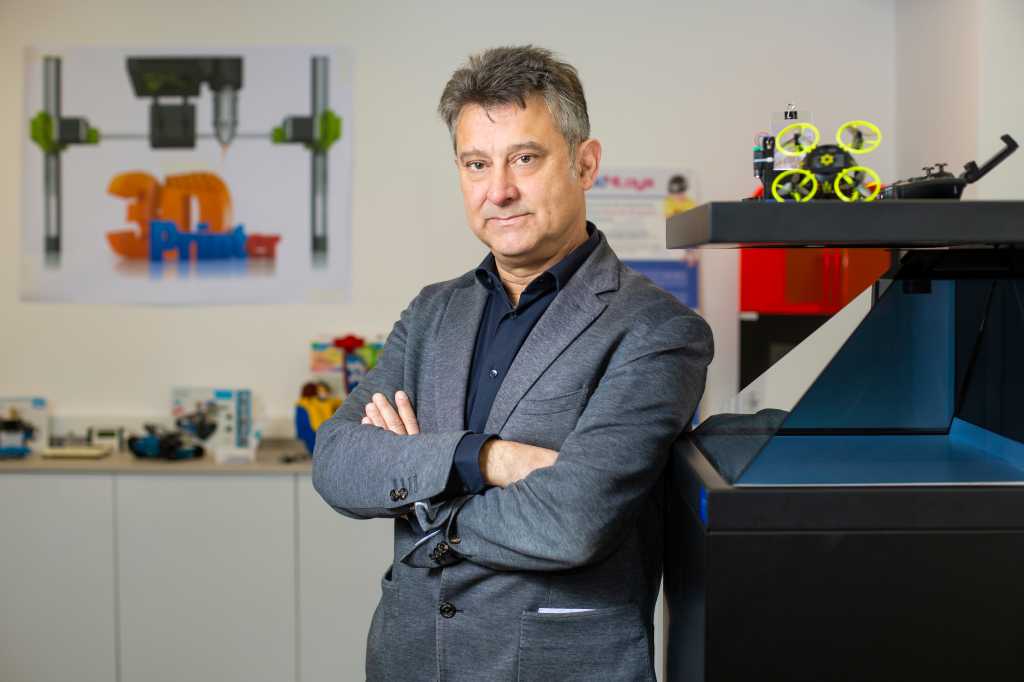
โŒ