❌

Reading view

There are new articles available, click to refresh the page.

Network Redundancy: The Safety Net When Everything Goes Wrong
[Update] Ironically, as soon as this blog went live, Cloudflare went down! So I will use this opportunity to say... I told you so! Keep reading to find out why.

Someone, at some point in time, (hopefully some kind of professional network engineer) designed your network. They drew a pretty picture with multicolored lines showing traffic flowing between a primary path and a secondary path. Oh, and this plan also had a budget and important management buy-in. Then they moved on to another company, country, or just a better job, and what you've been left with is a Frankenstein's monster of temporary-band-aid solutions to real problems that all became permanent circa 2015. Your so-called redundant paths? One goes down, and the other follows like some kind of tragic Romeo and Juliet situation - it's heartbreaking.

Network Visibility: How to Eliminate Blind Spots in Your IT Infrastructure

You can't fix what you can't see.

That's the fundamental problem every IT team is up against when trying to keep their network humming along. Right now, there's almost certainly a bandwidthbottleneck building up somewhere in your infrastructure. An unauthorized device plugging into the network. Encrypted traffic containing something it shouldn't. The question isn't whether these things are happening. They are. The question is whether you can actually see them when they do.

How to Look at Network Traffic: Essential Tools and Methods for Real-Time Analysis

Network traffic monitoring is one of the most crucial tasks for any IT professional or sysadmin.Β Whether you’re troubleshooting performance issues, hunting for security vulnerabilities, or optimizing bandwidth usage, understanding how to effectively monitor network traffic can be the difference between a healthy network infrastructure and costly outages.

Monitoring Basics: How to Check Network Traffic

It's always DNS. Unless it's not. Then it's the network. Or perhaps the firewall? Or wait, actually, according to Chris in accounting, it's CERTAINLY malware because his nephew 'knows computers'. Welcome to every network performance troubleshooting discussion ever because everyone is an expert and all you get to do is smile politely.

Network Segmentation: Dividing Your Network to Stop Attackers

An attacker has just deployed malware on your network via a compromised employee laptop. In a flat network, they scan your entire internal network, locate your database servers, and exfiltrate customer data in a matter of hours. With network segmentation in place, that same laptop ends up in a guest segment with no route to production systems. The breach gets contained before disaster.

Observability vs Monitoring: Key Differences Every IT Team Should Know

Your digital transformation is only as good as the technology that supports it, which is why it's so important to maintain the system health and performance of your infrastructure. Do you have microservices or distributed systems to keep track of? Cloud-native apps, container workloads, Kubernetes environments, or multicloud systems? You need to see what's happening across your entire IT landscape, and the critical question is, how do you do that?

Monitoring Matters Webinar Series Recap: From Network to Storage

Throughout 2025, our Monitoring Matters webinar series has been packed with practical advice, live demos, and expert tips to help you monitor the most important components of your IT infrastructure.Β Whether you’re monitoring network devices, virtualization, physical servers, power, or storage, these sessions are packed with information you can immediately put into practice.

Network Loops: The One Infrastructure Killer You Can (Mostly) Prevent

Network loops are one of the few pieces of evidence that the universe loves to laugh at us. Somewhere, right this minute, a five-dollar Ethernet cable is taking down a million-dollar infrastructure. An innocentΒ intern trying to get internet in the conference room has both ends of a patch cable plugged into the same switch, and now 500 employees are staring at the spinning wheel of doom. Meanwhile, the CEO's slideshow presentation is stuck on the same slide for the umpteenth time, and the accounting department rocking back and forth crying, "Remember the good old days of the pre-internet world?"

Network Automation: From Manual Chaos to Automated Peace of MindΒ 

Manual network configuration is slow, error-prone, and doesn’t scale. Human error causes 70-75% of all network outages, and the average cost of 1 hour of network downtime has now surpassed $300,000 for enterprise organizations. Network automation helps solve both issues by eliminating manual configuration tasks and introducing consistency across your entire infrastructure.

PRTG vs RMM: Why Network Monitoring Complements Your RMM Tool

If you're using an RMM (Remote Monitoring and Management) solution or IT management tool, you may ask yourself if you need another piece of monitoring software as well. The question is valid, and we get it. Many IT professionals and sysadmins want to know how using Paessler PRTG Network Monitor can benefit them when they already have an endpoint or patch management tool.

Enable SNMPv3 on Windows and Linux: Complete Configuration Guide

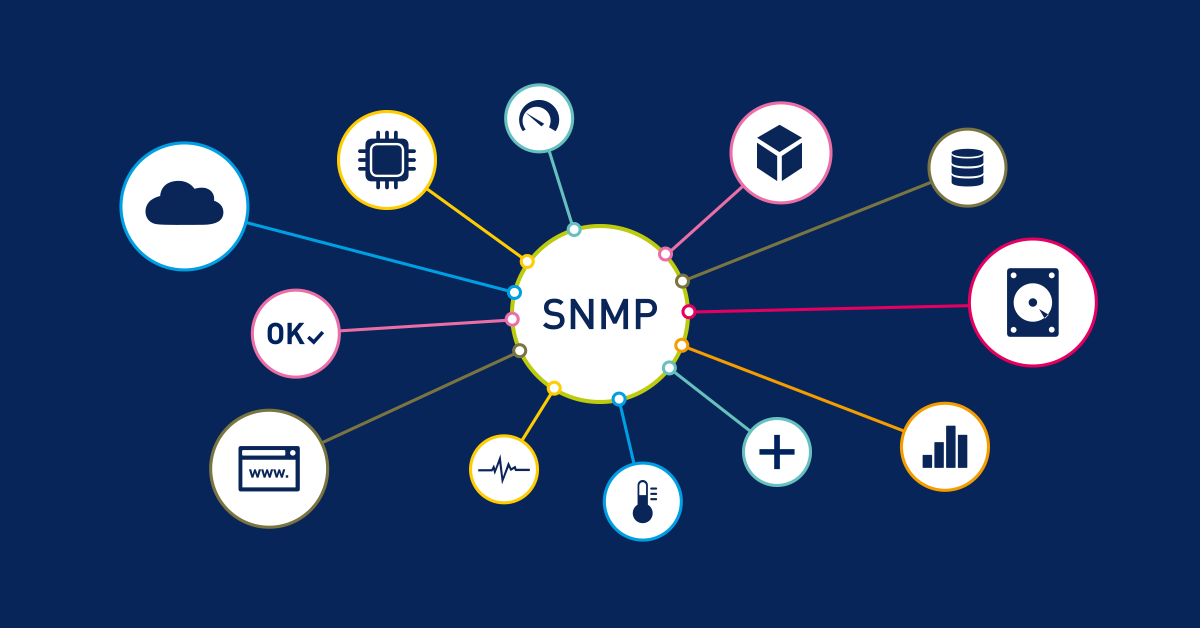
Monitoring network devices is a must-have for network admins, but they need to do it securely.Β The Simple Network Management Protocol (SNMP) has helped millions of admins collect information and monitor networks over the past several decades.Β SNMP has had security improvements over the years, and that has resulted in three versions, v1, v2c, and v3, but the first two send information unencrypted.

How to Improve Network Latency When Speed Isn't the Problem

Network latency can make or break user experience. Gamers feel every millisecond of delay; video conferencing teams struggle when jittery lag ruins every session; business application users watch productivity tank as they wait for slow responses.
You've probably spent more time troubleshooting network issues than you would like. Worst of all? End-users do not care about your router settings or bandwidth. They only care that things are supposed to work fast and often do not.

SQL Server Performance Monitoring: Essential Tools and Best Practices for Database Optimization

Microsoft SQL Server databases power many applications that are the lifeblood of businesses in today’s data-driven world. Whether your servers are on-premises or hosted in Azure, your company relies on the availability of your SQL Server instances to power your applications. However, poorly performing databases can have a negative impact on user experience and revenue generation and slow productivity throughout your business.

How to Find the Cause of Packet Loss in Your Network

When users complain of dropped video calls, stuttering applications, or files that won't upload properly, 90% of the time you can probably blame packet loss. It's one of those network performance issues that make you feel like the whole network is shot, even when your equipment is fine.

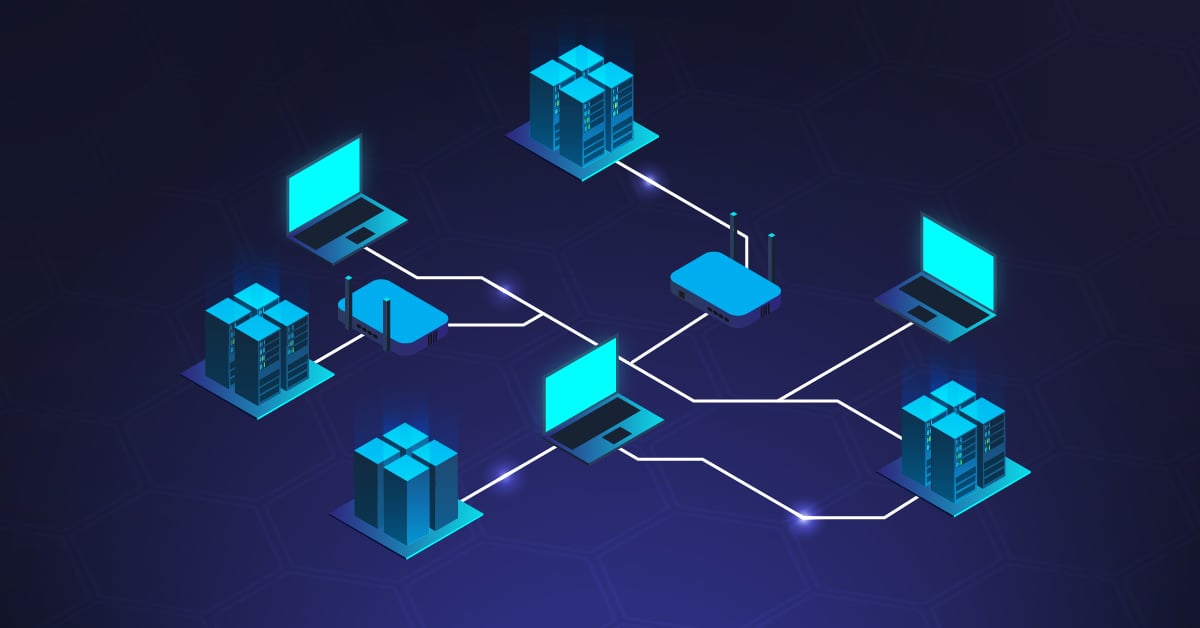
Network Topology Diagrams That Actually Stay Updated

Let me guess. You've been staring at a screen for an hour trying to solve some cryptic connectivity issue. Your boss or a colleague just walks by and asks, "Do we have a topology diagram for this?"

You then head over to that shared folder and dig out some Visio file from 2017. Your eyes scan over the network diagram showing equipment that has not been in your data center since your last regime. Sound familiar?

Truth is, your network already has a topology. The issue is, your diagrams don't match it anymore.

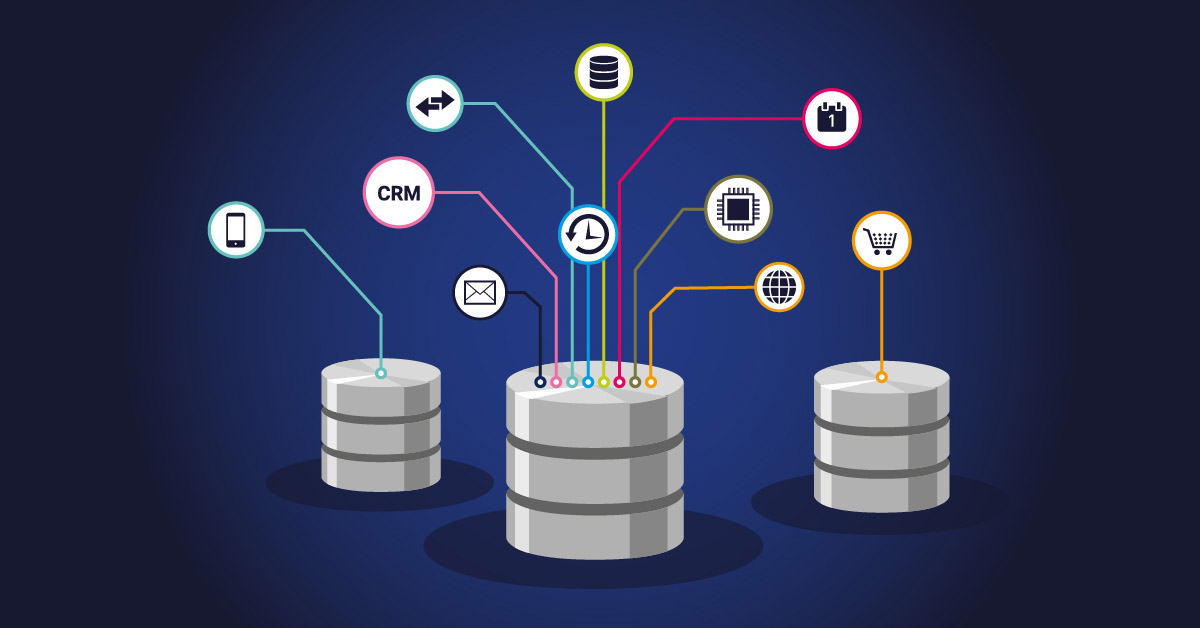
Cloud Database Management: How Modern Businesses Optimize Performance, Scalability, and Cost-Effectiveness

A significant shift has occurred in the data storage landscape over the last 10 years. Legacy environments saw data centers full of physical servers on racks, all taking up space in climate-controlled rooms with teams of database administrators overseeing operations 24x7. Cloud database management, by contrast, is at the heart of next-generation digital infrastructure. Businesses are processing workloads as never before and cloud database management is what allows them to do this while scaling down maintenance and increasing business agility.

❌