Reading view

There are new articles available, click to refresh the page.

Thrips Parvispinus (Tobacco Thrips): Complete Guide for Cannabis Cultivation

If you grow cannabis, you need to know about Thrips Parvispinus, also known as tobacco thrips. This emerging tropical pest has already been causing headaches in horticultural crops in Spain since 2024, and although there are not yet massive reports in cannabis, its extremely polyphagous nature (it feeds on many different plant species), together with rising global temperatures, means it is only a matter of time before it reaches your plants if you do not take preventive measures.

In this article we explain everything you need to know about Thrips Parvispinus: when and how it arrived in Spain, which crops it attacks, how to identify it, the damage it causes and, above all, how to protect your cannabis crop using an integrated pest management and biological control approach. Shall we begin?

Thrips Parvispinus

Adult female Thrips Parvispinus

What is Thrips Parvispinus and why should you be concerned?

Thrips Parvispinus is a thrips of tropical origin that feeds on leaves, flowers and fruits of a very wide range of plants. In recent years it has ceased to be a problem limited to ornamentals and has become a serious threat in greenhouse horticultural crops, especially pepper, where it causes scarring on the fruit.

Although pepper belongs to the Solanaceae family and cannabis to the Cannabaceae family (together with hops), this insect is polyphagous: it can easily move from one crop to another if conditions are suitable. This means that if you like growing peppers, tropical ornamentals or any other host plant near your marijuana crop, the risk of colonisation is real.

Which crops does it attack and why is cannabis at risk?

The “star” host in Spain is greenhouse pepper, but Thrips Parvispinus has also been reported on papaya, potato, numerous ornamentals and other horticultural crops. Its polyphagous nature means that it does not discriminate between plant families: if it finds a favourable environment and plant tissue to feed on, it will colonise the plant.

In the case of cannabis, the main risk points are:

Tender tissues: Young shoots and developing leaves are a feast for thrips larvae, which feed gregariously (in groups) and can distort growth.

Flowers and calyxes: Adults and larvae attack reproductive structures, causing flower abortion, necrosis and scarring on bracts. In a bud-producing crop, this results in loss of aesthetic quality, reduced weight and general plant stress.

Proximity to reservoirs: If you grow near pepper greenhouses, ornamental nurseries or areas with tropical vegetation, your cannabis plants can act as an alternative or secondary host, facilitating pest spread.

Berenjena con Thrips Parvispinus

Adult eggplant plant with Thrips Parvispinus Source: koppert.es

Damage and symptoms: how to recognise a Thrips Parvispinus attack

Damage caused by T. Parvispinus is mainly due to direct feeding. Unlike other thrips, current Spanish technical literature does not confirm significant virus transmission in horticultural crops (although some media have mentioned isolated cases). However, at Alchimia we are clear that, as with other thrips, it can act as a vector for certain latent viruses such as HLVd, Beet curly top virus (BCTV), Tobacco mosaic virus (TMV) and others, especially when working with cuttings. If the insect feeds on an infected plant and then on a healthy one, transmission can occur.

Visible symptoms on cannabis would be similar to those seen in other crops:

On leaves: A characteristic silvery or bronzed appearance appears on the upper surface, with yellowish areas and deformed edges. This is because larvae and adults scrape the leaf surface to feed on sap, leaving empty cells that reflect light differently.

On flowers: You may observe flower abortion (flowers that do not develop properly), necrosis (dead tissue with a brown-black colour) and deformities. In flowering crops like cannabis, this is particularly worrying because it directly affects final yield.

Excrement: As an additional clue, look for small black dots (insect excrement) on the underside of leaves and in silvery areas. This is a general indicator of thrips presence.

Field identification: how can you tell if it is Thrips Parvispinus?

Accurate identification of this species requires a good-quality hand lens or even a laboratory microscope, but there are practical features that can help you in the field:

Adults: Very small (around 1 mm), dark brown in colour. The wings have a pale base with the rest darker, and the legs and antennae are mostly yellow. If you observe these details with a 20–40× hand lens, you already have solid indications.

Larvae: Yellowish in colour and found in a gregarious manner (grouped together) on young shoots and the underside of leaves. This tendency to cluster is a distinctive feature compared to other thrips that may be more solitary.

Where to look: Focus your inspection on the underside of tender leaves, flowers, calyxes, petioles and sheltered areas of the plant. Remember that the pupa (the transition phase between larva and adult) is often found off the plant, in the soil or substrate, which complicates control.

Adulto_Thrips_Parvispinus

Difference between male and female Thrips Parvispinus.

Biological cycle and spread: why is it so difficult to control?

Thrips Parvispinus completes its life cycle very quickly in warm climates. Its optimal development occurs between 25–30 °C – the ideal temperature for cannabis crops – allowing it to produce several generations per season, especially in greenhouses where conditions are stable.

The complete cycle includes: egg → larva 1 → larva 2 → prepupa → pupa → adult. The pupal stage, which occurs in the soil or substrate, is key to understanding why traditional chemical control fails: if you only treat the aerial part of the plant, the pupae in the substrate will survive and give rise to new adults.

Presence peaks: In greenhouses, from spring to October, although it may continue through mild winters. Outdoors, activity is concentrated in the warm months.

Dispersion: Thrips actively move between nearby plants, are easily transported on nursery stock, plant material (cuttings) and contaminated tools, and can make short flights aided by air currents. This makes clean entry and quarantine critical measures.

Integrated management for cannabis: prevention is the key

Here is the crucial part: traditional chemical control is NOT effective against Thrips Parvispinus. Why? Because of its biology (fast cycle, refuge on the underside of leaves and in the substrate, pupation off the plant) and because broad-spectrum insecticides destroy the beneficial fauna that naturally controls the pest, creating a rebound effect.

Phytosanitary authorities, research centres (IFAPA, RAIF) and biological control companies (Koppert, Biobest) agree: the approach must be preventive, biological and based on hygiene and exclusion from the very beginning.

Below we detail the four pillars of integrated management adapted to cannabis:

1) Monitoring and thresholds: know your enemy

You cannot control what you do not know is there. Early monitoring is your best ally:

Sticky traps: Install blue sticky strips (yellow ones also work if you already use them for other pests). At a minimum, place 1–2 traps per 20 m² of crop, with higher density near entrances, doors and known hotspots. Check captures at least twice a week in greenhouses and indoor grows. Blue traps are especially attractive to thrips and will allow you to detect the first adults before the population explodes.

[productes tipus=”fitxa” cerca=”Koppert Insect sticky traps” nfitxes=”1″]

Visual sampling: Inspect the underside of young leaves and calyxes with a 20–40× hand lens. Look for grouped yellowish larvae, brown adults and black dots of excrement. Spend a few minutes each time you enter the grow; with practice, you will be able to detect problems before they are visible to the naked eye.

2) Cultural practices and hygiene: the foundation

Many T. Parvispinus infestations begin due to carelessness when introducing material or poor hygiene. Strengthen these points:

Clean entry to the grow: Establish a 10–14 day quarantine for any cutting or plant entering your grow space. During this time, inspect visually and with traps. Disinfect tools, clothing and footwear before entering. If you grow in a greenhouse or indoor space, consider installing insect-proof nets on vents and access points.

Constant sanitation: Immediately remove heavily affected shoots, severely damaged leaves and plant residues from pruning. Bag this material and remove it from the grow area; do not leave it in piles nearby, as it can act as a reservoir.

Substrate management: Avoid substrate cracking or accumulation of plant debris on the surface. Thrips pupate in the soil, so a clean, well-managed substrate hinders their cycle. Consider using soil-dwelling predators (see below) to attack pupae.

Physical structure: In greenhouses and indoor grows, install insect-proof filters on all vents and openings. This drastically reduces adult entry from outside. There are also insect-proof filters specifically designed for grow tents and extractors.

3) Biological control: the backbone of management

This is where you can really make a difference. Biological control is based on releasing natural predators into your crop that feed on thrips at different stages. The key is to act preventively (before damage appears) and to combine several natural enemies to cover all stages.

ultimite swiriski de koppert

Amblyseius swirskii is an excellent predator of all types of thrips

Foliar predators (for larvae and adults on the plant):

Orius laevigatus: This anthocorid bug is a voracious predator of adult and larval thrips. It works especially well in flowering crops because it also feeds on pollen. In cannabis, you may need bank or trap plants (for example, interplanted hot peppers) to maintain Orius populations even when thrips are scarce. Early releases are recommended, either as shock releases (single massive releases) or inoculative releases (small repeated releases).

Predatory mites: Amblyseius swirskii, A. montdorensis and Neoseiulus cucumeris are your best allies for preventive control. They feed on thrips larvae (as well as other mites and whitefly eggs). Release them preventively from transplant or early in the cycle, and reinforce in hotspots when you detect increases. These mites establish well under typical cannabis temperature and humidity conditions and are compatible with most bio-insecticides.

Other predators under evaluation: Franklinothrips vespiformis (a thrips predator of other thrips) and some products such as Entomite-M are under trial or used locally. Check with your biological control supplier for the latest options.

[productes tipus=”fitxa” cat=”768″ nfitxes=”3″]

4) Bio-insecticides and compatible products: the last resort

If, despite all the above, a high-population hotspot appears, you can resort to contact bio-insecticides or entomopathogenic fungi, always within regulations and prioritising products compatible with beneficial fauna.

Potassium soaps and vegetable oils: Products such as Oleatbio by TRABE (potassium soap) act by contact, dehydrating juvenile and adult stages. They have low impact on beneficials if applied locally and with respect for reapplication intervals. Apply during low light hours (dawn or dusk) and focus on hotspots rather than the entire crop.

Rotation and localisation: Never apply the same product continuously or across the entire surface. Rotate active ingredients, apply only to detected hotspots and respect safety intervals before releasing beneficials or harvesting.

Quick checklist: protect your crop step by step

Here is a summary of the whole process in a list of concrete actions:

Before planting:

  • 10–14 day quarantine for any cutting or plant entering your grow.
  • Install insect-proof netting on vents and access points (greenhouse/indoor).
  • Prepare hygiene points (disinfection of tools, footwear and clothing).

At the start of the cycle (prevention):

  • Release preventive predatory mites (swirskii, montdorensis, cucumeris) at transplant or during the first weeks.
  • Place blue sticky traps (5–10 per 100 m²) and record captures by area.
  • If growing in a greenhouse with flowering plants or banker plants, introduce Orius laevigatus.

During cultivation (early detection):

  • Visual inspection with a hand lens at least twice a week: underside of young leaves, flowers and calyxes.
  • Map hotspots: note where activity is detected to focus reinforcements.
  • If populations rise: reinforce predators in the affected area.

In the event of high-population hotspots (action):

  • Sanitise heavily damaged shoots or buds: bag and remove from the grow.
  • Localised applications of compatible bio-insecticides (potassium soap, oils, Beauveria).
  • Reinforce soil predators (Dalotia) if pupae are an issue.

End of cycle / harvest:

  • Thorough cleaning of the grow space: remove all plant residues.
  • Sanitary break before the next cycle (minimum 1–2 weeks without plants).
  • Disinfect structures, trays, pots and tools.

The post Thrips Parvispinus (Tobacco Thrips): Complete Guide for Cannabis Cultivation appeared first on Alchimia blog.

Freeze-dried magic mushrooms: How to dry hallucinogenic mushrooms at home with a freeze dryer

Have you ever wondered how to preserve Psilocybe cubensis for long periods without losing potency or degrading over time? If you’ve been around the mycological scene for a while, you probably already know that traditional drying works… but it’s not always the most refined option. Today we want to talk to you about a technique that plays in a different league: freeze-drying.

It’s a word that sounds like laboratories, cutting-edge technology and almost futuristic processes, but one that’s increasingly attracting interest among those seeking optimal preservation of hallucinogenic mushrooms. Is it really worth it? What makes it so special? Get comfortable—we’ll explain everything calmly and without beating around the bush.

mushroom freeze drying

Psilocybe Cubensis about to be freeze-dried

What is freeze-drying and why is it so special?

Freeze-drying is an advanced dehydration method that removes water from a product without subjecting it to high temperatures. Unlike conventional drying, the water here goes directly from a solid to a gaseous state through a physical process known as sublimation.

And what does this mean in practice? Something very interesting: the internal structure of the material is preserved almost intact. In the case of mushrooms, this means maintaining their shape, texture, active compounds and chemical composition with surprising fidelity.

In the worlds of food, pharmaceuticals and biotechnology, freeze-drying has been used for decades to preserve delicate products. So it’s not a passing trend, but a proven technique that’s now starting to attract attention in the more demanding mycological sphere.

[productes tipus=”fitxa” cerca=”freeze dryer” nfitxes=”2″]

Applied to Psilocybe cubensis: what makes it different?

Psilocybe cubensis contains sensitive compounds such as psilocybin and psilocin, which can degrade due to humidity, oxygen, heat or the passage of time. This is where freeze-drying really shines.

By removing virtually all the water and doing so at low temperatures, the degradation of these compounds is drastically reduced. The result is a much more stable material, less vulnerable to mould or oxidation, with potency that lasts much longer.

In addition, freeze-dried mushrooms are usually extremely light and fragile, which also makes them easier to store under controlled conditions. All of this translates into high-end preservation, designed for those who don’t just want them to “last”, but want them to last well.

How mushrooms are freeze-dried (in broad terms)

Without going into technical procedures or operational details, we can say that mushroom freeze-drying is based on three key phases: freezing, pressure reduction and progressive removal of water in the form of vapour.

First, the material is completely frozen. Then it is subjected to a controlled vacuum environment that allows the ice to sublimate without passing through a liquid state. This point is crucial, as it prevents the mushroom tissue from collapsing or degrading.

Advantages over traditional drying

Air-drying or using a dehydrator is simple, accessible and effective—no one disputes that. But it also has its limits. Freeze-drying offers a series of clear advantages for those seeking the highest level of preservation. One of the most obvious is long-term stability. By reducing moisture to minimal levels, microbial growth is slowed and chemical degradation processes are reduced.

dried mushrooms

Hallucinogenic mushrooms dried in the traditional way

Another key point is potency preservation. Many users agree that freeze-dried mushrooms retain their effects better over time, something especially valued when they’re stored for months. And no less important is product fidelity. Aroma, structure and composition are preserved far better than with other methods, resulting in a more consistent and predictable experience.

Finally, it’s worth remembering that even with excellent preservation, subsequent storage still matters. Protecting the material from light, oxygen and moisture remains essential to keep it in optimal condition.

If simplicity and short-term use are your thing, a good drying method will probably be more than enough. But if you like to go a step further and explore advanced techniques, freeze-drying is undoubtedly a fascinating option.

Cutting-edge technology applied to an organism that has accompanied humanity for centuries in its inner exploration. Quite something.

Because when it comes to preserving quality, sometimes it’s worth going for the best. Happy harvest!

The post Freeze-dried magic mushrooms: How to dry hallucinogenic mushrooms at home with a freeze dryer appeared first on Alchimia blog.

Hash Cali Plate: the origin of a hash that has become essential

For some time now, Cali plate hash has established itself as a benchmark in the world of high-end hashish. Its name immediately evokes California, premium quality and a certain idea of modern know-how applied to cannabis resin. However, behind this attractive label lie realities that are not always well known. What exactly is Cali plate hash, and why does it attract so much interest among enthusiasts?

A term inspired by Californian cannabis culture

The term Cali is now much more than a simple geographical reference. In the cannabis world, it symbolises a culture of excellence, forged through decades of innovation, advanced genetic selection and increasingly sophisticated production techniques. Cali plate hash fits into this dynamic, adopting the aesthetic and qualitative codes associated with the Californian scene.

Hash Cali Plate

However, this is not an official designation nor a guarantee of origin. A Cali plate hash can be produced outside the United States, but it aims to reproduce a high quality standard, both visually and in terms of aroma and sensory experience.

Hash Cali Plate: a recognisable and carefully crafted presentation

Cali plate hash stands out first and foremost for its format. It is generally presented in the form of flat, thin plates, regular in shape, easy to handle and cut. This presentation is reminiscent of premium resin slabs and contributes to its high-end image.
Visually, the resin displays shades ranging from light brown to darker brown, sometimes with golden highlights. The surface may appear slightly shiny, a sign of a high concentration of trichomes and well-controlled pressing.
Most Cali plate hashes are obtained through dry sifting, a traditional method that mechanically separates the trichomes from the plant material. When carried out precisely and using high-quality flowers, this process results in a clean, rich and highly expressive resin.
Pressing also plays a fundamental role. Performed at low temperature and with controlled pressure, it allows the resin to be compacted without degrading the terpenes. The result is a living hash whose texture evolves with heat and over time.

Texture and aromatic profile of Cali Plate

To the touch, Cali plate hash is usually malleable and greasy, becoming more flexible with the warmth of the fingers. This texture is highly appreciated by connoisseurs, as it indicates a well-preserved and properly worked resin.

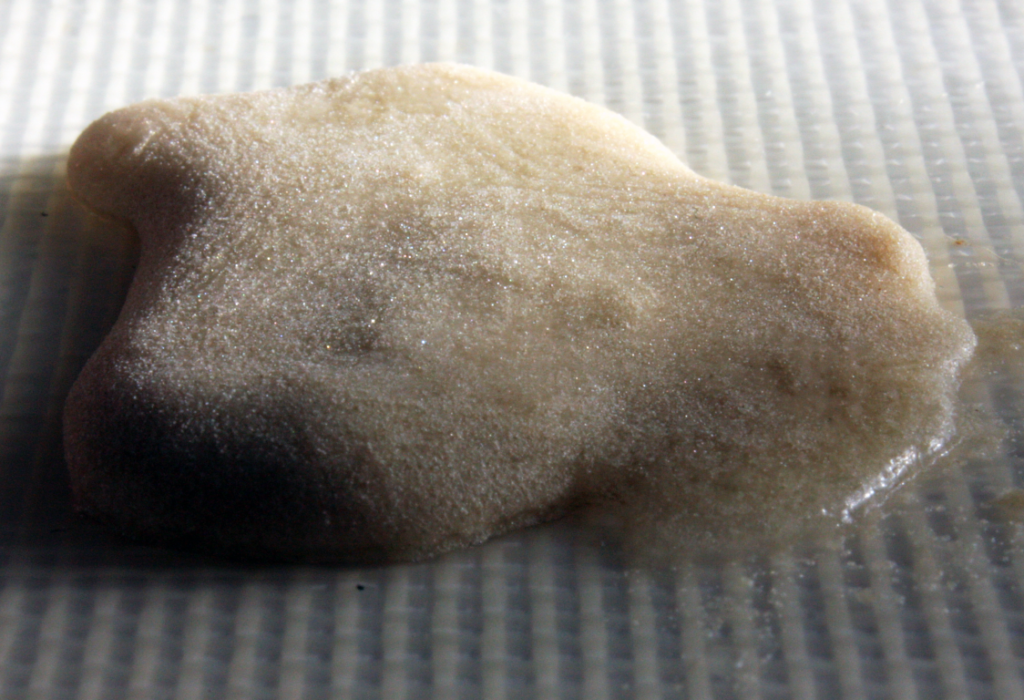
A piece of Cali plate hash

Aromatically, these hashes stand out for their notable intensity. The most common profiles recall very popular modern genetics, with earthy and kush notes, sometimes creamy, sweet, fruity or slightly gassy. Terpene richness is one of the main factors explaining the enthusiasm surrounding this type of product.

[productes tipus=”fitxa” cat=”591″ nfitxes=”3″]

Thanks to a high concentration of trichomes, Cali plate hash is usually potent. Its effects are often described as deep and enveloping, with a gradual onset followed by marked body relaxation. Depending on the genetics used and the level of resin maturation, the experience may be more cerebral or more physical, but in most cases it is aimed at a public with some degree of experience.

A sometimes misused term that reflects the evolution of the market

It is important to maintain a critical perspective when it comes to this designation. The success of the term Cali has led to its overuse, and not all hashes sold as Cali plate truly meet the expected standards. The lack of an official framework means that quality can vary considerably.
A true premium hash is recognised above all by its natural aroma, its lively texture, the finesse of its flavours and the quality of its burn. The name alone is not enough to assess a product.
Cali plate hash perfectly illustrates the evolution of the hashish market. Consumers are increasingly seeking better-crafted, more aromatic products with greater transparency regarding their production methods. This trend brings the world of hash closer to that of modern extractions, without losing its connection to traditional methods.

The post Hash Cali Plate: the origin of a hash that has become essential appeared first on Alchimia blog.

Ann and Alexander “Sasha” Shulgin: the couple who united chemistry and consciousness

When we read today about psilocybin being used to treat depression or about MDMA as a therapy for post-traumatic stress, we often assume we are witnessing recent breakthroughs born in high-budget clinical laboratories. Yet much of this psychedelic renaissance has a far more intimate, almost domestic origin: a small ranch in California where Alexander “Sasha” Shulgin and Ann Shulgin worked for decades as a true alchemical couple, exploring the deepest mechanisms of the human mind. Speaking of the Shulgins in the singular falls short. Sasha brought a prodigious chemical mind; Ann, a deep understanding of the emotional, therapeutic and human world. Together they formed a unique, unrepeatable partnership that united hard science and inner exploration with a coherence that still amazes today.

Sasha and Ann Shulgin

Sasha and Ann Shulgin were inseparable, even in the research they carried out. SOURCE: open-foundation.org


Alexander and Ann Shulgin: the couple who mapped the human mind

Alexander Shulgin has often been portrayed as a solitary scientist, almost a modern alchemist surrounded by flasks. However, his work cannot be understood without Ann Shulgin, transpersonal therapist, writer and intellectual partner for more than 30 years.

Ann was not a mere observer. She was co-author, analyst and bridge between chemistry and human experience. While Sasha synthesized molecules, Ann helped translate those inner states into psychological, therapeutic and narrative language. Where he saw molecular structures, she saw healing processes, emotional blockages and transformative potential.

Alexander Shulgin: the chemist who listened to molecules

Alexander Shulgin was born in 1925 in Berkeley, in an artistic environment that fostered both creativity and discipline. From an early age he showed an insatiable curiosity to understand how the world worked. It is said that one of his favourite pastimes was spending entire days dismantling objects, not out of mischief, but out of a need to understand.

During World War II he enlisted in the navy, and an experience with a placebo after surgery marked his life: even believing he had received a sedative, he felt real effects. This revealed something crucial to him: the mind has enormous power over perception and experience. Years later, he would identify that moment as the seed of all his later research.

After studying organic chemistry at Berkeley and spending time at Harvard, he joined Dow Chemical, where he developed the profitable insecticide Zectran. That success gave him unusual freedom: to research whatever he wished. And what he wished was to explore compounds capable of interacting directly with consciousness.

Ann Shulgin: the therapeutic voice and the soul of the project

Ann Shulgin, born in 1931, entered Sasha’s life when he had already been researching psychoactive compounds for years. She brought something that was missing: a deeply human and therapeutic perspective. Trained in transpersonal psychotherapy, Ann was especially interested in how altered states of consciousness could help heal trauma, unlock emotions and facilitate processes of self-knowledge.

It was Ann who structured many of the sessions of the famous exploration group, helping to interpret experiences beyond the purely chemical. She was also key in documenting, organising and giving narrative meaning to decades of experimental work, turning data and journals into accessible knowledge.

RIP Ann Shulgin, pioneering psychonaut

The Lafayette ranch: science, therapy and trust

In the 1960s, the couple established their base on a ranch in Lafayette, California. There, Sasha set up a DEA-authorised laboratory, while Ann helped create a safe, structured and respectful space for inner exploration.

In this seemingly simple environment, more than 200 psychoactive compounds were studied. But what was truly revolutionary was not only the number of molecules, but the shared method: progressive dosing, meticulous observation, detailed record-keeping and, above all, deep respect for subjective experience.

The sessions were not recreational. They were conscious, almost ceremonial encounters, where emotions, memories, fears and discoveries were discussed. Ann played an essential role here, helping to integrate the experiences and understand their therapeutic potential.

Psychedelic Therapy

In psychedelic therapy, many more factors are involved than just the substance itself.

MDMA: when chemistry and empathy go hand in hand

One of the key moments in the Shulgins’ joint work was the rediscovery of MDMA. Although the molecule had been synthesised by Merck in 1912, it was Sasha who revisited it in 1976 and recognised its uniqueness.

MDMA did not produce visions or sensory overload, but something different: empathy, emotional clarity and honest communication. Ann quickly understood its enormous therapeutic potential. Together, they shared it with psychotherapists such as Leo Zeff, who used it in hundreds of sessions with surprising results.

When MDMA was banned in 1985, both regretted the outcome, but they never stopped defending that, when used responsibly and in the right context, it was a psychological tool of incalculable value. Decades later, modern clinical research is proving them right.

PIHKAL and TIHKAL: science written by four hands

In the 1990s, Alexander and Ann Shulgin published two fundamental works: PIHKAL (Phenethylamines I Have Known And Loved) and TIHKAL (Tryptamines I Have Known And Loved).

These books are not simple chemistry manuals. They are the perfect reflection of their collaboration: half autobiography, half scientific treatise. Sasha provided the syntheses, dosages and structures; Ann shaped the human narrative, the couple’s stories, the ethical dilemmas and the emotional dimension of exploration.

The result is a true scientific novel that has inspired generations of researchers, therapists and explorers of consciousness.

A life shared between flasks and personal growth

Beyond the laboratory, the Shulgins lived a simple and deeply connected life. Gardening, walks, endless conversations and a relationship based on absolute trust were the foundation of all their work.

Those who knew them agree that their greatest achievement was not only scientific, but human: demonstrating that research can be carried out with respect, ethics and a love for shared knowledge.

The Shulgins’ legacy: a door that remains open

Today, as universities and hospitals once again investigate substances such as psilocybin, the DMT, LSD or MDMA, it is clear that the path was paved by this extraordinary couple.

Alexander and Ann Shulgin were not seeking fame or revolution. They sought understanding. And by doing so together, they left an immense map for those who today continue to ask what consciousness is and how we can alleviate human suffering responsibly.

The post Ann and Alexander “Sasha” Shulgin: the couple who united chemistry and consciousness appeared first on Alchimia blog.

What is Psilocybe semilanceata? The iconic “Liberty Cap”

Have you ever wondered what that small, pointy-capped mushroom is that appears in damp meadows in autumn? Today we want to talk to you about Psilocybe semilanceata, one of the most well-known and discussed mushroom species in the world due to its powerful effects and its almost global presence in temperate climates.

Psilocybe Semilanceata in its natural state

Psilocybe Semilanceata in its natural state

What is Psilocybe semilanceata? Main characteristics

Psilocybe semilanceata, also known as the Liberty Cap, is a mushroom from the Psilocybe genus, famous for its potency and for being one of the most emblematic species within the group of psychoactive mushrooms.

It is also one of the most widespread and recognisable species in the world, with an unmistakable appearance that has shaped both its study and its presence in European folklore.

Visual characteristics of Psilocybe semilanceata

This mushroom is recognised by its small size (generally between 2 and 5 cm tall) and by its conical or bell-shaped cap with a characteristic nipple-like protrusion on the top.

The cap shows a colour ranging from yellow-brown to darker brown when wet, becoming paler as it dries.

The stem is thin, flexible and usually has a similar or slightly lighter tone than the cap.

Where does Psilocybe semilanceata grow?

Unlike other psychoactive mushrooms such as Psilocybe Cubensis, which prefer manure, Psilocybe semilanceata fruits mainly in damp meadows and grasslands, especially in areas with grazing livestock. It does not grow directly on dung, but it does benefit from the fertility it brings to the soil.

It is widely distributed throughout Europe, North America and other temperate regions, appearing mainly during autumn.

Psilocybe Semilanceata prefers to grow in damp meadows

Psilocybe Semilanceata in a damp meadow

How much psilocybin does Psilocybe semilanceata actually contain?

If you are already familiar with the world of psychoactive mushrooms, you’ll know that semilanceata has a reputation for being “small but mighty”. And that’s no exaggeration: within the European mycological universe, it is one of the species with the highest relative potency in proportion to its size.

Although the variability of the psilocybin it contains is considerable — depending on climate, maturity or even the specific meadow where it grows — many analyses place its usual levels around 0.3–0.8% dry weight, with exceptional cases exceeding these figures.

7 varieties of mushrooms you should know

A tiny presence… but huge in the European imagination

Hallucinogenic mushrooms have accompanied psychedelic culture for decades and continue to spark interest among naturalists, historians and mycologists. Among the best known in Europe are Amanita Muscaria and Psilocybe Semilanceata.

Its stable presence in the grasslands of the northern hemisphere makes it a true mycological emblem, both for its biology and for the role it has played in the European collective imagination.

When we talk about Psilocybe semilanceata, we are not only referring to a mushroom typical of damp meadows: we are talking about a small cultural icon that has quietly left its mark on European folklore. Its discreet conical cap appears every autumn from Scotland to the Pyrenees, and many believe that behind numerous rural tales lies this tiny mycological traveller.

Witch surrounded by mushrooms.

Mushrooms and medieval witches share a strong connection

Legends, forests and “encounters”: From druids to rural tales

In several northern European countries, stories circulate about dancing lights, unexplained laughter in the middle of the night, or “doors” to other planes that only opened on damp afternoons. Coincidence? Perhaps. But the truth is that these narratives fit surprisingly well with the perceptual alterations that this mushroom can produce when someone — often shepherds or foragers — consumed it without really knowing what they had in their hands.

In Atlantic areas, people also spoke of “meadow madness”, a sudden hilarity attributed to mischievous goblins. Today we know that the explanation may have been much closer to the ground… and shaped like a small pointy cap.

There is no direct evidence confirming its use by druids, but many mythologists believe that certain rites described in medieval texts — linked to visions, messages from nature or states of deep introspection — could be related to mushrooms present in Europe, among them semilanceata, which is abundant, recognisable and closely tied to the Celtic landscape.

Over the centuries, this symbolic echo persisted in rural tales: fae beings altering perception, travellers returning “changed” from a walk in the woods, “enchanted” meadows where time seemed to stand still. All of this fits perfectly with the sensations described by those who encounter this mushroom in unexpected contexts.

Ultimately, Psilocybe semilanceata doesn’t just grow in damp pastures: it grows in oral tradition, in stories told by the fire, in the mystique of the European forest. And although today we study it from a more modern and responsible perspective, it’s nice to imagine that these little “liberty caps” have accompanied human creativity for centuries, bringing mystery, wonder and a few stories still waiting to be told.

The post What is Psilocybe semilanceata? The iconic “Liberty Cap” appeared first on Alchimia blog.

HpLVd: The most feared viroid in cannabis cultivation and how to protect your clones

Imagine this: you’ve spent months nurturing a batch of premium cannabis clones, hand-selected from a trusted source. They’re vigorous, vibrant, and primed for a bumper harvest. But when flowering kicks in, disaster strikes: the plants stall out, the buds turn into small, sad, airy little balls, and your yields crash by up to 50%. Welcome to the world of Hop Latent Viroid (HpLVd), the invisible destroyer that has become the cannabis grower’s worst nightmare. Often dubbed the “COVID of cannabis”, HpLVd doesn’t just hit hard; it spreads silently through your clones, underscoring why plant health is non-negotiable for any grower.

In this guide, we’ll demystify plant viruses (and viroids like HpLVd) in plain English—think science served with a touch of grow-room wisdom. We’ll trace the stealthy history of HpLVd, highlight its red flags, and arm you with battle-tested strategies to prevent and fight it. Whether you’re a seasoned grower or just dipping your toes into cloning, this is your roadmap to resilient, virus-free crops. Let’s dive in.

Hop Latent Viroid - HpLVd

Hop Latent Viroid – HpLVd

Plant viruses 101: Nature’s saboteurs

Before we zoom in on HpLVd, let’s pull back and look at the bigger picture: plant viruses and viroids. These tiny lurkers are the ultimate uninvited guests in your garden, but understanding them is your first line of defence.

Cannabis viruses

At their core, plant viruses are fragments of genetic code—either RNA or DNA—wrapped in a protein coat (or not, in the case of viroids). They’re not alive the way bacteria are; they’re more like rogue software that needs a host computer (your plant’s cells) to run. Once inside, they hijack the cell’s machinery: the plant’s own ribosomes and enzymes are pressed into service to crank out viral copies instead of essential plant proteins. This replication frenzy drains resources, disrupts metabolism, and triggers weird growth patterns.

Think of it like this: a virus sneaks into your plant’s “factory” (the cell nucleus or cytoplasm) through a back door—a pruning wound, an insect bite, or even contaminated tools. It tricks the factory workers (enzymes) into building a viral assembly line, flooding the system until cells burst or start sending distress signals to their neighbours. The result? A cascade of chaos.

Viroids, the category HpLVd belongs to, are even more stripped-down villains: naked loops of RNA with no protein coat, only 250–400 nucleotides long. They’re the minimalist hackers—small enough to slip past defences and replicate using the plant’s nuclear machinery via a “rolling-circle” method, spitting out error-prone copies that evolve on the fly.

Transmission is their superpower. Unlike animal viruses that travel by air or touch, plant viruses rely on vectors:

  • Mechanical spread: sap from infected plants on your scissors or hands gets transferred to healthy ones during cloning or trimming.
  • Insect messengers: aphids, whiteflies, or leafhoppers sip virus-laden sap and deposit it elsewhere.
  • Vegetative betrayal: grafts, cuttings, or clones carry the load directly from the mother plant to the babies.
  • Seed surprises: rare, but some viruses travel in pollen or embryos.

Symptoms vary by virus and host, but often include:

  • Mosaic patterns: mottled, yellow-green leaves that look like a bad paint job.
  • Stunting: dwarfed growth, as if the plant hit a permanent growth plateau.
  • Necrosis: dead spots or wilting, the plant’s SOS flare.
  • Yield impacts: fewer flowers, smaller fruits, or watered-down potency—devastating for cannabis.

The catch? Many infections lurk asymptomatically, only showing up under stress like heat, drought, or flowering. For growers, that means vigilance: healthy plants fight back better, so balanced nutrition, optimal light, and low-stress environments are your baseline armour. Now, let’s meet the viroid that’s driving the cannabis world crazy.

HpLVd: From hop fields to cannabis chaos—a brief history

Hop Latent Viroid earned its name from humble beginnings in hop yards. Discovered in 1987 in Spain, it first appeared as an innocuous RNA oddity in Humulus lupulus (hop, the cannabis plant’s botanical cousin in the Cannabaceae family). By 1988, surveys in Germany revealed it was infecting 90–100% of European hop cultivars—yet hops largely shrugged it off with mild symptoms, like a modest drop in cone yields (8–37%) or bitter acids (15–50%). Brewers noticed subtler beer flavours from altered terpenes, but there was no industry-wide panic.

Fast-forward to the cannabis boom. HpLVd jumped species around 2017, probably via shared propagation tools or infected germplasm in U.S. facilities. The first rumblings showed up on online forums in 2014, with growers complaining about the “dudding disease”—stunted, brittle plants producing airy buds. By 2019, high-throughput sequencing nailed it: HpLVd was the culprit in California, where a survey by Dark Heart Nursery estimated 90% of operations were contaminated. It then tore through North America, Canada, and beyond, with infection rates averaging 30% across the industry and economic hits nearing $4 billion annually in lost yields and potency.

Why cannabis? Unlike resilient hops, weed is a softer target. HpLVd’s 256-nucleotide circular RNA thrives in cannabis cells, replicating in the nucleolus and clogging up metabolite production. It hits glandular trichomes especially hard, slashing THC by 50–70%, terpenes by up to 40%, and overall vigour. Two variants (Can1 and Can2) have adapted, with mutations like U225A boosting infectivity. It’s pleiotropic—symptoms range from none to full-blown nightmare—making it a shapeshifter in your grow.

Bottom line, HpLVd’s “latent” label is a lie in cannabis: it hides in veg, then explodes in flower, turning premium clones into liabilities.

Spotting the cannabis virus: HpLVd symptoms in your grow

Electron microscope image of cannabis trichomes

Electron microscope image of cannabis trichomes. The trichomes on the left are stunted and smaller due to infection with Hop Latent Viroid. Right: healthy trichomes. Image source: Simon Fraser University, Canada

Early detection is your crop’s guardian angel, but HpLVd plays hide-and-seek like a pro. In clones from infected mothers, it often lies dormant until week 4+ of flower, when stress unmasks it. Here’s what to watch for, especially if you run a clone-heavy setup:

  • Stunting and structural changes: shorter internodes, more horizontal sprawl than vertical reach, and overall dwarfing—as if the plant were stuck in permanent juvenile mode.
  • Brittle stems and leaves: they snap like dry twigs; foliage yellows (chlorosis) or curls unevenly.
  • Dudding disaster: the hallmark—buds stay small, loose, and sparse. Trichomes ripen early (amber too soon), resin production tanks, and aromas fade.
  • Potency crash: lab tests show cannabinoid drops (THC down 50%+), terpene loss (myrcene oddly elevated, β-caryophyllene down 13–29%), and weaker flavour.

Not all cultivars respond the same way; some coast with few symptoms while others fail en masse. Co-infections (e.g., with other viroids) amplify the damage. Pro tip: scout weekly under magnification—uneven trichome distribution is a screaming red flag. When in doubt, test: RT-PCR on leaf samples from both old and new growth is the gold standard, catching around 30% of silent carriers.

Transmission traps: Why clones are HpLVd’s highway

HpLVd doesn’t fly or float; it’s a full-contact sport. As a viroid, it needs direct sap-to-sap transfer—perfect for clone-heavy operations.

  • Clone-borne contagion: the big one. Infected mother plants pass it 100% to cuttings. One sketchy clone in your tray? Boom—your whole batch is toast.
  • Tool terrorism: pruners, scalpels, or gloves smeared with sap spread it like wildfire. Recirculating hydro systems or shared reservoirs amplify the problem.
  • Human highways: workers touching multiple plants without washing? Instant vector.
  • Rare routes: pollen/seed transmission is negligible; no known insect vectors.

In cannabis, where 70%+ of crops start from clones, this transmission chain explains the explosion. A single imported cutting can doom an entire facility. Lesson: plant health starts upstream—vet your sources ruthlessly.

How to prevent it: Protect your clones from day one

Good news: HpLVd is beatable with prevention. Focus on clean inputs and rock-solid hygiene—your clones will thank you.

  1. Source smart: ditch untested clones; opt for certified clean stock or start from seed (much lower risk). Quarantine new arrivals for 30 days, testing in week 3 via lab RT-PCR or dot-blot.
  2. Sanitise like a surgeon: bleach (5–10% sodium hypochlorite) or Virkon S (2%) on tools—alcohol doesn’t cut it, since it precipitates RNA. Heat-treat blades at 160°C for 10 minutes. Swap PPE between plants; wash hands obsessively.
  3. Segment your grow: keep veg and flower separated; use dedicated cloners per batch. Filter water and avoid runoff mixing.
  4. Boost resilience: healthy plants fight back via RNA silencing. Dial in balanced nutrients at the right pH, stable temps, and low stress—strong clones slow viral buildup.
  5. Test religiously: sample 10–20% of your stock every quarter. Early wins save whole harvests.

These steps cut risk by about 90%—proven in hop yards and cannabis labs alike.

Fighting an outbreak: Damage control when HpLVd hits

Found an infection? Don’t panic—move fast. There’s no silver-bullet antiviral, but here’s your playbook:

  • Cull ruthlessly: chop symptomatic plants immediately; burn or bleach waste to kill persistent RNA.
  • Rescue team: for salvageable mothers, try meristem-tip culture (micro-propagating tiny <0.5 mm shoot tips) paired with cold (2–4°C for months) or heat therapy (36°C for 2 weeks). This can knock down viral load via mutations but it’s not foolproof—re-infection is a constant threat.
  • Facility wash-down: deep-clean everything; use urea or chloropicrin for soil. Restart with verified clean material.
  • Long-term R&D: breed resistant cultivars or deploy RNA interference—emerging tools, but not quite ready for your grow room yet.

Recovery hurts yields in the short term, but rebuilds trust in your system. Remember: one clean cycle resets the clock.

Final harvest: Put plant health first for thriving grows

Comparison between a healthy plant (right) and a plant affected by HLVd (left), where the viroid’s influence on trichome production is clearly visible. Source: Dark Heart Nursery

HpLVd isn’t just a viroid—it’s a wake-up call. In an industry hooked on clones for speed and uniformity, its spread drives home why plant health trumps everything. From virus basics to outbreak ops, once you’re armed with the right knowledge, you can grow with confidence, dodge duds, and deliver your best.

At Alchimiaweb, we aim to empower growers by giving them the tools to succeed. Stock up on sterile gear, test kits, or clean genetics today—your next round of clones is waiting. Got HpLVd stories or tips to share? Drop them in the comments. Grow Happiness!

Bibliography

    1. Adkar-Purushothama, C. R., Sano, T., & Perreault, J. P. (2023). Hop latent viroid: A hidden threat to the cannabis industry. Viruses, 15(3), 681. https://doi.org/10.3390/v15030681
    2. Punja, Z. K., Collyer, D., Scott, C., Holmes, J., Zhao, Y. Y., Hinz, F., … & Reed, S. (2023). Symptomology, prevalence, and impact of hop latent viroid on greenhouse-grown cannabis (Cannabis sativa L.) plants in Canada. Canadian Journal of Plant Pathology, 46(2), 174–197. https://doi.org/10.1080/07060661.2023.2279184
    3. Punja, Z. K., Scott, C., Tso, H. H., Munz, J., & Buirs, L. (2025). Transmission, spread, longevity and management of hop latent viroid, a widespread and destructive pathogen affecting cannabis (Cannabis sativa L.) plants in North America. Plants, 14(5), 830. https://doi.org/10.3390/plants14050830
    4. Puchta, H., Ramm, K., & Sänger, H. L. (1988). The molecular structure of 26 S rRNA from Humulus lupulus L. (hops) and the sequence of a viroid-like RNA associated with hop stunt disease. Nucleic Acids Research, 16(9), 4197–4216. https://doi.org/10.1093/nar/16.9.4197
    5. Warren, J. G., Mercado, J., & Grace, D. (2019). Occurrence of hop latent viroid causing disease in Cannabis sativa in California. Plant Disease, 103(10), 2699. https://doi.org/10.1094/PDIS-03-19-0530-PDN
    6. Viruses and Viroids – an overview. (n.d.). In ScienceDirect Topics. Elsevier. Retrieved November 24, 2025, from https://www.sciencedirect.com/topics/agricultural-and-biological-sciences/viruses-and-viroids
    7. Hop latent viroid in hemp. (n.d.). OSU Extension Service. Oregon State University. Retrieved November 24, 2025, from https://extension.oregonstate.edu/catalog/em-9570-hop-latent-viroid-hemp
    8. Kovalchuk, I., Pellino, M., Rigault, P., van Velzen, R., Bhalerao, R., Clark, J., … & Kovalchuk, A. (2020). The Genomics of Cannabis and Its Conservation. Genome Biology and Evolution, 12(3), 292–312. (For general viroid context; referenced in broader reviews)
    9. Hop Latent Viroid: A Guide to Sampling, Testing and Lab Selection. (2024, July 9). Cannabis Business Times. Retrieved November 24, 2025, from https://www.cannabisbusinesstimes.com/disease/cannabis-plant-disease/news/15686586/hop-latent-viroid-a-guide-to-sampling-testing-and-lab-selection
    10. Bektaş, M., Sõmera, M., Faggioli, F., & Pallas, V. (2019). First report of hop latent viroid on marijuana (Cannabis sativa) in California. Plant Disease, 103(10), 2699. https://doi.org/10.1094/PDIS-03-19-0530-PDN

The post HpLVd: The most feared viroid in cannabis cultivation and how to protect your clones appeared first on Alchimia blog.

Controlled water stress in cannabis: a technique to increase resin

In cannabis cultivation, achieving truly exceptional harvests doesn’t depend only on large buds or high THC percentages. True quality comes from understanding how the plant responds to its environment and applying techniques that enhance its natural physiology. Among these practices, one stands out for its simplicity and effectiveness: controlled water stress. Far from being a trend, it is a science-backed strategy that allows growers to increase resin production, intensify aromas and enhance the metabolite profile without adding extra products or complicating the grow. In this article, we explore what it is, how it works and how to apply it correctly to take your flowers to the next level.

Healthy bud of Purple Punch x Do-Si-Dos by Philosopher Seeds

Healthy bud of Purple Punch x Do-Si-Dos by Philosopher Seeds

Although its name may sound harsh, its mechanism is based on a simple principle: when the plant senses that water is scarce, it activates defence mechanisms that increase the production of trichomes and secondary metabolites. This reaction is not exclusive to cannabis. Many aromatic and medicinal crops, such as lavender, rosemary, thyme, sage or even grapevine, respond in a similar way. In all of them, a moderate water deficit enhances aroma, essential oil concentration and, in the case of grapes, sugar levels (alcohol).

[productes tipus=”fitxa” cat=”143″ nfitxes=”3″]

What is controlled water stress?

Controlled water stress is a method applied during the final stage of flowering and consists essentially of temporarily reducing irrigation frequency. The goal is to trigger a mild physiological discomfort that activates metabolic pathways associated with defence. When roots detect reduced water availability, the plant produces abscisic acid (ABA), a hormone that instructs stomata to partially close to prevent moisture loss. This small shift alters the plant’s internal dynamics: photosynthesis decreases slightly, primary processes slow down and activity in secondary pathways increases, including the synthesis of terpenes, flavonoids and cannabinoids.

The result is often visible: greater resin density, more defined aromas and more uniform ripening. But to reach that point, the process must be applied in a controlled way, without pushing the plant into extreme drought.

The science behind water deficit

We now know that this mechanism is supported by scientific research. A study by Caplan et al. (University of Guelph, 2019) applied a water deficit during late flowering and recorded a 12–13% increase in THCA and CBDA, together with a 67% increase in total cannabinoids per cultivated area. These results were especially notable because there was no loss of biomass.

Recent reviews, such as the one published in Horticulturae by Sharma et al. (2025), compile multiple trials showing a clear pattern: mild, late water deficit stimulates secondary metabolite production as long as it is kept within safe limits. However, when stress is excessive or applied too early, the effects can be negative: reduced trichomes, oxidative stress, loss of vigour or greater susceptibility to pathogens. In other words, water stress works — but it requires precision and constant observation.

How to water marijuana plants in soil

How to apply water stress without harming your plants

Choose the right timing

Water stress should only be applied when the flowers are already formed and beginning their ripening phase. For most photoperiod strains, this occurs between the 6th and 8th week of flowering. Applying it earlier may stress the root system, reduce final bud size and make plants more vulnerable to pests like mites, which quickly take advantage of weakened tissues.

Reduce watering progressively

You shouldn’t stop watering abruptly. The correct approach is to slowly space out irrigation: if you water every two days, switch to every three or four; if you water twice a week, reduce to once or one and a half, depending on pot size. What matters is allowing the substrate to dry more than usual, while never letting it dry out completely.

The plant will give clear signs: slightly drooping leaves during the warmest part of the day indicate the right stress level. In contrast, general wilting, soft stems or burnt tips mean the stress is too strong. After watering, the plant should recover within a few hours — this rebound signals proper management.

Apply repeated cycles

Controlled water stress works best when applied in gentle cycles: a period of mild dryness followed by recovery. Typically, this pattern is repeated two or three times during the last weeks of flowering. In fully controlled indoor environments (stable climate, good airflow), some advanced growers leave 10–12 days without watering right before root flushing.

When done correctly, this method produces denser flowers, with less internal moisture and higher trichome concentration.

Expected results

When the process is executed correctly, the changes are noticeable. The increase in trichome production is often the most obvious effect. This increase is not only visual but chemical: greater concentration of essential oils and cannabinoids. The aromatic profile also changes. Volatile terpenes such as myrcene, limonene, pinene or linalool express themselves more intensely. This results in a more pronounced fragrance at harvest and a stronger flavour after curing.

Another clear benefit is the reduced risk of Botrytis. Flowers with lower internal moisture are less likely to develop mould, especially in dense-bud varieties or humid climates.

It’s important to highlight that water stress does not always increase the final yield. That is not its purpose. What it consistently improves is overall quality: more density, more resin, stronger aroma and a much more professional finish.

Precautions and common mistakes

Although the technique is simple, it is not risk-free. The most common mistake is taking drought too far. When the substrate dries out completely, roots can be damaged, leaves may show necrosis and the plant may enter a stress cycle that provides no benefit.

Dried cannabis plant

Dried cannabis plant

Another mistake is applying it at the wrong moment: during growth, preflowering or when flowers are still small. In these phases, the plant prioritizes basic structures: roots, stems, leaves and calyx formation. Interrupting that process can reduce final yield.

High temperatures can also amplify the damage caused by water deficit. With less water, the plant has a reduced ability to regulate its internal temperature. In warm environments, maintaining correct VPD and strong ventilation is essential.

An interesting ally in these situations is silicon. This element strengthens cell walls, improves tolerance to abiotic stress and reduces vulnerability to pests. At Alchimia, we recommend products such as Biotabs Silicium Flash or Atami B’Cuzz Silic Boost to support this type of technique.

Overwatering cannabis plants

A technique for growers who seek real quality

Controlled water stress is part of precision cultivation, where the goal is not to harvest more but to harvest better. It resembles what happens in viticulture: before harvest, winegrowers prefer dry weather, since excess water dilutes grape aromas and reduces sugar concentration (alcohol). In the same way, a cannabis plant with limited water availability concentrates more resin and terpenes.

Moreover, when combined with complementary techniques such as night-time temperature drop, use of natural biostimulants, VPD control or strategic pruning, water stress acts as a final enhancer that allows the plant to express its full genetic potential. Among the most widely used natural biostimulants are Aptus All-in-One Pellet and C02 Effect Led Nano, valued for supporting metabolic processes without saturating the substrate.

Scientific sources and recommended reading

  • Caplan, D., Dixon, M., & Zheng, Y. (2019). Increasing inflorescence dry weight and cannabinoid content in medical cannabis using controlled drought stress. HortScience, 54(5), 964–969.
  • Sharma, A., Singh, R., & Kumar, V. (2025). The effects of water-deficit stress on Cannabis sativa L. development and production of secondary metabolites: A review. Horticulturae, 11(6), 646.
  • Tanney, C. A. S., Backer, R. G. M., & Smith, D. L. (2021). Cannabis glandular trichomes: A cellular metabolite factory. Frontiers in Plant Science, 12, 721986.
  • Kurek, K., et al. (2024). Effects of water and wind stress on phytochemical diversity and insect communities in hemp (Cannabis sativa L.). Plants, 13(3), 474.
  • Burke, I. C., et al. (2024). Severe drought significantly reduces floral hemp yield, CBD, and THC concentrations. Scientia Horticulturae, 322, 112015.
  • Ahmad, P., et al. (2024). Interaction of water deficit and nanosilicon on Cannabis sativa L.: Growth and cannabinoid response. Physiologia Plantarum, 176(4), e14238.

The post Controlled water stress in cannabis: a technique to increase resin appeared first on Alchimia blog.

Water Curing: the secret to ultra-smooth smoke

After harvest, most cannabis growers focus on traditional drying and curing in jars. However, there is a lesser-known but highly effective method to obtain a purer and smoother smoke: water curing.

This refinement process consists of submerging already trimmed buds in clean water for several days, changing the water daily. In this way, most soluble impurities (chlorophyll, sugars, mineral salts, nutrient residues) responsible for harsh combustion are removed. The result: a smoother herb to smoke, less irritating to the throat and lungs, while preserving all cannabinoids.

Water curing cleans cannabis buds

Water curing produces a smoother smoke.

Why cure cannabis in water?

Water curing is a post-harvest technique developed as an alternative to classic cannabis curing. Its principle is based on the fact that many substances responsible for the “green” or unpleasant taste are water-soluble. Instead of waiting several weeks for these compounds to naturally degrade inside a jar, the water bath accelerates the process by extracting them directly.

This method is especially useful when the plant was not properly flushed before harvest or when improving flowers that retained a fertilizer taste.

During water curing, undesirable substances are released into the water.

Water curing of cannabis

Before performing water curing, keep the following characteristics in mind:

  • Process duration: 3 to 10 days.
  • Substances removed: chlorophyll, sugars, mineral salts, residual nutrients.
  • Cannabinoids: preserved (they are not water-soluble).
  • Terpenes: partially lost, especially the most volatile ones.
  • Appearance: duller, less aromatic flowers, but with a whiter, more even burn.
  • Main advantage: extremely smooth smoke, ideal for sensitive users.
  • Drawback: reduced aroma and flavor.
  • Caution: dry the flowers thoroughly after the bath to prevent mold.

How to perform proper water curing step by step

  1. Harvest and trimming: Once the plants are cut, remove the large leaves and the small resinous leaves if desired.
  2. Immersion in water: Place the buds in a clean container filled with water at room temperature (18–24 °C). Use a weight or an inverted lid to keep them fully submerged.
  3. Daily water change: Change the water each day to gradually remove dissolved substances. You will often see the water turn cloudy or greenish — a good sign that impurities are being released.
  4. Duration: Generally 5 to 7 days is enough, though some extend to 10 days for a “cleaner” result.
  5. Drying: After the final day, gently drain the flowers and let them dry in a dark, ventilated, dry place. This step is crucial to avoid mold.
  6. Storage: Once fully dry, store the flowers in airtight jars, protected from light and humidity.
After water curing, buds must be dried properly.

Drying is very important after water curing.

Practical tips

  • Use very clean or distilled water.
  • Do not overload the container: good water circulation improves cleaning.
  • Observe the water color: the cloudier it is, the more impurities have been removed.
  • The final drying must be slow and well controlled.
  • This process is ideal for smoothing out harsh-tasting or poorly flushed herb.

Flavor and effect of water-cured cannabis

Water curing produces noticeably smoother, less irritating smoke because it removes chlorophyll and residues responsible for bitterness. However, this smoothness comes with a loss of aroma: some volatile terpenes dissolve in water, making the smell and flavor more neutral. The flowers therefore lose part of their aromatic appeal, but gain in comfort when smoked or vaporized.

Cannabinoids (THC, CBD, etc.) are not water-soluble, so they remain intact. The effect stays the same, although some users notice the experience feels more direct, as the absence of aromatic terpenes leaves a “purer” sensation without flavor modulation.

Conclusion: smoother smoke but less aromatic

Water curing is a simple, fast and effective technique to obtain a final product of exceptional smoothness. Although it slightly reduces the natural aroma of cannabis, it compensates with clean, light and pleasant smoke. It is especially recommended for users seeking a more comfortable experience or to improve a harvest with an overly aggressive taste.

The post Water Curing: the secret to ultra-smooth smoke appeared first on Alchimia blog.

Basic Guide to Growing Mushrooms at Home

The home cultivation of magic mushrooms is becoming increasingly common due to the rise in their consumption. Being an easy, fast and convenient crop, as well as profitable, more and more people are choosing to grow them at home. While it may sound complex at first, with the right instructions and materials it turns into a rewarding experience that’s within anyone’s reach.

Today we want to make things easy for you with this introductory guide, which covers the basic and most important aspects of cultivation so you can successfully harvest your mushrooms without setbacks or headaches. Let’s go!

Magic mushrooms, or monguis, are being used in different kinds of therapies

Growing mushrooms at home is relatively easy, especially if you keep a few key aspects in mind

General instructions on how to grow hallucinogenic mushrooms

Each brand offers its own instructions to customers on how to achieve abundant harvests of hallucinogenic mushrooms. Although we recommend following each brand’s instructions, there are certain parameters that are generic and can be applied to all grow kits. To begin, we’ll quickly show you how to grow a hallucinogenic mushroom kit or bag, and then we’ll go into detail on each of the points we’re about to discuss:

To grow hallucinogenic mushrooms at home, the first step is obviously to get a grow kit to cultivate. To do so, and especially if you need some extra information before deciding, you can visit our posts on magic mushroom varieties for beginners or magic mushroom varieties for experienced users.

Once the product arrives at home, you should take it to a place that’s as clean and hygienic as possible to open it, unless it’s a grow bag, in which case you shouldn’t open it at all, just leave it in a space with the right temperature, between 23 and 27 ºC.

Going back to the usual mushroom kits: the best option is to put them inside the bag that comes in the package (Mushbag) or in a mini-greenhouse. This will be the space that guarantees the right environmental conditions for fruiting: between 22 and 26 ºC and at least 80% humidity.

If you ensure these conditions and pay close attention to hygiene, in 15 to 35 days (depending on the variety) you’ll be able to collect your first magic mushrooms. These can be eaten fresh or dried for storage.

[productes tipus=”fitxa” cat=”617″ nfitxes=”3″]

So, after this speed-run on how to grow hallucinogenic mushroom kits, let’s go through it step by step and in detail:

Materials needed to start a magic mushroom grow

The materials needed to start this type of mushroom cultivation are:

  • The cultivation method (bag or mini-greenhouse)
  • A thermo-hygrometer
  • Heat source (if necessary): heating mat or tubular heater
  • Water
  • Sprayer/humidifier

Cultivation method: advantages and benefits of each one

The first step is to determine which cultivation method suits you best. Each has pros and cons, so you should choose the one that best fits your space and its environmental conditions. The most common methods are three: the Mushbag bags that come with mushroom kits, mini-greenhouses and ready-to-grow cultivation bags.

  • Mushbag bags: these are breathable bags where you place the cake so that it can fruit. They act as a climate system where humidity and temperature can be easily controlled. They are individual, one per kit, and usually come with the kits you buy.
  • Mini-greenhouses: mini-greenhouses are the next step towards a more controlled grow. It’s easier to regulate the climatic conditions and you can also cultivate a greater number of kits in the same place.
  • Cultivation bags: these are bags with the mycelium already inside, so you don’t need anything else, just temperature control. An example of this type is the
Tidal Wave Ape about to be harvested

The yields offered by Tidal Wave Ape are truly amazing

Recommended climatic conditions for hallucinogenic mushrooms

For growing this type of mushroom, the first step is to know which climatic conditions are required. The three essential parameters are temperature, humidity and ventilation.

  • Temperature: between 22 and 26 ºC.
  • Humidity: it must stay above 80% at all times. You can spray water on the inner walls of the bag or greenhouse to keep it high, for example when you air the kit daily.
  • Ventilation: ideally, open the bag for a few seconds every day to renew the air inside and prevent CO2 from building up.

It’s very important to stress that one of the main points to consider are sudden climatic changes, both in temperature and humidity. Magic mushrooms are quite sensitive to these and their growth can completely stall. Make sure their environment is as stable as possible!

Temperature: how to achieve it at any time of year

To reach the temperature needed to grow hallucinogenic mushrooms, different temperature control methods can be used, depending on the space and the time of year:

  • If you grow in summer, you’ll need a cool, well-ventilated space where the temperature never exceeds 27 ºC.
  • For winter cultivation, we offer ideal products to increase the heat in your grow space. If you’re working with small mini-greenhouses or bags, a heating mat is the ideal product. It keeps the temperature between 22 and 26 ºC. If you grow in larger mini-greenhouses or propagation tents, a tubular heater can be your best friend. There’s also the option of heated mini-greenhouses, which already include a built-in heating element.
Thermo-hygrometer with probe for temperature and humidity control

With a thermo-hygrometer with probe, it will be much easier to monitor temperature and humidity

Humidity in the grow space: tips and advice

Psilocybe Cubensis mushrooms require high humidity; as mentioned above, all brands recommend at least 80%. Each grow will need a different method depending on the space.

For Mushbag bags

  • Add a finger’s depth of water to the bottom of the bag, making sure the substrate doesn’t come into contact with it.
  • Spray water on the inner walls of the bag. It’s important not to spray directly on the kit once the primordia have appeared, as they could rot.
  • If the walls of the bag dry quickly, you need to spray more often. You can add more water to the bottom of the bag or close the zipper opening a bit more.

For mini-greenhouses or propagators:

  • Pour water into the bottom tray until it’s 3–4 cm deep. The heat from the heating mat will help evaporate this water and raise the relative humidity inside.
  • If the mini-greenhouse has ventilation windows, you can adjust their opening to achieve a stable humidity level, ideally around 80%.
  • To grow in propagation tents, either place a tray of water inside on which you can put the kit, or add a humidifier.

Finally, as mentioned earlier, keep in mind that sudden changes in temperature or humidity can slow down the development process.

A high level of humidity is crucial

Humidity is a key factor for the development of both the mycelium and its fruiting bodies, that is, the mushrooms (Image: Marco Allegretti)

Ventilation: how to keep your space well aired

Good air circulation helps remove accumulated carbon dioxide (CO2). Mushrooms, like other organisms, consume oxygen and produce CO2, and high concentrations of this gas can inhibit their growth. Ensuring proper ventilation is essential to keep a healthy growing environment.

Mushbag grow bags

It’s recommended to leave the bag partially open, about 1/3 of its length, to allow a continuous air exchange.

When you open it to spray water, take the opportunity to renew the air. You can squeeze the bag slightly to expel the “stale” air and let fresh air in before closing it again.

Keep in mind that you’re walking a fine line here: if the bag is too open, the kit can dry out or get contaminated.

Mini-greenhouses or propagators

In this case, the simplest way is to leave the vents open to achieve the desired humidity and ventilation level. As it’s a larger space, the air takes longer to become saturated with CO2, but it’s still recommended to open the mini-greenhouse periodically.

Hallucinogenic mushroom grow bags

This is a special case. Unlike traditional cakes, grow bags such as Mycobag are designed so that the bag itself acts as a controlled environment.

There’s no need to air or open the bag at any time during the grow, only to harvest. These hybrids can grow with high CO2 and barely any O2, which makes cultivation easier and reduces the chances of contamination since you don’t have to open the bag.

Mushrooms prefer a clean environment with little air draft

Keep your mushroom kits away from drafts to avoid contamination

Hygiene in hallucinogenic mushroom cultivation

Hygiene in mycological cultivation is a key factor for success, from the very start of the grow to post-harvest handling and preparation for consumption.

A clean, controlled environment significantly reduces the risk of contamination in mushroom kits, as contamination is usually caused by other fungi and bacteria. It can compromise the quality and safety of the mushrooms produced; it’s not advisable to consume them if they are contaminated.

Contaminating microorganisms compete with the mycelium for nutrients and, in most cases, are more aggressive and colonise the substrate more quickly, resulting in the loss of the grow.

Preventive hygiene practices

Personal hygiene

  • Wash your hands thoroughly or use disposable gloves before handling the mushrooms or their grow. If you use gloves, disinfect them once they’re on.
  • Wear a mask while handling the kit to reduce the chances of contamination.
  • Try not to touch the kit or breathe over it.

Work space hygiene

  • Keep your grow environment clean and tidy.
  • Regularly disinfect the work area and grow facilities with isopropyl alcohol.
  • Keep the kits away from drafts.
  • Disinfect all tools and equipment used.

During the grow

  • It’s important to use gloves and masks every time you open the mini-greenhouse or Mushbag, as this is the riskiest moment in terms of contamination.
  • Mushroom grow bags significantly reduce the risk of contamination because you don’t need to open the bag at any time during the grow, only to harvest.
Hygiene is essential for a trouble-free grow

With proper hygiene, your mushroom kits won’t get contaminated and will fruit without any issues

Post grow (harvest, drying and storage)

  • During harvest, wash your hands thoroughly or use gloves.
  • Handle the mushrooms carefully when picking them so as not to damage the substrate or mycelium, which could impair the following flushes.
  • Avoid harvesting too late, as the release of spores could contaminate the kit and make new fruitings more difficult.
  • Drying the mushrooms completely is essential to preserve their potency and prevent mould and problems during storage.

Dangers and most common mistakes during magic mushroom cultivation

The most common and significant problems that can arise during magic mushroom cultivation revolve mainly around contamination and control of environmental conditions. These can seriously affect the mushroom cake and reduce production, or in the worst cases kill the mycelium. Below are the most frequent issues and their triggers:

Contamination of the grow

This is the most important and frustrating problem for growers. Contamination is caused by other fungi that compete with the mycelium. These unwanted microorganisms are often more aggressive and colonise the substrate faster than the mushroom mycelium, resulting in the loss of the grow.

Contaminations usually appear as patches of strange colours and textures on the surface of the kit that are not the pure white of healthy mycelium. The patches can be dark, pink, orange, green, etc., and may be accompanied by an unpleasant smell.

It’s important to distinguish these contaminations from the bluish bruising that mycelium or the mushrooms themselves can show due to psilocybin oxidation.

The main cause of contamination in mushroom kits is the lack of hygiene in the space or from the grower: it’s crucial to consider factors such as the grower’s hygiene, the grow space (air and lack of a clean, controlled environment) and the tools used.

The post Basic Guide to Growing Mushrooms at Home appeared first on Alchimia blog.

Liquid mycelium and new MycoSupplies mushroom kits at Alchimia

The world of mushroom cultivation continues to evolve, and MycoSupplies is establishing itself as one of the most innovative brands in the sector. This time, it presents two important new products designed for both novice and advanced growers: the new Albino Penis Envy and Mac Galactic mushroom grow bags, and a line of liquid mycelium that improves efficiency, colonization speed, and sterility control.

Furthermore, the brand is expanding its offerings with complete kits that combine liquid mycelium with monotub or grow bag systems. This represents a practical and professional solution that simplifies the entire mycological process from start to finish. These additions reinforce MycoSupplies’ —and Alchimia’s—commitment to quality, innovation, and responsible mycological research. Today, we’ll tell you all about these new products!

Mac Galactic from MycoSupplies offers very high performance

The results with Mac Galactic from MycoSupplies are amazing

MycoSupplies: quality, innovation, and safety in mushroom cultivation

Since its inception, MycoSupplies has established itself as a leading brand in the field of home and laboratory mushroom cultivation. Distinguished by its commitment to the quality, sterility, and traceability of each of its products, its philosophy combines scientific research with accessibility, bringing professional tools to those who wish to explore the fascinating world of fungi.

Each product from the brand is manufactured under strict microbiological control protocols. The purity of the mycelium and the absence of external contaminants are guaranteed. Furthermore, MycoSupplies maintains an educational and responsible approach: its solutions are designed to promote observation, learning, and mycological experimentation, always respecting the industry’s safety and ethical standards.

This constant pursuit of excellence has made the brand synonymous with trust, durability, and innovation. These are essential values in a field where precision and care for the environment are crucial to achieving optimal results.

Magic mushrooms for beginners

MycoSupplies expands its catalog with new Albino Penis Envy and Mac Galactic grow bags

As part of its commitment to innovation, MycoSupplies is launching two new ready-to-use magic mushroom grow bags, featuring varieties selected for their yield, resistance, and ease of fruiting: Albino Penis Envy and Mac Galactic. Both have been developed with high-quality sterile substrates and vigorous mycelium that ensures rapid and even colonization.

These bags are designed to offer a comprehensive and practical solution. They’re especially suitable for those seeking reliable results without the need for advanced equipment. Each unit features a ventilation system and microporous filter, facilitating air exchange and maintaining optimal humidity and temperature conditions throughout the process.

  • Albino Penis Envy (APE): a variety known for its robust structure, mycelial density, and genetic purity. Ideal for observation projects or advanced mycological research. Its effect is very potent—you’ve been warned!
  • Mac Galactic: stands out for its uniform colonization and adaptability to different environments, making it a versatile option for those seeking fast and stable growth. Its yield is exceptional.

Both additions reflect MycoSupplies’ effort to offer safer, more efficient, and accessible culture materials. Their goal is to optimize the user experience without compromising the scientific quality of the process.

Albino Penis Envy from MycoSupplies is potent and highly productive

Albino Penis Envy (APE) by MycoSupplies is an extremely potent strain

MycoSupplies Liquid Mycelium: Innovation and efficiency for experienced growers

MycoSupplies liquid mycelium represents a significant advancement in mushroom cultivation techniques. This format accelerates substrate colonization, reduces the risk of contamination, and increases control over growing conditions.

This is a sterile suspension of active mycelium in a liquid nutrient solution. This mycelium can be inoculated directly onto grains, substrates, or culture cakes. Unlike solid mycelium or traditional spores, liquid mycelium offers more uniform distribution and a higher mycelial expansion rate, shortening incubation times.

[productes tipus=”fitxa” ids=”21415,21417,21433″]

Among its main advantages are:

  • Controlled sterility: each batch is produced in a laboratory environment with HEPA filtration.
  • Rapid colonization: the liquid solution enables more homogeneous inoculation.
  • Versatility: compatible with various media, bags, and monotub systems.
  • Technical efficiency: reduces material waste and facilitates experimental replication.

Thanks to these characteristics, MycoSupplies liquid mycelium has become a tool of choice for experienced growers, educational centers, and enthusiasts of applied mycology, who seek precision and reliability at every stage of the process. The varieties currently available in our store are:

  • Albino Penis Envy liquid mycelium
  • Golden Teacher liquid Mycelium
  • McKennaii liquid mycelium
  • B+ liquid mycelium
  • Mexican lLiquid mycelium
  • Cyanescens liquid mycelium

Differences between growing mushrooms with spores or with mycelium

Complete liquid mycelium kits with monotub or bag: efficient and controlled cultivation

For those seeking a comprehensive solution, MycoSupplies presents its new liquid mycelium kits, available in two configurations: a kit with a monotub system and a kit with a grow bag. Both are designed to offer a safe, clean, and high-performance growing experience.

Mycelium kits with monotubs are designed for users who want more direct control over environmental variables such as humidity, ventilation, and temperature. This format allows observation of mycelial development in a closed space, optimizing fruiting and minimizing the risk of contamination.

On the other hand, mycelium kits with grow bags offer an even simpler system, ideal for those seeking convenience without sacrificing quality. Their self-ventilating structure maintains a stable microclimate, reducing the need for external handling, which is especially useful in small spaces or without additional equipment.

Both options include high-purity liquid mycelium, prepared substrate, and support materials, forming a complete, ready-to-use mycological ecosystem. With these launches, MycoSupplies reaffirms its leadership in the sector, bringing technology, safety, and efficiency to all levels of experience.

B+ from MycoSupplies grown from liquid mycelium

The B+ harvests with MycoSupplies liquid mycelium are spectacular

MycoSupplies, advancing domestic mycology with precision and confidence

With these new additions, MycoSupplies reaffirms its commitment to excellence and safety in mushroom cultivation, offering solutions that combine scientific precision, ease of use, and superior quality, meeting the highest industry standards. Both the new Albino Penis Envy and Mac Galactic grow bags, as well as the liquid mycelium and complete kits, represent a step forward in the professionalization of home cultivation, bringing laboratory techniques to any responsible experimental environment.

In a context where applied mycology is gaining increasing interest, MycoSupplies positions itself as a benchmark in innovation, traceability, and training, providing products that not only optimize results but also promote a safe, ethical, and educational practice.

Discover the full range of MycoSupplies products at Alchimia Grow Shop and explore how mycological technology can transform the way we understand mushroom cultivation.

Happy harvest!

The post Liquid mycelium and new MycoSupplies mushroom kits at Alchimia appeared first on Alchimia blog.

Halloween Special: 4 terrifying recipes using Cannabis butter

Halloween is fast approaching, and it’s the perfect opportunity to enjoy delicious and original recipes. This year, we’re going all out with a complete, 100% homemade menu…and with a magical touch, of course!

Made with cannabis butter, these dishes will surprise you not only with their delicious flavor but also with their appearance. Cannabis butter is the perfect base for infusing your savory and sweet dishes, and you can substitute it with olive or coconut oil for a vegan version. Today, we’ll teach you how to prepare it so you can cook these spectacular and terrifying delicacies.

On Halloween, sweets and recipes of all kinds are usually prepared.

Halloween is the perfect time to prepare original recipes

As we mentioned, cannabis butter is the perfect base for these recipes. Find out how to make cannabis butter quickly and easily by following the link. And if you’re vegan, you can try this vegan cannabis butter recipe; we assure you the result will be just as spectacular.

Once ready, you can store it in the refrigerator for several days or freeze it in portions, just like any other butter. Now, let’s move on to the recipes!

Witch’s Fingers Cheese Sticks

Witch fingers made with cannabis butter

Witch fingers are a perfect Halloween snack, and you can fill them with anything you want

As you’ll see, making these witch fingers with magic butter is really easy, and the results are simply spectacular! Let’s see what you’ll need and how you can make them in no time:

Ingredients:

  • 100 g of flour
  • 50g of cannabis butter
  • 50 g grated cheese (Emmental or Cheddar)
  • 1 pinch of salt
  • Whole almonds for nails

Preparation:

  • Mix all the ingredients (except the almonds) to form a shortcrust pastry.
  • Shape into sticks and then flatten the ends slightly to form fingers.
  • Place an almond on the end of each finger to make the nail.
  • Bake for 15 minutes at 180ºC.
  • Serve with a bright red tomato sauce (ketchup, tomato jam, etc.).

Puff pastry cookies with cheese and cannabis butter

Cannabis puff pastries are very easy to prepare

Ghost-shaped cannabis puffs

Ingredients:

  • 1 sheet of puff pastry
  • 50 g grated cheese (Emmental, Cheddar or Comté)
  • 2 tablespoons melted cannabis butter
  • 1 egg yolk (to brown the dough)
  • Some black olives for the eyes.
  • Salt, pepper

Preparation:

  • Preheat oven to 180°C.
  • Cut the dough with a ghost-shaped cookie cutter (or a knife).
  • Brush each shape with melted cannabis butter.
  • Sprinkle with grated cheese and then cover with another shape to ?close? the ghost.
  • Brush the outside of the ghosts with egg yolk.
  • Form the eyes with small pieces of black olive.
  • Bake for 15 to 20 minutes until golden brown.

Alchimia Tip: Serve them hot with a spicy ketchup ?blood.?

?Death?s Head? Tapas ? Mushrooms stuffed with cannabis butter

Although more laborious to prepare, the result is worth it.

The result of these mushrooms is truly striking

Ingredients:

  • 8 mushrooms
  • 2 tablespoons of cannabis butter
  • 1 clove of minced garlic
  • 40 g of breadcrumbs
  • 30 g grated Parmesan cheese
  • Fresh parsley
  • Salt, pepper

Preparation:

  • Remove the stems from the mushrooms and chop them.
  • Brown the garlic and chopped stems in the cannabis butter.
  • Add the breadcrumbs, Parmesan cheese, and parsley. Mix.
  • Fill the mushroom caps with this filling.
  • Bake in the oven for 15 minutes at 180ºC.

To achieve the ?skull? effect, draw the eyes and mouth with a small knife or black food coloring.

Visual Tip: Serve them over a green mash (spinach, peas, even guacamole) for a vibrant contrast.

Pumpkin and ghost meringue muffins

Cannabis muffins with meringue

Besides being delicious, these muffins are really visually appealing

Ingredients:

Muffins (pumpkin and spices):

  • 220 g pumpkin puree (well drained)
  • 180 g of T55 flour
  • 120 g of brown sugar
  • 1 large egg
  • 60g melted cannabis butter (warm)
  • 40 g of neutral oil (sunflower/rapeseed)
  • 8 g of baking powder
  • 1 pinch of salt
  • Spices: 1 teaspoon cinnamon, ½ teaspoon ginger, ¼ teaspoon nutmeg
  • 1 teaspoon vanilla extract
  • 60 ml of milk (or vegetable drink)

?Ghost? meringue:

  • 2 egg whites (? 70 g), at room temperature
  • 120 g of sugar
  • 35 ml of water
  • 1 pinch of salt
  • ½ teaspoon lemon juice

Decoration: mini chocolate chips or black edible gel for the eyes (and mouth)

Preparation

Muffin Dough and Baking:

  • Preheat the oven to 180°C (fan-assisted). Place the paper muffin cups in a baking pan.
  • In a bowl, whisk together pumpkin puree, sugar, egg, vanilla, melted cannabis butter (warm, not hot), and oil.
  • Sift the flour, baking powder, salt, and spices, then add them alternately with the milk. Mix until smooth (do not overwork).
  • Fill the boxes to ¾ of their capacity.
  • Bake for 20?22 minutes: a toothpick inserted should come out clean.
  • Let it cool completely on a wire rack (important before making the meringue).

Italian ?ghost? meringue:

Italian meringue holds up well, doesn’t grain, and turns into beautiful phantoms.

  • Syrup: In a small saucepan, heat the sugar and water to 118°C (small ball).
  • Meanwhile, begin whisking the egg whites with the salt and lemon juice at medium speed until a soft foam forms.
  • Pour the 118°C syrup in a thin stream over the egg whites while beating at medium-high speed. Continue beating for 4-5 minutes, until cool: the meringue should be glossy and firm.
  • Place the meringue on each muffin: using a plain round pastry bag (Ø 10?12 mm), form cones to create ghosts.
  • Bake for 5-7 minutes in the oven at 110°C or lightly torch for a golden brown finish (optional).
  • Add the eyes (sparkles/black gel) once the surface is warm.

Enjoy your meal, and Happy Halloween!

The post Halloween Special: 4 terrifying recipes using Cannabis butter appeared first on Alchimia blog.

A fungus hidden in Morning Glory seeds and its connection to LSD

In a lab at West Virginia University (WVU), environmental microbiology student Corinne Hazel made a discovery that has captured the scientific attention: an elusive fungus, dubbed Periglandula clandestina, that lives in symbiosis with the seeds of the morning glory ( Ipomoea tricolor ). This discovery not only solves a mystery that has intrigued scientists for almost a century but also connects to the fascinating story of Swiss chemist Albert Hofmann, the creator of LSD, and the ancient use of these seeds in ethnobotanical practices. In this article, we will explore this discovery, its relationship to LSD, the role of these flowers in history, and the possible implications for modern science, including the growing interest in microdosing.

Join us on this journey into the world of fungi and plants!

The fungus Periglandula clandestina has been found in the seeds of the Ipomea tricolor

Ipomoea tricolor, variety ‘Heavenly Blue’ – Photo: Russell E, CC BY-SA 3.0

A fortuitous discovery with deep roots

Imagine a lab full of morning glory plants, with their vibrant blue flowers and tiny seeds. Corinne Hazel was studying how these plants disperse protective chemicals called ergot alkaloids through their roots. While examining the seeds, she noticed something curious: a bit of “fuzz” on the seed coats. “We had a bunch of plants lying around and these little seed coats,” Hazel said. “We noticed a little bit of fuzz on the coat. That was our mushroom!”

That “fuzz” turned out to be Periglandula clandestina, an endophytic fungus that lives inside the seeds of the morning glory in a symbiotic relationship. Hazel, working alongside Professor Daniel Panaccione, extracted a DNA sample from the fungus and sent it for genomic sequencing. The results confirmed it was a new species, and the genetic sequence now bears Hazel’s name in a gene bank. “Sequencing a genome is a significant thing,” Panaccione said. “It’s incredible for a student.”

This fungus is no ordinary discovery. For decades, scientists suspected that a fungal organism was responsible for the psychedelic compounds present in morning glory seeds, but no one had been able to identify it. Hazel and Panaccione finally solved this mystery, publishing their findings in the journal Mycologia (DOI: 10.1080/00275514.2025.2483634).

Corinne Hazel examining morning glory seeds

Corinne Hazel examining morning glory seeds – Photo: WVU Photo/Brian Persinger

The connection with Albert Hofmann and LSD

The story of Periglandula clandestina is intertwined with that of Swiss chemist Albert Hofmann, who in the 1930s synthesized LSD (from the German ?Lysergsäurediethylamid? ? lysergic acid diethylamide) from ergot alkaloids produced by the fungus Claviceps purpurea, which grows on grains such as rye. Hofmann noticed that bellflower seeds, particularly those of the species Ipomoea tricolor, contained compounds similar to those he had modified to create LSD, such as ergine (Lysergsäureamid amide or LSA). Intrigued by the traditional use of these seeds in Mesoamerican ceremonies, Hofmann hypothesized that a symbiotic fungus within the bells might be producing these psychedelic compounds. However, despite his efforts, he never found the mushroom in question.

Hofmann wasn’t wrong. Bellflower seeds contain derivatives of lysergic acid, which gives them their psychedelic properties. “This inspired Hofmann and others to investigate bellflowers for a hidden fungus related to the ergot fungus that could be the source of these chemicals,” Panaccione explained. “They found very similar chemicals, but they were never able to find the mushroom itself.” Hazel’s identification of Periglandula clandestina confirms Hofmann’s theory, showing that this fungus is, in fact, responsible for producing the ergot alkaloids in bellflower seeds.

Ergot and lysergic acid (LSD)

An ethnobotanical journey into the past

Bells aren’t just decorative plants; they have a rich ethnobotanical history dating back centuries. Mesoamerican peoples, such as the Aztecs, were familiar with the psychedelic properties of the seeds of the Ipomoea tricolor plant, which they called tlitliltzin or ololiuhqui. Similar to magic mushrooms, these seeds were used in spiritual and medicinal rituals, considered sacred for their ability to induce visions and altered states of consciousness. Shamans used them to communicate with the divine, heal illnesses, or explore the spirit world.

The knowledge of these properties did not go unnoticed by Hofmann, who studied the traditional uses of bells to better understand the chemical compounds they contained. The connection between ancestral use and modern science is fascinating: what indigenous peoples knew intuitively, science now confirms with the discovery of Periglandula clandestina. This mushroom, hidden in seeds, is the engine behind the psychedelic effects that have intrigued ancient and modern cultures alike.

[productes tipus=”fitxa” cat=”617″ nfitxes=”3″]

What are ergot alkaloids and why are they important?

Ergot alkaloids are chemical compounds produced exclusively by fungi, such as Periglandula clandestina and Claviceps purpurea. These compounds have a double face: in high doses, they can be toxic to humans and animals, causing a condition known as ergotism, which historically led to severe symptoms such as seizures, hallucinations, and even gangrene. However, in controlled doses or with their molecular structures modified (derivatives), ergot alkaloids have therapeutic applications. Currently, they are used in medications to treat migraines, uterine bleeding, dementia, and Parkinson’s disease.

Microdosing and morning glory seeds

In recent years, microdosing ?the consumption of very small doses of psychedelic substances to enhance creativityfocus, or well-being without inducing hallucinations ?has gained popularity. While microdosing with LSD or psilocybin (from psychedelic mushrooms) is more common, morning glory seeds, rich in LSA, have also been used by some enthusiasts. LSA has milder effects than LSD, but can induce states of relaxation and insight at low doses.

However, using morning glory seeds for microdosing is not without risks: ergot alkaloids can cause side effects such as nausea, vasoconstriction, or dizziness if not dosed correctly. Furthermore, seed preparation requires care, as some commercial varieties are treated with toxic chemicals.

The mystery of an endophyte: The secret life of Periglandula clandestina

Summary Poster: "A New Species of Fungus Symbiotic with the Morning Glory Ipomoea tricolor"

Summary poster: “A New Species of Fungus Symbiotic with the Morning Glory Ipomoea tricolor”. (Source: symposium.foragerone.com)

What makes Periglandula clandestina so fascinating is its nature as an endophyte, an organism that lives harmlessly inside another, in a symbiotic relationship. In this case, the fungus resides in the seeds of the morning glory, producing alkaloids that protect the plant from herbivores and disease. In return, the plant provides a safe home for the fungus. This relationship is a perfect example of how nature creates complex alliances for survival.

The name “clandestina” couldn’t be more appropriate. This fungus managed to evade scientists for decades, hidden in tiny seed coats. Hazel is now working on cultivating this slow-growing fungus in the lab, a crucial step toward studying its properties and potential applications.

A discovery that opens the door to future research

The story of Periglandula clandestina is more than a scientific discovery; it’s a bridge between the past and the future. It connects the ancestral knowledge of Mesoamerican peoples with the curiosity of Albert Hofmann and the perseverance of a student like Corinne Hazel. The discovery of Periglandula clandestina opens the door to exploring other species of morning glory, which could host other symbiotic fungi with unique compounds yet to be discovered.

In a world where psychedelic research is resurfacing, this discovery is a reminder that answers to big scientific questions are often hidden in the most unexpected places. From Mesoamerican ceremonies to modern laboratories, morning glory seeds and their hidden mushroom invite us to continue exploring the intersection of nature, science, and mental health.


References:

The post A fungus hidden in Morning Glory seeds and its connection to LSD appeared first on Alchimia blog.

What are adaptogenic mushrooms and how can they help you?

In recent years, adaptogenic mushrooms have become true protagonists of natural wellness. From Reishi to Lion’s Mane, these ancient organisms are regaining their place in modern life thanks to their ability to help us maintain physical and mental balance.

But beyond fads and superfoods, adaptogens represent something deeper: a bridge between ancient wisdom and contemporary science. In this article, you’ll learn what adaptogenic mushrooms are, how they work in the body, and how to safely incorporate them into your daily routine.

Lion's Mane is also known as Yamabushitake or Hou Tou Gu

Lion’s Mane can improve cognitive function as well as digestive health

What are adaptogenic mushrooms?

The word adaptogen comes from the verb “to adapt” and refers to any natural substance that helps the body better resist and manage stress, whether physical, mental, or emotional.

In simple terms, an adaptogen acts as a modulator. Instead of forcing the body to react in a specific way, it helps it find its own internal balance, adjusting key biological processes such as cortisol production or energy levels.

Adaptogenic mushrooms—such as Reishi, Cordyceps, or Lion’s Mane—contain bioactive compounds (such as polysaccharides, triterpenes, or beta-glucans) that contribute to this natural regulatory effect.

[productes tipus=”fitxa” cat=”782″ nfitxes=”3″]

History and traditional use in different cultures

The use of medicinal mushrooms is not a new trend. In fact, it’s an ancient practice that is part of many cultural traditions. In China and Japan, Reishi was known as the “mushroom of immortality” and was reserved for emperors and Taoist monks. Meanwhile, in Siberia, Chaga was used as a tonic infusion to resist extreme cold. Finally, in the Americas, various indigenous communities turned to mushrooms like Lion’s Mane to strengthen their bodies and minds during the changing seasons.

Today, that traditional wisdom joins modern research, which investigates its bioactive components and their potential to support overall well-being.

How do adaptogenic mushrooms act in the body

Regulation of the HPA axis (stress and cortisol)

The HPA (hypothalamic-pituitary-adrenal) axis is the system that regulates the body’s response to stress. When we live in “constant alert” mode, this axis becomes unbalanced, causing fatigue, irritability, or lack of concentration.

Adaptogenic mushrooms work by balancing the production of cortisol, the stress hormone, helping the body regain a state of calm and stability. They don’t block it, but rather modulate it, allowing for a more adaptive response to environmental demands.

Reishi mushrooms stimulate the immune system and facilitate blood circulation.

At Alchimia, you can find Reishi mushrooms in powder, super-fermented form, and also in extract (Image: pxhere)

Immune system and hormonal balance

In addition to their effect on stress, many adaptogenic mushrooms strengthen natural defenses and help maintain hormonal balance. Their antioxidant compounds and beta-glucans support immune function, while their essential nutrients promote an overall feeling of vitality.

Together, they create a kind of “biological cushion” that helps the body respond more efficiently to both physical stress and emotional or metabolic imbalances.

Most notable benefits of adaptogenic mushrooms

Although each species has unique properties, the most common effects of adaptogenic mushrooms include:

  • Stress and fatigue reduction: helps the body recover from physical and mental fatigue.
  • Immune system reinforcement: they strengthen natural defenses against external aggressors.
  • Improved concentration and memory: Some mushrooms, such as Lion’s Mane, stimulate mental clarity.
  • Support for emotional balance: they promote a state of calm without sedation.
  • Greater physical and mental endurance: they provide sustained energy without generating nervousness or peaks of excitement.

Important: These effects are based on preliminary studies and traditional use; they do not replace any medical treatment .

[productes tipus=”ficha” ids=”21407,21390,21412″]

Adaptogenic or functional mushrooms in Alchimiaweb

Adaptogenic mushrooms are natural allies of well-being and vitality. Used for centuries in traditional Asian medicine, they help the body adapt to stress, strengthen the immune system, and improve concentration and energy.

At Alchimiaweb, we offer a selection of organic and fermented functional mushrooms, responsibly grown and carefully processed to preserve all their active ingredients. A simple and natural way to connect with ancestral wisdom… and with your inner balance. Here are some of the most notable adaptogenic mushrooms in our catalog:

  • Super Fermented Organic Reishi: Known as the “mushroom of immortality,” Reishi supports the immune system and promotes rest and calm. Its super fermented version improves absorption and enhances its regenerative effect.
  • Lion’s Mane Bio: Lion’s Mane stimulates concentration and mental clarity. Highly valued for its effects on the nervous system, it is the preferred mushroom for promoting memory and attention.
  • Organic Cordyceps Powder: Cordyceps is the mushroom of energy and endurance. It increases physical vitality and helps combat fatigue. Ideal for athletes or people looking to maintain an active and balanced lifestyle.
  • Organic Chaga: Considered a powerful natural antioxidant, Chaga helps protect cells from oxidative stress. Regular use supports overall well-being and vitality.
  • Organic Super Fermented Reishi and Herb Fusion: A balanced blend of adaptogenic herbs and fermented reishi, designed to strengthen the immune system and support body-mind balance. Perfect for those looking for a complete natural routine.

Tip: Combining adaptogenic mushrooms with fermented Ayurvedic products (such as Ashwagandha or Shatavari ) can enhance mental clarity, energy, and emotional harmony.

The Hungus mix contains Reishi, Chaga, Shiitake, Maitake, Lion's Mane, Cordyceps and White Mushroom

At Alchimia, you also have this powerful blend of 7 different adaptogenic mushrooms available

How to take adaptogenic mushrooms

Common formats

You can find adaptogenic mushrooms in different presentations:

  • Easy-to-dose liquid extracts or tinctures.
  • Soluble powders, ideal for adding to coffees or smoothies.
  • Capsules or tablets, for those who prefer a precise dose.
  • Dried mushrooms or infusions, in their most natural form.

Indicative dosage and recommendations for daily use

Each extract has a different concentration, but in general, adaptogens are taken regularly and for a long time, not as a one-time remedy.

The key is consistency: small daily doses can be more effective than sporadic, high doses. It’s always recommended to start with a low dose and gradually increase it according to personal tolerance.

Safe combinations and synergies between species

Some mushrooms work very well together:

  • Reishi + Cordyceps for balance and sustained energy.
  • Lion’s Mane + Chaga for mental clarity and the immune system.
  • Shiitake + Maitake for general wellness support.

These combinations enhance their adaptogenic effects without adding risks, as long as quality extracts from reliable sources are used.

The Chaga mushrooms you can find at Alchimia are 100% organic and vegan.

Chaga mushroom protects against oxidative stress, also supporting energy metabolism (Image: bluebirdprovisions)

Basic precautions and contraindications

Although they are natural products, not all organisms react the same way to taking these mushrooms; avoid consumption if you are pregnant, breastfeeding, or taking immunosuppressive medication. If in doubt, consult a healthcare professional before incorporating them into your routine.

And remember: more isn’t always better; moderation and listening to your body are the foundation of conscious use.

Final tips

Adaptogenic mushrooms aren’t a magic bullet, but rather long-term allies for cultivating balance, clarity, and well-being. They work best when combined with good nutrition, rest, and mindful habits.

Including them in your daily routine—whether in your morning coffee or an afternoon smoothie—can help you reconnect with your natural energy and a more balanced rhythm of life.

In short, adaptogenic mushrooms invite us to return to nature as a source of balance, reminding us that true strength comes not from resisting stress, but from learning to flow with it.


References:

The post What are adaptogenic mushrooms and how can they help you? appeared first on Alchimia blog.

Cordyceps sinensis: what it is, benefits, properties, and how to take it

Among the adaptogenic or functional mushrooms that have generated the most interest in recent years, Cordyceps sinensis stands out for its history, its natural potency, and its value in traditional Asian medicine. This mushroom, native to the mountains of Tibet and the Himalayas, was for centuries considered an exclusive remedy reserved for Chinese royalty, as it could only be harvested in hard-to-reach areas and in small quantities.

Today, thanks to sustainable farming and biotechnology, we can enjoy its benefits without harming the environment or exploiting its natural habitat. Cordyceps sinensis is known for increasing vital energy, improving body oxygenation, strengthening immunity, and balancing the nervous system, making it a complete adaptogen.

Both athletes and people seeking a natural source of vitality find in this mushroom a powerful ally for improving performance and quality of life.

Cordyceps sinensis developing in other organisms

Cordyceps sinensis develops in other living organisms, such as these caterpillars

What is Cordyceps sinensis, and what is it used for?

Cordyceps sinensis is a parasitic fungus that grows on the larvae of certain insects in the highlands of Tibet, although modern versions are grown in laboratories or organically on plant substrates. Its name comes from the Greek “kordyle” (rod) and the Latin “ceps” (head), a reference to its elongated shape.

On a functional level, Cordyceps acts as a natural metabolic modulator, helping the body adapt to physical and mental stress. It stimulates the production of ATP (the cellular energy molecule), improves oxygen utilization, and supports a balanced immune system. Therefore, it is often recommended for those suffering from chronic fatigue, lack of concentration, convalescence, or prolonged stress.

In short, this ancient mushroom serves to strengthen the body, revitalize the mind, and increase physical endurance, offering a natural approach to maintaining overall body balance.

[productes tipus=”fitxa” cat=”782 nfitxes=”3″]

Cordyceps, the mushroom featured in The Last of Us

The name Cordyceps became known worldwide after the success of The Last of Us series, where a similar fungus causes a pandemic that turns humans into “infected.” Although the plot seems like something out of a nightmare, it’s based on a real phenomenon: some species of Cordyceps parasitize insects, taking control of their bodies (including their neurotransmitters) before emerging to release their spores.

Of course, Cordyceps sinensis used in herbal medicine poses no risk to humans. Strains used for nutritional purposes are cultivated in a safe and controlled manner. What is certain is that its unique biology has inspired both science and fiction and has contributed to the dissemination of knowledge about adaptogenic mushrooms.

Instead of causing infections, this mushroom acts as an internal balance enhancer, helping the human body recover from stress, fatigue, and modern imbalances. A curious irony: the same mushroom that inspires terror on television is synonymous with longevity and vitality in real life!

Cordyceps sinensis parasitizing an ant

Cordyceps sinensis is capable of colonizing organisms like this ant

Properties and benefits of Cordyceps sinensis

Energy and physical performance: Increases endurance, improves oxygenation, and combats fatigue

Cordyceps sinensis stimulates the natural production of adenosine triphosphate (ATP), the molecule responsible for supplying energy to cells. This improves oxygenation and lung capacity, resulting in greater endurance during exercise and faster recovery after exercise.

Several studies suggest that regular consumption of Cordyceps helps reduce feelings of fatigue and increase physical vitality, making it highly appreciated by athletes, yoga practitioners, or anyone looking to maintain a constant energy level naturally.

General well-being and vitality: Strengthens the immune system and recovery

Cordyceps also acts on the immune system, stimulating the production of defensive cells and modulating the body’s inflammatory response. Its adaptogenic effect helps the body respond in a balanced way to stress, both physical and emotional, reducing the effects of exhaustion and improving natural resistance.

In addition, its polysaccharides and beta-glucans promote recovery after illness, intense exertion, or periods of weakness, making it an ideal supplement to boost vitality during times of seasonal change or work-related stress.

Cordyceps and sexual health: Improves libido and hormonal vitality, especially in men

In traditional Chinese medicine, Cordyceps is known as the “tonic of life.” It has been used for centuries to improve libido, fertility, and physical vigor, especially in men, although it also benefits hormonal balance in women.

Its bioactive compounds promote blood circulation and the production of sex hormones, which translates into improved desire, energy, and overall well-being. Today, science has confirmed some of these traditional observations, linking Cordyceps consumption with greater vitality and sexual satisfaction in healthy adults.

Cordyceps sinensis is widely used as an adaptogenic supplement

You can find Cordyceps sinensis powder in our online store

Antioxidant and anti-aging properties: Protects cells from oxidative stress

Cordyceps sinensis contains a combination of natural antioxidants, including cordycepin, ergosterol, and polysaccharides, which protect cells from oxidative damage caused by free radicals. This helps delay the signs of aging, maintain healthier skin, and strengthen cellular function in vital organs.

Its antioxidant action, together with its immunomodulatory effects, makes Cordyceps an integral ally of long-term well-being, combining energy, longevity, and balance.

How to take Cordyceps (dosage and recommendations)

Cordyceps can be found in powder, capsules, extracts, or adaptogenic blends. The choice depends on your lifestyle and the desired intensity of the effect.

  • Recommended daily dose: between 1 and 2 grams (one teaspoon) per day.
  • How to consume: Dissolve in hot water, an infusion, or plant-based milk. It can also be added to shakes, smoothies, or adaptogenic coffees.
  • Ideal time: in the morning or before physical exercise, to take advantage of its energizing effect.
  • Synergistic combinations: it is enhanced when combined with Reishi (for calmness) or Lion’s Mane (for concentration).

Tip: Whenever possible, opt for organic or super-fermented versions, as fermentation improves the bioavailability of the active ingredients and makes them easier to digest.

[productes tipus=”fitxa” ids=”21399,21394,21386″]

Contraindications and precautions

Attention now, because this is important: although Cordyceps is a safe and well-tolerated natural supplement, some precautions should be observed:

  • Its use is not recommended during pregnancy, breastfeeding, or in minors, and it is important not to exceed the recommended dose.
  • People taking blood thinners, immunosuppressants, or diabetes medications should consult their physician before incorporating Cordyceps into their routine, as it may enhance or interfere with certain treatments.
  • Furthermore, since this product has mild stimulant effects, it is advisable not to consume it at night to avoid possible sleep disturbances.

Reminder: Cordyceps is not a substitute for a balanced diet or medical treatment, but can be an excellent natural supplement for those looking to maintain energy, focus, and vitality day after day.


References:

  • Medicinal Mushrooms: The Essential Guide, Hobbs, C.
  • Mycelium Running: How Mushrooms Can Help Save the World, Stamets, P.
  • PubMed (US National Library of Medicine)
  • Medicinal value of the caterpillar fungi species of the genus Cordyceps (Fr.) Link (Ascomycetes): A review, Holliday, J., & Cleaver, M., International Journal of Medicinal Mushrooms

The post Cordyceps sinensis: what it is, benefits, properties, and how to take it appeared first on Alchimia blog.

Recipe for cannabis-enriched vegetable oil

Olive oil has been a pillar of Mediterranean cuisine since ancient times. Its aroma, texture, and versatility make it a true liquid gem that brings life to dishes both simple and sophisticated. But when this green gold meets another ancient plant—cannabis—the result transcends traditional cuisine to enter the realm of the sensorial and the conscious.

Cannabis-enriched olive oil isn’t just an ingredient; it’s an invitation to explore a new dimension of flavor and well-being. Its use allows for the controlled incorporation of the plant’s active compounds, providing herbal nuances and a relaxing effect that can transform any recipe, from simple toast to a Space Pizza or salad dressing.

In this article, we’ll explain how to prepare your own cannabis-infused olive oil step by step, respecting the timing, temperatures, and proportions necessary to obtain a potent, aromatic, and balanced result. An essential base for modern cannabis cuisine, where tradition and alchemy go hand in hand.

The oil can be enriched with flowers or resins

To infuse your olive oil, you only need a few buds or some resin

Olive oil enriched with cannabis

In the case at hand today, olive oil will play the same primary role as butter: absorbing cannabinoids so that we can later cook with this cannabis-enriched fat (whether oil or butter).

Just like when making butter, rehydrate the plant material in a large saucepan with water. Once the water has done its job of rehydrating the weed, pour in the olive oil to dissolve the cannabinoids. We don’t recommend pouring the oil directly onto the cannabis, as the dried plant material (the buds) will be partially impregnated and hydrated with an oil that will later become very difficult to recover, eventually spoiling.

How to make cannabis butter

Depending on the intended use and the potency of the raw material, the dosages vary greatly and are highly customizable for each consumer. Generally, we’ll use 1 to 10 grams of weed per 100 ml of oil; therefore, we’ll need to consume it in moderation because its cannabinoid concentration will be very high. Above all, once prepared, start by doing a small test with a small amount to get an idea of the potency of your oil.

Preparation of olive oil with cannabis

We’ll let the water and herb mixture simmer for one or two hours, which will transform the molecular structure of the cannabinoids in a process called decarboxylation, thus activating their psychoactive potential. Afterward, simply filter the mixture, squeezing the plant material vigorously to recover all the oil.

Allow the oil-water mixture to cool to room temperature and then place it in the refrigerator so that the oil hardens and rises to the surface as it cools, making it easier to separate and recover later.

Rehydrating the plant material will result in a cleaner oil.

The first thing to do is rehydrate the buds and leaves in boiling water

Tip: During preparation, we can add a few drops of vitamin E, available in pure form or in wheat germ oil, for example. Thanks to its strong antioxidant properties, it will help improve the olive oil’s heat resistance, maintain its properties, and prevent it from being degraded by cooking or prolonged storage.

Variation: olive oil with hashish

Hashish, generally consumed in the form of dabs or cigarettes, is also a basic ingredient in traditional recipes such as the Indian bhang lassi or dawamesk, a cannabis jam made from honey, pistachio powder, fat, and cannabis resin, commonly ingested by the famous members of the Club des Hashischins (1844-1849).

Using hashish will save you time during preparation, as it is sufficient to heat the oil-resin mixture to 120-150°C for 30 to 45 minutes in a double boiler, thereby preventing the oil from burning and allowing for the decarboxylation of the cannabinoids. This way, these compounds will be present in their non-acidic psychoactive form (cooking the preparation could also facilitate this process).

Hashish must be of good quality to infuse properly.

You can also enrich your olive oil with hashish

We can filter the mixture to remove the resin residue and impurities present in the hashish from the oil. Obviously, this preparation is only possible with hashish from home-grown weed; black market resin is adulterated, mixed with undesirable substances, which we wouldn’t want to find in our cooking.

Enjoy your meal!

The post Recipe for cannabis-enriched vegetable oil appeared first on Alchimia blog.

Recipe of vegan Space Cookies

In this recipe, we’re going to prepare some delicious vegan Space Cookies, made with vegan cannabis butter, a healthy and completely plant-based alternative made from cannabis-infused coconut oil. This type of fat, in addition to providing a smooth texture and exotic flavor, is ideal for those looking to enjoy the effects of weed without resorting to animal products. Like the classic Marrakech butter, this vegan version can be used in a multitude of sweet or savory preparations, adding an aromatic and psychoactive touch to your culinary creations.

Cannabis-infused Space Cookies made with cannabis butter made from coconut oil

Vegan Space Cookies made with cannabis butter

Cooking cannabis with coconut oil: Vegan Space Cookies

Just like Marrakech butter, the fat that we have obtained from cannabis and coconut oil can be used in the vast majority of classic recipes, although it can also be used as a base or complement to other recipes, such as in smoothies, when butter would be an unsuitable addition.

Here’s a very simple recipe for vegan space cookies. These are a great solution and alternative for those with a sweet tooth who don’t eat animal products, as they allow you to cook cookies without eggs. We’ll show you how to prepare them:

How to make cannabis butter

Ingredients for 6-10 space cookies:

  • 1/2 cup of cannabis coconut oil
  • 1 cup flour
  • 1/3 cup sugar
  • 1/2 teaspoon baking powder
  • 1 cup oats
  • 1/4 cup of almond milk
  • 1/2 teaspoon of potato starch
  • 1/2 teaspoon vanilla extract
  • 1/2 cup of shredded coconut
  • 1/2 cup of black chocolate chips
  • 1/2 cup of chopped hazelnuts
  • 1 pinch of salt
Vegan space cookies are quick and easy to prepare.

Preparing the ingredients for vegan Space Cookies

Preparation of the vegan Space Cookies:

The first step is to preheat the oven to 160°C. While it’s heating up, it’s the perfect time to prepare the cookie dough:

Mix the flour, oats, baking powder, and salt in a bowl or salad bowl. Separately, combine the sugar, oil, almond milk, potato starch, and vanilla. Add half of this liquid mixture to the first bowl. Stir the mixture until the paste is smooth and homogeneous. Then, add the remaining liquid, hazelnuts, coconut, and chocolate chips, and stir again.

Mix the ingredients in order

Mix the ingredients until you get a homogeneous paste.

Form balls of the desired size and flatten them on the previously greased baking paper. Then, bake the cookies for approximately 15 minutes. Once they’re done, place them on a wire rack to cool, and they’ll be ready to eat.

The result is some delicious Space Cookies

Your Space Cookies are ready to be enjoyed!

(Free adaptation of a recipe taken from an article in veggiebulle)

The result is Space Cookies that are crispy on the outside and tender on the inside, with that unmistakable coconut oil flavor and a subtle cannabis touch that invites calm and enjoyment. A perfect recipe to share with friends?always in moderation?and to remind you that cannabis-infused cooking, in addition to being delicious, can be mindful, plant-based, and creative. Finally, if you’re going to store them, remember to label them properly and keep them out of reach of children!

Enjoy your meal!

The post Recipe of vegan Space Cookies appeared first on Alchimia blog.

Ayurveda: What it is, the best Ayurvedic products, and how to use them

We spend our lives searching for balance: between what is urgent and what is important, between body and mind, between what we want and what is good for us. And yet, we often forget to look back at the traditions that have been speaking of precisely that for millennia. Ayurveda, which sounds somewhere between exotic and therapeutic, is neither a fad nor just another detox diet. It is a complete medical system based on Ayurvedic practices and products with more than 5,000 years of history that still has much to tell us, urbanites of the 21st century.

No, you don’t need to shave your head, move to India, or start every morning drinking hot ghee (although hey, if you feel like it…). This article is for you if you’re curious but don’t know where to start. Today we’re going to break down Ayurveda from the ground up, without dogmas or miracle recipes, to see how it can help you feel better every day, as well as introduce you to a series of high-quality Ayurvedic supplements. Will you join us?

Eating certain foods helps everything work better.

Ayurvedic products help you find your balance (Image: Lisa Hobbs)

What is Ayurveda, and where does it come from?

Imagine going back some 5,000 years to the compilation of the Vedas in ancient India, sacred texts that blended practical wisdom and spiritual insight. Among them was the birth of Ayurveda, a medical system still studied in Indian universities today and recognized by the WHO as traditional medicine. We’re not talking about a couple of spice-laden recipes or guru advice on TikTok, but an entire approach to life.

Ayurveda understands that everything within us—body, mind, emotions—is in constant interaction with our environment: from what you eat, the weather, or how you sleep, to how you manage your boss’s anger. Its goal is to maintain balance between these forces, not mask symptoms with drugs. In practice, this means listening to your body before it gets sick, adjusting your daily routine according to your constitution, and understanding that health is a dynamic state, not a fixed snapshot.

[productes tipus=”fitxa” cat=”781″ nfitxes=”3″]

What is a dosha?

Before continuing, it would be interesting for you to familiarize yourself with a very popular term in this Ayurvedic context: doshas. The word dosha literally means “that which is unbalanced” and refers to the three types of energies or vital principles that regulate all of the body’s physical, mental, and emotional functions. Each person has a unique combination of these three doshas from birth, which is called their “constitution” or prakriti.

Broadly speaking, the three doshas are:

Vata – Movement and communication

  • Elements: air and ether (space)
  • Main functions: controls movement, respiration, circulation, the nervous system, and elimination.
  • Characteristics in balance: creativity, mental agility, and enthusiasm.
  • Out of balance: anxiety, insomnia, dryness, constipation, fatigue.
  • It gets worse with cold, irregularity, and overstimulation.

Pitta – Transformation and metabolism

  • Elements: fire and water
  • Main functions: regulates digestion, metabolism, body temperature, and intelligence.
  • Balanced characteristics: mental clarity, good digestion, energy.
  • Out of balance: irritability, heartburn, inflammation, impatience.
  • It gets worse with heat, stress, and overwork.

Kapha – Structure and stability

  • Elements: water and earth
  • Main functions: gives structure to the body, lubricates joints, and strengthens the immune system.
  • Characteristics in balance: emotional stability, resistance, calm.
  • Out of balance: lethargy, congestion, weight gain, apathy.
  • It gets worse with humidity, a sedentary lifestyle, and overeating.

Knowing your dominant dosha isn’t a personality game; it’s a practical tool. It helps you understand why some days you’re bursting with energy and others you’re overwhelmed with energy. And, most importantly, how to adjust your lifestyle to regain balance when you stray, especially with the use of Ayurvedic products.

Yoga can also help you find balance.

Finding inner balance is key to your well-being (Image: Jared Rice)

Ayurveda in your routine: nutrition, rest, and self-care

Here’s the most interesting part for beginners: how to bring Ayurveda into real life. And no, you don’t need a pantry full of exotic potions or to get up at 4 a.m. to recite mantras (unless you feel like it, of course). It’s about incorporating simple habits with a clear purpose. Let’s look at some of them:

  • Mindful eating: Ayurveda suggests eating according to your dosha and the season. Warm and spicy foods to counteract the coldness of Vata, cool and light foods to balance the fire of Pitta, and drier and spicier foods to move the heaviness of Kapha. The idea is simple: let food be your daily medicine.
  • Daily routines: It’s recommended to wake up early, hydrate your body with warm water, practice some gentle movement, and dedicate a moment to breathing or meditation. It’s not Zen posturing, but rather regulating your internal clock.
  • Self-care: Oil massages (abhyanga) help relax the nervous system and improve circulation; rituals with herbal teas or spices (turmeric, ginger, cardamom) are not a treat, but ways to balance your body.

All of this sounds sophisticated, but applied simply, it becomes a manual for everyday life: take care of what you eat, how you sleep, and how you take care of yourself. Nothing more, nothing less.

[productes tipus=”fitxa” cat=”782″ nfitxes=”3″]

Ayurveda and mental health: emotional balance and mental clarity

If there’s one area where Ayurveda is surprisingly relevant, it’s in the management of mental health. For this tradition, thoughts and emotions aren’t “intangible” things outside the body, but rather energies that directly affect our physiology. In other words, stress isn’t in your head; it also resides in your stomach, your skin, and your sleep.

Therefore, Ayurveda proposes practices that integrate body and mind:

  • Breathing (pranayama): techniques to calm the nervous system and oxygenate the brain.
  • Meditation: not to become a monk, but to observe without getting hooked on every thought.
  • Stable rhythms: regular sleep schedules, meals at the same time, routines that provide mental security.

Even nutrition plays a key role: some foods agitate the mind (coffee, excessively spicy foods), others calm it (sweet fruits, warm milk with mild spices). The interesting thing here is that mental health isn’t approached as an isolated compartment, but as part of the whole: if your digestion works better, you’re likely to think more clearly and feel calmer, too.

In short, Ayurveda reminds us that caring for the mind begins with caring for the body’s rhythms. And that inner peace isn’t a luxury, but a habit developed daily.

Various plants, spices and herbs are used in Ayurvedic practices.

There are many ingredients that you can use in an Ayurvedic context (Image: Pratiksha Mohanty)

Ayurvedic products at Alchimiaweb

Ayurveda, the traditional medicine of India, combines thousands of years of wisdom with modern knowledge of natural wellness. At Alchimiaweb, we’ve selected a range of organic and fermented Ayurvedic products that support vitality, digestion, and body-mind balance.

These Ayurvedic supplements, made from 100% natural ingredients, are ideal for those seeking a more balanced, conscious, and sustainable life, following the principles of holistic wellness. These are our most popular Ayurvedic products:

  • Super Fermented Organic Ashwagandha: Known as the “Indian ginseng,” ashwagandha helps the body adapt to stress and maintain vital energy. Its super fermented version improves absorption and enhances its revitalizing effect.
  • Organic Super Fermented Turmeric: Turmeric, rich in curcumin, supports digestive function and helps reduce inflammation. Fermentation increases its bioavailability, making this Ayurvedic classic a daily ally for well-being.
  • Shatavari Bio: Considered the plant of feminine balance, Shatavari helps regulate natural cycles and promote vitality. Its traditional use is associated with nourishing energy and hormonal harmony.
  • Organic Amla: Also known as Indian gooseberry, amla is an exceptional source of natural vitamin C and antioxidants. In Ayurveda, it is used to strengthen the immune system and revitalize hair and skin.
  • Organic Ginger Powder: Ginger stimulates digestion and circulation, providing warmth and energy. In powder form, it’s ideal for infusions or natural recipes, helping to maintain digestive balance and daily comfort.

Tip: Combining Ayurvedic supplements with a balanced diet and adaptogenic mushrooms (such as reishi or cordyceps) can boost energy, mental clarity, and overall well-being.

One of the most popular Ayurvedic products is ginger.

Ginger has multiple properties, such as improving digestive health and natural defenses

How to take Ayurvedic products

The Ayurvedic supplements available in our store are consumed in various ways, depending on their form, therapeutic purpose, and traditional Ayurvedic practices. Below, we explain how they are typically consumed and some practical recommendations for you to keep in mind:

1. Powder

The most traditional form in Ayurveda. It is mixed with warm liquids or foods to improve absorption.

Usual usage mode:

  • Mix ½ to 1 teaspoon (approx. 2–5 g) in warm water, plant milk, or golden milk.
  • They can also be added to smoothies, juices, yogurts, or soups.
  • In the case of Organic Super Fermented Turmeric or Organic Turmeric with Pepper, always add a pinch of black pepper or vegetable fat (oil, milk, ghee) to improve the bioavailability of curcumin.

Frequency: 1 or 2 times a day, preferably with meals.

2. In capsules or tablets

An increasingly common option in Western versions of Ayurveda, due to convenience and exact dosage.

How to use:

  • Take with a glass of water or a warm infusion.
  • Generally, 1 to 2 capsules per day, depending on the product and concentration.
  • Ideal for adaptogens such as Ashwagandha or Shatavari, when a continuous effect is sought.

You can use a capsule filler with empty capsules to prepare your tablets and take them with you anywhere.

3. In infusion or decoction

Some products can be prepared as Ayurvedic teas or decoctions.

How to use:

  • Boil 1 teaspoon of the powder or dried root in 250 ml of water for 5–10 minutes.
  • Strain and drink hot or warm.
  • Add honey or lemon to taste (do not boil the honey).

4. In recipes and functional cooking

Many Ayurvedic products can also be integrated into your daily diet, simply by adding them to your favorite recipes.

Most common uses:

  • Turmeric, ginger, or Ceylon cinnamon → in curries, soups, rice dishes, vegetable drinks, or healthy desserts.
  • Ashwagandha or Shatavari → in smoothies or “moon milks” (night herbal milks).
  • Amla powder → in smoothies or with fruits, due to its high vitamin C content.
Ginger root has a number of beneficial properties.

Ginger is one of the most widely used foods in Ayurvedic contexts (image: engin akyurt)

Does it really work? What science says about Ayurvedic practices and products

It’s important to be honest here; Ayurveda isn’t an exact science, nor are all its remedies empirically supported. But there are increasing studies confirming its benefits in areas such as digestion, stress reduction, hormonal regulation, and sleep.

Prestigious medical institutions are already integrating certain Ayurvedic practices into integrative medicine approaches. And although there is still much research to be done, the truth is that the model works for thousands of people, above all, because it invites them to take control of their own well-being.

The key is to apply common sense: neither turn Ayurveda into a religion nor dismiss it for lack of benefits. Integrating what works for you, judiciously, is probably the most Ayurvedic approach of all.

Conclusion: A path to well-being (without dogmas or haste)

Starting Ayurveda isn’t a conversion; it’s an exploration. You don’t have to learn Sanskrit or give up coffee (although you might cut back), you just need to observe yourself more, take better care of yourself, and experiment with what truly feels good for you.

You might discover that a warm oil massage calms you more than any meditation app. Or that a change in your dinner improves your sleep more than any supplement. Or simply that there’s another way to experience wellness: slower, more connected, more your own.

Because, in the end, that’s what Ayurveda is all about: learning to listen to yourself, respect yourself, and accompany yourself. Gently, with intention, and, why not, with a little curiosity.


References:

The post Ayurveda: What it is, the best Ayurvedic products, and how to use them appeared first on Alchimia blog.

Traveling with cannabis: legal tips and practical advice

Are you a cannabis user dreaming of traveling without giving up your prescription weed? Whether it’s a short trip within the EU or an adventure outside Europe, with the right preparation, you can travel with complete peace of mind. But be careful: Is it just a case of packing it in your suitcase and going? Not a good idea! While cannabis has no longer been classified as a narcotic in Germany since April 2024, strict regulations apply in many countries.

What do you need to travel legally and stress-free? In collaboration with Herbspot.de, today we’ll show you the most important steps: from the Schengen authorization for travel within the EU to international certificates for long-distance travel. We’ll also give you practical tips to avoid problems at customs and keep everything safe in your carry-on luggage.

Curious? Watch our video and learn how to easily plan your prescription cannabis journey, without any unpleasant surprises! Below, you’ll find all the essential information summarized in a checklist.

Medical cannabis users can also travel if they meet the requirements.

Traveling with cannabis is possible if you have all the documentation in order (Image: Freepik)

As we mentioned, prescription cannabis is no longer considered a narcotic in Germany since April 2024. That sounds great, but beware: in many countries, even within the EU, strict regulations still apply, so unprepared travelers risk problems at the airport or even serious consequences. This video provides all the information you need to travel safely, although we’ve summarized it below to make it crystal clear. Remember, you can change the subtitle language in your YouTube settings!

To help you enjoy your vacation or business trip stress-free, we’ve summarized the most important steps and tips from the video here:

Prescription cannabis on airplanes: What’s allowed?

Many patients wonder: Can I carry cannabis in my carry-on luggage or suitcase? The general rule is:

  • Cannabis must always be transported in hand luggage, i.e., in the cabin (not in checked baggage).
  • You need official documents that prove legal ownership.
  • The original pharmacy packaging is required.

Traveling within the EU with cannabis: Schengen certificate

Travel to Schengen countries requires a Schengen certificate (certificate for carrying narcotics as part of medical treatment).

  • Validity: Up to 30 days
  • Requirement: For your own use only
  • How to get it :
    • Your doctor will complete the form with information about you, your medication, dosage, and length of trip.
    • Have the document certified by the responsible state health authority.
    • You can find the form on the Federal Ministry’s website.

Tip: Start the process at least 2 to 4 weeks before your trip, as the procedure may take some time.

Cannabis while traveling: country-specific regulations in Europe

  • France: Bring a copy of your prescription, with a maximum supply for 30 days of treatment.
  • Spain: You will need an additional permit from the Spanish Agency for Medicines and Health Products (AEMPS), as well as a medical certificate.
  • Italy: The certificate must be approved by the Ministry of Health of the country of origin.
Traveling with medical cannabis legally is possible.

If everything is in order, your only concern will be that your flight is not delayed (Image: Anete Lūsiņa)

Traveling internationally with cannabis: certificate and special permits

Outside the Schengen Area/EU, stricter regulations apply. Some countries are relatively tolerant, while others prohibit the entry of cannabis altogether.

  • What’s required: A multilingual medical certificate with information about you, your medication, dosage, and trip duration.
  • Certification: by the State Health Authority.
  • Form: non-standard, but based on INCB (International Narcotics Control Board) guidelines.
  • Check: Before confirming your trip, it’s a good idea to contact the embassies of your destination and transit countries to ensure everything is in order.

How much marijuana can you carry with you?

  • Often: up to 30 days supply.
  • Some countries: total bans, regardless of prescription or certificate.

Additionally, we recommend that you take special care if you are traveling to any of these countries:

  • Asia and the Middle East: These tend to have very strict drug laws, with possible prison sentences.
  • USA: In states without current legalization, they also threaten harsh penalties.
Keeping cannabis in its original packaging is of utmost importance.

When traveling with cannabis, remember to always carry it in its original packaging (Image: Stephen Cobb)

Checklist: How to Transport Cannabis Safely When Traveling

  • Plan ahead: at least 2 to 4 weeks before departure.
  • Contact the embassy of your destination country (also for transit countries).
  • Always keep your cannabis in its original packaging; otherwise, your license may become invalid.
  • Keep documents and medications in your carry-on or cabin luggage; do not try to check them in.
  • Patient identification can be helpful, but it does not replace official documents.

As you can see, with proper preparation, you can travel without problems, even as a cannabis patient. Although your doctor will surely have warned you, take this matter very seriously and don’t try to skip any steps: breaking the rules can have serious consequences!

Have a good trip!


Sources and links of interest:

The post Traveling with cannabis: legal tips and practical advice appeared first on Alchimia blog.

7 varieties of mushrooms you should know

What do Thai Pink Buffalo, Cascadian Teacher, and Penis Envy have in common? No, this isn’t the beginning of a bad bar joke, but rather a small sample of the psychedelic catalog you can find today in the form of magic mushroom cakes. What was extremely difficult to obtain in most places just a few decades ago is now sold legally in the form of a home grow kit, with complete growing instructions and the peace of mind of discreet shipping.

The rise of magic mushrooms is no coincidence: in a world where stress and disconnection have become the norm, more and more conscious explorers are looking to psilocybin for more than just a “trip”. They’re seeking transformative experiences, modern rituals that somehow connect with the ancient traditions of shamans and spiritual seekers, whether we’re talking about traditional doses or microdoses of psilocybin.

In this article, we’ll review seven mushroom varieties you should know about, available on the Alchimia website, and which offer a surprising range of potencies, effects, and experiences worthy of their name. Let’s get started!

Specimens of albino hallucinogenic mushrooms

Thanks to new research, magic mushrooms and their use are becoming increasingly accepted

Mushroom varieties you can’t miss

The world of psilocybin mushrooms is as diverse as that of cannabis strains. Each variety has its own nuances, both in its development and its effects: some are more visual, others more introspective, some give you endless laughs, and others immerse you in profound and transformative experiences of self-discovery.

In general, they all share a common denominator: psilocybin, a compound that temporarily alters the perception of reality, the senses, and consciousness. But depending on genetics and the growing environment, the nuances can vary greatly.

If you’re a beginner, it’s best to start with mild strains or those with more playful effects. If you’re already an experienced explorer, you might be drawn to other types of varieties that promise more potent and challenging experiences. Either way, below we present a series of genetics that every mushroom lover should try at least once in their life.

[productes tipus=”fitxa” cat=”617″ nfitxes=”3″]

Thai Pink Buffalo

This strain has an origin as picturesque as its name: according to legend, it was mycologist John W. Allen who first discovered these mushrooms on the island of Ko Samui, Thailand, not far from a pink buffalo reserve. Since then, the story has become part of its mythical aura. In practical terms, we’re talking about a medium-strength Psilocybe cubensis, ideal for those looking for a trip full of positive energy, easy laughter, and lively but not overwhelming visual effects. Thai Pink Buffalo is often recommended for social sessions or light exploration, as its effect combines a strong visual stimulus with a playful and festive state of mind. Perfect for those looking to try something exotic without jumping straight into the psychedelic abyss.

Tatandi's Thai Pink Buffalo Magic Mushrooms, easy to grow and potent

Thai Pink Buffalo magic mushrooms produce intense visual effects

Panaeolus cyanescens

Nicknamed “Copelandia cyanescens” in some circles, this mushroom is considered the elite of psilocybin. It grows naturally in tropical climates and is known for having one of the highest concentrations of psychoactive alkaloids. The effects are felt quickly: a burst of geometric visualizations, intense sensory distortions, and a sense of ego dissolution that can be as fascinating as it is challenging. Panaeolus cyanescens is not a strain recommended for beginners, as its potency requires experience and respect. In the right environments, it can lead to transformative, almost spiritual experiences, where the perception of time and space dissolves.

Super Natalensis

“Natalensis” was already known among psychonauts for its expansive nature and ability to induce heightened states of consciousness. The Super Natalensis version takes that reputation even further, offering trips that combine mental clarity with a deep sense of connection to one’s surroundings. Unlike other, more visual varieties, this one stands out for its introspective effect, accompanied by pleasant bodily sensations and spontaneous laughter. Many consider it an ally in therapeutic processes or spiritual self-exploration, as it tends to open the mind without the aggressiveness of other, more “chaotic” strains. A balanced mushroom that combines potency with harmony.

Super Natalensis hallucinogenic mushrooms are easy to grow

Tatandi’s Super Natalensis stand out for their high power

Penis Envy

The name alone is enough to arouse curiosity: Penis Envy was named for the peculiar phallic shape of its fruiting bodies and their large size. But what’s truly relevant is that it’s one of the most potent cubensis ever developed, with a higher-than-average psilocybin level. Its trips are often profound, prolonged, and transformative, with a strong introspective component that can border on the mystical. It’s not uncommon to hear testimonials from users who describe these experiences as “a before and after.” However, caution is advised: due to its potency, it’s not the best option for beginners, but rather for those seeking a serious, intense, and cathartic experience.

Melmac Thrasher

This strain is a direct descendant of the Penis Envy lineage, but with a distinct personality reflected in both its twisted appearance and its effects. The deformed hats and irregular aesthetic already hint at the type of trip it offers: potent, unpredictable, and with a chaotic component that fascinates those seeking more than just a “good vibe.” Melmac Thrasher‘s effects can range from uncontrolled laughter, intense visual patterns, and moments of deep reflection, all in one trip. It’s a strain for the adventurous spirit, those who enjoy the unexpected and aren’t afraid of being shaken up by the experience.

Melmac Thrasher magic mushrooms are very potent, for experts only.

Melmac Thrasher is an extremely powerful hybrid of Penis Envy and Melmac

Jedi Mind Fuck

Its name sounds like something out of a Star Wars fan joke, but its effects are anything but. Jedi Mind Fuck is a medium-to-high potency cubensis known for inducing deeply mental experiences, laden with abstract visuals and sensations of consciousness expansion. Its character is more balanced than that of Panaeolus cyanescens, but with enough power to offer memorable trips. It is often recommended for both intermediate explorers and experienced psychonauts looking for a balance between fun and serious exploration. Ideal for creative sessions, as it tends to enhance imagination and symbolic perception.

Cascadian Teacher

Of more recent origin, this strain has gained popularity for its balance of approachability and depth. Its name refers to the Cascadia region (northwestern United States and Canada), and to one of its likely parents, the legendary Golden Teacher, to which many users associate its effects. The trip it proposes is clear, visually harmonious, and emotionally positive, making it a great choice for those seeking revelatory experiences without having to confront the overwhelming power of strains like Penis Envy or Panaeolus cyanescens. Cascadian Teacher teaches, guides, and accompanies, rather than dragging or confronting. For this reason, many consider it an ideal mushroom for beginners looking for a transformative yet gentle experience.

Cascadian Teacher performance can be very high

Impressive performance of a Cascadian Teacher grow bag

From the legendary Thai Pink Buffalo to Cascadian Teacher, these varieties are just a small sample of the richness and diversity of the magic mushroom universe. The curious thing is that, while governments and laws continue to debate the merits of prohibition, regulation, and therapeutic uses, in practice, more and more people are finding direct access to experiences through a simple home grow kit that were once reserved for shamanic rituals or underground circles just a few decades ago.

Contradiction? Absolutely. But it’s also a sign that magic mushrooms have ceased to be taboo and have become a tool for personal, cultural, spiritual, and even therapeutic exploration, as evidenced by the latest studies on psilocybin and conditions like depression and post-traumatic stress disorder. And who knows? Perhaps in the near future we’ll be talking about them not as “magic mushrooms,” but as part of a new way of understanding well-being and consciousness.

Happy trip!


References:

  • Psilocybin for treatment-resistant depression: fMRI-measured brain mechanisms, Robin L Carhart-Harris, Leor Roseman, Mark Bolstridge, Lysia Demetriou, J Nienke Pannekoek, Matthew B Wall, Mark Tanner, Mendel Kaelen, John McGonigle, Kevin Murphy, Robert Leech, H Valerie Curran, David J Nutt
  • Efficacy and safety of psilocybin-assisted treatment for major depressive disorder: Prospective 12-month follow-up, Natalie Gukasyan, Alan K Davis, Frederick S Barrett, Mary P Cosimano, Nathan D Sepeda, Matthew W Johnson, Roland R Griffiths
  • Psilocybin for Trauma-Related Disorders, Amanda J Khan, Ellen Bradley, Aoife O’Donovan, Joshua Woolley
  • Psychedelic-Assisted Therapy for PTSD, Leslie Morland, Joshua Woolley

The post 7 varieties of mushrooms you should know appeared first on Alchimia blog.

Complete Guide to Solventless/Non-solvent Cannabis Concentrates

Nowadays, more and more people are being made aware of the benefits of consuming cannabis resin extracts or concentrates, which are more efficient, with higher purity and potency, and they have better flavour and give relief more quickly than smoking or vaping flowers. Indeed, in California, cannabis flowers currently make up just over half of the market (55% in the 2nd quarter of 2017.), with extracts making up the remaining 45%, and according to figures from Colorado, another beacon of legalisation in the US, the concentrate market is growing at an astounding rate, with sales increasing by 125% from 2015 to 2016, compared to an 11% rise in flower sales and a 53% rise in edibles.

Fresh frozen ice water hash (Photo: @hashcelona)

Fresh frozen ice water hash (Photo: @amc98)

Solvent, Non-solvent, Solventless, and Solvent-free. What’s the difference?

These terms are increasingly common to see in the menu in dispensaries or cannabis clubs, but they can cause some confusion, so let’s examine the real meaning behind them within the context of the cannabis world. Solvent extracts are those that are carried out using a (usually a hydrocarbon like purified butane gas) solvent to dissolve the active ingredients and separate them from the plant material. Solventless or non-solvent is a label applied to products that have been extracted mechanically, without the use of solvents. Now, here’s where it can get a bit confusing. Solvent-free is a term used to describe products that were originally extracted with a solvent but later distilled in a laboratory to remove any trace of solvent residue. So they started as solvent extracts but now are 100% free of any residual solvents, as opposed to a well-purged BHO, which will always contain a certain, however minuscule, amount of solvent.

[productes tipus=”fitxa” cat=”194″ nfitxes=”3″]

Solventless or Non-solvent Concentrates

These are extracts or concentrates produced without the use of a solvent, sometimes referred to as mechanical extractions, including hash, dry sift, bubble hash, and rosin. Many smokers and dabbers prefer to consume extracts for health reasons (especially those using medical cannabis), as opposed to solvent-based extracts; there’s no risk of inhaling any residue of potentially harmful solvents if the product isn’t properly purged. Solventless extractions have the added benefit of being almost completely safe to carry out at home, with no risk of burning or explosion from using flammable solvents and no need to invest in expensive equipment. While solvent extracts boast a higher purity overall, with quality material, skill, and patience it’s possible to achieve similar, or even better quality results using non-solvent techniques. (Although yields at this higher quality tend to be much lower than, for example, BHO, solventless devotees are undeterred and more than willing to take this loss in exchange for consuming clean, natural concentrates.)

The evolution of solventless concentrates is astounding (Photo: @hashcelona)

The evolution of solventless concentrates is astounding (Photo: @amc98)

Hash

When we talk of hash, we’re usually referring to dark block resin imported from hash-producing countries like Morocco, Lebanon, Pakistan, and Afghanistan. Hash has a very long history and is produced in large quantities using traditional methods that vary according to the country, but often involve drying plants in full sun and vigorous beating over fine screens to collect the resin heads. These are then heat-pressed into blocks for export. Quality can vary wildly, with the very finest blonde hashish commanding high prices in the coffee shops of Amsterdam. Most of what is produced, however, is of medium to low quality, has a very low THC content, from 6-17%, some CBD and very low terpene levels, with a typically generic and degraded terpene profile and containing much contamination in the form of plant matter as a result of the lively bashing the flowers receive as the farmers try to shake all the resin off the plants.

In the worst cases, imported hash has been found to contain such adulterants as henna, shoe polish, rubber, beeswax, animal dung, and pine resin, among other unsavoury substances added to increase the bulk or to make the hash softer and appear of a higher grade. Fortunately, the increase of home growing has reduced the demand for imported hash somewhat, and at the same time awareness of issues surrounding quality have increased in both import and export countries so, at least in Morocco, farmers and hash producers are beginning to change methods and export a much higher grade product, as you can read in our article Origins and evolution of Moroccan hash.

Imported hash tends to be dark in colour

Imported hash of varying quality

Charas

A traditional Indian method, this is possibly the simplest, most straightforward method of hash production, and one of the oldest. No equipment is required, as the process involves hand-rubbing live cannabis flowers (on the plant or freshly cut, not dried) to remove the resin. This results in a hash that is much more squidgy and soft than that beaten over screens and has a good reputation for high quality worldwide, especially for its higher terpene content. Charas is normally quite dark in colour and sold as balls or sticks, and traditionally would be smoked in a stone chillum by Sadhus, the Hindu monks, for whom it plays an important part in their rituals and religious practices. While it is made in other hash-producing countries, Indian charas is widely accepted as being the best quality, with different regions gaining a reputation for the standard of their products, with perhaps the most famous and demanded being Malana Cream from the Parvati Valley.

[productes tipus=”fitxa” cat=”591″ nfitxes=”3″]

Dry Sift/Kief

This is hash made with light agitation of dried buds over a fine mesh screen, basically a refinement of the traditional sieving process updated to yield a much higher quality end product. Indeed, true connoisseurs consider the highest grade of dry sift to be the absolute pinnacle of extracts; this is static-cleaned dry sift, refined with the help of silkscreens and static electricity to contain 99% pure resin heads. Made under optimum conditions of temperature and humidity with expertly-grown flowers of selected genetics, this technique can produce an extract of astounding quality, light golden coloured with a sand-like texture and a terpene profile as near to the plant as possible, untouched by water or solvent. The big drawback of this technique is the small return achieved from the starting material at this quality, often as low as 2%!

Three kinds of dry sift extraction

Dry Sift, looking closely, you can observe the differing amounts of contaminant according to quality (Photos: @theenglishcut)

Much higher yields of dry sift can be achieved by using a tumbler machine fitted with a screen mesh drum to agitate the flowers or trimmed sugar leaves. Yields and purity will vary in relation to the quality of the material and the duration of the spin, with more and more contaminants being introduced to the hash as time passes and the vegetable matter breaks up from agitation. Most of the dry sift that is commercially available in dispensaries and clubs will be of this quality, denominated “farmers grade” with a THC content of anything from 30% to 50%, compared to connoisseur quality static dry sift which can reach as high as 75-80%, and is reflected in the premium price it commands, within reach of precious few. Good quality dry sift will be light coloured without any green tinge, and have the appearance of desert sand, and when pressed between finger and thumb should readily stick together and form a ball, rather than breaking up again, which would indicate a high content of vegetable matter such as trichome stalks and pistillate hairs. If you’re interested in trying it out for yourself, here’s a post about how to make dry sift.

Static Dry Sift

This is the purest form of dry hash, resin heads that have been subjected to a thorough cleaning process employing various screens and using static electricity in one form or another to remove anything apart from the trichomes, a long and laborious process that results in hashish of extraordinary quality but with very low yields indeed.

Dry Ice and Nitro hash

These two methods are basically super-cooled dry sift, where the material is exposed to extremely low temperatures (-78.5ºC in the case of dry ice, and much, much lower for liquid nitrogen) and then agitated on a mesh screen to separate trichome glands from leaf matter. These methods both have the advantage of being very fast processes, enabling a full extraction in a matter of minutes, and offering very good yields compared to regular dry sift. The disadvantage to these extractions, at least from the point of view of a hash connoisseur, is that the extreme temperatures being used lead to the leaf matter becoming so brittle that if not treated with utmost care, it can break down to form a fine dust that contaminates the result, often leading to hash with a green tint. We’ve written an article about how to make dry sift with dry ice. Please check the link!

Dry ice is a very fast method to separate resin

Dry ice is a very fast method of separating resin

Fresh Frozen dry sift

In the last year or so, some industry leaders have been experimenting with this method in an attempt to produce the most terpene-rich solventless extract possible, comparable to “Live Resin” a hugely popular form of BHO. Fresh frozen dry sift is made with freshly-harvested frozen buds, tumbled in a pollinator machine adapted for use in a sub-zero environment (a chest freezer or an industrial freezer unit) and dried via lyophilization in a freeze-drier after separation. This means that the cold chain is uninterrupted throughout the entire process of extraction and drying, resulting in total retention of terpenes and some of the most intensely flavoured extracts that this writer has ever had the pleasure of tasting.

Bubble Hash/Ice-o-lator/Water Hash/IWE (Ice Water Extract)

These are all terms used to describe the same product, cannabis resin extracted from the plant material using very cold water, ice cubes, and agitation. Buds or trim are stirred by hand or spun in a portable washing machine, then specially made mesh bags or screens are used to filter the water and separate the resin heads from the vegetable material and then further separate the trichomes according to size.

Like most things, the quality depends on the starting material used, and bubble hash can be of varying quality, with the lowest grade being dark brown pressed resin, little better in appearance and purity than import hash, but on the other hand, when well-cultivated flowers are extracted with the utmost care, the end result can be of the utmost quality, exquisite golden caviar approaching BHO and Rosin in appearance, terpene content and cannabinoid content. Indeed, many connoisseurs consider bubble hash to be the finest of all concentrates.

A selection of bubble hash or iceolator

Different types of bubble hash or IWE (Photos: @theenglishcut)

While we’re on the subject, it’s a good time to clear up an issue that is the source of frequent controversy and argument amongst extractors. The idea that water hash, bubble hash, or ice-o-lator is somehow not a solventless extract because it’s made with water, which is known by many as the universal solvent. Unarguably, H2O is indeed a solvent, and a great variety of things will dissolve in it. However, this mechanical separation technique involves employing water not as a solvent, but simply as a medium that allows us to create the perfect conditions in which to carry out the extraction by which the trichomes sink and the plant matter floats. At no point are the resin heads dissolved in the water for later recovery, and while a certain amount of water-soluble terpenes may be taken on by the water, this cannot in any way be considered a solvent extraction.

Fresh frozen bubble hash

Ice water extract made with freshly cut plants frozen immediately after harvest, this makes the most terpene-rich and therefore most intense-tasting hash, and while bubble hash made with dried and cured flowers may boast less flavour, it results in a more physically stable product that is far less likely to degrade during long-term storage. We did a head-to-head comparison between fresh frozen and bubble hash made with dried flowersCheck it out here.

There's no need to use solvents to get top grade resin concentrates (Photo: @hashcelona)

There’s no need to use solvents to get top-grade resin concentrates (Photo: @amc98)

Rosin

Possibly the newest method of solventless extraction, Rosin involves extracting a full-melt oil of high purity from flowers or hash using nothing more than heat and pressure. This method, in its current form, came to popularity around the spring of 2015 when Phil “Soilgrown” Salazar exposed the technique on Bubbleman’s weekly YouTube show Hash Church, showing just how easy it was to produce top-quality oil with as little equipment as a hair-straightening iron and some parchment paper. This revolution democratised oil production, placing it in the hands of anybody; no longer was it necessary to face the risks and dangers of butane extractions or to spend vast sums of money on closed-loop extraction systems to get high-grade resin products suitable for dabbing.

These days, the industry has expanded, and the market is full of rosin presses suitable for all pockets, from heavy-duty industrial presses capable of exerting more than 30 tons of pressure for the professionals, to small hand-held units ideal for beginners. The final texture of rosin can vary greatly from shatter to wax to budder to sauce, and this will depend on many factors, from the condition of the starting material, the genetics used, the temperature of the press, and the subsequent storage of the rosin. As a general rule, flower rosin will be tastier, while hash rosin will be more potent, but there will always be exceptions to this rule.

Flower Rosin

This is produced with cannabis buds, and the best results will come from flowers that have been dried but not cured for very long, as the longer the cure, the more the trichomes will oxidise and lend a darker colour to the extract. Unlike with BHO or Bubble Hash, it’s not really possible to process freshly-harvested buds and satisfactorily produce “Live Rosin”; the moisture content of recently-cut flowers is far too high to yield a stable product. Find out how to make it for yourself here.

Rosin in its various forms

Rosin from flowers and hash (Photos: @theenglishcut)

Hash Rosin

As the name implies, this is Rosin pressed using Hashish as the starting material. and using some kind of filter, such as specially made rosin bags or coffee filters, to keep any plant matter contamination out of the extract. Because we’re dealing with a product that is already in a concentrated form, the yields obtained are typically much higher than for flower rosin. All kinds of hash can be pressed, though the yields and the quality obtained will depend entirely on the quality of the raw material, with street import hash producing around a 20-50% yield of dark oil with typically floral hash terpene profiles while a full-melt single-source bubble hash can produce yields of up to 90% of an almost transparent, golden/yellow colored oil with an aroma that’s very faithful to the original plant. One of the more recent novelties has been the introduction of “Live Rosin”, a term referring to rosin pressed from Fresh Frozen bubble hash, resulting in a very sappy and terpene-heavy extract. We’ve written an article detailing how to make your own Hash Rosin at homeCheck it out here.

Solventless THC-A

A new process that is still very much in its infancy, this is made by taking terpene-rich rosin and re-pressing it at a very low temperature (around 55-60ºC) through a 25-micron screen. This separates the rosin into two fractions: the filter will contain yellow/white crystal-textured THC-A and a high-terpene sauce will ooze out onto the parchment. While this may or may not result in 100% pure THC-A, it’s certainly an interesting product for those who prefer medicating with fully solventless extracts.

We hope this guide will be useful to better understand what solventless concentrates are and how they’re obtained.

Happy extracting!


Publications referenced for this article:

The post Complete Guide to Solventless/Non-solvent Cannabis Concentrates appeared first on Alchimia blog.

❌