Reading view

There are new articles available, click to refresh the page.

Water Curing: the secret to ultra-smooth smoke

After harvest, most cannabis growers focus on traditional drying and curing in jars. However, there is a lesser-known but highly effective method to obtain a purer and smoother smoke: water curing.

This refinement process consists of submerging already trimmed buds in clean water for several days, changing the water daily. In this way, most soluble impurities (chlorophyll, sugars, mineral salts, nutrient residues) responsible for harsh combustion are removed. The result: a smoother herb to smoke, less irritating to the throat and lungs, while preserving all cannabinoids.

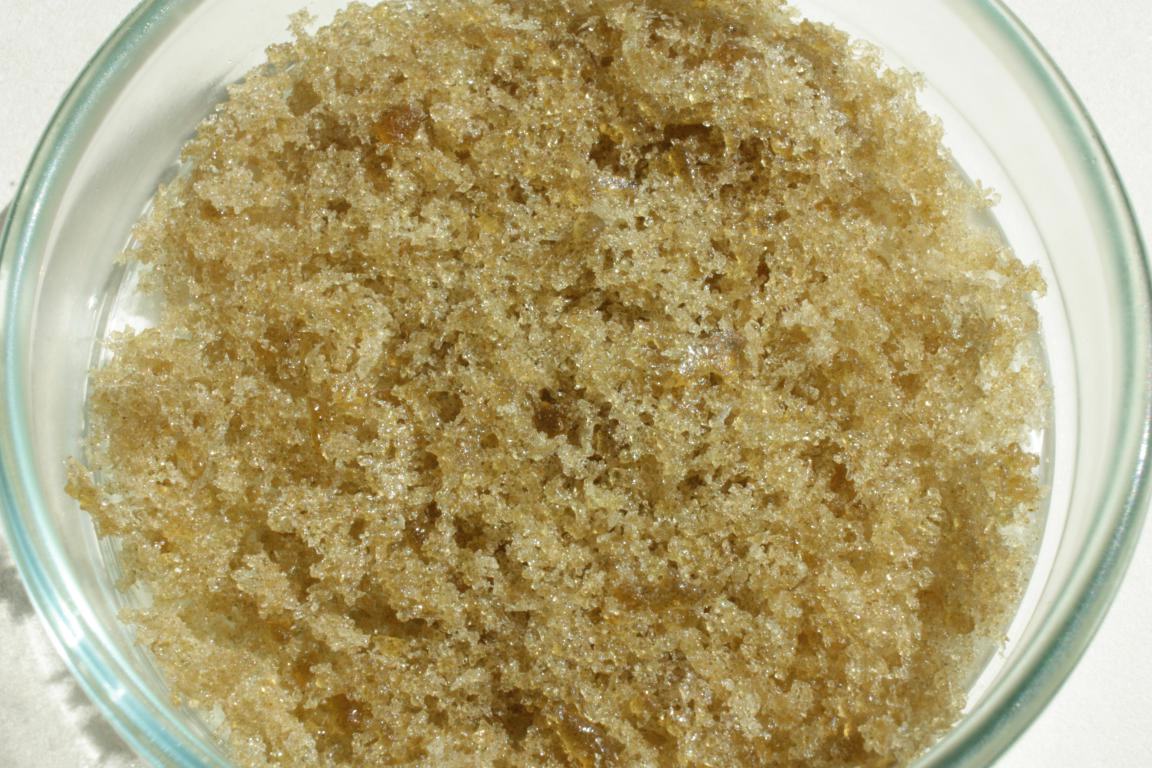
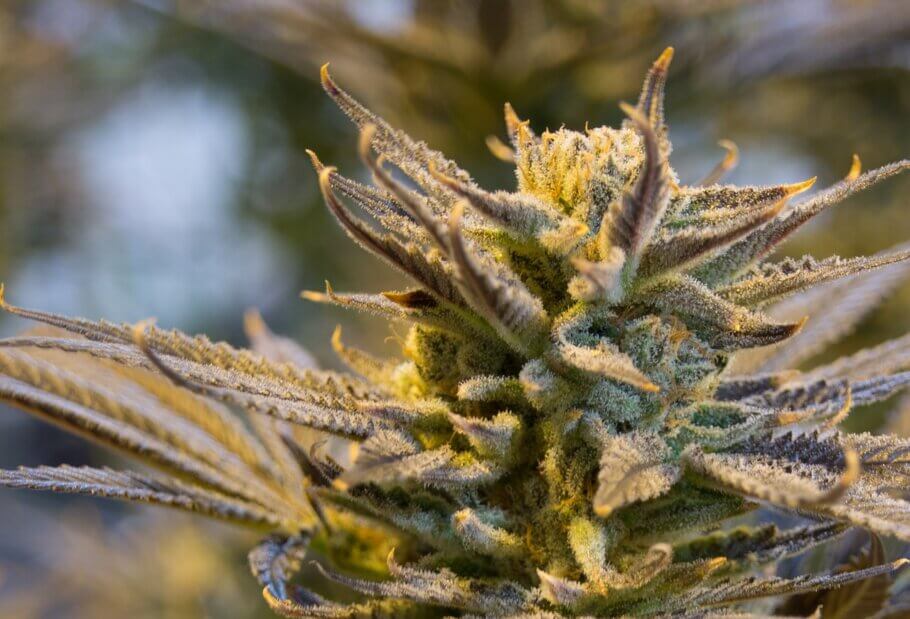
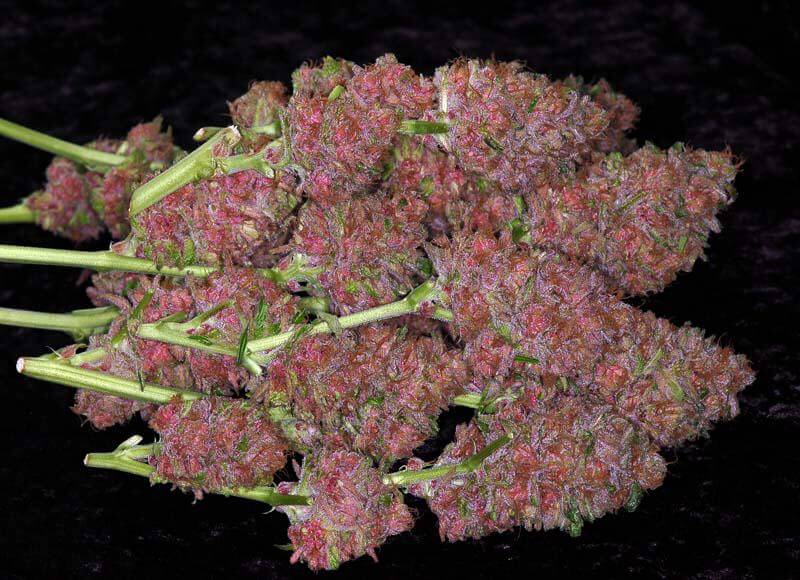
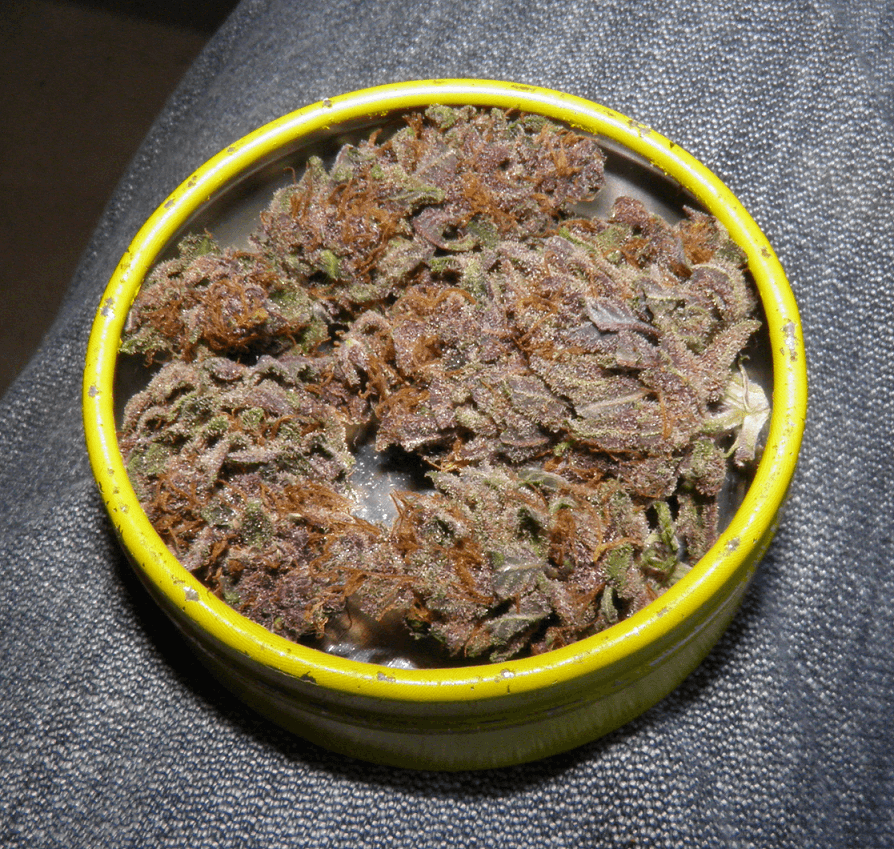
Water curing cleans cannabis buds

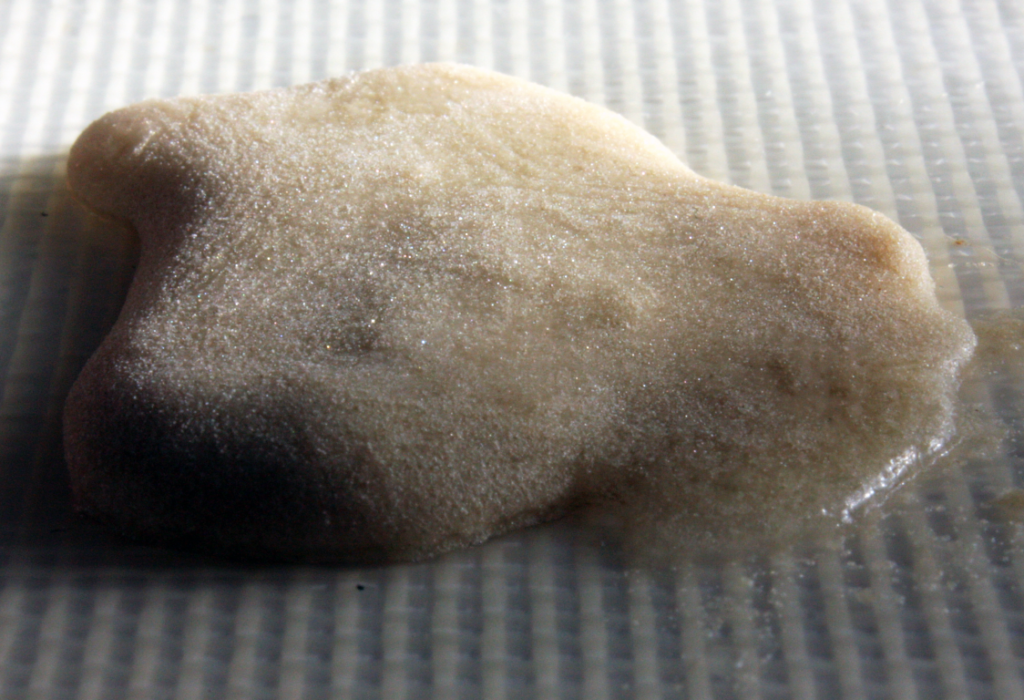
Water curing produces a smoother smoke.

Why cure cannabis in water?

Water curing is a post-harvest technique developed as an alternative to classic cannabis curing. Its principle is based on the fact that many substances responsible for the “green” or unpleasant taste are water-soluble. Instead of waiting several weeks for these compounds to naturally degrade inside a jar, the water bath accelerates the process by extracting them directly.

This method is especially useful when the plant was not properly flushed before harvest or when improving flowers that retained a fertilizer taste.

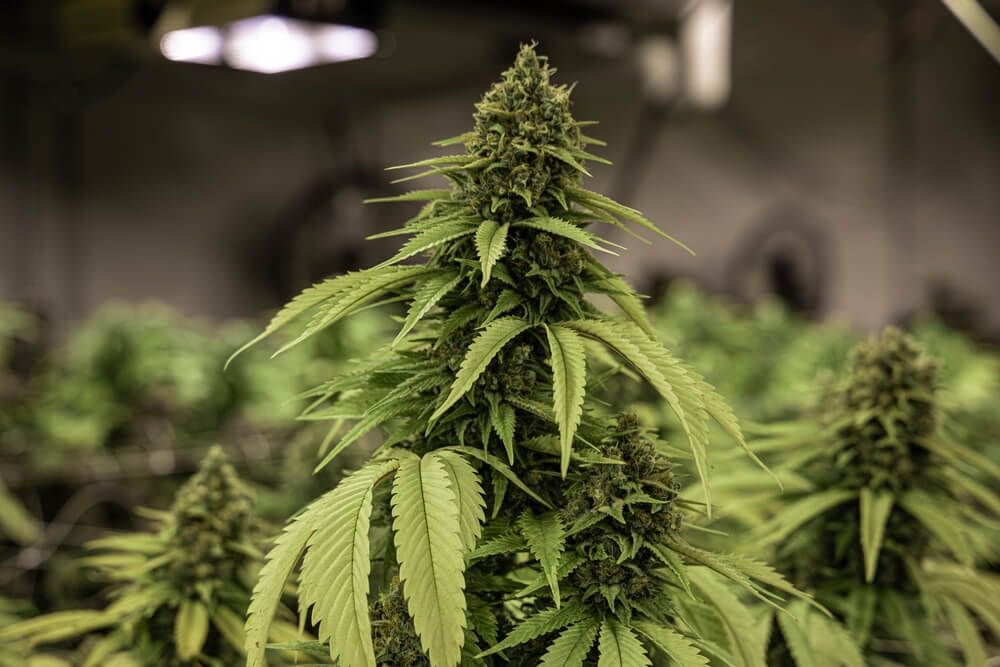
During water curing, undesirable substances are released into the water.

Water curing of cannabis

Before performing water curing, keep the following characteristics in mind:

  • Process duration: 3 to 10 days.
  • Substances removed: chlorophyll, sugars, mineral salts, residual nutrients.
  • Cannabinoids: preserved (they are not water-soluble).
  • Terpenes: partially lost, especially the most volatile ones.
  • Appearance: duller, less aromatic flowers, but with a whiter, more even burn.
  • Main advantage: extremely smooth smoke, ideal for sensitive users.
  • Drawback: reduced aroma and flavor.
  • Caution: dry the flowers thoroughly after the bath to prevent mold.

How to perform proper water curing step by step

  1. Harvest and trimming: Once the plants are cut, remove the large leaves and the small resinous leaves if desired.
  2. Immersion in water: Place the buds in a clean container filled with water at room temperature (18–24 °C). Use a weight or an inverted lid to keep them fully submerged.
  3. Daily water change: Change the water each day to gradually remove dissolved substances. You will often see the water turn cloudy or greenish — a good sign that impurities are being released.
  4. Duration: Generally 5 to 7 days is enough, though some extend to 10 days for a “cleaner” result.
  5. Drying: After the final day, gently drain the flowers and let them dry in a dark, ventilated, dry place. This step is crucial to avoid mold.
  6. Storage: Once fully dry, store the flowers in airtight jars, protected from light and humidity.
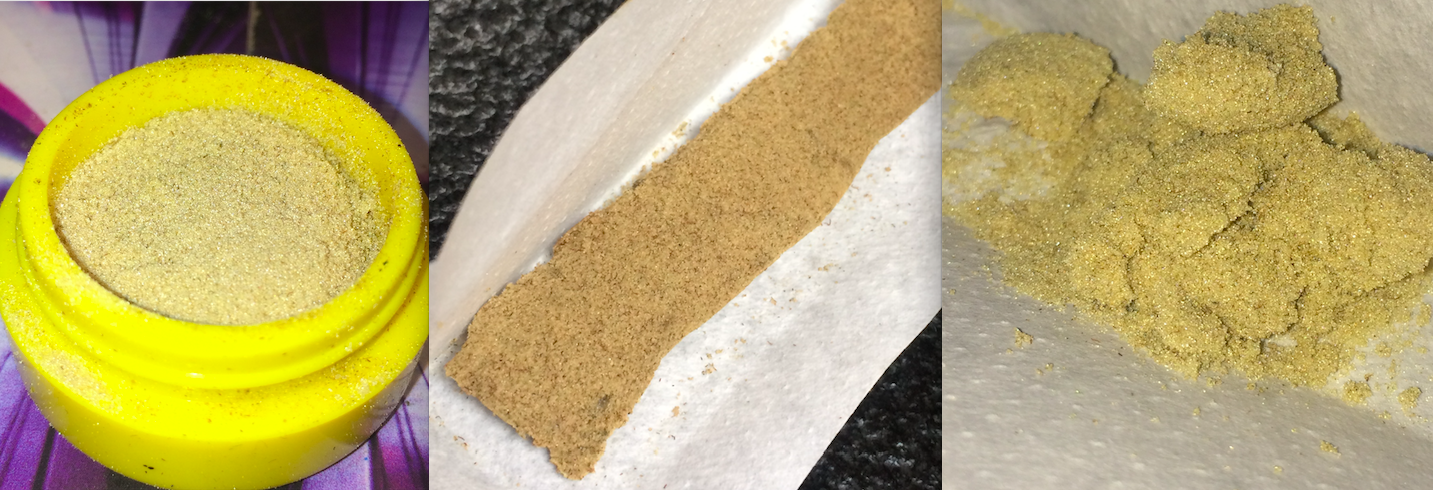
After water curing, buds must be dried properly.

Drying is very important after water curing.

Practical tips

  • Use very clean or distilled water.
  • Do not overload the container: good water circulation improves cleaning.
  • Observe the water color: the cloudier it is, the more impurities have been removed.
  • The final drying must be slow and well controlled.
  • This process is ideal for smoothing out harsh-tasting or poorly flushed herb.

Flavor and effect of water-cured cannabis

Water curing produces noticeably smoother, less irritating smoke because it removes chlorophyll and residues responsible for bitterness. However, this smoothness comes with a loss of aroma: some volatile terpenes dissolve in water, making the smell and flavor more neutral. The flowers therefore lose part of their aromatic appeal, but gain in comfort when smoked or vaporized.

Cannabinoids (THC, CBD, etc.) are not water-soluble, so they remain intact. The effect stays the same, although some users notice the experience feels more direct, as the absence of aromatic terpenes leaves a “purer” sensation without flavor modulation.

Conclusion: smoother smoke but less aromatic

Water curing is a simple, fast and effective technique to obtain a final product of exceptional smoothness. Although it slightly reduces the natural aroma of cannabis, it compensates with clean, light and pleasant smoke. It is especially recommended for users seeking a more comfortable experience or to improve a harvest with an overly aggressive taste.

The post Water Curing: the secret to ultra-smooth smoke appeared first on Alchimia blog.

Basic Guide to Growing Mushrooms at Home

The home cultivation of magic mushrooms is becoming increasingly common due to the rise in their consumption. Being an easy, fast and convenient crop, as well as profitable, more and more people are choosing to grow them at home. While it may sound complex at first, with the right instructions and materials it turns into a rewarding experience that’s within anyone’s reach.

Today we want to make things easy for you with this introductory guide, which covers the basic and most important aspects of cultivation so you can successfully harvest your mushrooms without setbacks or headaches. Let’s go!

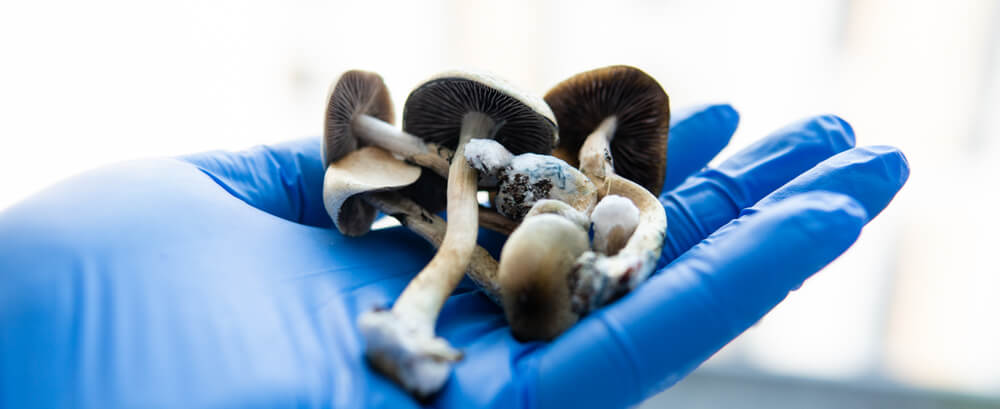
Magic mushrooms, or monguis, are being used in different kinds of therapies

Growing mushrooms at home is relatively easy, especially if you keep a few key aspects in mind

General instructions on how to grow hallucinogenic mushrooms

Each brand offers its own instructions to customers on how to achieve abundant harvests of hallucinogenic mushrooms. Although we recommend following each brand’s instructions, there are certain parameters that are generic and can be applied to all grow kits. To begin, we’ll quickly show you how to grow a hallucinogenic mushroom kit or bag, and then we’ll go into detail on each of the points we’re about to discuss:

To grow hallucinogenic mushrooms at home, the first step is obviously to get a grow kit to cultivate. To do so, and especially if you need some extra information before deciding, you can visit our posts on magic mushroom varieties for beginners or magic mushroom varieties for experienced users.

Once the product arrives at home, you should take it to a place that’s as clean and hygienic as possible to open it, unless it’s a grow bag, in which case you shouldn’t open it at all, just leave it in a space with the right temperature, between 23 and 27 ºC.

Going back to the usual mushroom kits: the best option is to put them inside the bag that comes in the package (Mushbag) or in a mini-greenhouse. This will be the space that guarantees the right environmental conditions for fruiting: between 22 and 26 ºC and at least 80% humidity.

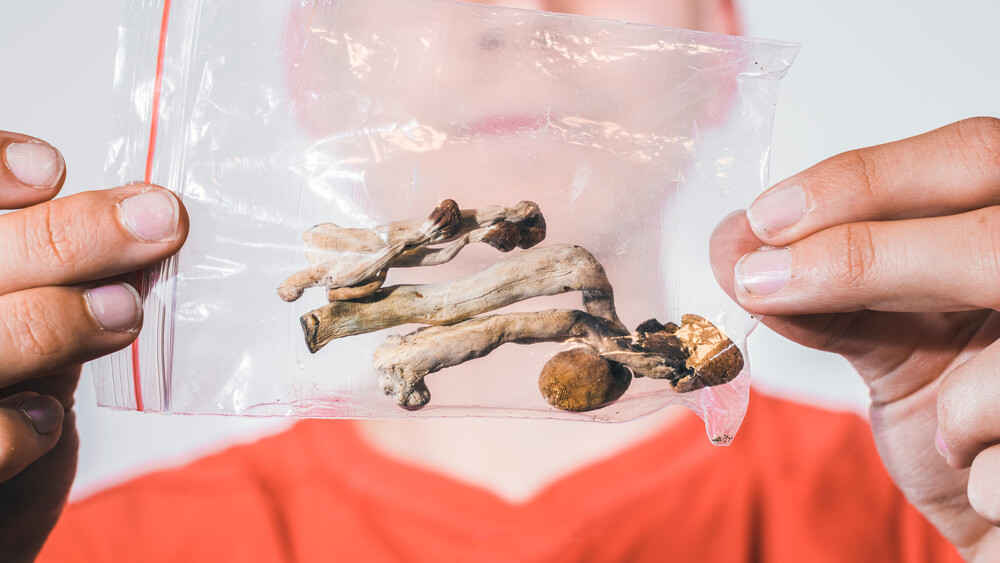
If you ensure these conditions and pay close attention to hygiene, in 15 to 35 days (depending on the variety) you’ll be able to collect your first magic mushrooms. These can be eaten fresh or dried for storage.

[productes tipus=”fitxa” cat=”617″ nfitxes=”3″]

So, after this speed-run on how to grow hallucinogenic mushroom kits, let’s go through it step by step and in detail:

Materials needed to start a magic mushroom grow

The materials needed to start this type of mushroom cultivation are:

  • The cultivation method (bag or mini-greenhouse)
  • A thermo-hygrometer
  • Heat source (if necessary): heating mat or tubular heater
  • Water
  • Sprayer/humidifier

Cultivation method: advantages and benefits of each one

The first step is to determine which cultivation method suits you best. Each has pros and cons, so you should choose the one that best fits your space and its environmental conditions. The most common methods are three: the Mushbag bags that come with mushroom kits, mini-greenhouses and ready-to-grow cultivation bags.

  • Mushbag bags: these are breathable bags where you place the cake so that it can fruit. They act as a climate system where humidity and temperature can be easily controlled. They are individual, one per kit, and usually come with the kits you buy.
  • Mini-greenhouses: mini-greenhouses are the next step towards a more controlled grow. It’s easier to regulate the climatic conditions and you can also cultivate a greater number of kits in the same place.
  • Cultivation bags: these are bags with the mycelium already inside, so you don’t need anything else, just temperature control. An example of this type is the
Tidal Wave Ape about to be harvested

The yields offered by Tidal Wave Ape are truly amazing

Recommended climatic conditions for hallucinogenic mushrooms

For growing this type of mushroom, the first step is to know which climatic conditions are required. The three essential parameters are temperature, humidity and ventilation.

  • Temperature: between 22 and 26 ºC.
  • Humidity: it must stay above 80% at all times. You can spray water on the inner walls of the bag or greenhouse to keep it high, for example when you air the kit daily.
  • Ventilation: ideally, open the bag for a few seconds every day to renew the air inside and prevent CO2 from building up.

It’s very important to stress that one of the main points to consider are sudden climatic changes, both in temperature and humidity. Magic mushrooms are quite sensitive to these and their growth can completely stall. Make sure their environment is as stable as possible!

Temperature: how to achieve it at any time of year

To reach the temperature needed to grow hallucinogenic mushrooms, different temperature control methods can be used, depending on the space and the time of year:

  • If you grow in summer, you’ll need a cool, well-ventilated space where the temperature never exceeds 27 ºC.
  • For winter cultivation, we offer ideal products to increase the heat in your grow space. If you’re working with small mini-greenhouses or bags, a heating mat is the ideal product. It keeps the temperature between 22 and 26 ºC. If you grow in larger mini-greenhouses or propagation tents, a tubular heater can be your best friend. There’s also the option of heated mini-greenhouses, which already include a built-in heating element.
Thermo-hygrometer with probe for temperature and humidity control

With a thermo-hygrometer with probe, it will be much easier to monitor temperature and humidity

Humidity in the grow space: tips and advice

Psilocybe Cubensis mushrooms require high humidity; as mentioned above, all brands recommend at least 80%. Each grow will need a different method depending on the space.

For Mushbag bags

  • Add a finger’s depth of water to the bottom of the bag, making sure the substrate doesn’t come into contact with it.
  • Spray water on the inner walls of the bag. It’s important not to spray directly on the kit once the primordia have appeared, as they could rot.
  • If the walls of the bag dry quickly, you need to spray more often. You can add more water to the bottom of the bag or close the zipper opening a bit more.

For mini-greenhouses or propagators:

  • Pour water into the bottom tray until it’s 3–4 cm deep. The heat from the heating mat will help evaporate this water and raise the relative humidity inside.
  • If the mini-greenhouse has ventilation windows, you can adjust their opening to achieve a stable humidity level, ideally around 80%.
  • To grow in propagation tents, either place a tray of water inside on which you can put the kit, or add a humidifier.

Finally, as mentioned earlier, keep in mind that sudden changes in temperature or humidity can slow down the development process.

A high level of humidity is crucial

Humidity is a key factor for the development of both the mycelium and its fruiting bodies, that is, the mushrooms (Image: Marco Allegretti)

Ventilation: how to keep your space well aired

Good air circulation helps remove accumulated carbon dioxide (CO2). Mushrooms, like other organisms, consume oxygen and produce CO2, and high concentrations of this gas can inhibit their growth. Ensuring proper ventilation is essential to keep a healthy growing environment.

Mushbag grow bags

It’s recommended to leave the bag partially open, about 1/3 of its length, to allow a continuous air exchange.

When you open it to spray water, take the opportunity to renew the air. You can squeeze the bag slightly to expel the “stale” air and let fresh air in before closing it again.

Keep in mind that you’re walking a fine line here: if the bag is too open, the kit can dry out or get contaminated.

Mini-greenhouses or propagators

In this case, the simplest way is to leave the vents open to achieve the desired humidity and ventilation level. As it’s a larger space, the air takes longer to become saturated with CO2, but it’s still recommended to open the mini-greenhouse periodically.

Hallucinogenic mushroom grow bags

This is a special case. Unlike traditional cakes, grow bags such as Mycobag are designed so that the bag itself acts as a controlled environment.

There’s no need to air or open the bag at any time during the grow, only to harvest. These hybrids can grow with high CO2 and barely any O2, which makes cultivation easier and reduces the chances of contamination since you don’t have to open the bag.

Mushrooms prefer a clean environment with little air draft

Keep your mushroom kits away from drafts to avoid contamination

Hygiene in hallucinogenic mushroom cultivation

Hygiene in mycological cultivation is a key factor for success, from the very start of the grow to post-harvest handling and preparation for consumption.

A clean, controlled environment significantly reduces the risk of contamination in mushroom kits, as contamination is usually caused by other fungi and bacteria. It can compromise the quality and safety of the mushrooms produced; it’s not advisable to consume them if they are contaminated.

Contaminating microorganisms compete with the mycelium for nutrients and, in most cases, are more aggressive and colonise the substrate more quickly, resulting in the loss of the grow.

Preventive hygiene practices

Personal hygiene

  • Wash your hands thoroughly or use disposable gloves before handling the mushrooms or their grow. If you use gloves, disinfect them once they’re on.
  • Wear a mask while handling the kit to reduce the chances of contamination.
  • Try not to touch the kit or breathe over it.

Work space hygiene

  • Keep your grow environment clean and tidy.
  • Regularly disinfect the work area and grow facilities with isopropyl alcohol.
  • Keep the kits away from drafts.
  • Disinfect all tools and equipment used.

During the grow

  • It’s important to use gloves and masks every time you open the mini-greenhouse or Mushbag, as this is the riskiest moment in terms of contamination.
  • Mushroom grow bags significantly reduce the risk of contamination because you don’t need to open the bag at any time during the grow, only to harvest.
Hygiene is essential for a trouble-free grow

With proper hygiene, your mushroom kits won’t get contaminated and will fruit without any issues

Post grow (harvest, drying and storage)

  • During harvest, wash your hands thoroughly or use gloves.
  • Handle the mushrooms carefully when picking them so as not to damage the substrate or mycelium, which could impair the following flushes.
  • Avoid harvesting too late, as the release of spores could contaminate the kit and make new fruitings more difficult.
  • Drying the mushrooms completely is essential to preserve their potency and prevent mould and problems during storage.

Dangers and most common mistakes during magic mushroom cultivation

The most common and significant problems that can arise during magic mushroom cultivation revolve mainly around contamination and control of environmental conditions. These can seriously affect the mushroom cake and reduce production, or in the worst cases kill the mycelium. Below are the most frequent issues and their triggers:

Contamination of the grow

This is the most important and frustrating problem for growers. Contamination is caused by other fungi that compete with the mycelium. These unwanted microorganisms are often more aggressive and colonise the substrate faster than the mushroom mycelium, resulting in the loss of the grow.

Contaminations usually appear as patches of strange colours and textures on the surface of the kit that are not the pure white of healthy mycelium. The patches can be dark, pink, orange, green, etc., and may be accompanied by an unpleasant smell.

It’s important to distinguish these contaminations from the bluish bruising that mycelium or the mushrooms themselves can show due to psilocybin oxidation.

The main cause of contamination in mushroom kits is the lack of hygiene in the space or from the grower: it’s crucial to consider factors such as the grower’s hygiene, the grow space (air and lack of a clean, controlled environment) and the tools used.

The post Basic Guide to Growing Mushrooms at Home appeared first on Alchimia blog.

Liquid mycelium and new MycoSupplies mushroom kits at Alchimia

The world of mushroom cultivation continues to evolve, and MycoSupplies is establishing itself as one of the most innovative brands in the sector. This time, it presents two important new products designed for both novice and advanced growers: the new Albino Penis Envy and Mac Galactic mushroom grow bags, and a line of liquid mycelium that improves efficiency, colonization speed, and sterility control.

Furthermore, the brand is expanding its offerings with complete kits that combine liquid mycelium with monotub or grow bag systems. This represents a practical and professional solution that simplifies the entire mycological process from start to finish. These additions reinforce MycoSupplies’ —and Alchimia’s—commitment to quality, innovation, and responsible mycological research. Today, we’ll tell you all about these new products!

Mac Galactic from MycoSupplies offers very high performance

The results with Mac Galactic from MycoSupplies are amazing

MycoSupplies: quality, innovation, and safety in mushroom cultivation

Since its inception, MycoSupplies has established itself as a leading brand in the field of home and laboratory mushroom cultivation. Distinguished by its commitment to the quality, sterility, and traceability of each of its products, its philosophy combines scientific research with accessibility, bringing professional tools to those who wish to explore the fascinating world of fungi.

Each product from the brand is manufactured under strict microbiological control protocols. The purity of the mycelium and the absence of external contaminants are guaranteed. Furthermore, MycoSupplies maintains an educational and responsible approach: its solutions are designed to promote observation, learning, and mycological experimentation, always respecting the industry’s safety and ethical standards.

This constant pursuit of excellence has made the brand synonymous with trust, durability, and innovation. These are essential values in a field where precision and care for the environment are crucial to achieving optimal results.

Magic mushrooms for beginners

MycoSupplies expands its catalog with new Albino Penis Envy and Mac Galactic grow bags

As part of its commitment to innovation, MycoSupplies is launching two new ready-to-use magic mushroom grow bags, featuring varieties selected for their yield, resistance, and ease of fruiting: Albino Penis Envy and Mac Galactic. Both have been developed with high-quality sterile substrates and vigorous mycelium that ensures rapid and even colonization.

These bags are designed to offer a comprehensive and practical solution. They’re especially suitable for those seeking reliable results without the need for advanced equipment. Each unit features a ventilation system and microporous filter, facilitating air exchange and maintaining optimal humidity and temperature conditions throughout the process.

  • Albino Penis Envy (APE): a variety known for its robust structure, mycelial density, and genetic purity. Ideal for observation projects or advanced mycological research. Its effect is very potent—you’ve been warned!
  • Mac Galactic: stands out for its uniform colonization and adaptability to different environments, making it a versatile option for those seeking fast and stable growth. Its yield is exceptional.

Both additions reflect MycoSupplies’ effort to offer safer, more efficient, and accessible culture materials. Their goal is to optimize the user experience without compromising the scientific quality of the process.

Albino Penis Envy from MycoSupplies is potent and highly productive

Albino Penis Envy (APE) by MycoSupplies is an extremely potent strain

MycoSupplies Liquid Mycelium: Innovation and efficiency for experienced growers

MycoSupplies liquid mycelium represents a significant advancement in mushroom cultivation techniques. This format accelerates substrate colonization, reduces the risk of contamination, and increases control over growing conditions.

This is a sterile suspension of active mycelium in a liquid nutrient solution. This mycelium can be inoculated directly onto grains, substrates, or culture cakes. Unlike solid mycelium or traditional spores, liquid mycelium offers more uniform distribution and a higher mycelial expansion rate, shortening incubation times.

[productes tipus=”fitxa” ids=”21415,21417,21433″]

Among its main advantages are:

  • Controlled sterility: each batch is produced in a laboratory environment with HEPA filtration.
  • Rapid colonization: the liquid solution enables more homogeneous inoculation.
  • Versatility: compatible with various media, bags, and monotub systems.
  • Technical efficiency: reduces material waste and facilitates experimental replication.

Thanks to these characteristics, MycoSupplies liquid mycelium has become a tool of choice for experienced growers, educational centers, and enthusiasts of applied mycology, who seek precision and reliability at every stage of the process. The varieties currently available in our store are:

  • Albino Penis Envy liquid mycelium
  • Golden Teacher liquid Mycelium
  • McKennaii liquid mycelium
  • B+ liquid mycelium
  • Mexican lLiquid mycelium
  • Cyanescens liquid mycelium

Differences between growing mushrooms with spores or with mycelium

Complete liquid mycelium kits with monotub or bag: efficient and controlled cultivation

For those seeking a comprehensive solution, MycoSupplies presents its new liquid mycelium kits, available in two configurations: a kit with a monotub system and a kit with a grow bag. Both are designed to offer a safe, clean, and high-performance growing experience.

Mycelium kits with monotubs are designed for users who want more direct control over environmental variables such as humidity, ventilation, and temperature. This format allows observation of mycelial development in a closed space, optimizing fruiting and minimizing the risk of contamination.

On the other hand, mycelium kits with grow bags offer an even simpler system, ideal for those seeking convenience without sacrificing quality. Their self-ventilating structure maintains a stable microclimate, reducing the need for external handling, which is especially useful in small spaces or without additional equipment.

Both options include high-purity liquid mycelium, prepared substrate, and support materials, forming a complete, ready-to-use mycological ecosystem. With these launches, MycoSupplies reaffirms its leadership in the sector, bringing technology, safety, and efficiency to all levels of experience.

B+ from MycoSupplies grown from liquid mycelium

The B+ harvests with MycoSupplies liquid mycelium are spectacular

MycoSupplies, advancing domestic mycology with precision and confidence

With these new additions, MycoSupplies reaffirms its commitment to excellence and safety in mushroom cultivation, offering solutions that combine scientific precision, ease of use, and superior quality, meeting the highest industry standards. Both the new Albino Penis Envy and Mac Galactic grow bags, as well as the liquid mycelium and complete kits, represent a step forward in the professionalization of home cultivation, bringing laboratory techniques to any responsible experimental environment.

In a context where applied mycology is gaining increasing interest, MycoSupplies positions itself as a benchmark in innovation, traceability, and training, providing products that not only optimize results but also promote a safe, ethical, and educational practice.

Discover the full range of MycoSupplies products at Alchimia Grow Shop and explore how mycological technology can transform the way we understand mushroom cultivation.

Happy harvest!

The post Liquid mycelium and new MycoSupplies mushroom kits at Alchimia appeared first on Alchimia blog.

Halloween Special: 4 terrifying recipes using Cannabis butter

Halloween is fast approaching, and it’s the perfect opportunity to enjoy delicious and original recipes. This year, we’re going all out with a complete, 100% homemade menu…and with a magical touch, of course!

Made with cannabis butter, these dishes will surprise you not only with their delicious flavor but also with their appearance. Cannabis butter is the perfect base for infusing your savory and sweet dishes, and you can substitute it with olive or coconut oil for a vegan version. Today, we’ll teach you how to prepare it so you can cook these spectacular and terrifying delicacies.

On Halloween, sweets and recipes of all kinds are usually prepared.

Halloween is the perfect time to prepare original recipes

As we mentioned, cannabis butter is the perfect base for these recipes. Find out how to make cannabis butter quickly and easily by following the link. And if you’re vegan, you can try this vegan cannabis butter recipe; we assure you the result will be just as spectacular.

Once ready, you can store it in the refrigerator for several days or freeze it in portions, just like any other butter. Now, let’s move on to the recipes!

Witch’s Fingers Cheese Sticks

Witch fingers made with cannabis butter

Witch fingers are a perfect Halloween snack, and you can fill them with anything you want

As you’ll see, making these witch fingers with magic butter is really easy, and the results are simply spectacular! Let’s see what you’ll need and how you can make them in no time:

Ingredients:

  • 100 g of flour
  • 50g of cannabis butter
  • 50 g grated cheese (Emmental or Cheddar)
  • 1 pinch of salt
  • Whole almonds for nails

Preparation:

  • Mix all the ingredients (except the almonds) to form a shortcrust pastry.
  • Shape into sticks and then flatten the ends slightly to form fingers.
  • Place an almond on the end of each finger to make the nail.
  • Bake for 15 minutes at 180ºC.
  • Serve with a bright red tomato sauce (ketchup, tomato jam, etc.).

Puff pastry cookies with cheese and cannabis butter

Cannabis puff pastries are very easy to prepare

Ghost-shaped cannabis puffs

Ingredients:

  • 1 sheet of puff pastry
  • 50 g grated cheese (Emmental, Cheddar or Comté)
  • 2 tablespoons melted cannabis butter
  • 1 egg yolk (to brown the dough)
  • Some black olives for the eyes.
  • Salt, pepper

Preparation:

  • Preheat oven to 180°C.
  • Cut the dough with a ghost-shaped cookie cutter (or a knife).
  • Brush each shape with melted cannabis butter.
  • Sprinkle with grated cheese and then cover with another shape to ?close? the ghost.
  • Brush the outside of the ghosts with egg yolk.
  • Form the eyes with small pieces of black olive.
  • Bake for 15 to 20 minutes until golden brown.

Alchimia Tip: Serve them hot with a spicy ketchup ?blood.?

?Death?s Head? Tapas ? Mushrooms stuffed with cannabis butter

Although more laborious to prepare, the result is worth it.

The result of these mushrooms is truly striking

Ingredients:

  • 8 mushrooms
  • 2 tablespoons of cannabis butter
  • 1 clove of minced garlic
  • 40 g of breadcrumbs
  • 30 g grated Parmesan cheese
  • Fresh parsley
  • Salt, pepper

Preparation:

  • Remove the stems from the mushrooms and chop them.
  • Brown the garlic and chopped stems in the cannabis butter.
  • Add the breadcrumbs, Parmesan cheese, and parsley. Mix.
  • Fill the mushroom caps with this filling.
  • Bake in the oven for 15 minutes at 180ºC.

To achieve the ?skull? effect, draw the eyes and mouth with a small knife or black food coloring.

Visual Tip: Serve them over a green mash (spinach, peas, even guacamole) for a vibrant contrast.

Pumpkin and ghost meringue muffins

Cannabis muffins with meringue

Besides being delicious, these muffins are really visually appealing

Ingredients:

Muffins (pumpkin and spices):

  • 220 g pumpkin puree (well drained)
  • 180 g of T55 flour
  • 120 g of brown sugar
  • 1 large egg
  • 60g melted cannabis butter (warm)
  • 40 g of neutral oil (sunflower/rapeseed)
  • 8 g of baking powder
  • 1 pinch of salt
  • Spices: 1 teaspoon cinnamon, ½ teaspoon ginger, ¼ teaspoon nutmeg
  • 1 teaspoon vanilla extract
  • 60 ml of milk (or vegetable drink)

?Ghost? meringue:

  • 2 egg whites (? 70 g), at room temperature
  • 120 g of sugar
  • 35 ml of water
  • 1 pinch of salt
  • ½ teaspoon lemon juice

Decoration: mini chocolate chips or black edible gel for the eyes (and mouth)

Preparation

Muffin Dough and Baking:

  • Preheat the oven to 180°C (fan-assisted). Place the paper muffin cups in a baking pan.
  • In a bowl, whisk together pumpkin puree, sugar, egg, vanilla, melted cannabis butter (warm, not hot), and oil.
  • Sift the flour, baking powder, salt, and spices, then add them alternately with the milk. Mix until smooth (do not overwork).
  • Fill the boxes to ¾ of their capacity.
  • Bake for 20?22 minutes: a toothpick inserted should come out clean.
  • Let it cool completely on a wire rack (important before making the meringue).

Italian ?ghost? meringue:

Italian meringue holds up well, doesn’t grain, and turns into beautiful phantoms.

  • Syrup: In a small saucepan, heat the sugar and water to 118°C (small ball).
  • Meanwhile, begin whisking the egg whites with the salt and lemon juice at medium speed until a soft foam forms.
  • Pour the 118°C syrup in a thin stream over the egg whites while beating at medium-high speed. Continue beating for 4-5 minutes, until cool: the meringue should be glossy and firm.
  • Place the meringue on each muffin: using a plain round pastry bag (Ø 10?12 mm), form cones to create ghosts.
  • Bake for 5-7 minutes in the oven at 110°C or lightly torch for a golden brown finish (optional).
  • Add the eyes (sparkles/black gel) once the surface is warm.

Enjoy your meal, and Happy Halloween!

The post Halloween Special: 4 terrifying recipes using Cannabis butter appeared first on Alchimia blog.

A fungus hidden in Morning Glory seeds and its connection to LSD

In a lab at West Virginia University (WVU), environmental microbiology student Corinne Hazel made a discovery that has captured the scientific attention: an elusive fungus, dubbed Periglandula clandestina, that lives in symbiosis with the seeds of the morning glory ( Ipomoea tricolor ). This discovery not only solves a mystery that has intrigued scientists for almost a century but also connects to the fascinating story of Swiss chemist Albert Hofmann, the creator of LSD, and the ancient use of these seeds in ethnobotanical practices. In this article, we will explore this discovery, its relationship to LSD, the role of these flowers in history, and the possible implications for modern science, including the growing interest in microdosing.

Join us on this journey into the world of fungi and plants!

The fungus Periglandula clandestina has been found in the seeds of the Ipomea tricolor

Ipomoea tricolor, variety ‘Heavenly Blue’ – Photo: Russell E, CC BY-SA 3.0

A fortuitous discovery with deep roots

Imagine a lab full of morning glory plants, with their vibrant blue flowers and tiny seeds. Corinne Hazel was studying how these plants disperse protective chemicals called ergot alkaloids through their roots. While examining the seeds, she noticed something curious: a bit of “fuzz” on the seed coats. “We had a bunch of plants lying around and these little seed coats,” Hazel said. “We noticed a little bit of fuzz on the coat. That was our mushroom!”

That “fuzz” turned out to be Periglandula clandestina, an endophytic fungus that lives inside the seeds of the morning glory in a symbiotic relationship. Hazel, working alongside Professor Daniel Panaccione, extracted a DNA sample from the fungus and sent it for genomic sequencing. The results confirmed it was a new species, and the genetic sequence now bears Hazel’s name in a gene bank. “Sequencing a genome is a significant thing,” Panaccione said. “It’s incredible for a student.”

This fungus is no ordinary discovery. For decades, scientists suspected that a fungal organism was responsible for the psychedelic compounds present in morning glory seeds, but no one had been able to identify it. Hazel and Panaccione finally solved this mystery, publishing their findings in the journal Mycologia (DOI: 10.1080/00275514.2025.2483634).

Corinne Hazel examining morning glory seeds

Corinne Hazel examining morning glory seeds – Photo: WVU Photo/Brian Persinger

The connection with Albert Hofmann and LSD

The story of Periglandula clandestina is intertwined with that of Swiss chemist Albert Hofmann, who in the 1930s synthesized LSD (from the German ?Lysergsäurediethylamid? ? lysergic acid diethylamide) from ergot alkaloids produced by the fungus Claviceps purpurea, which grows on grains such as rye. Hofmann noticed that bellflower seeds, particularly those of the species Ipomoea tricolor, contained compounds similar to those he had modified to create LSD, such as ergine (Lysergsäureamid amide or LSA). Intrigued by the traditional use of these seeds in Mesoamerican ceremonies, Hofmann hypothesized that a symbiotic fungus within the bells might be producing these psychedelic compounds. However, despite his efforts, he never found the mushroom in question.

Hofmann wasn’t wrong. Bellflower seeds contain derivatives of lysergic acid, which gives them their psychedelic properties. “This inspired Hofmann and others to investigate bellflowers for a hidden fungus related to the ergot fungus that could be the source of these chemicals,” Panaccione explained. “They found very similar chemicals, but they were never able to find the mushroom itself.” Hazel’s identification of Periglandula clandestina confirms Hofmann’s theory, showing that this fungus is, in fact, responsible for producing the ergot alkaloids in bellflower seeds.

Ergot and lysergic acid (LSD)

An ethnobotanical journey into the past

Bells aren’t just decorative plants; they have a rich ethnobotanical history dating back centuries. Mesoamerican peoples, such as the Aztecs, were familiar with the psychedelic properties of the seeds of the Ipomoea tricolor plant, which they called tlitliltzin or ololiuhqui. Similar to magic mushrooms, these seeds were used in spiritual and medicinal rituals, considered sacred for their ability to induce visions and altered states of consciousness. Shamans used them to communicate with the divine, heal illnesses, or explore the spirit world.

The knowledge of these properties did not go unnoticed by Hofmann, who studied the traditional uses of bells to better understand the chemical compounds they contained. The connection between ancestral use and modern science is fascinating: what indigenous peoples knew intuitively, science now confirms with the discovery of Periglandula clandestina. This mushroom, hidden in seeds, is the engine behind the psychedelic effects that have intrigued ancient and modern cultures alike.

[productes tipus=”fitxa” cat=”617″ nfitxes=”3″]

What are ergot alkaloids and why are they important?

Ergot alkaloids are chemical compounds produced exclusively by fungi, such as Periglandula clandestina and Claviceps purpurea. These compounds have a double face: in high doses, they can be toxic to humans and animals, causing a condition known as ergotism, which historically led to severe symptoms such as seizures, hallucinations, and even gangrene. However, in controlled doses or with their molecular structures modified (derivatives), ergot alkaloids have therapeutic applications. Currently, they are used in medications to treat migraines, uterine bleeding, dementia, and Parkinson’s disease.

Microdosing and morning glory seeds

In recent years, microdosing ?the consumption of very small doses of psychedelic substances to enhance creativityfocus, or well-being without inducing hallucinations ?has gained popularity. While microdosing with LSD or psilocybin (from psychedelic mushrooms) is more common, morning glory seeds, rich in LSA, have also been used by some enthusiasts. LSA has milder effects than LSD, but can induce states of relaxation and insight at low doses.

However, using morning glory seeds for microdosing is not without risks: ergot alkaloids can cause side effects such as nausea, vasoconstriction, or dizziness if not dosed correctly. Furthermore, seed preparation requires care, as some commercial varieties are treated with toxic chemicals.

The mystery of an endophyte: The secret life of Periglandula clandestina

Summary Poster: "A New Species of Fungus Symbiotic with the Morning Glory Ipomoea tricolor"

Summary poster: “A New Species of Fungus Symbiotic with the Morning Glory Ipomoea tricolor”. (Source: symposium.foragerone.com)

What makes Periglandula clandestina so fascinating is its nature as an endophyte, an organism that lives harmlessly inside another, in a symbiotic relationship. In this case, the fungus resides in the seeds of the morning glory, producing alkaloids that protect the plant from herbivores and disease. In return, the plant provides a safe home for the fungus. This relationship is a perfect example of how nature creates complex alliances for survival.

The name “clandestina” couldn’t be more appropriate. This fungus managed to evade scientists for decades, hidden in tiny seed coats. Hazel is now working on cultivating this slow-growing fungus in the lab, a crucial step toward studying its properties and potential applications.

A discovery that opens the door to future research

The story of Periglandula clandestina is more than a scientific discovery; it’s a bridge between the past and the future. It connects the ancestral knowledge of Mesoamerican peoples with the curiosity of Albert Hofmann and the perseverance of a student like Corinne Hazel. The discovery of Periglandula clandestina opens the door to exploring other species of morning glory, which could host other symbiotic fungi with unique compounds yet to be discovered.

In a world where psychedelic research is resurfacing, this discovery is a reminder that answers to big scientific questions are often hidden in the most unexpected places. From Mesoamerican ceremonies to modern laboratories, morning glory seeds and their hidden mushroom invite us to continue exploring the intersection of nature, science, and mental health.


References:

The post A fungus hidden in Morning Glory seeds and its connection to LSD appeared first on Alchimia blog.

What are adaptogenic mushrooms and how can they help you?

In recent years, adaptogenic mushrooms have become true protagonists of natural wellness. From Reishi to Lion’s Mane, these ancient organisms are regaining their place in modern life thanks to their ability to help us maintain physical and mental balance.

But beyond fads and superfoods, adaptogens represent something deeper: a bridge between ancient wisdom and contemporary science. In this article, you’ll learn what adaptogenic mushrooms are, how they work in the body, and how to safely incorporate them into your daily routine.

Lion's Mane is also known as Yamabushitake or Hou Tou Gu

Lion’s Mane can improve cognitive function as well as digestive health

What are adaptogenic mushrooms?

The word adaptogen comes from the verb “to adapt” and refers to any natural substance that helps the body better resist and manage stress, whether physical, mental, or emotional.

In simple terms, an adaptogen acts as a modulator. Instead of forcing the body to react in a specific way, it helps it find its own internal balance, adjusting key biological processes such as cortisol production or energy levels.

Adaptogenic mushrooms—such as Reishi, Cordyceps, or Lion’s Mane—contain bioactive compounds (such as polysaccharides, triterpenes, or beta-glucans) that contribute to this natural regulatory effect.

[productes tipus=”fitxa” cat=”782″ nfitxes=”3″]

History and traditional use in different cultures

The use of medicinal mushrooms is not a new trend. In fact, it’s an ancient practice that is part of many cultural traditions. In China and Japan, Reishi was known as the “mushroom of immortality” and was reserved for emperors and Taoist monks. Meanwhile, in Siberia, Chaga was used as a tonic infusion to resist extreme cold. Finally, in the Americas, various indigenous communities turned to mushrooms like Lion’s Mane to strengthen their bodies and minds during the changing seasons.

Today, that traditional wisdom joins modern research, which investigates its bioactive components and their potential to support overall well-being.

How do adaptogenic mushrooms act in the body

Regulation of the HPA axis (stress and cortisol)

The HPA (hypothalamic-pituitary-adrenal) axis is the system that regulates the body’s response to stress. When we live in “constant alert” mode, this axis becomes unbalanced, causing fatigue, irritability, or lack of concentration.

Adaptogenic mushrooms work by balancing the production of cortisol, the stress hormone, helping the body regain a state of calm and stability. They don’t block it, but rather modulate it, allowing for a more adaptive response to environmental demands.

Reishi mushrooms stimulate the immune system and facilitate blood circulation.

At Alchimia, you can find Reishi mushrooms in powder, super-fermented form, and also in extract (Image: pxhere)

Immune system and hormonal balance

In addition to their effect on stress, many adaptogenic mushrooms strengthen natural defenses and help maintain hormonal balance. Their antioxidant compounds and beta-glucans support immune function, while their essential nutrients promote an overall feeling of vitality.

Together, they create a kind of “biological cushion” that helps the body respond more efficiently to both physical stress and emotional or metabolic imbalances.

Most notable benefits of adaptogenic mushrooms

Although each species has unique properties, the most common effects of adaptogenic mushrooms include:

  • Stress and fatigue reduction: helps the body recover from physical and mental fatigue.
  • Immune system reinforcement: they strengthen natural defenses against external aggressors.
  • Improved concentration and memory: Some mushrooms, such as Lion’s Mane, stimulate mental clarity.
  • Support for emotional balance: they promote a state of calm without sedation.
  • Greater physical and mental endurance: they provide sustained energy without generating nervousness or peaks of excitement.

Important: These effects are based on preliminary studies and traditional use; they do not replace any medical treatment .

[productes tipus=”ficha” ids=”21407,21390,21412″]

Adaptogenic or functional mushrooms in Alchimiaweb

Adaptogenic mushrooms are natural allies of well-being and vitality. Used for centuries in traditional Asian medicine, they help the body adapt to stress, strengthen the immune system, and improve concentration and energy.

At Alchimiaweb, we offer a selection of organic and fermented functional mushrooms, responsibly grown and carefully processed to preserve all their active ingredients. A simple and natural way to connect with ancestral wisdom… and with your inner balance. Here are some of the most notable adaptogenic mushrooms in our catalog:

  • Super Fermented Organic Reishi: Known as the “mushroom of immortality,” Reishi supports the immune system and promotes rest and calm. Its super fermented version improves absorption and enhances its regenerative effect.
  • Lion’s Mane Bio: Lion’s Mane stimulates concentration and mental clarity. Highly valued for its effects on the nervous system, it is the preferred mushroom for promoting memory and attention.
  • Organic Cordyceps Powder: Cordyceps is the mushroom of energy and endurance. It increases physical vitality and helps combat fatigue. Ideal for athletes or people looking to maintain an active and balanced lifestyle.
  • Organic Chaga: Considered a powerful natural antioxidant, Chaga helps protect cells from oxidative stress. Regular use supports overall well-being and vitality.
  • Organic Super Fermented Reishi and Herb Fusion: A balanced blend of adaptogenic herbs and fermented reishi, designed to strengthen the immune system and support body-mind balance. Perfect for those looking for a complete natural routine.

Tip: Combining adaptogenic mushrooms with fermented Ayurvedic products (such as Ashwagandha or Shatavari ) can enhance mental clarity, energy, and emotional harmony.

The Hungus mix contains Reishi, Chaga, Shiitake, Maitake, Lion's Mane, Cordyceps and White Mushroom

At Alchimia, you also have this powerful blend of 7 different adaptogenic mushrooms available

How to take adaptogenic mushrooms

Common formats

You can find adaptogenic mushrooms in different presentations:

  • Easy-to-dose liquid extracts or tinctures.
  • Soluble powders, ideal for adding to coffees or smoothies.
  • Capsules or tablets, for those who prefer a precise dose.
  • Dried mushrooms or infusions, in their most natural form.

Indicative dosage and recommendations for daily use

Each extract has a different concentration, but in general, adaptogens are taken regularly and for a long time, not as a one-time remedy.

The key is consistency: small daily doses can be more effective than sporadic, high doses. It’s always recommended to start with a low dose and gradually increase it according to personal tolerance.

Safe combinations and synergies between species

Some mushrooms work very well together:

  • Reishi + Cordyceps for balance and sustained energy.
  • Lion’s Mane + Chaga for mental clarity and the immune system.
  • Shiitake + Maitake for general wellness support.

These combinations enhance their adaptogenic effects without adding risks, as long as quality extracts from reliable sources are used.

The Chaga mushrooms you can find at Alchimia are 100% organic and vegan.

Chaga mushroom protects against oxidative stress, also supporting energy metabolism (Image: bluebirdprovisions)

Basic precautions and contraindications

Although they are natural products, not all organisms react the same way to taking these mushrooms; avoid consumption if you are pregnant, breastfeeding, or taking immunosuppressive medication. If in doubt, consult a healthcare professional before incorporating them into your routine.

And remember: more isn’t always better; moderation and listening to your body are the foundation of conscious use.

Final tips

Adaptogenic mushrooms aren’t a magic bullet, but rather long-term allies for cultivating balance, clarity, and well-being. They work best when combined with good nutrition, rest, and mindful habits.

Including them in your daily routine—whether in your morning coffee or an afternoon smoothie—can help you reconnect with your natural energy and a more balanced rhythm of life.

In short, adaptogenic mushrooms invite us to return to nature as a source of balance, reminding us that true strength comes not from resisting stress, but from learning to flow with it.


References:

The post What are adaptogenic mushrooms and how can they help you? appeared first on Alchimia blog.

Cordyceps sinensis: what it is, benefits, properties, and how to take it

Among the adaptogenic or functional mushrooms that have generated the most interest in recent years, Cordyceps sinensis stands out for its history, its natural potency, and its value in traditional Asian medicine. This mushroom, native to the mountains of Tibet and the Himalayas, was for centuries considered an exclusive remedy reserved for Chinese royalty, as it could only be harvested in hard-to-reach areas and in small quantities.

Today, thanks to sustainable farming and biotechnology, we can enjoy its benefits without harming the environment or exploiting its natural habitat. Cordyceps sinensis is known for increasing vital energy, improving body oxygenation, strengthening immunity, and balancing the nervous system, making it a complete adaptogen.

Both athletes and people seeking a natural source of vitality find in this mushroom a powerful ally for improving performance and quality of life.

Cordyceps sinensis developing in other organisms

Cordyceps sinensis develops in other living organisms, such as these caterpillars

What is Cordyceps sinensis, and what is it used for?

Cordyceps sinensis is a parasitic fungus that grows on the larvae of certain insects in the highlands of Tibet, although modern versions are grown in laboratories or organically on plant substrates. Its name comes from the Greek “kordyle” (rod) and the Latin “ceps” (head), a reference to its elongated shape.

On a functional level, Cordyceps acts as a natural metabolic modulator, helping the body adapt to physical and mental stress. It stimulates the production of ATP (the cellular energy molecule), improves oxygen utilization, and supports a balanced immune system. Therefore, it is often recommended for those suffering from chronic fatigue, lack of concentration, convalescence, or prolonged stress.

In short, this ancient mushroom serves to strengthen the body, revitalize the mind, and increase physical endurance, offering a natural approach to maintaining overall body balance.

[productes tipus=”fitxa” cat=”782 nfitxes=”3″]

Cordyceps, the mushroom featured in The Last of Us

The name Cordyceps became known worldwide after the success of The Last of Us series, where a similar fungus causes a pandemic that turns humans into “infected.” Although the plot seems like something out of a nightmare, it’s based on a real phenomenon: some species of Cordyceps parasitize insects, taking control of their bodies (including their neurotransmitters) before emerging to release their spores.

Of course, Cordyceps sinensis used in herbal medicine poses no risk to humans. Strains used for nutritional purposes are cultivated in a safe and controlled manner. What is certain is that its unique biology has inspired both science and fiction and has contributed to the dissemination of knowledge about adaptogenic mushrooms.

Instead of causing infections, this mushroom acts as an internal balance enhancer, helping the human body recover from stress, fatigue, and modern imbalances. A curious irony: the same mushroom that inspires terror on television is synonymous with longevity and vitality in real life!

Cordyceps sinensis parasitizing an ant

Cordyceps sinensis is capable of colonizing organisms like this ant

Properties and benefits of Cordyceps sinensis

Energy and physical performance: Increases endurance, improves oxygenation, and combats fatigue

Cordyceps sinensis stimulates the natural production of adenosine triphosphate (ATP), the molecule responsible for supplying energy to cells. This improves oxygenation and lung capacity, resulting in greater endurance during exercise and faster recovery after exercise.

Several studies suggest that regular consumption of Cordyceps helps reduce feelings of fatigue and increase physical vitality, making it highly appreciated by athletes, yoga practitioners, or anyone looking to maintain a constant energy level naturally.

General well-being and vitality: Strengthens the immune system and recovery

Cordyceps also acts on the immune system, stimulating the production of defensive cells and modulating the body’s inflammatory response. Its adaptogenic effect helps the body respond in a balanced way to stress, both physical and emotional, reducing the effects of exhaustion and improving natural resistance.

In addition, its polysaccharides and beta-glucans promote recovery after illness, intense exertion, or periods of weakness, making it an ideal supplement to boost vitality during times of seasonal change or work-related stress.

Cordyceps and sexual health: Improves libido and hormonal vitality, especially in men

In traditional Chinese medicine, Cordyceps is known as the “tonic of life.” It has been used for centuries to improve libido, fertility, and physical vigor, especially in men, although it also benefits hormonal balance in women.

Its bioactive compounds promote blood circulation and the production of sex hormones, which translates into improved desire, energy, and overall well-being. Today, science has confirmed some of these traditional observations, linking Cordyceps consumption with greater vitality and sexual satisfaction in healthy adults.

Cordyceps sinensis is widely used as an adaptogenic supplement

You can find Cordyceps sinensis powder in our online store

Antioxidant and anti-aging properties: Protects cells from oxidative stress

Cordyceps sinensis contains a combination of natural antioxidants, including cordycepin, ergosterol, and polysaccharides, which protect cells from oxidative damage caused by free radicals. This helps delay the signs of aging, maintain healthier skin, and strengthen cellular function in vital organs.

Its antioxidant action, together with its immunomodulatory effects, makes Cordyceps an integral ally of long-term well-being, combining energy, longevity, and balance.

How to take Cordyceps (dosage and recommendations)

Cordyceps can be found in powder, capsules, extracts, or adaptogenic blends. The choice depends on your lifestyle and the desired intensity of the effect.

  • Recommended daily dose: between 1 and 2 grams (one teaspoon) per day.
  • How to consume: Dissolve in hot water, an infusion, or plant-based milk. It can also be added to shakes, smoothies, or adaptogenic coffees.
  • Ideal time: in the morning or before physical exercise, to take advantage of its energizing effect.
  • Synergistic combinations: it is enhanced when combined with Reishi (for calmness) or Lion’s Mane (for concentration).

Tip: Whenever possible, opt for organic or super-fermented versions, as fermentation improves the bioavailability of the active ingredients and makes them easier to digest.

[productes tipus=”fitxa” ids=”21399,21394,21386″]

Contraindications and precautions

Attention now, because this is important: although Cordyceps is a safe and well-tolerated natural supplement, some precautions should be observed:

  • Its use is not recommended during pregnancy, breastfeeding, or in minors, and it is important not to exceed the recommended dose.
  • People taking blood thinners, immunosuppressants, or diabetes medications should consult their physician before incorporating Cordyceps into their routine, as it may enhance or interfere with certain treatments.
  • Furthermore, since this product has mild stimulant effects, it is advisable not to consume it at night to avoid possible sleep disturbances.

Reminder: Cordyceps is not a substitute for a balanced diet or medical treatment, but can be an excellent natural supplement for those looking to maintain energy, focus, and vitality day after day.


References:

  • Medicinal Mushrooms: The Essential Guide, Hobbs, C.
  • Mycelium Running: How Mushrooms Can Help Save the World, Stamets, P.
  • PubMed (US National Library of Medicine)
  • Medicinal value of the caterpillar fungi species of the genus Cordyceps (Fr.) Link (Ascomycetes): A review, Holliday, J., & Cleaver, M., International Journal of Medicinal Mushrooms

The post Cordyceps sinensis: what it is, benefits, properties, and how to take it appeared first on Alchimia blog.

Recipe for cannabis-enriched vegetable oil

Olive oil has been a pillar of Mediterranean cuisine since ancient times. Its aroma, texture, and versatility make it a true liquid gem that brings life to dishes both simple and sophisticated. But when this green gold meets another ancient plant—cannabis—the result transcends traditional cuisine to enter the realm of the sensorial and the conscious.

Cannabis-enriched olive oil isn’t just an ingredient; it’s an invitation to explore a new dimension of flavor and well-being. Its use allows for the controlled incorporation of the plant’s active compounds, providing herbal nuances and a relaxing effect that can transform any recipe, from simple toast to a Space Pizza or salad dressing.

In this article, we’ll explain how to prepare your own cannabis-infused olive oil step by step, respecting the timing, temperatures, and proportions necessary to obtain a potent, aromatic, and balanced result. An essential base for modern cannabis cuisine, where tradition and alchemy go hand in hand.

The oil can be enriched with flowers or resins

To infuse your olive oil, you only need a few buds or some resin

Olive oil enriched with cannabis

In the case at hand today, olive oil will play the same primary role as butter: absorbing cannabinoids so that we can later cook with this cannabis-enriched fat (whether oil or butter).

Just like when making butter, rehydrate the plant material in a large saucepan with water. Once the water has done its job of rehydrating the weed, pour in the olive oil to dissolve the cannabinoids. We don’t recommend pouring the oil directly onto the cannabis, as the dried plant material (the buds) will be partially impregnated and hydrated with an oil that will later become very difficult to recover, eventually spoiling.

How to make cannabis butter

Depending on the intended use and the potency of the raw material, the dosages vary greatly and are highly customizable for each consumer. Generally, we’ll use 1 to 10 grams of weed per 100 ml of oil; therefore, we’ll need to consume it in moderation because its cannabinoid concentration will be very high. Above all, once prepared, start by doing a small test with a small amount to get an idea of the potency of your oil.

Preparation of olive oil with cannabis

We’ll let the water and herb mixture simmer for one or two hours, which will transform the molecular structure of the cannabinoids in a process called decarboxylation, thus activating their psychoactive potential. Afterward, simply filter the mixture, squeezing the plant material vigorously to recover all the oil.

Allow the oil-water mixture to cool to room temperature and then place it in the refrigerator so that the oil hardens and rises to the surface as it cools, making it easier to separate and recover later.

Rehydrating the plant material will result in a cleaner oil.

The first thing to do is rehydrate the buds and leaves in boiling water

Tip: During preparation, we can add a few drops of vitamin E, available in pure form or in wheat germ oil, for example. Thanks to its strong antioxidant properties, it will help improve the olive oil’s heat resistance, maintain its properties, and prevent it from being degraded by cooking or prolonged storage.

Variation: olive oil with hashish

Hashish, generally consumed in the form of dabs or cigarettes, is also a basic ingredient in traditional recipes such as the Indian bhang lassi or dawamesk, a cannabis jam made from honey, pistachio powder, fat, and cannabis resin, commonly ingested by the famous members of the Club des Hashischins (1844-1849).

Using hashish will save you time during preparation, as it is sufficient to heat the oil-resin mixture to 120-150°C for 30 to 45 minutes in a double boiler, thereby preventing the oil from burning and allowing for the decarboxylation of the cannabinoids. This way, these compounds will be present in their non-acidic psychoactive form (cooking the preparation could also facilitate this process).

Hashish must be of good quality to infuse properly.

You can also enrich your olive oil with hashish

We can filter the mixture to remove the resin residue and impurities present in the hashish from the oil. Obviously, this preparation is only possible with hashish from home-grown weed; black market resin is adulterated, mixed with undesirable substances, which we wouldn’t want to find in our cooking.

Enjoy your meal!

The post Recipe for cannabis-enriched vegetable oil appeared first on Alchimia blog.

Recipe of vegan Space Cookies

In this recipe, we’re going to prepare some delicious vegan Space Cookies, made with vegan cannabis butter, a healthy and completely plant-based alternative made from cannabis-infused coconut oil. This type of fat, in addition to providing a smooth texture and exotic flavor, is ideal for those looking to enjoy the effects of weed without resorting to animal products. Like the classic Marrakech butter, this vegan version can be used in a multitude of sweet or savory preparations, adding an aromatic and psychoactive touch to your culinary creations.

Cannabis-infused Space Cookies made with cannabis butter made from coconut oil

Vegan Space Cookies made with cannabis butter

Cooking cannabis with coconut oil: Vegan Space Cookies

Just like Marrakech butter, the fat that we have obtained from cannabis and coconut oil can be used in the vast majority of classic recipes, although it can also be used as a base or complement to other recipes, such as in smoothies, when butter would be an unsuitable addition.

Here’s a very simple recipe for vegan space cookies. These are a great solution and alternative for those with a sweet tooth who don’t eat animal products, as they allow you to cook cookies without eggs. We’ll show you how to prepare them:

How to make cannabis butter

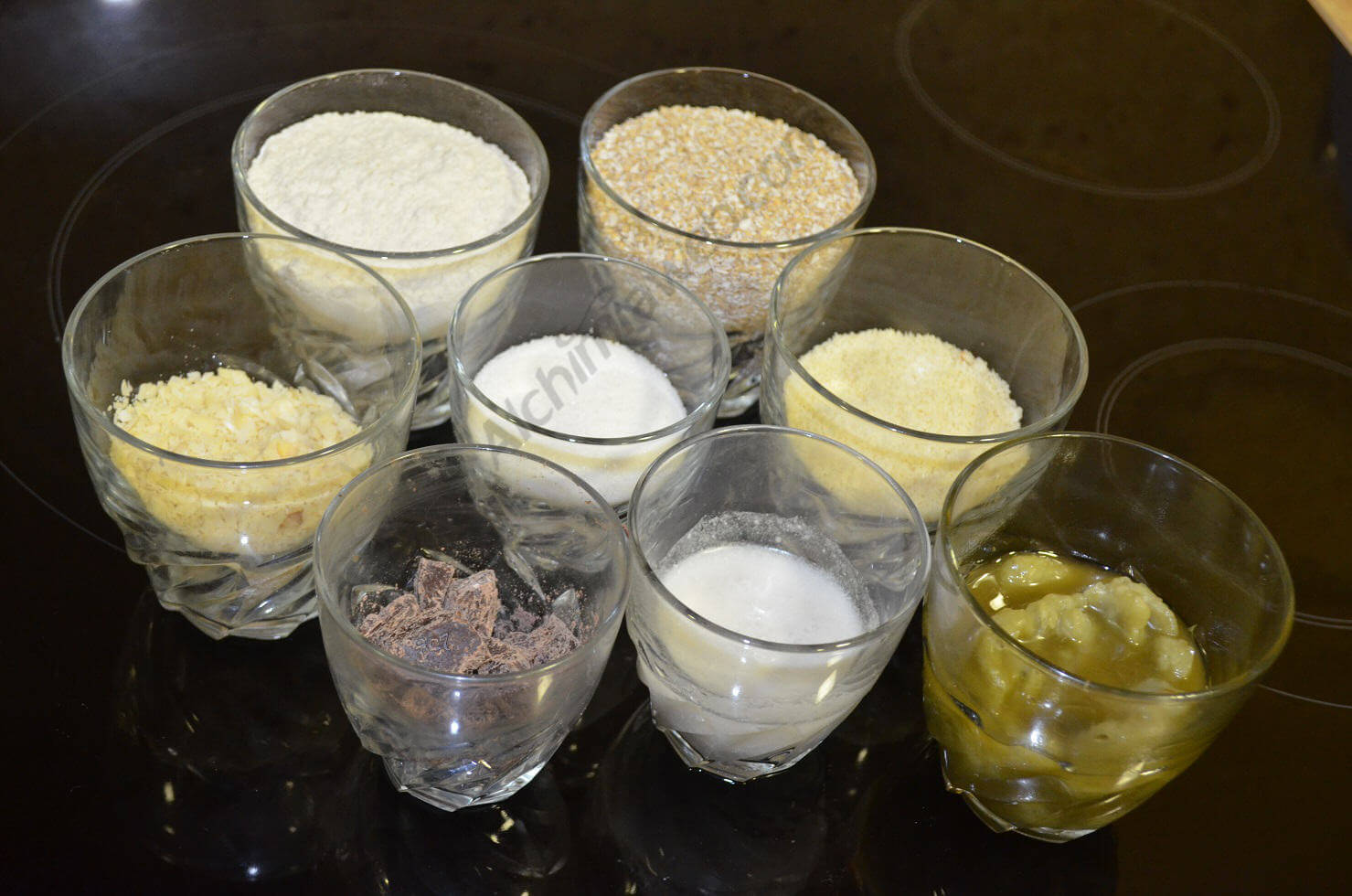
Ingredients for 6-10 space cookies:

  • 1/2 cup of cannabis coconut oil
  • 1 cup flour
  • 1/3 cup sugar
  • 1/2 teaspoon baking powder
  • 1 cup oats
  • 1/4 cup of almond milk
  • 1/2 teaspoon of potato starch
  • 1/2 teaspoon vanilla extract
  • 1/2 cup of shredded coconut
  • 1/2 cup of black chocolate chips
  • 1/2 cup of chopped hazelnuts
  • 1 pinch of salt
Vegan space cookies are quick and easy to prepare.

Preparing the ingredients for vegan Space Cookies

Preparation of the vegan Space Cookies:

The first step is to preheat the oven to 160°C. While it’s heating up, it’s the perfect time to prepare the cookie dough:

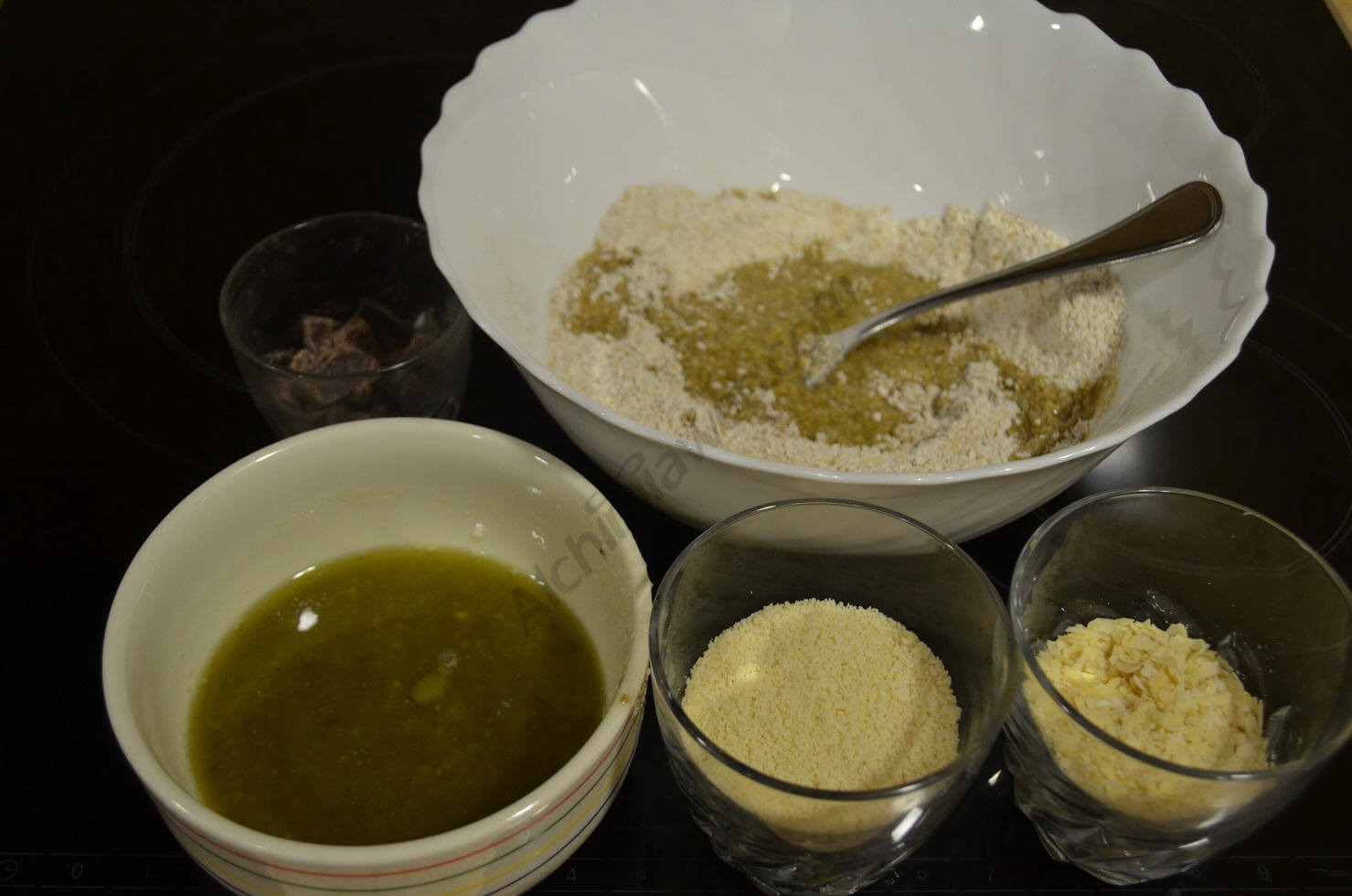
Mix the flour, oats, baking powder, and salt in a bowl or salad bowl. Separately, combine the sugar, oil, almond milk, potato starch, and vanilla. Add half of this liquid mixture to the first bowl. Stir the mixture until the paste is smooth and homogeneous. Then, add the remaining liquid, hazelnuts, coconut, and chocolate chips, and stir again.

Mix the ingredients in order

Mix the ingredients until you get a homogeneous paste.

Form balls of the desired size and flatten them on the previously greased baking paper. Then, bake the cookies for approximately 15 minutes. Once they’re done, place them on a wire rack to cool, and they’ll be ready to eat.

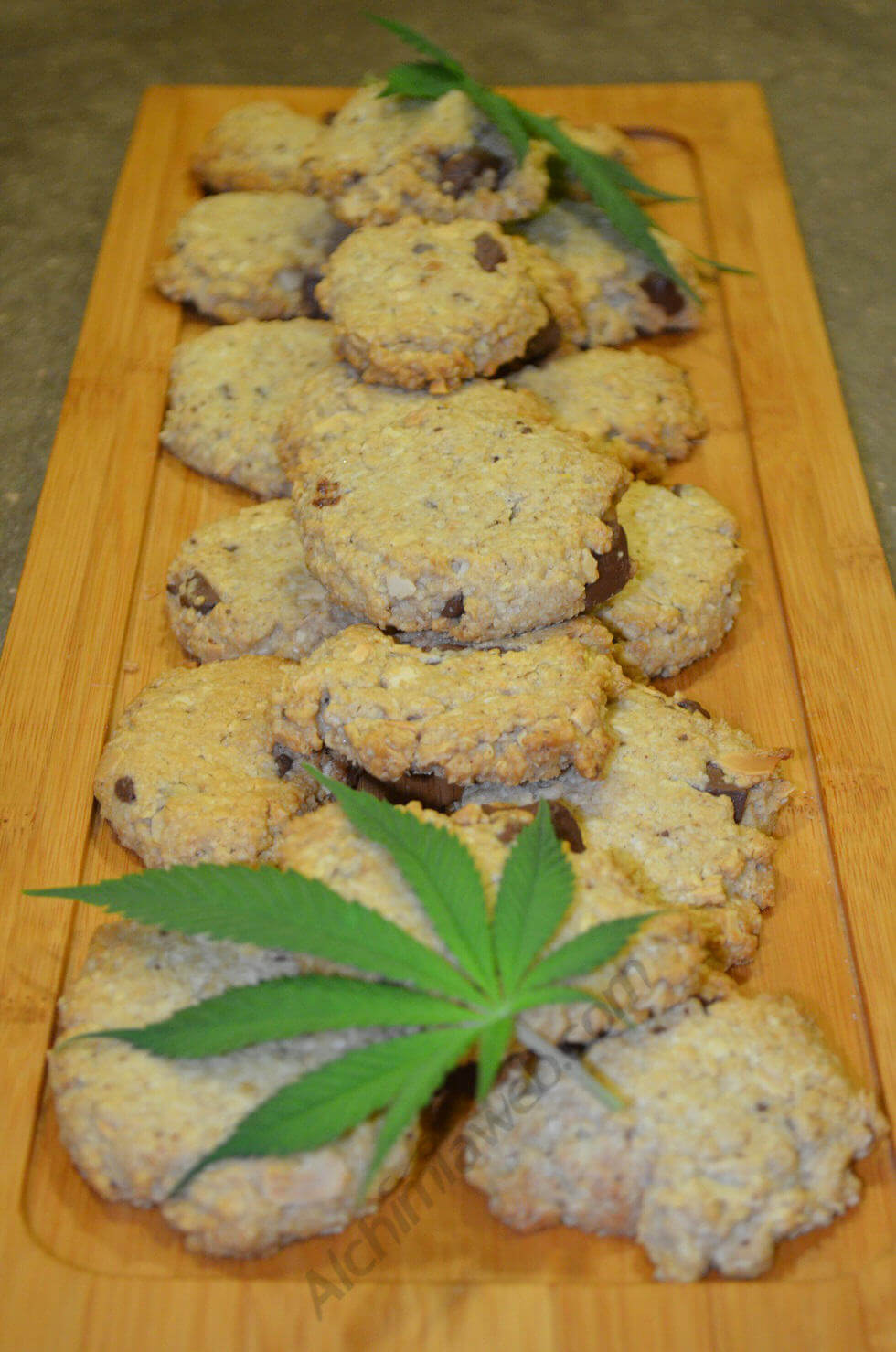
The result is some delicious Space Cookies

Your Space Cookies are ready to be enjoyed!

(Free adaptation of a recipe taken from an article in veggiebulle)

The result is Space Cookies that are crispy on the outside and tender on the inside, with that unmistakable coconut oil flavor and a subtle cannabis touch that invites calm and enjoyment. A perfect recipe to share with friends?always in moderation?and to remind you that cannabis-infused cooking, in addition to being delicious, can be mindful, plant-based, and creative. Finally, if you’re going to store them, remember to label them properly and keep them out of reach of children!

Enjoy your meal!

The post Recipe of vegan Space Cookies appeared first on Alchimia blog.

Ayurveda: What it is, the best Ayurvedic products, and how to use them

We spend our lives searching for balance: between what is urgent and what is important, between body and mind, between what we want and what is good for us. And yet, we often forget to look back at the traditions that have been speaking of precisely that for millennia. Ayurveda, which sounds somewhere between exotic and therapeutic, is neither a fad nor just another detox diet. It is a complete medical system based on Ayurvedic practices and products with more than 5,000 years of history that still has much to tell us, urbanites of the 21st century.

No, you don’t need to shave your head, move to India, or start every morning drinking hot ghee (although hey, if you feel like it…). This article is for you if you’re curious but don’t know where to start. Today we’re going to break down Ayurveda from the ground up, without dogmas or miracle recipes, to see how it can help you feel better every day, as well as introduce you to a series of high-quality Ayurvedic supplements. Will you join us?

Eating certain foods helps everything work better.

Ayurvedic products help you find your balance (Image: Lisa Hobbs)

What is Ayurveda, and where does it come from?

Imagine going back some 5,000 years to the compilation of the Vedas in ancient India, sacred texts that blended practical wisdom and spiritual insight. Among them was the birth of Ayurveda, a medical system still studied in Indian universities today and recognized by the WHO as traditional medicine. We’re not talking about a couple of spice-laden recipes or guru advice on TikTok, but an entire approach to life.

Ayurveda understands that everything within us—body, mind, emotions—is in constant interaction with our environment: from what you eat, the weather, or how you sleep, to how you manage your boss’s anger. Its goal is to maintain balance between these forces, not mask symptoms with drugs. In practice, this means listening to your body before it gets sick, adjusting your daily routine according to your constitution, and understanding that health is a dynamic state, not a fixed snapshot.

[productes tipus=”fitxa” cat=”781″ nfitxes=”3″]

What is a dosha?

Before continuing, it would be interesting for you to familiarize yourself with a very popular term in this Ayurvedic context: doshas. The word dosha literally means “that which is unbalanced” and refers to the three types of energies or vital principles that regulate all of the body’s physical, mental, and emotional functions. Each person has a unique combination of these three doshas from birth, which is called their “constitution” or prakriti.

Broadly speaking, the three doshas are:

Vata – Movement and communication

  • Elements: air and ether (space)
  • Main functions: controls movement, respiration, circulation, the nervous system, and elimination.
  • Characteristics in balance: creativity, mental agility, and enthusiasm.
  • Out of balance: anxiety, insomnia, dryness, constipation, fatigue.
  • It gets worse with cold, irregularity, and overstimulation.

Pitta – Transformation and metabolism

  • Elements: fire and water
  • Main functions: regulates digestion, metabolism, body temperature, and intelligence.
  • Balanced characteristics: mental clarity, good digestion, energy.
  • Out of balance: irritability, heartburn, inflammation, impatience.
  • It gets worse with heat, stress, and overwork.

Kapha – Structure and stability

  • Elements: water and earth
  • Main functions: gives structure to the body, lubricates joints, and strengthens the immune system.
  • Characteristics in balance: emotional stability, resistance, calm.
  • Out of balance: lethargy, congestion, weight gain, apathy.
  • It gets worse with humidity, a sedentary lifestyle, and overeating.

Knowing your dominant dosha isn’t a personality game; it’s a practical tool. It helps you understand why some days you’re bursting with energy and others you’re overwhelmed with energy. And, most importantly, how to adjust your lifestyle to regain balance when you stray, especially with the use of Ayurvedic products.

Yoga can also help you find balance.

Finding inner balance is key to your well-being (Image: Jared Rice)

Ayurveda in your routine: nutrition, rest, and self-care

Here’s the most interesting part for beginners: how to bring Ayurveda into real life. And no, you don’t need a pantry full of exotic potions or to get up at 4 a.m. to recite mantras (unless you feel like it, of course). It’s about incorporating simple habits with a clear purpose. Let’s look at some of them:

  • Mindful eating: Ayurveda suggests eating according to your dosha and the season. Warm and spicy foods to counteract the coldness of Vata, cool and light foods to balance the fire of Pitta, and drier and spicier foods to move the heaviness of Kapha. The idea is simple: let food be your daily medicine.
  • Daily routines: It’s recommended to wake up early, hydrate your body with warm water, practice some gentle movement, and dedicate a moment to breathing or meditation. It’s not Zen posturing, but rather regulating your internal clock.
  • Self-care: Oil massages (abhyanga) help relax the nervous system and improve circulation; rituals with herbal teas or spices (turmeric, ginger, cardamom) are not a treat, but ways to balance your body.

All of this sounds sophisticated, but applied simply, it becomes a manual for everyday life: take care of what you eat, how you sleep, and how you take care of yourself. Nothing more, nothing less.

[productes tipus=”fitxa” cat=”782″ nfitxes=”3″]

Ayurveda and mental health: emotional balance and mental clarity

If there’s one area where Ayurveda is surprisingly relevant, it’s in the management of mental health. For this tradition, thoughts and emotions aren’t “intangible” things outside the body, but rather energies that directly affect our physiology. In other words, stress isn’t in your head; it also resides in your stomach, your skin, and your sleep.

Therefore, Ayurveda proposes practices that integrate body and mind:

  • Breathing (pranayama): techniques to calm the nervous system and oxygenate the brain.
  • Meditation: not to become a monk, but to observe without getting hooked on every thought.
  • Stable rhythms: regular sleep schedules, meals at the same time, routines that provide mental security.

Even nutrition plays a key role: some foods agitate the mind (coffee, excessively spicy foods), others calm it (sweet fruits, warm milk with mild spices). The interesting thing here is that mental health isn’t approached as an isolated compartment, but as part of the whole: if your digestion works better, you’re likely to think more clearly and feel calmer, too.

In short, Ayurveda reminds us that caring for the mind begins with caring for the body’s rhythms. And that inner peace isn’t a luxury, but a habit developed daily.

Various plants, spices and herbs are used in Ayurvedic practices.

There are many ingredients that you can use in an Ayurvedic context (Image: Pratiksha Mohanty)

Ayurvedic products at Alchimiaweb

Ayurveda, the traditional medicine of India, combines thousands of years of wisdom with modern knowledge of natural wellness. At Alchimiaweb, we’ve selected a range of organic and fermented Ayurvedic products that support vitality, digestion, and body-mind balance.

These Ayurvedic supplements, made from 100% natural ingredients, are ideal for those seeking a more balanced, conscious, and sustainable life, following the principles of holistic wellness. These are our most popular Ayurvedic products:

  • Super Fermented Organic Ashwagandha: Known as the “Indian ginseng,” ashwagandha helps the body adapt to stress and maintain vital energy. Its super fermented version improves absorption and enhances its revitalizing effect.
  • Organic Super Fermented Turmeric: Turmeric, rich in curcumin, supports digestive function and helps reduce inflammation. Fermentation increases its bioavailability, making this Ayurvedic classic a daily ally for well-being.
  • Shatavari Bio: Considered the plant of feminine balance, Shatavari helps regulate natural cycles and promote vitality. Its traditional use is associated with nourishing energy and hormonal harmony.
  • Organic Amla: Also known as Indian gooseberry, amla is an exceptional source of natural vitamin C and antioxidants. In Ayurveda, it is used to strengthen the immune system and revitalize hair and skin.
  • Organic Ginger Powder: Ginger stimulates digestion and circulation, providing warmth and energy. In powder form, it’s ideal for infusions or natural recipes, helping to maintain digestive balance and daily comfort.

Tip: Combining Ayurvedic supplements with a balanced diet and adaptogenic mushrooms (such as reishi or cordyceps) can boost energy, mental clarity, and overall well-being.

One of the most popular Ayurvedic products is ginger.

Ginger has multiple properties, such as improving digestive health and natural defenses

How to take Ayurvedic products

The Ayurvedic supplements available in our store are consumed in various ways, depending on their form, therapeutic purpose, and traditional Ayurvedic practices. Below, we explain how they are typically consumed and some practical recommendations for you to keep in mind:

1. Powder

The most traditional form in Ayurveda. It is mixed with warm liquids or foods to improve absorption.

Usual usage mode:

  • Mix ½ to 1 teaspoon (approx. 2–5 g) in warm water, plant milk, or golden milk.
  • They can also be added to smoothies, juices, yogurts, or soups.
  • In the case of Organic Super Fermented Turmeric or Organic Turmeric with Pepper, always add a pinch of black pepper or vegetable fat (oil, milk, ghee) to improve the bioavailability of curcumin.

Frequency: 1 or 2 times a day, preferably with meals.

2. In capsules or tablets

An increasingly common option in Western versions of Ayurveda, due to convenience and exact dosage.

How to use:

  • Take with a glass of water or a warm infusion.
  • Generally, 1 to 2 capsules per day, depending on the product and concentration.
  • Ideal for adaptogens such as Ashwagandha or Shatavari, when a continuous effect is sought.

You can use a capsule filler with empty capsules to prepare your tablets and take them with you anywhere.

3. In infusion or decoction

Some products can be prepared as Ayurvedic teas or decoctions.

How to use:

  • Boil 1 teaspoon of the powder or dried root in 250 ml of water for 5–10 minutes.
  • Strain and drink hot or warm.
  • Add honey or lemon to taste (do not boil the honey).

4. In recipes and functional cooking

Many Ayurvedic products can also be integrated into your daily diet, simply by adding them to your favorite recipes.

Most common uses:

  • Turmeric, ginger, or Ceylon cinnamon → in curries, soups, rice dishes, vegetable drinks, or healthy desserts.
  • Ashwagandha or Shatavari → in smoothies or “moon milks” (night herbal milks).
  • Amla powder → in smoothies or with fruits, due to its high vitamin C content.
Ginger root has a number of beneficial properties.

Ginger is one of the most widely used foods in Ayurvedic contexts (image: engin akyurt)

Does it really work? What science says about Ayurvedic practices and products

It’s important to be honest here; Ayurveda isn’t an exact science, nor are all its remedies empirically supported. But there are increasing studies confirming its benefits in areas such as digestion, stress reduction, hormonal regulation, and sleep.

Prestigious medical institutions are already integrating certain Ayurvedic practices into integrative medicine approaches. And although there is still much research to be done, the truth is that the model works for thousands of people, above all, because it invites them to take control of their own well-being.

The key is to apply common sense: neither turn Ayurveda into a religion nor dismiss it for lack of benefits. Integrating what works for you, judiciously, is probably the most Ayurvedic approach of all.

Conclusion: A path to well-being (without dogmas or haste)

Starting Ayurveda isn’t a conversion; it’s an exploration. You don’t have to learn Sanskrit or give up coffee (although you might cut back), you just need to observe yourself more, take better care of yourself, and experiment with what truly feels good for you.

You might discover that a warm oil massage calms you more than any meditation app. Or that a change in your dinner improves your sleep more than any supplement. Or simply that there’s another way to experience wellness: slower, more connected, more your own.

Because, in the end, that’s what Ayurveda is all about: learning to listen to yourself, respect yourself, and accompany yourself. Gently, with intention, and, why not, with a little curiosity.


References:

The post Ayurveda: What it is, the best Ayurvedic products, and how to use them appeared first on Alchimia blog.

Traveling with cannabis: legal tips and practical advice

Are you a cannabis user dreaming of traveling without giving up your prescription weed? Whether it’s a short trip within the EU or an adventure outside Europe, with the right preparation, you can travel with complete peace of mind. But be careful: Is it just a case of packing it in your suitcase and going? Not a good idea! While cannabis has no longer been classified as a narcotic in Germany since April 2024, strict regulations apply in many countries.

What do you need to travel legally and stress-free? In collaboration with Herbspot.de, today we’ll show you the most important steps: from the Schengen authorization for travel within the EU to international certificates for long-distance travel. We’ll also give you practical tips to avoid problems at customs and keep everything safe in your carry-on luggage.

Curious? Watch our video and learn how to easily plan your prescription cannabis journey, without any unpleasant surprises! Below, you’ll find all the essential information summarized in a checklist.

Medical cannabis users can also travel if they meet the requirements.

Traveling with cannabis is possible if you have all the documentation in order (Image: Freepik)

As we mentioned, prescription cannabis is no longer considered a narcotic in Germany since April 2024. That sounds great, but beware: in many countries, even within the EU, strict regulations still apply, so unprepared travelers risk problems at the airport or even serious consequences. This video provides all the information you need to travel safely, although we’ve summarized it below to make it crystal clear. Remember, you can change the subtitle language in your YouTube settings!

To help you enjoy your vacation or business trip stress-free, we’ve summarized the most important steps and tips from the video here:

Prescription cannabis on airplanes: What’s allowed?

Many patients wonder: Can I carry cannabis in my carry-on luggage or suitcase? The general rule is:

  • Cannabis must always be transported in hand luggage, i.e., in the cabin (not in checked baggage).
  • You need official documents that prove legal ownership.
  • The original pharmacy packaging is required.

Traveling within the EU with cannabis: Schengen certificate

Travel to Schengen countries requires a Schengen certificate (certificate for carrying narcotics as part of medical treatment).

  • Validity: Up to 30 days
  • Requirement: For your own use only
  • How to get it :
    • Your doctor will complete the form with information about you, your medication, dosage, and length of trip.
    • Have the document certified by the responsible state health authority.
    • You can find the form on the Federal Ministry’s website.

Tip: Start the process at least 2 to 4 weeks before your trip, as the procedure may take some time.

Cannabis while traveling: country-specific regulations in Europe

  • France: Bring a copy of your prescription, with a maximum supply for 30 days of treatment.
  • Spain: You will need an additional permit from the Spanish Agency for Medicines and Health Products (AEMPS), as well as a medical certificate.
  • Italy: The certificate must be approved by the Ministry of Health of the country of origin.
Traveling with medical cannabis legally is possible.

If everything is in order, your only concern will be that your flight is not delayed (Image: Anete Lūsiņa)

Traveling internationally with cannabis: certificate and special permits

Outside the Schengen Area/EU, stricter regulations apply. Some countries are relatively tolerant, while others prohibit the entry of cannabis altogether.

  • What’s required: A multilingual medical certificate with information about you, your medication, dosage, and trip duration.
  • Certification: by the State Health Authority.
  • Form: non-standard, but based on INCB (International Narcotics Control Board) guidelines.
  • Check: Before confirming your trip, it’s a good idea to contact the embassies of your destination and transit countries to ensure everything is in order.

How much marijuana can you carry with you?

  • Often: up to 30 days supply.
  • Some countries: total bans, regardless of prescription or certificate.

Additionally, we recommend that you take special care if you are traveling to any of these countries:

  • Asia and the Middle East: These tend to have very strict drug laws, with possible prison sentences.
  • USA: In states without current legalization, they also threaten harsh penalties.
Keeping cannabis in its original packaging is of utmost importance.

When traveling with cannabis, remember to always carry it in its original packaging (Image: Stephen Cobb)

Checklist: How to Transport Cannabis Safely When Traveling

  • Plan ahead: at least 2 to 4 weeks before departure.
  • Contact the embassy of your destination country (also for transit countries).
  • Always keep your cannabis in its original packaging; otherwise, your license may become invalid.
  • Keep documents and medications in your carry-on or cabin luggage; do not try to check them in.
  • Patient identification can be helpful, but it does not replace official documents.

As you can see, with proper preparation, you can travel without problems, even as a cannabis patient. Although your doctor will surely have warned you, take this matter very seriously and don’t try to skip any steps: breaking the rules can have serious consequences!

Have a good trip!


Sources and links of interest:

The post Traveling with cannabis: legal tips and practical advice appeared first on Alchimia blog.

7 varieties of mushrooms you should know

What do Thai Pink Buffalo, Cascadian Teacher, and Penis Envy have in common? No, this isn’t the beginning of a bad bar joke, but rather a small sample of the psychedelic catalog you can find today in the form of magic mushroom cakes. What was extremely difficult to obtain in most places just a few decades ago is now sold legally in the form of a home grow kit, with complete growing instructions and the peace of mind of discreet shipping.

The rise of magic mushrooms is no coincidence: in a world where stress and disconnection have become the norm, more and more conscious explorers are looking to psilocybin for more than just a “trip”. They’re seeking transformative experiences, modern rituals that somehow connect with the ancient traditions of shamans and spiritual seekers, whether we’re talking about traditional doses or microdoses of psilocybin.

In this article, we’ll review seven mushroom varieties you should know about, available on the Alchimia website, and which offer a surprising range of potencies, effects, and experiences worthy of their name. Let’s get started!

Specimens of albino hallucinogenic mushrooms

Thanks to new research, magic mushrooms and their use are becoming increasingly accepted

Mushroom varieties you can’t miss

The world of psilocybin mushrooms is as diverse as that of cannabis strains. Each variety has its own nuances, both in its development and its effects: some are more visual, others more introspective, some give you endless laughs, and others immerse you in profound and transformative experiences of self-discovery.

In general, they all share a common denominator: psilocybin, a compound that temporarily alters the perception of reality, the senses, and consciousness. But depending on genetics and the growing environment, the nuances can vary greatly.

If you’re a beginner, it’s best to start with mild strains or those with more playful effects. If you’re already an experienced explorer, you might be drawn to other types of varieties that promise more potent and challenging experiences. Either way, below we present a series of genetics that every mushroom lover should try at least once in their life.

[productes tipus=”fitxa” cat=”617″ nfitxes=”3″]

Thai Pink Buffalo

This strain has an origin as picturesque as its name: according to legend, it was mycologist John W. Allen who first discovered these mushrooms on the island of Ko Samui, Thailand, not far from a pink buffalo reserve. Since then, the story has become part of its mythical aura. In practical terms, we’re talking about a medium-strength Psilocybe cubensis, ideal for those looking for a trip full of positive energy, easy laughter, and lively but not overwhelming visual effects. Thai Pink Buffalo is often recommended for social sessions or light exploration, as its effect combines a strong visual stimulus with a playful and festive state of mind. Perfect for those looking to try something exotic without jumping straight into the psychedelic abyss.

Tatandi's Thai Pink Buffalo Magic Mushrooms, easy to grow and potent

Thai Pink Buffalo magic mushrooms produce intense visual effects

Panaeolus cyanescens

Nicknamed “Copelandia cyanescens” in some circles, this mushroom is considered the elite of psilocybin. It grows naturally in tropical climates and is known for having one of the highest concentrations of psychoactive alkaloids. The effects are felt quickly: a burst of geometric visualizations, intense sensory distortions, and a sense of ego dissolution that can be as fascinating as it is challenging. Panaeolus cyanescens is not a strain recommended for beginners, as its potency requires experience and respect. In the right environments, it can lead to transformative, almost spiritual experiences, where the perception of time and space dissolves.

Super Natalensis

“Natalensis” was already known among psychonauts for its expansive nature and ability to induce heightened states of consciousness. The Super Natalensis version takes that reputation even further, offering trips that combine mental clarity with a deep sense of connection to one’s surroundings. Unlike other, more visual varieties, this one stands out for its introspective effect, accompanied by pleasant bodily sensations and spontaneous laughter. Many consider it an ally in therapeutic processes or spiritual self-exploration, as it tends to open the mind without the aggressiveness of other, more “chaotic” strains. A balanced mushroom that combines potency with harmony.

Super Natalensis hallucinogenic mushrooms are easy to grow

Tatandi’s Super Natalensis stand out for their high power

Penis Envy

The name alone is enough to arouse curiosity: Penis Envy was named for the peculiar phallic shape of its fruiting bodies and their large size. But what’s truly relevant is that it’s one of the most potent cubensis ever developed, with a higher-than-average psilocybin level. Its trips are often profound, prolonged, and transformative, with a strong introspective component that can border on the mystical. It’s not uncommon to hear testimonials from users who describe these experiences as “a before and after.” However, caution is advised: due to its potency, it’s not the best option for beginners, but rather for those seeking a serious, intense, and cathartic experience.

Melmac Thrasher

This strain is a direct descendant of the Penis Envy lineage, but with a distinct personality reflected in both its twisted appearance and its effects. The deformed hats and irregular aesthetic already hint at the type of trip it offers: potent, unpredictable, and with a chaotic component that fascinates those seeking more than just a “good vibe.” Melmac Thrasher‘s effects can range from uncontrolled laughter, intense visual patterns, and moments of deep reflection, all in one trip. It’s a strain for the adventurous spirit, those who enjoy the unexpected and aren’t afraid of being shaken up by the experience.

Melmac Thrasher magic mushrooms are very potent, for experts only.

Melmac Thrasher is an extremely powerful hybrid of Penis Envy and Melmac

Jedi Mind Fuck

Its name sounds like something out of a Star Wars fan joke, but its effects are anything but. Jedi Mind Fuck is a medium-to-high potency cubensis known for inducing deeply mental experiences, laden with abstract visuals and sensations of consciousness expansion. Its character is more balanced than that of Panaeolus cyanescens, but with enough power to offer memorable trips. It is often recommended for both intermediate explorers and experienced psychonauts looking for a balance between fun and serious exploration. Ideal for creative sessions, as it tends to enhance imagination and symbolic perception.

Cascadian Teacher

Of more recent origin, this strain has gained popularity for its balance of approachability and depth. Its name refers to the Cascadia region (northwestern United States and Canada), and to one of its likely parents, the legendary Golden Teacher, to which many users associate its effects. The trip it proposes is clear, visually harmonious, and emotionally positive, making it a great choice for those seeking revelatory experiences without having to confront the overwhelming power of strains like Penis Envy or Panaeolus cyanescens. Cascadian Teacher teaches, guides, and accompanies, rather than dragging or confronting. For this reason, many consider it an ideal mushroom for beginners looking for a transformative yet gentle experience.

Cascadian Teacher performance can be very high

Impressive performance of a Cascadian Teacher grow bag

From the legendary Thai Pink Buffalo to Cascadian Teacher, these varieties are just a small sample of the richness and diversity of the magic mushroom universe. The curious thing is that, while governments and laws continue to debate the merits of prohibition, regulation, and therapeutic uses, in practice, more and more people are finding direct access to experiences through a simple home grow kit that were once reserved for shamanic rituals or underground circles just a few decades ago.

Contradiction? Absolutely. But it’s also a sign that magic mushrooms have ceased to be taboo and have become a tool for personal, cultural, spiritual, and even therapeutic exploration, as evidenced by the latest studies on psilocybin and conditions like depression and post-traumatic stress disorder. And who knows? Perhaps in the near future we’ll be talking about them not as “magic mushrooms,” but as part of a new way of understanding well-being and consciousness.

Happy trip!


References:

  • Psilocybin for treatment-resistant depression: fMRI-measured brain mechanisms, Robin L Carhart-Harris, Leor Roseman, Mark Bolstridge, Lysia Demetriou, J Nienke Pannekoek, Matthew B Wall, Mark Tanner, Mendel Kaelen, John McGonigle, Kevin Murphy, Robert Leech, H Valerie Curran, David J Nutt
  • Efficacy and safety of psilocybin-assisted treatment for major depressive disorder: Prospective 12-month follow-up, Natalie Gukasyan, Alan K Davis, Frederick S Barrett, Mary P Cosimano, Nathan D Sepeda, Matthew W Johnson, Roland R Griffiths
  • Psilocybin for Trauma-Related Disorders, Amanda J Khan, Ellen Bradley, Aoife O’Donovan, Joshua Woolley
  • Psychedelic-Assisted Therapy for PTSD, Leslie Morland, Joshua Woolley

The post 7 varieties of mushrooms you should know appeared first on Alchimia blog.

Complete Guide to Solventless/Non-solvent Cannabis Concentrates

Nowadays, more and more people are being made aware of the benefits of consuming cannabis resin extracts or concentrates, which are more efficient, with higher purity and potency, and they have better flavour and give relief more quickly than smoking or vaping flowers. Indeed, in California, cannabis flowers currently make up just over half of the market (55% in the 2nd quarter of 2017.), with extracts making up the remaining 45%, and according to figures from Colorado, another beacon of legalisation in the US, the concentrate market is growing at an astounding rate, with sales increasing by 125% from 2015 to 2016, compared to an 11% rise in flower sales and a 53% rise in edibles.

Fresh frozen ice water hash (Photo: @hashcelona)

Fresh frozen ice water hash (Photo: @amc98)

Solvent, Non-solvent, Solventless, and Solvent-free. What’s the difference?

These terms are increasingly common to see in the menu in dispensaries or cannabis clubs, but they can cause some confusion, so let’s examine the real meaning behind them within the context of the cannabis world. Solvent extracts are those that are carried out using a (usually a hydrocarbon like purified butane gas) solvent to dissolve the active ingredients and separate them from the plant material. Solventless or non-solvent is a label applied to products that have been extracted mechanically, without the use of solvents. Now, here’s where it can get a bit confusing. Solvent-free is a term used to describe products that were originally extracted with a solvent but later distilled in a laboratory to remove any trace of solvent residue. So they started as solvent extracts but now are 100% free of any residual solvents, as opposed to a well-purged BHO, which will always contain a certain, however minuscule, amount of solvent.

[productes tipus=”fitxa” cat=”194″ nfitxes=”3″]

Solventless or Non-solvent Concentrates

These are extracts or concentrates produced without the use of a solvent, sometimes referred to as mechanical extractions, including hash, dry sift, bubble hash, and rosin. Many smokers and dabbers prefer to consume extracts for health reasons (especially those using medical cannabis), as opposed to solvent-based extracts; there’s no risk of inhaling any residue of potentially harmful solvents if the product isn’t properly purged. Solventless extractions have the added benefit of being almost completely safe to carry out at home, with no risk of burning or explosion from using flammable solvents and no need to invest in expensive equipment. While solvent extracts boast a higher purity overall, with quality material, skill, and patience it’s possible to achieve similar, or even better quality results using non-solvent techniques. (Although yields at this higher quality tend to be much lower than, for example, BHO, solventless devotees are undeterred and more than willing to take this loss in exchange for consuming clean, natural concentrates.)

The evolution of solventless concentrates is astounding (Photo: @hashcelona)

The evolution of solventless concentrates is astounding (Photo: @amc98)

Hash

When we talk of hash, we’re usually referring to dark block resin imported from hash-producing countries like Morocco, Lebanon, Pakistan, and Afghanistan. Hash has a very long history and is produced in large quantities using traditional methods that vary according to the country, but often involve drying plants in full sun and vigorous beating over fine screens to collect the resin heads. These are then heat-pressed into blocks for export. Quality can vary wildly, with the very finest blonde hashish commanding high prices in the coffee shops of Amsterdam. Most of what is produced, however, is of medium to low quality, has a very low THC content, from 6-17%, some CBD and very low terpene levels, with a typically generic and degraded terpene profile and containing much contamination in the form of plant matter as a result of the lively bashing the flowers receive as the farmers try to shake all the resin off the plants.

In the worst cases, imported hash has been found to contain such adulterants as henna, shoe polish, rubber, beeswax, animal dung, and pine resin, among other unsavoury substances added to increase the bulk or to make the hash softer and appear of a higher grade. Fortunately, the increase of home growing has reduced the demand for imported hash somewhat, and at the same time awareness of issues surrounding quality have increased in both import and export countries so, at least in Morocco, farmers and hash producers are beginning to change methods and export a much higher grade product, as you can read in our article Origins and evolution of Moroccan hash.

Imported hash tends to be dark in colour

Imported hash of varying quality

Charas

A traditional Indian method, this is possibly the simplest, most straightforward method of hash production, and one of the oldest. No equipment is required, as the process involves hand-rubbing live cannabis flowers (on the plant or freshly cut, not dried) to remove the resin. This results in a hash that is much more squidgy and soft than that beaten over screens and has a good reputation for high quality worldwide, especially for its higher terpene content. Charas is normally quite dark in colour and sold as balls or sticks, and traditionally would be smoked in a stone chillum by Sadhus, the Hindu monks, for whom it plays an important part in their rituals and religious practices. While it is made in other hash-producing countries, Indian charas is widely accepted as being the best quality, with different regions gaining a reputation for the standard of their products, with perhaps the most famous and demanded being Malana Cream from the Parvati Valley.

[productes tipus=”fitxa” cat=”591″ nfitxes=”3″]

Dry Sift/Kief

This is hash made with light agitation of dried buds over a fine mesh screen, basically a refinement of the traditional sieving process updated to yield a much higher quality end product. Indeed, true connoisseurs consider the highest grade of dry sift to be the absolute pinnacle of extracts; this is static-cleaned dry sift, refined with the help of silkscreens and static electricity to contain 99% pure resin heads. Made under optimum conditions of temperature and humidity with expertly-grown flowers of selected genetics, this technique can produce an extract of astounding quality, light golden coloured with a sand-like texture and a terpene profile as near to the plant as possible, untouched by water or solvent. The big drawback of this technique is the small return achieved from the starting material at this quality, often as low as 2%!

Three kinds of dry sift extraction

Dry Sift, looking closely, you can observe the differing amounts of contaminant according to quality (Photos: @theenglishcut)

Much higher yields of dry sift can be achieved by using a tumbler machine fitted with a screen mesh drum to agitate the flowers or trimmed sugar leaves. Yields and purity will vary in relation to the quality of the material and the duration of the spin, with more and more contaminants being introduced to the hash as time passes and the vegetable matter breaks up from agitation. Most of the dry sift that is commercially available in dispensaries and clubs will be of this quality, denominated “farmers grade” with a THC content of anything from 30% to 50%, compared to connoisseur quality static dry sift which can reach as high as 75-80%, and is reflected in the premium price it commands, within reach of precious few. Good quality dry sift will be light coloured without any green tinge, and have the appearance of desert sand, and when pressed between finger and thumb should readily stick together and form a ball, rather than breaking up again, which would indicate a high content of vegetable matter such as trichome stalks and pistillate hairs. If you’re interested in trying it out for yourself, here’s a post about how to make dry sift.

Static Dry Sift

This is the purest form of dry hash, resin heads that have been subjected to a thorough cleaning process employing various screens and using static electricity in one form or another to remove anything apart from the trichomes, a long and laborious process that results in hashish of extraordinary quality but with very low yields indeed.

Dry Ice and Nitro hash

These two methods are basically super-cooled dry sift, where the material is exposed to extremely low temperatures (-78.5ºC in the case of dry ice, and much, much lower for liquid nitrogen) and then agitated on a mesh screen to separate trichome glands from leaf matter. These methods both have the advantage of being very fast processes, enabling a full extraction in a matter of minutes, and offering very good yields compared to regular dry sift. The disadvantage to these extractions, at least from the point of view of a hash connoisseur, is that the extreme temperatures being used lead to the leaf matter becoming so brittle that if not treated with utmost care, it can break down to form a fine dust that contaminates the result, often leading to hash with a green tint. We’ve written an article about how to make dry sift with dry ice. Please check the link!

Dry ice is a very fast method to separate resin

Dry ice is a very fast method of separating resin

Fresh Frozen dry sift

In the last year or so, some industry leaders have been experimenting with this method in an attempt to produce the most terpene-rich solventless extract possible, comparable to “Live Resin” a hugely popular form of BHO. Fresh frozen dry sift is made with freshly-harvested frozen buds, tumbled in a pollinator machine adapted for use in a sub-zero environment (a chest freezer or an industrial freezer unit) and dried via lyophilization in a freeze-drier after separation. This means that the cold chain is uninterrupted throughout the entire process of extraction and drying, resulting in total retention of terpenes and some of the most intensely flavoured extracts that this writer has ever had the pleasure of tasting.

Bubble Hash/Ice-o-lator/Water Hash/IWE (Ice Water Extract)

These are all terms used to describe the same product, cannabis resin extracted from the plant material using very cold water, ice cubes, and agitation. Buds or trim are stirred by hand or spun in a portable washing machine, then specially made mesh bags or screens are used to filter the water and separate the resin heads from the vegetable material and then further separate the trichomes according to size.

Like most things, the quality depends on the starting material used, and bubble hash can be of varying quality, with the lowest grade being dark brown pressed resin, little better in appearance and purity than import hash, but on the other hand, when well-cultivated flowers are extracted with the utmost care, the end result can be of the utmost quality, exquisite golden caviar approaching BHO and Rosin in appearance, terpene content and cannabinoid content. Indeed, many connoisseurs consider bubble hash to be the finest of all concentrates.

A selection of bubble hash or iceolator

Different types of bubble hash or IWE (Photos: @theenglishcut)

While we’re on the subject, it’s a good time to clear up an issue that is the source of frequent controversy and argument amongst extractors. The idea that water hash, bubble hash, or ice-o-lator is somehow not a solventless extract because it’s made with water, which is known by many as the universal solvent. Unarguably, H2O is indeed a solvent, and a great variety of things will dissolve in it. However, this mechanical separation technique involves employing water not as a solvent, but simply as a medium that allows us to create the perfect conditions in which to carry out the extraction by which the trichomes sink and the plant matter floats. At no point are the resin heads dissolved in the water for later recovery, and while a certain amount of water-soluble terpenes may be taken on by the water, this cannot in any way be considered a solvent extraction.

Fresh frozen bubble hash

Ice water extract made with freshly cut plants frozen immediately after harvest, this makes the most terpene-rich and therefore most intense-tasting hash, and while bubble hash made with dried and cured flowers may boast less flavour, it results in a more physically stable product that is far less likely to degrade during long-term storage. We did a head-to-head comparison between fresh frozen and bubble hash made with dried flowersCheck it out here.

There's no need to use solvents to get top grade resin concentrates (Photo: @hashcelona)

There’s no need to use solvents to get top-grade resin concentrates (Photo: @amc98)

Rosin

Possibly the newest method of solventless extraction, Rosin involves extracting a full-melt oil of high purity from flowers or hash using nothing more than heat and pressure. This method, in its current form, came to popularity around the spring of 2015 when Phil “Soilgrown” Salazar exposed the technique on Bubbleman’s weekly YouTube show Hash Church, showing just how easy it was to produce top-quality oil with as little equipment as a hair-straightening iron and some parchment paper. This revolution democratised oil production, placing it in the hands of anybody; no longer was it necessary to face the risks and dangers of butane extractions or to spend vast sums of money on closed-loop extraction systems to get high-grade resin products suitable for dabbing.

These days, the industry has expanded, and the market is full of rosin presses suitable for all pockets, from heavy-duty industrial presses capable of exerting more than 30 tons of pressure for the professionals, to small hand-held units ideal for beginners. The final texture of rosin can vary greatly from shatter to wax to budder to sauce, and this will depend on many factors, from the condition of the starting material, the genetics used, the temperature of the press, and the subsequent storage of the rosin. As a general rule, flower rosin will be tastier, while hash rosin will be more potent, but there will always be exceptions to this rule.

Flower Rosin

This is produced with cannabis buds, and the best results will come from flowers that have been dried but not cured for very long, as the longer the cure, the more the trichomes will oxidise and lend a darker colour to the extract. Unlike with BHO or Bubble Hash, it’s not really possible to process freshly-harvested buds and satisfactorily produce “Live Rosin”; the moisture content of recently-cut flowers is far too high to yield a stable product. Find out how to make it for yourself here.

Rosin in its various forms

Rosin from flowers and hash (Photos: @theenglishcut)

Hash Rosin

As the name implies, this is Rosin pressed using Hashish as the starting material. and using some kind of filter, such as specially made rosin bags or coffee filters, to keep any plant matter contamination out of the extract. Because we’re dealing with a product that is already in a concentrated form, the yields obtained are typically much higher than for flower rosin. All kinds of hash can be pressed, though the yields and the quality obtained will depend entirely on the quality of the raw material, with street import hash producing around a 20-50% yield of dark oil with typically floral hash terpene profiles while a full-melt single-source bubble hash can produce yields of up to 90% of an almost transparent, golden/yellow colored oil with an aroma that’s very faithful to the original plant. One of the more recent novelties has been the introduction of “Live Rosin”, a term referring to rosin pressed from Fresh Frozen bubble hash, resulting in a very sappy and terpene-heavy extract. We’ve written an article detailing how to make your own Hash Rosin at homeCheck it out here.

Solventless THC-A

A new process that is still very much in its infancy, this is made by taking terpene-rich rosin and re-pressing it at a very low temperature (around 55-60ºC) through a 25-micron screen. This separates the rosin into two fractions: the filter will contain yellow/white crystal-textured THC-A and a high-terpene sauce will ooze out onto the parchment. While this may or may not result in 100% pure THC-A, it’s certainly an interesting product for those who prefer medicating with fully solventless extracts.

We hope this guide will be useful to better understand what solventless concentrates are and how they’re obtained.

Happy extracting!


Publications referenced for this article:

The post Complete Guide to Solventless/Non-solvent Cannabis Concentrates appeared first on Alchimia blog.

10 easy-to-avoid errors in your first indoor grow

More and more cannabis users are choosing to grow their own flowers because resorting to the black market is usually neither the most convenient nor the cheapest option. For this reason, every day more recreational and therapeutic consumers are taking the step into cannabis home growing so they can be self-sufficient and not have to rely on third parties.

However, starting indoors can be tricky if you don’t know where to begin, so in this post, we’re going to focus on the most common mistakes made by new growers when they first get into the exciting world of cannabis cultivation. Let’s go!

Avoiding mistakes will help us get off to a good start

Avoiding mistakes will help us get off to a good start

Bad calculation of the area and dates of cultivation

The purpose of home growing is to be self-sufficient in the cannabis we consume, and to do this, we must calculate how much cannabis we will need to grow to meet our needs. We need to make an estimate of our annual cannabis consumption and divide it by the number of harvests that we intend to carry out over the course of the year.

When we begin to cultivate, and especially if we do not have air conditioning and a bit of previous experience, it’s best to start in September and finish in April, taking advantage of the low temperatures in autumn and winter. From spring, temperatures begin to be high (very high in some areas) and would require air conditioning to allow us to maintain adequate temperatures in the grow. Between autumn and winter, we could carry out 2 harvests without a problem.

Thus, depending on personal consumption, we will calculate the necessary growing space and opt for a tent with a size that is adequate for our needs, always rounding down our yield calculations, estimating a maximum of 300-350g per m2 of dried flower per crop, that is, every 3 months.

[productes tipus=”fitxa” cat=”476″ nfitxes=”3″]

Inadequate lighting and air renewal

Our grow tent must have an adequate lighting system if we want to optimise cultivation and produce good buds. It is not advisable to use energy-saving light bulbs for flowering, but rather to invest in professional lighting, whether a sodium, LEC, or LED system; the results will always be better than CFL or energy-saving bulbs. While it is possible to flower cannabis plants with this type of lighting, the results will never be comparable to discharge lights (HPS, HM, LEC/CMH) or modern LED panels.

The air renewal system is often an afterthought, despite being just as important as lighting, possibly even more so. In a home-cultivation tent, an air extractor fan connected to an active carbon filter to prevent odours from escaping is more than enough (uninterrupted 24-hour operation is recommended), so we eliminate any smells while we renew the air inside the tent. In small spaces, we do not usually need to pull air into the growing space with another fan, because by leaving one of the vents in the tent slightly open, we can generate a passive airflow. Remember that a small fan installed inside the tent is always a good idea to remove the air around the plants.

Lighting and air renewal are keys to achieving good results

Lighting and air renewal are key to getting good results

Bad choice of seeds

Once we have the tent, the lighting, and the air renewal system (extractor and filter), then it’s time to start thinking about seeds, an issue that has a huge influence on the success of our first crop. A typical rookie mistake is to buy the most expensive seeds available, those that are currently in fashion or those with too long a flowering time. Clearly, if the objective is to finish the grow without major complications, then choosing a fast-flowering variety that does not demand high cultivation skills is the best option.

Once we’ve gained a little more experience and have a full stash, then we can choose varieties with greater difficulty of cultivation. A good option is to start with feminised seeds to ensure all the plants are females and not to grow males, only to discard them, leaving empty spaces in the tent, as happens when growing regular seeds.

Indica-dominant hybrids and Early or Fast Version genetics are the best places to start, with plenty of varieties to choose from.

[productes tipus=”fitxa” tag=”90″ nfitxes=”3″]

Not using a quality substrate

It is vitally important to choose a professional substrate and not opt ??for those that we can find in dollar stores or similar shops at much cheaper prices. This is because low-end growing soils don’t usually have the most appropriate substrate texture, pH, or nutrients, and in most cases, they come without being sterilised. They may give good results when growing geraniums on the balcony, but when growing cannabis, it is always better to use a specific substrate from an established brand if we want to avoid problems. For our first crop, a very good option is the so-called ?All Mix type? substrates, as they come pre-fertilised with enough food for the first weeks of growth, meaning that we don’t have to worry about using additional fertilisers until flowering.

A professional substrate guarantees a good start of the plants

A professional substrate guarantees a good start for the plants

Excess growth

The next common mistake is to prolong plant growth too long before switching the photoperiod to flowering. We must bear in mind that, once the plants enter flowering, they will begin to stretch and, depending on the genetics, they may even grow to triple the size they were before changing the photoperiod. It is a very common mistake to watch the plants grow bigger and bigger and not pass them to flowering!

We must also bear in mind that the branches and flowers in the lower parts of the plant will not develop as well as the higher ones, so we shouldn’t waste time waiting for them to grow, which is a useless waste of light without adding to the final yield. In many cases, it is best to prune these lower parts away and let the plant’s energy focus on the tips.

Excess irrigation

Another of the most common mistakes among most people who are new to indoor growing is overwatering. In principle, we imagine that by watering more and often, our plants will grow bigger and better, but nothing is further from the truth! When we grow with soil it is necessary to let the substrate dry before watering again, unlike tomato plants that like to have a certain degree of moisture in their roots, the opposite happens to cannabis, the substrate needs to be almost dry (but never completely dry or the plant will, of course, dehydrate in a few hours) before watering the plants again.

Correct watering is essential to a bountiful harvest

Correct watering is essential to a bountiful harvest

Interruption of the photoperiod (light pollution)

When we grow photoperiod seeds, which, unlike automatic seeds, grow or bloom depending on the hours of darkness received, we must respect the night period of the plants, so that no light should enter the tent during the dark period under any circumstances. Sometimes growers have used the sleep period of their plants to open the tent and check the plants or carry out irrigation, pruning, tying… but after more than a month in the flowering photoperiod they do not observe any changes in the plants; light pollution is another avoidable mistake by using green light in the crop or simply working on it when the lamps are on.

Also, make sure that none of the devices inside the growing space emit any type of light during the night period of the plants, as well as checking that no outside light can enter through any slit or opening (yes, zipping ourselves inside the closet with the light off is the best way to check!).

Curing before preventing

According to the saying, prevention is better than cure, but, unfortunately, in most cases, this practice is not used in cultivation until some experience has been gained thanks to past mistakes. If we do not have the correct cultivation parameters under control – such as temperature and humidity – or we do not take the pertinent hygiene measures in the grow, pests and pathogens may appear in our grow, from fungi to aphids right up to the dreaded red spider mites. It’s usually enough to apply a different preventive product once a week to keep most pests at bay, especially during growth and pre-flowering (first 2 weeks of flowering); normally, when this is not done and a plague develops, we often don’t realise until the plants are flowering, a period in which the use of insecticides or fungicides is not recommended.

[productes tipus=”fitxa” ids=”12726,11449,8049″]

Premature harvest

After weeks of work and with the flowering phase well advanced, we can already see that our precious flowers are a good size with a dense layer of resin. A very common mistake due to eagerness or because our stash is low (it’s happened to all of us!) is to harvest too early; We should wait to harvest and let the flowers explode, cutting them at the optimum point of maturation so that they fatten as much as possible and their cannabinoid and terpene content is at its maximum peak.

Harvesting ahead of time reduces crop production, the flowers won’t look the way they should, and the terpenes won’t be at their best. Remember that 10-15 days before the estimated cut-off date, we must carry out a root wash so that our plants do not continue to absorb nutrients and so we will be able to enjoy the taste of flowers 100% free of nutrients and in all their splendor.

Flushing cannabis plants

Bad drying

It is logical that before starting the cultivation, we think about where to dry our harvest, although in many cases this question is not usually asked in our first crop until the day of the chop or even hours before the harvest. Making sure we have a suitable place to dry cannabis and doing it in the right way is how a grow should be finished because drying incorrectly is a really great way to ruin months of work.

One of the best options to dry the cannabis crop is to use the same tent we grew in, taking advantage of the extraction and the carbon filter, so that we renew the air and avoid the problem of the smell of the plants while drying slowly (about 2-3 weeks) and in complete darkness. Don’t be tempted by the idea of ??drying inside a closed tent without ventilation, in glass jars, or in a Tupperware or box, because without adequate ventilation, we will ruin our harvest!

We hope that all those who are thinking of starting to grow indoors will find this helpful. They are very basic concepts, but most beginners fall into at least one of these easily avoidable errors. Who can say this never happened to them?

Happy growing!

The post 10 easy-to-avoid errors in your first indoor grow appeared first on Alchimia blog.

Temperatures for vaporising Cannabis

Cannabis vaporisers and temperature control

The increase in use of vaporisers that we’ve seen in recent years is in response to a growing demand on the part of the consuming public, not only the medicinal users, but also a growing number of recreational consumers who are more and more concerned for their health and who want to find alternatives to the traditional combustion of flowers or cannabis extractions.

As a result, the market is rapidly expanding, with the appearance of more and more devices for vaporising both dried herbs and resins, usually incorporating some kind of system to control either vaporisation temperature or battery voltage (or featuring both systems on the same device), giving the user total control over the temperature at which the product will vaporise.

Volcano Vaporiser

Our vaporiser must have a good temperature control system

This feature, which, as we discussed, is increasingly common in the majority of vaporisers, not only allows users to regulate the vaporisation temperature and, therefore, the vapour density and flavour, but also offers the possibility to have a fairly approximate idea of which compounds are reaching their boiling point and being vaporised, and those which are not.

This fact, which at first glance might seem of secondary importance, in fact directly affects the smell, taste, and effects of the cannabis we consume, so we must pay careful attention to temperature if we want to maximise the enjoyment of our vaporiser and take full advantage of its characteristics. Normally, cannabis concentrates are vaporised at somewhat higher temperatures than plant matter.

Also note that this feature is not only restricted to vaporisers, whether they are desktop or portable units, but also applies to electric nails, which usually feature a vaporisation surface of medical grade titanium or quartz that is fitted onto a bubbler and heated with an electrical element, reaching temperatures high enough to “dab” concentrates, offering total control over the temperature of the nail, where we place the resin to be vaporised.

Vaporite V-nail

Electric nails allow accurate temperature control

Cannabinoids, terpenes, flavonoids, and their boiling points

As we already know, cannabis flowers and extracts both contain a large number of active compounds, the best known of which are the cannabinoids, terpenes, and flavonoids, and also a very small number of toxic substances that can be vaporised at the same time if their boiling point is reached. Each of them has a different melting point and boiling point, so some compounds may not vaporise completely – or at all, if we’re operating the vaporiser at particularly low temperatures.

The melting point is the temperature at which a substance passes from a solid to a liquid state, while the boiling point is the temperature necessary for this substance to pass from a liquid to a gaseous state, that is, the temperature at which each substance will vaporise so that we can inhale it. In this way, we can have some control over the compounds that we are going to vaporise, depending on the selected temperature. For this reason, the temperature control is a vital tool in cannabis vaporisers, and it must work perfectly to give us real control over the compounds we want to inhale, particularly if we are using it for medicinal purposes.

[productes tipus=”fitxa” cat=”258″ nfitxes=”3″]

What follows is a list of the most important cannabinoids, terpenes, and flavonoids in cannabis, with their boiling points and main therapeutic properties, to give you a clear idea of which compounds are being vaporised at certain temperatures. We also include the main toxic substances released, also with their corresponding boiling points:

Cannabinoids:

  • Delta-9-tetrahidrocannabinol, Delta-9-THC: Boiling Point: 157ºC (314ºF). Analgesic, antiemetic (combats nausea and vomiting), antioxidant, anti-inflammatory, and euphoric properties. Formula: C21 H30 O2
  • Cannabidiol, CBD: Boiling Point: 160-180ºC (320-356ºF). Anxiolytic, analgesic, anti-inflammatory, antipsychotic, antioxidant and antispasmodic properties. Formula: C21 H30 O2
  • Cannabigerol, CBG: Boiling Point: Unknown. Anti-inflammatory, anti-fungal, and antibiotic properties. Formula: C21 H32 O2
  • Cannabinol, CBN: Boiling Point: 185ºC (365ºF). Antibiotic and sedative properties. Formula: C21 H26 O2
  • Cannabicromene, CBC: Boiling Point: 220ºC (428ºF). Anti-inflammatory, anti-fungal, and antibiotic properties. Formula: C21 H30 O2
  • Tetrahidrocannabivarin, THCV: Boiling Point: 220ºC (428ºF). Analgesic and euphoric properties. Formula: C19 H26 O2
  • Delta-8-tetrahidrocannabinol, Delta-8-THC: Boiling Point: 175-178ºC (347-352ºF). Antiemetic properties similar to THC, but more stable and less psychoactive. Formula: C21 H30 O2
Cannabinoids and their therapeutic applications

Cannabinoids and their therapeutic applications (Source: Cannabisconsciente.com)

Terpenes:

  • Terpineol: Boiling point: 217-218ºC (422-424ºF). Sedative, antibiotic, antioxidant, antimalarial properties, and an acetylcholinesterase inhibitor. Formula: C10 H18 O
  • Borneol: Boiling point: 210ºC (410ºF). Antibiotic properties. Formula: C10 H18 O
  • Linalool: Boiling point: 198ºC (388ºF). Sedative, antidepressant, and anxiolytic properties. Reinforces the immune system. Formula: C10 H18 O
  • P-Cymene: Boiling point: 177ºC (350ºF). Antibiotic and anti-candida properties. Acetylcholinesterase inhibitor. Formula: C10 H14
  • D-Limonene: Boiling point: 177ºC (350ºF). Antidepressant and anti-mutagenic properties. Reinforces the immune system. Formula: C10 H16
  • Eucalyptol (1,8-cineol): Boiling point: 176ºC (348ºF). Stimulant, antibiotic, antiviral, anti-inflammatory, and antinociceptive (pain reduction) properties. An acetylcholinesterase inhibitor increases cerebral blood flow. Formula: C10 H18 O
  • 3-Carene: Boiling point: 168ºC (334ºF). Anti-inflammatory properties. Formula: C10 H16
  • Myrcene: Boiling point: 166-168ºC (330-334ºF). Analgesic, anti-inflammatory, antibiotic, and anti-mutagenic properties. Formula: C10 H16
  • Pinene: Boiling point: 156ºC (312ºF). Anti-inflammatory, stimulant, bronchodilator, antibiotic, and anti-neoplastic properties. Acetylcholinesterase inhibitor. Formula: C10 H16
  • Caryophyllene: Boiling point: 119ºC (246ºF). Anti-inflammatory, antimalarial properties. Protects gastric mucus. Formula: C15 H24
  • Pulegone: Boiling point: 224ºC (435ºF). Sedative and antipyretic properties. Acetylcholinesterase inhibitor. Formula: C10 H16 O
  • Terpinen-4-ol: Boiling point: 209ºC (408ºF). Antibiotic properties, an acetylcholinesterase inhibitor. Formula: C10 H18 O
A few of the terpenes found in cannabis

Some of the terpenes found in cannabis

Flavonoids:

  • Quercetin: Boiling point: 250ºC (482ºF). Antioxidant, anti-mutagenic, antiviral, and anti-neoplastic properties. Formula: C15 H10 O7
  • Cannaflavine A: Boiling point: 182ºC (359ºF). Cyclooxygenase and 5-lipoxygenase inhibitor. Formula: C21 H20 O6
  • Apigenin: Boiling point: 178ºC (352ºF). Anxiolytic, anti-inflammatory, and oestrogenic properties. Formula: C15 H10 O5
  • Sitosterol: Boiling point: 134ºC (273ºF). Anti-inflammatory properties, an inhibitor of 5-alpha-reductase. Formula: C29 H50 O

Toxins:

  • Toluene: Boiling point: 110.6ºC (231ºF). It can cause drowsiness, loss of appetite, nausea, and mild dizziness. It is much less toxic than benzene. Formula: C6 H5 – C H3
  • Benzene: Boiling point: 200ºC (392ºF). Carcinogenic substance. Formula: C6 H6
  • Naphthalene: Boiling point: 218ºC (424ºF). It can cause drowsiness, loss of appetite, nausea, paleness, and mild dizziness. Possible carcinogenic substance. Formula: C10 H8
  • Carbon monoxide (CO) and smoke tars: Boiling point: 230ºC (446ºF), in other words, at the point of combustion. These are carcinogenic substances.

[productes tipus=”fitxa” cat=”569″ nfitxes=”3″]

Important aspects when vaporising cannabis

If we want to make the most of our vaporiser and take advantage of the properties of the substances that cannabis contains, then we must start with top-quality plant material. We can break it up with a grinder to achieve more homogeneous and efficient vaporisation, although we must also take into account the moisture content of the flower material.

Normally, if the material is very dry, somewhat lower temperatures are used, while in the case of being too wet, it can be difficult to vaporise the cannabinoids correctly. Advanced users then perform an initial heating of the material at about 138-148°C, at which temperature basically only flavonoids are vaporised while the plant material will dry considerably. In this way, it can be heated again to a higher temperature to vaporise all the cannabinoids and terpenes (which have, as we have seen, a higher boiling point), now with the correct texture and humidity to allow uniform and effective vaporisation.

Cannabis contains a great number of compounds

Cannabis contains a great variety of compounds

Another current vaping practice has to do with the type of effect being sought. Many users will vaporise Sativa-dominant cannabis strains during the day to obtain a stimulating, cerebral effect. Those who are aware of the different boiling points of the cannabinoids will already know that vaporising at lower temperatures (about 155-160°C) evaporates THC but not the other compounds with sedative and relaxing properties, so a cleaner, energising effect is achieved.

In contrast, those who consume to relax (usually in the evening) tend to prefer Indica-dominant varieties, which have a more narcotic and sedative effect than Sativas. To further enhance this particular characteristic of the Indica chemotype, these users will increase the vaporisation temperature (up to about 205-210ºC) to ensure that the compounds with relaxing properties will also be released.

Although this list can be very helpful when choosing the vaporisation temperature that suits us, we must remember that there are several factors that can cause boiling points to vary slightly. To begin with, these temperatures are taken at a certain atmospheric pressure, so it’s not the same to vaporise at sea level as at 4,000 meters. Another important aspect is the precision of the heating element of the vaporizer or electric nail that we are using. These devices (like almost any type of measuring instrument) have a range of precision; in other words, they always have a small margin of error of a few tenths of a degree (in quality devices) or of some degrees (in lower range devices). Logically, the more precise we want to be, the more we will strive to make this margin of error as small as possible.

The temperature control of the vaping device must be precise

The vaping device must offer precise temperature control

Also, don’t forget that at temperatures above 200°C, cannabis can begin to release traces of benzene, a carcinogenic substance that many users prefer to avoid by working at lower temperatures. Above this temperature, the plant material can begin to burn, depending to a large extent on the degree of humidity present in the flowers. At 230ºC, we can already see evidence of combustion, as plant tissues are burned and the toxic substances we talked about – like toluene, benzene, naphthalene, carbon monoxide, and tar – are released.

We hope that this article will help you to leave combustion behind you, put aside your pipe, bong, hookah, etc., and start to take full advantage of your vaporiser, which will allow you to benefit from the therapeutic properties of cannabinoids, terpenes, and flavonoids without the health risks that combustion involves.

Happy vaping!

The post Temperatures for vaporising Cannabis appeared first on Alchimia blog.

The best cannabis trimming machines

As every grower knows, the most time-consuming and labour-intensive part of the cannabis cultivation process is trimming the harvested buds. While a few small plants can be trimmed by hand with scissors in a reasonably short time, larger plants or greater numbers can be a gargantuan task and often call for the use of some kind of trimming machine if the harvest is to be carried out within the optimum time period.

Here at Alchimia Grow Shop, we understand this need and, as a result, we take care to offer a wide range of trimming machines to suit all situations and budgets. From the most basic, hand-operated manual trimmer to the most futuristic and high-specification machines, we’ve got something for everyone. In this article, we’ll take a look at the different options available and help to make it easier for you to decide which is the right trimmer for you.

Master Trimmer Pocket

Master Trimmer Pocket

Scissors

If you’re only harvesting a small plant or two, then there’s little point in investing in a machine of any sort when a simple pair of scissors will do the trick perfectly! Whether you choose spring-loaded clippers with straight blades or curved blades, or the classic bonsai clippers, you will find them just as useful for pruning and taking cuttings during cultivation as they will be for hand-trimming your buds.

Precision Bonzai scissors

Precision Bonzai scissors

Scissors are also great for giving machine-trimmed buds those last finishing touches when aiming for perfection. A good pair of scissors is an essential tool in every garden, with or without a trimming machine!

Manual trimmers

For growers who don’t need to trim a large number of plants but are short on time or prefer not to use scissors, a manual trimmer is a perfect choice. In addition to being virtually silent in operation, which can be crucial if discretion is of the utmost importance, they are highly portable and require no electricity, making them ideal for off-grid farms or guerrilla growers.

[productes tipus=”ficha” ids=”766,20179,4158″]

First, we have the SpinPro, a near-spherical, chrome-plated apparatus that will quickly and easily trim your freshly harvested and de-stalked buds with just a few turns of the hand crank, leaving them ready for drying. If your arm gets tired, you can opt for the Top Spinner with rotor, a very comfortable and practical solution to achieve an excellent manicure with minimal effort.

Trimpro Unplugged manual trimmer

Trimpro Unplugged manual trimmer

A step up in quality, but still offering fully manual operation, is the Trimpro Unplugged, a hand-operated trimmer from the Trimpro company. This machine also works by means of a crank on top of the trimmer, but as opposed to the SpinPro, the upper part of the trimmer is not covered, offering visual control of the process without having to open the machine to check if the buds are ready or not. Both these machines are designed to trim freshly harvested buds that have already been removed from the branches.

Simple cylindrical electric trimmers

If turning a hand crank for hours isn’t your thing, or if you just want to work at a faster rate, then a small electric trimmer may just be the thing for you. These machines consist of a metal drum that holds a motor turning a blade that sits just below a metal grill. To operate, take a branch of your freshly harvested plant and move it over the grill with a back-and-forth motion, combined with a gradual rotation of the branch to remove the excess leaves, which are collected in a mesh bag hanging below the drum.

Master Trimmer Pocket

Master Trimmer Pocket

Desktop Trimmers

The first two of these cylindrical machines, the 21.5cm diameter Trimpro Trimbox and the 25.4cm Master Trimmer Pocket, are designed to be clamped to any table, desk, or workbench, allowing operation anywhere that has a table and an electric socket. The Trimpro Trimbox offers the advantage that it can be upgraded to a worktable-style trimmer with the addition of a Trimbox workstation table kit.

Oruga Verde Trimmer-420

Oruga Verde Trimmer-420

The third machine in this class has a very similar overall design, but with the addition of short but sturdy legs that make the Eco Trimmer Oruga Verde a smaller version of a free-standing worktable trimmer, offering a slightly larger diameter, with a 26.5cm working surface. If that’s not enough, there is also a second, bigger version of this model in the form of the Oruga Verde Trimmer-420, which uses the same powerful motor but has a considerably larger diameter of 46cm, bringing it much closer to the full-size worktable trimmers in our next section…

Worktable trimmers

These machines are designed on the same principle as the trimmers in the previous category, but are larger, have more working area, and are a self-contained unit, mounted on legs to bring them up to a comfortable height and making it easier to deal with larger crops. The method of operation is the same as the smaller trimmers and involves taking a freshly-cut branch and moving it back and forth over the metal grill whilst slowly rotating the wrist, while the cut leaves are neatly collected in a mesh bag underneath.

Trimpro Original

Trimpro Original

Offering a bigger surface area than the small electric machines, worktable trimmers allow greater comfort while working as well as an increased workflow. The classic Trimpro Original has a top surface area of 45.5 x 45.5cm and stands nearly 70cm off the ground, while the Master Trimmer Standard is available in two sizes, the 50 x 50cm model which is capable of processing up to 9kg per hour, and the 75 x 75cm which can trim up to 22kg per hour and is even big enough to allow two people to trim together at the same time, working on opposite sides of the machine.

Automatic electric trimmers

While the electric trimming machines we’ve already mentioned have all been designed to work with whole branches being manipulated by the user, the next section in our guide deals with machines that automatically trim buds that have already been removed from the branches. With this type of automatic trimmer, the operation is as simple as placing the individual buds into the top of the drum, where they will be gently moved over the metal grill by rotating soft leather straps while the blade below the grill trims off the excess foliage. The finished flowers then exit from the machine automatically, ready to be collected and to start the drying process.

Trimpro Rotor Automatic Trimmer

Trimpro Rotor Automatic Trimmer

Trimpro Rotor and Trimpro Work Station

There are plenty of choices when it comes to automatic trimmers, starting with the Trimpro Rotor and its 40cm diameter drum that stands 60cm tall and can be converted to a full-height worktable trimmer with the optional Trimpro Work Station, adding to its versatility. The machine is fully adjustable, efficient at trimming and gentle in the way it treats the flowers, giving great quality results.

Master Trimmer Gentle and Master Trimmer Professional

The Master Trimmer brand has various interesting entries in this category, ranging from the Master Trimmer Gentle which is available in two sizes: 50 x 50cm, with a 180W motor and a work rate of 9kg per hour; and 75 x 75cm, with a 250W motor capable of trimming up to 25kg per hour, to the Master Trimmer Professional, a high-quality, 3-phase machine that is available in two sizes as well. The 50 x 50cm, 180W model can finish up to 12kg of buds per hour, while the 75 x 75cm 250W variant will trim an amazing 30kg per hour, replacing up to 17 people trimming with scissors!

Master Trimmer Professional

Master Trimmer Professional

Oruga Verde Multi-Trimmer M-1002 and M-1003-01-PRO

Oruga Verde has a couple of interesting products in this category too, with a standard automatic trimming machine, the Multi-Trimmer M-1002, which boasts a 200W motor, a 42.5cm blade, and the option to swap between two different grill sizes: 10mm or 6mm. The star of the Oruga Verde product line, however, has to be the Multi-Trimmer M-1003-01 PRO, essentially a double version of the M-1002, with two 200W motors, two blades, 7mm and 10mm grills, an automatic trimmer drum attachment, and enough room for as many as four people to work together at the same time!

Oruga Verde M-1003-01 PRO Bud Trimmer

Oruga Verde M-1003-01 PRO Bud Trimmer

Professional Tumbler trimmers

Up to this point, all the different machines we’ve looked at have been intended to carry out “wet trimming” or work exclusively with freshly-harvested plants. This next category of trimmers, however, has been conceived to trim dried buds, with some models having the capability to collect dry sift hash or to deal with fresh-cut flowers as well. It’s no exaggeration to say that they really are the Swiss Army knives of trimming machines!

Triminator Mini Dry

Triminator Mini Dry

Triminator Mini Dry

First in line is the Triminator Mini Dry, an easy-to-use, compact, and portable machine that, with its special metal drum and plastic blades, can trim between 1 and 2.2kg of dried buds per hour, in batches of 100g at a time. Specially designed to function without any lubricants to guarantee residue-free flowers at the end of the process, it is also available with the Triminator Kief kit, which collects all the trichome heads that fall from the buds as the machine works, allowing you to make dry sift hash as you trim.

Master Trimmer Tumbler 200

At the highest end of the trimming market, the Master Trimmer brand has assembled a formidable range of professional-quality machines that are perfectly at home in any large legal cultivation facility, be it for hemp production or for legal medicinal or recreational cannabis. Made of Stainless Steel and with a 5-year manufacturer’s guarantee, just like all their products, the Master Trimmer Tumbler 200 is capable of trimming up to 3kg per hour of dried buds or 12-14kg per hour of freshly-harvested flowers with its carbon steel blade. It is also available with an optional speed controller, allowing the user to vary the cutting rate to efficiently trim strains with different characteristics.

Master Trimmer Tumbler 500

Master Trimmer Tumbler 500

Master Trimmer Tumbler 500

Top of the range here is the Master Trimmer Tumbler 500, a seriously advanced piece of kit that can trim up to 9kg of dried flowers or 40kg of wet buds per hour, collecting the leaves in a separate vessel via suction. The blades can be set with such accuracy that the finished flowers have the same quality as hand-trimmed flowers. Perfect for very large grow facilities, up to four machines can be run in tandem, in combination with inlet and outlet conveyor belts, to increase workflow by up to 30% and improve quality control, offering a truly professional solution for the fast processing of large cannabis crops. Master Trimmer also offers this model with an optional trim filter that separates the larger leaves from the trim leaves covered in trichomes, which can then be used to make resin extractions, ensuring that nothing goes to waste.

Hopefully, with this article, we’ve helped give you an overview of the different choices available when shopping for a trimming machine. Now it’s up to you to decide which machine to buy, and then you’ll have to consider what to do with all the time you’ll save when you get one!

Happy trimming!

The post The best cannabis trimming machines appeared first on Alchimia blog.

Purple cannabis

Purple weed is all the rage in Northern California cannabis clubs, as it’s highly sought after by both consumers and producers. Let’s explore this phenomenon and learn a few things about cannabis and its color. Do you see a strong demand for the color purple these days? Not for everyday use, because this color is very common, but if we’re talking about purple marijuana, that’s a different story. This is a translation of an article by Subcool, the TGA breeder.

Pink cannabis buds

Pink cannabis buds

The purple color ( Purple ) by Subcool

The bud clusters of most marijuana varieties are essentially green, but at the end of the season, some elements may appear that can change the color of our fruits.

The intense green of chlorophyll usually hides the color of secondary pigments, but when chlorophyll begins to lose its dazzling green color at the end of the season, the anthocyanin pigments contained in plant tissues are exposed, and extraordinary colors appear during this period.

The purple color, resulting from an accumulation of anthocyanins, is very common in marijuana. This color change is generally triggered by a change in season and can be accelerated in an indoor grow by lowering the temperature by approximately 5°C.

This doesn’t mean that purple is controlled solely by the environment, as it is also a genetic trait. For purple to develop during ripening, a variety must have the genetically controlled metabolic potential to produce anthocyanin pigments and be receptive to environmental changes such as cold temperatures at night. This means that a variety may have the genetic potential to change color, but if conditions are not favorable, it will never do so.

[productes tipus=”fitxa” cerca=”purple”]

I’ve been growing Jacks Cleaner genetics for a long time, and when I came to the West Coast, I found much cooler temperatures than I was used to, so I got some beautiful purple colorations during ripening.

There are other pigments that can modify the color of cannabis at the end of flowering, such as carotenoids, which are responsible for the yellow, orange, red, and brown colors that buds can take. I think this purple coloring effect is much easier to find in marijuana crops grown in soil with organic fertilizers, but for a strain to truly be called Purple, both the large leaves and the interior of the buds must be purple.

An aspect I find equally interesting is the ongoing debate about the potency of Purple marijuana. Among those of us who have grown marijuana with purple buds under certain conditions, such as some Black Russian phenotypes, we have noticed something that seems odd. When you grow females from a hybrid that produces both red and non-red females at the same time, the colored ones always seem to be less potent .

Sometimes the plants acquire almost black tones (Image: Spencer Gray)

Sometimes the plants acquire almost black tones (Image: Spencer Gray)

That’s not to say I’ve never smoked a great purple weed, though; for example, Urkle and Querkle (a TGA Urkle hybrid) both have amazing flavors and are very potent, making them favorite strains for many users.

I have friends who grow a local clone of Purple Urkle that has extraordinary flavor. It’s a variety only available as cuttings, native to Northern California. It’s easily one of the best-tasting purple varieties available, and it’s purple all the way to the center of the buds—the smallest part of the plant is purple!

I’d give it an 8 for the intensity of the effect, which is very noticeable. It’s a plant I shouldn’t miss and is, by far, my favorite. After consuming it for an entire afternoon, I realized its main attraction is the grape and lavender flavor it leaves on your lips.

Purps and Mendo Purps are both famous for their flavor, but I wasn’t impressed by the first Mendo I tried. It didn’t have a grape or berry flavor , but that may have been a poor-quality sample. We’ve also tried numerous red varieties in Amsterdam, but none stood out from the rest.

[productes tipus=”fitxa” tag=”52″ nfitxes=”3″]

There are so many Purple marijuana clones in California that it’s hard to really know their exact origins, but I recently smoked a Sputnik 2 female with beautiful purple colors that knocked me out in 3 tokes. Badboy recently revived a strain called Purple Helmet that he describes as very tasty and is now growing. Double Purple Doja , a TGA creation, gets me on the couch, but I wouldn’t put it up against Apollo-13 or something like OG Kush .

Other Purple marijuana strains from Northern California:

Granddaddy Purple, Godfather Purple, Super Purple Kush, God’s Gift, Urkle, Purple Midnight, Purple Rainbow, Purple Princess, Purple Fire, Purple Cream, Purple Rainbow, Lavender, Purple Friday, Purple Magic, Ray’s Purple …

Most of these varieties can be found in garden clubs, but they may be the same varieties grown by different people under new names. I can’t confirm this, but several people believe the Urkle clone and the Lavender clone are the same plant.

Let’s continue exploring this paradox of color and potency. I recently tried Berry Surprise, and although it seemed exceptional, I didn’t even finish the sample because I didn’t really notice any flavor beyond the combustion. We’re currently growing Lavender and crossing it with some males to study the traits it transmits to its offspring.

The dark purple leaves contrast with the pistils of the females (image: Rafael Lopez)

The dark purple leaves contrast with the pistils of the females (image: Rafael Lopez)

Let’s see how we can enhance the colors of your cannabis garden.

The first trick to achieving beautiful color changes is to use an organic soil mix with a perfect NPK balance. This will allow the plant to utilize all available nitrogen before degrading its chlorophyll, allowing the red pigments to appear while the green color fades.

I’m sure this can be done in hydroponic cannabis growing, but since plants respond very quickly and absorb nutrients in the water very well, it will be easier for a hydroponic plant to be dazzling green, while a plant in organic soil will be bursting with color.

The second thing that can really make a difference is having a large thermal gap between day and night temperatures. With a simple, small climate control system and a well-designed grow tent, it’s easy to reach temperatures around 15°C when the lamps are off.

Once the bulbs are on, the temperature will easily hover around 25°C or more, which translates to a difference of more than 10°C. This will quickly trigger a strain’s color change if it contains the gene responsible for this trait. I must say, from experience, that this is a characteristic that most marijuana strains possess. Bringing in fresh air from outside during colder months can also be very helpful in adding color to your grow, and it will also deter insects. A flowering tent can even withstand very low temperatures if you don’t rely on the temperature of the hydroponic tank.

Purple weed buds

Purple weed buds

Finally, proper nutrient utilization is very important. If you apply nitrogen (N) too late in flowering, you’ll never see this color change and may even affect the flavor. I’ve noticed that plants that are deadheaded too early have a sweeter flavor, but in this case , there’s a significant loss of yield .

Using good catalysts can also help you a lot, such as citric acid and carbohydrates (sugars) that seem to accelerate the ripening process. I currently use them in the 4th week of flowering, as well as in the 6th week.

The Querkle strain was created by crossing a Urkle clone with a Space Queen male. You can see in the photos of Querkle that it has purple traces, which it also transmits to its offspring. It has become one of our most sought-after creations.

Happy harvest!

The post Purple cannabis appeared first on Alchimia blog.

This is how psilocybin affects your brain

For centuries, different cultures have turned to so-called “magic or hallucinogenic mushrooms” not only as a vehicle for spiritual connection, but also as a healing tool. What was once considered an ancestral ritual is now capturing the attention of modern neuroscience. The reason? A compound called psilocybin, capable of altering perception, modulating brain activity, and, with increasing scientific support, offering relief from disorders such as depression and anxiety.

As research on psychedelics gains a foothold in clinical settings, it’s crucial to understand how this substance acts in the brain. What mechanisms does it trigger? Which brain regions does it affect? Can its effects really be compared to those of conventional antidepressants? In this article, we aim to shed light on these and other questions by analyzing the most recent studies. Will you join us?

Psilocybin acts on different areas of the brain

Psilocybin affects your brain in different ways. Today, we tell you how (Image: David_SMC)

Psilocybin, the main psychoactive component of magic mushrooms

Psilocybin is a tryptamine alkaloid found in more than 180 species of mushrooms of the genus Psilocybe, among others. After ingestion, the body rapidly converts it into psilocin, the active metabolite responsible for its psychoactive effects. This molecule, structurally similar to serotonin, can cross the blood-brain barrier and act directly on neuronal receptors.

Although psilocybin’s popularity rose in Western culture during the 1960s counterculture era, thanks to figures like Timothy Leary and pioneering research at Harvard, its use dates back to pre-Columbian times. Mesoamerican civilizations, such as the Aztecs, already used these mushrooms for religious and medicinal purposes, under the name teonanácatl (“flesh of the gods”).

Today, far from the stigma, psilocybin is being re-evaluated by the scientific community, with studies pointing to its therapeutic potential in very specific and controlled contexts. From clinical trials on drug-resistant depression to research on its ability to induce neuroplasticity, this molecule is now enjoying a second life, albeit with a white coat, microscope, and science as its backdrop.

[productes tipus=”fitxa” cat=”617″ nfitxes=”3″]

Psilocybin and the brain

Receptors involved: the role of serotonin

The primary target of psilocin (the active metabolite of psilocybin) in the brain is the 5-HT2A receptor, a subclass of serotonin receptors. This receptor is widely distributed in the prefrontal cortex, a region associated with higher cognitive functions such as abstract thinking, decision-making, and emotional regulation.

When activated, these receptors trigger a cascade of signals that alter the brain’s normal dynamics. Far from being limited to a simple “increase” in serotonin, what occurs is a profound reconfiguration of brain activity, involving multiple neural networks.

Interaction with dopamine and other neurotransmitter pathways

Although psilocin’s most prominent effect is through the serotonergic system, there are indirect interactions with other neurotransmitters, such as dopamine. Some studies suggest that 5-HT2A activation can modulate dopamine release in areas such as the striatum or the mesolimbic circuit, which are involved in reward and motivation.

This interaction could help explain the subjective sense of “insight” or inner discovery that many users experience, as well as certain changes in emotional processing.

Relationship with the amygdala: fear, anxiety, and emotional response

The brain’s amygdala, the nerve center for processing fear and anxiety, shows reduced activity under the influence of psilocybin. This has been demonstrated in functional neuroimaging studies, which show a decreased reactivity of this structure to negative or threatening stimuli.

This phenomenon could be behind the anxiolytic effects observed in patients with disorders such as depression or generalized anxiety disorder. Rather than “blocking” emotions, psilocybin appears to facilitate a more flexible approach to emotional experience.

Fractal images are often observed under the effects of psilocybin

When taking psilocybin, it is not uncommon to see fractal-like images when you close your eyes (Image: BarbaraAlane)

Brain network desynchronization: the “default mode” and beyond

One of the most consistent findings in recent psychedelic research is the temporary dissolution of the Default Mode Network (DMN), a brain network that activates when we are mentally at rest, ruminating, or focusing on ourselves. Under psilocybin, this network loses its usual coherence, which is associated with the experience of “ego dissolution,” so commonly reported by a large number of users.

At the same time, increased connectivity is observed between brain regions that don’t normally communicate with each other, resulting in a freer, less hierarchical pattern of neuronal activity. In other words, the brain stops following its usual highways and explores secondary paths, with results as varied as they are revealing.

Brain cell growth: neurogenesis and plasticity

One of the most promising discoveries concerns neurogenesis and neuroplasticity. Animal models and human visualization tools have shown that psilocybin can stimulate the growth of new synaptic connections and promote neuronal branching, especially in the prefrontal cortex.

This effect could underlie its therapeutic potential, as depression and other mental disorders are often associated with reduced brain plasticity. Thus, psilocybin not only momentarily alters perception but could also open a “window of opportunity” for long-term psychological restructuring.

Long-term effects: lasting changes?

Although the subjective duration of a psilocybin trip is typically limited to a few hours, its long-term effects can persist for weeks or even months. Longitudinal studies have shown sustained improvements in mood , a reduction in depressive symptoms, and greater psychological openness in participants.

These effects appear to be mediated, at least in part, by functional changes in brain connectivity and a new way of processing thoughts and emotions, even after the substance has been eliminated from the body.

Brain anatomy

Different areas of the brain

How does psilocybin affect your mood?

One of psilocybin’s most notable effects is its ability to modulate an individual’s emotional state, even long after it has left the body. Far from being a simple “high,” its impact on mood responds to a combination of neurobiological and psychological factors acting at different levels.

During the acute experience, many people report a significant increase in well-being, a sense of deep connection with oneself, others, or one’s environment. Clinically, this experience can translate into a reduction in negative affect , increased tolerance for unpleasant emotions , and a more open attitude toward psychological distress.

One of the key mechanisms here is the alteration of emotional processing. Psilocybin appears to facilitate a kind of affective “reset,” in which repressed or bottled-up emotions can surface, be processed, and released. In clinical studies, participants have been observed not only to experience an improvement in their overall mood but also to re-evaluate painful memories with less emotional baggage, which can have a lasting therapeutic effect.

For people with depression, this ability to reconnect with the emotion without getting caught up in it is especially valuable. As some patients in clinical trials have described, “It’s not that the sadness disappears, it’s that it no longer has the same power over me.”

Furthermore, increased cognitive flexibility has been identified after psilocybin use, a change that translates into less mental rigidity and greater openness to new perspectives. This phenomenon, difficult to quantify but consistent across multiple studies, could explain why many people report experiencing “a new way of seeing life” after a single controlled session.

It’s important to remember that the effects on mood are neither automatic nor universal. The quality of the psychedelic experience depends on multiple factors, from the dose to the setting and therapeutic support (set & setting). In clinical contexts, these elements are carefully considered precisely to enhance the benefits and minimize the risks.

Introduction to microdosing psilocybin

Psilocybin as a substitute for antidepressants?

The possibility that a single or a few doses of psilocybin could have effects comparable to—or even superior to—weeks of treatment with traditional antidepressants has generated enormous interest in the medical community. And with good reason. In a context where major depression remains one of the leading causes of disability worldwide, the search for more effective therapies with fewer side effects is a priority.

Studies such as those conducted by Imperial College London and the NYU Langone team have shown that psilocybin, administered in controlled settings and with therapeutic support, can significantly reduce depressive symptoms in patients with treatment-resistant depression. In some cases, improvement persists for weeks or months after a single session.

One of the key differences with conventional antidepressants, such as selective serotonin reuptake inhibitors (SSRIs), is the mode of action. While SSRIs act chronically, artificially elevating serotonin levels in the synapse, psilocybin appears to reactivate deep emotional mechanisms and stimulate neuroplasticity, paving the way for psychological restructuring that doesn’t depend on continuous use.

Furthermore, patients often describe a qualitatively different improvement. It’s not simply that they “feel less sad,” but rather that they regain interestemotional connection, and the ability to experience pleasure —aspects that SSRIs often fail to fully restore.

Psilocybin is being studied in psychological support contexts

The use of psilocybin is helping patients find that missing piece (Image: reidy68)

On the other hand, we must be cautious: this is not a magic bullet, nor is it intended for home or recreational use. Psilocybin alone does not replace therapeutic support, and its transformative potential requires a structured environment, with prior preparation and follow-up. It is a powerful tool, but not a stand-alone tool.

To this day, clinical trials continue to accumulate evidence, and some regulatory agencies—such as the FDA in the US and the Paul Ehrlich Institute in Germany—have already granted these treatments “breakthrough therapy” status. Are we witnessing the future of psychiatry? It’s too early to say, but the cards on the table invite us to look beyond the traditional prescription.

Combined use of psilocybin and other drugs

Although psilocybin is relatively safe in controlled clinical settings, combining it with other substances can be problematic. Combining it with antidepressants, especially SSRIs, can reduce its effect or, in rare cases, cause serotonin syndrome. Therefore, in clinical trials, conventional medications are often discontinued before administering them.

Recreational use with other drugs such as cannabis, MDMA, or alcohol increases the risk of adverse reactions, such as intense anxiety, confusion, or unwanted physical effects; in other words, what is considered a bad mushroom trip. Furthermore, people with a history of psychotic disorders should avoid use, as it can trigger serious episodes.

In short, Psilocybin is not a substance to be mixed without medical knowledge or supervision. Interactions can be unpredictable and, in some cases, dangerous.

Bad trips and magic mushrooms

Psilocybin for the treatment of addictions

Various clinical studies, such as those at Johns Hopkins, have shown that psilocybin, in combination with therapeutic support, can help patients overcome addictions such as alcohol, tobacco, or opiates. How does it do this? By facilitating deep introspective experiences that allow patients to review their behavior from a different perspective, with less judgment and more clarity.

At the brain level, it acts on reward and habit circuits and promotes neuroplasticity, which facilitates the learning of new behavior patterns. Important: it is not a detoxifier or a magic cure. It only works well in controlled clinical settings and with psychological support.

Bottom line: Psilocybin doesn’t magically eliminate addiction, but it can be a powerful tool to help break compulsive cycles when traditional treatments aren’t enough.

Psilocybin may help in the treatment of various addictions

Psilocybin is also being studied for the treatment of addictions

In just a few decades, psilocybin has gone from being viewed as a remnant of the counterculture to occupying a prominent place in neuroscience and psychiatry laboratories. And it has done so with good reason: accumulating data shows that its ability to modulate brain activity, unlock rigid emotional patterns, and promote neuronal plasticity make it a serious candidate for the treatment of complex disorders such as depression, anxiety, and addiction.

However, it’s important not to be carried away by unqualified enthusiasm. Psilocybin is not a panacea, nor is it without risks. Its therapeutic potential is only fully realized when administered with clinical rigor, in prepared settings, and with a deep understanding of the patient’s psychological context. It’s not so much a pill that magically cures, but rather a new door that opens… as long as you know how and when to cross it.

With each new study, we learn more about the brain, but also about ourselves. And perhaps that’s the most interesting thing: that, at its core, what psilocybin seems to offer us isn’t answers, but the possibility of asking the right questions.

Let the investigation continue!


References:

The post This is how psilocybin affects your brain appeared first on Alchimia blog.

A psychedelic revival: Psilocybin approved in Germany
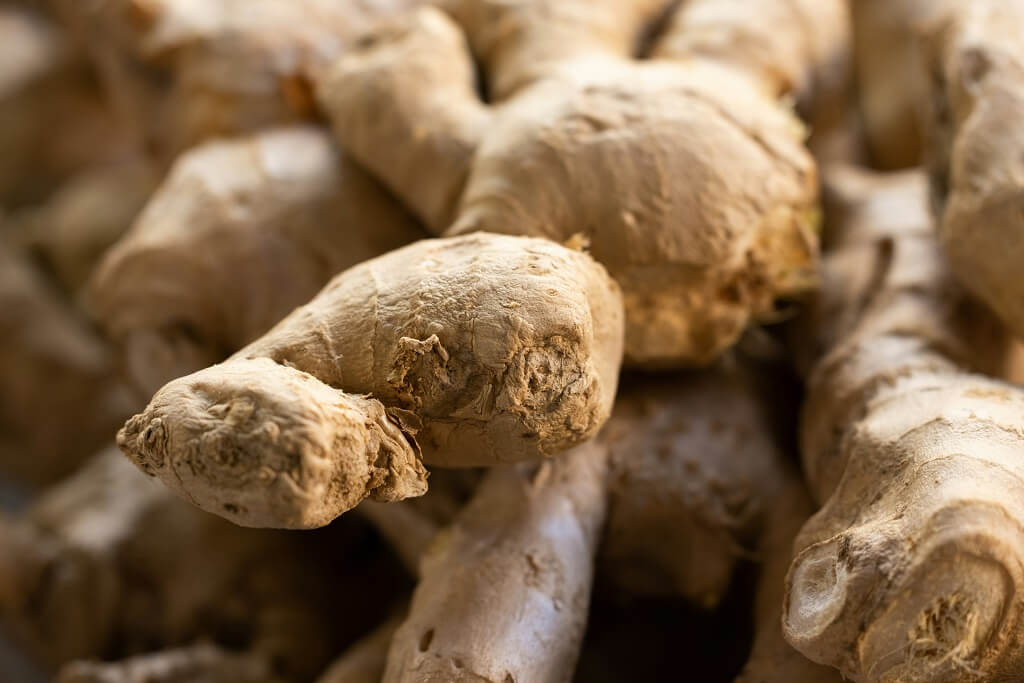

What if the keys to healing the deepest wounds of the mind were hidden in substances we’ve demonized for decades? In July 2025, Germany took a revolutionary step by becoming the first country in the European Union to approve a compassionate use program for psilocybin —the active ingredient in magic mushrooms—to treat treatment-resistant depression.

This milestone, led by the Central Institute of Mental Health (ZI) in Mannheim and the OVID Clinic in Berlin, is not just a medical breakthrough: it’s a call to rethink our relationship with psychedelics in a society that has divided “good drugs” from “bad drugs” with alarming hypocrisy. In Alchimia, we explore how this program underscores the importance of set (mindset) and setting (environment), transforming powerful tools like psilocybin into healing allies.

Imagine millions of people struggling with depression that doesn’t respond to conventional antidepressants or standard therapies—20-30% of cases in Germany and worldwide. Wouldn’t it make sense to explore other treatment options?

Germany leads the way toward responsible and compassionate use of psilocybin

Compassionate use program for psilocybin approved in Germany

The use of Psilocybin in therapeutic contexts

For these patients, life becomes a cycle of hopelessness. Here is where psilocybin comes into play, a natural compound found in magic mushrooms that acts on serotonin 5-HT2A receptors in the brain, inducing altered states of consciousness that can dissolve rigid thought patterns and open doors to new emotional perspectives.

Is it not magic, or is it? Studies such as the EPIsoDE, conducted by ZI Mannheim in collaboration with the Charité Berlin and the MIND Foundation, have shown that high doses of psilocybin (such as 25 mg, which would be roughly equivalent to 2.5 g of dried mushrooms) combined with psychotherapy can lead to positive responses in around 30% of participants.

The program, approved by the Federal Institute for Drugs and Medical Devices (BfArM) on July 11, 2025, allows the use of psilocybin (supplied as PEX010 by the Canadian company Filament Health) in exceptional cases. Eligible patients are adults with drug-resistant depression, with no viable approved treatment options and no opportunity to participate in clinical trials.

[productes tipus=”fitxa” cat=”617″ nfitxes=”3″]

Of course, the therapy is conducted in controlled settings: inpatient in Mannheim and at the day clinic in Berlin, with preparatory sessions, supervised administration, and intensive psychotherapeutic follow-up. “In selected cases, the therapeutic use of psilocybin can be a medically and ethically viable option, always under strictly controlled conditions,” says Prof. Dr. Gerhard Gründer, the program’s pioneer.

Dr. Andrea Jungaberle, OVID’s medical director, emphasizes: “It is not administered in isolation, but as part of a comprehensive approach that considers the patient’s psyche, body, and life context.”

A challenge to our modern prejudices

But let’s go beyond the scientific facts: this breakthrough forces us to confront the hypocrisy of our era. Why have we stigmatized psychedelics as “bad drugs” while embracing synthetic opioids or antidepressants with serious side effects? The dominant narrative, born of the moral panic of the 1960s and 1970s, ignores that indigenous cultures have used these substances for millennia in healing rituals and vision quests guided by a carefully designed mindset and environment, often accompanied by shamans.

Microdoses of psilocybin can be used, but also higher doses

Whether with normal doses or microdoses, studies on psilocybin and mental health continue

Today, in a society obsessed with productivity and control, we’ve forgotten that true mental health isn’t just about suppressing symptoms, but about exploring our inner selves to find purpose and connection. What if psychedelics, used responsibly, can help us break through modern isolation, fostering empathy and collective resilience?

Of course, the program is not without risks; it can induce acute anxiety or, rarely, psychotic episodes if not managed properly, so patients predisposed to psychosis are excluded. Furthermore, at least for now, it is temporary (until July 2026) and limited, with demand likely to outstrip supply, as has happened in Switzerland.

However, it represents an interesting paradigm shift: from prohibition to responsible integration. The data collected will drive Phase III studies, potentially accelerating psilocybin’s full approval in Europe, following the path of the U.S.

This moment inspires us to dream of a future where psychedelics are not taboo, but tools for a more compassionate society. Germany shows us that change is possible: by challenging prejudices, we open doors to innovation. Are we ready to rewrite history, recognizing that the power of these substances lies in how they are used? At Alchimia, we believe so, and this is just the beginning of a psychedelic renaissance that could transform our understanding of the human mind.


Sources:

The post A psychedelic revival: Psilocybin approved in Germany appeared first on Alchimia blog.

Boost your flowering with PK supplements

It’s official: outdoor gardens are in full swing. Those plants that just a few weeks ago were tentatively stretching out in the sun are now finally in full bloom, unfurling buds and trichomes like there’s no tomorrow. At this point—and you already know this—base fertilizer falls short. The plants crave more. More phosphorus, more potassium, more energy to fatten those flowers, harden those buds, and sparkle with diamond-like trichomes.

And that’s where PK supplements come in, those additives that allow your plants to show their full potential at this important stage and become the queens of the garden. If you grow outdoors, the time is now. If you grow indoors, you’ll need them soon: this is the tool that makes the difference between a good harvest… and one you’ll proudly show off.

PK supplements help improve performance

Using PK supplements ensures your plants have what they need for explosive flowering

Phosphorus and potassium: two key elements in flowering

Let’s get serious: Phosphorus (P) and potassium (K) are the two elements that lead the charge during the flowering phase, allowing your plants to form huge, tight buds. They’re like your plants’ personal trainers: they won’t make them flower faster, but they will boost their yield to its peak.

Phosphorus promotes the development of secondary roots and improves energy transport within the plant. It’s responsible for ensuring your flowers develop with structure, consistency, and without sluggishness. Without phosphorus, the plant begins to look dull, failing to form those huge colas you love so much.

Potassium, for its part, regulates the opening and closing of stomata, participates in sugar synthesis, and helps the plant withstand stress, pests, and even the summer heat wave. It’s also essential for the accumulation of essential oils and terpenes, which results in more flavorful, aromatic, and long-lasting flowers.

The moral? Without P and K, there’s no paradise. Or at least not one worth bragging about on social media and among your colleagues.

[productes tipus=”fitxa” tag=”61″ nfitxes=”3″]

What are PK boosters?

By now you’ve probably guessed it, but let’s put it into words. PKs are nutritional supplements designed specifically for the flowering phase. They don’t replace base fertilizers, but rather complement them, reinforcing the supply of phosphorus and potassium just when the plant needs it most. Combined with a good base fertilizer, they become the ideal complement to get the most out of your plants. You’ve been nurturing them for months, so the smartest thing to do is make sure they provide you with as many dense, fragrant flowers as possible.

There are many types of PK supplements: liquid, solid, water-soluble, organic, mineral, bio-mineral, adapted to coco, hydroponics, or Mother Earth. Some are applied throughout flowering, others only in the final phase (that sprint where every drop counts). What they all have in common is their ability to stimulate the formation of larger, more compact, heavier, and resin-laden flowers.

Now, be careful with the dosage: overdoing it with a PK can be as harmful as underdoing it. The EC can skyrocket, and your plants can become saturated, locking out nutrients, or slowing down the process. So, the golden rule: always follow the manufacturer’s instructions as if they were a haute cuisine recipe. Don’t just “eyeball” them. Ideally, as always, you should monitor the amount of fertilizer you use with an EC meter; it’s the best way to avoid surprises and ensure you’re working with the ideal amount of salts for your plants. And the same goes for pH… providing large amounts of P and K will be useless if you do so with an incorrect pH value, as the plants won’t be able to assimilate this extra supply of these two elements.

PK supplements stimulate the formation of huge buds

Using PK boosters makes getting buds like this easier

Featured PK boosters in Alchimia

We know the market is rife with products promising “explosive flowering,” “XXL yields,” and “legendary terpenes.” But at Alchimia, we know how to separate the wheat from the chaff. We present some of the most effective, recommended, and, why not say it, charismatic PK supplements in our catalog. Each with its own unique characteristics, but all are highly effective and with which you’ll truly notice the difference.

Of course, we’re not going to tell you about the entire offering available in our store, but only about some of the products, so we invite you to visit it to learn more about PK additives and supplements that can help you achieve the perfect harvest, one that will leave you and your friends speechless.

Biotabs PK Booster Compost Tea

Ideal for organic growers with an alchemist’s soul. This supplement comes in powder form and is activated by preparing an aerated compost tea. Biotabs PK Booster Compost Tea contains bat guano, seaweed, and beneficial bacteria that release P and K gradually and sustainably. It not only improves flowering but also strengthens the substrate’s microbial ecosystem.

Directions for use: Apply between weeks 3 and 5 of flowering. Best combined with Orgatrex and Bactrex for complete organic synergy.

With Biotabs PK Booster Compost Tea you have guaranteed lush flowering

Biotabs PK Booster Compost Tea is ideal for organic farming enthusiasts

Biotabs Bio PK 5‑8

The liquid, biodynamic brother. Contains phosphorus, potassium, organic nitrogen, molasses, vitamins, enzymes, and phytohormonesBiotabs Bio PK 5-8 is a complete and balanced PK designed to stimulate flowering, resin, and flavor without disrupting the crop’s ecosystem.

Recommended dosage: 1 to 3 ml/L from the second week of flowering until root flushing.

BAC Organik PK Booster

For those who want to grow organically without sacrificing the best flavor and excellent yield. BAC Organik PK Booster is a liquid supplement containing plant extracts, molasses, and natural minerals. It stimulates flowering, strengthens cell structure, and improves flower sweetness.

Important note: Not suitable for automatic irrigation, as it may clog the pipes!

Bloombastic by Atami

A modern classic. With its PK 20-21 formula and a cocktail of sugars, minerals, and enzymesBloombastic is ideal for the mid- to late-flowering phase. It stimulates resin production, improves aroma, and boosts final weight without excessively increasing EC. Suitable for all systems.

Application: from the 4th week of flowering.

With Bloombastic by Atami you will get large, rock-hard buds.

Atami’s Bloombastic is one of the most popular PK add-ons

Rokzbastic from Atami

The hardcore version of Bloombastic. With PK 10-20, extra iron, and a higher concentration, Roczbastic is designed for final fattening of buds, leaving them rock-hard. Ideal for experienced growers who want to squeeze every last gram from their harvest.

Caution: Carefully monitor the EC value of the nutrient solution.

Athena PK Booster

From the USA comes this high-end mineral PK, with phosphorus, potassium, magnesium, and sulfurAthena PK Booster is designed for cocoa or hydroponic crops, where maximum availability is required without disrupting the nutritional balance.

Dosage: 0.8 to 2.6 ml/L from week 3 of flowering.

Outdoor cannabis harvest: tips and tricks

A little push… that makes all the difference

You see, PK supplements aren’t just an extra; they’re a turning point. When the crop enters its decisive phase, what you give your plants is reflected—unfiltered—in the final result: denser buds, richer aromas, abundant resin, and a feeling of satisfaction as a grower that’s hard to describe.

The final piece of advice? Choose your PK based on your growing style, your environment, your goals… and let nature do the rest.

Happy harvest!

The post Boost your flowering with PK supplements appeared first on Alchimia blog.

❌