Login
LoginConnection in Practice: Inside New Zealand’s Medicinal Cannabis Industry Day
The New Zealand Medicinal Cannabis Council (NZMCC) hosted its Industry Day on Oct. 29, 2025 at the EMA in Auckland, bringing together patients, clinicians, researchers, cultivators, advocates and policymakers for a full-day program centered on connection. The agenda was designed to strengthen links across a sector spanning prescribing, cultivation, compliance, research, and policy, with sessions focused on practical collaboration and knowledge sharing.
NZMCC Chair Carmen Doran opened the day and positioned connection as a deliberate focus for the Council, particularly as NZMCC’s membership has expanded to include clinicians, emerging cultivators and the wider support system around the sector, including government, suppliers and academics. The program moved from a Leaders’ Roundtable on the state of medicinal cannabis in New Zealand into regulatory and policy briefings, before splitting into clinical and industry breakout session pathways in the afternoon.
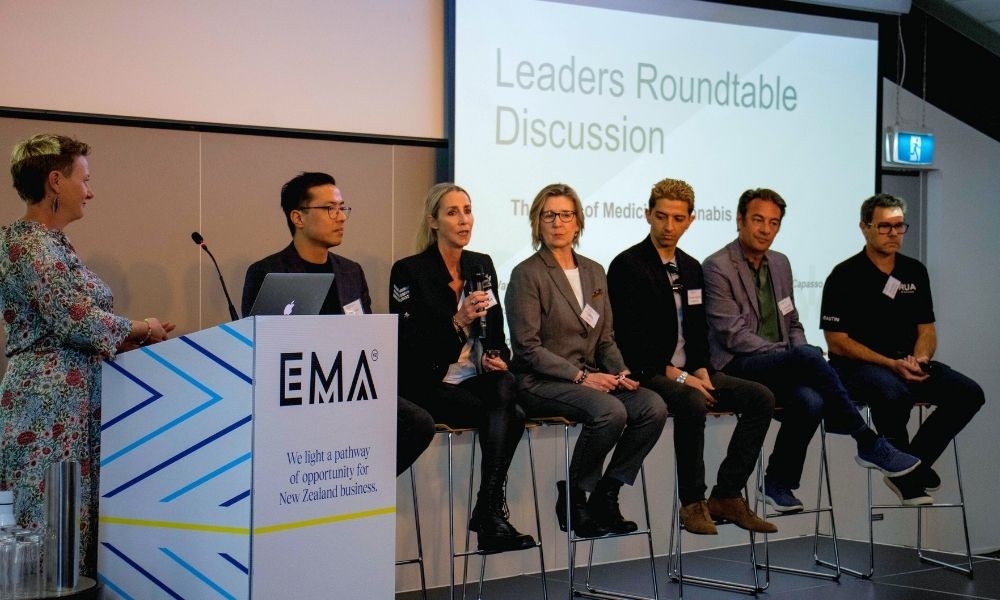
Leaders’ Roundtable: The State of Medicinal Cannabis in New Zealand
Following a Mihi Whakatau, a Māori welcoming ceremony, the Industry Day began with a Leaders’ Roundtable discussion examining where the medicinal cannabis sector currently stands. The panel brought together senior figures from across healthcare, regulation and business, including Terry Teoh, business growth partner at New Zealand Trade and Enterprise (NZTE); Tara Creaven-Capasso, director of regulatory affairs ANZ at MedReleaf Australia; Paul Naske, CEO at Rua Bioscience, a Māori-founded pharmaceutical company that specializes in the research, development and sale of medicinal cannabis products both domestically and internationally; and Natalie Lowe, CEO of Green Doctors, a New Zealand medicinal cannabis clinic network.
The discussion covered regulatory maturity, patient access, prescribing trends and the challenges of operating in a tightly regulated environment. Teoh described the Industry Day as “a great connection point, particularly given NZMCC’s recent broadening of membership.” He also reflected on New Zealand’s presence at European Medicinal Cannabis Week earlier in the year. “From conversations with the NZ attendees and partners, themes that resonated particularly well included a responsible and ethical ecosystem that puts people first, NZ’s agricultural leadership heritage, and companies that are responsive and scalable,” he says.
Regulatory and Policy Briefings: Roles, Responsibilities and Reform
The morning continued with a session called Inside the Regulatory Framework: Roles, Responsibilities and Compliance, presented by Tania Jones from the Medicinal Cannabis Agency. Jones outlined how the Agency oversees New Zealand’s medicinal cannabis system, walking through licensing requirements, compliance obligations and the responsibilities of operators across cultivation, manufacture and supply.

This was followed by TGA Consultation Underway in Australia: Implications for the New Zealand Market, led by Tara Creaven-Capasso, director of regulatory affairs for ANZ of MedReleaf Australia. Drawing on her regulatory experience across the Tasman, Creaven-Capasso explained the scope of the Therapeutic Goods Administration’s consultation process and discussed what potential changes could mean for market alignment, product pathways and future opportunities for New Zealand companies.
The final morning session was delivered by Dr Jacek Kolodziej, policy director at the New Zealand Drug Foundation, who examined safer drug laws, lived experience and alternative policy approaches. His presentation placed medicinal cannabis within a broader public health and drug policy context.
Afternoon Breakouts: Clinical and Industry Pathways
After lunch, delegates chose between two breakout streams, with many moving between sessions as discussions progressed.
Clinical Pathway
The clinical stream opened with James Yu, pharmacist and co-founder of Ngā Hua Pharmacy, New Zealand’s leading independent specialist pharmacy focused on medicinal cannabis, who presented The Importance of Terpene Tailoring. Yu shared patient case studies drawn from dispensing practice, highlighting how different terpene profiles and chemovar selection can influence treatment outcomes.
This was followed by a panel discussion titled Cannabis Challenges in Practice, moderated by Dr Rick Acland. The panel included Dr William Parkyn, Dr Afram Adam, and James Yu, and focused on prescribing confidence, clinical responsibility and real-world barriers to access.
“I was impressed with the level of knowledge and understanding of appropriate prescription amongst delegates,” Acland says. “Sadly, the wider medical fraternity struggles to understand this complex pharmacology and its wide-ranging effects through modulation of the Endocannabinoid System (ECS). Hopefully, the pool of advocates continues to grow and hence enhances patient wellbeing. There is a good understanding of the adverse effects that always need to be appreciated.”
Acland also highlighted agreement within the panel on professional standards. “I was impressed with the consensus regarding the need to adhere to agreed prescription protocols,” he says. He noted concern about the future regulatory environment, referencing legal expertise present in the room. “I was also impressed that we had a barrister, Adam Holloway, in the audience who works in the area of medical discipline. There is concern that specific prescribers may get ‘targeted’ by Registration bodies or Colleges in the future.”
The clinical pathway concluded with Dr Michael Murphy, Medical Advisor at CannaPlus+ and Board Member of the ANZCCP, presenting The ANZCCP Prescribing Guidelines, an update on current best practice and emerging evidence.
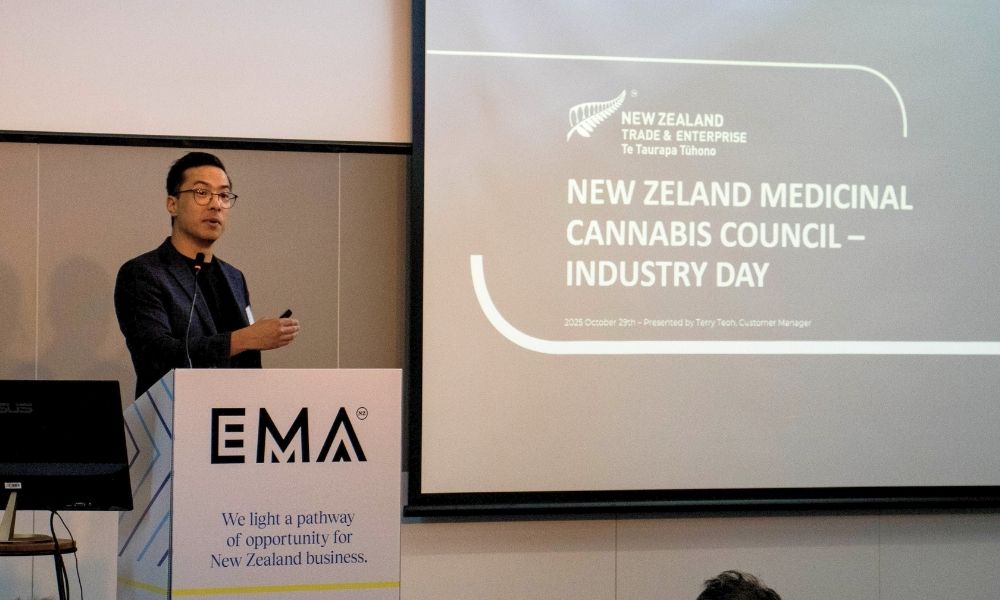
Industry Pathway
The industry stream focused on innovation, sustainability and long-term planning.
Tua Waaku of Bluelab opened the pathway with Research and New Knowledge for Cultivation, presenting findings on light spectrum and plant development. Drawing on Bluelab’s experience designing monitoring and control tools for growers, the session explored how precision measurement can support consistent outcomes.
Dr Sam Baldwin of the Bioresource Institute followed with Indoor Crops 30 Years in the Future, examining how advances in technology, environmental constraints and resource efficiency may reshape cultivation models over the coming decades.
Energy considerations were addressed by Karan Tikku of Genesis Energy in Electricity: Challenges and Opportunities, where he outlined cost pressures facing cultivators and practical pathways to reduce energy use.
The industry pathway concluded with Terry Teoh of New Zealand Trade and Enterprise presenting Building an Export-Ready Business, focusing on scalability, regulatory preparedness and international market expectations.
Sector Reflections: Experience From the Early Days
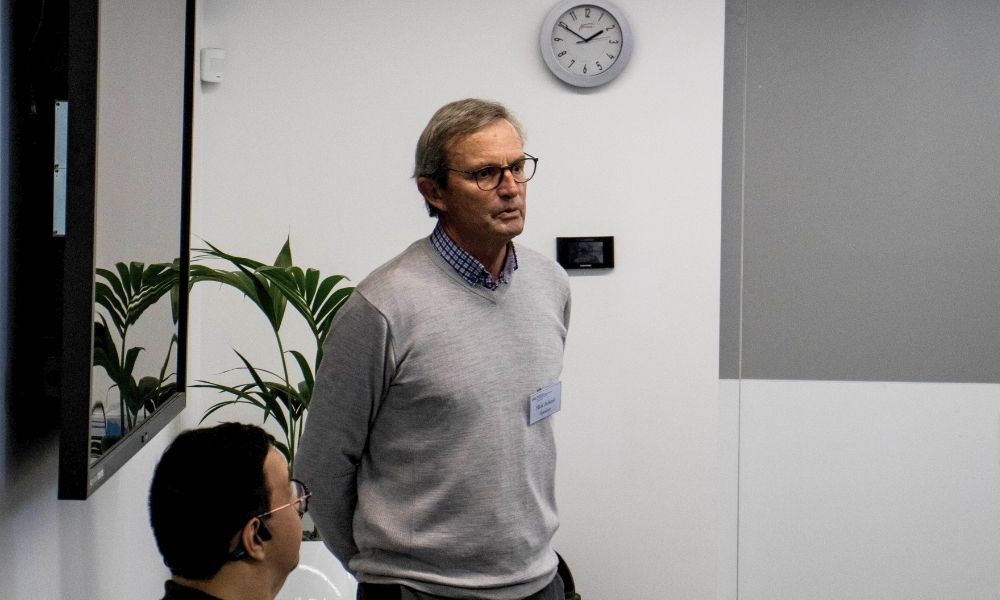
Although now retired from clinical practice, Dr Rick Acland says he remains closely connected to the medicinal cannabis sector. His involvement dates back to the early 2000s.“Despite being a retired practitioner, I still feel very much connected with this industry,” he says. “My history with medicinal cannabis goes back to the early 2000s when I was a member of the Medicines Assessment Advisory Committee (MAAC) of the Ministry of Health.”
Acland described his role in assessing Sativex in 2006. “At my last meeting (2006), I was responsible for the assessment of Sativex for registration,” he says. “I managed to persuade my fellow committee members that there was enough convincing data to approve it for spasticity of MS. There were a number of sceptics who did take some cajoling to get Sativex ‘across the line’.”
Looking back nearly two decades later, he said the decision had held up. “I think that with the passage of almost 20 years, our decision was correct, and pleasingly, any fears that had been raised at that meeting have not eventuated, apart from the prohibitive cost of the agent,” he says.
Acland also reflected on his clinical background. “Throughout my medical career, I have worked in pain and latterly in spinal cord injury rehabilitation,” he says. “Frequently, I noted the many patients who gained useful symptom relief from recreational use.”
He described the shift that followed legal prescribing. “Interestingly, once medicinal cannabis became available through prescription, I was ‘banned’ by one of the organizations I consulted for from having any conversation regarding cannabis,” Acland says. “It has concerned me that the Pain Society has taken such a negative approach, probably because of the opioid epidemic in the USA, despite there being a growing level of evidence showing a reduction in opioid use with the introduction of prescription cannabis.”
Sponsor Perspective
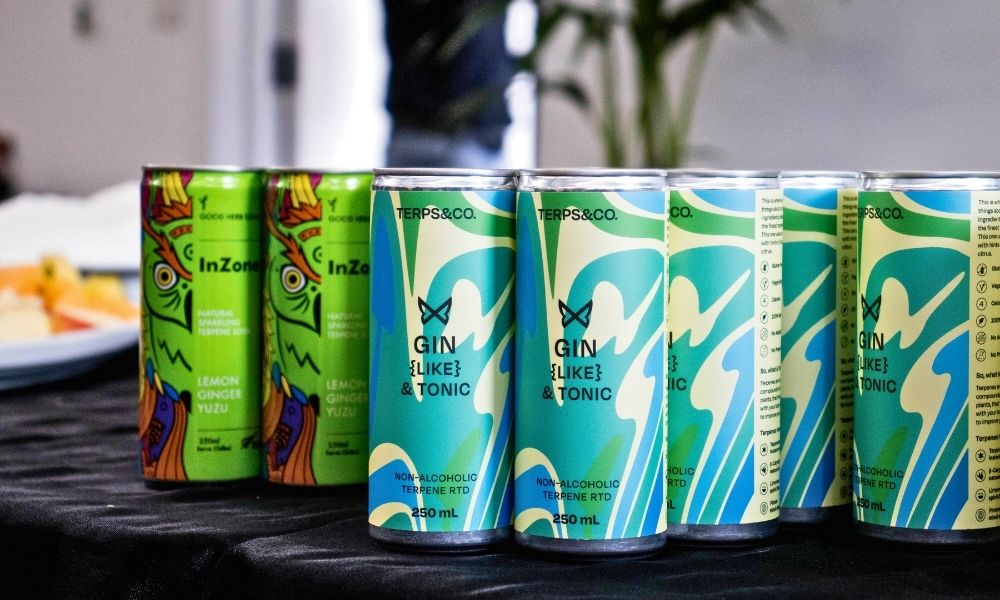
From a sponsor perspective, Arjun Bhargava, co-founder of innovative beverage brand Terps & Co, says the Industry Day reflected a broader shift in how the sector is thinking about cannabis formulation and patient experience.
“It was heartening to see that terpenes, beyond just THC and CBD, are finally getting the attention they deserve,” Bhargava says. “Across the value chain, from pharmacists to manufacturers, there is a growing appreciation for how pivotal they are and how profoundly they shape the cannabis experience.”
Looking Ahead
In reflecting on the day, Doran pointed to the connections formed across the room as the most meaningful outcome. “For me, the standout moment was seeing groups of people talking together after lunch who wouldn’t usually meet in their day-to-day work,” she says. “Being able to connect cultivators choosing which strains to commercialize with prescribing doctors who hear directly from patients about what works was incredibly powerful.”
Doran also noted that NZMCC held its AGM as part of the Industry Day, including the election of new board members intended to reflect the Council’s expanded membership base. Looking ahead, she said NZMCC plans to establish working groups in 2026 focused on priority areas for the sector, including export markets and patient access. “We’ll be diving into issues that shape the industry here at home, but also as we look to export markets and support patients in New Zealand and internationally,” she says.
As the peak representative organization for the medicinal cannabis sector focused on equitable and affordable access to cannabinoid-based medicines, the NZMCC Industry Day was the perfect opportunity to reinforce collaboration as the foundation for future progress.
The post Connection in Practice: Inside New Zealand’s Medicinal Cannabis Industry Day appeared first on Cannabis Now.