Reading view

There are new articles available, click to refresh the page.

2025 Cannabis Gear Gift Guide: Dab Rigs, Vapes, Glass, and Accessories

Find the perfect present for every cannabis enthusiast in your life

The holidays are here, and if you're shopping for the cannabis lovers on your list, we've got you covered. 

From new vape tech to museum-worthy art, premium concentrates to automated grow boxes, this year's gift guide celebrates the best in cannabis culture. 

Whether you're shopping for the dabbing devotee who has every rig attachment or the curious newcomer ready to explore, these picks deliver quality, personality, and that special something that says "I get you."

For the Dabbing Enthusiast

HEMPER Puffco Peak Attachments

Your dabbing buddy probably has the Peak or Peak Pro. Now give them something that makes it uniquely theirs. HEMPER's themed glass attachments transform functional gear into personality pieces, featuring a floating rubber duck, a psychedelic mushroom design, a Chinese takeout box, an astronaut helmet with a gold visor, or a classic popcorn bucket. All attachments feature functional percolation for smoother hits and come in themed gift boxes ready to wrap.

Pro tip: Universally compatible with both Peak and Peak Pro models.

For: The dabber who wants personality with their performance

Price: $75-$80

Puffco Proxy

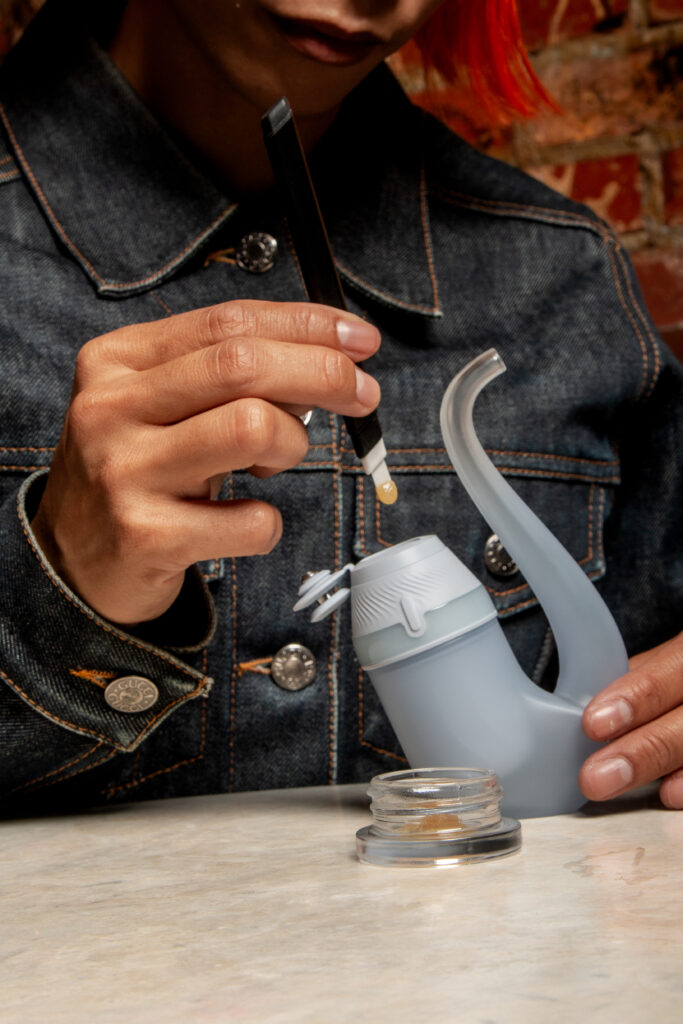
Puffco Proxy getting loaded up with a cannabis concentrateCourtesy of Puffco

This palm-sized concentrate device doesn't compromise on flavor. The upgraded 3D Chamber heats from the sides for a better taste experience, while Bluetooth connectivity allows users to customize everything through the Puffco Connect App. 

The best part? The modular design allows for the removable base to work with multiple glass attachments — from the included Sherlock-style pipe to water bubblers and third-party glassware. It arrives fully assembled in a premium carrying case with everything needed, ready to use out of the box.

Currently includes a free "Where's the hash?" hat ($40 value).

Pro tip: This is the gateway to Puffco's ecosystem — recipients can build their collection with additional glass pieces.

For: Tech-savvy dabbers, travelers, and anyone who wants retro-modern aesthetics and cutting-edge performance

Price: $250

Stündenglass Gravity Infuser

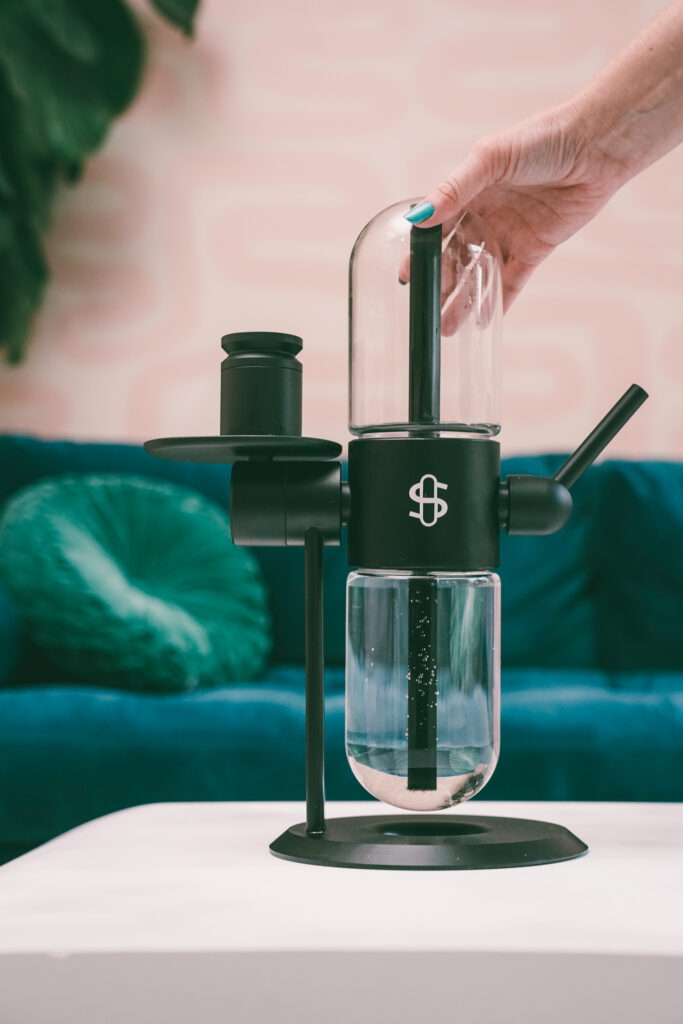
Stündenglass - Gravity InfuserCourtesy of Stündenglass

If you're looking for the ultimate showstopper, nothing compares to Stündenglass. This isn't just a smoking device — it's functional art that mesmerizes everyone in the room. The patented 360° rotating gravity-powered design uses no batteries or electronics. Rotate 180° while lighting, and gravity creates the vacuum. Rotate back, and gravity forces smoke through for contactless delivery. The water cascading display alone is worth the price of admission.

The cherry on top? It's multi-functional: works for dry herbs, concentrates, hookah, AND culinary smoke infusion. Comes complete in a premium, reusable craft box with a handle, plus a 10-year extended warranty, signifying serious investment-grade quality.

Pro tip: Special editions (Khalifa, Cookies, Grateful Dead, Tyson 2.0) available at the same $599.95 price.

For: Cannabis connoisseurs who have "everything," entertainers, design-focused individuals, and serious collectors

Price: $599.95 (reduced to $420 for Black Friday)

For the Design-Conscious Stoner

GRAV Small Deco Beaker Bong
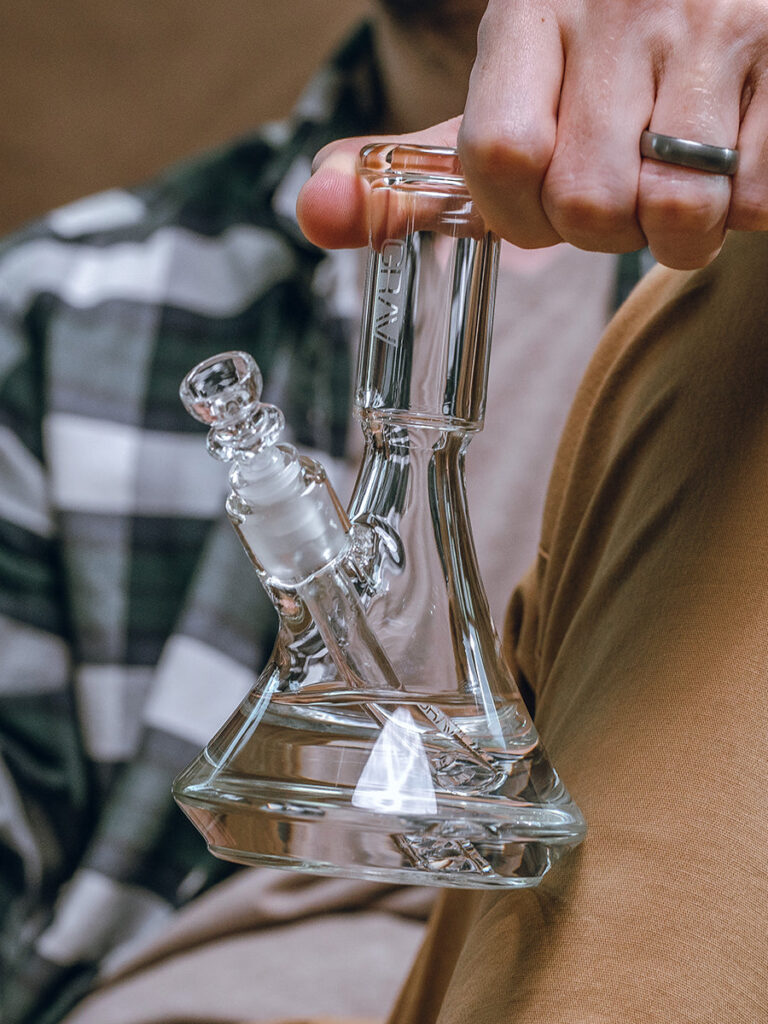
GRAV Small Deco Beaker Bong
Courtesy of GRAV

This 8-inch beaker delivers the essentials without the extras. The fixed fission downstem filters smoke through water for smoother pulls, while the classic beaker base keeps things stable on any surface. Hand-blown from durable borosilicate glass, it's built to withstand daily use and is easy to clean. The wide base accommodates ice for extra cooling, and the fixed downstem means no small parts to lose or replace.

Pro tip: Add ice — the wide beaker base accommodates ice for extra cooling. Additionally, the compact 8-inch height makes it ideal for smaller spaces without compromising performance.

For: Straightforward smokers who want reliable function, anyone seeking a no-fuss daily piece, simple aesthetic lovers

Price: $79.99

Revelry Supply Backpacks
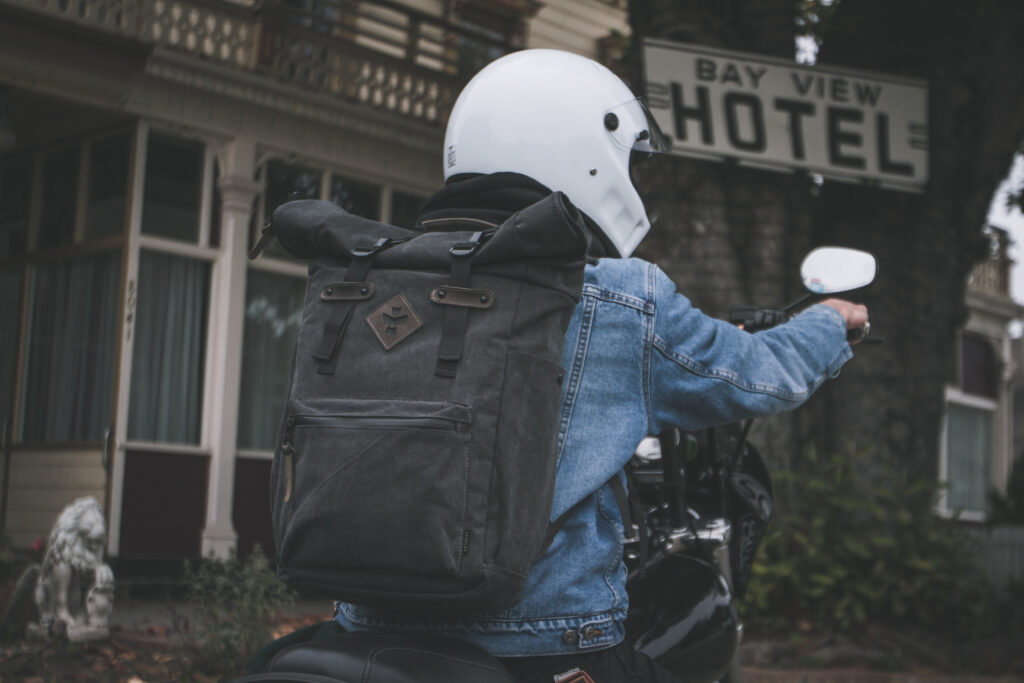
A motorcyclist with a white helmet wearing a Revelry Supply - Drifter BackpackCourtesy of Revelry Supply

Stash bags don't need to scream, "I smoke weed." Revelry Supply's professional-looking backpacks feature triple-layer carbon filter systems for odor absorption, water-resistant exteriors, and lockable waterproof zippers — all with genuine leather accents that look sharp anywhere. The Explorer ($90-$110, 18L) is the most popular everyday model. The Drifter ($110-$125, 23L) offers an expandable design for longer adventures. All include laptop compartments and secret stash pockets, plus they're refreshable — just toss them in the dryer briefly to release absorbed odors.

Pro tip: Made by surfers/skaters/artists from Santa Cruz, California. These bags earn 4-5 star reviews while remaining discreet for daily commutes.

For: Commuters, festival-goers, travelers, and anyone who wants peace of mind carrying their stash

Price: $65-$125

Edie Parker Marker Doob Tubes

Sometimes the best gifts are the clever ones. These doob tubes replicate classic Sharpie marker aesthetics for "hide in plain sight" storage. Each features a built-in tamping stick, is fully smell-proof, and fits up to king-size joints. Available in classic marker colors like lavender, green, black, yellow, and red.

Pro tip: Perfect stocking stuffers that provide genuine daily utility.

For: Anyone who enjoys clever design and needs portable pre-roll storage

Price: $27 for a 3-pack

For the Luxury Cannabis Consumer

Heady Hawaii Glass

For serious collectors seeking investment-grade functional art, Heady Hawaii curates one-of-a-kind handmade borosilicate pieces from American and Japanese glass artists. This isn't head shop shopping — it's art gallery browsing. The OTW QDR (Quick Draw Rig) collection ($1,196-$1,495) features UV-reactive glass, intricate millefiori, and fume technology. Creep Peak Tops ($200-$500) offer more accessible entry points for collectors.

Pro tip: These pieces appreciate — you're buying functional art that serves as an investment.

For: Serious collectors seeking unique pieces, anyone who appreciates fine craftsmanship

Price: $200-$1,495

Mothership Glass 

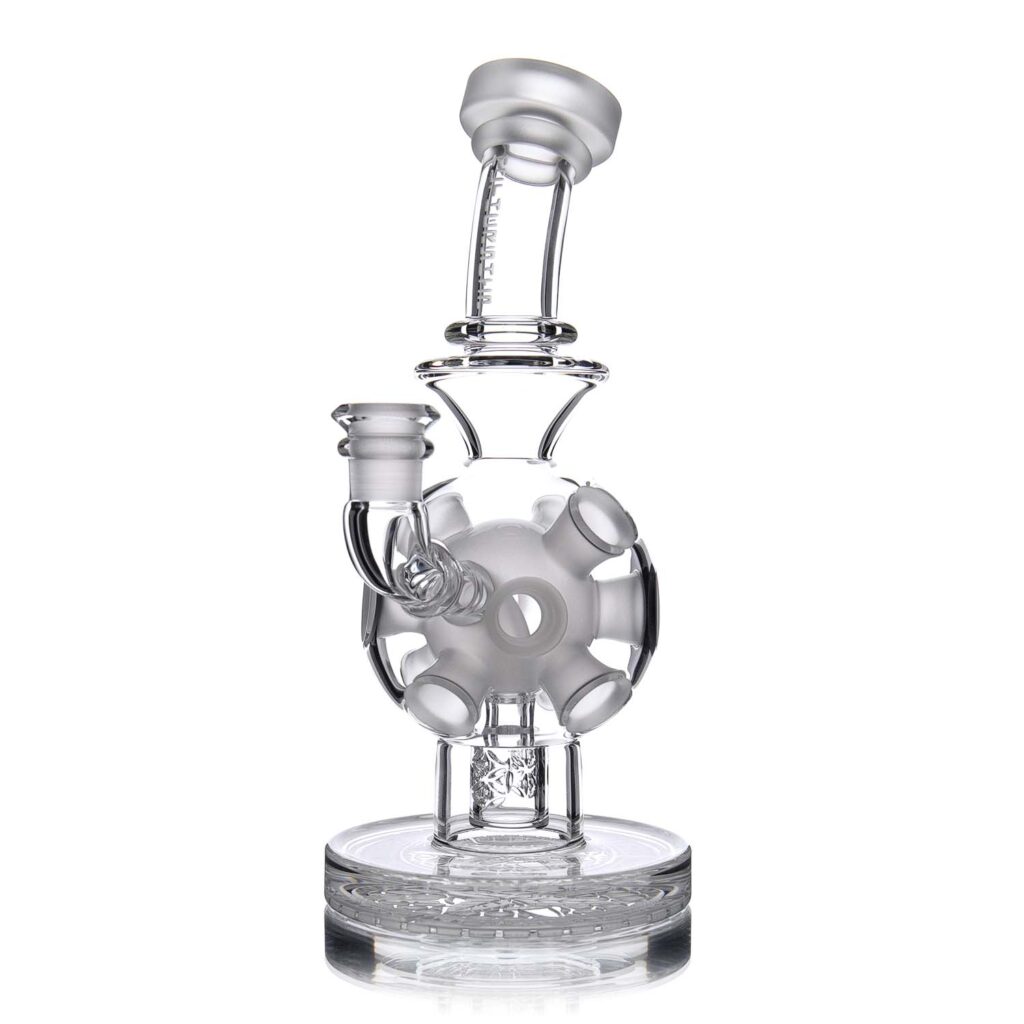
Mothership Glass - Frosted Mini Exosphere 2Courtesy of Mothership Glass

When it comes to luxury glass, Mothership takes it to a whole other level. The Frosted Mini Exosphere 2 showcases the brand's legendary ball rig design in a compact form — featuring a sandblasted frosted finish and high functionality. Mothership's reputation for flawless welds, optimal airflow, and museum-quality craftsmanship makes every release highly coveted. The Mini Exosphere features their signature percolation system scaled down without compromise, delivering smooth, flavorful hits in a travel-friendly size.

Pro tip: Mothership pieces hold their value

For: Connoisseurs who demand the best, collectors building premium arsenals, and anyone ready to elevate their experience

Price: $4,550

For the Accident-Prone Friend

Whomp It Glass Beakers

We all have that one friend who drops everything. Whomp It Glass engineered the solution: beakers with 9 millimeter wall thickness (versus typical 5 millimeter) and 18 millimeter thick bases — that's three to four times more durable than standard glass. The brand embraces the inevitable drop but makes glass that survives it.

The Medium 12-inch Beaker ($195-$200) hits the sweet spot with ice catcher and bombproof construction. The Large 18-inch Beaker ($240) adds extra capacity for group sessions. For ultimate durability, the DuraBundle 12-inch ($250-$300) features an aircraft-grade aluminum downstem and bowl that remain cool to the touch.

Pro tip: An investment piece that pays for itself by not needing replacement every few months. Free shipping on US orders over $100. The Original Spoon Pipe ($30-$50) makes a great stocking stuffer, offering the same durability and quality.

For: The klutzy stoner, college students, daily users, party hosts

Price: $195-$350

For the Aspiring Home Grower

Hey abby Automated Grow Box

Legal-state residents ready to try home cultivation face a learning curve. Hey abby removes that intimidation with plug-and-play automated grow boxes requiring zero assembly. The best-selling 420 SE Edition ($599, regularly $699) achieves 4 times higher success rates than growing alone (80% vs. 20%) with just 10-15 minutes of work per week.

This compact unit features an auto-adjusting full-spectrum LED, automated ventilation, a hydroponic system, environmental sensors, and app control. It yields up to 6oz per 3-4 month cycle — approximately $1,200 worth of premium flower from $90 in supplies (10x ROI) and comes pre-assembled with everything needed, plus a 3-month supply subscription. Community support includes 1-on-1 expert help and Discord community. Uses 70% less electricity than traditional setups (~$5/month).

Pro tip: Turns complete novices into successful growers in one cycle.

For: Legal-state residents interested in home cultivation but intimidated by traditional growing

Price: $599-$869

For the Cannabis Art Lover

Canna Queens Project by Kristy Lingebach

South Florida fine artist Kristy Lingebach creates highly detailed acrylic paintings of mature female cannabis flowers set against bold backgrounds that reflect each strain's unique personality. Museum-quality prints start at just $18 for an 8 x 10-inch piece, up to $160 for a framed 36 x 24-inch piece.

The STRainbow Collection ($98 for six 8-inch x 10-inch prints) features Gorilla Zkittlez, Wedding Glue, Super Lemon Haze, Girl Scout Cookie, Berry Diesel, and Purple Haze — perfect for creating a gallery wall. Individual strain portraits include Sour Diesel, Blue Dream, Wedding Cake, White Widow, and many more. Also available: T-shirts ($32), hoodies ($60), throw blankets, and pillows.

Pro tip: Sophisticated enough for any home — breaks down stigma by presenting cannabis as fine art. Commission custom paintings of favorite strains.

For: Cannabis enthusiasts, art lovers, and anyone wanting conversation-starting wall art

Price: $18-$160

Califari Strain Artwork

Califari curates over 25 professional artists from around the world, pairing each strain with an artist whose style matches the strain's unique personality. Styles range from psychedelic and vintage to modern and graphic, inspired by 1960s Fillmore concert posters and vintage fruit crate art. The 13-inch x 19-inch Lithograph Posters ($15-$20) fit standard frames for instant room decor. Over 50 strain designs available, including Sour Diesel, Blue Dream, OG Kush, and Pineapple Express.

Family-owned company (founder's parents founded East Totem West, a 1960s psychedelic poster company now housed at the Museum of Modern Art, MoMA). The 2025 Art Benefit Calendar benefits the Last Prisoner Project.

Pro tip: The standard 13-inch x 19-inch size fits common frames, making room-decor-ready gifts available starting at just $15.

For: Collectors, anyone who appreciates professional art, fans of 1960s counterculture aesthetics

Price: $15-$20

For the Tech-Forward Vaper

Rove Holiday Edition Collection
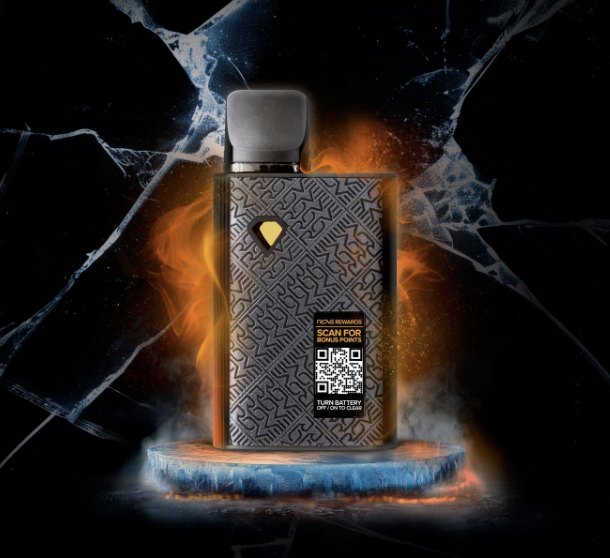
Rove EMBAR BatteryCourtesy of Rove

California's trusted multi-state manufacturer brings innovation and festive flavors for 2025. The EMBAR Battery ($35, launching November 20) features Melt Mode technology engineered specifically for cold-weather performance — it quickly warms the entire pod to ensure smooth flow, big clouds, and full flavor even in freezing temps. Includes Rove Rewards Rip & Redeem program: scan LucidID QR codes with every puff to earn points for discounts, accessories, and apparel.

Limited-edition holiday strains include Choco Mints (hybrid, launching November 17), which blends rich chocolate and cool peppermint for a cozy, uplifting effect — available in all markets except Rhode Island through December. Sour Lime Haze (sativa, launched November 12) offers a zesty citrus and herbal spice profile, providing an energizing lift and smooth relaxation, and is available in the following states: Arizona, California, Illinois, Massachusetts, Michigan, Mississippi, Missouri, Nevada, New Jersey, New York, Oklahoma, and Washington.

Pro tip: Pair the EMBAR Battery ($35) with a Diamond Series Cartridge ($49) for an $85 premium gift set. Standard Rove Holiday Edition Slim Battery ($22) in Black and Gold offers an accessible entry point for a ~$60-$65 starter gift set. All available through licensed dispensaries in 15 states.

For: Vape enthusiasts who value reliability, outdoor adventurers, and anyone building a Rove collection

Price: $35-$85

For the Weedmaps Superfan

Weedmaps Merch Collection

Need something to wear for your next holiday party? Weedmaps' latest Northern Lights Collection features nostalgic holiday knits with stoney details that only real ones will appreciate. Whether you're gifting to your bud or yourself, it's the perfect addition to any (not so) ugly sweater collection. New sweaters are going for $76-$80 and you can't forget the matching beanies ($22) and scarves ($32). 

If you're looking for something less seasonal, check out the rest of the site for contemporary streetwear and collectable pieces. Limited Edition 420 1s Sneakers ($125) feature an exclusive CEEZE collaboration — limited to 420 numbered pairs in a custom retro USPS package design.

Hoodies ($64-$86) include Box Premium Full Zip, Geo Hooded Pullover, and Ticker Crew Fleece. Hats range from Snapbacks ($32-34) to the statement Leaf Cowboy Hat ($98). Robin Eisenberg Designer Collaboration T-shirts ($36) feature Dreamstate and Cowgirl designs with glow-in-the-dark socks ($14).

Accessories include Eye Heart Denim Jacket ($118), Geo Printed Socks ($12), Cowgirl Lighter ($35), Joint Pillow ($28), Inflatable Joint ($15+), Camo Fanny Pack ($28), and I Heart Catchall Tray ($80).

Pro tip: Several items are currently sold out — shop early for the best selection. The store offers 79+ total products at store.weedmaps.com.

For: Brand loyalists, streetwear enthusiasts, collectors of limited editions. (You, right?)

Blaze it forward

This holiday season, skip the generic gift cards and give something that shows you actually know the cannabis lovers on your list. Whether it's a $27 three-pack of clever doob tubes or a $600 gravity-powered conversation piece, the best gifts celebrate their passion while adding genuine value to their experience.

Happy holidays, and happy gifting!

The post 2025 Cannabis Gear Gift Guide: Dab Rigs, Vapes, Glass, and Accessories appeared first on Weedmaps News.

People Drink 'Significantly Less Alcohol' After Smoking Marijuana, Federally Funded Study Shows

Smoking marijuana is associated with “significantly” reduced rates of alcohol consumption, according to a new federally funded study that involved adults smoking joints in a makeshift bar.

Researchers at Brown University investigated the science behind the trend that's come to be known as “California sober,” referring to people who abstain from or limit the use of alcohol and most other drugs while still consuming cannabis.

According to the study, published on Wednesday in the American Journal of Psychiatry, smoking marijuana could actually be helping people moderate their drinking. That's based on the findings of the researchers' experiment, which involved 157 adults who reported heavy alcohol and cannabis use at least twice weekly and who were tasked with smoking joints in a fabricated bar setting.

“What we found was consistent with this idea of the substitution effect popularized by the California sober trend,” Jane Metrik, a human behavior and psychiatry professor at Brown University, said in a press release. “Instead of seeing cannabis increase craving and drinking, we saw the opposite. Cannabis reduced the urge for alcohol in the moment, lowered how much alcohol people consumed over a two-hour period, and even delayed when they started drinking once the alcohol was available.”

The participants were given marijuana joints containing either 7.2 percent THC, 3.1 percent THC, or 0.03 percent THC (the placebo). After smoking the cannabis, they were then exposed to “neutral and personalized alcohol cues and an alcohol choice task for alcohol self-administration.”

An alcohol cue assessment that the participants completed showed that those who smoked the two higher THC concentration joints “consumed significantly less alcohol,” with an average 27 percent reduction in drinking for those who received the 7.2 percent THC joint and 19 percent for the 3.1 percent THC cohort.

Researchers said that, for participants who smoked joints with 7.2 percent THC, that also “reduced alcohol urge immediately.”

“Following overnight cannabis abstinence, smoking cannabis acutely decreased alcohol consumption compared to placebo,” it found. “Further controlled research on a variety of cannabinoids is needed to inform clinical alcohol treatment guidelines.”

"California sober"—ditching alcohol in favor of #cannabis—is gaining popularity.🍸

Follow the link for the findings of the first ever, randomized, placebo-controlled trial to test whether smoking cannabis directly changes alcohol consumption⤵ https://t.co/NnIB5Qwvxq pic.twitter.com/8FEvN8Nxcn

— Brown University School of Public Health (@Brown_SPH) November 19, 2025

The study authors said this represents the first placebo-controlled randomized trial that specifically looks at the acute effects of marijuana use on alcohol cravings and consumption for heavy users.

“Extending the latest scientific evidence, we found that smoked cannabis with 3.1 percent and 7.2 percent THC doses acutely decreased alcohol consumption and increased latency to drink under controlled laboratory conditions, relative to placebo,” the study authors said, adding that the effects of the non-placebo joints “were not statistically different from each other.”

“The findings suggest that smoked cannabis reduces alcohol consumption and, conversely, acute cannabis deprivation (i.e., in the placebo condition) may lead to compensatory increases in alcohol intake,” the study says.

In concert with experimental investigations and studies demonstrating substitution effects, our findings support the substitution model of cannabis and alcohol co-use. In the absence of consistent effects of cannabis on alcohol craving, a possible mechanism whereby cannabis reduces alcohol consumption may be through satiation, such that participants may have reached their preferred experiential intoxication on one drug, which may have lowered desire for the other substance. The findings also suggest that individuals titrate their alcohol consumption based on their current state of intoxication to reach a desired level of overall intoxication.

One theory the researchers put forward as to why cannabis use seems to inhibit alcohol consumption and cravings is that most participants were daily marijuana users. Because cannabinoids downregulate certain receptors in the endocannabinoid system, they may “functionally impair alcohol reward processing and alcohol motivation.”

The researchers also noted that, while their study involved cannabis flower with relatively lower concentrations of THC compared to what's available in state medical and adult-use markets, the findings are still relevant, indicating that alcohol consumption and cravings could also be reduced for someone taking relatively fewer hits of high-THC varieties.

Further, the study notes that the cannabinoid concentration of marijuana flower and its formulation “could influence the direction of effect on alcohol-related outcomes.”

While this experiment focused on THC, prior research on animal models has indicated that non-intoxicating CBD is also associated with reduced alcohol use, and observational studies suggest that the use of CBD is associated with lower alcohol consumption compared to THC. Therefore, “smoking cannabis flower containing CBD could lead to even greater reductions in alcohol use.”

“The study findings demonstrate that smoked cannabis induced acute increases in subjective intoxication, affect, arousal, cardiovascular effects, blood THC concentrations, and acutely reduced alcohol consumption without a consistent effect on alcohol craving,” it says. “Notably, participants still consumed alcohol after smoking cannabis with THC, although they drank less than when they were not acutely intoxicated with THC. These data provide preliminary evidence that cannabis may reduce alcohol consumption under some conditions, but whether this would result in reductions in harms associated with simultaneous use is unknown.”

“Controlled human studies like this one can help address the dearth of empirical data on alcohol consumption in relation to cannabinoid use and shed light on the inconsistent findings from epidemiological studies. Clinical research is needed on the effects of a variety of cannabinoids and endocannabinoid targets used simultaneously with alcohol versus sequentially to evaluate clinically relevant alcohol outcomes. While there is growing recognition of the therapeutic potential of cannabinoids, it would be premature and potentially risky at this time to recommend cannabis as a therapeutic substitute for alcohol or as a harm-reduction strategy for AUD. For patients who are already substituting cannabis for alcohol, clinicians should provide guidance on the risks of cannabis use disorder, help monitor cannabis use, and continue recommending evidence-based alcohol treatments.”

Metrik said that what the research team found is that “cannabis reduces the urge in the moment,” but the long-term effect warrants further investigation.

“Our job as researchers is to continue to answer these questions,” she said. “We can't tell anyone yet, 'you should use cannabis as a substitute for problematic or heavy drinking.'”

The study received funding from the National Institute on Alcohol Abuse and Alcoholism (NIAAA) under the National Institutes of Health (NIH). Cannabis plant material used in the study was provided by the National Institute on Drug Abuse (NIDA) through its drug supply program.

While the researchers say they're not willing to say the study definitively proves marijuana should be considered as an alcohol alternative or treatment for alcoholism, the findings are consistent with a growing body of research indicating that cannabis does have that potential — and more people are opting for the plant over alcohol.

A study published earlier this month, for example, found more evidence of a "substitution effect" in adults who drink cannabis-infused beverages, with a significant majority of participants reporting reduced alcohol use after incorporating cannabinoid drinks into their routines.

A survey released last month also showed that four in five adults who drink cannabis-infused beverages say they've reduced their alcohol intake — and more than a fifth have quit drinking alcohol altogether.

Recent polling additionally shows that younger Americans are increasingly using cannabis-infused beverages as a substitute for alcohol, with one in three millennials and Gen Z workers choosing THC drinks over booze for after-work activities like happy hours.

Another poll released last month found that a majority of Americans believe marijuana represents a “healthier option” than alcohol, and most also expect cannabis to be legal in all 50 states within the next five years.


Written by Kyle Jaeger for Marijuana Moment | Featured image by Gina Coleman/Weedmaps

The post People Drink 'Significantly Less Alcohol' After Smoking Marijuana, Federally Funded Study Shows appeared first on Weedmaps News.
U-M Study: 1 in 5 Young Adults Using Marijuana, Alcohol to Fall Asleep

  • About 22% of young adults use cannabis, alcohol, or both to help them fall asleep, according to a University of Michigan study
  • Experts warn that relying on substances to sleep can worsen sleep quality and increase the risk of dependency
  • Cannabis advocates say, when used properly, the drug may help promote better rest  

Struggling to fall asleep, many young adults are reaching for marijuana or alcohol at bedtime, a University of Michigan study found.

U-M's annual Monitoring the Future Panel study found that 22% of adults between the ages of 19 and 30 used either cannabis, alcohol or both to sleep. 

Of the two, marijuana was more common, with 18% using the drug to fall asleep, compared to 7% of participants who used alcohol. 

While advocates say cannabis can be a low-risk alternative to sleep medications, using drugs or alcohol for sleep could “backfire because they can interfere with the ability to stay asleep and with the quality of sleep," said Megan Patrick, research professor at the Institute for Social Research at U-M. 

"They appear to actually disrupt sleep in the long term. The fact that so many young adults reported that they use cannabis to sleep is alarming."

Sleep deprivation, or the lack of sleep, is a common condition that many Americans experience, according to a study published in the National Library of Medicine. It is generally recommended that adults get between 7-9 hours of sleep per night. If not, it can lead to excessive daytime sleepiness. 

Factors like excessive screen time before bed can prevent the brain from releasing melatonin, the “sleep hormone.” 

People who work early morning or late night shifts tend to have a harder time falling asleep and generally get fewer hours of sleep, according to the study. 

"Unfortunately, there is a misconception that substance use can be helpful for sleep problems, but it can make things worse," Patrick said. "High-quality sleep is critical for mental health and regulating mood. Young adults told us that they are using cannabis to try to get to sleep, but doing so may make their sleep problems even worse. They need to know the potential risks."

Cannabis as sleep aid 

While medical experts warn that relying on substances to sleep can increase the risk of dependency or substance abuse, cannabis advocates argue that, when used responsibly and in the right doses, the drug can offer real benefits for those struggling to fall asleep naturally. 

Cannabis has become more widely accepted in recent years, particularly for its medicinal benefits. Michigan voters approved a measure to legalize medical marijuana use in 2008 and later approved recreational use in 2018. 

A 2023 study published by the National Library of Medicine found that participants who used cannabis were able to reduce or completely stop prescription medication to help aid them with sleep.  

“We sell thousands of packs of sleep gummies every week. I didn't realize how many people had sleep problems,” said Jerry Millen, owner of Greenhouse dispensary in Walled Lake. “A lot of seniors can't sleep, and a lot of young people now are stressed out and they can't sleep either.” 

The study found that cannabis that contains low levels of THC, a psychoactive cannabinoid that can produce relieving, sedative or euphoric effects, can help ease falling asleep and increase lower sleep time. 

Cannabis that contains a high concentration of CBD, a nonpsychoactive cannabinoid, can have a sedating effect, while a lower dosage can actually have a stimulating effect. 

“People are getting off opioids with cannabis. People are replacing alcohol with cannabis,” Millen said. “If you have a vice and you want to 'abuse' something, I suggest you use cannabis.” 

Practicing good sleep hygiene 

The Centers for Disease Control and Prevention recommends that adults get at least seven hours of sleep each night. 

Getting good quality sleep can decrease the number of times you get sick, maintain a healthy weight, reduce stress and improve your heart health and metabolism. 

The CDC offers several recommendations for getting better, more restful sleep: 

  • Going to bed and getting up at the same time every day
  • Keeping your bedroom quiet, relaxing, and at a cool temperature
  • Turning off electronic devices at least 30 minutes before bedtime
  • Avoiding large meals and alcohol before bedtime
  • Avoiding caffeine in the afternoon or evening

Article originally written by Janelle D. James with Bridge Michigan

This article first appeared on Bridge Michigan and is republished here under a Creative Commons Attribution-NoDerivatives 4.0 International License.

The post U-M Study: 1 in 5 Young Adults Using Marijuana, Alcohol to Fall Asleep appeared first on Weedmaps News.
12 spooky weed strains for Halloween

Spooky season has arrived, and not just on the drugstore shelves, but also in our stoner hearts. Our favorite Halloween weed strains may have seriously ooky-spooky vibes, but don't judge a nug by its label. Each of these cultivars is exceptionally suited to all manners of wholesome — or terrifying — Halloweed foolishness.

Keep in mind, your endocannabinoid system is like your fingerprint: totally unique to you. The effects described below may not line up neatly across the board for all users, and your experience is yours alone.

Zombie Kush

Photo by Gina Coleman

Zombie Kush, also known as Zombie OG, is an award-winning hybrid created by unknown breeders who combined Blackberry with the famous California strain OG Kush.

Expect to indulge in that signature Kush stink of its heritage and inhale layers of pine, earth, and peppered florals. Its smoke has a similar peppery acridity with notes of citrus and earthiness — perfect for a witch's brew (or bong, more likely). Pair this award-winning strain with an award-worthy night of horror movie binge-watching.

Jack the Ripper

Photo by Gina Coleman

Jack the Ripper is a hybrid with a pronounced sativa bend, but the onset eases into a slow wave. Most users find the high both powerfully euphoric and gently buoyant, without the telltale manic edge many sativas tend towards. If your low-key solution to a canceled Halloween bash is an intimate dance party, this is the strain for you.

Jack the Ripper was bred from a clone of Jack's Cleaner and a male variation of Space Queen known as Space Dude. The resulting flowers are dense and resinous with a terpene profile rich in terpinolene and pinene. Anticipate measured notes of fruity funk and crisp pine on a velvety exhale.

Candy Kush

Photo by Gina Coleman

Candy Kush is, biologically, a balanced hybrid, but this strain can produce results on either side of the fulcrum depending on the how, where, and why of its consumption. One purported effect, however, seems ubiquitous despite the user's disposition: legendary munchies. So whether you're waking and baking or resting and ingesting, stock up your Halloween candy bucket before indulging in this strain.

Candy Kush is a mashup of OG Kush and Trainwreck. Some phenotypes display a spicier sativa dominance, while others gently slant into a complacent indica. And the “Candy” designation refers to more than just expectable munchies — this strain's terpene profile is loud with limonene and myrcene, a nuanced combination that's lemon tart in the nose and candy-sweet on exhale.

Monster Cookies

Photo by Gina Coleman

For those introverted folks who've already made a Halloween date with their couch, fave blanket, and a curated scary movie playlist, Monster Cookies is the strain to keep you locked in and chilled out all night long — or at least until you snack yourself to sleep. 

Often referred to as a nighttime strain, the high is deeply relaxing in both mind and body. The head tends to be cottony and insulative, while the body feels softer than a cartoon ottoman. The result is a deeply stoney indica effect that dances on the edge of elation and tranquilization.

Born from a marriage of GSC (formerly known as Girl Scout Cookies) and Granddaddy Purple, this cultivar's terpene expression is peppery on top with tart underpinnings of citrus and pine on the tail end of the exhale. The aroma is reminiscent of Grandaddy Purple with notes of grape and berry pulling the most attention, but overall, the mouthfeel is earthy and mild.

Frankenstein

Photo by Gina Coleman

If you're looking to feel some measure of full Halloween fantasy this year, scope out our pal Frankenstein. No one knows who the parents are, but legend has it, it emerged, arms outstretched, from the wild depths of the Pacific Northwest. The strain's designation is firmly an “indica forward hybrid,” but reported effects vary from deep relaxation and muffled cognition to a springy euphoria that's gently energetic. This mystery strain is truly living up to its name.

The terpene profile is brightly herbal, with nuanced inflections of myrcene, pinene, and minty ocimene presenting as either richly herbaceous or funk on funk on funk, depending on your sniffer's interpretation of the terps. The exhale is mild and silken, with some reporting a deeply floral aftertaste and others admonishing an astringent, perfume-like flavor.

How will Frankenstein affect you? Will y'all be BFFs, or will this strain terrorize your whole town? Guess you'll have to try it and see.

Hell Fire OG

Photo by Gina Coleman

Hell Fire OG delivers both a euphoric sativa onset and a pacifying indica plateau. The name seems to indicate a fiery ambush of irreverence, which everyone just loves on Halloween, but that's only at face value. This strain's straightforward heritage (OGs up and down the family tree) has resulted in a high that's equal parts swinging from chandeliers and resting in meditative stillness.

Hell Fire OG is a hybrid of OG Kush and SFV OG Kush, and as such, it carries on the signature, mild lemony diesel aroma of its parent strains. The terpenes are led by myrcene, with caryophyllene and pinene playing supportive roles. This results in an exhale that is sweetly herbal and effortlessly sheer.

Ghost Train Haze

Photo by Gina Coleman

Spooky Season just wouldn't be the same without strains like Ghost Train Haze, a boisterous sativa that hits hard and lasts long. This strain's reputation for high-key manic energy makes it terrifically fun for physical adventuring, but larger doses can be overwhelming for lower tolerance users or those prone to stoner paranoia — puff cautiously. The head high is typically creative and euphoric, with an effervescent body high that operates at a lifted vibration.

Ghost Train Haze is parented by Ghost OG and Neville's Wreck — indica and sativa hybrids, respectively. Though Ghost Train Haze claims one relatively mollifying strain as a parent, its phenotype is a powerful expression of stereotypical sativa dominance with complex notes of terpinolene and myrcene, underpinned by a delicate suggestion of limonene. The resulting mouthfeel is mildly herbal and reminiscent of tropical fruit.

Death Star

Photo by Gina Coleman

Death Star is a potent indica hybrid with an aroma that is pure skunky earth. Though the strain leans indica, the high is more complex than that designation can describe. The onset is typically a slow one, tentatively wading into the deeper waters of the user's psyche before blossoming into a powerfully relaxing body/mind euphoria. If your Halloween plans involve dressing up your dog as an Ewok or doing some form of Star Wars cosplay for the love of George Lucas, include this strain to keep the vibes from turning to the dark side.

Though Death Star delivers an undeniably deep indica high, its parentage is an even sativa/indica split. Death Star is a hybrid of Sensi Star and Sour Diesel, with a terpene profile that boasts caryophyllene in front and myrcene and limonene in the back. The resulting exhale is earthy and peppery with a muted, fruity undertone.

Phantom OG

Photo by Gina Coleman

This hybrid strain leans ever so slightly towards its indica lineage — its high is overwhelmingly relaxing yet sparkling with creative euphoria. Halloween revelry this year is going to require a bit of ingenuity on our end, and Phantom OG is a great strain to lose yourself while building cardboard robot costumes for your hedges or papier-mache skulls for your porch.

Phantom OG is another OG Kush baby, but this strain is decidedly mellow, with its most prominent effect reported as sleepy. If you're planning on getting stoned enough to ignore whatever brave trick or treater darkens your doorstep, Phantom OG will set you on your way. The terpene profile is a balanced rapport of caryophyllene and limonene, and a whisper of hoppy humulene bringing up the rear. The aroma is pine-sol bracing with the slightest suggestion of herbaceous mint, while the mouthfeel is lemony and crisp, with a smooth, sheer exhale.

Alien OG

Photo by Gina Coleman

Alien OG is an astral cross of Tahoe OG and Alien Kush that delivers a heady, cerebral high followed by a slow, magnetic descent. Tranquil and weightless, its effects start spacey and euphoric, at first. Then, bending perception just enough to make you question reality, the high transitions into a full-melt body calm that feels like being abducted by friendly aliens. 

For a holiday that celebrates all things otherworldly and unexplained, Alien OG offers a real boo-st for anyone looking to have a hauntingly good time without leaving the mother ship.

The terpene profile is loud with limonene and caryophyllene, producing a pungent lemon-pine aroma. The smoke hits earthy and citrus-forward with a smooth, creamy exhale. Perfect for the evening of October 31st, when you want to feel cosmically detached from reality — or just really enjoy handing out treats to the kiddos.

White Widow

Photo by Gina Coleman

Halloween, All Hallows' Eve, Night of the Dead — whatever you call it, White Widow belongs to the season. This hybrid crosses Brazilian and South Indian landrace strains, bred by Green House Seed Company in the early '90s. The strain earned its ghostly name from the dense white trichomes coating its buds.

White Widow bites the nose and head with a strong pepper and cedar profile and a high that lands like a relaxed haze before building into an energetic vibe — call it the jump scare effect, minus the actual terror. This widow's terpene profile is high in caryophyllene and pinene, creating an aroma that's spicy and woodsy with earthy undertones. On the exhale, the palate is hit with a sharp and herbal zest with a lingering cedar finish. 

Perfect for bingeing on horror movies where you want to feel the suspense... without hiding under the blanket, this balanced hybrid keeps you engaged and pleasantly spooked all night long.

Durban Poison

Photo by Gina Coleman

Durban Poison is a pure sativa landrace from South Africa's port city of Durban. Despite its ominous name, the high is anything but dangerous — it's clean, energizing, and social without a jittery edge. 

The effects are powerfully uplifting, delivering creative euphoria paired with physical stamina that doesn't crash. If your Halloween requires navigating a corn maze, winning a costume contest, or simply outlasting a full night of sugar-fueled trick-or-treaters without fading, this strain keeps pace.

The terpene profile is dominated by terpinolene, delivering sweet, earthy flavors with hints of anise and pine. The buds are dense and compact, and the smoke hits bright and herbal in a way that sharpens rather than clouds. The exhale is smooth with a lingering sweetness that tastes like October air smells — crisp, alive, and oddly nostalgic. Perfect for the one night a year when staying awake past midnight is mandatory, not optional.

The post 12 spooky weed strains for Halloween appeared first on Weedmaps News.
Marijuana Blunt Smoking Has 'Increased Significantly' In The U.S. In Recent Years, Study Shows

The number of Americans who have ever smoked a marijuana blunt has risen by more than a fifth over a recent eight-year period, a new study shows.

Examining data from the federally funded National Survey of Drug Use and Health (NSDUH), researchers found that “blunt smoking increased substantially from 2015 to 2022,” with the largest growth in use coming from women, older people, and those who do not drink alcohol.

“Much of the increase in blunt smoking was observed among groups with historically lower use rates,” the paper, which was published by the journal Addictive Behaviors, says.

Overall, the number of people who have ever smoked a cannabis blunt rose 21.7 percent in the U.S. from 2015 to 2022, according to the research. Use within the past 30 days increased 34.4 percent, and the prevalence of daily blunt smoking among current marijuana consumers increased by 24.5 percent.

The researchers—from the University of Texas, Brown University, University of California Los Angeles and University of Cincinnati—said the rise in blunt smoking is “consistent with prior research showing an increase in cannabis use (of any modality) in national samples.”

They cautioned, however, that “the inclusion of the tobacco cigar wrapper poses unique and elevated risks relative to other modalities of cannabis use.”

The NSDUH data involved survey responses from 326,087 adults as well as a subsample of 22,294 current blunt smokers to examine daily blunt smoking.

“Lifetime blunt smoking increased significantly more among non-Hispanic White (23.7 %) and Hispanic (30.2 %) relative to non-Hispanic Black (8.6 %) adults; similar increases were observed among those older than 18–25 years,” the researchers wrote.

“Current blunt smoking increased significantly greater among females (63.6 %) relative to males (19.0 %) and among those who did not use alcohol (92.3 %) relative to those who did use alcohol (23.4 %). Daily blunt smoking increased significantly greater among non-Hispanic White (80.4 %) relative to non-Hispanic Black (3.7 %) adults.”

Meanwhile, a recent survey found that a majority of Americans believe marijuana represents a “healthier option” than alcohol, and most also expect cannabis to be legal in all 50 states within the next five years.

Last month, another poll showed that a majority of Americans don't consider marijuana dangerous, though most do think consuming cannabis increases the likelihood that people will transition to using more dangerous drugs.

A survey from the Coalition for Cannabis Policy, Education, and Regulation (CPEAR), which was conducted by the firm Forbes Tate Partners, showed that seven in 10 American voters want to see the end of federal marijuana prohibition—and nearly half say they'd view the Trump administration more favorably if it took action on the issue.

Earlier this year, meanwhile, a firm associated with President Donald Trump—Fabrizio, Lee & Associates—also polled Americans on a series of broader marijuana policy issues. Notably, it found that a majority of Republicans back cannabis rescheduling—and, notably, they're even more supportive of allowing states to legalize marijuana without federal interference compared to the average voter.


Written by Tom Angell for Marijuana Moment | Featured image by Gina Coleman/Weedmaps

The post Marijuana Blunt Smoking Has 'Increased Significantly' In The U.S. In Recent Years, Study Shows appeared first on Weedmaps News.
Medical Marijuana Reduces Anxiety And Depression, New Federally Funded Study Shows

Medical marijuana was associated with “significant decreases in self-reported anxiety and depression” compared to before patients began treatment with cannabis, according to a new study funded in part by the National Institute on Drug Abuse (NIDA).

The observational study, published this month in the Journal of Affective Disorders, looked at 33 adults in Maryland with “clinically significant” anxiety and/or depression over a six-month period, evaluating them at baseline, and then again after one, three, and six months from when patients began using medical cannabis.

“Significant decreases from baseline in anxiety and depression were observed, with mean scores dropping below clinically significant levels within three months of initiation,” the study says. Participants also reported sustained reductions in anxiety and/or depression symptoms over the six-month study period.

Most patients chose THC-dominant cannabis products. In addition to self-reported benefits to mental health, they also reported a decline in their perceived driving ability and an increase in feeling high.

“Acute effects were dose-dependent,” authors wrote: “10–15 mg of oral THC and at least 3 puffs of vaporized cannabis yielded the most robust reductions in anxiety and depression.”

Among participants, three-quarters said they had previously used marijuana. Just over a third (37 percent) said they'd used cannabis within the past year.

At the time of the study, medical marijuana was legal in Maryland, but the substance remained illegal for nonmedical use.

The six-person team behind the new study represents the Johns Hopkins University School of Medicine, the Johns Hopkins School of Public Health, the university's Sidney Kimmel Comprehensive Cancer Center, and the Centre for Alcohol Policy Research in Melbourne, Australia.

A conflict of interest section of the report notes that some members have received funding or currently work for companies involved in medical marijuana.

In addition to NIDA funding, the project also received support for a pilot grant from the Lambert Center for the Study of Medicinal Cannabis and Hemp at Thomas Jefferson University.

Authors said that while the findings of the new study were promising, “controlled clinical trials are needed to further investigate the efficacy and safety of medicinal cannabis for acute anxiety and depression symptom management.”

While psychedelics have in recent years shown increasing promise to treat mental health conditions such as anxiety, depression, and PTSD, some cannabis users have long reported that the substance helps manage anxiety and depression. A number of other recent studies also support the idea.

One recent study, for example, found that legalizing marijuana at the state level led to fewer filled prescriptions for anti-anxiety medications, including benzodiazepines, antipsychotics, and antidepressants.

Other research late last year found “accumulating” evidence that the marijuana component CBD “has antidepressant properties in humans and animals with few side effects” and may also aid in the reduction of inflammation and formation of new brain cells.

“In summary,” that study said, “there is growing evidence that CBD may be a promising candidate for the treatment of depression.”

Separate, industry-backed research into the potential anti-anxiety effects of CBD last year found that an oral CBD solution effectively treated mild to moderate anxiety, as well as associated depression and poor sleep quality, with no serious adverse events observed.

As for cannabis more broadly, another study last year into medical marijuana for chronic pain and mental health found that participants overwhelmingly reported that cannabis reduced the severity of their depression, anxiety, and sleep issues to at least some degree.


Written by Ben Adlin for Marijuana Moment | Featured image by Gina Coleman/Weedmaps

The post Medical Marijuana Reduces Anxiety And Depression, New Federally Funded Study Shows appeared first on Weedmaps News.
Medical Marijuana Could Increase Efficacy Of Chemotherapy To Fight Cancer While Reducing Side Effects, Study Suggests

Cannabinoids in medical marijuana can both increase the efficacy of chemotherapy drugs and also minimize the often uncomfortable side effects of conventional cancer treatment, according to a new scientific review of available evidence.

The 23-page paper, published online this month in the journal Pharmacology & Therapeutics, assesses a range of clinical and preclinical findings that “mainly relate to combination treatments for glioblastoma, hematological malignancies and breast cancer, but also for other cancer types.”

“To summarize,” says the report, “the data available to date raise the prospect that cannabinoids may increase the efficacy of chemotherapeutic agents while reducing their side effects.”

It notes that preclinical studies on specific anticancer effects of cannabinoids are limited, looking mostly at whether those compounds are toxic to cancer cells. Other research, authors point out—including into the immune system and cannabinoids' effects on angiogenesis (the formation of new blood vessels), invasion, and cancer metastasis—” is still pending.”

Overall, while the interactions between cannabinoids and chemotherapeutics “constitute a complex subject with many yet unknown variables,” the study says, there are “two important therapy-relevant aspects of the interaction between cannabinoids and chemotherapeutic agents that could potentially benefit cancer patients: firstly, the systemic potentiation of chemotherapeutics by cannabinoids, primarily leading to an extension of life by overcoming therapy resistance and secondly, the reduction of chemotherapy-induced side effects.”

The new paper was authored by a pair of researchers at the Institute of Pharmacology and Toxicology at Rostock University Medical Center, in Germany.

The first portion of the review, focusing on efficacy of chemotherapeutics in combination with cannabinoids, looks in large part at a 2021 Phase 1b clinical study involving a combined THC–CBD oral spray, which showed that patients had a longer survival time when the spray was combined with the drug temozolomide.

It also discusses a variety cannabis of other cancers, including blood and bone marrow cancers, leukemia, breast cancer, skin cancers, bladder and pancreatic cancers, gynecological cancers, colorectal cancers, and numerous others.

The second portion examines cannabinoid therapy as a treatment for chemotherapy side effects, primarily nausea.

“In addition to this well-known antiemetic effect of cannabinoids,” the report adds, “an increasing number of preclinical studies discussed in this review have shown in recent years that cannabinoids can also have a positive effect on other side effects of chemotherapy, such as chemotherapy-induced peripheral neuropathy (CIPN), nephrotoxicity, cardiotoxicity, cystitis, and mucositis.”

While the report deals in less depth with other cancer-related symptoms, it notes that cannabinoids are also administered to relieve cancer-related chronic pain.

“Taken together, the interaction of cannabinoids with currently used chemotherapeutic agents in the context of tumor therapies is of considerable clinical importance, as there are several reasons for the use of cannabinoids in tumor therapies,” it says.

One matter that authors said needs further investigation is the potential for negative interactions between cannabinoids and chemotherapy drugs, noting that there are “several interactions…that are theoretically possible but have not yet been sufficiently investigated” as well as “further findings that give rise to speculation about possible interactions between cannabinoids and chemotherapeutic agents.”

“However,” they added, “it is also possible that cannabinoids trigger yet unknown interactions that benefit the patient.”

Questions also remain around “the extent to which the route of administration influences the interaction with chemotherapeutic agents, particularly in the case of cannabinoids, where the widespread practice of smoking is a major influencing factor.”

“Overall, well-controlled clinical trials are urgently needed for various types of tumors in order to establish cannabinoids as an additional medication against cancer in existing chemotherapies,” the report concludes. “Likewise, the extensive preclinical data available on the interaction of cannabinoids and chemotherapeutic agents at the level of tumor cell death should be extended to include studies on the effects of these combinations at levels of tumor progression, such as angiogenesis, invasion, and metastasis.”

The paper closes with a reminder that while humans have used cannabis for millennia, our ability to scientifically study the plant's effects on the body is only decades old.

“Although cannabinoids have been used in various forms for thousands of years,” it says, “it has only been possible to systematically study their pharmacological mechanisms of action since the discovery of the endocannabinoid system in the early 1990s. Accordingly, they may still hold some as yet undiscovered therapeutically relevant effects on tumor development and progression.”

Separately, U.S.-based researchers last month published what they described as the “largest meta-analysis ever conducted on medical cannabis and its effects on cancer-related symptoms,” finding “overwhelming scientific consensus” on marijuana's therapeutic effects.

The study, published in the journal Frontiers in Oncology, analyzed data from 10,641 peer-reviewed studies—what authors say is more than ten times the number in the next-largest review on the topic. Results “indicate a strong and growing consensus within the scientific community regarding the therapeutic benefits of cannabis,” it says, “particularly in the context of cancer.”

Given what the report calls a “scattered and heterogenous” state of research into the therapeutic potential of marijuana, the authors aimed to “systematically assess the existing literature on medical cannabis, focusing on its therapeutic potential, safety profiles, and role in cancer treatment.”

“We expected controversy. What we found was overwhelming scientific consensus,” lead author Ryan Castle, head of research at Whole Health Oncology Institute, said in a statement. “This is one of the clearest, most dramatic validations of medical cannabis in cancer care that the scientific community has ever seen.”

The meta-analysis “showed that for every one study that showed cannabis was ineffective, there were three that showed it worked,” the Whole Health Oncology Institute said in a press release. “That 3:1 ratio—especially in a field as rigorous as biomedical research—isn't just unusual, it's extraordinary.”

The institute added that the “level of consensus found here rivals or exceeds that for many [Food and Drug Administration]-approved medications.”

Also, last month, government and university researchers from South Korea reported that they had successfully identified a new cannabinoid—cannabielsoxa—produced by the cannabis plant, as well as a number of other compounds “reported for the first time from the flowers of C. sativa.” The team then evaluated 11 isolated compounds in cannabis for antitumor effects in neuroblastoma cells, finding that seven of them “revealed strong inhibitory activity.”

A separate study of medical marijuana patients in Minnesota, published in February, found that people with cancer who used cannabis reported “significant improvements in cancer-related symptoms.” But it also noted that the high cost of marijuana can be burdensome to less financially stable patients and raise “questions about affordability of and access to this therapy.”

The National Cancer Institute (NCI) late last year estimated that between about 20 percent and 40 percent of people being treated for cancer are using cannabis products to manage side effects from the condition and associated treatment.

“The growing popularity of cannabis products among people with cancer has tracked with the increasing number of states that have legalized cannabis for medical use,” the agency said. “But research has lagged on whether and which cannabis products are a safe or effective way to help with cancer-related symptoms and treatment-related side effects.”

The research cited in the NCI post included a series of scientific reports published in the journal JNCI Monographs. That package of 14 articles detailed the results of broad, federally funded cannabis surveys of cancer patients from a dozen agency-designated cancer centers across the country—including in areas where marijuana is legal, permitted only for medical purposes, or still outlawed.

In all, just under a third (32.9 percent) of patients reported using cannabis, with respondents reporting that they used marijuana primarily to treat cancer- and treatment-related symptoms such as difficulty sleeping, pain, and mood changes. The most common perceived benefits were for pain, sleep, stress, and anxiety, and treatment side effects,” the report says.

Separately, another recent study, in the journal Discover Oncology, concluded that a variety of cannabinoids—including delta-9 THC, CBD, and cannabigerol (CBG)—“show promising potential as anticancer agents through various mechanisms,” for example, by limiting the growth and spread of tumors. Authors acknowledged that obstacles to incorporating cannabis into cancer treatment remain, however, such as regulatory barriers and the need to determine optimal dosing.

Other recent research on the possible therapeutic value of lesser-known compounds in cannabis found that a number of minor cannabinoids may have anticancer effects on blood cancer that warrant further study.

While cannabis is widely used to treat certain symptoms of cancer and some side-effects of cancer treatment, there has long been interest in the possible effects of cannabinoids on cancer itself.

A 2019 literature review found that the majority of studies have been based on in vitro experiments, meaning they did not involve human subjects but rather isolated cancer cells from humans, while some of the research used mice. Consistent with the latest findings, that study found cannabis showed potential in slowing the growth of cancer cells and even killing cancer cells in certain cases.

A separate study found that in some cases, different types of cancer cells affecting the same part of the body appeared to respond differently to various cannabis extracts.

A scientific review of CBD last year also touched on “the diverse anticancer properties of cannabinoids” that the authors said present “promising opportunities for future therapeutic interventions in cancer treatment.”

Research from 2023 also found that marijuana use was associated with improved cognition and reduced pain among cancer patients and people receiving chemotherapy

While cannabis produces intoxicating effects, and that initial “high” can temporarily impair cognition, patients who used marijuana products from state-licensed dispensaries over two weeks actually started reporting clearer thinking, the study from the University of Colorado found.

The National Institutes of Health in 2023 awarded researchers $3.2 million to study the effects of using cannabis while receiving immunotherapy for cancer treatment, as well as whether access to marijuana helps reduce health disparities.

On the political side, President Donald Trump's recent choice to serve as the next White House drug czar has called medical marijuana a “fantastic” treatment option for seriously ill patients and said she doesn't have a “problem” with legalization, even if she might not personally agree with the policy.

Under the Trump administration, “marijuana” is also now one of nearly two dozen “controversial or high-profile topics” that staff and researchers at the National Cancer Institute (NCI) are required to clear with higher-ups before writing about.

A leaked agency memo put marijuana and opioids on a list along with vaccines, COVID-19, fluoride, measles, abortion, autism, diversity and gender ideology, and other issues that are believed to be personal priorities of Health and Human Services Secretary Robert F. Kennedy Jr. and President Trump.

NCI is part of the National Institutes of Health (NIH), which itself is part of the Department of Health and Human Services (HHS).

The new memo, first reported by ProPublica, states that NCI staff are required to send the materials to an agency clearance team before publishing on the specified topics.

“Depending on the nature of the information, additional review and clearance by the NCI director, deputy directors, NIH, and HHS may be required,” it advises staff. “In some cases, the material will not need further review, but the NCI Clearance Team will share it with NCI leadership, NIH, and/or HHS for their awareness.”


Written by Ben Adlin for Marijuana Moment | Featured image by Gina Coleman/Weedmaps

The post Medical Marijuana Could Increase Efficacy Of Chemotherapy To Fight Cancer While Reducing Side Effects, Study Suggests appeared first on Weedmaps News.
Hotels See Significant Boost In Revenue Following Marijuana Legalization, New Study Shows

A new study exploring the impacts of adult-use marijuana legalization on the hospitality industry finds that “hotel revenue increases by 25.2% (or $63,671 monthly) due to dispensary legalization, with the effect continuing to grow even six years after legalization.”

The research article, published in the journal Production Operations and Management (POMS), draws its inferences from a review of data from Colorado, which authors say saw “a 7.9% increase in room night bookings and a 16.0% rise in daily room rates,” though impacts varied based on a number of factors.

“These findings are relevant for professionals in marketing, operations management, hospitality, tourism, and public policy,” the study says, noting that the “rapid expansion of the marijuana business presents both opportunities and challenges for the hotel industry.”

“On the one hand, recreational marijuana dispensaries could become attractions that entice travelers to visit places they might not otherwise explore. For instance, around 12% of US tourists have reported positive experiences with marijuana-related travel… On the other hand, the lingering social stigma surrounding marijuana could negatively affect businesses, including hotels, located near these dispensaries. This concern is underscored by a Colorado Office of Economic Development and International Trade (OEDIT 2019) report, which found that about 10% of US leisure travelers view Colorado as a less desirable destination because of recreational marijuana.”

Despite the apparently polarized feelings around traveling to jurisdictions where marijuana is legal, the study found that hotels seemed to perform better following the policy change.

A new study exploring the impacts of adult-use marijuana legalization on the hospitality industry finds that “hotel revenue increases by 25.2% (or $63,671 monthly) due to dispensary legalization, with the effect continuing to grow even six years after legalization.”

The research article, published in the journal Production Operations and Management (POMS), draws its inferences from a review of data from Colorado, which authors say saw “a 7.9% increase in room night bookings and a 16.0% rise in daily room rates,” though impacts varied based on a number of factors.

“These findings are relevant for professionals in marketing, operations management, hospitality, tourism, and public policy,” the study says, noting that the “rapid expansion of the marijuana business presents both opportunities and challenges for the hotel industry.”

“On the one hand, recreational marijuana dispensaries could become attractions that entice travelers to visit places they might not otherwise explore. For instance, around 12% of US tourists have reported positive experiences with marijuana-related travel… On the other hand, the lingering social stigma surrounding marijuana could negatively affect businesses, including hotels, located near these dispensaries. This concern is underscored by a Colorado Office of Economic Development and International Trade (OEDIT 2019) report, which found that about 10% of US leisure travelers view Colorado as a less desirable destination because of recreational marijuana.”

Despite the apparently polarized feelings around traveling to jurisdictions where marijuana is legal, the study found that hotels seemed to perform better following the policy change.

Comparing hotels in Colorado to hotels in New Mexico, where cannabis was illegal during the study period, the team's analysis found that “on average, monthly hotel revenue increases by 25.2% upon the legalization of recreational marijuana dispensaries, which is equivalent to a substantial increase of $63,671 per hotel.”

“However, hotels do not benefit equally,” the report notes. “Hotels that are closer to retail dispensaries, have been operating for shorter periods, and belong to a higher class obtain more positive effects. The type of location also plays a crucial role, with hotels in resort areas benefiting the most from retail dispensary legalization, followed by those in urban, airport, suburban, interstate, and small-town locations.”

What's more, “chain hotels operated by corporate entities experience more positive treatment effects than franchised chain hotels and independently operated ones,” the paper adds.

A new study exploring the impacts of adult-use marijuana legalization on the hospitality industry finds that “hotel revenue increases by 25.2% (or $63,671 monthly) due to dispensary legalization, with the effect continuing to grow even six years after legalization.”

The research article, published in the journal Production Operations and Management (POMS), draws its inferences from a review of data from Colorado, which authors say saw “a 7.9% increase in room night bookings and a 16.0% rise in daily room rates,” though impacts varied based on a number of factors.

“These findings are relevant for professionals in marketing, operations management, hospitality, tourism, and public policy,” the study says, noting that the “rapid expansion of the marijuana business presents both opportunities and challenges for the hotel industry.”

“On the one hand, recreational marijuana dispensaries could become attractions that entice travelers to visit places they might not otherwise explore. For instance, around 12% of US tourists have reported positive experiences with marijuana-related travel… On the other hand, the lingering social stigma surrounding marijuana could negatively affect businesses, including hotels, located near these dispensaries. This concern is underscored by a Colorado Office of Economic Development and International Trade (OEDIT 2019) report, which found that about 10% of US leisure travelers view Colorado as a less desirable destination because of recreational marijuana.”

Despite the apparently polarized feelings around traveling to jurisdictions where marijuana is legal, the study found that hotels seemed to perform better following the policy change.

Comparing hotels in Colorado to hotels in New Mexico, where cannabis was illegal during the study period, the team's analysis found that “on average, monthly hotel revenue increases by 25.2% upon the legalization of recreational marijuana dispensaries, which is equivalent to a substantial increase of $63,671 per hotel.”

“However, hotels do not benefit equally,” the report notes. “Hotels that are closer to retail dispensaries, have been operating for shorter periods, and belong to a higher class obtain more positive effects. The type of location also plays a crucial role, with hotels in resort areas benefiting the most from retail dispensary legalization, followed by those in urban, airport, suburban, interstate, and small-town locations.”

What's more, “chain hotels operated by corporate entities experience more positive treatment effects than franchised chain hotels and independently operated ones,” the paper adds.

Researchers—from the University of Central Florida, Virginia Tech, and the University of North Carolina at Chapel Hill—also concluded that “the positive effect on hotel revenue strengthens over time, showing no signs of slowing down six years after the statewide recreational marijuana legalization.”

For hoteliers, the report says, “the positive and growing treatment effects on hotel revenue highlight the potential long-term economic advantages of recreational marijuana,” though it cautions that “legalization does not guarantee financial gains.”

For policymakers, the study continues, the findings underscore the economic benefits and “positive spillover effects on hotels when crafting regulations, ensuring that zoning laws promote synergy between dispensaries and hotels.”

“City planners could strategically place dispensaries in resort, urban, and airport areas, where their presence provides the greatest benefits to hospitality businesses,” the study suggests. “They might also consider tax incentives or support programs to help lower-class and independent hotels capitalize on marijuana tourism opportunities.”

A separate 2020 study also found that Colorado hotel room rentals increased considerably after the state began legal marijuana sales. That study also found that Washington State saw increases in tourism after legalization, though the effect there was more modest.

By comparing hotel room rentals in Colorado and Washington to states that did not change their legal status of marijuana from 2011 through 2015, researchers found that legalization coincided with a significant influx of tourists and a rise in hotel revenue. The impact was even more pronounced after the start of retail sales.

Last year, meanwhile, the governor of Illinois noted that travelers from nearby states were visiting specifically to buy legal cannabis.

“People from Indiana, people from Iowa, people from Wisconsin, Kentucky, drive across the border and buy something in a dispensary in Illinois. Now, they're not supposed to drive back over the border to their home states, so I assume they're just staying in Illinois,” Gov. J.B. Pritzker (D) said at the time.

Last September, however, a report by Colorado legislative analysts said that part of the reason the state is seeing declining cannabis tax revenue is due to “falling demand as other states across the country legalize marijuana,” making sales from cannabis tourism “less pronounced.”

“Prices for marijuana fell as pandemic-induced demand waned, marijuana tourism became less pronounced, and as the market matured,” that report said. “Tax revenue from marijuana is falling across most states where recreational marijuana is legal due to declining demand after the pandemic, but states that legalized marijuana early—like Colorado, Washington, and Oregon—are seeing the biggest declines in sales.”


Written by Ben Adlin for Marijuana Moment | Featured image by Gina Coleman/Weedmaps

The post Hotels See Significant Boost In Revenue Following Marijuana Legalization, New Study Shows appeared first on Weedmaps News.

A Lot More Older Americans Are Now Using Marijuana, Federally Funded Study Shows

A new federally funded report published by the Journal of the American Medical Association (JAMA) finds that use of marijuana by U.S. adults 65 and older has increased considerably in recent years amid broader legal access for medical and recreational use.

Cannabis consumption had already been on the rise over the past couple of decades, the research letter says, with reported past-year consumption rising from 1.0 percent in 2005 to 4.2 percent in 2018. The new findings, which draw on the National Survey on Drug Use and Health, show that past-month use has now climbed to 4.8 percent in 2021 and to 7.0 percent in 2023.

The growth in prevalence over the past few years was seen among nearly all demographic subsets, but it was especially strong among people who listed their race as “other,” women, white people, people with college or post-college degrees, those with higher-income, married people, and those living in states with legal medical marijuana, the report says.

Data also showed that people with multiple chronic diseases also reported a recent increase in prevalence of use.

Photo courtesy of Gina Coleman

Some trends reveal what authors called “shifts in cannabis use by older adults.”

“Adults with the highest incomes initially had the lowest prevalence of cannabis use vs. other income levels,” they said, for example, “but by 2023, they had the highest prevalence, which may indicate better access to medical cannabis given its costs.”

The rise in cannabis use among adults 65 and older in legal jurisdictions “highlights the importance of structural educational support for patients and clinicians in those states,” the report notes, pointing to potential complications in treating chronic disease.

It also flags that tobacco and excess alcohol use “continues to be high among older adults who use cannabis. However, these results do not suggest that concurrent use is changing.”

The report concludes by advising that clinicians “consider screening and educating older patients about potential risks of cannabis use.”

Researchers at the University of California, San Diego and New York University medical schools published their new findings in a research letter on Monday.

Along with the report, JAMA also published an editor's note asserting that “existing therapeutic evidence for medical cannabis in older adults has been inconsistent across several conditions, with many studies suggesting possible benefits, while others finding limited benefit.”

It also highlights “apparent” potential harms that marijuana might cause older adults, including “increased risks of cardiovascular, respiratory, and gastrointestinal conditions, stroke, sedation, cognitive impairment, falls, motor vehicle injuries, drug-drug interactions, and psychiatric disorders.”

“Older adults require information on methods available for taking cannabis and age-specific dosing guidance,” the editor's note says. “Health care professionals should recognize that older adults are increasingly using cannabis products and promote open and judgment-free conversations about its use.”

Overall, it says, the new research findings “underscore the need for more high-quality evidence evaluating the benefit-to-risk ratio of cannabis in older adults as well as the need for clinician support to prevent cannabis-related harm.”

A separate study recently published by the American Medical Association found that while the frequency of marijuana use among adults in Canada increased slightly in the years following nationwide legalization, problematic misuse of cannabis in fact saw modest decreases.

The report, published in JAMA Network Open and funded in part by the federal agency Canadian Institutes of Health Research, examined data from 1,428 adults aged 18 to 65 who completed assessments roughly every six months between September 2018 and October 2023.

Frequency of marijuana use overall increased slightly but significantly over the five-year period. Among all participants, the mean proportion of days using cannabis increased by 0.35 percent per year, or 1.75 percent over the five-year study period.

People who used cannabis most frequently before legalization saw the largest declines in use. People who consumed marijuana on a daily basis prior to legalization decreased their use frequency more than those who'd used marijuana on a weekly basis.

Those who used marijuana once a month or less before legalization, meanwhile, reported slight increases in use.

Photo courtesy of Gina Coleman

Governments and public health experts have been working to track consumer behavior as laws around marijuana continue to change. In the U.S., a Centers for Disease Control and Prevention (CDC) report recently broke down federal data on cannabis use among thousands of U.S. adults, finding that while smoking marijuana remains the most common way to consume it, methods such as eating, vaping, and dabbing are growing in popularity.

Overall, in 2022, 15.3 percent of adults reported current marijuana use, while 7.9 percent reported daily use. Among users, most (79.4 percent) reported smoking, followed by eating (41.6 percent), vaping (30.3 percent), and dabbing (14.6 percent).

About half of all adults who used marijuana (46.7 percent) reported multiple methods of use—most typically smoking and eating or smoking and vaping.

Rates of both vaping and dabbing—as well as cannabis use in general—were higher in young adults than in the general adult population.

An earlier analysis from the CDC found that rates of current and lifetime cannabis use among high school students have continued to drop amid the legalization movement.

A separate poll recently found that more Americans smoke marijuana on a daily basis than drink alcohol every day—and that alcohol drinkers are more likely to say they would benefit from limiting their use than cannabis consumers are.

U.S. adults who drink alcohol are nearly three times as likely to say they'd be better off reducing their intake of the drug compared to marijuana consumers who said they'd benefit from using their preferred substance less often, the survey found. Further, it found that while lifetime and monthly alcohol drinking among adults was far more common than cannabis use, daily marijuana consumption was slightly more popular than daily drinking.

An earlier report published in the Journal of Studies on Alcohol and Drugs found that secondhand harm caused by marijuana use is far less prevalent than that of alcohol, with respondents reporting secondhand harm from drinking at nearly six times the rate they did for cannabis.

Yet another 2022 study from Michigan State University researchers, published in the journal PLOS One, found that “cannabis retail sales might be followed by the increased occurrence of cannabis onsets for older adults” in legal states, “but not for underage persons who cannot buy cannabis products in a retail outlet.”

The trends were observed despite adult use of marijuana and certain psychedelics reaching “historic highs” in 2022, according to separate data.

As for older consumers specifically, a study earlier this year on the use of medical marijuana by patients age 50 and above concluded that “cannabis seemed to be a safe and effective treatment” for pain and other conditions.

“Most patients experienced clinically significant improvements in pain, sleep, and quality of life and reductions in co-medication,” it found.

Nearly all patients used products consumed orally, such as edibles and extracts, as opposed to smoked or vaporized cannabis, and most preferred products high in CBD and relatively low in THC.

The study involved the use of medical marijuana by patients under the care of a health care provider, with the treating physician reporting data around the use of cannabis and other medications, as well as impacts on pain, sleep, quality of life, and any adverse effects.

“Over the six-month study period, significant improvements were noted in pain, sleep, and quality of life measures,” the report says, “with 45% experiencing a clinically meaningful improvement in pain interference and in sleep quality scores.”

Last year, separate studies found that both older medical marijuana patients as well as people with fibromyalgia reported that cannabis improved their sleep.

A different study last year from the retirement group AARP found that marijuana use by older people in the U.S. has nearly doubled in the last three years, with better sleep as among the most frequently cited reasons.


Written by Ben Adlin for Marijuana Moment | Featured image by Gina Coleman/Weedmaps

The post A Lot More Older Americans Are Now Using Marijuana, Federally Funded Study Shows appeared first on Weedmaps News.
Survey: Millennials and Gen Z Trading Cocktails for Cannabis Drinks

Younger Americans are increasingly using cannabis-infused beverages as a substitute for alcohol — with one in three millennials and Gen Z workers choosing THC drinks over booze for after-work activities like happy hours, according to a new poll.

The survey from Drug Rehab USA assessed the recreational preferences of 1,000 employed adults, finding more evidence that as the marijuana legalization movement achieves greater success and as awareness of alcohol-related harms has spread, a significant portion of those generations are opting for cannabis over booze.

All told, 66 percent of American adults say they've tried alcohol alternatives over the past six months. And 24 percent of respondents said they've “at least partially” replaced alcohol with non-alcoholic or cannabis-based drinks.

Millennials and Gen Z are leading that trend, as one in three said they used THC beverages instead of alcohol drinks.

“To unwind after work, 45 percent drink alcohol, while 24 percent use nicotine, 20 percent turn to cannabis, and 16 percent choose alcohol alternatives like mocktails, non-alcoholic beer, or CBD,” the survey found.

“When it comes to winding down after a long day, Americans are reaching for a mix of familiar comforts and emerging alternatives,” Drug Rehab USA said. “While alcohol still dominates, the competition between nicotine and cannabis shows how habits are evolving across generations.”

“After-work rituals are no longer limited to a nightly drink — or even to alcohol at all. From THC-infused beverages to nicotine pouches and non-alcoholic alternatives, today's habits reflect a broader redefinition of what it means to unwind. While motivations vary — stress, routine, social connection — the through-line is clear: Americans are turning to consumable rituals to draw a line between work and rest. For many, those rituals begin within the hour and recur multiple times a week.”

The survey findings largely track with other research assessing emerging trends in cannabis and alcohol use.

For example, a recent rodent study determined that the cannabinoid CBD reduces rates of binge drinking and alcohol blood concentrations.

Results of a separate study published in the journal Molecular Psychiatry also indicated that a single, 800-milligram dose of CBD can help manage certain alcohol cravings among people with alcohol use disorder (AUD), supporting the use of the marijuana component as a potential treatment option for problem drinkers.

Federally funded research into the effects of cannabis on alcohol use that was published in May also found that people who used marijuana immediately before drinking subsequently consumed fewer alcoholic beverages and reported lower cravings for alcohol.

The study follows a separate survey analysis published in March that found that three in four young adults reported substituting cannabis for alcohol at least once per week — a “fast-emerging” trend that reflects the “rapid expansion” of the hemp product marketplace.

The report from Bloomberg Intelligence (BI) found that, across various demographics, cannabis is increasingly being used as an alternative to alcohol and even non-alcoholic beverages as more companies — including major multi-state marijuana operators (MSOs) — expand their offerings.

The findings were largely consistent with a growing body of studies indicating that cannabis — whether federally legal hemp or still-prohibited marijuana — is being utilized as a substitute for many Americans amid the reform movement.

An earlier survey from YouGov, for example, found that a majority of Americans believe regular alcohol consumption is more harmful than regular marijuana use. Even so, more adults said they personally prefer drinking alcohol to consuming cannabis despite the health risks.

A separate poll released in January determined that more than half of marijuana consumers say they drink less alcohol, or none at all, after using cannabis.

Yet another survey — which was supported by the National Institute on Drug Abuse (NIDA) and released in December — found that young adults are nearly three times more likely to use marijuana than alcohol on a daily or near-daily basis.

That poll provided more granular, age-specific findings than a similar report published last year, finding that more Americans overall smoke marijuana on a daily basis than drink alcohol every day — and that alcohol drinkers are more likely to say they would benefit from limiting their use than cannabis consumers are.

A separate study published in the journal Addiction last year similarly found that there are more U.S. adults who use marijuana daily than who drink alcohol every day.

In December, BI also published the results of a survey indicating that substitution of cannabis for alcohol is “soaring” as the state-level legalization movement expands and relative perceptions of harm shift. A significant portion of Americans also said in that poll that they substitute marijuana for cigarettes and painkillers.

Another BI analysis from last September projected that the expansion of the marijuana legalization movement will continue to pose a “significant threat” to the alcohol industry, citing survey data that suggests more people are using cannabis as a substitute for alcoholic beverages such as beer and wine.

Yet another study on the impact of marijuana consumption on people's use of other drugs that was released in December suggested that, for many, cannabis may act as a less-dangerous substitute, allowing people to reduce their intake of substances such as alcohol, methamphetamine, and opioids like morphine.

A study out of Canada, where marijuana is federally legal, found that legalization was “associated with a decline in beer sales,” suggesting a substitution effect.

The analyses are consistent with other recent survey data that more broadly looked at American views on marijuana versus alcohol. For example, a Gallup survey found that respondents view cannabis as less harmful than alcohol, tobacco, and nicotine vapes — and more adults now smoke cannabis than smoke cigarettes.

A separate survey released by the American Psychiatric Association (APA) and Morning Consult last June also found that Americans consider marijuana to be significantly less dangerous than cigarettes, alcohol, and opioids — and they say cannabis is less addictive than each of those substances, as well as technology.

Meanwhile, a leading alcohol industry association is calling on Congress to dial back language in a House committee-approved spending bill that would ban most consumable hemp products, instead proposing to maintain the legalization of naturally derived cannabinoids from the crop and only prohibit synthetic items.


Written by Kyle Jaeger for Marijuana Moment | Featured image by Gina Coleman/Weedmaps

The post Survey: Millennials and Gen Z Trading Cocktails for Cannabis Drinks appeared first on Weedmaps News.
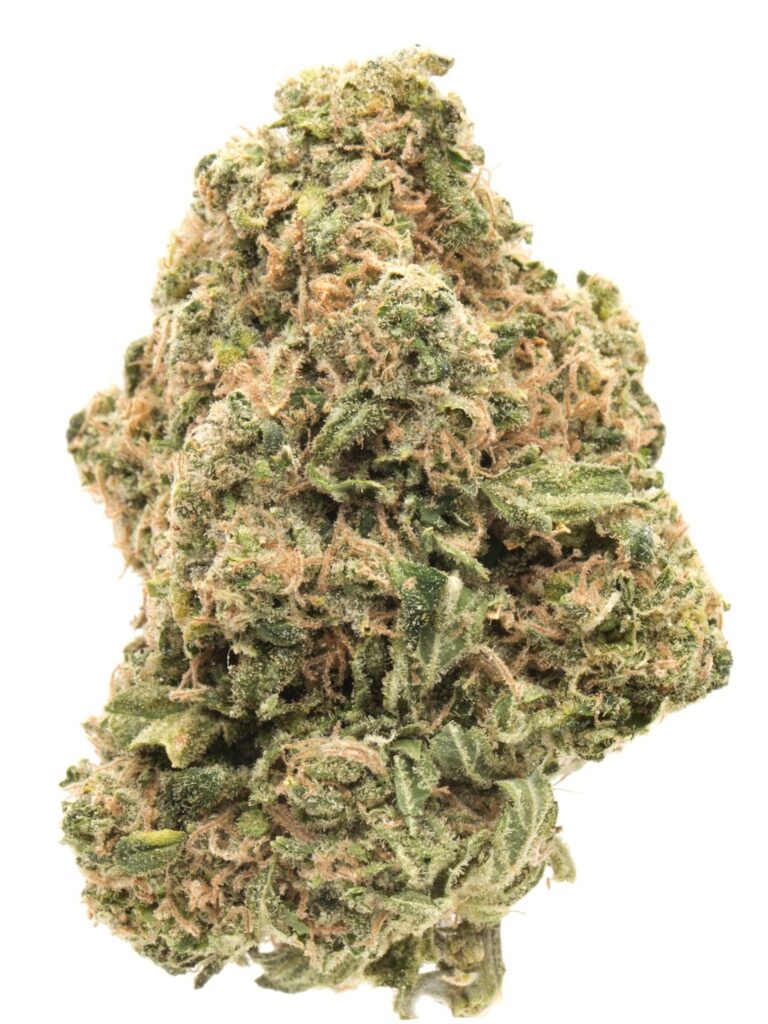
Opening Legal Marijuana Dispensaries Is Tied To A Huge Drop In Opioid-Related Deaths, Analysis Finds

Counties that have marijuana dispensaries see an average of 30 percent fewer opioid-related deaths compared to counties without legal cannabis shops open, suggesting a substitution effect away from prescription pills and heroin toward the plant-based treatment, according to a new data analysis.

In a Washington Post piece on Wednesday, Harvard University economics student Julien Berman used data from the University of Michigan that identifies dispensary locations at the county level to compare opioid overdose trends over 10 years in jurisdictions where cannabis became legally available compared to those without regulated access.

“The theory is straightforward: making cannabis more available—and reducing its cost—could induce people to shift from opioids, which are super dangerous, to marijuana, a significantly safer alternative,” Berman said. “Existing opioid users seeking pain relief can choose marijuana instead of heroin, especially in counties where recreational use is legal and access is easy. And new potential users might never turn to opioids at all if they could get marijuana instead.”

Counties that have marijuana dispensaries see an average of 30 percent fewer opioid-related deaths compared to counties without legal cannabis shops open, suggesting a substitution effect away from prescription pills and heroin toward the plant-based treatment, according to a new data analysis.

In a Washington Post piece on Wednesday, Harvard University economics student Julien Berman used data from the University of Michigan that identifies dispensary locations at the county level to compare opioid overdose trends over 10 years in jurisdictions where cannabis became legally available compared to those without regulated access.

“The theory is straightforward: making cannabis more available—and reducing its cost—could induce people to shift from opioids, which are super dangerous, to marijuana, a significantly safer alternative,” Berman said. “Existing opioid users seeking pain relief can choose marijuana instead of heroin, especially in counties where recreational use is legal and access is easy. And new potential users might never turn to opioids at all if they could get marijuana instead.”

Other factors were taken into account to support the conclusion, including comparisons of opioid mortality rates in counties within a legal state where some allow retailers to operate and others have chosen to opt out.

“That kind of variation helps rule out other state-level changes such as expanded access to naloxone—a drug that can reverse the effects of an overdose—as the main cause of the drop in deaths,” Berman said.

Counties that have marijuana dispensaries see an average of 30 percent fewer opioid-related deaths compared to counties without legal cannabis shops open, suggesting a substitution effect away from prescription pills and heroin toward the plant-based treatment, according to a new data analysis.

In a Washington Post piece on Wednesday, Harvard University economics student Julien Berman used data from the University of Michigan that identifies dispensary locations at the county level to compare opioid overdose trends over 10 years in jurisdictions where cannabis became legally available compared to those without regulated access.

“The theory is straightforward: making cannabis more available—and reducing its cost—could induce people to shift from opioids, which are super dangerous, to marijuana, a significantly safer alternative,” Berman said. “Existing opioid users seeking pain relief can choose marijuana instead of heroin, especially in counties where recreational use is legal and access is easy. And new potential users might never turn to opioids at all if they could get marijuana instead.”

Other factors were taken into account to support the conclusion, including comparisons of opioid mortality rates in counties within a legal state where some allow retailers to operate and others have chosen to opt out.

“That kind of variation helps rule out other state-level changes such as expanded access to naloxone—a drug that can reverse the effects of an overdose—as the main cause of the drop in deaths,” Berman said.

On average, the opioid death rates following the establishment of cannabis dispensaries declined more sharply in the immediate years after the opening compared to dry counties. But from years five to 10, there's a more precipitous effect, with an average rate of 27 percent fewer opioid deaths in jurisdictions that have cannabis storefronts after a decade.

Can marijuana dispensaries help solve the opioid crisis? Using a new dataset from the University of Michigan that tracks store openings at the county level, I show that access to weed seems to causally reduce opioid mortality. pic.twitter.com/2Ac5FhgNkA

— Julien Berman (@julien_berman) August 6, 2025

Counties that have marijuana dispensaries see an average of 30 percent fewer opioid-related deaths compared to counties without legal cannabis shops open, suggesting a substitution effect away from prescription pills and heroin toward the plant-based treatment, according to a new data analysis.

In a Washington Post piece on Wednesday, Harvard University economics student Julien Berman used data from the University of Michigan that identifies dispensary locations at the county level to compare opioid overdose trends over 10 years in jurisdictions where cannabis became legally available compared to those without regulated access.

“The theory is straightforward: making cannabis more available—and reducing its cost—could induce people to shift from opioids, which are super dangerous, to marijuana, a significantly safer alternative,” Berman said. “Existing opioid users seeking pain relief can choose marijuana instead of heroin, especially in counties where recreational use is legal and access is easy. And new potential users might never turn to opioids at all if they could get marijuana instead.”

Other factors were taken into account to support the conclusion, including comparisons of opioid mortality rates in counties within a legal state where some allow retailers to operate and others have chosen to opt out.

“That kind of variation helps rule out other state-level changes such as expanded access to naloxone—a drug that can reverse the effects of an overdose—as the main cause of the drop in deaths,” Berman said.

On average, the opioid death rates following the establishment of cannabis dispensaries declined more sharply in the immediate years after the opening compared to dry counties. But from years five to 10, there's a more precipitous effect, with an average rate of 27 percent fewer opioid deaths in jurisdictions that have cannabis storefronts after a decade.

There are some limitations to the analysis, including challenges with the “enormous number of messy business records” maintained in the University of Michigan dataset that could have misidentified certain businesses. And it's possible counties that were assessed could have separately implemented other programs to address opioid use during the timeline that was studied, Berman noted.

“Still, the fact that the drop in deaths shows up right after the first dispensary opens—and not before—strongly suggests that opioid users do shift to marijuana, at least enough to stop overdosing,” he wrote.

He added that while studies have shown that marijuana isn't entirely harmless, it's “much safer than heroin.”

“Heck, it's arguably safer than alcohol. If the dispensary down the street can get people off opioids, public health wins—even if overall marijuana use goes up,” he said.

Relatedly, a recently published study found that, among drug users who experience chronic pain, daily cannabis use was linked to a higher likelihood of quitting the use of opioids—especially among men.

Researchers for a separate federally funded survey recently found an association between state-level marijuana legalization and reduced prescriptions for opioid pain medications among commercially insured adults—indicating a possible substitution effect where patients are choosing to use cannabis instead of prescription drugs to treat pain.

A study published late last year found that legalizing medical cannabis appeared to significantly reduce monetary payments from opioid manufacturers to doctors who specialize in pain, with authors finding “evidence that this decrease is due to medical marijuana becoming available as a substitute” for prescription painkillers.

Other recent research also showed a decline in fatal opioid overdoses in jurisdictions where marijuana was legalized for adults. That study found a “consistent negative relationship” between legalization and fatal overdoses, with more significant effects in states that legalized cannabis earlier in the opioid crisis. Authors estimated that recreational marijuana legalization “is associated with a decrease of approximately 3.5 deaths per 100,000 individuals.”

Another recently published report into prescription opioid use in Utah following the state's legalization of medical marijuana found that the availability of legal cannabis both reduced opioid use by patients with chronic pain and helped drive down prescription overdose deaths statewide. Overall, results of the study indicated that “cannabis has a substantial role to play in pain management and the reduction of opioid use,” it said.

Yet another study, published in 2023, linked medical marijuana use to lower pain levels and reduced dependence on opioids and other prescription medications. And another, published by the American Medical Association (AMA) last February, found that chronic pain patients who received medical marijuana for longer than a month saw significant reductions in prescribed opioids.

About one in three chronic pain patients reported using cannabis as a treatment option, according to a 2023 AMA-published report. Most of that group said they used cannabis as a substitute for other pain medications, including opioids.

Other research published that year found that letting people buy CBD legally significantly reduced opioid prescription rates, leading to 6.6 percent to 8.1 percent fewer opioid prescriptions.

A 2022 research paper that analyzed Medicaid data on prescription drugs, meanwhile, found that legalizing marijuana for adult use was associated with “significant reductions” in the use of prescription drugs for the treatment of multiple conditions.

A 2023 report linked state-level medical marijuana legalization to reduced opioid payouts to doctors—another datapoint suggesting that patients use cannabis as an alternative to prescription drugs when given legal access.

Researchers in another study, published last year, looked at opioid prescription and mortality rates in Oregon, finding that nearby access to retail marijuana moderately reduced opioid prescriptions, though they observed no corresponding drop in opioid-related deaths.

Other recent research also indicates that cannabis may be an effective substitute for opioids in terms of pain management.

A report published recently in the journal BMJ Open, for instance, compared medical marijuana and opioids for chronic non-cancer pain and found that cannabis “may be similarly effective and result in fewer discontinuations than opioids,” potentially offering comparable relief with a lower likelihood of adverse effects.

Separate research published found that more than half (57 percent) of patients with chronic musculoskeletal pain said cannabis was more effective than other analgesic medications, while 40 percent reported reducing their use of other painkillers since they began using marijuana.


Written by Kyle Jaeger for Marijuana Moment | Featured image by Gina Coleman/Weedmaps

The post Opening Legal Marijuana Dispensaries Is Tied To A Huge Drop In Opioid-Related Deaths, Analysis Finds appeared first on Weedmaps News.
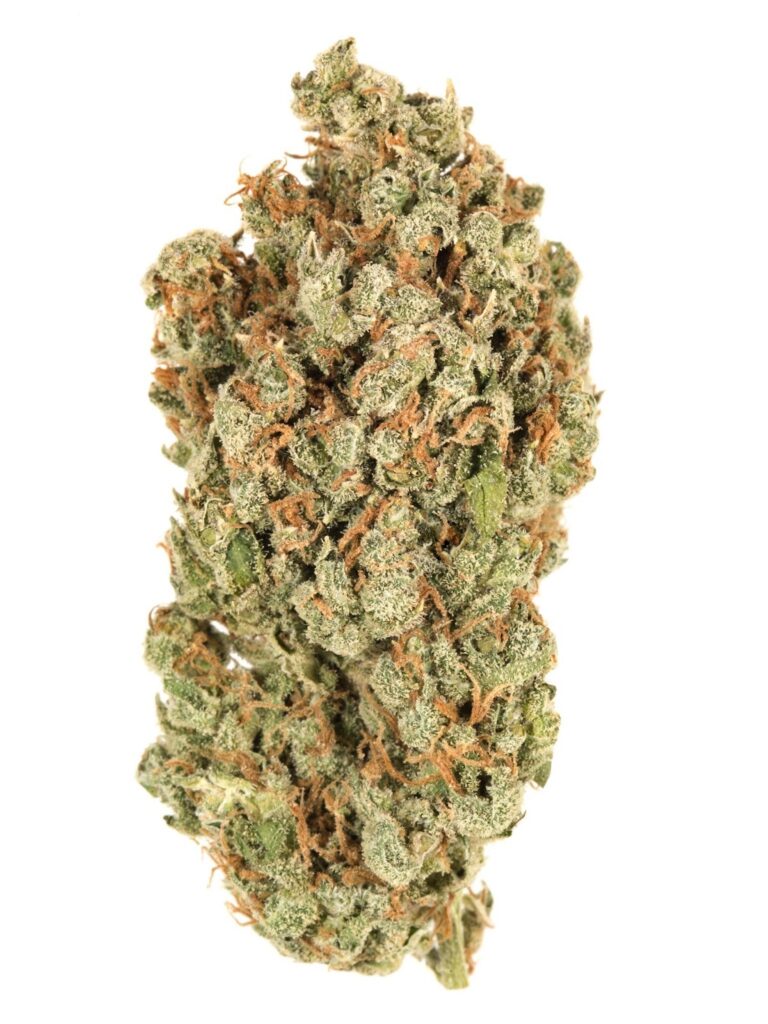
Massachusetts Would Recriminalize Recreational Marijuana Sales Under 2026 Ballot Initiatives Being Reviewed By Attorney General

The attorney general of Massachusetts has published dozens of proposed initiatives for the 2026 ballot—including a pair that would roll back adult-use marijuana legalization in the state.

Attorney General Andrea Joy Campbell's (D) office released 47 initiative petitions filed by 19 groups ahead of a Wednesday deadline. It will now review each petition to determine whether it can be legally certified.

The two marijuana measures, which would eliminate the commercial adult-use market while maintaining patient access under the medical cannabis program and continuing to allow lawful possession of up to an ounce of recreational marijuana, are being spearheaded by Caroline Cunningham, who previously fought against a psychedelics legalization ballot initiative that voters ultimately rejected last year.

Under the new measures—titled “An Act to Restore A Sensible Marijuana Policy”—adults 21 and older could still possess up to an ounce of cannabis, only five grams of which could be a marijuana concentrate product.

Possession of more than one ounce but less than two ounces would be effectively decriminalized, with violators subject to a $100 fine. Adults could also continue to gift cannabis between each other without remuneration.

But provisions in the state's voter-approved marijuana law that allow for commercial cannabis retailers and access to regulated products by adults would be repealed under the proposal.

Adults' right to cultivate cannabis at home would also be repealed.

There are two versions of the initiative. They're largely identical—except that one would set THC potency limits on medical marijuana, requiring the Cannabis Control Commission (CCC) to prohibit flower in excess of 30 percent THC and concentrates over 60 percent THC or that have more than 5mg THC per metered serving. There would also be a ban on cannabis concentrates that “fail to clearly provide metered, or otherwise measured, standard delivered servings” of 5 mg THC and on packages of concentrate that exceed 20 metered or measured servings.

After reviewing all of the proposed initiatives to determine if they're consistent with constitutional requirements for ballot placement, the attorney general's office will then certify them and issue finalized summaries, clearing proponents to start signature gathering.

They will need to turn in 74,574 valid signatures from registered voters to the secretary of state's office by December 3, initiating a separate verification process to certify the signatures.

Whether the cannabis measures make the cut is yet to be seen. Voters approved legalization at the ballot in 2016, with sales launching two years later. And the past decade has seen the market evolve and expand. As of last month, Massachusetts officials reported more than $8 billion in adult-use marijuana sales.

Regulators are also working to finalize rules to allow for a new cannabis consumption lounge license type, which they hope to complete by October.

Separately, in May, CCC launched an online platform aimed at helping people find jobs, workplace training, and networking opportunities in the state's legal cannabis industry.

State lawmakers have also been considering setting tighter restrictions on intoxicating hemp-derived products and a plan to allow individual entities to control a larger number of cannabis establishments.

Also in Massachusetts, legislators who were working on a state budget butted heads with CCC officials, who've said they can't make critical technology improvements without more money from the legislature.


Written by Kyle Jaeger for Marijuana Moment | Featured image by Gina Coleman/Weedmaps

The post Massachusetts Would Recriminalize Recreational Marijuana Sales Under 2026 Ballot Initiatives Being Reviewed By Attorney General appeared first on Weedmaps News.
Marijuana Use Is Tied To 'Significantly Higher Sexual Desire And Arousal,' New Study Shows

Marijuana use is associated with increased sexual desire and arousal, as well as lower levels of sexual distress, new research shows.

The report, a doctoral thesis out of Queen's University in Canada, includes two separate studies: an online survey of 1,547 cannabis users as well as a 28-day diary analysis of 115 individuals, 87 of whom were marijuana users, while 28 were infrequent users or nonusers.

“More frequent cannabis use was linked with greater daily sexual desire,” wrote author Kayla M. Mooney. “On sexual activity days, participants reported significantly higher sexual desire and arousal on days they used cannabis compared to non-use days.”

“Across all study days (regardless of sexual activity), participants reported significantly higher sexual desire and lower sexual distress on days they used cannabis compared to non-use days,” the study continues, noting the findings could help inform both sex therapy and general psychotherapy.

As for the online survey, “Approximately half of the sample reported sexual motivations for cannabis use, most commonly to enhance aspects of the sexual response,” according to the abstract.

The new report — which itself calls the relationship between cannabis and sexual functioning “complicated” — adds to a growing body of research about the subject.

For example, late last year, a study found that cannabis-infused vaginal suppositories seemed to reduce sexual pain in women after treatment for gynecological cancer. Combining the suppositories with online exercises in “mindful compassion” offered patients even more substantial benefits.

“The outcomes favoured the [combined] group,” that research said “in which sexual function, levels of sexual arousal, lubrication, and orgasm increased, and the levels of sexual pain decreased.”

Earlier research also found that administration of a broad-spectrum, high-CBD vaginal suppository was associated with “significantly reduced frequency and severity of menstrual-related symptoms” as well as the symptoms' negative impacts on daily life.

As for sexual fulfillment, a separate study last year found that while alcohol might be effective to “facilitate” sex, marijuana is better at enhancing sexual sensitivity and satisfaction.

While alcohol increased some elements of sexual attraction — including making people feel more attractive, more extroverted, and more desirous — people who used marijuana “have more sensitivity and they are more sexually satisfied than when they consume alcohol,” the authors wrote.

A broad scientific review of academic research on cannabis and human sexuality published last year concluded that while the relationship between marijuana and sex is a complicated one, use of cannabis is generally associated with more frequent sexual activity as well as increased sexual desire and enjoyment.

That article, published in the journal Psychopharmacology, also suggested that lower doses of marijuana may actually be best suited for sexual satisfaction, while higher doses could in fact lead to decreases in desire and performance. And it suggested effects may differ between men and women.

Some advocates have cited the potential for cannabis to improve sexual function in women as a reason to add conditions such as female orgasmic disorder (FOD) as a qualifying condition for medical marijuana.

As for men, the Psychopharmacology article noted that studies' findings “are conflicting — some suggest that cannabis causes erectile dysfunction, premature ejaculation, and postponed ejaculation, while others claim the opposite.”

A 2020 study in the journal Sexual Medicine, meanwhile, found that women who used cannabis more often had better sex.

Numerous online surveys have also reported positive associations between marijuana and sex. One study even found a connection between the passage of marijuana laws and increased sexual activity.

Yet another study, however, cautions that more marijuana doesn't necessarily mean better sex. A literature review published in 2019 found that cannabis's impact on libido may depend on dosage, with lower amounts of THC correlating with the highest levels of arousal and satisfaction. Most studies showed that marijuana has a positive effect on women's sexual function, the study found, but too much THC can actually backfire.

Separately, a paper last year in the journal Nature Scientific Reports that purported to be the first scientific study to formally explore the effects of psychedelics on sexual functioning found that drugs such as psilocybin mushrooms and LSD could have beneficial effects on sexual functioning, even months after use.

“On the surface, this type of research may seem 'quirky,'” one of the authors of that study said, “but the psychological aspects of sexual function — including how we think about our own bodies, our attraction to our partners, and our ability to connect to people intimately — are all important to psychological wellbeing in sexually active adults.”


Written by Ben Adlin for Marijuana Moment | Featured image by Gina Coleman/Weedmaps

The post Marijuana Use Is Tied To 'Significantly Higher Sexual Desire And Arousal,' New Study Shows appeared first on Weedmaps News.

8 Best Weed Strains to Celebrate the Summer Solstice

Highs you can ride to the end of the year's longest day

The Summer Solstice observes the longest day of the year for every place north of the Tropic of Cancer. It's when the sun takes high noon to its highest heights, as far above the Equator as it will go, and bathes us with the most light of our annual trip around it.

The word solstice, however, roughly translates from Latin as “standing sun.” The longest day of the year is mere seconds longer than the day before it and shorter than the day ahead of it. Because of this, for a week around the Solstice, the sun appears to keep its place in the sky.

When we think of the best summertime cannabis strains, energizing sativas like Durban Poison and Blue Dream immediately come to mind. And if they sound like the perfect vibe, we hyperlinked them for your convenience. But if reflecting on the cycles of our planetary existence stirs your soul in ways typically kept between you and Mother Nature, read on for complex cultivar recommendations that pay proper homage to this yearly sunlight summit.

Cannabis connections to Summer Solstice

The Summer Solstice coincides with two significant Northern Hemisphere cannabis cultivation practices. One is the first of two harvests for greenhouse growers, and the other, for outdoor growers, is when the sensitive plants make their shift from veg and stretch to flower and grow as they detect the days getting shorter.

Weed growers, especially of the outdoor variety, must have rebellious spirits, green thumbs, and the knack of laughing in the face of risk if they want to grow great plants and make a good living. Those traits often accompany extra layers of open-mindedness and curiosity that allow them to question not just authority but the reality that breeds it. So if you give them a chance to howl at the sun while they smoke their choicest buds, they'll likely take it. Perhaps they'll even embrace the more mystical ideas behind it. Such as that magic is most potent when the sun stands still and Earth hangs from her feet.

Strains to accent summer's celestial flex

Cannabis products and a bowl on a tray against a summer beach blanket.

An appropriate way to honor all the sun's hard work is to unlearn the idea that “energizing” and “sativa” belong in the same sentence. They can share a sentence, but one descriptor needn't inspire the other. Cannabis sativa and indica designations are about the regional genetic origins and corresponding growth traits of different plants.

The strains that create typically uplifting reactions in us come from all over the world, from plants with all sorts of shapes and growth patterns, and with more terpene variations than we could ever name. But that doesn't mean that some aren't better than others for celebrating the Summer Solstice.

Bananas, berries, and citrus fruits mingle with funk, gas, and pine needles in the following gorgeous strains that could make celebrating Summer Solstice your favorite hoorah of the year.

Pick a flower for the day you want to have

Beach day: Tally Mon

Nothing screams summer like releasing an open-throated, “Day-O” to the morning light. Pairing this rousing call with the equally stimulating Tally Mon strain is an ideal opening to the day's extra sip of sunlight. It's a banana-forward delight bred by Oni Seed Co. in California.

Though reportedly tough to obtain beyond the West Coast markets, if you can find it, Tally Mon is the perfect thing for seeking that spot where the sand isn't hot and shifty but also isn't in a wave-maybe zone. Unfurl your towel, pin it down with buds and yummy foods, and enjoy the deep dawn stretch feeling of Tally Mon's balanced, body-soothing high.

Hiking: Super Lemon Haze

A longtime fan favorite and award-hogging strain, Super Lemon Haze is an energetic combination of bright, sunny lemons and the soft earth that nurtures their trees. It has unmistakable citrus, pine, and forest floor aroma and exhale notes, but the first draw you take is all lemon—no sour, no sweet, just the bright yellow sensation of the vibrant fruit's soul.

Take a deep inhale of Super Lemon Haze during any kind of daytime hike, and you release as much gratitude as anything else with the exhale. Super Lemon Haze is a jazzy, old-school strain with a unique beauty to its sativa-dominant traits. It's also bound to keep you going while you make your way to whatever peak you're after with its quick, proactivity-boosting burst.

Festival: Super Boof

Colorful and crystally, Super Boof is a summer festival deity. Its buds are dressed in royal purple and are laced with velvety greens that are trimmed with spindling bright orange hairs that pop and shout when you bust open its buds, but shyly hide behind a thick crystal coating while waiting patiently in their jars.

Super Boof brings the funk to the festival, whether it's for music, weed, aerospace engineering, or purely spiritual purposes, its gassy fumes hover underneath Luxardo cherry and tart lemonade notes. It's a strain that will smudge out any off-feeling vibes and clear space in your mind to take in the Solstice-inspired celebration that drew you into its doors.

Creek wade: Tropicanna Cookies

With an alias like MTN Trop, the Tropicanna Cookies strain by Oni Seed Co. makes sense for wading ankle deep through the cold, clear rushes of your nearest creek. But we can't go by curious coincidences alone, even if one of Tropicanna Cookies' parent cultivars also happens to be Girl Scout Cookies.

Tropicanna Cookies weed tastes like fizzy orange sweet-tart candies, but with a little extra sugar and notes of thick forest brush. Its high is just right for feeling the water pass over, beside, and underneath your feet, creek pebbles, fallen branches, and silt. Close your eyes and inhale the woods around you slowly as you let yourself feel that everything is always new, always renewed, and, like us and everything else, the sun plays an integral part that started at the start of it all.

City park: Blumosa

The Blumosa strain is a newer, indica-leaning hybrid strain that's become beloved, fast. It has the sweet, citrus flavor of an afternoon mocktail that feels at home, knees splayed with a side smile and relaxed slouch on a bench in the heart of a metropolis park, post-workout and pre-sunset.

The Blueberry Girl Scout Cookies and Mimosa cross from SOG ARMY is a fantastic anytime-of-day strain that shines a light on the wisdom of your intuition and easily gives way to letting go. Like the cannabis plants peppering the hills, you'll sense an inner shift to switch your growth to something that bears potent fruit. It's perfect, breezy yet deeply gratifying material before joining your buds for the final frays of the day.

Desert fade: Yellow Zushi

The Yellow Zushi strain is another one gaining recent industry traction. It's a cross of Zkittlez and Kush Mints that makes for a pine and menthol flavor and aroma experience with citrus and funk highlights. It has painted desert vibes all over it, and it's just the thing for setting up camp and enjoying the fading rays.

The Yellow Zushi plant is meaty and mostly indica. It sports purples and greens dotted with peach-toned hairs and giant, sparkling trichomes. If you can find show buds, their beauty is hypnotic, and the high is euphoric. This is mind-melt grade cannabis, perfect for appreciating the harmonious relationships we enjoy within our solar system and beyond.

Weaving midsummer crowns and setting up sundials: Zkittlez

Zkittlez is the pairing of cult classic strains Grape Ape and Grapefruit. Though it doesn't typically clock in as high-THC, Zkittlez is the perfect example of the beauty and complexity of the cannabis plant as a whole. Much like the extended length of the longest summer day, this strain uses its space to conjure a deep connection to our emotions and a resounding sense that we are where we should be.

As you weave flower, vine, and plant stems into a midsummer crown or DIY a Summer Solstice sundial with the family, the light yet profound effect of the Zkittlez flowers will add a glittery essence to your playfulness and glee.

Dancing through twilight's final sunrays: Strawberry Banana

The hashy, mouth-watering big bud energy of the Strawberry Banana strain is the sweetest sendoff to the last of the sun's showy display. As fire pit ash and smoke rings fade up into the deepening dark, Strawberry Banana, Strawnana to some, puts the berry on top of a day we can only praise one axis spin per year.

Strawberry Banana loves to be alive. It pops itself proudly from seed to weed and enters the world dripping in diamonds and jonesing to mingle. It begs to butt into the philosophical musings of strangers and sink softly and deeply into the mossy cushion of a swirling Solstice dance. As you swing from the arms of a friend or bough, let the belly laughs flow, and let go of what didn't get ready for new growth this year.

Weed enhances solstice celebrations

If you want to make it to sunset on summer's longest stretch, weed is a better bet than alcohol. Though if you chain smoke your blunts, reach for another weed drink, or give in to the munchies from your munchies and eat more edibles, you might welcome it with a true midsummer's dream.

Don't sweat it, whatever you do. A lovely element of celebrating Summer Solstice with a truly great strain is taking in the miracles that sustain life's cycles. That calls for an open mellowness that borders on meditation, which is what sets the best nugs from the rest.

No matter the thrill, rush, couchlock, or contemplativeness of a strain of this caliber, it will take you places you didn't know you needed to go.

What better way to kick off the next stage of your year?

The post 8 Best Weed Strains to Celebrate the Summer Solstice appeared first on Weedmaps News.

California Delays Cannabis Tax Hike for 5 Years After Vote

The California Assembly has unanimously approved a bill to delay the implementation of a planned hike on marijuana taxes.

About a month after state officials announced that the cannabis excise tax rate would increase from 15 percent to 19 percent on July 1, the Assembly voted 74-0 to pass legislation from Assemblymember Matt Haney (D) to delay the change for five years.

The bill now goes to the Senate for consideration, but advocates hope to see its language incorporated into a separate budget trailer measure that would take effect upon enactment — as opposed to at the beginning of next year as would be the case under Haney's bill.

While the legislation as introduced would have outright repealed the proposed tax hike, it has since been amended to delay its implementation until the 2030-2031 fiscal year.

The United Food and Commercial Workers (UFCW) officials applauded the Assembly's vote.

Joe Duffle, president of UFCW Local 1167, said raising the tax rate would “only increase the number of failed legal cannabis businesses” in the state.

AB 564 freezes the cannabis excise tax at 15 percent and gives legal cannabis businesses a fighting chance to stay afloat in an industry that is contracting every day,” he said. “Without this bill, the illicit cannabis industry will only flourish more and keep putting untested, untaxed and unregulated cannabis products into the hands of consumers.”

https://www.instagram.com/p/DKa13eoNrwI

Under the legislation, the California Department of Tax and Fee Administration (CDTFA), working with the Department of Finance, would be required to “adjust the cannabis excise tax rate upon purchasers of cannabis or cannabis products” based on the “additional percentage of the gross receipts of any retail sale by a cannabis retailer that the department estimates will generate an amount of revenue equivalent to the amount that would have been collected in the previous fiscal year,” the bill text says.

The department would need to “estimate the amount of revenue that would have been collected in the previous fiscal year pursuant to the weight-based cultivation tax” and “estimate this amount by projecting the revenue from weight-based cultivation taxes that would have been collected in the previous calendar year based on information available to the department.”

“The specific goal of the cannabis excise tax rate reduction is to provide immediate tax relief to the cannabis industry,” the measure states. “The efficacy of this goal may be measured by the Legislature by the amount of gain or loss in cannabis excise tax revenues resulting from the cannabis excise tax rate reduction allowed by this act.”

It also mandates that CDTFA, on or before December 1, 2026, and each subsequent year, California “submit a report to the Legislature…detailing the amount of gain or loss in cannabis excise tax revenues resulting from the cannabis excise tax rate reduction allowed by this act.”

Meanwhile, California officials last month awarded another round of community reinvestment grants to nonprofits and local health departments, funded by marijuana tax revenue.

California's Supreme Court separately delivered a victory for the state's marijuana program last month, rescinding a lower court ruling in a case that suggested federal prohibition could be used locally to undermine the cannabis market.

The state Supreme Court ruling also came just weeks after California officials unveiled a report on the current status and future of the state's marijuana market, with independent analysts hired by regulators concluding that the federal prohibition on cannabis that prevents interstate commerce is meaningfully bolstering the illicit market.

Gov. Gavin Newsom (D) did sign a bill in 2022 that would have empowered him to enter into interstate cannabis commerce agreements with other legal states, but that power was incumbent upon federal guidance or an assessment from the state attorney general that sanctioned such activity.

Meanwhile, a California Senate committee recently declined to advance a bipartisan bill that would have created a psilocybin pilot program for military veterans and former first responders.


Written by Kyle Jaeger for Marijuana Moment | Featured image by Weedmaps

The post California Delays Cannabis Tax Hike for 5 Years After Vote appeared first on Weedmaps News.

Treating PTSD with Cannabis: Long-Awaited Study Gets FDA Green Light

After years of delays, researchers are set to move forward on a landmark clinical trial meant to evaluate the efficacy of smoked medical marijuana in treating post-traumatic stress disorder (PTSD) in military veterans. The study is being funded with tax revenue from legal cannabis sales in Michigan.

The Multidisciplinary Association for Psychedelic Studies, or MAPS, announced this week that the U.S. Food and Drug Administration (FDA) gave approval for Phase 2 of the research, which MAPS described in a press release as “a randomized, placebo-controlled study of 320 Veterans suffering from moderate to severe PTSD who have previously used cannabis.”

The group said the study “is designed to investigate the inhalation of high THC dried cannabis flower, versus placebo cannabis, with the daily dose being self-titrated by participants.” It's meant to reflect consumption patterns already happening across the country and study “the 'real-world' use of inhaled cannabis to understand its potential benefits and risks in treating PTSD.”

MAPS said the project is years in the making, noting that it faced several challenges in clearing the research with the FDA that were only recently resolved.

“After three years of negotiations with the FDA, this decision opens the door to future research into cannabis as a medical treatment, offering hope to millions,” the organization said.

“These data are critical to inform patients, medical providers, and adult-use consumers when considering cannabis in treatment plans for the management of PTSD, pain, and other serious health conditions,” the group's press release said, “yet regulatory obstacles have historically made it difficult or impossible to conduct meaningful research on the safety and effectiveness of cannabis products typically consumed in regulated markets.”

MAPS said that over the years, it responded to five partial clinical hold letters from the FDA that halted the study's progress.

“On August 23, 2024, MAPS responded to the FDA's fifth clinical hold letter by submitting a Formal Dispute Resolution Request (FDRR) to resolve the continued scientific and regulatory disagreement with the Division on four key issues,” according to the organization: “1) the proposed THC dose of the cannabis flower product, 2) smoking as a delivery method, 3) vaping as a delivery method, and 4) the enrollment of cannabis naïve participants.”

After more than three years of tireless effort and five rounds of pushback from FDA, MAPS has won a Formal Dispute Resolution Request (FDRR) with the FDA’s Division of Psychiatry — the same Division that rejected Lykos’ New Drug Application for MDMA-assisted therapy for PTSD.… pic.twitter.com/sUiTjAIV9F

— MAPS (@MAPS) November 20, 2024

Sue Sisley, a psychiatrist and the principal investigator for the study, said the trial will help shed more light on the scientific legitimacy of using smoked marijuana to treat PTSD. Despite the growing use of cannabis among patients with PTSD and the condition's inclusion in many state medical marijuana programs, she said there's a lack of rigorous data evaluating the treatment's efficacy.

“Within the United States, millions of Americans are smoking or vaporizing cannabis to manage or treat their symptoms,” Sisley said in a statement. “In the absence of high-quality data related to cannabis, much of the information available to patients and regulators is rooted in prohibition and focused only on potential risks, without consideration of potential benefits.”

“In my own practice, Veteran patients have shared how smoking cannabis helped them manage their PTSD symptoms more than traditional pharmaceuticals,” she continued. “Suicide among Veterans is an urgent public health crisis, but it's solvable if we invest in researching new treatments for life-threatening health conditions like PTSD.”

Phase 2 of the research, Sisley said, “will generate data that doctors, like myself, can use to develop treatment plans to help people manage their PTSD symptoms.”

Allison Coker, director of cannabis research at MAPS, said the resolution with the FDA came when the agency said it would allow Phase 2 to proceed with smoked cannabis at commercially available THC levels. Vaporization remains on hold, however, until the FDA can assess the safety of any particular delivery device.

In response to the FDA's separate concern around enrolling cannabis-naive participants in the study, MAPS updated the protocol to require that participants must have “prior experience inhaling (smoking or vaporizing) cannabis.”

FDA had also taken issue with the study's design of allowing self-titration — meaning participants can consume as much cannabis as they choose, up to a certain amount — but MAPS refused to relent on that point.

An FDA spokesperson told the New York Times, which first reported the Phase 2 approval, that she was unable to provide details about what led to the decision but said that the agency “recognizes that there is great need for additional treatment options for mental health conditions such as PTSD.”

The study is being funded by Michigan's Veteran Marijuana Research Grant Program, which uses state revenue from legal cannabis taxes to fund FDA-approved, nonprofit-sponsored clinical trials “researching the efficacy of marijuana in treating the medical conditions of United States armed services veterans and preventing veteran suicide.”

State officials announced $13 million in funding for the research back in 2021, part of a total $20 million grant funding round. Another $7 million that year went to Wayne State University's Bureau of Community Action and Economic Opportunity, which partnered with researchers to study how cannabis might treat a variety of mental health disorders, including PTSD, anxiety, sleep disorders, depression, and suicidality.

In 2022, meanwhile, the Michigan Cannabis Regulatory Agency recommended that year's $20 million go toward two universities: the University of Michigan, where researchers proposed looking at the use of CBD in pain management, and Wayne State University, which was awarded grants for two separate studies: one that billed itself as the “first randomized, controlled, large-scale clinical trial” to examine whether the use of cannabinoids could improve outcomes for veterans with PTSD who are undergoing prolonged exposure (PE) therapy and another into the effects of marijuana on “neuroinflammation and neurobiological underpinnings of suicide ideation in veterans with PTSD.”

The founder and president of MAPS, Rick Doblin, said in the group's announcement of the newly FDA-approved trial that veterans “are in dire need of treatments that can ease their challenging symptoms of PTSD.”

“MAPS takes pride in leading the way to open new research pathways by challenging the FDA to think differently,” he said. “Our cannabis work challenges FDA's typical approach to scheduled dosing and administration of drugs. MAPS refused to compromise the study design in order to fit into the standard box of FDA thinking in order to ensure that cannabis research reflects cannabis use.”

MAPS's past research has included not just cannabis but also, as the group's name suggests, psychedelics. It created a spinoff drug development company, Lykos Therapeutics (formerly MAPS Public Benefit Corporation), that sought FDA approval earlier this year of MDMA to treat PTSD.

But in August, the FDA declined to approve the MDMA-assisted therapy. Separate research, published in the Journal of Psychedelic Studies, found that while results of clinical trials have been “encouraging,” more robust research is needed before MDMA-assisted therapy (MDMA-AT) sees widespread adoption over currently available forms of treatment

Some health officials said afterward that the effort nevertheless reflected progress at the federal level.

“We all feel some type of way about the decision that came out some time ago, and that's OK,” said Leith J. States, chief medical officer at the Office of the Assistant Secretary for Health. “It's indicative of a fact that we're moving forward…and we're doing things in a way that marches us forward in an incremental way.”

Separately this month, a Drug Enforcement Administration (DEA) judge rejected a veterans group's petition to participate in an upcoming hearing on the Biden administration's marijuana rescheduling proposal, which the organization, the Veterans Action Council (VAC), called a “travesty of justice” that excludes key voices that would be affected by the potential policy change.

While DEA “devised a reasonably inclusive stakeholder assortment” of witnesses, VAC said it still “failed” to fulfill its mandate to allow testimony from interested parties. And the veterans organization said that's evidenced by the fact that Mulrooney has since delayed the formal hearing proceedings until early 2025 because DEA provided insufficient information about their selected witnesses' position on rescheduling or why they should be considered interested parties.

Meanwhile, in Congress, a new U.S. Senate bill introduced this month aims to ensure benefits for veterans exposed to potentially hazardous chemicals during the Cold War era — including psychedelics like LSD, nerve agents and mustard gas. The secret testing program, which ran from 1948 to 1975 at an Army base in Maryland, involved former Nazi scientists administering the substances to American military members.

More recently, the U.S. military has also invested millions in an effort to develop a new class of drugs that offers the same fast-acting mental health benefits as traditional psychedelics but without a psychedelic trip.

Veterans have taken a lead role in both medical marijuana legalization and the psychedelics reform movement currently unfolding at the state and federal levels. Earlier this year, for example, veterans service organizations (VSOs) pressed members of Congress to urgently pursue the potential benefits of psychedelic-assisted therapy and medical marijuana.

The requests from groups like the Iraq and Afghanistan Veterans of America, Veterans of Foreign Wars of the United States, Disabled American Veterans, and the Wounded Warrior Project came on the heels of organizations at last year's set of annual VSO hearings criticizing the Department of Veterans Affairs (VA) for “dragging their feet” on medical marijuana research.

Led largely by Republican politicians, efforts at reform have included a GOP-sponsored psychedelics bill in Congress that focused on veterans' access, various state-level changes, and a bevy of hearings on expanded access.

Rep. Derrick Van Orden (R-WI), who filed one congressional psychedelics bill that advanced through a committee, is also a co-sponsor of a bipartisan measure to provide funding to the Department of Defense (DOD) to conduct clinical trials into the therapeutic potential of certain psychedelics for active duty military members. That reform was signed into law by President Joe Biden under an amendment attached to the 2024 National Defense Authorization Act (NDAA).

In March, congressional appropriations leaders also unveiled a spending package that contains language providing $10 million to facilitate the psychedelics studies.

In January, the VA separately issued a request for applications to conduct in-depth research on the use of psychedelics to treat PTSD and depression. And last October, the department launched a new podcast about the future of veteran health care, with the first episode of the series focused on the healing potential of psychedelics.

At the state level, the governor of Massachusetts in August signed a military veterans-focused bill that includes provisions to create a psychedelics working group to study and make recommendations about the potential therapeutic benefits of substances like psilocybin and MDMA.

Meanwhile, in California, lawmakers in June pulled from consideration a bipartisan bill that would have authorized a pilot program to provide psilocybin treatment to military veterans and former first responders.

Correction: As the result of an editing error, an earlier version of this story attributed quotes to incorrect members of the MAPS team. Those attributions have been corrected.


Written by Ben Adlin for Marijuana Moment | Featured image by Anthony Brown/Weedmaps

The post Treating PTSD with Cannabis: Long-Awaited Study Gets FDA Green Light appeared first on Weedmaps News.

High city tourist guide to Humboldt County

Humboldt County, located in Northern California's famed Emerald Triangle, has long been a mecca for cannabis cultivation. Its rich soil and ideal climate produce some of the finest cannabis in the world, making it the heartbeat of a thriving underground culture that's lasted for decades. 

To explore this historical area and sample a range of incredible sun-grown flower, follow our guide to the must-visit spots and events that keep the spirit of Humboldt cannabis alive.

The significance of Humboldt County cannabis

For generations, Humboldt County has been synonymous with top-quality cannabis, thanks to its climate and position within the Emerald Triangle. This region, which also includes Mendocino and Trinity counties, has been the epicenter of American cannabis cultivation, shaping both the culture and the industry itself. 

Here, you'll find many outdoor cannabis grows committed to sustainable and regenerative farming practices. The near-perfect environment of the Emerald Triangle lends itself well to sun-grown cannabis, allowing for the natural flow of nature to shape organic crops and produce abundant yields.

Outdoor cannabis grow at Huckleberry Hill Farm.Gina Coleman/Weedmaps
The climate of the Emerald Triangle is ideal for outdoor cannabis grows, such as Huckleberry Hill Farms in southern Humboldt.

However, with the advent of legalization, Humboldt's cannabis landscape has undergone significant changes. Many small farmers who once flourished in this hidden paradise found themselves unable to keep pace with new regulations, leading to a wave of closures.

Despite these challenges, Humboldt remains a 420-friendly haven, brimming with natural beauty and cultural significance. Even the journey to Humboldt is part of the adventure — the drive from San Francisco along scenic US-101 is nothing short of magical. 

Traveling with cannabis in Humboldt County

Humboldt County is a paradise for those seeking a blend of nature, culture, and excellent weed. While California's progressive cannabis laws make it easy to travel with weed, it's essential to stay informed about the specific regulations

Closeup of woman's hands opening small box filled with joints.Gina Coleman/Weedmaps
You can carry up to one ounce of cannabis in California.

While the state allows adults 21 and over to carry up to one ounce of cannabis, you should always be aware of local rules regarding public consumption, such as lighting up away from schools and other public areas.

Whether attending a festival, visiting a farm, or exploring the area's scenic spots, you'll find numerous opportunities to enjoy cannabis in safe and welcoming environments throughout Humboldt.

420-friendly tours in Humboldt County

One of the most unique experiences in Humboldt is the Weed and Wine Tour offered by the local company Humboldt Cannabis Tours and led by the owner, Matt Kurth. On it, you'll explore the region's dual heritage of cannabis and wine. 

Highlights of the tour include: 

  • Briceland Winery: Sit down with winemaker Andrew Morris, who provides a deep dive into the art of winemaking, revealing the fascinating similarities between growing grapes and cultivating cannabis in Humboldt County.
  • Five Sisters Farms: A local farm dedicated to regenerative agriculture. Led by the knowledgeable farmer Season George, Five Sisters Farms is both Dragonfly Earth Medicine-certified and Sun and Earth-certified. Season guides you through the farm and shares insights into sustainable farming practices and the future of cannabis cultivation in Humboldt. The best part? You can sleep in a yurt in the middle of a weed garden. It's hard to top this experience.

Kurth brings a personal touch and deep knowledge to the experience. His passion for supporting local agriculture and creating meaningful tours is evident at every stop along the way, making this activity a must-do for those wanting to truly understand Humboldt's rich agricultural heritage.

420-friendly events in Humboldt County

With so much love for cannabis reverberating throughout the Emerald Triangle, it's easy to find seasonal celebrations and events that welcome cannabis enthusiasts from all over the world. 

Reggae on the River

Reggae on the River event at the Weedmaps tent.Maria Reed/Weedmaps
You can pass a joint, enjoy some music, and take a float down Eel River at Reggae on the River.

One of the highlights of Humboldt's cannabis calendar is Reggae on the River. This legendary festival, which has been running since 1984, is more than just a music event — it's a celebration of culture, community, and cannabis.

What makes Reggae on the River special is the deep relationship between OG cannabis growers and reggae musicians. This connection, forged over decades, is a defining aspect of Humboldt County's cannabis culture. The vibes at the festival are something to behold, with big gorilla finger joints (often without tips) shared among old-school local growers, cultivating a unique, communal atmosphere.

Northern Nights Music Festival

The stage at Northern Nights Music Festival.Courtesy of Northern Nights Music Festival
Music, nature, and cannabis converge at the Northern Nights Music Festival.

The Northern Nights Music Festival is an EDM festival in the beautiful redwoods that celebrates music, cannabis, and nature. It occurs every year in July and features an incredible lineup of DJs and musicians, with Diplo and Big Gigantic headlining the most recent festivals.

The festival allows for on-site sales and consumption of weed, offering many relaxing places to light up and sample quality cannabis from organic farms around the area.

Top 420-friendly tourist spots in Humboldt County

When it comes to natural beauty, Humboldt County is second to none. From the gorgeous outdoor cannabis farms to the national parks, the entire region is a feast for the eyes and a tranquil escape for the soul. 

Closeup of mushroom in Redwoods forest.Gina Coleman/Weedmaps
Humboldt lies in the famed redwoods, boasting majestic trees and plenty of natural beauty.

If you're passing through, don't miss out on these verdant spaces: 

  • Redwood National and State Parks and Avenue of the Giants: These spots are must-sees for anyone visiting the Emerald Triangle. Walking among the towering trees, some over a thousand years old, is an awe-inspiring experience. These ancient giants have witnessed the ebb and flow of the region's history and resilience — their serene presence offers a perfect backdrop for a peaceful session.
  • The Lost Coast: This remote, rugged stretch of land is a haven for those seeking solitude. With its dramatic cliffs, untamed forests, and breathtaking ocean views, The Lost Coast is an ideal place to connect with nature and enjoy a private cannabis experience. The area's remoteness means no cell service, allowing you to unplug and focus on what matters. The long, winding roads leading to The Lost Coast are part of the adventure — take your time, enjoy the ride, and stay safe.
  • Sue-meg State Park: Sue-meg State Park (formerly Patrick's Point State Park) offers stunning ocean views, dense forests, and dramatic cliffs. It's a great spot for a scenic hike or a peaceful picnic. With its picturesque trails and breathtaking vistas, Sue-meg is a must-see for those looking to immerse themselves in the raw beauty of Humboldt's coastline.
  • Fern Canyon: For a unique and magical experience, visit Fern Canyon, located in Prairie Creek Redwoods State Park. With its walls covered in ferns, it feels like stepping into another world — the area's lush greenery and serene atmosphere made it the perfect filming location for "The Lost World: Jurassic Park." The peacefulness of Fern Canyon is ideal for a reflective cannabis session, surrounded by ancient beauty.

Where to eat in Humboldt County

Pair your locally-grown bud with incredible food at any of Humboldt's delicious dining options. Whether you're craving a cozy meal or a high-end dinner with a view, these restaurants are must-visits.

Larrupin' Cafe

Located in the beautiful coastal town of Trinidad, Larrupin' Cafe offers an intimate dining experience that perfectly captures the essence of Humboldt. Small yet cozy, Larrupin' is known for its exceptional service and attention to detail. The charming decor and coastal atmosphere make it a standout in one of the most picturesque towns on the northern California coast.

Moonstone Grill

Inside dining area at Moonstone Grill.Courtesy of Moonstone Grill
Enjoy dinner and a view at Moonstone Grill.

If you're looking for a fresh meal with stunning ocean views, Moonstone Grill is the place to be. Also situated in Trinidad, it boasts the sunniest views in the area. The service is impeccable, and the food is as special as the ambiance. Be sure to finish your meal with their affogato, a dessert that will leave a lasting impression. 

Campground

Located in Arcata, Campground is a live-fire restaurant offering brunch, lunch, and dinner in a relaxed, inviting atmosphere. With a great bar and wonderful mixologists, this spot is a local favorite and perfect for refueling up after a day spent exploring Humboldt's natural wonders.

Where to stay in Humboldt County

After indulging in Humboldt's nature, cannabis, and culinary offerings, finding the best place to stay is essential.

Benbow Historic Inn

Exterior of Benbow Inn and surrounding grounds.Courtesy of Benbow Historic Inn
Explore Benbow Historic Inn's natural surroundings.

Situated in Garberville, the Benbow Historic Inn is an iconic place to stay in Humboldt County. This charming hotel is a peaceful retreat surrounded by stunning scenery. Known for its old-world charm and luxurious accommodations, it offers everything from beautifully appointed rooms to exquisite dining. Whether you're relaxing by the fireplace or strolling through the gardens, it's the perfect place to unwind in Humboldt.

Note: The Benbow Historic Inn is not 420-friendly, so consume your cannabis products off the property. 

Humboldt Cannabis Farm Studio

Listed on Airbnb and located in Eureka, the Humboldt Cannabis Farm Studio is 420-friendly and welcoming to cannabis enthusiasts from all walks of life. Situated on a working cannabis farm, guests can enjoy an informative cannabis farm tour, cannabis samples, and a peaceful place to rest.

Non-cannabis experiences (that get better if you have the munchies)

For a delightful non-cannabis experience, visit Old Town Eureka in Eureka, California. It's a historic district located along the waterfront and is a beautifully preserved area that showcases the charm and character of 19th-century California.

With its Victorian architecture, quaint shops, art galleries, and local eateries, Old Town offers a step back in time, providing a unique glimpse into Humboldt County's rich history.

While you're there, stop by the Dick Taylor Chocolate Factory. Located on 1st Street, this shop offers small-batch chocolate tastings, and what makes it truly special is that it's one of the few places in the world offering a bean-to-bar experience, making it the perfect place to visit after hitting your bowl or vape.

Supporting Humboldt's legacy through tourism

Humboldt County has always been more than just a place — it's a symbol of resilience, community, and a deep connection to the earth. But, with cannabis legalization, the landscape here has undoubtedly changed. 

Many of the sustainable and regenerative small craft farmers who thrived here in the past now face unprecedented challenges. The very culture that made Humboldt a cornerstone of cannabis history is at risk, and it's up to us to help preserve it.

Outdoor grown cannabis at Sunboldt Farm.Gina Coleman/Weedmaps
Tourism can help support outdoor-grown, organic cannabis farms, like Sunboldt Grown farm in Humboldt.

Supporting local tourism is one of the most meaningful ways to ensure that Humboldt's legacy endures. By visiting this breathtaking region, attending its festivals, and engaging with its vibrant communities, you're contributing to the survival of a culture that has shaped the cannabis industry and beyond. 

Let your journey here be a celebration of all that this remarkable place has given to the world and a commitment to keeping its spirit alive for generations to come.


Featured image by Gina Coleman/Weedmaps

The post High city tourist guide to Humboldt County appeared first on Weedmaps News.

Marijuana Use By Older Americans Has Nearly Doubled In The Last Three Years, AARP-Backed Study Shows

A new study supported by AARP shows that marijuana use by older people in the U.S. has nearly doubled in the last three years—with most saying they use cannabis to relieve pain, help with sleep, improve mental health, and achieve other benefits.

More than 1 in 5 Americans aged 50 and older now say they've used marijuana at least once in the past year, according to the survey conducted by the University of Michigan, while more than 1 in 10 consumed cannabis at least monthly. Researchers say they expect use rates among older adults to continue to increase as more states legalize.

Customer and budtender interacting inside a dispensary.Gina Coleman/Weedmaps

Among respondents who did use cannabis within the past year, 81 percent said it was to relax, 68 percent reported using the drug as a sleep aid, and 64 percent said it was simply to enjoy marijuana's effects and feel good. Another 63 percent said they used cannabis for pain relief, while 53 percent said they used it to promote mental health.

AARP, which supported the study, noted that the 21 percent of Americans over 50 who now report using marijuana in the past year represents an increase in use among older adults nationally—nearly double the 12 percent who said in the prior edition of the poll in 2021 that they consumed cannabis in the past 12 months.

In the latest survey, 12 percent said they used cannabis at least once a month, and 9 percent of people nationally said they consumed marijuana on a weekly basis, while 5 percent said they were daily users.

According to the new survey, the younger segment of older adults—ages 50 to 64—were more likely to use on a monthly basis, as were people in fair or poor health and low-income households.

Graph of the top 5 reasons older adults use cannabis.University of Michigan National Poll on Healthy Aging via Marijuana Moment

In Michigan, which opened adult-use cannabis sales in December 2019, use rates were notably higher, with 27 percent reporting past-year use, 14 percent reporting weekly use, and 9 percent using cannabis daily or almost daily.

The data from the Michigan Poll on Healthy Aging asked 1,079 older adults in Michigan and 3,012 non-Michigan adults about their cannabis habits, focusing on THC-containing products in particular.

Authors of the new report say their findings underscore the need for further cannabis education.

“Our findings, in Michigan and nationally, show the need for more education and awareness, especially among those who choose to use cannabis more frequently,” Erin E. Bonar, a researcher and addiction psychologist, said in a statement.

“With some form of cannabis use now legalized in 38 states and on the ballot this November in several others, and the federal rescheduling process underway, cannabis use is likely to grow,” she added. “But as this poll shows, it is not risk-free, and more attention is needed to identify and reduce those risks.”

More than half (56 percent) of regular cannabis consumers—those who reported using at least monthly—said they'd discussed cannabis use with a healthcare provider, and nearly 4 in 5 (79 percent) said they believe marijuana is stronger than it was in decades past.

Bonar, however, noted that those numbers mean that 21 percent of older adults may not be aware of increases in THC levels since the 1990s and earlier. She also emphasized that while 72 percent of people believe that cannabis can be addictive, that means more than a quarter are at least skeptical.

“We see more people using cannabis as it's legalized, and we don't have enough information yet to know: Are there safe ways of using? Are there recommended guidelines?” Bonar told AARP. “So seeing the number creep up like that in the absence of really good scientific data to help guide people's decisions with this, that's a little bit concerning.”

Jeffrey Kullgren, an internal medicine professor at the University of Michigan and a doctor at the Veterans Affairs Ann Arbor Healthcare system, directed the newly released poll. In a statement, he underscored the importance of people talking to healthcare providers about their cannabis use, which can help identify possibly risky drug interactions as well as signs of problem use.

“Even if your doctor, nurse practitioner or pharmacist doesn't ask if you're using cannabis products, it's important to offer this information, no matter whether you're using it to address a physical or mental health concern, or simply for pleasure,” says Kullgren, a primary care physician at the VA Ann Arbor Healthcare System and associate professor of internal medicine at U-M. “Many prescription medications and over-the-counter drugs, as well as alcohol, can interact with cannabis and cause unexpected or unwanted effects. And there are only a few conditions where we have good evidence of a medical benefit from cannabis, though this could change with time.”

The University of Michigan also noted in a description of the findings that federal rescheduling of cannabis to Schedule III under the Controlled Substances Act (CSA) “may free more researchers to do studies of cannabis-derived products in clinical trials involving human volunteers.”

“Right now,” it adds, “such research is very limited because of federal restrictions.”

The new findings come after a separate study earlier this year concluded that cannabis-based products may provide multiple therapeutic benefits for older adults, including for health, well-being, sleep and mood.

Authors of that study, published in the journal Drugs and Aging, also observed “sizable reductions in pain severity and pain interference among older aged patients [reporting] chronic pain as their primary condition.”

Closeup of customer and budtender's hands holding cannabis jars at a dispensary.Gina Coleman/Weedmaps

Researchers said that the investigation was meant to address “a general paucity of high-quality research” around cannabis and older adults “and a common methodological practice of excluding those aged over 65 years from clinical trials” at a time when older patients are increasingly turning to medical marijuana for relief.

“International evidence that older individuals may be the fastest-growing increase in the use of medical marijuana, coupled with their frequent exclusion from controlled trials, indicates a growing need for real-world evidence to assess the effectiveness and safety of these drugs for older individuals,” the paper said.

Meanwhile, U.S. officials at the National Institutes of Health (NIH) announced this spring that the agency will use $8.4 million to support clinical trials into the safety and efficacy of psychedelic-assisted therapy to treat chronic pain in older adults.

A government notice about the grant program says the research can include “classic” psychedelics—including psilocybin, DMT, LSD, and mescaline—as well as similar compounds such as MDMA. Cannabis and ketamine are not considered psychedelics for the purposes of the clinical trials.

A federally funded study last year found that among U.S. adults, cannabis and psychedelic use were both at “historic highs,” while teen marijuana use remained stable.


Written by Ben Adlin for Marijuana Moment | Featured image by Gina Coleman/Weedmaps

The post Marijuana Use By Older Americans Has Nearly Doubled In The Last Three Years, AARP-Backed Study Shows appeared first on Weedmaps News.

U.S. Marijuana Consumers Have Spent More Than $4.1 Billion On Pre-Rolled Joints In The Past Year And A Half, Industry Report Finds

American marijuana consumers have spent more than $4.1 billion on pre-rolled joints over the past year and a half, according to a new industry report, with the products now making up about 15.9 percent of the cannabis market.

Among the latest trends in the pre-roll market, it adds, is the continued growth of specialty infused pre-rolls, which are sold as a premium product and typically contain marijuana concentrate. Those products, which command higher price points than standard pre-rolls, accounted for almost half (44 percent) of the pre-roll market during the first half of 2024.

The findings were compiled by product manufacturer Custom Cones USA using data from the cannabis intelligence firm Headset, which collects point-of-sale data in a dozen U.S. states. It's Custom Cones's third year releasing a white paper on the current state of the pre-roll market.

“Every year we like to hunker down and look at the story the data is telling,” Harrison Bard, the company's co-founder and CEO, said in a press release. “Thanks to the help of our partners at Headset, we can now see even more clearly that pre-rolls are continuing to dominate the market on an upward trajectory that confirms our belief that pre-rolls remain a potent and profitable symbol of the cannabis industry as a whole.”

The data put pre-rolls in third place in terms of product form factors at marijuana retailers, following raw flower and vape pens. The report notes that in June 2024, sales revenue from pre-rolls was almost 12 times that of infused beverages.

Graphic of year-over-year cannabis sales.Courtesy of Custom Cones USA via Marijuana Moment
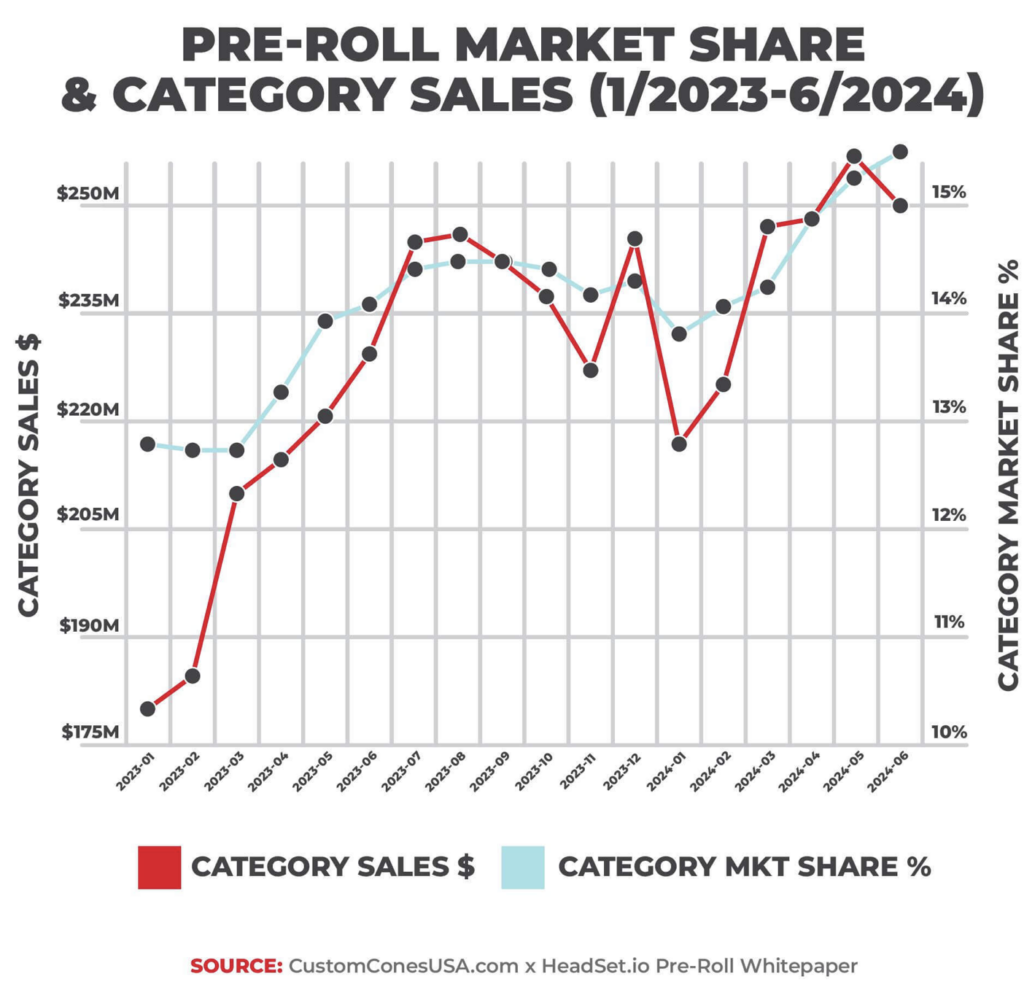
From January 2023 to June 2024, pre-rolls saw “a meteoric increase in market share,” Custom Cones said, rising from 13.2 percent to 15.9 percent over that time period.

“The rise of the pre roll market is even more impressive when looking back even further,” the company noted. “Pre roll market share has increased every year since 2020 – when it stood at just 9.8%. The increase in sales revenue in the last five years is nothing short of remarkable: annual pre roll sales revenue went from $469 million in 2019 to $2.7 billion in 2023. That's nearly a sixfold increase in annual revenue.”

Prices on pre-rolls have also been falling, dropping from $7.80 per unit in January 2023 to $6.50 per unit in June 2024, a reduction of about 16.7 percent. But the overall size of the market is growing thanks to greater sales volume.

“Although average item price is on the decline, total pre roll items sold are skyrocketing – going from 15.9 million items sold in January 2023 to a record 26 million units sold in June 2024,” the report says.

Graphic of pre-roll sales from the last year.Courtesy of Custom Cones USA via Marijuana Moment

Headset data from the report came from Arizona, California, Colorado, Illinois, Massachusetts, Maryland, Michigan, Missouri, Nevada, New York, Oregon and Washington. That information was combined with other findings, such as a Custom Cones USA sample of about 1,000 pre-roll consumers.

Both consumers and businesses, the report says, choose pre-rolls predominantly based on price point and THC potency. Other factors include the strain of cannabis, paper type, packaging and brand loyalty.

The shift toward what Custom Cones calls the “connoisseur/infused” pre-roll segment has been happening for years, with producers marketing more high-end, indulgent products.

“Since 2019, the segment has maintained an average 34.4% share of the pre roll category across the 12 tracked markets,” says the company's press release. “This share has recently experienced a rapid acceleration, reaching 41.5% in 2023 and climbing further to 44.4% in the first half of 2024. This trend suggests a growing consumer preference for these premium products (that also command premium prices).”

As part of its effort to monitoring the latest in the cannabis pre-roll market, Custom Cones USA and its DaySavers brand have also launched notable efforts to drive engagement with consumers. In June, it announced it would pay 200 volunteers $4.20 apiece to smoke two free pre-rolls and provide feedback for a so-called “Science of Smokeability” study—a collaboration with the Cannabis Research Coalition and the Network of Applied Pharmacognosy.

Pre-rolls in a pile on white background.Gina Coleman/Weedmaps

“This research not only has the potential to improve product quality and consistency, but also promote sustainability, profitability, and a deeper scientific understanding of cannabis as a medicinal and recreational product,” the company said at the time.

The study results are set to be shared with the standards organization ASTM International, which last year helped to add a pair of new marijuana items to a federal handbook that are meant to provide model standards for cannabis definitions, packaging and labeling requirements and best storage practices to control for moisture loss in marijuana flower.

DaySavers separately launched a campaign in March to hire for what it calls the “ultimate stoner dream job,” seeking a content creator to “get paid to smoke weed.” The full-time social media creator and event marketer job pays $70,420 with perks including cannabis product testing and all expenses paid travel to marijuana events.

The campaign is reminiscent of the time that cannabis icon Snoop Dogg disclosed in 2019 that he pays a person between $40,000-$50,000 per year to roll blunts for him.

Separate reporting from Headset, meanwhile, analyzed public comments related to the federal government's planned rescheduling of marijuana. It found that approximately 35 percent of comments submitted to the Drug Enforcement Administration (DEA) agreed with the Biden administration plan, but most—57 percent—said cannabis should be entirely descheduled.

“These numbers paint a clear picture: over 9 out of 10 individuals who took the time to comment believe that cannabis should not remain a Schedule I substance,” Headset said at the time. “Moreover, the majority of commenters went beyond the proposed rescheduling to Schedule III, arguing for complete removal from the controlled substances list.”


Written by Ben Adlin for Marijuana Moment | Featured image by Gina Coleman/Weedmaps

The post U.S. Marijuana Consumers Have Spent More Than $4.1 Billion On Pre-Rolled Joints In The Past Year And A Half, Industry Report Finds appeared first on Weedmaps News.

New research on breeding cannabis for unique aroma

The cannabis market is continuously evolving with the emergence of new varieties. The creation of a new cultivar or strain involves the selective breeding of parent strains, with the goal of discovering unique traits in the offspring. 

Traditional breeding: The art of pheno hunting

Breeders typically cross two desirable varieties and assess the resulting plants based on a range of observable traits such as bud color, plant size, leaf shape, and aroma. This process of identifying distinctive varieties, or phenotypes, based on their physical and olfactory characteristics is known as pheno hunting.

However, with recent advances in cannabis science, the art of pheno hunting may evolve into a scientific journey of aroma exploration and quantification, beginning an era of breeding for diverse aromatic compounds, or chemo hunting to supplement other pheno hunting practices.

Graphic depicting the steps of hunting for phenotypes. Courtesy of Abstrax Tech

Beyond terpenes: The complex world of cannabis aroma

The unique aroma of cannabis is typically attributed to the plant's terpene profile, with testing labs reporting anywhere from three to twenty terpenes that are present in the plant. However, a plant's aroma is a diverse blend of smelly compounds including terpenes as well as other small organic molecules. 

Breeders and cannabis enthusiasts have long recognized that there is more to cannabis aroma than simply terpenes. This was clear when smelling exotic varieties that exhibit more complex scents, such as gassy, skunky, poopy, or tropical notes. These nuanced aromas are the result of a different class of compounds, identified in 2023 by Abstrax Tech, known as flavorants.

Flavorants differ from terpenes in that they are constructed by the plant using different biochemical pathways and building blocks, making them a unique class of aromatic molecules that contribute significantly to cannabis's overall aroma. 

Terpenes act more as the blueprint of the smell or the base, then flavorants add the pizazz or the unique notes that differentiate it from other cultivars and make you take that second sniff.

Research: Exploring aroma inheritance

New research by Abstrax Tech has added to our understanding of flavorants, especially in how the aromatic traits of the parents are distributed from parent plants to offspring. In this study, researchers cultivated a strain called Starburst 36, noted for its complex sweet aroma, to determine the distribution of smell in the next generation. They then grew the resulting plants equitably from seed, produced ice hash rosin, and analyzed the chemistry of the final product as well as presented the hash to a panel of people to describe and rate the smells. 

The panel participants who evaluate the smell of the daughter crosses are very important, because the human nose can pick up on flavorant molecules whereas the routine testing labs cannot. You will often hear the saying “the nose knows” in cannabis, meaning to trust your nose to find the varieties that work best for you. The nose has over 400 smell receptors and can ascertain small differences in complex aroma cocktails. The researchers used a combined approach of sensitive, state-of-the-art analytical machines combined with the power of the human nose. 

Key findings: Aroma diversity among offspring

Interestingly, in this study both human sensory tests and chemical analyses revealed significant differences in the aroma profile among the daughter plants, despite the phenotypes having similar terpene profiles. 

Graphic showing cannabis aroma spectrum from sweet to savory.Courtesy of Abstrax Tech

The human sensory panel detected notable distinctions in aroma, including a pronounced cheesy scent in some plants, which was absent in others. This cheesy note led to the identification, for the first time in cannabis flower, of free fatty acids like those found in blue cheese. They were present in some but not all of the daughter plants. 

Another key difference was the level of sweetness perceived by the sensory panel — the varieties that smelled the sweetest had the highest level of a specific type of flavorant called tropicannasulfur compounds (TCSCs). These TCSCs are so pungent and sweet smelling that they often can overpower other scents in the plant, especially if the other aromatic compounds are at low levels. 

The researchers found an inverse relationship between these sweet TCSCs and another savory flavorant called indole. It appears that the more indole is produced, the lesser presence of TCSCs there is. This is important because if breeders wanted to showcase other smells from the plant, indole could be a chemical marker for low TCSCs and therefore express some of the more unique aromas. 

Graphic showing cannabis aroma spectrum.Courtesy of Abstrax Tech

Implications for cannabis breeders

This research has significant implications for cannabis breeders, highlighting that terpene testing alone is not sufficient to detect unique aromatic notes in exotic cannabis varieties. Due to the recent discovery of these compounds, and the lack of standardized testing methods, flavorants are not currently analyzed in cannabis compliance testing laboratories. Therefore breeders need to rely on their nose for detection, resulting in a downstream effect for end users, especially those shopping in states where they can't smell the product before they buy it. 

The human nose can pick up on low levels of smelly flavorant compounds that play a crucial role in the complex picture of aroma. However, the nose can't quantify the levels of smell. 

Understanding the complexity, concentration, and distribution of aroma may allow breeders to take pheno hunting to the next level and implement another layer beyond what we can see from the plant. They can more adequately evaluate the chemistry of smell, or chemo hunt, for more unique cannabis varieties.


Featured image by Gina Coleman/Weedmaps. Graphics courtesy of Abstrax Tech.

The post New research on breeding cannabis for unique aroma appeared first on Weedmaps News.

❌