Reading view

There are new articles available, click to refresh the page.

This Week in Scams: Phony AI Ads, Apple Account Takeover Attempts, and a PlayStation Scam

By: McAfee

For this week in scams, we have fake AI-generated shopping images that could spoil your holidays, scammers use an Apple Support ticket in a takeover attempt, and a PlayStation scam partly powered by AI.

Let’s start with those fake ads, because holiday shopping is in full swing.

Keep a sharp eye out for fake AI shopping ads that sell knockoff goods

Turns out that three-quarters of people (74%) can’t correctly identify a fake AI-generated social media ad featuring popular holiday gifts—which could leave them open to online shopping scams.

That finding, and several others, comes by way of research from Santander, a financial services company in the UK.

Here’s a quick rundown of what else they found:

  • Less than one in 10 (8%) people feel “very confident” in their ability to spot an AI-generated ad on social media.
  • More than half (56%) fear that they or a family member could get scammed as a result.
  • About two-thirds (63%) said that they won’t purchase anything from social media platforms because they’re not sure what’s real and what’s fake.

From the study … could you tell these ads are both fake?



Fake ads, like this, have been popping up across social.


Could you tell this ad is fake?

In all, cheap and readily available AI tools make spinning up fake ads quick and easy work. The same goes for launching websites where those “goods” can get sold. In the past, we’ve seen scammers take two different approaches when they use social media ads and websites to lure in their victims:

Phishing sites

During the holidays, scammers pump out ads that offer seemingly outstanding deals on hot items. Of course, the offer and the site where it’s “sold” is fake. Victims hand over their personal info and credit card number, never to see the items they thought they’d purchased. On top of the money a victim loses, the scammer also has their card info and can run up its tab or sell it to others on the dark web.

Knock-off sites

In this case, the scammer indeed sells and delivers something. But you don’t get what you paid for. The item looks, feels, fits, or works entirely differently than what was advertised. In this way, people wind up with a cheaply made item cobbled together with inferior materials. Worse yet, these scams potentially prop up sweatshops, child labor, and other illegal operations in the process. Nothing about these sites and the things they sell on them are genuine.

So, fake AI shopping ads are out there. What should you look out for? Here’s a quick list:

  • First off, any offer that sounds too good to be true and heavy discounts on hard-to-find or popular items are major signs of a scam—and have been for years running now.
  • See if the image looks a little too polished or even cartoony in some cases. As for people in AI ads, they can look airbrushed and have skin tones that seemingly give off an odd glow.
  • Look up reviews of the company. Trustpilot and the Better Business Bureau offer great resources for that. Even simple a search using “CompanyName scam” can give you an idea if it’s a scam or not.
  • And lastly, the combination of our Scam Detector and Web Protection can help sniff out a scam for you.

The Apple Support scam that came from … Apple? (Not really. We’ll explain.)

“I almost lost everything—my photos, my email, my entire digital life.”

So opens a recent Medium post from Eric Moret recounting how he almost handed over his Apple Account to a scammer armed with a real Apple Support ticket to make this elaborate phishing attack look legit.

Over the course of nearly 30 minutes, a scammer calmly and professionally walked Moret through a phony account takeover attempt.

It started with two-factor authentication notifications that claimed someone was trying to access his iCloud account. Three minutes later, he got a call from an Atlanta-based number. The caller said they were with Apple Support. “Your account is under attack. We’re opening a ticket to help you. Someone will contact you shortly.”

Seconds later came another call from the same number, which is where the scam fully kicked in. The person also said they were from Apple Support and that they’d opened a case on Moret’s behalf. Sure enough, when directed, Moret opened his email and saw a legitimate case number from a legitimate Apple address.

The caller then told him to reset his password, which he did. Moret received a text with a link to a site where he could, apparently, close his case.

Note that at no time did the scammers ask him for his two-factor authentication code throughout this process, which is always the sign of a scam. However, the scammers had another way to get it.

The link took him to a site called “appeal-apple dot com,” which was in fact a scam site. However, the page looked official to him, and he entered a six-digit code “confirmation code” sent by text to finish the process.

That “confirmation code” was actually a fresh two-factor authentication code. With that finally in hand, the scammers signed in. Moret received a notice that a new device had logged into his account. Moret quickly reset his password again, which kicked them out and stopped the attack.

So, what went wrong here? Let’s break down three key moments in this account takeover scam:

  • The unsolicited phone calls. That’s an immediate sign to hang up and call an official support number to confirm the “issue” yourself.
  • The fake website. A site with a URL like “appeal-apple dot com” is a scam site, even if it looks “official.” Scammers can create them easily today.
  • The code heist. Scammers trick people into handing over their authorization code by calling it something else, like a “confirmation code.”

So, how can you protect yourself from account takeover scams? Let’s break that down too.

  • Know that Apple Support won’t call you or open a case on your behalf.
  • Also know that anyone can create an Apple Support ticket for anyone else, without verification. If you didn’t create it yourself, it’s a strong sign of a scam.
  • If you have concerns, call Apple yourself at 1-800-275-2273 or contact them through their Apple Support App, available here on Apple’s support page.
  • Only interact with Apple through sites and emails with the proper “apple dot com” address. Watch out for altered addresses like the “appeal-apple dot com” used here.
  • Never, ever share your authentication code in any way … verbally, in an email, in a text, or a website. Any request for it from anyone is a scam.
  • You can see the devices signed into your account any time. Go to Settings, tap your Name, and scroll to see all devices linked to your Apple ID.
  • Get protection that blocks links to scam sites, like our Scam Detectorand Web Protection.

The FCC takes aim at the Wal-Mart PlayStation 5 Robocall Scam

Maybe you didn’t get a scam call from “Emma” or “Carl” at Wal-Mart, but plenty of people did. Around eight million in all. Now the Federal Communications Commission’s (FCC) Enforcement Bureau wants to put a stop to them.

“Emma” and “Carl” are in fact a couple of AI voices fronting a scam framed around the bogus purchase of a PlayStation. It’s garnered its share of complaints, so much that the FCC has stepped in. It alleges that SK Teleco, a voice service provider, provisioned at least some of these calls, and that it must immediately stop.

According to the FCC, the call plays out like this:

“A preauthorized purchase of PlayStation 5 special edition with Pulse 3D headset is being ordered from your Walmart account for an amount of 919 dollars 45 cents. To cancel your order or to connect with one of our customer support representatives, please press ‘1.’ Thank you.”

Pressing “1” connects you to a live operator who asks for personal identifiable such as Social Security numbers to cancel the “purchase.”

If you were wondering, it’s unlawful to place calls to cellphones containing artificial or prerecorded voice messages absent an emergency purpose or prior express consent. According to the FCC’s press release, SK Teleco didn’t respond to a request to investigate the calls. The FCC further alleges that it’s unlikely the company has any such consent.

Per the FCC, “If SK Teleco fails to take swift action to prevent scam calls, the FCC will require all other providers to no longer accept call traffic from SK Teleco.”

We’ll see how this plays out, yet it’s a good reminder to report scam calls. When it comes to any kind of scam, law enforcement and federal agencies act on complaints.

Get a scam call? Who’s here you can report it to:

And we close things out a quick roundup …

Here’s a quick list of a few stories that caught our eye this week:

Scammers pose as law enforcement, threaten jail time if you don’t pay (with audio)

Deepfake of North Carolina lawmaker used in award-winning Brazilian Whirlpool video

What happens when you kick millions of teens off social media? Australia’s about to find out

We’ll see you next Friday with more updates, scam news, and ways you can stay safer out there.

The post This Week in Scams: Phony AI Ads, Apple Account Takeover Attempts, and a PlayStation Scam appeared first on McAfee Blog.

The President Should Not Have a License to Kill

12/5/25
EXTRAJUDICIAL KILLING
Enable IntenseDebate Comments: 
Enable IntenseDebate Comments

Editor’s note: We published this article nearly three months ago, on 10 September 2025. The recent revelations about the killing, on 2 September, of two survivors who were clinging to a sinking shipwreck after their boat had been destroyed in the initial attack by U.S. forces, highlight the deeper problems with the Trump administration’s approach of using military force to deal with what is essentially a law-enforcement issue.

read more

Far-Right Extremists Have Been Organizing Online Since Before the Internet – and AI Is Their Next Frontier

12/5/25
EXTREMISM
Enable IntenseDebate Comments: 
Enable IntenseDebate Comments

How can society police the global spread of online far-right extremism while still protecting free speech? That’s a question policymakers and watchdog organizations confronted as early as the 1980s and ’90s – and it hasn’t gone away.

read more

How Does Immigration Affect the U.S. Economy?

12/5/25
IMMIGRATION
Enable IntenseDebate Comments: 
Enable IntenseDebate Comments

Immigration has historically driven U.S. growth and filled labor shortages in various sectors, but it has also remained one of the most politically divisive issues. In the modern era, successive administrations have agreed on the need to reform the asylum system and bolster border security, while differing sharply on how to manage immigration more broadly.

read more

The U.S. Got Out from Crippling Levels of Federal Debt Before, and It Can Do It Again

12/5/24
NATIONAL DEBT
Enable IntenseDebate Comments: 
Enable IntenseDebate Comments

The total federal debt of the United States passed a new milestone on October 21, 2025, reaching $38 trillion for the first time, with $30.4 trillion in federal debt held by the public, which is equivalent to about 100 percent of our gross domestic product (GDP). This is the highest level it’s been relative to our GDP since 1946.

read more

Gun Dealers Are Major Source of Trafficked Firearms

12/5/25
GUNS
Enable IntenseDebate Comments: 
Enable IntenseDebate Comments

Licensed gun dealers are a major source of firearms that end up illegally trafficked, according to a new analysis using federal data by the research arm of Everytown for Gun Safety, which advocates for stricter gun laws.

Gun trafficking involves diverting guns from legal commerce into the illegal market, often through straw purchases, unlicensed dealing or other methods that bypass background checks and federal recordkeeping requirements.

read more

Trump’s New National Security Strategy Goes Full “America First” | How Israeli Settlements Are Reshaping the West Bank | Syria’s Transition Has Gone Better Than Expected, and more

By: Staff
12/5/25
WORLD ROUNDUP
Enable IntenseDebate Comments: 
0

Trump’s New National Security Strategy Goes Full “America First”  (Rishi Iyengar and Christina Lu, Foreign Policy)
The long-anticipated plan aims to selectively impose the U.S. president’s worldview around the globe.

read more

From React to Remote Code – Protecting Against the Critical React2Shell RCE Exposure

A critical remote code execution (RCE) vulnerability, dubbed ‘React2Shell’, affecting React Server Components (RSC) and Next.js, is allowing unauthenticated attackers to perform server-side code attacks via malicious HTTP requests.

Discovered by Lachlan Davidson, the flaw stems from insecure deserialization in the RSC ‘Flight’ protocol and impacts packages including react-server-dom-webpack, react-server-dom-parcel, and react-server-dom-turbopack. Exploitation is highly reliable, even in default deployments, and a single request can compromise the full Node.js process. The flaw is being tracked as CVE-2025-55182. Originally tagged as a CVE for Next.js, NIST subsequently rejected  CVE-2025-66478, as it is a duplicate of CVE-2025-55182.

This blog post includes the critical, immediate actions recommended to secure your environment, new and existing Platform Detection Rules designed to defend against this vulnerability, and information on how SentinelOne Offensive Security Engine, a core component of  the Singularity™ Cloud Security solution, allows our customers to quickly identify potentially vulnerable workloads.

What is React2Shell? Background & Impact

On December 3, 2025, the React and Next.js teams disclosed two related vulnerabilities in the React Server Components (RSC) Flight protocol: CVE-2025-55182 (React) and CVE-2025-66478 (Next.js), with the latter CVE now marked by NIST as a duplicate.

Both enable unauthenticated RCE, impacting applications that use RSC directly or through popular frameworks such as Next.js. These vulnerabilities are rated critical (CVSS 10.0) because exploitation requires only a crafted HTTP request. No authentication, user action, or developer-added server code is needed for an attacker to gain control of the underlying Node.js process.

The vulnerability exists because RSC payloads are deserialized without proper validation, exposing server functions to attacker-controlled inputs. Since many modern frameworks enable RSC as part of their default build, some teams may be exposed without being aware that server-side RSC logic is active in their environment.

Security testing currently shows:

  • Exploitation can succeed with near 100% reliability
  • Default configurations are exploitable, including a standard Next.js app created with create-next-app and deployed with no code changes
  • Applications may expose RSC endpoints even without custom server functions
  • A single malicious request can escalate to full Node.js process compromise

Security researchers warn that cloud environments and server-side applications using default React or Next.js builds are particularly at risk. Exploitation could allow attackers to gain full control over servers, access sensitive data, and compromise application functionality. Reports have already emerged of China-nexus threat groups “racing to weaponize” the flaw.

Available Vendor Mitigations & Immediate Actions

Fixes are available in React 19.0, 19.1.0, 19.1.1, and 19.2.0, and Next.js 5.x, Next.js 16.x, Next.js 14.3.0-canary.77 and later canary releases. Administrators are urged to audit environments and update affected packages immediately.

Companies are advised to review deployments, restrict unnecessary server-side exposure, and monitor logs for anomalous RSC requests. Securing default configurations, validating deserialized input, and maintaining a regular patch management schedule can prevent attackers from exploiting framework-level vulnerabilities in production applications.

  1. Update React by installing the patched versions of React as listed above.
  2. Update Next.js and other RSC-enabled frameworks as listed above. Ensure the latest framework and bundler releases are installed so they ship the patched React server bundles.
  3. Review deployment behavior by checking whether your organization’s workloads expose RSC server function endpoints. These may exist regardless of whether developers added custom server functions.

How SentinelOne Protects Our Customers

Cloud Native Security – Offensive Security Engine

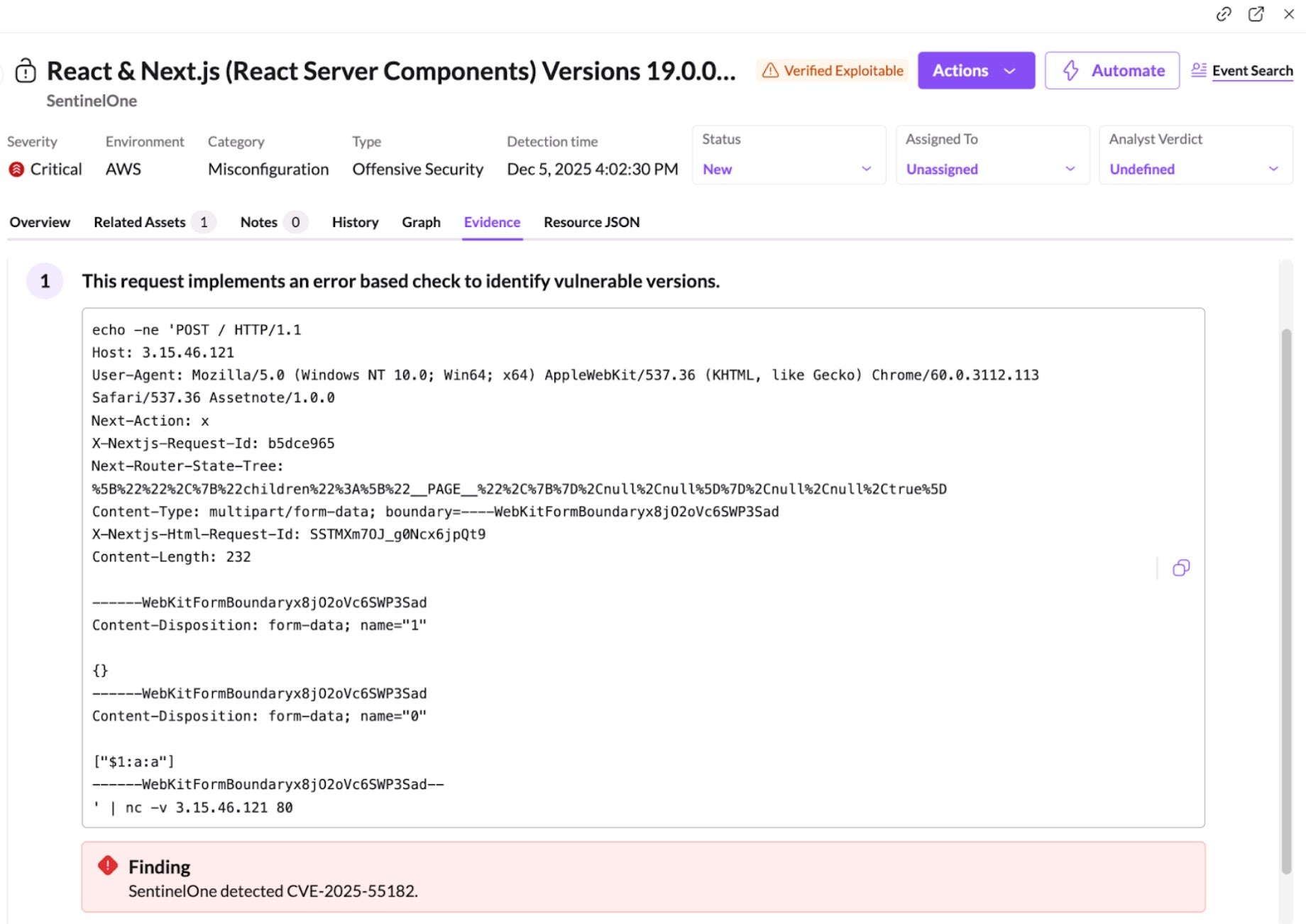
SentinelOne’s Offensive Security Engine (OSE), core component of its Singularity Cloud Security solution, proactively distinguishes between theoretical risks and actual threats by simulating an attacker’s methodology. Rather than relying solely on static scans that flag every potential misconfiguration or vulnerability, this engine automatically conducts safe, harmless simulations against your cloud infrastructure to validate exploitability.

This approach delivers differentiated outcomes by radically reducing alert fatigue and focusing security teams on immediate, confirmed dangers. By providing concrete evidence of exploitability—such as screenshots or code snippets of the successful simulation—it eliminates the need for manual validation and “red teaming” of every alert. Shift from chasing hypothetical vulnerabilities to remediating verified attack vectors, ensuring resources are always deployed against the risks that pose a genuine threat to their environment.

In response to this vulnerability, SentinelOne released a new OSE plugin which can verify exploitability of these vulnerabilities for publicly accessible workloads using a defanged (i.e., harmless) HTTP payload.

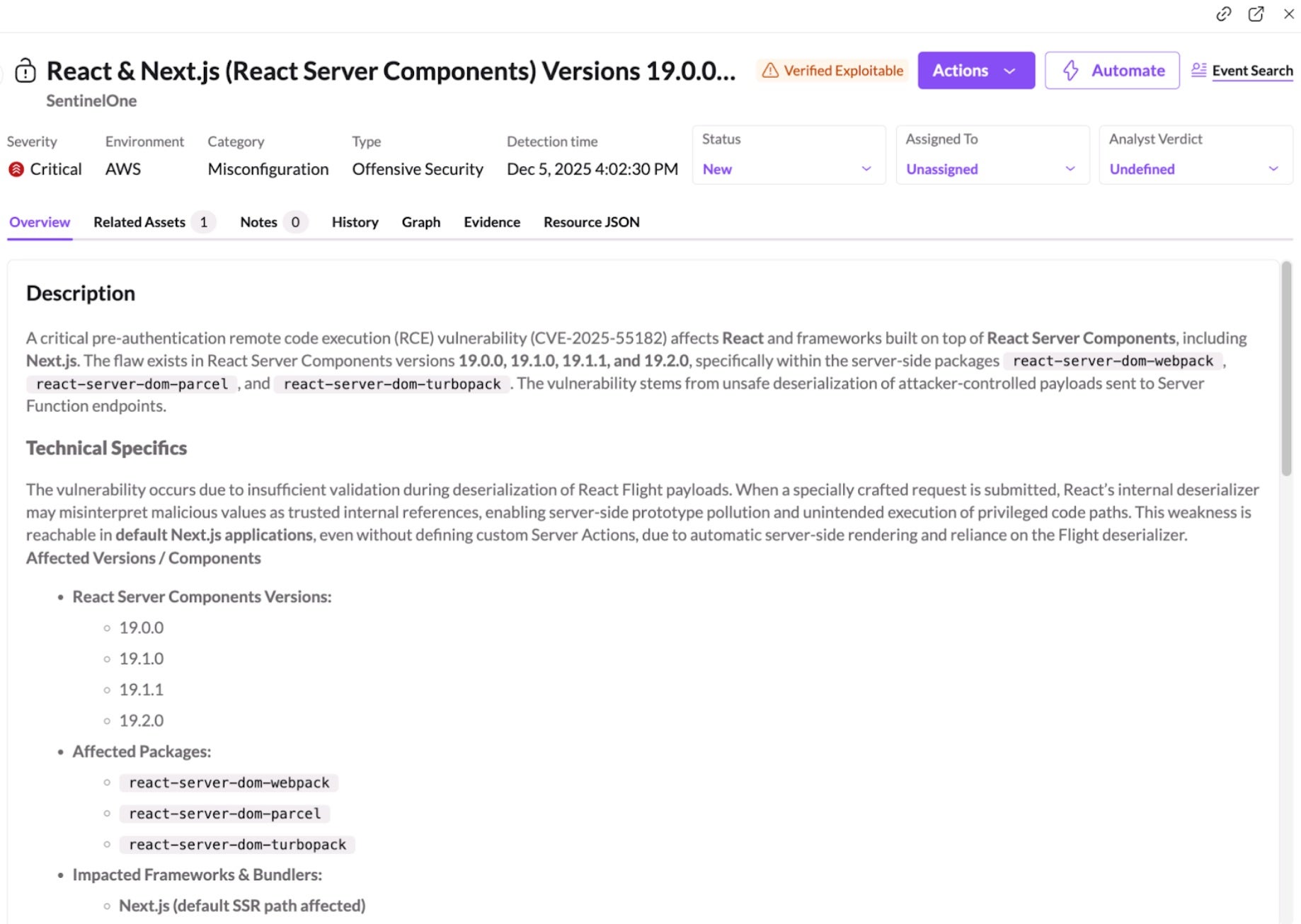
Viewing Misconfigurations in the SentinelOne Console

SentinelOne customers can quickly identify potentially vulnerable workloads using the Misconfigurations page in the SentinelOne Console.

Search for:

React & Next.js (React Server Components) Versions 19.0.0–19.2.0 Vulnerable to Pre-Authentication Remote Code Execution via Unsafe Deserialization (CVE-2025-55182)

This highlights Node.js workloads that are exposing RSC-related server function endpoints. Once identified, affected assets can be patched or temporarily isolated. SentinelOne CNS also detects suspicious Node.js behavior associated with exploitation attempts, providing protection while updates are deployed.

It identifies verified exploitable paths on your publicly exposed assets, confirming which systems are truly at risk. By validating exploitability rather than simply flagging theoretical vulnerabilities, Singularity Cloud Security minimizes noise and provides concrete evidence so security teams can focus on what matters.

Wayfinder Threat Hunting

The Wayfinder Threat Hunting team is proactively hunting for this emerging threat by leveraging comprehensive threat intelligence. This includes, but is not limited to, indicators and tradecraft associated with known active groups such as Earth Lamia and Jackpot Panda.

Our current operational coverage includes:

  • Atomic IOC Hunting: We have updated our atomic IOC library to include known infrastructure and indicators from these threat actors, as well as broader intelligence regarding this campaign.
  • Behavioral Hunting: We are actively building and executing hunts designed to detect behavioral TTP matches that identify suspicious activity beyond static indicators.

Notification & Response All identified true positive findings will generate alerts within the console for the affected sites. For clients with MDR, the MDR team will actively review these alerts and manage further escalation as required.

Platform Detection Rules

SentinelOne’s products provide a variety of detections for potential malicious follow-on reverse shell behaviors and other actions which may follow this exploit. As of December 5, 2025, SentinelOne released new Platform Detection Rules specifically to detect observed in-the-wild exploit activity. We recommend customers apply the latest detection rule, Potential Exploitation via Insecure Deserialization of React Server Components (RSC), urgently to ensure maximum protection.

Additionally, SentinelOne recommends customers verify the following existing rules have also been enabled:

  • Potential Reverse Shell via Shell Processes
  • Potential Reverse Shell via Node
  • Potential Reverse Shell via Python
  • Reverse Shell via Perl Utility
  • Potential Reverse Shell via AWK Utility
  • Potential Reverse Shell via GDB Utility
  • Potential Reverse Shell via Lua Utility
  • Potential Reverse Shell via Netcat
  • Potential Reverse Shell using Ruby Utility
  • Potential Reverse Shell via Socat Utility

Conclusion

CVE-2025-55182 and CVE-2025-66478 represent critical risks within the React Server Components Flight protocol. Because frameworks like Next.js enable RSC by default, many environments may be exposed even without intentional server-side configuration. Updating React, updating dependent frameworks, and verifying whether RSC endpoints exist in your organization’s workloads are essential steps.

Singularity Cloud Security helps organizations reduce risk by identifying vulnerable workloads, flagging misconfigurations, and detecting malicious Node.js behavior linked to RCE exploitation. This provides immediate visibility and defense while patches are applied.

Learn more about SentinelOne’s Cloud Security portfolio here or book a demo with our expert team today.

Third-Party Trademark Disclaimer:

All third-party product names, logos, and brands mentioned in this publication are the property of their respective owners and are for identification purposes only. Use of these names, logos, and brands does not imply affiliation, endorsement, sponsorship, or association with the third-party.

China Hackers Using Brickstorm Backdoor to Target Government, IT Entities

china, flax typhoon,

Chinese-sponsored groups are using the popular Brickstorm backdoor to access and gain persistence in government and tech firm networks, part of the ongoing effort by the PRC to establish long-term footholds in agency and critical infrastructure IT environments, according to a report by U.S. and Canadian security offices.

The post China Hackers Using Brickstorm Backdoor to Target Government, IT Entities appeared first on Security Boulevard.

The Good, the Bad and the Ugly in Cybersecurity – Week 49

The Good | Authorities Jail WiFi Hacker, Seize €1.3B Crypto Mixer & Charge Two Malicious Insiders

An Australian national has received just over seven years in prison for running “evil twin” WiFi networks on various flights and airports to steal travelers’ data. Using a ‘WiFi Pineapple’ device as an access point, he cloned legitimate airport SSIDs. Users were then redirected to phishing sites where he harvested their credentials, which were exploited to access women’s accounts and obtain intimate content. Investigators found thousands of images, stolen credentials, and fraudulent WiFi pages. The individual has since pleaded guilty to multiple cybercrime, theft, and evidence-destruction charges.

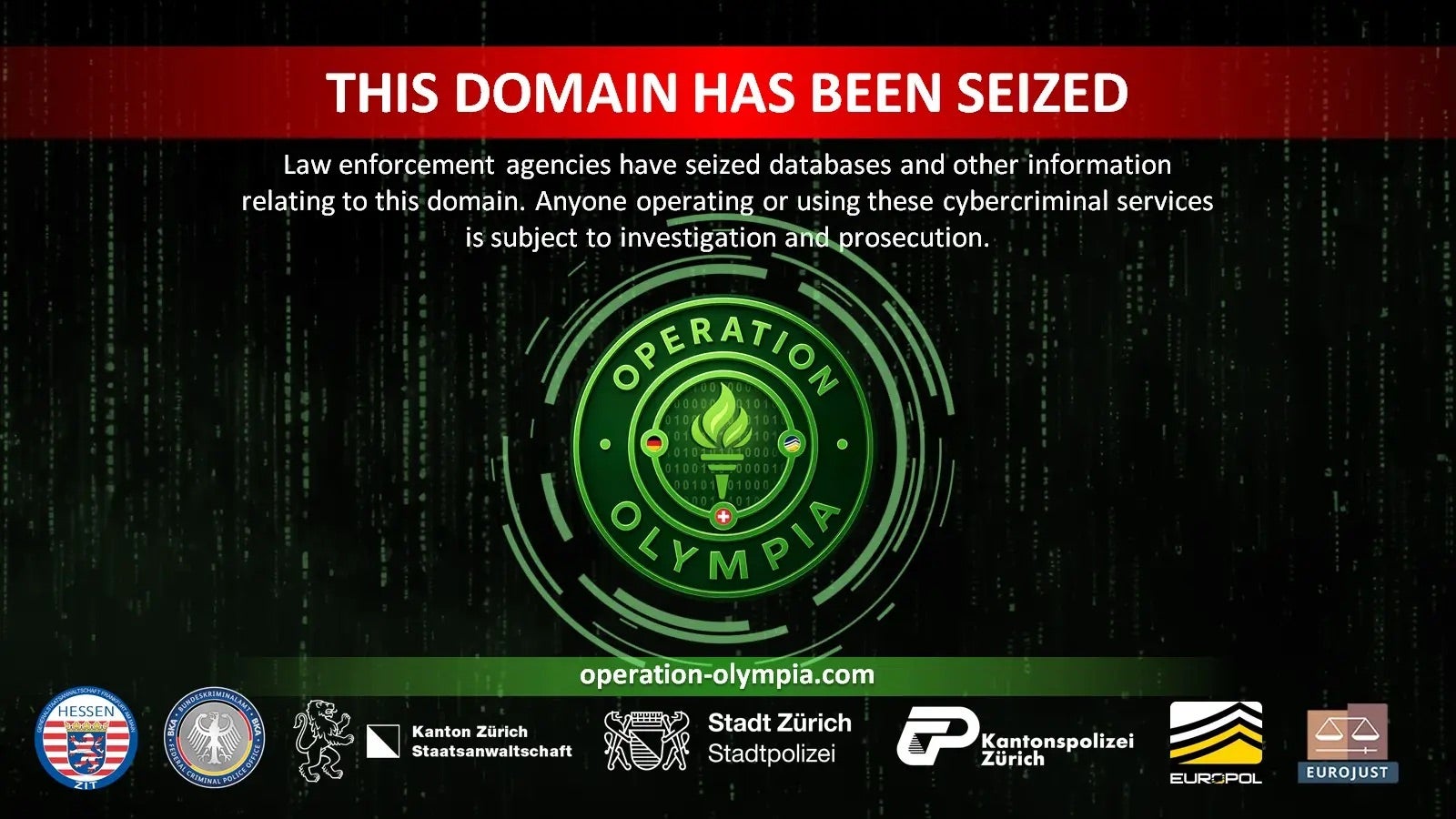
In Europe, Swiss and German authorities have dismantled the Cryptomixer service, which allegedly laundered over €1.3 billion in Bitcoin since 2016. As part of Operation Olympia, officials seized three servers, 12 TB of data, Tor .onion domains, and €24 million in Bitcoin, with support from Europol and Eurojust. Cryptomixer, accessible on both the clear and dark web as a hybrid mixing service, obscured blockchain transactions for ransomware operators, dark markets, and a variety of criminal groups.

U.S. prosecutors have charged Virginia twin brothers for allegedly conspiring to steal sensitive government data and destroy databases after being fired as federal contractors. Previously sentenced in 2015 for unauthorized access to State Department systems, they returned to contracting roles before facing these latest indictments for fraud, identity theft, and record destruction. The Justice Department says one brother deleted 96 government databases in February 2025, stole IRS and EEOC data, and abused AI for guidance on how to hide evidence. Both men now face lengthy federal penalties if convicted.

The Bad | Investigation Exposes Contagious Interview Remote Worker & Identity Theft Scheme

In a collaborative investigation, researchers have exposed a persistent North Korean infiltration scheme linked to Operation Contagious Interview (aka UNC5267). The researchers observed in real time adversary operators using sandboxed laptops, revealing tactics designed to embed North Korean IT workers in Western companies, especially those within STEM and finance industries.

🇰🇵 Livestreaming from a #Lazarus laptop farm.

📼 For the first time ever, we recorded DPRK’s Famous Chollima full attack cycle: interviews, internal chats, every tool they use and every single click they made. Get ready for tons of raw footage.

⬇ Full article via ANYRUN. pic.twitter.com/2fyTn3zLI6

— Mauro Eldritch 🏴‍☠️ (@MauroEldritch) December 4, 2025

The operation began when a researcher posed as a U.S. developer targeted by a Contagious Interview recruiter. The attacker attempted to hire the fake developer, requesting full access to their SSN, ID, Gmail, LinkedIn, and 24/7 laptop availability. Virtual machines mimicking real developer laptops where deployed, allowing the researchers to monitor every action without alerting the operators.

The sandbox sessions showed a lightweight but effective toolkit focused on identity theft and remote access rather than malware deployment. Operators were also seen using AI-driven job tools to auto-fill applications and generate interview answers, browser-based OTP generators to bypass MFA, and Google Remote Desktop for persistent control. Reconnaissance commands validated the environment, while connections routed through Astrill VPN matched known Contagious Interview infrastructure. In one session, an operator explicitly requested ID, SSN, and banking details, confirming the goal of full identity and workstation takeover.

The investigation highlights remote hiring as a quiet yet reliable entry point for identity-based attacks. Once inside, attackers can access sensitive dashboards, critical business data, and manager-level accounts. Companies can reduce risk by raising internal awareness and providing safe channels for employees to report suspicious requests, helping prevent infiltration before it escalates into internal compromise.

The Ugly | Researchers Warn of Critical React2Shell RCE Vulnerability in React and Next.js

A critical remote code execution (RCE) vulnerability, dubbed ‘React2Shell’, affecting React Server Components (RSC) and Next.js, is allowing unauthenticated attackers to perform server-side code via malicious HTTP requests.

Discovered by Lachlan Davidson, the flaw stems from insecure deserialization in the RSC ‘Flight’ protocol and impacts packages including react-server-dom-webpack, react-server-dom-parcel, and react-server-dom-turbopack. Versions affected include React 19.0 to 19.2.0 and Next.js experimental canary releases 14.3.0 to 16.x below patched versions. Exploitation is highly reliable, even in default deployments, and a single request can compromise the full Node.js process.

The flaw is being tracked as CVE-2025-55182. The technically correct CVE-2025-66478 has now been marked as a duplicate.

The vulnerability exists because RSC payloads are deserialized without proper validation, exposing server functions to attacker-controlled inputs. Modern frameworks often enable RSC by default, leaving developers unknowingly exposed. Fixes are available in React React 19.0, 19.1.0, 19.1.1, and 19.2.0, and Next.js 15.0.5–16.0.7. Administrators are urged to audit environments and update affected packages immediately.

Security researchers warn that cloud environments and server-side applications using default React or Next.js builds are particularly at risk. Exploitation could allow attackers to gain full control over servers, access sensitive data, and compromise application functionality. Reports have already emerged of China-nexus threat groups “racing to weaponize” the flaw.

China-nexus cyber threat groups rapidly exploit React2Shell vulnerability (CVE-2025-55182)
December 4, 2025, Amazon Web Services
aws.amazon.com/blogs/securi…
@awscloud.bsky.social

[image or embed]

— 780th Military Intelligence Brigade (Cyber) (@780thmibdecyber.bsky.social) 5 December 2025 at 11:32

Companies are advised to review deployments, restrict unnecessary server-side exposure, and monitor logs for anomalous RSC requests. Securing default configurations, validating deserialized input, and maintaining a regular patch management schedule can prevent attackers from exploiting framework-level vulnerabilities in production applications. SentinelOne’s blog post on the React2Shell RCE flaw can be found here.

Salt Security Unveils New AI-Powered Capabilities, Expanding API Visibility and Protecting Emerging MCP Infrastructure

Salt Security used the stage at AWS re:Invent this week to unveil two major enhancements to its API Protection Platform, introducing a generative AI interface powered by Amazon Bedrock and extending its behavioural threat protection to safeguard Model Context Protocol (MCP) servers via AWS WAF. The announcements highlight the company’s growing focus on visibility, risk reduction and real-time defence in increasingly complex cloud and AI environments.

On 1 December, Salt launched “Ask Pepper AI”, a natural language interface designed to help security teams instantly query their entire API estate. Built on Amazon Bedrock, the tool allows users to ask plain-English questions (such as “Which of my APIs expose PII?” or “What APIs have the highest Risk Score?”) and receive immediate, actionable insights drawn from Salt’s API Discovery, Posture Governance and Threat Protection capabilities.

With organisations struggling for clarity in sprawling cloud environments, Salt’s H2 2025 State of API Security Report found that only 19% feel “very confident” in the accuracy of their API inventory, while 15% admit they do not know which APIs expose personal data. Salt says “Ask Pepper AI” helps close these gaps by democratising access to critical security information and accelerating both incident response and risk prioritisation.

“API security is complex, but understanding your risk shouldn’t be,” said Michael Nicosia, Co-Founder and COO at Salt Security. “‘Ask Pepper AI’ makes it simple. By using Amazon Bedrock, we’re putting powerful, intuitive security insights into the hands of everyone from SOC analysts to CISOs. When most organisations aren’t even sure what their API inventory looks like, the ability to just ask and get an immediate answer is a game-changer.”

Two days later, Salt announced a second major capability: the extension of its patented API behavioural threat protection to detect and block malicious intent targeting MCP servers. MCP servers allow LLMs and autonomous agents to execute tasks by calling APIs and tools, but their growing usage has outpaced security controls. Often deployed without central oversight and exposed to the internet, they are becoming a new target for attackers seeking access to sensitive data and system functionality.

Building on Salt’s recently released MCP Finder technology, the company now enables organisations to identify misuse or abuse of MCP servers and automatically block threats using AWS WAF, leveraging real-time behavioural intelligence from the Salt platform.

“Most organisations don’t even know how many MCP servers they have, let alone which ones are exposed or being abused,” said Nick Rago, VP of Product Strategy at Salt Security. “This capability lets them take action quickly, using existing controls to prevent real threats without needing to deploy new infrastructure.”

By combining MCP discovery with AWS WAF enforcement, customers can block attacks before they impact applications, uncover shadow or unmanaged MCP instances, extend edge protection to the AI action layer, and continuously update defences as attacker tactics change.

The post Salt Security Unveils New AI-Powered Capabilities, Expanding API Visibility and Protecting Emerging MCP Infrastructure appeared first on IT Security Guru.

Keeper Security Appoints New Chief Revenue Officer

Keeper Security has announced the appointment of Tim Strickland as Chief Revenue Officer (CRO). Strickland will lead Keeper’s global revenue organisation, driving go-to-market strategy, customer growth and channel expansion as demand accelerates globally for modern Privileged Access Management (PAM) and identity security solutions.

Strickland brings more than two decades of executive leadership experience scaling high-performance revenue teams at category-defining SaaS companies. Most recently, he served as Chief Revenue Officer at ZoomInfo, where he guided the company through a successful IPO, built its customer growth and strategic sales functions and oversaw the go-to-market integration of eight acquisitions.

Prior to ZoomInfo, Strickland held senior revenue leadership roles at Marketo, where he played an integral role in the company’s growth, its take-private acquisition by Vista Equity Partners and subsequent sale to Adobe. His responsibilities spanned enterprise sales, account management, customer success and global channel development.

“Tim is joining Keeper at a pivotal moment as organisations around the world confront unprecedented identity-based threats,” said Darren Guccione, CEO and Co-founder of Keeper Security. “He brings the kind of leadership that elevates teams, sharpens focus and accelerates impact. Tim understands the responsibility we have to our customers, and he shares our commitment to building secure, elegant solutions that drive meaningful outcomes. I’m confident he will help propel Keeper into its next chapter of growth while keeping our vision and our customers at the centre of everything we do.”

In his new role, Strickland will oversee Keeper’s global sales, customer success, revenue operations and channel ecosystem, with a focus on expanding market penetration for Keeper’s unified privileged access management platform. KeeperPAM® combines enterprise password management, secrets management, privileged session management, zero-trust network access, endpoint privilege management and remote browser isolation into a single cloud-native solution—designed to meet surging global demand for credential and identity-based threat protection.

“Identity and access security has never been more critical, and Keeper has built a revolutionary cybersecurity platform for organisations,” said Strickland. “The market opportunity is tremendous, and the company’s momentum reflects a deep commitment to innovation and customer value. I’m excited to help scale our impact globally and support customers in strengthening their security posture.”

Strickland also serves as an Advisory Partner with Summit Partners, where he helps high-growth technology companies navigate go-to-market transformation and scale with discipline. As Keeper continues to meet rising global demand for modern privileged access and identity security, Strickland’s leadership will help advance the company’s mission to deliver zero-trust and zero-knowledge solutions that protect the world’s most sensitive data and systems.

The post Keeper Security Appoints New Chief Revenue Officer appeared first on IT Security Guru.

Cultural Lag Leaves Security as the Weakest Link

cybersecurity

For too long, security has been cast as a bottleneck – swooping in after developers build and engineers test to slow things down. The reality is blunt; if it’s bolted on, you’ve already lost. The ones that win make security part of every decision, from the first line of code to the last boardroom conversation...

The post Cultural Lag Leaves Security as the Weakest Link appeared first on Security Boulevard.

❌