A user from r/Minneapolis was among the first to share footage of federal agents shooting Alex Pretti. Following his death, subreddits about football, cats, and embroidery have all rallied against ICE.
A company called Life Electric Vehicle Holdings has emerged as the top bidder for Rad Power's assets. It's not clear what the company plans to do with them, though.
Before the refrigerator became a normal part of any kitchen, those with enough money to throw around could get an icebox, which used melting ice to cool food and drinks in a second compartment. As refrigerators became available for sale in the 1920s, this created somewhat awkward transition models, like the 1924 Frigidaire B-9 that [David Allen] recently got offered for a restoration. This was part of the restoration of a 1926 house, which foresaw putting this venerable unit back into operation.
As [David] explains, this refrigerator was still in use until about 1970 when it broke down, and repairs proved tricky. Clearly, the fault wasn’t that severe as [David] got it working again after a number of small repairs and a lot of maintenance. The running unit with its basic elements can be seen purring away in the completion video, with the journey to get there covered in a video series starting with the first episode.
What’s fascinating is that during this aforementioned transition period, the vapor compression electric cooling system was an optional extra, meaning that the basic layout is still that of an icebox. Correspondingly, instead of ice in the ice compartment, you find the low-side float evaporator, with the basement section containing the condensing unit, motor, and compressor. The temperature sensor is also a miracle of simplicity, using bellows that respond to the temperature and thus volume of the evaporator coolant, which trigger a switch that turns on the compressor.
Despite a hundred years having passed since this refrigerator was constructed, at its core it works exactly the same as the unit we have in our kitchens today, albeit with higher efficiency, more electronics, and with the sulfur dioxide refrigerant replaced with something less toxic to us humans.
The new US-based joint venture blamed a datacenter power outage, but hasn’t elaborated
TikTok's new life under majority American ownership is off to a rough start, after users complained of widespread service disruptions the company blamed on a datacenter power outage.…
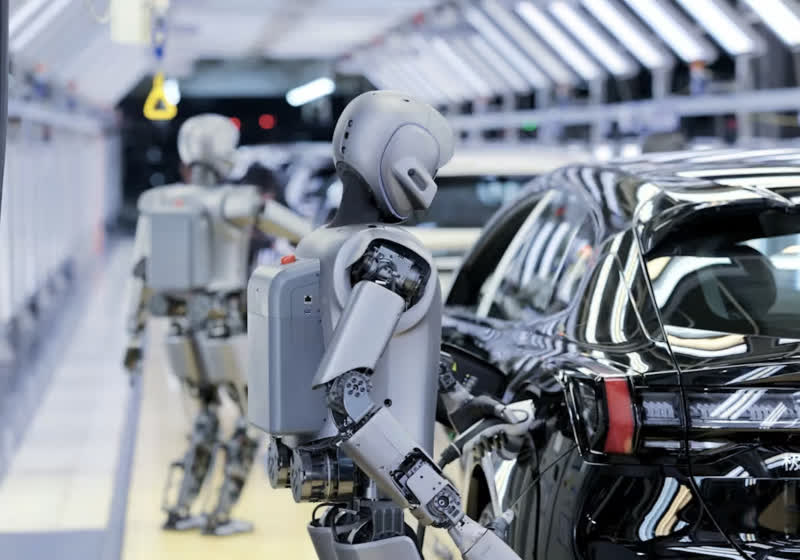
Even with those limitations, orders for the machines are accelerating. Manufacturers such as BYD and Foxconn, both partners with UBTech, are experimenting with humanoids to offset labor shortages and remain competitive in automation.
Australia-based developer Arin Sarkisian recently unveiled DoomBuds, a project designed to run Doom on a pair of earbuds. Even more impressively – or alarmingly, if you're not a fan of extreme tech demos – he connected the earbuds to the internet, allowing players to join and play the game remotely.
Some people love the sealed, noise-cancelling bubble. Others can’t stand it. If you want music or podcasts without losing awareness of what’s happening around you, open-ear earbuds are the sweet spot. The Bose Ultra Open-Ear true wireless earbuds are down to $199.00, saving you $100 off the $299.00 compared value. That’s a meaningful cut for […]
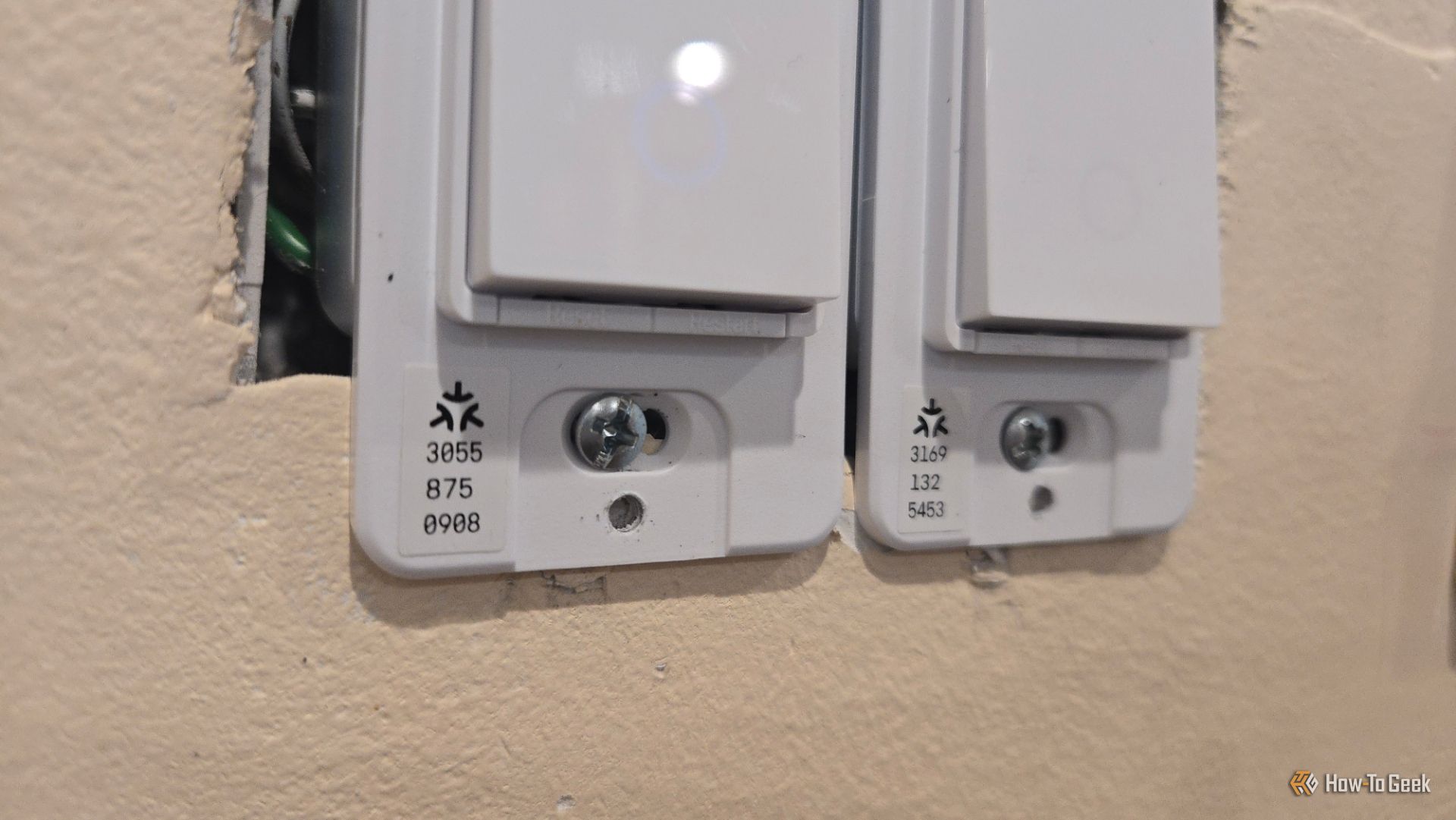
I only started creating a smart home last year, so nearly all of my devices communicate via Matter. For the most part, things have just worked. As I try out different smart home hubs and troubleshoot the occasional issue, there’s only one simple thing I wish I did from the beginning that would have saved me a lot of frustration—write down my Matter pairing codes.
After more than a decade of flat, solid blocks of color, Android may be on the verge of yet another major design shift. According to a growing number of reports and leaks, a translucent, blurry look is coming with Android 17—and we have our first look at it.
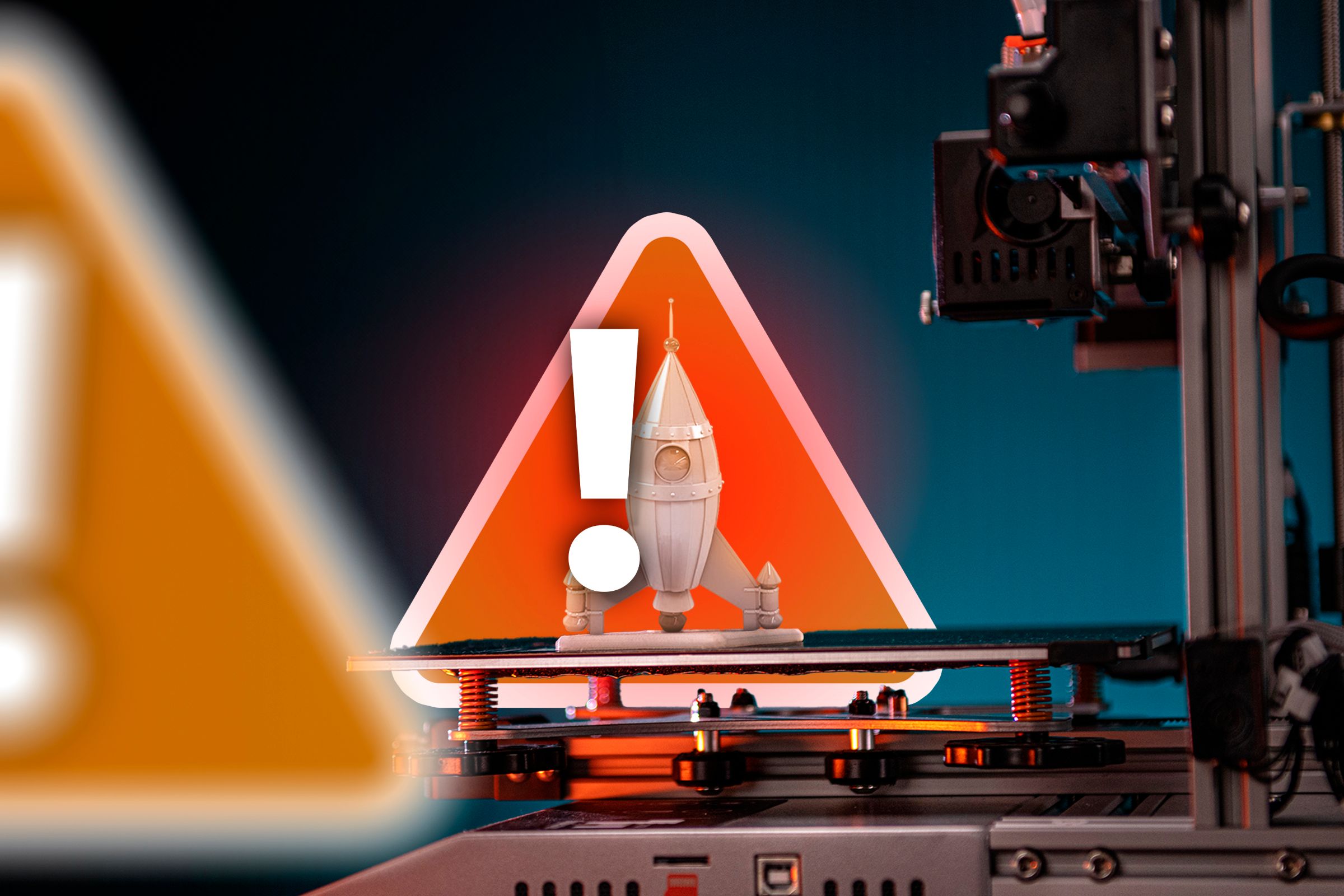
Having a 3D printer is great! You can make just about anything you can imagine, as long as it's made from something that comes in the form of a filament. However, there are limits to what you should bring into the world from your imagination. For example, it's probably a bad idea to print any of these.
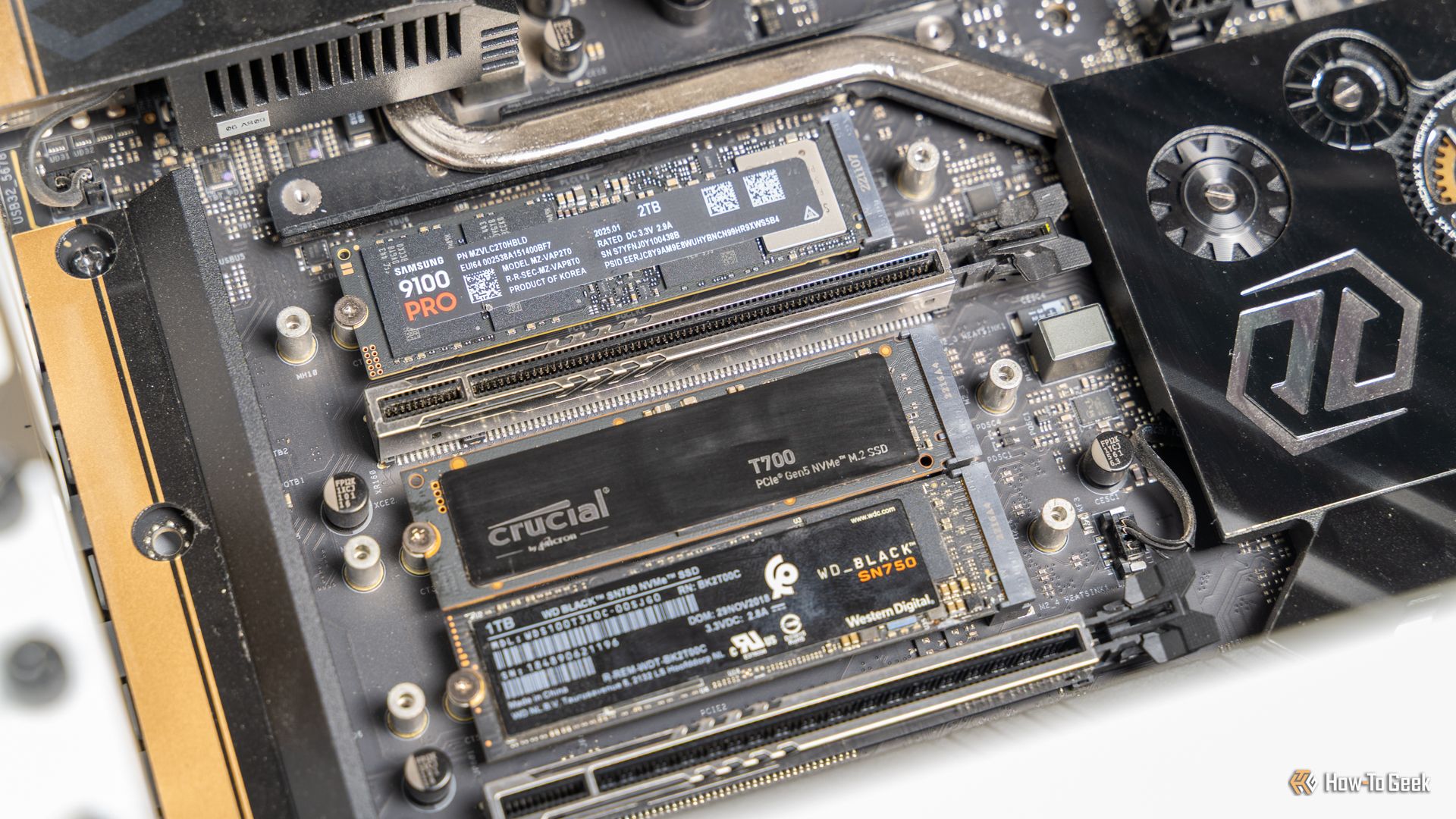
At a time when SSD prices are completely wild and almost guaranteed to get even worse, it's hard to shop for PC storage. There used to be a sweet spot for cost per terabyte, but that sweet spot is now long gone.
Want to jailbreak iOS 26.2.1? If you’re looking to install iOS 26.2.1 on your iPhone but are concerned about whether or not you'll be able to jailbreak it, we have the information that you need.
 Login
Login




 John Gruber / Daring Fireball: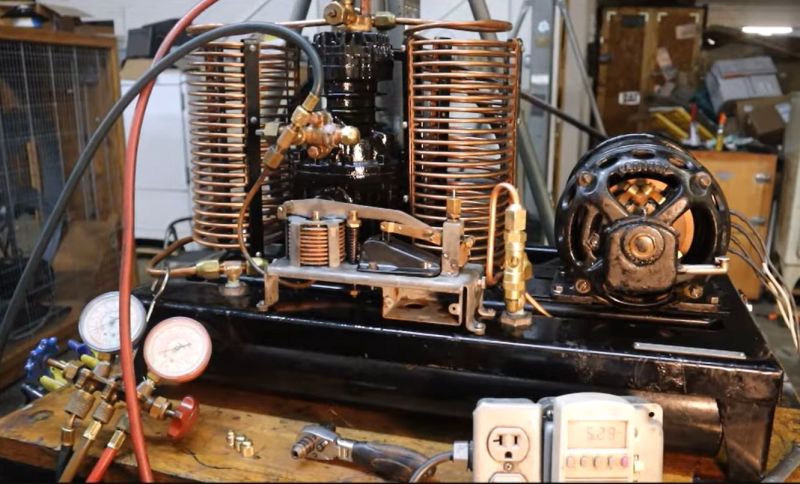
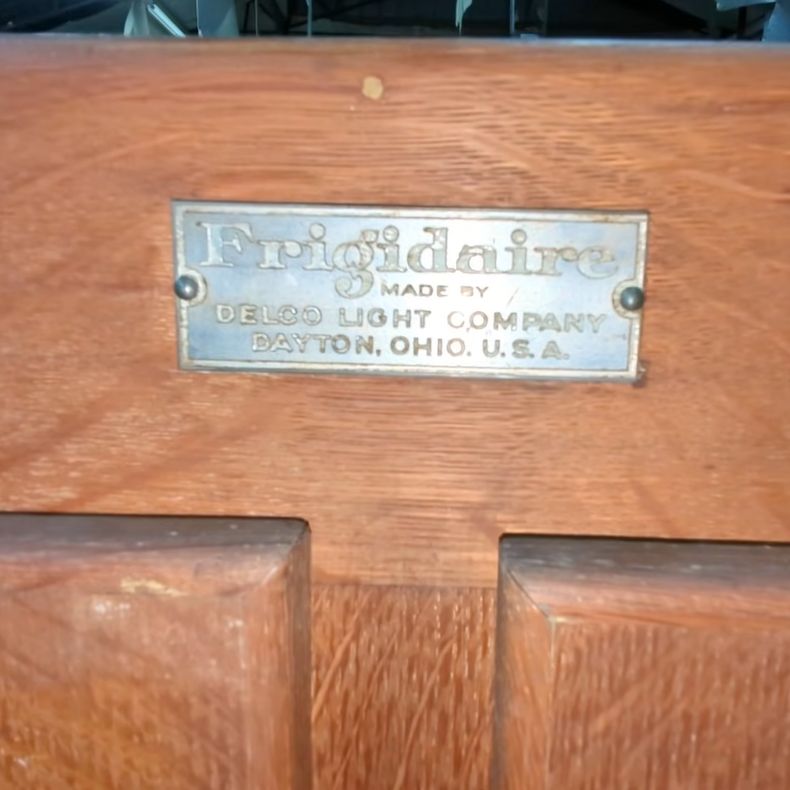 Before the refrigerator became a normal part of any kitchen, those with enough money to throw around could get an icebox, which used melting ice to cool food and drinks in a second compartment. As refrigerators became available for sale in the 1920s, this created somewhat awkward transition models, like the 1924 Frigidaire B-9 that [David Allen] recently got offered for a restoration. This was part of the restoration of a 1926 house, which foresaw putting this venerable unit back into operation.