Chinese robotics company Unitree has revealed its much larger humanoid robot, the H2, can fight. We dig into all the hidden details in the company's latest demo videos.
At CES 2026, Lenovo going all-in on AI (like every other company), but it’s hiding all the fun goodies in the back, and I’m excited about what might be coming.
If you work with PDFs a lot, you often have to choose between expensive proprietary software or free alternatives that have lackluster features or questionable privacy and security. But what if I told you that you can have the best of both worlds? It's called BentoPDF.
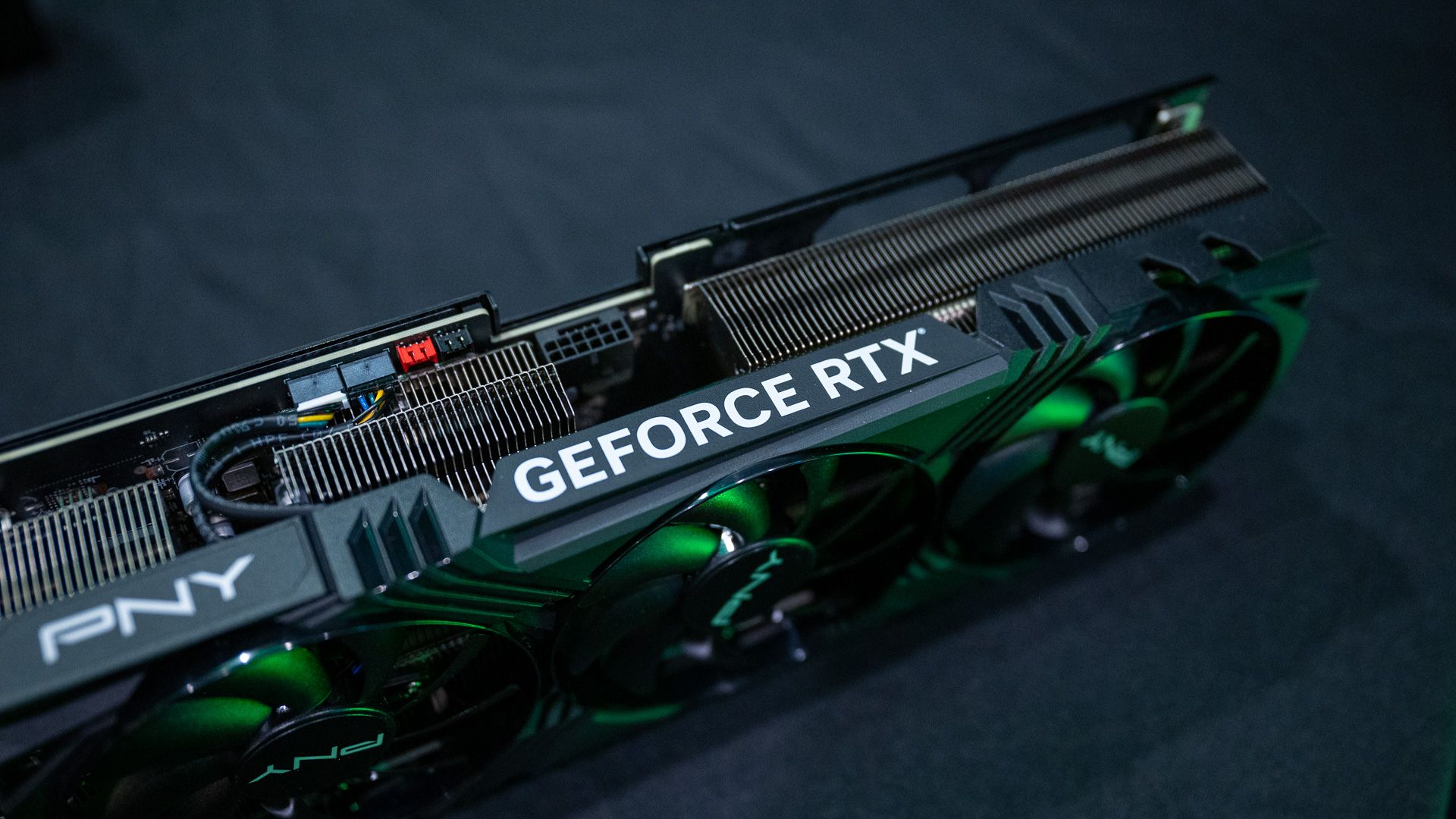
Whether you're looking to download a GPU-specific driver, trying to determine whether you'll be able to play a new game at a reasonable frame rate, or checking the specs on an unfamiliar PC, knowing exactly what GPU you're dealing with is an important piece of information. Here are a few ways you can do it.
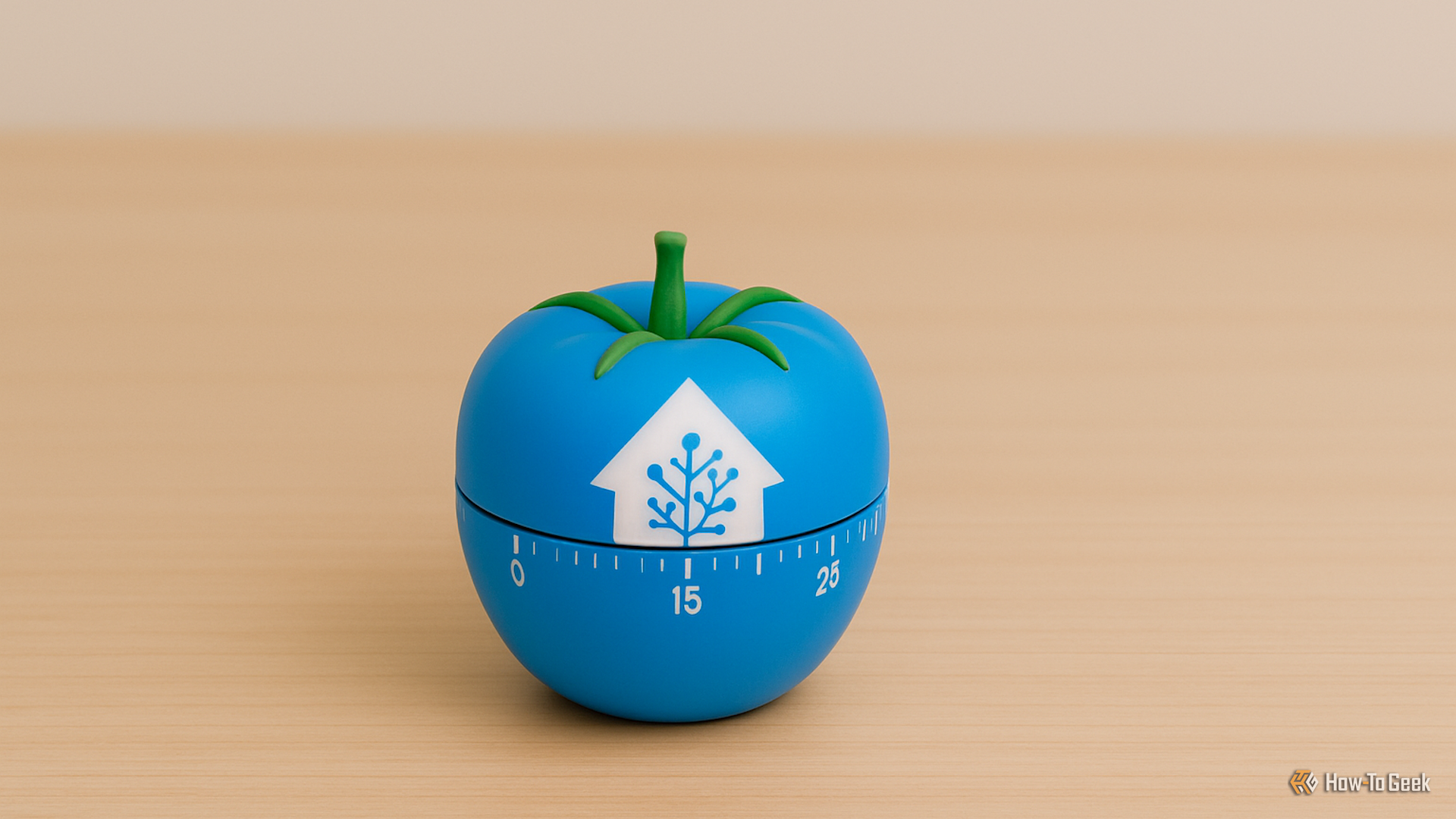
I've always struggled to concentrate on work. When I should be working, my mind starts to wander, or I end up falling down a tech rabbit hole trying to fix something that takes far longer than I expect. I've tried Pomodoro timer apps, but they never worked for me, so I decided to build my own using Home Assistant.
I recently realized that my phone's chaos didn't come from the apps—it came from a lack of direction. It was powerful enough to do anything, so it ended up distracting me with everything. To fix this, I decided to give it a dedicated purpose—turning it into my personal project management system!
During its half-century of existence, Microsoft has brought forth a plethora of products, but the company also has a number of inventions under its belt. While some are quite popular, you probably wouldn't guess they were invented by the Redmond Giant.
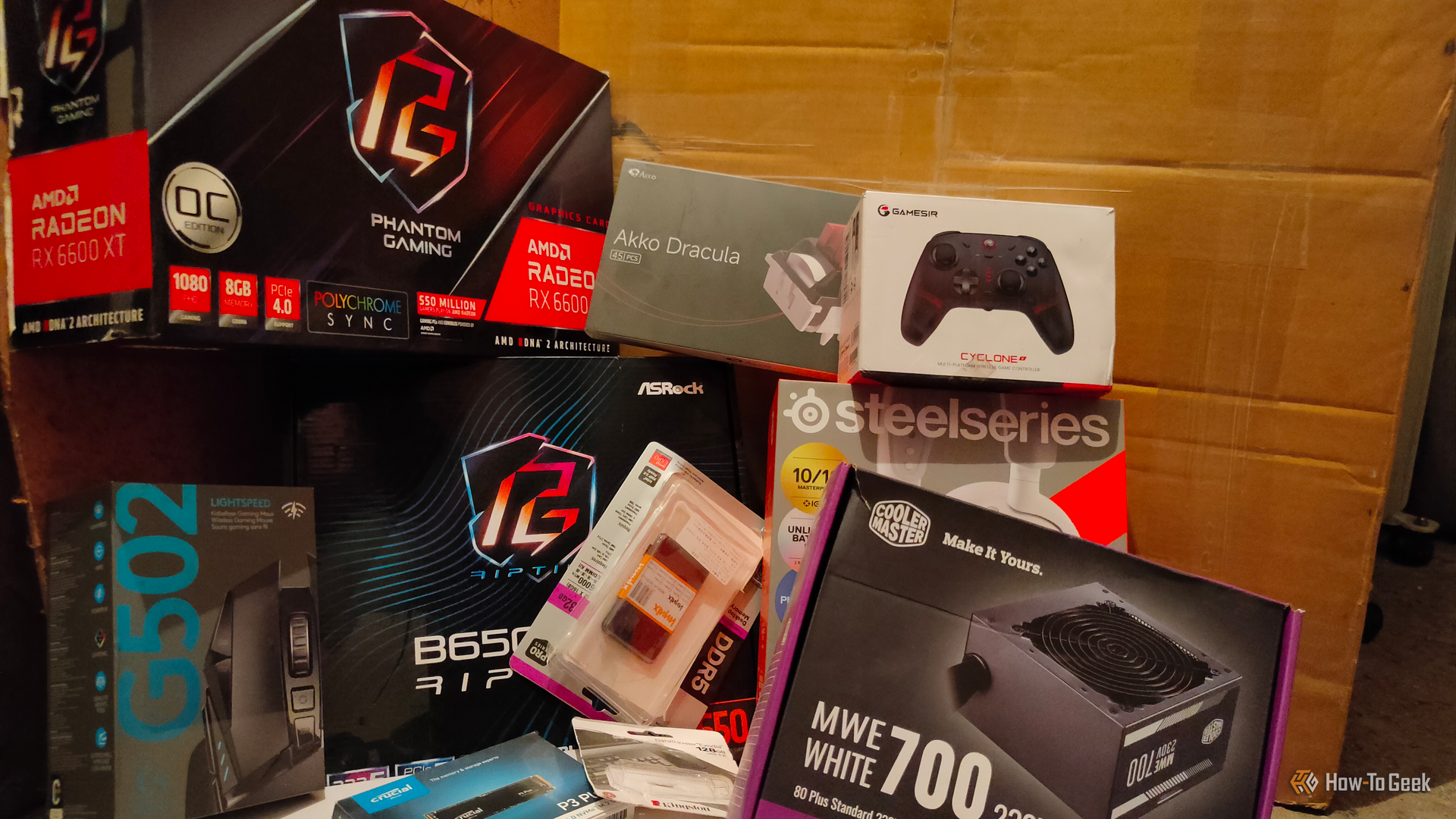
If you’re the type that throws away the packaging your PC parts come in, thinking it’s just fancy cardboard, you’ve come to the right place. I diligently collect the boxes my PC parts come in—and here’s why you should consider doing the same.
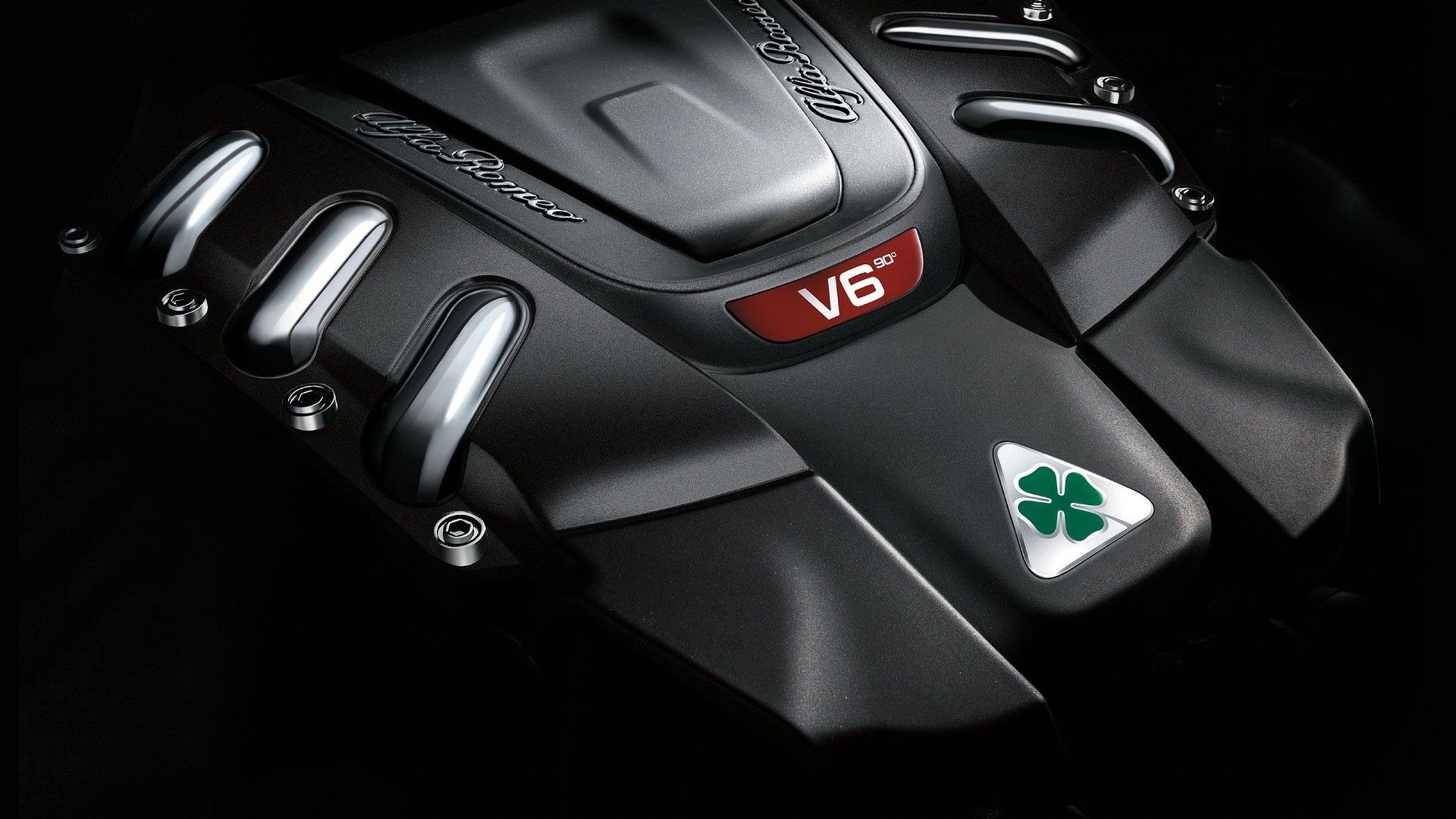
Alfa Romeo is making a dramatic statement with the return of its twin-turbo V-6, but this time, exclusivity is the name of the game. The new Giulia and Quadrifoglio Stelvio special editions will be offered only in select markets, and U.S. buyers won’t see a single example. With extremely limited production numbers, these models are shaping up to be some of the rarest Alfa Romeos ever produced, rarer than even some hypercars.
Today America's college professors "struggle to accommodate the many students with an official disability designation," reports the Atlantic, "which may entitle them to extra time, a distraction-free environment, or the use of otherwise-prohibited technology."
Their staff writer argues these accommodations "have become another way for the most privileged students to press their advantage."
[Over the past decade and a half] the share of students at selective universities who qualify for accommodations — often, extra time on tests — has grown at a breathtaking pace. At the University of Chicago, the number has more than tripled over the past eight years; at UC Berkeley, it has nearly quintupled over the past 15 years. The increase is driven by more young people getting diagnosed with conditions such as ADHD, anxiety, and depression, and by universities making the process of getting accommodations easier. The change has occurred disproportionately at the most prestigious and expensive institutions. At Brown and Harvard, more than 20 percent of undergraduates are registered as disabled. At Amherst, that figure is 34 percent. Not all of those students receive accommodations, but researchers told me that most do. The schools that enroll the most academically successful students, in other words, also have the largest share of students with a disability that could prevent them from succeeding academically. "You hear 'students with disabilities' and it's not kids in wheelchairs," one professor at a selective university, who requested anonymity because he doesn't have tenure, told me. "It's just not. It's rich kids getting extra time on tests...."
Recently, mental-health issues have joined ADHD as a primary driver of the accommodations boom. Over the past decade, the number of young people diagnosed with depression or anxiety has exploded. L. Scott Lissner, the ADA coordinator at Ohio State University, told me that 36 percent of the students registered with OSU's disability office have accommodations for mental-health issues, making them the largest group of students his office serves. Many receive testing accommodations, extensions on take-home assignments, or permission to miss class. Students at Carnegie Mellon University whose severe anxiety makes concentration difficult might get extra time on tests or permission to record class sessions, Catherine Samuel, the school's director of disability resources, told me. Students with social-anxiety disorder can get a note so the professor doesn't call on them without warning... Some students get approved for housing accommodations, including single rooms and emotional-support animals. Other accommodations risk putting the needs of one student over the experience of their peers. One administrator told me that a student at a public college in California had permission to bring their mother to class. This became a problem, because the mom turned out to be an enthusiastic class participant. Professors told me that the most common — and most contentious — accommodation is the granting of extra time on exams...
Several of the college students I spoke with for this story said they knew someone who had obtained a dubious diagnosis... The surge itself is undeniable. Soon, some schools may have more students receiving accommodations than not, a scenario that would have seemed absurd just a decade ago. Already, at one law school, 45 percent of students receive academic accommodations. Paul Graham Fisher, a Stanford professor who served as co-chair of the university's disability task force, told me, "I have had conversations with people in the Stanford administration. They've talked about at what point can we say no? What if it hits 50 or 60 percent? At what point do you just say 'We can't do this'?" This year, 38 percent of Stanford undergraduates are registered as having a disability; in the fall quarter, 24 percent of undergraduates were receiving academic or housing accommodations.
Popular genetics tests can’t tell you much about your dog’s personality, according to a recent study.
A team of geneticists recently found no connection between simple genetic variants and behavioral traits in more than 3,200 dogs, even though previous studies suggested that hundreds of genes might predict aspects of a dog’s behavior and personality. That’s despite the popularity of at-home genetic tests that claim they can tell you whether your dog’s genes contain the recipe for anxiety or a fondness for cuddles.
This is Max, and no single genetic variant can explain why he is the way he is.
Credit:
Kiona Smith
Gattaca for dogs, except it doesn’t work
University of Massachusetts genomicist Kathryn Lord and her colleagues compared DNA sequences and behavioral surveys from more than 3,000 dogs whose humans had enrolled them in the Darwin’s Ark project (and filled out the surveys). “Genetic tests for behavioral and personality traits in dogs are now being marketed to pet owners, but their predictive accuracy has not been validated,” wrote Lord and her colleagues in their recent paper.
 Login
Login











 This is Max, and no single genetic variant can explain why he is the way he is.
Credit:
Kiona Smith
This is Max, and no single genetic variant can explain why he is the way he is.
Credit:
Kiona Smith