The top sports streaming services for you depend on your favorite sports. We've analyzed the options, covering everything from the NFL and NBA to soccer and UFC.
Amazon is experimenting again. This week on the GeekWire Podcast, we dig into our scoop on Amazon Now, the company’s new ultrafast delivery service. Plus, we recap the GeekWire team’s ride in a Zoox robotaxi on the Las Vegas Strip during Amazon Web Services re:Invent.
In our featured interview from the expo hall, AWS Senior Vice President Colleen Aubrey discusses Amazon’s push into applied AI, why the company sees AI agents as “teammates,” and how her team is rethinking product development in the age of agentic coding.
When you secure excellent components for your PC, you expect things to run smoothly. Smooth frames, fast loading times, the works. So when you've shelled out for an awesome GPU and still have game stuttering, it can be immensely frustrating, but the problem might be something less obvious.
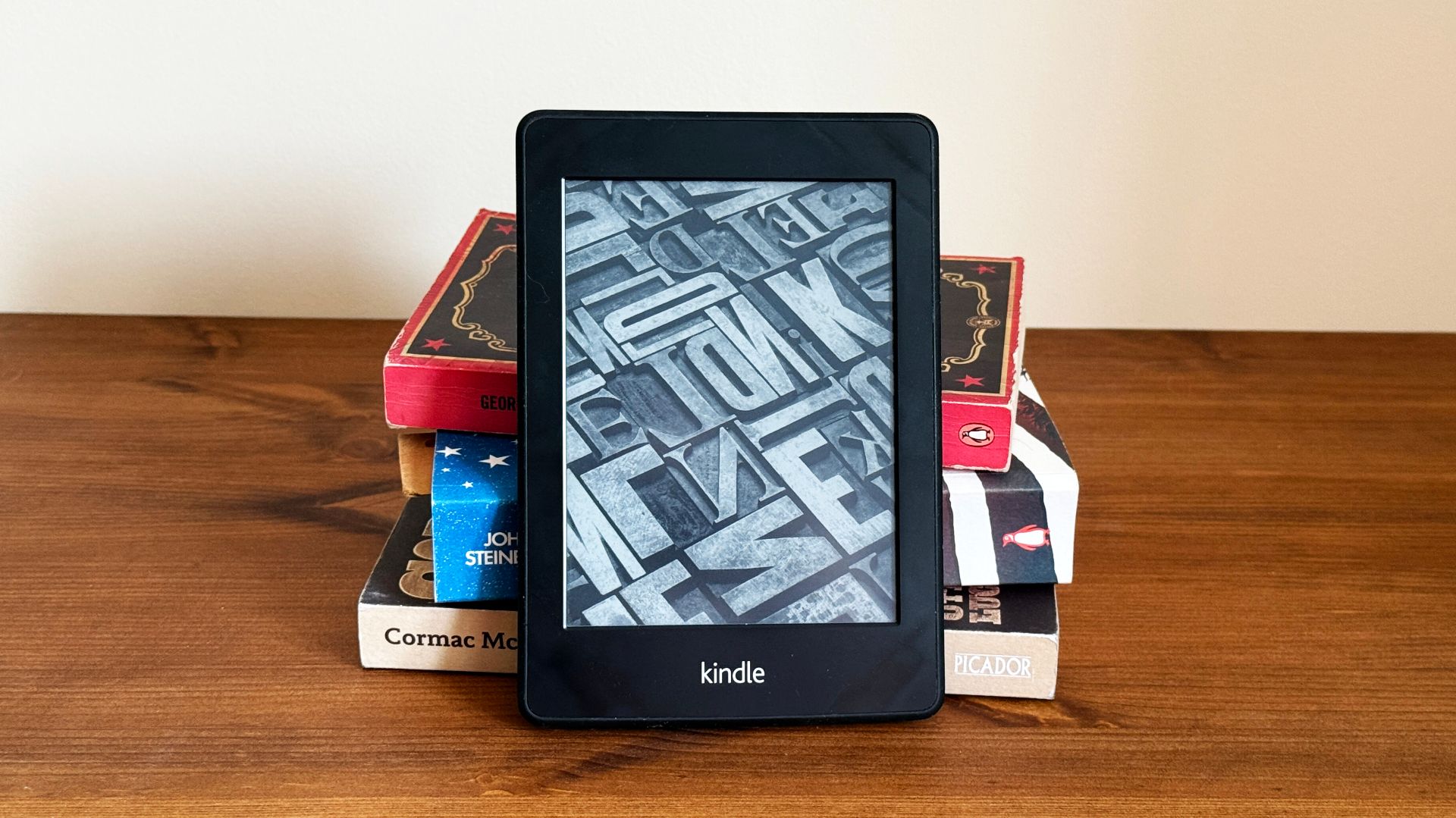
If you buy something, you should own it. Amazon is, by far, the biggest name in the eBook market, but the company puts tight DRM restrictions on these eBooks so you can't take them outside the Kindle ecosystem.
NotebookLM may just be an assistant to many people, but this is just the most basic functionality. You can take advantage of its system to do whatever you want, and that means it can be a way to have fun.
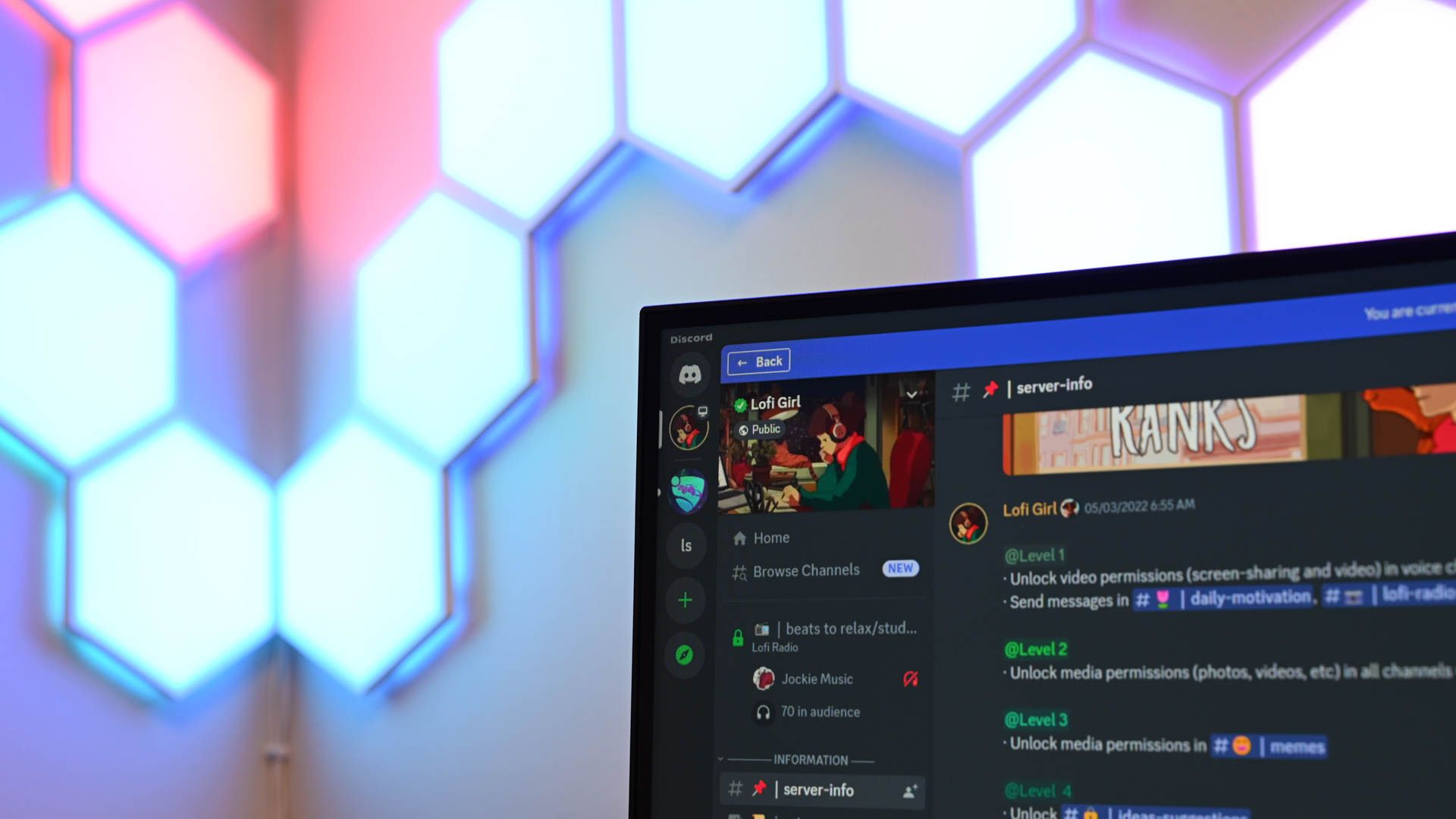
If you're like me, you use Discord for communication all day long. Those hours of use mean Discord has the opportunity to soak up lots of data about you and your use of the app. A few settings keep the collection at bay.
Google's Pixel watches are rolling out an improved always-on display.
Tech site 9to5Google spotted that with Wear OS 6, the Pixel Watch has added always-on capabilities for media controls (such as controlling your music) as well as the timer app. Previously, these sorts of tools would blur after a certain amount of time. Now, they remain on the screen, with the display having been slightly changed from its previous iteration.
That could mark a major improvement for people who use their watch to, say, time a workout or track what they're cooking. Mashable named the Google Pixel Watch 4 the best Android smartwatch of 2025 — so it's an improvement on an already good product. Tech Editor Timothy Beck Werth wrote it was "elegant enough to wear to the office, but comfortable and smart enough to monitor workouts." Senior reporter Christianna Silva, meanwhile, wrote in their review that the "Pixel Watch 4 is a true runners' watch, and it's gorgeous too."
So now, if you're a serious runner doing sprints on a track, you won't need to fiddle with the display to check your times. That's a small change that could have a big impact.
While Netflix hopes to buy Warner Bros. Discovery for $72 billion, CNBC reports a senior official in America's federal government said the administration was viewing the deal with "heavy skepticism. And that's not the only hurdle:
On Thursday, The Wall Street Journal reported that Paramount, in a letter to lawyers for Warner Bros. Discovery [WBD], had warned that a sale to Netflix likely would "never close" because of regulatory challenges in the United States and overseas. "Acquiring Warner's streaming and studio assets 'will entrench and extend Netflix's global dominance in a matter not allowed by domestic or foreign competition laws,' Paramount's lawyers wrote," the Journal reported.
Paramount "is now weighing its options about whether to go straight to shareholders with one more improved bid," CNBC reported Friday, "perhaps even higher than the $30-per-share, all-cash offer it submitted to Warner Bros. Discovery this week."
And CNBC reported Friday that the review by America's Department of Justice "can take anywhere from months to more than a year."
Netflix said Friday it expects the transaction to close in 12 to 18 months, after Warner Bros. Discovery spins out its portfolio of cable networks into Discovery Global... As part of the deal, Netflix has agreed to pay a $5.8 billion breakup fee to Warner Bros. Discovery if the deal were to get blocked by the government.
Netflix's planned move is already drawing high-powered criticism, reports CNN:
"The world's largest streaming company swallowing one of its biggest competitors is what antitrust laws were designed to prevent. The outcome would eliminate jobs, push down wages, worsen conditions for all entertainment workers, raise prices for consumers, and reduce the volume and diversity of content for all viewers...." the Writers Guild of America union representing Hollywood writers.
"Producers are rightfully concerned... Our legacy studios are more than content libraries — within their vaults are the character and culture of our nation." — The Producers Guild of AmericaThe deal raises "many serious questions" about the entertainment industry's future, "especially the human creative talent whose livelihoods and careers depend on it." — SAG-AFTRA, Hollywood's biggest actors union
"This is not a win for consumers. Netflix has already aggressively raised prices, increased ad load, and stopped people from sharing passwords. Absorbing a competitor with strong content will only lead to its service becoming more expensive and give consumers less choice." — Ross Benes, a senior analyst at eMarketer, told CNN. [Benes also thinks this could mean fewer companies spending heavily on movies and TV shows. "This contracts the industry."
The site is called Hackaday, and has been for 21 years. But it was only for maybe the first half-year that it was literally a hack a day. By the 2010s, we were putting out four or more per day, and in the later 20-teens, we settled into our current cadence of eight hacks per day, plus some original pieces over the top. That’s a lot of hacks per day! (But “Eight-to-Ten-Hacks-a-Day” just isn’t as catchy.)
With that many posts daily, we also tend to reach out to a broader array of interests. Quite simply, not every hack is necessarily going to be just exactly what you are looking for, but we wouldn’t be writing it up if we didn’t think that someone was looking for it. Maybe you don’t like CAN bus hacks, but you’re into biohacking, or retrocomputing. Our broad group of writers helps to make sure that we’ll get you covered sooner or later.
What’s still surprising to me, though, is that a couple of times per week, there is a hack that is actually relevant to a particular project that I’m currently working on. It’s one thing to learn something new every day, and I’d bet that I do, but it’s entirely another to learn something new and relevant.
So I shouldn’t have been shocked when Tom and I were going over the week’s hacks on the podcast, and he picked an investigation of injecting spray foam into 3D prints. I liked that one too, but for me it was just “learn something new”. Tom has been working on an underwater ROV, and it perfectly scratched an itch that he has – how to keep the top of the vehicle more buoyant, while keeping the whole thing waterproof.
That kind of experience is why I’ve been reading Hackaday for 21 years now, and it’s all of our hope that you get some of that too from time to time. There is a lot of “new” on the Internet, and that’s a wonderful thing. But the combination of new and relevant just can’t be beat! So if you’ve got anything you want to hear more about, let us know.
This article is part of the Hackaday.com newsletter, delivered every seven days for each of the last 200+ weeks. It also includes our favorite articles from the last seven days that you can see on the web version of the newsletter.
Want this type of article to hit your inbox every Friday morning? You should sign up!
Tim Cain said in a recent YouTube update that he is returning to Obsidian Entertainment (above). Although he has spent the last several years contracting for the studio, he will now work there full-time – rejoining a company closely tied to his most famous creation, Fallout.
A truly smart home isn’t one that you control with your voice or phone, but one that is fully automated. Presence detection is key to creating an environment that anticipates your next move, whether that’s turning on a light in a cupboard or understanding exactly who is in which room.
I've always had a soft spot for Bentley. There’s something about the leather, the wood, the deep carpets, and that quiet swagger the brand carries that just gets me. It turns even a quick grocery run into something that feels a notch above normal life.
 Login
Login








 Kat Tenbarge / Wired: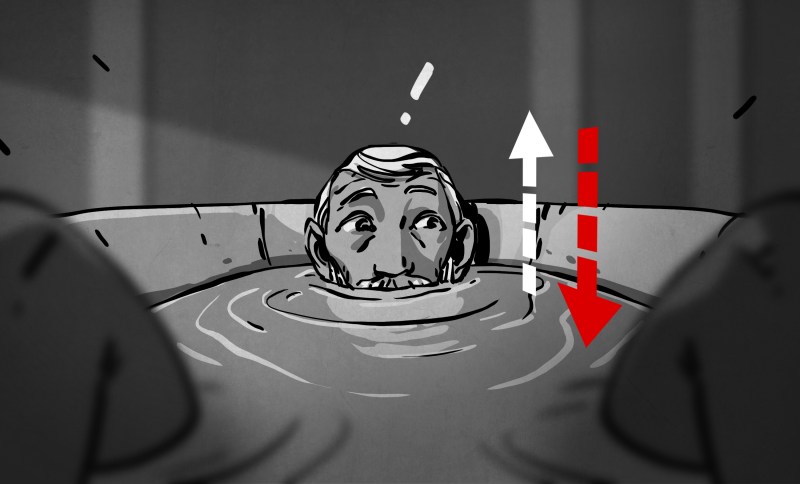
 What’s still surprising to me, though, is that a couple of times per week, there is a hack that is actually relevant to a particular project that I’m currently working on. It’s one thing to learn something new every day, and I’d bet that I do, but it’s entirely another to learn something new and relevant.