Normal view

There are new articles available, click to refresh the page.
Before yesterdayMain stream

Toxicology and Environmental Chemistry

16 December 2025 at 11:28

5 min read

Preparations for Next Moonwalk Simulations Underway (and Underwater)
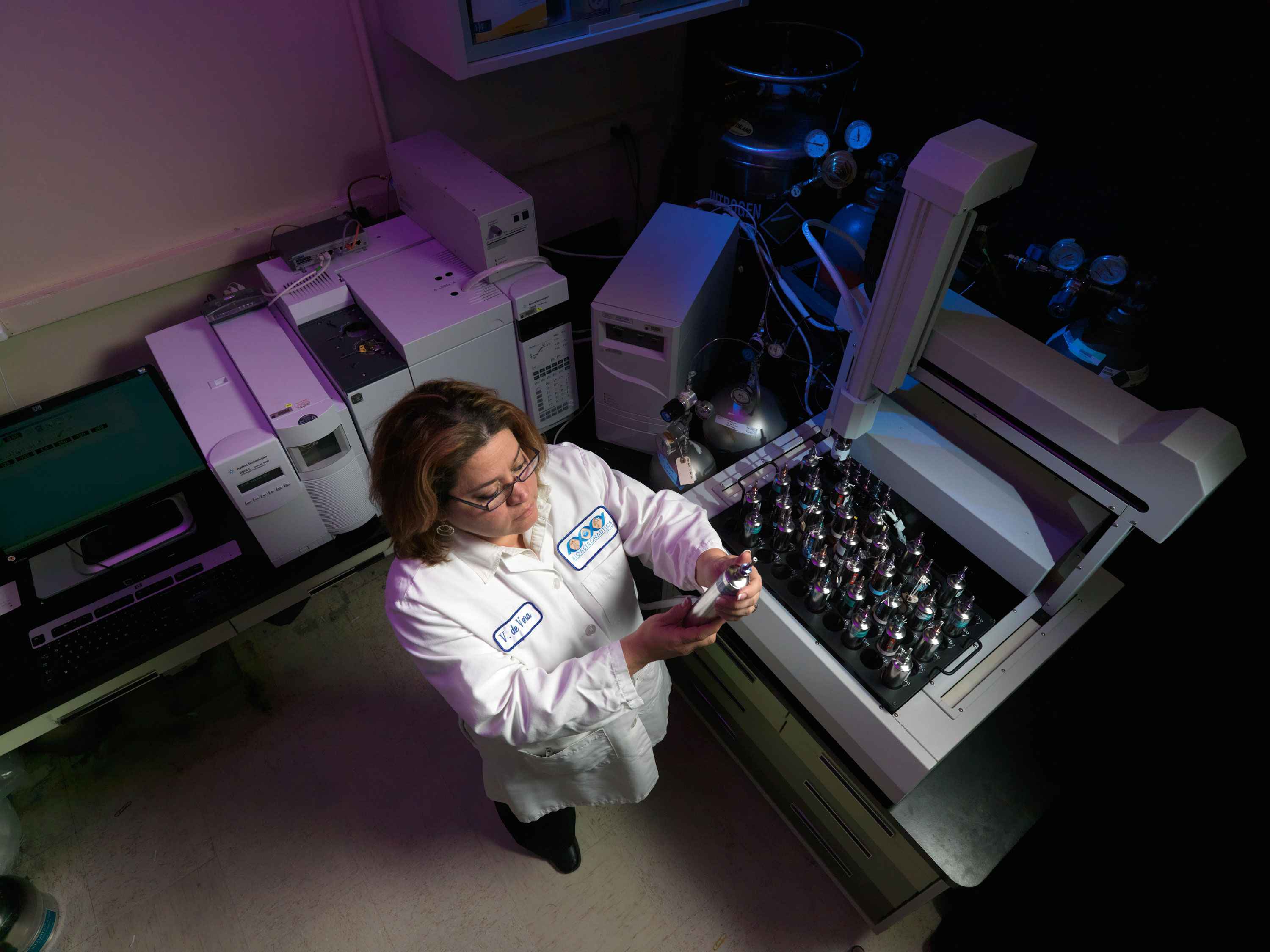
space toxicologist
An environmental chemist at NASA JSC
NASA

Ensuring Astronaut Safety

Achieving safe exploration of space in vehicles that rely upon closed environmental systems to recycle air and water to sustain life and are operated in extremely remote locations is a major challenge. The Toxicology and Environmental Chemistry (TEC) group at Johnson Space Center (JSC) is made up of 2 interrelated groups: Toxicology support and the Environmental Chemistry Laboratory. The scientists in both groups play an important role in ensuring that the crew of the ISS are breathing clean air and drinking clean water. Personnel within the TEC establish safe spacecraft environmental limits, monitor the air and water quality aboard current spacecraft (ISS and Commercial Crew and Cargo vehicles), and support technology advancements. The TEC employs in-flight monitoring capabilities as well as postflight sample analysis techniques to monitor the air and water quality from spaceflight.

Fun Fact: We are currently recovering 85% of the water from crew urine and turning it back into drinking water.

NASA

NASA

An Agency Resource

The Toxicology group at JSC serves as the NASA-wide resource for aspects of space toxicology and is responsible for several different duties that are focused on protecting crewmembers and spacecraft systems from toxic exposures in spaceflight. These include assessing chemical hazards for flight, establishing limits for contaminants in spacecraft air and water, assessing and evaluating environmental data from spacecraft in flight, and assessing the potential for off-gas products from new vehicles or modules. These assessments are documented in:
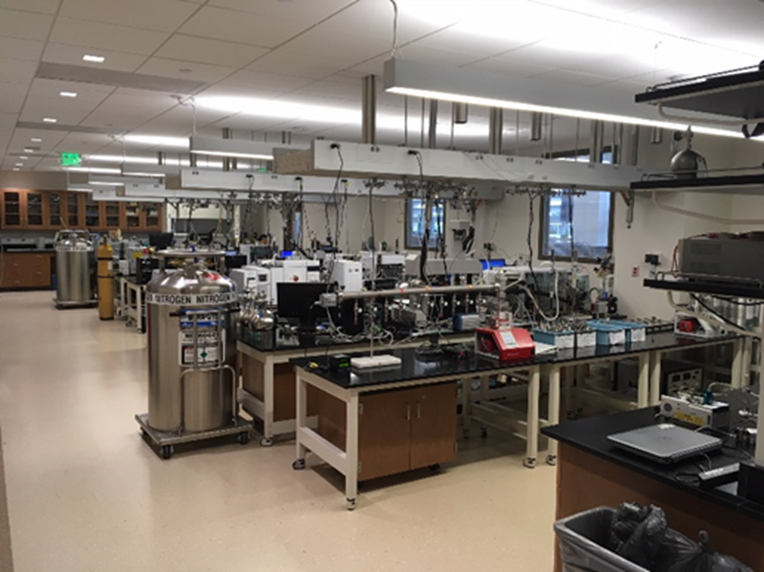
TEC air quality laboratory
The TEC air quality laboratory.
NASA

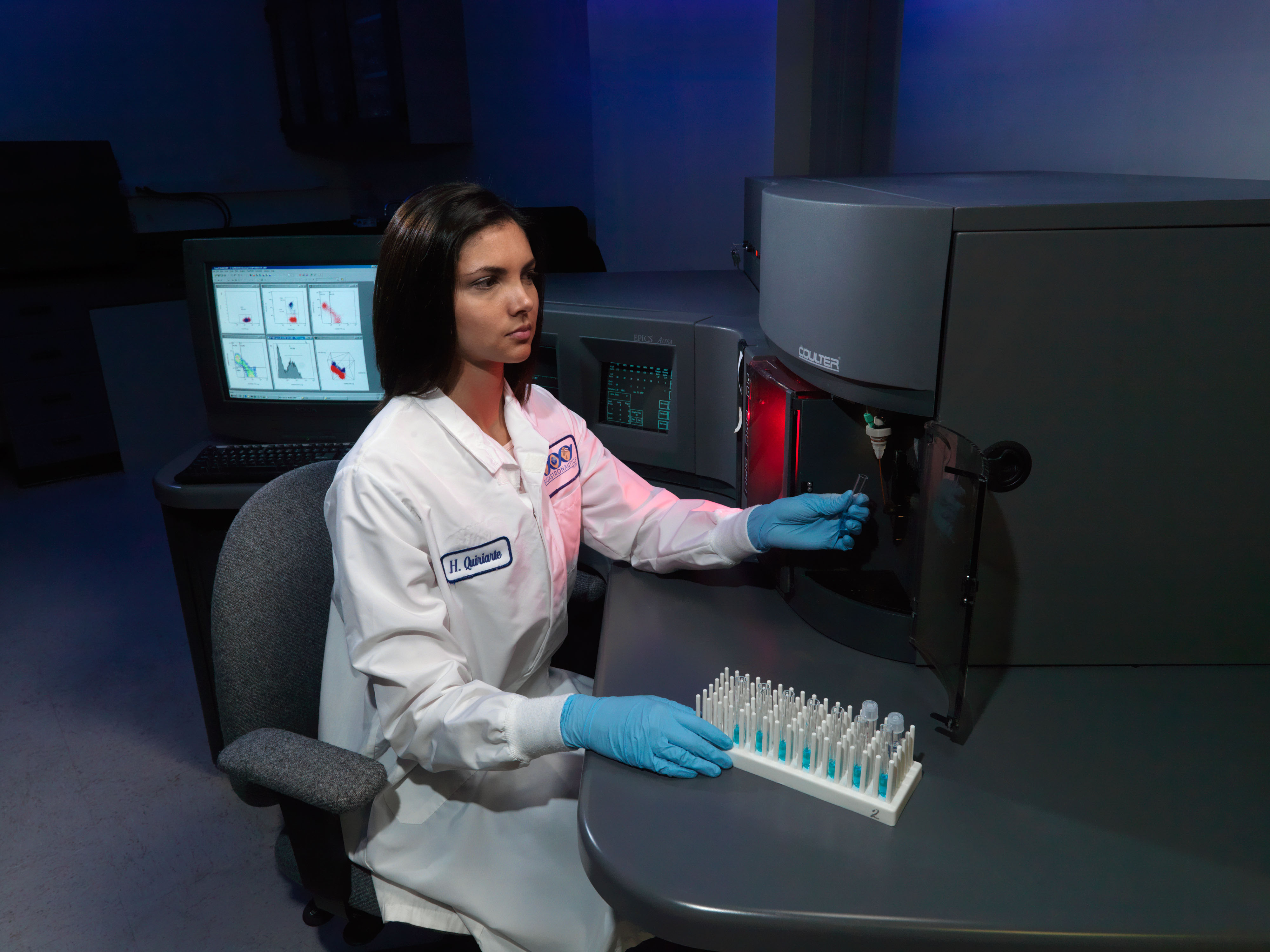
The Environmental Chemistry laboratory at JSC occupies approximately 6,000 sq. ft. of laboratory space in one of the newest buildings on site. This is a fully equipped environmental and analytical laboratory with analysts that have supported multiple human spaceflight programs and provided center support for both gas and liquid analysis. The work in the laboratories operates under an ISO 9001/AS9100-certified quality plan with dedicated and independent quality personnel. 

Liquid chromatograph mass spectrometer.
NASA

The Environmental Chemistry Laboratory monitors for contaminants in spacecraft air using both in-flight and post-flight methods. Onboard the International Space Station (ISS), 2 Air Quality Monitors (AQMs) use gas chromatography/differential mobility spectrometry to detect and quantify 23 target volatile organic compounds to provide near real-time insight into the status of the ISS atmosphere. Other real-time monitors supported by the Environmental Chemistry laboratory include the compound-specific analyzer-combustion products (CSA-CP), which use electrochemical sensors to analyze the atmosphere for the presence of compounds produced by fire, and the CO2 monitor, which uses non-dispersive infrared reflectance to monitor for the presence of elevated CO2. For detailed post-flight analysis in the Environmental Chemistry Laboratory, astronauts use grab sample containers to collect in-flight samples, which are then returned to JSC for a detailed environmental analysis. Similarly, formaldehyde monitoring kits contain badges used to collect formaldehyde. These also are returned to the ground for spectroscopic analysis. 
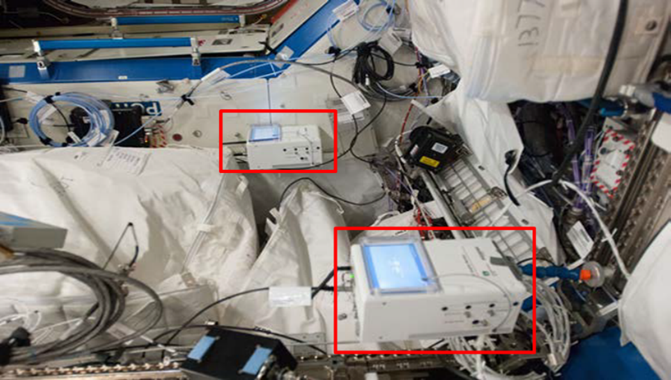
Air quality monitor
Air quality monitors used for volatile organic compound detection positioned in the U.S. Lab on the ISS.
NASA

The Environmental Chemistry Laboratory also analyzes archival samples returned from the ISS. The majority of water consumed by crewmembers on the ISS is recycled from a combination of condensed atmospheric humidity and urine. This wastewater is then treated by the U.S. water processor assembly (WPA) to produce potable water, which is analyzed to ensure that the water meets U.S. potability requirements. Samples of the humidity condensate and condensate/urine distillate also are returned for analysis to provide insight into the operation of the WPA and the overall US water recovery system. The TEC relies upon the in-flight analytical capability provided by the ISS total organic carbon analyzer (TOCA) to determine real-time total organic carbon concentrations, which are used to protect ISS crew health as well as manage the U.S. water system consumables. Similarly, the colorimetric water quality monitoring kit (CWQMK) is used to provide insight into the biocide concentration in the U.S. water.
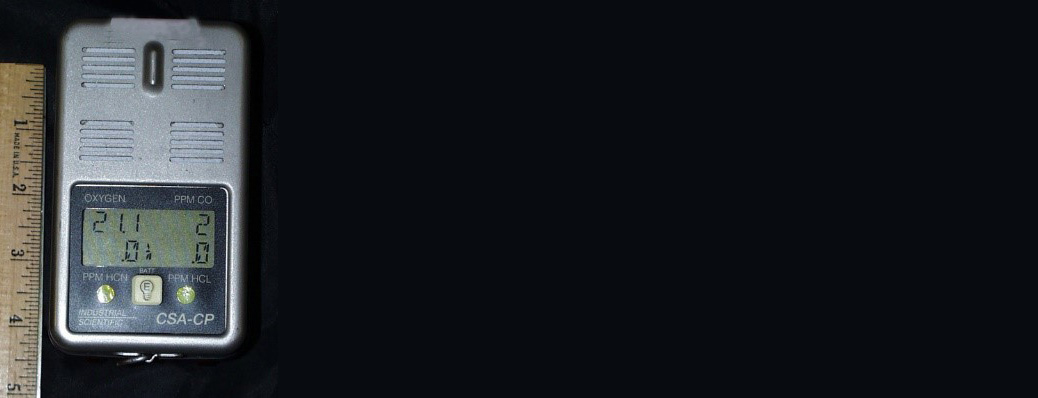
CSA-CP
The CSA-CP used to monitor for evidence of fires or smoldering events on the ISS.
NASA

Water samples are also collected in flight and stored for return to Johnson Space Center.  The following ground-based equipment is used to analyze archival samples to ensure suitable air and water quality:

  • Liquid Chromatography/Refractive Index Detection (LC/RI)
  • Gas Chromatography/Flame Ionization Detector (GC/FID)
  • Gas Chromatography/Thermal Conductivity Detector (GC/TCD)
  • Trace Gas Analyzer
  • Gas Chromatography/Mass Spectrometry (GC/MS)
  • Liquid Chromatography/Mass Spectrometry (LC/MS)
  • Inductively Coupled Plasma/Mass Spectrometry (ICP/MS)
  • Ion Chromatography (IC)
  • UV/VIS Spectrophotometry
  • Fourier Transform Infrared Reflectance (FTIR)
  • Total Organic Carbon Analyzer (TOCA)

In addition to analysis of flight samples and real-time data, the Environmental Chemistry laboratory team plays an important role in the development of new Environmental Control and Life Support Systems hardware by providing analytical support during ground testing. Similarly, the TEC scientists pursue and support technology demonstrations aimed at developing new methods for real-time data collection. Recent examples of this support have included the multi-gas monitor (MGM) and the personal CO2 monitor. TEC scientists make vital contributions to consolidating environmental monitoring hardware to reduce mass and volume requirements, both of which are important as NASA moves to more long-term missions in smaller vehicles.

U.S. TOCA
The U.S. TOCA used to test water quality in real-time on the ISS
NASA

Spaceflight Air and Water Quality

Toxicology and Environmental Chemistry (TEC) monitors airborne contaminants in both spacecraft air and water. In-flight monitors are employed to provide real-time insight into the environmental conditions on ISS. Archival samples are collected and returned to Earth for full characterization of ISS air and water.

Points of Contact

Paul Mudgett, PhD
Valerie Ryder, PhD DABT
Spencer Williams, PhD DABT
William T. Wallace, PhD
Share

Details

Last Updated
Dec 16, 2025
Editor
Robert E. Lewis

Statistics and Data Science

16 December 2025 at 11:14

3 min read

Preparations for Next Moonwalk Simulations Underway (and Underwater)

Biostatistics and Data Science
Statistics and Data Science

Enabling Successful Research

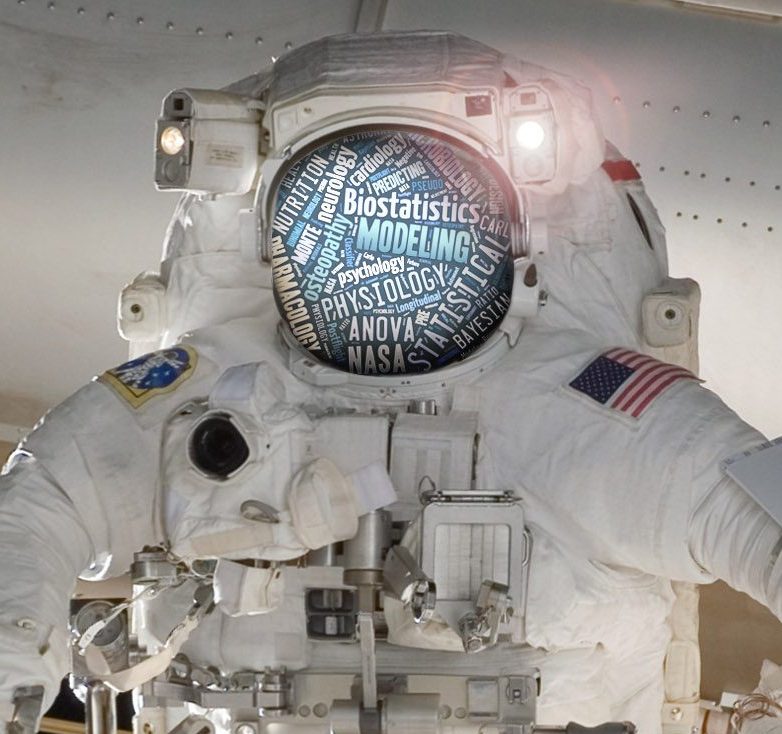
A major aim of biomedical research at NASA is to acquire data to evaluate, understand, and assess the biomedical hazards of spaceflight and to develop effective countermeasures. Data Science (S&DS) personnel provide statistical support to groups within the NASA JSC Human Health and Performance Directorate and other NASA communities. They have expertise in the development of complex study designs, the application of modern statistical methods, and the analysis of data collected under NASA operational constraints (small sample sizes, the limited population of astronauts). 

Fun Fact: Did you know statistics is more than just means and standard deviations? Statistics is the science of collecting, analyzing, presenting and interpreting data. NASA depends on data to make decisions and statistics is crucial to making good decisions. Statistics and Data Science (S&DS) help transform data into evidence.

NASA

NASA

Data Science Support

Beyond statistics, the group aids with data engineering and exploring data. Data engineering includes extracting and transforming data in preparation for analysis and visualization. Data can come in many different formats, the S&DS team helps researchers harmonize (bring data sets together) information across sources. Exploration includes initial analysis and building informative visualizations to deepen the understanding of the evidence. Analyzing and interpreting data to produce insights follow. 

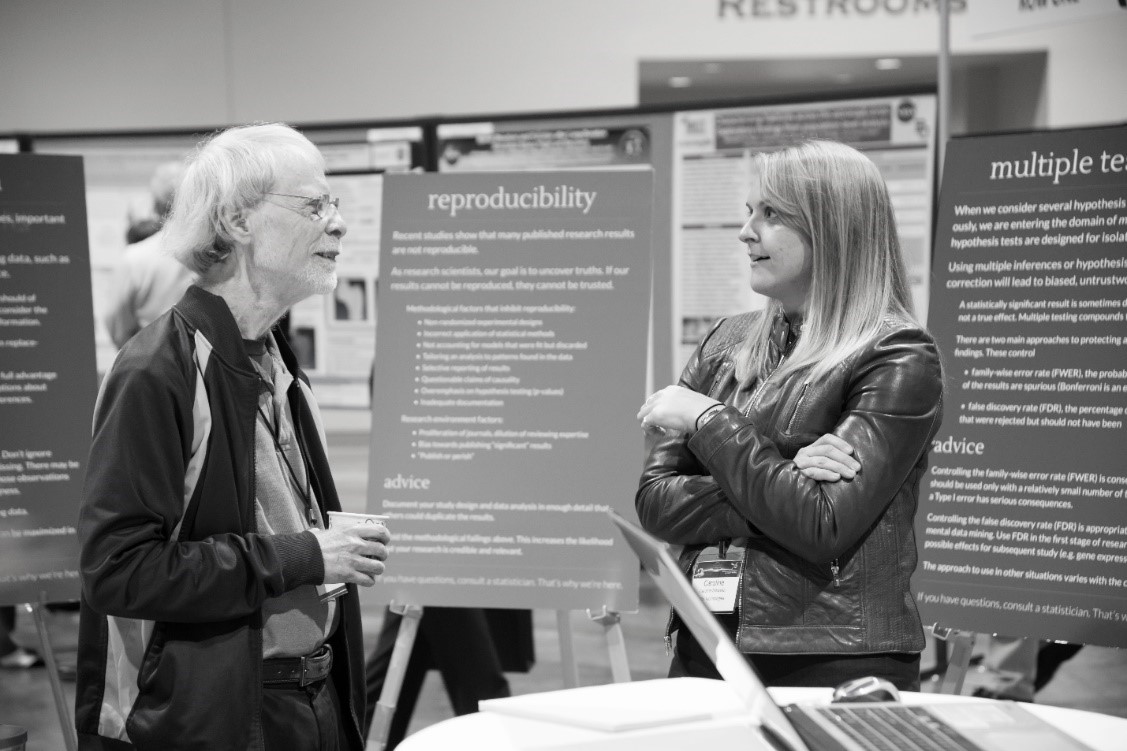
S&DS statistician Dr. Alan Feiveson consulting with Lifetime Surveillance of Astronaut Health’s Statistical Data Analyst Caroline Schaefer at a Statistics helpdesk during the Human Research Program’s Investigators’ Workshop in 2017.
NASA

Statistical Consulting Services

The S&DS team provides collaboration and consulting expertise to the Directorate in the application of statistical theory and practice to ongoing biomedical research. Personnel aid in the preparation of sections of research proposals that deal with experiment design, statistical modeling, and subsequent analysis of anticipated research data. Once data are gathered, S&DS statisticians assist with analysis, visualization, and interpretation of results so that investigators can extract the most information while maintaining statistical integrity. A S&DS statistician may be a co-investigator on a project requiring sophisticated statistical modeling and/or analysis techniques. Through collaboration, members of the S&DS team expand their knowledge base in such diverse medical fields as environmental physiology, osteopathy, neurology, pharmacology, microbiology, cardiology, nutrition, and psychology. To meet the unique data collected by NASA, statisticians may develop new techniques to address challenges such as small sample sizes of ISS studies, missing data, operational constraints, and novel measures of outcome. 

Outreach

Collaborators with the S&DS team often reside within the Directorate, but statistics and data science support is extended to other organizations within the Johnson Space Center, including the Engineering Directorate, Human Resources, and the Education Office. The S&DS team also provides a venue wherein high school, undergraduate, and graduate interns can participate in the analysis and interpretation of NASA biomedical data. Students assigned to the S&DS team have a rare opportunity to gain real-world experience with research in a variety of biomedical fields.

Point of Contact

Millennia Young, PhD

Share

Details

Last Updated
Dec 16, 2025
Editor
Robert E. Lewis

Immunology and Virology

16 December 2025 at 10:36

5 min read

Preparations for Next Moonwalk Simulations Underway (and Underwater)

NASA Immunology and Virology Lab
NASA

Does Spaceflight Alter the Human Immune System?

Getting sick on Earth is nothing to sneeze at, but for astronauts on deep space exploration missions, the risk for contracting diseases may be elevated due to altered immunity. The Human Health and Performance Directorate’s Immunology/Virology Laboratory is ideally suited to study the effects of spaceflight on the immune system. When immune cells do not function properly, the immune system cannot respond properly to threats. This may increase susceptibility to infectious disease. Altered immunity can also lead to latent virus shedding, which is the “reawakening” of certain viruses we contract in our youth by which stay with us through adulthood. Reactivation of these viruses has been observed in some crewmembers. Conversely, when immune activity heightens, the immune system reacts excessively, resulting in things like allergy or persistent rashes, which also have been reported by some crewmembers during flight. Working in collaboration with the Human Research Program, the Immunology/Virology Laboratory is actively working to characterize the changes in astronauts’ immune system during spaceflight as well as developing countermeasures to help mitigate the clinical risks for astronauts during these missions to other planets, moons, or asteroids.

Understanding the Impact of Spaceflight on Human Immune Systems

Immunology/Virology Laboratory team supported studies conducted aboard the Space Shuttle and supports investigations currently performed aboard the ISS. For studies of astronauts, the laboratory validated a novel sampling strategy to return ambient live astronaut blood samples to Earth for comprehensive immunological testing and has developed several novel biomedical assays to evaluate immunity in humans. Results from a recent immunology investigation aboard the ISS called “Validation of Procedures for Monitoring Crewmember Immune Function” or “Integrated Immune”’ were published in the journal Nature Microgravity. The data confirms that ISS crews have alterations in both the number and function of certain types of immune cells and that these alterations persist for the duration of a 6-month spaceflight. Other data from the study published in the Journal of Interferon & Cytokine Research indicates that ISS crews have changes in their blood levels of specific immune proteins called ”cytokines” during flight which persist for the duration of a 6-month mission. The laboratory is currently preparing to support physiological monitoring of Artemis deep space astronauts via novel technology developed in-house. 

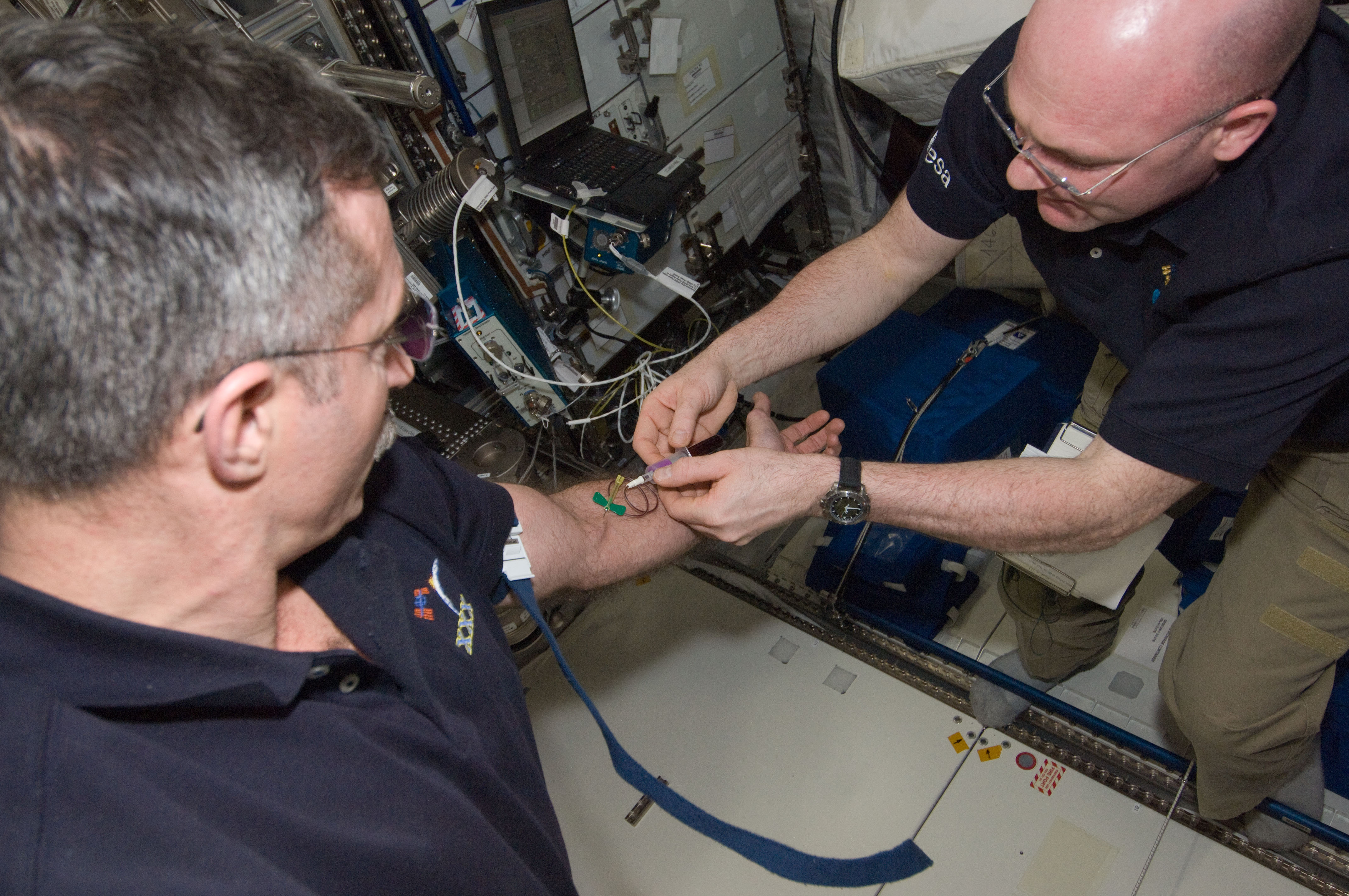
blood sample draw at the HRF
SS crewmembers work together during an Integrated Immune Study blood sample draw at the Human Research Facility (HRF).
NASA

Learning About Spaceflight While on Earth  

The Immunology/Virology Laboratory also supports human investigations performed in Earth-based “space analog” situations. Such analogs are places where some specific conditions of spaceflight are replicated. Examples include undersea deployment, closed chamber isolation, or Antarctica winter over. Analog work may shed mechanistic light on the causes of alterations observed during flight or provide locations useful for the testing of countermeasures. The Immunology Laboratory recently supported a European Space Agency 2-year study performed at Concordia Station, Dome C, and Antarctica. Biomedical samples were collected, processed, and stabilized over the Antarctica winter by Concordia crewmembers, and preserved for shipment to NASA. The data revealed that Concordia crewmembers also experience unique patterns of immune dysregulation, some of which are like astronauts’ patterns. The laboratory also has supported recent studies in Antarctica at McMurdo Station, Neumayer III Station, and Palmer Station.

The Immunology/Virology Laboratory team also participates in ground-based investigations to determine the mechanistic reasons why certain types of immune cells do not function well during microgravity conditions. For these studies, a terrestrial “model” of microgravity cell culture is employed, referred to as “clinorotation.” Essentially, cell cultures are slowly rotated around a horizontal axis. During clinorotation, immune cells generally respond as they would during spaceflight.

NASA Immunologist Brian Crucian discusses the findings of a collaborative investigation that determined spaceflight causes changes to the immune system.

Improving Life in Space and on Earth

To “connect the dots” between observed immune changes in astronauts and potential adverse clinical consequences, the Immunology/Virology Laboratory team may support Earth-based clinical investigations. These investigations consist of studies, conducted in collaboration with physicians, of defined patent populations. The same assays, which define immune changes in astronauts, may be applied to clinical patients and the data will help NASA scientists and flight surgeons interpret the flight information, in the context of clinical risk to astronauts. To date, the Immunology/Virology Laboratory team has supported a European clinical investigation of emergency room patients, and a Houston-based investigation of shingles patients.

The Immunology/Virology Laboratory team has developed, working with translational scientists all over the world, a potential countermeasure to improve immunity in deep-space astronauts. The protocol published in the Frontiers in Immunology consists of stress-relieving techniques, certain nutritional supplements, a prescription of aerobic and resistive exercise, certain medications, and monitoring. This protocol soon will be tested at Palmer Station, Antarctica, to be followed by a flight validation aboard ISS. 

Our Facility, Technology, and Hardware

Immunologists and virologists comprise the core research staff of the laboratory and postdoctoral associates, visiting scientists, and graduate students routinely perform rotations of varying lengths in the laboratory. The laboratory currently possesses an array of sophisticated research equipment, including:

  • Ten-, and Four-color Flow Cytometers
  • 41-analyte capable Multiplex Analyzer
  • Real-time Polymerase Chain Reaction System
  • Fluorescent Microscopes
  • Confocal Microscope
  • Cell culture, including modeled-microgravity, facilities

In addition, we partner with the Bioanalytical Core Laboratory (BCL) to leverage equipment such as the environmental scanning electron microscope.

Points of Contact

Brian Crucian, PhD
Mayra Nelman-Gonzalez
Satish Mehta, PhD

Share

Details

Last Updated
Dec 16, 2025
Editor
Robert E. Lewis

💾

NASA Immunologist Brian Crucian discusses the findings of a collaborative investigation that determined spaceflight causes changes to the immune system.

Exposure Guidelines (SMACs and SWEGs)

16 December 2025 at 10:35

4 min read

Preparations for Next Moonwalk Simulations Underway (and Underwater)

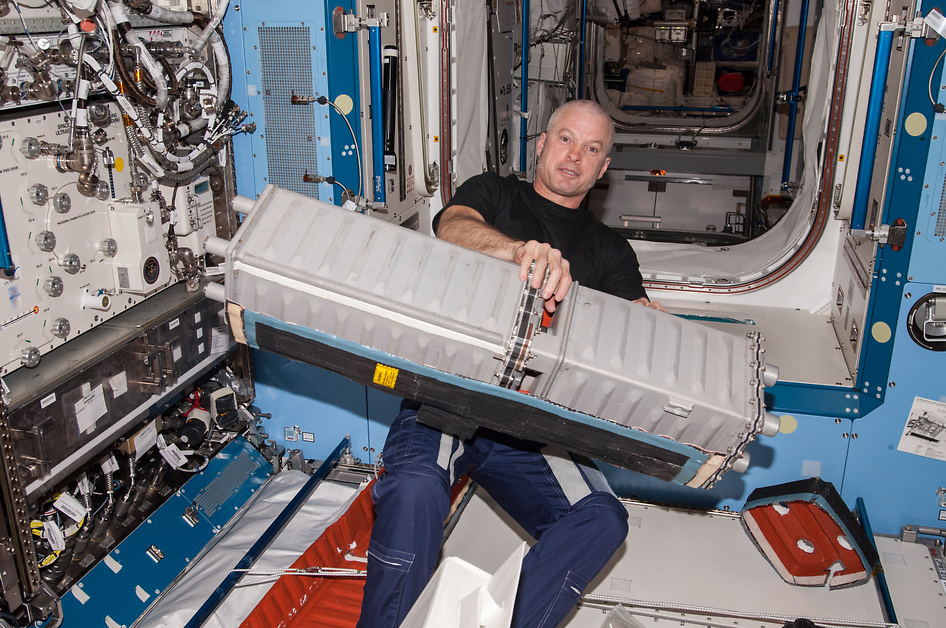
Commander Steve Swanson With Carbon Dioxide Removal Assembly
NASA astronaut Steve Swanson, Expedition 40 commander, holds the Carbon Dioxide Removal Assembly (CDRA) in the Kibo laboratory of the International Space Station. (30 June 2014)
NASA

The JSC toxicologists establish guidelines for safe and acceptable levels of individual chemical contaminants in spacecraft air (SMACs) and drinking water (SWEGs) in collaboration with the National Research Council’s Committee on Toxicology (NRC COT) and through peer-reviewed publication.  The framework for establishing these levels is documented for SMACs and SWEGs, and recent refinements to the Methods reflect current risk assessment practices.

In addition to official SMACs used for the evaluation of spacecraft air, JSC toxicologists set interim 7-day SMAC values that are listed in NASA Marshall Space Flight Center’s Materials and Processes Technical Information System (“MAPTIS”), which is used to evaluate materials and hardware off-gassing data.  

Spacecraft Maximum Allowable Concentrations for Selected Airborne Contaminants

A table listing the official NASA SMAC values is published in JSC 20584 (PDF, 1MB) (Last revised – June 2024). References for the published values are provided below:

Spacecraft Water Exposure Guidelines for Selected Waterborne Contaminants

A table listing the official NASA SWEG values is published in JSC 63414 Rev A (PDF, 426KB) (Last revised – November 2023). References for the published values are provided below:

  • NRC (2004) Spacecraft Water Exposure Guidelines for Selected Contaminants, Volume 1, National Academy Press, Washington, D.C.
  • NRC (2006) Spacecraft Water Exposure Guidelines for Selected Contaminants, Volume 2, National Academy Press, Washington, D.C.
  • NRC (2008) Spacecraft Water Exposure Guidelines for Selected Contaminants, Volume 3, National Academy Press, Washington, D.C.
  • Ramanathan R, James JT, McCoy T. (2012) Acceptable levels for ingestion of dimethylsilanediol in water on the International Space Station. Aviat Space Environ Med. 83(6):598-603.
  • Garcia, HD, Tsuji, JS, James, JT. (2014) Establishment of exposure guidelines for lead in spacecraft drinking water. Aviat Space Environ Med. 85:715-20.

Share

Details

Last Updated
Dec 16, 2025
Editor
Robert E. Lewis
Keep Exploring

Discover More Topics From NASA

❌
❌