
❌

Normal view

There are new articles available, click to refresh the page.
Before yesterdayMain stream

Madapalli Puliyodharai | Temple Style Tamarind Rice

8 September 2025 at 15:34

Madapalli Puliyodharai | Temple Style Tamarind Rice is not just food – it’s a divine experience. This humble yet soul-satisfying rice dish is one of the most cherished prasads offered in Vishnu and Hanuman temples across the world. While many of us prepare tamarind rice at home, nothing truly compares to the unique flavor, aroma, and spiritual essence of temple-style puliyodharai. I was fortunate to learn this authentic recipe from a friend whose family is closely associated with the Divyadesams around Sirkazhi, where the madapalli (temple kitchen) recipes are preserved with utmost devotion. The result is a tangy, aromatic, and utterly addictive dish that tastes just like the puliyodharai served in Tirumala Madapalliβ€”an offering so divine, it lingers in your memory long after the last bite.

Madapalli Puliyodharai | Temple Style Tamraind Rice

Madapalli PuliyodharaiΒ is a temple staple and is served as prasad year-round, but it gains extra significance duringΒ Vaikunta Ekadasi, Purattasi Saturdays (dedicated to Lord Venkateswara), Hanuman Jayanthi, and other major temple festivals. In many homes, it’s also a go-to offering forΒ Navaratri, Aadi Perukku, and special pujas, since it keeps well without refrigeration and is perfect for distributing as prasadam to devotees. The long shelf life of tamarind rice makes it a traditional favorite forΒ festivals, temple gatherings, and travel foodΒ too.

[feast_advanced_jump_to]

What’s Special about Temple Puliyodharai?

We’ve all wondered why temple prasad tastes so irresistibly delicious. In most large temples, there is a dedicatedΒ madapalliΒ (temple kitchen) where prasadam is prepared fresh in large quantities every single day. I truly believe that the divine blessings infused in the cooking make the prasadam extra special. Beyond that, the process itself adds to the magicβ€”cooking in traditionalΒ uruliΒ (large bronze vessels) over an open flame imparts a subtle smoky flavor, elevating the taste of rice, pongal, or any other prasadam served in temples. It’s this unique combination of devotion, tradition, and technique that makes temple-style puliyodharai so unforgettable.

Ingredients

Every component ofΒ Madapalli PuliyodharaiΒ is thoughtfully chosen to craft that revered, temple-style flavor:

  • TamarindΒ brings the essential tang that makes this rice both soul-soothing and vibrant.
  • A balanced mix ofΒ dal, spices, and asafoetidaΒ in theΒ spice powderΒ adds depth, aroma, and a savory complexity that’s far more nuanced than basic seasonings.
  • TheΒ first tempering, with sesame oil, legumes, peanuts, and chilies, contributes rich texture, gentle heat, and an inviting nuttiness that gives the dish its crunchy, golden charm.
  • TheΒ second temperingβ€”mustard seeds, turmeric, and curry leaves in aromatic oilβ€”adds layers of fragrance, warmth, and a final burst of flavor.
  • Sesame oilΒ isn’t just any cooking medium; its distinctive nutty aroma is critical to that authentic temple fragrance.
  • Cooked rice, ideally soft yet firm (Ponni or Sona Masoori), acts as the canvas for these bold flavors.

Together, this ensemble of ingredients produces a temple-style puliyodharai that's savory, tangy, aromatic, and texturedβ€”perfect for prasadam, festivals, or a soul-hugging meal.

See recipe card for quantities.

Instructions

  1. Soak the tamarind in warm water for about 10 minutes and extract a thick juice. Alternatively, you can dissolve 2 tablespoons of tamarind paste in 1 cup of water and set it aside.
  1. Heat a pan and dry roast all the ingredientsβ€”urad dal, channa dal, fenugreek seeds, peppercorns, red chilies, asafoetida, and curry leavesβ€”until the dals turn golden brown and release a fragrant aroma..
  1. Allow the roasted mixture to cool completely, then transfer it to a mixer jar and grind into a fine powder. Set this spice powder aside for later use.
  1. Heat oil in a pan. Once hot, add split urad dal, channa dal, peanuts, curry leaves, asafoetida, and red chilies. SautΓ© until the dals turn golden brown and aromatic.
  1. Add the tamarind juice along with salt and let it boil for about 10 minutes.
  1. After it has reduced slightly, add the prepared spice powder and mix well. Stir continuously to ensure the powder blends smoothly with the tamarind baseβ€”otherwise, lumps may form.
  1. Keep stirring and allow the mixture to simmer on a low flame until it thickens into a paste. Once the Puliyodharai mix reaches a thick consistency, switch off the flame.
  1. Step 2: Form into ball shape with your hands
  1. Heat oil in another pan and add mustard seeds. Allow them to crackle. Next, add turmeric powder and curry leaves, mix briefly, and switch off the flame.
  1. Pour this tempering over the Puliyodharai mixture. Your deliciousΒ Madapalli PuliyodharaiΒ is now ready to serve!
  1. Spread the cooked rice in a wide plate or bowl. Add a little salt and sesame oilβ€”keep in mind that the Puliyodharai mix already contains salt, so just about ΒΌ teaspoon is enoughβ€”and mix gently. Spoon in 3–4 tablespoons of the Puliyodharai mixture and fold it into the rice carefully.Β 
Madapalli Puliyodharai | Temple Style Tamraind Rice
  1. YourΒ Temple Style Tamarind RiceΒ is now ready to serve!”

Hint: When preparing the spice powder, ensure you roast the dals and spices evenly on medium heat. This brings out the aroma and prevents any bitterness. Also, always stir continuously when mixing the Puliyodharai paste with the spice powder to avoid lumps.

Variations

Β 1. Iyengar-Style Puliyodharai

This traditional version includes roasted sesame seeds, adding a nutty aroma and flavor. It's commonly served as prasadam in temples.

2. Andhra Pulihora

A spicier variant from Andhra Pradesh, this version incorporates green chilies and ginger, offering a zesty kick. It's quick to prepare and perfect for lunchboxes.

3. Karnataka Puliyogare

In this Karnataka-style tamarind rice, dry coconut (kopra) and mustard seeds are added to the spice mix, creating a distinct flavor profile. It's a delightful twist on the traditional recipe.

4. Pacha Puli Sadam (Instant Raw Tamarind Rice)

For a quick fix, this recipe uses raw tamarind and red chili paste mixed directly with hot rice, eliminating the need for boiling tamarind. It's ideal for busy days or travel.

Storage

  • Store theΒ Puliyodharai pasteΒ in an airtight container in the refrigerator. It will stay fresh forΒ up to 5–6 days.
  • Keep theΒ cooked riceΒ separate from the paste if storing longer, and combine just before serving to maintain the best texture and flavor.
  • This dishΒ does not freeze well, as the texture and taste of tamarind rice may change upon thawing.
  • For best results, always reheat gently on a low flame or in a microwave before serving.

Top Tip

If you're going to make this recipe, make sure to follow this top tip!

The secret to a perfect temple-style Puliyodharai lies inΒ roasting the spice ingredients evenly and stirring continuously when mixing the spice powder with the tamarind juice. This prevents lumps, brings out the full aroma of the spices, and ensures a smooth, flavorful paste. Also, simmer gently on low heatβ€”overcooking can make the paste too thick or bitter.

Related

Looking for other recipes like this? Try these:

Pairing

  • ServeΒ hot with a dollop of gheeΒ for an extra aromatic and rich flavor, just like in temples.
  • Pair withΒ papad (appalam),Β pickle, orΒ yogurt (curd)Β to balance the tanginess.
  • Garnish withΒ freshly roasted sesame seedsΒ or a fewΒ curry leavesΒ for added aroma and texture.
  • This tamarind rice also makes aΒ perfect prasadam or festive dishΒ for Navaratri, Vaikunta Ekadasi, or special poojas.
  • For a lighter meal, enjoy it withΒ vegetable stir-fries

Recipe Card

Madapalli Puliyodharai | Temple Style Tamarind Rice served in a bowl, garnished with curry leaves and sesame seeds
Print

Madapalli Puliyodharai | Temple Style Tamarind Rice

Experience the authentic taste ofΒ Madapalli Puliyodharai | Temple Style Tamarind Rice, a tangy, aromatic dish served as prasadam in Vishnu and Hanuman temples. This temple-style tamarind rice is made with a unique blend of roasted spices, tempering, and freshly cooked rice, delivering the exact flavor and aroma you would find in temple kitchens. Perfect for festive occasions, special pujas, or a soul-satisfying meal, this recipe brings the divine taste of temple prasadam right to your home.
Course Festival, Rice Varieties
Cuisine Indian, South Indian, Tamil Nadu
Prep Time 20 minutes
Cook Time 30 minutes
Total Time 50 minutes
Servings 4 people
Calories 270kcal
Author Sowmya Venkatachalam

Equipment

  • 1 Heavy Bottomed Pan
  • 1 Mixer Grinder

Ingredients

  • 1 Lemon Size Tamarind or 2 Tablespoon Tamarind Paste
  • 1Β½ teaspoon Salt Adjust to your taste

For Spice Powder

  • 1 teaspoon Urad Dal
  • 1 teaspoon Split Bengal Gram (Channa Dal / Kadalaparuppu)
  • Β½ teaspoon Fenugreek seeds
  • 1 teaspoon Peppercorns
  • 10 Red Chili
  • 1 Pinch Asafoetida (Asafetida / Hing)
  • 1 sprig Curry leaves

First Tempering

  • 3 tablespoon Sesame Oil
  • 2 teaspoon Split Urad Dal
  • 2 teaspoon Split Bengal Gram (Channa Dal / Kadalaparuppu)
  • 1 tablespoon Peanuts
  • 6 nos Red Chili
  • 1 pinch Asafoetida (Asafetida / Hing)

Second Tempering

  • 1 tablespoon Sesame Oil
  • 1 teaspoon Mustard Seeds
  • Β½ teaspoon Turmeric Powder
  • 1 sprig Curry Leaves

Tamarind Rice

  • 2 Cups Cooked Rice
  • Β½ teaspoon Salt adjust to your taste
  • 1 teaspoon Sesame Oil
  • 1 sprig Curry Leaves

Instructions

Prepare Tamarind Juice

  • Soak the tamarind in warm water for about 10 minutes and extract thick juice. Alternatively, dissolve 2 tablespoons of tamarind paste in 1 cup of water and set aside.
    1 Lemon Size Tamarind

Make the Spice Powder

  • Heat a pan and dry roast urad dal, channa dal, fenugreek seeds, peppercorns, red chilies, asafoetida, and curry leaves until the dals turn golden brown and aromatic.
    1 teaspoon Urad Dal, 1 teaspoon Split Bengal Gram (Channa Dal / Kadalaparuppu), Β½ teaspoon Fenugreek seeds, 1 teaspoon Peppercorns, 10 Red Chili, 1 Pinch Asafoetida (Asafetida / Hing), 1 sprig Curry leaves
  • Let the mixture cool completely, then grind into a fine powder using a mixer. Set aside.

First Tempering

  • Heat sesame oil in a pan. Add split urad dal, channa dal, peanuts, red chilies, curry leaves, and a pinch of asafoetida.
    3 tablespoon Sesame Oil, 2 teaspoon Split Urad Dal, 2 teaspoon Split Bengal Gram (Channa Dal / Kadalaparuppu), 1 tablespoon Peanuts, 6 nos Red Chili, 1 sprig Curry Leaves, 1 pinch Asafoetida (Asafetida / Hing)
  • SautΓ© until the dals turn golden brown and aromatic.

Cook Tamarind Base

  • Add the tamarind juice and salt to the pan and bring it to a boil for about 10 minutes.
    1Β½ teaspoon Salt
  • Stir in the prepared spice powder gradually, mixing continuously to avoid lumps.
  • Simmer on very low flame until the mixture thickens into a paste. Switch off the flame once thick.

Second Tempering

  • In another small pan, heat sesame oil and add mustard seeds. Allow them to crackle.
    1 tablespoon Sesame Oil, 1 teaspoon Mustard Seeds
  • Add turmeric powder and curry leaves, mix briefly, and switch off the flame.
    Β½ teaspoon Turmeric Powder, 1 sprig Curry Leaves
  • Pour this tempering over the Puliyodharai mixture

Assemble with Rice

  • Spread the cooked rice in a wide plate or bowl.
    2 Cups Cooked Rice
  • Add ΒΌ teaspoon of salt and a little sesame oil, mixing gently.
    Β½ teaspoon Salt, 1 teaspoon Sesame Oil
  • Add 3–4 tablespoons of Puliyodharai mixture and fold gently into the rice. Add more if desired, mixing carefully to coat the rice evenly.
  • Temple Style Tamarind Rice is now ready to serve!

Video

Notes

Tips for Perfect Madapalli Puliyodharai

  1. Use fresh tamarind – Fresh tamarind or good-quality paste gives the best tangy flavor. Avoid overly processed tamarind pastes as they can be too sweet or diluted.
  2. Roast the spices properly – Dry roast the dals and spices until golden and aromatic; under-roasting can make the spice powder bland.
  3. Mix spice powder slowly – Always stir continuously when adding the spice powder to tamarind juice to avoid lumps.
  4. Simmer on low heat – Allow the Puliyodharai paste to thicken gently; high heat may make it bitter.
  5. Use freshly cooked rice – Slightly firm, warm rice absorbs the flavors better. Avoid rice that’s too soft or overcooked.
  6. Tempering makes a difference – Don’t skip the second tempering with mustard, turmeric, and curry leavesβ€”it adds authentic temple aroma.
  7. Adjust tanginess and spice – Taste and tweak tamarind or red chili according to preference.
  8. Storage tip – Store paste and rice separately for best results if making ahead; recombine before serving.

Nutrition

Serving: 0.5Cup | Calories: 270kcal | Carbohydrates: 36g | Protein: 5g | Fat: 12g
Madapalli Puliyodharai | Temple Style Tamraind Rice
Delicious Madapalli Puliyodharai, a tangy and aromatic temple-style tamarind rice, perfect as prasadam or a festive meal.

The post Madapalli Puliyodharai | Temple Style Tamarind Rice appeared first on Subbus Kitchen.
Lemon Rice

6 September 2025 at 00:52

Lemon RiceΒ is a vibrant and comforting South Indian dish, loved for its refreshing citrus flavor and aromatic tempering of spices. Cooked rice is infused with freshly squeezed lemon juice, curry leaves, green chilies, and a touch of turmeric, creating a dish that is both simple and irresistibly flavorful. It’s a staple in many households, often prepared for festivals, special occasions, or as a wholesome everyday meal that can be enjoyed on its own or paired with accompaniments like papad, pickle, or any poriyal like Potato fry.

A bowl of South Indian Lemon Rice garnished with curry leaves, green chilies, and roasted peanuts, served fresh and vibrant yellow.
Tangy, refreshing, and packed with flavor – this South Indian Lemon Rice is a perfect comfort meal for any day!

Lemon Rice is a beloved part of South Indian cuisine and is often prepared as a quick, refreshing meal year-round. It holds a special place during festivals and religious occasions, particularly in Tamil Nadu and Karnataka, where it is commonly made forΒ Aadi PerukkuΒ (a festival dedicated to rivers and water bodies). It is also one of the most popularΒ prasadam (temple offerings), as its tangy, non-perishable nature makes it ideal for distribution. Beyond festivals, Lemon Rice is a go-to dish for travel, picnics, and packed lunches because it stays fresh for hours and tastes even better as the flavors meld over time.

Perfect Pairings for Lemon Rice

If you're packing this for a lunch box,Β Lemon Rice with Β lady’s finger fryΒ (okra) as an ideal accompaniment that brings texture and flavor contrastΒ 

For a flavorful twist, tryΒ Masala Lemon Rice, which elevates the classic with freshly ground masala spices. It plays beautifully with anyΒ stir-fry vegetables or papadβ€”especially if you’re craving something crunchyΒ 

Want to swap the base entirely? TheΒ Lemon SevaiΒ (lemon-seasoned rice noodles) uses the same vibrant tempering as Lemon Rice but delivers a different mouthfeelβ€”perfect if you're in the mood for something lighter or a little change in texture

[feast_advanced_jump_to]

Ingredients

These carefully chosen ingredients makeΒ Lemon RiceΒ irresistibly flavorful. TangyΒ lemonΒ brightens the dish,Β turmericadds color and subtle earthiness, whileΒ mustard seeds, dals, peanuts, and asafoetidaΒ create a crunchy, aromatic tempering.Β Curry leaves and chiliesΒ add freshness and mild heat, and a touch ofΒ sesame oilΒ ties all the flavors together for a vibrant, comforting South Indian classic.

  • Lemon
  • Cooked rice
  • Turmeric powder
  • Salt
  • Fenugreek powder
  • Sesame oil
  • Mustard seeds
  • Split urad dal
  • Split Bengal gram (channa dal)
  • Peanuts
  • Asafoetida (hing)
  • Curry leaves
  • Green chili
  • Red chili

See recipe card for quantities.

Instructions

  1. Cut the lemons in half and squeeze out the juice. Add salt to the lemon juice and set it aside. Spread the cooked rice on a broad plate and allow it to cool slightly.
  1. In a heavy-bottomed pan, heat the gingelly (sesame) oil. Add the mustard seeds and let them sputter. Then add the split urad dal, channa dal, peanuts, red chili and curry leaves. Add a pinch of hing (asafoetida). Fry until the dals turn golden brown.
  1. Add the chopped green chilies and turmeric powder, then remove the pan from heat
  1. Gently fold in the cooked rice, salt, and fenugreek powder, taking care not to mash the grains.
  1. Finally, pour in the lemon juice, adjust salt to taste, and mix gently until everything is well combined.
Lemon Rice
  1. Serve with Papad, fryums or stir-fry vegetables.

Spice-up the Lemon Rice

  • Roasted Fenugreek & Red Chili Paste:Β Dry roast ΒΌ teaspoon of fenugreek seeds with 2 red chilies, grind them, and mix into the rice. This adds a rich, aromatic flavor that elevates the dish.
  • Fresh Masala for Masala Lemon Rice:Β Add freshly prepared masala to transform your Lemon Rice into a flavorfulΒ Masala Lemon Rice. Follow our recipeΒ hereΒ for step-by-step instructions.
  • Crunchy Peanuts:Β Toss in fried peanuts to give the rice a satisfying crunch and nutty depth.
  • Chilies for Flavor & Spice:Β Use a combination of red and green chilies to enhance both the heat and aroma.
  • Ginger Twist:Β Finely chopped ginger can be added in place of asafoetida (hing) for a unique flavor and refreshing taste.

Top Tip

Here are expert tips to make yourΒ Lemon RiceΒ truly shine:

  • Use cooled or day-old rice:Β Prevents clumping and keeps grains fluffy.
  • Temper spices in hot oil:Β Mustard seeds, dals, and chilies release maximum aroma and flavor.
  • Add lemon juice last:Β Preserves the bright, tangy flavor without overpowering the dish.
  • Optional crunch:Β Toss in fried peanuts for added texture.
  • Ginger twist:Β Finely chopped ginger can replace hing for a fresh, zesty note.

Related

Looking for other recipes like this? Try these:

Pairing

These are my favorite dishes to serve with Lemon Rice

Lemon Rice
Print

Tangy & Flavorful Lemon Rice | Easy South Indian Recipe

Lemon RiceΒ is a classic South Indian dish bursting with tangy, zesty flavors and aromatic spices. Made with fluffy cooked rice, fresh lemon juice, turmeric, and a flavorful tempering of mustard seeds, dals, peanuts, curry leaves, and chilies, it’s quick to prepare and perfect for everyday meals, lunch boxes, or festive occasions. Add a few fried peanuts or a touch of fresh ginger to elevate the taste and texture. Light, refreshing, and utterly satisfying, this Lemon Rice is a must-try comfort food that everyone will love.
Course Rice Varieties
Cuisine Indian, South Indian, Tamil Nadu
Prep Time 5 minutes
Cook Time 20 minutes
Total Time 25 minutes
Servings 2 people
Calories 300kcal
Author Sowmya Venkatachalam

Equipment

  • 1 Heavy Bottomed Pan

Ingredients

  • 1 nos Lemon
  • 1 Cup Cooked Rice 1 Cup - 250ml
  • ΒΌ teaspoon Turmeric Powder
  • 1 teaspoon Salt adjust to your taste
  • ΒΌ teaspoon Fenugreek Powder

For Tempering

  • 2 tablespoon Sesame Oil
  • 1 teaspoon Mustard seeds
  • Β½ teaspoon Split Urad Dal
  • 2 teaspoon Split Bengal Gram (Channa Dal / Kadalaparuppu)
  • 1 tablespoon Peanuts
  • ΒΌ teaspoon Asafoetida (Asafetida / Hing)
  • 1 sprig Curry Leaves
  • 2 nos Green Chili
  • 1 nos Red Chili

Instructions

  • Cut the lemons in half and squeeze out the juice. Add salt to the lemon juice and set it aside.
    1 nos Lemon, 1 teaspoon Salt
  • Spread the cooked rice on a broad plate and allow it to cool slightly.
    1 Cup Cooked Rice
  • In a heavy-bottomed pan, heat the gingelly (sesame) oil. Add the mustard seeds and let them sputter. Then add the split urad dal, channa dal, peanuts, red chili and curry leaves. Add a pinch of hing (asafoetida). Fry until the dals turn golden brown.
    2 tablespoon Sesame Oil, 1 teaspoon Mustard seeds, Β½ teaspoon Split Urad Dal, 2 teaspoon Split Bengal Gram (Channa Dal / Kadalaparuppu), 1 tablespoon Peanuts, ΒΌ teaspoon Asafoetida (Asafetida / Hing), 1 nos Red Chili, 1 sprig Curry Leaves
  • Add the chopped green chilies and turmeric powder, then remove the pan from heat. Gently fold in the cooked rice, salt, and fenugreek powder, taking care not to mash the grains.
    ΒΌ teaspoon Turmeric Powder, 2 nos Green Chili, ΒΌ teaspoon Fenugreek Powder
  • Finally, pour in the lemon juice, adjust salt to taste, and mix gently until everything is well combined.
  • Your deliciousΒ Lemon RiceΒ is ready to serve! Pair it withΒ appalam/papadΒ orΒ vadamΒ for the perfect meal.

Video

Notes

Tips for the Perfect Lemon Rice
  • You can use any type of riceβ€”Sona Masoori, Ponni Arisi, or even Basmatiβ€”to make Lemon Rice.
  • Add finely chopped ginger for a fresh, zesty twist.
  • Leftover rice works perfectly for this recipe, making it a great way to use up rice from previous meals.
  • For a pop of color and extra nutrition, optionally add grated carrot.
  • The amount of lemon juice depends on the tanginess of your lemons. Taste the rice and adjust accordingly. The flavor may be strong initially, but it mellows as it sits.
  • For an extra layer of spice, dry roast ΒΌ teaspoon fenugreek seeds with 2 red chilies, grind, and add to the rice.
  • You can also add masala during tempering to make a more aromatic, masala-style Lemon Rice.

Nutrition

Serving: 1g | Calories: 300kcal | Carbohydrates: 94g | Protein: 13g | Fat: 20g
Lemon Rice
Lemon Rice

The post Lemon Rice appeared first on Subbus Kitchen.
Thatta Payiru Sadam | Karamani Sadam | Cow Peas Rice

24 December 2022 at 13:40
Reading Time: 6 minutes

Thatta Payiru Sadam is a staple one-pot recipe from Kongu Cuisine. Kongu Nadu comprises of Western Tamilnadu districts such as Coimbatore, Erode, Thirupur, Salem, Karur, Namakkal,Dharmapuri etc. Rice is predominately used as staple food along with cholam, kambu, kezhvaragu and different kinds of pulses. Arisi Paruppu Sadam is one of the most common one-pot recipe from Kongu cuisine. In Arisi Paruppu Sadam we use thoor dal and rice. Thatta Payiru Sadam is also similar to Arisi Paruppu Sadam but instead of toor dal we use Black-eyed Cow peas which we call as Thatta Payiru or Karamani Payiru in Tamil. This is also a one-pot Rice recipe that is rich in protein and fiber. A perfect kids Lunch Box recipe.

Benefits of Black-eyed Cow Peas:

Black-eyed peas are highly nutritious and associated with many impressive health benefits. These are not peas but rather a type of bean. Black-eyed peas are high in protein and fiber, along with micronutrients such as folate, copper, and thiamine.Β Due to their content of protein andΒ soluble fiber, adding black-eyed peas to your diet is a great way to boost weight loss. It improves digestive health, and support better heart health.

Tips for making Thatta Payiru Sadam:

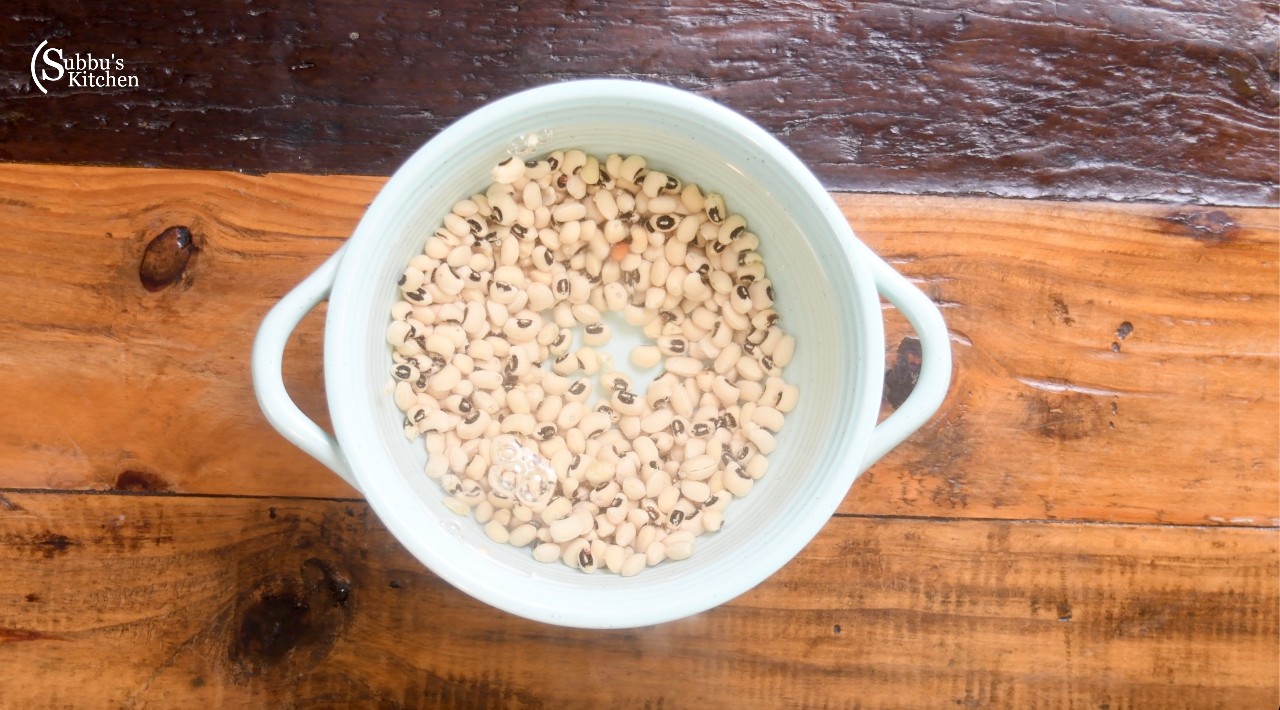
  1. Cowpeas needs atleast 2 hours of soaking. If you are planning to make for lunch box, we can soak the cowpeas overnight too.
  2. Traditionally in Kongu Cuisine, boiled rice is used. But we can use regular white raw rice we use in our kitchen.
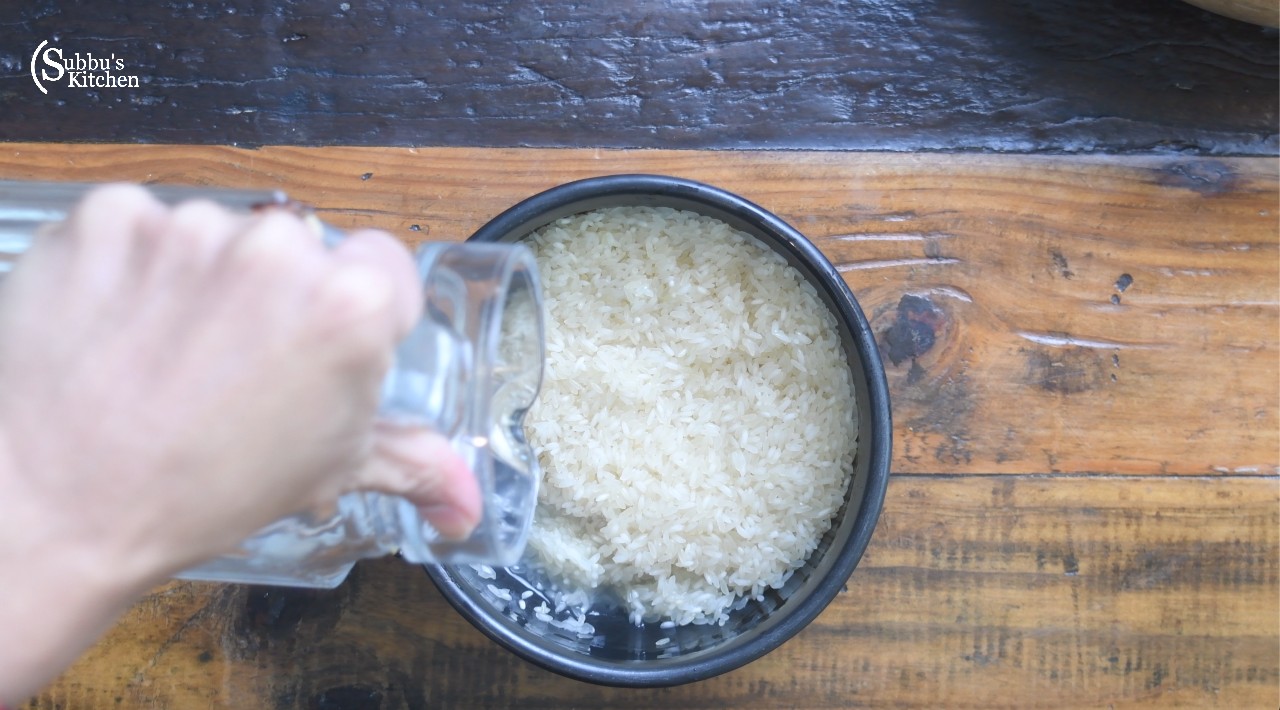
  3. Soak the rice for atleast 30 mins. Soaking helps the rice to get cooked quickly.
  4. Shallots are used in this recipe. We can also use regular big onions.
  5. Garlic is optional we can exclude.
  6. We can also temper whole masalas like cinnamon, cloves, fennel etc.
  7. Pressure cook only for 3 whistles. This will make the rice fluffy without getting sticky and mushy.

You may also want to try:

  • Madurai Kizhangu PottalamΒ : a mouth-watering accompaniment made with mashed potatoes and spices. The masala we make is the uniqueness of this Kizhangu pottalam. The prepared mashed potato are then parceled in banana leaf. A perfect side for Curd rice or anyother South indian Kuzhambu/Rasam!
  • Pattanam Pakoda: a very popular street side snack in Chennai and many cities of TamilNadu. Crispy outside, soft inside this pakoda is so tasty and mouth-watering. Serve with hot tea/coffee and enjoy this delicious snack!
  • Nellai Iru Puli KuzhambuΒ : Β is prepared using both butter milk and tamarind. Since the sourness coming from two sources, its called Iru Puli Kuzhambu. Β Its a tangy gravy with a mix of spice. This goes very well with Paruppu usuli, roasted potato/vazhakkai, vazhakaai puli kootu. We can add vegetables of our choices in this kuzhambu.
  • Ghee Rice (Nei Soru):Β also referred popularly as Nei Soru in tamil is a very mild, yet delicious rice variety. Its a pulao with mild spices flavored with ghee. Quick, easy to make perfect one-pot rice variety!
  • Tomato Biryani:Β a biriyani variety that has a rich flavor or tomato along with masala. Serve with Raita of your choice and enjoy this aroma rich Tomato Biryani

Recipe card for Thatta Payiru Sadam | Karamani Sadam | Cow Peas Rice

Print

Thatta Payir Sadam (Cow Peas Rice) | Karamani Rice Recipe

Thatta Payiru (Karamani) Sadam is a one-pot easy to make rice variety. This is a very common and staple food in Kongu cuisine. This rice is rich in fiber and protein making this dish a wholesome balanced meal especially for kids lunch box. Learn here how to make this Thatta Payiru Sadam with step by step pictures, video and images.
Course Accompaniment, Rice Varieties
Cuisine Indian Cuisine, Indian Recipes, South Indian, South Indian Recipes, Tamil Nadu Recipes
Prep Time 2 hours
Cook Time 2 days 30 minutes
Servings 4 people
Calories 327kcal
Author Sowmya Venkatachalam

Equipment

  • 1 Pressure Cooker
  • 2 Mixing Bowl

Ingredients

  • 1 Cup Rice 1 Cup - 250ml
  • ΒΌ Cup Karamani (Black-eyed pea)
  • 2 nos Garlic cloves
  • 15 nos Shallots / Baby Onions sliced
  • 1 no Tomato Roughly chopped
  • ΒΌ tsp Turmeric Powder
  • 2 tsp Sambar Powder
  • 1Β½ tsp Salt
  • 2Β½ Cups Water

For Tempering

  • 2 tbsp Oil
  • 1 tsp Mustard seeds
  • 1 tbsp Split Bengal Gram (Channa Dal / Kadalaparuppu)
  • 2 nos Red Chili
  • Few Curry Leaves

Instructions

  • Wash and soak the thattapayiru for 2-3 hours. We can soak over night too.
  • After 2 hours, wash and soak the rice for 30 mins.
  • Heat ghee in a pressure cooker. Add mustard seeds and allow it to sputter. Add chana dal and fry till it is light golden color. Next, add the red chili, curry leaves and give a mix.
  • Add chopped garlic and saute for couple of mins.Next, add sliced onions and saute the onions till translucent.
  • When the onions turn translucent, add chopped tomatoes to the pressure cooker.
  • Add turmeric powder, sambar powder and give a good mix.
  • Then, add 2.5 cups of water along with salt. Give a gentle mix.
  • Add the soaked, draind rice and thatta payiru.
  • Close the pressure cooker with lid and put the whistle. Allow the rice to get cooked for 3 whistles.
  • Allow the pressure to release naturally. Arisi Paruppu Sadam is now ready!
  • Give a gently mix and serve the delicious rice along with any stir-fried vegetables.

Nutrition

Serving: 1Cup | Calories: 327kcal | Carbohydrates: 36g | Protein: 6g | Fat: 19g

Instructions with step by the Pictures:

  • Wash and soak the thattapayiru for 2-3 hours. We can soak over night too.

  • After 2 hours, wash and soak the rice for 30 mins.

  • Heat ghee in a pressure cooker. Add mustard seeds and allow it to sputter. Add chana dal and fry till it is light golden color. Next, add the red chili, curry leaves and give a mix.

  • Add chopped garlic and saute for couple of mins.Next, add sliced onions and saute the onions till translucent.

  • When the onions turn translucent, add chopped tomatoes to the pressure cooker.

  • Add turmeric powder, sambar powder and give a mix.

  • Then, add 2.5 cups of water along with salt. Give a gentle mix.

  • Add the soaked, draind rice and thatta payiru.

  • Close the pressure cooker with lid and put the whistle. Allow the rice to get cooked for 3 whistles.

  • Allow the pressure to release naturally. Arisi Paruppu Sadam is now ready!

  • Give a gently mix and serve the delicious rice along with any stir-fried vegetables.

The post Thatta Payiru Sadam | Karamani Sadam | Cow Peas Rice appeared first on Subbus Kitchen.

Butter beans pulao recipe

21 January 2023 at 04:13

Butter beans pulao recipe adapted from Andhra style Pachi mirchi pulao. Spicy Butter beans pulao recipe with full video and step-by-step pictures.

Fresh Butter beans, I have very fond memories of my growing years. We get to the town market and whoever goes to the market, amma will ask them to buy that. She adds it to vegetable biryani and even while writing, I could recall that taste. Later we started getting it in the nearby market, we used to buy it frequently as we all love it.

Butter-beans

Amma makes butter beans kurma, butter beans curry, and also makes a simple sundal out of it. We love it more in the Vegetable Pulao | biryani. I used to get this in Singapore too, where I lived for 12 years. But after moving to Hongkong, I have never seen this in the Indian shop or local market. This year during my India visit, I happened to see this in the local market in Chennai and got a bunch of it and peeled it, and brought it home.

Also, when I visited Hyderabad this time, I happened to see the Pachamirchi pulao (green chili pulao) on a restaurant menu, so wanted to try a spicy version of the butter beans pulao. I have added curd in the pulao, so that it will balance the spiciness. Also, the addition of ghee neutralizes the spiciness. But still, this is a spicier version of the pulao. So reduce the chilis as per your taste.

Also check out, Veg brinji sadam, Kala chana pulao, Cashew pulao, Cabbage peas pulao

Β 

Butter-beans pulao recipe
Print

Butter beans pulao recipe

Spicy butter beans pulao, one pot pulao recipe
Course Lunch, Main Course
Cuisine Indian
Keyword Andhra style recipes,, pulao recipes
Prep Time 10 minutes
Cook Time 25 minutes
Soaking time 15 minutes
Total Time 50 minutes
Servings 2
Author Jeyashri suresh

Ingredients

  • 1 cup butter beans use green peas if you don’t get
  • 1 cup basmati rice
  • 1.25 cups of water
  • 1 tbsp oil
  • 1 tsp oil
  • 1 tbsp curd | yogurt
  • Salt as needed
  • 2 thinly sliced onions

To grind

  • 4-5 green chili
  • 3 garlic cloves
  • 1 tsp fennel seeds
  • 1 small piece kal paasi | stone flower
  • Few mint leaves
  • Few coriander leaves

Instructions

  • Wash and soak the basmati rice in 1.25 cups of water for 20 minutes.
  • In a mixie jar add the 4-5 green chili, coriander leaves, mint leaves, 3 cloves garlic, fennel seeds, 1 small piece stone flower.
  • I made a little spicier pulao, so added 5 green chilis
  • Pulse this into a coarse paste and keep it aside.
  • Do not add water while doing this.
  • In a pressure cooker, add 1 tbsp of oil and add 2 thinly sliced onions.
  • Add little salt.
  • Cook till they become light golden brown.
  • Now add the coarsely ground paste to this.
  • Cook for 2 minutes till the raw smell goes off.
  • Add 1 tbsp of yogurt to this. Adding yogurt balances the spiciness of the pulao.
  • Now add 1 cup of butter beans.
  • If you don’t get butter beans at your place, replace it with peas or cooked chana.
  • Now add the washed and soaked basmati rice.
  • Check for salt.
  • Cover and cook for 1 whistle.
  • Keep in low flame for 10 minutes.
  • Now switch off the flame.
  • Let the pressure subside on its own.
  • Open and add 1 tsp of ghee.
  • Gently mix from the sides.
  • Spicy butter beans pulao is ready.
  • Serve with any raita of your choice.

Video

Notes

1. Alter the spiciness according to your preference.
2. If you don’t get butter beans at your place, use green peas of cooked chana too.
3. Butter beans pulao recipe is inspired by Andhra-style pacha mirchi pulao.
  • Wash and soak the basmati rice in 1.25 cups of water for 15 minutes.
Butter beans pulao
  • In a mixie jar add the 4-5 green chili, coriander leaves, mint leaves, 3 cloves garlic, fennel seeds, and 1 small piece of stone flower.
  • I made a little spicier pulao, so added 5 green chilis
  • Pulse this into a coarse paste and keep it aside.
  • Do not add water while doing this.
Butter-beans pulao
  • In a pressure cooker, add 1 tbsp of oil and add 2 thinly sliced onions.
  • Add little salt.
  • Cook till they become light golden brown.
Butter-beans pulao
  • Now add the coarsely ground paste to this.
  • Cook for 2 minutes till the raw smell goes off.
  • Add 1 tbsp of yogurt to this. Adding yogurt balances the spiciness of the pulao.
butter beans pulao recipe
  • Now add 1 cup of butter beans.
  • If you don’t get butter beans at your place, replace them with peas or cooked chana.
  • Now add the washed and soaked basmati rice.
butter beans pulao recipe
  • Check for salt.
  • Cover and cook for 1 whistle.
  • Keep in low flame for 10 minutes.
  • Now switch off the flame.
  • Let the pressure subside on its own
butter beans pulao recipe
  • Open and add 1 tsp of ghee.
  • Gently mix from the sides.
  • Spicy butter beans pulao is ready.
Butter beans pulao
  • Serve with any raita of your choice.
Butter-beans pulao recipe
  1. Alter the spiciness according to your preference.
  2. If you don’t get butter beans at your place, use green peas of cooked chana too.
  3. The butter beans pulao recipe is inspired by Andhra-style pacha mirchi pulao

The post Butter beans pulao recipe appeared first on Jeyashri's Kitchen.

Narthangai sadam |Citron rice

17 January 2023 at 01:17

Narthangai sadam | Citron rice – Easy to make Narthangai rice recipe- Citron rice recipe with full video and step-by-step pictures. Narthangai | kolungikai | Kichilikai is a seasonal fruit available in South east Asia.

We South Indians, usually make Lemon rice, a very easy variety rice recipe. We usually make this for lunch boxes or during festivals like aadi perukku and Kannum pongal. I am not a big fan of Lemon rice during my childhood days, but later post wedding started liking it. Amma makes yummy lemon rice and coconut rice. She also makes this Narthangai sadam, which is my mama’s favorite. It is made in a similar way but we use Narthangai juice instead of lemon juice.

We used to get Narthangai during December | and January period. Usually, amma makes pachadi or cuts them and adds salt and sun dry them for making uppu Narthangai. I wanted to post Amma’s version of Narthangai sadam. This time during our trip to Chennai, got a few Narthangai | Citron and tried the Narthangai sadam recipe. It turned out very well. If you get Narthangai in your place do give this a try.

Apart from making pachadi and rice, amma uses it for making juice (same as lemon juice), rasam and in Panagam too.

Check out Narthangai pachadi, Orange peel pachadi

Β 

Narthangai-sadam
Print

Narthangai Sadam recipe

Simple no onion no garlic rice made using Citron
Course Lunch
Cuisine Indian, South Indian
Keyword easy lunch recipes
Prep Time 10 minutes
Cook Time 20 minutes
Total Time 30 minutes
Servings 2
Author Jeyashri suresh

Ingredients

  • Β½ cup uncooked raw rice or 2 cups cooked rice
  • 1 medium size narthangai | citron
  • 1 tbsp oil
  • 1 tsp mustard seeds
  • 1 tbsp urad dal
  • 1 tbsp chana dal
  • Curry leaves few
  • Coriander leaves few
  • 3 tbsp peanuts
  • Salt as needed
  • Asafoetida a pinch
  • Β½ tsp turmeric powder
  • 2 red chilis
  • 1-2 green chili
  • 1 small piece ginger
  • Few curry leaves
  • Few coriander leaves

Instructions

  • Wash Β½ cup of raw rice and pressure it cook by adding 1 cup of water.Water depends on the nature of the rice. If it is old it absorbs extra Β½ cup water. Cook for 3-4 whistles.
  • Spread the cooked rice in a wide plate and keep it aside.
  • In a mixie jar add the 1-2 green chili, ginger, few curry leaves and coriander leaves.
  • Pulse this once or twice and let it become a coarse paste.
  • Do not add any water.
  • In a pan add 1 tbsp of oil.
  • Add 1 tbsp of urad dal, 1 tbsp chana dal, 3 tbsp peanuts, 1 tsp mustard seeds and asafoetida.
  • Saute this, once the dals started turning golden, add the ground paste.
  • Saute for a minute and the turmeric powder and salt.
  • Switch off the flame and add the Narthangai juice | citron juice.
  • I used one full medium sized narthangai, which gave around 4 tbsp of juice.
  • Add this to the cooked rice now.
  • Gently mix this well.
  • Garnish with few coriander leaves.
  • Narthangai sadam is ready.
  • Serve with simple appalam or vadam. This pairs well with potato curry or seppan kizhangu roast.

Video

Notes

1. Always switch off the flame and add the Narthangai juice.
2. Grinding the chili and ginger gives an amazing flavor to the Narthangai sadam.
3. You can follow the same recipe for lemon rice but, reduce the quantity of lemon juice.
4. You can use basmati rice or little millet for this recipe, instead of rice.
5. This no onion no garlic narthangai sadam can be packed for a lunch box too.
  • Wash Β½ cup of raw rice and pressure it to cook by adding 1 cup of water. Water depends on the nature of the rice. If it is old it absorbs an extra Β½ cup of water.Β  Cook for 3-4 whistles.
  • Spread the cooked rice on a wide plate and keep it aside.
Narthangai sadam
  • In a mixie jar add the 1-2 green chili, ginger, a few curry leaves, and coriander leaves.
  • Pulse this once or twice and let it become a coarse paste.
  • Do not add any water.
Narthangai sadam
  • In a pan add 1 tbsp of oil.
  • Add 1 tbsp of urad dal, 1 tbsp chana dal, 3 tbsp peanuts, 1 tsp mustard seeds, and asafoetida.
  • Saute this, once the dals started turning golden, add the ground paste.
  • Saute for a minute and the turmeric powder and salt.
Narthangai-sadam
  • Switch off the flame and add the Narthangai juice | and citron juice.
  • I used one full medium-sized narthangai, which gave around 4 tbsp of juice.
Narthangai sadam
  • Add this to the cooked rice now.
Citron rice
  • Gently mix this well.
  • Garnish with a few coriander leaves.
  • Narthangai sadam is ready.
Citron-pickle
  • Serve with simple appalam or vadam. This pairs well with potato curry or seppan kizhangu roast.
Narthangai-sadam
  1. Always switch off the flame and add the Narthangai juice.
  2. Grinding the chili and ginger gives an amazing flavour to the Narthangai sadam.
  3. You can follow the same recipe for lemon rice but, reduce the quantity of lemon juice.
  4. This no onion no garlic narthangai sadam can be packed for lunch box too.

The post Narthangai sadam |Citron rice appeared first on Jeyashri's Kitchen.

Curry leaves masala rice

8 December 2022 at 01:30

Curry leaves masala rice – Easy karuveppilai masala rice recipe, perfect for lunch box too – Recipe with full video and step-by-step pictures.

Usually, we make curry leaves rice in the South Indian style. Curry leaf is an aromatic herb used widely in South cuisine. It lends an amazing flavour to the dishes. We widely use this in sambar, rasam, poriyals,kootu,aviyal, kurmas,podis, and chutney. I have tried curry leaves pulao and shared the recipe also in Jeyashris kitchen.

A few days back I tried curry leaves masala rice and everyone at home loved it. So I thought I will shoot a video and document the recipe here. I used onion and ginger garlic paste in this recipe. Also, fennel seeds are added to give a nice flavour.

Many times we see people take out the curry leaves from their food and discard it. But if you add this way, even kids will eat without any fuss.

Also, check out pepper-flavored curry leaves rice, pineapple mocktail, curry leaves thokku, curry leaves pulao.

Check out how to store curry leaves

curry leaves masala rice
Print

Curry leaves masala rice

Flavourful curry leaves masala rice,perfect for lunch box
Course Lunch
Cuisine Indian, South Indian
Keyword easy lunch recipes, lunch box recipes
Prep Time 10 minutes
Cook Time 20 minutes
Total Time 30 minutes
Servings 1
Author Jeyashri suresh

Ingredients

  • Β½ cup un cooked rice or 2 cups cooked rice
  • 3 tsp oil
  • 2 tsp ghee
  • 1 onion finely chopped
  • 1 tsp ginger garlic paste
  • ΒΌ cup frozen peas
  • Salt as needed
  • 2 green chilis slit
  • Few cashew nuts optional
  • 1/4 cup curry leaves
  • 1 tsp sesame seeds use white or black
  • 1 tbsp urad dal
  • Β½ tsp fennel seeds or cumin seeds

Instructions

  • Cook the rice and spread it in a wide bowl.
  • I used sona masoori rice, you can also use par boiled rice or basmati rice.
  • In a pan add the urad dal and roast for 2 minutes in medium flame.
  • Now add the sesame seeds keep sauting. The seeds will pop up and the dal will turn golden brown.
  • Now add the curry leaves and fennel seeds and cook for a minute.
  • Switch off the flame.
  • Let this be in the heat for a minute.
  • Transfer this to a mixie jar and when it is warm powder this.
  • You can make this in advance too and store for a week.
  • In the same pan add oil and add the finely chopped onions and slit green chilis.
  • Saute this till they translucent.
  • Now add the ginger garlic paste.
  • Cook till the raw smell goes off.
  • Now add the frozen peas and cook for 3 minutes. If needed add 1 tbsp of water and cook.
  • Add in the cooked rice to this.
  • Sprinkle the curry leaves spice powder on the top.
  • Gently mix well.
  • You can keep the flame in low.
  • Cook for 2 minutes and switch off.
  • Roast cashew nuts in ghee, this step is optional.
  • You can just add 1 tsp of ghee if you do not want to add cashew nuts. Else you can add peanuts instead of cashew nuts.
  • Add this to the rice.
  • Mix well gently
  • Curry leaves masala rice is ready to serve.
  • Any raita or papad or vadam pairs well with this.

Video

Notes

1. You can replace curry leaves with coriander leaves, but ensure that the coriander leaves are well roasted. Else the powder will be wet.
2. If you are allergic to sesame seeds, feel free to skip them.
3. You can add cumin seeds instead of fennel
4. Curry leaves masala rice is a perfect lunch box recipe.
  • Cook the rice and spread it in a wide bowl.
  • I used sona masoori rice, you can also use parboiled rice or basmati rice.
curry leaves masala rice
  • In a pan add the urad dal and roast for 2 minutes on medium flame.
  • Now add the sesame seeds and keep sauting. The seeds will pop up and the dal will turn golden brown.
curry leaves masala rice
  • Now add the curry leaves and fennel seeds and cook for a minute.
  • Switch off the flame.
  • Let this be in the heat for a minute.
curry leaves masala rice
  • Transfer this to a mixie jar and when it is warm powder this.
  • You can make this in advance too and store it for a week.
curry leaves masala rice
  • In the same pan add oil add the finely chopped onions and slit green chilis.
  • Saute this till they are translucent.
  • Now add the ginger garlic paste.
  • Cook till the raw smell goes off.
karuveppilai masala rice
  • Now add the frozen peas and cook for 3 minutes. If needed add 1 tbsp of water and cook.
Karuveppilai masala rice
  • Add the cooked rice to this.
  • Sprinkle the curry leaves spice powder on the top.
curry leaves masala rice
  • Gently mix well.
  • You can keep the flame low.
  • Cook for 2 minutes and switch off.
curry leaves masala rice
  • Roast cashew nuts in ghee, this step is optional.
  • You can just add 1 tsp of ghee if you do not want to add cashew nuts. Else you can add peanuts instead of cashew nuts.
curry leaves rice
  • Add this to the rice.
  • Mix well gently
  • Curry leaves masala rice is ready to serve.
curry leaves masala rice
  • Any raita or papad or vadam pairs well with this.
curry leaves masala rice

The post Curry leaves masala rice appeared first on Jeyashri's Kitchen.

❌
❌